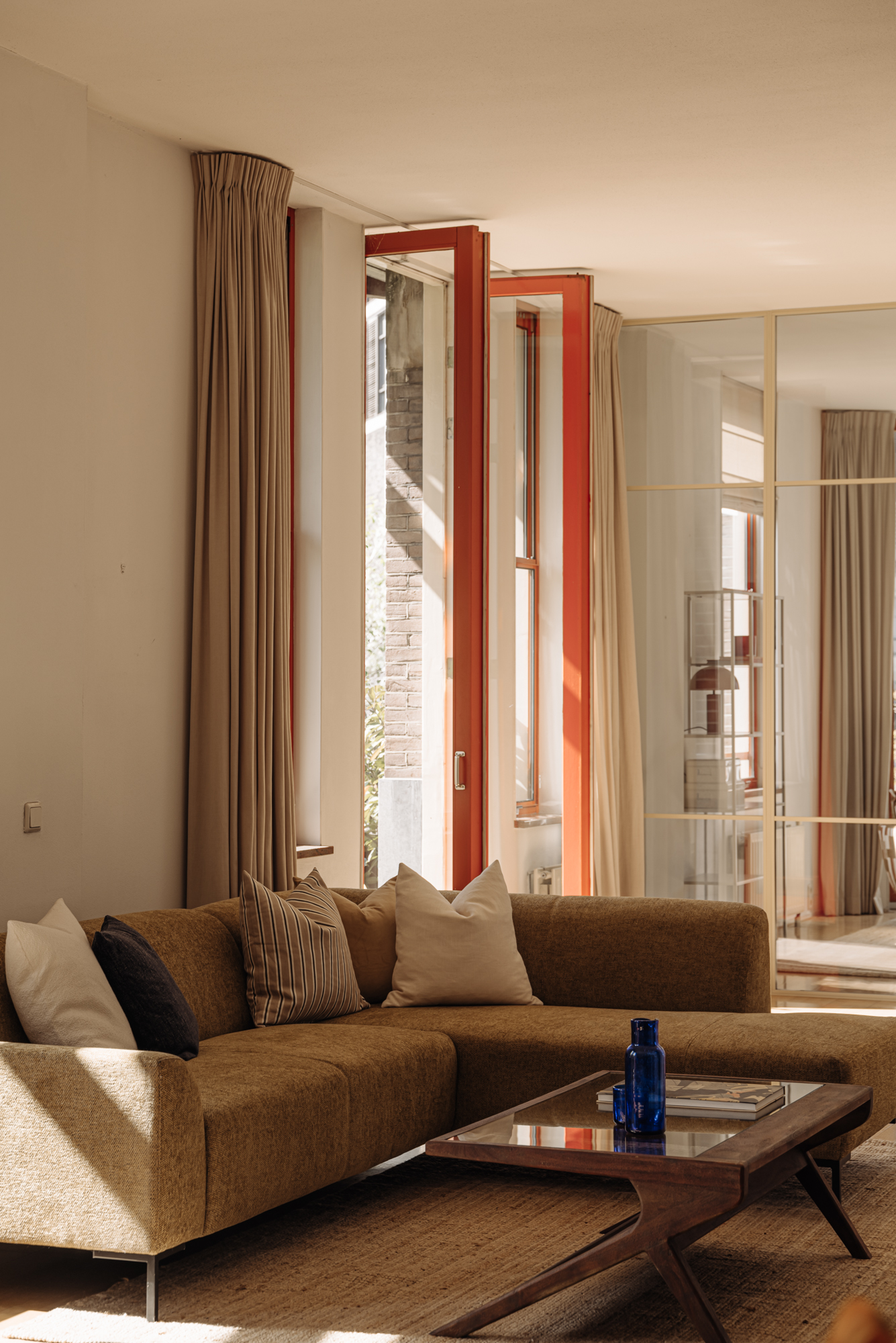
On the edge of the Kadijken, along Sarphatistraat, lies the Oranje-Nassaukazerne, a redevelopment project considered one of Amsterdam’s earliest examples of a project that combines adaptive reuse, urban planning, and experimental architecture. The former GEB villa, also known as Villa Sarphati, is part of this transformation. The building is a late 19th- to early 20th-century utilitarian representative building of the Local authority, with a clear Berlage influence in its use of materials and composition. View this unique apartment
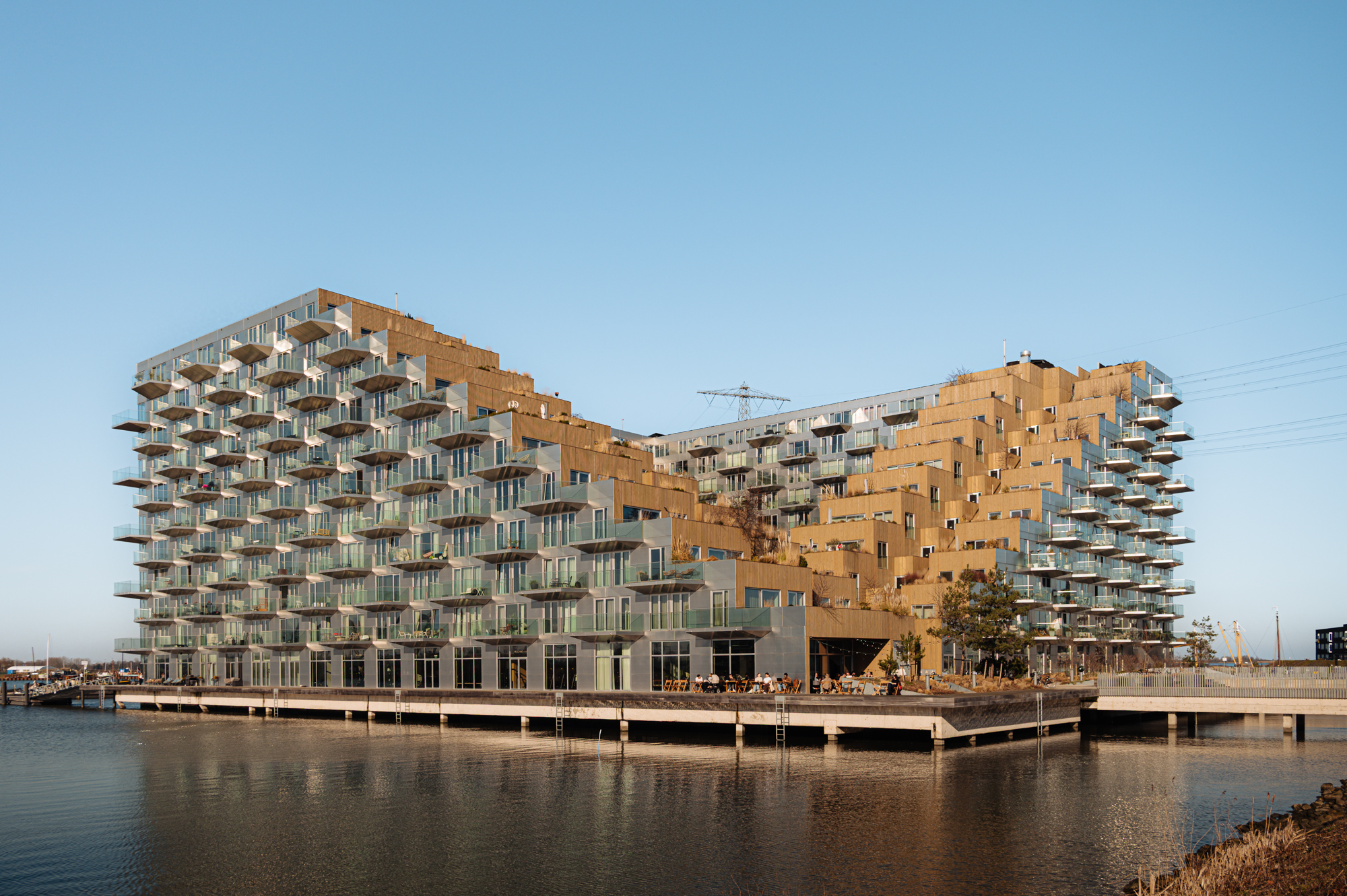
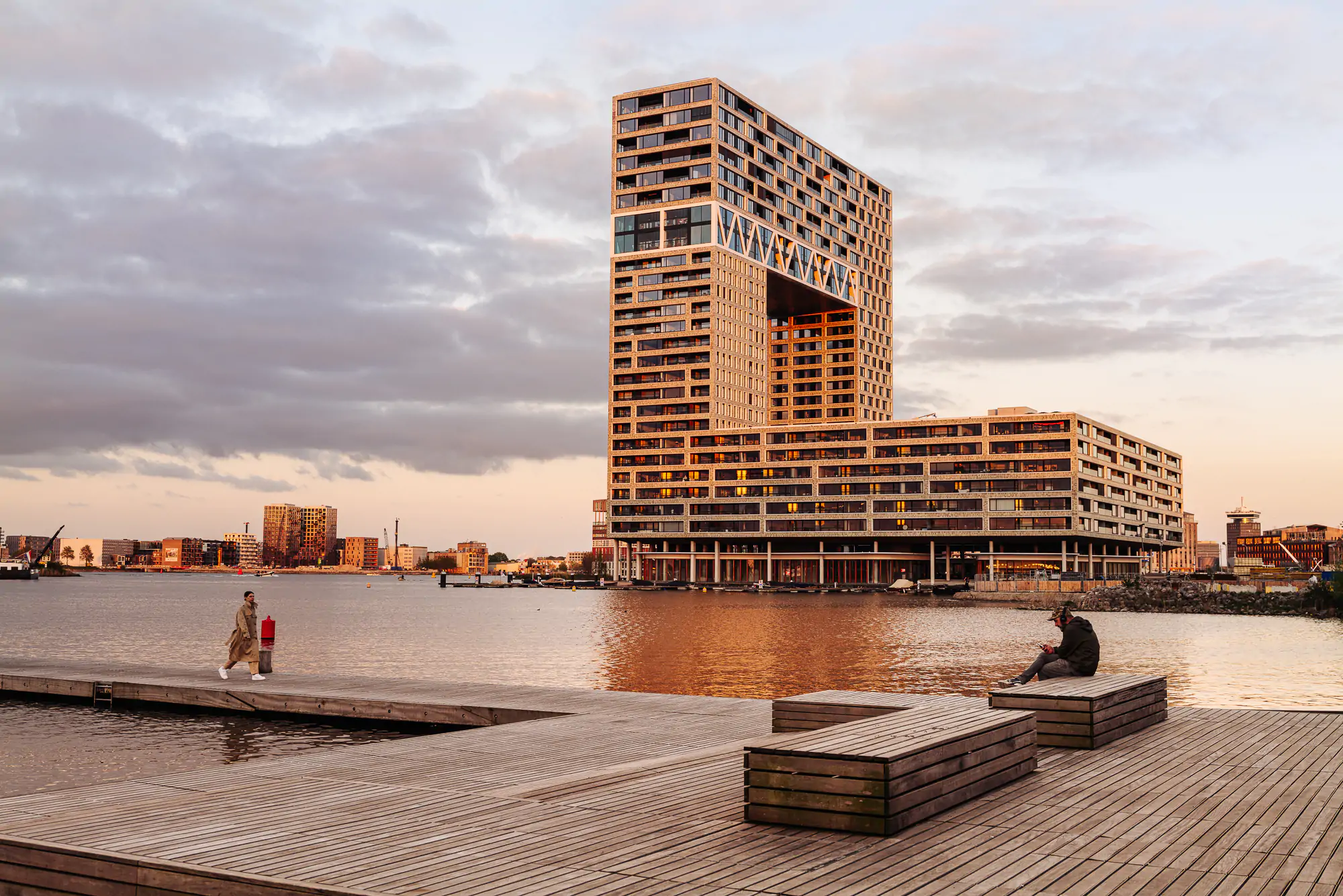
Sluishuis, a residential building that embraces the water. Since its completion, Sluishuis has become a landmark for IJburg. From the air, from the dike, or from the water, the building is immediately recognizable by its cut-out shape and the large opening that allows the water to enter the building. Discover more about this unique project here.
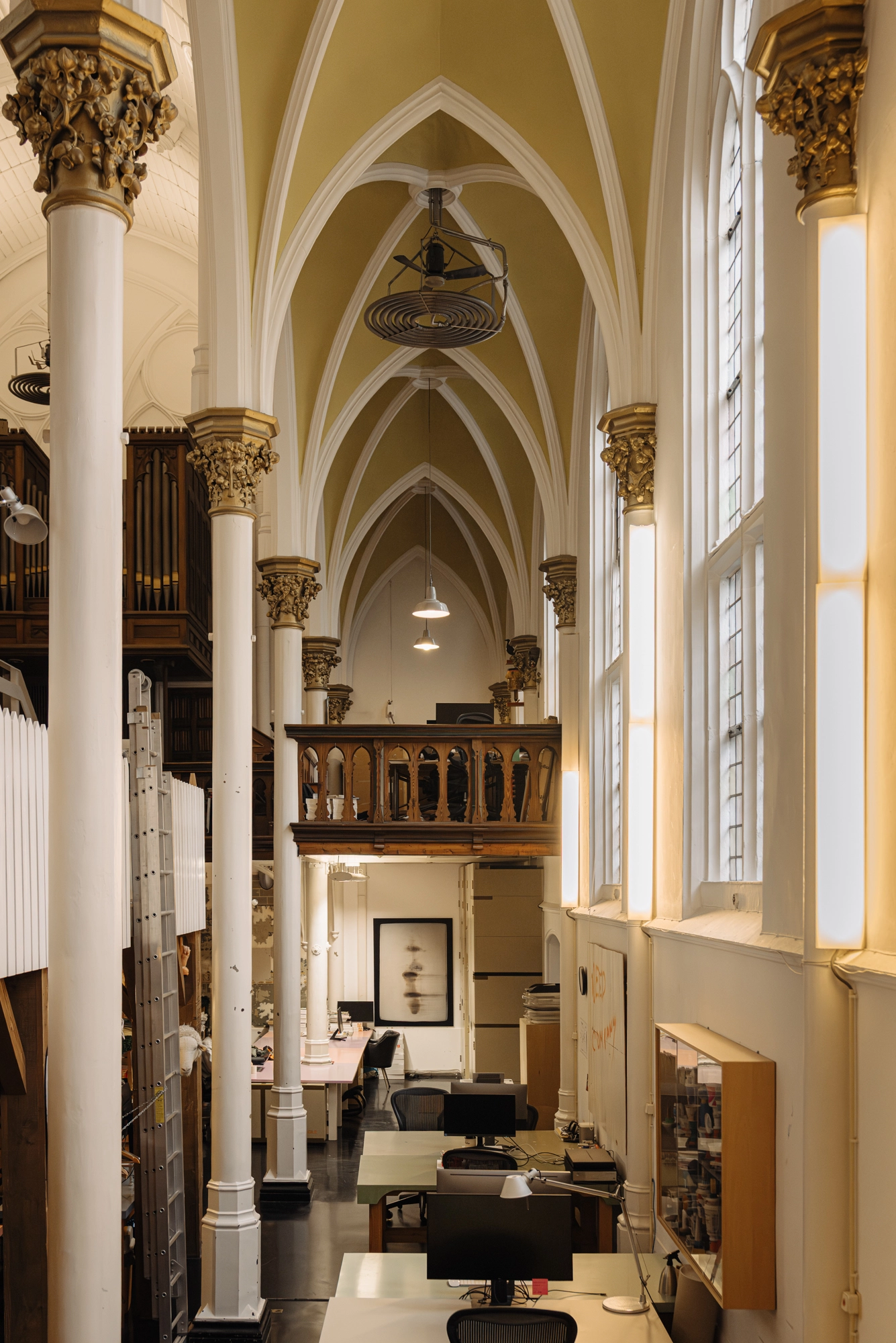
Spotlight; In 1882, the Poor Sisters of the Divine Child had a chapel built as part of their charitable foundation: De Voorzienigheid (Providence). More than a century later, advertising agency KesselsKramer saw something new within those same walls. What was once a place of faith, care, and order became a home for imagination, experimentation, and individuality. Two eras, one providence. Read more here and watch the film.
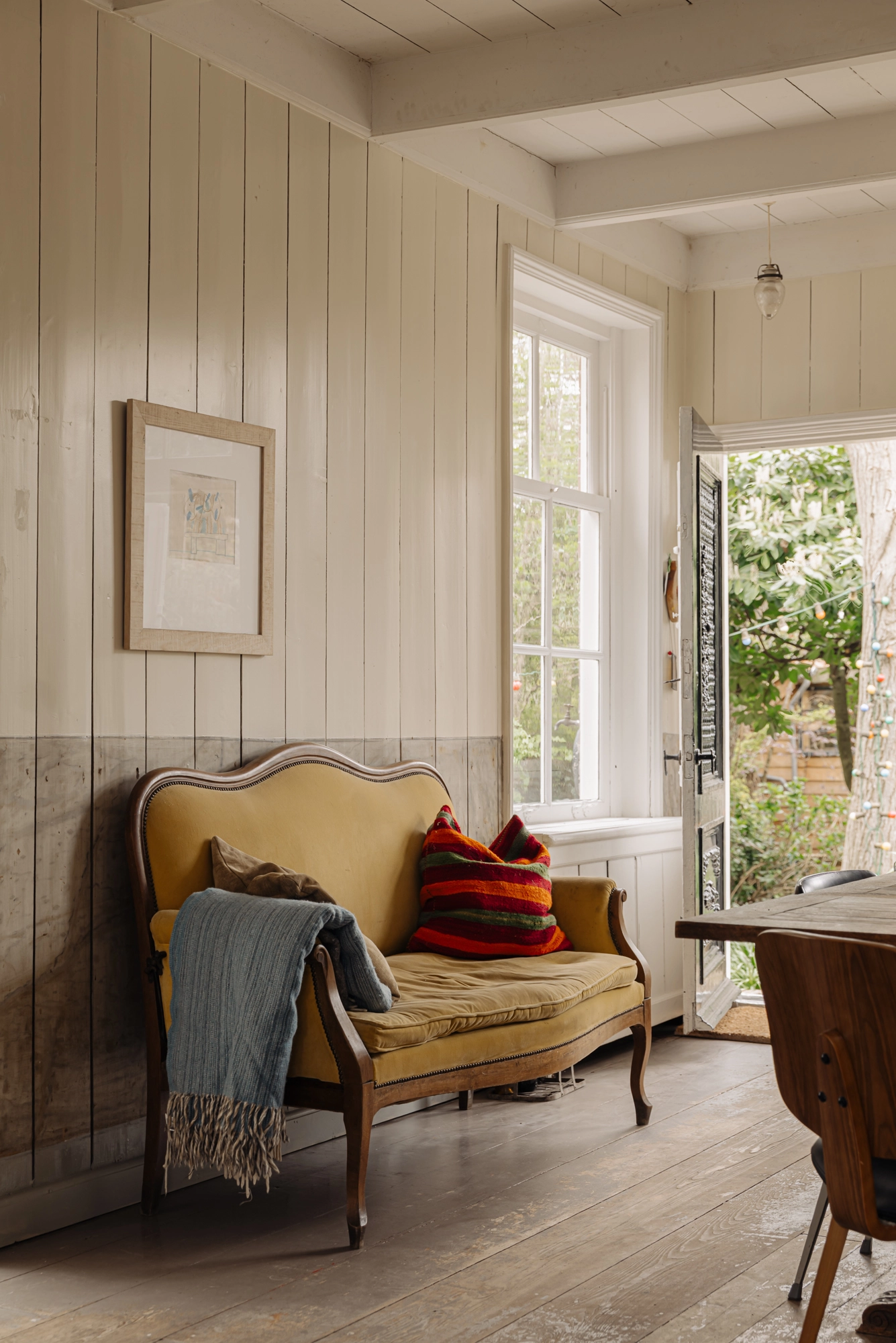
On the Nieuwendammerdijk stands a house that has testified to sustainable living for centuries. No major renovations, but preservation, restoration and reuse — step by step, with attention. What was once a captain's house grew with generations of residents and functions. From family life to cake baking and theater performances: the house remained the beating heart. A story about living with time, instead of against it. Read more and be inspired
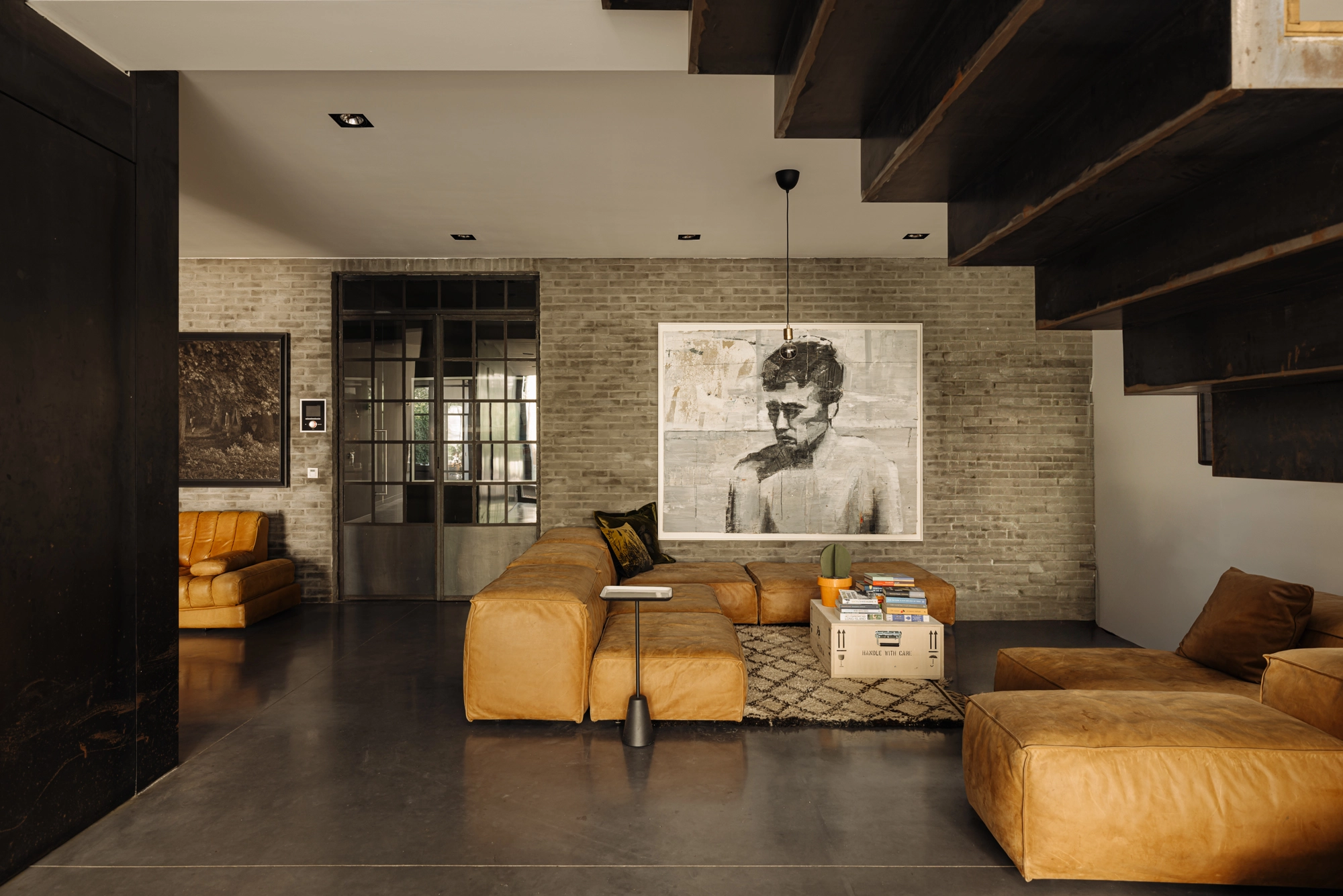
Spotlight: 'The Art House' Behind a serene sand-colored facade lies a home that surprises, moves, and inspires. The Art House is not a house like many others—it is a place where architecture and art effortlessly reinforce each other. From movie theater to family home: the rich history of this building lives on in every detail. What was once a monumental office and warehouse is now a characterful home with a distinct identity. A place that shows how vision, courage, and attention to detail can make a dream come true. Read more and be inspired.
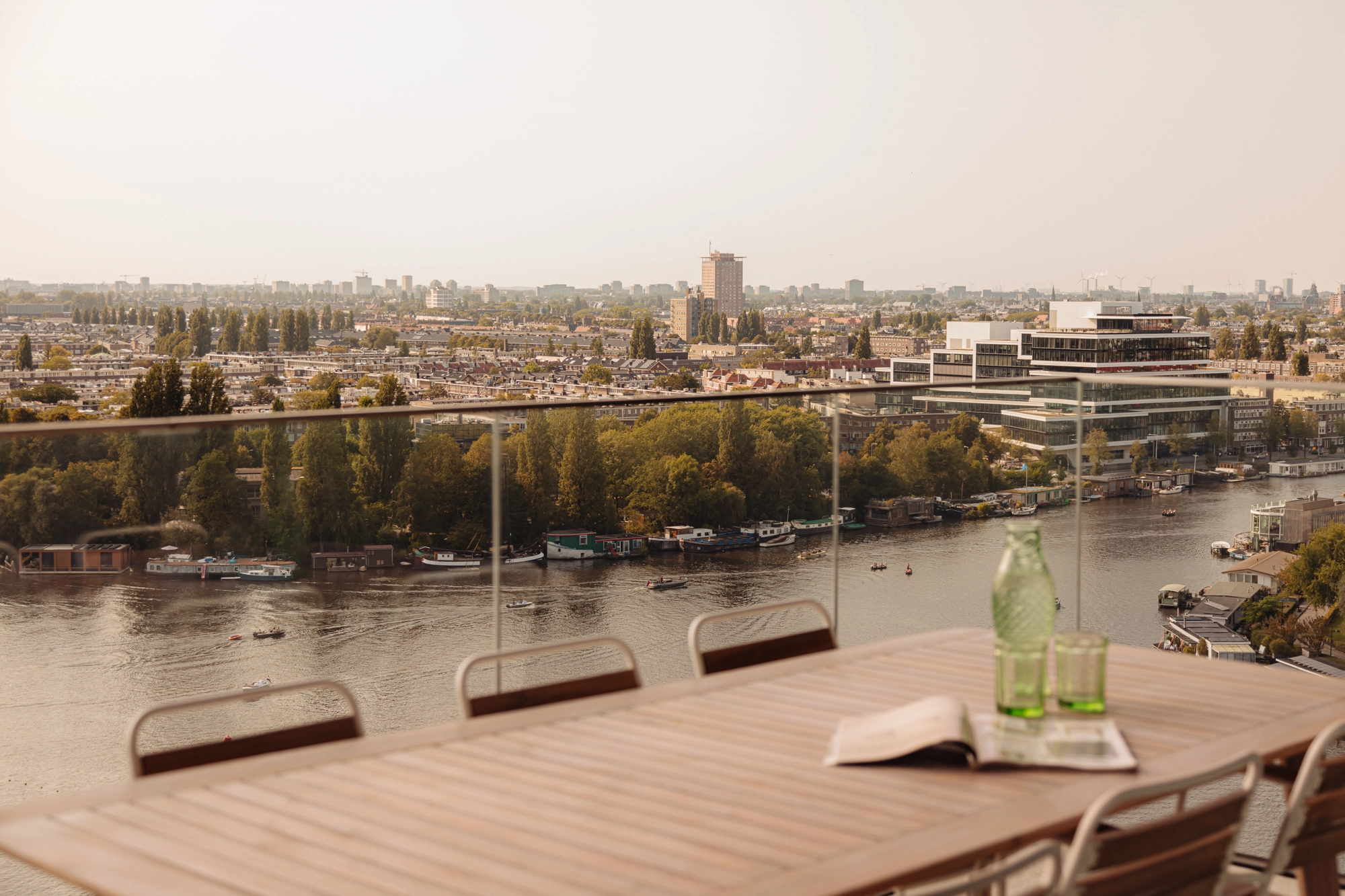
HAUT stands on the Amstel, where the city unfolds towards the east. A slender wooden residential tower – revolutionary in construction, radical in intent. Not just an architectural masterpiece, but a manifesto for sustainable living. HAUT shows how luxury and ecology can go hand in hand, without compromise.
A new chapter in the city – from concrete to biosphere. Discover more about this unique Project here
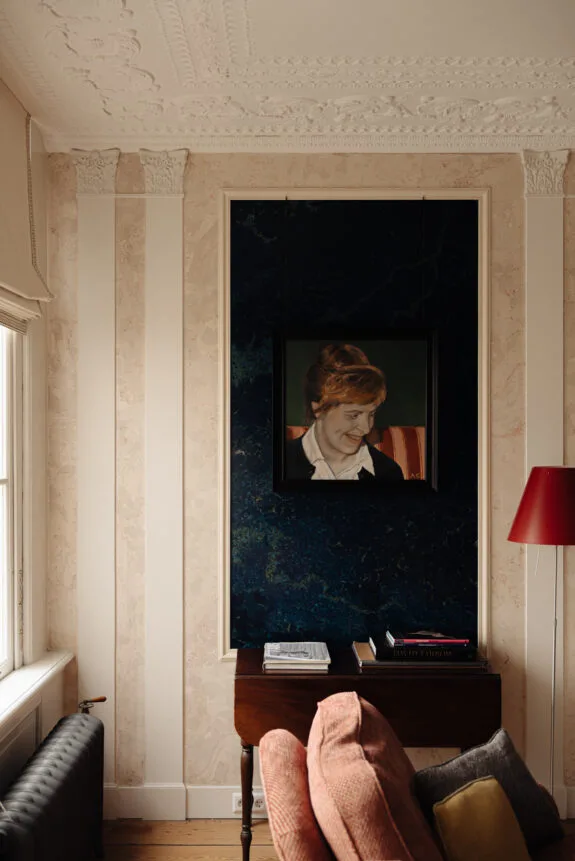
Sustainable reuse with preservation of history. Over the centuries, Keizersgracht 443 has undergone numerous transformations, from merchant's house to notary's office, from lawyer's residence to a monument frozen in time. In 2017, a new phase began: a private owner decided to restore the property and reuse it as a residence, with a focus on Sustainability and the preservation of historical elements. Architectural firm Vroom, specialized in the restoration of monumental buildings, was commissioned to redevelop the property with respect for its past. Read more about this beautiful restoration
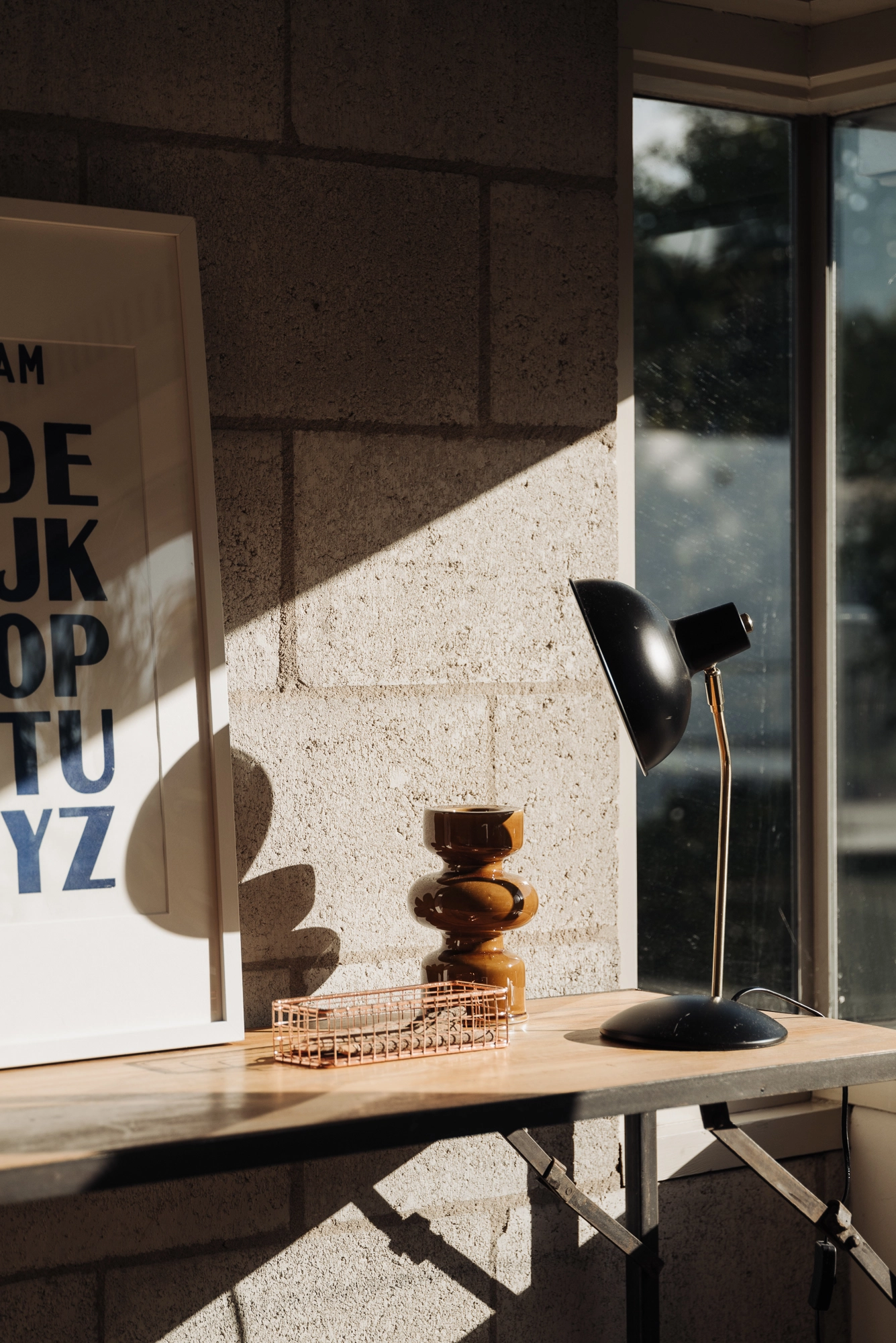
Brutalism in Amsterdam: Concrete, Form Follows Function, and A New Perspective. With The Brutalist, a film currently in theaters, brutalist architecture is once again in the spotlight. Although Amsterdam is not as well-known for brutalist architecture as London or Paris, the city does have some iconic buildings in this style. Consider the massive concrete blocks of the AMC (Amsterdam UMC, location AMC), the high-rise of the Vrije Universiteit, or the imposing former GAK building in Bos en Lommer. There are also some residential houses designed in this style, such as 'Brute Prins', an exponent of the robust architectural style from the fifties, Brutalism. A design by architect Gerard Prins. Get inspired and read more about this architectural style
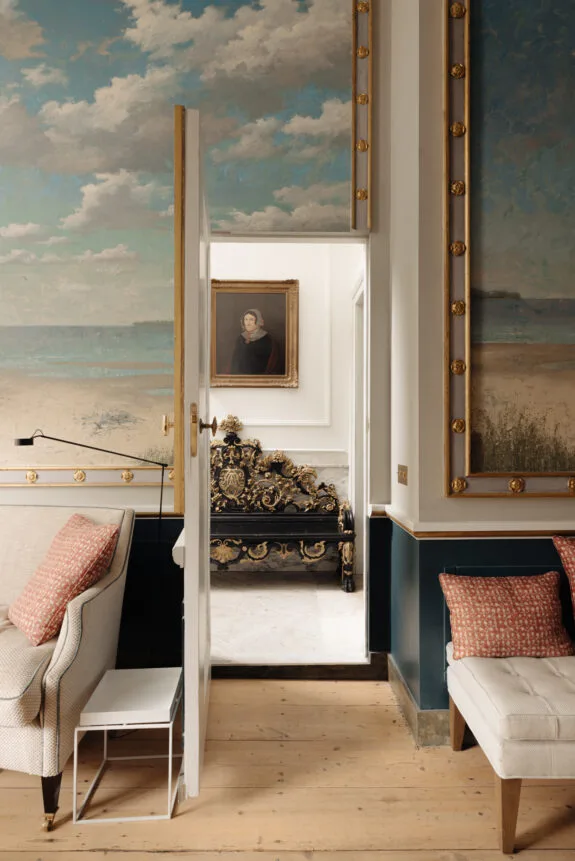
The soul of Amsterdam. a city built on Art and Culture. Amsterdam is an inexhaustible source of inspiration and wonder. For centuries, this city has been the setting for progressive creativity, from the construction of the canals to the most recent architectural innovations. Living in the city means not only living in the midst of this cultural wealth, but also being part of a story that is constantly evolving. Read more
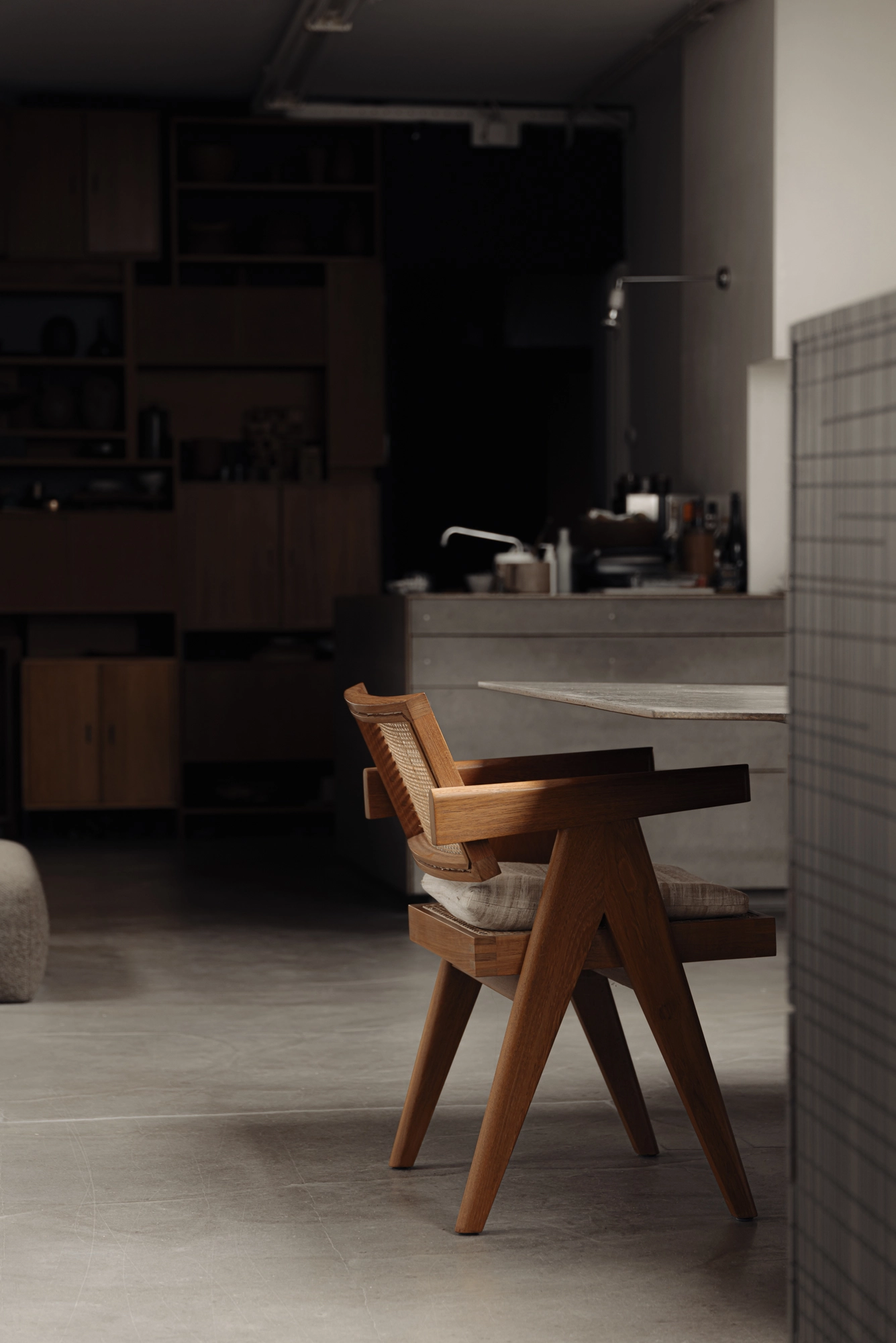
The Creative Advantages of Working in Amsterdam; Amsterdam is much more than a city of canals, bicycles, and tulips. It is a vibrant hub for creativity, innovation, and collaboration. For companies, startups, and independent creatives, this city offers a unique breeding ground for ideas to flourish. But what makes working in Amsterdam so special? Read more
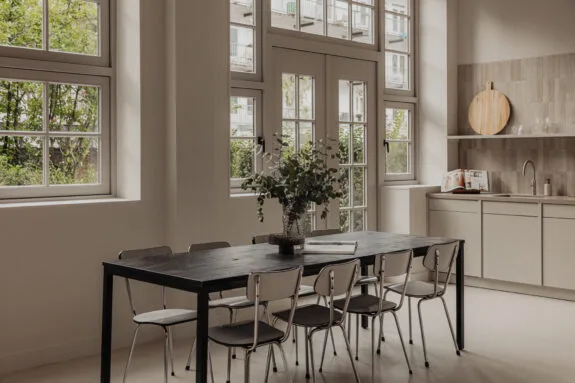
Video: view the residences De Centrale here
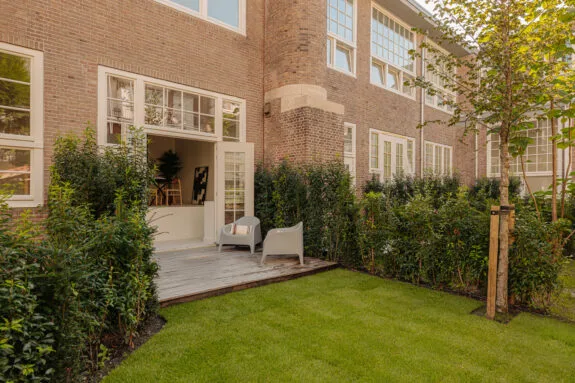
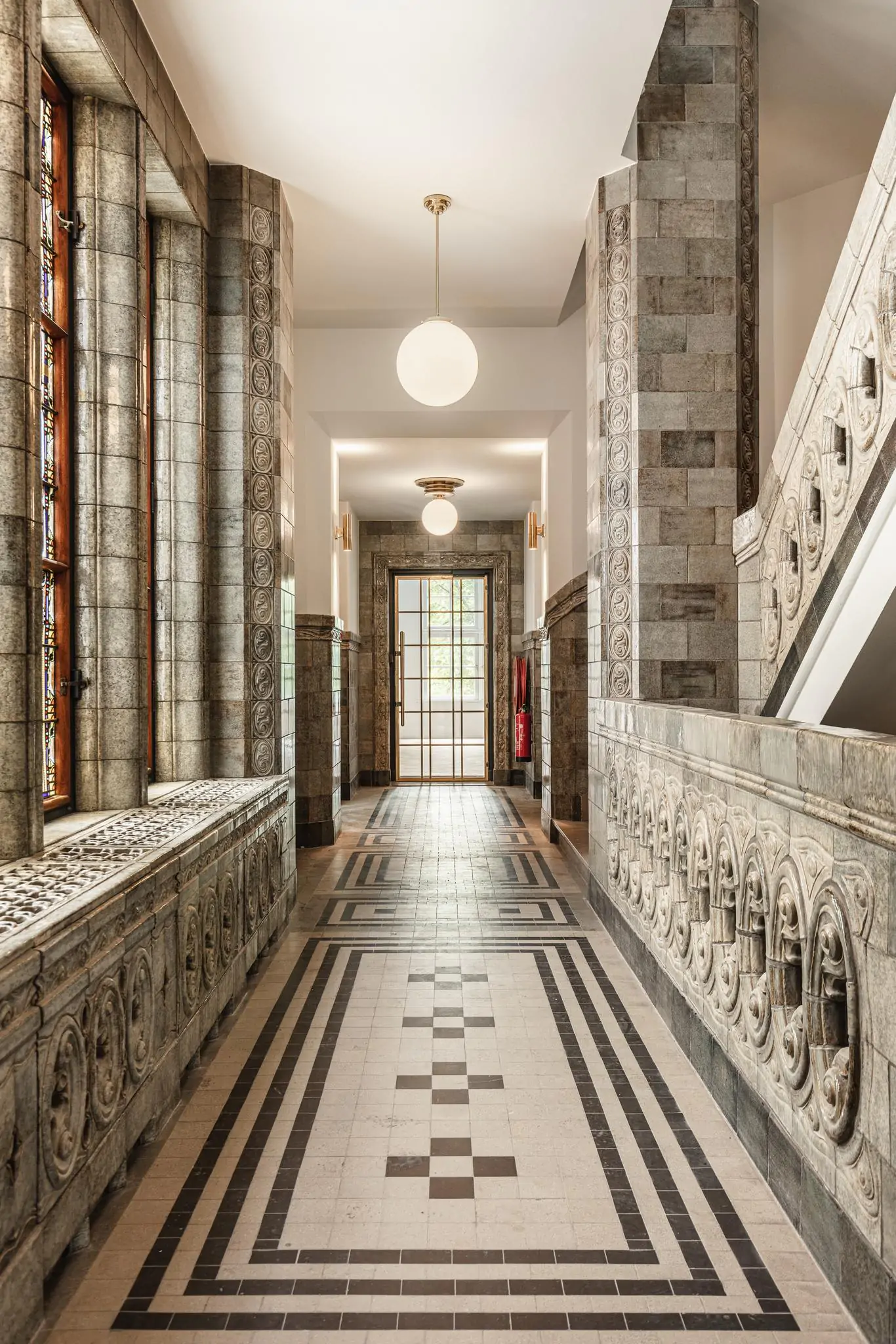
In the heart of a closed residential block in De Baarsjes, Amsterdam, stands a monument dating from 1926: a former KPN telephone exchange, now transformed into a residential building with inner gardens. Studio Piet Boon designed the interior for 18 residences one apartment.
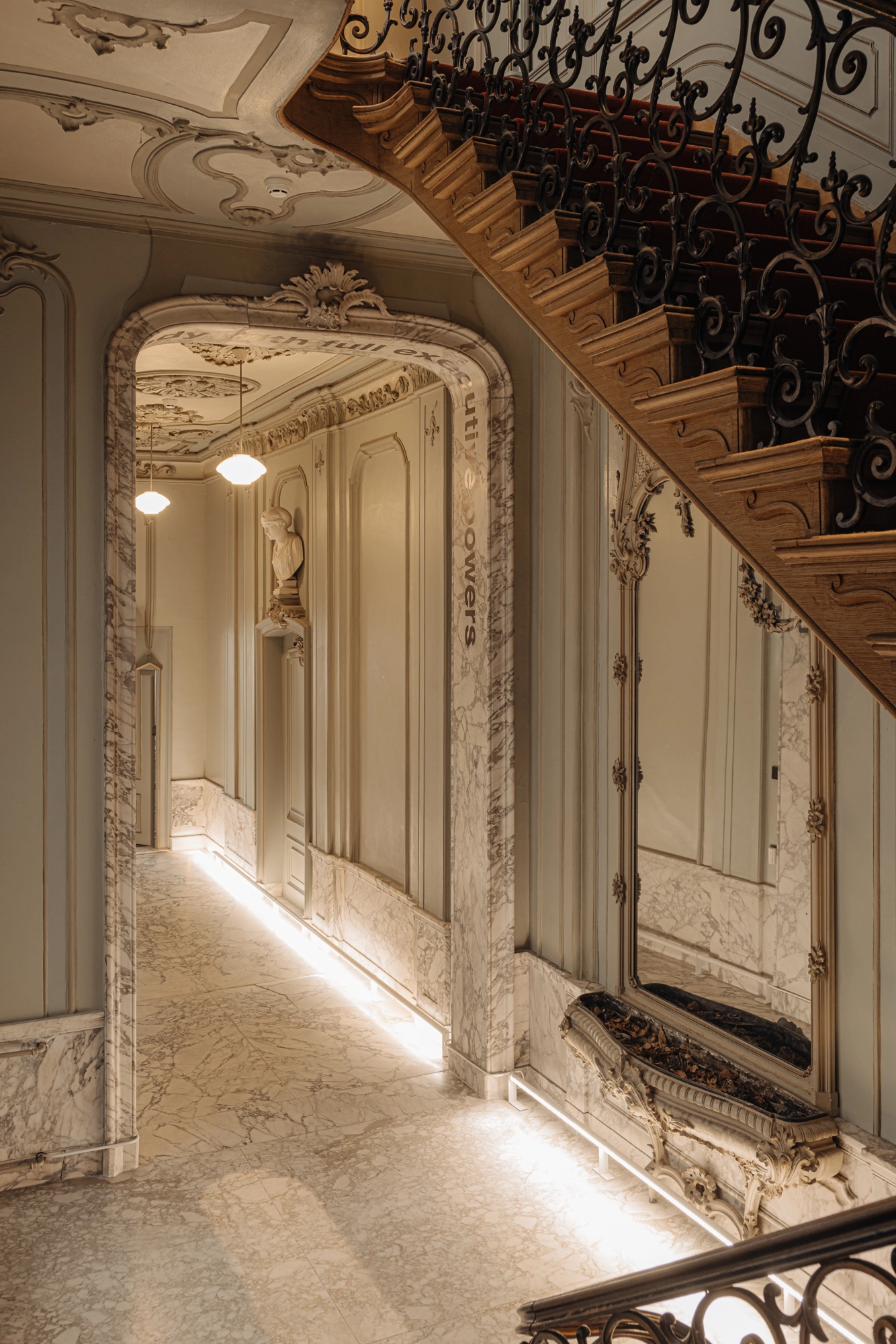
Heritage in the Golden Bend. A particularly beautiful listed canal house, with unprecedented grandeur and an authentic atmosphere. The majestic canal house has a rich history in terms of residents and users. Various renovations to the interior and exterior have taken place, with original details being preserved and the building retaining its character. The interior features a beautiful monumental staircase with bronze stair railing, rich ceiling paintings and marble fireplaces with mirrors. View more of this Amsterdam splendor here.
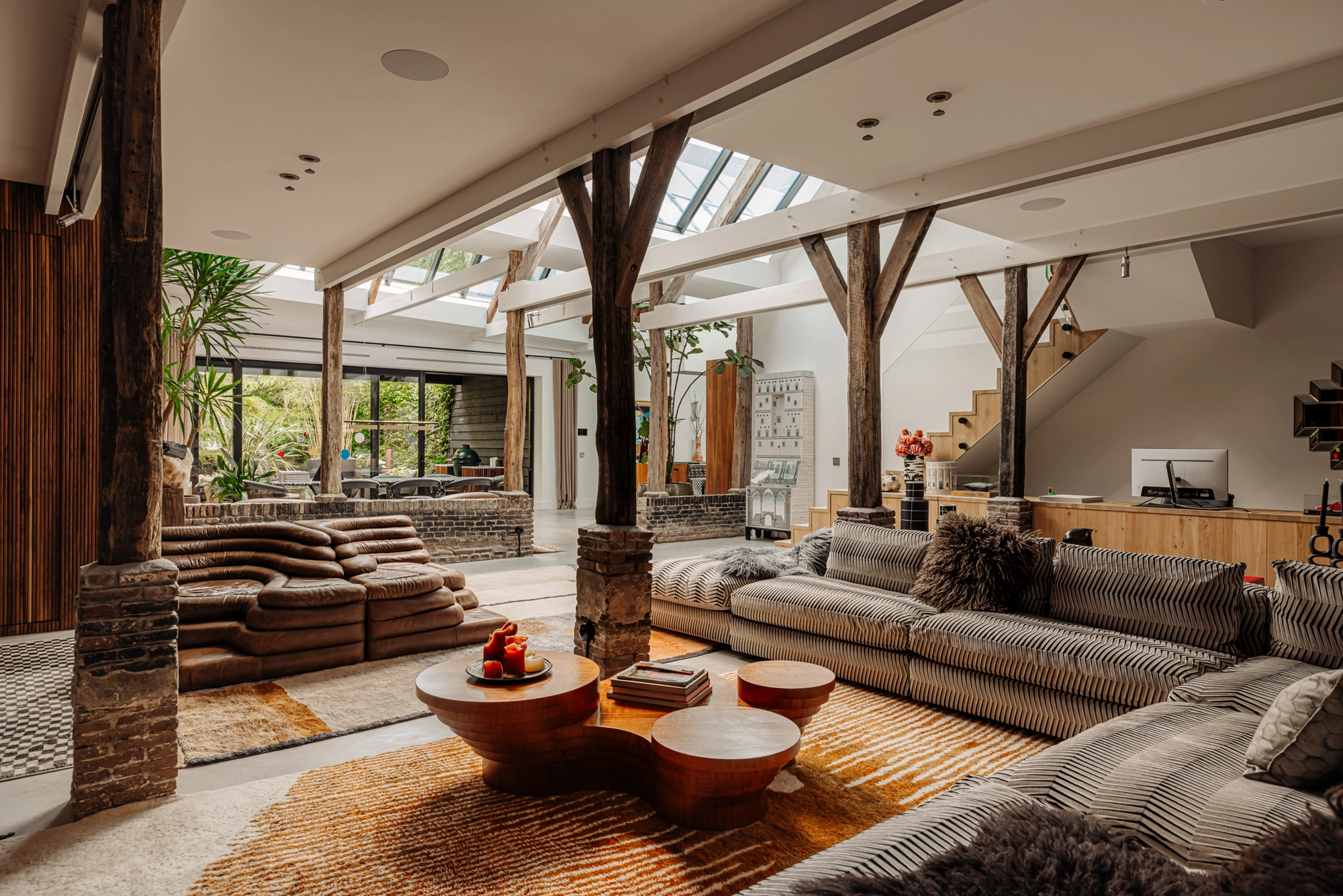
Spotlight; Serene tranquility. In the heart of the Jordaan. Standing on the canal, you would never imagine what lies behind the front door. We'll give you a sneak peek. Large open spaces with high ceilings, a large garden. Over 500m² of living space. The neighborhood feels like a small village in the city and is surrounded by sights, museums, and parks, among other things. There are countless characteristic buildings, museums, and galleries to discover on the historic canals. Take a sneak preview of this "HIDDEN OBJECT."
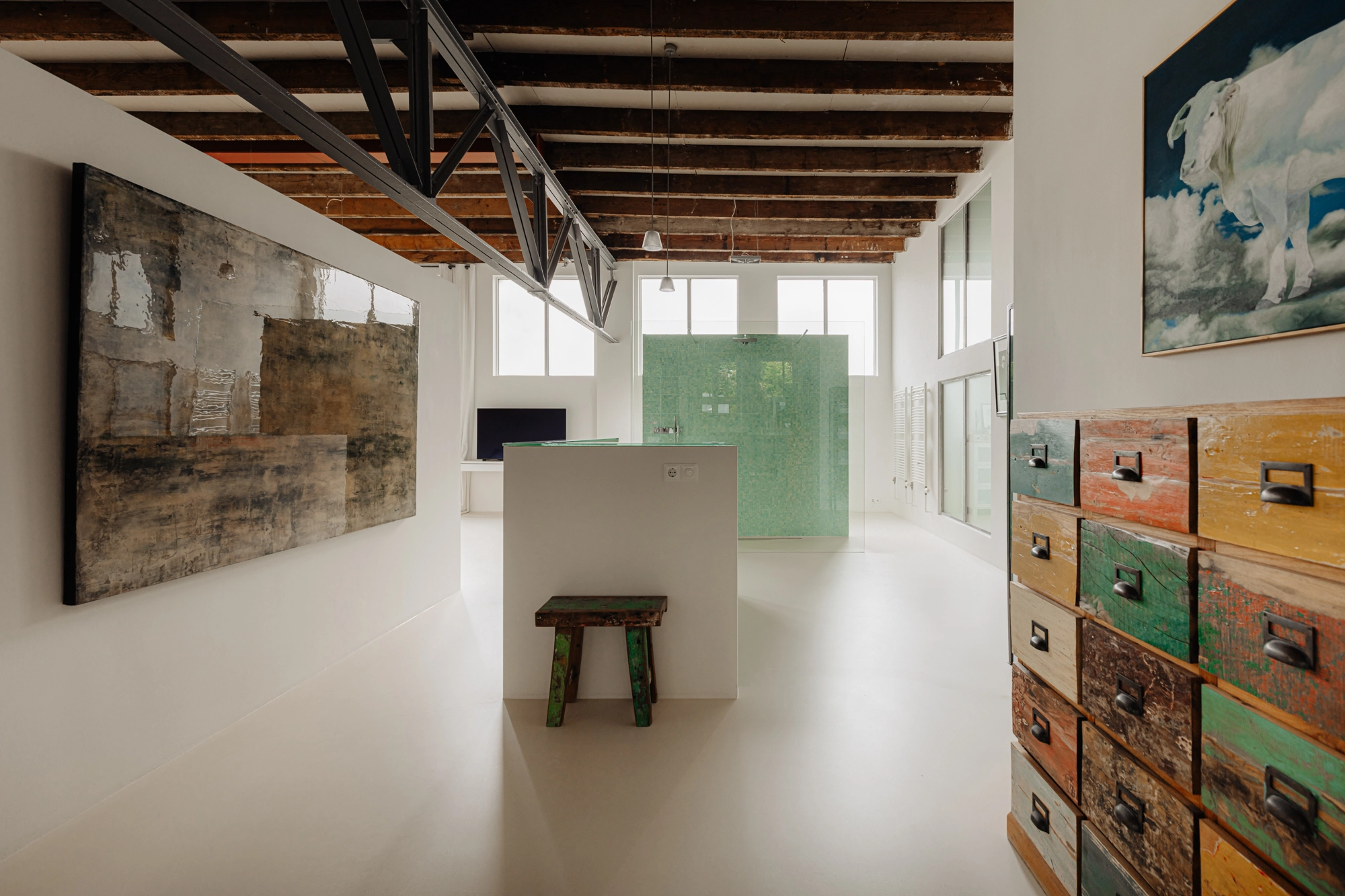
Spotlight: This industrial loft was created in a former sheet metal workshop and car repair shop at the rear of a historic canal-side building. The building had been unused for years until interior designer Michiel van Fastenhout converted it into apartments and an industrial loft. This apartment has no neighbors above or below, which is quite unique in Amsterdam and ensures that it is very quiet with plenty of privacy. Take a sneak preview of this 'HIDDEN OBJECT'.
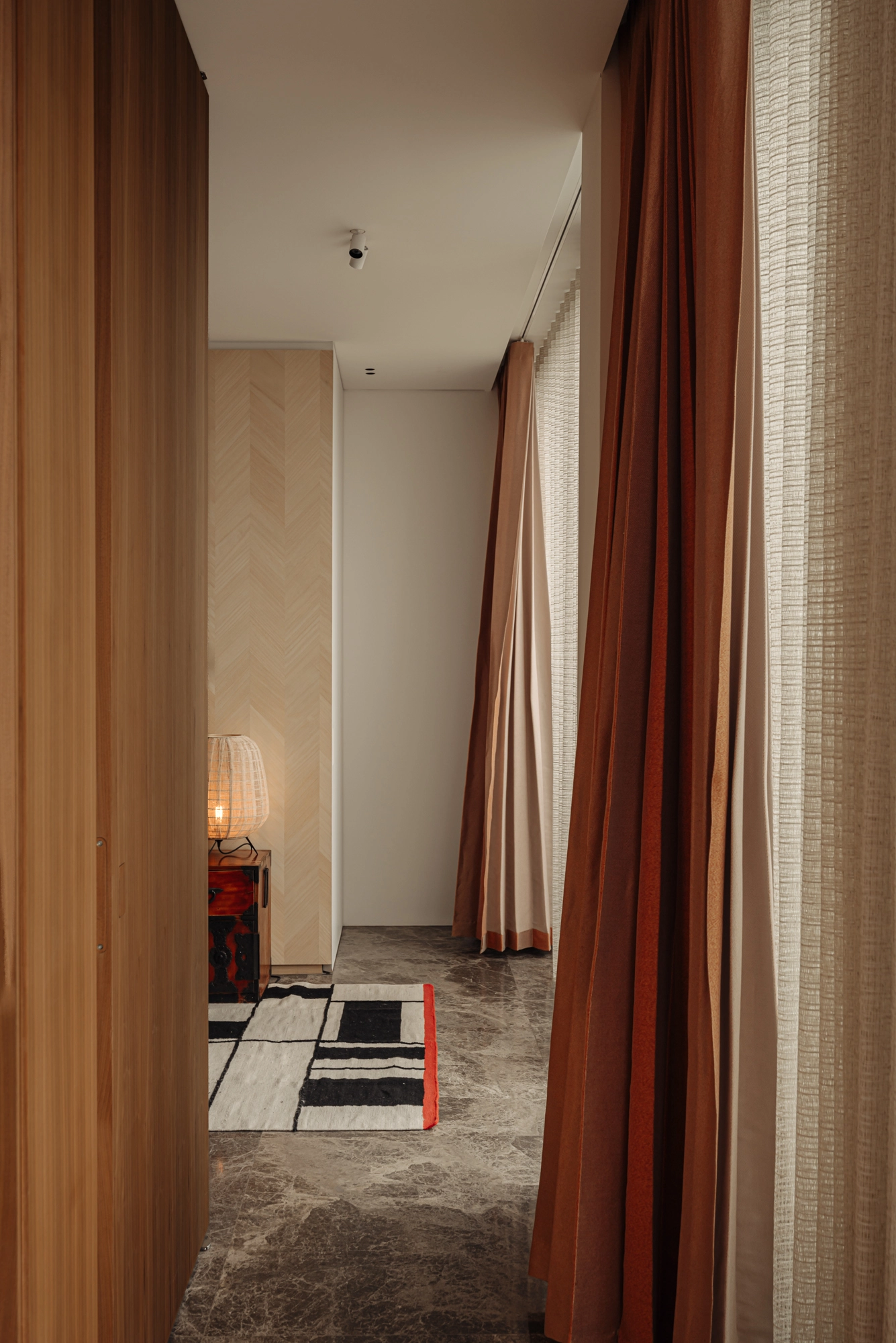
Spotlight: 'Modern Design on Prinsengracht'. 'A place for rest and celebration. On the top floor, you have a home where you don't need to turn on the lights during the day—a rare thing in Amsterdam. At the front, there is always life: boats, people walking, and a beautiful view of the 17th-century city. At the back, it is quiet, ideal for sleeping.' Read more about what the current residents have to say and be inspired.
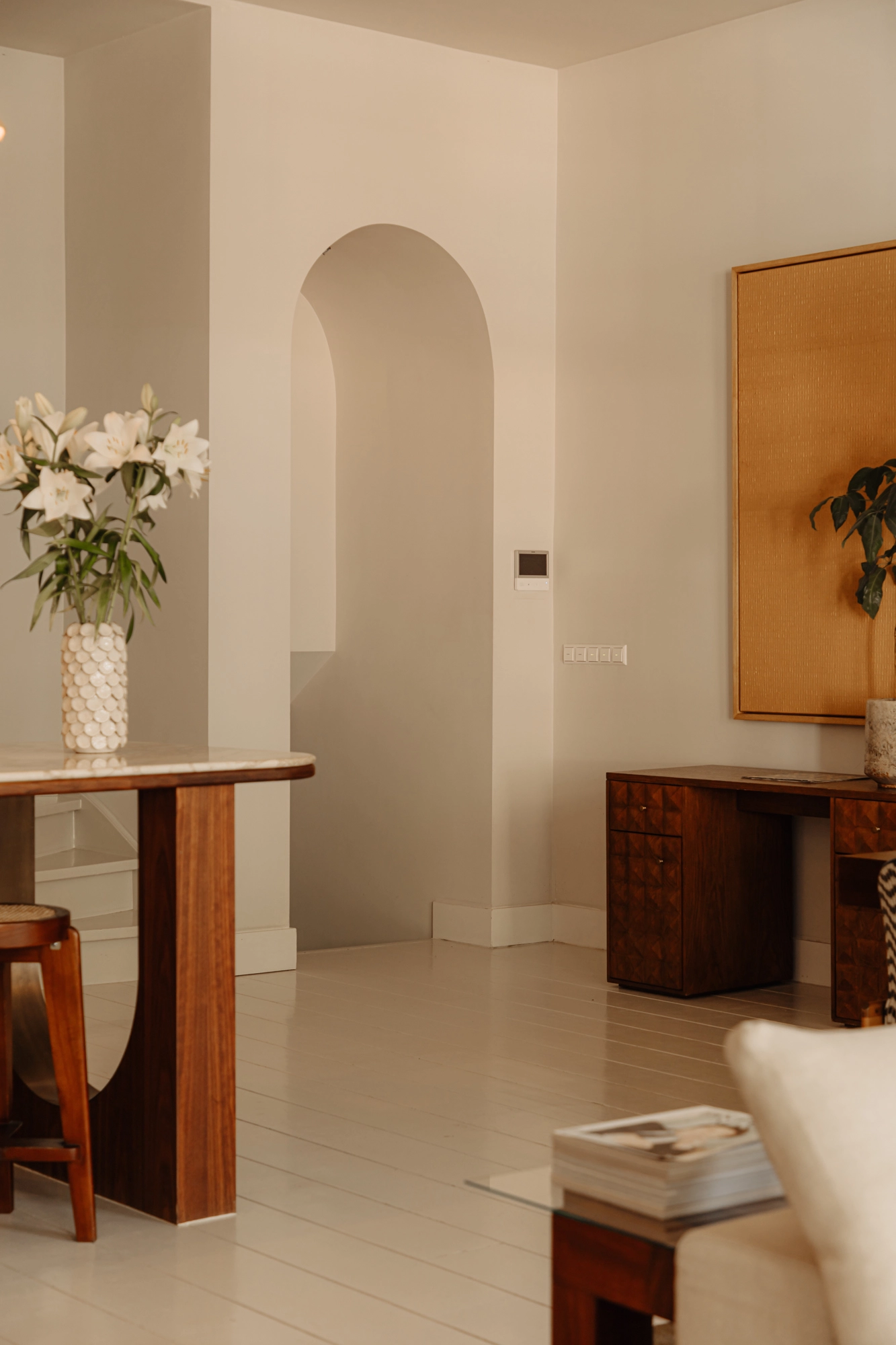
Spotlight; 'We fell in love with the house as soon as we walked into the living room. The high ceilings, large authentic Amsterdam windows, and loft-like feel give it the sense of space we were looking for.' The current residents have created a stylish city apartment in collaboration with DAB Studio. Careful consideration was given to character, light, luxury, and functionality. Read more here and be inspired.
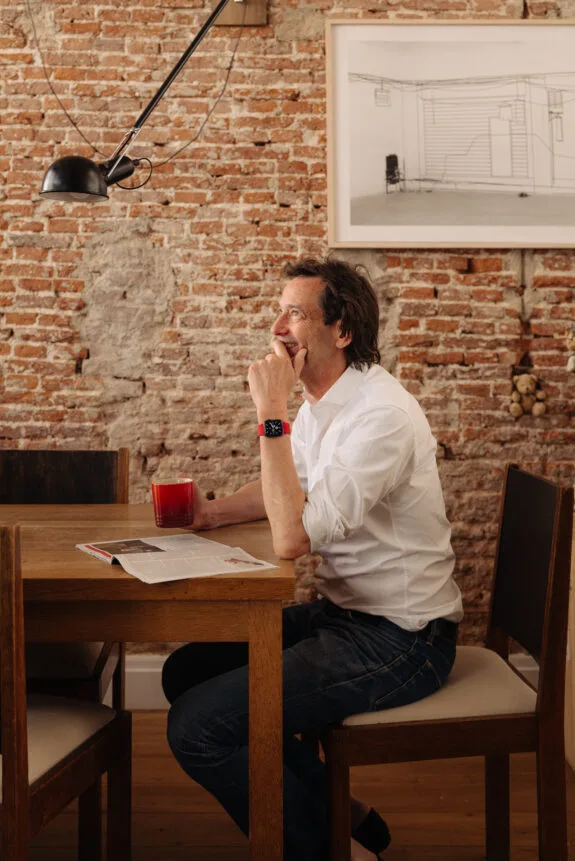
Spotlight: 't Looiers Huys. A refined family home dating from 1736 in one of the nicest neighborhoods in the heart of the city. A piece of Amsterdam that exudes the atmosphere of a cozy village. The renovation was carried out in collaboration with, among others, architect Quinten de Meyere, who specializes in monuments. The result is a tasteful and characteristic monumental residence with an eye for detail and history. Read here what Aege, the current resident, has to say.
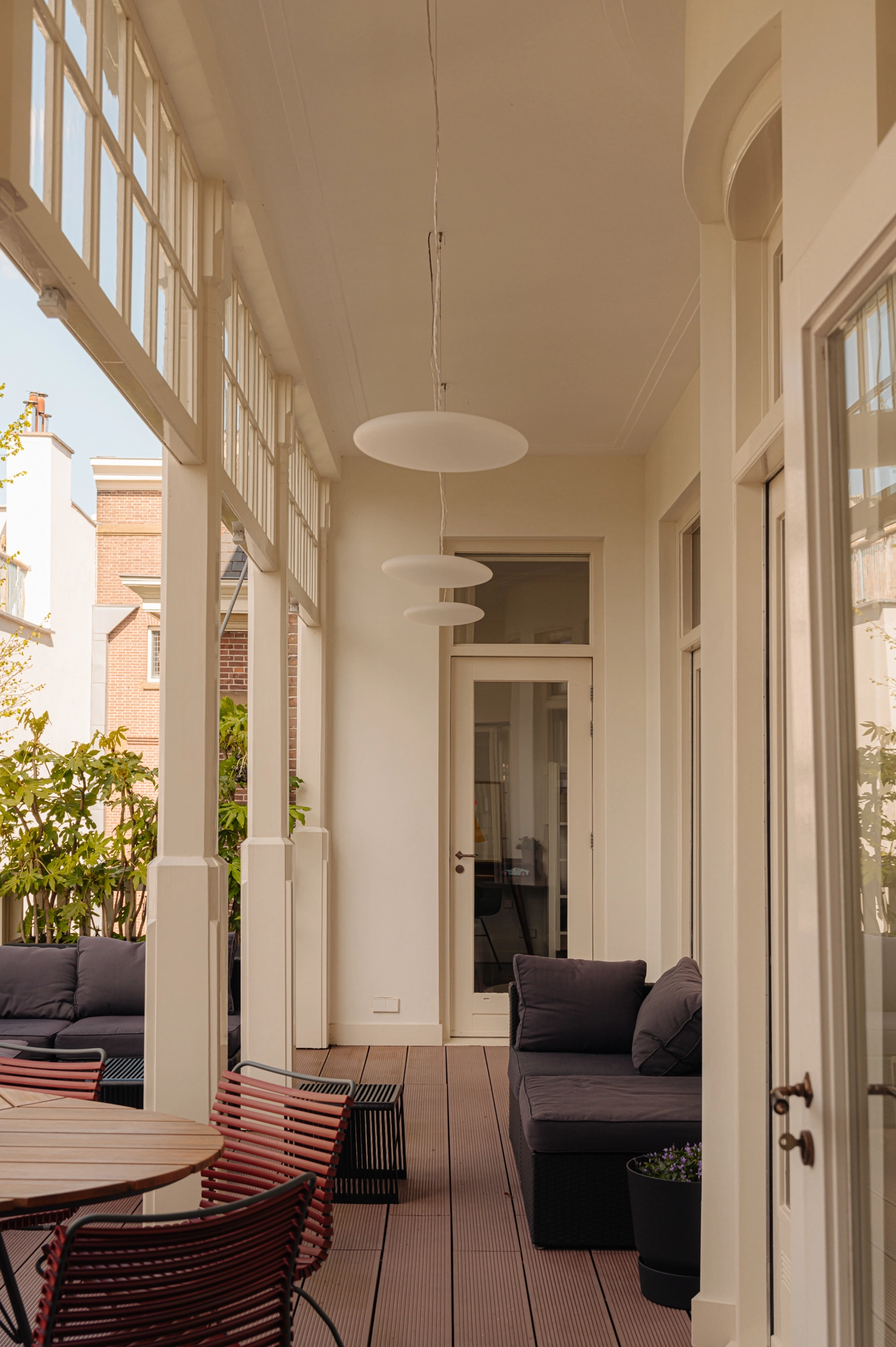
Spotlight; 'As soon as we walked into the art deco lobby of our beautiful building and took the old-fashioned elevator to our apartment overlooking lush trees, we fell in love with the property. Our building, Huize Loma, is the first real apartment complex in the Netherlands. Architect Warners was inspired by the apartments in Paris and Vienna and applied his vision in Amsterdam.' Read and see more here about what the current residents say about this beautiful apartment.
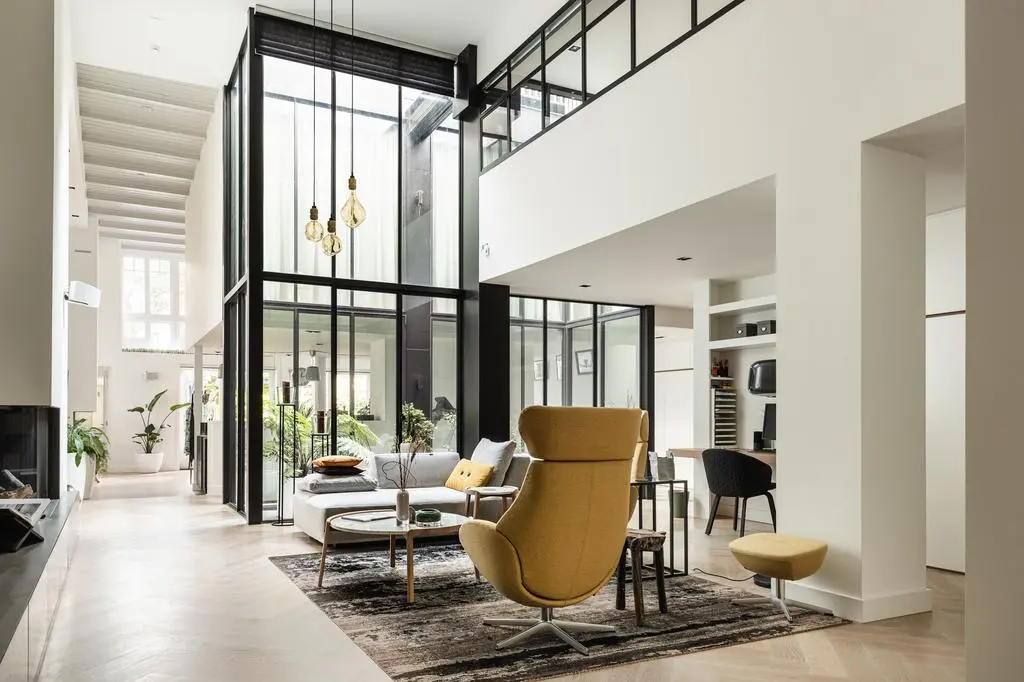
Compiled; a collection of canal houses. The first canals were dug for city defense and water management. After city expansions, the old defensive canals came to lie within the city walls and lost their function. But they were given a role in the Location would ultimately make the city wealthy: transport of merchant goods. Warehouses were built on the old city walls where trade goods could be stored and then shipped back to the port and from there to the entire known world. View a selection of majestic houses here.
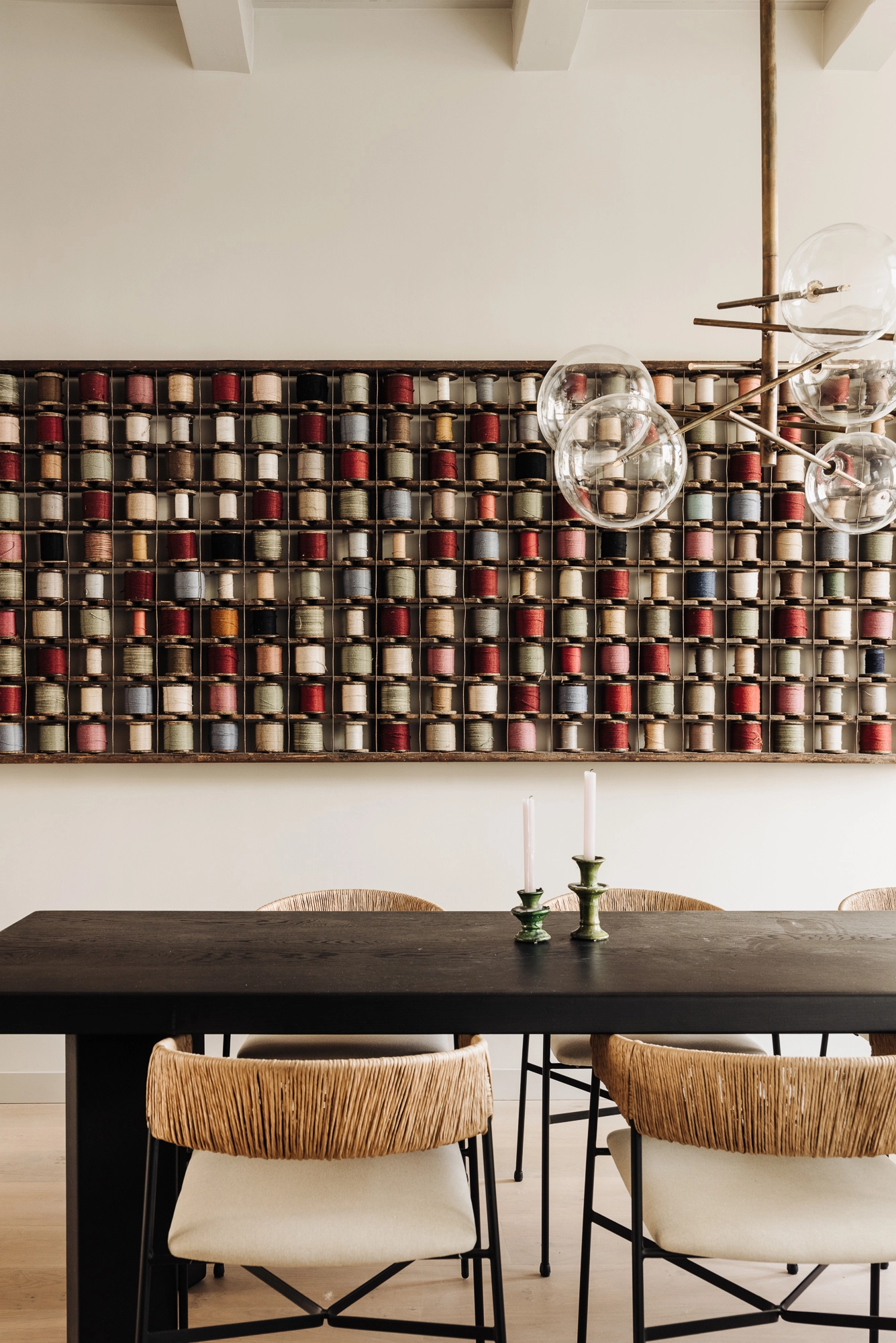
Spotlight: 'The Monumental Contemporary No. 9', a timeless, serene monument in the Jordaan district. Allard Architecture was responsible for the restoration and renovation, and Anne Claus was responsible for the interior. During the renovation, unity was created between the front and rear of the house. Read more about this tasteful and inspiring house here.
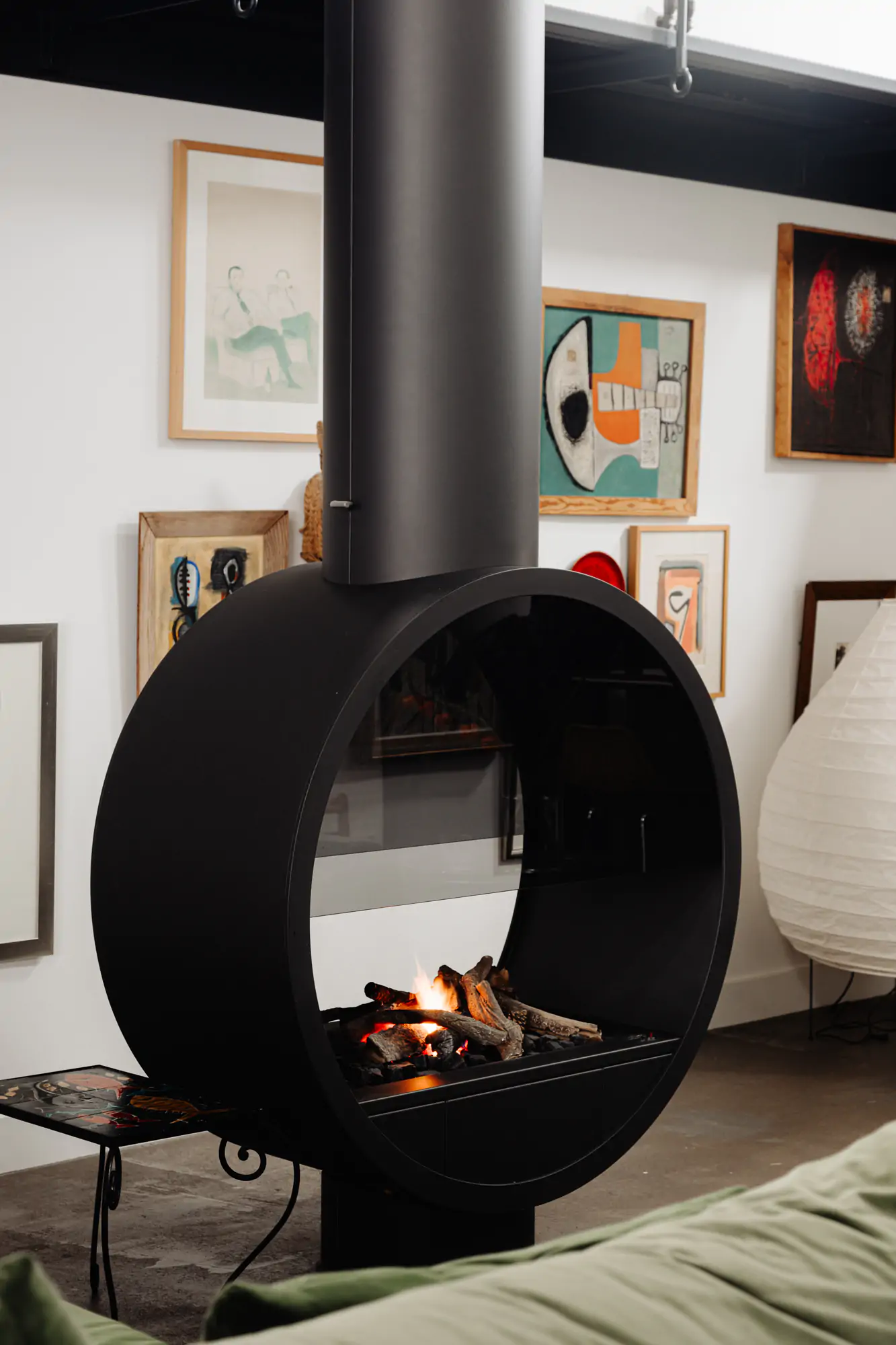
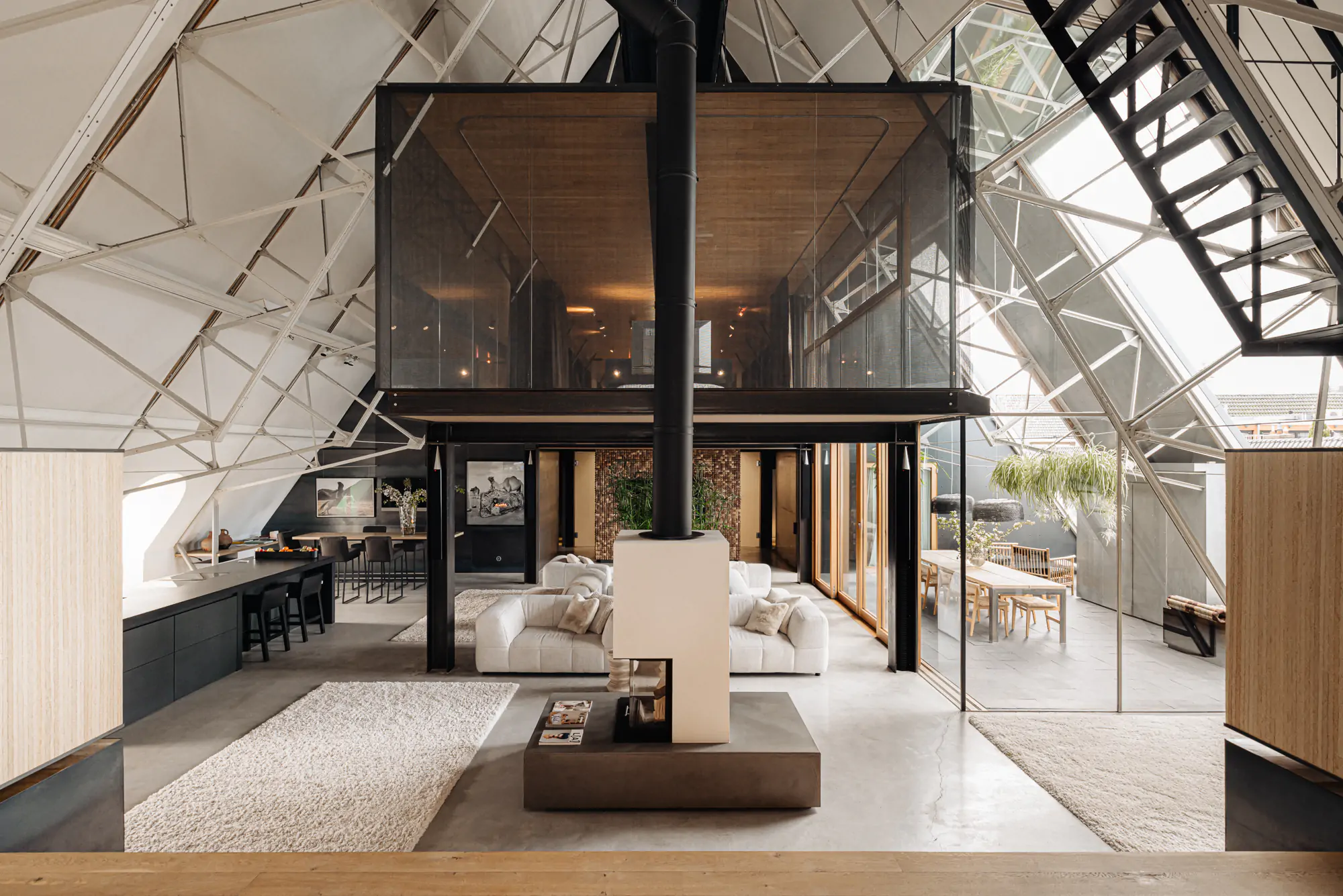
Spotlight: A New York-style loft measuring over 500 m² in a former church. Amsterdam School elements combined with a contemporary design by architect George Witteveen. On summer days, the 7.5-meter-high glass fronts slide open, and in winter, the residents gather around the fireplace. Read more and watch the film here.
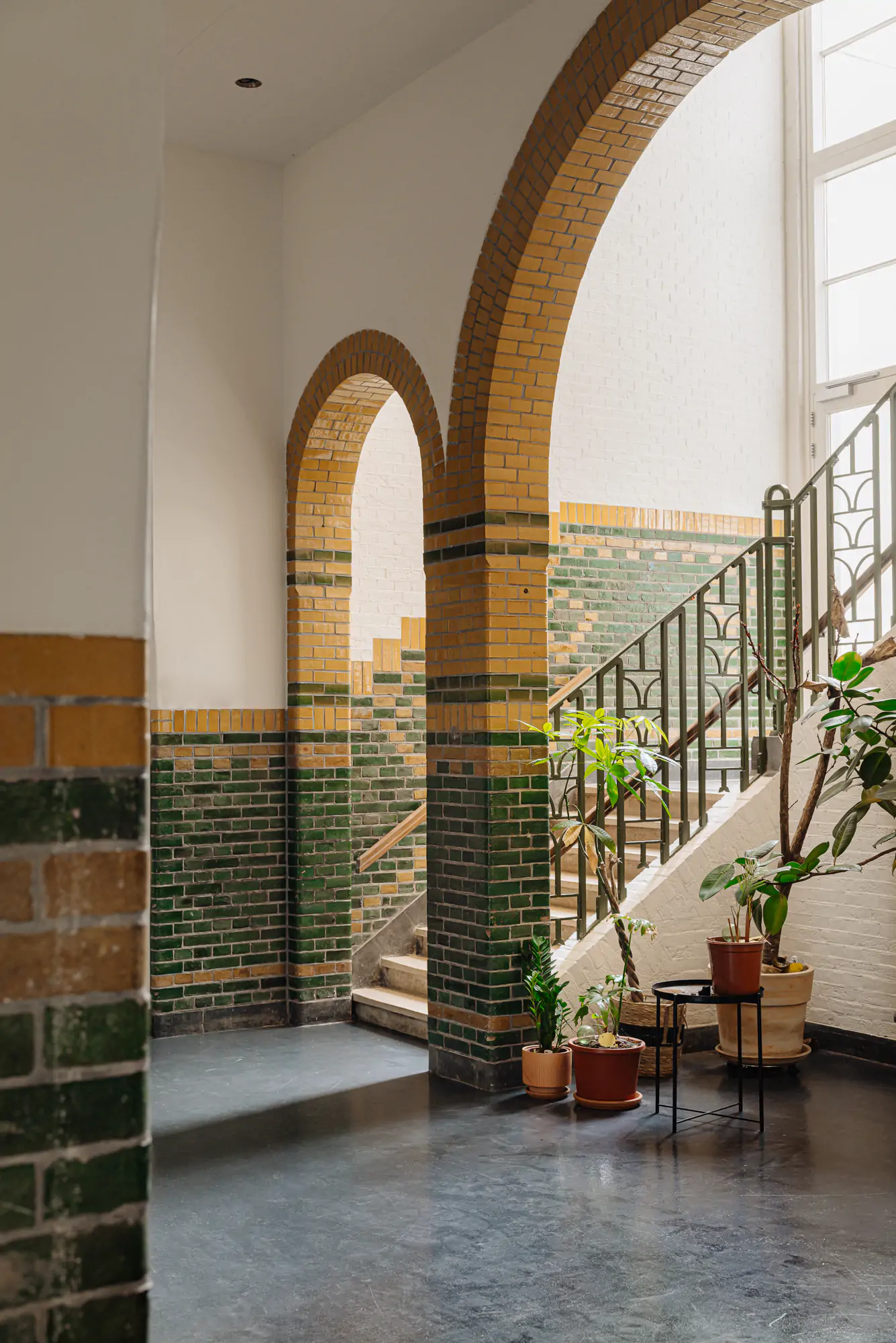
Spotlight; 'In the heart of Zeeburgerdijk lies a unique residential complex, created from the redevelopment of two historic buildings dating from 1914 and 1969. Originally, these imposing buildings served as a primary school and a technical school for the clothing industry, respectively. Twenty-five apartments have been created in this building, including this luxurious 209 m² loft that combines elegance with comfort. A stylish entrance with oak staircase leads to a living room with breathtaking views and a fireplace.' Read what the current residents have to say here.
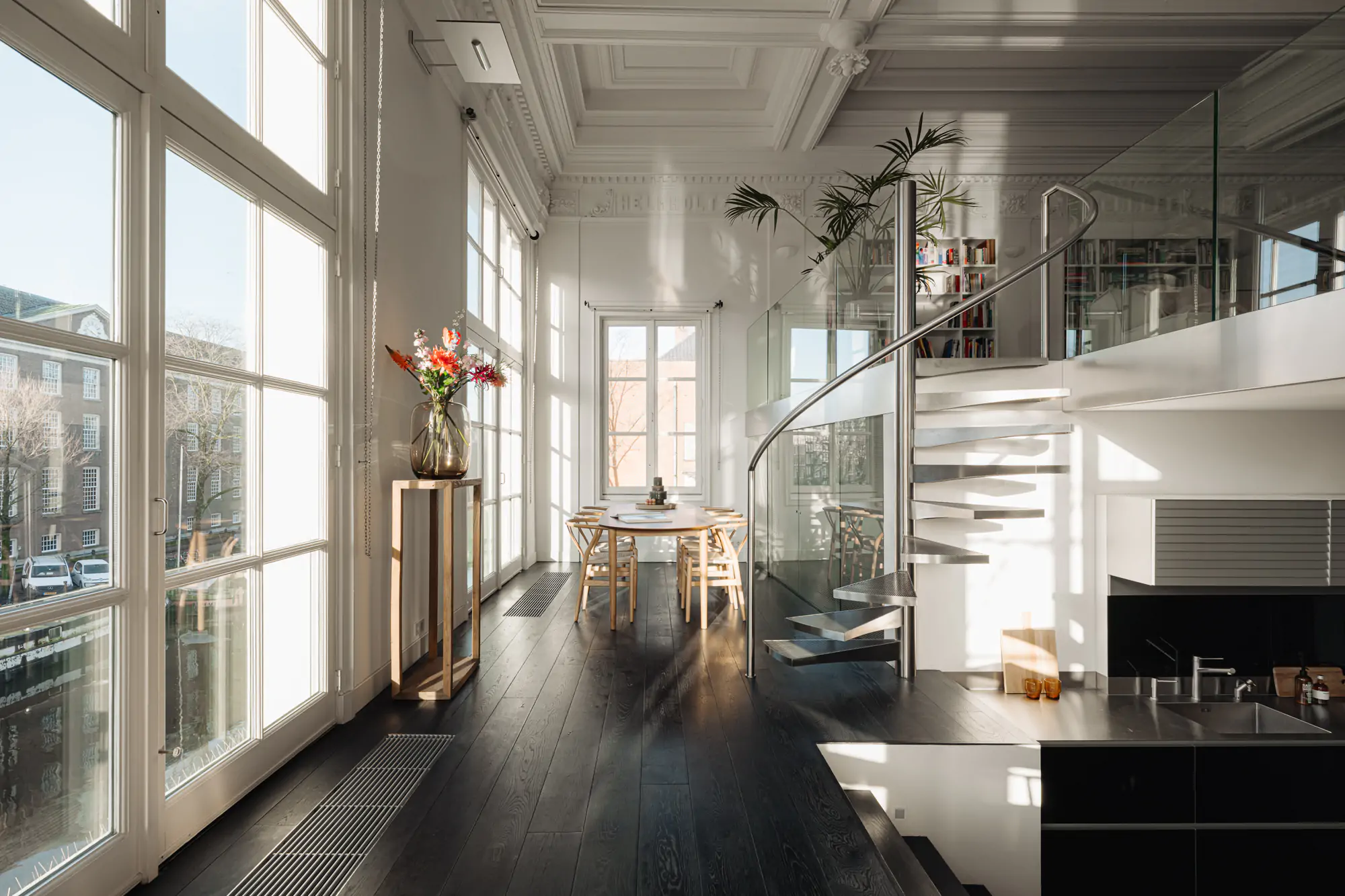
Spotlight; 'Living in the former lecture hall where Einstein taught. This unique apartment is located in Villa Einstein, a former University of Amsterdam building where many famous physicists have taught, including Albert Einstein and Nobel Prize winner Johannes Diderik van der Waals. The architecturally renovated apartment has an impressive width and height, creating a beautiful mezzanine.' Read more here
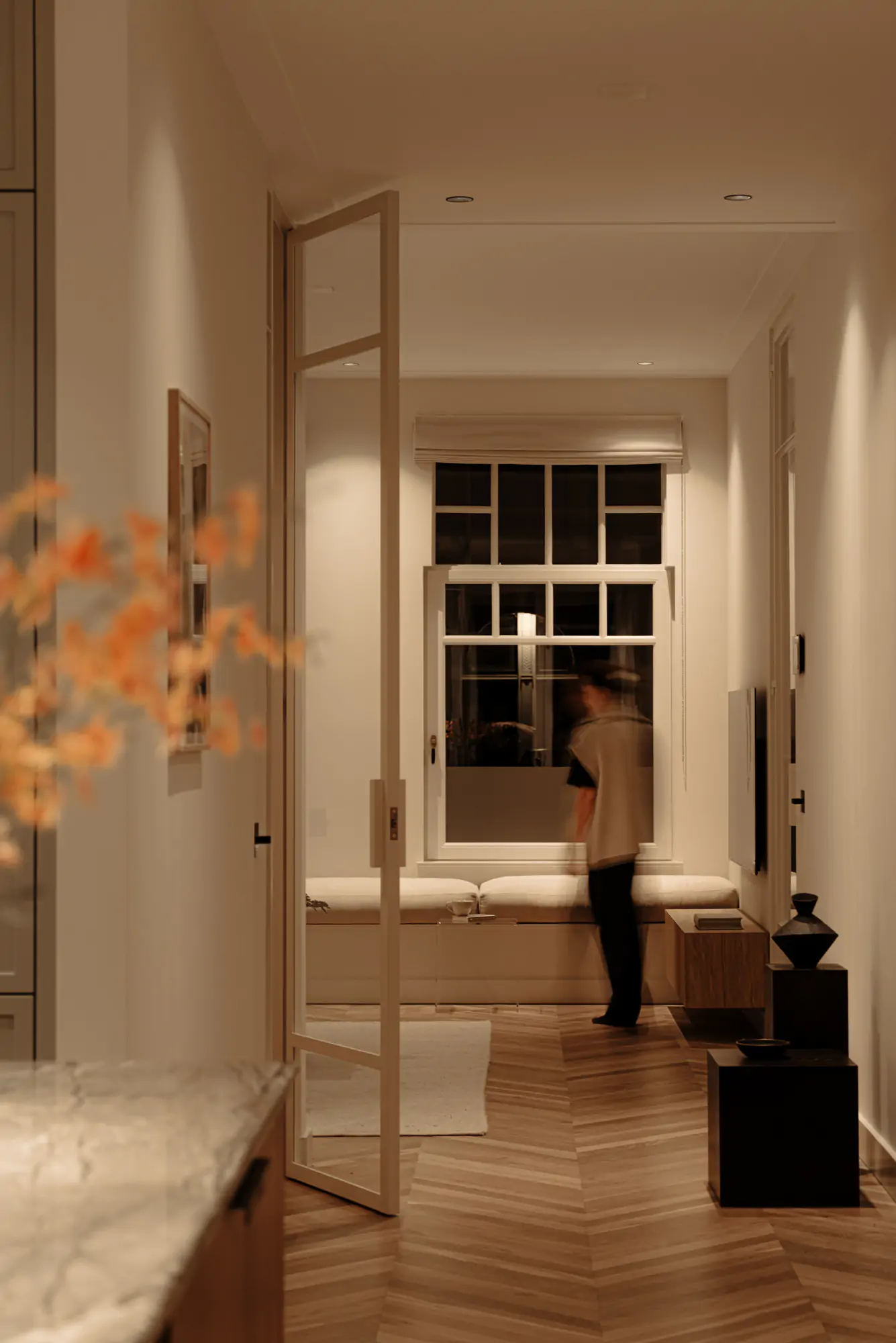
Spotlight: 'Verhulst 90', a beautifully renovated double ground floor house in Amsterdam Zuid, decorated in 'Japandi style'. The Japandi style, an emerging trend in interior design, combines the sophistication of Japanese and Scandinavian design. With its minimalist, functional, and soothing aesthetic, this style creates a warm atmosphere, embracing a touch of imperfection in line with the Wabi Sabi philosophy, which finds beauty in simplicity and imperfection. Read more here.
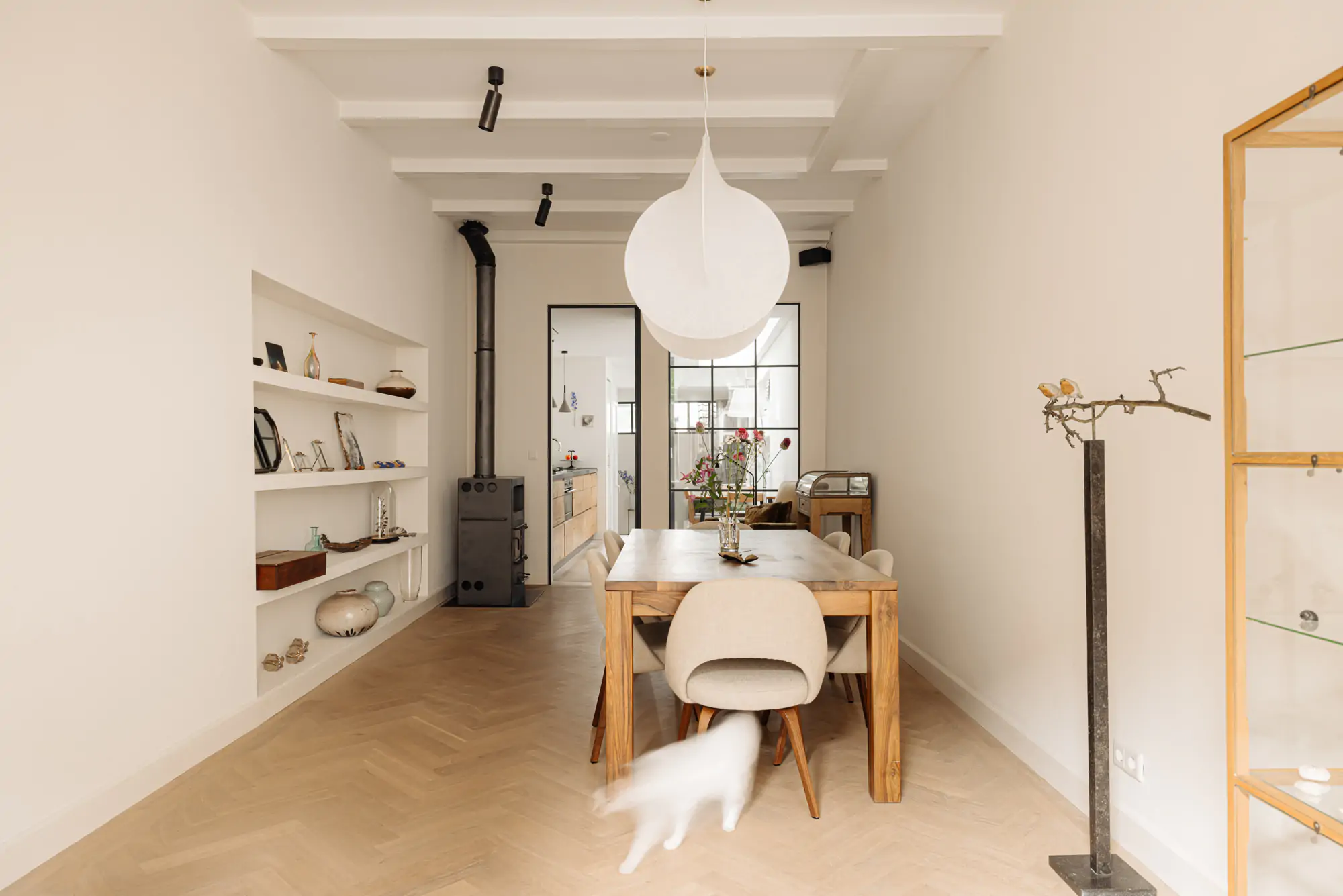
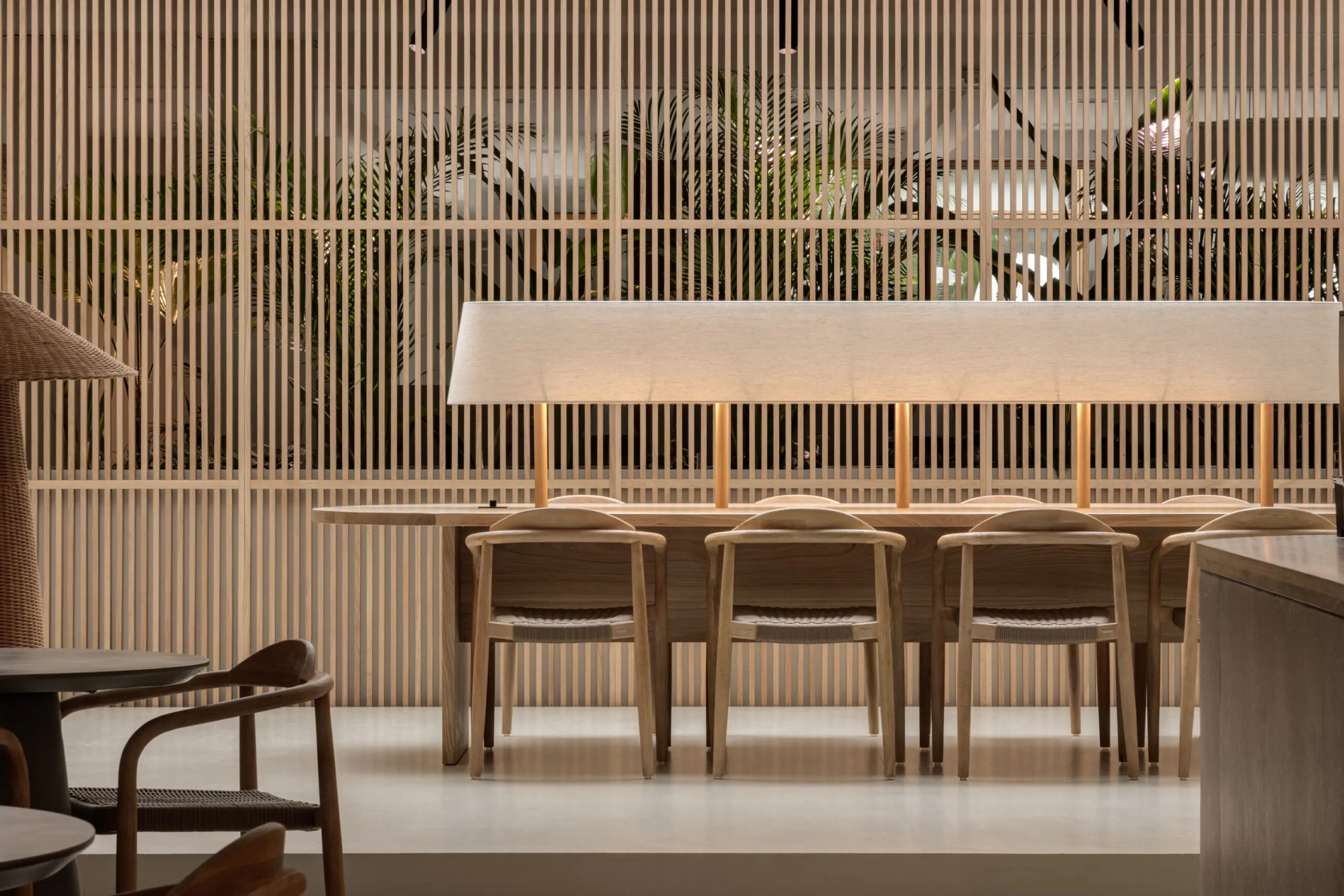
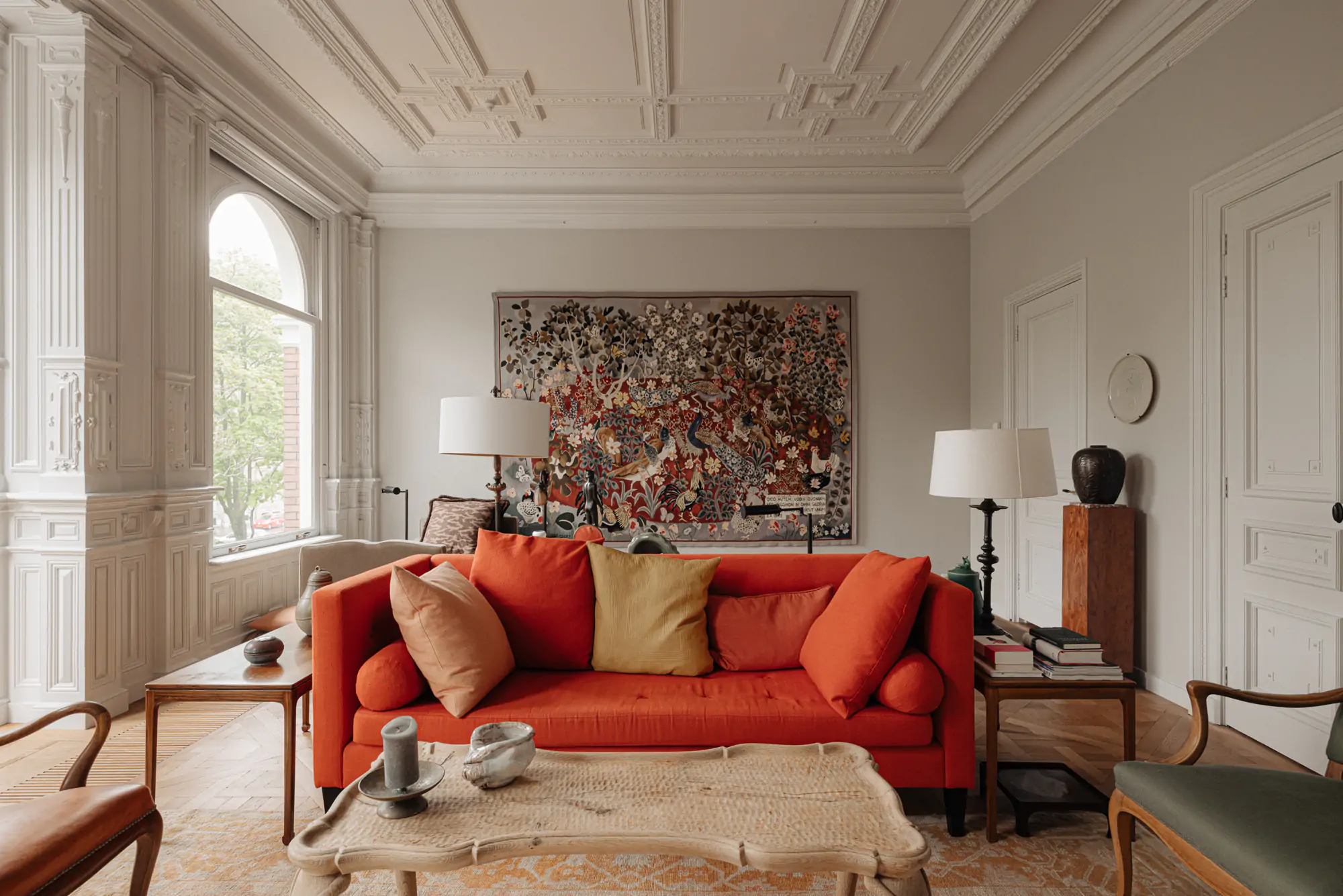
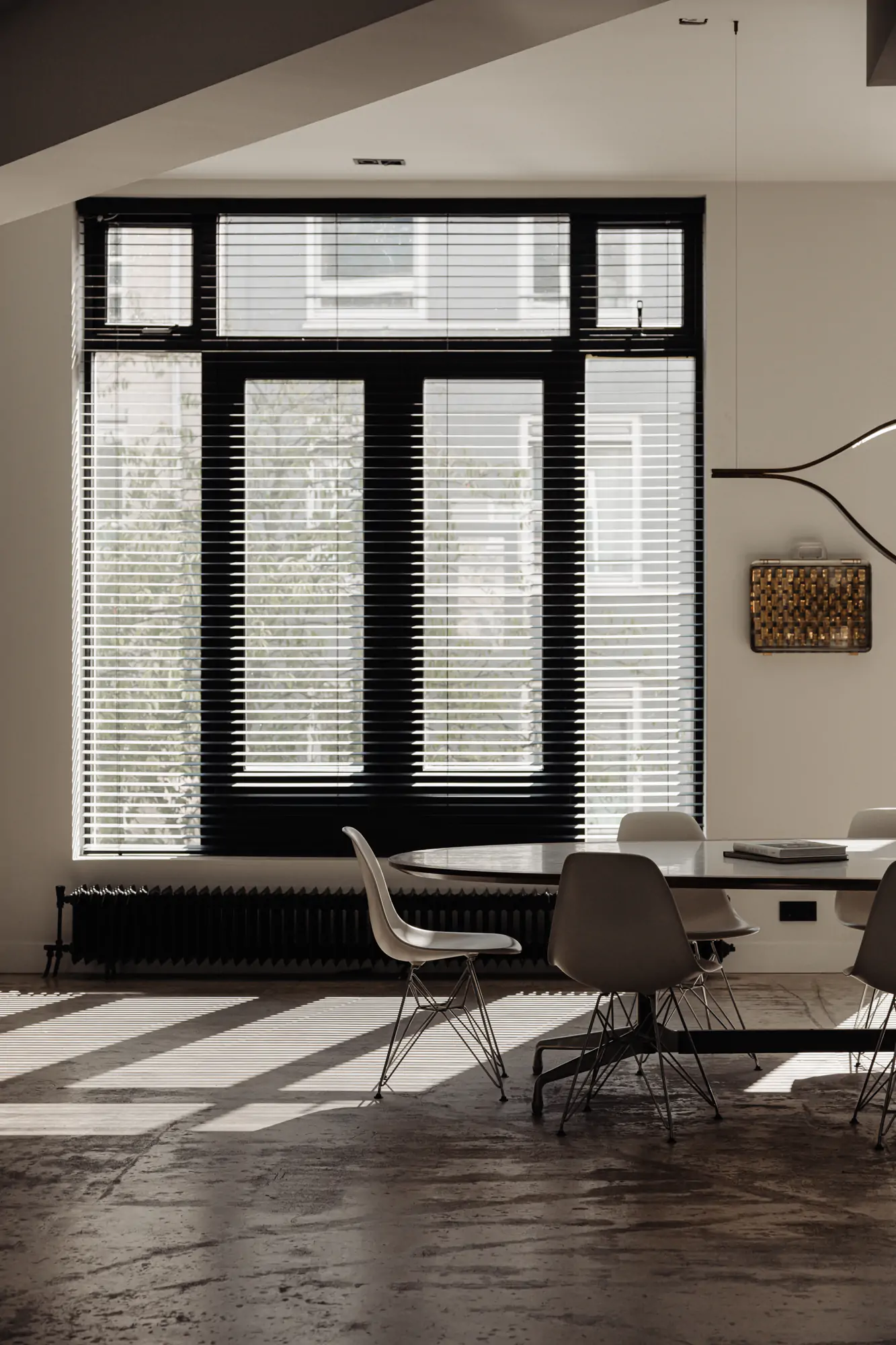
Spotlight: 'Heineken's Window Cleaning Company', a 242 m² loft in the heart of De Pijp. This property is located in an industrial building at Quellijnstraat 119, which was originally built by Heineken's brother for his plans for Heineken's Window Cleaning Company and was later used as a factory for Luxaflex blinds. Read more here.
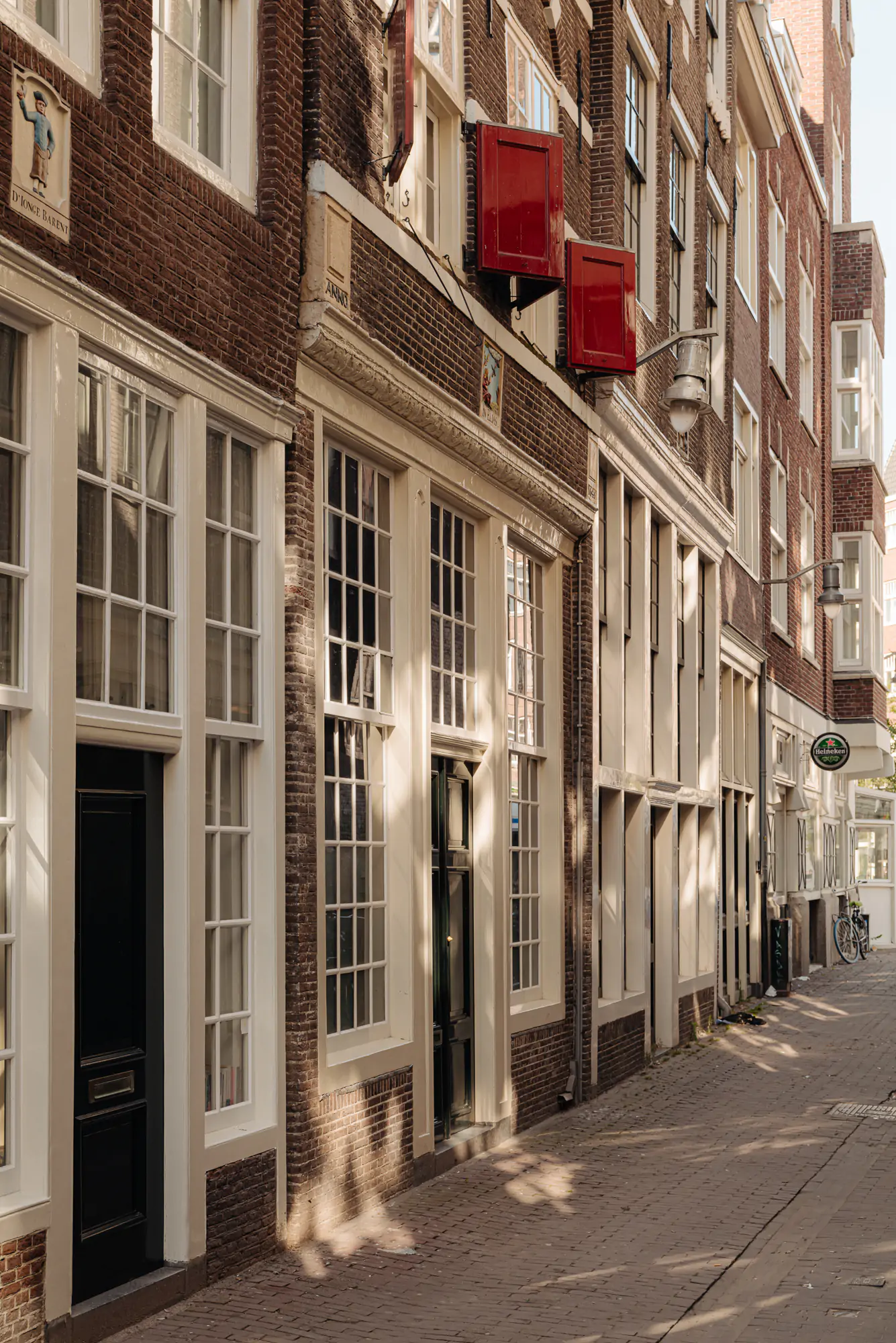
Spotlight: 'In Elias', a monument dating from around 1645 in the city center of Amsterdam. The building served as a bakery until 1880. The facade is built in Renaissance style with a stepped gable, masonry and arches, and sturdy wooden window frames with glazing bars. The restoration in 2008 restored the building to its original grandeur. Much has been preserved inside, including beautiful paneling, wainscoting, and the exposed construction.
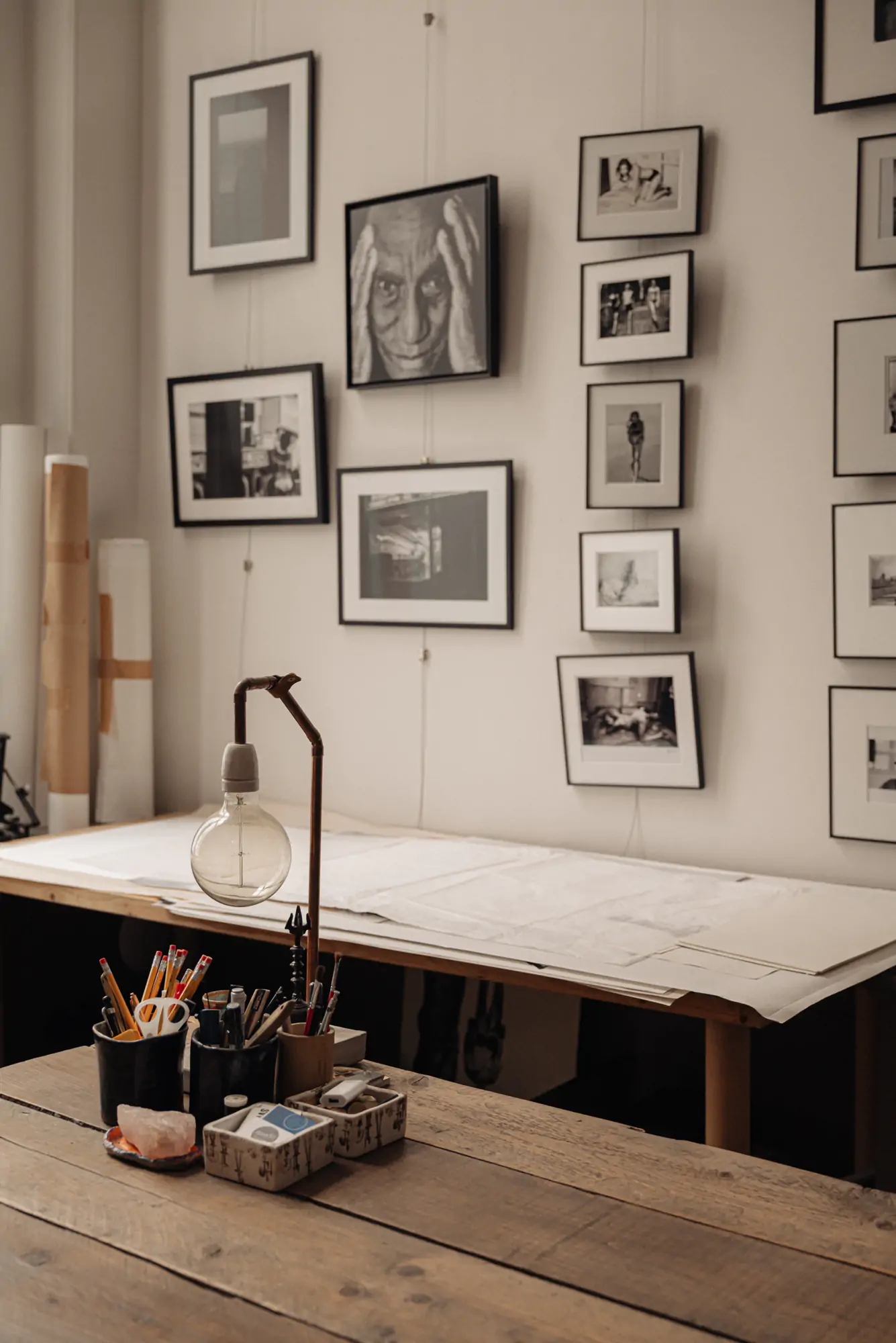
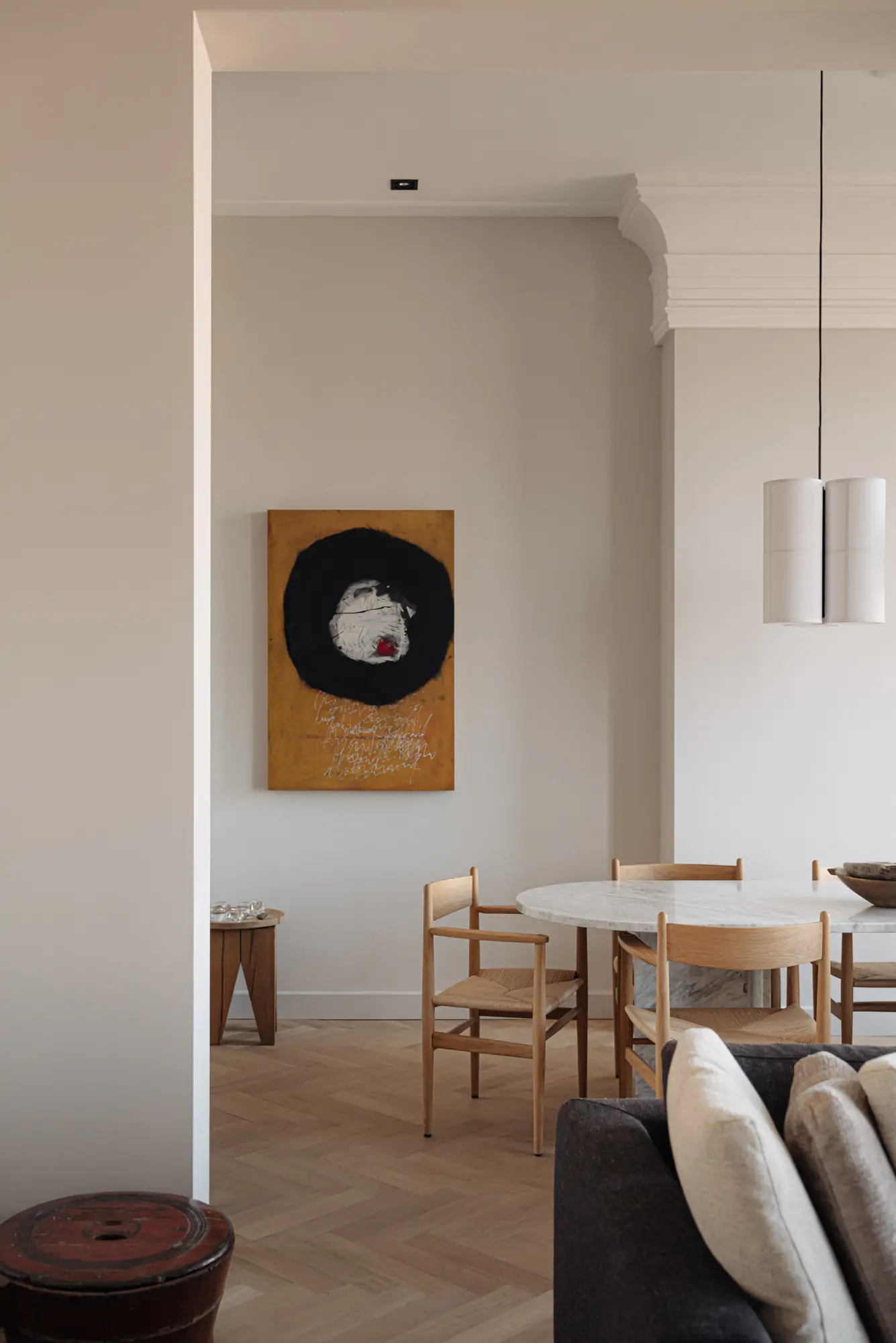
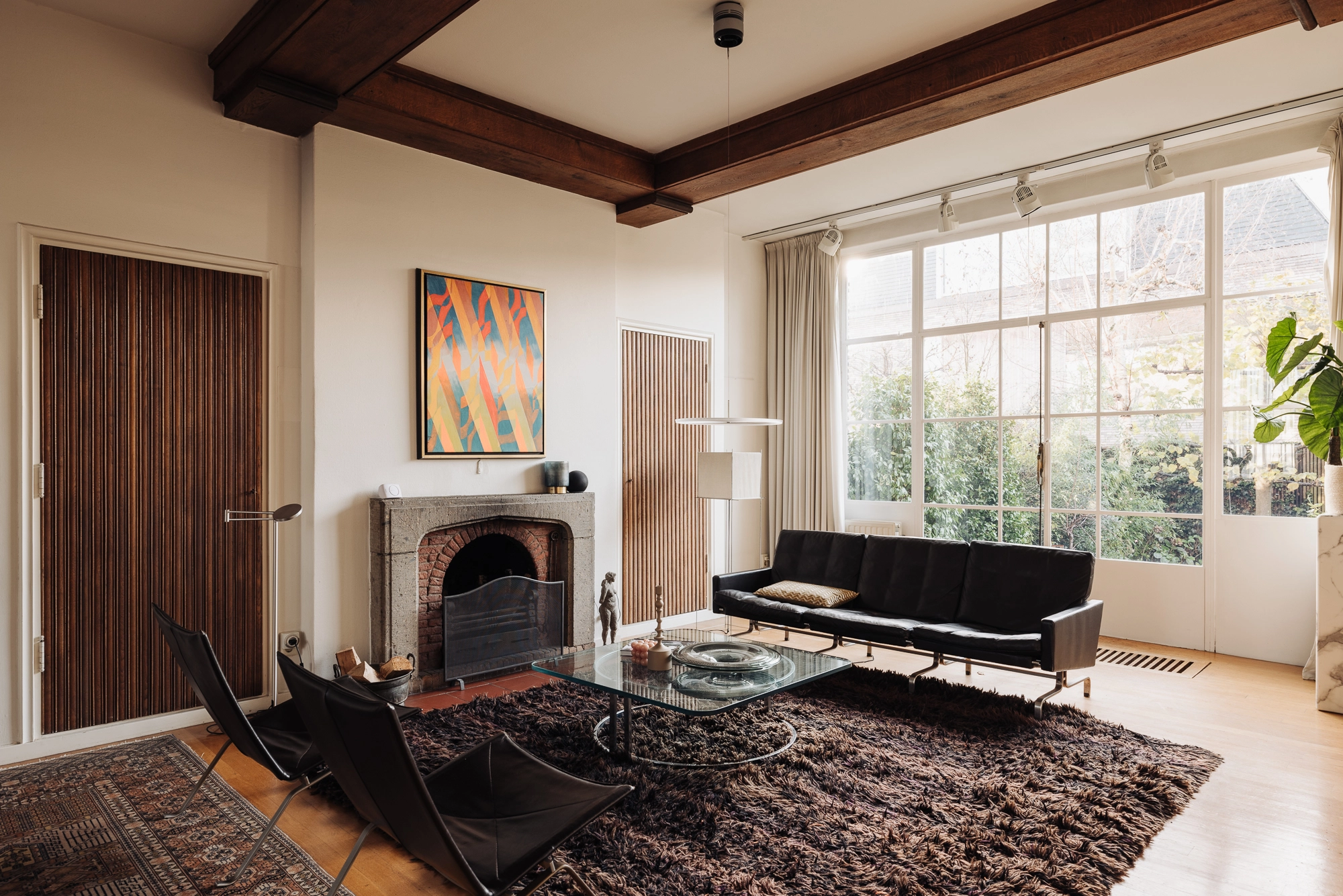
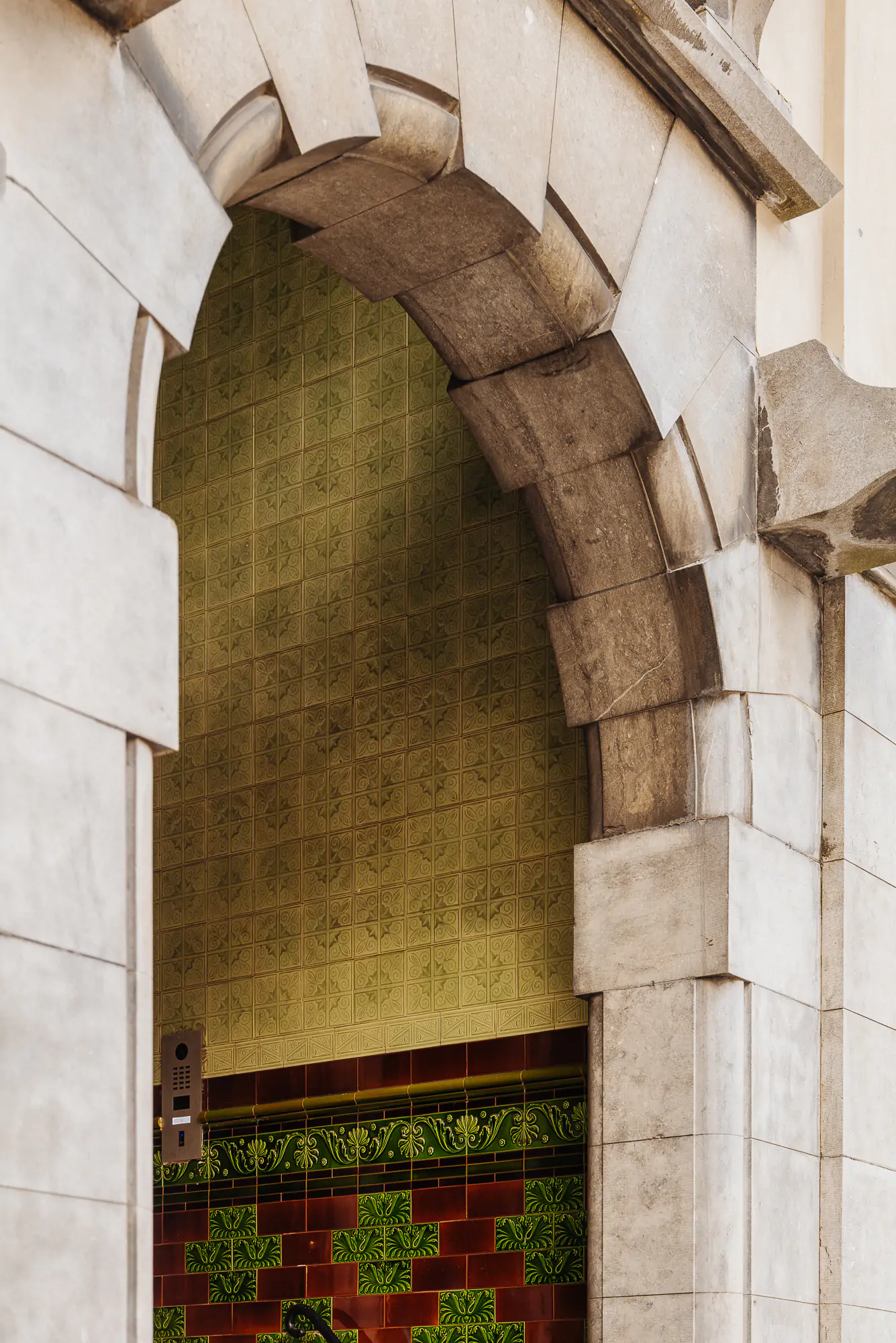
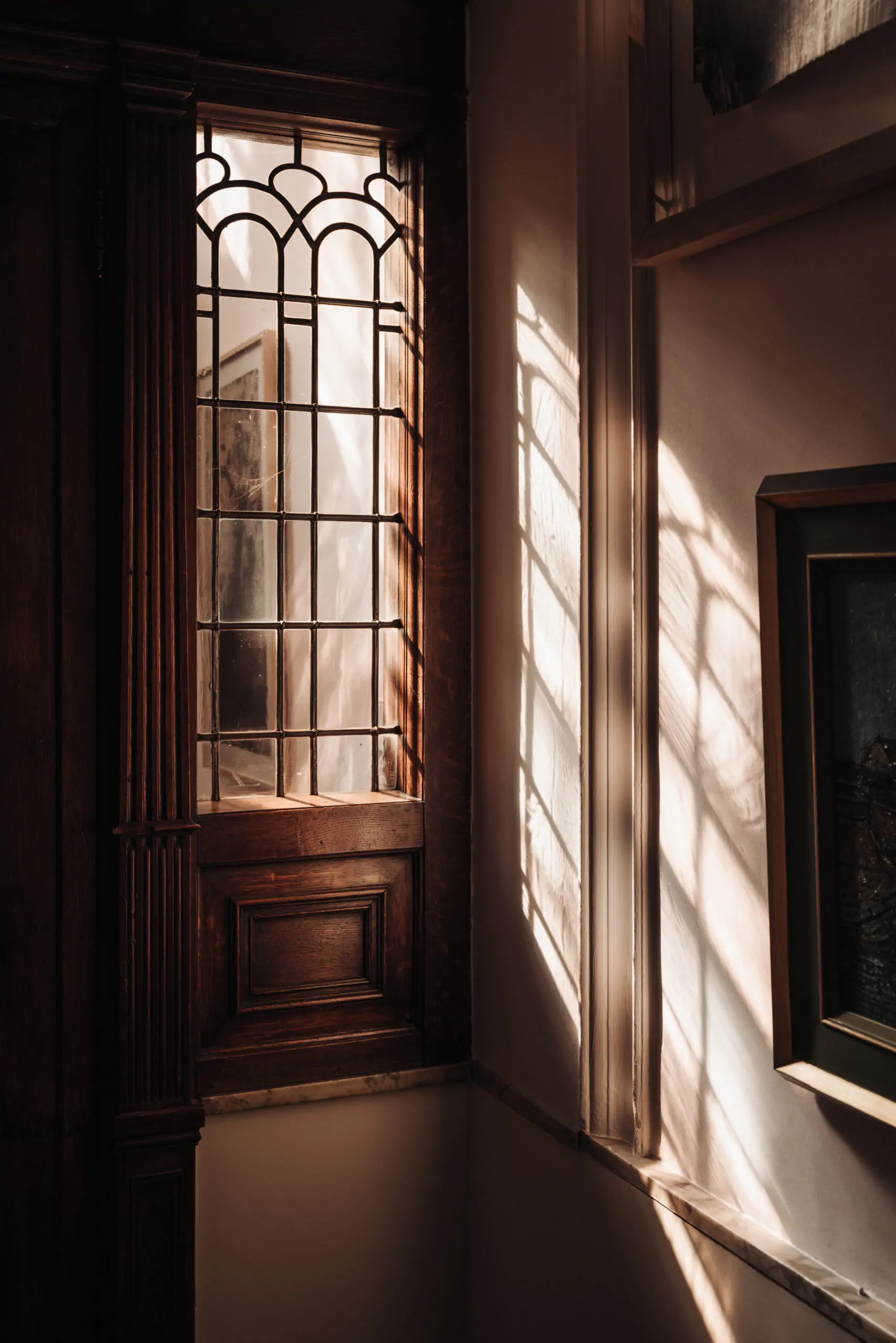
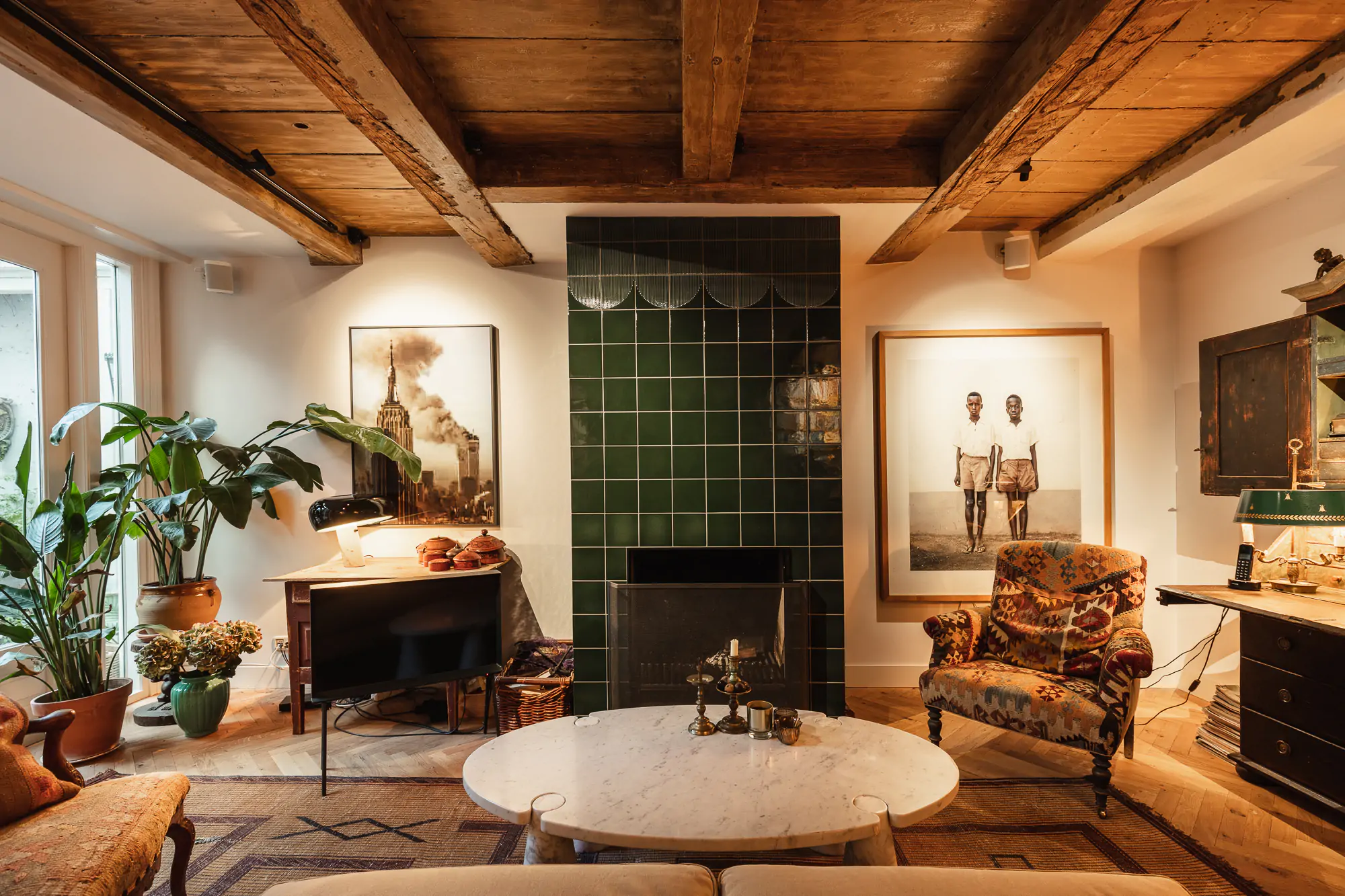
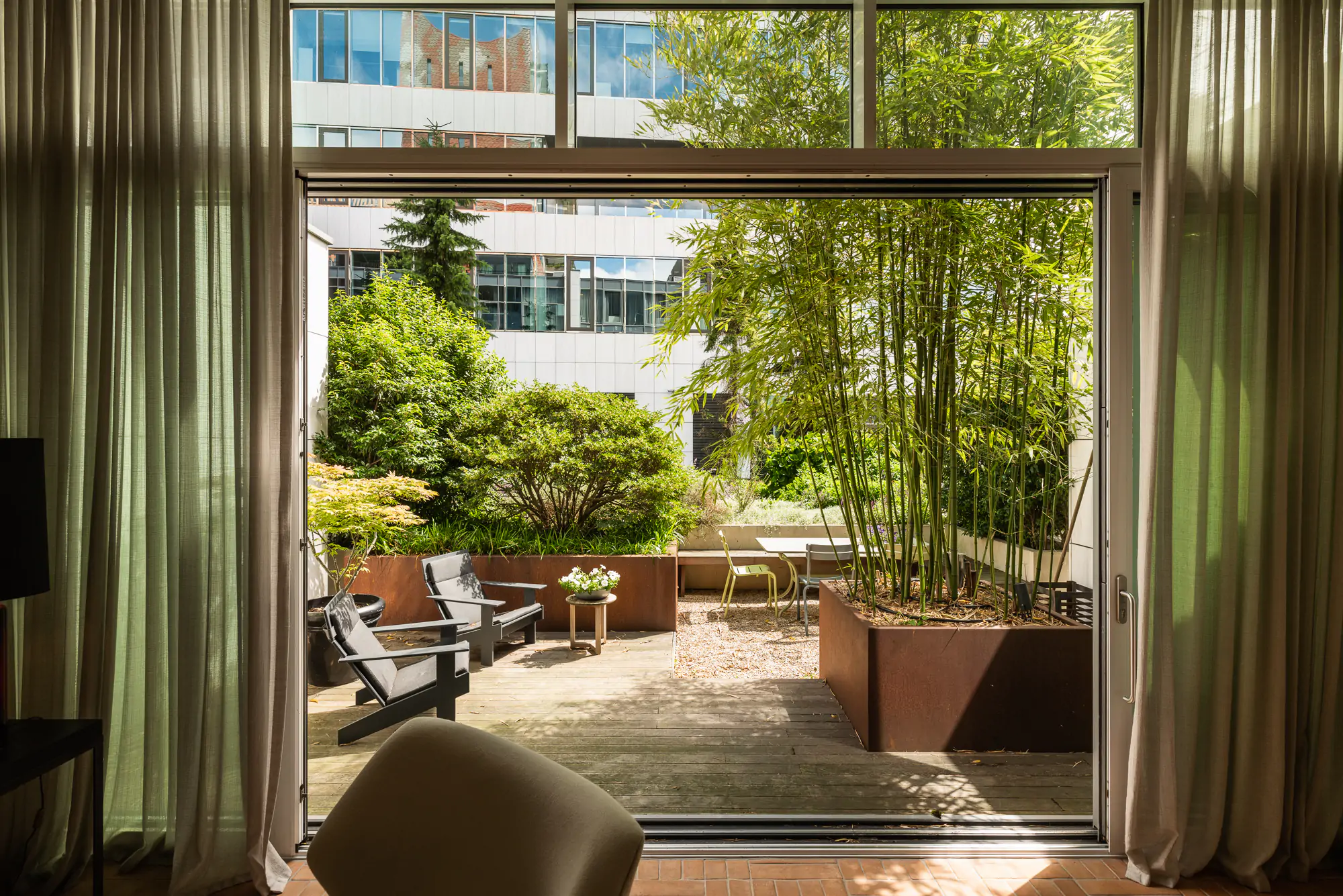
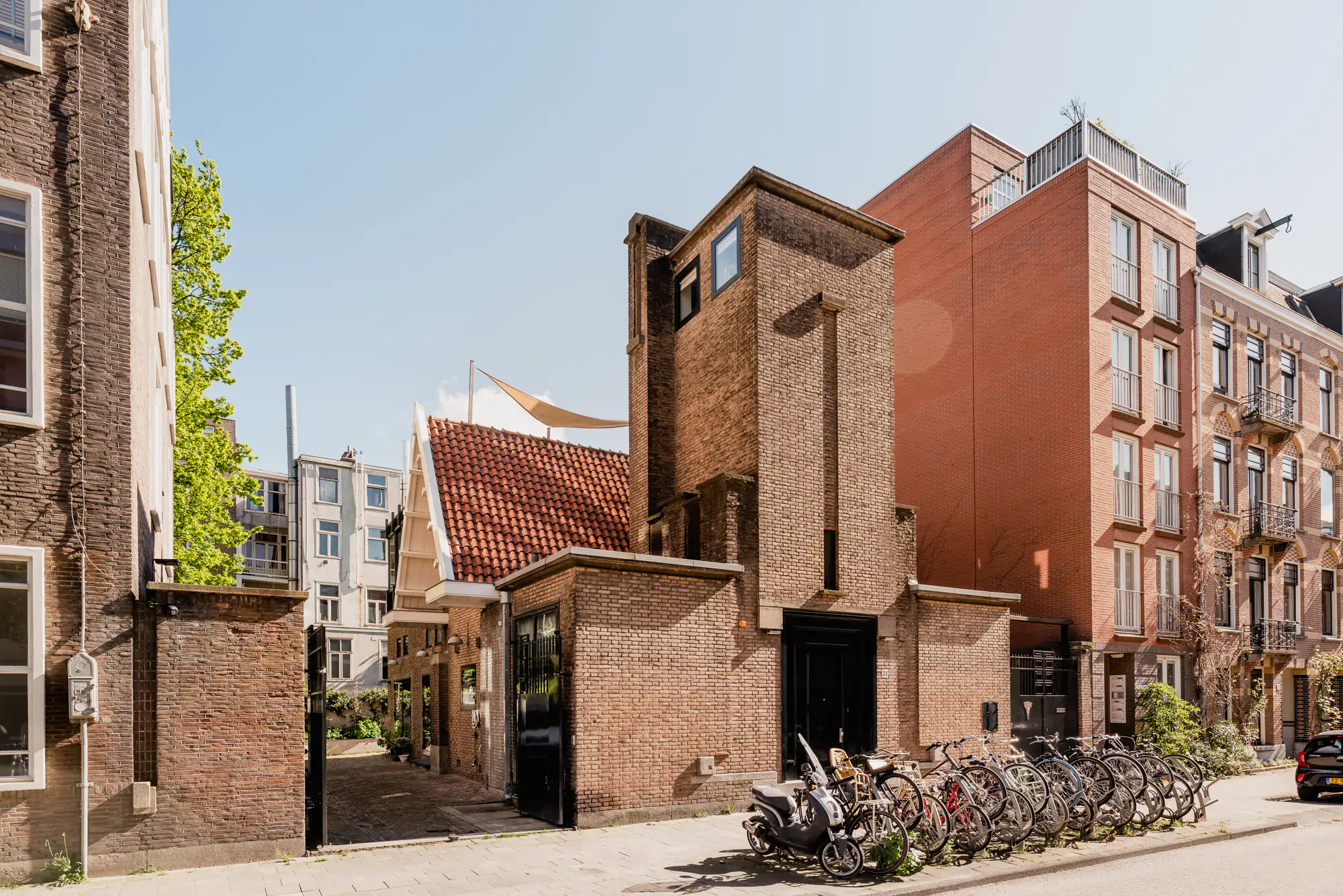
De Centrale | From telephone exchange to residential building.
In the heart of a closed residential block in De Baarsjes, Amsterdam, stands a monument dating from 1926: a former KPN telephone exchange, now transformed into a residential building with inner gardens. Studio Piet Boon designed the interior for 18 residences one apartment. Watch the editorial video of a home in De Centrale here.
History & Development
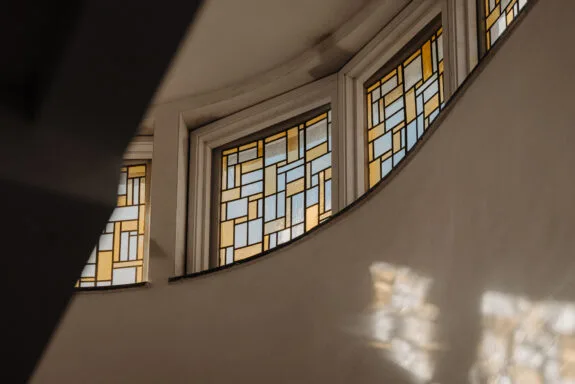
The telephone exchange, designed by architect Alfred Boeken, played a crucial role in connecting Amsterdam. The characteristic stained-glass windows, the monumental main entrance, and the old KPN chimney have been preserved and form the soul of the building.
Vision of Studio Piet Boon
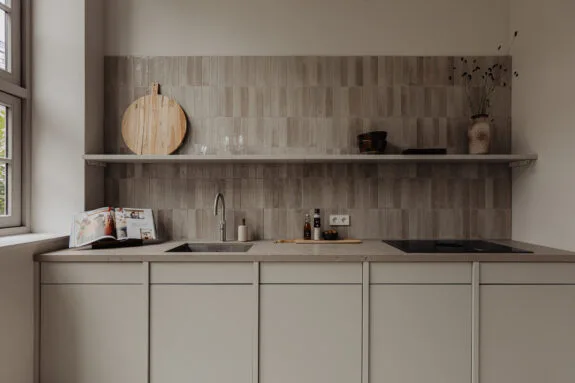
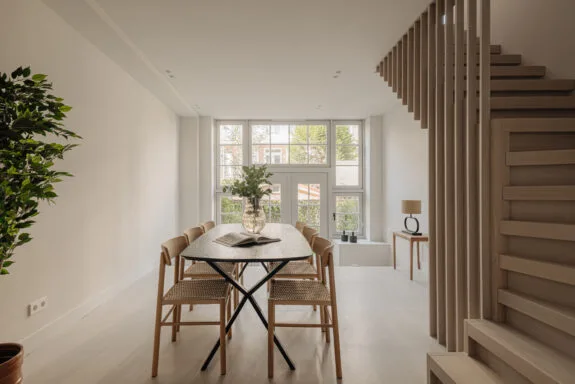
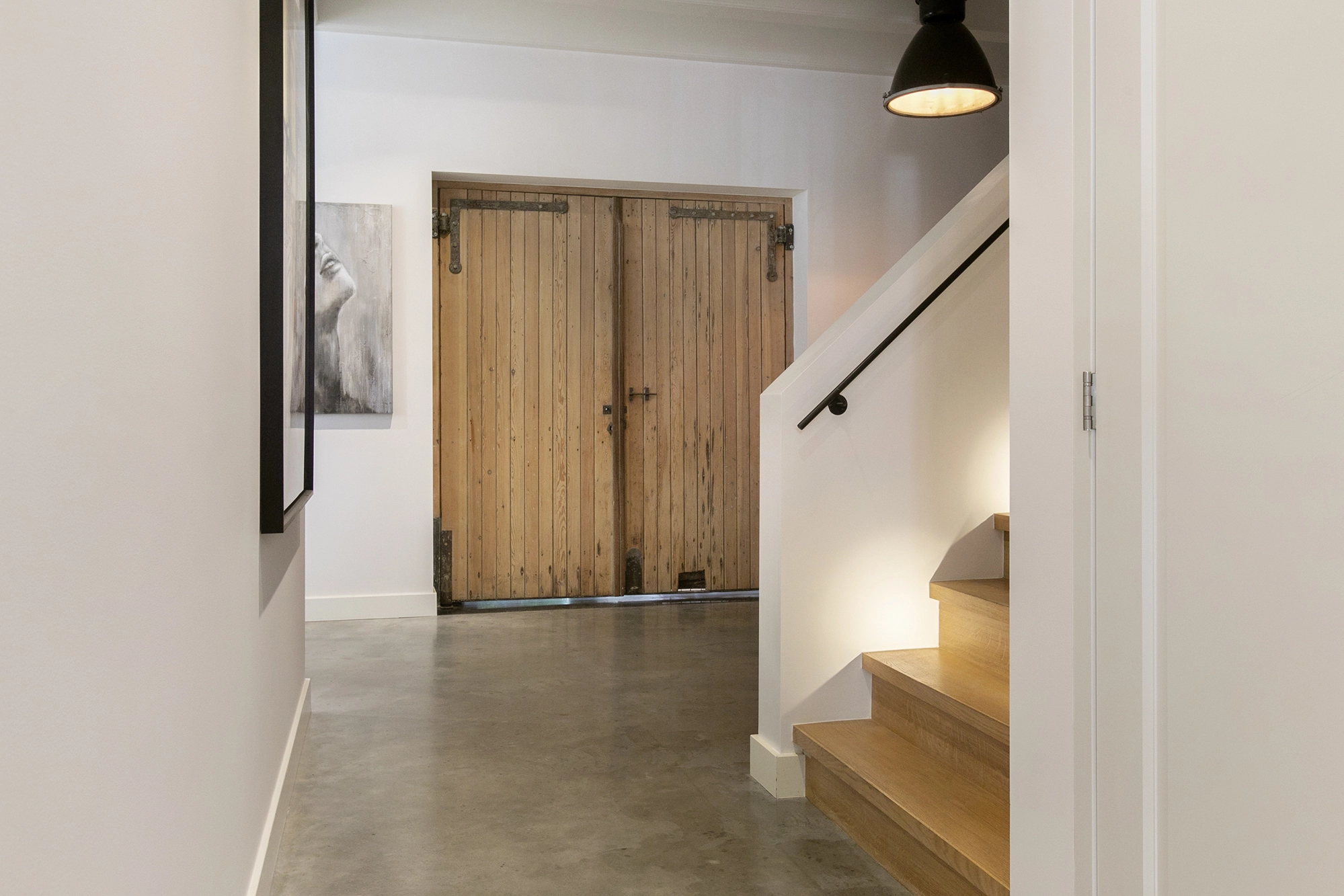
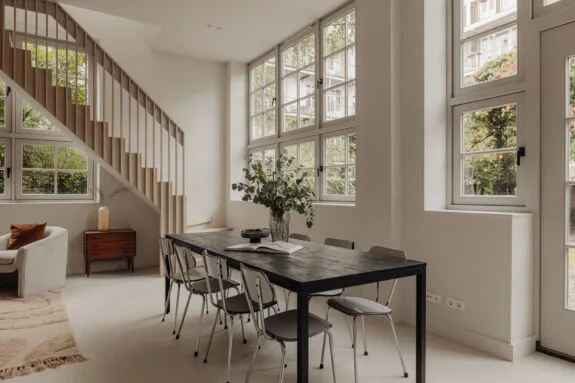
With respect for heritage and a modern perspective, Studio Piet Boon created residences open floor plans and three living levels. The light color palette and robust materials, such as cast floors and concrete structures, emphasize the space and industrial origins.
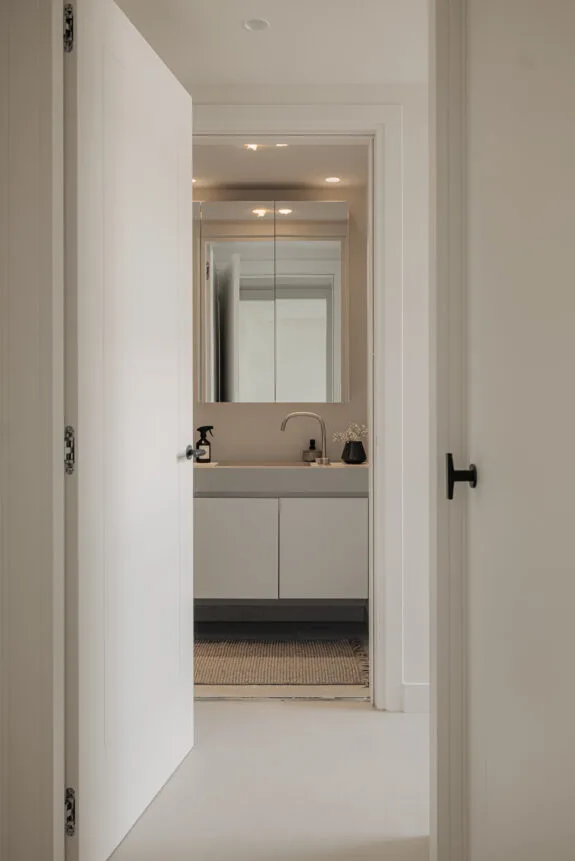
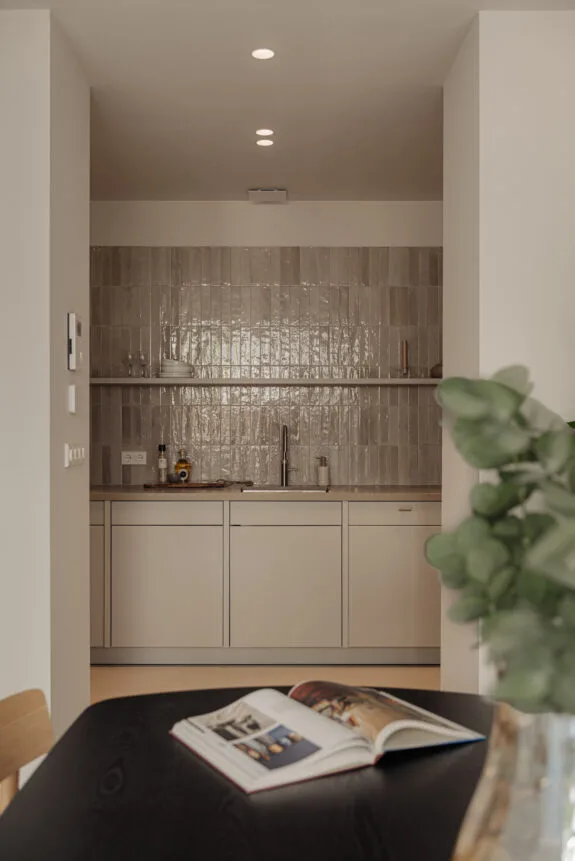
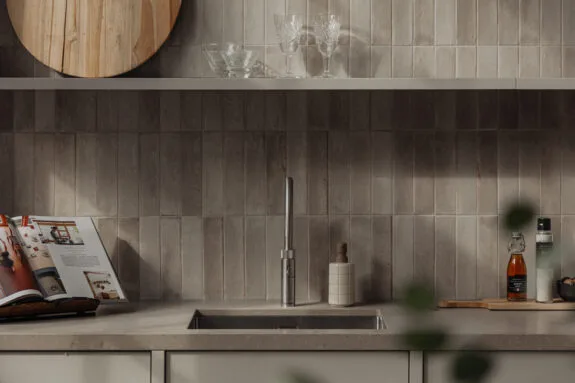
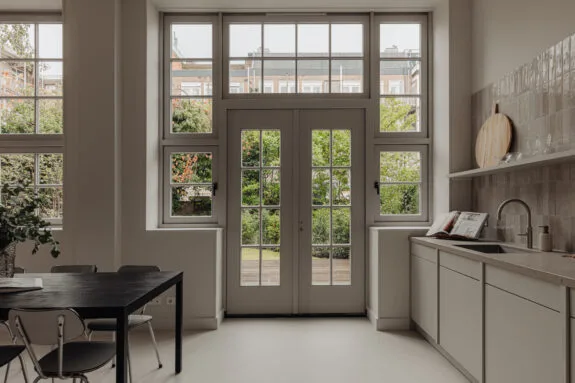
"Each home combines an optimal layout with distinctive Piet Boon details."
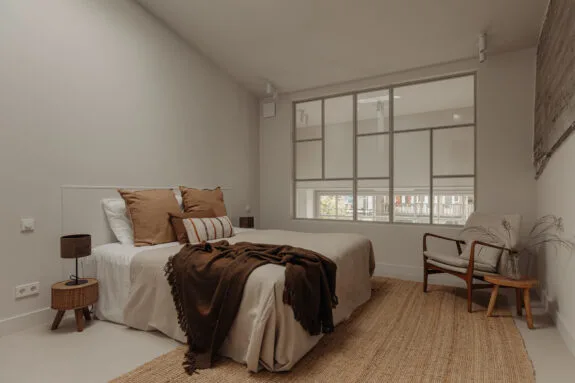
"Studio Piet Boon: The concrete construction in the apartments reinforces the monumental character."