During the Golden Age, Amsterdam grew into one of the world's leading trading centers. The city's success brought with it enormous population growth. New infrastructure had to be built. This growth led to the famous Canal Belt. More than 400 years after construction began, the Canal Belt has been declared a UNESCO World Heritage Site. This growth led to the famous Canal Belt. More than 400 years after construction began, the Canal Belt has been declared a UNESCO World Heritage Site. The first section of the Keizersgracht was dug in 1615. The Keizersgracht, named after Emperor Maximilian I, is the widest canal in the city center.
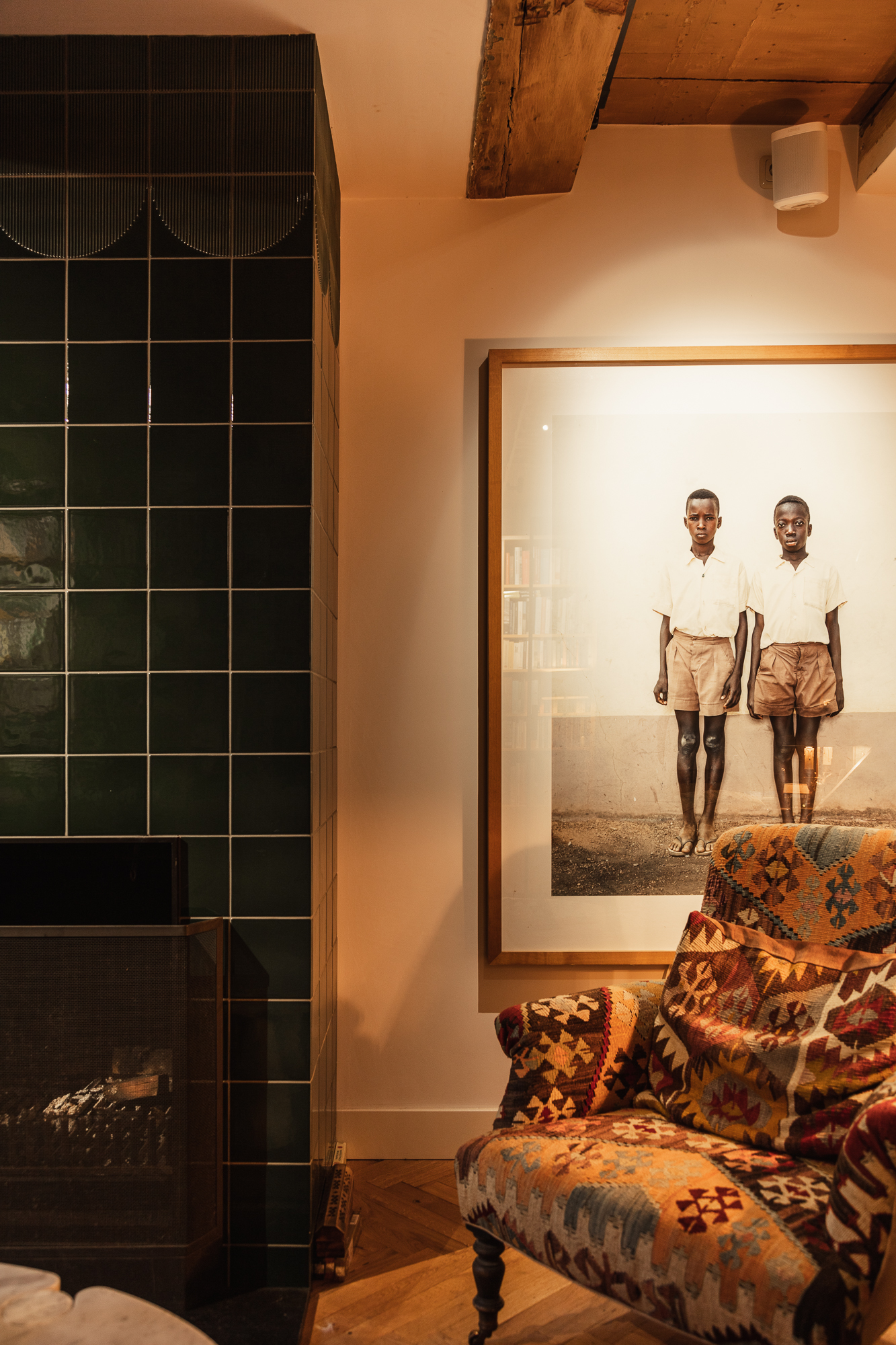
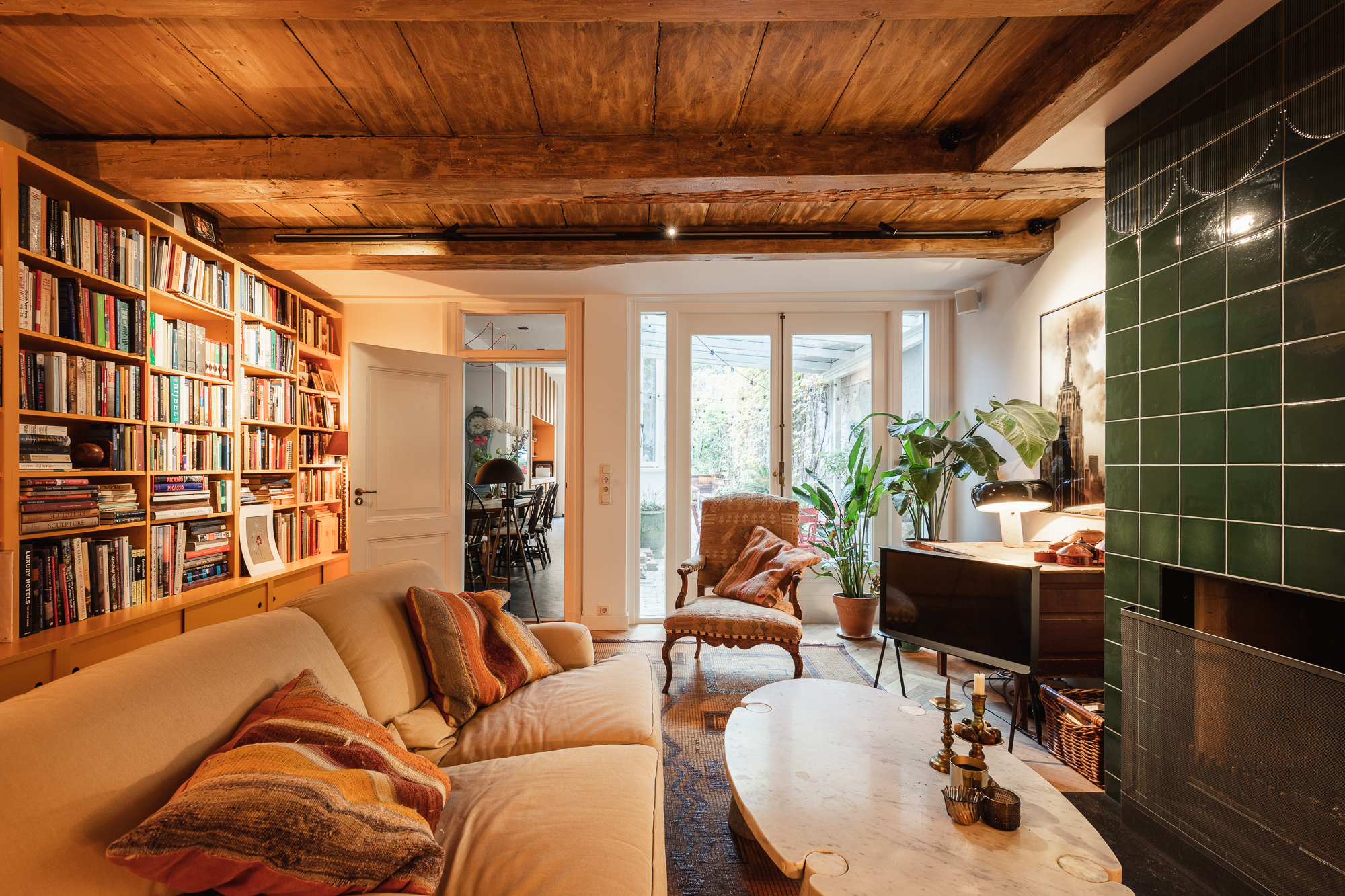
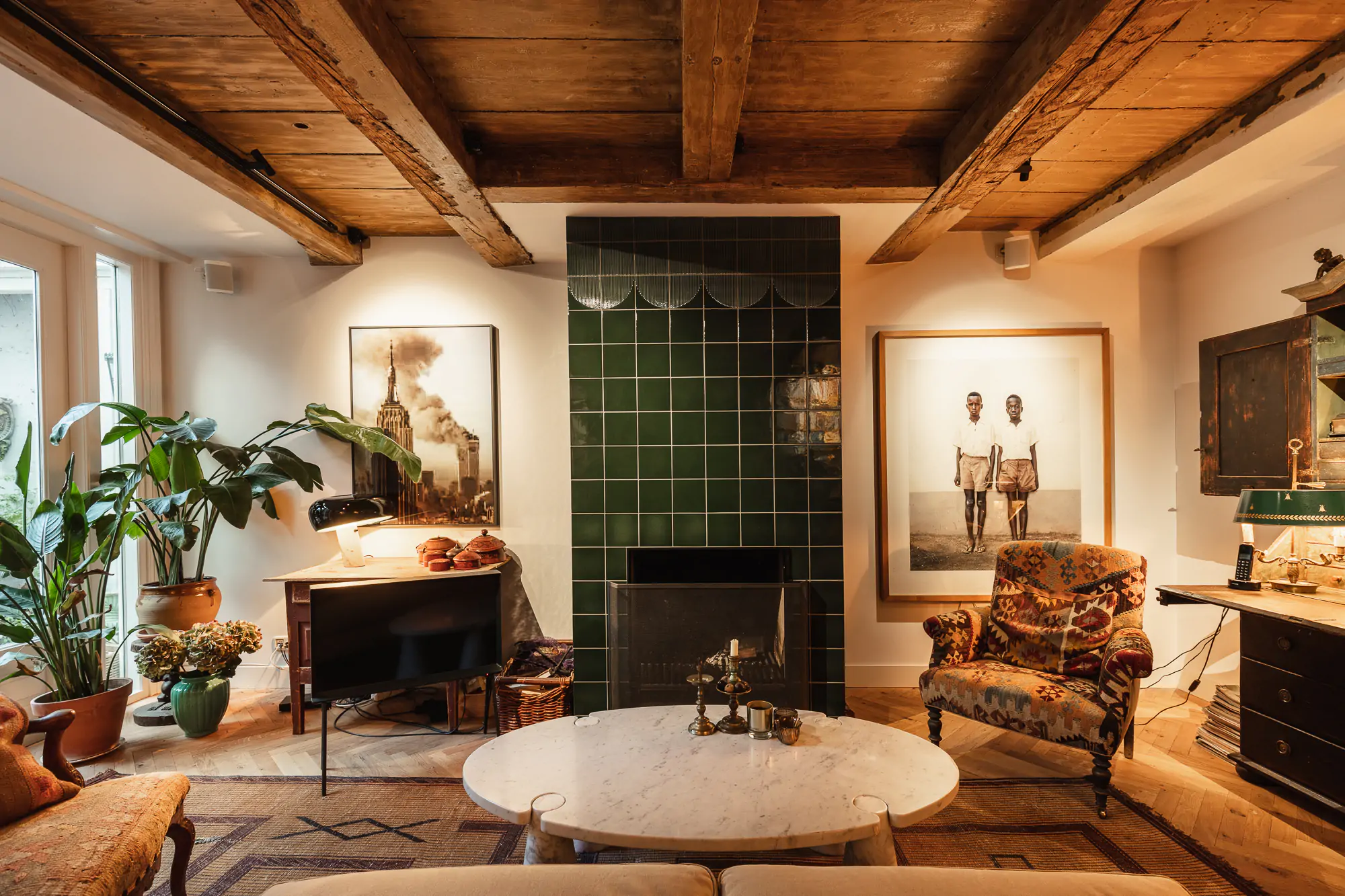
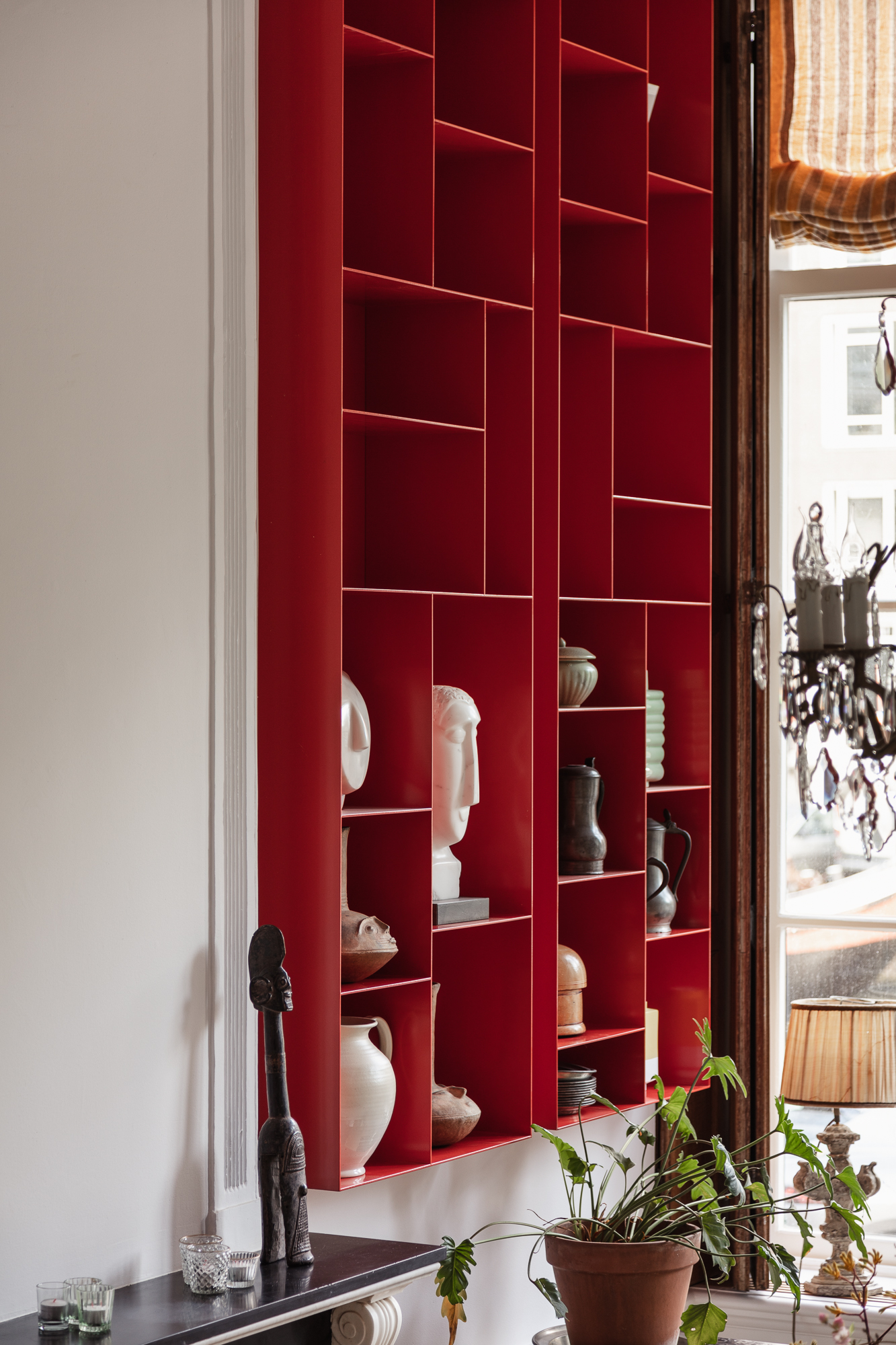
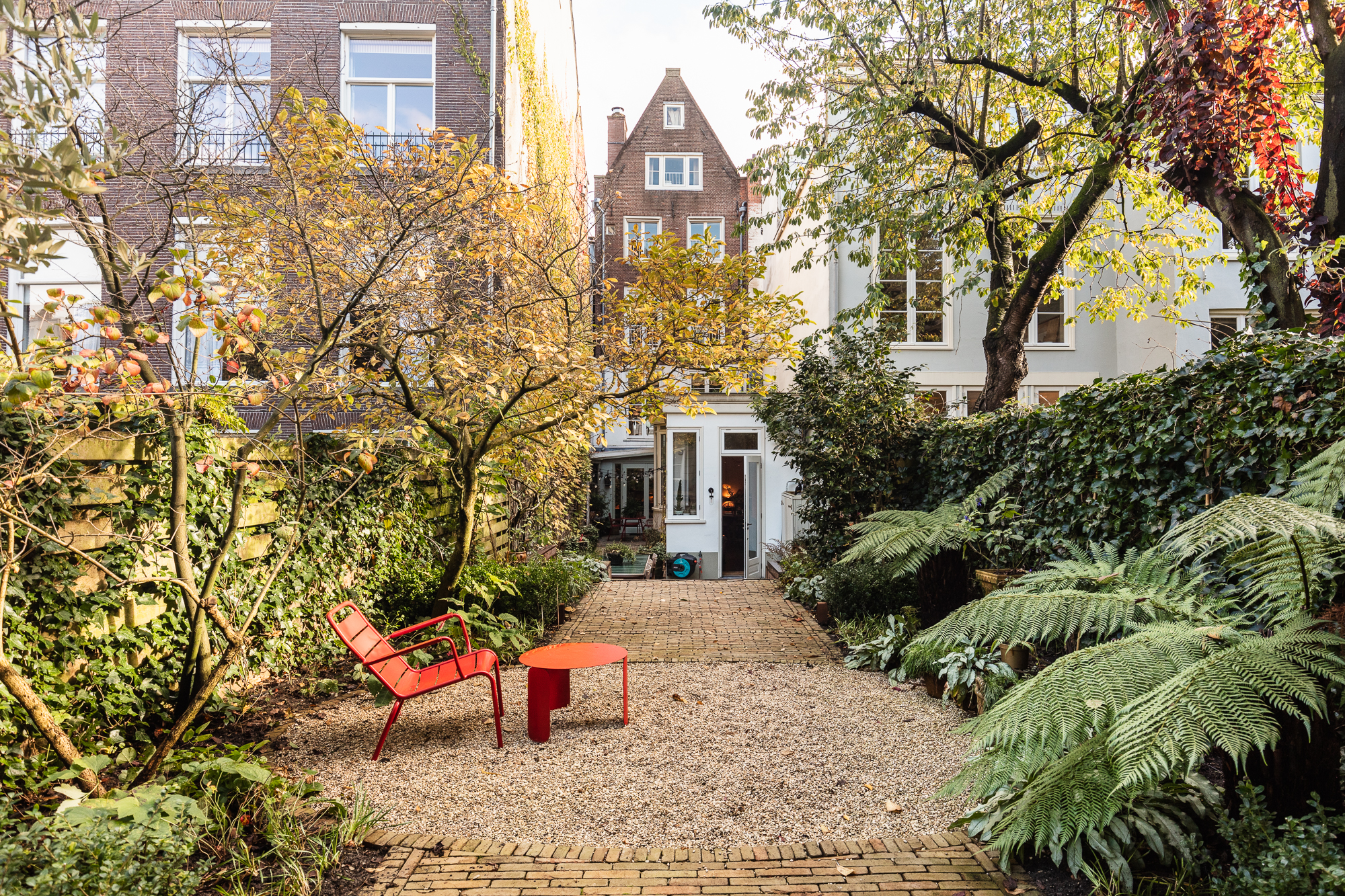
One of the deciding factors in choosing to live here was the 26-meter-deep garden. The location is fantastic. It's very quiet here, yet only a seven-minute walk to the central station. The Noordermarkt with its cafés, restaurants, and shops is just around the corner. The house dates back to 1622, and one of the mayors of Amsterdam was the first resident of the property. We get rave reviews about the interior. And apparently it's quite special, because the house has been featured several times in Residence magazine. We did most of the interior design ourselves. We have a lot of experience in decorating houses, both in the Netherlands and abroad. It's a hobby that got a little out of hand. Of course, we also seek advice. We always consult our architect Charles Slot first, whom we have known for years. He has a brilliant way of combining tradition with modernity, without compromising on warmth. Odette Welvaars and Mick Knoop have often helped us with furniture and lighting. They are also trusted suppliers for us.
History
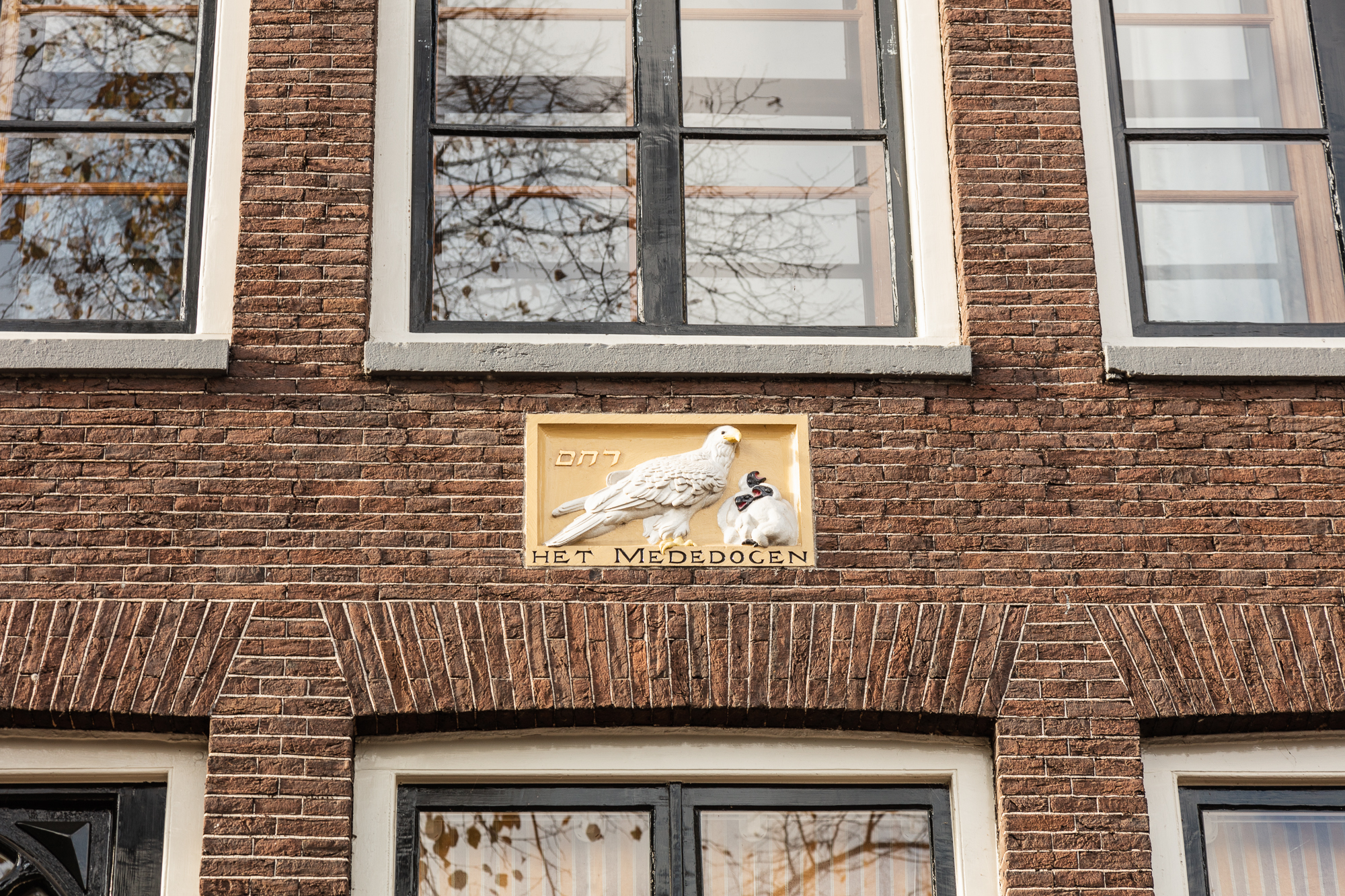
Keizersgracht 50 was built in 1622, originally with a stepped gable. Dr. Wouter Valckenier (later mayor) was the first resident. In 1783, the building got a new resident and a new facade. The stepped gable was replaced by a curved neck gable from around 1750, presumably from another house. The facade features a special facade stone depicting a bird of prey sitting next to three chicks. The image is a variation on the well-known image of the pelican reviving its young with blood from its own open breast. The Hebrew word at the top left means 'compassion'. With the bird of prey, the plaque refers to Wouter Valckenier, who came from the well-known Valckenier family of regents.
"What are we going to miss?"
It's wonderful living here. The house embraces you and never feels too big, even though it offers plenty of space. From the main floor, the entire house is bathed in light. This is Location only the ground floor has a rear section, giving every floor a sense of openness. This is rare in houses of this size in Amsterdam. It also makes the garden much deeper. And now Rooms . Our children have left home, and we are going to focus more on traveling abroad. We are going to miss the amazing garden, the cozy feeling, the space, and the beautiful light enormously. Hopefully, the new residents will also experience this warm feeling.