Botanic Barn
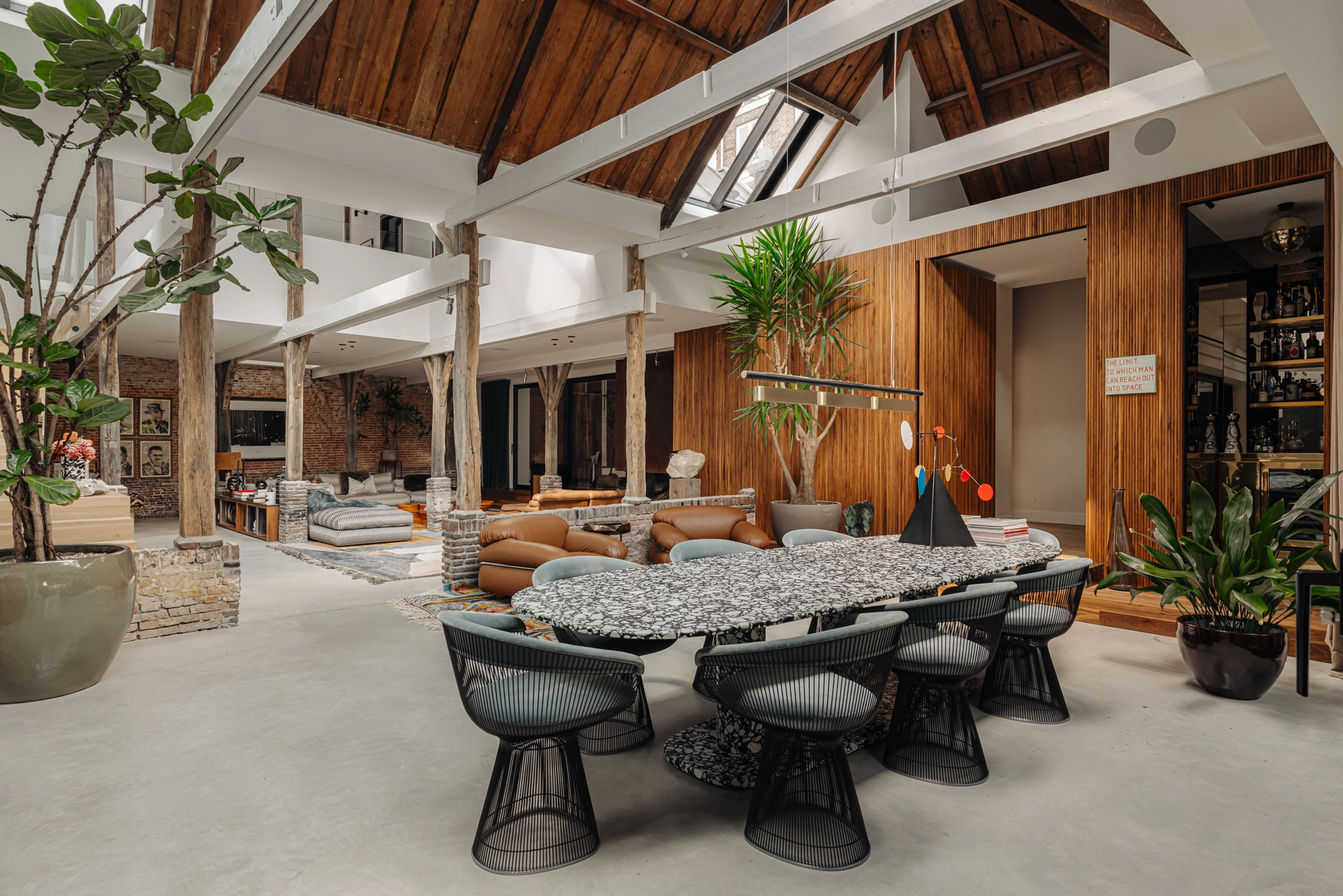
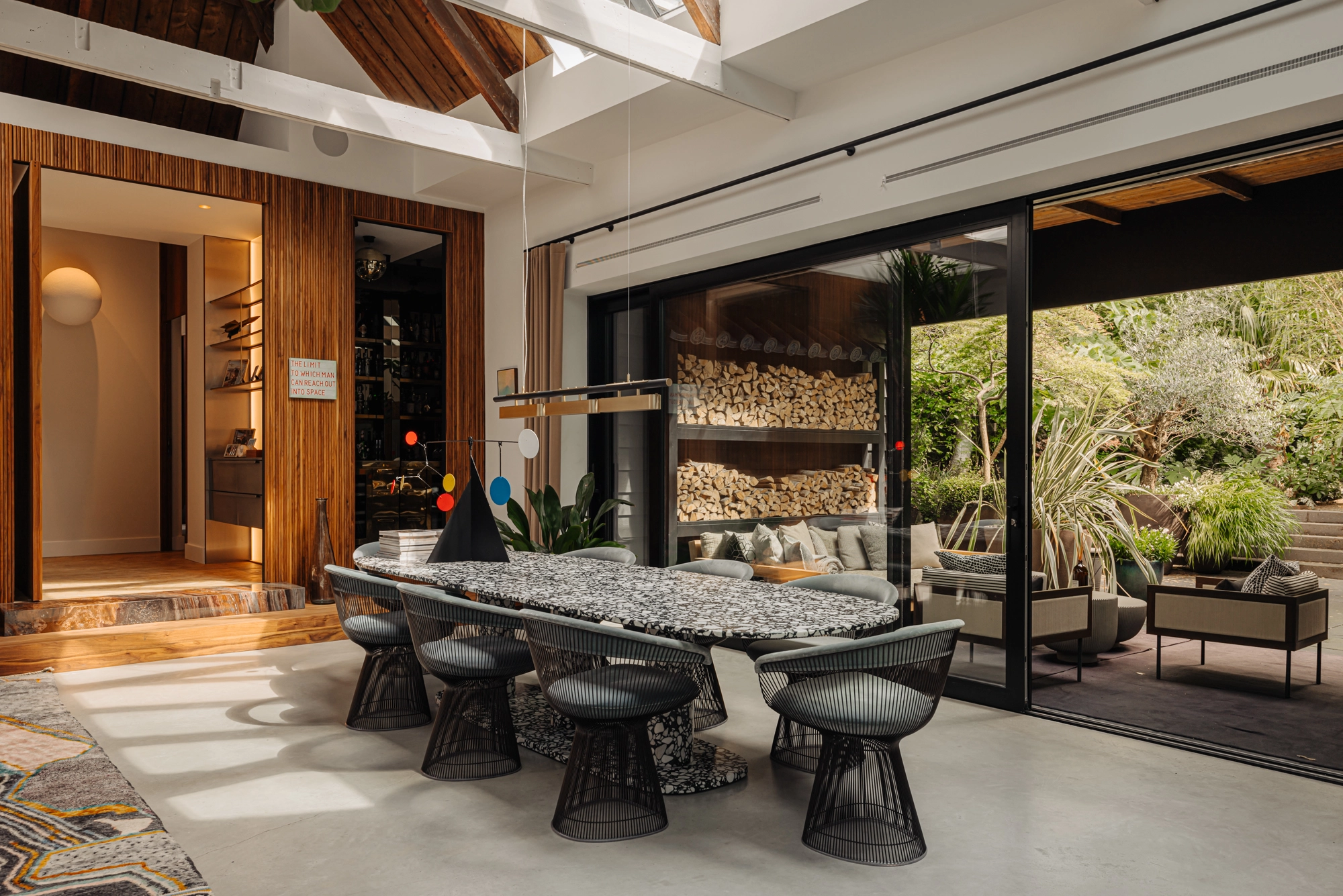
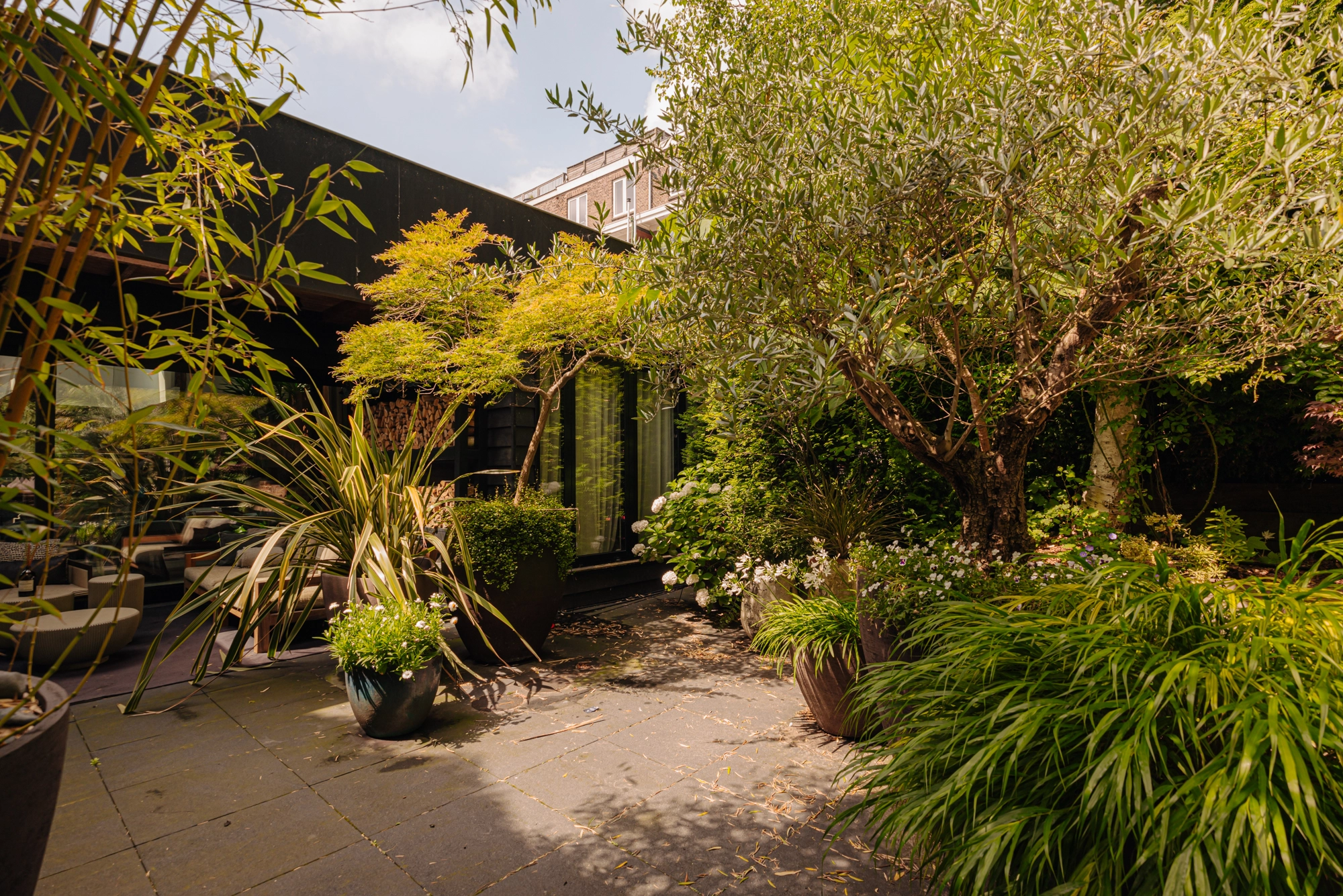
A serene tranquility. In the heart of the Jordaan. From the canal, you can't imagine what lies behind the front door. We'll give you a sneak peek. Large open spaces with high ceilings, a large garden. Over 500m² of living space. The neighborhood feels like a small village in the city and is surrounded by sights, museums, and parks, among other things. There are countless characteristic buildings, museums, and galleries to discover on the historic canals. Take a sneak preview of this 'HIDDEN OBJECT' and sign up to find out more.
History
Lauriergracht, part of the Jordaan district, was constructed after 1612 during one of Amsterdam's major urban expansions, known as the Third Expansion. Until 1612, this area was home to Kaatsbaanpad, which, together with the three nearby sea clay mills, had to make way for this urban expansion.
During the construction of the Jordaan, the pattern of the old polder ditches was maintained. The canal belt was constructed in a semicircle around the old city center, which meant that the Lauriergracht is at an angle to the canal belt and Immediately not Immediately to the bridges over the Prinsengracht. In the Jordaan, several canals and streets are named after flowers and shrubs.
Six of the eleven canals in the Jordaan were filled in during the 19th century, but the Lauriergracht, Egelantiersgracht, Bloemgracht, Looiersgracht, and Passeerdersgracht retained the open water connection between the Prinsengracht and the Lijnbaansgracht.
No fewer than 36 national monuments can be found on the Lauriergracht. Several famous painters, such as Govert Flinck, Melchior de Hondecoeter, and George Breitner, have had their residences here.
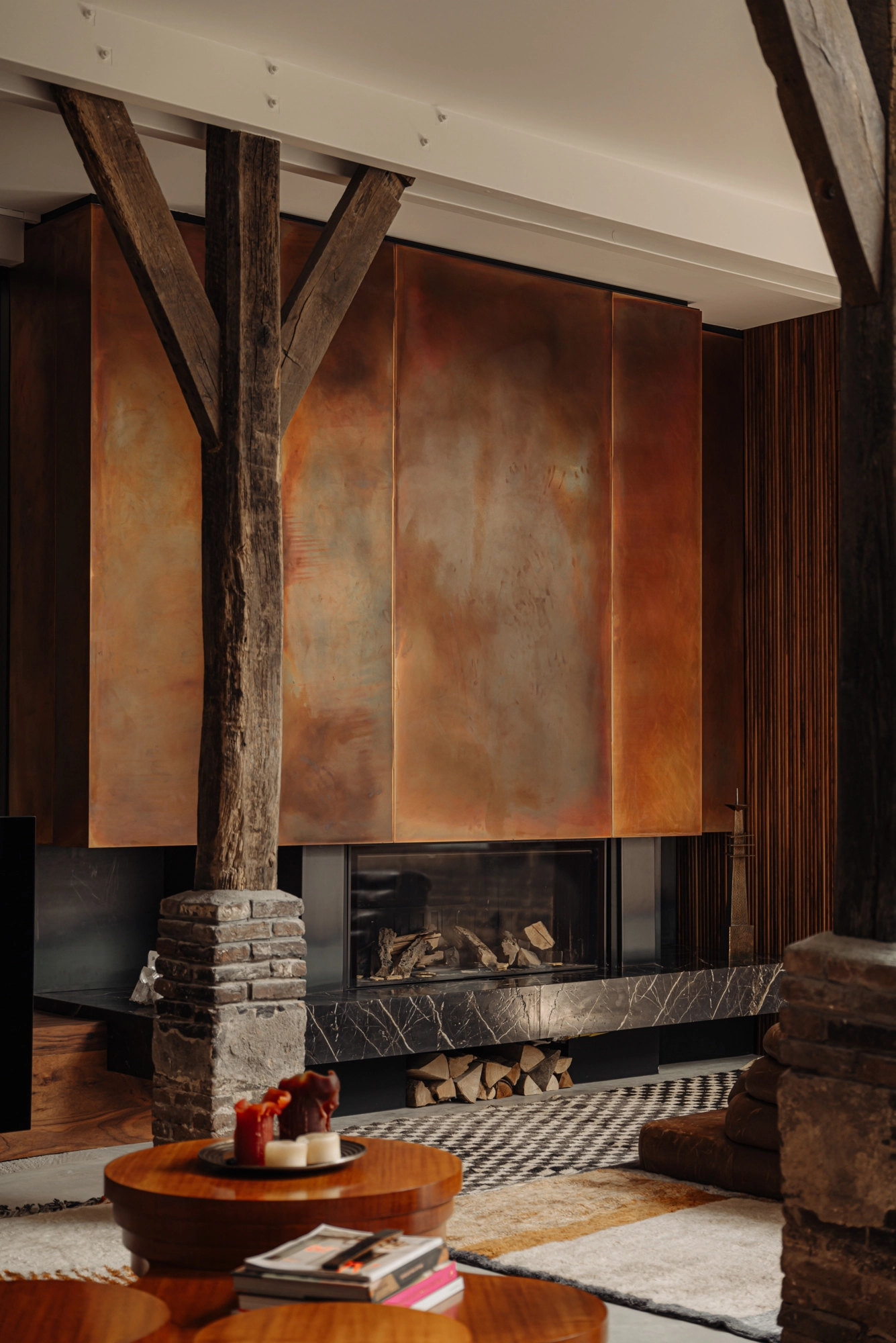
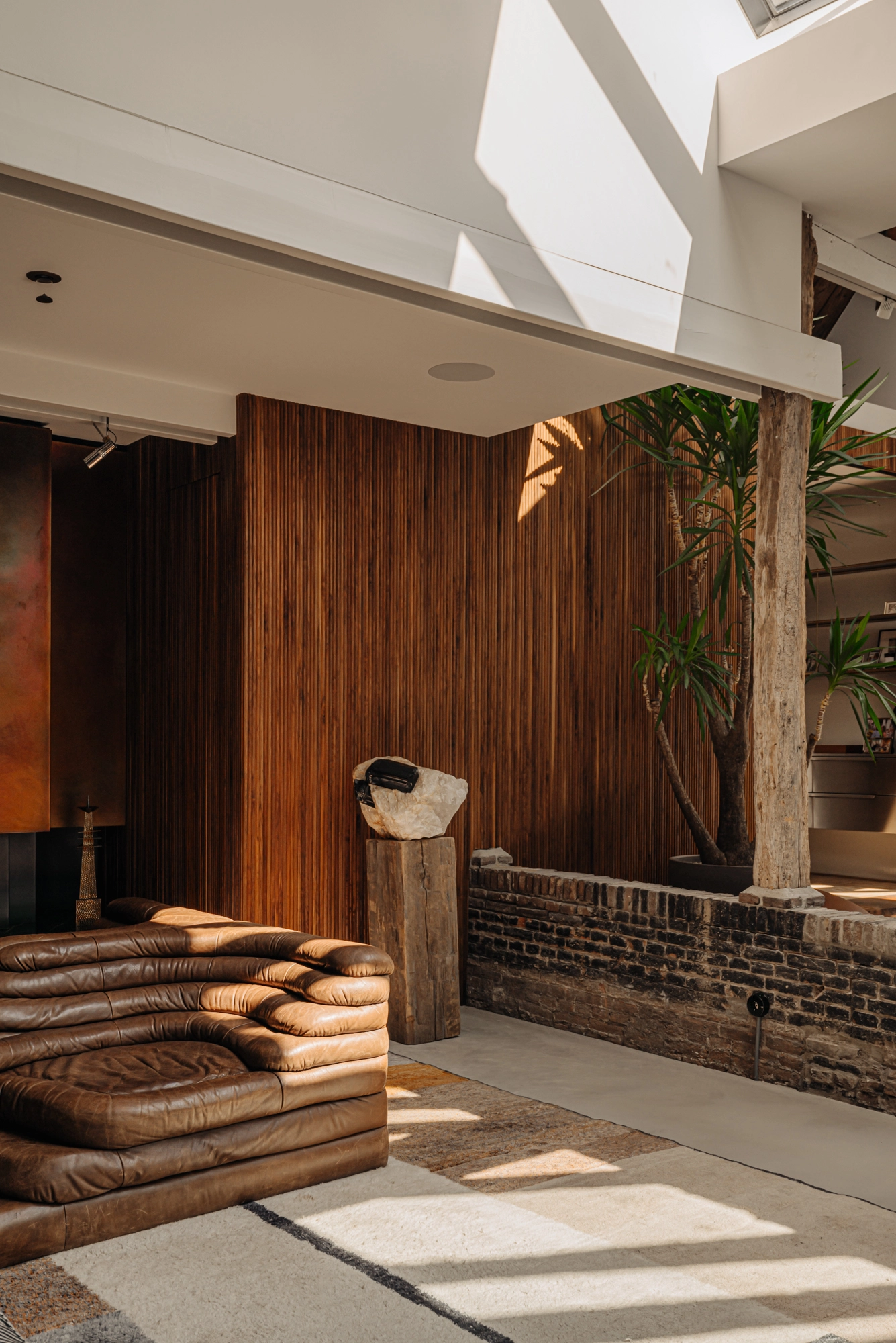
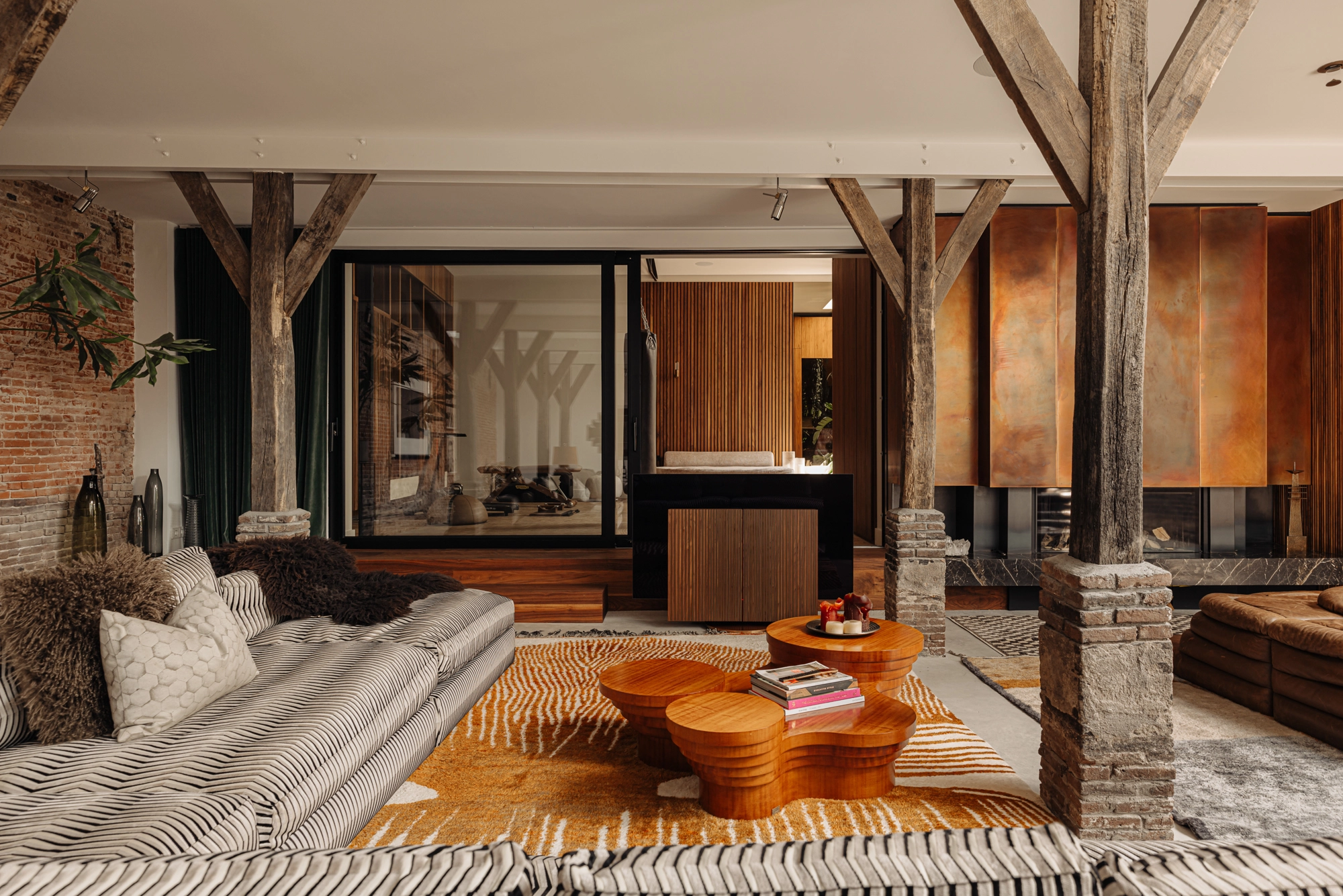
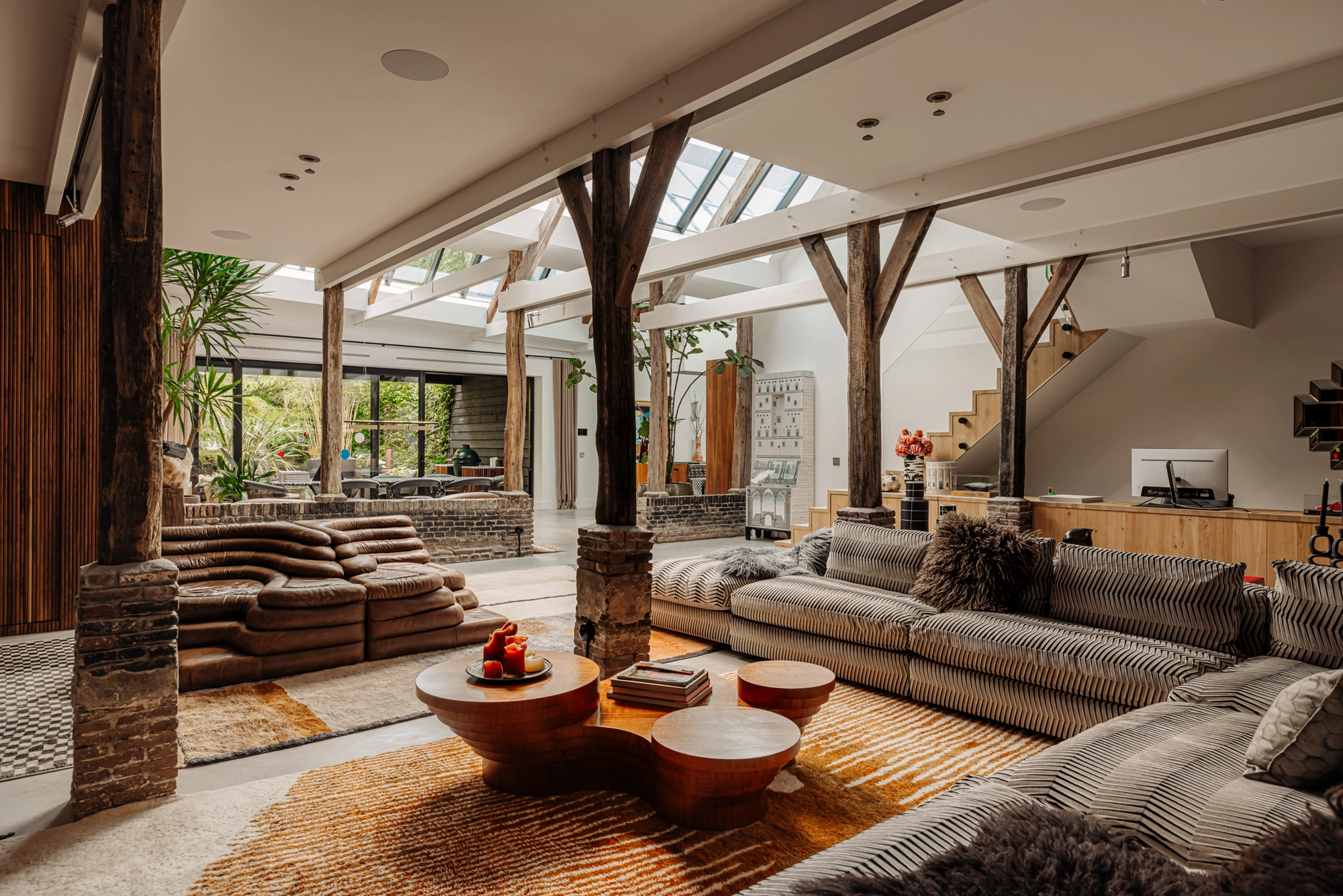
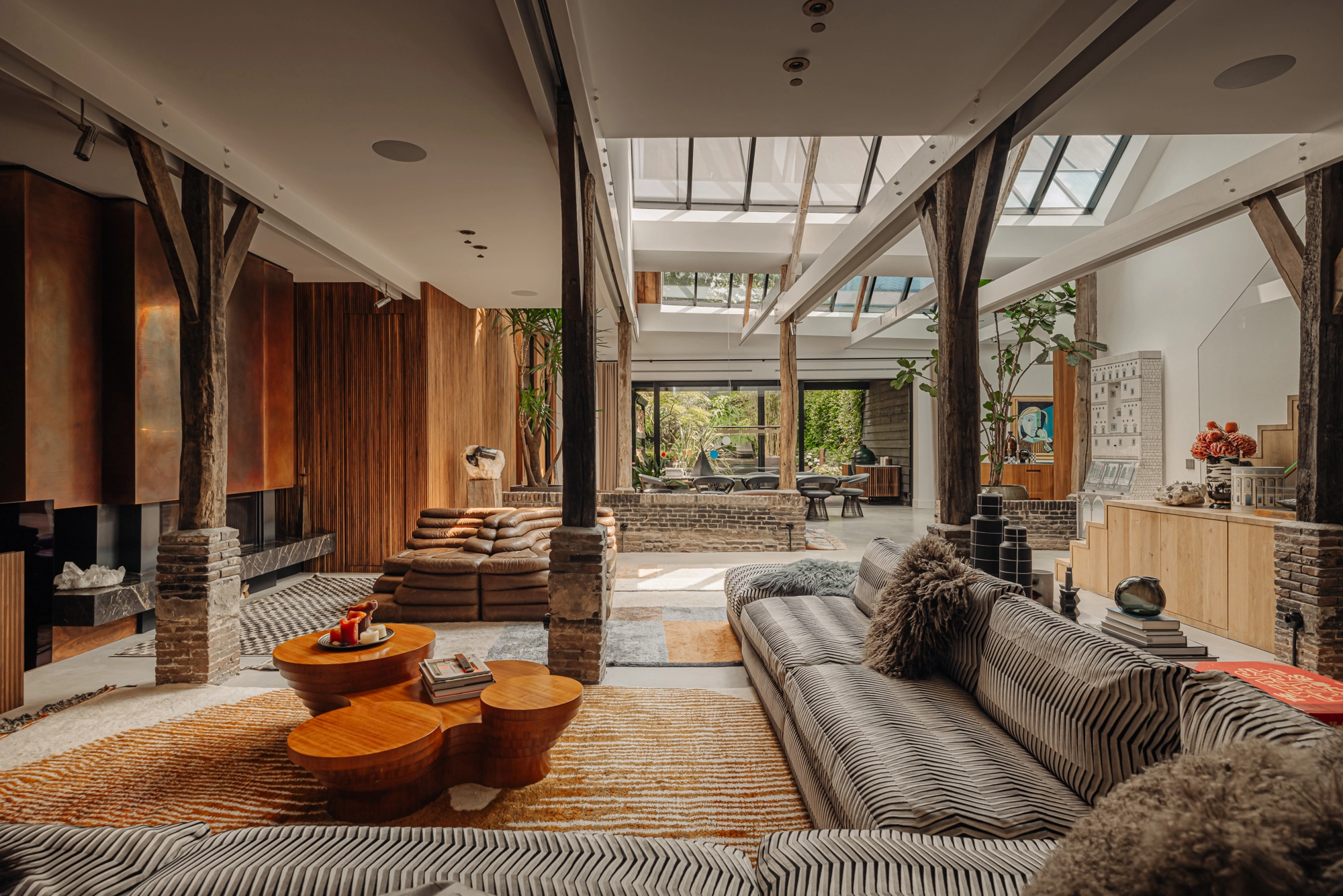
"The living room is spacious with high ceilings and attractive recessed lighting."
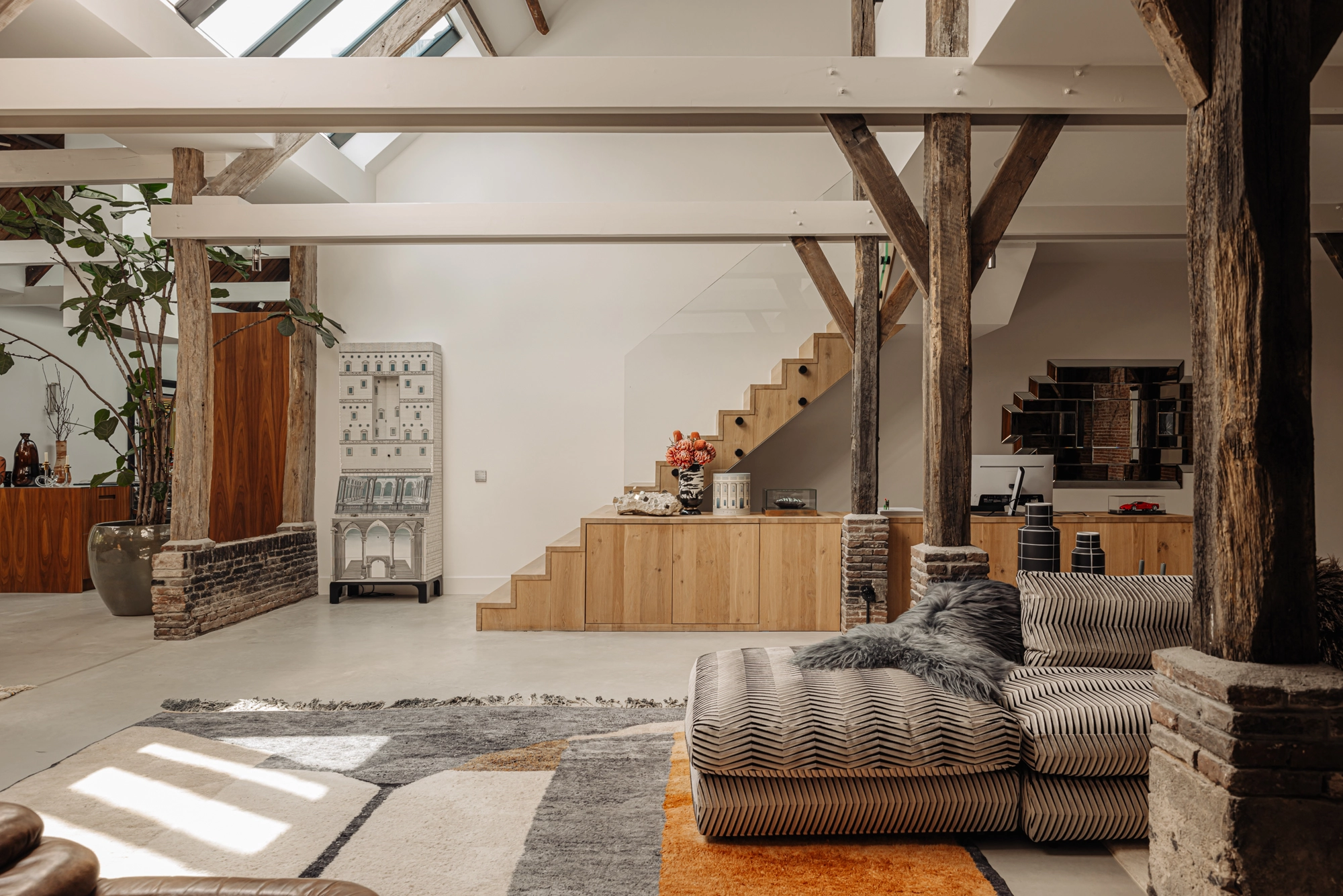
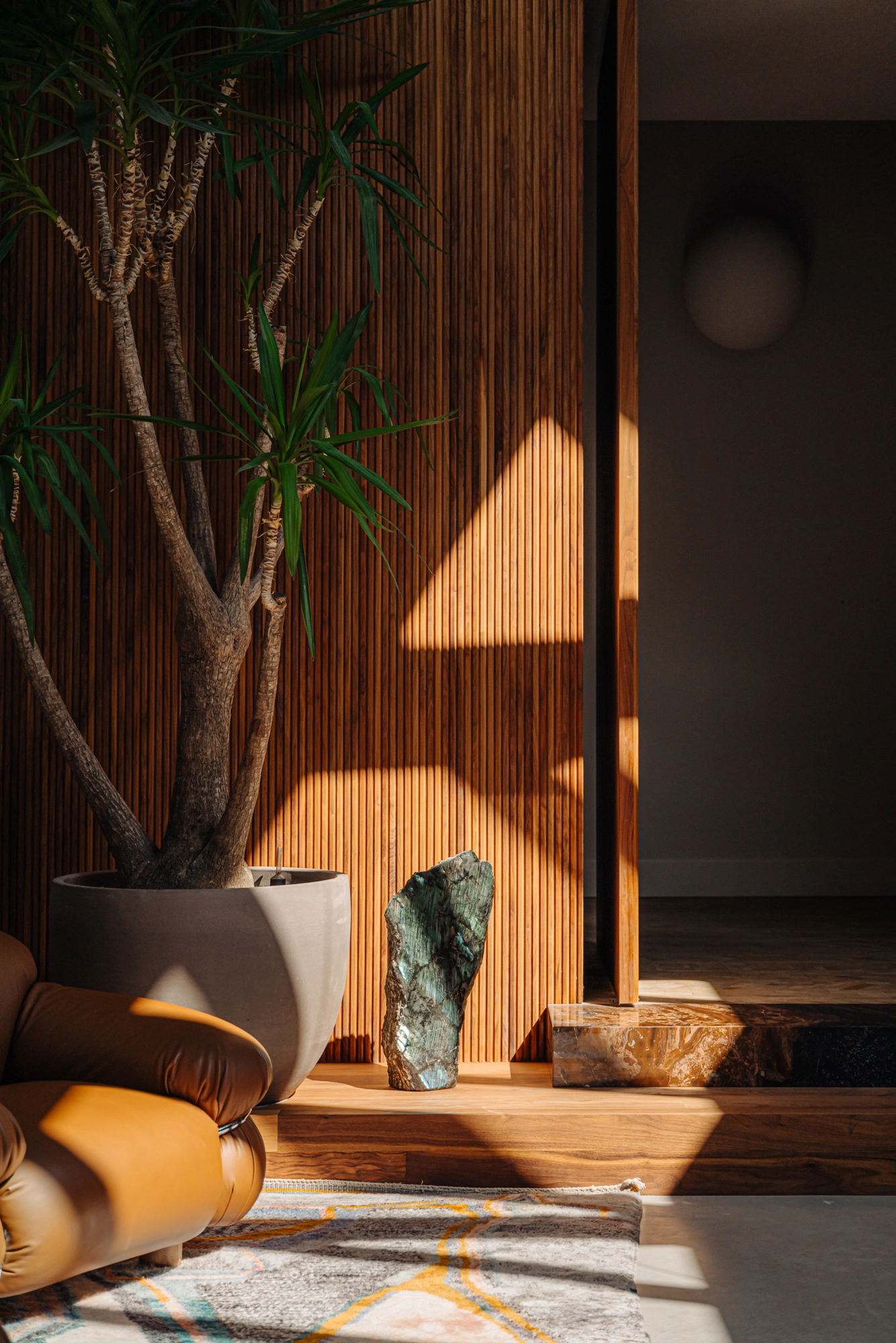
"On the floor above the living room, there are three more bedrooms, each with its own bathroom. The mezzanine keeps these two floors visually connected to the living area downstairs."