Brutalism in Amsterdam: Concrete, Form Follows Function, and A New Perspective
Brutalism on the silver screen
With The Brutalist, a film currently showing in theaters, brutalist architecture is back in the spotlight. The film tells the story of a Hungarian architect who builds a Brutalist masterpiece in America after World War II. The raw, uncompromising beauty of this architectural style is not only presented as a visual statement, but also tells a story about progress, idealism, and the tension between functionality and expression.
This renewed appreciation for brutalist architecture is not only visible in film, but also in the world of architecture and design. Whereas brutalist buildings were long considered 'cold' and 'hard', there is now a new appreciation for their raw and honest appearance. There are also some notable examples in Amsterdam.
Brutalist gems in Amsterdam
Although Amsterdam is not as well known for brutalist architecture as London or Paris, the city does have a number of iconic buildings in this style. Think of the massive concrete blocks of the AMC (Amsterdam UMC, AMC location), the high-rise buildings of the Vrije Universiteit, or the imposing former GAK building in Bos en Lommer. These buildings were designed with clean geometry and an emphasis on raw, unpolished materials—a radical departure from the brick city Amsterdam is known for.
Brutalist architecture was also used in the financial sector, such as in the former ABN AMRO office on Foppingadreef. Here, concrete was used not only as a construction material, but also as a visual statement: solid, unshakeable, and without unnecessary embellishments.
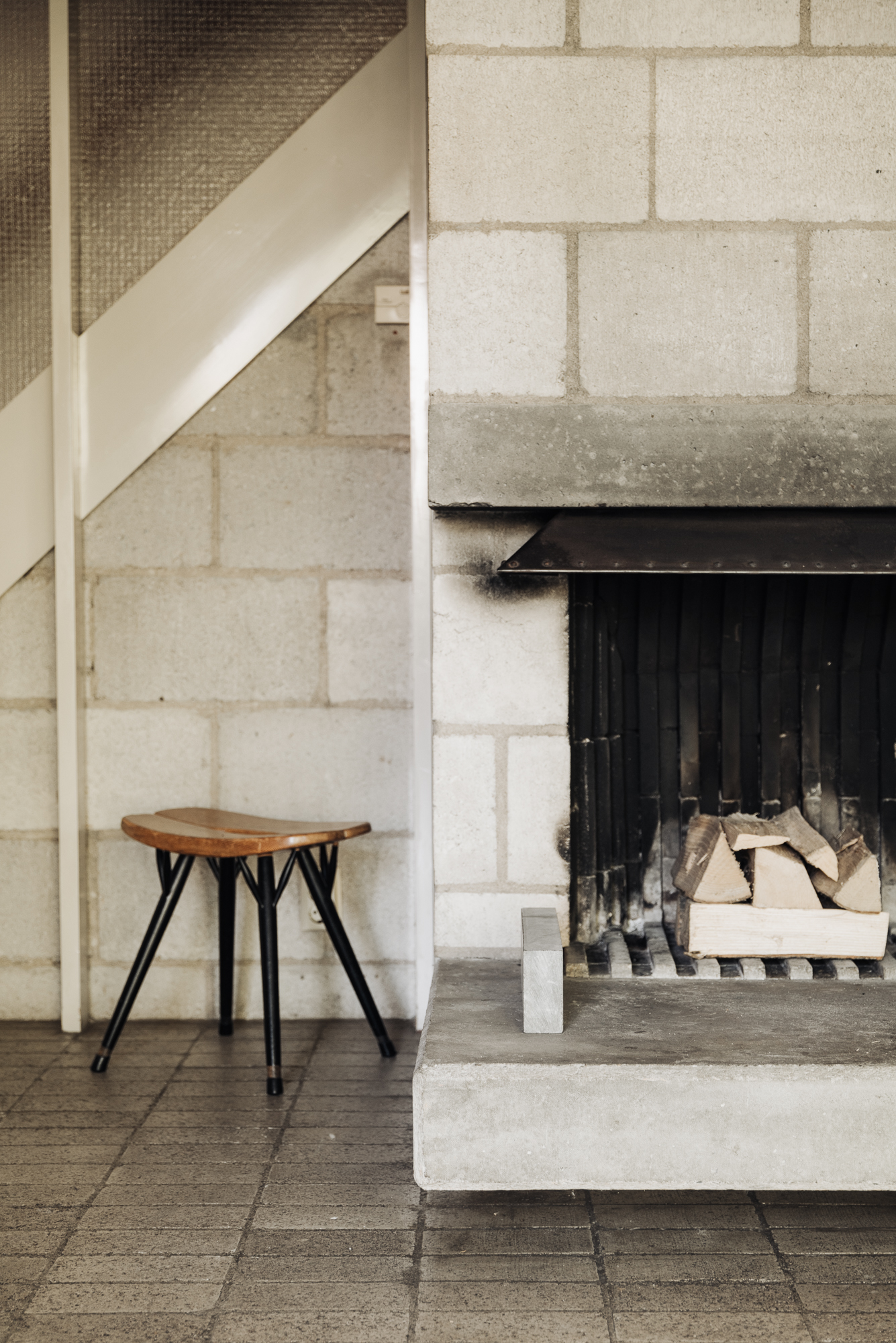
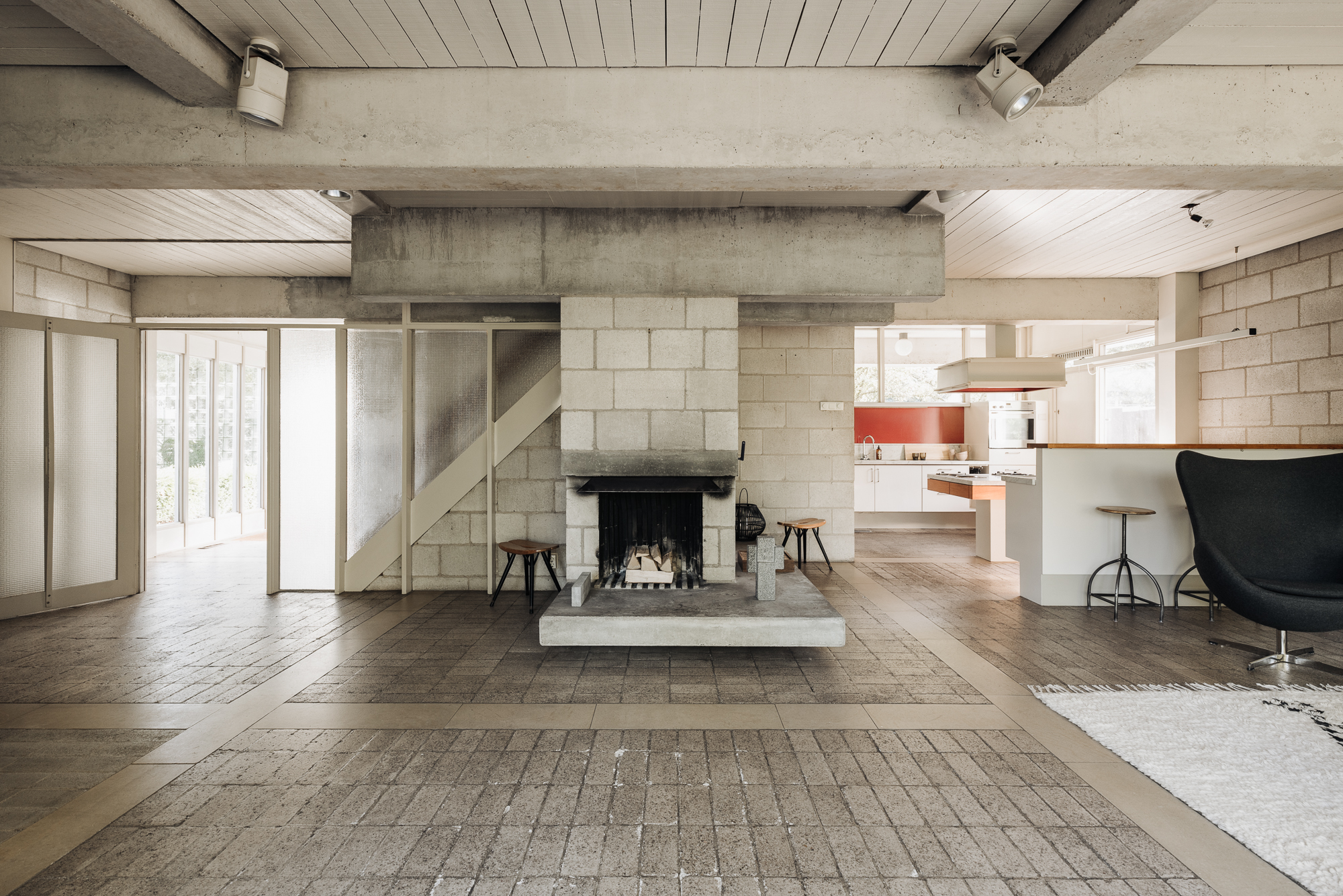
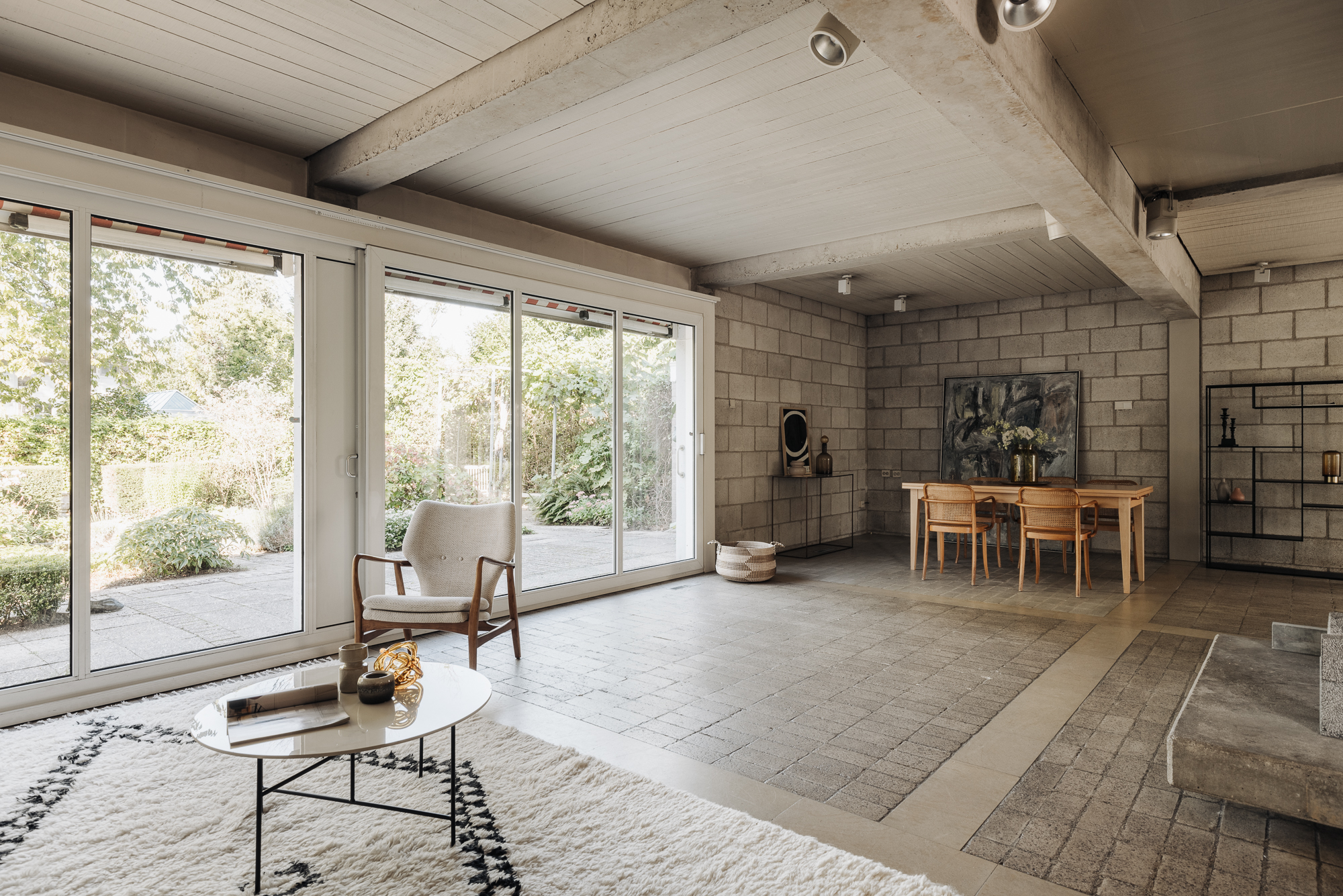
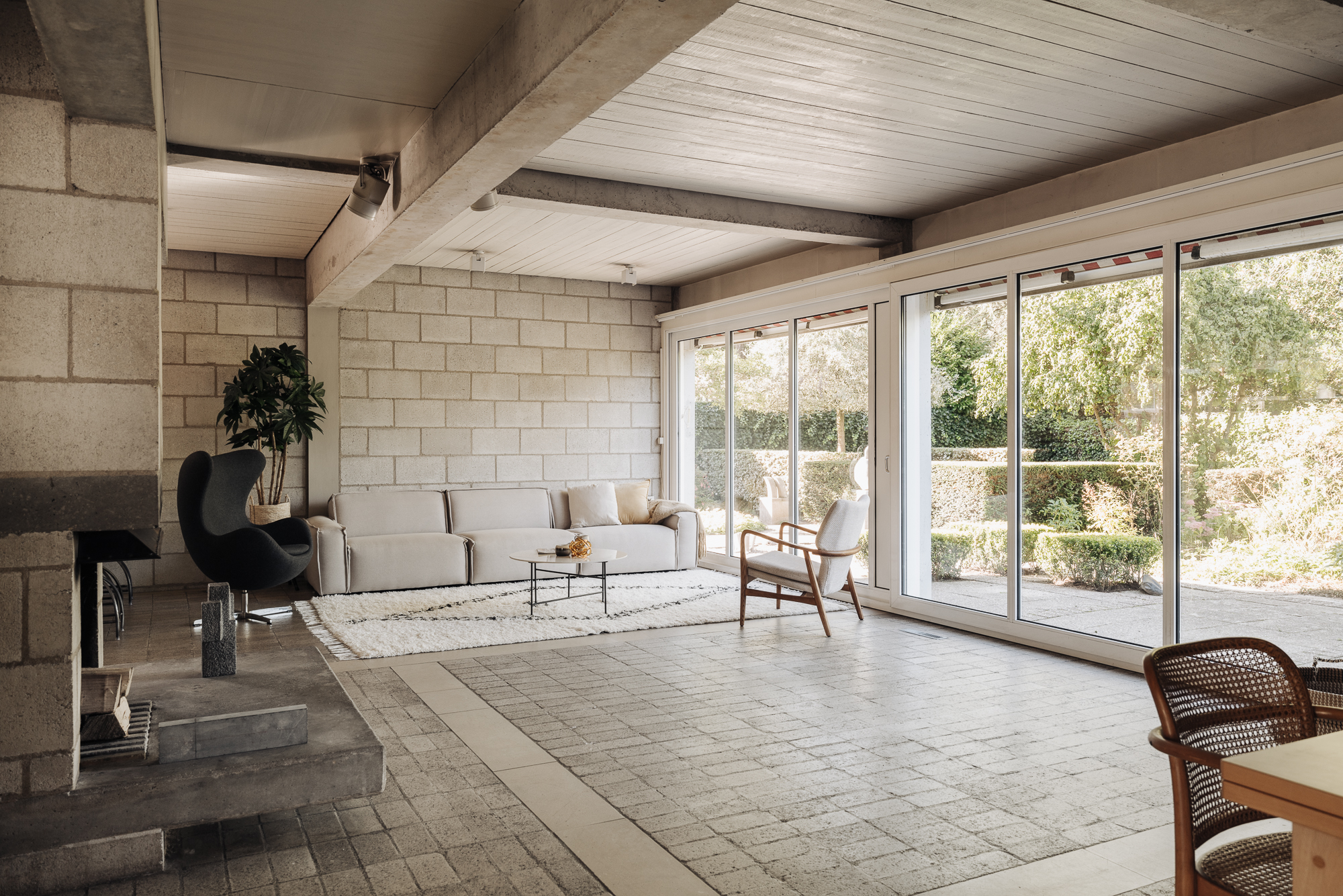
Amsterdam architect Gerard Prins designed the house on behalf of the current residents in nine quadrants with the fireplace in the center.
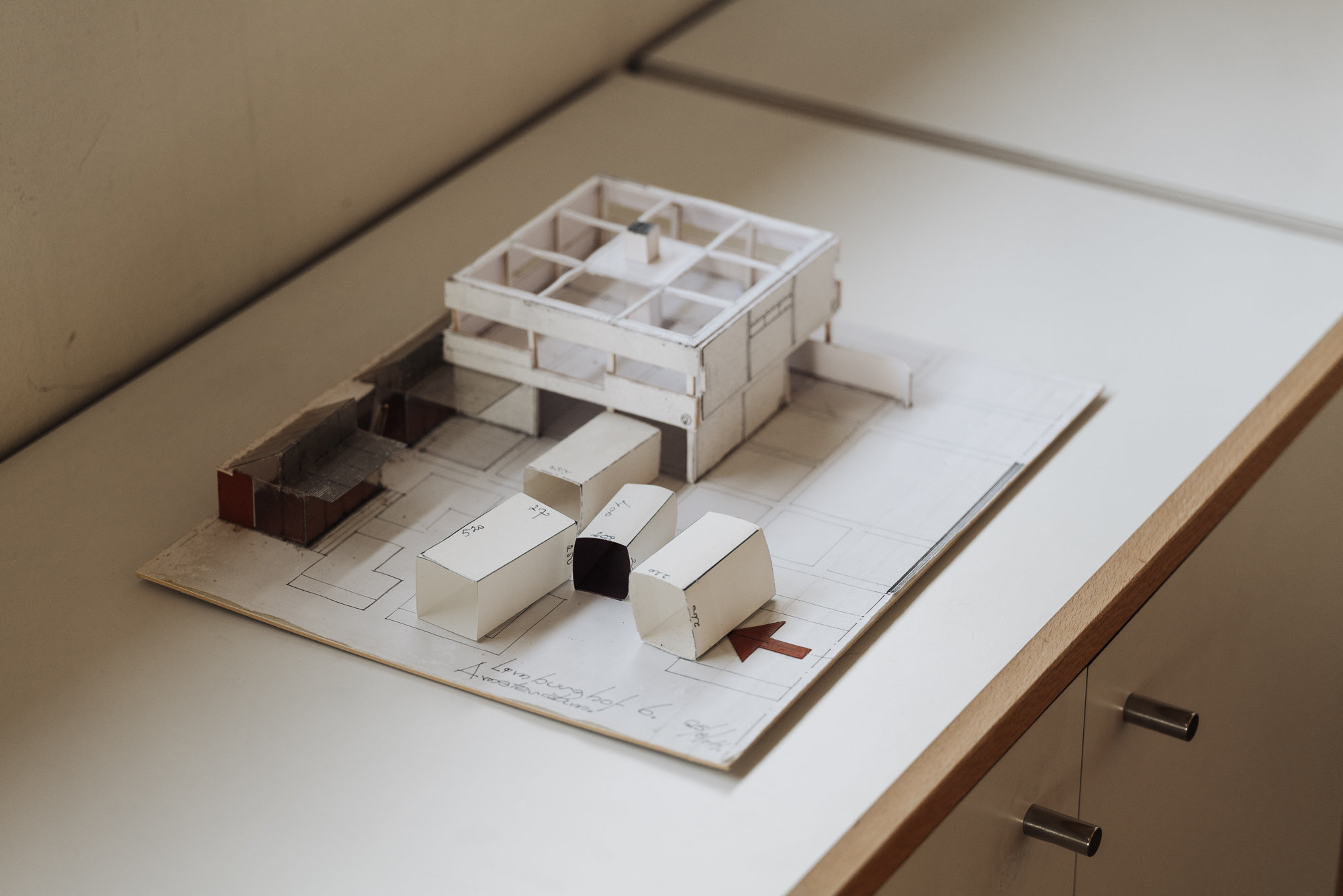
This idiosyncratic design has remained virtually untouched in the nearly 50 years that the first residents have enjoyed living there. This makes it a unique example of brutalism, a bold architectural style that emerged from modernism, with illustrious pioneers such as Le Corbusier and Mies van der Rohe.
From neglected to valued
For a long time, brutalist buildings were seen as cold and impersonal. Some buildings in this style have undergone renovations over the years that soften or even obscure the original brutalist aesthetic. But recently, there has been a renewed appreciation for this architectural movement. The raw, honest appearance of concrete and the sculptural qualities of these buildings appeal to a new generation of architecture enthusiasts.
A brutalist future?
While Amsterdam continues to innovate, it is unlikely that new brutalist buildings will be added to the skyline. Nevertheless, the influence of the movement remains palpable in contemporary architecture: clean geometry, raw materials, and a minimalist approach to design are gaining ground. Brutalism is not an architectural style that adapts easily—but perhaps that is precisely why, decades later, it is once again inspiring admiration.
Want to see brutalist architecture in Amsterdam with your own eyes? Take a walk past the AMC, Vrije Universiteit, and GAK buildings and discover how concrete can be more than just a building material—it's a statement.
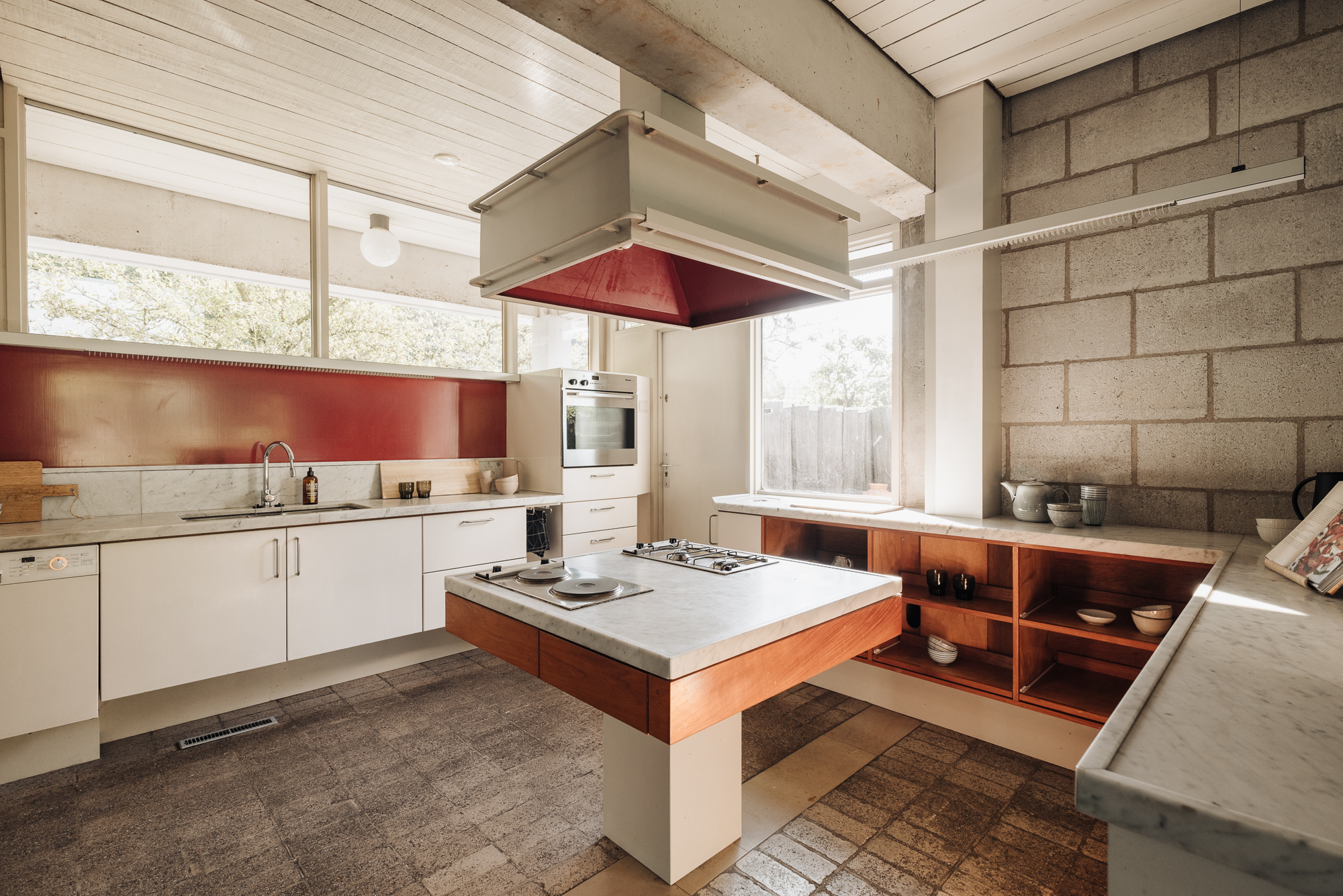
The kitchen, which was enlarged during a renovation in 1990, is entirely in keeping with the rest of the architectural style.
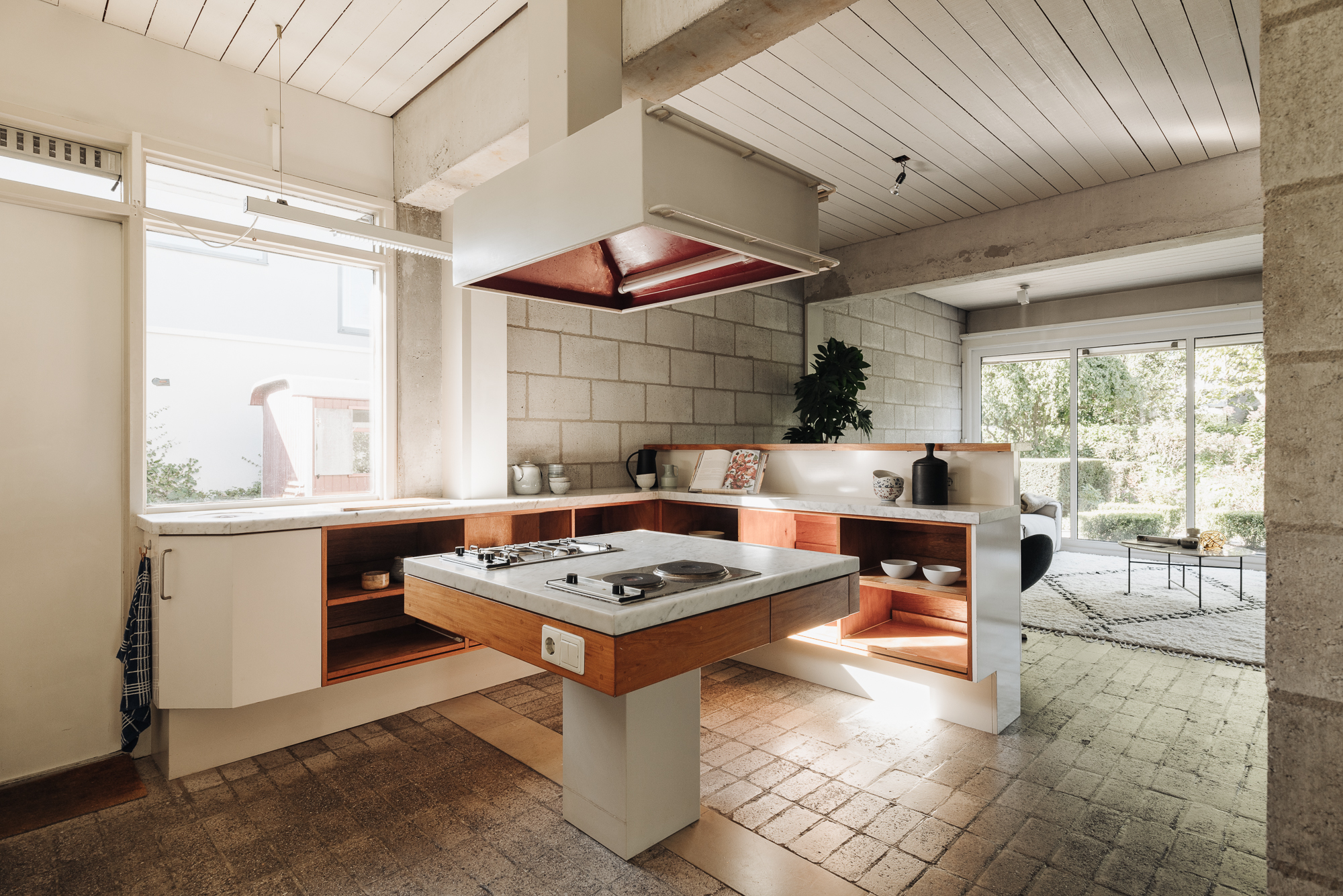
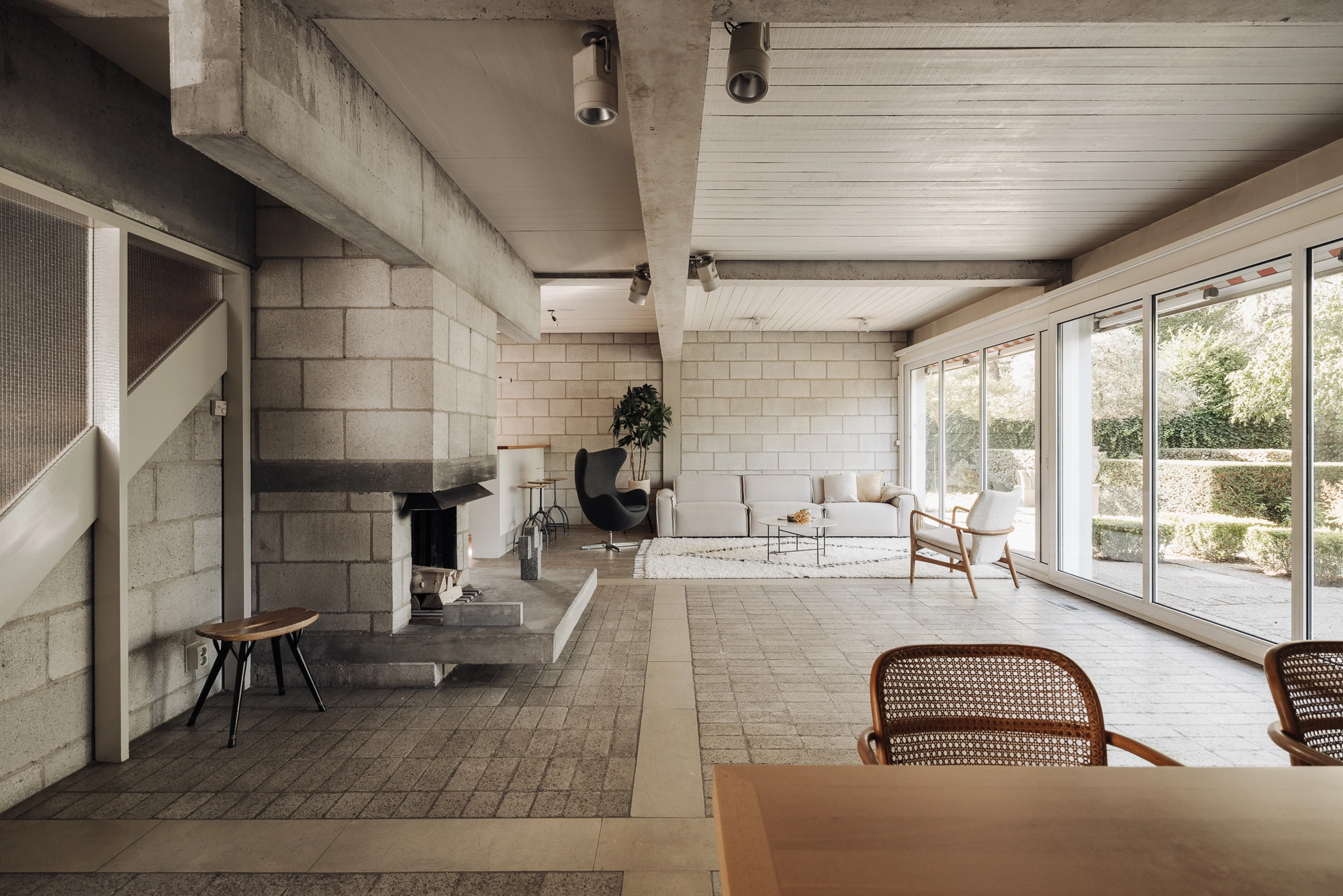
This residential villa has all the characteristics that make this movement so distinctive. Such as the use of unfinished reinforced concrete and brickwork, lots of glass and steel, and the repetition of block-like geometric shapes. It is a building like a force of nature, which, despite its robustness, is also transparent thanks to the many windows and sliding doors—especially at the rear—the spacious garden, and the generous living room with its characteristic central fireplace and open kitchen.
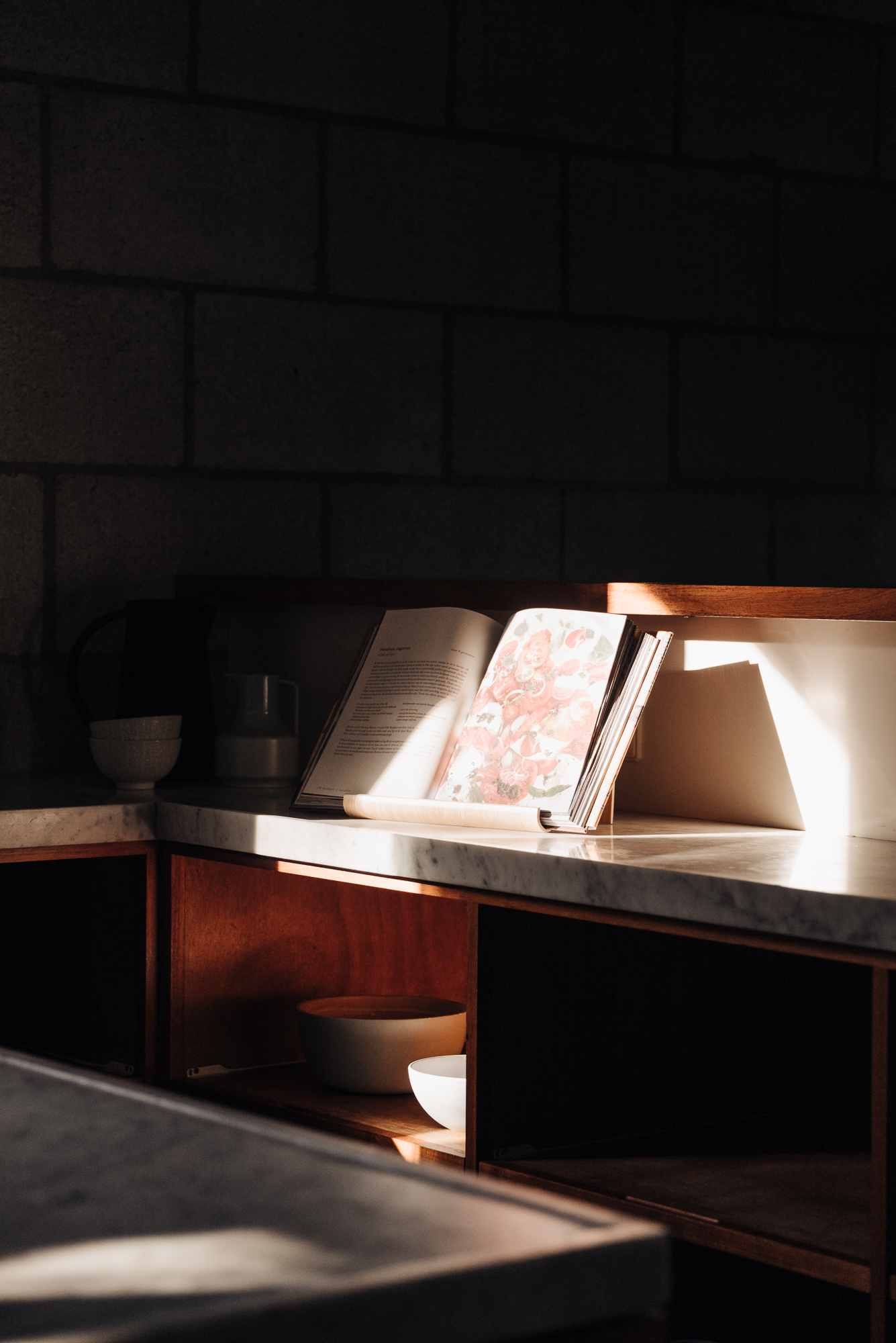
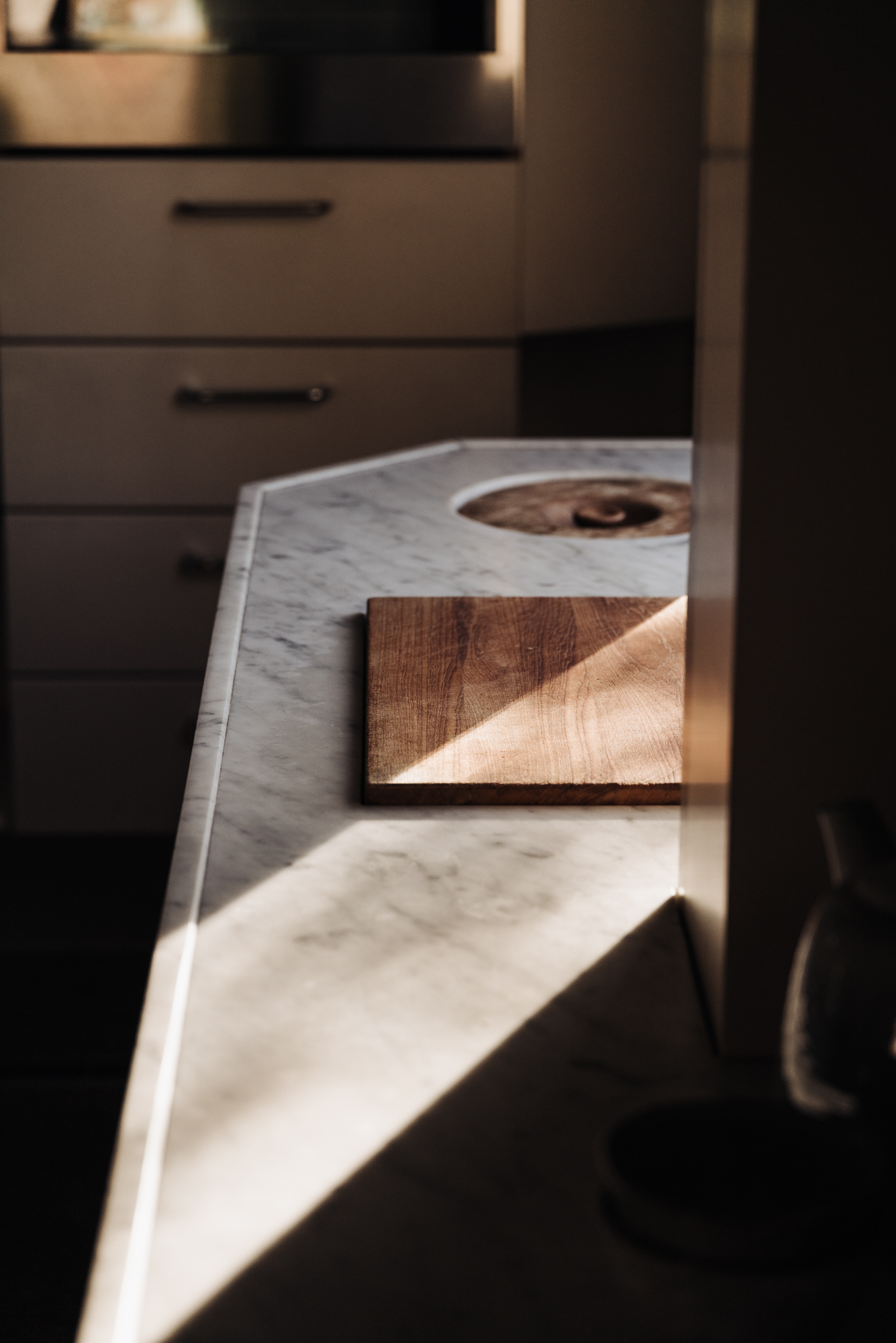
"What is special is the use of unfinished reinforced concrete and brickwork, lots of glass and steel, and the repetition of block-like geometric shapes."
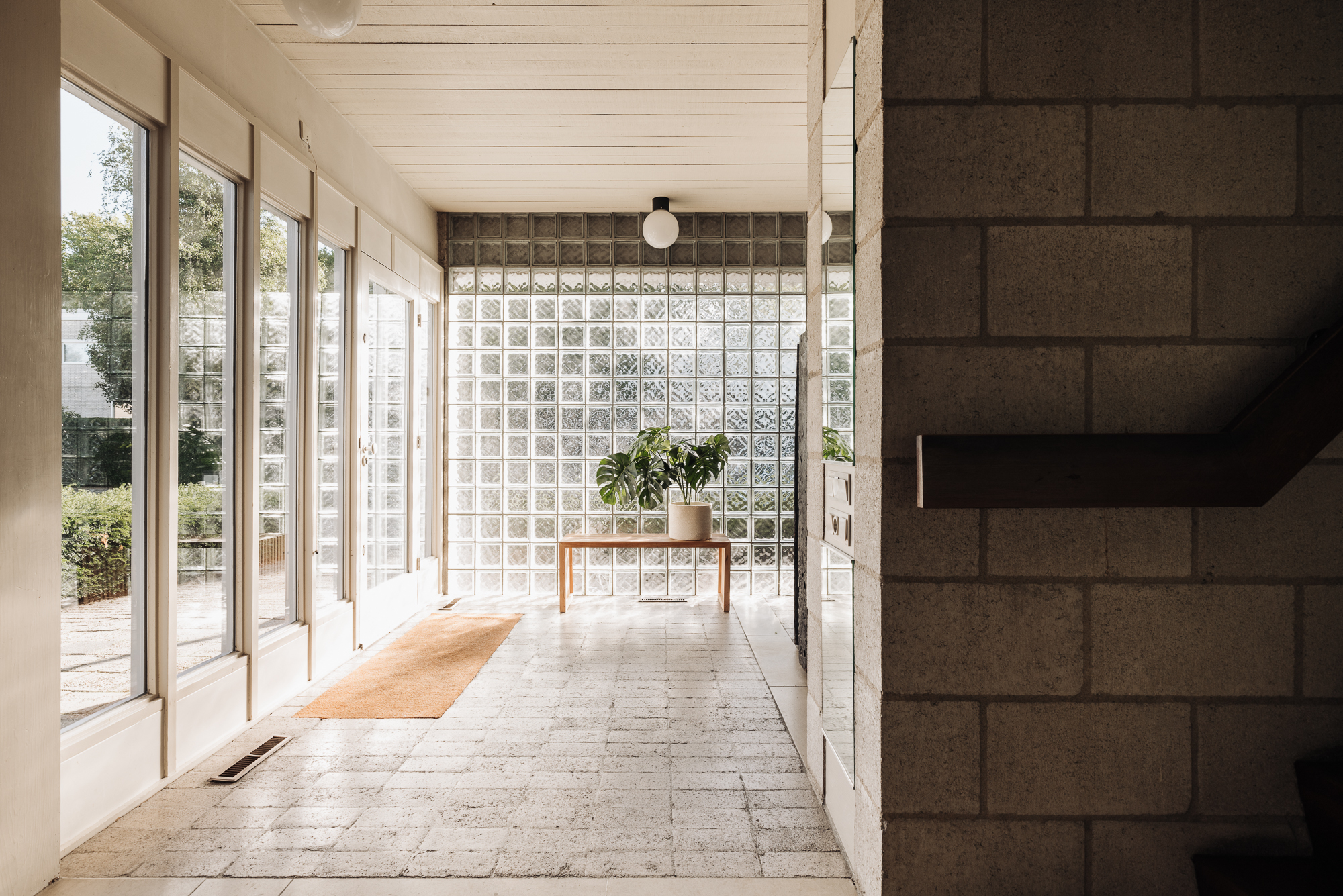
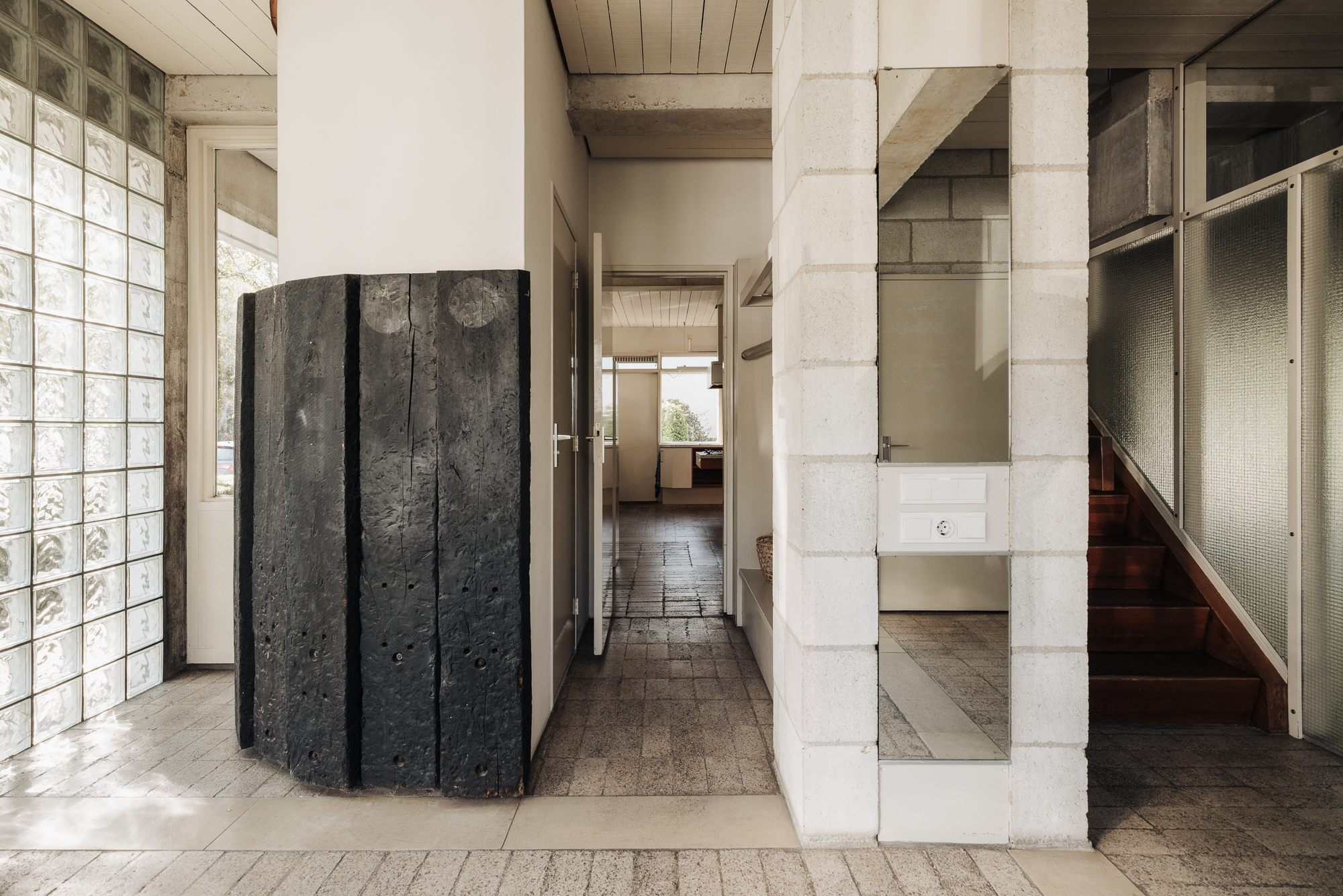
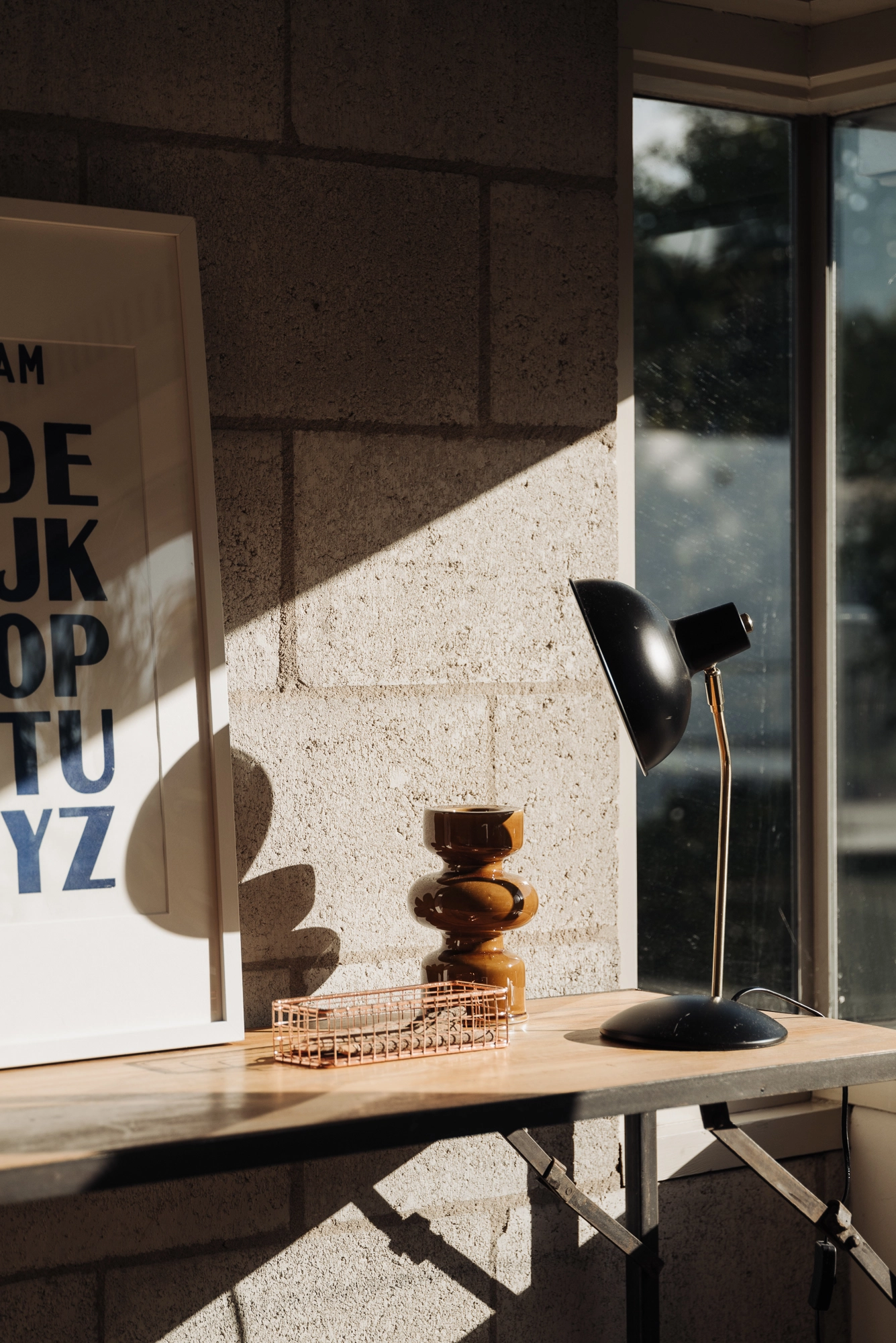
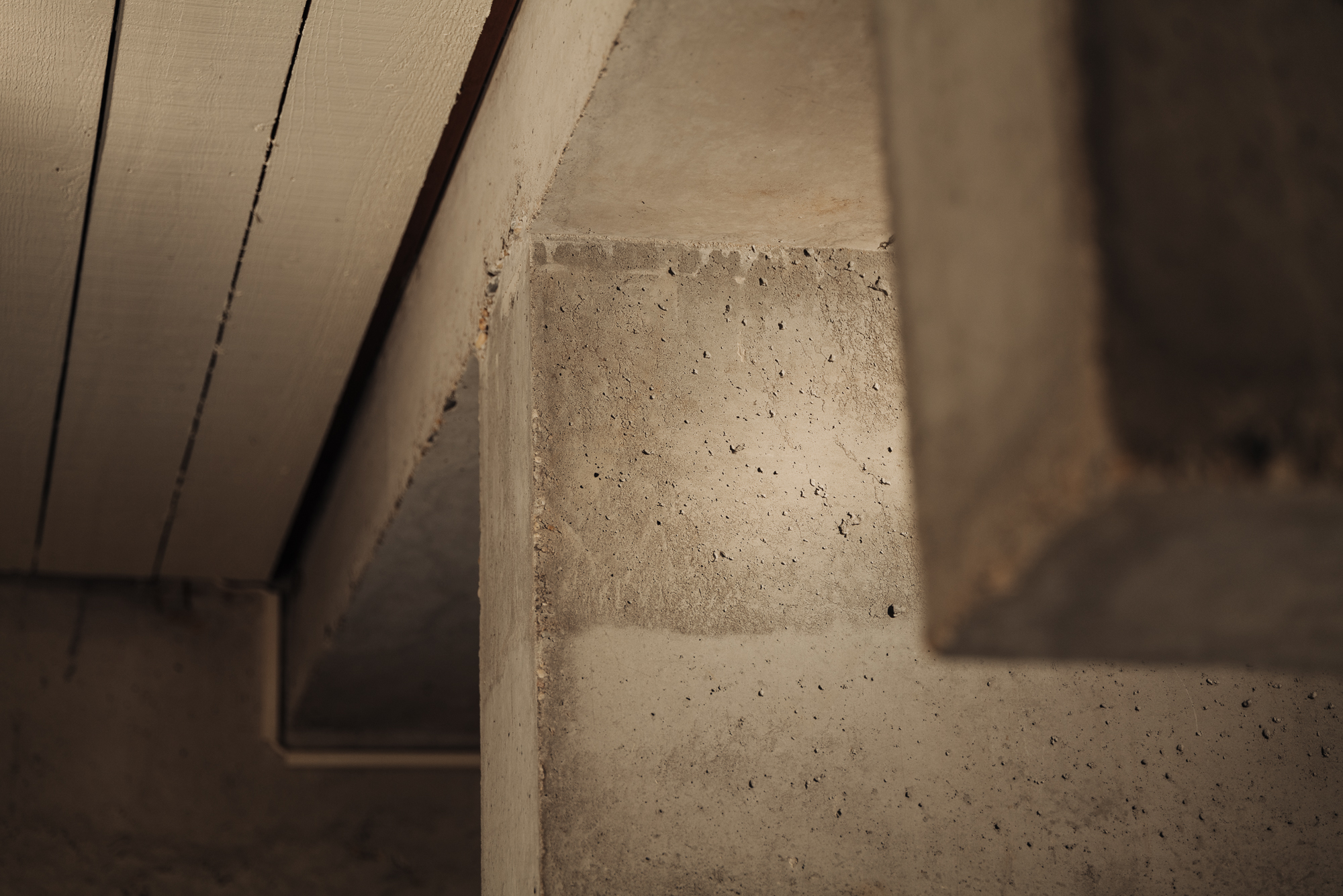
Brutalist buildings are often constructed from unfinished reinforced concrete, leaving the texture of the wooden formwork visible.
There's always something fun to do in Amsterdam, but what about March 2025? In the new year, we can visit museums, theaters, and cinemas again, and enjoy all the cultural activities that Amsterdam has to offer. The city's offerings are diverse and interesting once more! Read our latest cultural tips here.
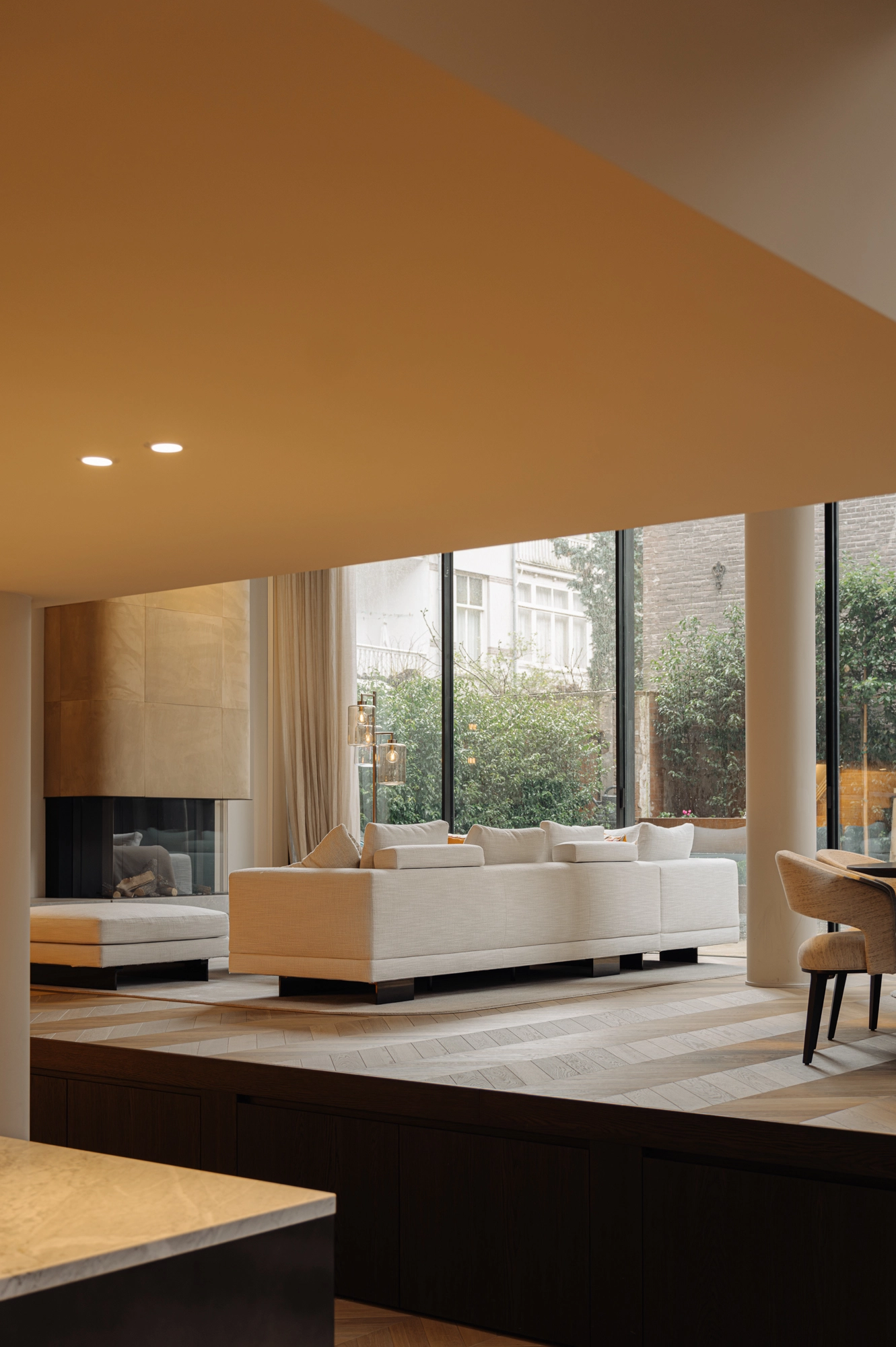
Spotlight: 'Rijks Loft' This unique loft of approximately 398 m², built in 2021, offers unparalleled heights and an abundance of natural light, located in the heart of Oud-Zuid, close to Museumplein and Vondelpark. The absolute highlight of this loft is the living area, with a ceiling height of 4.5 meters and an impressive facade facing the southwest-facing garden. Dépôt Zuid, a former monumental warehouse, was completely redeveloped in 2021 into eighteen exclusive apartments that meet the highest standards. Discover more about this unique loft here.
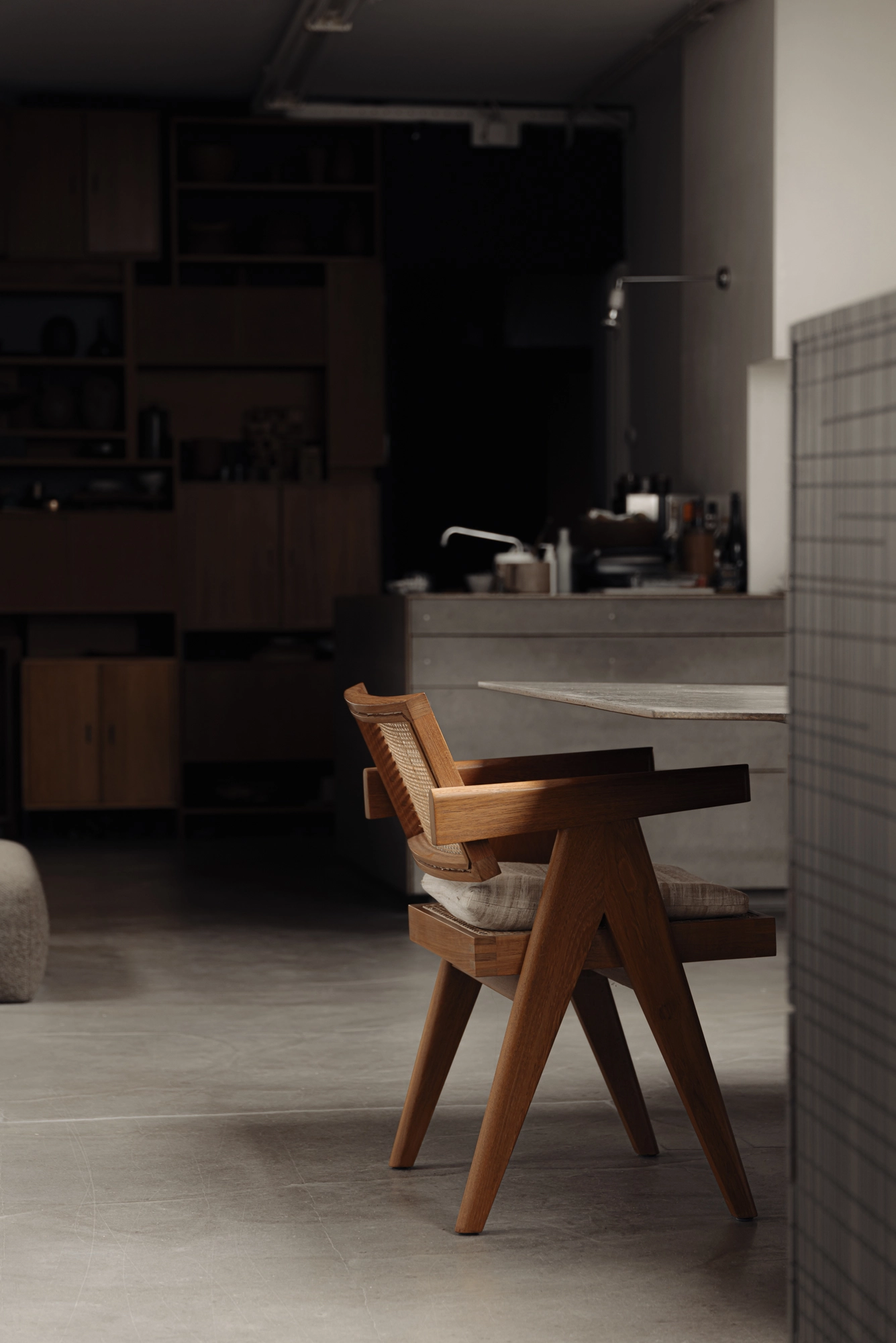
The Creative Advantages of Working in Amsterdam; Amsterdam is much more than a city of canals, bicycles, and tulips. It is a vibrant hub for creativity, innovation, and collaboration. For companies, startups, and independent creatives, this city offers a unique breeding ground for ideas to flourish. But what makes working in Amsterdam so special? Read more