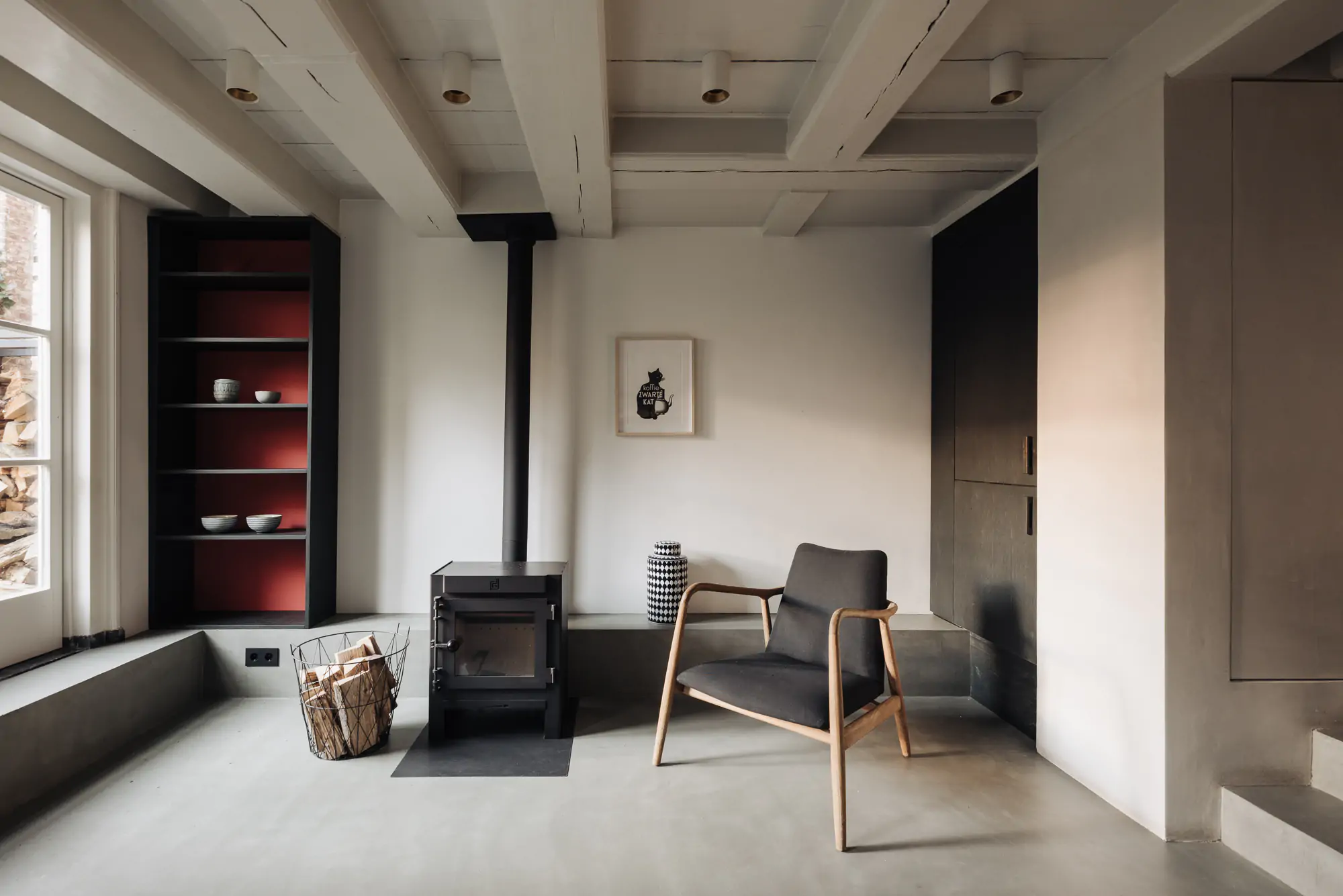
Compiled; a collection of canal houses
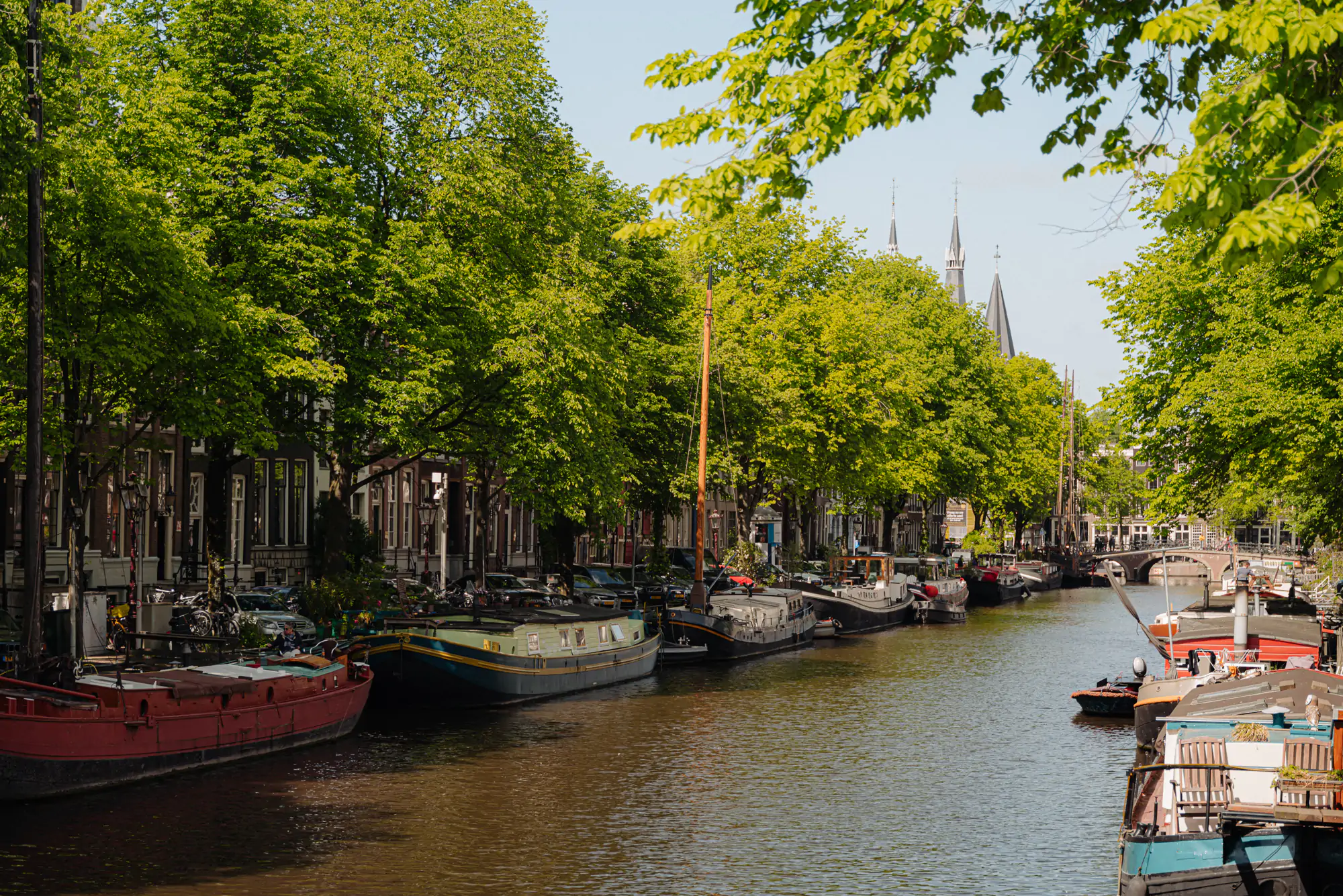
The history of Amsterdam's canals
Amsterdam was founded around 1250 with the construction of the Dam, from which the city derives its name. Aeme Stelle Redamme is medieval Dutch for "Dam in a watery area."
Middle Ages
The first canals were dug for city defense and water management. After urban expansion, the old defensive canals came to lie within the city walls and lost their function. But they were given a role in the Location would ultimately make the city wealthy: the transport of merchant goods. Warehouses were built on the old city walls where trade goods could be stored and then shipped to the port and from there to the entire known world.
' Golden Age
The three main canals of Amsterdam were dug simultaneously. An ambitious expansion project by 'City Carpenter' Cornelis Staets was Local authority and implemented by the Local authority in 1612. Upon completion 50 years later, the city was four times larger and had the most efficient and intricate waterway system in the world. Through a spider's web of connecting canals, merchant goods from all over the world could be delivered to the doorsteps of more than a thousand warehouses. A fleet of thousands of barges and punts provided the 'pipeline' to the port. At that time, more cargo was transported through the canals by human power, either by rowing, bailing, or using a tow rope.
Amsterdam canals on the World Heritage List
These three main canals, Prinsengracht, Keizersgracht, and Herengracht, together form a historical monument that was added to the World Heritage List in 2009.
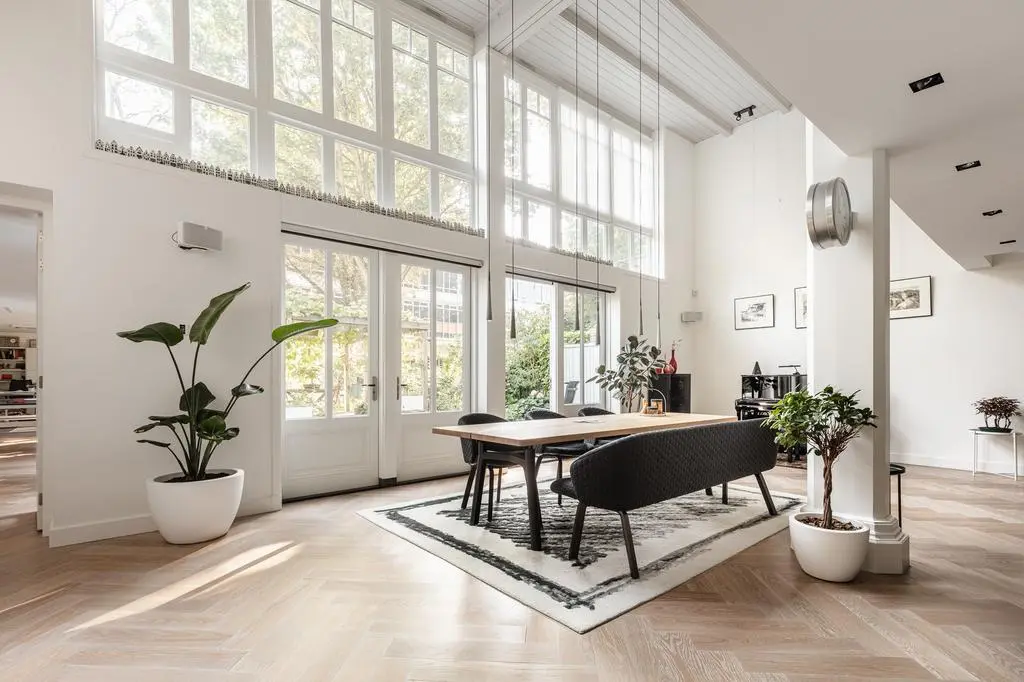


This property is For Sale
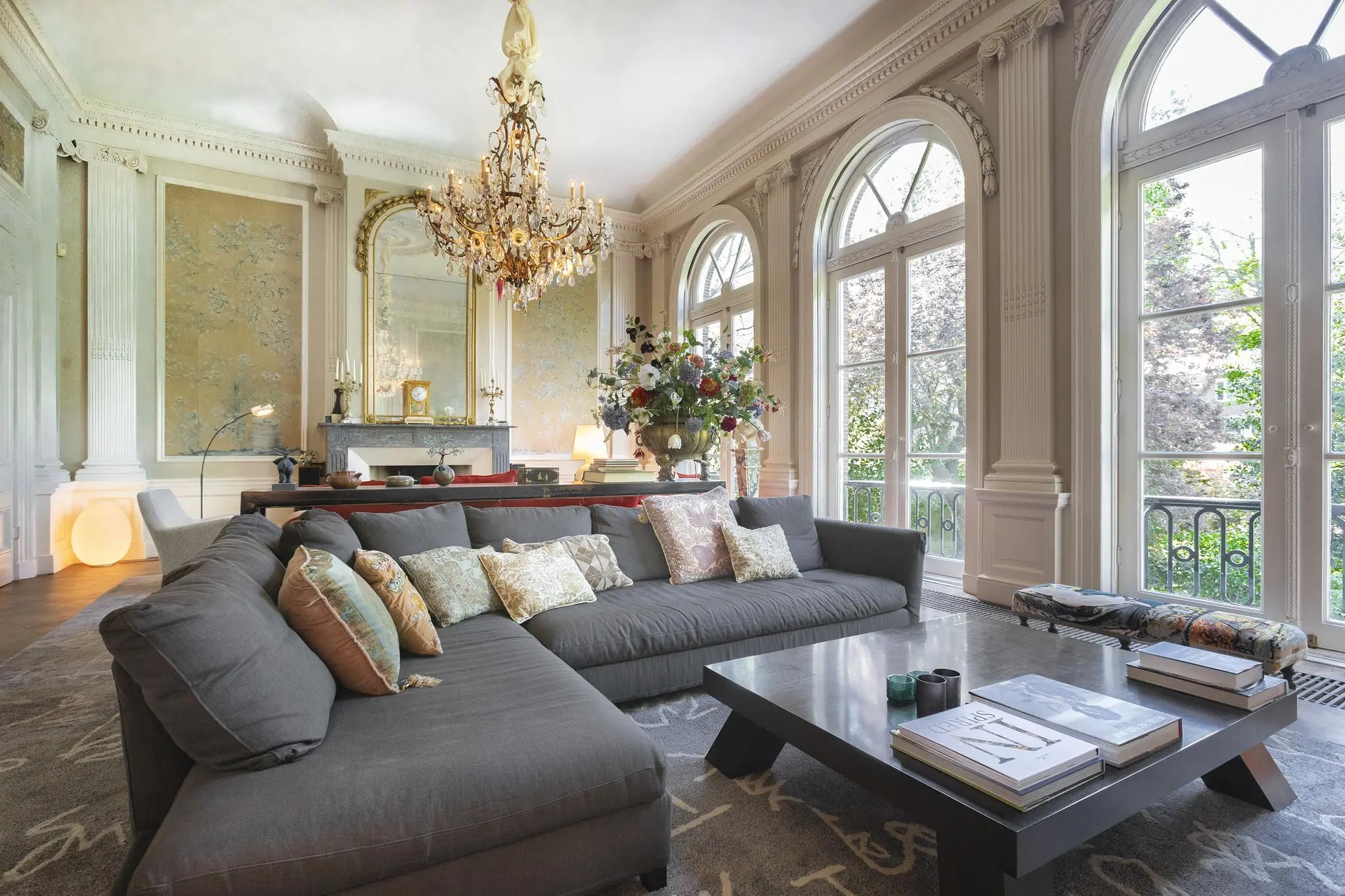
Keizersgracht 213 was built in 1910 to a neo-classical design by H.J.M. Walenkamp, commissioned by J.C. Schulmayer. Between 1918 and 1919, the building underwent a major renovation, during which the facade was completely rebuilt in a rationalist style. In 2017/2018, it was completely renovated under the architectural supervision of Interior Studio van Maanen. The design focuses on understated luxury, light, space, outdoor living, and an optimal layout.'
Read more

This property is For Sale
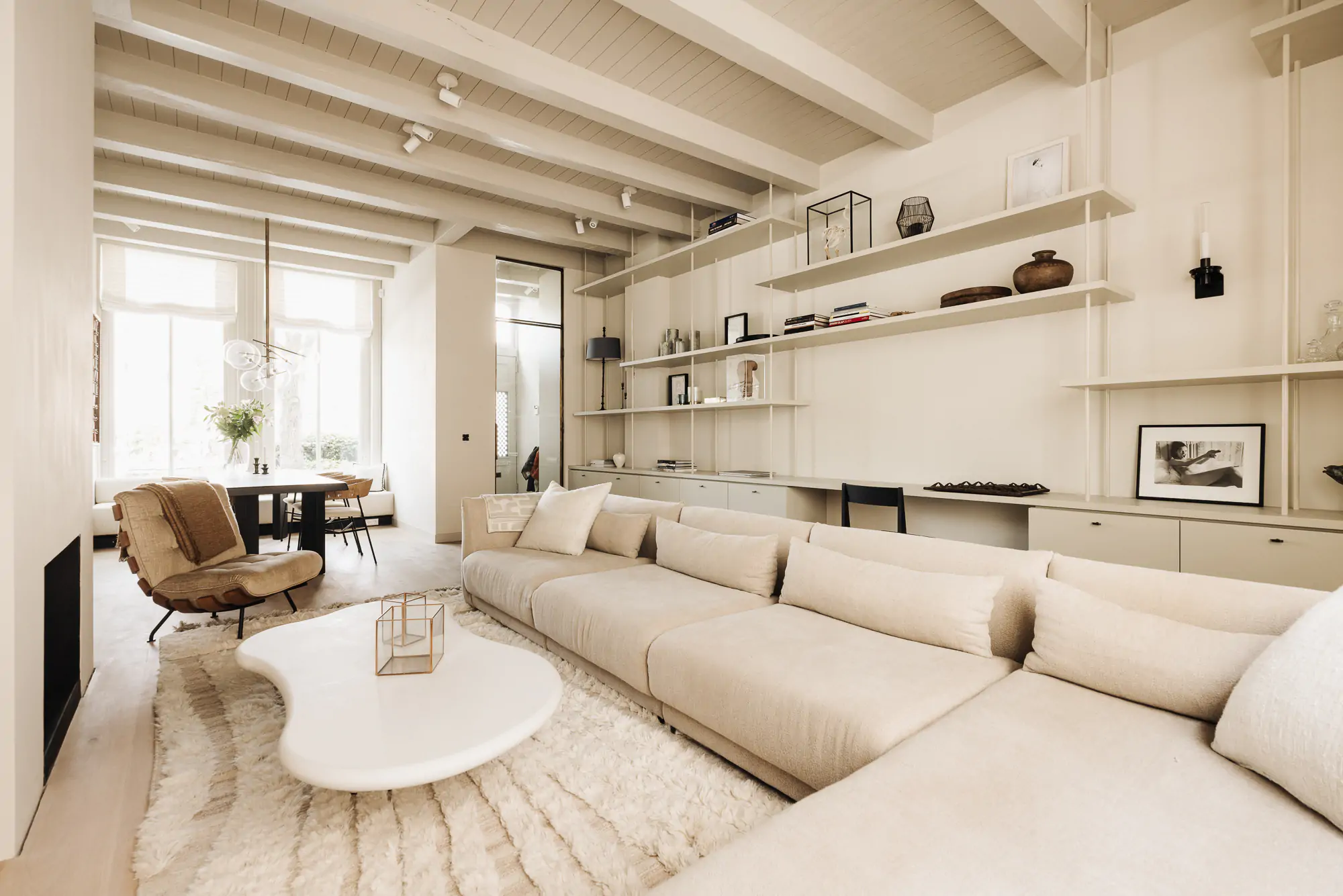
A national monument dating from 1640. At the time, it was part of the first expansion of Amsterdam and the beginning of the Golden Age. Trade, and with it prosperity and art, enabled the city to grow and flourish. The facade is painted black with oil paint, has large windows, and a XIX straight cornice. The roof protrudes above it with a dormer window and a beautiful hoist beam.'
Read more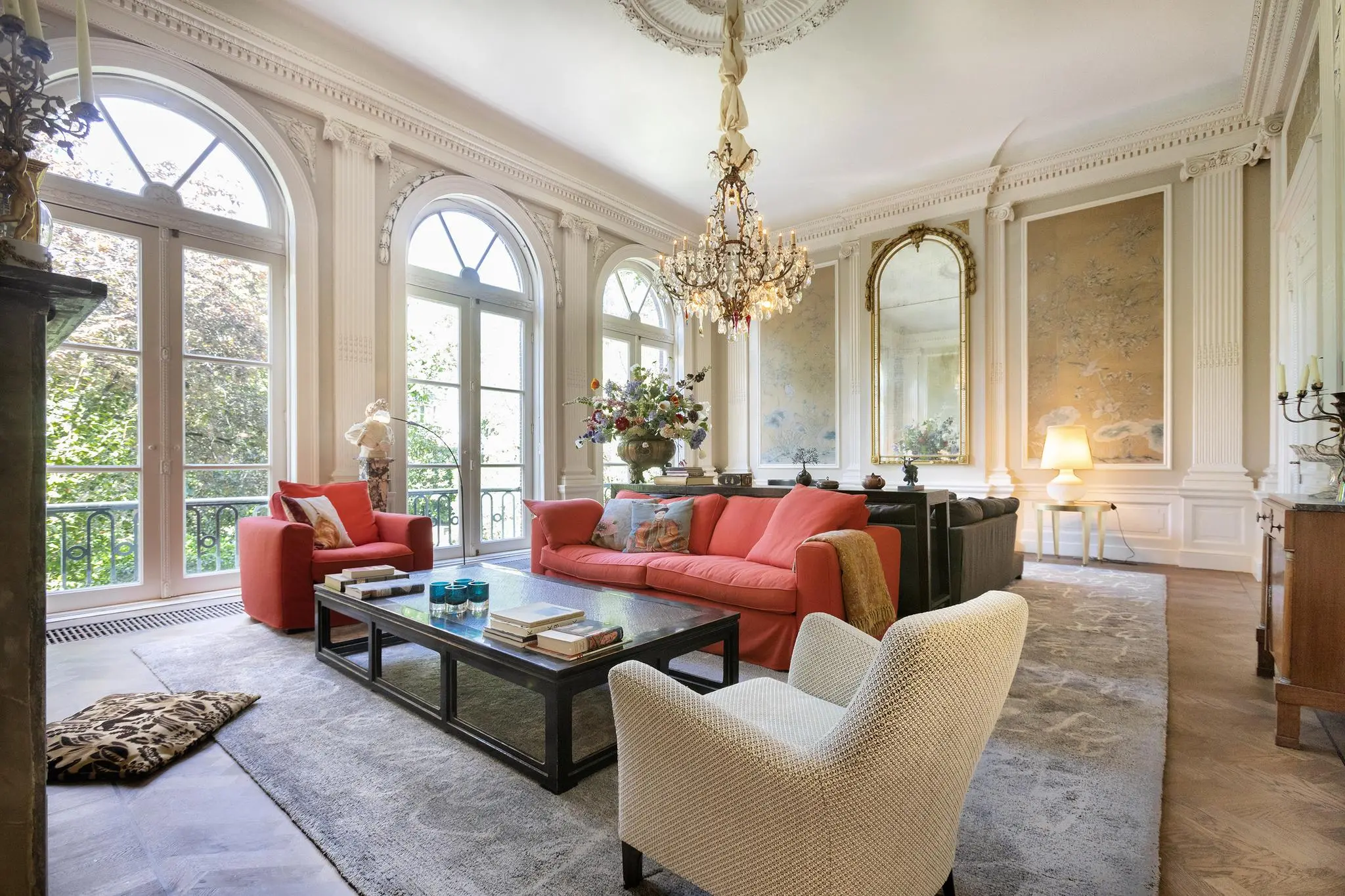
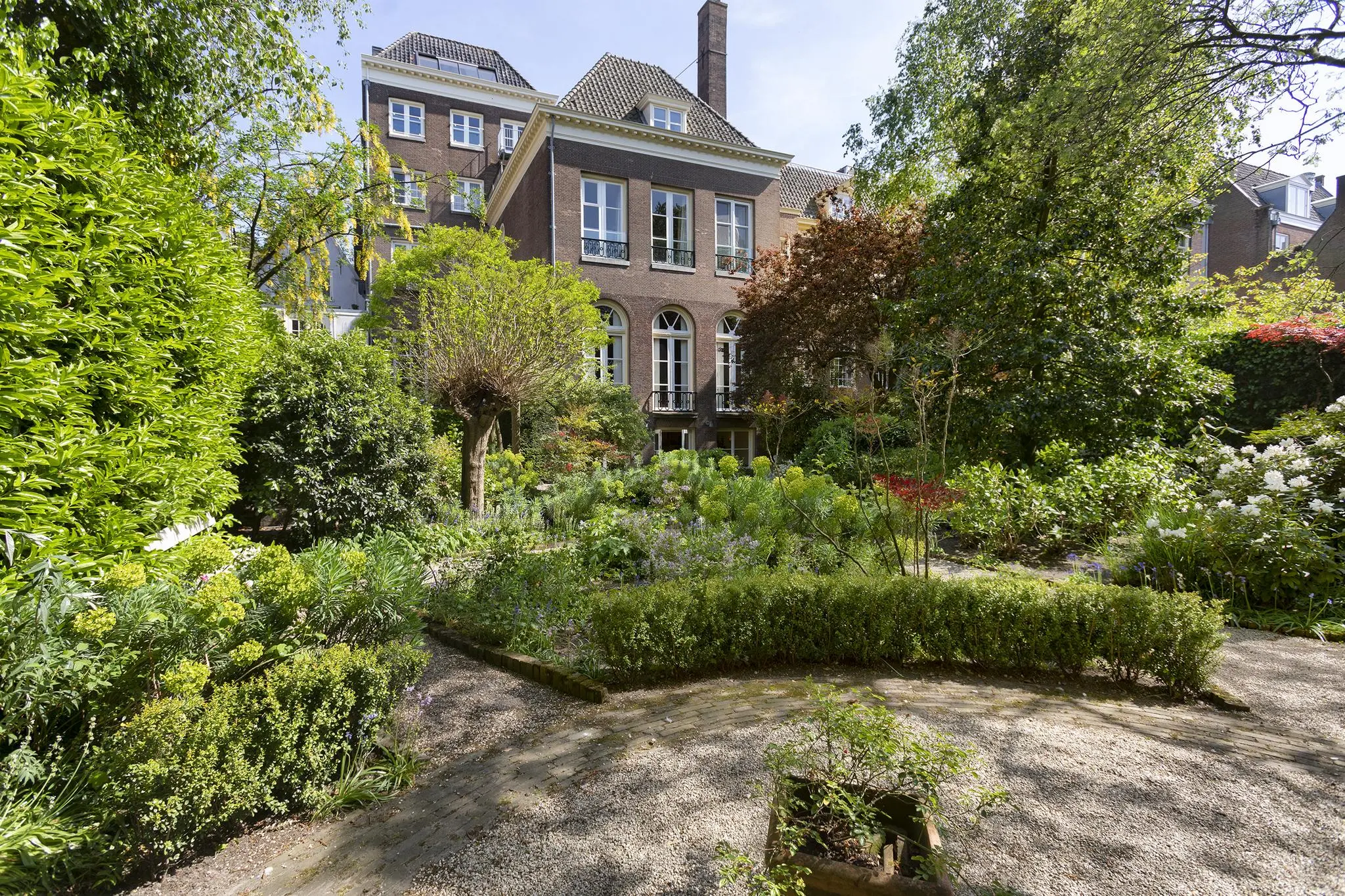
This property is For Sale
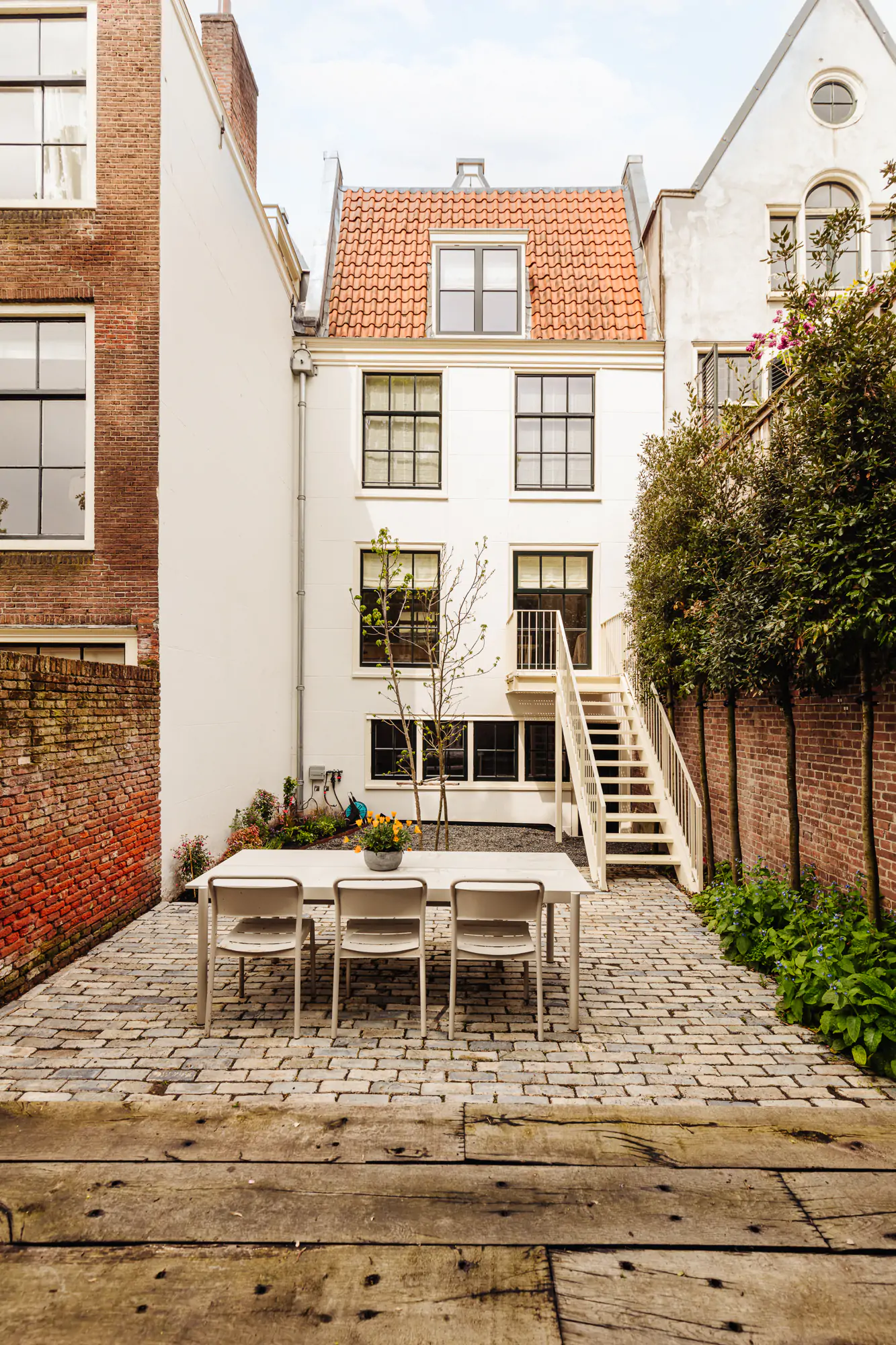
Behind the impressive sandstone facade lies a beautiful four-story rear house, with a detached studio and a charming wooden garden house, surrounded by greenery in the spacious west-facing garden. The entire property is a national monument and covers a total of 422 m², with a delightful park-like garden of no less than 590 m².
Read more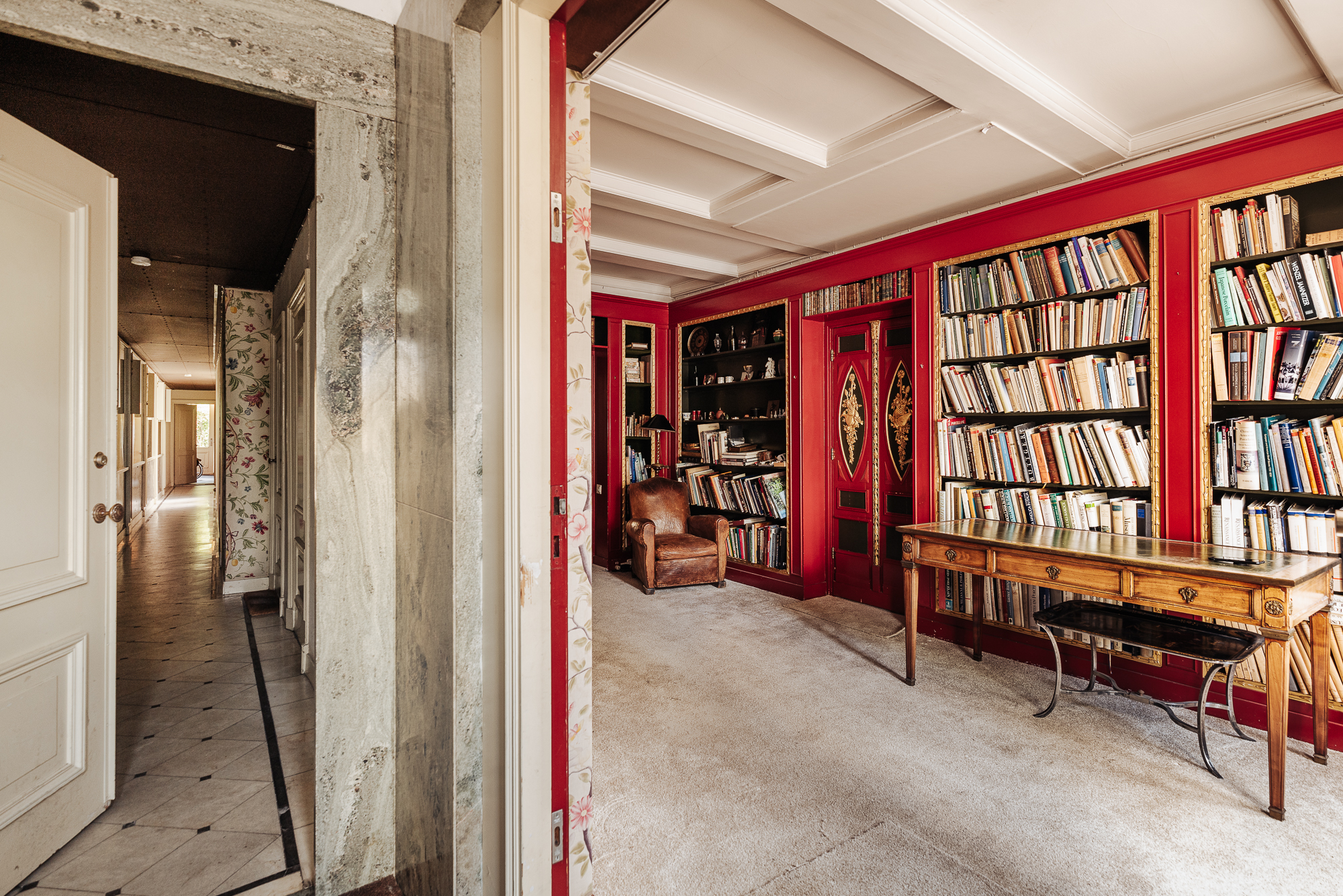
This property is For Sale
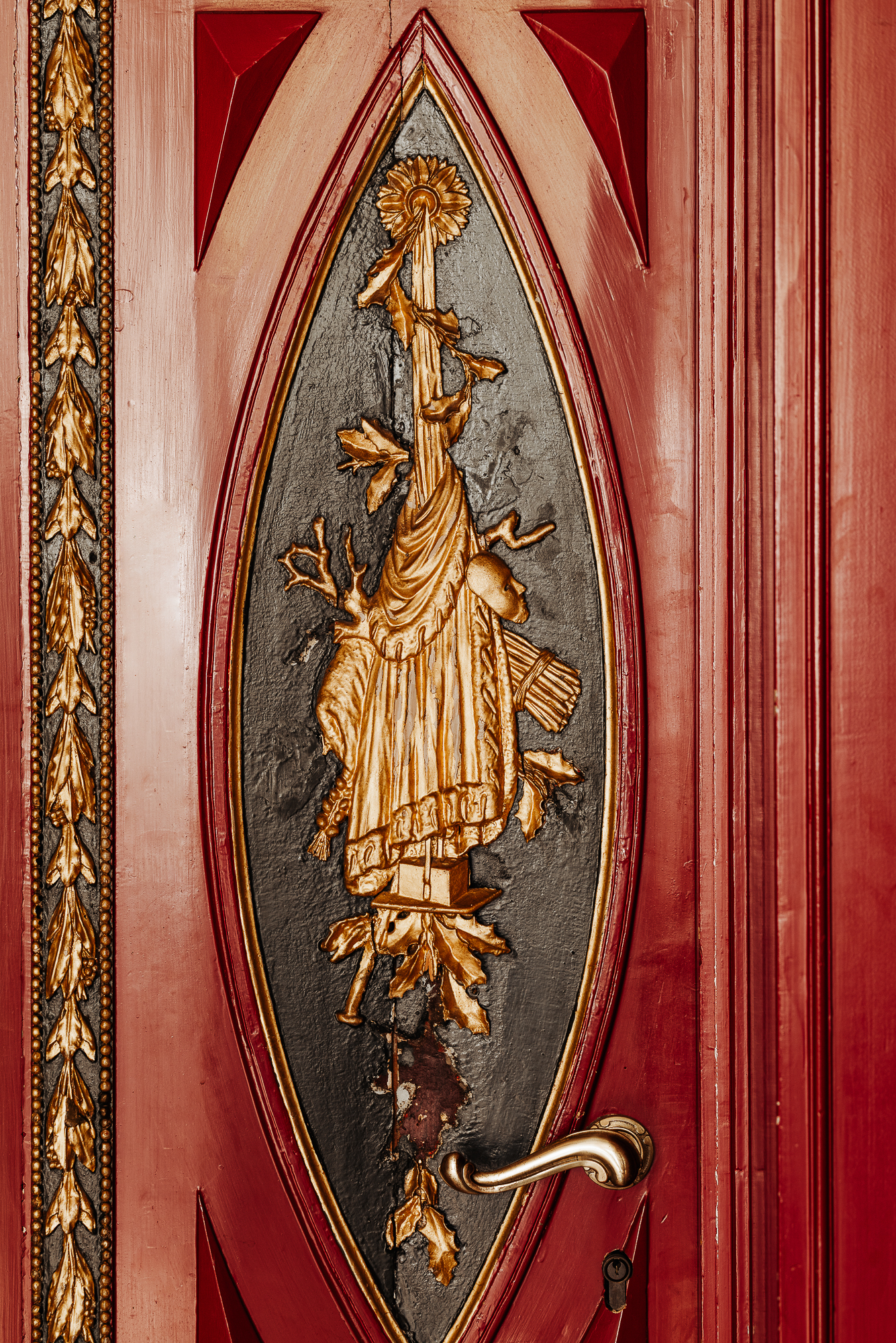
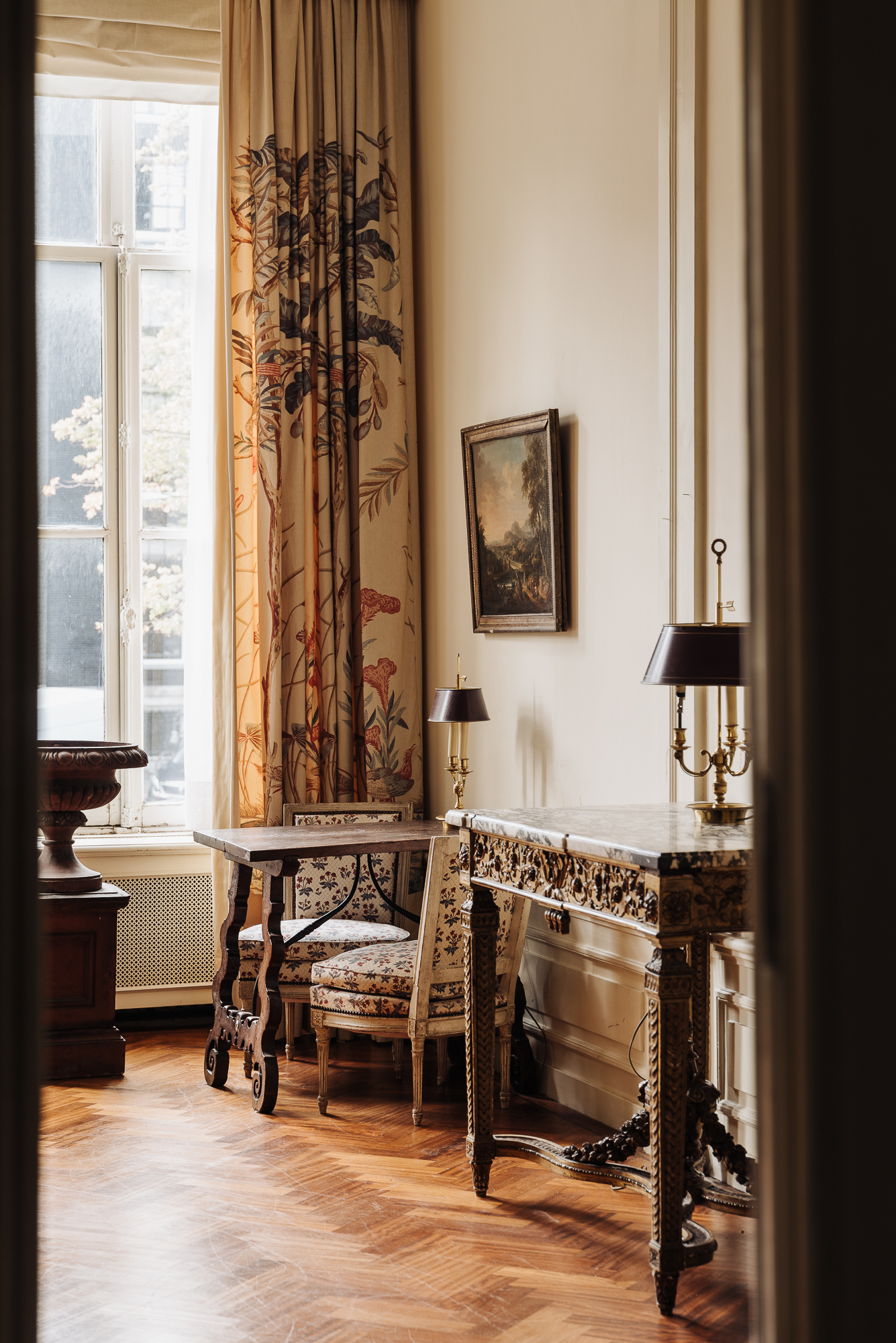
This elegant merchant's house dates from 1680 and is part of the fourth extension of the canal belt. It was commissioned by Laurens Wittebol, a broker and merchant. A striking feature is the distinctive neck gable, which is decorated with a floral motif and coats of arms on the molded pediment.
Read more
This property is For Sale
The building on Keizersgracht was constructed around 1715, commissioned by either Jacob Hacke or Johannes Langeraat; it is not known exactly. Originally, it had a gable with wings, with the pediment (the crowning element of the facade) shaped like a duck.
Read more
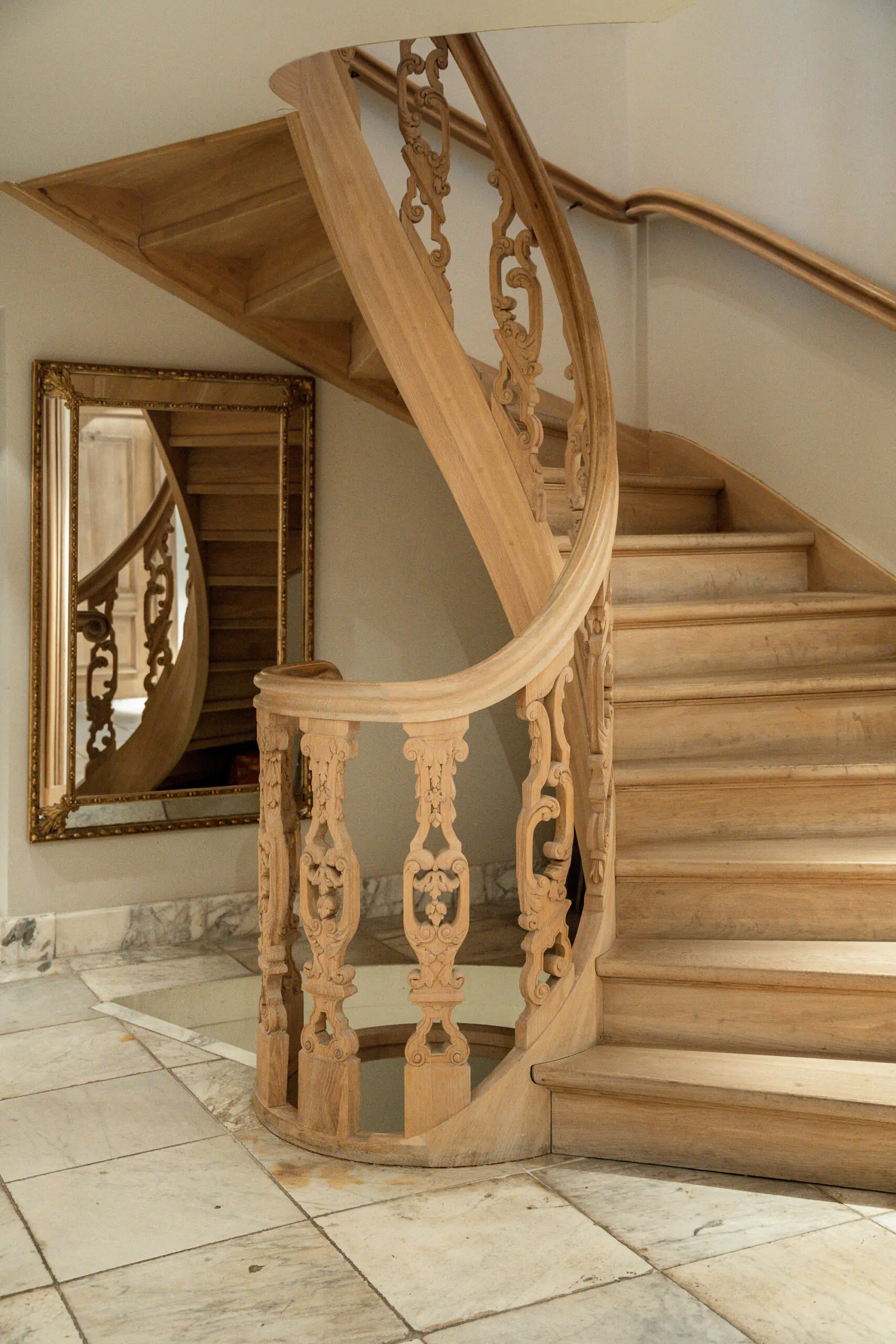
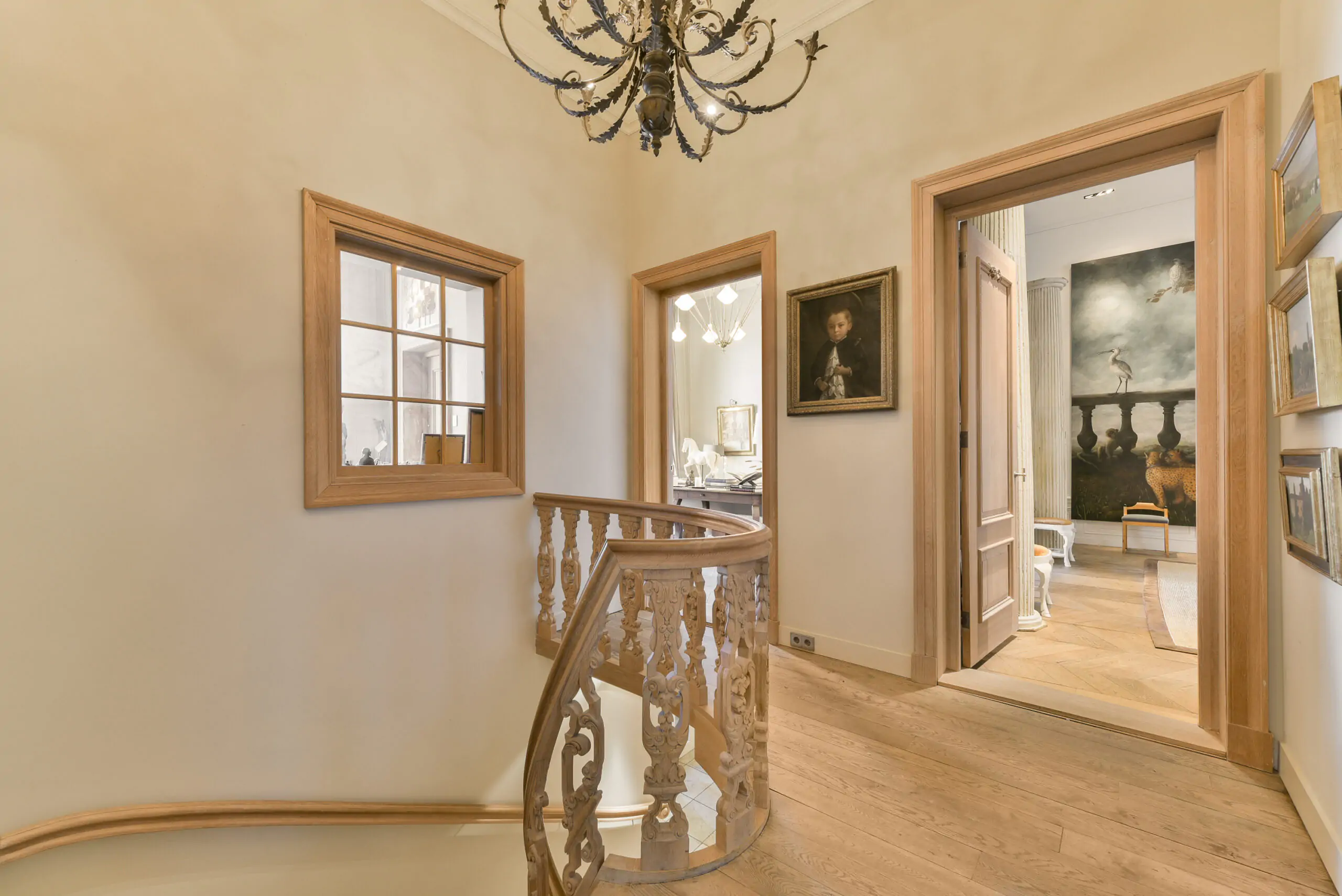
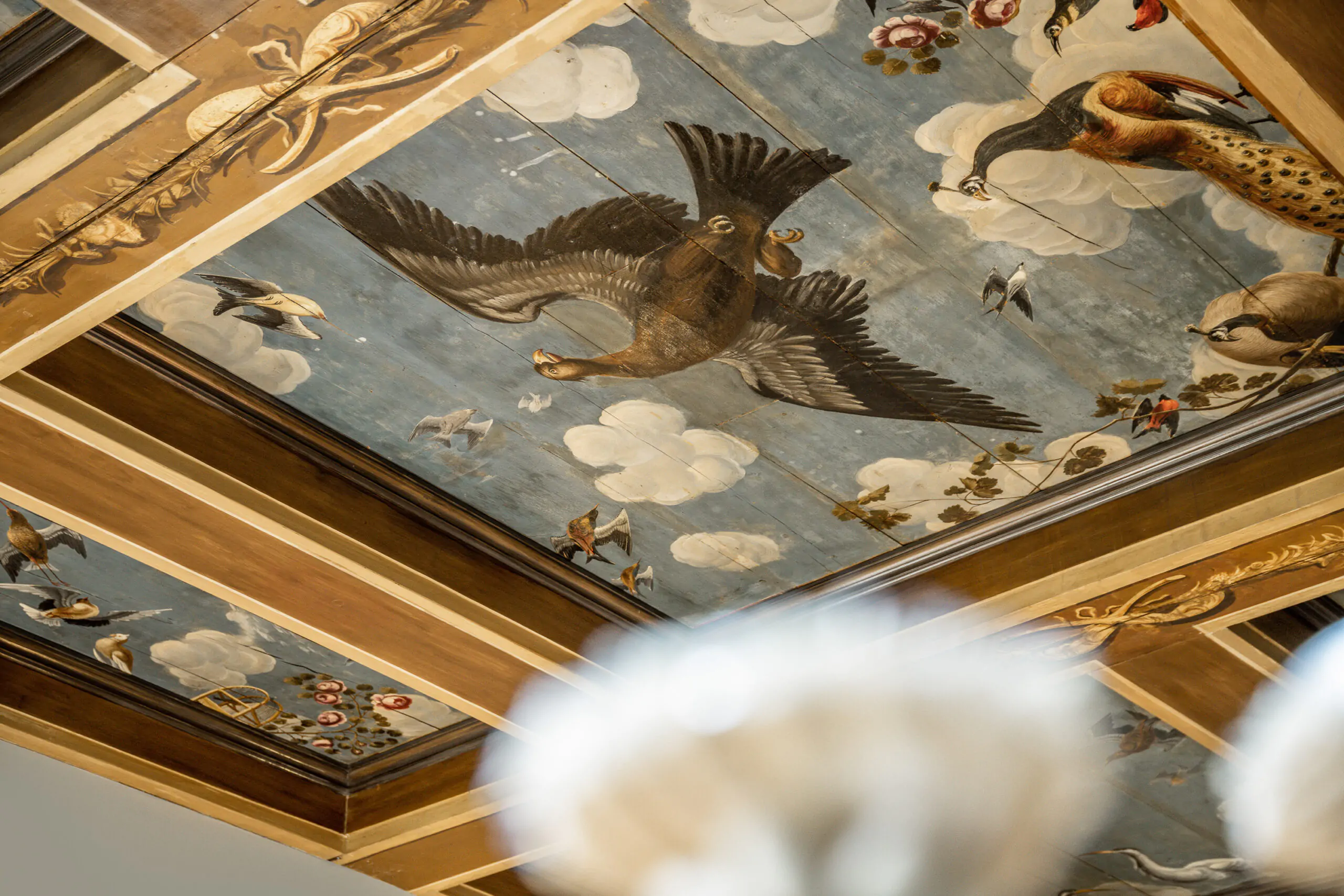
This property is Sold.
At the end of 2005, during renovation work, 17th-century paintings were discovered in the former hallway of the front section of the house and in the hall in the rear section. The paintings on the beams and planks have been dated to approximately 1660-1680.
Sign up for a similar property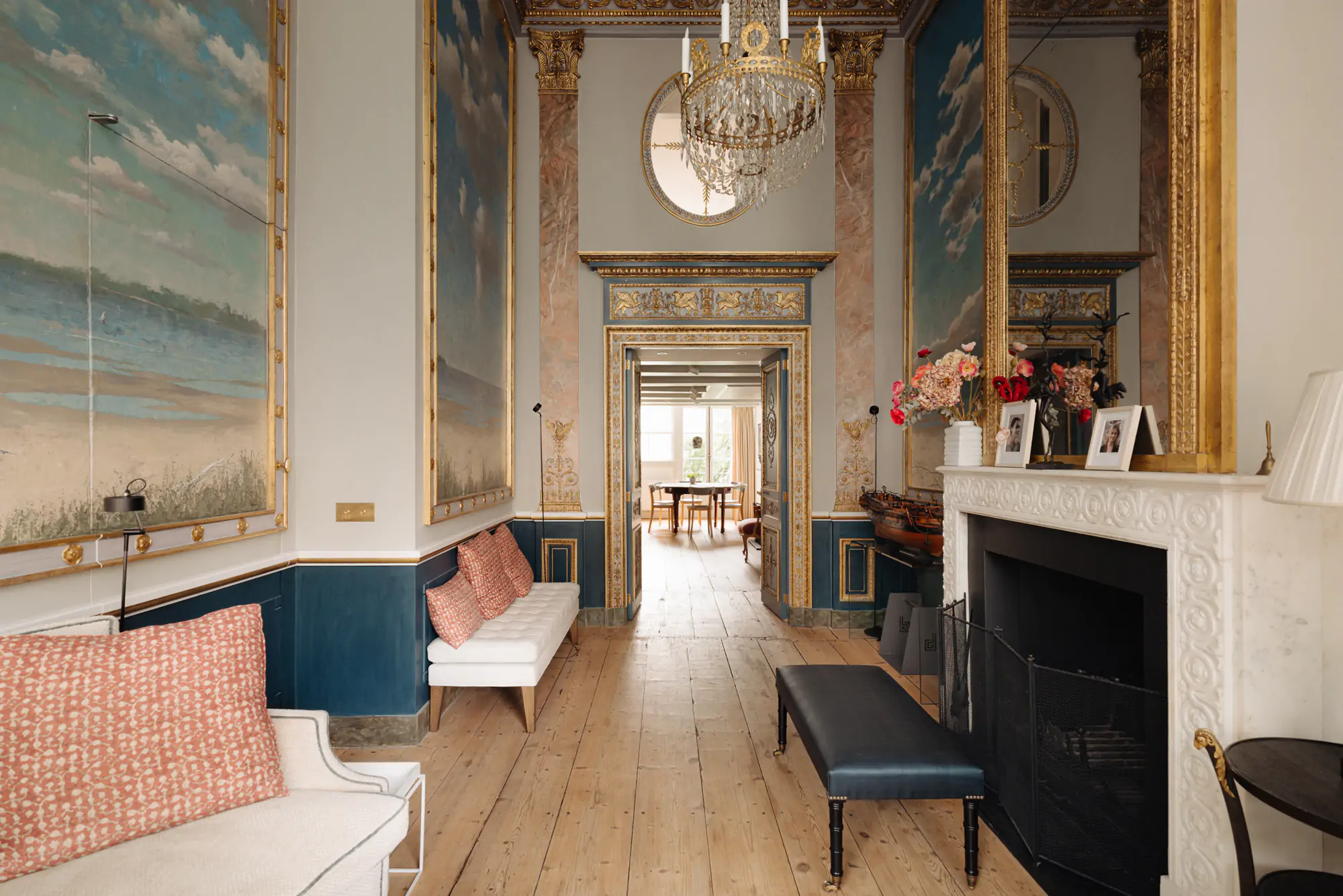
This property is For Sale