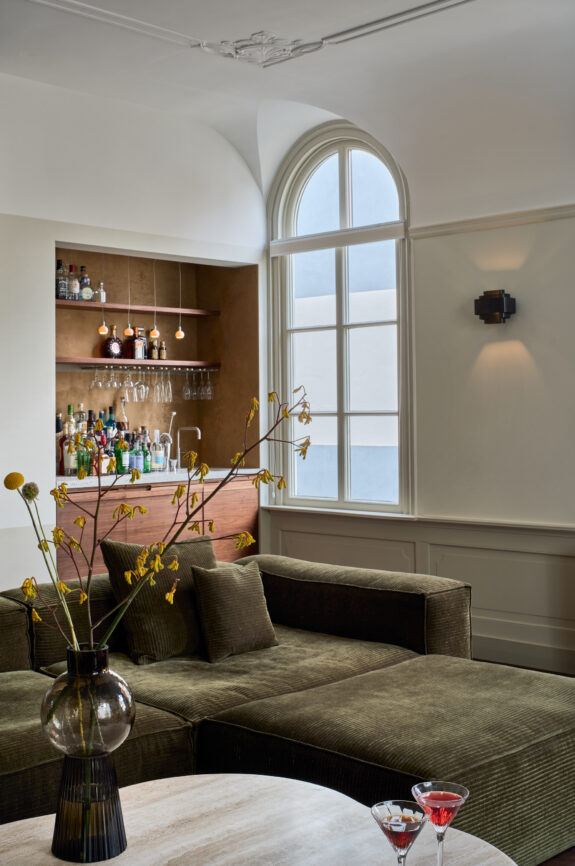
In the work of Esther Stam, founder of Studio Modijefsky, everything revolves around the experience. Interiors that do not reveal themselves all at once, but unfold gradually. From iconic Amsterdam restaurants to sophisticated residential projects like Ceci in the Zuidas, Studio Modijefsky explores how circulation, light, materials, and atmosphere work together to define a space. No fixed style, but an approach in which context, use, and materiality are in constant dialogue with one another. Time and again, an environment emerges that not only looks right but, above all, feels right in use. Read more here and be inspired
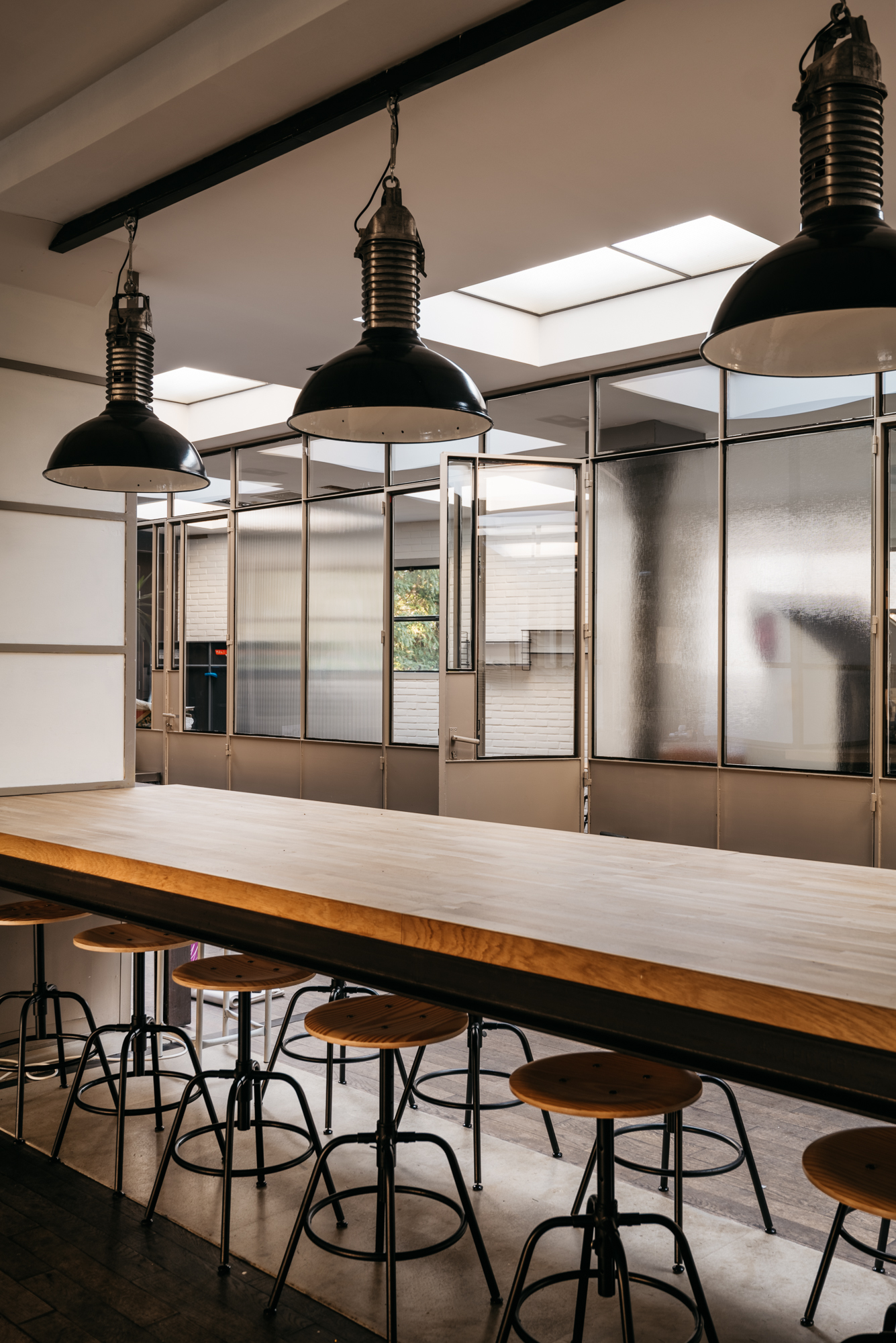
Composed; In a city where space is scarce and ideas are constantly evolving, existing buildings are increasingly being given a new lease of life as creative workplaces. Former garages, chapels, or theaters are being transformed into inspiring spaces where working, meeting, and creating come together. The character of these places remains palpable: high ceilings, robust materials, and unexpected floor plans give each workplace its own identity. Reusing existing buildings not only creates space for new ideas, but also a sustainable way of developing. In this way, a new work culture emerges from the past, where history and creativity reinforce each other. Read more here.
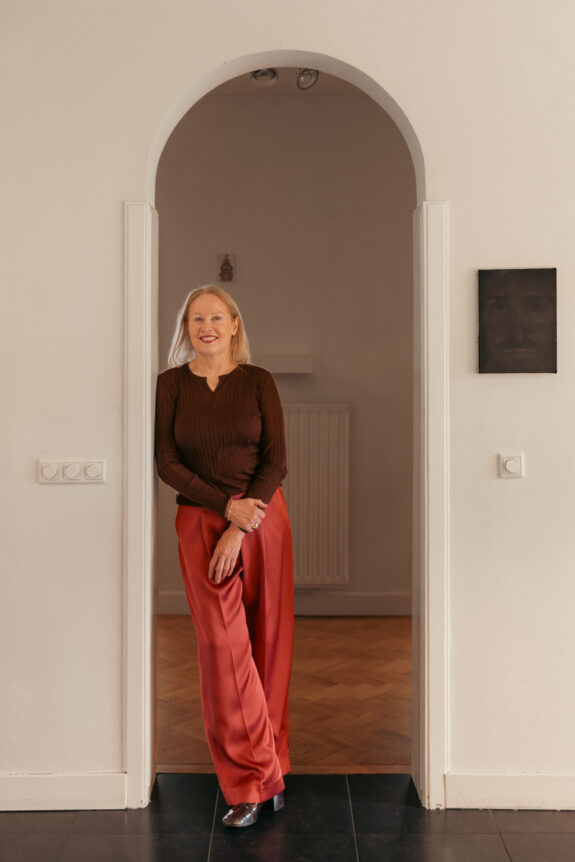
In her home in Amsterdam Oud-Zuid, Marian Cramer developed a gallery practice that deviates from the classical model. Here, working and living are not separate domains, but together form the framework within which art is displayed, discussed, and followed. The proximity of the home changes the way we look at art: less formally, more personally, and with room for time. For Marian, it's all about taking time, looking, and guiding artists over the long term. Read more here
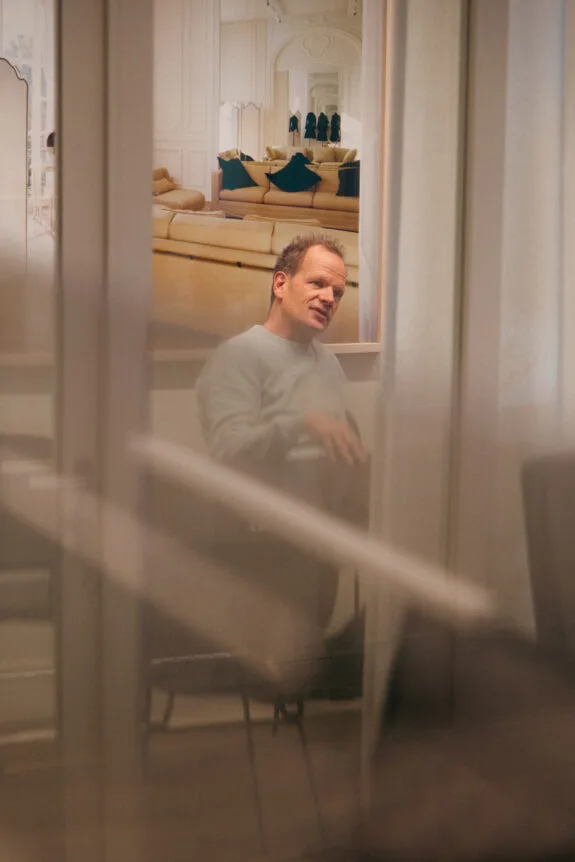
Aernoud Bourdrez operates in a world where art and law constantly intersect. As a lawyer, he represents artists, but as a collector, he allows himself to be shaped by them. His office is a studio full of stories, his practice a search for unexpected solutions. In this portrait, he explains how art sharpens his gaze and gives conflicts new directions. And why an X-ray from Jackass is more than just a curiosity to him.
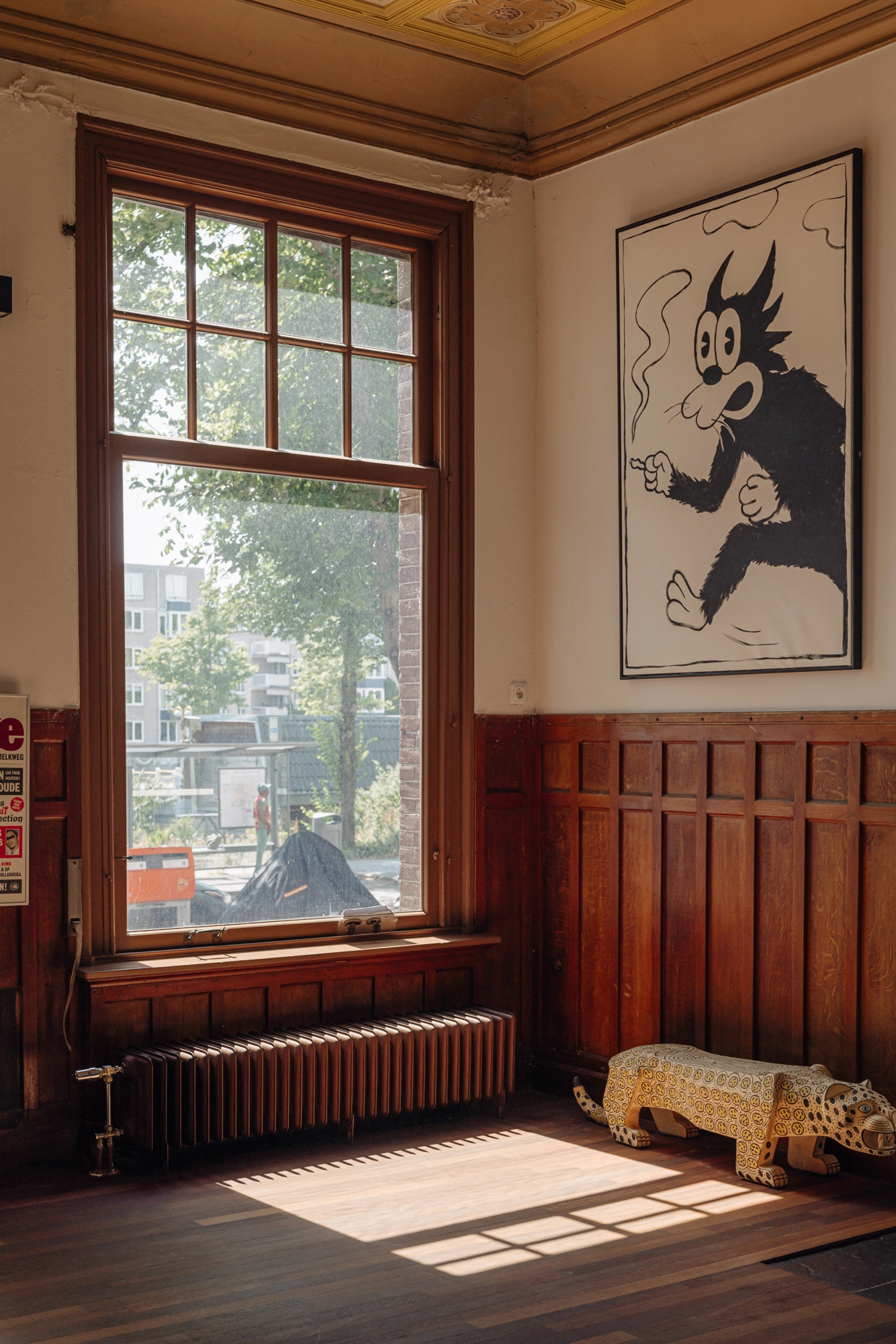
Spotlight: 'Aatje'. In the heart of Amsterdam's creative and lively Wittenburg district stands a building full of character. It is the former studio and home of renowned artist Aat Veldhoen, known as a pioneer of graphic art in the Netherlands and a leading figure in the Amsterdam art scene of the 1960s and 1970s. In recent years, Eilandenboulevard has developed into a sought-after place to live and work, with a mix of historical charm and creative activity. Take a look at this unique building and find inspiration in the neighborhood guide.
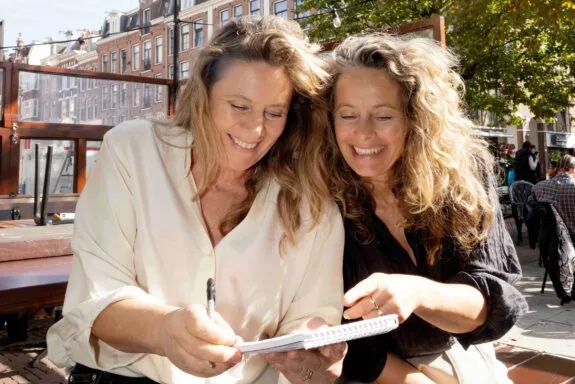
Ten years of Shortlist Amsterdam: an anniversary with simple recipes for success. Amsterdam has matured as a food city, and Shortlist Amsterdam has grown with it over the past ten years. Sisters Famke and Floor van Praag are celebrating the anniversary of their cookbook series about great restaurants with a brand-new edition full of simple recipes for success. Classics with character, recipes that any home cook can make, and restaurants that guard the soul of the city. Read more here.
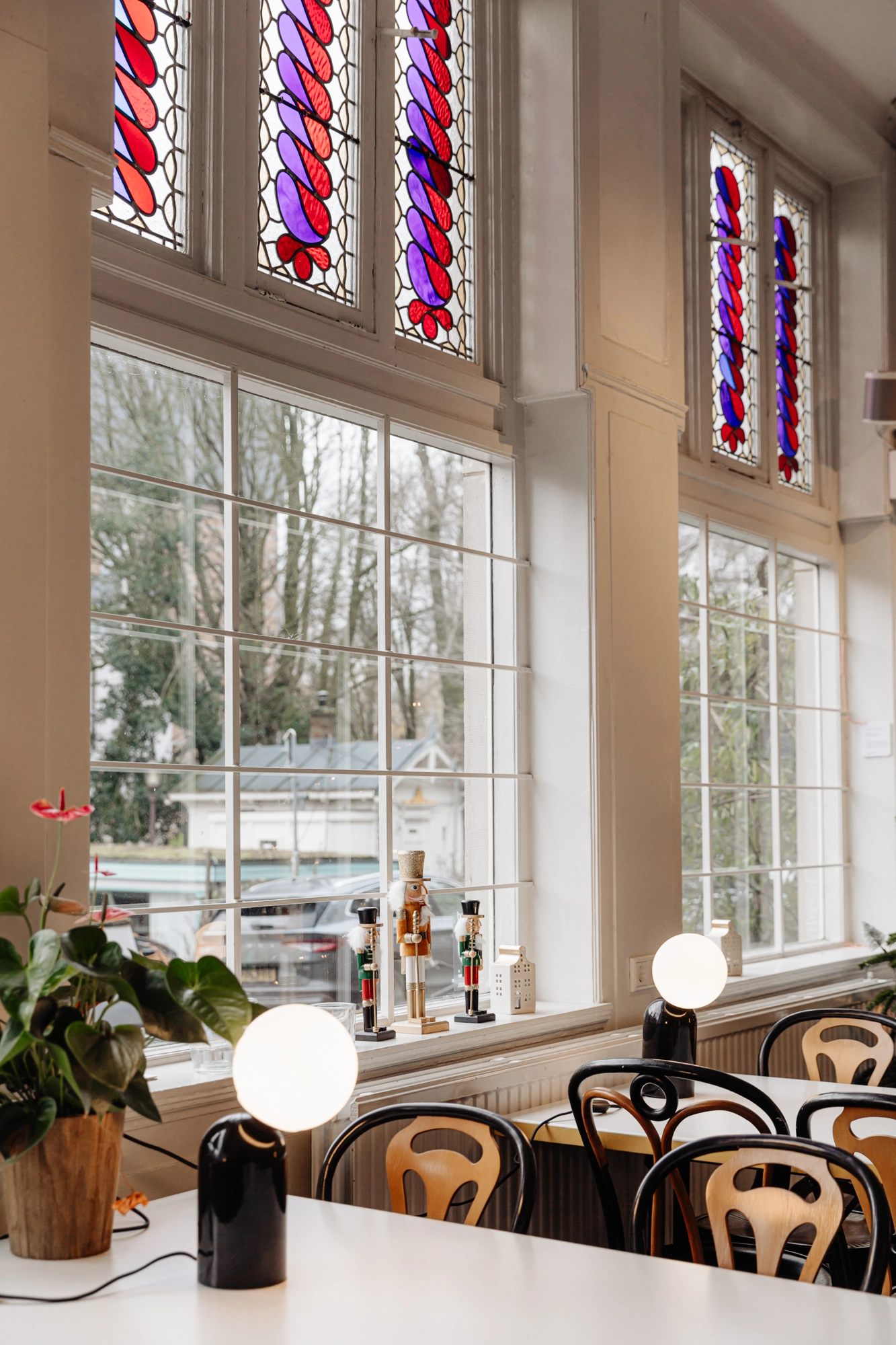
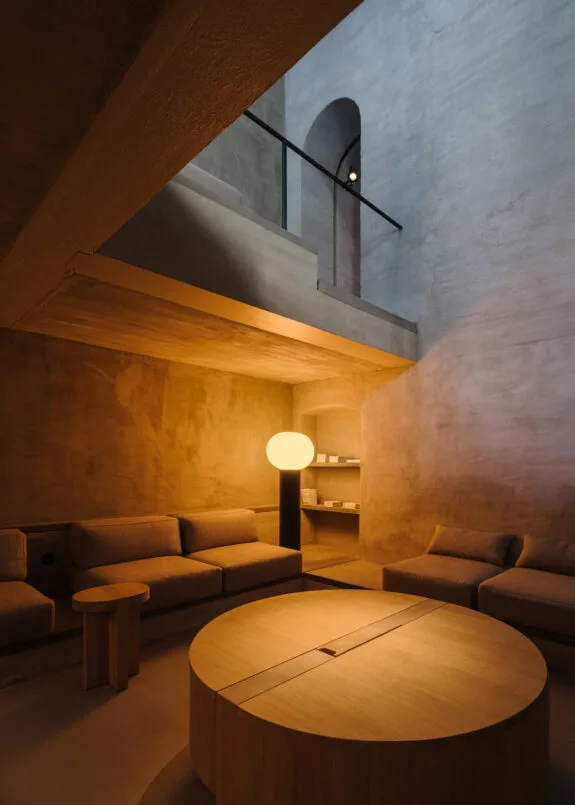
Light is never just light. For Dimitri Saddi, founder of PSLab, it is a language with which you tell stories. From their studios in Amsterdam, Antwerp, Paris, London, Bologna, Berlin, and their home base in Beirut, the team works on lighting plans that do not start with a lamp, but with people. "Everyone has their own relationship with light," says Dimitri. "It touches on habits, memories, and emotions." In this edition of The Edit, Dimitri, Taco (Amsterdam), and An (Antwerp) delve deeper into their way of working: how dialogue, technique, and reflection come together in a lighting plan that is never generic, but always a Immediately translation of someone's life. Be inspired
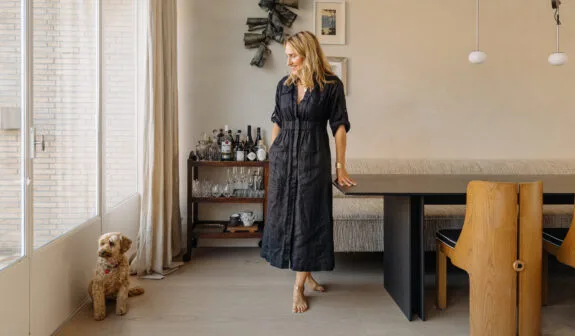
Meet the entrepreneur, in this series interior designer Anita Fraser. Anita has a passion for architecture, design and creating spaces that envelop its inhabitants with positive energy. In her work, she is constantly looking for the right balance between form, function and materiality. After a career as a process lawyer, she studied interior design at the University of Arts London. She now collaborates with other designers, architects and Project developers to refine both living and working spaces. Read and view more here
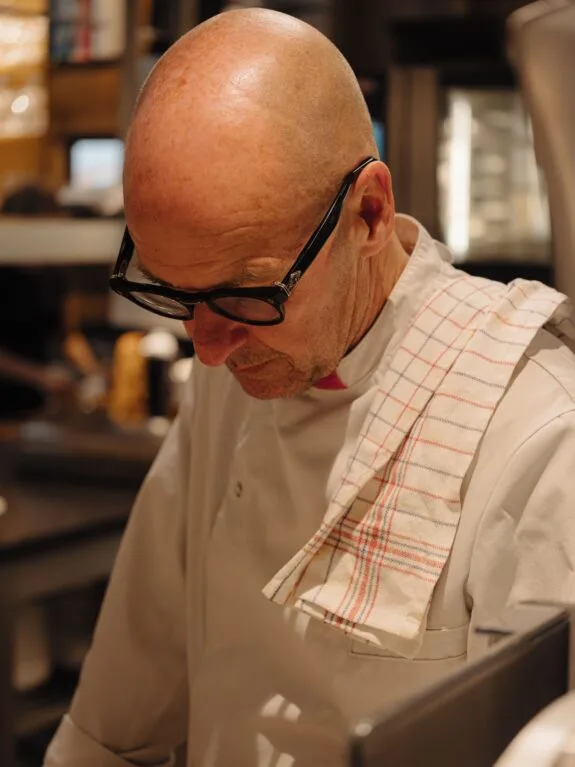
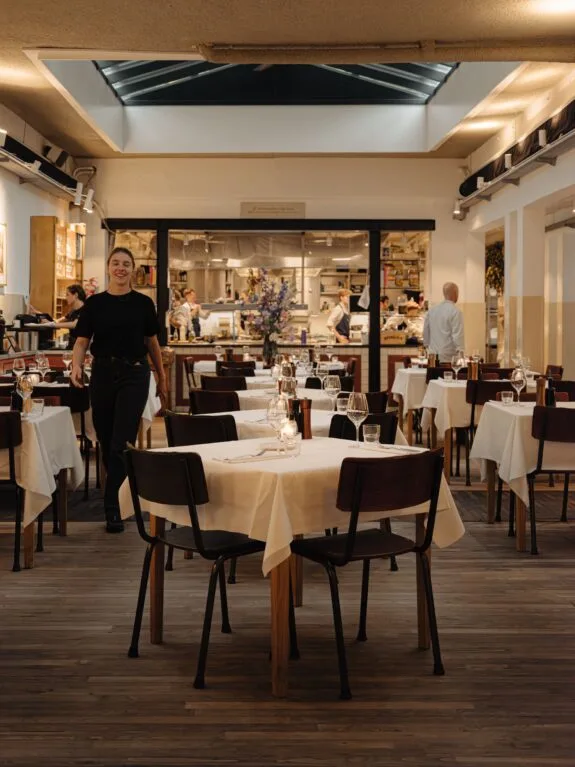
Meet the entrepreneur, in this series Maud Moody. Toscanini has been a household name in Amsterdam for forty years. Not only because of the tasteful, homely Italian cuisine, but also because of the people behind the business. Maud Moody, one of the founders, tells how it all started – and how a holiday in Rome led to one of the city's most beloved restaurants. Read the whole story

Looking inside, a stately mansion gets a new soul. Vivian Hartog, brand strategist and designer of Griffe Studio, was involved from the start in the transformation of Birkenstock's Benelux headquarters on Sarphatistraat. What was once a classic mansion is now a place where history and contemporary design meet - with great attention to detail, materials and atmosphere. Read and see more here
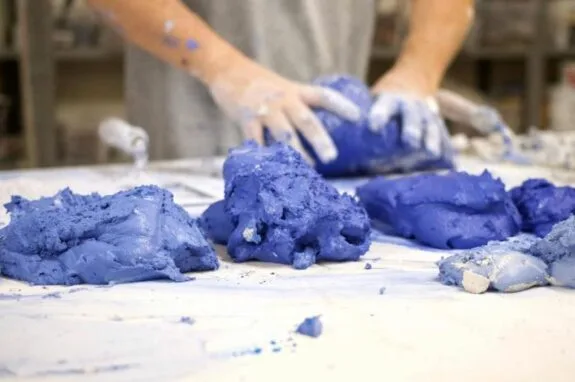
The art of craft. In The Edit – The art of craft, we highlight craftsmen who work to preserve and restore historical heritage. Their dedication to artisanal techniques, from marble stucco to gilding, shows that heritage is only truly future-proof when tradition and craftsmanship come together. One of those craftsmen is Barry Zardoni, a restoration plasterer pur sang. Read and view more here
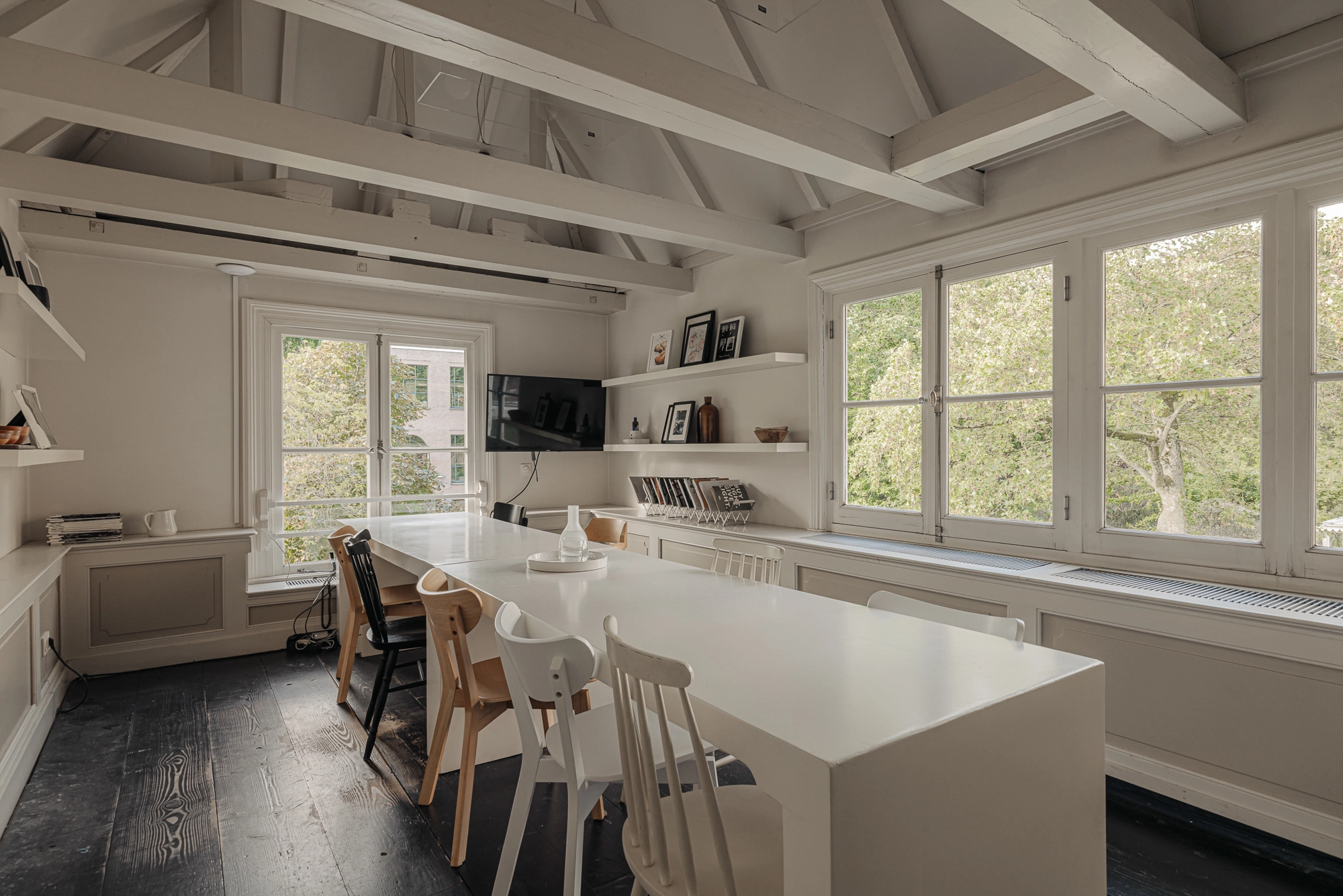
Spotlight: 'The Gentleman'. Working in the historic heart of Amsterdam, on the Grachtengordel-Zuid – who wouldn't want that? This inspiring area buzzes with creativity and attracts a diverse mix of artists, writers, designers, and entrepreneurs. With cultural hotspots such as De Bazel, FOAM, the Rijksmuseum, and the Kleine Komedie within easy reach, this location offers the perfect balance between working and networking.
Be inspired by the dynamism of the neighborhood and the tranquility of an exclusive workplace in a monumental canal house. The hidden gem? A sunny south-facing garden with elegant gravel paths and classic boxwood hedges – an oasis of greenery in the middle of the city. Read more here
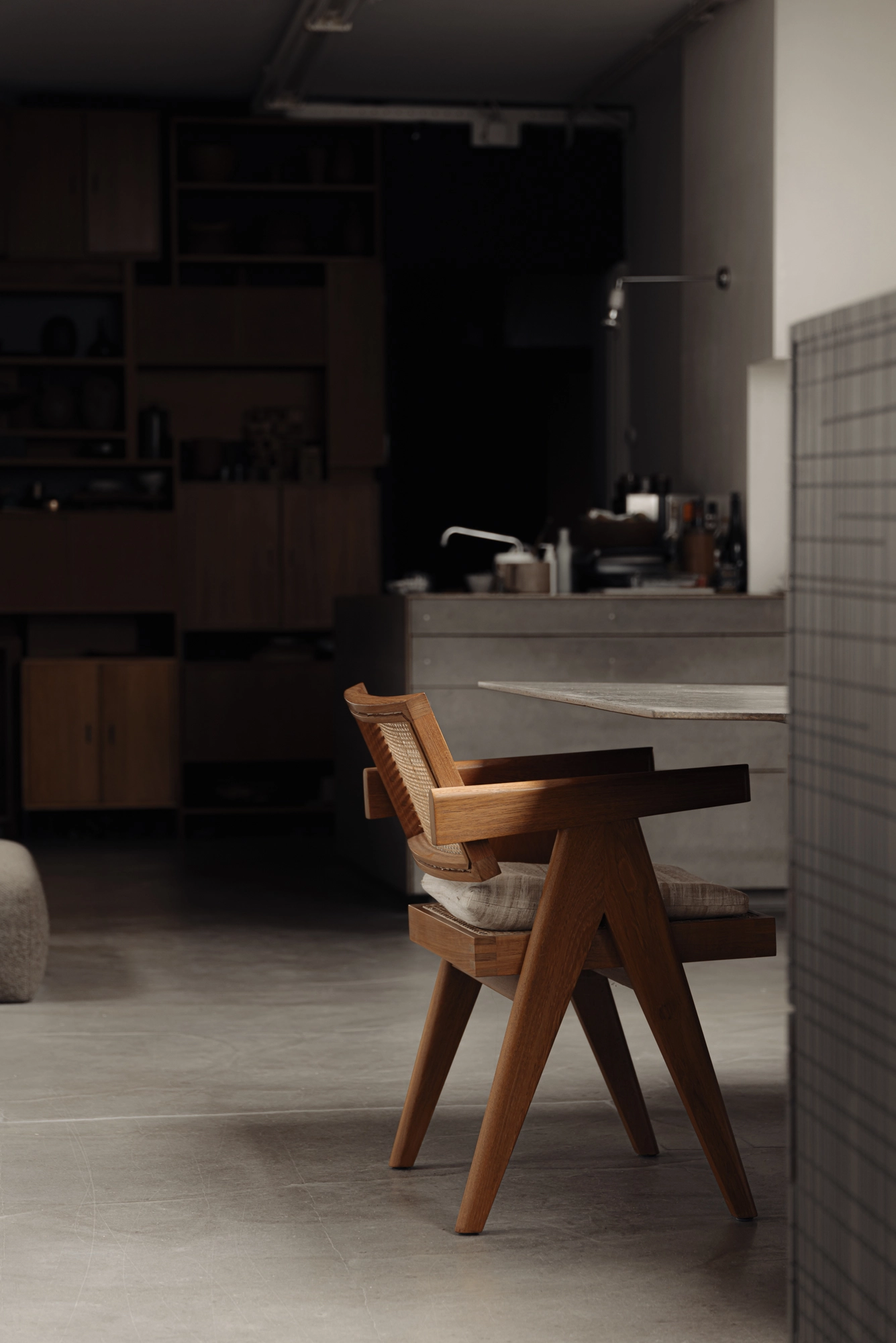
The Creative Advantages of Working in Amsterdam; Amsterdam is much more than a city of canals, bicycles, and tulips. It is a vibrant hub for creativity, innovation, and collaboration. For companies, startups, and independent creatives, this city offers a unique breeding ground for ideas to flourish. But what makes working in Amsterdam so special? Read more
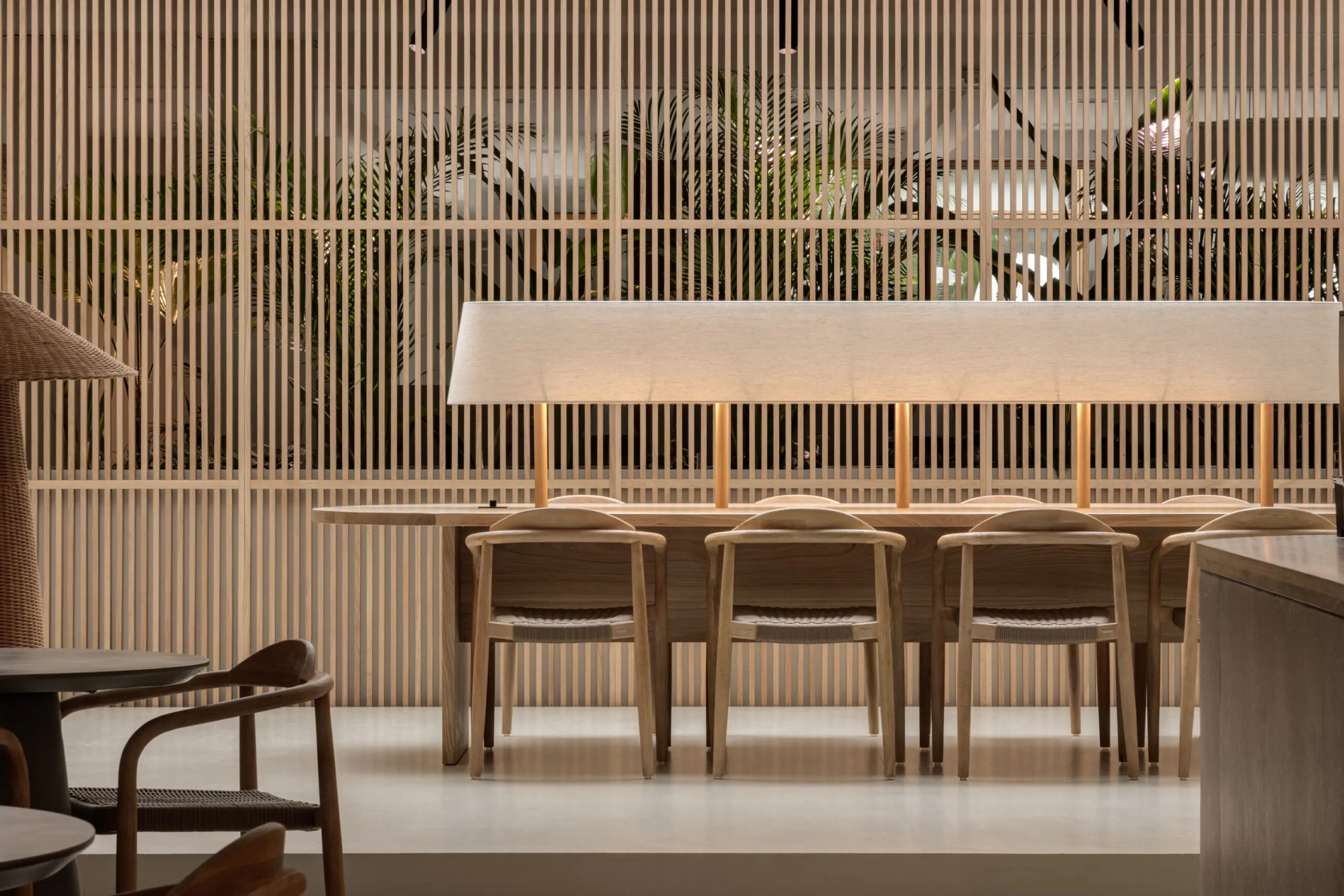
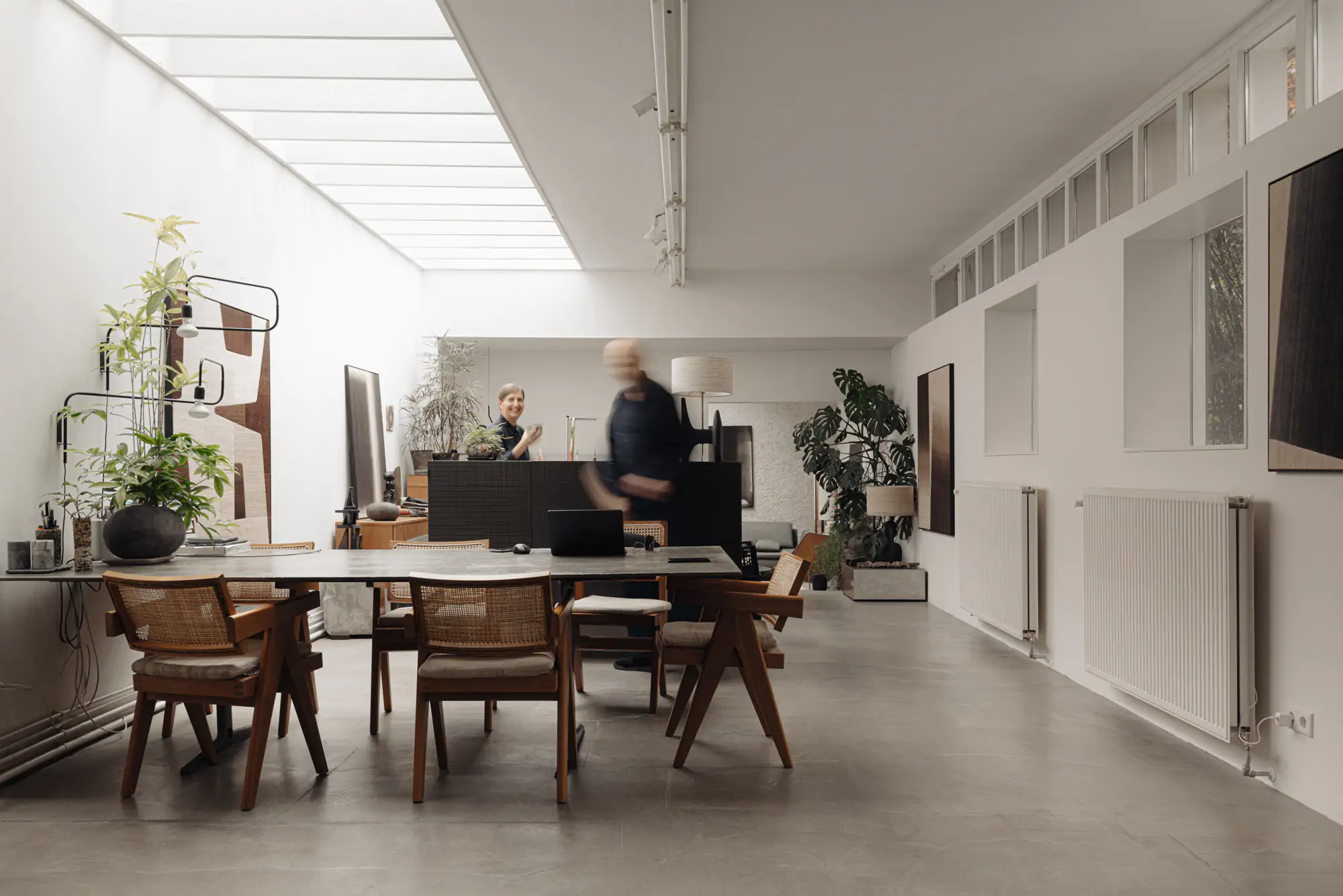
Meet the entrepreneur, in this series designers Xander Vervoort and Leon van Boxtel of x + l design. In their online store, they present handmade products that they have made themselves. Most are one of a kind. Loose objects and limited series that go together with handmade finds from their travels. Xander and Leo love the irregularity in the products: the human touch gives it an extra dimension.
Read and view more here
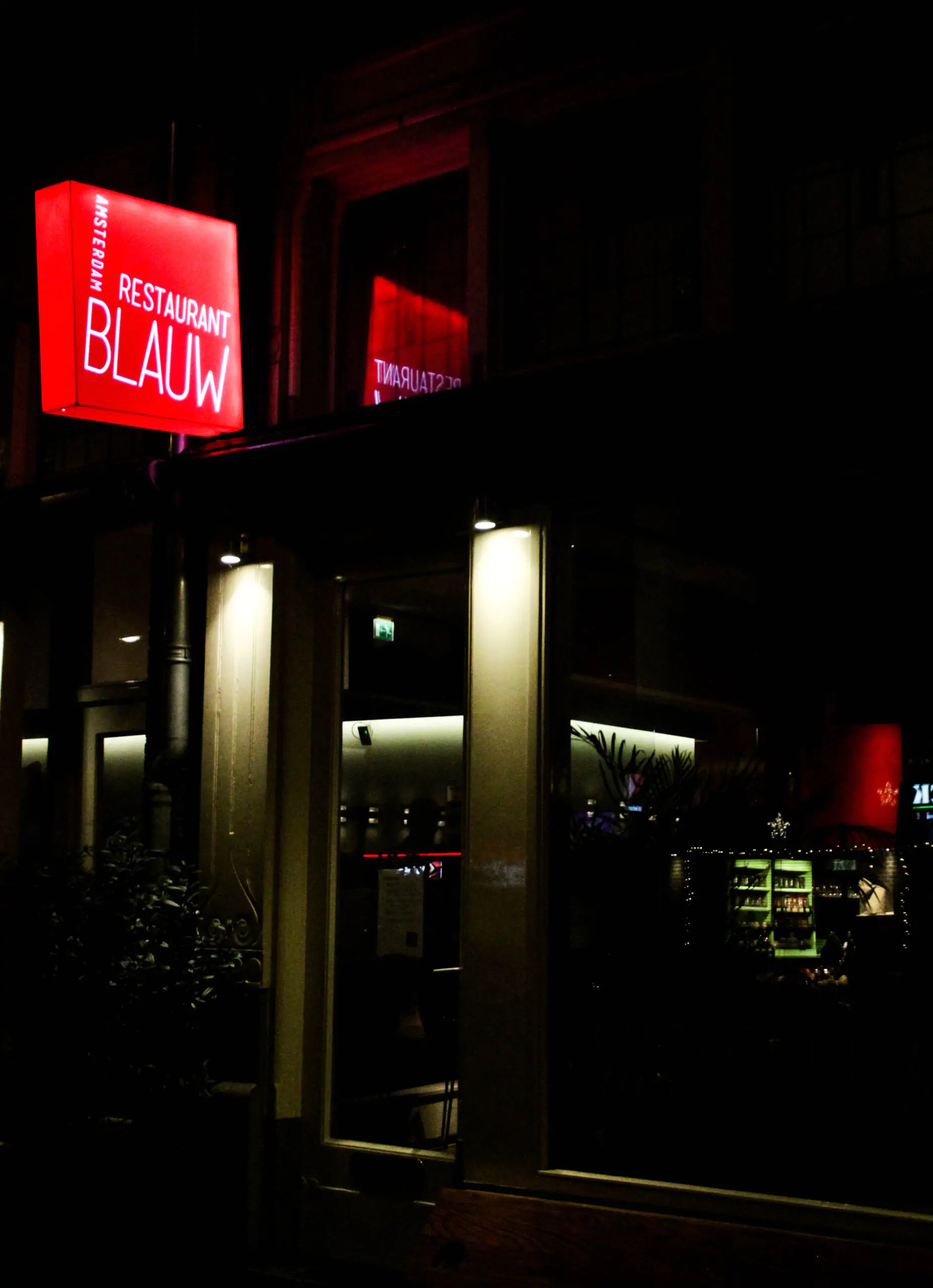
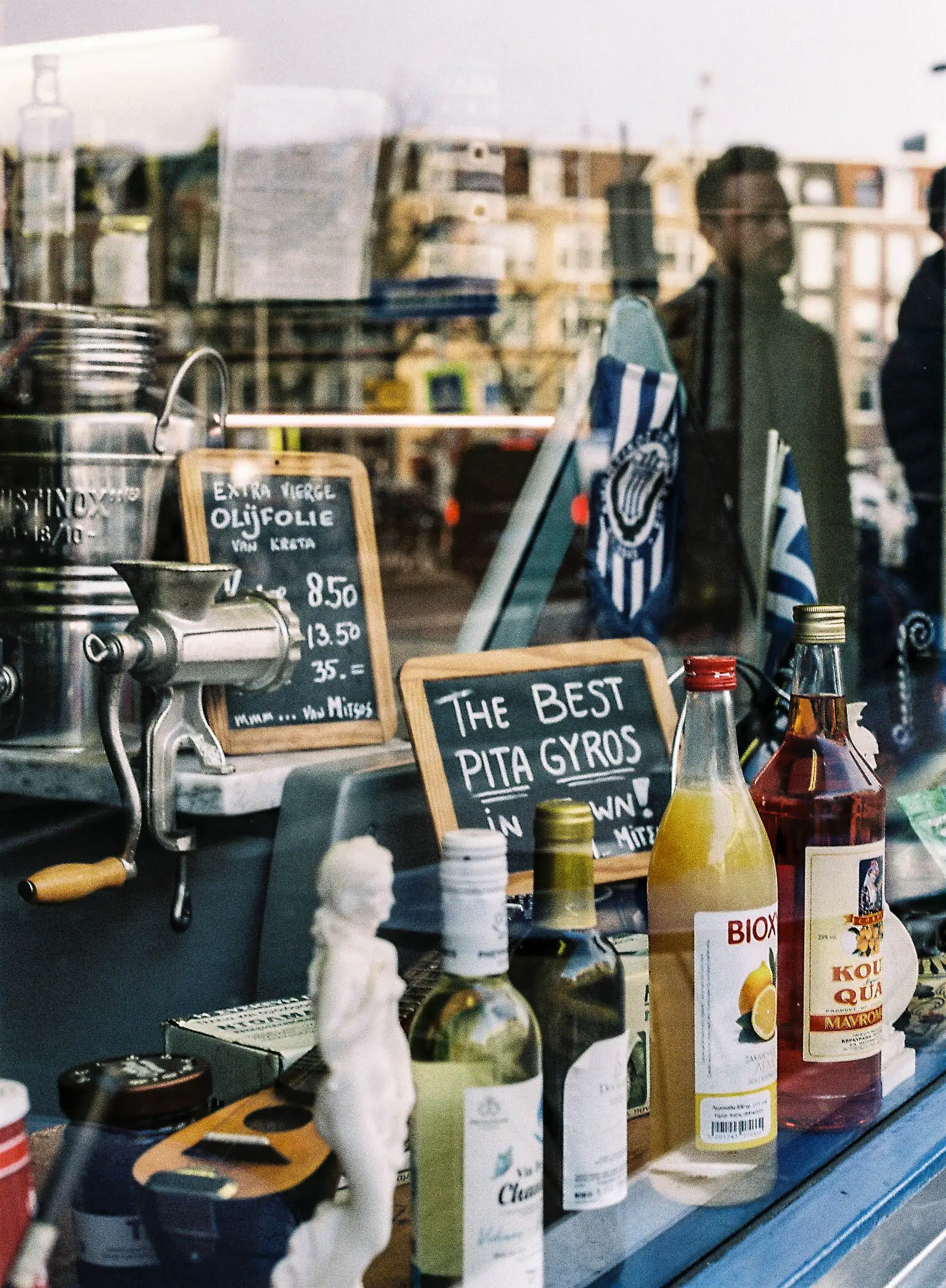
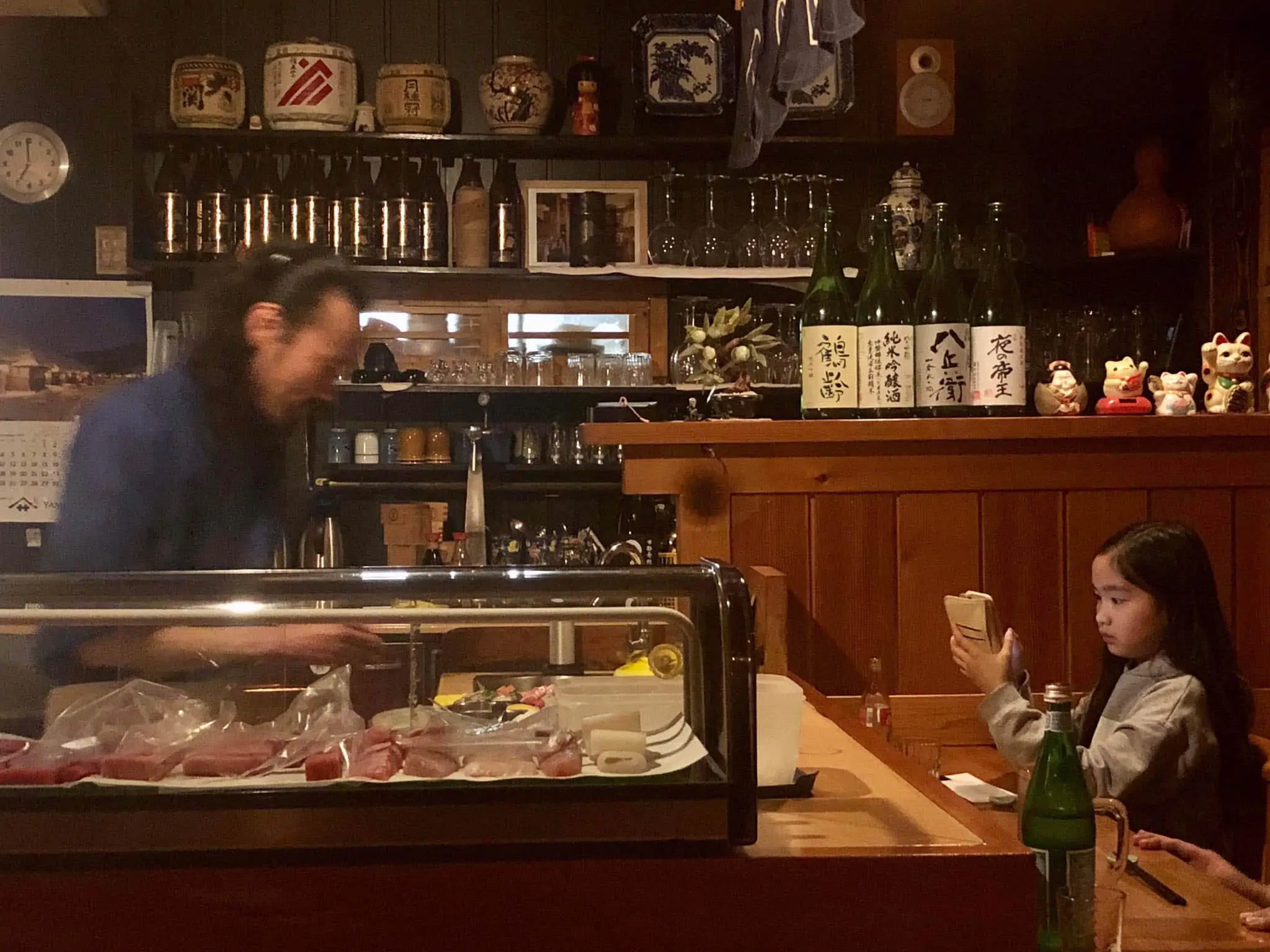
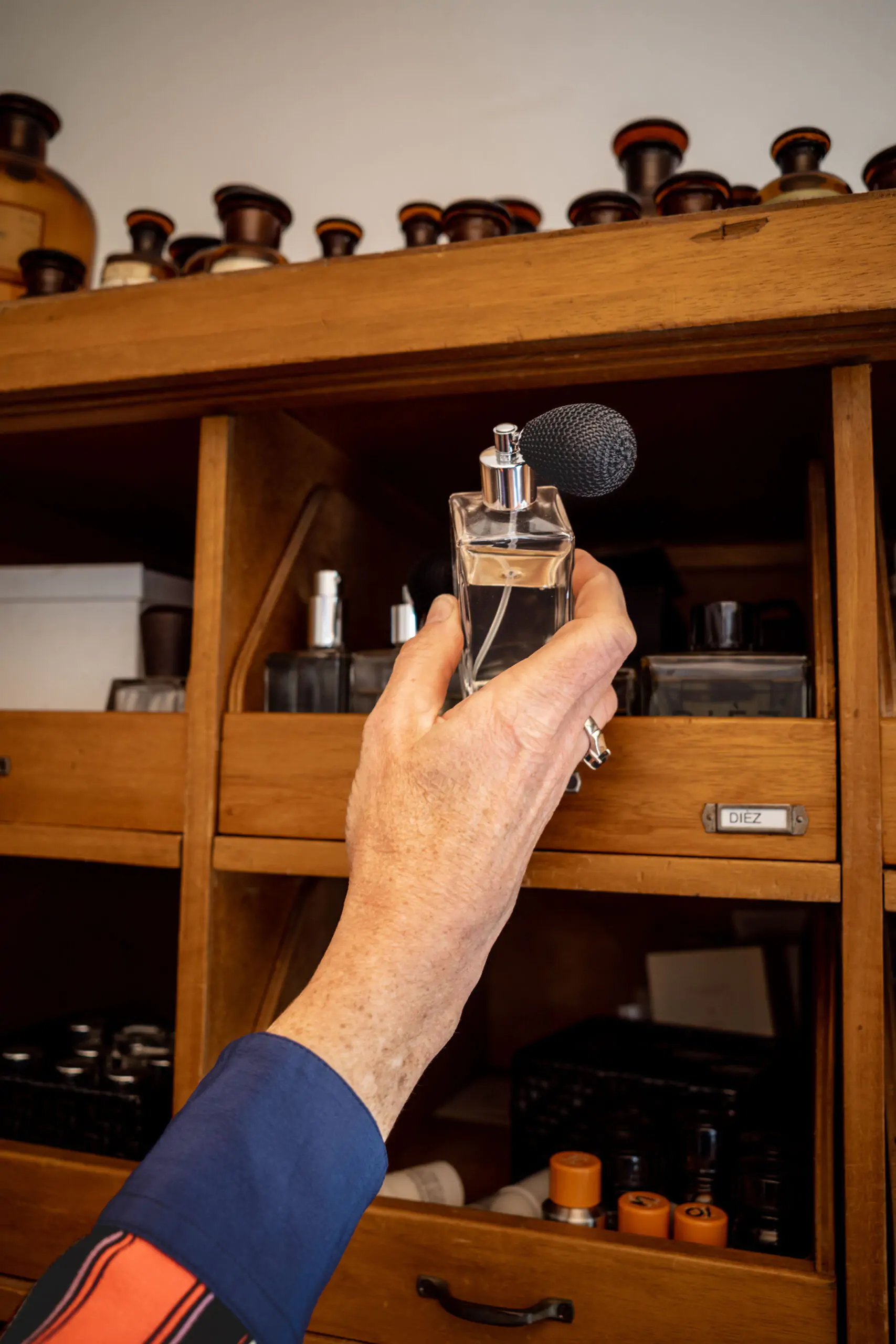
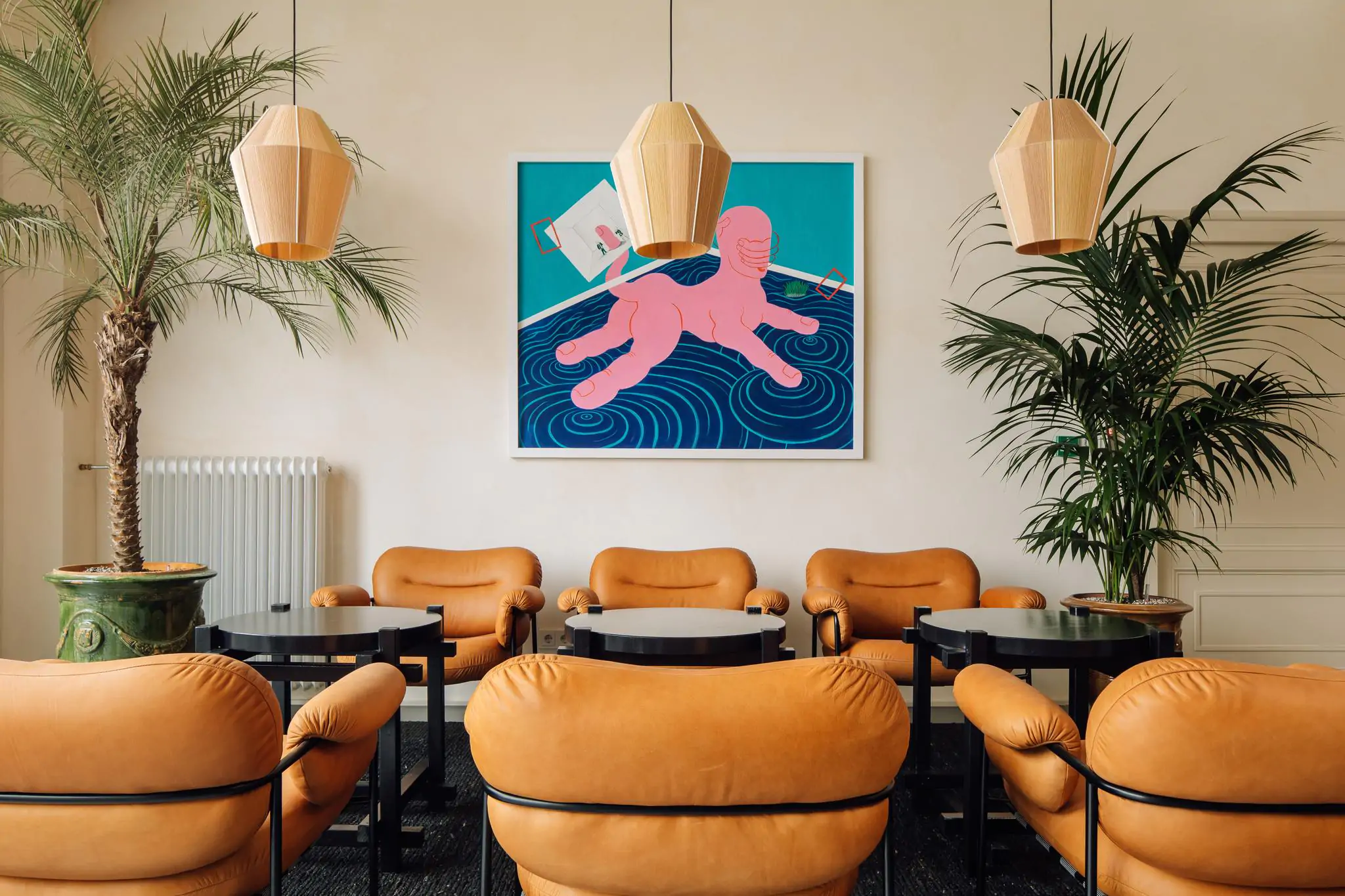
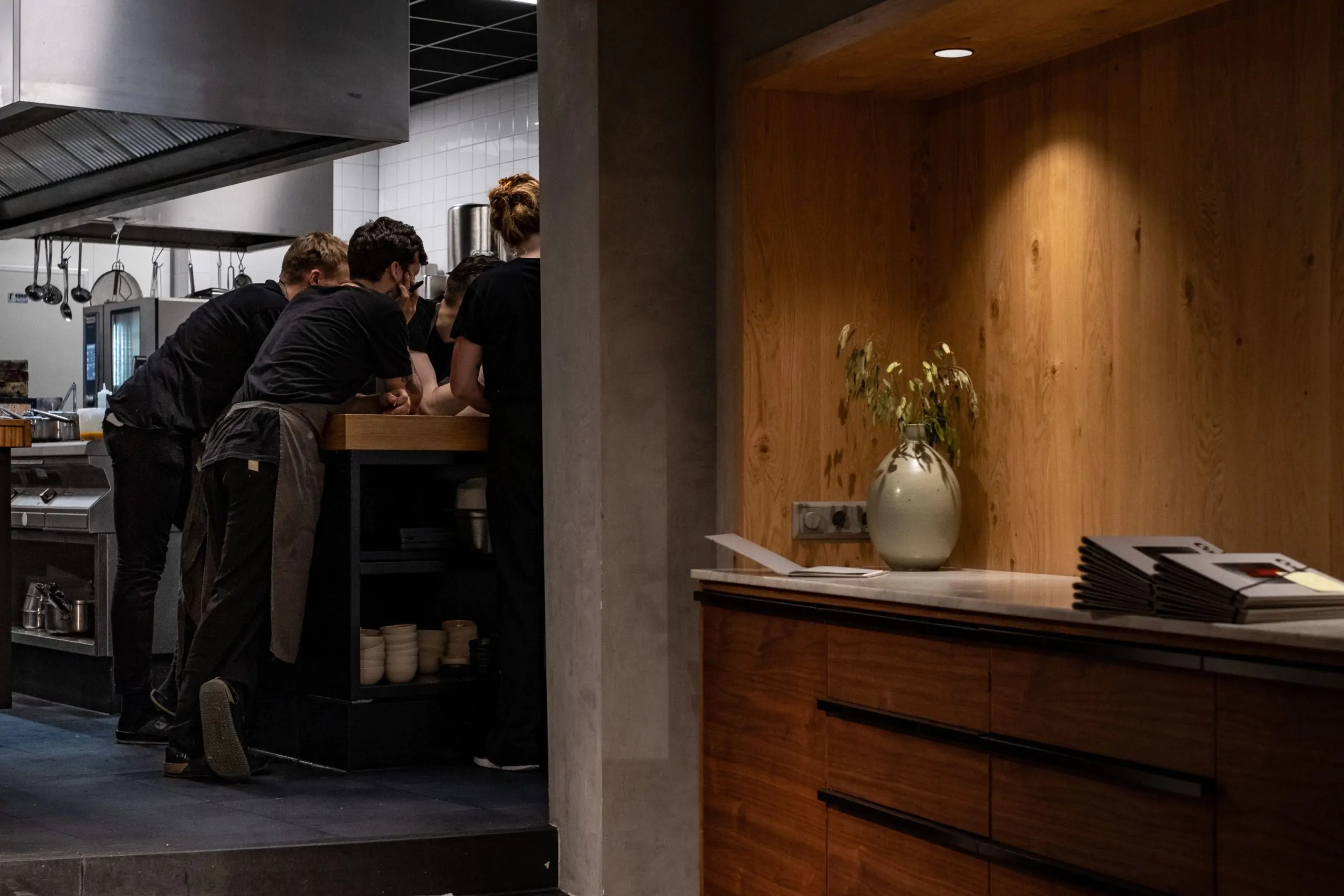
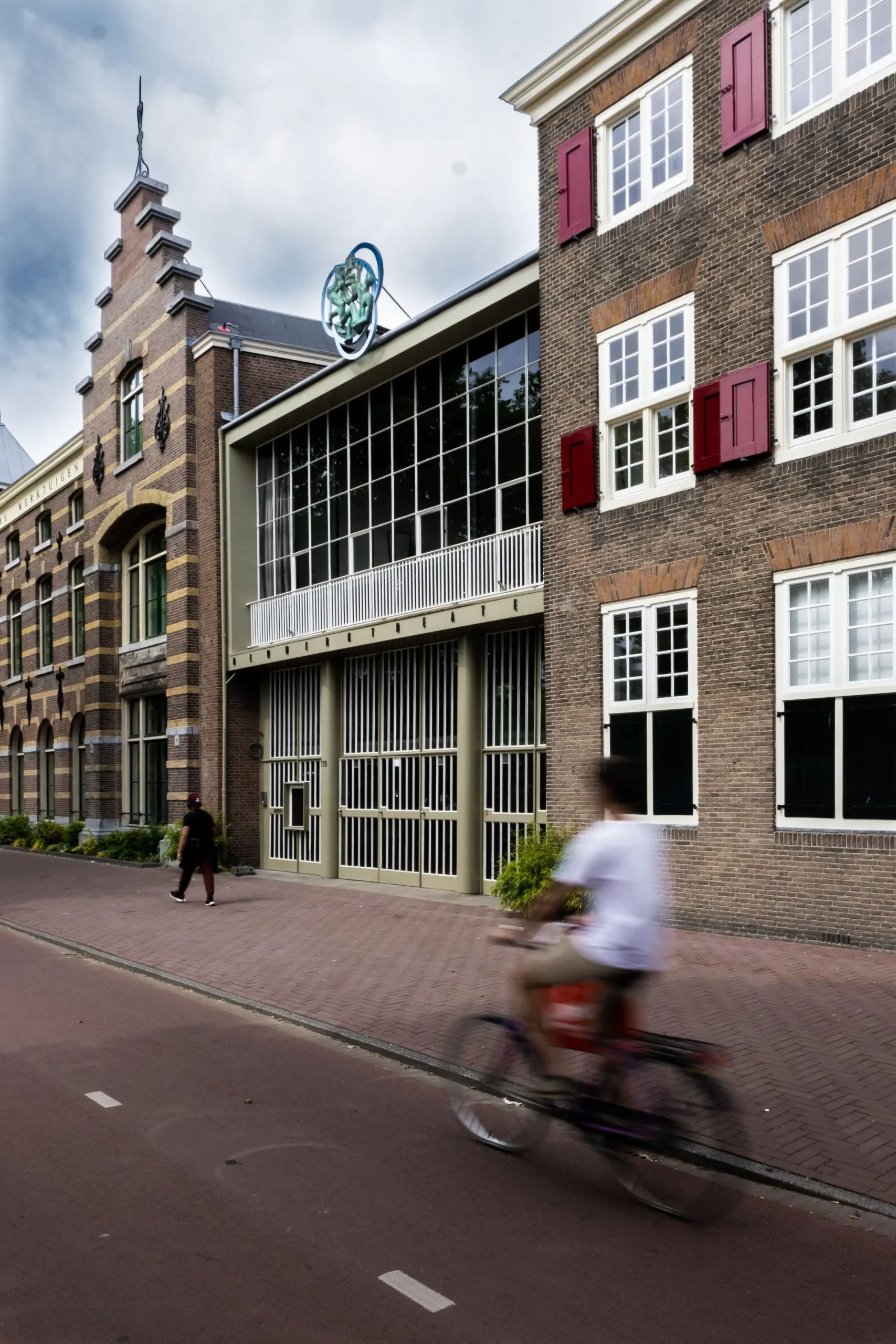
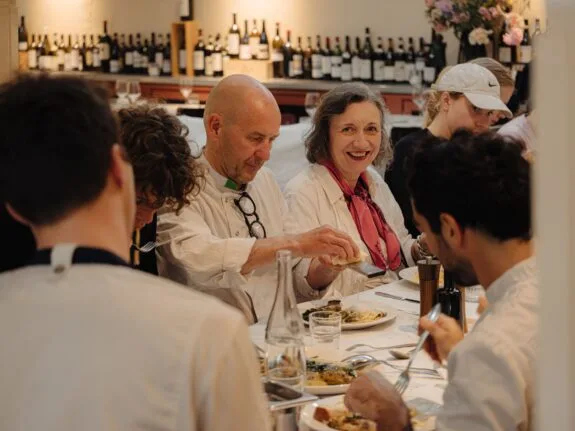
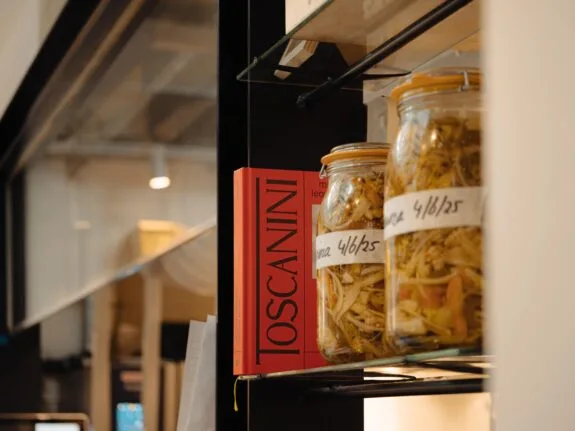
Forty years of Toscanini – an Amsterdam icon
Toscanini has been a household name in Amsterdam for forty years. Not only because of its delicious, home-style Italian cuisine, but also because of the people behind the business. Maud Moody, one of the founders, tells how it all began—and how a vacation in Rome led to one of the city's most beloved restaurants.
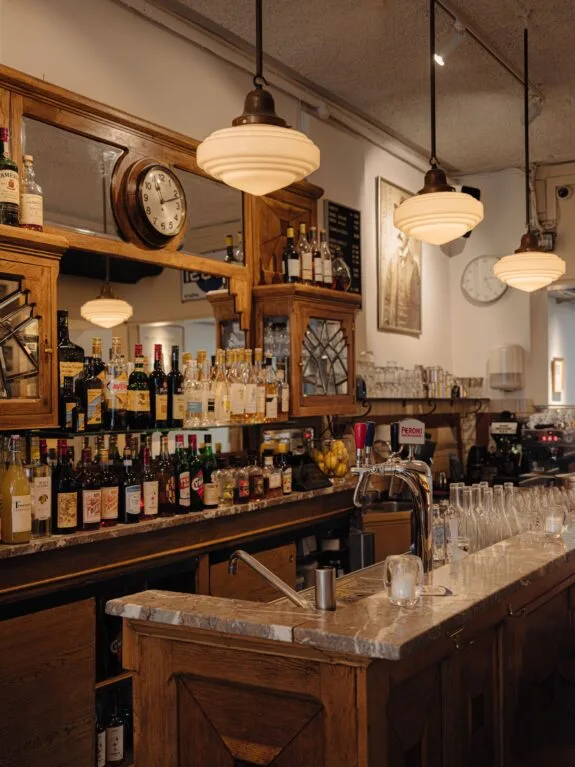
A campsite in Rome as a starting point
Maud Moody remembers well how it all began. Actually, she says, Toscanini's origins lie not in Amsterdam, but at a campsite in Rome – Campeggio Flaminio. It was the summer of 1982. Her sister Ellen was already there, and Maud hitchhiked from Amsterdam to Italy with her friend Marianne. Something that would be unthinkable now, but was fairly common at the time. Two young women with big thumbs and even bigger plans. "We had to get ourselves out of quite a few tricky situations," she says, "so in that respect, I'm glad my daughter just takes the plane now."
Once we arrived at the campsite, it didn't take long before three Italian vacation buddies showed up. But more importantly, that's where our first real love for Italian cuisine began. When two of the Italian guys later came to Amsterdam, the idea for a Tavola Calda was born—a kind of refined Italian snack bar, serving really tasty food. Combined with a cultural meeting place: there would be exhibitions, live music, reading tables.
Her Italian friends said, "You just cook, we'll tell you if it's good."
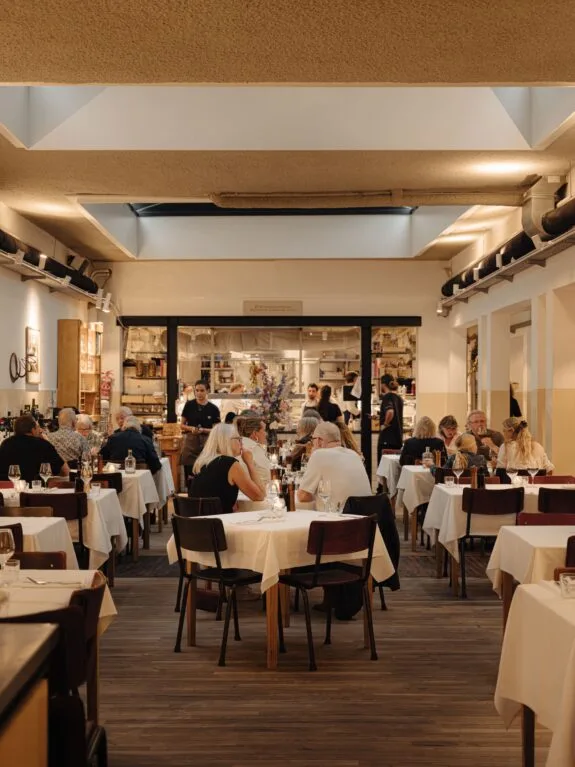
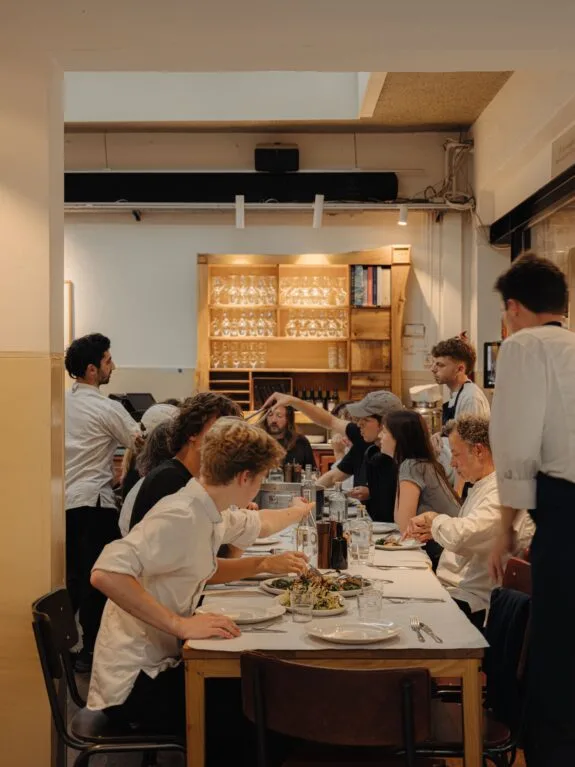
From idea to opening
They found a suitable building on a quiet street in the Jordaan neighborhood, called Goudsbloemstraat. It had once been home to the women's restaurant Zus, so the foundations were already there. Together with friends, they renovated the space: painting, carpentry, sanding. They did everything themselves, because they had hardly any money. On May 21, 1985—Maud's 25th birthday—Toscanini opened its doors.
But things turned out differently than expected. No one came during the day. In the evening, people came to eat. No reading tables or music evenings. It became a restaurant. "Whether we wanted to or not." Ellen had experience serving in a pizzeria, Maud had worked as a cook's assistant, and had inherited a great love of cooking from her mother. She knew little about Italian cuisine. But her Italian friends said, "You just cook, we'll tell you if it's good." And so it happened.
Simple, honest, beloved
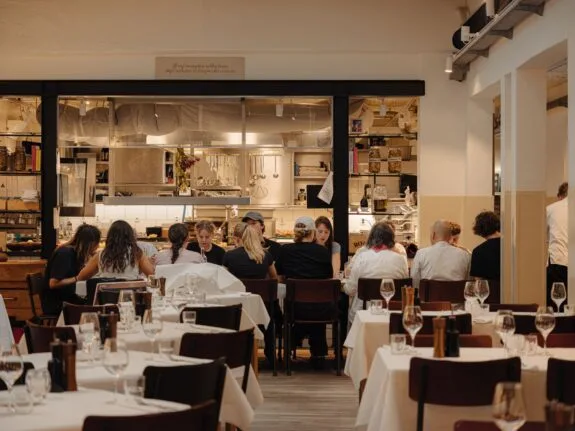
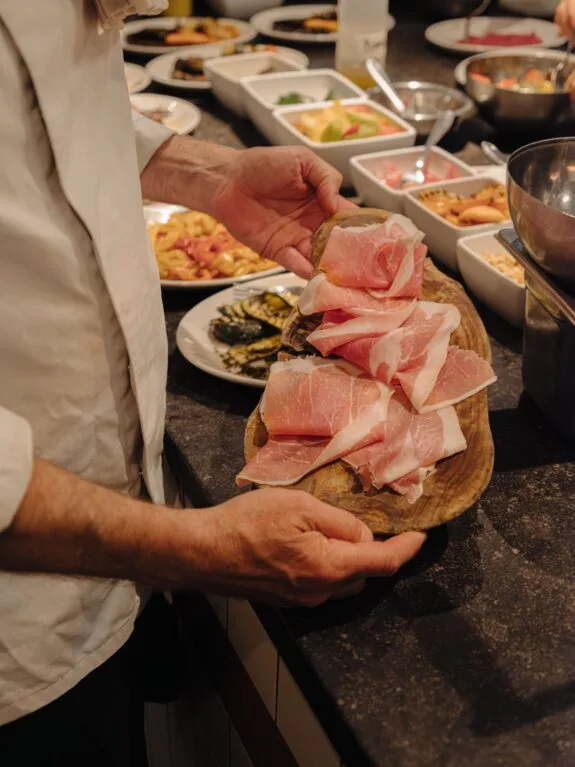
At first, business was slow. But on the Friday of the second weekend, the place was suddenly packed. News of the new Italian restaurant had spread rapidly throughout the city. At that time, you either had pizzerias or fancy Italian restaurants. Tosca offered something different: honest dishes, freshly prepared, simple, inexpensive, and informal. Cucina casareccia—home-style cooking.
The hustle and bustle brought challenges. There was an urgent need for extra staff. One evening, Karin and Jeannot walked in. They too had heard about Toscanini at Camping Flaminio. They were hired immediately. Karin—the mother of Tamar, who has now been working in the patisserie for eight years—was attending mime school. Not long after, the mime school became a kind of supplier of staff. Many Italian boys worked in the kitchen, while their Dutch girlfriends worked in the service. And then there was Conceicao, who ended up at Tosca through the Brazilian camping connection.
Chaos, strikes, and professionalism
It was a pleasant, multicultural chaos. Waiting for food could sometimes take an hour. One day, there was even a strike Location. A group of Italian boys and their girlfriends demanded higher wages. Ellen and Maud ran the whole place by themselves that evening. The next day, Maud approached Klaartje—Wil Demandt's wife—who had just started maternity leave at Panini. Klaartje came Immediately and stayed for a few years. That was the moment when Toscanini took its first big step toward professionalism.
Everything depends on the team. And that's always a good thing at Tosca.
Moving to Lindengracht
In the meantime, the restaurant moved to its current location on Lindengracht. It was Kees Kemp—at the time the youngest employee at Broersma—who came up with the location. And it was architect Jaap Dijkman who designed the interior. This gave Toscanini not only a new location, but also a new look—in keeping with the atmosphere that the restaurant had since developed.
There, on a Saturday afternoon, Leonardo walked in. He asked if they had a job for him, one day a week. Later it turned out that he too had stayed at Camping Flaminio, around the same time. Leonardo is the son of a Dutch mother and an Italian father. He was born in Rome and spent his childhood in Cape Town. Although he initially studied mechanical engineering, he ended up staying on at Toscanini – full-time. He never left.
People make Tosca
In 2000, Maud, Jeannot, and Leonardo continued together. In 2022, Jeannot said goodbye—he now lives on a mountain in Piedmont, where he is happy. His departure made room for Suus. "That worked out very well," says Maud. "For me personally, she is a huge support."
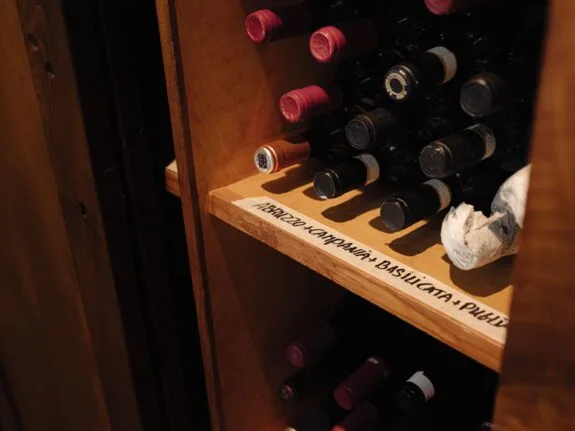
Toscanini has always been built on people. Without all those colleagues, past and present, the 40th anniversary would never have been possible. "Just yesterday," says Maud, "I thought about that when I saw everyone busy preparing for the party. Everything depends on the team. And that's always been the case at Tosca."
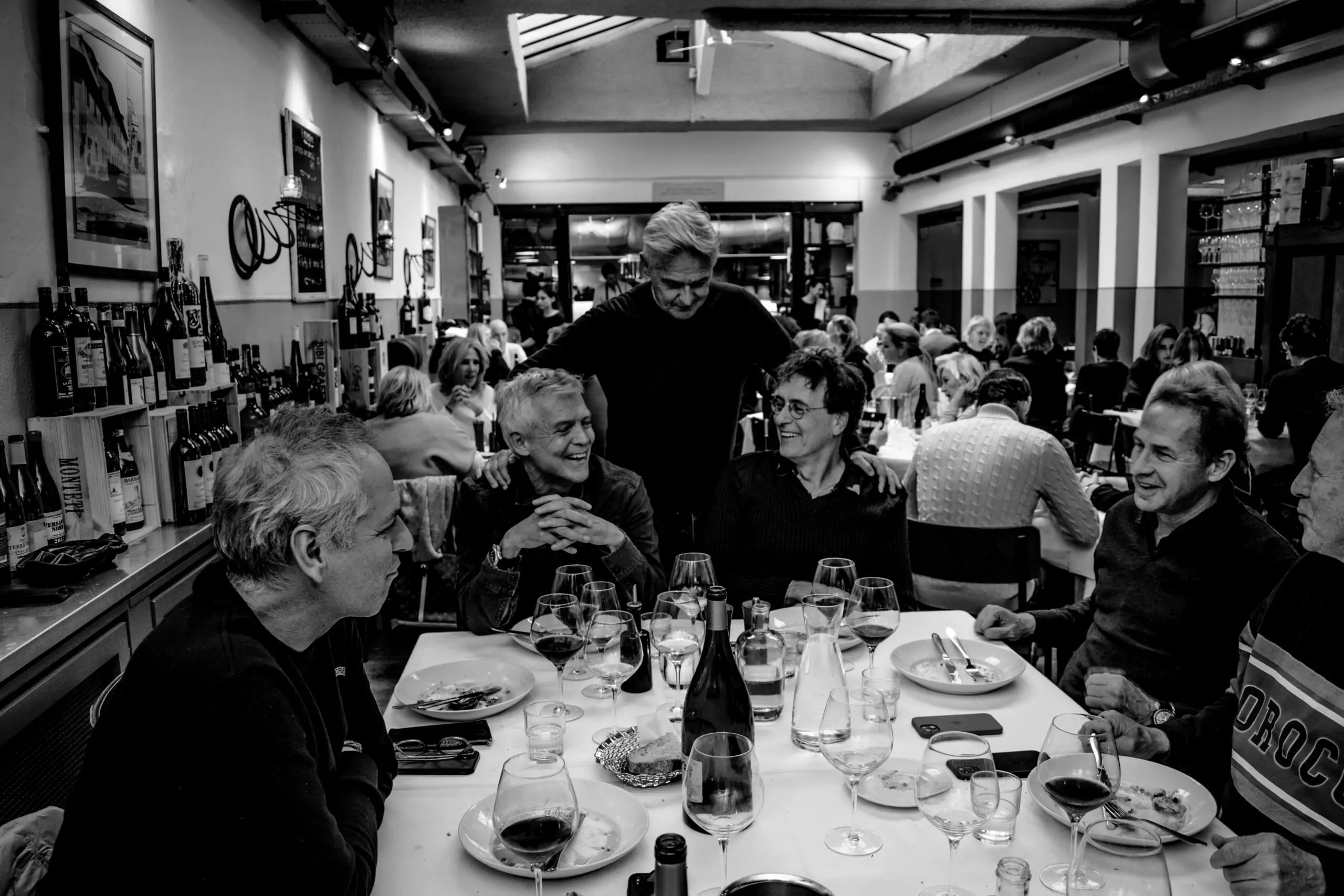
Italians came to the Netherlands centuries ago. They made ice cream, laid Italian granite terrazzo, were chimney sweeps, or worked in the mines in Limburg. These Italian migrant workers helped rebuild the Netherlands after the Second World War and also had a major influence on our food culture. Read here about the best places in Amsterdam to shop for Italian groceries and eat and drink Italian.
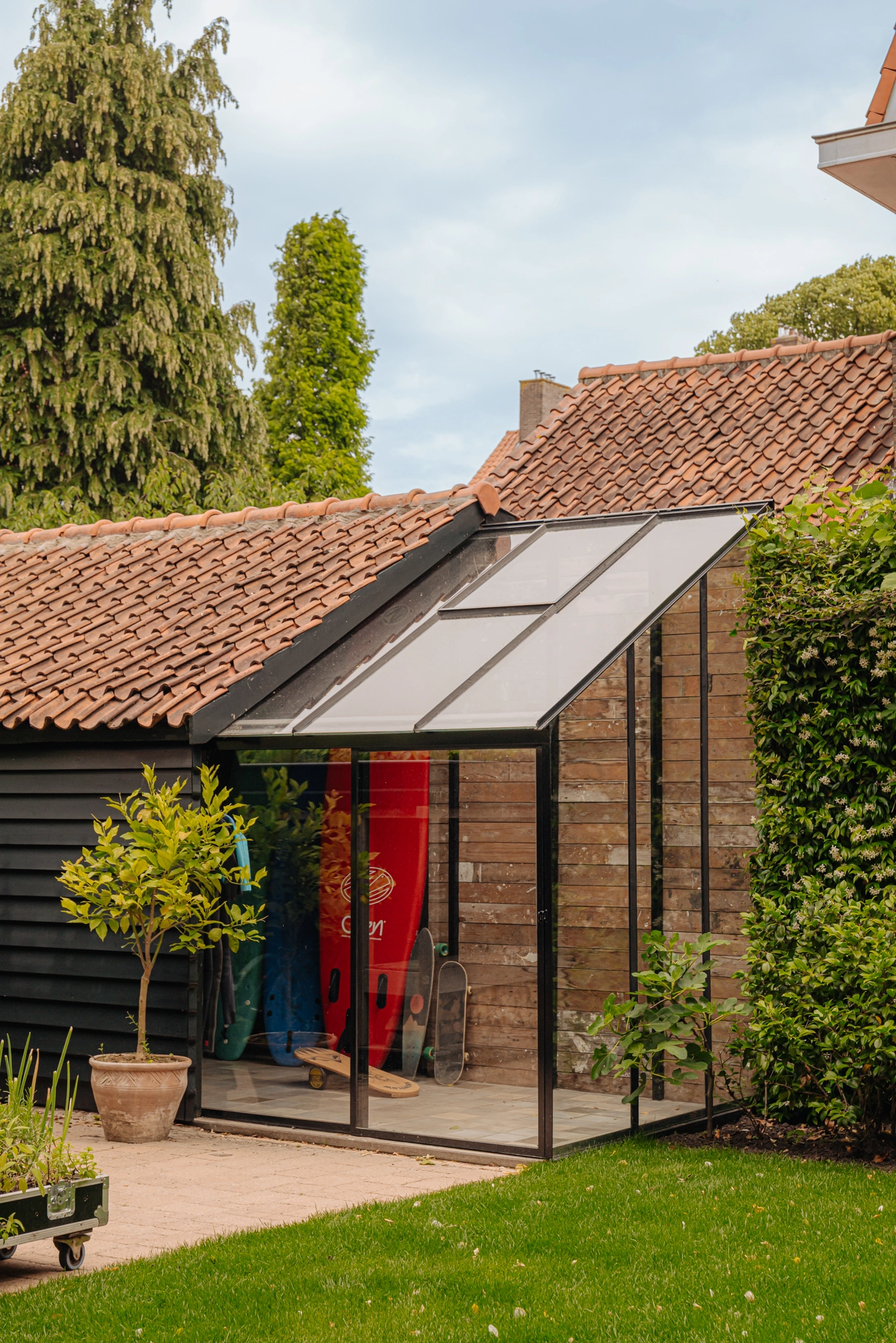
Spotlight: 'Het Hoekhuis aan de Laan' (The Corner House on the Avenue); When we moved into this house years ago, we were looking for a spacious family home—a place where our five children could grow up safely and freely. We found that place on the edge of Plan Mozart in Amsterdam-Zuid, on a unique corner with a spacious Garden surrounding property. Here, they could build endless huts, build fires, do crafts in the greenhouse, and play with friends in the garden. It felt like we had found a village in the city, surrounded by greenery. Read more about what the current residents have to say and be inspired.