Meet the entrepreneur, in this series Atsuhito Hosono, owner and chef of Japanese restaurant Umeno
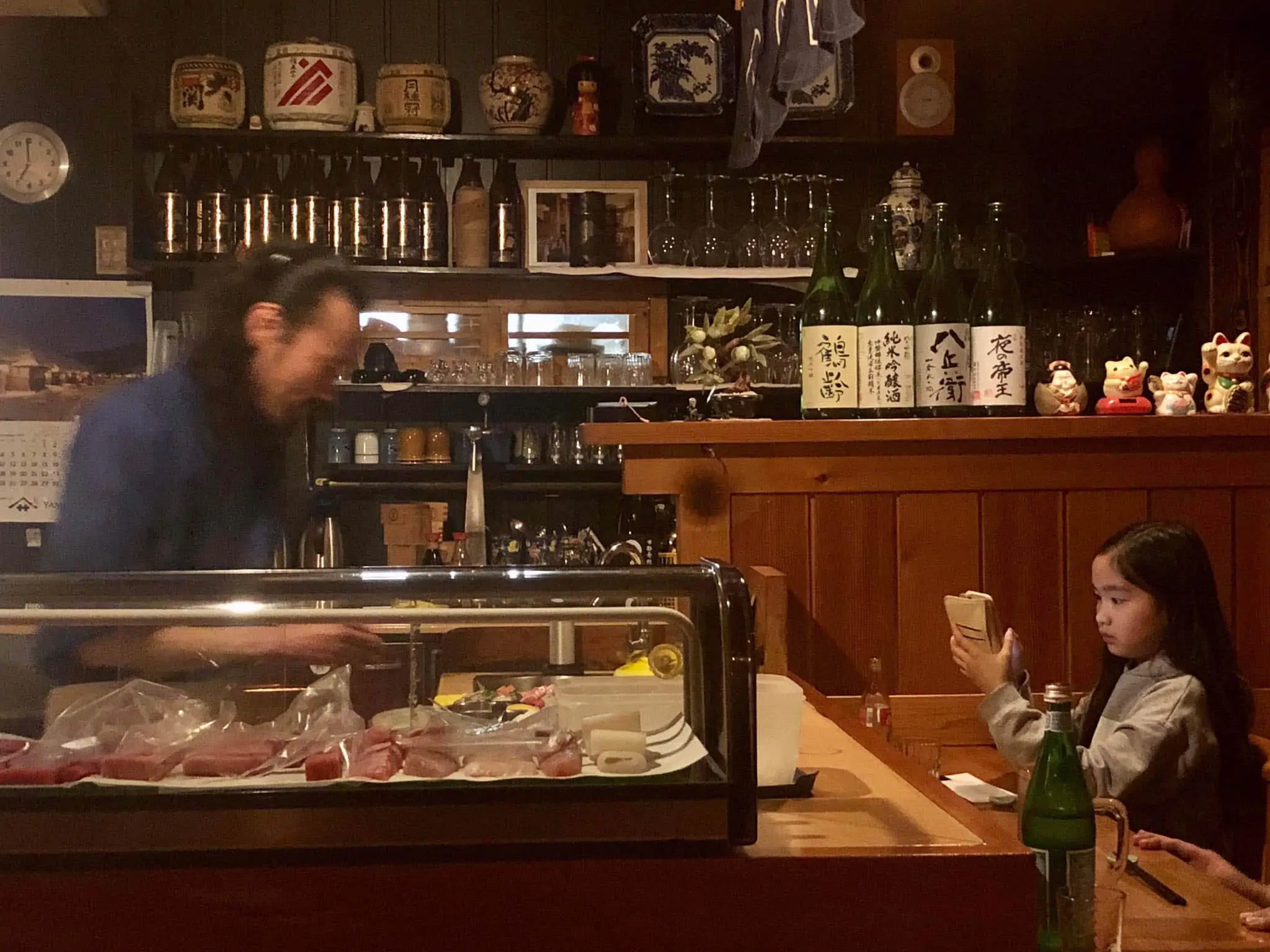
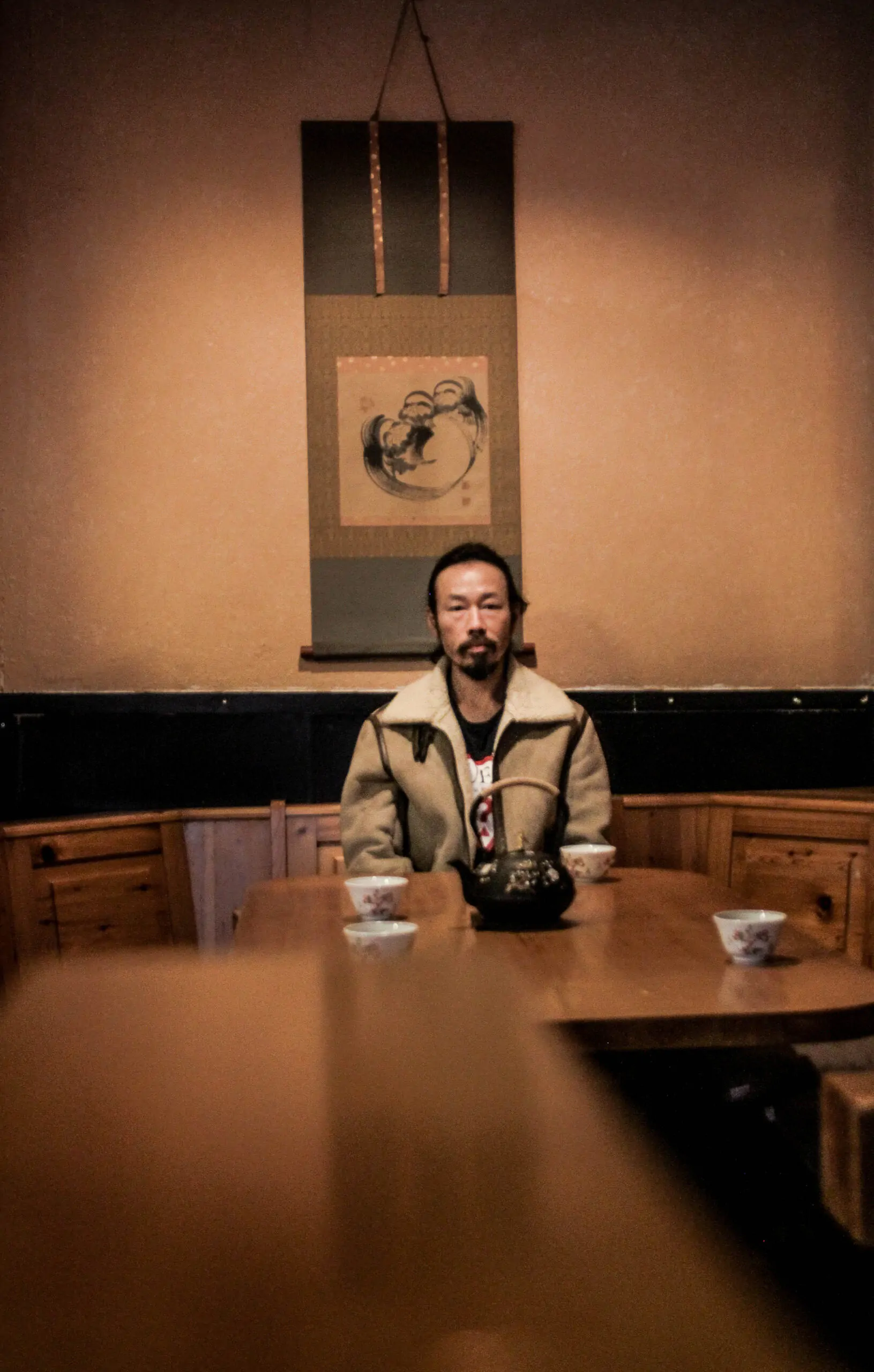
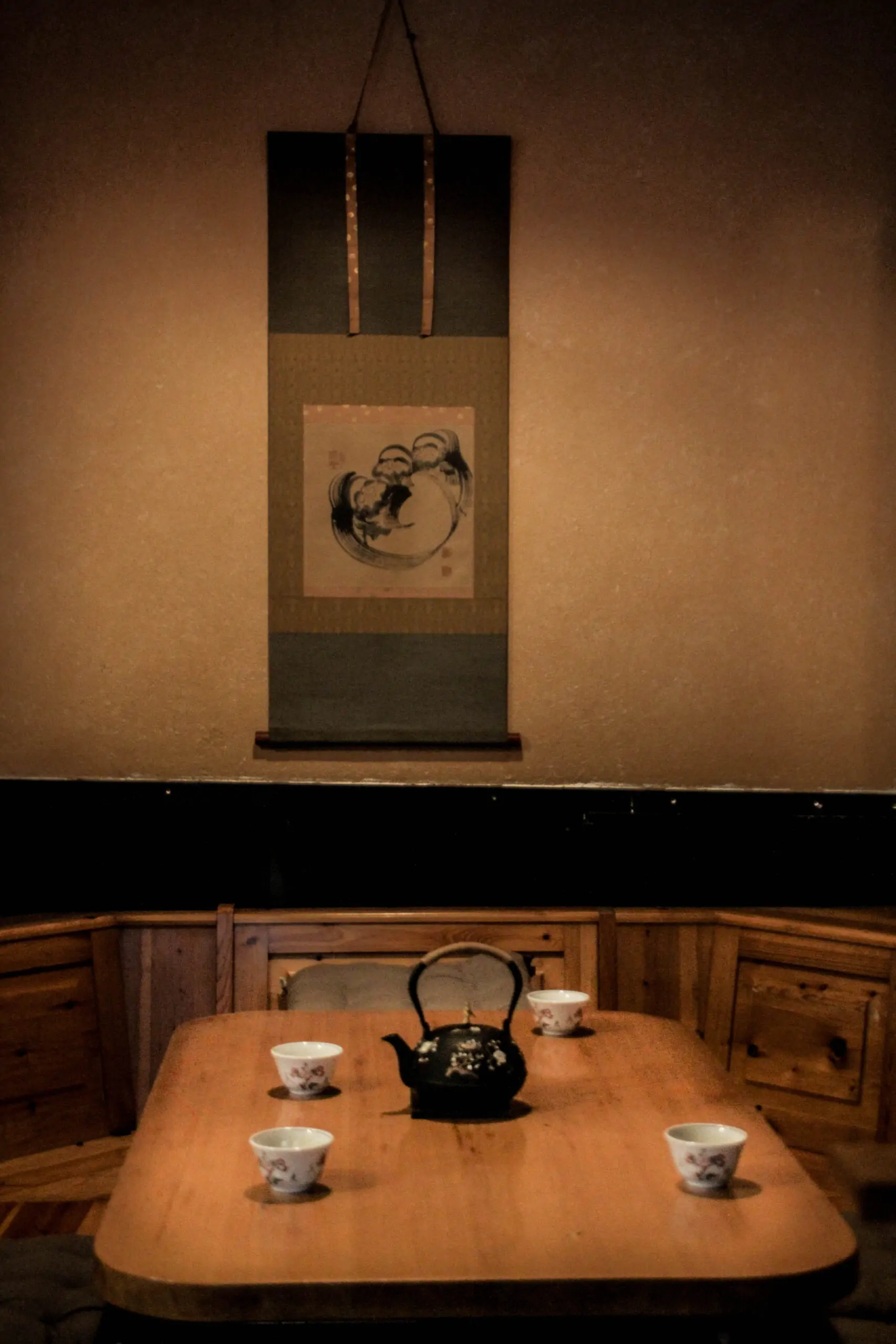
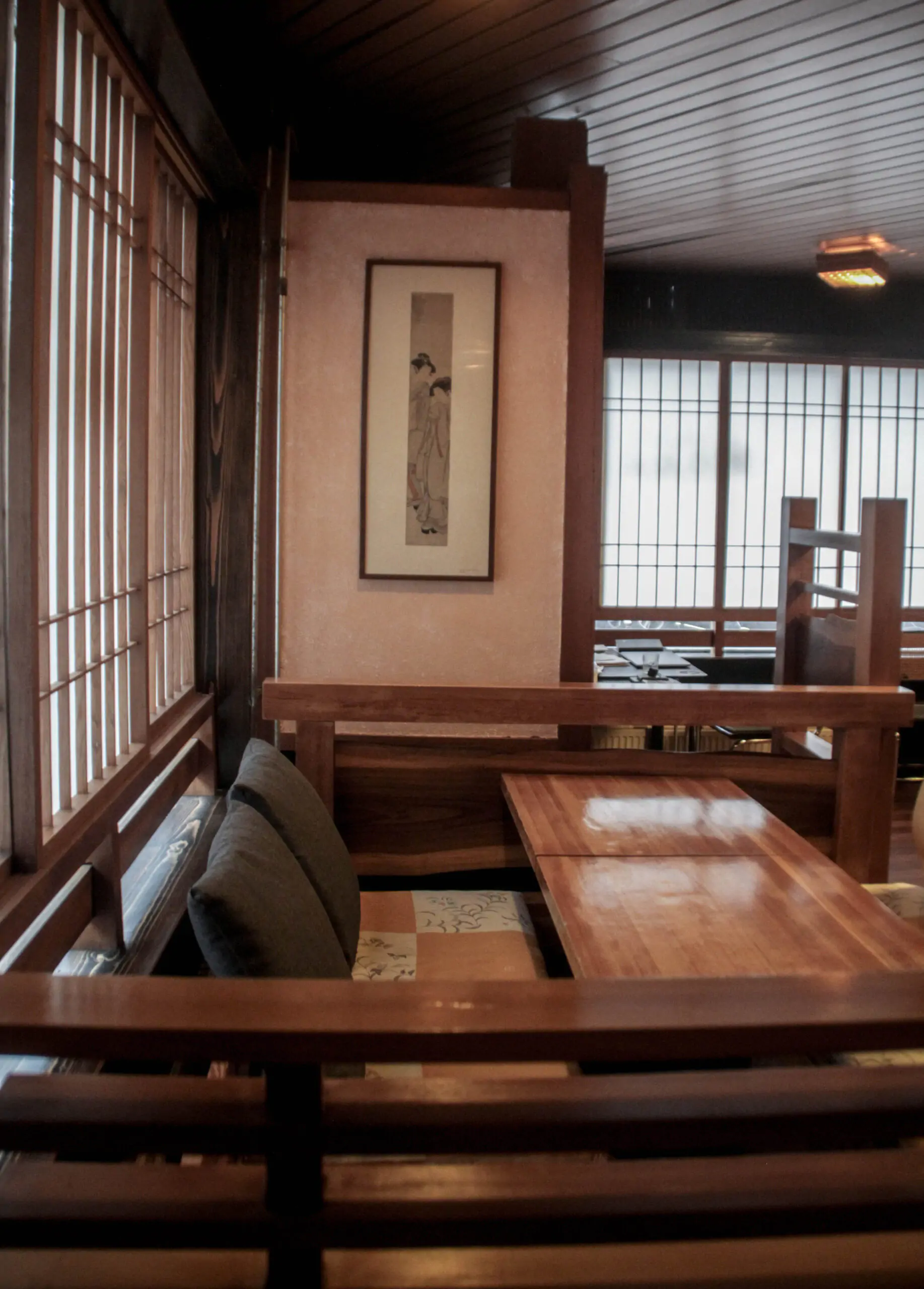
The Japanese restaurant Umeno is somewhat hidden away. Sheltered windows were deliberately chosen so as not to reveal the restaurant immediately, but to add an extra element of discovery to the experience. Once inside, you enter a space where intimacy plays the leading role and authenticity exudes from the handmade wooden interior. A traditional concept, in other words. It is one of the oldest Japanese restaurants in Amsterdam. Akitsu, Okura, and Toga preceded it in running a place with only Japanese staff.
History
The first contact between Japan and the Netherlands dates back 420 years. On April 19, 1600, the Dutch reached the Japanese coast. Together with the Chinese, they gained a monopoly on trade with Japan. Other Westerners were rejected because they wanted to convert the Japanese to Christianity. The Dutch had to give something in return: they were forced to move to the tiny peninsula of Dejimam, no larger than a soccer field. They were only allowed to leave this island once a year. But since when have the Japanese been living in the Netherlands? In the 1960s, many Japanese companies established themselves in the Netherlands. The headquarters of companies such as Fujifilm and Canon are located in Amstelveen. Amstelveen has the largest number of Japanese people in the Netherlands.
Once in the Netherlands, I was able to start working at Toga, the very first Japanese restaurant in the Netherlands, through family connections.
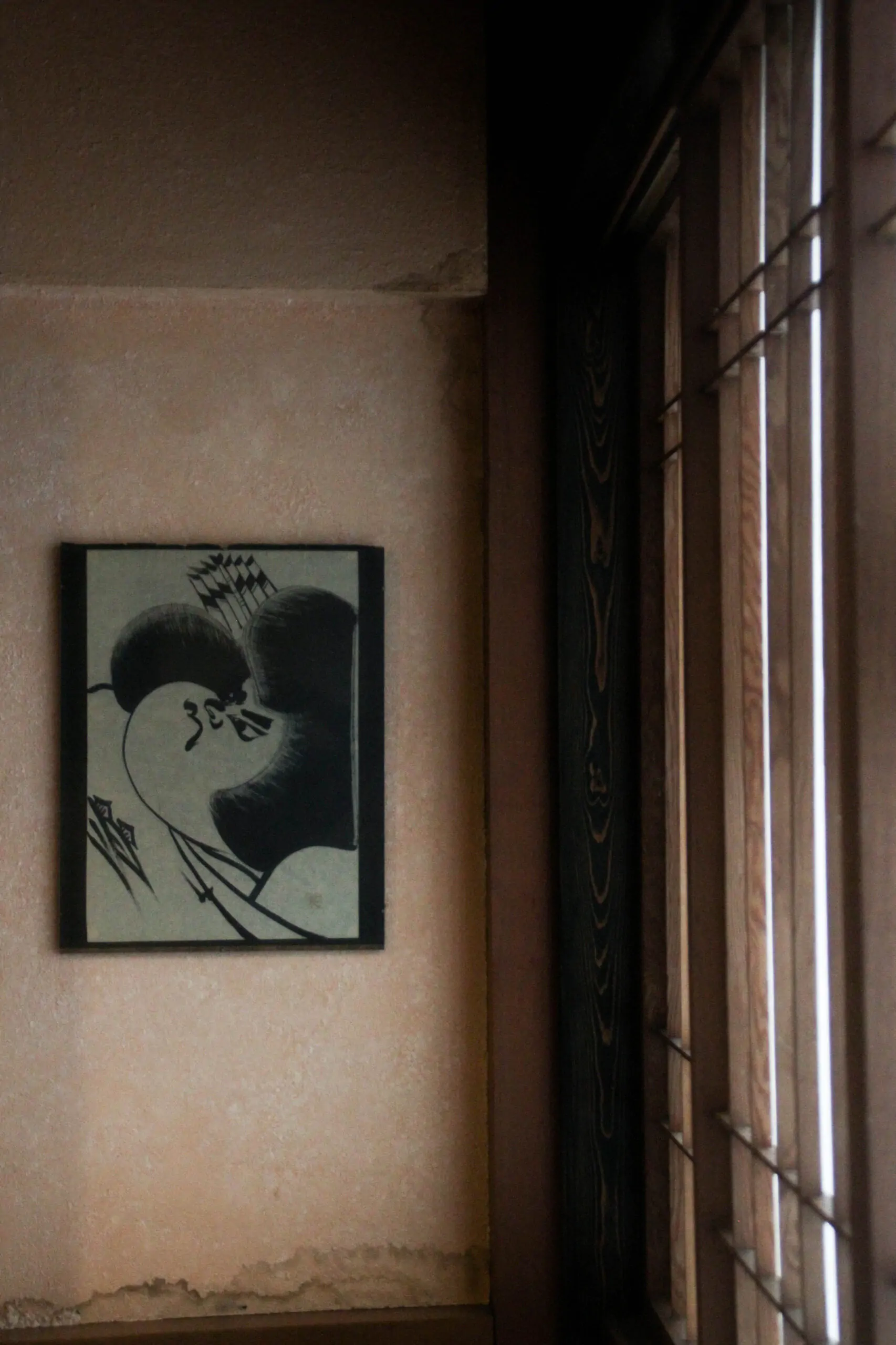
Authentic Japanese in South
Umeno opened its doors in 1978. The restaurant owes its name to the mother of the previous owner, for whom Atsuhito had worked for almost twelve years before officially taking over the restaurant. "In the beginning, my focus was on expanding the business, but my wishes changed over the years. Nowadays, I dream of passing on Japanese traditions to my children, and my wish is to keep the restaurant within the family."
Little has changed over the years. The regular customers have stayed, and the second generation is now joining them. The core consists mainly of returning Dutch people and Japanese expats who recommend the restaurant to each other. Although the customers remain largely the same, Japanese cuisine, on the other hand, is constantly changing. As a chef in Japan, you can make a name for yourself by putting your own spin on dishes. Japanese chefs can prove themselves by creating new combinations and techniques and presenting their dishes in an original way. All these details together create a new style.
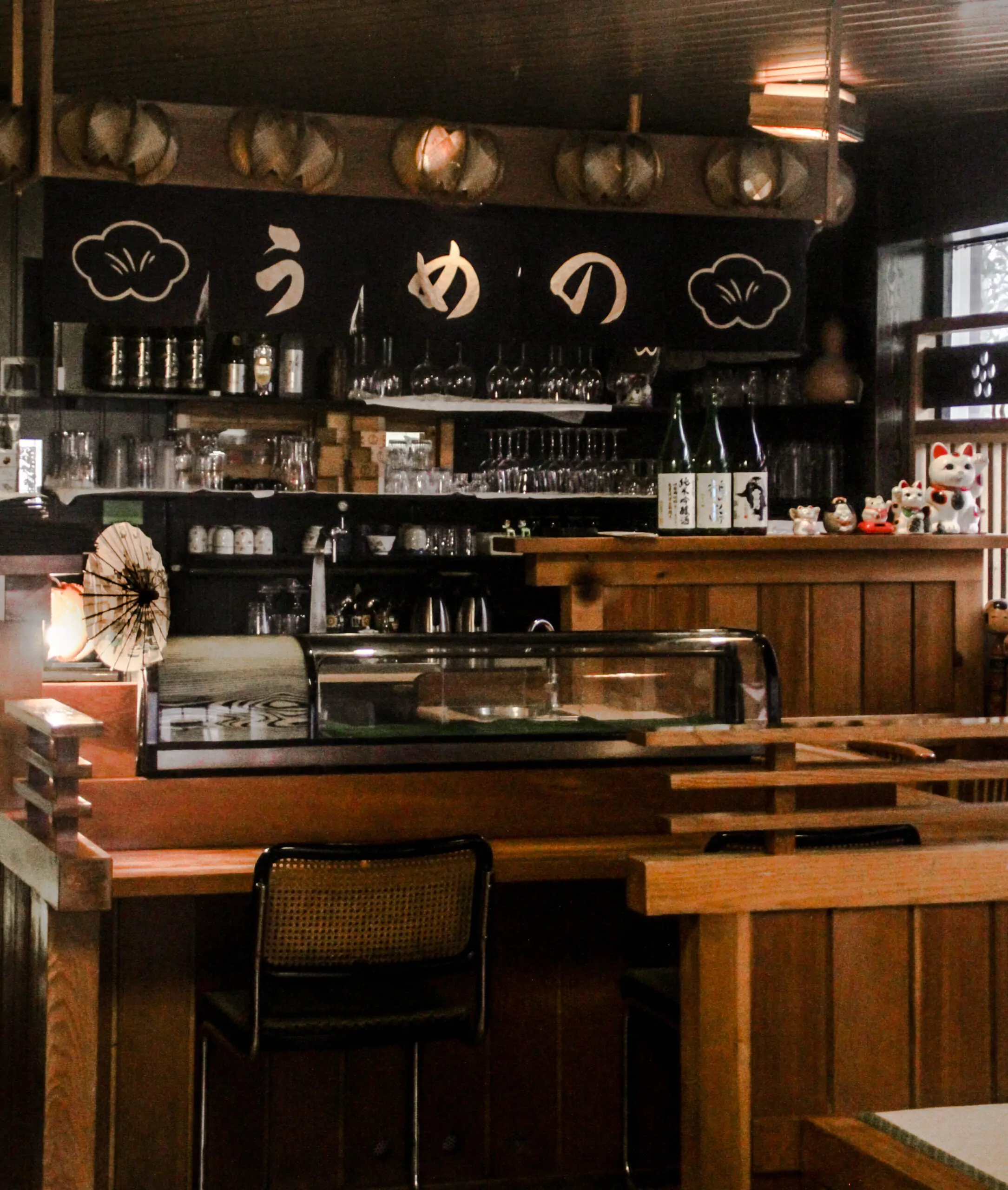
The Chef
Atsuhito was born in Japan on the southern island of Kyūshū. He had been working as a chef in Japan since 1995. The family he grew up in ran a washoku (meaning the art of Japanese cooking, literally translated as Japanese food). The restaurant was in his hometown of Kurume, where he helped out from an early age. "In 1999, I moved to the Netherlands because there were more job opportunities there."
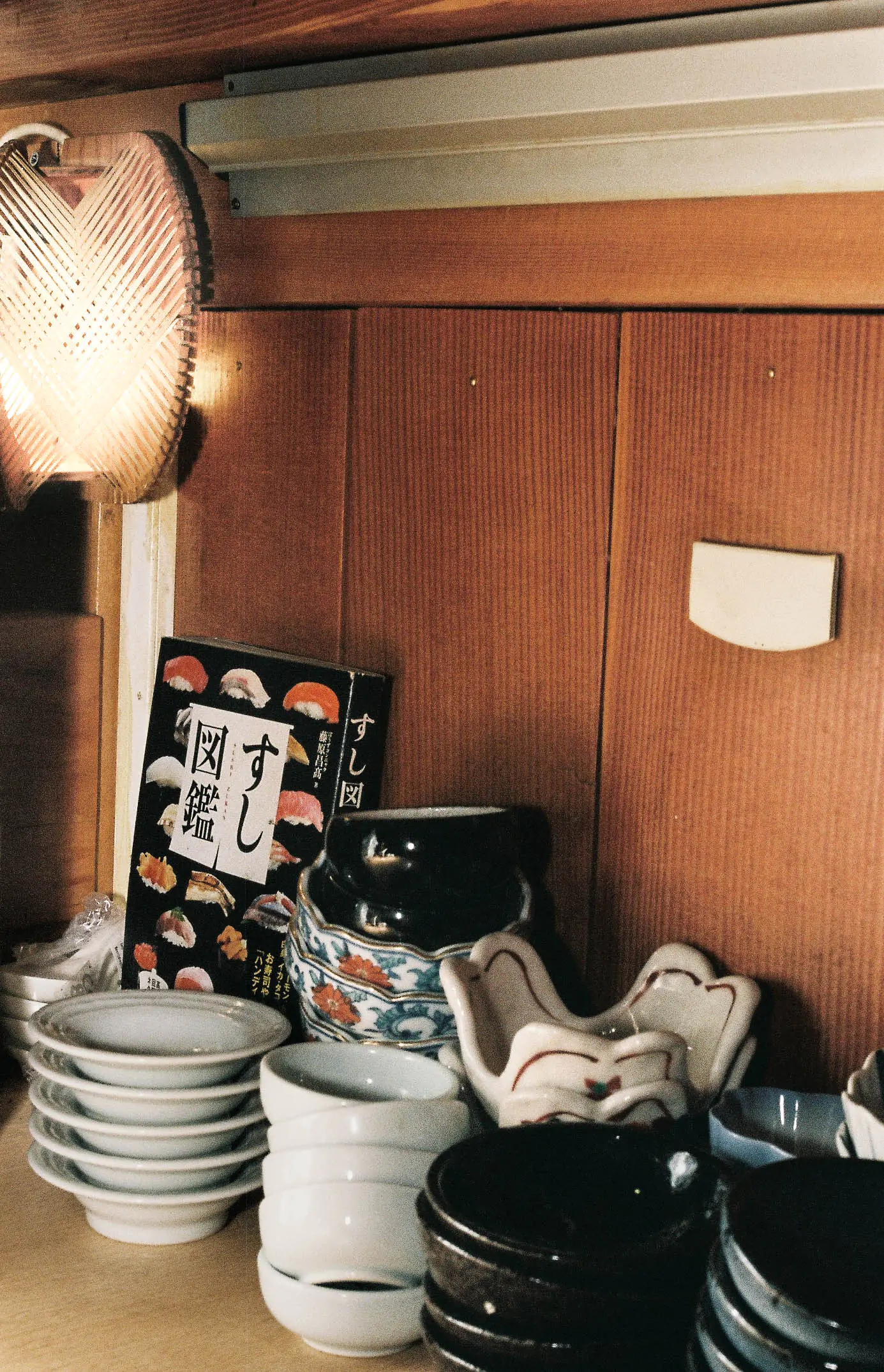
Did you know that chopsticks should never be placed flat on the table? They should be placed in a holder, neatly against each other, with the tips pointing to the right. The left side has a special place in Japanese culture, which has to do with the movement of the sun. When you see a chef filleting a fish, the head of the fish will always be facing to the left.
Japanese food culture
In Japan, food is very simple. Not much is added to it. The intention is for you to taste the pure flavor of the ingredients. It is mainly a state of mind. That is also the difference between Japanese and Western sushi. Western sushi often has extra flavorings added to it, such as mayonnaise. When there is a new top chef, they set the new standard for Japanese food. The traditional Japanese style develops through cooking every day, gaining new experience, and not following a recipe. It's not about the chef's creation, but about fulfilling the customer's wishes. This is what makes a chef professional and contributes to regular customers. It has always been this way. In Japan, it's important to respect all the ingredients you use. Most eating habits have been influenced by senseis over the years. A sensei is a master in his profession, which can be as a chef, but also as a doctor. Many of these habits have been adopted from previous generations. The younger generation takes some customs with a grain of salt. One rule that is still very much visible within the culture, for both young and old, is the use of chopsticks.
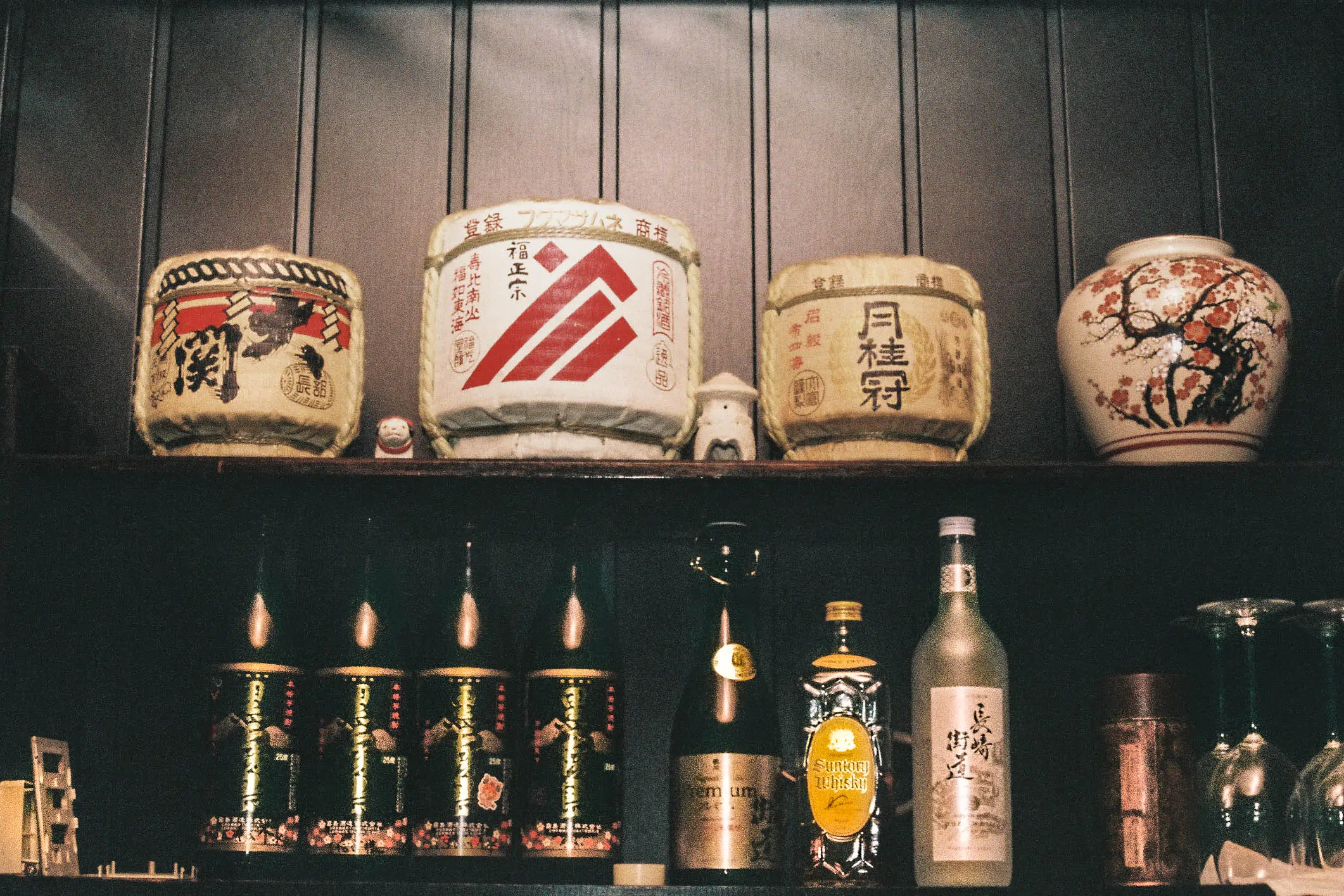
The Dutch and Japanese cuisine
At the time, it wasn't really normal to eat raw dishes in the Netherlands; the Dutch weren't familiar with them. And what a farmer doesn't know, he doesn't eat. That's why the first obstacle was selling raw fish. This was solved by giving the dishes a Western twist. The sashimi wasn't served in the traditional Japanese way, but as carpaccio. Hot dishes, such as tempura, were immediately appreciated. The sushi hype blew over from America, where the dish had been on the menu for much longer. The sushi counter at Umeno has been around since 1993, only fifteen years after the restaurant opened.'
Japanese Restaurant Umeno
Agamemnonstraat 27, 1076 LP Amsterdam