Meet the entrepreneur, in this series Titi Waber of Indonesian restaurant Blauw
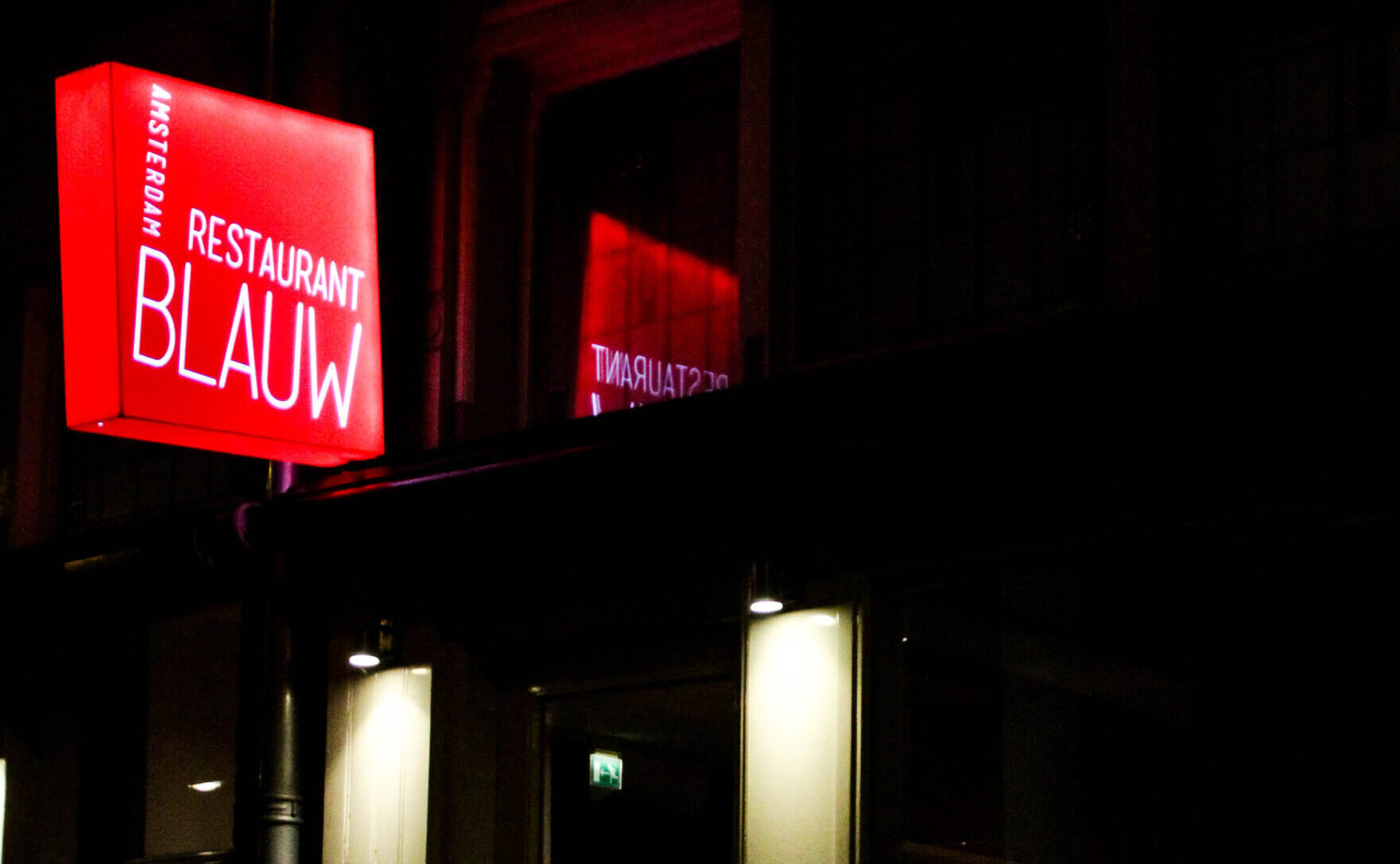
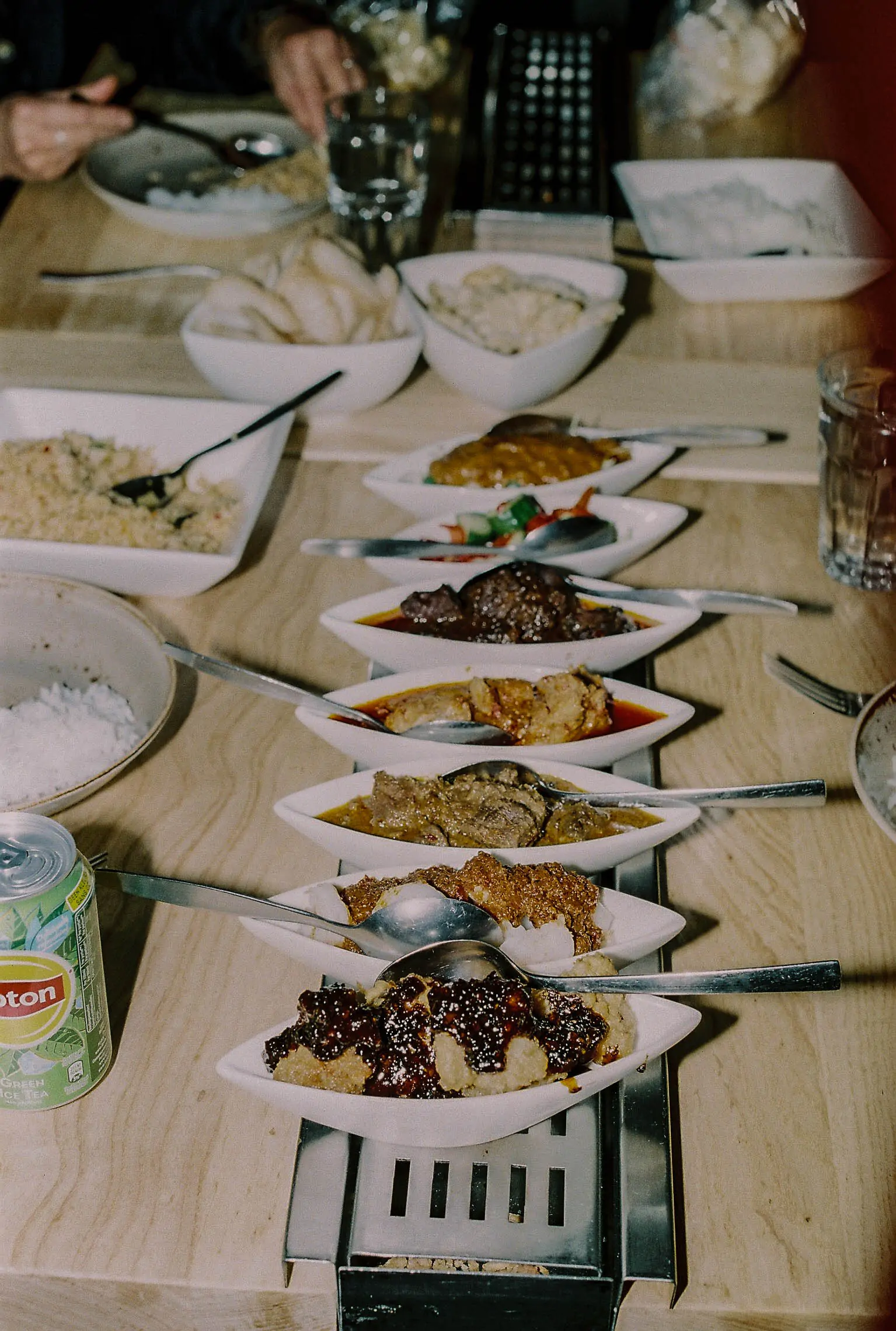
The Indonesian restaurant Blauw is located on Amstelveenseweg in Amsterdam-Zuid. Upon entering, the first thing you see is a family photo that covers the entire wall. Contrary to what the name suggests, the entire interior is red. A fully laid out rice table awaits me. The rice tables at restaurant Blauw are identical at both locations (the other location is in Utrecht), but the rest of the menu is unique to each location. The chefs themselves compose their ultimate authentic Indonesian experiences based on their own inspiration and influences.
History
Initially, relations between the Netherlands and Indonesia were businesslike and formal. The Dutch came to Indonesia for spices and other goods and settled on the island as colonizers. Due to a shortage of European women, the male colonists intermarried with Indonesian women, resulting in a "mixed culture." Step by step, the influence of the Netherlands on Indonesia grew. In 1814, the term Dutch East Indies was introduced. During World War II, the Netherlands was driven out of Indonesia by Japan. In one fell swoop, all Dutch customs were banned. Statues were demolished, the use of the Dutch language was banned, and place names were changed. After Indonesia's independence, many Indo-Dutch people no longer felt comfortable there and decided to build a new life in the Netherlands. They took their food culture with them. The Dutch who had lived in the Dutch East Indies at that time had already been exposed to the food. As a result, Indonesian dishes were already known and loved by the Dutch. Nowadays, there are more and more takeaway shops and restaurants serving Indonesian cuisine.
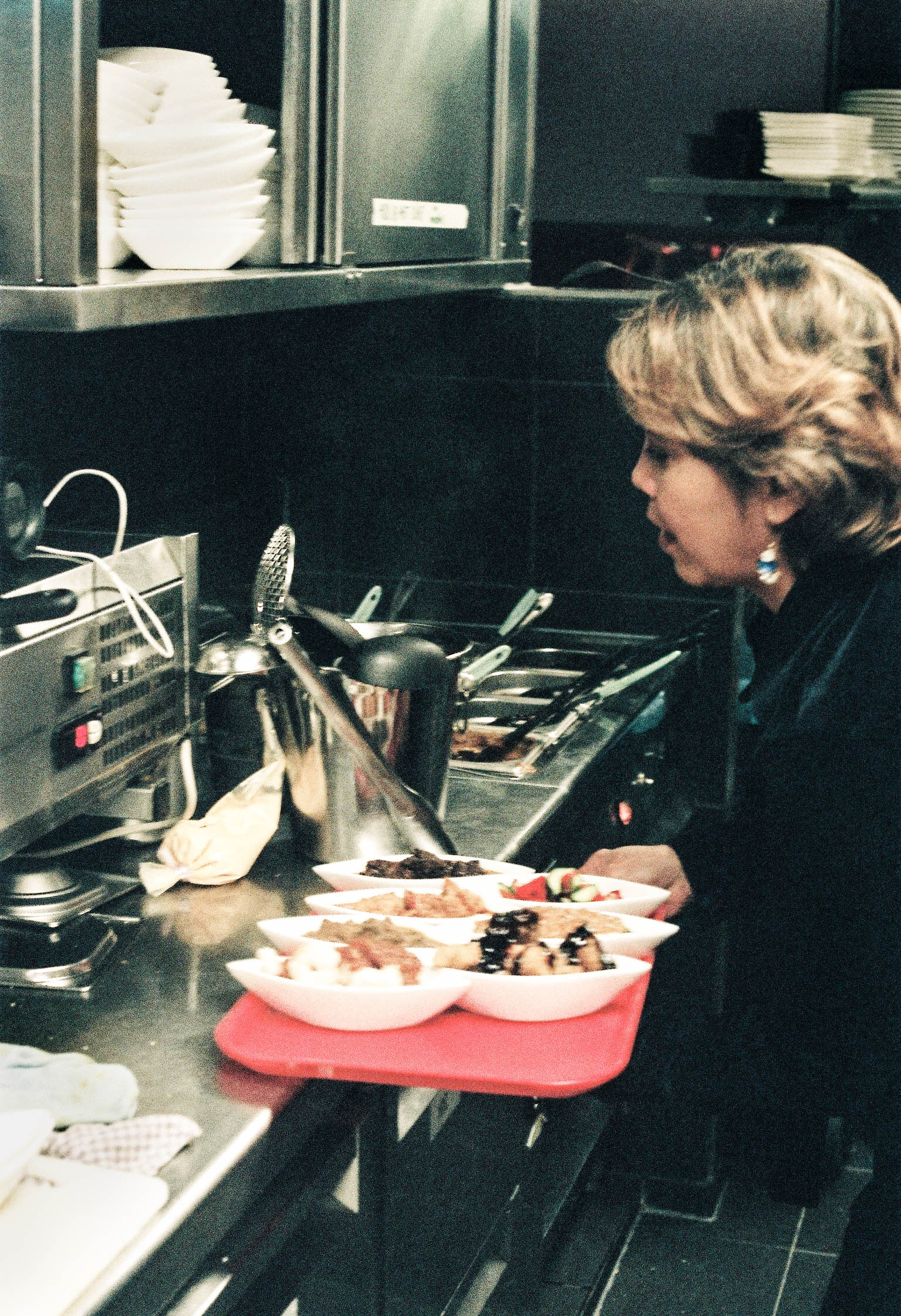
2 locations, 2 chefs, 2 menus, one family
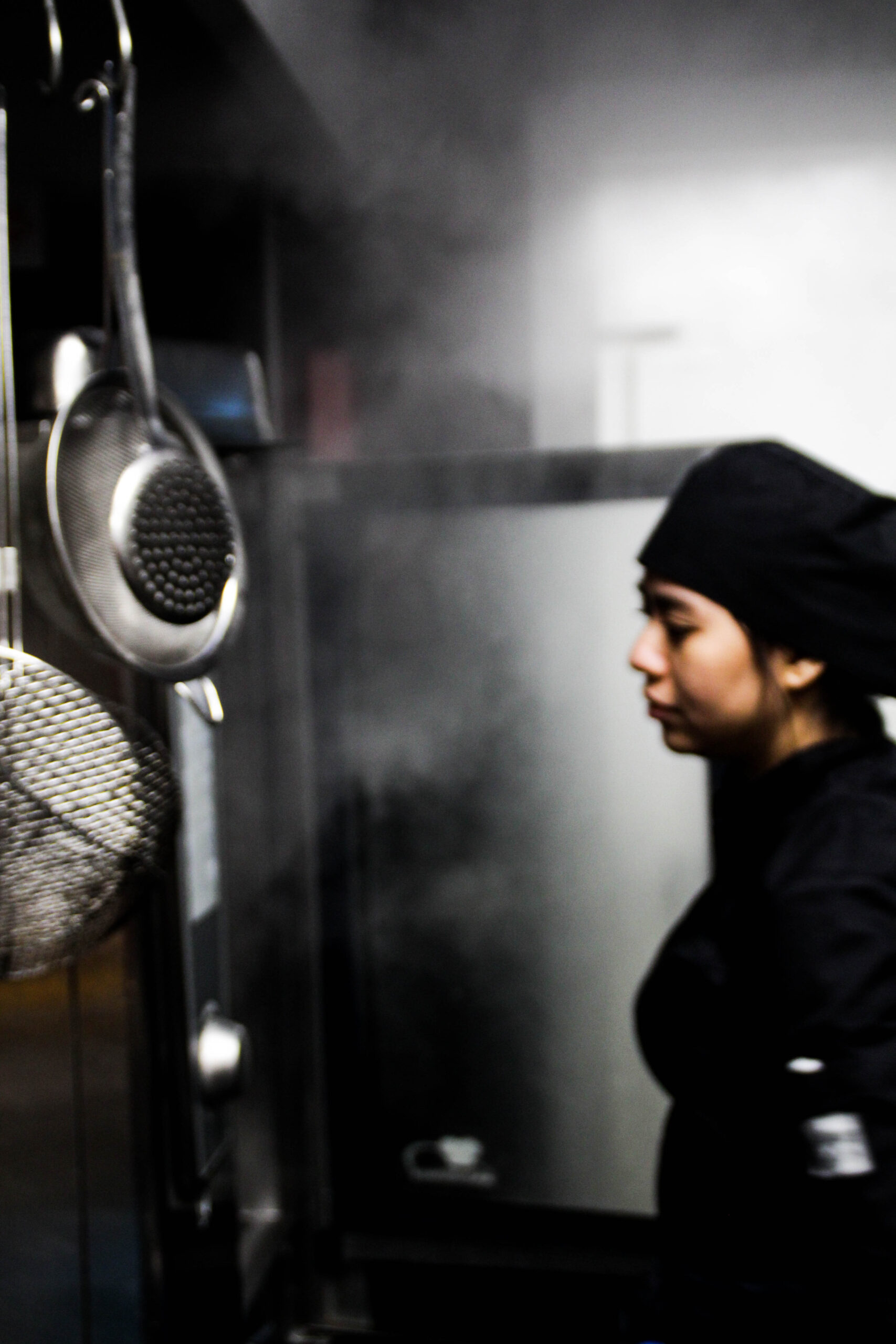
Titi's first job was at Ron Gastrobar Oriental. After a few kitchen adventures, she ended up at Blauw two years ago. Within six months, she was appointed chef. Blauw has been around since 2005. The first owner was an Indonesian man. In 2013, Henk van Hees took over the business. In the past, not many tourists came to Blauw; the customer base consisted mainly of local people, many of whom were Amsterdammers and people from the surrounding area. At that time, advertising was still done by word of mouth. Nowadays, a different crowd comes, more tourists. This crowd is unfamiliar with Indonesian cuisine.
At Blauw, you won't see waiters wearing sarongs or batik clothing; the restaurant has a sleek, modern interior. Everything has been carefully thought out, such as the hot plates built into the wooden table tops. A conscious choice. Blauw serves good, authentic dishes, but in a modern setting. Blauw does not serve fusion cuisine, but brings traditional Indonesian flavors to the table. "We use original ingredients as much as possible."
The guests are always surprised by the amount of food.
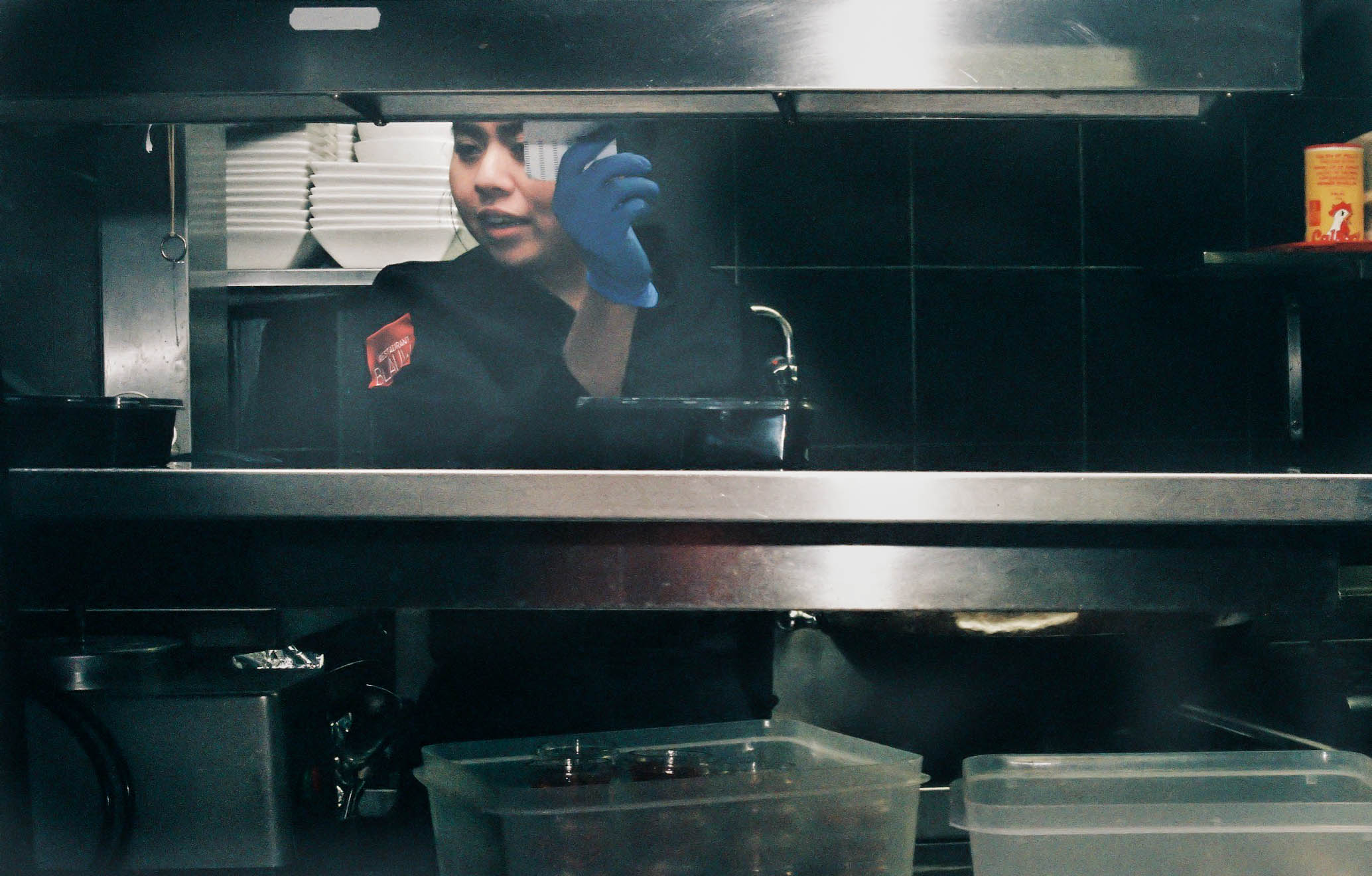
The chef
Titi Waber was born in Indonesia, in the city of Surabaya in East Java. Titi is the eldest of four children. "My grandparents lived with us. That's normal in Indonesia." At the age of 22, she came to the Netherlands to study. "I was supposed to go back after my studies, but as you can see, things turned out differently." Titi got her degree, found a job, and later met a man. In other words, she had a nice little family. In 2014, she changed course. She divorced her husband, quit her job as a teacher, and started chef training at the ROC in Amsterdam.
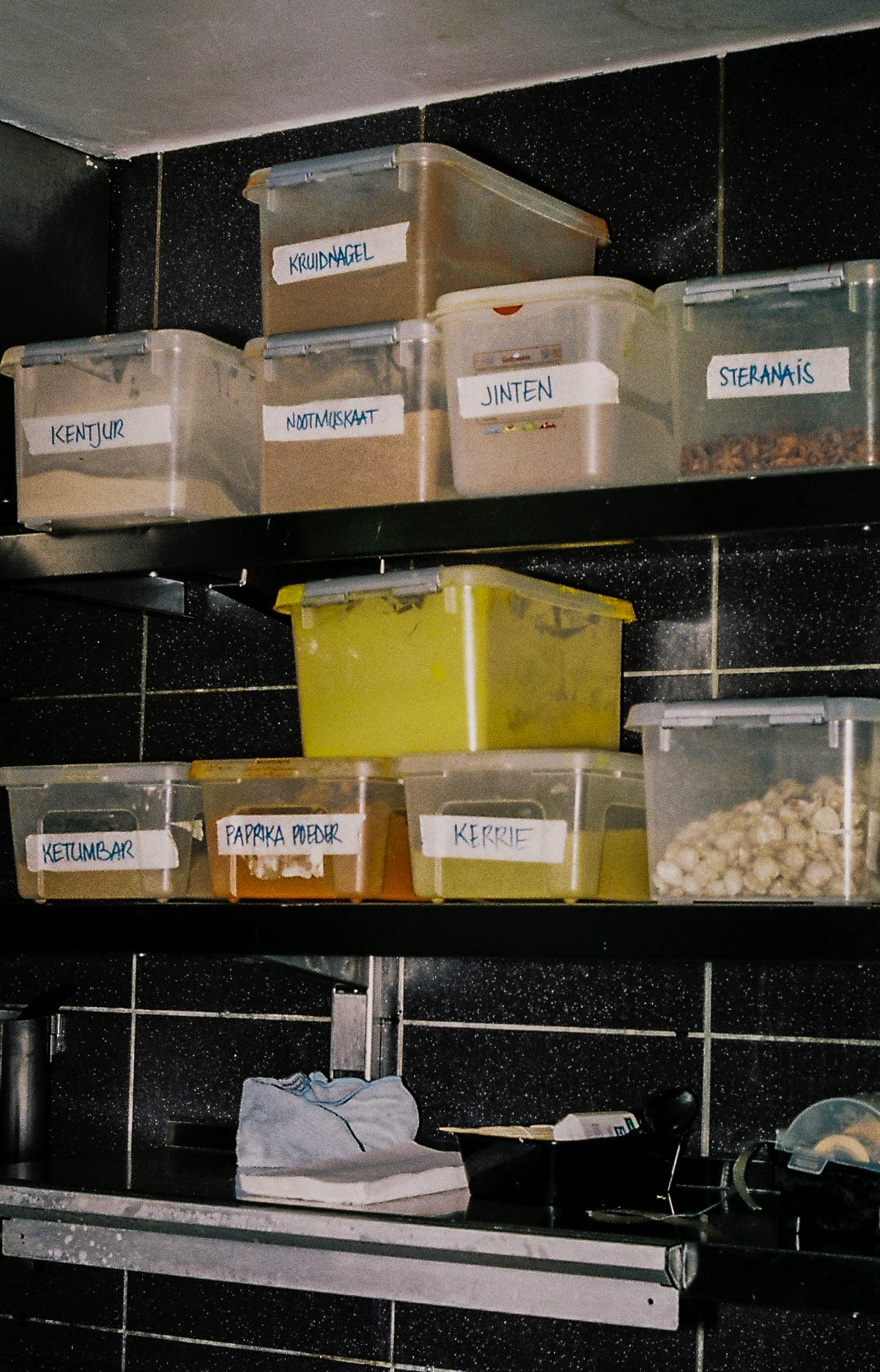
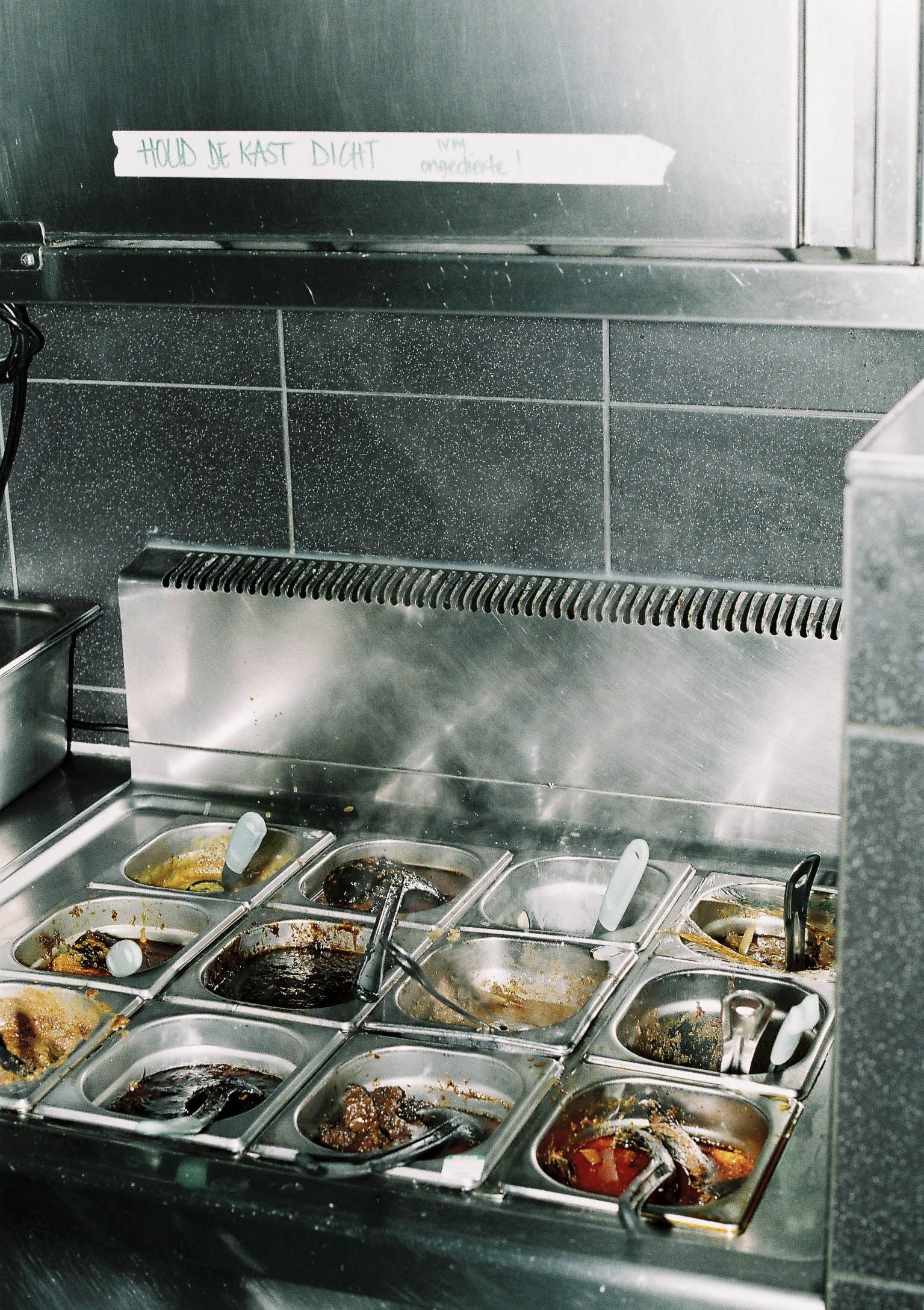
Cooking makes me happy because it reminds me of the past, of my childhood.
Indonesian food culture
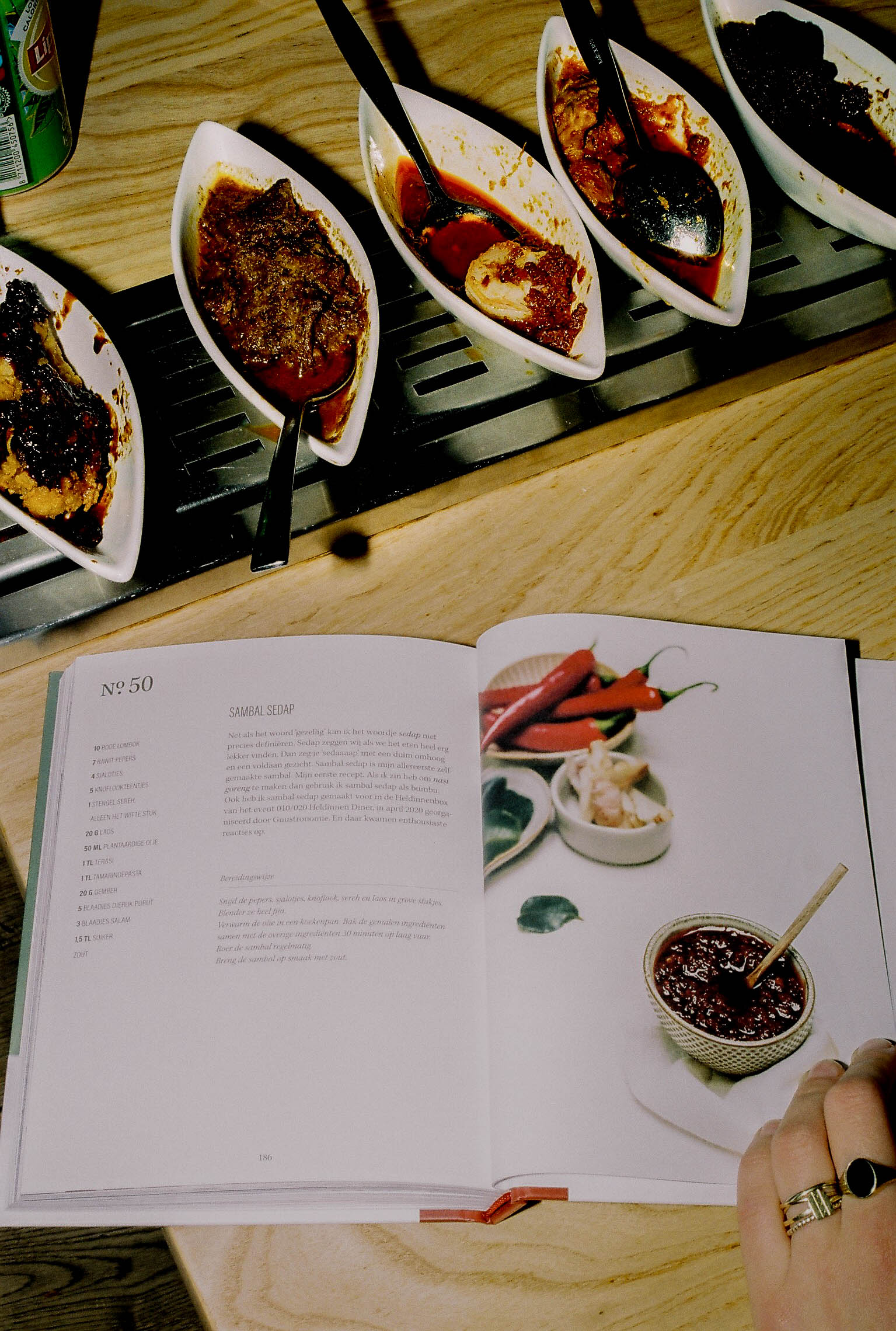
Titi learned about the flavors of East Javanese cuisine from her grandmother. "She was the best cook I know. She used to cook a lot, and people loved it. I also have family in the Netherlands; I call them my Dutch family. They also taught me how to eat and cook. Cooking makes me happy because it reminds me of the past, my childhood." Food plays a major role in the lives of Indonesians. From birth to death, there is always food. Food is brought along to every meeting or visit. In Indonesian food culture, being together, conviviality, gratitude, and family are the most important things. This food culture is reflected in every stage of life: when a baby is born, Indonesians make bubur merah putih; for birthdays, business openings, or graduations, they make tumpeng van nasi kuning; at weddings, every region in Indonesia has its own traditional dishes as a symbol of love. Every Location Indonesia has its own specialties. Indonesia consists of thousands of islands. On Java alone, there are three different flavors. Roughly speaking, West Java likes fresh and salty food, Central Java likes sweet, and East Java likes sweet, creamy, and spicy flavors. In Sumatra, they like creamy and spicy food, which is due to the influence of Indian cuisine. In the Moluccas and Sunda Islands, they eat a lot of fish dishes. In Kalimantan, the influence of Chinese cuisine is significant. Indonesian cuisine is therefore very varied. In addition, Indonesian cuisine is evolving more and more, becoming more modern. Traditional dishes are being presented in a new way.
Restaurant Blauw
Amstelveenseweg 158-160, 1075 XN Amsterdam