Ten years of Shortlist Amsterdam: an anniversary with simple recipes for success.
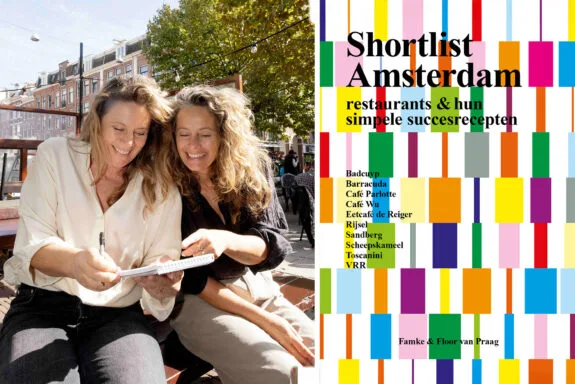
Ten years of Shortlist Amsterdam: an anniversary with simple recipes for success.
Amsterdam has matured as a food city, and Shortlist Amsterdam has grown alongside it over the past ten years. Sisters Famke and Floor van Praag are celebrating the anniversary of their cookbook series about great restaurants with a brand-new edition full of simple, successful recipes. Classics with character, recipes that any home cook can attempt, and restaurants that guard the soul of the city.
For this festive edition, they once again called on their regular team: photography by Petrovsky & Ramone and design by Vanessa van Dam. For the cover, they collaborated for the first time with graphic designer Karel Martens, who gave the series a new look with a playful, timeless pattern.
On the eve of the launch of their sixth Shortlist Amsterdam, Famke and Floor look back on a decade full of eating, writing, and discovering.
Early years and breakthrough.
We sort of rolled into journalism. One of us studied communication science, the other art history, and one day we just started writing together. Since 2001, we've been writing stories about the fun things in life: food, travel, design. For titles such as ELLE Eten, NRC, Cosmopolitan, and JFK. For seven years, we wrote a monthly column for Uitkrant, for which we had to visit every new restaurant professionally. That was wonderful and sometimes exhausting. Far too many hotspot concepts without heart, but fortunately, every now and then, a place where you knew: we want to come back here on our own.
Around 2015, Amsterdam's restaurant scene exploded. No longer just a few nice places, but many, and a whole generation of restaurateurs spread their wings. Chefs from the kitchens of Toscanini and Bordewijk started their own businesses. The city grew, and Amsterdammers developed their culinary tastes. We wondered where we would voluntarily go to eat again, without a deadline looming over us. That became the seed for Shortlist Amsterdam. No publisher, no budget, but an idea. We hired two fashion photographers, plus a designer who did a lot of work for museums, and opted for a more idiosyncratic visual language. It had to be tighter, more artistic, away from the culinary templates of the time. The first book flew off the shelves. In no time at all, we were able to reprint it. It was as if the city had been waiting for this.
Independence as a superpower.
‘We have done everything ourselves since the beginning. From selection to shoot planning, from press to distribution. We write, select images, organize, cook, and cycle boxes of books through the city. We don't count our hours. The series grew color by color. Yellow was the first. Then came red (culinary cafés), green (vegetable recipes), blue (comfort food), and pink (extra flavor). The English book became a compilation of various Shortlists. For the latest edition, simple successful dishes, we chose something different for the cover, a pattern from the world of Karel Martens, via our designer Vanessa van Dam. We also want to keep surprising ourselves, not always doing the same thing.
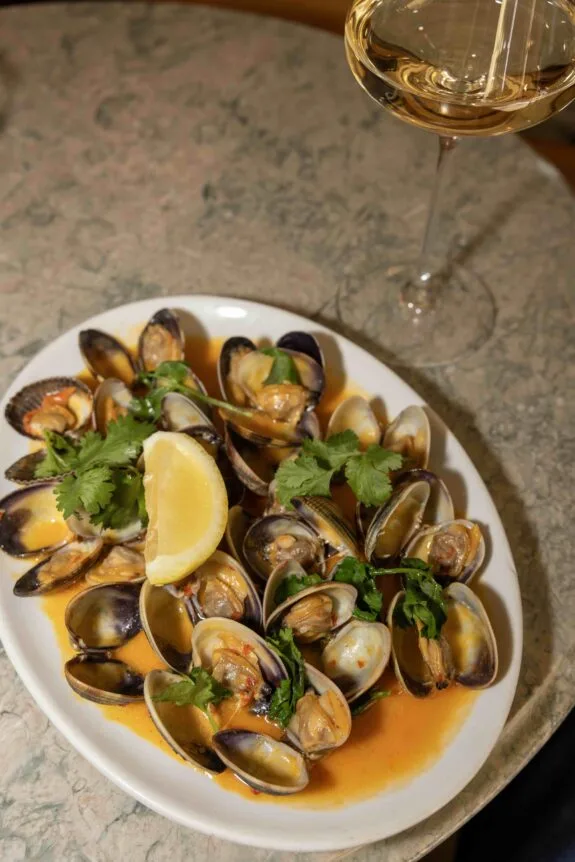
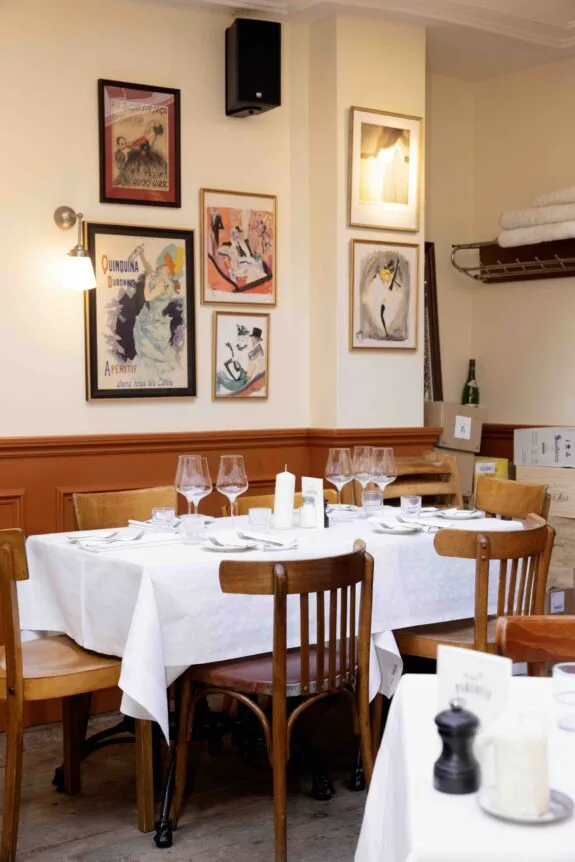
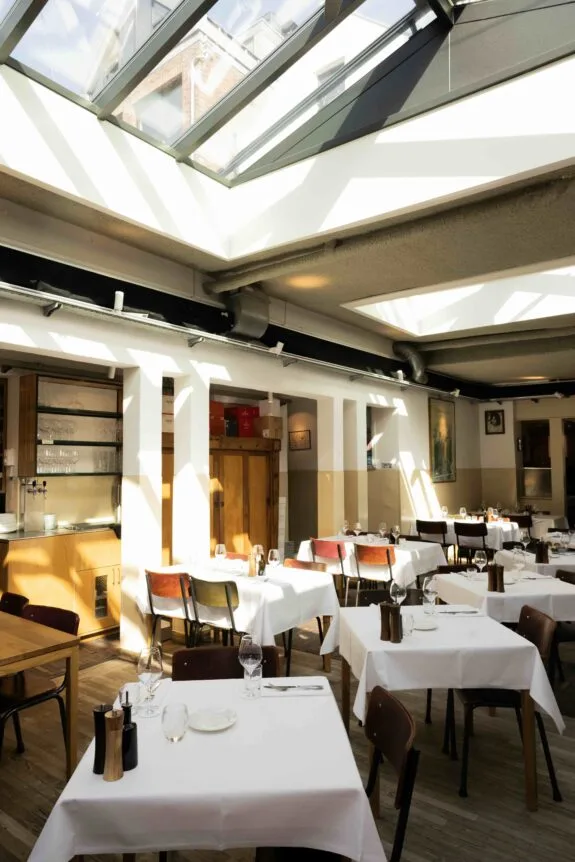
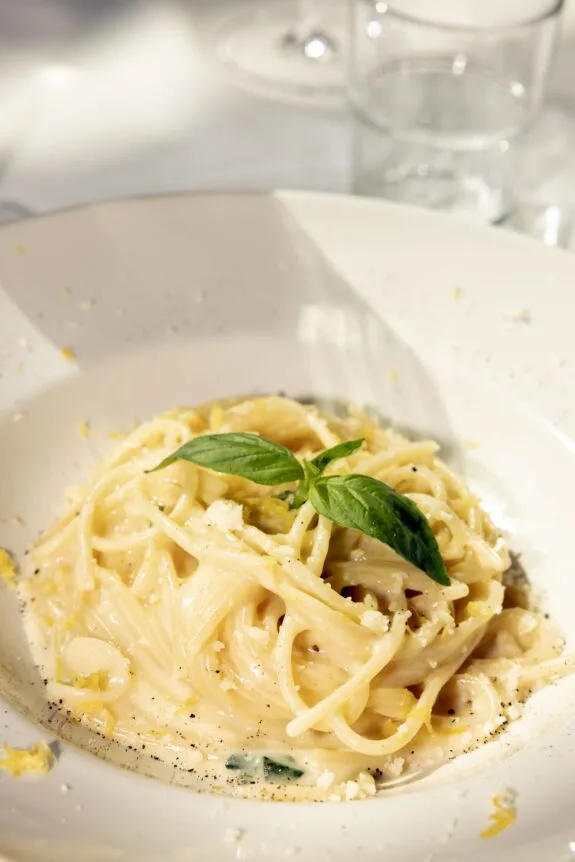
'Atmosphere doesn't come from a lamp or chair, but from a person.'
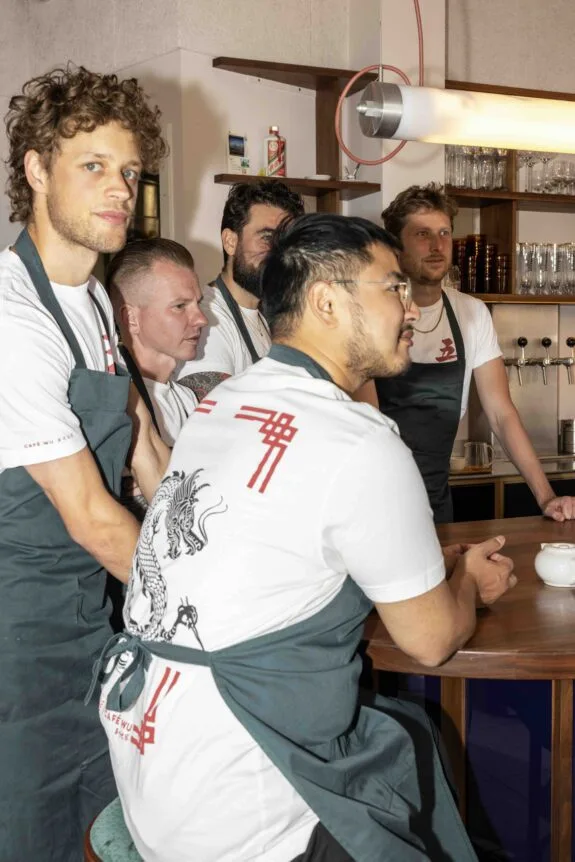
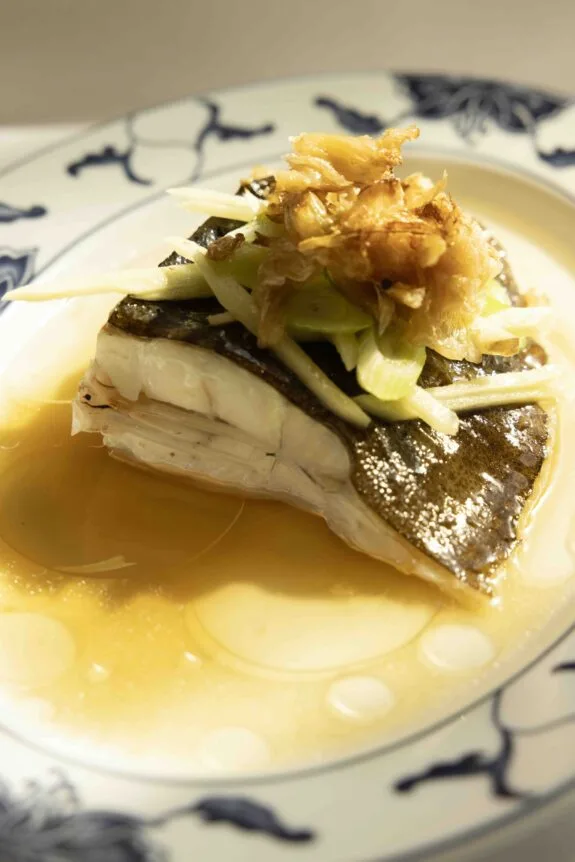
How the selection works.
Our approach is straightforward. First, we create a long list, then we engage in extensive tasting, discussion, elimination, and review. Theme by theme, we examine what the city's story currently conveys. We strive to select the enduring establishments, rather than chasing trends. We discovered that the chefs at the kind of nice restaurants on our list are almost always co-owners; after all, when the driving force leaves, the soul of a business changes. Atmosphere doesn't come from a lamp or a chair, but from people. The interior does count for something, but never without warmth at the table. Furthermore, price and quality must be right. We love classics and individuality. The food doesn't have to be flawless, but the hospitality and attitude must be.
‘We sometimes find it almost painful when a restaurant that we hoped to select does not prove to be shortlist-worthy. Then we sit across from each other at the table and let out a deep sigh. We wanted to feel it, but it didn't work. That makes a ‘yes, we have another one’ in another place all the more joyful. When something does work, it feels like coming home. And then the party begins: we get to call them with good news and can then hang out with them in the restaurant to record the stories and recipes.’
‘We usually select four dishes per restaurant. In the kitchen, we stand next to the chef, taste, and ask questions. Recipes that work in a brigade for fifty guests must land on a plate at home. Famke writes all the recipes based on conversations with the chef, translates them for the home cook, and tests when necessary. Where there is doubt, it is measured and weighed until it is correct.’
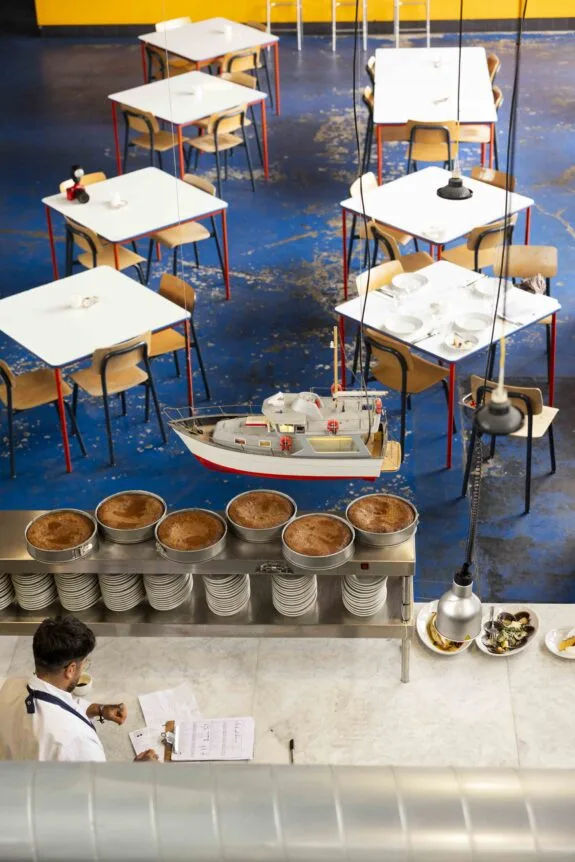
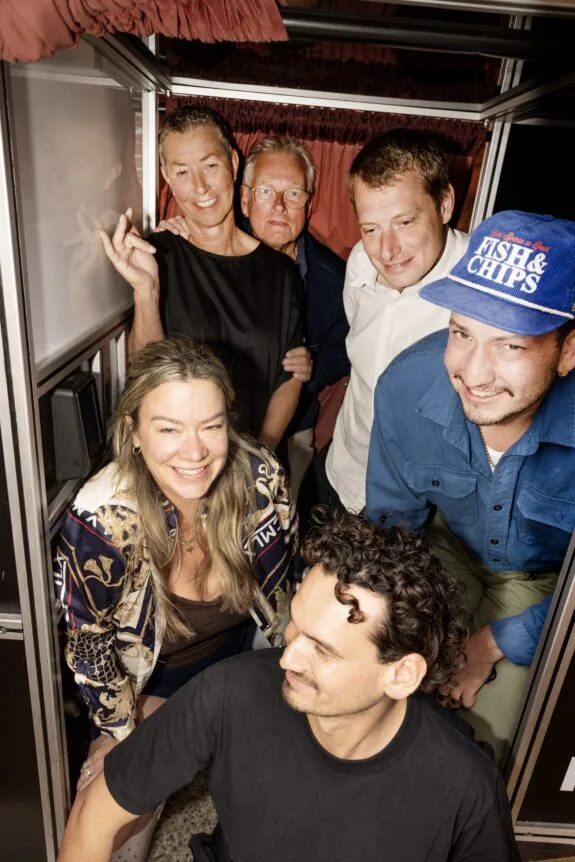
Timelessness remains our compass.
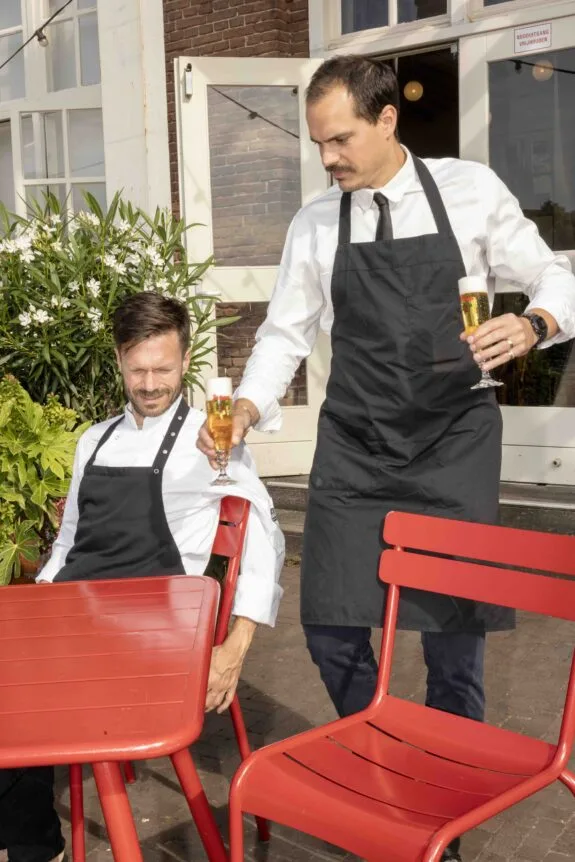
The soul of the restaurant in pictures.
‘The photography remains spontaneous. No direction that takes the life out of a subject. It's about people, natural light, the little clutter that shows that people live and work here. For this new edition, we dared to use flash more often and opted for fewer poses and more smiling faces.’
Lasting appeal over hypes: the essence of Shortlist.
Café Wu in Oost is one of the most recent places where we felt that rare warmth that makes you quiet. Eetcafé de Reiger is all about simplicity, price, and a delicious nostalgic feeling. Badcuyp is more sophisticated and pricier, but atmospheric and good. Not every place in the city is equally welcoming, not every place has soul in its walls. We specifically choose places that aren't copy-paste. Restaurants with the same typography for their menus, the same designer chairs everywhere, we stay away from those. For us, it's really always about the people behind it.'
You can clearly see a kind of family tree that shapes the city's culinary scene. Lille and Toscanini as a training ground. Lines run from business to business, students become teachers. It remains striking how many chefs come from the arts. For example, they may have attended the Rietveld Academy and devoured countless cookbooks. They are self-taught with discipline learned in kitchens, sometimes using classic techniques, but with a different way of looking at things."
Timelessness remains our compass. At every address, we ask ourselves whether we would still want to eat there in three years' time. We pay attention to the people behind the stove, to hospitality without exaggerated manners, to the friendliness with which a mistake at the table is resolved. If a business is authentic and the people behind it are passionate about what they do and everything is just right, then it's almost inevitable that the restaurant will be a keeper."
Photography: Petrovsky & Ramone.
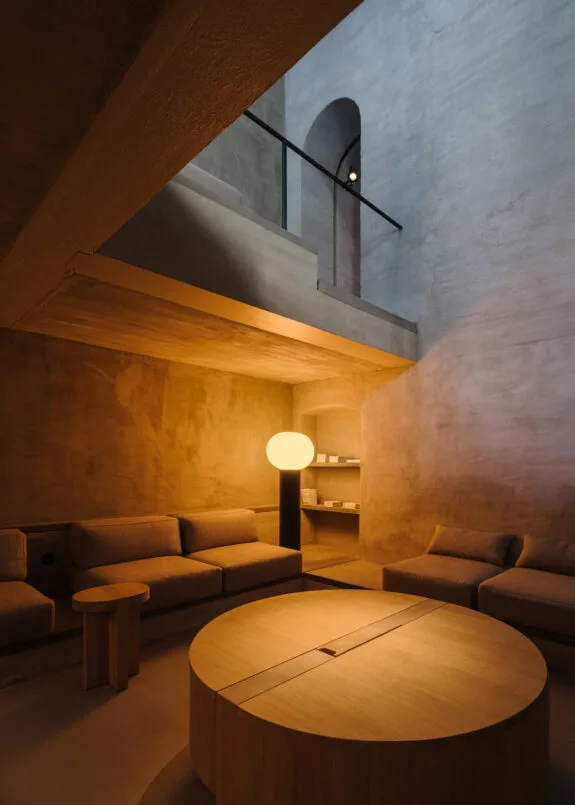
Light is never just light. For Dimitri Saddi, founder of PSLab, it is a language with which you tell stories. From their studios in Amsterdam, Antwerp, Paris, London, Bologna, Berlin, and their home base in Beirut, the team works on lighting plans that do not start with a lamp, but with people. "Everyone has their own relationship with light," says Dimitri. "It touches on habits, memories, and emotions." In this edition of The Edit, Dimitri, Taco (Amsterdam), and An (Antwerp) delve deeper into their way of working: how dialogue, technique, and reflection come together in a lighting plan that is never generic, but always a Immediately translation of someone's life. Be inspired
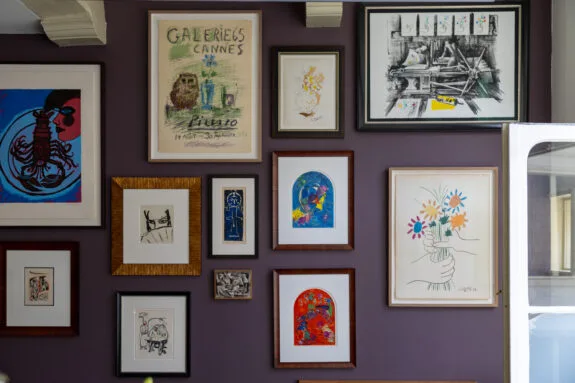
Ten years of Shortlist Amsterdam, all addresses. Sisters Famke and Floor van Praag celebrate the anniversary of their cookbook series about great restaurants with a brand-new edition full of simple, successful recipes. To complete the picture, we collected all the Shortlist addresses from the past ten years and divided them by neighborhood, creating a culinary guide to Amsterdam today. Text: Broersma, images: Petrovsky & Ramone, restaurant selection: Shortlist