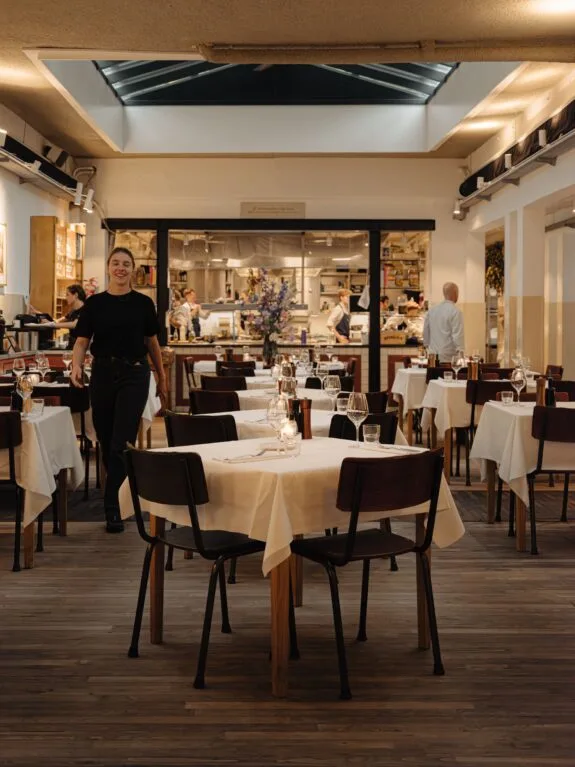
Ontmoet de ondernemer, in deze serie Maud Moody. Al veertig jaar is Toscanini een begrip in Amsterdam. Niet alleen vanwege de smaakvolle, huiselijke Italiaanse keuken, maar ook vanwege de mensen achter de zaak. Maud Moody, een van de oprichters, vertelt hoe het allemaal begon – en hoe een vakantie in Rome leidde tot een van de meest geliefde restaurants van de stad. Lees het hele verhaal
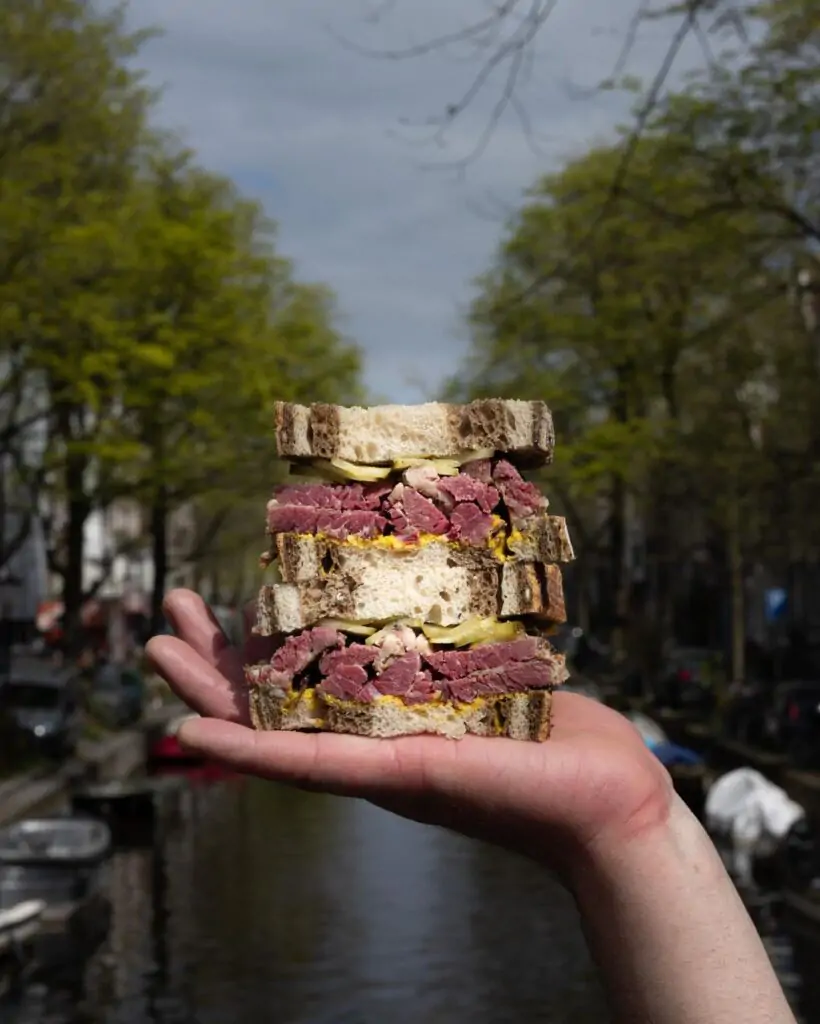
Brood is niet meer weg te denken uit het Nederlandse huishouden. Een boterham met kaas, pindakaas of hagelslag is bijna symbolisch voor onze cultuur. Zo zien 74 procent van de Nederlanders brood zelfs als cultureel erfgoed. Niet gek dus dat je soms je eigen gesmeerde boterhammen zat bent. Daarom hebben wij een selectie van lekkere en betaalbare broodjes in Amsterdam voor je uitgekozen. Lees hier onze tips!
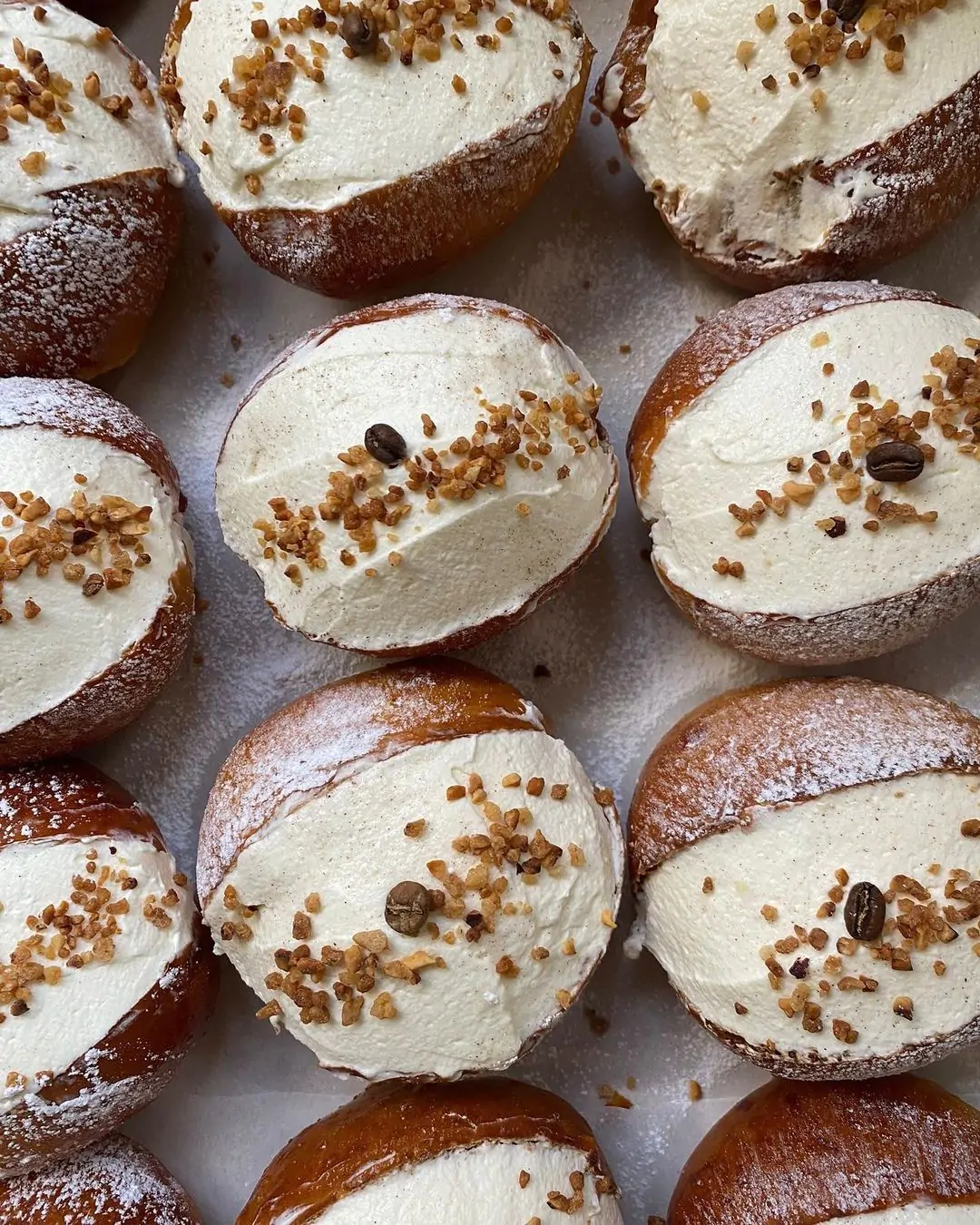

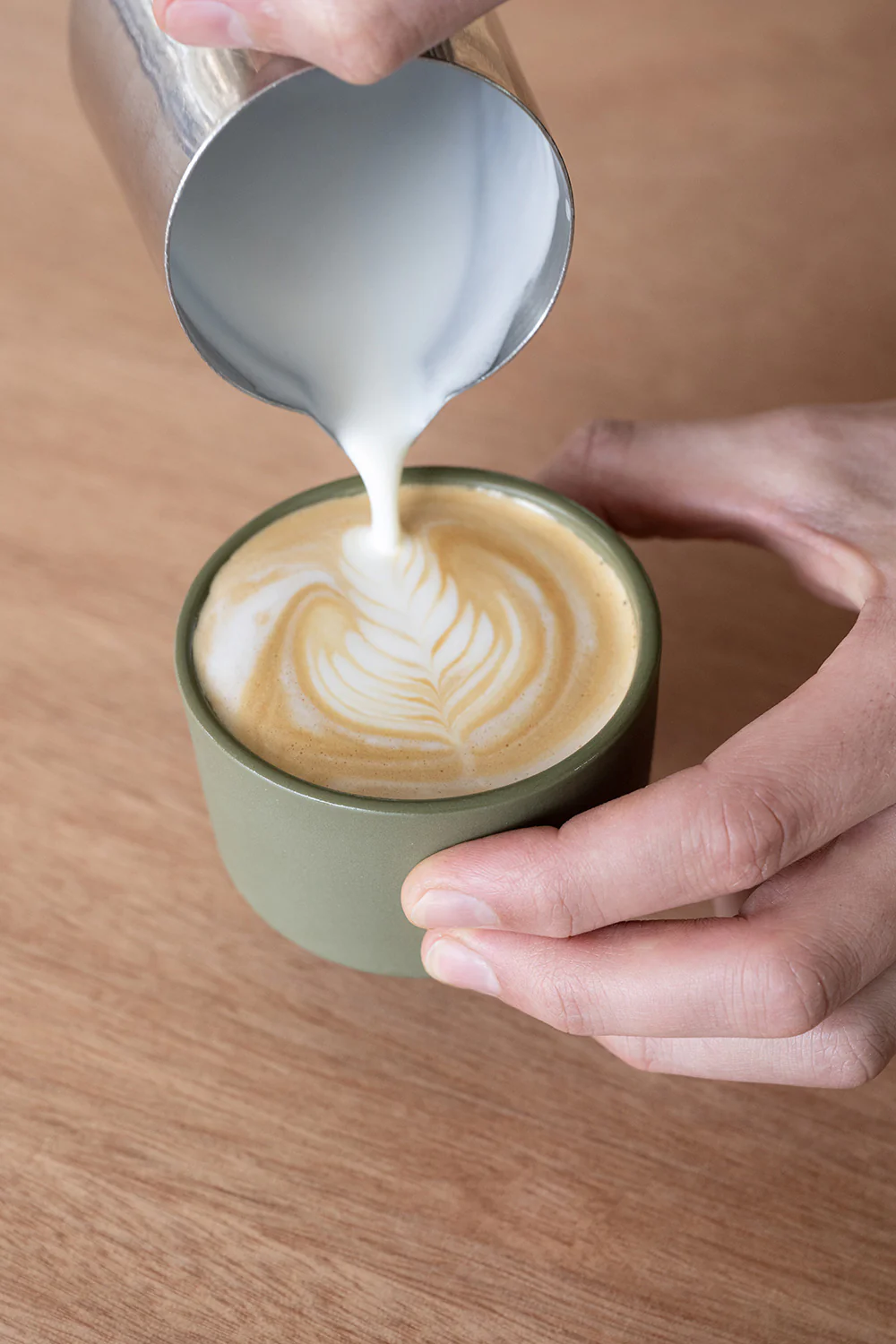
Koffie is van nature bitter. Er zijn in de loop van de eeuwen verschillende methoden bedacht om de bittere smaak te onderdrukken en de overige aroma's naar de voorgrond te krijgen en de hoeveelheid cafeïne te reguleren. Een basisregel is dat de cafeïne en de bittere smaak net iets langzamer in het water worden opgenomen dan de andere aroma's. Er zijn veel factoren die de smaak bepalen. De koffieboon, de manier van branden, het soort water, de temperatuur, de zetmethoden. Bij deze zaken weten ze er alles van
Al eeuwen geleden kwamen Italianen naar Nederland. Ze maakten ijs, legden het Italiaanse graniet terrazzo, waren schoorsteenveger of werkten in de mijnen in Limburg. Deze Italiaanse arbeidsmigranten hebben na de tweede wereldoorlog meegeholpen aan de wederopbouw van Nederland en hebben tevens een grote invloed gehad op onze eetcultuur. Lees hier over de beste adressen in Amsterdam om Italiaanse boodschappen te doen en Italiaans te eten en te drinken.
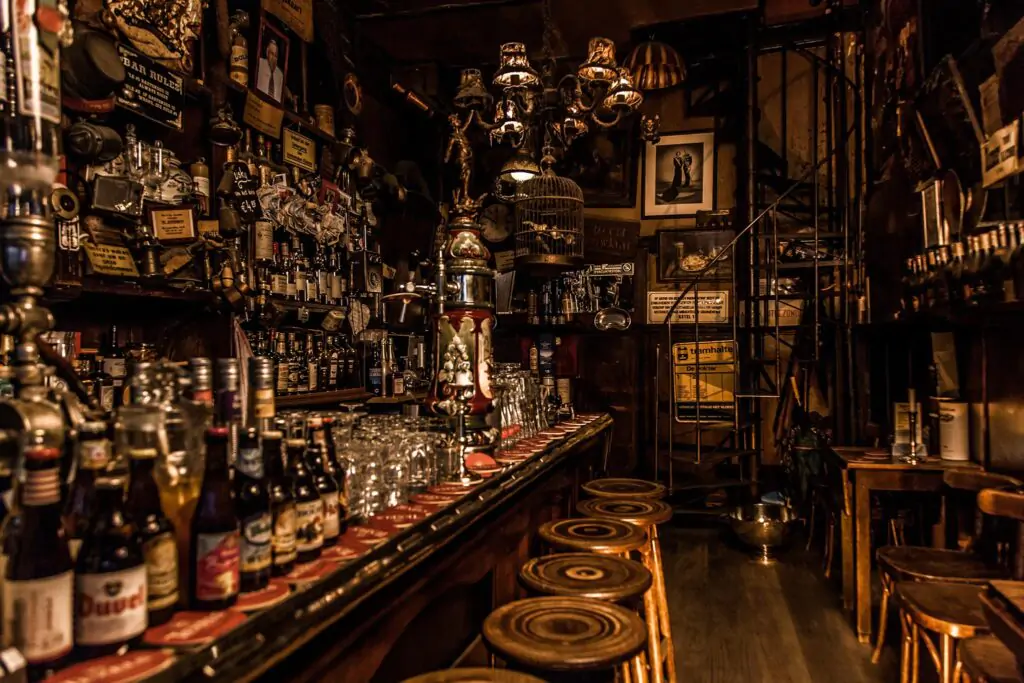
In de smalle straten van Amsterdam vind je de bruine cafés, traditionele kroegen waar de tijd lijkt stil te staan. Deze plekken danken hun naam aan de warme, bruine tinten van de houten interieurs, gevormd door jarenlange rook en het flakkerende licht van kaarsen. Hier komen locals en toeristen samen om te genieten van een glas bier, een jenevertje of een eenvoudig hapje, zoals een kaasplankje of bitterballen. De charme van deze cafés ligt in hun tijdloosheid: vaste gasten kennen de barman al jaren, en verhalen van vroeger worden nog altijd gedeeld. Iconen zoals Café Chris en Café Hoppe ademen geschiedenis en bieden een intieme sfeer die generaties verbindt. Een bezoek aan een bruine kroeg is niet zomaar een drankje doen, het is een stap in de rijke traditie van Amsterdam. Bekijk onze selectie van gezellige bruine café's in Amsterdam
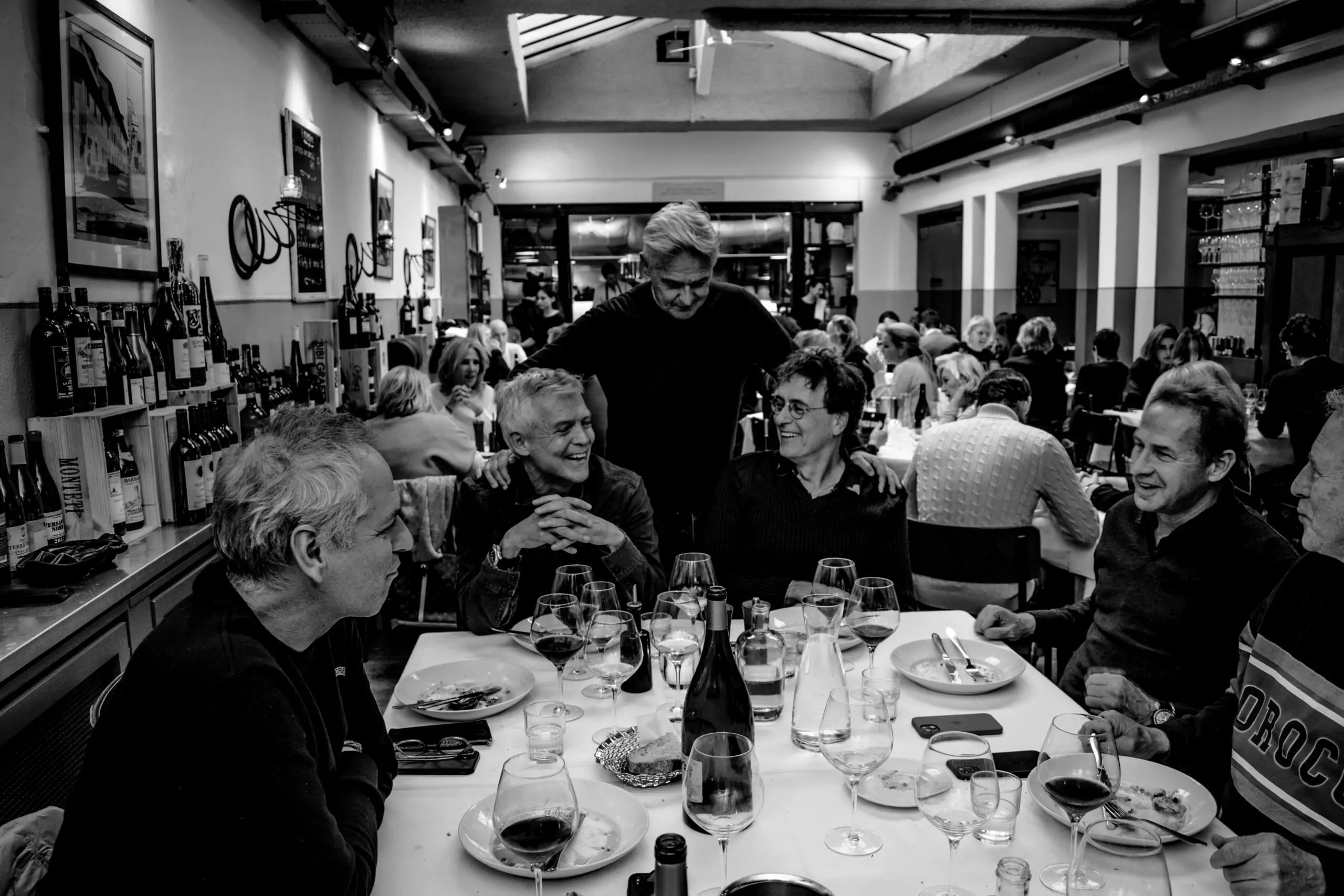
Veertig jaar Toscanini – een Amsterdams icoon
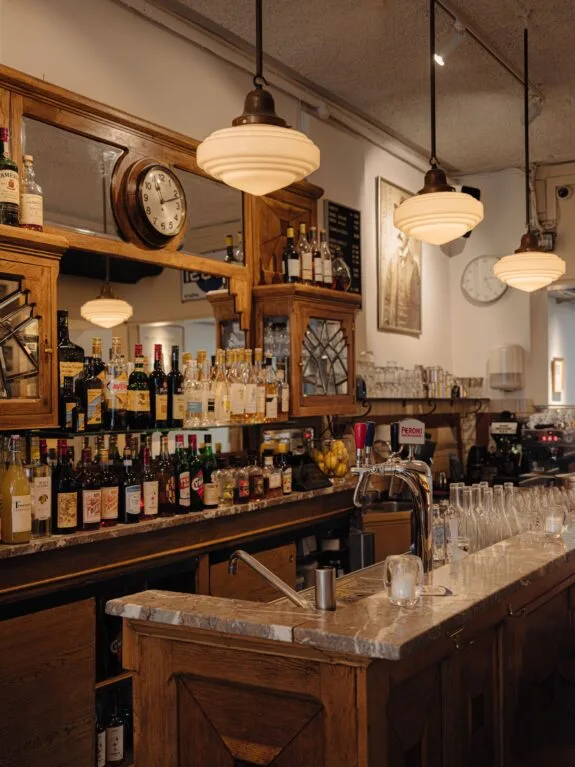
Al veertig jaar is Toscanini een begrip in Amsterdam. Niet alleen vanwege de smaakvolle, huiselijke Italiaanse keuken, maar ook vanwege de mensen achter de zaak. Maud Moody, een van de oprichters, vertelt hoe het allemaal begon – en hoe een vakantie in Rome leidde tot een van de meest geliefde restaurants van de stad.
Een camping in Rome als startpunt
Maud Moody herinnert zich nog goed hoe het allemaal begon. Eigenlijk, vertelt ze, ligt de oorsprong van Toscanini niet in Amsterdam, maar op een camping in Rome – Campeggio Flaminio. Het was de zomer van 1982. Haar zus Ellen zat daar al, en samen met haar vriendin Marianne liftte Maud vanuit Amsterdam naar Italië. Iets wat nu ondenkbaar zou zijn, maar toen nog redelijk gebruikelijk. Twee jonge vrouwen met grote duimen en nog grotere plannen. “We zijn uit heel wat netelige situaties moeten zien te komen,” zegt ze, “dus wat dat betreft ben ik blij dat mijn dochter nu gewoon het vliegtuig pakt.”
Eenmaal op de camping aangekomen, duurde het niet lang voordat er drie Italiaanse vakantievriendjes waren opgedoken. Maar belangrijker nog: daar ontstond een eerste, echte liefde voor de Italiaanse keuken. Toen twee van de Italiaanse jongens later naar Amsterdam kwamen, ontstond het idee voor een Tavola Calda – een soort veredelde Italiaanse snackbar, met écht lekkere dingen. Gecombineerd met een culturele ontmoetingsplek: er zouden exposities zijn, live muziek, leestafels.
'Haar Italiaanse vrienden zeiden: “Jij gaat gewoon koken, wij zeggen wel of het goed is.'
Van idee naar opening
In een stil straatje in de Jordaan, de Goudsbloemstraat, vonden ze een geschikt pand. Daar had ooit vrouwenrestaurant Zus gezeten, dus de basis was er al. Samen met vrienden werd de ruimte opgeknapt: schilderen, timmeren, schuren. Alles zelf, want geld was er nauwelijks. Op 21 mei 1985 – Mauds 25e verjaardag – opende Toscanini haar deuren.
Maar het liep anders dan gedacht. Overdag kwam er niemand. ’s Avonds kwamen mensen om te eten. Geen leestafels of muziekavonden. Het werd een restaurant. “Of we nu wilden of niet.” Ellen had ervaring in de bediening van een pizzeria, Maud had als kokshulp gewerkt, en van haar moeder een grote liefde voor koken meegekregen. Van de Italiaanse keuken wist ze weinig. Maar haar Italiaanse vrienden zeiden: “Jij gaat gewoon koken, wij zeggen wel of het goed is.” En zo geschiedde.
Simpel, eerlijk, geliefd
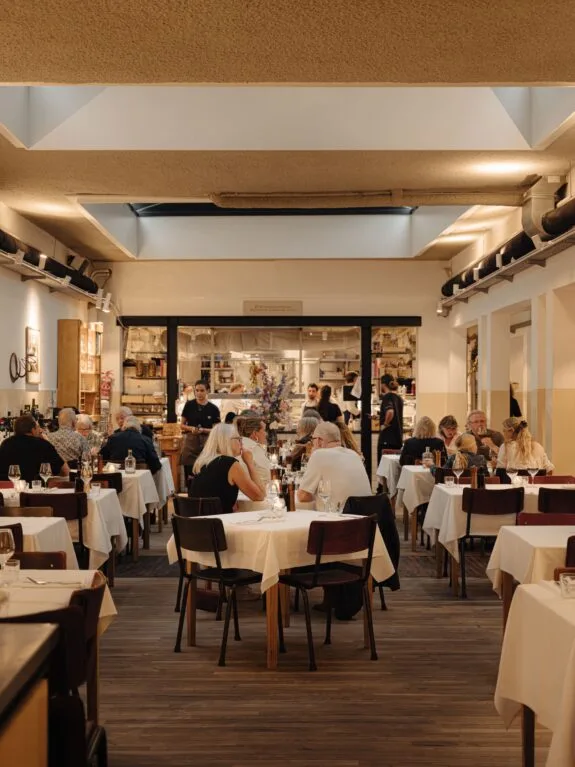
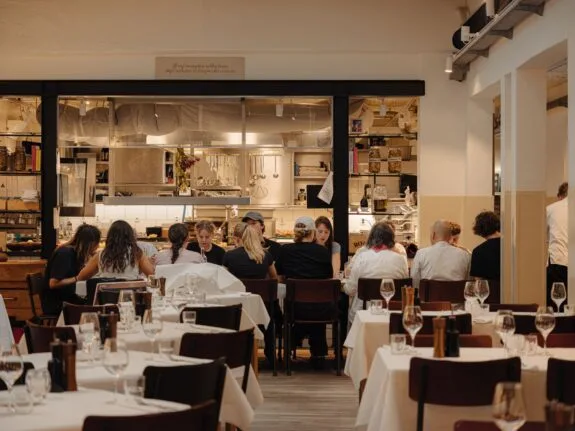
In het begin ging het mondjesmaat. Maar op de vrijdag van het tweede weekend zat de zaak ineens stampvol. Het nieuws over het nieuwe Italiaanse restaurant had zich razendsnel door de stad verspreid. In die tijd had je óf pizzeria’s, óf sjieke Italiaanse restaurants. Tosca bood iets anders: eerlijke gerechten, vers bereid, simpel, goedkoop en informeel. Cucina casareccia – de huiselijke keuken.
De drukte bracht uitdagingen met zich mee. Er was acuut behoefte aan extra personeel. Op een avond stapten Karin en Jeannot binnen. Ook zij hadden op Camping Flaminio over Toscanini gehoord. Ze werden meteen aangenomen. Karin – de moeder van Tamar, die inmiddels al acht jaar in de patisserie werkt – zat op de mimeschool. Niet veel later werd de mimeschool een soort hofleverancier van personeel. In de keuken werkten veel Italiaanse jongens, in de bediening hun Nederlandse vriendinnen. En dan was er nog Conceicao, die via de Braziliaanse camping-connectie bij Tosca terechtkwam.
Chaos, staking en professionaliteit
Het was een gezellige, multiculturele chaos. Wachten op eten kon soms een uur duren. Op een dag vond zelfs een staking plaats. Een groepje Italiaanse jongens en hun vriendinnen eisten meer loon. Ellen en Maud draaiden die avond met z’n tweeën de hele zaak. De volgende dag stapte Maud naar Klaartje – de vrouw van Wil Demandt – die net met zwangerschapsverlof was bij Panini. Klaartje kwam direct helpen en bleef een paar jaar. Dat was het moment waarop Toscanini een eerste grote stap richting professionaliteit zette.
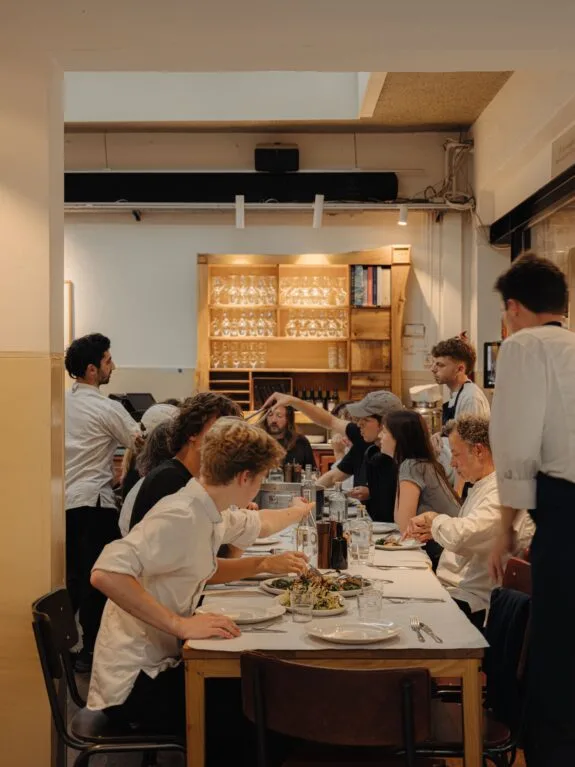
'Alles valt of staat met het team. En dat zit eigenlijk altijd wel goed bij Tosca.'
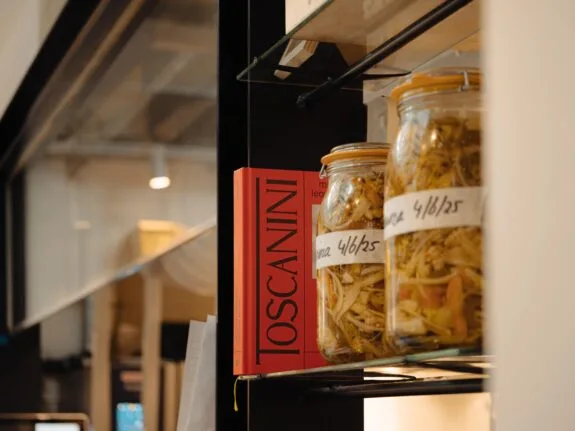
Verhuizen naar de Lindengracht
Intussen verhuisde het restaurant naar het huidige pand aan de Lindengracht. Het was Kees Kemp – destijds de jongste bediende bij Broersma – die met de locatie aankwam. En het was architect Jaap Dijkman die het interieur ontwierp. Daarmee kreeg Toscanini niet alleen een nieuwe plek, maar ook een nieuwe uitstraling – passend bij de sfeer die het restaurant inmiddels geworden was.
Daar, op een zaterdagmiddag, liep Leonardo binnen. Of ze een baantje voor hem hadden, één dag in de week. Later bleek dat ook hij op Camping Flaminio had gezeten, rond dezelfde tijd. Leonardo is de zoon van een Nederlandse moeder en een Italiaanse vader. Zijn wieg stond in Rome, en zijn jeugd bracht hij door in Kaapstad. Hoewel hij aanvankelijk werktuigbouwkunde studeerde, bleef hij uiteindelijk bij Toscanini werken – fulltime. Hij is nooit meer weggegaan.
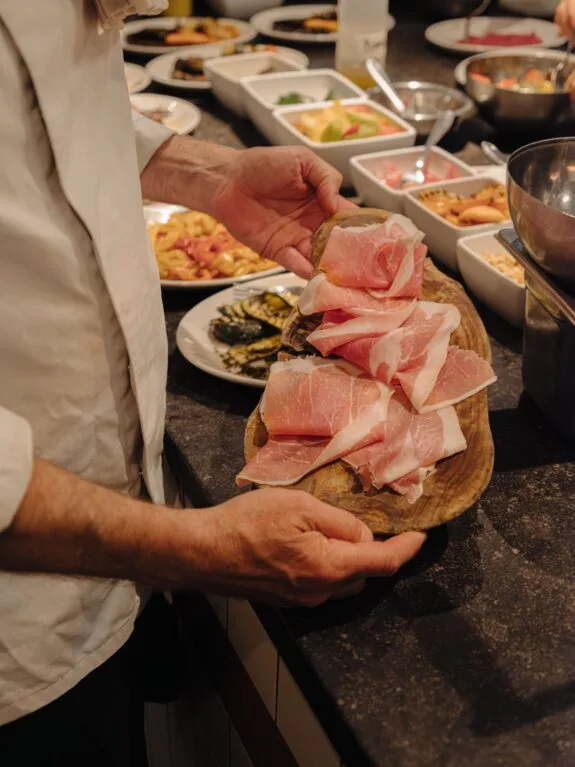
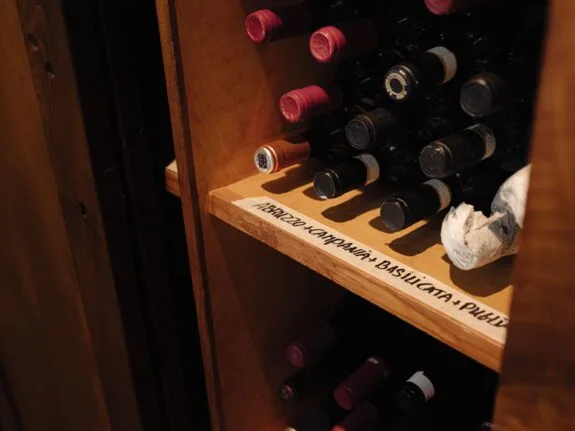
Mensen maken Tosca
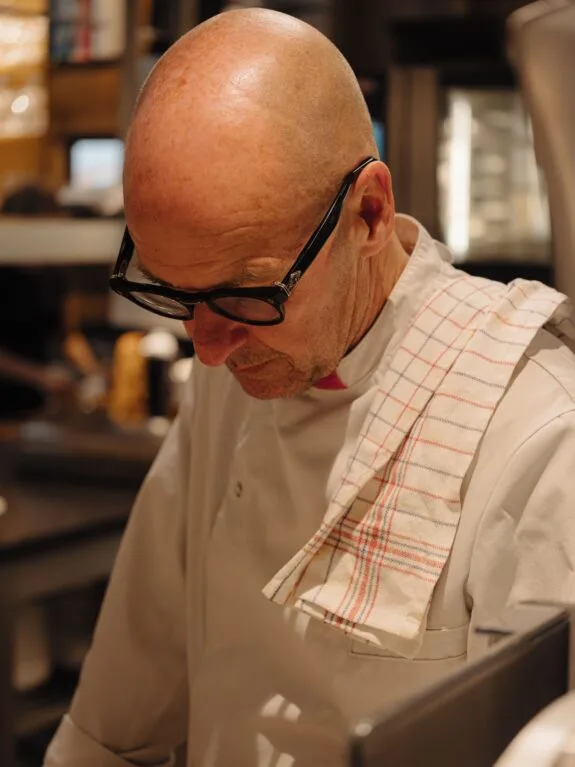
In 2000 gingen Maud, Jeannot en Leonardo samen verder. In 2022 nam Jeannot afscheid – hij woont nu op een berg in Piemonte, waar hij gelukkig is. Zijn vertrek maakte ruimte voor Suus. “Dat heeft heel goed uitgepakt,” zegt Maud. “Voor mij persoonlijk is ze een enorme steun.”
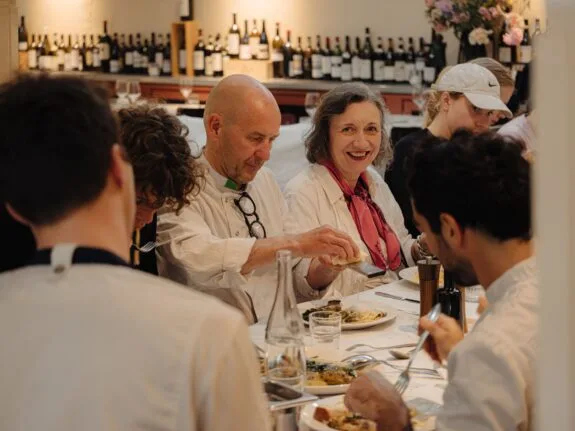
Toscanini is altijd gebouwd op mensen. Zonder al die collega’s, van vroeger en nu, was het veertigjarig bestaan nooit mogelijk geweest. “Gisteren nog,” zegt Maud, “dacht ik daaraan toen ik iedereen bezig zag met de voorbereidingen voor het feest. Alles valt of staat met het team. En dat zit eigenlijk altijd wel goed bij Tosca.”
Al eeuwen geleden kwamen Italianen naar Nederland. Ze maakten ijs, legden het Italiaanse graniet terrazzo, waren schoorsteenveger of werkten in de mijnen in Limburg. Deze Italiaanse arbeidsmigranten hebben na de tweede wereldoorlog meegeholpen aan de wederopbouw van Nederland en hebben tevens een grote invloed gehad op onze eetcultuur. Lees hier over de beste adressen in Amsterdam om Italiaanse boodschappen te doen en Italiaans te eten en te drinken.
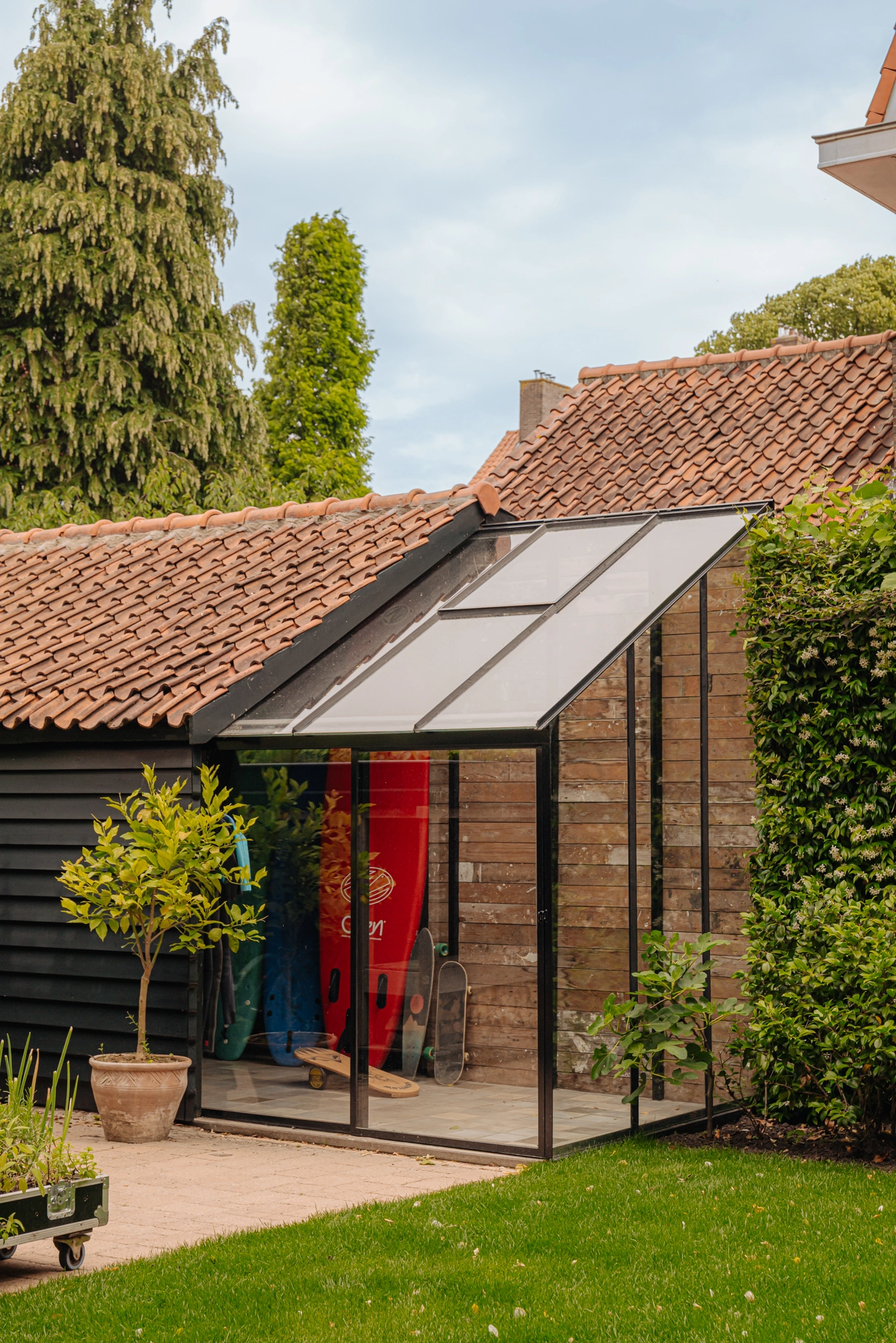
Uitgelicht; 'Het Hoekhuis aan de Laan'; Toen wij dit huis jaren geleden betrokken, waren we op zoek naar een ruim familiehuis — een plek waar onze vijf kinderen veilig en vrij konden opgroeien. Die plek vonden we aan de rand van Plan Mozart in Amsterdam-Zuid, op een unieke hoek met een royale tuin rondom. Hier konden ze eindeloos hutten bouwen, vuurtjes stoken, knutselen in de kas en spelen met vriendjes in de tuin. Het voelde alsof we een dorp in de stad hadden gevonden, omringd door groen. Lees hier meer wat de huidige bewoners vertellen en laat je inspireren