Living at Wertheimpark means living in a historic townhouse complex overlooking one of the greenest and most peaceful areas of Amsterdam’s city center. Behind the stately facade lies a fully renovated (2019), bright, and elegant apartment where high ceilings, large windows, and contemporary living comfort come together. Located on freehold land.
Guided tour
Located on the edge of Wertheim Park, at the corner of Plantage Parklaan and Plantage Middenlaan, is this historic townhouse complex dating from 1865–1866, designed by architect G.W. Breuker. The stately facade, with its tall windows, refined ornamentation, and rounded corners, is a distinctive feature of the historic Plantage neighborhood.
As you enter, you are greeted by an apartment where historic architecture and contemporary living comfort come together seamlessly. The main floor forms the heart of the home, featuring high ceilings, expansive views, and large windows overlooking the greenery of Wertheimpark. French balconies enhance the connection to the outdoors and allow the light to shift in character throughout the day.
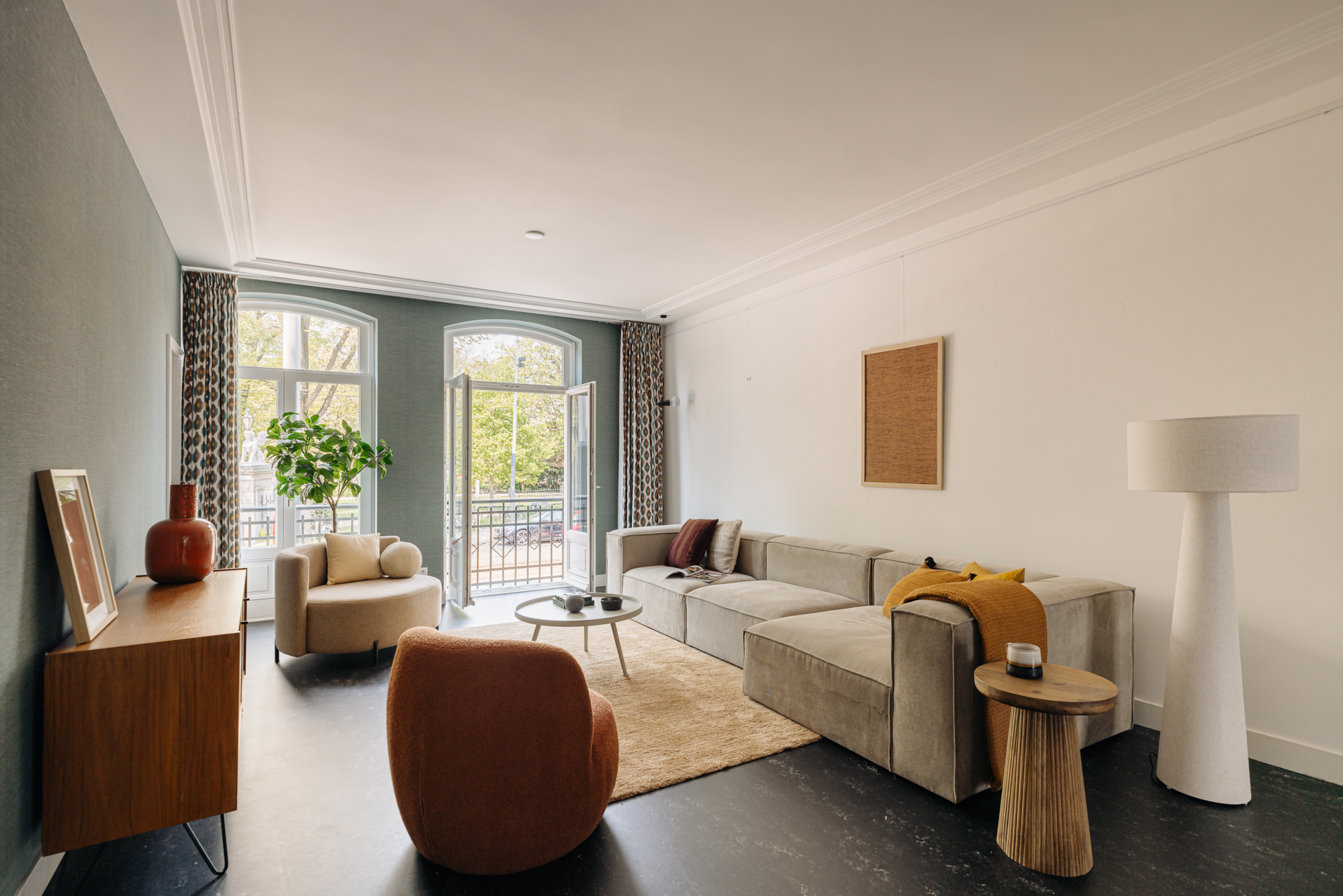
The living room spans the entire front of the house and offers space for both a spacious seating area and a large dining table. At the rear is the open kitchen, designed in a calm and bright style that complements the home’s architecture beautifully.
The basement houses the bedrooms, where the atmosphere is calm and private. The master bedroom overlooks the park and features custom-designed solutions and space for a work or reading area. The other Rooms also Rooms flexibly arranged as bedrooms, home offices, or children’s rooms. The bathroom is elegantly finished with a spacious walk-in shower, double sink, and a subdued color palette.
What makes this home special is the combination of historic elegance, tranquility, and an exceptionally green setting right in the heart of Amsterdam. A place where light, views, and architecture come together to create a seamless living experience.
Neighborhood Guide
Living in the Plantagebuurt means living in one of Amsterdam’s greenest and most charming neighborhoods, where nature, art, culture, and gastronomy come together.
The Plantagebuurt is a hidden gem in Amsterdam that developed into an upscale residential neighborhood at the end of the last century, largely thanks to the diamond industry. In this neighborhood, you’ll find many parks and gardens, as well as distinctive architecture resulting from a rich history. In the 17th and 18th centuries, the neighborhood primarily served as Rear garden wealthy Amsterdammers, where they could retreat to an oasis of tranquility.
The home is located on Wertheimplantsoen, in the immediate vicinity of Artis and the Hortus Botanicus. The Plantagebuurt is easily accessible and forms an oasis of tranquility between the bustling city center and Amsterdam-East. The University of Amsterdam on Roeterstraat is an important cultural hub in the Plantagebuurt.
Within walking distance is a selection of authentic cafés, such as Eik en Linde, and restaurants, such as Restaurant De Plantage. Additionally, the Magere Brug and Utrechtsestraat are within walking distance.
Culturally, the area offers a wealth of options, including the H’ART Museum and the Tropenmuseum. Artis, located just a stone’s throw away, is an iconic feature of the neighborhood. For daily groceries, there is a large Albert Heijn on Jodenbree Street (walking distance), which adds to the practical convenience of living here.
A neighborhood that brings sophistication and vibrancy together in perfect harmony.
Details
• Living area approx. 116 m²
• Located on freehold land
• Energy rating B
• Information: foundation renovated in 2018
• Underfloor heating throughout
• National monument
• Nationally protected cityscape

What sets this home apart is the balance between monumental architecture and everyday living comfort. The tall windows at the front bring the park into the living room, while the different levels create a natural dynamic between living, working, and retreating. The layout feels logical and balanced, with spaces that each have their own character while maintaining cohesion.
The bel-etage forms the heart of the apartment. French balconies open to the west and overlook the trees of Wertheim Park, which constantly changes color throughout the day. The light streams deep inside, casting a soft glow over the materials and lines of the interior. Despite its central location, the home remains sheltered and peaceful.
The sleeping area also exudes the same sense of calm. The rooms are brightly designed and take advantage of the building’s unique architecture, featuring built-in alcoves, high ceilings, and subtle sightlines that give each space its own intimacy. At Wertheim No. 11, architecture, greenery, and daily life come together in a natural way.
Ronald van de Bijl | Real Estate Agent Broersma Wonen
Jelle Mundt | Makelaar Broersma Wonen

Plantage Parklaan 11 is part of a distinctive ensemble of townhouses at the corner of Plantage Parklaan, Henri Polaklaan, and Plantage Middenlaan. This historic block was built in 1865–1866 based on a design by architect Georgius Wilhelmus Breuker and is one of the first large-scale residential complexes in the Plantage neighborhood. The complex consists of white-plastered townhouses with a basement, a bel-etage, two upper floors, and an attic. Despite subtle differences between the buildings, a sense of cohesion is palpable throughout. Rounded corners, rhythmic facades, and consistent proportions give the ensemble a stately, almost Parisian appearance. The architecture combines classical influences with nineteenth-century elegance. Tall T-shaped windows, refined ornamentation, and heavy cornices create a rich facade composition that shifts in character throughout the day. The rounded corner facade and the diagonally placed balconies reinforce the building’s metropolitan character. Inside, this architecture translates into high ceilings, long sightlines, and a strong connection to the greenery of Plantage Middenlaan. Large windows allow light to flood deep into the living spaces, while the French balconies Immediately of the neighborhood’s rows of trees. The basement, on the other hand, offers tranquility and privacy. The layout follows the classic design of the original mansion. The bel-etage forms the heart of the home, where living, cooking, and entertaining come together. The bedrooms are located on the lower floor around a central hall, creating a quiet and understated atmosphere. Plantage Parklaan 11 combines historic architecture with a refined living experience. A home where history, light, and space come together naturally.


The living area unfolds as a single elongated space where light, height, and sightlines converge. Tall windows at the front open up to the greenery of Wertheim Park, while the Hortus Botanicus on the opposite side lends the surroundings a tranquil character. French balconies reinforce the connection to the outdoors and bring filtered daylight deep into the living room.
The living room features the classic proportions of a nineteenth-century townhouse, with high ceilings, refined crown moldings, and a calm, contemporary finish. The dark floor emphasizes the length of the space and reinforces the natural flow from front to back. At the front is the seating area with a view of the greenery of the Plantage neighborhood.
In the center of the floor, living, dining, and entertaining naturally come together. The long line of sight between the front and rear facades gives the space an open, almost loft-like feel within the building’s monumental structure.
At the rear, the kitchen features a bright and functional layout. White cabinet fronts and a horizontal tiled wall subtly complement the home’s serene architecture, while the direct connection to the dining area fosters a natural flow. The original proportions of the mansion remain palpable throughout. The ceiling height, generous windows, and symmetrical facade give the floor an elegant rhythm and a light, contemporary living quality.


The sleeping floor forms a tranquil and natural level within the home. The landing clearly connects the various rooms, with slanted lines, built-in closet space, and continuous flooring creating a sense of calm unity. Filtered daylight streams in through the recessed windows, casting a soft glow across the floor.
The master bedroom is located at the front and overlooks the greenery of Wertheimpark. The raised windows balance light and privacy, while the view of the trees creates a calm atmosphere. Built-in niches and open shelving add functionality without disrupting the space. Next to the sleeping area, space has been subtly integrated for a work or reading corner.
The other Rooms flexible in use and share the same serene material palette. A room at the rear lends itself effortlessly as a bedroom or study, with high ceilings and subdued natural light that shifts in character throughout the day. The children’s room has a more enclosed layout, where custom-built elements and alcove-like divisions create a sheltered atmosphere.
The bathroom features a clean design with a double vanity in wood veneer, a generous mirrored wall, and a spacious walk-in shower. White wall tiles, dark floorboards, and refined fixtures give the space a calm and functional feel. Everything is designed with clarity, ease of use, and understated elegance in mind.


Living in the Plantagebuurt means living in one of Amsterdam’s greenest and most charming neighborhoods, where nature, art, culture, and gastronomy come together.
The Plantagebuurt is a hidden gem in Amsterdam that developed into an upscale residential neighborhood at the end of the last century, largely thanks to the diamond industry. In this neighborhood, you’ll find many parks and gardens, as well as distinctive architecture resulting from a rich history. For instance, in the 17th and 18th centuries, the neighborhood primarily served as Rear garden wealthy Amsterdammers, where they could retreat to an oasis of tranquility.
The home is located on Wertheimplantsoen, in the immediate vicinity of Artis and the Hortus Botanicus. The Plantagebuurt is easily accessible and forms an oasis of tranquility between the bustling city center and Amsterdam-East. The University of Amsterdam on Roeterstraat is an important cultural hub in the Plantagebuurt.
Within walking distance is a selection of authentic cafés, such as Eik en Linde, and restaurants, such as Restaurant De Plantage. Additionally, the Magere Brug and Utrechtsestraat are within walking distance.
Culturally, the area offers a wealth of options, including the H’ART Museum and the Tropenmuseum. Artis, located just a stone’s throw away, is an iconic feature of the neighborhood. For daily groceries, there is a large Albert Heijn on Jodenbree Street (within walking distance), which adds to the practical convenience of living here.
A neighborhood that brings sophistication and vibrancy together in perfect harmony.
accessibility
The property enjoys excellent accessibility by car via the S100, S114, and S116 highways to the A10 ring road. Various public transport facilities can be found in the vicinity. For example, the Waterlooplein or Weesperplein metro stations are only a 3-minute bike ride away and offer a direct connection to Amsterdam Central Station or Amstel Station. Tram 14 on Plantage Middenlaan and tram lines 1, 7, and 19 on Sarphatistraat are within walking distance.
Parking
Parking on public streets is available through a permit system (Permit Zone Centrum 3). With a parking permit for Centrum 3, you may park in both Centrum 1 and Centrum 3. A resident parking permit costs €326.65 for 6 months. Currently, there is a 10-month waiting period for this permit zone. A second parking permit is not available in this area. In addition to public streets, you can also park for free with a parking permit in the Markenhoven garage and the Muziektheater garage. (Source: Local authority , May 2026).




1018 DD Amsterdam
Hortus Botanicus
The Hortus Botanicus Amsterdam is one of the oldest botanical gardens in the world. The Oranjerie, the associated grand café, is also an centuries-old monument where you can relax – even in the middle of winter. They have an extensive lunch menu, and you eat while sitting in the middle of the beautiful tropical gardens. In the summer, the terrace is of course also open. It is one of Amsterdam's best kept secrets, definitely worth going to and experiencing the tranquility of the greenery yourself.
1018 CZ Amsterdam
Artis
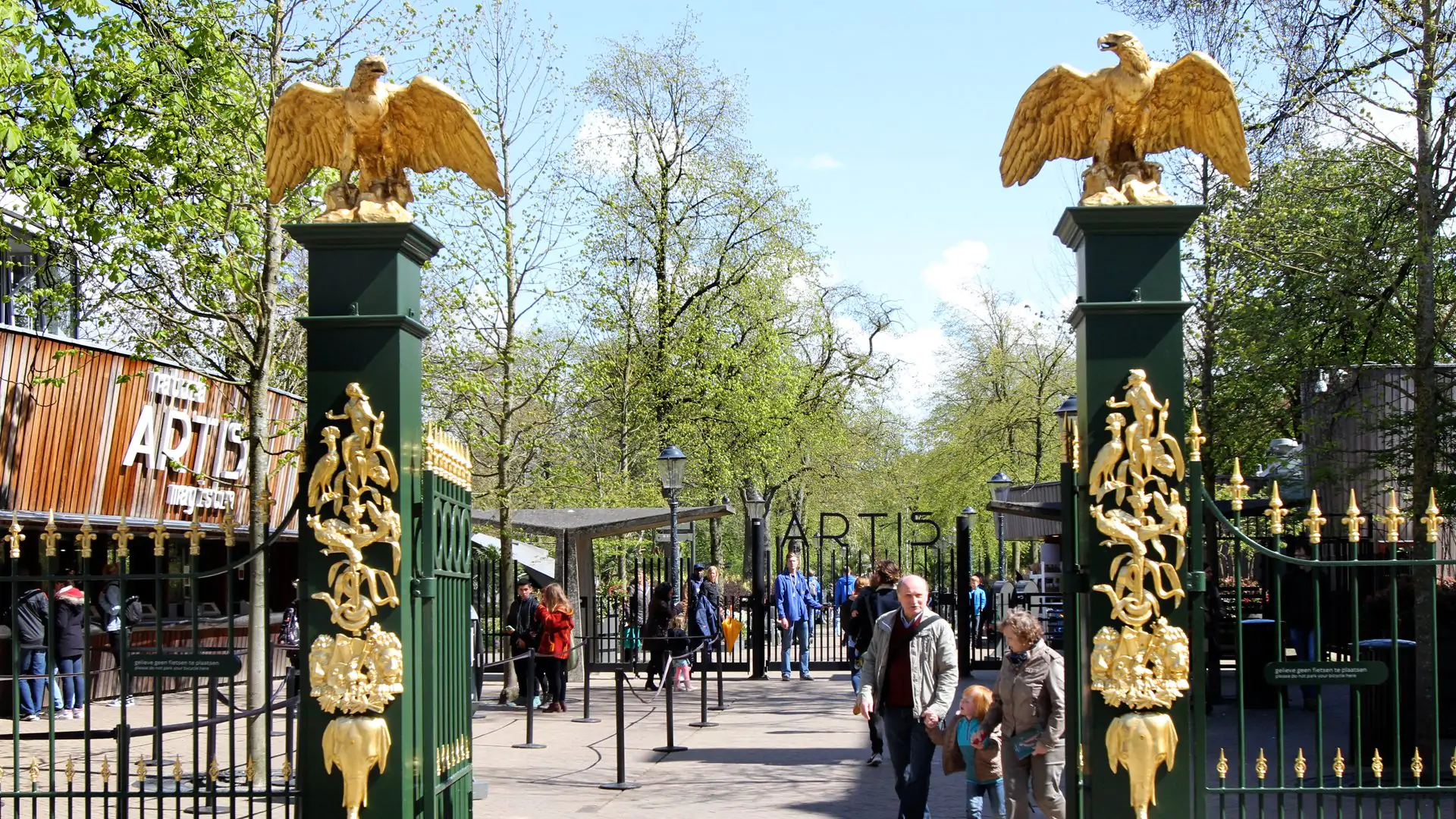
Artis is the oldest zoo in the Netherlands, founded in 1838 with the aim of bringing nature closer to people. It started small as a garden with a pond and a winter garden, and over the years more and more buildings, animals and trees were added. Today, there are more than 900 different animal species to admire, including some special species such as the algazelles, the white-tailed gnus and the margay. You can easily spend a whole day in Artis. Imagine yourself in a tropical climate, admire special fish species and laugh at the monkeys on the monkey rock.
1018 EJ Amsterdam
H'ART Museum
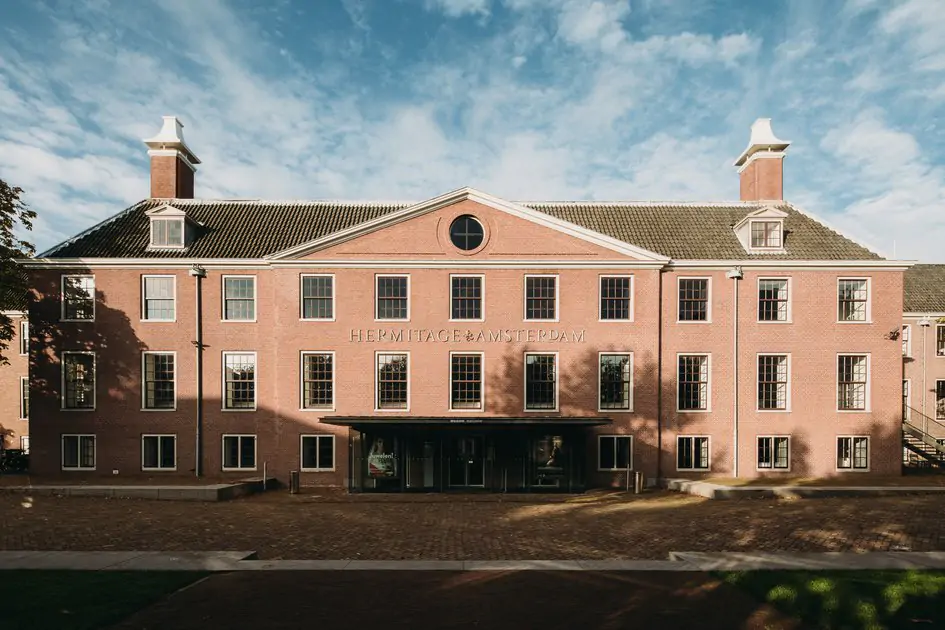
The former Hermitage Museum will collaborate closely with the British Museum, Centre Pompidou, and Smithsonian American Art Museum. H'ART Museum opens windows to the world and demonstrates the connecting power of art. This partnership with these leading international museums will bring world-famous art collections to Amsterdam. The Centre Pompidou has one of the most important collections of modern and contemporary art in Europe. As one of the oldest museums in the world, the British Museum has a collection that spans continents and oceans. The Smithsonian American Art Museum (SAAM) is renowned as one of the most famous museums of the Smithsonian Institution.
1018 EJ Amsterdam
Amsterdam Museum
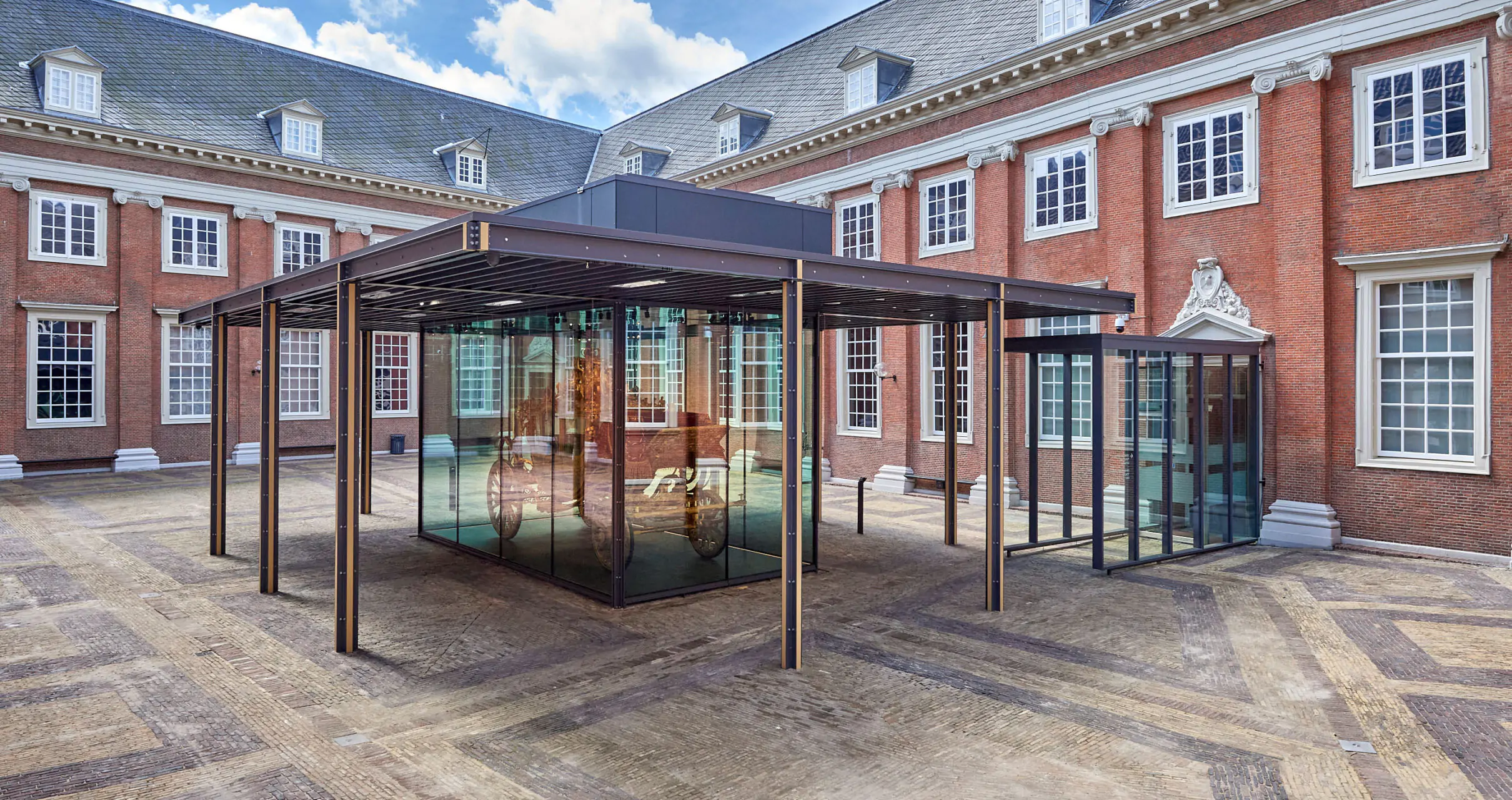
The Amsterdam Museum has been located in the former Burgerweeshuis (civil orphanage) in Amsterdam since 1975. The museum opened in the Waag in 1926 and has served as the city's treasure trove ever since. The historical collection tells the impressive story of the city, spanning from the early Middle Ages to the present day, through thousands of works of art and objects. In addition to the permanent collection that showcases the historical story of Amsterdam, the temporary exhibitions tell the stories of contemporary Amsterdam.
1011 KW Amsterdam
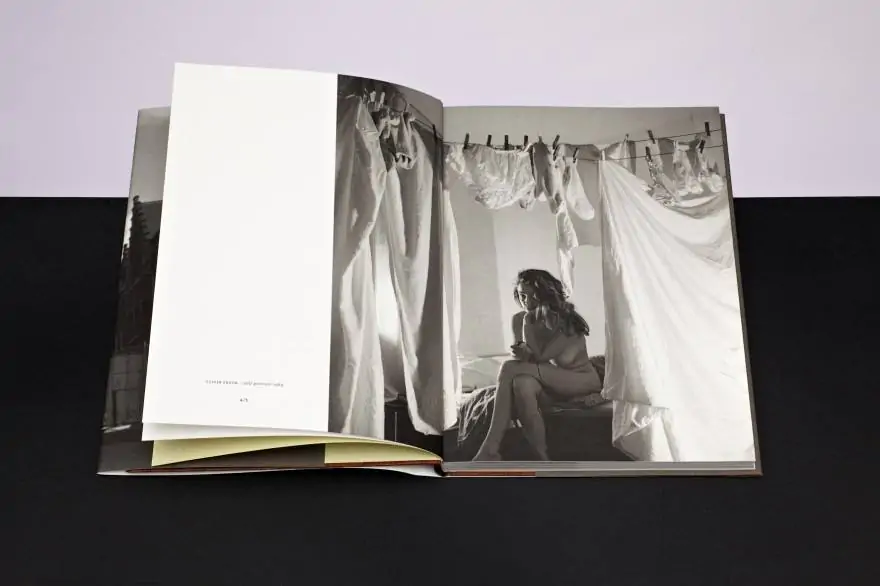
Van Zoetendaal Photography
Van Zoetendaal Photography is primarily active in international contemporary photography, curating exhibitions in museums, as a gallery, and also publishing various photo books. In 2014, Van Zoetendaal largely converted its gallery space into a studio to Services and installations its own art projects, art books, and Services and installations . Although the gallery is usually only open by appointment, it plays an important role in the annual Unseen Photo Fair.
1018 WE Amsterdam
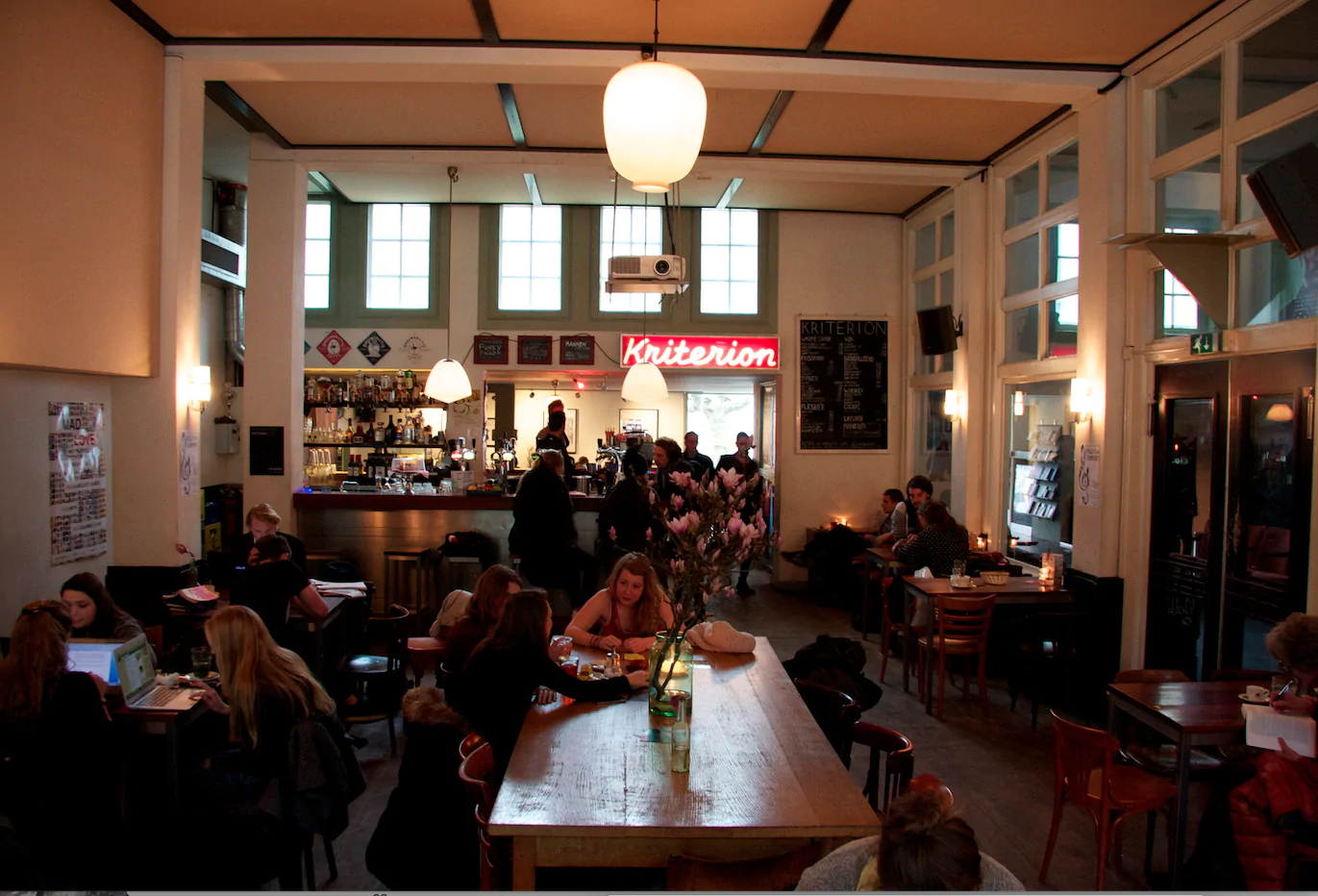
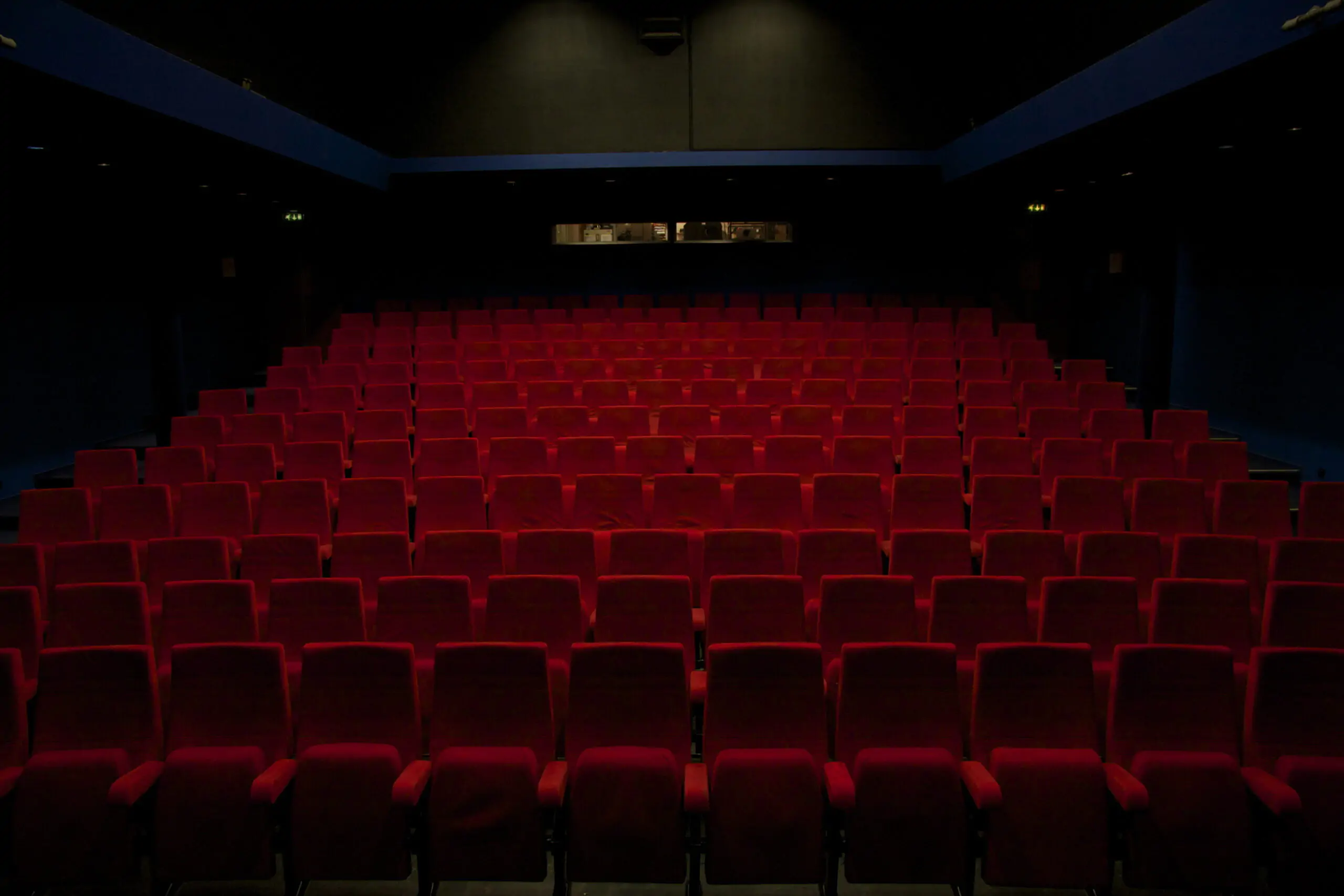
Kriterion Movie Theater
Filmtheater Kriterion is one of the first projects of Stichting Kriterion and has been run entirely by students since 1945. You will find the film theater next to the Roetserseiland campus complex of the University of Amsterdam. Kriterion's weekly program consists of a wide range of films; you can visit Kriterion for arthouse films, documentaries, and international screenings. In the Kriterion café, you can enjoy a drink together before or after the film. We highly recommend the Sneak Preview, which Kriterion was the first to introduce in the Netherlands. Every Tuesday at 7:45 p.m., Kriterion surprises you with the latest films. A ticket for the Sneak Preview costs only 5 euros.
1018 ZN Amsterdam
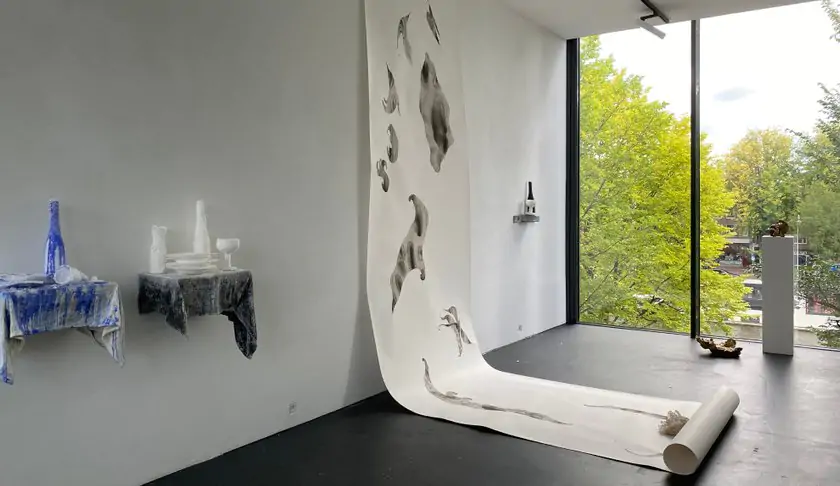
Galerie Franzis Engels
Just a stone's throw from Central Station you can find Galerie Franzis Engels. A gallery for contemporary art with as many as four floors. Solo and thematic exhibitions are held on the top floor. The three lower floors and the garden display fresh and surprising works from the gallery archive of national and international artists.
1018 KK Amsterdam
Maritime Museum
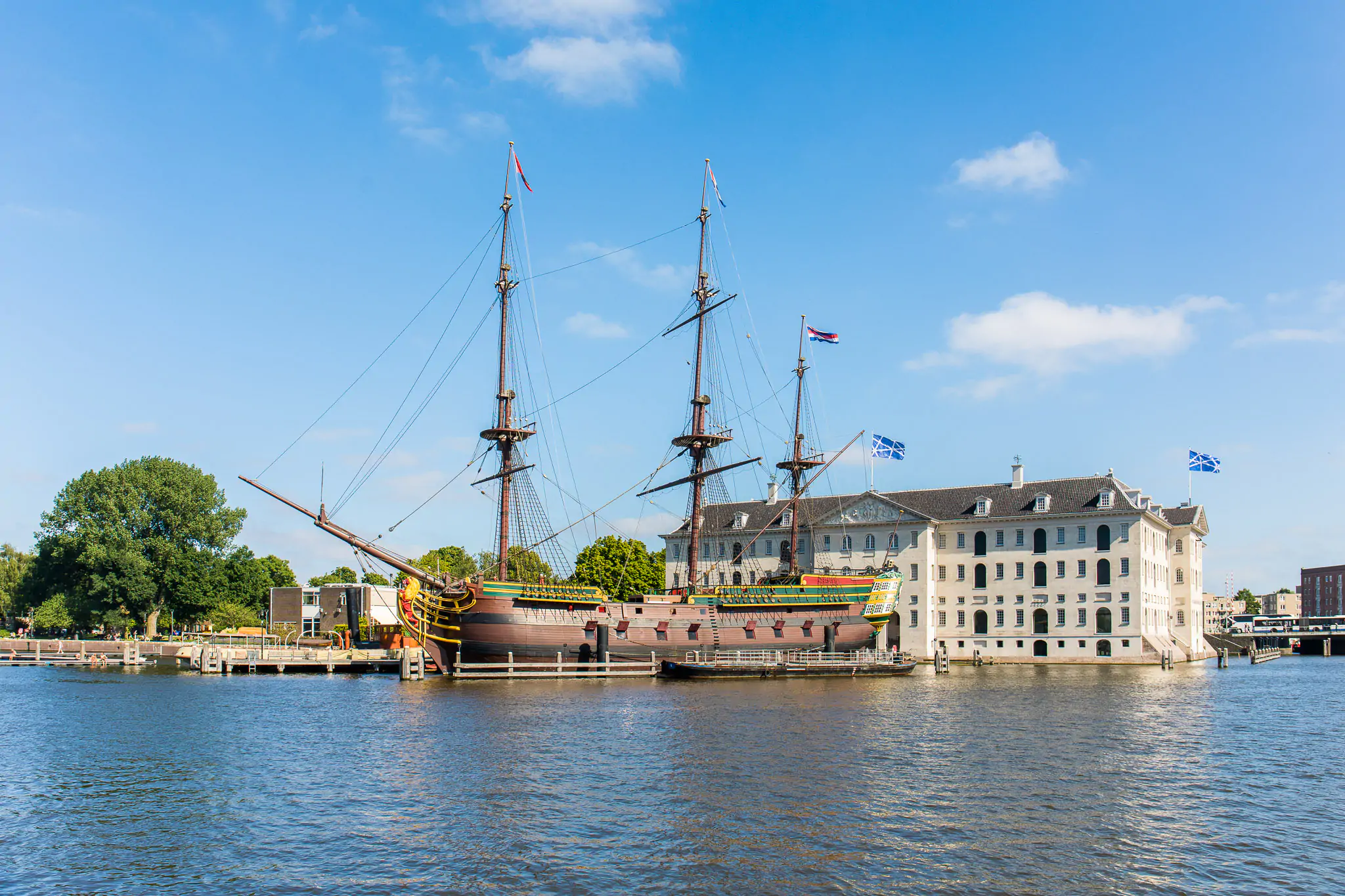
Discover the shipping and maritime history of the Netherlands in the Maritime Museum. The museum is located in the water on the Oosterdok; this building was formerly used as a warehouse for the storage of ship equipment and cannons when Amsterdam was the largest port in the world. The collection includes paintings, ship models, maps, and weapons. It is the second largest maritime museum in the world. In the water in front of the museum is a replica of the VOC ship 'Amsterdam'. In the barrel vaults under the courtyard, thousands of liters of water used to be stored to provide the ship's songs with water en route.
1018 DE Amsterdam
Café Eik en Linde
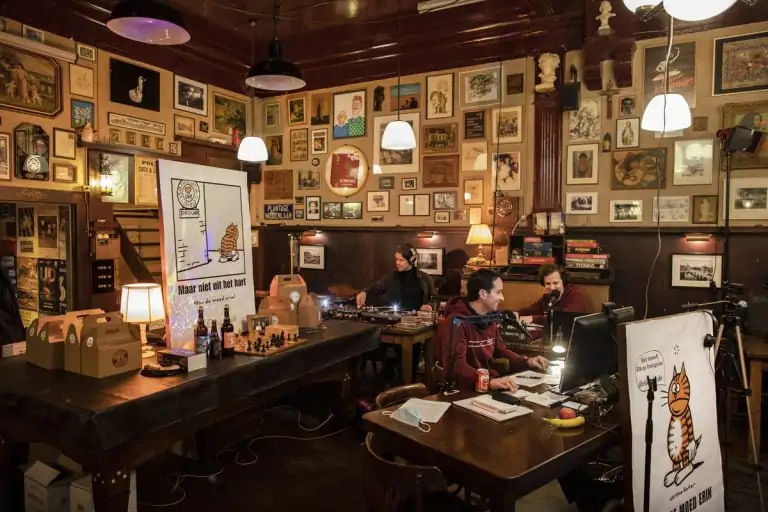
Café Eik en Linde is a true Amsterdam brown café with a long history. Nowadays, a mixed crowd gathers here, ranging from regulars and billiards players to students and tourists. This creates a pleasant atmosphere, making the café a household name, even outside Amsterdam. The café is known for the radio broadcasts that were recorded in the upstairs room, including the most famous broadcast 'Een dik uur met Ischa' by Ischa Meijer. In short, it is a place where politics, literature, and art come together with a beer.
1018 DG Amsterdam
Box Sociaal
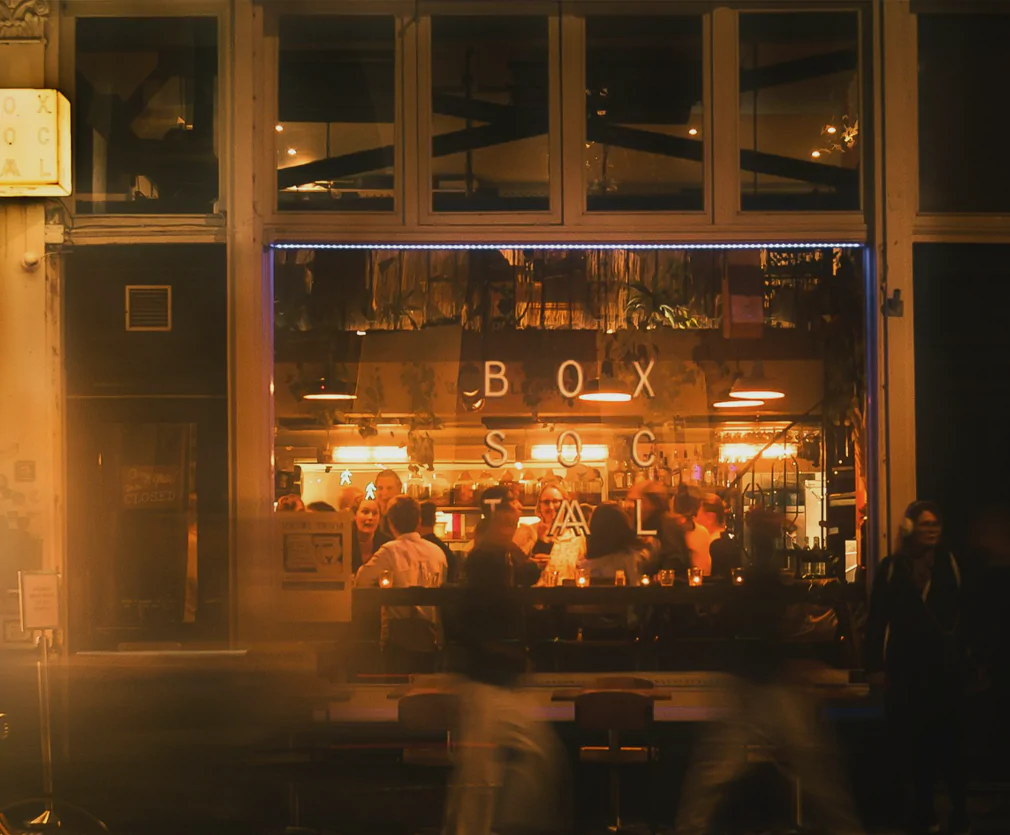
Box Sociaal is Location breakfast and brunch Location , but also offers dinner and drinks. The menu is inspired by Australia. The dishes are prepared with sustainable and local products. Good news for vegetarians and vegans: all meat burgers can be replaced with the 'Beyond Meat Burger'. Enjoy a high-quality brunch, locally roasted coffee, carefully selected natural wines, tailor-made cocktails, and delicious specialty beers.
1018 CZ Amsterdam
De Plantage
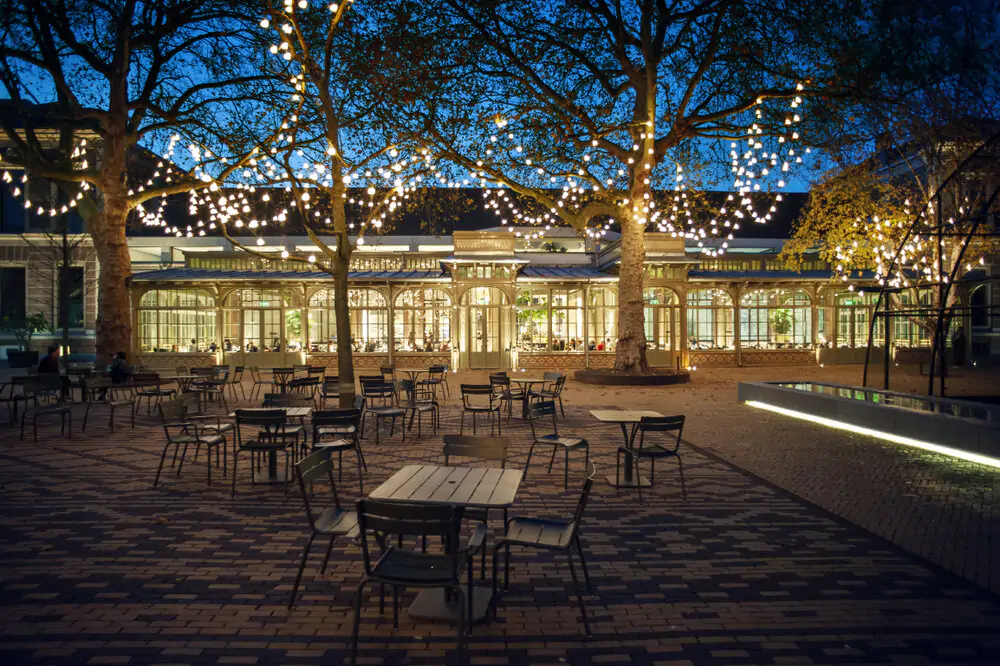
At De Plantage, you come for the classic, stately Amsterdam grandeur. At this special place next to/in Artis, you can go for everything and more: a great cup of coffee with breakfast, a quick or leisurely lunch, or an extensive dinner. The place feels large upon entering, but the decor is intimate. Let yourself be surprised by the Plats de Plantage from the chefs, or choose from the many à la carte options. Be sure not to miss the Hemelse Modder as a dessert.
1018 AD Amsterdam
Entrepot Restaurant
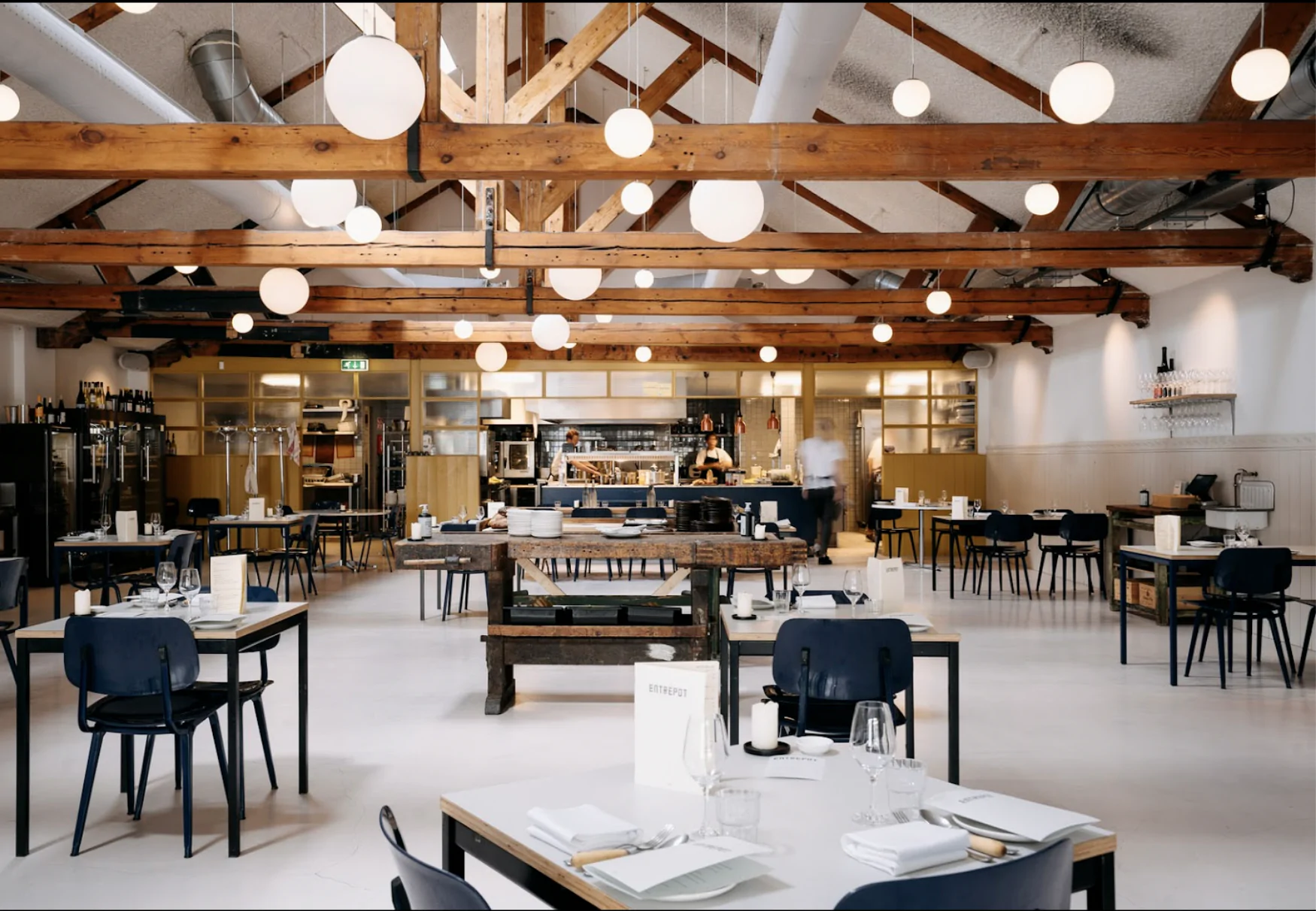
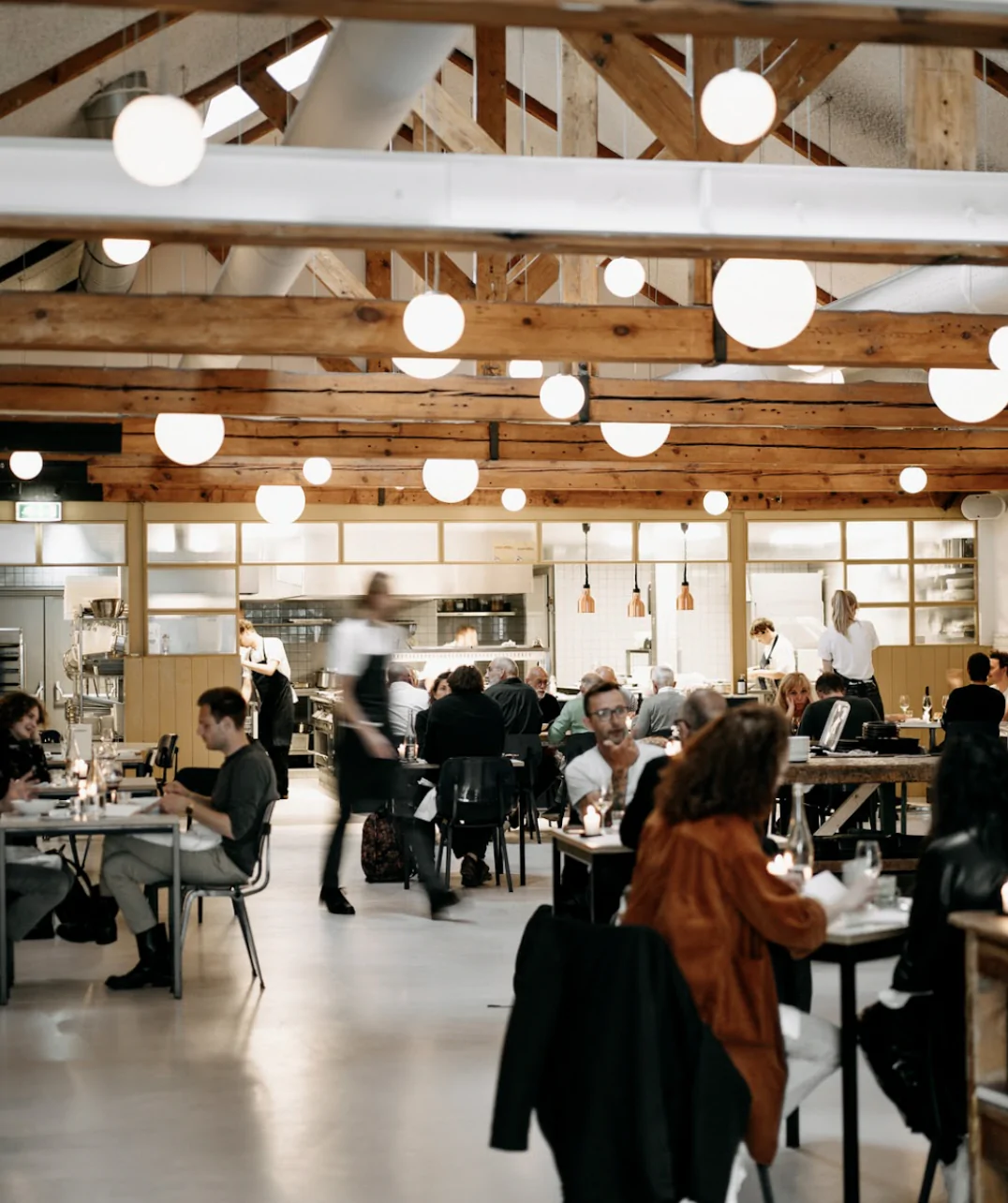
This restaurant is (unsurprisingly) located on the Entrepotdok. One of the most beautiful parts of Amsterdam, with stunning canals that are virtually untouched by tourists. The restaurant is located in one of the old warehouses and much of the food on the menu is prepared over an open fire. The wine list is also excellent and the restaurant is spacious and very cozy. Good service and delicious food and drinks.
1011 VJ Amsterdam
Café de Druif
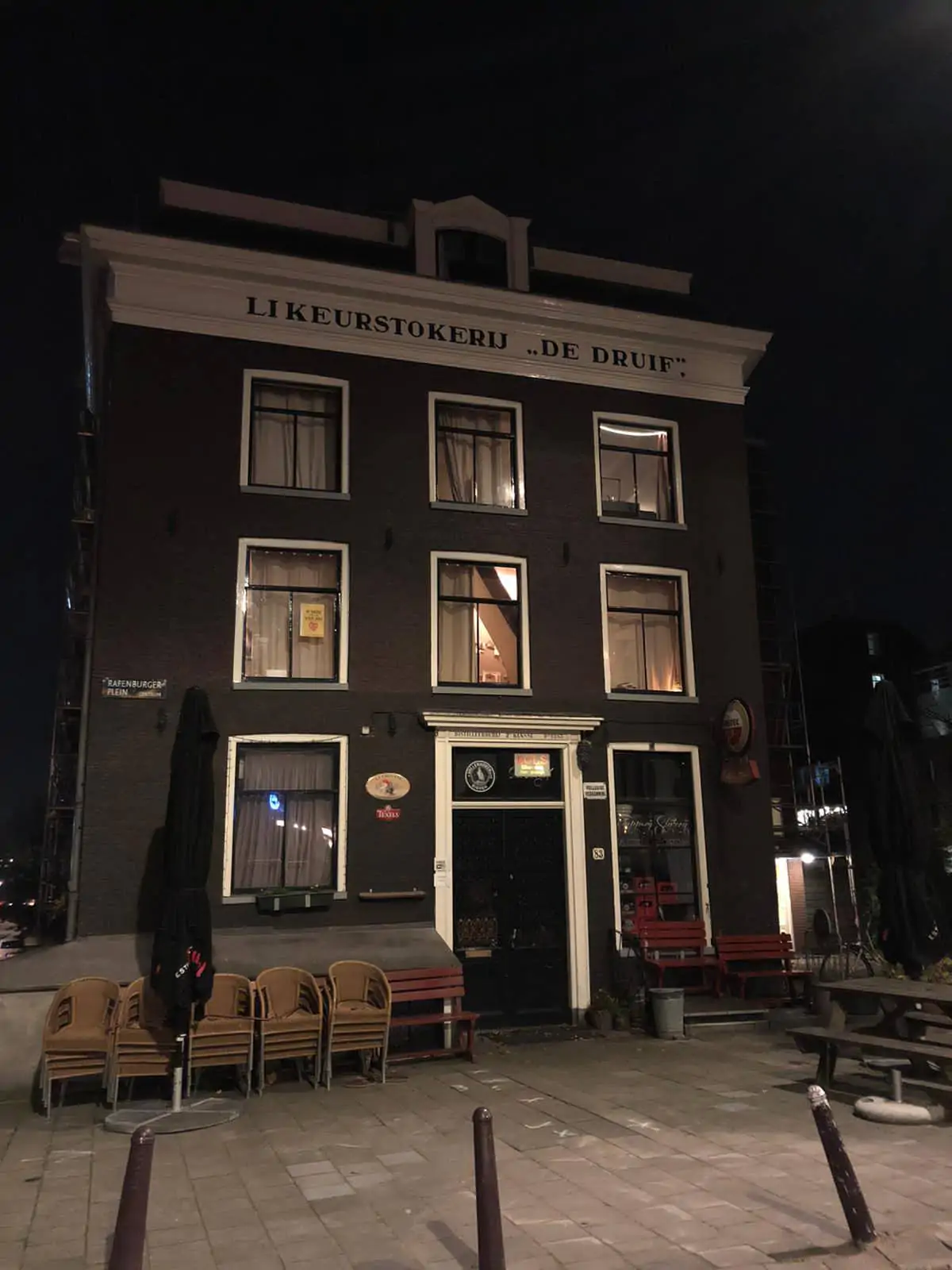
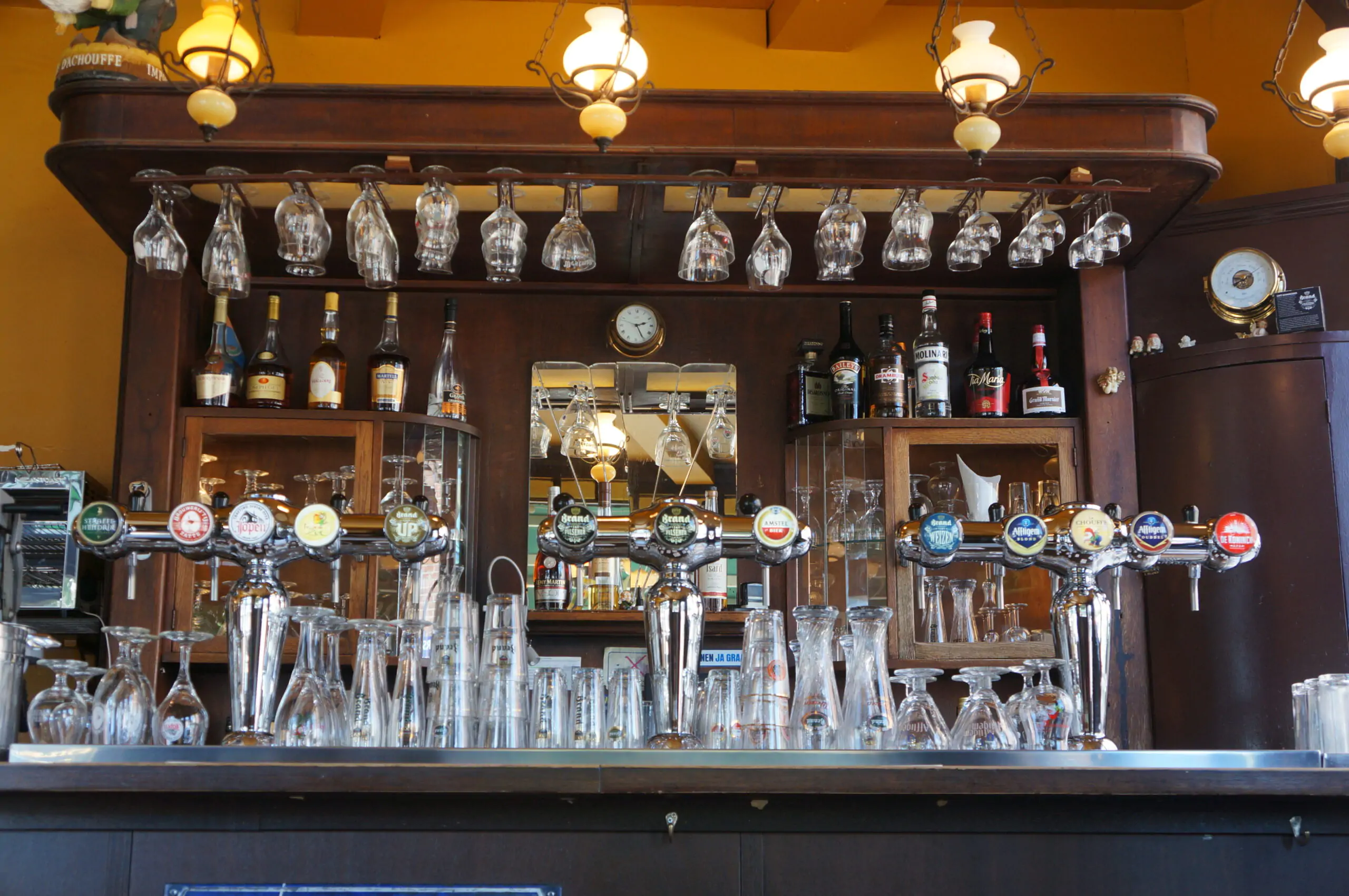
Café de Druif is one of the oldest tasting rooms in Amsterdam. During the Golden Age, sailors were given grapes as gifts here, which is how it got its name. Nowadays, it is a meeting place for many regulars. You can sit on the large terrace by the water and enjoy a very extensive beer menu. The decor consists of small barrels from which jenever used to be tapped, and in Location muziek you can listen to the sound of regulars chatting.
1011 VA Amsterdam
Café Scharrebier
Café Scharrebier is a recognized tasting room of Brand beers and a member of the Amsterdam Brandslang. Get acquainted with the unique character of each of the Brand beers in our Brand Tasting Room. All innkeepers have visited Brand at the brewery, where they have been personally involved in the art of brewing. Scharrebier is a perfect Amsterdam brown café where you can always go for a good portion of conviviality. Overlooking the Nieuwe Herengracht, you can enjoy people-watching here.
1018 AC Amsterdam
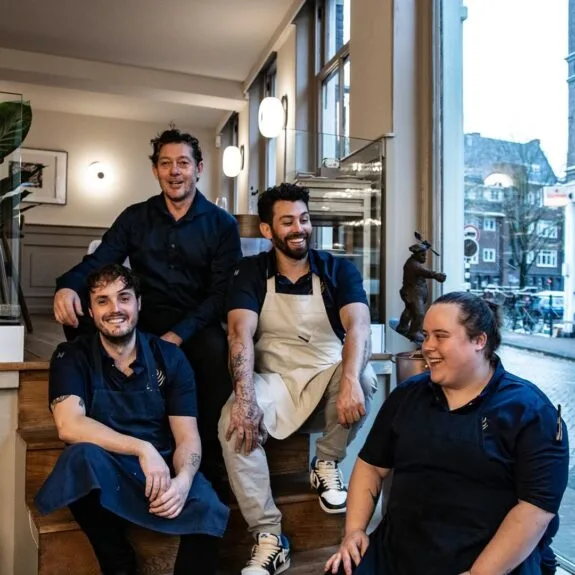
A Tavola
Italian cuisine with dishes based on classic family recipes. The roots of A Tavola lie in Palomonte, a small village in the province of Salerno, a fertile area due to its location on volcanic soil. They cook here by feeling; according to the chefs, that is the basis for pure, traditional Italian food. Craftsmanship and quality are paramount, and you can taste that. Fresh products, prepared with care.
1011 TJ Amsterdam
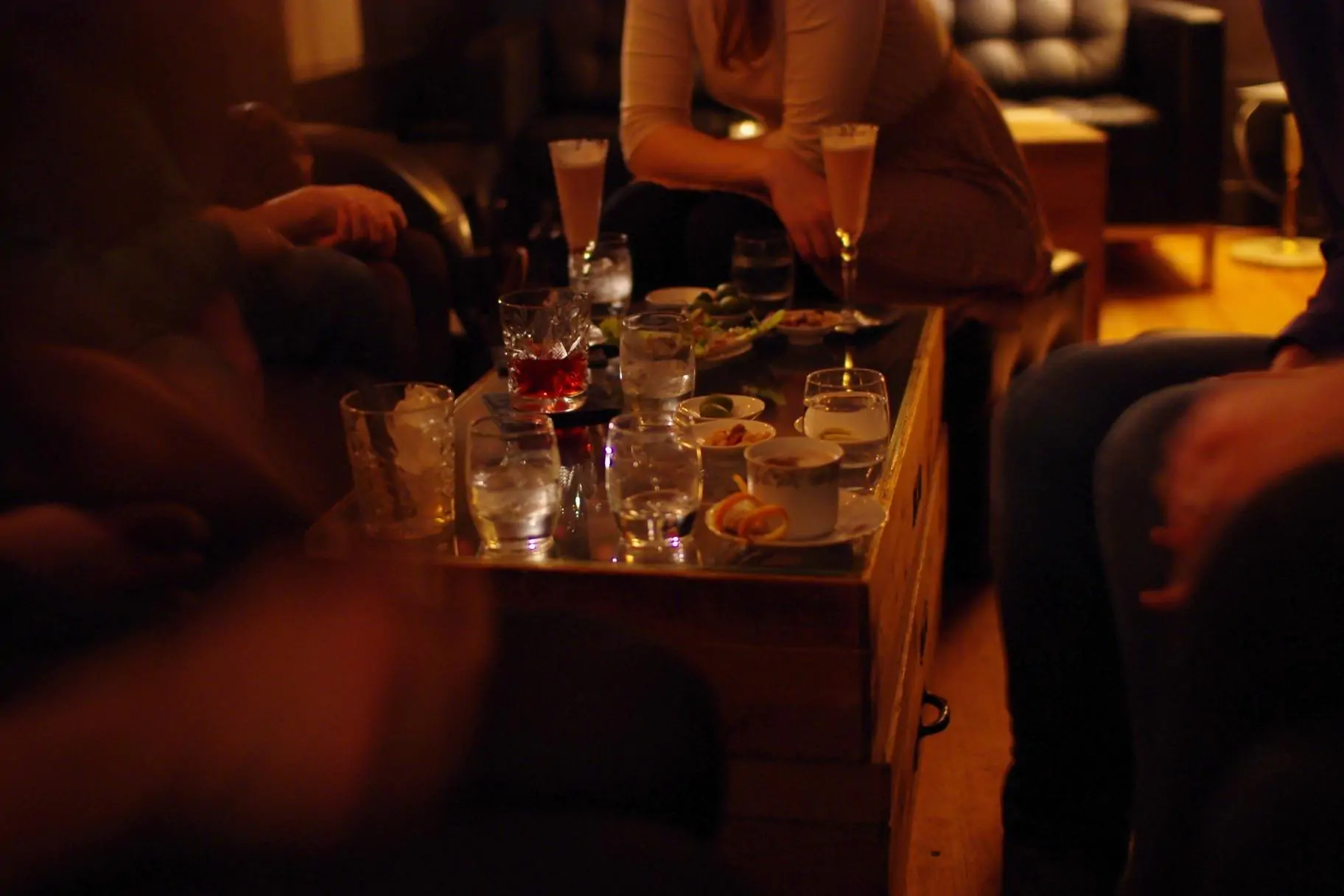
Restaurant R21
Chef Orlando David (who previously worked for Sergio Herman's Oud Sluis ***, among others) opened a fine dining restaurant on Peperstraat, opposite Gebr Hartering. You can enjoy a 6 or 7-course menu for €75 and €90 respectively, but there is also an à la carte menu Available The chef's wanderlust is evident and can be tasted in his cooking style. Influences and products from all over the world adorn the dishes.
1011 TX Amsterdam
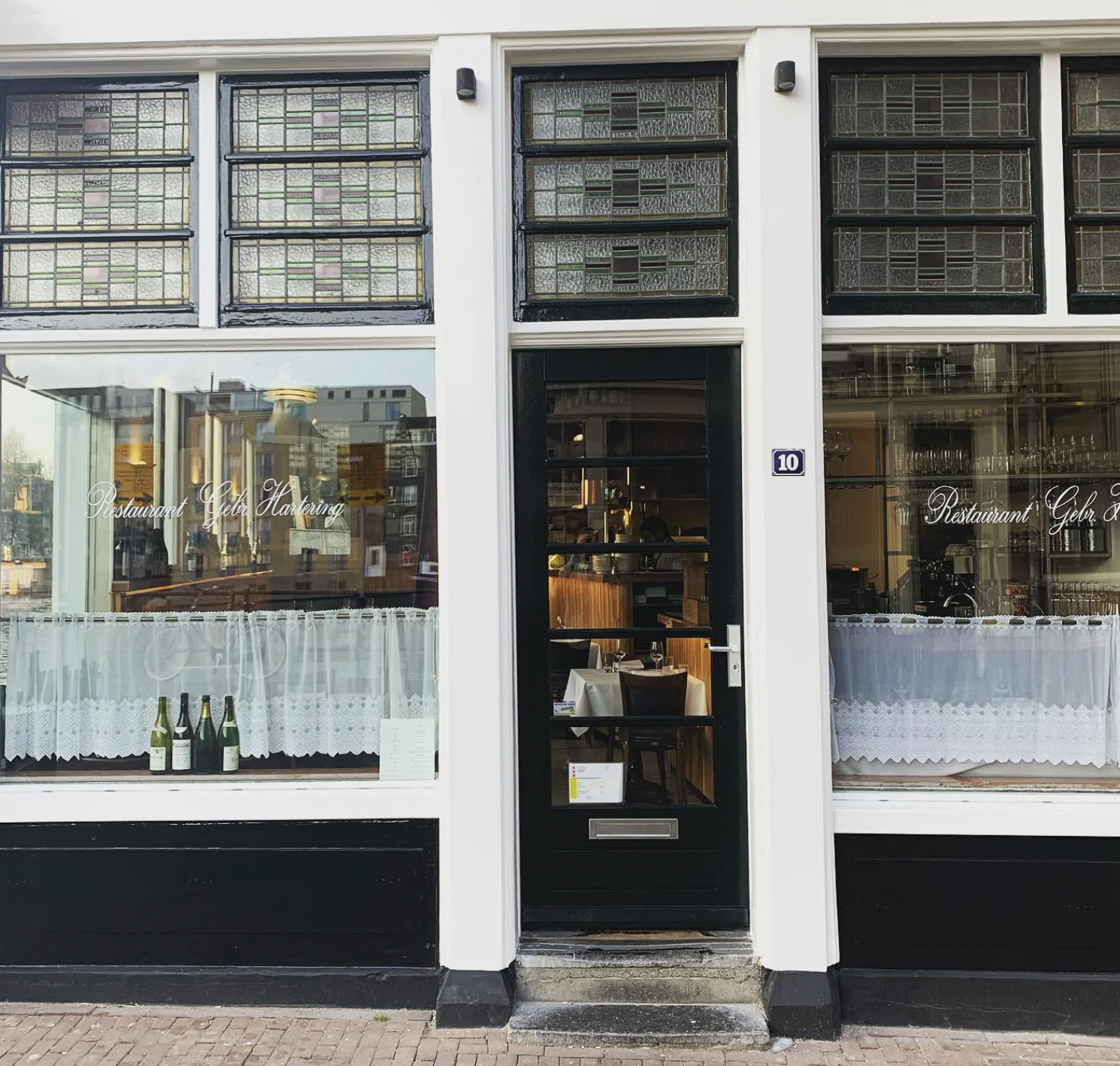
Hiding in Plain Sight
For Hiding in Plain Sight, you'll need to hop on your bike and head out of the city center. Located next to the IJtunnel, this cozy cocktail bar is the perfect place to sip unique cocktails from your bar stool or from the comfortable chairs upstairs. The unique cocktail combinations, which are almost culinary in nature, will ensure you have a wonderful evening of lounging. Are you only familiar with gin and tonic? That's okay, the friendly bar staff will be happy to provide you with so many choices that it will make your head spin (if it's not the alcohol).
1011 TL Amsterdam
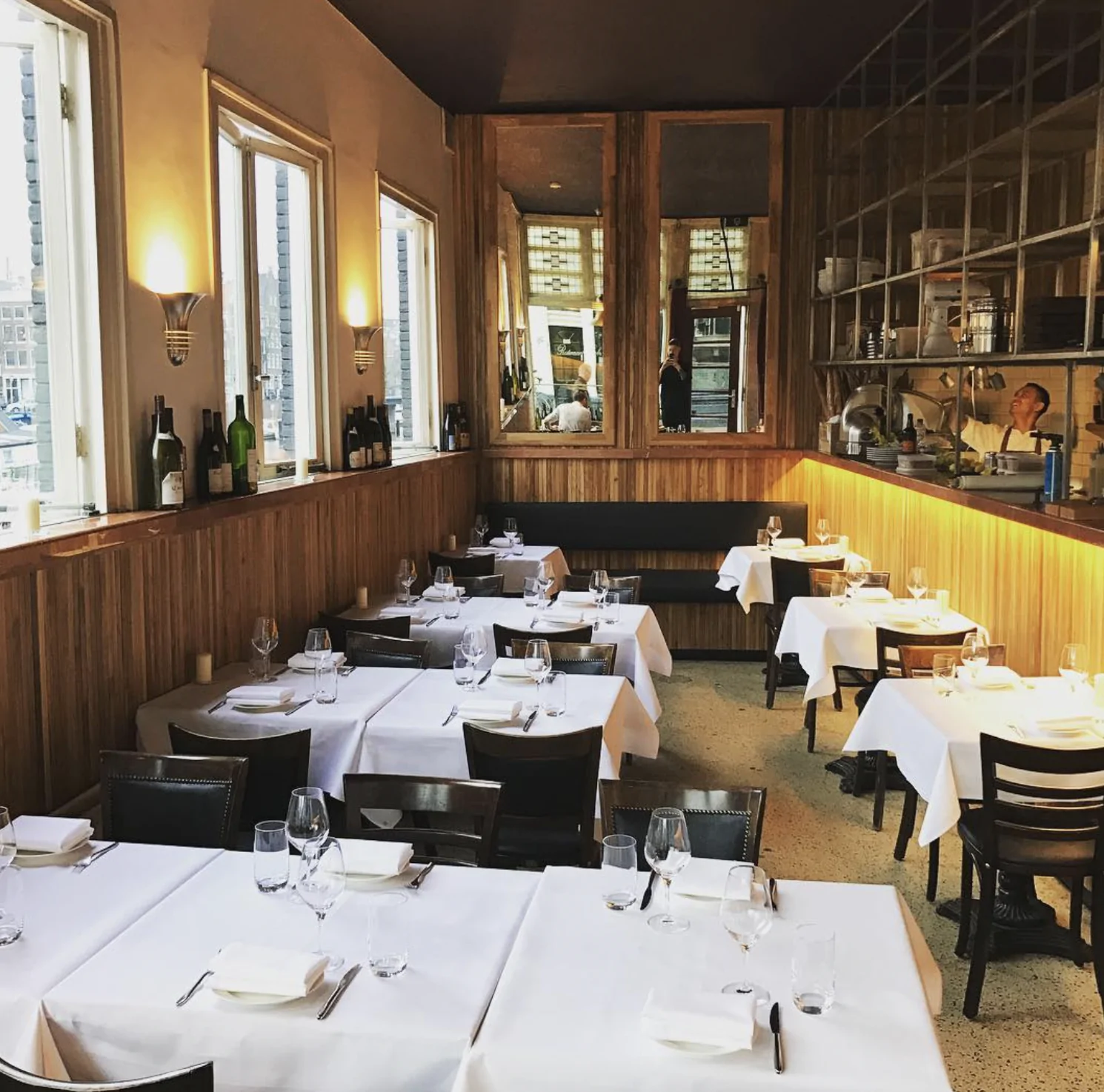
Gebroeders Hartering
Under the leadership of owner Paul Hartering, a new generation of chefs cooks pure, authentic, and refined dishes, with origin and craftsmanship as the core. Paul was awarded 'Craftsman of the Year' by Gault Millau in 2019, while his brother Niek lovingly manages the service and wine list. The atmosphere feels like a combination of an old-fashioned pub and a contemporary French bistro. White linen tablecloths contrast nicely with the warm, brown wooden walls.
1011 MS Amsterdam
The Snack Corner
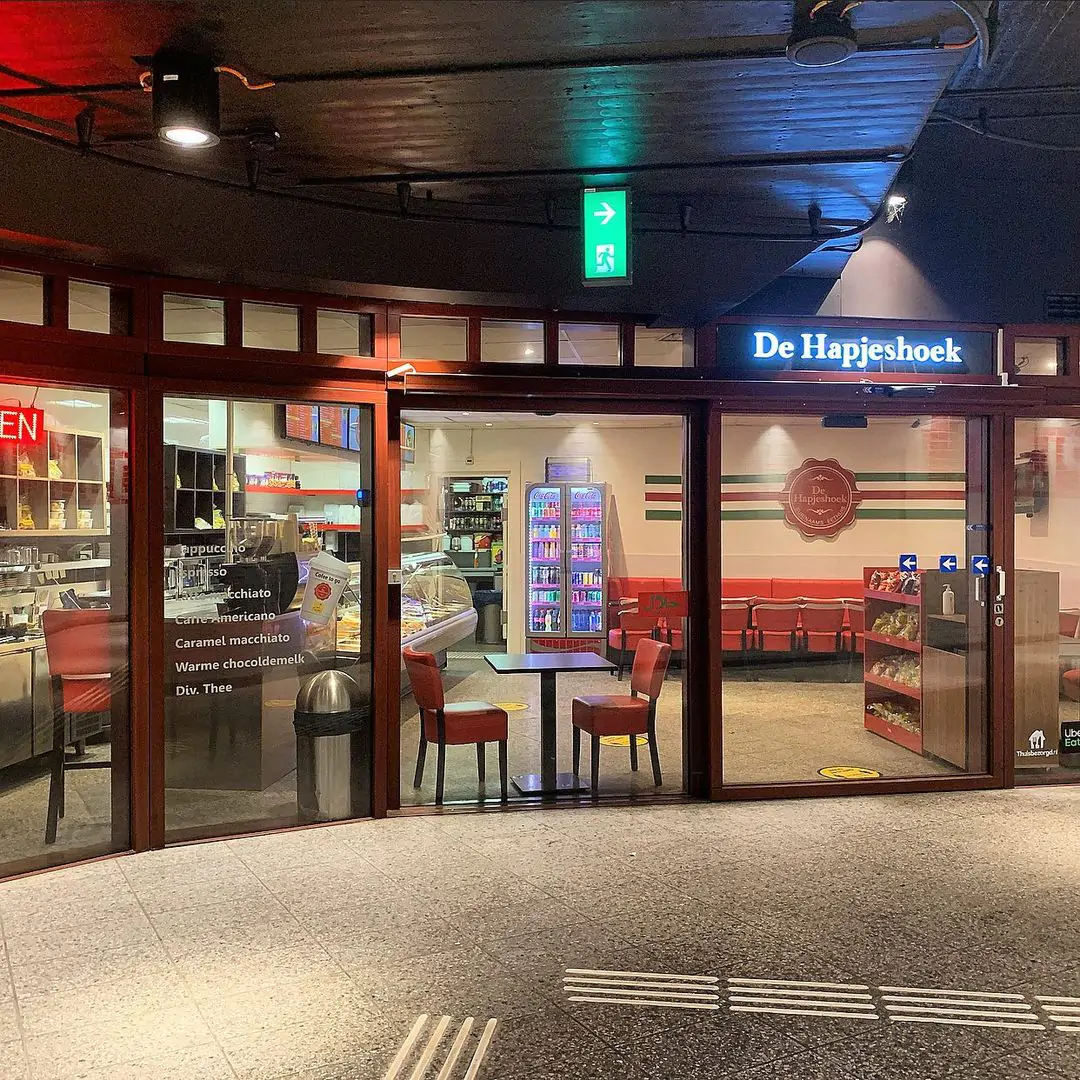
De Hapjeshoek is a vibrant Surinamese eatery. Located in the historic Waterlooplein metro station, it has been welcoming guests since 1995. Founded by three brothers, it has grown into a lively venue offering delicious food and friendly service. Enjoy a varied menu with fresh Surinamese sandwiches, snacks, and meals for lunch and dinner. All composed to offer quality at affordable prices.
1011 PW Amsterdam
Alpha Deli
Alpha Deli is run by Marius, a Greek entrepreneur who brings a little piece of Athens to Amsterdam with his business. He works on the floor himself, greets his guests personally, and serves traditional Greek coffee and snacks such as spanakopita and savory filo pastries. Most of the ingredients come from Greece, so the flavors remain close to home. During the day, it's a great place for coffee and something sweet, and later in the day, you can just as easily drop in for salads and hot snacks.
1017 AH Amsterdam
Restaurant 212 (**)
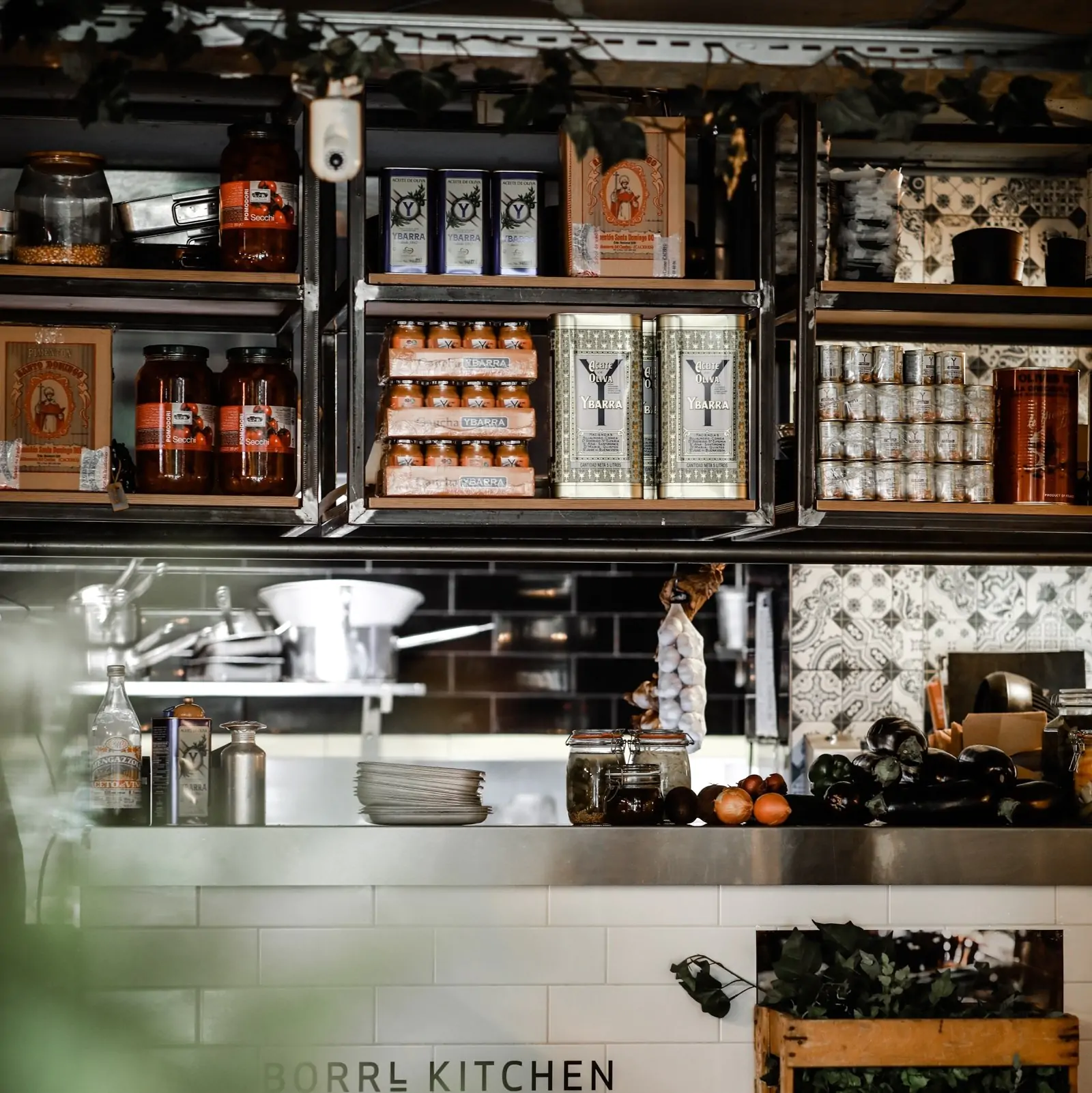
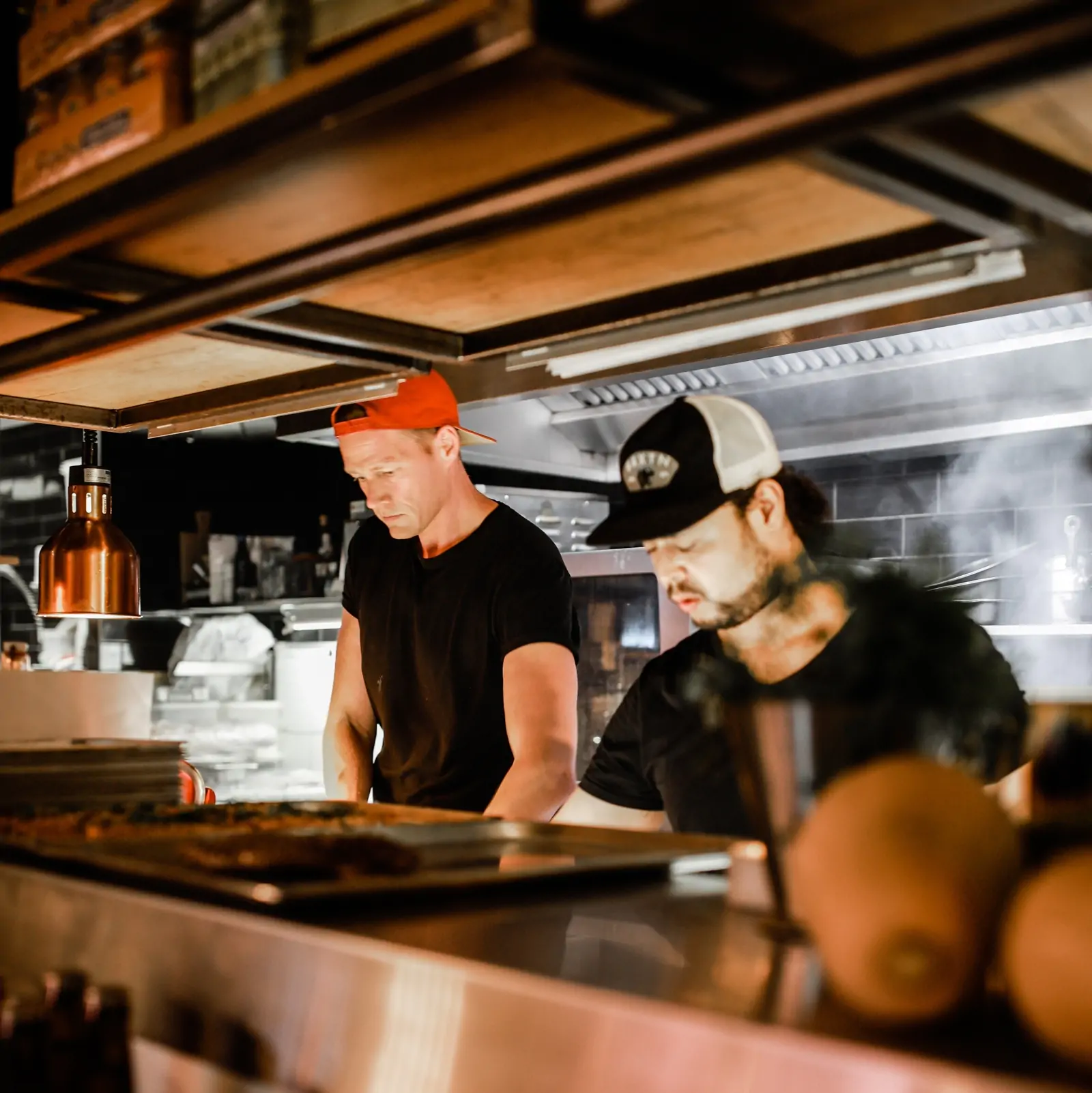
After a fire in March 2022, Richard van Oostenbrugge and Thomas Groot reopened their restaurant in November 22. Beautifully located on the Amstel River, the restaurant Location 16 people. The tasting menu and à la carte dishes are of a high standard.
1018 CV Amsterdam
The Deli
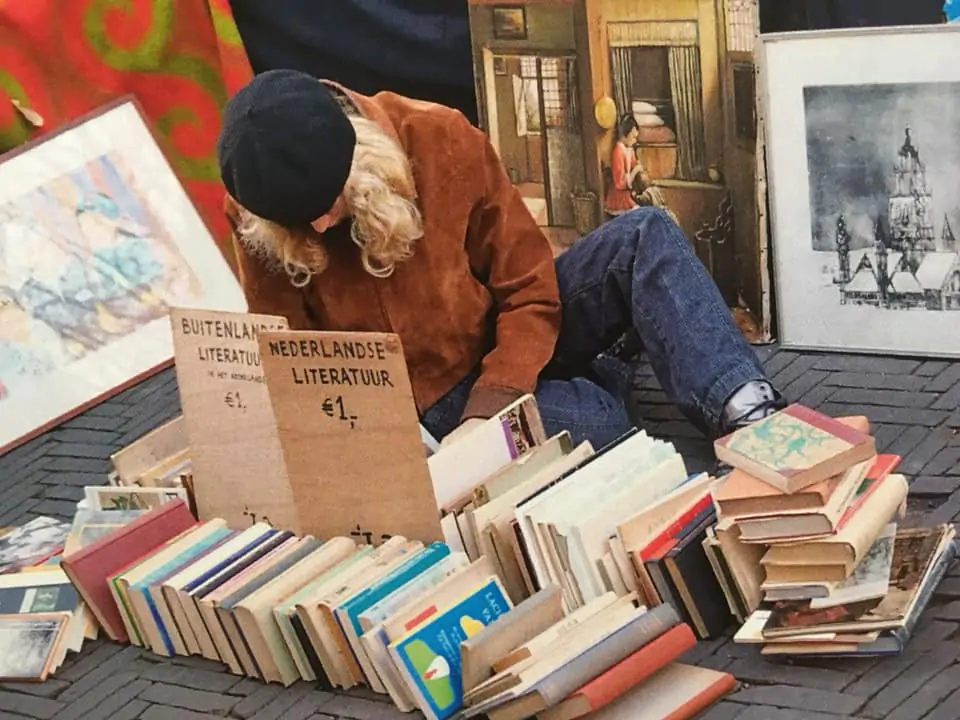
A contemporary deli nestled in the Plantage neighborhood, where a sense of community meets quality. The Deli combines a coffee bar, lunch spot, and deli in one relaxed setting. The menu features seasonal dishes, freshly baked bread, and homemade specialties. The focus is on local ingredients and simplicity, without compromising on flavor or attention to detail.

1011 NZ Amsterdam
Waterloo Square Market
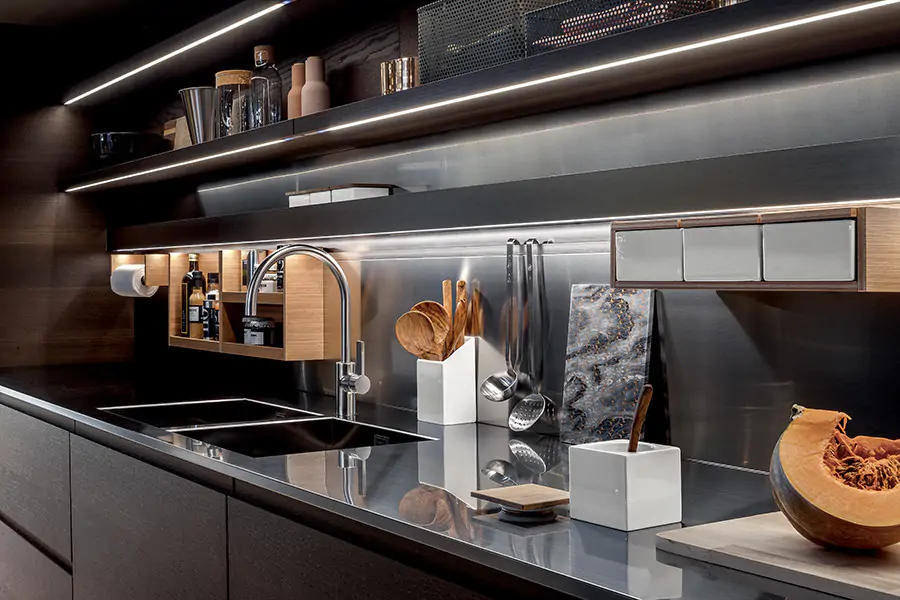
Behind the Stopera, you will find what many consider to be the best flea market in Amsterdam. Among other things, they have beautiful records, photos, and stacks of gorgeous vintage clothing. Many hip Amsterdammers score their Levi's 501 jeans here. You can also buy beautiful accessories, jewelry, and parts for your bike. Open every weekday and Saturday.
1011 MJ Amsterdam
Arclinea
At Arclinea Amsterdam, they are happy to help you create your Italian dream kitchen. Their professionalism, class, and timelessness place these kitchens at the absolute top of kitchen design. Each Arclinea kitchen combines professional cooking with beautiful design and innovative equipment. See for yourself in their showroom on Valkenburgerstraat in Amsterdam.
1011 MJ Amsterdam
Baden baden
Baden Baden Interior is a bathroom and interior design store that was founded in 2000. The store offers a regularly changing eclectic mix of furniture, design, art, objects, and accessories. If you love good design, you will be in your element at Baden Baden Interior. Be sure to visit us for luxurious, timeless, and comfortable Bathrooms, faucets, and Italian brands that seamlessly match your personal wishes.