Hidden behind an inconspicuous-looking facade on Lauriergracht lies a very special place that is larger than you might expect from the outside: a former chapel and communion wafer bakery transformed into office space. History has been written here, and there are plenty of opportunities for a buyer to determine the future.
In 1882, the Poor Sisters of the Divine Child had a chapel built as part of their charitable institution: De Voorzienigheid (Providence). More than a century later, advertising agency KesselsKramer saw something new within those same walls. What was once a place of faith, care, and order became a home for imagination, experimentation, and individuality.
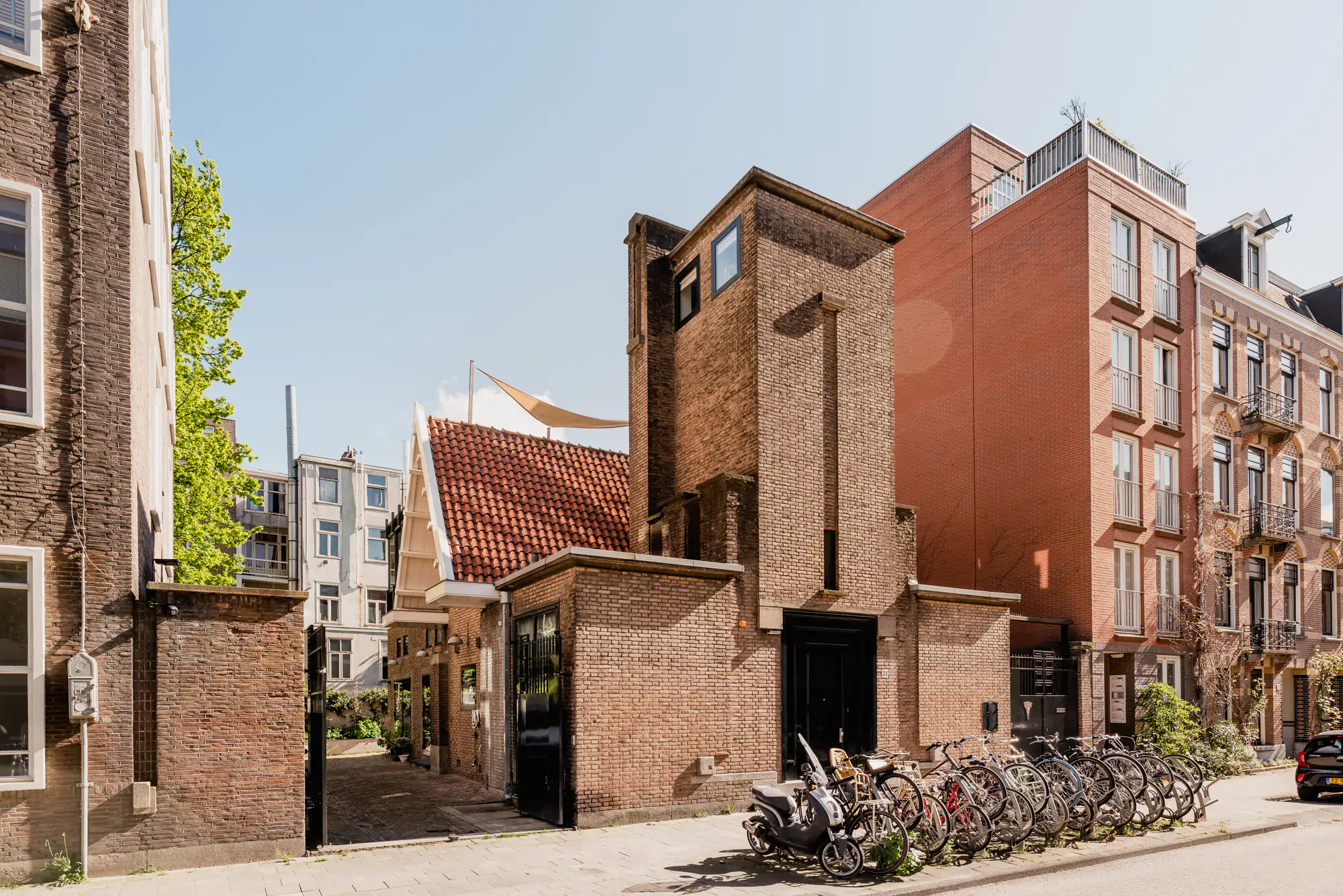
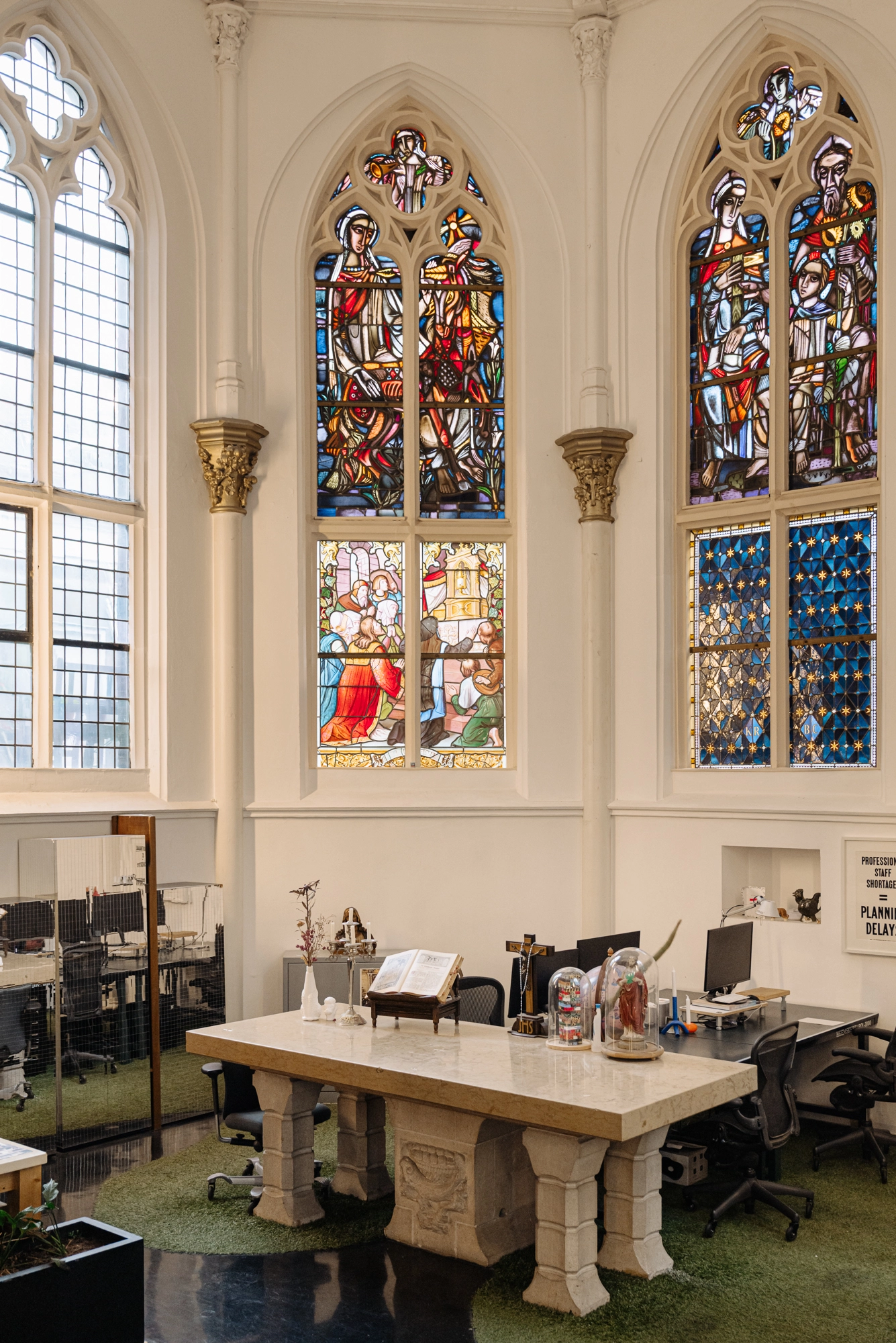
The chapel, now a listed building, has not been used for religious purposes since 1990, but the organ and marble altar are still present. London-based design agency Fashion Architecture Taste (FAT) developed the current interior, designing unique items such as a fort with a diving board, a beach house, and sheep fences. The interior features cast iron columns, tall pointed arch windows with tracery, and the original stained glass windows. Directly connected to the chapel is the former communion wafer bakery. The two-story building was constructed around 1950, is not a listed building, and overlooks the courtyard on Konijnenstraat.
De Voorzienigheid, consisting of an office space of over 1,000 m² (four apartment rights) and two parking spaces on enclosed grounds (two apartment rights), is For Sale vacant, free of rent and use. Both the former chapel and host bakery have a dual purpose; residential use is also possible. The apartment rights are located on private land and form part of the historic complex and the associated owners' association around Lauriergracht, Konijnenstraat, and Elandsstraat.
The entire property is in good condition, both inside and out. A new owner will likely modernize it to Sustainability current desires and requirements in terms of luxury and Sustainability .
De Voorzienigheid is not your average property, which means that working in the chapel will never feel like a typical day at the office. KesselsKramer did not take the decision to let go of this chapel lightly. The hope is that a new owner will not only use the space, but also cherish it, just as the agency did.
Details
• National Historic Landmark
• Distinctive interior design
• Ceiling height approximately 13 meters
• Two parking spaces
• Located on its own lot
• Dual zoning; residential use is also permitted
• One of a kind


History
The chapel was built in 1882 as part of a larger Catholic complex for the Congregation of the Poor Sisters of the Divine Child, of the 'Providence Institution' dedicated to care, upbringing, and education. It was designed by Adrianus Bleijs, a student of Pierre Cuypers and also known for Amsterdam's St. Nicholas Cathedral. Bleijs was more progressive than his teacher: less strictly neo-Gothic, with the courage to use cast iron and lighter materials in religious architecture. Thanks to the greater load-bearing capacity of iron, the columns are slender, which you can feel in the openness and light in the space.
The building was part of a much larger complex: an orphanage, classrooms, a teacher training college, a communion wafer bakery, internal residences the sisters, and a chapel where singing and prayers took place every day. The communion wafer bakery at Lauriergracht 37 (the address where Multatuli located the coffee trader Last & Co) produced approximately 200,000 communion wafers per week for more than 300 parishes in the country. The monastery complex became known as the 'Vatican of the Jordaan'. The communion wafer bakery was started around 1858 by the sisters of the congregation as one of the work activities of the institution. The two-story building was constructed around 1950, is not a listed building, and has a view of and access to the courtyard located on Konijnenstraat.
The name ‘De Voorzienigheid’ (Providence) refers to the belief that God watches over our path in life. The last sisters left the building in 1990. The neighborhood and the Cuypers Society narrowly managed to prevent demolition and secure national monument status for the building — a rescue that has protected it to this day and attracts hundreds of people during Open Monument Day.
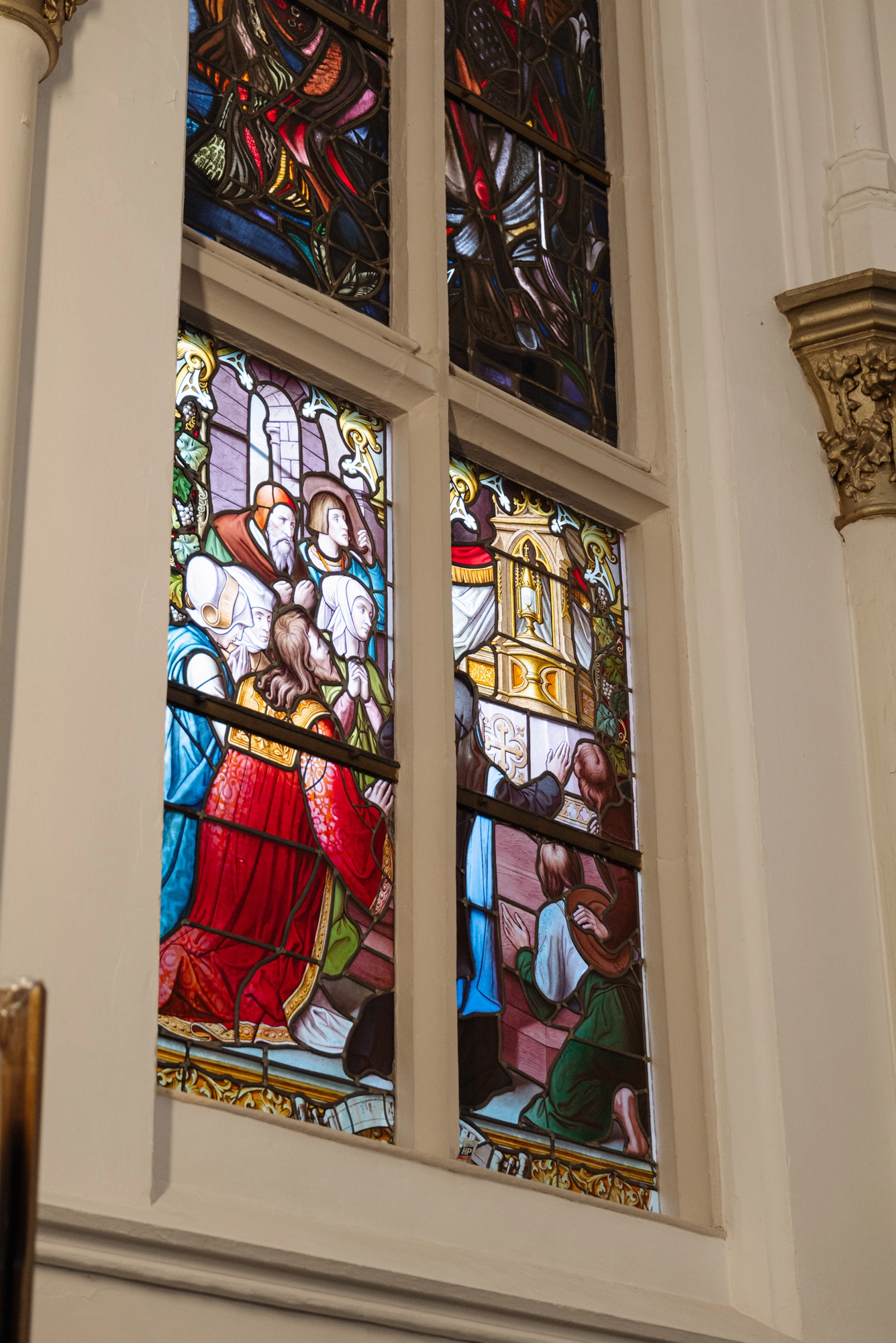
Behind the altar are monumental stained glass windows. The original windows at the bottom date from 1882 and were bricked up. In 1952, the upper windows were replaced by windows designed by artist Jaap Min (1914–1988), who is once again the focus of attention for post-war glass art. KesselsKramer reopened and restored the lower windows, revealing a beautiful depiction of the Miracle of Amsterdam. Together with Jaap Min's windows, the vertical layering of the light was restored.

Building
In 1997, KesselsKramer became the owner of the chapel. The internationally renowned advertising agency dares to work outside the box. For the redesign, the London-based architectural collective FAT — Fashion Architecture Taste — was chosen. The designers were challenged not to alter the space architecturally, due to its monumental status.
FAT designed a wooden fort in the middle of the space, with workspaces, stairs, picnic tables, a diving board, mirrored walls, and a library as its backbone. Everything stands alone, like a stage set in which people can move freely. The design has been published many times and is still considered a rare example of postmodern, multidisciplinary interior design in the Netherlands.
The chapel forms the heart, surrounded by corridors, former monastery rooms, a communion wafer bakery, and living quarters that have changed function over the years. The height of the chapel remains palpable, but the wooden fortress brings intimacy: open and private at the same time. On the organ balcony above the entrance, workspaces have been set up with a view of the entire chapel.
Next to the altar is the sacristy, formerly the domain of the priest, now a meeting room and lunchroom. The original passageway to the altar has been closed off, but the arched shape and old cabinet doors are reminders of its former function.
On the side of the chapel is the former communion wafer bakery, which was incorporated into the complex in the early 2000s. Where hundreds of thousands of communion wafers were once baked every week, there are now studios and workspaces. The long space with concrete floors and tall windows has an industrial clarity that contrasts with the chapel itself.
Meeting rooms have been created in the front building on the canal side. The original corridors and monastic cells are largely intact. Behind thick walls and narrow doors are now storage rooms and small workspaces.


Outdoor space
The Roof terrace is Roof terrace from the second floor of the former communion wafer bakery. Its location Immediately the columns of the chapel is unique. The enclosed courtyard Immediately the former communion wafer bakery offers space for parking cars and bicycles.


Neighbourhood + hotspots
Lauriergracht is located in the heart of the Jordaan district. Here, Amsterdam's denim industry, fashion, art, and design come together with the historic combination of living and working that has characterized this neighborhood for centuries. A wide range of leisure, sports facilities, yoga, and culinary amenities have been added to this.
The Jordaan is an oasis of calm within the bustling city center, and Lauriergracht is a quiet canal in a dynamic part of the Jordaan. Various galleries and contemporary concept stores are just a stone's throw away, and it also borders the Nine Streets, where trade, craftsmanship, and culture continue to dominate as they always have.

Accessibility
The property is easily accessible by car thanks to its location near Rozengracht. The A10 West ring road can be reached in approximately 10 minutes via the S105. There are tram stops for lines 5, 7, and 19 on both Rozengracht and Marnixstraat. The Elandsgracht bus station is also located on Marnixstraat, which is the starting point for various bus lines.

Parking facilities
Two parking spaces are For Sale in the enclosed parking lot Immediately the host bakery.
Paid parking is also available at Q-Park Europarking on Marnixstraat or on public roads via a payment or permit system. Information about conditions and options for obtaining a (business) permit and any waiting times can be requested from the Local authority .


Former communion wafer bakery




1016 RN Amsterdam
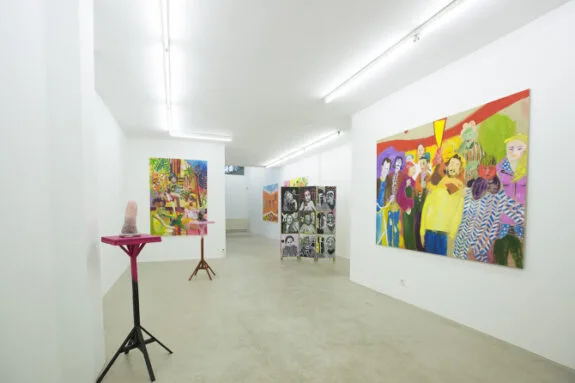
Torch Gallery
Torch was founded in 1984 by Adriaan van der Have as a platform for Dutch and international contemporary art. Adriaan was one of the first to recognize the potential of photography as an art form. Since 2009, Adriaan's son, Mo, has been continuing his legacy, exhibiting both established artists who are leaders in various disciplines and younger artists who continue to push the boundaries of their respective mediums.
1016 SM Amsterdam
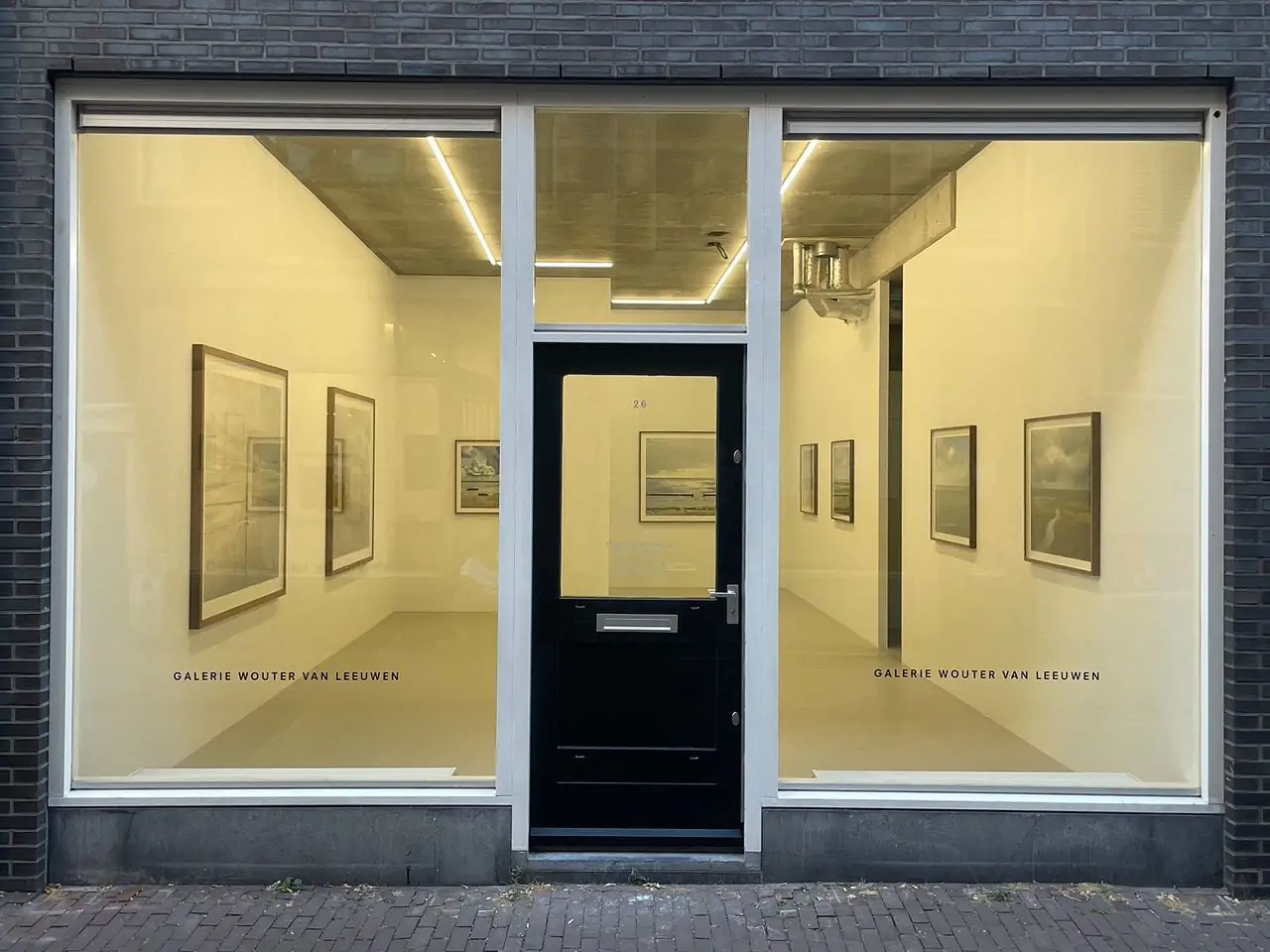
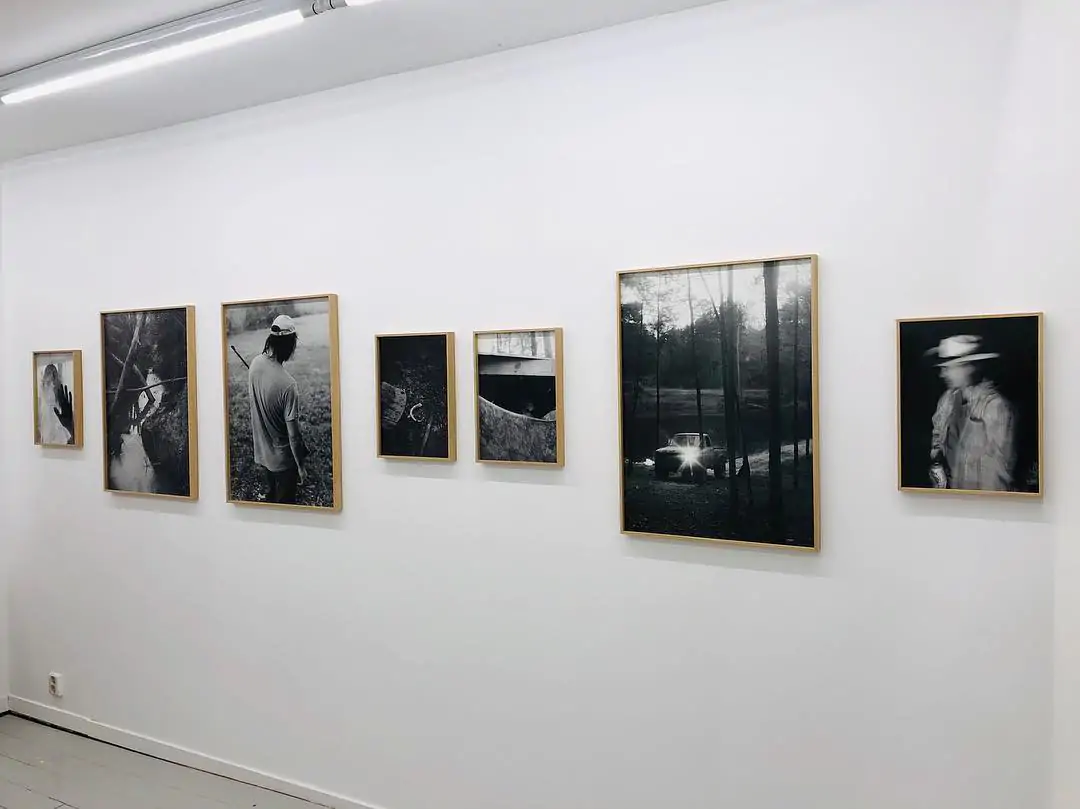
Althuis Hofland Fine Arts
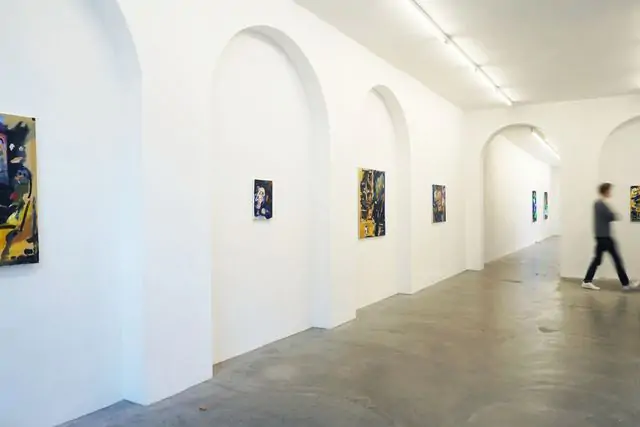
Althuis Hofland Fine Arts is located in the historic center of Amsterdam. It is a gallery for anyone with a curious eye and a love of art, from first-time visitors and first-time buyers to art professionals. The gallery has a strong focus on the medium of painting and participates in major art fairs around the world every year (such as Art Brussels and NADA Miami).
1016 SM Amsterdam
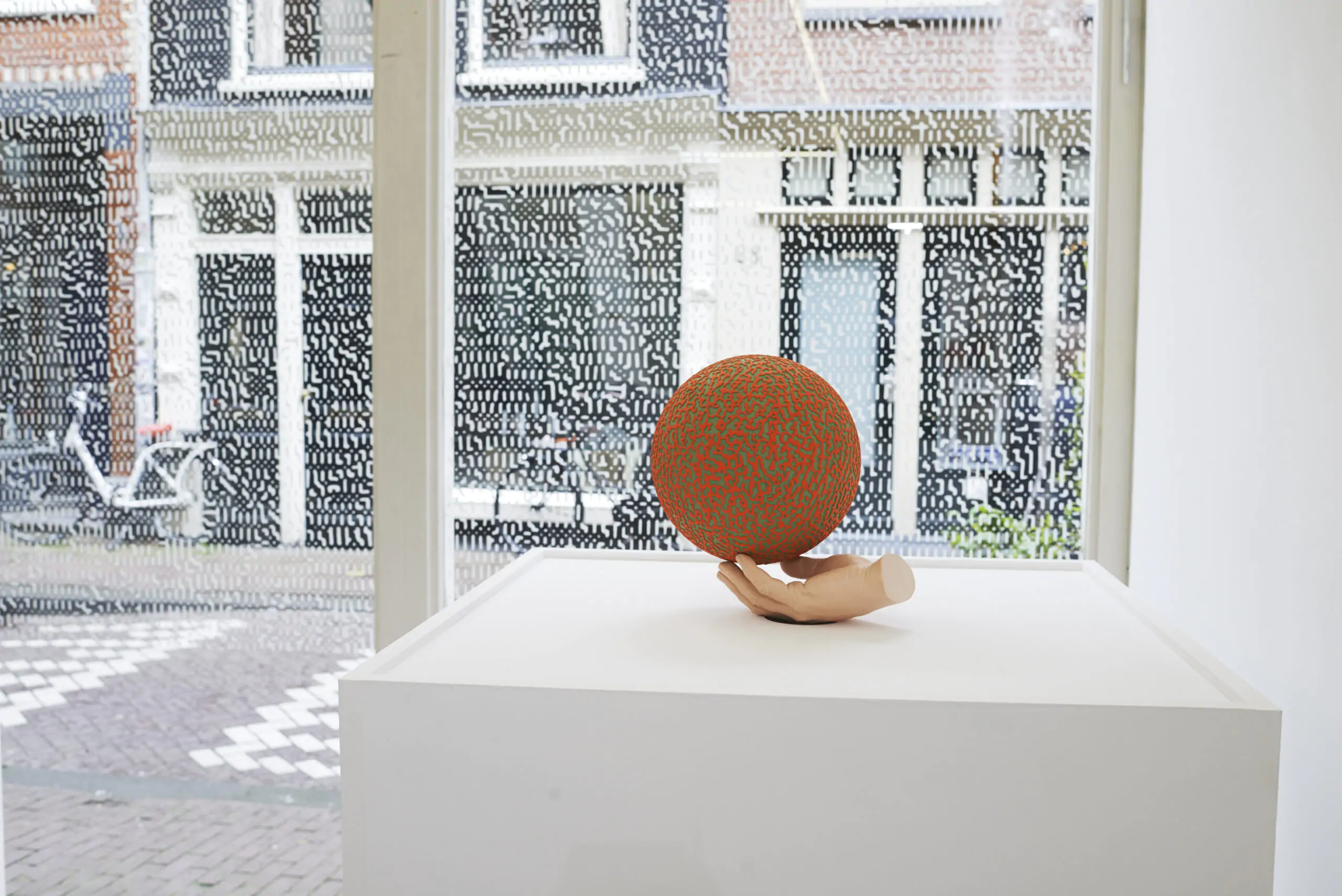
Wouter van Leeuwen Gallery
Wouter van Leeuwen's gallery is tucked away on Hazenstraat in the Jordaan neighborhood. If you're not paying attention, you could easily walk right past it. But that would be a shame, because this photo gallery is definitely worth a visit! Van Leeuwen's gallery represents major international and national photographers, with a wide range of artworks. From photos of the west coast of America in the 1970s to colorful nature scenes of the Dutch Wadden Islands: you'll find it all at this gallery!
1016 SP Amsterdam
Martin van Zomeren
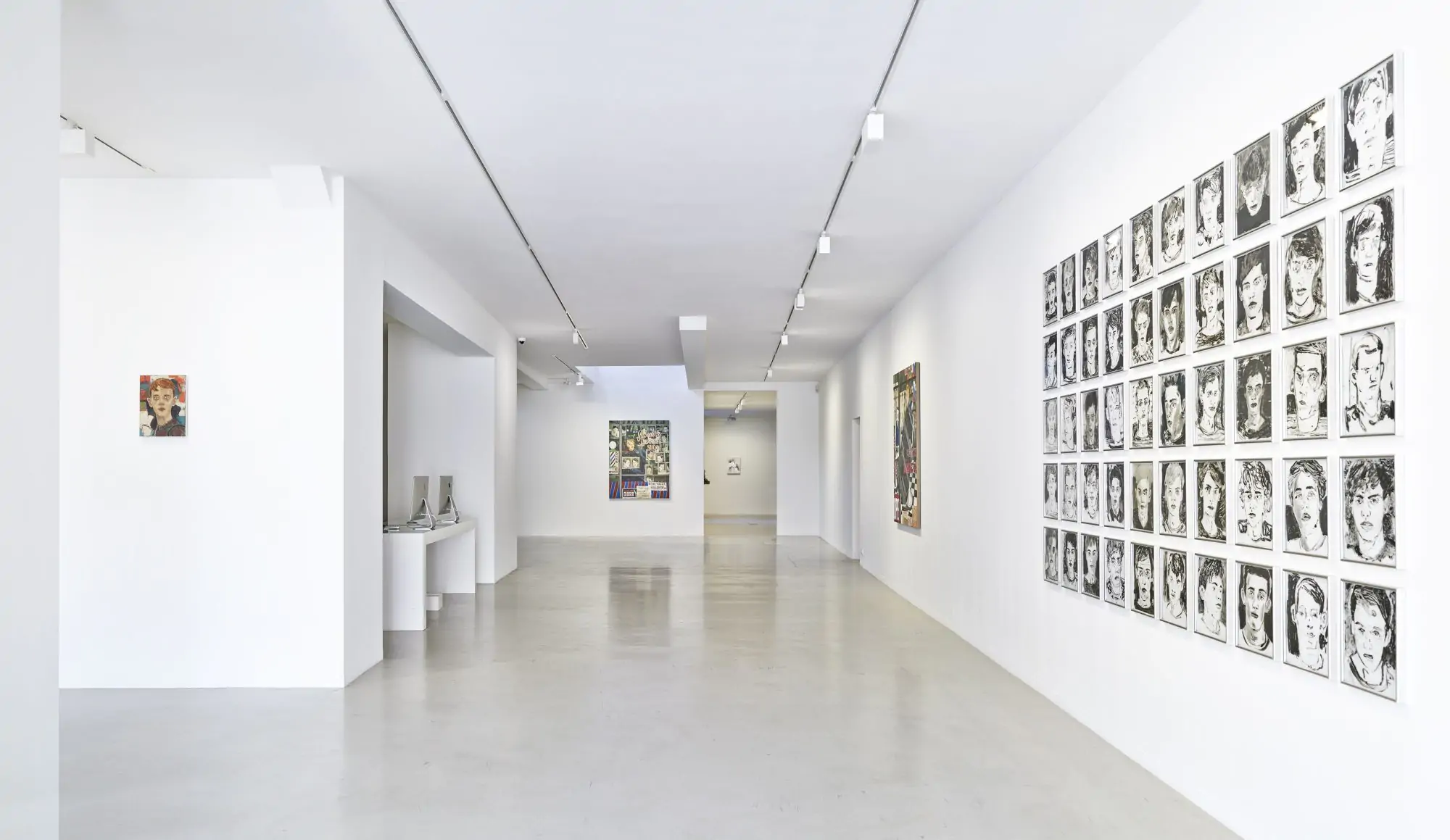
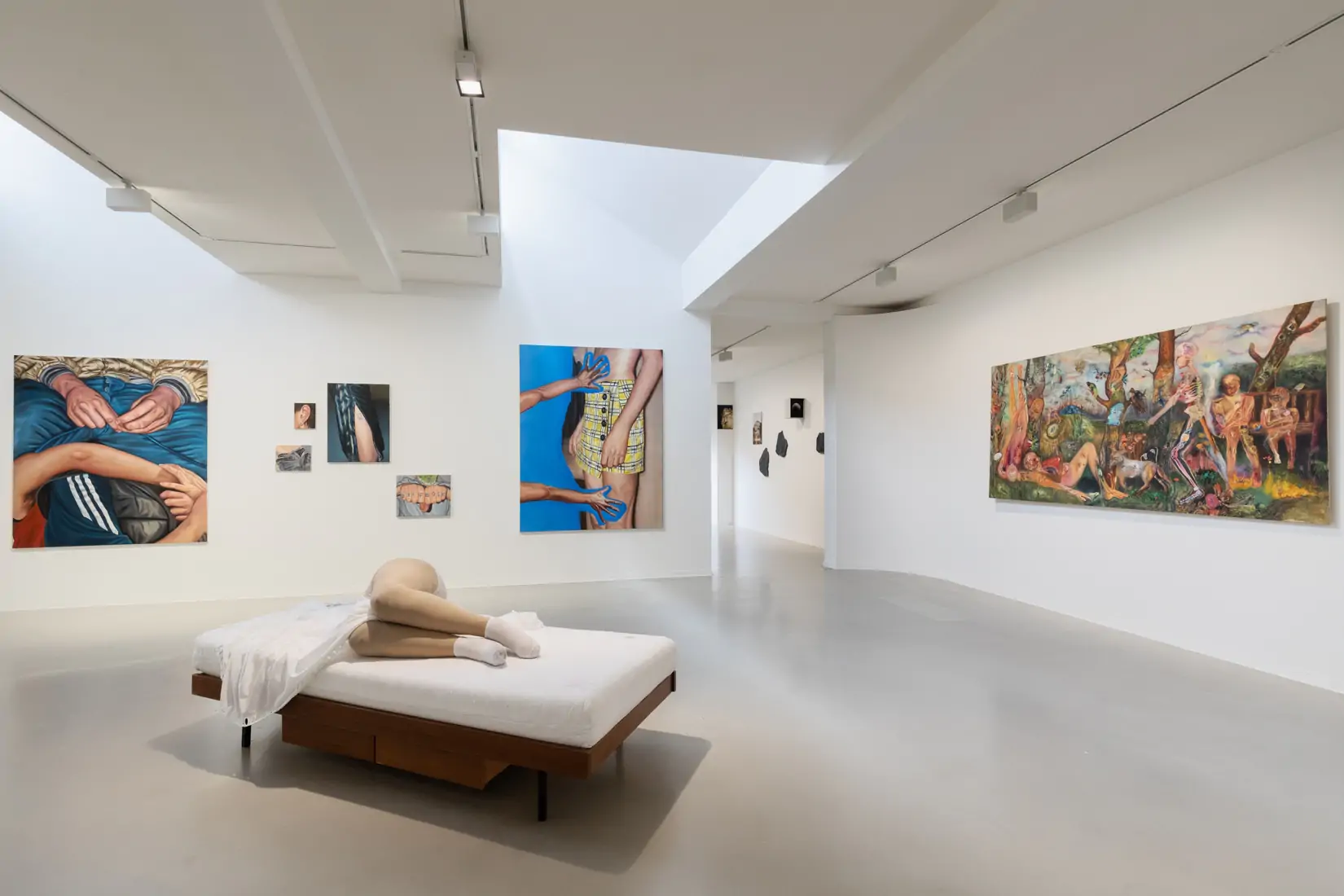
The Martin van Zomeren gallery is located in the heart of the Jordaan district. Martin van Zomeren presents a variety of contemporary art exhibitions, mainly consisting of photography with a focus on conceptual art. The Martin van Zomeren gallery features works by artists such as Navid Nuur, Alexandra Leykauf, and Cornelius Quabeck.
1016 HJ Amsterdam
Galerie Ron Mandos
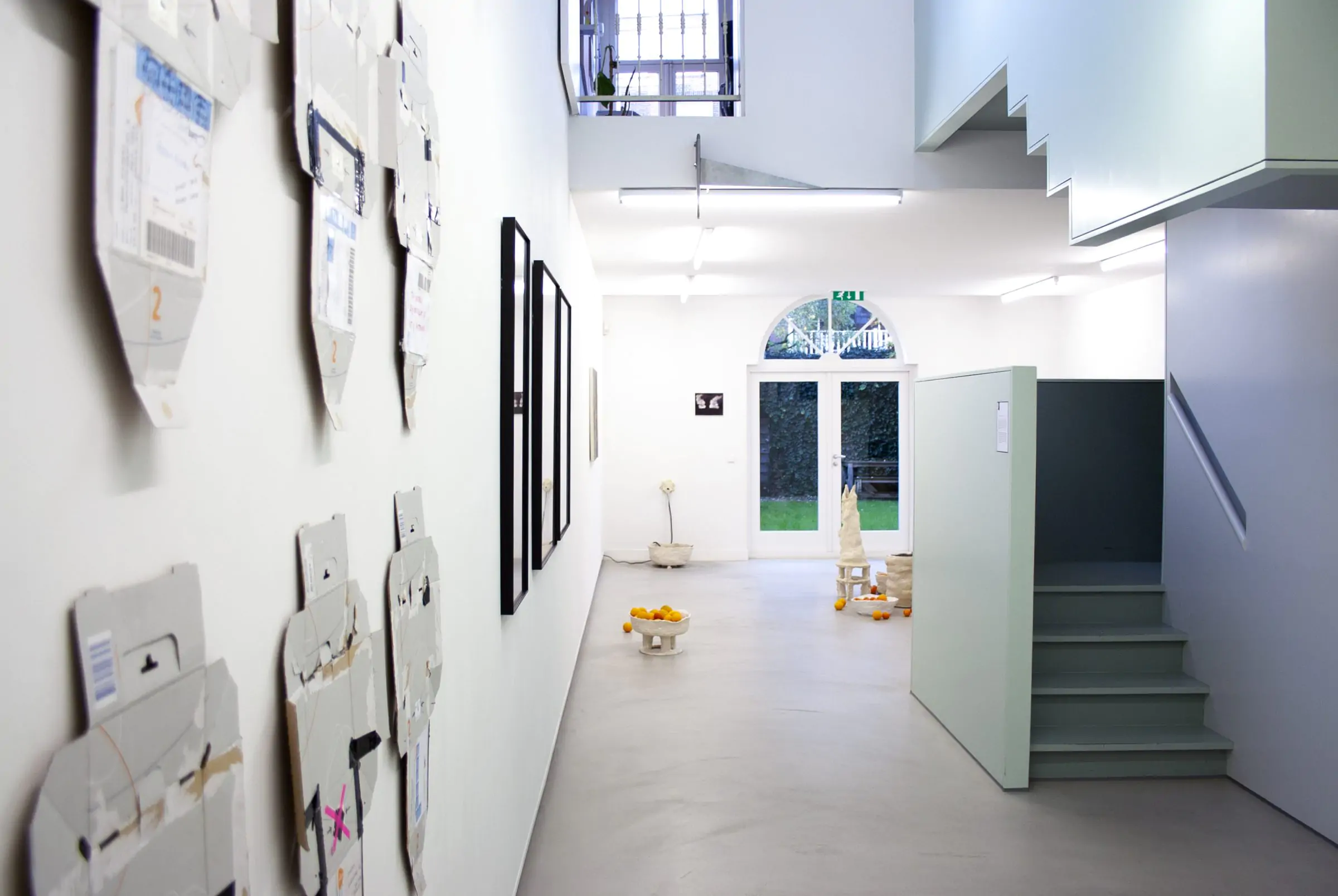
In 20 years, Galerie Ron Mandos has gained a prominent place within the Dutch art scene. The gallery opened its doors in Rotterdam in 1999 and has since moved to its current gallery in Amsterdam's gallery district in 2010. Galerie Ron Mandos is a gallery for contemporary art and presents exhibitions by internationally recognized artists, among others, but the focus is on emerging artists.
1016 TW Amsterdam
Bart Gallery
Galerie Bart is a contemporary art gallery in Amsterdam that focuses on both established and young artists who graduated in the Netherlands and excel in their innovative craftsmanship. At Bart, you will find artists who create work that is either playful and fresh, robust and sharp, serene and light-hearted, or serious with a touch of humor. They explore the boundaries of their medium and question them, with the aim of pushing those boundaries.

1016 SH Amsterdam
Founder of Doesburg
Stigter van Doesburg, located in the Jordaan district, presents a varied program of contemporary art, ranging from painting to performance. Since its founding in 2001, the gallery has focused on young artists and has a strong representation of female artists.
1016 SR Amsterdam
Gallery of Caroline O'Breen
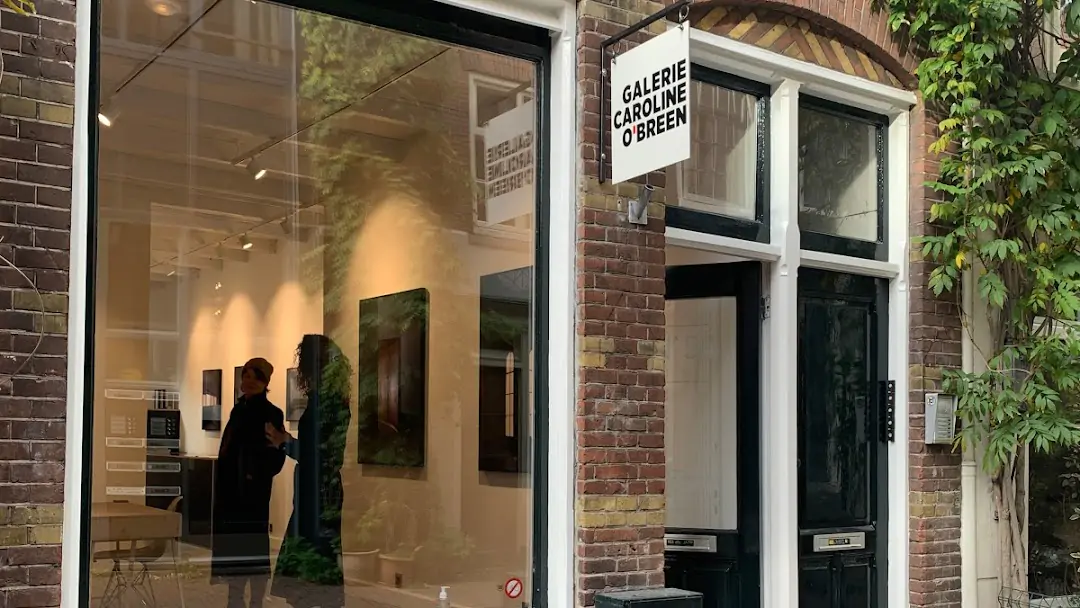
Caroline O'Breen's gallery is a household name in Amsterdam's contemporary art market. In addition to exhibiting at Amsterdam art fairs, the gallery can also be visited at its location on Hazenstraat. Here, Caroline O'Breen presents leading visual art with a strong focus on photography. The art on display reflects a strong interest in female artists, and artists who reflect on natural environmental themes are of particular importance to this gallery.
1016 RA Amsterdam
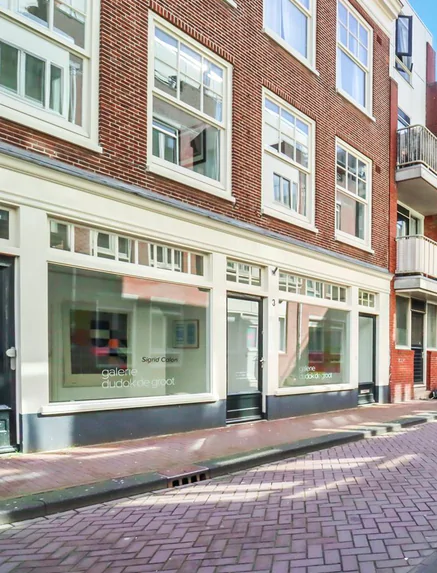
Dudok De Groot Gallery
In the heart of the Jordaan district, you will find Galerie Dudok De Groot, run by Nicole Dudok van Heel and Jedithja de Groot. With eight exhibitions a year, the gallery showcases the work of a number of regular artists and a select group of guest artists, both of whom explore the boundaries of their medium in photography, painting, and video, among other things.
1016 RA Amsterdam
Dudokdegroot Gallery
Gallery Dudokdegroot was founded in 2015 by Nicole Dudok van Heel and Jedithja de Groot. The gallery focuses on artists who explore the boundaries of their medium in various techniques, including photography, painting, video, three-dimensional art, and drawing. The gallery organizes eight exhibitions annually, primarily solo exhibitions. In addition, the gallery participates in art fairs and organizes exhibitions at other locations.
1016 PC Amsterdam
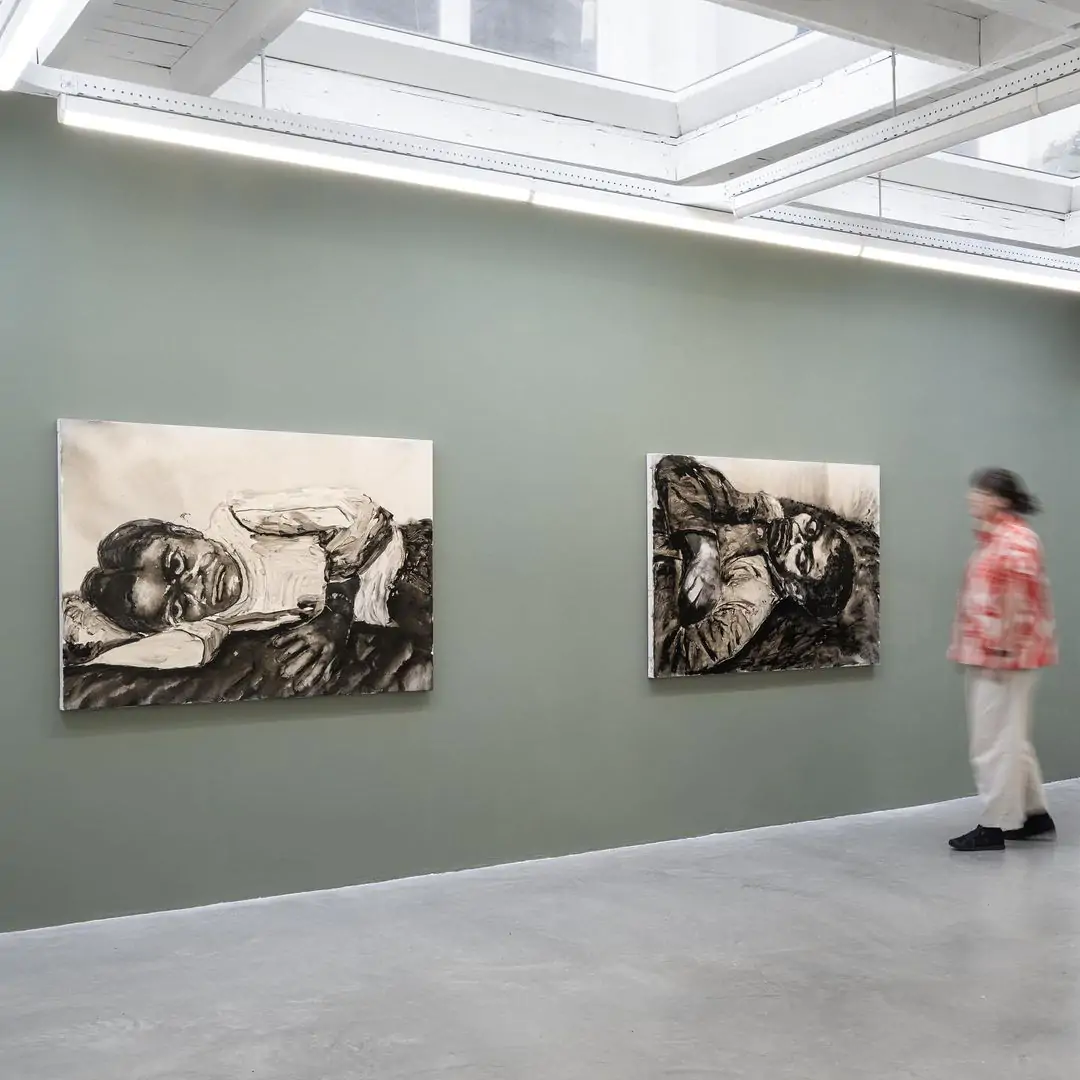
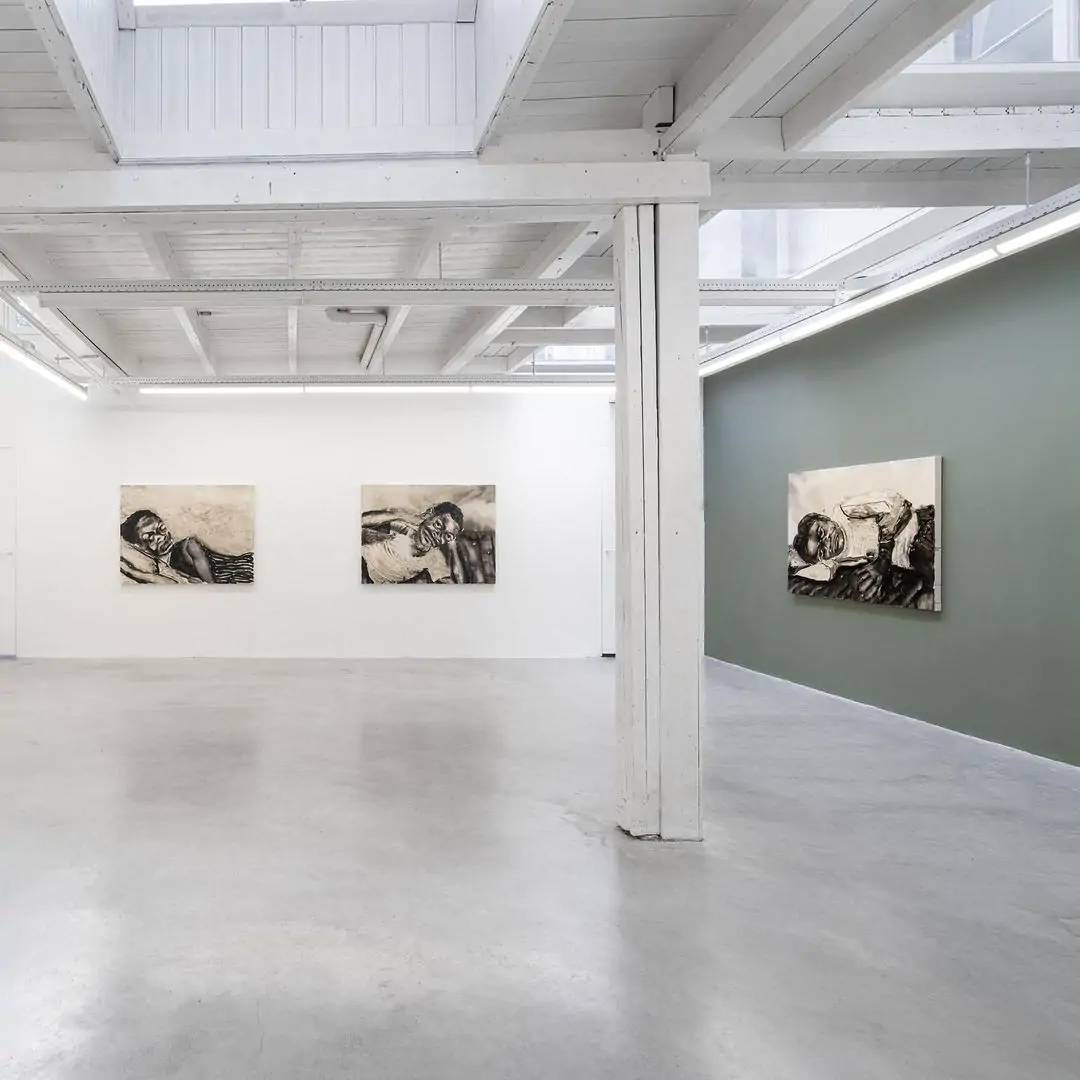
Radar
Radar Architecture and Art is a project Marco di Piaggi. Di Piaggi founded this gallery in 2008 with a small group of friends as a place where eccentric artists and architects could share their work. Di Piaggi has always been a lover of avant-garde art forms and underground music, and in this gallery he invites visitors to discover art that is independent of contemporary trends. Radar Architecture and Art also has its own webshop on Society6 where you can buy prints and accessories from the exhibited works.
1016 HK Amsterdam
Stevenson
The gallery was founded in 2003 and is run by a collective of 13 directors, including Federica Angelucci, Marc Barben, Lerato Bereng, Joost Bosland, David Brodie, Sinazo Chiya, Andrew da Conceicao, Jessica Honeyman, Lanese Jaftha, Sisipho Ngodwana, Sophie Perryer, Alexander Richards and Michael Stevenson, Stevenson presents an international exhibition program with a specific focus on the regions in which its galleries are located, namely Cape Town, Johannesburg and Amsterdam.
1016 SM Amsterdam
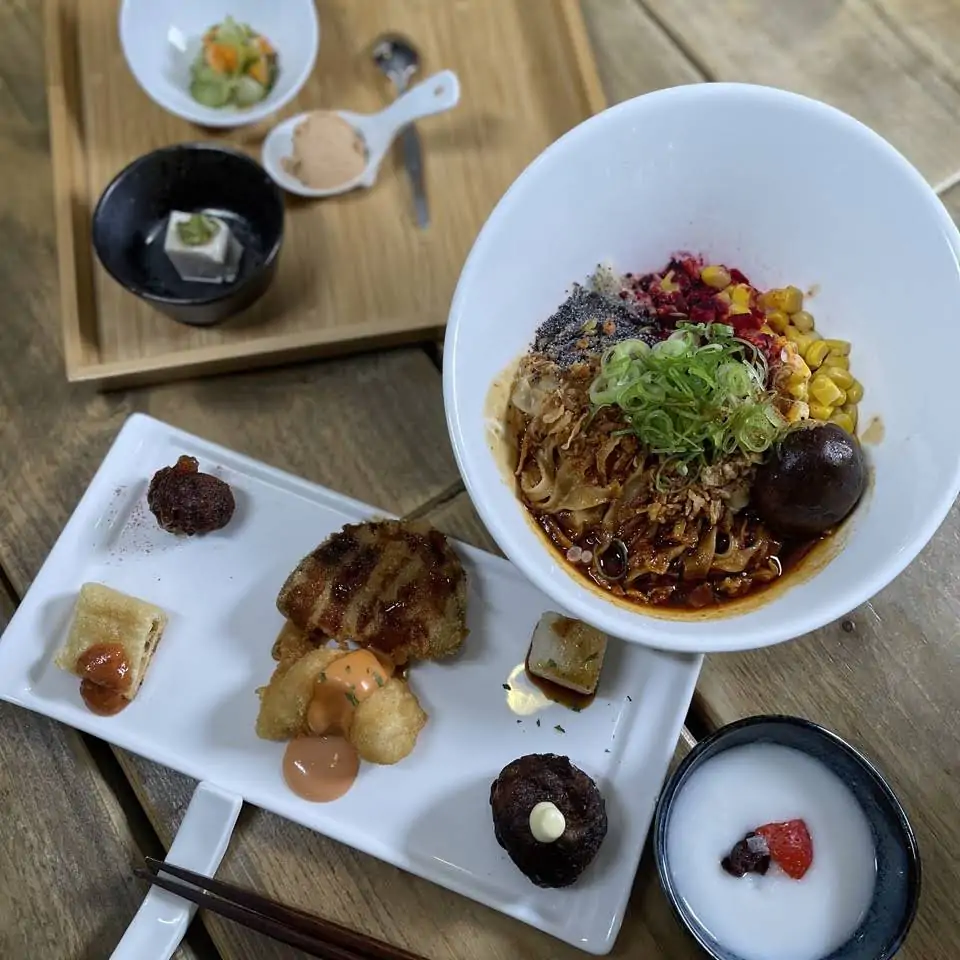
Men Impossible
Men Impossible is a ramen restaurant where they only serve 100% plant-based dishes. At Men Impossible, they believe in improving the world by focusing solely on plant-based food and bringing people together with the most delicious vegan dishes from Japanese cuisine. The plant-based ramen has a strong flavor, but that certainly doesn't make it any less delicious. Thanks to the use of fresh ingredients and umami flavors, dinner at Men Impossible is a true taste experience.
1016 RH Amsterdam
Wandu
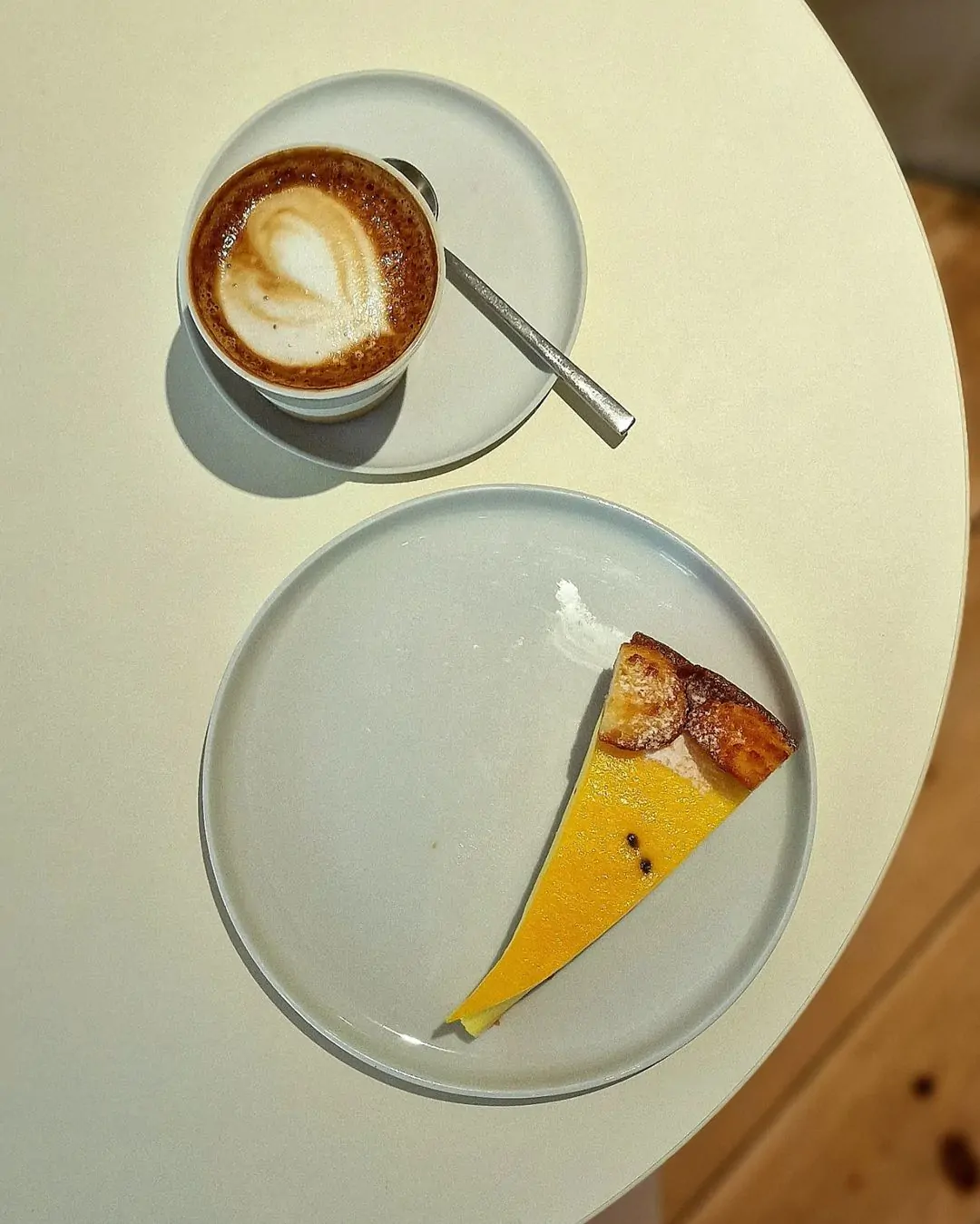
Evandro Barbosa de Souza and his best friend Aldo Jesus Silva opened coffee shop Wandu in the center of Amsterdam. The name is a tribute to his grandmother, who called him 'Wandu', which means a coffee bean in African. From half past seven in the morning, Wandu offers local residents delicious Brazilian coffee, cappuccino, espresso Brasileirinho and pão de queijo; a Brazilian cheese bun. The men want to create a cozy place where people take time for themselves and relax. There is also praise for Wandu's charming atmosphere, a refreshing alternative to the Scandi aesthetic in Amsterdam cafes.
1016 PN Amsterdam
Café The Laurel Tree
Café De Laurierboom has been an authentic neighborhood café in the heart of the Jordaan district for 150 years. It has a cozy atmosphere and a wonderful mix of visitors. Local residents, young creative types, and tourists, but also chess enthusiasts, for whom the café is well known.

1016 TV Amsterdam
Gifu Ramen Bar
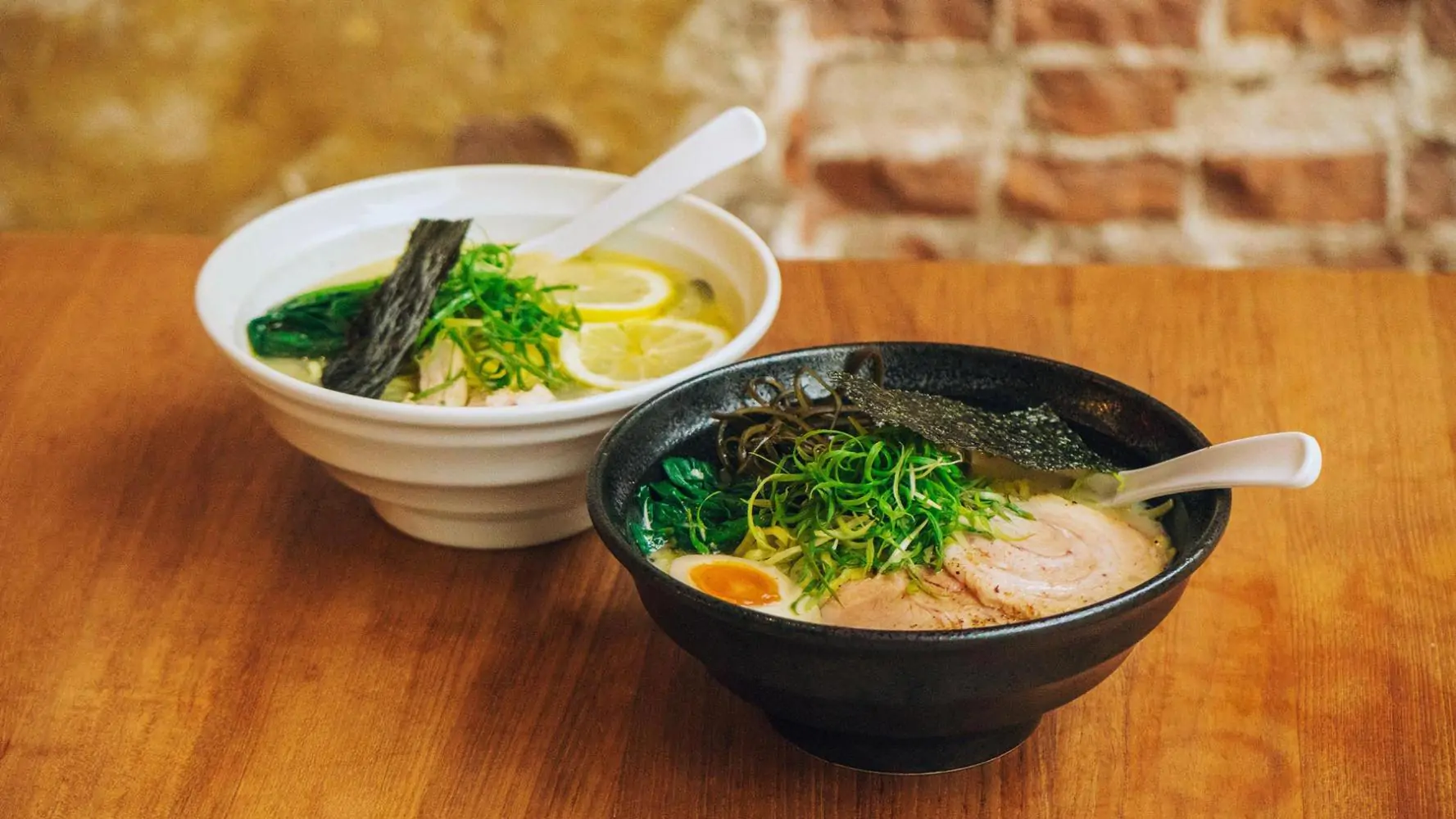
Chef and co-owner Ryoji Miyachi pays tribute to the Japanese ramen culture he grew up with at Gifu Ramen Bar. Together with the team behind Chun Café, he positions ramen as fully-fledged chef-driven comfort food. The cuisine revolves around perfectly balanced broths that are simmered for hours to achieve maximum depth and umami. In addition to ramen, Gifu serves izakaya-style dishes that complete the Japanese dining experience. The atmosphere is calm and warm, with a minimalist interior and a view of the open kitchen.
1016 TV Amsterdam
Fou Fow Ramen
This ramen restaurant used to be a well-kept secret tucked away in the Chinese neighborhood. But now Fou Fow has two locations in the city and is a household name for Amsterdam residents who love ramen. On the lively and bustling Elandsgracht, you can enjoy Fou Fow's delicious and reasonably priced ramen, which originated in China. You can choose from four types of soup based on different broths, which are then topped with various ingredients, including, of course, the main ingredient: noodles!
1016 HL Amsterdam
Café Restaurant Verlan
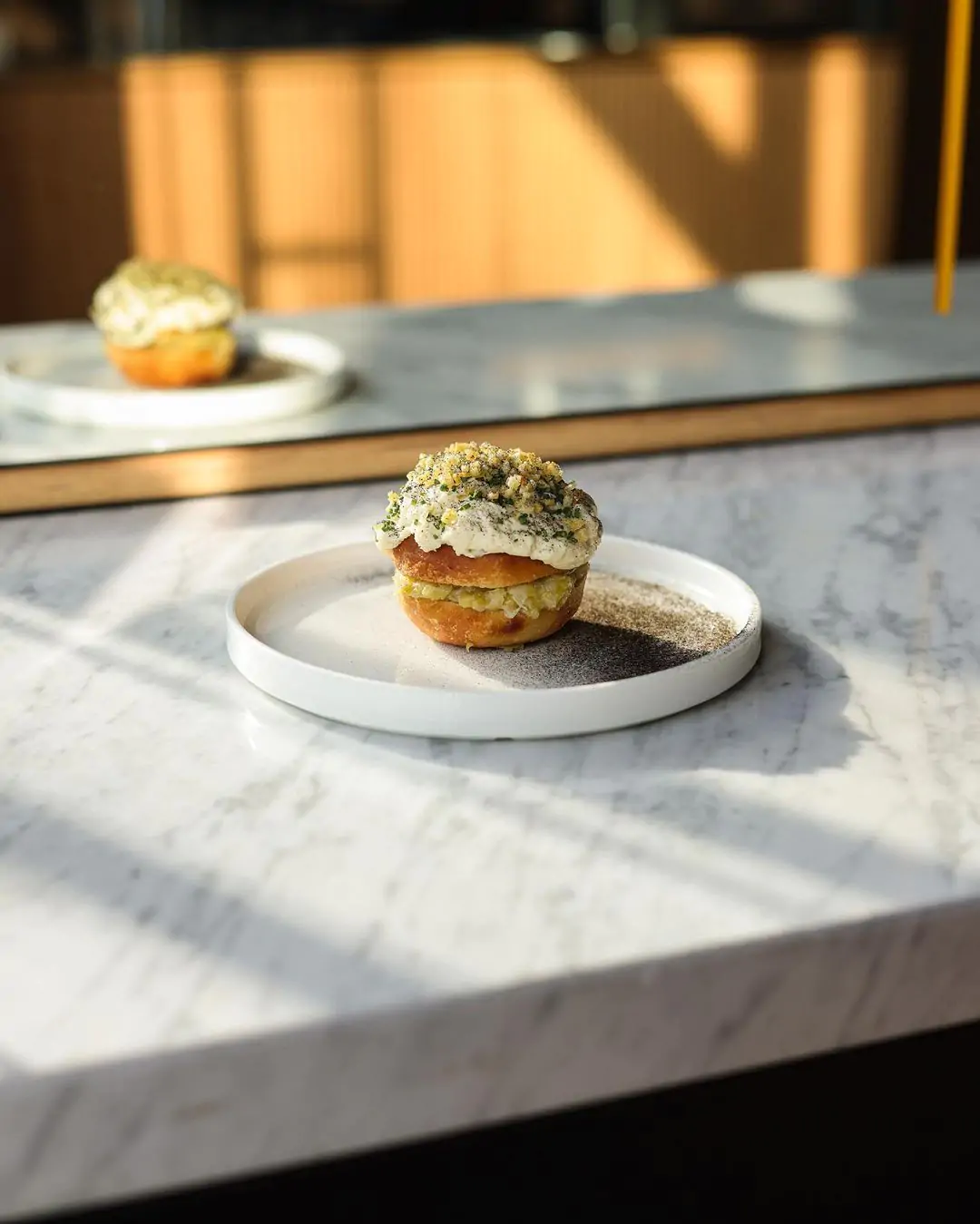
The former building of the famous Envy is getting a new lease of life with Café Restaurant Verlan. This cozy restaurant serves contemporary French à-la-carte dishes. The dinner menu is available all day, while lunch is served until 3:00 PM. Whether you're looking for coffee, a full lunch, snacks, or dinner, Verlan has it all. You can take a seat at the long marble bar and watch the chefs at work in the open kitchen. The restaurant is open from Wednesday to Monday for dinner, and on Saturday and Sunday for lunch.
1016 NP Amsterdam
Hikage
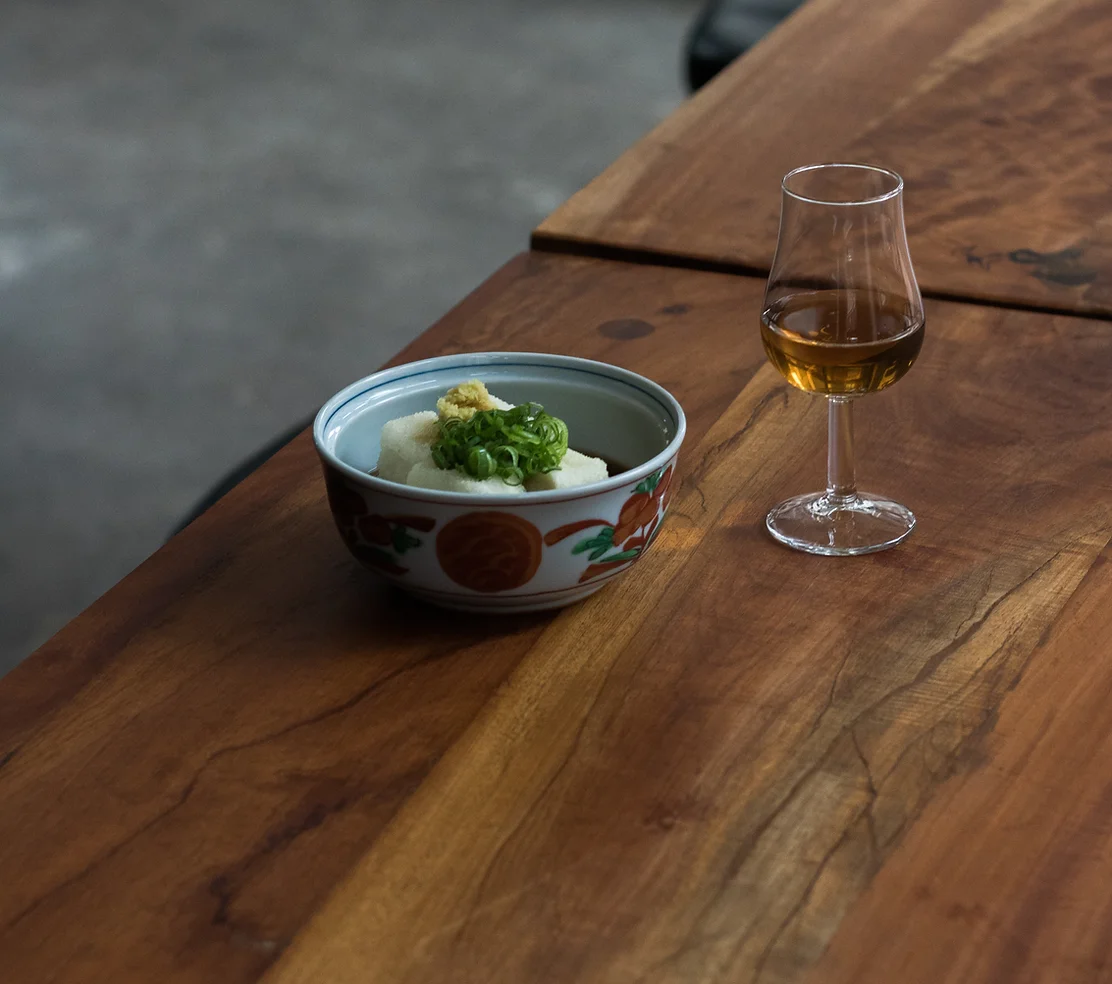
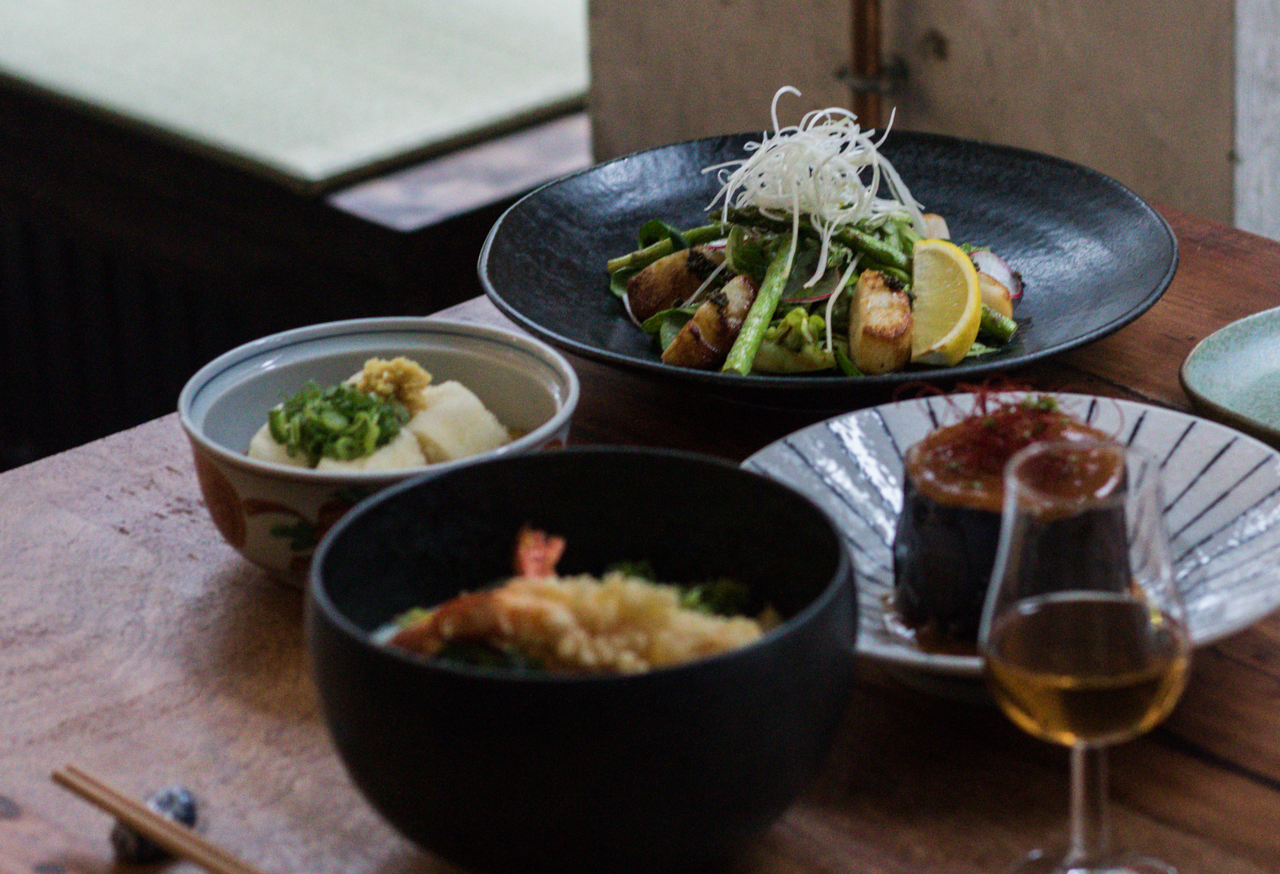
Hikage is a traditional Japanese Izakaya, or an accessible Japanese pub. In addition to a selection of meat and fish dishes, the menu also offers vegetarian and vegan dishes. Shojin cuisine is the main source of inspiration for Hikage's vegan dishes. Shojin Ryori is the traditional cuisine of Buddhist monks who forbade the consumption of meat and took pleasure in preventing food waste. The basis of Shojin Ryori consists of five colors, five flavors (sweet, sour, salty, bitter, and umami), and five techniques (raw, boiled, grilled, fried, and steamed). They also serve a select collection of Japanese gins, including the award-winning Yuzu gin infused with spicy yuzu and Sakurao gin infused with Sakura (cherry blossom).
1016 TM Amsterdam
Rakang
The Thai restaurant Rakang is located on the always pleasant Elandsgracht. Friendly service, pleasant atmosphere and delicious authentic Thai food! And according to some, even the tastiest Thai in Amsterdam... We'll leave it up to you to agree. But if you are looking for a tasty, fresh, Asian restaurant. Then Rakang is definitely worth it. And after that delicious Thai meal, the Elandsgracht offers plenty of opportunity to have a beer in one of the many pubs.
1016 DN Amsterdam
Koffiehuis de Hoek
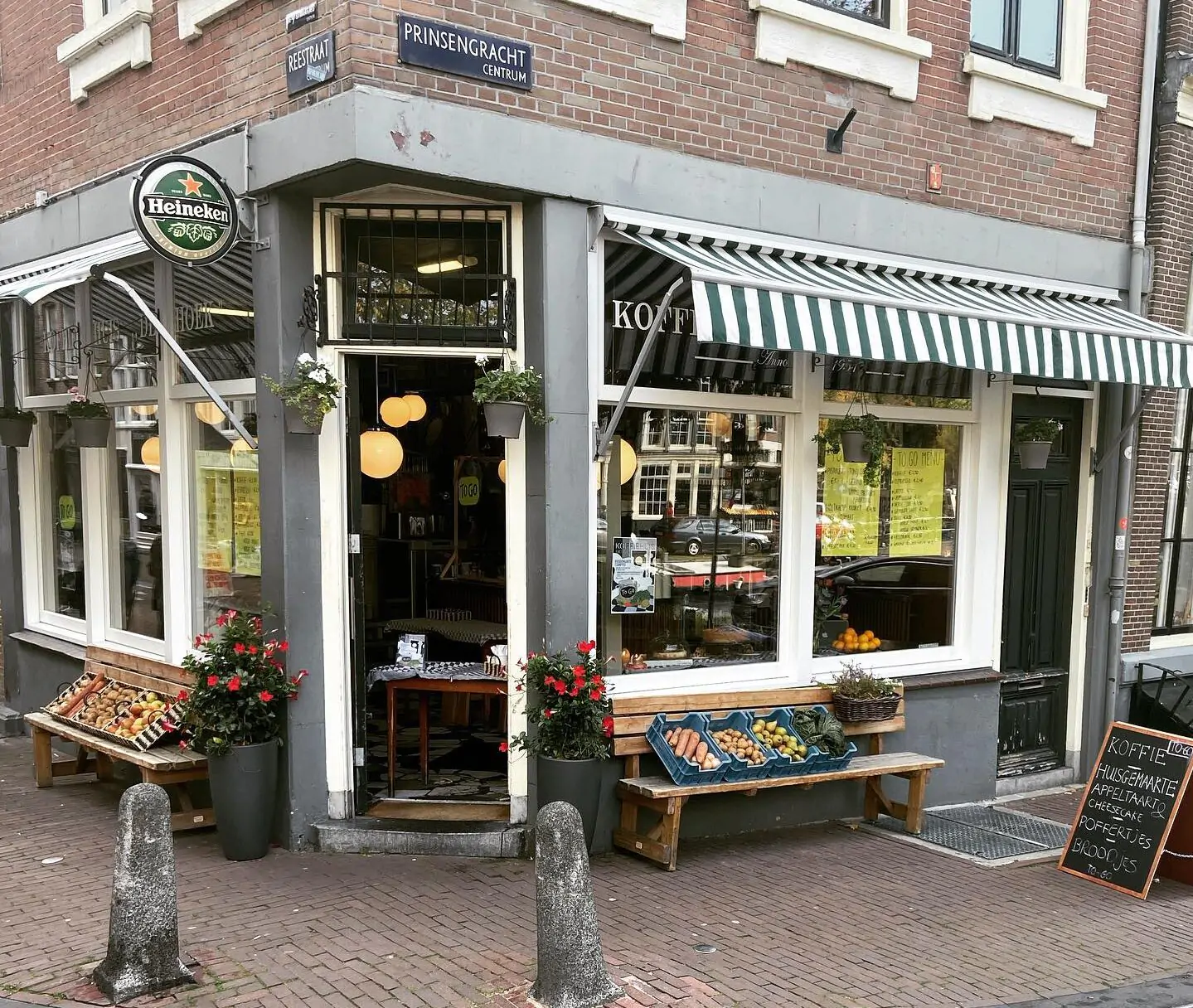
On the corner of the Runstraat and Prinsengracht you will find this classic Amsterdam coffee house. Since 1954, many different people have known how to find this special place. On the sunny terrace you can enjoy the hustle and bustle on the Amsterdam canals and inside you can enjoy the beautiful interior. Good homemade cakes, pancakes, omelets and other tasty sandwiches and of course: coffee.
1016 RC Amsterdam
Breadwinner
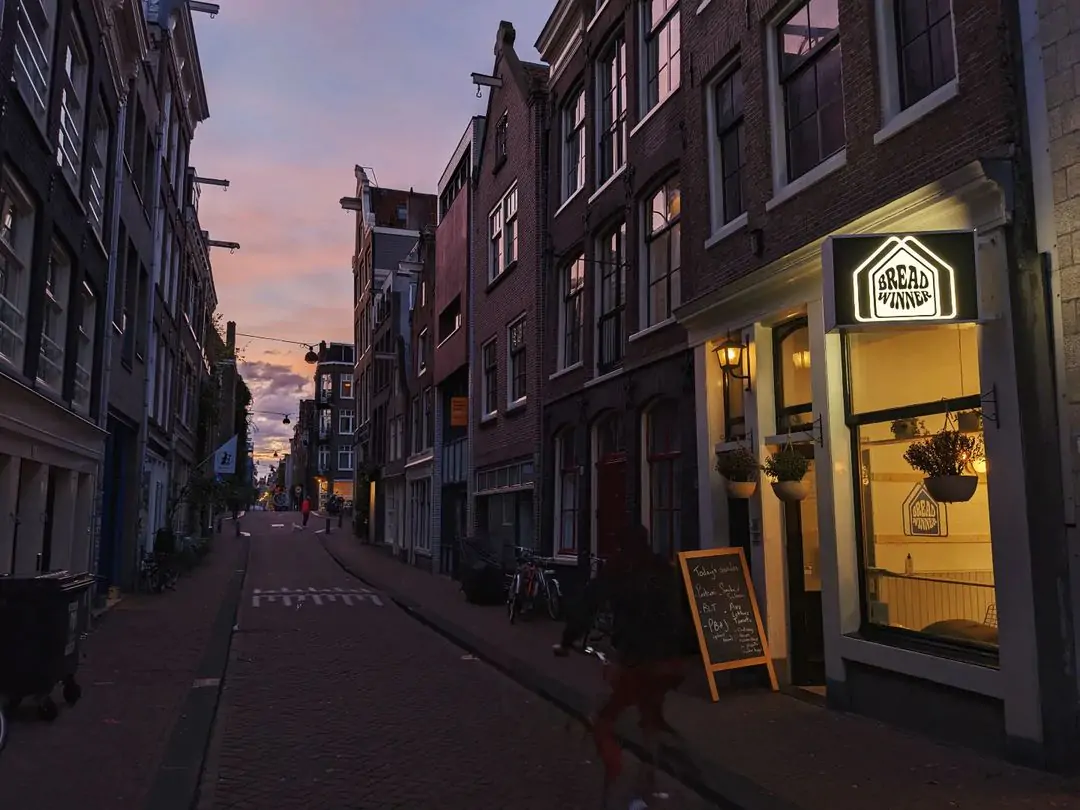
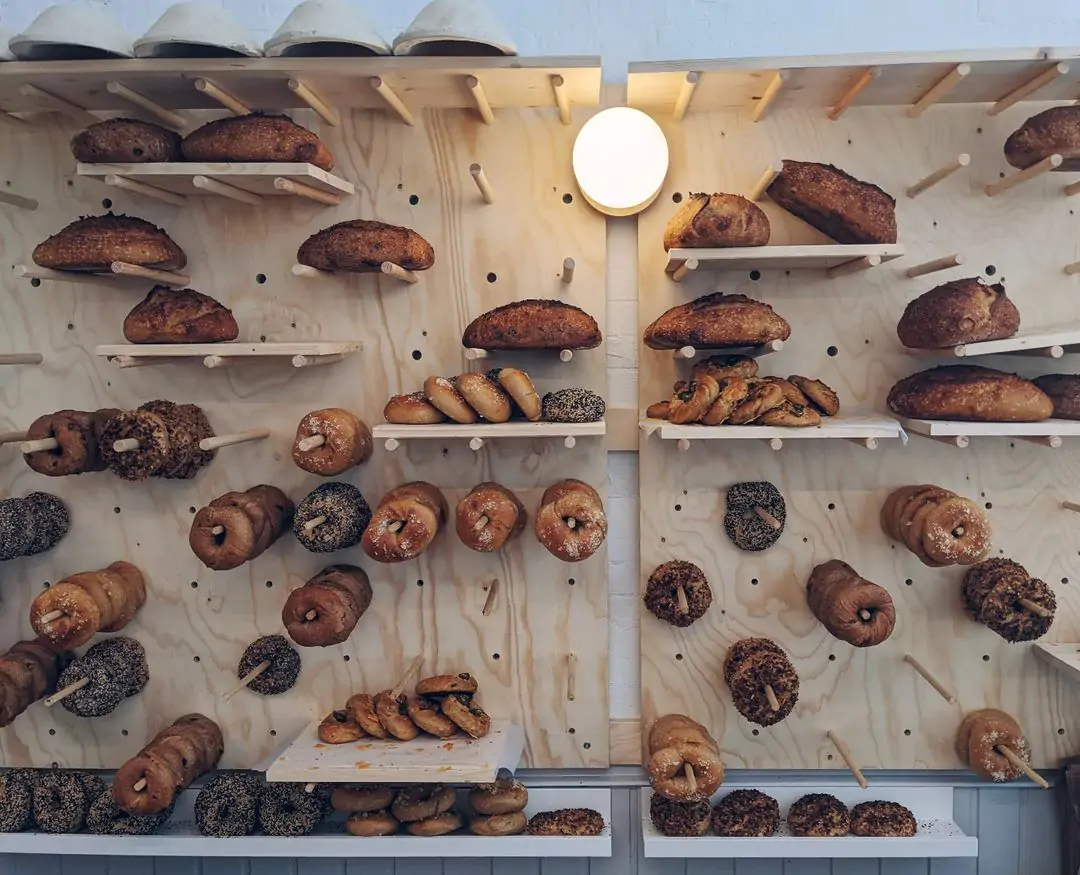
Breadwinner is an Amsterdam bakery located in the city center. Breadwinner has a secret when it comes to making their sourdough bagels. In addition to the usual ingredients for the dough, they also add toppings such as jalapeño peppers and cheddar cheese. But the real secret lies in adding these ingredients to the dough itself, allowing the flavors to really permeate the bagel. The result is a delicious sourdough bagel that is both savory and spicy. Visit their shop to try the bagel for yourself.
1016 SR Amsterdam
Chenin Chenin
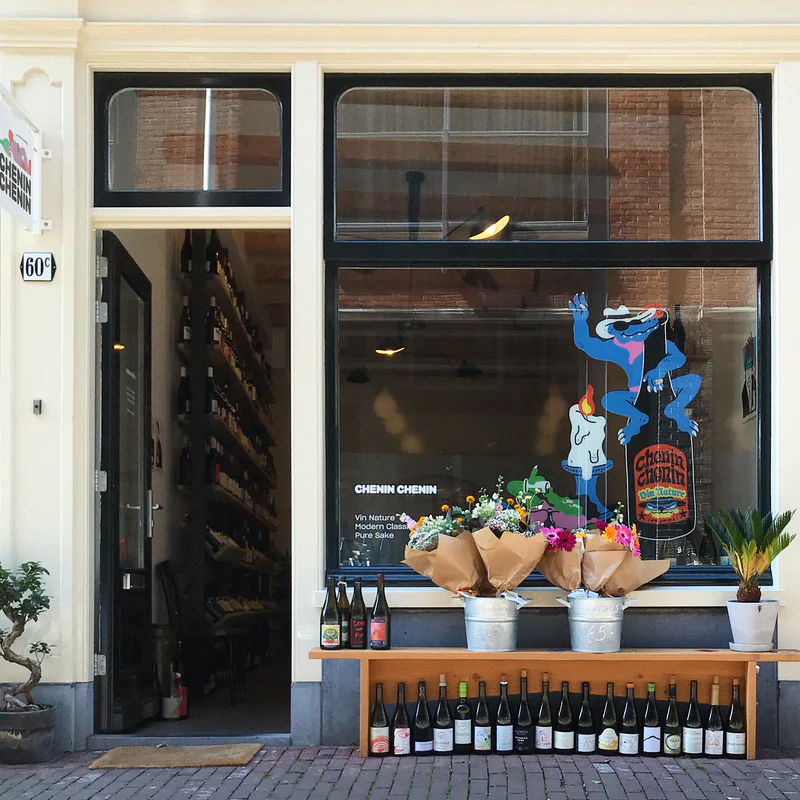
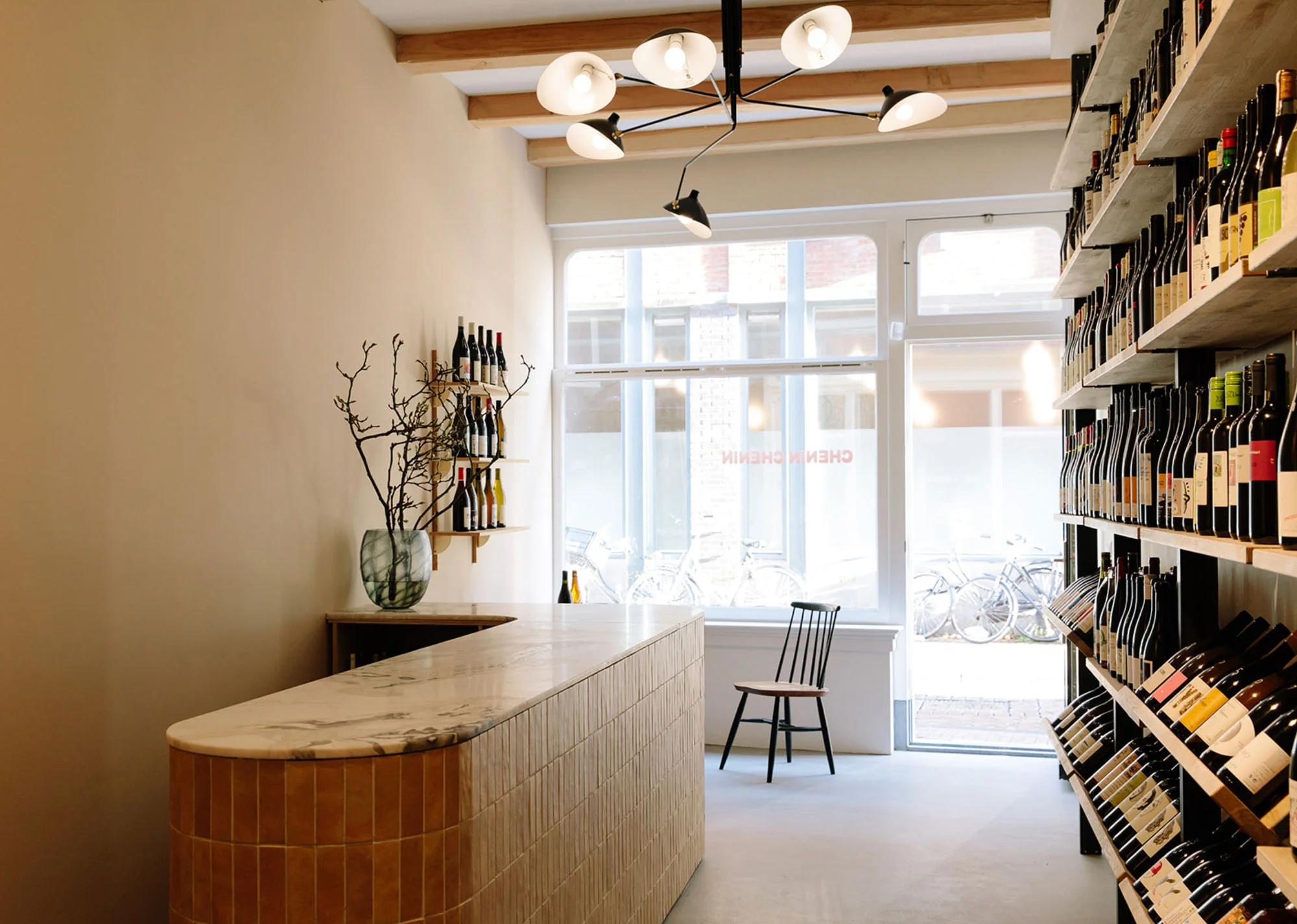
Chenin Chenin is a wine shop, online store, and subscription service for natural wines, beer, cider, and sake. It is located in the heart of Amsterdam. The assortment is a continuously evolving list of original and, above all, drinkable wines. From underrated bargains to hard-to-find gems. At Chenin Chenin, they love wines from all over the world, regardless of trends. They are open Tuesday through Saturday from 12:00 p.m. to 8:00 p.m. and on Sunday from 12:00 p.m. to 6:00 p.m.
1016 DN Amsterdam
360 volts
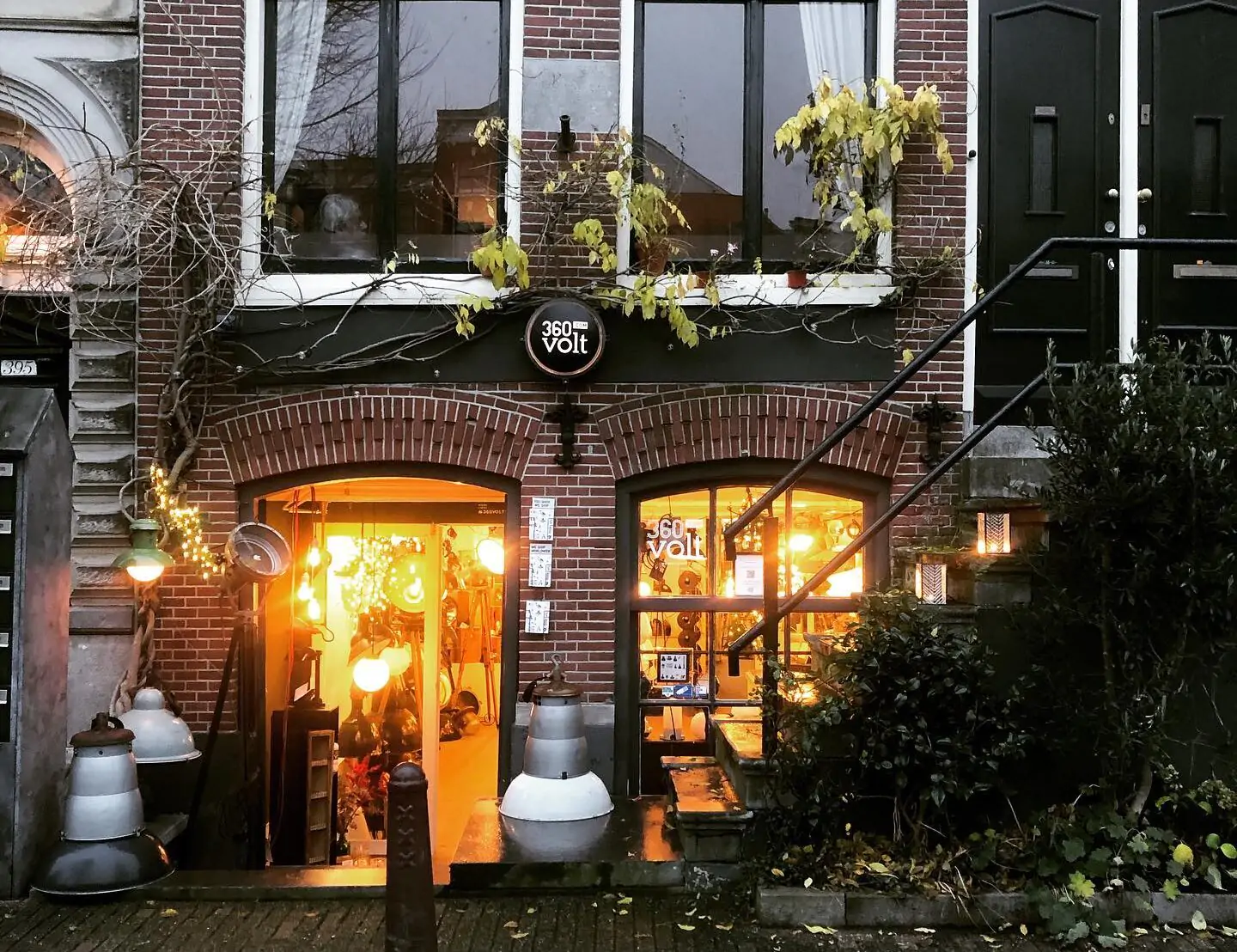
Located on Prinsengracht, you will find 360volt, founded by Hilde de Lange and Emile de Cock. 360volt now has one of the largest collections of vintage original industrial lamps and unusual objects. The lamps at 360volt are unique because all lamps are restored while retaining their authentic look—industrial, with clean lines, simple shapes, and durable materials.
1016 HP Amsterdam
Anouk Beerents
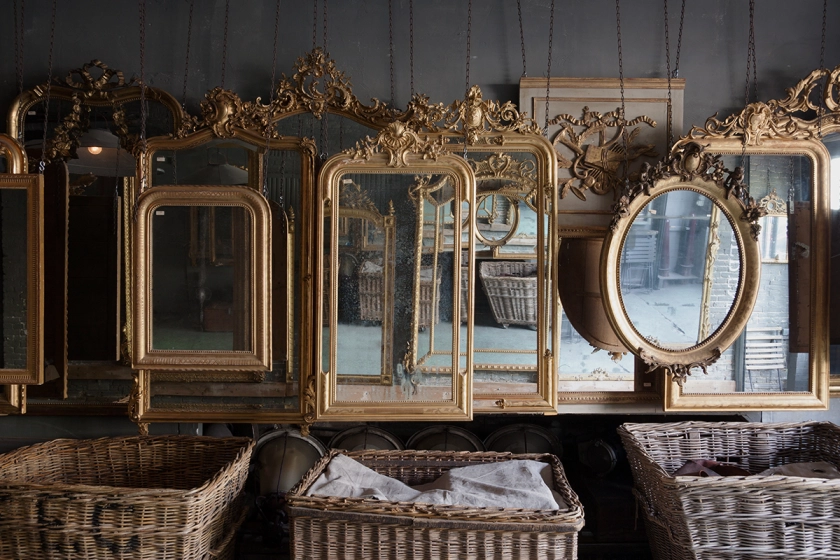
Since 1987, Anouk Beerents has become a household name in the import and export of antique mirrors. The studio on Prinsengracht houses their collection of over 300 mirrors from the 18th and 19th centuries, most of which originate from France and Italy and are gilded in gold or silver leaf.