A weaver’s house of nearly 180 m², located in the bustling center of Amsterdam. The home features a living room on the ground floor, a luxurious kitchen with a pantry in the basement, three bedrooms, three Bathrooms a city garden. Situated on freehold land with a perpetual leasehold. Easily schedule your own viewing via this link.
Guided tour
Located on the edge of the canal district, on one of the wider streets in the city center, this charming five-story building stands on Vijzelgracht. The dark facade, featuring white window frames, three windows across, and a classic staircase with a landing, Immediately gives the house Immediately distinctive, stately appearance.
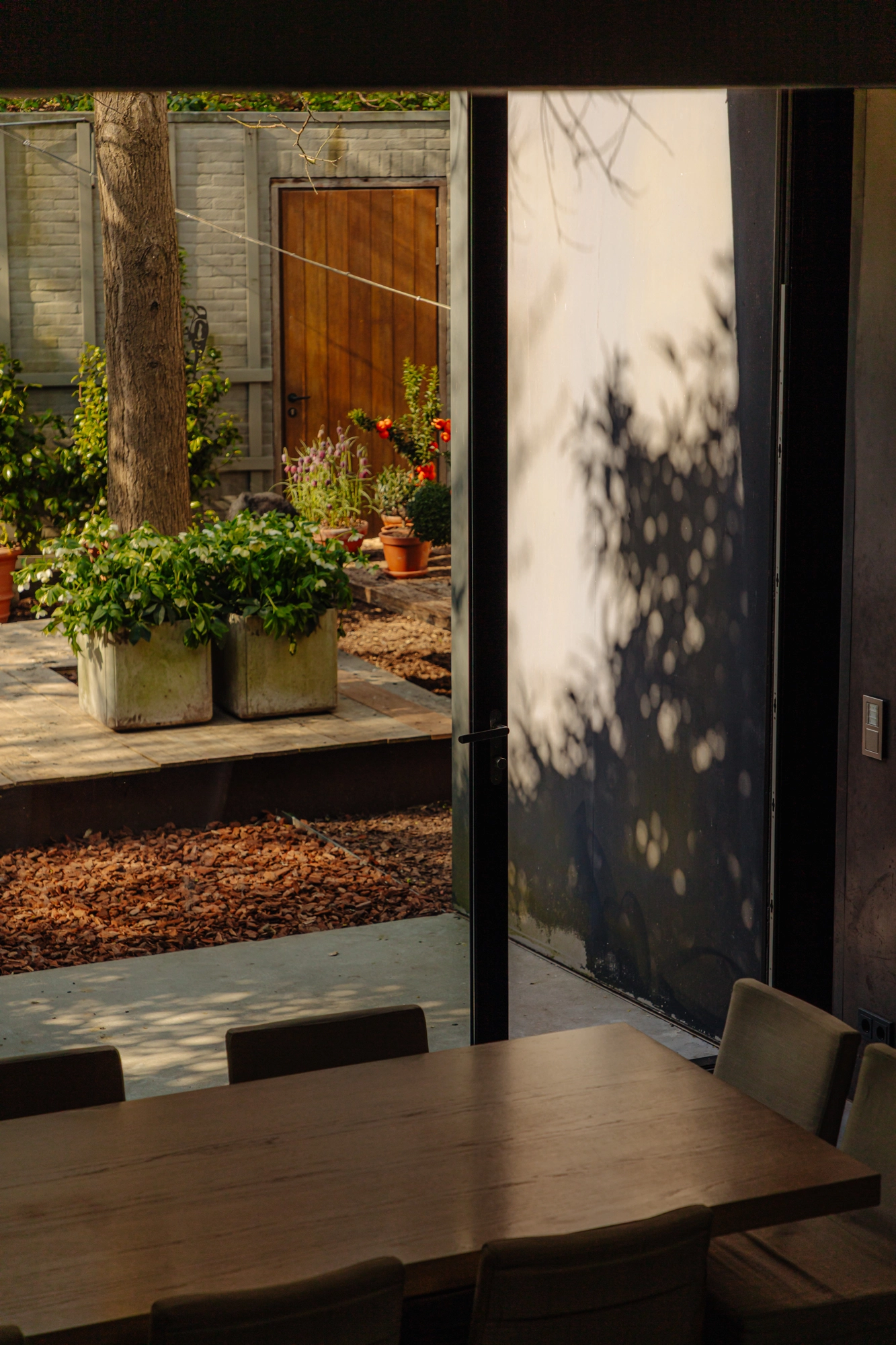
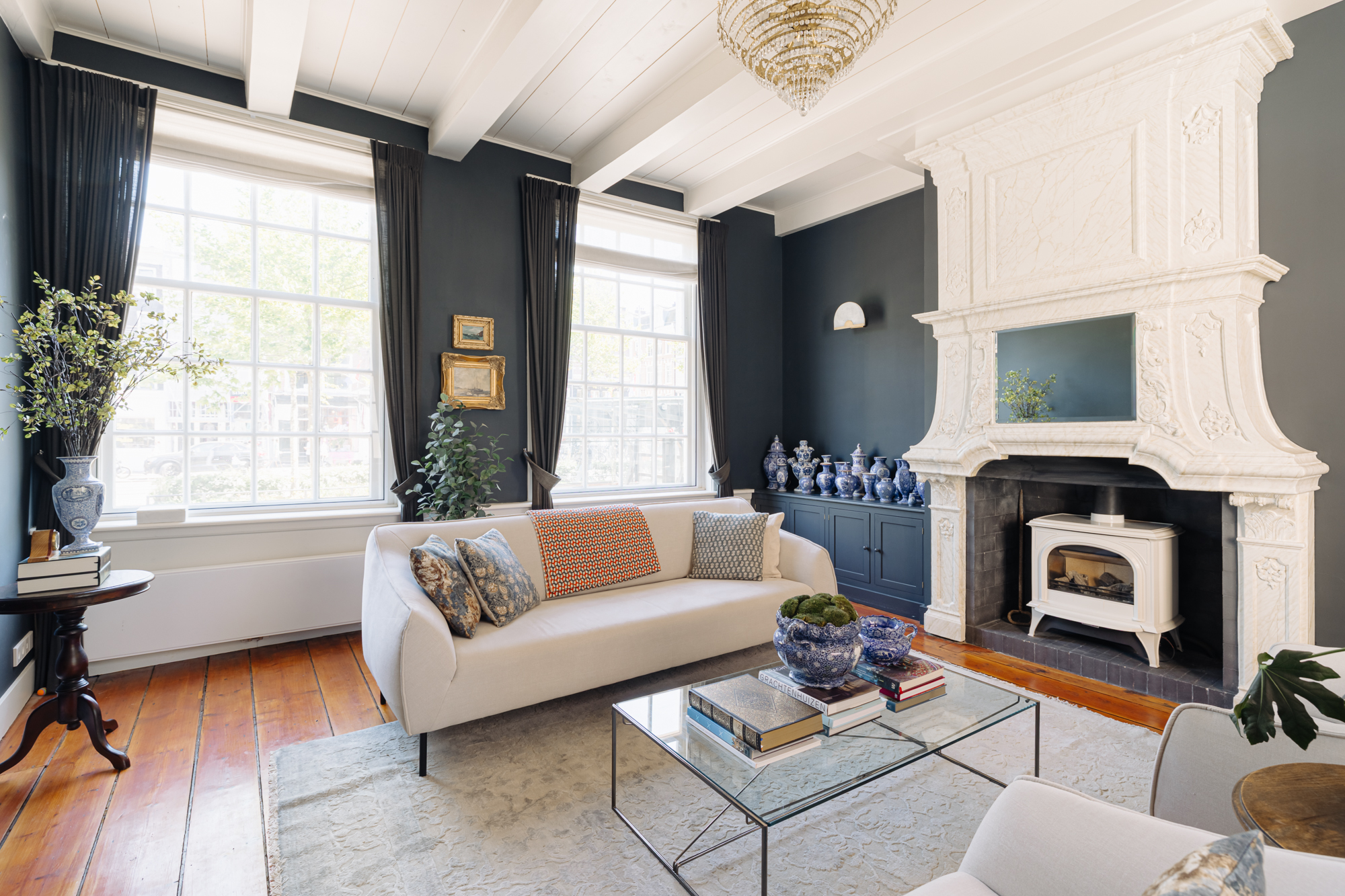
The main floor is accessed via a landing with a farmhouse door. Inside, the entry hall—featuring a dark slate floor and a green-gray paneled ceiling—leads to the living room at the front of the house. This room measures approximately 5.50 by 4.91 meters and has a ceiling height of three meters. Two tall sliding windows let in morning light, while the richly molded fireplace with a cast-iron stove forms the centerpiece of the room. At the rear is the study/bedroom, finished in a warm olive-green palette with built-in bookshelves, a slate floor, and a view of the patio. In the afternoon, sunlight streams in here. The basement is furnished as a kitchen and dining area. The kitchen features dark-stained oak cabinetry, a black marble countertop with gold-colored veining, and a spacious cooking island. Siemens Studio Line appliances, two ovens, a built-in Liebherr refrigerator and freezer with an ice maker, and a floor of white marble with black bluestone give the space a distinctive and refined character. The patio is Immediately from the dining area. The private patio, approximately 26 m², is paved with cobblestones and surrounded by high walls. Olive trees, an espalier tree, and greenery provide privacy and ambiance. The afternoon sun shines generously here, and there is no view into the property from the street.
On the first floor, the master bedroom is located at the front, featuring two windows overlooking the Vijzelgracht, a ceiling height of approximately 3.10 meters, and a wall with built-in closets. The bathroom is accessible through a steel frame with frosted glass and features a freestanding bathtub, an oak vanity, a walk-in shower, and a Japanese toilet. The attic is a bright, open space under the roof ridge, with pine rafters, wide pine floorboards, and skylights on both sides. The ceiling height reaches approximately 3.91 meters. The layout accommodates two bedrooms. There is also a bathroom here, finished with white tiles, a rain shower, and a Japanese-style toilet. The sinks in all Bathrooms custom-cast locally by Meglio. All faucets and showers are by Bongio.
Above the attic is a storage loft housing the central heating system and a mezzanine.
A unique five-story building featuring historic details and a private patio, centrally located near the Vijzelgracht metro station.
What the residents will miss
"It feels special to have been a part of this building’s 350-year history, even if only for a short time. We’re taking many wonderful memories with us, especially of the evenings spent with friends and family. But one image will always stay with us: our first Christmas here, with the tree lit up in the living room, surrounded by the house’s beautiful historic details. We’ll never forget that moment."
Neighborhood Guide
Its location on Vijzelgracht is exceptionally central, right at the intersection of some of Amsterdam’s most beloved neighborhoods. The vibrancy of De Pijp, the sophistication of Utrechtsestraat, the cultural richness around Museumplein, and the energy of Leidseplein are all within easy reach. This is a particularly culturally rich part of the city. The Rijksmuseum, the Stedelijk Museum, and the Van Gogh Museum are all a short distance away, as are Foam and the City Archives. There is also a wide selection of music, theater, and nightlife, including the Concertgebouw, Carré, Paradiso, and the Melkweg nearby. The neighborhood offers a wide selection of restaurants, cafés, and specialty shops. For fine dining, Watergang, De Juwelier, and Veneur are popular spots. Buffet van Odette and Café Caron offer a classic Amsterdam atmosphere, while lovers of Asian cuisine can visit places like Isshin, An, Takeichi, Wagyu Kanata, Proper Indofood, NKThai, Xi’an Delicious Foods, and Taste of Culture. There are also many great spots in the immediate vicinity for coffee, drinks, or a casual evening out, such as Café de Wetering, Café Brecht, Bar Mokum, Door 74, and La Dilettante. Shopping is available at the many boutiques and fashion stores in the neighborhood, ranging from Cowboys2Catwalk, Afura, and Maha to Tenue de Nîmes, Arket, and the shops on P.C. Hooftstraat. For daily groceries, the Albert Cuyp Market, Alain Bernard butcher shop, and Patisserie Holtkamp are nearby. Foodies will also find special spots like Duikelman and Karasu Knives within walking distance.
Accessibility is excellent. The Vijzelgracht metro station, part of the North/South Line, is just around the corner and offers a quick connection to both Zuid Station and Amsterdam Central Station. Combined with the availability of automated underground parking, this is a rare and convenient location in the heart of the city.
Details
• Living area approx. 179 m²
• City garden/patio of approximately 26 m²
• Located on leasehold land owned by the Local authority . The ground rent has been purchased in perpetuity
• Energy label D
• Air conditioning
• Renovation by Architectenbureau Vroom
• Foundation repaired in 2001
• The bathroom and kitchen were renovated in 2022
• The sinks in all Bathrooms custom-cast locally by Meglio. All faucets and showers are by Bongio
• The kitchen is equipped with Siemens StudioLine appliances and a full-size built-in Liebherr refrigerator and freezer with ice maker
• National Monument
• Nationally Protected Cityscape
• Part of UNESCO World Heritage

De Snijder
On Vijzelgracht stands a row of four houses that has remained virtually unchanged for over 350 years. Number stands out for its 18th-century carved front door, dark facade, and stepped staircase that places the bel-etage at just the right height above street level. It is a building that does not hide its age—nor does it need to. The restoration was carried out by Architectenbureau Vroom, a firm specializing in national monuments in Amsterdam’s city center. Original details have been preserved: the wood paneling in the stairwell, the farmhouse door, and the wrought-iron hardware. At the same time, the property has been fully equipped for modern living, from the luxury kitchen with an island in the basement to the en-suite bathroom on the first floor. The ground lease has been purchased in perpetuity. The patio catches the afternoon sun. The metro is right outside the door.
Otte van Apeldoorn | Real estate agent Broersma Wonen
Jelle Mundt | Makelaar Broersma Wonen

The building at Vijzelgracht 22 dates from around 1670 and is a well-preserved example of the so-called Noortse-Bos style: a wide, shallow residence with an upright, austere facade. The brickwork is painted dark. The white window frames feature a profiled sill made of white natural stone. The glazing bars match the original proportions. The building forms a cohesive ensemble with numbers 20, 24, and 26. It is registered as a national monument under Number . The restoration was carried out by Architectenbureau Vroom. At Vroom, the preservation and restoration of the original structure and materials are central. This is visible in this building at every level. The 18th-century front door is painted in a green-gray hue and features original wrought-iron latch and lock mechanisms with brass door hardware. The entrance hall has a floor of dark, large-format slate. The ceiling is paneled and painted in the same green-gray shade. The original wooden interior door leading to the stairwell is completely intact: wide oak with a small lattice window at the bottom and a panel above. In the stairwell, the house reveals its age most Immediately. The paneling consists of wide, unnailed oak with visible weathering and wood grain. The steps are finished with a dark varnish. On the attic floor, the original roof trusses are fully visible: heavy pine beams in a triangular construction, untreated and with a patina. The floor is wide, brushed pine. The combination of white walls, untreated wood, and daylight streaming in through the dormer windows gives the attic floor a character all its own.


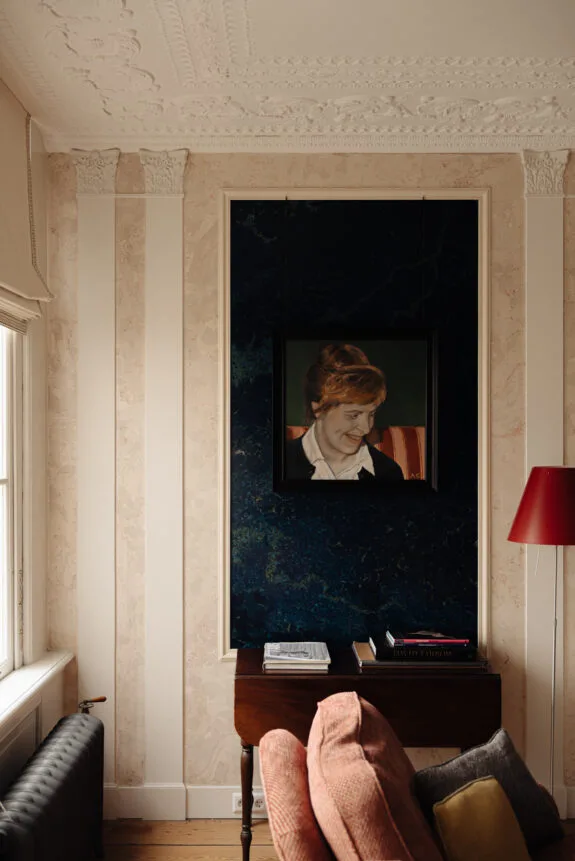
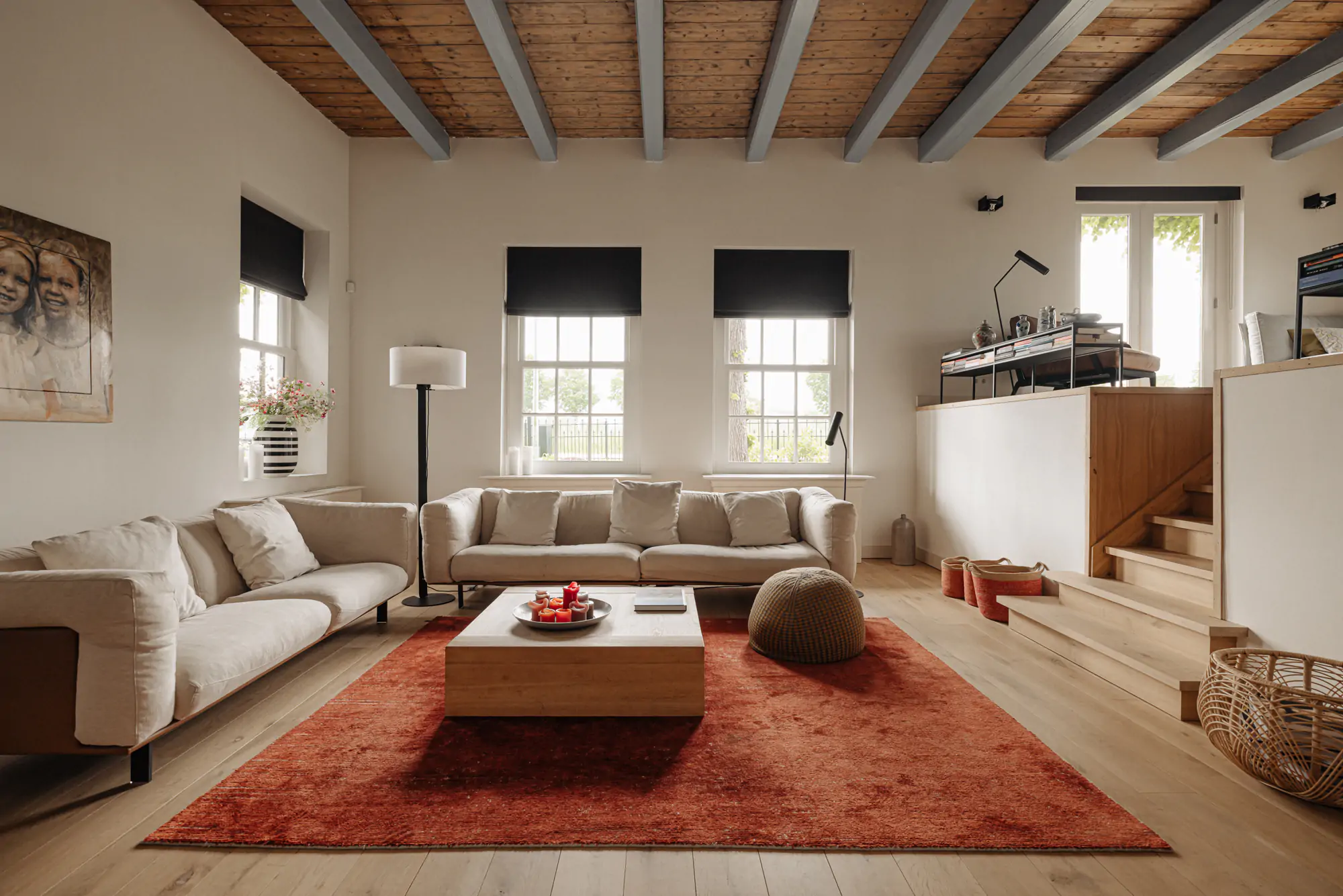
The living room on the main floor covers approximately 58 m² and has a ceiling height of three meters. The walls are painted dark gray. The ceiling is white, with exposed wooden beams. The floor is wide, untreated pine. Two tall sliding windows overlook the Vijzelgracht and let in the morning light from the east. The fireplace is the dominant focal point of the back wall: white plastered, richly molded, and adorned with a decorative frieze. A white cast-iron wood-burning stove stands in the hearth opening. Next to the fireplace is a built-in blue-gray cabinet. The central hall connects the living room, the study, and the staircase. A separate toilet, designed as a Japanese-style toilet, is accessible from this hall. The study is located at the rear of the main floor. Walls, beams, and window frames are painted in a single shade of olive green. The floor is dark slate. Two walls feature built-in bookshelves in the same color. Centrally located is a light gray stuccoed fireplace with a simple frame. The window at the rear overlooks the patio and brings in daylight from the southwest. The study is connected to the hallway leading to the basement via a see-through opening. The kitchen is located on the basement level and has been completely renovated. The cabinet fronts are dark-stained oak, sleek and handle-free. The countertop is black marble with gold-colored veining. The appliances are by Siemens and include two built-in ovens. The kitchen island features a gas cooktop and offers workspace on two sides. An open oak wall shelf is mounted above the countertop. The floor is a combination of white marble and black bluestone, laid in strips. The shower room in the basement is equipped with a Japanese-style toilet. The dining area Immediately the kitchen island. The space has white walls and a white paneled ceiling with exposed beams. Three round glass spheres hang from black wires above the dining table. At the rear is a door with muntin bars that provides access to the patio.


The first floor is configured as a single bedroom with an en-suite bathroom. The bedroom has a ceiling height of 3.10 meters and wide pine flooring. Two tall sliding windows overlook the Vijzelgracht and let in the morning light from the east. The back wall is entirely covered by built-in off-white cabinets, featuring a profiled trim. The bed is positioned centrally in front of this cabinet wall, flanked by wall sconces. The transition to the bathroom is designed as a steel frame with frosted glass: visually connected to the bedroom, yet acoustically and visually separated. The bathroom on this floor features a freestanding bathtub as its centerpiece, positioned in front of a tall window overlooking the Vijzelgracht. The faucet is finished in dark bronze with cross handles on a floor-mounted stand. The sink is mounted on an oak vanity with original iron hardware. The tiles are large-format white with dark grout. The walk-in shower features a round rain showerhead and a thermostatic mixer in aged copper. The shower enclosure is made of frosted glass in a steel frame. The toilet is a Japanese-style toilet. The attic floor covers approximately 30 m² with a ridge height of 3.91 meters. The roof structure is fully exposed: heavy pine rafters in a triangular framework, untreated and with patina. The floor is wide, untreated pine. Skylights at the front and rear bring light in from both sides. The floor offers space for two separate bedrooms. The bathroom on this floor is tiled in white with black grout and features a walk-in shower with a rain showerhead in dark copper, a vanity with brass handles, and a Japanese-style toilet.


The rear patio covers approximately 26 m² and is completely enclosed by the walls of the building block. The floor is paved with clinker bricks. On three sides, there are high walls of neighboring buildings made of white-plastered masonry and dark wood. The patio is planted with olive trees, an espalier tree, and perennials along the walls. The outdoor space is accessible through a lattice-paned door from the dining area in the basement. It faces southwest: the sun shines here in the afternoon and evening. The seclusion ensures little wind and no view from the street. At the front, the landing staircase provides access to the main floor. The staircase is constructed of dark-painted masonry with an iron railing. The entrance side receives morning sun. The barn door, where only the upper half can be opened, is an original detail that marks the connection between inside and outside at street level. Beneath the landing staircase is the separate entrance to the basement, featuring a door with geometric glazing bars.


The house is located just around the corner from Vijzelgracht, where you’ll find the Royal Pastry Shop Holtkamp, some great coffee shops, and Bar Do for a drink on the terrace. The Amstelveld is also just a short walk away, featuring the Flower Market on Mondays and the famous terraces of the Nieuwe Marcella and Nel. The wingnut trees lend a touch of elegance to this high-end city square. The beautiful shopping street Utrechtsestraat boasts a strong and high-quality selection of various delicatessens and restaurants. There are several Michelin-starred establishments and a varied selection of bars and restaurants. Cultural life takes place at the Stopera, the Royal Theater Carré, and the Hermitage. The Hermitage hosts an organic market with local products on Saturdays. The lively Albert Cuyp Market is a 15-minute walk away, and all the delicatessens in De Pijp become part of your daily stroll.
Accessibility
The apartment is easily accessible by bike, car, and public transportation. The A10 ring road is just a 15-minute drive away via exits S109 and S110. Several tram lines depart from Vijzelgracht, including trams 1, 7, 14, and 19, heading to Sloterdijk Station, the VU, Osdorp, and Diemen. The North-South Line also departs from this stop, providing a fast connection between Amsterdam-Noord and Zuid Station. Central Station is just a 10-minute bike ride away.
Parking
Parking on public streets is available through a permit system (Centrum-2f permit zone). With a Centrum-2f parking permit, you may park in the Centrum-2 zone. A resident parking permit costs 338.70 per 6 months. Currently, there is a 14-month waiting period for this permit zone. A second parking permit is not available in this area. In addition to on-street parking, it is also possible to park for free in the Vijzelgracht garage with a parking permit. (Source: Local authority , June 2026).


What we love most about our home is the unique blend of history, character, and city life. The house has a soul of its own and feels like a peaceful, warm place, while everything that makes Amsterdam so wonderful is literally just around the corner. We’ll miss the many little moments: cooking for friends in the kitchen, relaxing in the bath after a long day, or sitting by the fireplace with a good book while the city hums softly in the background. This house has always given us the feeling that we could escape for a moment, without actually leaving the city. For us, the neighborhood is one of the most beautiful places in Amsterdam. The energy of De Pijp, the elegance of Utrechtsestraat, the culture around Museumplein, and the liveliness of Leidseplein are all within easy reach. With the North/South line, excellent accessibility, and the luxury of automated underground parking, it is also an exceptionally comfortable place to live. We have thoroughly enjoyed everything the area has to offer: from the Rijksmuseum, Foam, Carré, and the Concertgebouw to favorite restaurants such as Watergang, De Juwelier, Café Caron, and Buffet van Odette. The neighborhood’s cafés, specialty shops, and stores—such as Café de Wetering, Café Brecht, Duikelman, the Albert Cuyp Market, and Patisserie Holtkamp—have also become part of our daily lives. It feels special to have been able to be a part of this building’s 350-year history for a while. We’re taking many wonderful memories with us, especially of the evenings with friends and family. But one image will always stay with us: our first Christmas here, with the tree lit up in the living room, surrounded by the house’s beautiful historic details. We’ll never forget that moment.





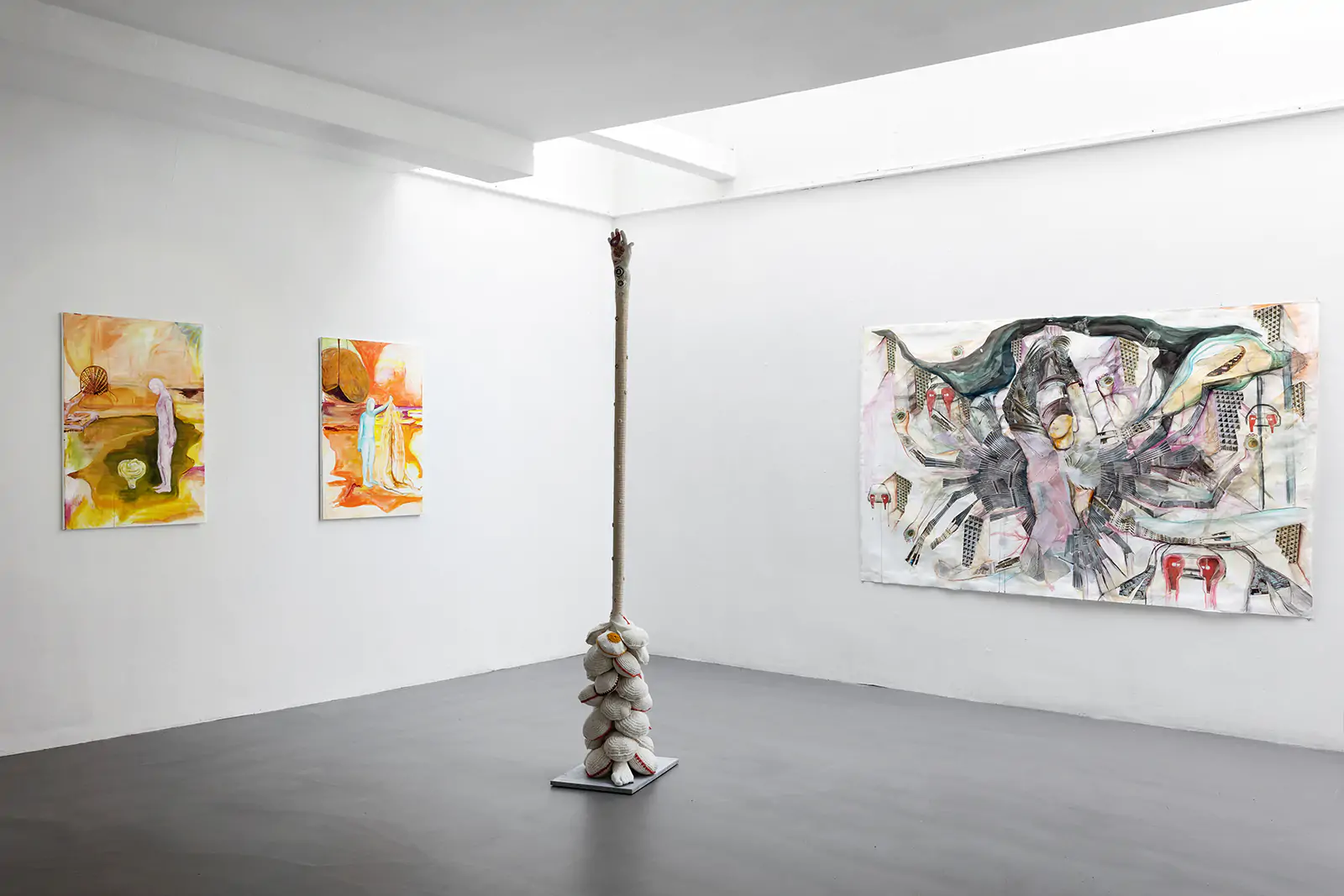
1017 WZ Amsterdam
Lumen Travo Gallery
Lumen Travo was founded by Marianne van Tilborg in 1985. It is a contemporary art gallery in Amsterdam. Each year, the gallery organizes various exhibitions in collaboration with both emerging and established artists. Lumen Travo is concerned with current themes such as identity, representation, and post-colonialism and strives to show the multitude of voices that play a role in our globalized society. By presenting powerful and diverse artistic perspectives, which are not limited to the Western point of view, this gallery engages in a visual conversation with open eyes to the whole world.
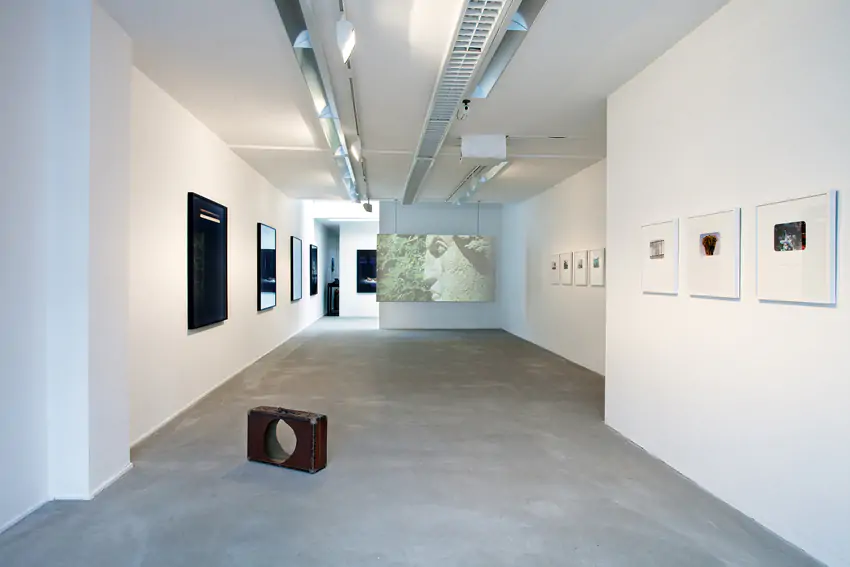
1017 WZ Amsterdam
Akinci
The lover of contemporary art is certainly in the right place at AKINCI. AKINCI has a strong focus on new developments in contemporary art and is explicitly engaged with artists who integrate socio-political, ecological, and gender issues into their work. Their program is determined by a diversity of media and cross-overs between sound, architecture, painting, sculpture, film, and installation. You will find works by, among others, Stephan Balkenhol, Theo Jansen, and Edwin Zwakman.
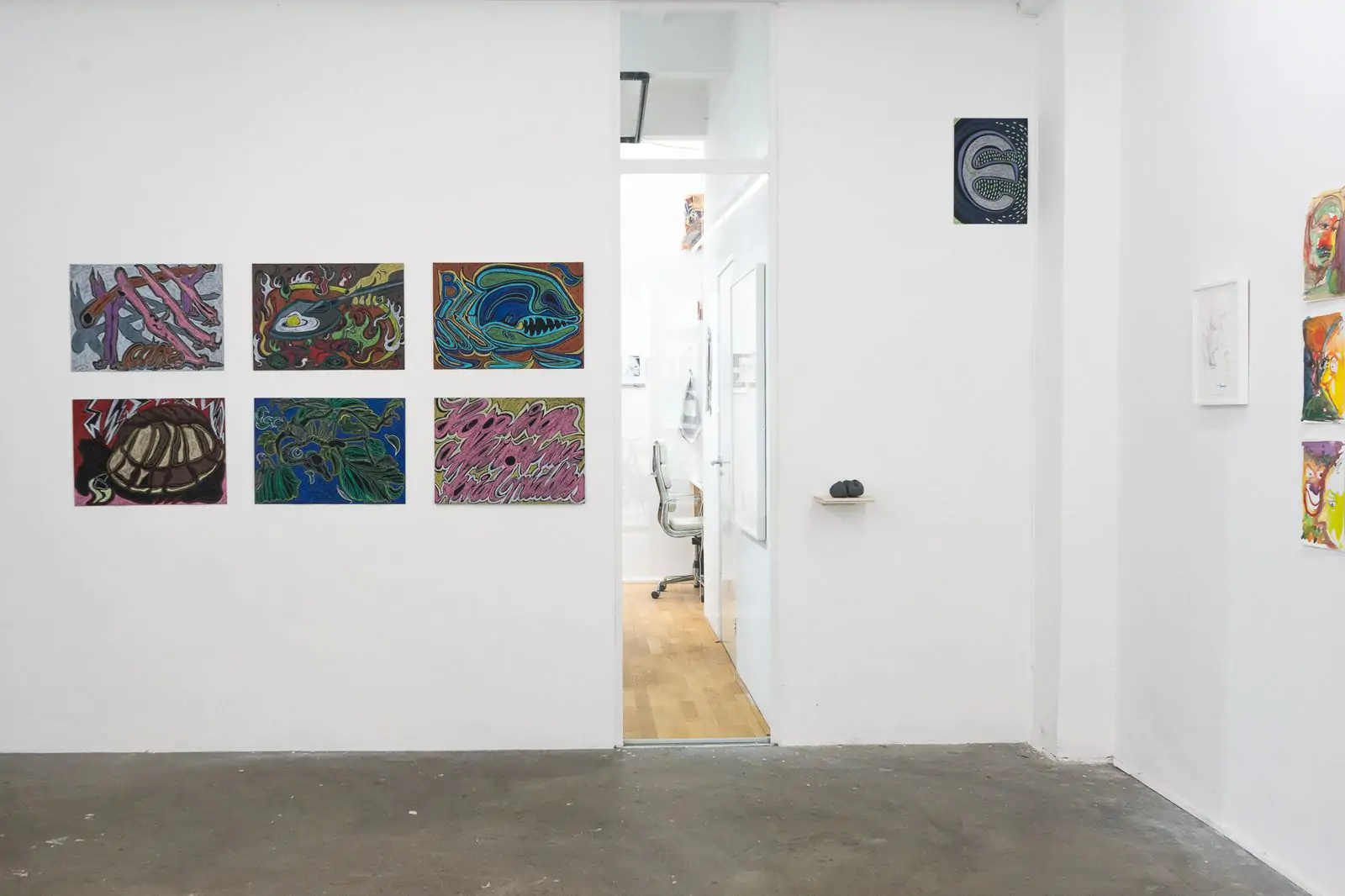
1017 WZ Amsterdam
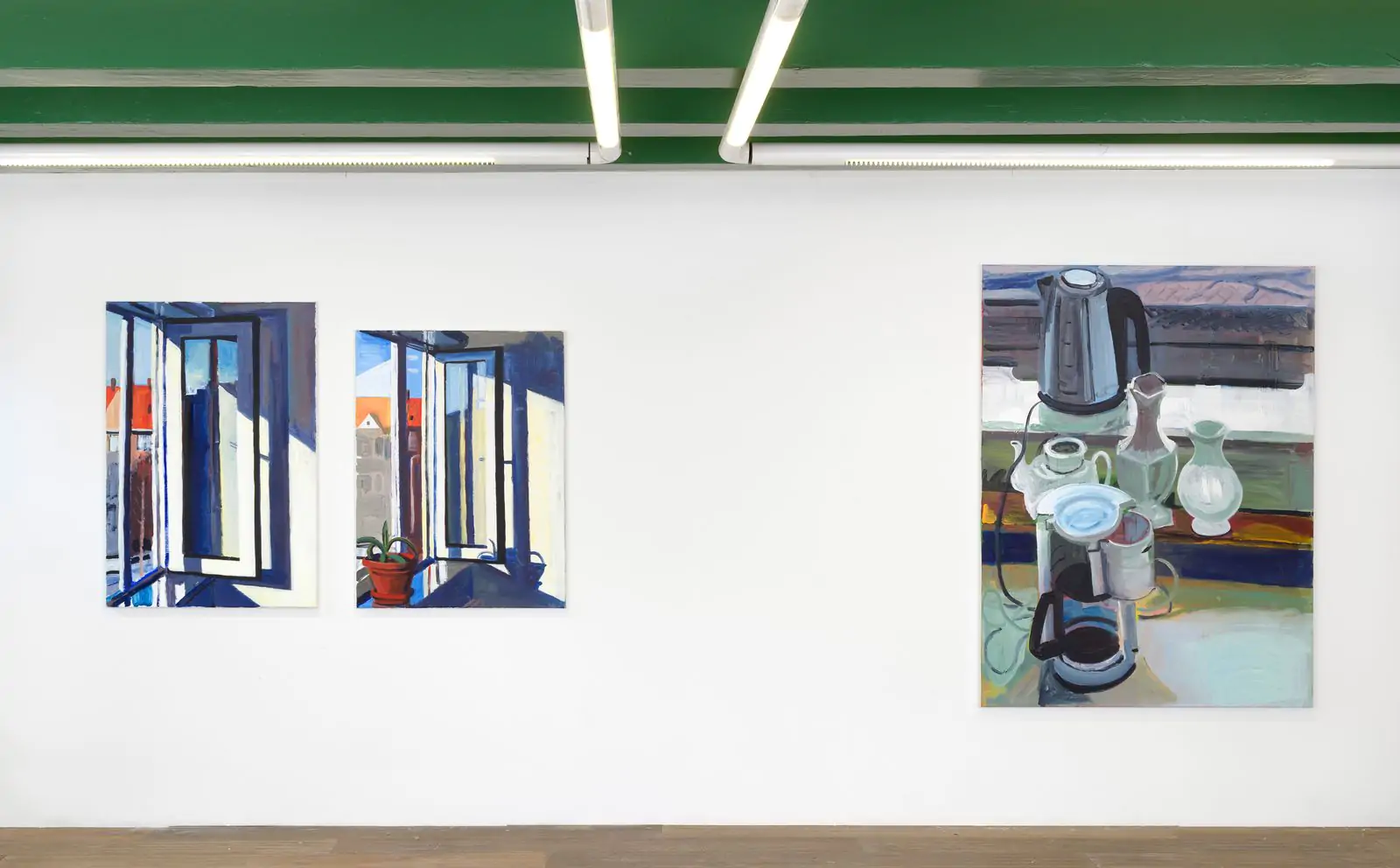
M.Simons
M.simons was founded in 2021. It is a gallery located in the historical center of Amsterdam. Although the gallery is primarily focused on painting and graphic art, it also offers space for various other artistic media, including photography and sculpture.
1017 ET Amsterdam
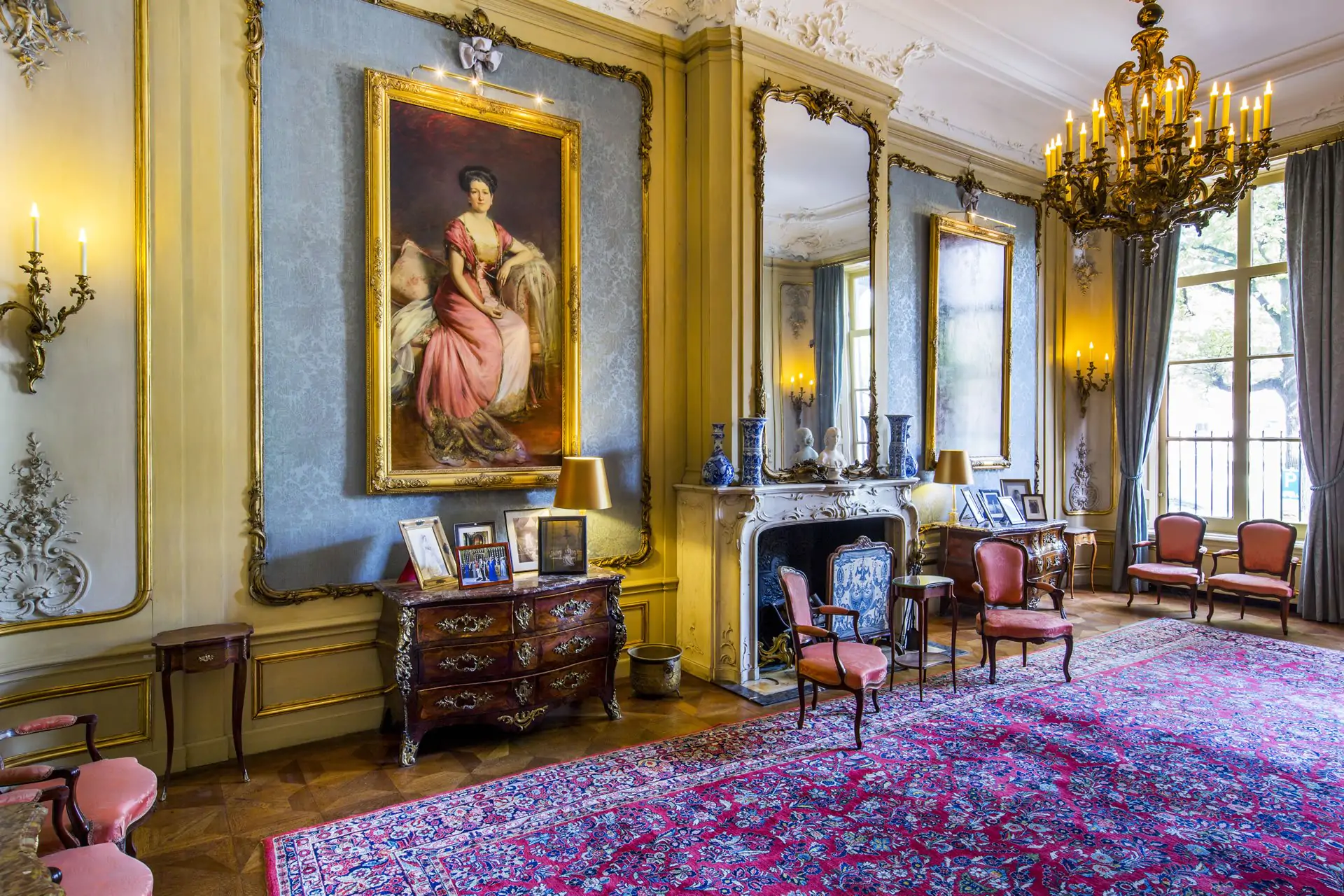
Museum van Loon
Museum van Loon is located in a former house from 1672 on the Amsterdam canals. In addition to a permanent exhibition with (historical) portraits, furniture, silverware and porcelain, temporary exhibitions are also organized here in which part of the museum's collection, the house, or the history of the Van Loon family is central. Behind the house is the unique garden that was laid out in the style of the 17th century. In short, a museum where you can go for heritage, art history and contemporary art.
1071 XX Amsterdam
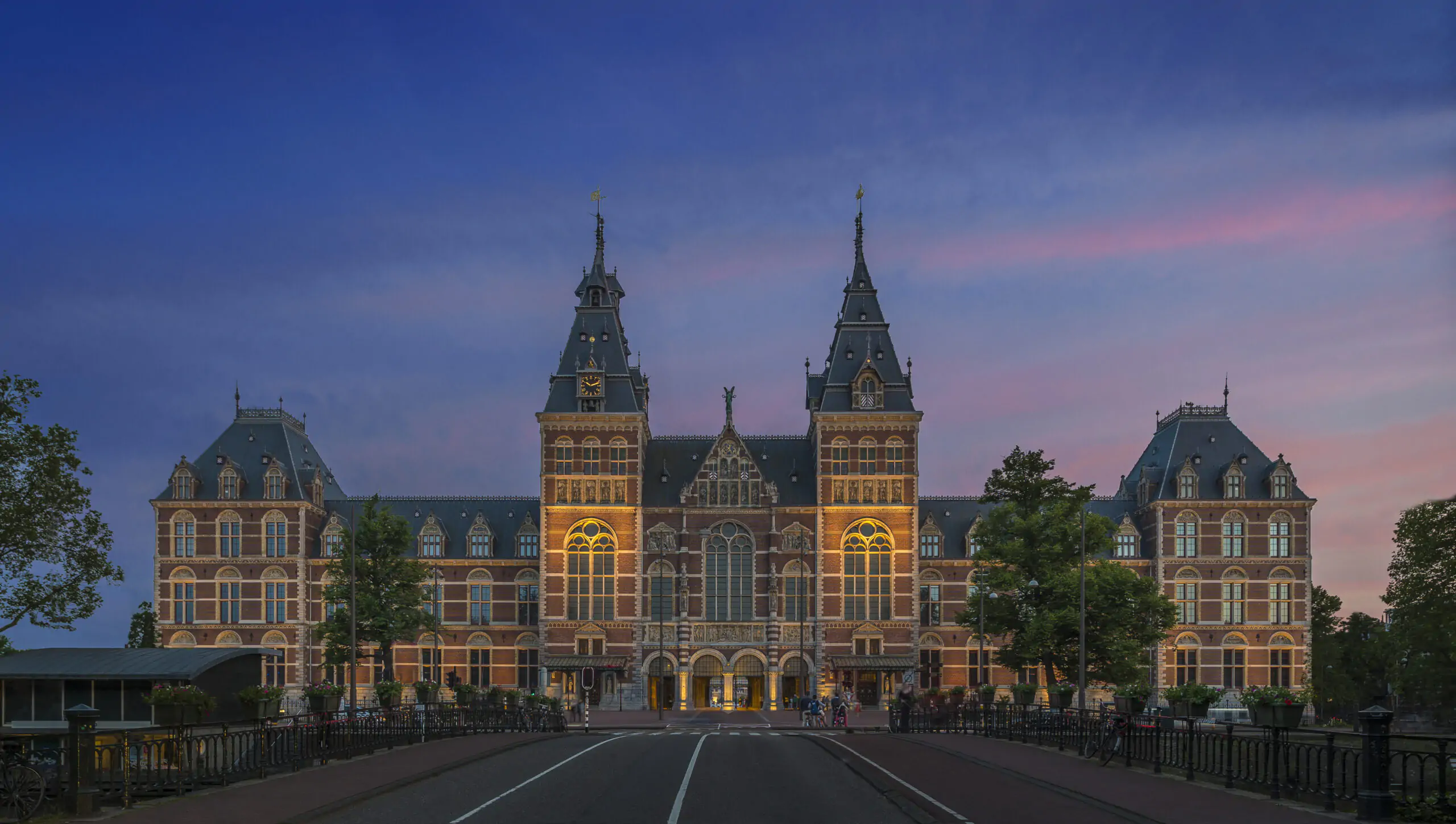
National Museum
The architect, Pierre Cuypers, had made a design in historical style for the Rijksmuseum, a mixture of Gothic and Renaissance and full of national symbolism. After years of hassle - many thought it was too medieval, too Catholic and not really Dutch enough - construction started in 1876. It was officially opened in 1885. In addition to the existing collection, almost all older paintings from the City of Amsterdam were hung in the Rijksmuseum, such as Rembrandt's Jewish Bride, which the banker A. van der Hoop had bequeathed to the city. There was also art from Haarlem, part of the Cabinet of Curiosities was given a permanent place and the print room was given its own space. A worthy collection, in a magnificent building.
During the last renovation (2003-2013), the building was given back Cuypers' original structure. The building has been modernized, but at the same time the interior has become more like Cuypers' building again, in all its grandeur. Painting, applied arts and history can no longer be seen in separate parts of the building. Everything together forms one chronological story: the story about Dutch art and history, from the Middle Ages to the 20th century.
1017 DS Amsterdam
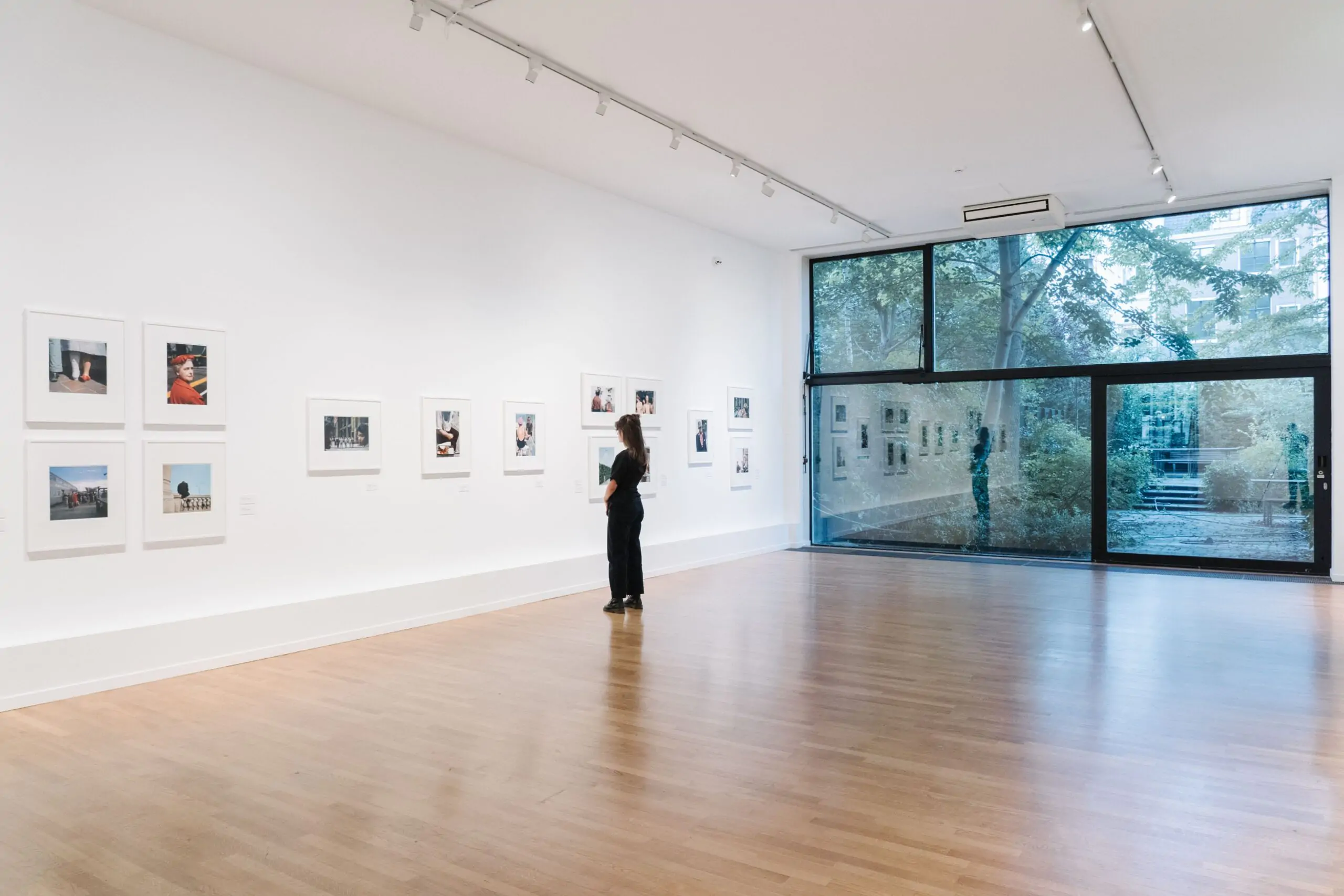
Foam
Foam is a photography museum that usually presents several exhibitions at the same time. The exhibitions vary from historical photos to art photos and from documentary photography to fashion photos. Every year, work by famous photographers is shown; think of Helmut Newton and William Klein. Foam encourages young talent and they also have the opportunity to temporarily exhibit their work. The halls have a sleek and modern design and the photos are illuminated with spotlights, so that they are clearly visible. You can visit Foam every few months because of their constantly changing exhibitions.
1017 HM Amsterdam
Patisserie Holtkamp
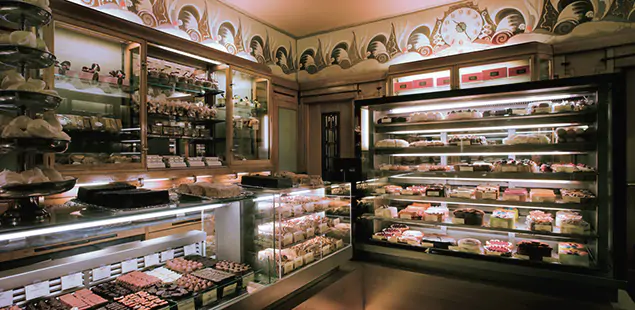
Patisserie Holtkamp is a household name among Amsterdam residents. Once known for its always fresh tompouce pastry, Holtkamp is now the place to get the most delicious (lemon) cakes and shrimp croquettes. The recipes have been working very well for years, because there is always a line around the holidays. The small shop on the Vijzelgracht is functional, but above all beautifully authentic. The staff is incredibly friendly and helpful. Definitely worth a visit.
1017 WZ Amsterdam
Casa Gitane
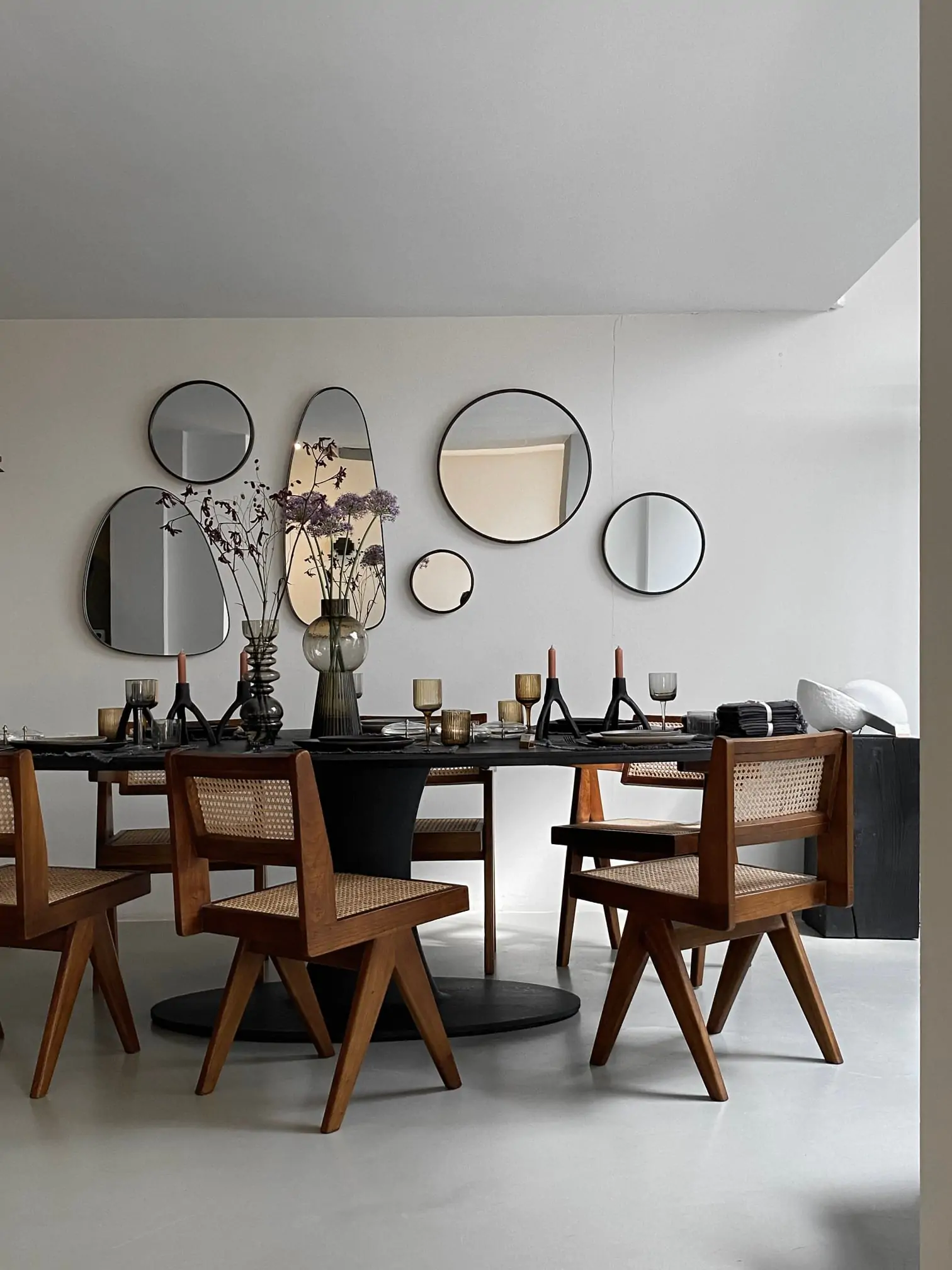
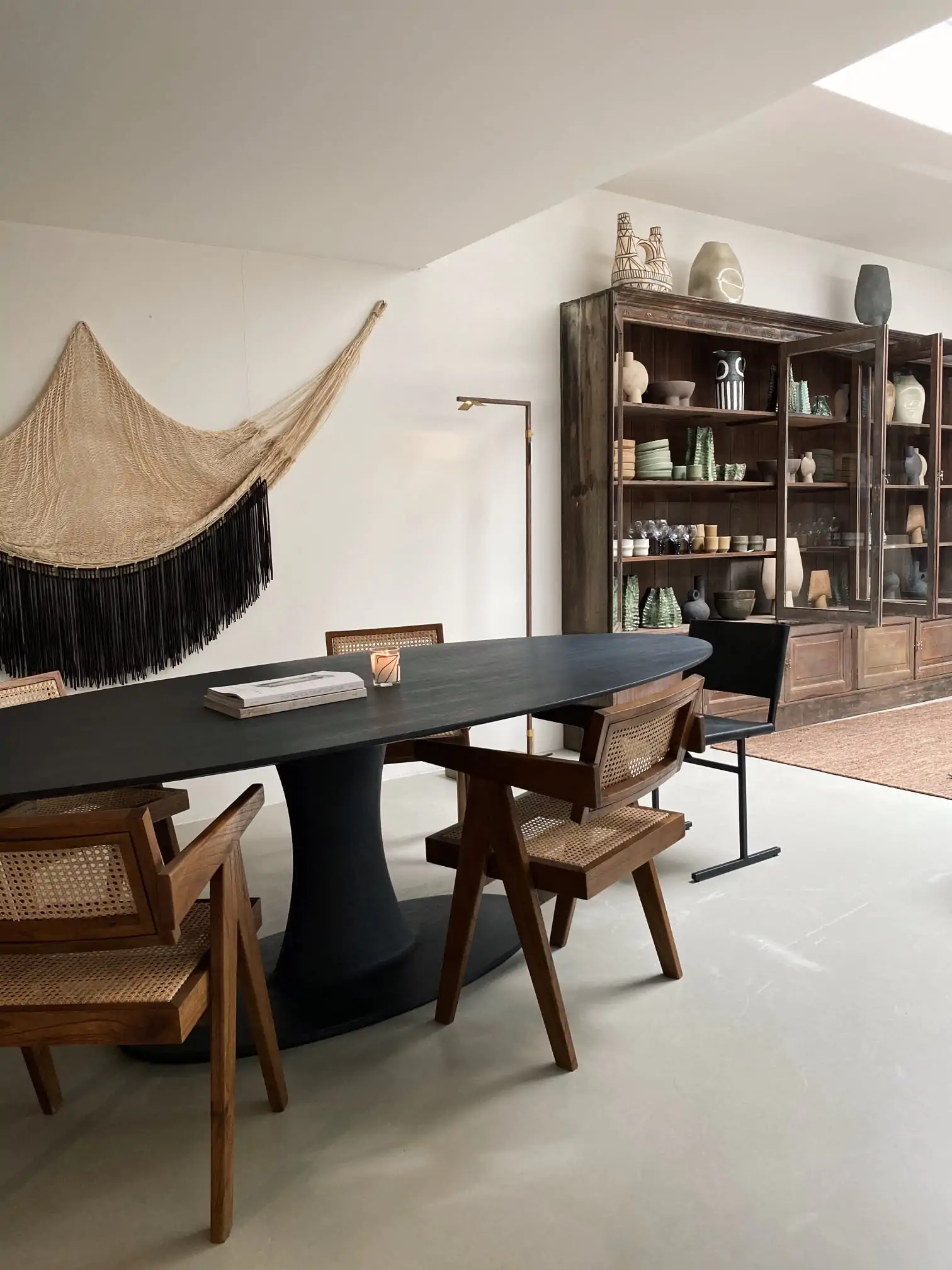
The beautiful studio of Casa Gitane, shrouded in earthy colors, is located on the Lijnbaansgracht. Gitane means gypsy and Casa Gitane houses furniture and objects inspired by distant lands, world travels and a nomadic lifestyle. Their collection consists of three important ingredients; unique vintage pieces, a selection of existing brands and our own designs. Currently mainly webshop and Project design.
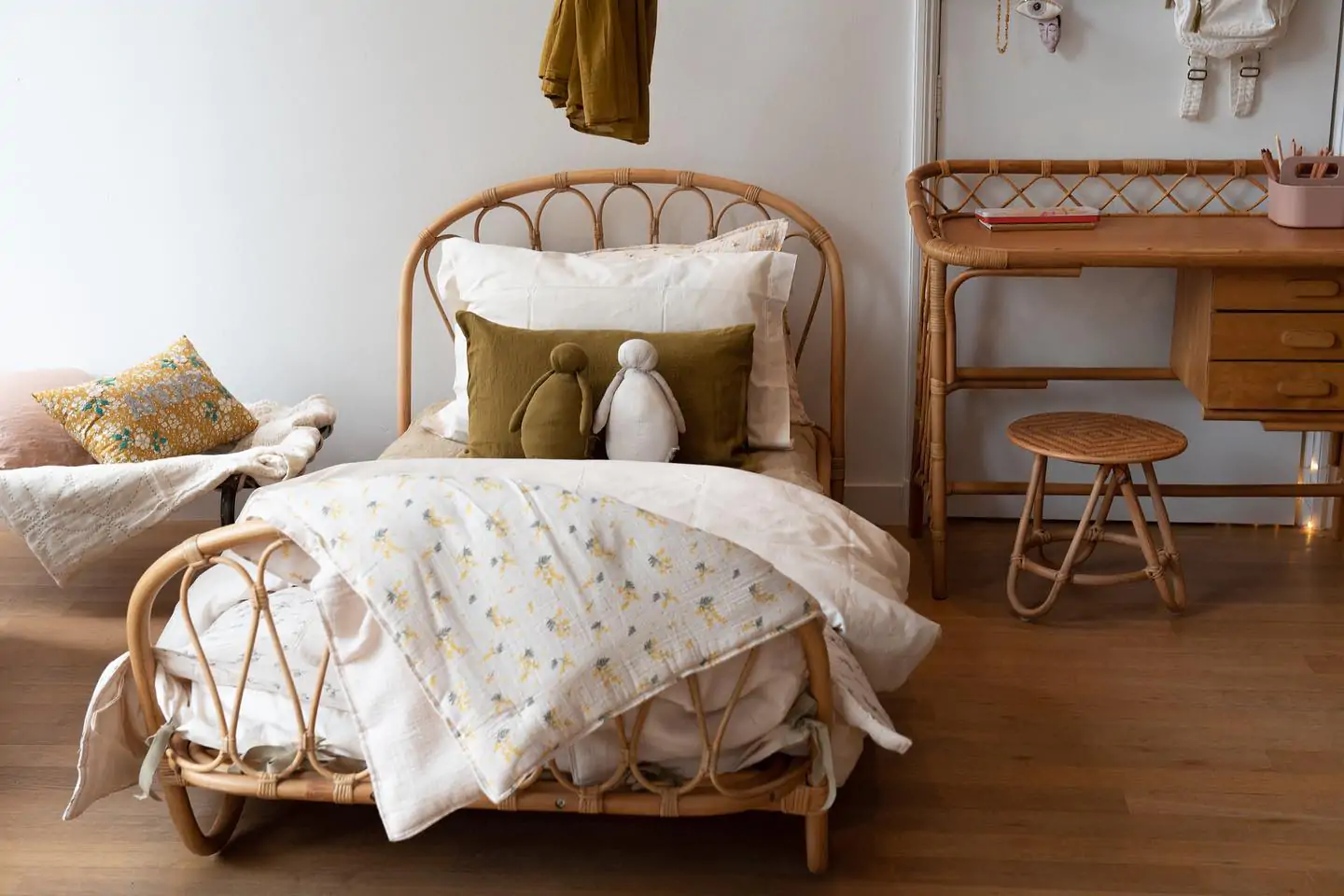
1017 LV Amsterdam
Archive store
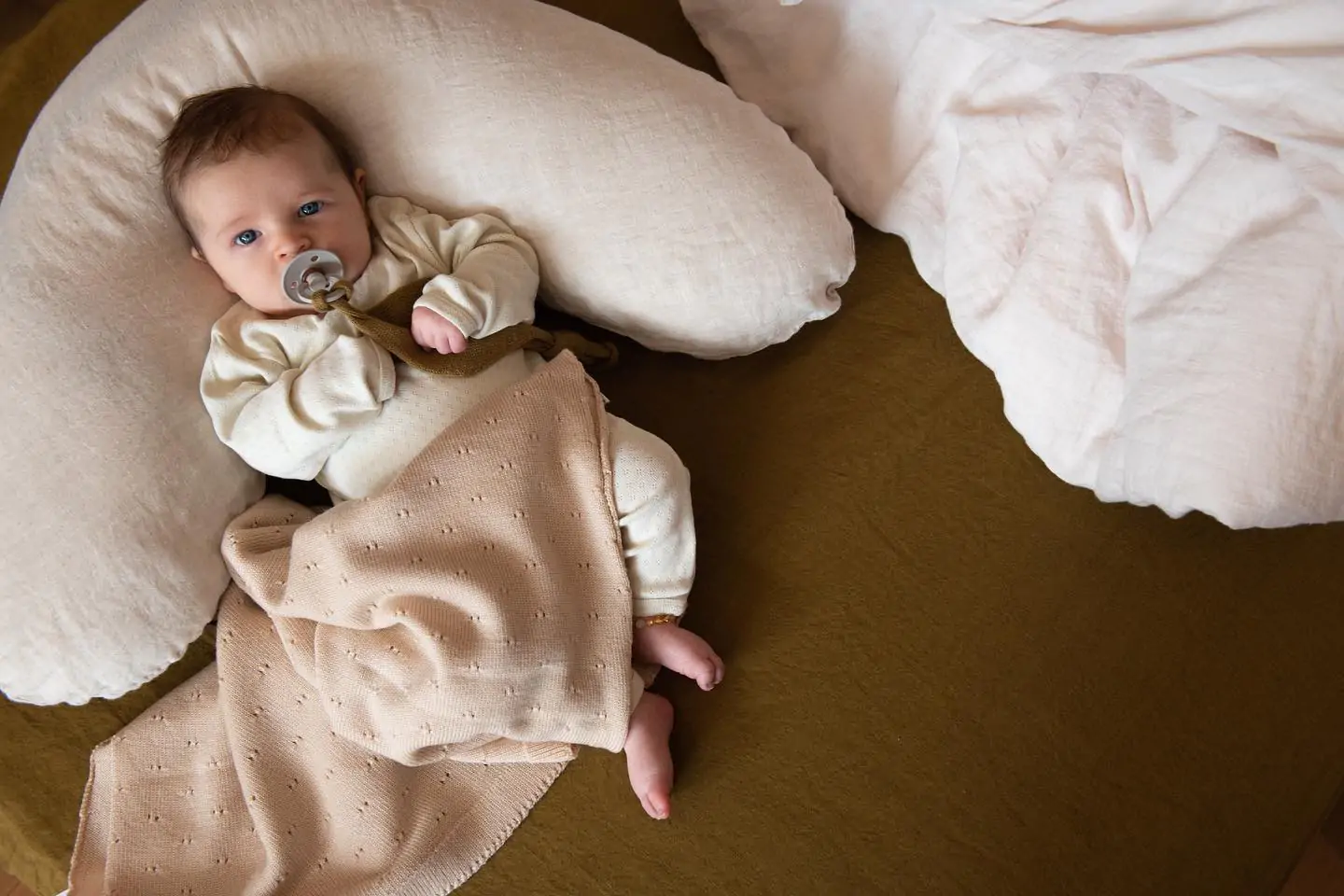
On Frederiksplein, on the edge of the Pijp, you will find the Archive store since 2015 - recognizable by the beautifully decorated theme windows. The interior store is intended for a large audience: you can go here for baby and children's items to adult gadgets and furniture. It is therefore a store to stroll around in if you are looking for things for yourself and a little one. With a gigantic arsenal of brands, the choice is truly huge, offering something for every generation. In addition to selling existing brands, the Archive store is also involved with their house brand - société.
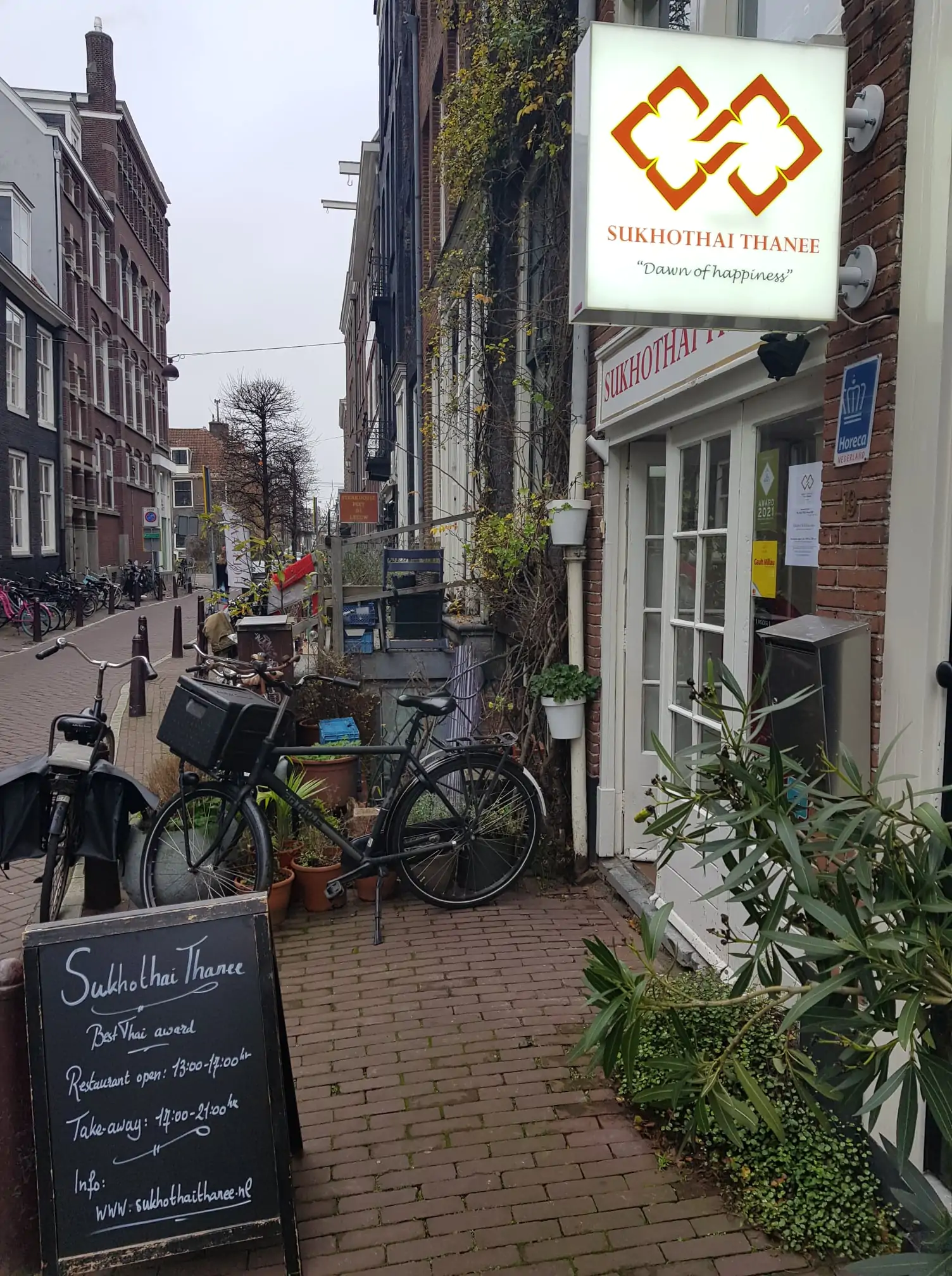
1017 TR Amsterdam
Sukhothai Thanee
Perhaps the name of this restaurant sounds familiar to you. Because the owners of this restaurant used to own the successful street food stall in Amsterdam, namely Sukothai Streetfood Expres. Nowadays, they are fully engaged in running a chic restaurant. They cook from the Thai tradition with honest ingredients. What you should definitely not miss are the curries made from freshly made curry pastes.
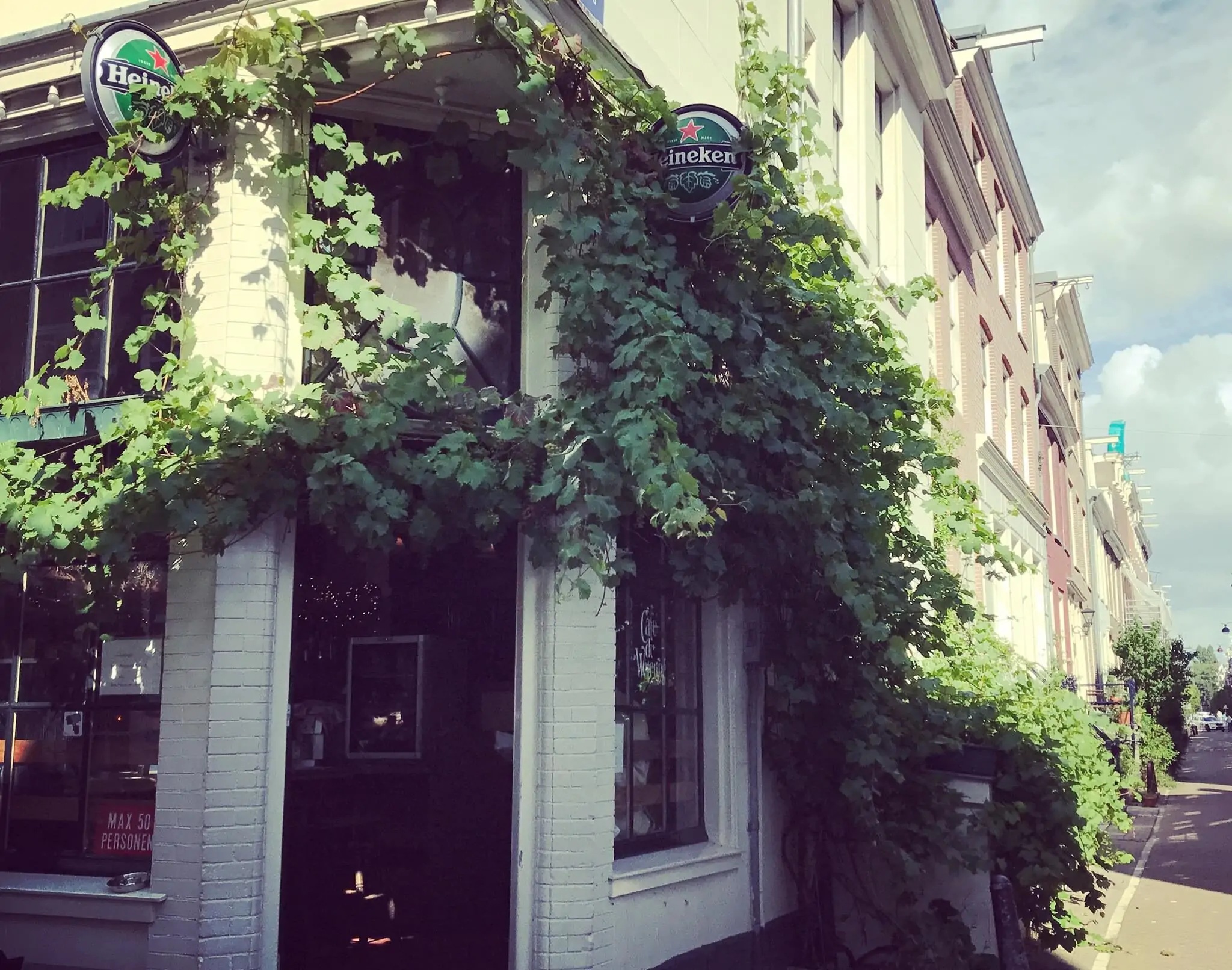
1017 SM Amsterdam
Café de Wetering
A traditional brown cafe and not easy to find if you don't know exactly where you need to be. The cafe is located in a beautiful 17th century building. There is a loft above the bar with a fireplace. This brown cafe is also special because it has an excellent wine list, which you don't often see in classic Amsterdam pubs. Of course, also delicious beer, snacks and, importantly, you only pay in cash here.
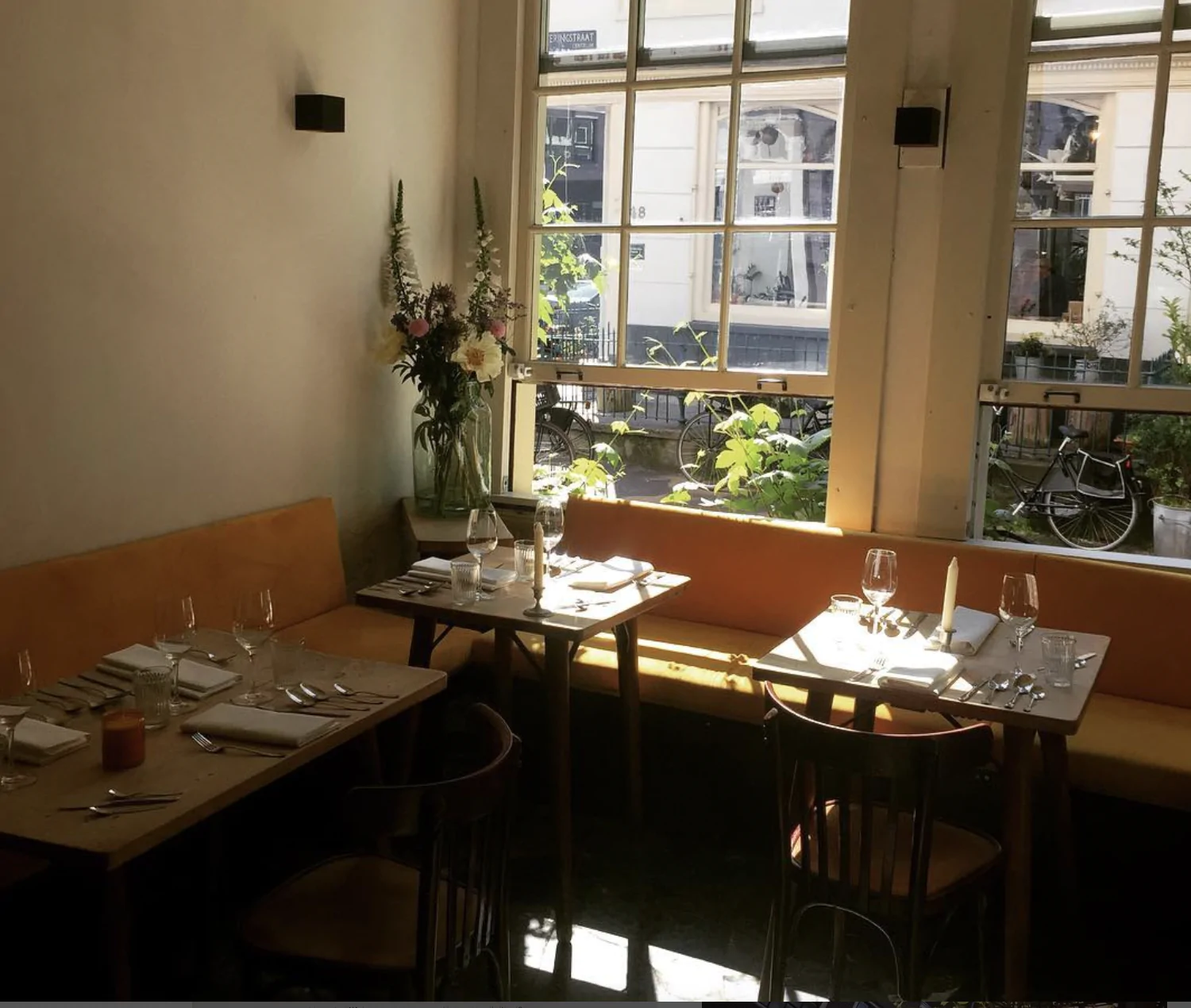
1017 SM Amsterdam
Watergang Restaurant
Since early 2019, Watergang has been located in a charming 17th-century building in the pleasant Weteringbuurt neighborhood, which previously housed the Spanish restaurant La Cacerola for decades. From the small kitchen on the second floor, Chef Tim van Grootheest (formerly a pastry chef at Bord'Eau for many years) conjures up surprising dishes. Watergang serves a surprise menu that changes regularly and navigates between French and Italian as well as Eastern flavors.


1017 XD Amsterdam
Veneur
Chef-owners Yoran Jacobi and Moriaan Koeleman have combined their years of collaboration at the former Michelin-starred restaurant De Juwelier* in a new French restaurant on Weteringschans. Together with sommelier and co-owner Bas Hazen, they offer product-driven cuisine in which meat, grilled dishes, and open fire play the leading role. The menu is classic French with modern accents and seasonal products, focusing on robust sauces and precision. The carefully curated wine list is the perfect partner for the à la carte dishes. Veneur combines nostalgic charm with contemporary hospitality, with a warm atmosphere and a terrace reminiscent of a Parisian bistro.
1017 SP Amsterdam
Back to Black
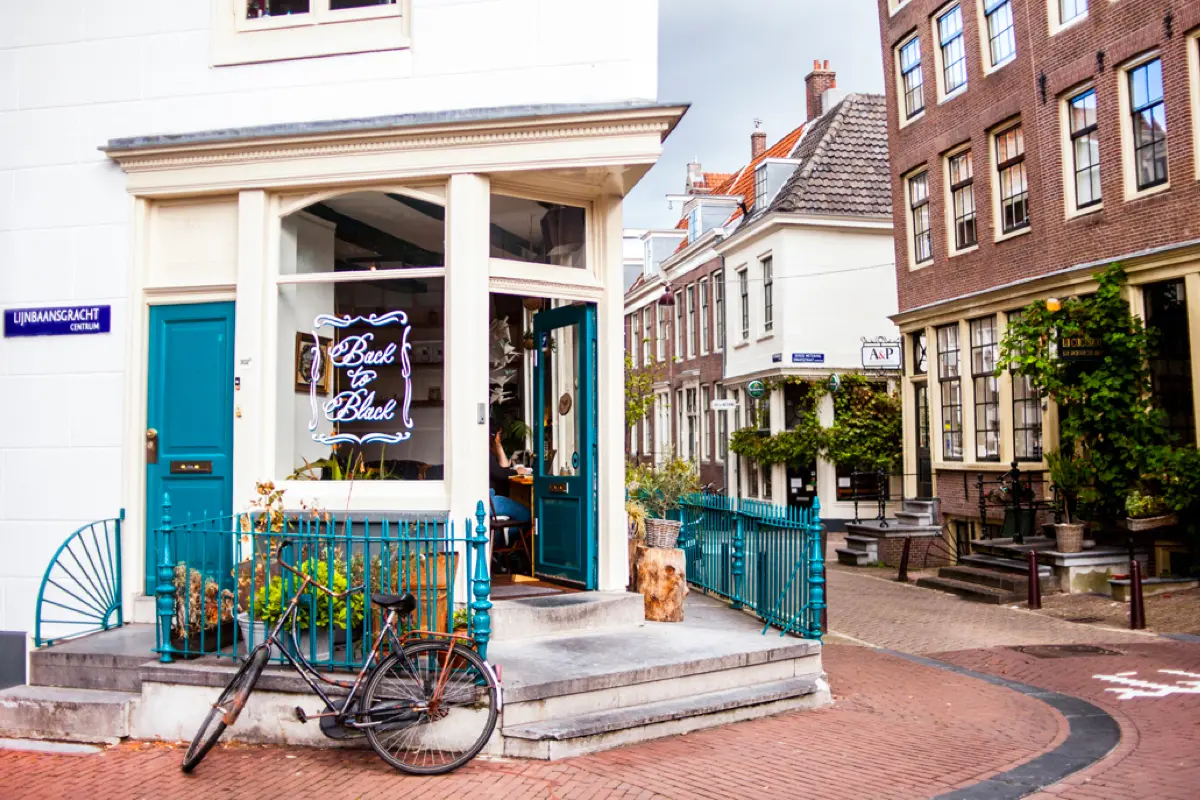
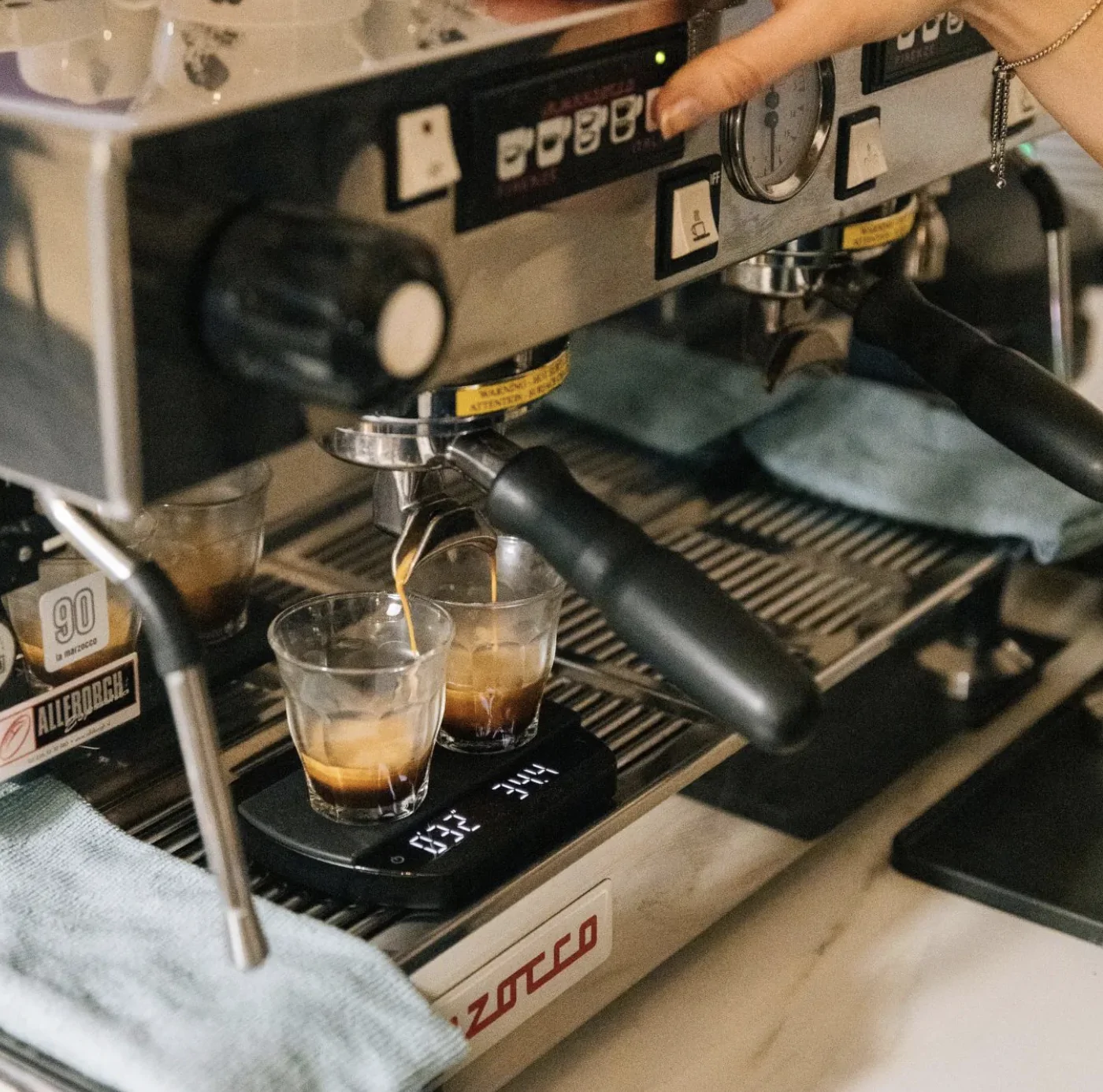
Back to Black is a coffee bar with its own roastery on Weteringstraat. At Back to Black, every step in the coffee production process is carried out with passion and craftsmanship. Driven by their love for coffee, the owners of Back to Black travel the world in search of the best products, which they then sell in their own shop. In addition to coffee, they also serve delicious cookies and cakes, and they also sell their own t-shirts with beautiful designs.

1017 HJ Amsterdam
Tokyo Ramen Takeichi
This Japanese ramen chain now has several branches all over the world. There are now three branches in Amsterdam. Tokyo Ramen Takeichi is known for its healthy ramen with chicken and vegetable broth. Because they remain true to their Japanese roots, it is an authentic restaurant. In addition to their specialty, the side dishes are also delicious. The 'karaage' will not disappoint you.
1017 KS Amsterdam
Buffet van Odette
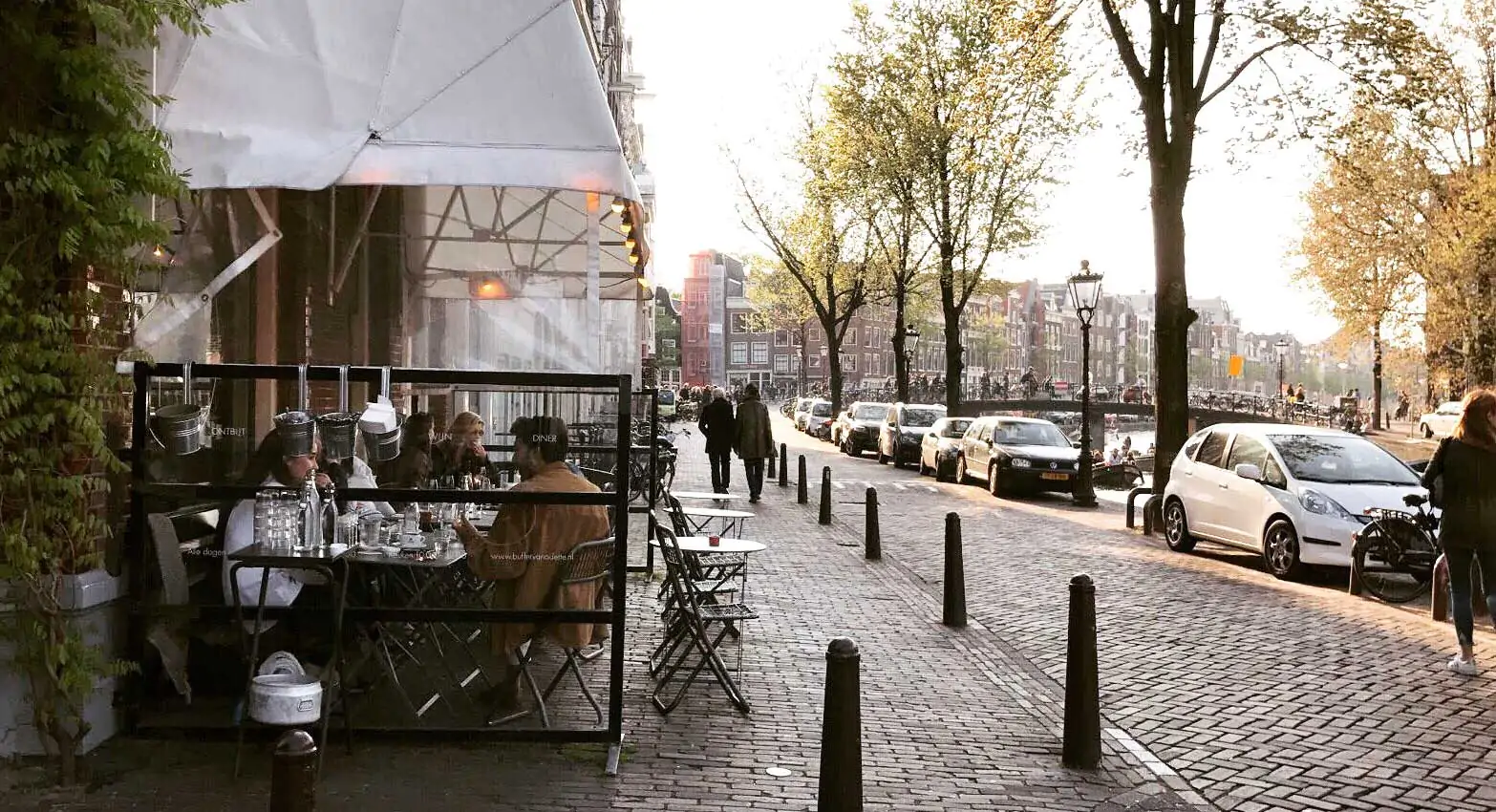
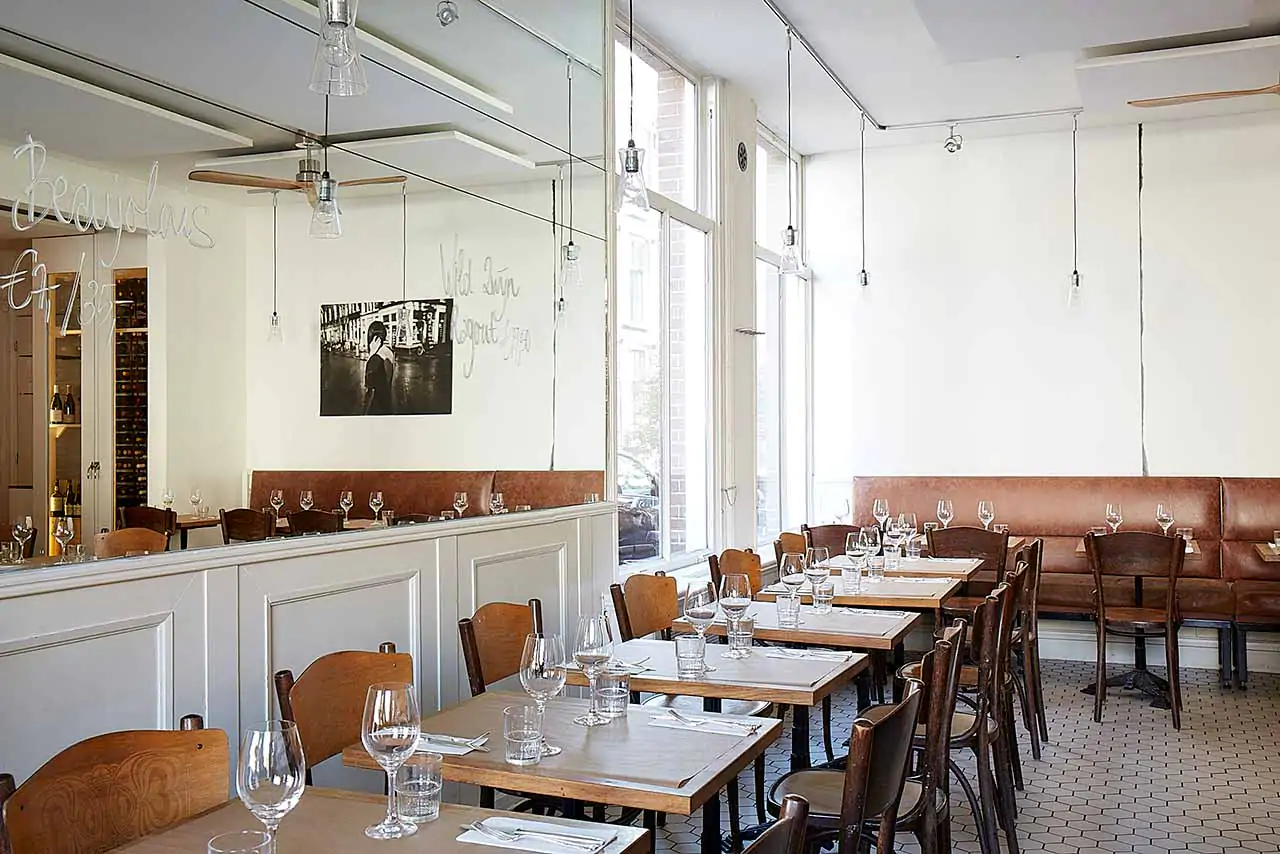
Odette Rigterink started Buffet van Odette in 1994. She loaded pans full of homemade food into a crate on the front of her bicycle and served a daily menu to young and old Amsterdam at the Enfant Terrible crèche. Since 2011, the restaurant has been located at Prinsengracht 598, on the corner of Weteringstraat. They serve their regular classics and also cook with the season and have an extensive (natural) wine list. From Monday to Friday they serve both lunch and dinner.
1017 XR Amsterdam
An
Located at Weteringschans 76 in Amsterdam, Japanese Restaurant An has been renowned for authentic, homemade Japanese dishes since 1989. The restaurant specializes in traditional Japanese meals as they are prepared at home, using pure, fresh and healthy ingredients. At An, craftsmanship is central: almost all dishes are made by hand. Guests can enjoy various Japanese classics, such as sushi, tempura and teishoku set menus. Special attention is also paid to vegetable dishes, making the restaurant accessible to vegetarian and vegan guests.
1017 KR Amsterdam
Heuvel
Locals and gallery owners from the Spiegelkwartier regularly visit here. At Café Heuvel, it's almost always happy hour around 5:00 PM. 'If I fall, let it be at Heuvel!' This small corner café with a lovely terrace is one of the oldest cafés in the city.
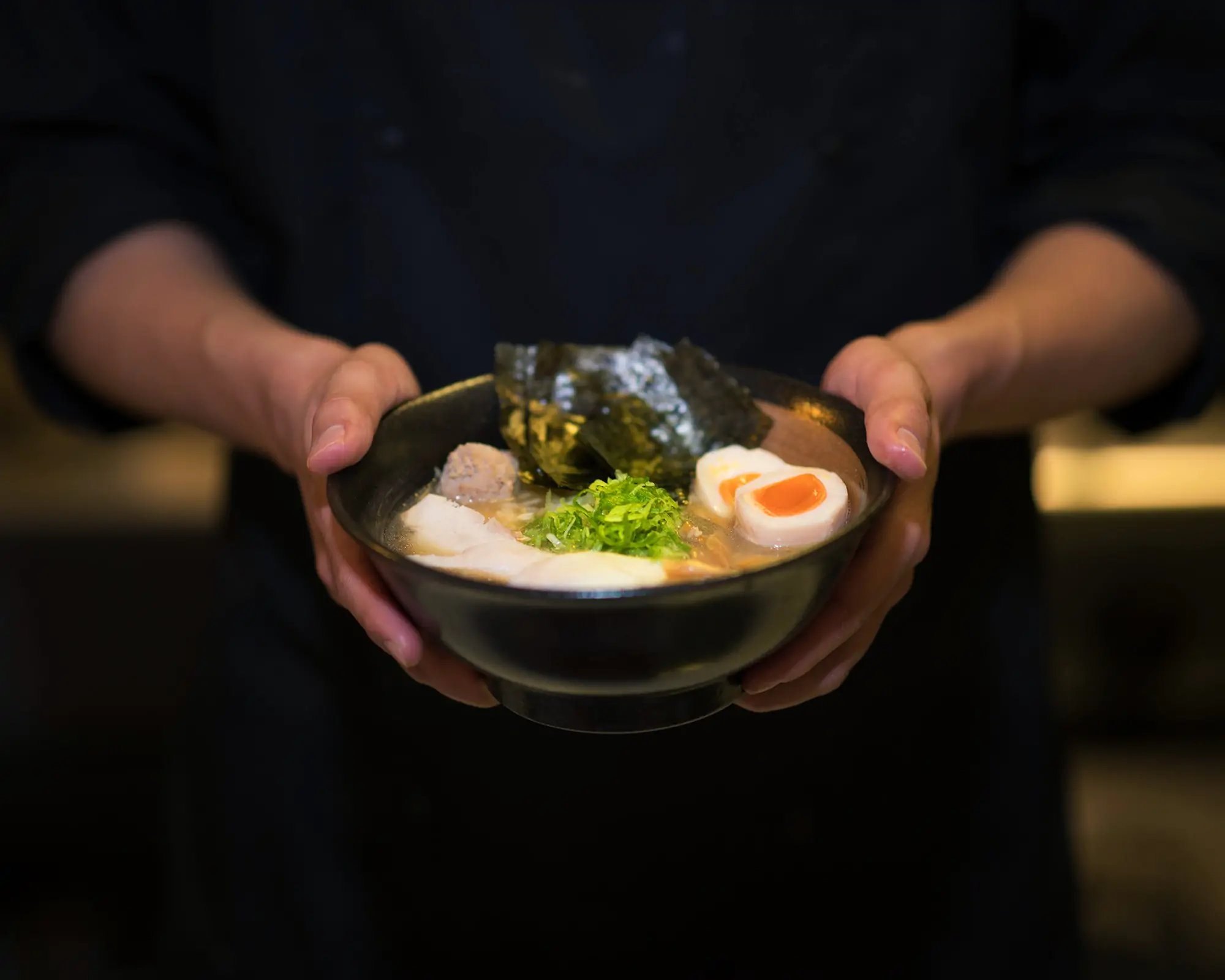
1017 GR Amsterdam
Tokyo Ramen Takeichi
This Japanese ramen chain now has several branches all over the world. There are now three branches in Amsterdam. Tokyo Ramen Takeichi is known for its healthy ramen with chicken and vegetable broth. Because they remain true to their Japanese roots, it is an authentic restaurant. In addition to their specialty, the side dishes are also delicious. The 'karaage' will not disappoint you.
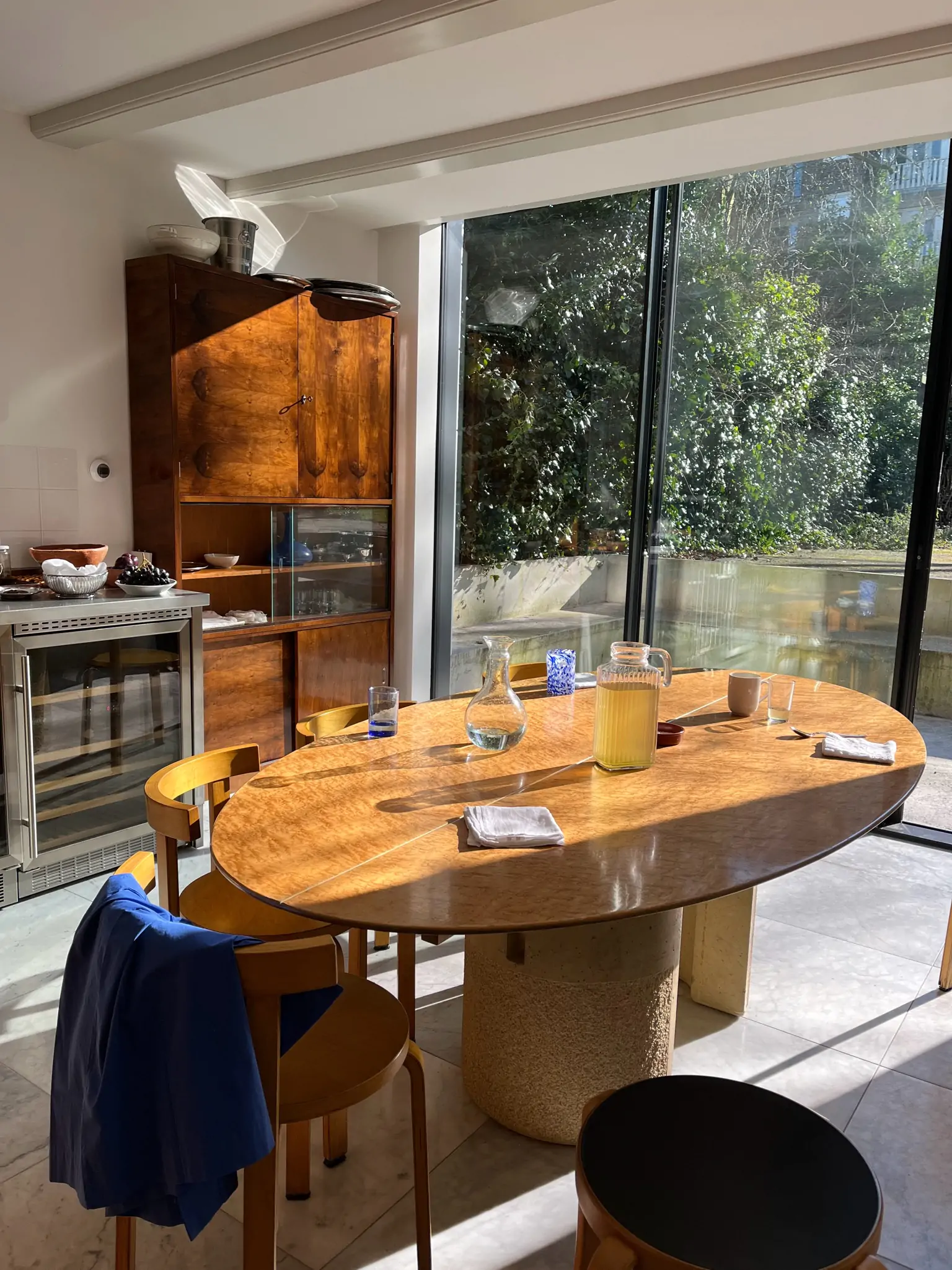
1017 EP Amsterdam
Carmen
Shop, restaurant, and guesthouse. Owners Carmen Atiyah de Baets and Joris ter Meulen Swijtink opened this wonderful hotspot on Keizersgracht after working and living in London for several years. Carmen selected a fine mix of fashion, interior design, and accessories from exceptional designers. Joris runs the kitchen, where foreign chef friends are regularly hosted.
1017 RL Amsterdam
Shiraz
It's no coincidence that Shiraz won the wine bar of the year competition. This beloved wine bar is located in the heart of Amsterdam, where you can discover new wines or fall back on your favorite wine. If you find it difficult to choose between a total of 150 wines, the staff is always on hand to provide expert advice or let you taste something. In this garden of wines, you can enjoy a delicious glass of wine with a matching snack.
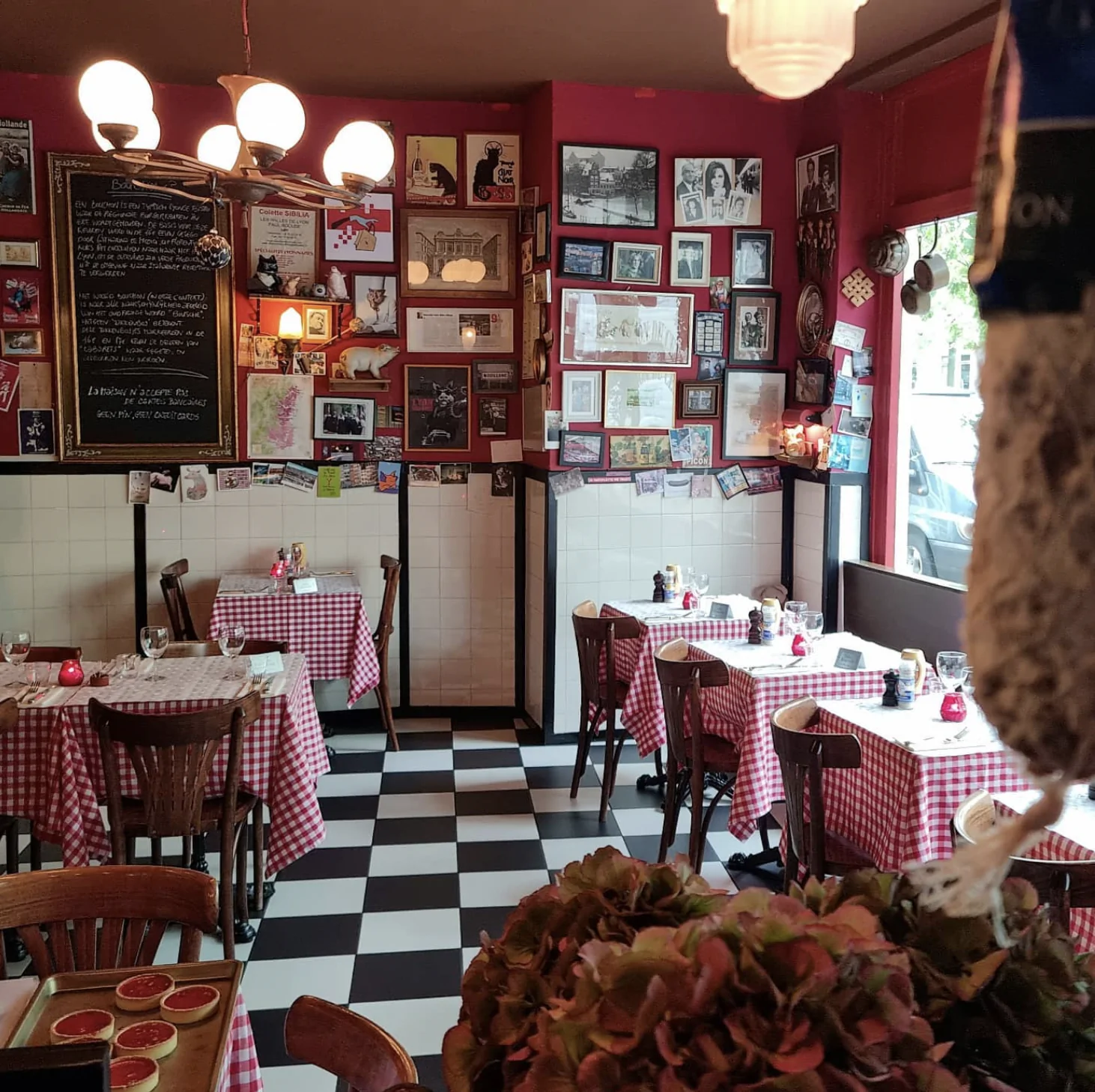
1017 VV Amsterdam
Bouchon du centre
On the corner of the Reguliersgracht you will find 40m2 of cozy France, including a traditional bistro atmosphere and red and white checkered tablecloths. The bistro is run by Hanneke Schouten and is open from Wednesday to Saturday. The concept originated from the 'bouchon Lyonnais' where a high-quality meal is prepared with affordable ingredients.
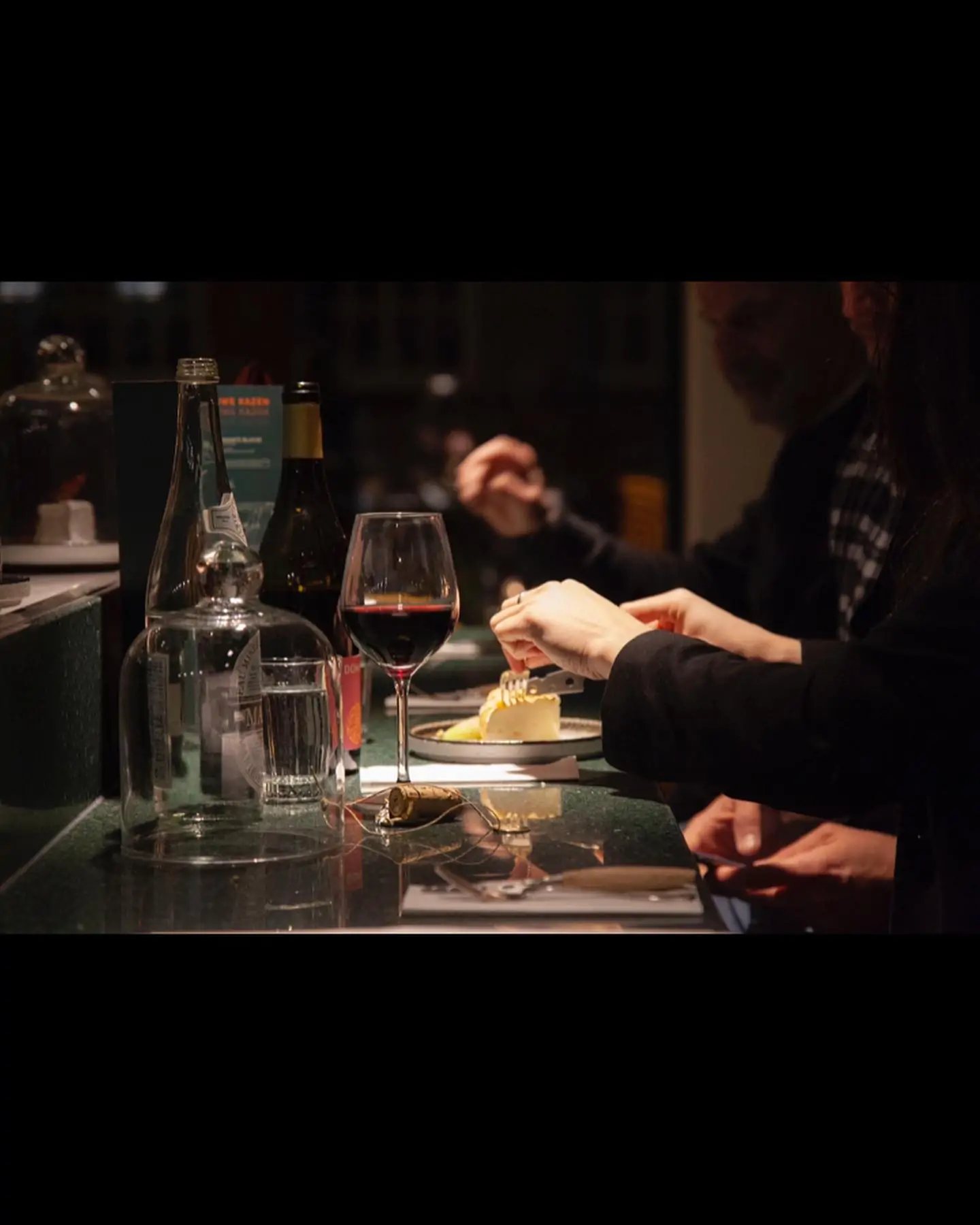
1072 LJ Amsterdam
Cheese Bar Amsterdam
At Kaasbar Amsterdam, you get cheese (duh) as a starter, cheese as a main course, cheese on the side and cheese as dessert. There is even cheese ice cream! All products sold here are from the Netherlands. Also nice, for the vegans there are also several vegan cheese options. At the bar you can see a conveyor belt with different cheeses passing by.
1072 LJ Amsterdam
Bardak
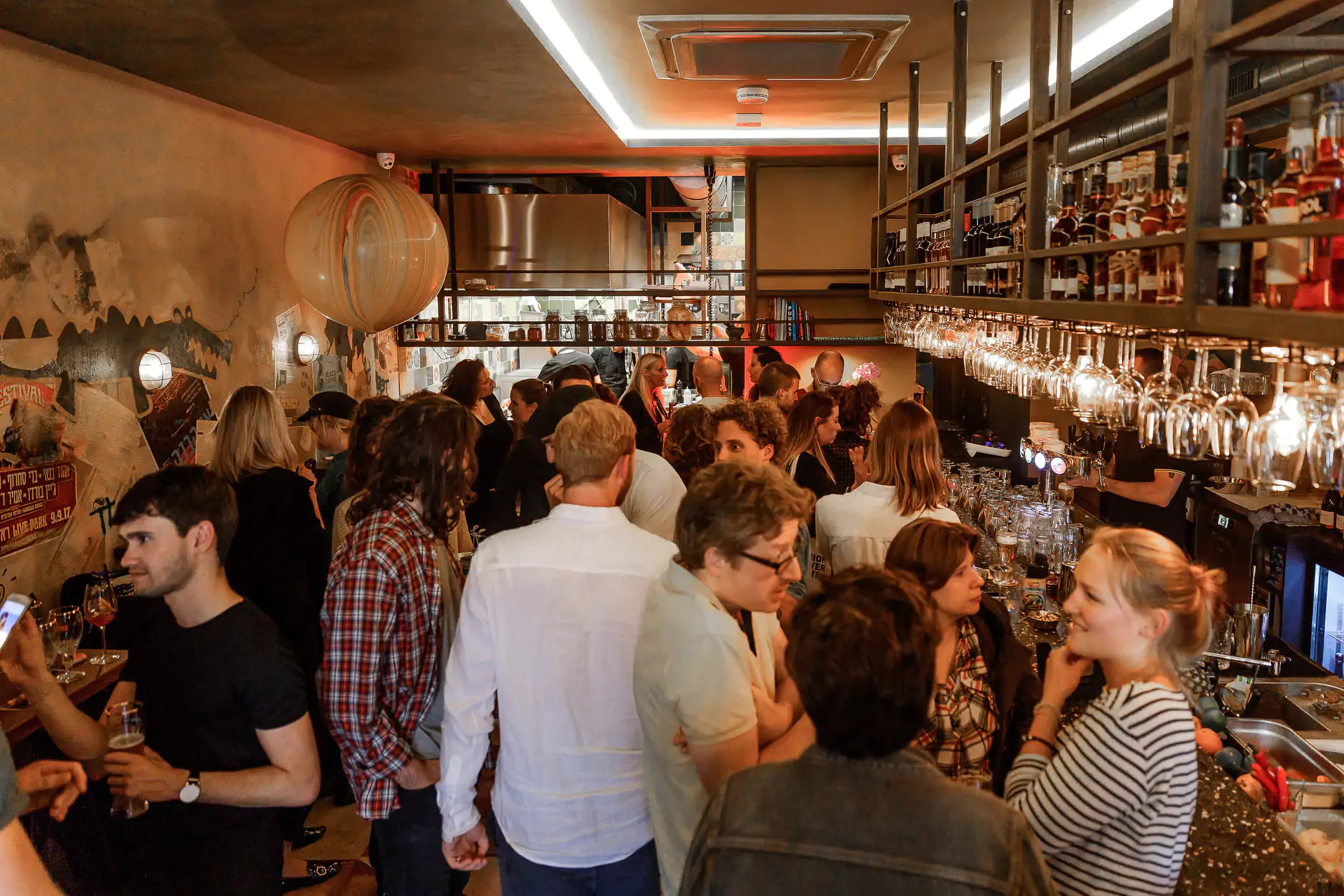
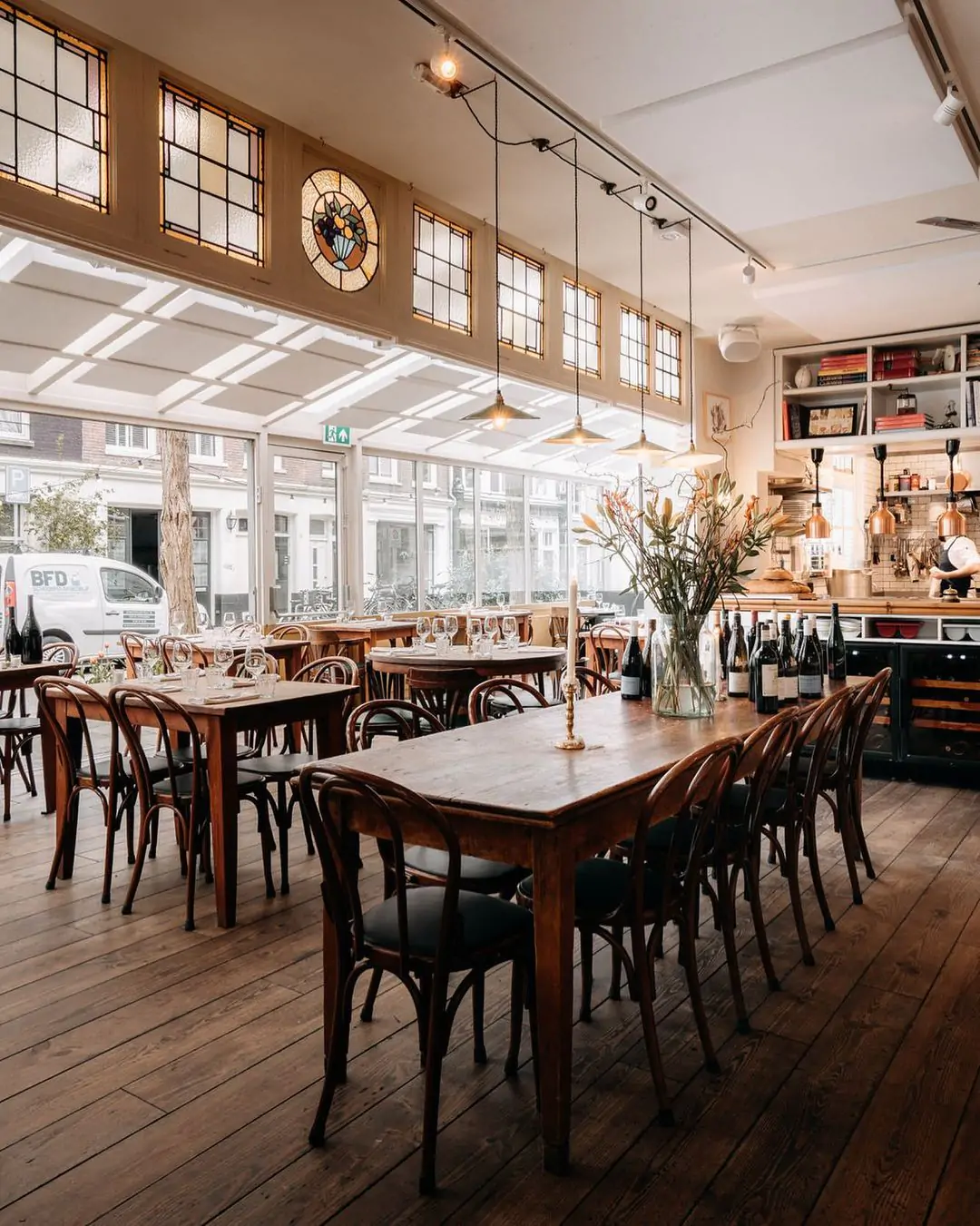
Bardak moves Mediterranean Manhattan to Amsterdam. This restaurant serves the tastiest types of street food from Tel Aviv. In addition to delicious dishes such as fried cauliflower and crunchy falafel, they also make exciting vintage cocktails with names such as Chili Cucumber Margarita and Sweet Bliss. Fresh ingredients are key and the warm summer atmosphere of the Middle East should not be missing. Bardak is a gem where you can enjoy Tel Aviv style.
1072 BS Amsterdam
Café Caron
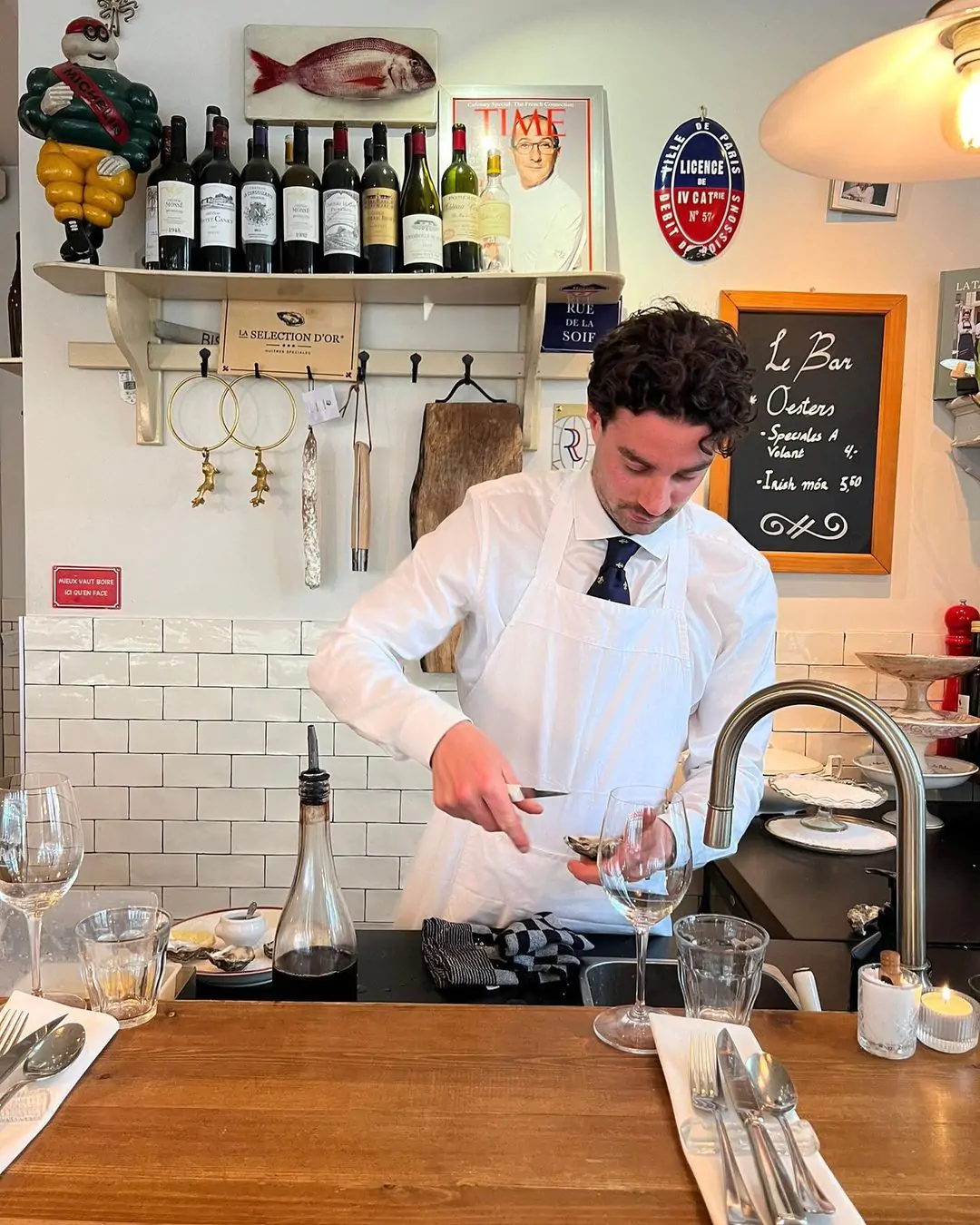
Café Caron was born from the inspiration of Alain and Roeltje at home. Their sons Tom and David wanted to start a restaurant that felt like sitting at their own dining table, where top-quality dishes were served without fuss in a homely setting. The menu is compact and changes according to seasonal availability. The wine list is firmly rooted in France. The family business has now grown to four establishments.