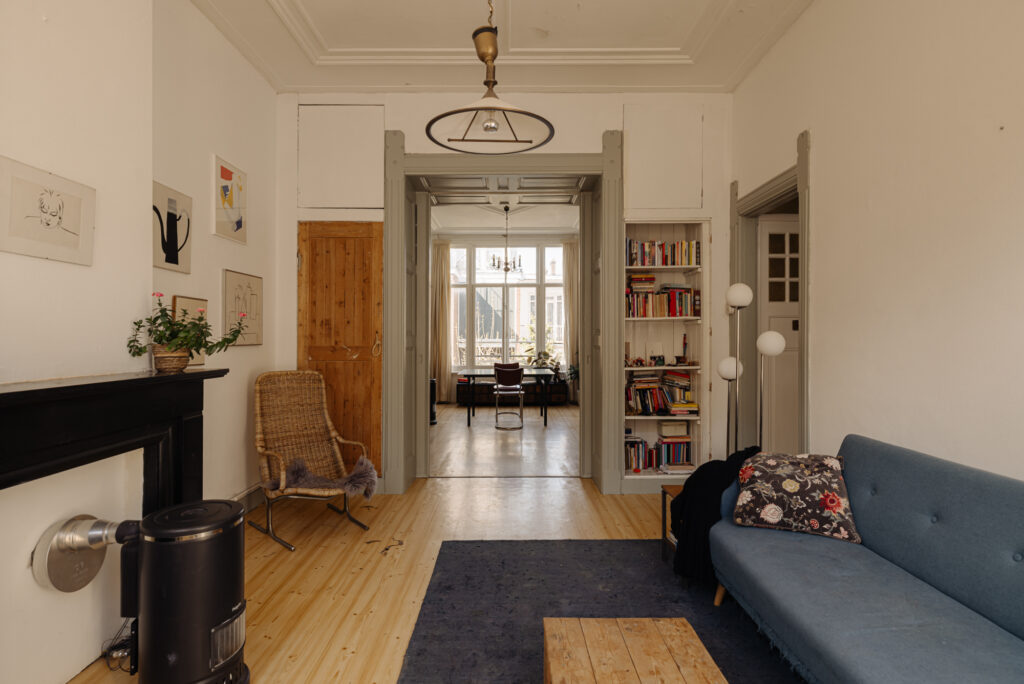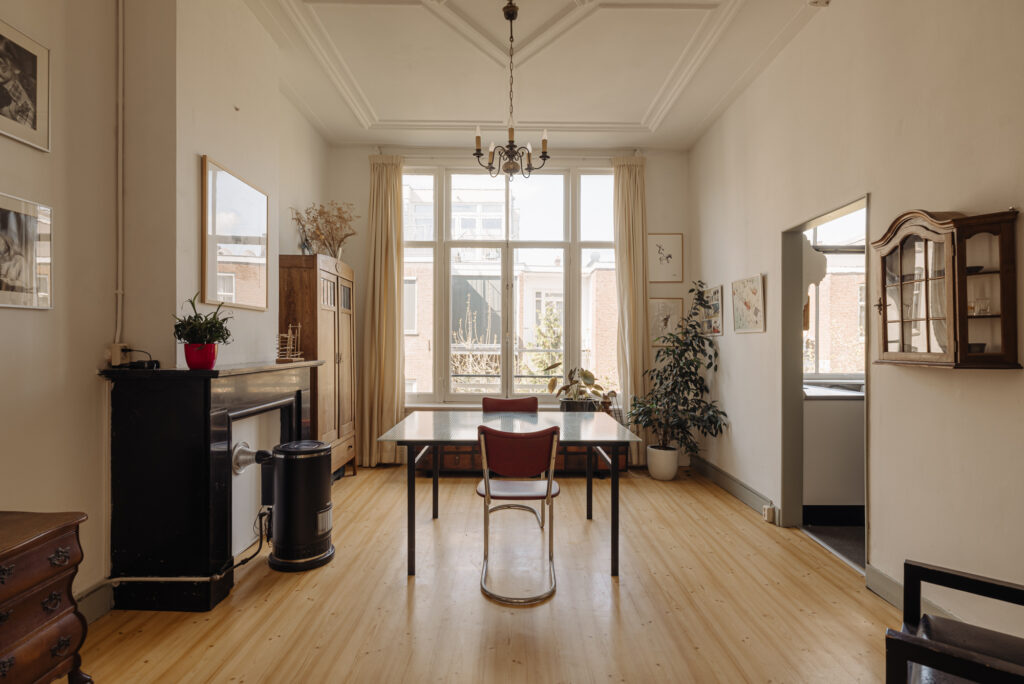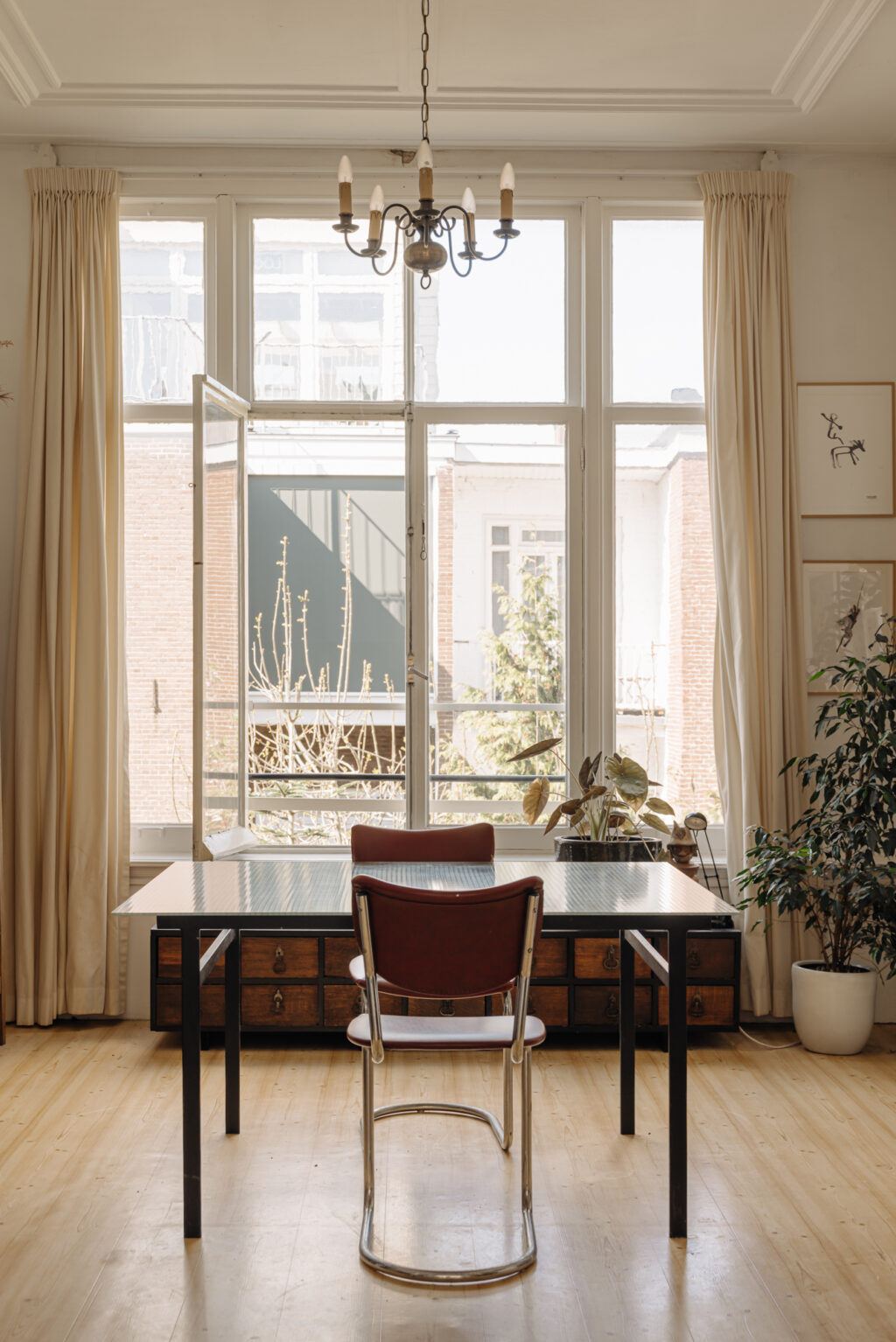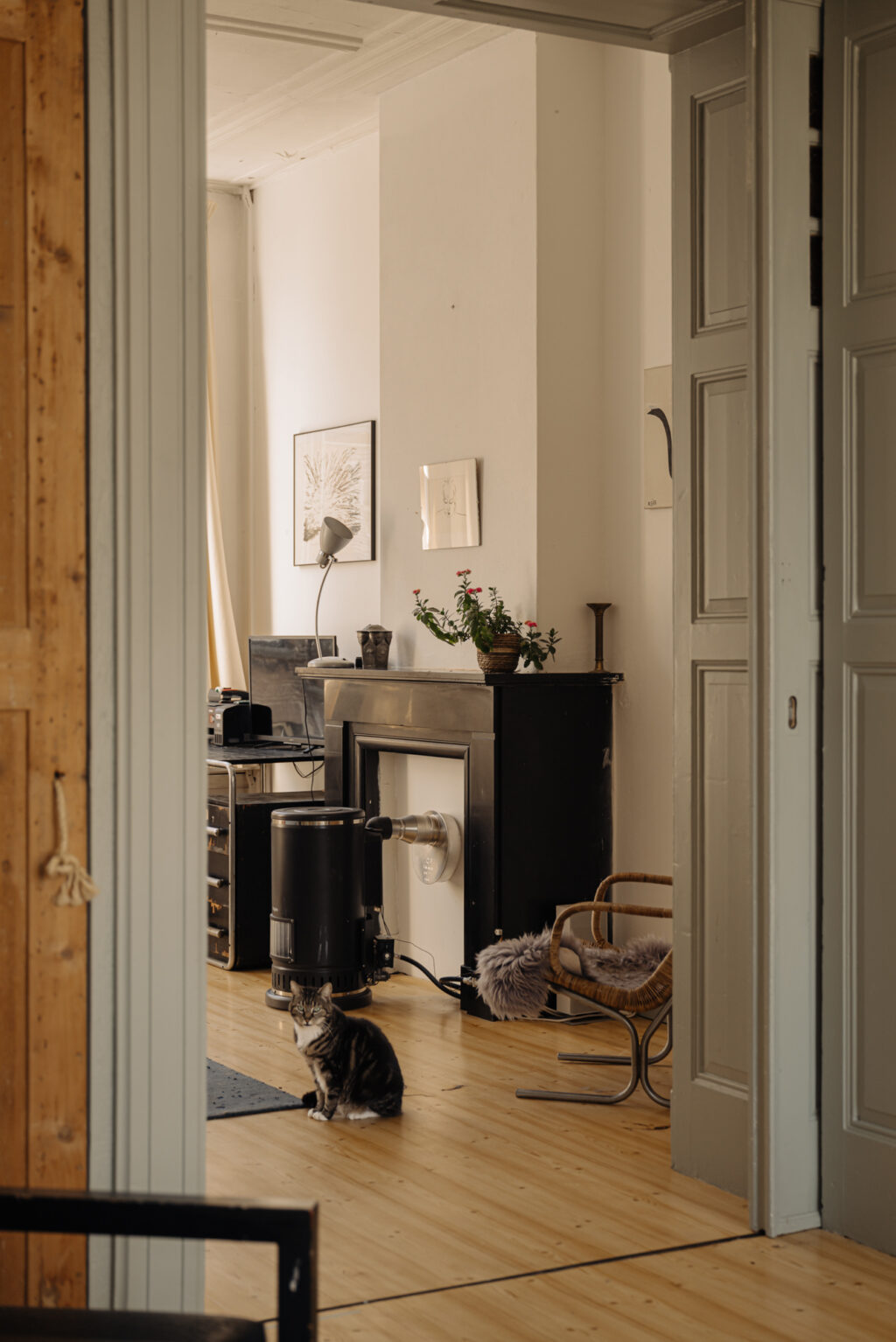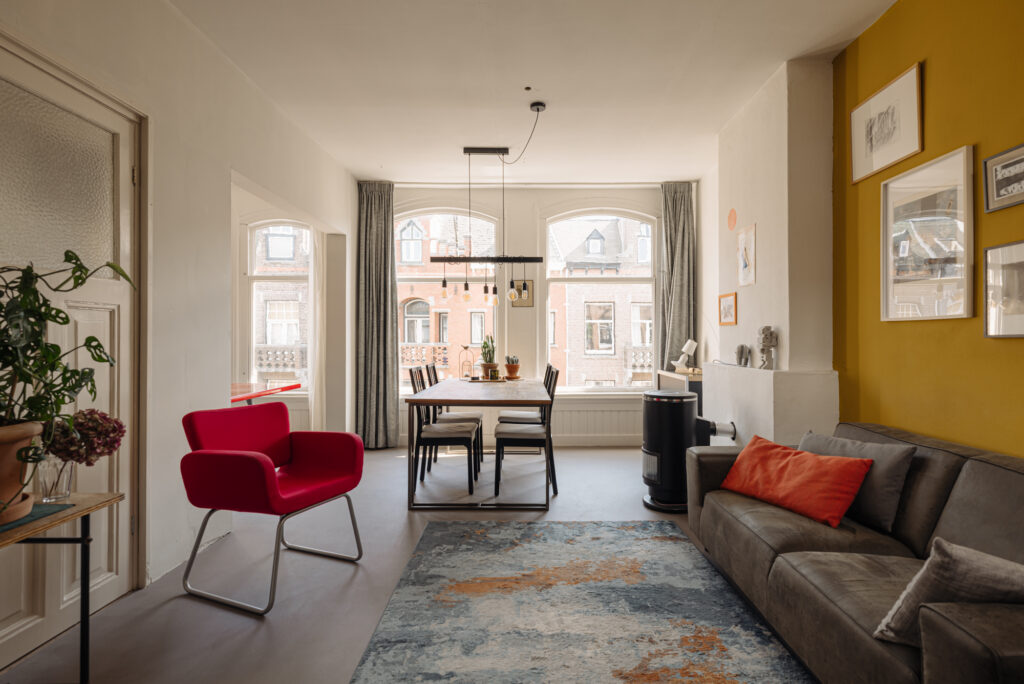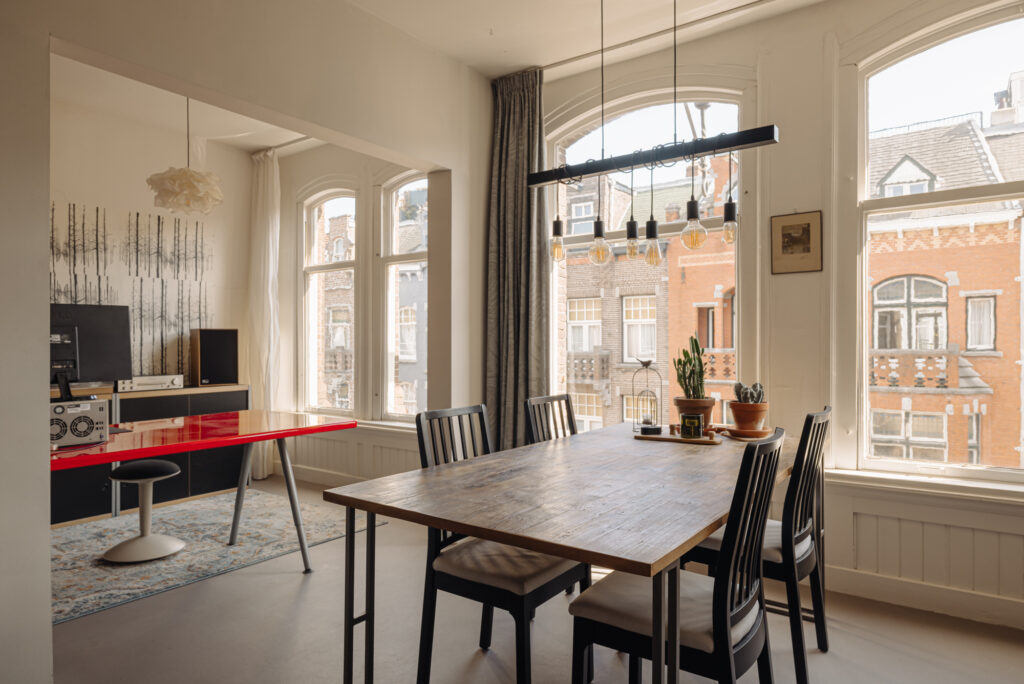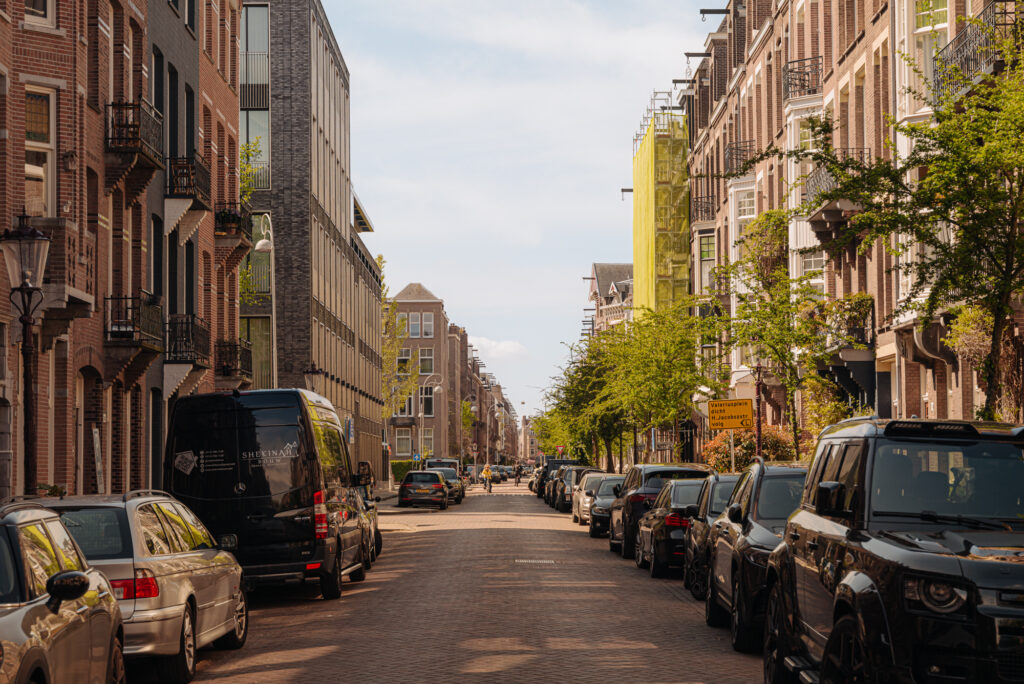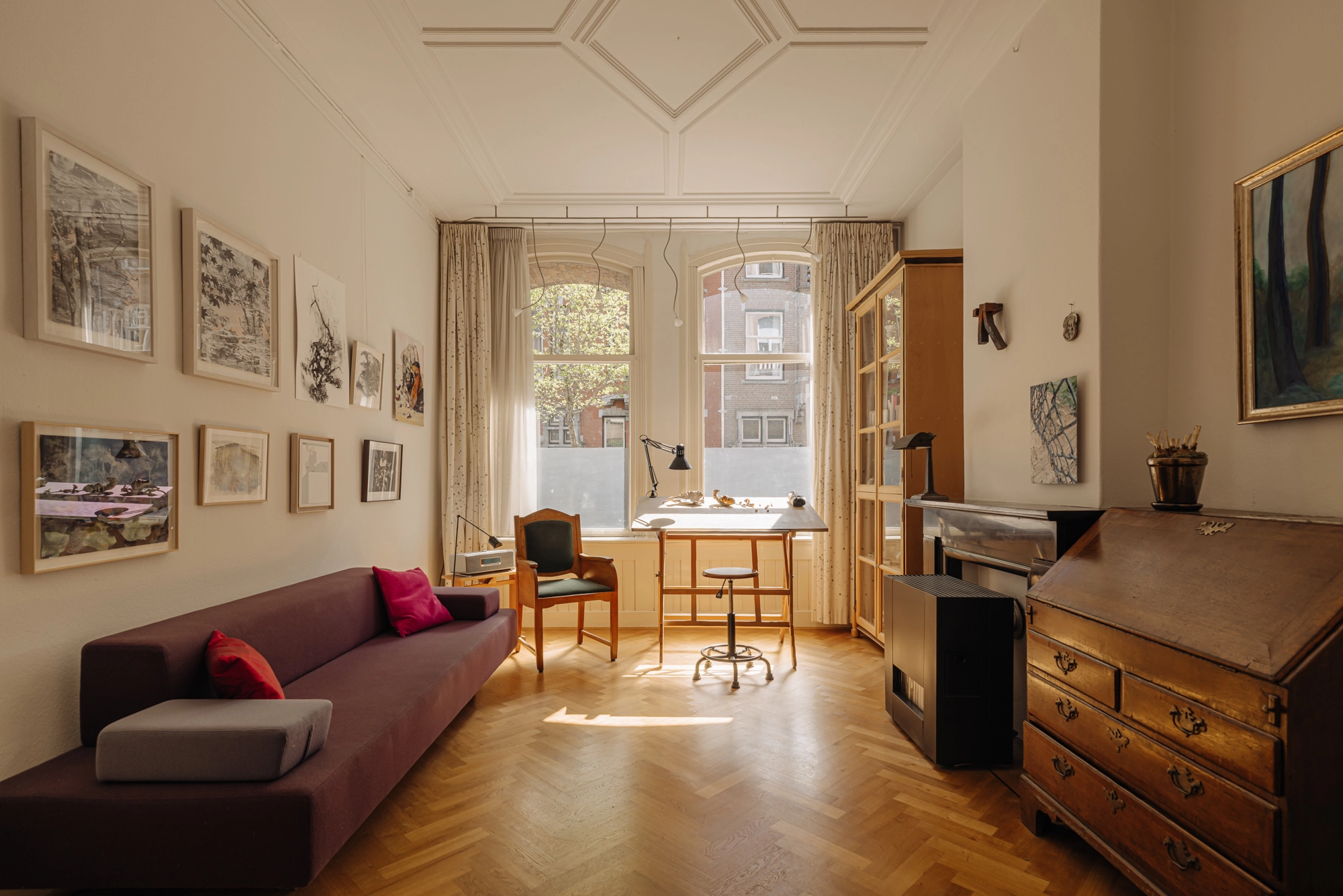
Spacious townhouse of approximately 251 m² with a city garden of approximately 60 m² on Valeriusstraat. The property is situated on freehold land and consists of four full independent floors with original details, high ceilings, plenty of light, and a quiet, green location in Oud-Zuid. A unique combination of space, privacy, and greenery.
Guided tour
Behind the stately facade of Valeriusstraat 146 lies a spacious mansion spread over four full floors, with a deep garden. The main floor offers a classic layout with a study, dining room, and kitchen on the garden side. On the first floor, there are two spacious Rooms, a bathroom, and an extra room. The second floor functions as an independent living area with a sitting room, dining room, kitchen, and extra room. At the top is a bright living area. A house with space, layers, and greenery, in the quiet heart of the Valeriusbuurt neighborhood.
neighborhood guide
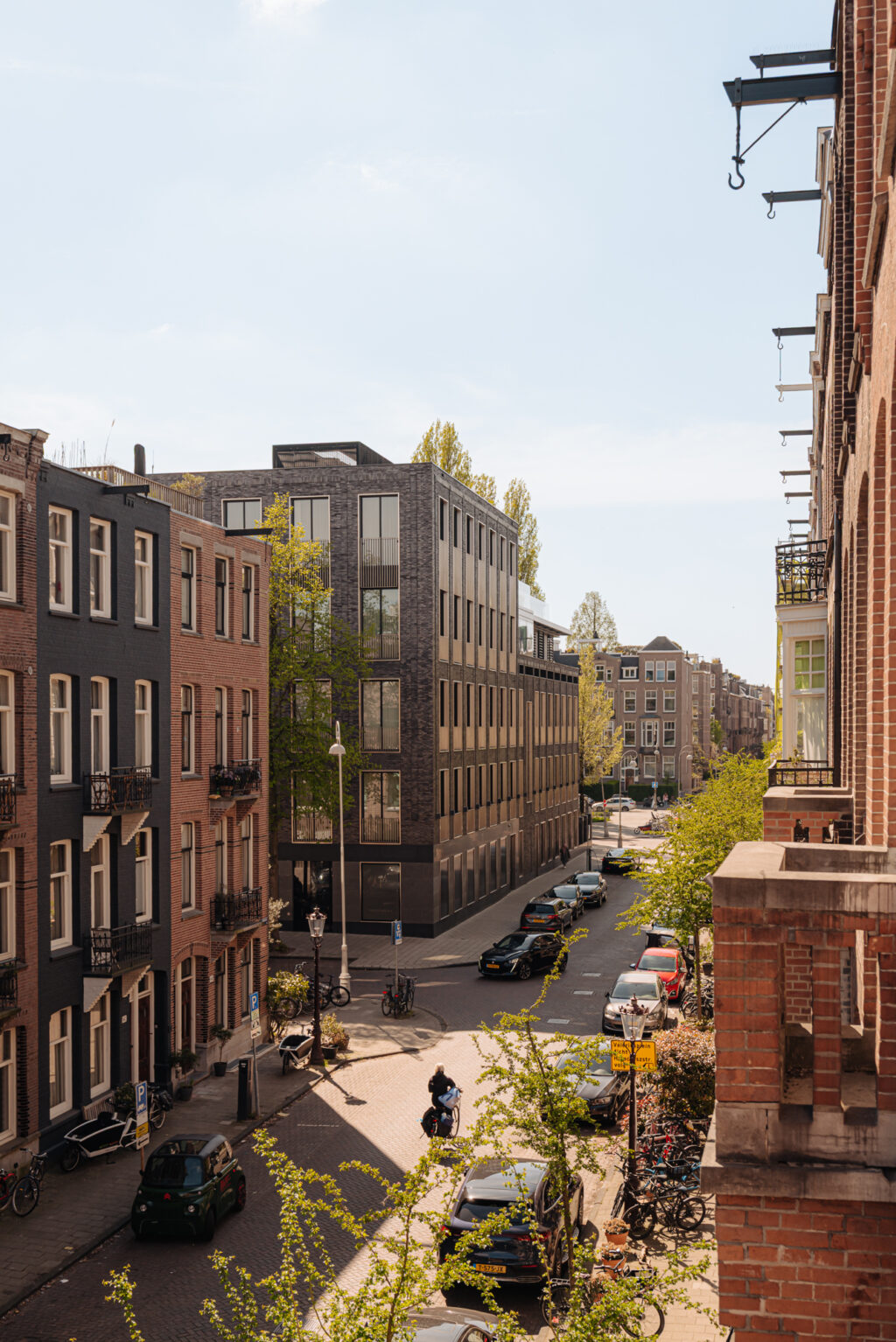
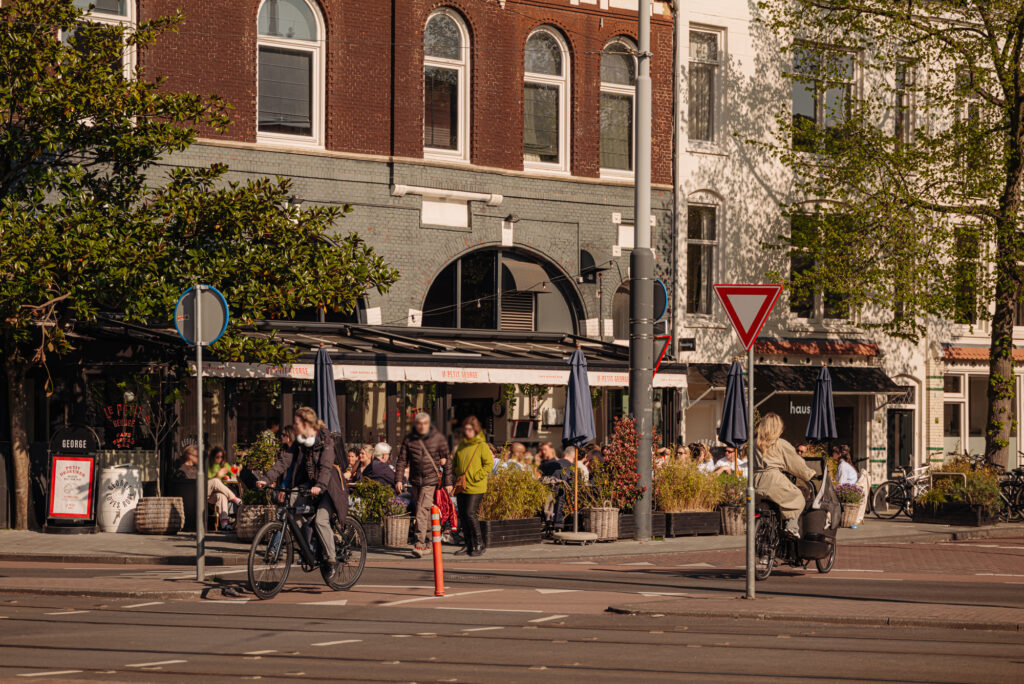
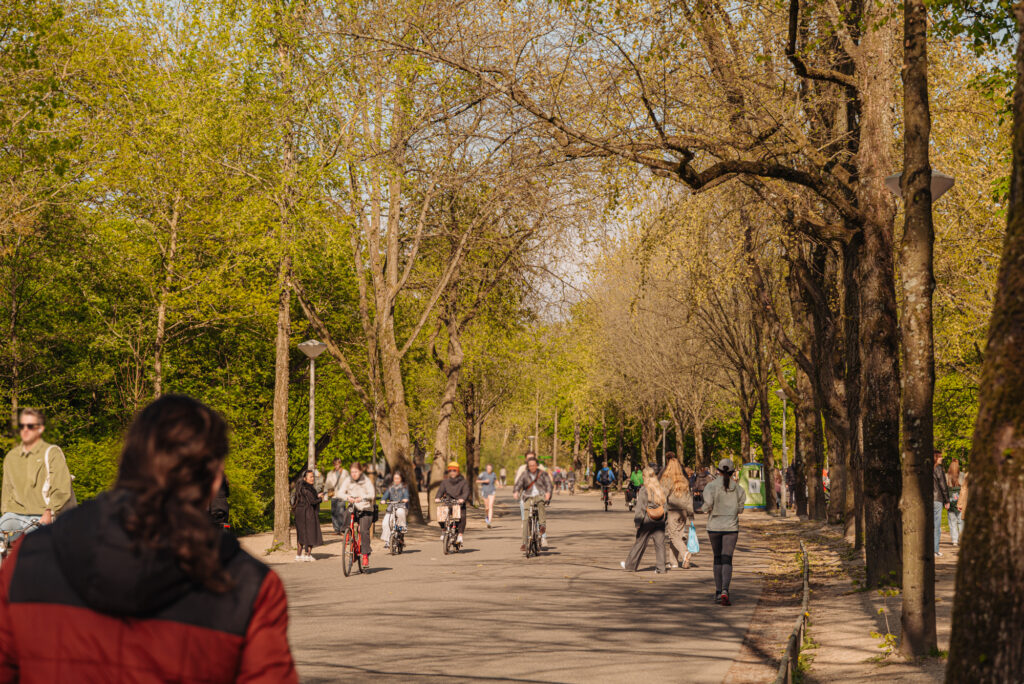
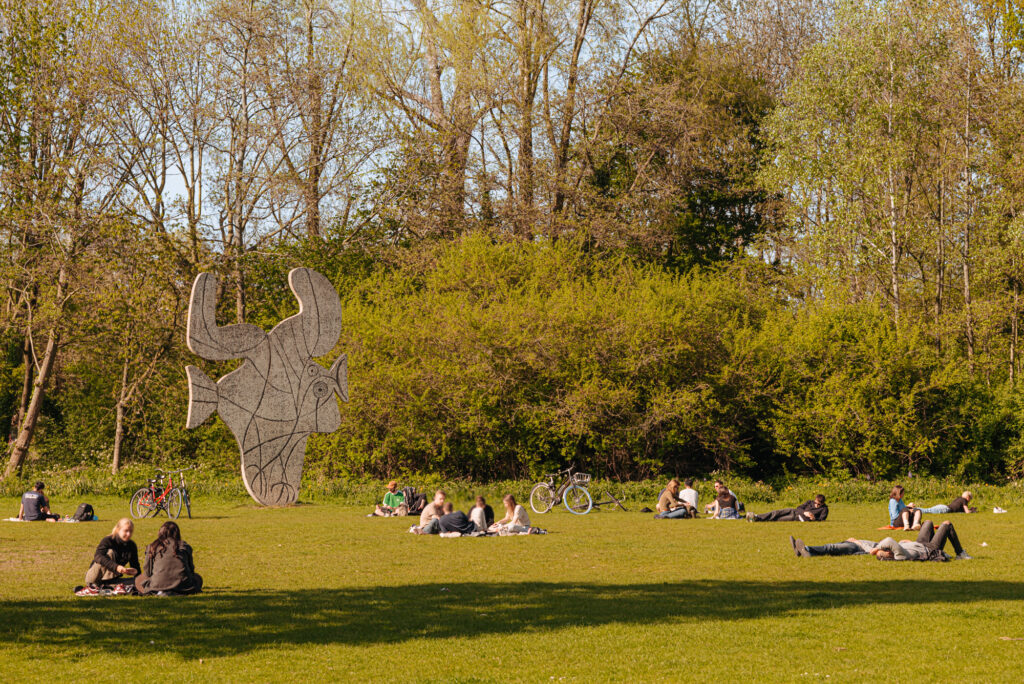
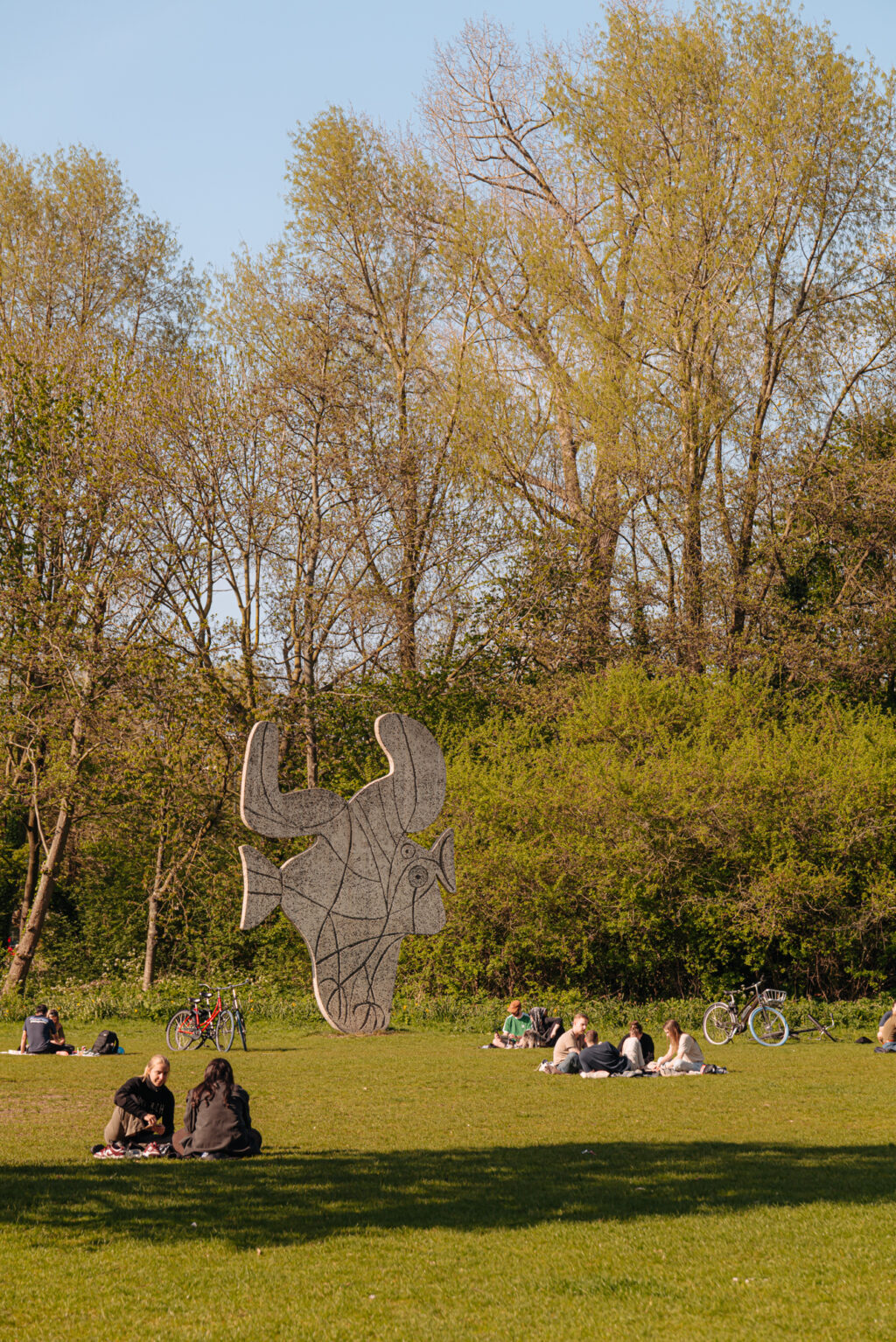
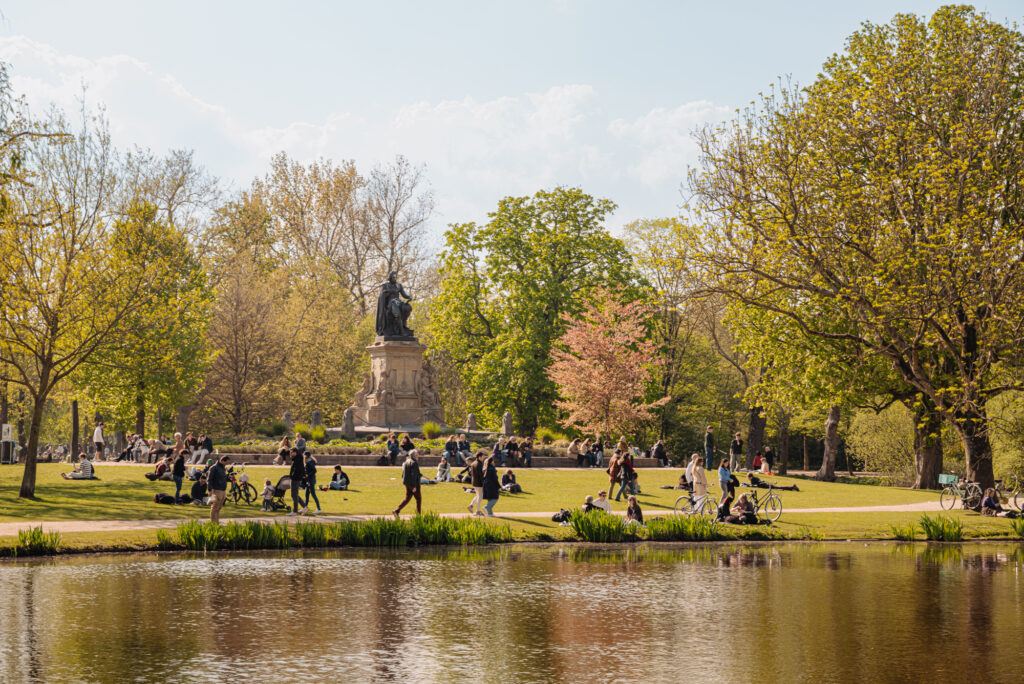
At the end of the nineteenth century, as Amsterdam's city center became increasingly crowded, there was a growing need for a green neighborhood close to the center. On the initiative of Van Eeghen, architect Zocher designed Willemspark in 1881, which bordered on Vondelpark. A few decades later, the first villas were built there, around the ponds. Stately buildings in classical architectural styles welcomed wealthy families to this quiet and green part of the city. The grandeur of that era is still intact today. Most of the buildings have been renovated and the avenues and greenery, as originally conceived, have matured. Both the residents and the culinary offerings of the Vlaamsch Broodhuys, chocolatier Linnick, greengrocer Wessels, Michelin-starred restaurant Ron Gastrobar, French seafood restaurant VISQUE, and several caterers give the residential neighborhood its contemporary allure. Located between the Vondelpark, Koninginneweg, and Amstelveenseweg—with the Museum Quarter within walking distance—this is a unique oasis within Amsterdam to live, where relaxation and inspiration are always close by.
Property Details
• Approx. 251 sq. m. of living space
• Northwest-facing garden of approx. 60 sq. m.
• Located on freehold land
• Municipally protected historic district
Valerius No. 146
Sometimes you come across a house that doesn't care about standard layouts or conventions. Valerius No. 146 is one such home. Spread over four floors, with a sunny city garden, this house offers a rare combination of space, tranquility, and freedom—right in the middle of Oud-Zuid. What makes this house special is not only its location in the Valeriusbuurt neighborhood, but also the way each floor has its own rhythm and use. Here, you can live your own way, with plenty of opportunities for work, family, or just peace and quiet. A house that moves with you, without losing its character. Carefully lived in, thoughtfully decorated – ready for the next generation of city dwellers who are looking for space, but also appreciate nuance.
Ronald van de Bijl | Real Estate Agent Broersma Wonen
Jelle Mundt | Makelaar Broersma Wonen
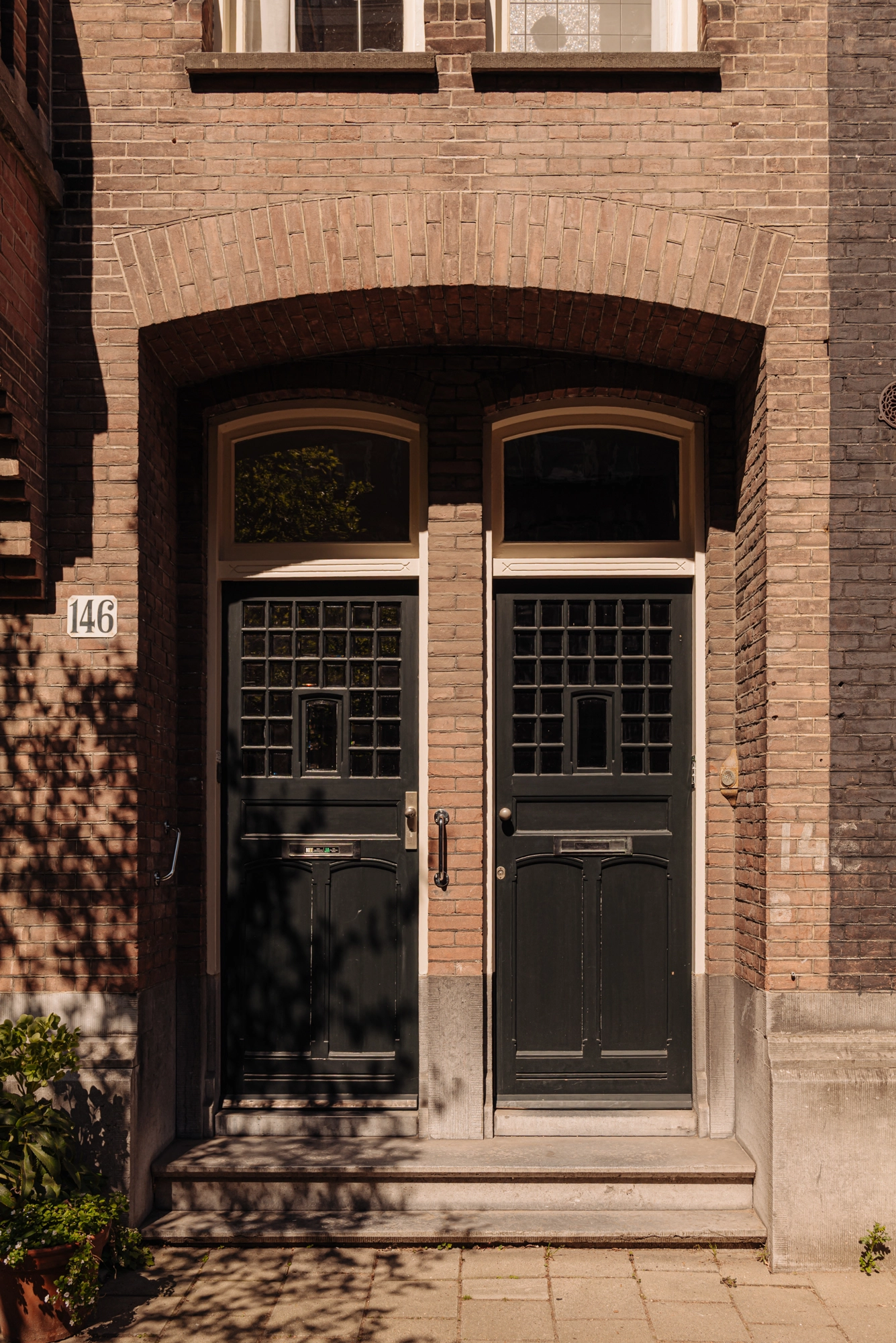
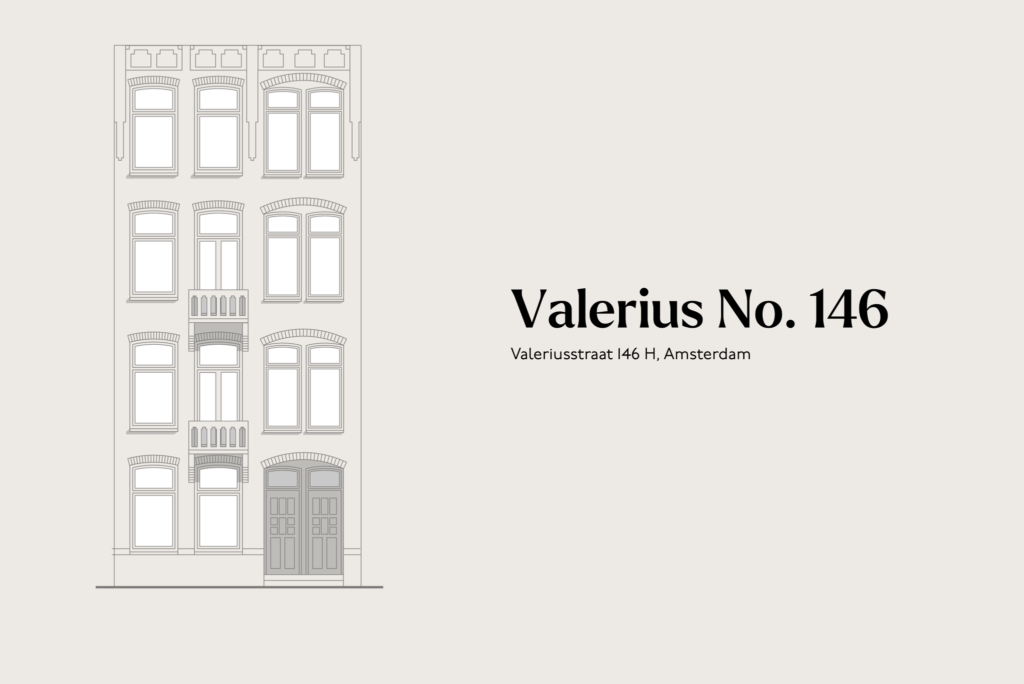
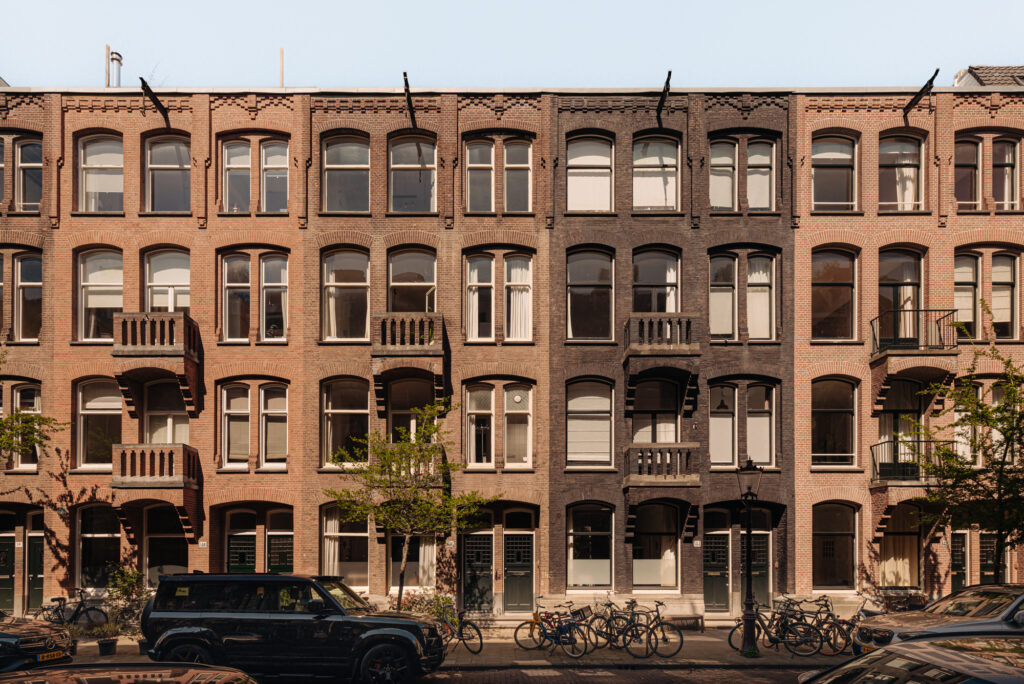
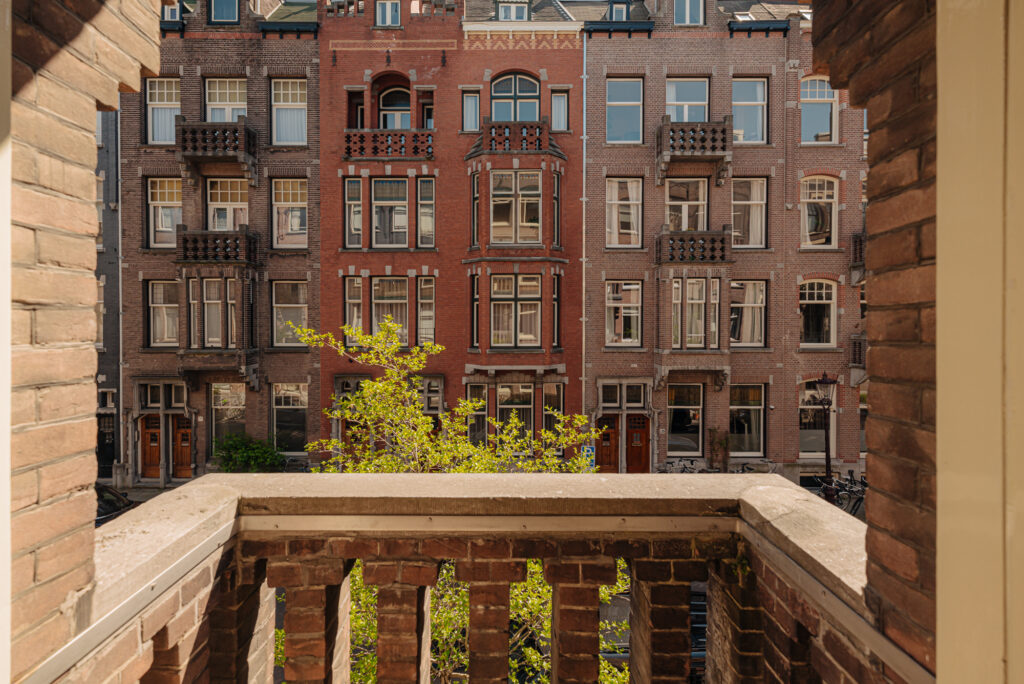
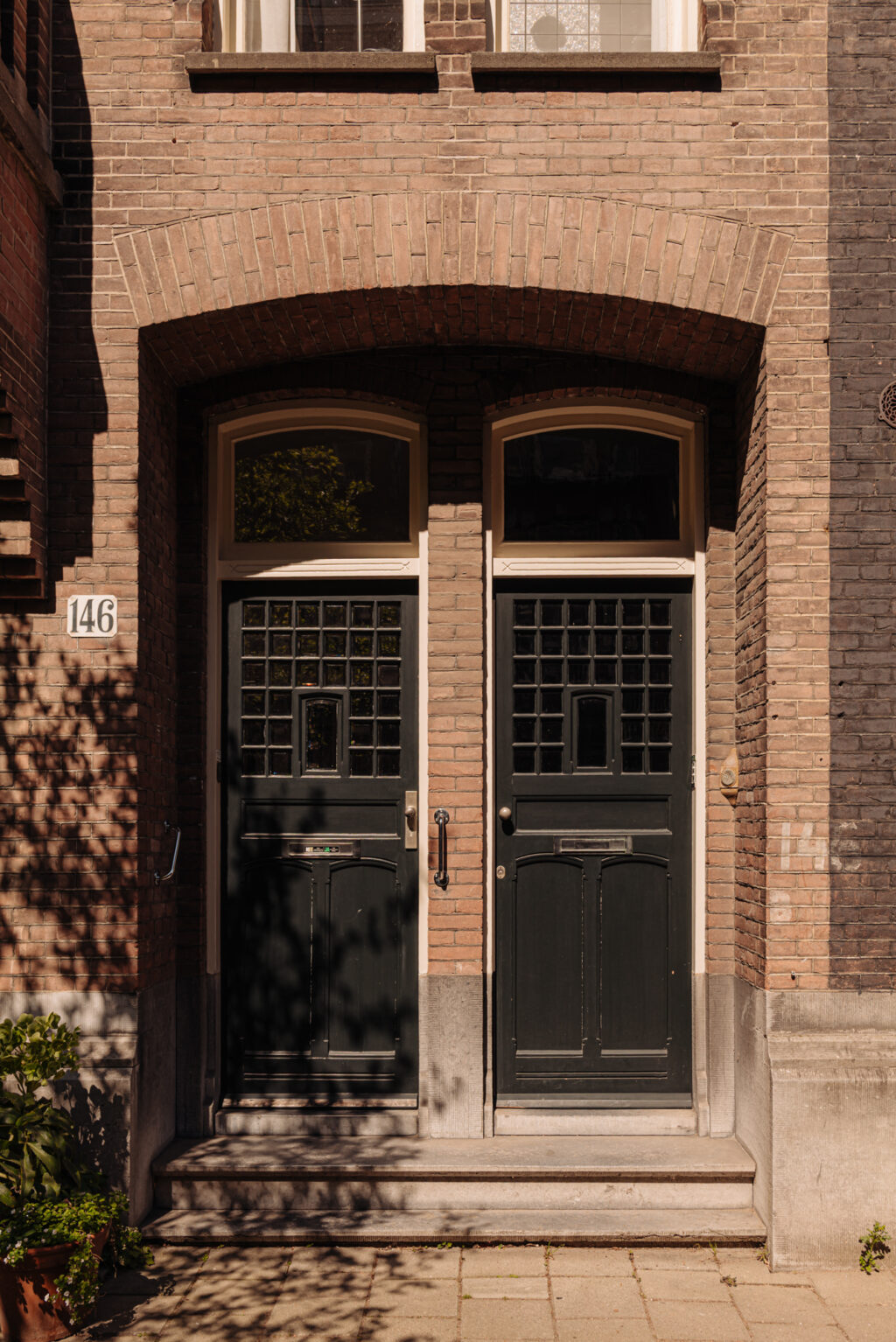
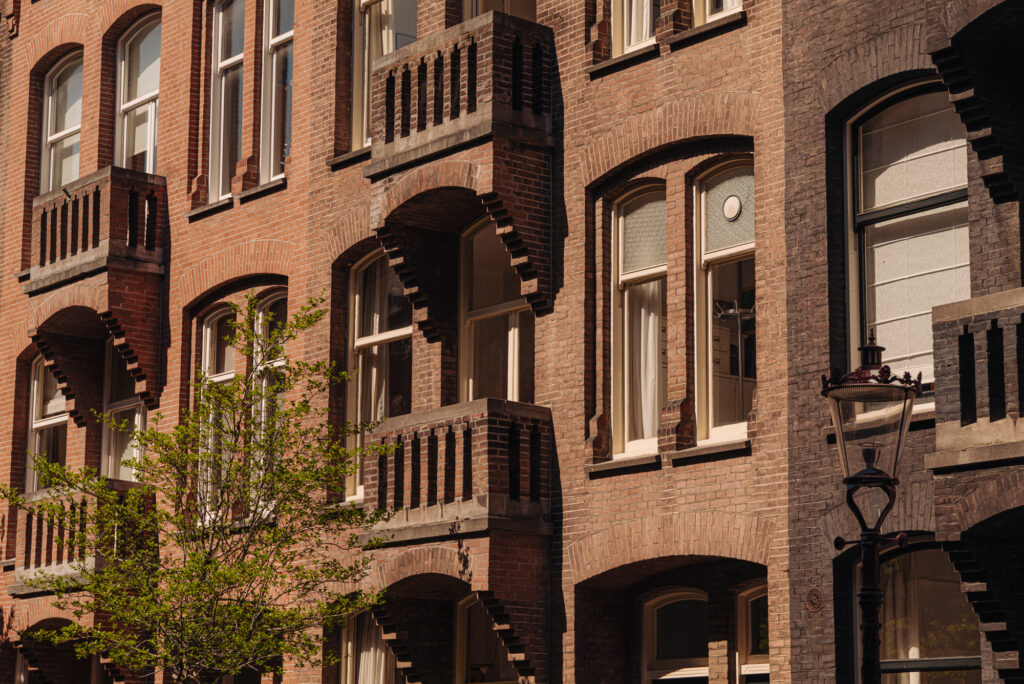
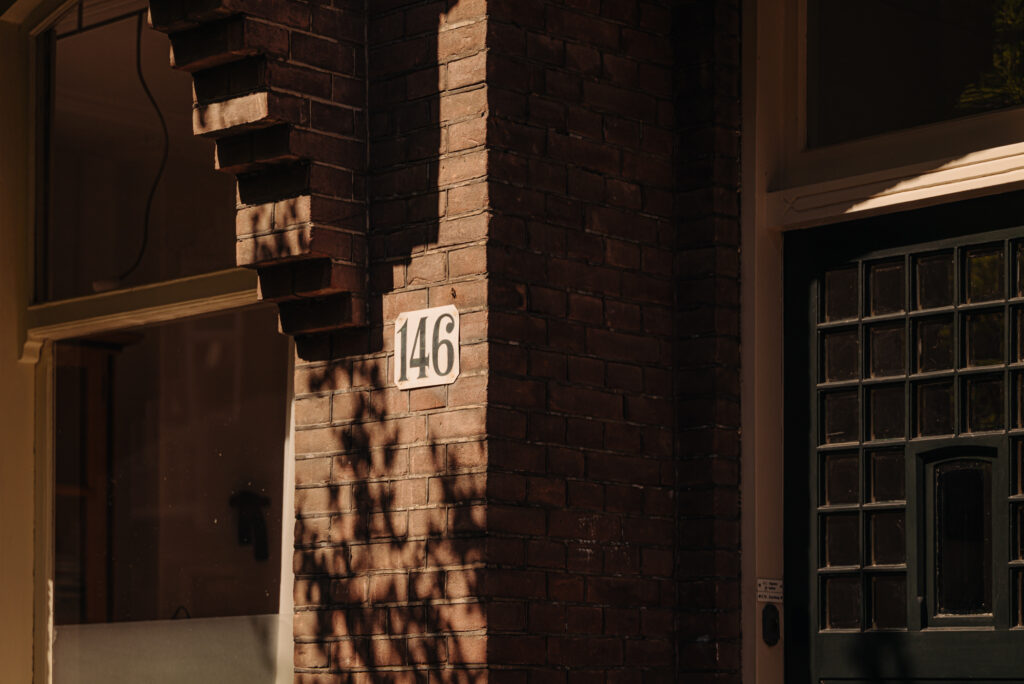
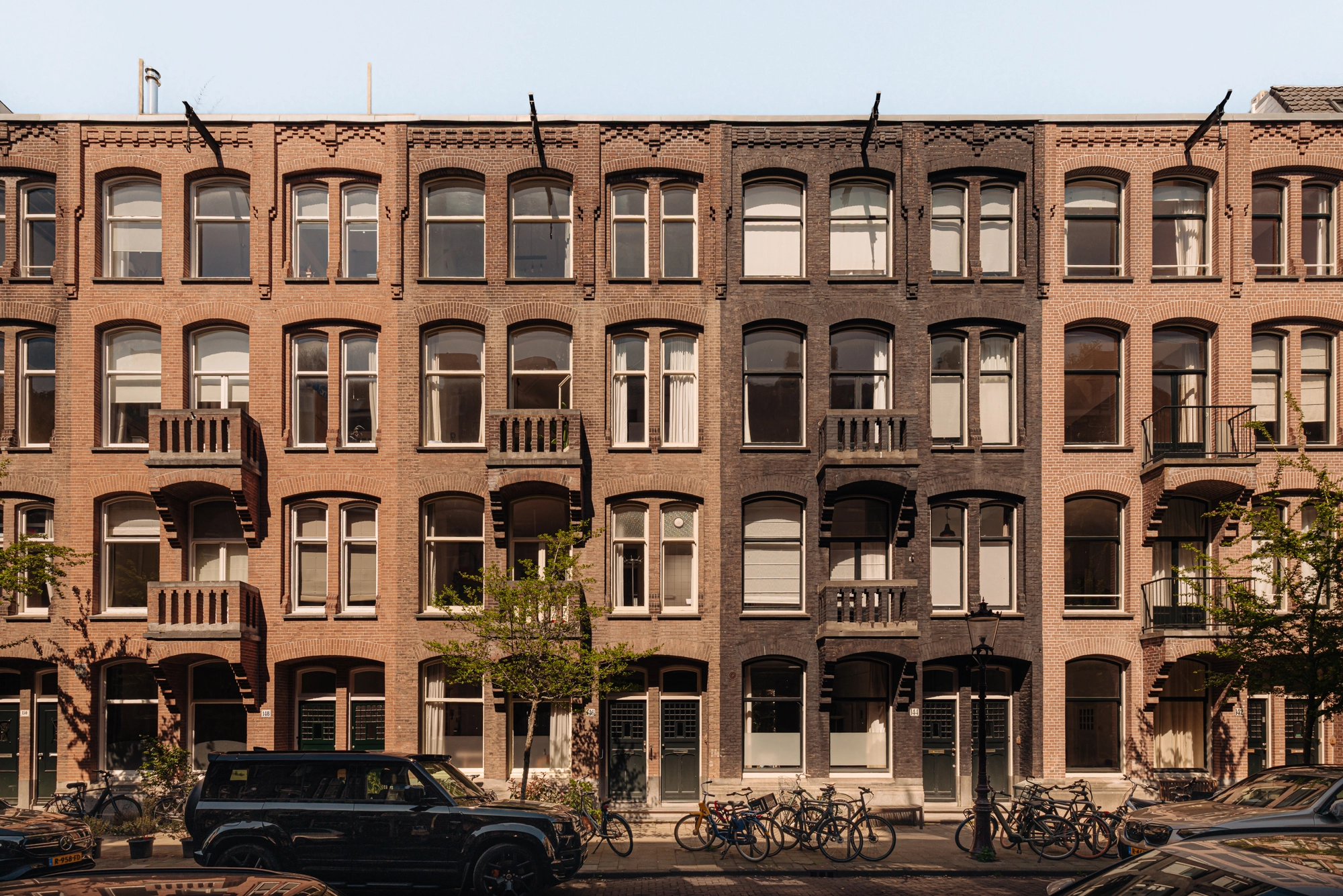
Valeriusstraat 146 forms a modest chapter in the grand narrative of Amsterdam's façade architecture. The façade—rhythmically constructed from three bays—is a subtle interplay of brick and light. Classic segmental arches, robust balconies, and the refined roll mouldings above the window frames combine to form a façade composition that continues to captivate the eye. The contrast between the warm red brickwork and the deeper, almost graphite-colored neighboring house accentuates the individual identity of each building without disrupting the cohesion of the block. The entrance is small in size but large in character. The double front door with classic latticework and deep black stain exudes a quiet solidity. The care with which the brickwork has been detailed is remarkable. The natural stone balcony slabs are supported by stepped consoles, and the recessed joints give the whole a pleasant sense of depth. The verticality of the façade construction is reinforced by the tall windows — each with a slightly different proportion, matching the floor and the function behind it. The architecture is not ostentatious, but layered; it speaks in the rhythm of the streetscape and in the tranquility of repetition. This makes the house — and the block as a whole — a quiet force within the urban fabric of Oud-Zuid.
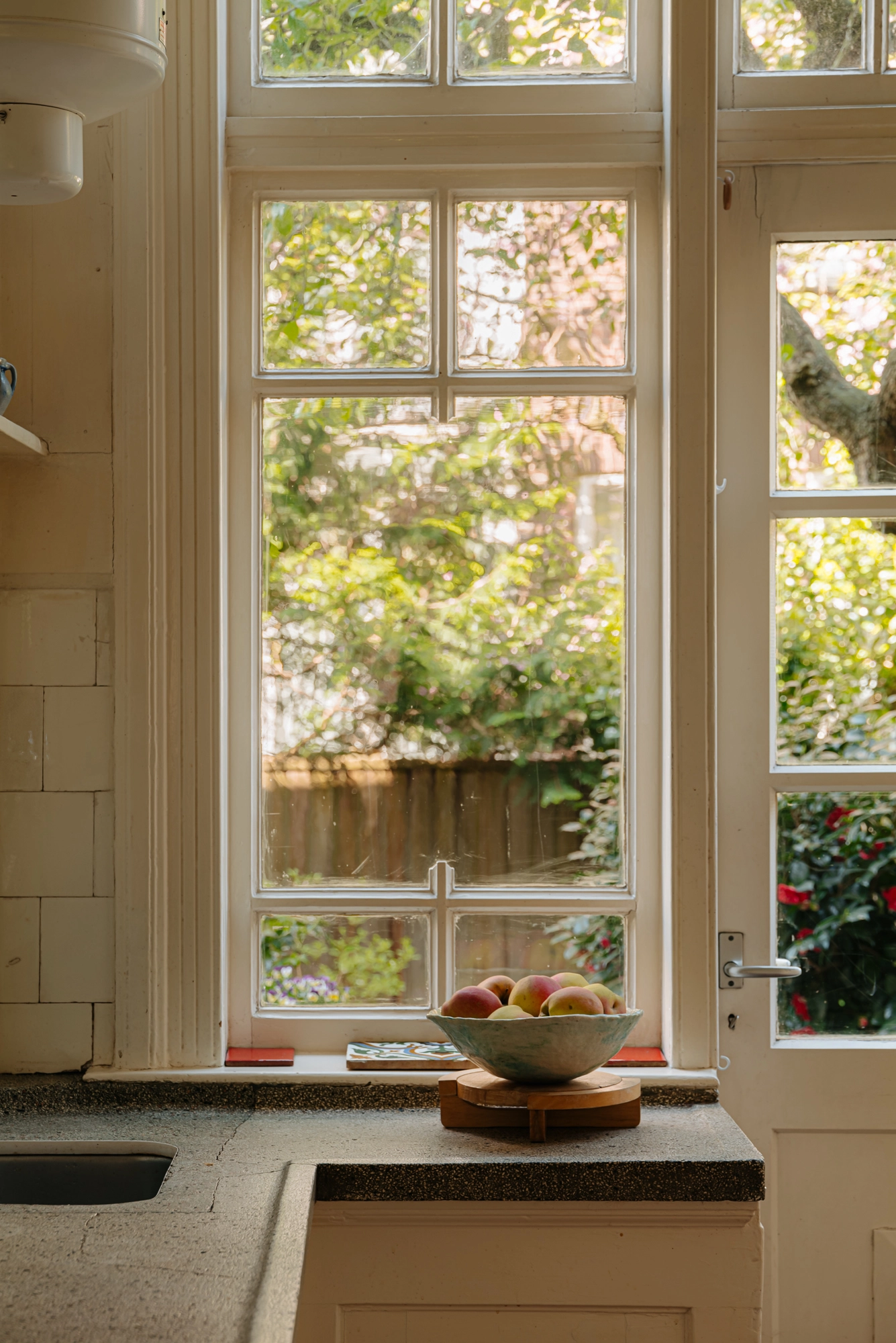
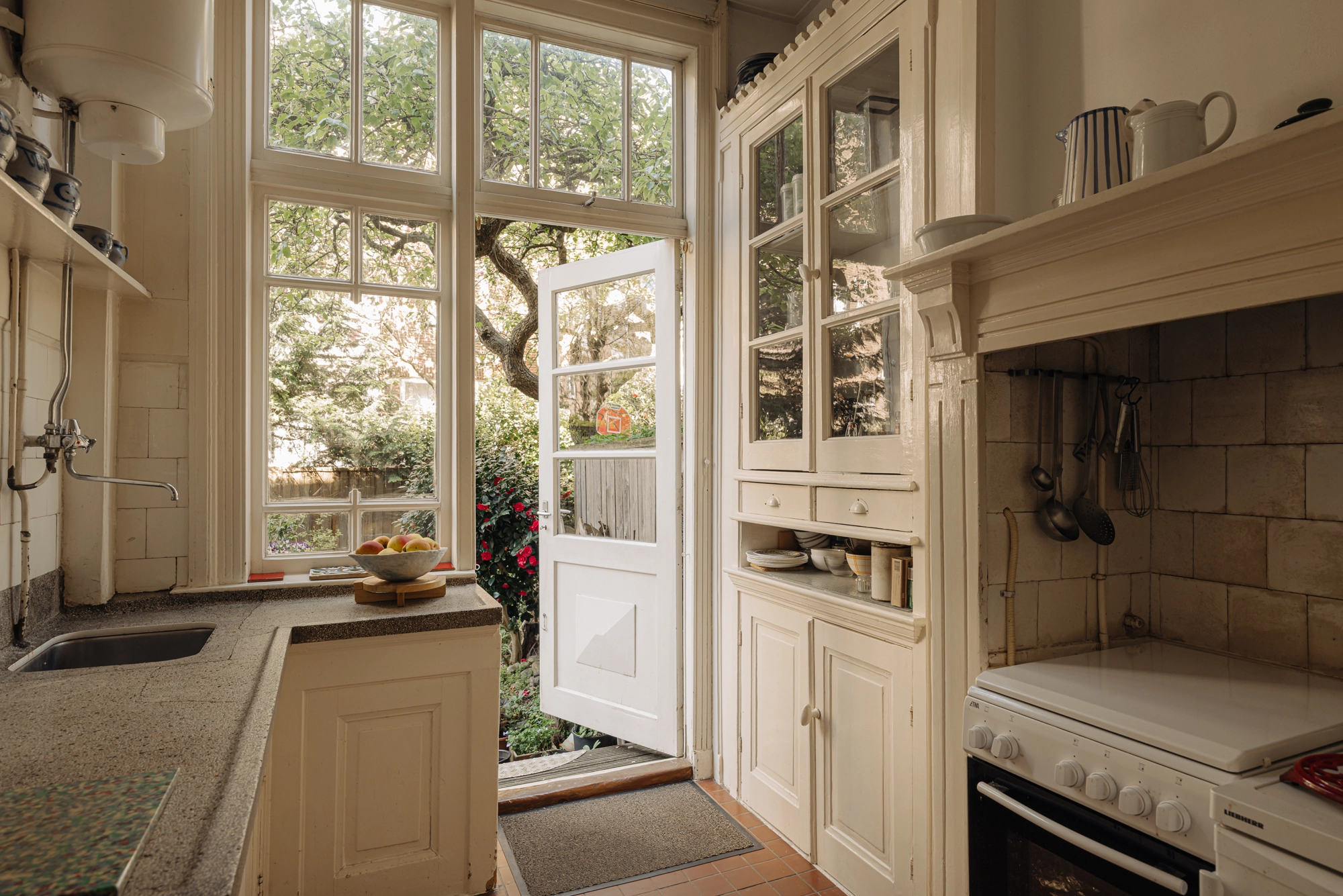
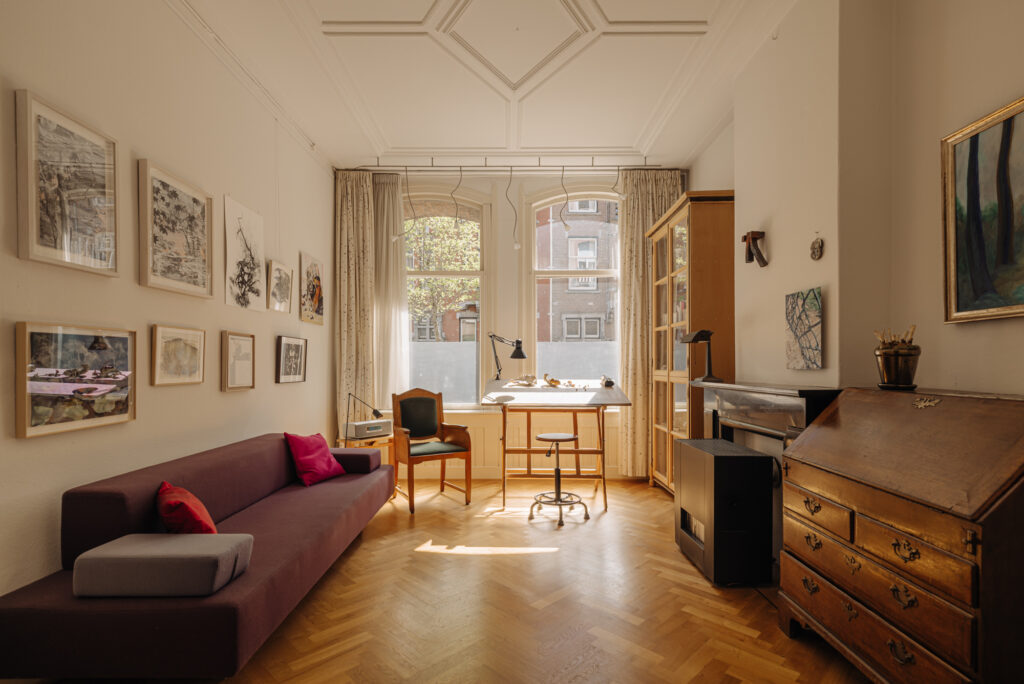
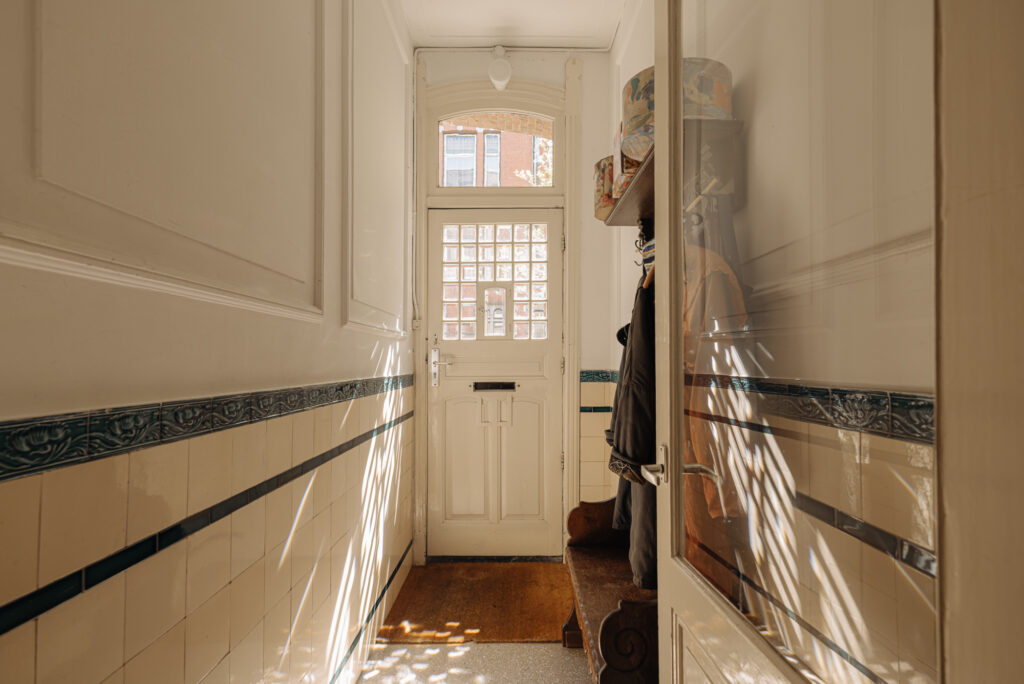
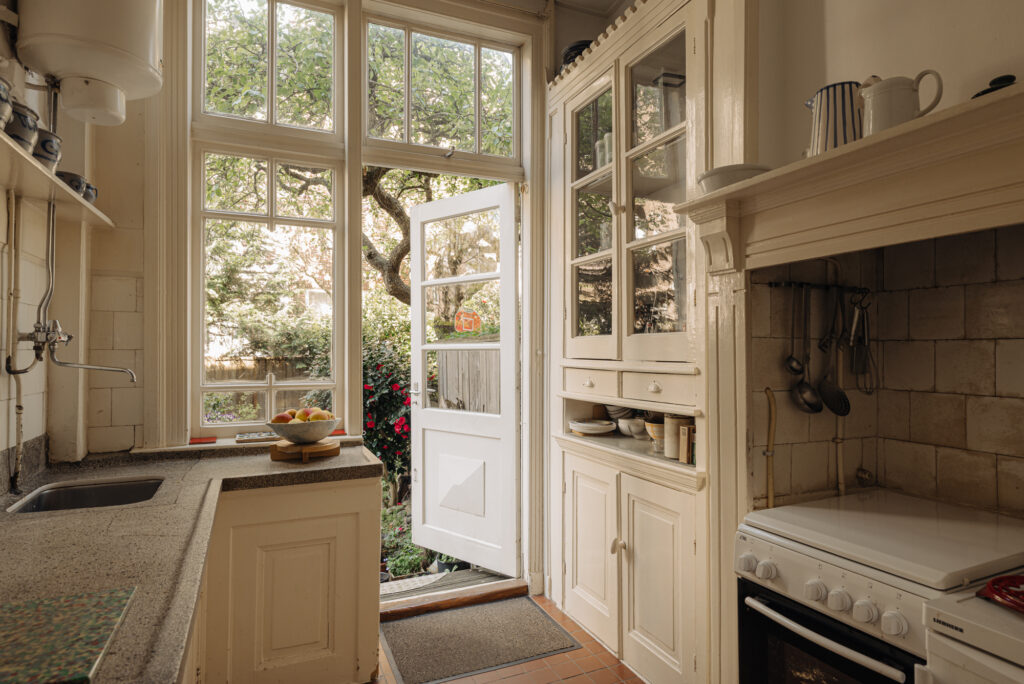
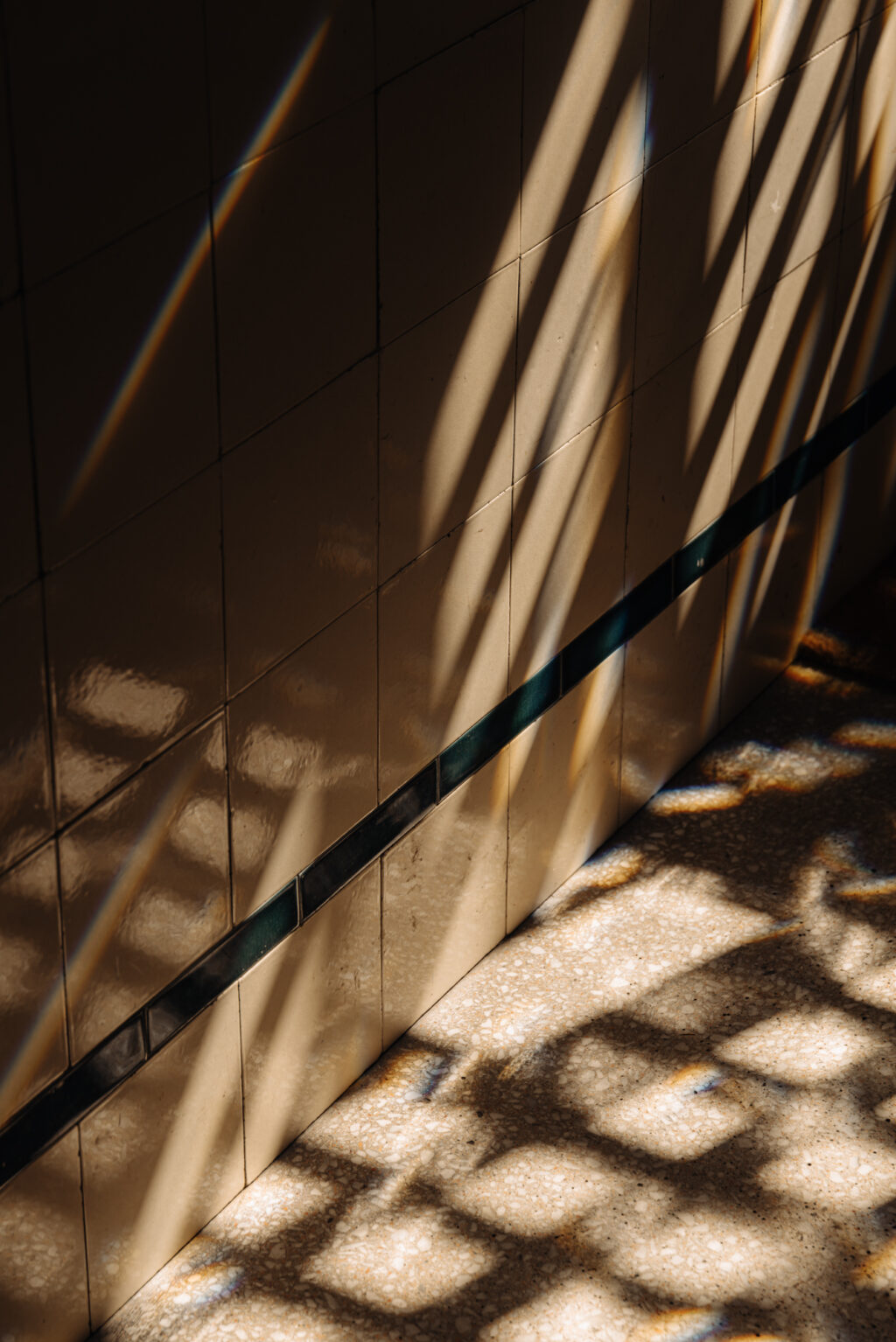
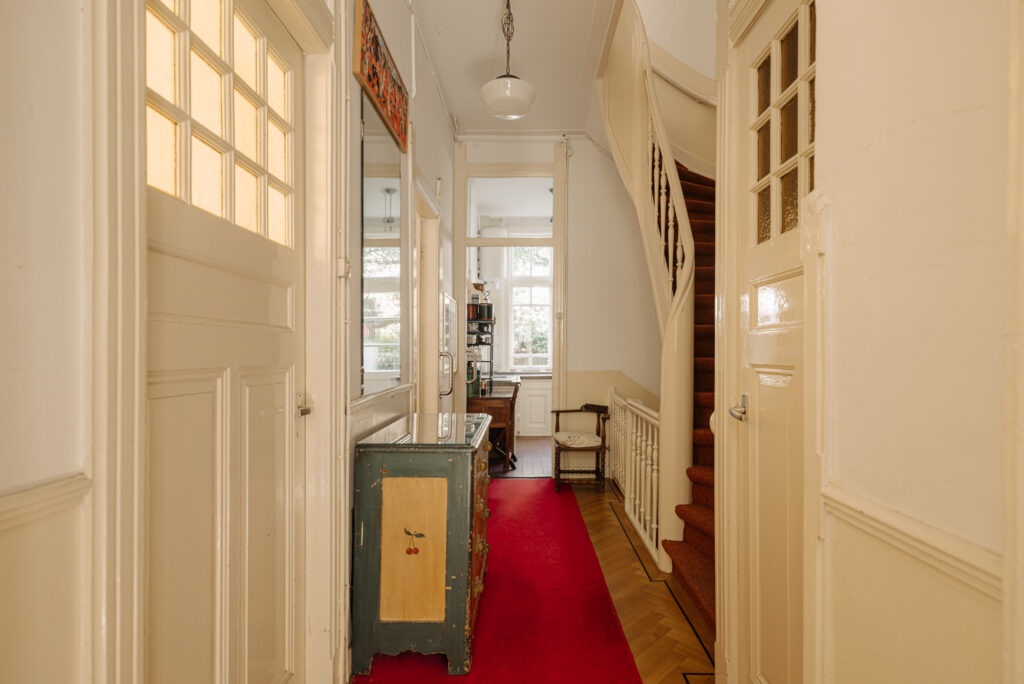
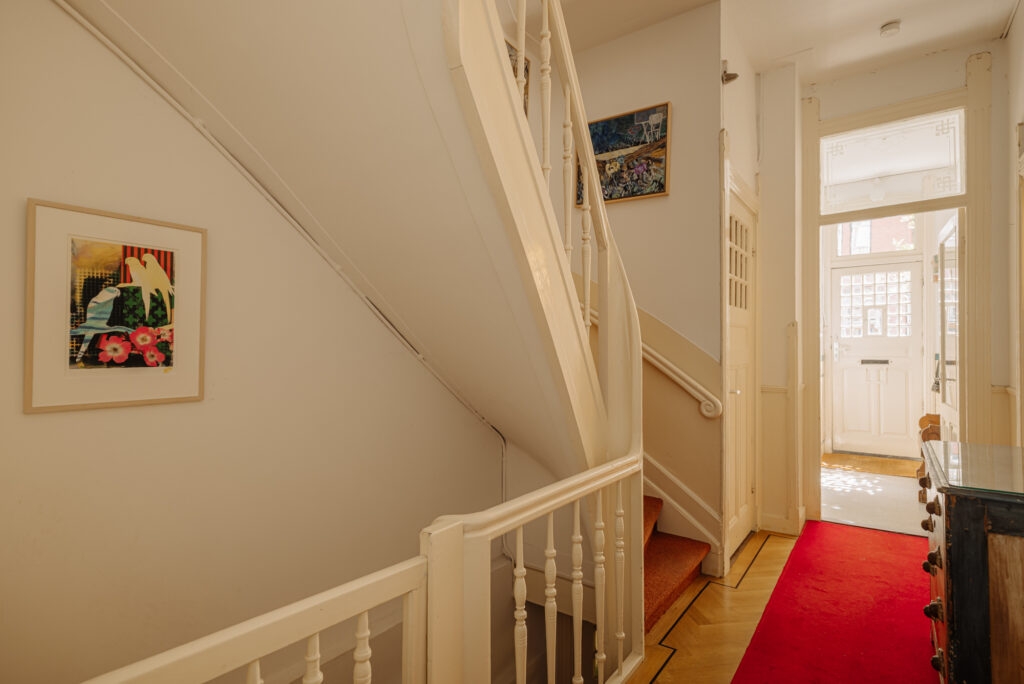
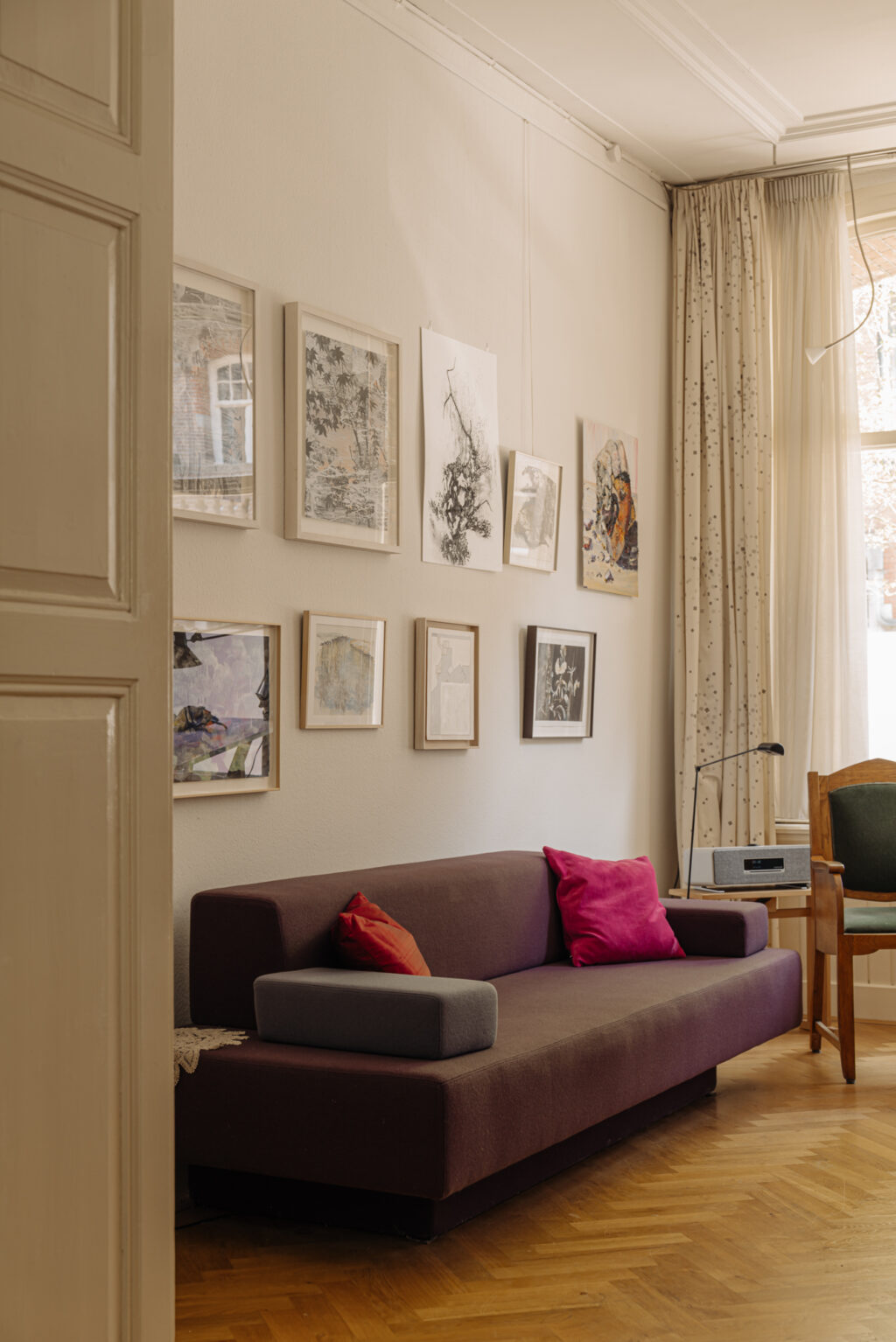
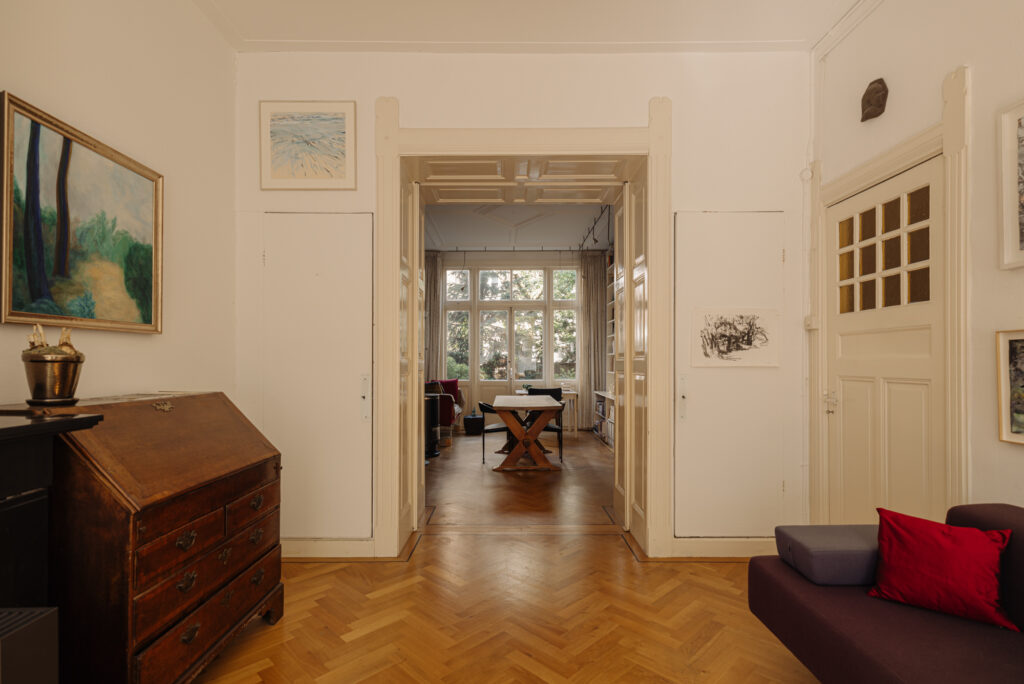
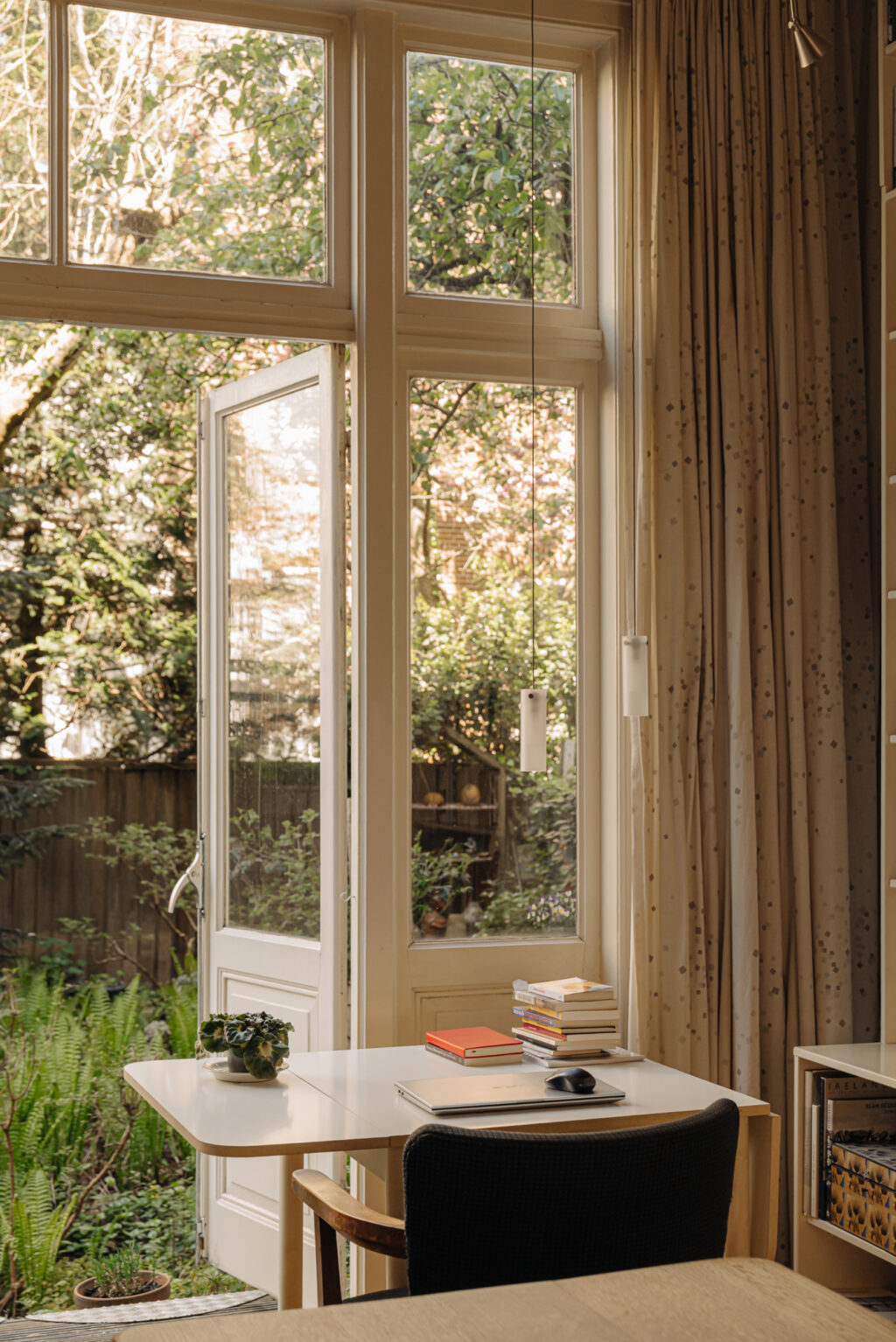
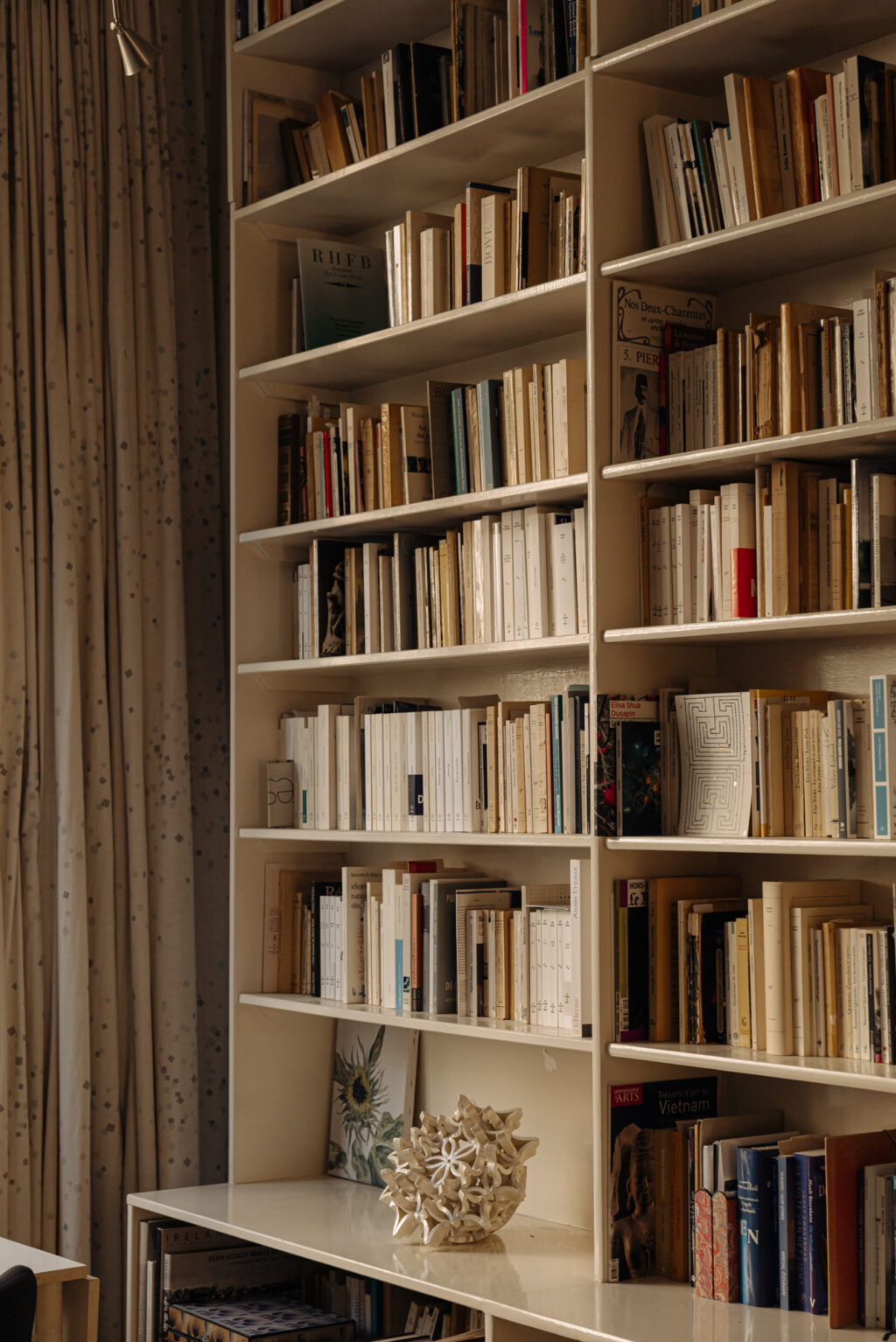
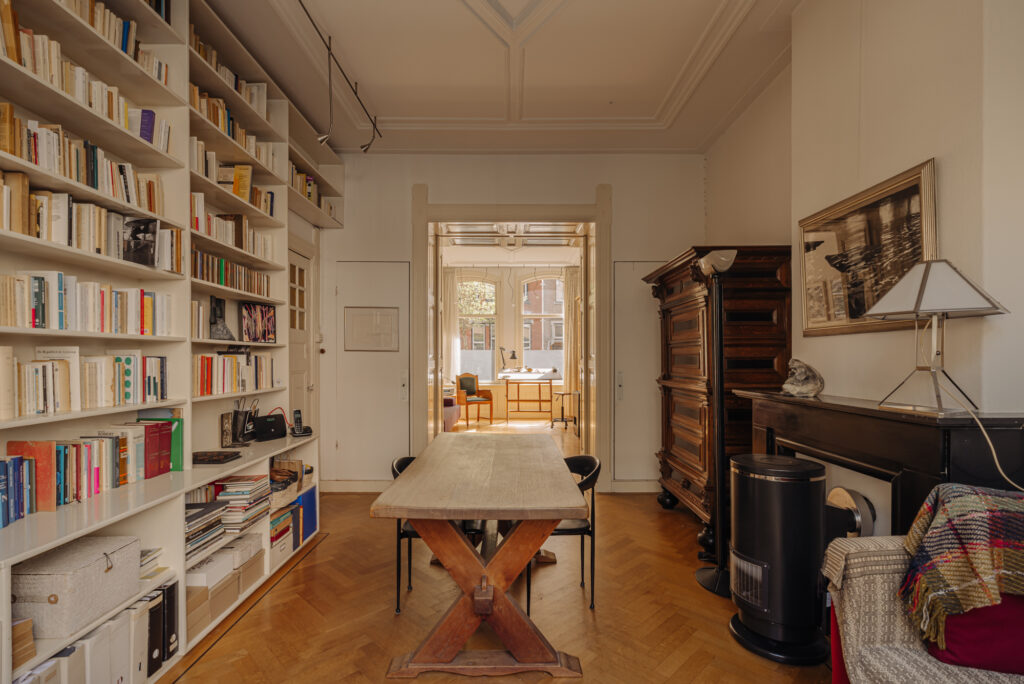
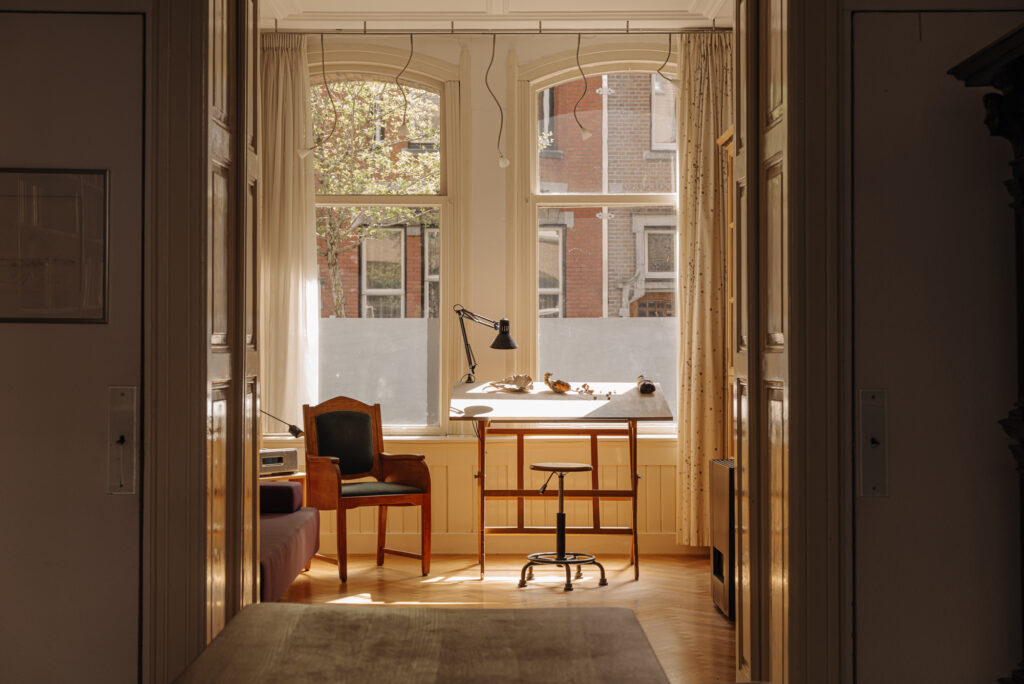
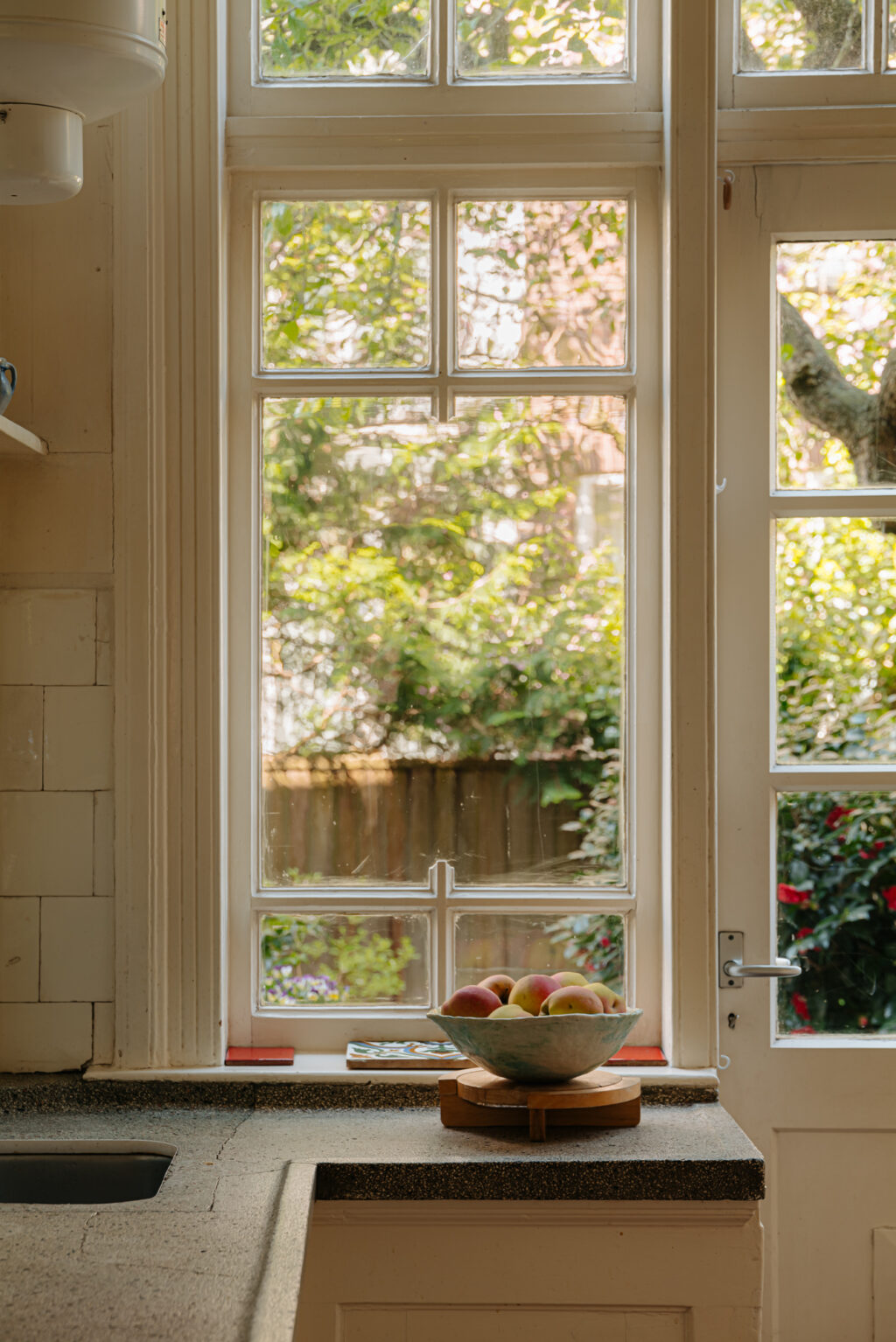
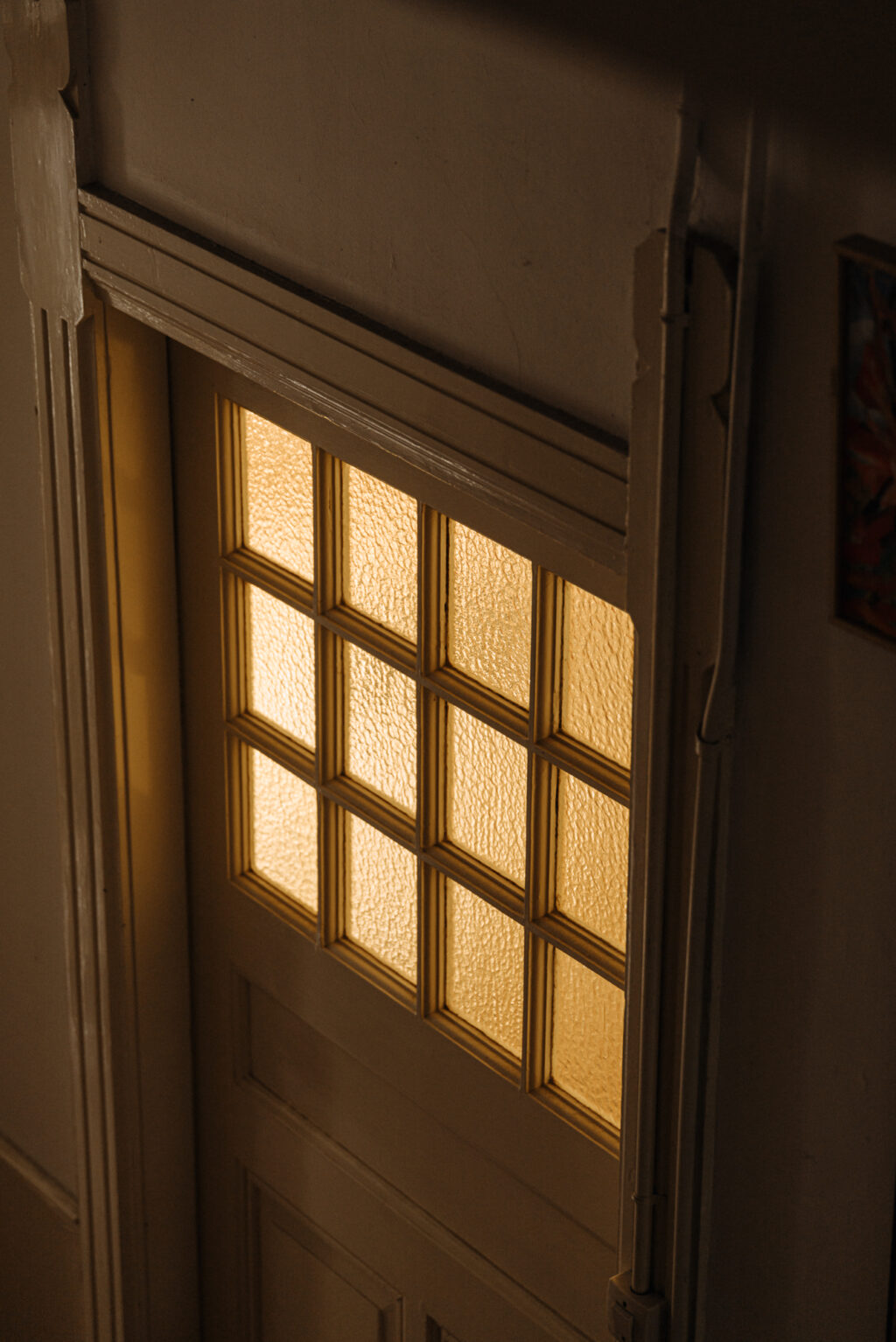
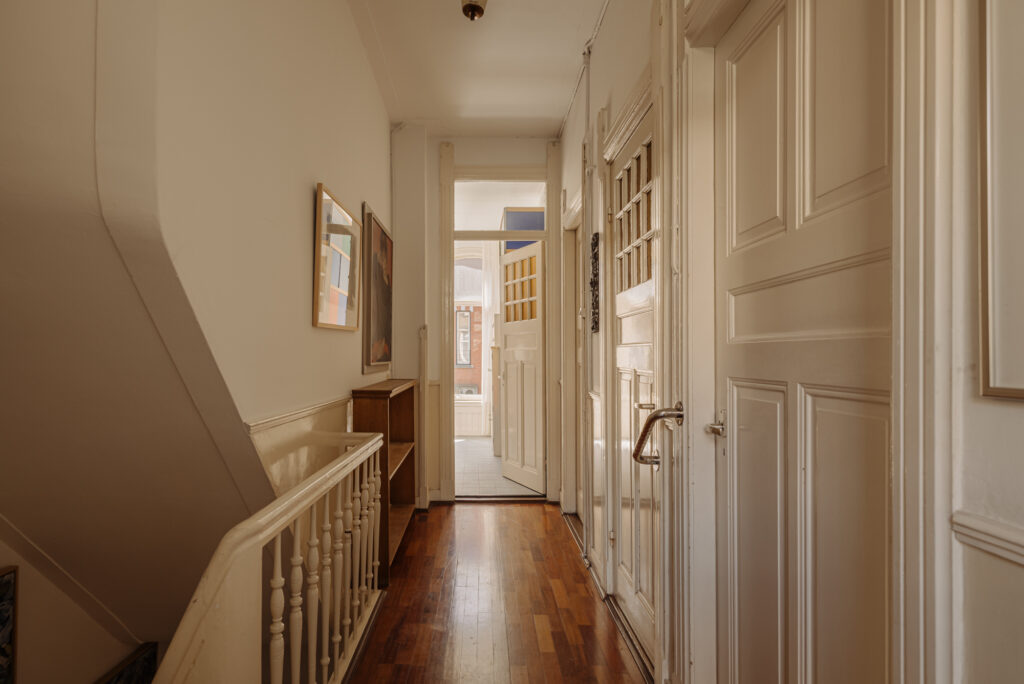
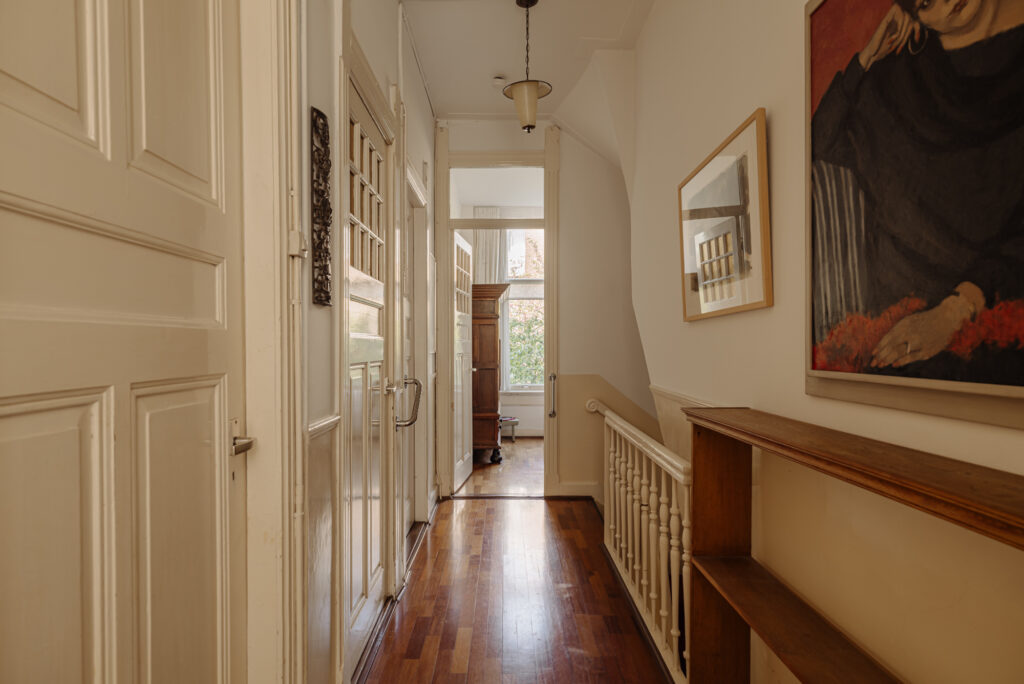
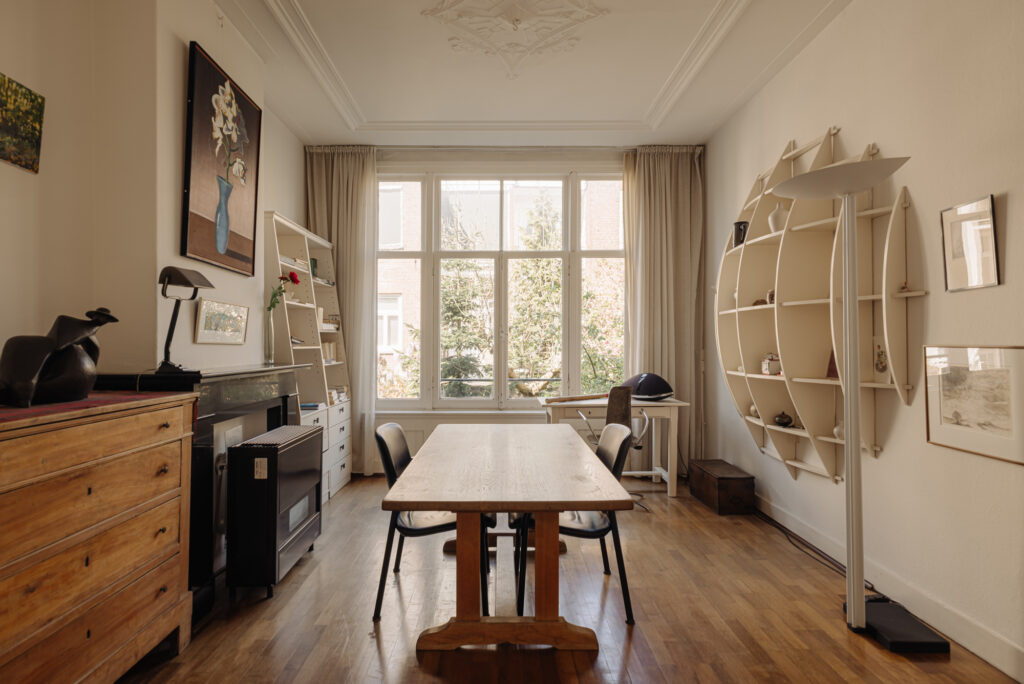
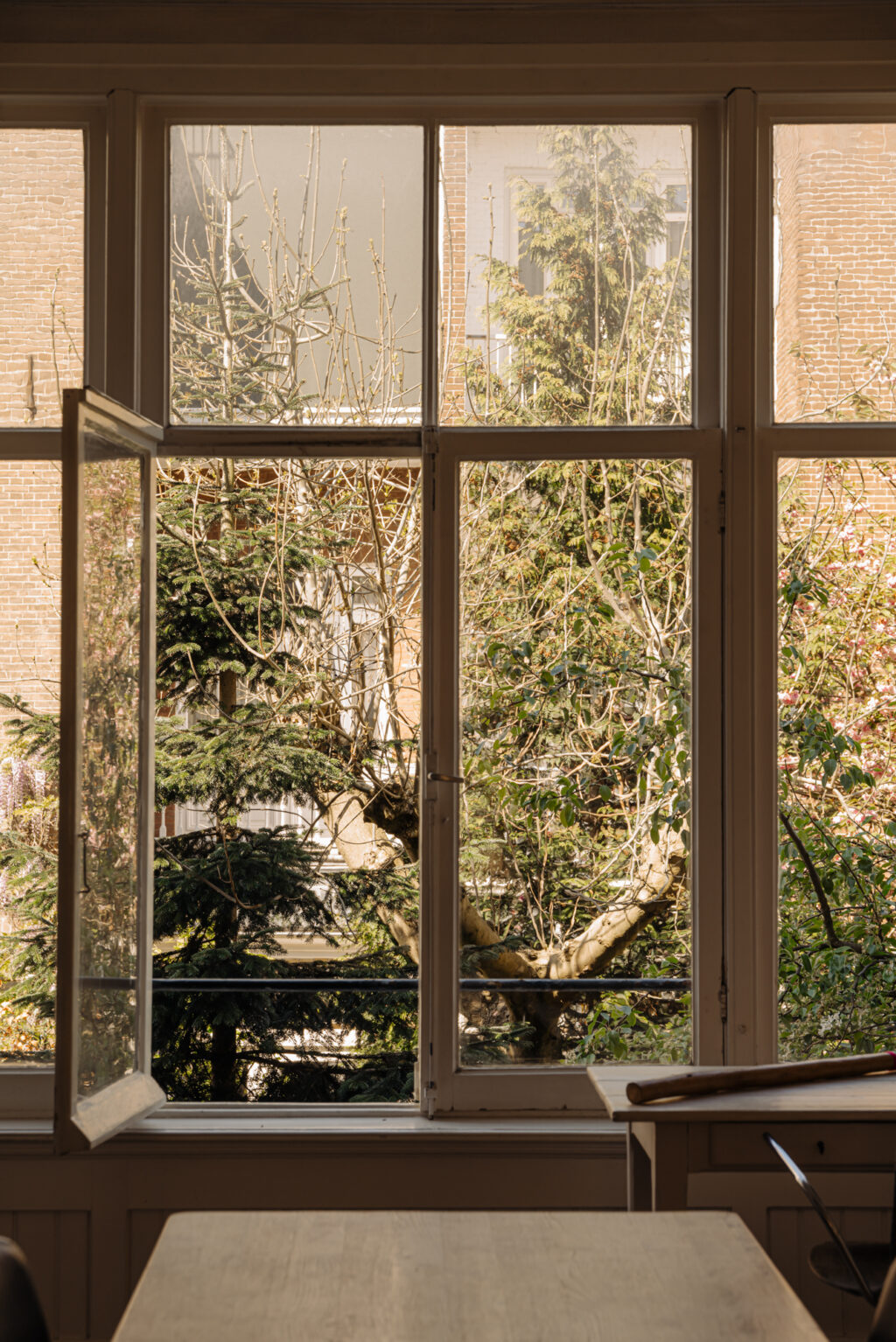
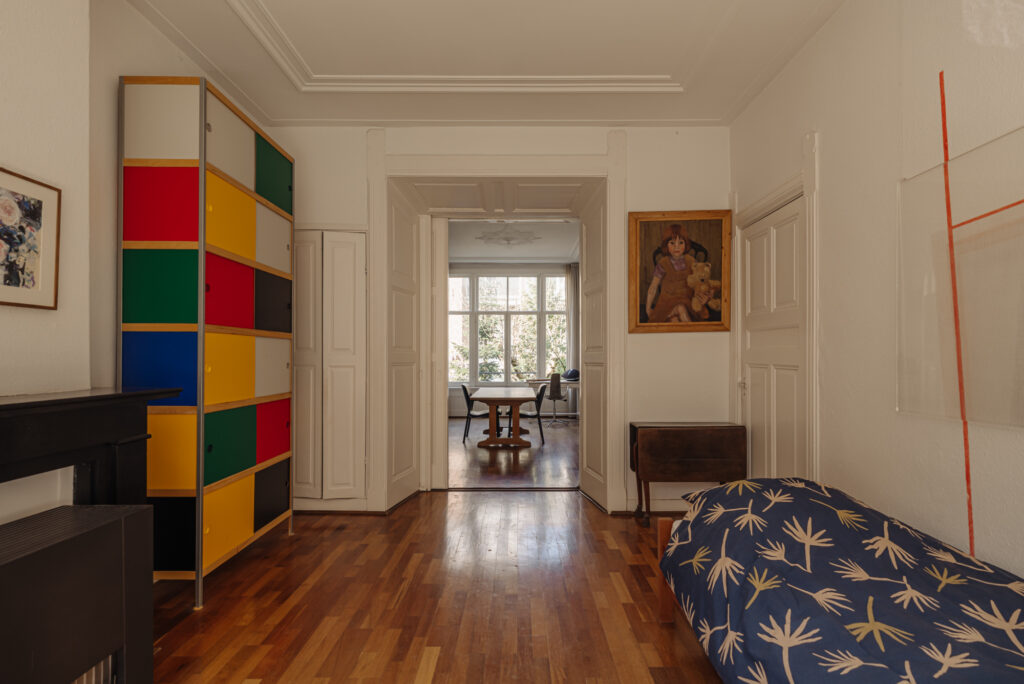
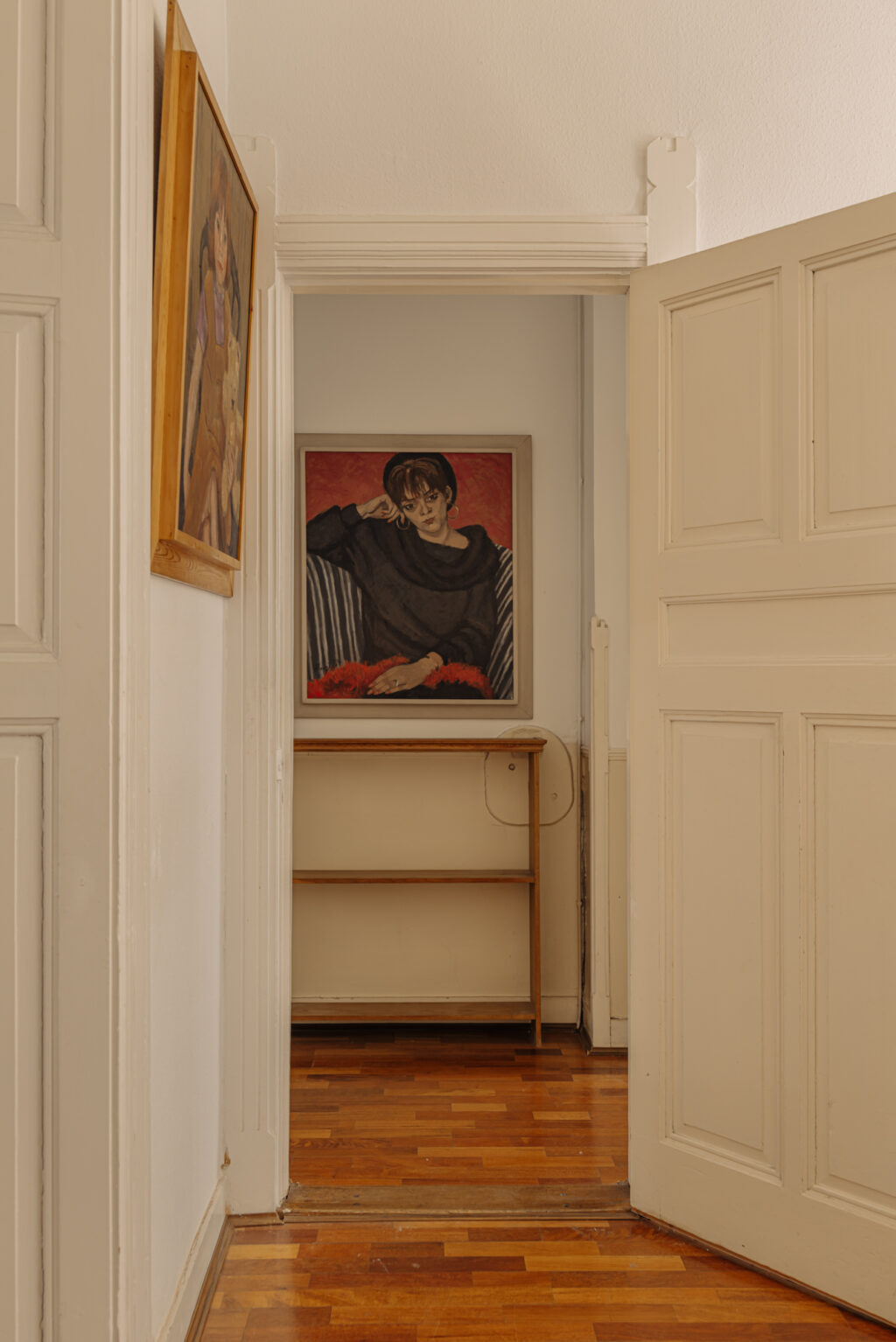
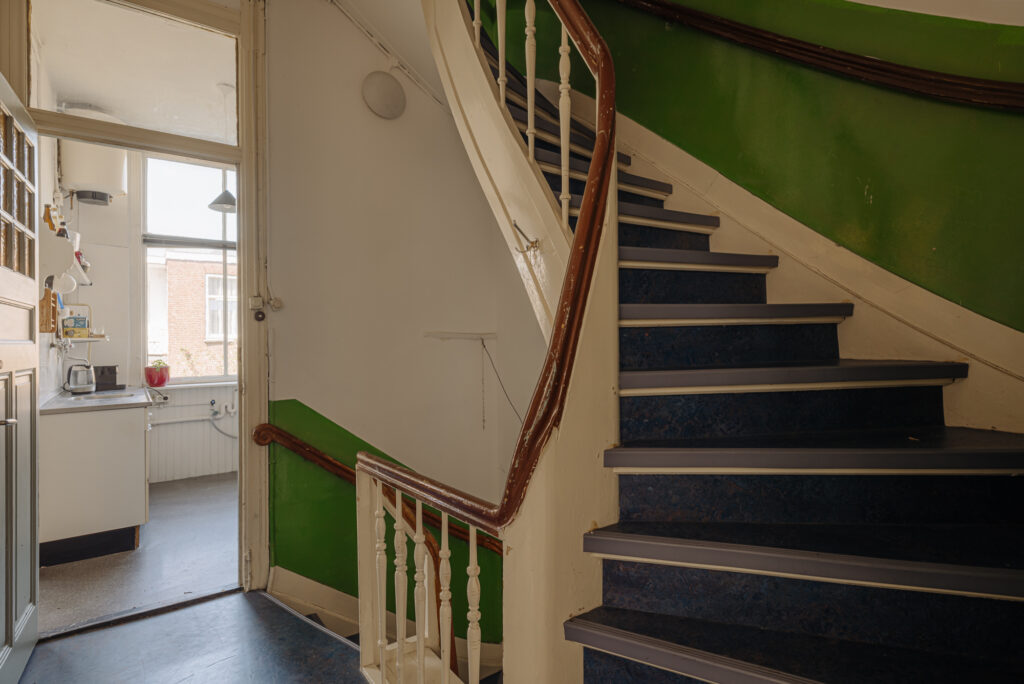
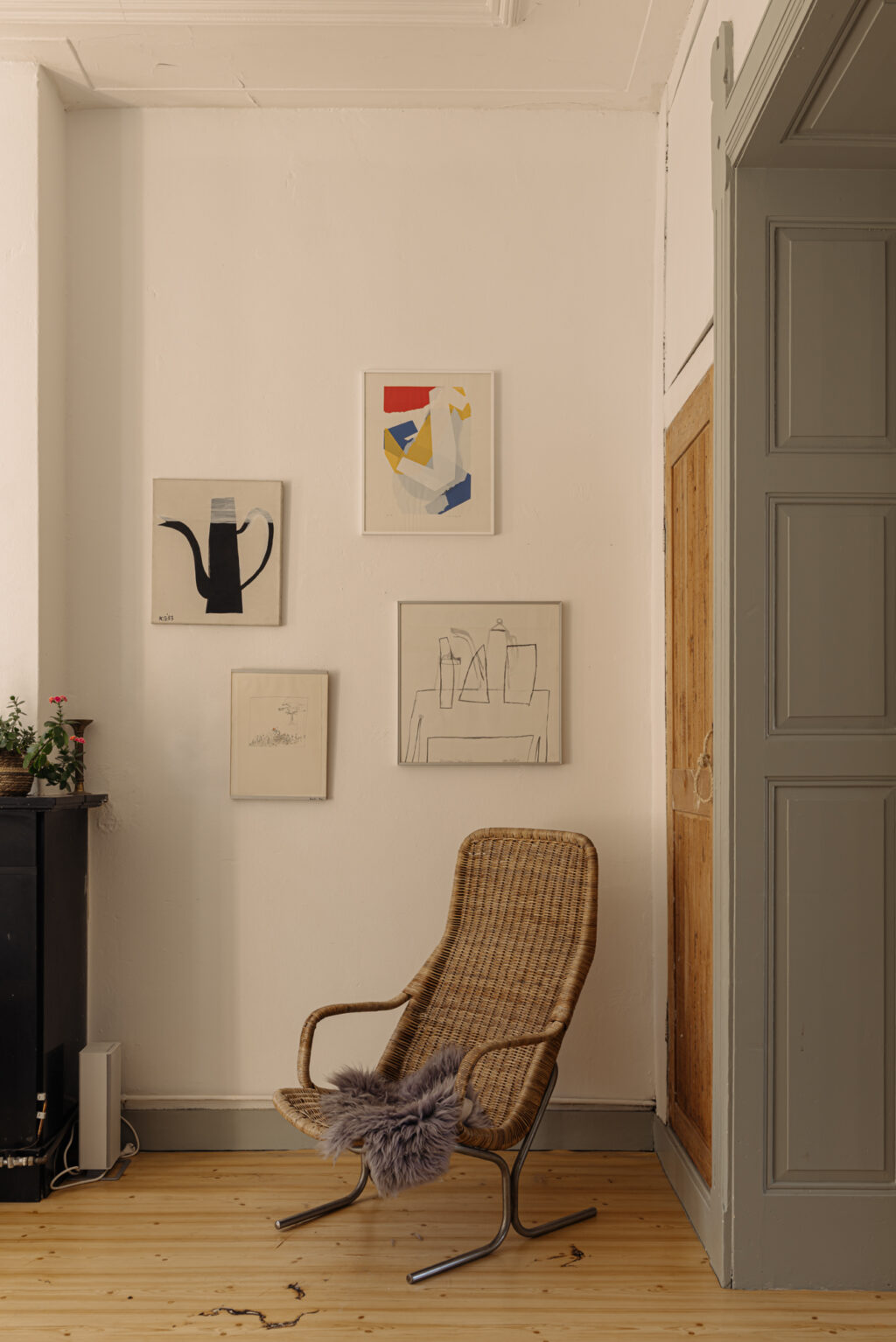
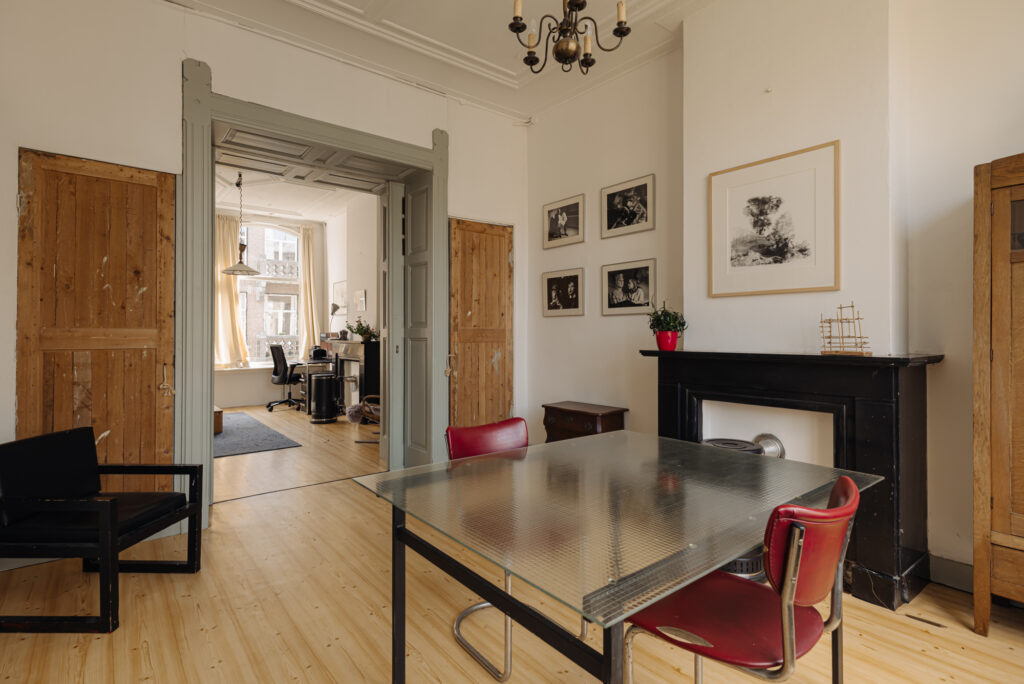
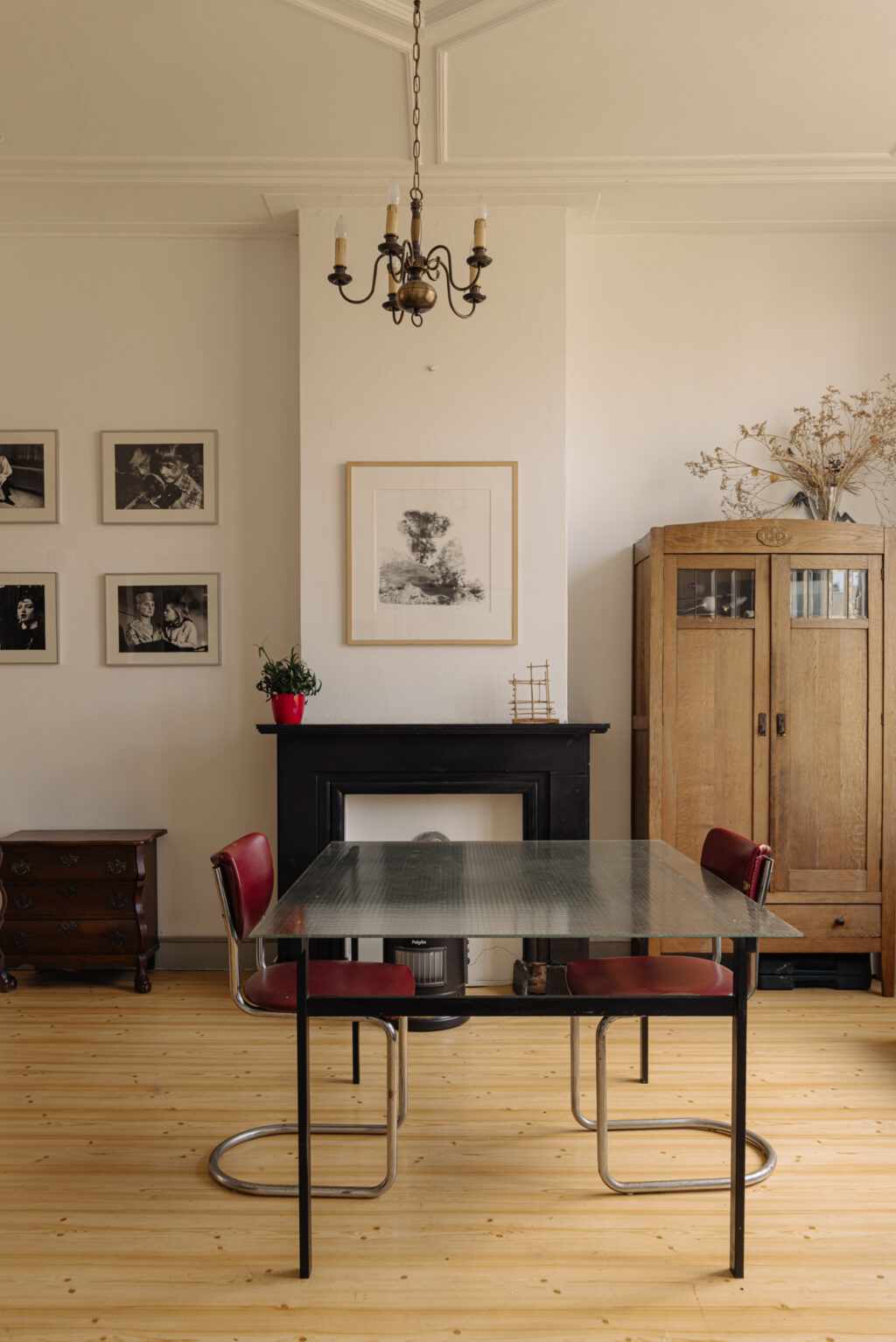
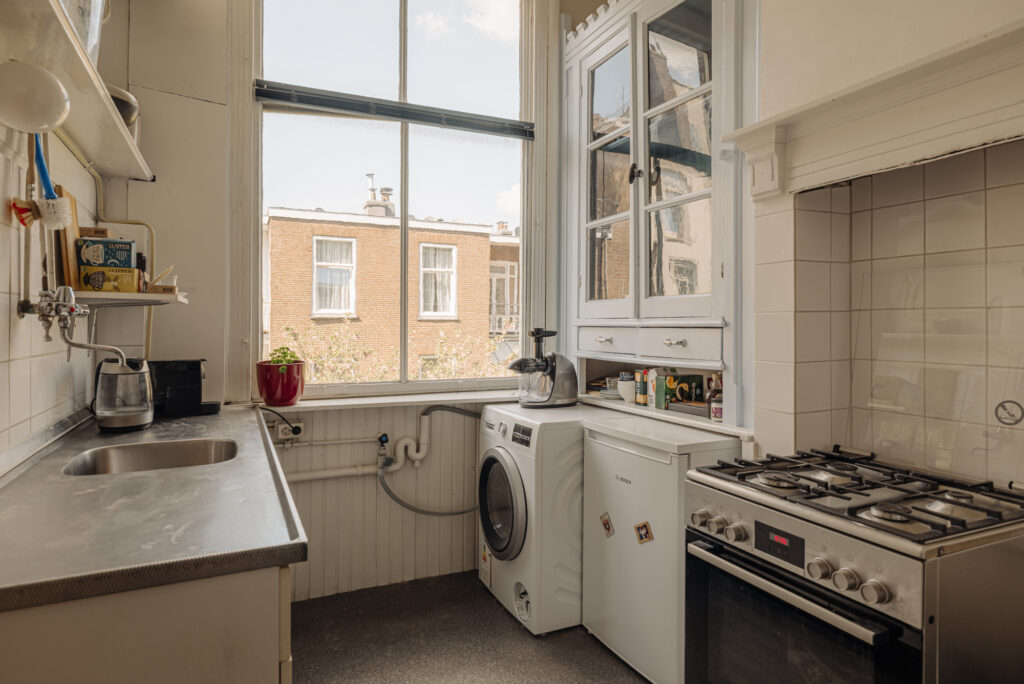
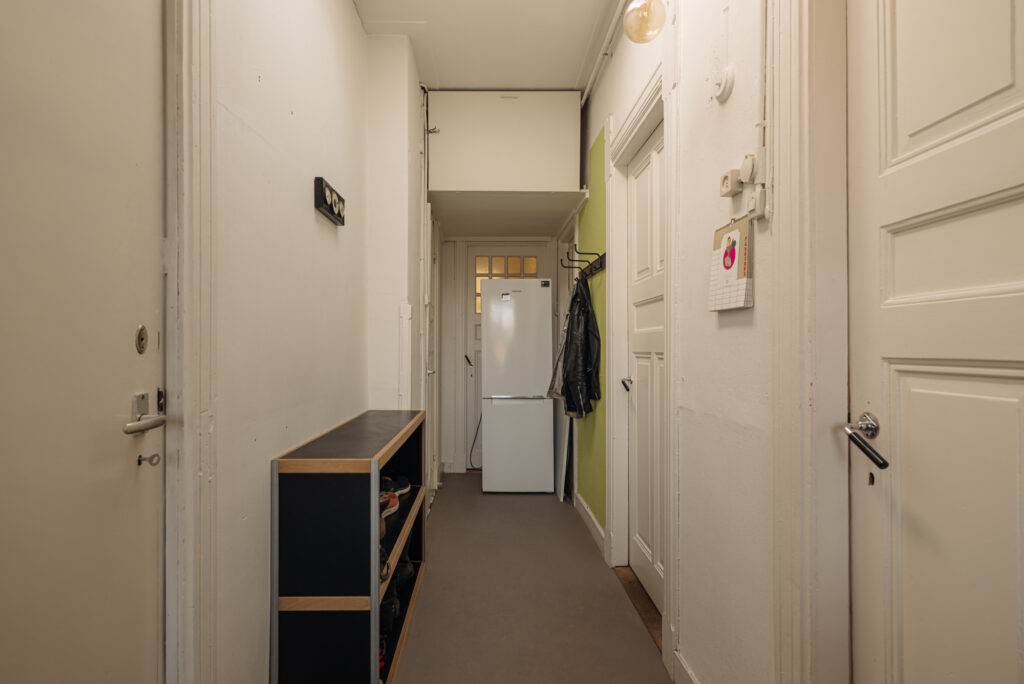
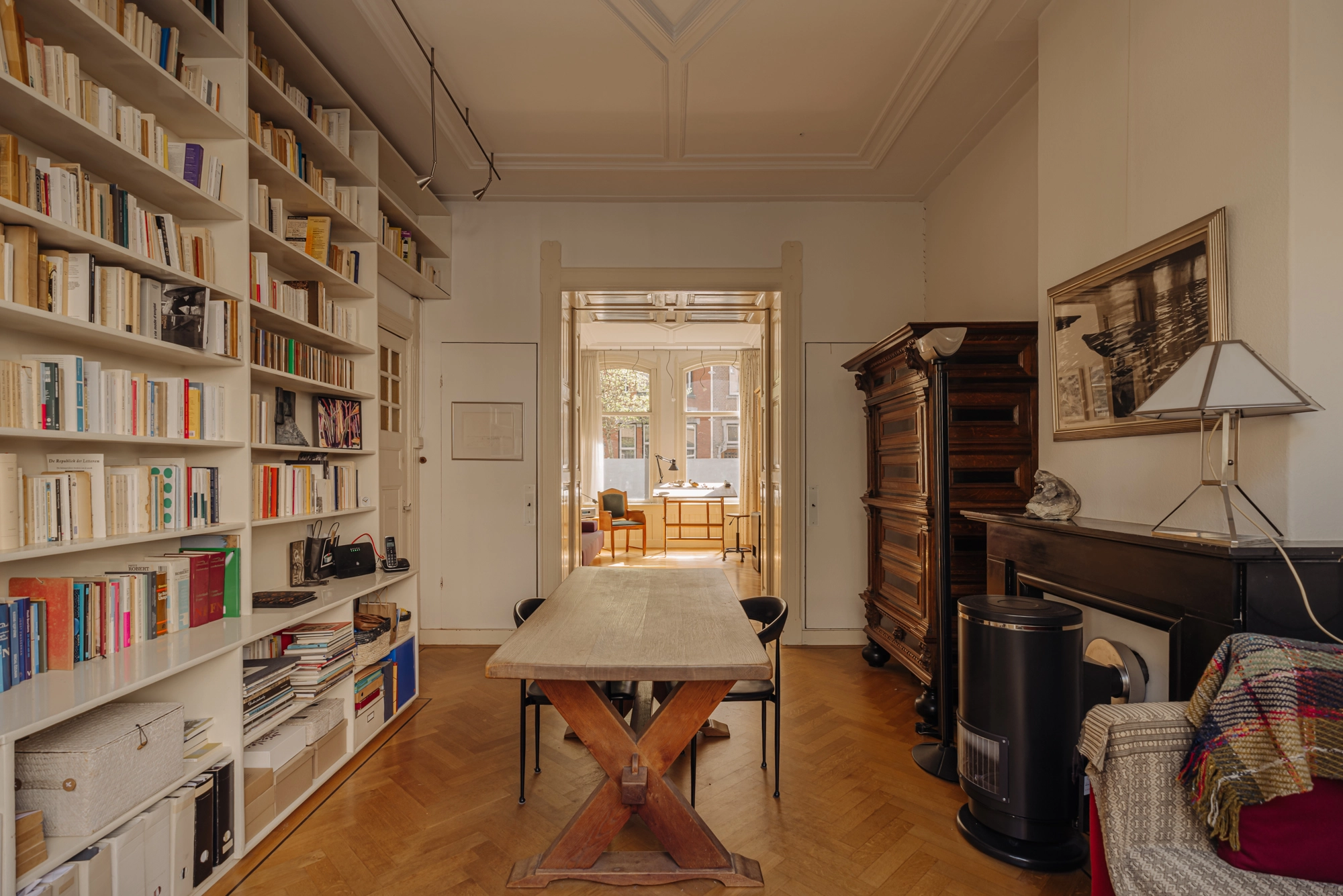
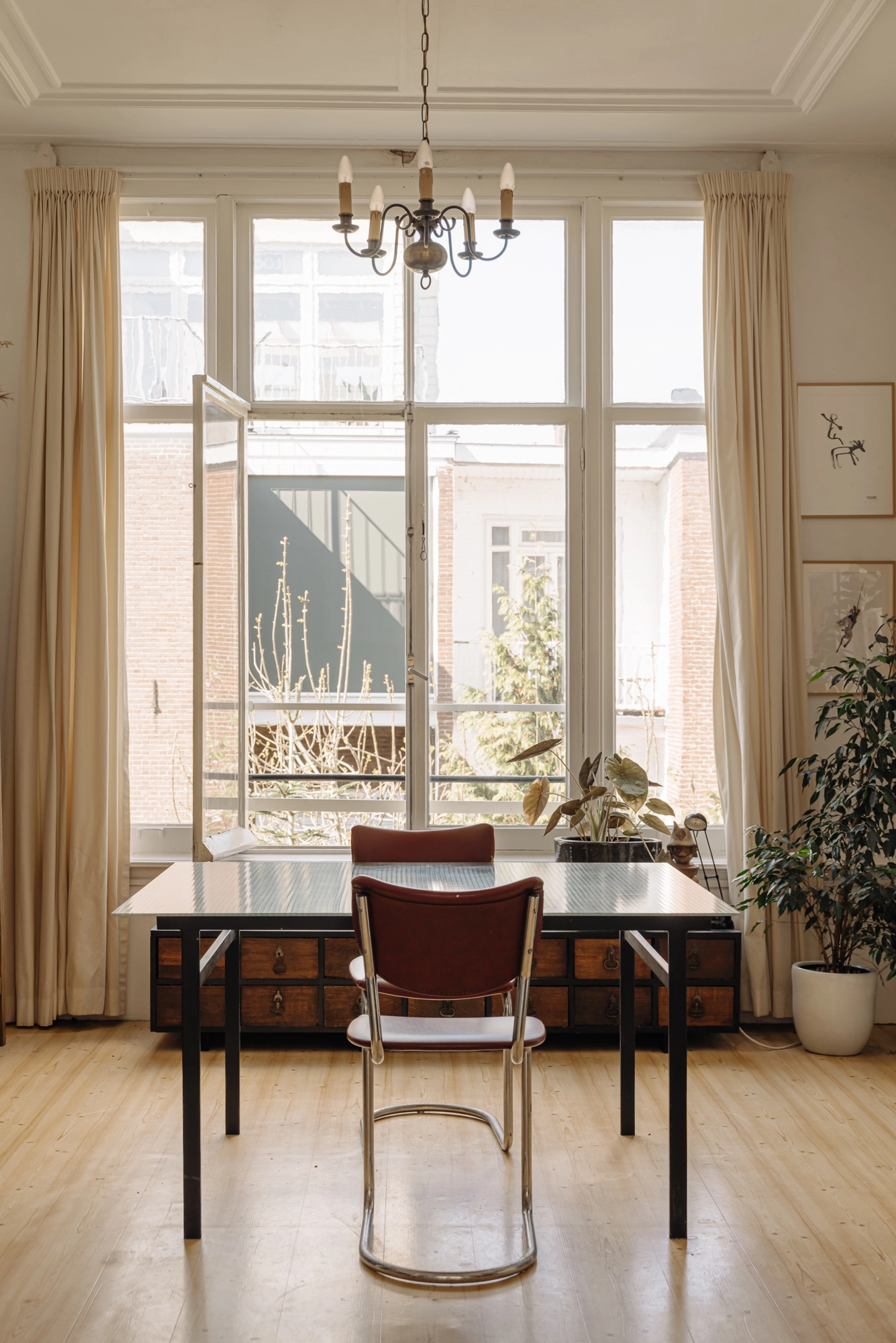
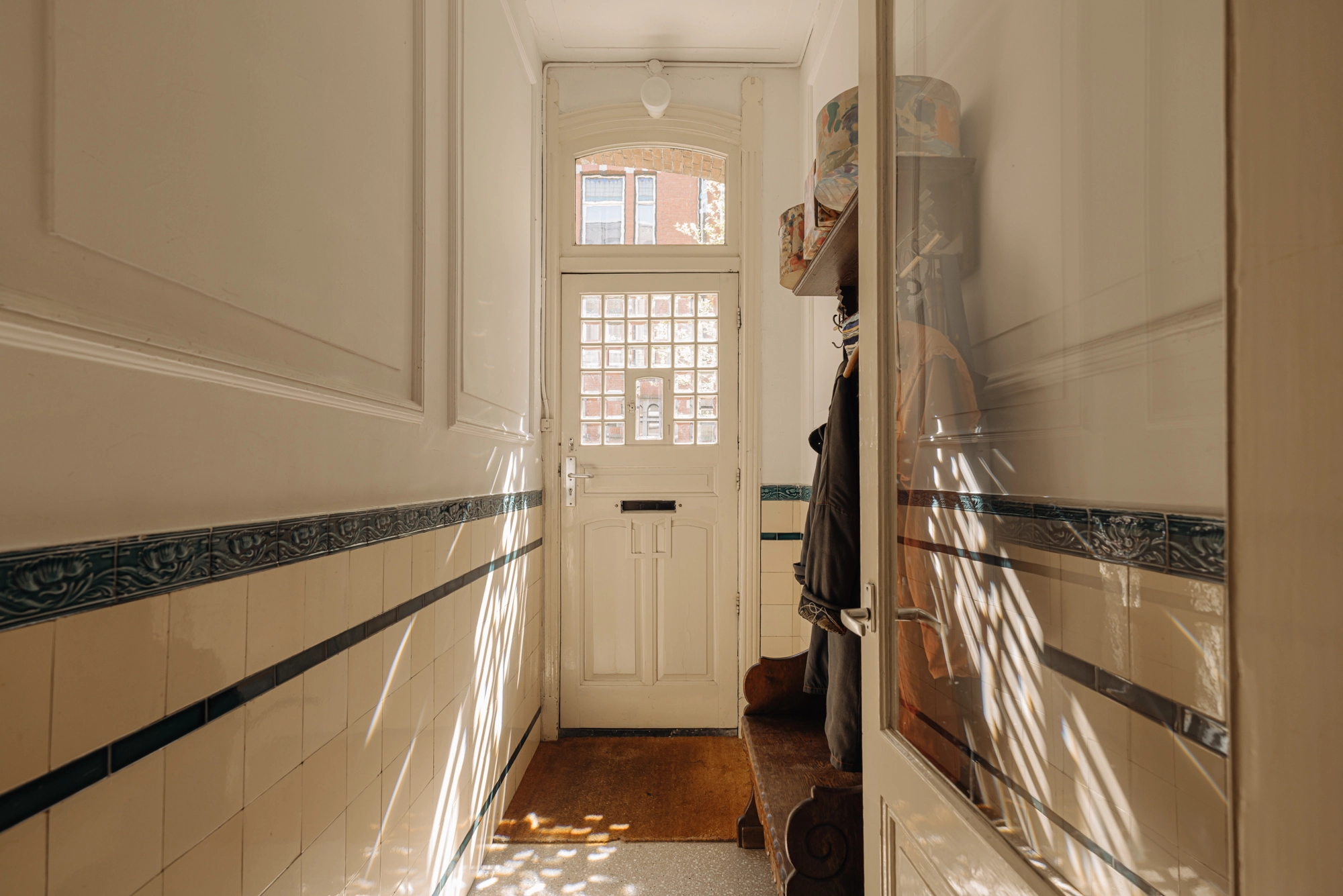
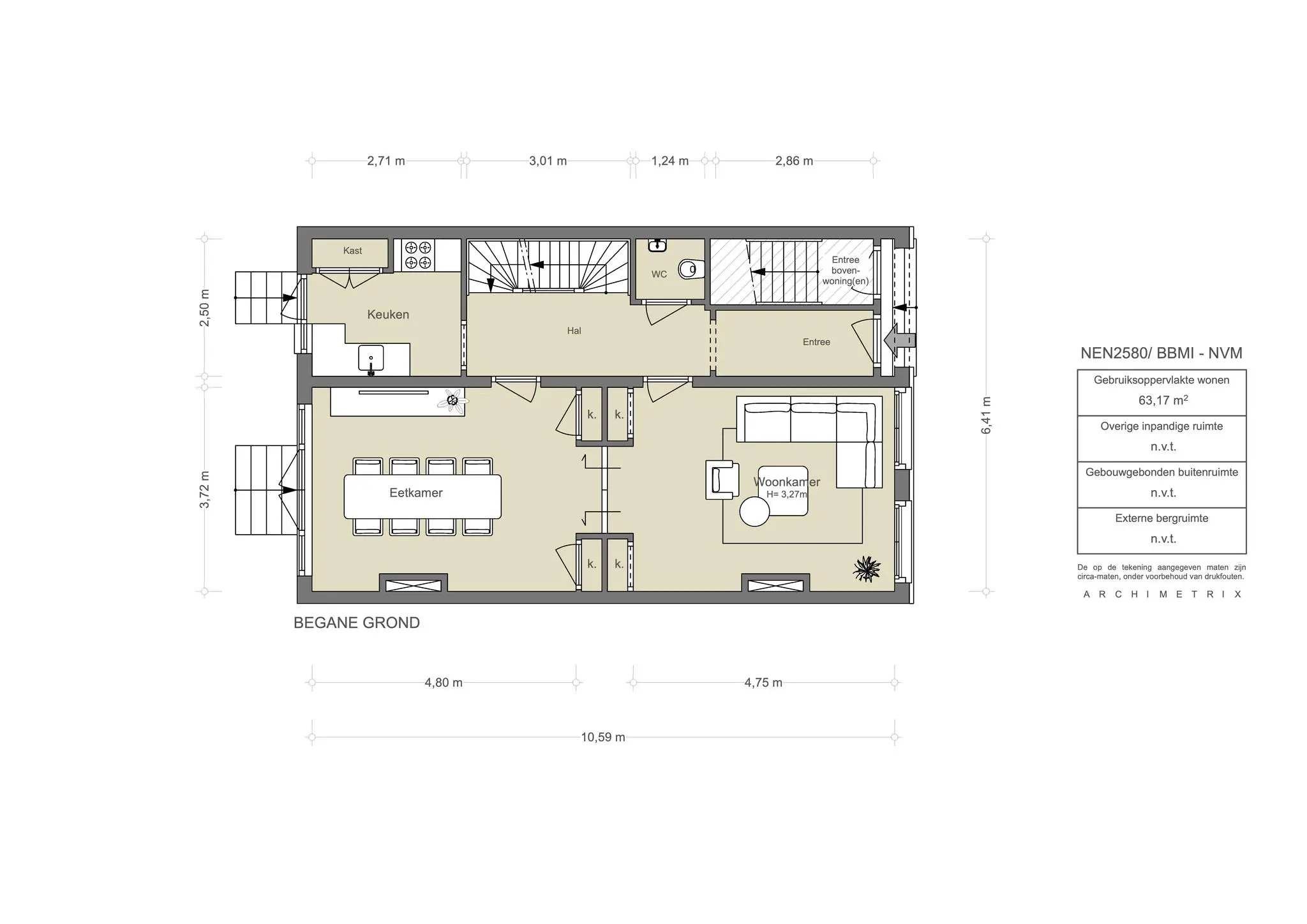
The entrance is classic and well-maintained, with original wall tiles, high paneling, and a front door with faceted glass. The vestibule leads to the hallway. The staircase to the upper floor is playfully placed in the middle of the floor plan. On the street side is a bright room with tall windows, suitable as a study or studio. Double French doors provide access to the room on the garden side, currently furnished as a library and dining room. The original details—herringbone flooring, panel doors, stucco ceilings—have been preserved and are in good condition. At the rear is the kitchen, with direct access to the garden. The space is compact, functional, and has a large window area that offers a view of the greenery. This floor is spacious and logically laid out, with pleasant sightlines and a natural transition between functions.
First floor
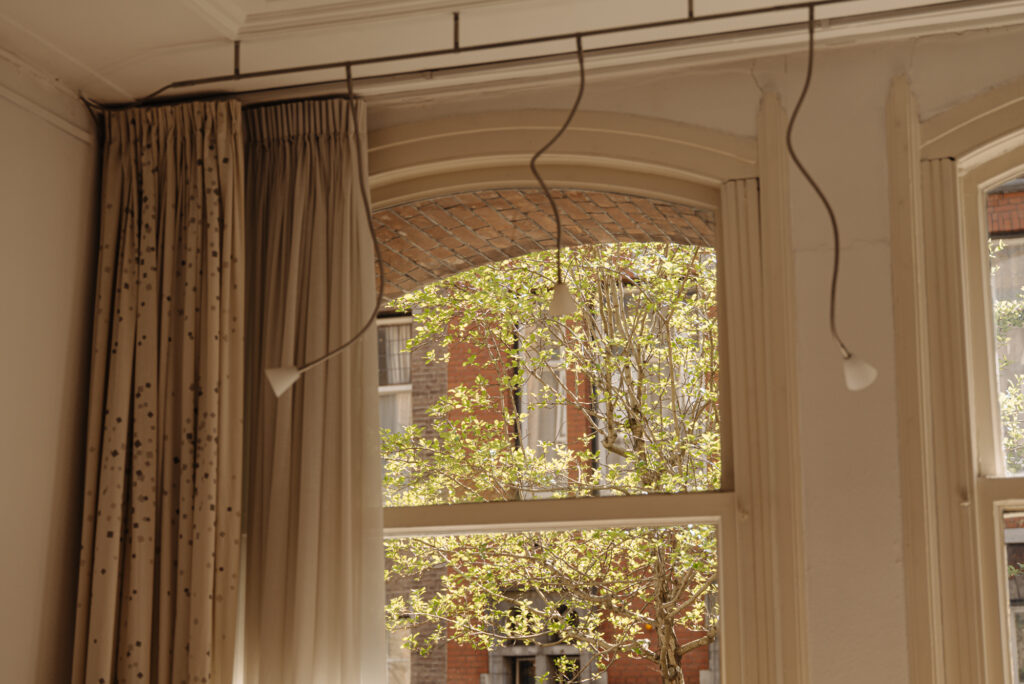
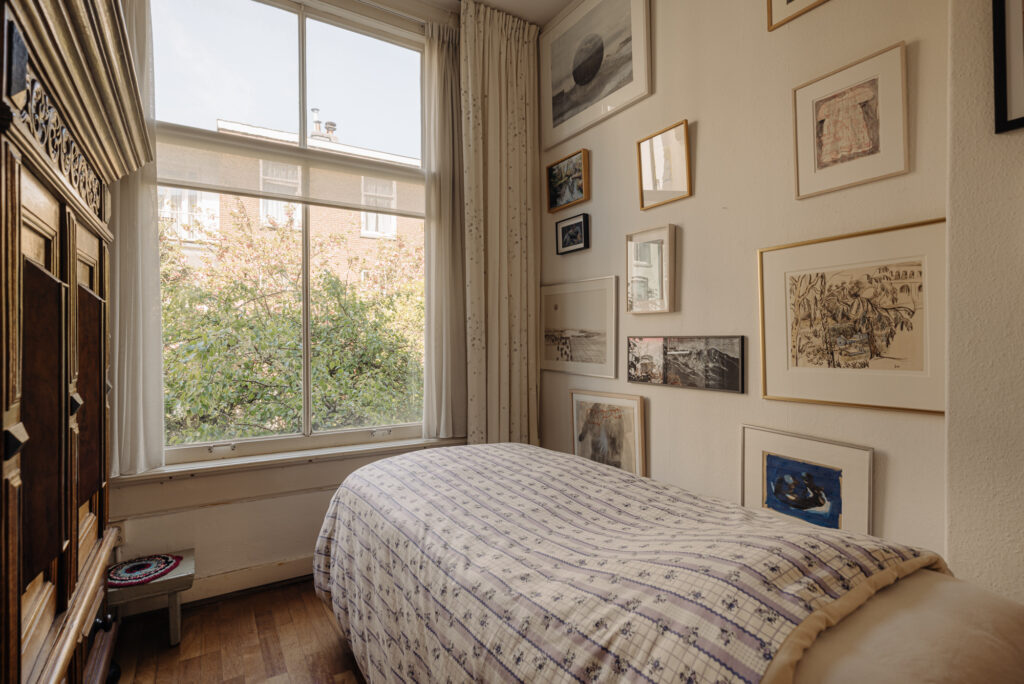
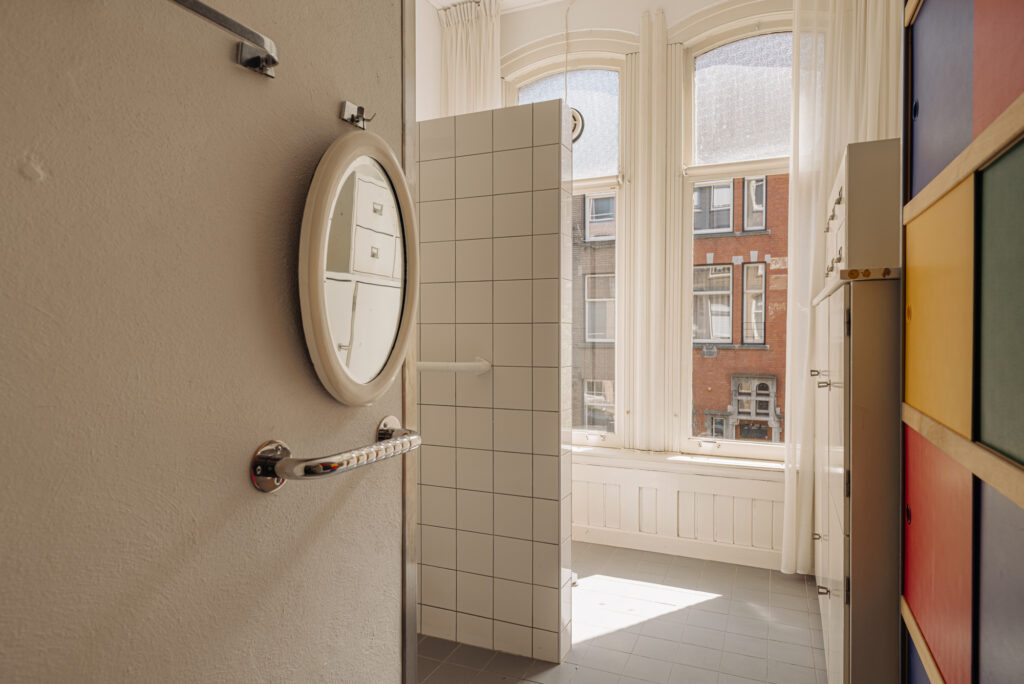
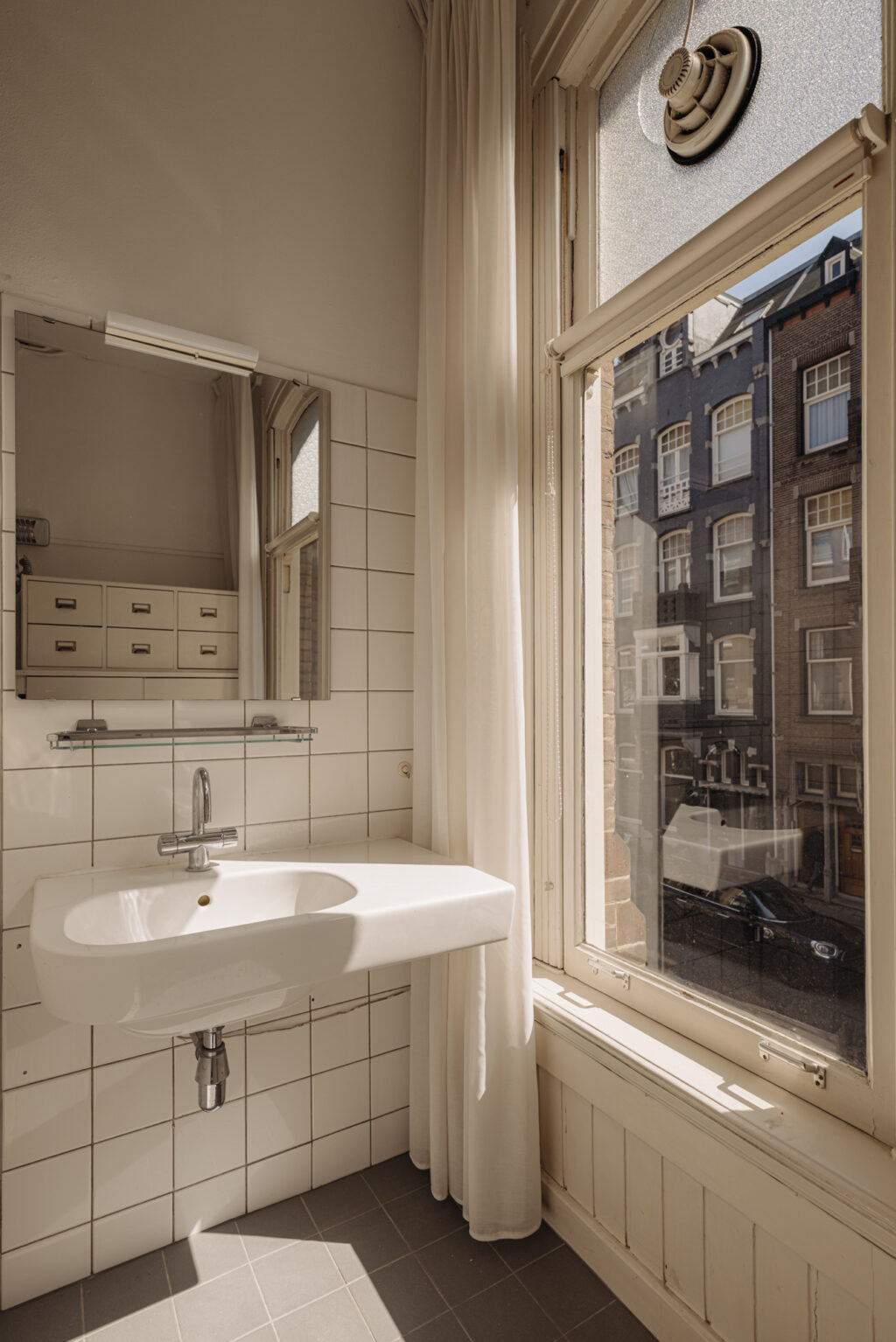
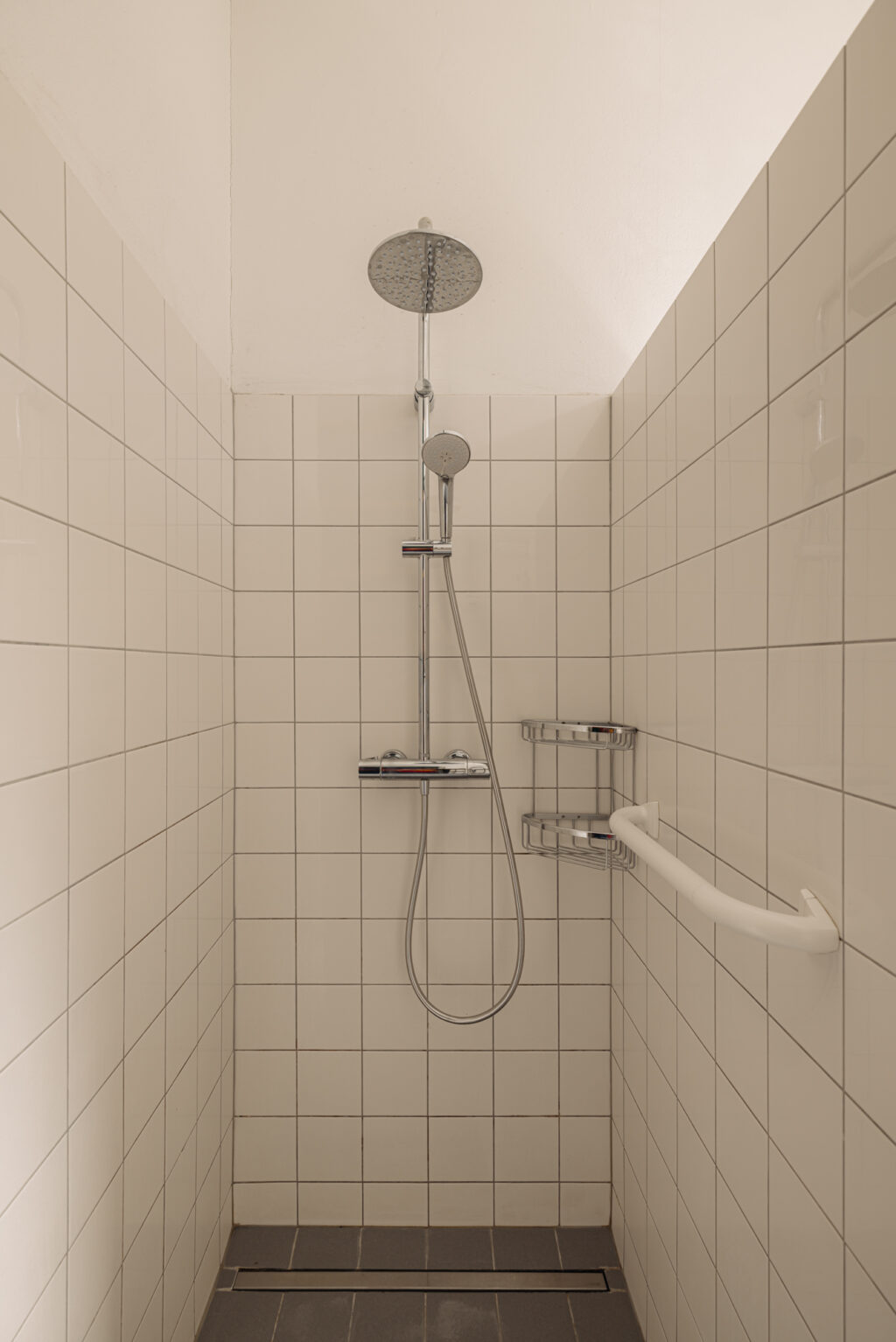
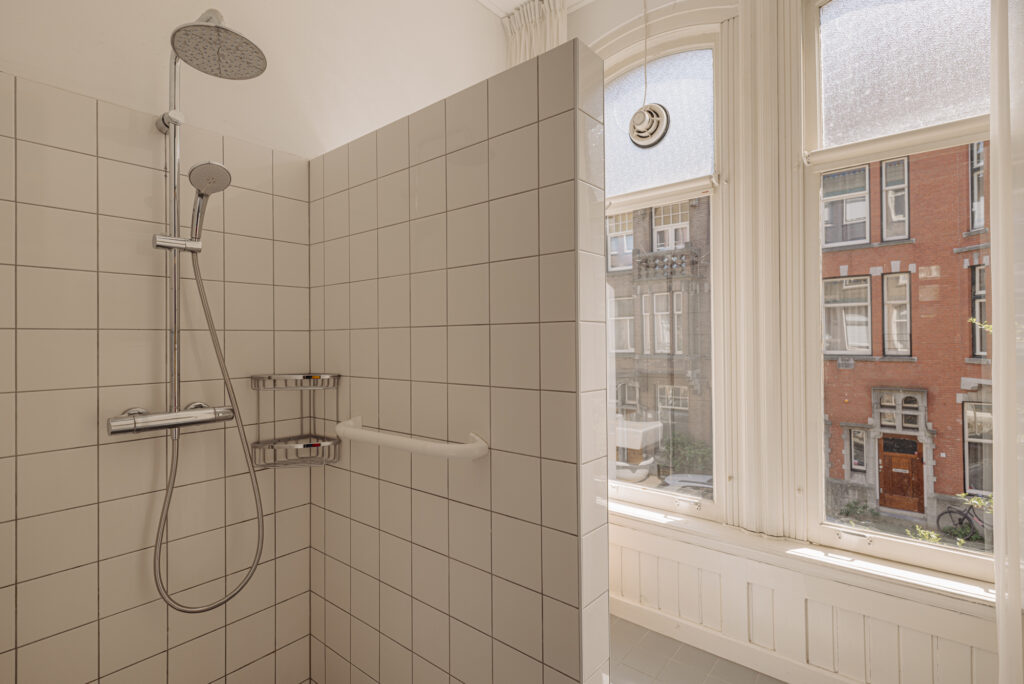
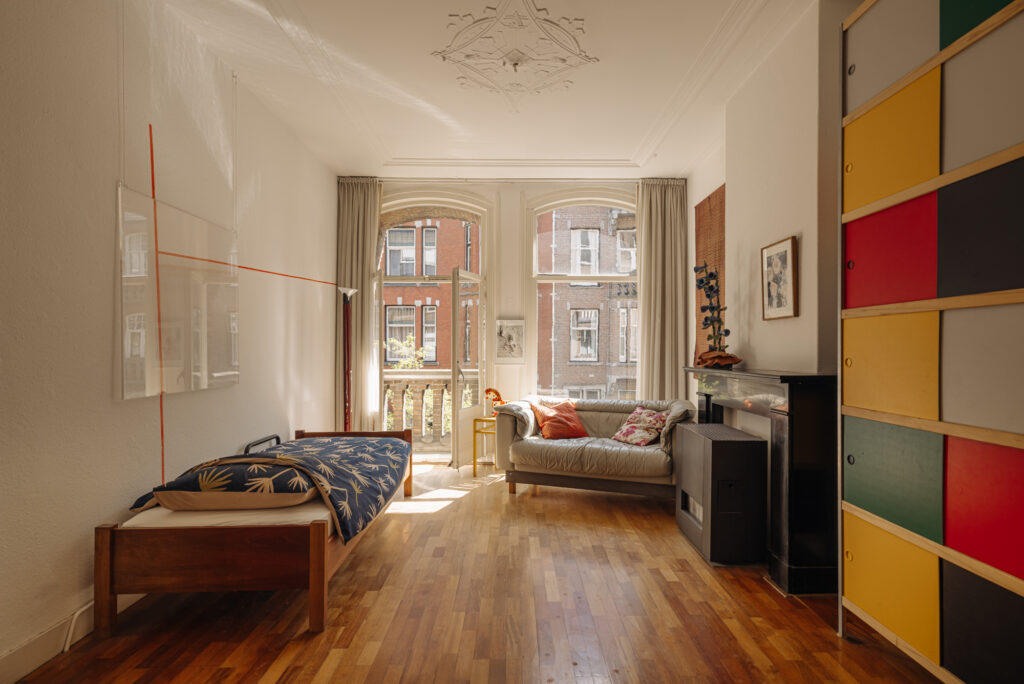
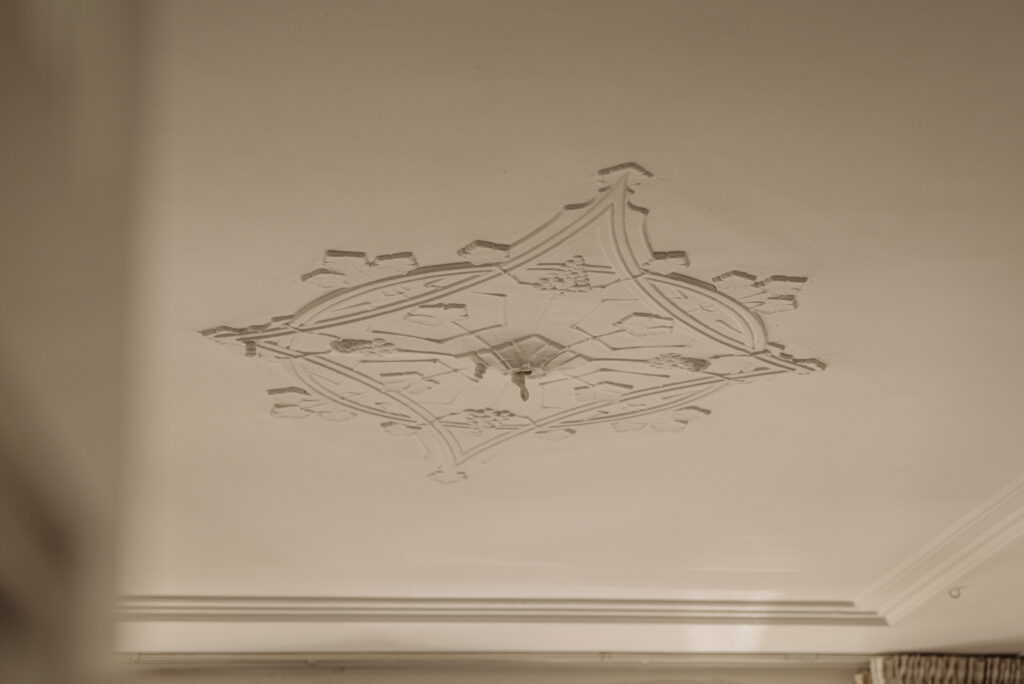
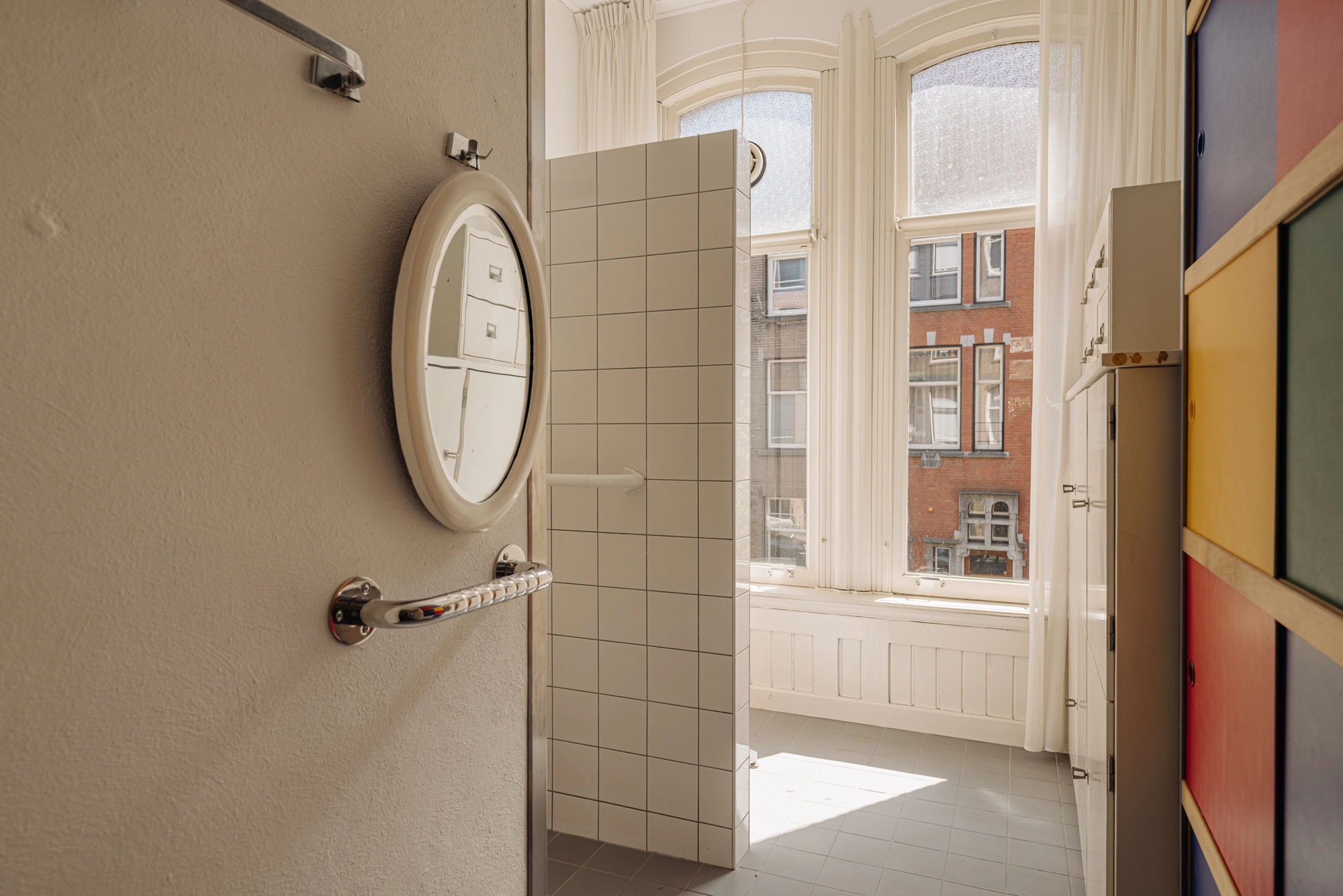
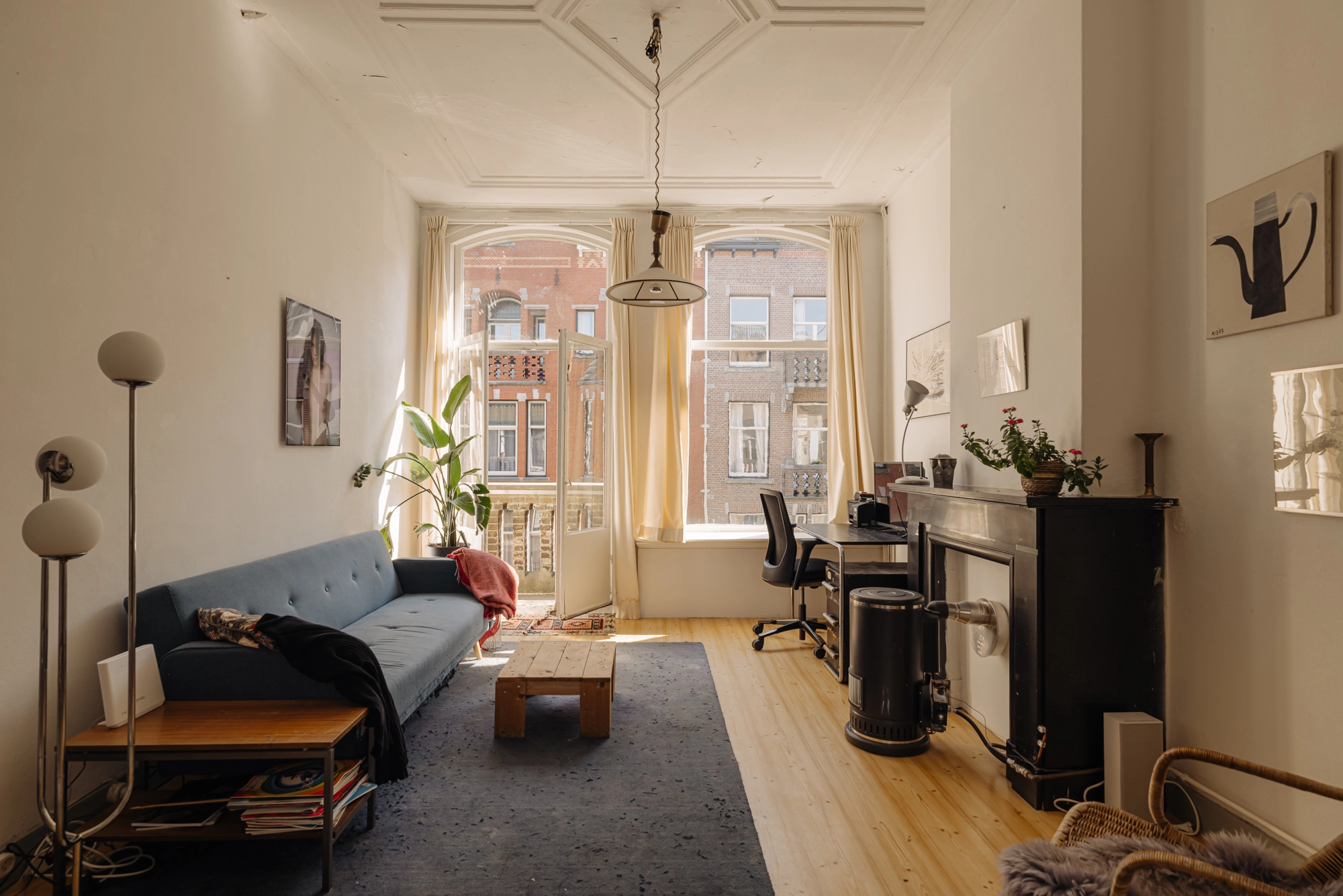
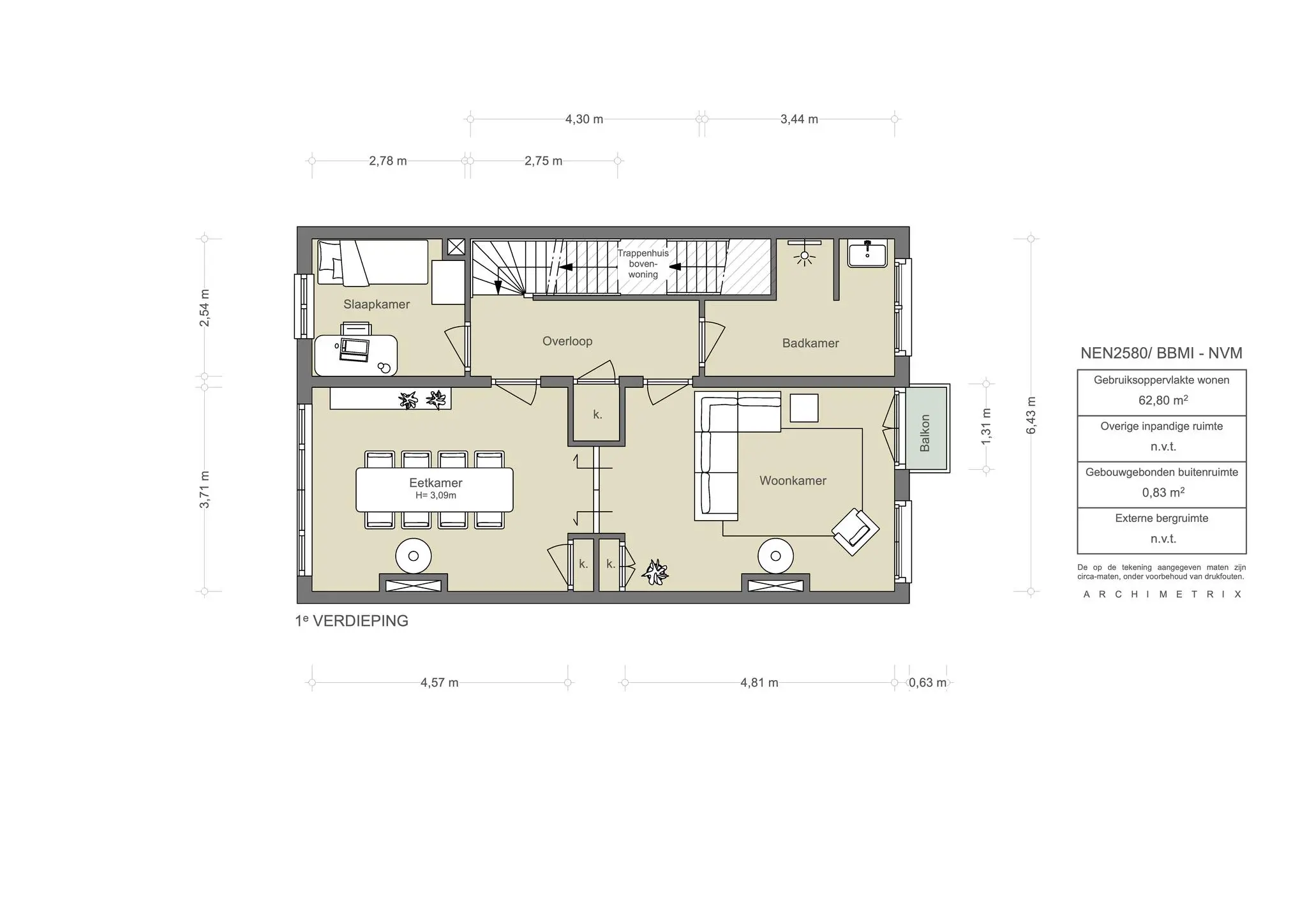
The first floor has two spacious Rooms either side of the floor. At the front is a bright room with French doors opening onto the balcony. The high windows and ornamental ceiling give the room character. At the rear is a second large room, currently used as a study. The room overlooks the garden and features a wide window frame and sleek ceiling ornamentation. At the front is the bathroom, finished with white wall tiles, a walk-in shower, sink, and large windows facing the street. The landing is spacious, with access to a third, compact room at the rear—ideal as a guest room or children's room.
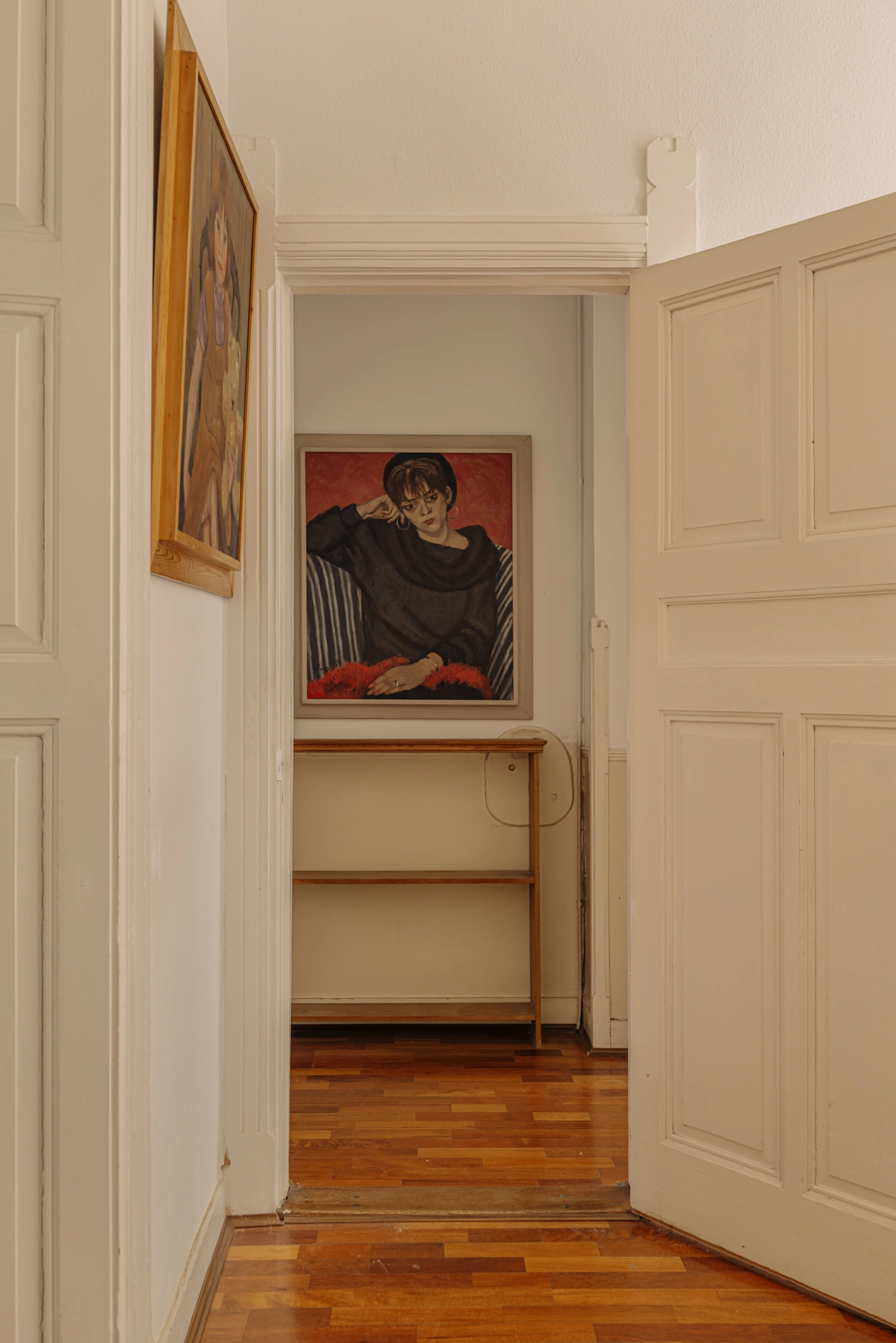
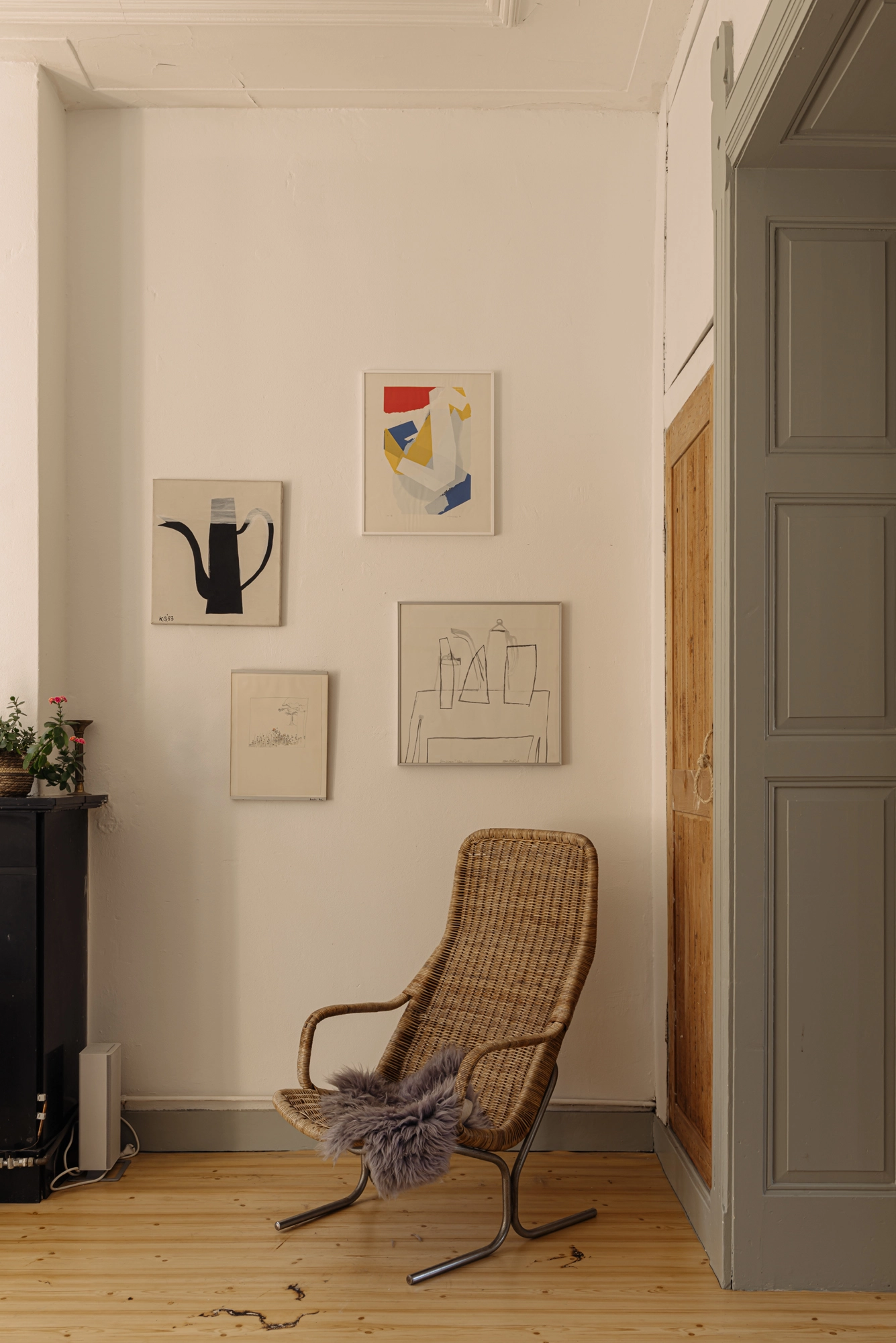
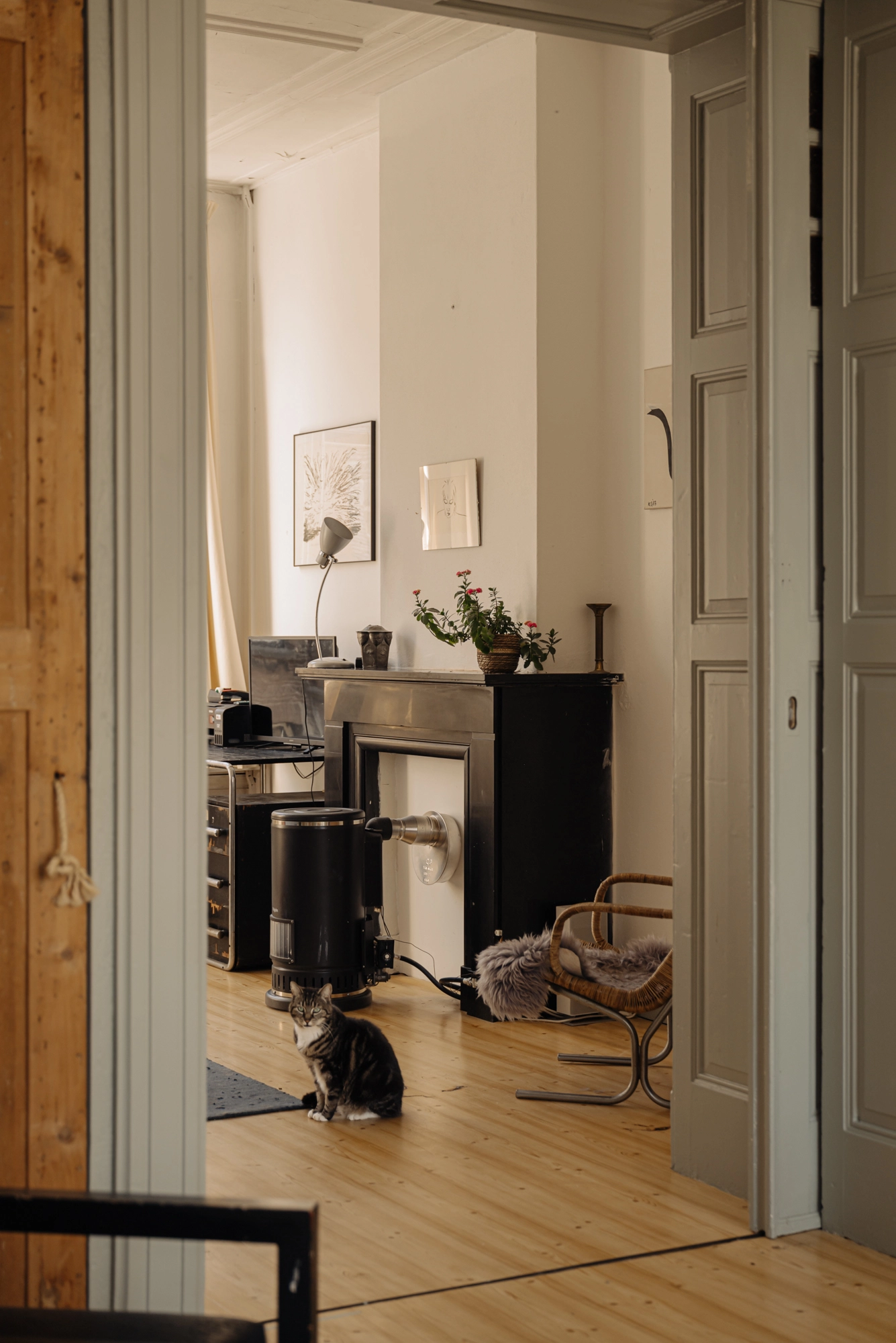
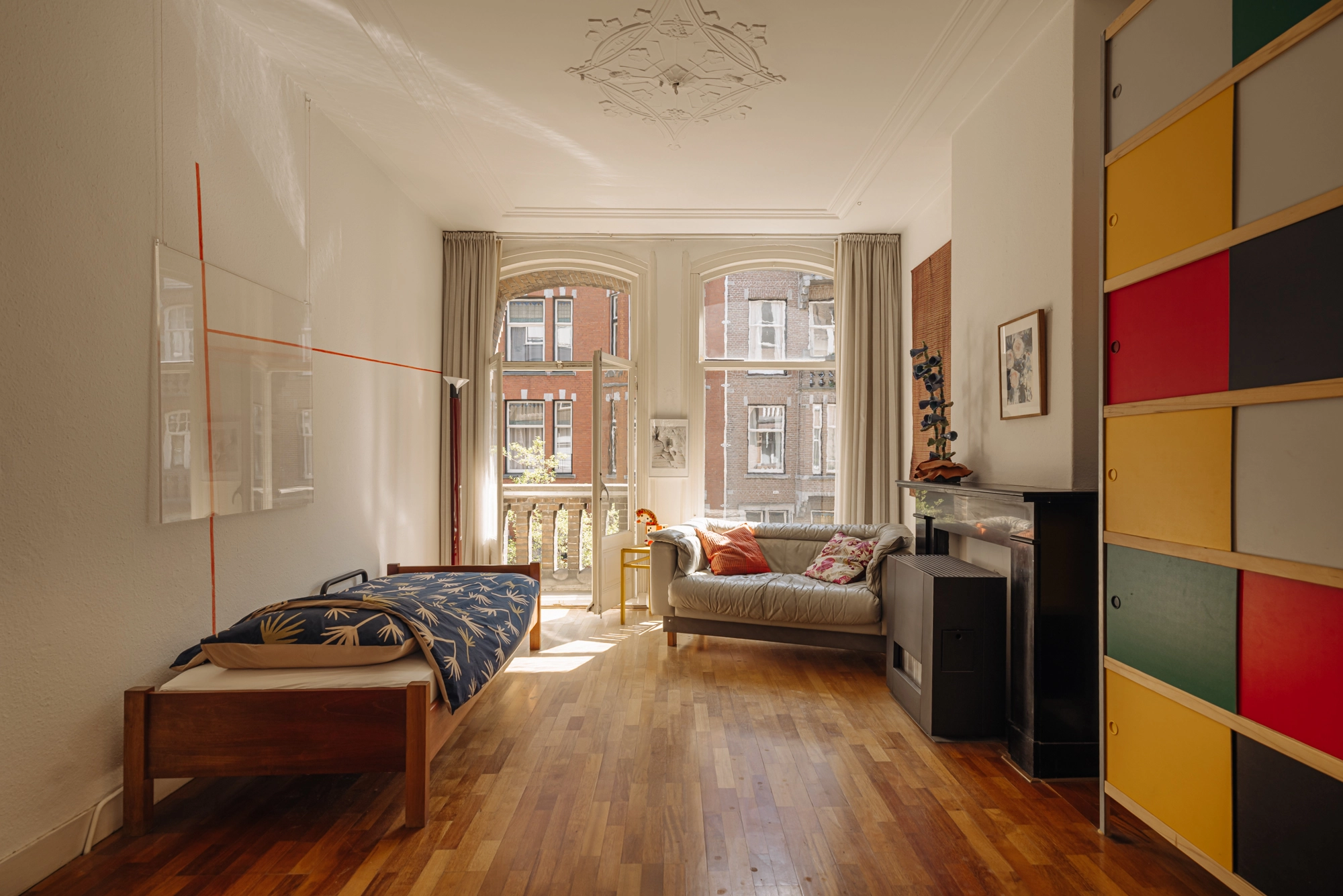
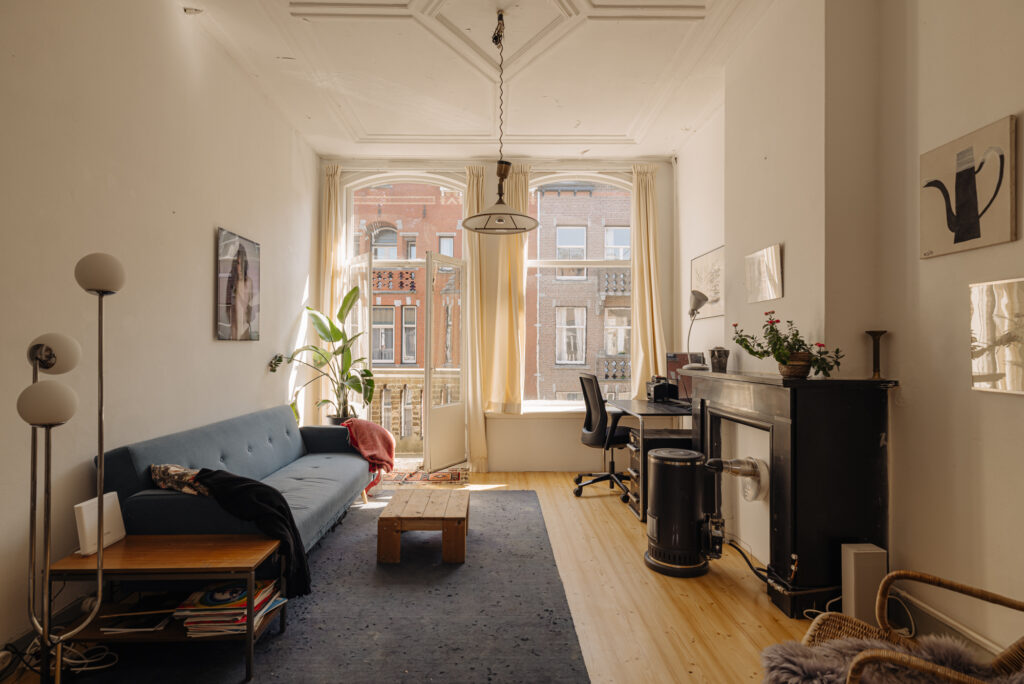
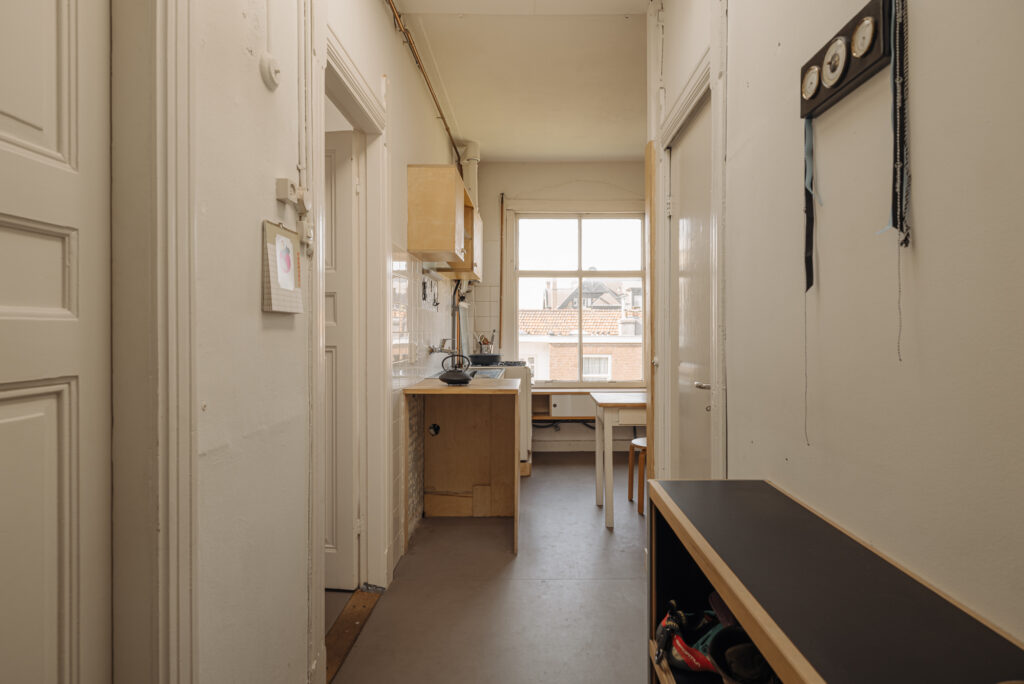
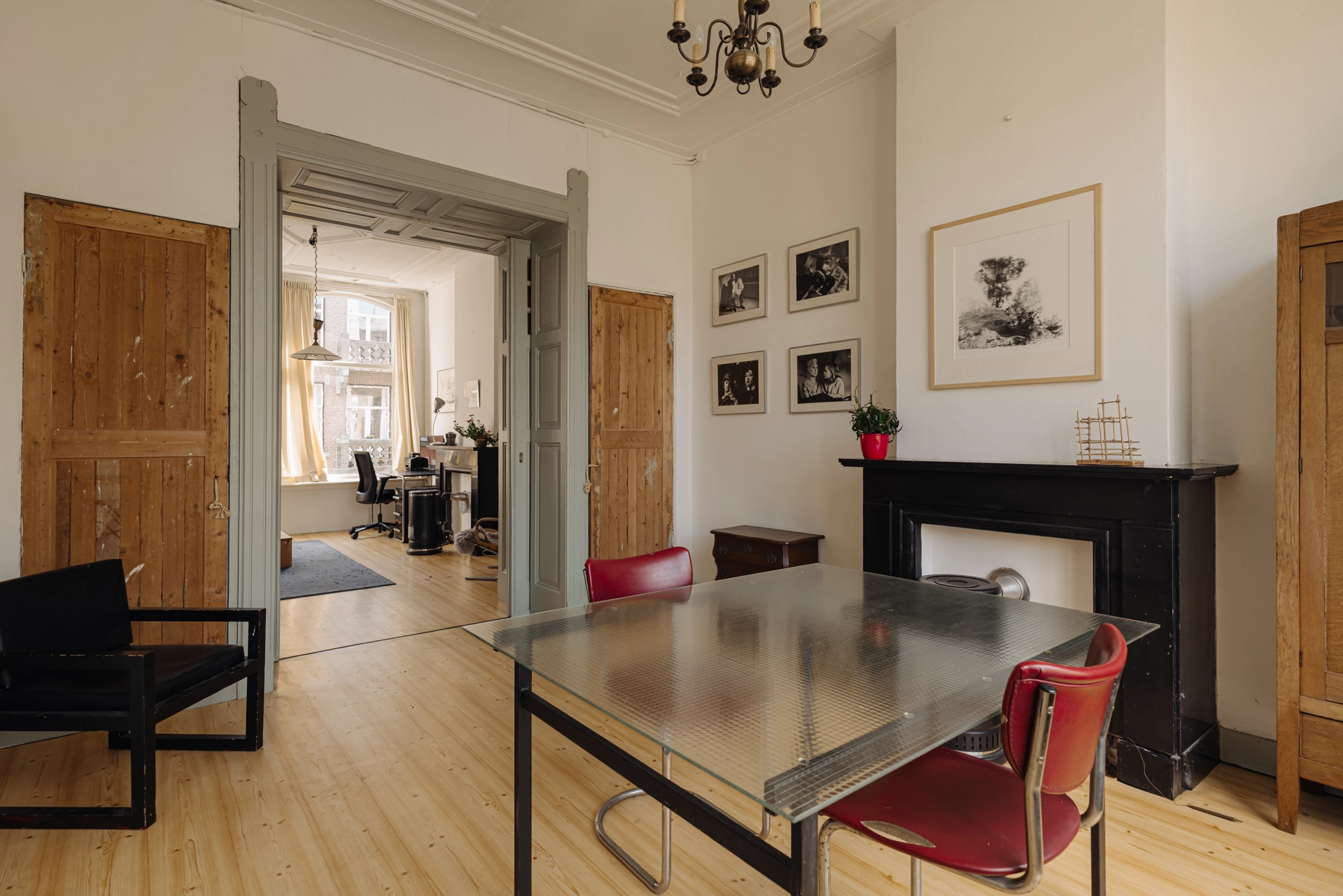
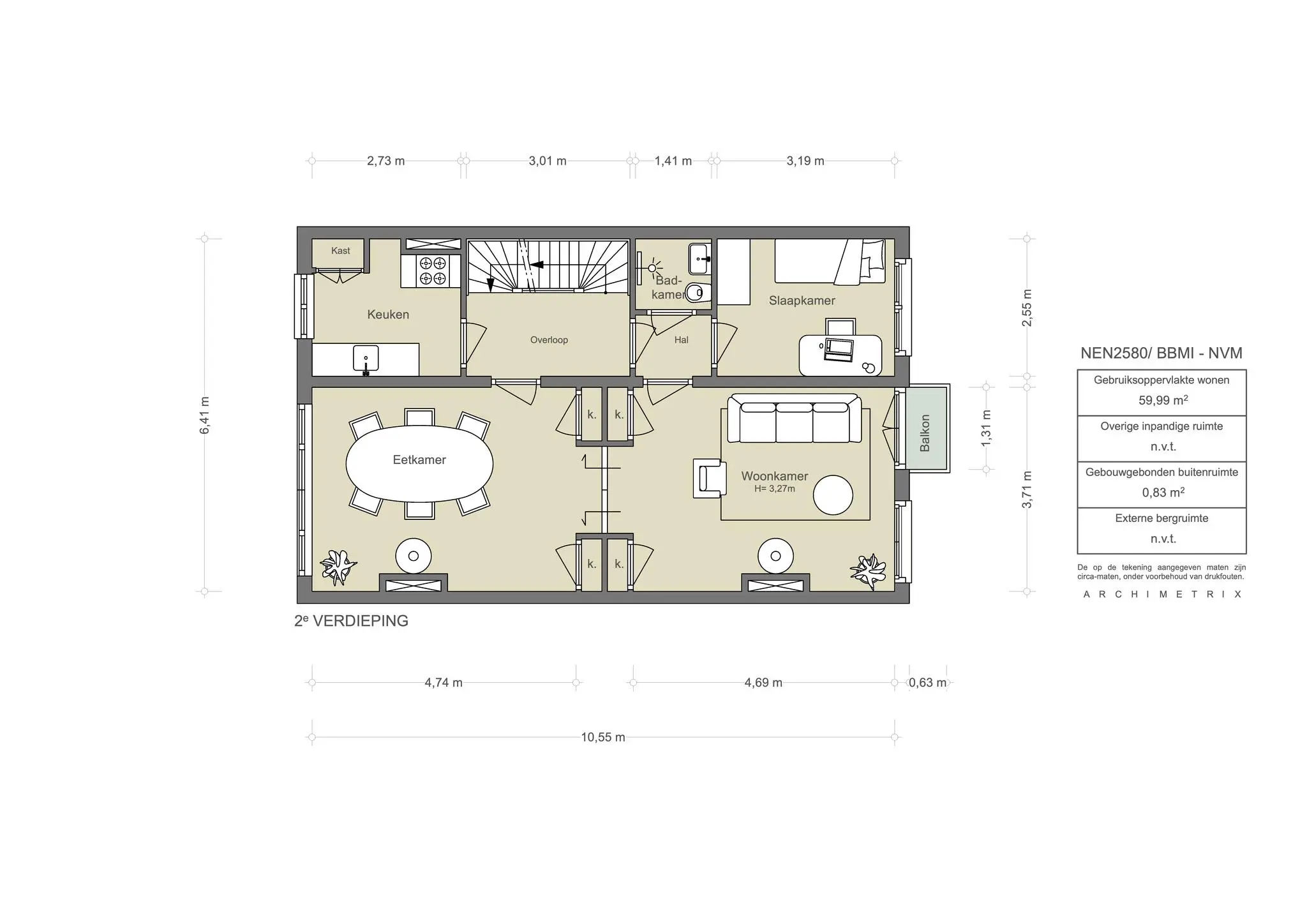
The second floor is designed as an independent living area with double Rooms a closed kitchen. At the front is a bright room with a balcony, currently furnished as a sitting and working area. The room has a high ceiling with original ornaments and plenty of daylight through the three large windows. At the rear is a second spacious room. This room is used as a dining and work room. The kitchen is compact, with classic wall cabinets, a gas hob, and a large window facing the inner gardens. There is also a smaller room at the front — practical as an extra bedroom or storage space.
Third floor
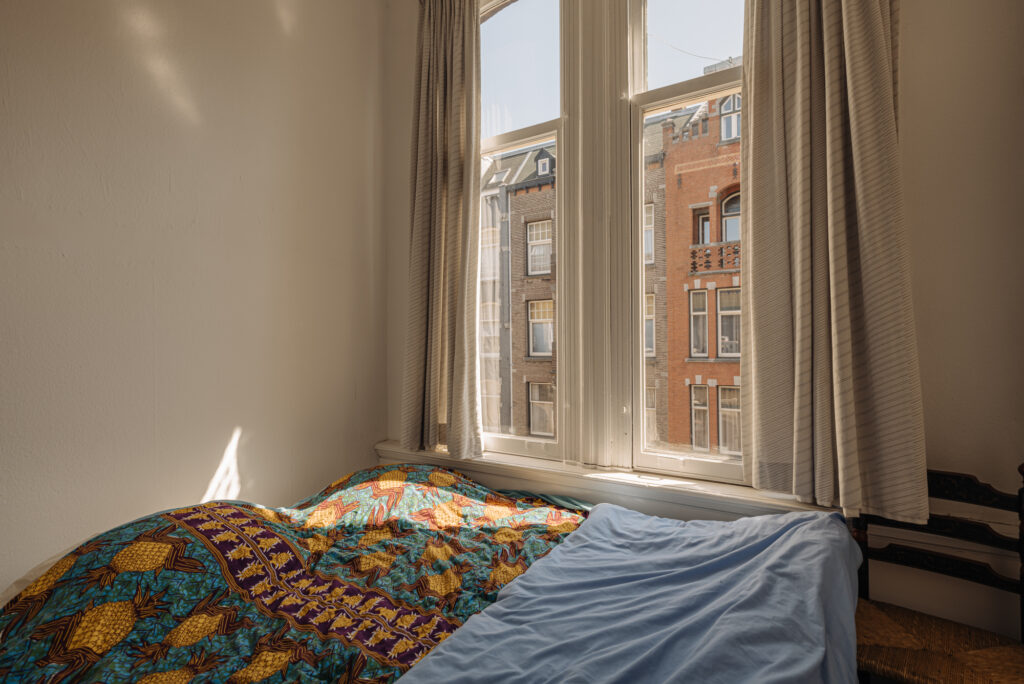
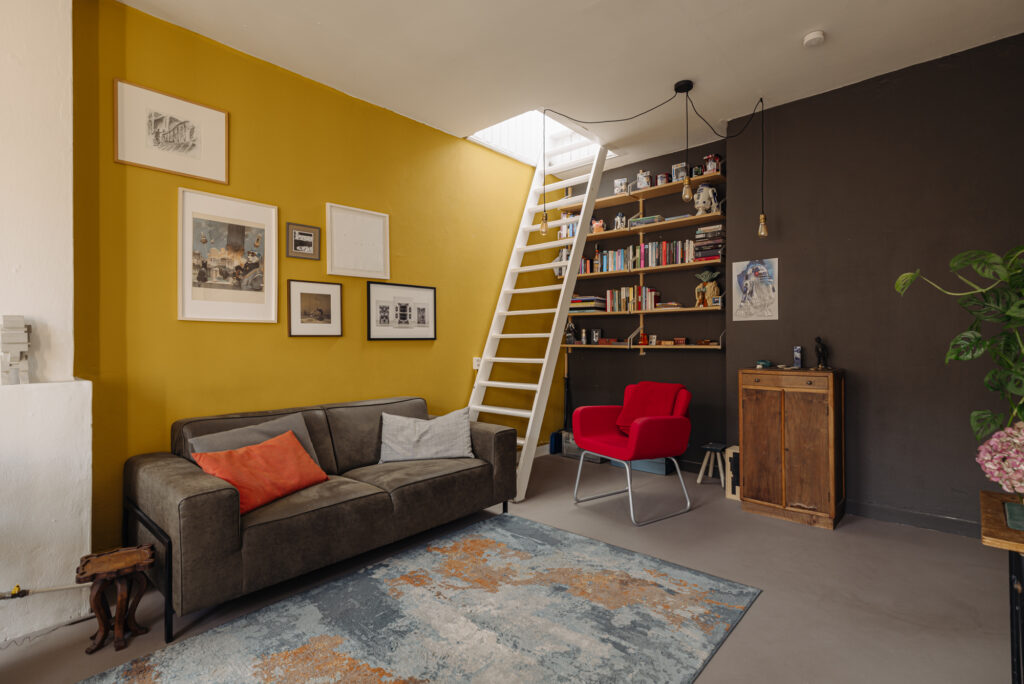
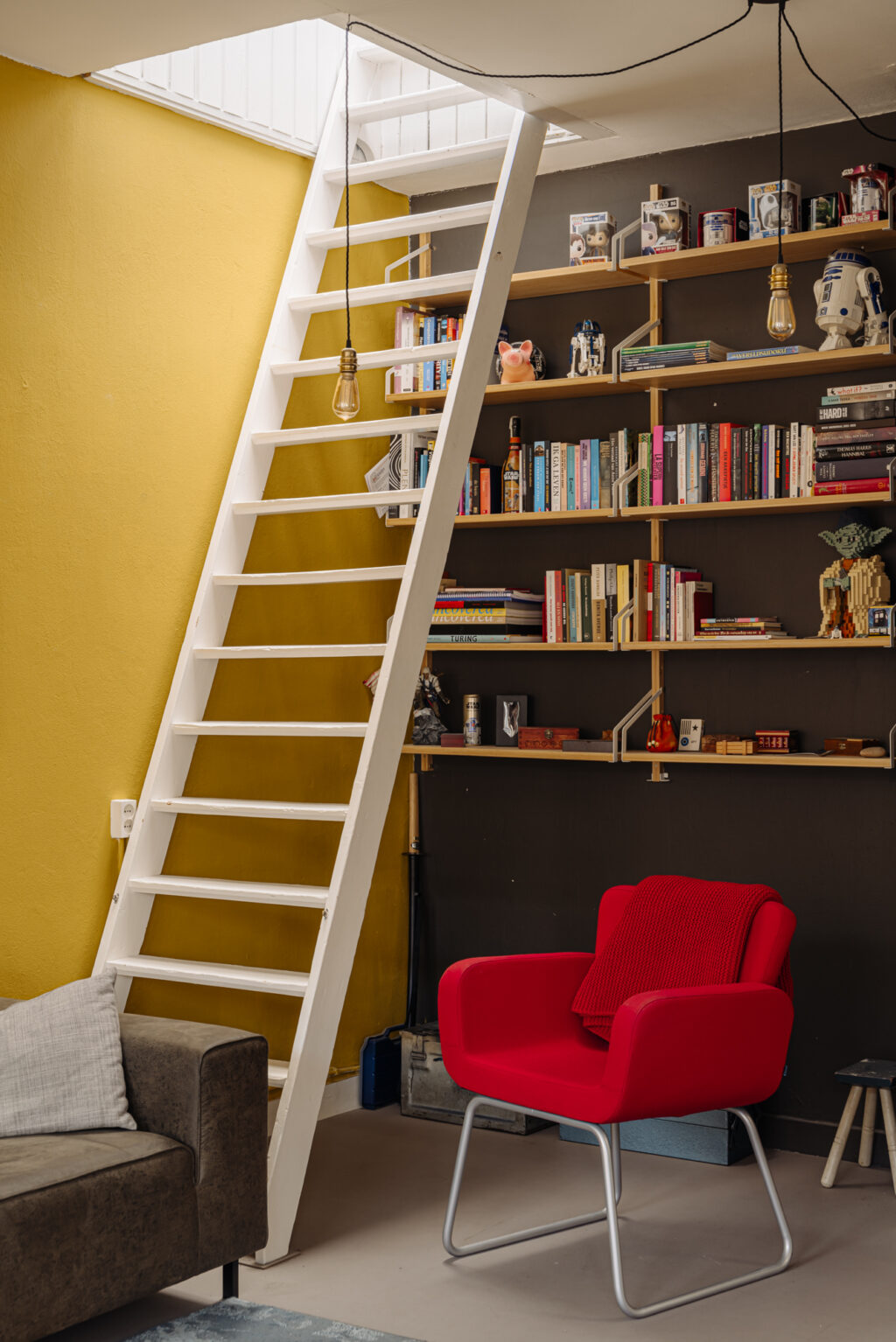
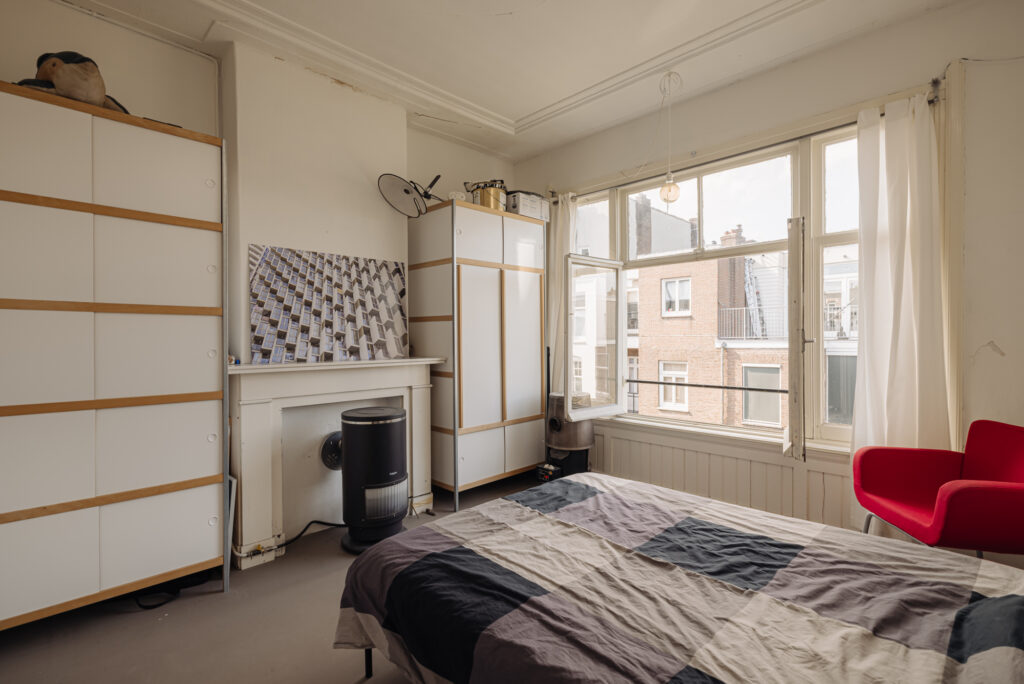
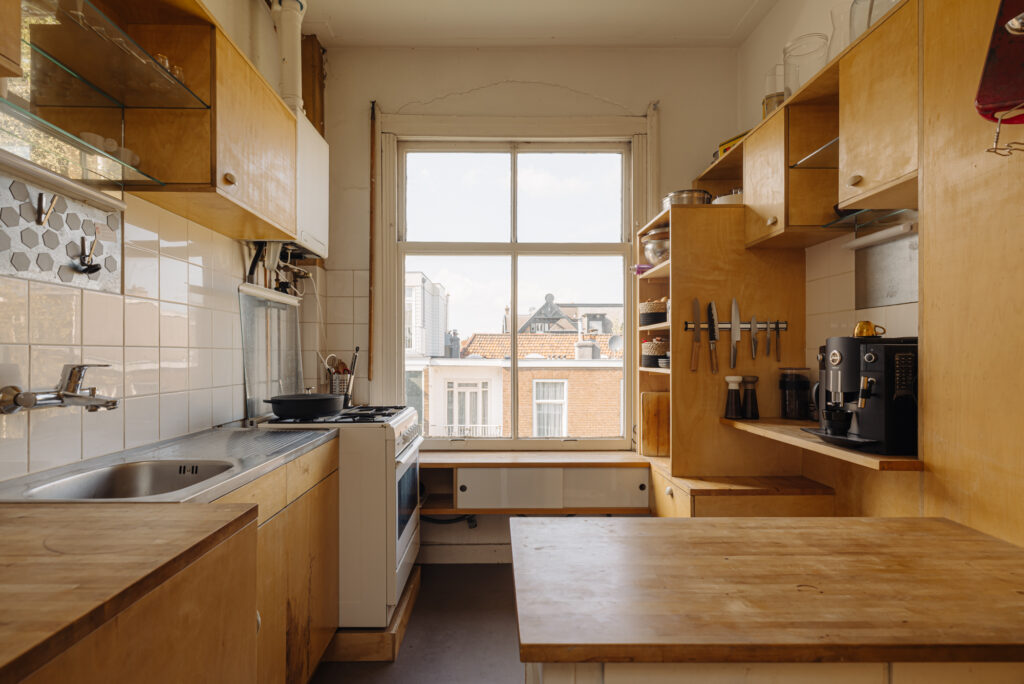
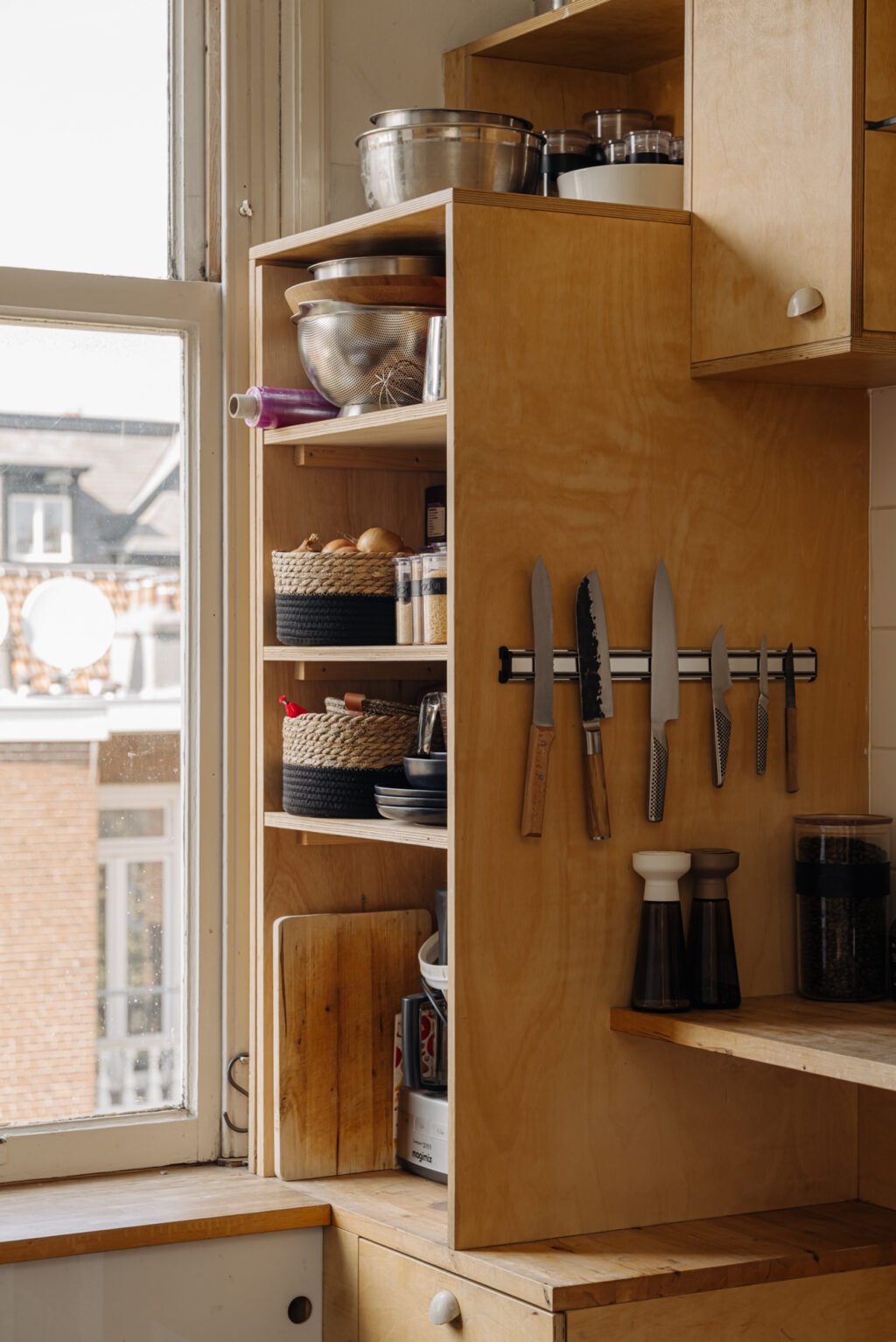
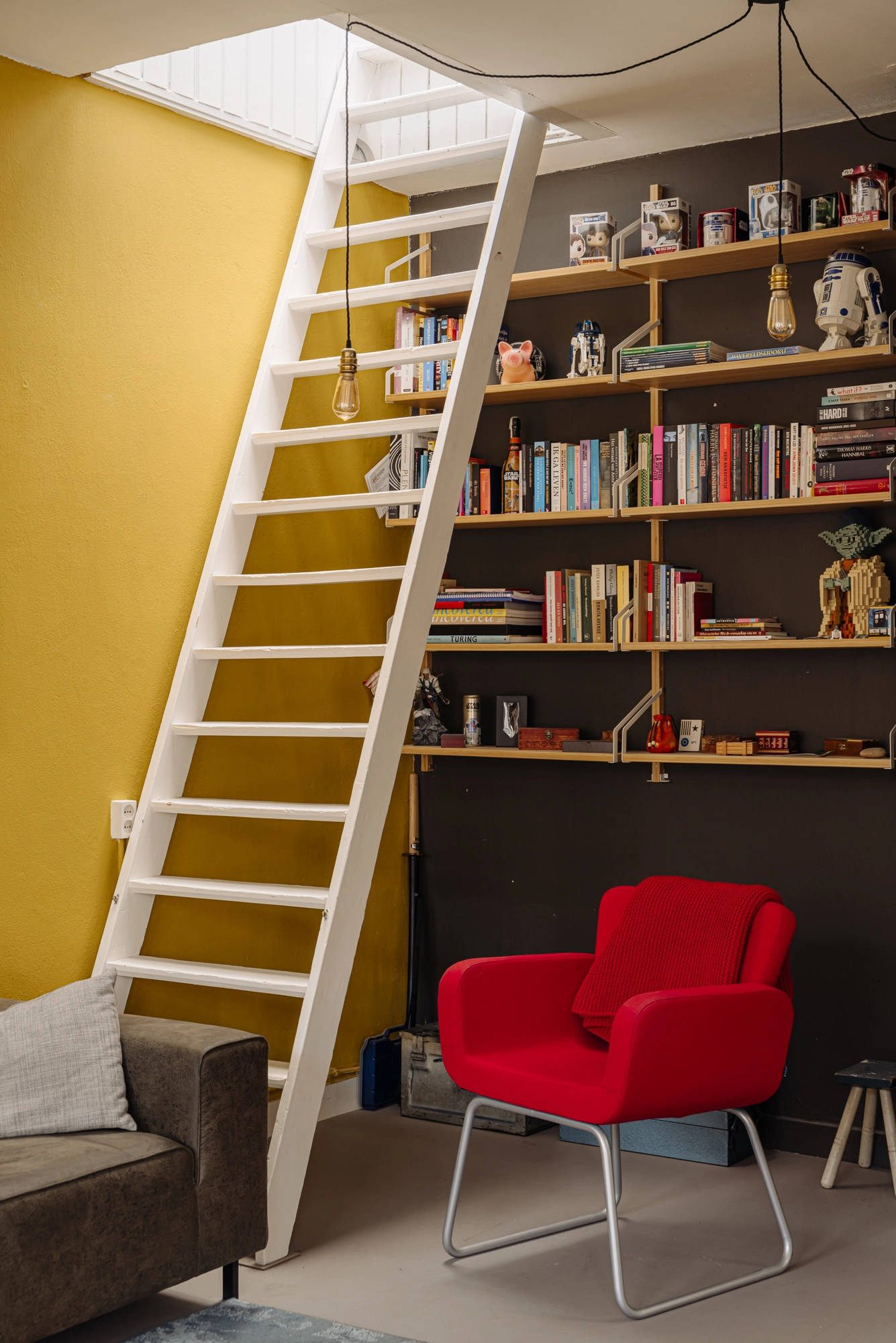
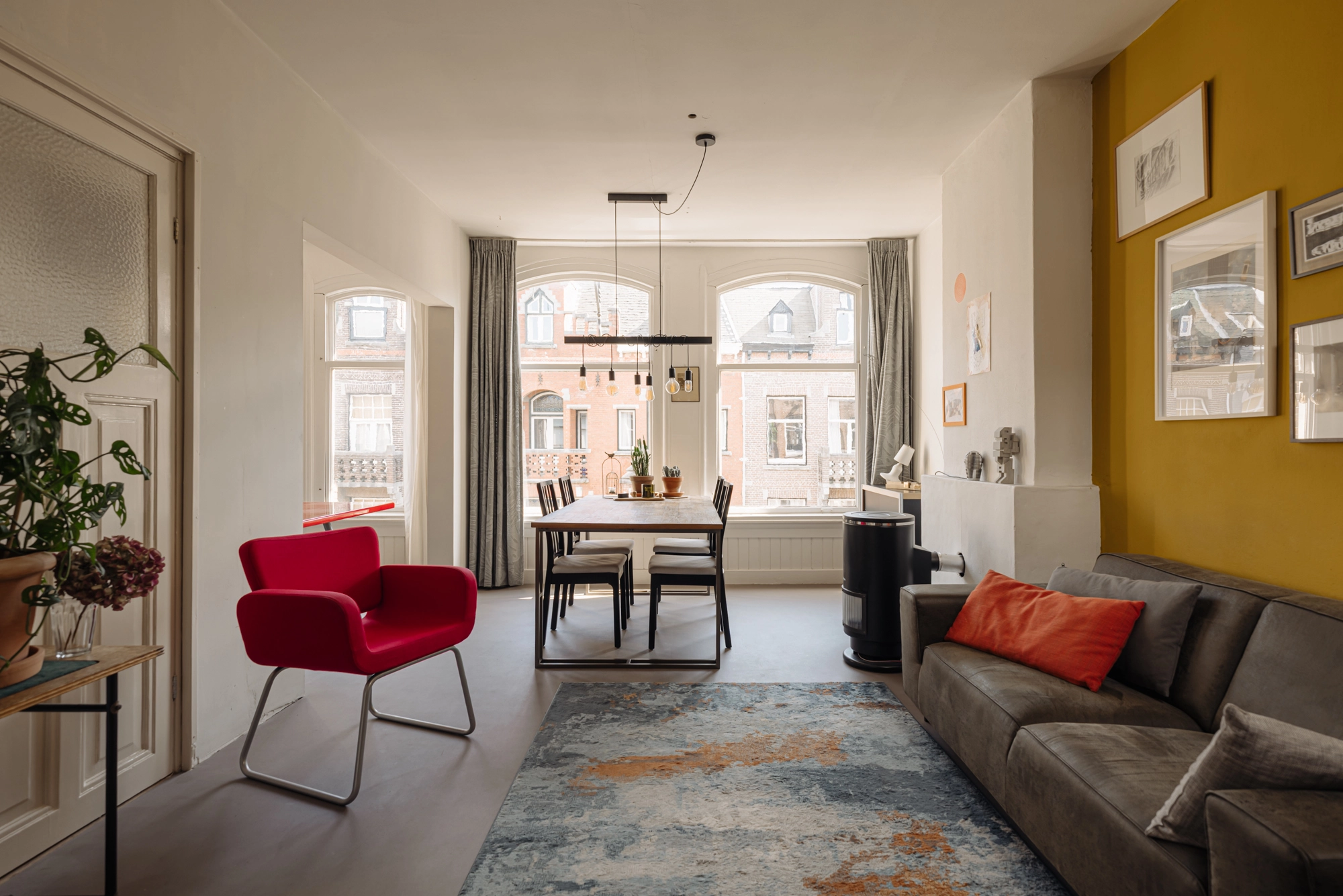
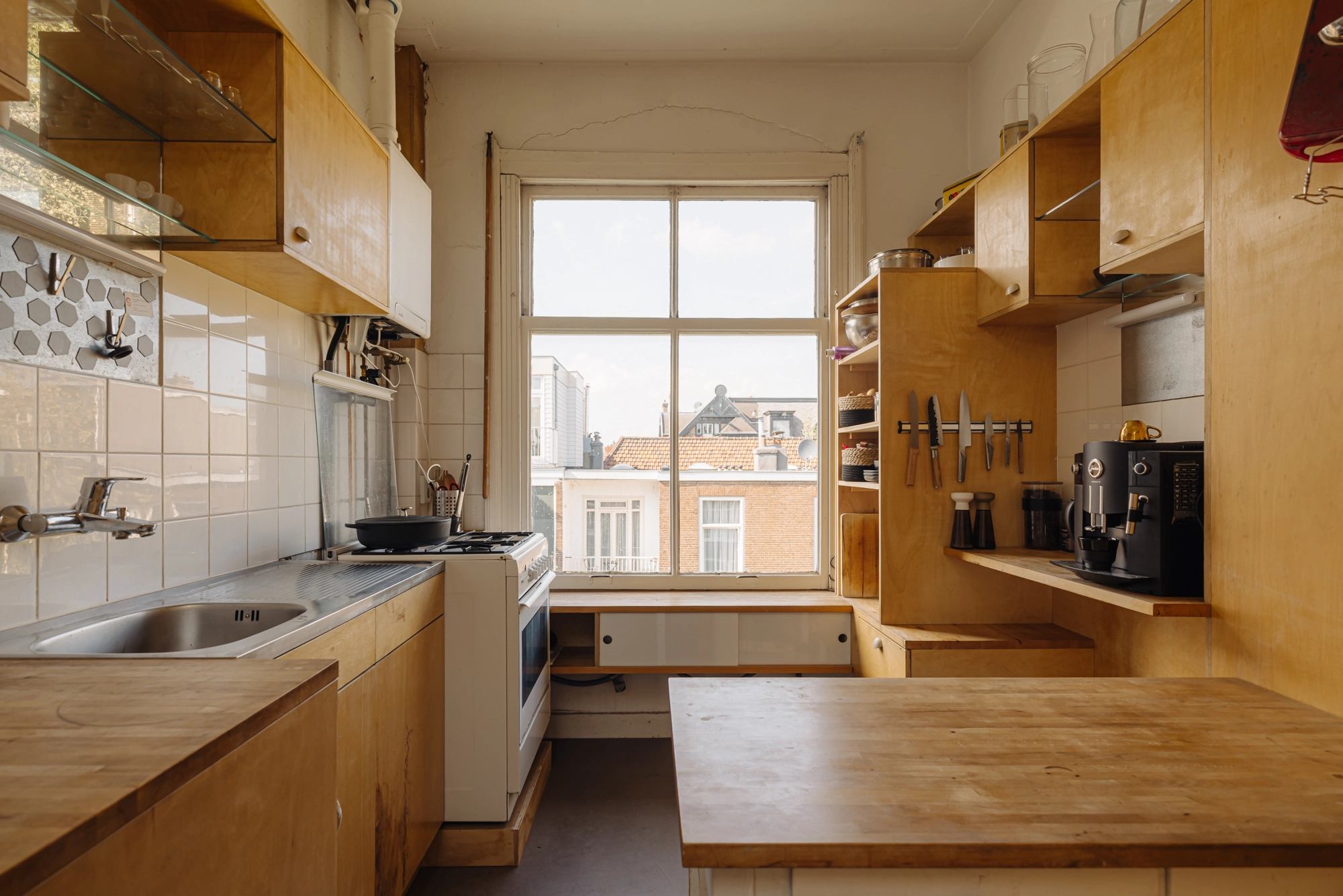
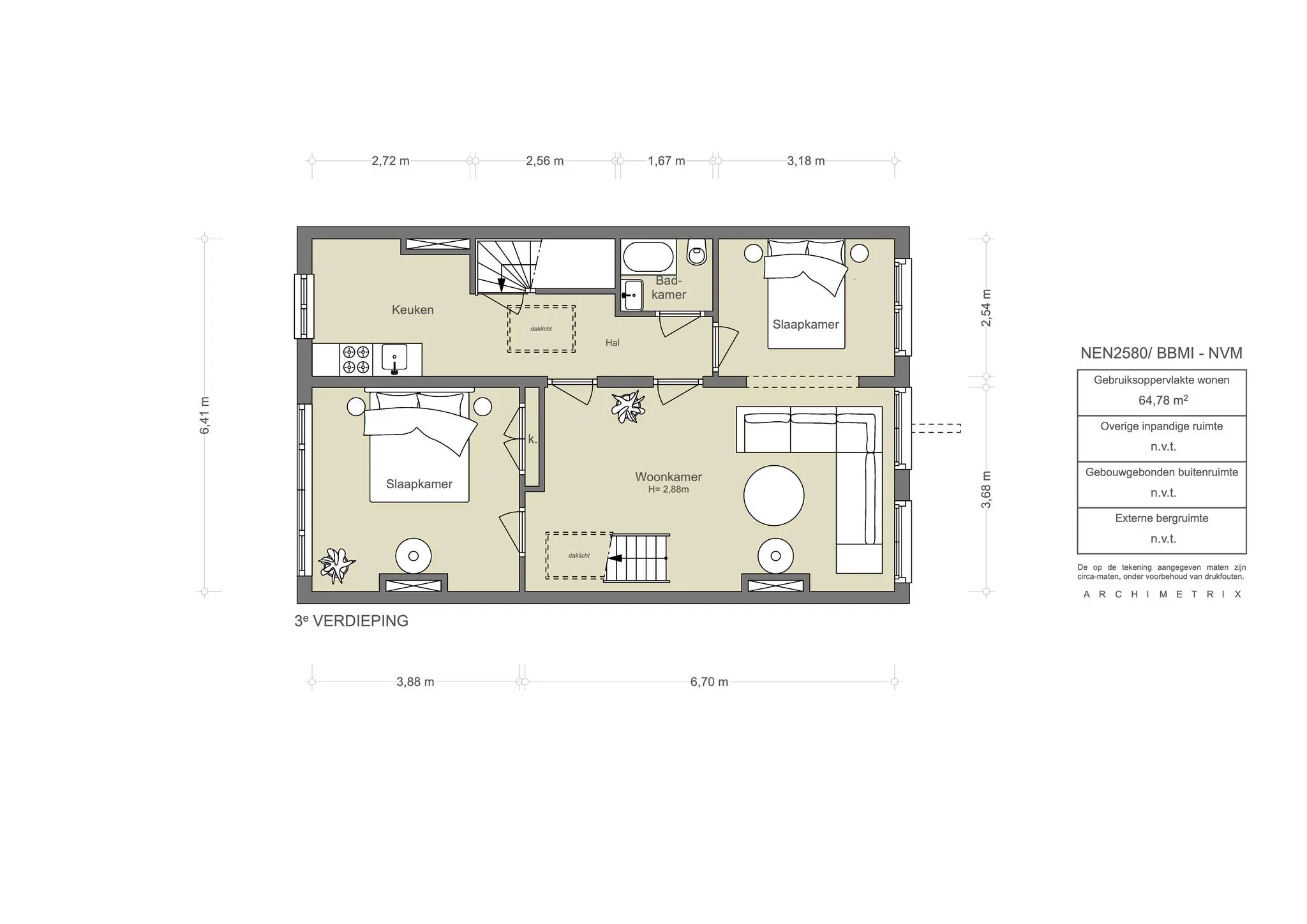
The third floor comprises the living room, dining room, kitchen, and a bedroom. The living room is located at the front of the house, with tall south-facing windows that provide ample daylight. Against the wall is a custom-made bookcase and a staircase leading to the roof. The living area flows into the dining room. The kitchen overlooks the inner gardens. The wooden cabinets and countertops give the space a calm, artisanal look. At the rear is a bedroom with closet space and a view of the street. Here too: high ceilings, original details, and light on two sides. This floor feels like a separate apartment within the house, with a pleasant division between living, cooking, and sleeping.
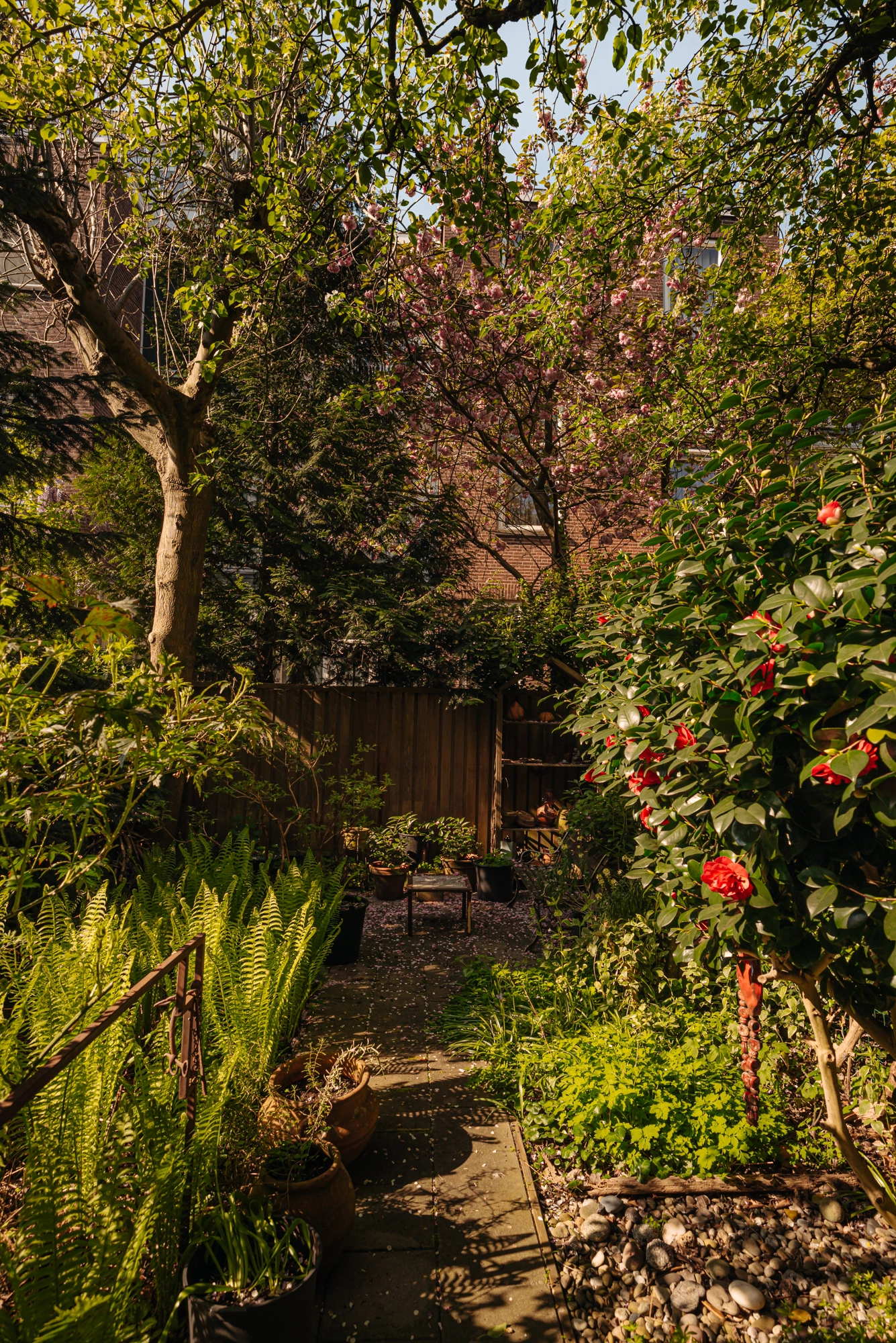
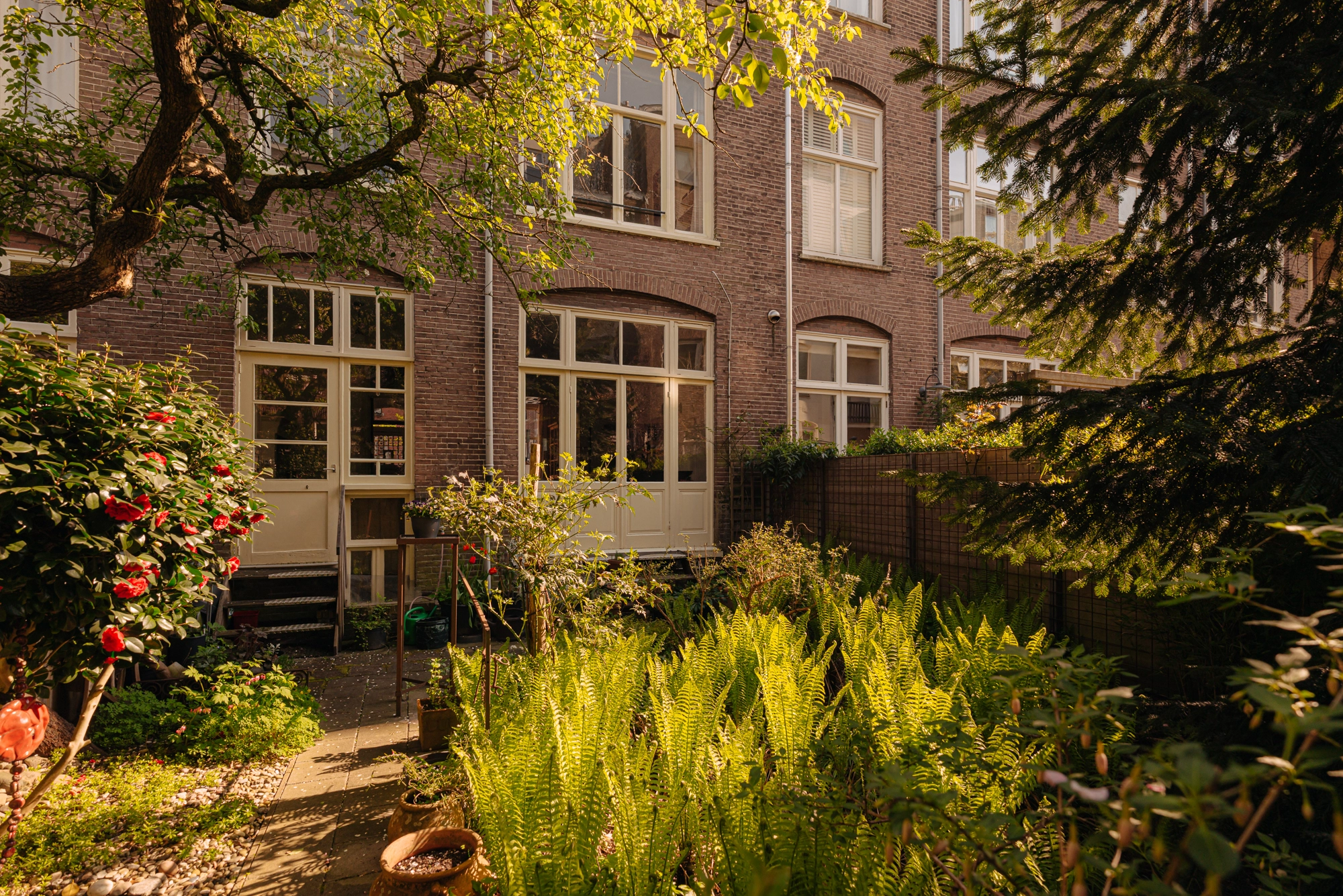
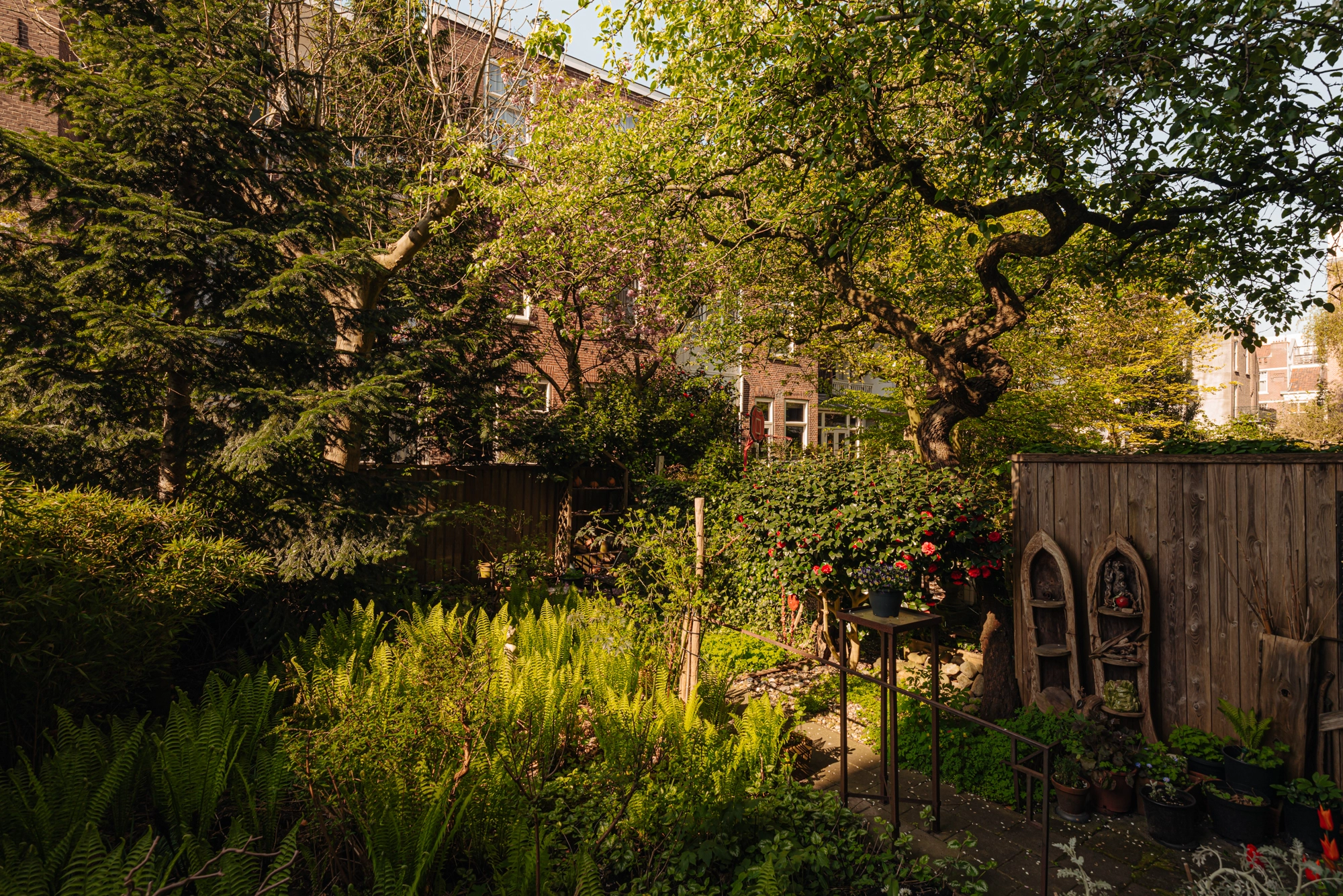
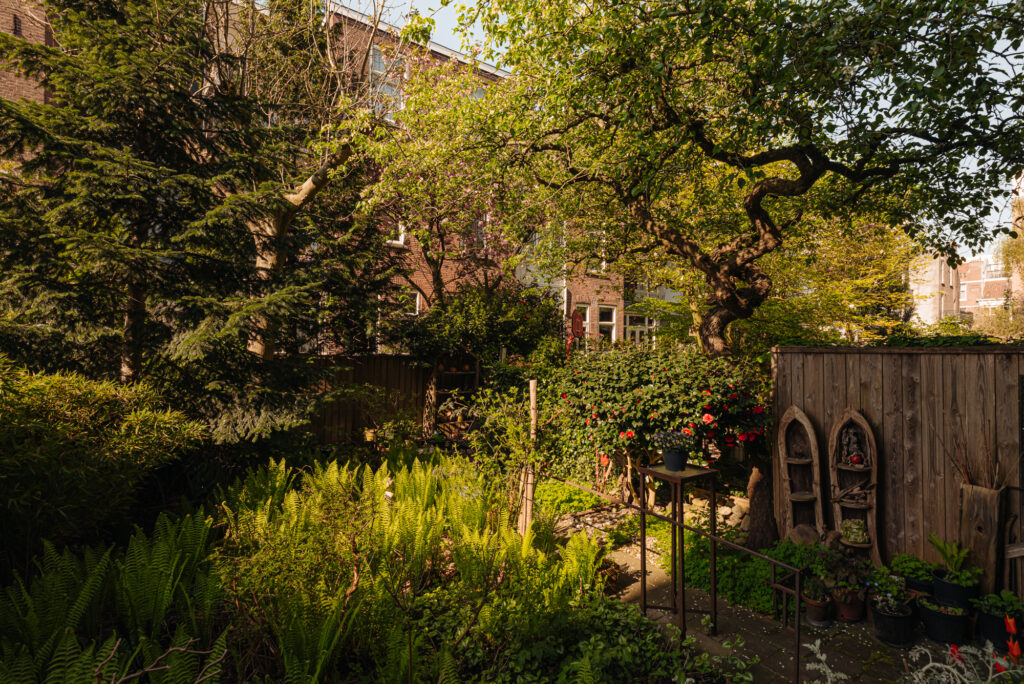
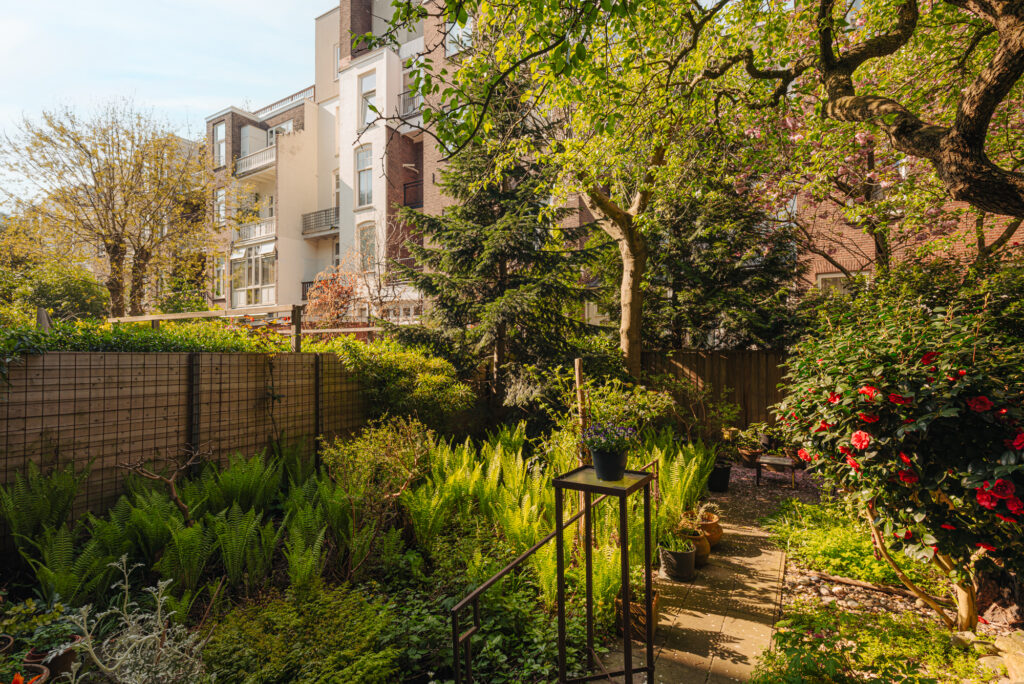
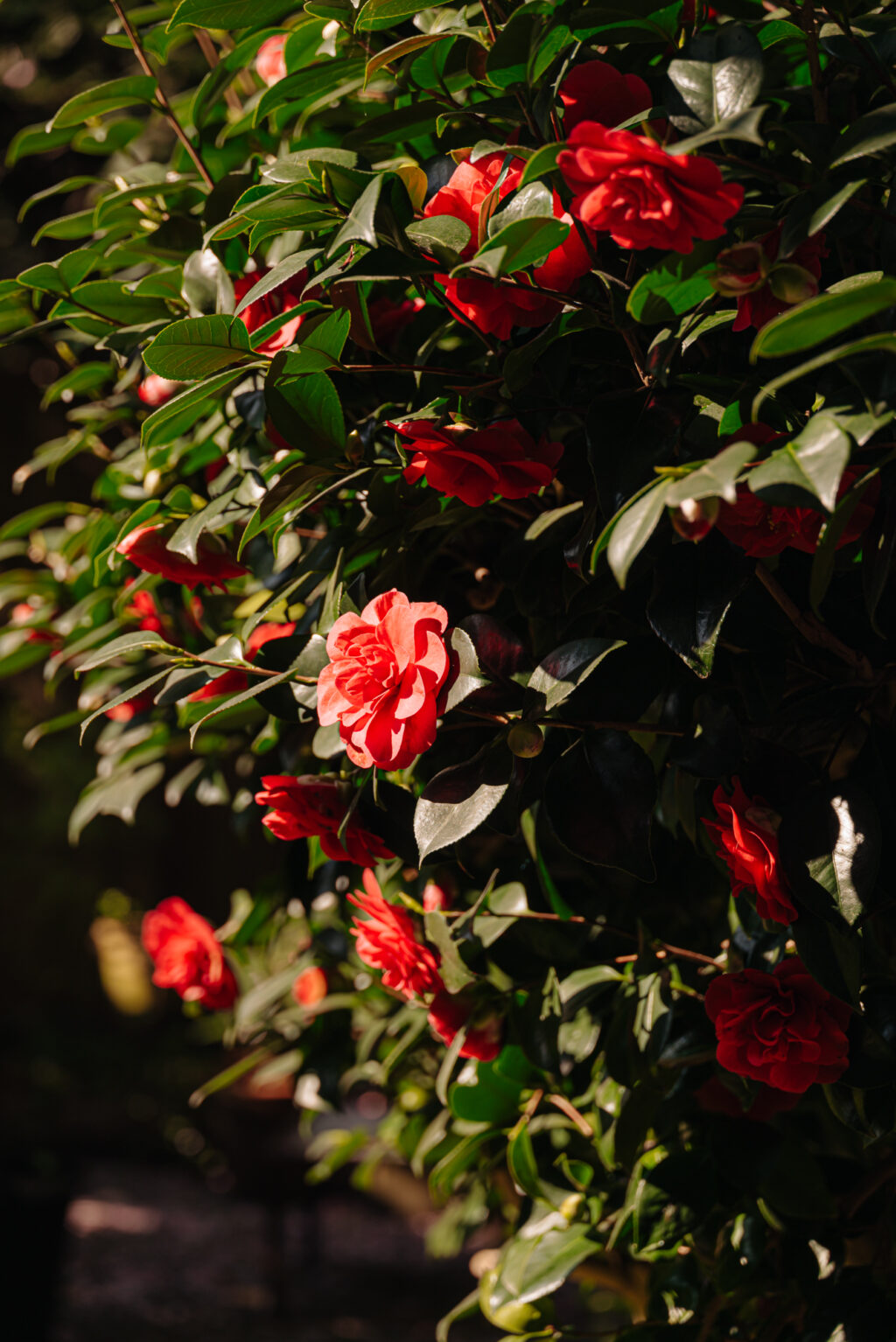
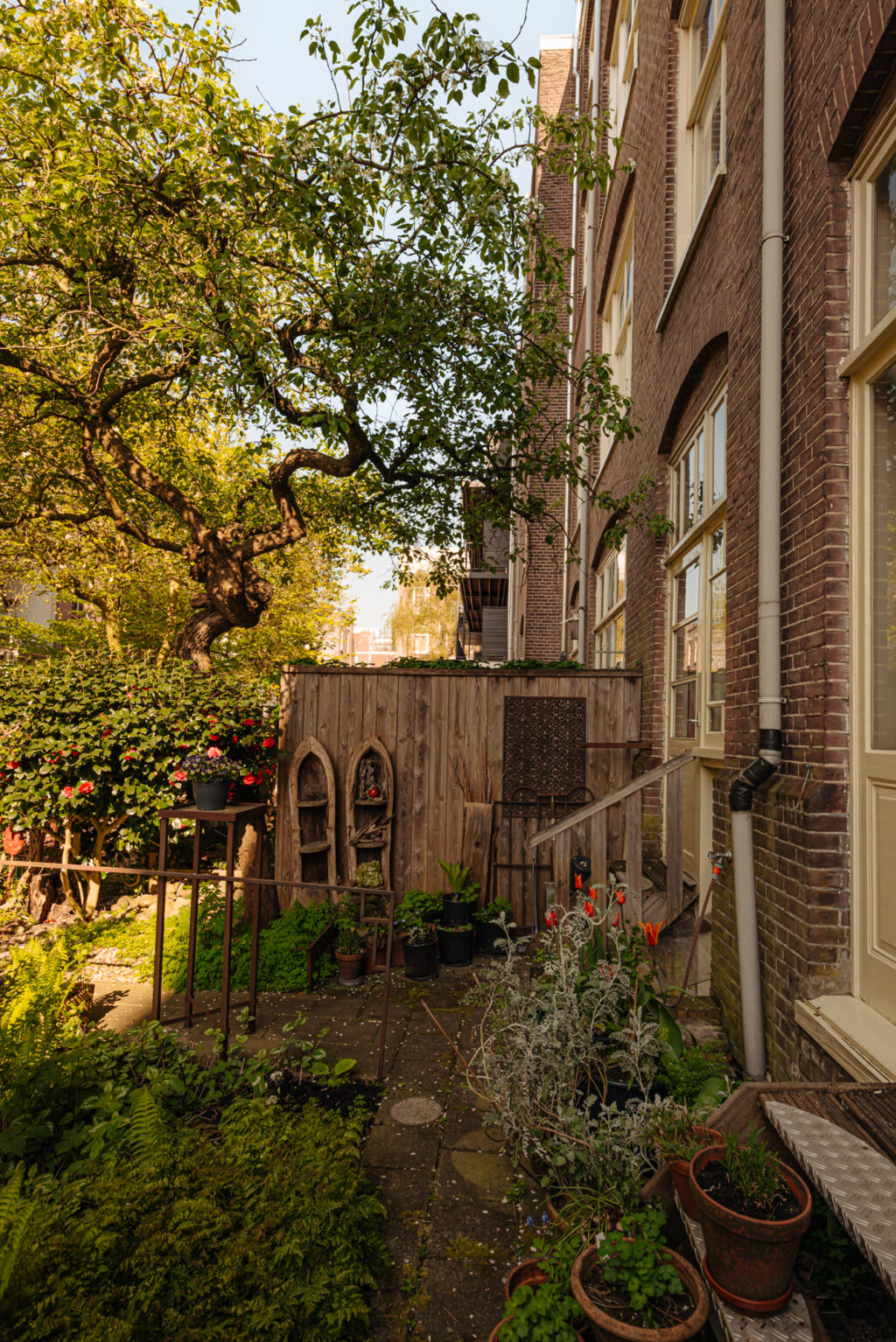
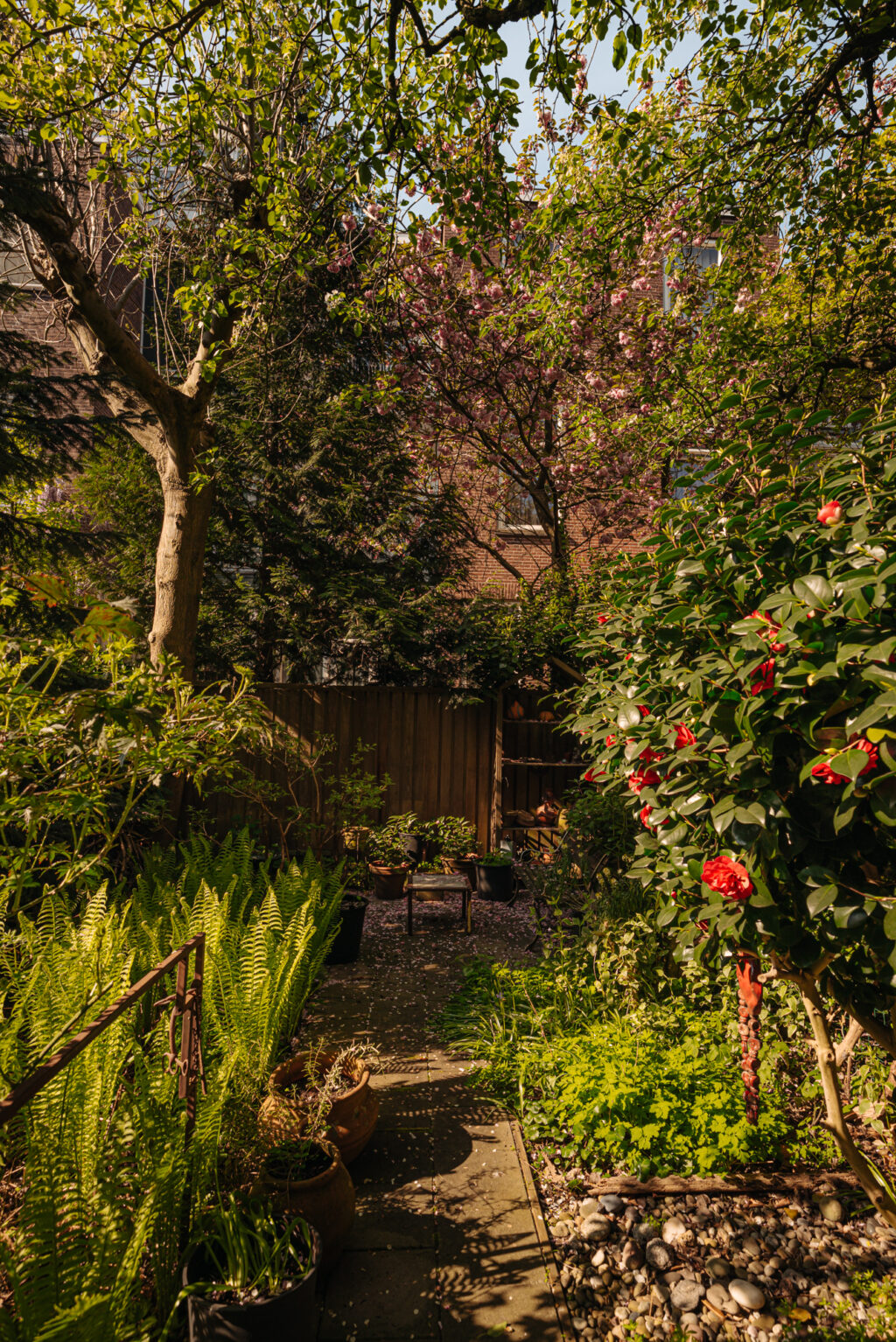
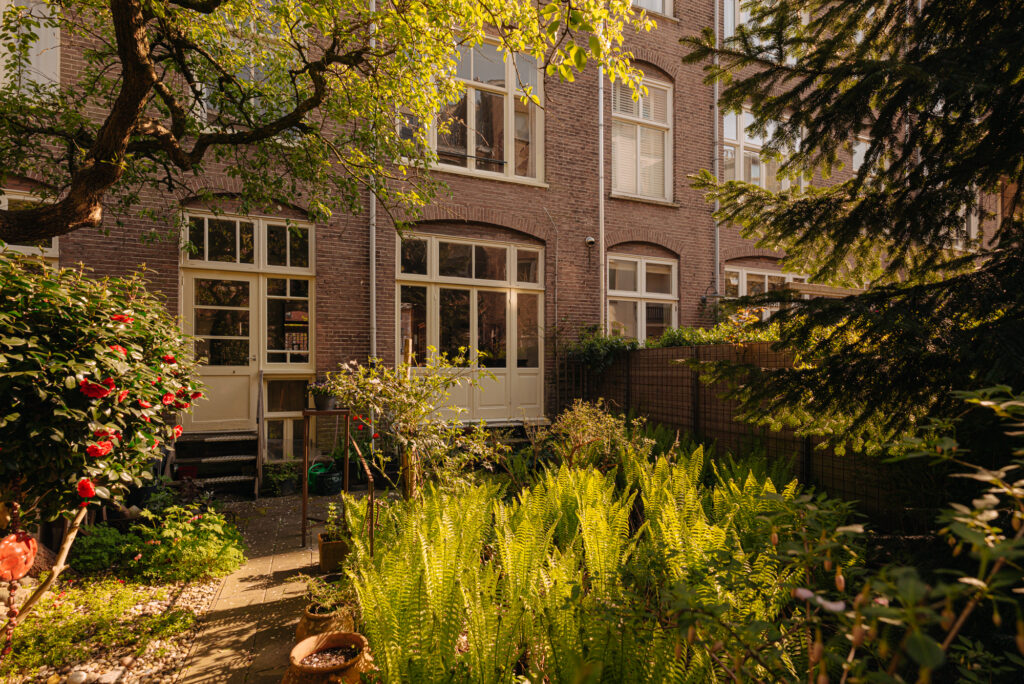
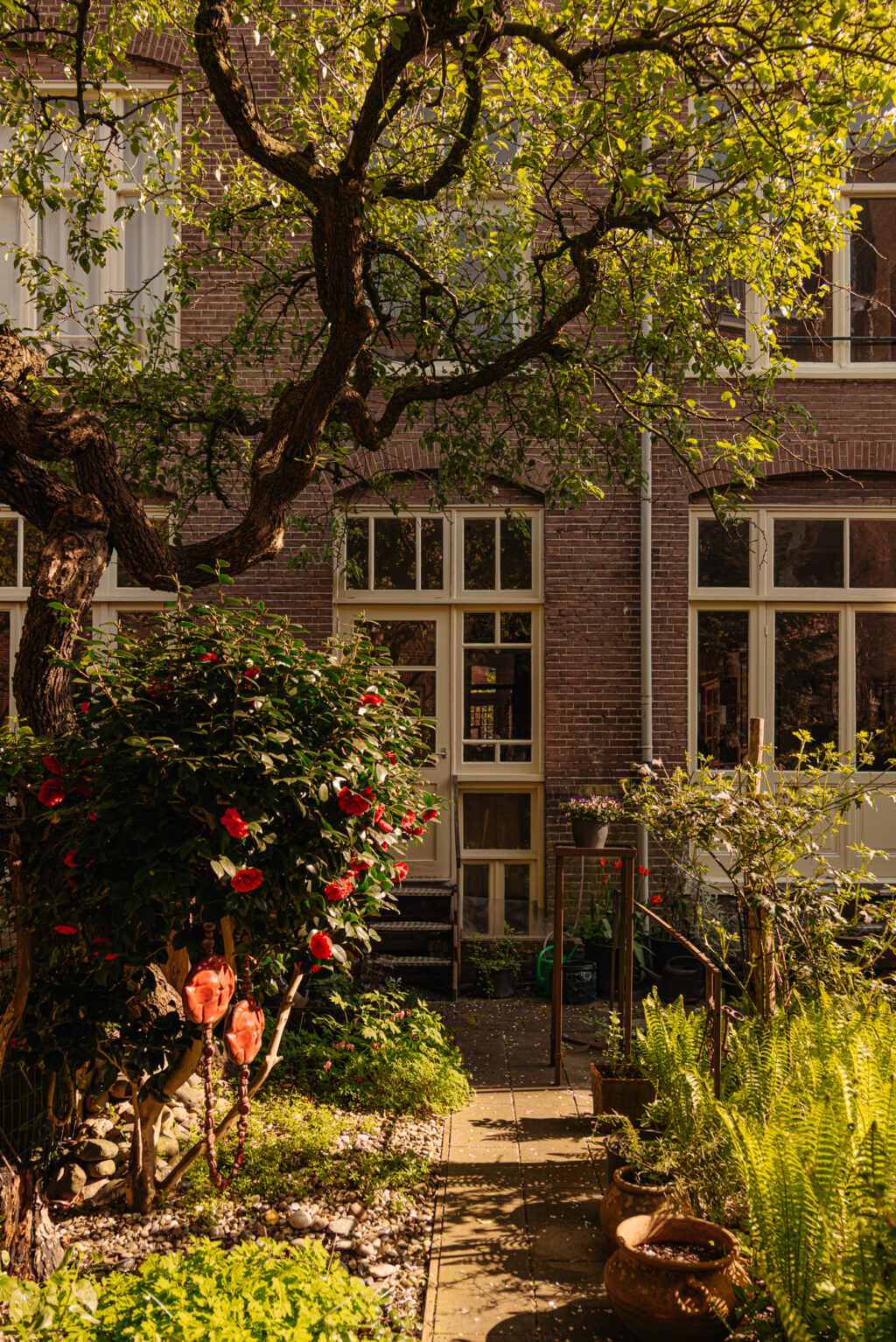
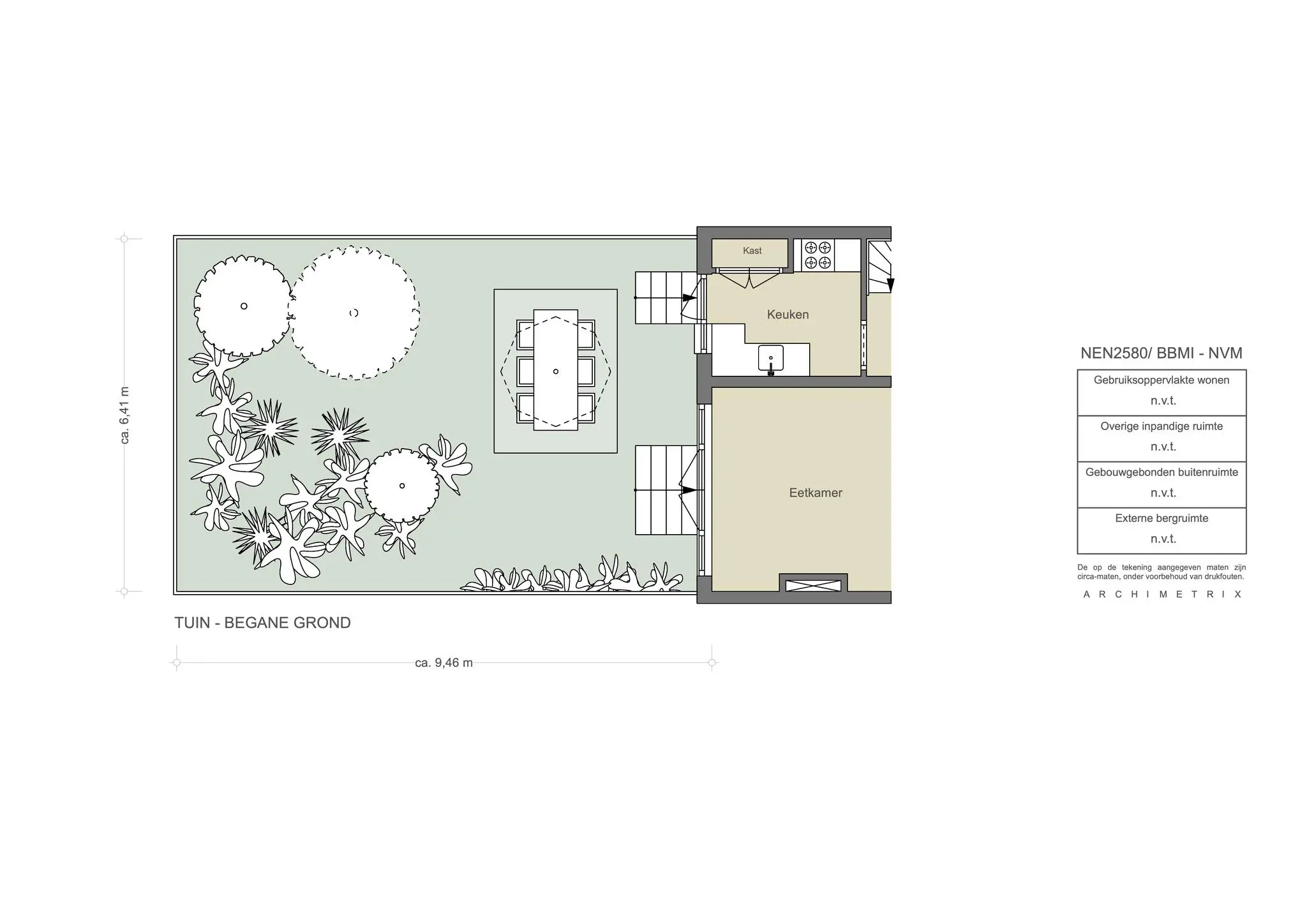
As soon as you step through the double doors into the garden, a surprisingly deep, secluded garden unfolds in the middle of the city. The garden is generously covered with ferns, shrubs, and perennials. Its northwest location guarantees sun in the afternoon and early evening, making it an ideal spot for a late dinner or a quiet drink under the last rays of sunshine. At the same time, the mature vegetation provides shady spots that remain pleasant even on hot days. The path winds its way along the borders to a seating area at the back of the garden. The transition between indoors and outdoors is seamless, with French doors Immediately the living room Immediately to the terrace. As a result, this outdoor space is not only an extension of the house, but a fully-fledged living area in its own right — with sun, privacy, space, and character. On the first and second floors, there are two balconies overlooking Valeriusstraat.
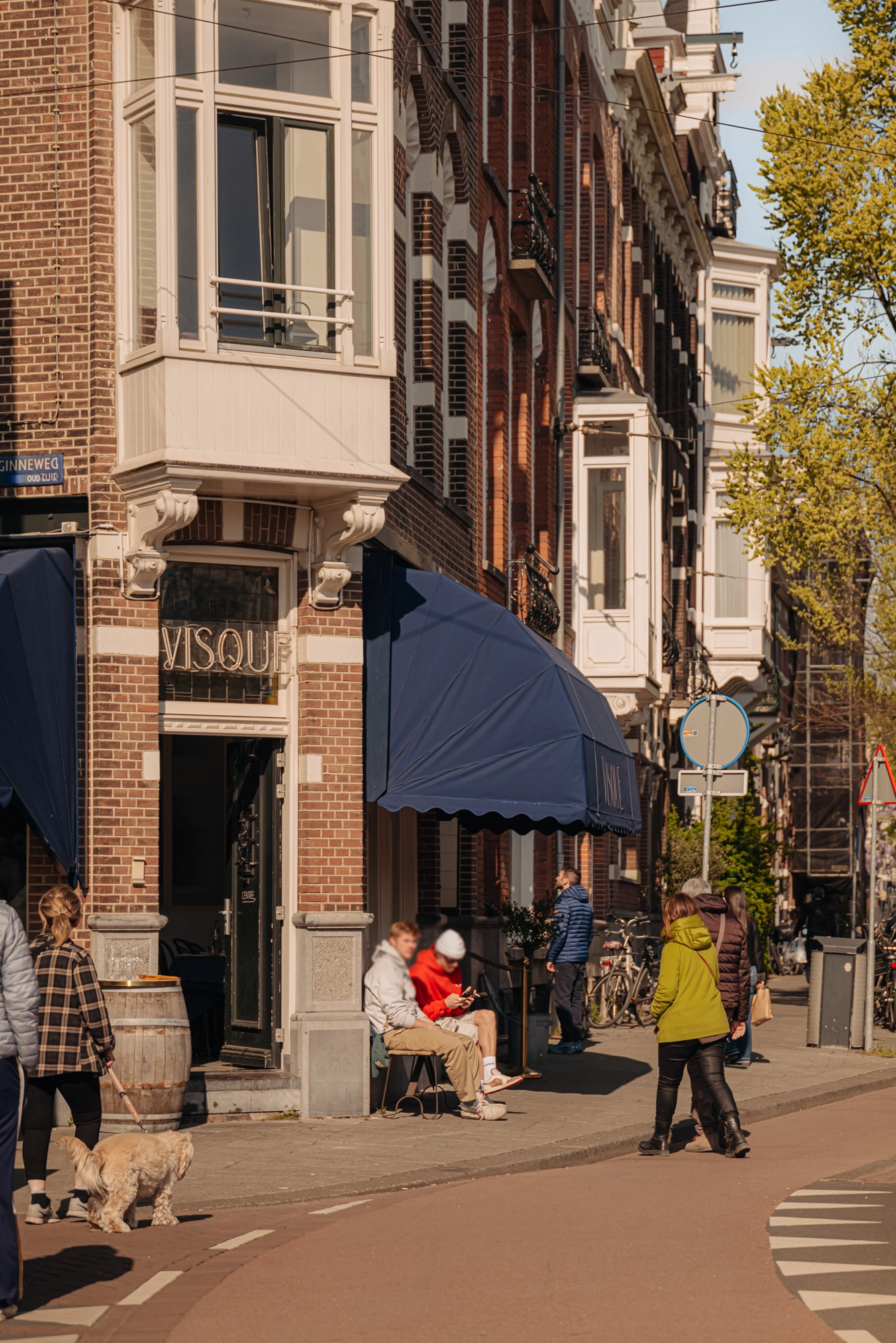
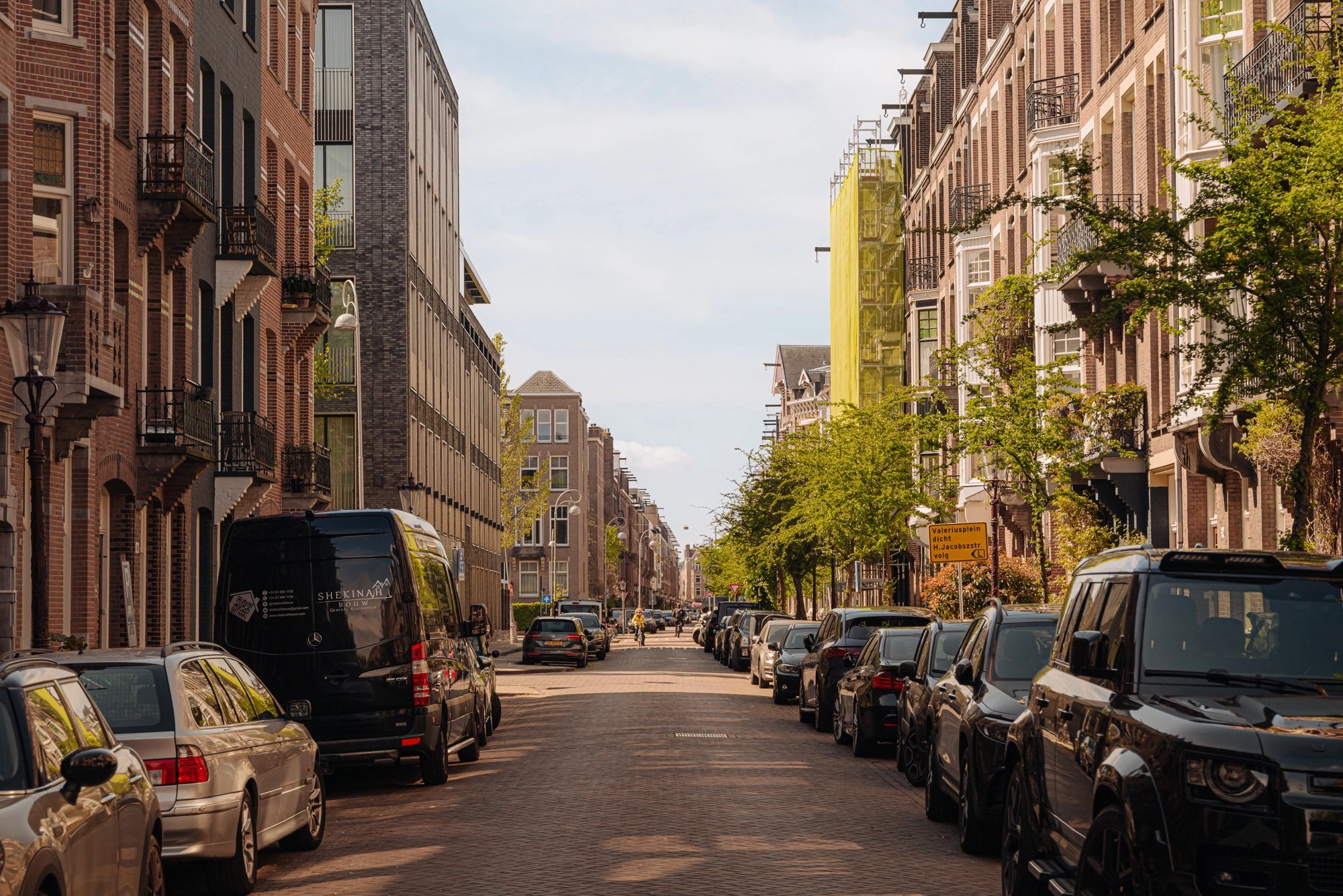
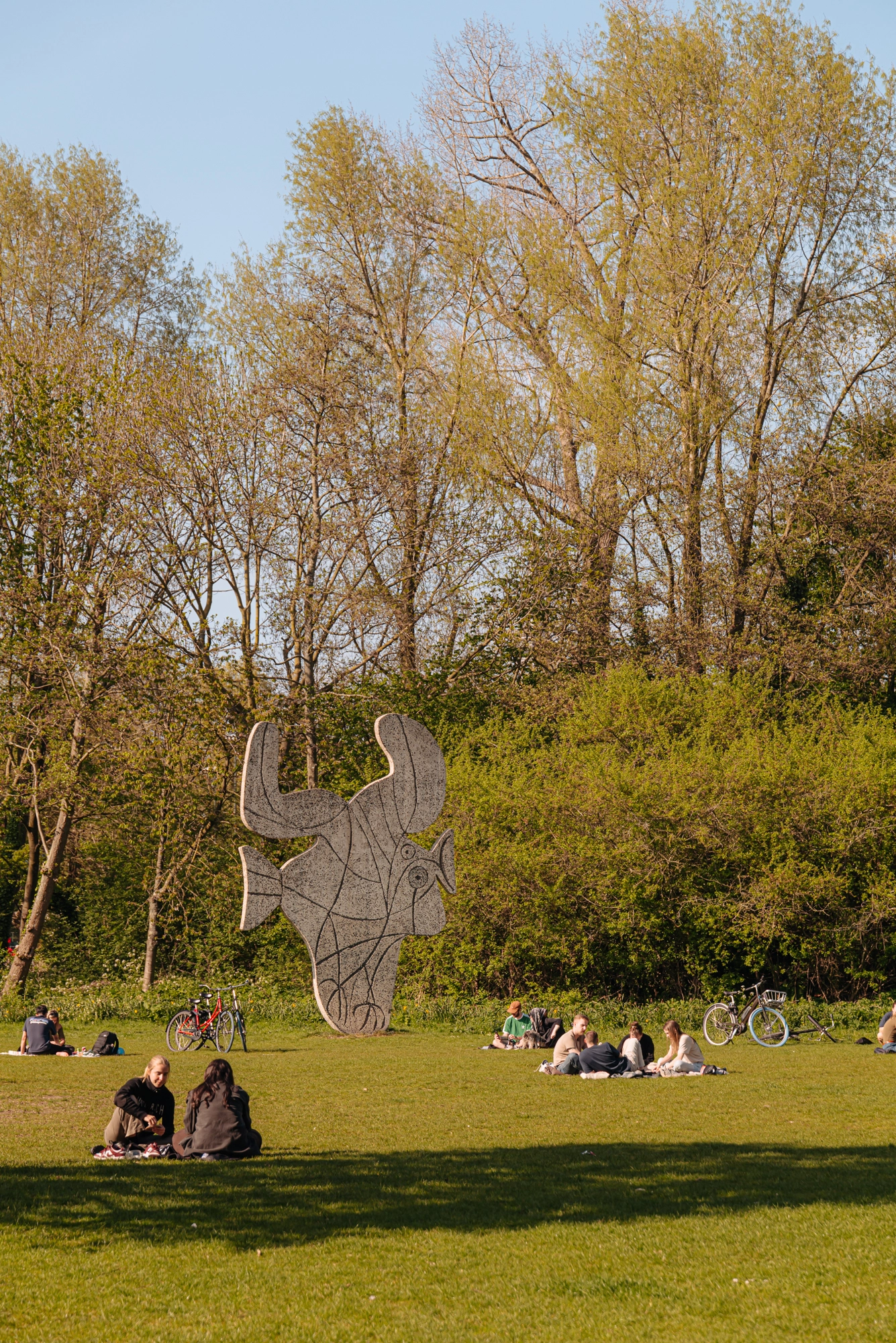
At the end of the nineteenth century, as Amsterdam's city center became increasingly crowded, there was a growing need for a green neighborhood close to the center. On the initiative of Van Eeghen, architect Zocher designed Willemspark in 1881, which bordered Vondelpark. A few decades later, the first villas were built there, around the ponds. Stately buildings in classical architectural styles welcomed wealthy families to this quiet and green part of the city. The grandeur of that era is still intact today. Most of the buildings have been renovated and the avenues and greenery, as conceived at the time, have matured. Both the residents and the culinary offerings of the Vlaamsch Broodhuys, chocolatier Arti Choc, greengrocer Wessels, Michelin-starred restaurant Ron Gastrobar, French seafood restaurant VISQUE, and several caterers give the residential neighborhood its contemporary allure. Located between the Vondelpark, Koninginneweg, and Amstelveenseweg—with the Museum Quarter within walking distance—this is a unique oasis within Amsterdam to live, where relaxation and inspiration are always close by.
accessibility
This location is easily accessible by public transport. Tram line 2 stops close to Emmaplein, and there are also various connections from Haarlemmermeer Station and Amstelveenseweg. The entire city is easily accessible by bicycle, including Amsterdam Zuid/WTC Station, which is approximately seven minutes away. This location is also easily accessible by car via the A10 ring road and nearby arterial roads.
Parking facilities
Parking is possible via a permit system on public roads (permit area Zuid 8.1).
With a parking permit for Zuid 8.1, you may park in Zuid-1, Zuid-2, and Zuid-8. A parking permit for residents costs €192.81 per 6 months. Currently, there is a 7-month waiting period for this permit area. A second parking permit is not possible in this area. (Source: Local authority , May 2025).


1075 GD Amsterdam
Castell Zuid
Castell Zuid is the stylish new location of the iconic Amsterdam grill restaurant Castell, located on Valeriusstraat in Oud-Zuid. Where the original in the center is known for its no-nonsense steaks and late dinners, this location brings the same flavors in a refined setting. "Same taste, same vibe, different look" is the motto – and that's right: recognizable and yet completely new.
1075 CZ Amsterdam
Tozi
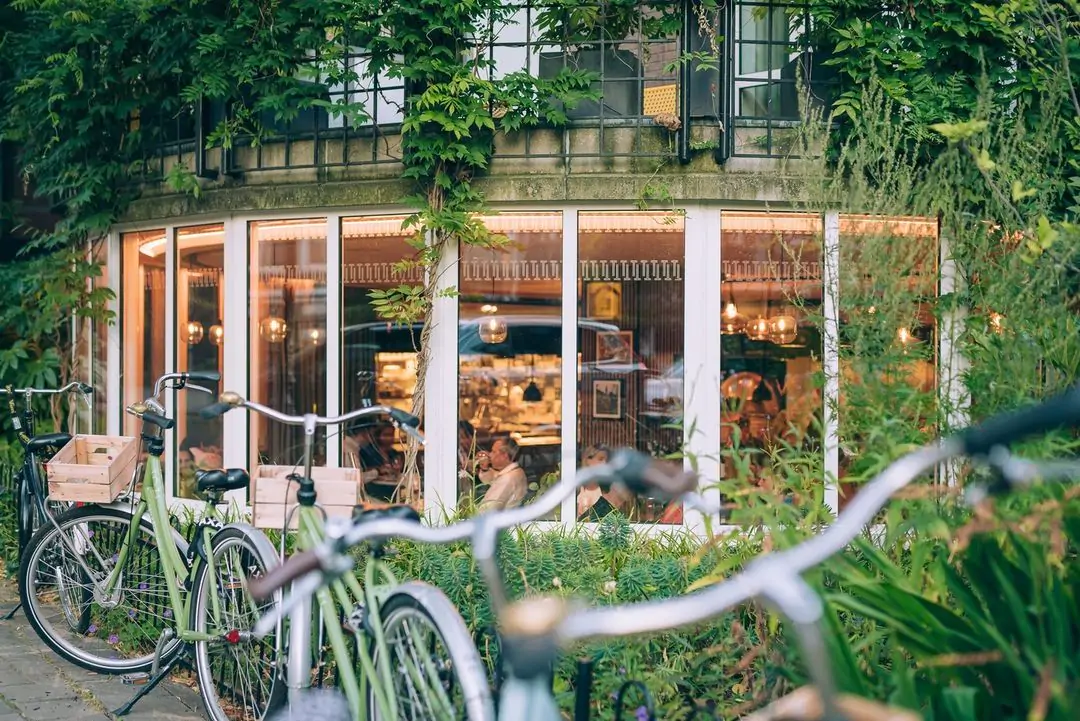
TOZI means "a group of friends" in Venetian dialect, and you feel that Immediately you walk in. It's like stepping into one big family. The menu features a selection of small Venetian-inspired dishes to share, known as cicchetti. There is also an Italian wine list and a cocktail bar serving Italian gins and negronis.
1075 BG Amsterdam
Juliette
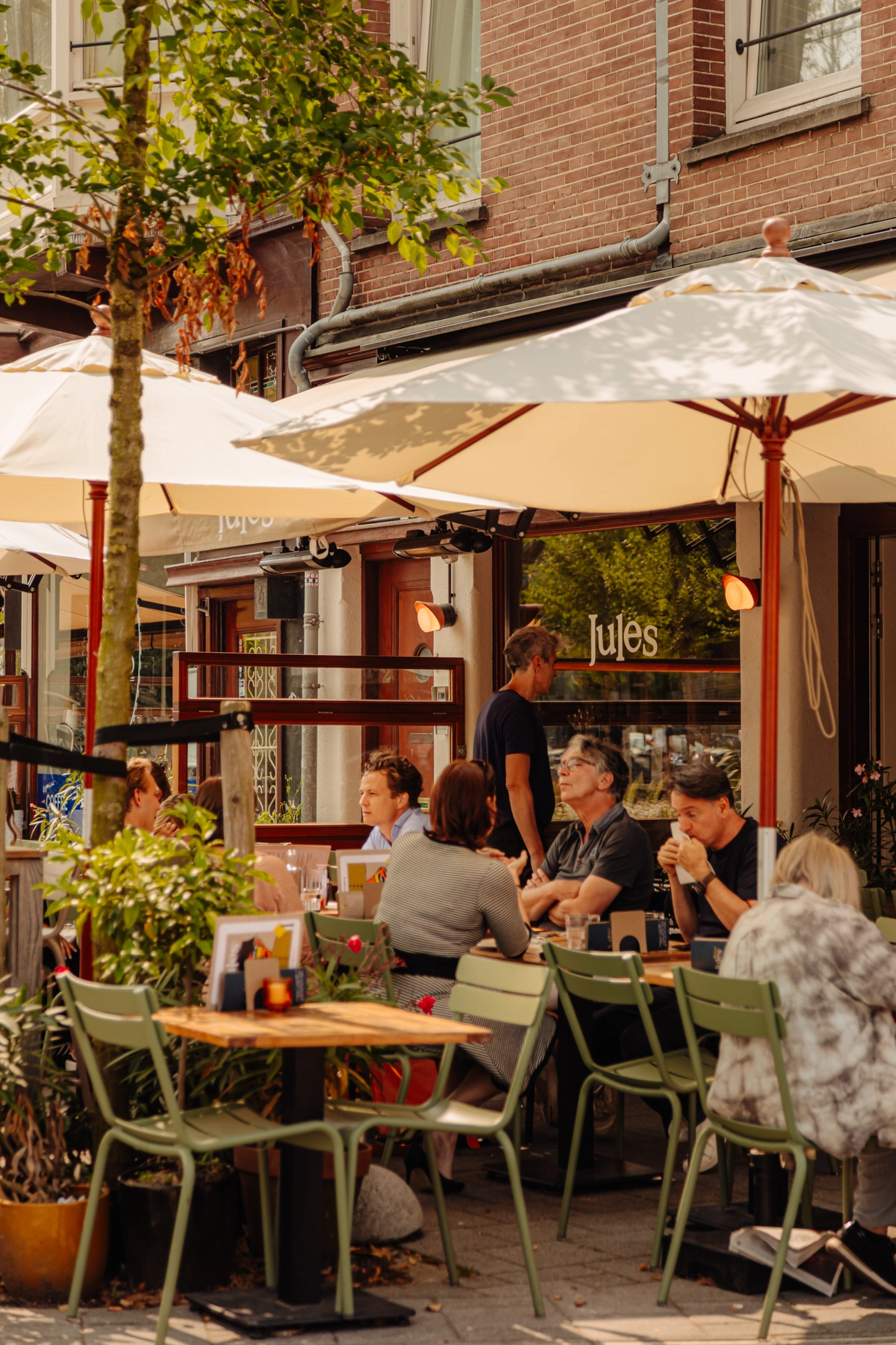
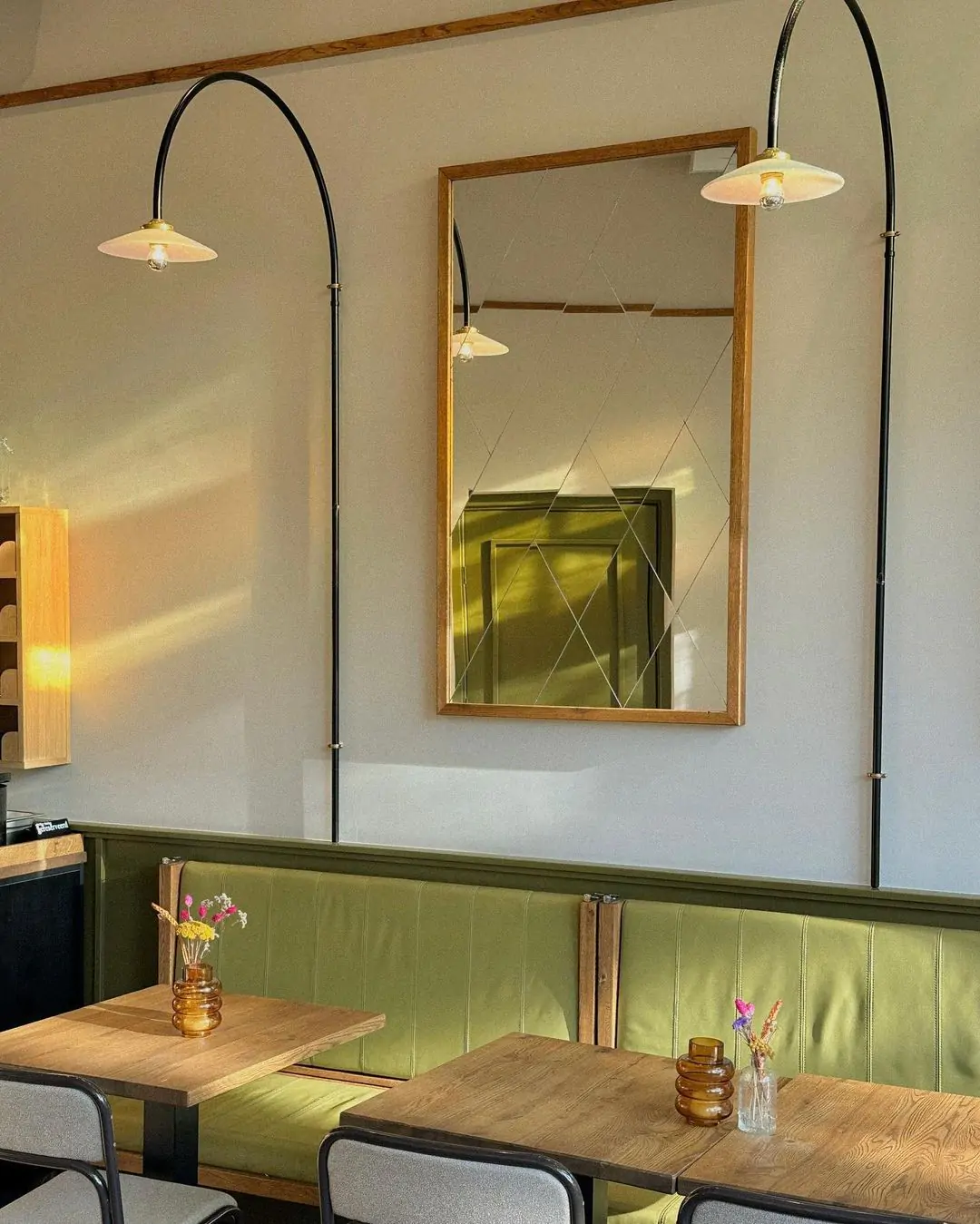
In Amsterdam Zuid, you can enjoy breakfast and lunch in the sun at Juliette. The menu is based on fresh ingredients from local suppliers and is compiled daily based on what Available at the market. Think of dishes such as the Porco Rosso: mortadella, stracciatella cheese, Spanish guindilla peppers, and red pesto. For dinner or drinks, visit neighboring Bar Jules. The focus is on Southern European dishes such as pizzettas, pata negra, and roasted octopus.
1075 GH Amsterdam
Barolo
Bar Barolo brings the atmosphere of northern Italy to Valeriusstraat, in the heart of elegant Amsterdam-Zuid. The wine list is extensive and carefully curated, with Barolo as the obvious centerpiece. On the menu: homemade pasta, classic antipasti, and unpretentious seasonal dishes. The interior is warm and understated, as is the hospitality—everything here is done with care.
1071 MG Amsterdam
Carter
Carter is a modern brasserie in Amsterdam-Zuid where international classics are served with flair and finesse. Located on Valeriusstraat, this place feels like an elegant neighborhood café – informal, refined, and always welcoming. The menu features timeless dishes such as steak tartare, burrata, and lobster pasta, accompanied by a solid wine selection.
1071 HX Amsterdam
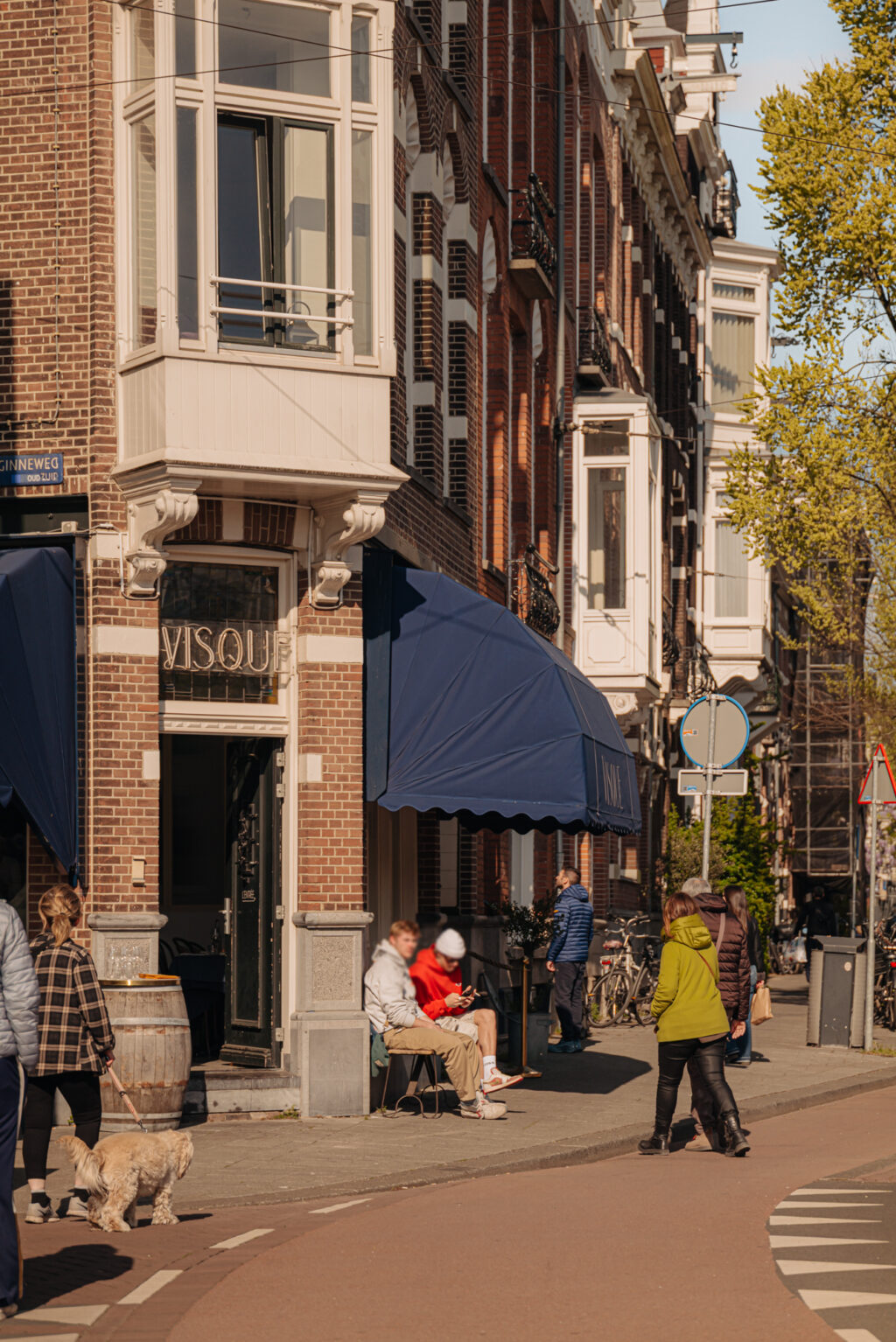
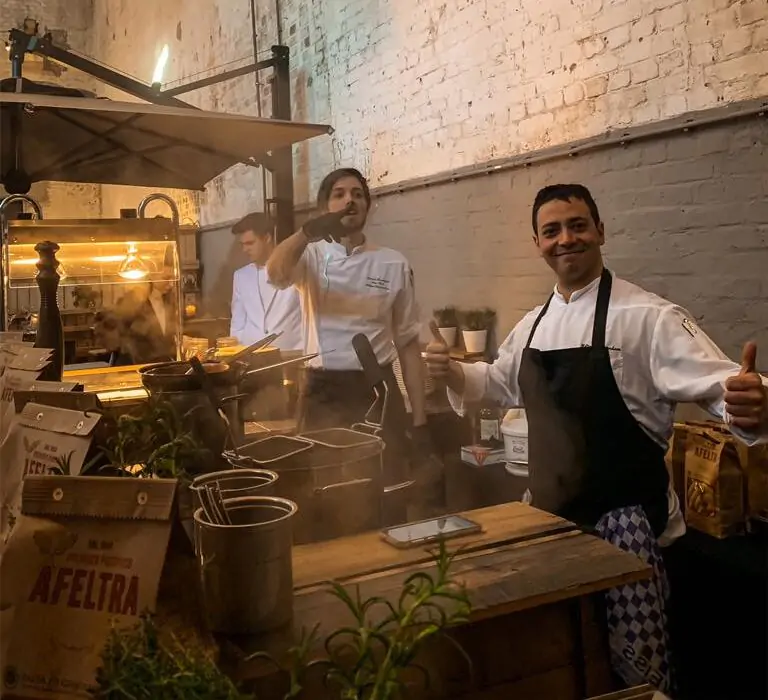
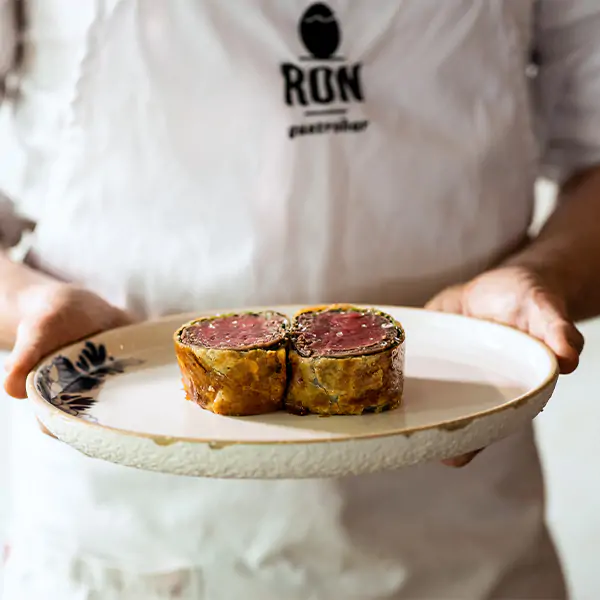
Visque Restaurant
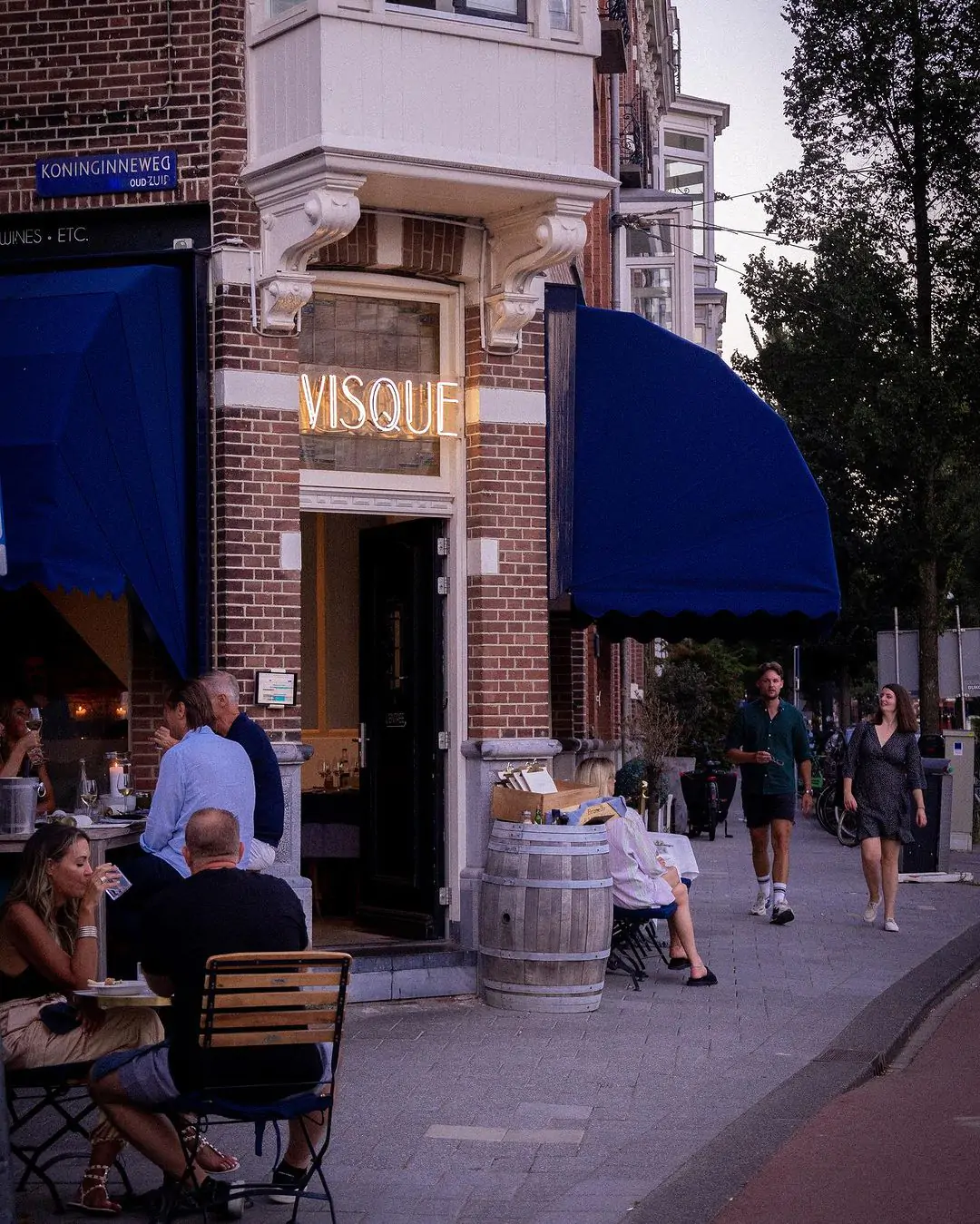
Restaurant Visque is located on the beautiful corner of Amsterdam South, where fish plays the leading role. Our menu is flexible and depends on the daily choice for the freshest and most flavorful products. Chef Menno gives his own twist to simple French dishes, such as scallops, Dutch shrimp, slip sole and our famous Tuna Wellington.
1071 GZ Amsterdam
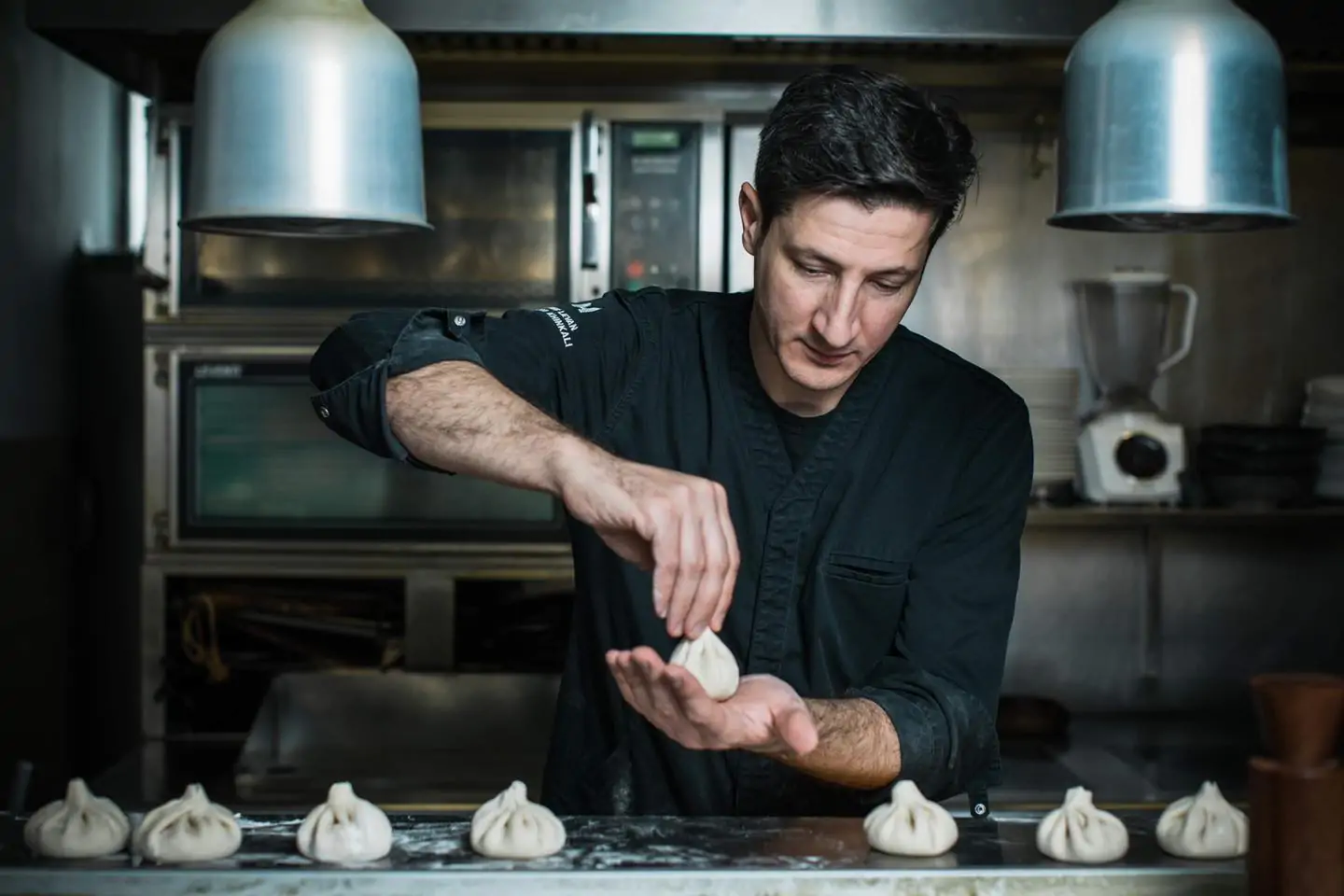
Batoni Khinkali
In the Netherlands, Georgian cuisine is unfortunately underrepresented, despite its rich and fascinating culinary heritage. Fortunately, Batoni Khinkali offers an introduction to this flavorful cuisine. This restaurant, founded by Georgian clarinetist Levan Tskhadadze, combines his love of music with his passion for cooking. Here, guests can enjoy Georgian classics such as khinkali, katschapuri and lobio, as well as a vegan and meat menu, all served with the characteristic Georgian hospitality.
1071 JH Amsterdam
Brasserie van Dam
Brasserie van Dam is known for its simple but effective formula: a concise menu with high-quality products, reasonable prices, good coffee, a pleasant atmosphere and friendly staff.
1075 PD Amsterdam
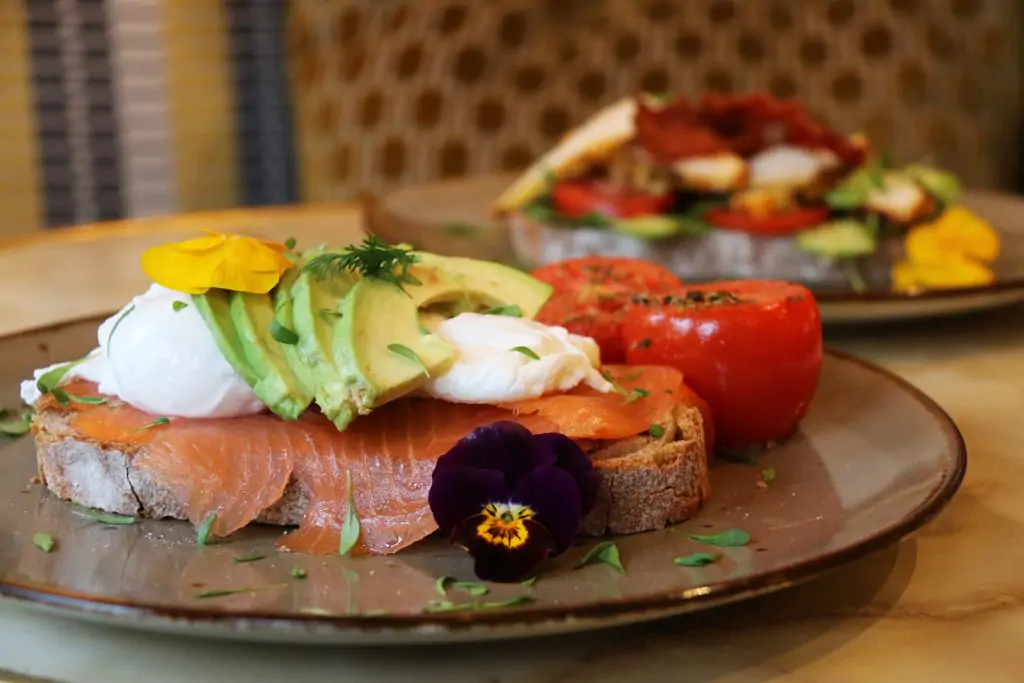
LOT61 Coffee Roasters
Born in Sydney, raised in Brooklyn, and now firmly rooted in Amsterdam: LOT61 is anything but an average coffee shop. As an independent coffee roaster, the brand combines international flair with local craftsmanship. Slow coffee brewed with precision and care. The aesthetics are raw yet refined, the atmosphere informal and creative – a place where neighborhood and barista come together. With their B Corp certification, LOT61 also demonstrates that taste and Sustainability can go hand in hand.
1071 GZ Amsterdam
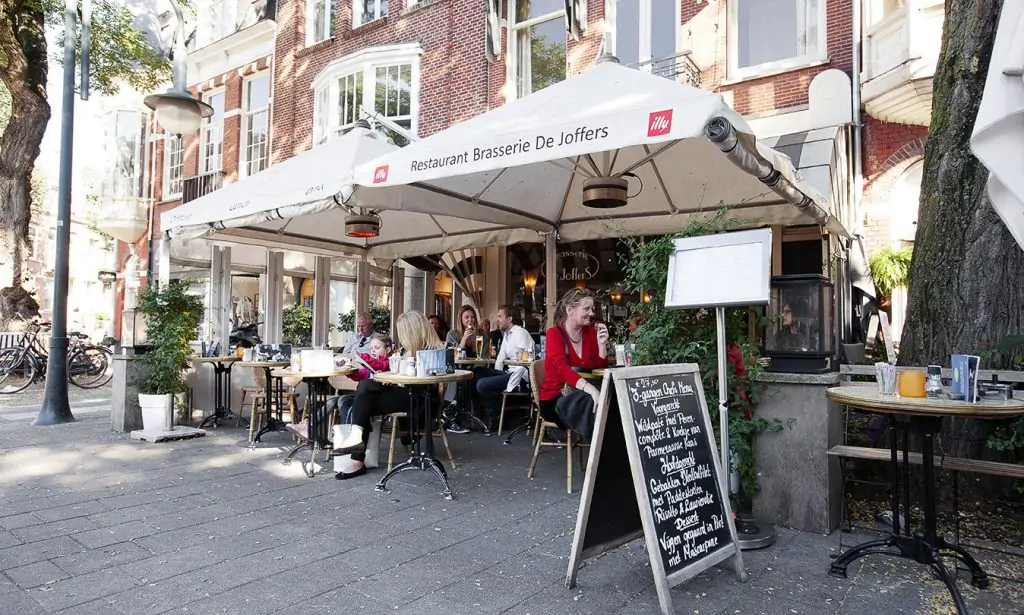
Brasserie de Joffers
With a large terrace in the summer and winter, brasserie Joffers has been a well-known hotspot for 15 years, just a stone's throw from the Vondelpark and the Museum Quarter. If the sun is not shining, there is plenty of space inside - a space decorated with art and mirrored walls, which creates a homely atmosphere. The meeting place for the neighborhood is ideal for breakfast, lunch and dinner or simply for a nice cup of coffee.
1077 BG Amsterdam
Roberto's Restaurant Amsterdam
Roberto's should not be missing from the top ten Italian restaurants in Amsterdam. The restaurant is located in the Hilton hotel, where the iconic Italian cuisine has been filling the plates for 25 years. The restaurant revolves around pure and simple flavors with dishes such as thinly sliced eggplant, green farfalle pasta with lobster sauce and Lava cake.
1075 EL Amsterdam
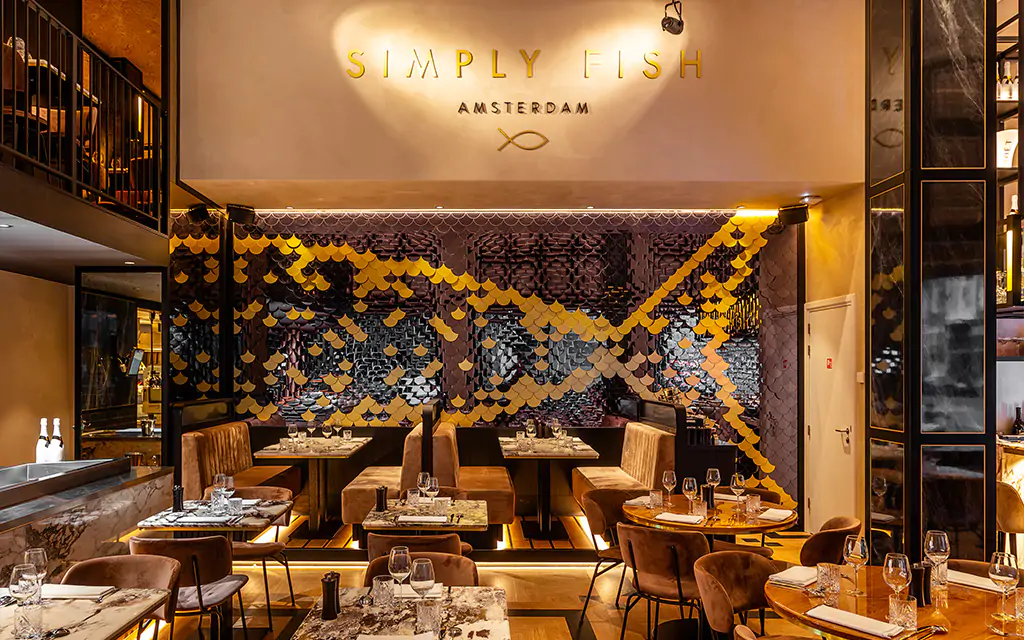
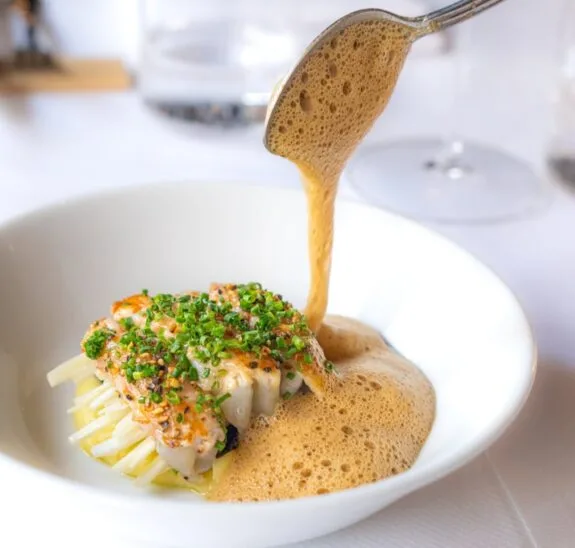
Simply Fish
Simply Fish is located in Oud-Zuid on Koninginneweg. As the name suggests, the restaurant specializes in preparing fish. Jan and Francis Rijk previously owned a similar restaurant in Zeeland, a province well known for its delicious fish and seafood. The menu includes fruit de mer, shrimp croquettes, oysters, and their famous lobster bisque.
1071 NH Amsterdam
Franzen
Chef and owner Jesse Franzen grew up in a catering family in Haarlem. His father worked in the kitchen, his mother worked in the service. His own professional journey began in the kitchen of the two-star restaurant Chapeau, after which he gained experience at places including Aan de Poel, Ron Gastrobar, and Lars Amsterdam. With Franzen, Jesse creates a place that feels like a modern living room for the city. Accessible and warm, but always with a high standard. The menu is classic and recognizable, with a surprising twist here and there.
1075 BP Amsterdam
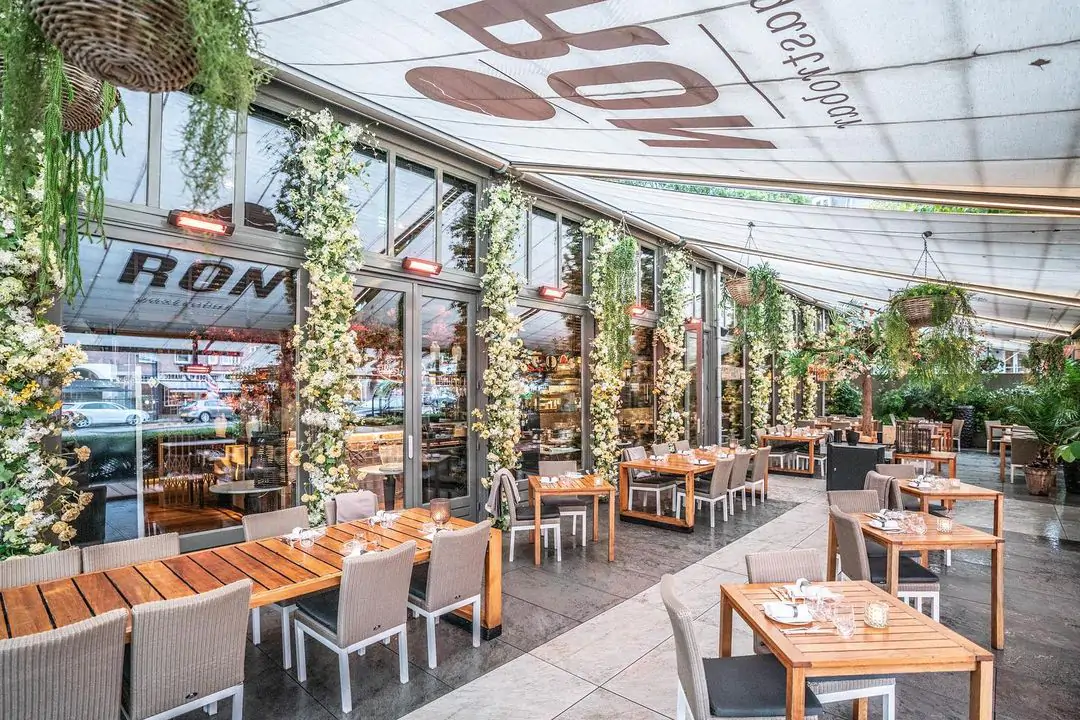
Ron Gastrobar (*)
At Ron Blaauw's first gastrobar in Amsterdam, a low-threshold atmosphere goes hand in hand with a Michelin star. Style and conviviality come together for a tasty experience. From details to amuse-bouches, cocktails, sandwiches on the table, new dishes, delicious wines and attentive service. Everything revolves around the credo: "going out to dinner should be a party". For BBQ lovers there is even a separate section on the menu. Of course, the classics, such as the spareribs "The Original," are not missing; a dish that will always remain.
1075 VW Amsterdam
Sotto Pizza
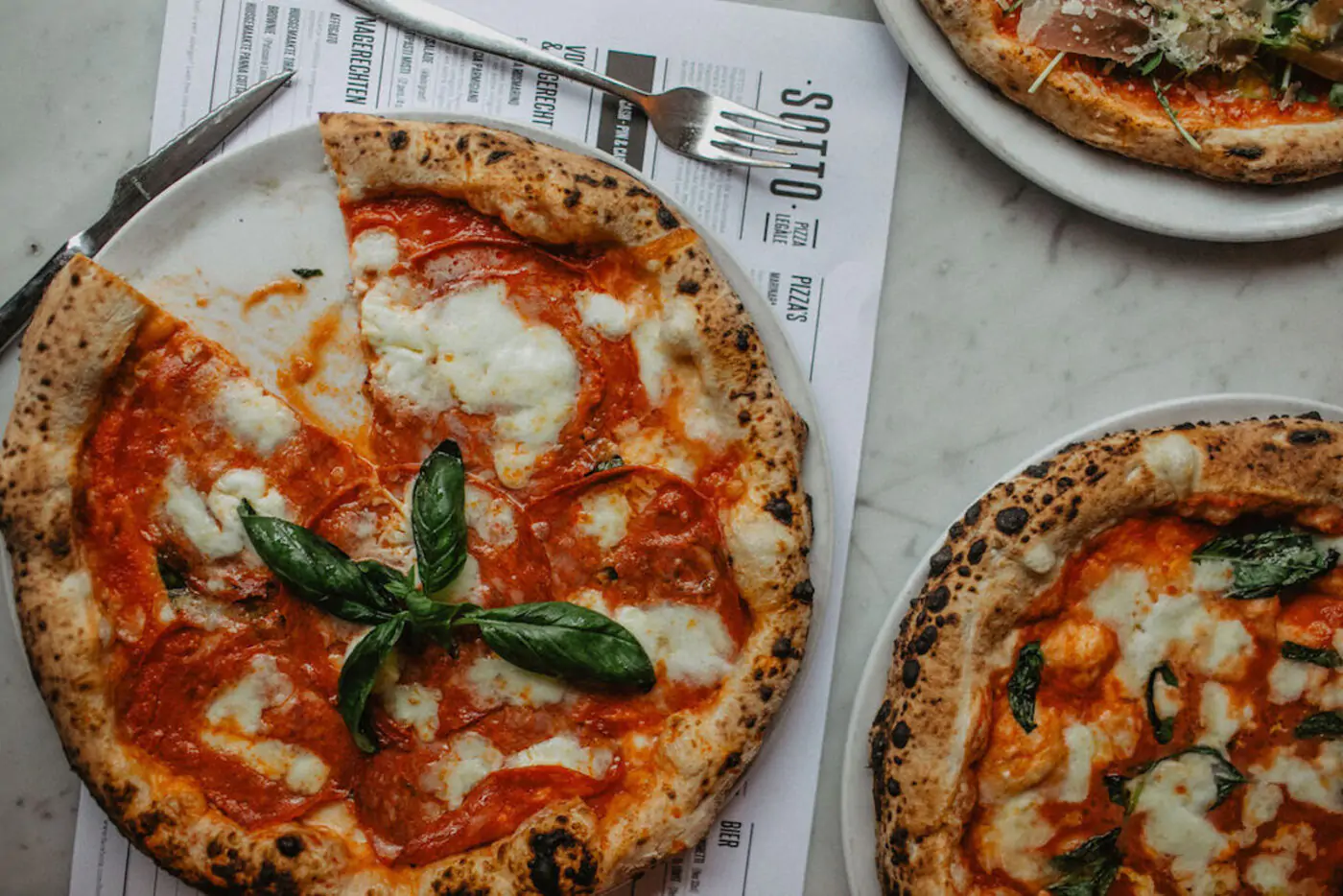
Sotto Pizza is one of the top 10 Italian restaurants in Amsterdam. The restaurant opened its doors in 2021, but has since become a household name among pizza lovers. The diverse selection reflects the skill of the chefs, but their classic Margherita is unbeatable. The interior resembles a modern Spanish tapas bar, with a pleasant atmosphere. At Sotto, you can enjoy a leisurely meal or quickly grab a pizza at the bar. The staff is helpful and friendly.
1075 NC Amsterdam
Perfume Lounge
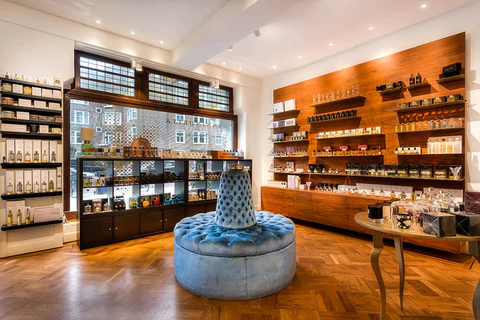
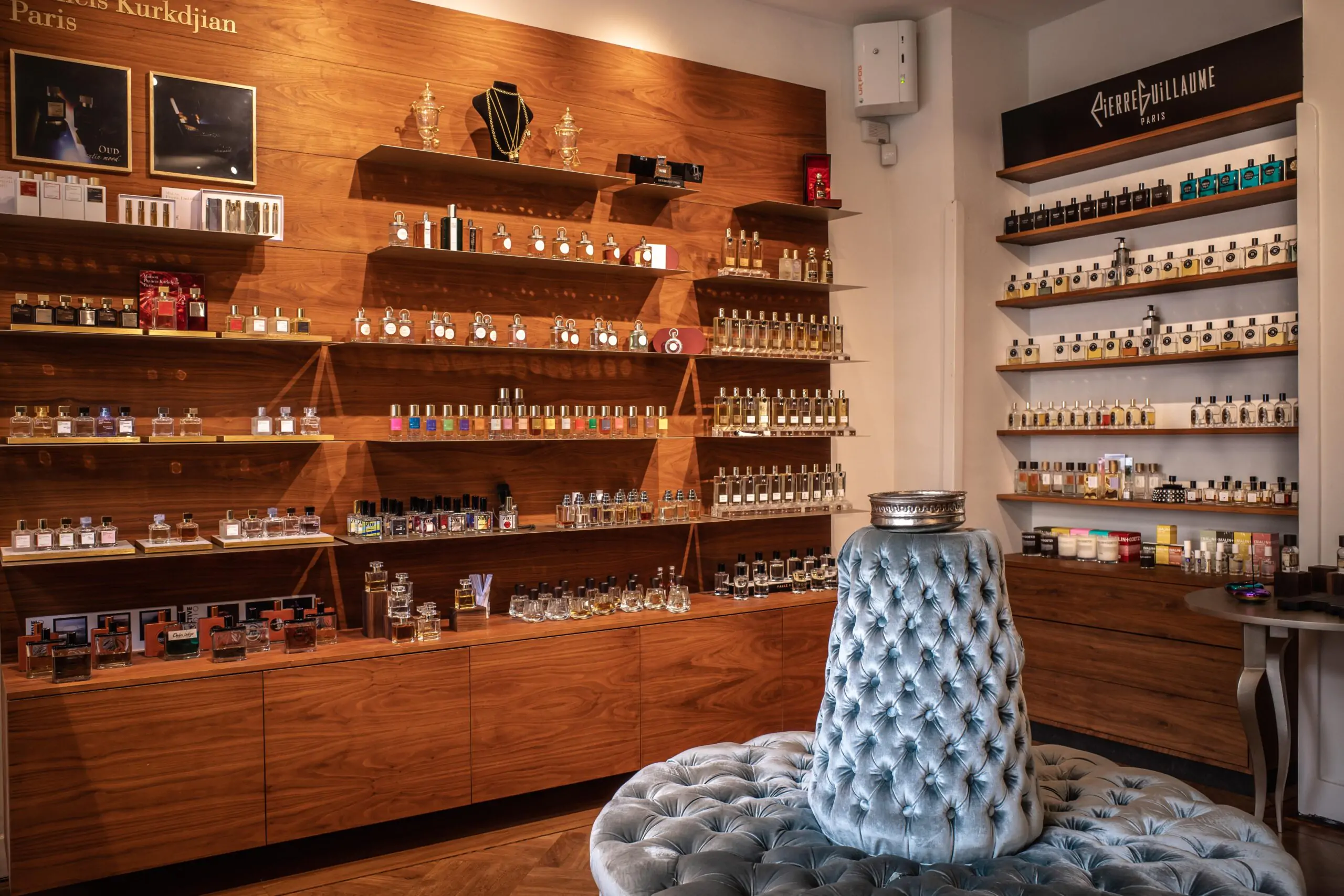
At the 'Perfume lounge', they focus on creating and advising on fragrances for companies and organizations and what scent can add to a brand or organization. In addition, they have a store with an assortment of the most special perfumes in the world, where they also give personal fragrance advice. Advice for on the skin or in the house. According to the experts, scent adds something that is not visible and tangible. You can use scent in different ways in a space. It starts, of course, with the fact that it should not smell negative. There are quite a few spaces where you smell the sewer or sanitary facilities, where there has been a lot of smoking or where the extraction is not good and it smells like food. The most simple way of scent in the house is that it smells clean. Many people associate cleaning or detergent with a clean, tidy and well-kept house. In addition, you can turn on the ambiance. Just like with light and music, you can soften or strengthen the atmosphere. You can make it smell very homely or very modern. Rural or artistic. Or very minimalist or intimate.
1071 JC Amsterdam
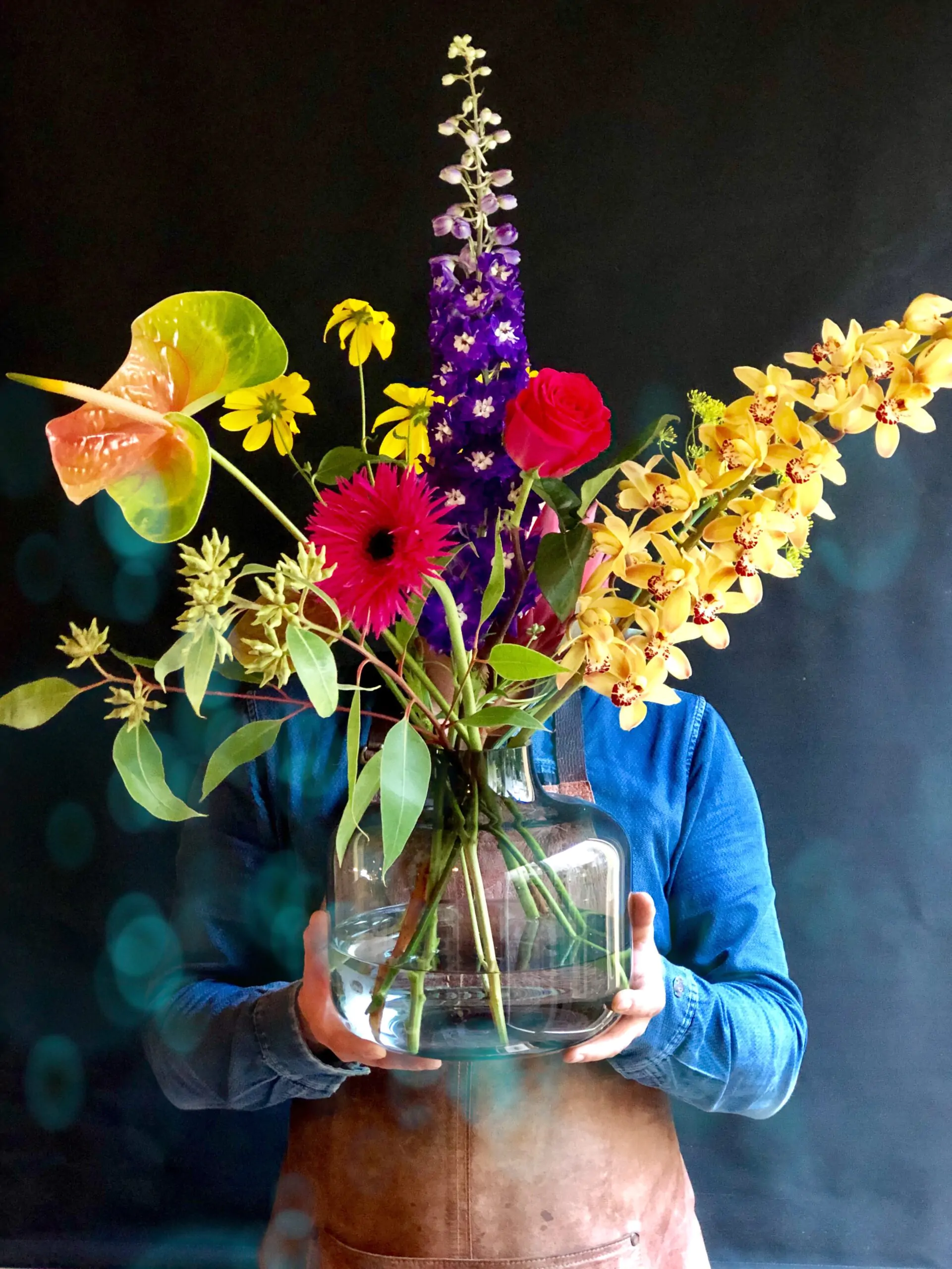
Menno Kroon
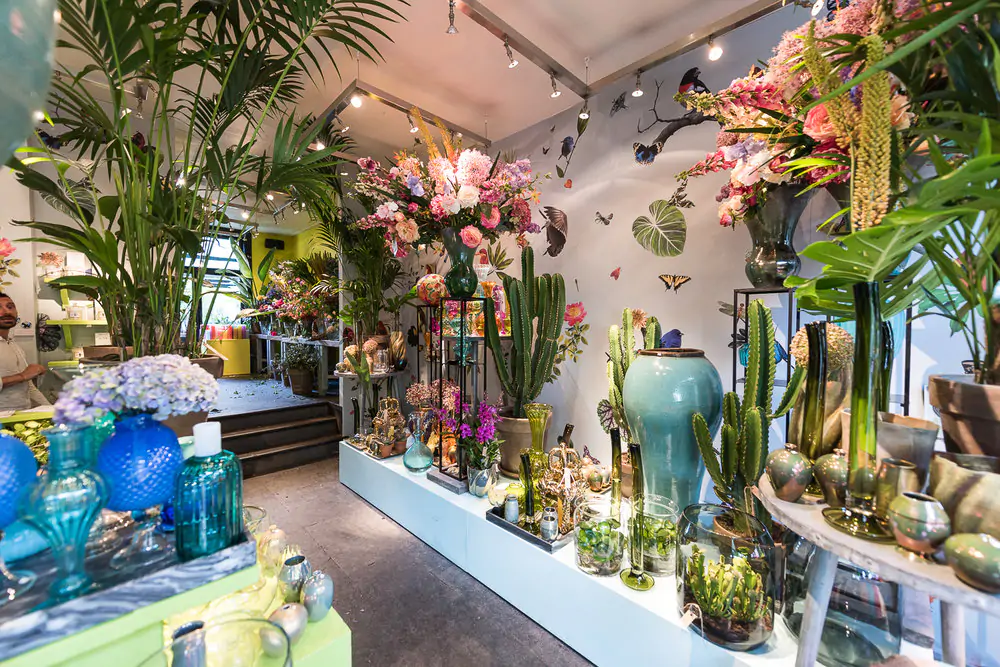
Menno Kroon's exuberant and atmospheric display window showcases such enchanting and special flowers that you simply have to take a look inside. Budding love, delight, the inevitable farewell. Each bouquet from Menno Kroon gives meaning to a special moment. Nothing is too crazy for them at Menno Kroon, and you can go there for the most special and diverse bouquets.
1075 CW Amsterdam
Teunis Veenema
Teunis Veenema is a gem in the heart of Amsterdam-Zuid. Since 2009, you can visit Koninginneweg for the most beautiful bouquets and plants. Teunis Veenema is not your average flower shop, but a shop that works with you to achieve the best results, whether for private or business purposes. Their website also offers the option of ordering fully personalized bouquets for yourself or others.
1066 VH Amsterdam
De Schuyt Butcher Shop
Butcher shop De Schuyt, named after its location on Cornelis Schuytstraat, has the parakeet as its symbol. Just like the parakeet, this distinctive butcher shop has its origins in the 1970s, and both have carved out a place for themselves in Amsterdam. Inspired by the parakeet, owner Evert Blauwendraat started his butcher shop with the idea of giving it a distinctive, personal, and special emblem that everyone could recognize. This family business with a rich history is the place to go for meat and delicacies.
1071 NL Amsterdam
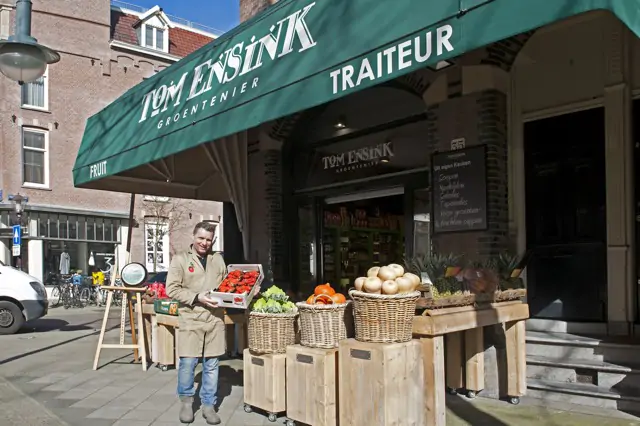
Greengrocer Tom Ensink
Greengrocer Tom Ensink ensures that customers can choose from an exclusive range of honest products. In addition to vegetables, cheeses, fruits, nuts, oils, wines and meals are Sold - carefully selected for the true gourmets in the South. Specific wishes can be fulfilled when ordering products, but also for the fresh meals.
1075 CV Amsterdam
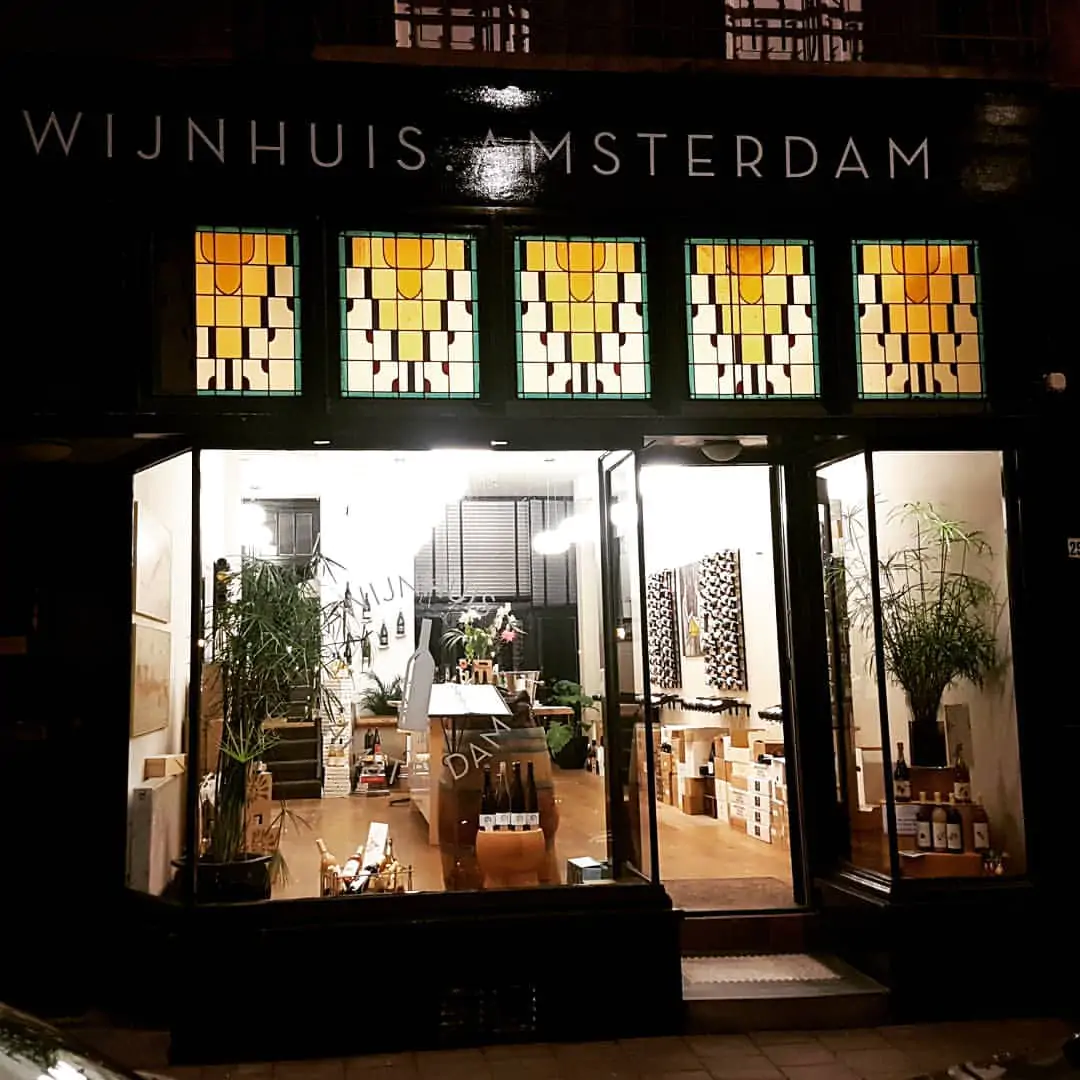
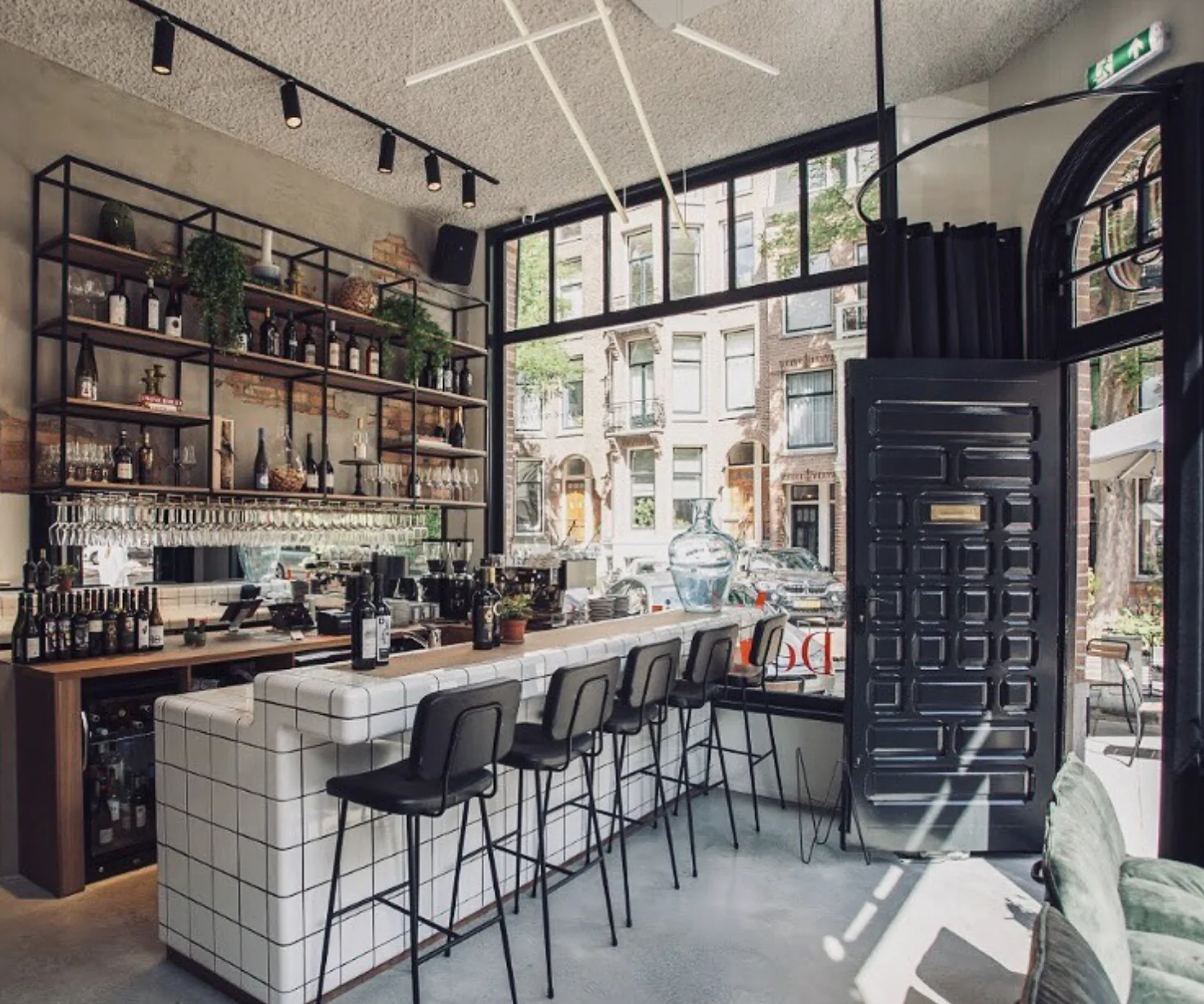
Amsterdam Winery
Although they have been professionally tasting and selecting wine at Wijnhuis Amsterdam for more than 25 years, the wine house in Amsterdam is a fairly recent addition to their story. After numerous tasting sessions, they were so enthusiastic about the German wines that they were only too happy to give the wines a platform within the Netherlands. In May 2018, they opened Wijnhuis.Amsterdam, initially with only three of their own imports from Germany. They now represent an impressive range of twenty German winemakers, three from Austria and one from Luxembourg. When selecting the wines, elegance, drinkability, low alcohol percentages and minimal intervention in the production process are important.
1071 ZJ Amsterdam
De Wijnkaart
De Wijnkaart is located in the Museum Quarter in Amsterdam-Zuid. All kinds of wines from the forgotten Eastern European wine countries are served here. Although the history of wine making started here, these countries are often forgotten in the wine world. If you have become curious about all kinds of wines, you can do a wine tasting in the wine bar, where you can choose which ones you want to taste. In addition to the appetizer platters that change weekly, there are also main courses on the menu.
1075 CE Amsterdam
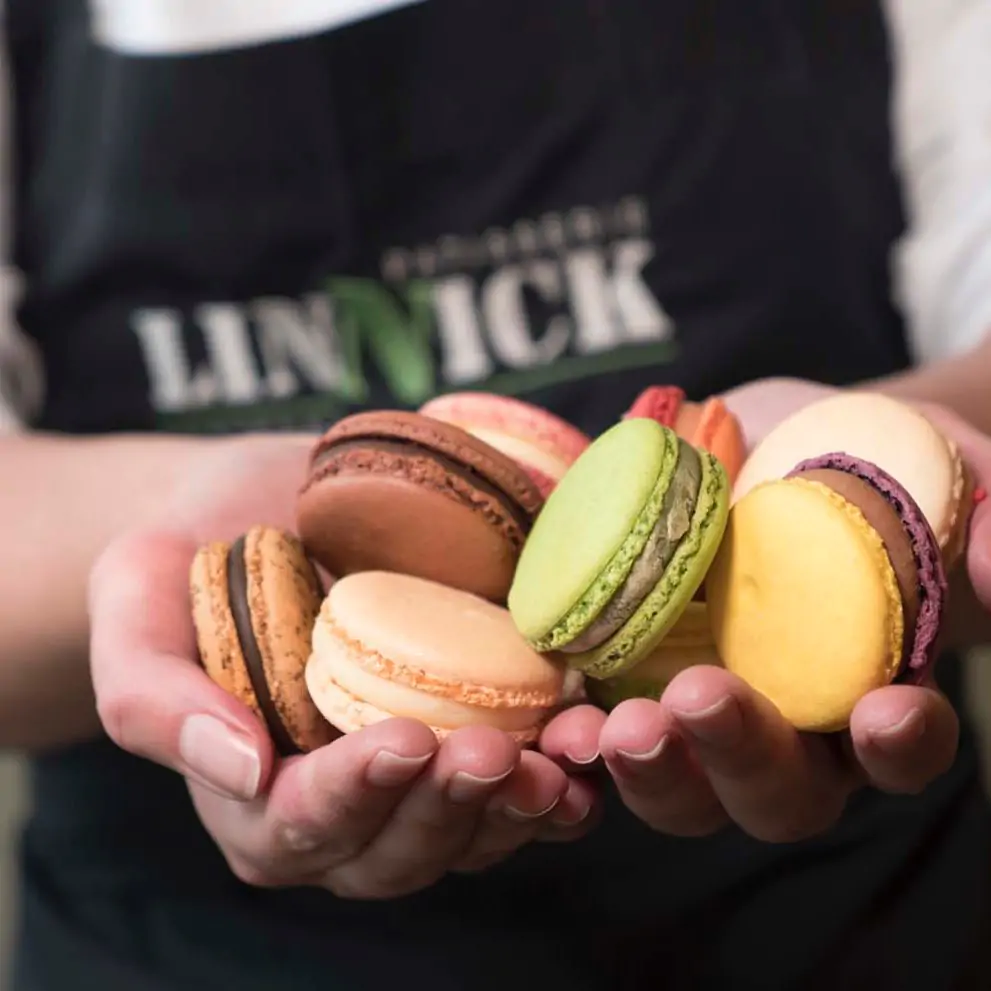
Patisserie Linnick
Patisserie Linnick is run by the Amstelveen couple Linda and Nick. They met at Patisserie Holtkamp and fell in love. In 2014, their dream came true: their own patisserie where they can show their works of art to the public. With passion and craftsmanship, they work every day on the beautiful pastries and chocolate that they then display in the showcases. Patisserie Linnick works with high-quality ingredients such as Valrhona chocolate from Tain-l'Hermitage in Hermitage. You will not soon forget the delicious sweet treats from Patisserie Linnick.
1076 TB Amsterdam
Zikking & Son Butcher Shop
Butcher shop Zikking & Zoon is located on Marathonweg and is a household name in Amsterdam. Owner Robert Zikking was born and raised in Amsterdam and, together with his wife, started his own business in 1995 with passion and confidence. As he himself says: "It's not a fairy tale, but a delicious reality with a history." The filet americain is made using a recipe from an old Jordanian dam, and the nostalgic Amsterdam beef sausage is a must-try.
1071 HR Amsterdam
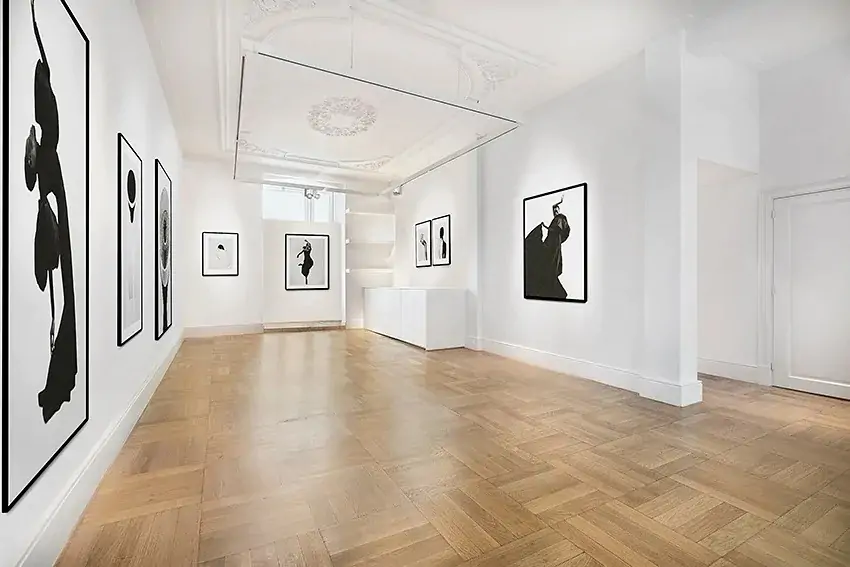
Galerie Bildhalle
Bildhalle was originally founded as a Swiss gallery specializing in classical and contemporary photography. The gallery now has branches in Zurich and Amsterdam. Since its founding by Mirjam Cavegn in 2013, the gallery has developed into one of the most respected photo galleries in Switzerland. In October 2021, Bildhalle continued its growth with the opening of a second gallery on Willemsparkweg in Amsterdam. Here, the gallery presents a carefully selected collection of Dutch and international artists, ranging from emerging talent to established photographers.