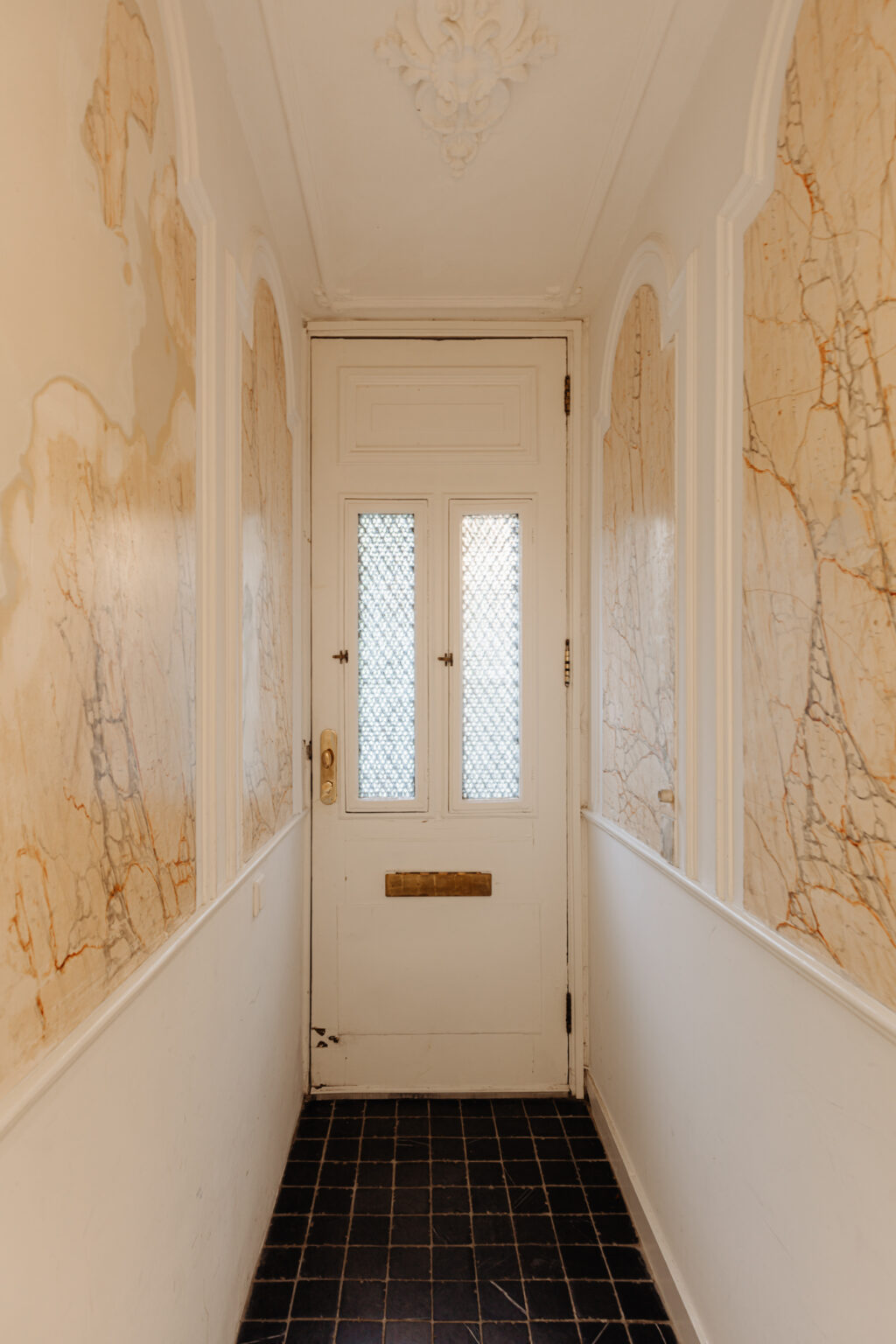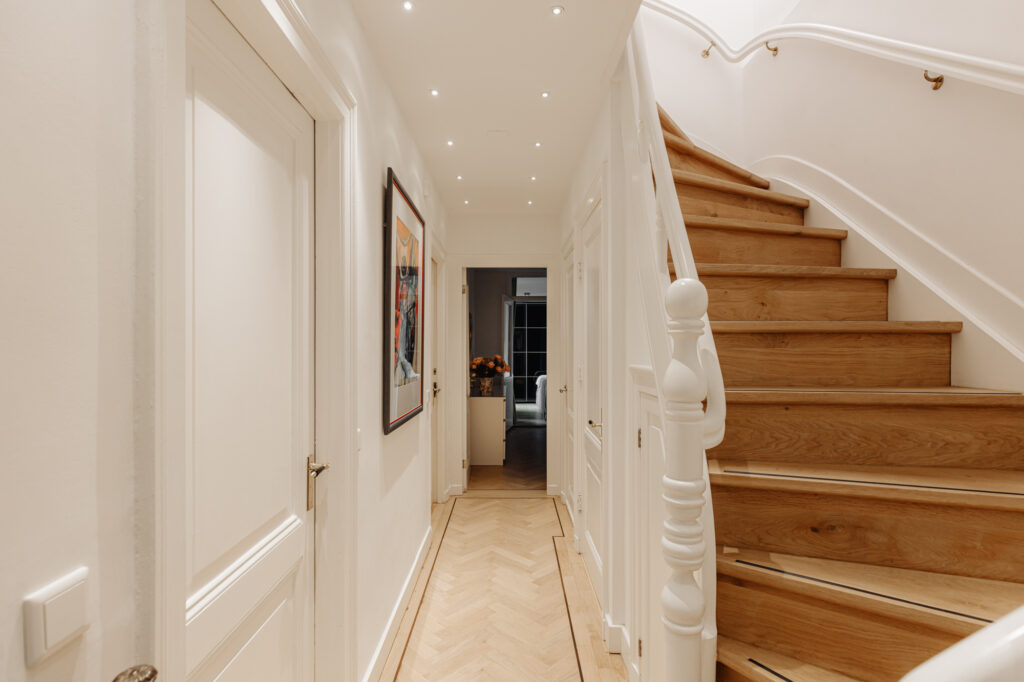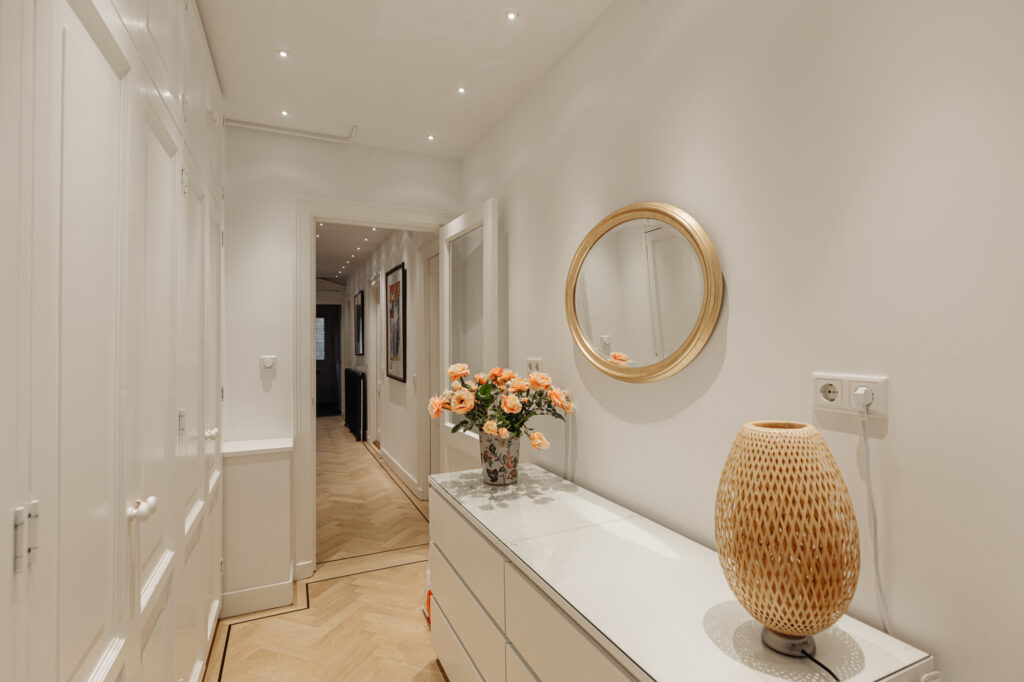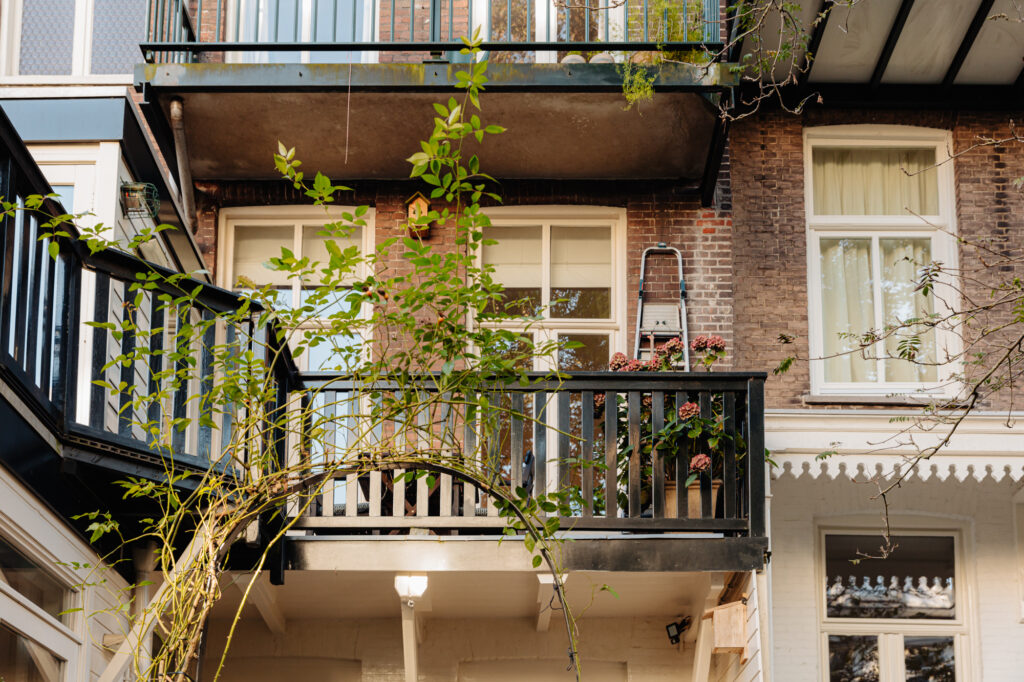
An entire building, designated as a municipal monument, consisting of a two-story ground-floor unit with a garden and terrace, a rented apartment on the second floor (which can be delivered vacant if desired), a rented apartment on the third floor, and an attic floor (which can be delivered vacant if desired). The property is situated in the center, on the quiet side of the park, on its own land. The ground-floor residence, measuring approximately 158 m², will be delivered vacant and is very charming and well-maintained; the simple former rental unit on the second floor can also be delivered vacant, with a Floor area approximately 68 m². Both residences ample outdoor space and stunning views of the park. The property, with a total of 365 m², offers development potential; it is not Land Registry details .
Guided tour
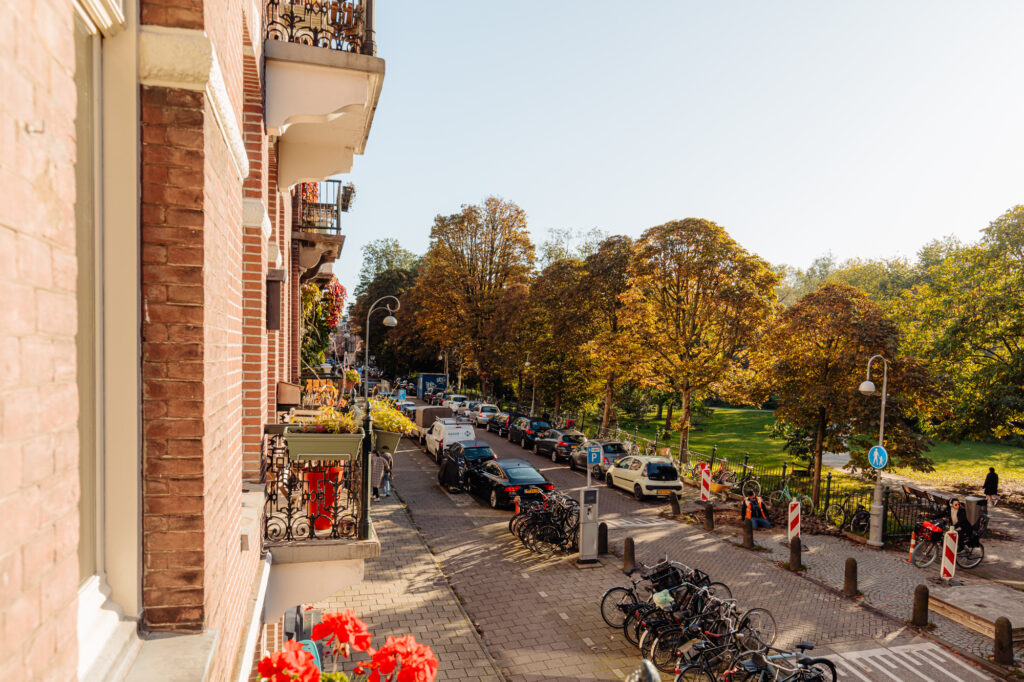
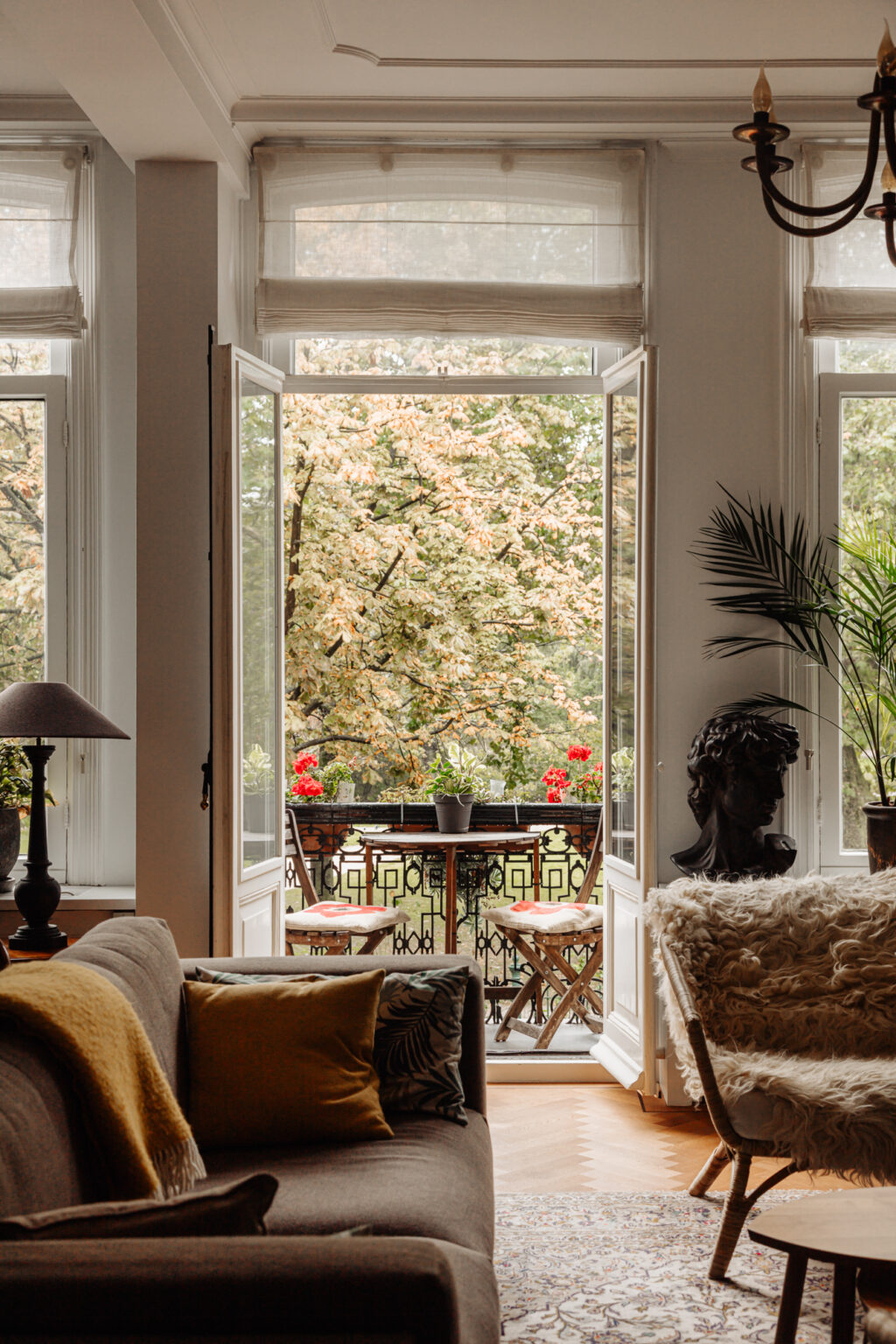
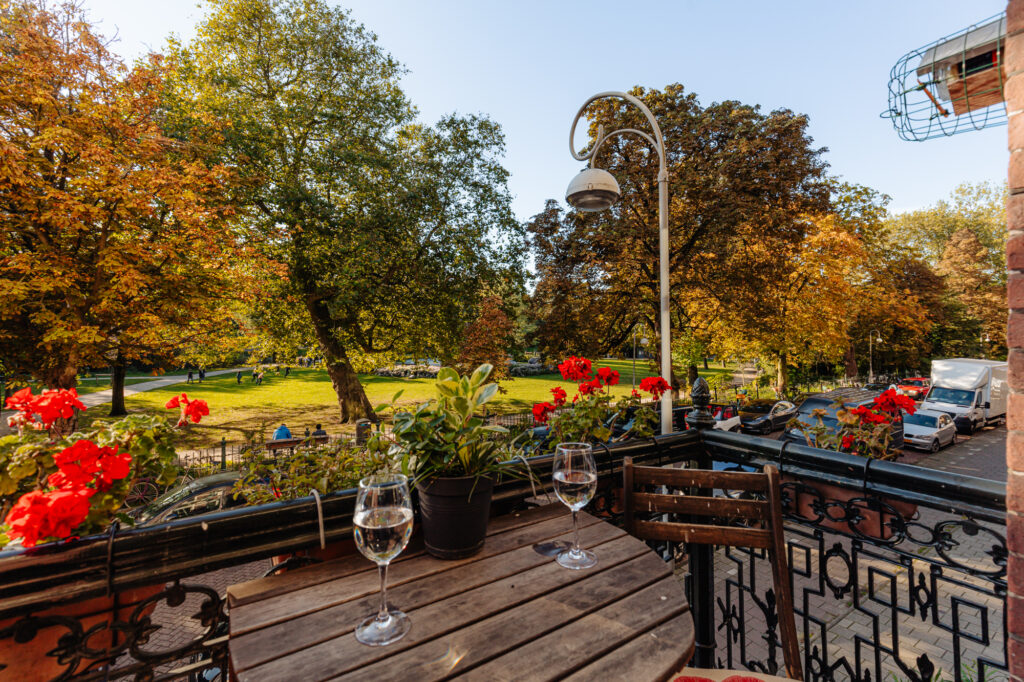
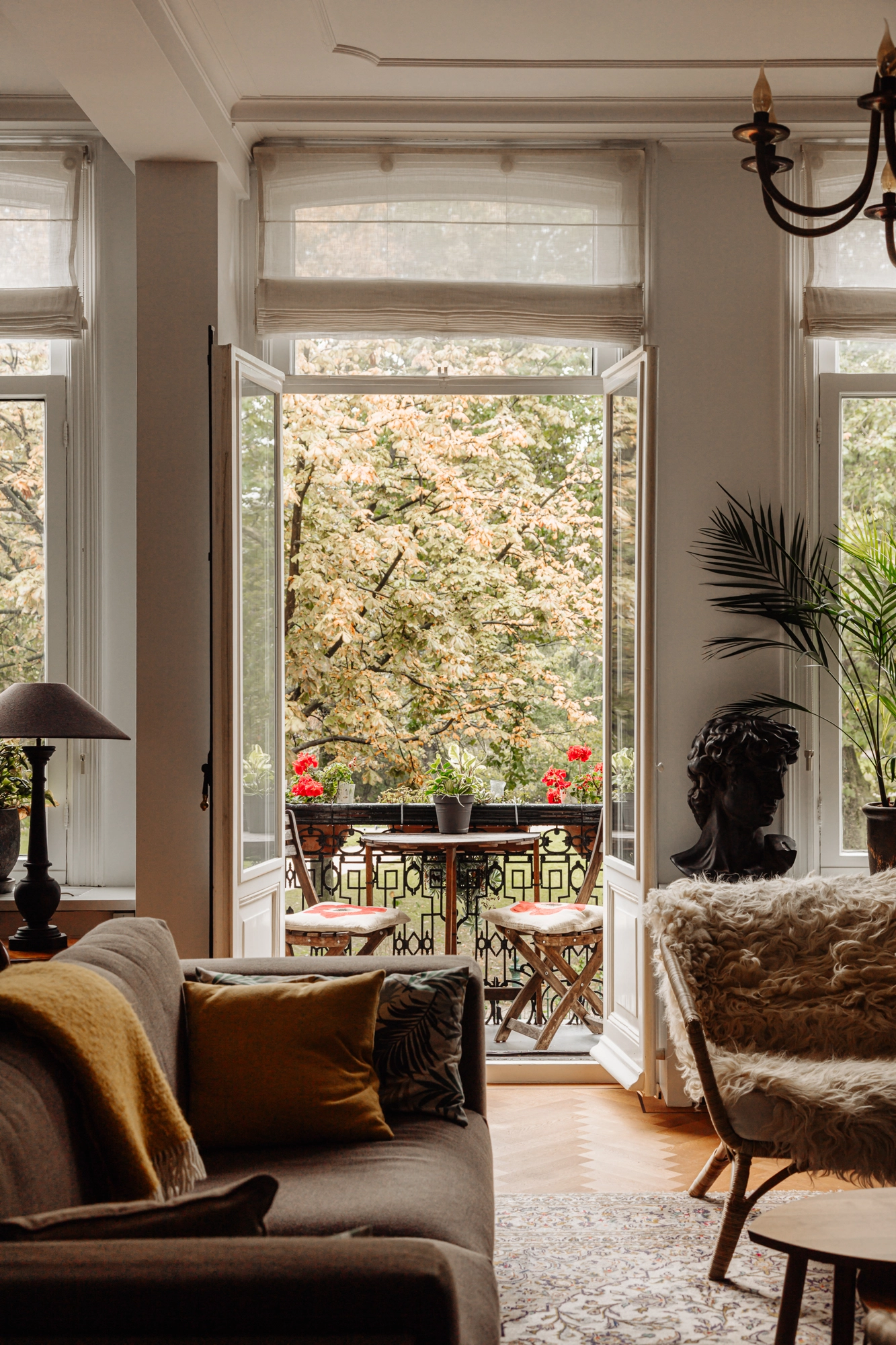
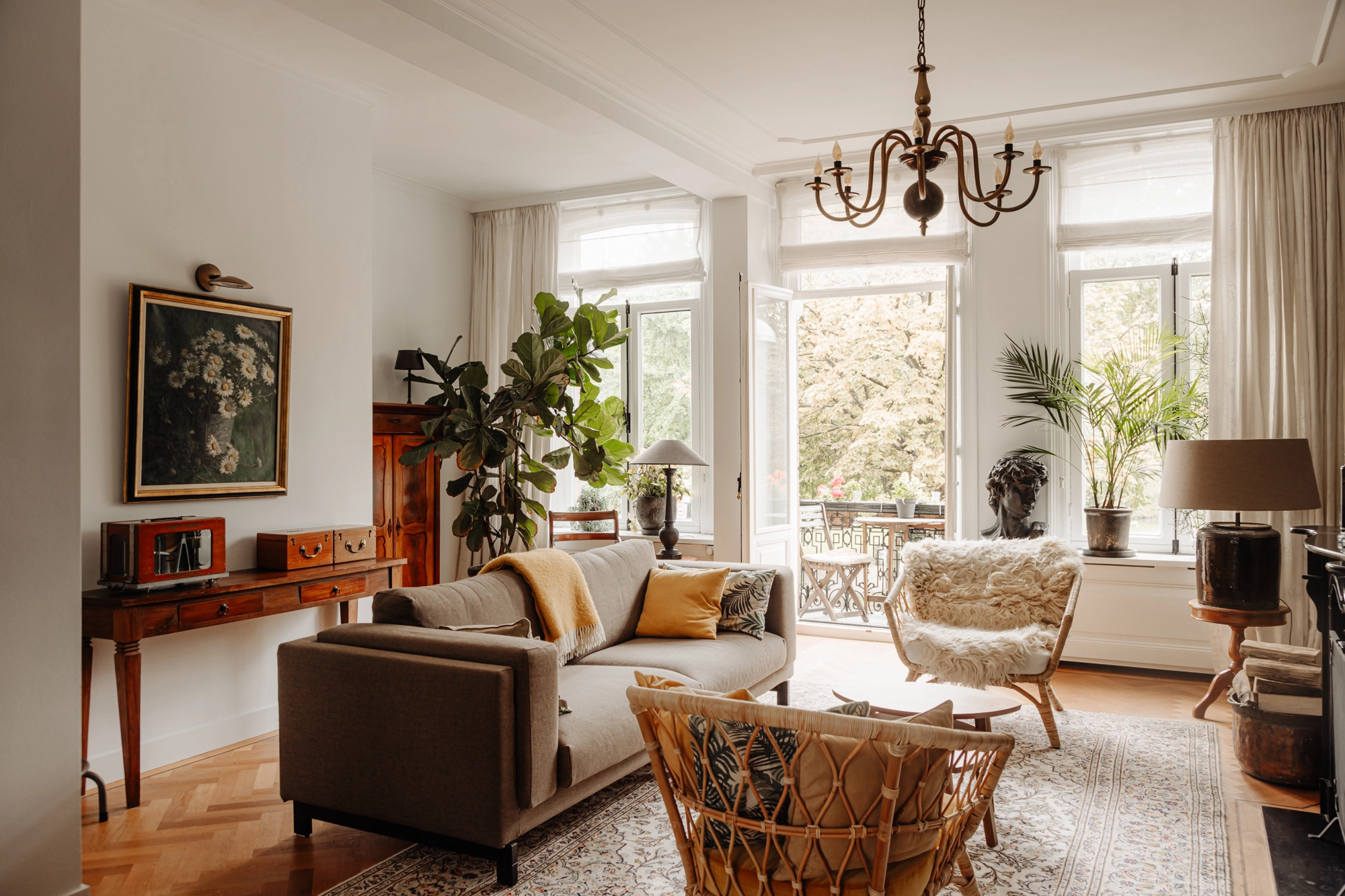
Remarkable about this double ground floor house is that the original living floor is located on the first floor. This is understandable, as it enjoys a magnificent view over the Sarphatipark. The French doors and the balcony at the front make the park feel like it is at your feet.
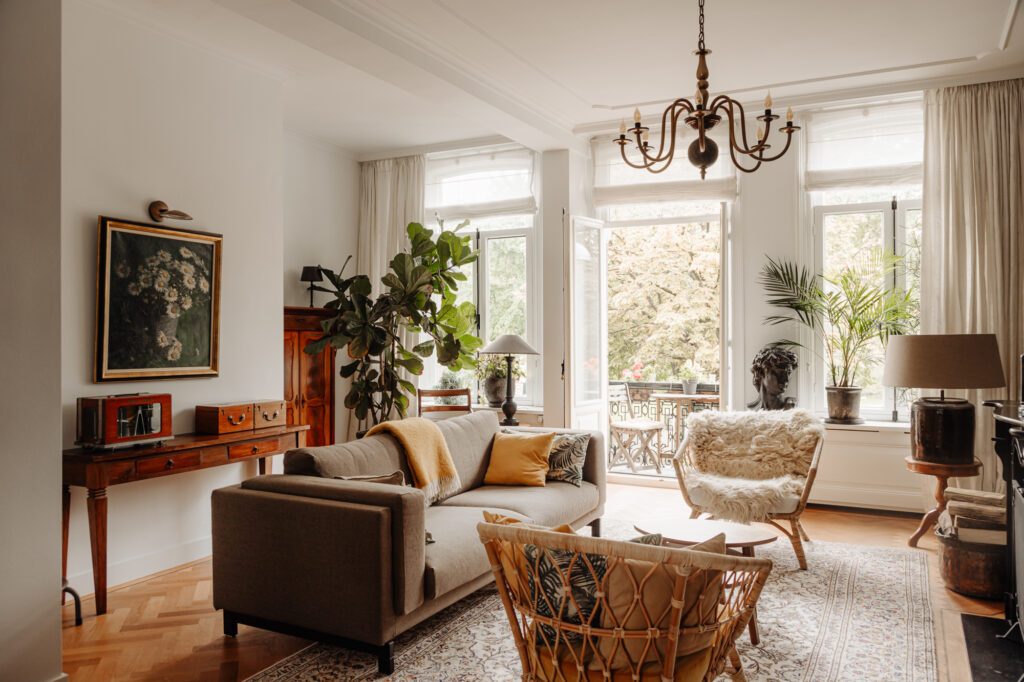
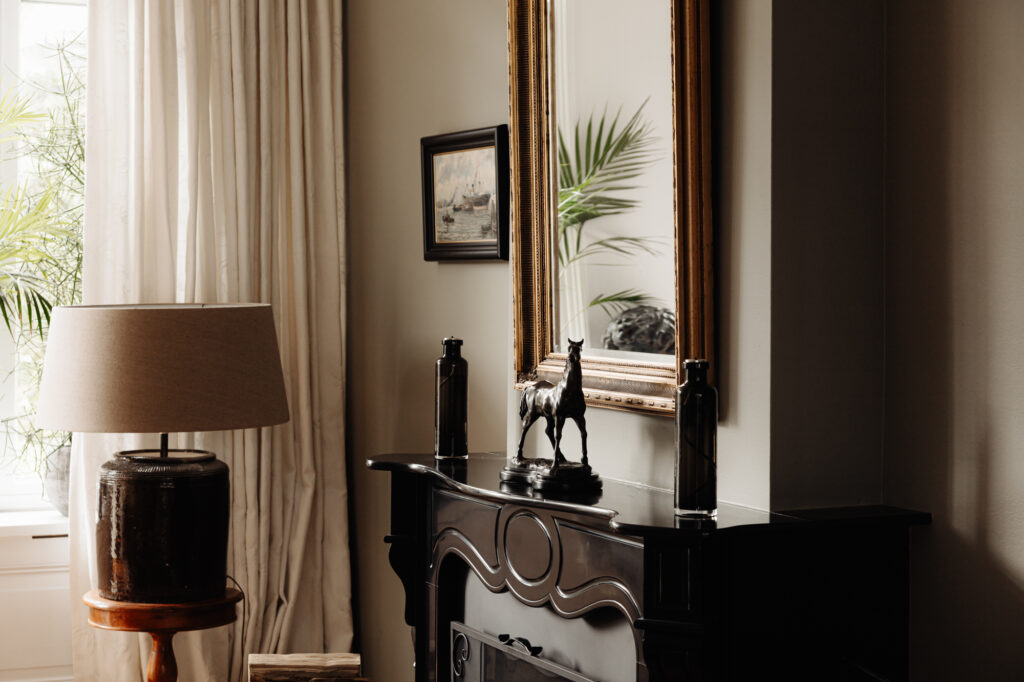
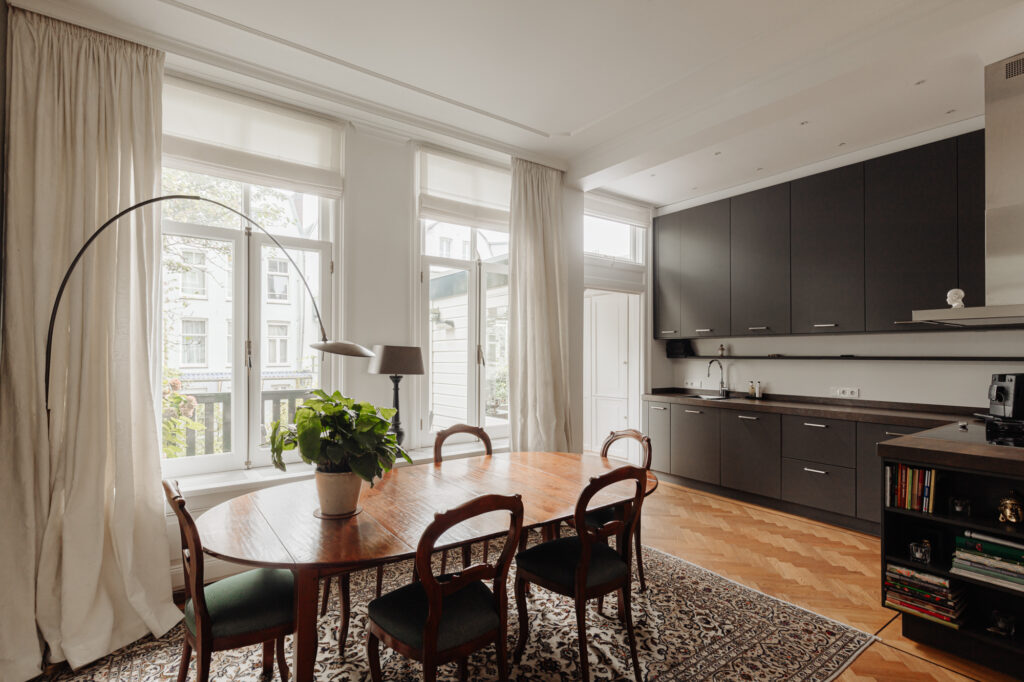
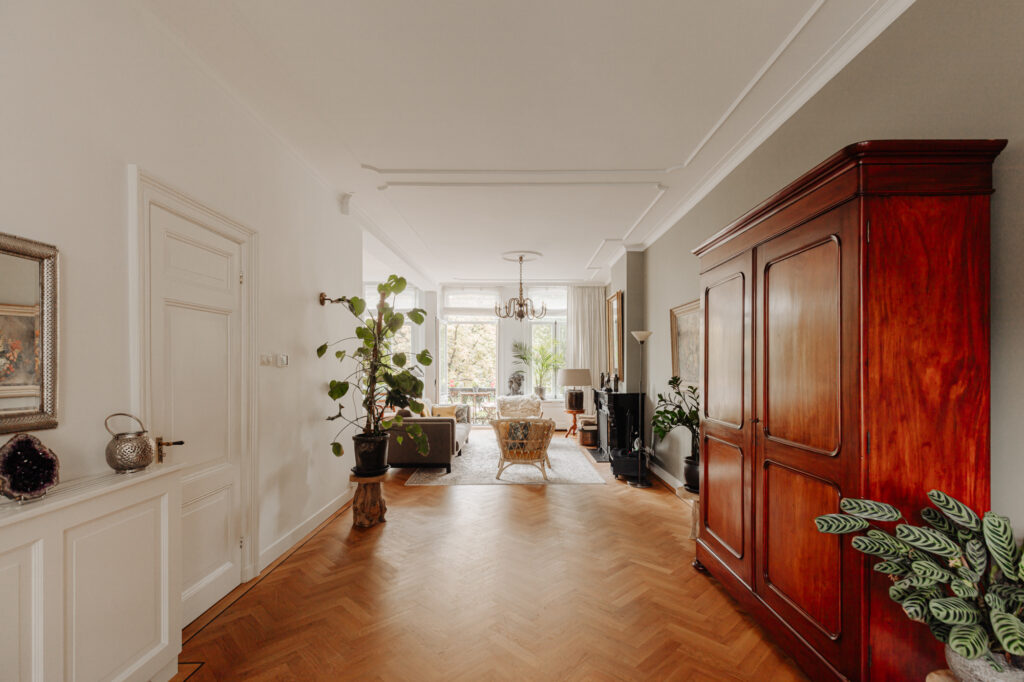
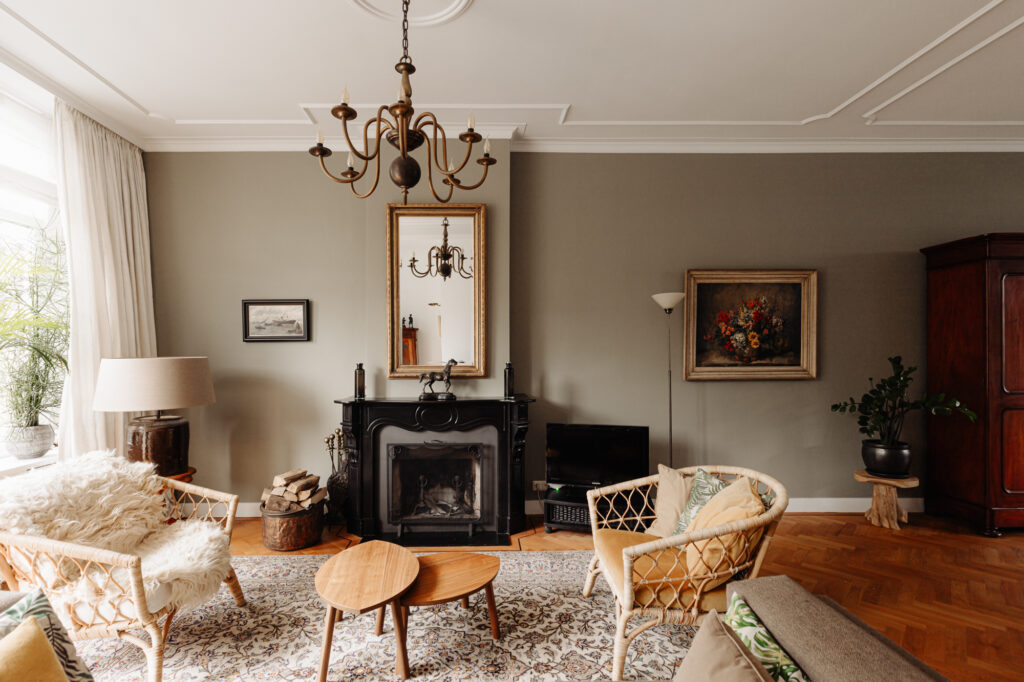
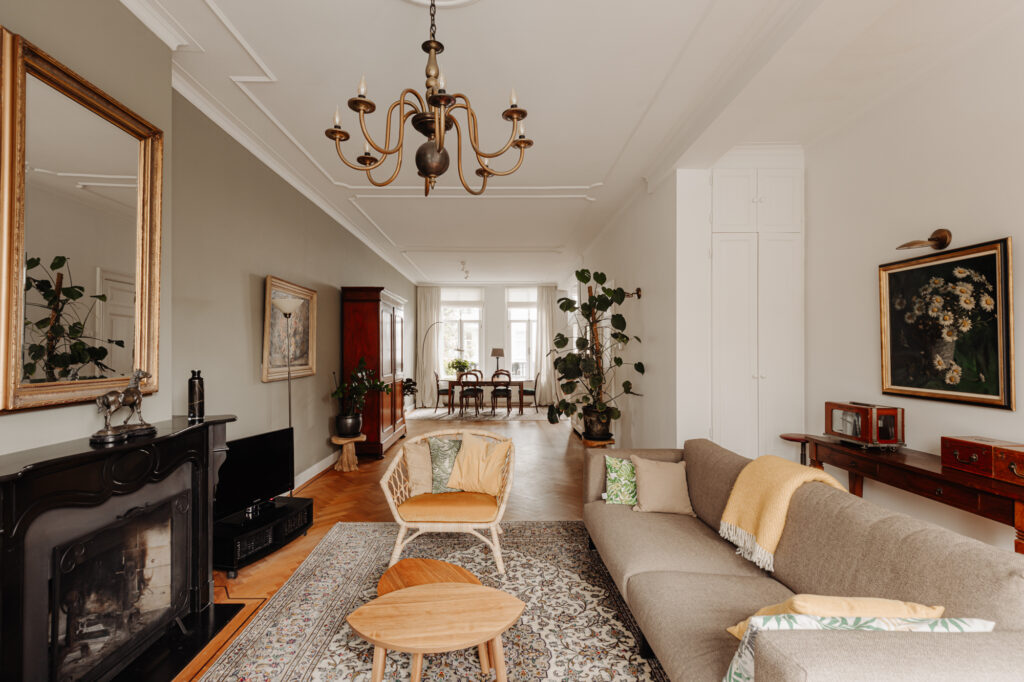
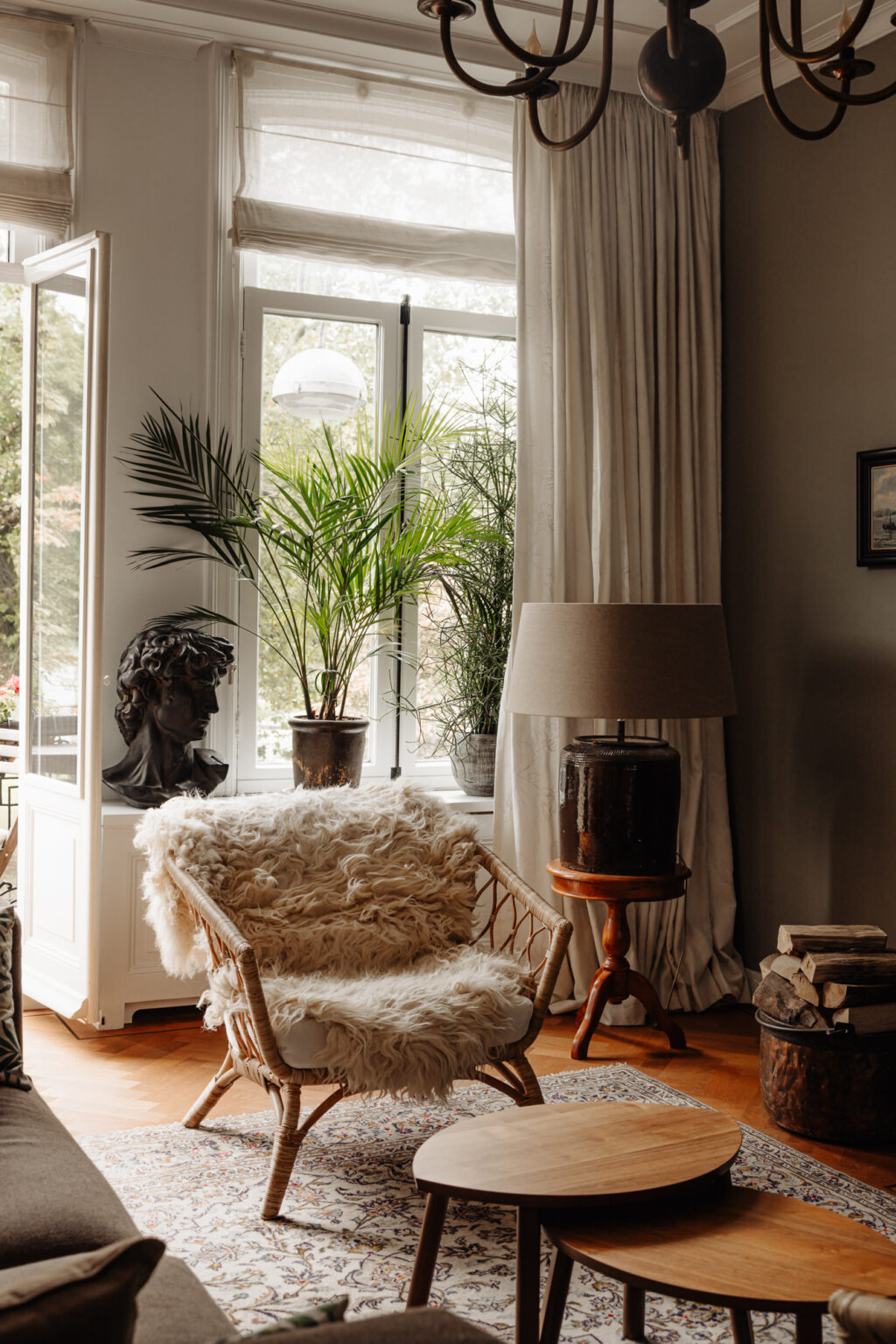
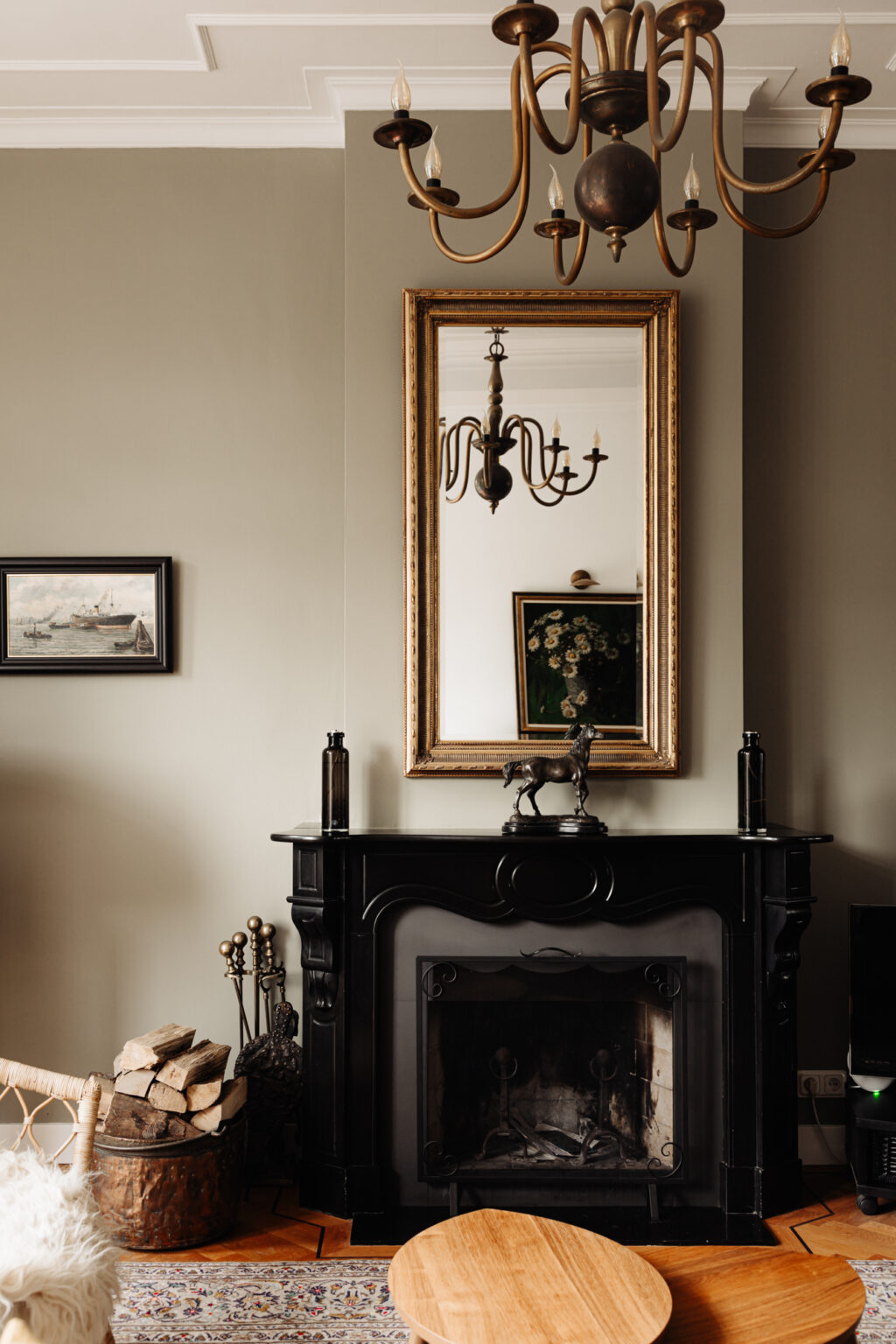
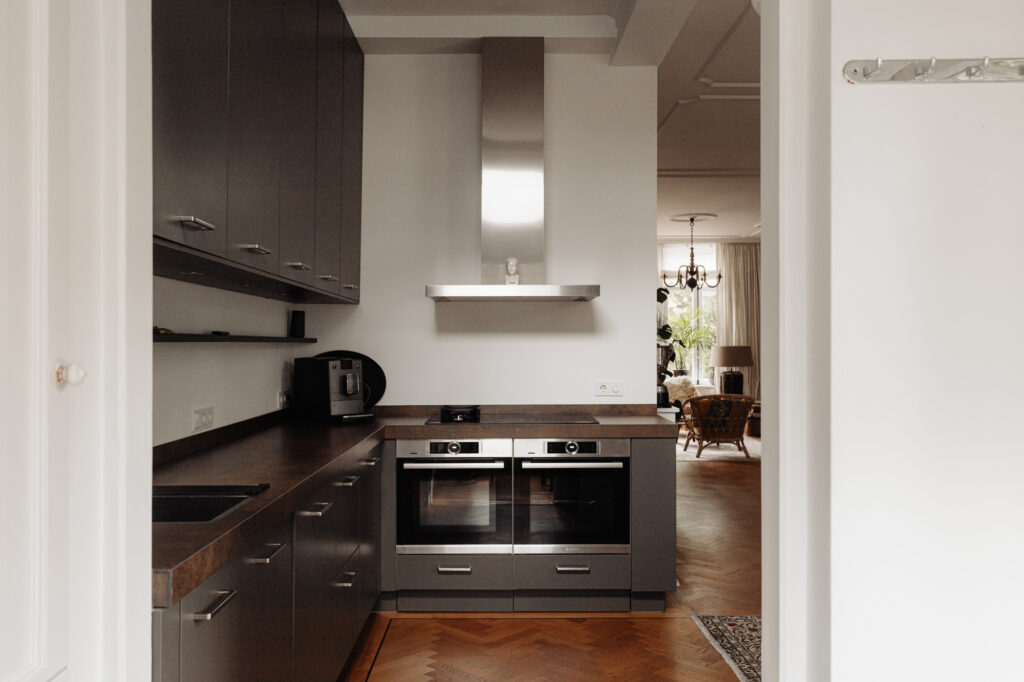
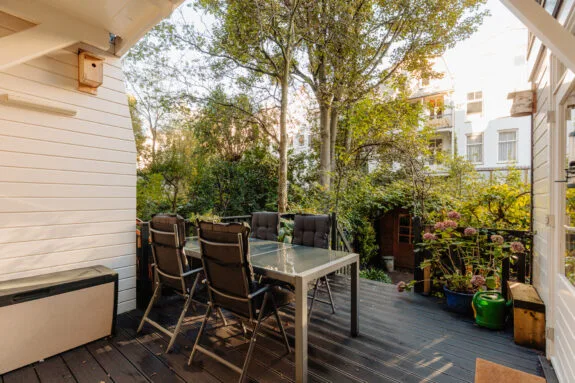
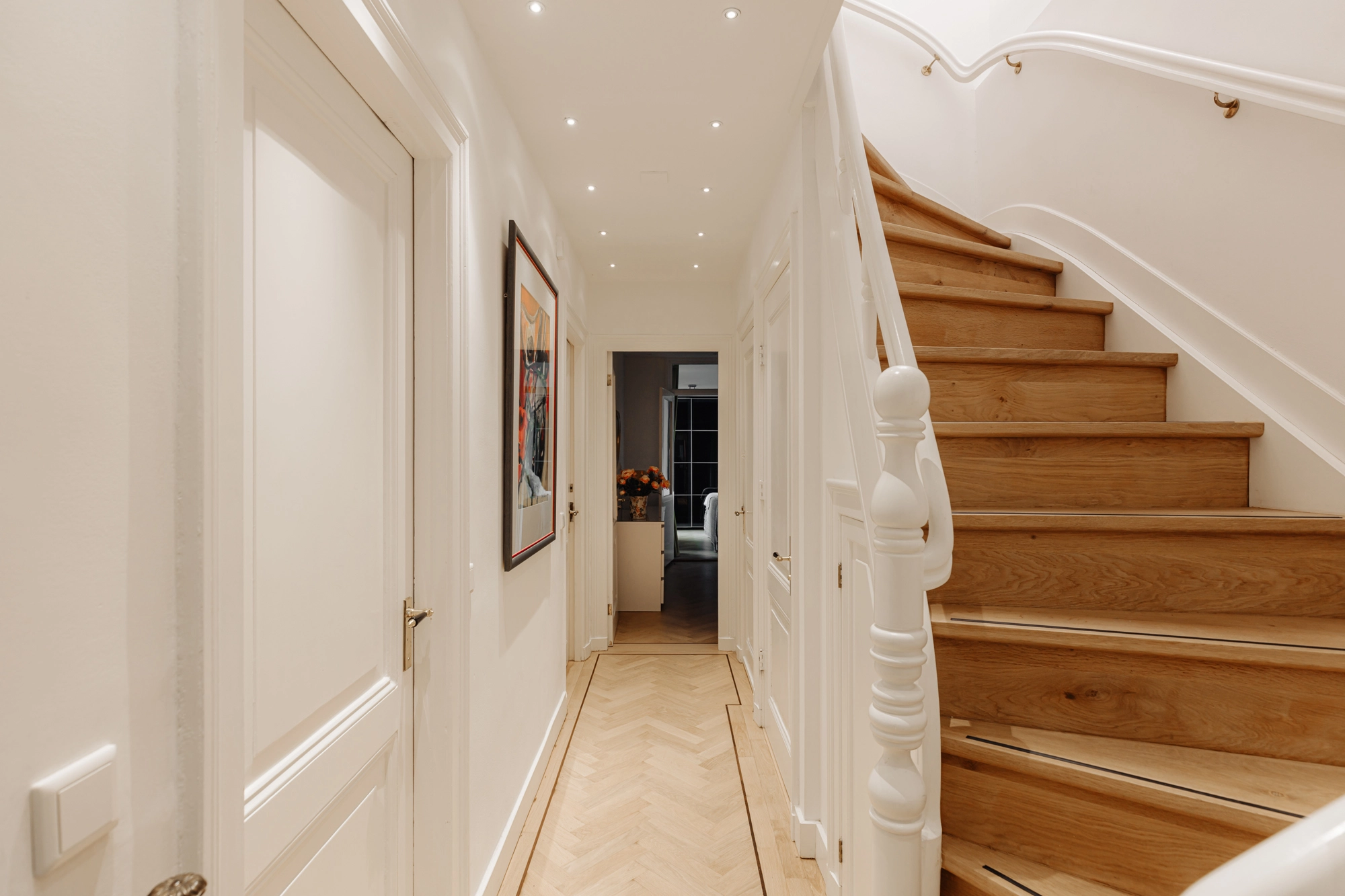
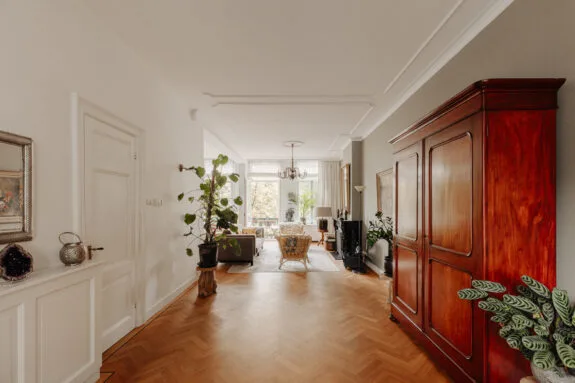
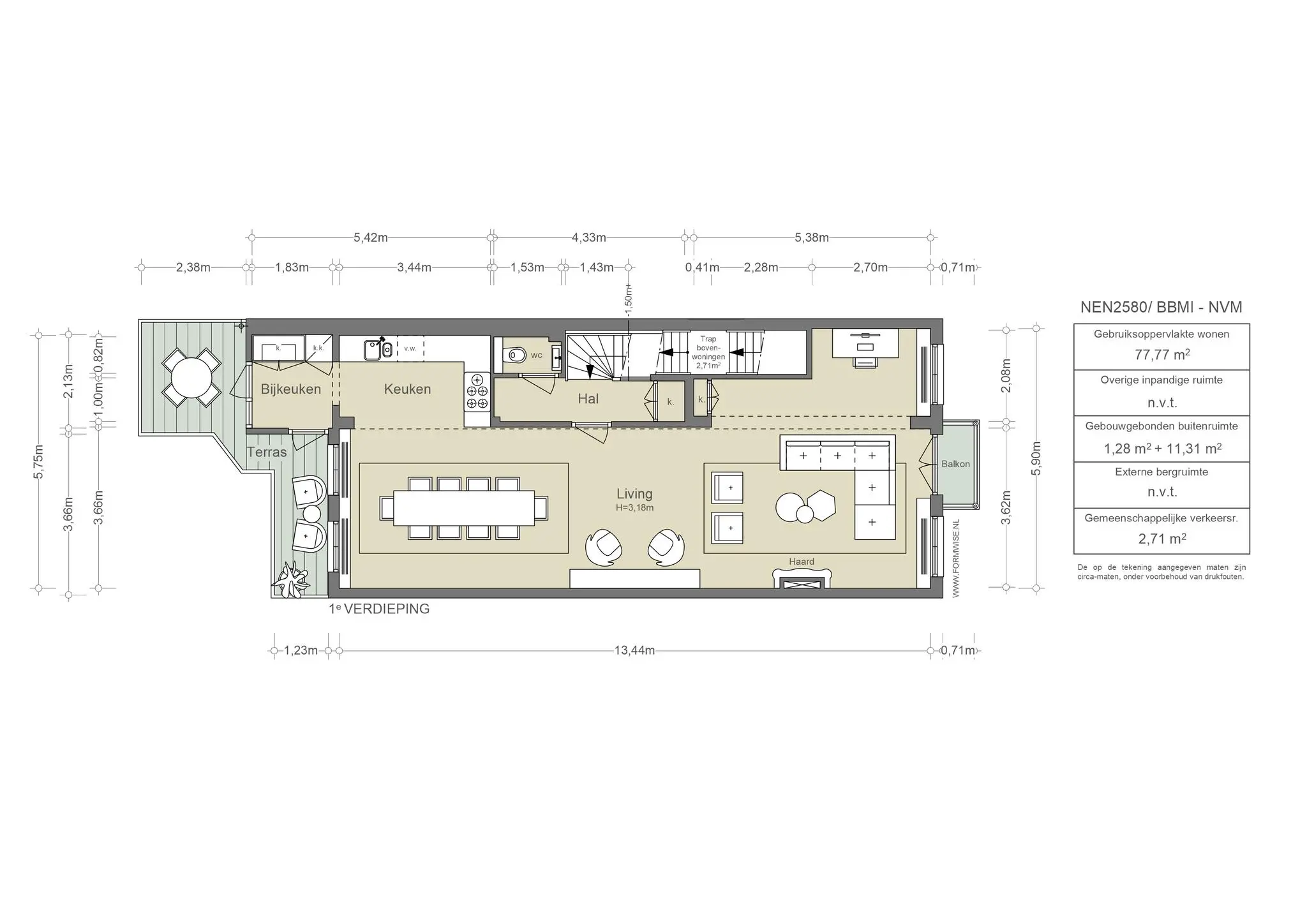
The living room extends over the full width of the house and is characterized by a generous height, giving the space an extra sense of grandeur. This is enhanced by the elegant herringbone floor with border, the cozy fireplace and the original, still intact, black marble fireplace. At the rear is the modern open kitchen, finished in stylish matte dark green and equipped with many built-in appliances. The kitchen is efficiently furnished with custom-made cabinets in the extension, which also provides access to a terrace that receives sun both in the morning and in the summer in the evening.
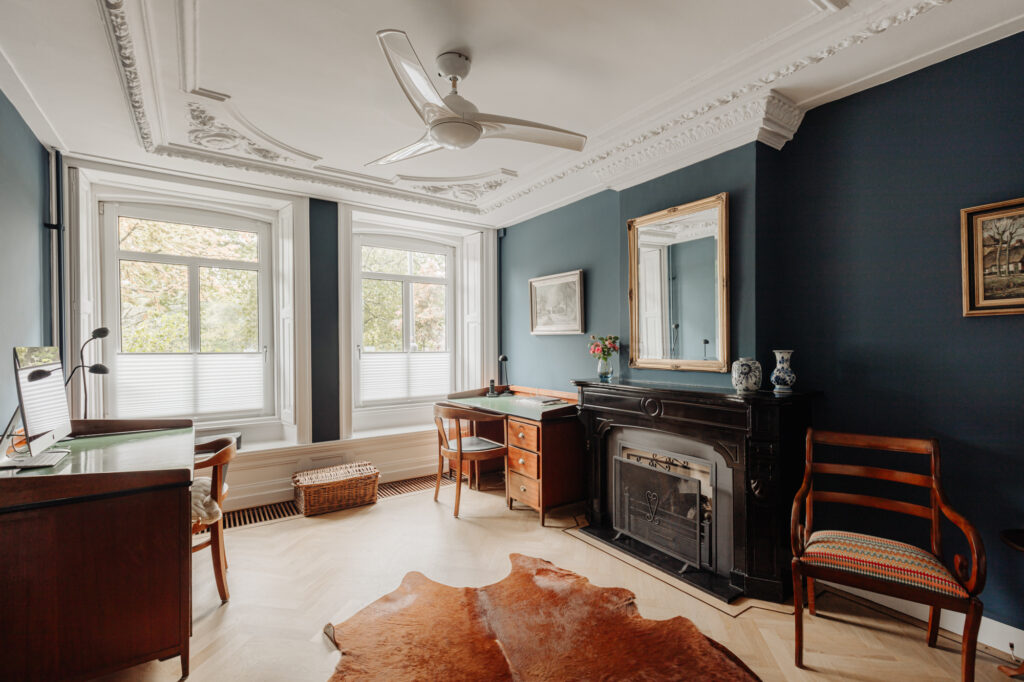
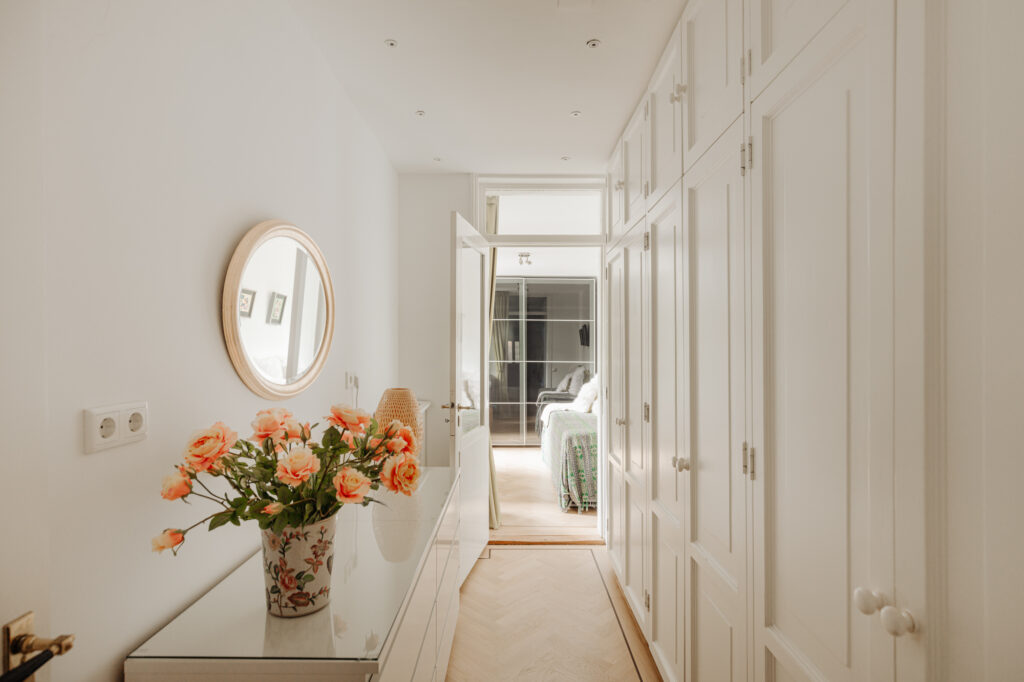
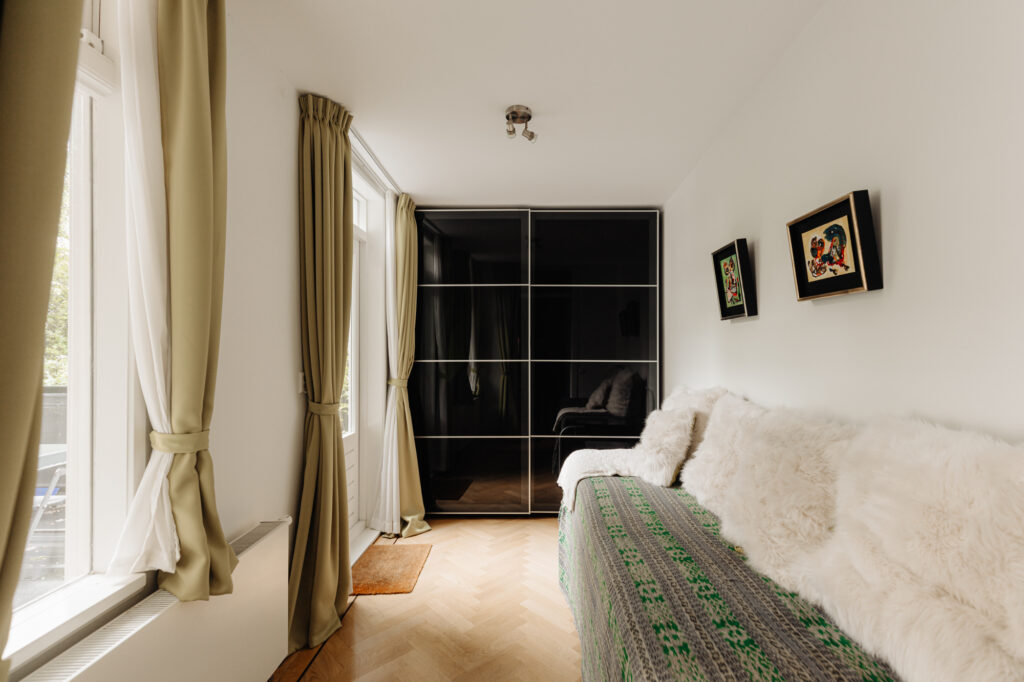
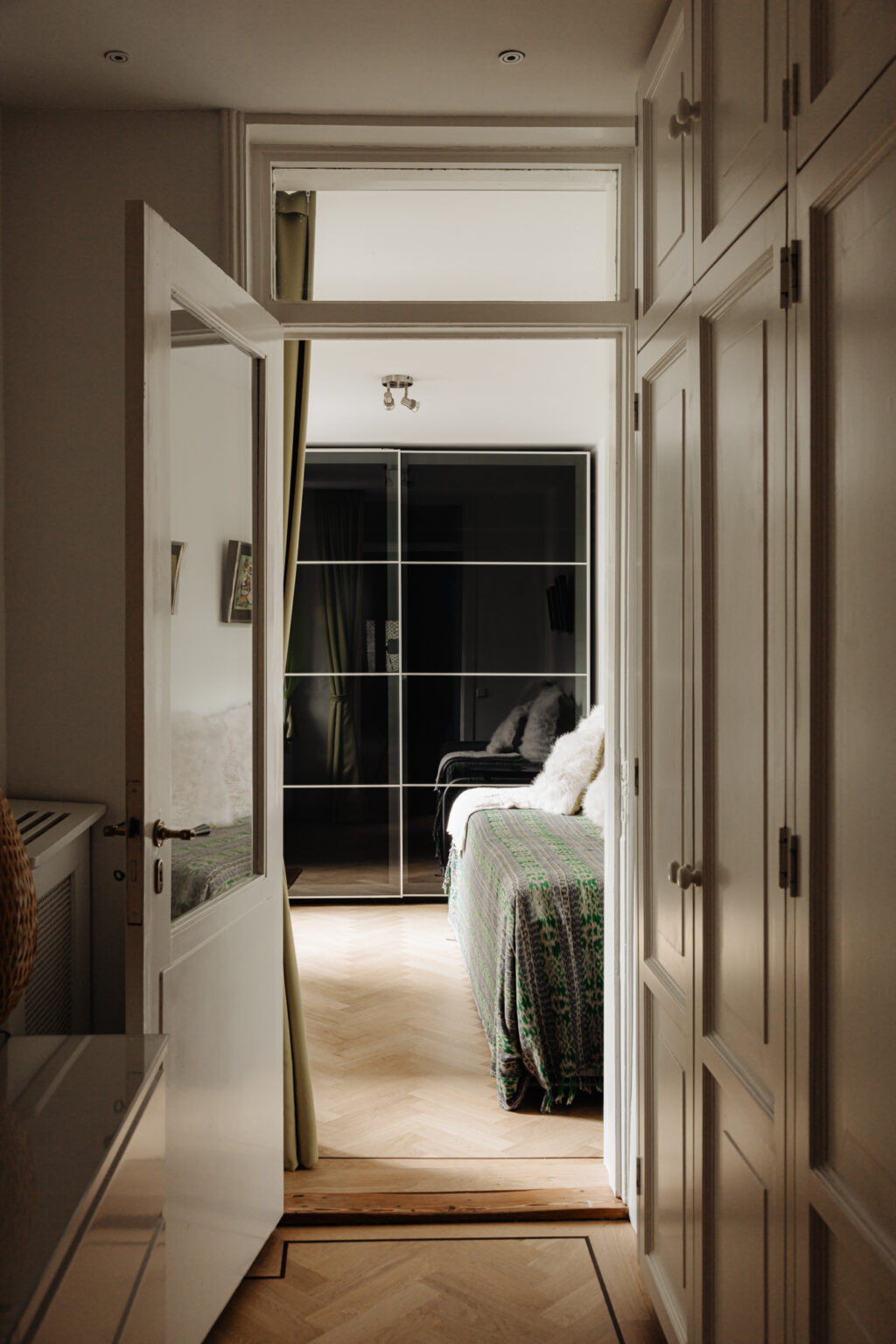
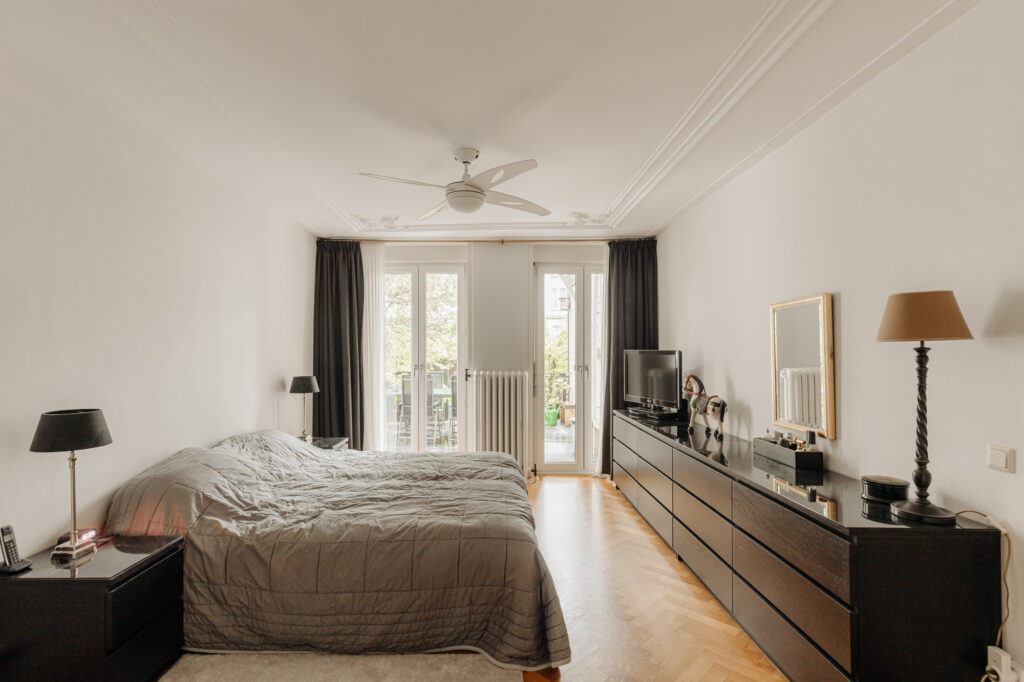
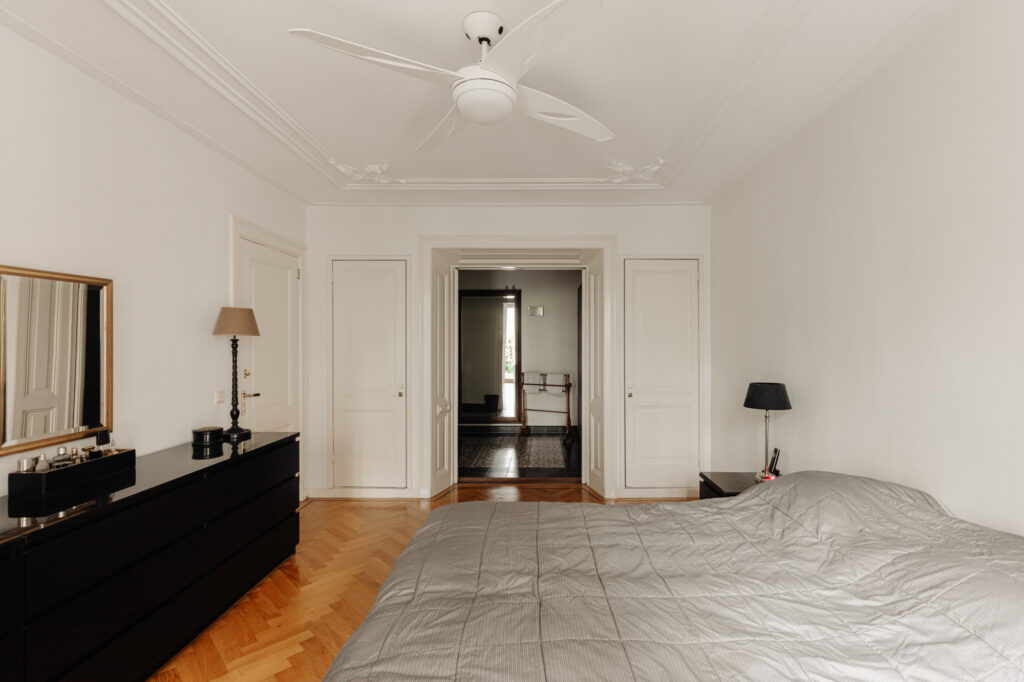
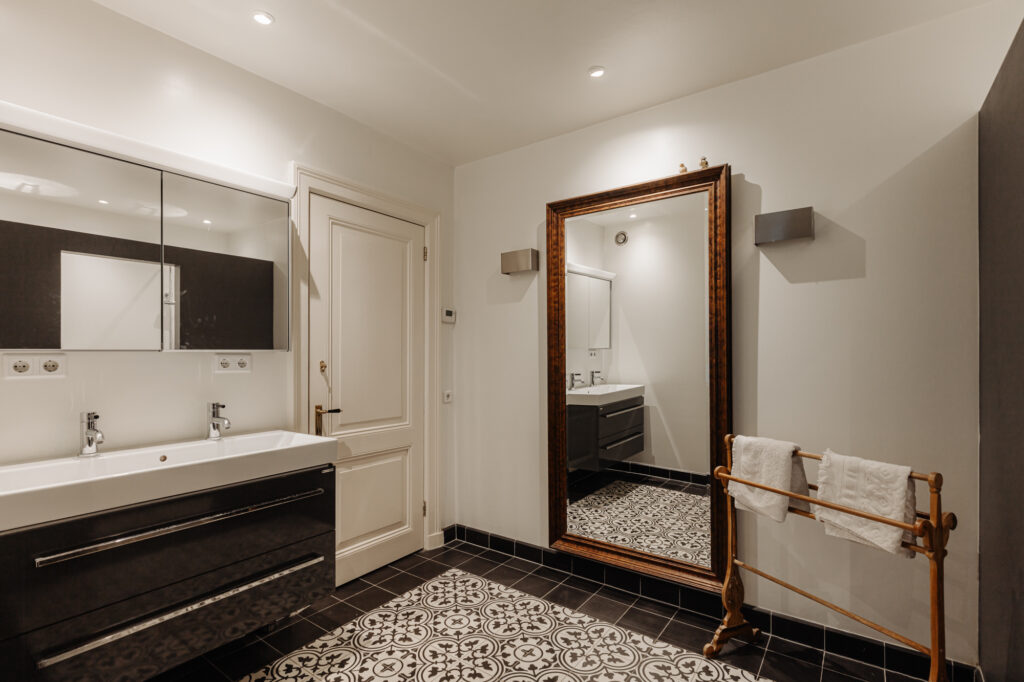
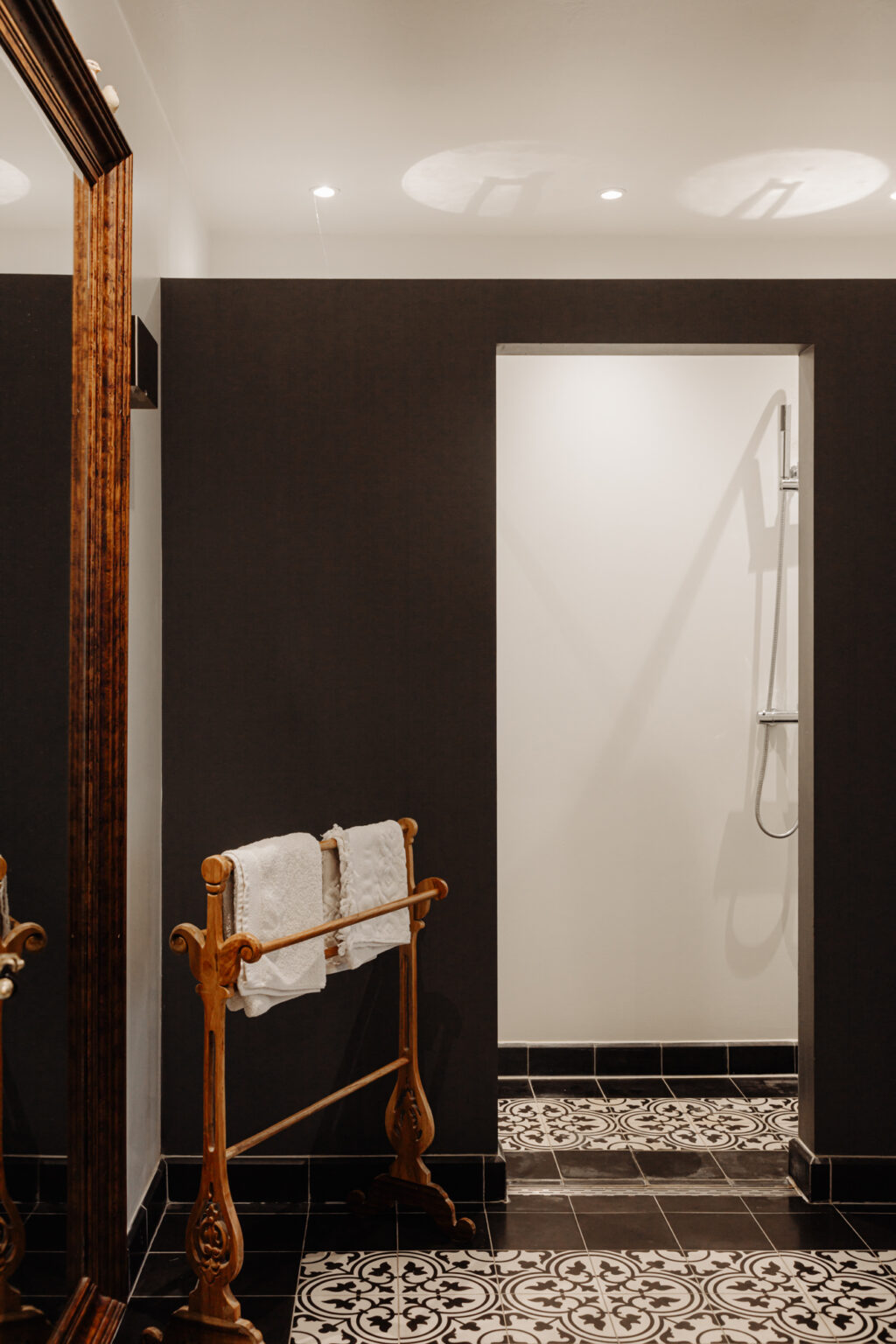
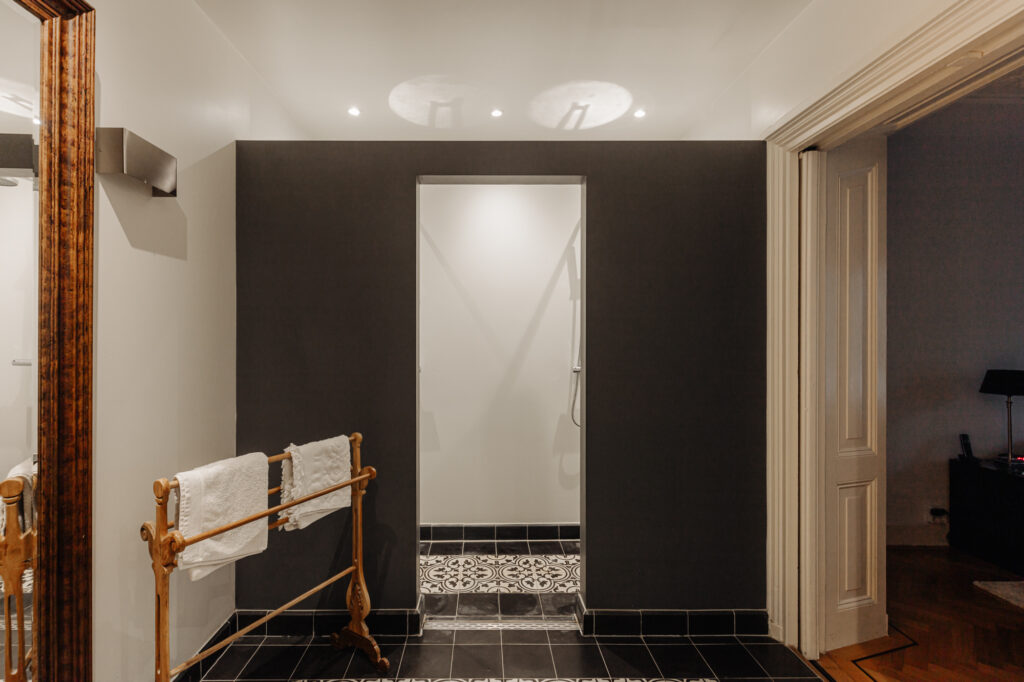
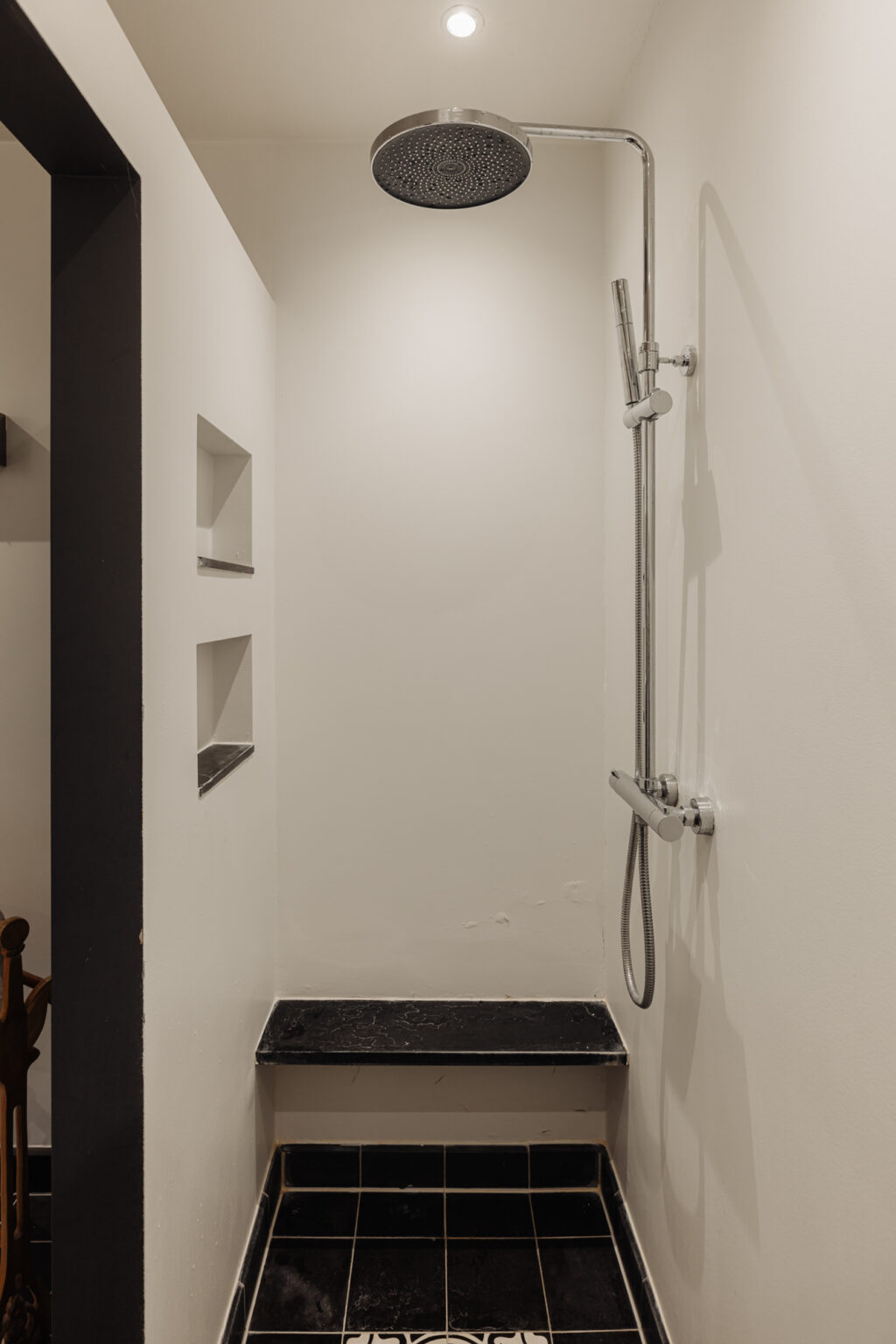
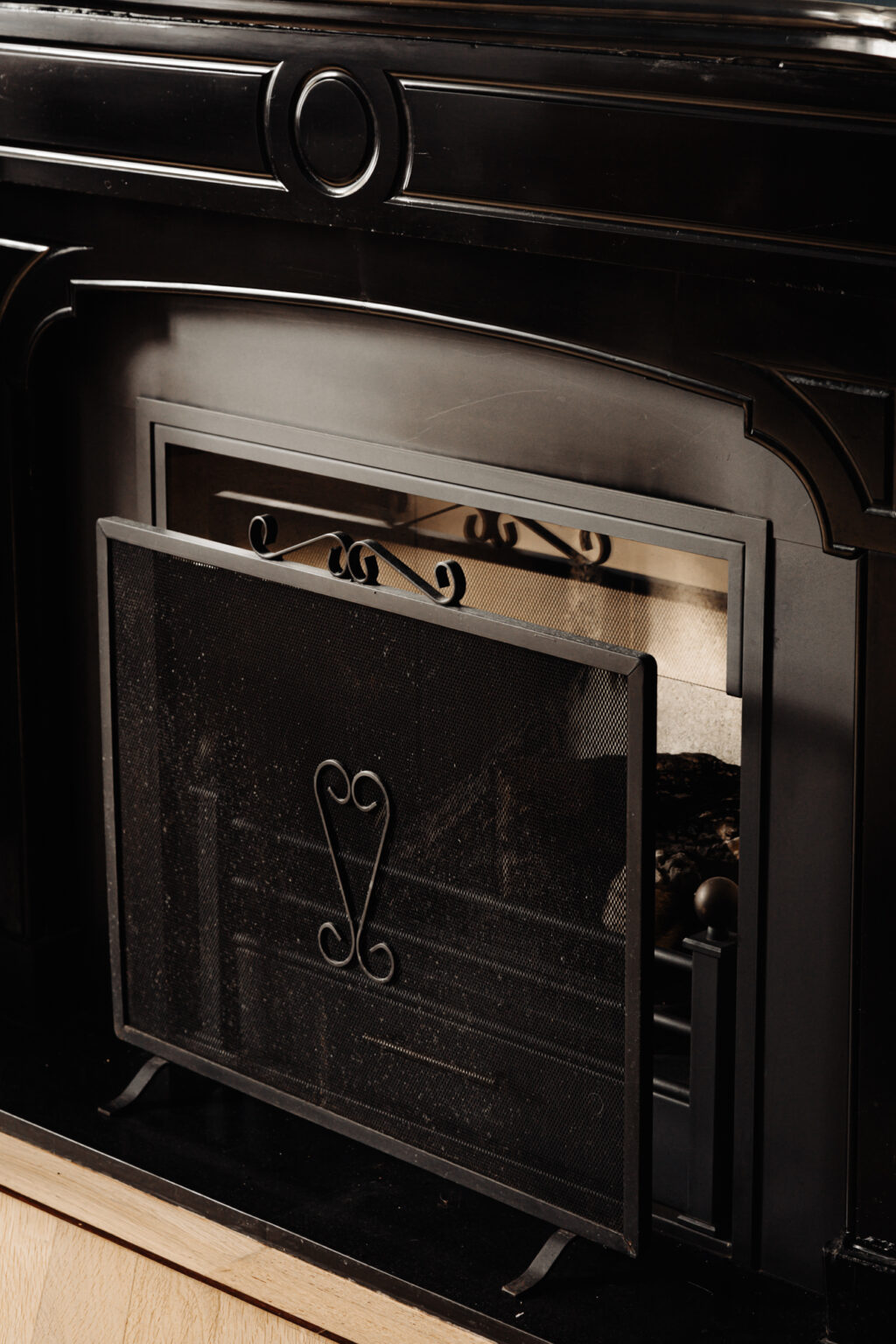
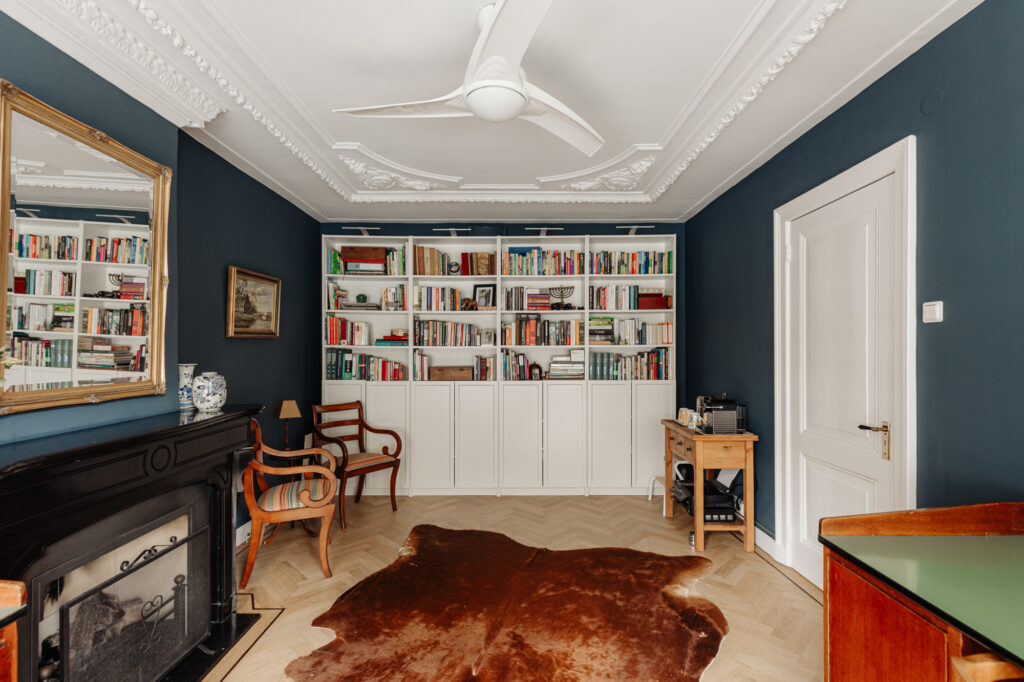
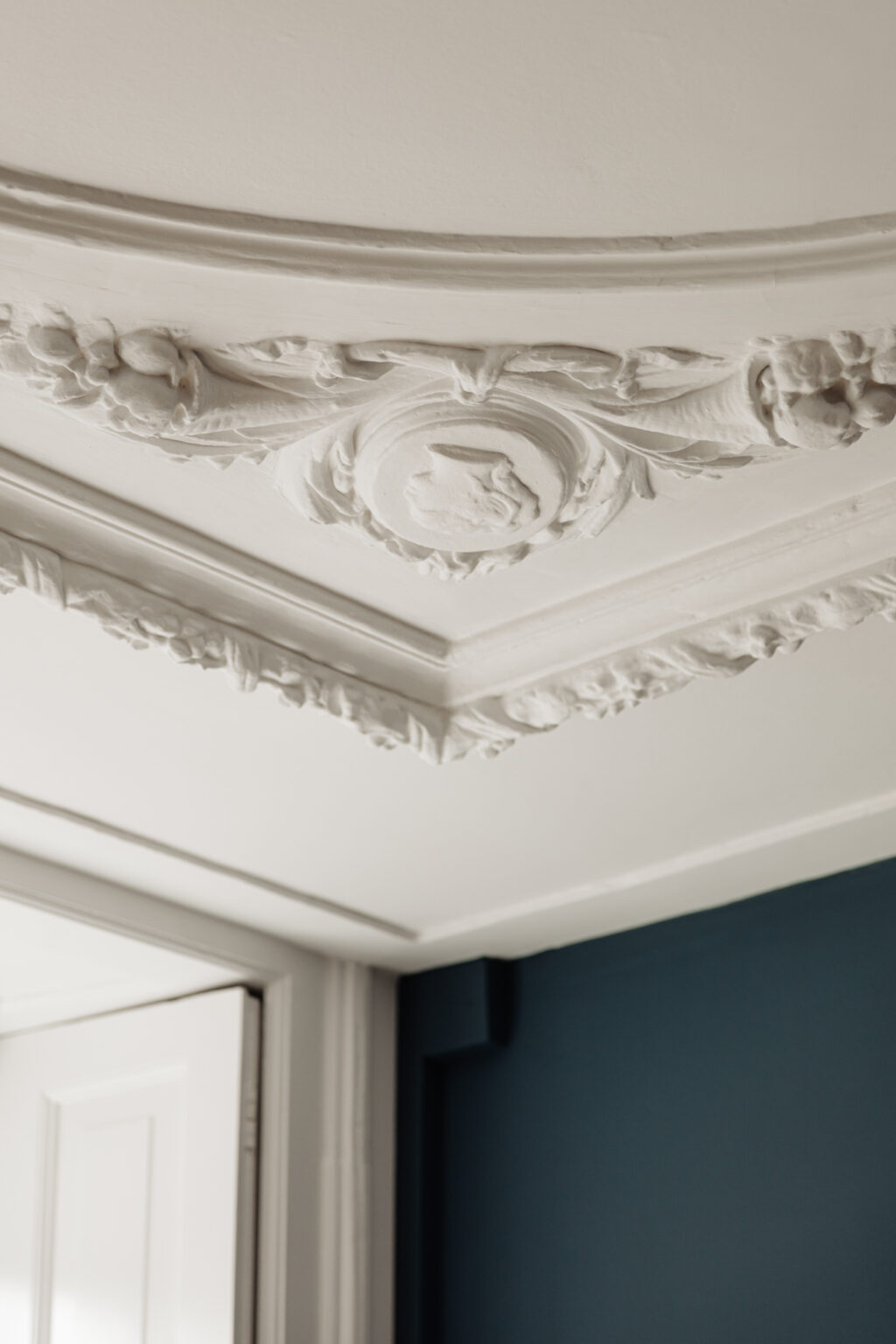
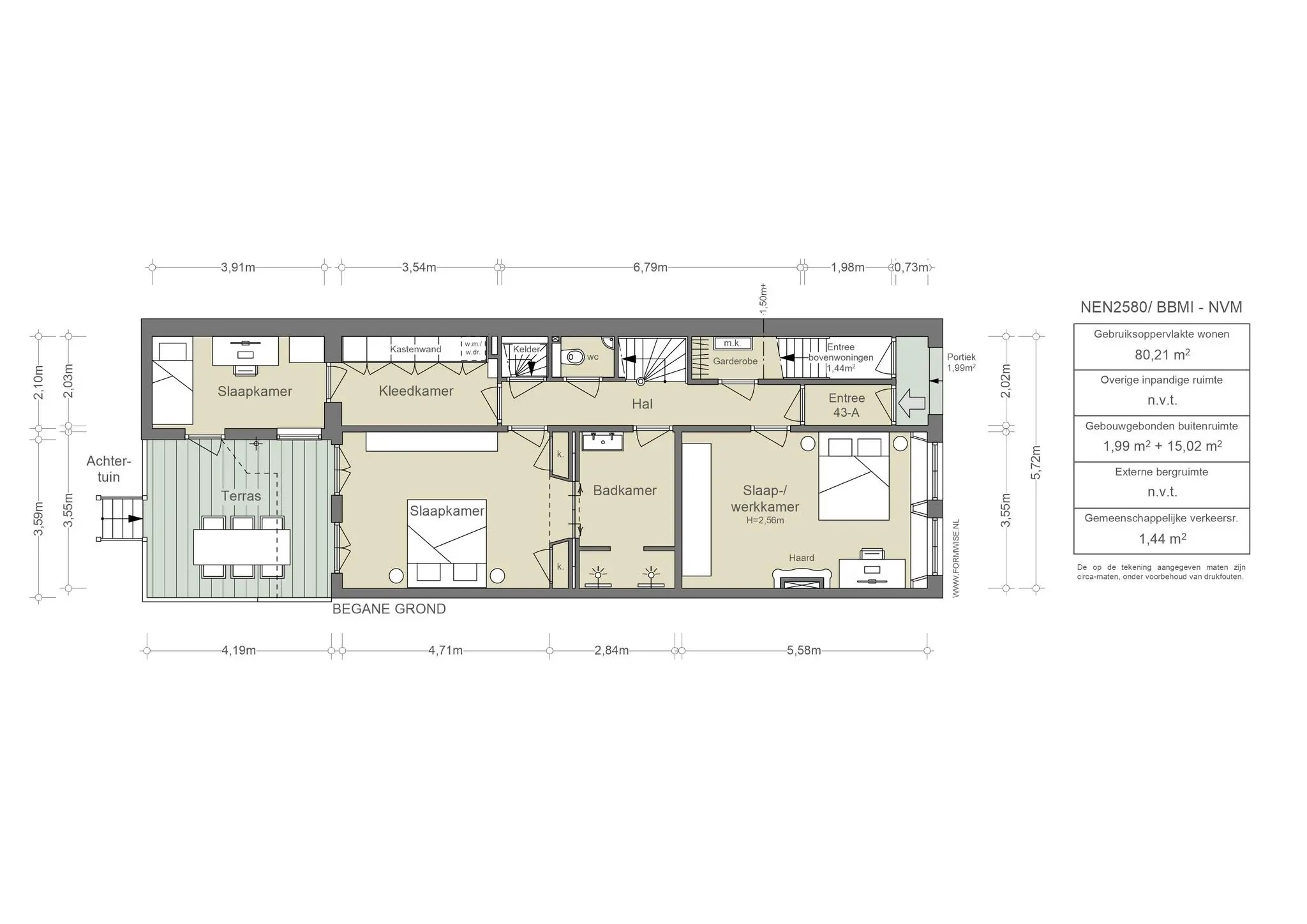
The sleeping area is located on the ground floor and accommodates three spacious bedrooms. The front room, currently used as a study, exudes atmosphere thanks to a black marble fireplace with a gas fire, beautiful herringbone parquet flooring, authentic window shutters, and decorative ceiling moldings. Centrally located is a spacious bathroom with double walk-in shower, which is connected to the quiet and cool master bedroom at the rear via lockable en-suite doors. The third bedroom, located in the extension, has a door to the garden.
Second floor
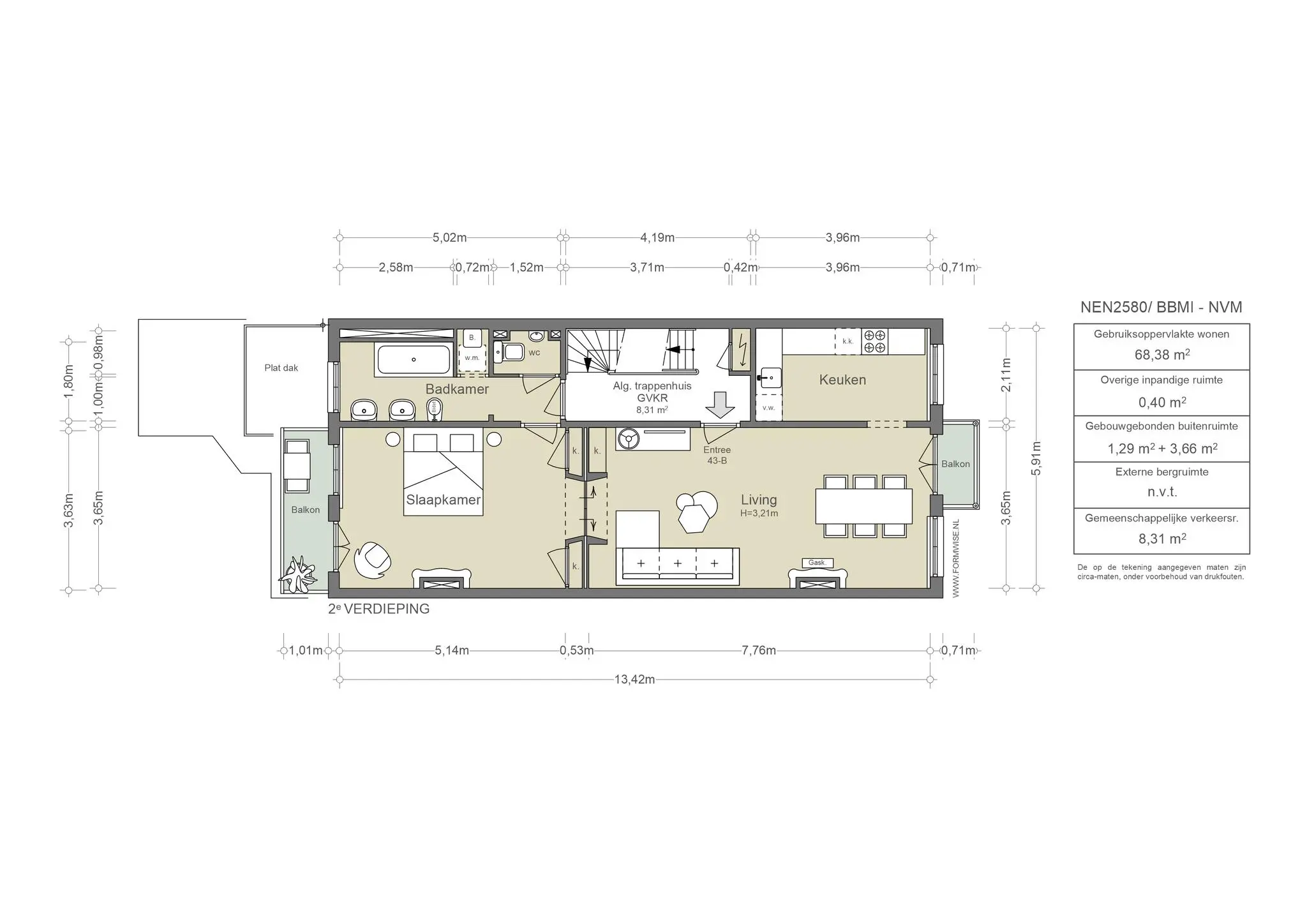
The second-floor apartment can be delivered rent-free and vacant, which Asking price assumed in this Asking price . The apartment is 68 m² in size and has a balcony at the rear and a small balcony at the front. It is in basic condition and is heated by a gas fireplace.
Rented apartment at
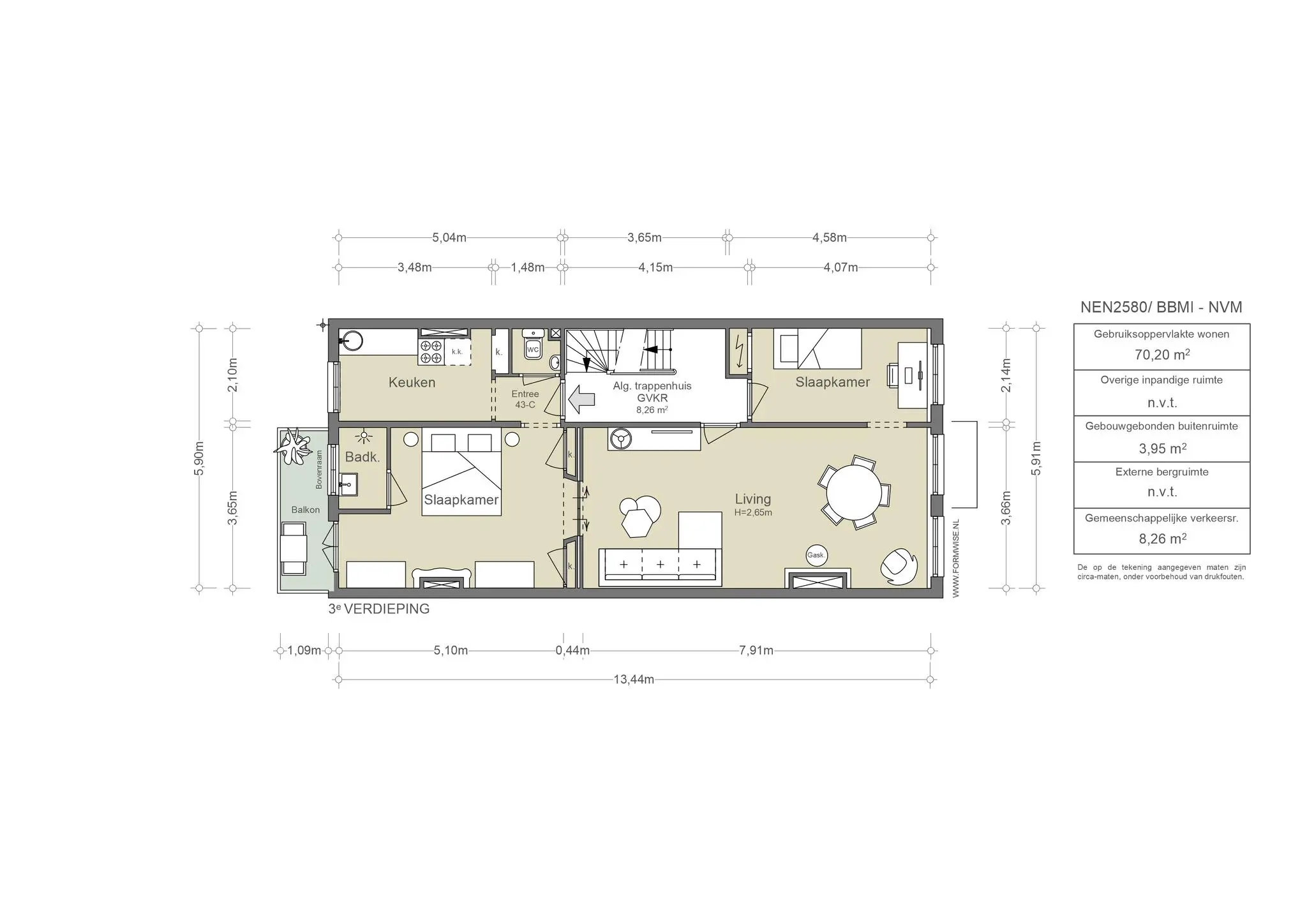
On the third floor is a unit that has been rented since 1977 and measures approximately 70 square meters. This apartment still has its original layout, with the kitchen and bedroom at the rear and the living room and second (bed)room at the front. This apartment has a balcony at the rear, is in very basic condition, and is rented for €620.32 per month.
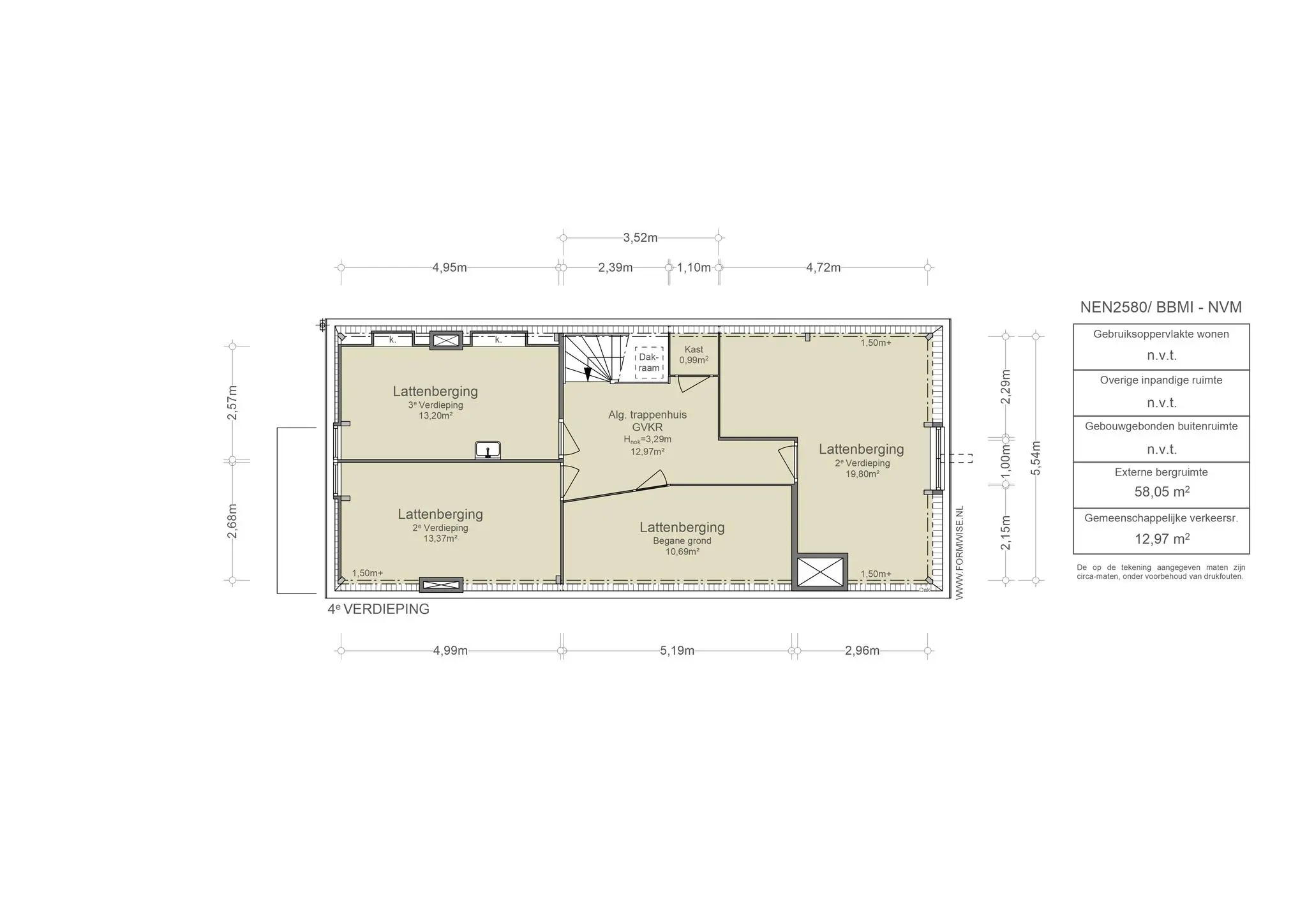
The attic floor has a ceiling height of 4.50 meters and still features the old storage lofts. One of these belongs to the ground floor. The others belong to the second and third floors.
Top Floor
This floor will be delivered vacant, with the exception of the back room on the right.
What the residents will miss
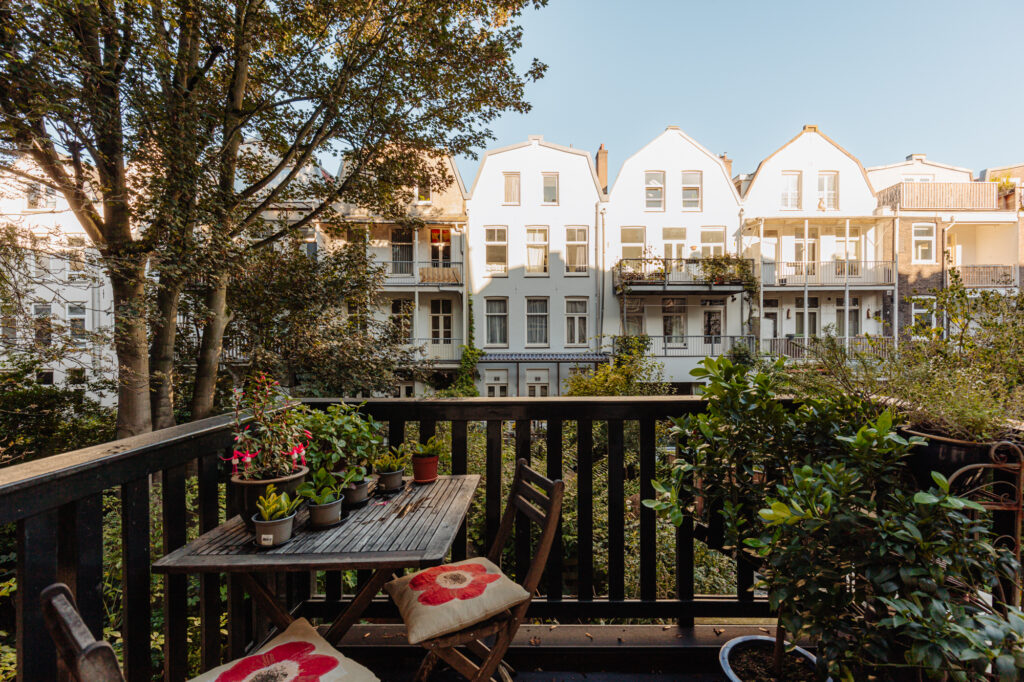
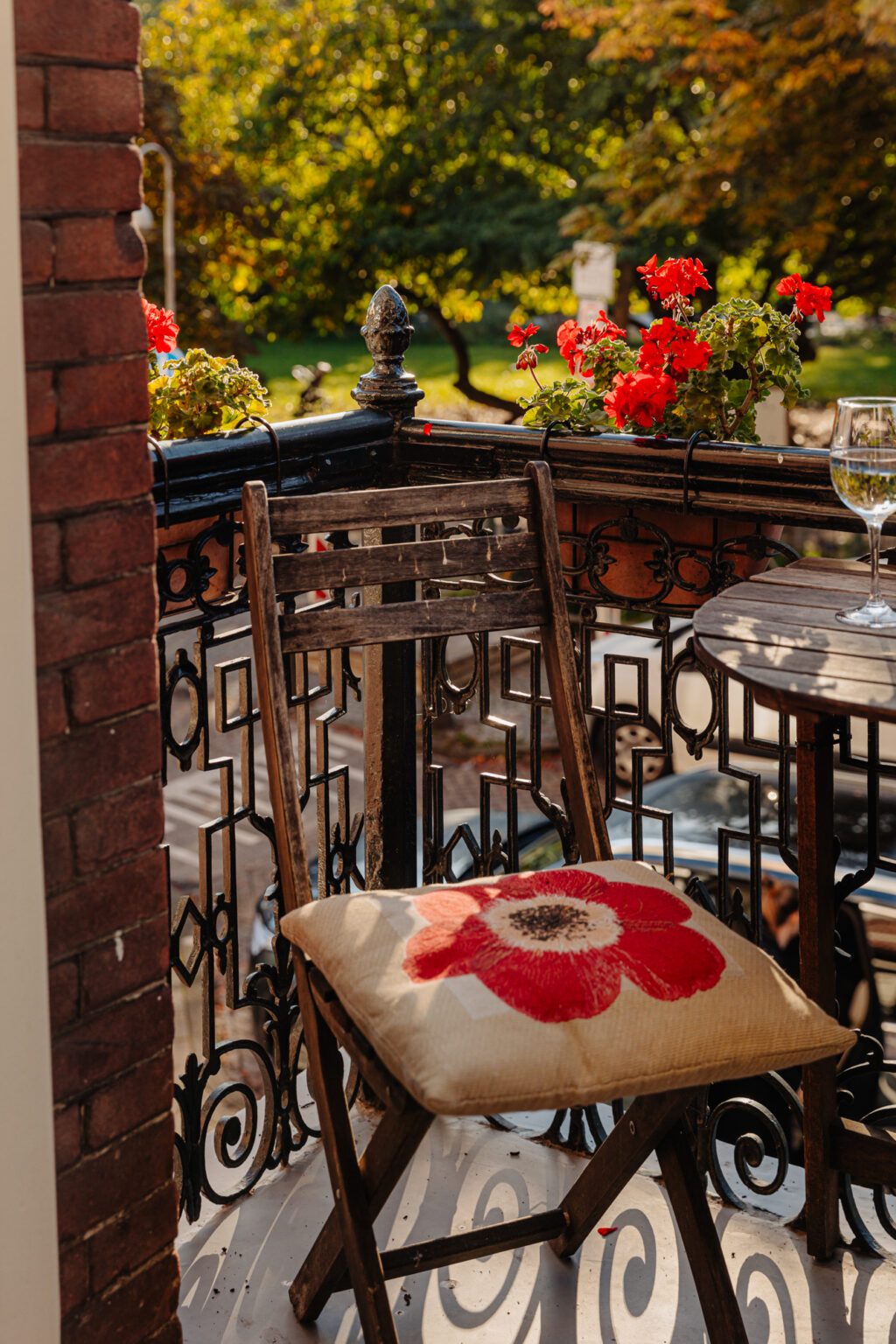
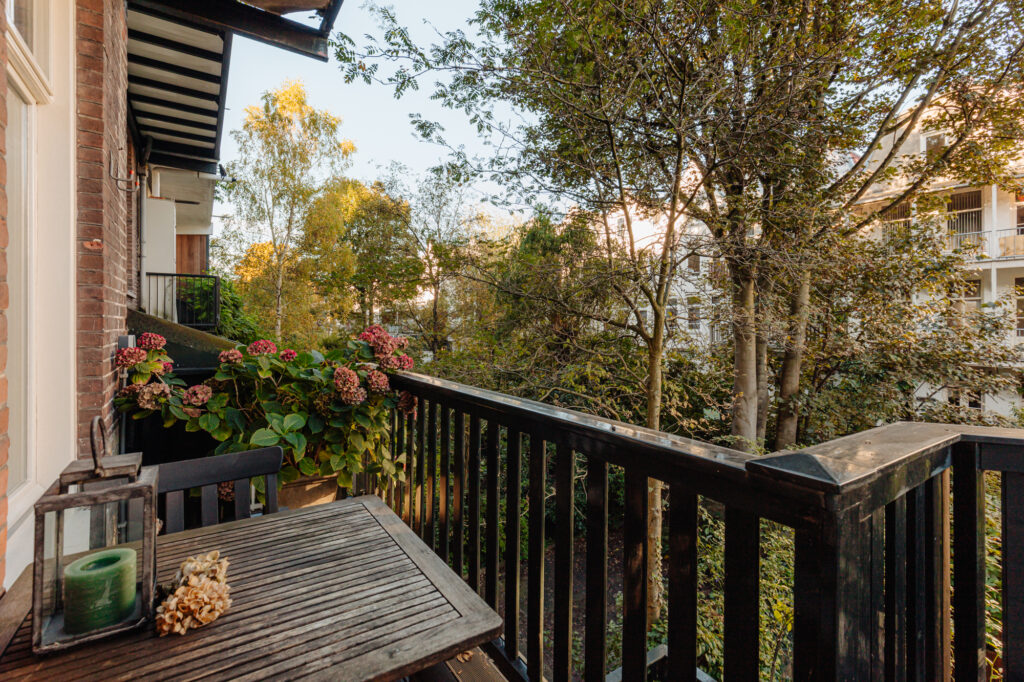
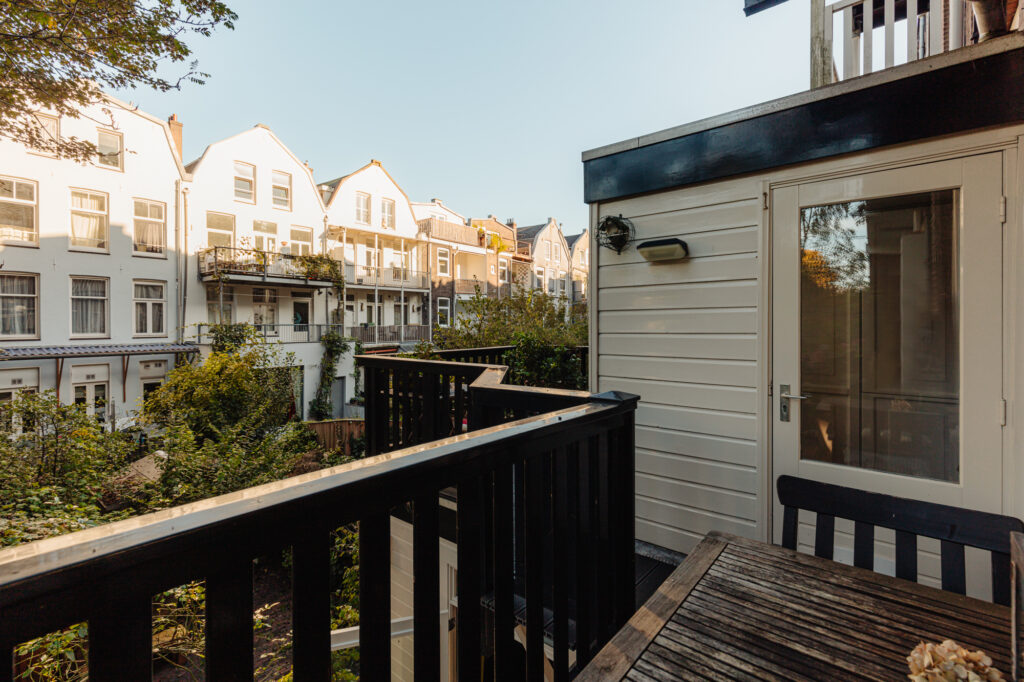
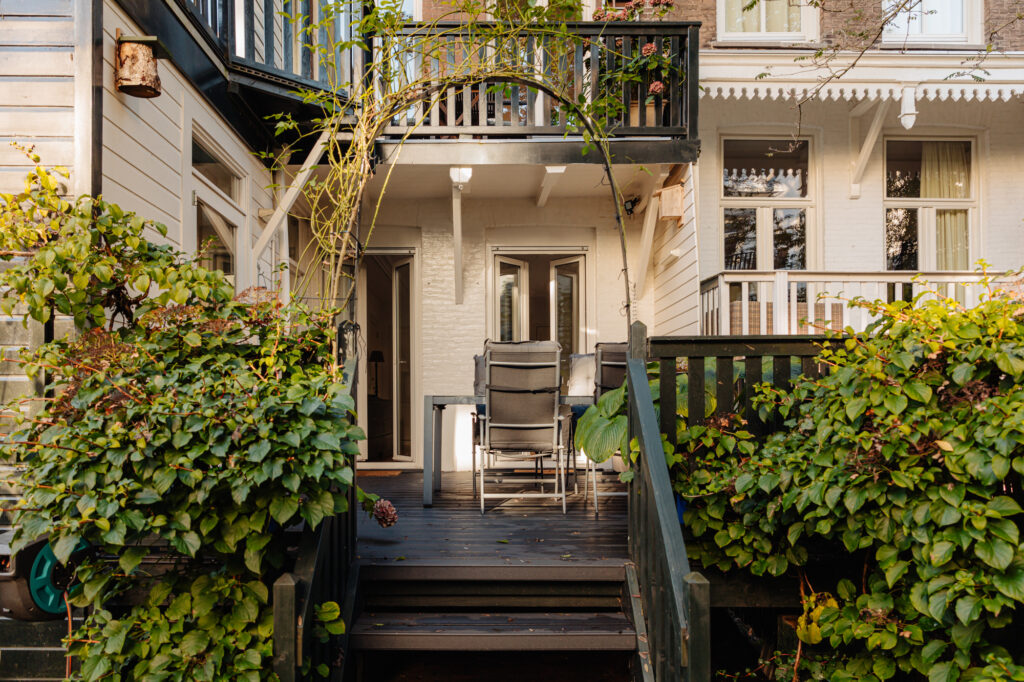
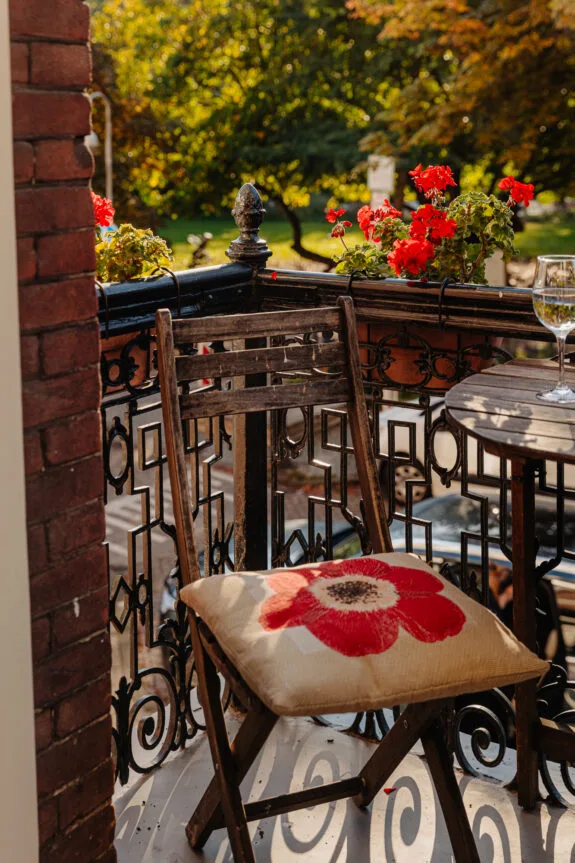
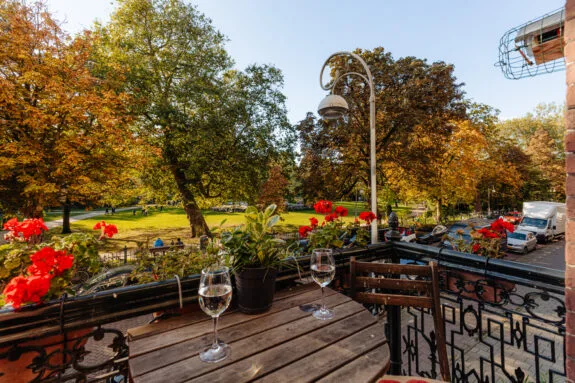
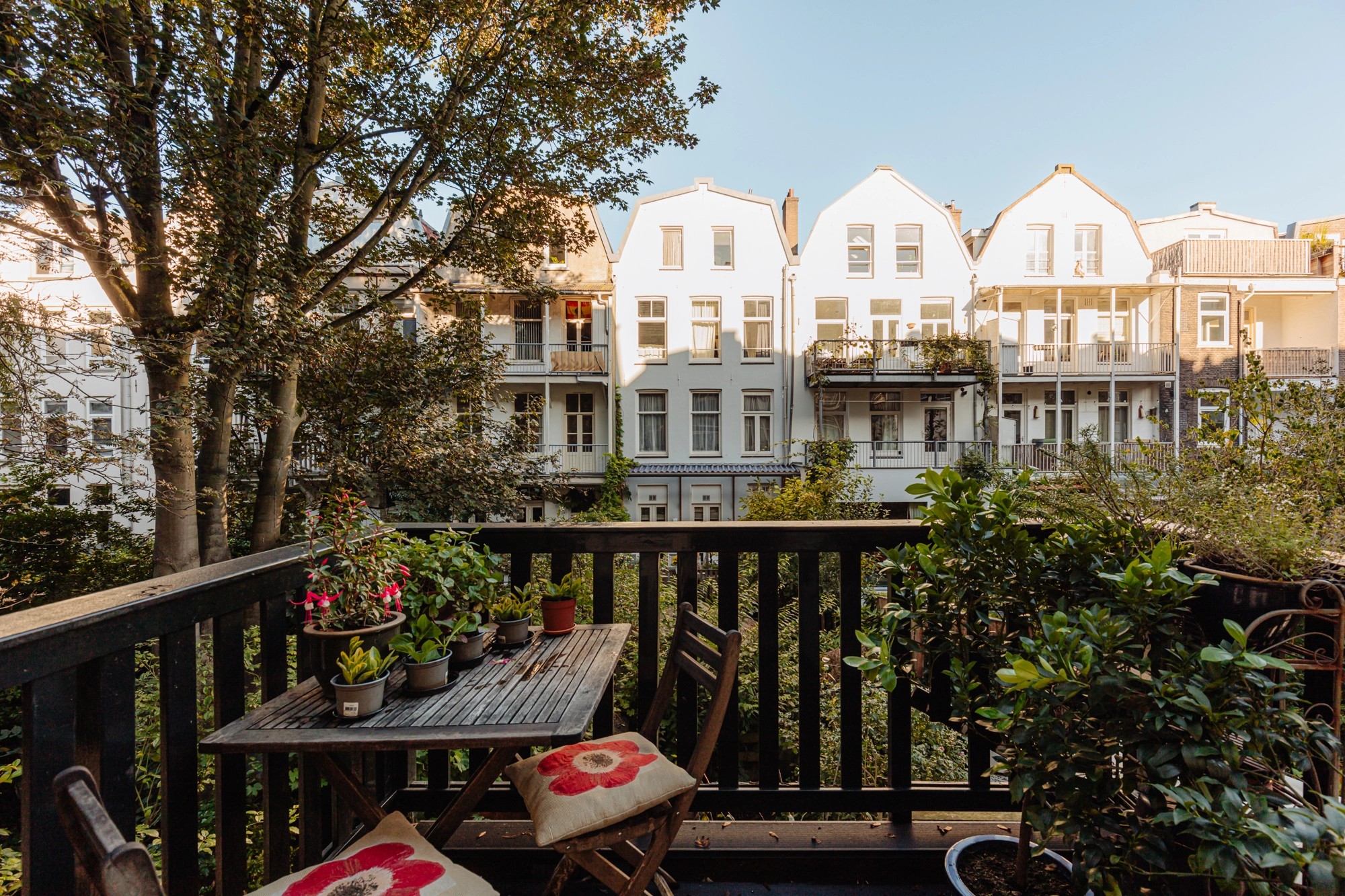
“Our favorite spots are the two balconies on the first floor. In the morning, before breakfast, the sun shines on the front balcony, which overlooks the park, and in the late afternoon, the sun hits the back balcony, where you can enjoy drinks and dinner.”
Neighborhood Guide
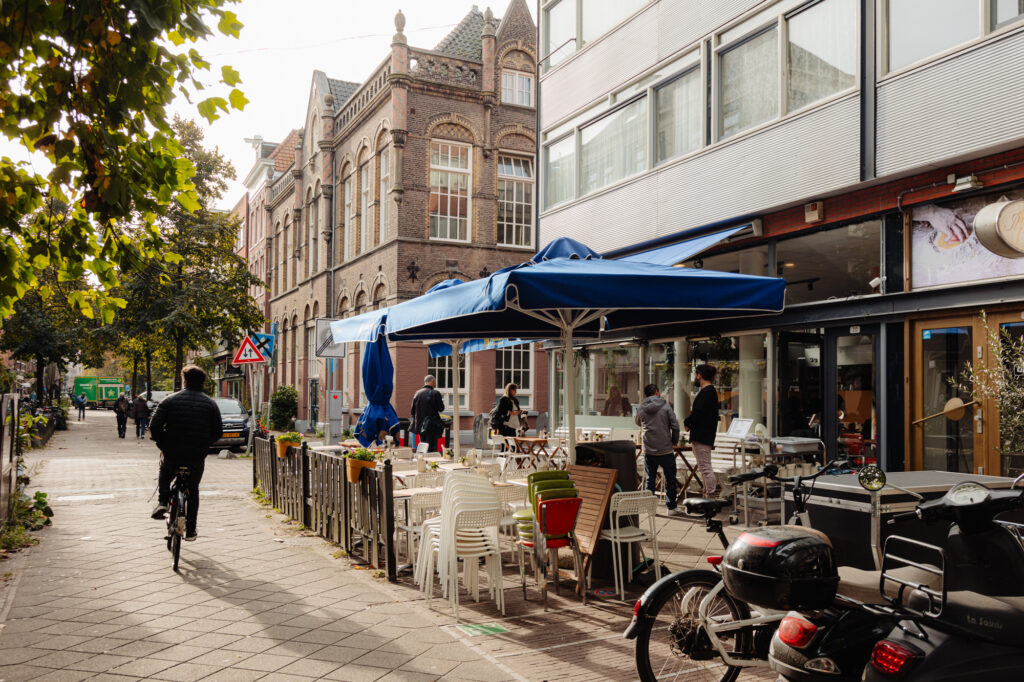
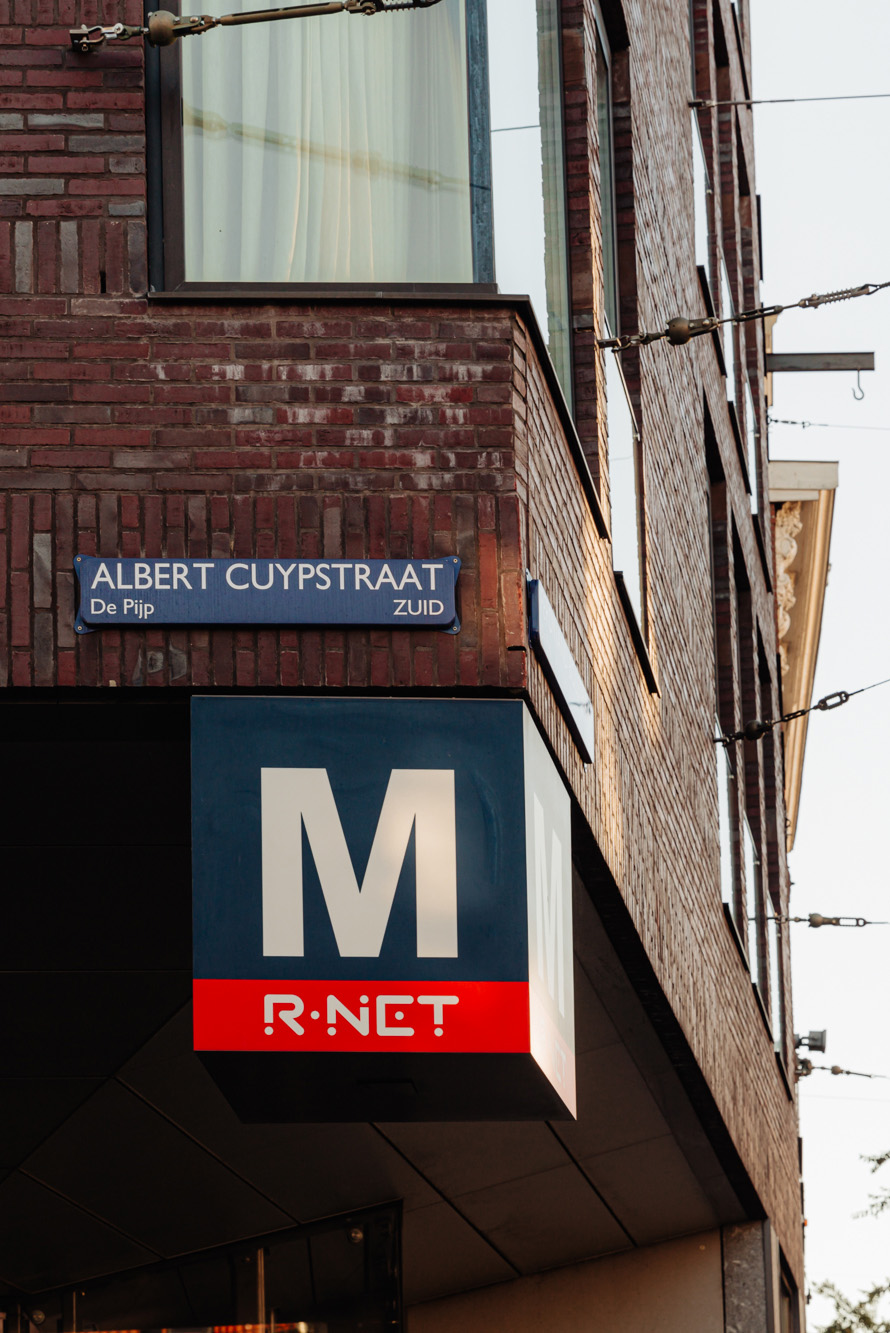
De Pijp was developed in the late 19th century to provide housing for newcomers who had moved to the capital in search of work. Freddy Heineken’s father opened the Heineken Brewery here in 1886. The first workers’ homes, around Albert Cuypstraat, were built quickly and inexpensively. Later, toward the Diamantbuurt, Berlage added houses in the Amsterdam School style. It is said that the neighborhood owes its name to the long, straight streets, which are shaped like a pipe.
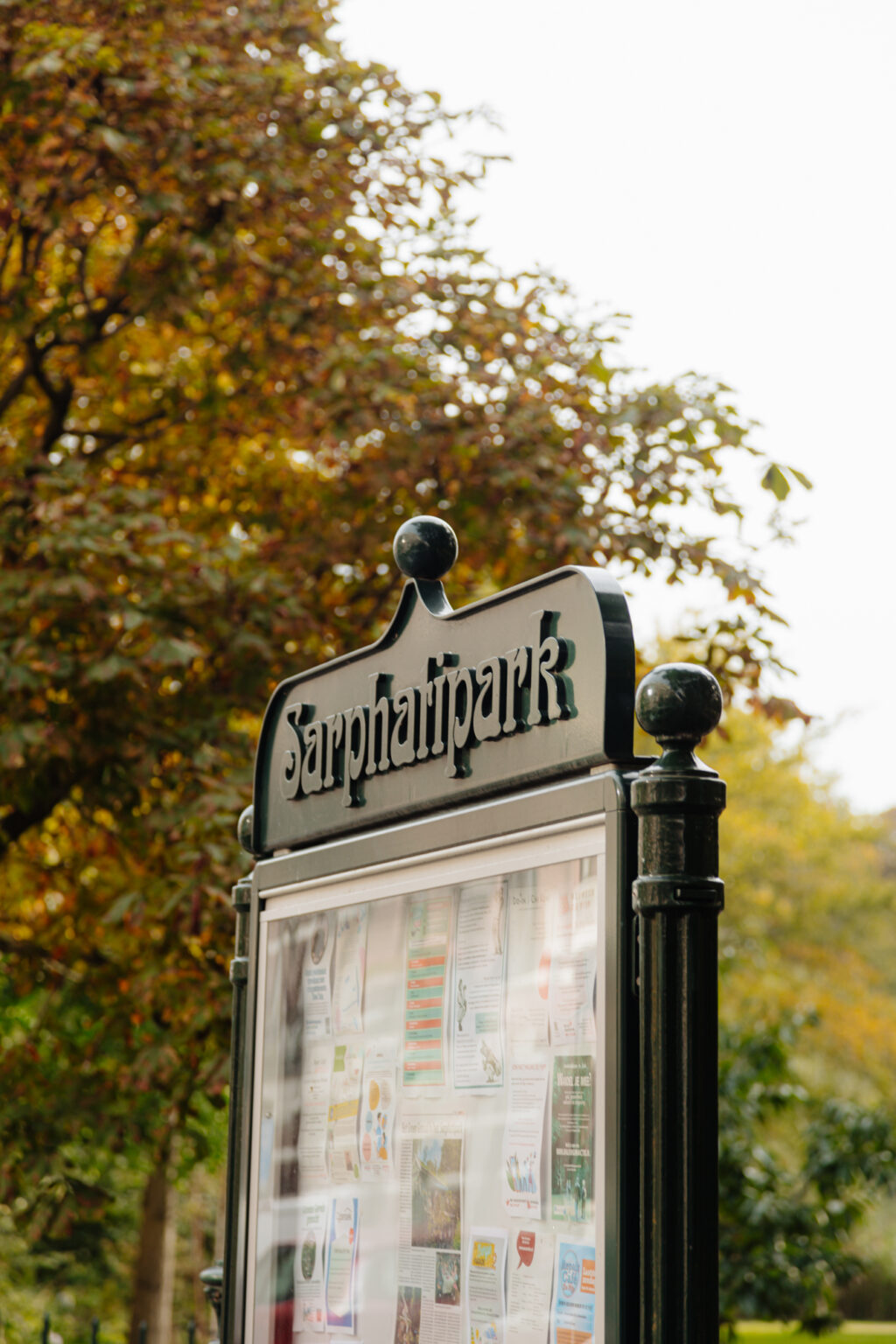
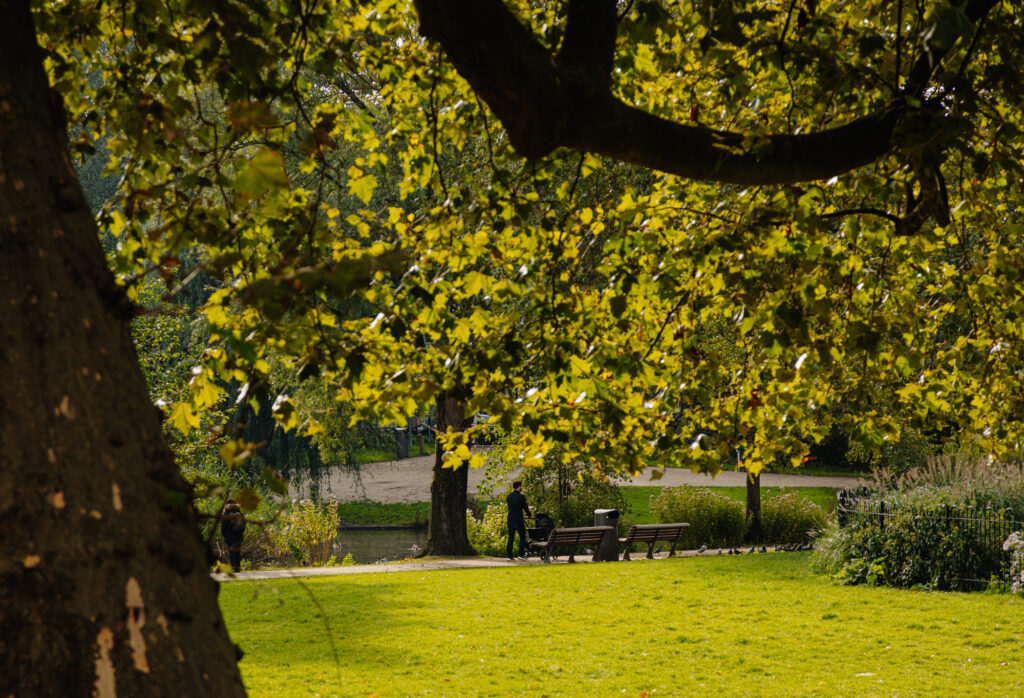
The Albert Cuyp Market and Sarphati Park define the dynamic character of De Pijp. Artists and writers such as Piet Mondrian, Carel Willink, and Gerard Reve lived and worked here. The lively, diverse population brought many cafés and eateries to the neighborhood. Today, the neighborhood is known as Amsterdam’s Latin Quarter, still bustling with diverse restaurants such as Brut de Mer, Yamazato, Arles, the Peruvian NAZKA, and authentic bistros like Petit Caron.
Details
• One Land Registry details consisting of three residences, situated on freehold land
• Quietly located with a unique view of the park
• Ground-floor unit of approximately 158 m² with lovely terraces and a romantic garden, to be delivered vacant
• Second-floor unit to be delivered vacant, or rented for €757.50
• Located on the quiet side of the park and on freehold land
• Third floor rented for an indefinite period for €620.32 per month
• The apartment on the second floor and the attic on the fifth floor can be delivered vacant if desired.
• No energy efficiency labels; this is a municipal monument
• Original foundation
• Municipal monument and protected cityscape
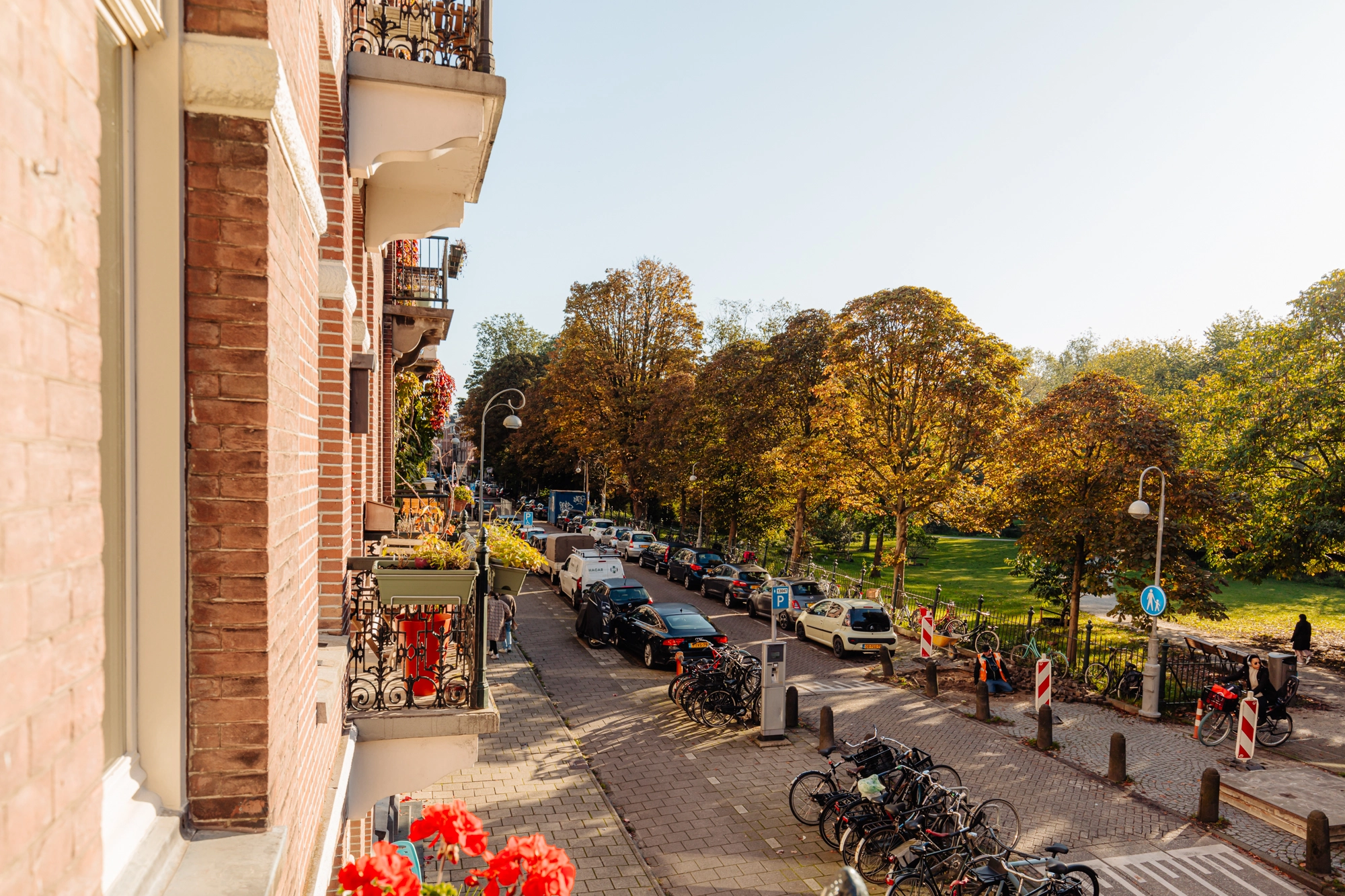
Parkview
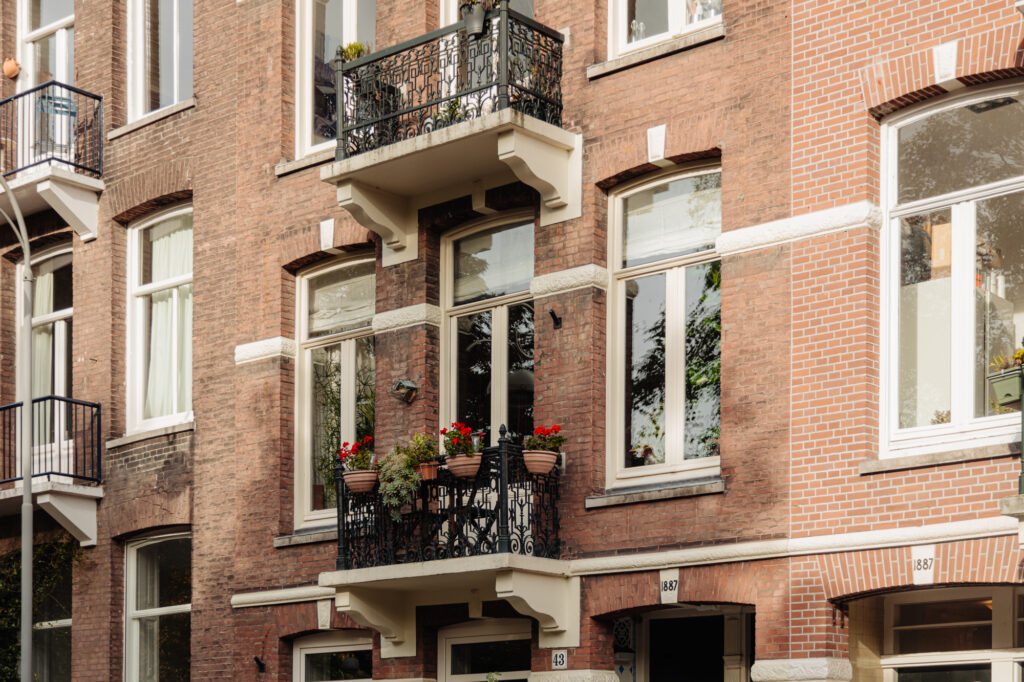
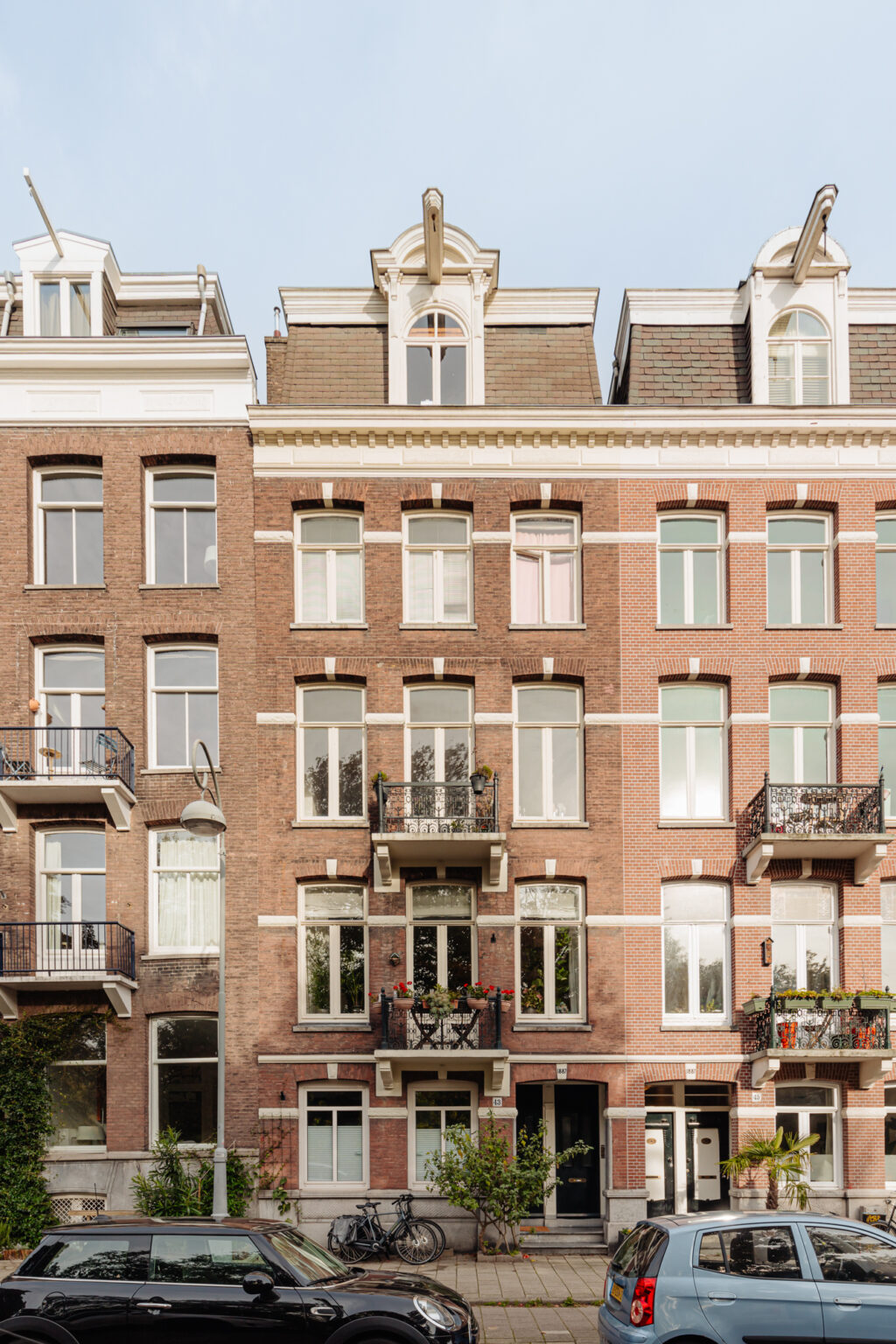
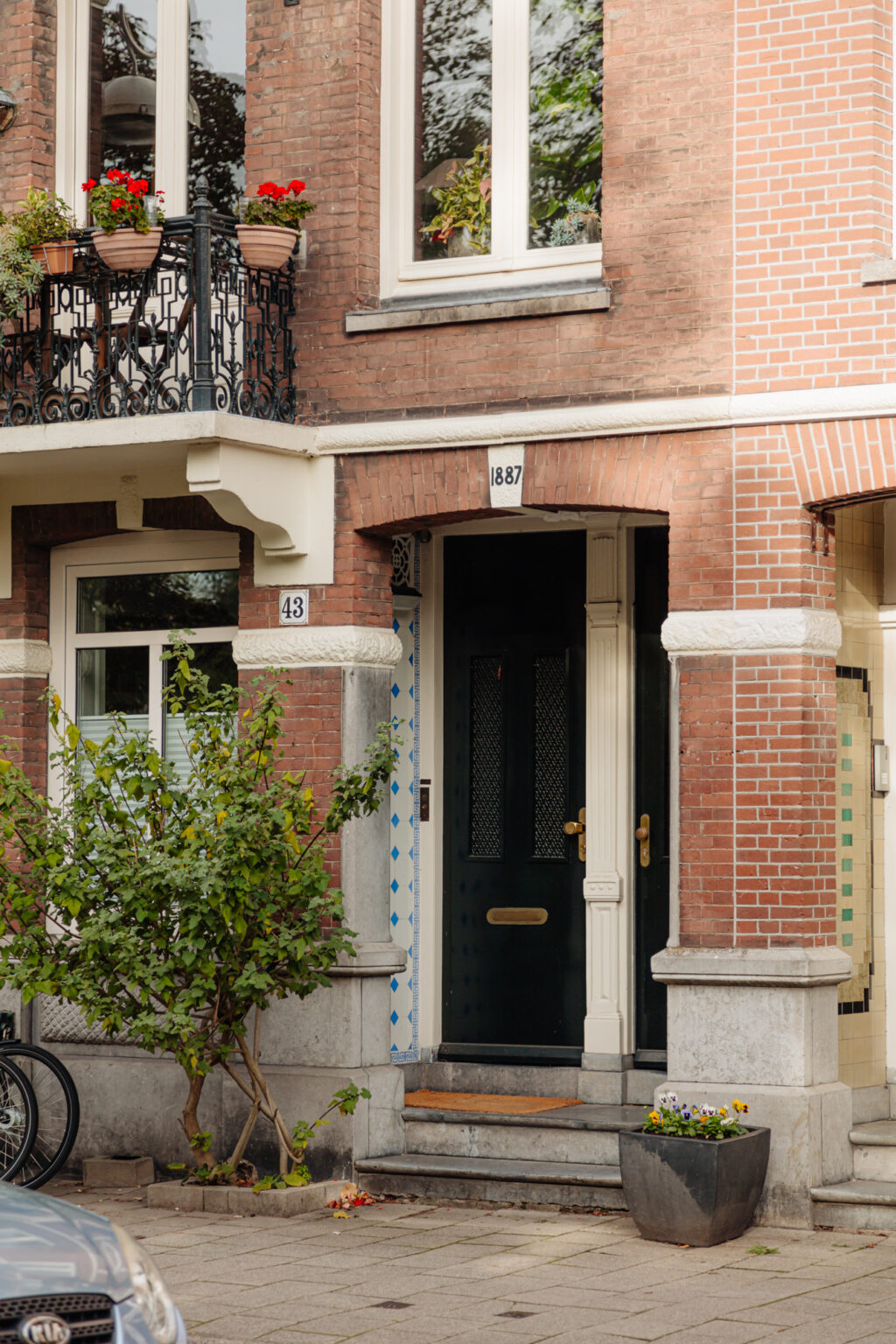
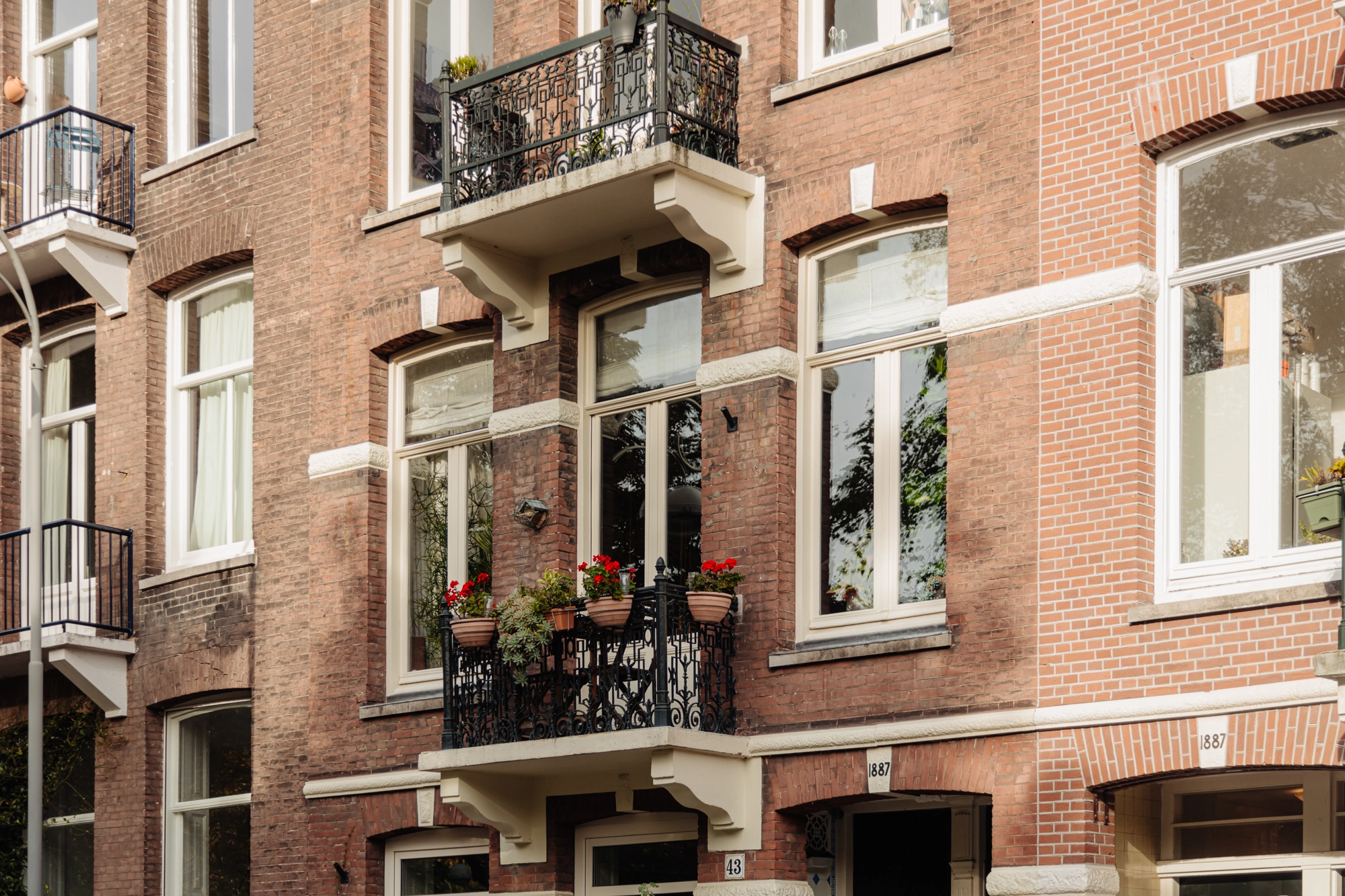
A striking building from 1887, designated as a municipal monument, it stands out for its unique character. Rarely do I come across properties that residences multiple residences without being divided up. This makes this building extra special and offers new opportunities for the future owner.
The current owners have chosen to sell the property as a whole, which could offer significant opportunities for the future buyer.
I find the location truly exceptional: tucked away in the heart of the block and on the serene side of Sarphatipark, the property offers a rare unobstructed view and an oasis of calm in the hustle and bustle of the city. This explains why the owners have enjoyed living there for many years.
Another notable advantage is the ability to open the doors and windows to the balconies and garden, creating a sense of freedom in the middle of the bustling city.
Otte van Apeldoorn | Real estate agent Broersma Wonen
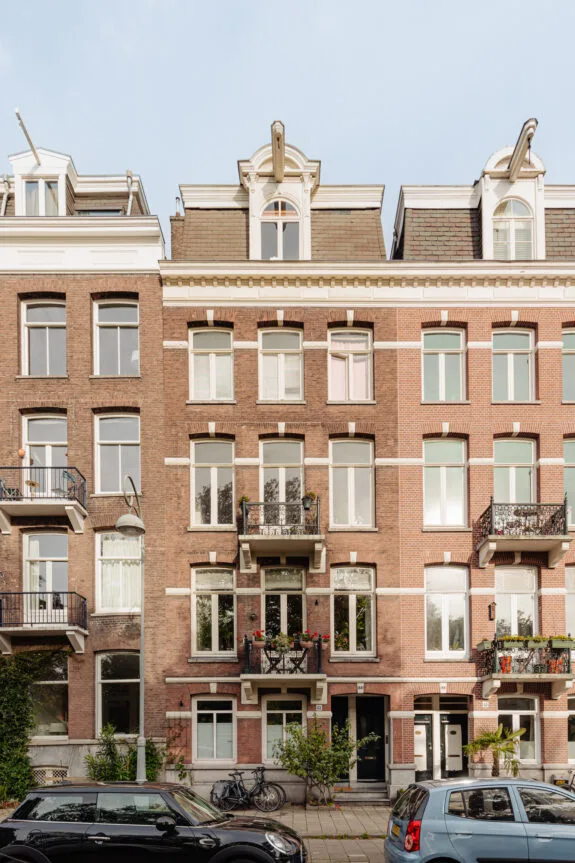
The building
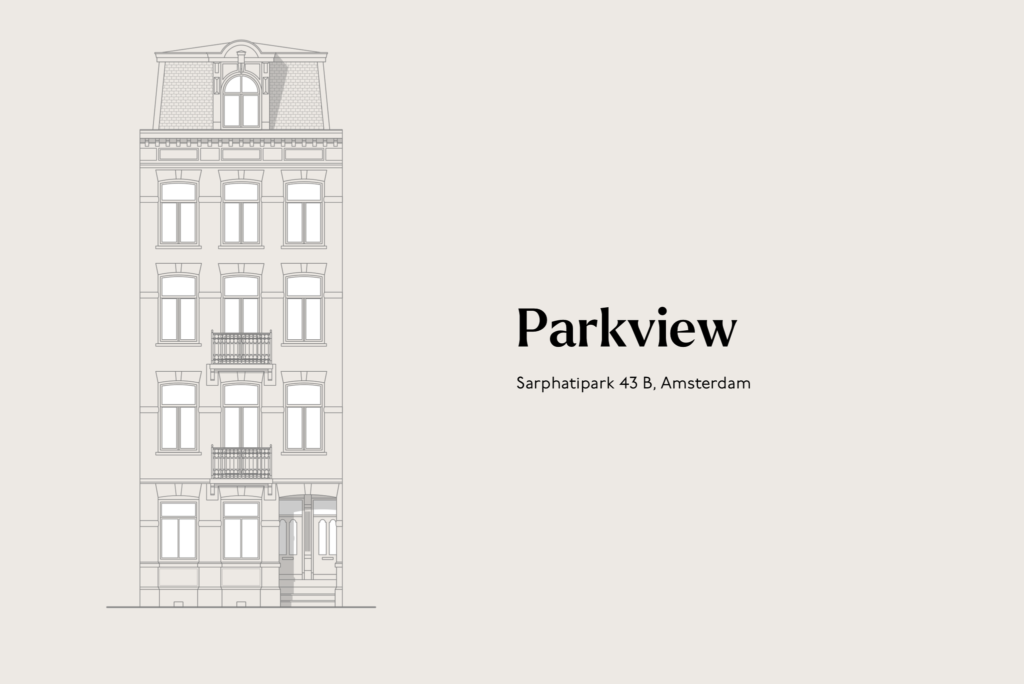
The building at Sarphatipark 43-45 consists of a double townhouse on Sarphatipark, designed by P. Dijk and P.C. Breek. The houses were built in an eclectic architectural style and are mirror images of each other. This mirror effect has been partially lost due to renovations to the facade over the years. For example, the windows on the ground floor (in 2015) were designed differently. In 2011, renovation work had to be carried out on the facade of building 45 (new window frames and brickwork). The construction drawing still states that the buildings would be located on Jan Steenstraat, but this section was named after the park.
Over the years, there have been various renovations. In 1922, for example, the basement was renovated and improvements were made to the foundations of the extension. In 1996, the ground floor was restored to its former state as a "double ground floor" by rejoining the ground floor and the first floor, creating a spacious ground floor apartment with a garden. The numbering was changed in 1997, and the building archives show that a permit was granted for a Roof terrace at that time. In 1998, the extension on the first floor was renovated and the terrace was constructed. In 2011, the ground floor extension was renovated and re-founded.
The upper apartments are in simple condition and the large attic floor was built as a mansard roof and has a generous height of 4.50 meters. The foundation of the right-hand wall with Number was secured during the addition of a basement to this building.
Living and cooking
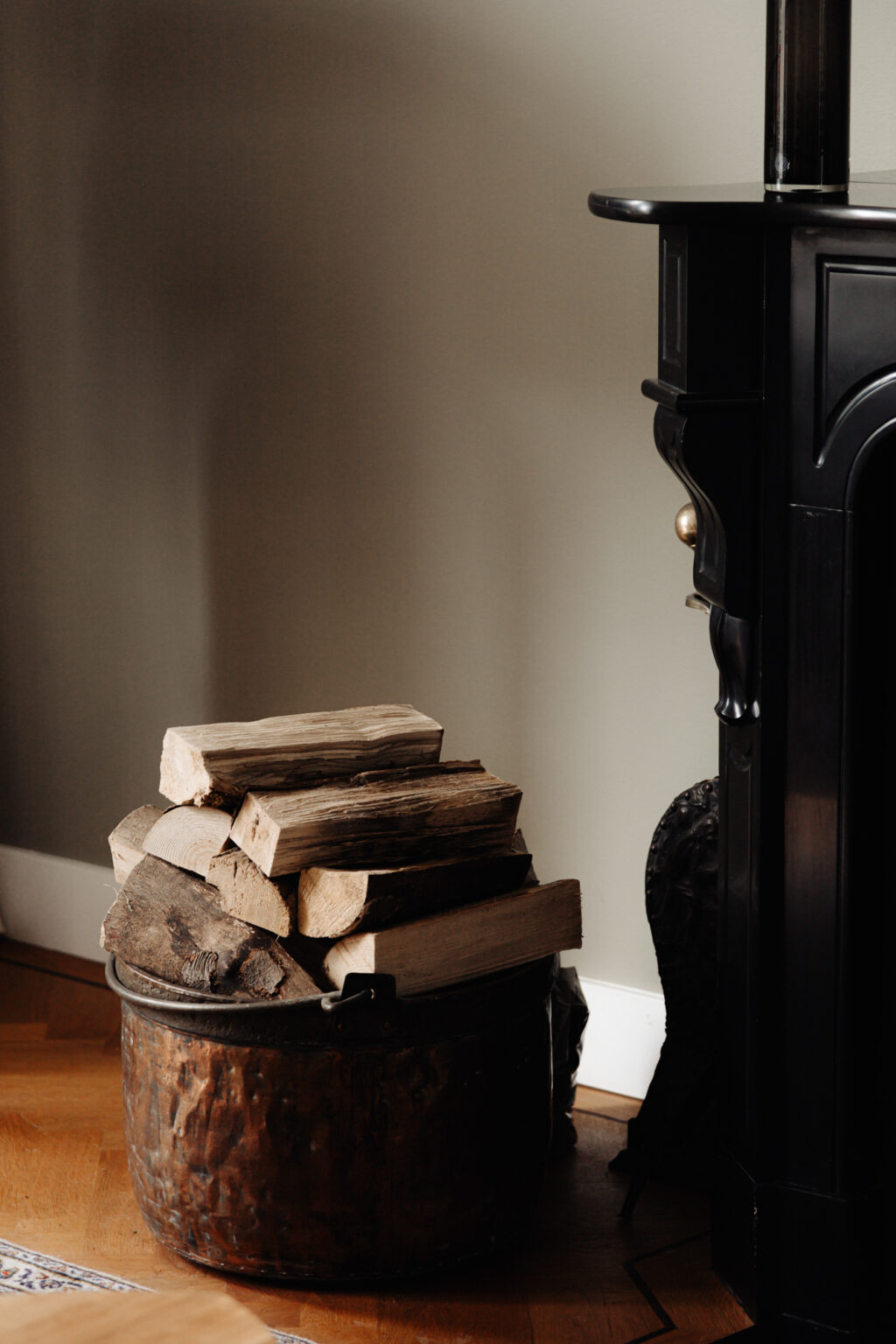
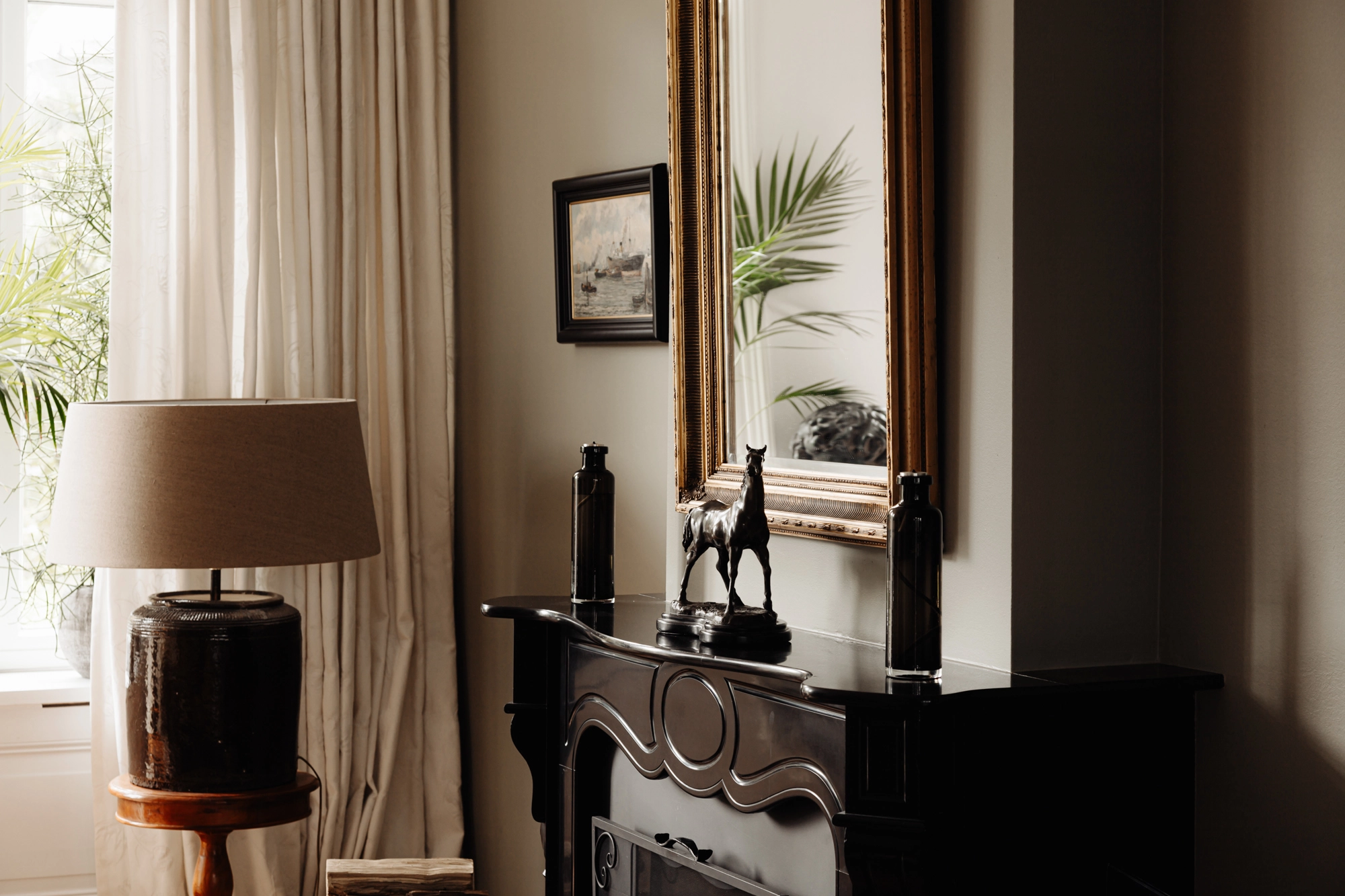
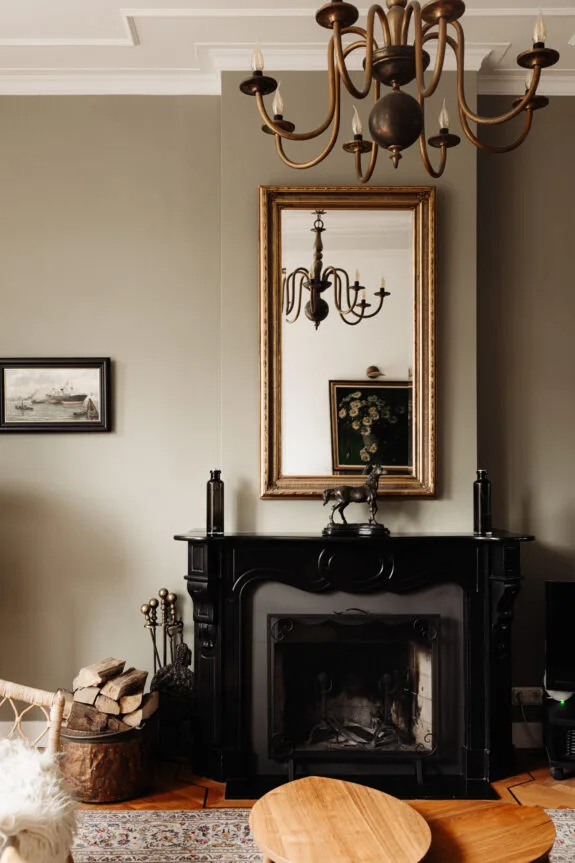
A living space, with plenty of natural light and a beautiful view of a park, is one of the many special features of this stylishly renovated ground floor apartment. By merging the former side room with the living room on the first floor, a beautiful sight line has been created at the front with French doors to a sunny balcony. The black marble mantelpiece, an original element, contains a built-in fireplace that provides an atmospheric ambiance in the evening. This fireplace was completely renovated in 1998 (including the flue). The ceilings are decorated with moldings that complement the space, while the herringbone floor with trim and the carefully chosen colors make the room a pleasant place to stay.
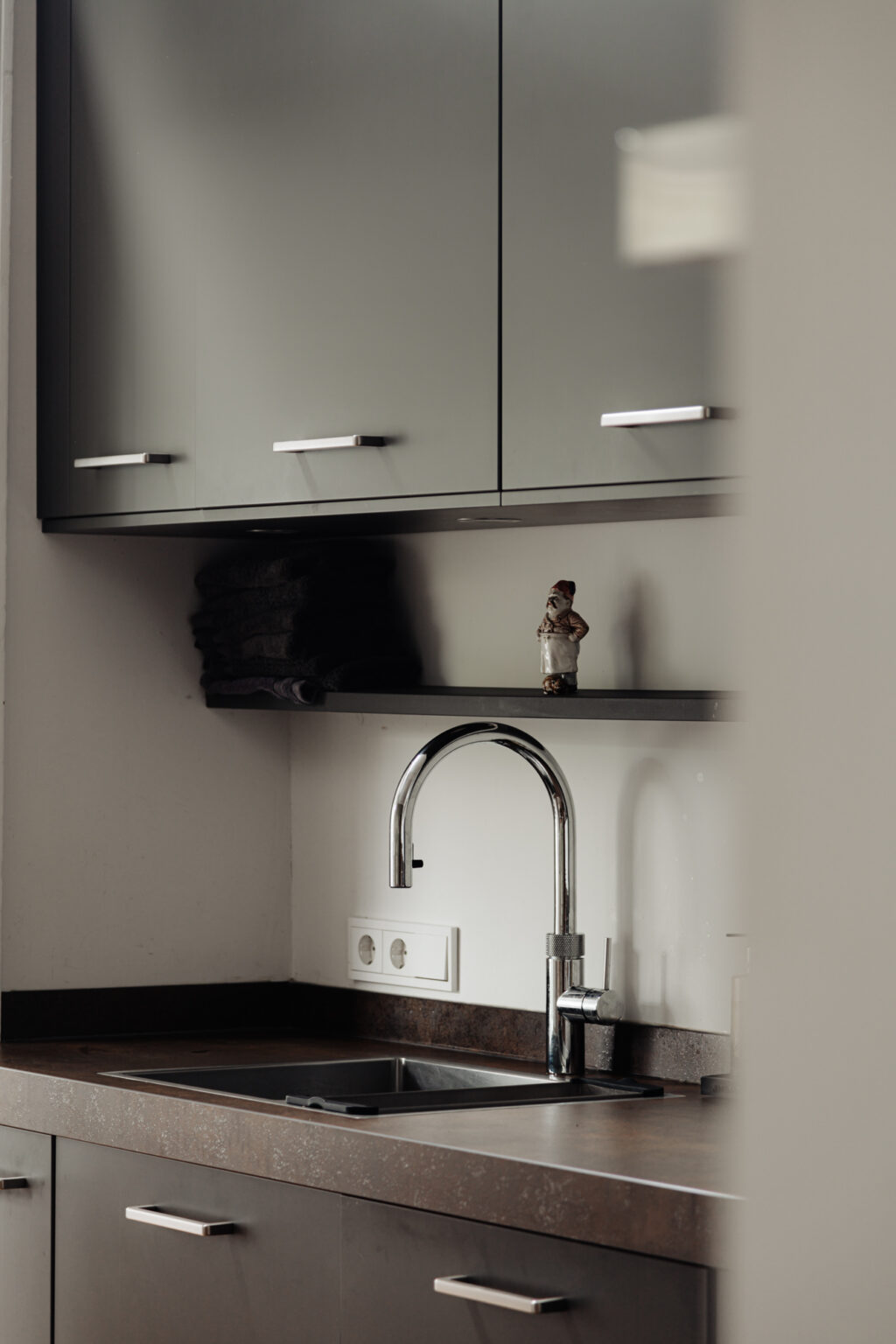
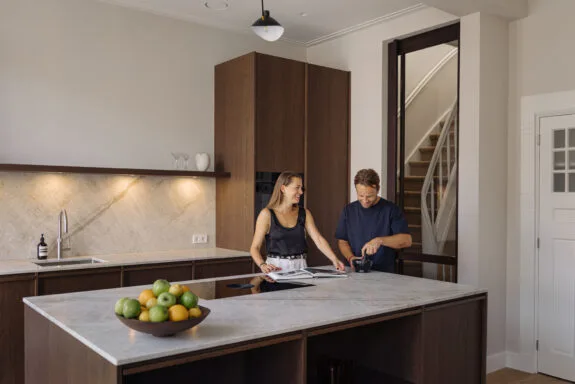
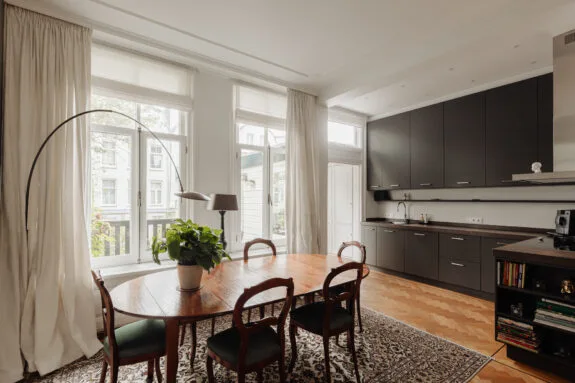
The kitchen and dining area are located on the terrace at the rear. The kitchen, arranged in an L-shape and finished in matte dark green, offers a spacious worktop and extensive cupboard space, including wall cabinets. The kitchen is equipped with high-quality appliances, including a Quooker, two ovens from Bosch, an electric hob with a gas wok burner, an extractor hood and of course a dishwasher. Extra storage space has been created in the extension with custom-made cabinets and there are two doors that give access to the terrace.
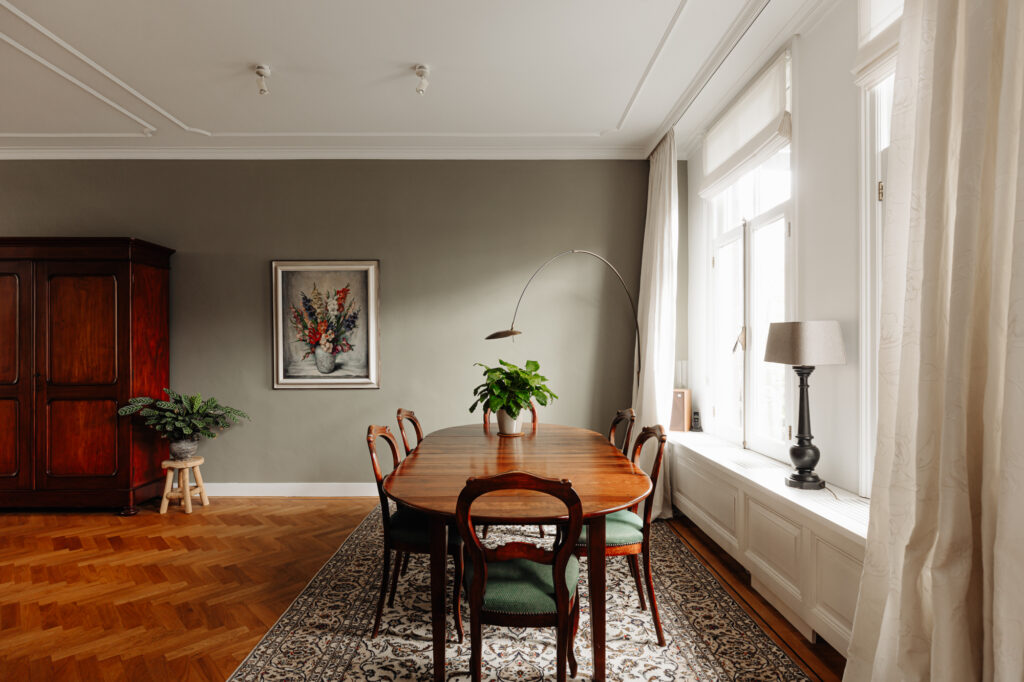
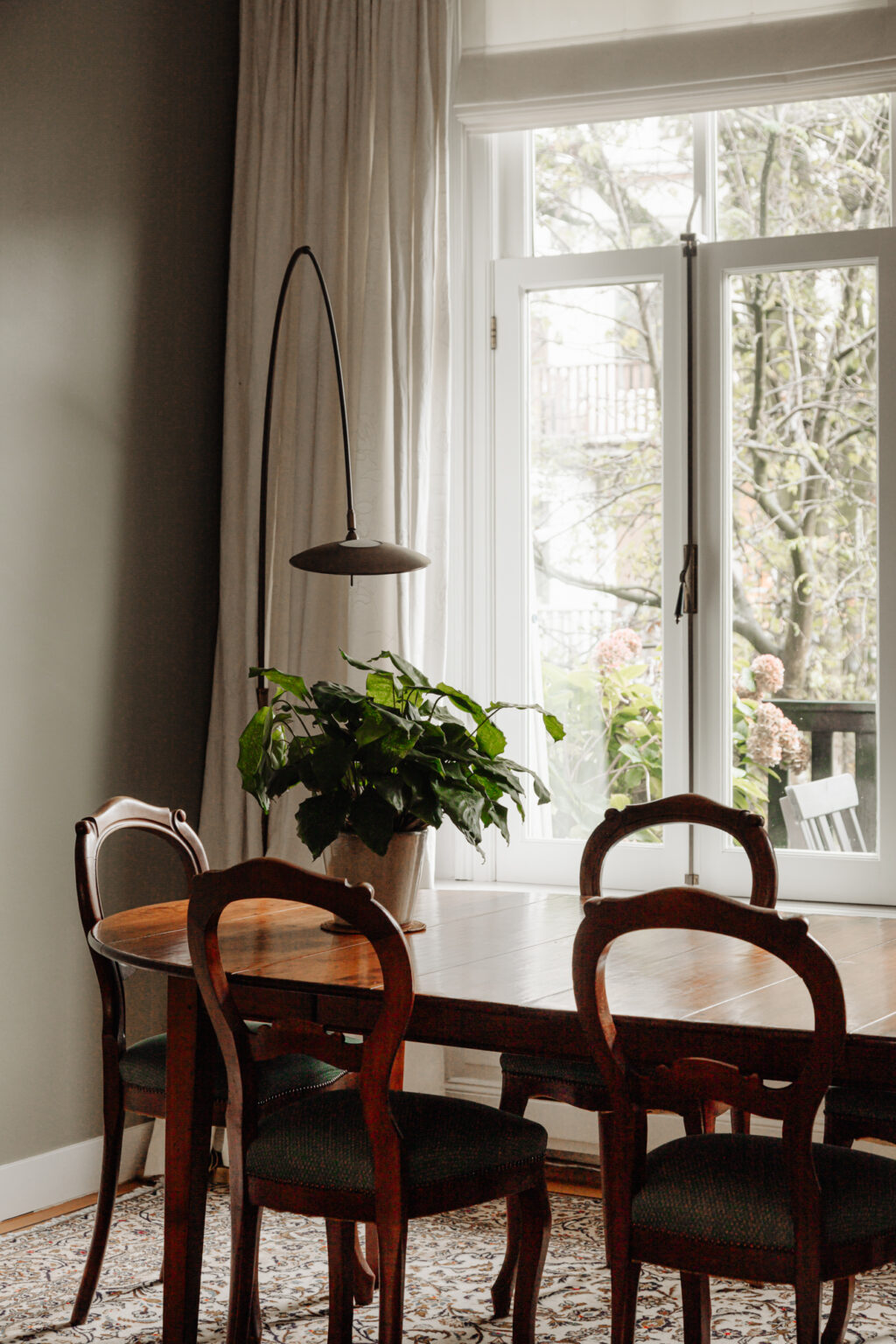
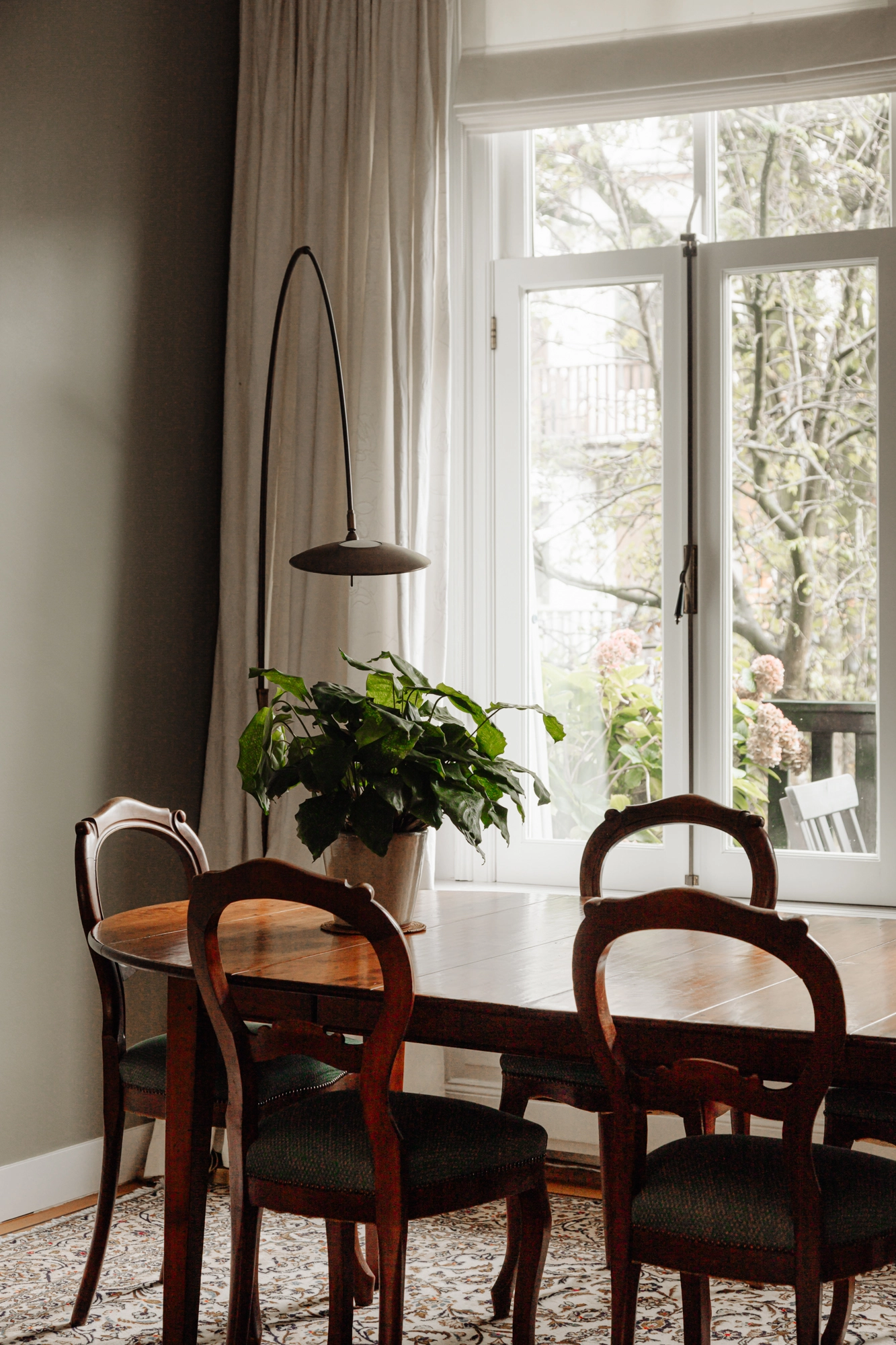
The dining area seamlessly connects to the kitchen and offers enough space for a large dining table suitable for six to eight people, ideal for long dinners with friends.
Sleeping and bathing
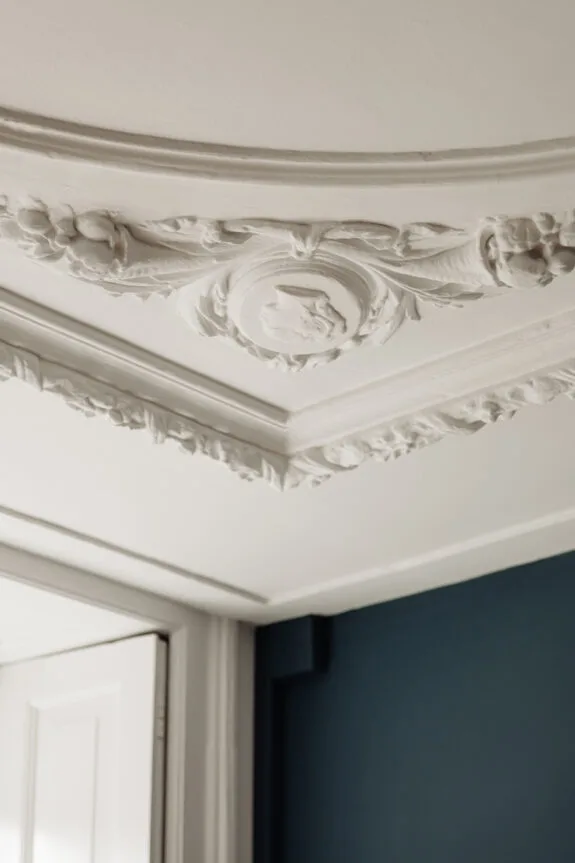
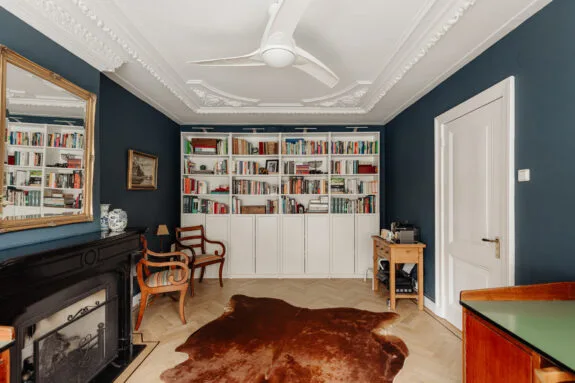
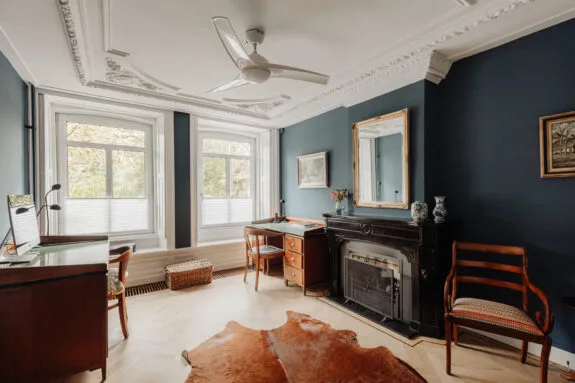
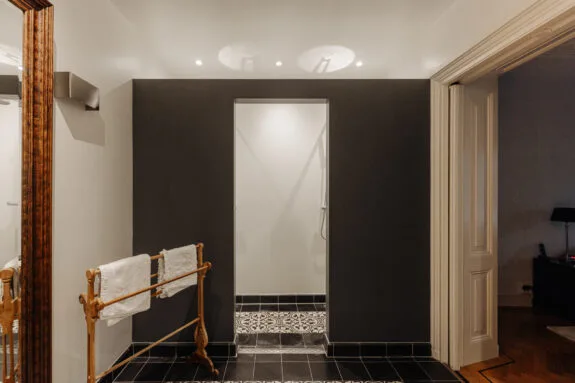
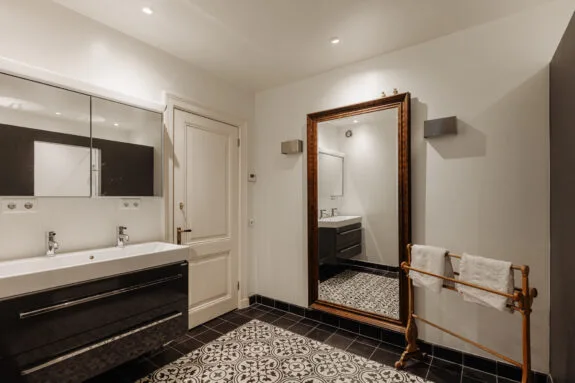
The bedrooms are located on the ground floor, three in total. At the front is a spacious and attractive room with a beautiful view of the park. The windows at the front still have their original shutters. The black marble fireplace with gas fire and ornate ceiling give this room a special atmosphere. The gas fire was installed in 1998 after renovation of the black marble fireplace and flue. This room currently serves as a study. Centrally located is a spacious and luxuriously appointed bathroom that is Immediately to the master bedroom via en-suite closets. This bathroom is equipped with a large sink with double faucet and a double walk-in shower with a bench. The bathroom has both a hallway door and en-suite access to the master bedroom. The floor is covered with Portuguese tiles and there is underfloor heating.
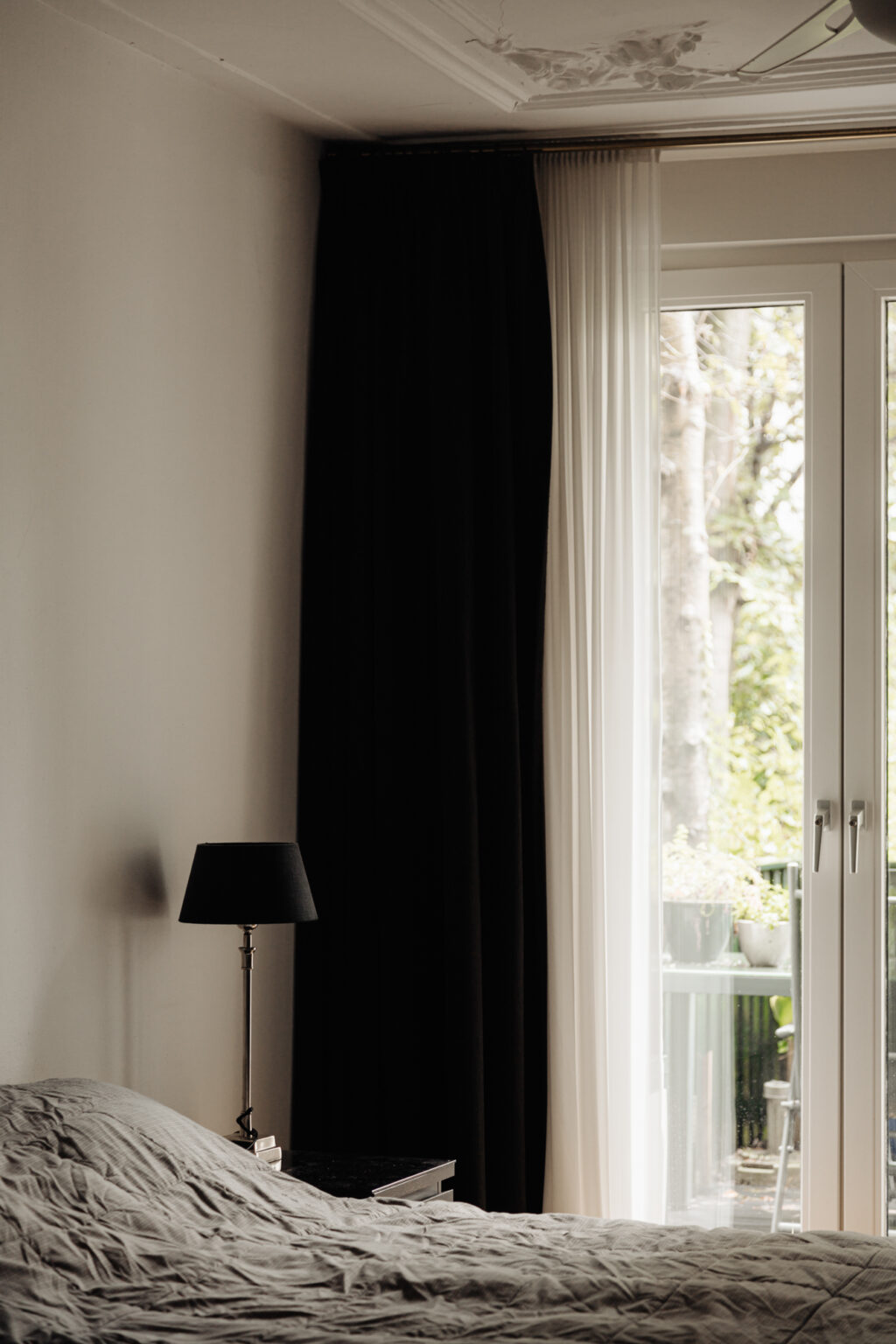
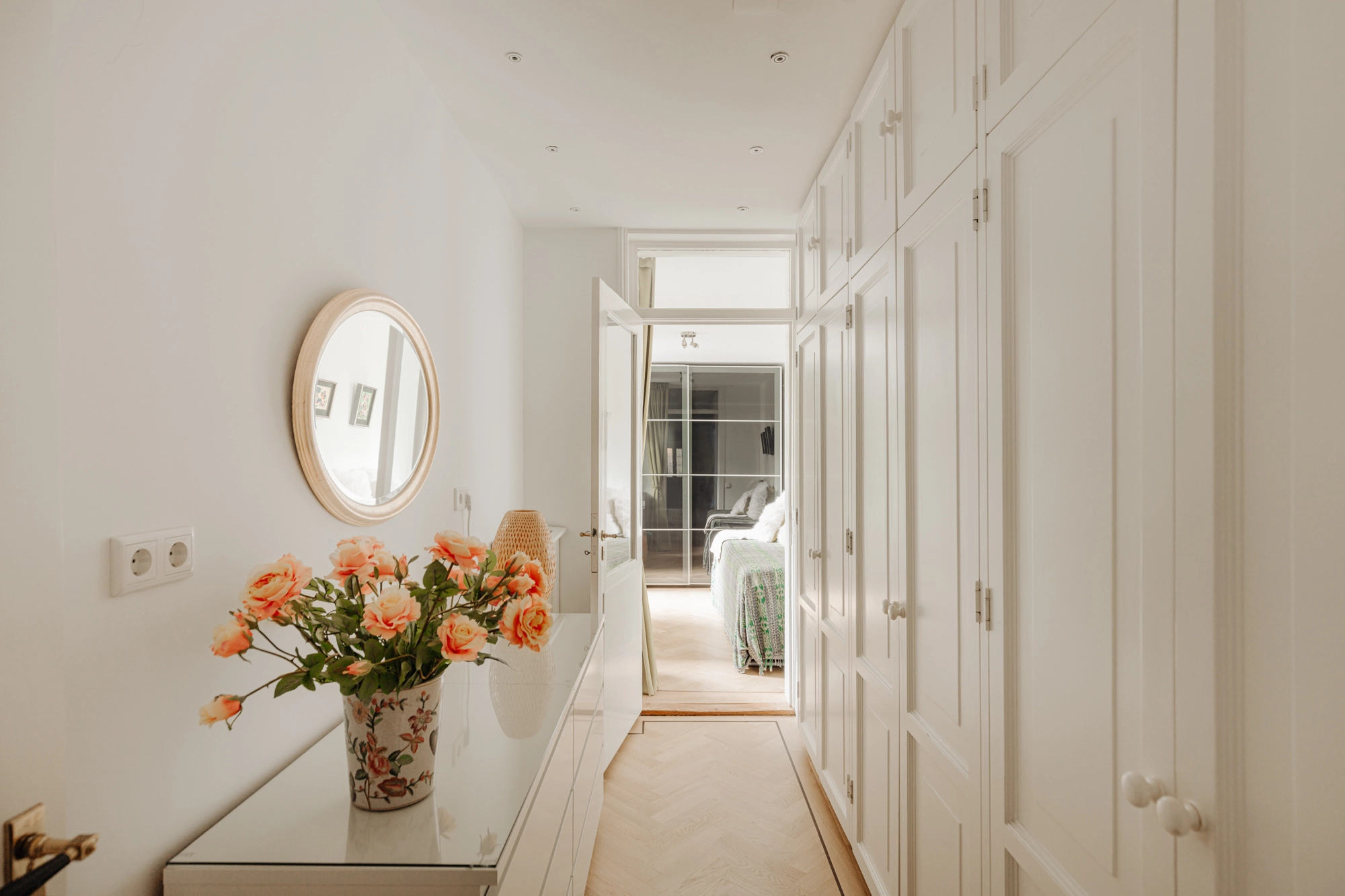
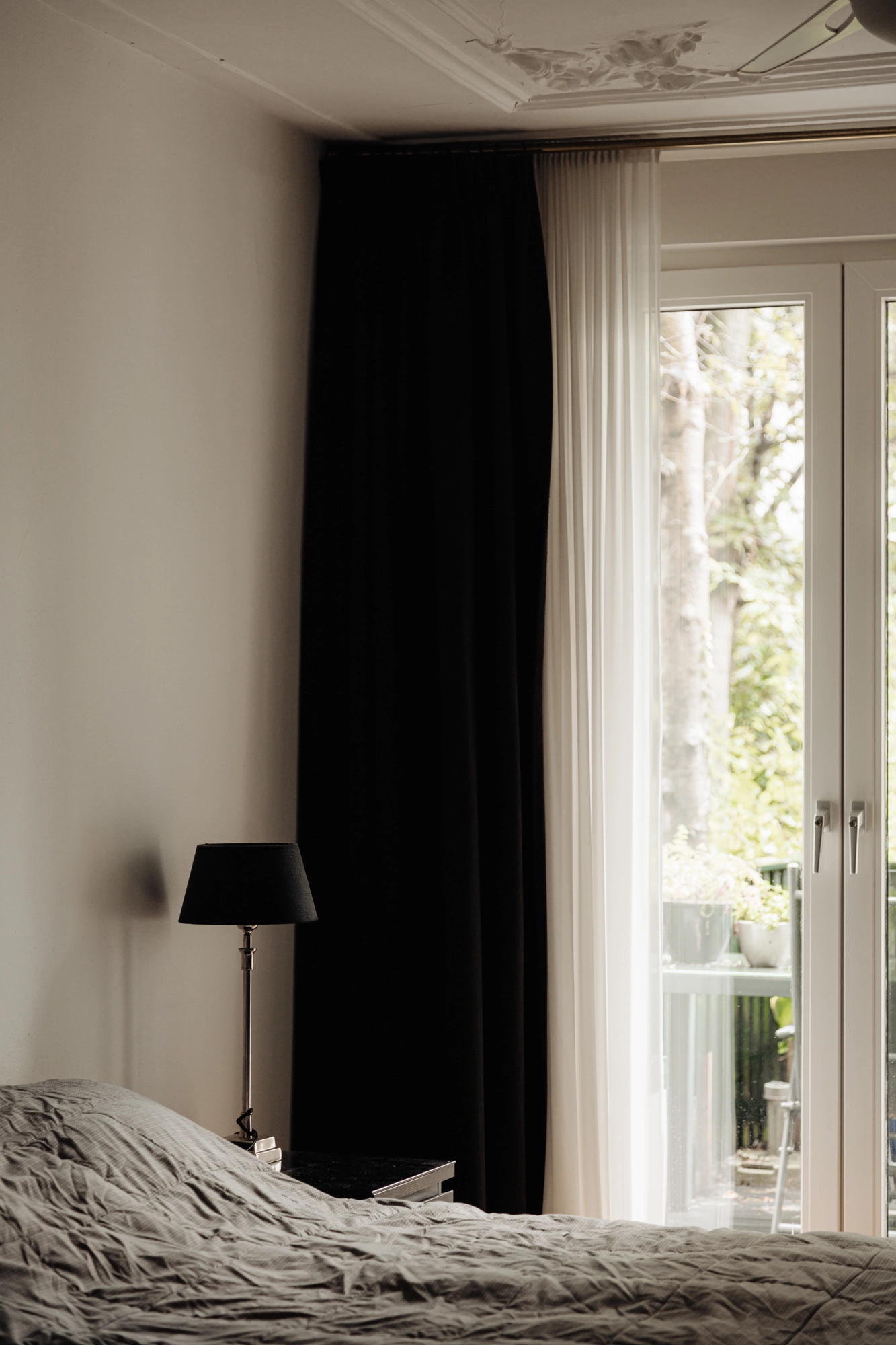
The master bedroom is located at the quiet and cool rear of the house with French doors to the garden and has an adjoining dressing room. The third bedroom, located in the extension, provides access to the terrace and the Rear garden.
The Garden and Balconies
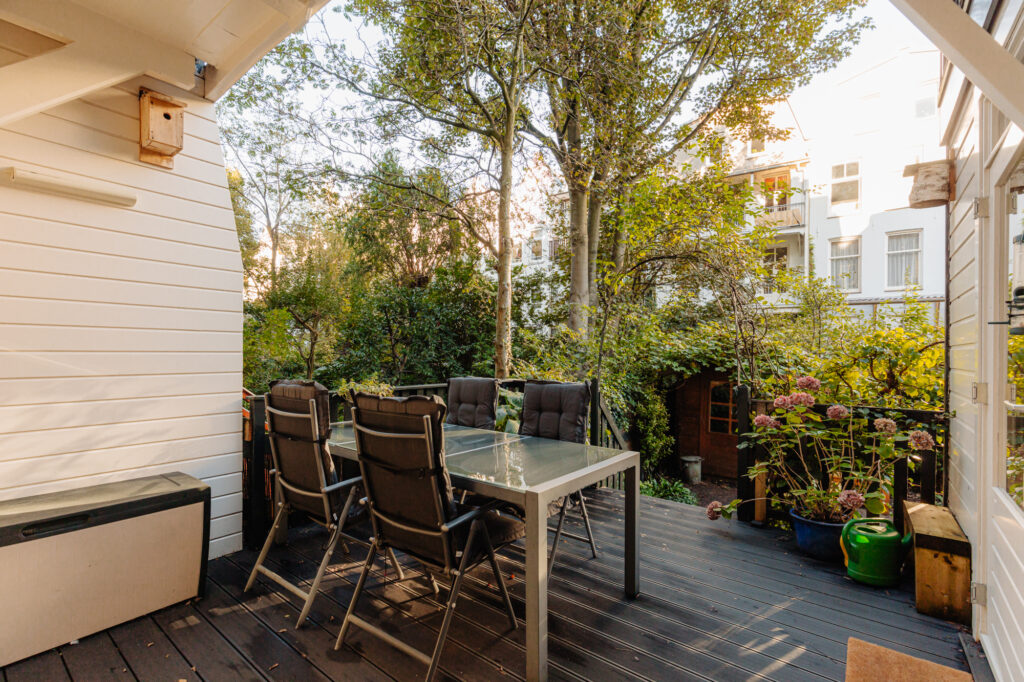
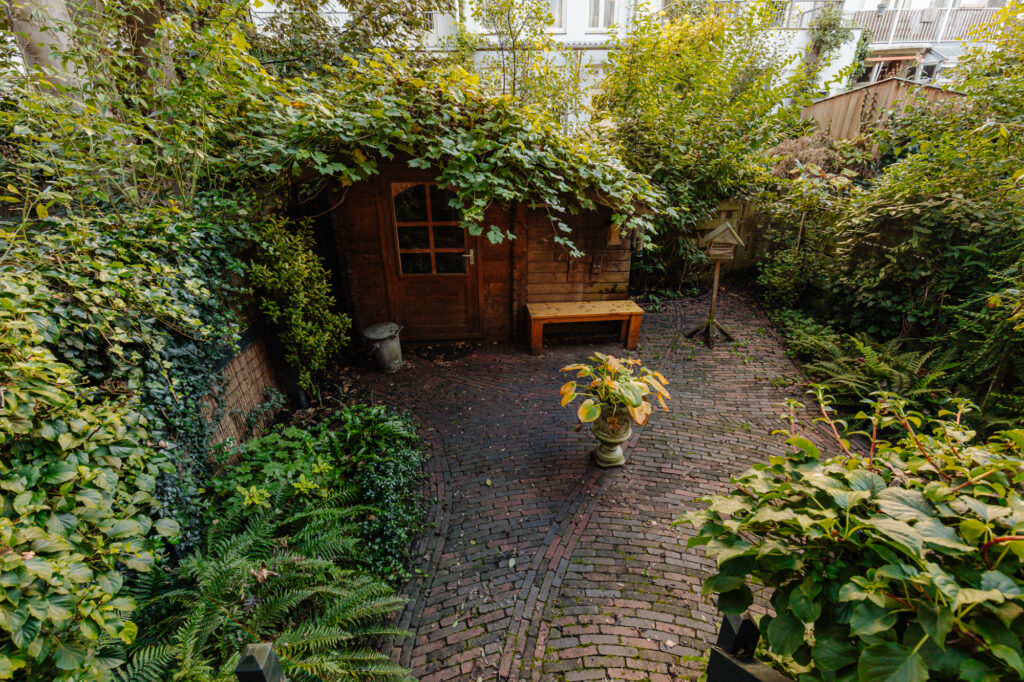
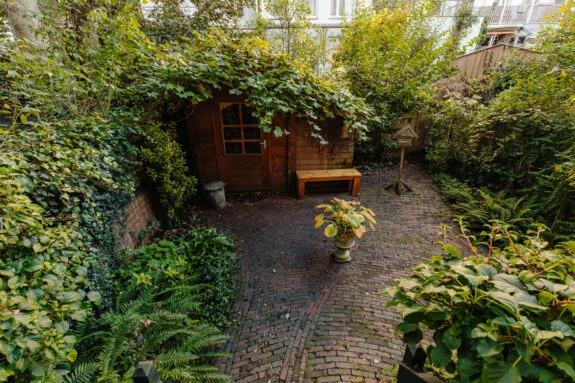
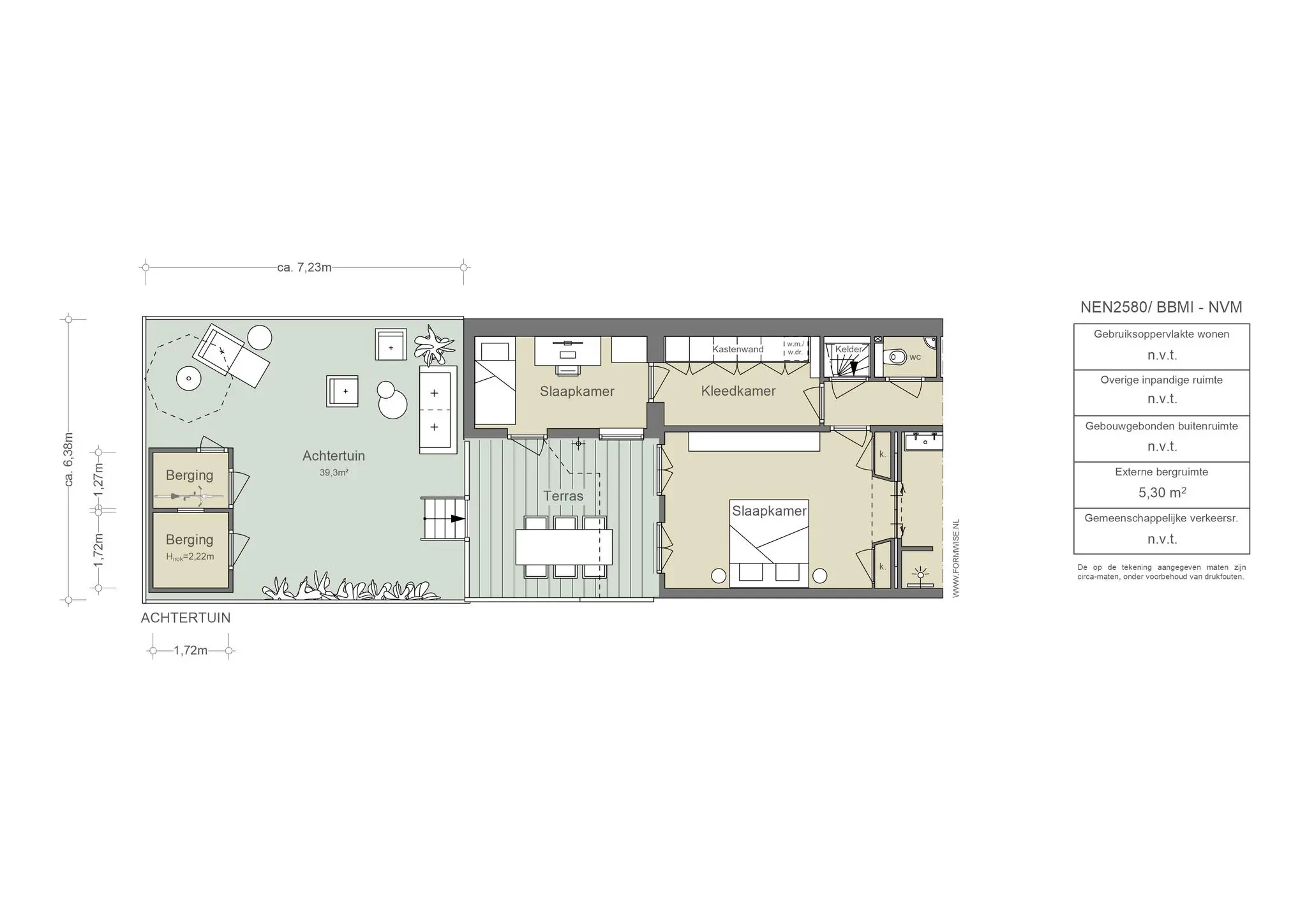
The outdoor spaces of this home are a special feature and offer a pleasant place to sit at any time of day. The garden, with a Floor area nearly 40 m², features a garden shed divided into a bicycle storage area and a storage space for gardening tools. Thanks to its northwest-facing location, the garden enjoys sunlight in the morning and late afternoon.
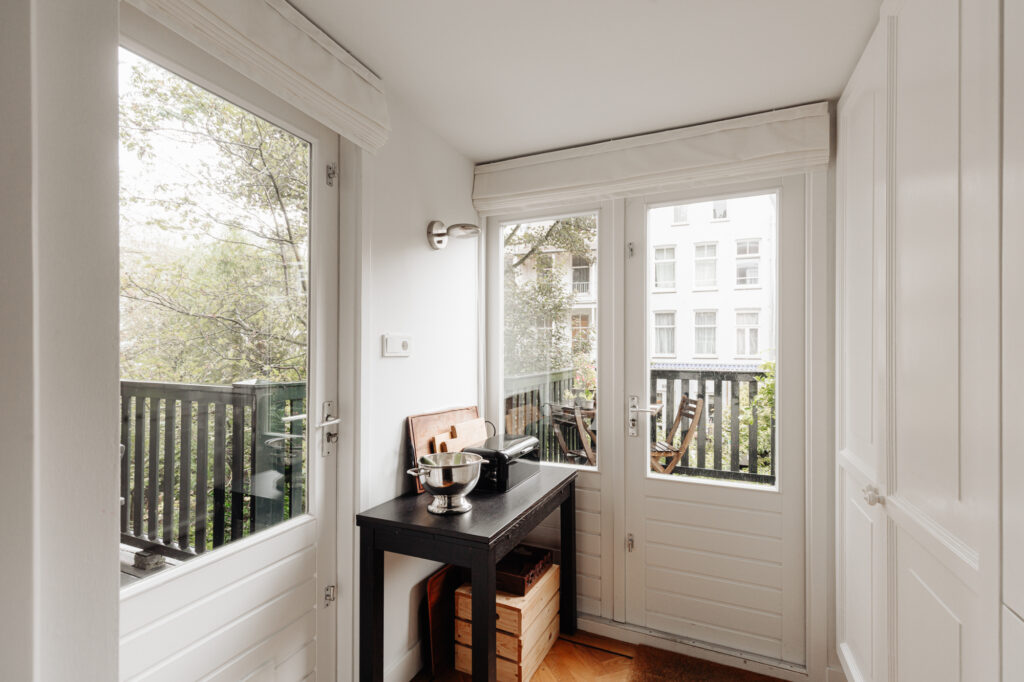
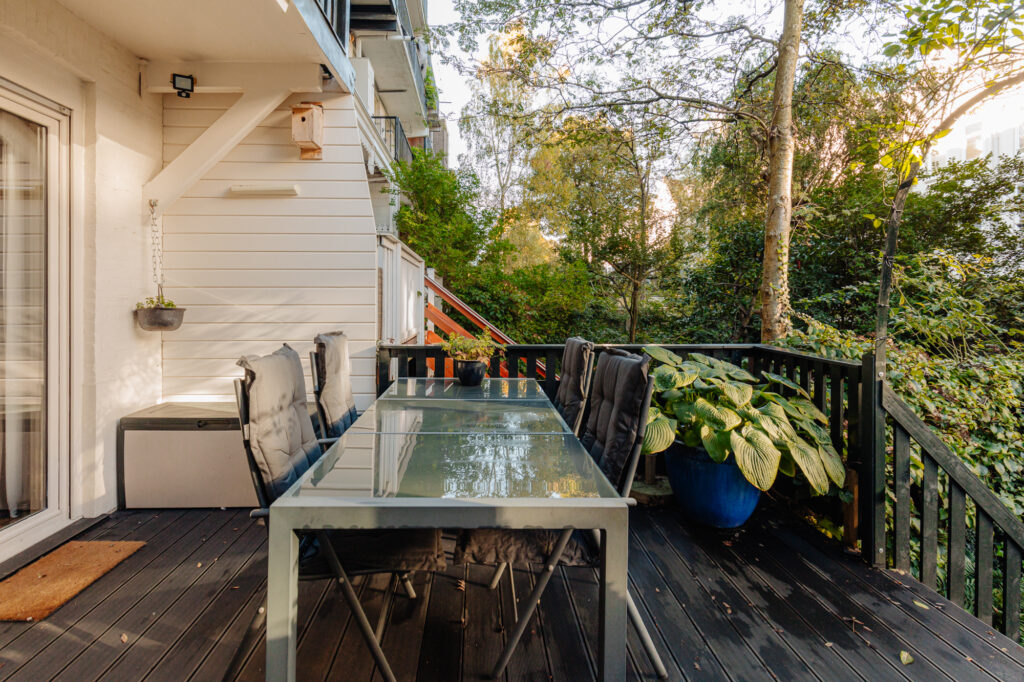
On the living floor, there is a terrace spanning the entire width of the facade. Its proximity to the kitchen makes this terrace a favorite spot to sit, especially on warm days, when it offers a pleasant place to relax.
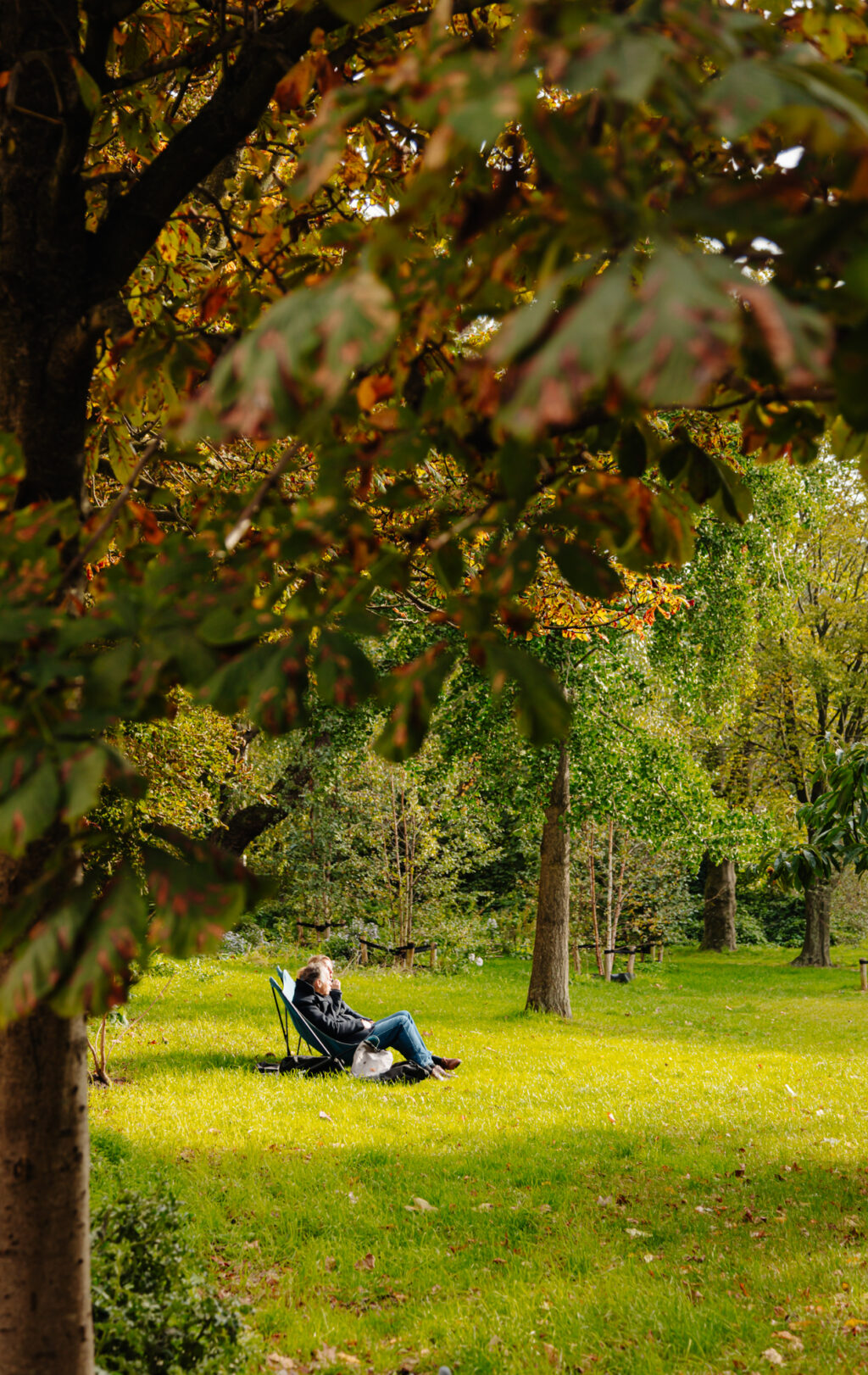
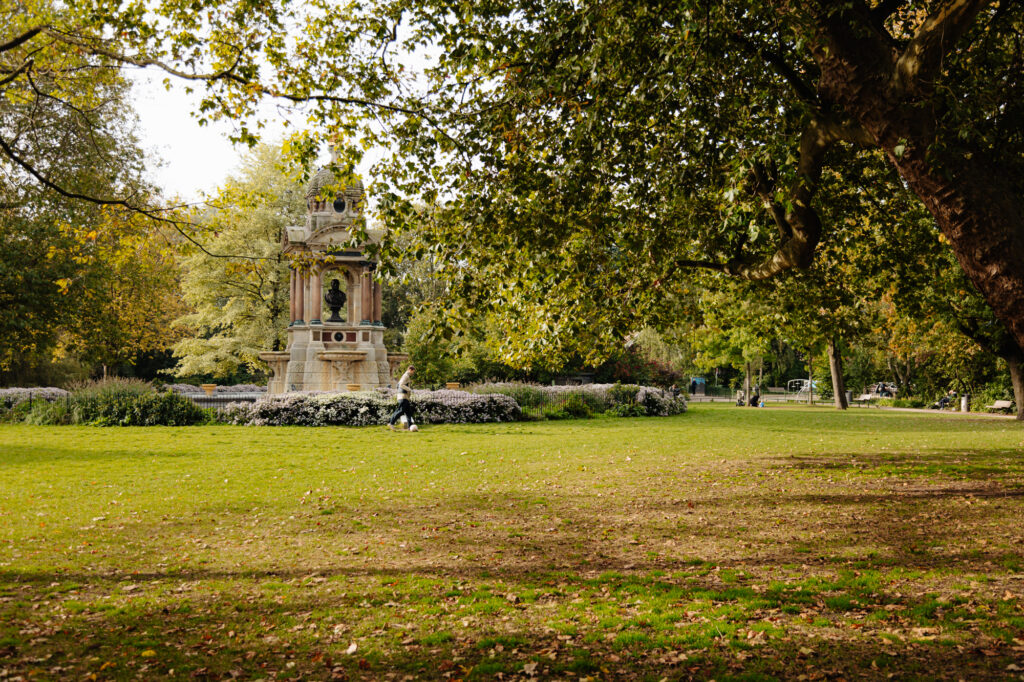
The front balcony enjoys sunlight almost all day long and offers the most beautiful view. The balcony overlooks the Sarphati Monument with its fountains, beautifully situated on a small hill in the park.
Cellar
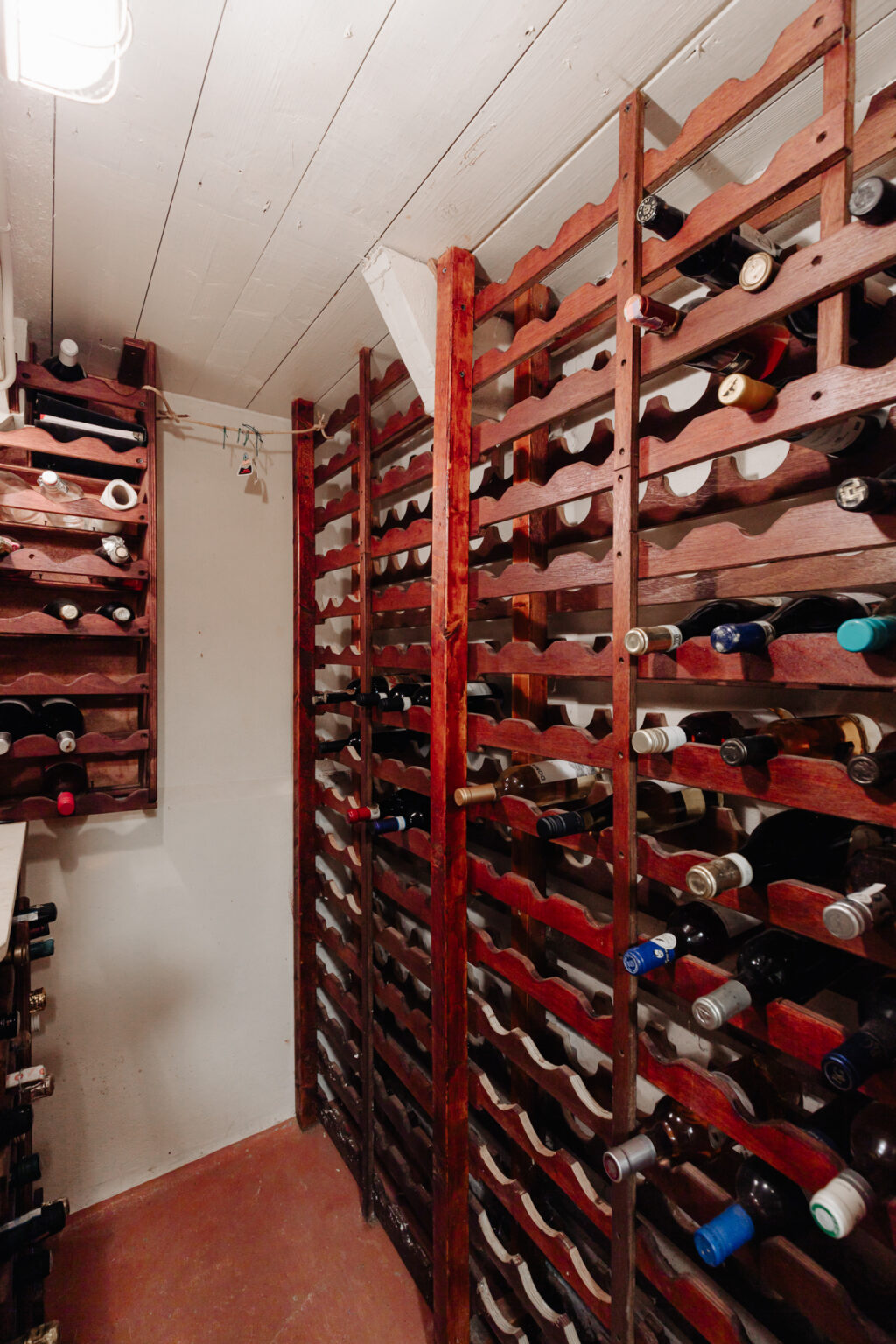
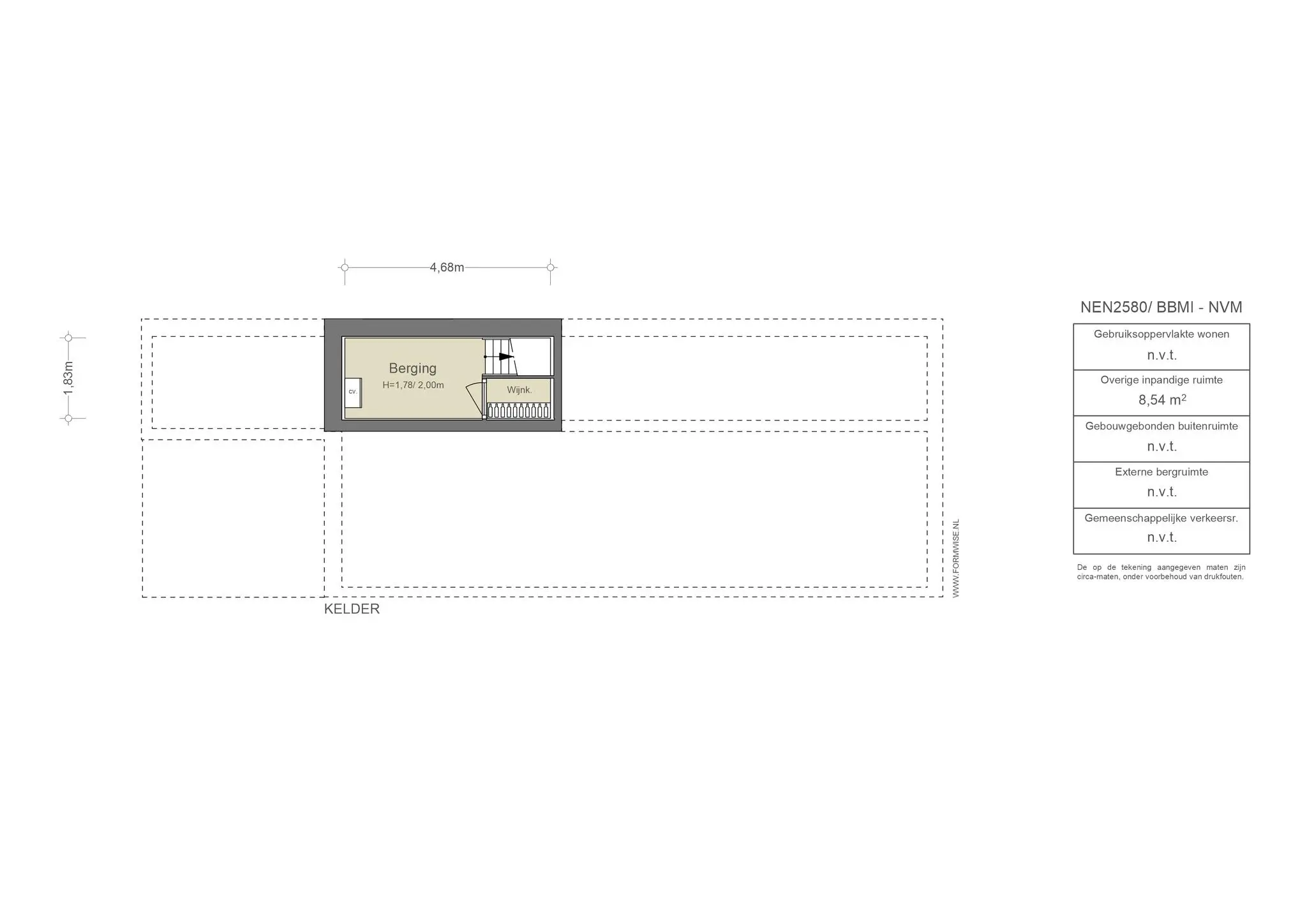
The cellar has a Floor area approximately 10 m² and features a sturdy workbench and a section designated as a wine cellar. The height is approximately 1.80 meters under the beams and 2.00 meters between the beams.
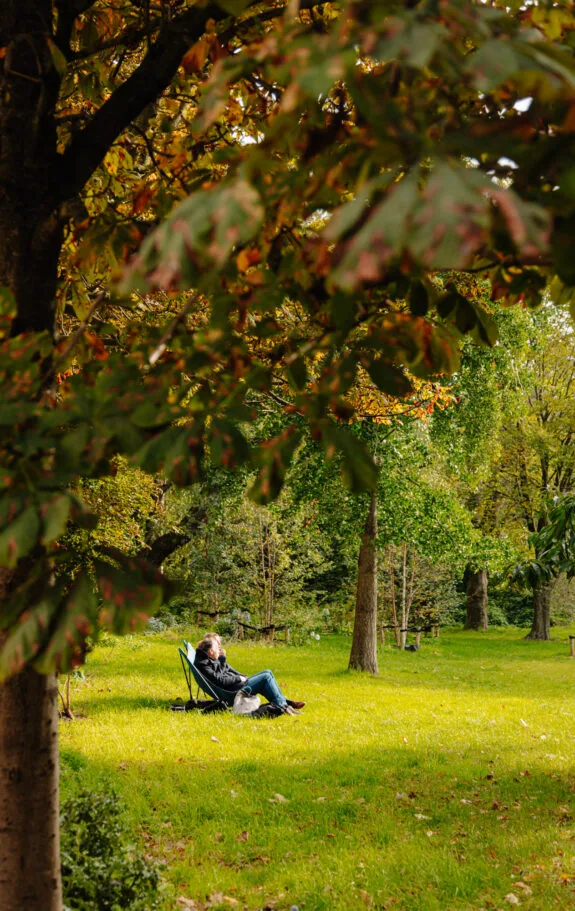
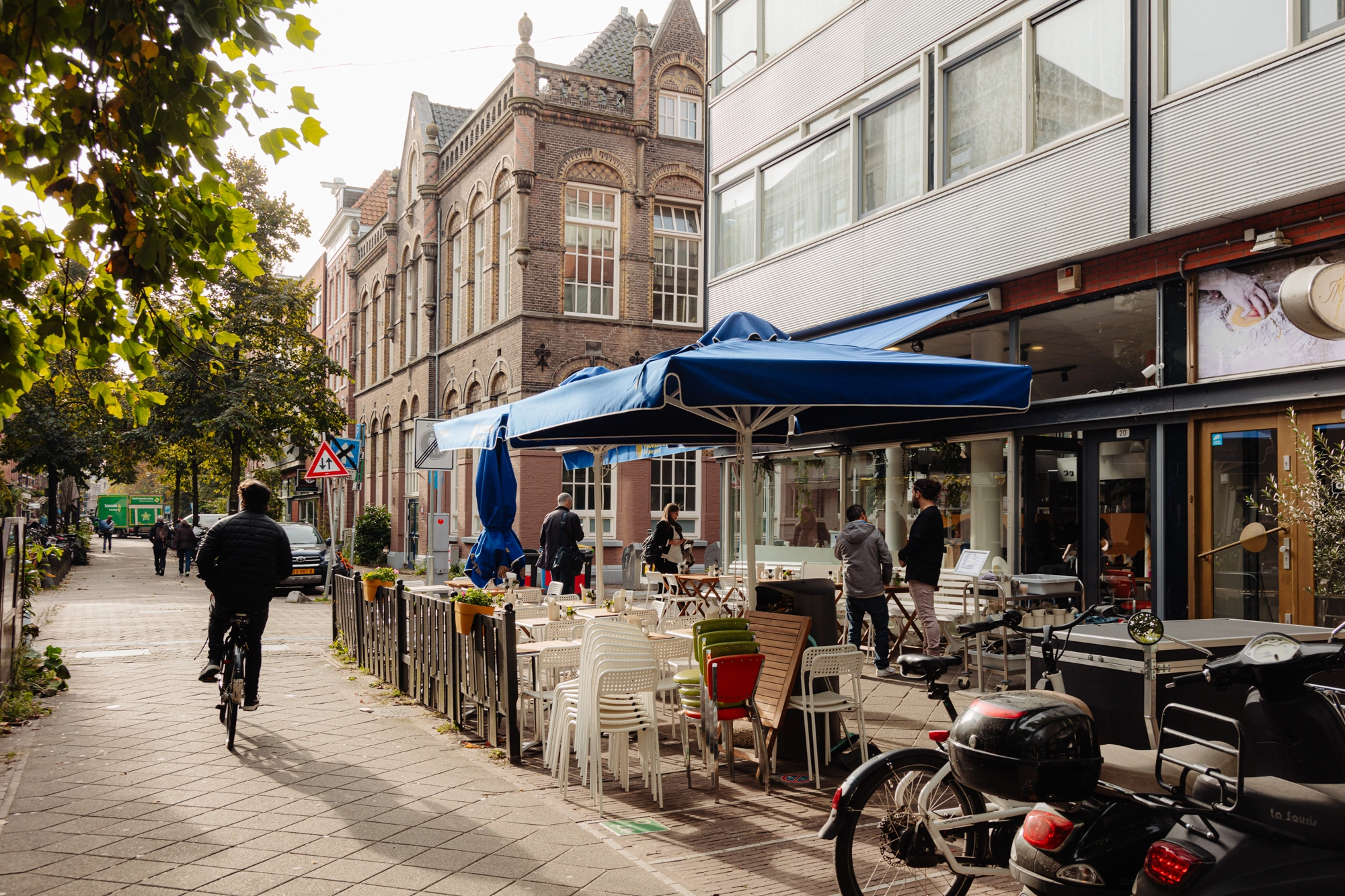
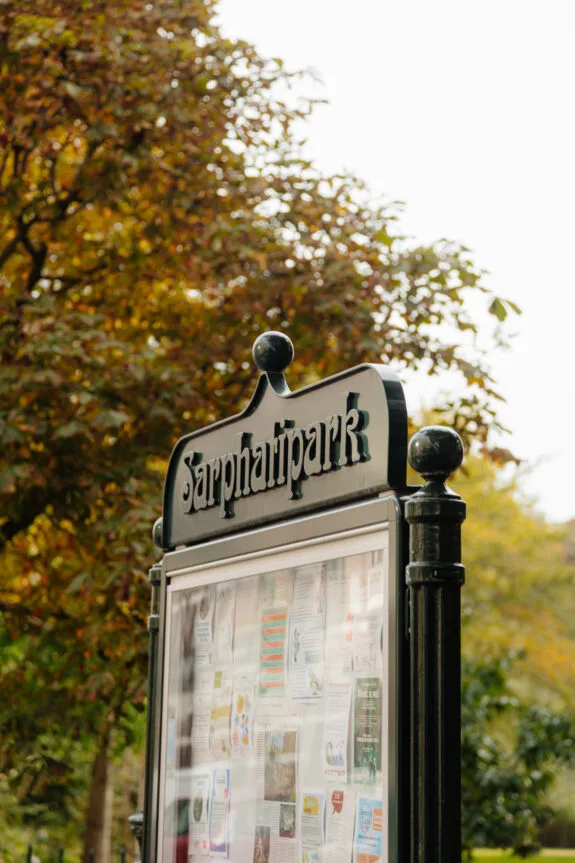
De Pijp is located south of the Amsterdam city center, wedged between the Museum Quarter and the Amstel. De Pijp was created on the basis of expansion plans from 1866 (J.G. van Niftrik), from 1875 by J. Kalff and from 1917 by H.P. Berlage. Up to the Lutmastraat, the structure is largely based on the former ditch division, from that street onwards the construction follows the systematic principles of H.P. Berlage. The southern Pijp is therefore part of the larger Plan Zuid from 1917. Both in the nineteenth-century and early twentieth-century part, construction consists predominantly of closed building blocks. The park named after Sarphati opened in 1886 and was designed by Mr. Van Niftrik.
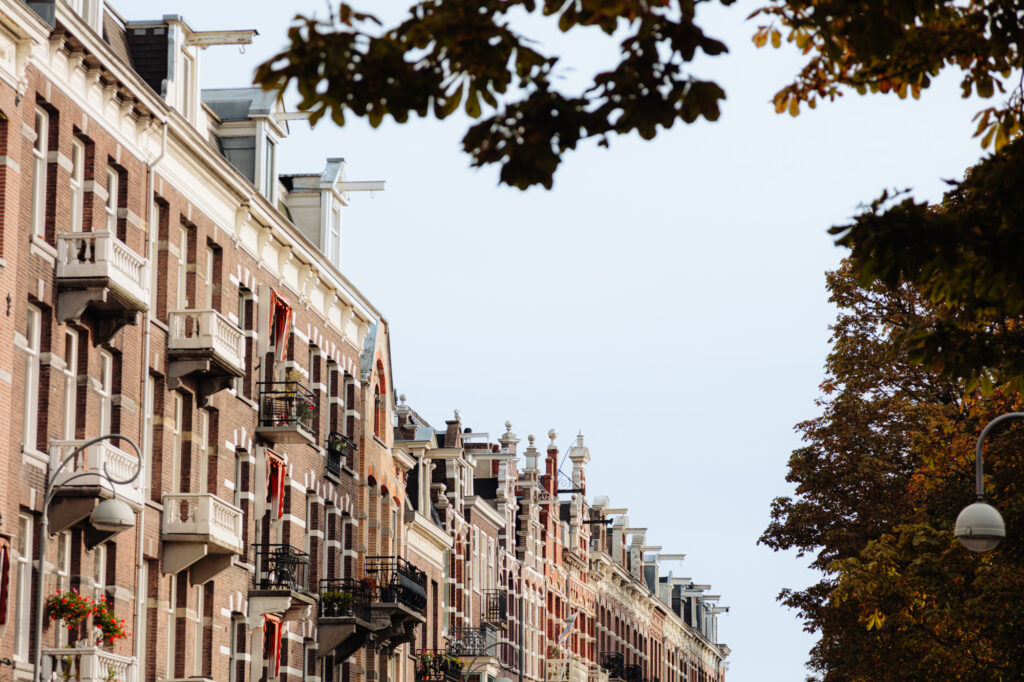
The somewhat erratic course of the building lines, the accidental squares at road intersections, the variation in heights and design that give each street its own identity and the strong interaction between street and construction (possibly due to the presence of the many shop fronts) ensure the special character of the Pijp. The almost perfectly preserved character of the Pijp as a nineteenth-century working-class neighborhood, in which all social classes are represented and which shows a strong mix of functions, was the reason for the National Service for Cultural Heritage to select the Pijp as part of Amsterdam South for designation as a protected cityscape.
accessibility
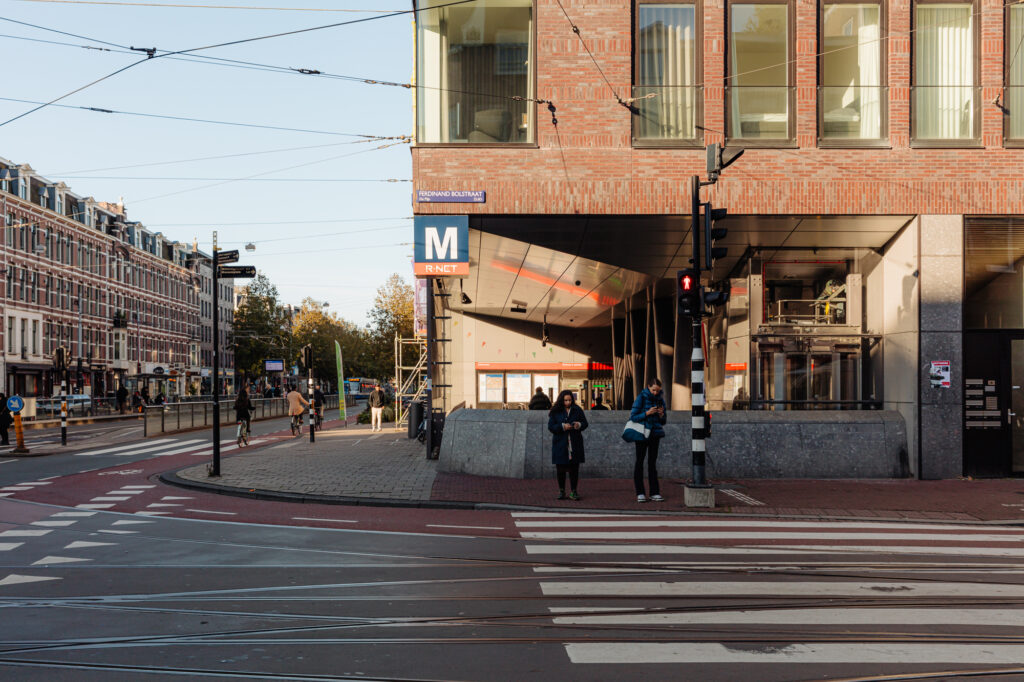
The apartment is easily accessible by bicycle, car, and public transport. The A10 ring road can be reached within 5-10 minutes by car via exit S110 (Centrum). From both Ceintuurbaan and Van Woustraat Rooms tram lines, such as tram 3 to Flevpark and Westergasfabriek, tram 4 to Central Station and Rai Station, tram 12 to Central Station and Amsteldijk, and tram 24 to VUmc and Frederiksplein. The De Pijp metro stop offers a fast connection to Station Noord, Central Station, and Amsterdam Zuid Station. Regional transport departs from these stations, including a direct connection to Schiphol Airport. Station Zuid is a 10-15 minute bike ride away.
Parking facilities
Parking is possible via a permit system on public roads (permit area Zuid 3.1 De Pijp Noord). With a parking permit for Zuid 3.1 De Pijp Noord, you may park in Zuid-3 and Zuid-4. A parking permit for residents costs €192.81 per 6 months.
There is currently a 6-month waiting period for this permit area. A second parking permit is not possible in this area. In addition to public roads, it is also possible to park free of charge in the Ceres parking garage with a parking permit. (Source: Local authority , January 2025).
Our favorite spots are the two balconies on the first floor. In the morning, before breakfast, the sun shines on the front balcony overlooking the park, and in the late afternoon, the sun shines on the back balcony, where you can enjoy drinks and food.
1073 BT Amsterdam
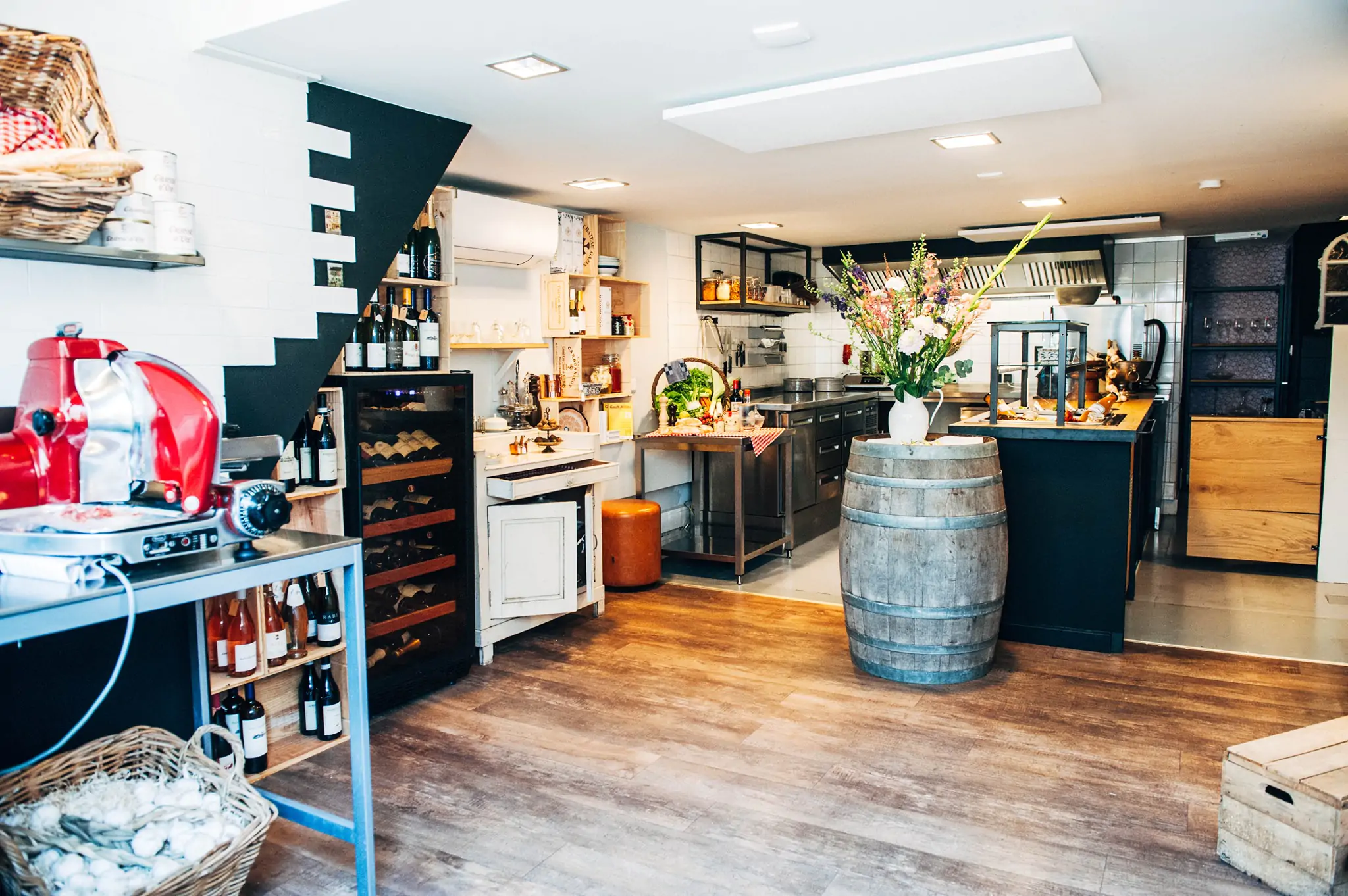
Epicerie de Pijp
A little bit of France in Amsterdam. Because of the lack of French delicacies, when owner Merabi went to France, she came back with bags full of groceries, this shop was opened around the corner from the Albert Cuyp market.
All products are selected and imported by the owners themselves. Fresh products such as Le Mi-chèvre Soignon, a cheese made from goat and cow's milk, but also galettes Saint Jacques, crêpes filled with scallops in butter-parsley sauce.
1073 BD Amsterdam
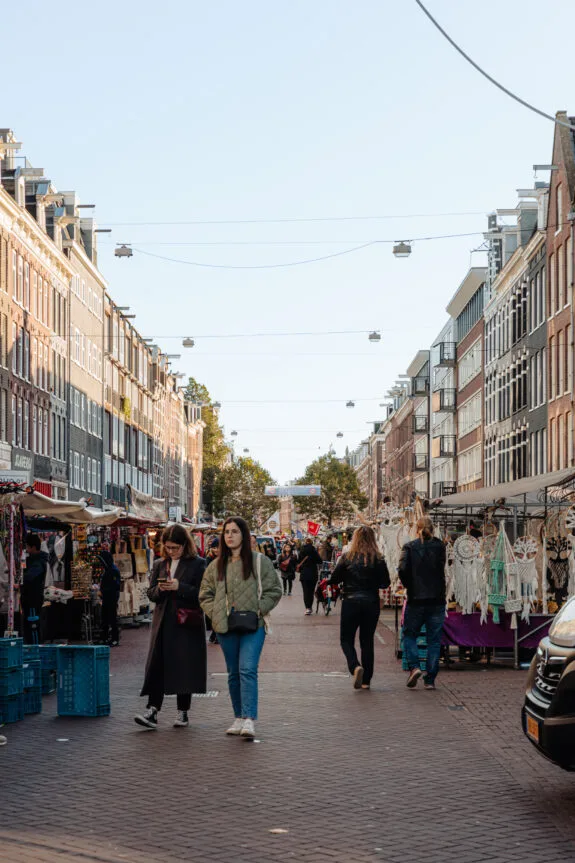
The Albert Cuyp Market
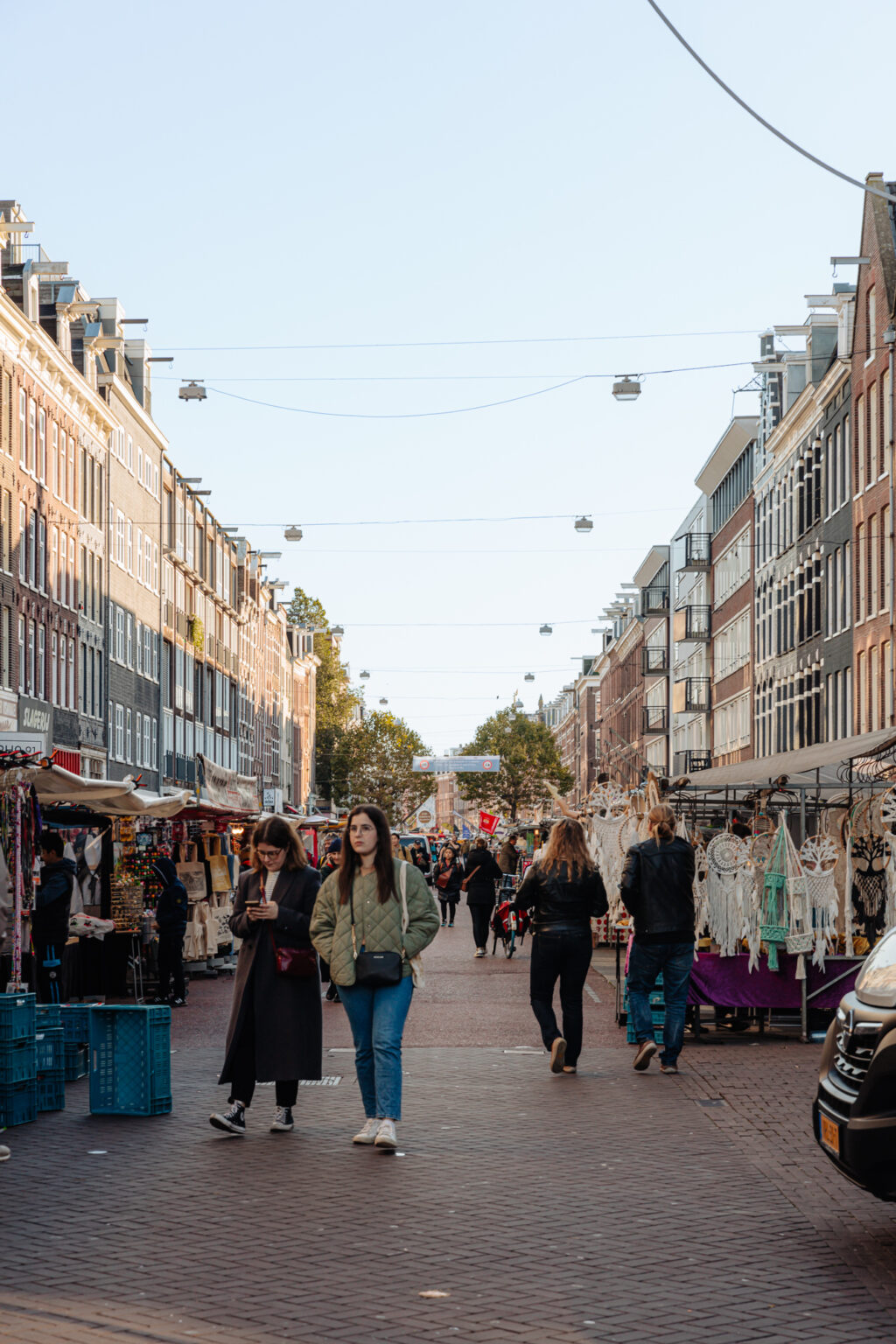
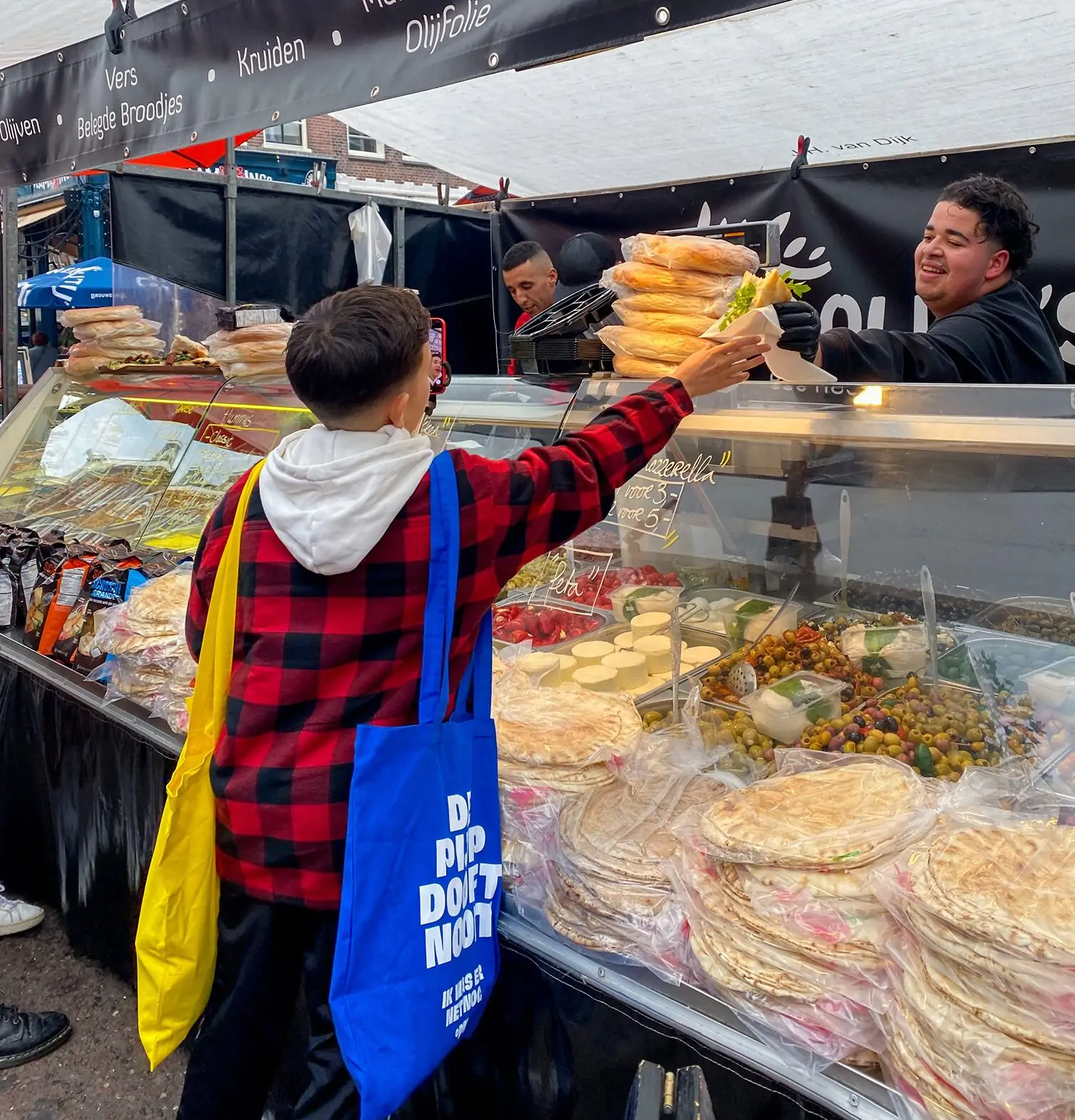
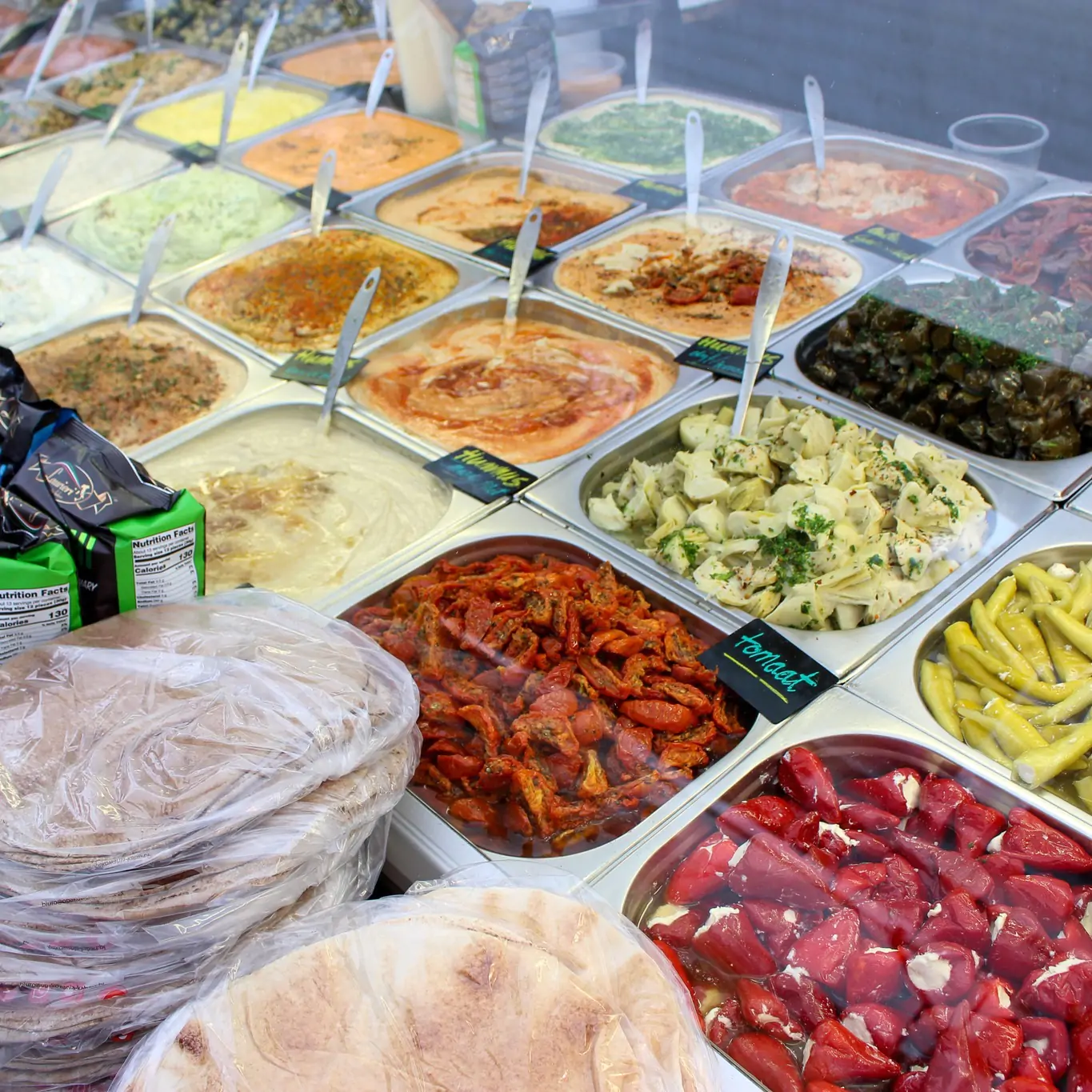
The Albert Cuyp Market is open from Monday to Saturday from 9:00 AM to 6:00 PM and, with 260 stalls, is the largest daily market in Europe. In 1905, the Local authority decided to establish a free market that is now the Albert Cuyp Market, named after a 17th-century painter. You can do your daily shopping here and find especially fresh fish, delicacies and various types of fabrics. The market is of course well-known among Amsterdammers, but tourists also know how to find the market to taste typical Dutch delicacies such as herring and stroopwafel and to look for souvenirs. It is also a nice market to just walk through for fun.
1073 BM Amsterdam
Rise Bakery
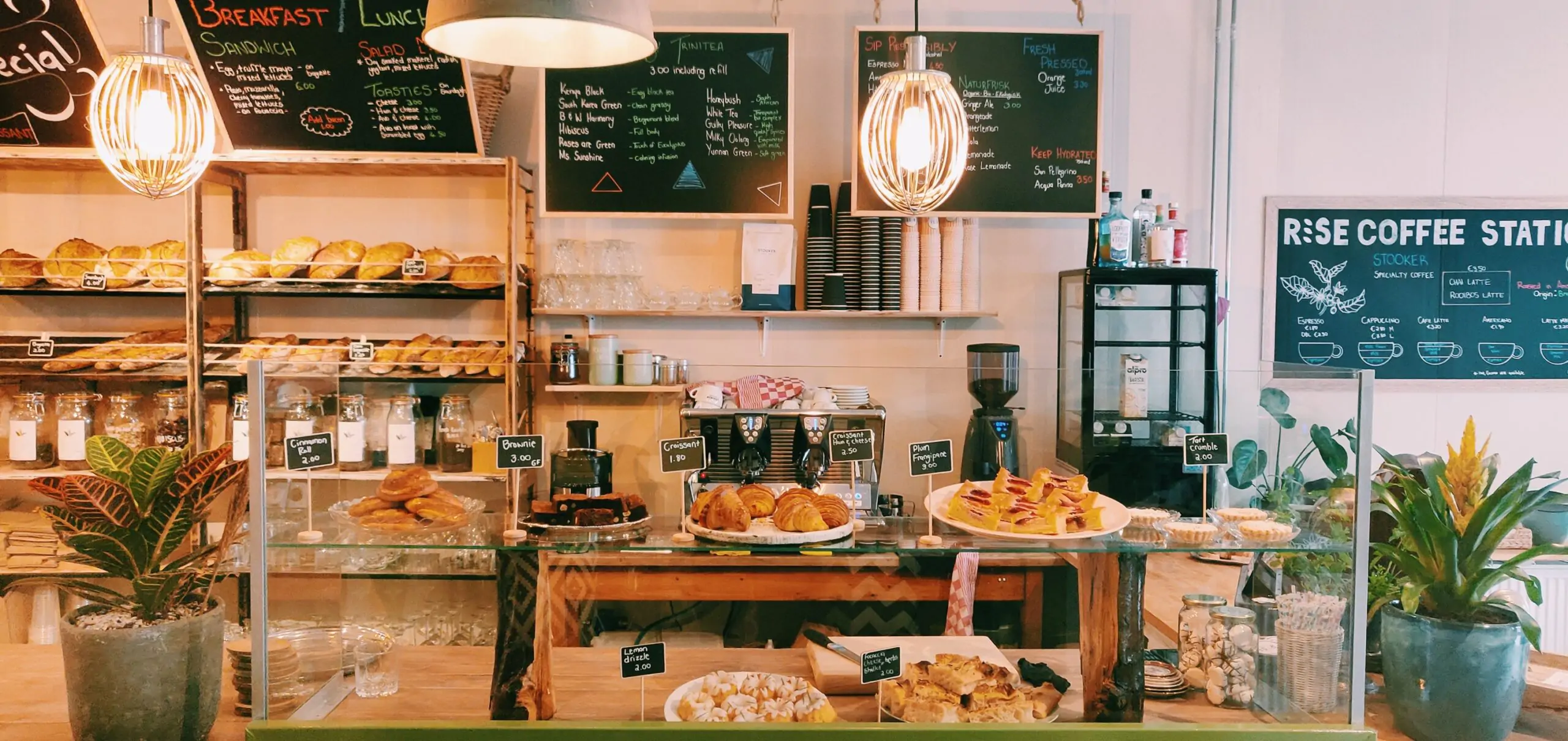
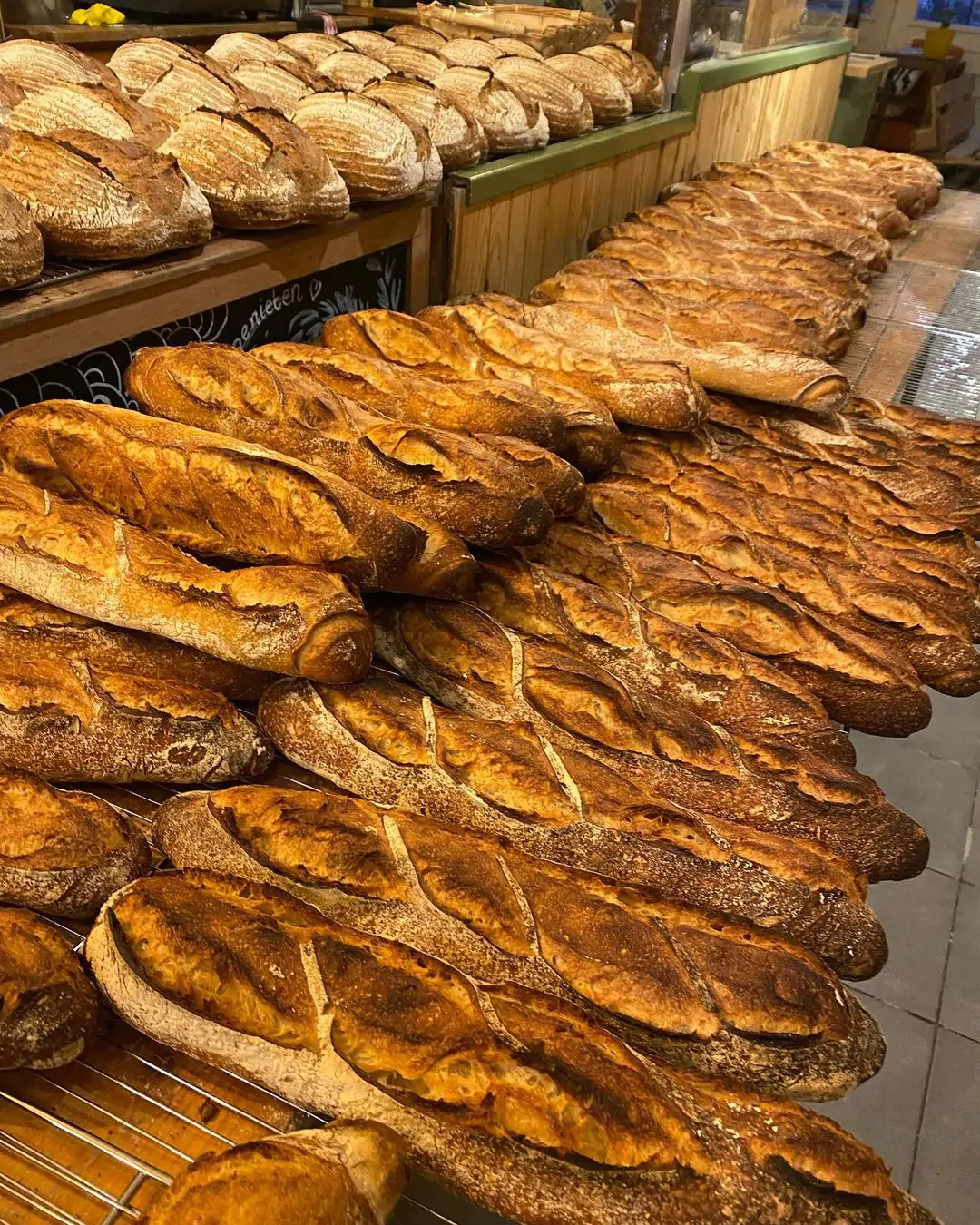
The three owners of Rise Bakery met in London where they all worked in the hospitality industry. Due to the pandemic measures affecting the hospitality industry, they jointly decided to follow their dream and come to Amsterdam to open a bakery. All three have their own specialty, resulting in French breads, sourdough, and pastries. Located on the Albert Cuypstraat, this is the perfect place to eat a Danish pastry or a cinnamon bun before or after shopping at the market.

1073 XA Amsterdam
The Predetarian
The Predetariër was founded by Kaj de Jager, James Snoerwang, and Philip Buys, three friends who quit their office jobs after growing increasingly disillusioned with the bio-industry. Based on their shared love of nature and hunting, they developed the idea of predetarian food: mainly plant-based, with the occasional responsible wild meat. Through their webshop, they sell game that is shot for nature conservation in the Netherlands, Germany, and Poland, and they are now bringing the same principle to their physical store and deli. At For Sale products to take home, but you can also sit down for sandwiches such as venison rendang and goose pastrami, accompanied by sustainable drinks.
1073 AD Amsterdam
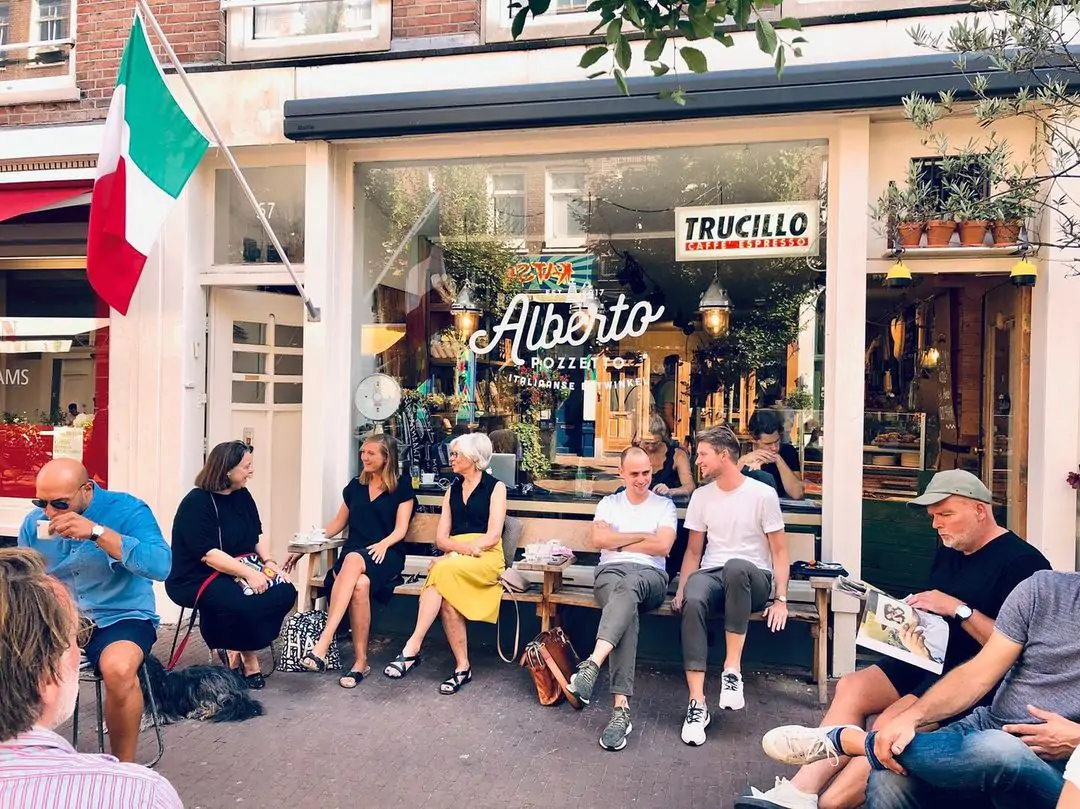
Alberto Pozzetto
Alberto Pozzetto can be found in one of the most vibrant side streets of the Albert Cuyp market in the Pijp district of Amsterdam. At Alberto Pozzetto you can find all your authentic Italian groceries. Coffee, tea, pastries and especially the delicious sandwiches with fresh meats, vegetables and cheeses are highly recommended. The shop is small but nice, but you can also go inside for a delicious meal. Alberto is also recommended for catering. In short, if you get lost on the Albert Cuyp, Alberto Pozzetto is an inviting alternative.
1073 CM Amsterdam
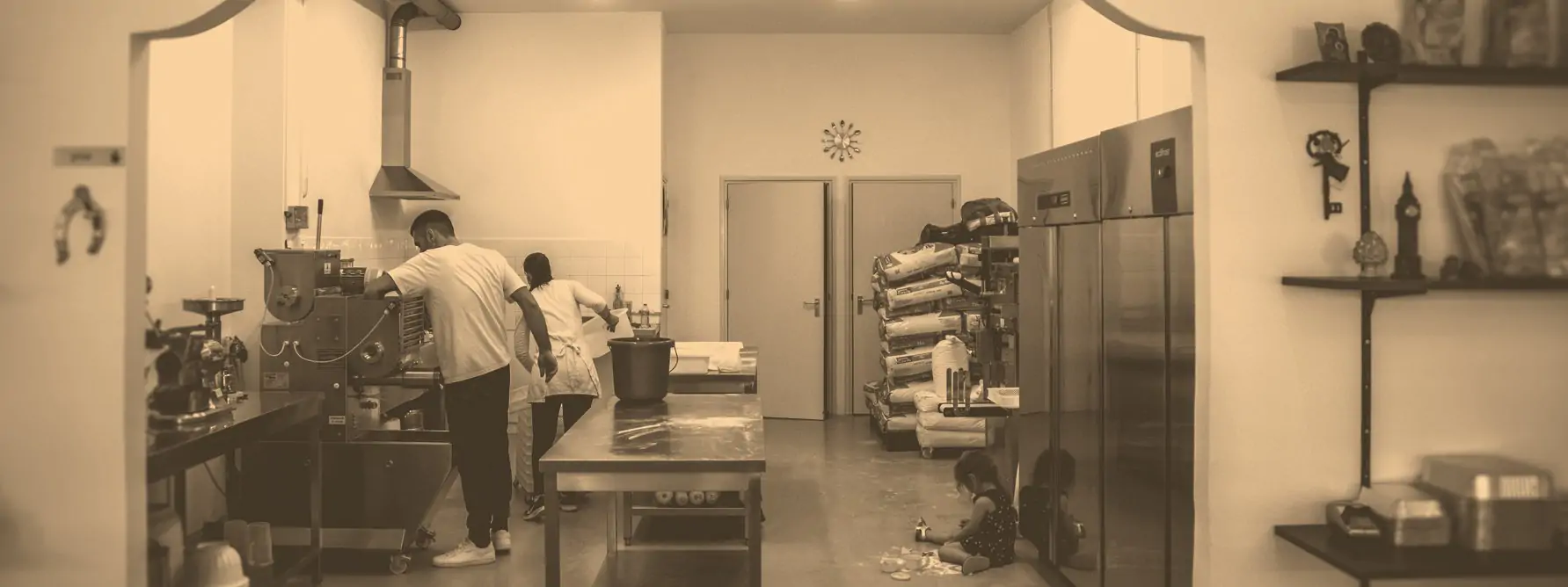
Il Pastificio
A pasta factory; that's what Il Pastificio calls itself. Here, they make Italian pasta themselves in an authentic way. They are busy preparing fresh products every day. The selection is large: from fusilli to conchiglie to rigatoni napoletani. Whether you want to impress during a dinner party; or cook something nice for yourself; with the products from Il Pastificio, every pasta dish is a success.
1072 NZ Amsterdam
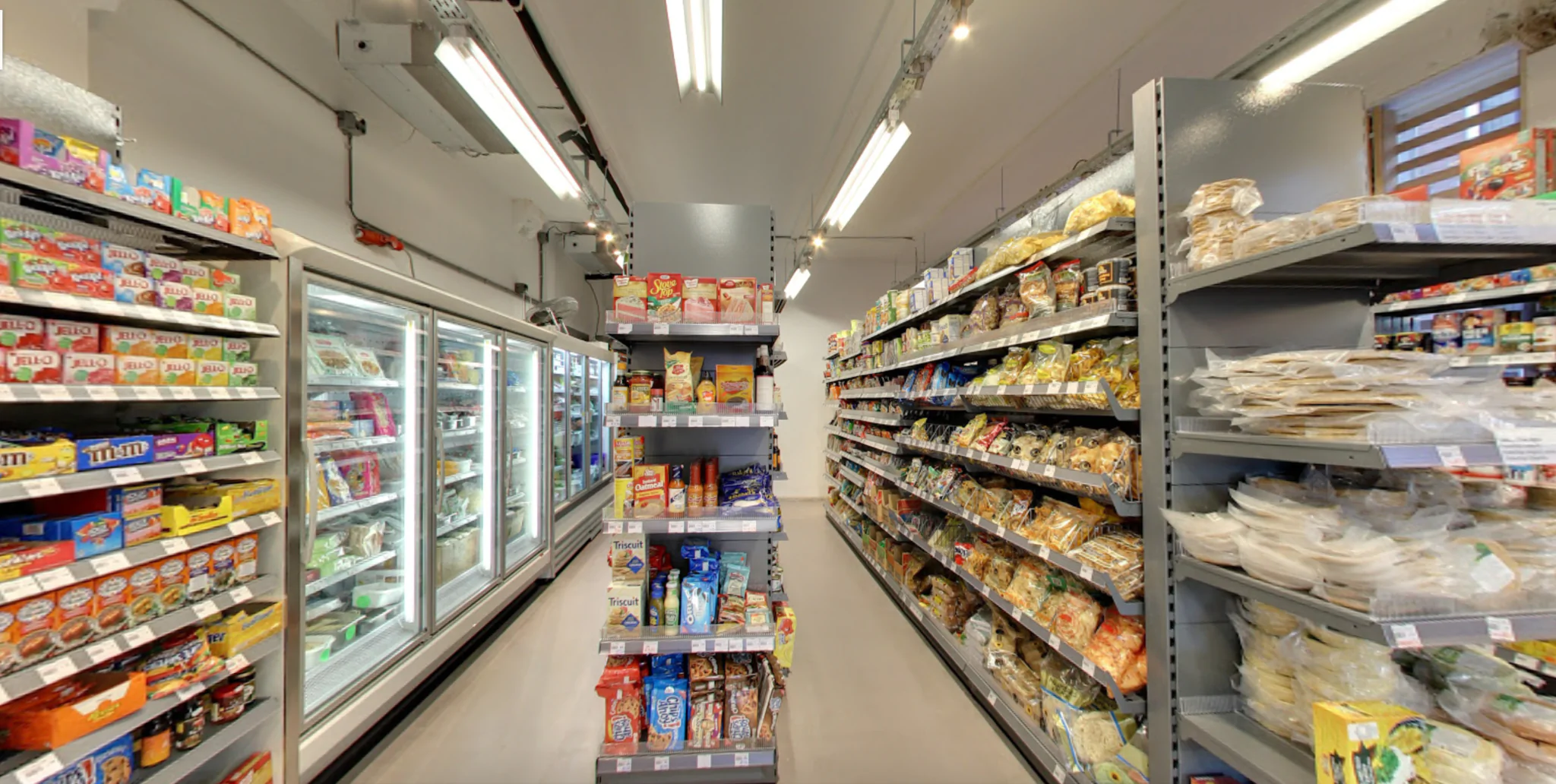
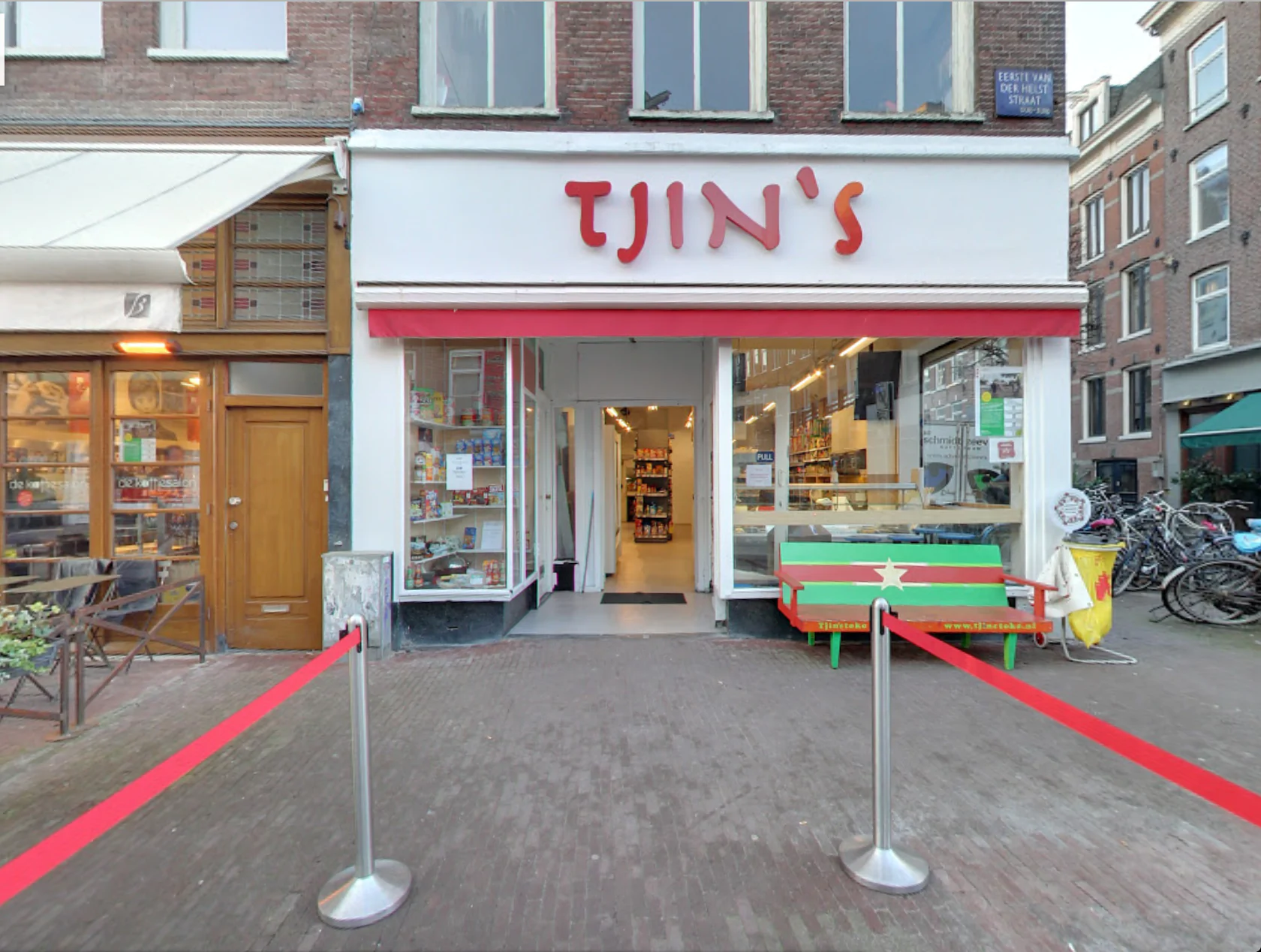
Tjin's Store
Tjins is now a well-known sandwich shop in Amsterdam. For 40 years, it has been the perfect place to go for a hot chicken or salt cod sandwich. Less well known is the International Foodstore located behind the takeaway display case. Various dried Mexican peppers, authentic Chinese seasonings, fresh Indian products, and a wide range of American snacks. Planning to make authentic foreign dishes? Tjins is the place to be.
1072 NX Amsterdam
Zagora Butcher Shop
Islamic butcher Zagora is well known to many residents of the Pijp neighborhood. In a side street off the Albert Cuyp Market, you will find this gem of a shop, which is much more than just a butcher. In front of the door are endless boxes and crates of vegetables on display, all equally colorful and fresh. Herbs such as rosemary and thyme For Sale in pots at ridiculously low prices. Unlike the bunches you find in the supermarket, you can keep these alive with water, which means the herbs last much longer. The butcher shop also sells meat, including homemade merquez sausages, shawarma, and hamburgers. The friendly men in the shop are always ready to serve their loyal customers and are happy to make time for you. A must-visit for anyone who likes to do their shopping at the Albert Cuyp market!
1072 CS Amsterdam
Alain Bernard Butchery
Hidden behind the bustling Albert Cuyp market, you will find this top-notch butcher. They have a wide range of beef, pork, lamb, and veal. The merguez sausages are delicious, but actually all the meat here is of high quality. They also have good Breton butter (salted or unsalted). In short, if you are already strolling through the Albert Cuyp, don't forget this place!
1073 BE Amsterdam
Saskia's Living Room Restaurant
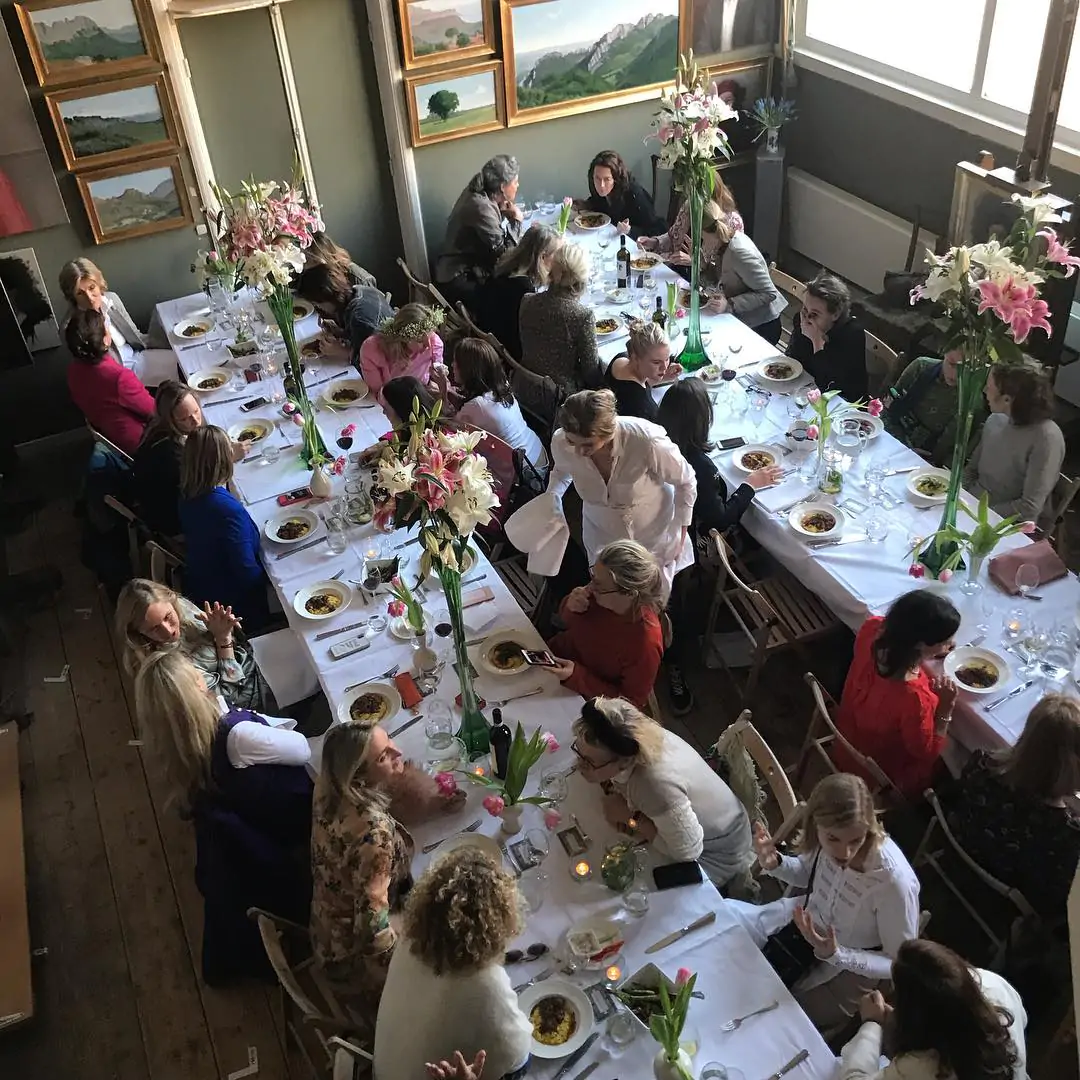
The name says it all: eating at Saskia's Huiskamerrestaurant is like dining in the living room. In this restaurant you only eat in small groups of up to 10 people. An excellent way to spend a cozy evening with a group of friends. Saskia's Huiskamerrestaurant really started as a restaurant in owner Saskia's living room and later moved to its own building. The restaurant has been around for 18 years now but has managed to retain its special atmosphere. The restaurant is located on Albert Cuypstraat; near the market where Saskia gets daily inspiration for new dishes
1073 AD Amsterdam
Marlon's Food Stall
During the coronavirus crisis, Warung Marlon decided to switch to takeout only, officially becoming a Surinamese-Javanese takeout restaurant. The eatery in De Pijp has been open since 1990 and has been putting smiles on the faces of many regular customers for over 20 years. The eatery is known for its soato soup, chicken satay, and, of course, its bakabanas, and the dishes are finished off with a smile from the cheerful staff. From now on, you can order or pick up your food, but it's definitely worth it.
1073 AD Amsterdam
Mezzave
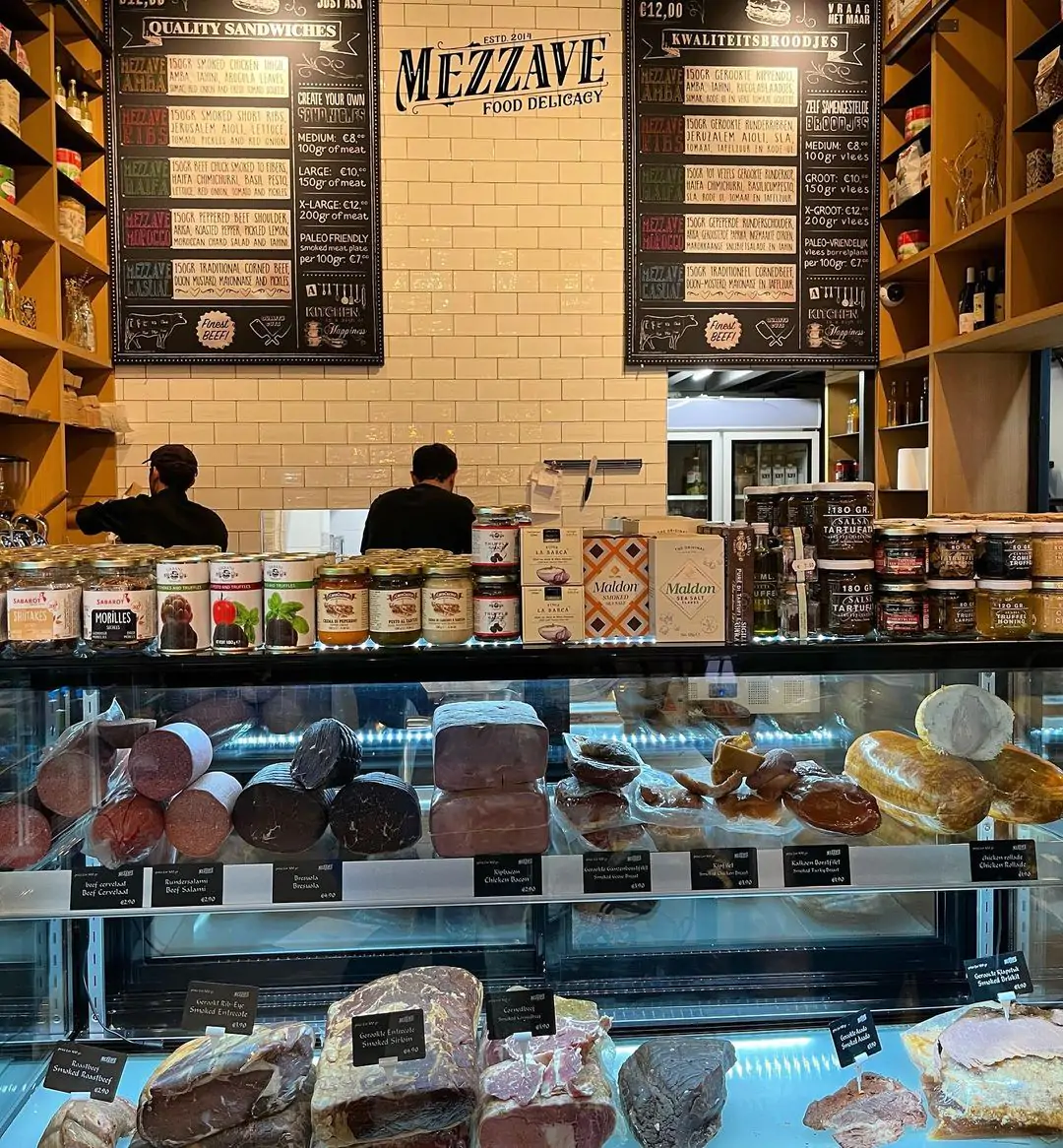
For the ultimate sandwich experience, visit the Israeli delicatessen Mezzave in De Pijp. Best known for their delicious charcuterie, where artisanal handmade sausages and smoked meats take center stage. Inspired by the traditional Italian art of charcuterie.
1073 BN Amsterdam
De Japanner
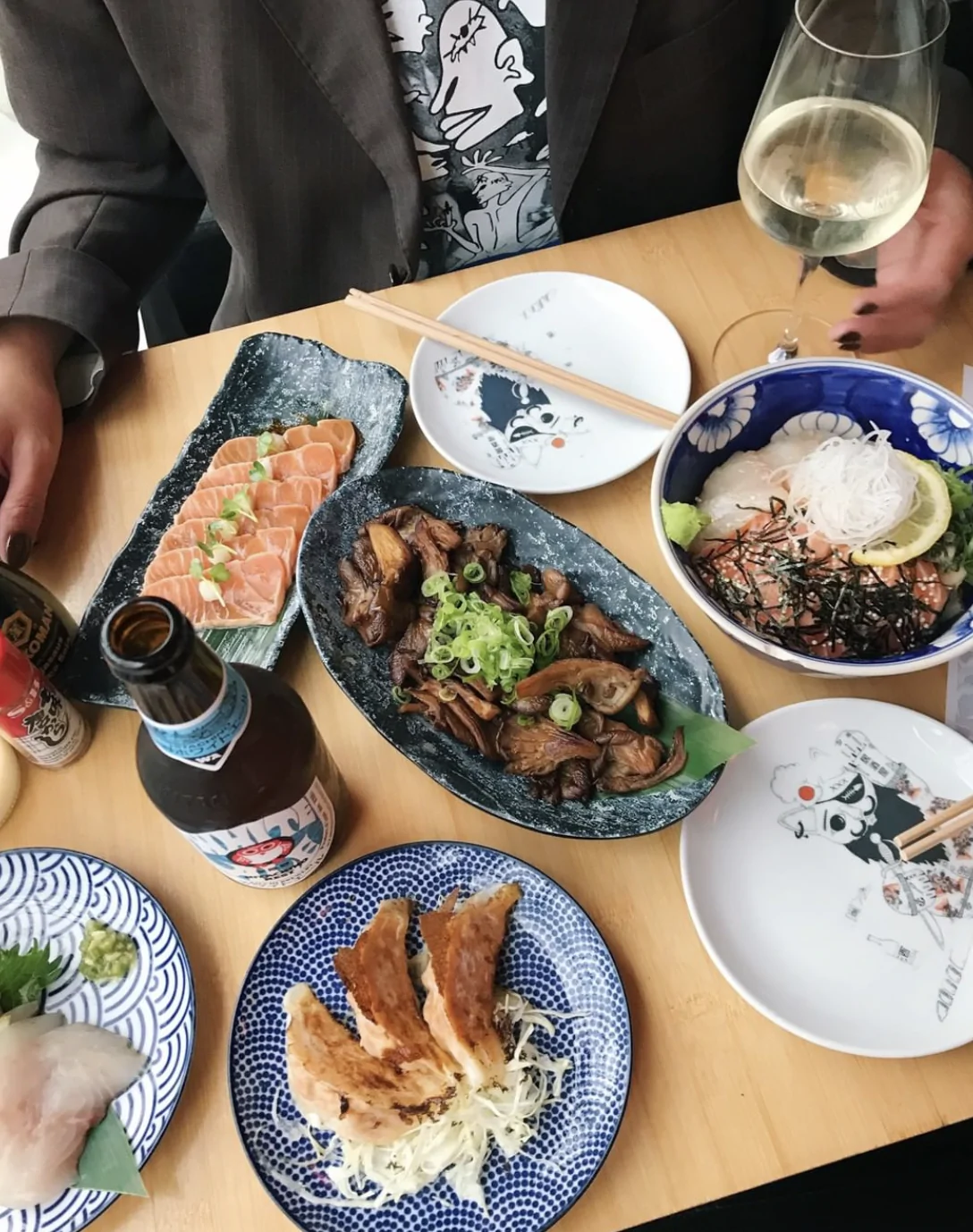
De Japanner has become a phenomenon in both the Pijp and Oud-West neighborhoods. The location in the Pijp is on the Albert Cuyp market, making it easy to step inside after having a drink somewhere. The concept is simple and straight-forward: delicious Japanese finger food paired with either a cocktail, Japanese beer, sake, or a non-alcoholic alternative, of course. It is therefore not surprising that the reviews about De Japanner are raving, with the friendly staff and tasty snacks being particularly highlighted.

1072 PA Amsterdam
Ladybird
Noah Tucker (New York) and Tony Joseph (London) are inspired by memories of American Down South recipes and family dinners mixed with the culture and vibes of New York. Both chefs have impressive resumes, but the love for chicken ultimately led them to open this restaurant. The fried chicken is executed to perfection here. For the real enthusiasts; also possible in combination with caviar.

1072 NZ Amsterdam
Leonardo's Ravioli Bar
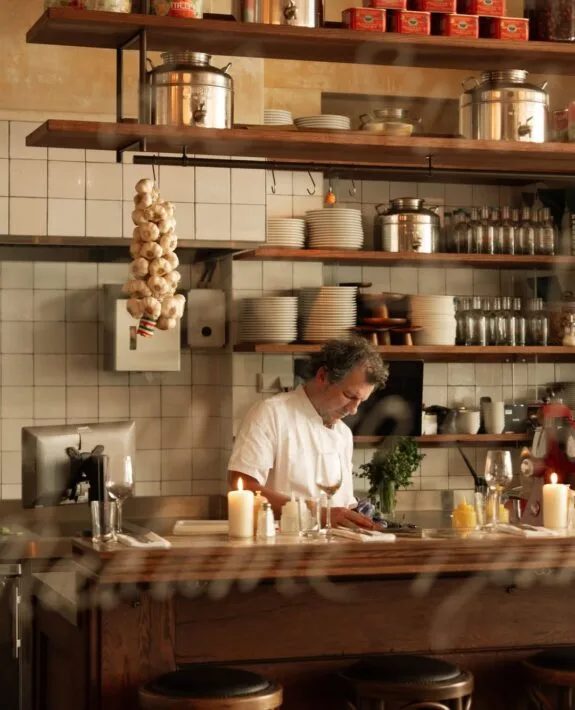
After decades in Toscanini's kitchen, where he is still co-owner and chef, Leonardo Pacenti also opened his own ravioli bar. In De Pijp, he created a place that exudes Italian sprezzatura. A long marble bar with a view of the kitchen. The ravioli are made entirely in-house at Pastahuis Pacenti in IJmuiden, together with partner Mark Wenneker, from durum wheat dough and fillings that change every two months. As Pacenti himself says: delicious food at a reasonable price with a good glass of wine, ideal for a quick bite before the movies or theater, with portions of five ravioli that you can share or keep for yourself.
1073 CL Amsterdam
Little Collins
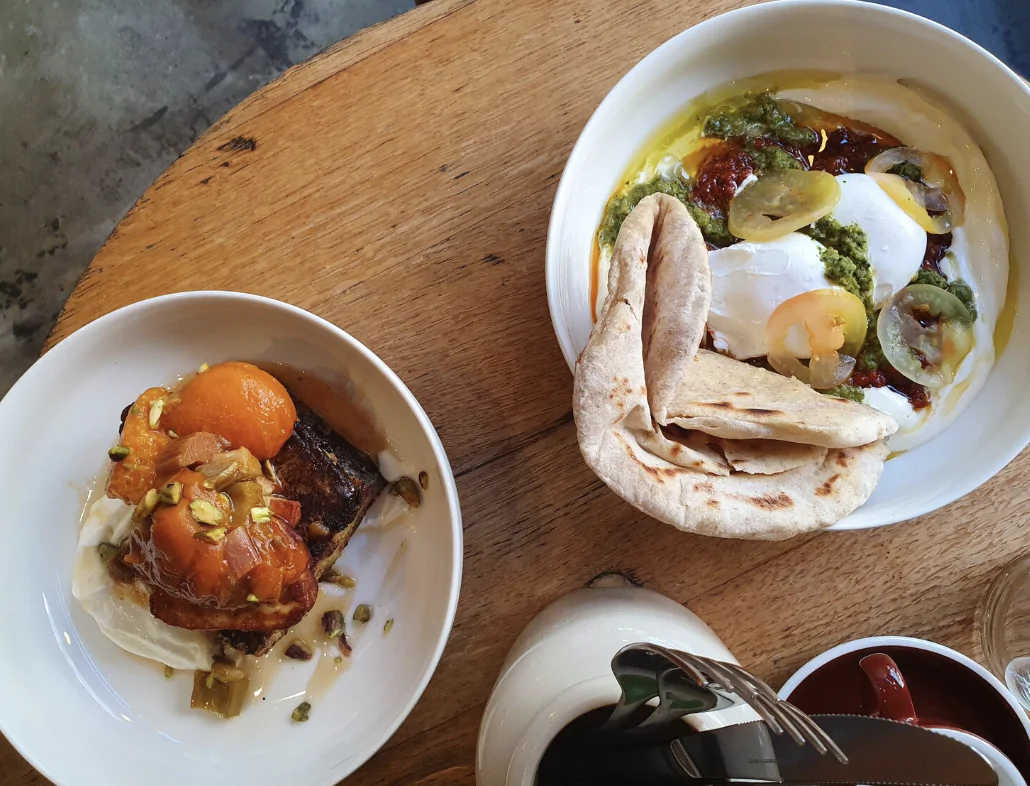
In 2011, Stan Kerkhof and his Australian wife Georgina Patterson opened the brunch café Little Collins in De Pijp. Australian brunching includes poached eggs and avocado on toast. It's also perfectly acceptable to drink alcohol with brunch, which is why the bloody mary is on the menu.
1073 CL Amsterdam
BRIO
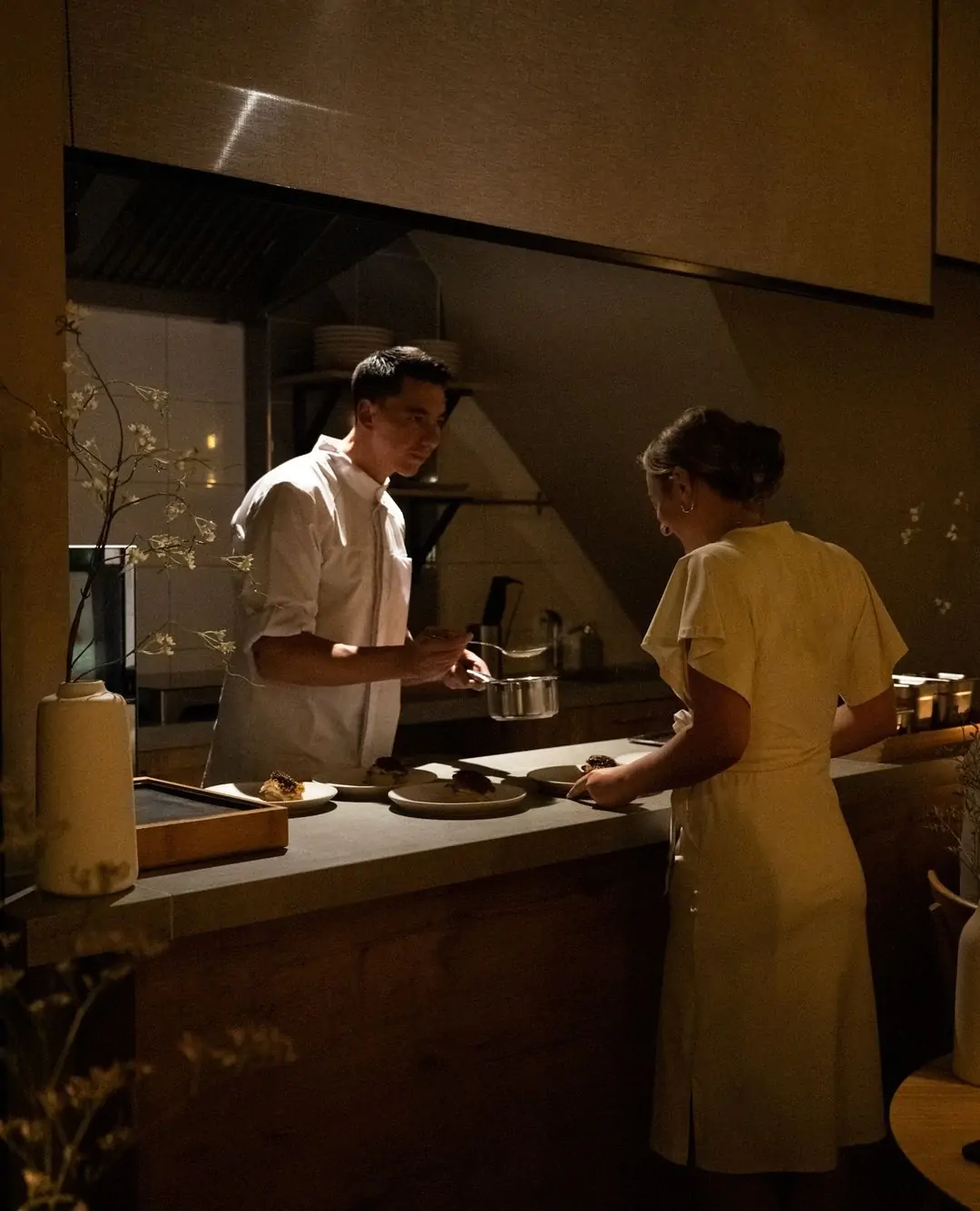
Located in Amsterdam's lively De Pijp neighborhood, Restaurant BRIO offers a contemporary interpretation of Italian cuisine. Founded by the owners of Little Collins, the restaurant combines classic Italian flavors with modern influences. Guests can enjoy a menu centered around fresh pasta and seasonal dishes, served in an atmospheric and welcoming setting.
1073 VK Amsterdam
Restaurant Yes
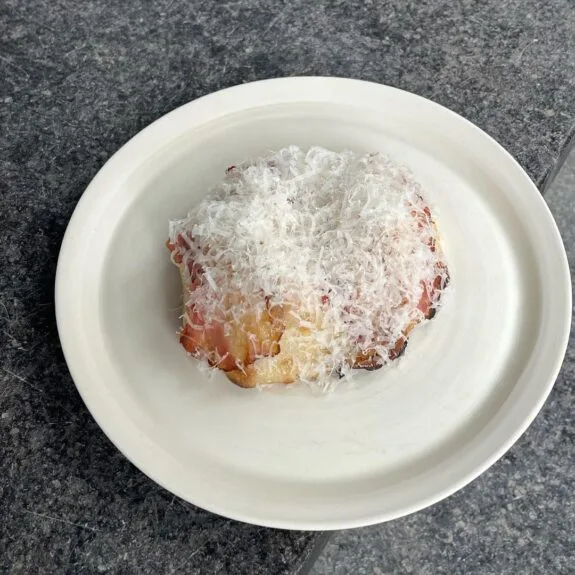
The charming restaurant Ja, is located in the former premises of Jan de Wit's Le Restaurant on the corner of Sarphatipark. Chef Julius Busscher, formerly employed at Jacobsz and Staets, offers surprising dishes. His partner Amy Delorme is dedicated to the service and selection of wines. At Ja, everything from bread to limoncello is prepared traditionally. The restaurant presents a fixed 4-course menu, which can be expanded with oysters and cheese if desired. The intimate ambiance and culinary creativity make Ja a unique culinary destination in Amsterdam.
1073 CM Amsterdam
Badcuyp
A great location (a former bathhouse loved for years as jazz cafe De Badcuyp and formerly Escobar) combined with a super young team. Former chef of Bar du Champagne, Joep Hermans, opened his own restaurant with Martin de Nes (ex Rijsel) and Tobias Kuyt (ex Troef) on the corner of the Albert Cuyp, where cooking is done on an open fire. Tobias compiled an extensive wine list with a concentration on France and Italy.
1072 PB Amsterdam
Embassy of Scandinavia
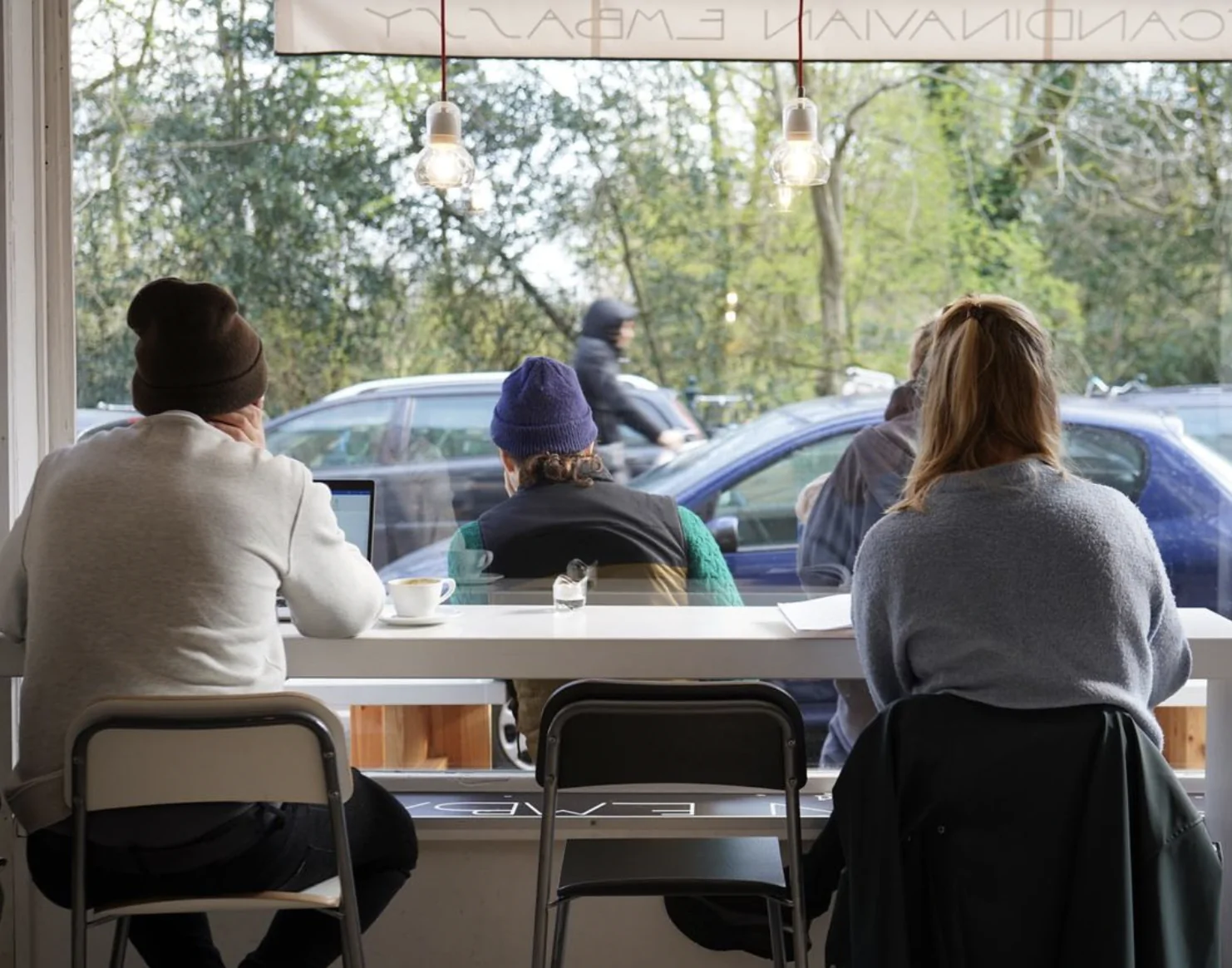
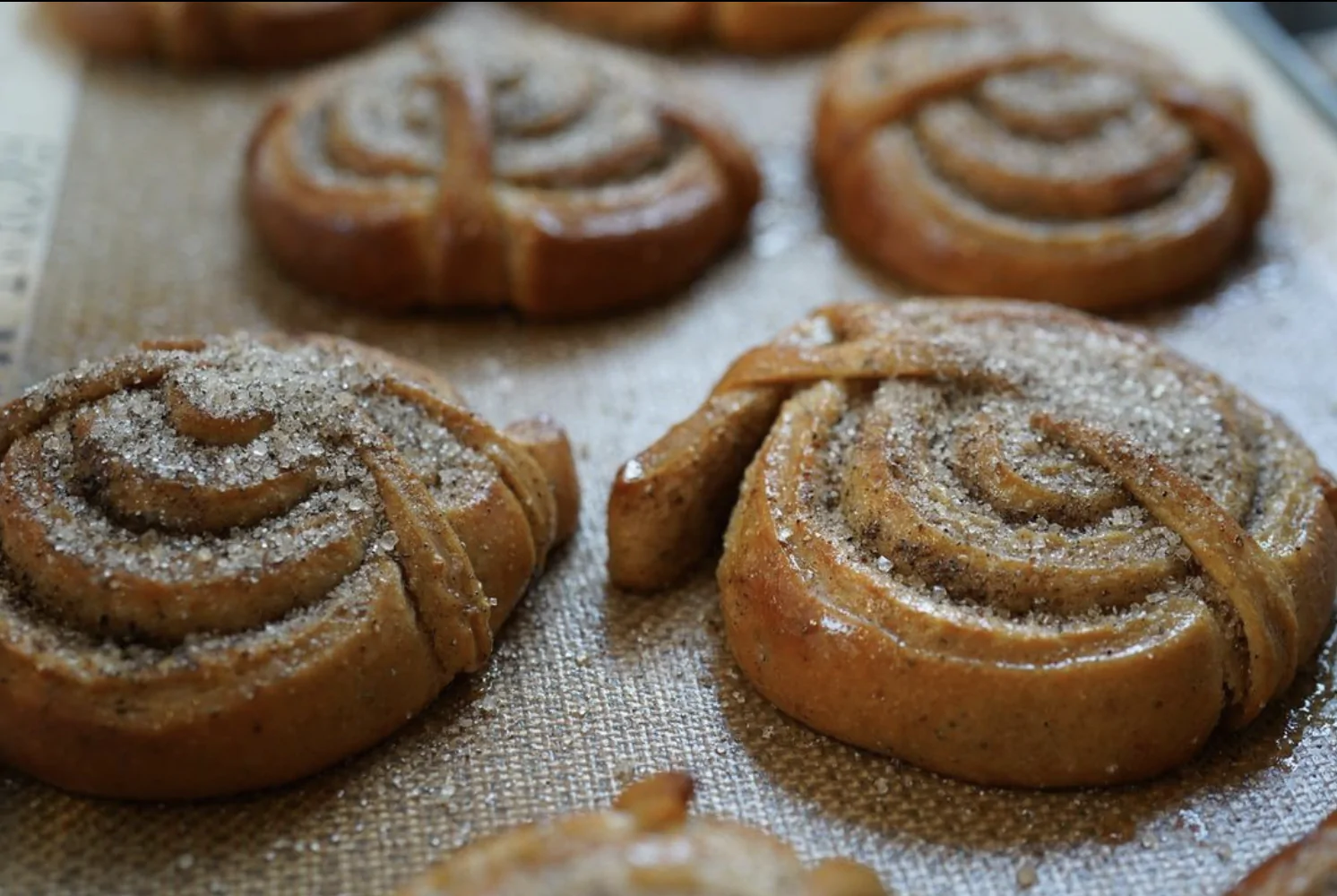
This coffee shop opened in 2013. They serve top-quality coffee and sweets inspired by Scandinavian cuisine. There is often a queue stretching outside, and for good reason. You can taste that high-quality food and coffee are prepared here. Located next to the always pleasant Sarphatipark, it's perfect for sitting on the terrace and watching the world go by, or taking a walk in the park with a coffee to go.
1073 BX Amsterdam
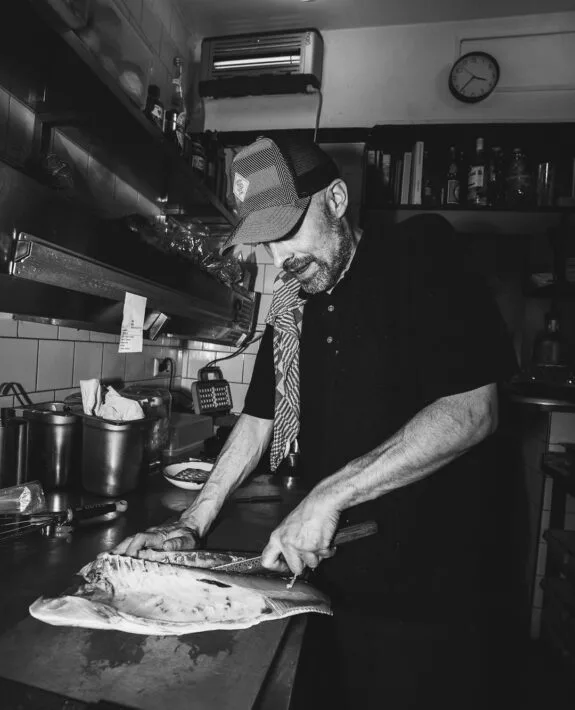
Arles
Numa Muller, the chef from Arles, creates a new 3, 4 and 5 course menu every month. His neo-bistro dishes are simple yet surprising due to the special combinations of French cuisine with influences from abroad. The entirely French wine list is an interesting combination of traditional producers with both emerging vins naturels.
In 2022, the restaurant was awarded a Bib-Gourmand by Michelin for the fifth year in a row.
1073 CK Amsterdam
Swietie's Food Stall
Warung Swietie Lelydorp is a Surinamese restaurant just a stone's throw from the Albert Cuyp Market. It is known for its saoto soup and roti, both of which fly off the counter at very affordable prices. It is one of the smallest warungs in Amsterdam, and in the summer, the eatery even has a small terrace. For a quick bite such as a Pom sandwich with pickles, this is the place to be!
1072 VE Amsterdam
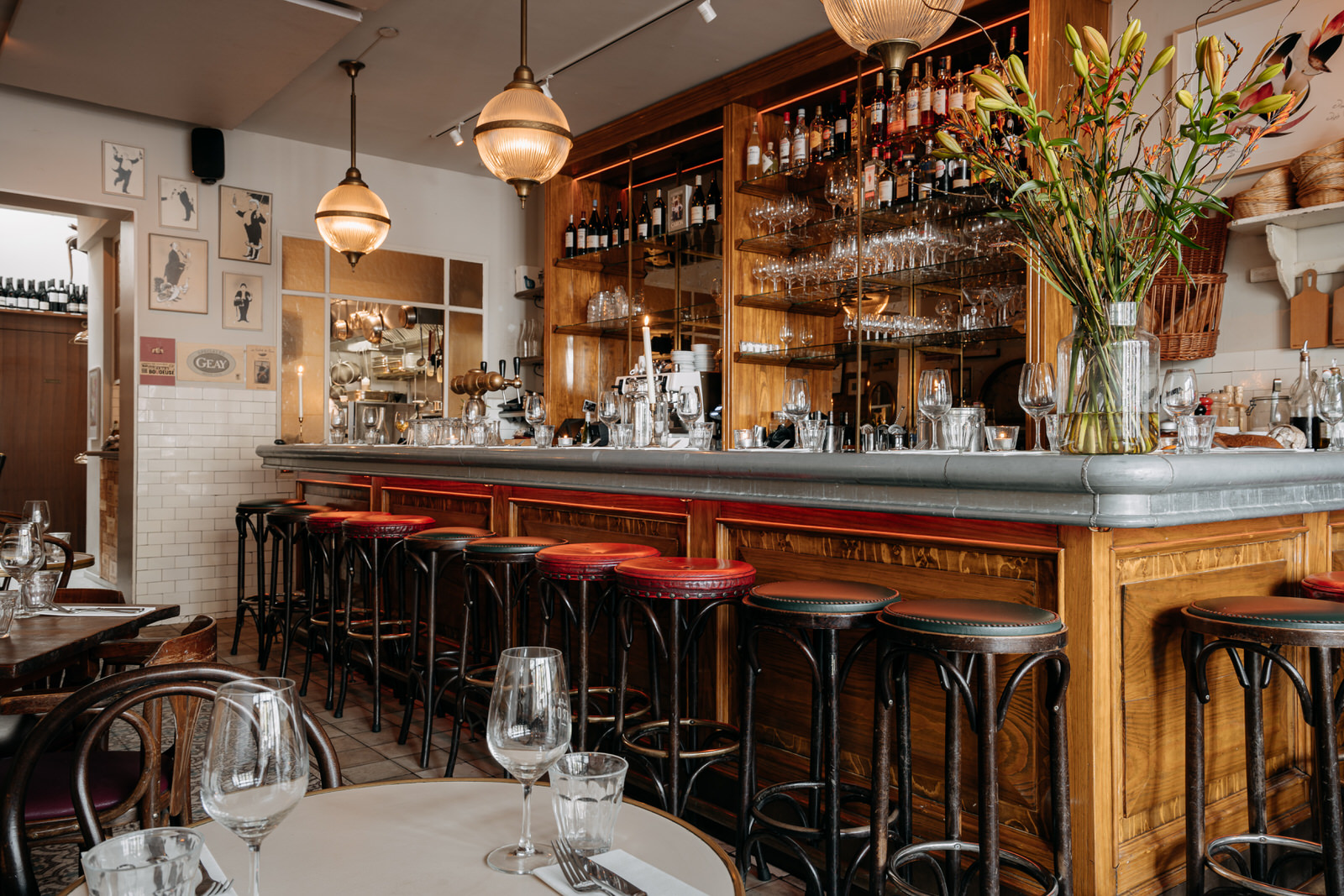
Petit Caron
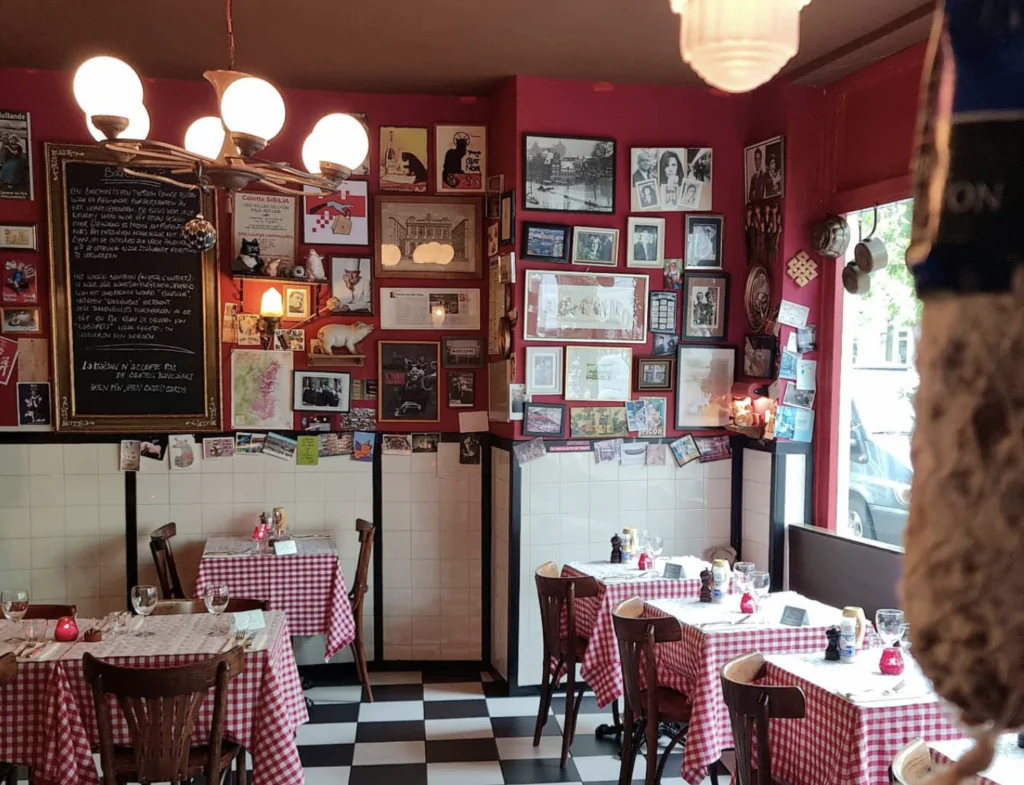
The little brother of Café Caron, founded and managed by Alain Caron and his sons, located on the always busy Gerard Douplein. Reserve a table on the terrace and imagine yourself in the Parisian district of Les Marais. Order Petit's signature dish: Côte de Boeuf, and a nice bottle of Lowel. The wine also comes from the Caron Family and is named after the youngest son of the Caron family. A smooth red wine, preferably drunk slightly chilled, from the Loire, which is ideal for enjoying everything Petit has to offer.
1072 VE Amsterdam
Brut de Mer
The decor of Brut de Mer is lively and urban, fitting for the dynamic oyster and fish bar in De Pijp. The interior is informal and exudes the atmosphere of a French Riviera bar, where you can enjoy fresh seafood such as oysters and fruits de mer. The space is compact and cozy, giving you the feeling of being in an authentic, bustling fish shop. In good weather, the terrace offers a popular place to eat outside.
1073 CM Amsterdam
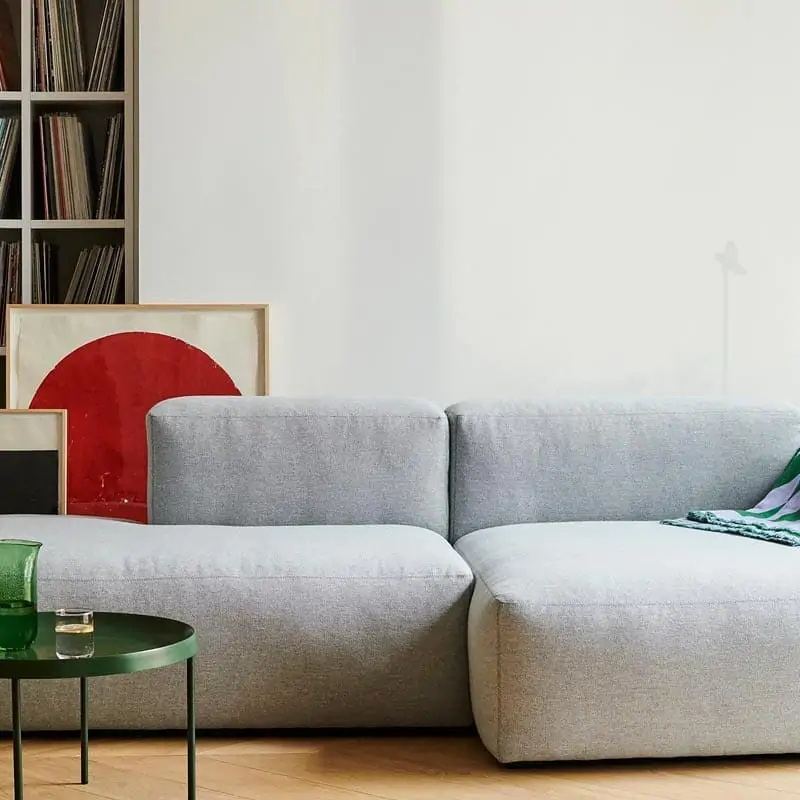
Mud in May
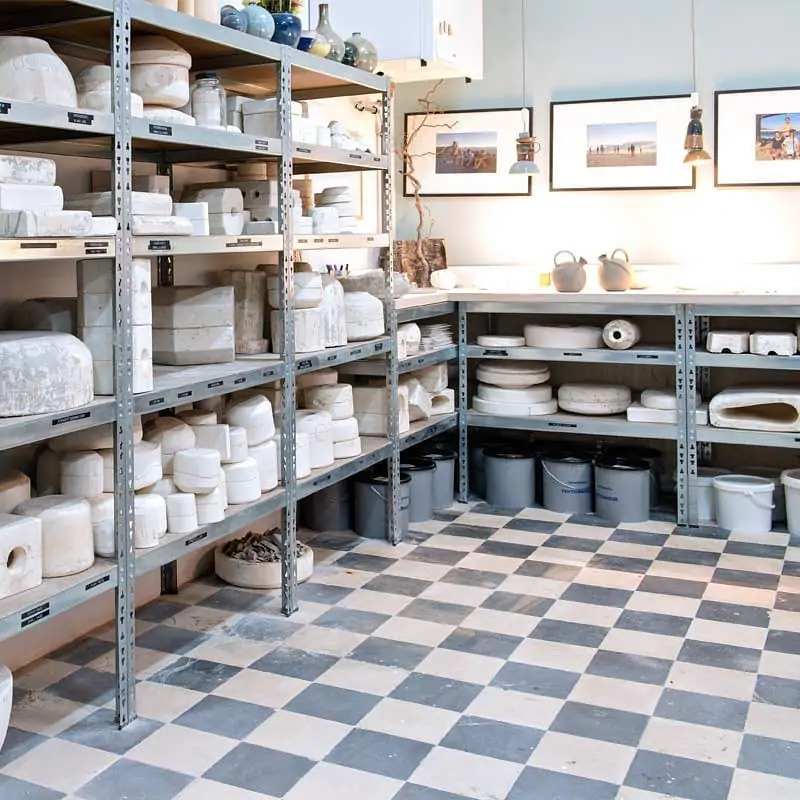
Mud in May is an interior and gift shop in the heart of the Pijp. Here you will find items from both well-known and lesser-known designers, creating a playful mix. There is something for every budget. Mud in May sells all kinds of products; chairs, vases, lamps, tables and even clothing. They also have a nice blog where they publish articles in which they talk to designers about the latest interior trends.