A wooden monument from 1880 in an enchanting location
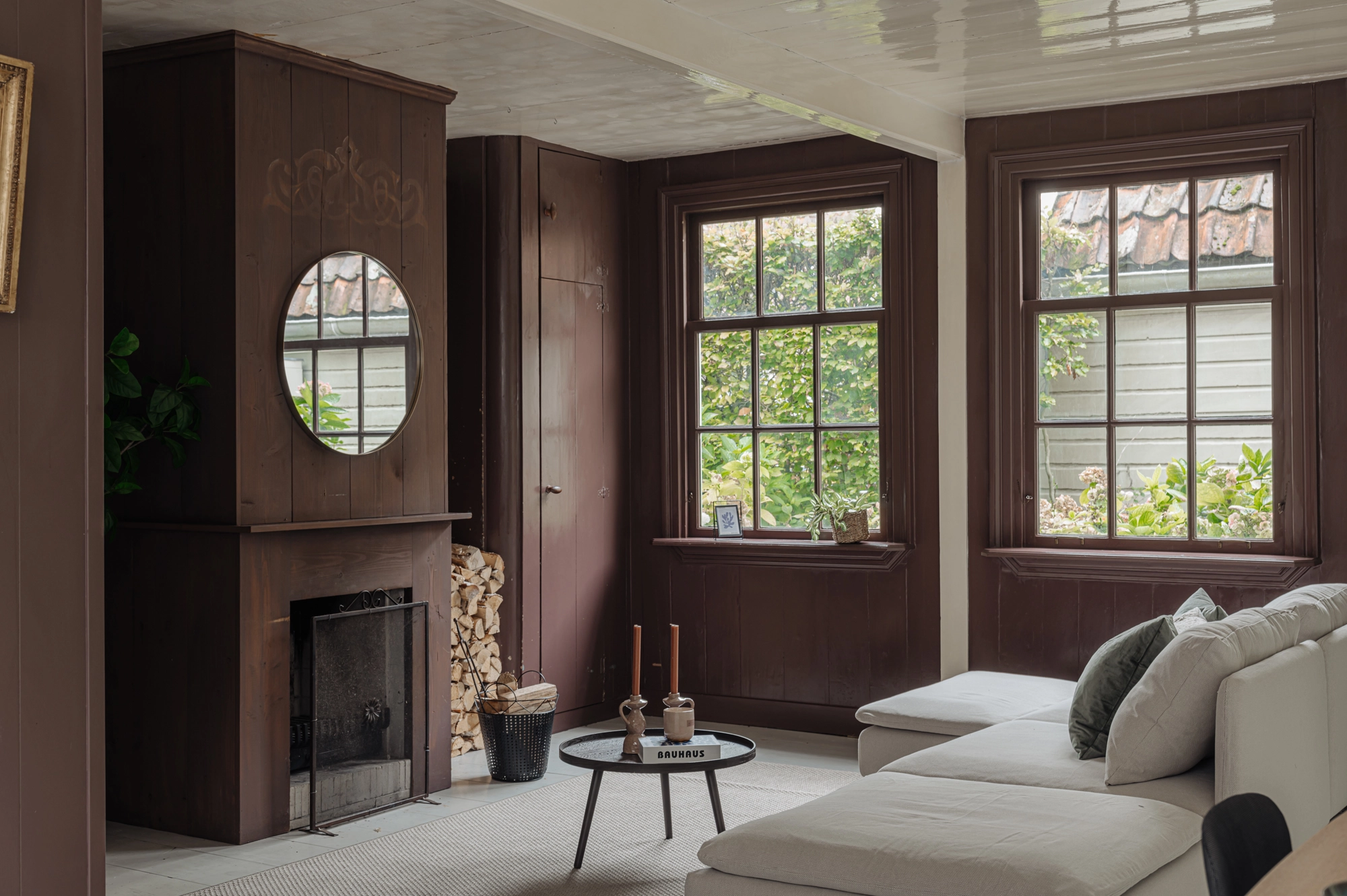
Broek in Waterland was once part of the Waterland manor, which was fully incorporated into the county of Holland in 1409 after the Persijn family died out. In the 15th and 16th centuries, the village flourished as a trading center thanks to grain imports from the Baltic Sea region, herring fishing, and whaling. During the Eighty Years' War, Broek was attacked by the Spanish in 1573; the inhabitants were mistreated, and the village was looted and set on fire. After the Battle of the Zuiderzee in the same year, trade recovered and the village was rebuilt. Around 1628, the nearby lakes, including the Belmermeer and Broekermeer, were drained.
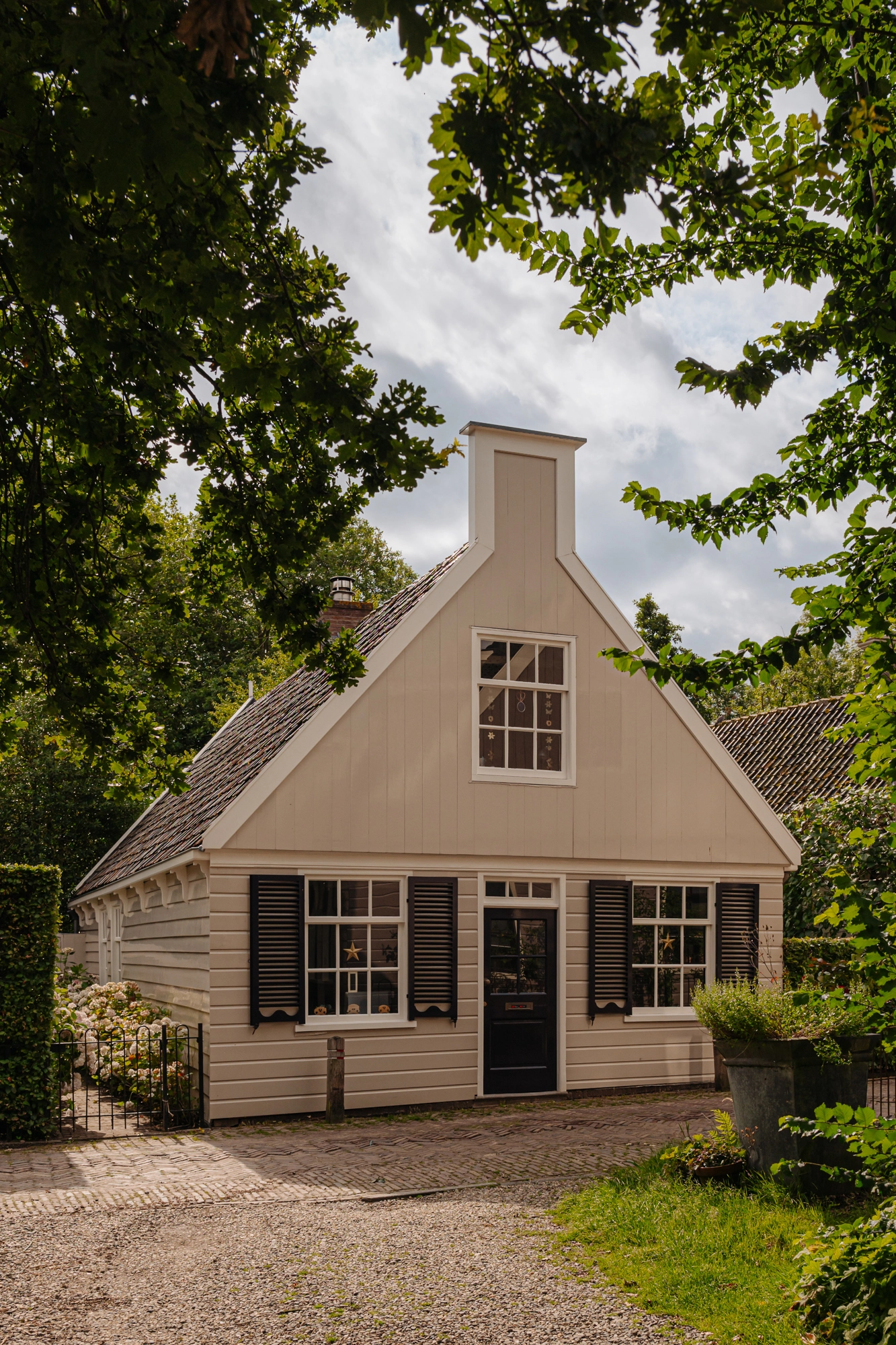
In the 17th century, Broek grew into a village for wealthy Amsterdammers living off their investments. Merchants and shipowners also settled in the characteristic wooden houses, often painted in the iconic "Broekergrijs" (Broek gray) and embellished with a door transom. The houses have ceremonial front doors, which at the time were only opened for weddings and funerals.
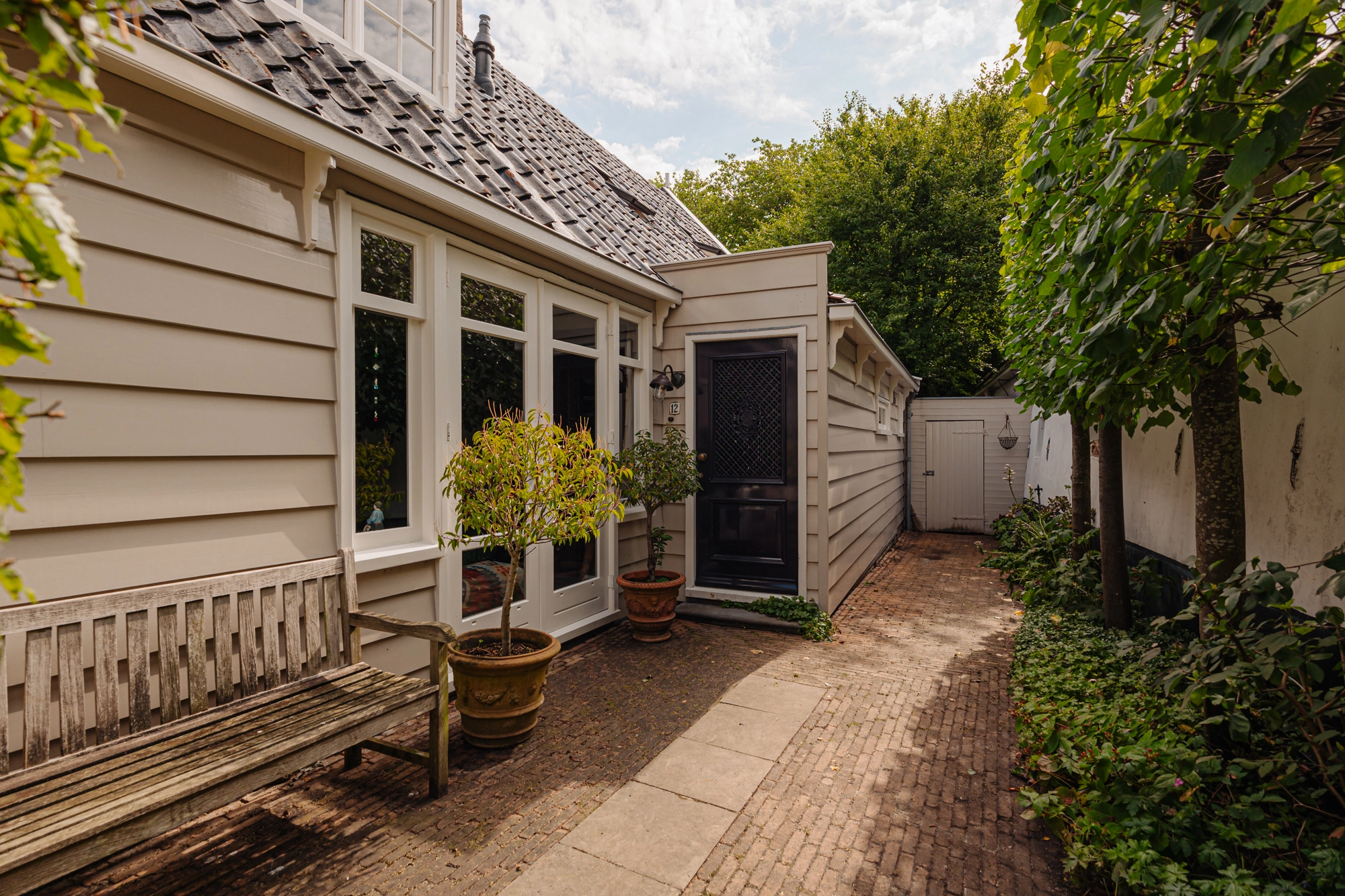
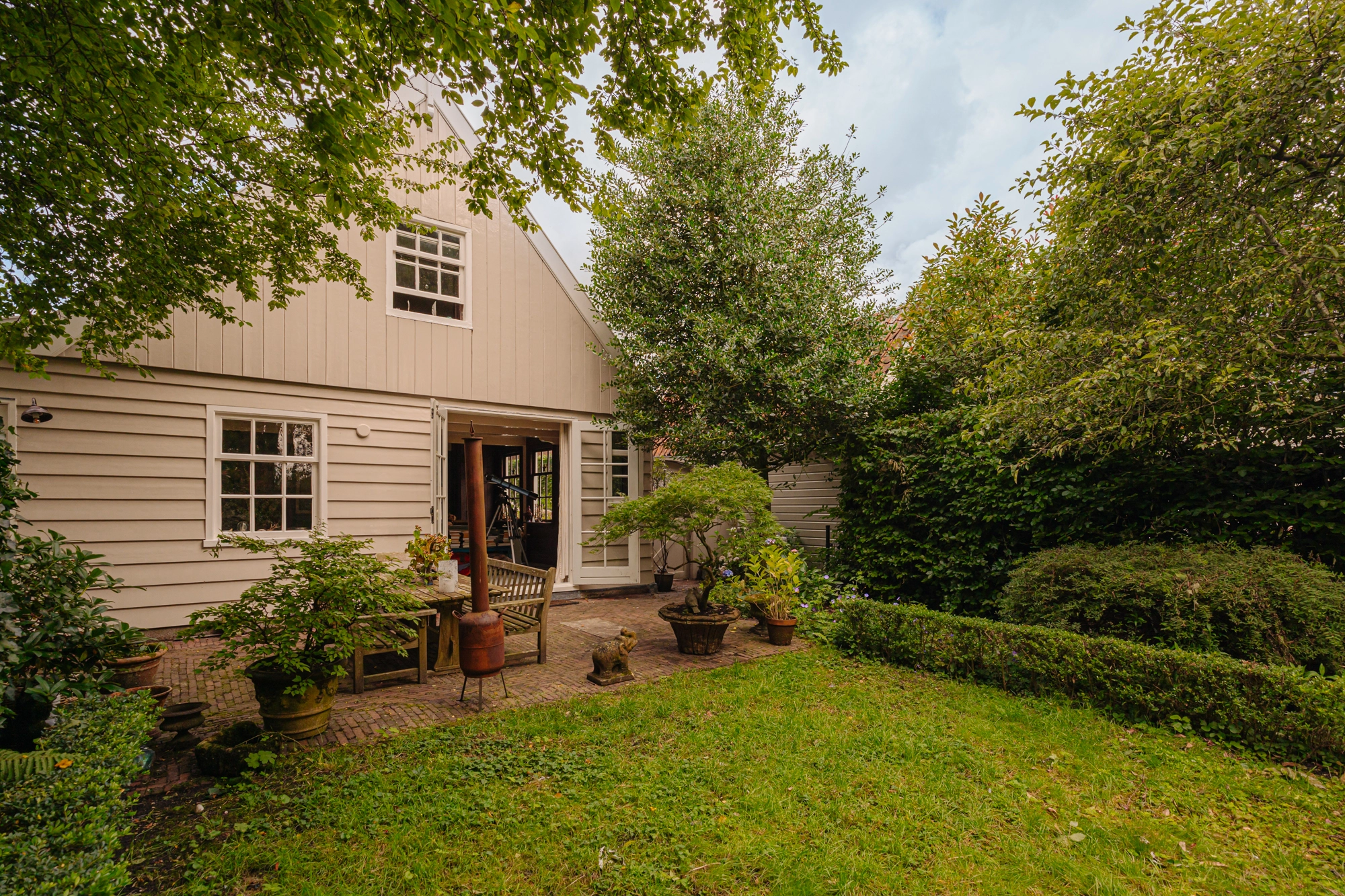
In the 18th century, Broek was renowned for its beauty. Emperor Joseph II visited the village incognito in 1781, but was not allowed in because the farmer's wife did not have time. Five years later, the village was equipped with lampposts for extra safety; two of the original lampposts are still standing, both protected as national monuments. Napoleon also visited the village in 1811 and admired the pagoda-like arbor. After the French period, prosperity declined, and dairy farming became the main source of income. In 1971, Broek in Waterland was designated a protected village. Roomeinde 12 is a beautiful wooden house with a gabled roof, painted in the characteristic Broeker gray color.
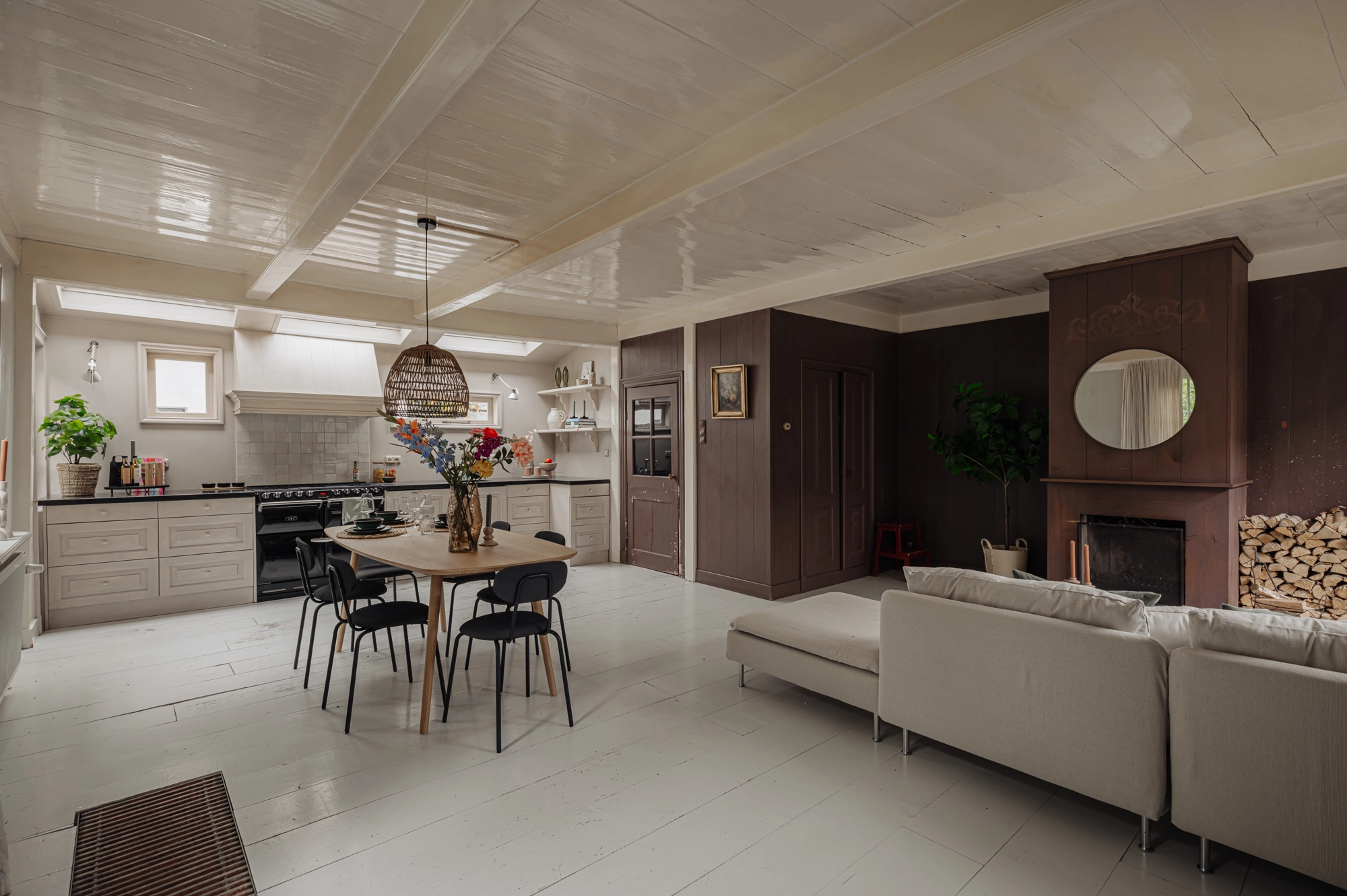
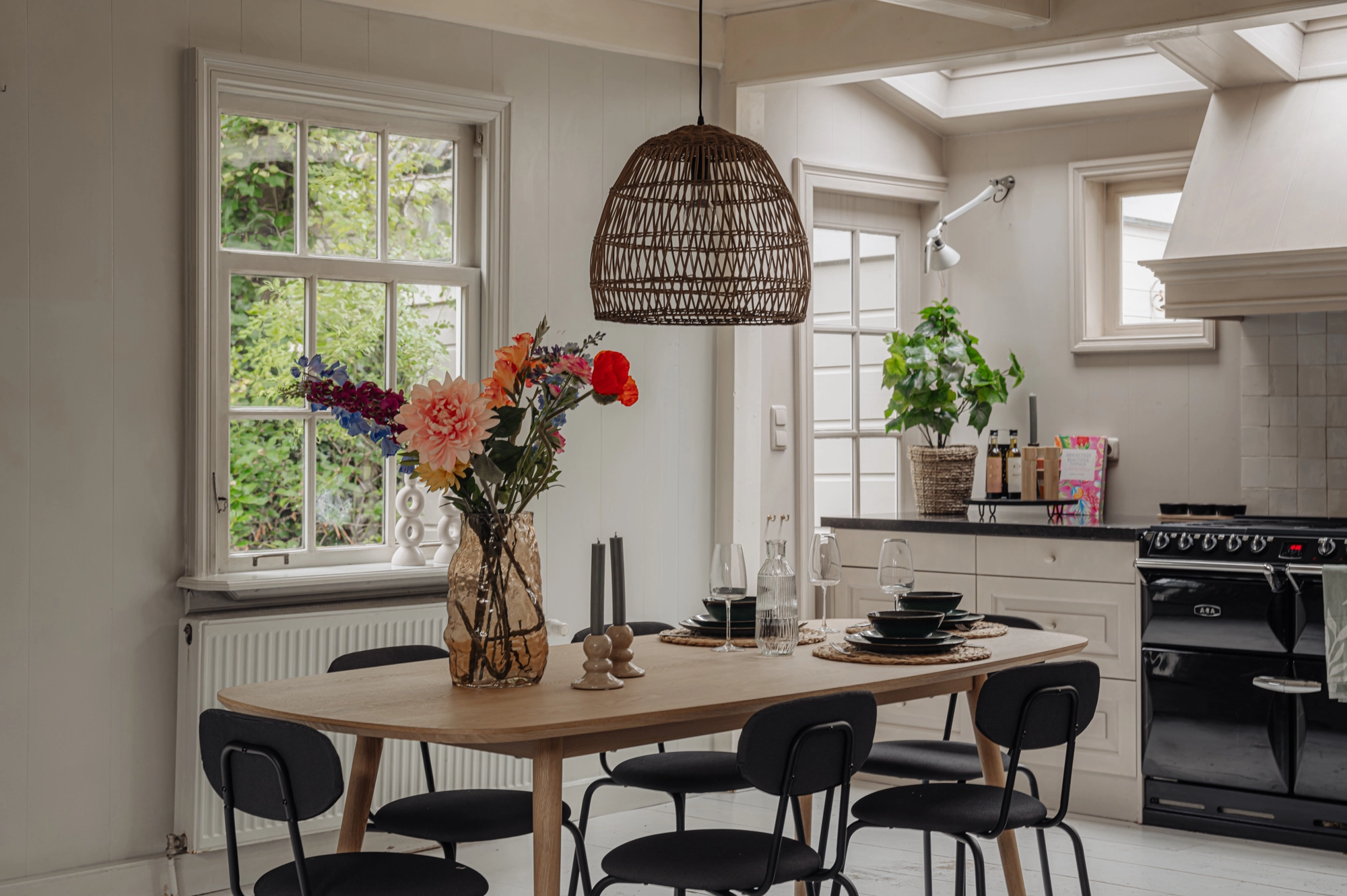
"For us, the heart of the house is the spacious, bright kitchen-diner, which is fully equipped and where we enjoyed spending time together."
This property is For Sale