Volewijck
‘Voelwijc’ (1308) or ‘Voolwijc’ (1324) is a combination of the Middle Dutch ‘voel’ (Zaans ‘vool’), meaning ‘foal’, and ‘wijk’, referring to a farm, settlement, or village. The variant Vogelwijk is a reinterpretation from the 17th century. Amsterdam north of the IJ initially consisted only of theVolewijck peninsula, over which the city gained control in 1393 (right of manorialism). Until 1795, this was the site of the gallows where convicts were hanged after execution as a deterrent. To finance the tow canal to Purmerend, the city levied a toll here from 1662 onwards.
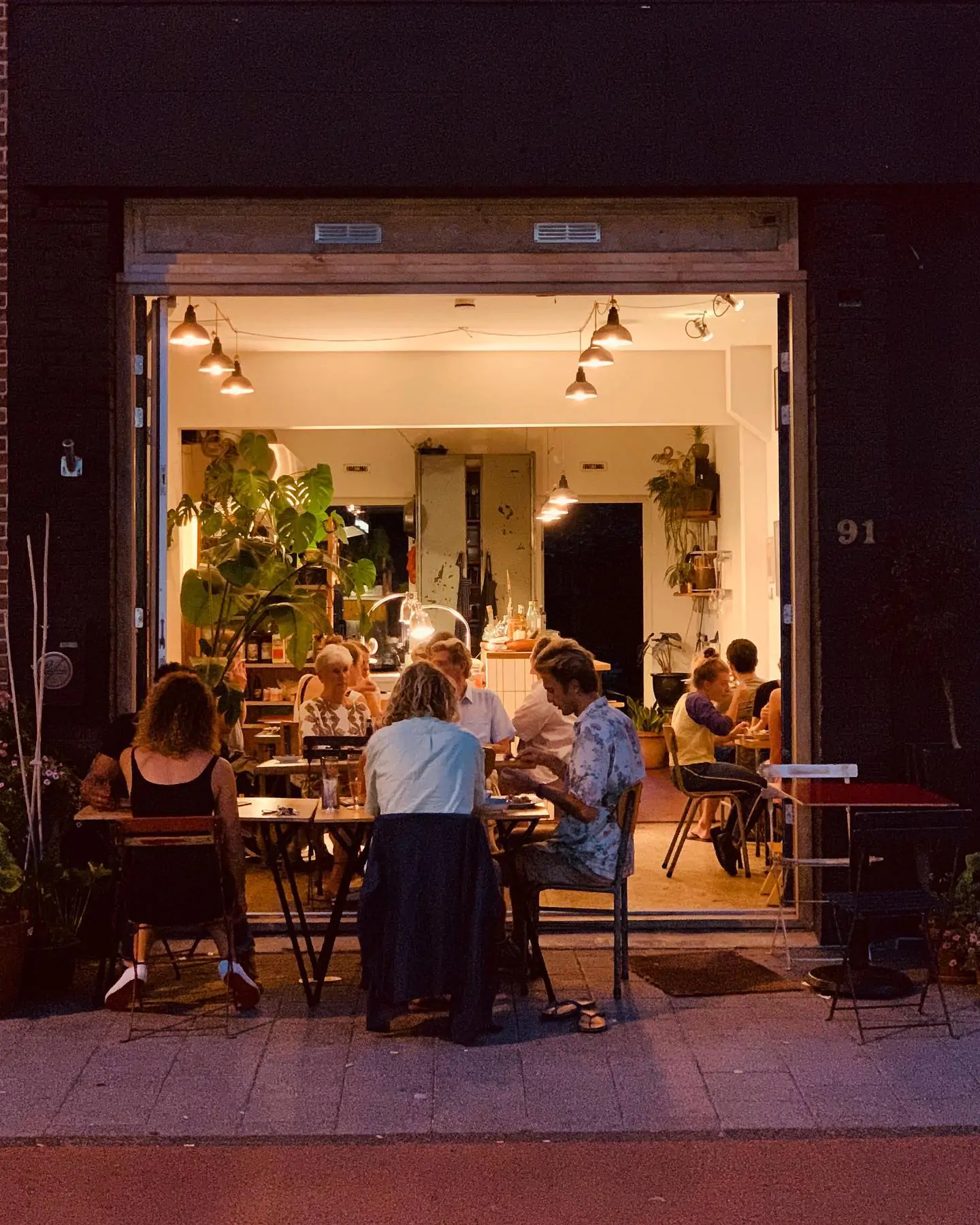
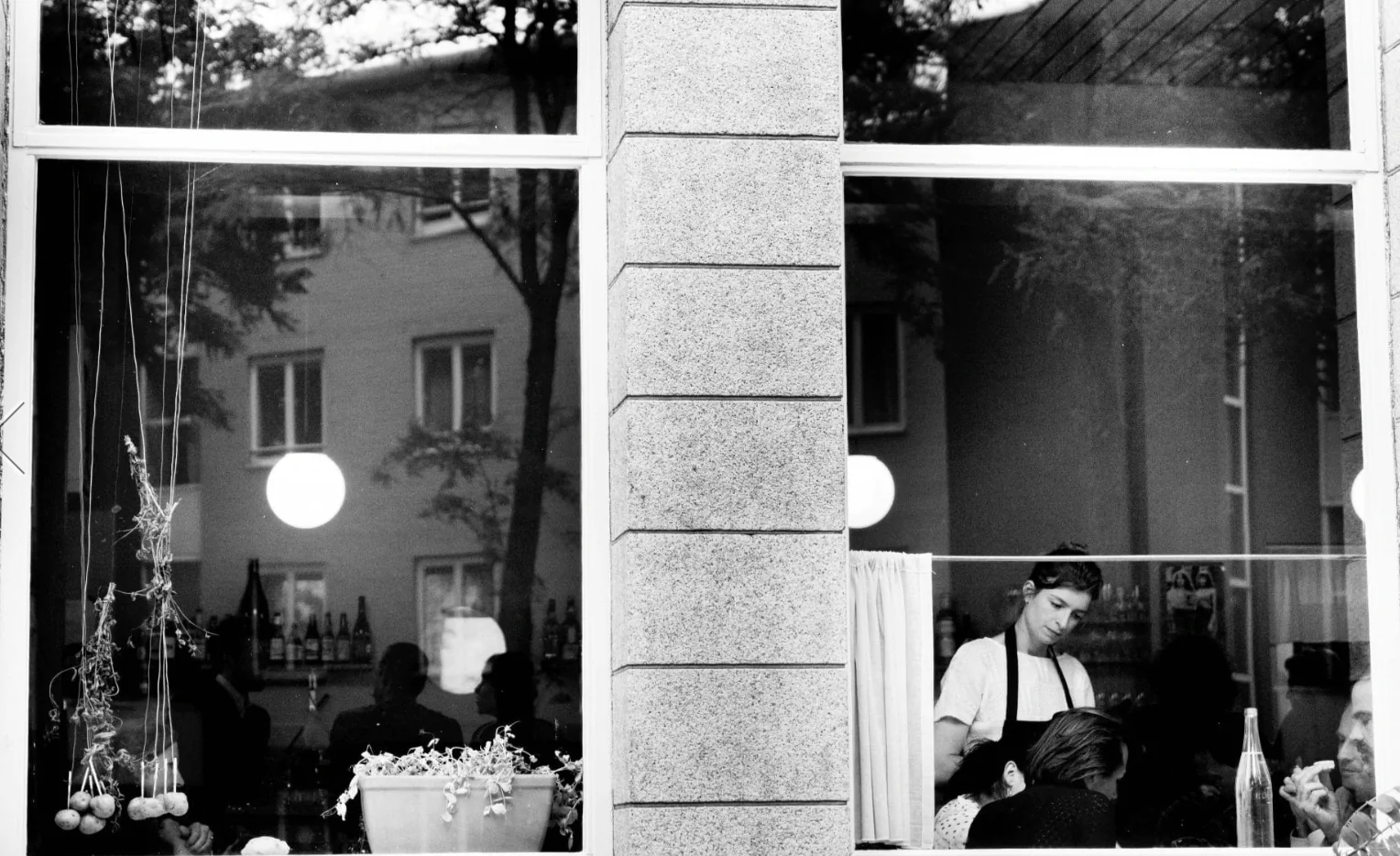
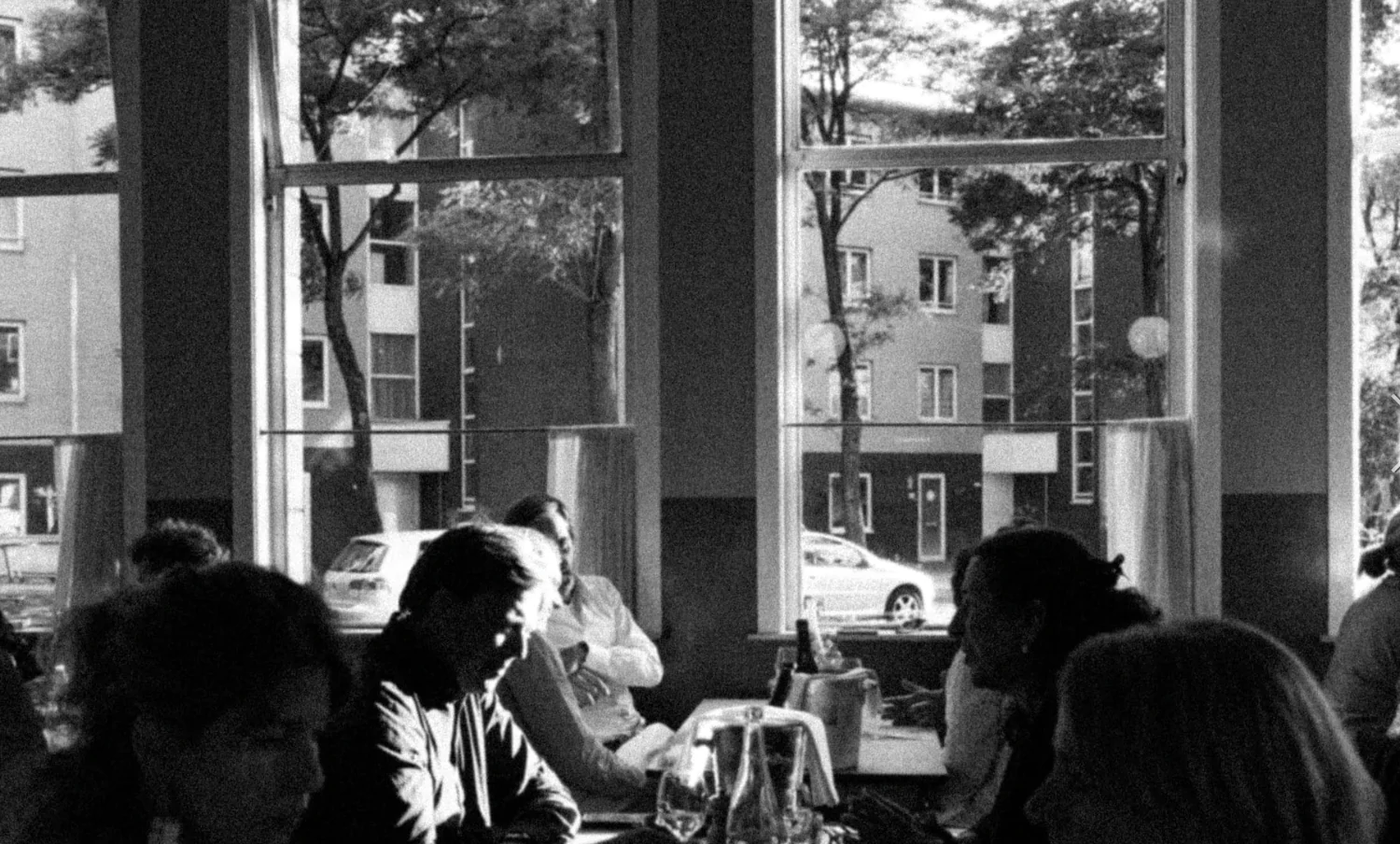
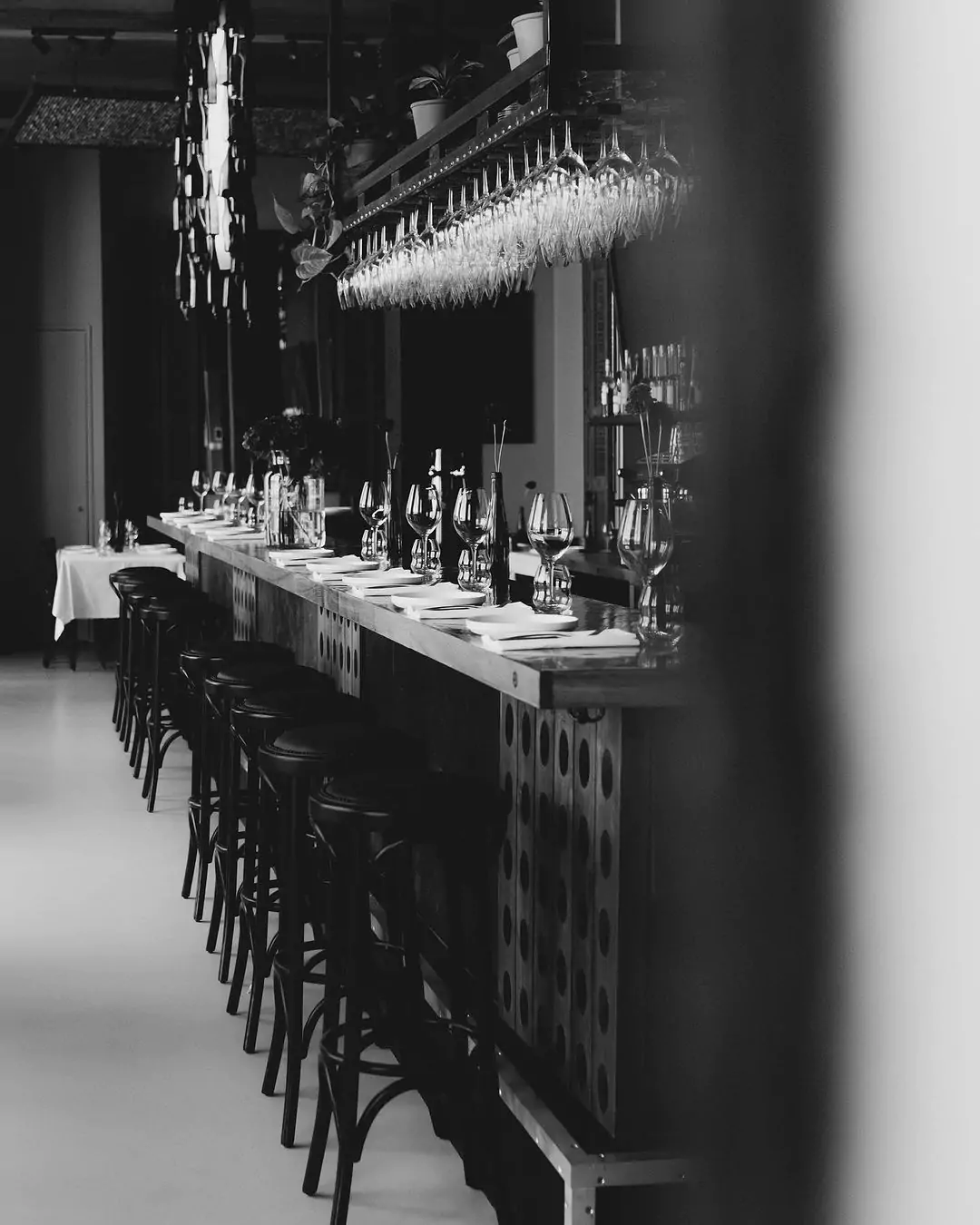
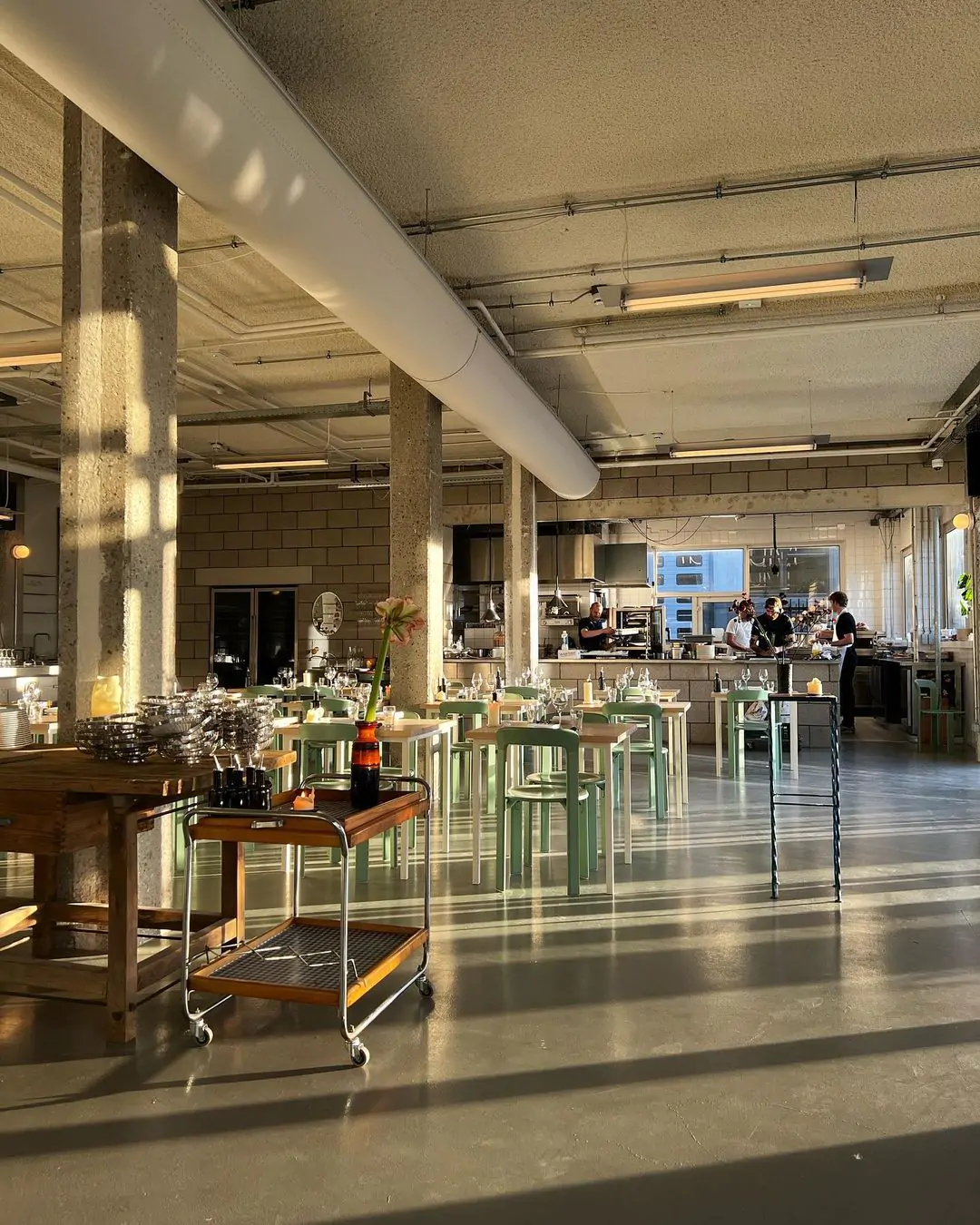
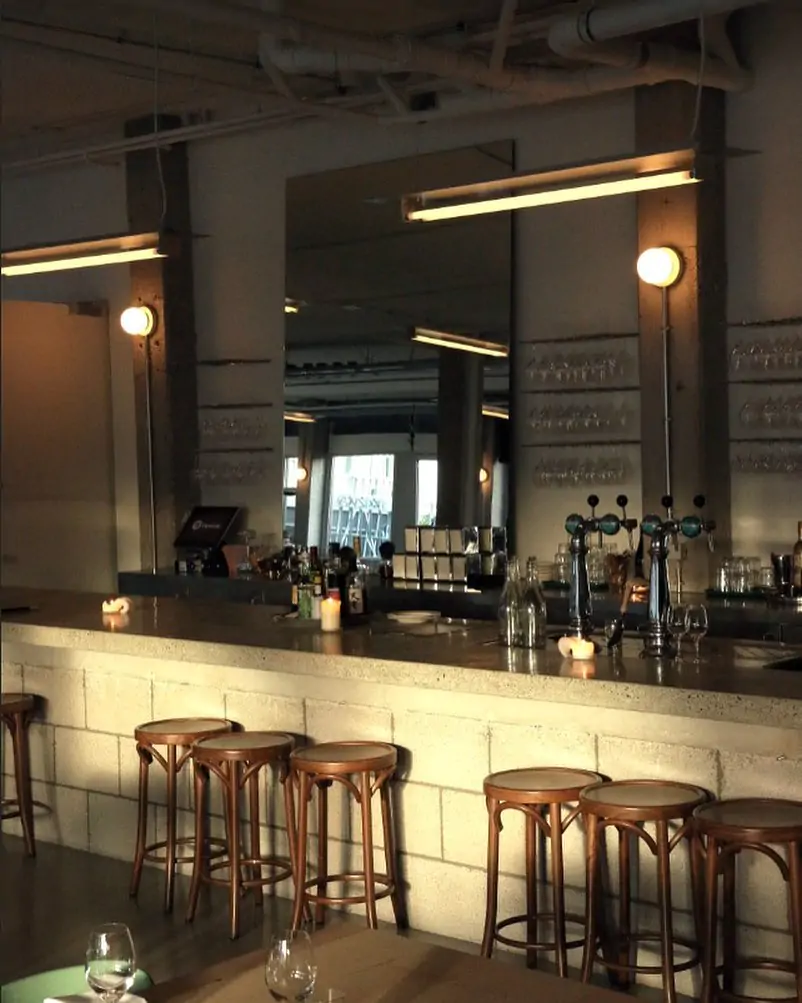
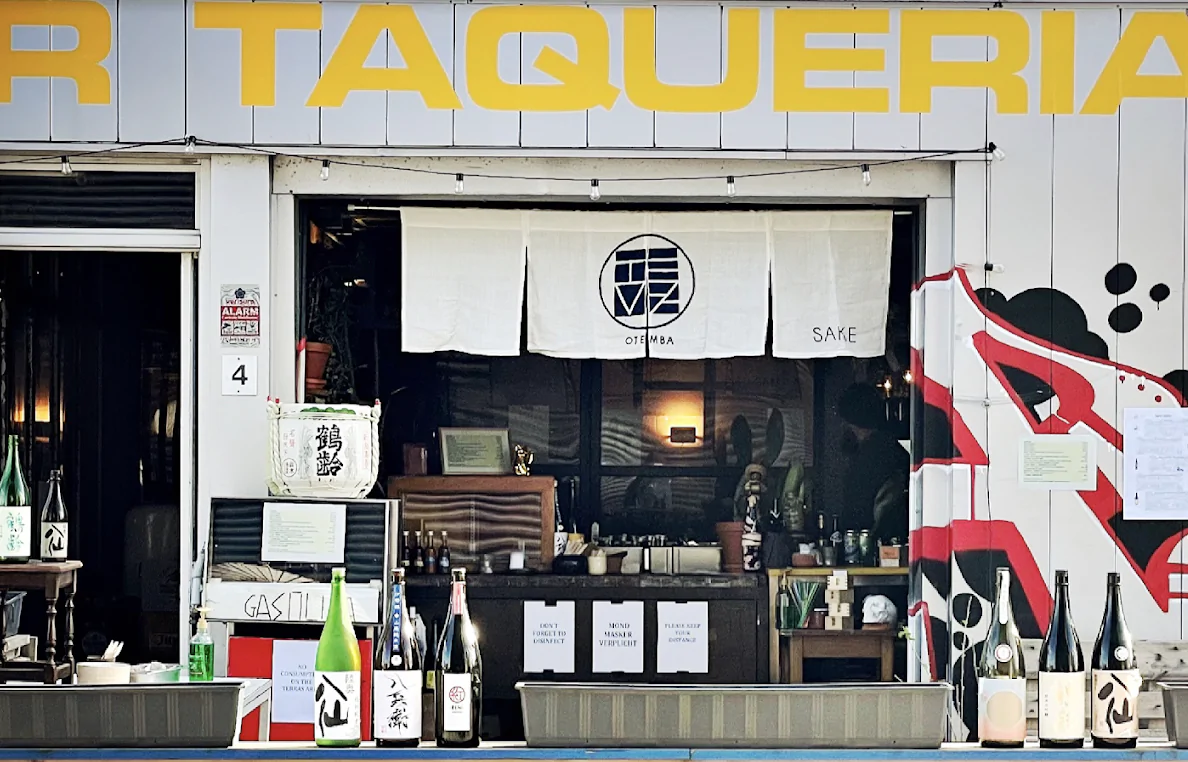
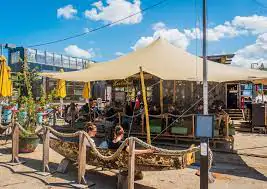
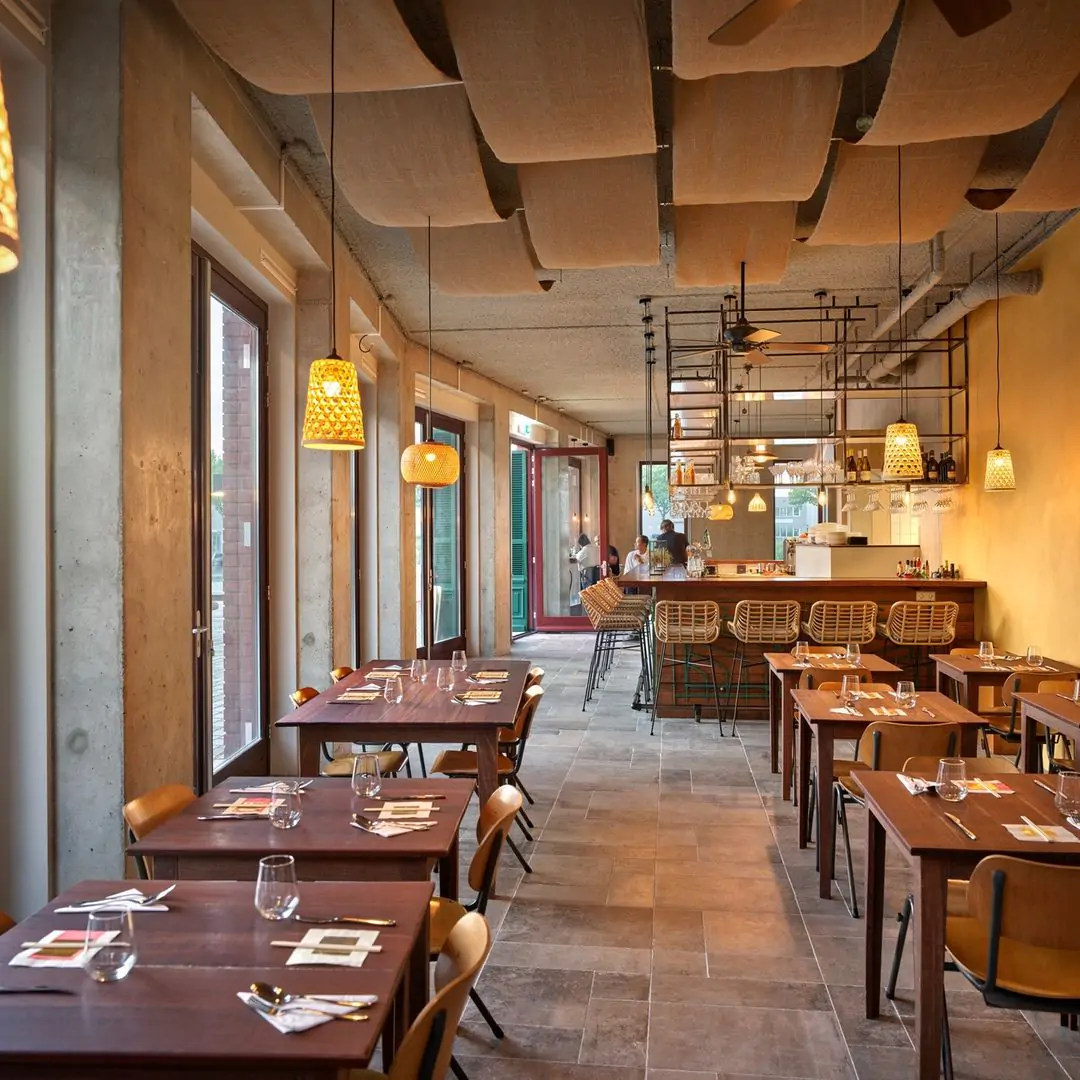
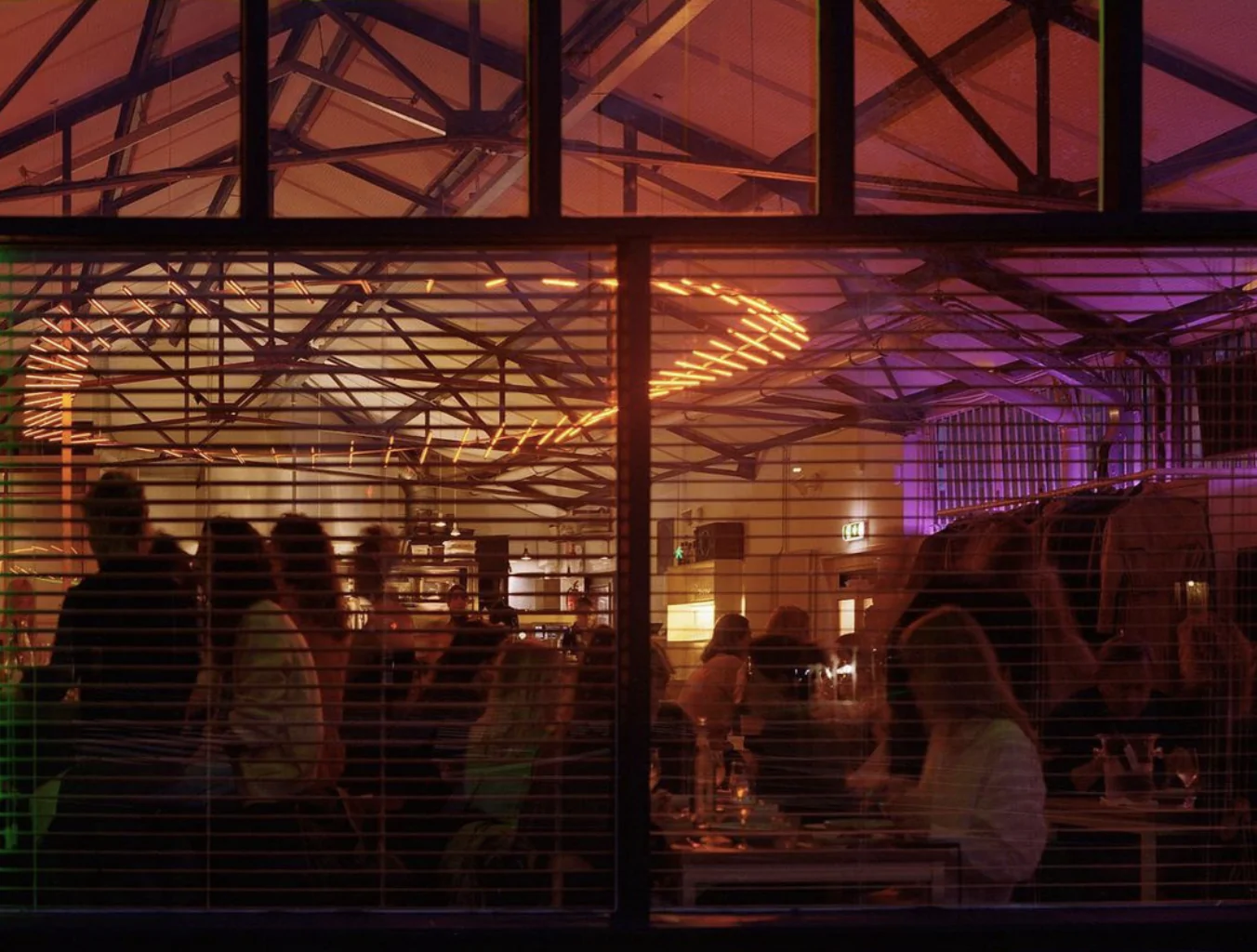
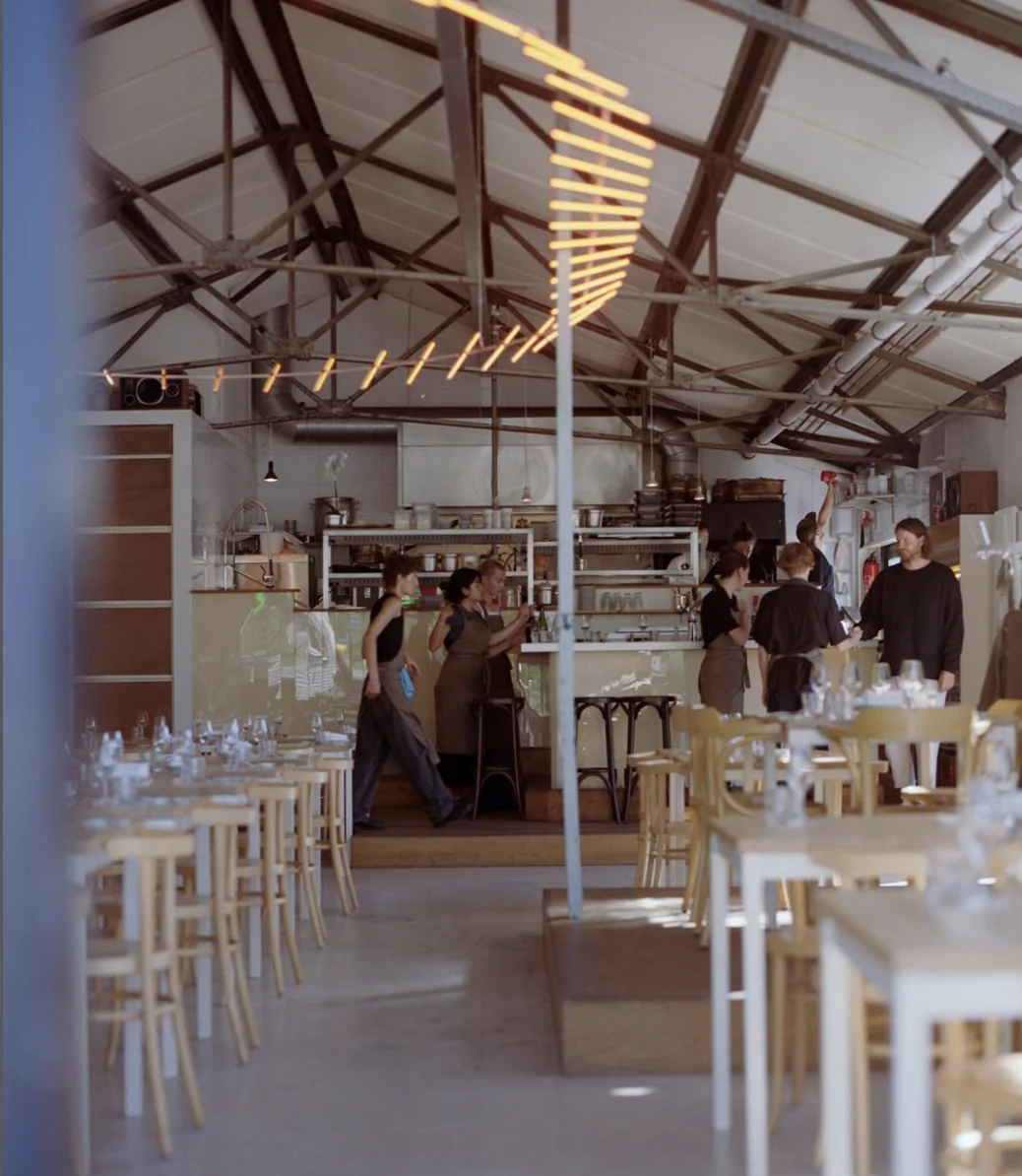
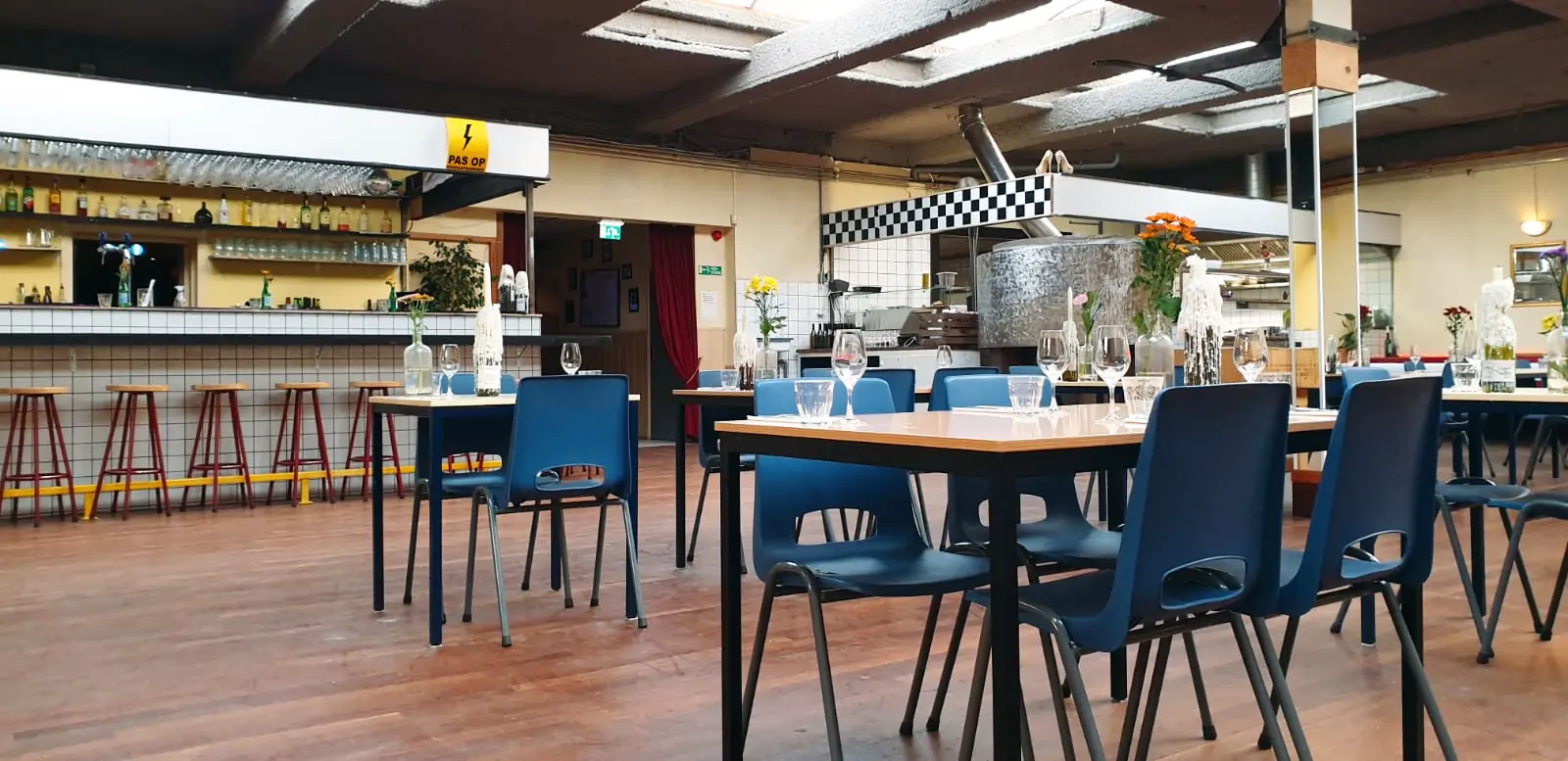
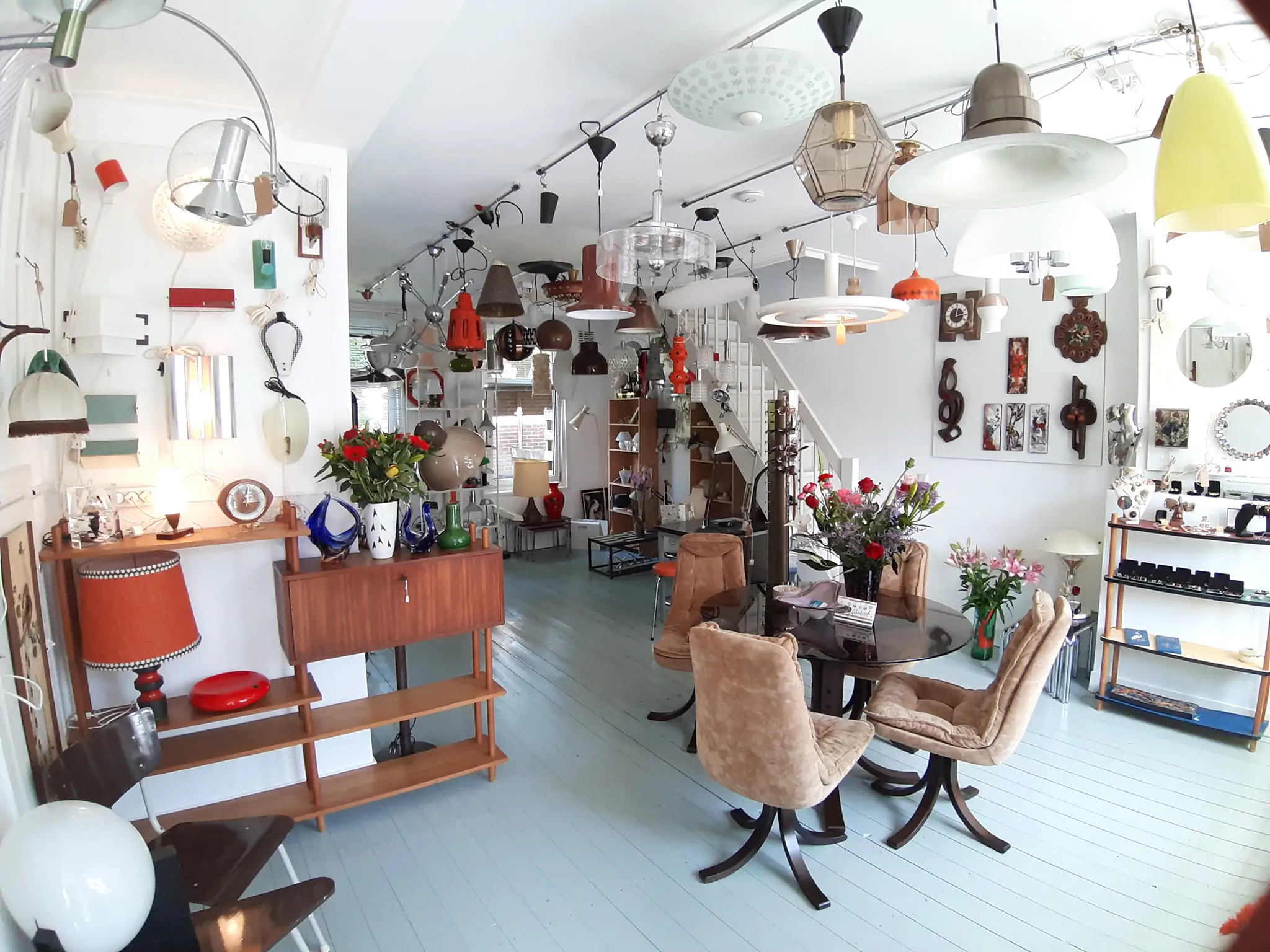
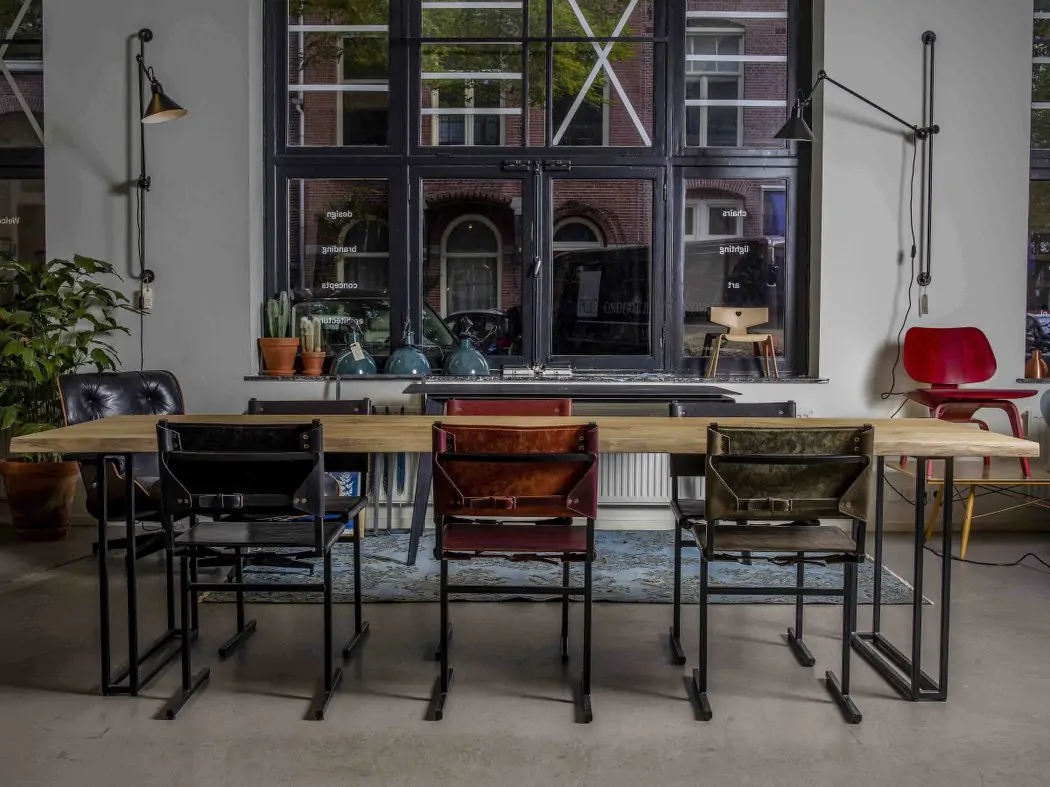
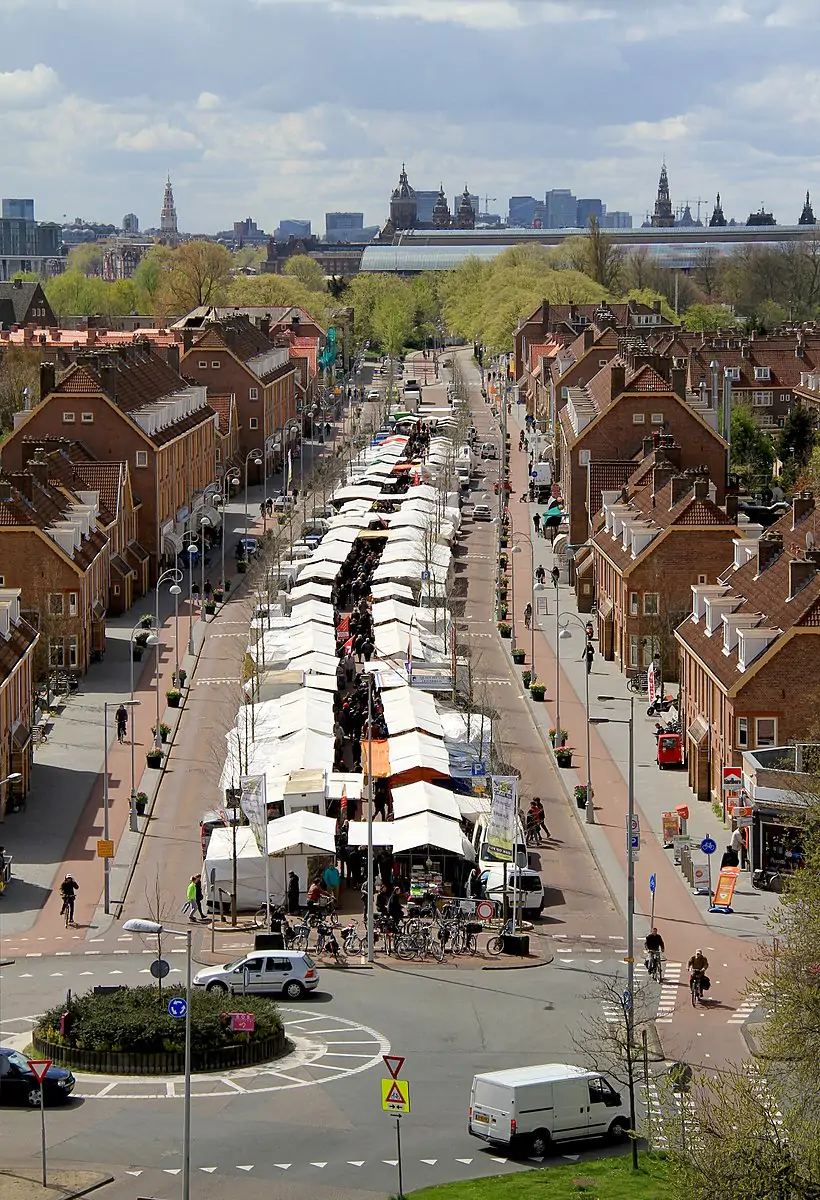
Volewijck is located in the middle of Amsterdam-Noord. Whereas Noord used to be a somewhat less desirable area, it has now become a cultural hotspot. More and more restaurant owners and caterers are setting up shop here. This is not surprising, as the neighborhood has a lot to offer, such as its characteristic 1930s architecture. Thanks to the North-South metro line, you can be on the other side of the water in just a few minutes.