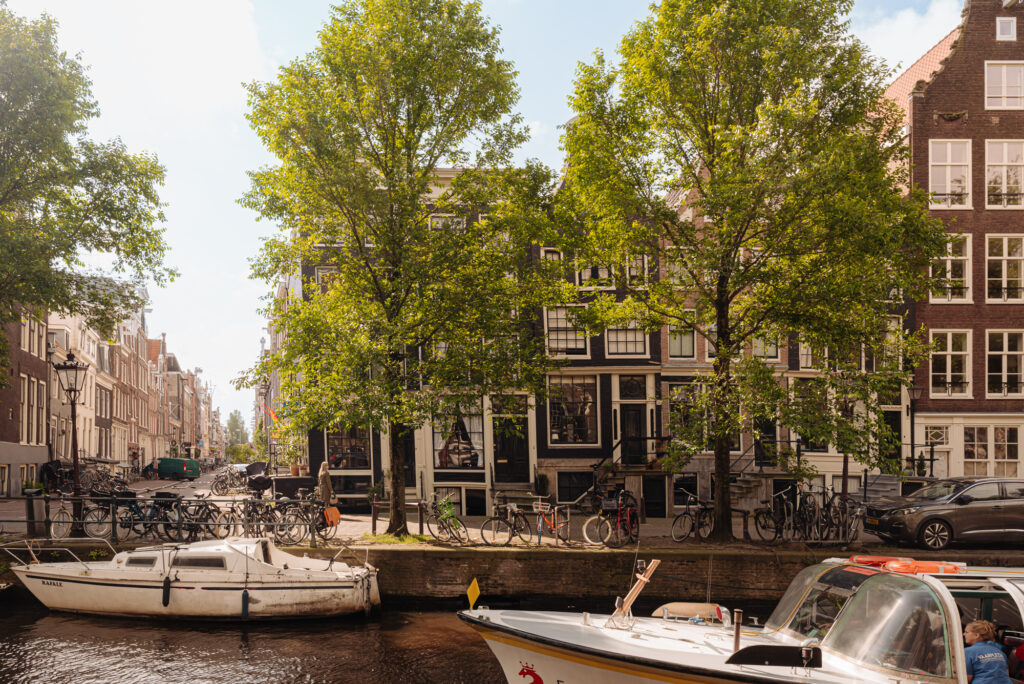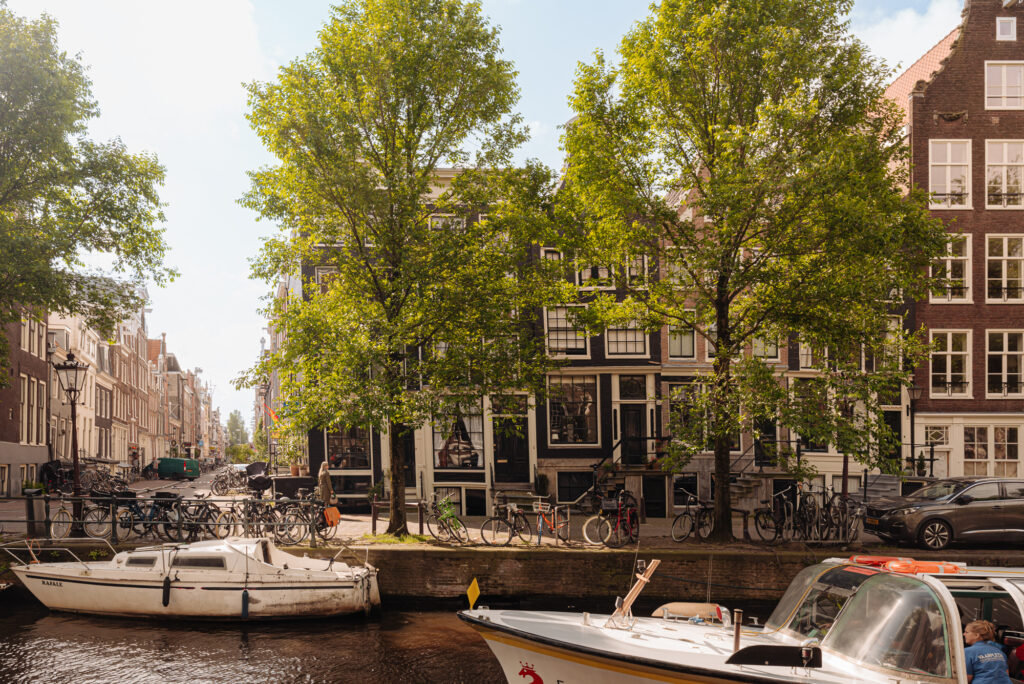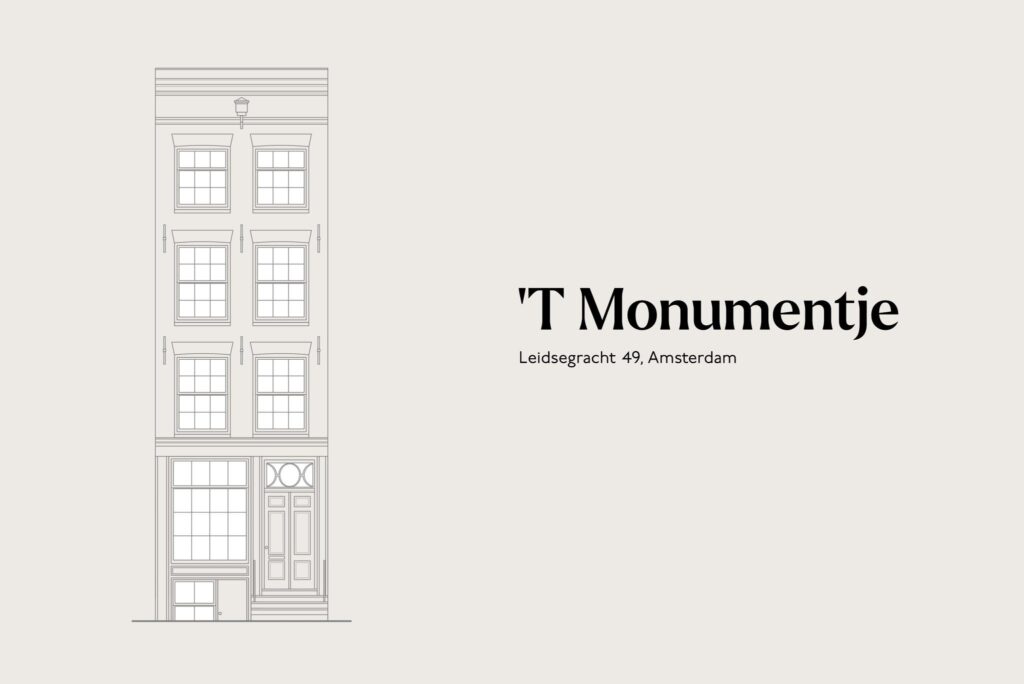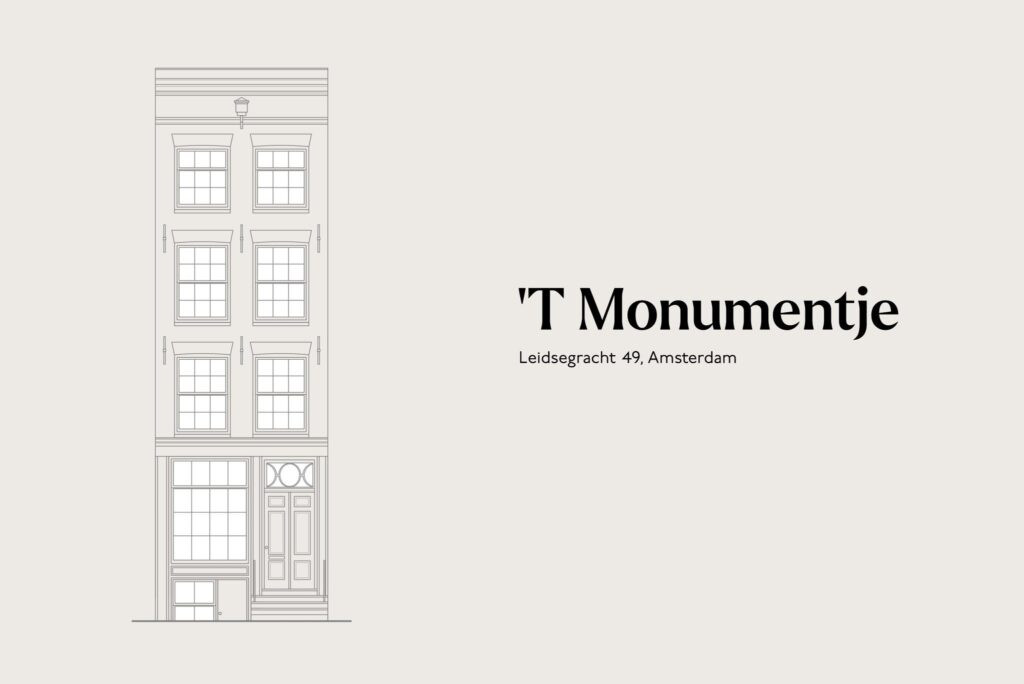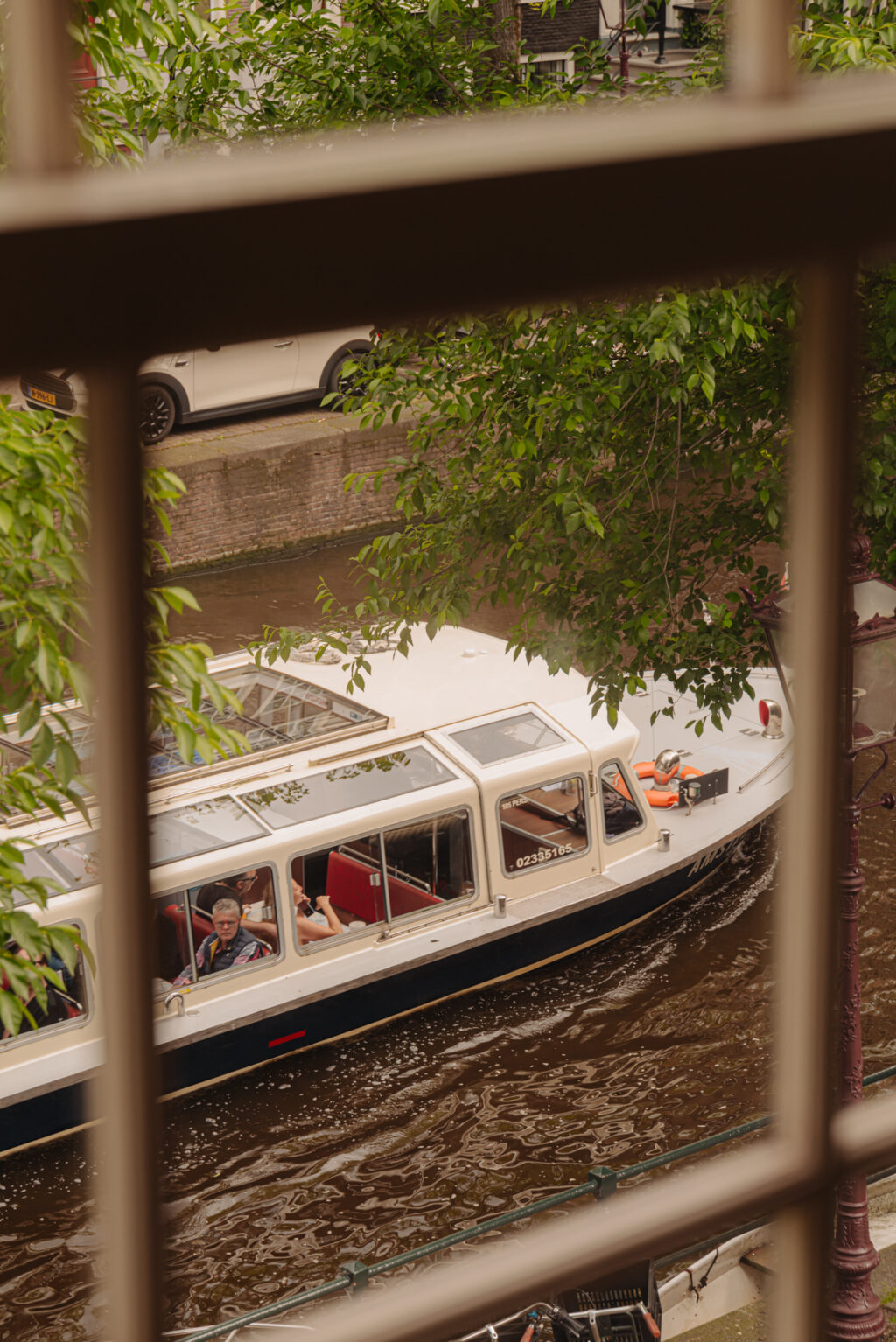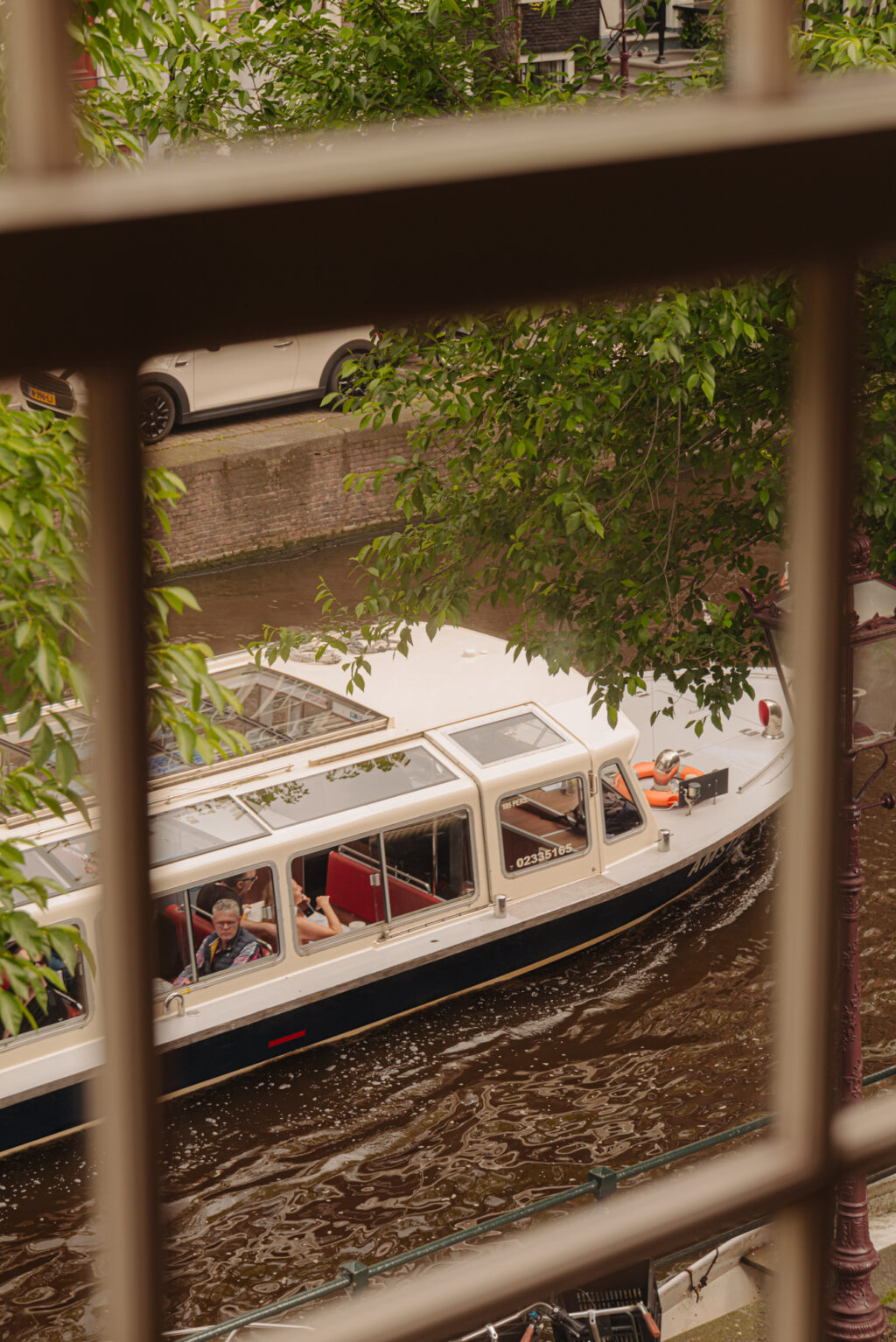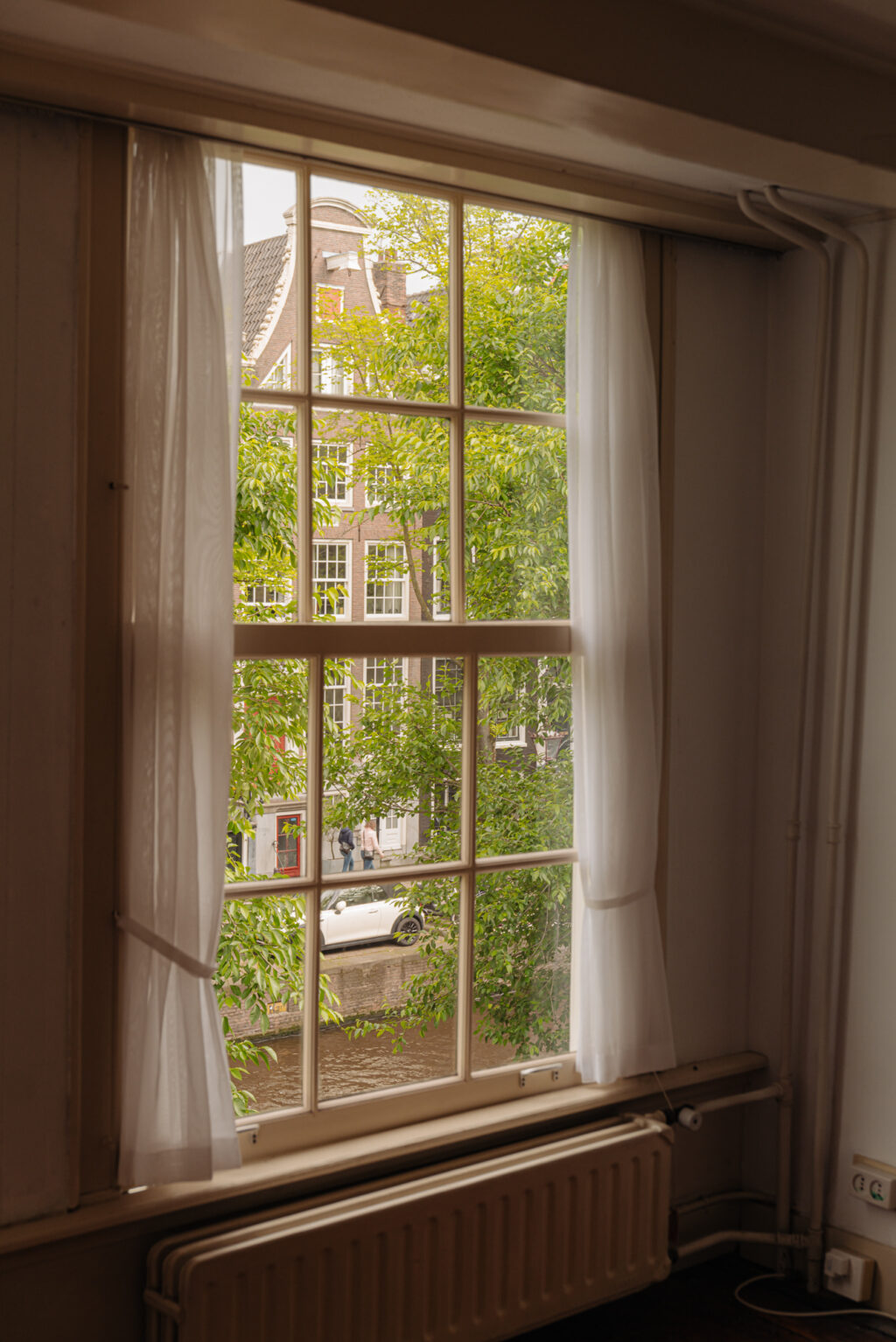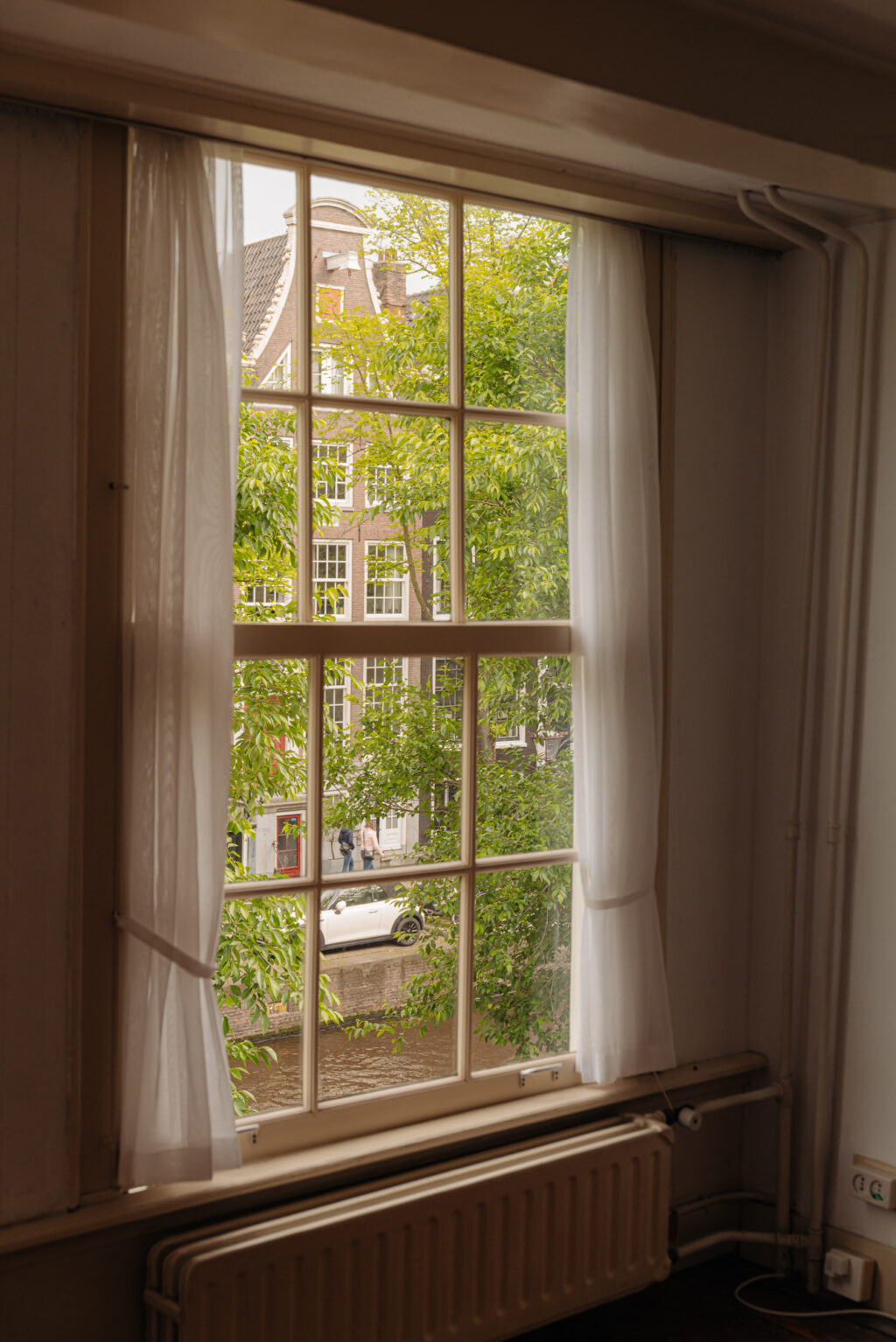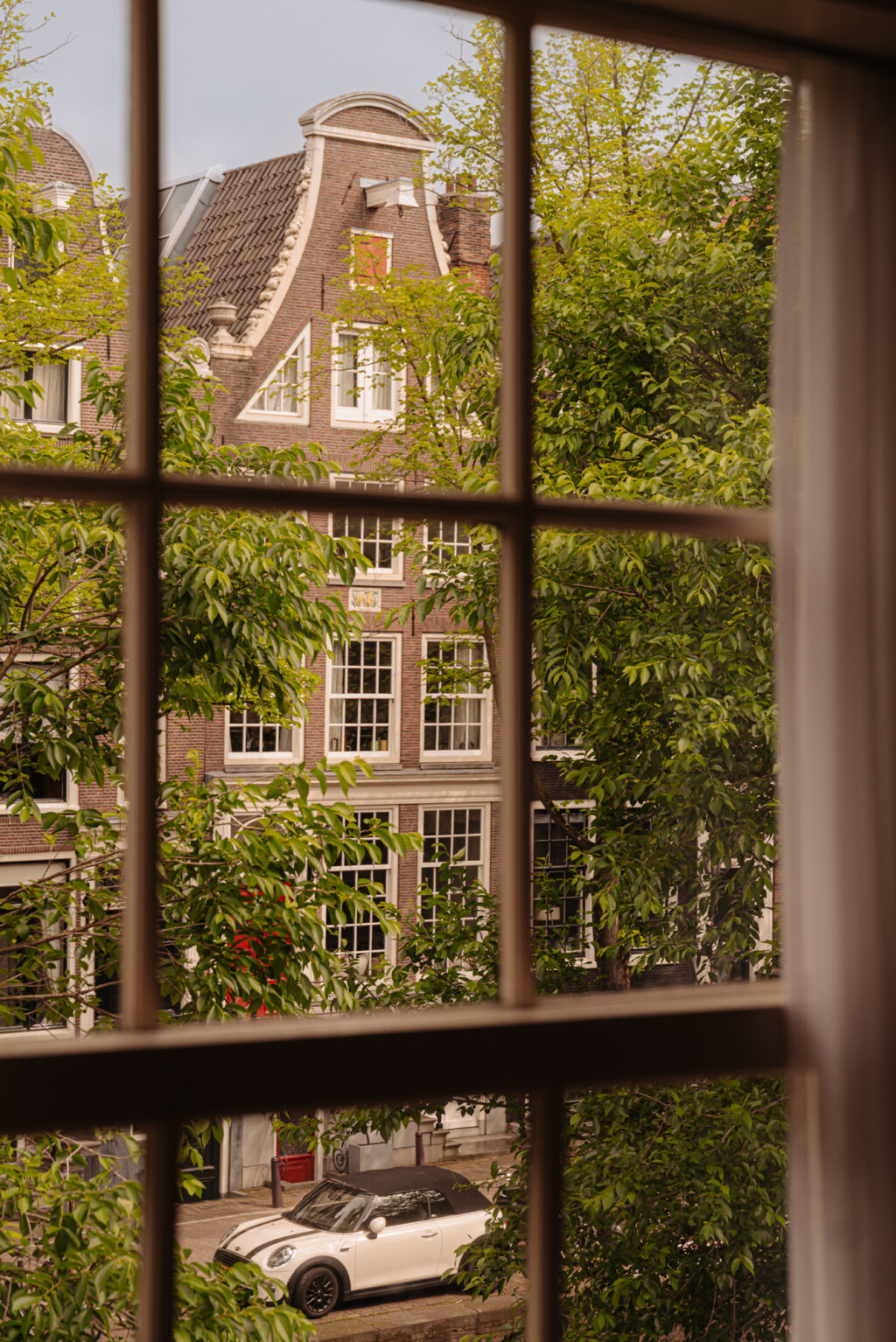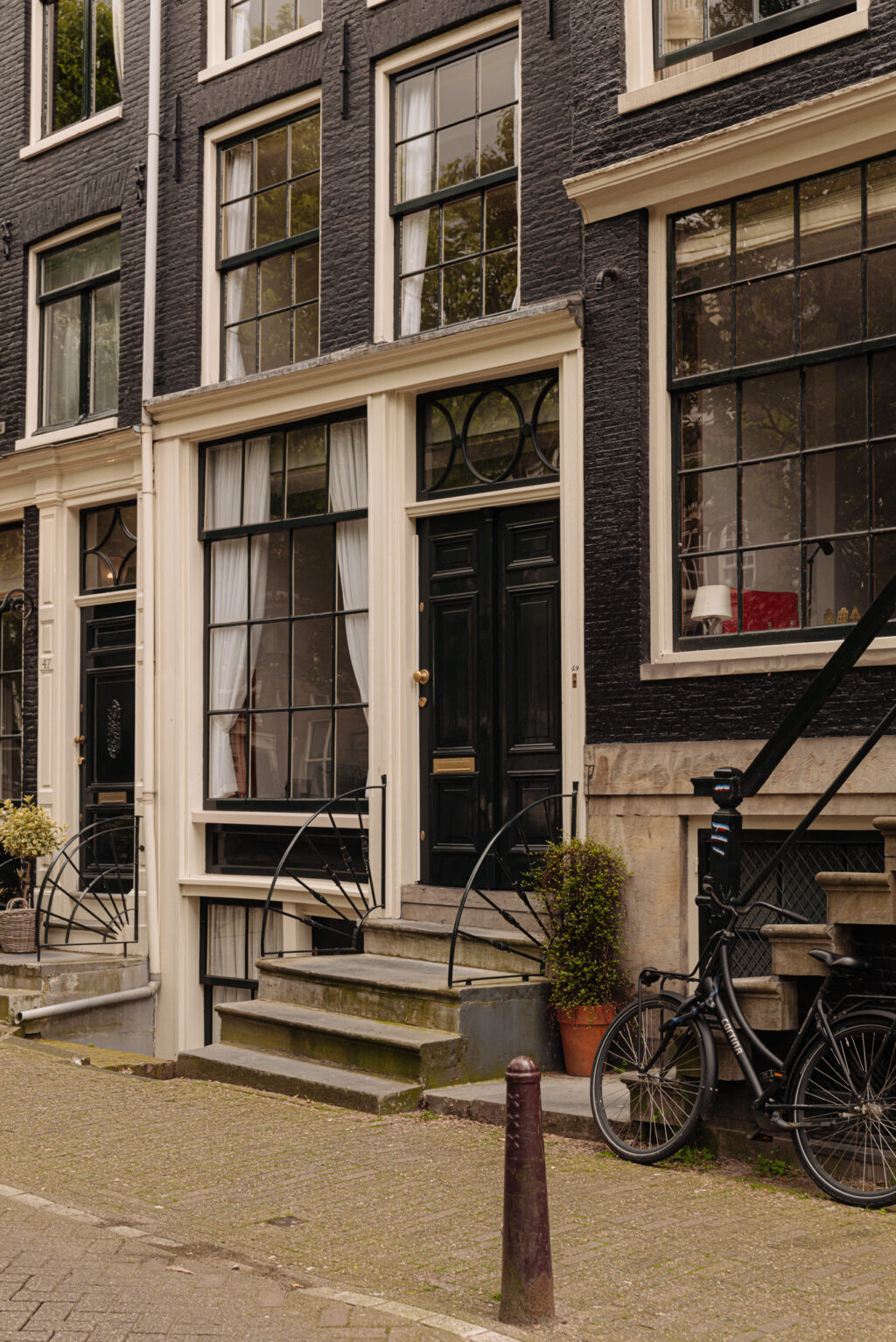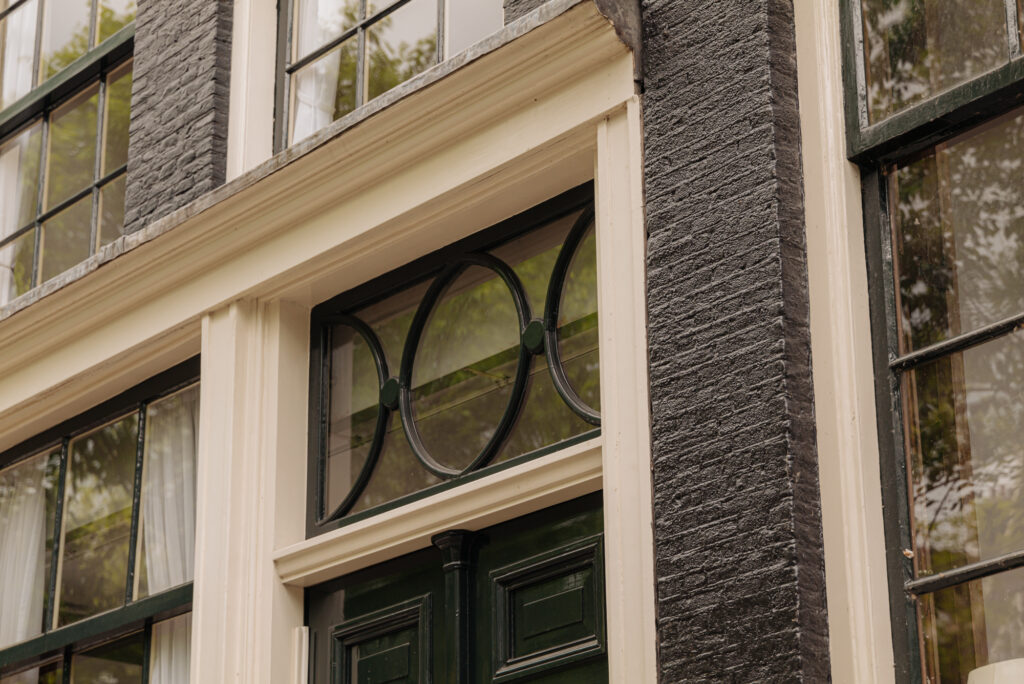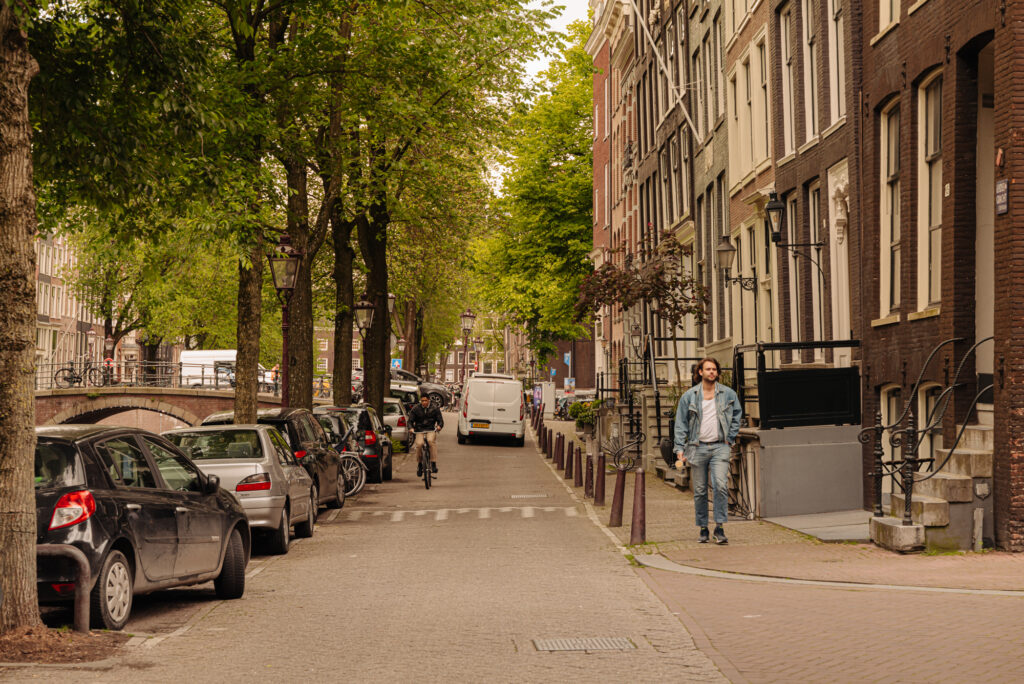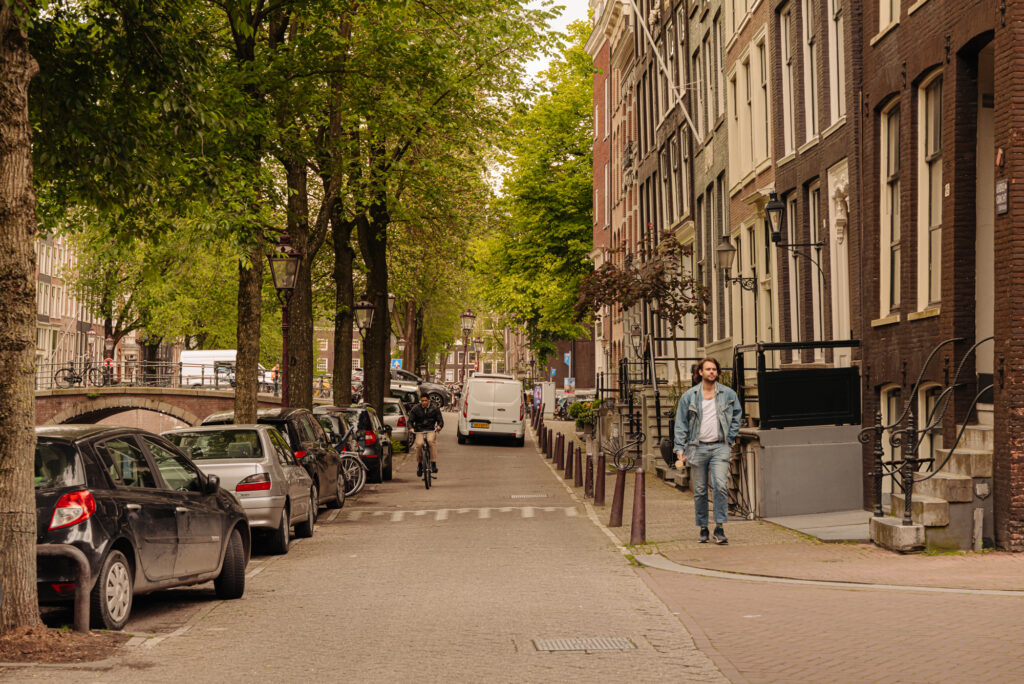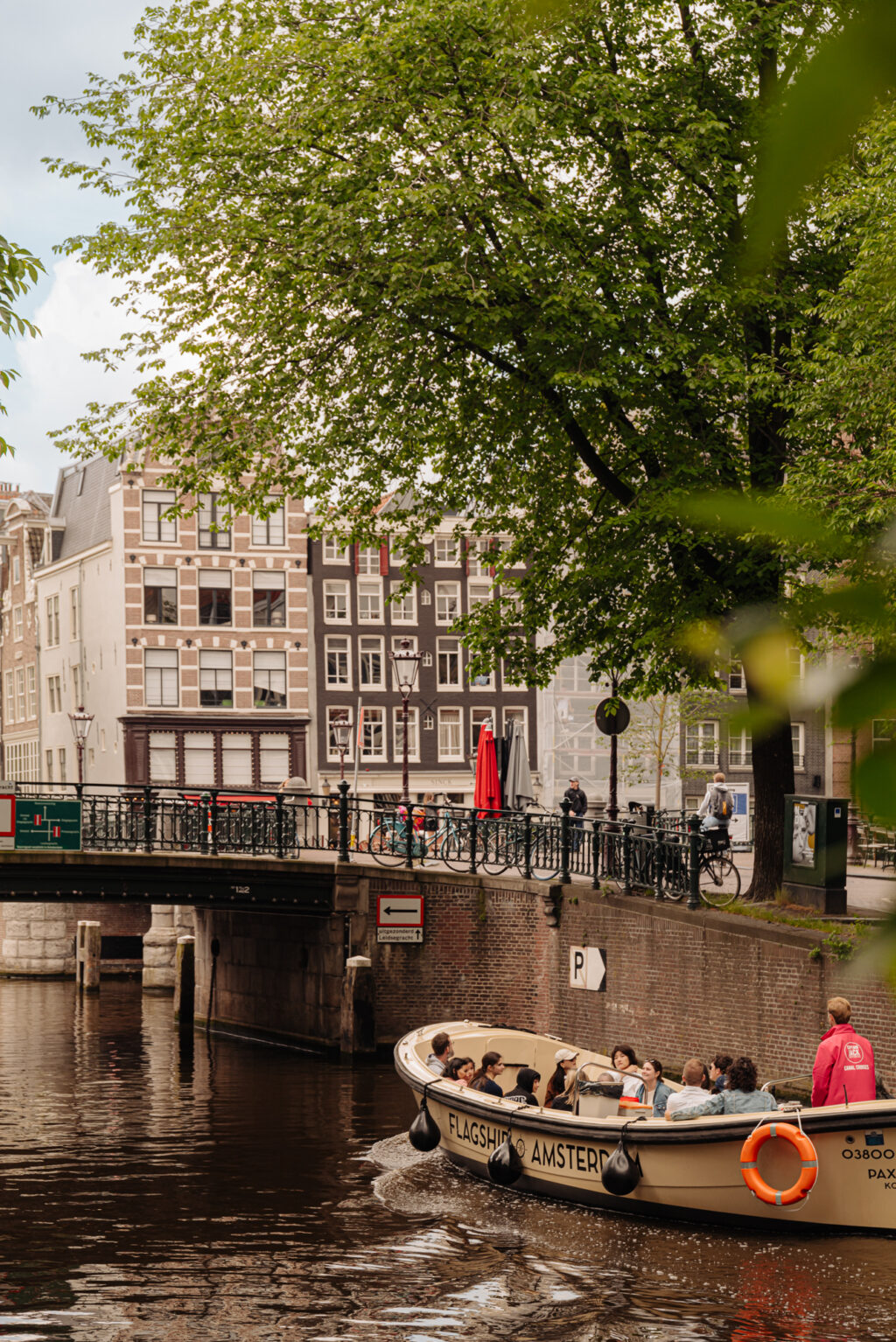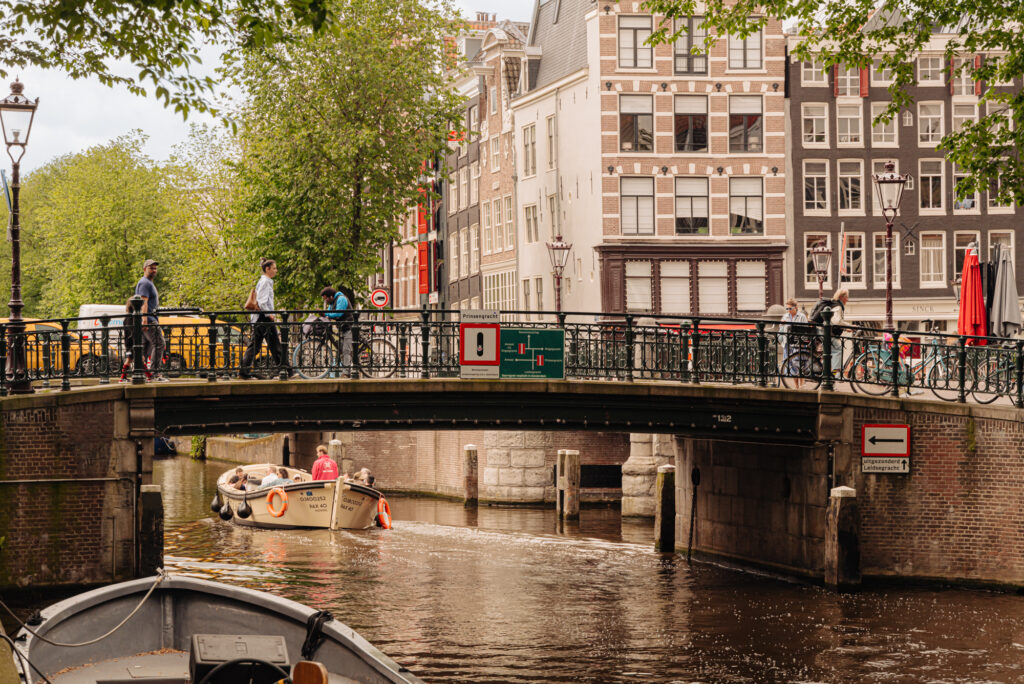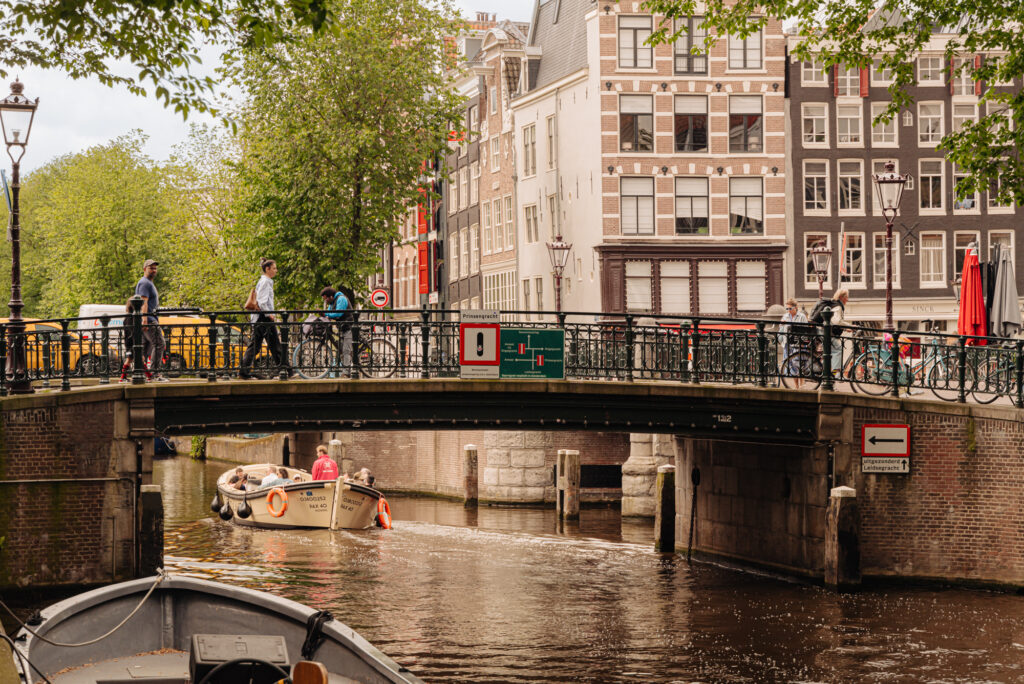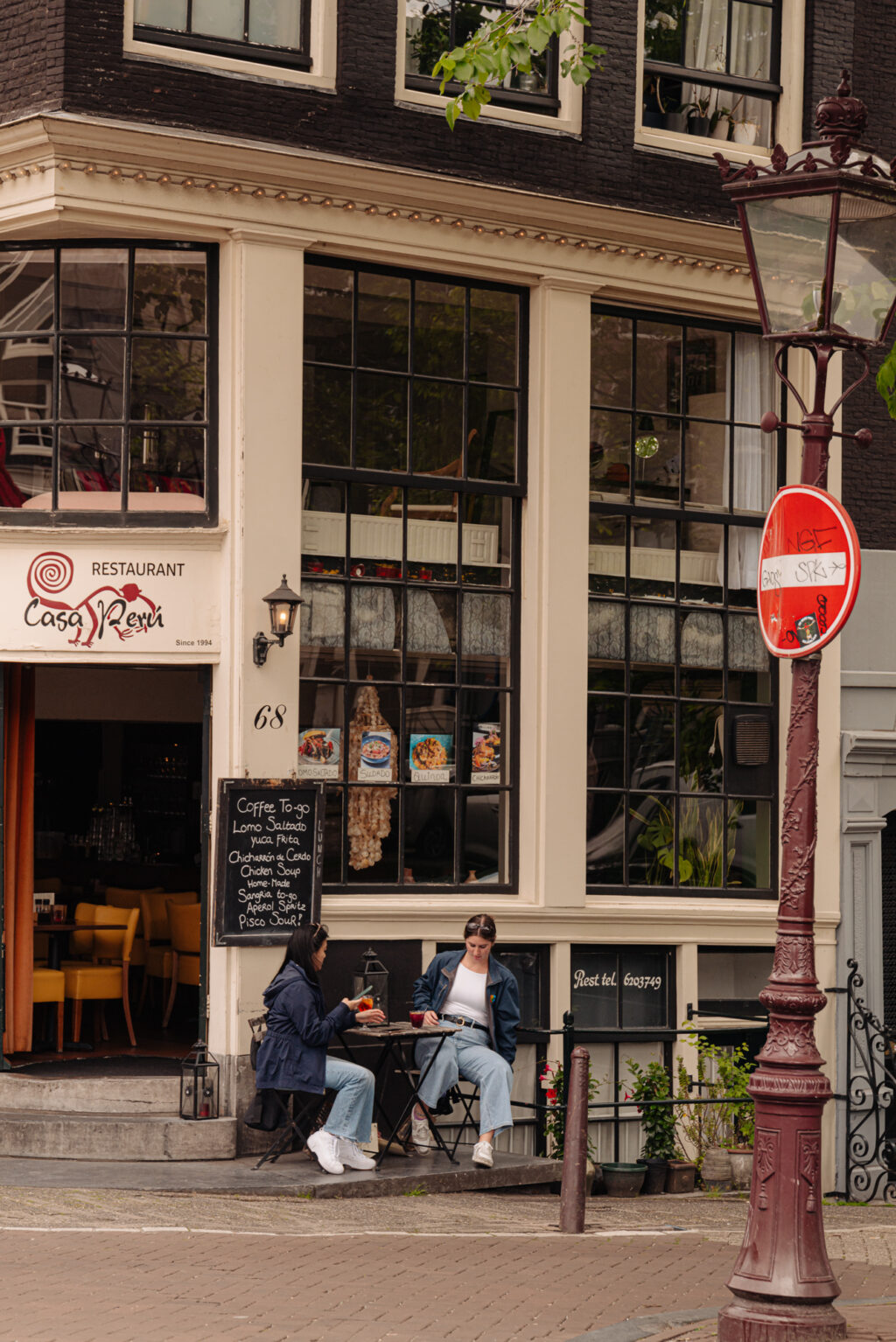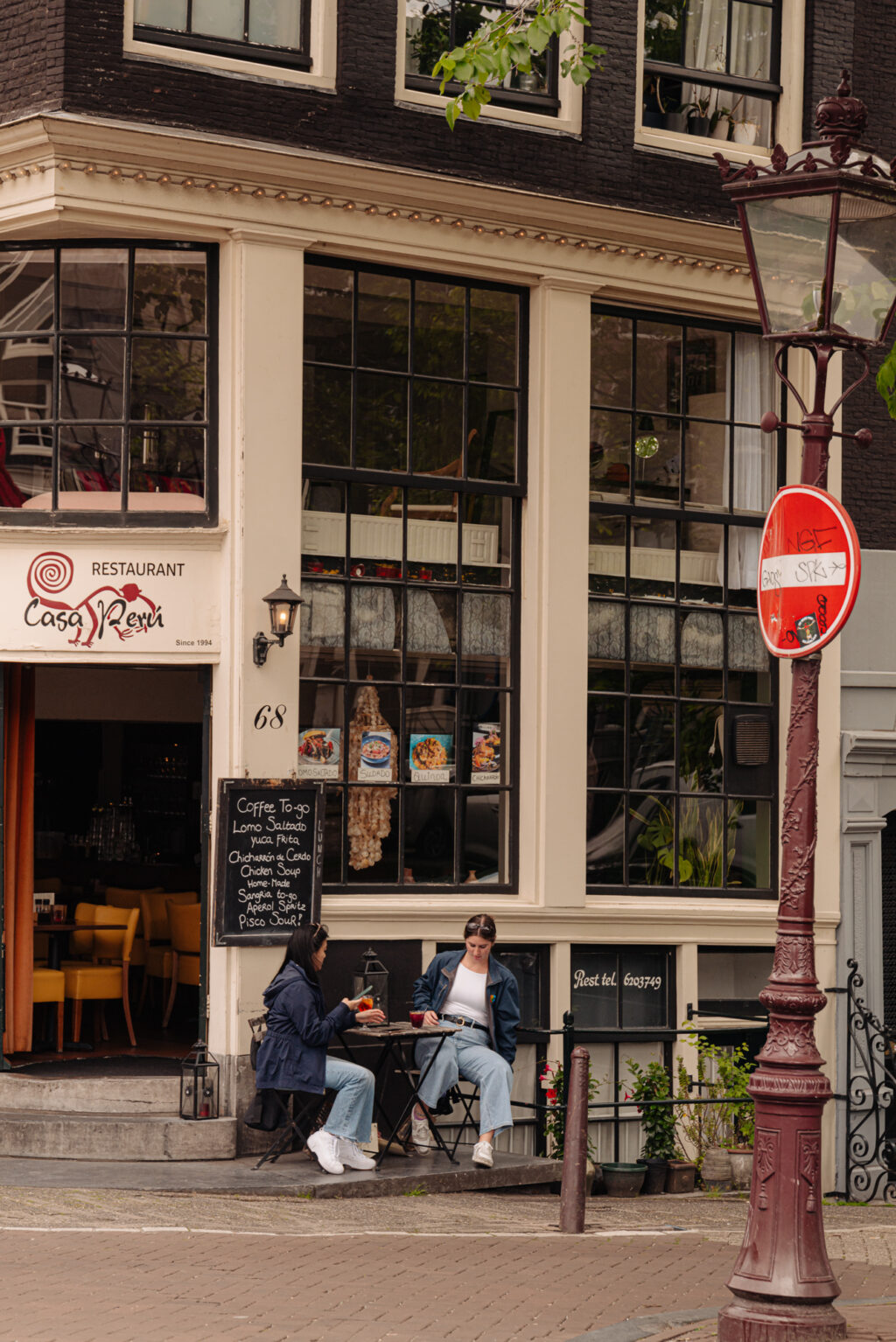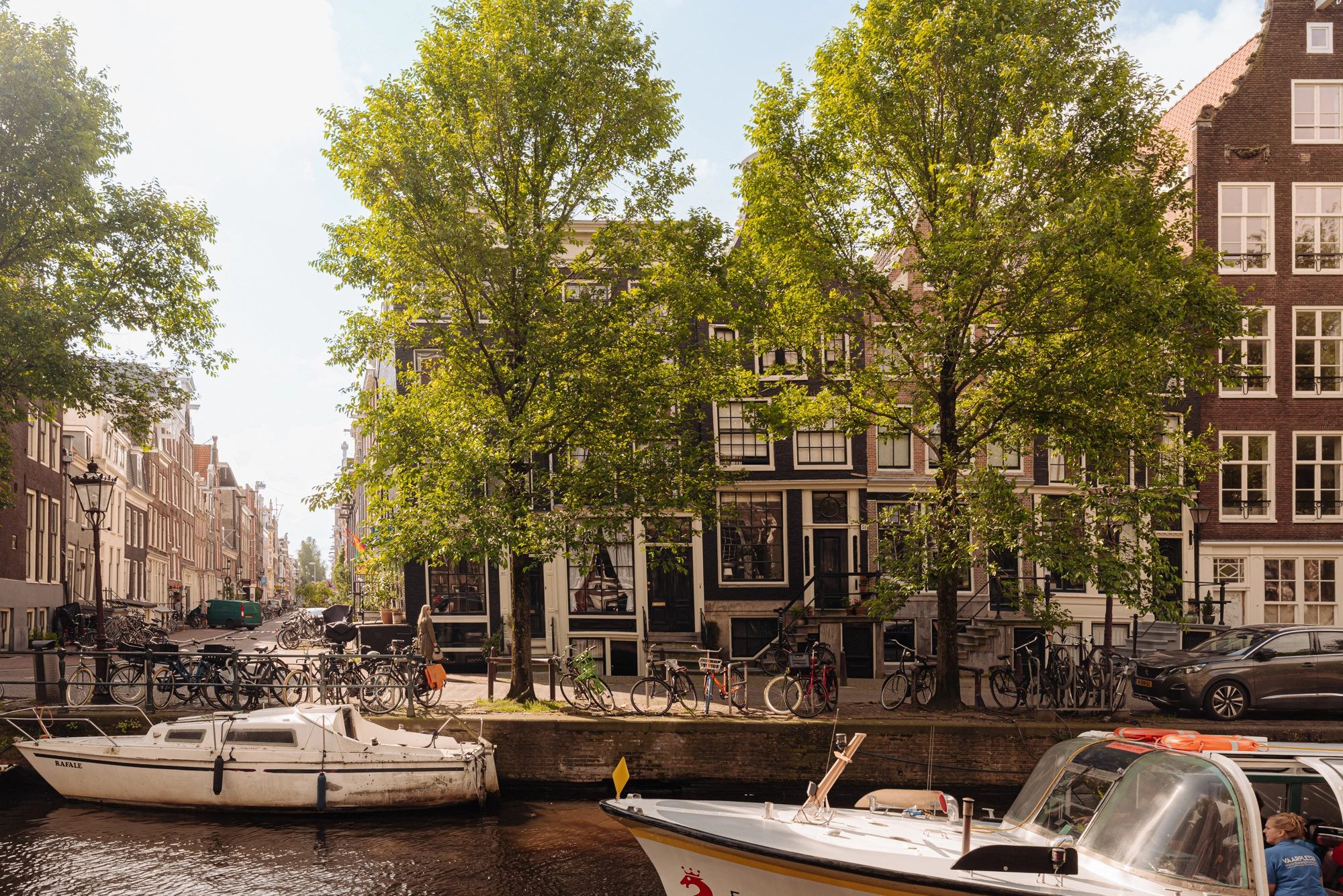
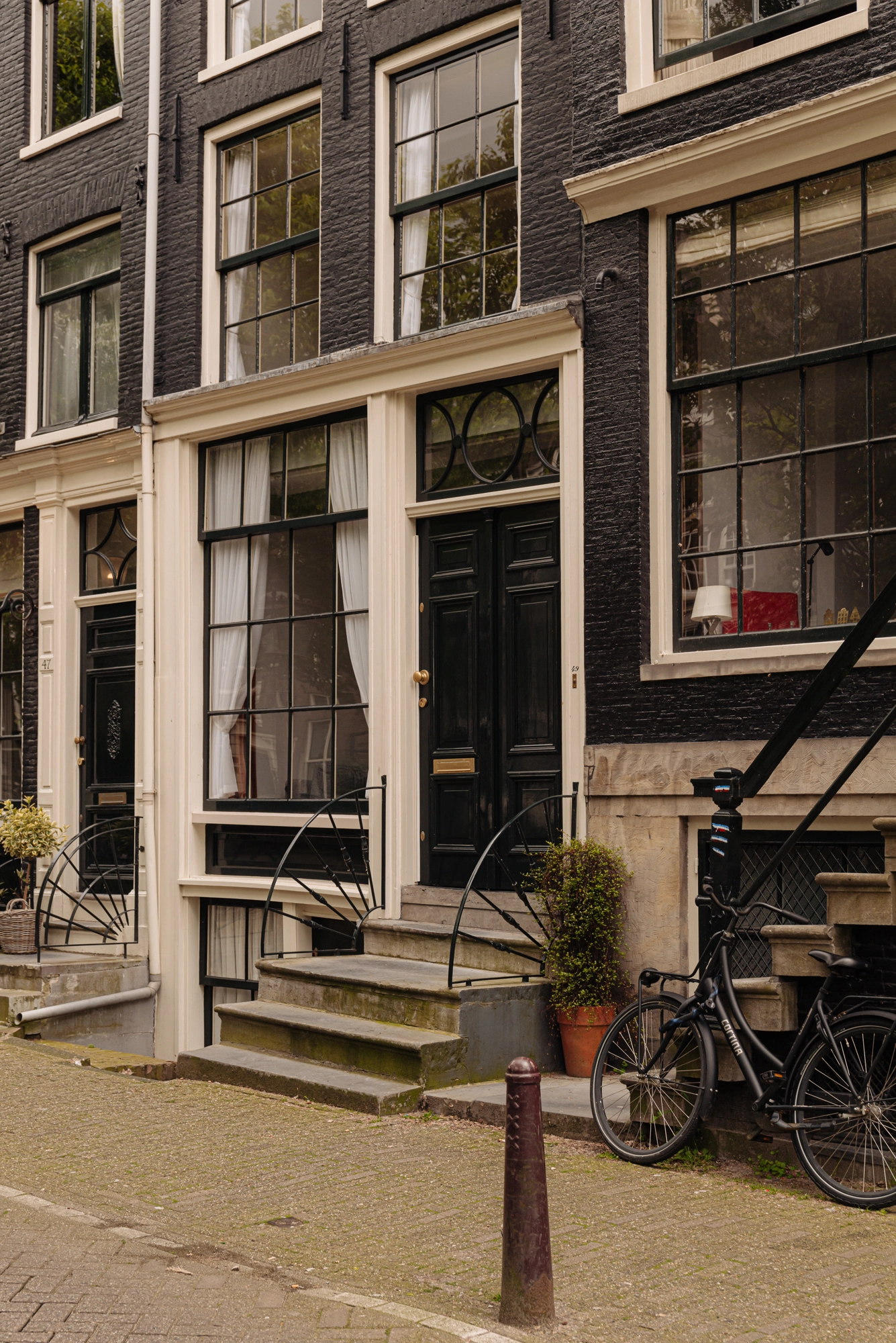
Leidsegracht feels like a real neighborhood where residents cherish their canal and gather for a drink on the sidewalk. The current owners have enjoyed living here for 45 years and now, due to their age, hope that someone else will fall in love with this characteristic canal house. Leidsegracht 49, a listed building since the 1970s, has a distinctive facade under a straight cornice and is quietly located between the Prinsen- and Keizersgracht, just outside the tourist area.
Guided tour
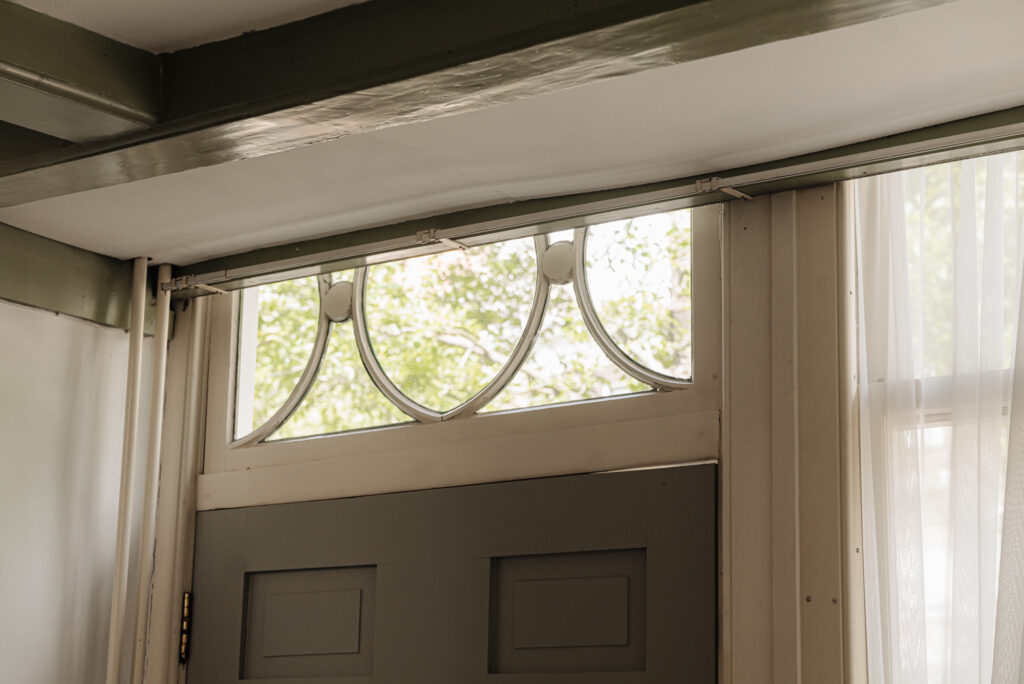
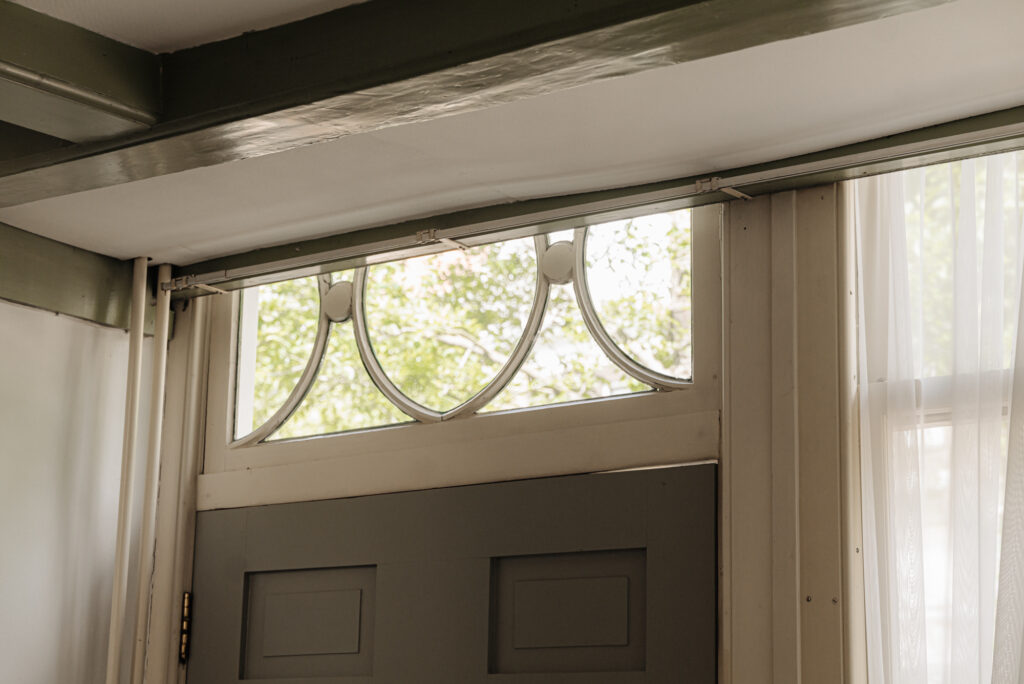
This bright house, spread over five floors and situated on its own land, was previously several residences, as can be seen from the double front door and small stone staircase.
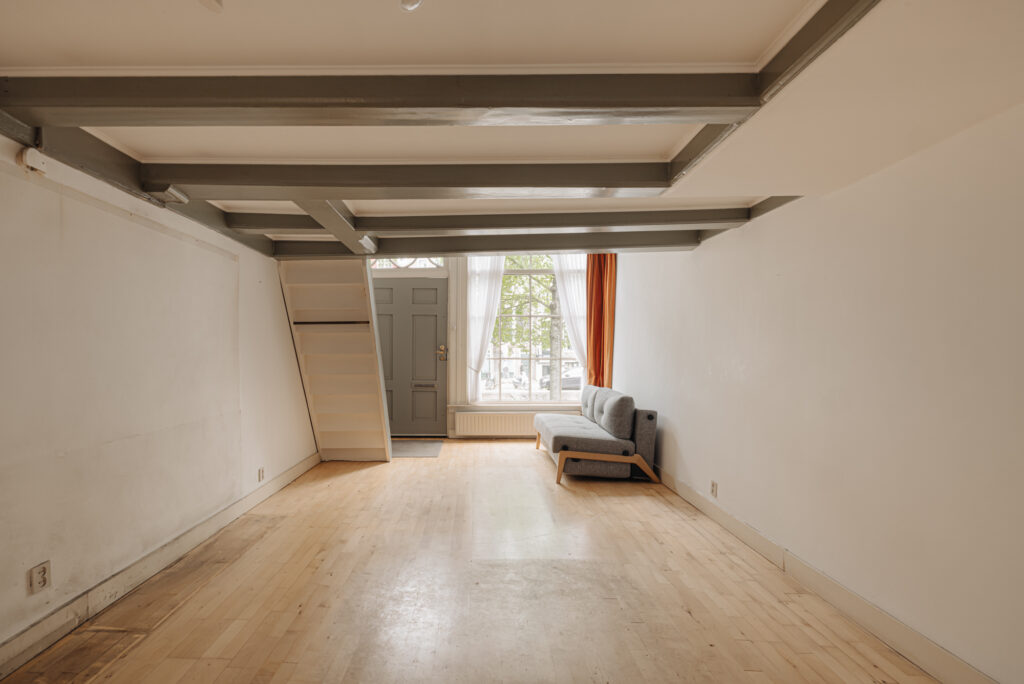
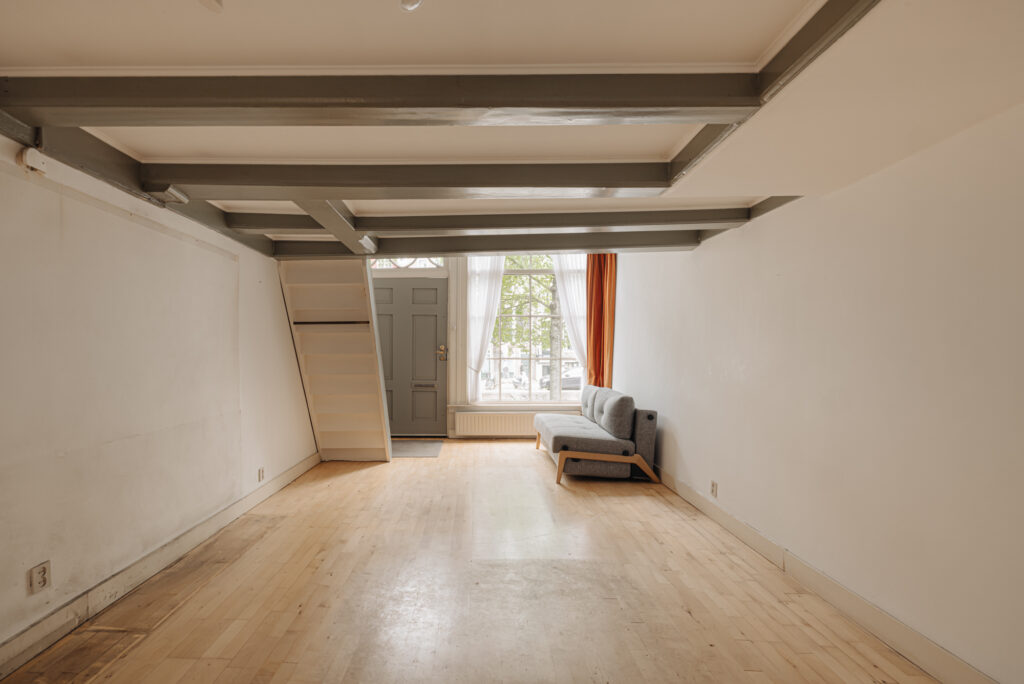
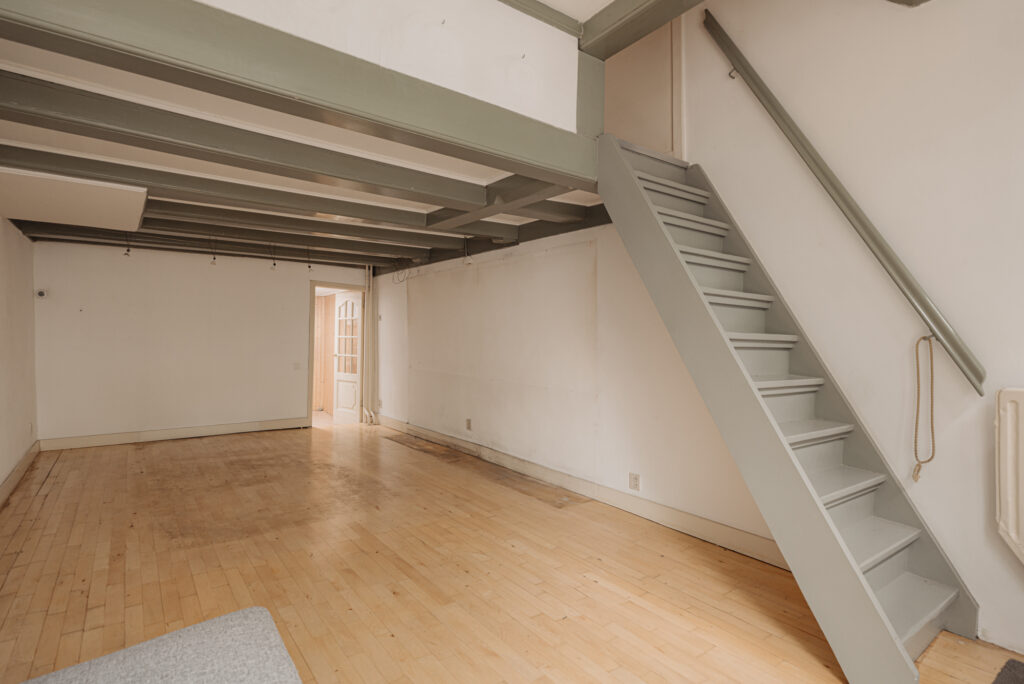
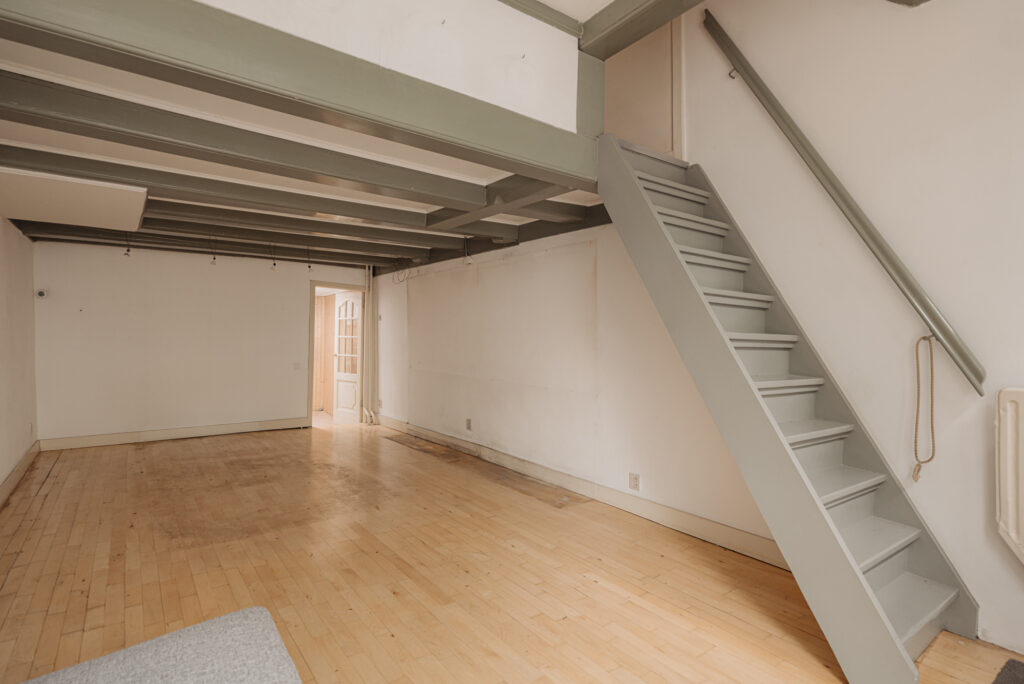
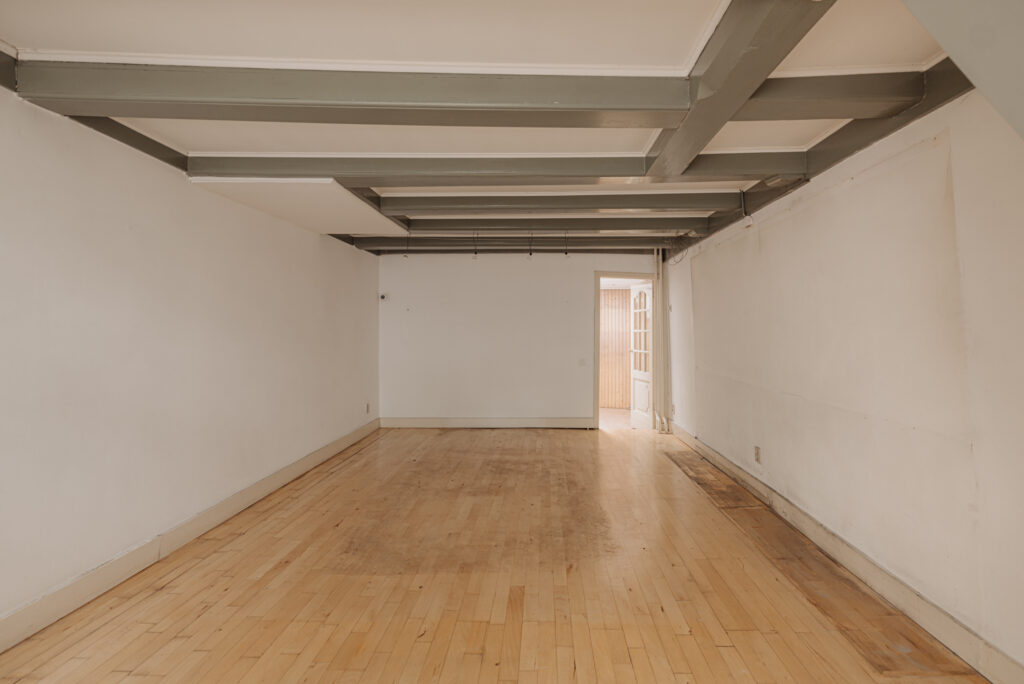
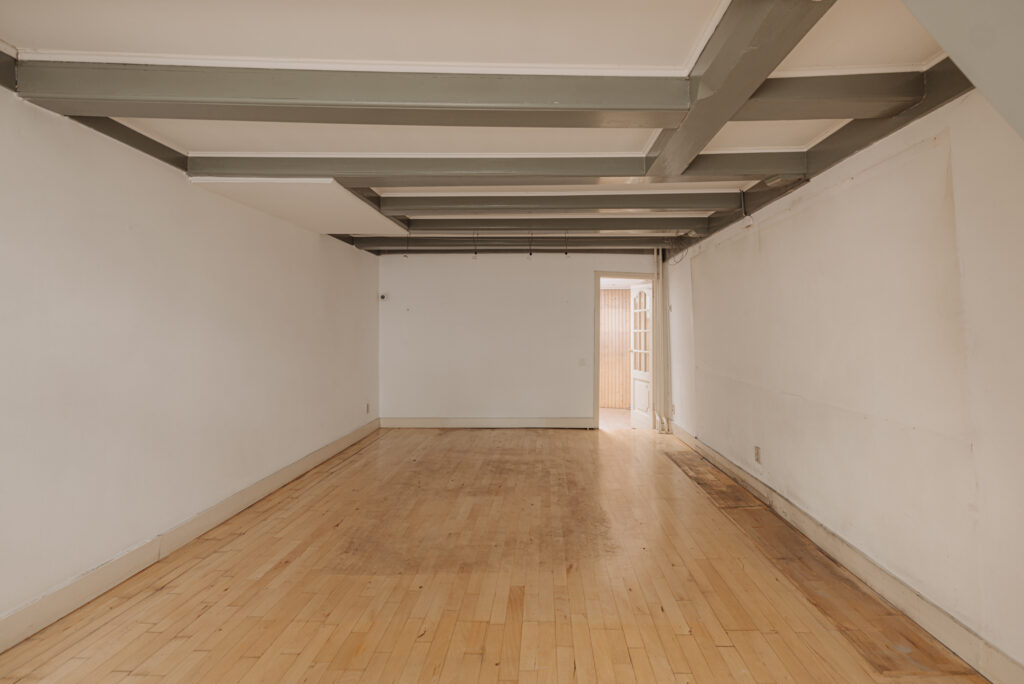
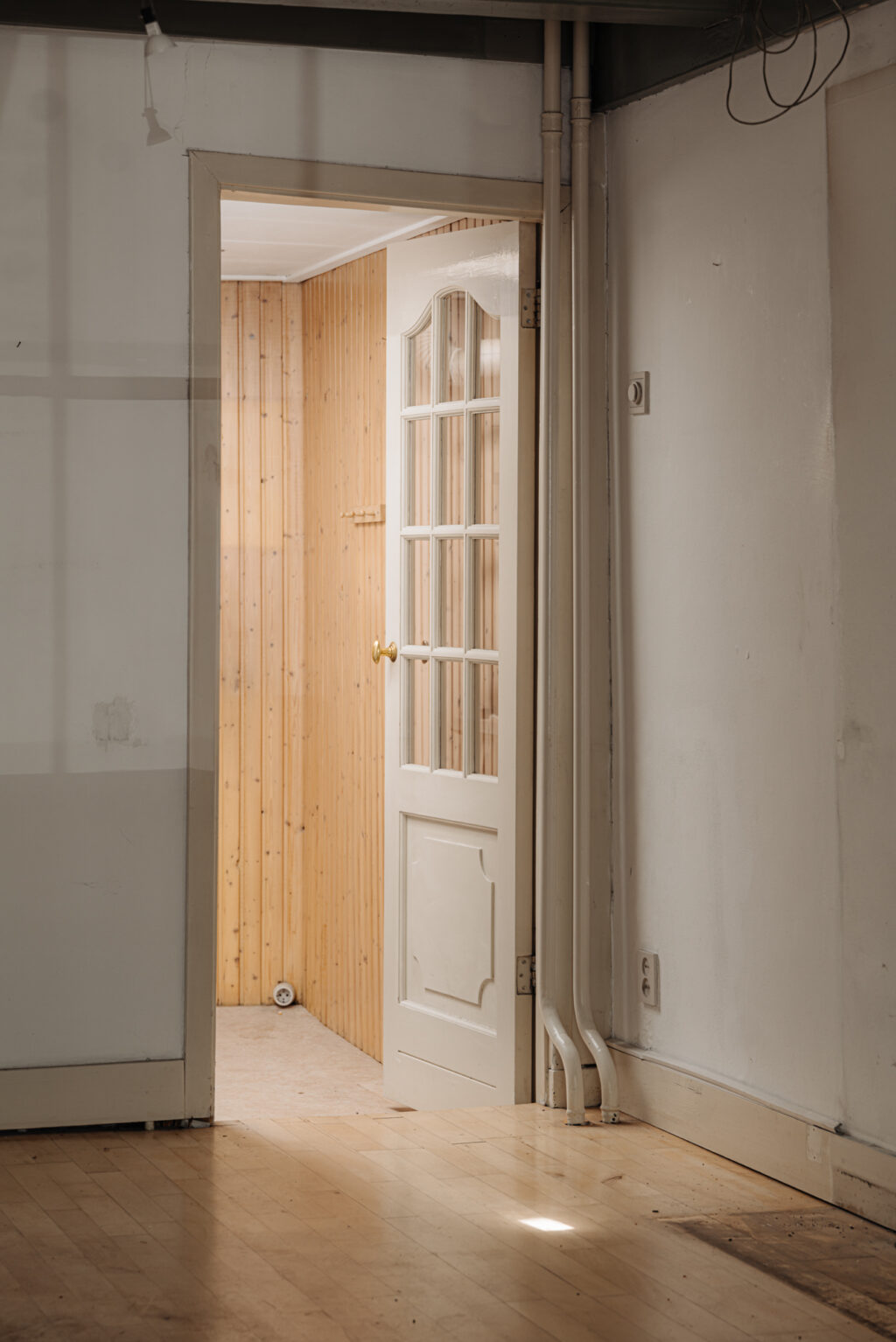
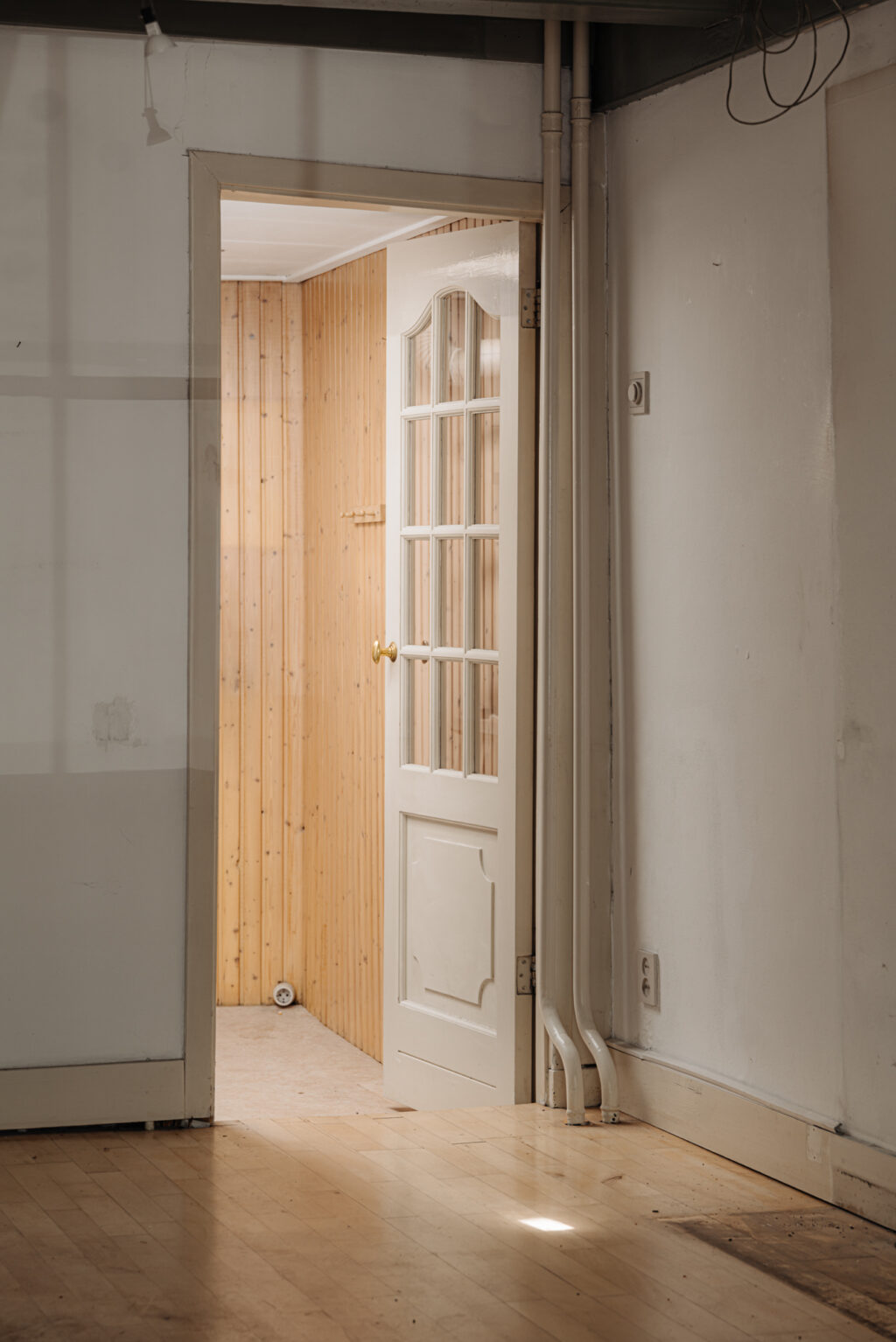
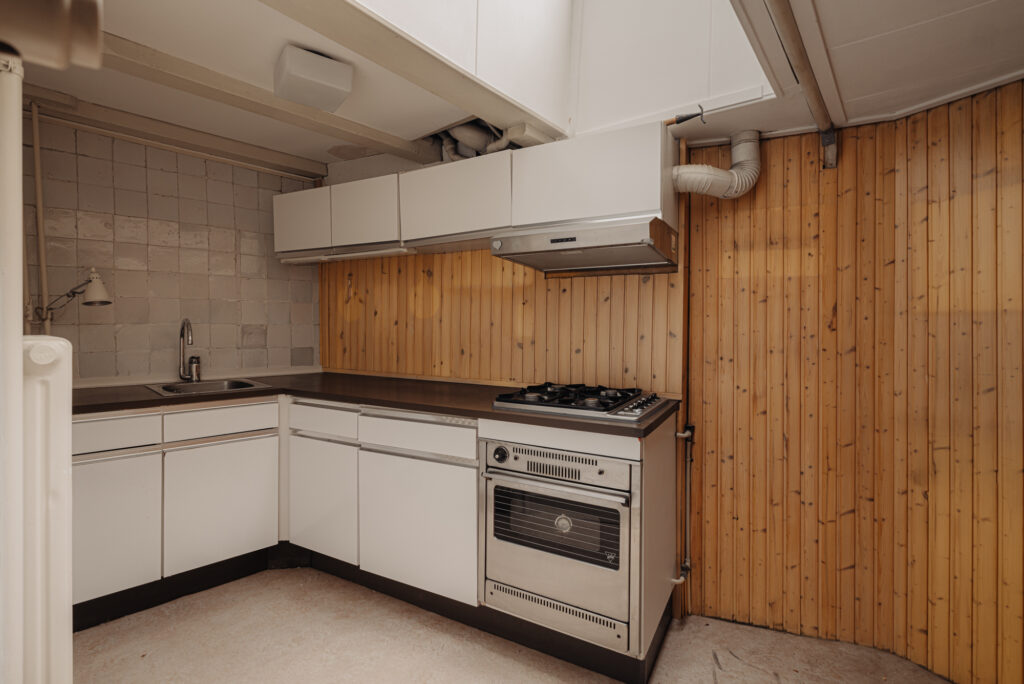
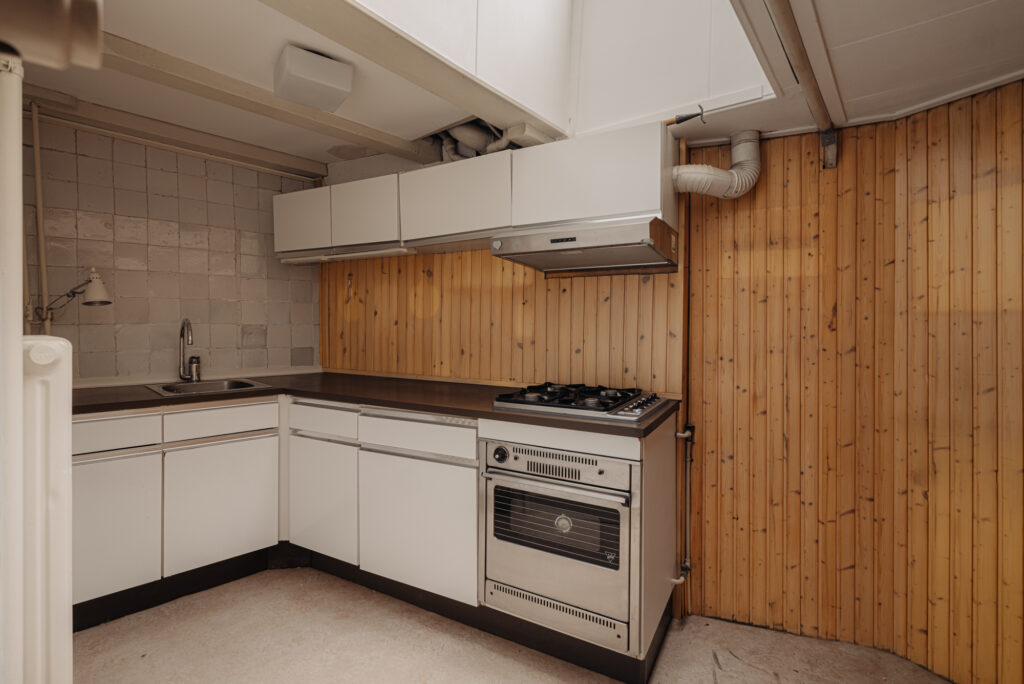
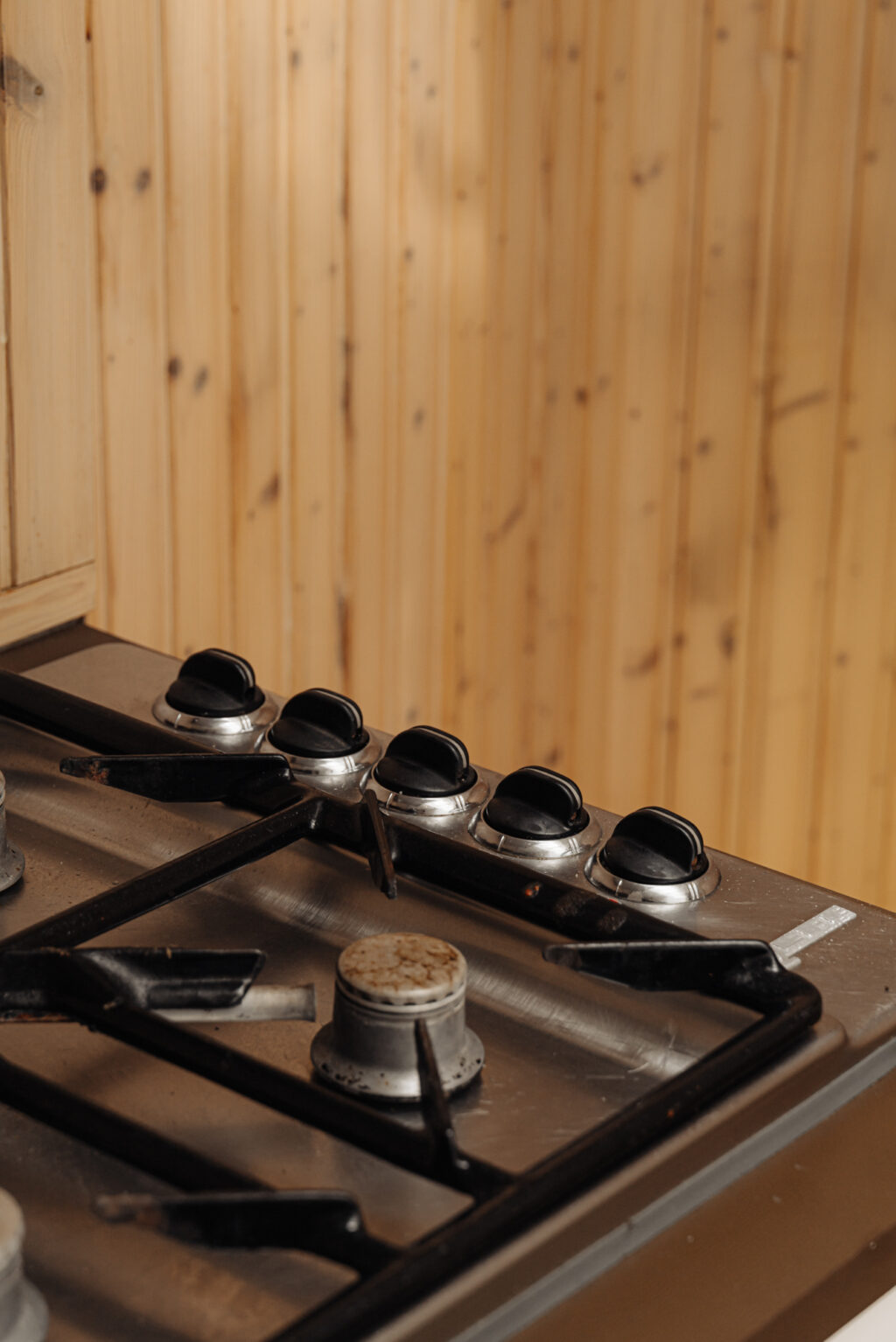
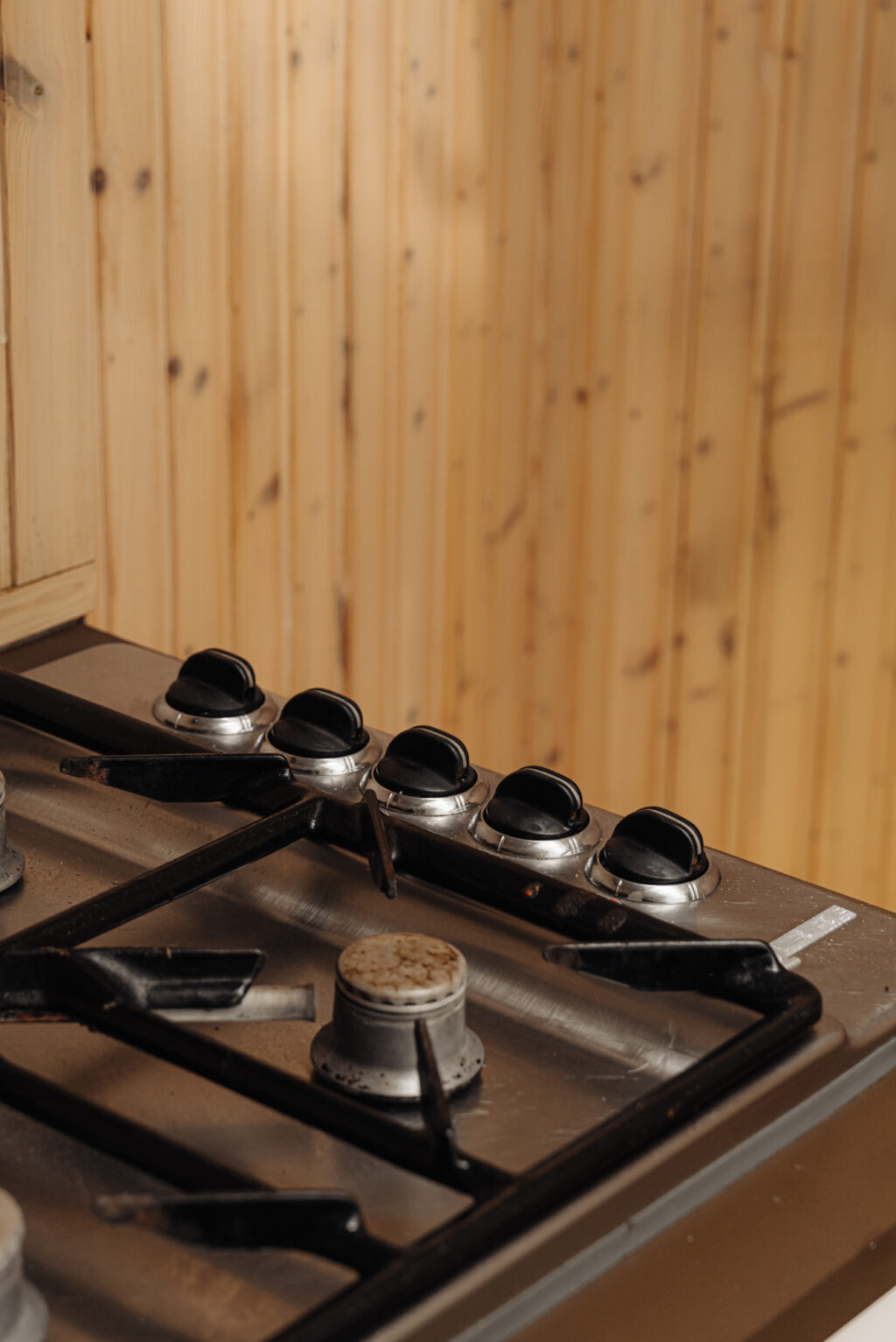
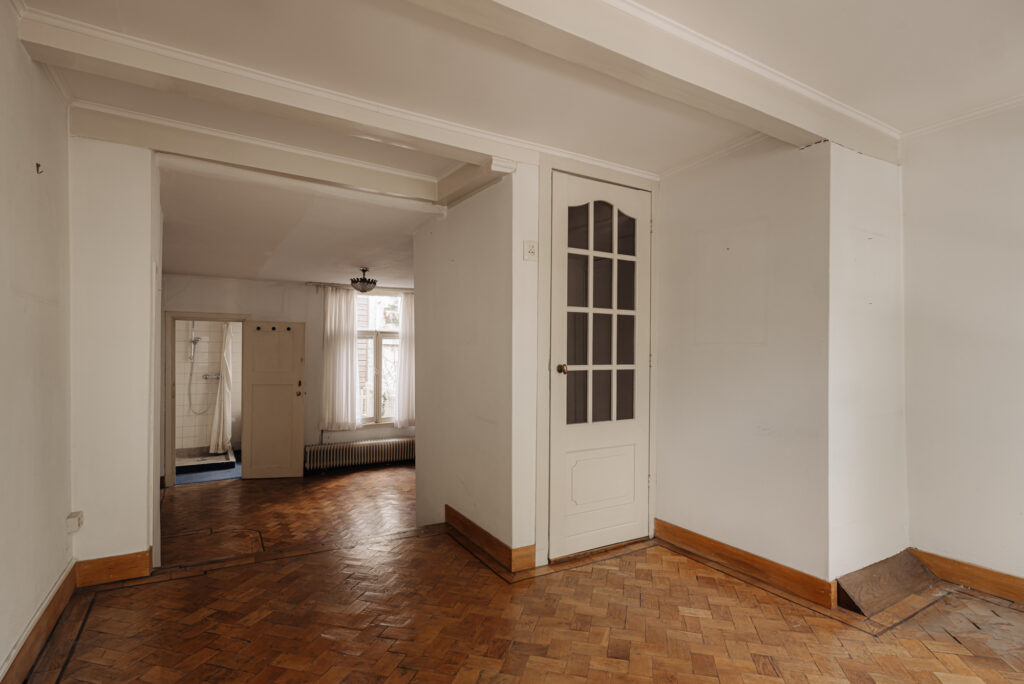
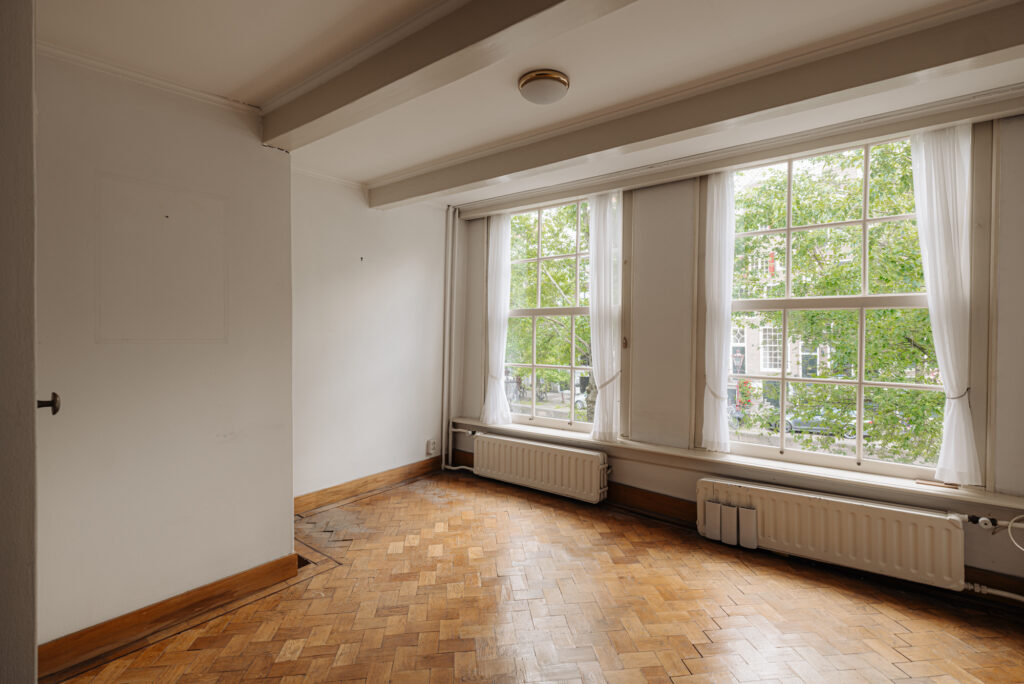
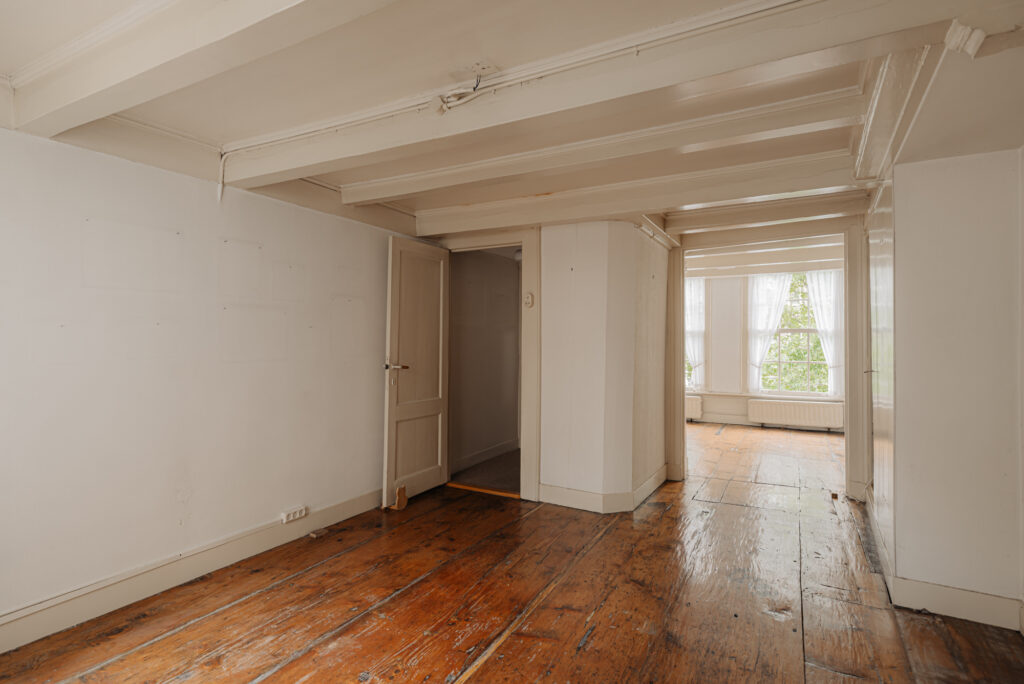
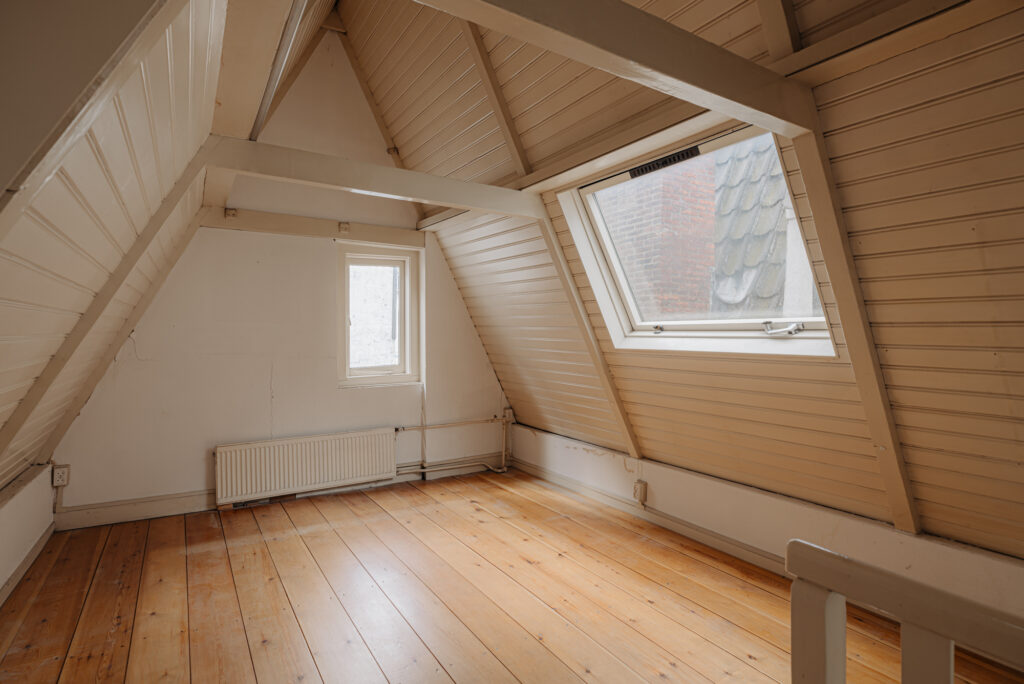
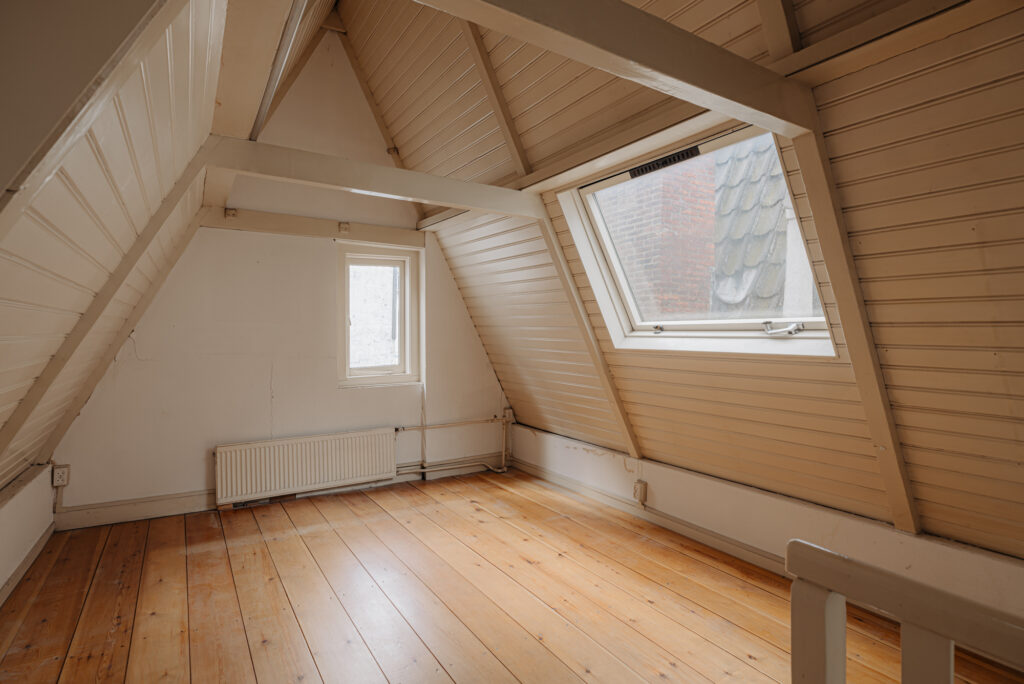
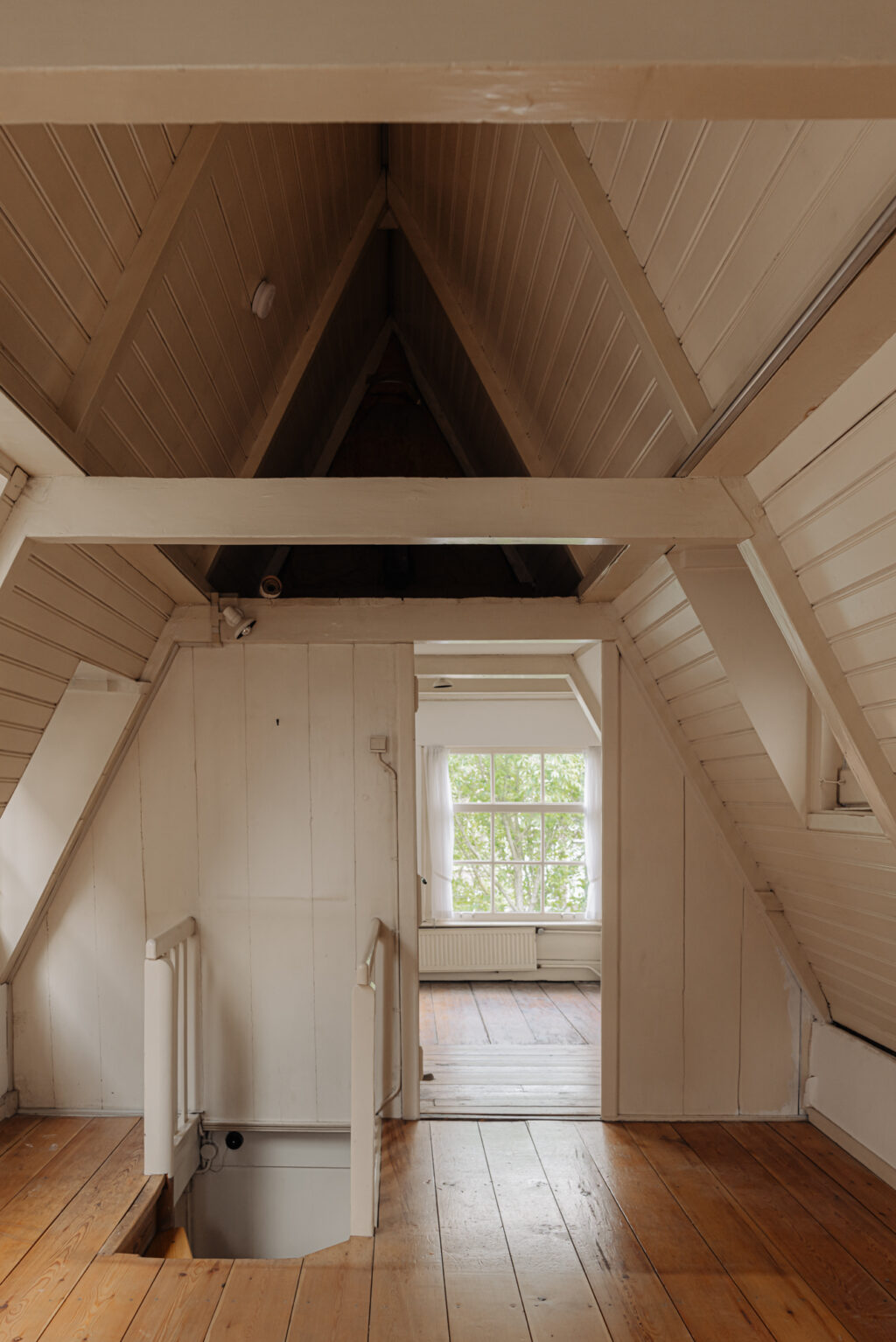
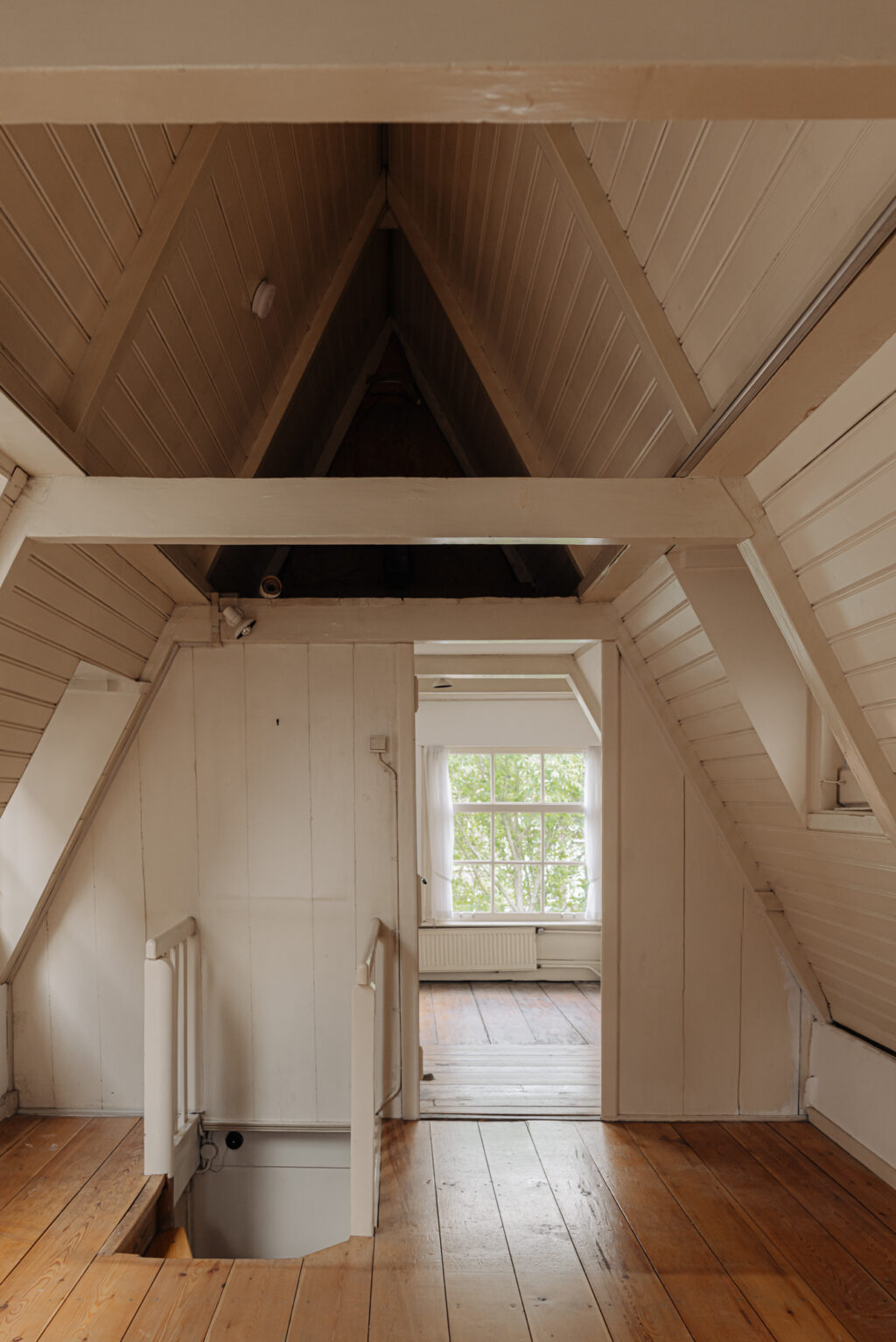
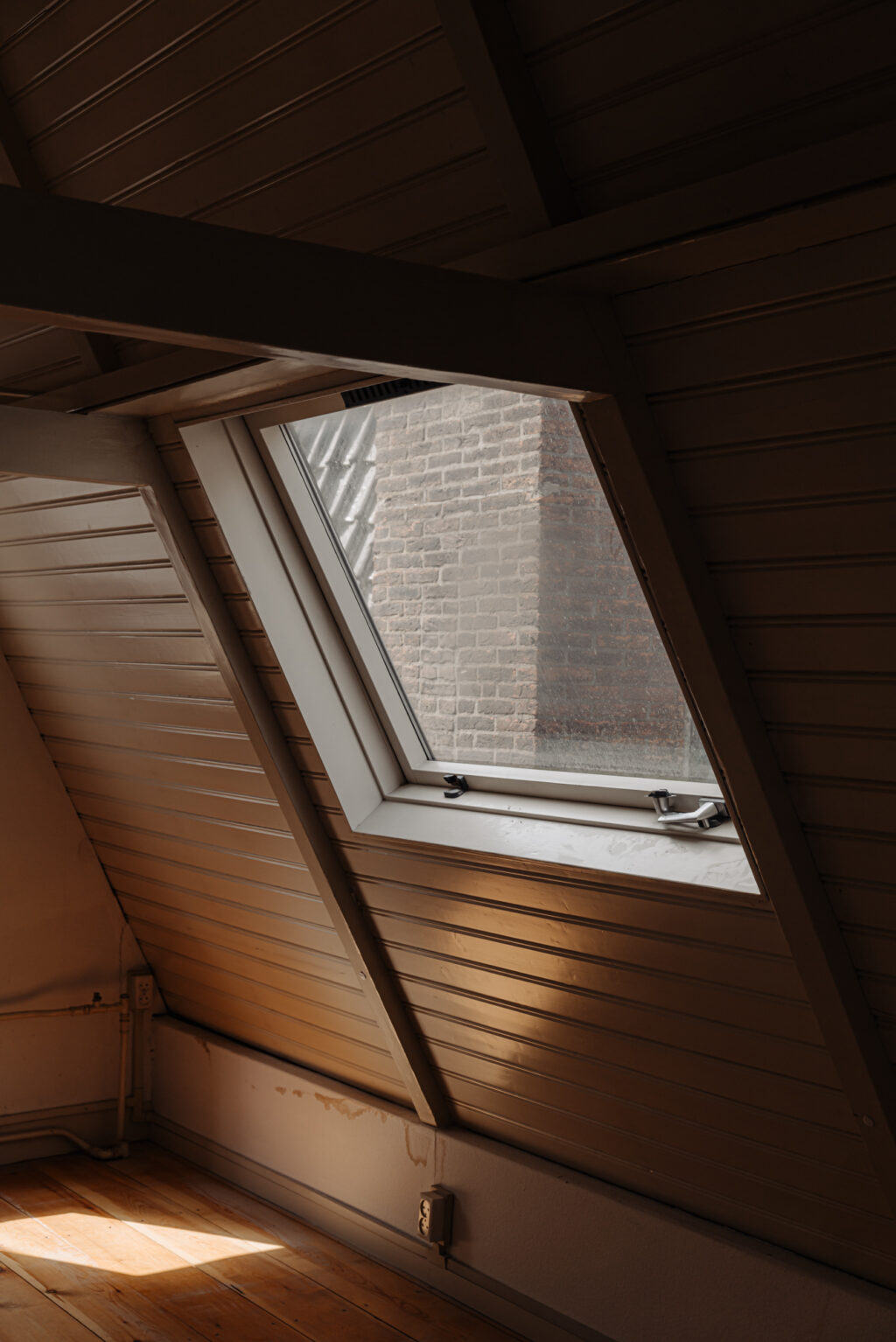
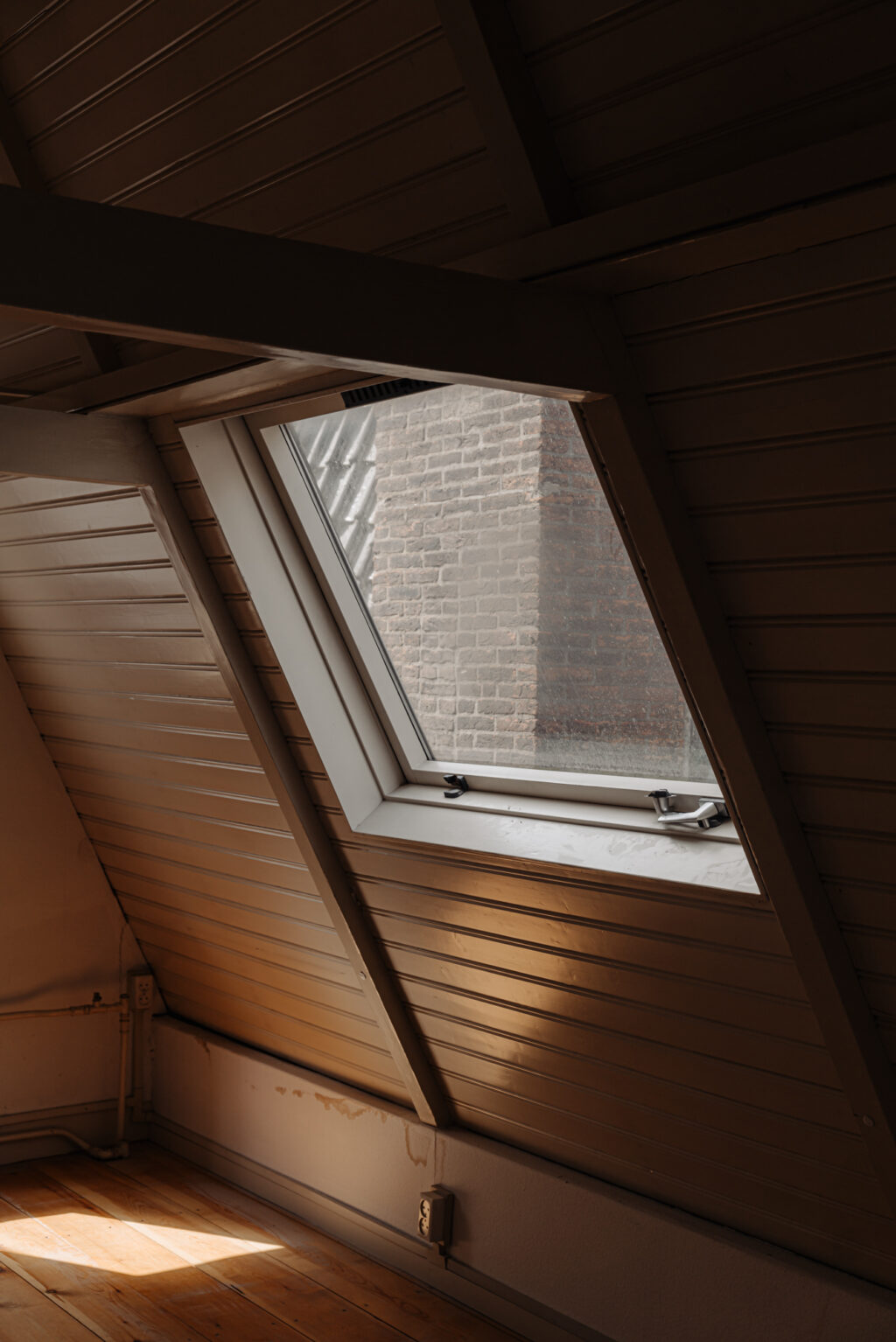
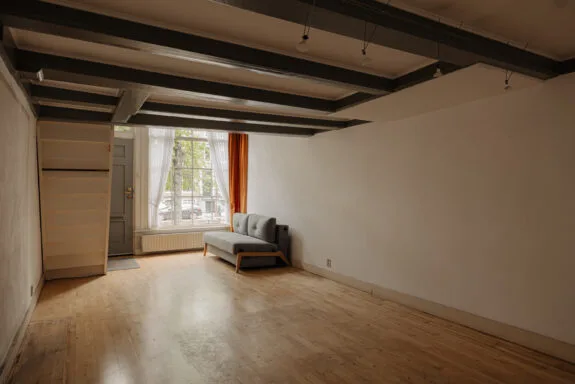
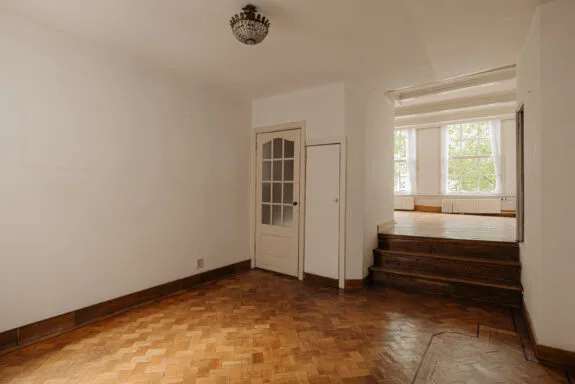
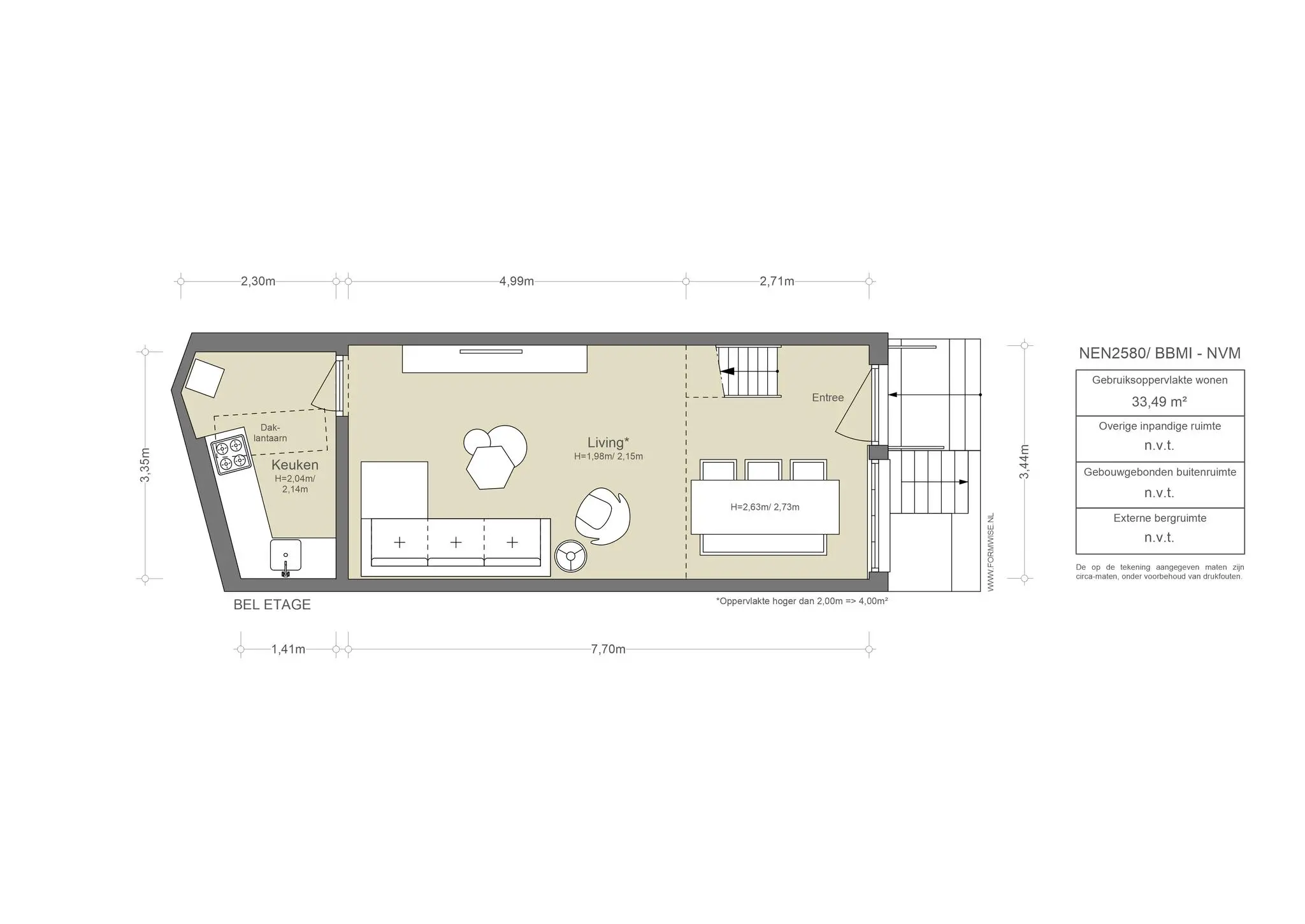
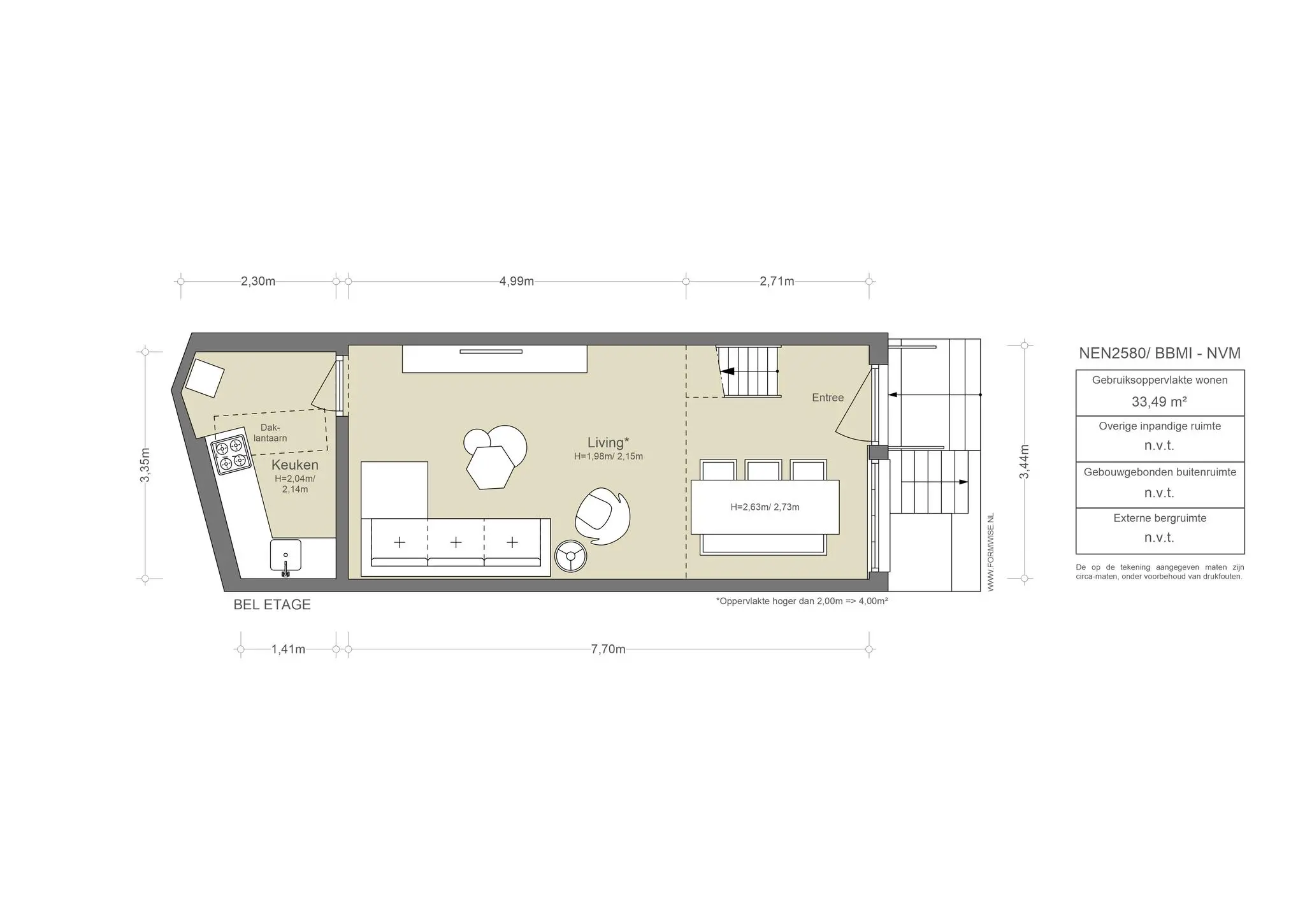
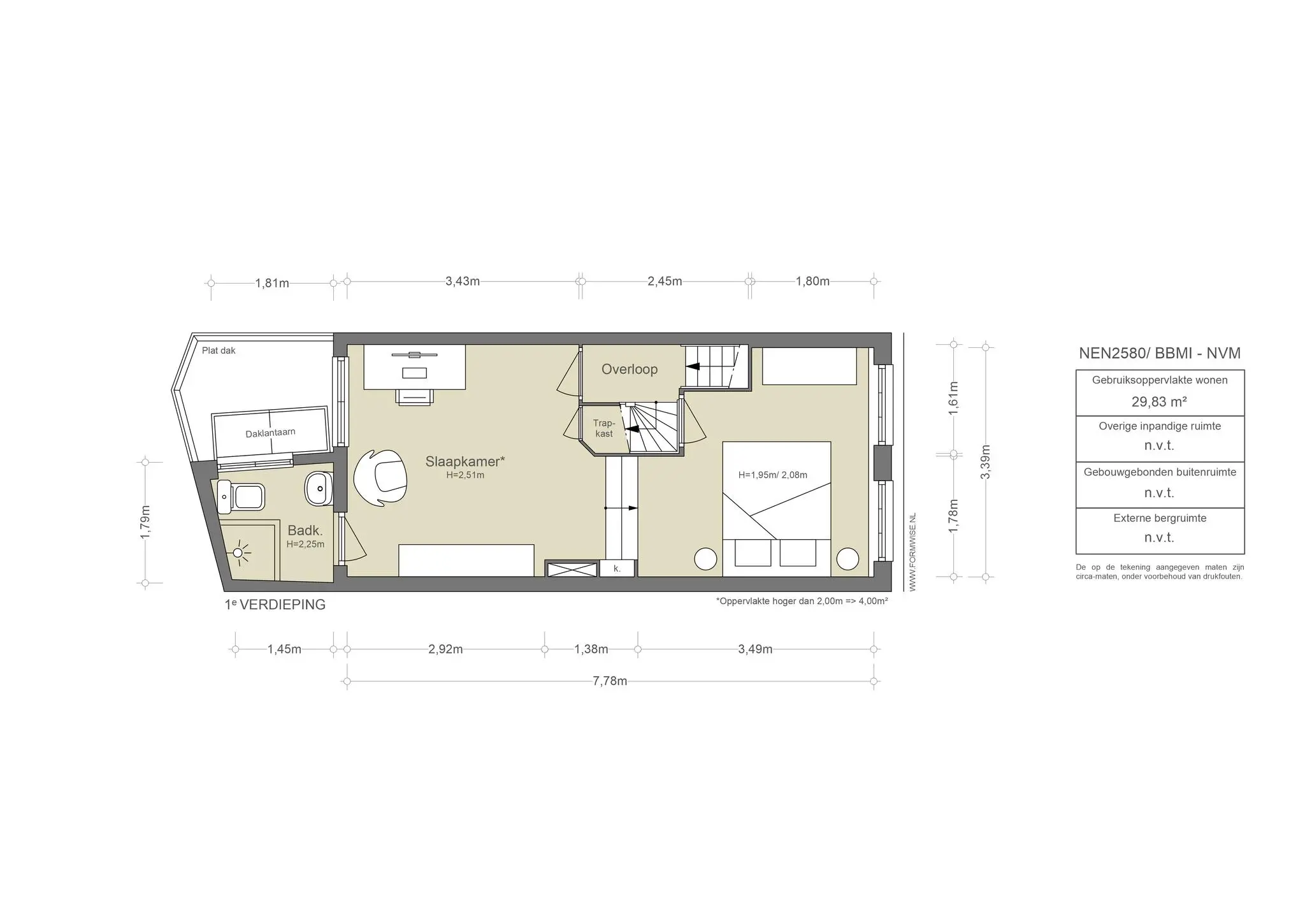
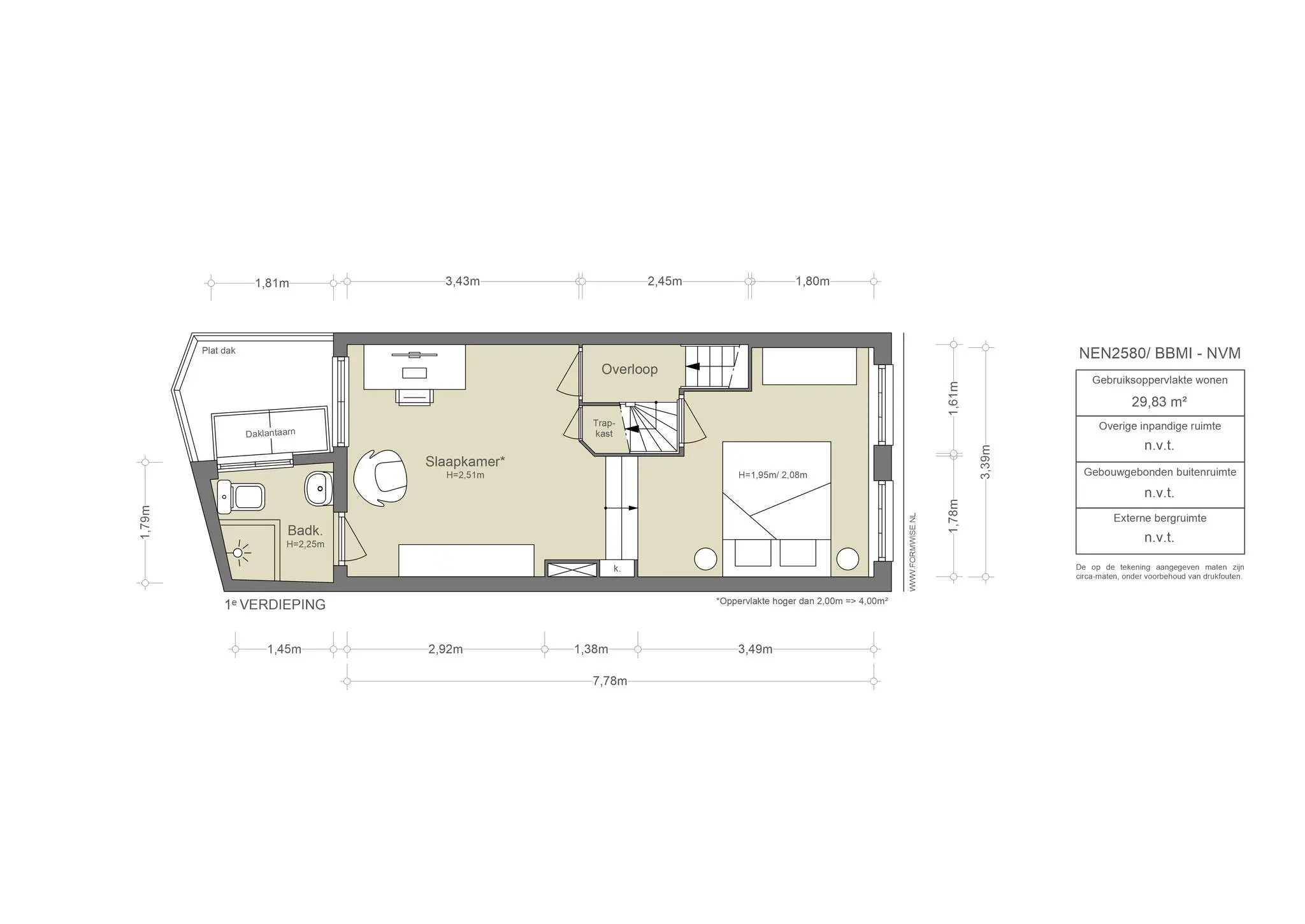
The living room with beamed ceiling offers views over the water and adjoins the kitchen, which can be flexibly arranged to create a cozy kitchen-diner. The ceiling height to the beam is 1.98 m. The living room staircase leads to the first floor, which is suitable as a second living room or bedroom, with the bathroom at the rear. The second floor is bright and spacious, ideal for one or two bedrooms a bathroom. The attic, lit by a skylight, is perfect as a children's room, study, or guest room. The basement, accessible from the street, offers space for storage, bicycles, or a hobby room. Outside, the stone staircase invites you to enjoy a glass of wine in the historic center.
Neighborhood Guide
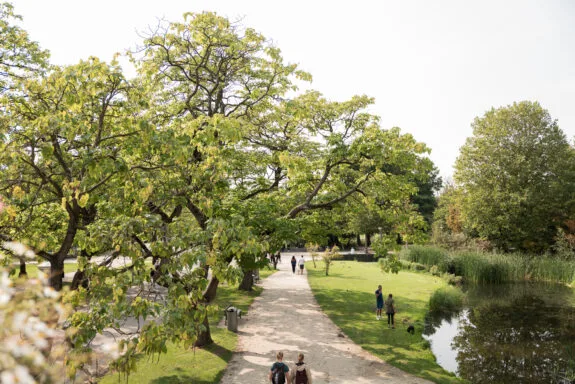
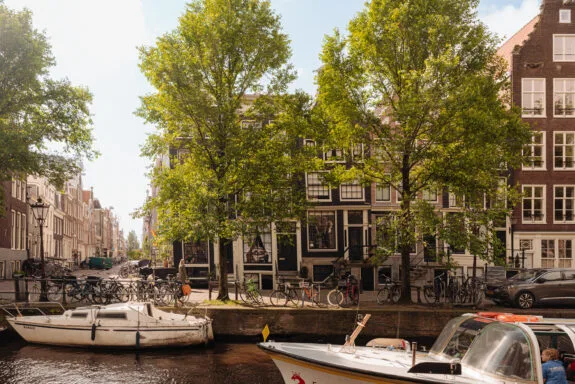
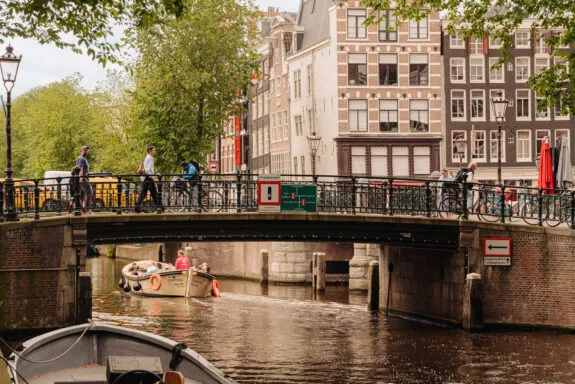
The property is located in one of Amsterdam's most charming and historic neighborhoods. This neighborhood is known for its picturesque canals, beautiful architecture, and lively atmosphere. It is a place where history, culture, and contemporary trends come together seamlessly. It is surrounded by elegant mansions, graceful bridges, and lush trees that form an idyllic backdrop. The neighborhood around the property is also home to many iconic landmarks. The Rijksmuseum, Stedelijk Museum, and Van Gogh Museum are within walking distance. Also nearby are the Stadsschouwburg, Concertgebouw, Tuschinski, and Paradiso. The area also offers a range of trendy boutiques, cozy cafes, restaurants, and galleries. Walking through the neighborhood is an experience in itself, as you are surrounded by a mix of local residents, artists, tourists, and the ever-bustling atmosphere of Amsterdam.
Details
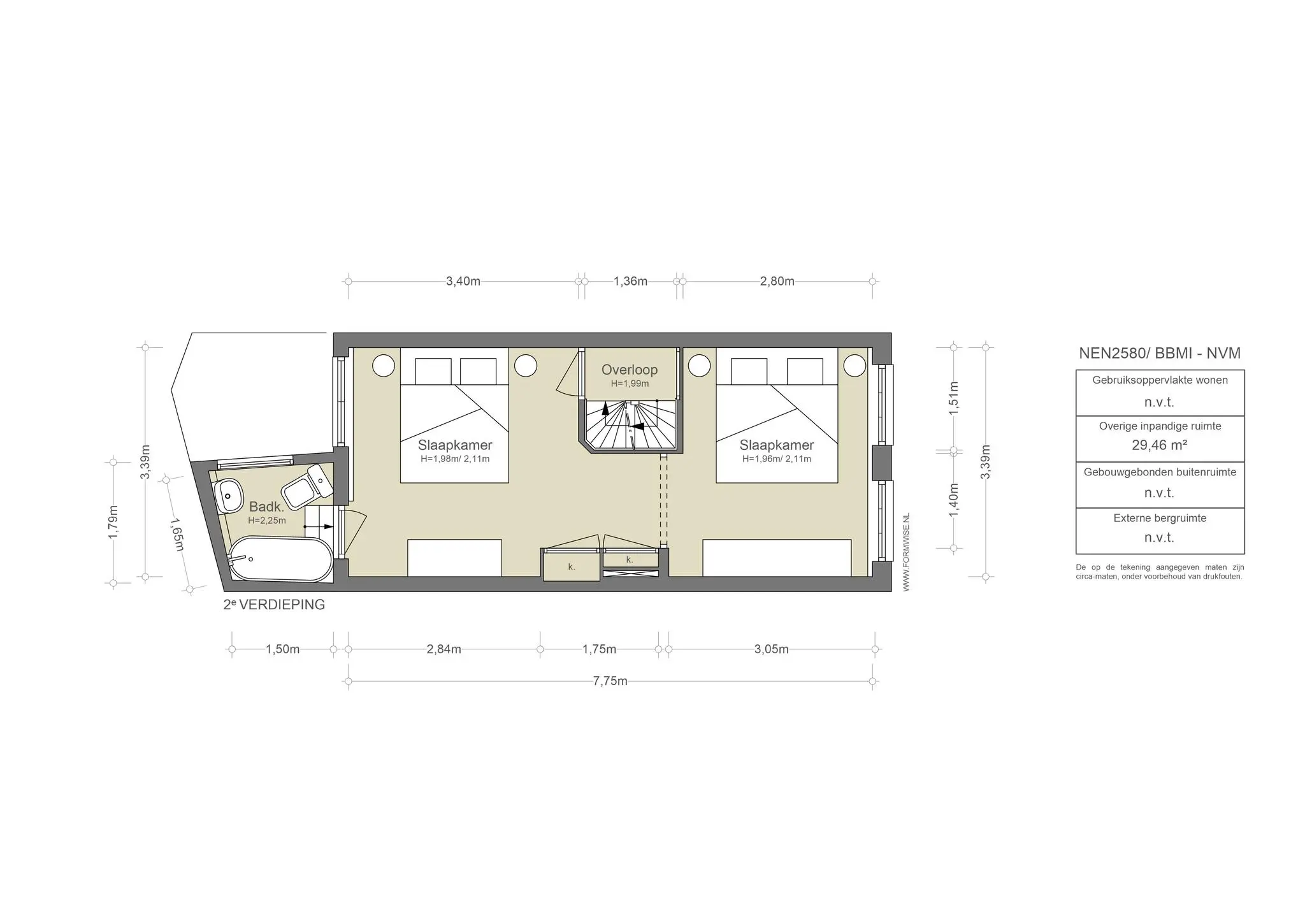
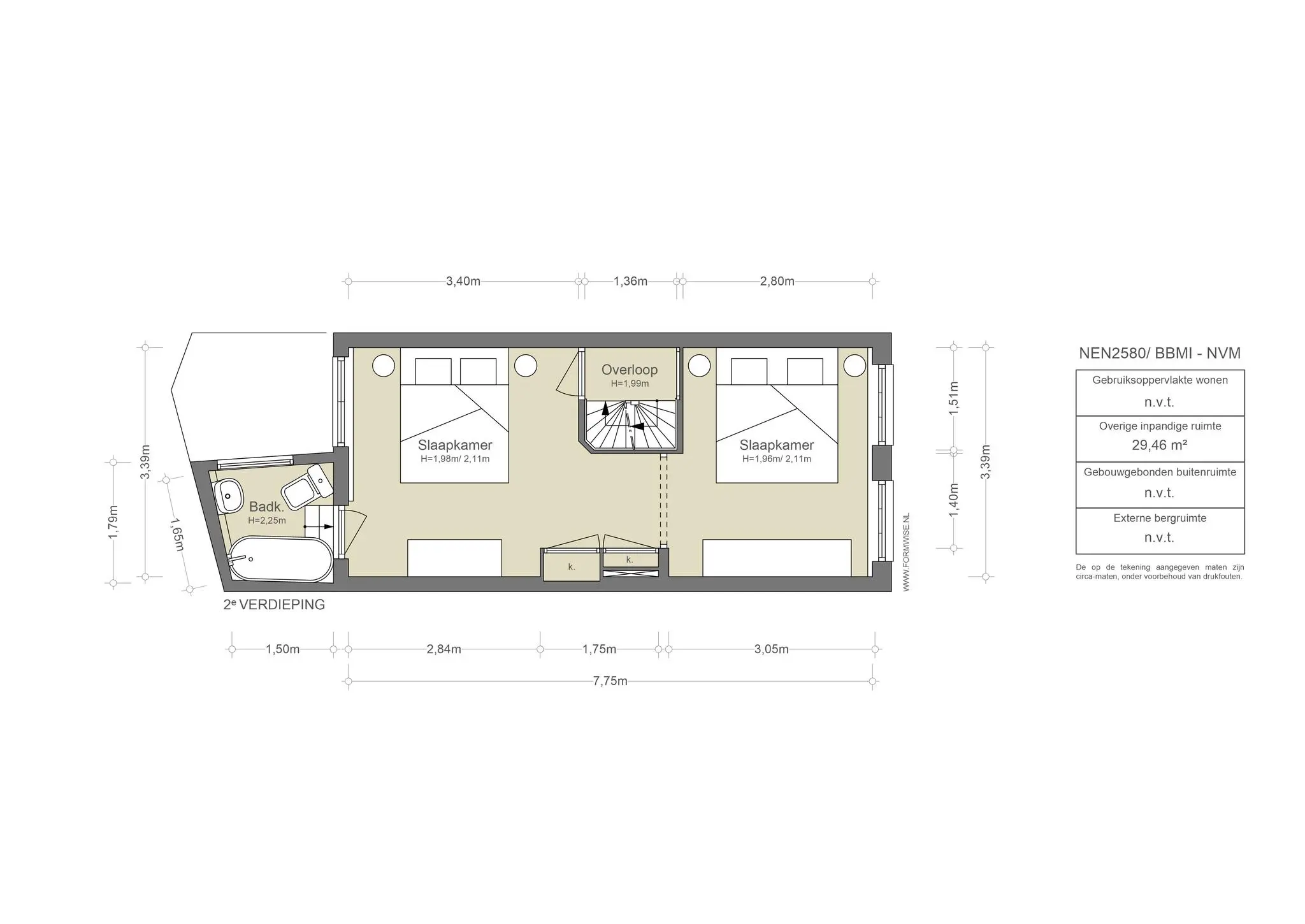
• Floor area 93 m² (including second floor)
• Other internal space 53 m²
• Total gross Floor area 145 m² (living and other indoor space)
• Located on freehold land
• Characteristic residence
• Age clause will be included
• National monument
• Nationally protected cityscape
• Part of UNESCO World Heritage Site
‘T Monumentje
Leidsegracht really feels like a neighborhood; residents love their ‘canal’ and always keep an eye on things. When the weather is nice, they enjoy a drink together on the sidewalk. The current owners have lived here for more than 45 years and are truly 'part' of this neighborhood. Now that they are getting older, the stairs have become a bit more challenging and they hope that someone else will fall in love with this characteristic canal house. It is always special to sell a home for owners who have lived there for so long and have taken such good care of it over the years. Leidsegracht 49 has been registered as a monument since 1970; its characteristic feature is the facade under a straight cornice. The house is located on the section between the Prinsen- and Keizersgracht, just out of the tourist trail.
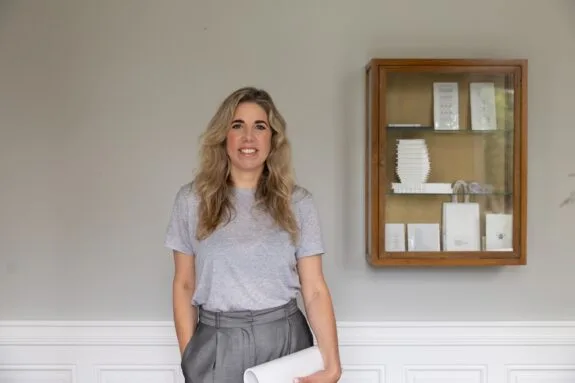
Judith de Jong | Real estate agent Broersma Wonen
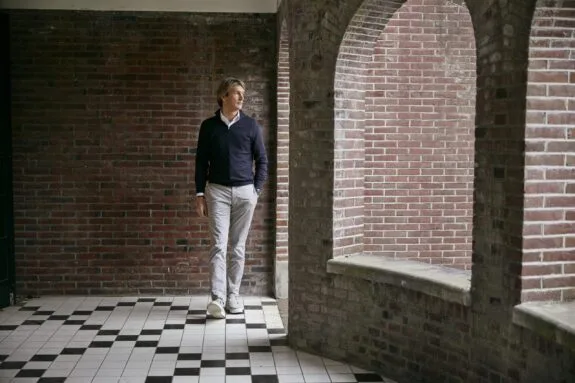
Otte van Apeldoorn | Real estate agent Broersma Wonen
Architecture
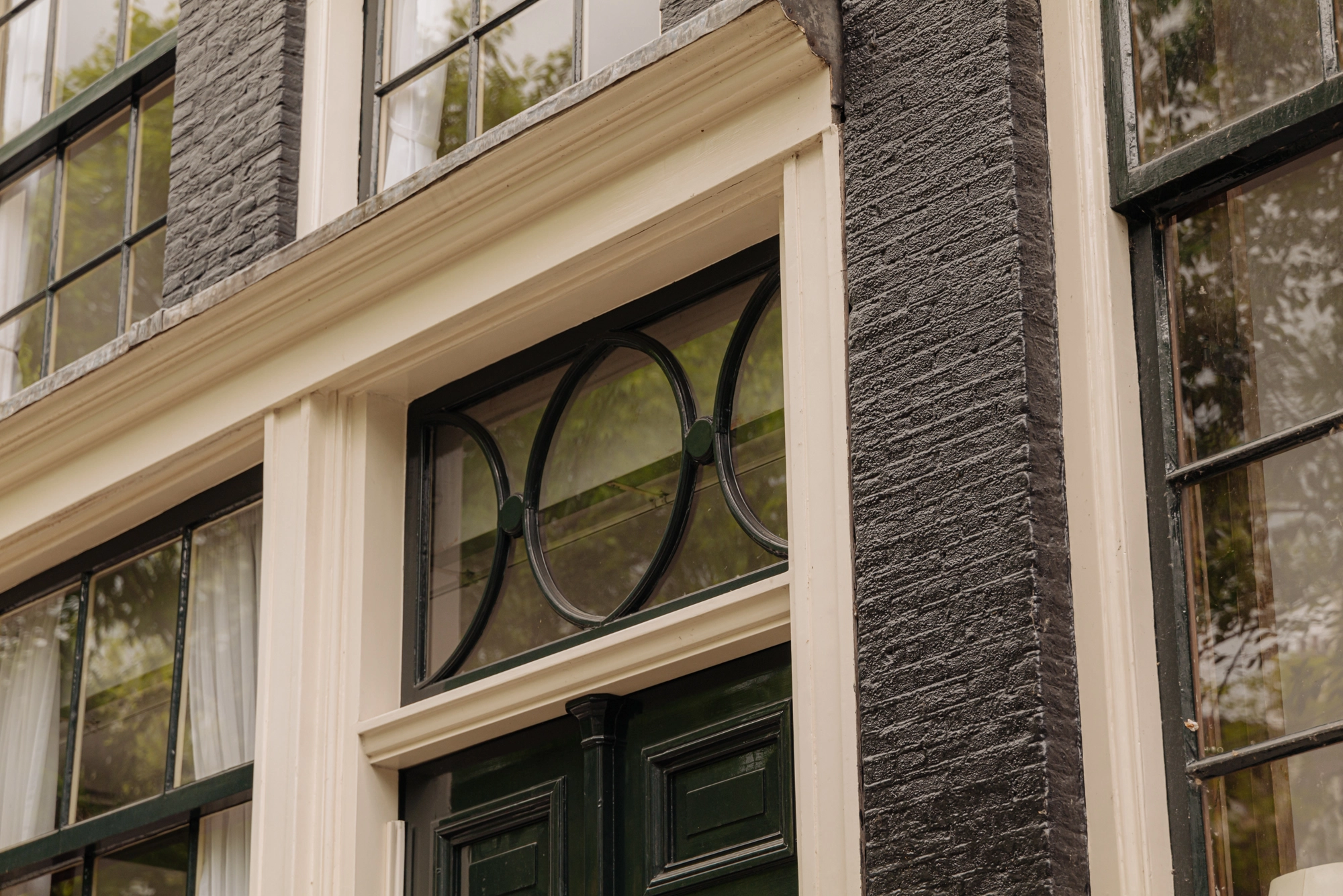
Leidsegracht is a beautiful canal that runs parallel to Leidsestraat. Leidsegracht was part of the expansion of Amsterdam and marked the boundary between the first and second phases of the construction of the canal belt. Between 1615 and 1658, Leidsegracht was the southern boundary of the city. The canal was named in 1658 after the city of Leiden. The Fourth Expansion meant a further extension of the canals between the Leidsegracht and the Amstel. Within a few years, large monumental canal houses were built in this new part of the city. The buildings along the Leidsegracht, including Number , are characterized by their traditional Dutch architecture. Many of these canal houses date from the 17th and 18th centuries, with gabled facades and large windows overlooking the canal. The Leidsegracht, one of the most beautiful canals in Amsterdam-Centrum, is part of the Amsterdam Canal Belt, which was added to the UNESCO World Heritage List in 2010. This house, dating from around 1700, is a national monument and has charming, authentic 19th-century details.
The bel étage
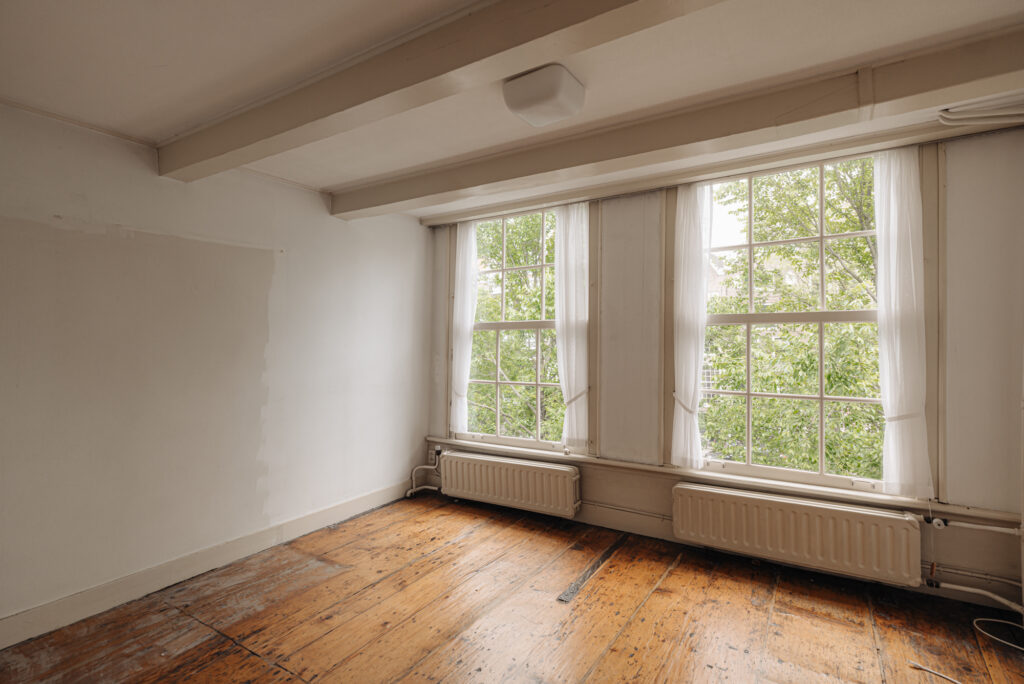
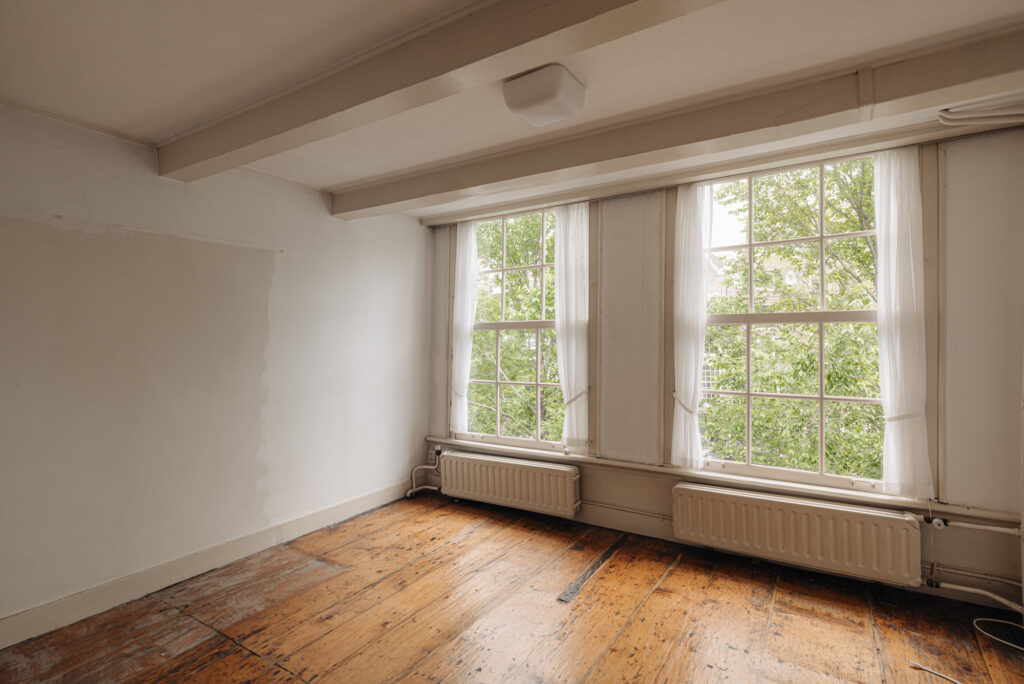
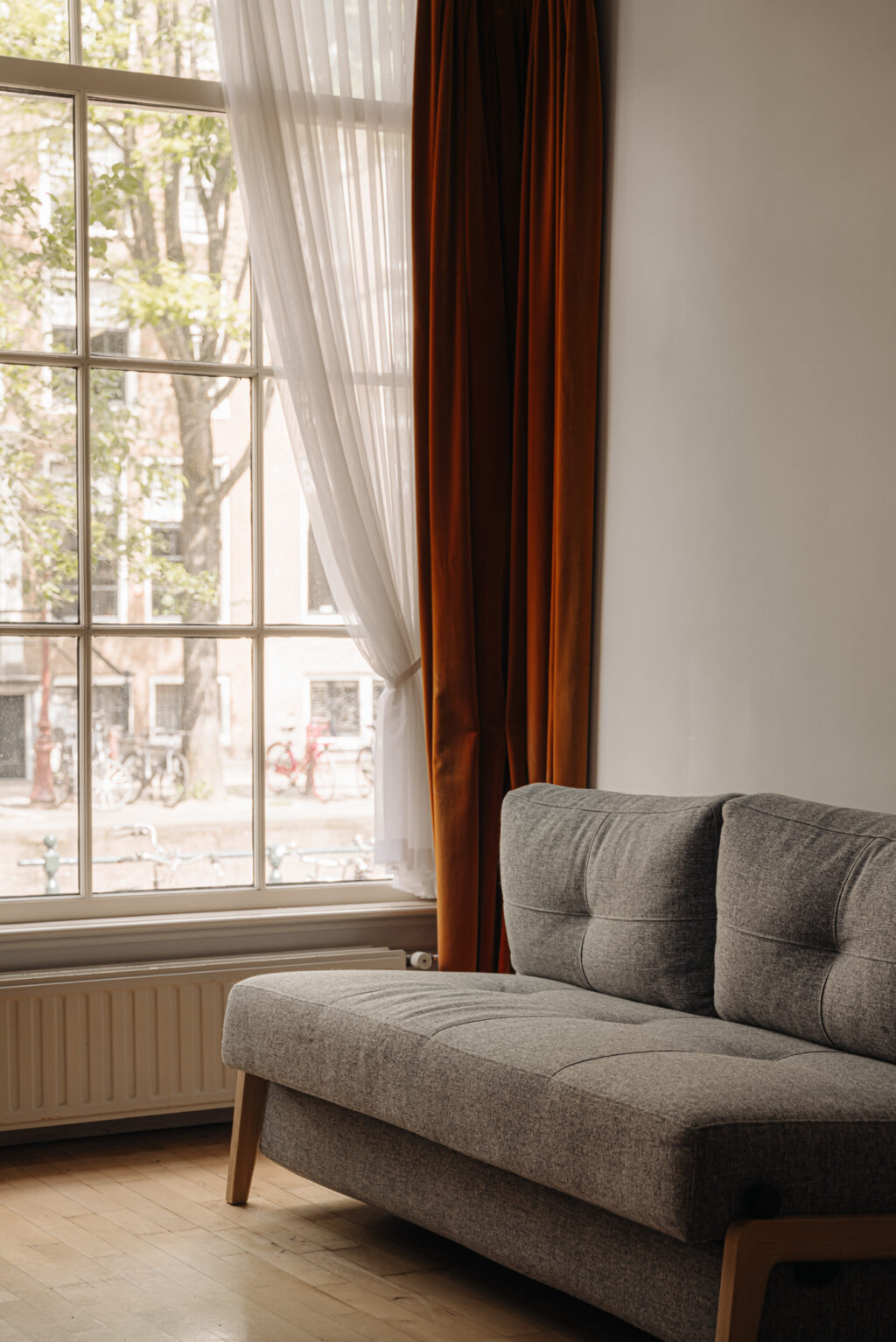
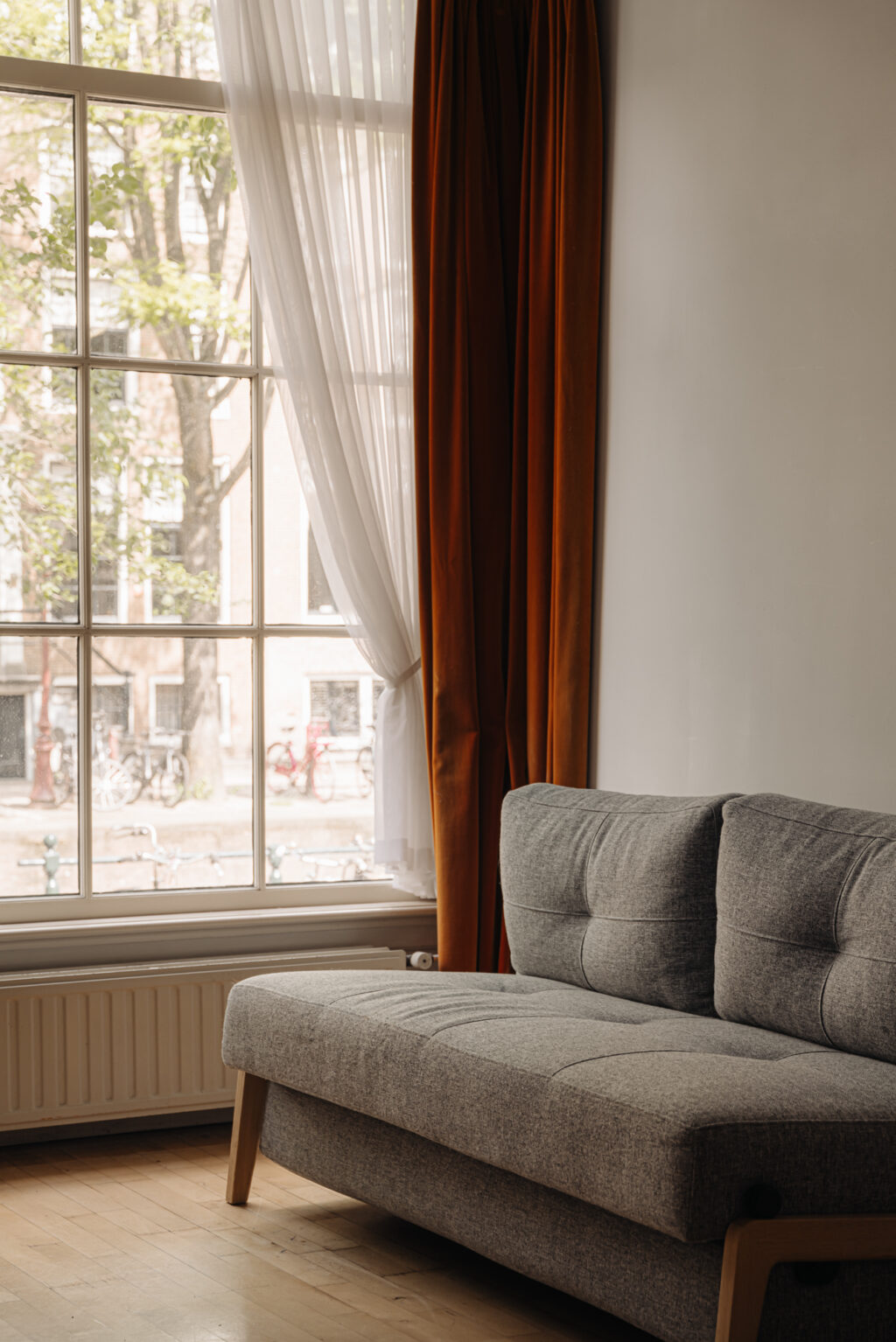
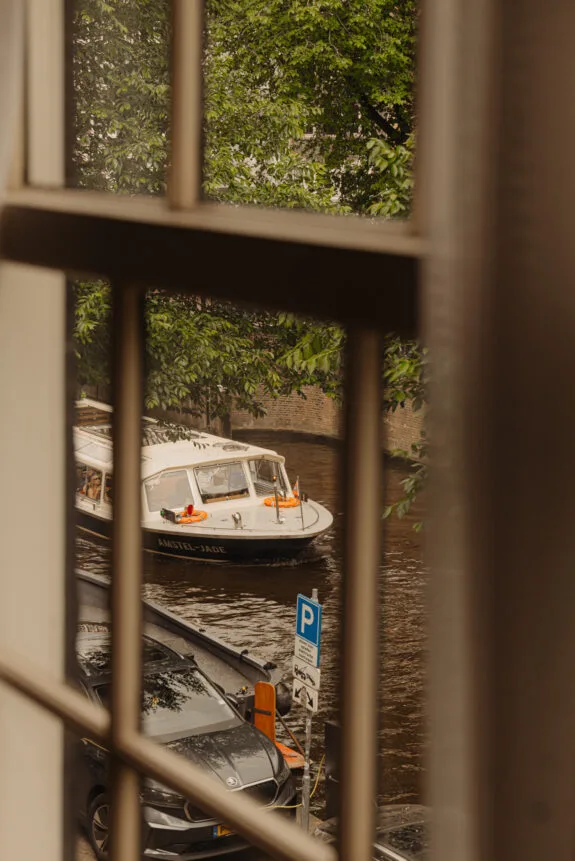
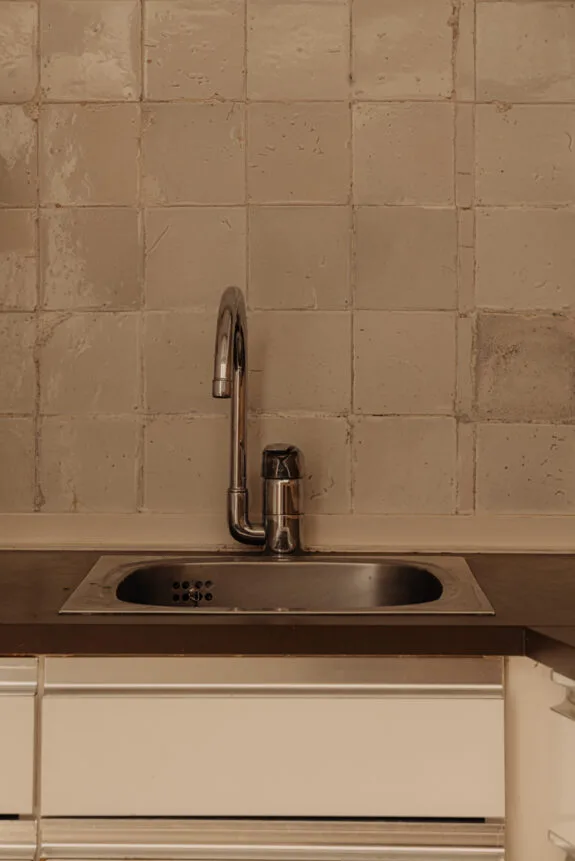
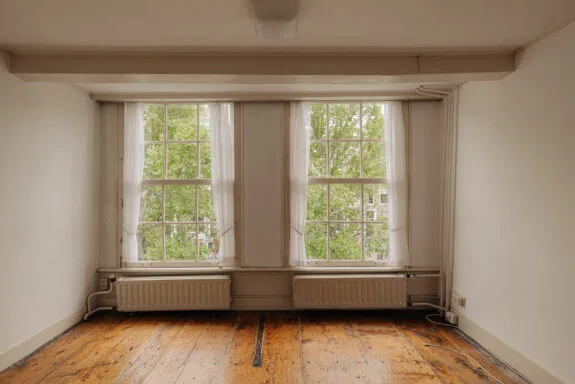
The living room, with its beautiful beamed ceiling, is the residents' favorite place. It is wonderful to sit here on a chair and enjoy the view over the water. Adjacent to the back room is the kitchen. This living area can be flexibly arranged, for example by placing the kitchen at the front or centrally in the house. This creates a cozy kitchen with a view of the canal.
The first floor
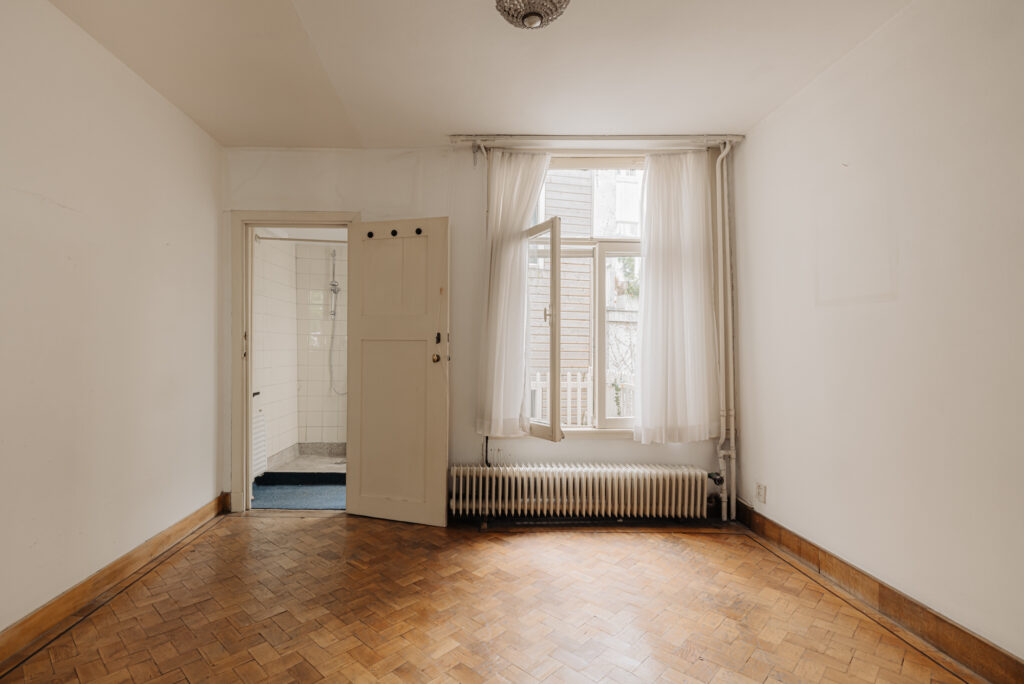
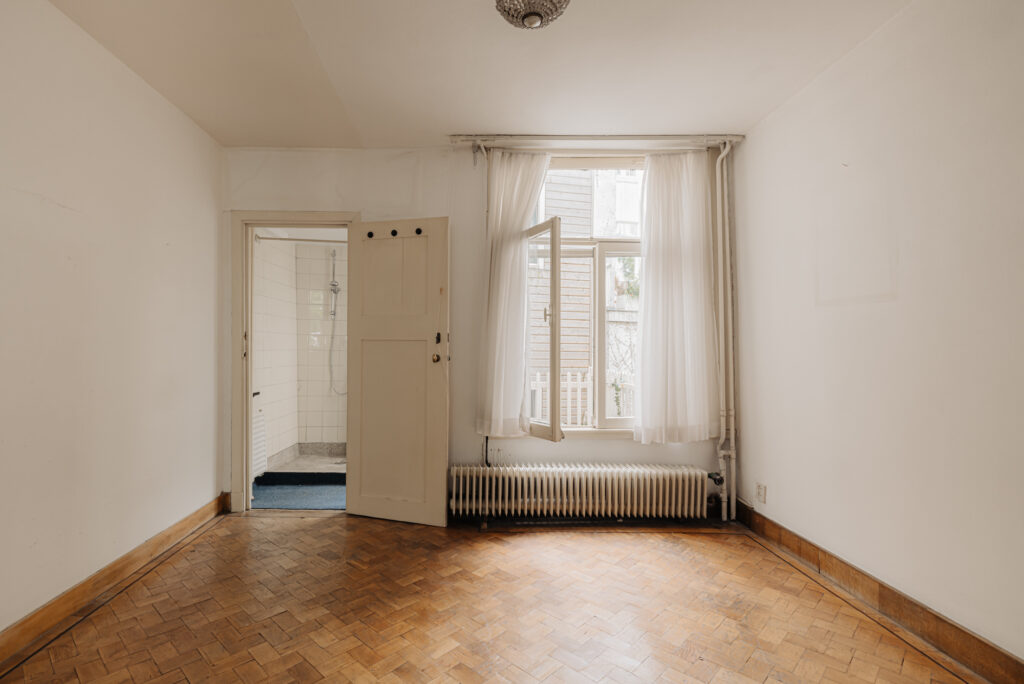
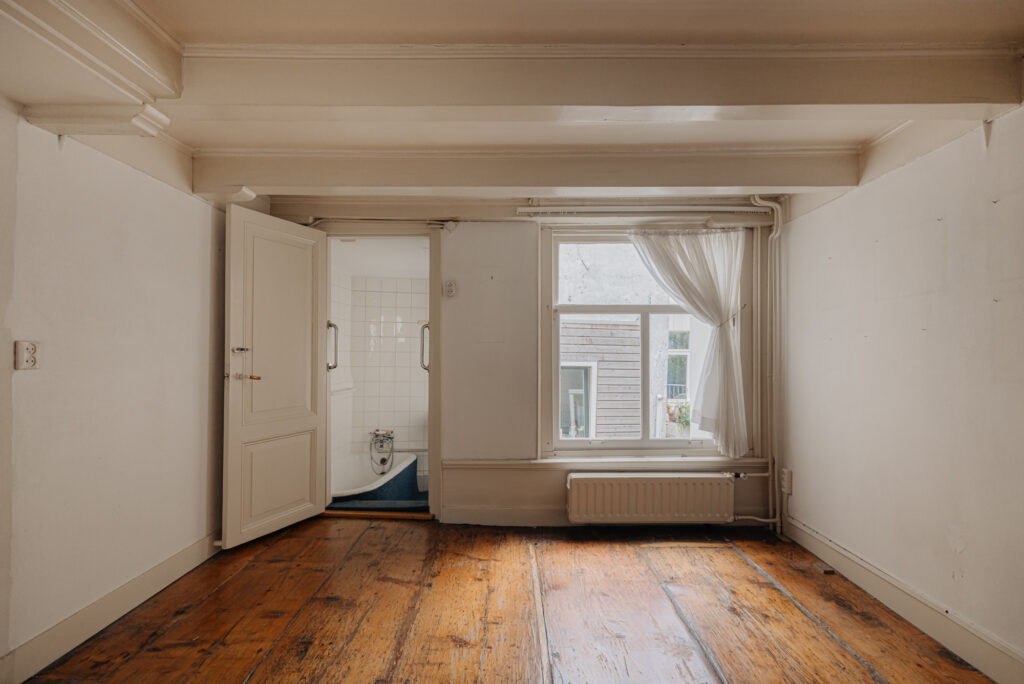
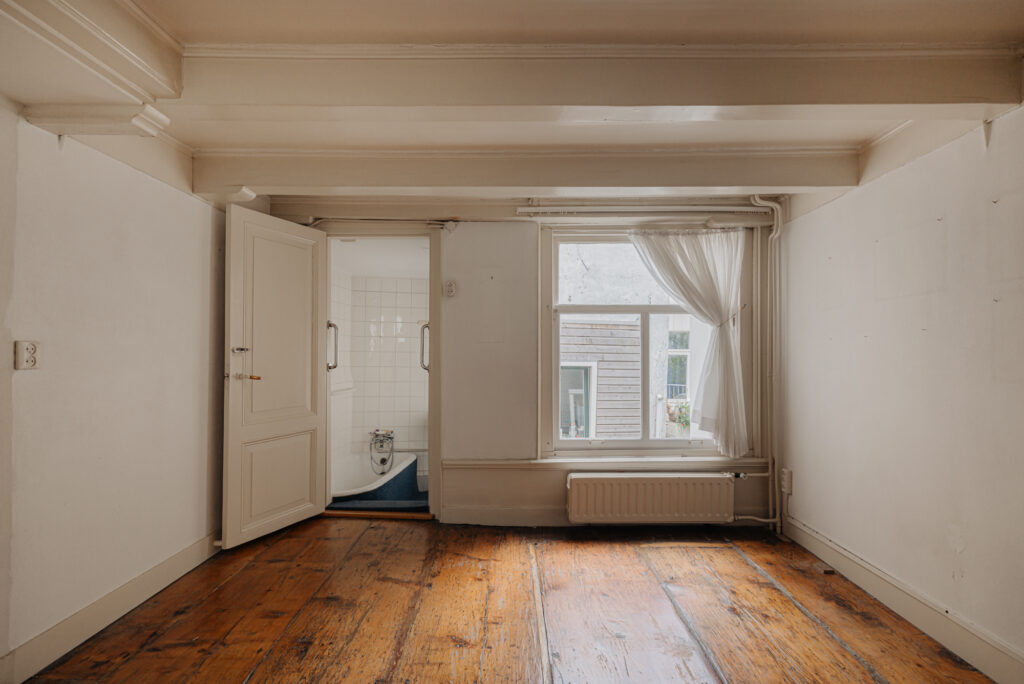
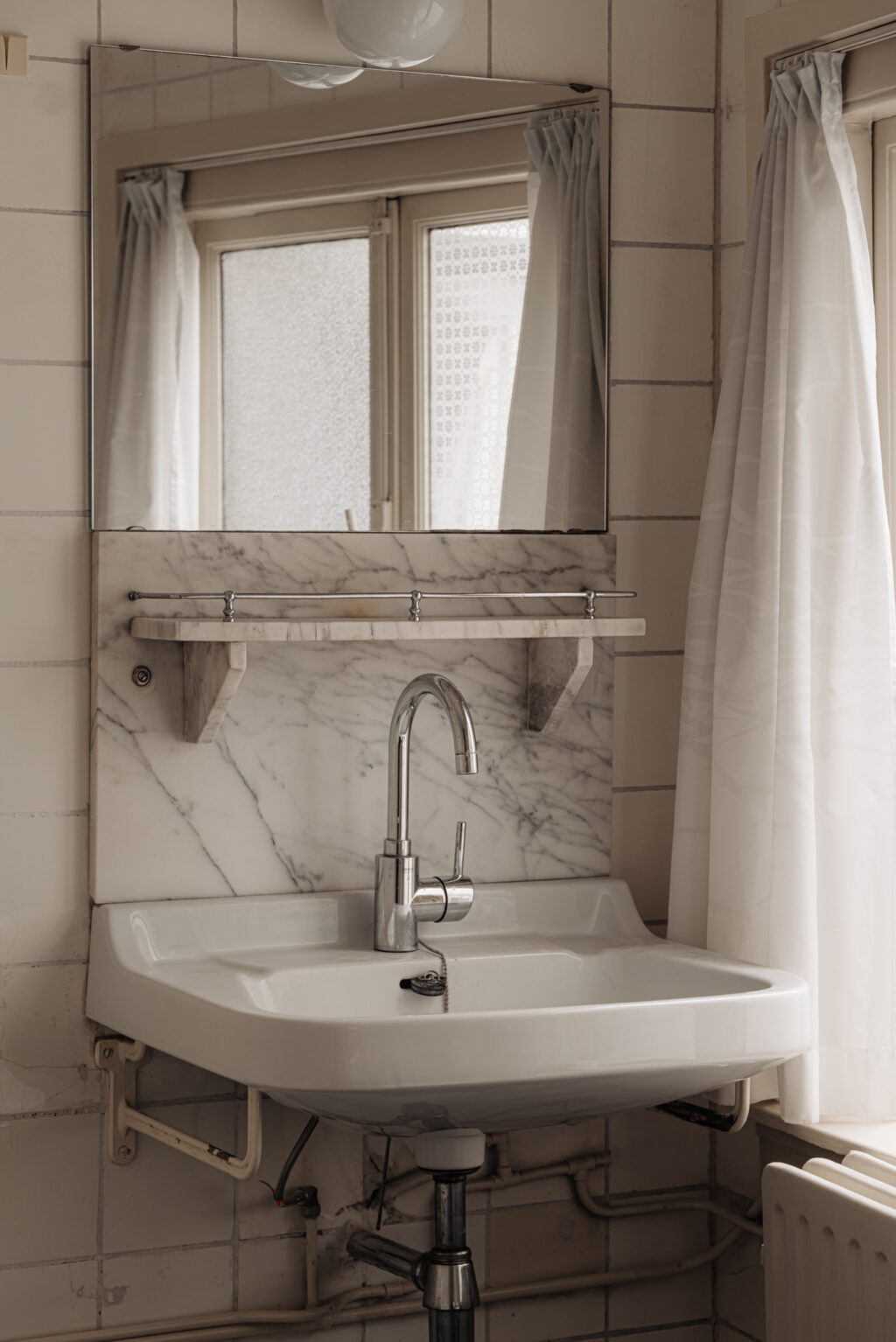
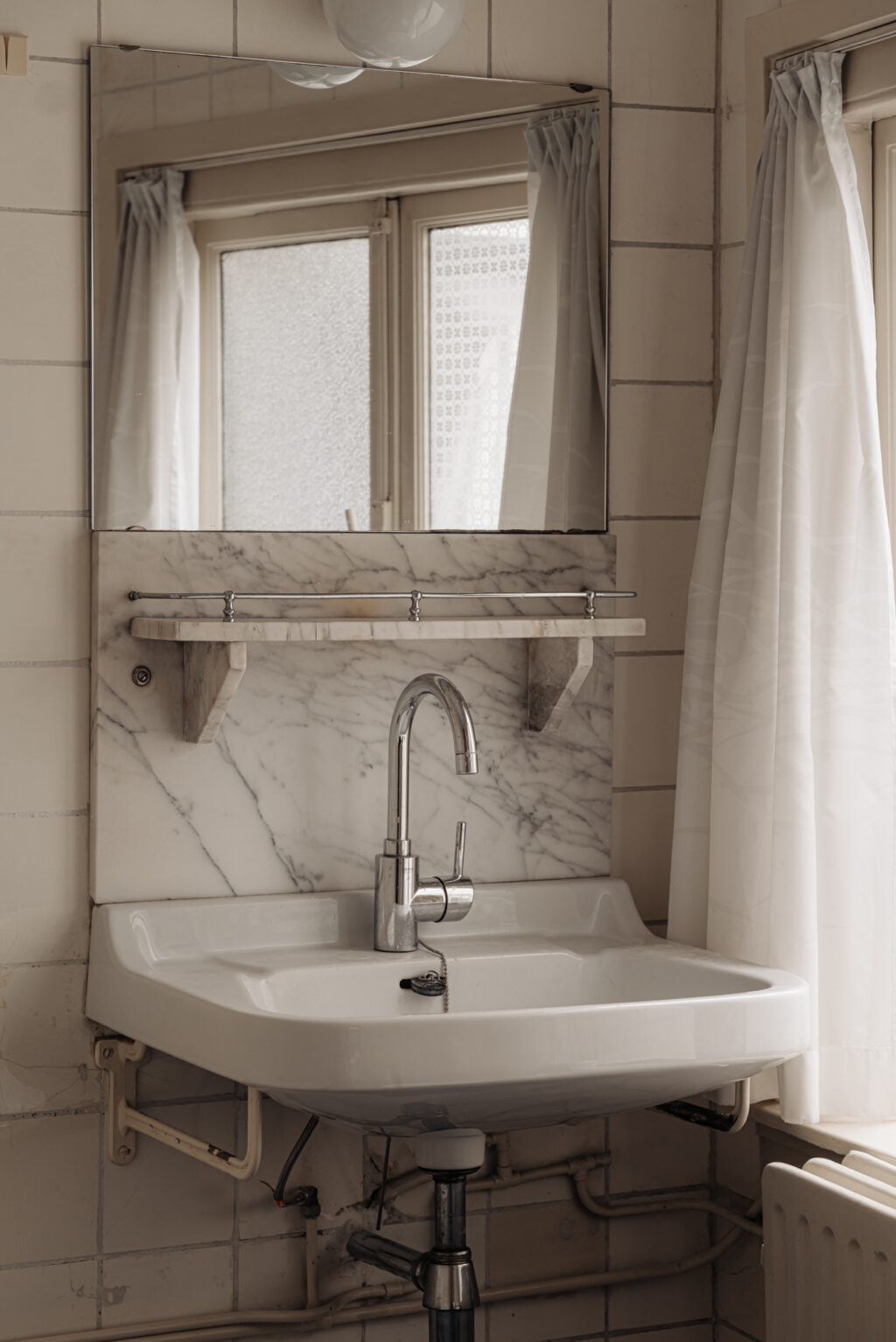
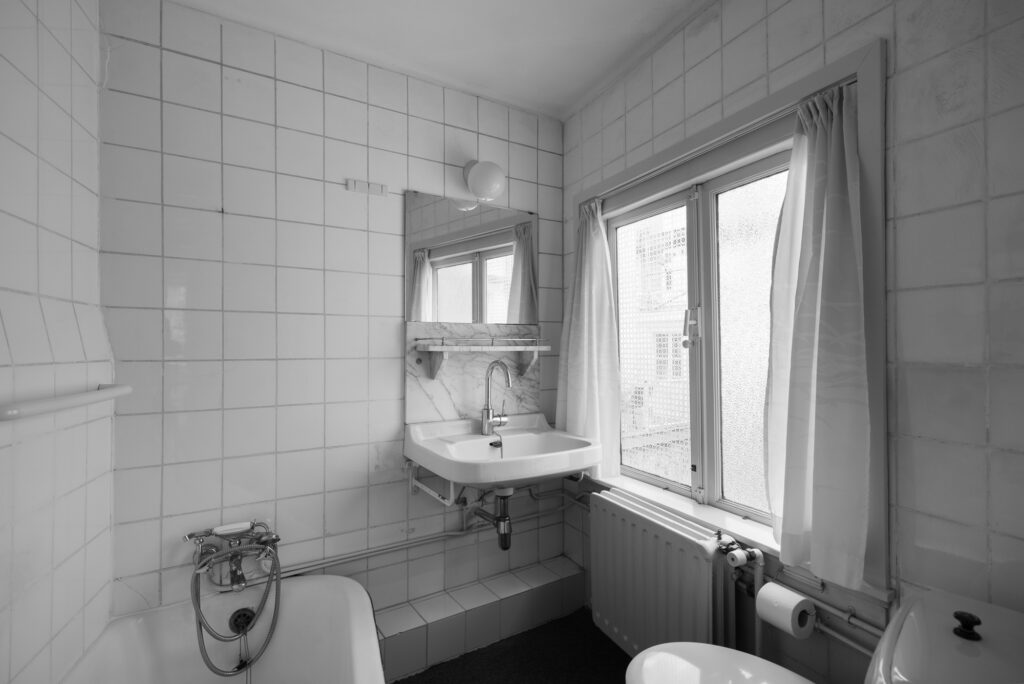
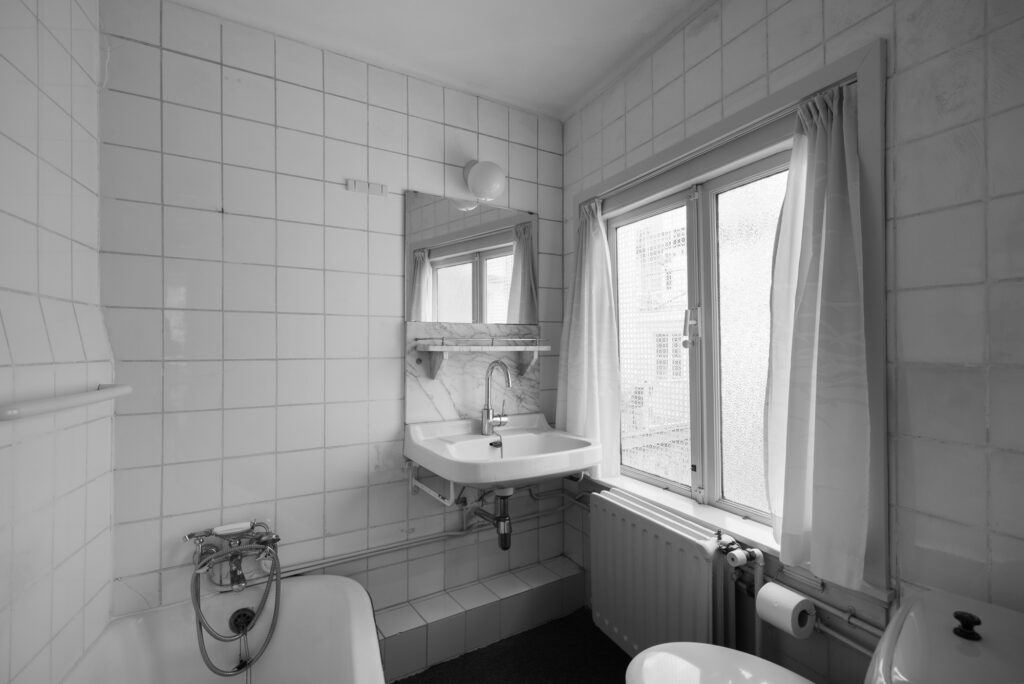
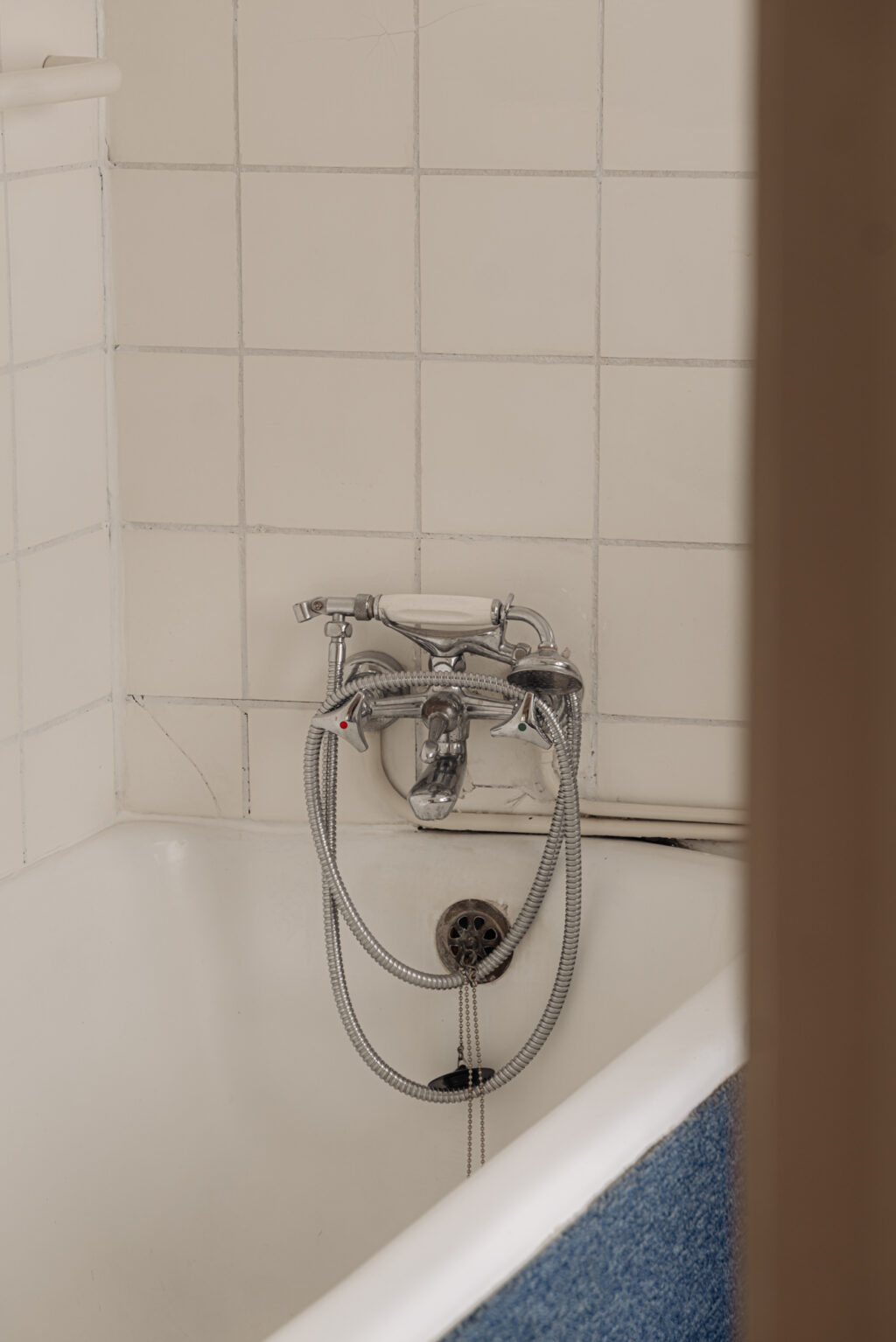
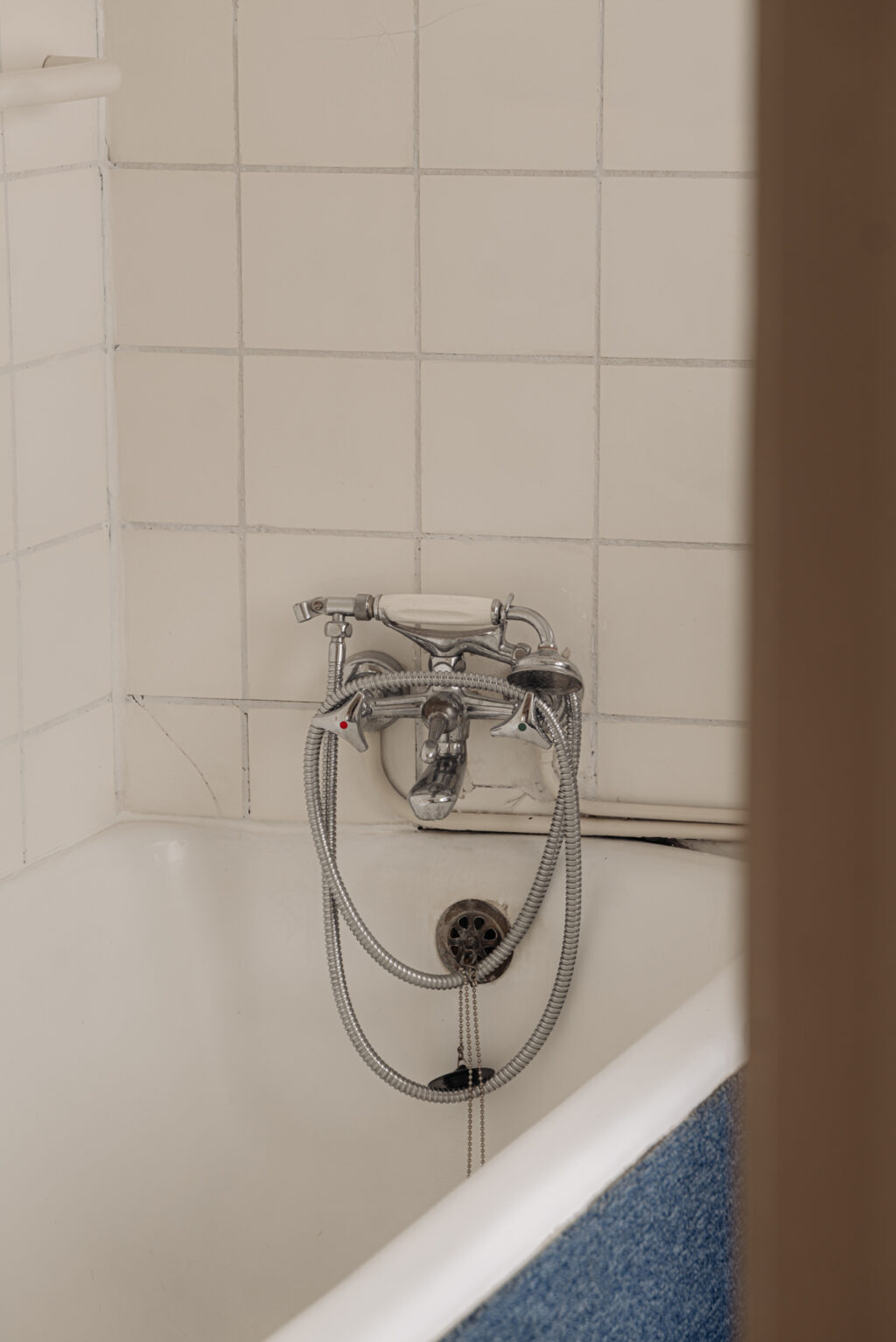
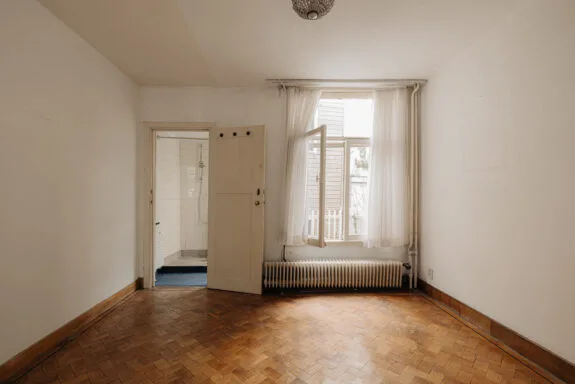
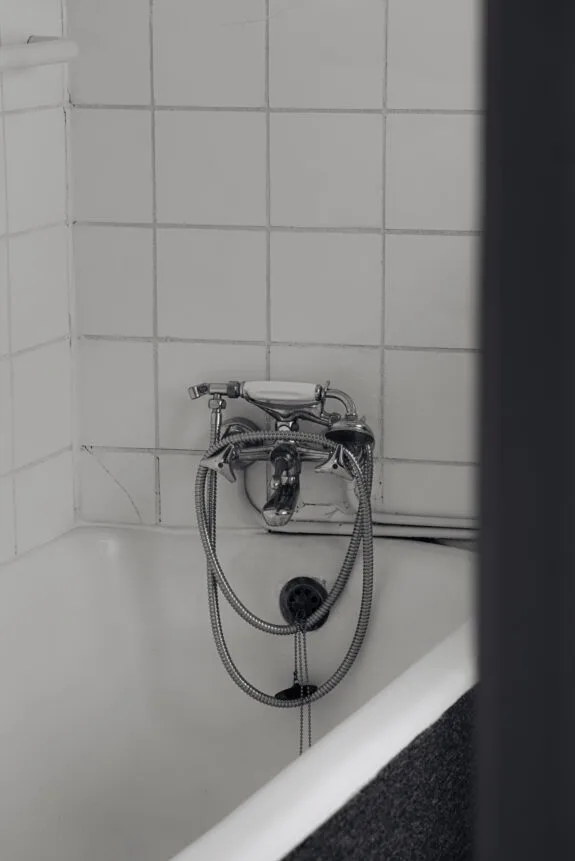
The staircase in the living room leads to the first floor, which can be used as a second living room or as a sleeping area. Here too, the original beamed ceiling has been preserved. At the rear is the bathroom with shower.
The second floor
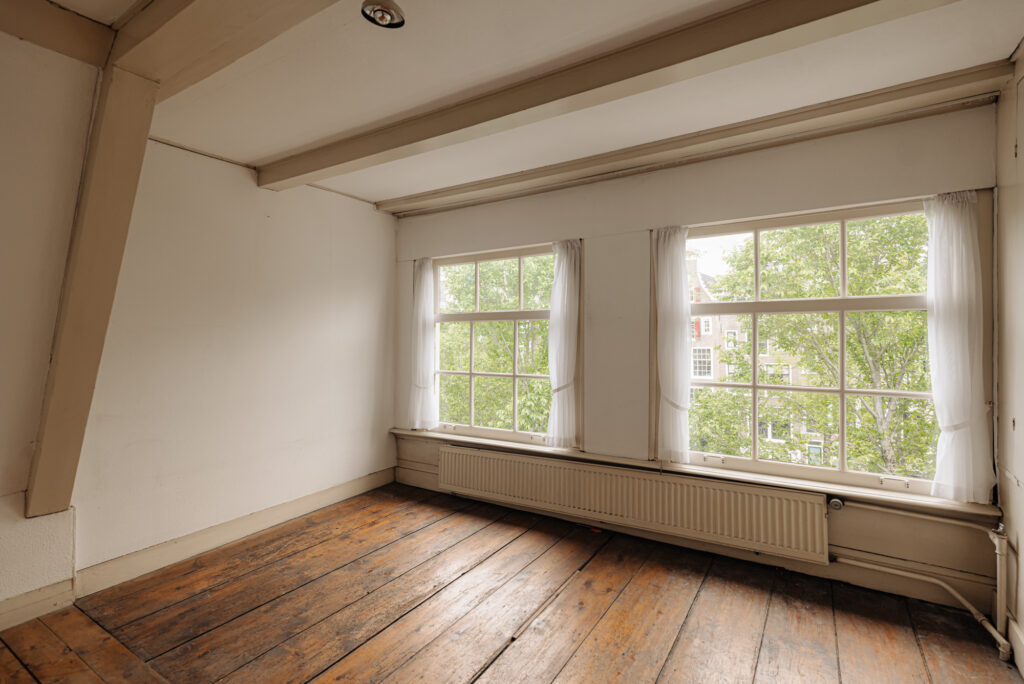
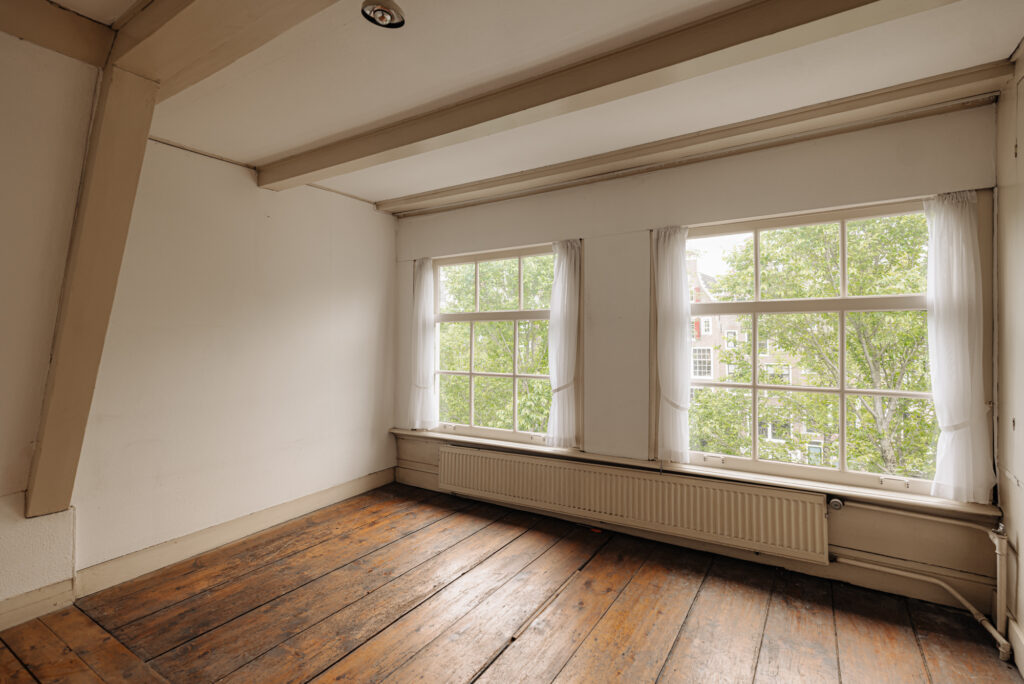
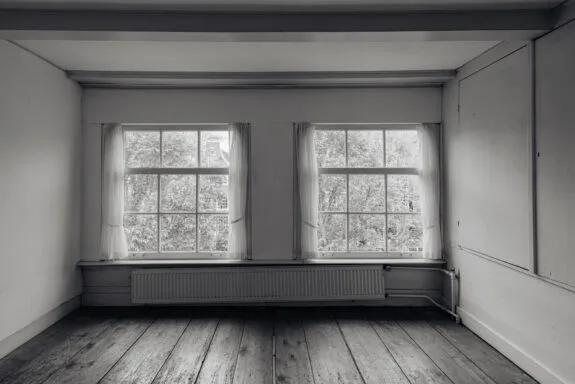
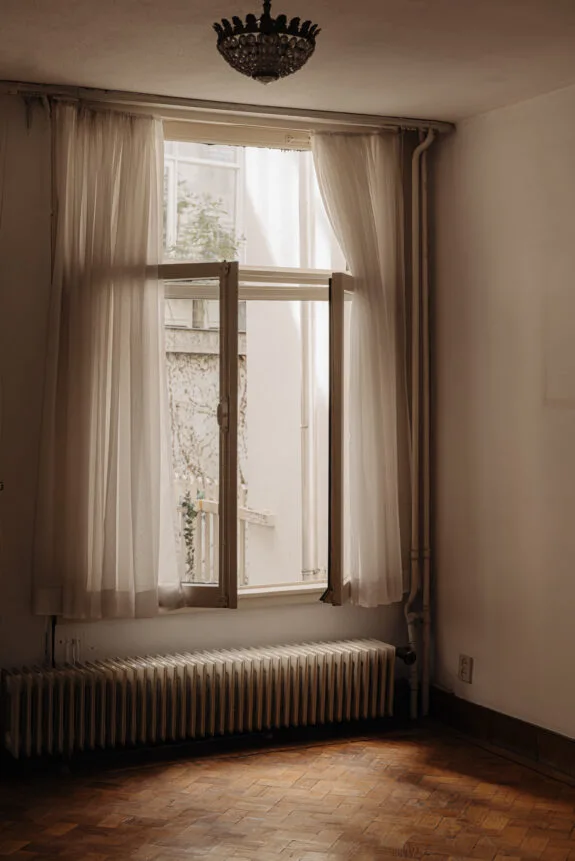
The secondfloor is a beautiful and bright space, perfect for one or two bedrooms, with a bathroom at the rear. The ceiling height to the beam is 1.98 m, which makes this floor in this characteristic house very suitable as a sleeping floor.
attic
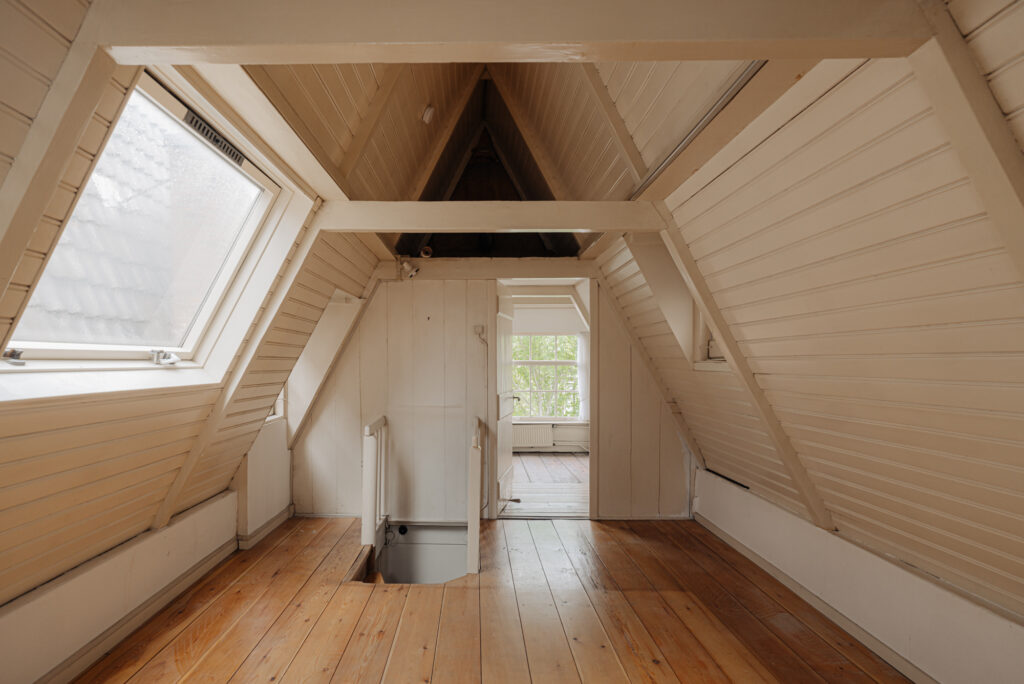
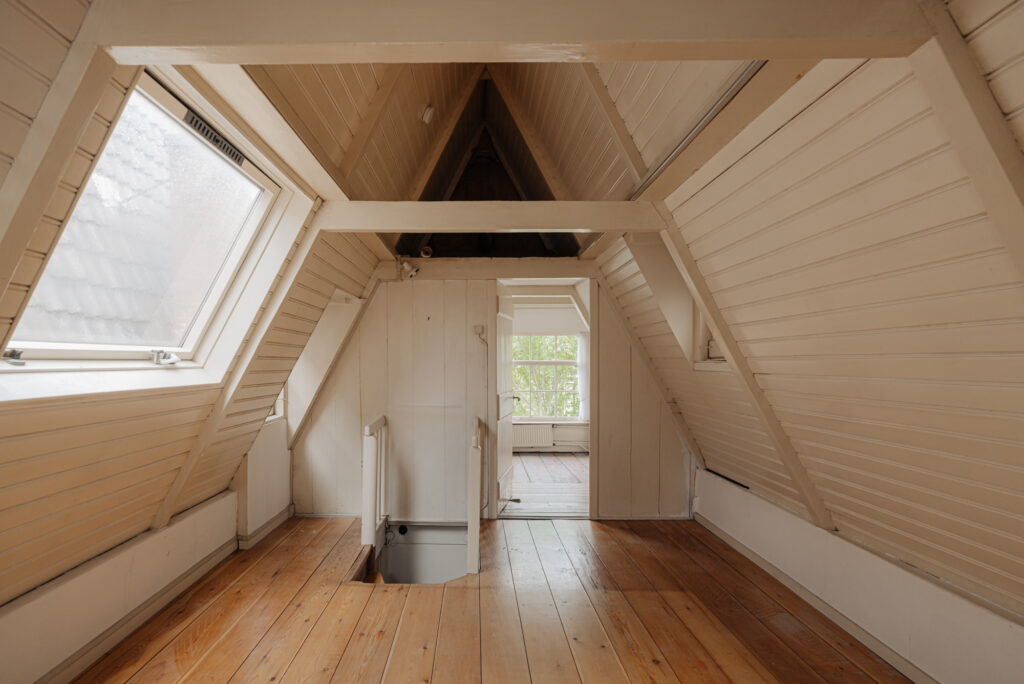
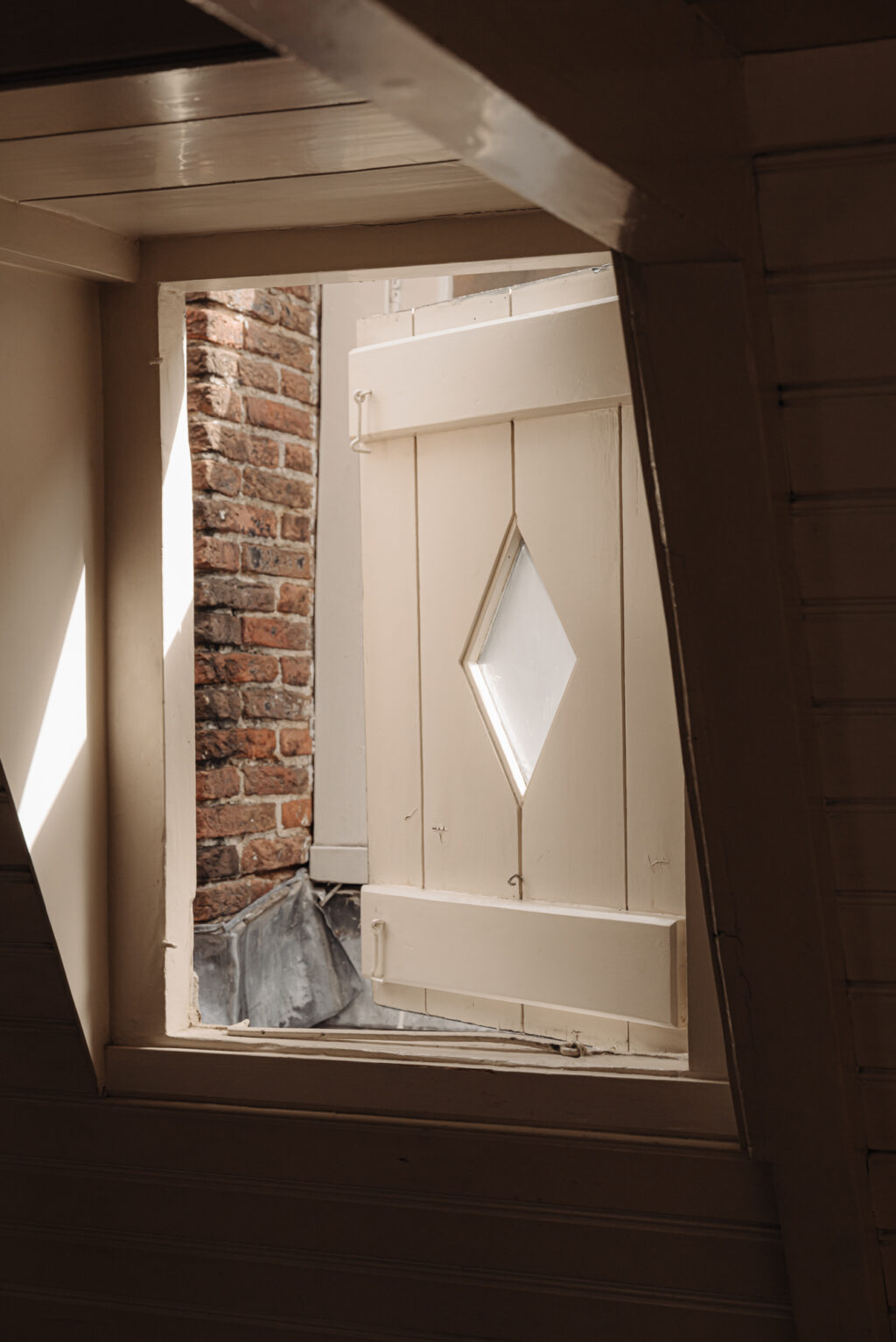
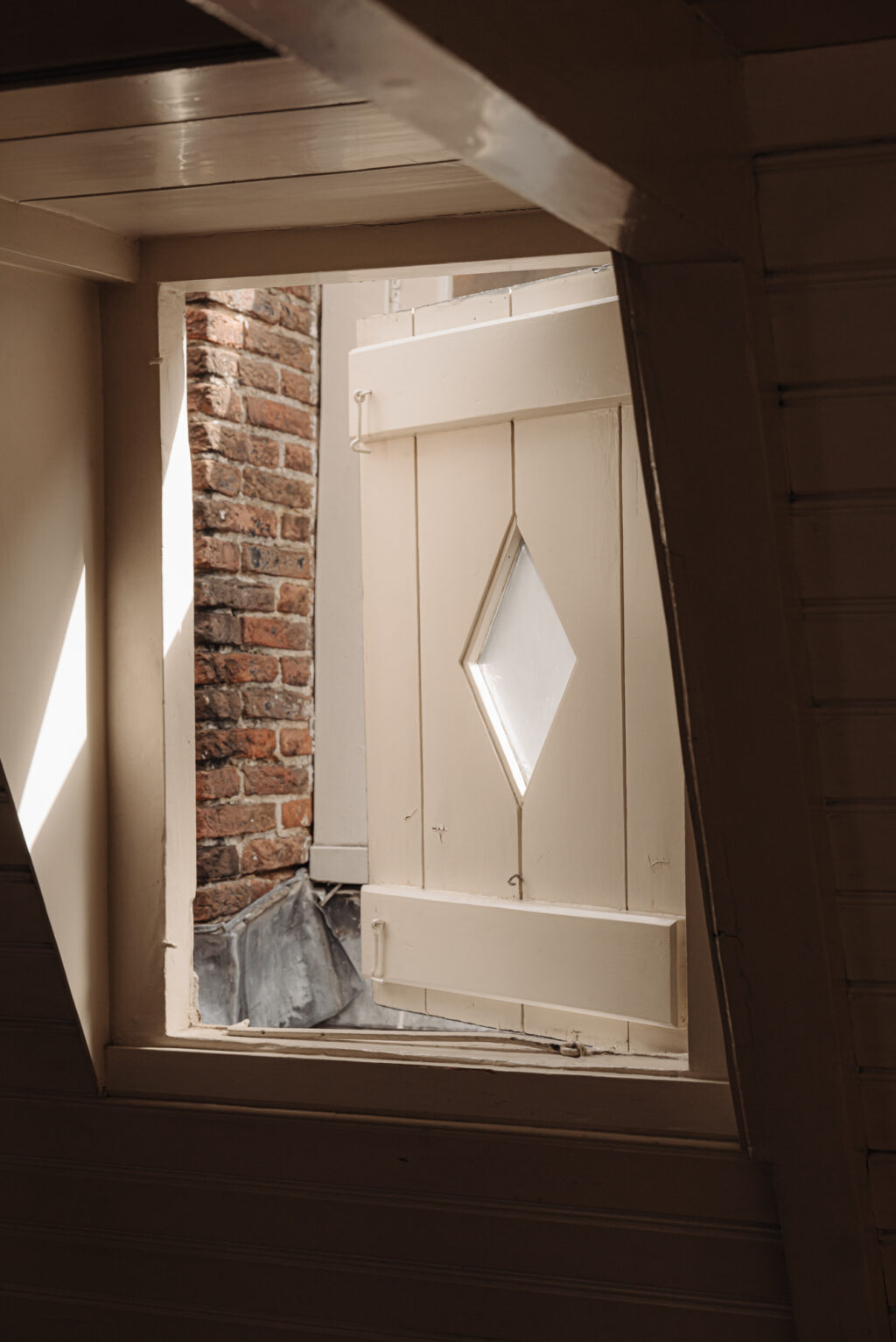
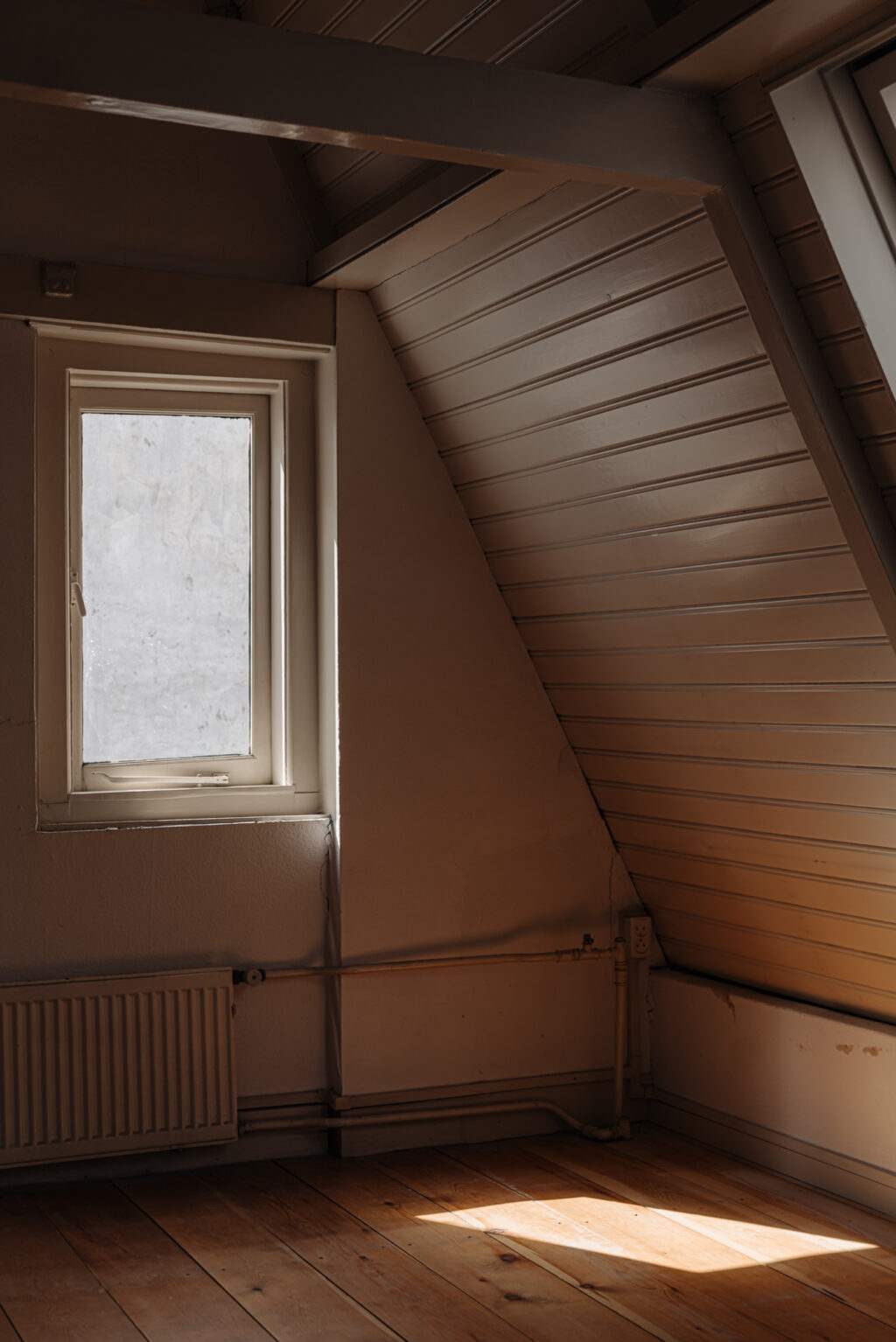
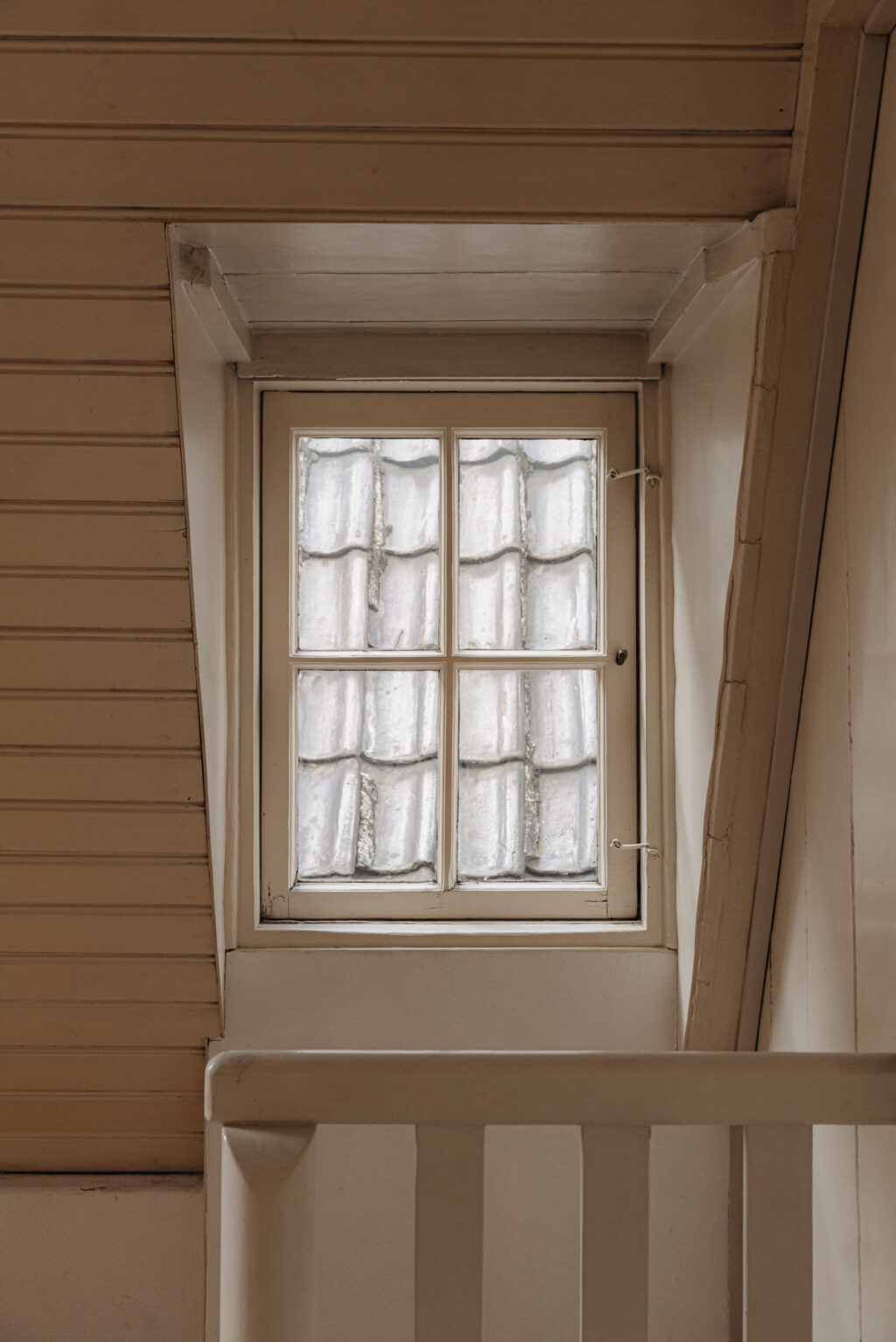
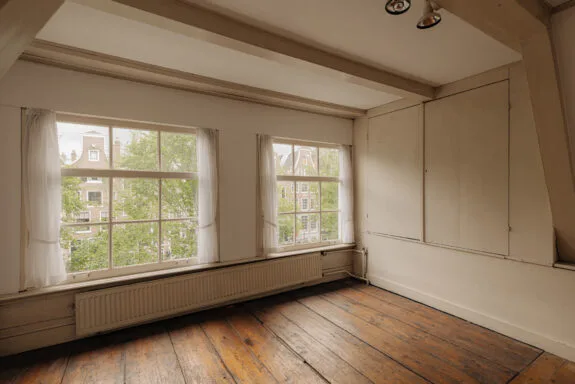
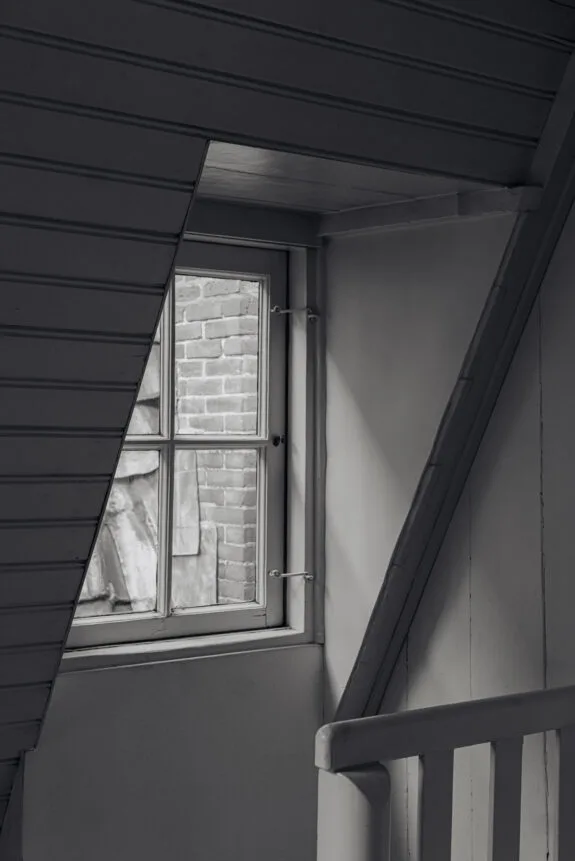
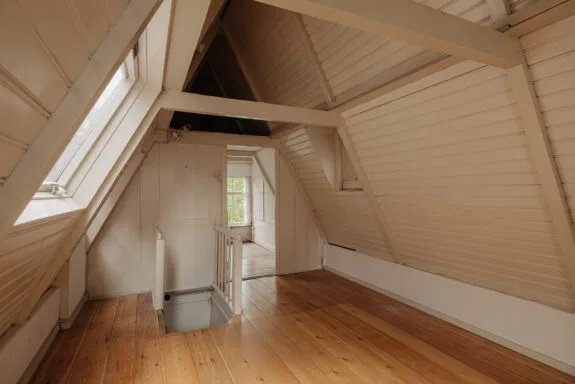
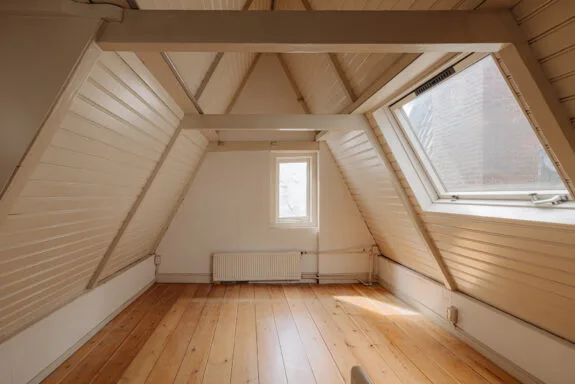
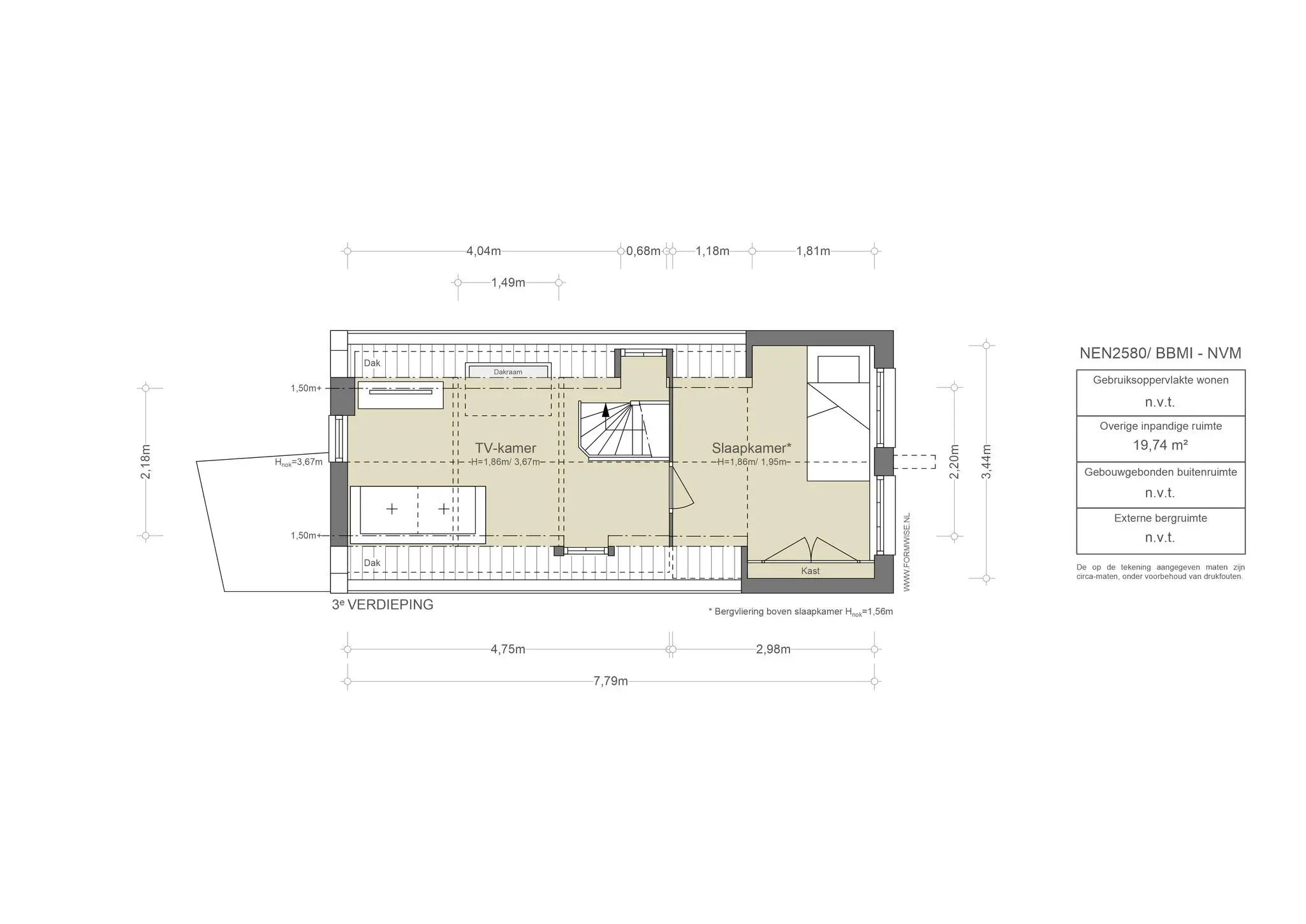
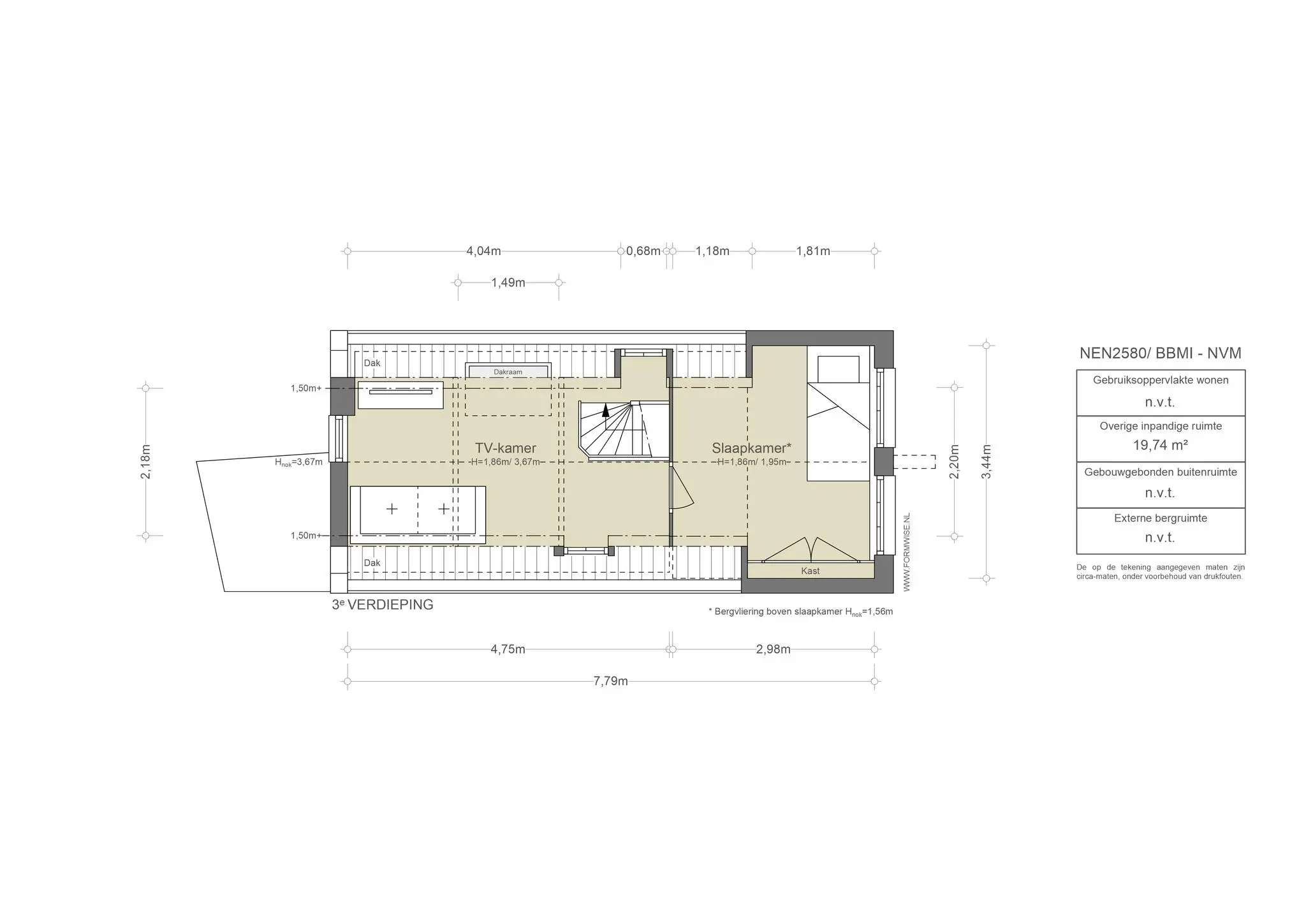
The attic has been made extra light by installing a skylight. This attractive space is perfect as a children's room, study, or guest room.
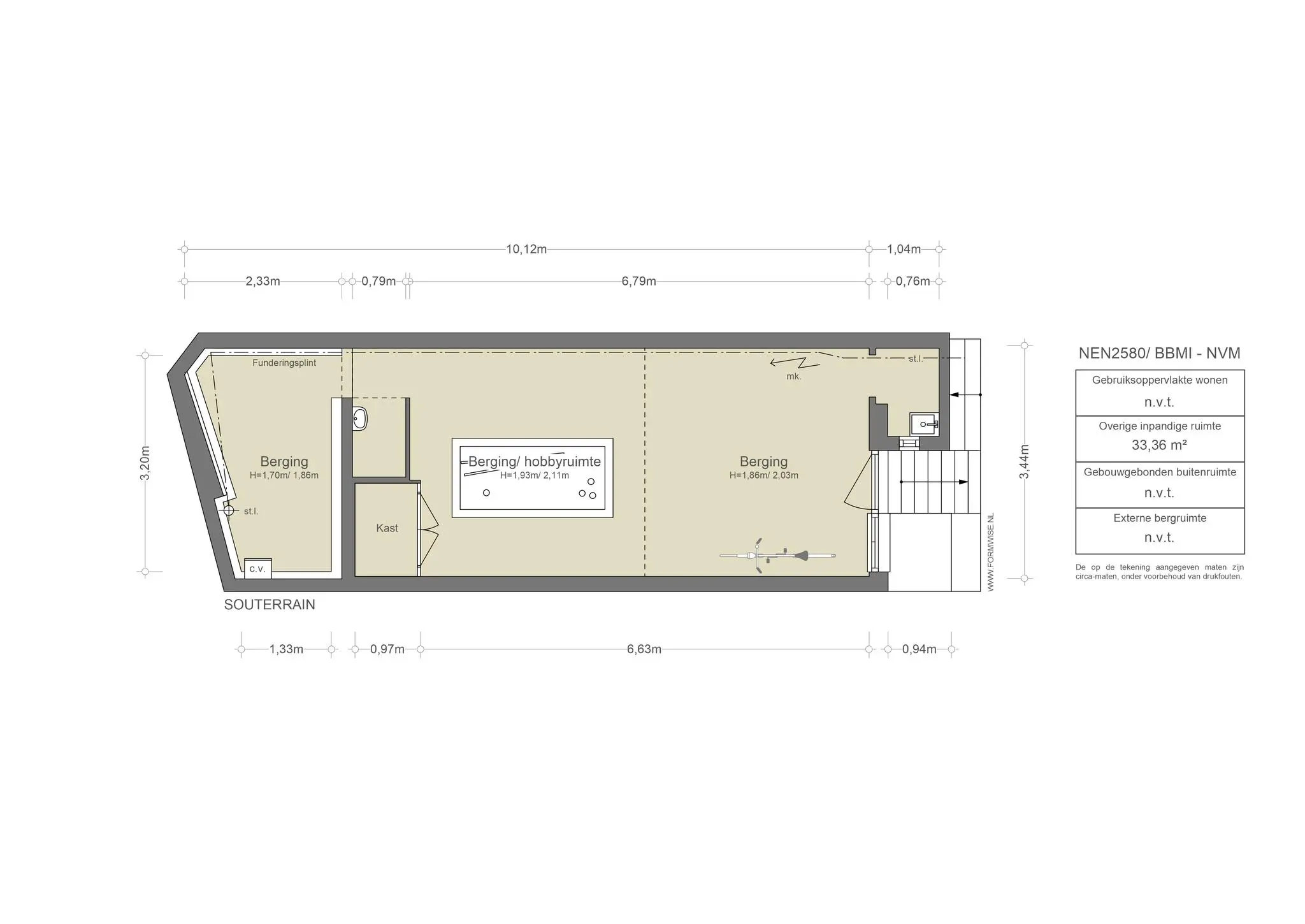
The basement
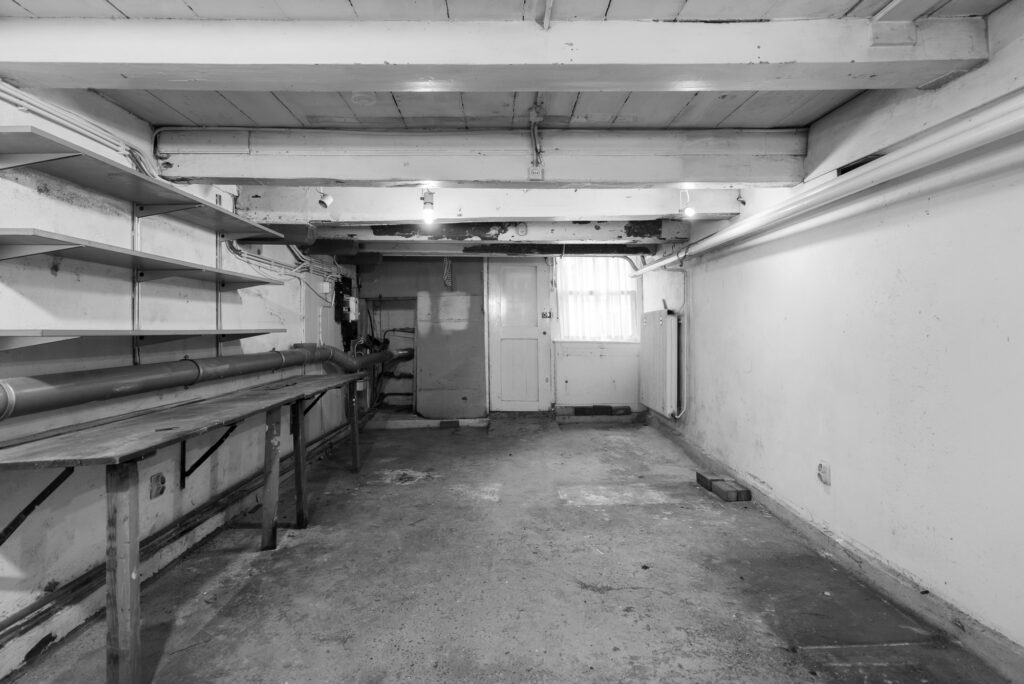
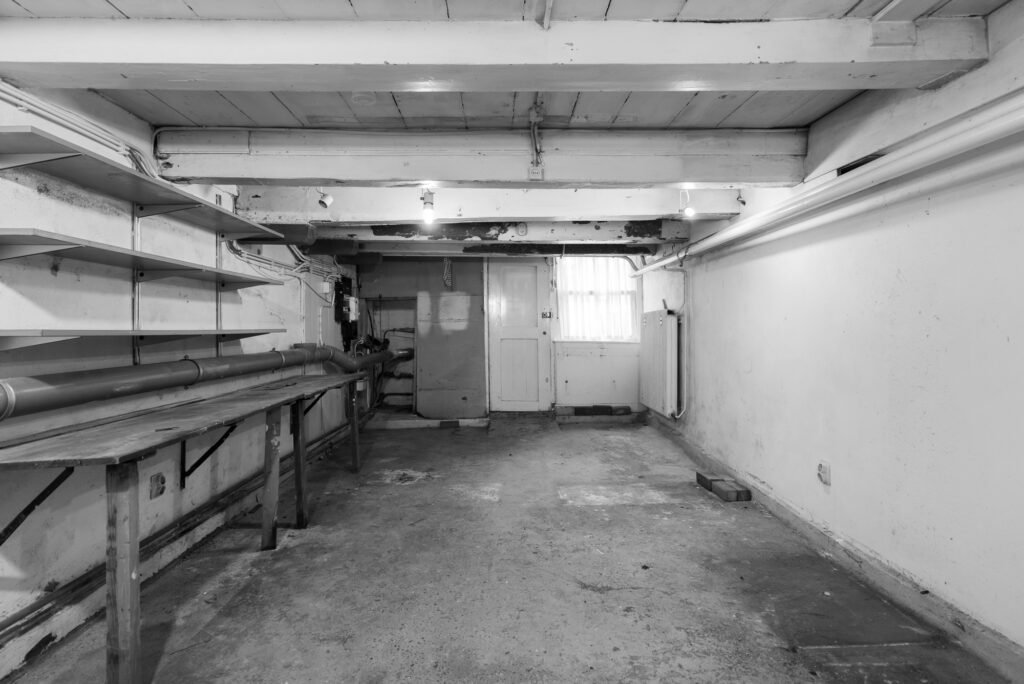
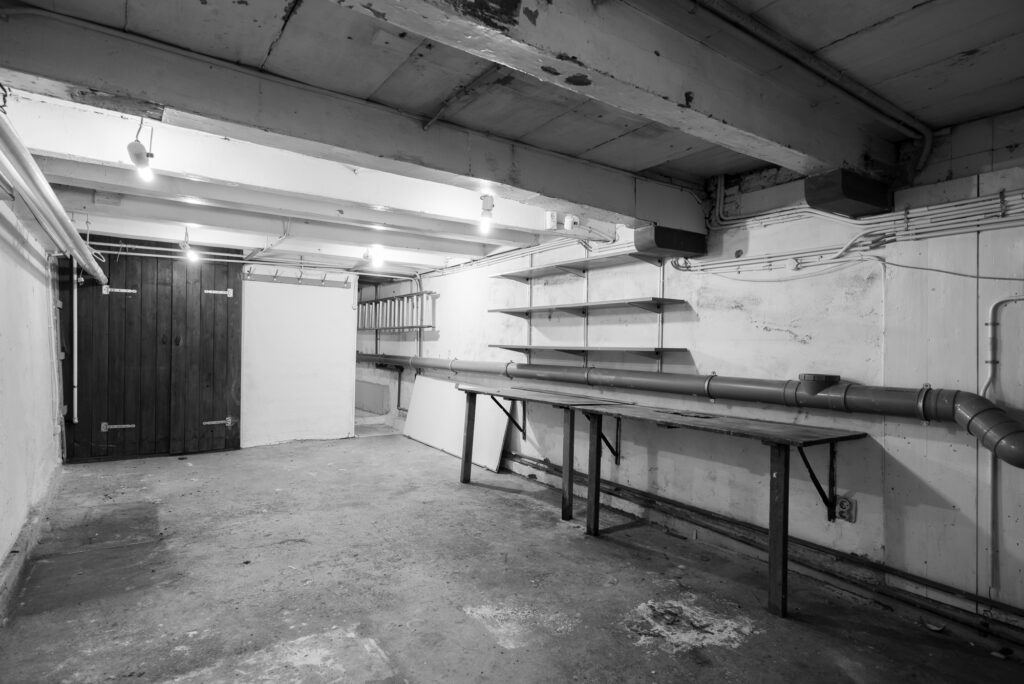
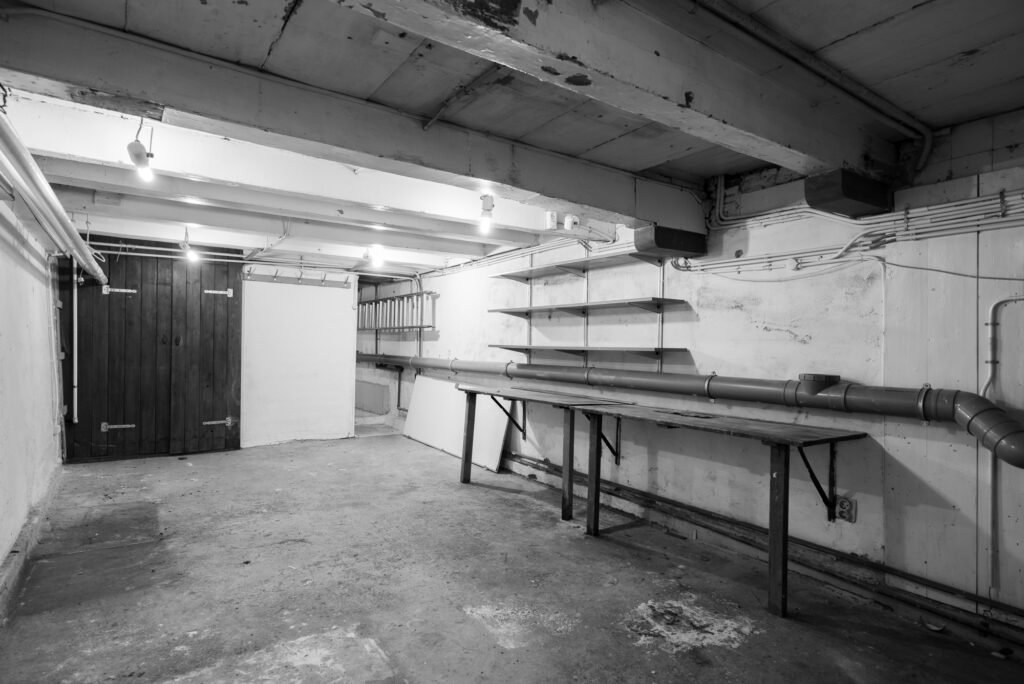
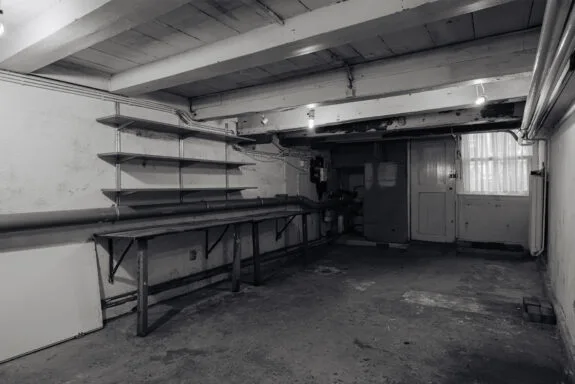
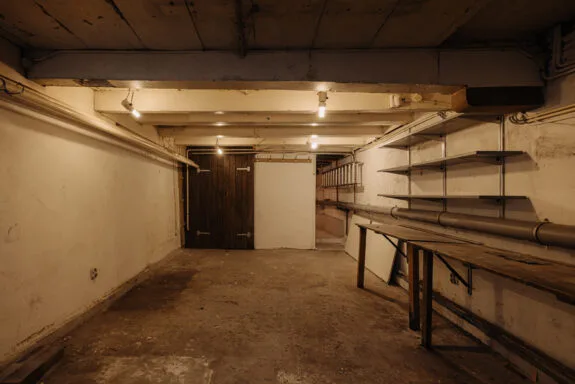
The basement can be accessed from the street and is perfect for storage, bicycles, or as a hobby room.
The outdoor area
The stone steps or sidewalk invite you to sit outside, enjoy a glass of wine together, and soak up life in the charming historic center.
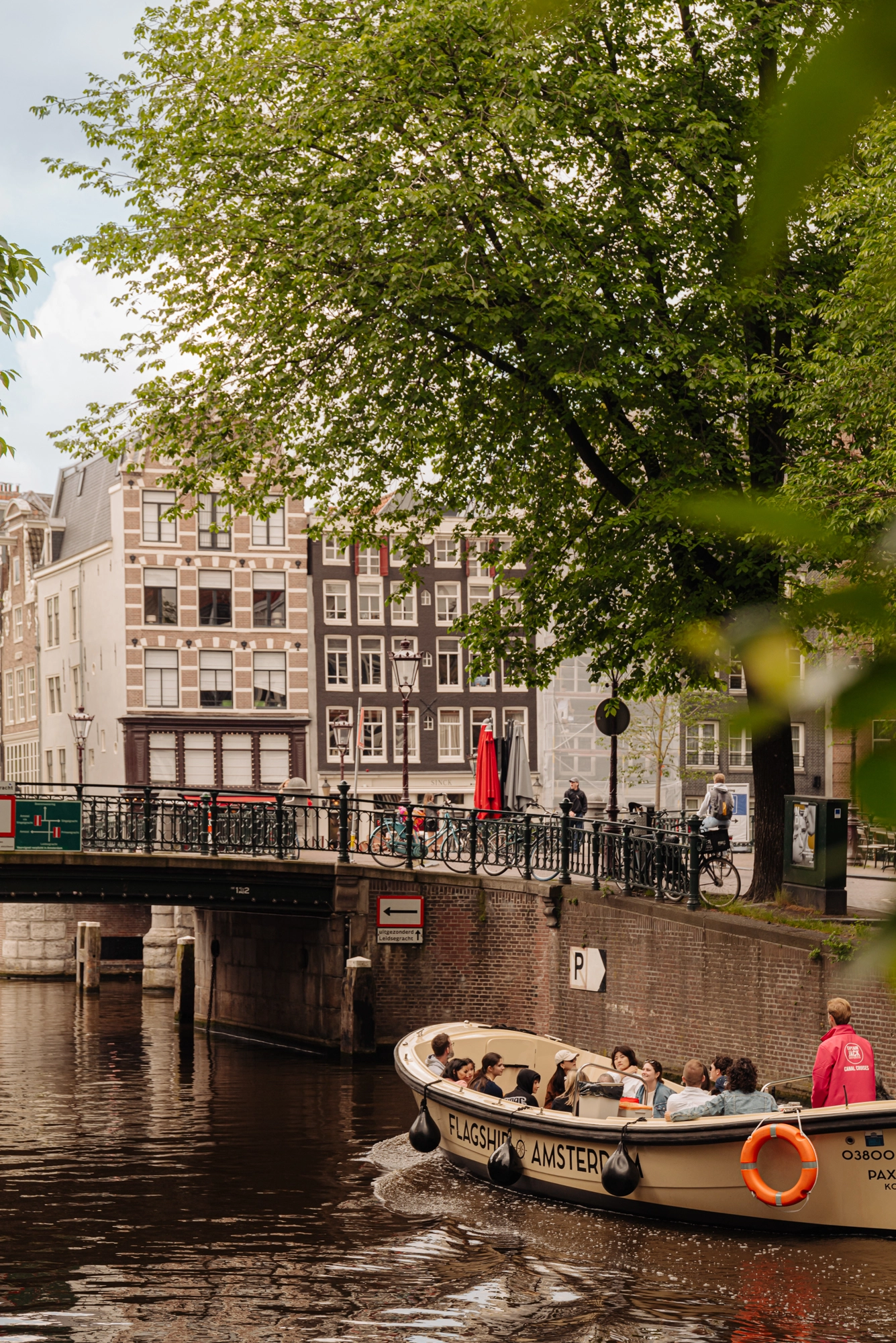
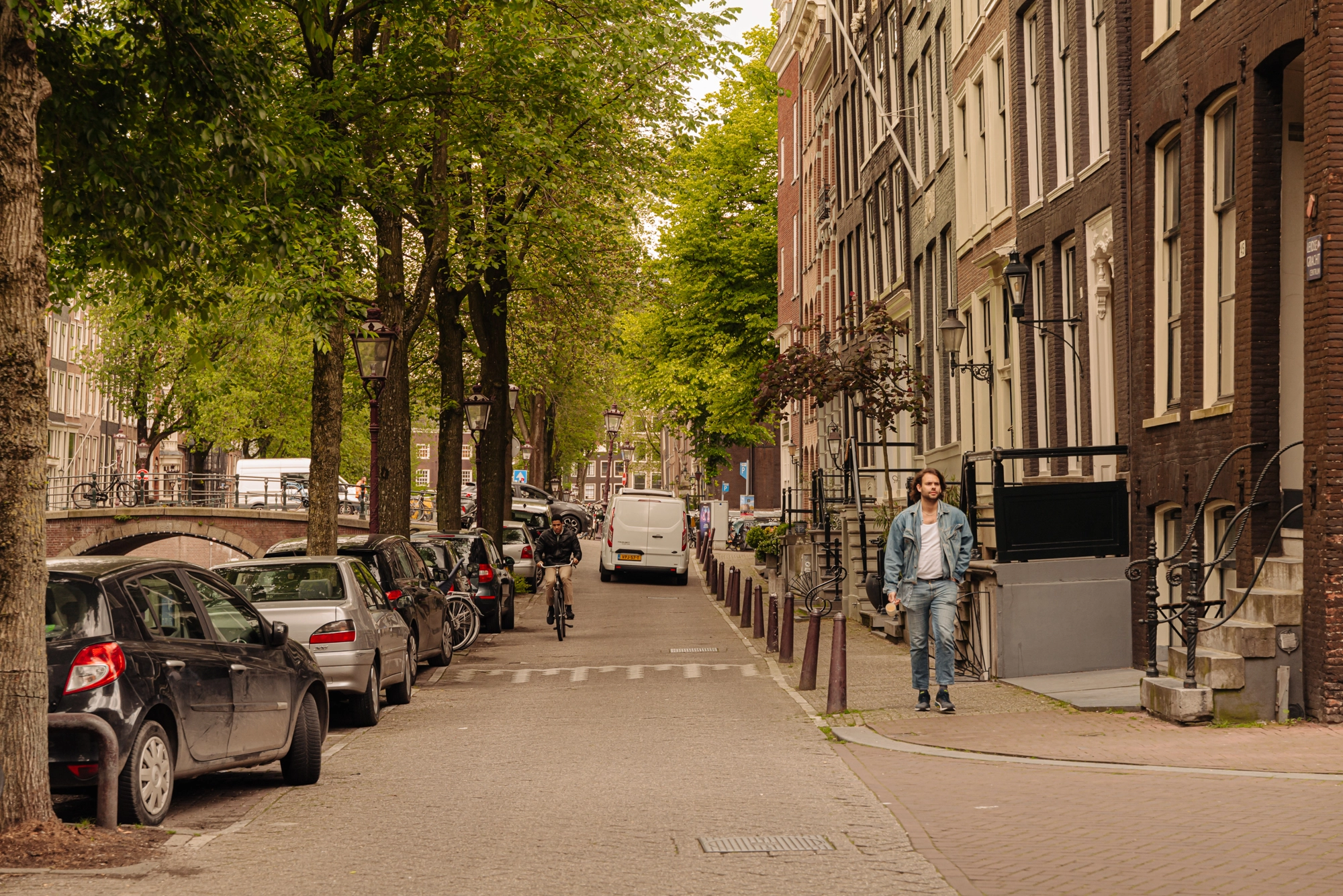
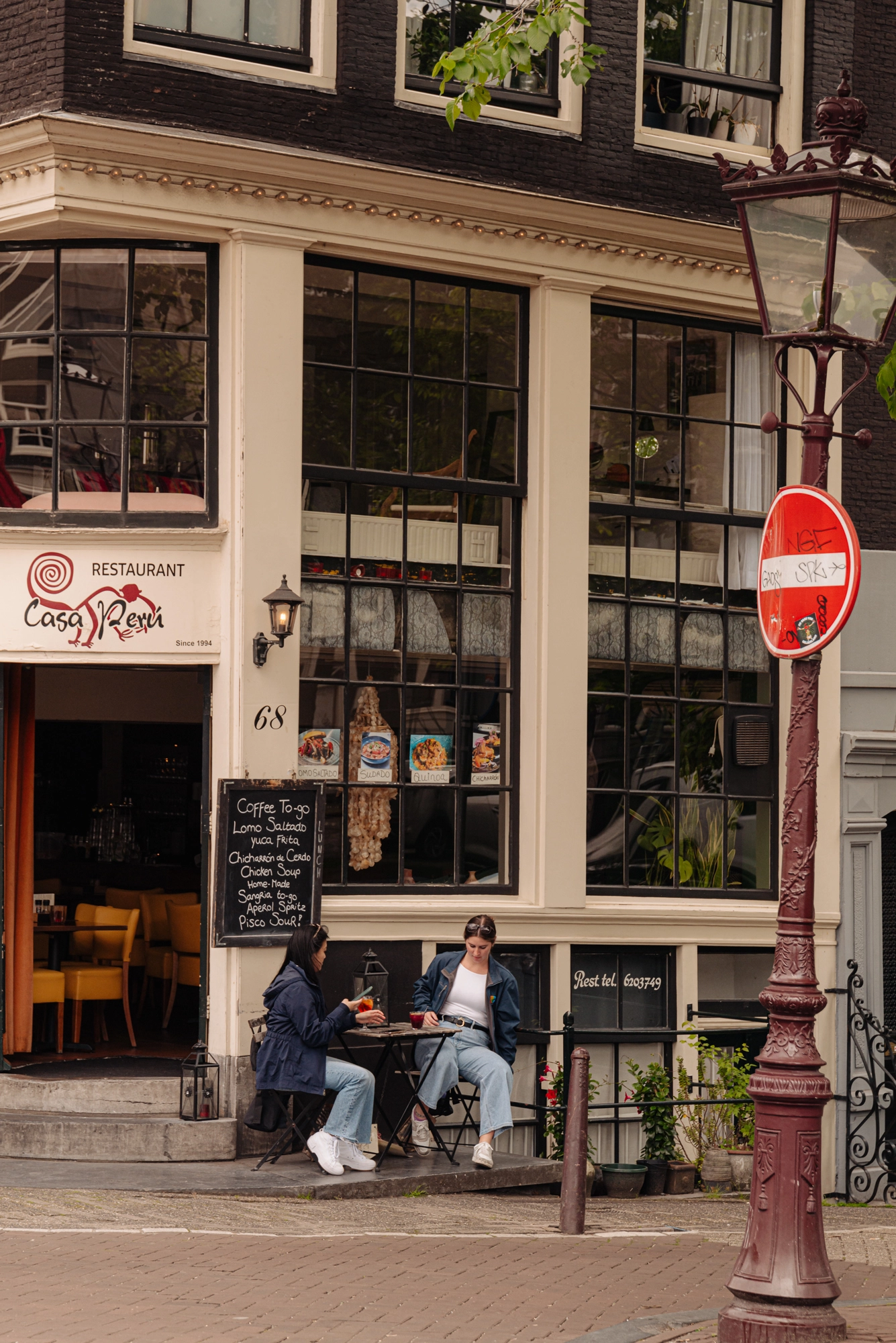
The property is located in one of Amsterdam's most charming and historic neighborhoods. This neighborhood is known for its picturesque canals, beautiful architecture, and lively atmosphere. It is a place where history, culture, and contemporary trends come together seamlessly. It is surrounded by elegant mansions, graceful bridges, and lush trees that form an idyllic backdrop. The neighborhood around the property is also home to many iconic landmarks. The area offers a range of high-quality shops, cozy cafés, restaurants, and galleries. Walking through the neighborhood is an experience in itself, as you are surrounded by a mix of local residents, artists, tourists, and the ever-bustling atmosphere of Amsterdam.
accessibility
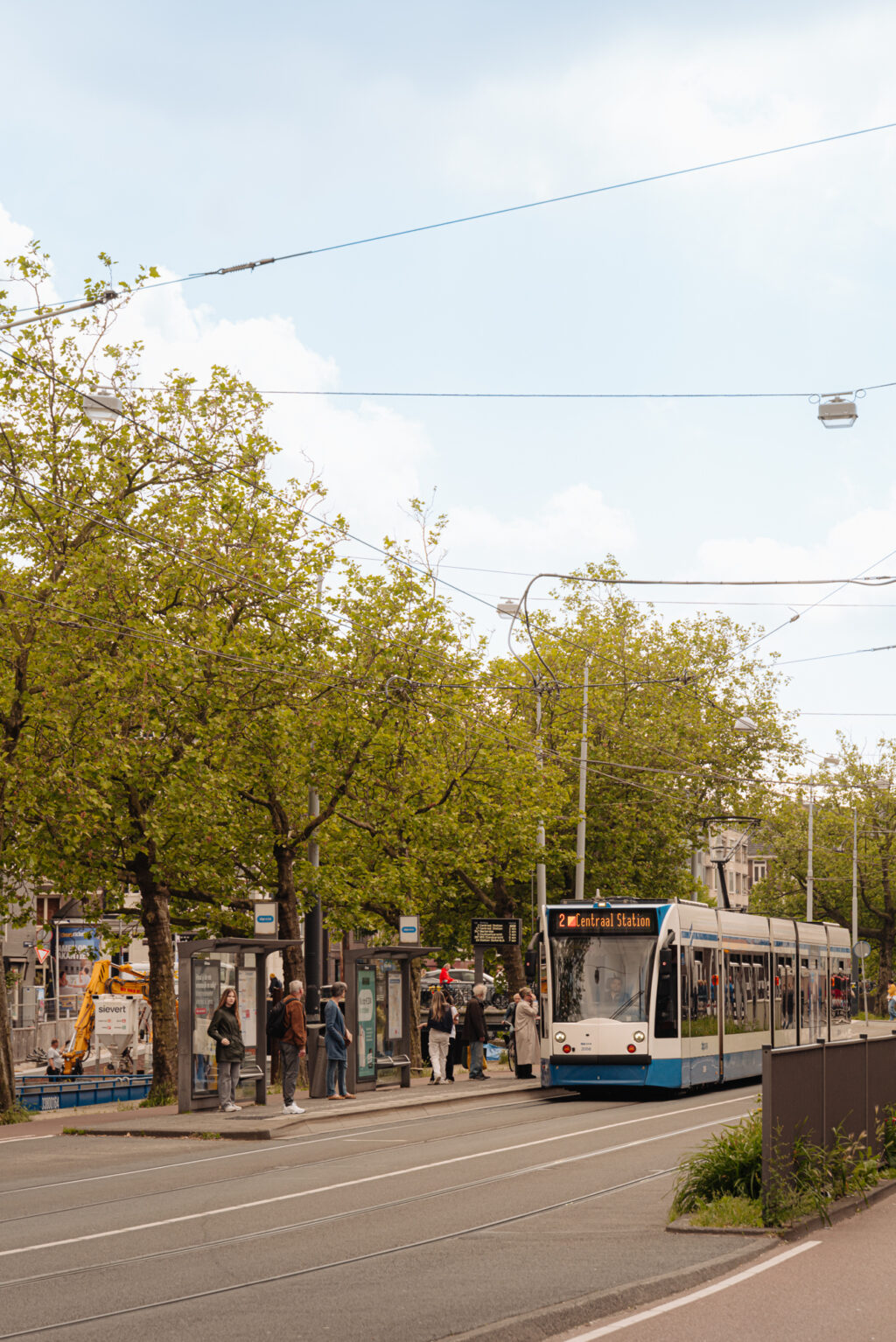
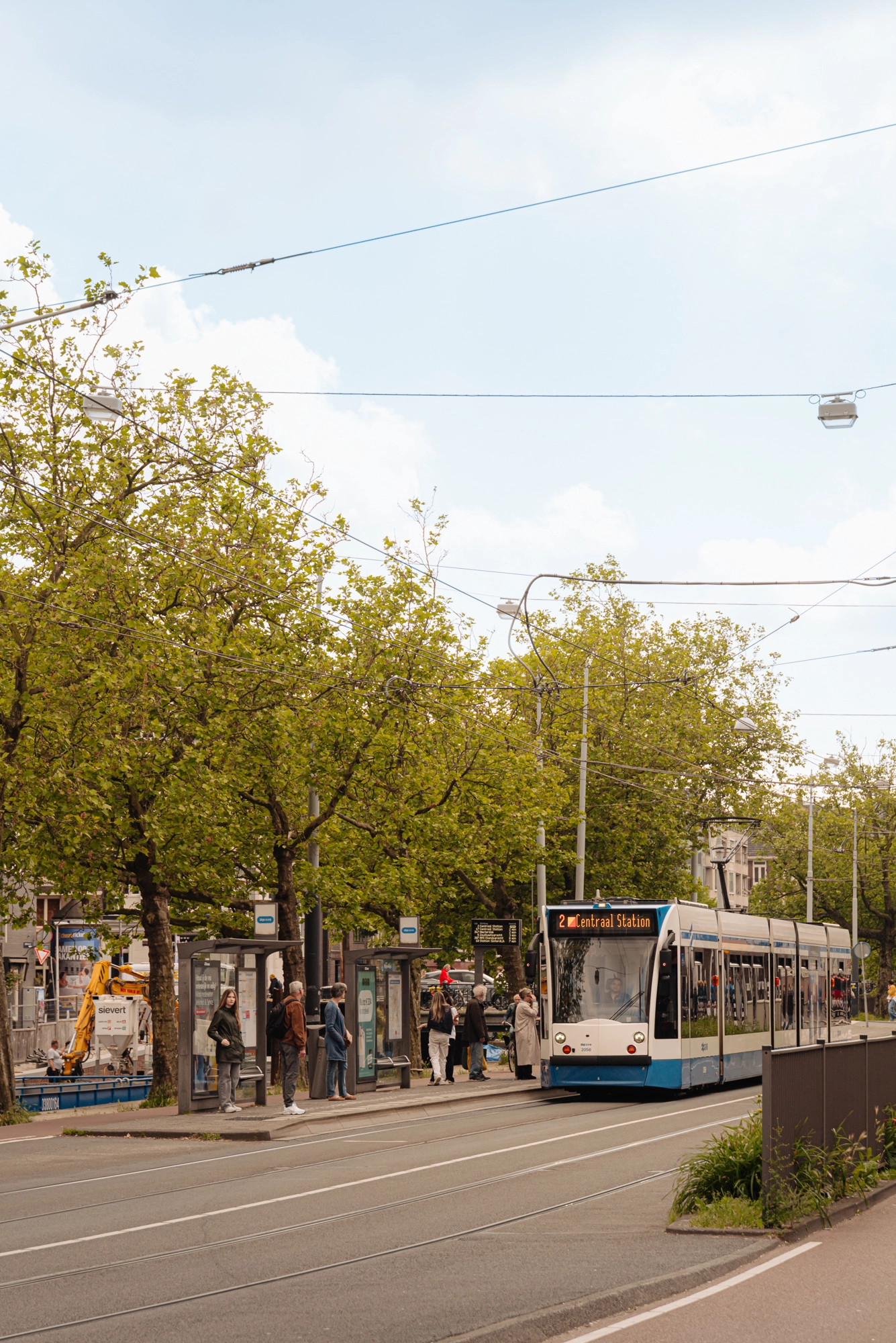
The property is easily accessible by public transport and bicycle. Several tram and bus stops are within walking distance. Tram lines 13 and 17 stop nearby and offer direct connections to important locations such as Central Station and the Museum Quarter. Another convenient option for reaching Prinsengracht is by bicycle. Amsterdam is known as a bicycle-friendly city, and there are numerous bike paths and bike parking facilities in the area. By bike, you can easily navigate the canals and enjoy the beautiful surroundings.
parking facilities
Parking is available via a permit system on public roads (Centrum-2f permit area). With a Centrum-2f parking permit, you may park in Centrum-2. A parking permit for residents costs €315.60 per 6 months. There is currently an 8-month waiting list for this permit area. A second parking permit is not possible in this area. (Source: Local authority , June 2024).
What the owners will miss
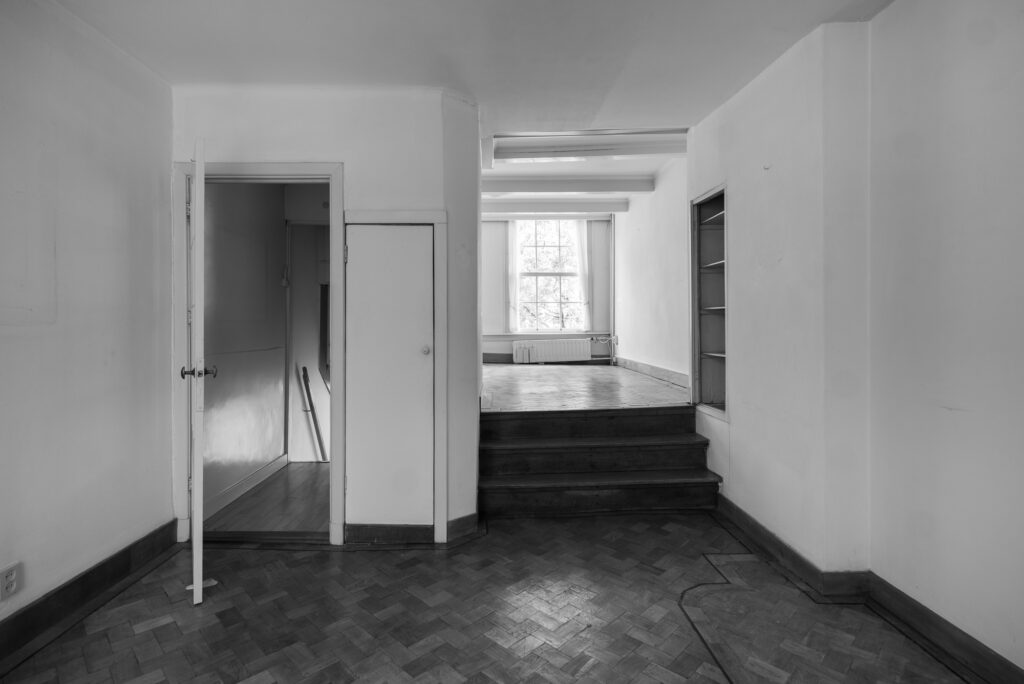
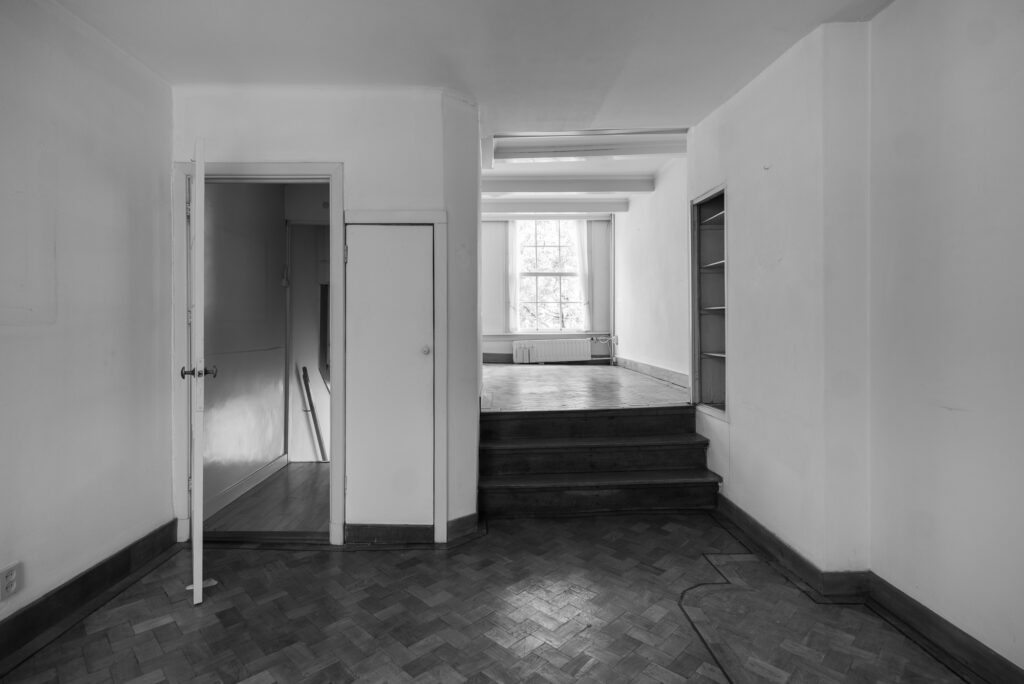
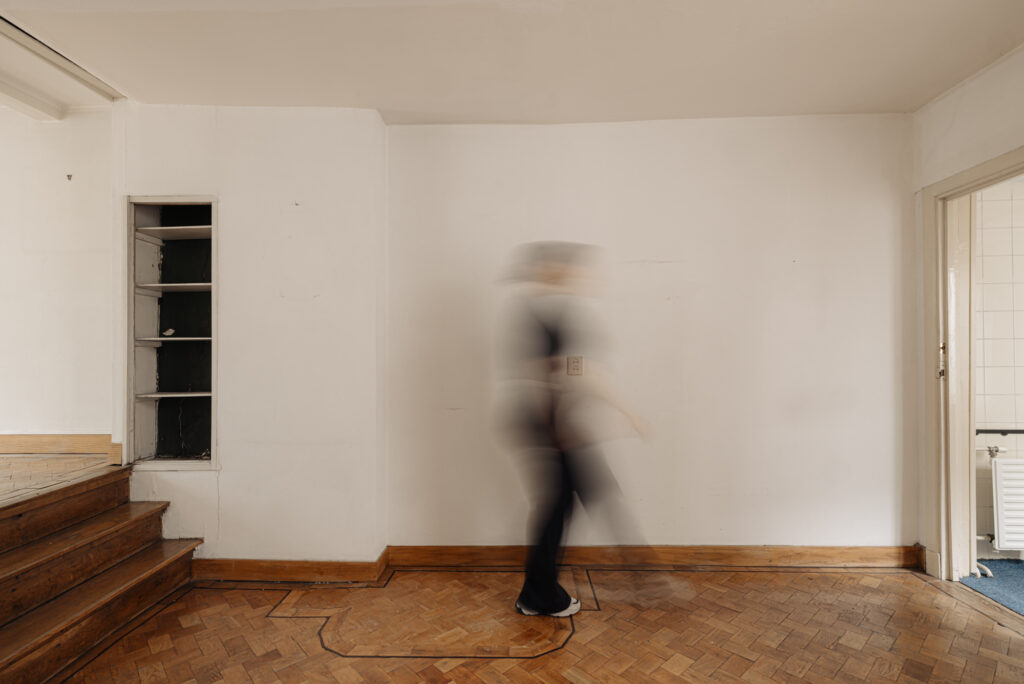
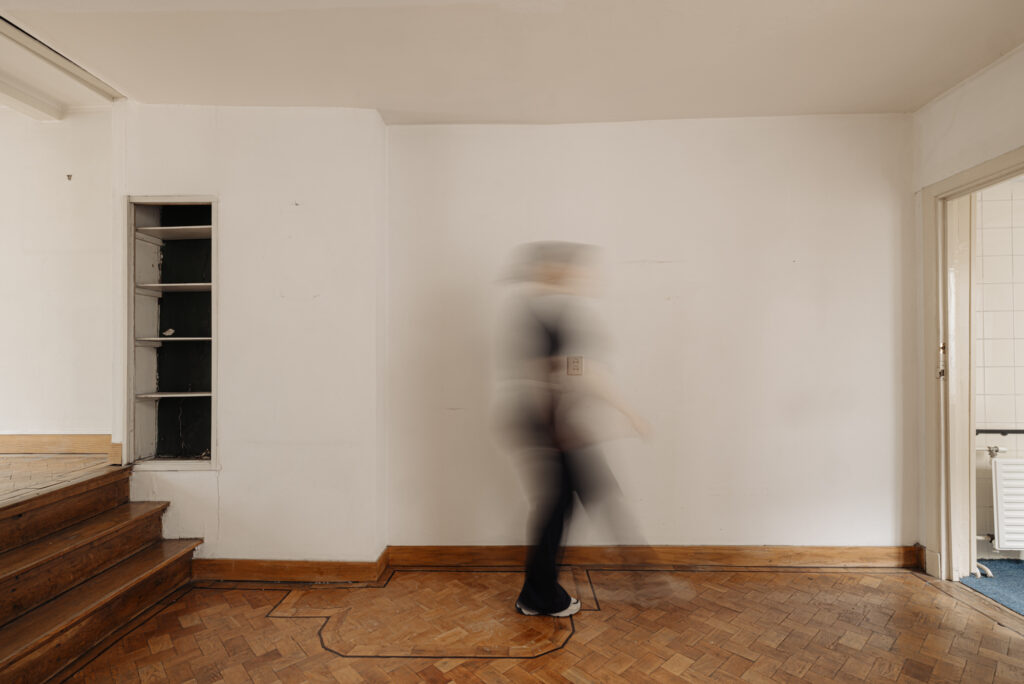
Everything about this house makes it so special. First of all, there is the large front door, which Immediately draws you Immediately the house. Then there is the fact that the front part of the ground floor is higher than the back. This difference in height is resolved on the first floor by a few steps between the front and back sections. The first floor has old parquet flooring with black piping around the edges. Where there used to be an ugly mantelpiece made of cleanly cut bricks, the black piping along the edges has been retained and supplemented, so you can still see the original position of the mantelpiece.
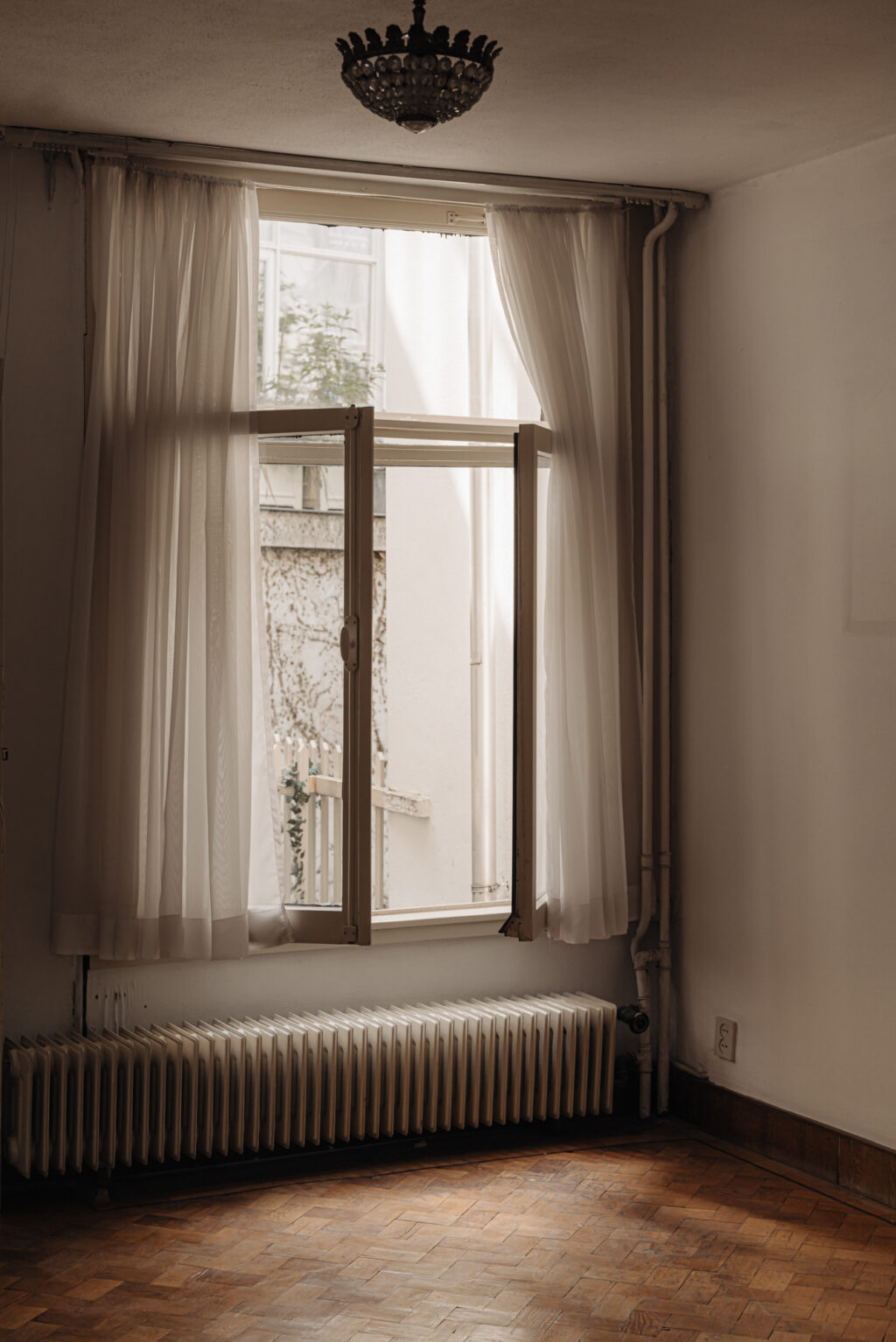
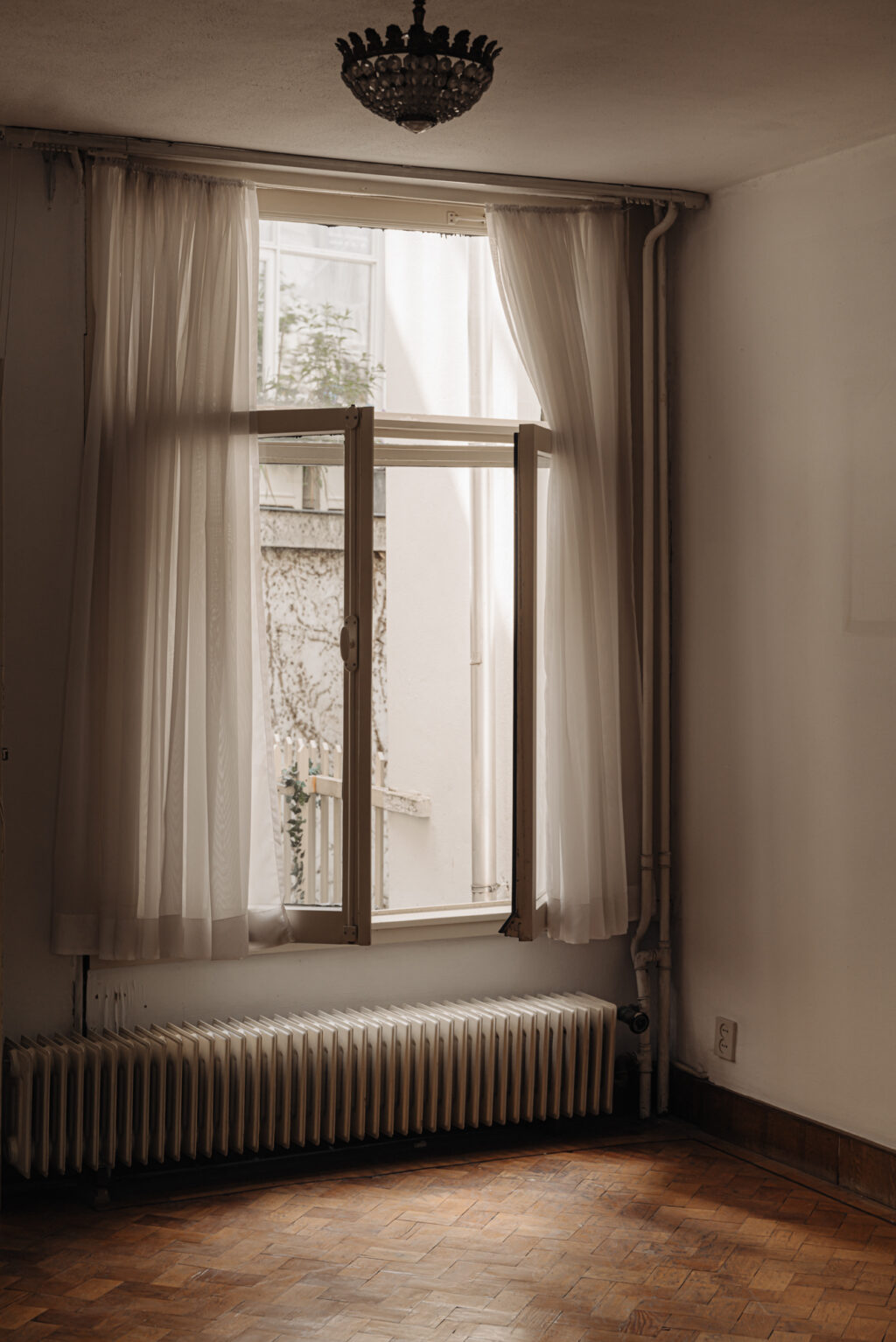
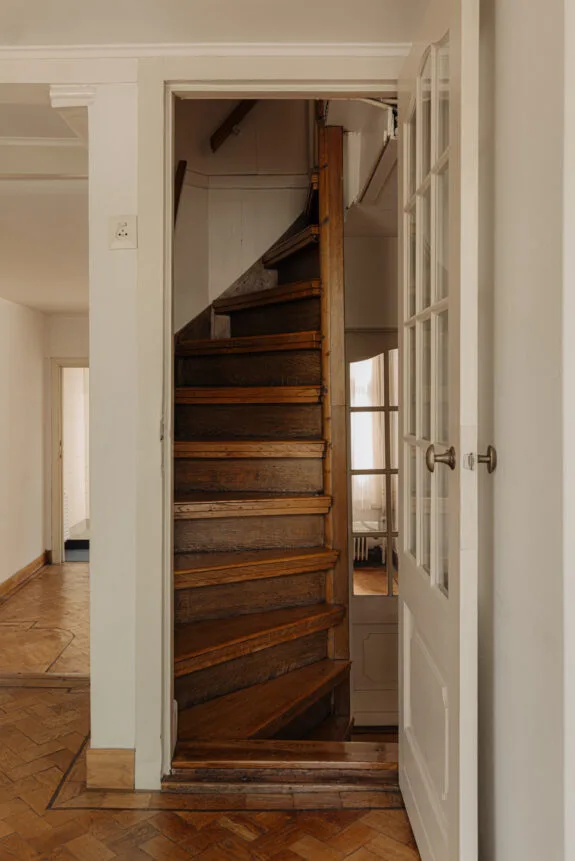
You can also see that there Rooms once two Rooms : the front room was accessible via a door at the third step of the staircase. That staircase, and the next one, were very worn. This was ingeniously solved by placing a wedge on the most worn areas (in the middle) and by placing a new cover over each old step. The second floor still has the original floor, with a number of very wide floorboards. There used to be two Rooms this floor, but the door to the front room had already been boarded up, so now it is one large space. Near the window, you can see the inner parts of the wall anchors in several places. The attic used to be a messy space and was poorly maintained.
First of all, the entire roof has been renovated and insulated, which has a very favorable effect on heating costs. Now there is a new floor in the attic, covering the old one. Just look at the thickness of the original floorboards! We demolished the rear part of the attic and removed the loft. We also installed a side window on the Number side. There are also two small dormer windows in that section. At the front is a small guest room. There you can also clearly see how the transition from the sloping walls of both Number and Number to two straight walls has been accommodated, namely by means of a so-called pocket gutter or Cologne gutter. This runs under the bottom shelf of the built-in cupboard. That shelf hinges, so that the gutter is easy to keep clean. For us, it was a bonus that we could easily sit on our porch when the weather was nice. We drank many glasses of wine there, also with neighbors and friends. There used to be many small businesses in the neighborhood, but they have been driven out of business. Still, there are plenty of shopping options in the area. There is also good public transportation nearby.
My favorite spot is the chair by the window on the first floor, with a book or just looking outside. In the doorway, if it's not warm enough to sit outside yet. Or in the attic at the table by the window, with a jigsaw puzzle. The people who live here make the neighborhood so special, as does the way they treat their living environment. Together we keep it clean, and that's nice. There are plenty of nice shops here, from a specialist jeweler with all kinds of unusual stones for jewelry to all the stalls in De Looier on Elandsgracht. After moving house, most people will probably say that they will miss their neighbors the most. But because we've actually moved around the corner, that doesn't apply to us, because we still see our former neighbors regularly.
1016 JC Amsterdam
Café de Pieper
Café de Pieper is a family-run business with many regulars. It is a classic but cozy café with wooden paneling, where you can get beer, cider, and sausage.
1016 JC Amsterdam
Sinck
Team leader Timo van der Stad, together with chef Sander Bierenbroodspot and sommelier Sabas Joosten (formerly of De Librije), has launched restaurant and wine bar Sinck. At Sinck, they focus on quality and accessibility. Chef Sander ensures that beautiful products are prepared to perfection, with an extra focus on sauces. The restaurant is located upstairs, while downstairs you will find yourself in the atmospheric wine bar. The wine list is extensive, with a focus on French wines.

1017 PT Amsterdam
Sushi HANABI
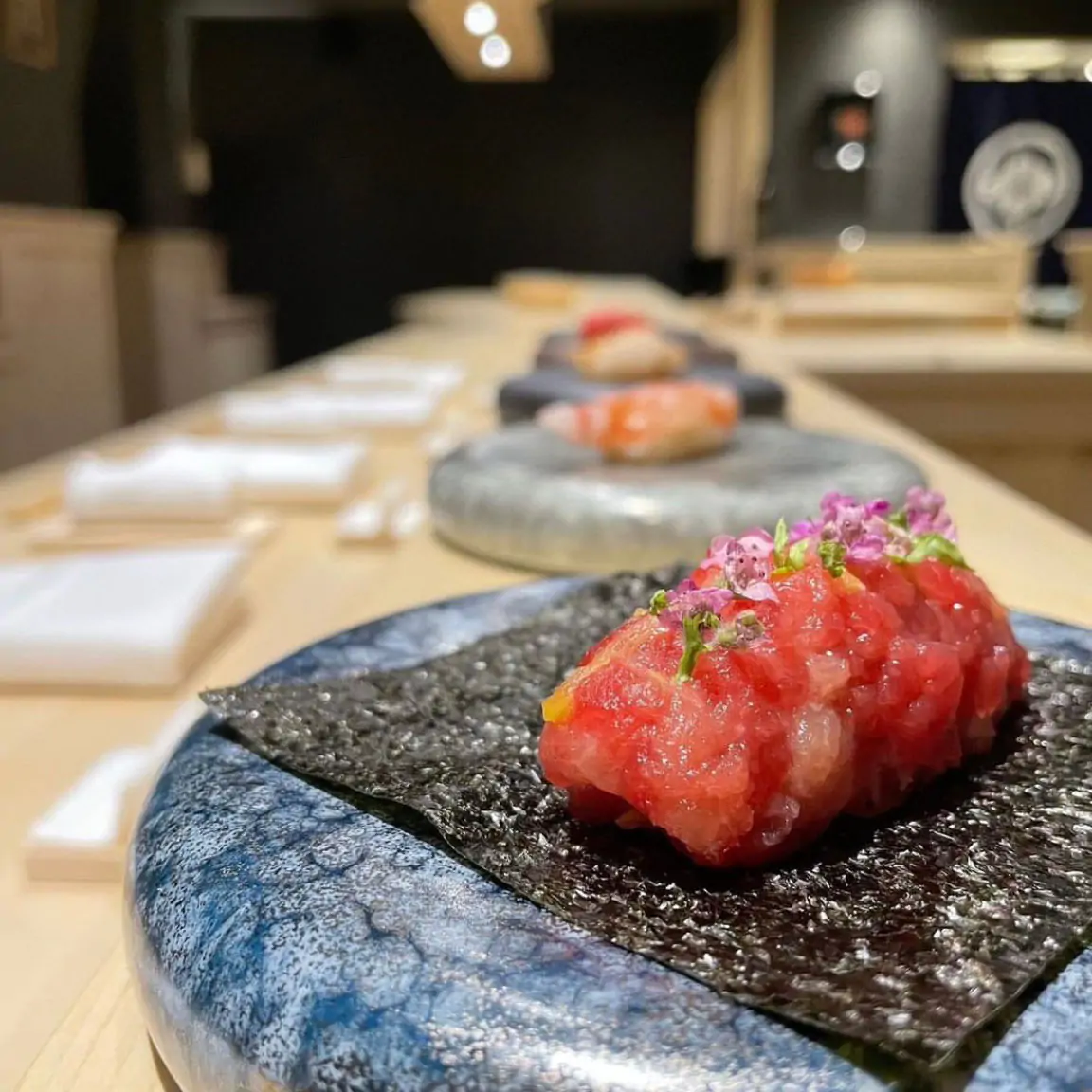
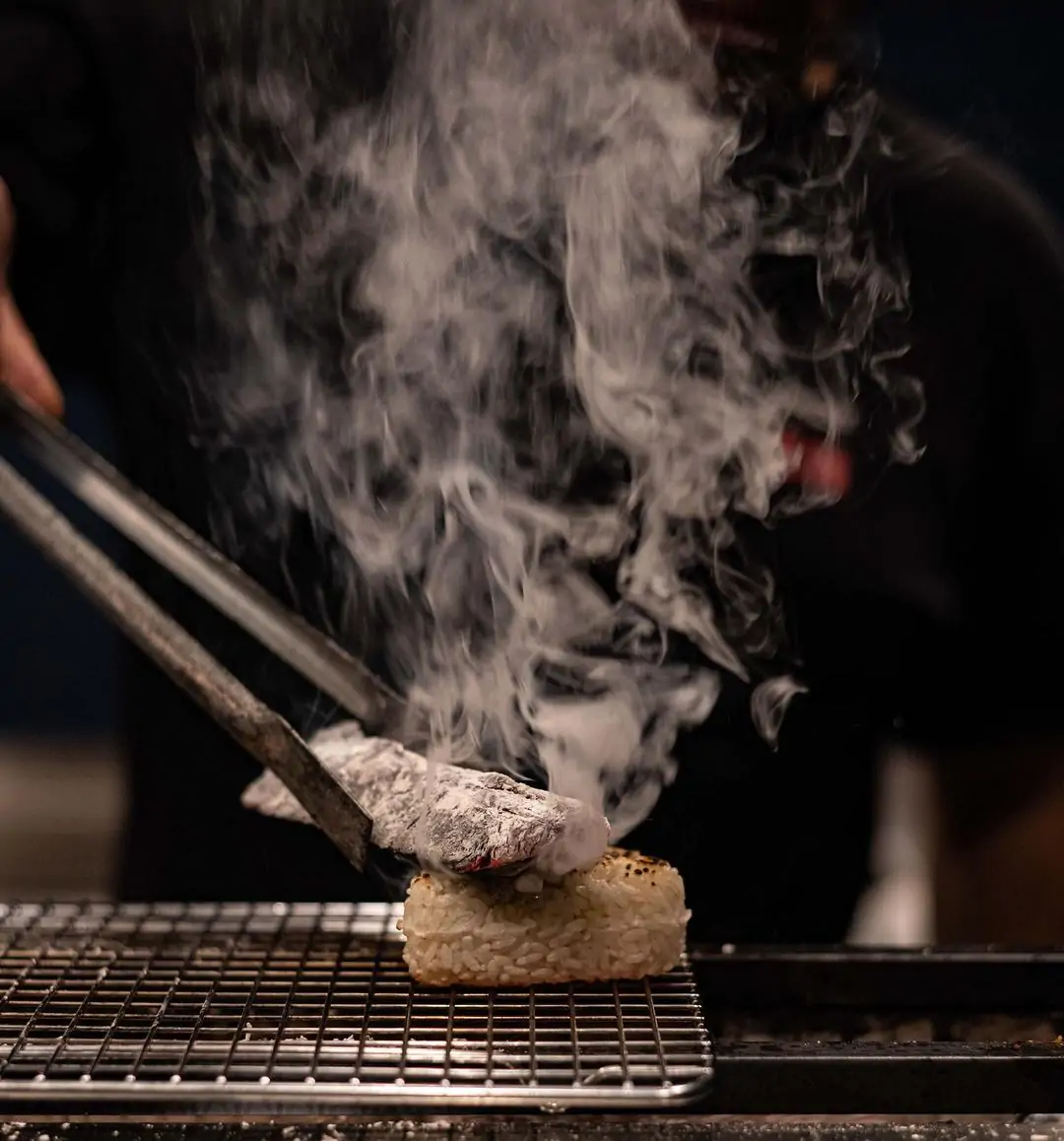
Hanabi, which means "fireworks," is a unique Japanese restaurant with two floors. Downstairs, you can enjoy donburi and yakitori, while upstairs you can enjoy a classic Edomae sushi experience. The omakase menu allows the chef to serve dishes at his discretion, directly to the guests. This sushi is already seasoned with soy sauce and wasabi and can even be eaten by hand. At Hanabi, you have the flexibility to choose your reservation time and choose from three price categories. The more expensive menus include more luxurious ingredients such as bluefin tuna, snow crab, caviar, and Japanese scallops. Dinner begins with refined amuse-bouches, followed by delicious dishes such as sake-marinated scallops with caviar and sweet snow crab with yuzu.
1017 GC Amsterdam
Yuzu Dining Bar
Yuzu Dining Bar does not serve sushi, but it does offer a variety of small Japanese dishes, including edamame and various yakitori skewers. The restaurant introduces you to Japanese customs, such as storing your coat in a basket under your seat and eating without cutlery. The atmosphere is informal and cozy, and the staff is friendly and attentive. You can also enjoy a cocktail there until the early hours.
1017 NG Amsterdam
The Madras Diaries
The Madras Diaries opened in 2020 and offers South Indian cuisine. This cuisine is generally spicier than we are used to. Chilies, black pepper, cloves, and cardamom are used extensively. This makes the food extremely rich in flavor, but sometimes also less accessible. Fortunately, they offer a homemade lemonade menu to cool you down. In addition to the well-known mango lassi, they have seasonal drinks and much more. Good news for vegetarians and vegans: in this cuisine, that is not considered an exception. So there is plenty of choice!
1016 ER Amsterdam
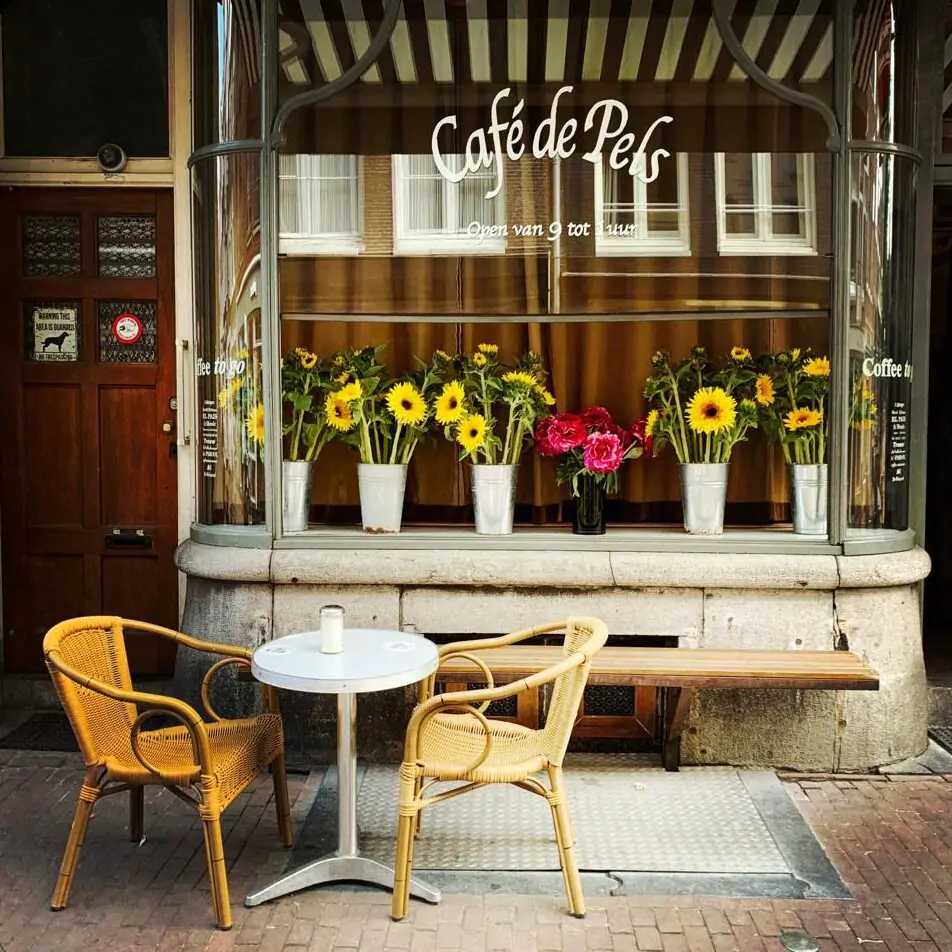
Café de Pels
Café de Pels is a truly intellectual creative café. Many a book or column has been written here, good conversations are held here, and fun or stupid jokes are tried out here. In the Pels, people also flirt in the Amsterdam way, discuss and, as it should be in an Amsterdam brown café, drink beer. The walls are covered with art made by regular guests themselves. It is a brown café with a creative edge, sandwiches with 'kroket' and a daily special on Mondays.
1017 GP Amsterdam
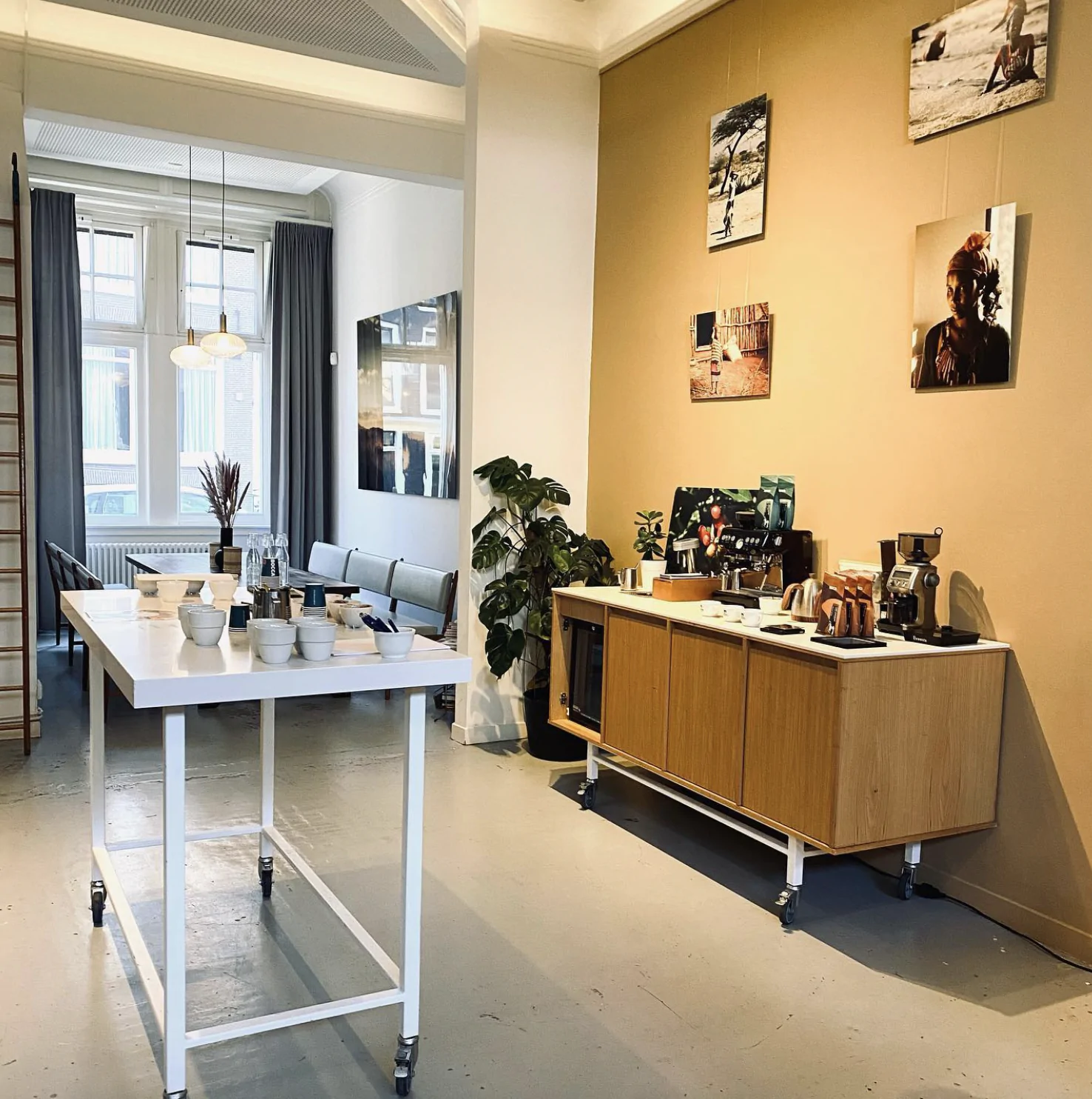
Bocca
When you say good coffee, you can now name a lot of places in Amsterdam, but Bocca is just a little bit better. Their workspace is large so that the baristas have enough space to make the best coffee. Worth going inside, if only to see how these trained baristas do everything they can to prepare your perfect cappuccino with craftsmanship.

1016 GK Amsterdam
Screaming Beans
Screaming Beans is an Amsterdam brand known locally and internationally for its high-quality coffee. This location is situated in the middle of Amsterdam's historic Nine Streets. With its cozy and familiar atmosphere, the shop on Runstraat has become a second living room for entrepreneurs, residents, and visitors to Runstraat. Come by and enjoy a delicious pastry baked by Sara or Mateen.
1016 GK Amsterdam
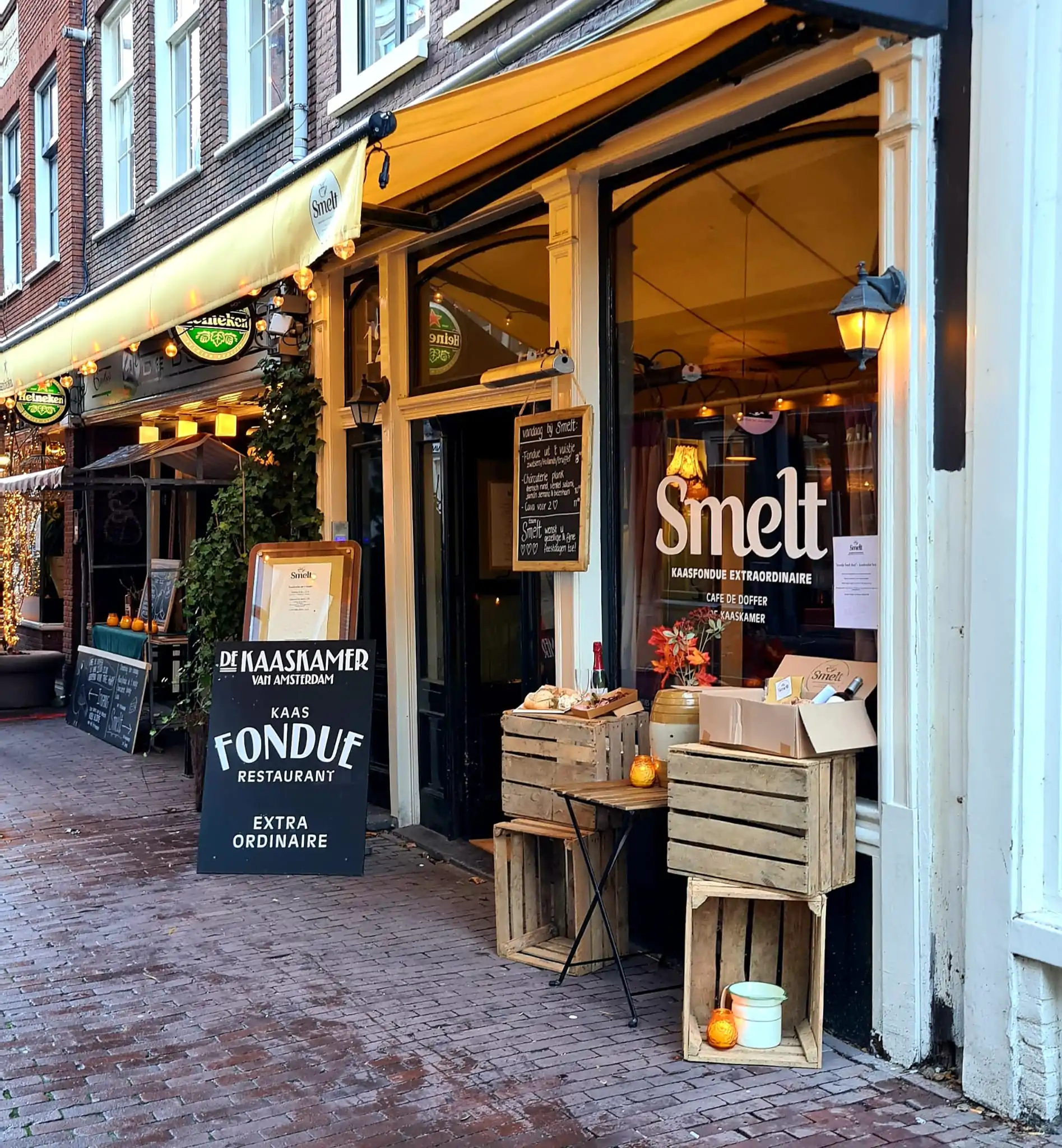
Smelt Restaurant
Smelt is a cozy and atmospheric restaurant in Amsterdam's 9 Straatjes district. The restaurant specializes in cheese fondue and offers five different types of cheese. In addition to classic cheese fondue, Smelt also offers special flavors such as truffle and pesto. If you are not a big eater, you can also order single portions. Smelt's interior is cozy and warm, with lots of wood and candlelight. It is the perfect place to enjoy a delicious cheese fondue with friends or family.
1016 GK Amsterdam
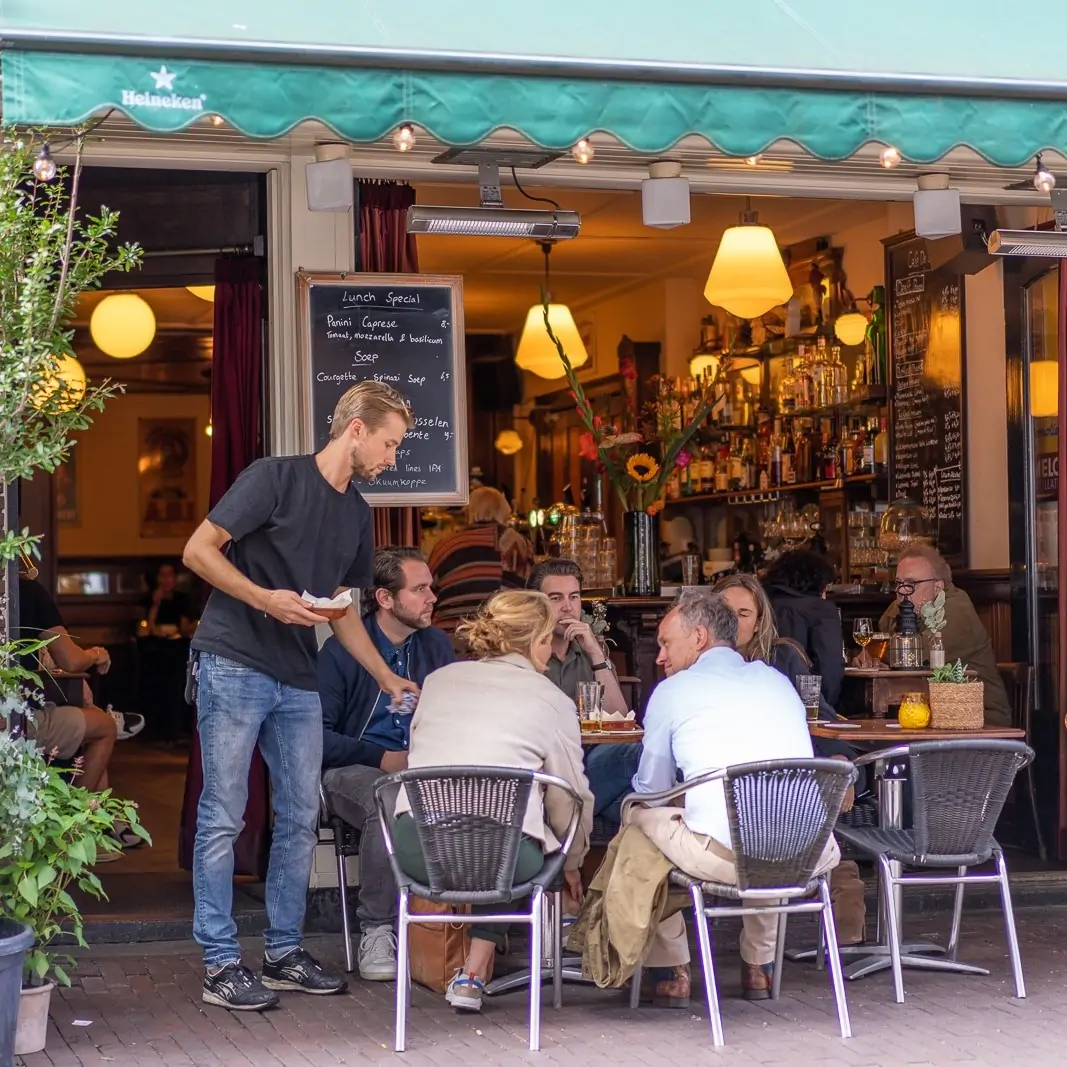
Café de Doffer
Café in the 9 Streets with a cozy terrace and a simple but good menu. You can also come here for lunch and snacks. De Doffer has been a household name in Amsterdam's 9 Streets since the seventies and therefore attracts a nice varied crowd with, of course, a good portion of Amsterdam conviviality. Something for everyone here!

1017 BA Amsterdam
Pianeta Terra
Fabio from Pianeta Terra is known as the undisputed champion of slow food in the city. In his kitchen, he masterfully combines the finest local ingredients to create authentic Italian dishes. Hostess Laura Martini completes the experience by serving matching exquisite wines, guaranteeing a perfectly curated evening.
1016 HV Amsterdam
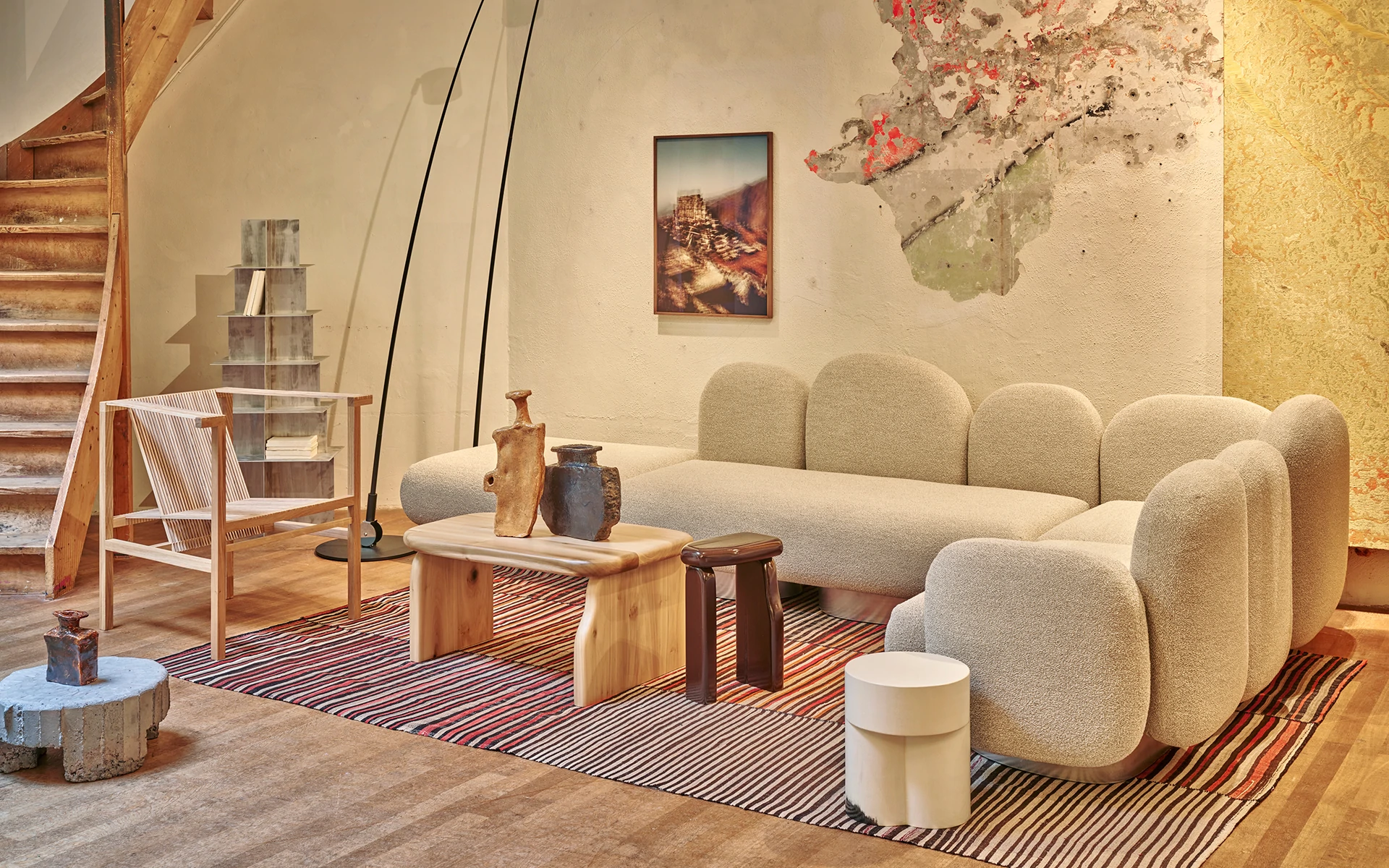
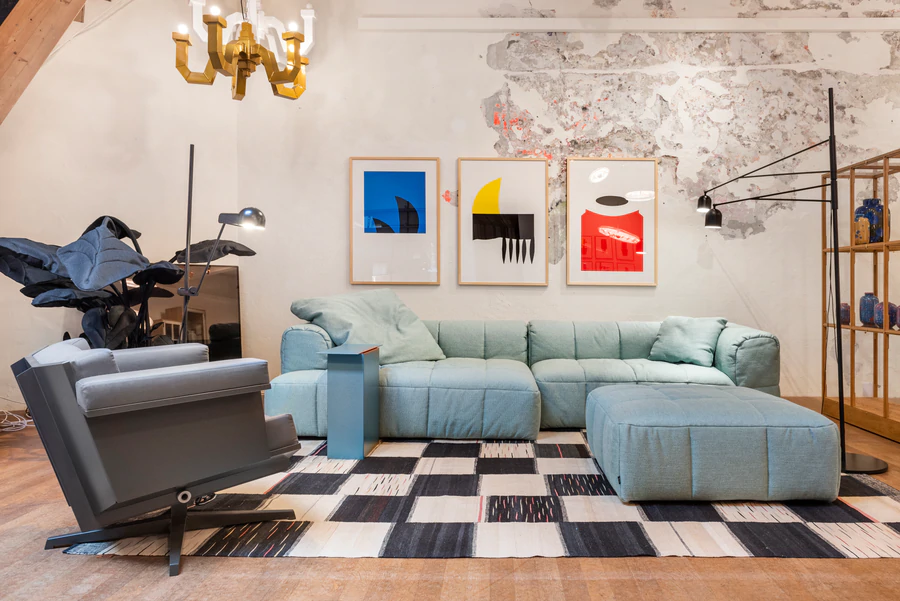
The Frozen Fountain
Whether you're a tourist or a native Amsterdammer, it's always a pleasure to stroll through the nine streets. The Frozen Fountain is one of those shops that catches your eye when you pass by the window display with its eccentric designer furniture. The foundation for The Frozen Fountain was laid in 1992 as a platform for designers, mainly graduates of the Design Academy in Eindhoven. Because Dutch Design had already gained considerable international renown, the collaboration with young Dutch designers was a huge boost to The Frozen Fountain's reputation. In addition to being a store with a beautiful collection, the frozen fountain also calls itself an institute: for and by designers, to uphold the honor of Dutch Design. And how!
1017 DK Amsterdam
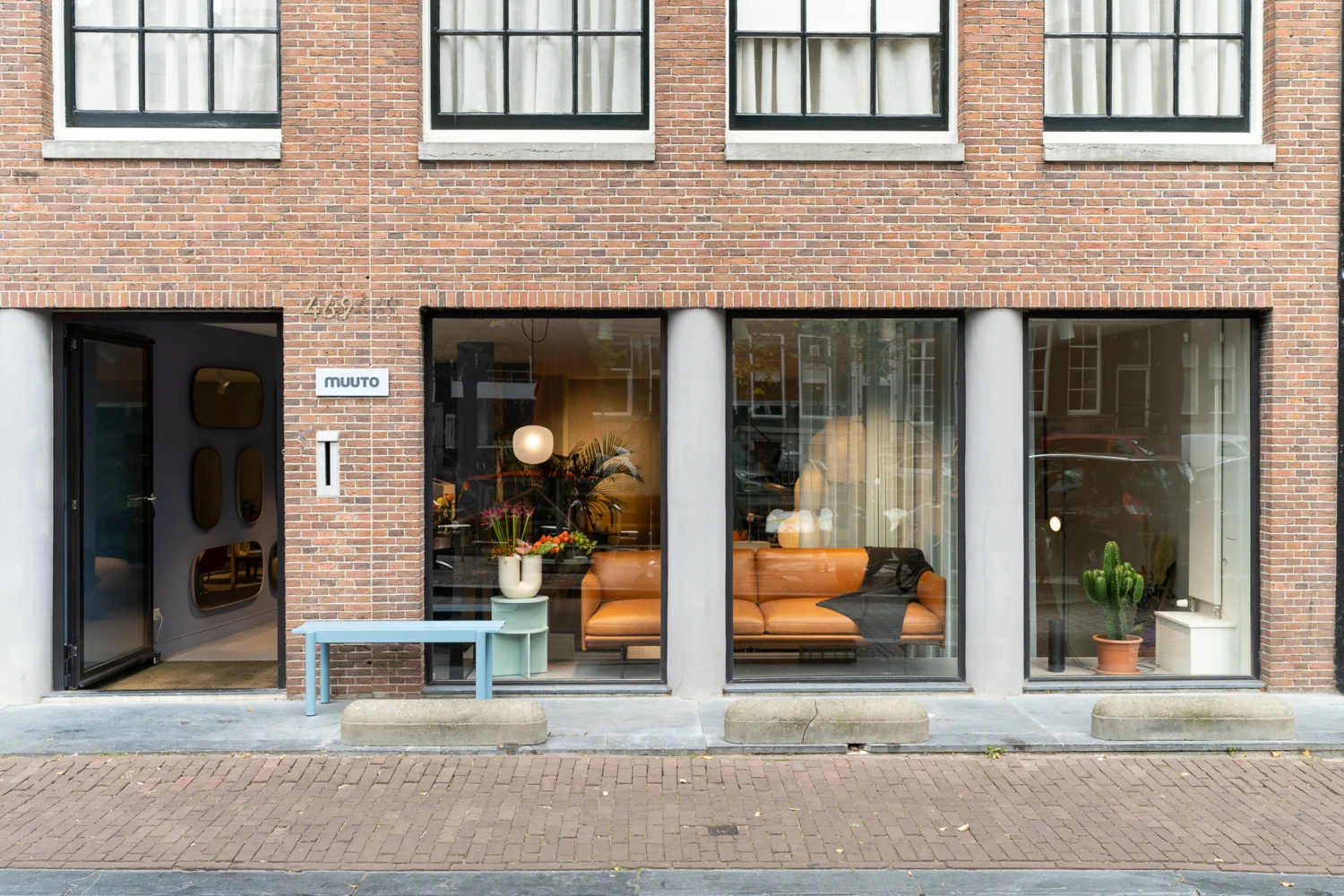
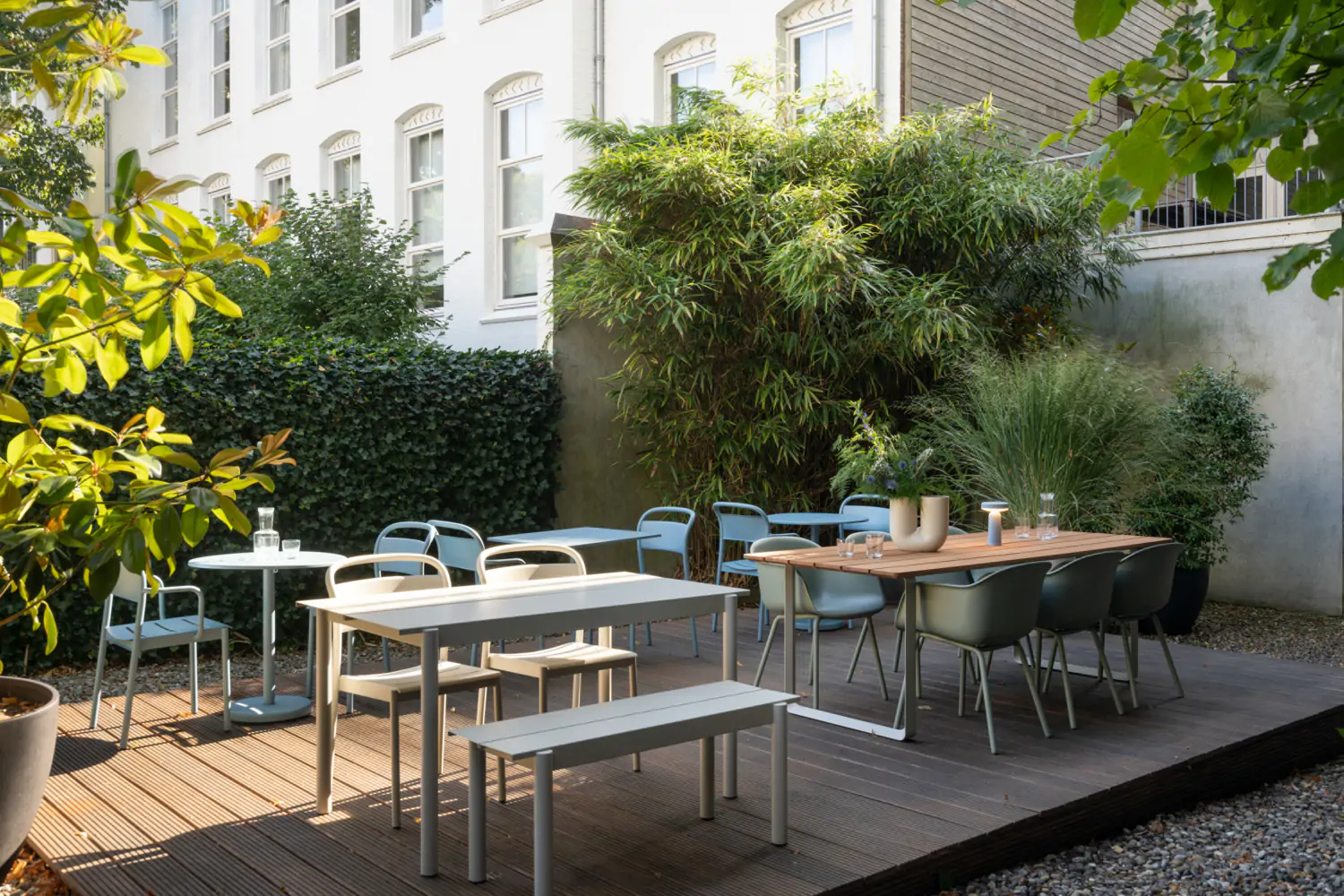
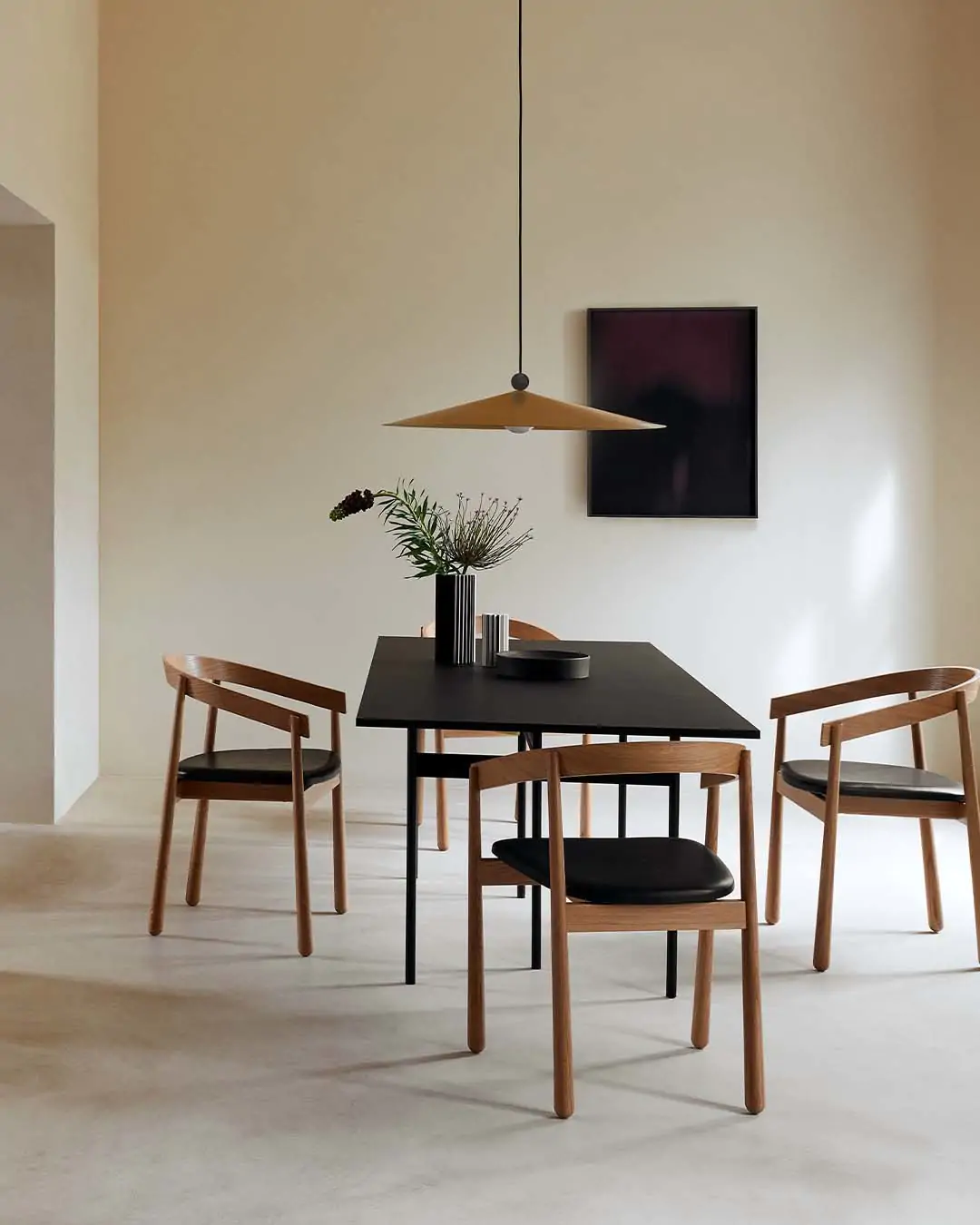
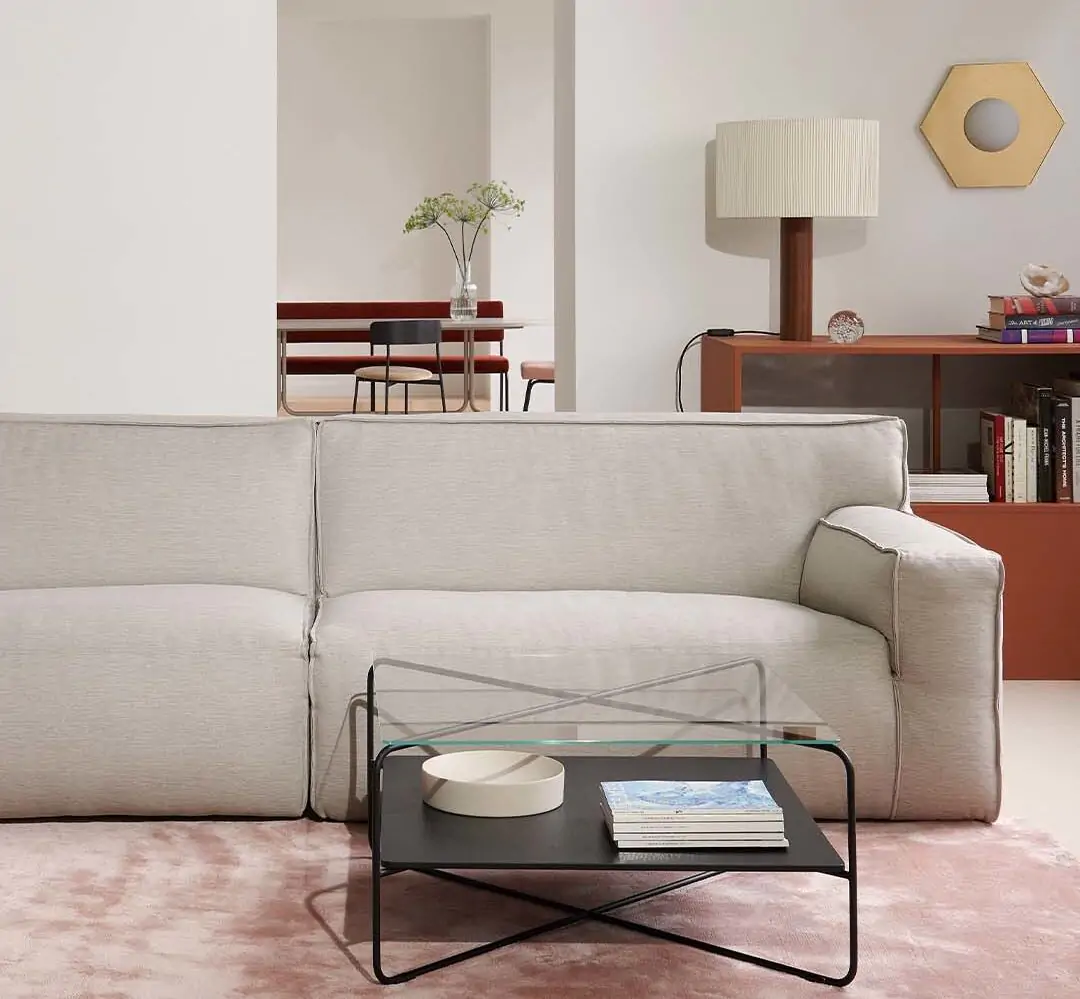
Muuto
Muuto is rooted in the Scandinavian design tradition, characterized by timeless aesthetics, functionality, craftsmanship, and honest expression. Muuto comes from 'muutos', which means new perspectives in Finnish. You can recognize the design because it has muutos: objects elevated by new perspectives, appreciated worldwide and representative of the best of Scandinavian design today. To visit Muuto, you must make an appointment in advance, which can be done via their website.
1016 VS Amsterdam
FEST
FEST is a Dutch interior design brand that was started in 2013 by Femke Furnée. The core idea behind FEST: making beautiful surroundings accessible to everyone. FEST offers high-end furniture and home accessories—without the high-end price tag. The cheerful, timeless, and sustainable collections are developed in collaboration with international designers. At FEST, you will find everything you need to give your interior a (colorful) boost.

1016 HV Amsterdam
Galerie Wim van Krimpen
Since 1991, Galerie Wim van Krimpen has been located on Prinsengracht. Wim van Krimpen is one of the most respected museum directors in the Netherlands and is also known worldwide as an avid art collector. In his gallery in the Jordaan district, you will find exceptional contemporary works of art. Don't forget to call ahead, as the gallery is open by appointment only.
1016 HT Amsterdam
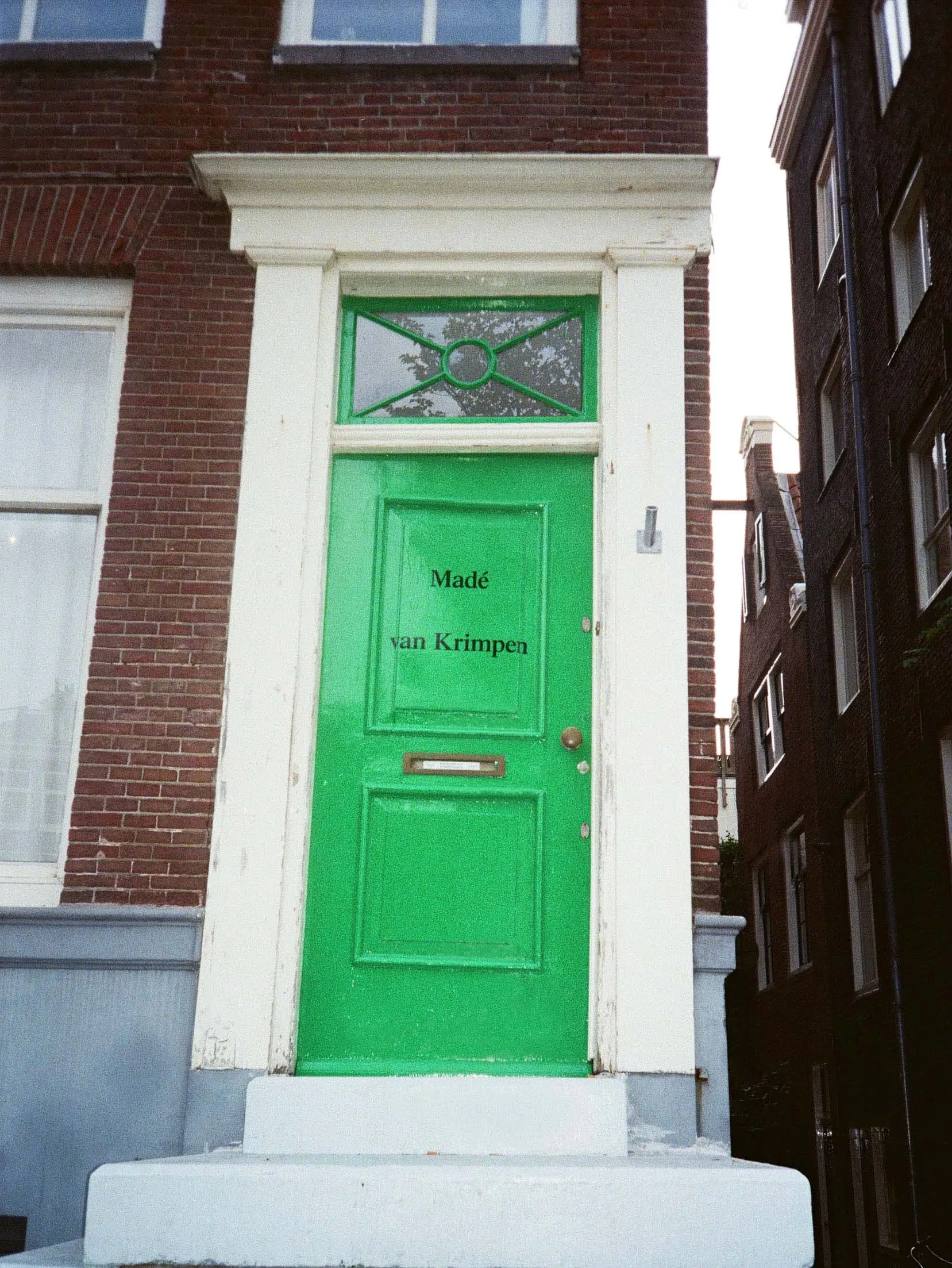
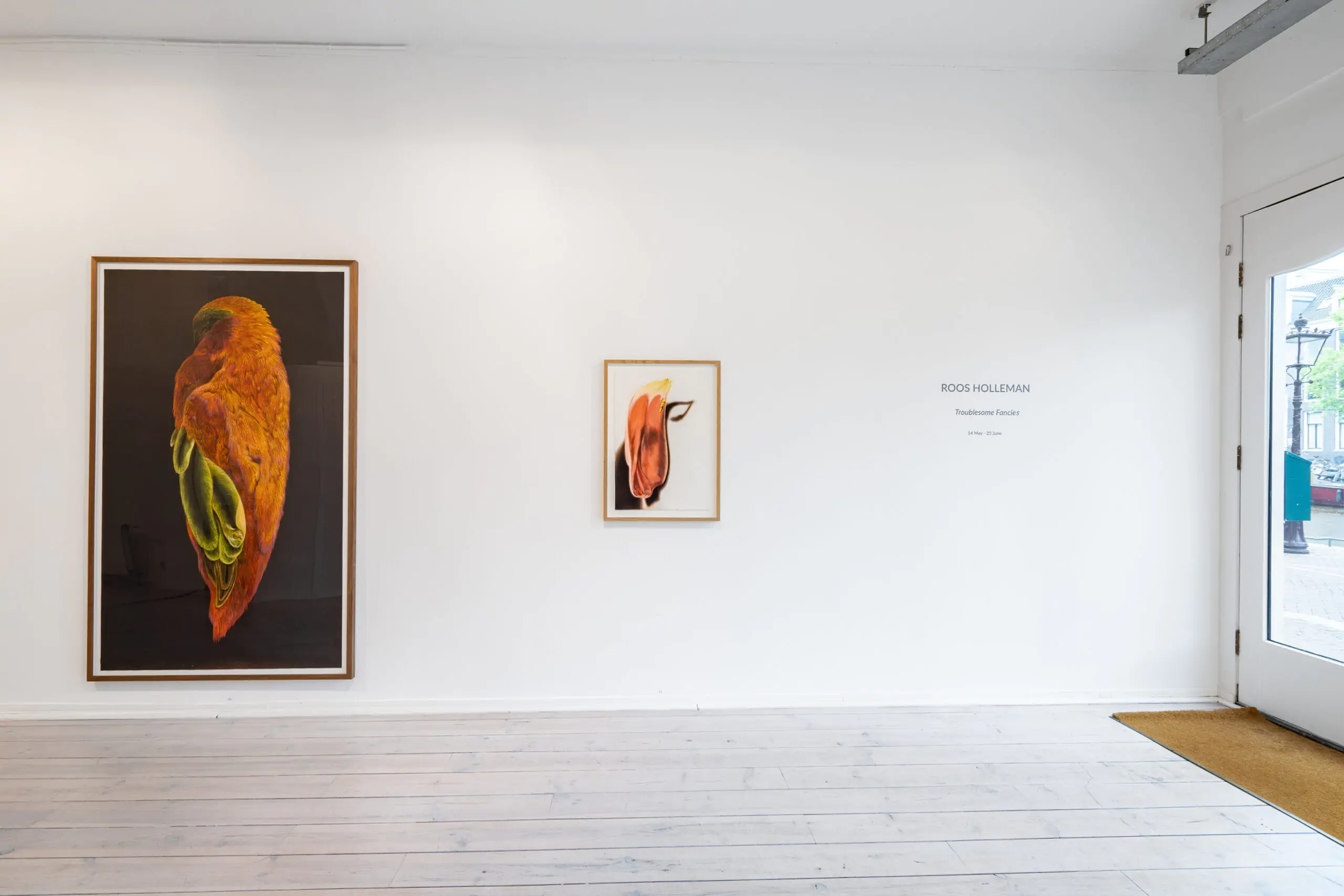
Galerie Madé van Krimpen
Galerie Madé van Krimpen, formerly known as Multiplemadé, presents a mix of exhibitions showcasing work by both established and emerging artists. While the gallery mainly focuses on solo exhibitions and group exhibitions, they also regularly collaborate with creative collectives and makers to organize pop-up events and take-overs.
1017 KE Amsterdam
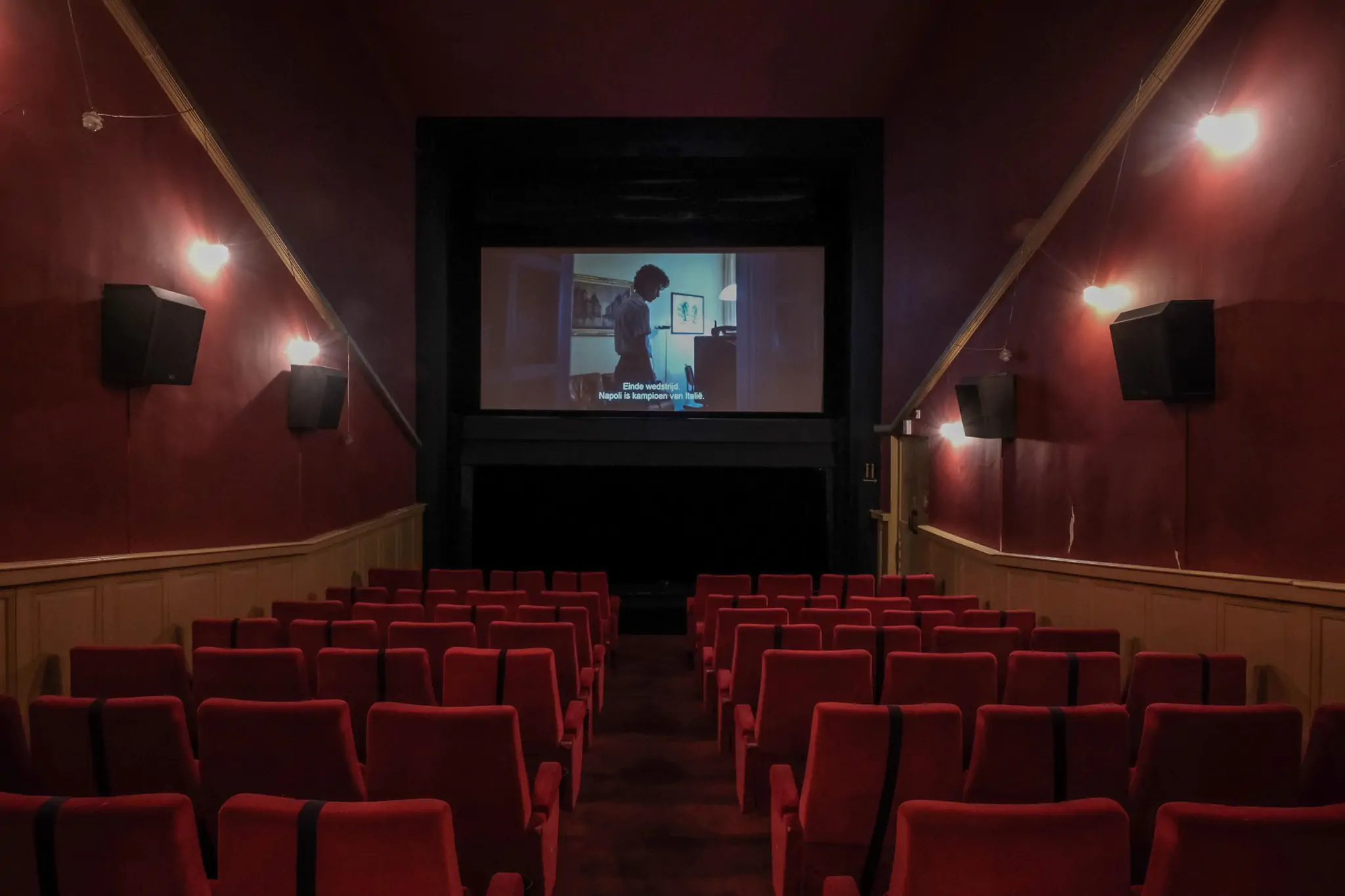
The Lookout
Over the years, many cinemas have come and gone in Amsterdam, but Filmtheater De Uitkijk is still going strong! The building at Prinsengracht 452 has had an eventful history, starting out in 1912 as City Bioscoop, when it was converted from a 17th-century warehouse. In 1929, the Filmliga took over the cinema and changed its name to Filmtheater De Uitkijk. This was the very first avant-garde film theater in the Netherlands. Since 2007, De Uitkijk has been a sister project of the Kriterion organization and is run by a group of thirteen students.

1017 PH Amsterdam
Cinecenter
Small cinema showing good arthouse films, among other things. It is part of the Cineville network, so you can also use your Cineville pass here. It's also a nice place to have a drink before or after the film. The location is Immediately Leidseplein, so you can visit many other great places from here.
1017 PT Amsterdam
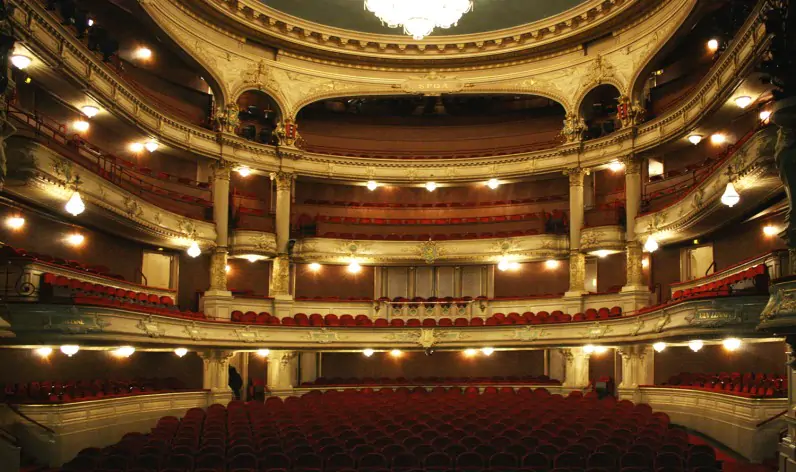
International Theater Amsterdam
The current building dates back to 1894. There used to be a theater here before, but it was mostly made of wood and was completely destroyed in a fire. The Internationaal Theater Amsterdam stands out because it juts out onto Leidseplein and has two towers and a spacious balcony. It has a classic auditorium and a modern auditorium. The staircases and chandeliers exude luxury, and it is easy to imagine that the audience used to consist mainly of the upper class. The theater mainly stages plays, but also hosts modern dance performances, lectures, and the Book Ball, among other events.
1017 KK Amsterdam
Roger Katwijk Gallery
At Prinsengracht 737, you will find the beautiful Roger Katwijk gallery. A bright space for contemporary art, abstract art, and abstract figuration by both Dutch and international artists. Throughout the year, you can discover changing exhibitions in the field of painting and sculpture.
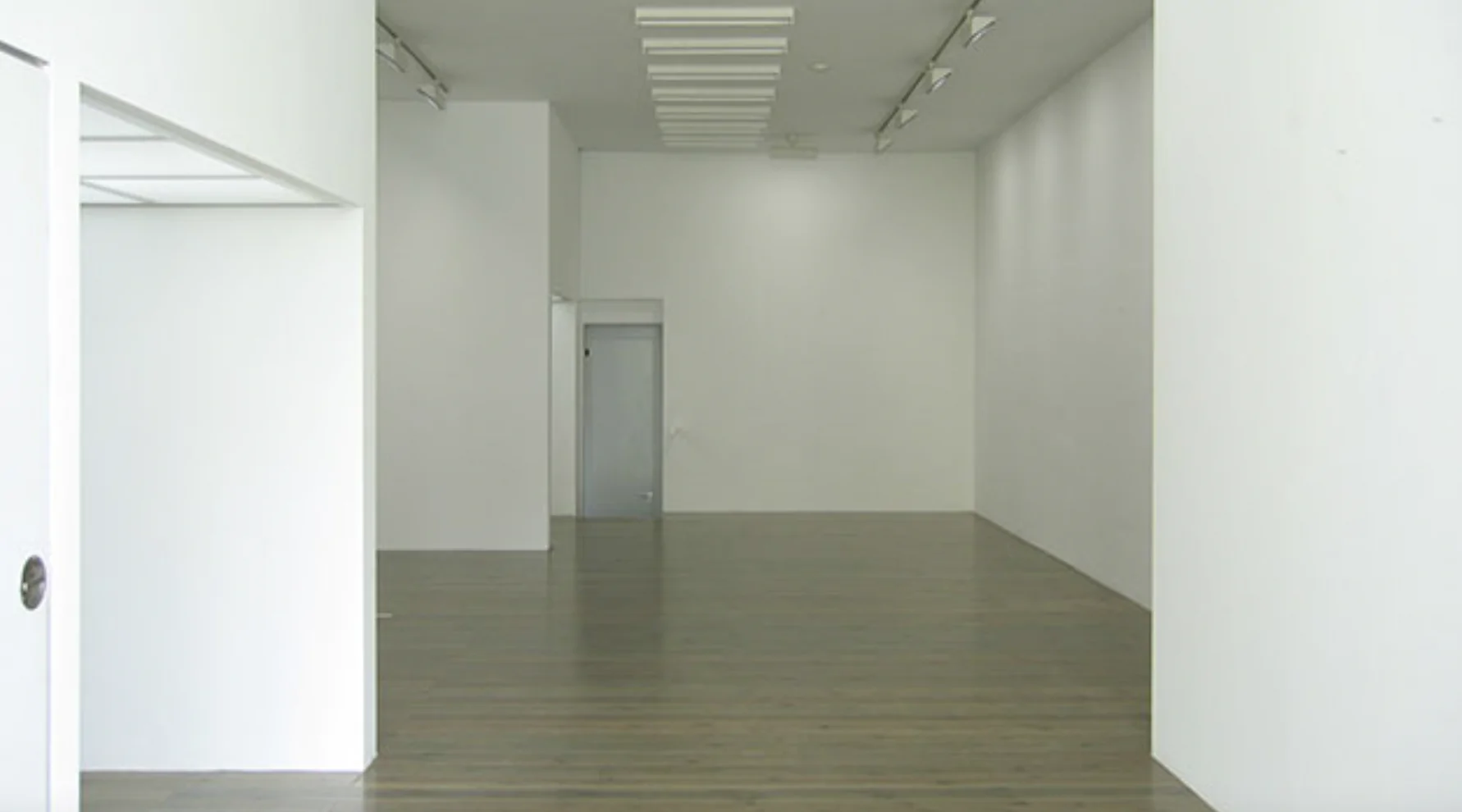
1017 GD Amsterdam
Siewe Gallery
Slewe Gallery was founded in 1944 by Martita Slewe. The gallery specializes in contemporary art. From the outset, its internationally oriented program has emphasized current developments in abstract art, particularly in painting. The gallery represents both established and emerging artists from various generations and countries.
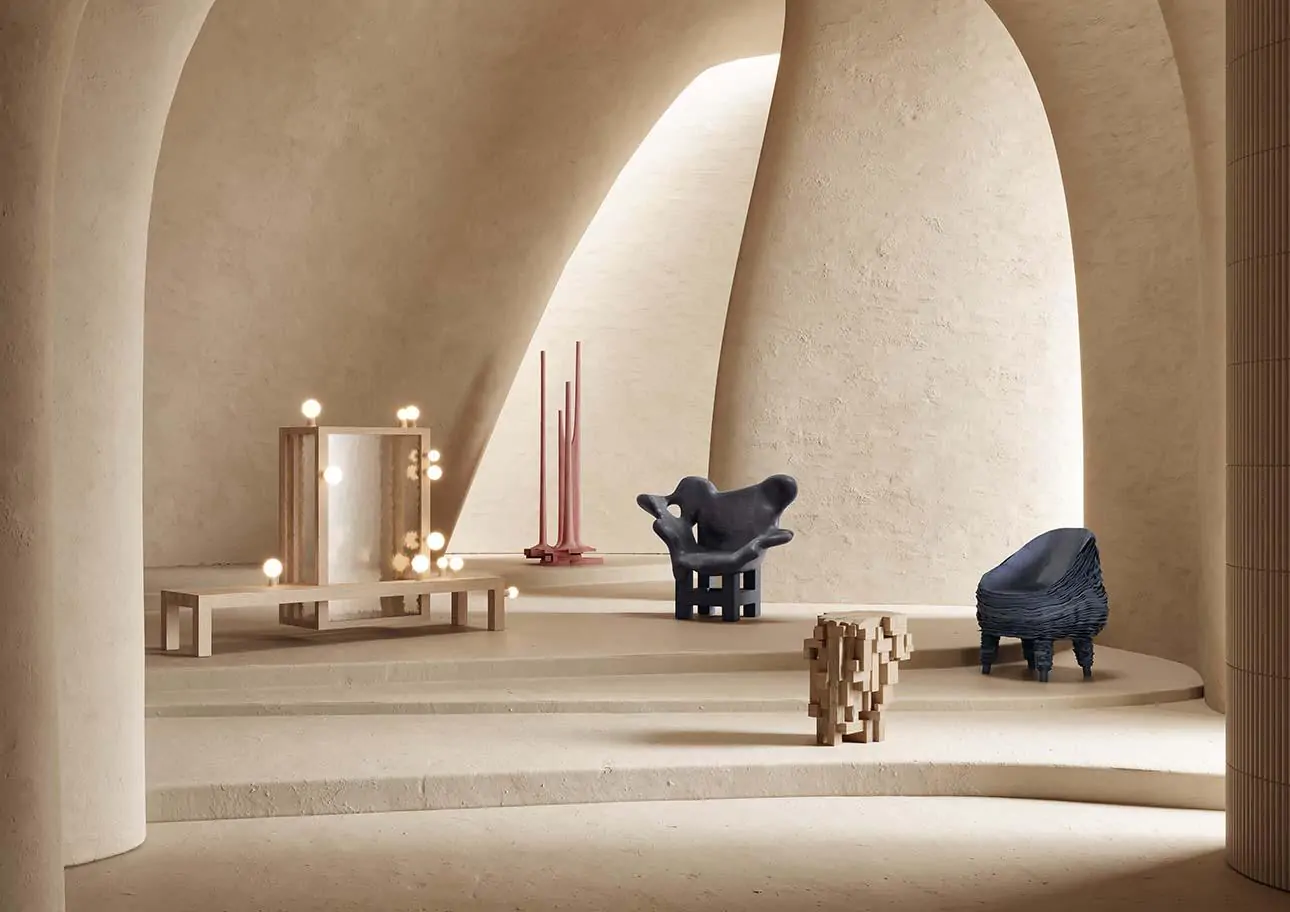
1017 KH Amsterdam
Mia Karlova Galerie
Mia Karlova Galerie, located on the Prinsengracht, strives to create a dialogue between works of different genres through a common emotional language. Mia Karlova Galerie highlights functional sculpture with an intriguing program of international contemporary artists and product designers. This art form, which radiates originality in design or material, offers exceptional pleasure during the interaction.
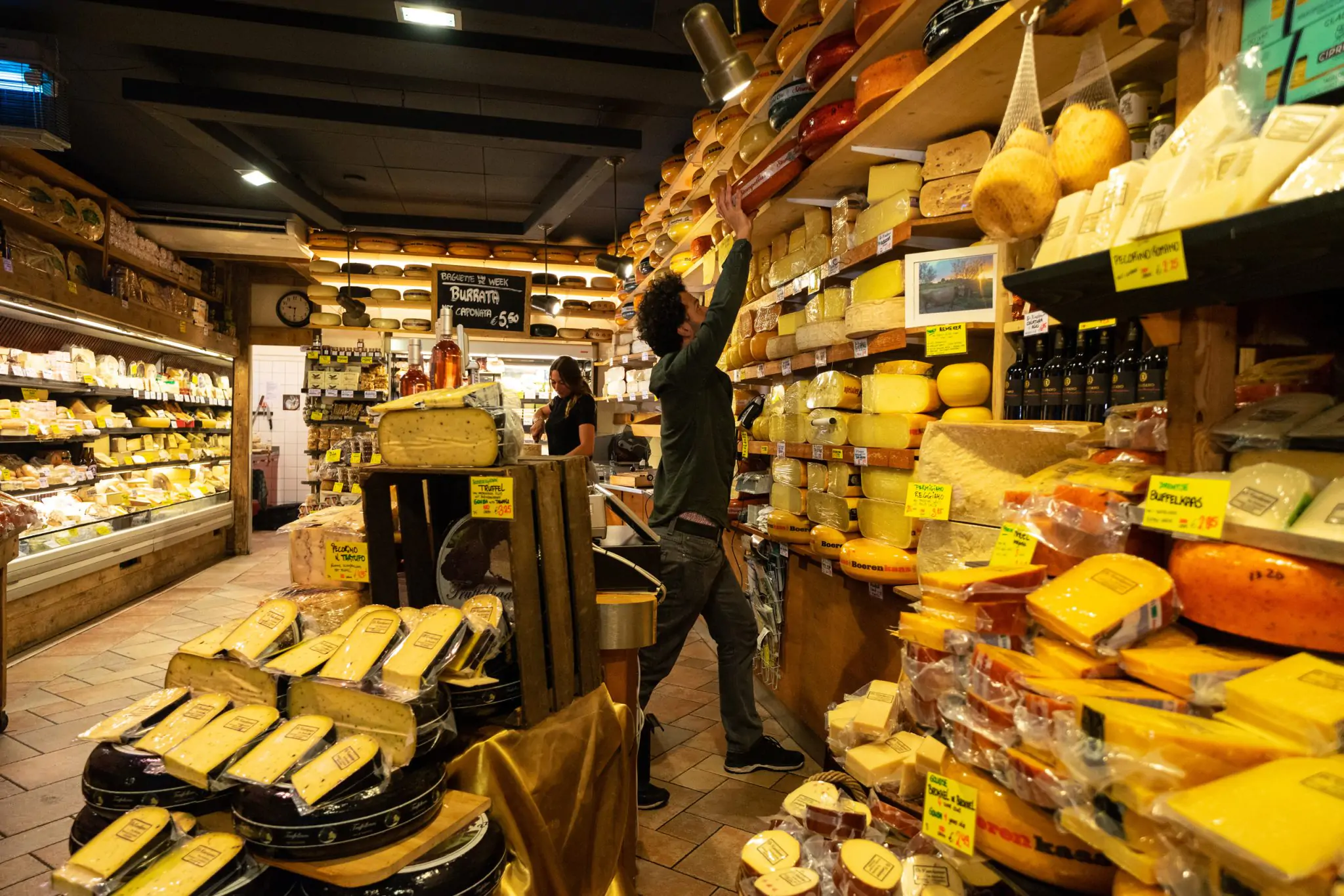
1016 GJ Amsterdam
Cheese Chamber
The name says it all; at the Kaaskamer you can go for cheese. From floor to ceiling, this store is filled with cheese, with craftsmanship and tradition being paramount. At this cheese specialty store you can buy between 300 and 400 types of cheese from all over Europe. You can have your sandwich topped with a wide choice and to top it off you can also choose between different homemade sauces. The cheeses are collected from France every two weeks and in the Netherlands the focus is on organic cheeses that come directly from the farmer. Wines, salads, olives, hams and nuts are also sold for a complete cheese board.
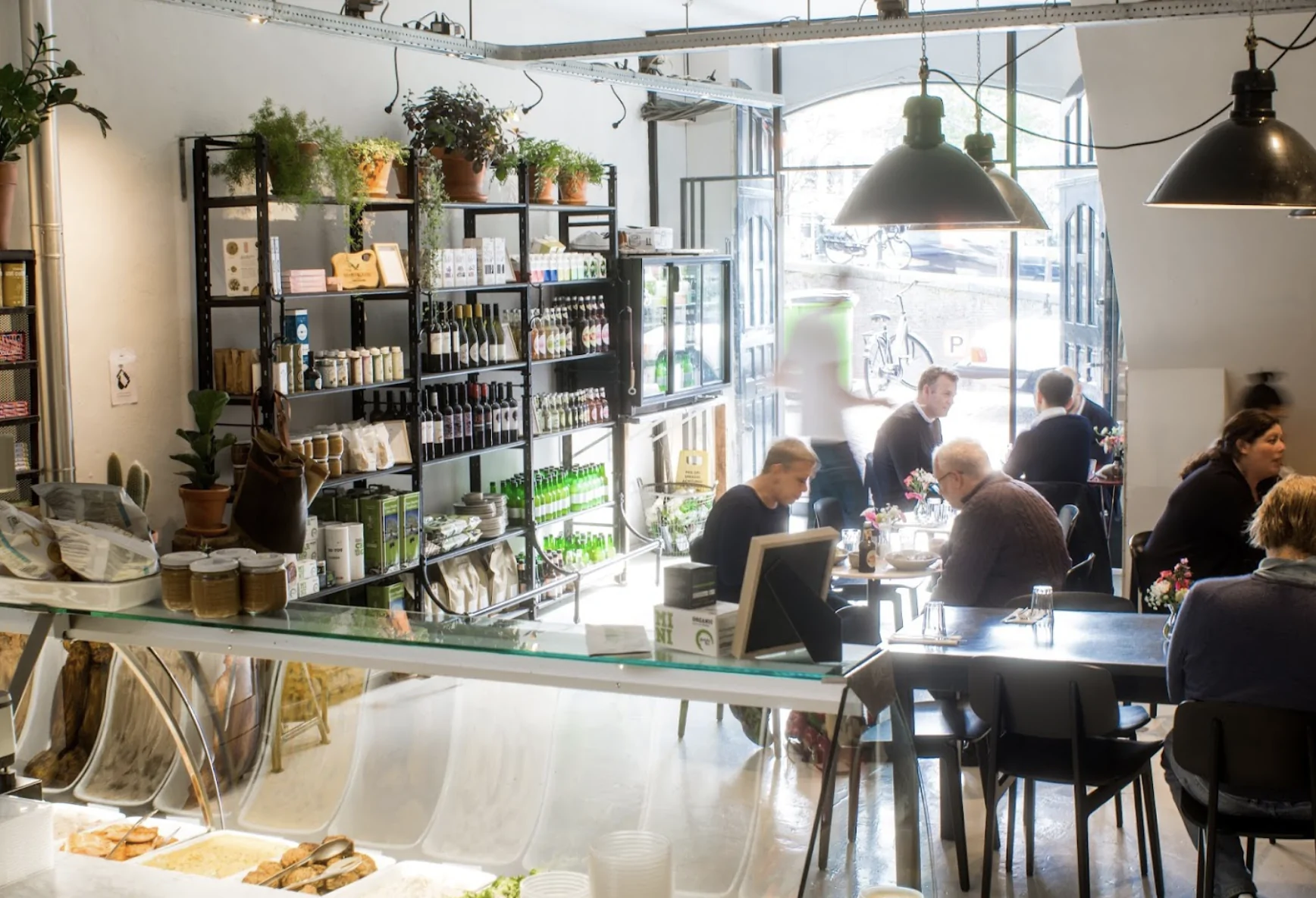
1016 VS Amsterdam
Foodware
Foodware is the place for honest food: freshly prepared and without artificial additives. Combine different dishes into a meal by choosing from a range of fish, meat, or vegetarian ingredients. Foodware was originally a caterer, but nowadays you can also eat their delicious fresh meals in the restaurant on Looiersgracht. But are you in a hurry? Then you can always just take the food with you. The range of dishes is fairly fixed and not very large, but this promotes quality. Fancy tasty, healthy, and not too complicated food? Then Foodware is the perfect place to go.
1016 ES Amsterdam
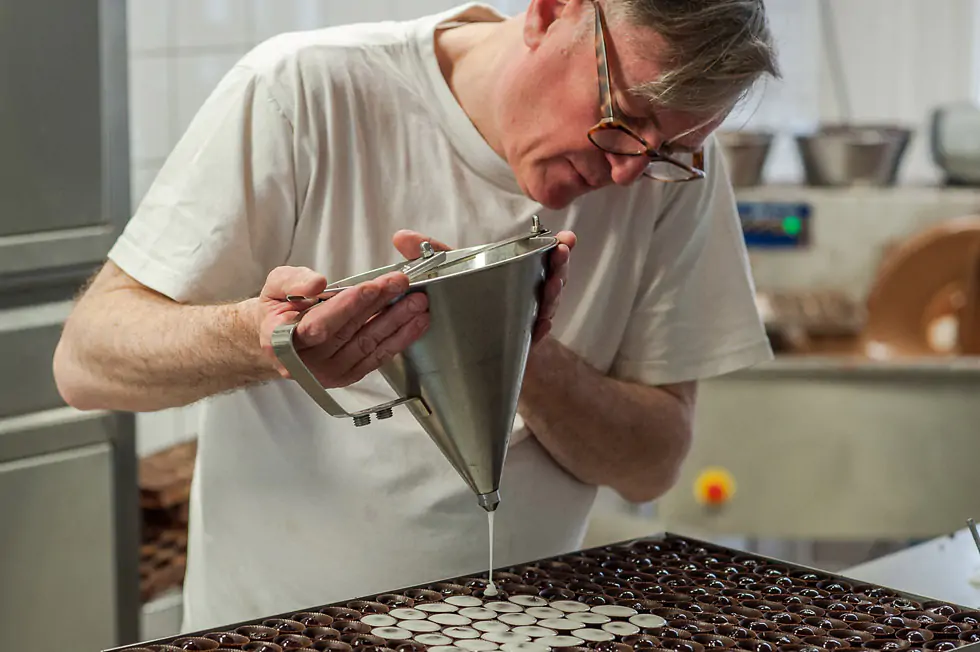
Pompadour Chocolate Shop
Chocolaterie Pompadour is a patisserie on Huidenstraat. Here, everything revolves around craftsmanship, pure products, and a passion for chocolate and pastries. Each chocolate is carefully crafted and beautifully decorated. In the adjoining tearoom, you can enjoy delicious tea or Catalan coffee in the beautifully nostalgic interior. With each cup of coffee, Pomadour also serves a homemade financier, a delicious French cake made with Spanish almonds and brown butter. In short, this is the place to be for the best pastries with pure flavors.