Around the corner from Cornelis Schuytstraat, in the most sought-after location on the street, we are offering a three-bedroom ground floor apartment of approximately 248 m2 on Johannes Verhulststraat in Amsterdam. The property has nine Rooms a south-facing garden, including two balconies. The property has been recently renovated and is being offered turnkey.
Guided tour
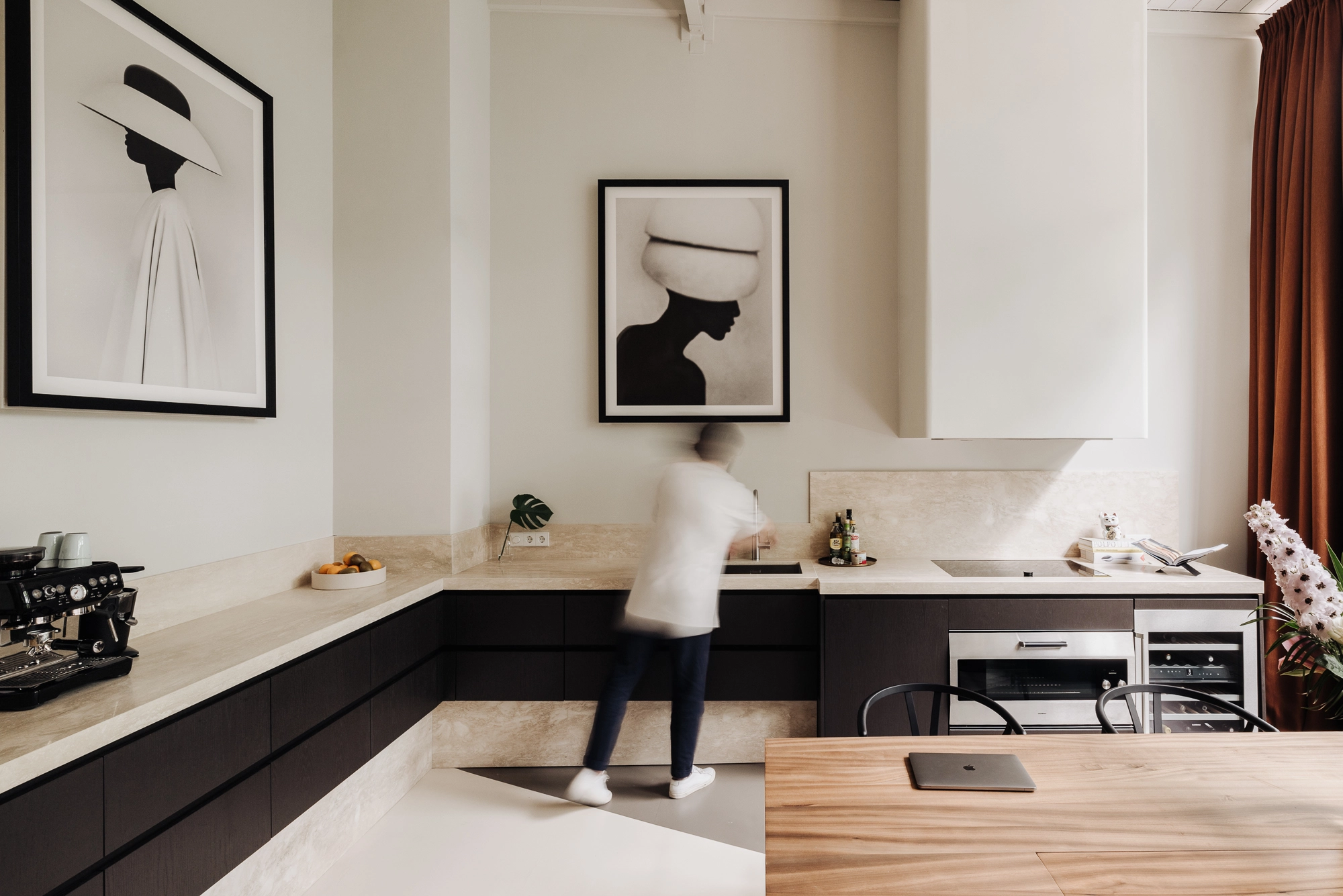
This high-quality renovated home is spread over several floors and combines a clear layout with plenty of light and space. On the main floor, you will find the living room at the front and a centrally located, custom-made kitchen with a cooking island and built-in cupboards. Large windows provide pleasant light and an open feeling. The sleeping floors are efficiently laid out and offer several bedrooms are suitable for a variety of uses, such as sleeping, working, or staying overnight. The Bathrooms equipped with custom-made furniture, natural stone countertops, and walk-in showers. One of the Bathrooms a freestanding bathtub. The basement is directly connected to the Rear garden via high glass fronts. This garden is low-maintenance, offers sufficient privacy and space for a dining table or seating area, and forms a practical extension of the living space. The house is finished throughout with high-quality materials, features a lot of custom work, and is ready to move into.
neighborhood guide
Johannes Verhulststraat is named after the Dutch composer and conductor Johannes Verhulst. The street was built around 1900 in an agricultural area with ditches, fields, and meadows. Between 1900 and 1903, blocks of houses were built with mansions, apartments, and shops. Some of the architects who designed the houses on Johannes Verhulststraat were L. van der Tas, S.P. Herfst, and J. Lenderik. They mainly built in the Neo-Renaissance and Art Nouveau styles. The house is located in Oud-Zuid, around the corner from Cornelis Schuytstraat and Vondelpark, but also close to Museumplein and the Concertgebouw. It is a place that feels like a village, where children play in the street and boutique shops are just around the corner. Johannes Verhulststraat is a quiet, child-friendly street near highly regarded schools and playgrounds, within walking distance of Museumplein and Vondelpark. A particularly central location in relation to the bustling city center, culturally rich Oud-Zuid, the Beethovenbuurt, and the beautiful Vondelpark, among other attractions. Surrounded by high-quality metropolitan amenities.
Details
• Floor area approximately 248 m²
• South-facing garden of approximately 33 m²
• Parking permit: via permit system (source: Amsterdam)
• All built-in cabinets and the kitchen are custom-designed
• Exterior recently repainted
• The Homeowners Association (VVE) will be established after the sale
• Magnesite flooring and underfloor heating
• Double glazing, HR++
• Equipped with a central heating boiler
• Year of construction: 1903
• Energy rating: A
• Located on freehold land
• Municipally protected cityscape

Verhulst 143
Some residences out for their finish, others for their layout. This house distinguishes itself by combining both. During the tour, you notice that every intervention has been made with attention to use, light, and cohesion between the floors. The house feels spacious without being large, and practical without compromising on appearance. The connection between inside and outside, the custom solutions, and the calm materials make this a house that Immediately feels Immediately and can easily be adapted to different living requirements. A home for those looking for comfort, quality, and a clear structure, in a location where everything is within reach. I would be happy to show you this house and take the time to explore the possibilities together.
Daniël de Bont | Makelaar Broersma Wonen

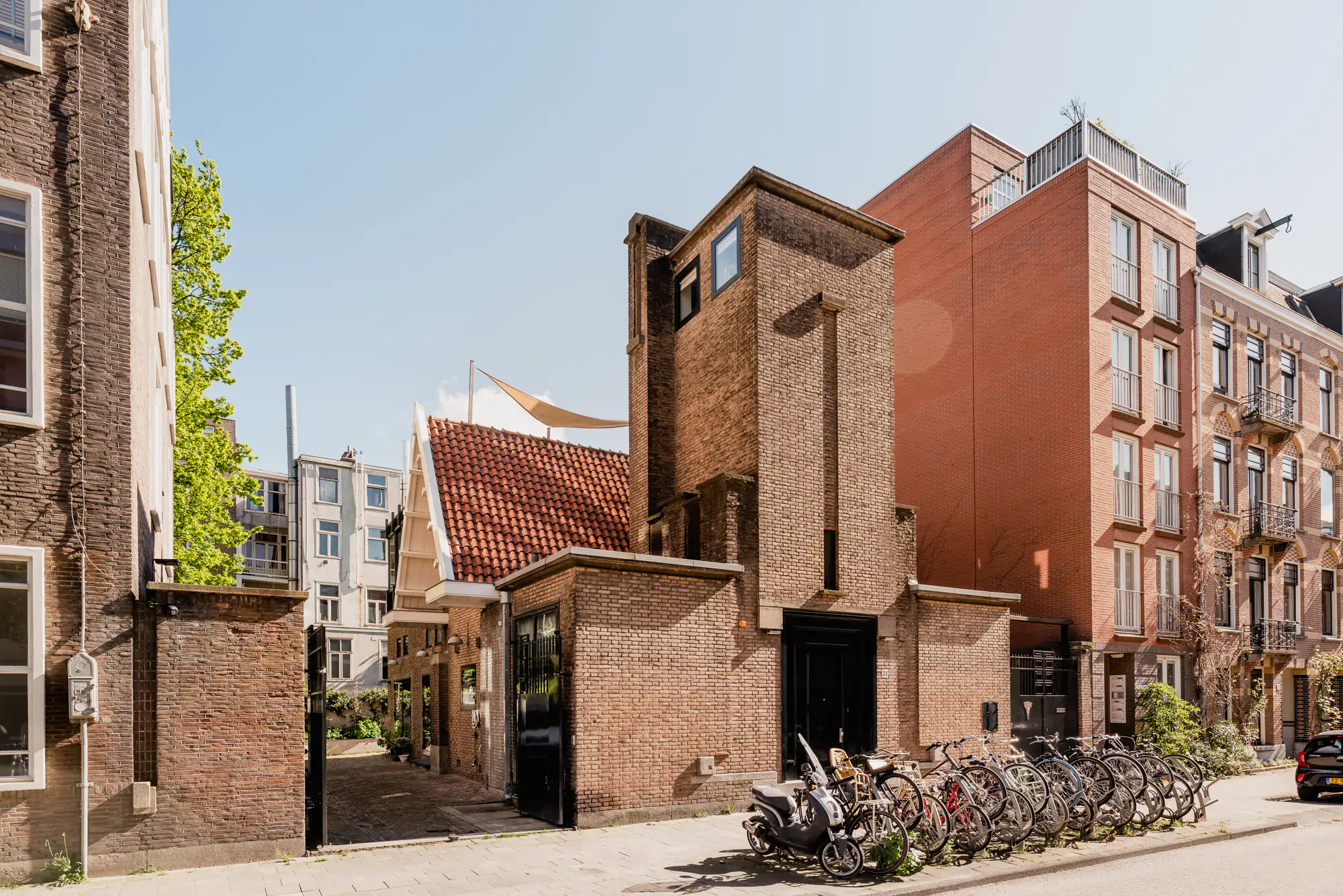
The property is part of a characteristic brick building with a clear architectural structure. The façade is carefully articulated with balconies, natural stone accents, and clear vertical articulation. The building fits logically into the streetscape and has a recognizable, solid appearance. Inside, the house is designed as a maisonette with multiple levels, making it feel more like a house than an apartment. The bel-etage forms the central living area and has a direct relationship with the street. The void connects this floor with the floor above and provides extra light and spatial contact between the living areas. The layout is functional and clear. At the front, large windows provide even light, while the rear is focused on tranquility and privacy. Balconies and garden are logically located on the quiet side and are Immediately to the adjacent spaces. The internal staircase plays an organizing role within the home. It clearly connects the floors and makes it possible to divide living, sleeping, and working areas across the different levels without fragmentation. Each floor has its own function but remains part of a coherent whole. The result is a home with a clear structure, good light distribution, and a clear separation between the different living areas. The architecture supports everyday use and offers space for different ways of living, without emphasizing decoration or stylistic elements.


The living area is located on the main floor and has a logical layout. At the front is the living room, with two large windows that provide daylight and a view of the street. The space is rectangular and easy to furnish, with sufficient wall and walking space. The kitchen is centrally located in the home. It is custom-designed with a freestanding cooking island and a wall unit with cabinets and appliances. The island offers workspace and Location informal use. The worktop and back wall are made of natural stone and run continuously without interruption. There is space for a dining table between the kitchen and living room. The position makes this place suitable for daily use and Immediately both functions. The open connection between the spaces provides an overview and short walking distances. The finish is consistent throughout the entire floor. The floor is finished in herringbone pattern wood, and the walls are light and sleek. Lighting is functionally integrated into the ceiling and furniture. The living and kitchen area is clearly laid out and practical to use, with a clear division between cooking, eating, and living.


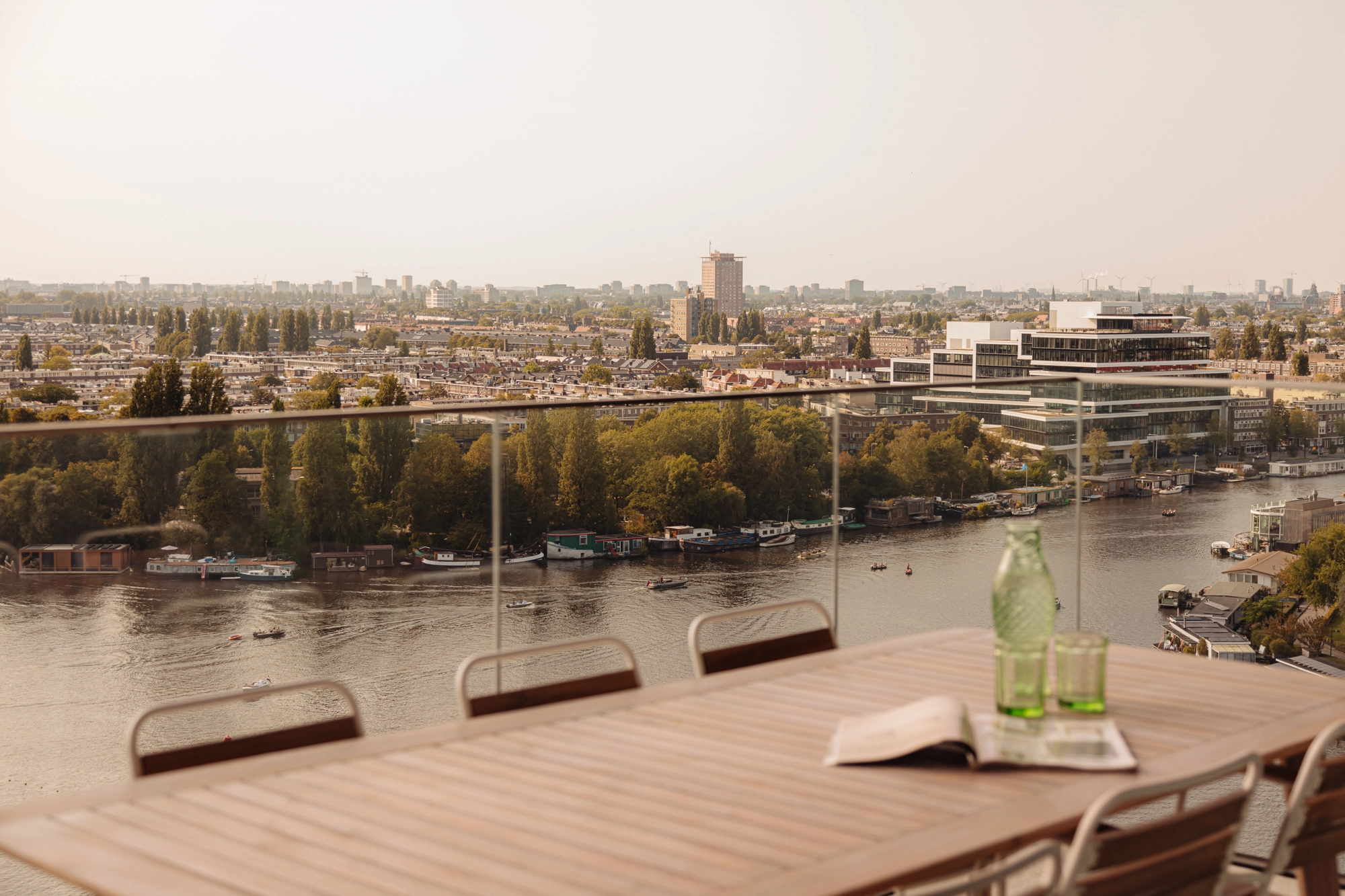
The bedrooms are spread across the first floor and the basement. This layout creates a clear separation between living and sleeping areas. The Rooms rectangular and practical to furnish, with fixed window positions and sufficient wall space for wardrobes and beds. On the first floor, there are two bedrooms the rear. Both Rooms natural light and direct access to the balcony. The finish is similar to the rest of the house, with light walls and continuous wooden flooring. The basement contains several Rooms are suitable as bedrooms, workspaces, or guest rooms. The windows are located high in the facade and provide daylight and ventilation. The dimensions of these spaces allow for flexible use. The Bathrooms sleek and functional. Custom-made furniture with integrated sinks and storage space has been used. Walls and countertops are finished in natural stone. The showers are walk-in showers with fixed walls and a niche for accessories. One of the Bathrooms a freestanding bathtub. Sanitary ware and taps are consistently applied and discreetly designed. Lighting is functionally placed near mirrors and in the ceiling. The Bathrooms Immediately to the bedrooms are logically positioned within the floor plan.


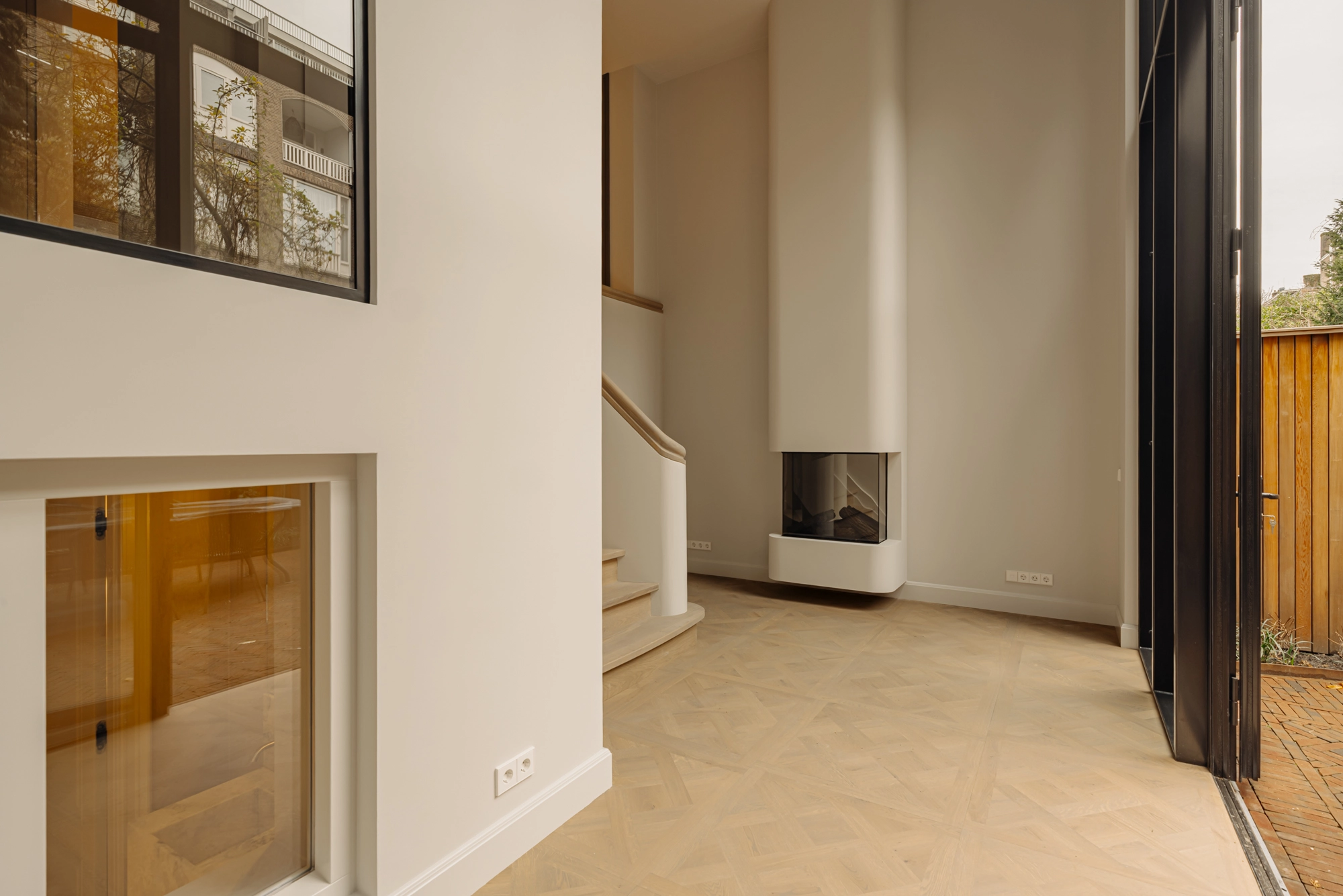
At the rear is a private garden that Immediately on the basement. The garden is accessible via tall glass doors across the full width of the facade. These provide direct access and plenty of light in the space behind. The garden is fully paved and low-maintenance. There is enough space for a dining table and seating furniture. The shape is rectangular and uncluttered, with no differences in level. The fences are made of wood and provide screening from the surrounding plots. Limited planting has been added along the edges. The height and width of the façade create a strong visual and functional connection between inside and outside. This actively involves the garden in the use of the home. The outdoor space is functional and can be used as an extension of the basement.


Johannes Verhulststraat is named after the Dutch composer and conductor Johannes Verhulst. The street was built around 1900 in an agricultural area with ditches, fields, and meadows. Between 1900 and 1903, blocks of houses were built with mansions, apartments, and shops. Some of the architects who designed the houses on Johannes Verhulststraat were L. van der Tas, S.P. Herfst, and J. Lenderik. They mainly built in the Neo-Renaissance and Art Nouveau styles. The house is located in Oud-Zuid, around the corner from Cornelis Schuytstraat and Vondelpark, but also close to Museumplein and the Concertgebouw. It is a place that feels like a village, where children play in the street and boutique shops are just around the corner. Johannes Verhulststraat is a quiet, child-friendly street near highly regarded schools and playgrounds, within walking distance of Museumplein and Vondelpark. A particularly central location in relation to the bustling city center, culturally rich Oud-Zuid, the Beethovenbuurt, and the beautiful Vondelpark, among other attractions. Surrounded by high-quality metropolitan amenities.
Accessibility
Johannes Verhulststraat is a quiet, leafy street in the heart of Amsterdam Oud-Zuid. Within walking distance are the Vondelpark, Museumplein, and Cornelis Schuytstraat with its specialty shops and restaurants. Accessibility by public transport is excellent, with tram lines to Amsterdam Central Station, Zuid, and Amstelveen. By car, there is direct access to the A10 ring road via De Lairessestraat and the S108. Parking is via the Local authority permit system.
parking facilities
Parking is available via a permit system on public roads (permit area Zuid 8.1). With a parking permit for Zuid 8.1, you may park in Zuid-1, Zuid-2, and Zuid-8. A parking permit for residents costs €192.81 per 6 months. The first permit period may be shorter or longer than 6 months. The costs may therefore vary.




1071 MG Amsterdam
Carter
Carter is a modern brasserie in Amsterdam-Zuid where international classics are served with flair and finesse. Located on Valeriusstraat, this place feels like an elegant neighborhood café – informal, refined, and always welcoming. The menu features timeless dishes such as steak tartare, burrata, and lobster pasta, accompanied by a solid wine selection.
1075 GH Amsterdam
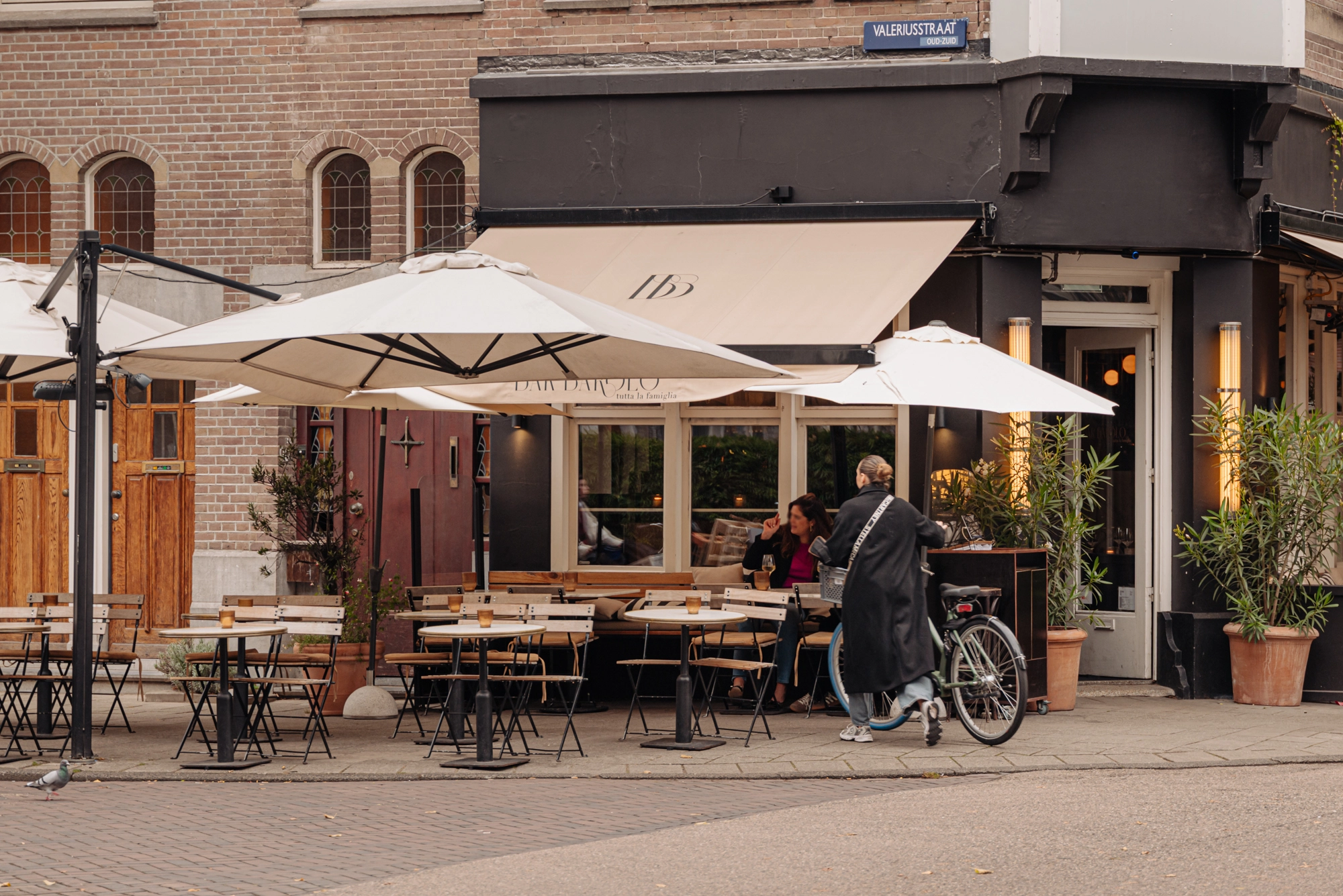
Barolo
Bar Barolo brings the atmosphere of northern Italy to Valeriusstraat, in the heart of elegant Amsterdam-Zuid. The wine list is extensive and carefully curated, with Barolo as the obvious centerpiece. On the menu: homemade pasta, classic antipasti, and unpretentious seasonal dishes. The interior is warm and understated, as is the hospitality—everything here is done with care.
1075 GD Amsterdam
Castell Zuid
Castell Zuid is the stylish new location of the iconic Amsterdam grill restaurant Castell, located on Valeriusstraat in Oud-Zuid. Where the original in the center is known for its no-nonsense steaks and late dinners, this location brings the same flavors in a refined setting. "Same taste, same vibe, different look" is the motto – and that's right: recognizable and yet completely new.
1071 JH Amsterdam
Brasserie van Dam
Brasserie van Dam is known for its simple but effective formula: a concise menu with high-quality products, reasonable prices, good coffee, a pleasant atmosphere and friendly staff.
1071 HX Amsterdam
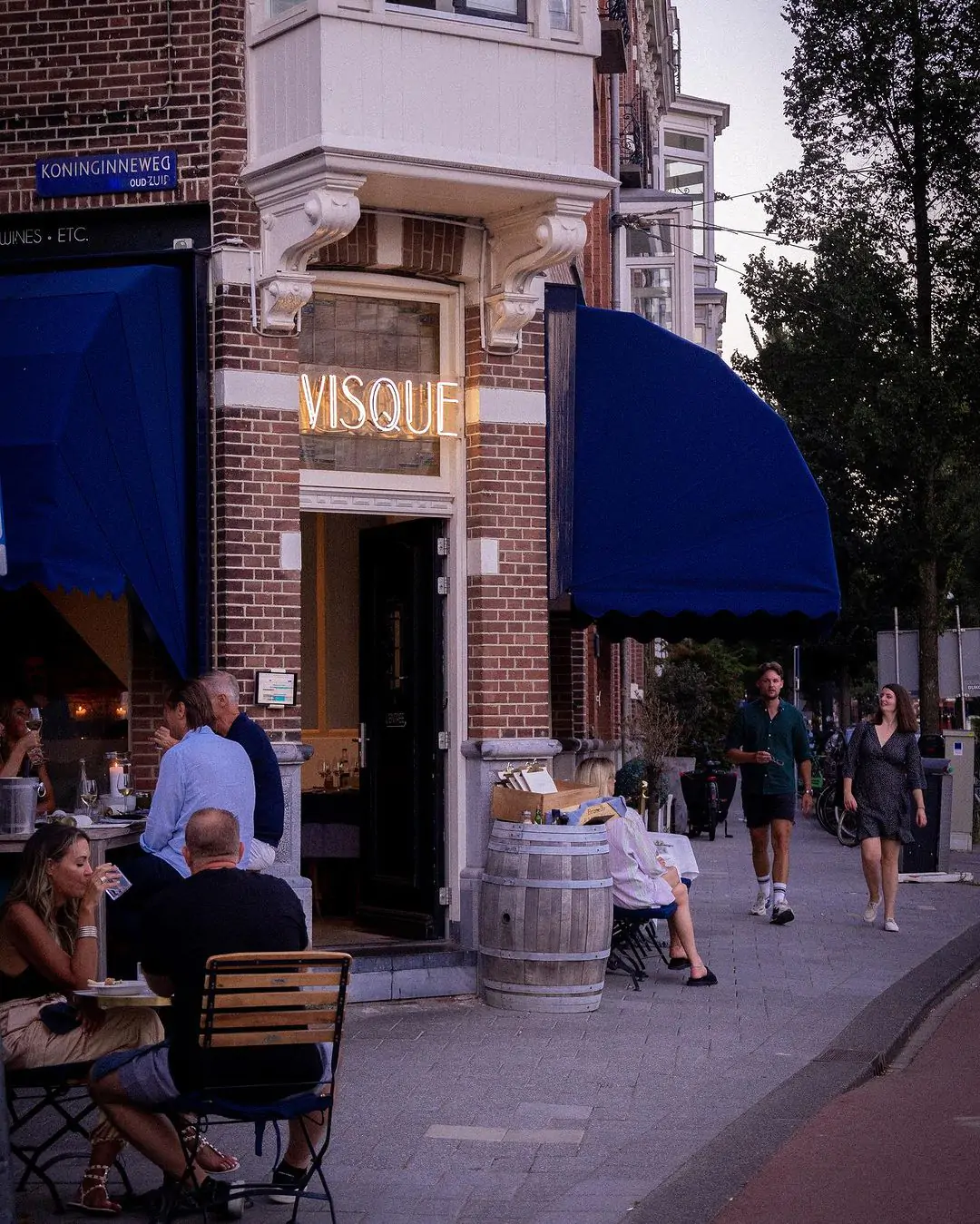
Visque Restaurant
Restaurant Visque is located on the beautiful corner of Amsterdam South, where fish plays the leading role. Our menu is flexible and depends on the daily choice for the freshest and most flavorful products. Chef Menno gives his own twist to simple French dishes, such as scallops, Dutch shrimp, slip sole and our famous Tuna Wellington.
1071 GZ Amsterdam
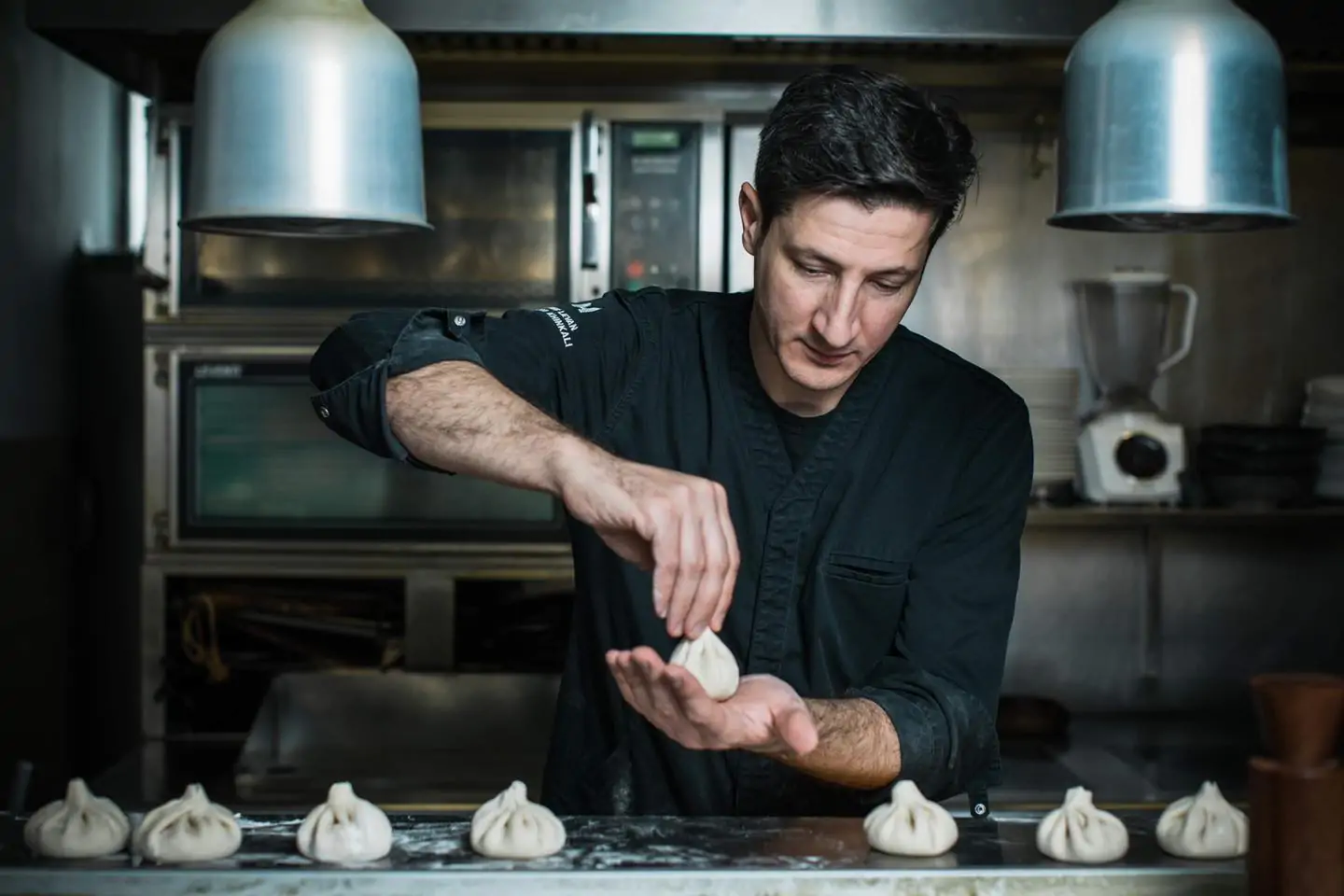
Batoni Khinkali
In the Netherlands, Georgian cuisine is unfortunately underrepresented, despite its rich and fascinating culinary heritage. Fortunately, Batoni Khinkali offers an introduction to this flavorful cuisine. This restaurant, founded by Georgian clarinetist Levan Tskhadadze, combines his love of music with his passion for cooking. Here, guests can enjoy Georgian classics such as khinkali, katschapuri and lobio, as well as a vegan and meat menu, all served with the characteristic Georgian hospitality.
1075 CZ Amsterdam
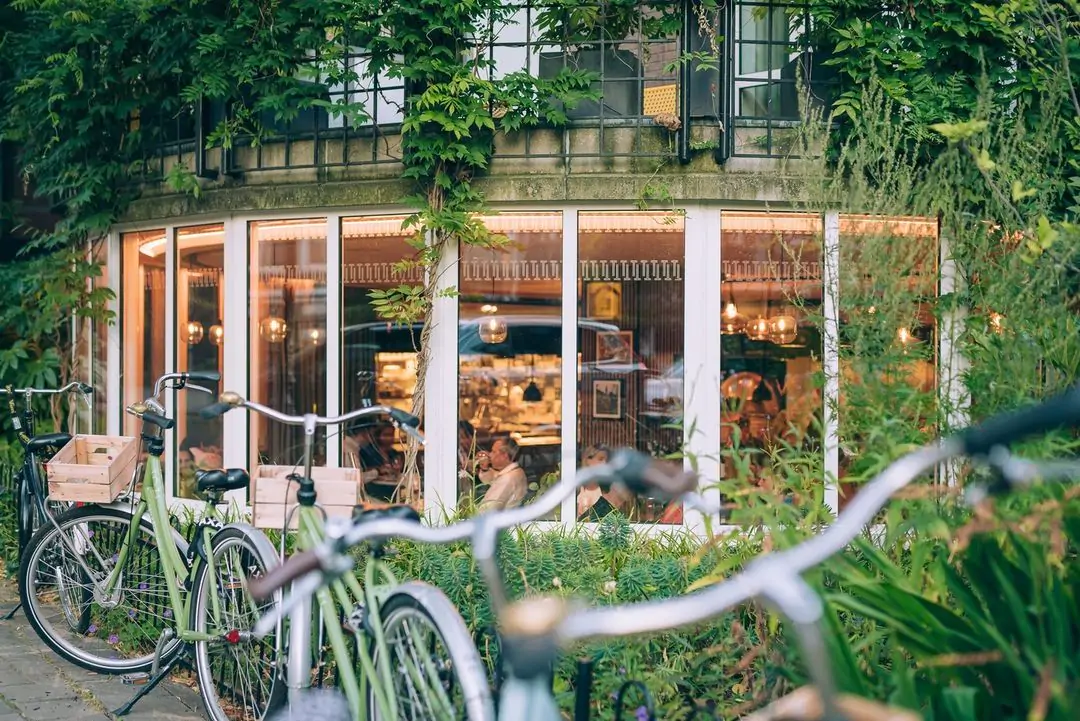
Tozi
TOZI means "a group of friends" in Venetian dialect, and you feel that Immediately you walk in. It's like stepping into one big family. The menu features a selection of small Venetian-inspired dishes to share, known as cicchetti. There is also an Italian wine list and a cocktail bar serving Italian gins and negronis.
1071 GZ Amsterdam
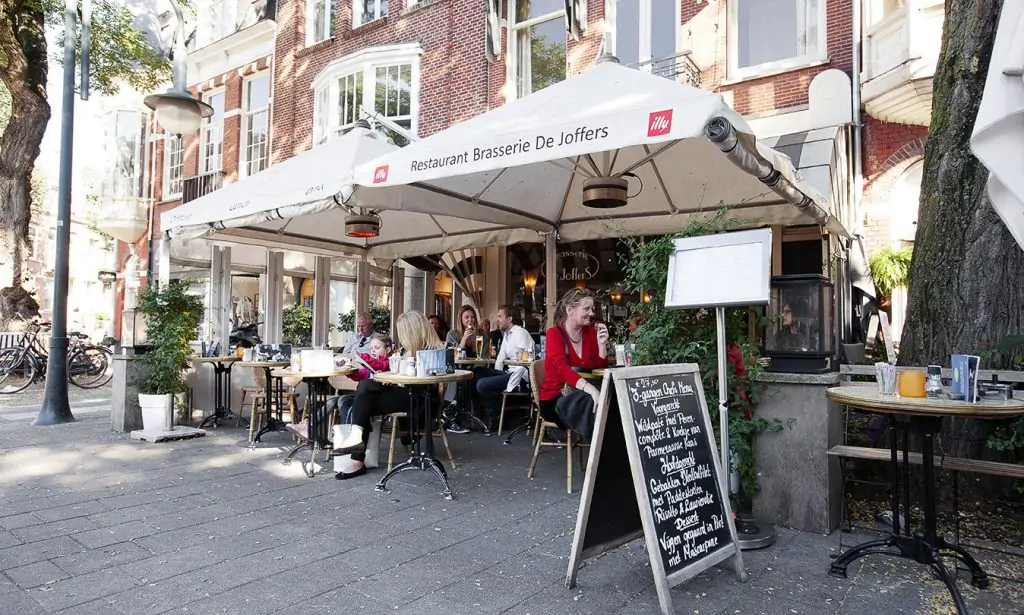
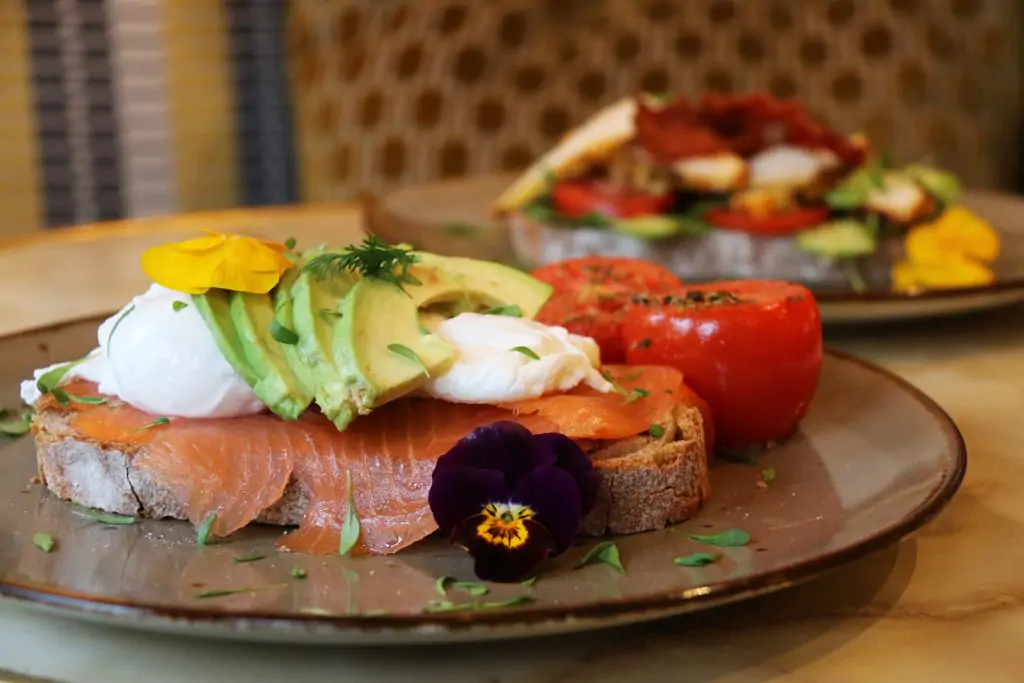
Brasserie de Joffers
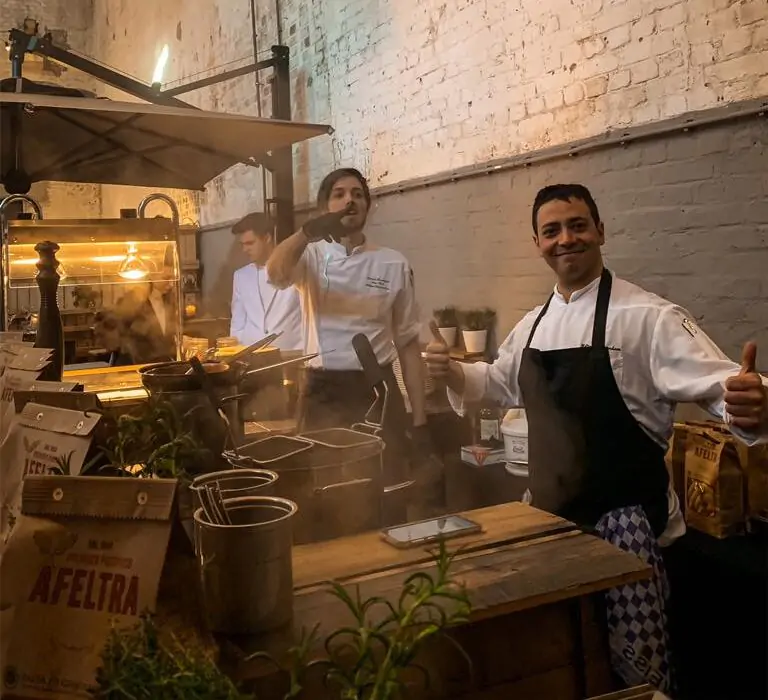
With a large terrace in the summer and winter, brasserie Joffers has been a well-known hotspot for 15 years, just a stone's throw from the Vondelpark and the Museum Quarter. If the sun is not shining, there is plenty of space inside - a space decorated with art and mirrored walls, which creates a homely atmosphere. The meeting place for the neighborhood is ideal for breakfast, lunch and dinner or simply for a nice cup of coffee.
1077 BG Amsterdam
Roberto's Restaurant Amsterdam
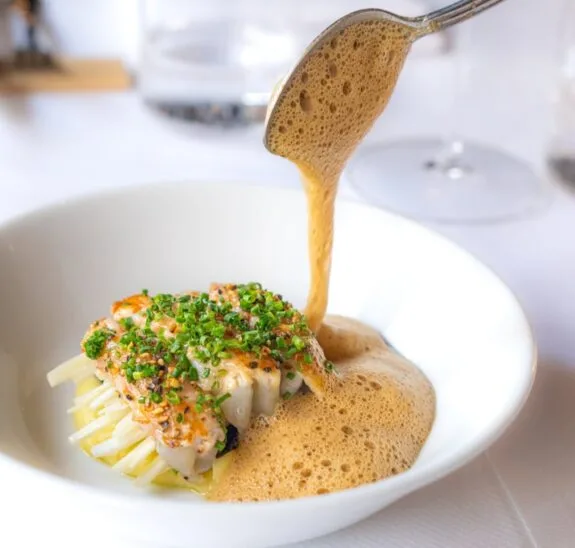
Roberto's should not be missing from the top ten Italian restaurants in Amsterdam. The restaurant is located in the Hilton hotel, where the iconic Italian cuisine has been filling the plates for 25 years. The restaurant revolves around pure and simple flavors with dishes such as thinly sliced eggplant, green farfalle pasta with lobster sauce and Lava cake.
1071 NH Amsterdam
Franzen
Chef and owner Jesse Franzen grew up in a catering family in Haarlem. His father worked in the kitchen, his mother worked in the service. His own professional journey began in the kitchen of the two-star restaurant Chapeau, after which he gained experience at places including Aan de Poel, Ron Gastrobar, and Lars Amsterdam. With Franzen, Jesse creates a place that feels like a modern living room for the city. Accessible and warm, but always with a high standard. The menu is classic and recognizable, with a surprising twist here and there.
1071 NE Amsterdam
Pizzeria Le 4 Stagioni
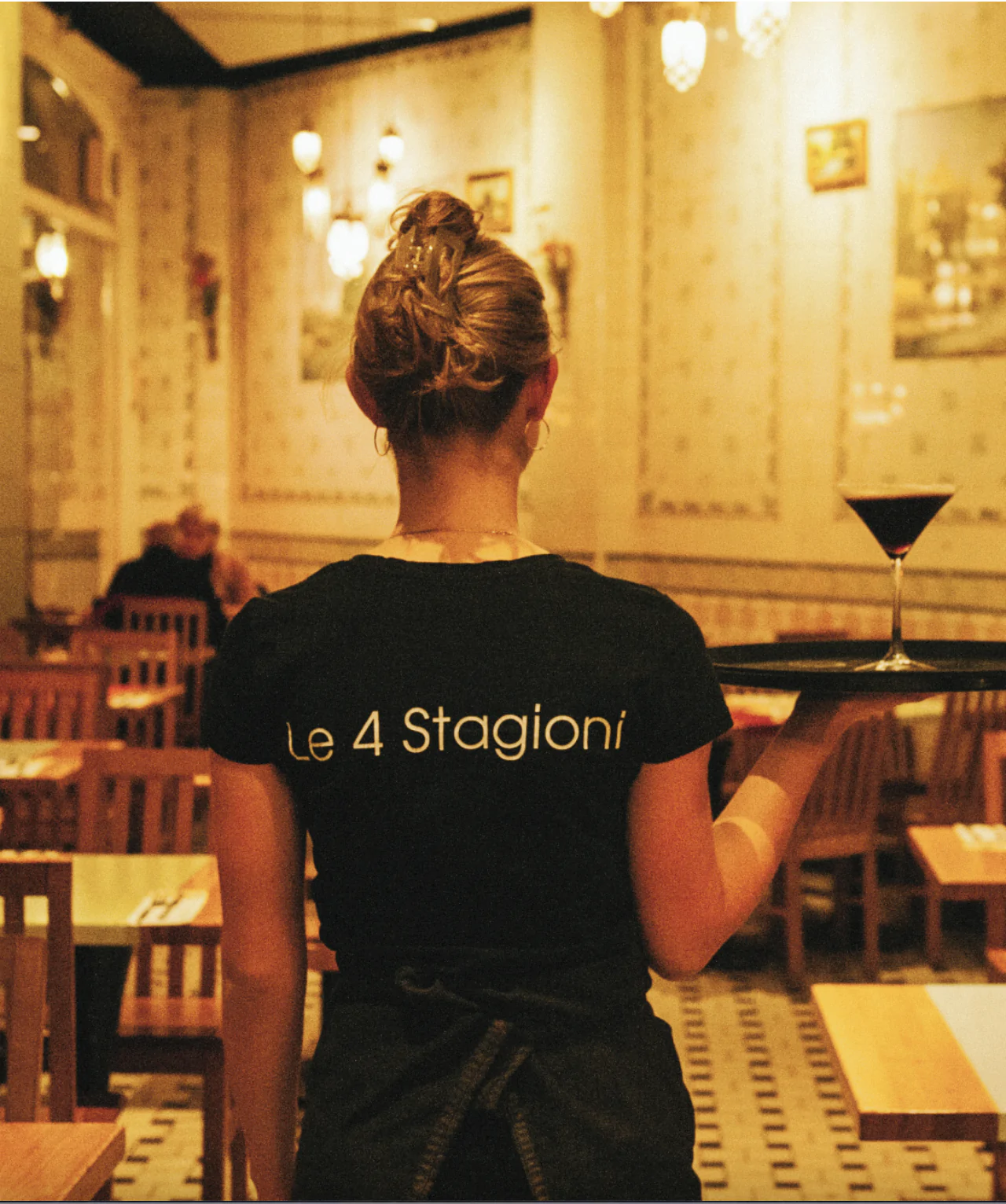
Visitors to the Concertgebouw are no strangers to Roman-style pizzas with thin crusts. Since 1978, the pizzeria in Oud-Zuid has been providing many groups and (large) families with authentic Italian food. The interior has a Mediterranean touch and the menu offers something for everyone, from fresh pasta and tender meat to indispensable antipasti and vegetarian alternatives.
1075 BG Amsterdam
Juliette
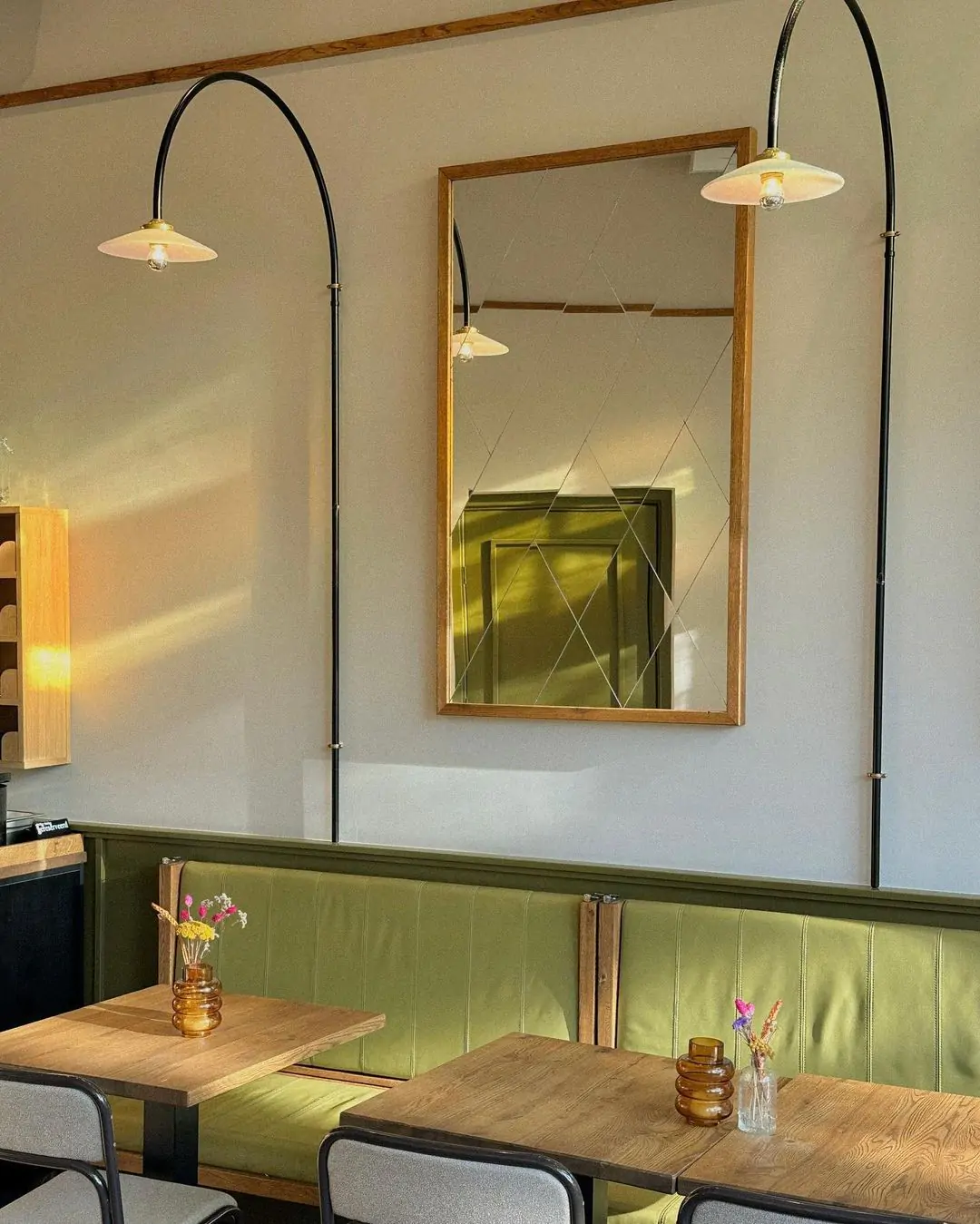
In Amsterdam Zuid, you can enjoy breakfast and lunch in the sun at Juliette. The menu is based on fresh ingredients from local suppliers and is compiled daily based on what Available at the market. Think of dishes such as the Porco Rosso: mortadella, stracciatella cheese, Spanish guindilla peppers, and red pesto. For dinner or drinks, visit neighboring Bar Jules. The focus is on Southern European dishes such as pizzettas, pata negra, and roasted octopus.
1071 KK Amsterdam
Edible Treasures
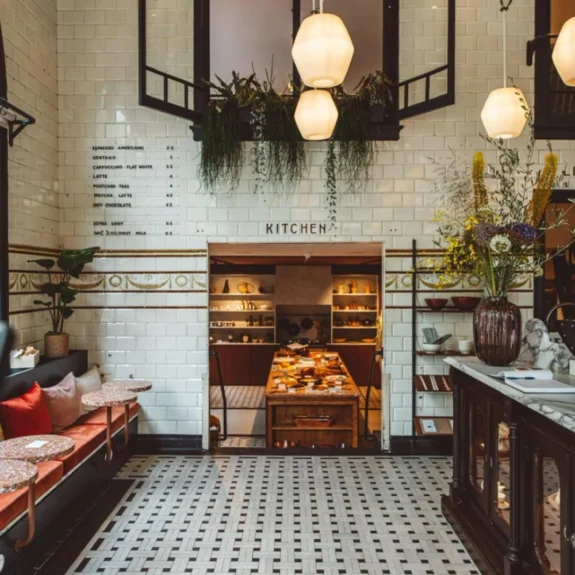
The concept store Edibe Treasures is located in a former butcher shop in Amsterdam Zuid. In addition to the 'edibles and drinkables' in the coffee shop, you will find a beautiful selection of everything for the table, such as silverware, ceramics, table linen, but also cookbooks and accessories. Pop-ups and workshops are also regularly organized.
1071 HK Amsterdam
George W.P.A
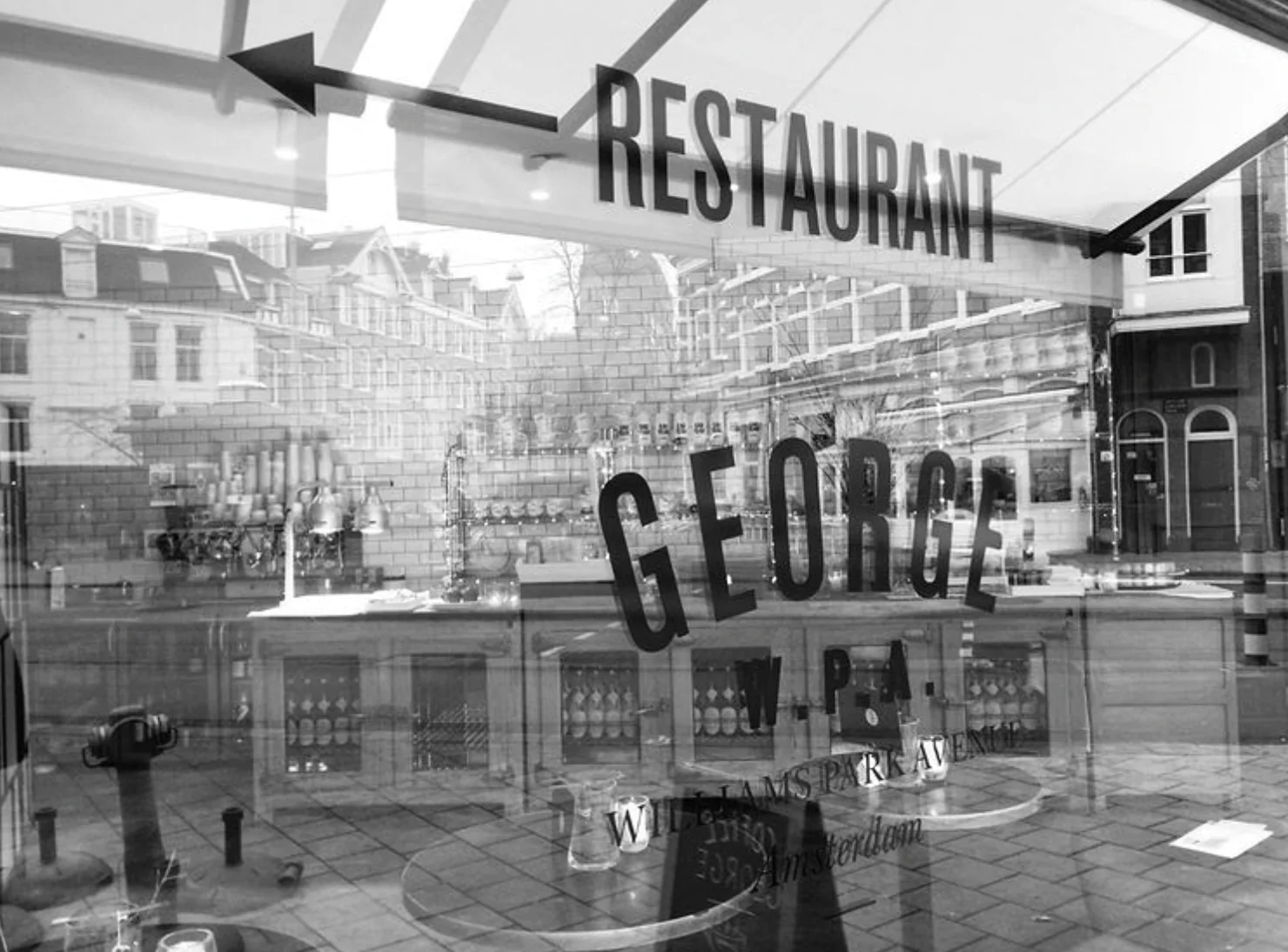
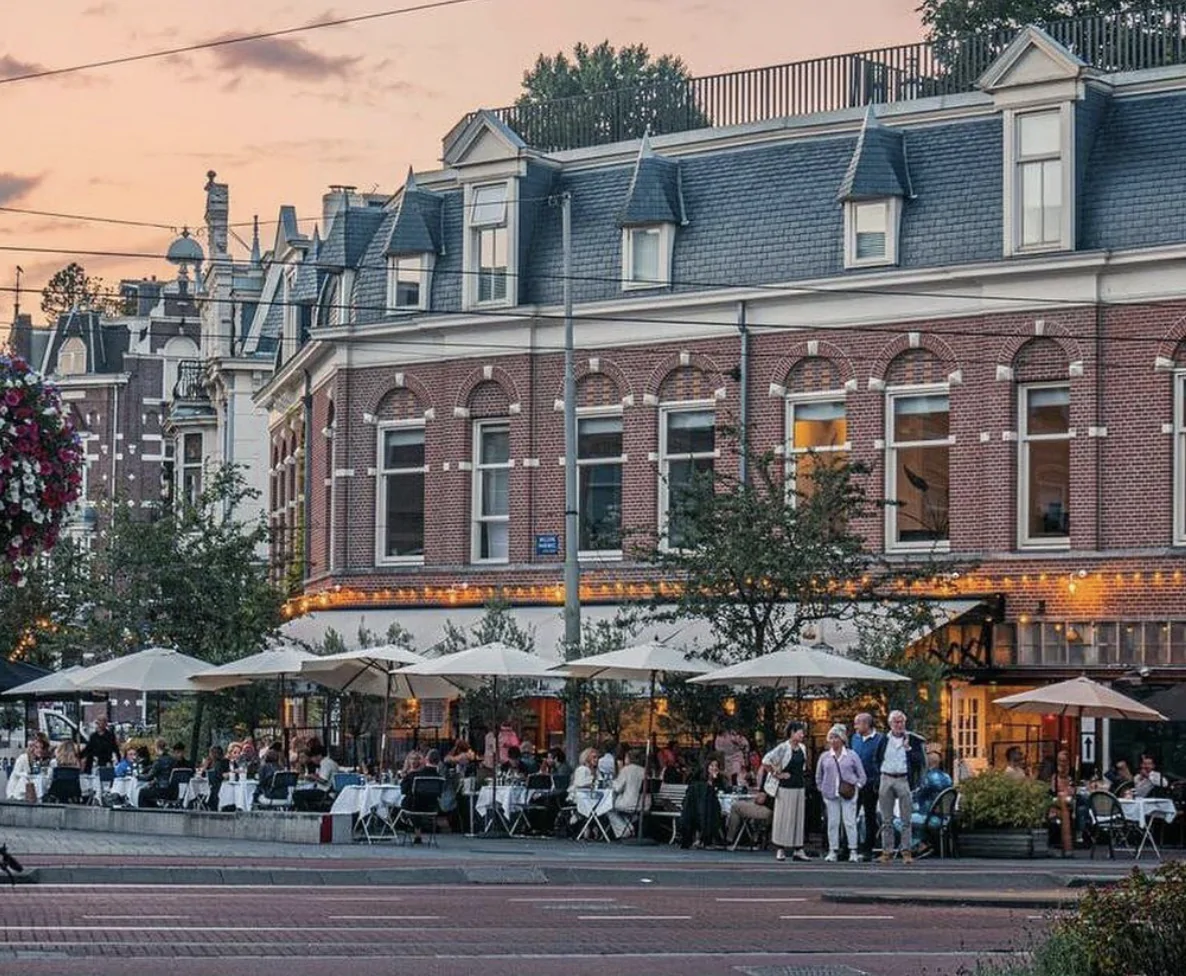
George W.P.A is the ideal place to settle down for a good glass of wine and delicious food with a chic touch. The brasserie in Zuid describes itself as a combination of classic French cuisine, packaged in New York style, and is known for signature dishes such as grilled lobster and Blackened Tuna. Step inside (by reservation) in Amsterdam's "Upper South" and see for yourself!
1071 LK Amsterdam
Café Welling
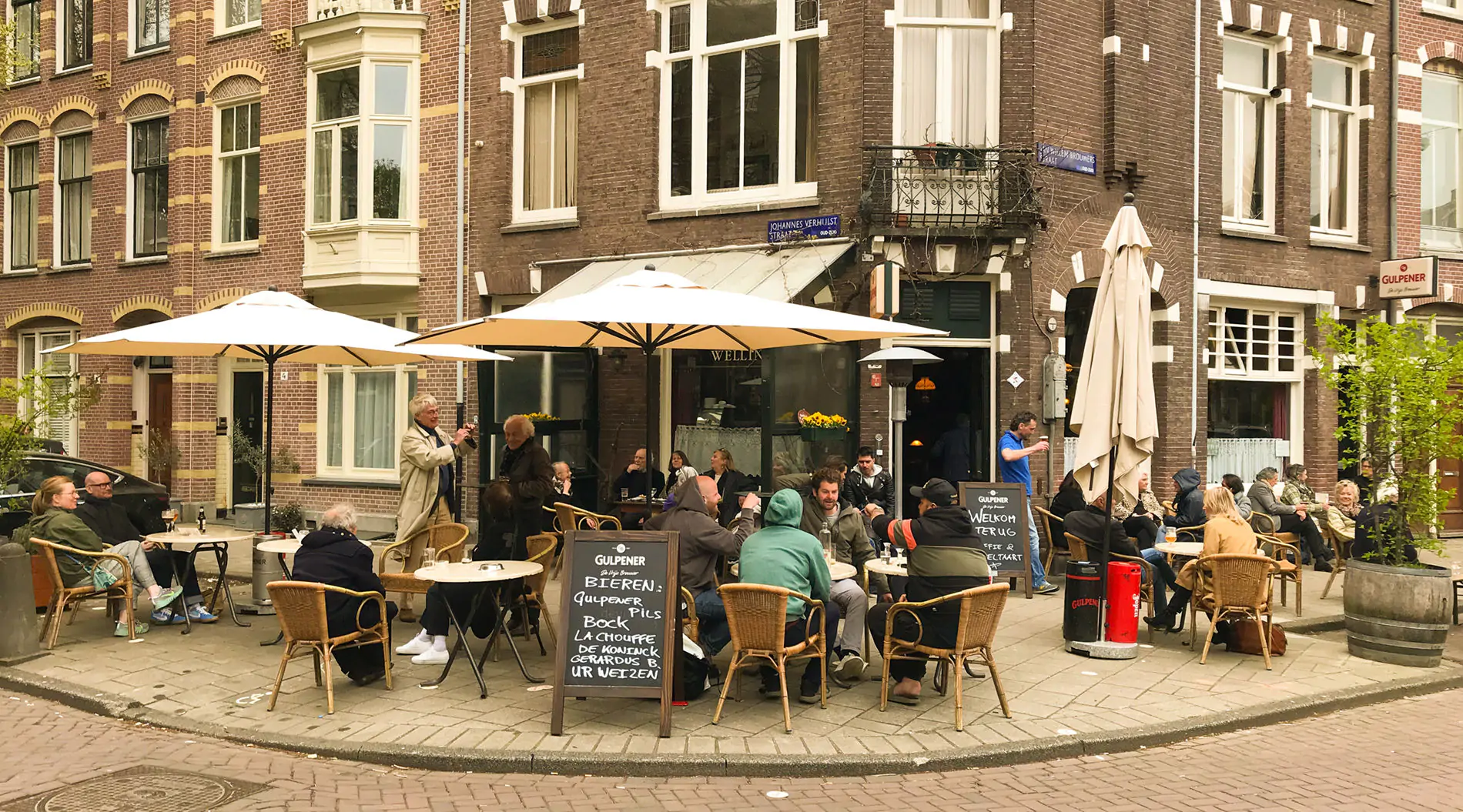
Café Welling is a cozy neighborhood café on J.W. Brouwersstraat; near the Museumplein. Here you can enjoy a nice beer at the bar or on the terrace when the sun is shining. This neighborhood café has a long history. The café has been around for more than 70 years but has only been called Café Welling since 1963. This history may explain the familiar atmosphere that always seems to be present in this café. Interesting for music lovers: Café Welling regularly organizes Jazz evenings.

1077 JJ Amsterdam
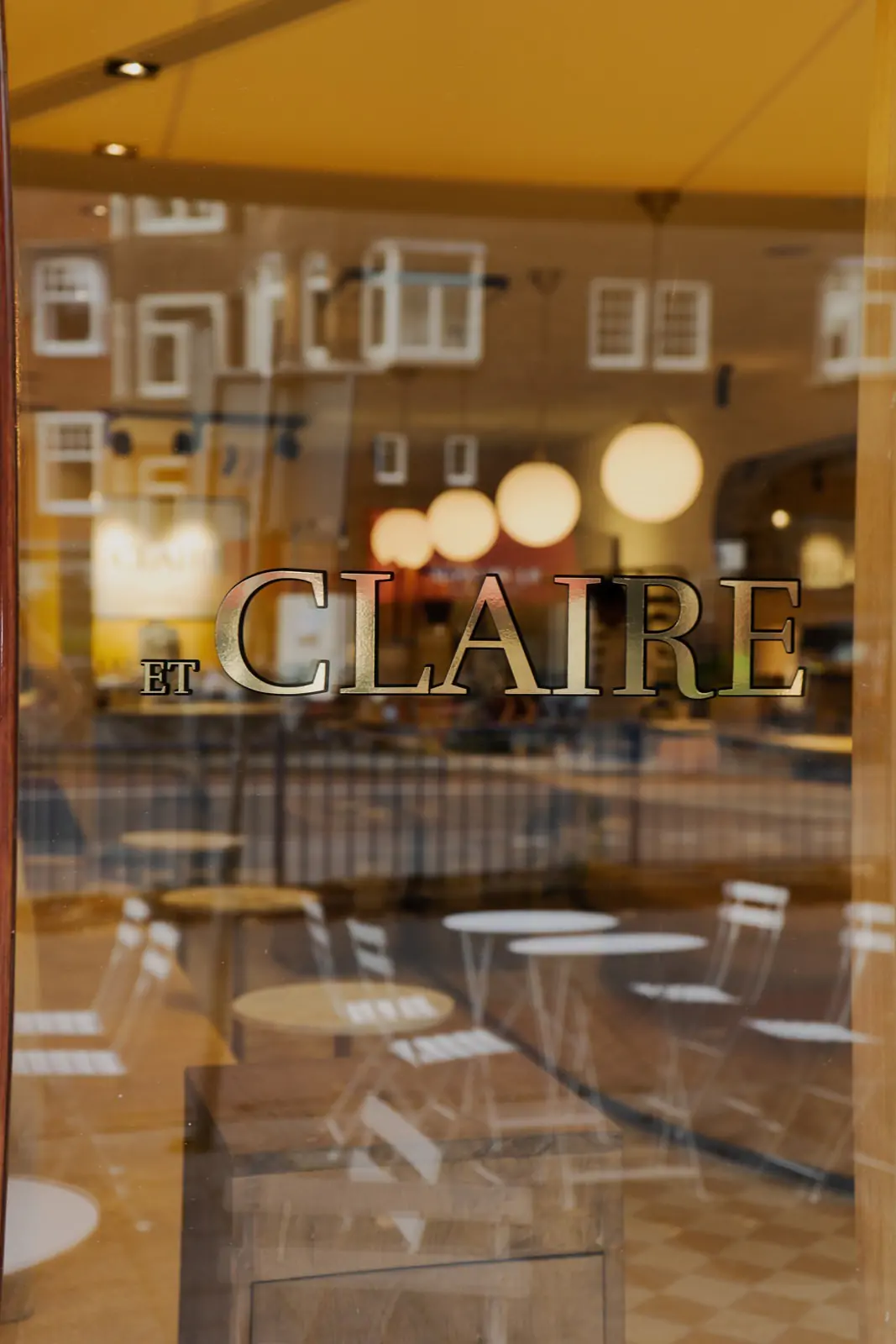
Et Claire
Et Claire is located on Beethoven Street. Et Claire arose from a love for the best viennoiserie, coffee, (ice) tea in combination with endless sweet and savory options. The motto at et Claire is ''ne vous contentez pas de moins'', which means that you should not settle for less.

1066 VH Amsterdam
De Schuyt Butcher Shop
Butcher shop De Schuyt, named after its location on Cornelis Schuytstraat, has the parakeet as its symbol. Just like the parakeet, this distinctive butcher shop has its origins in the 1970s, and both have carved out a place for themselves in Amsterdam. Inspired by the parakeet, owner Evert Blauwendraat started his butcher shop with the idea of giving it a distinctive, personal, and special emblem that everyone could recognize. This family business with a rich history is the place to go for meat and delicacies.
1071 NL Amsterdam
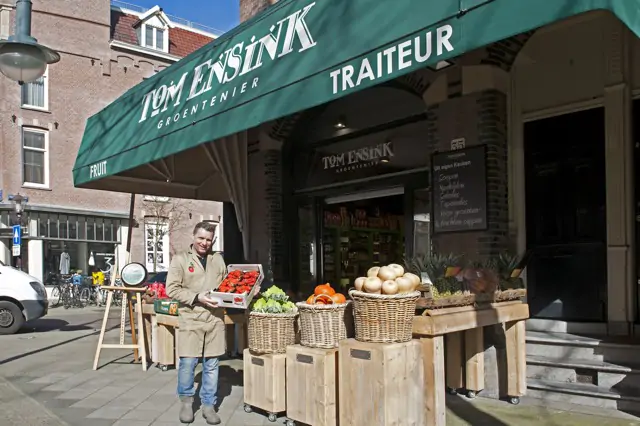
Greengrocer Tom Ensink
Greengrocer Tom Ensink ensures that customers can choose from an exclusive range of honest products. In addition to vegetables, cheeses, fruits, nuts, oils, wines and meals are Sold - carefully selected for the true gourmets in the South. Specific wishes can be fulfilled when ordering products, but also for the fresh meals.
1071 ZJ Amsterdam
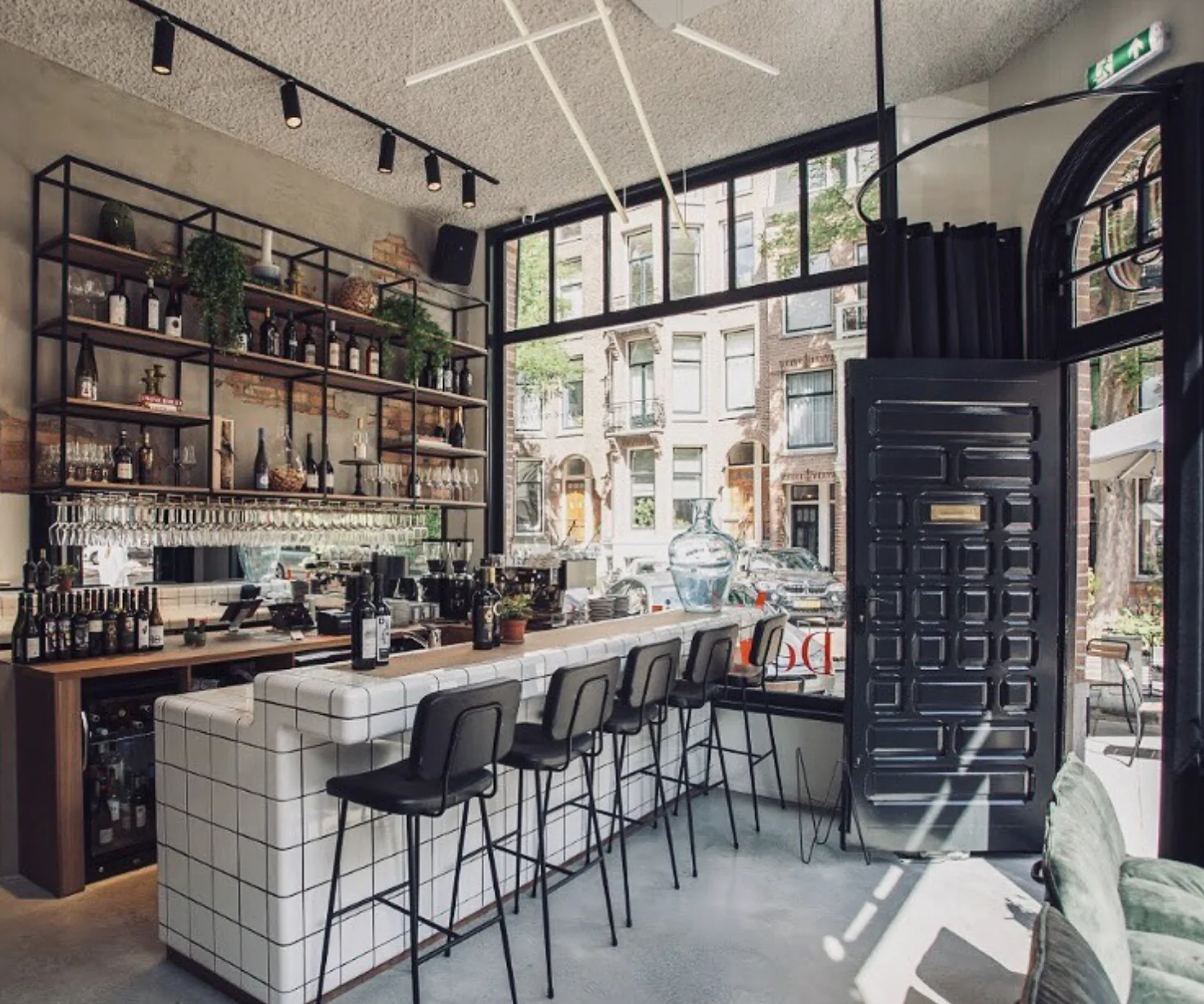
De Wijnkaart
De Wijnkaart is located in the Museum Quarter in Amsterdam-Zuid. All kinds of wines from the forgotten Eastern European wine countries are served here. Although the history of wine making started here, these countries are often forgotten in the wine world. If you have become curious about all kinds of wines, you can do a wine tasting in the wine bar, where you can choose which ones you want to taste. In addition to the appetizer platters that change weekly, there are also main courses on the menu.
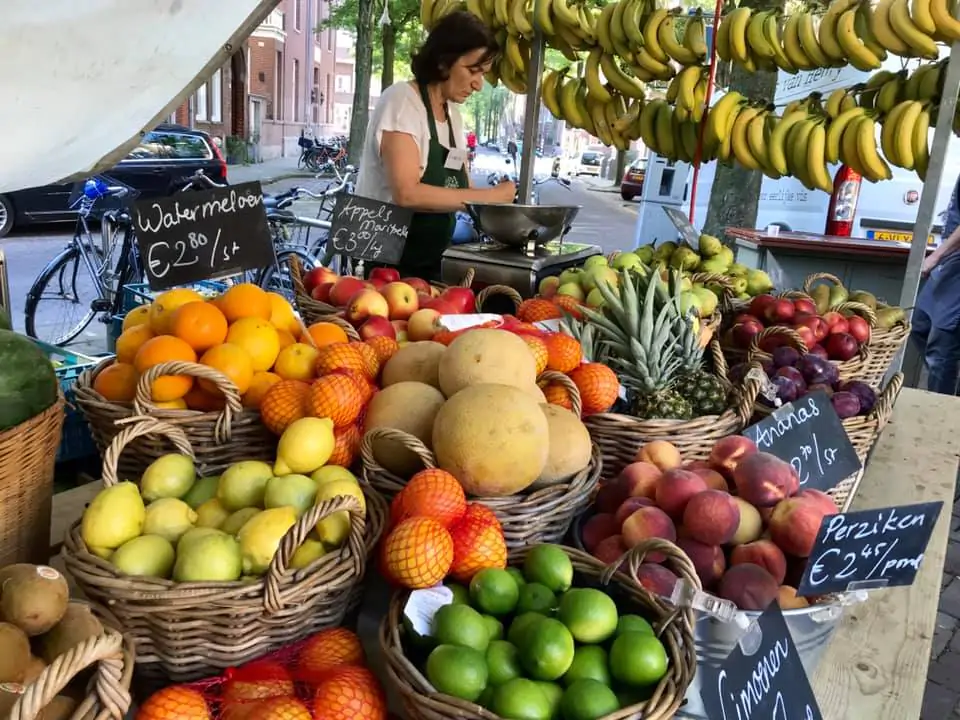
Southern Market
The zuiderMRKT is a small, cozy, weekly neighborhood market. Unique due to its cooperative character. The cooperative consists of members - enthusiastic local residents - who warmly support the market and help out at the market and in the vegetable stall. The members jointly determine the range of all stalls. They buy vegetables and fruit directly from the farmer, to sell them for fair prices on the zuiderMRKT square.
1071 JC Amsterdam
Menno Kroon
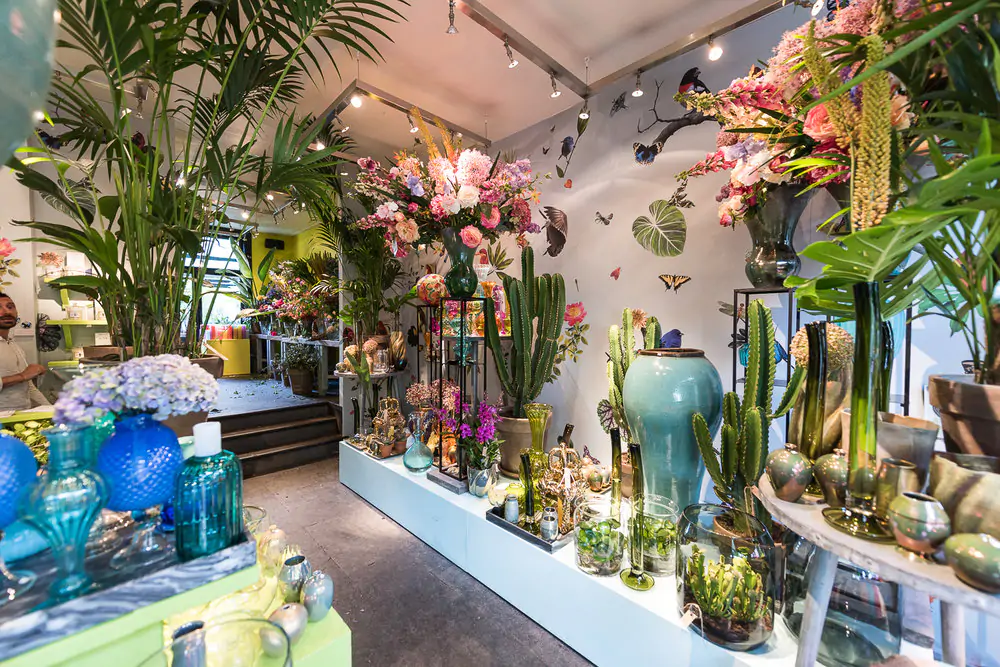
Menno Kroon's exuberant and atmospheric display window showcases such enchanting and special flowers that you simply have to take a look inside. Budding love, delight, the inevitable farewell. Each bouquet from Menno Kroon gives meaning to a special moment. Nothing is too crazy for them at Menno Kroon, and you can go there for the most special and diverse bouquets.
1075 NC Amsterdam
Perfume Lounge
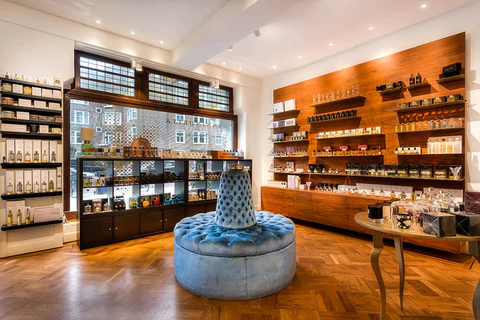
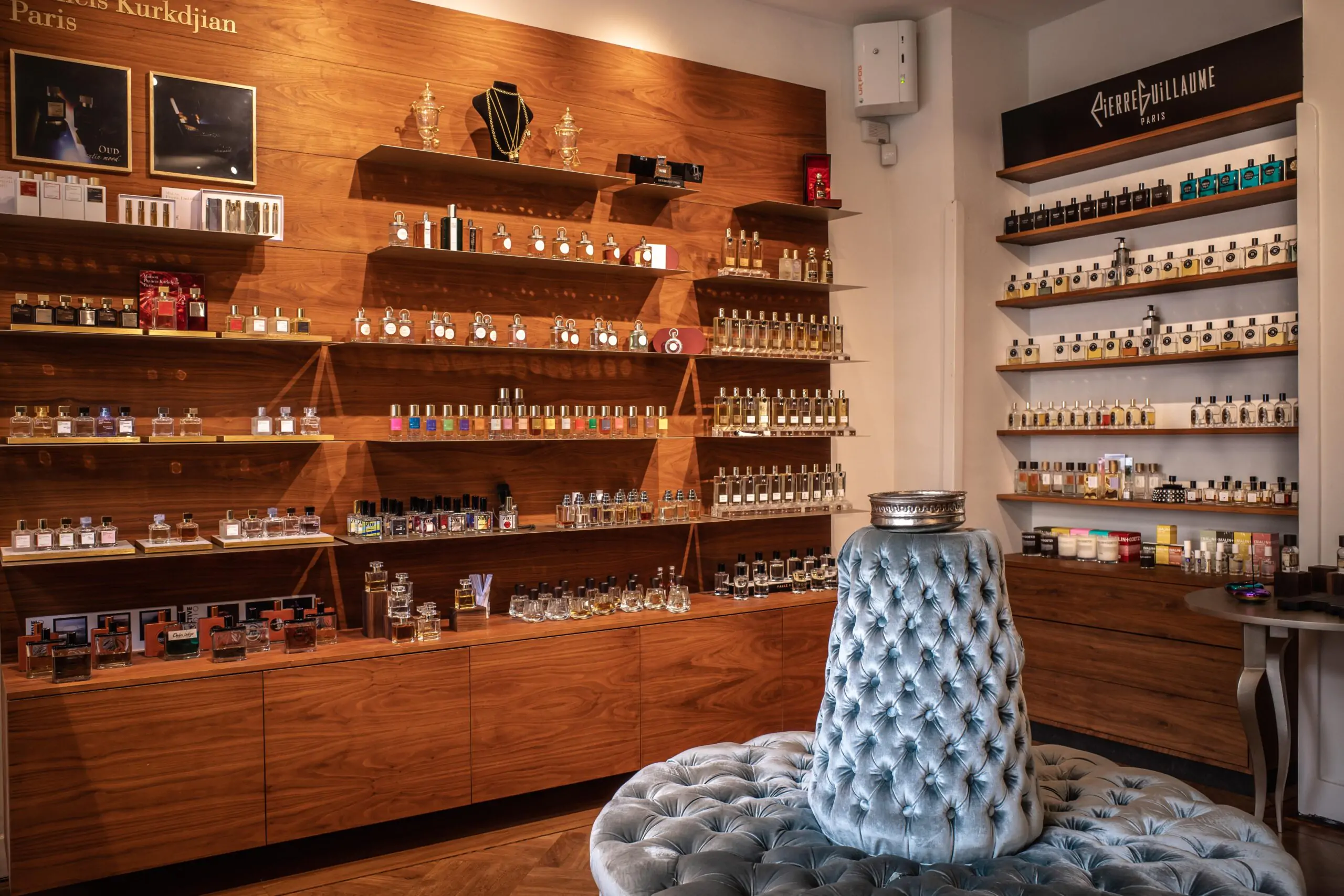
At the 'Perfume lounge', they focus on creating and advising on fragrances for companies and organizations and what scent can add to a brand or organization. In addition, they have a store with an assortment of the most special perfumes in the world, where they also give personal fragrance advice. Advice for on the skin or in the house. According to the experts, scent adds something that is not visible and tangible. You can use scent in different ways in a space. It starts, of course, with the fact that it should not smell negative. There are quite a few spaces where you smell the sewer or sanitary facilities, where there has been a lot of smoking or where the extraction is not good and it smells like food. The most simple way of scent in the house is that it smells clean. Many people associate cleaning or detergent with a clean, tidy and well-kept house. In addition, you can turn on the ambiance. Just like with light and music, you can soften or strengthen the atmosphere. You can make it smell very homely or very modern. Rural or artistic. Or very minimalist or intimate.
1071 HR Amsterdam
Galerie Bildhalle
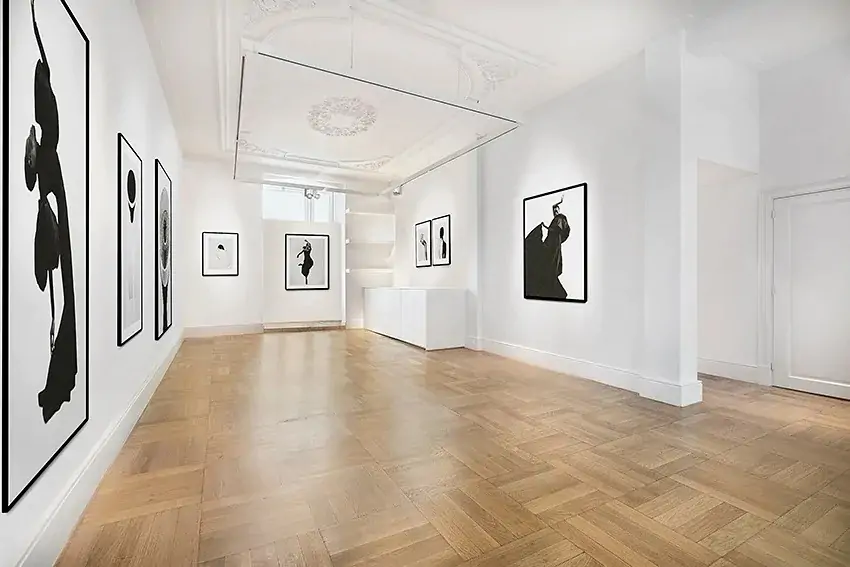
Bildhalle was originally founded as a Swiss gallery specializing in classical and contemporary photography. The gallery now has branches in Zurich and Amsterdam. Since its founding by Mirjam Cavegn in 2013, the gallery has developed into one of the most respected photo galleries in Switzerland. In October 2021, Bildhalle continued its growth with the opening of a second gallery on Willemsparkweg in Amsterdam. Here, the gallery presents a carefully selected collection of Dutch and international artists, ranging from emerging talent to established photographers.
1071 HK Amsterdam
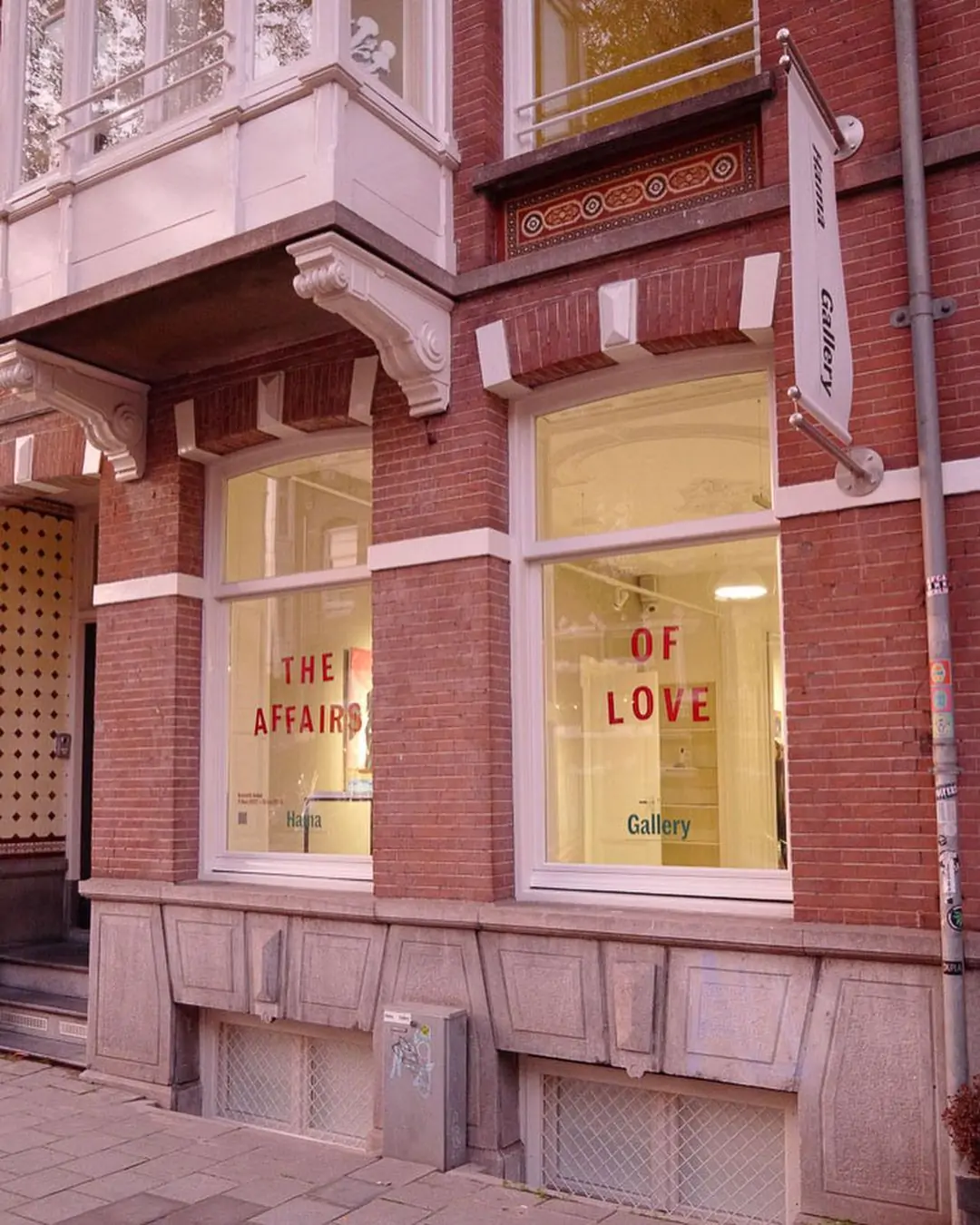
Hama Gallery
At Hama Gallery, they believe that a gallery is a boundless meeting place where art and people come together. The goal is to make art more accessible by offering a unique experience that breaks with tradition. The gallery welcomes visitors with open arms, whether you walk in for a spontaneous visit, want an intimate private viewing, or want to celebrate art together with others during our festive openings and garden events.
1071 LN Amsterdam
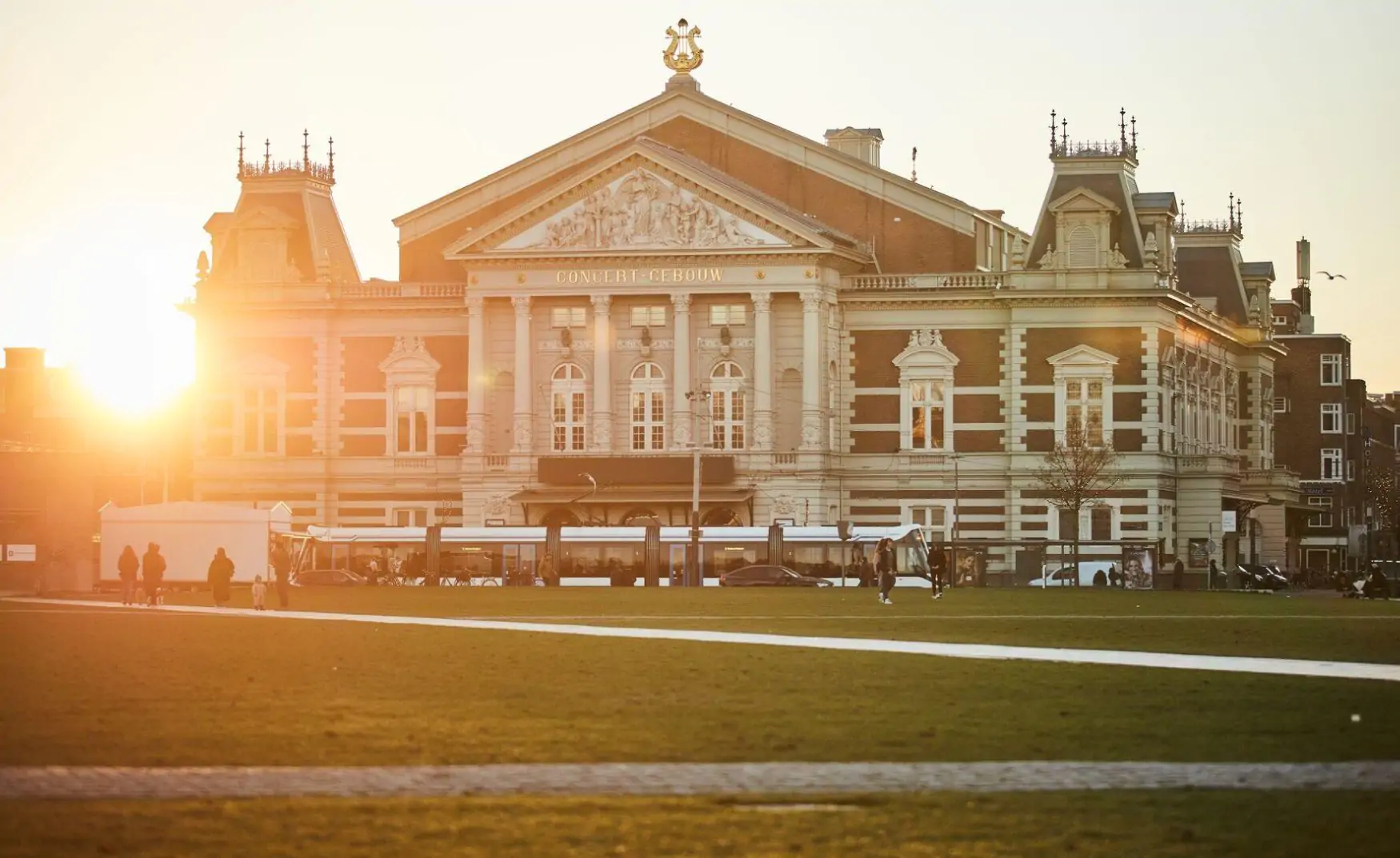
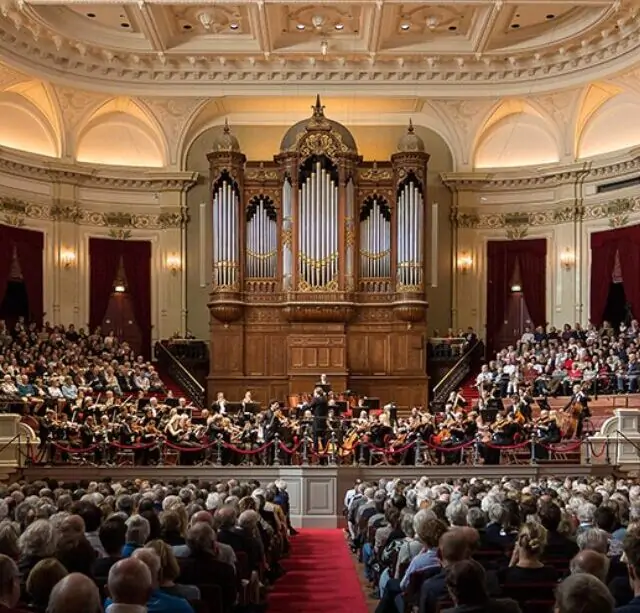
The Concertgebouw
The Concertgebouw is one of the monumental buildings on Amsterdam's Museumplein. The building dates from 1888 and was completed in the style of Viennese classicism; although it also has features from the neo-Renaissance. The building was designed for classical concerts but also served as a pop venue for a while in the 60s and 70s. Famous stars who have performed here include Led Zeppelin and Aretha Franklin. Nowadays, almost a thousand concerts and other cultural activities take place in the Concertgebouw every year. There are also free lunch concerts for those on a smaller budget. For a visit to a lunch concert, it is best to check the website first. You can often reserve free tickets in advance there.