Living by the Water – First-Floor Apartment with Private Entrance, approx. 63 m²
Tour
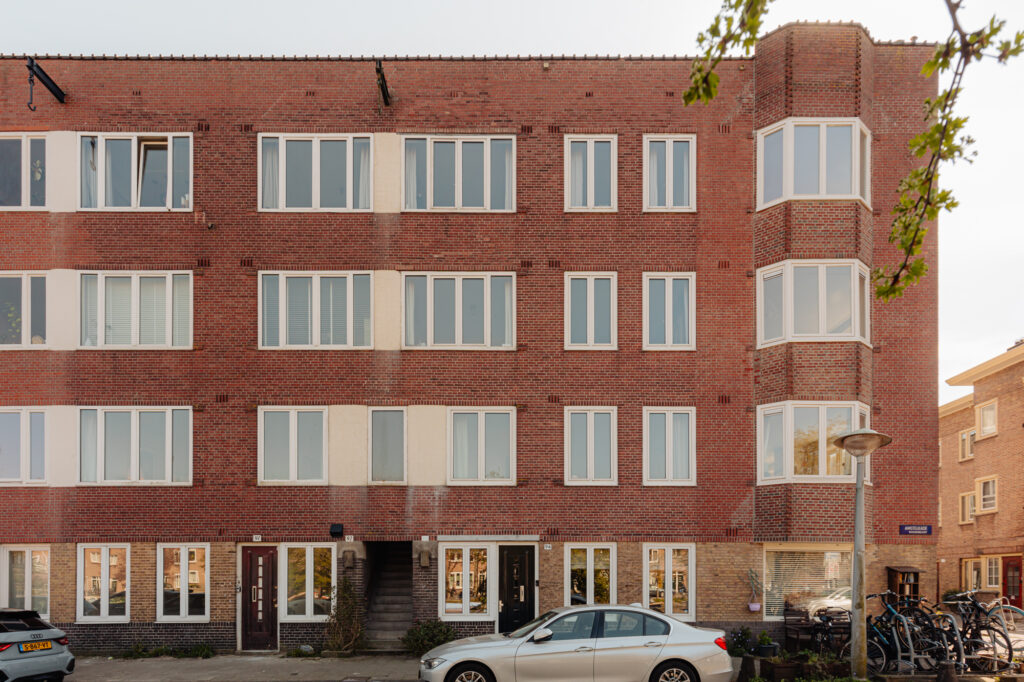
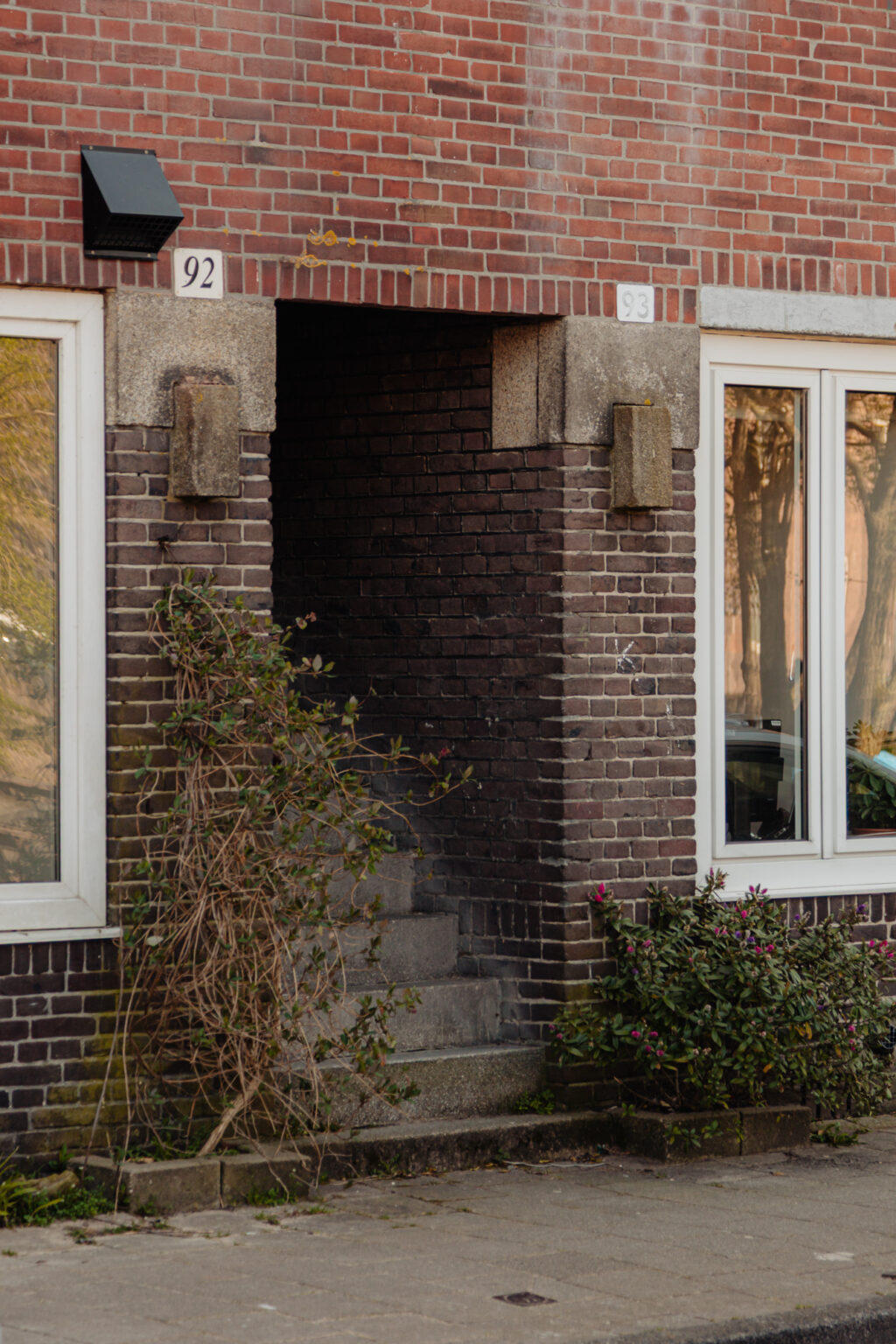
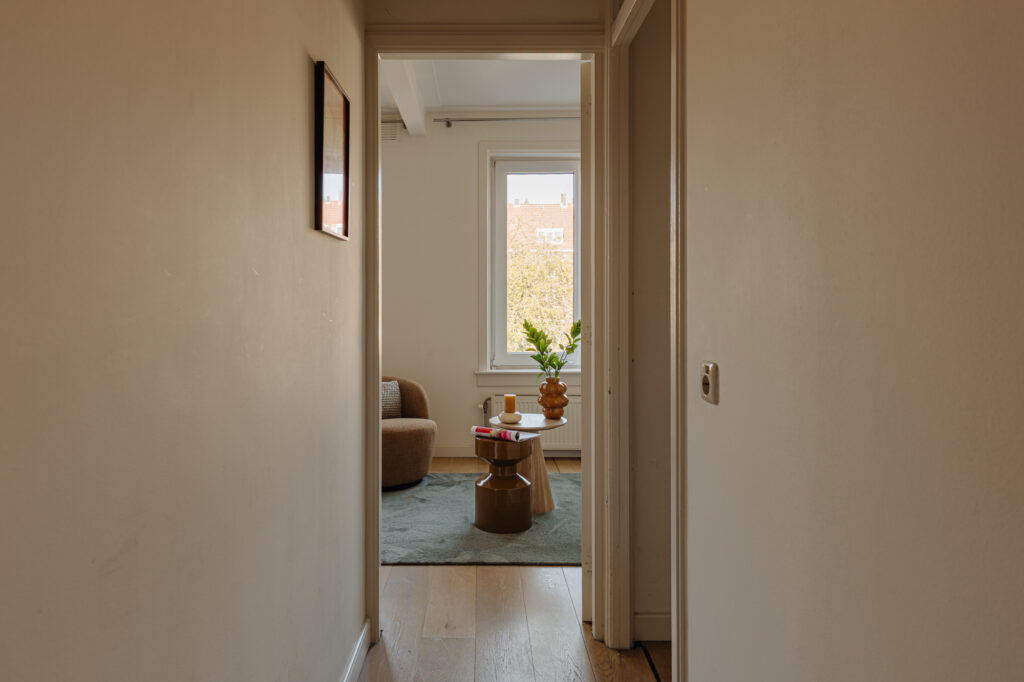
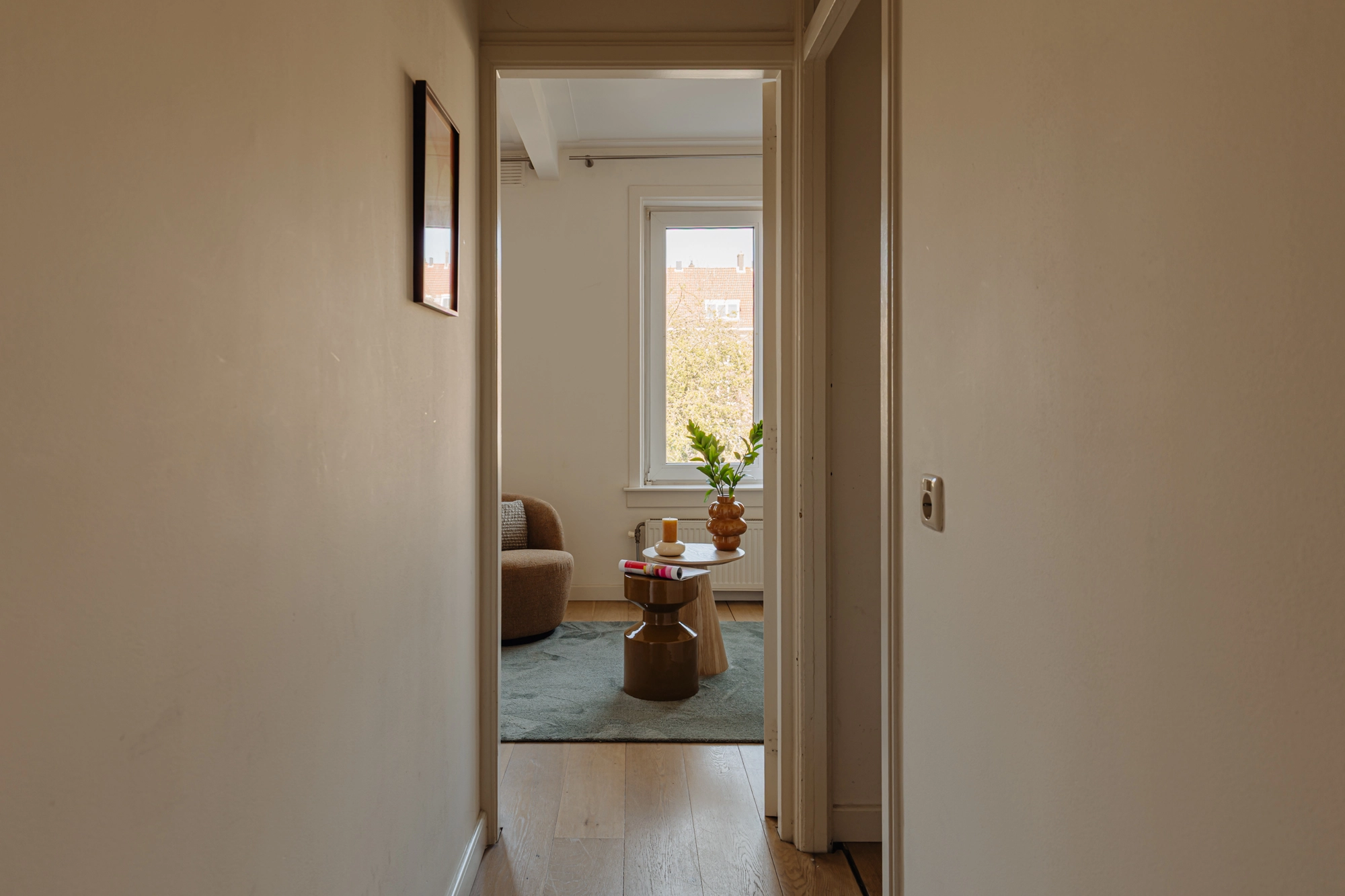
The front door opens onto a quiet quay in Amsterdam Zuid. Through the portico, a gentle staircase leads to the first floor, where the entrance opens into a bright hallway. A long sightline runs from the front door all the way to the windows overlooking the water.
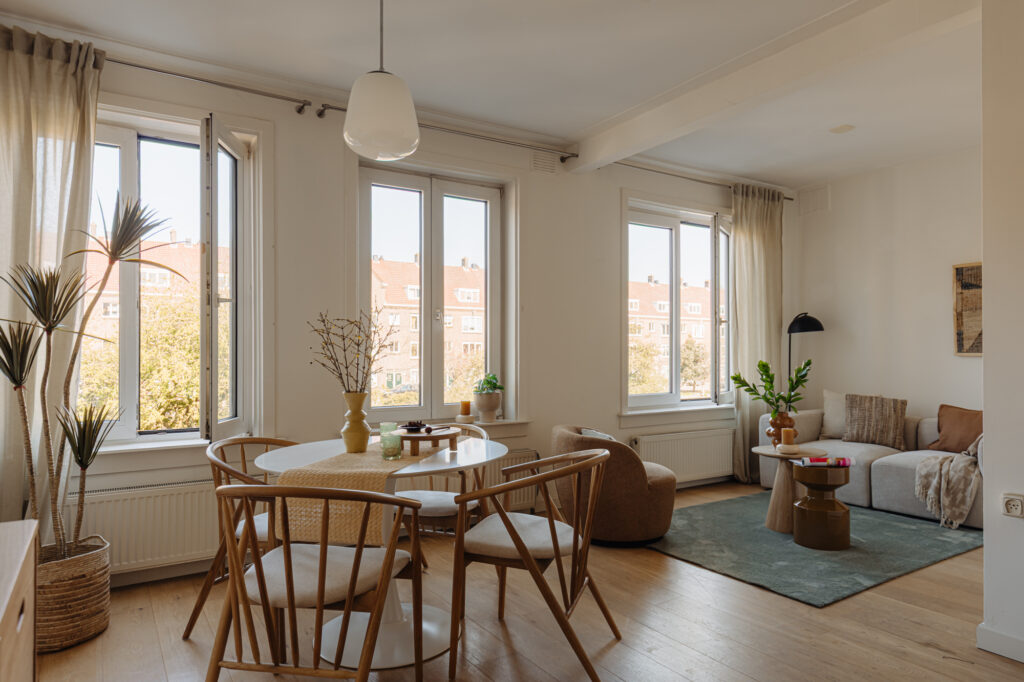
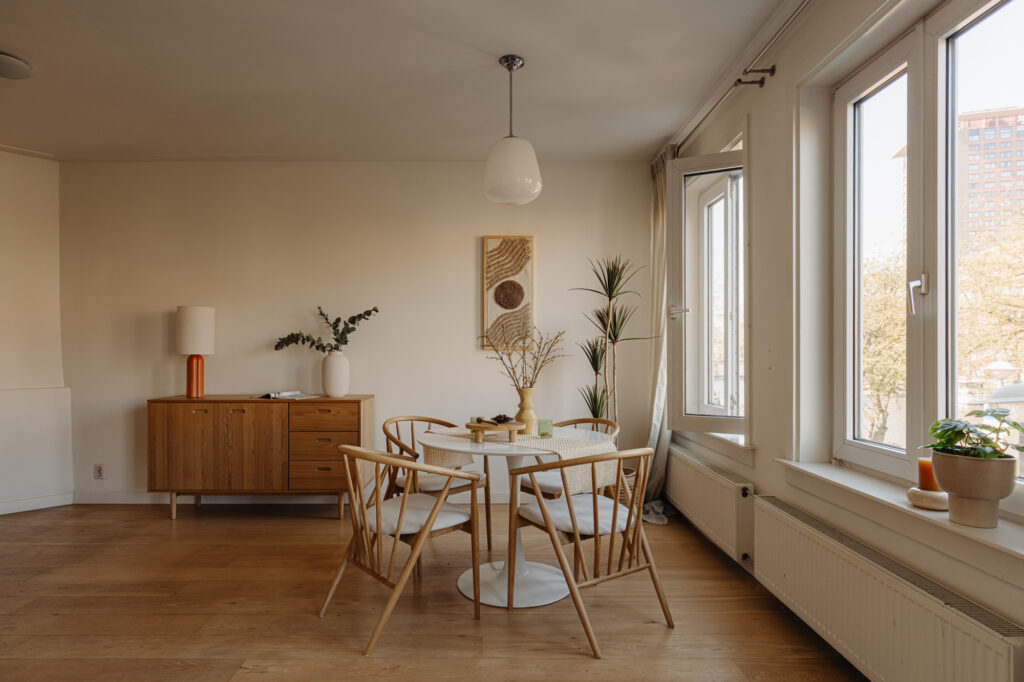
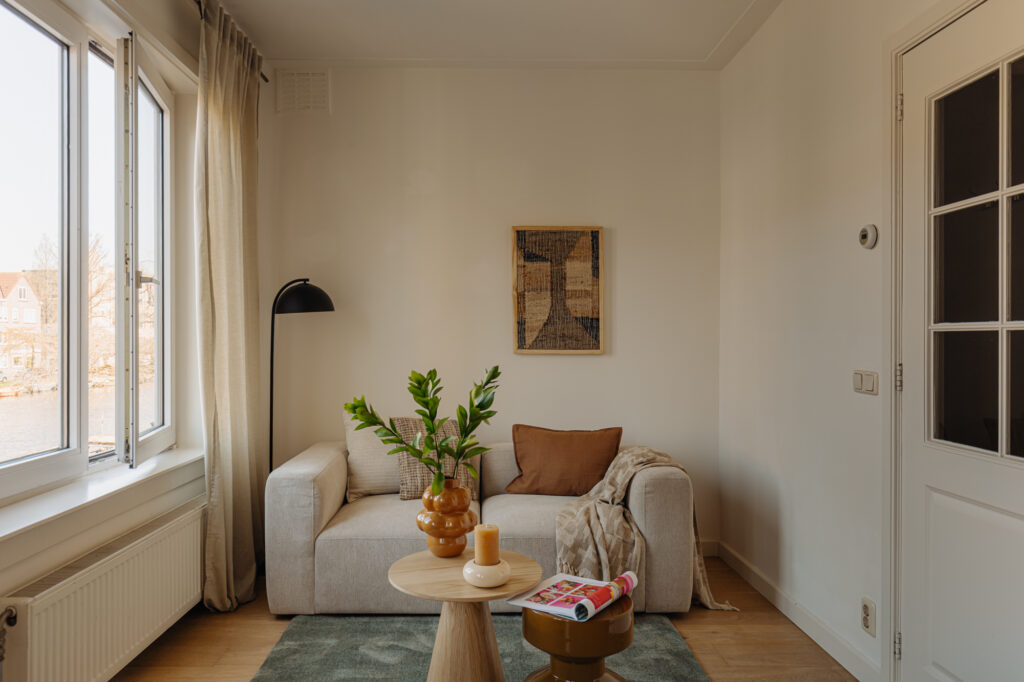
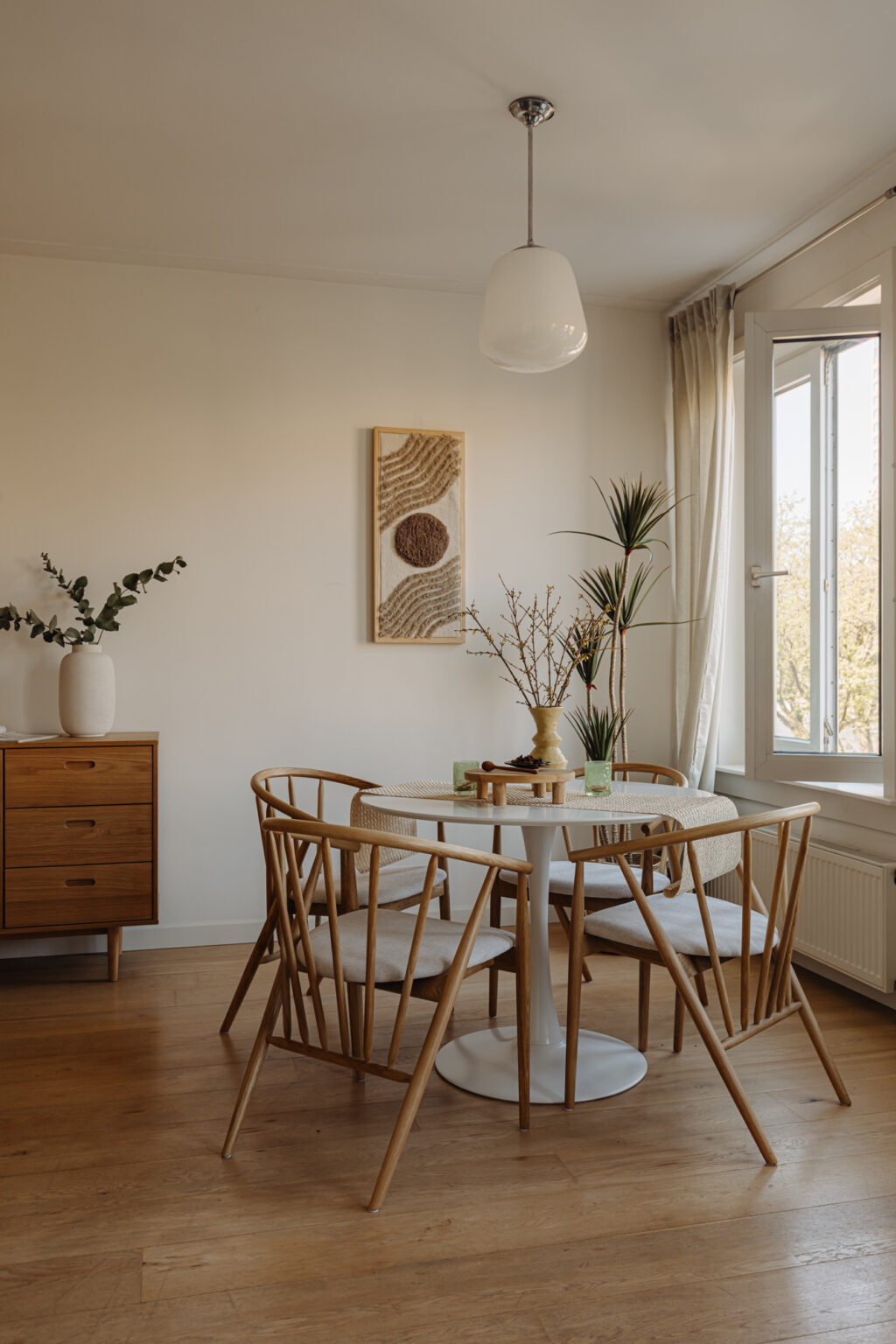
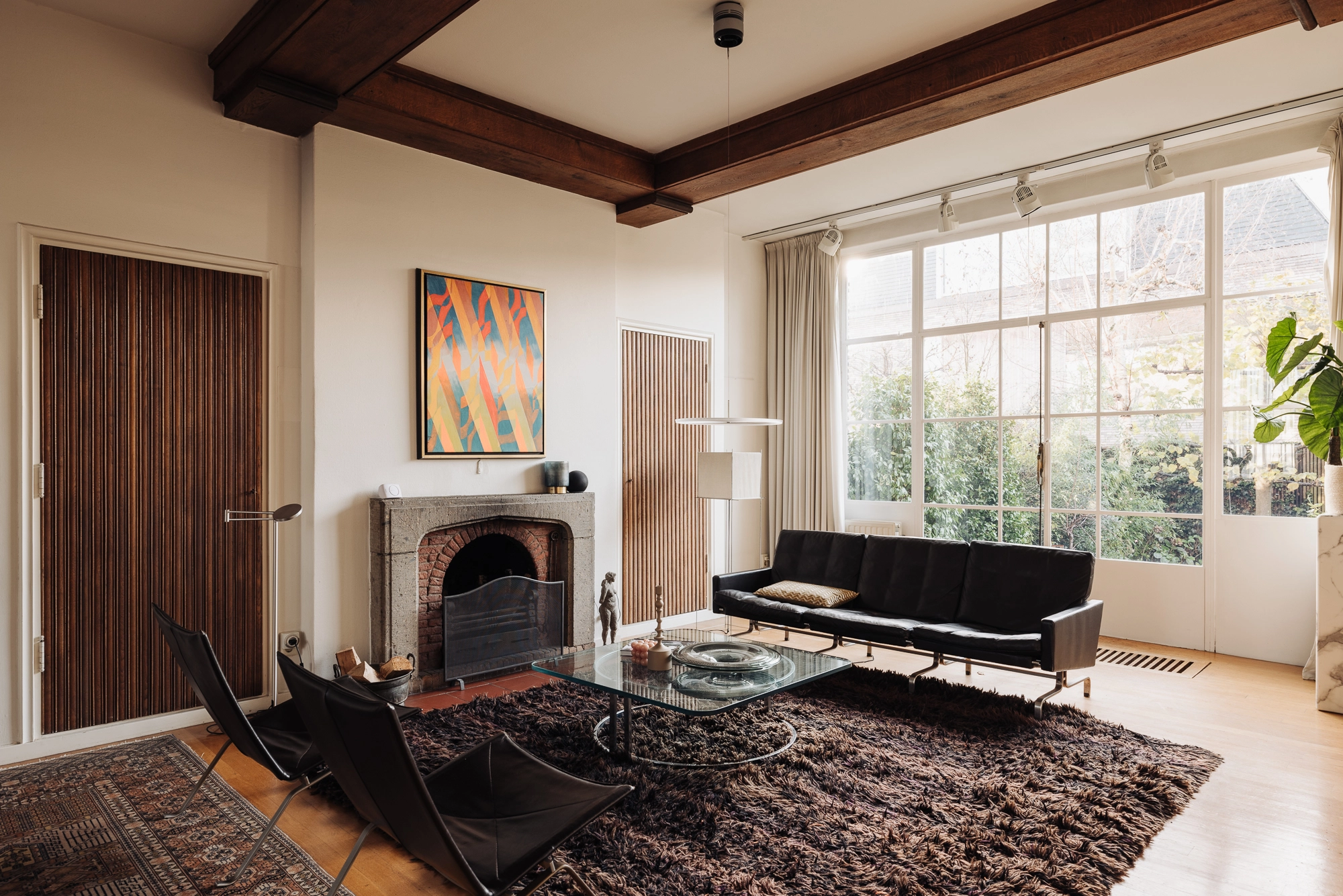
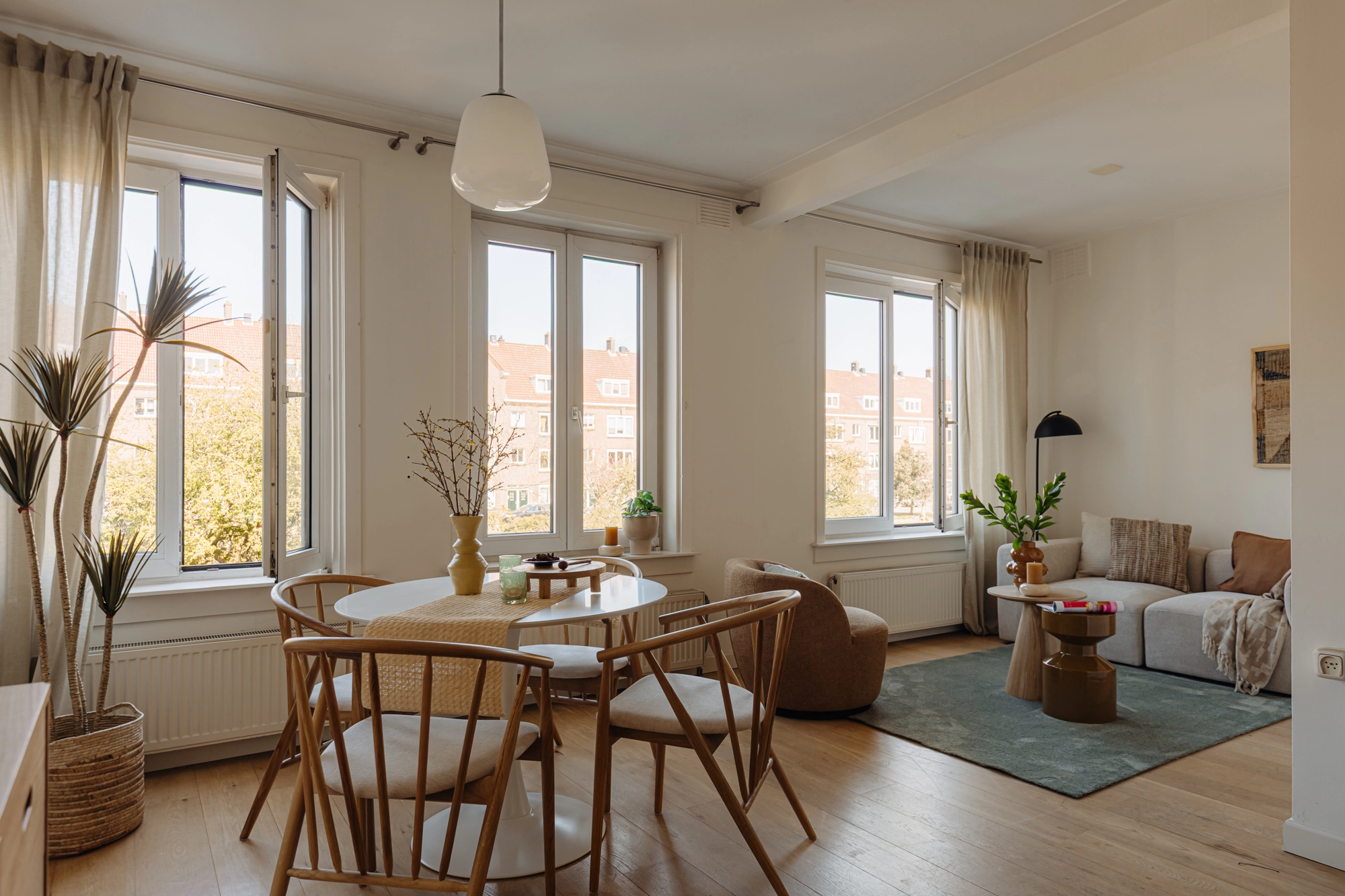
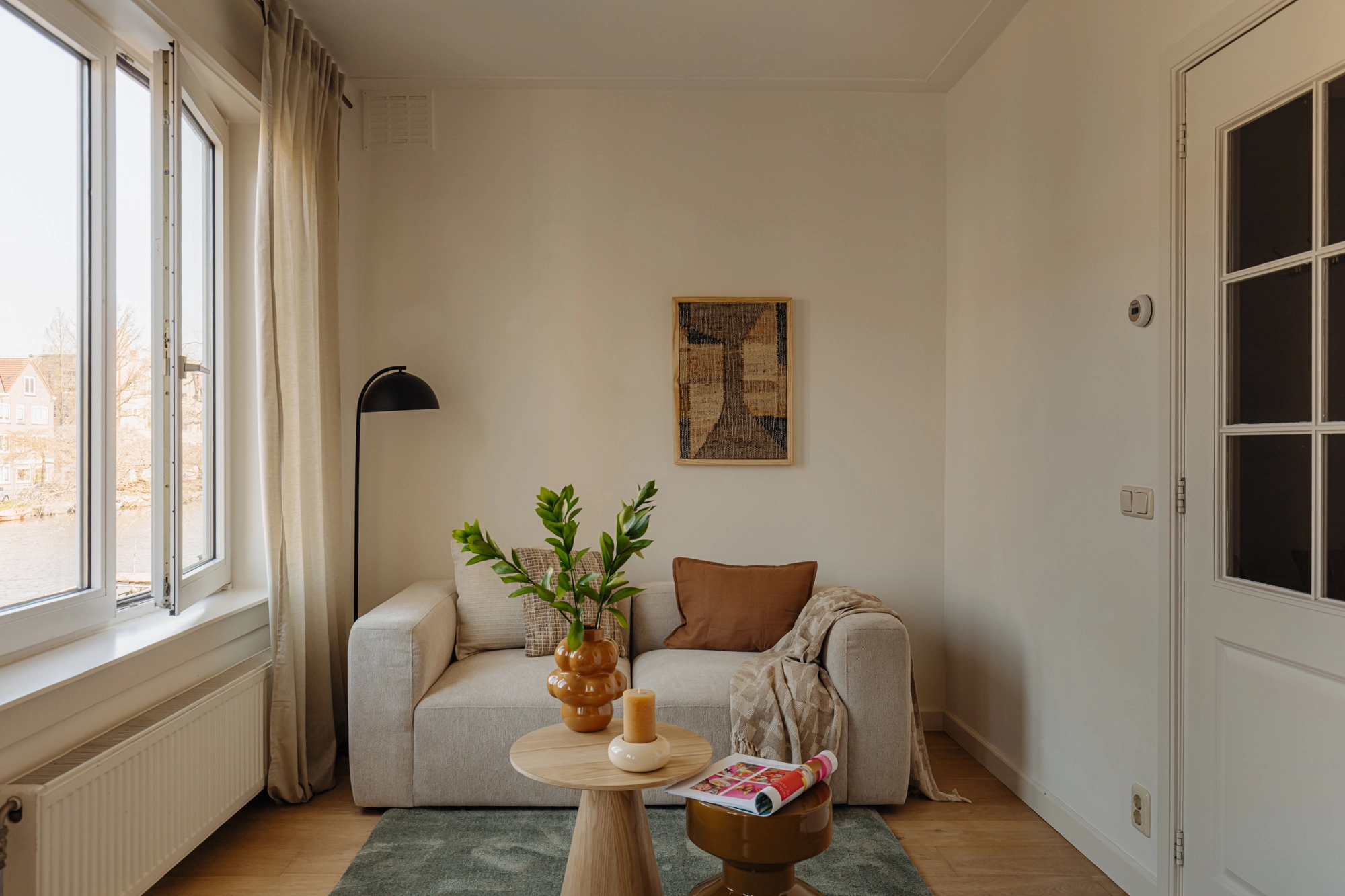
At the front lies the living area. Three tall windows capture the light reflecting off the Amstel River. The view is wide, vibrant, and constantly shifting. The space feels like a natural extension of the building's façade — spacious yet well-organized. Dining and living areas blend seamlessly, unified by a neat oak parquet floor that runs throughout the apartment.
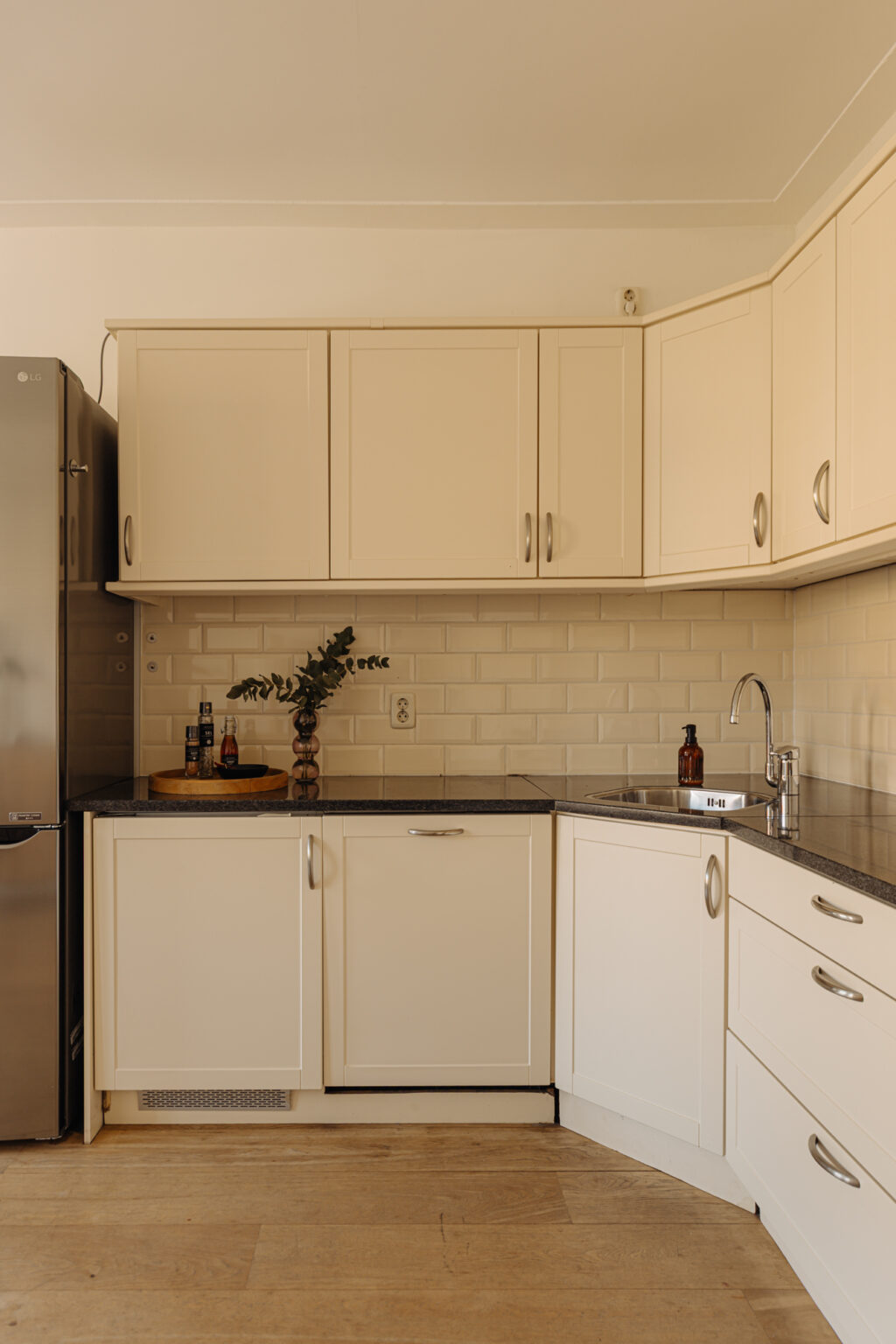
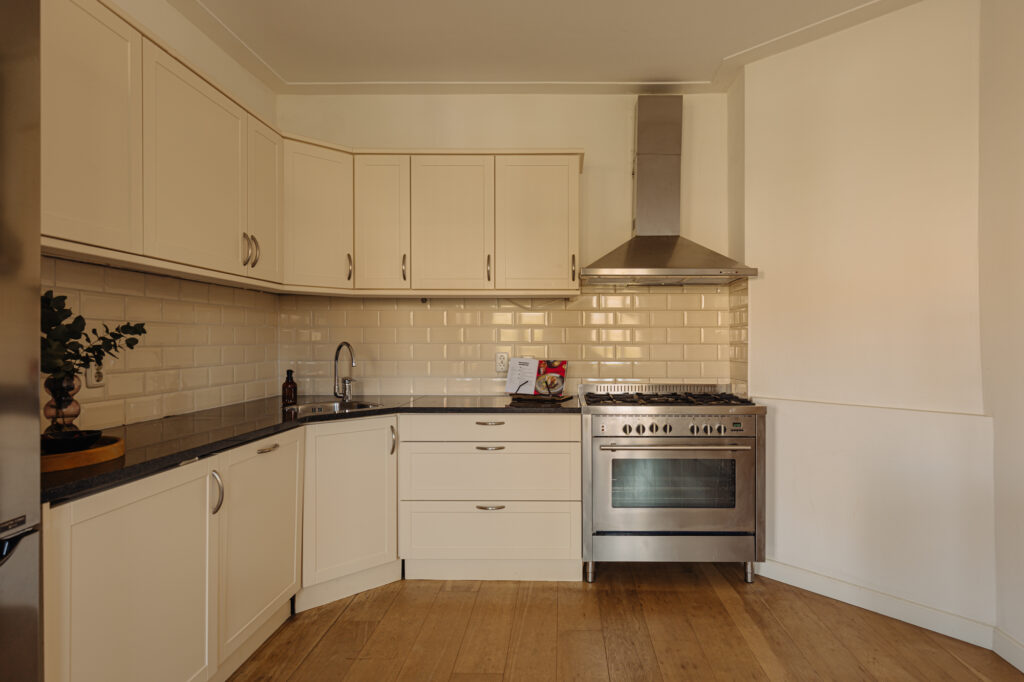
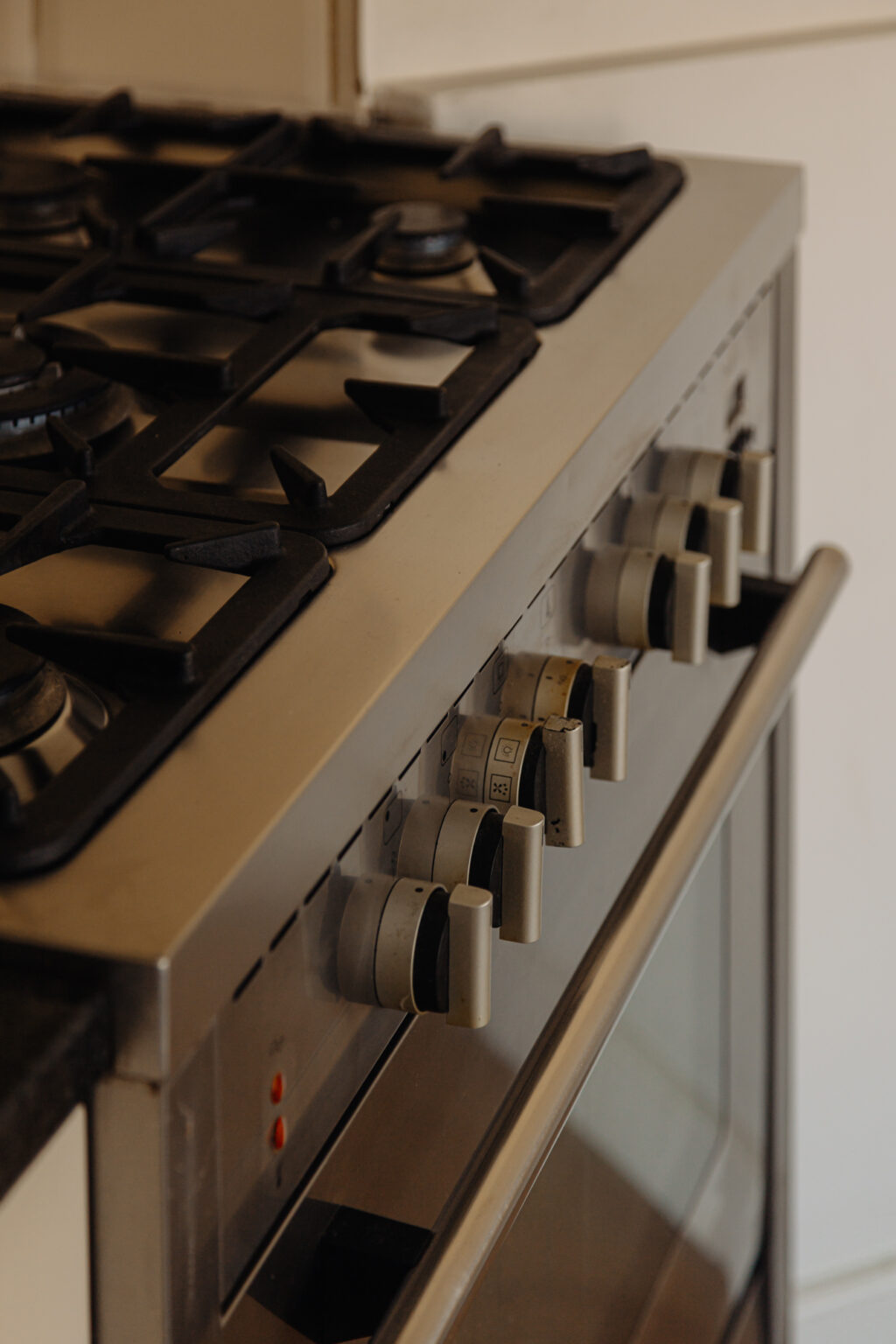
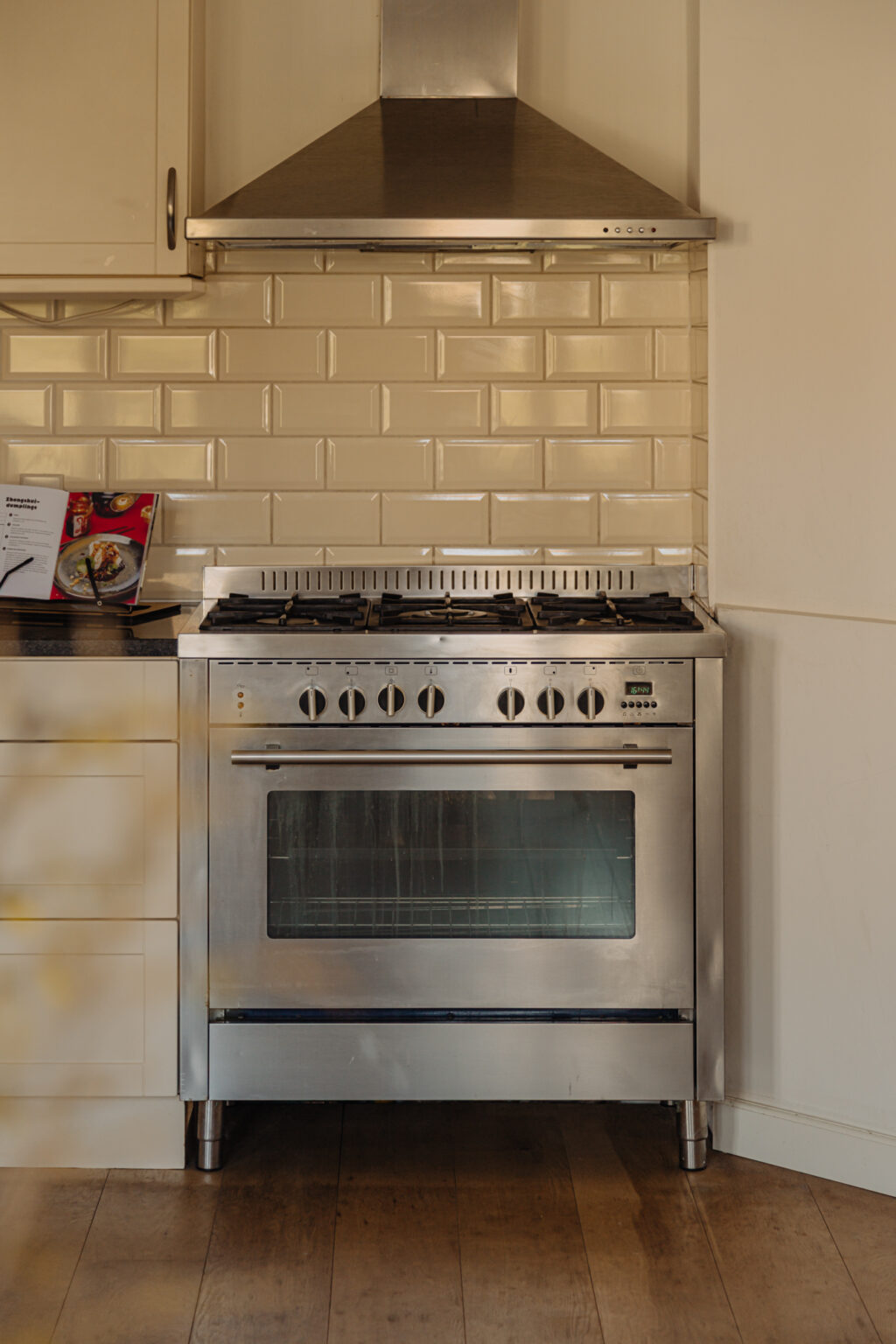
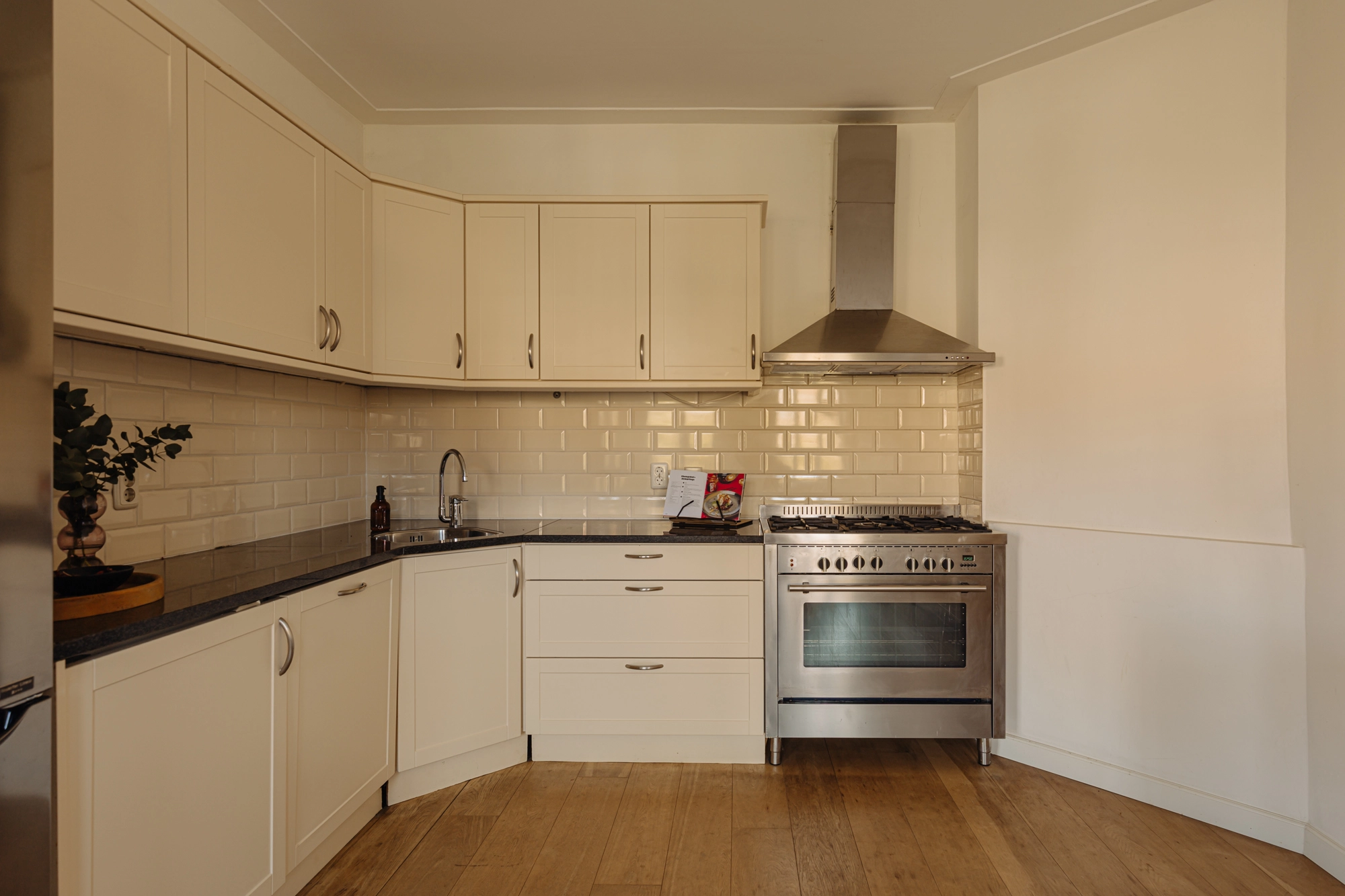
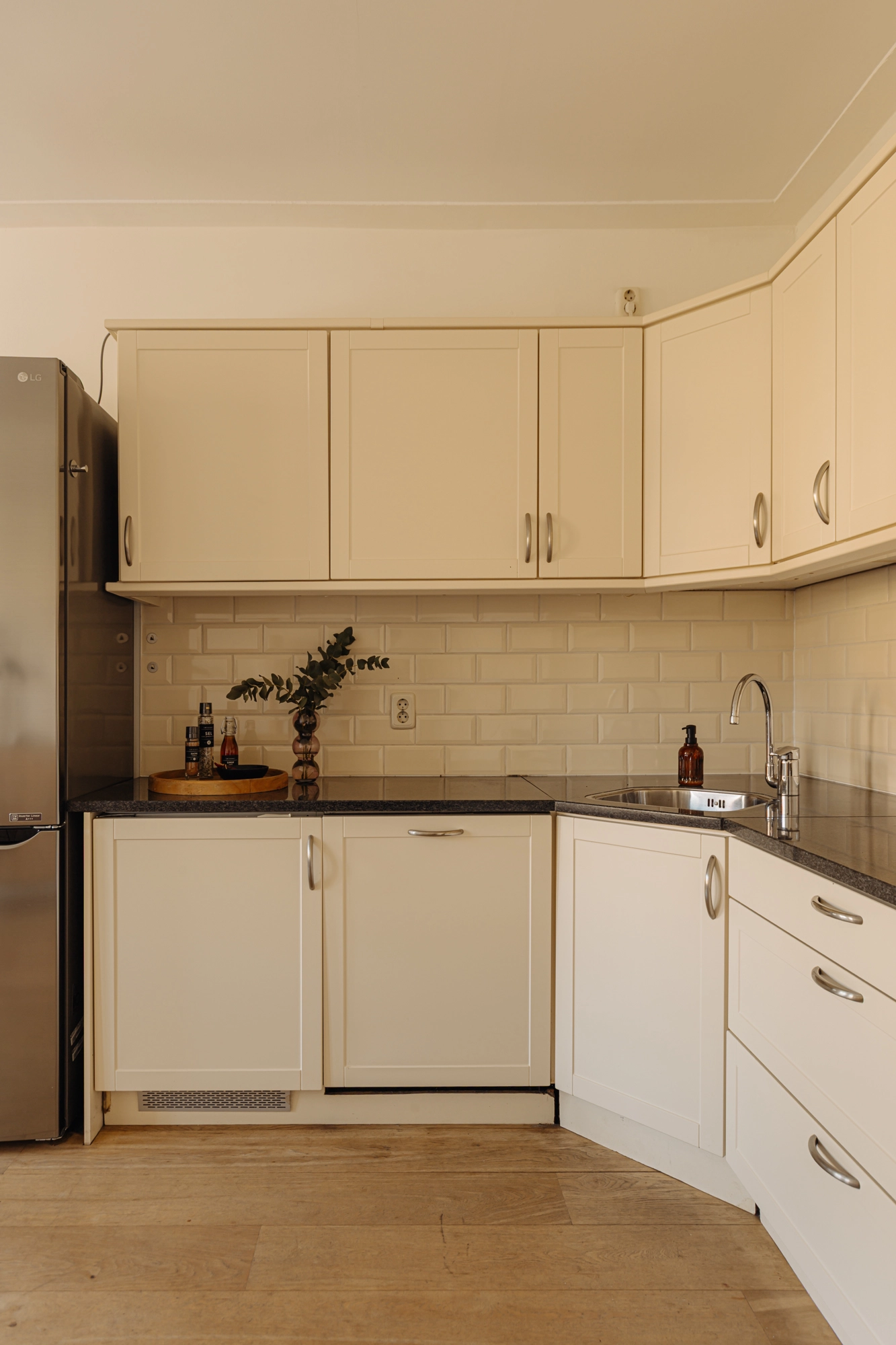
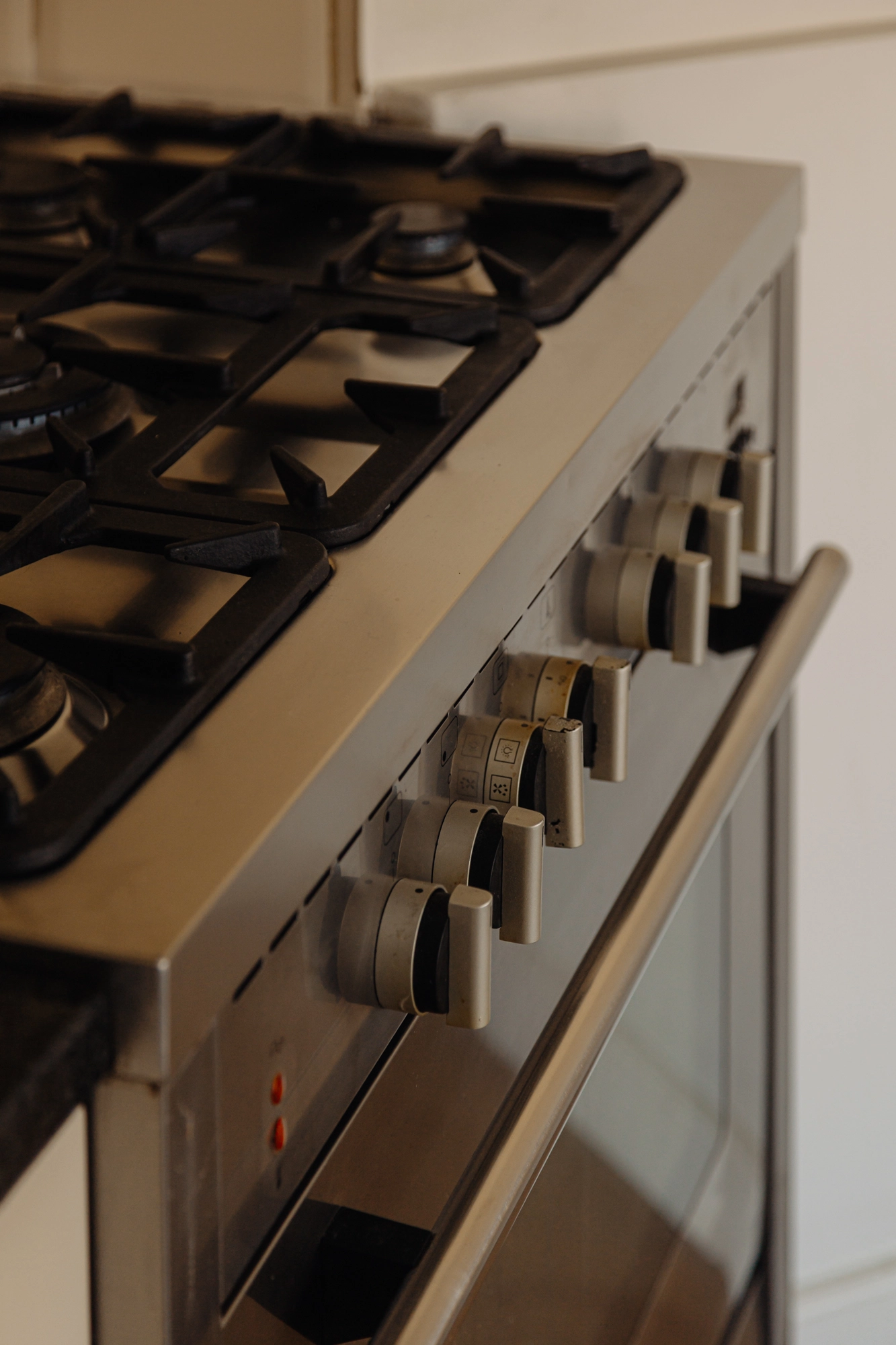
The open-plan kitchen is tucked into a corner and features cream-colored cabinetry, a dark countertop, and built-in appliances. A robust stove and refined finishes give the space a well-maintained, timeless look.
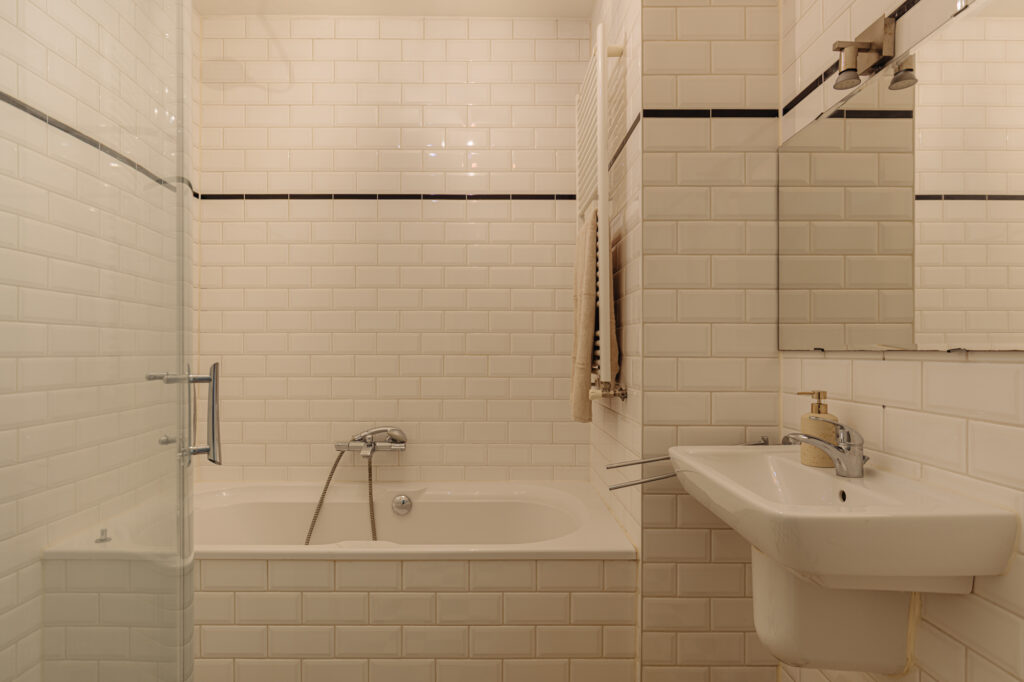
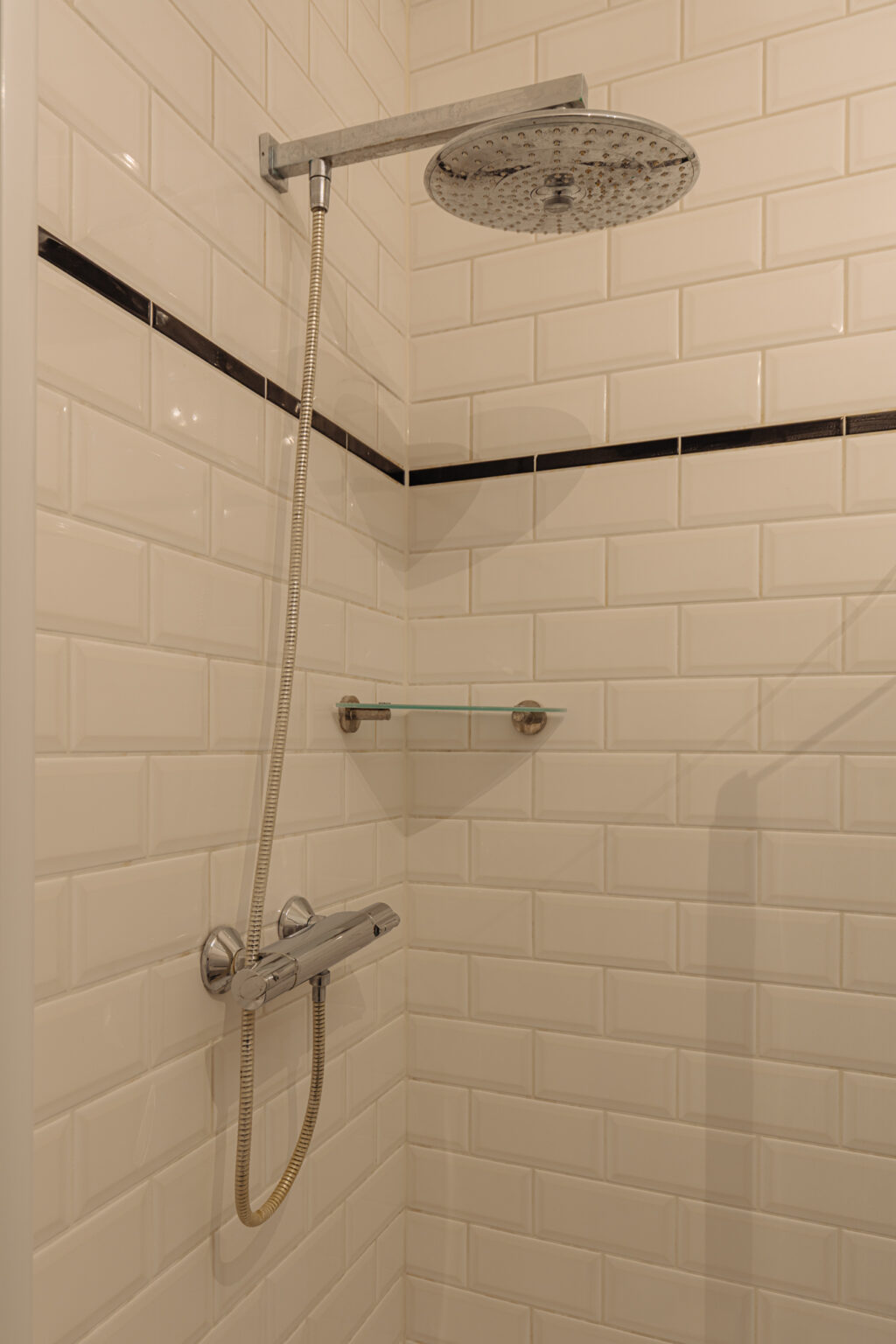
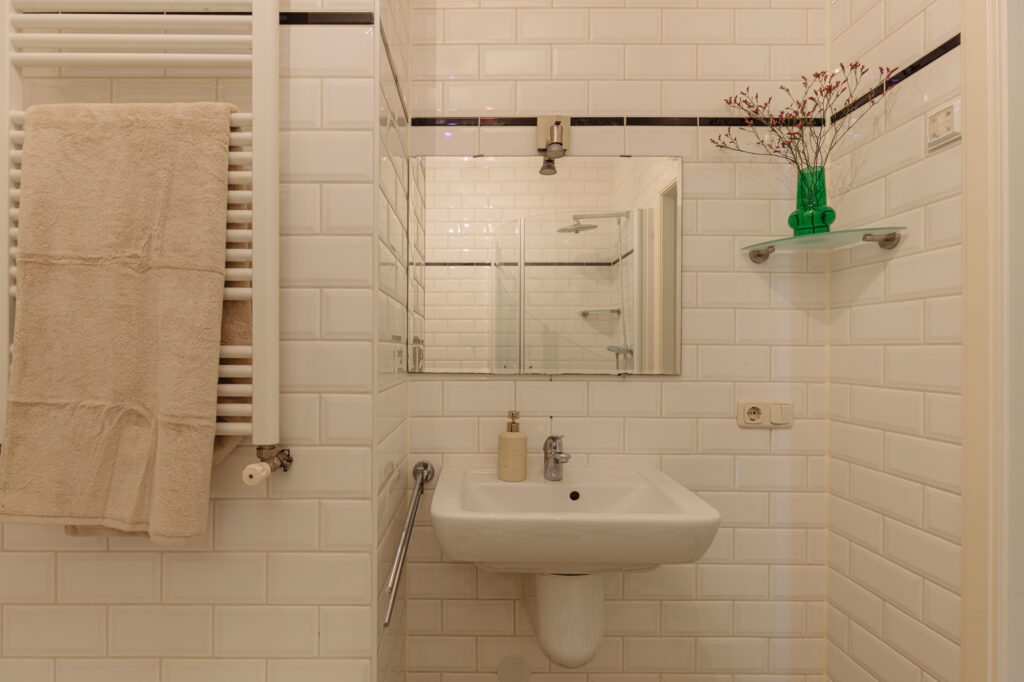
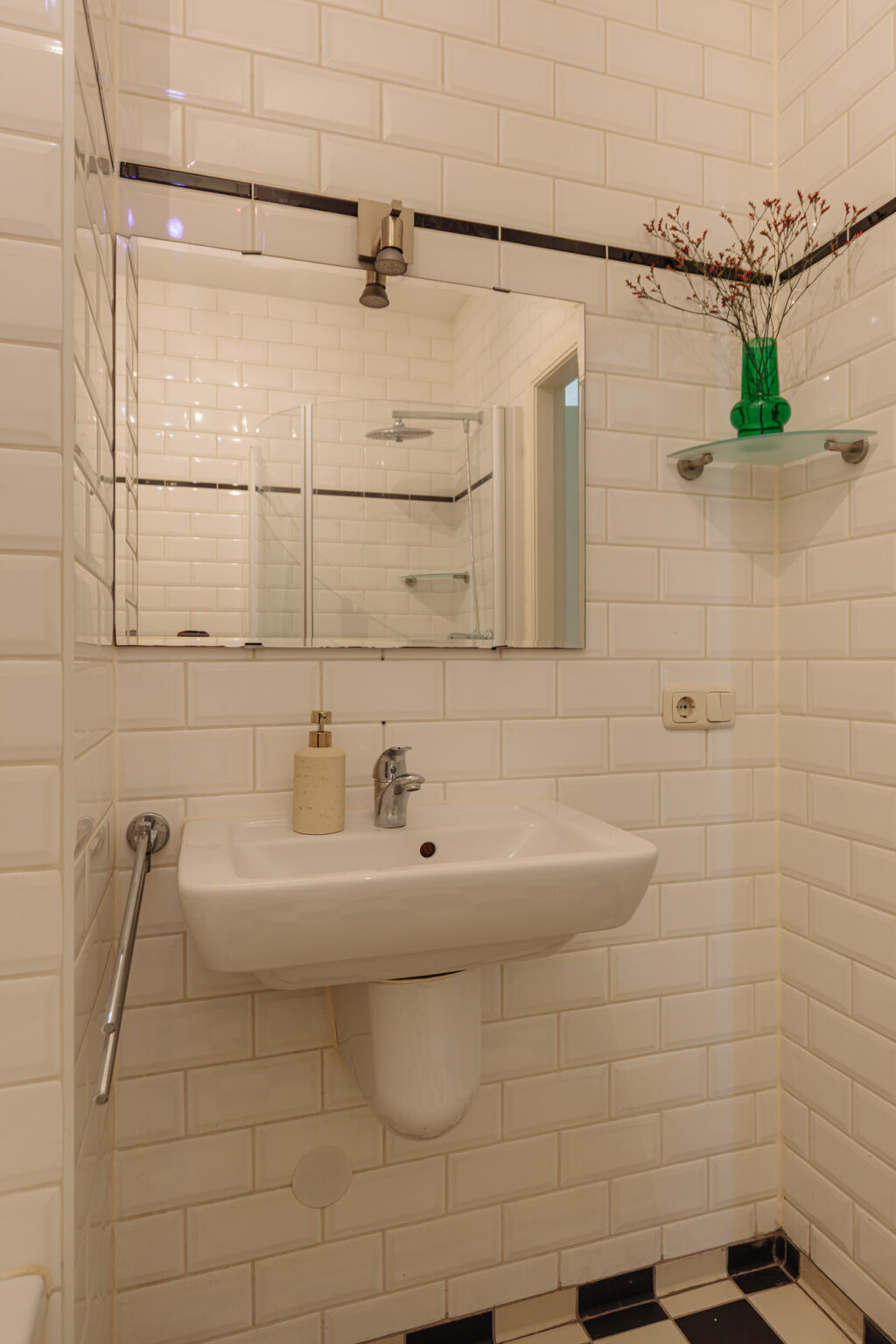
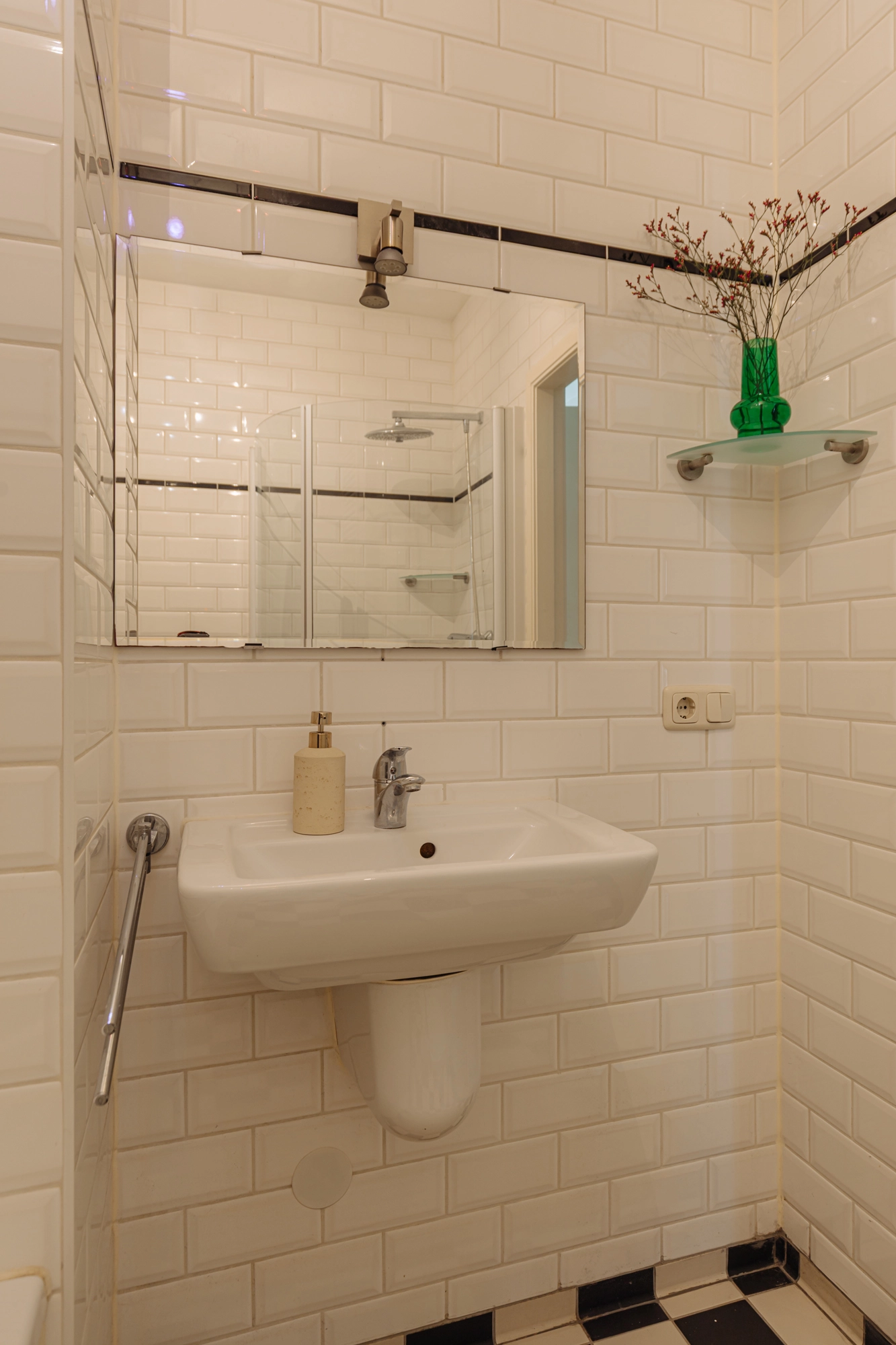
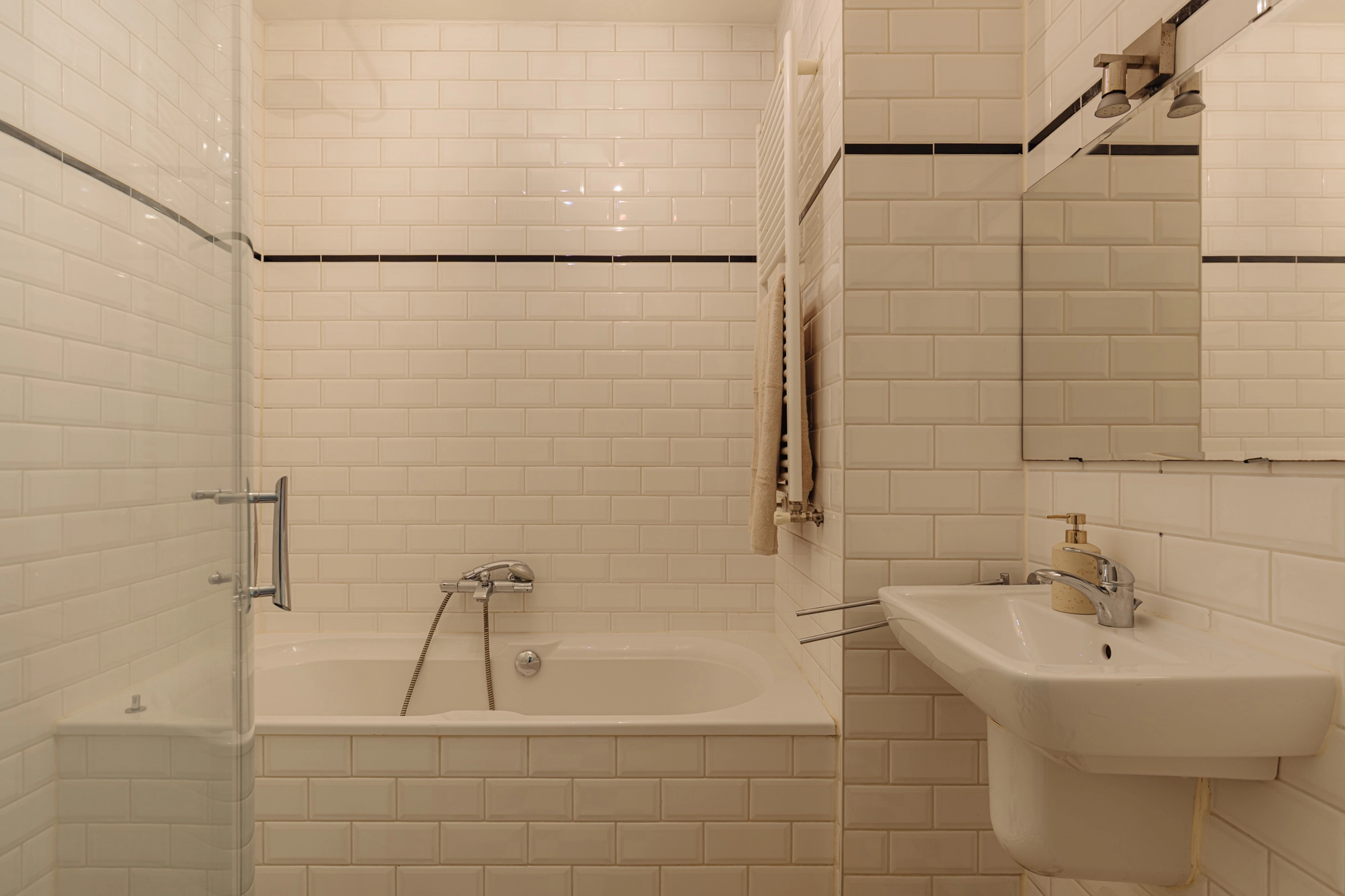
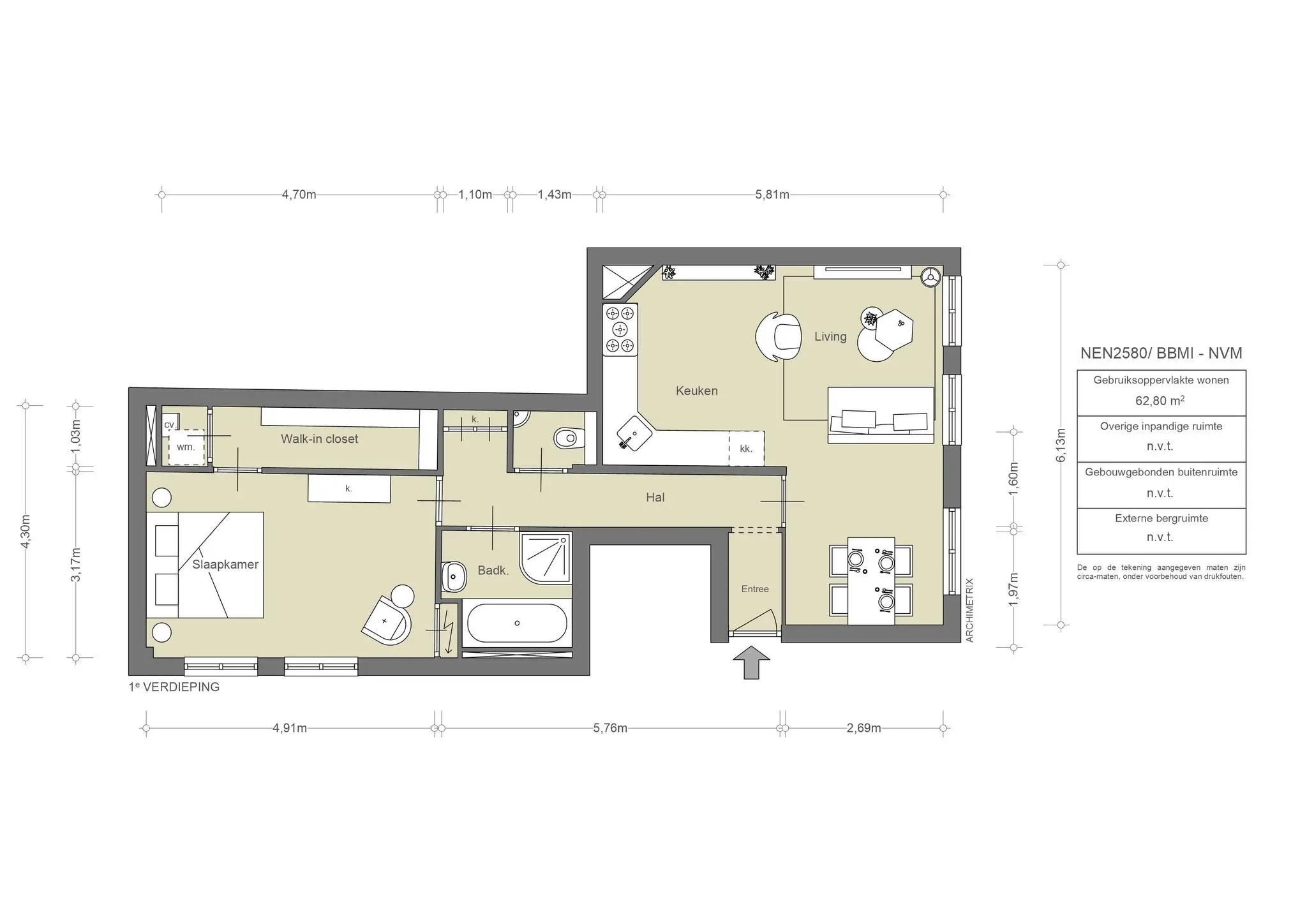
The hallway connects the living space to the rear of the home, where you’ll find a separate toilet, a spacious bathroom, and the bedroom. The bathroom is finished with white metro tiles and black accents and includes a bathtub, separate shower, and vanity. The space feels understated and calming.
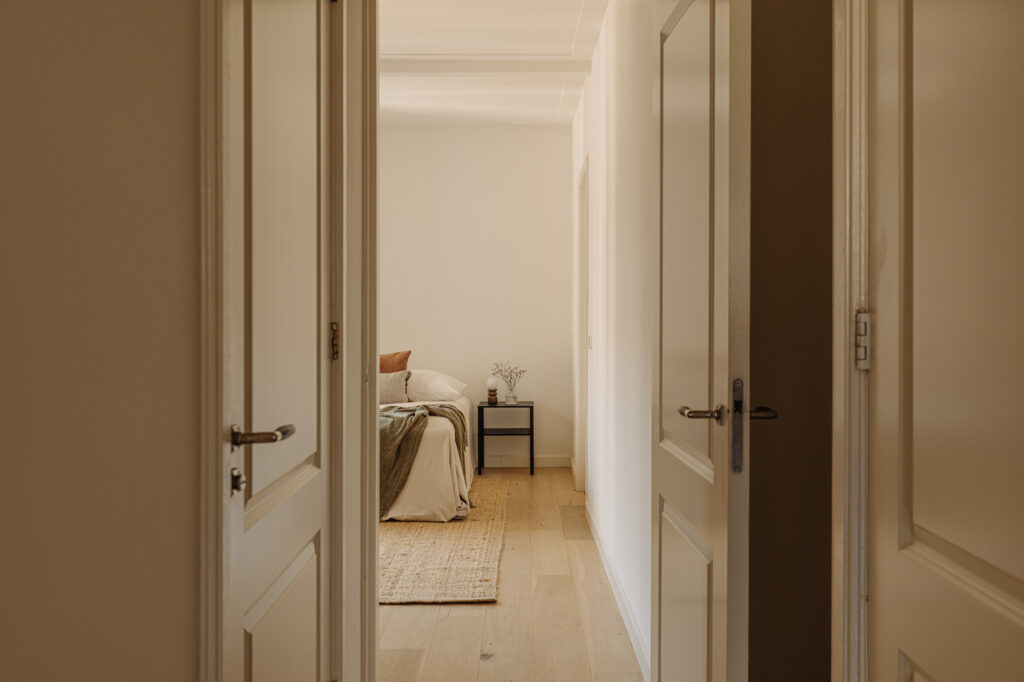
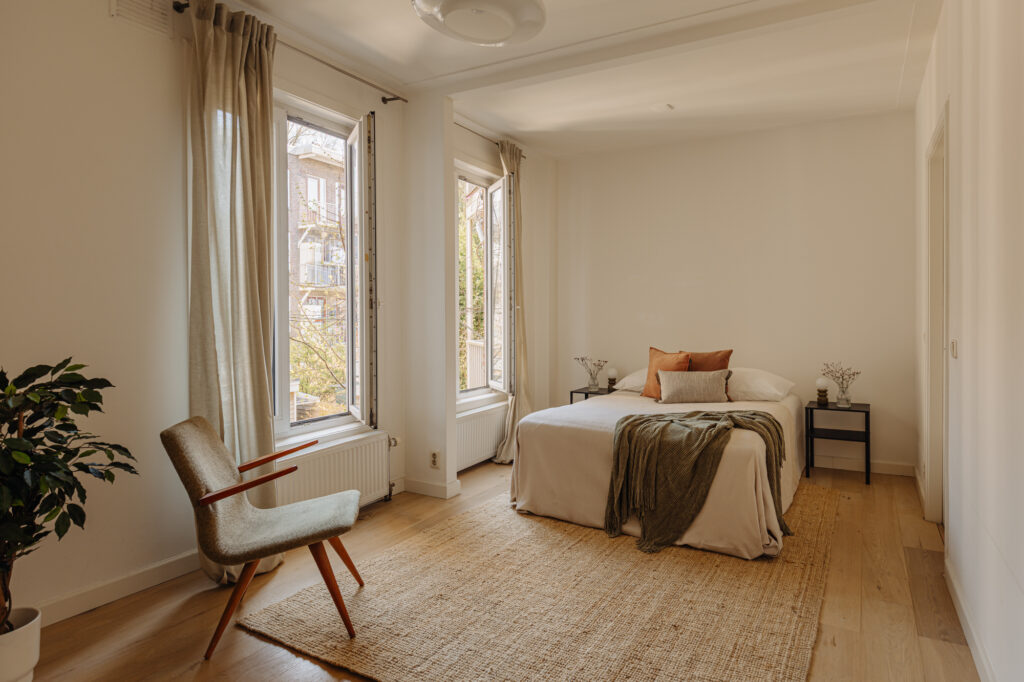
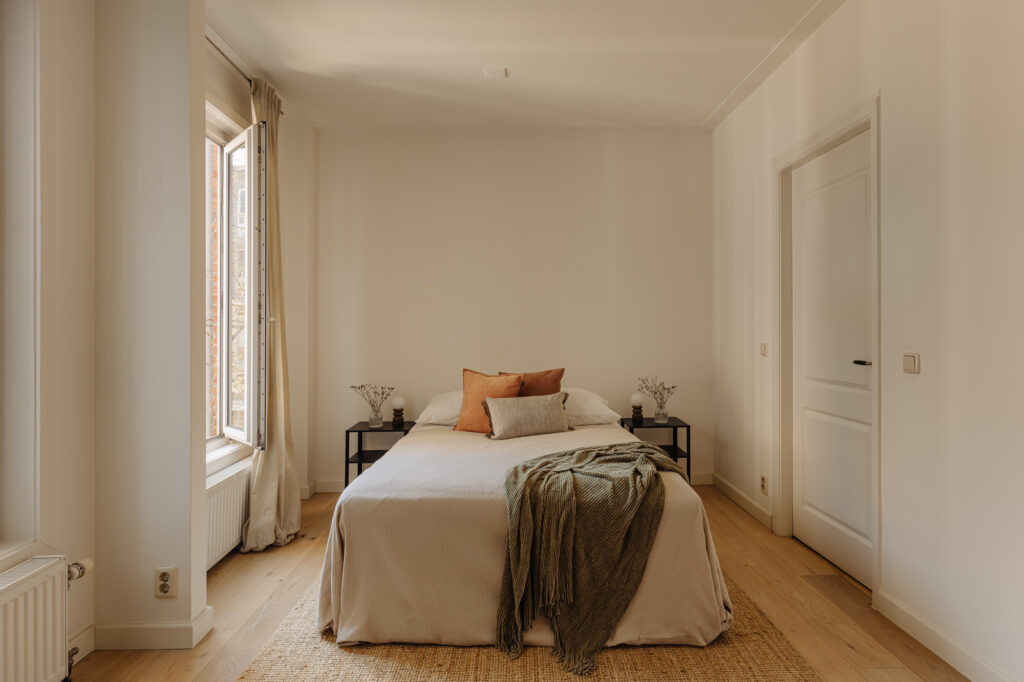
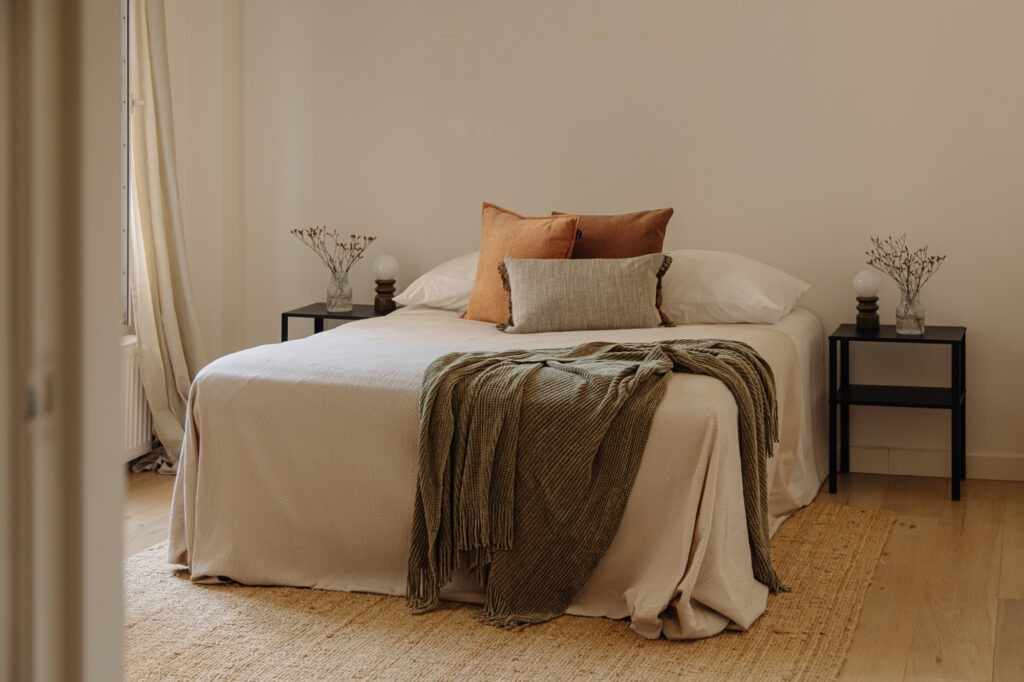
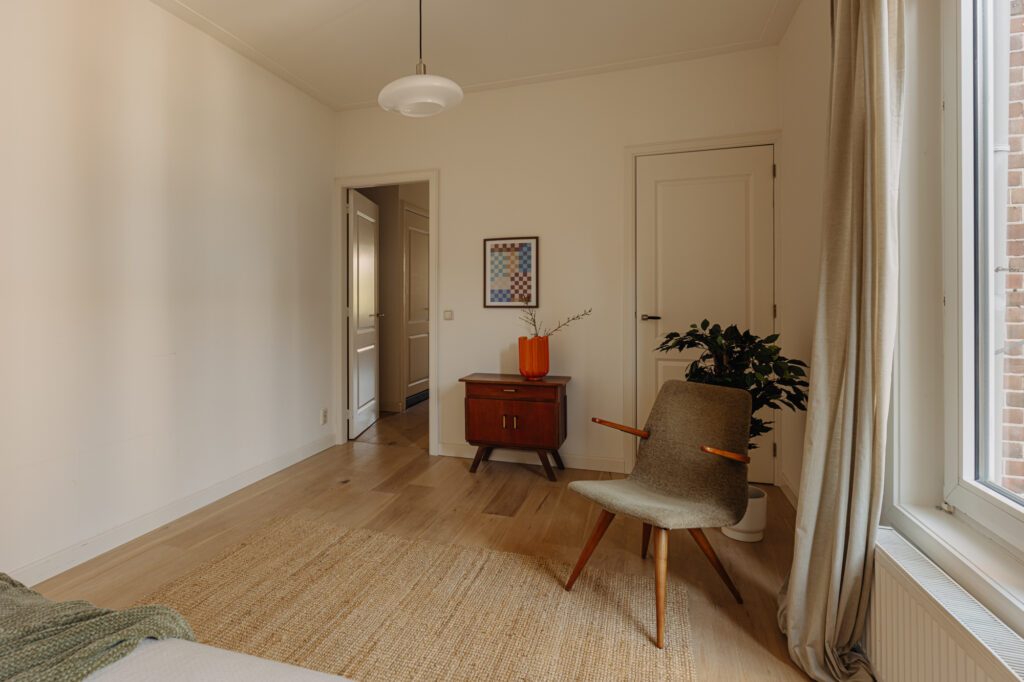
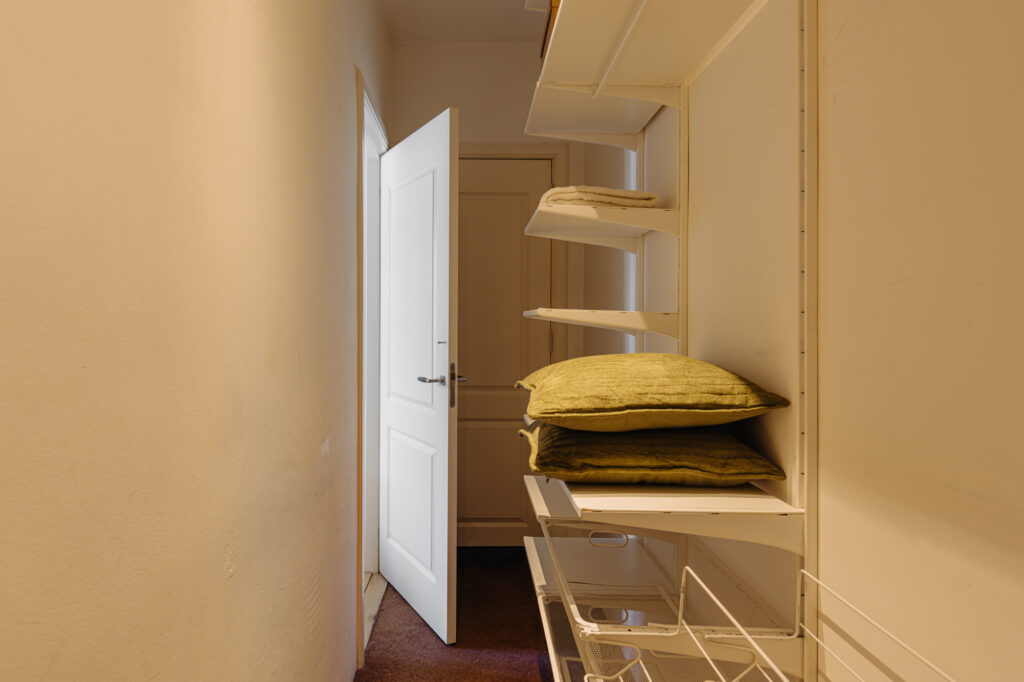
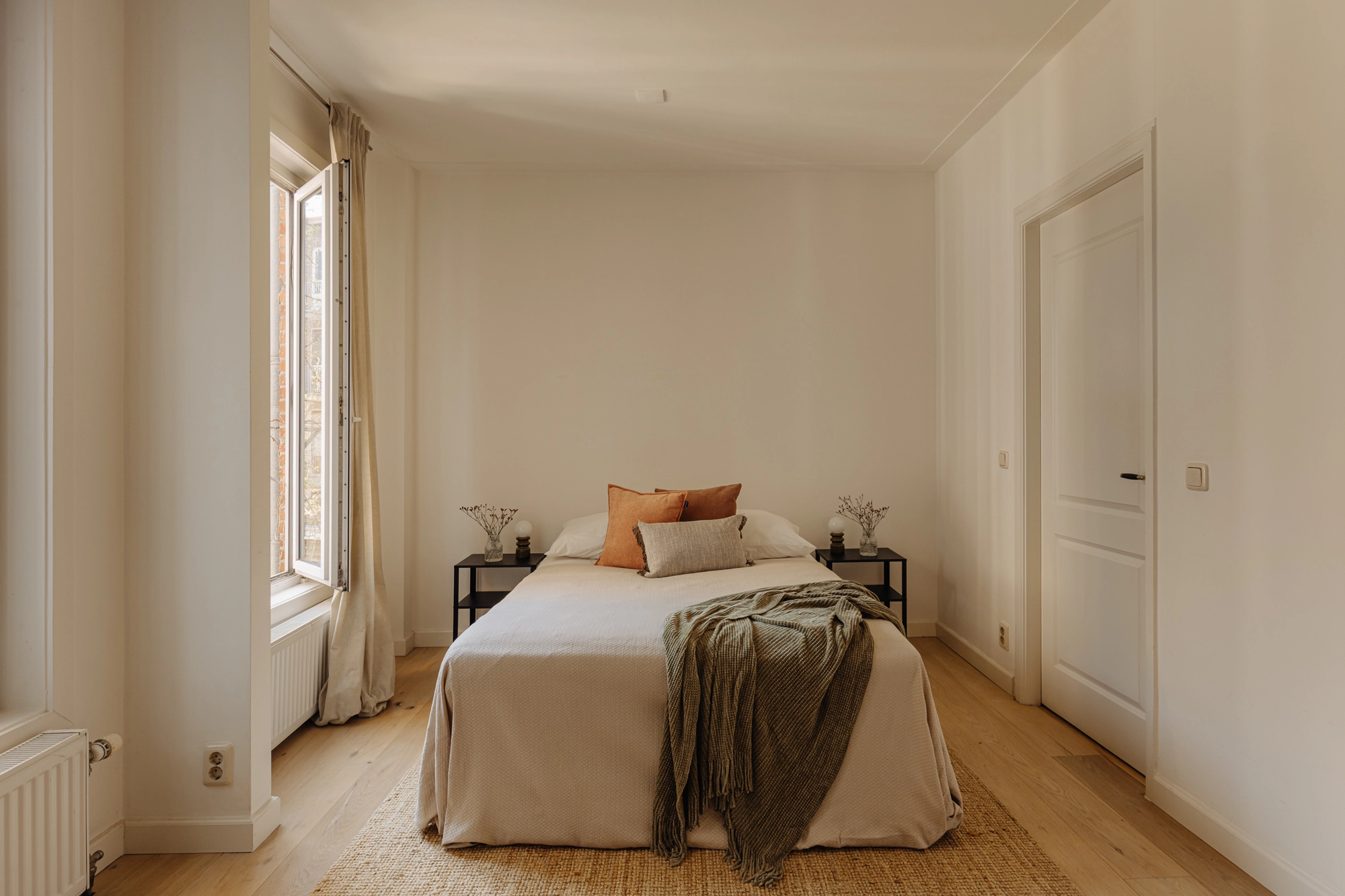
At the rear is a large bedroom overlooking the shared inner gardens. Adjacent is a walk-in closet.
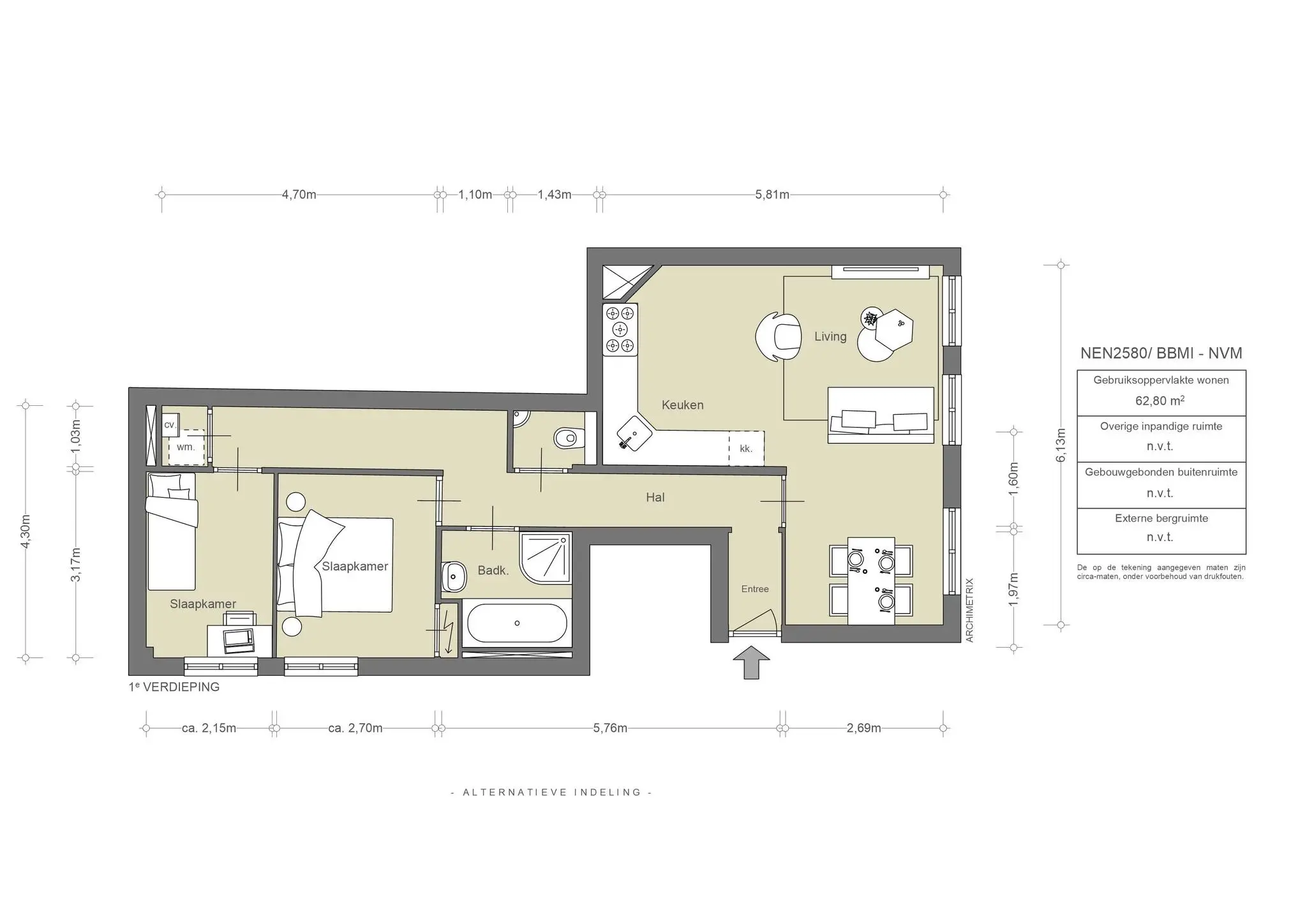
The layout also allows for the easy addition of a second bedroom — see alternative floor plan.
Outdoor space
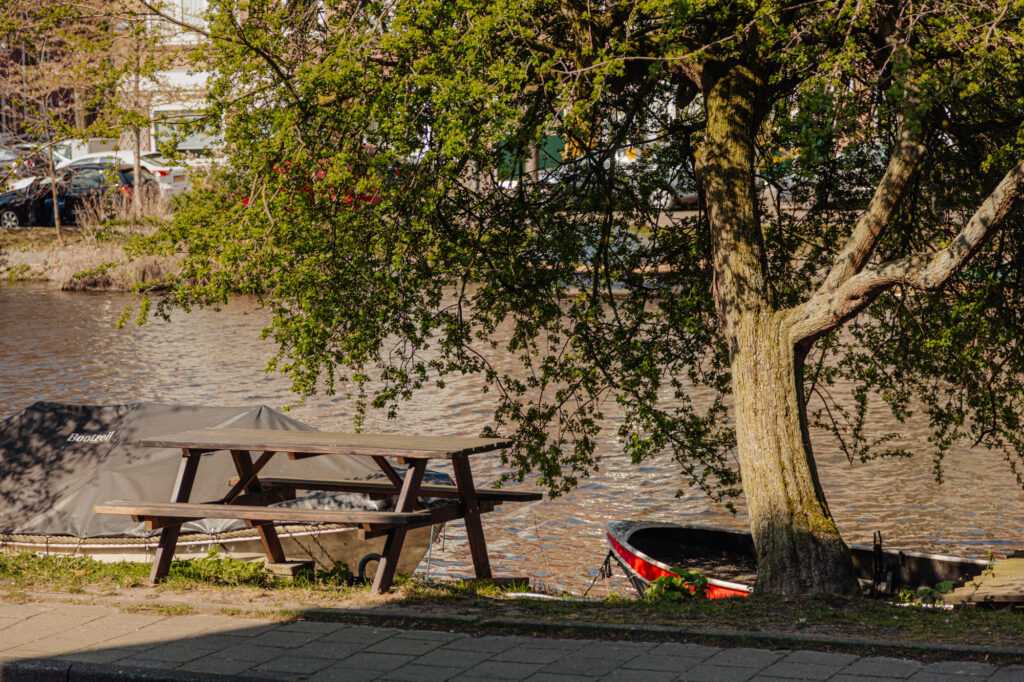
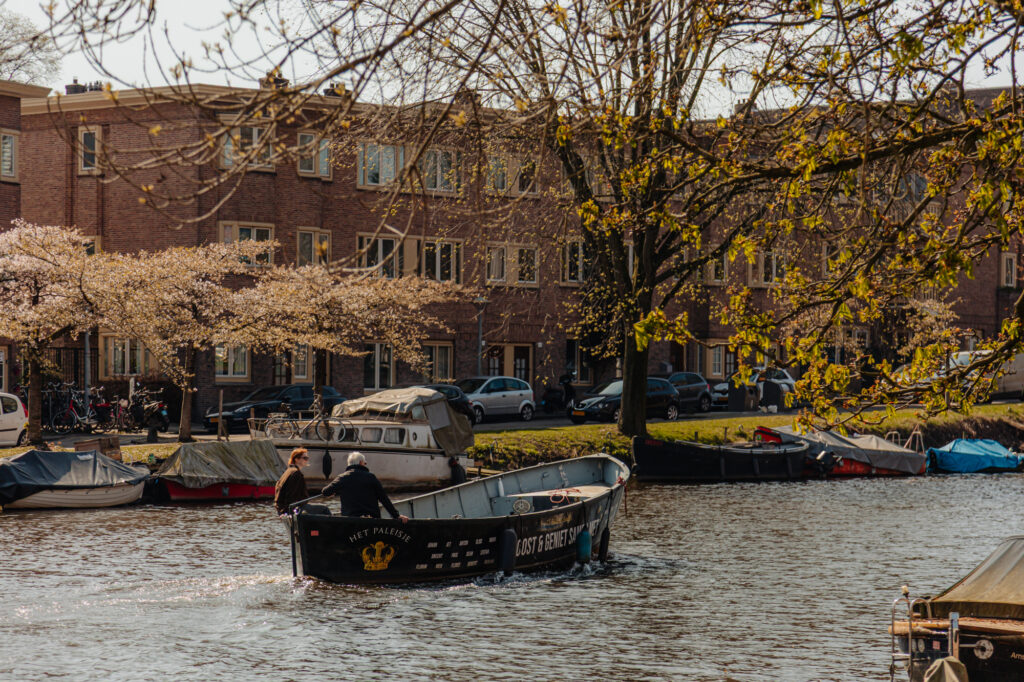
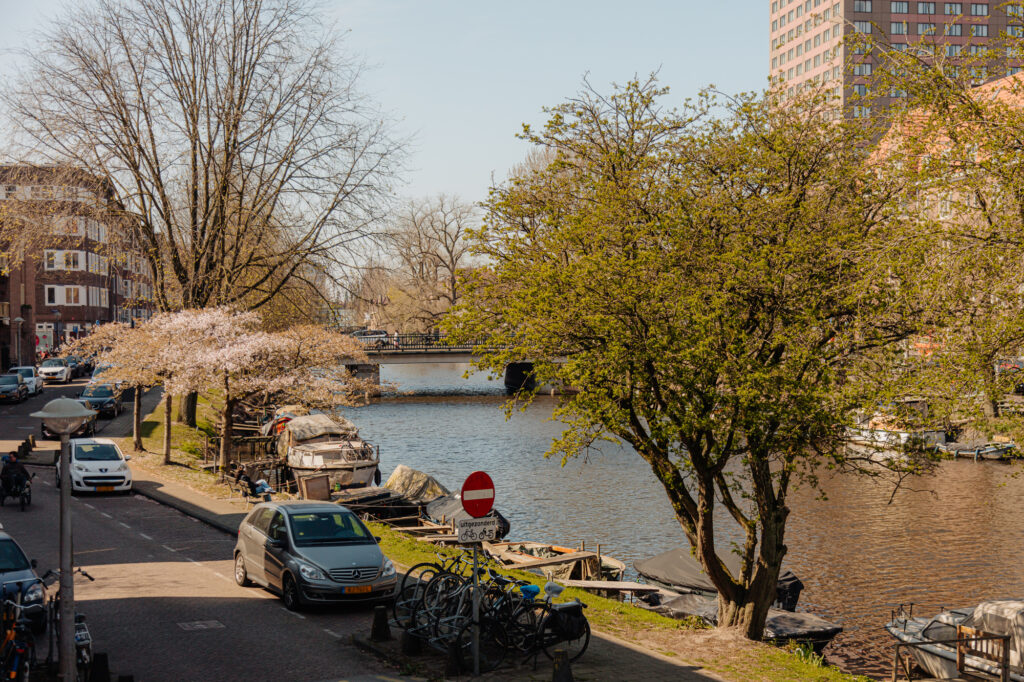
Although the apartment does not have a private balcony, the Amstelkade functions as an extension of the living area. Across the street sits a fixed picnic table beneath a tree — a beloved spot for morning coffee in the sun or evening drinks.
This location offers the best of both worlds: close to the energy of De Pijp and the Rivierenbuurt, with the tranquility of the water as a constant. Shops, public transport, and main roads are all easily accessible — including Amstel Station and the A10 ring road. The residential surroundings are mature, well-maintained, and peaceful — perfectly in line with the character of the home
Neighborhood
With its iconic facades, wide avenues, and waterfront location, Amstelkade is one of the most beautiful streets in the Rivierenbuurt. Designed in the 1920s and ’30s as part of Berlage’s Plan Zuid, the area is renowned for its harmony between architecture and greenery. From the Amstelkade, you overlook the Amstel River, with the lively De Pijp and the serenity of Beatrixpark just a short walk away.
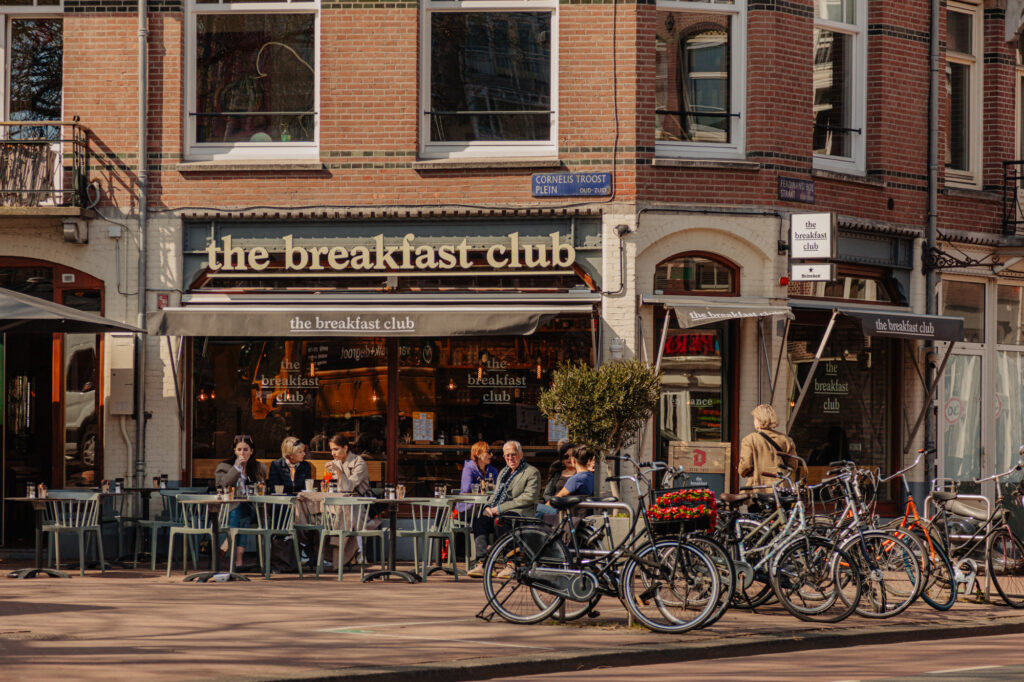
The Maasstraat and Scheldestraat form the beating heart of the neighborhood, offering a variety of specialty shops, cafés, and restaurants. From the well-known Bakkerij Grammes to culinary hotspots like Café Caron and Vis aan de Schelde, locals and visitors come together here for a good meal or drinks on the terrace.
There’s no shortage of options for recreation and relaxation: take a stroll along the Amstel, go for a run in Amstelpark, or enjoy a summer picnic in nearby Sarphatipark. Thanks to its prime location and excellent amenities, this neighborhood offers the best of urban living with a relaxed, almost village-like atmosphere.
Details
• Living area approx. 63 m²
• Leasehold land from the Municipality of Amsterdam, current annual ground rent: €509.80 (term ends June 30, 2048) – tax deductible
• Energy label: C
• Monthly HOA (VvE) contribution: €144.23
• Option to create a second bedroom – see alternative floor plan
• Nationally protected cityscape
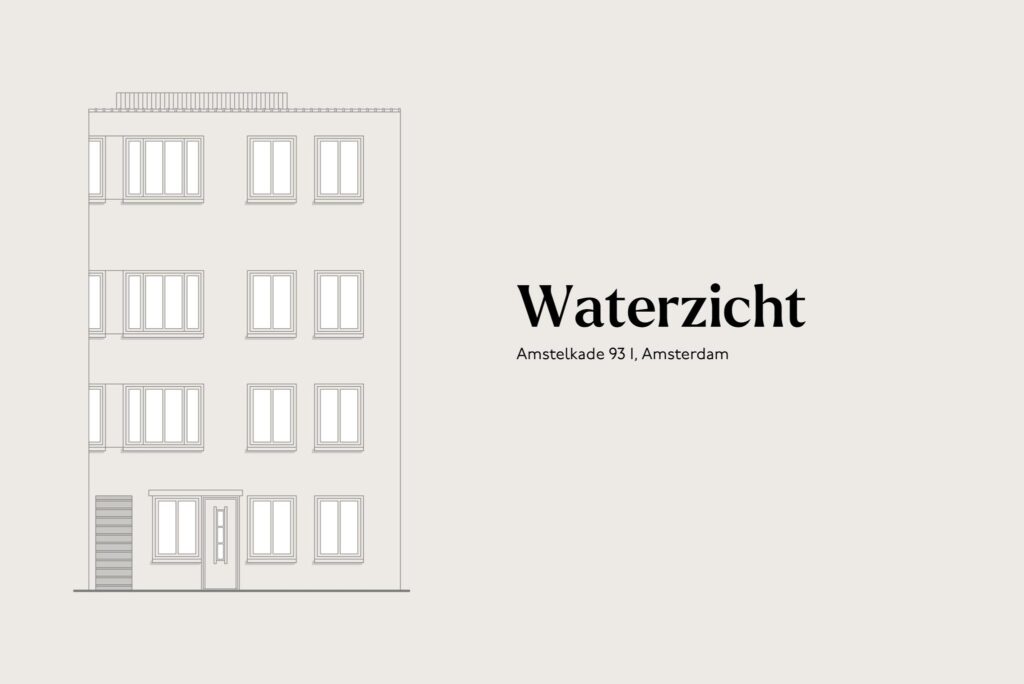
Waterzicht
Sometimes, a place doesn’t need to explain itself. Light and tranquility naturally come together here, on the first floor by the water. Amstelkade 93-1 is a spacious and practical home — not only because of its location on the Amstel, but also due to the way the spaces are balanced with one another. The waterside home moves with the rhythm of the day. The water reflects the seasons, and the trees change with the light. Inside, there is a sense of space and simplicity; outside, the city serves as a backdrop. A walk along the shore, a drink at the picnic table, an afternoon of boating — it all comes with the territory.
A home for those who appreciate the city but prefer to live on its edge. Welcome to Amstelkade.
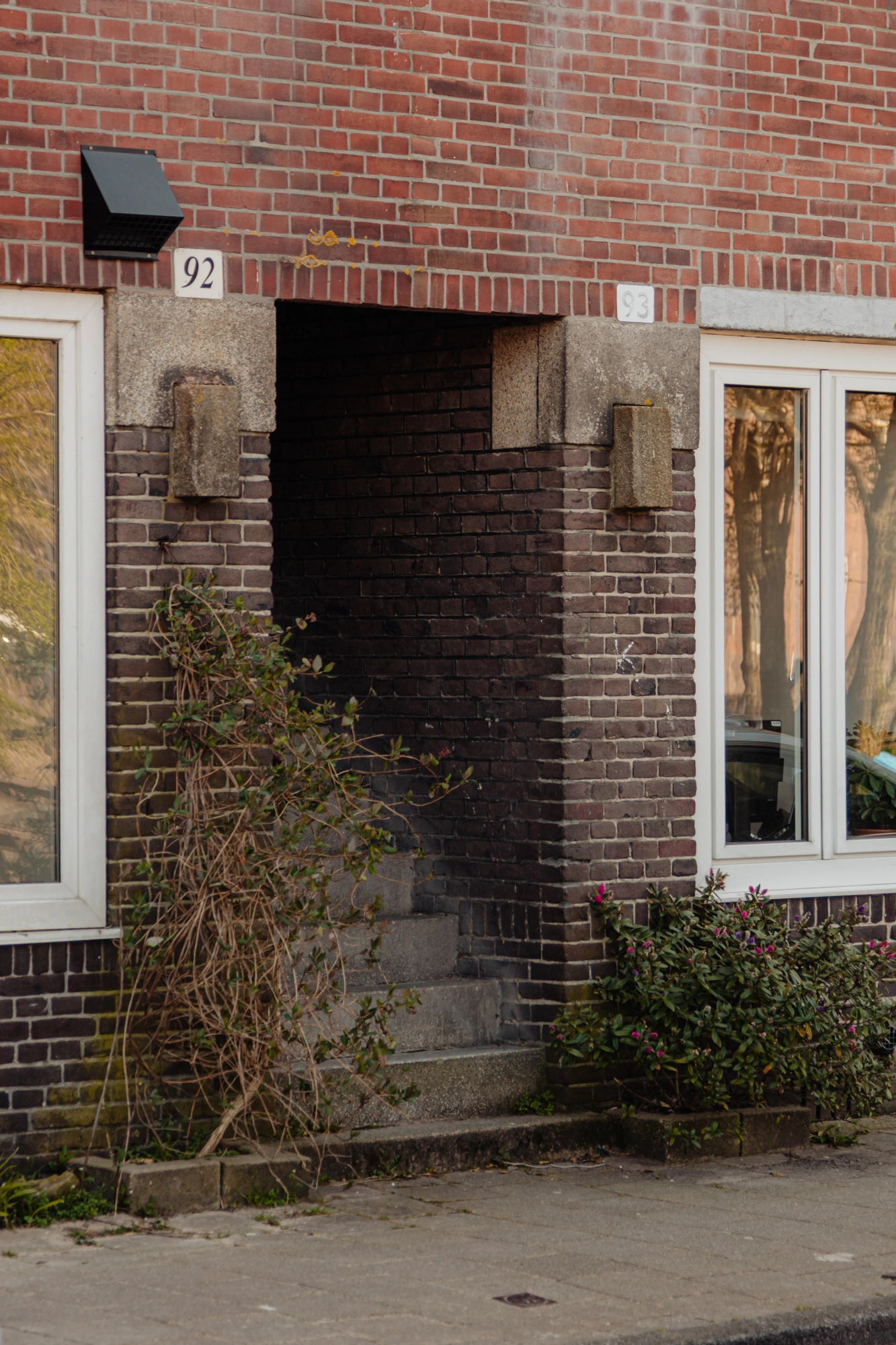
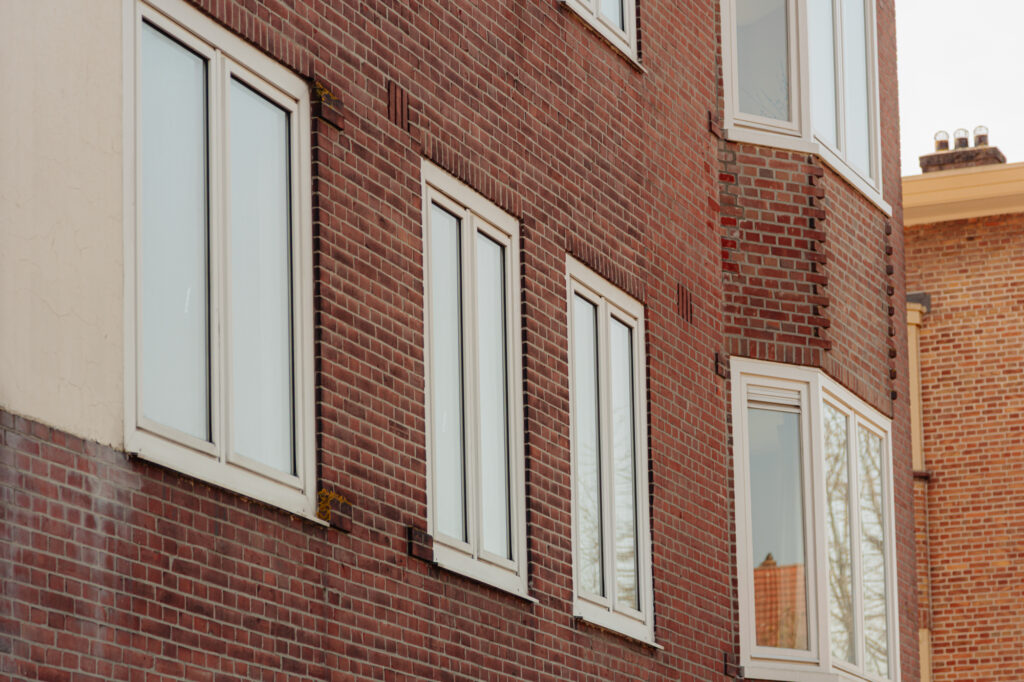
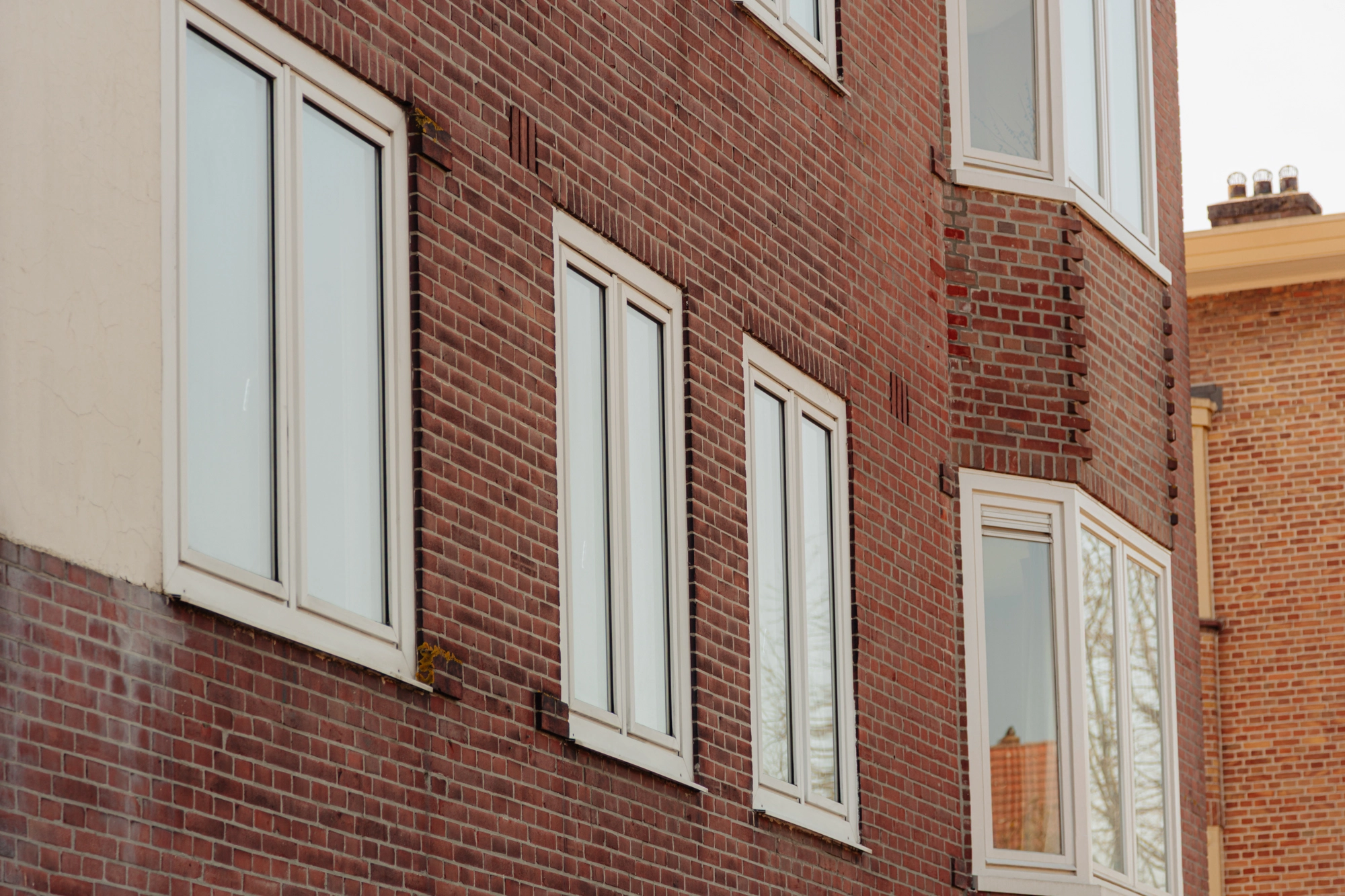
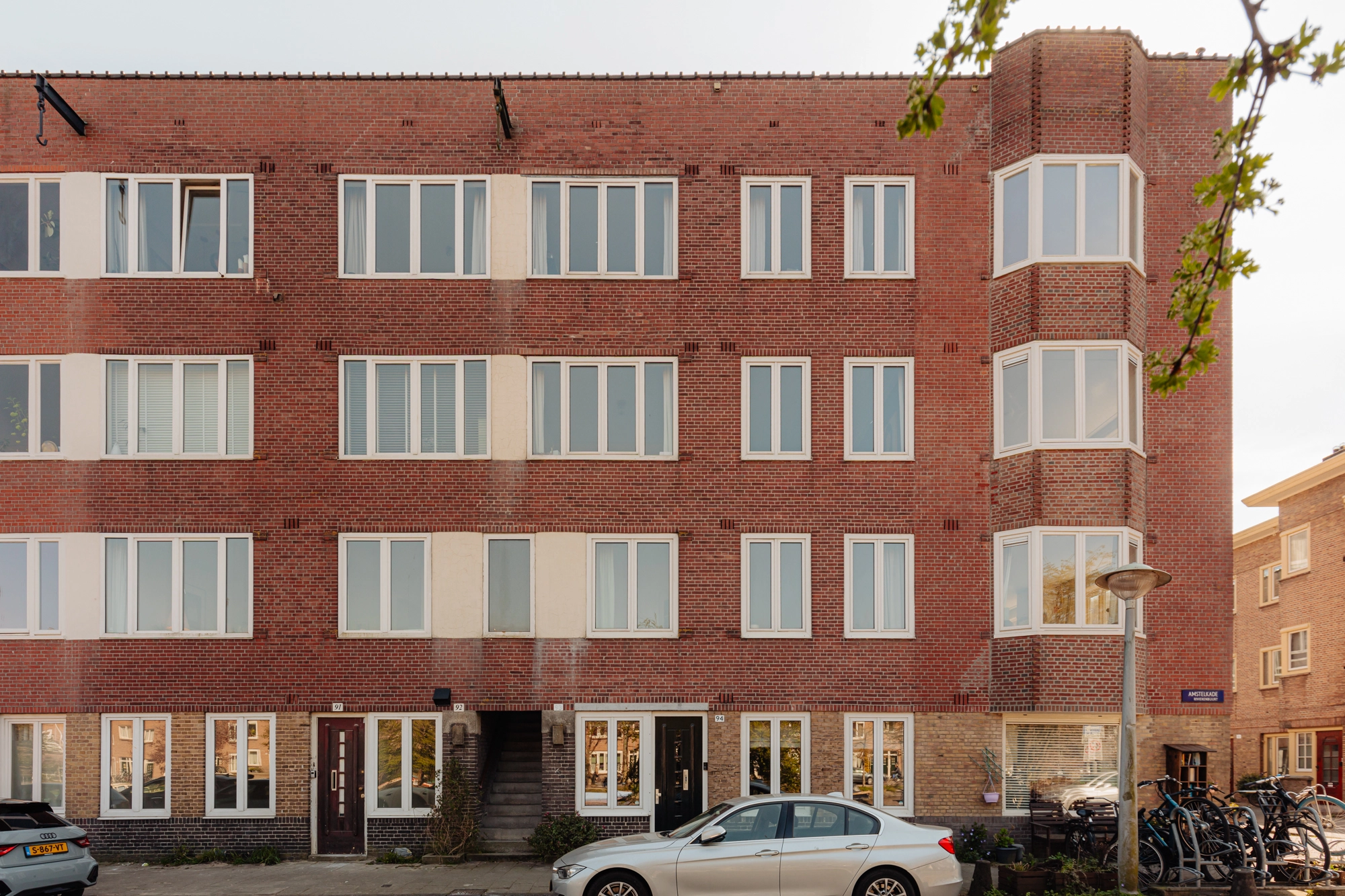
On the leafy Amstelkade, on the first floor of a characteristic building from 1924, unfolds a home with clear lines and understated grandeur. The facade doesn’t immediately reveal its construction year, but those who look closely will recognize the rhythm and brickwork of the Amsterdam School. Vertical accents, curved bay windows on the corner, and deep reveals contribute to a strong yet refined appearance.
This architectural style continues in the entrance hall. The private entry, sheltered within a portico of dark brickwork, separates the public domain from the private. Once inside, a home unfolds with a natural division between living and sleeping areas, designed with attention to light, sightlines, and serenity.
At the front, three tall windows open towards the water. Here, the living spaces capture the daylight that reflects off the surface of the Amstel. At the rear, the layout offers space for a spacious bedroom, a walk-in closet, and a large bathroom. Everything is thoughtfully positioned around the central hallway, making each room feel autonomous while still being part of the whole.
The home also lends itself to a second bedroom. In doing so, it not only stays true to the original design but also demonstrates its flexibility within the existing framework.
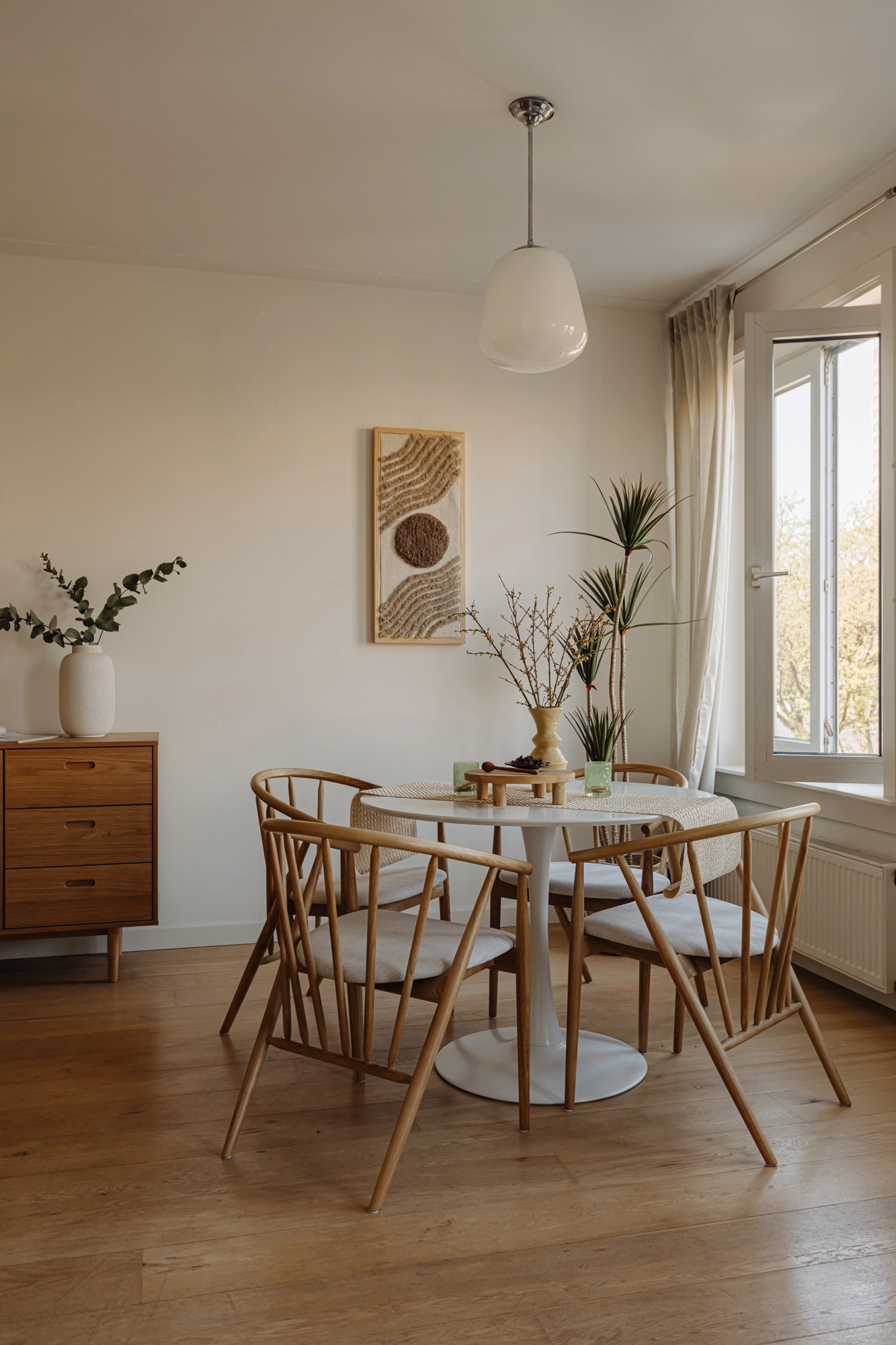
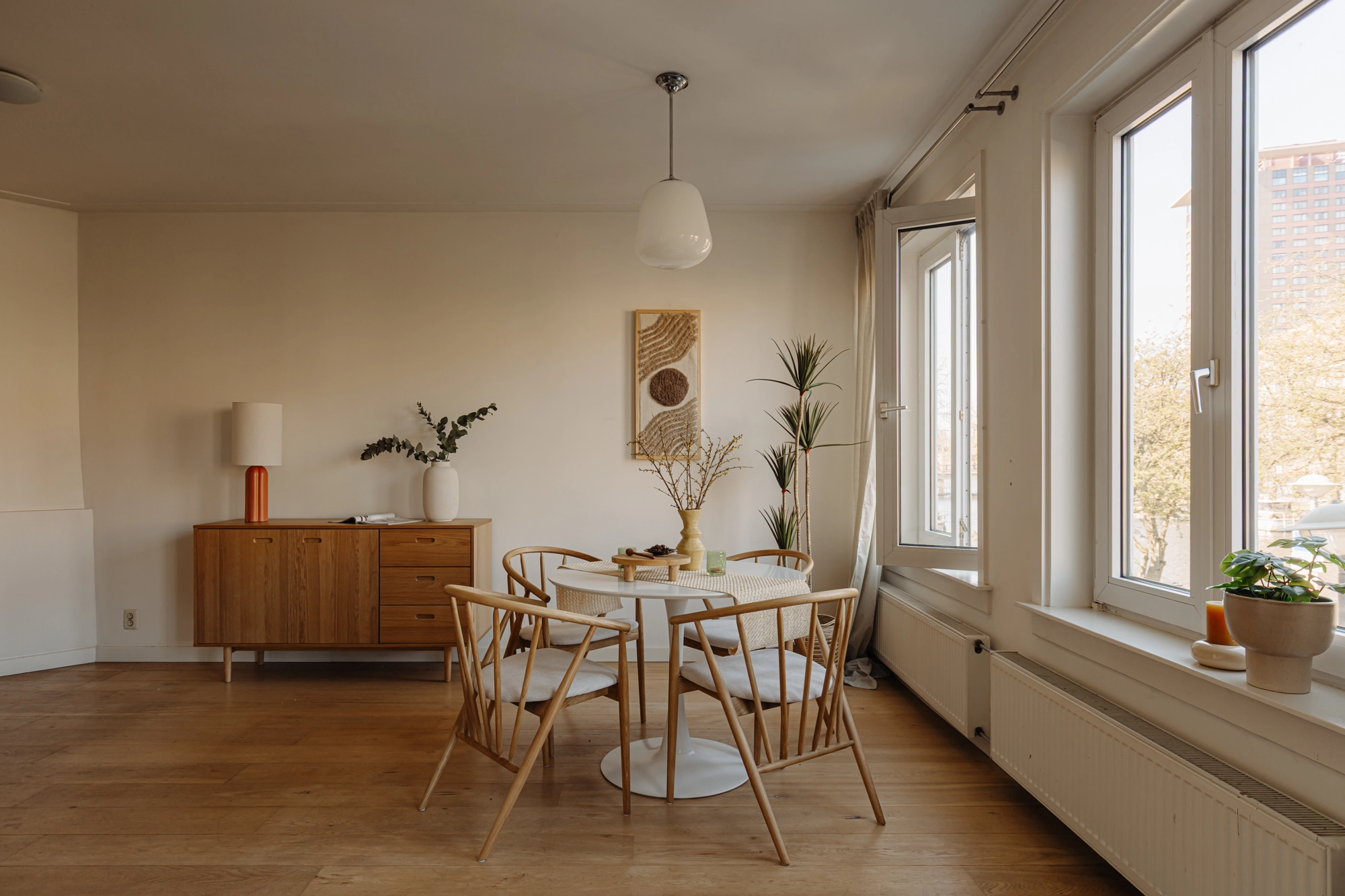
Three tall windows open toward the Amstel, flooding the living space with natural light. The living room and open kitchen flow seamlessly into one another without compromising the sense of space — a balanced composition where both the view and the interior set the tone. The oak parquet flooring provides a warm, natural foundation.
The kitchen is arranged in a generous corner layout, equipped with built-in appliances and a robust stove with stainless steel extractor hood. Light cabinet fronts and classic subway tiles give the space a calm, timeless character that perfectly complements the building’s architecture.
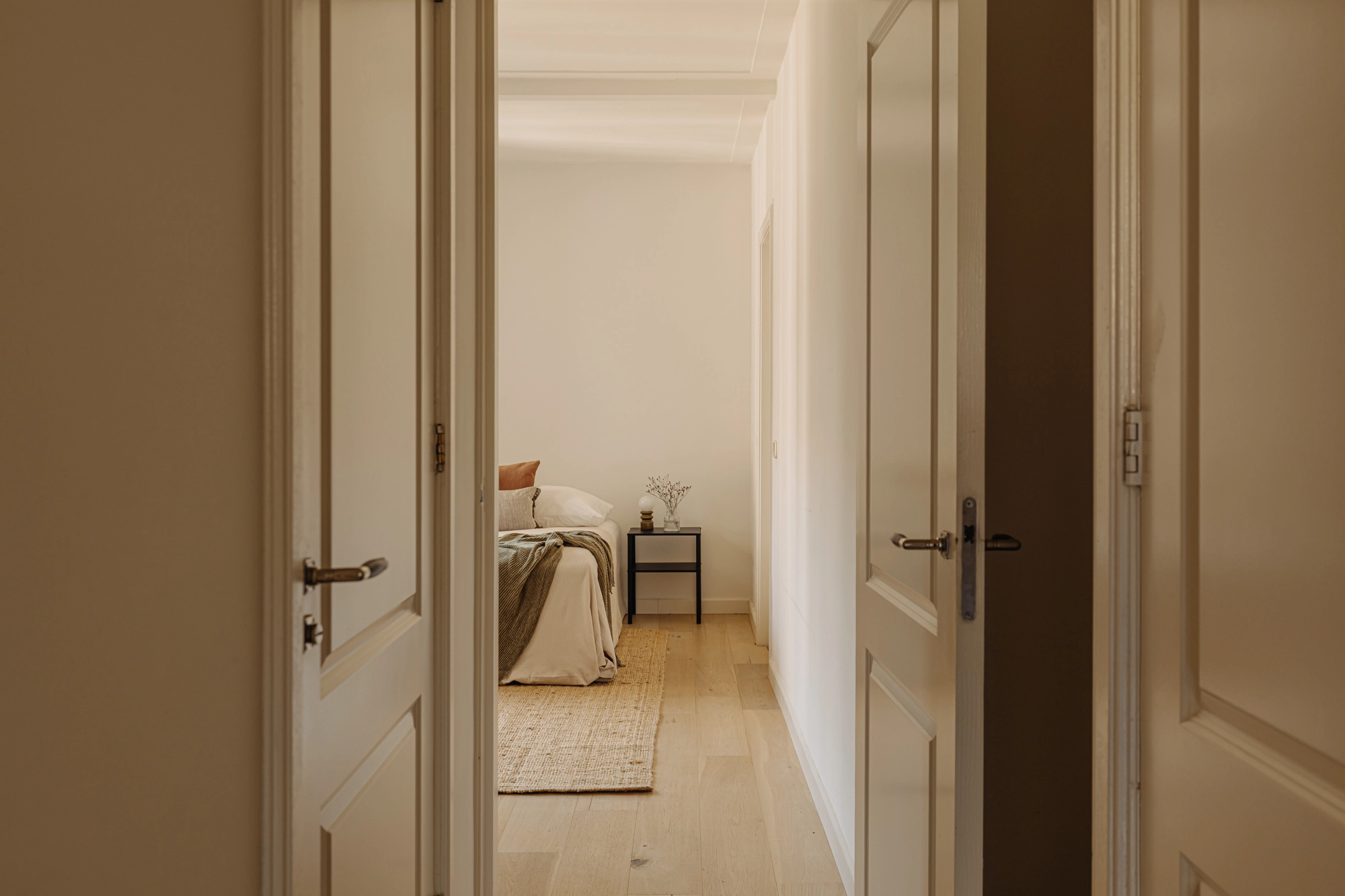
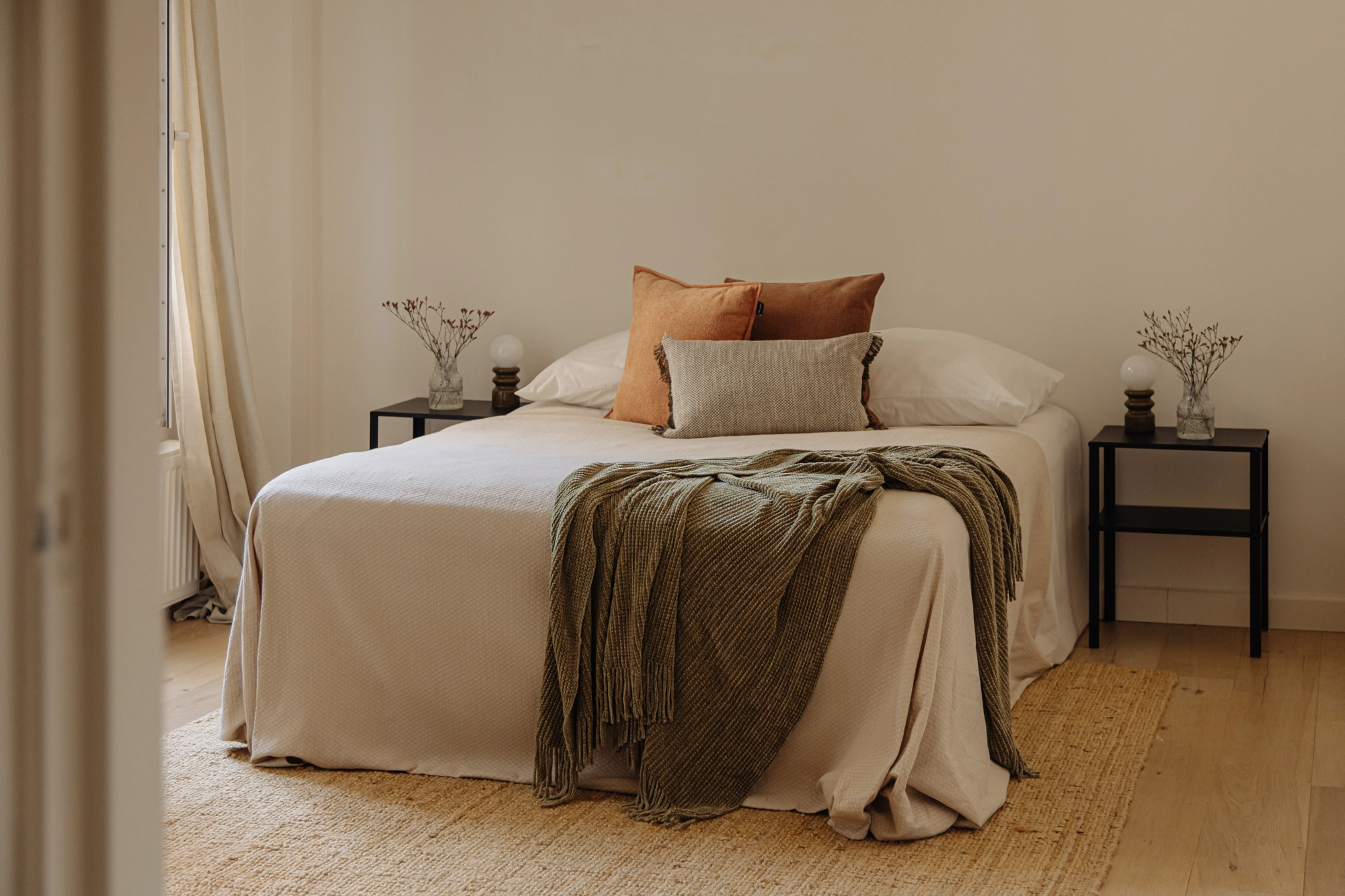
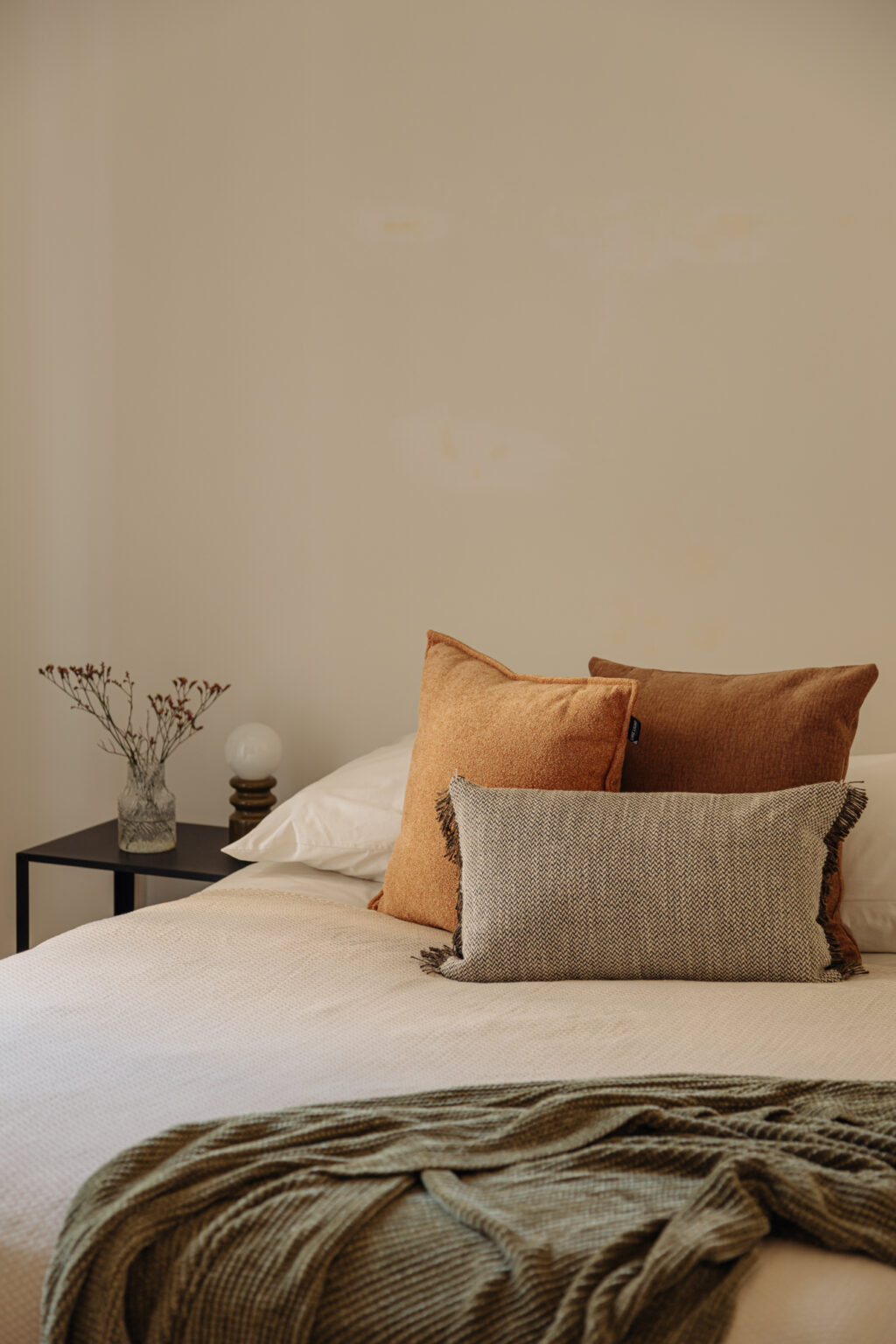
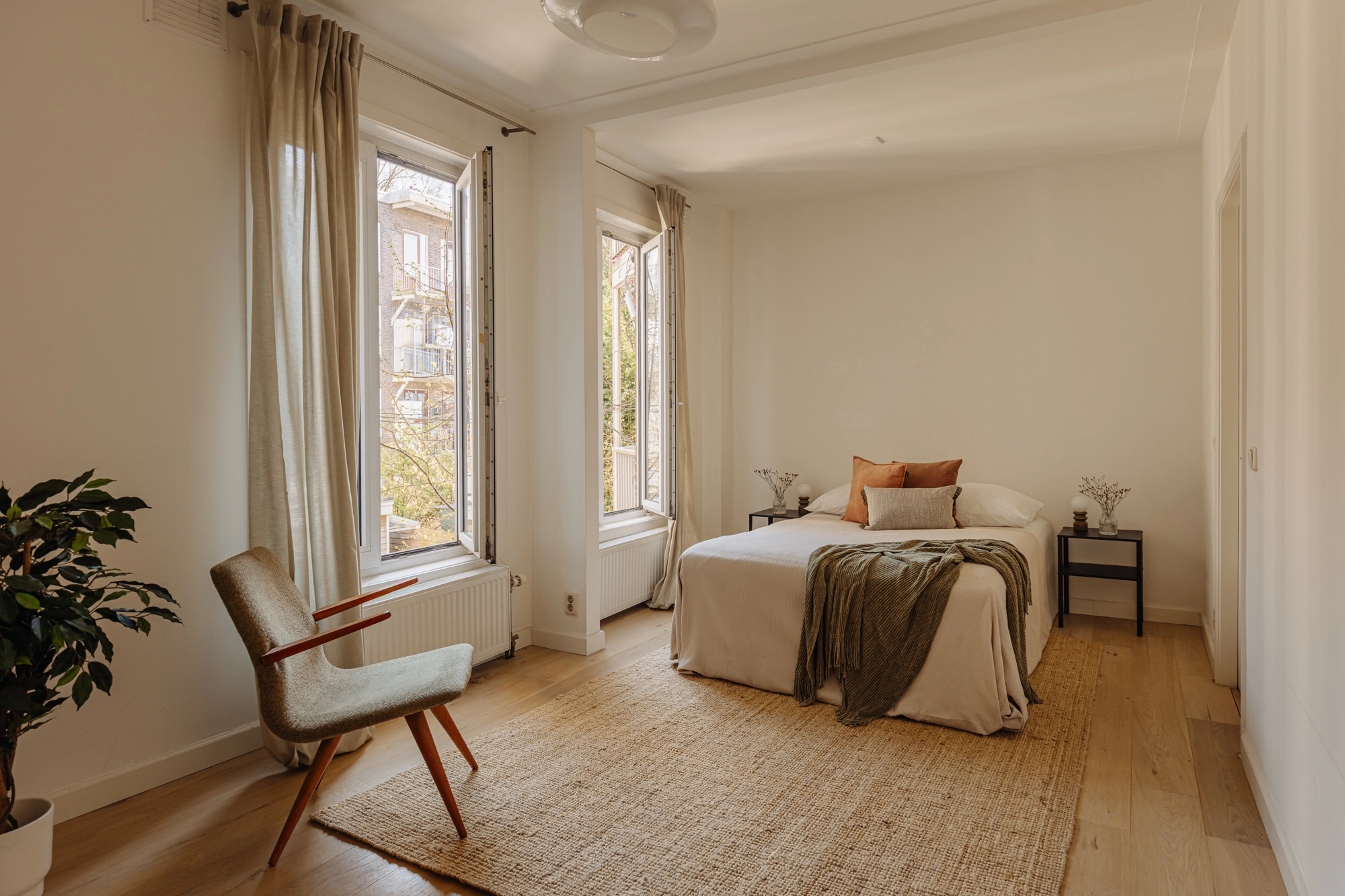
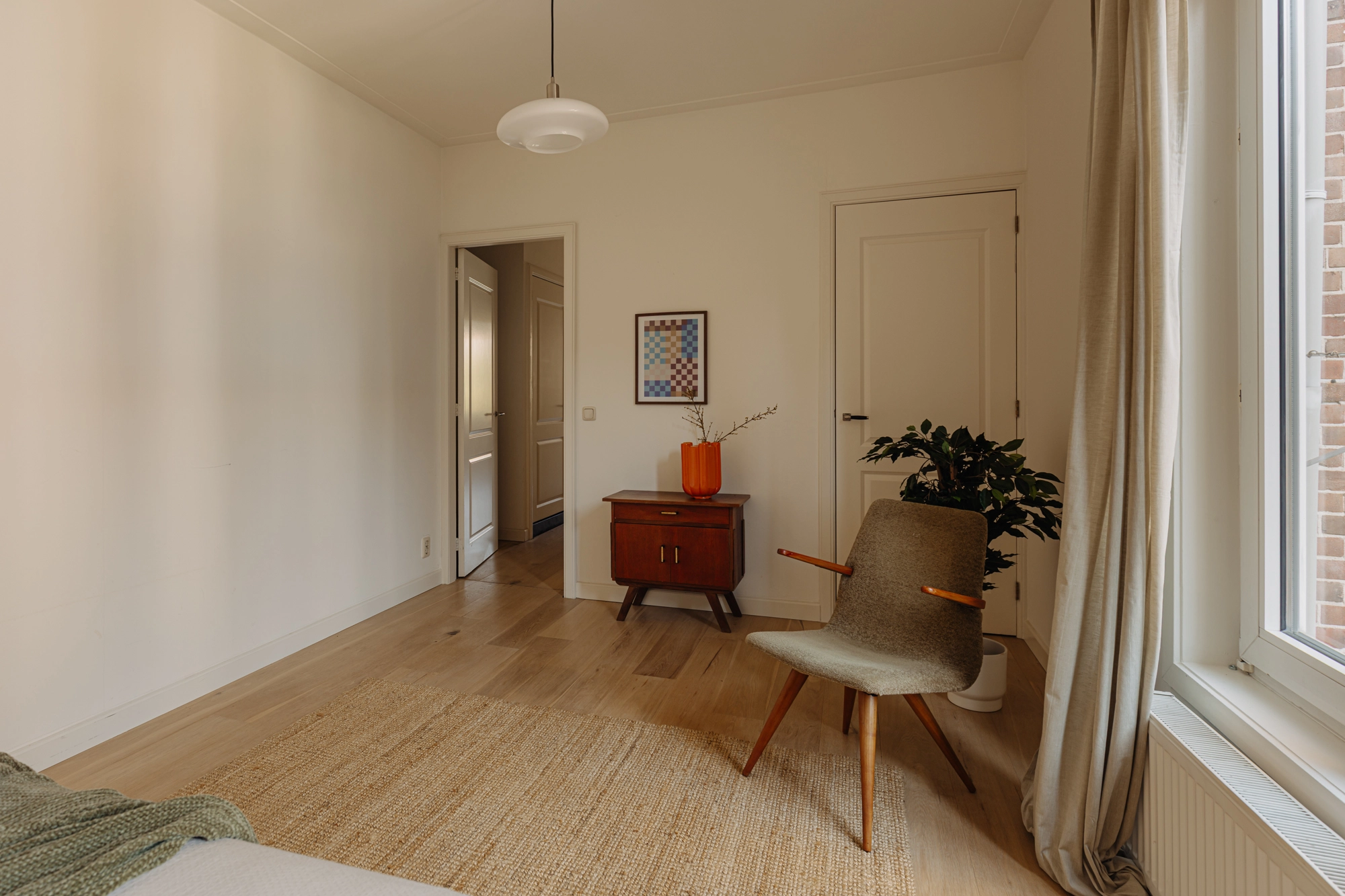
The bedroom at the rear offers wonderful tranquility. Soft daylight enters through two windows, reflected by light-toned walls and a warm wooden floor. The space is spacious and rectangular — ideal for personal arrangement. From here, there is access to a practical walk-in closet.
The apartment also allows for a second bedroom — see the alternative floor plan. Whether for a home office, guests, or a child’s room, an additional space can easily be integrated.
The bathroom features classic white subway tiling, accented with a subtle black line. A bathtub, separate shower, and washbasin together create a clean and elegant look. The layout is efficient and the atmosphere fresh.
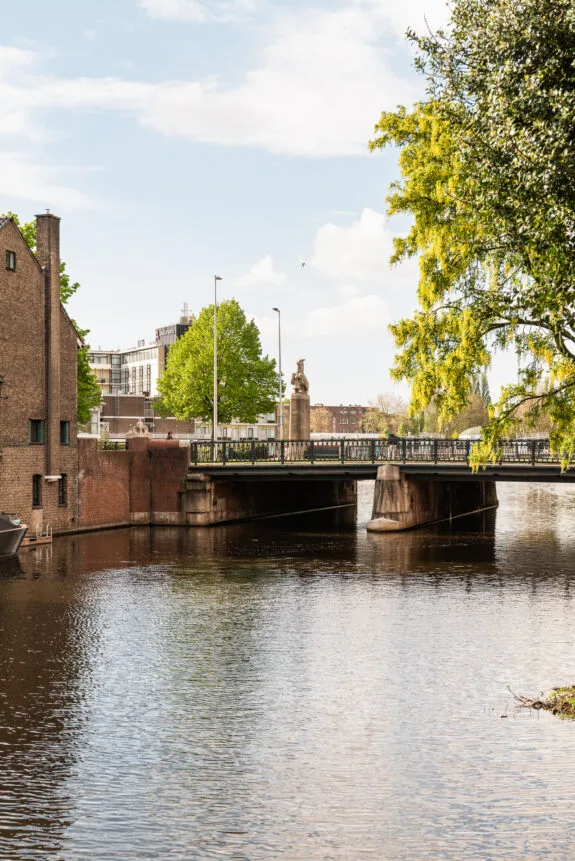
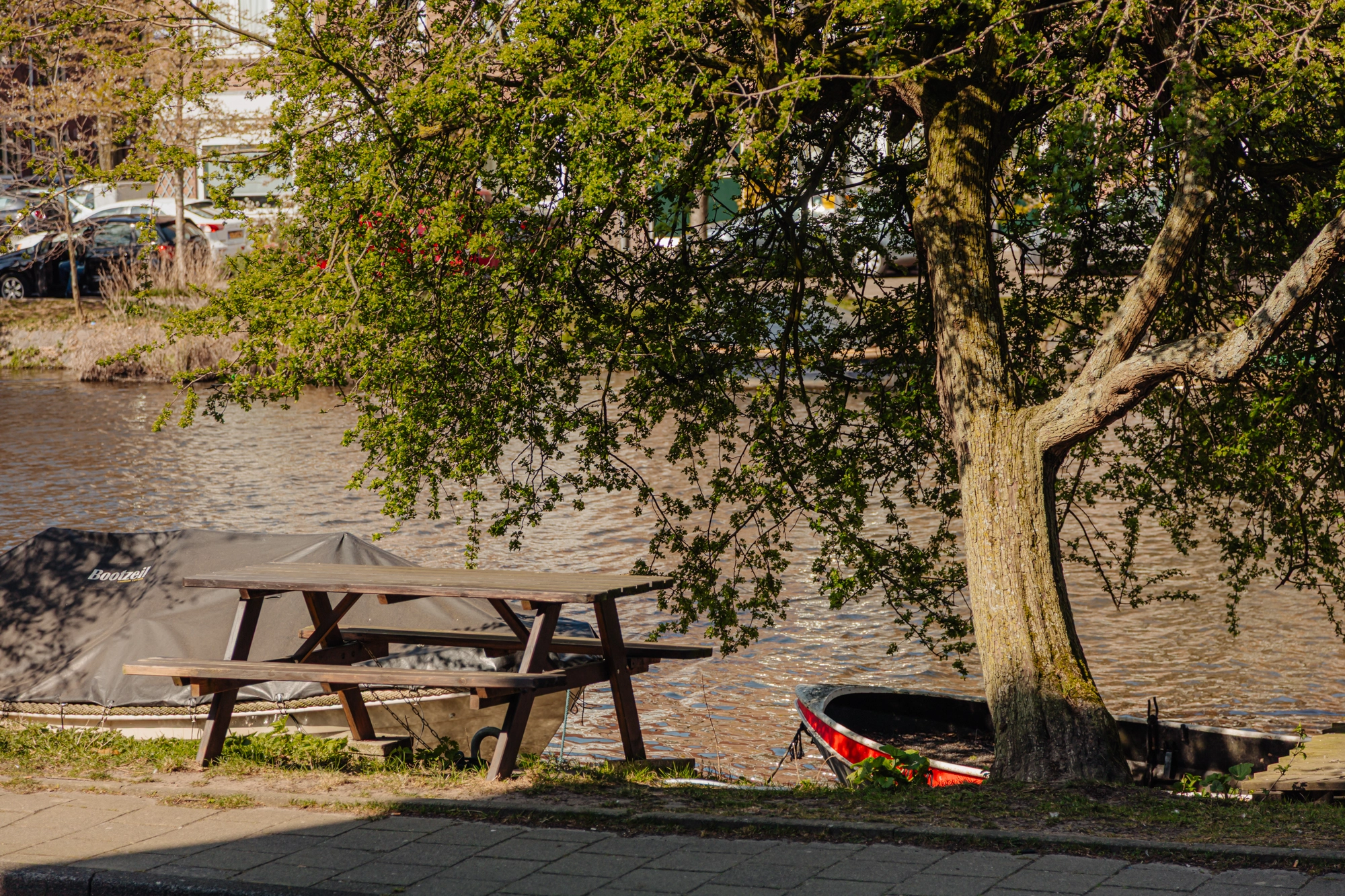
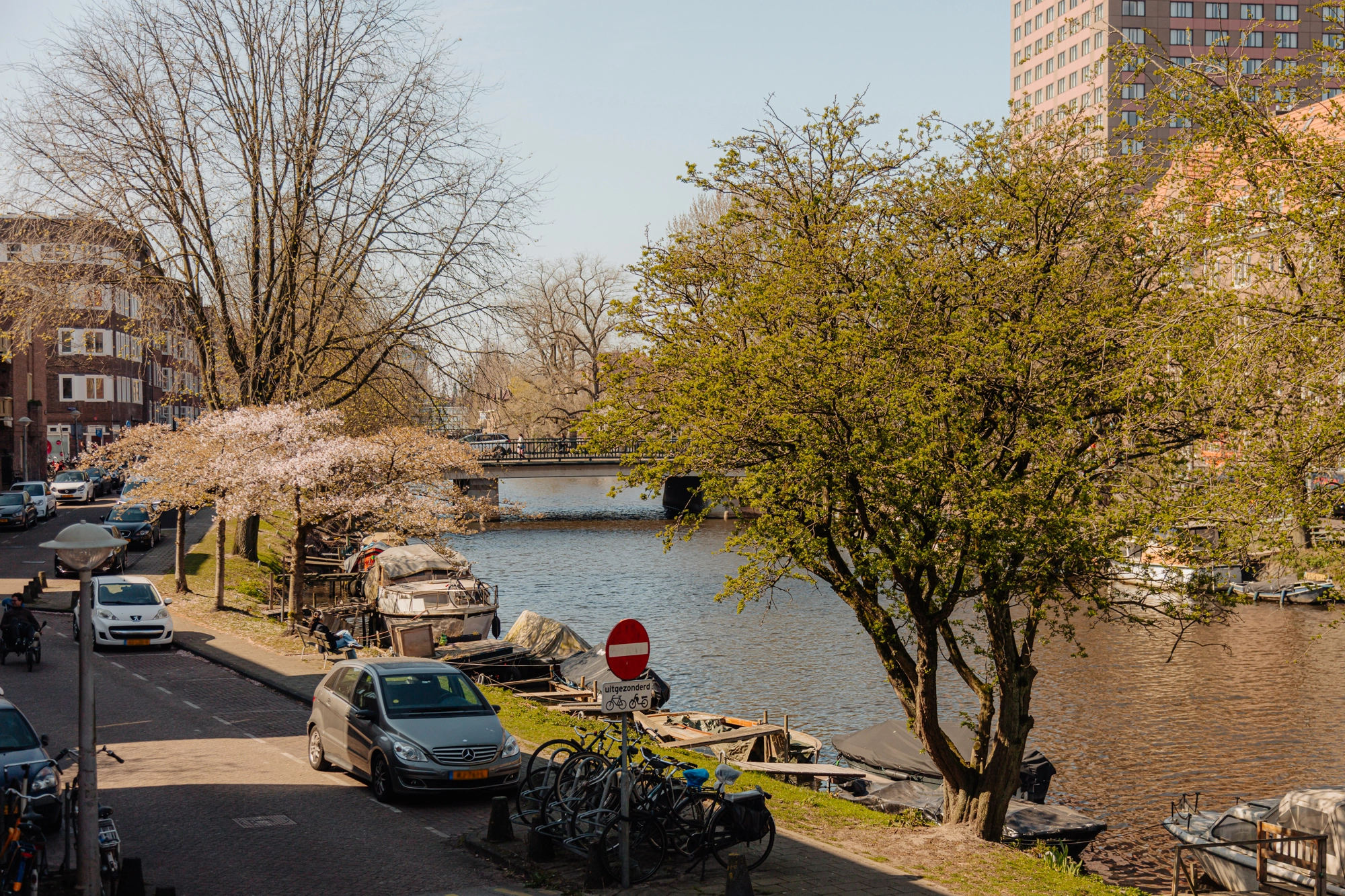
While the apartment lacks a private outdoor space, the Amstelkade plays a central role in daily life. Just outside the front door, the riverbank winds along the façade, offering views of drifting boats and blossoming trees. A permanent picnic table beneath the chestnut tree provides space for spontaneous or planned gatherings.
The location along the quay invites connection — with the neighborhood, the seasons, and the moment. Here, there’s no need for a balcony to enjoy the outdoors — the street is an extension of the living room, the quay your terrace.
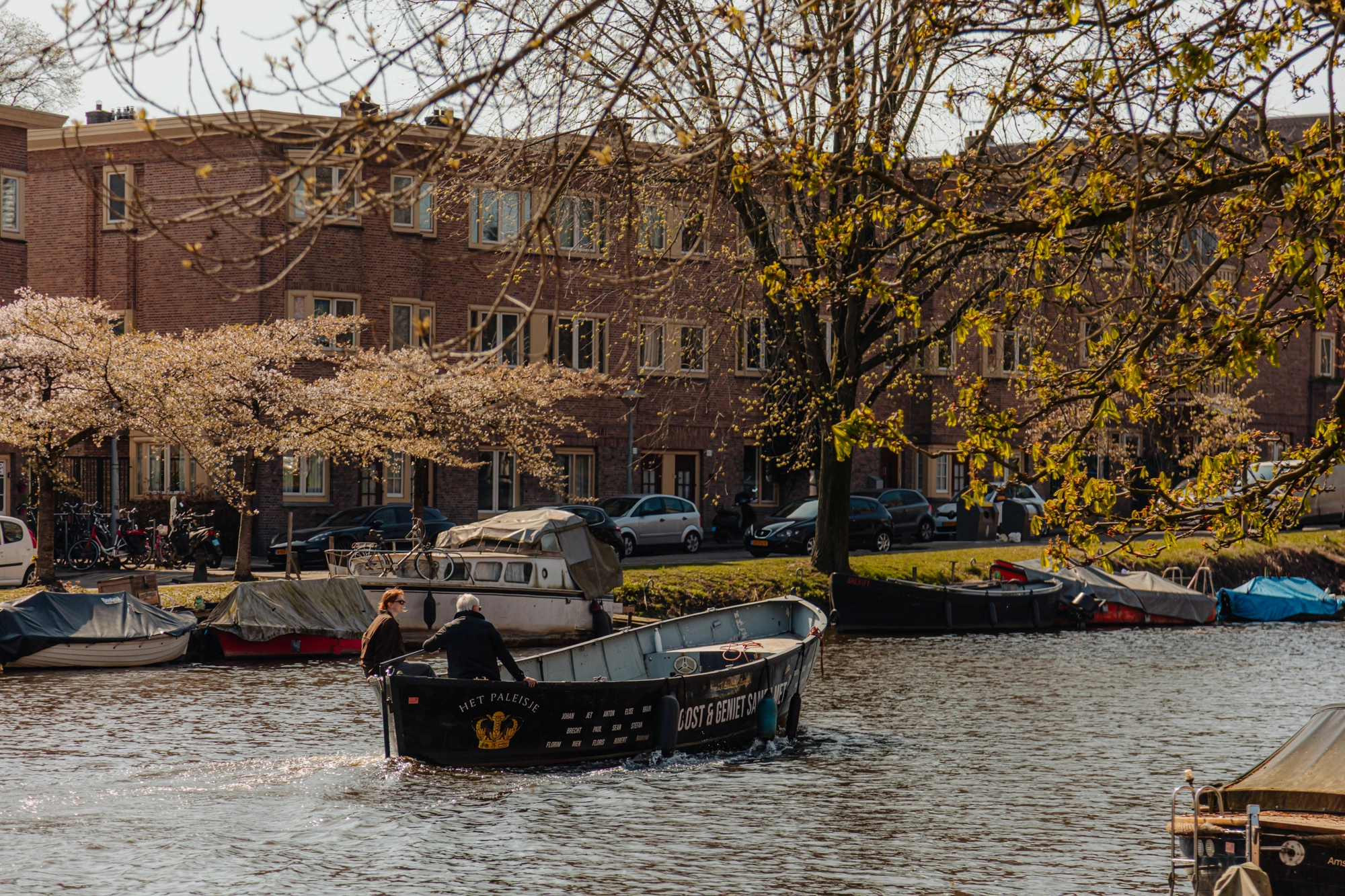
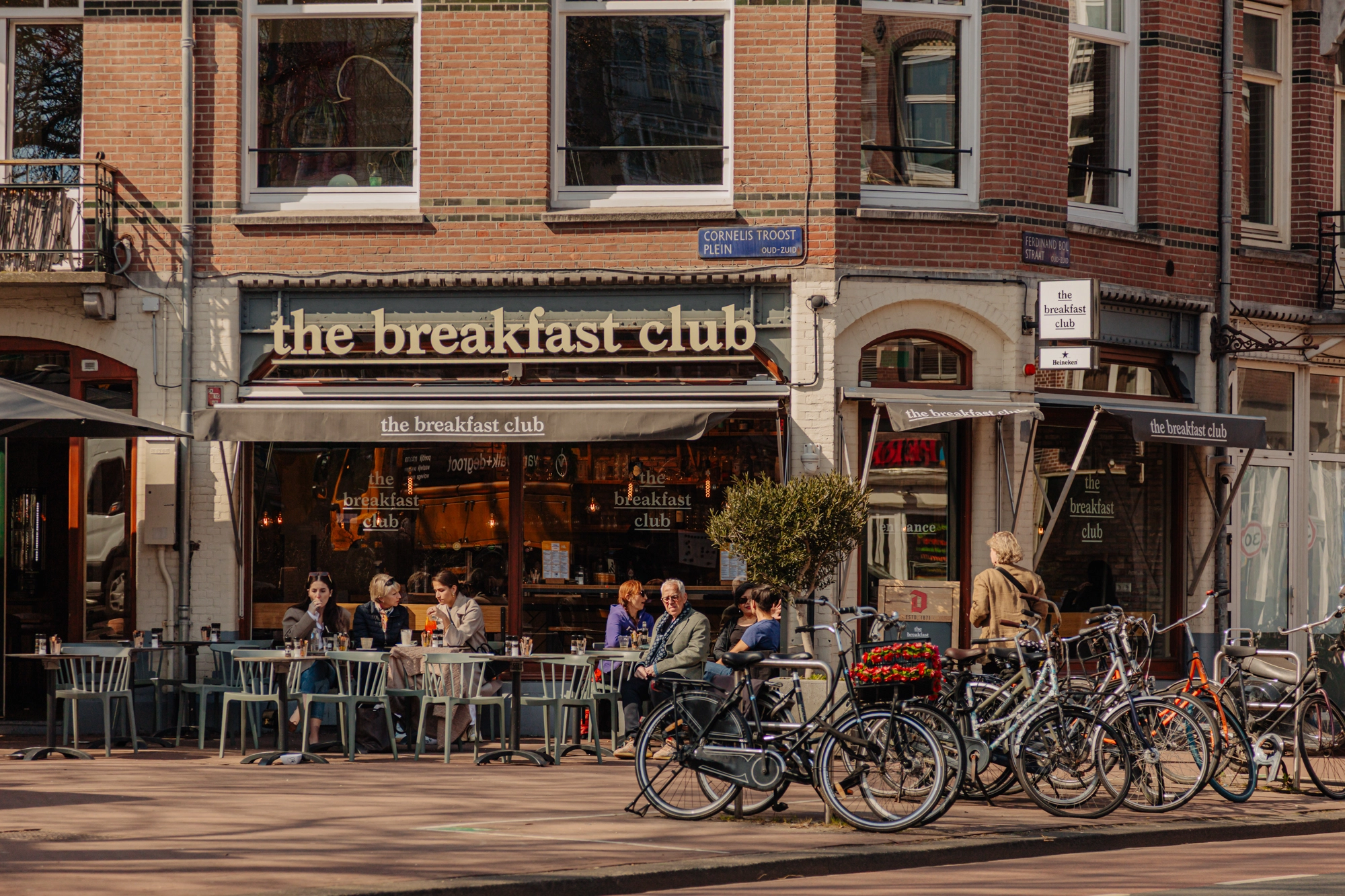
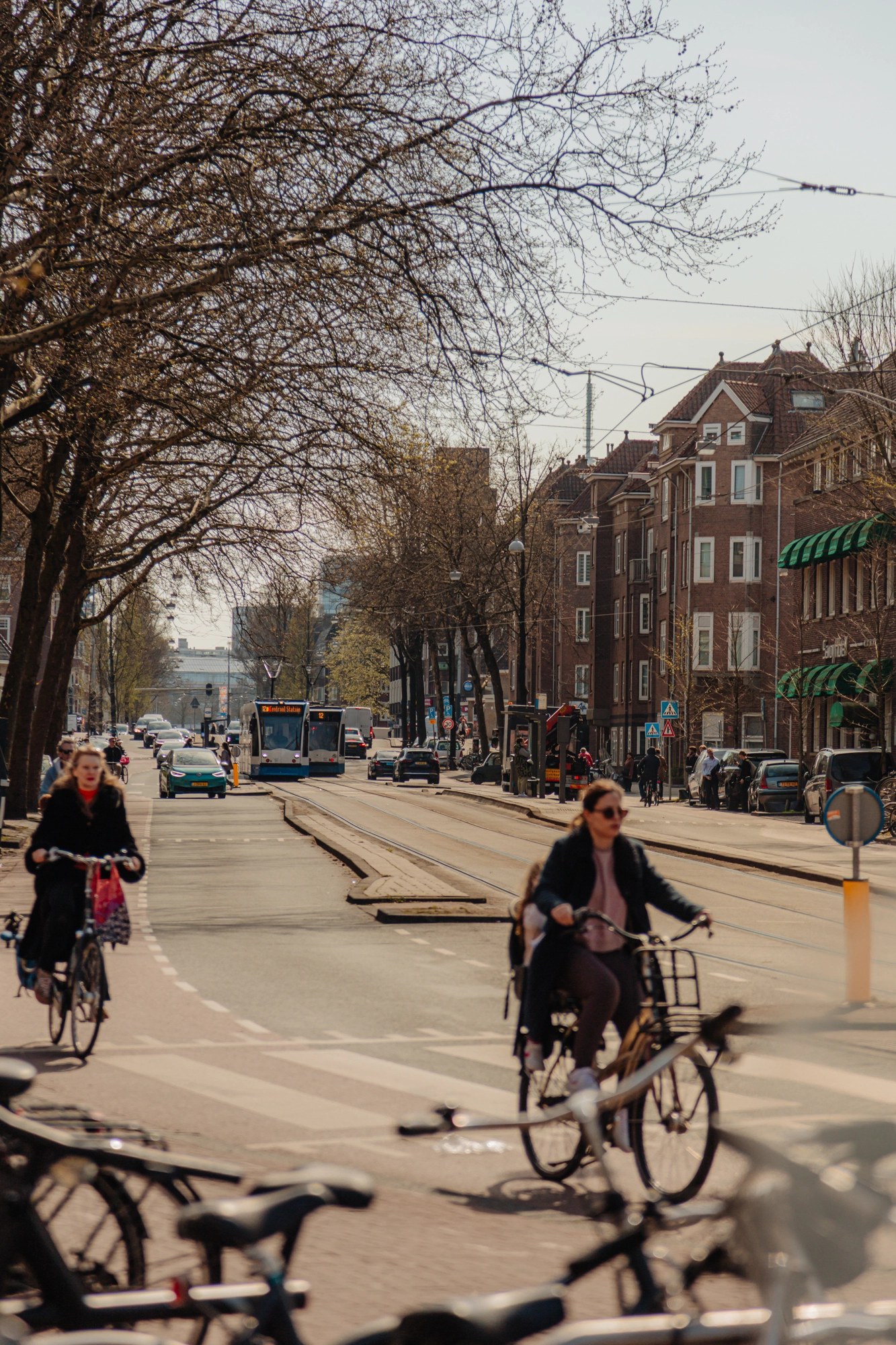
With its distinctive façades, wide avenues, and waterfront location, the Amstelkade is one of the most beautiful streets in the Rivierenbuurt. Designed as part of Berlage’s Plan Zuid, the neighbourhood is known for its harmony between architecture and greenery. From the quay, you overlook the Amstel, while the vibrant energy of De Pijp and the tranquillity of Beatrixpark are just a short walk away.
The Maasstraat and Scheldestraat form the lively heart of the area, offering a mix of specialty shops, cafés, and popular restaurants such as Café Caron, Vis aan de Schelde, and the renowned bakery Grammes. For leisure, the Amstel river, Amstelpark, and Sarphatipark are all nearby. With excellent amenities and a calm, village-like atmosphere, this location offers the best of city living — with peace and space just outside your door.
Accessibility
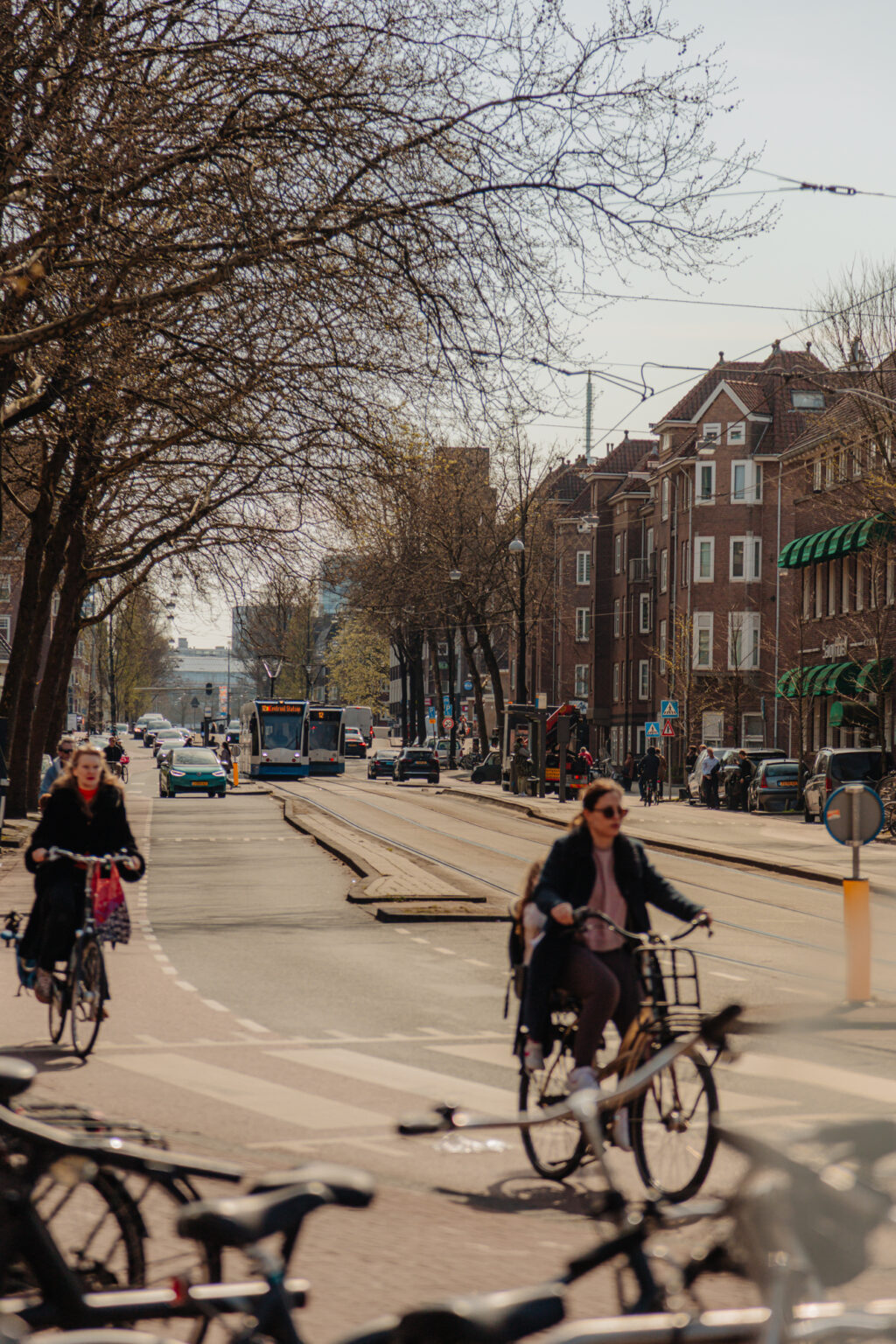
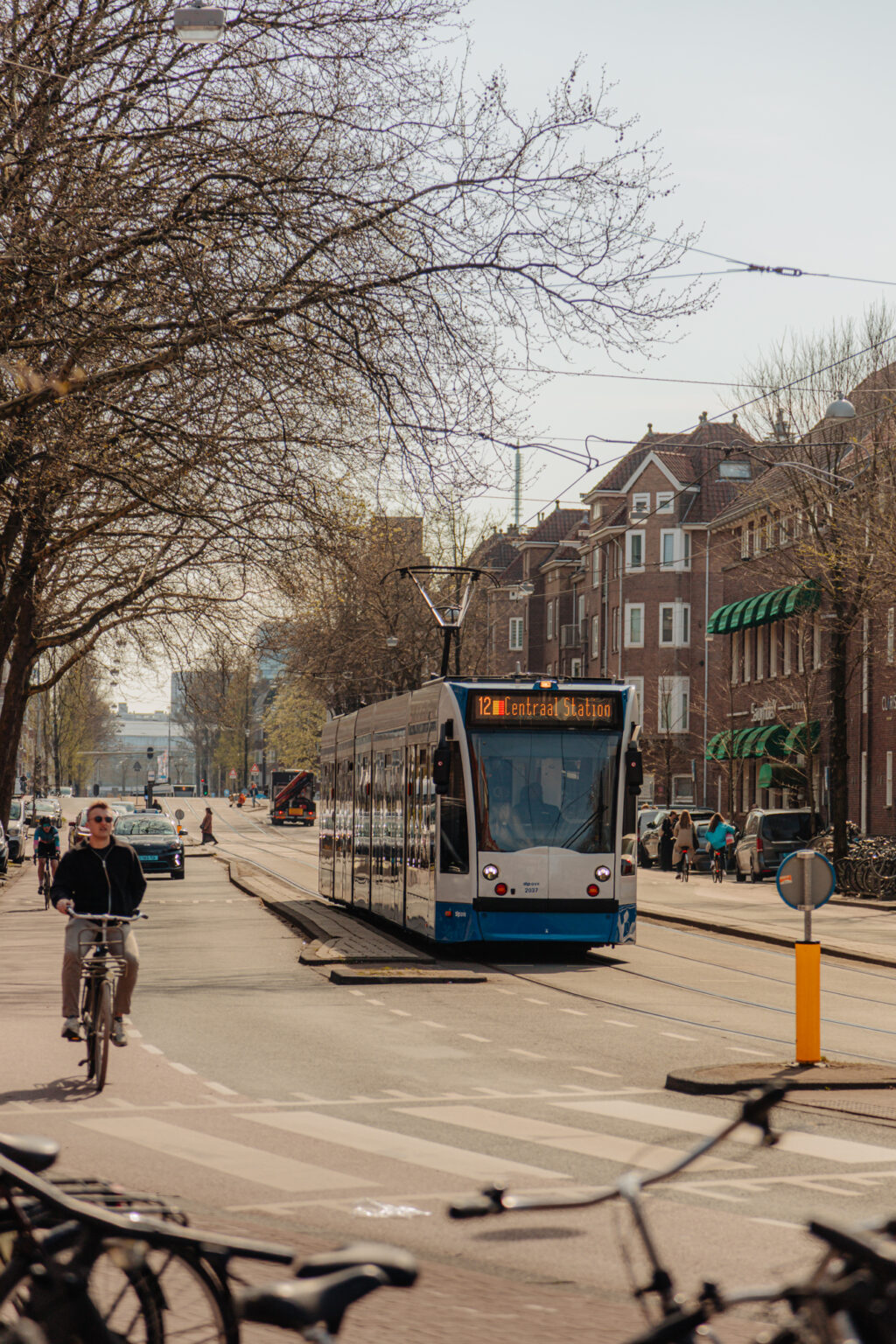
The apartment is easily accessible by bike, car, and public transport. Tram and bus stops are within walking distance, with direct connections to Amsterdam Central, Station Amstel, and Station Zuid. By car, you can quickly access the Ring A10. Bike routes provide quick access to De Pijp, Zuidas, and the city center, and direct train connections to Schiphol are available from Station Zuid and Station Amstel.
Parking
Parking is available via a permit system (permit area Zuid 4.1). A parking permit costs €192.81 for 6 months, with a waiting time of 3 months. A second permit is not possible (Source: Municipality of Amsterdam, April 2025).
1078 HB Amsterdam
Poelier Jonker
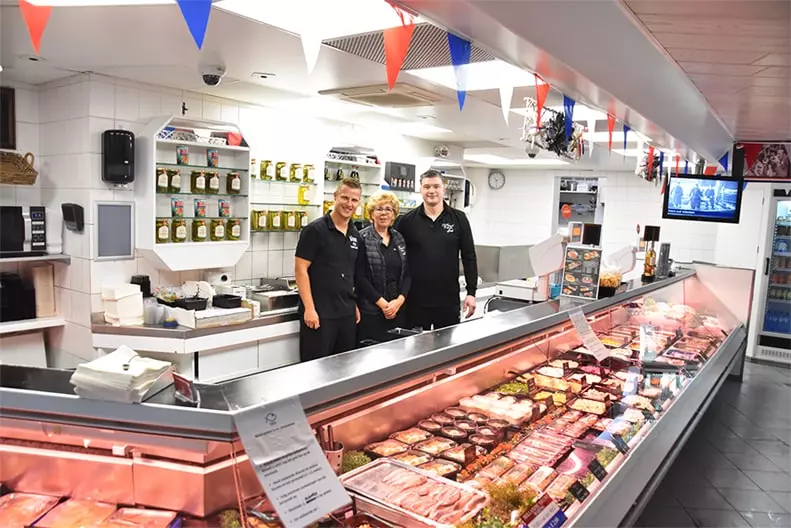
Poelier Jonker in de Maasstaat bestaat al meer dan 45 jaar. Anno 1974 is het bedrijf opgezet door de familie Jonker en is vandaag de dag nog steeds in het bezit van de familie. Bij Poelier Jonker is de missie "het behouden van het poeliers-ambacht" en dat is te zien! Het assortiment is zeer uitgebreid; van gegrilde producten tot heerlijke salades. Daarnaast verkopen ze hier ook maaltijden en ragouts. Alle producten van poelier Jonker zijn dagvers en van de beste kwaliteit.
1078 HJ Amsterdam
Grammes
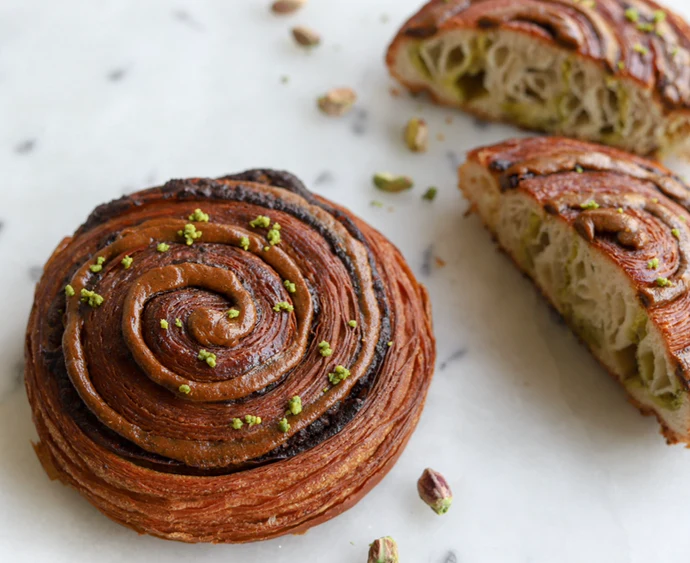
Na maar liefst 10 jaar training in de beste patisserieën in Parijs en New York, brengt Chef Maxime Papin zijn kennis en technieken naar Amsterdam. Papin kreeg al vroeg de kneepjes van het vak met de paplepel kreeg ingegoten van zijn moeder toen hij opgroeide in Frankrijk, en zette dit voort in de culinaire wereld van New York. Zijn creaties zijn dan ook allesbehalve doorsnee; het befaamde cappuccino taartje maar ook chocolade croissants, koekjes en zelfgemaakte granola.
1078 HE Amsterdam
Slagerij Woorts
Slagerij Woorts opende al in 1964 de deuren van de winkel op de Maasstraat. Met het motto ‘niet teveel kruiden, niet teveel specerijen, gewoon dat wat hoort, en dat moet het product an sich het zelf doen’, is dit een typisch Amsterdamse slagerij waar de producten weinig poespas nodig hebben. De klanten komen van heinde en verre hier naartoe voor de ossenworst en filet americain. Er wordt hier met aandacht gewerkt zodat het dier krijgt wat het verdient.
1078 HE Amsterdam
Patisserie Tout
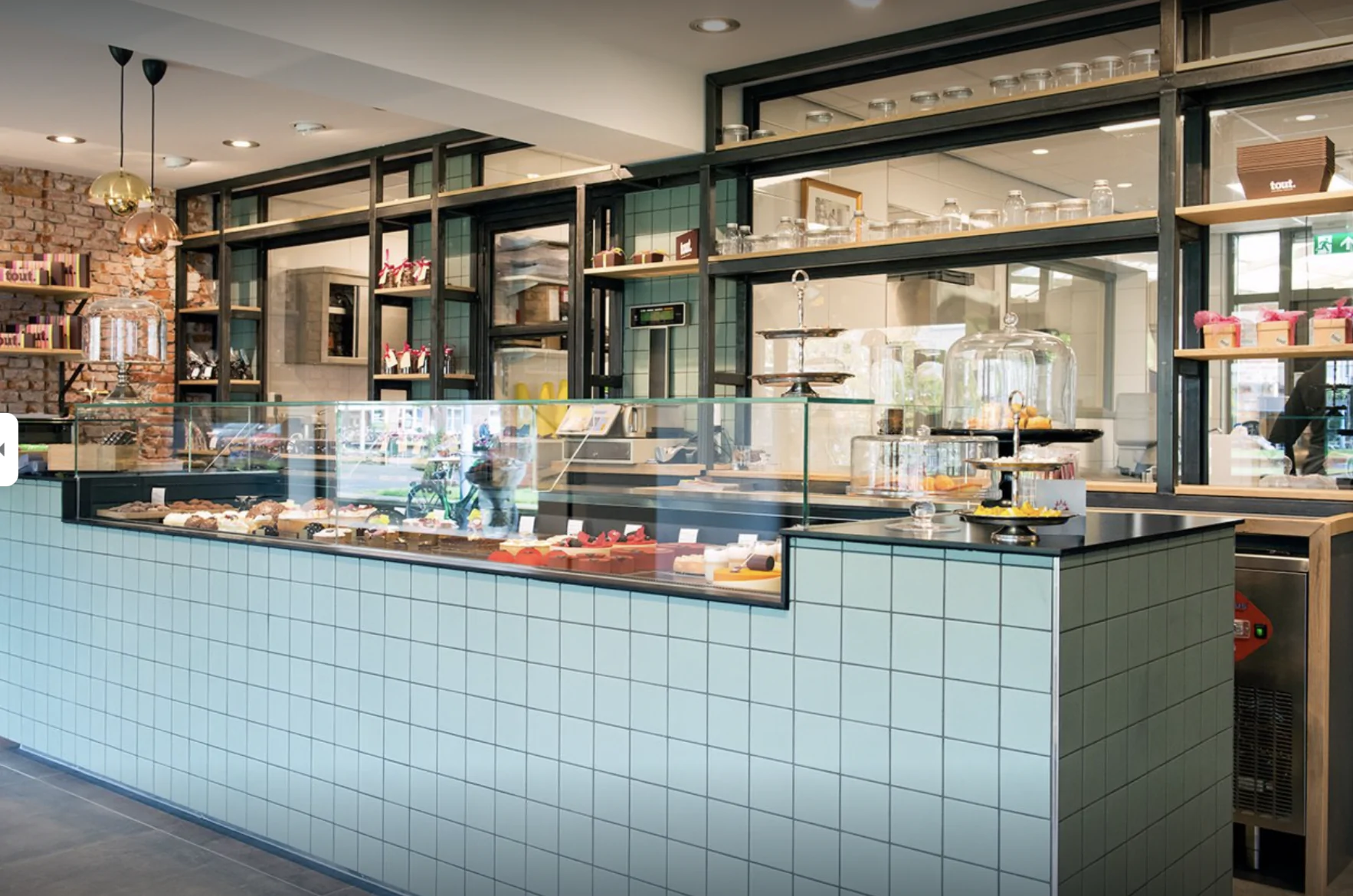
Patisserie Tout maakt gebakjes, chocolade en macarons in een atelier aan de Maasstraat. De Patisserie is in 2007 opgezet door koppel Job en Kim van Berkel. Samen vormen zij het ideale team; Job is de smaakmaker en Kim is de gastvrouw. Dit ijzersterke duo heeft succes geboekt; Patisserie Tout is een van de bekendste smaakateliers in Amsterdam Zuid en verkoopt taart en gebak voor elke gelegenheid; bruidstaarten, verjaardagstaarten, en ook bedrijfstaarten. Geen grote taart nodig? Gelukkig kan ook een kleine gebakjes kopen, zoals éclairs of verrukkelijke macarons.
1078 HM Amsterdam
Sophie Eats
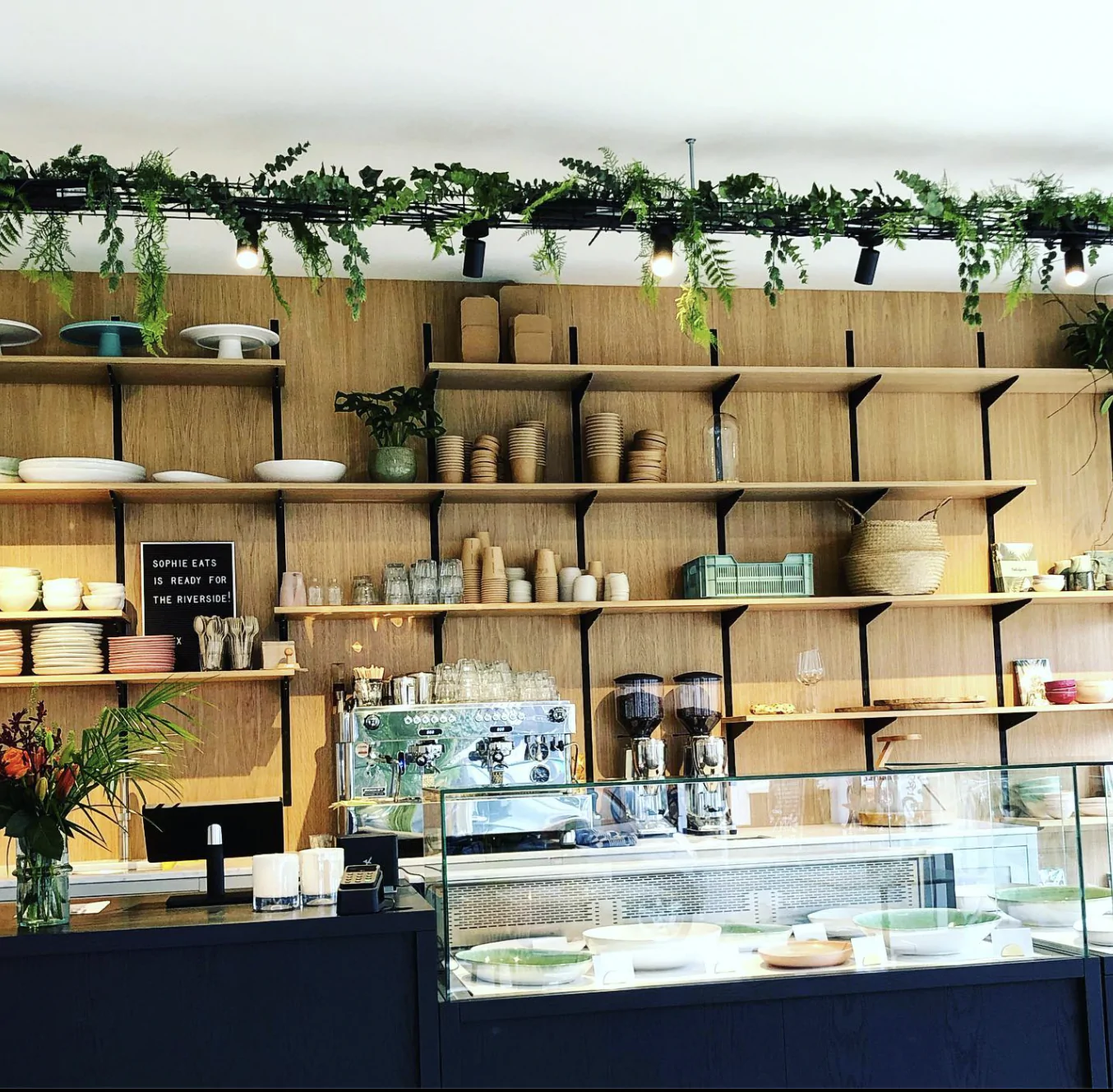
Sophie Eats is een cateringbedrijf en deli-shop gevestigd in Amsterdam. Met kwalitatieve seizoen producten wordt er een balans naar smaken en textuur gezocht die het eten uniek en lekker maken. Het kleurrijke menu is geschikt voor iedere gelegenheid; van een zakenlunch of een mode-evenement tot een sfeervolle borrel. In het winkeltje kan je terecht voor koffie, een vers sapje of iets lekkers te eten voor onderweg.
1078 GH Amsterdam
Feduzzi
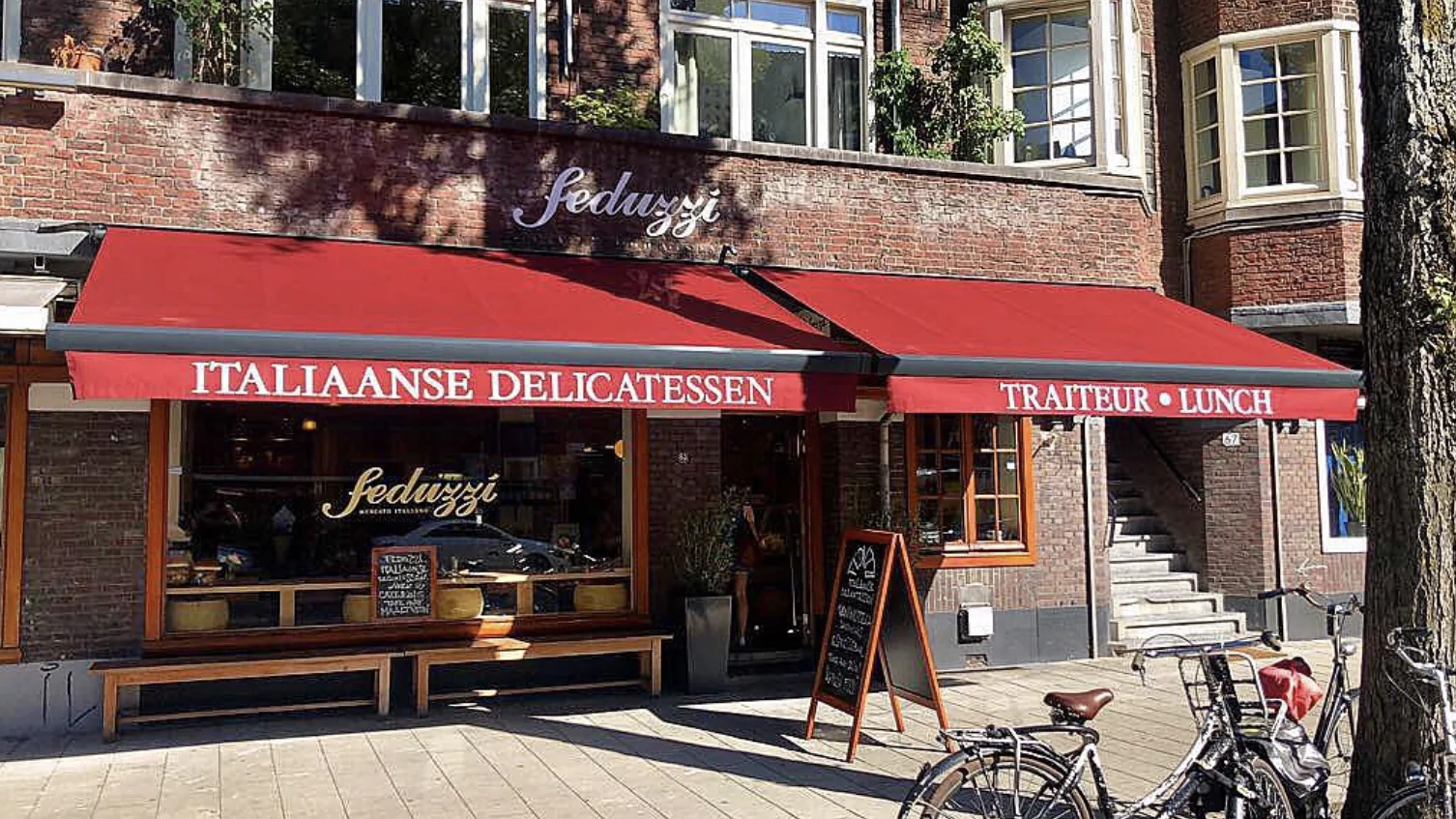
Feduzzi is opgezet in 1981 door de Italiaanse familie Feduzzi en was daarmee de allereerste Italiaanse delicatessenwinkel in Nederland. In 2001 werd het bedrijf overgenomen door Pjotr Meuwissen, die het liet uitgroeien tot een van de beste Italiaanse traitteurs in de stad. Je kunt bij Feduzzi terecht voor traditionele Italiaanse producten, zoals pasta's en wijnen en olijfolies, maar je kunt hier ook allerlei lekkere panini's halen; belegd met mozzarella, tonijnsalade of een van de andere heerlijke affetati, zoals beenham of coppa di parma.
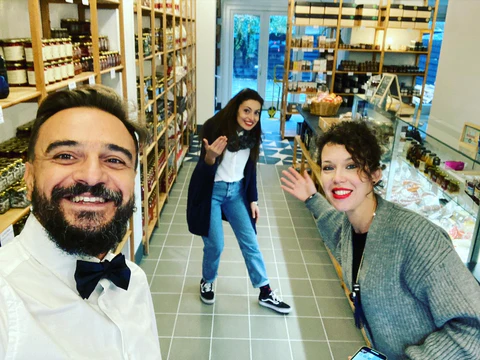
1074 AN Amsterdam
La Bottega by Chiara's Food
'From good people to good people'; dat is het motto van Chiara en haar familie. Chiara selecteert voor haar delicatessenwinkel de meest bijzondere en authentieke producenten in Italie. 'De meeste van onze leveranciers werken in hun familiebedrijven; terwijl ze de traditie behouden, hebben ze geleerd om de werklast te schalen en hun methoden te evolueren om bij de tijd te blijven. Al hun ingrediënten zijn lokaal afkomstig uit de regio waarin ze gevestigd zijn, wat op zijn beurt de lokale boeren ondersteunt waar ze van inkopen.' Er worden regelmatig workshops en tasting georganiseerd.
1078 HJ Amsterdam
Mangi Amore
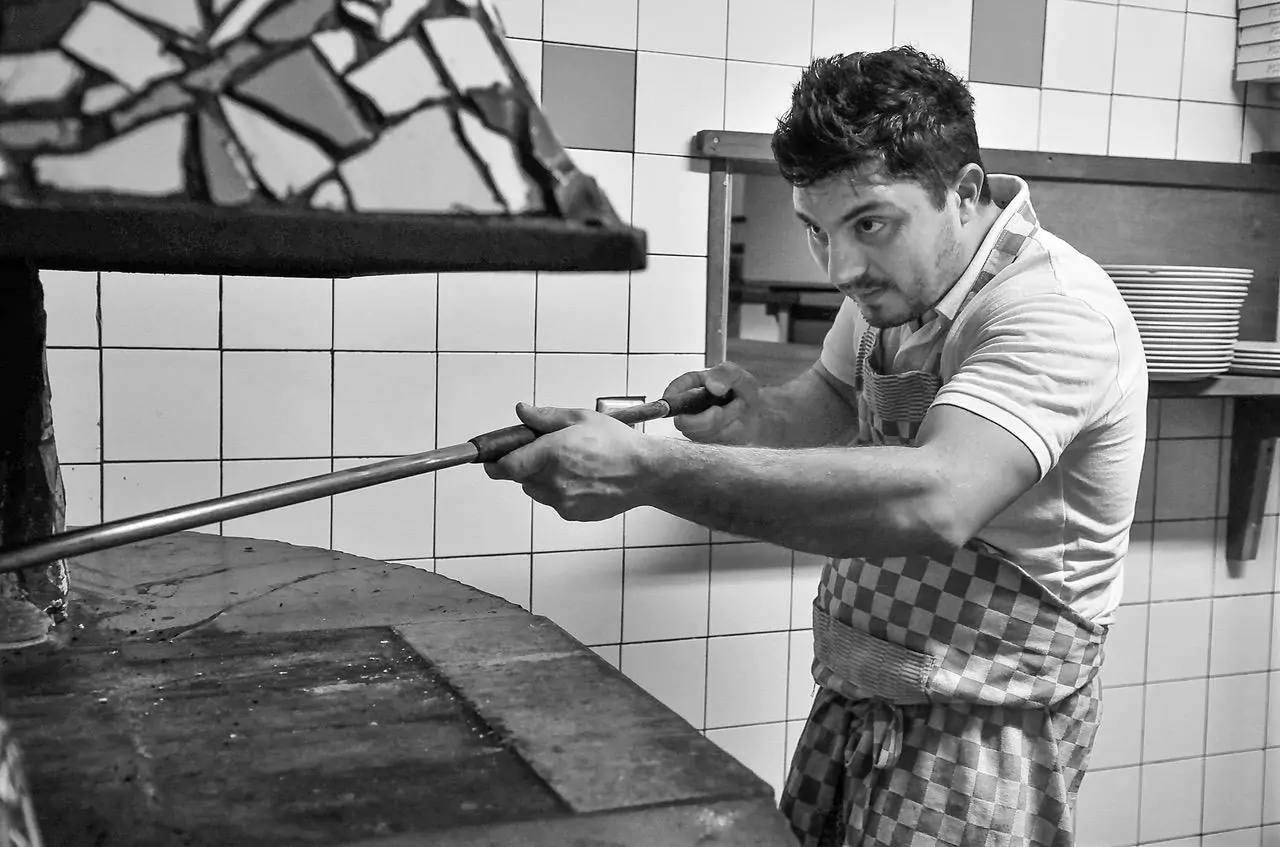
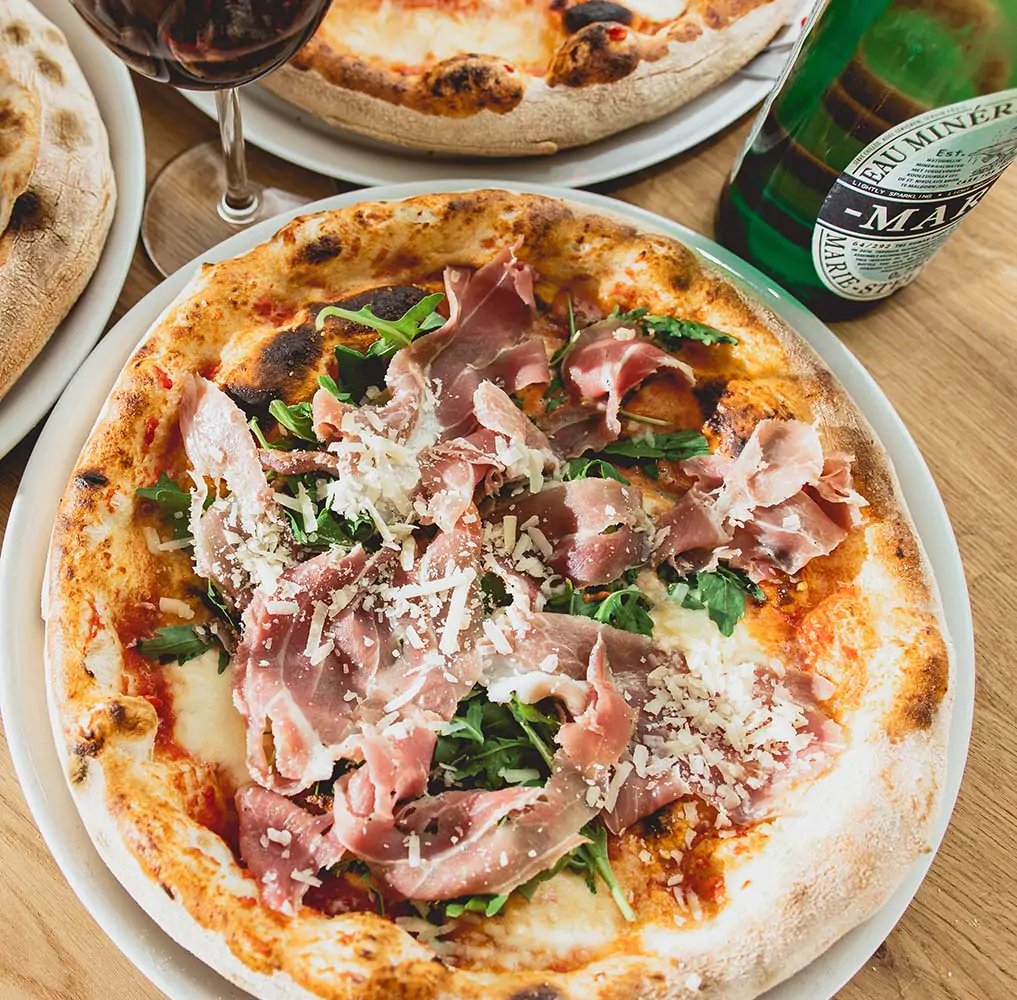
Bij Mangi Amore kun je terecht voor heerlijke authentieke pizza's zoals die in de Italiaanse pizza-stad Napoli worden gegeten. Chefkok Cico is een Napolitaan in hart en nieren en weet als geen ander hoe hij de perfecte krokante pizza's kan maken. In 2014 won Cico zelfs de prijs voor het bakken van de beste pizza van Nederland! De ingrediënten die worden gebruikt -in Mangi Amore zoals de tomaten uit Campania en de fameuze buffelmozzerella - worden rechtstreeks uit Italië geïmporteerd. Breng een bezoekje aan deze pizzeria om écht Italië te proever, of zoals de naam van het restaurant zelf als zegt "eet mijn lief!"
1078 HK Amsterdam
Pizza Project
Het begon met een pizzaoven in hun achtertuin. Elke vrijdag stond er een rij voor hun woning met vrienden en familie die een pizza kwamen halen. Inmiddels hebben Idske en Bas twee vestigingen en een foodtruck. Het geheim? Het deeg 48 uur laten rijzen waardoor de bodem luchtig wordt en de pizza minder zwaar op de maag ligt. In het weekend worden er ook broodjes voor de lunch geserveerd.
1072 LH Amsterdam
Yamazato (*)
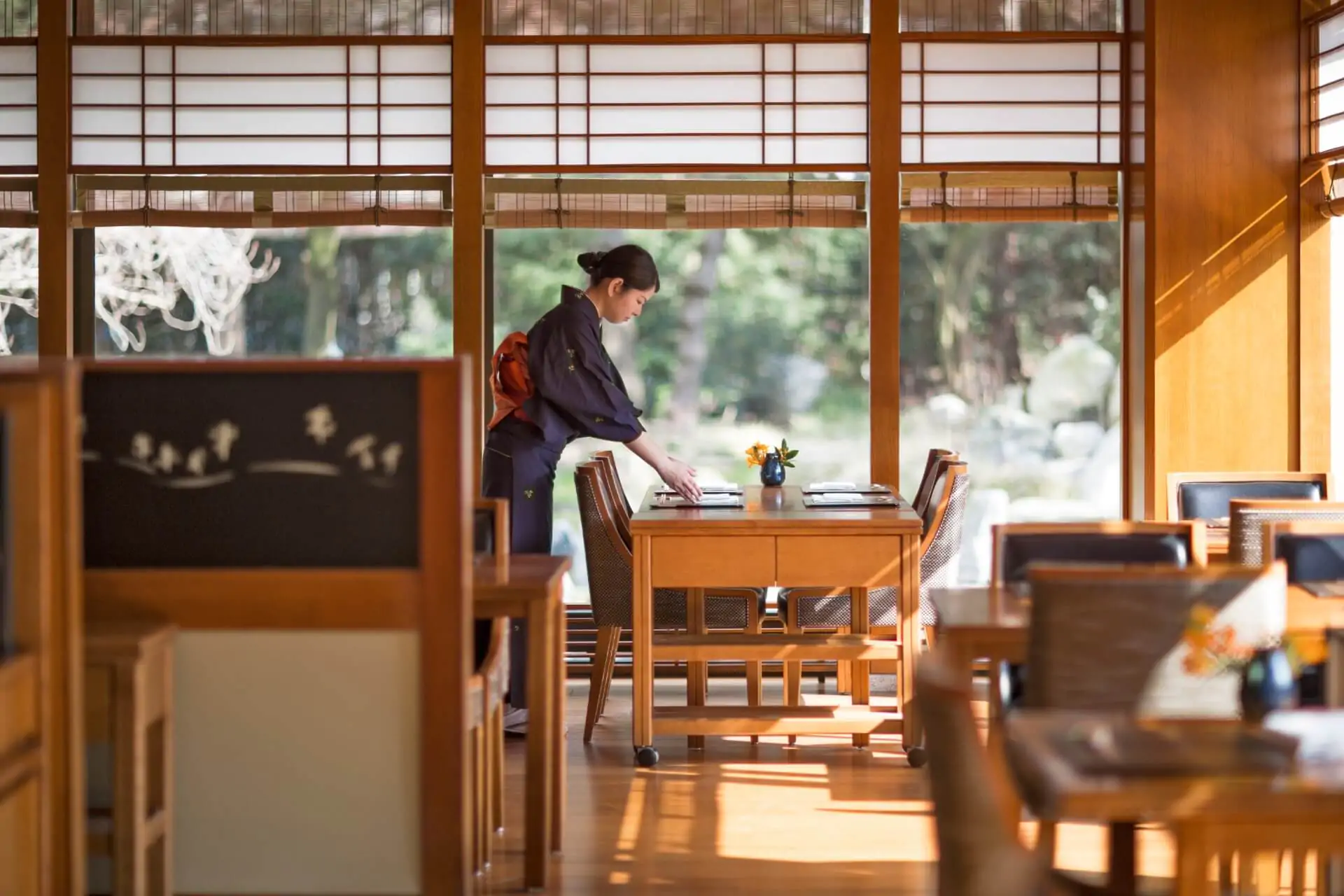
Als de naam Yamazato je niets zegt, is het wellicht makkelijker om te denken aan het Okura hotel. In dit torenachtige hotel aan de Ferdinand Bolstraat zit restaurant Yamazato wat zoals de Michelin gids uitlegt het eerste traditionele kaiseki restaurant is dat in 2002 werd bekroond met een Michelin ster. De keuken is uitgebreid en toegankelijk voor zowel degene die al volop bekend zijn met authentiek Japans, als zij die net om de hoek komen kijken. Het personeel is vriendelijk en hoffelijk en brengt het op kunstwerk gelijkende eten met een elegante flair naar de tafels. De traditionele kaiseki keuken toont zich hier simpelweg van haar mooiste en puurste kant. Yamazato biedt daarmee een ingetogen moment waarin een topproduct als zeebaars en intense bereidingen rond miso en yuzu de hoofdrol spelen. De aangepaste saké’s dienen als kers op de taart!
1072 LH Amsterdam
Serre
Onder leiding van Chef de Cuisine Bram Postel biedt Serre een à-la-cartemenu en het Bibendum-menu, een drie- of viergangenervaring met uitstekende prijs-kwaliteitverhouding, bekroond met een Bib Gourmand door Michelin. Het menu weerspiegelt de internationale flair van Hotel Okura, met fusiongerechten en subtiele Oosterse invloeden.
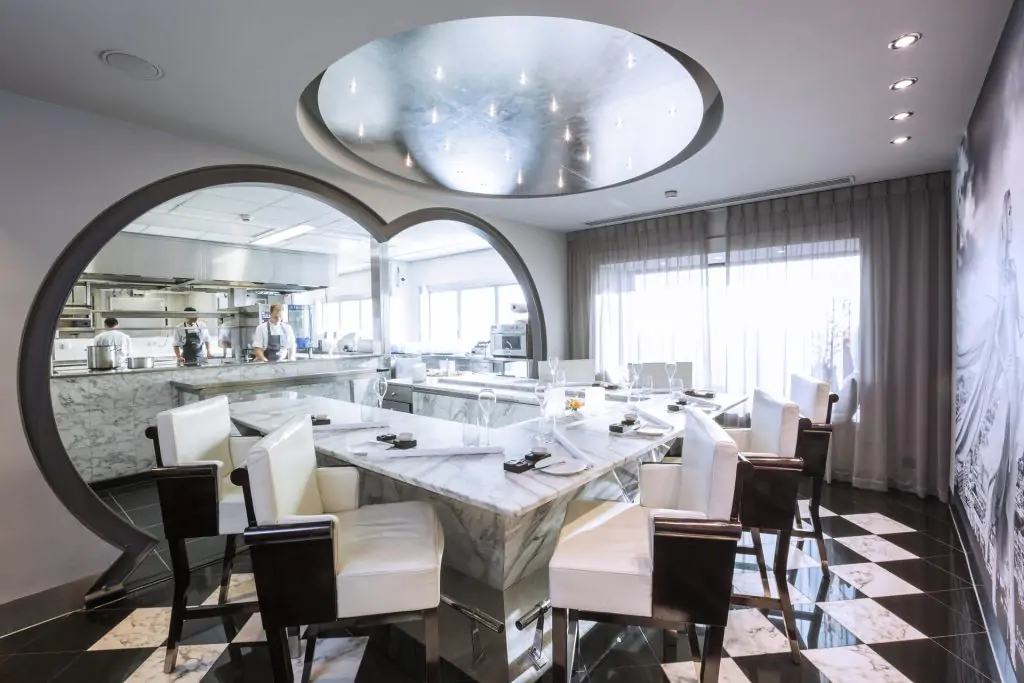
1072 LH Amsterdam
Ciel Bleu (**)
Het gastronomische restaurant Ciel Bleu zit in het welbekende Okura Hotel. Het hotel dat boven Amsterdam Zuid uittorent. Verwacht bij Ciel Bleu diner van hoog niveau. Niet alleen bevindt het restaurant zich op de 23e verdieping, de internationale keuken heeft inmiddels twee michelinsterren op zijn naam staan. Waan je in de seizoensgebonden gerechten bereid door chefs Onno Kokmeijer en Arjan Speelman en geef je over aan een puur zintuiglijke ervaring.
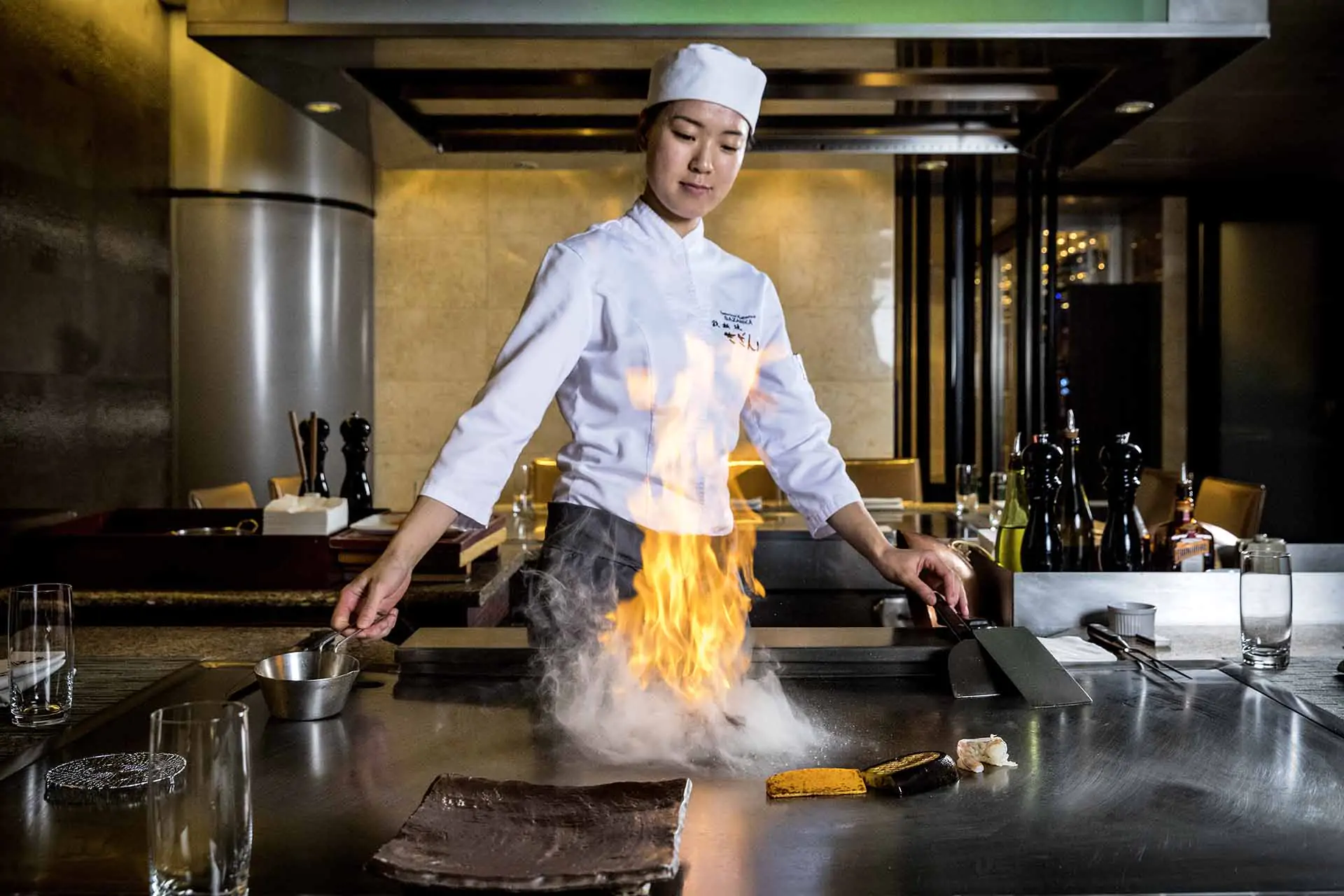
1072 LH Amsterdam
Teppanyaki Restaurant Sazanka
Sazanka is een teppanyaki restaurant in hotel Okura aan de Ferdinand bolstraat. Deze vorm van voedselbereiding uit de Japanse keuken draait om de teppan, een hete ijzeren plaat om op te bakken. In Sazanka is het dan ook mogelijk om met zijn allen aan te schuiven en de teppan-chef te aanschouwen terwijl deze de meest wonderlijke gerechten op de borden tovert. De gerechten bestaan uit zowel vis en vlees, maar er worden ook genoeg vegetarische gerechten aangeboden. Een bezoek aan Sazanka is gegarandeerd een uniek kijkje in de wereld van de Japanse chefs en de kooktechnieken die zij gebruiken om elk gerecht met Japanse precisie klaar te maken. Het klinkt bijna te mooi om waar te zijn, maar Sazanka maakt het simpele grillen op een plaat tot een verfijnd stukje ambachtswerk.
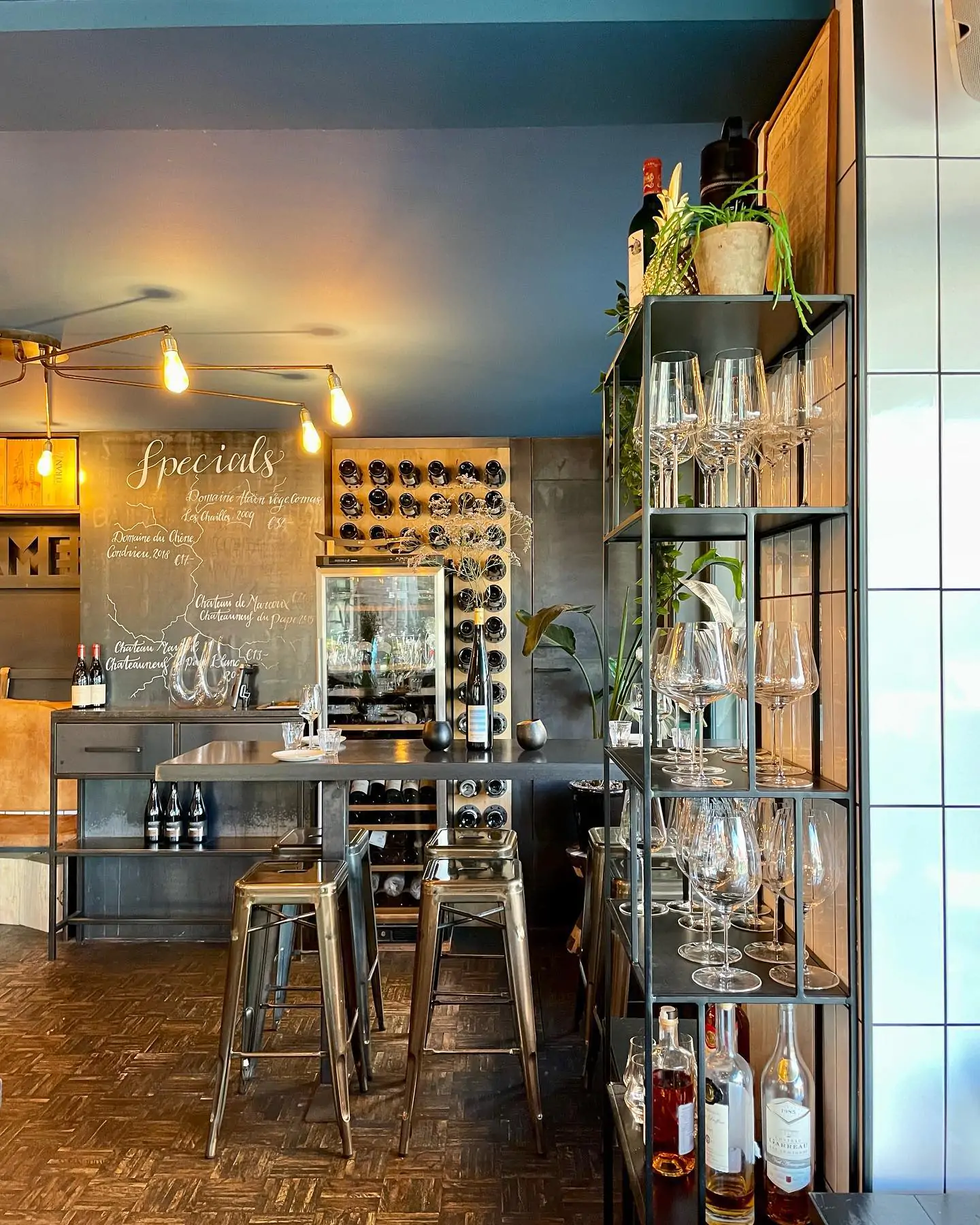
1073 HB Amsterdam
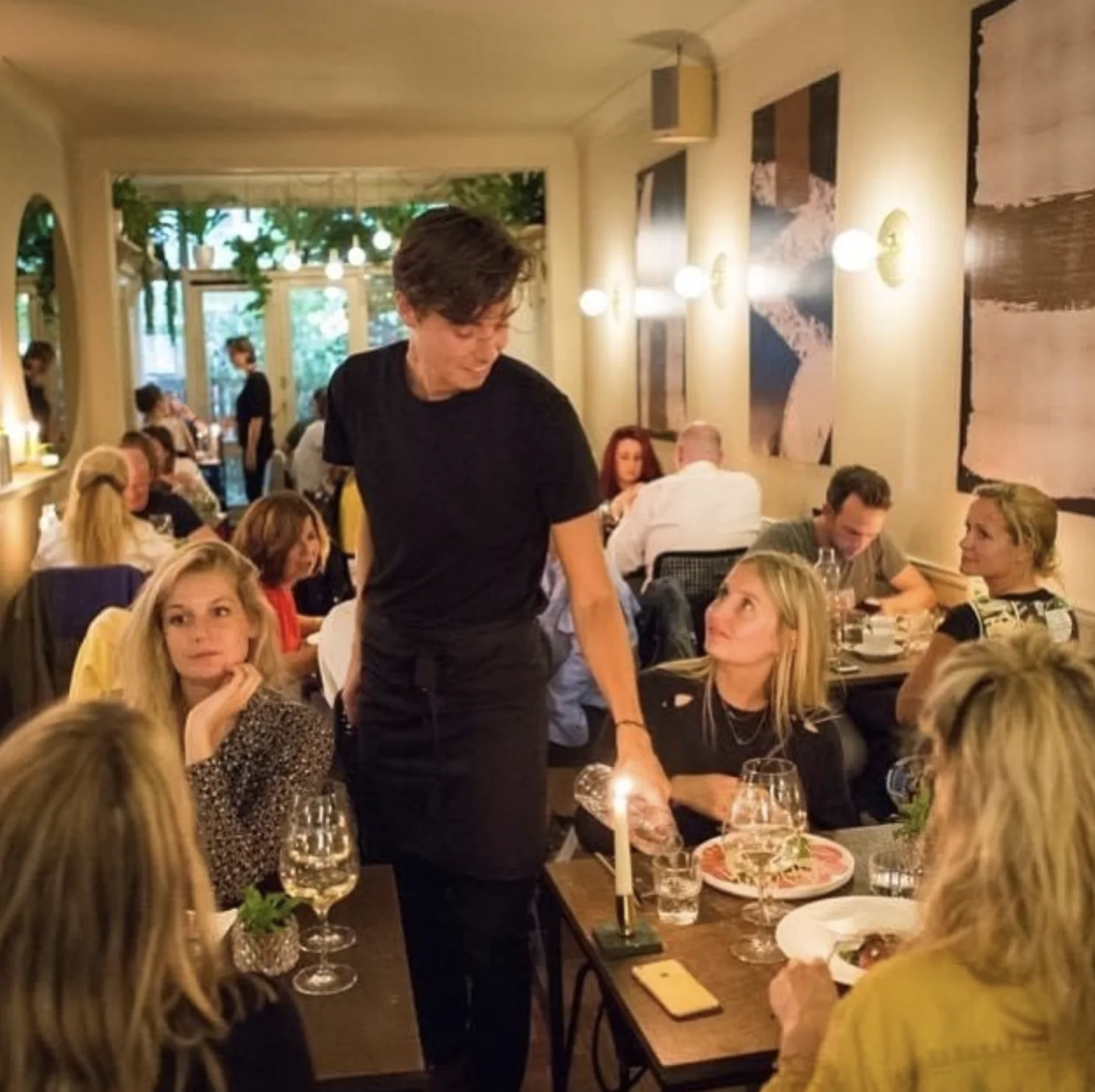
Wijnbar paskamer
In het pand van een voormalige slagerij (dat zie je nog aan de witte tegels) in een rustige straat in de Pijp vind je Wijnbar Paskamer. Met allerlei bijzondere wijnen die zowel per glas als per fles te bestellen zijn is dit een fijne plek om wijn te drinken én om lekker te eten. Eigenaar Wouter Aalst is zo gepassioneerd over wijn dat hij zelfs een eigen wijnschool opstartte, de Amsterdam Wine Academy. De wijnkaart verandert regelmatig en er is voor ieder wat wils met ongeveer 150 wijnen, van natuurwijnen tot klassiek.
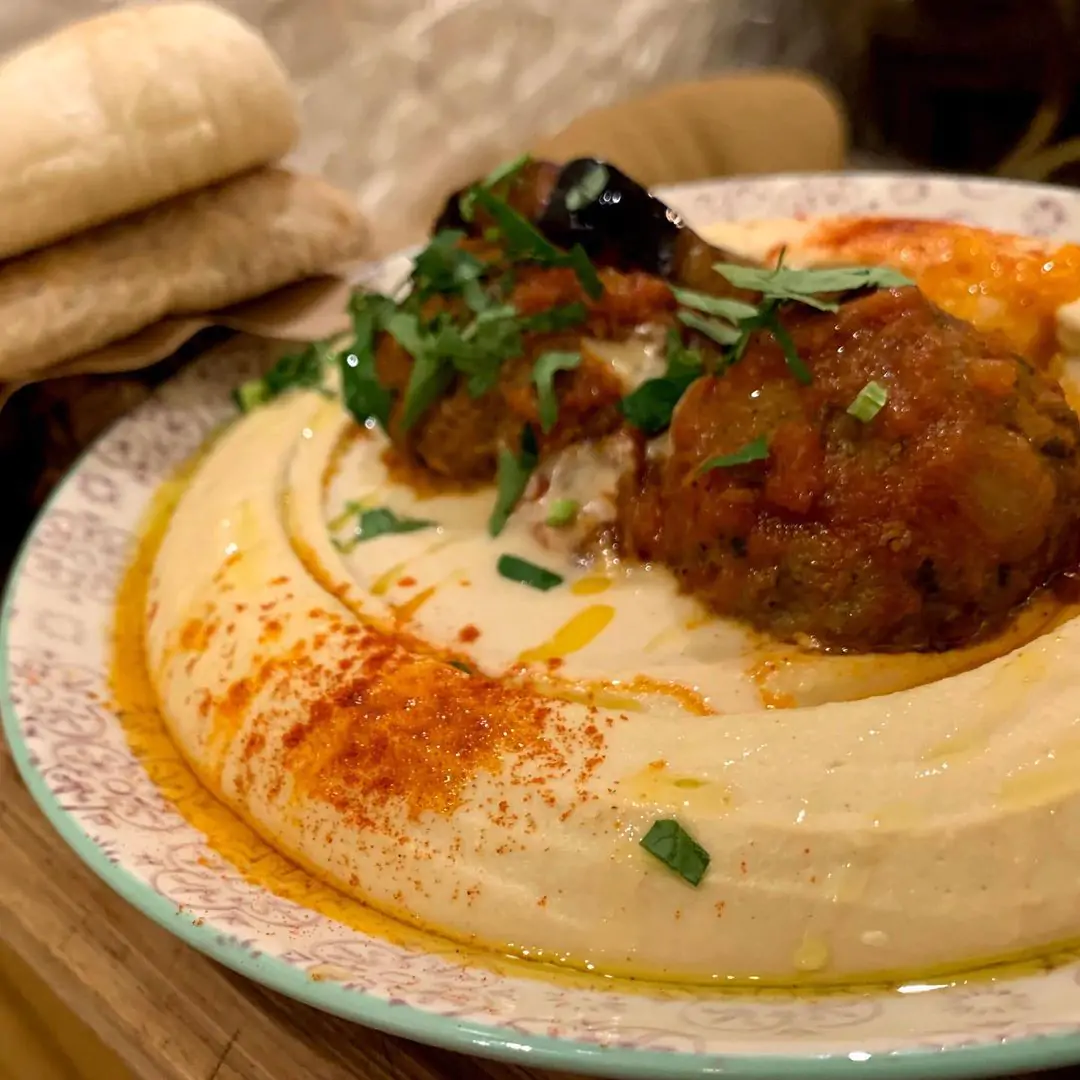
1078 HL Amsterdam
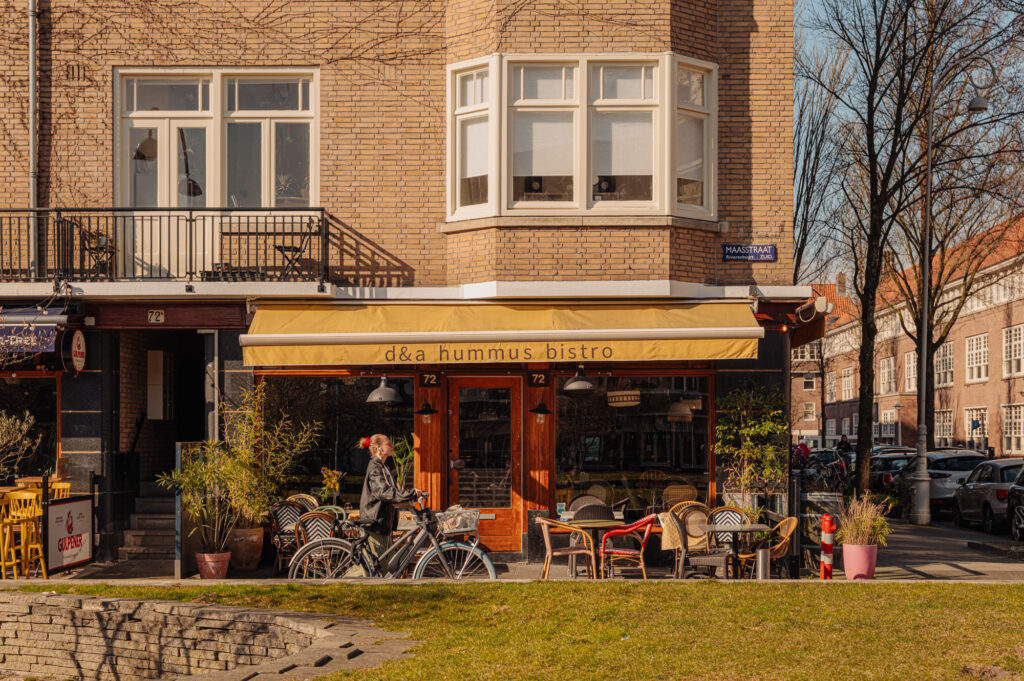
Hummus bistro d&a
Hummus Bistro D&A is opgezet door twee Israëlische vrouwen. Je kan er de hele dag door genieten van heerlijke gerechten. Begin je dag met shakshuka voor ontbijt, smul van traditionele hummus met verschillende toppings tijdens de lunch en proef vlees- of vegetarische gerechten bij het diner. Alles is mogelijk en kan de hele dag worden besteld. De traditionele hummus wordt geserveerd met pitabrood, salade en zuur, maar je kunt ook kiezen voor toppings zoals geroosterde groenten of langzaam gegaard vlees en verse kruiden.
1073 TB Amsterdam
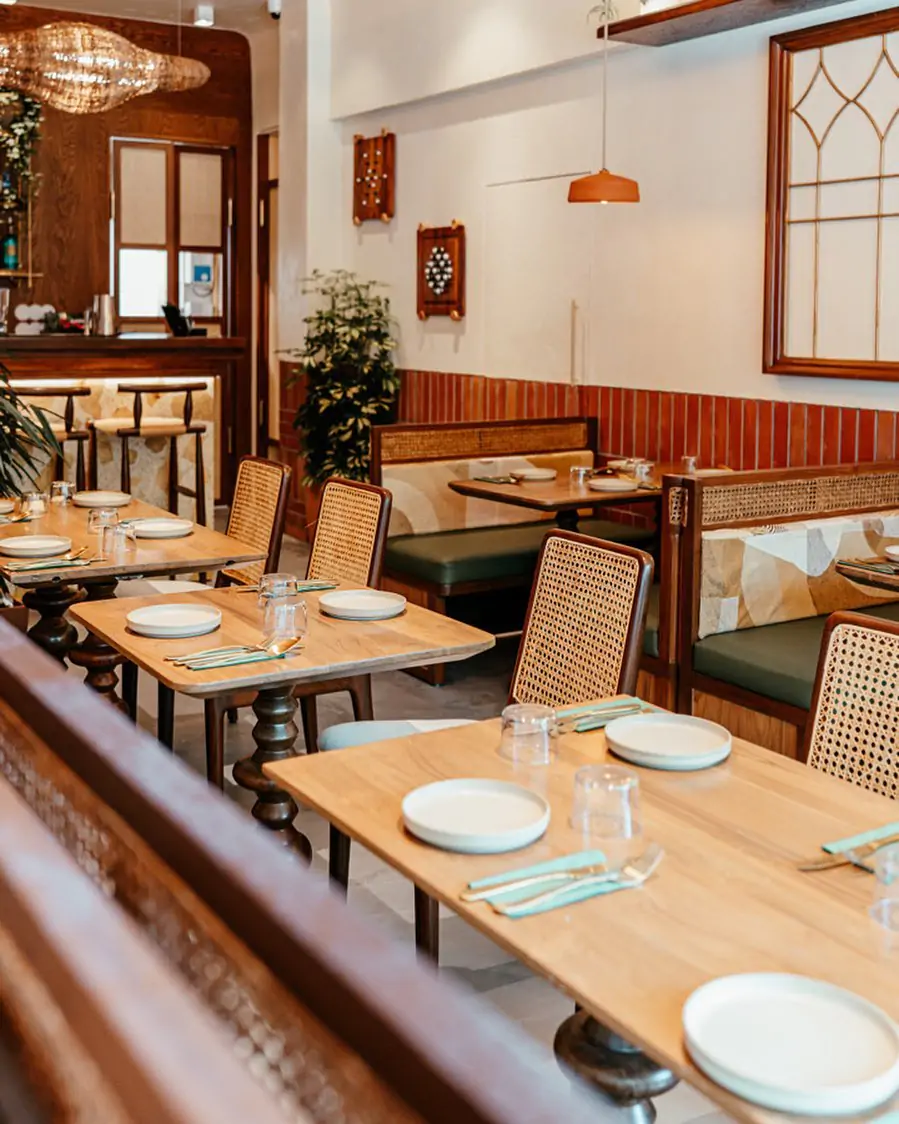
Wijmpje Beukers
Midden in de Pijp, gelegen in een monumentaal pand, is eetcafé Wijmpje Beukers gevestigd. Met een knus terras en een gezellig interieur kan je hier met vrienden de dag doorspreken, een borrel drinken of lekker dineren. Het menu staat vol met gerechten gemaakt van verse en lokale producten en alles is in de eigen keuken klaargemaakt. De eigenaren zijn zelf dagelijks in de zaak te vinden en doen niets liever dan het iedereen naar de zin maken.
1073 AR Amsterdam
Miri Mary
Bij Miri Mary kun je genieten van heerlijke kruidige gerechten uit de Indiase keuken, gepresenteerd in een moderne tapasstijl, met een glimlach van gastvrouw Foram Kamdar. Naast smaakvolle cocktails en uitstekende koffie biedt Miri Mary een unieke culinaire ervaring waar Indiase kruiden samenkomen met westerse invloeden. Deelgerechten staan centraal, zodat je alles kunt proeven. Als je moeite hebt met kiezen, laat de chef dan gewoon iets verrassends voor je bereiden.
1078 GG Amsterdam
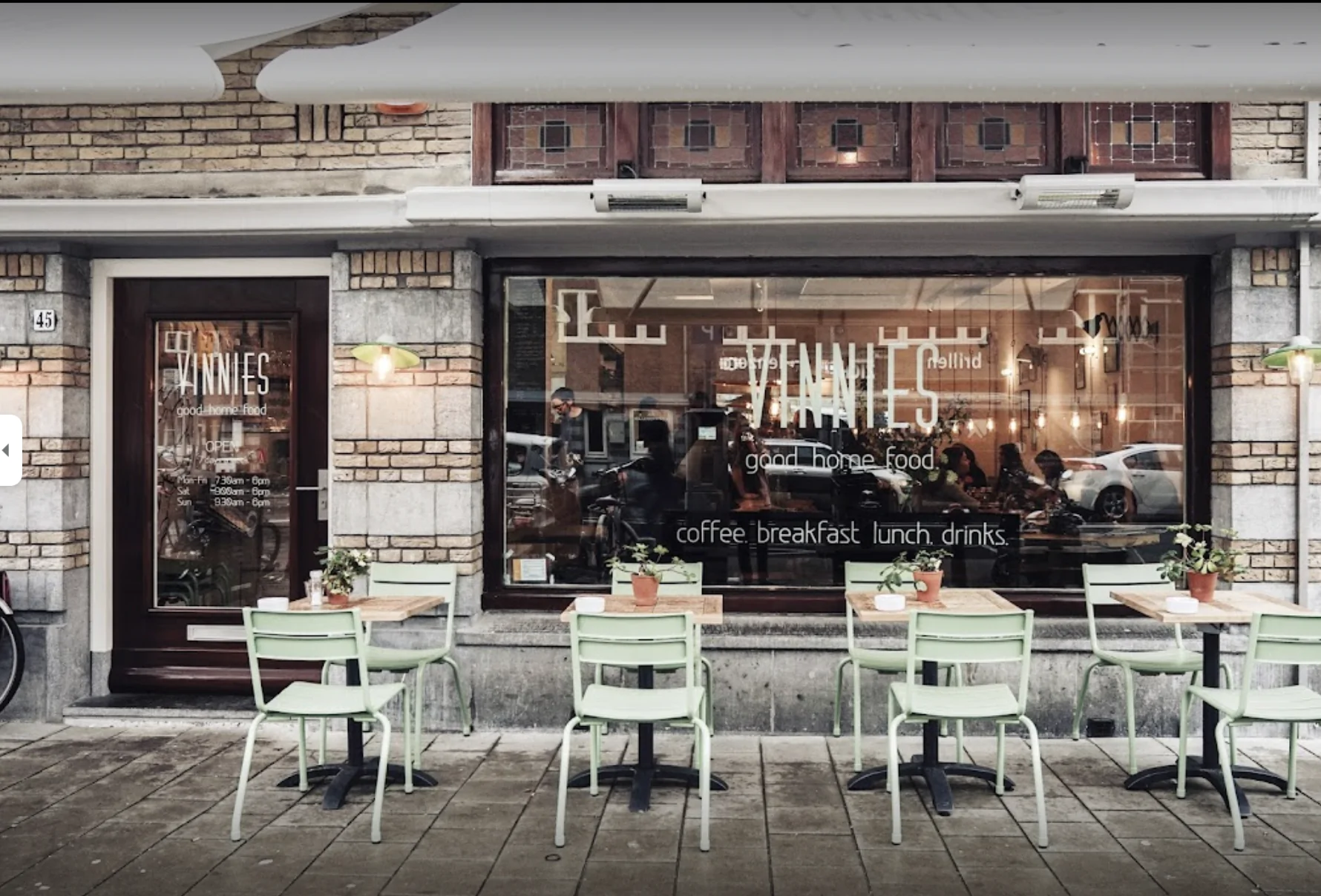
Vinnies
Bij Vinnies draait het om goed en eerlijk eten. Dit restaurant serveert ook all-day ontbijt en lunch. Je kunt bijvoorbeeld kiezen uit lekkere broodjes, gerechten met ei en zelfs Marokkaanse couscous of linzensoep. Als je liever komt voor een drankje ben je bij Vinnies ook op het juiste adres; ze zetten heerlijke koffie en maken ook de mooiste sappen en cocktails voor je klaar. Laat je liever de lunch bezorgen? Geen probleem: Vinnies verzorgt ook catering en heeft een eigen take-away lunchmenu.
1078 GM Amsterdam
Venetië IJS
Bij Venetië hebben ze ambachtelijk Italiaans ijs. Het zijn veelal Italiaanse mensen die de bolletjes scheppen en dat merk je dan ook aan hun charmante accent en hun vriendelijke glimlach. Het ijs is huisgemaakt en ze hebben veel verschillende smaken en heerlijke slagroom. Het interieur is authentiek Italiaans met genoeg zitplekken binnen. In de zomer staan er buiten tafels en stoelen op het terras om even rustig je ijsje op te eten.
1072 PD Amsterdam
Badeta
Badeta begint langzaamaan naam te maken in de stad met ondertussen twee locaties. Het begon in De Pijp en heeft nu ook een vestiging in de Watergraafsmeer. De twee oprichters hebben de missie om in elk stadsdeel een locatie te openen. Deze koffiebranderij verkoopt heerlijke koffie met hun eigen melanges en diverse huisgemaakte lekkernijen. Duurzame koffie staat centraal, afkomstig van kleinschalige boeren met milieuvriendelijke boerderijen en goede arbeidsomstandigheden.
1073 AE Amsterdam
Glouglou
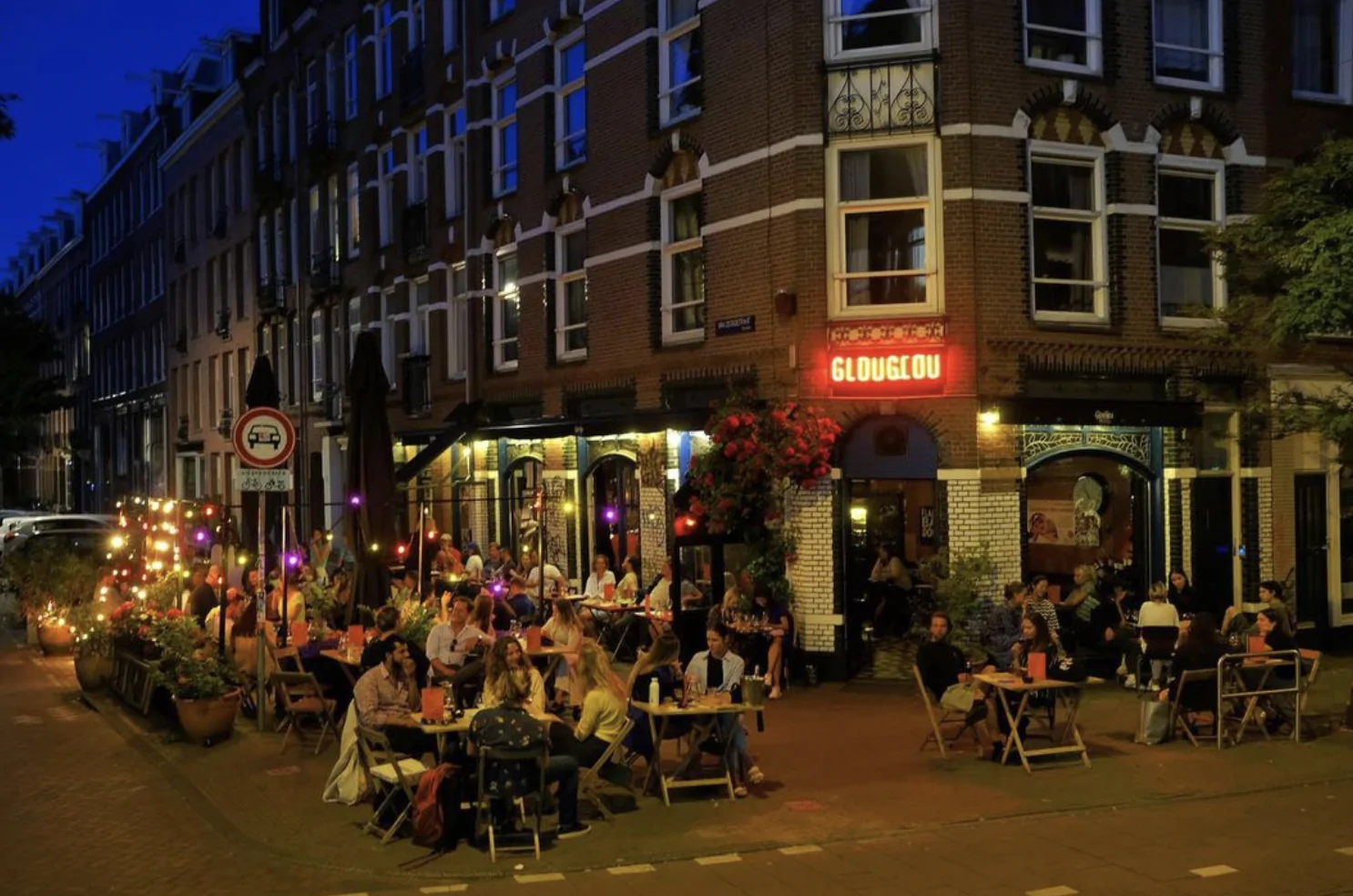
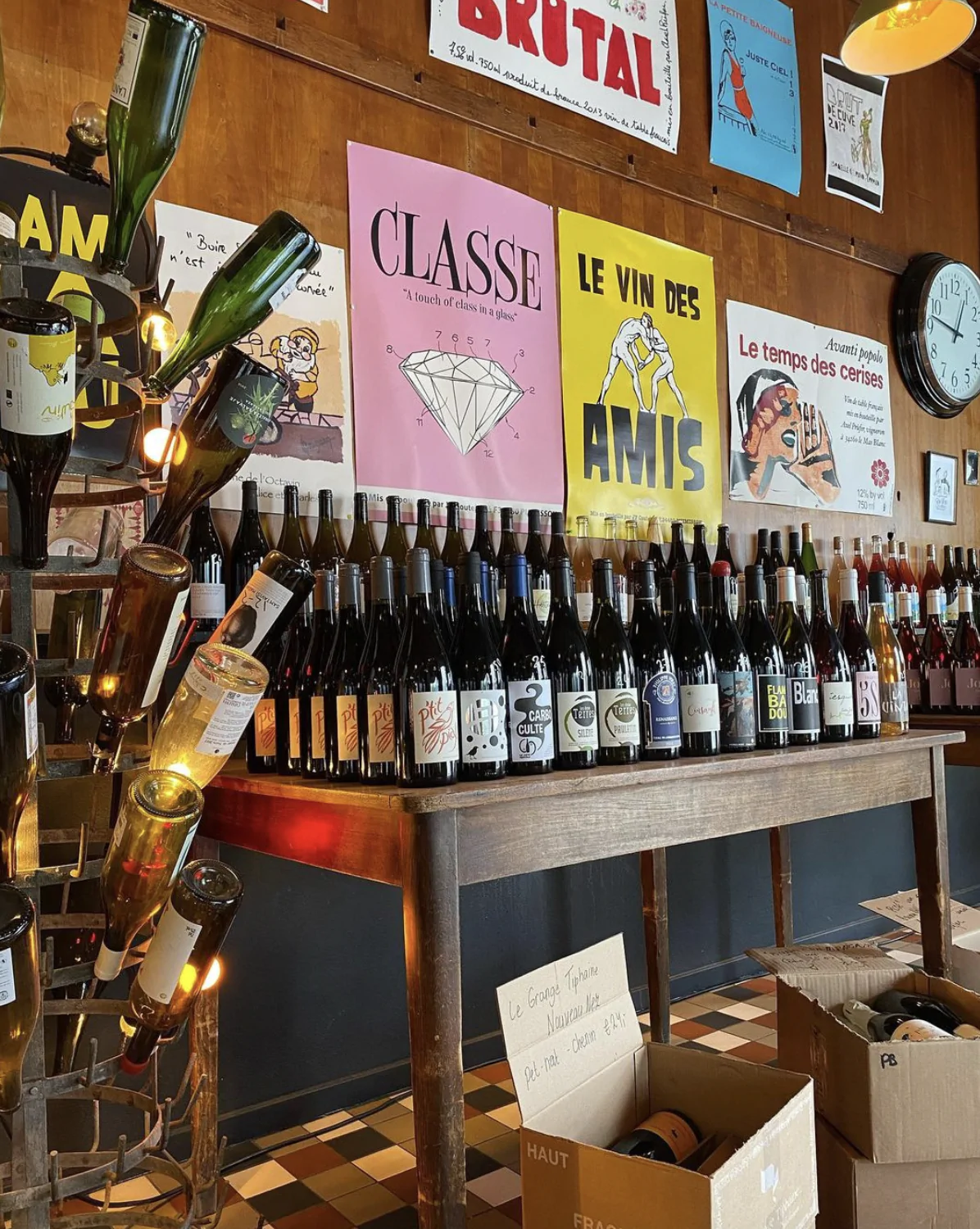
Wie van natuurlijke en biologische wijnen houdt is helemaal zijn plek bij Glouglou. Hier serveren ze namelijk alleen maar natuurlijke wijnen en bijpassende borrelplanken. Heb je je nieuwe favoriete wijn ontdekt bij Glouglou? Geen probleem, in de shop kun je namelijk de hele fles kopen om thuis lekker na te genieten. De sfeer is heel gezellig binnen en ’s zomers kan je lekker mensen kijken in de drukke Pijp vanaf het terras dat midden op straat staat.
1078 PZ Amsterdam
Yuan's Hot Pot
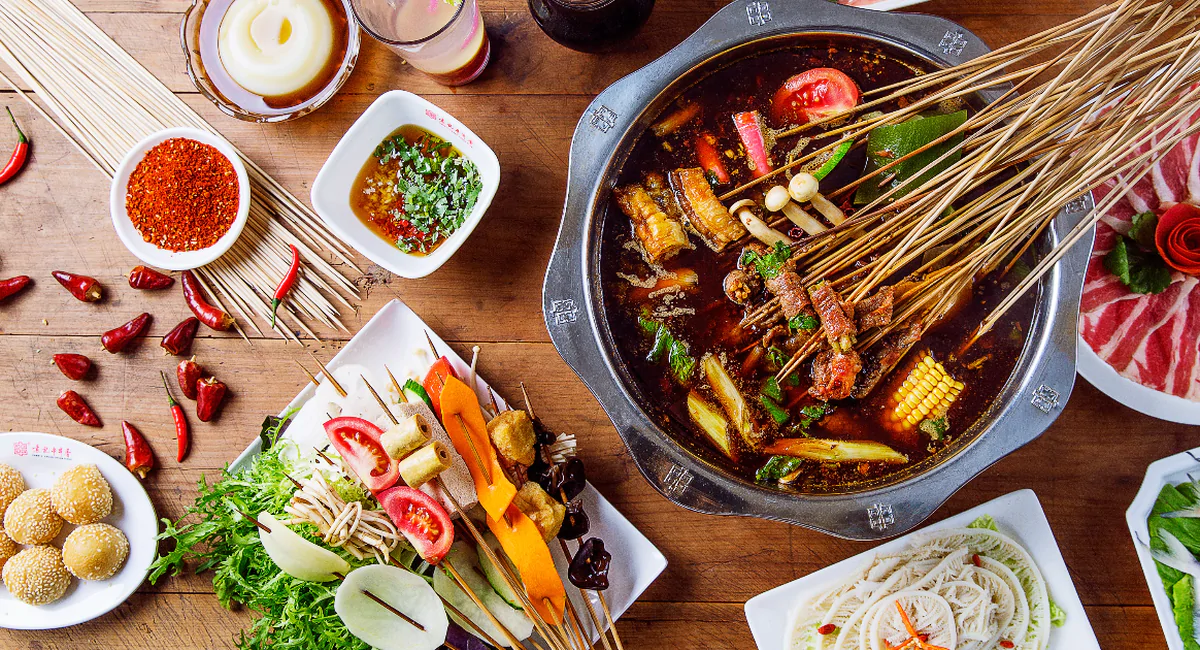
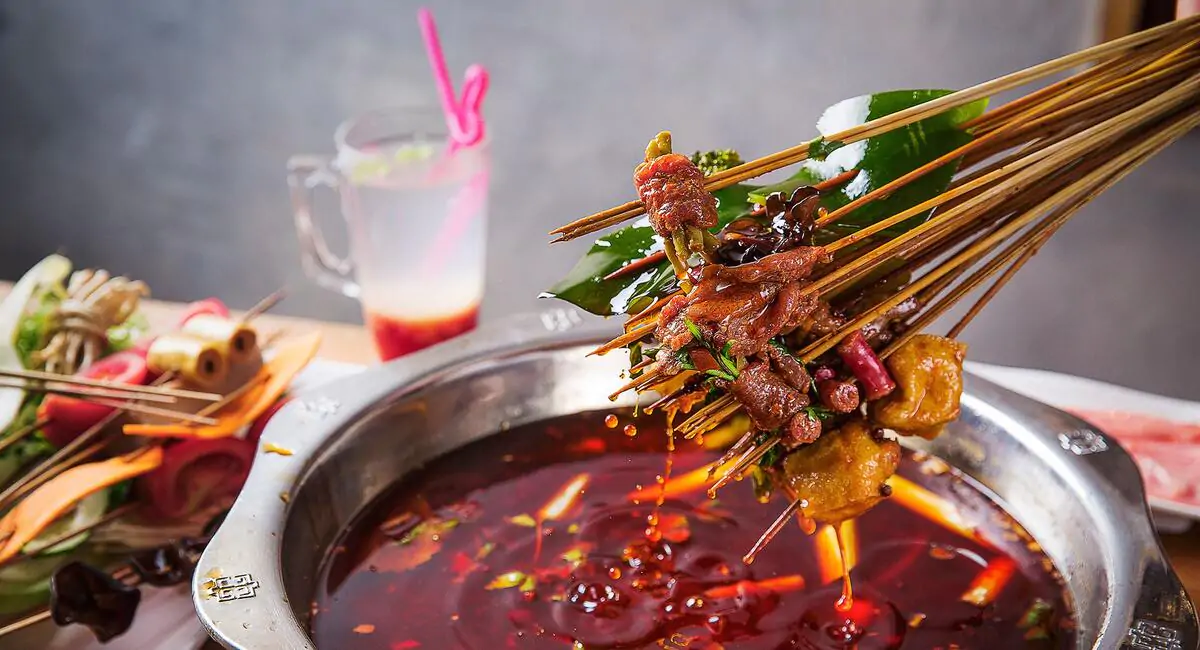
Hotpot is een van de populairste manieren om uit eten te gaan in China en maakt nu ook haar opmars in onze stad. Yuan's Hot Pot heeft ondertussen al haar derde locatie geopend in Amsterdam. Bij Yuan's Chuan Chuan Xiang serveren ze de authentieke smaak van Chengdu Hot Pot. Aan de bamboespiesjes worden verse ingrediënten zoals groenten, tahoe, vlees en vis gelegd. Terwijl de hete pot blijft sudderen, worden spiesjes geplaatst in de pan en wordt er aan tafel gekookt. Hoe pittig de bouillon is, kun je naar eigen smaak invullen. Ook de verschillende smaken van de bouillon kan je zelf bepalen.
1072 SW Amsterdam
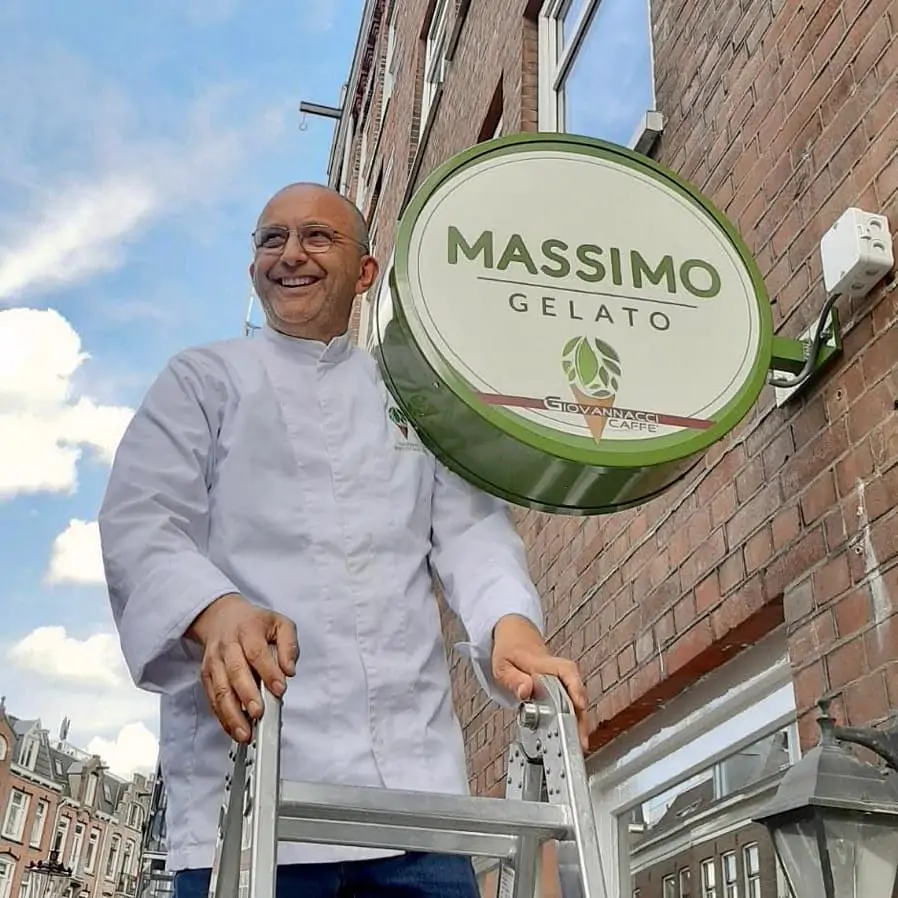
Massimo Gelato
Bij Massimo kan je het hele jaar door terecht voor overheerlijke, authentieke Italiaanse versnaperingen. Massimo staat onder de Amsterdammers vooral bekend om het bijzondere, smaakvolle ijs. De keuze in smaak is ruim en het personeel denkt graag met je mee (als je geluk hebt, laten ze je proeven!). Ook kan je er terecht voor heerlijke koffie. Er zijn maar weinig plekken die tippen aan Massimo. Daarnaast is het interieur overzichtelijk en verwelkomend. Af en toe moet je er een tijdje in de rij voor over hebben, maar dan heb je ook wat
1073 LZ Amsterdam
El Mauri
El Mauri in De Pijp is een van de beste low-budget ontbijtadressen van de stad. Bij deze bakker kun je al jaren terecht voor een uitgebreid Marokkaans ontbijt met een vakantiegevoel. Hoewel de bakker er van buiten eenvoudig uitziet, biedt hij van binnen een heerlijk ontbijt met vers brood, tajines en zelfgemaakte jam.
1078 GR Amsterdam
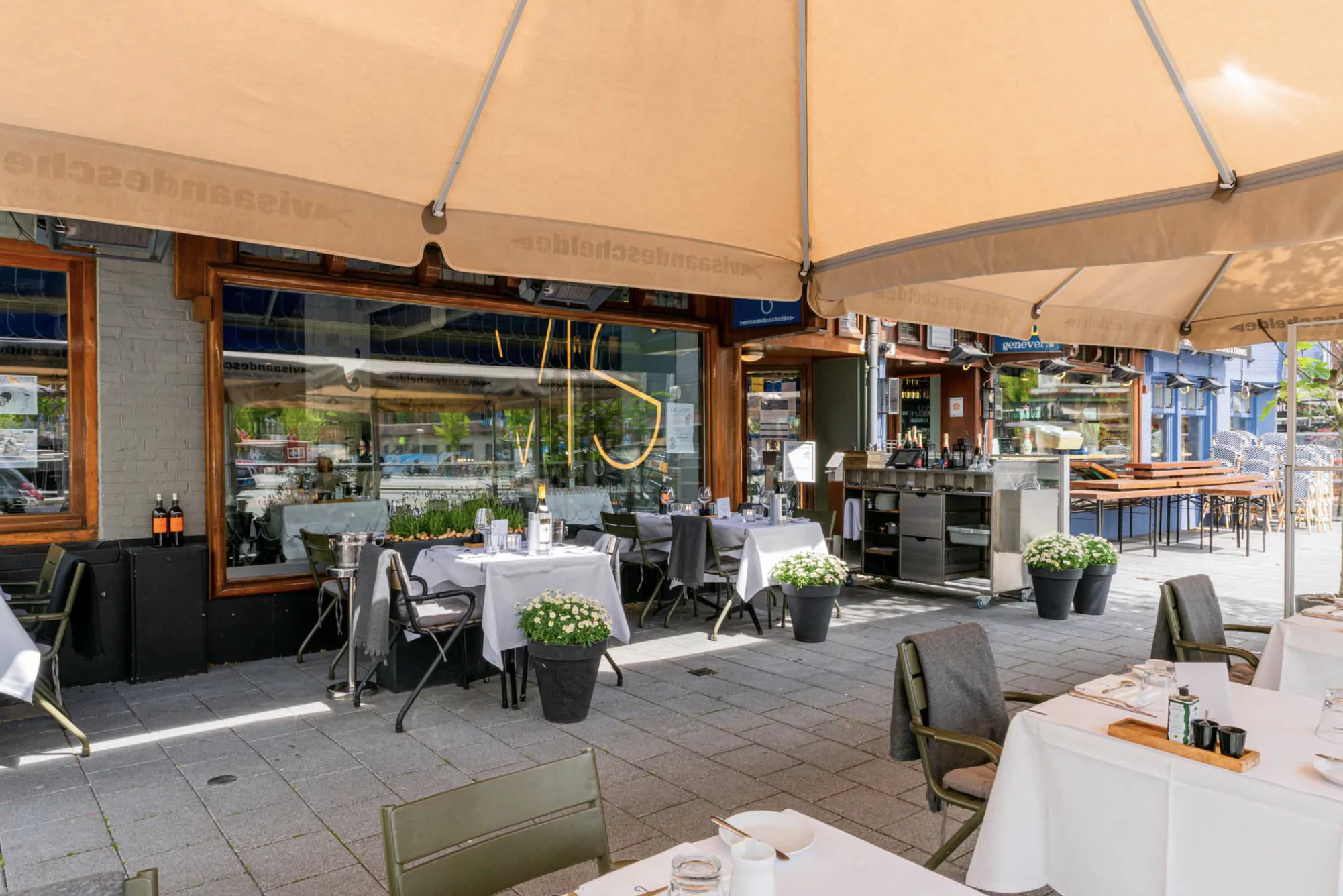
Visaandeschelde
Al meer dan 20 jaar een begrip in Amsterdam Zuid. Zoals ze zelf zeggen is hun culinaire passie het omtoveren van dagverse vis en seizoensproducten tot spannende en heerlijke gerechten. En daarmee is eigenlijk bijna alles al gezegd. Visaandeschelde ziet er chique uit, maar binnen is er geen te kort aan een goede portie Amsterdamse gezelligheid. Ook kan je in de zomer heerlijk op het terras zitten dat uitkijkt op het Scheldeplein.