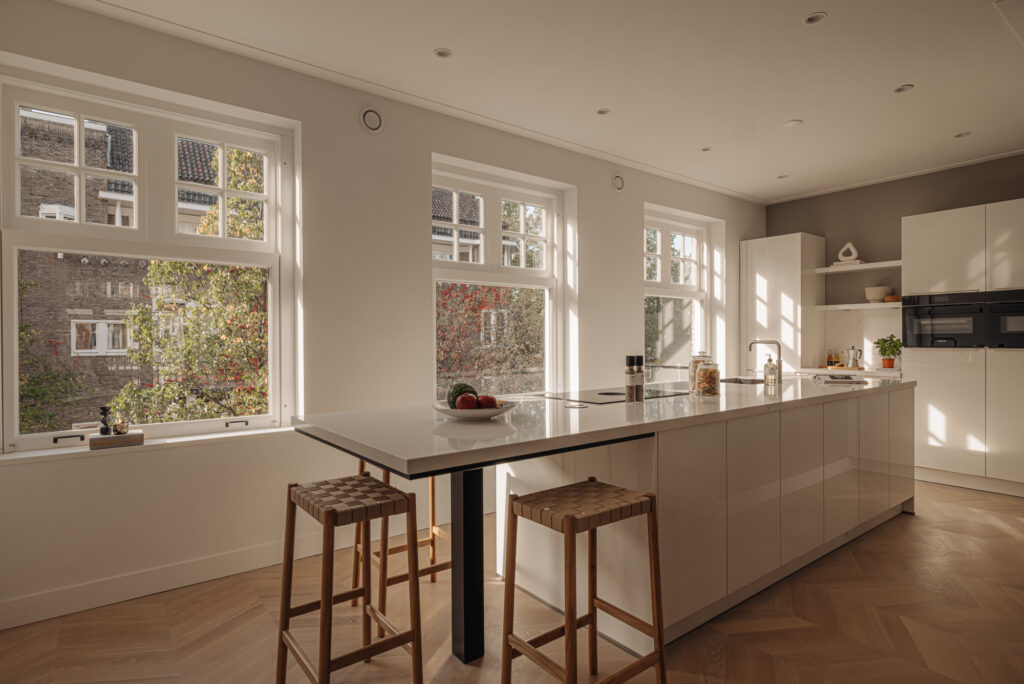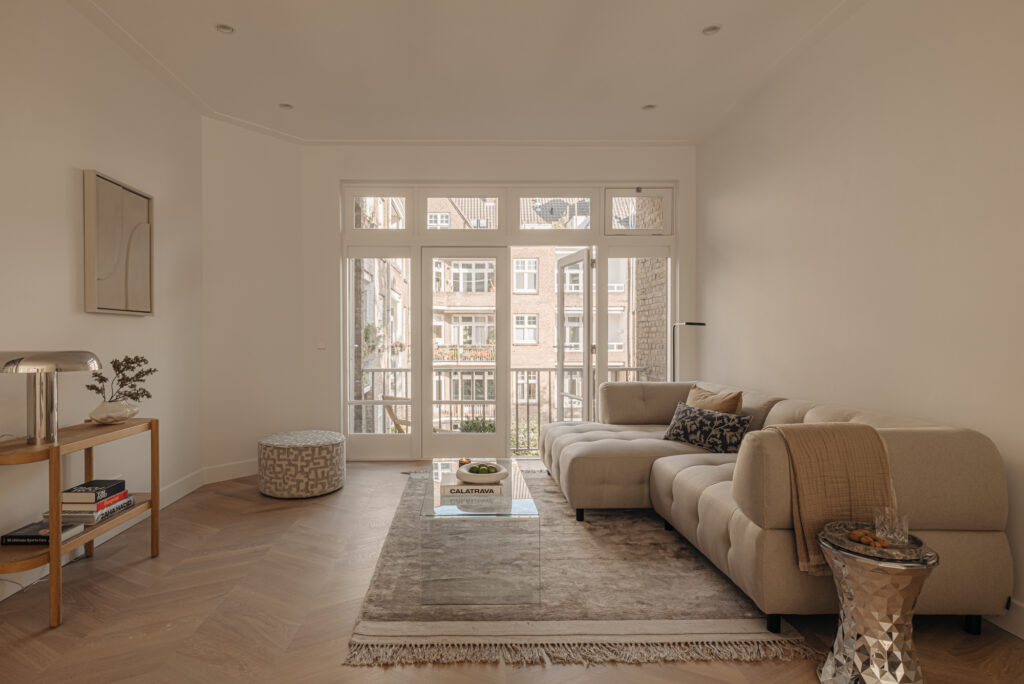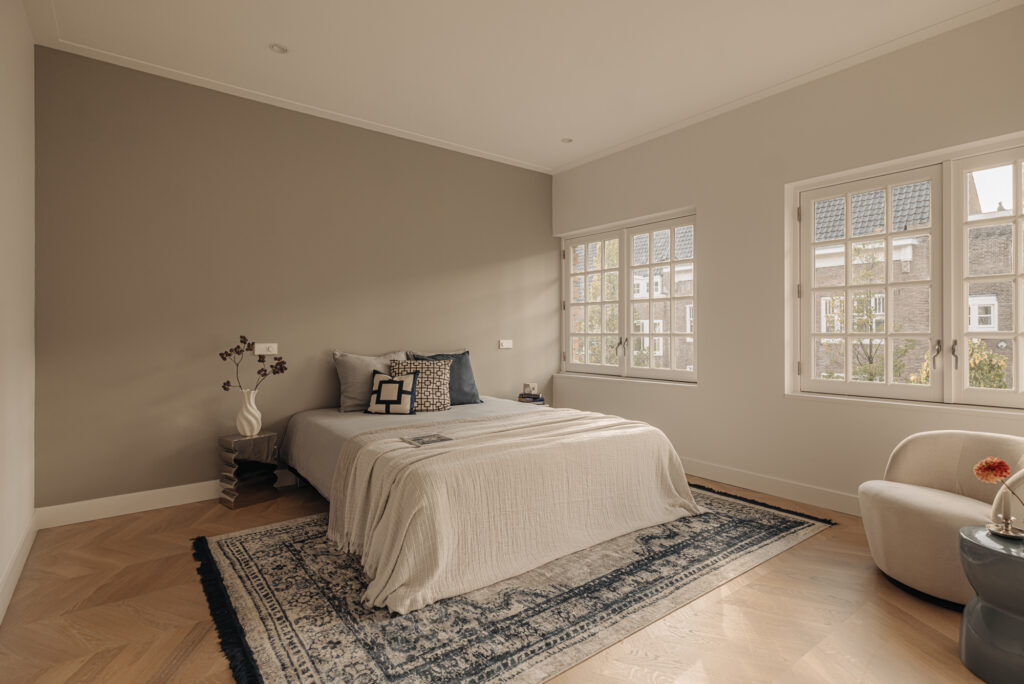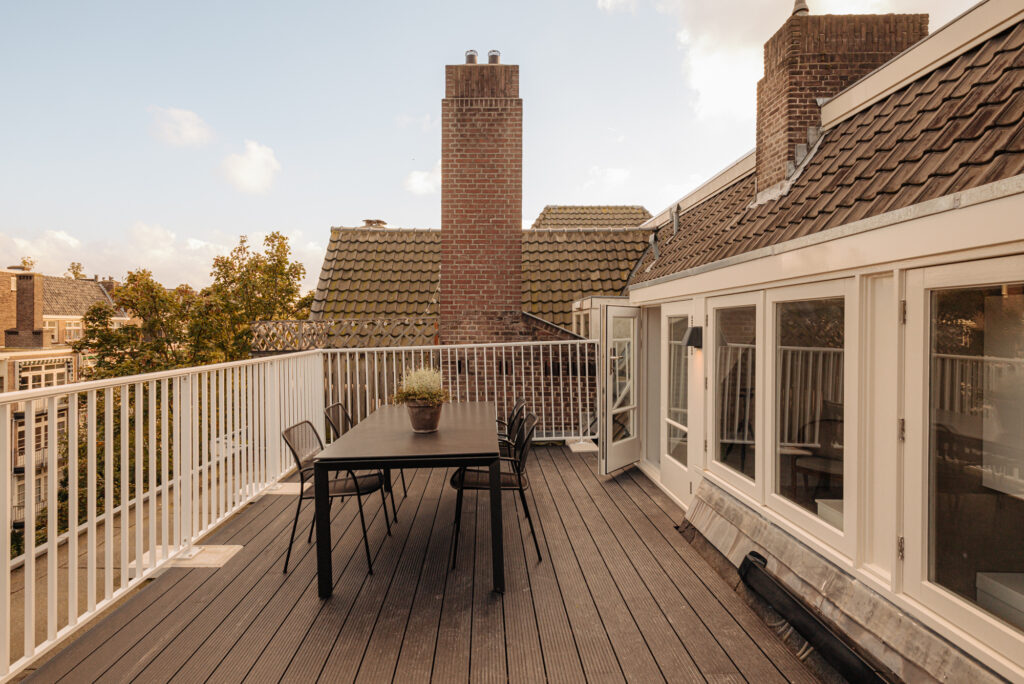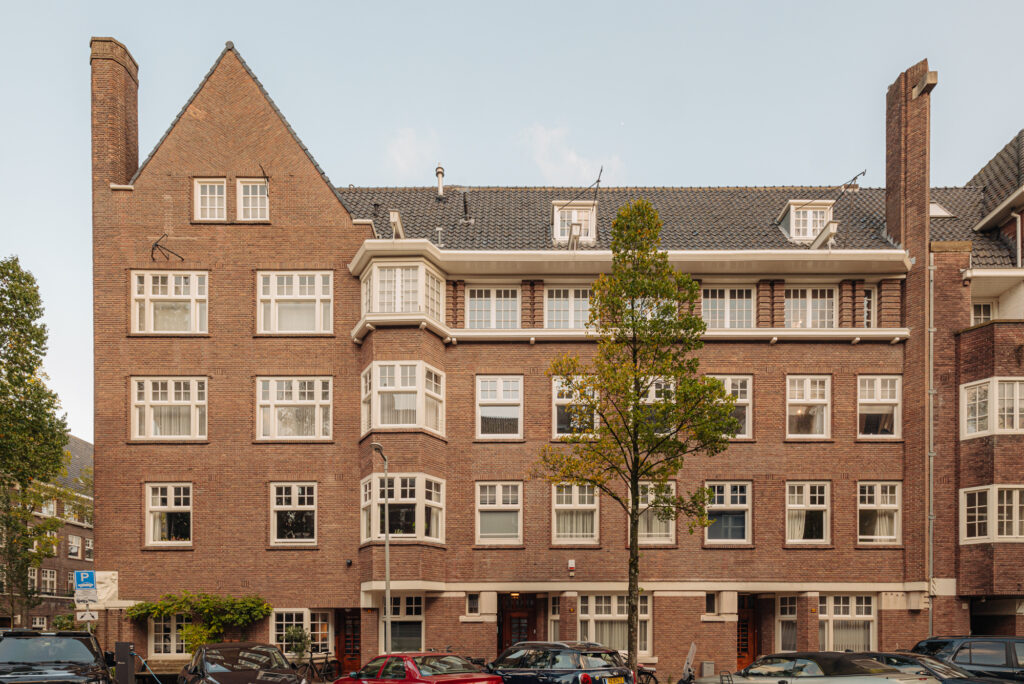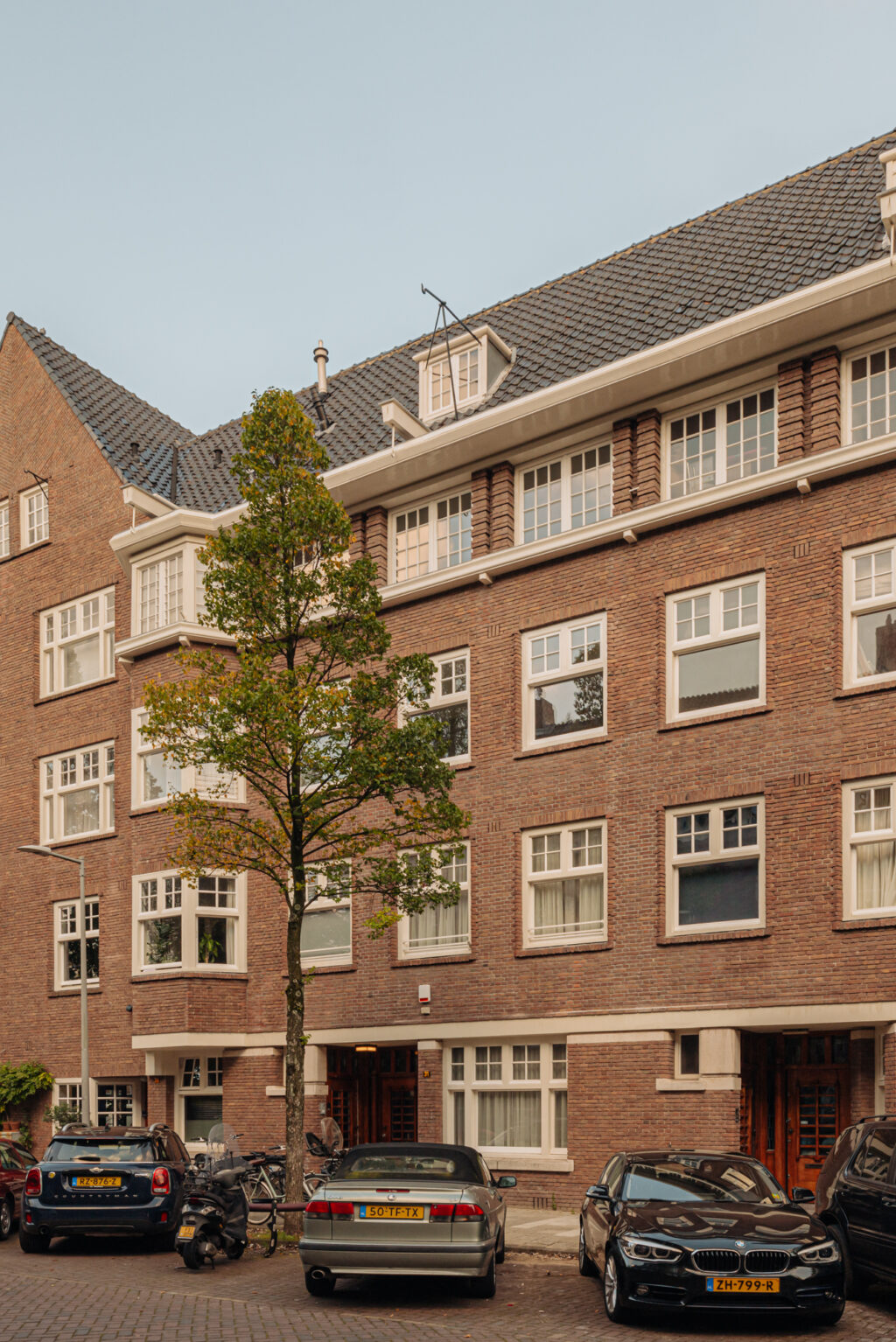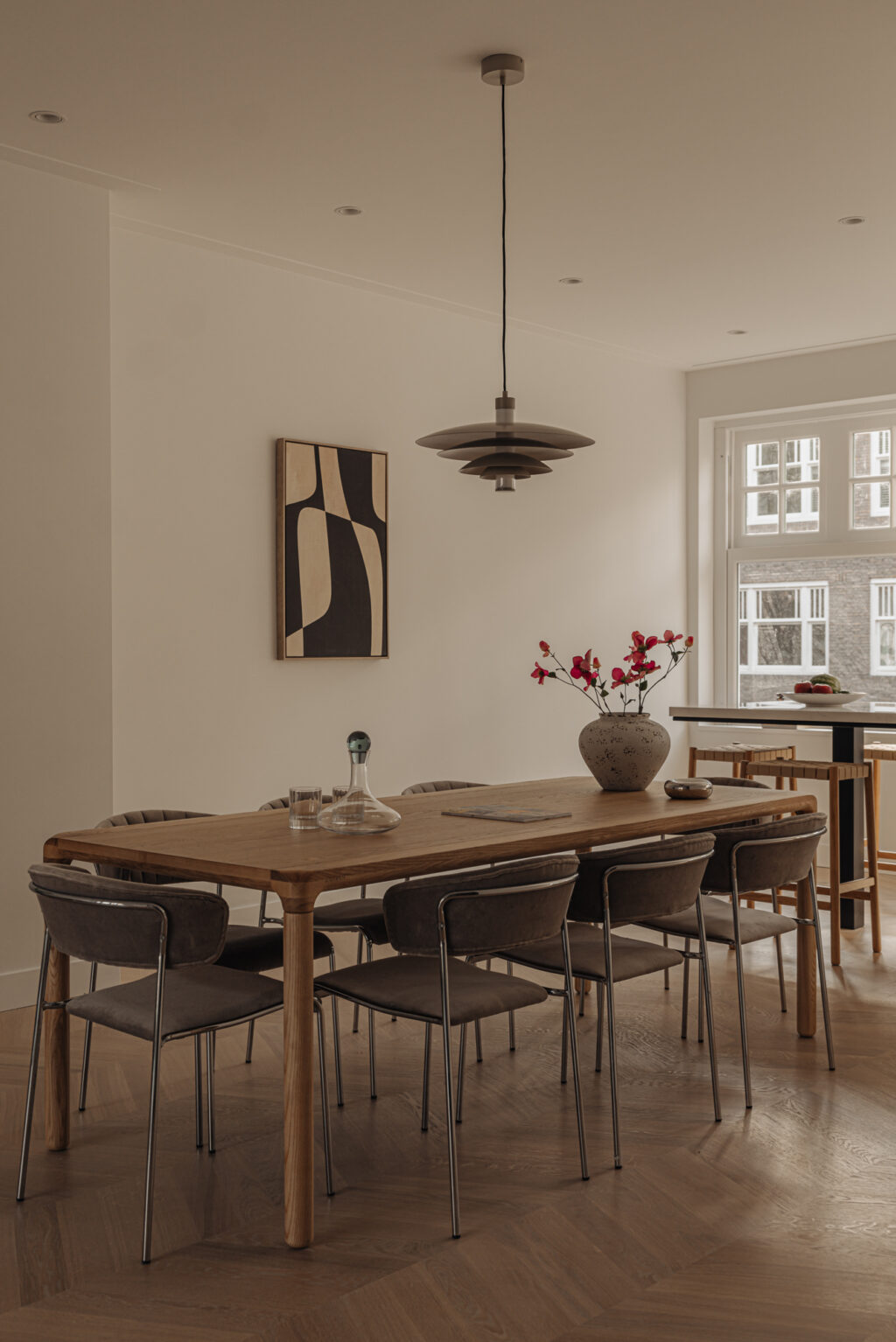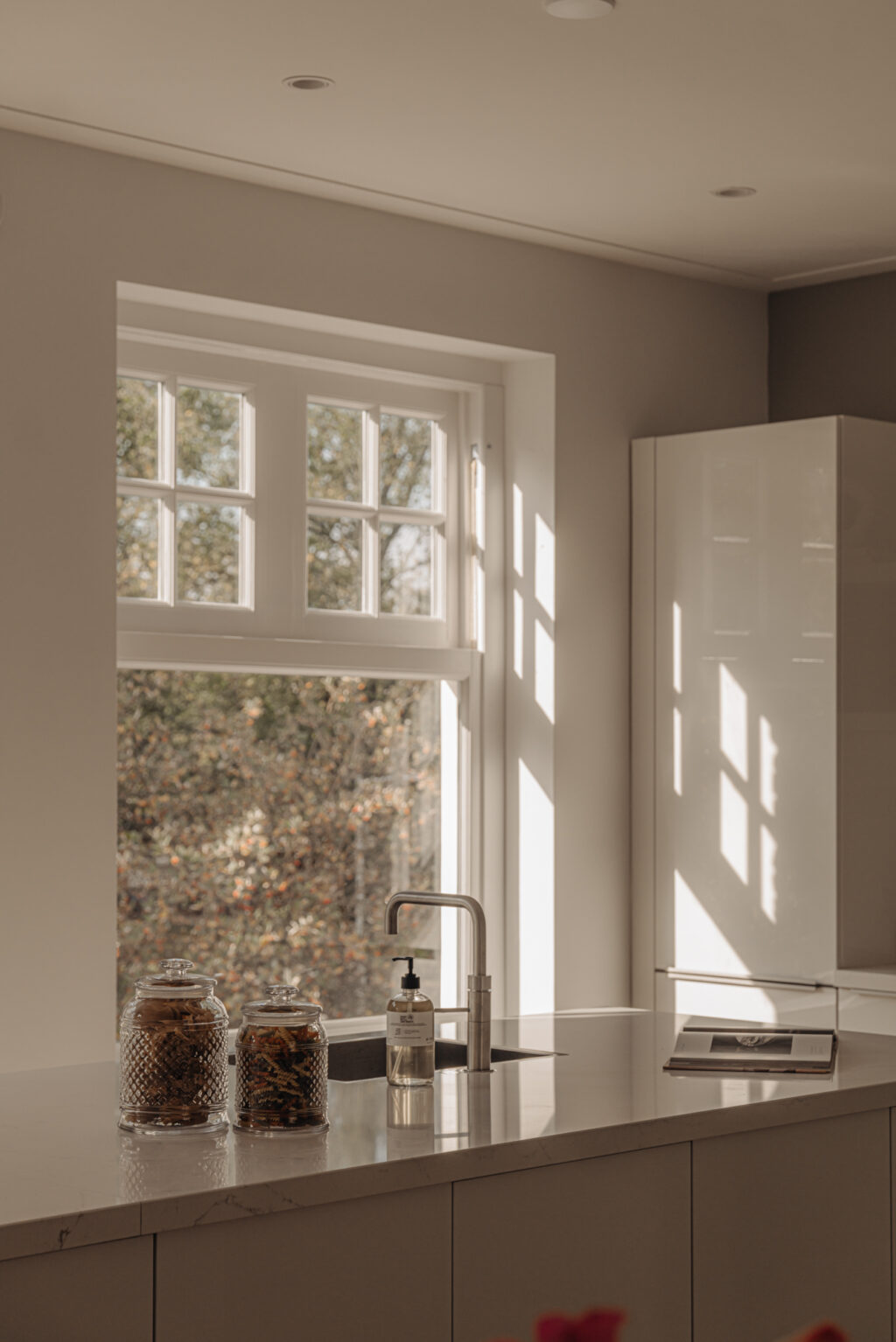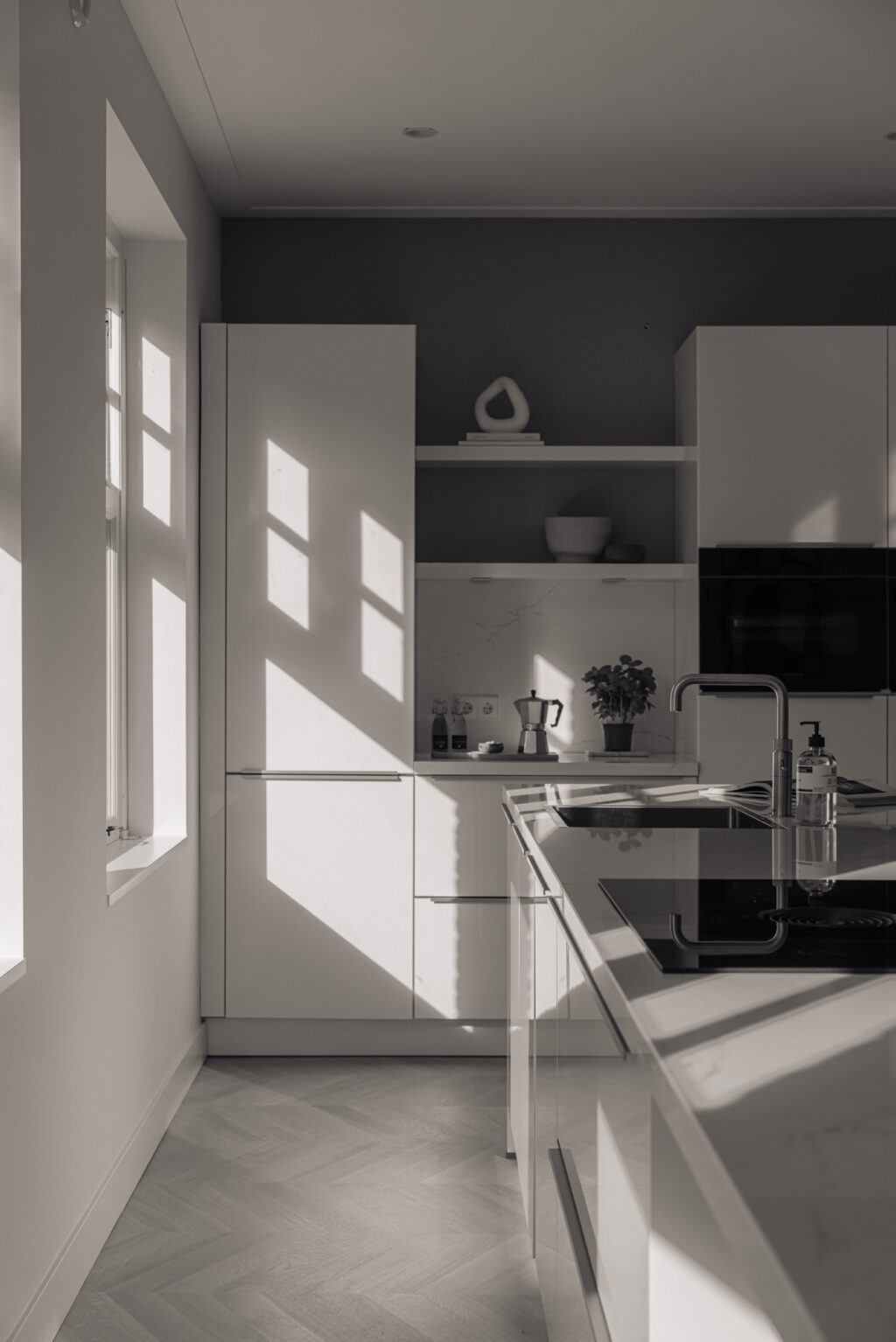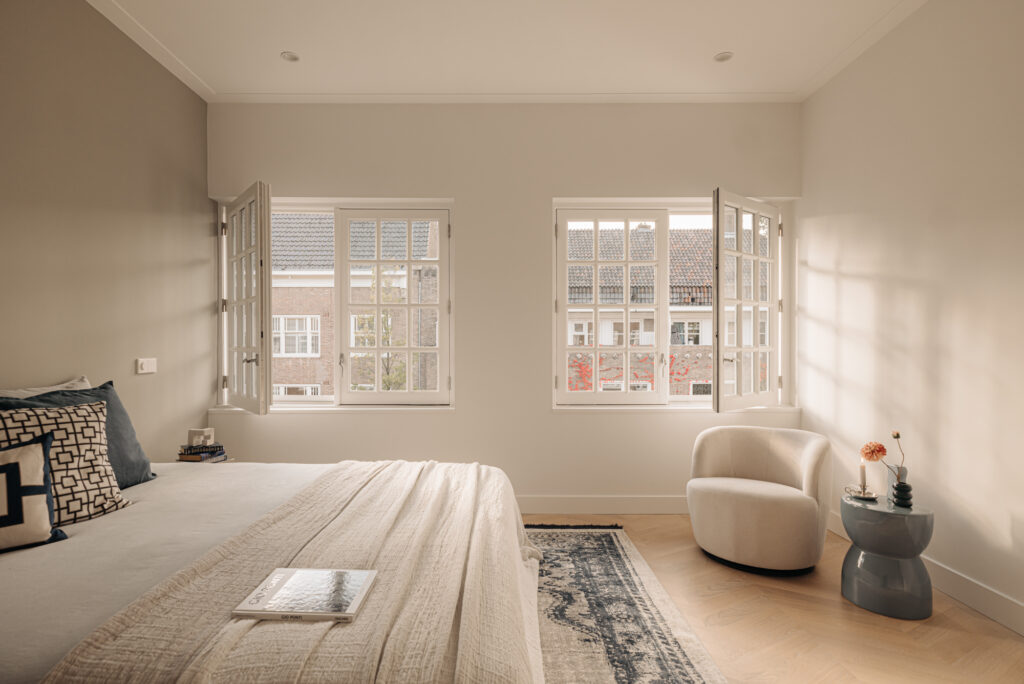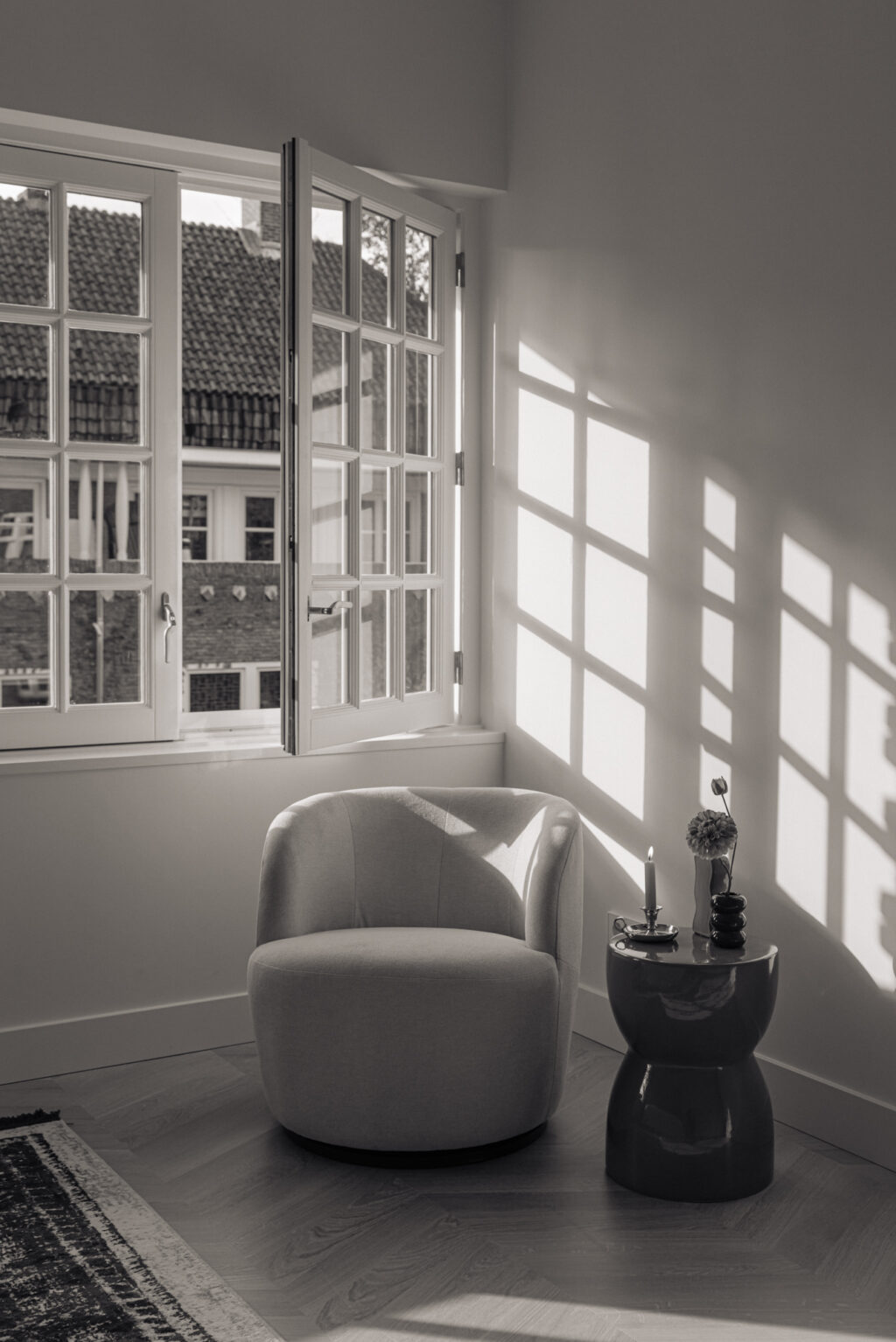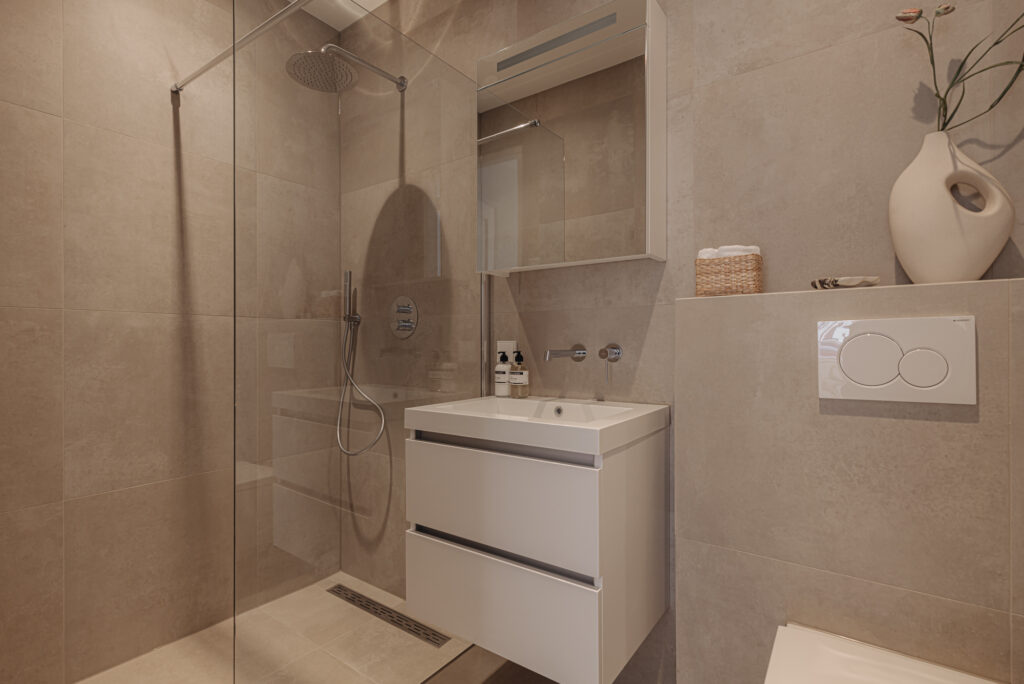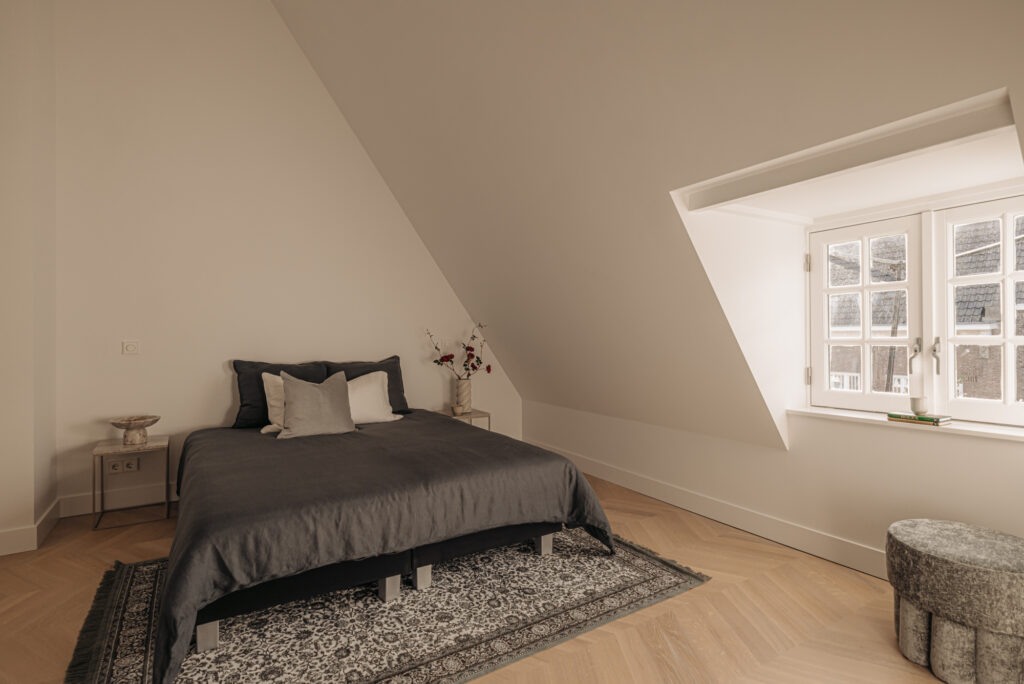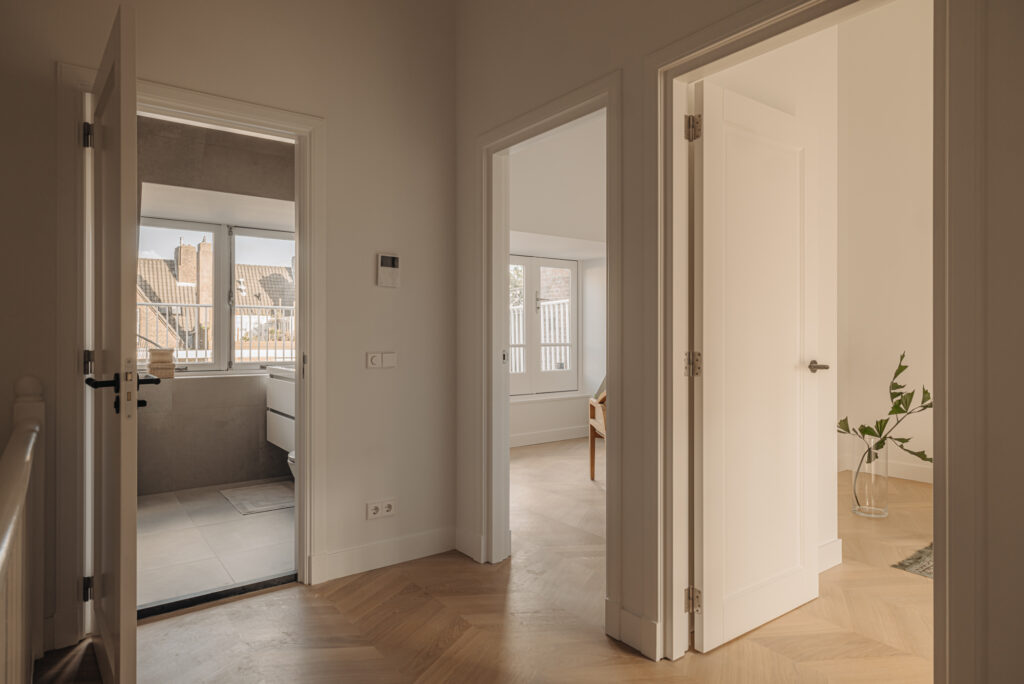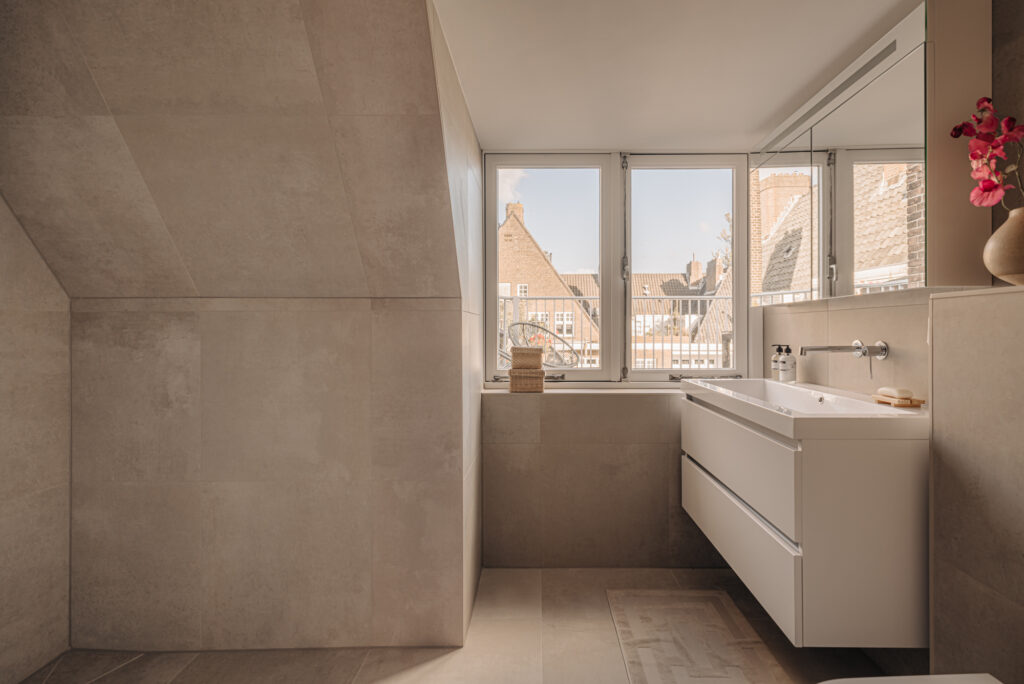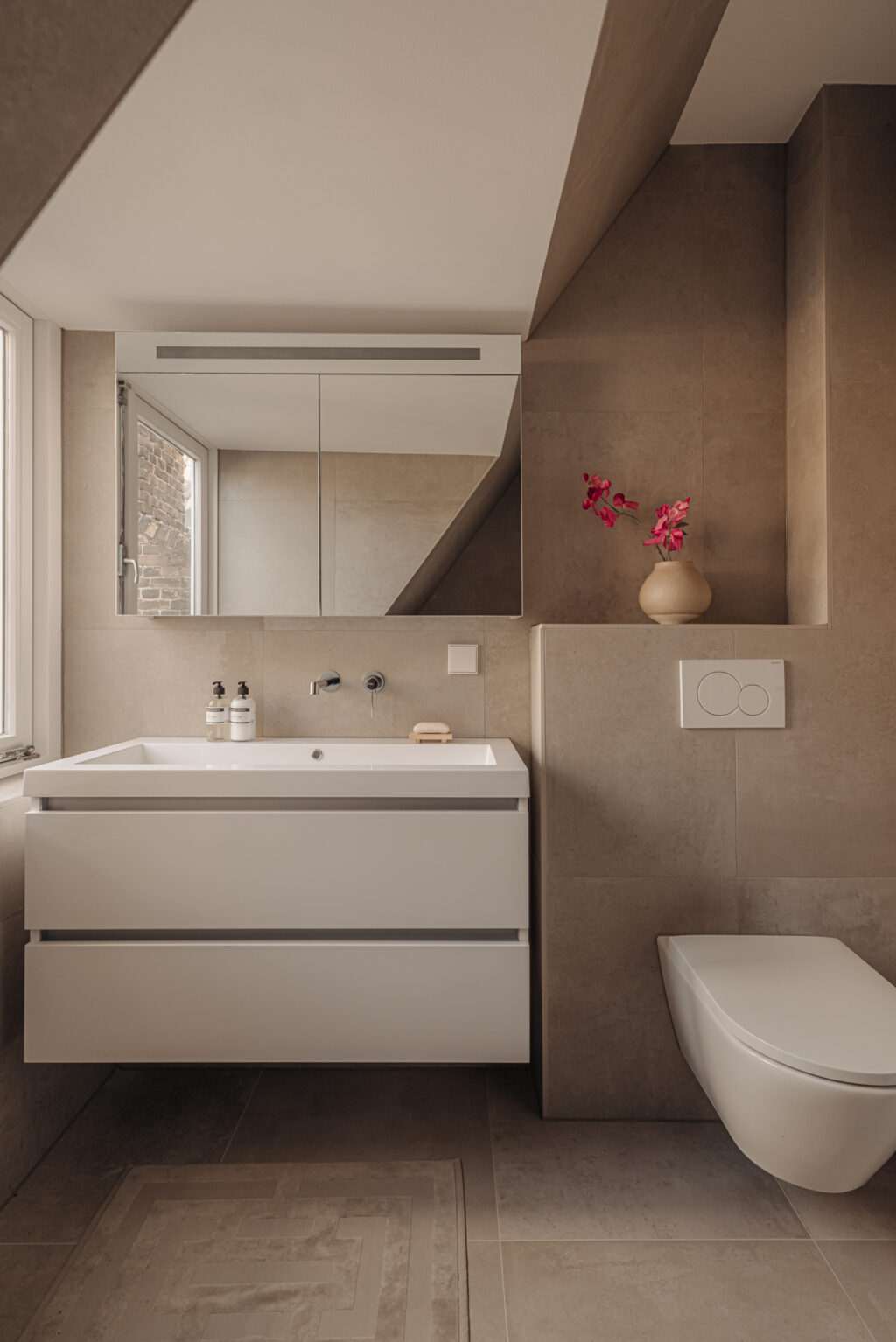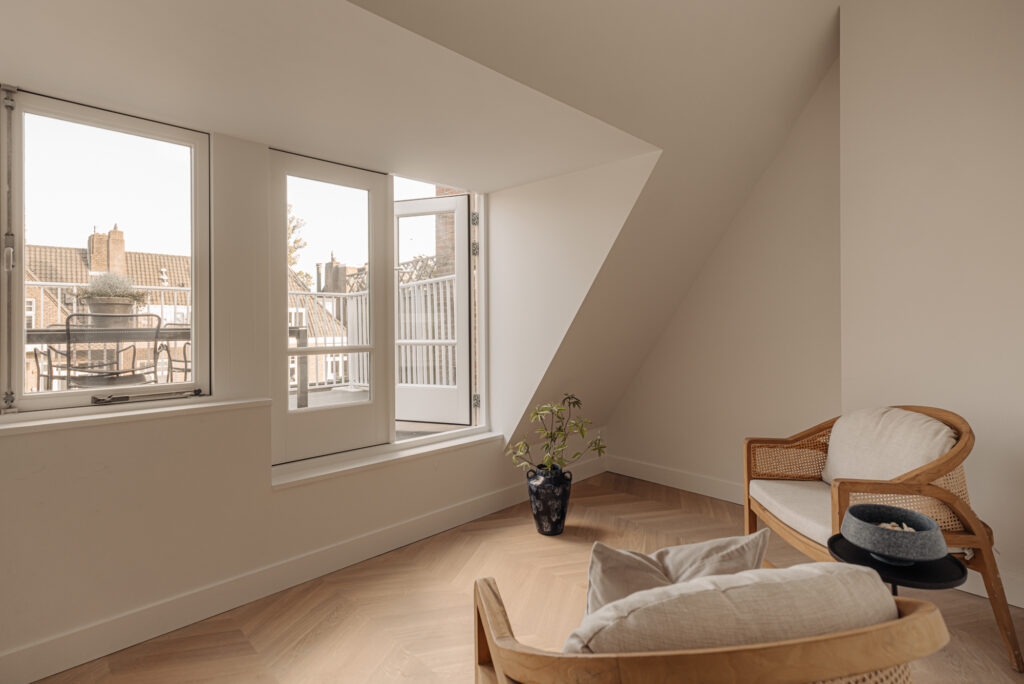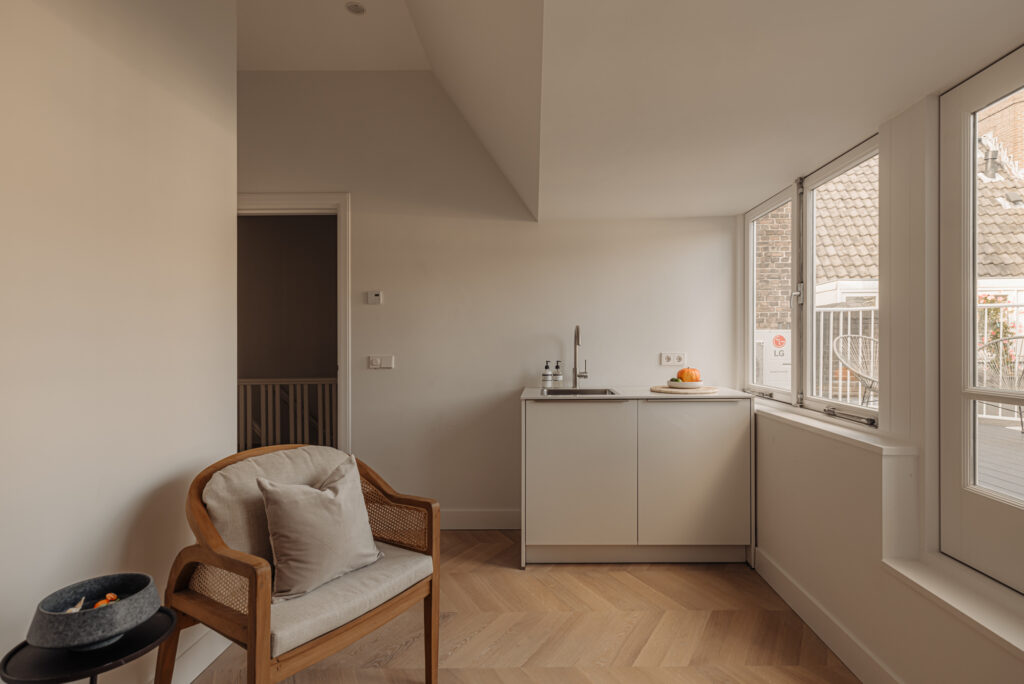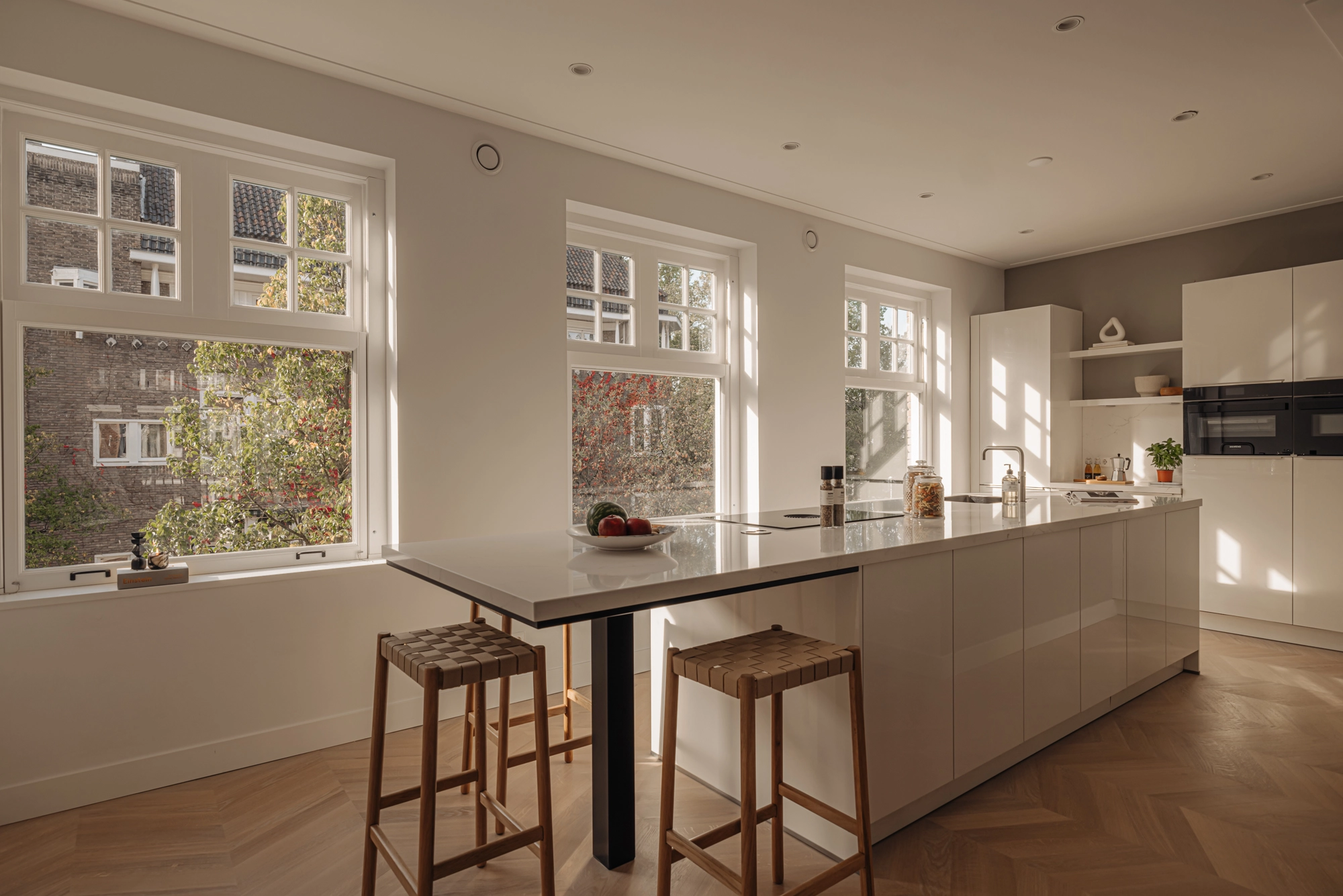
This charming and recently renovated upper house of 194 m², spread over three levels, is the ideal family home thanks to its spacious dimensions, five work/sleeping rooms, three bathrooms, and multiple outdoor spaces. Moreover, the leasehold is permanently paid off. The 1930s homes are known for their practical layouts, which have been optimized to modern standards during the recent renovation. A significant step has also been taken in terms of sustainability, resulting in an energy label A.
Tour
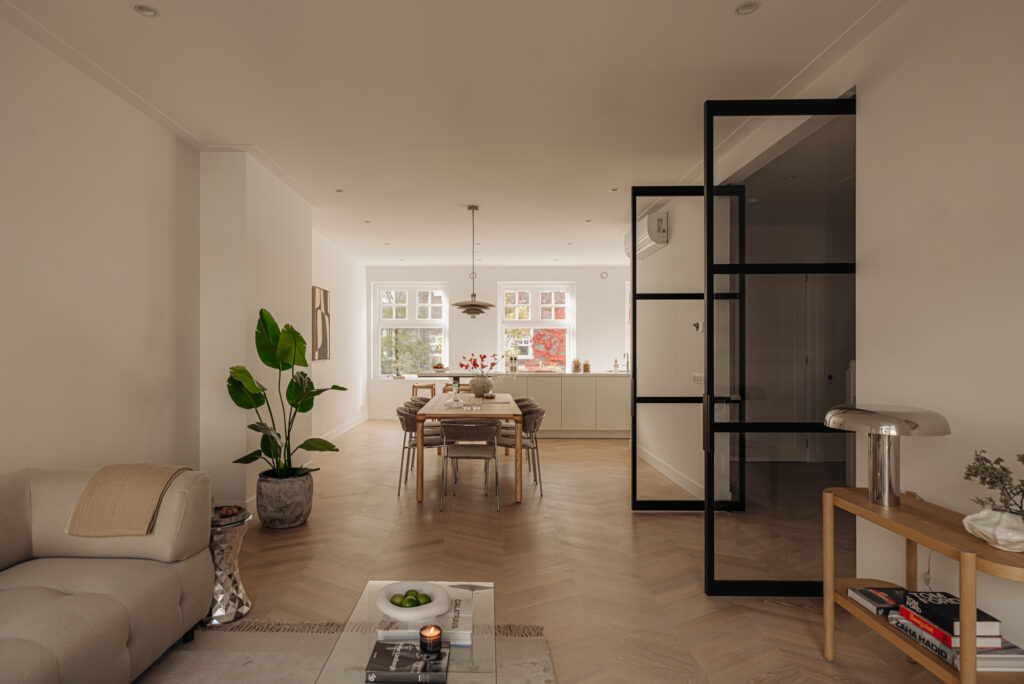
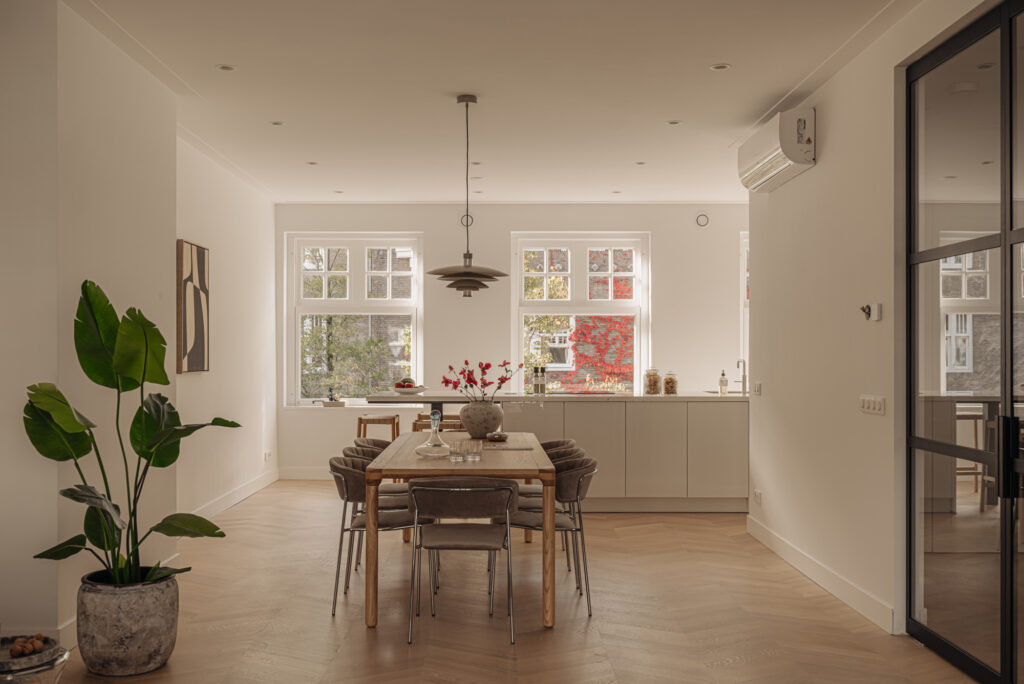
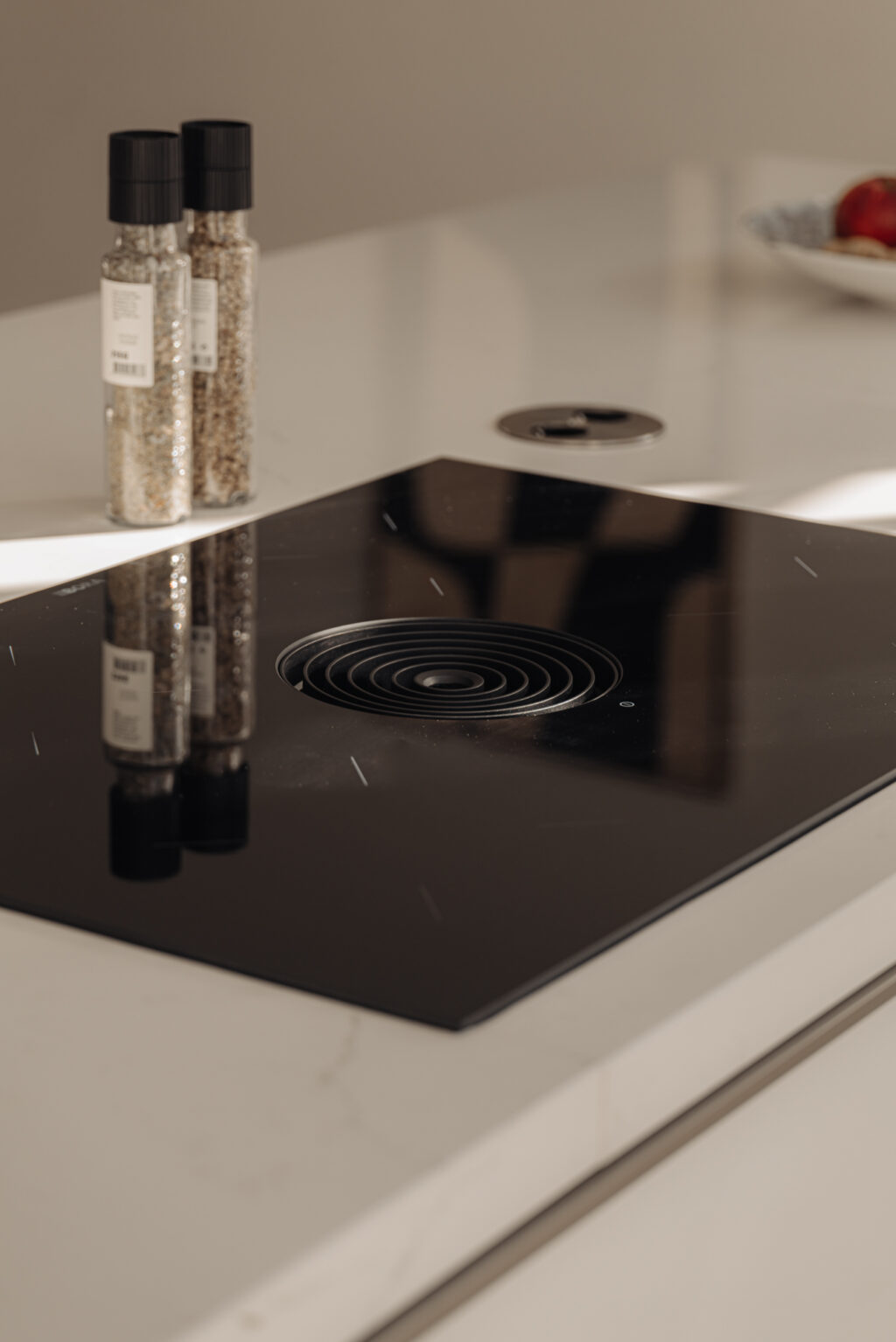
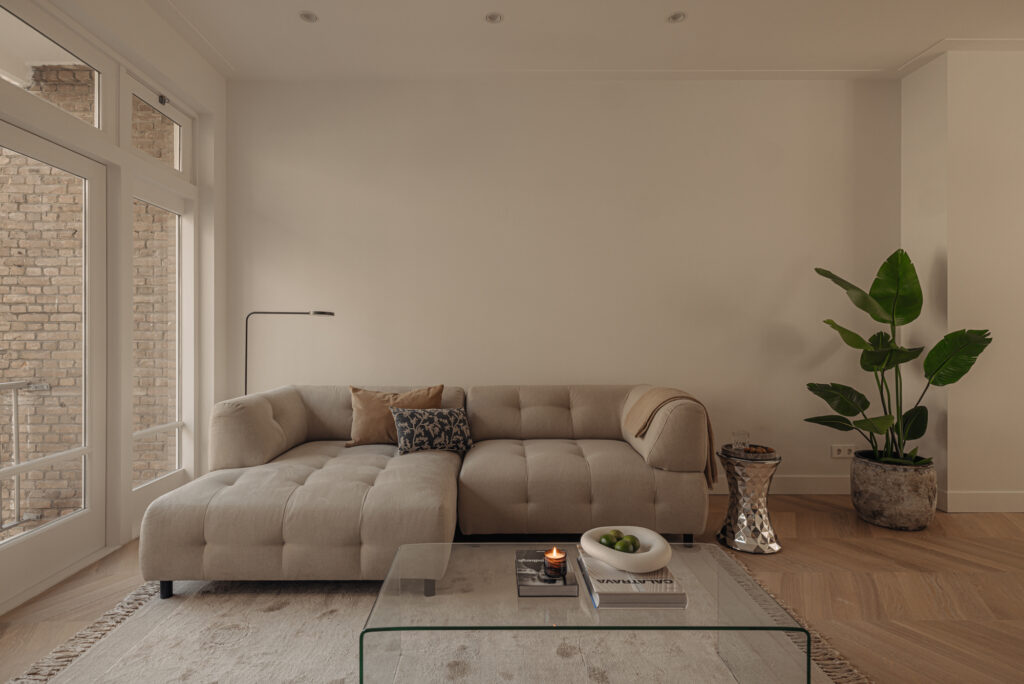
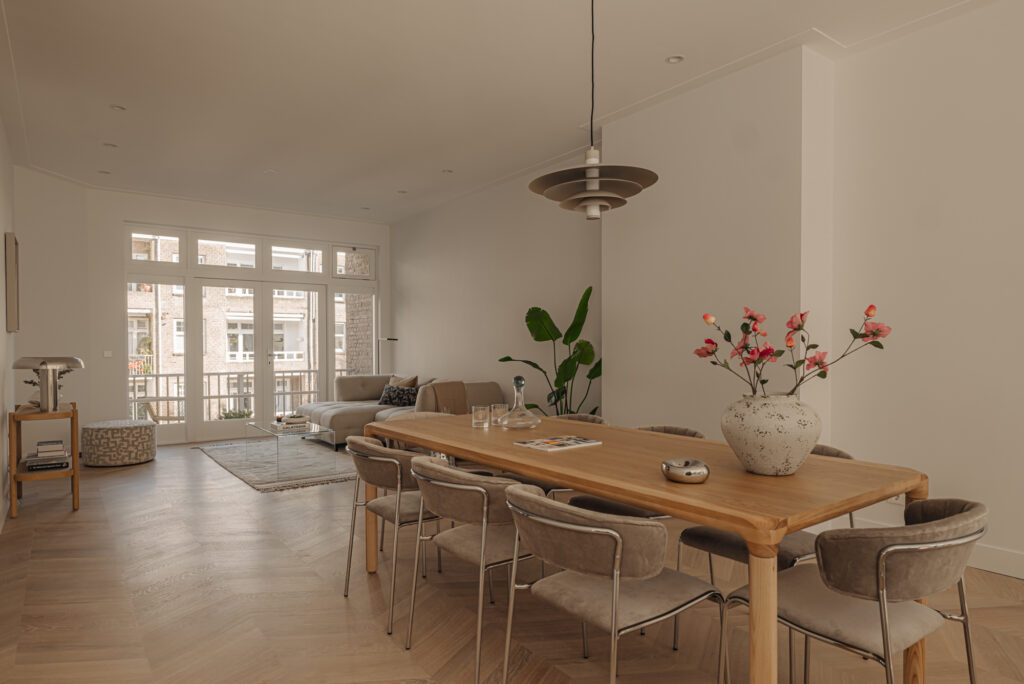
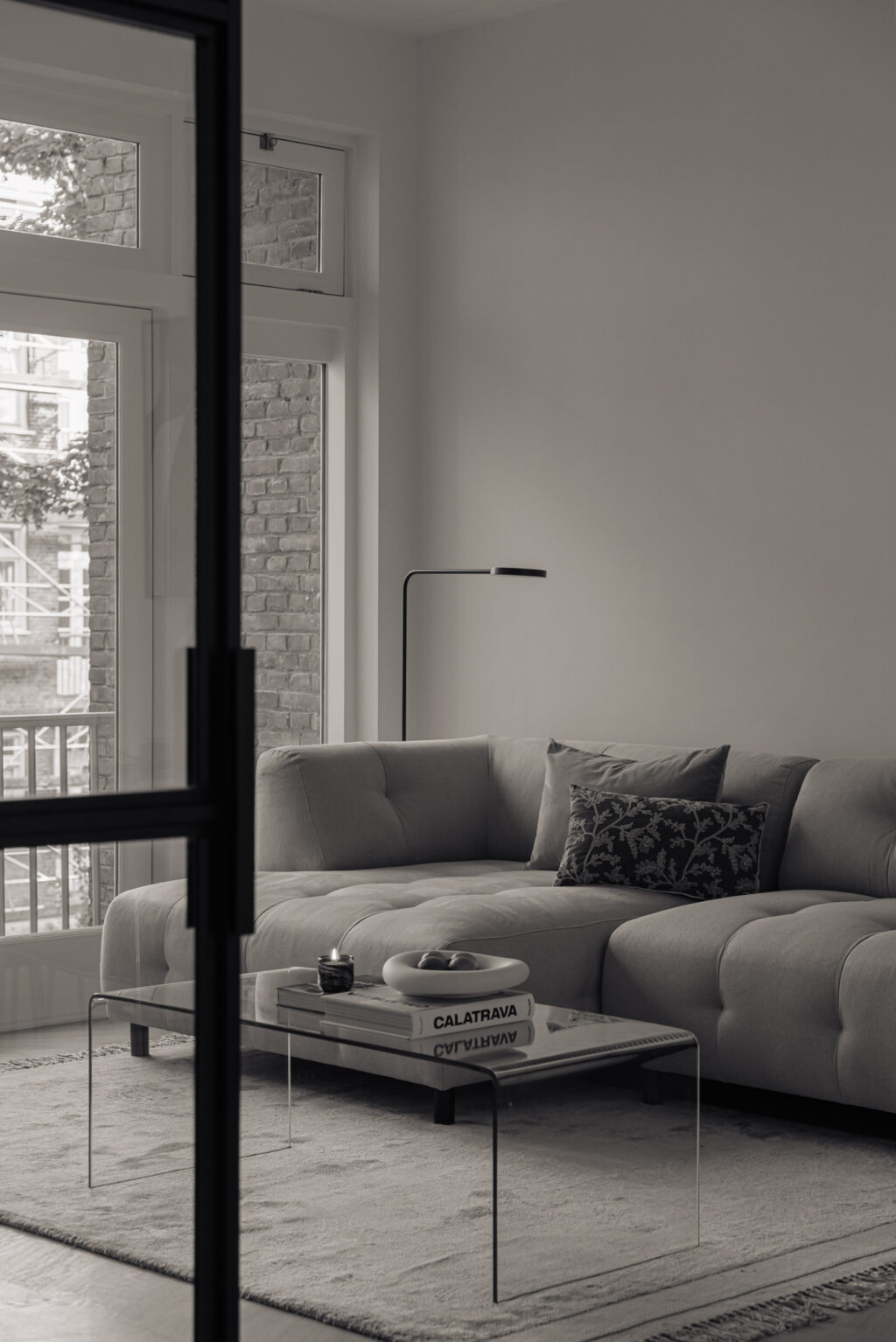
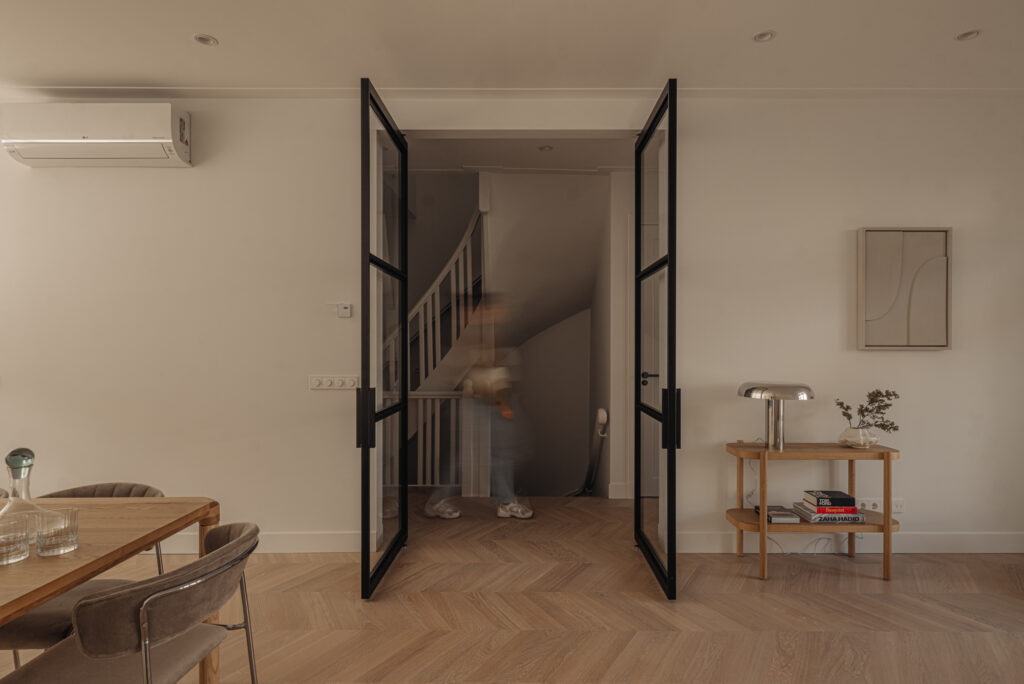
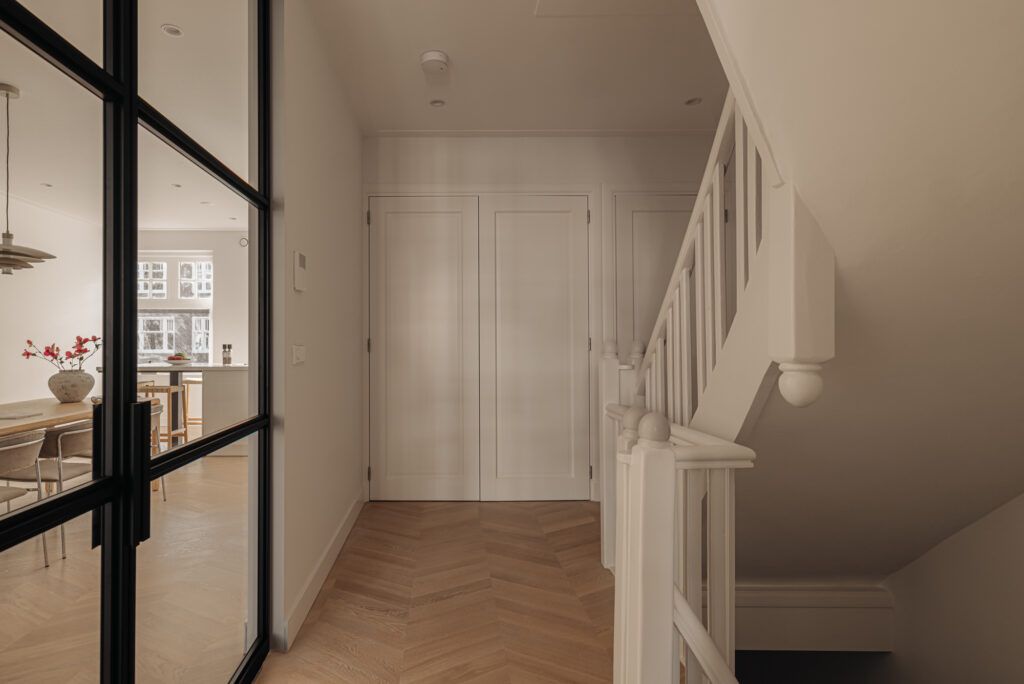
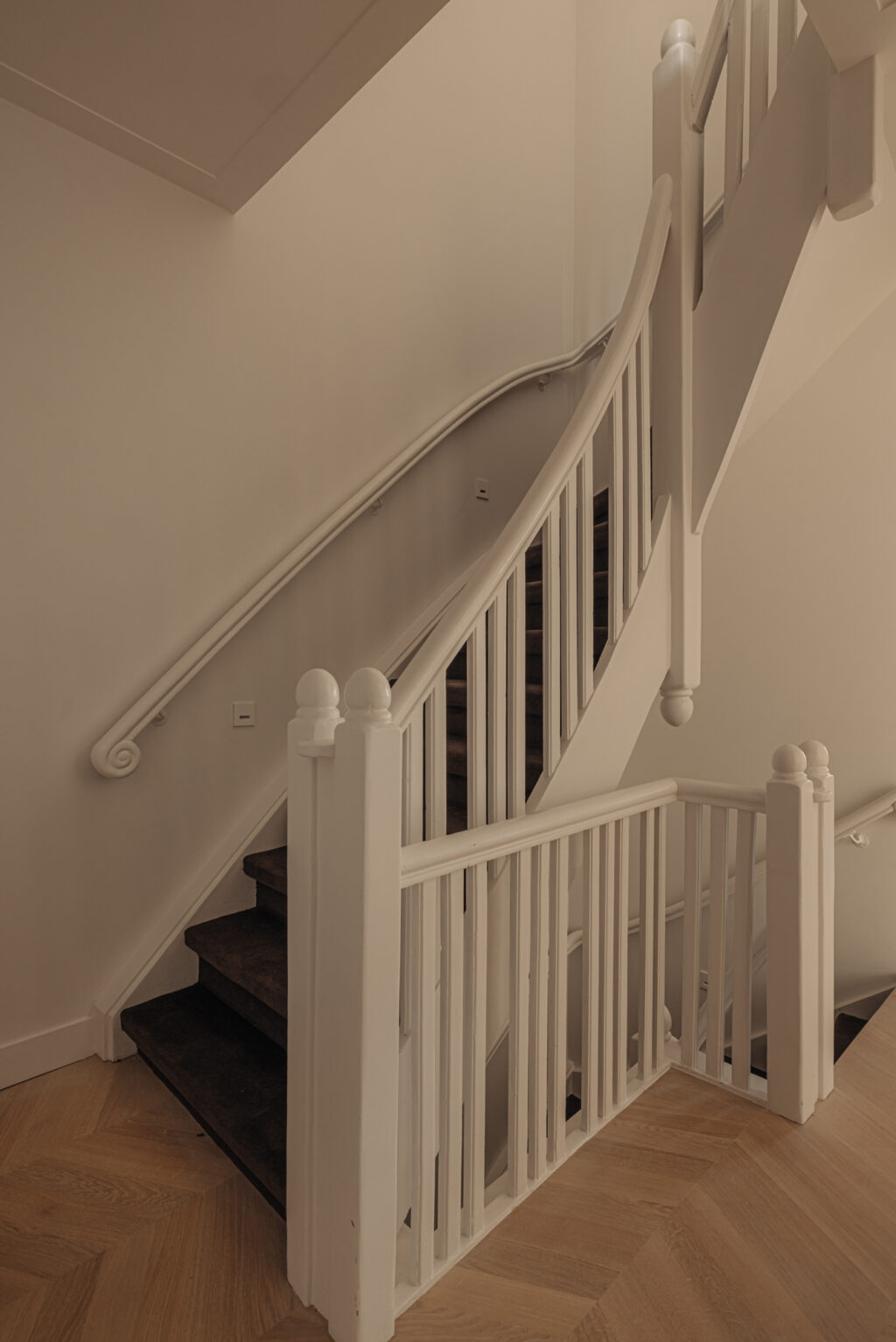
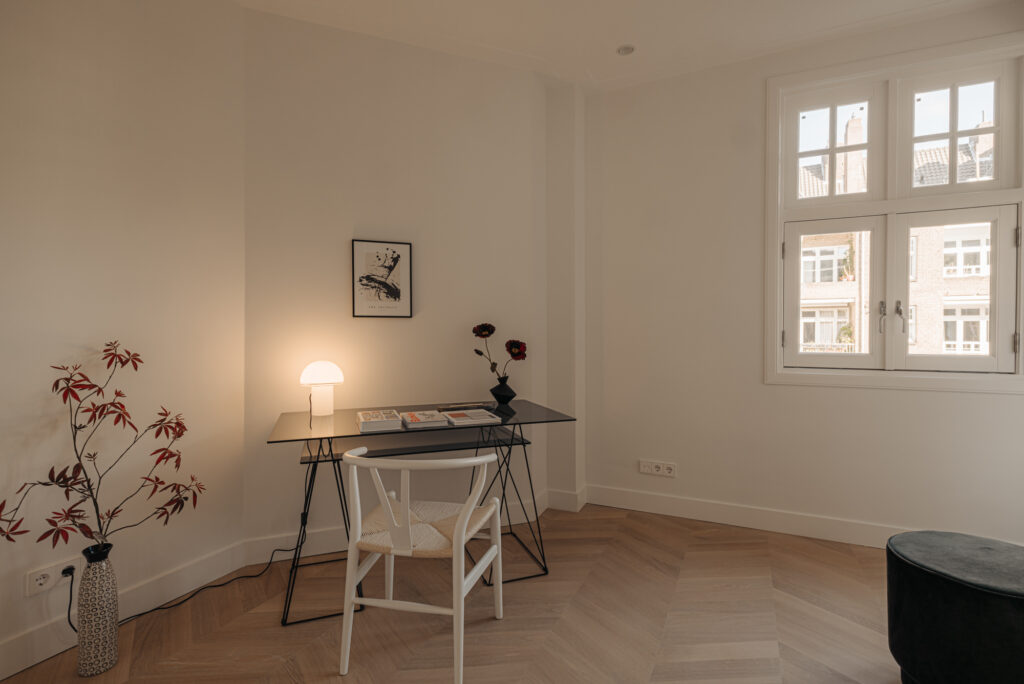
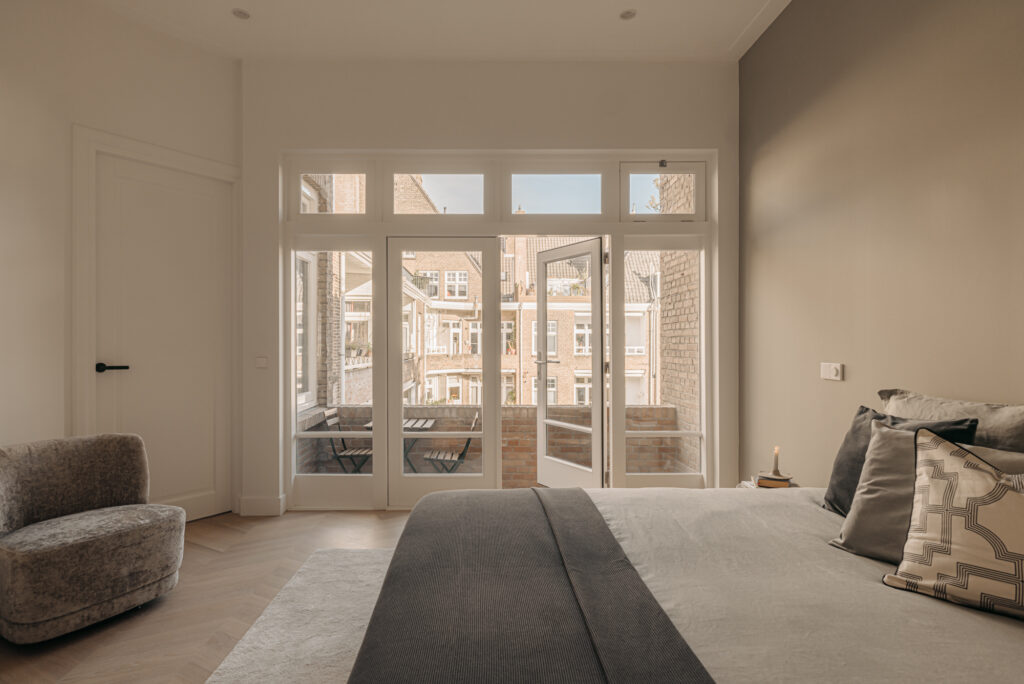
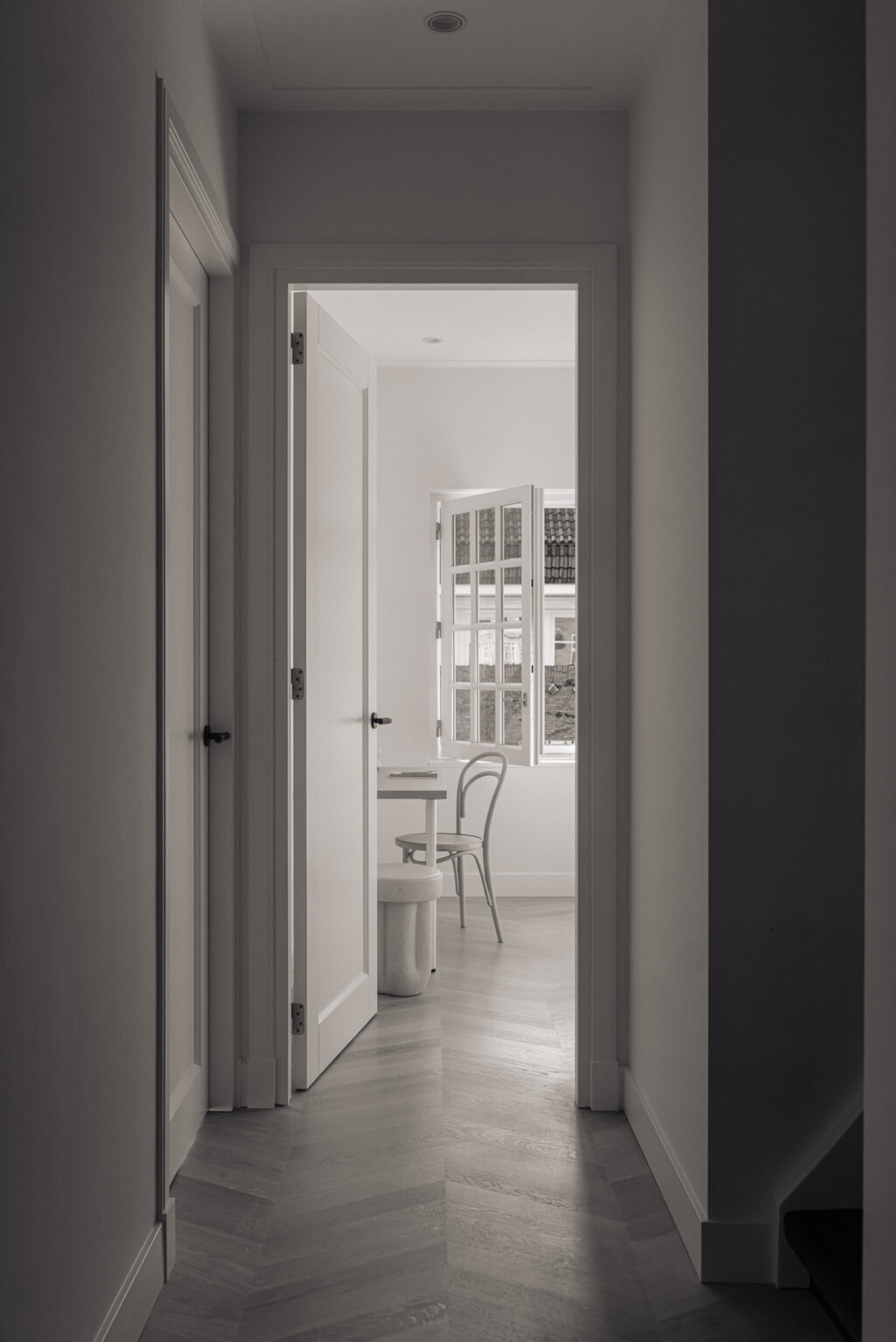
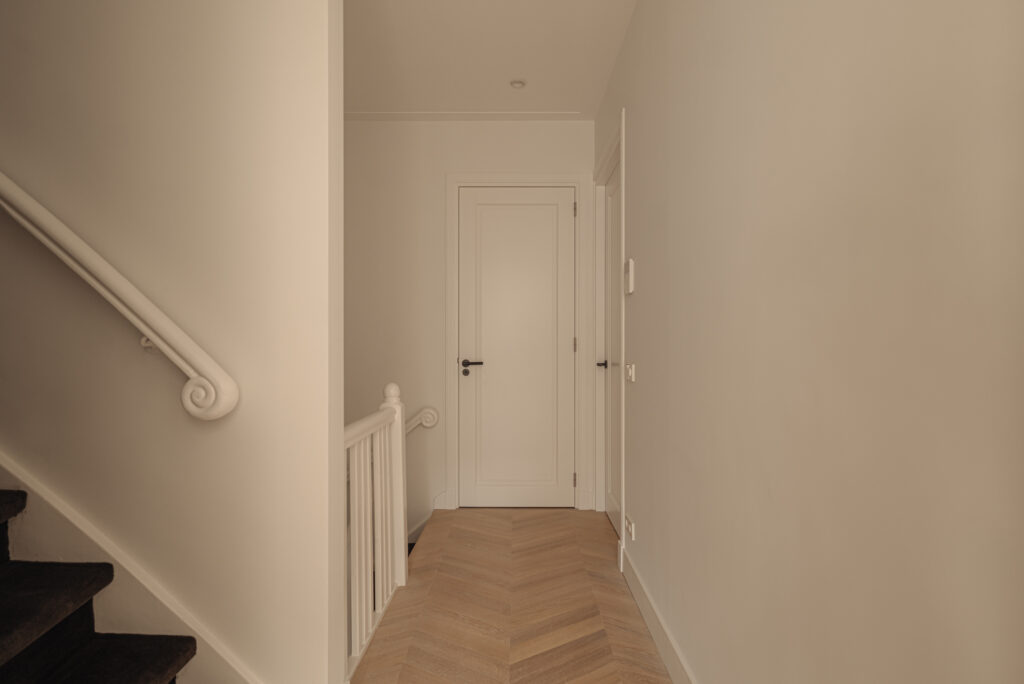
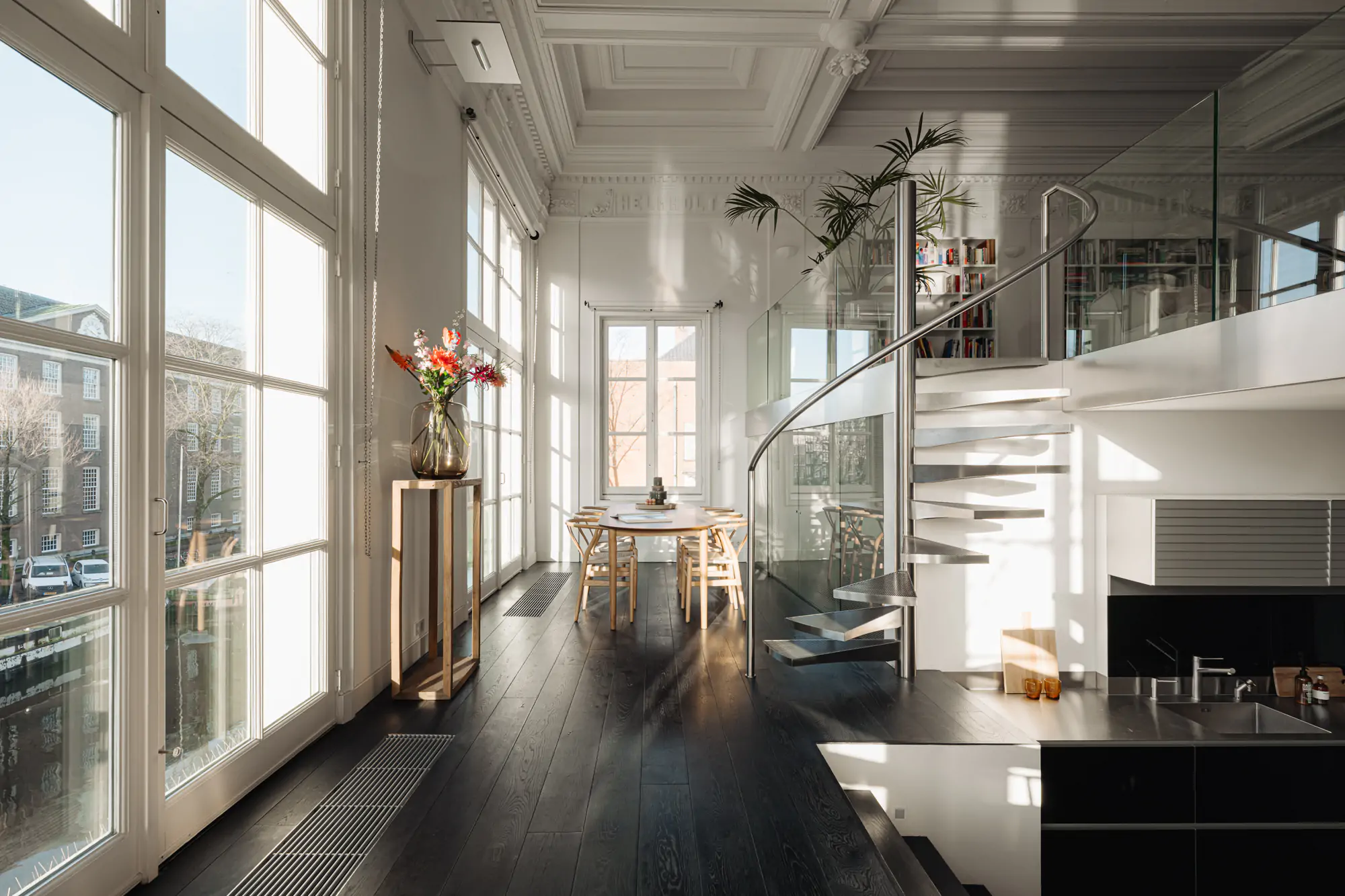
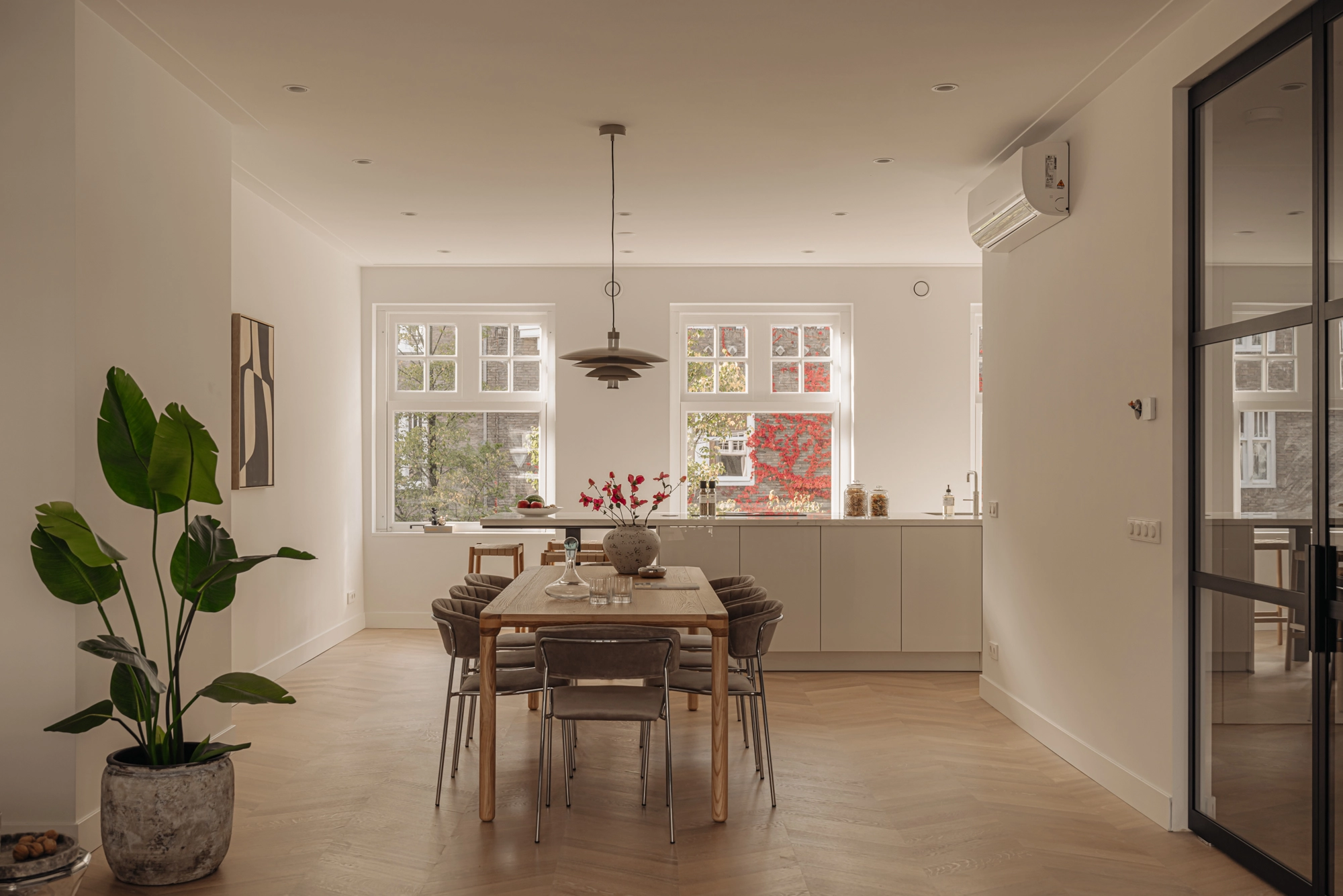
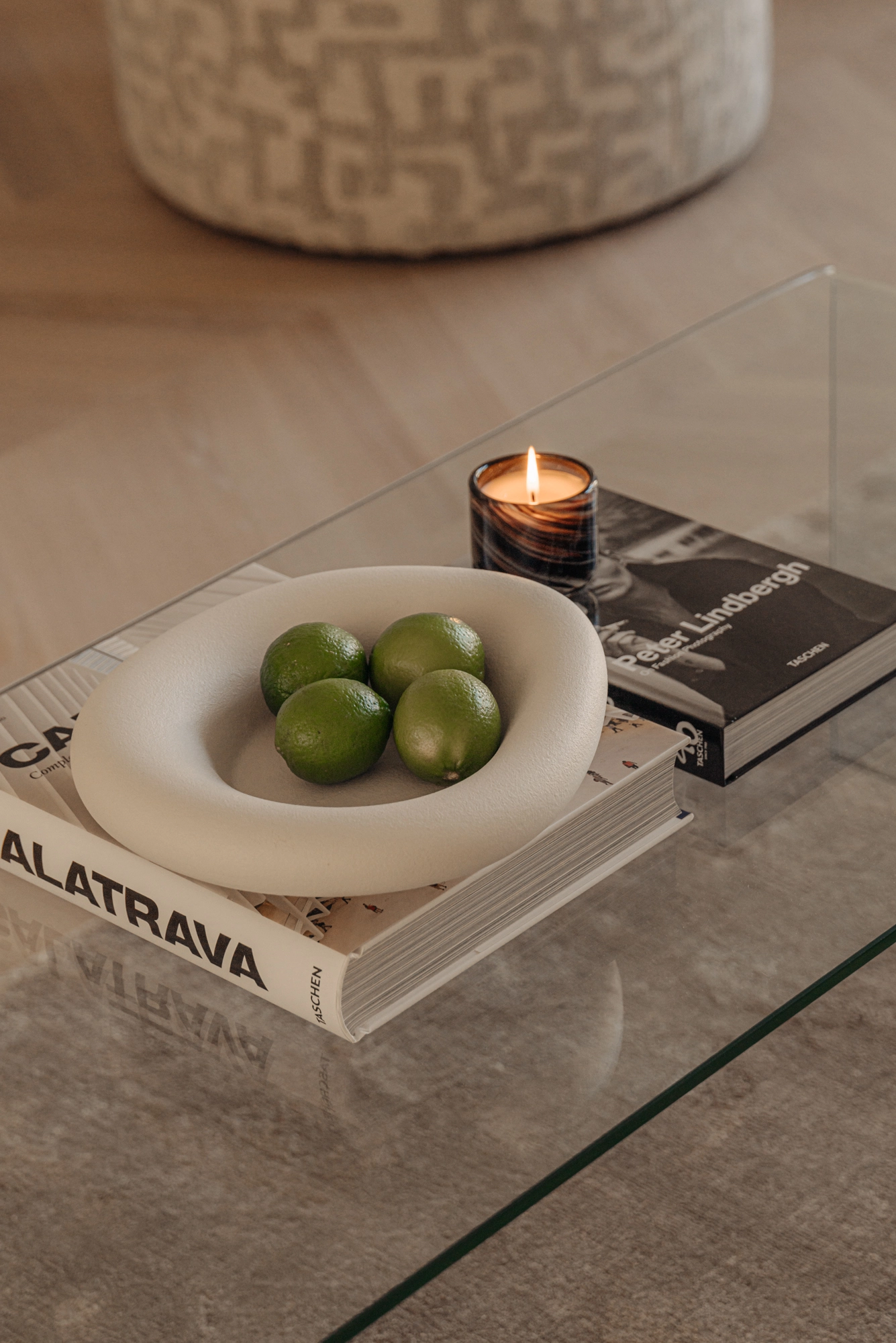
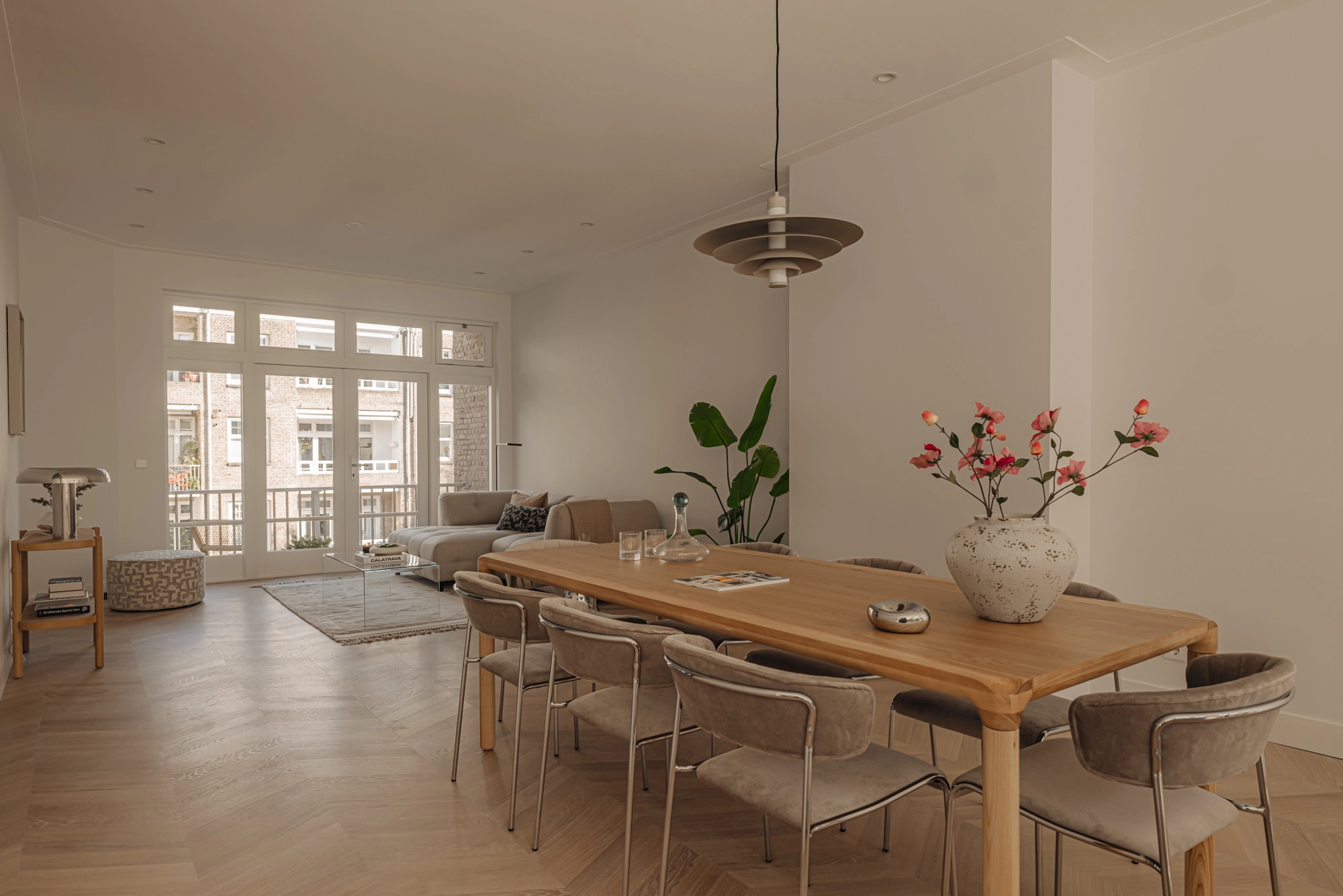
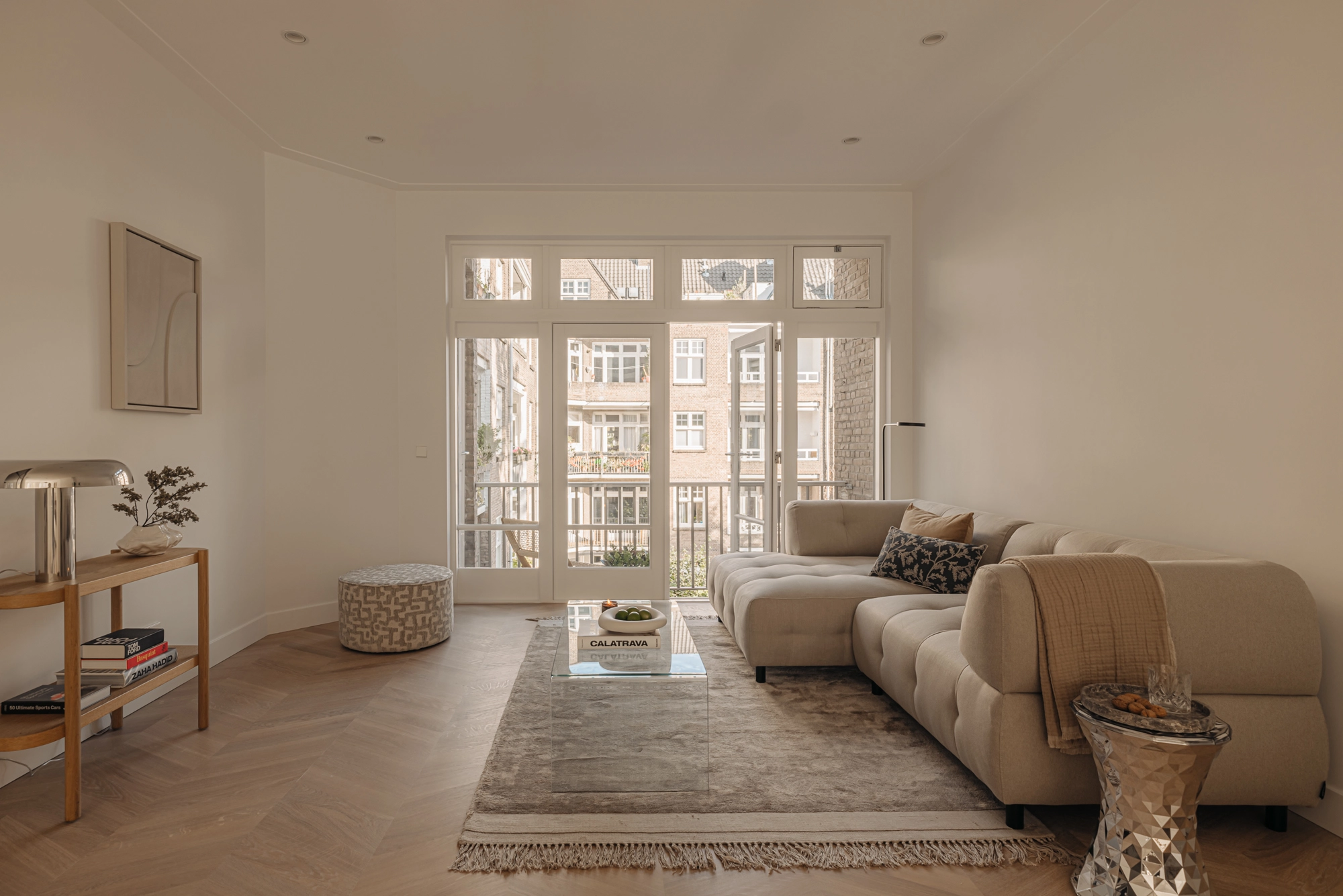
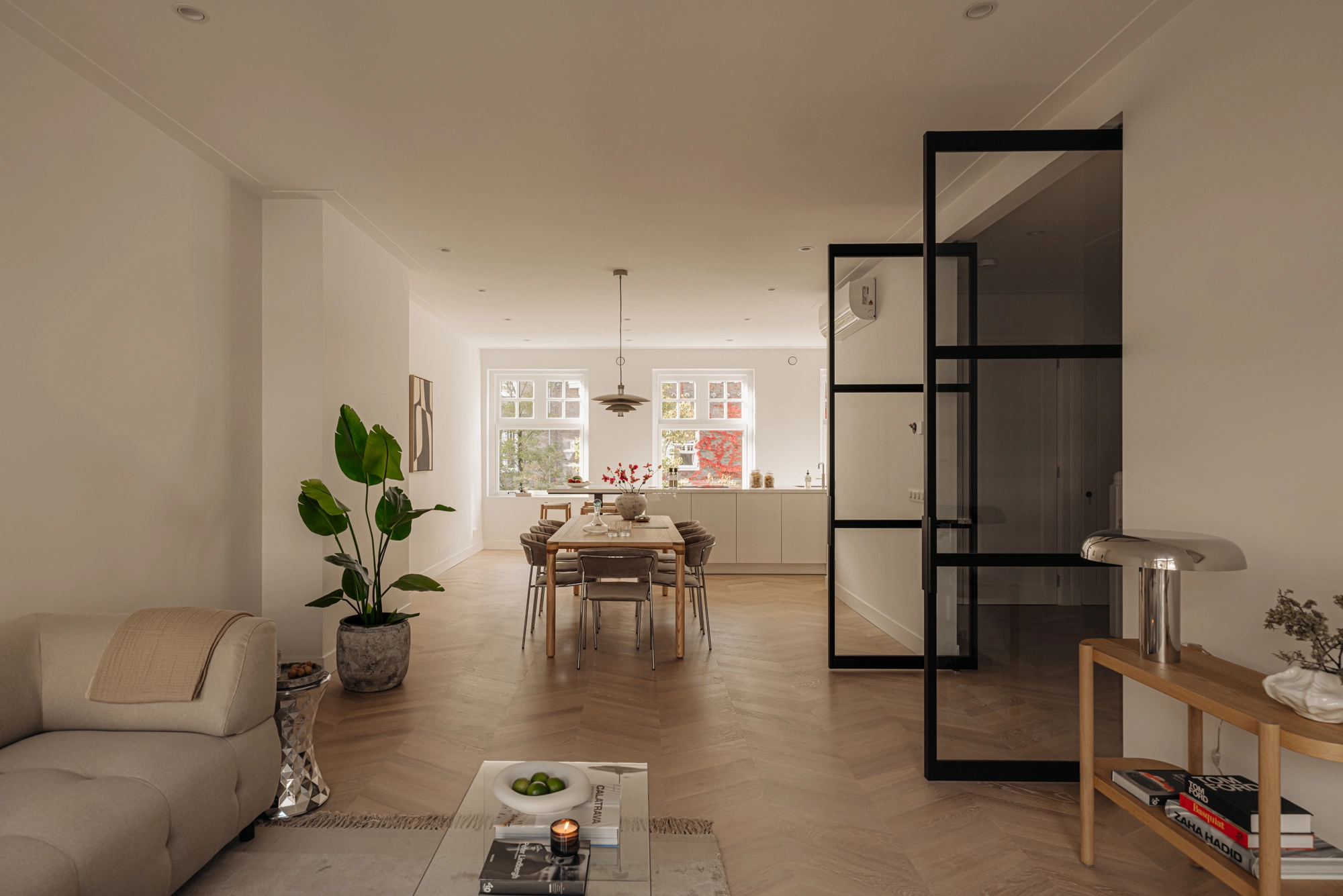
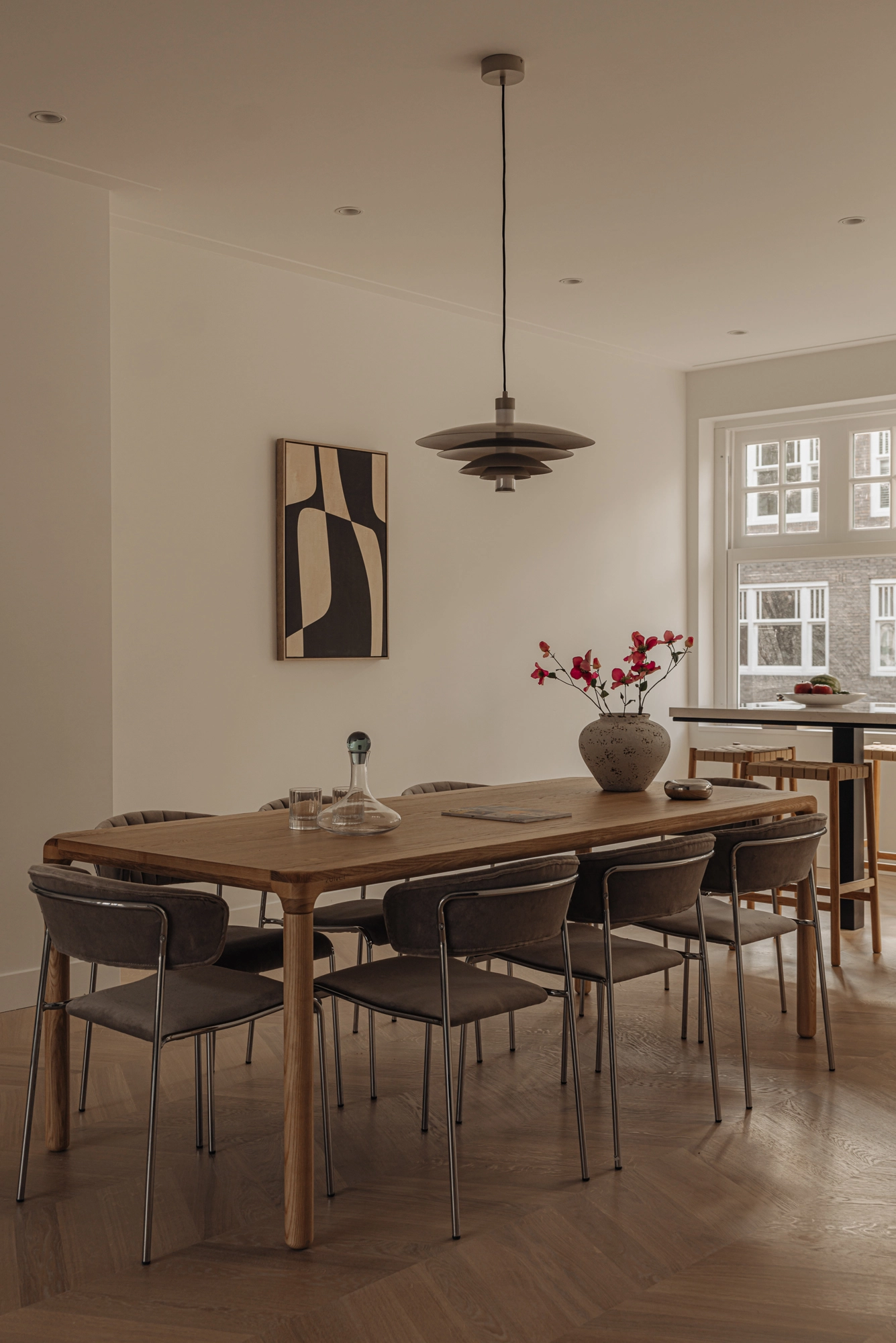
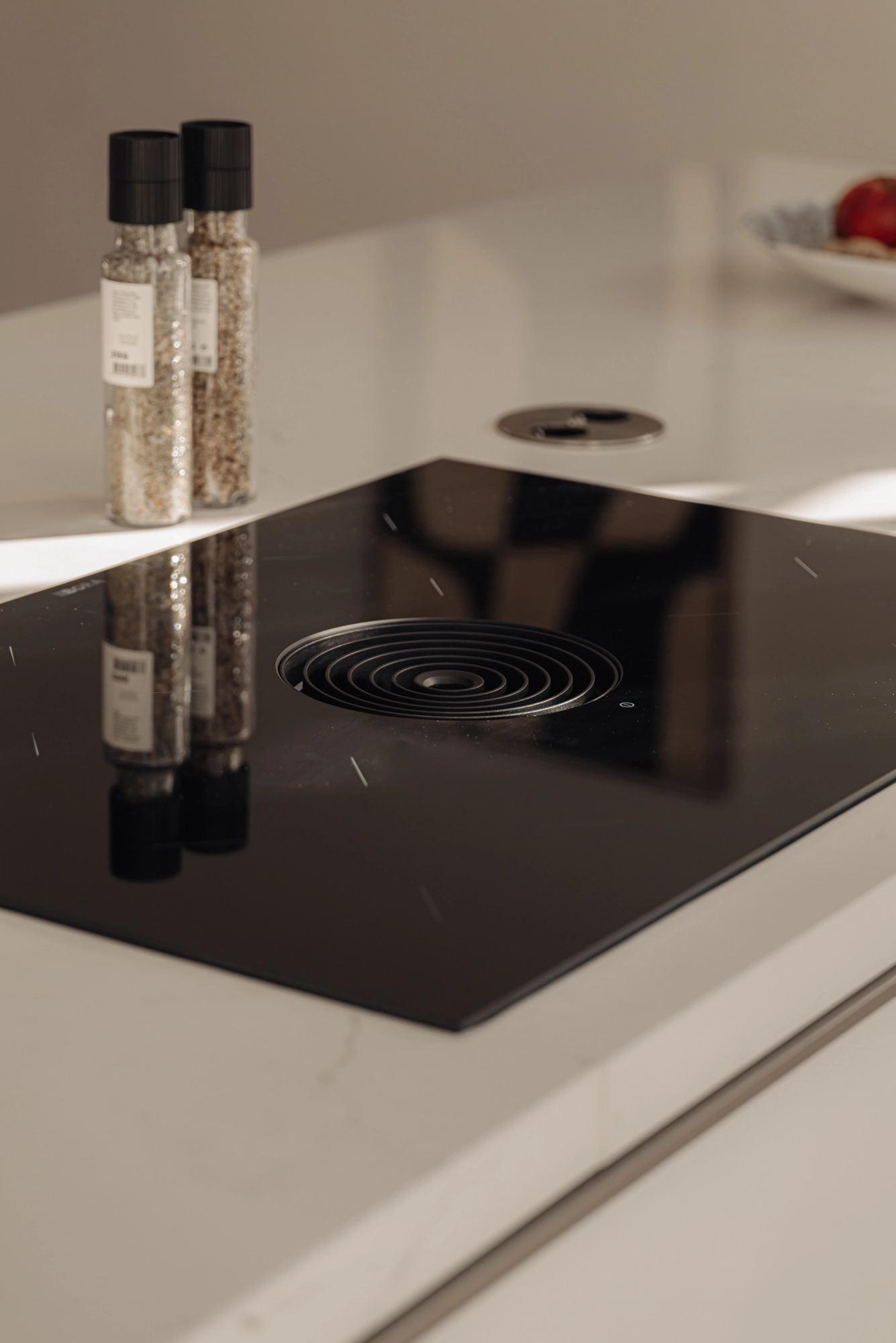
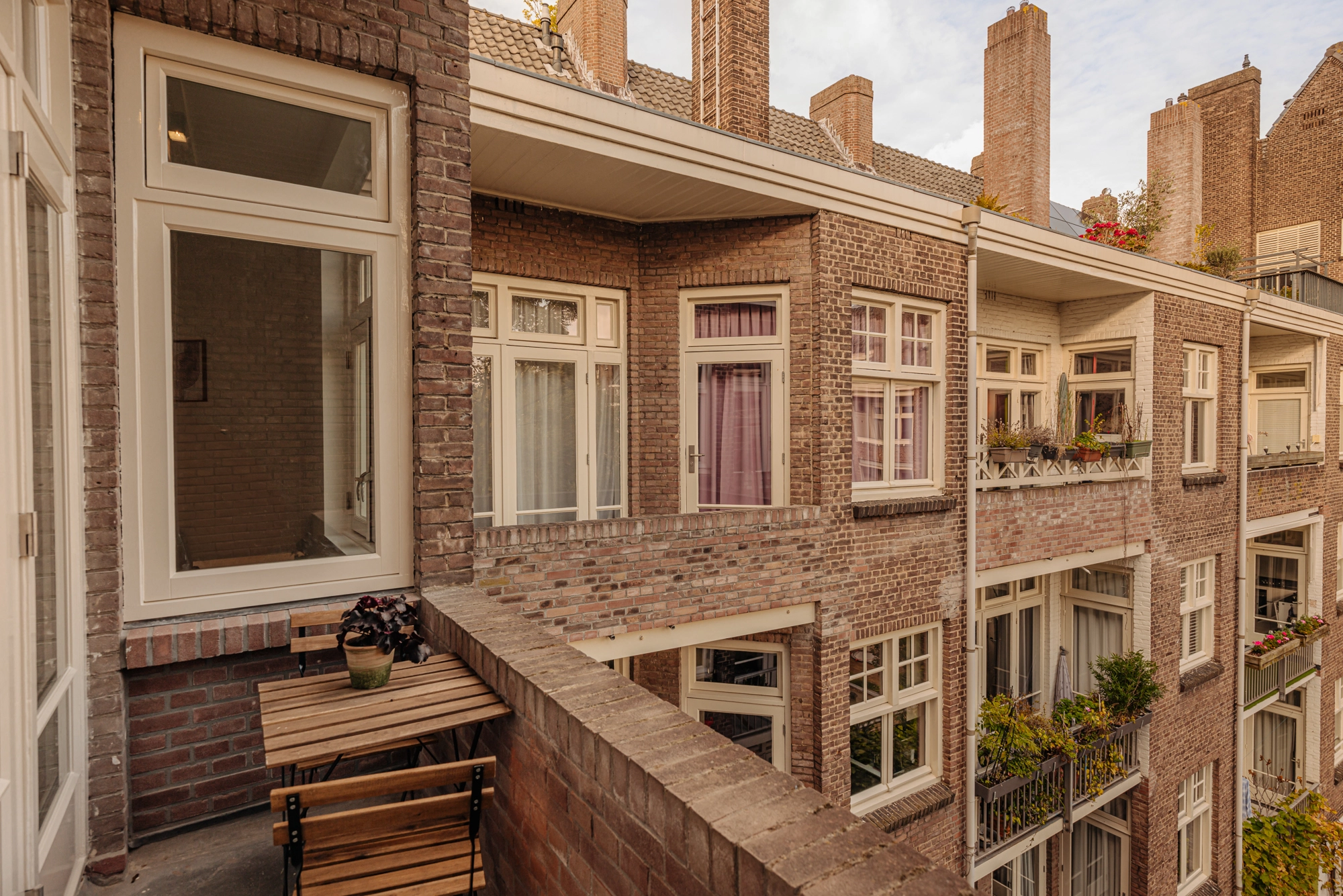
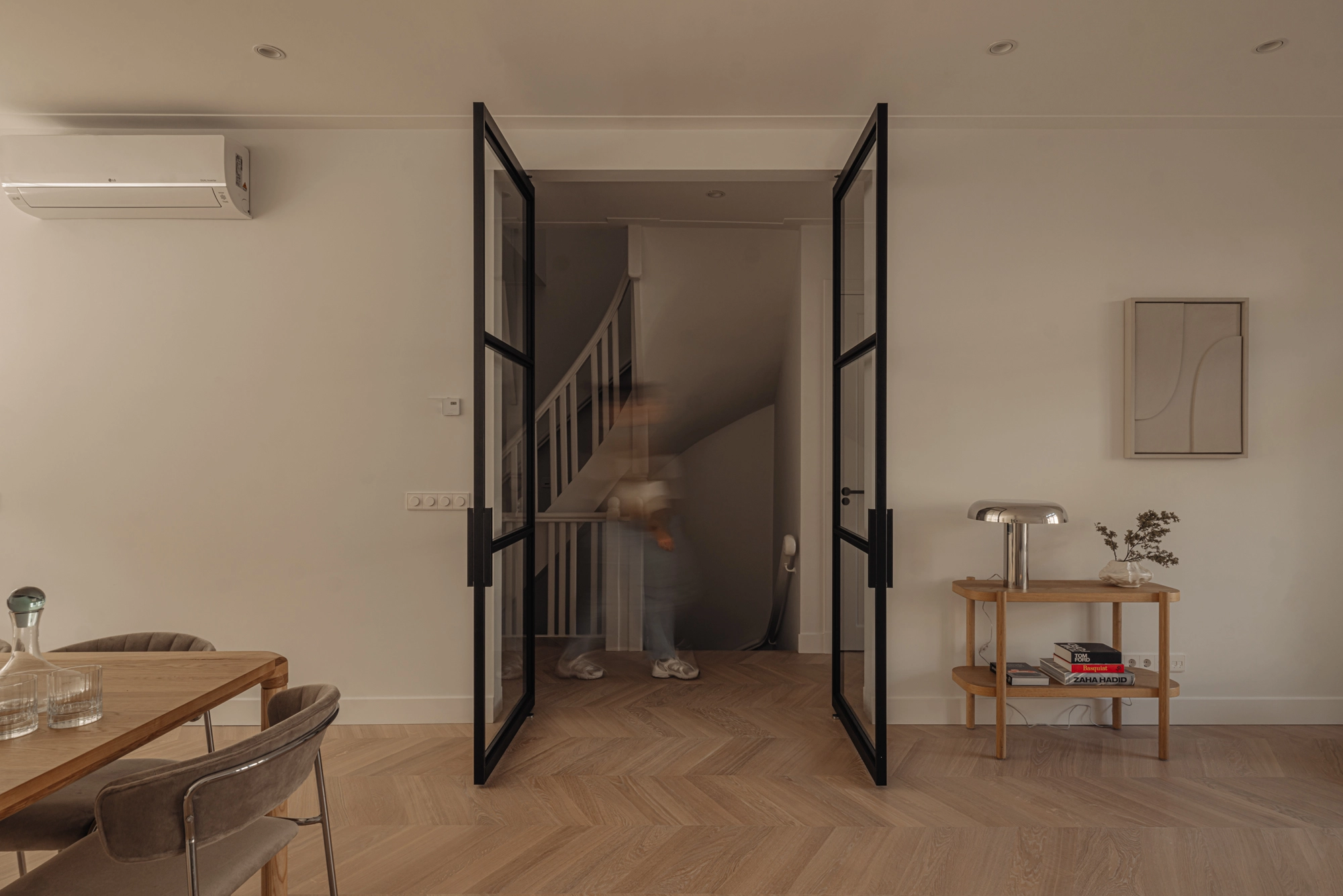
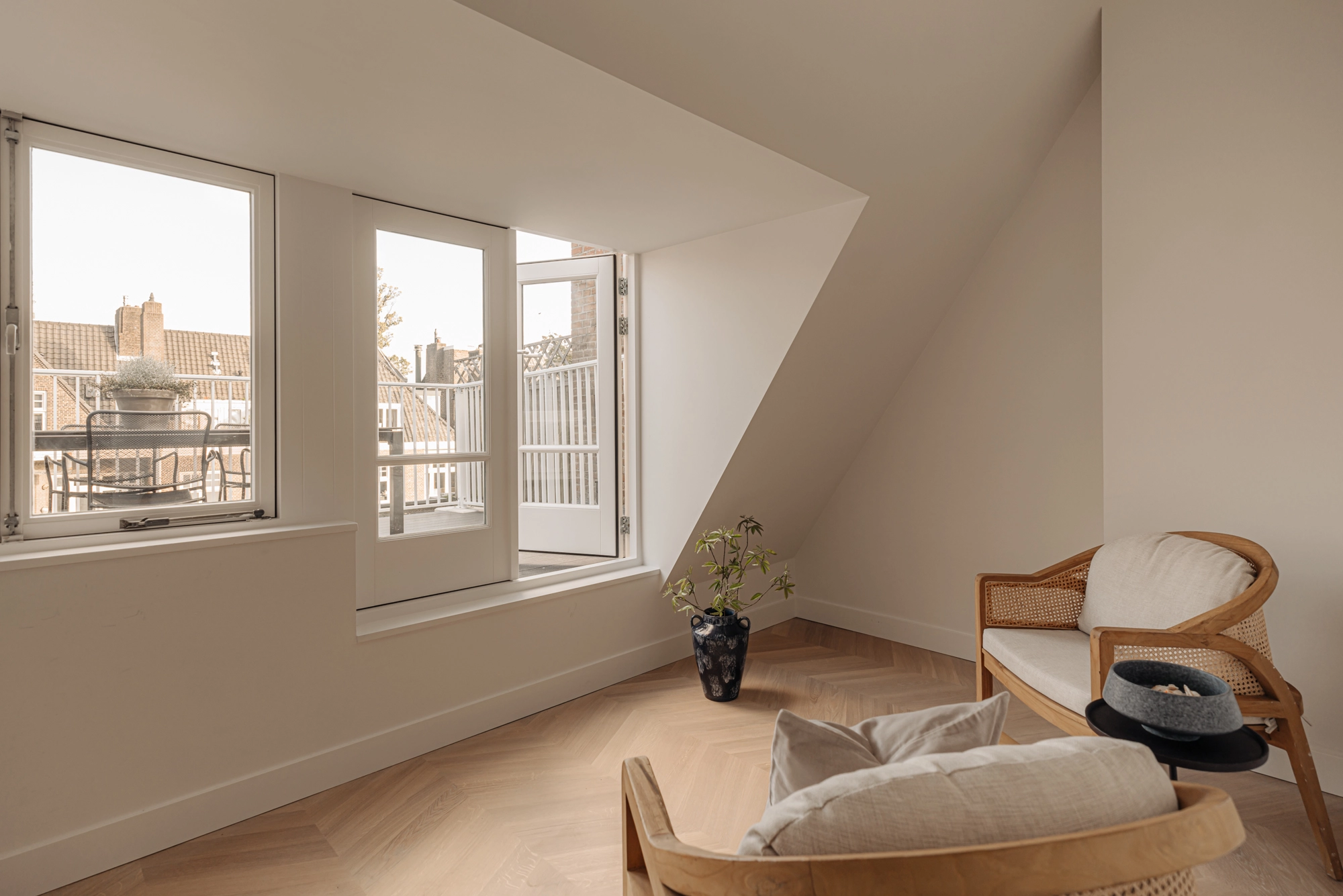
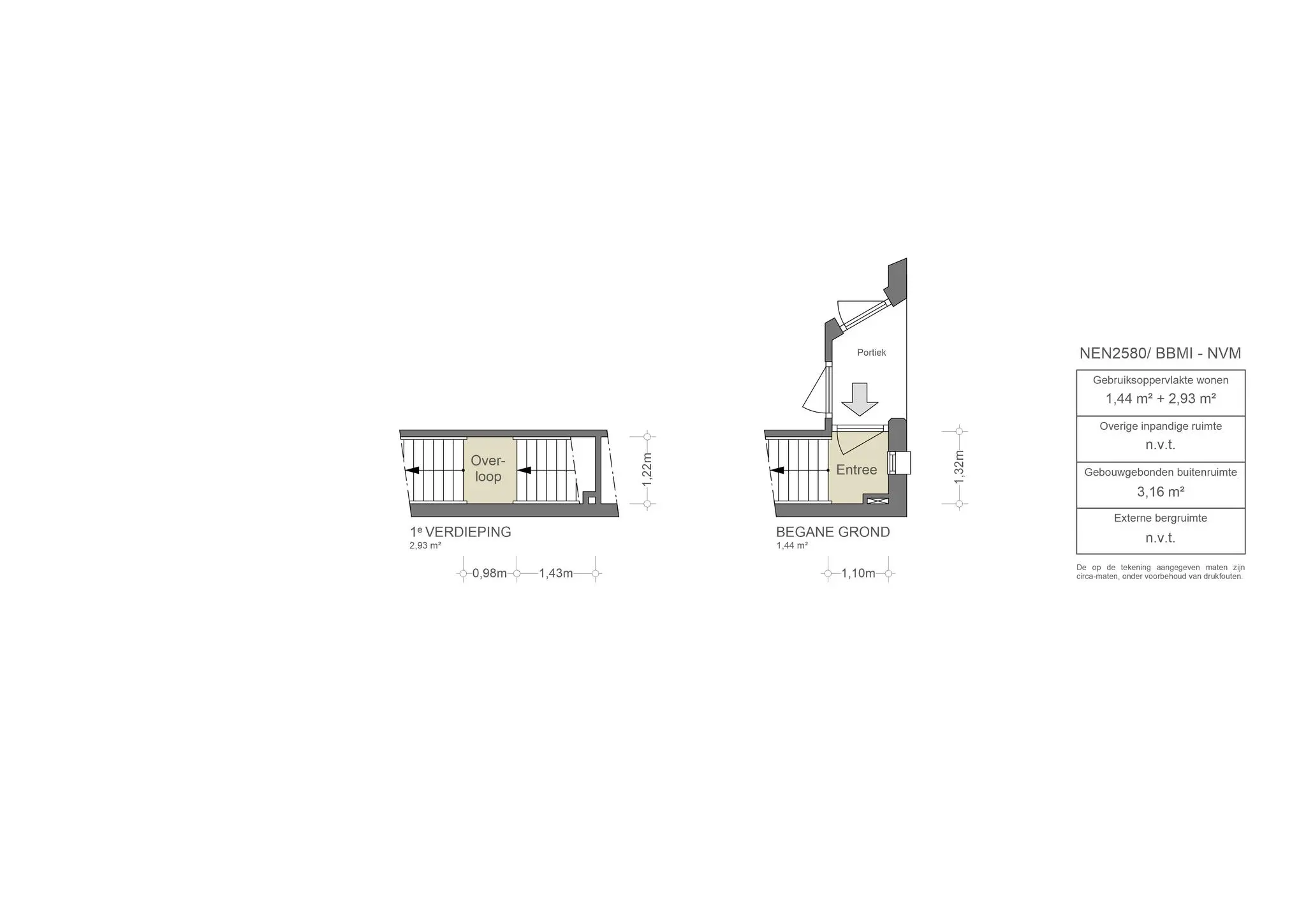
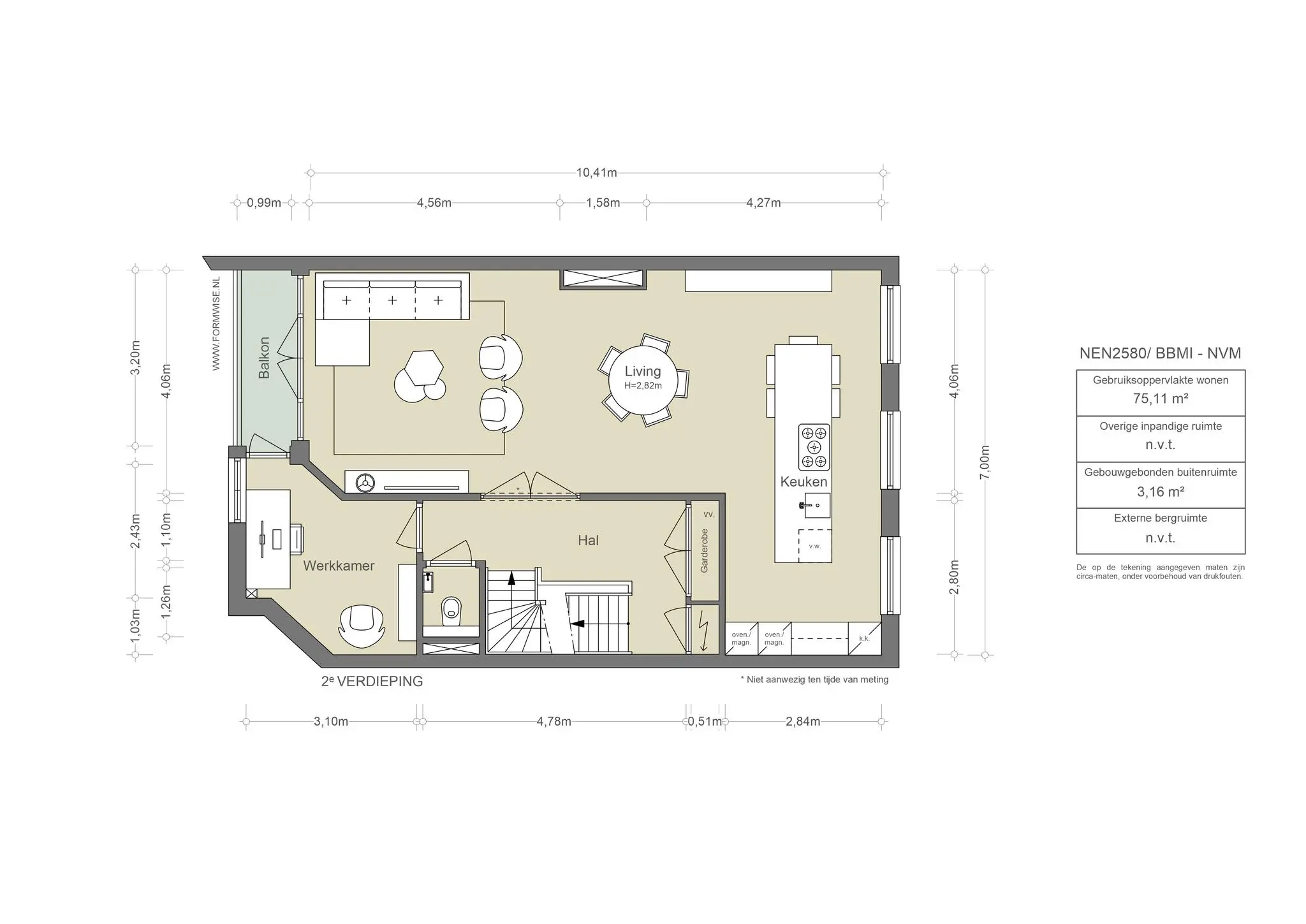
This upper house offers a private entrance from the street, equipped with a video intercom system on each floor. The authentic staircase contributes to the atmosphere. On the living floor (second floor), there is a hall with a wardrobe and guest toilet. The spacious living room, featuring stylish glass doors, includes a modern open kitchen with an island and high-quality appliances (Bora/Siemens & Quooker). The seating area at the rear opens to a balcony, and there is an additional workspace or playroom.
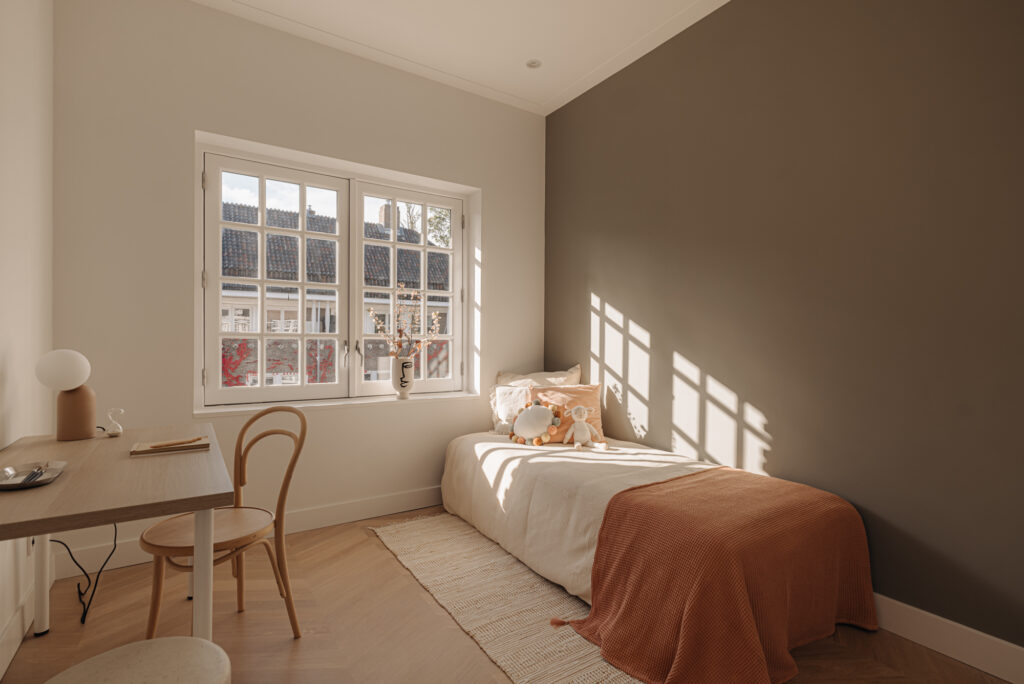
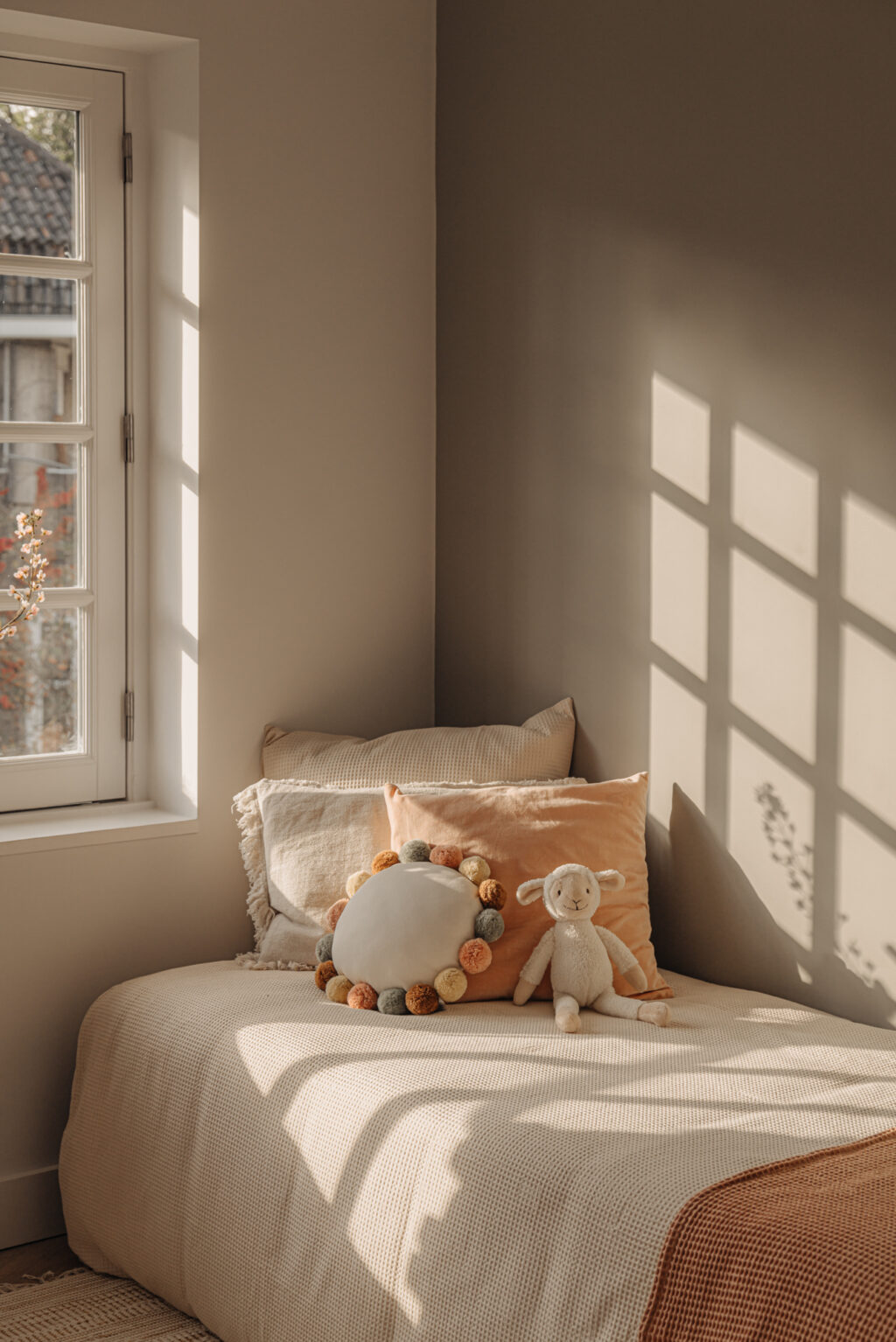
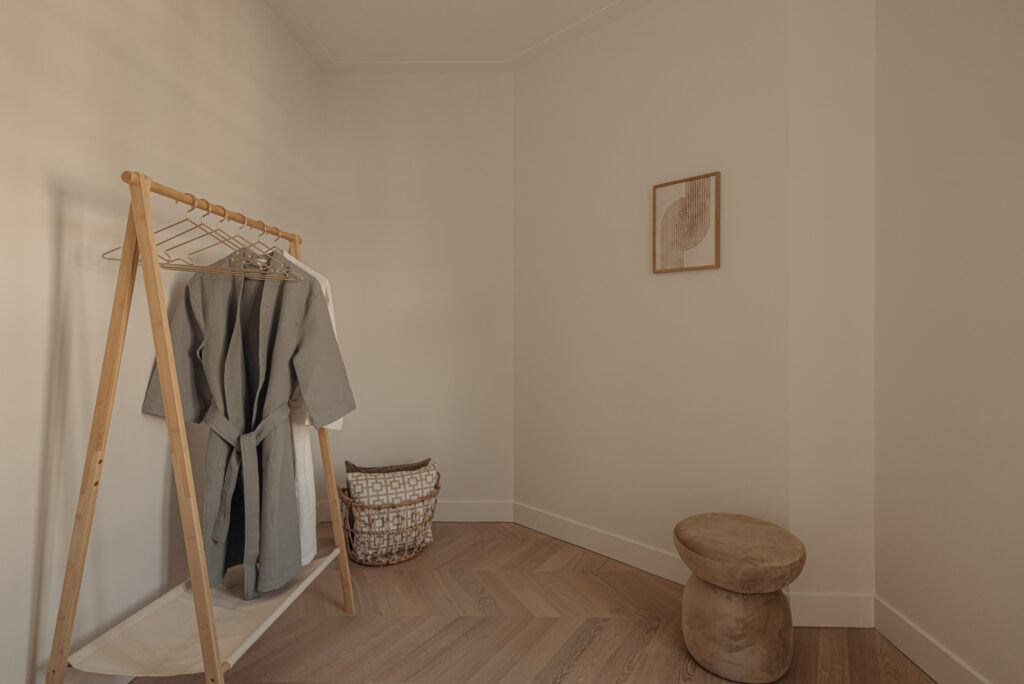
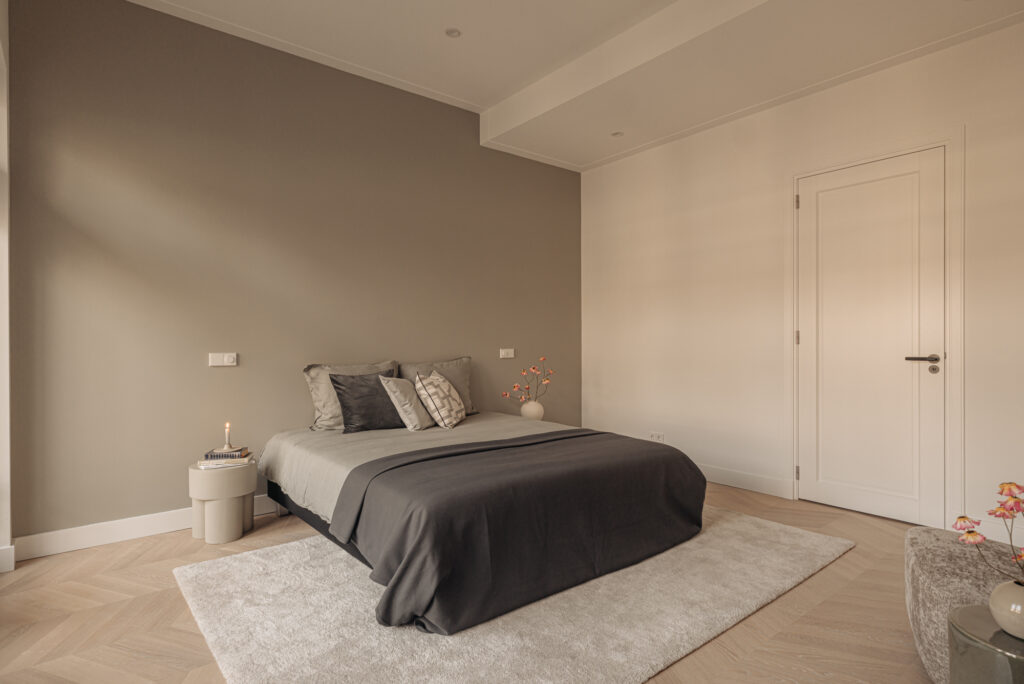
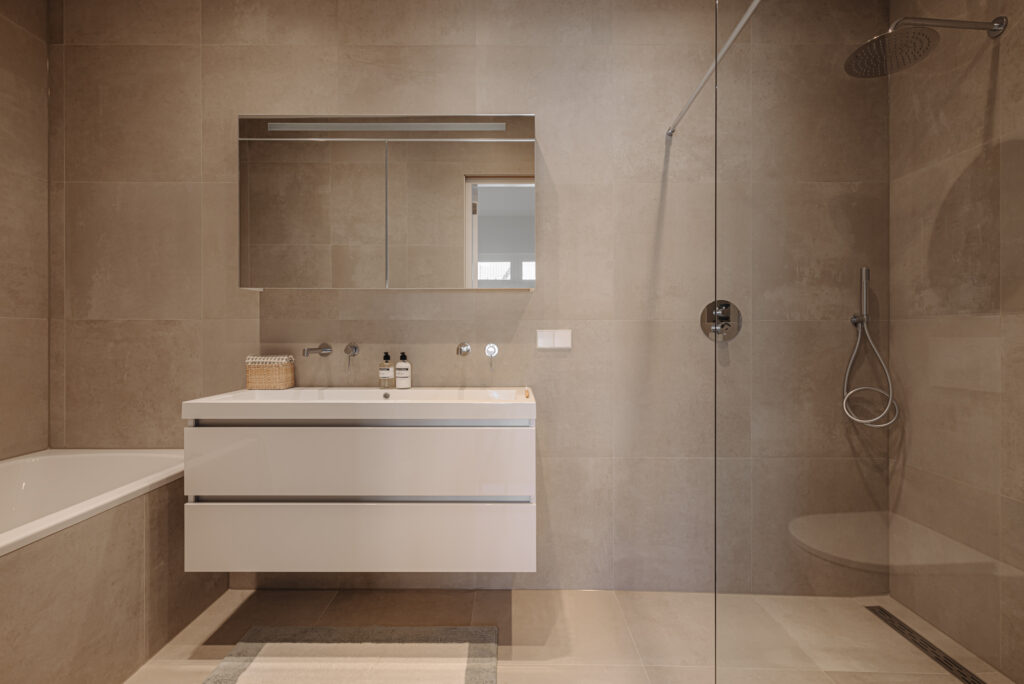
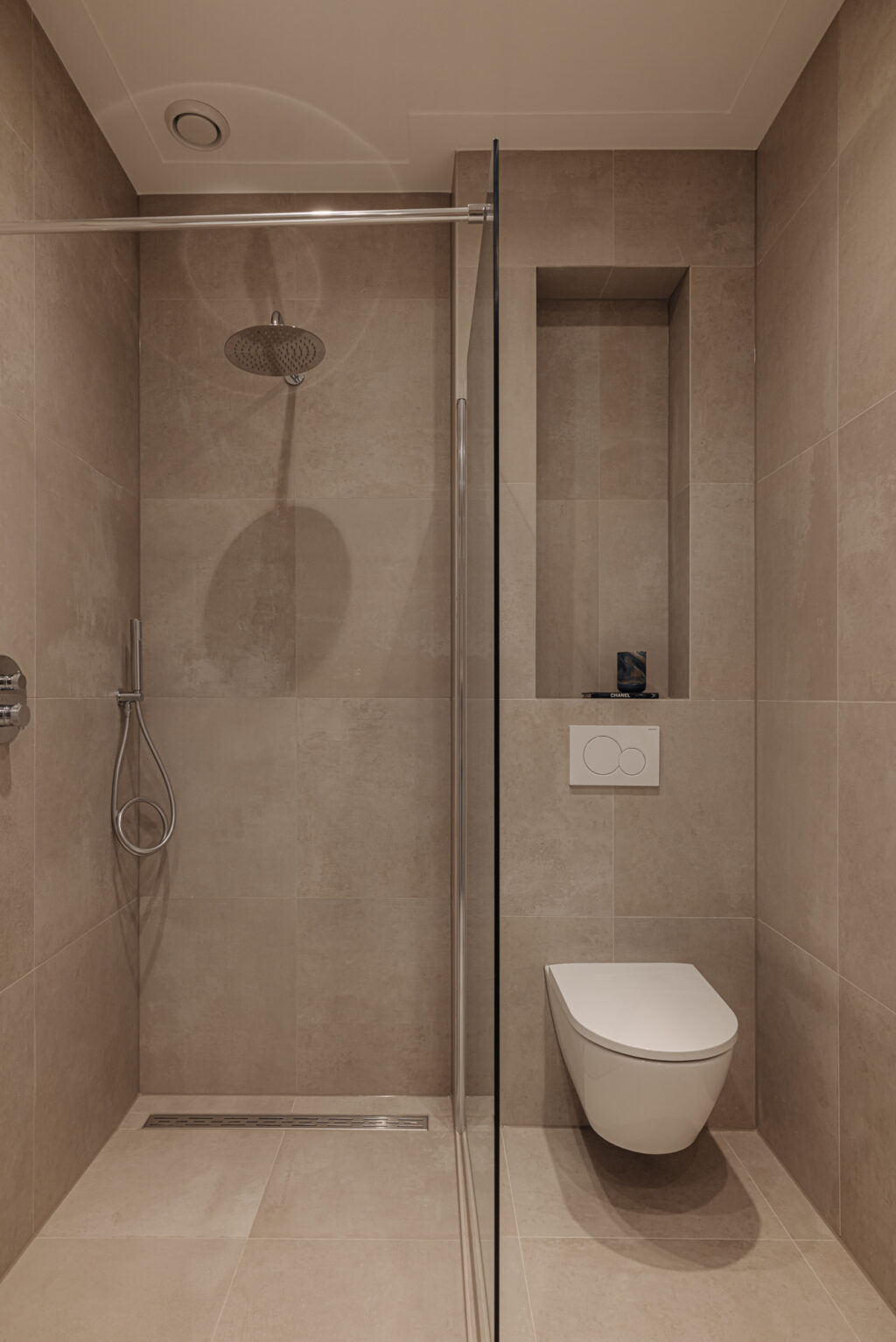
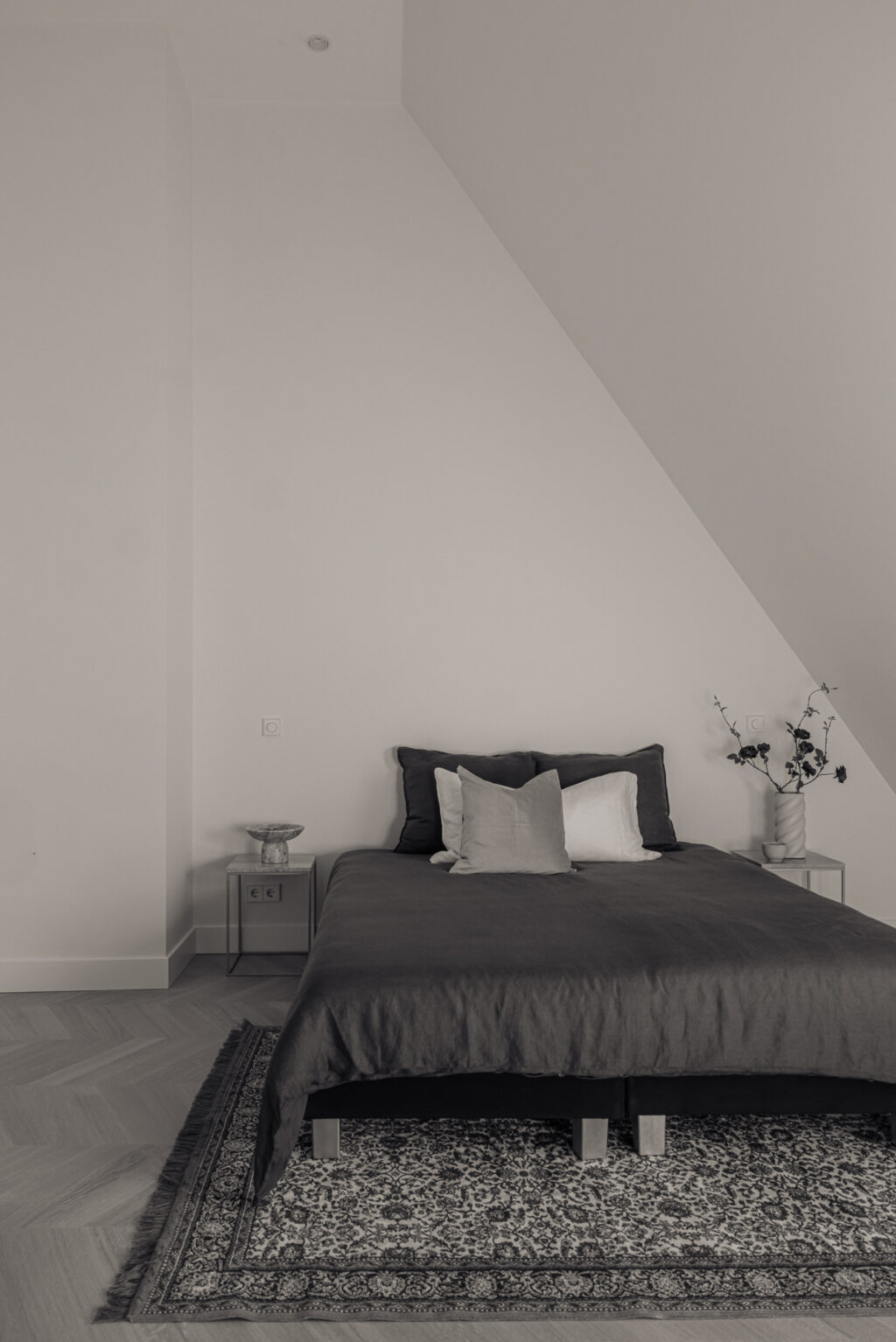
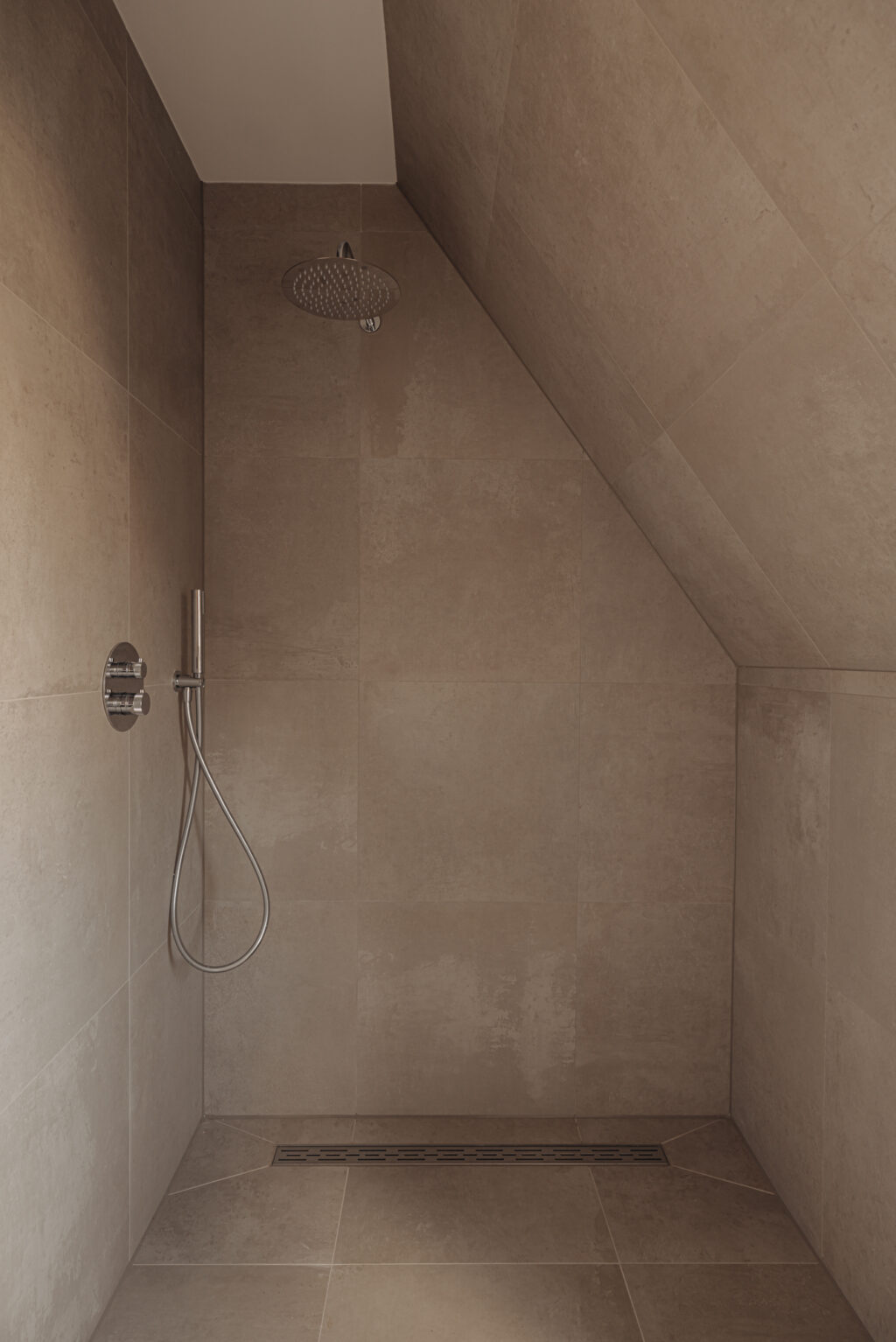
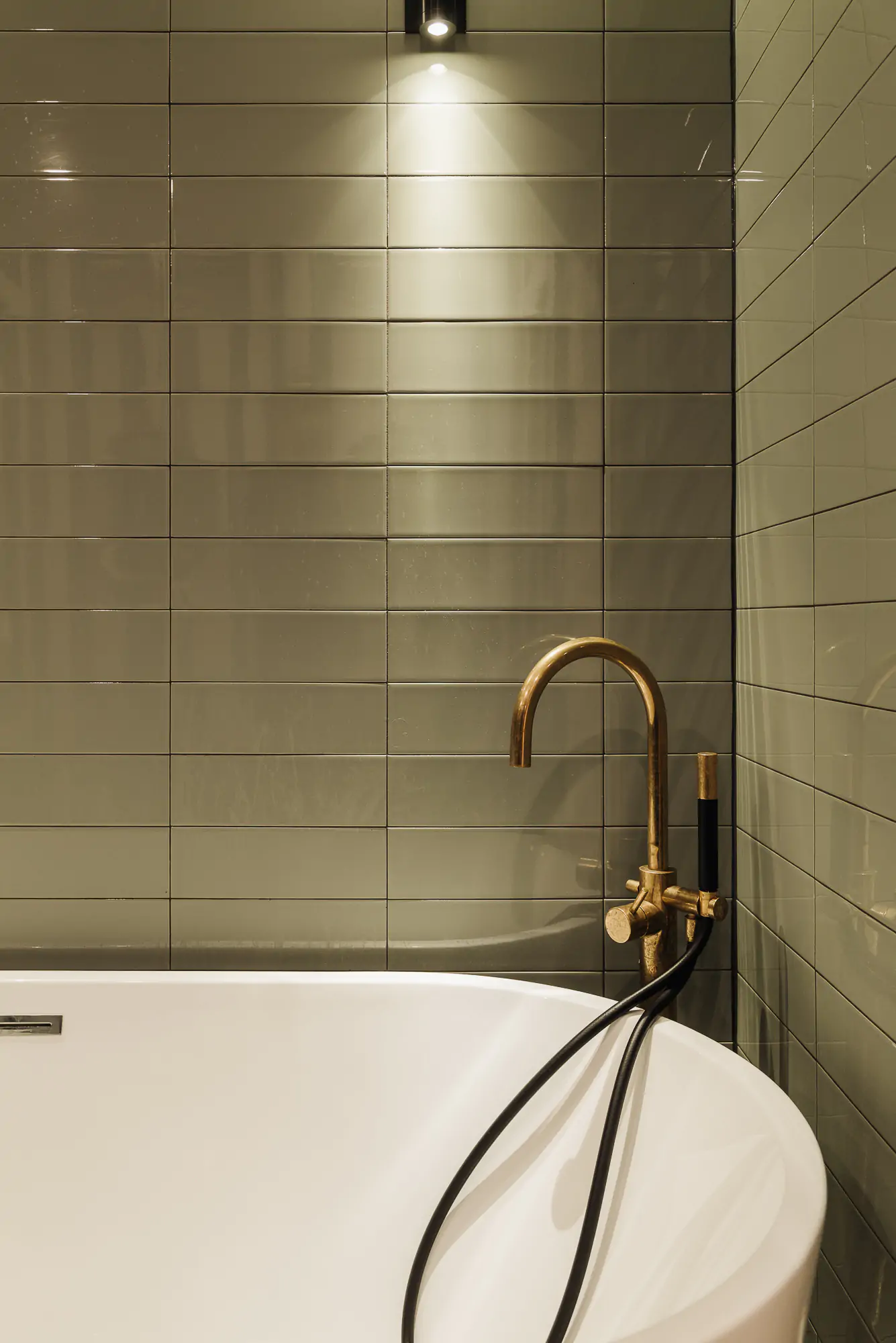
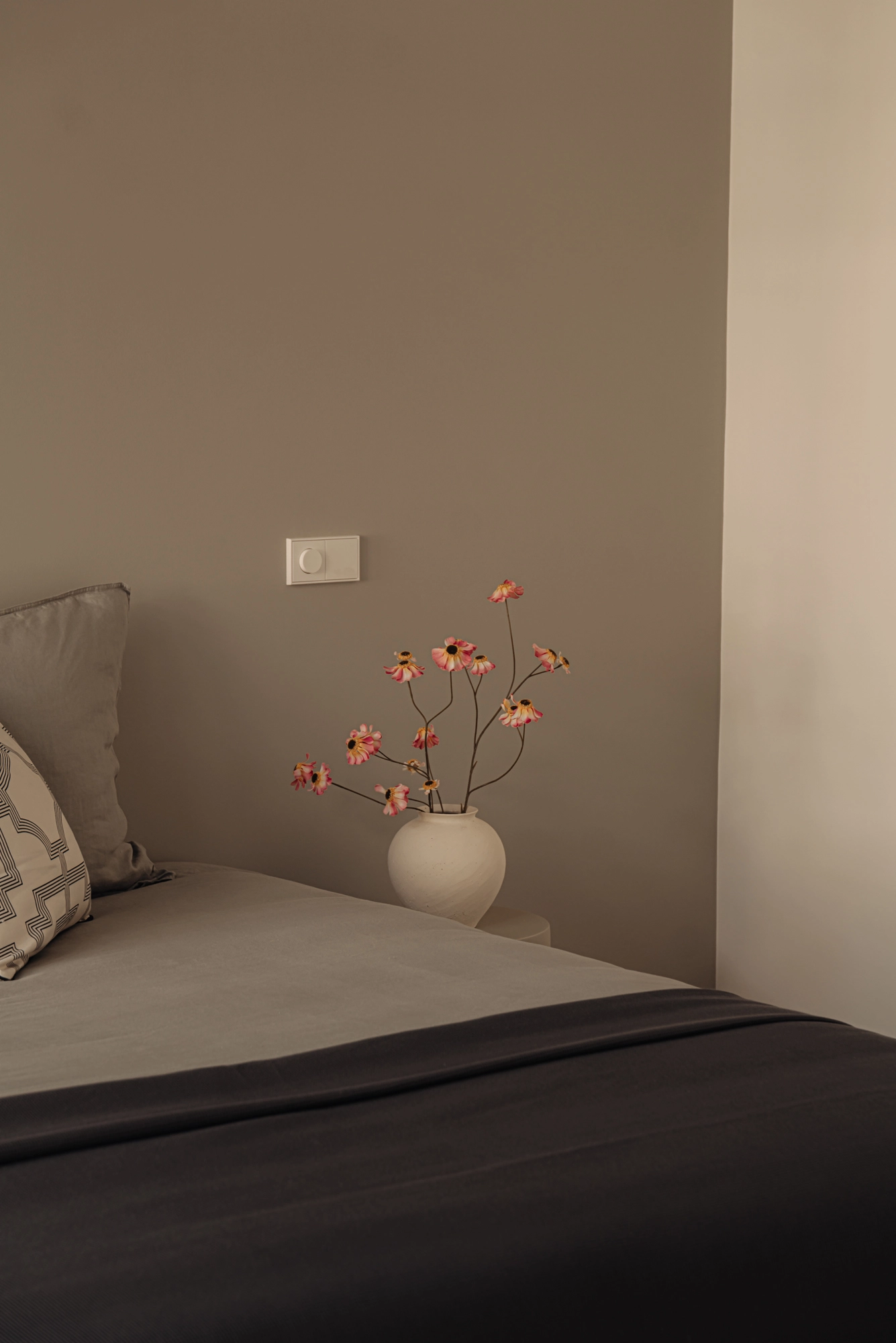
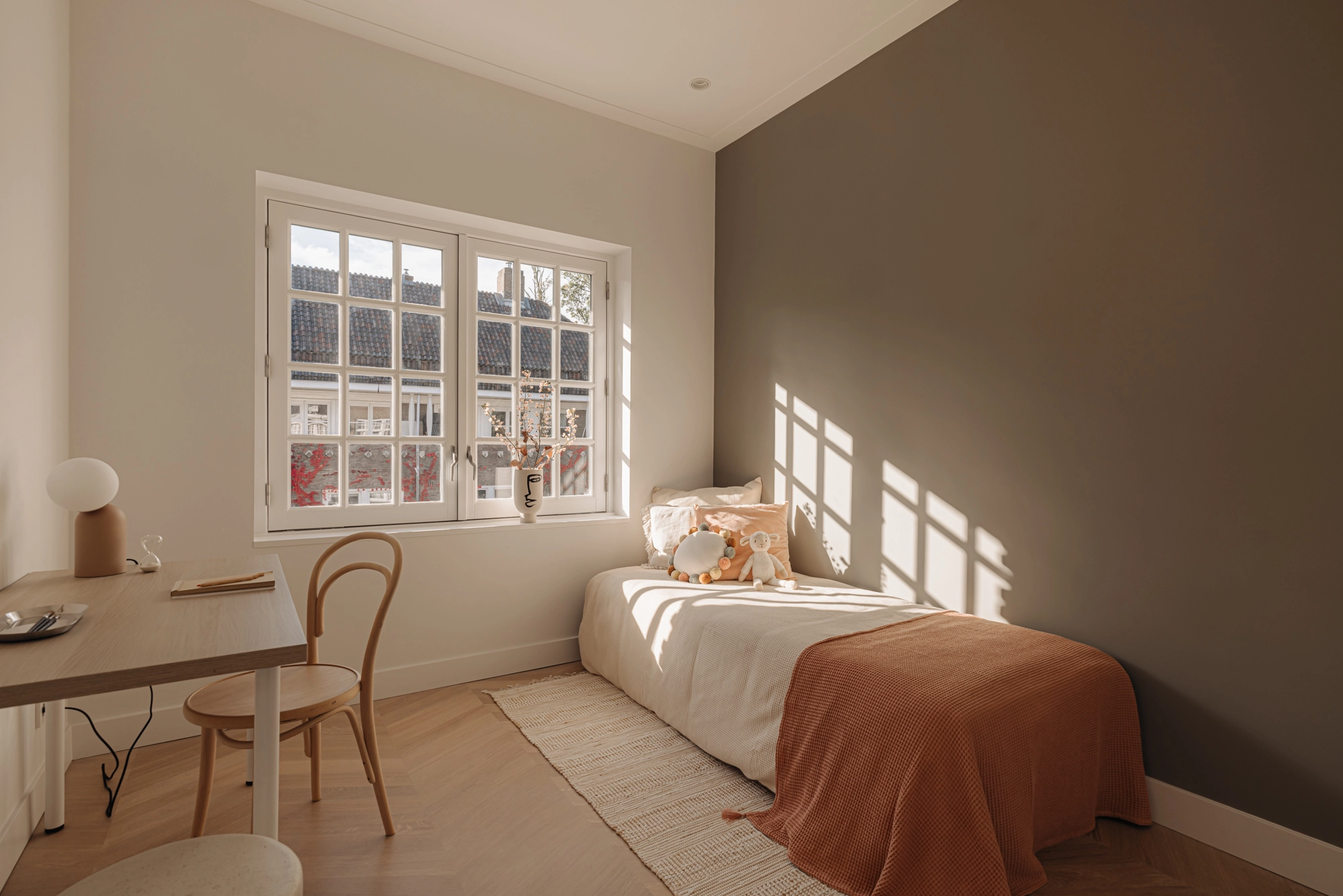
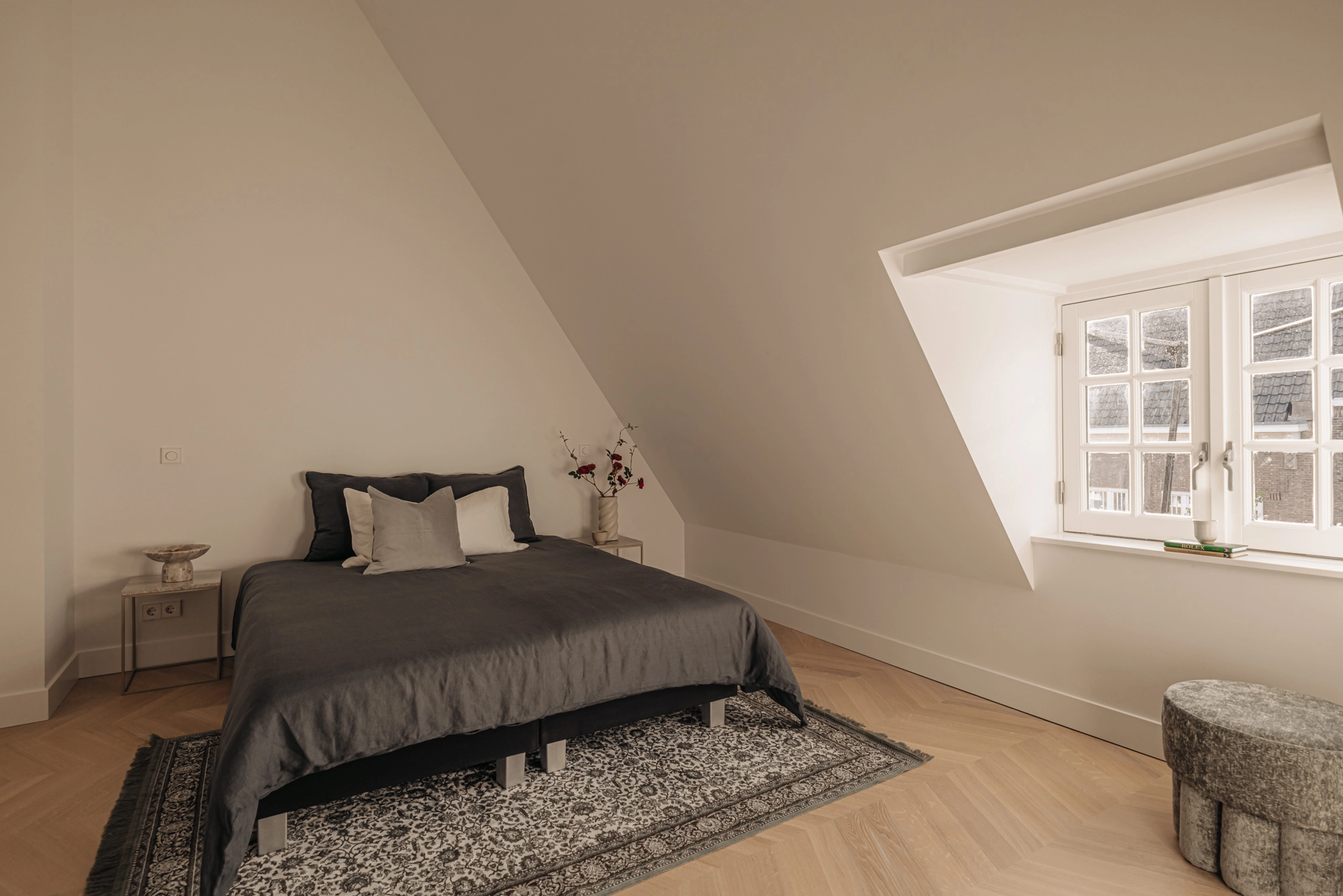
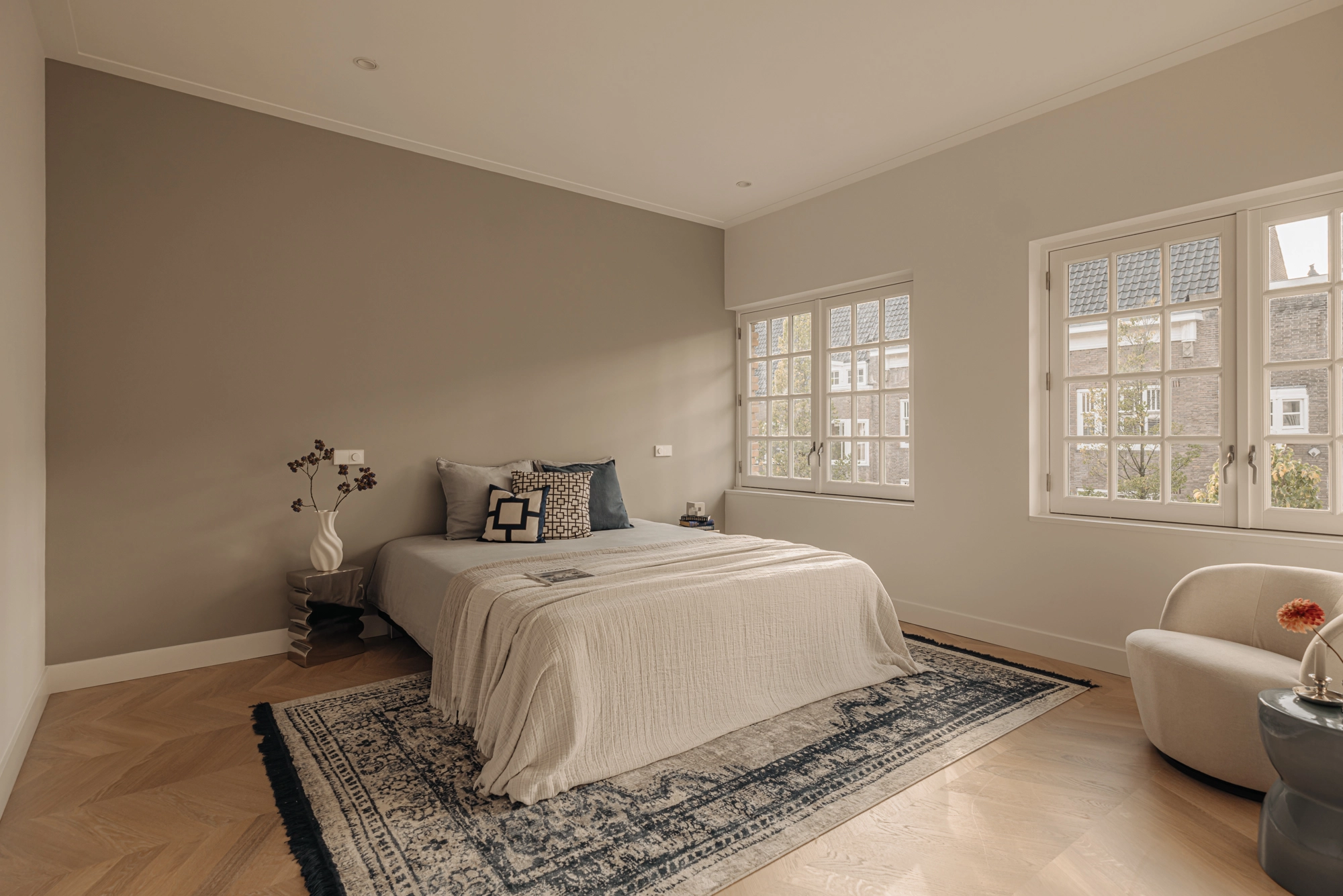
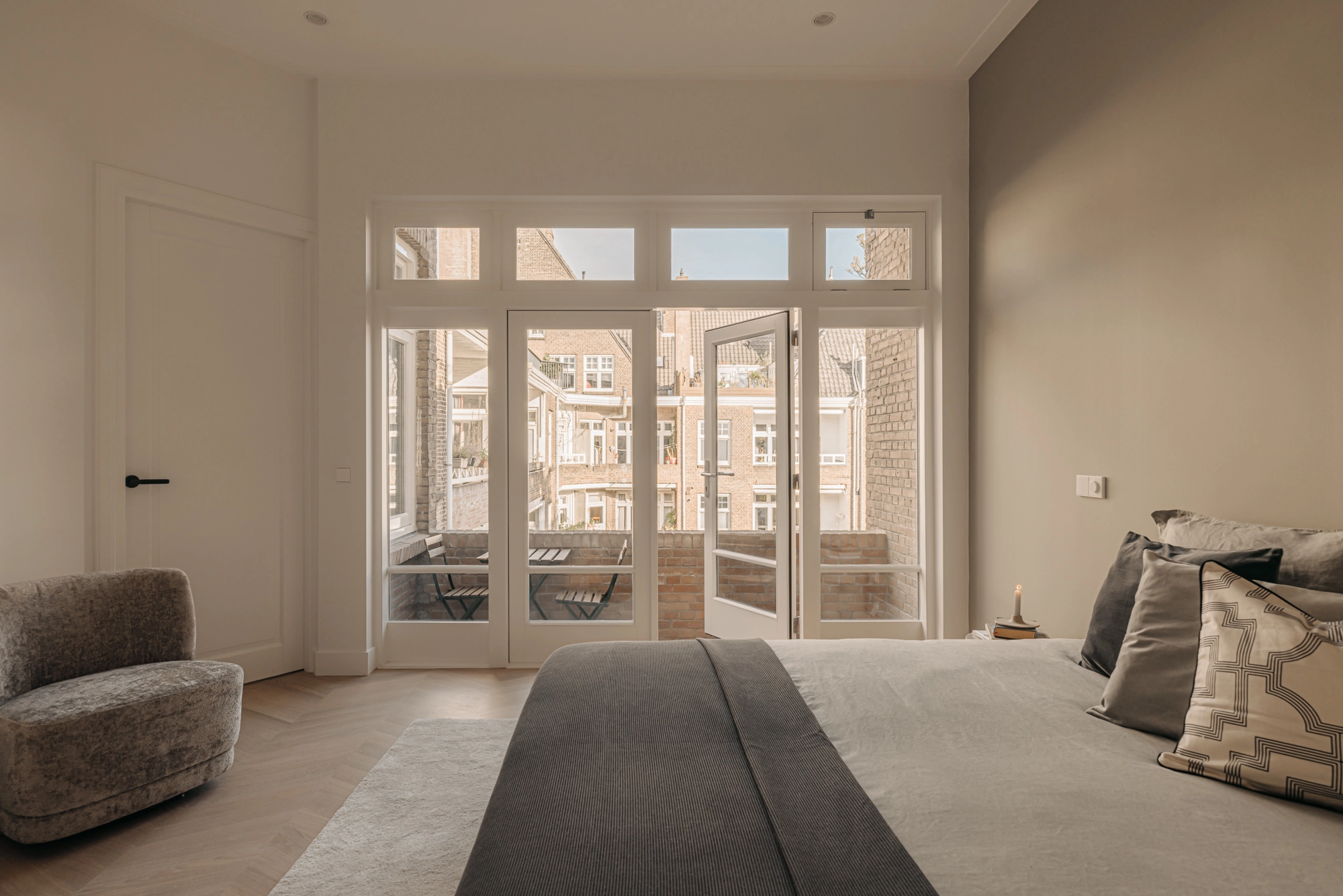
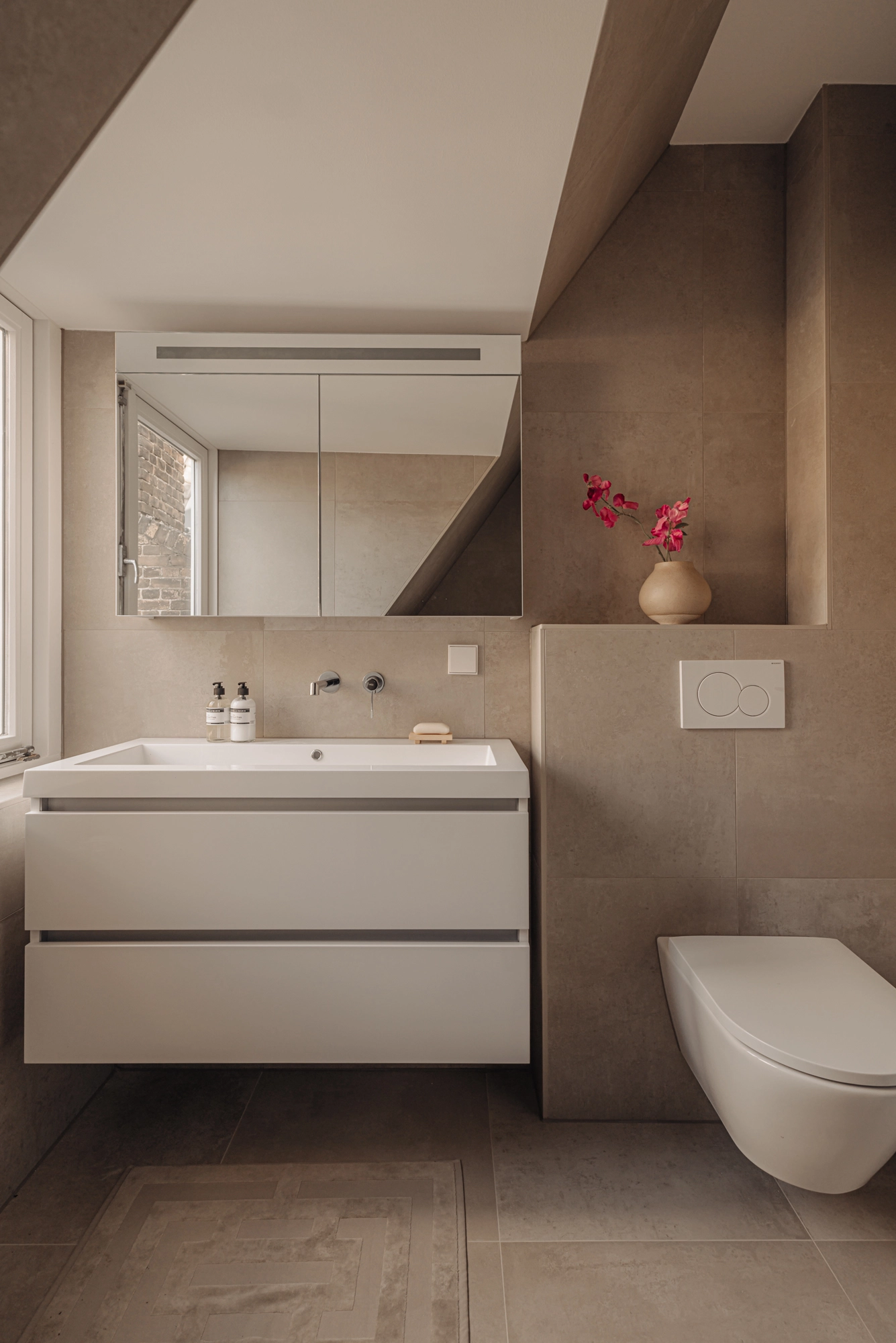
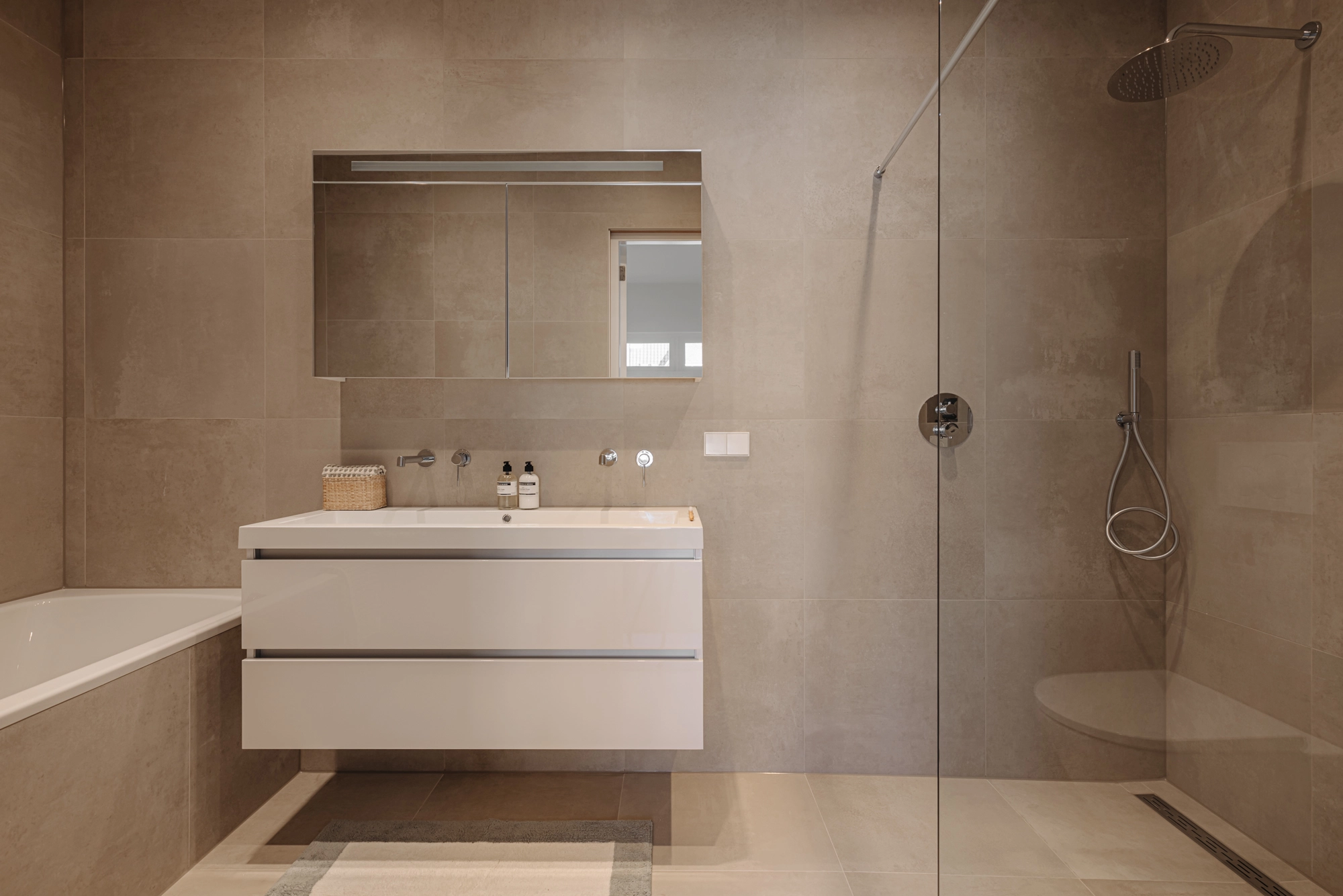
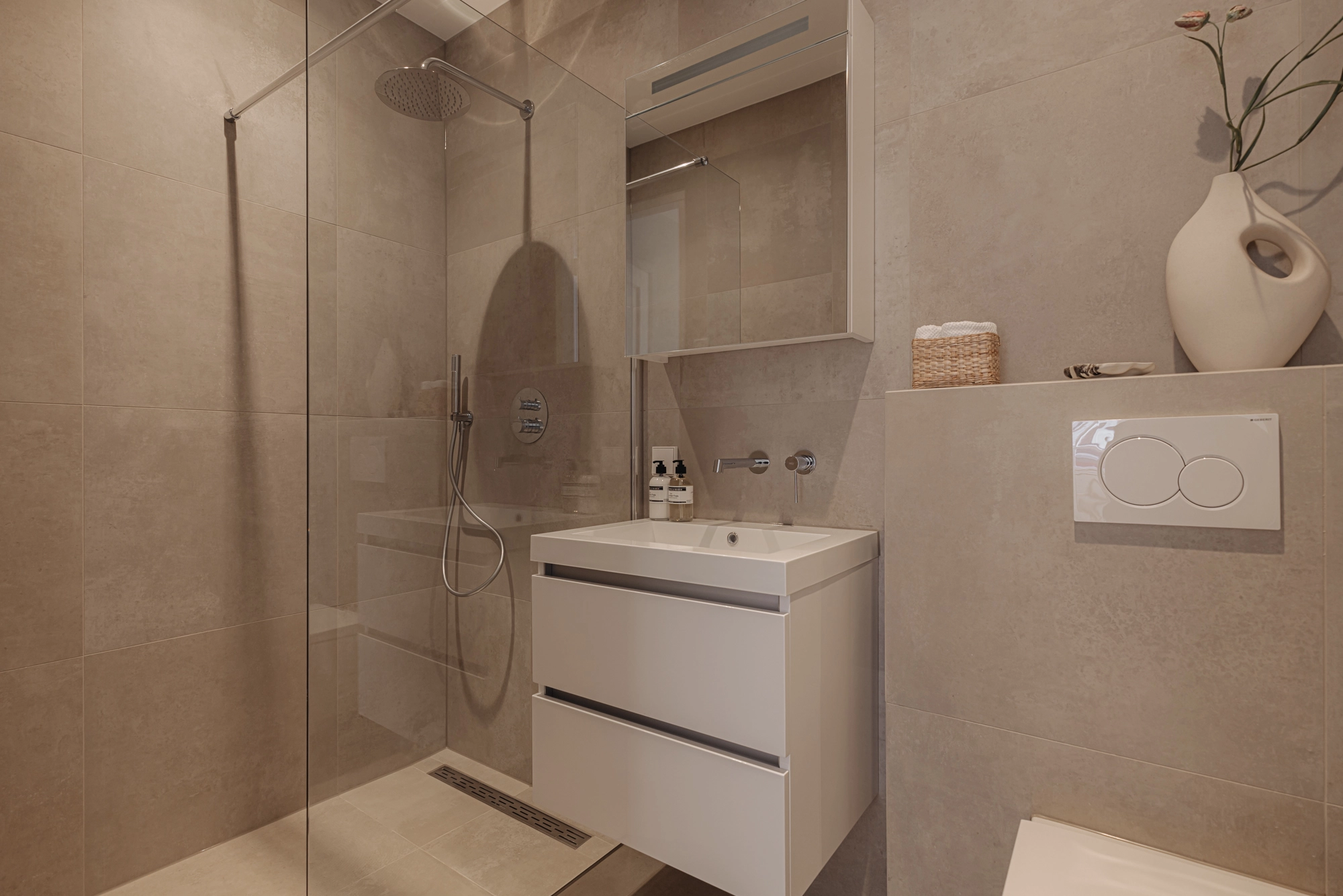
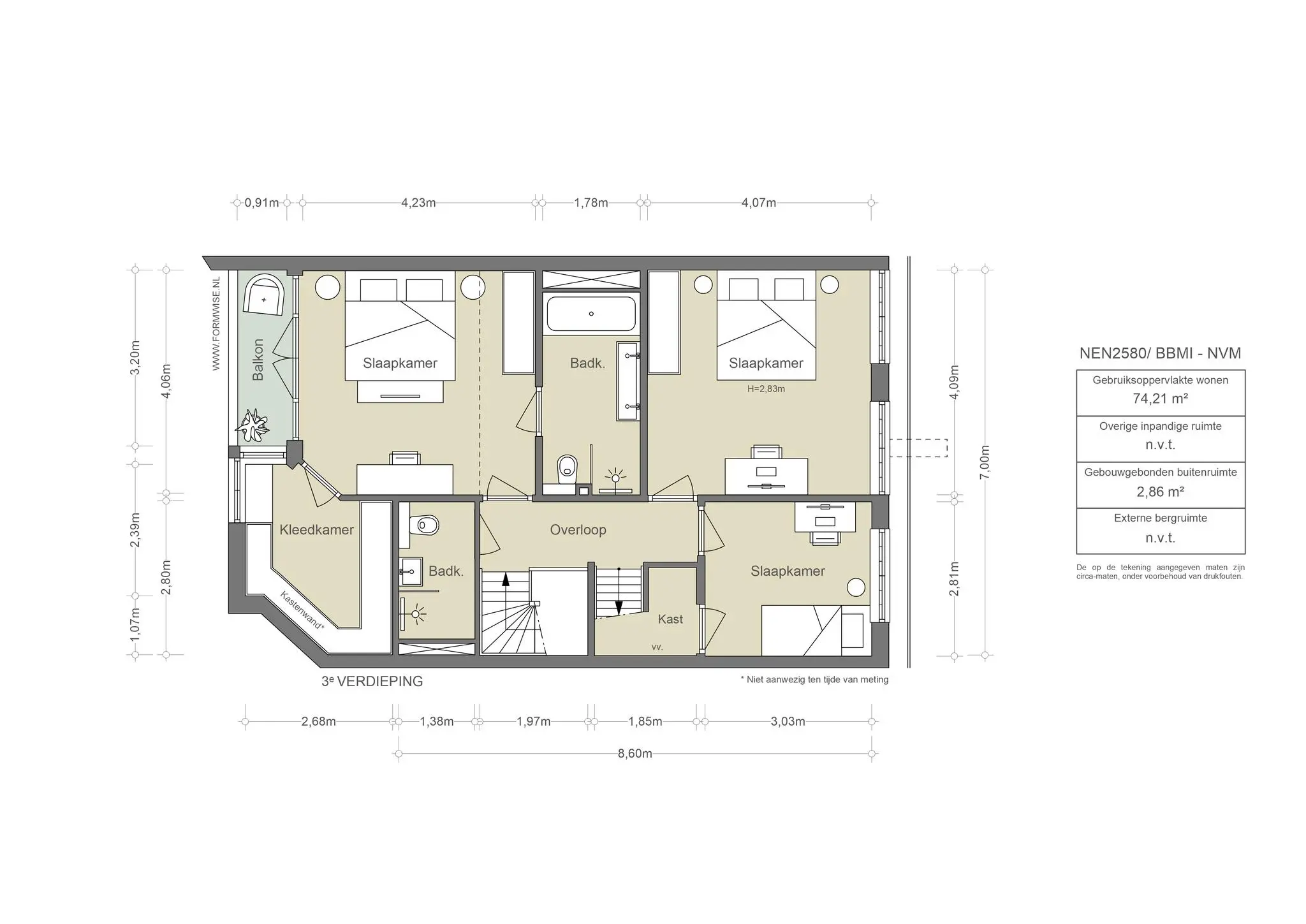
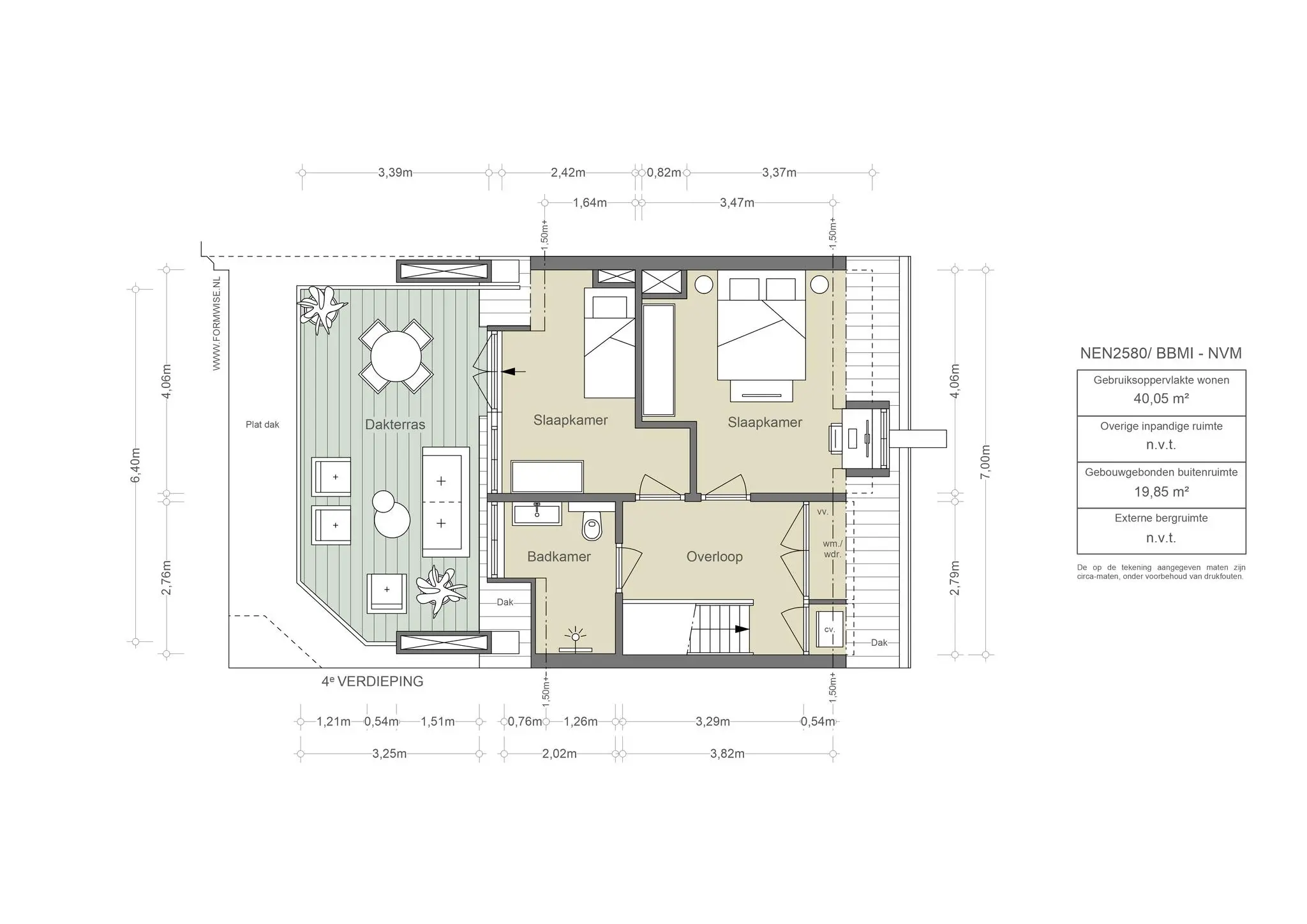
The house features underfloor heating and air conditioning, as well as a herringbone wooden floor for added elegance. On the first sleeping floor, there are three bedrooms, including the spacious master bedroom with a walk-in closet and private bathroom (including a bathtub, shower, and double sink) and a second bathroom. The second sleeping floor contains two rooms, one of which is set up as a rooftop terrace room with a pantry. There is also a third bathroom on this level.
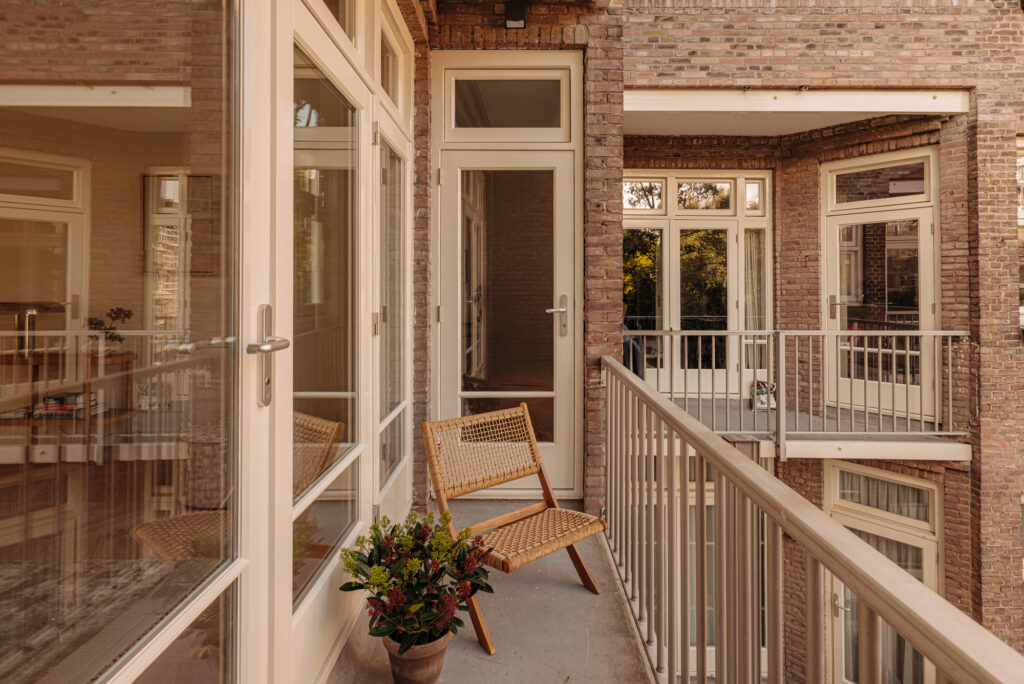
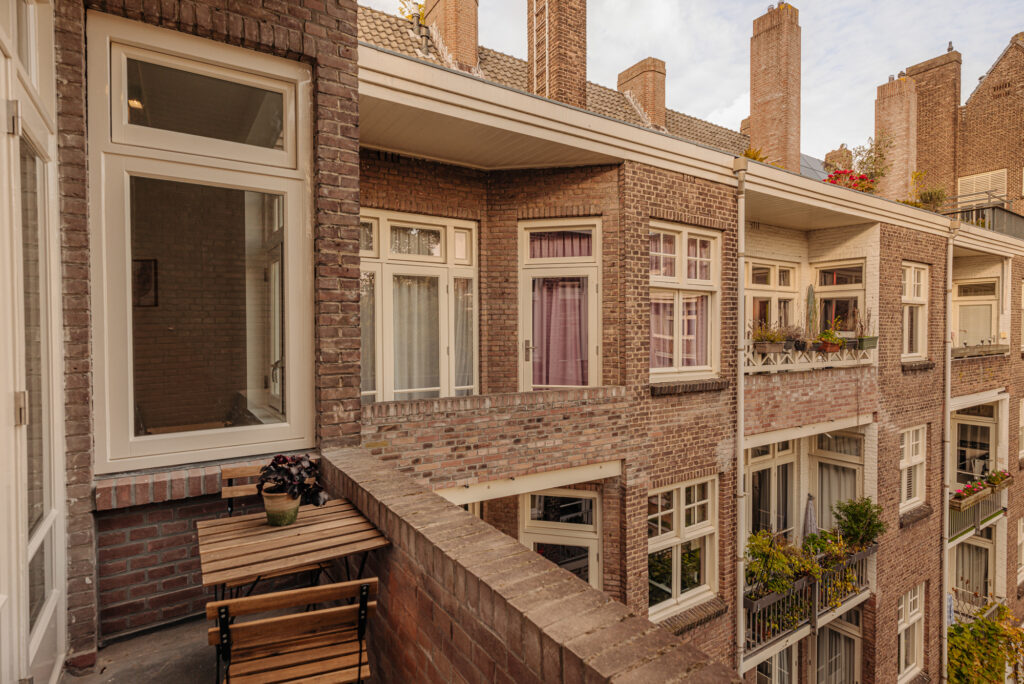
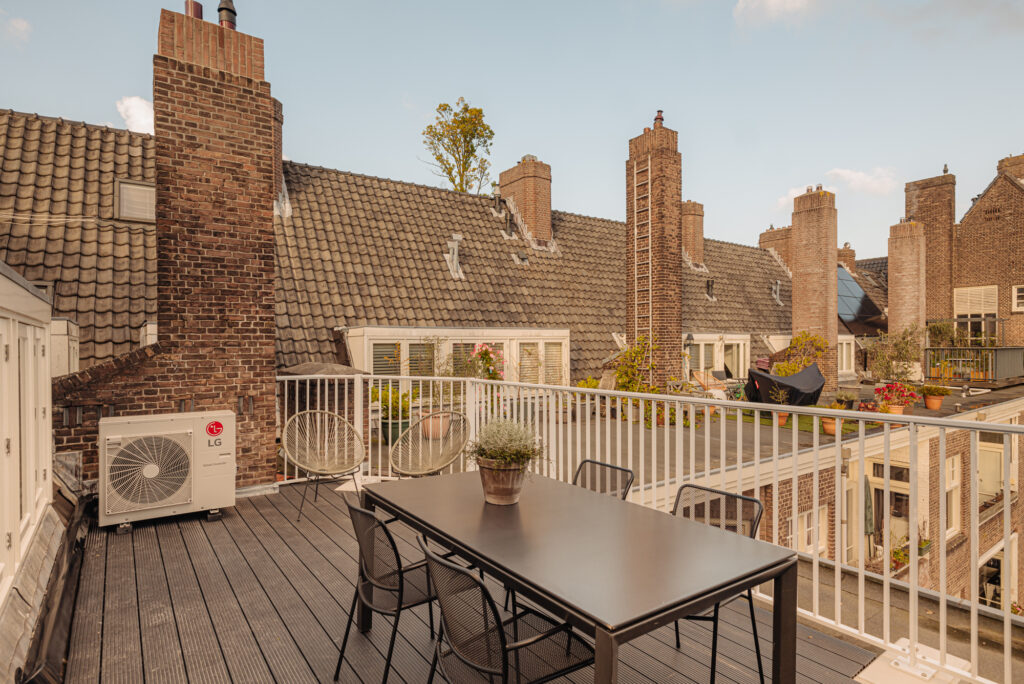
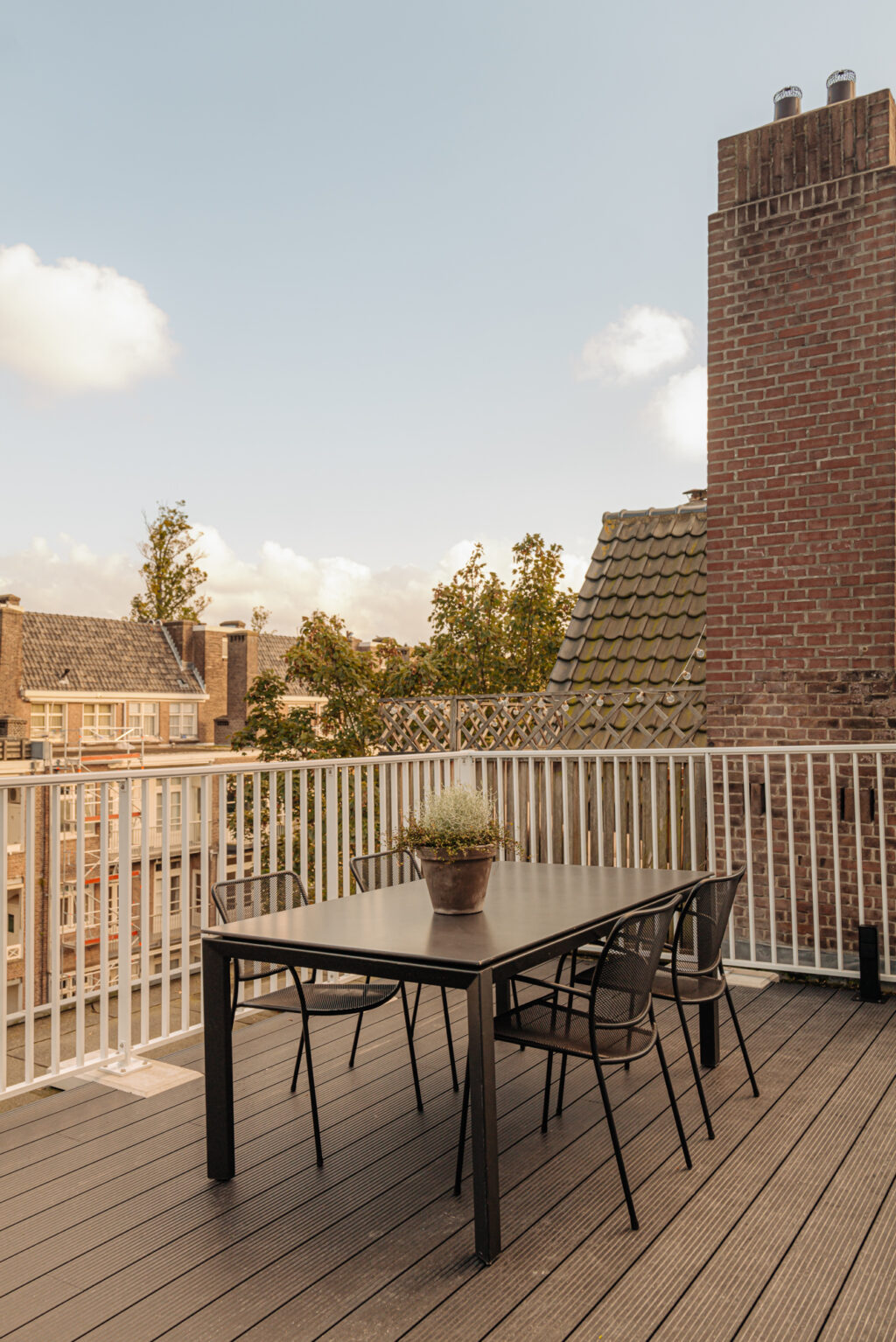
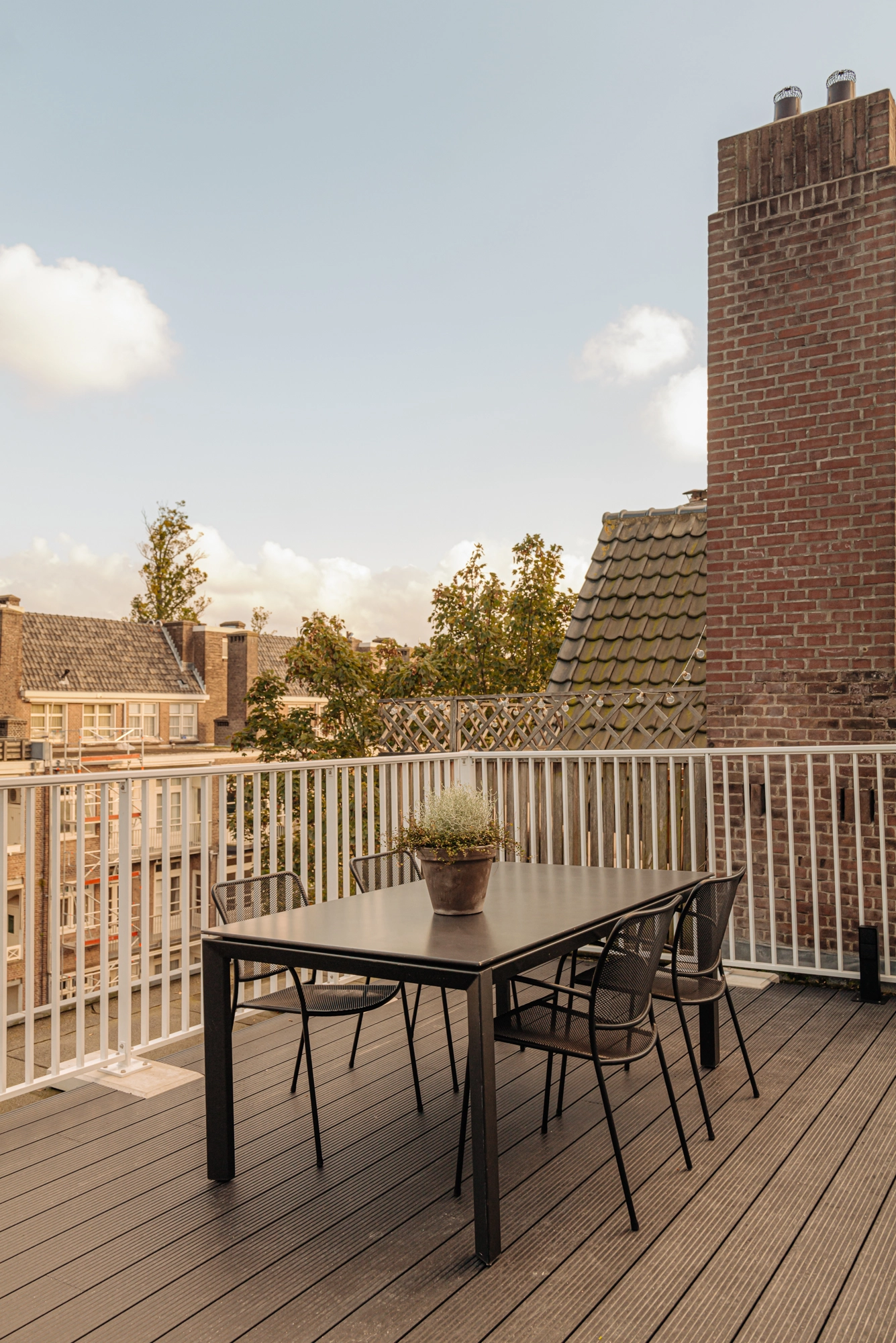
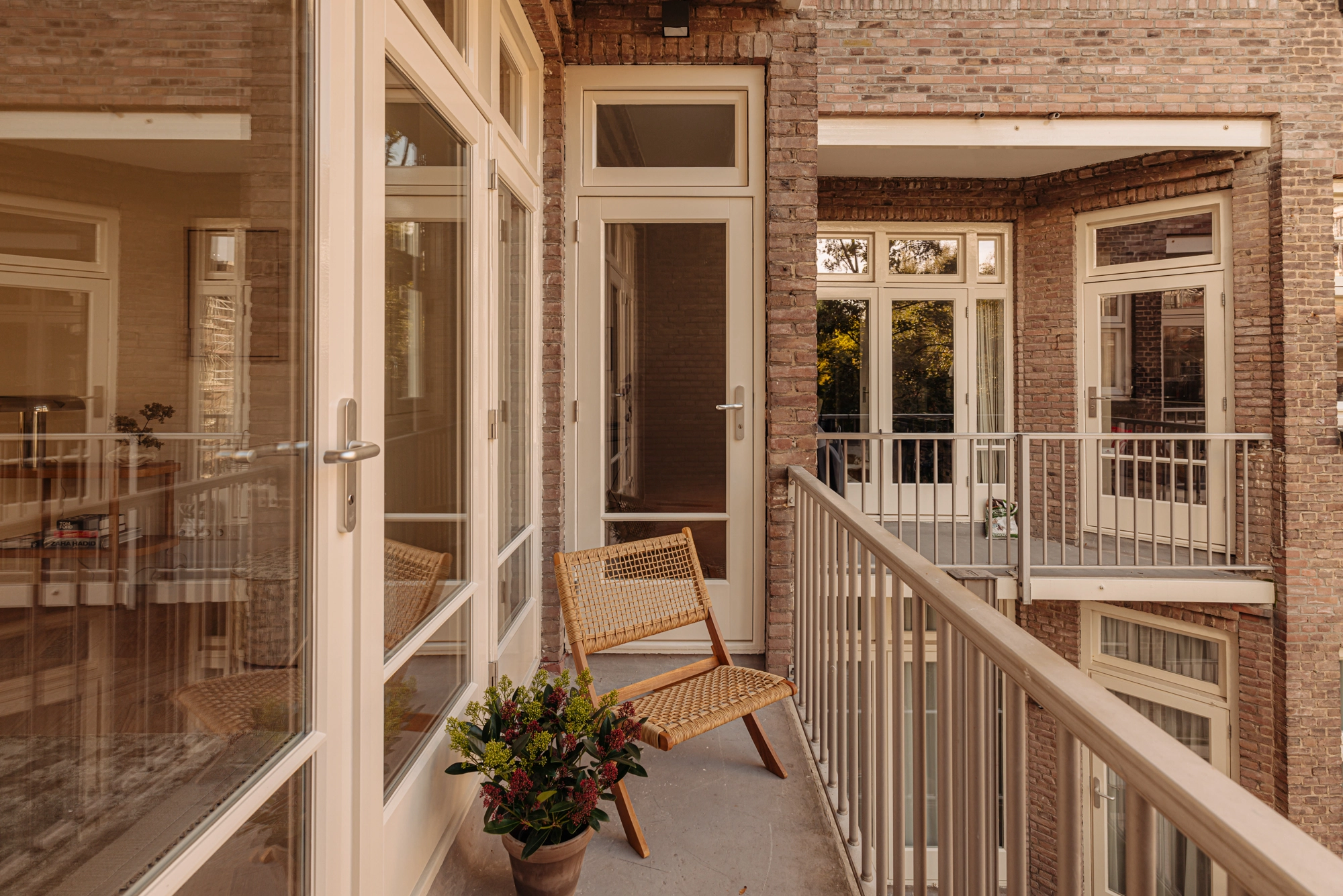
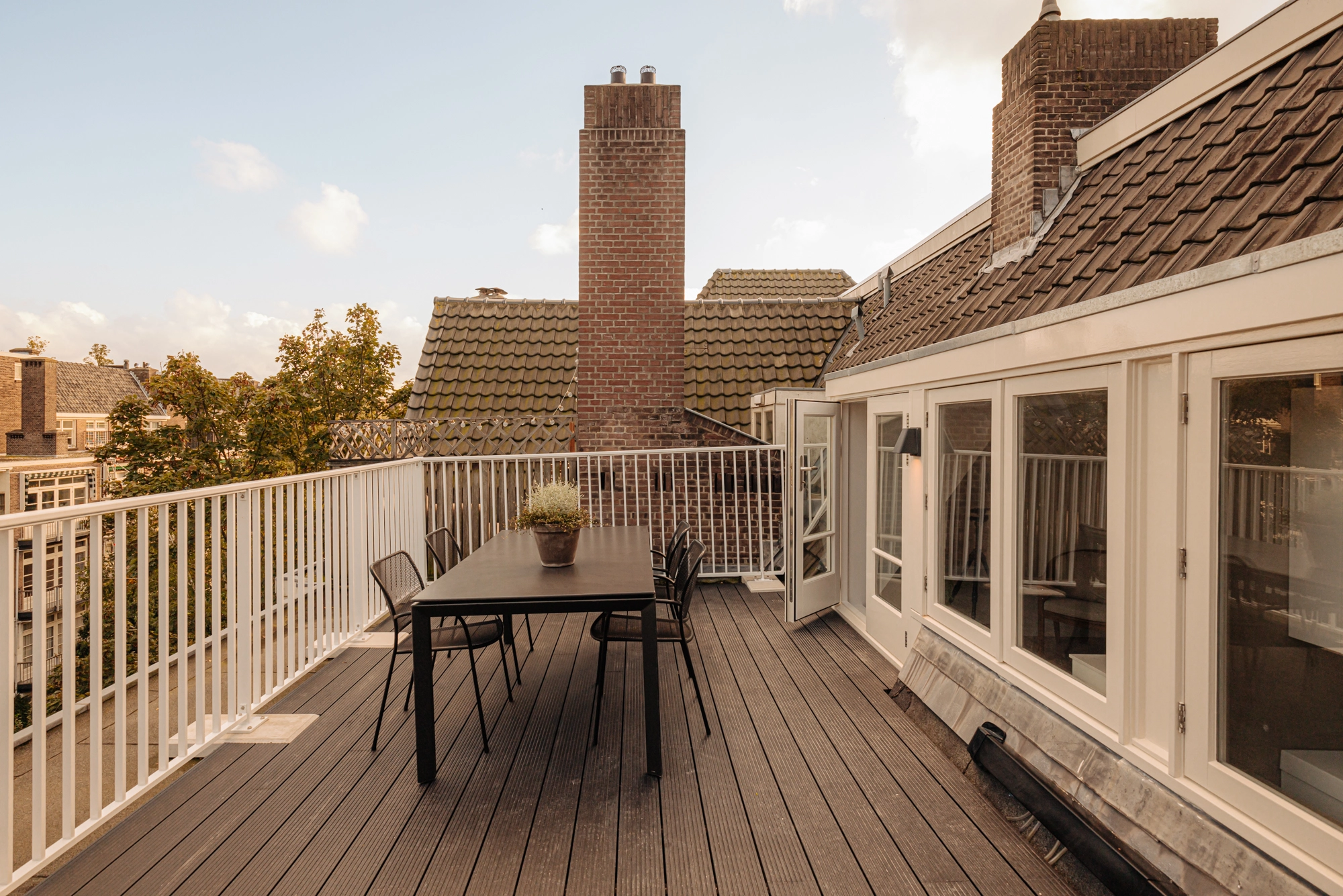
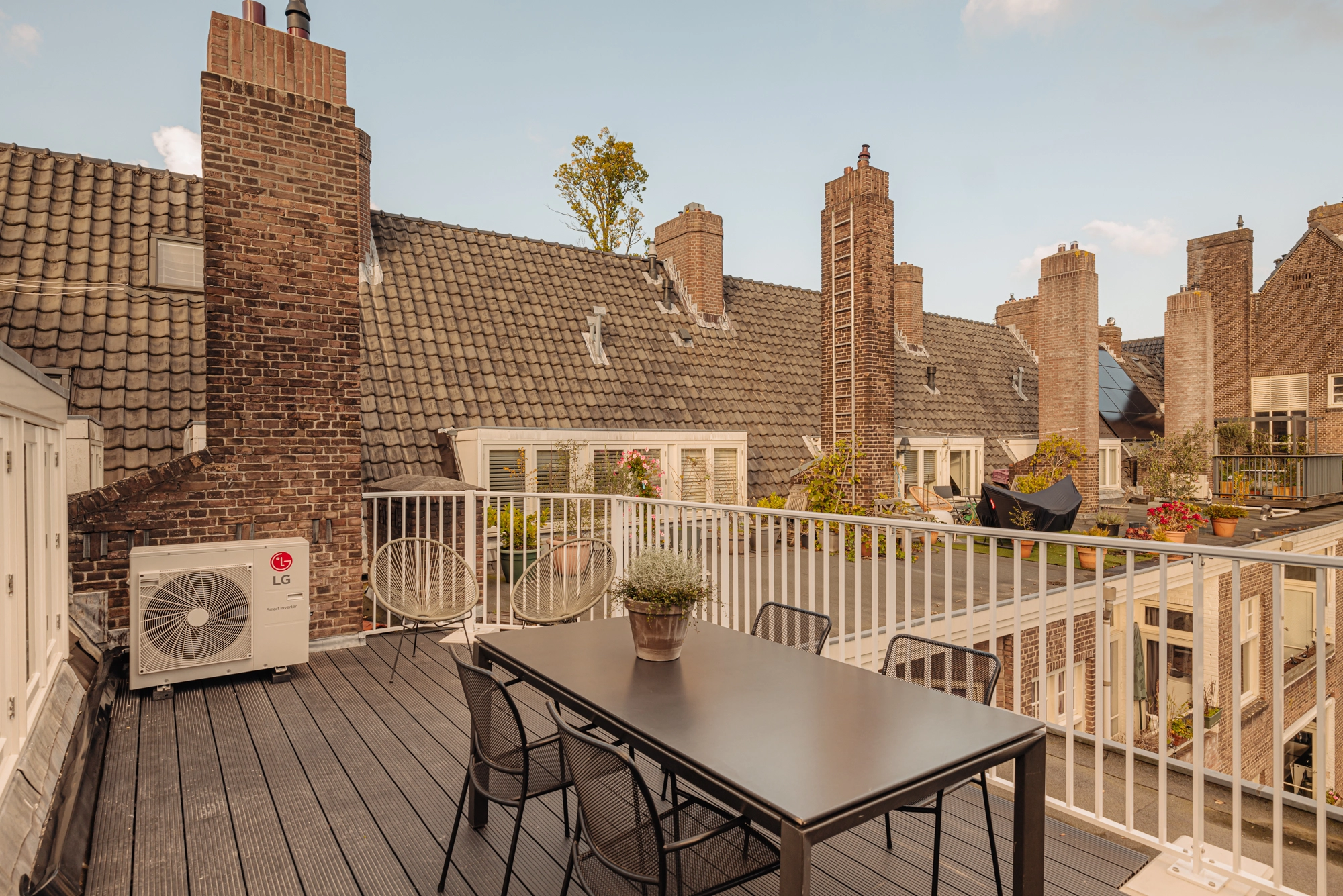
The southeast-facing roof terrace is ideal for family gatherings and relaxation. With balconies on various floors, this house offers outdoor space on every level.
Neighborhood
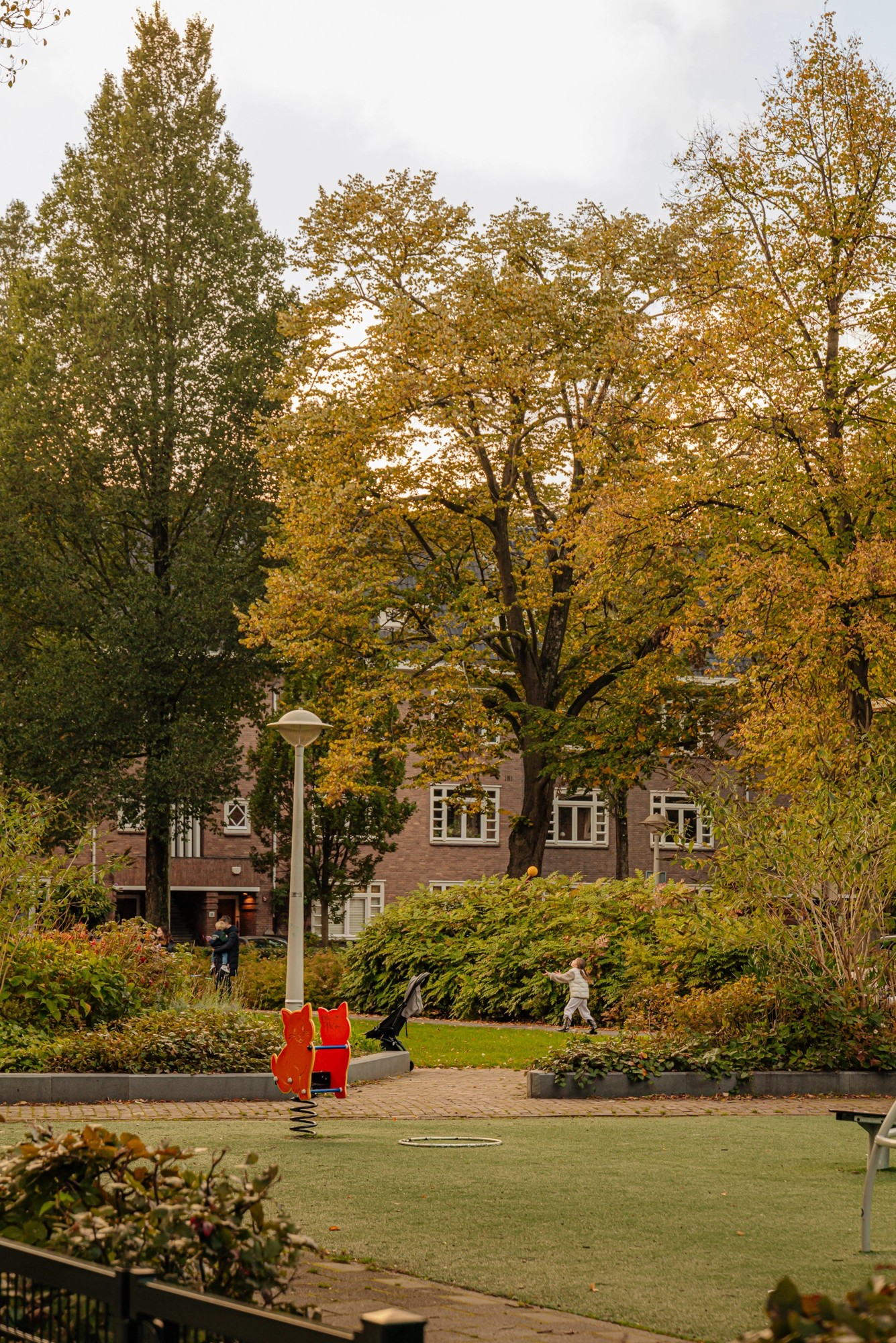
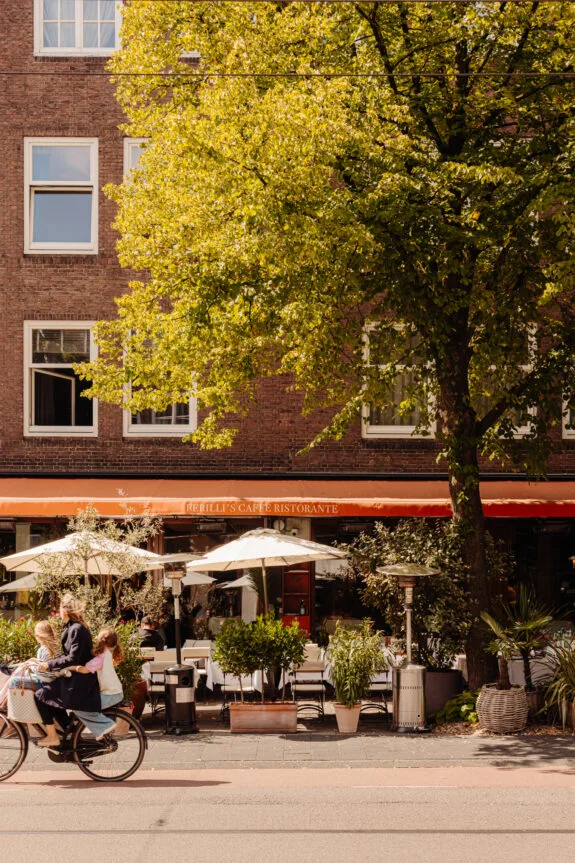
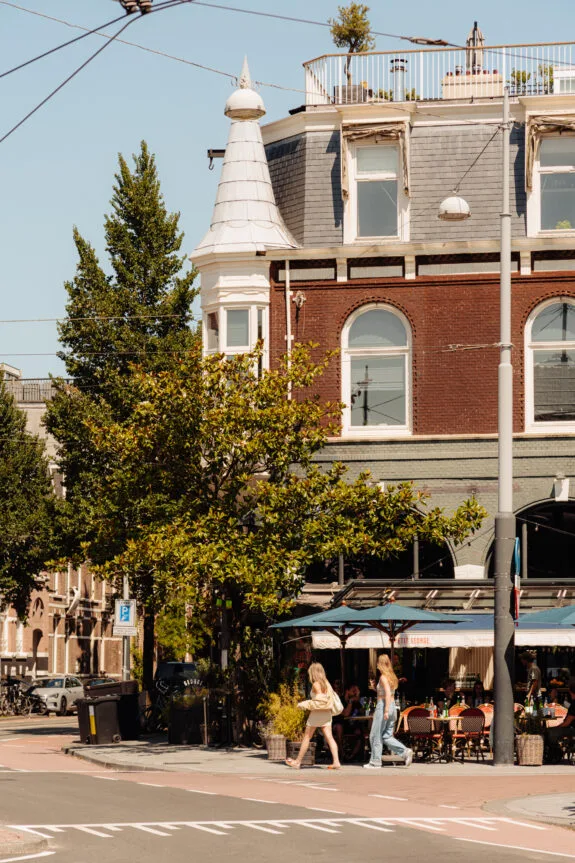
The Beethovenstraat and the shops at Olympiaplein lend a youthful and dynamic character to the area with their coffee bars, lunch spots, and various restaurants. The area offers a high-quality selection of specialty shops, including a bakery, fishmonger, butcher, patisserie, and wine shop. At Olympiaplein, you will find bakery Le Fournil, Fromagerie L’Amuse, and Coffee District. Butcher shop Zikking is nearby on Marathonweg, and there is a refined organic market at Minervaplein on Fridays. The wide avenues and green Beatrixpark, with modern sculptures and centuries-old trees, create a sense of space and provide ample opportunities for sports and relaxation. The neighborhood is known for its good schools and favorable location in relation to the Ring and Amsterdam Zuid station.
Key details
• Living area approximately 194 m²
• Roof terrace approximately 20 m²
• Two balconies facing east
• Leasehold canon is permanently paid off
• Energy label A
• Underfloor heating & air conditioning
• Homeowners association being established – two members
• Service costs HOA €263.25 per month
• Renovated in 2024 - turn-key
• National monument & protected cityscape
• Non-self-occupancy clause applicable
• Project notary Lubbers & Dijk
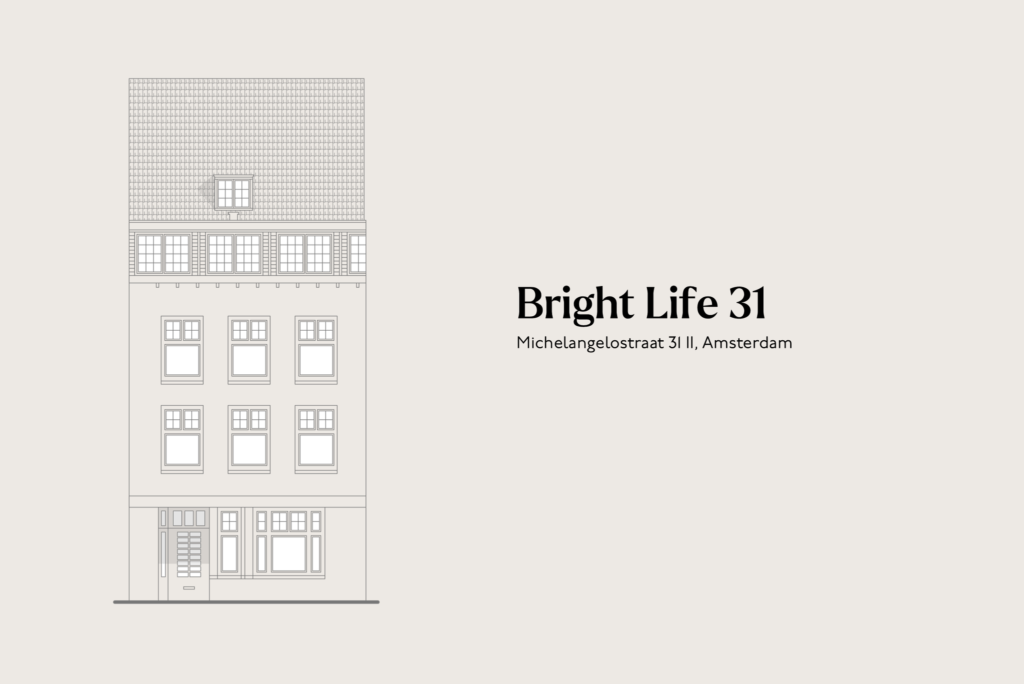
Bright Life 31
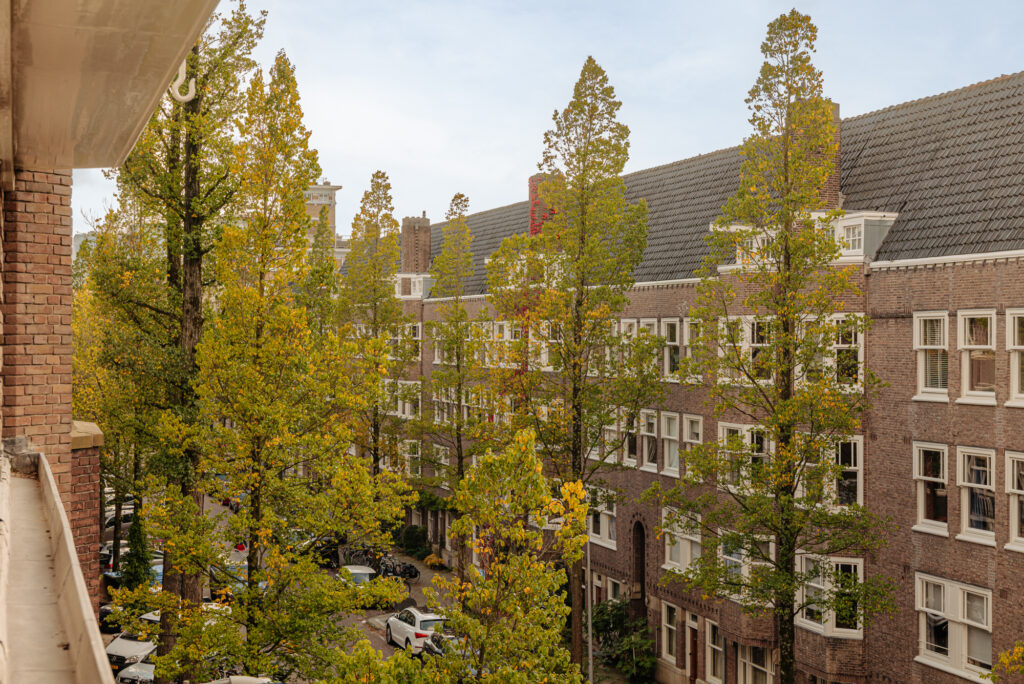
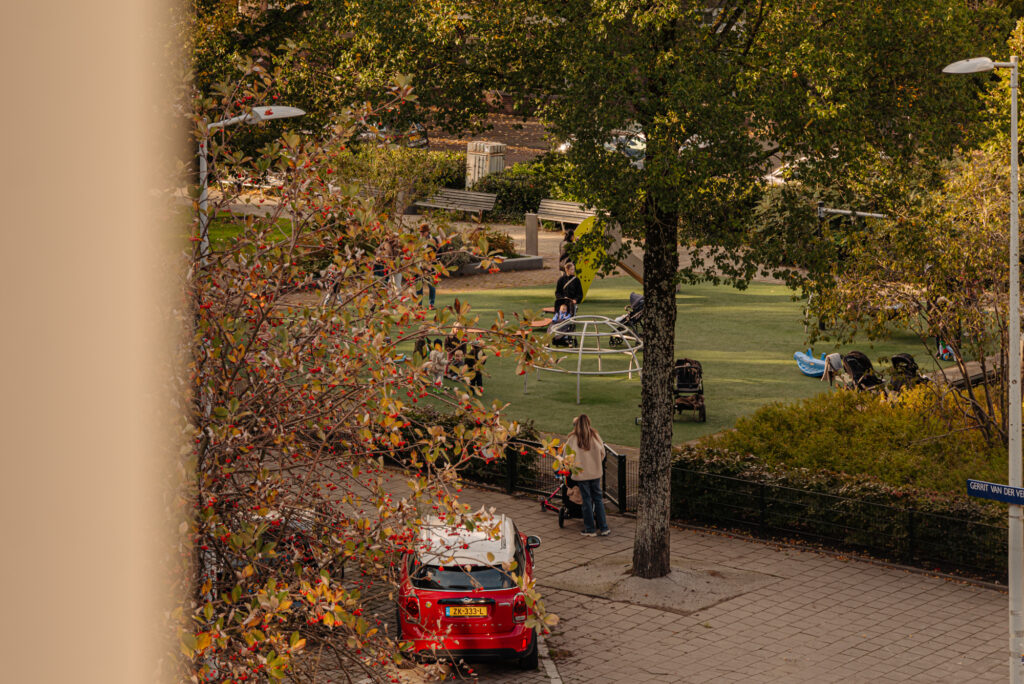
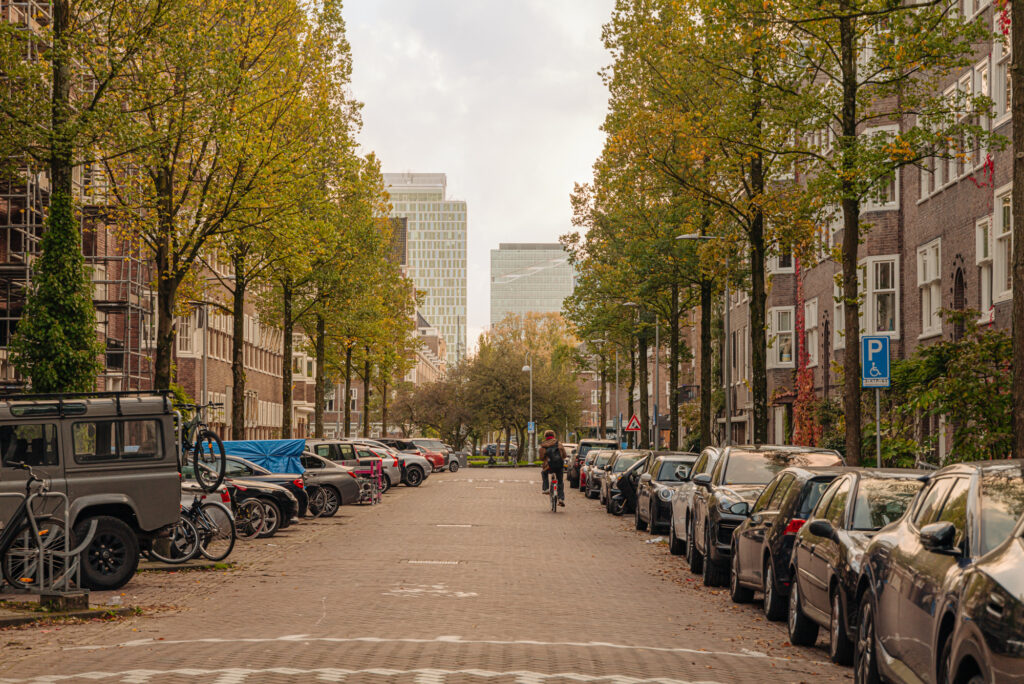
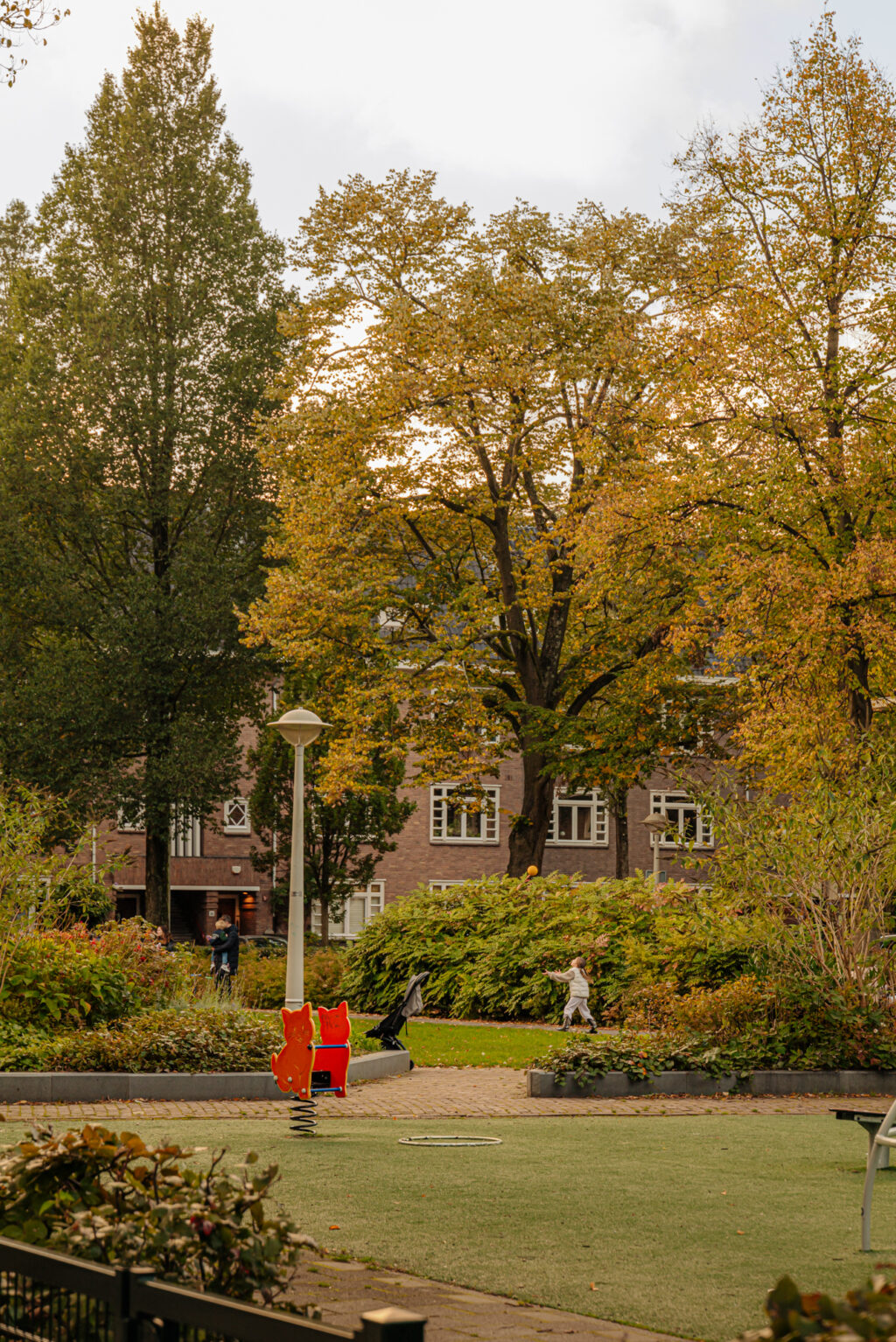
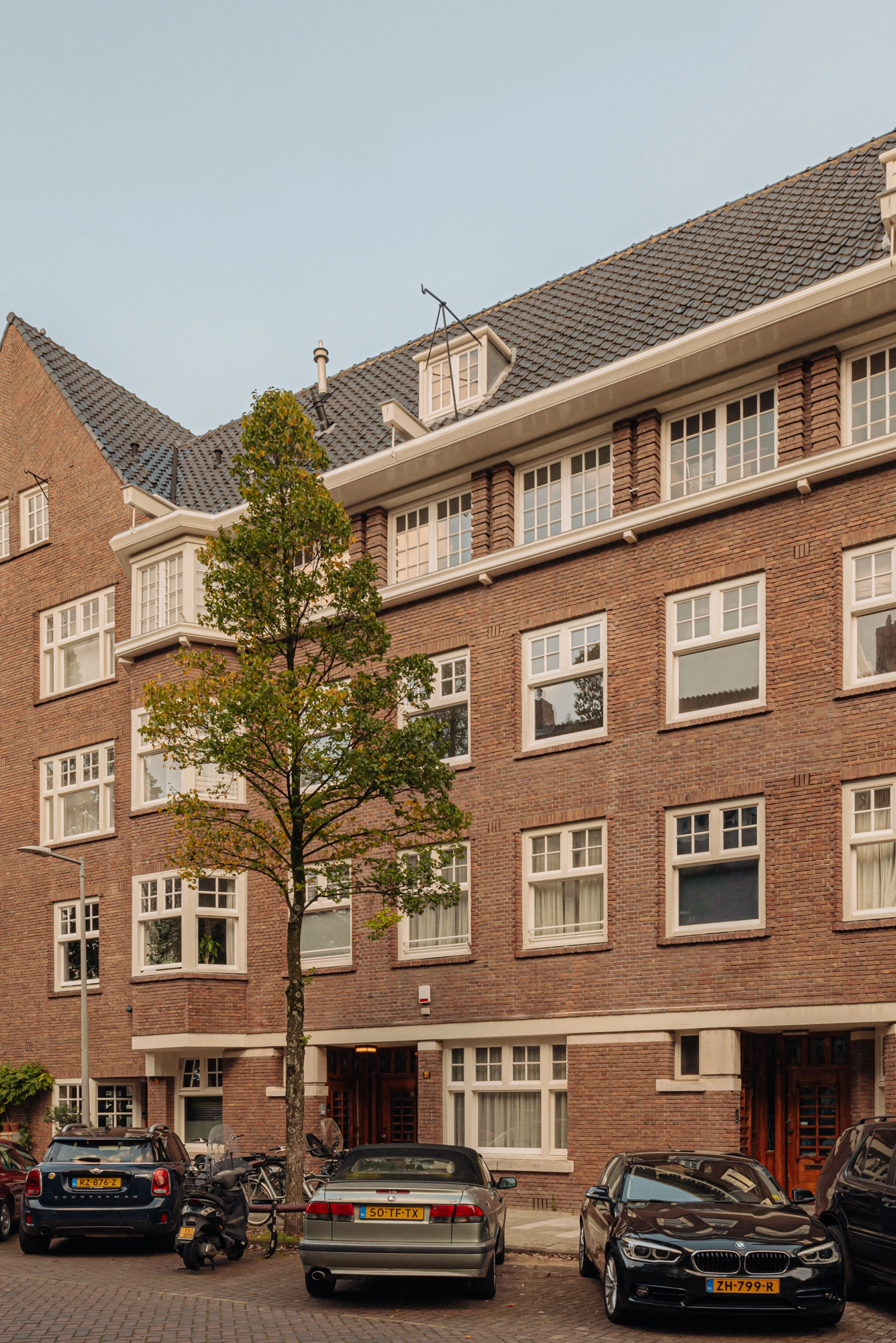
Michelangelostraat is a spacious street featuring characteristic homes in a classic architectural style. It is a quiet street in a lovely neighborhood, with a playground just around the corner, a weekly organic market on Fridays at Minervaplein, and a wide selection of primary and secondary schools. Beethovenstraat, with its diverse range of shops and amenities, is only a five-minute walk away.
This charming and recently renovated three-story upper house is the perfect family home, thanks to its generous dimensions, five work/sleeping rooms, three bathrooms, and various outdoor spaces. The 1930s homes are known for their practical layouts, which have been optimized to modern standards during the recent renovation. Sustainability has also been prioritized, resulting in an energy label of A.
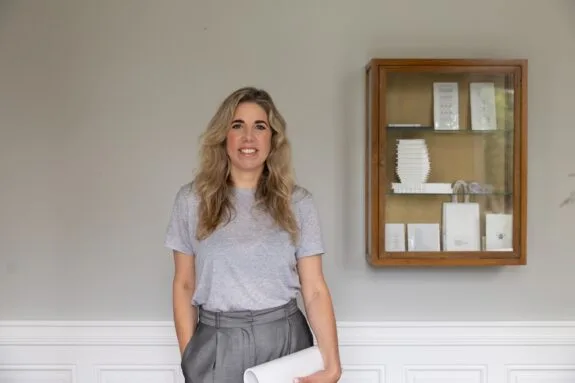
Judith de Jong | Real Astate agent at Broersma Wonen
Judith de Jong | Makelaar Broersma Wonen
Kees Kemp | Makelaar Broersma Wonen
Architecture
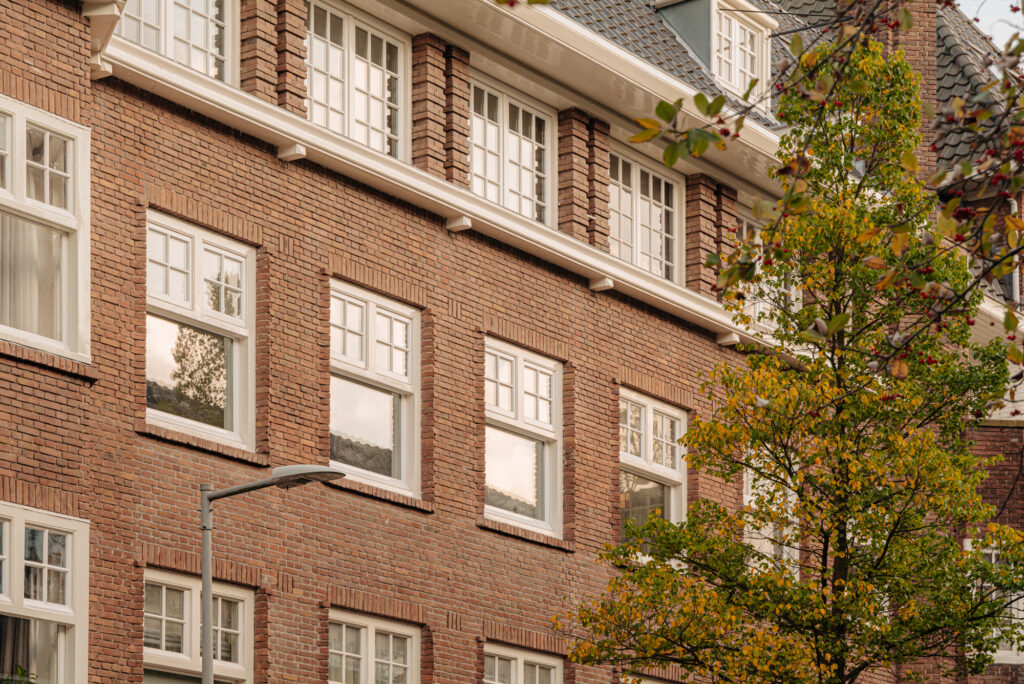
Michelangelostraat was developed between 1927 and 1939 with luxury residential complexes, primarily in the style of the late Amsterdam School and the Nieuwe Bouwen. Jacques Bot, the architect behind Michelangelostraat, combined his passion for architecture with a political career. Bot (Amsterdam, 1892) began his journey as a carpenter’s apprentice at the age of 12 and took evening classes at the secondary school for architecture. He established himself as an architect in 1921. Before World War II, he designed several housing complexes in the tradition of Art Deco and the Amsterdam School in Amsterdam, Amstelveen, and Utrecht. He also created stores for the chain Au Bon Marché. The building on Michelangelostraat has since been designated as a national monument.
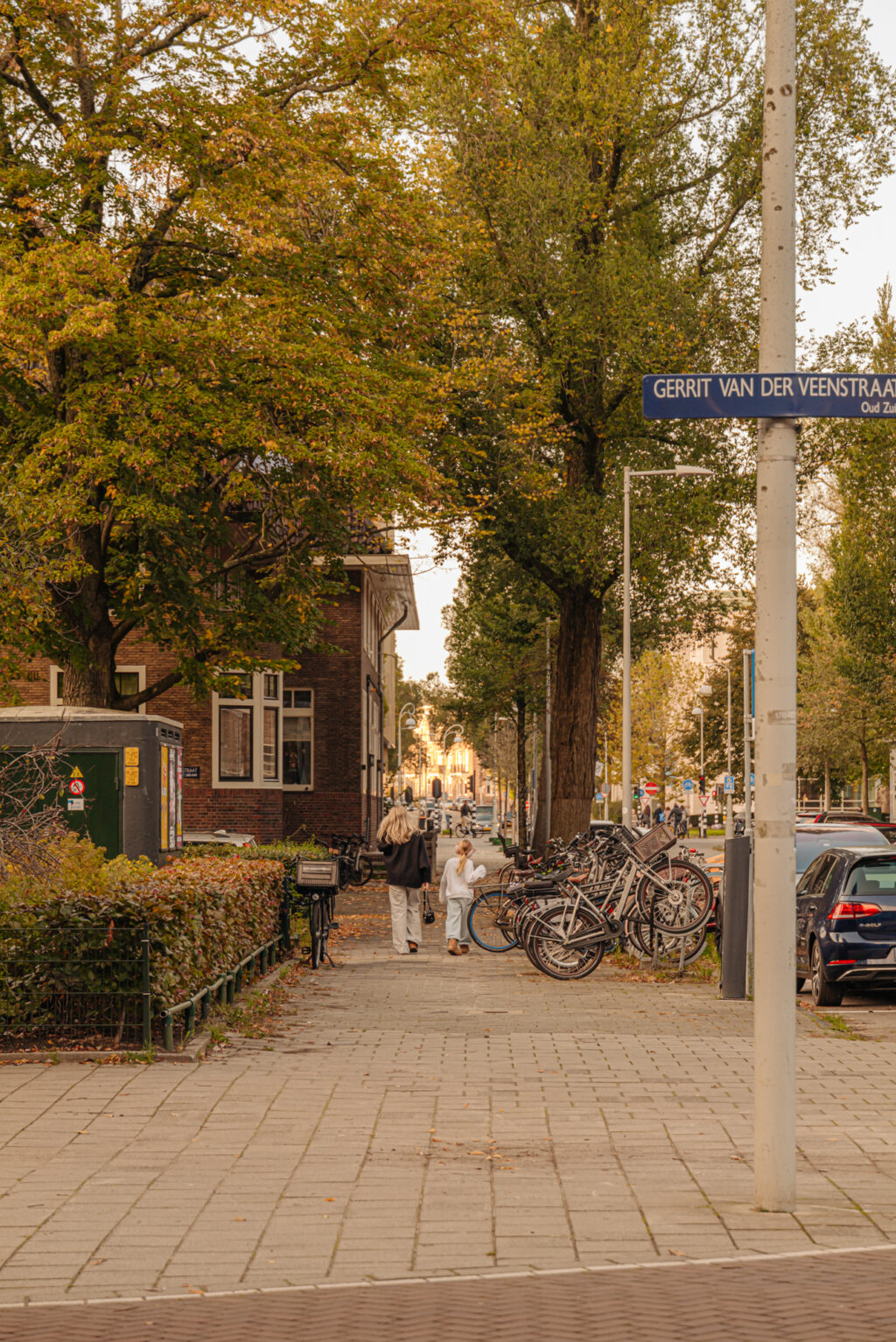
On the corner with Gerrit van der Veenstraat, two tuff stone corner sculptures of Michelangelo were incorporated into the facades in 1928. The sculpture on Michelangelostraat 29 was created by Anton Rädecker, while the one on Michelangelostraat 27 was made by Jaap Kaas.
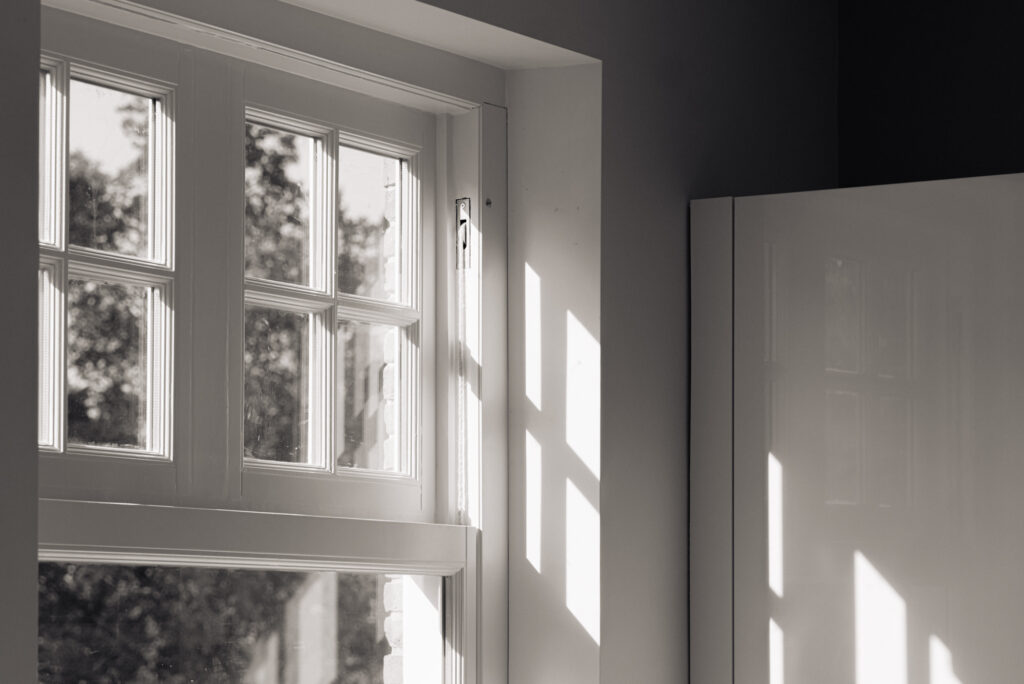
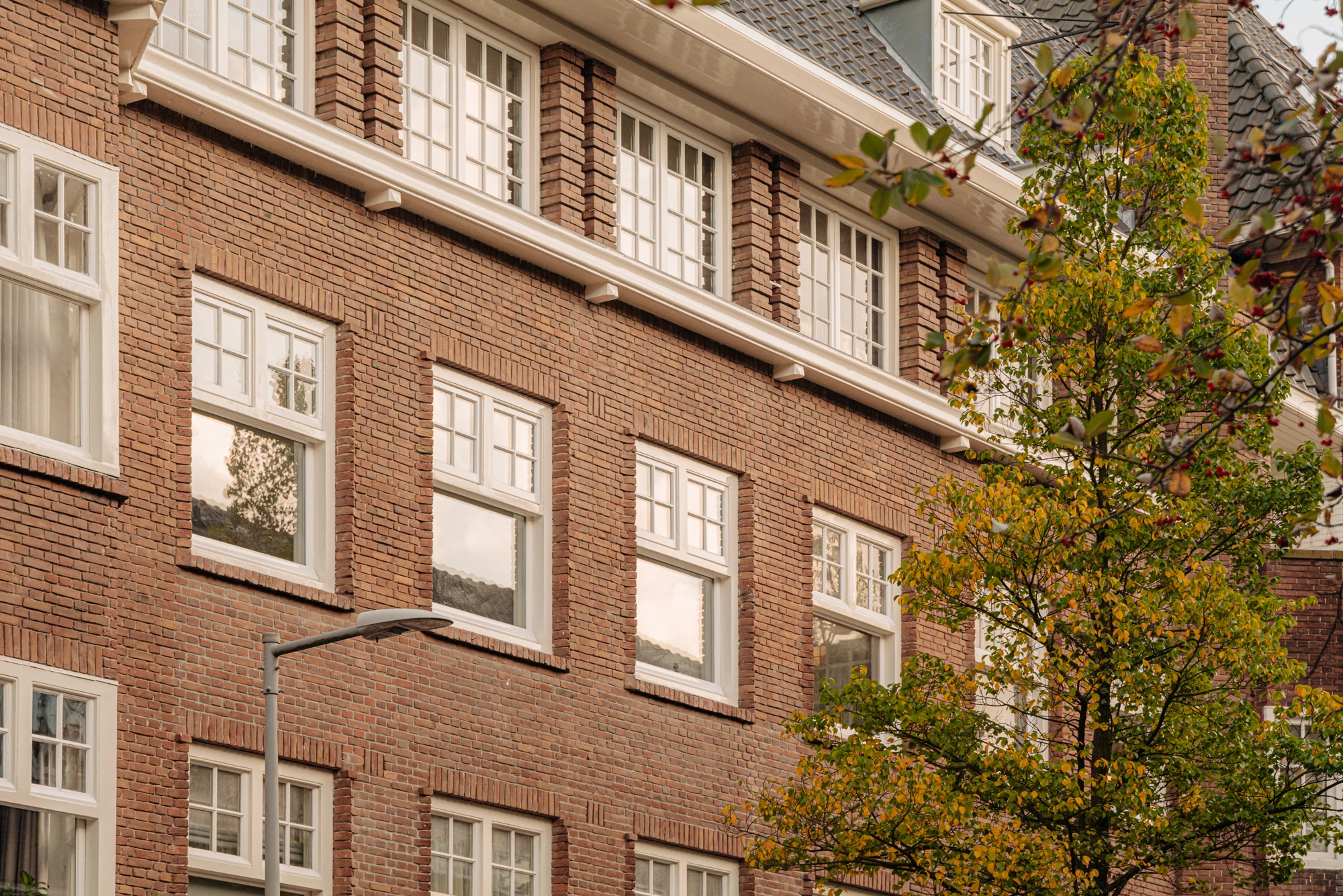
In the early 20th century, a group of architects emerged in response to rationalism, seeking a more artistic expression. This led to the expressionistic architectural style of the Amsterdam School, which emphasizes external form and imparts a solid, robust appearance. A characteristic feature of this style is the ladder windows: panes that are divided by numerous muntins.

1077 MJ Amsterdam
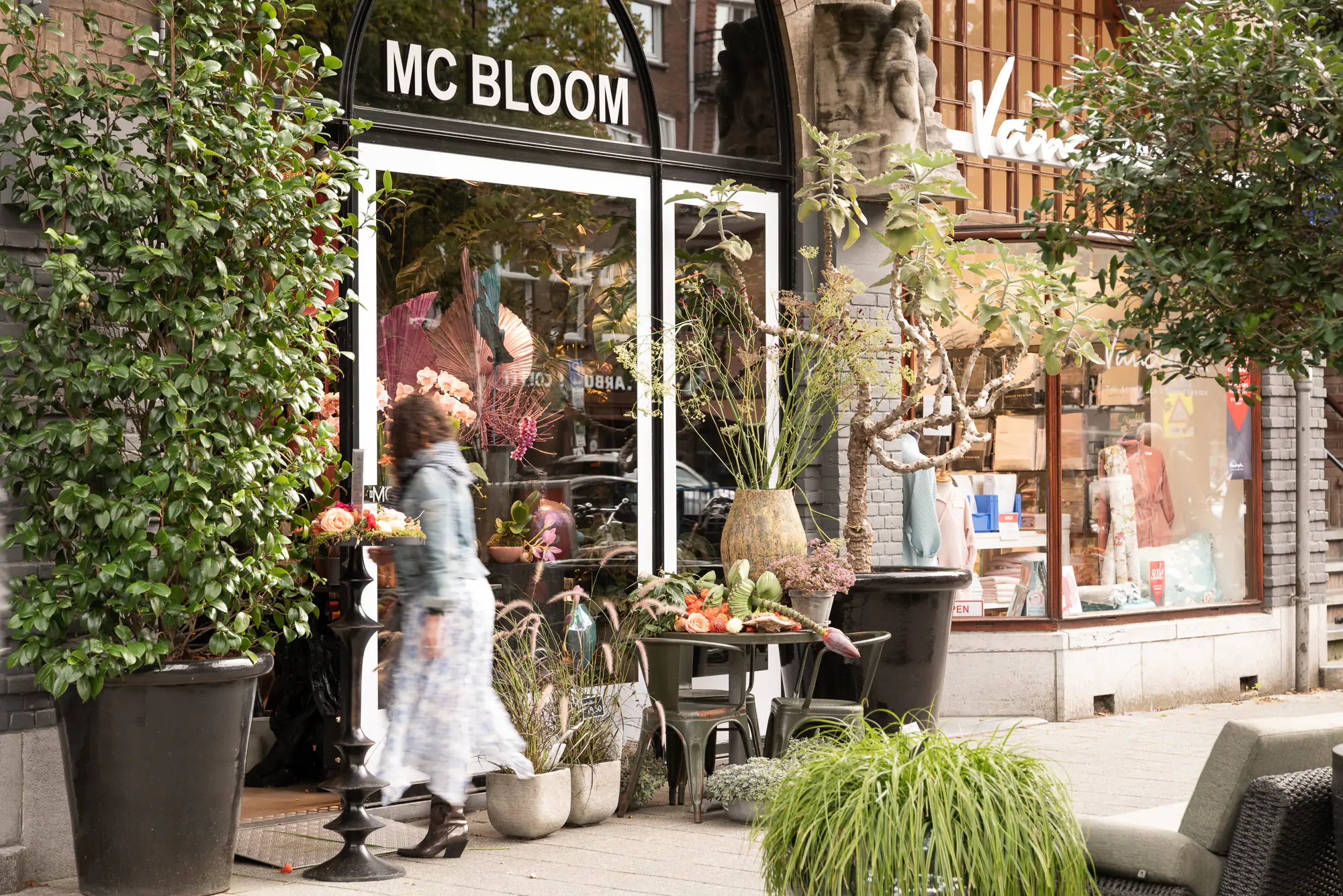
Flower fusion
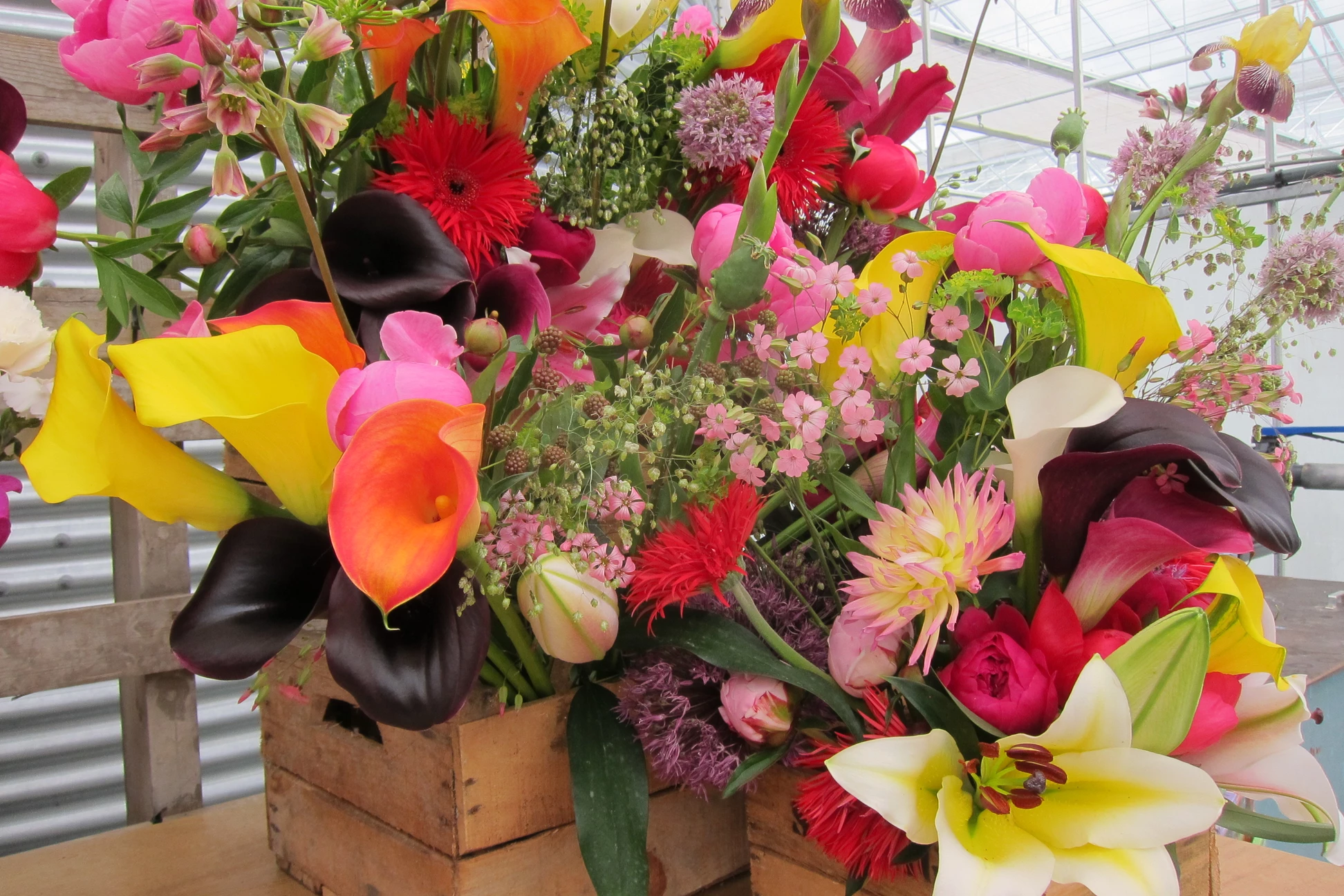
Elke zaterdag van 9:30 tot 17:00 kunt u Ilona Bokma van Flowerfusion vinden op de ZuiderMRKT. Unieke en schitterende bloemen waardoor je het gevoel krijgt middenin een pluktuin te staan. Doordat Ilona iedere week andere bloemen, planten en kleuren uitzoekt die aansluiten bij het seizoen, is het elke zaterdag weer een feestje om langs te gaan bij Flowerfusion.
1075 NC Amsterdam
Perfume Lounge
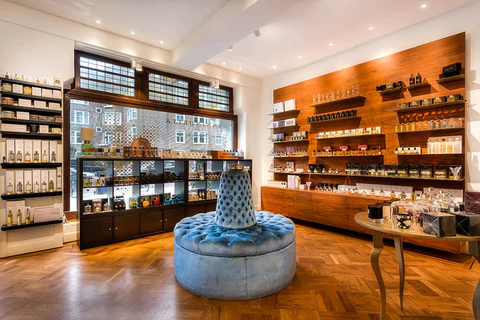
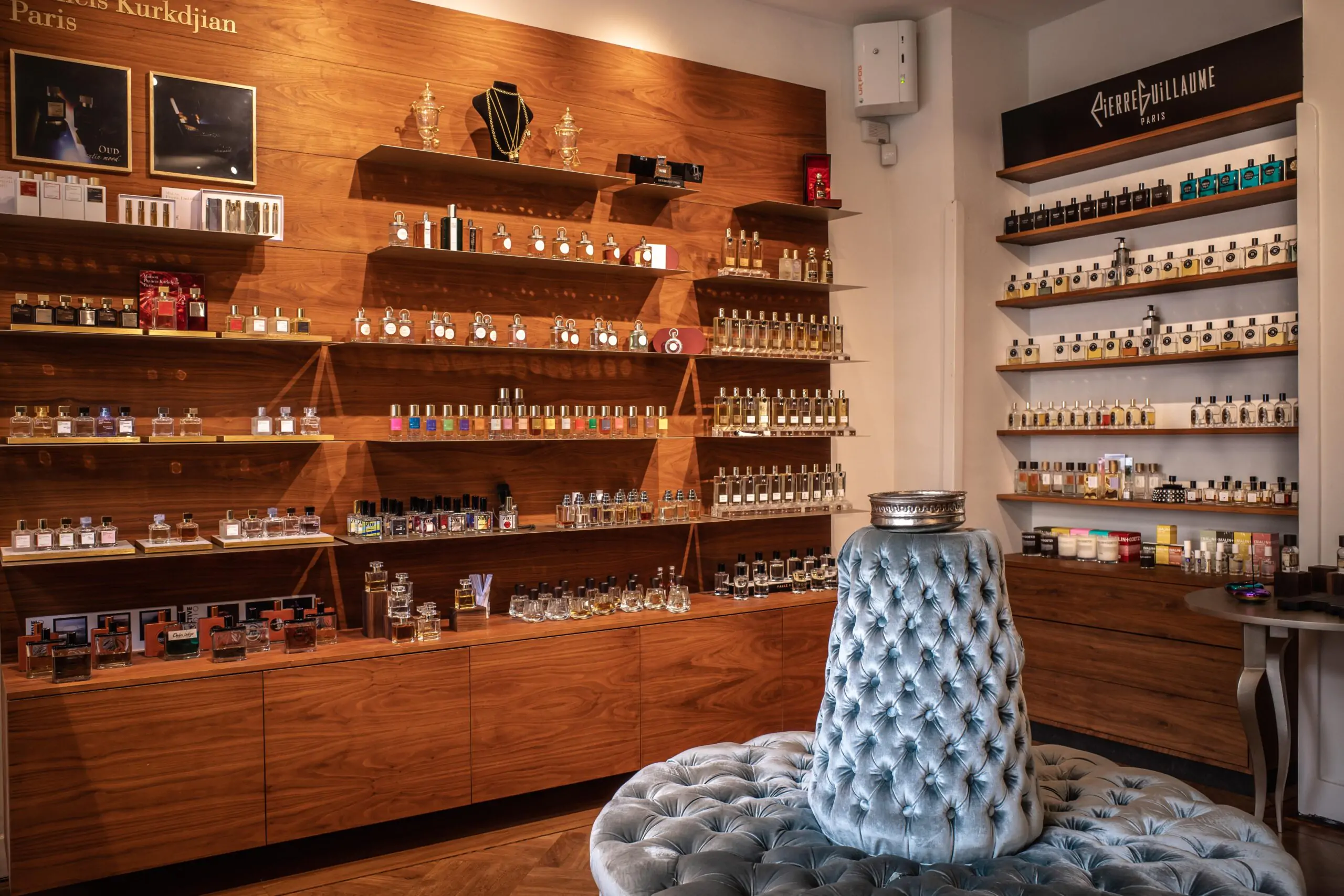
Bij de ‘Perfume lounge’ richten ze zich op het maken en adviseren van geuren voor bedrijven en organisaties en wat reuk kan toevoegen aan een merk of organisatie. Daarnaast hebben zij een winkel met een assortiment van de meest bijzondere parfums van de wereld, waar zij ook persoonlijk geuradvies geven. Advies voor op de huid of in huis. Volgens de experts voegt geur iets toe wat niet zichtbaar en tastbaar is. Je kunt geur op verschillende manieren inzetten in een ruimte. Het begint natuurlijk eerst dat het er niet negatief mag ruiken. Er zijn best wel veel ruimtes waar je het riool of sanitair ruikt, waar veel gerookt is of waar de afzuiging niet goed is en het naar eten ruikt. De meeste simpele manier van geur in huis is dat het schoon ruikt. Veel mensen associëren schoonmaak of wasmiddel met een schoon, opgeruimd en verzorgd huis. Daarnaast kun je de ambiance aanzetten. Net zoals met licht en muziek kun je de sfeer verzachten of versterken. Je kunt het heel huiselijk laten ruiken of juist heel modern. Landelijk of artistiek. Of juist heel minimalistisch of intiem.
1071 JC Amsterdam
Menno Kroon
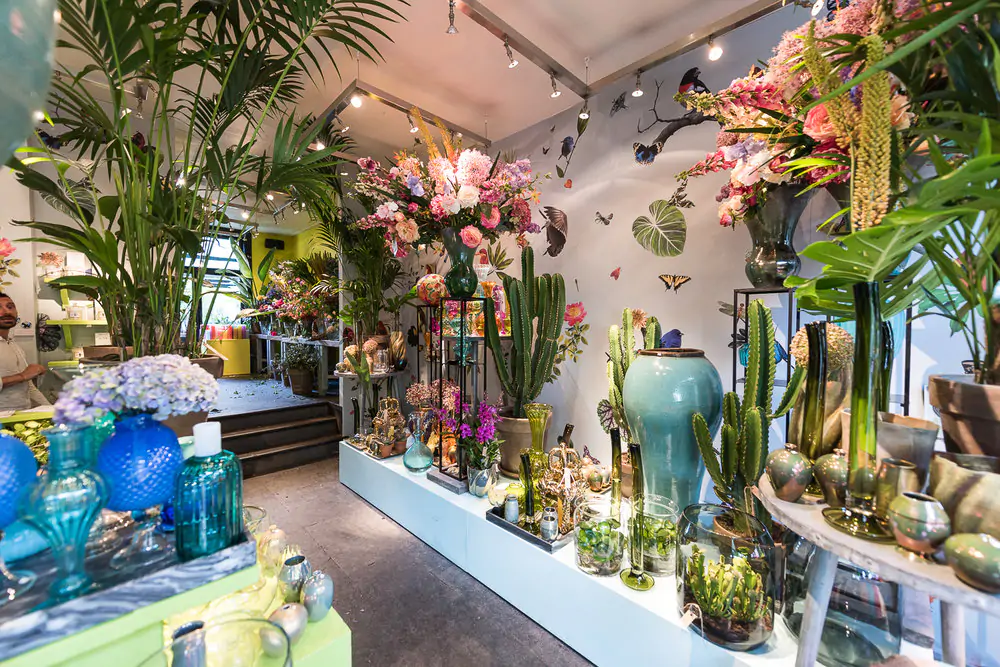
De uitbundige en sfeervolle etalage van Menno Kroon toont zulke betoverende en bijzondere bloemen dat je wel even binnen moet kijken. Prille liefde, verrukking, het onvermijdelijke afscheid. Elk boeket van Menno Kroon geeft betekenis aan een bijzonder moment. Niks is ze te gek bij Menno Kroon en u kunt er terecht voor de meest speciale en uiteenlopende boeketten.
1077 BG Amsterdam
Roberto's Restaurant Amsterdam
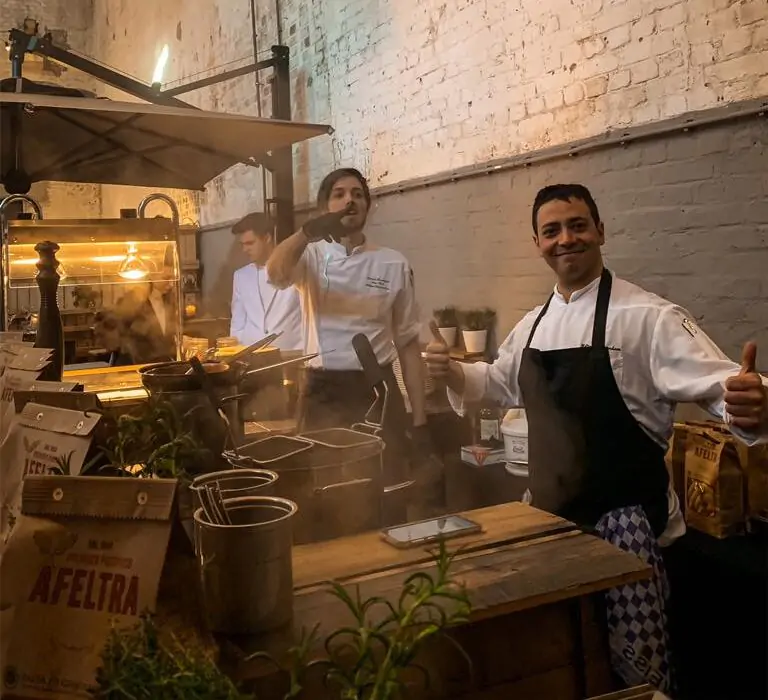
In de top tien Italiaanse restaurants van Amsterdam mag Roberto’s niet ontbreken. Het restaurant is gelegen in het Hilton hotel, waar de iconische Italiaanse keuken sinds 25 jaar de borden vult. Het restaurant draait om pure en simpele smaken met gerechten als dungesneden aubergine, groene farfalle pasta met kreeftensaus en Lava cake.
1077 CV Amsterdam
The Coffee District
Eigenaren Adil Loukane en Rosa Loukane begonnen met een hole-in-the-wall coffeeshop in een modewinkel in Zuid. Toen de winkel de deuren sloot, grepen Adil en Rosa hun kans en besloten om hun eigen koffiebar te openen. Inmiddels hebben ze meerdere locaties. De koffie wordt gemaakt met een eigen melange gebrand door Lot Sixty One. Daarnaast worden er zoetigheden aangeboden zoals de inmiddelsal bekende kaneelbroodjes en bananenbrood.
1077 JK Amsterdam
Winebar QV
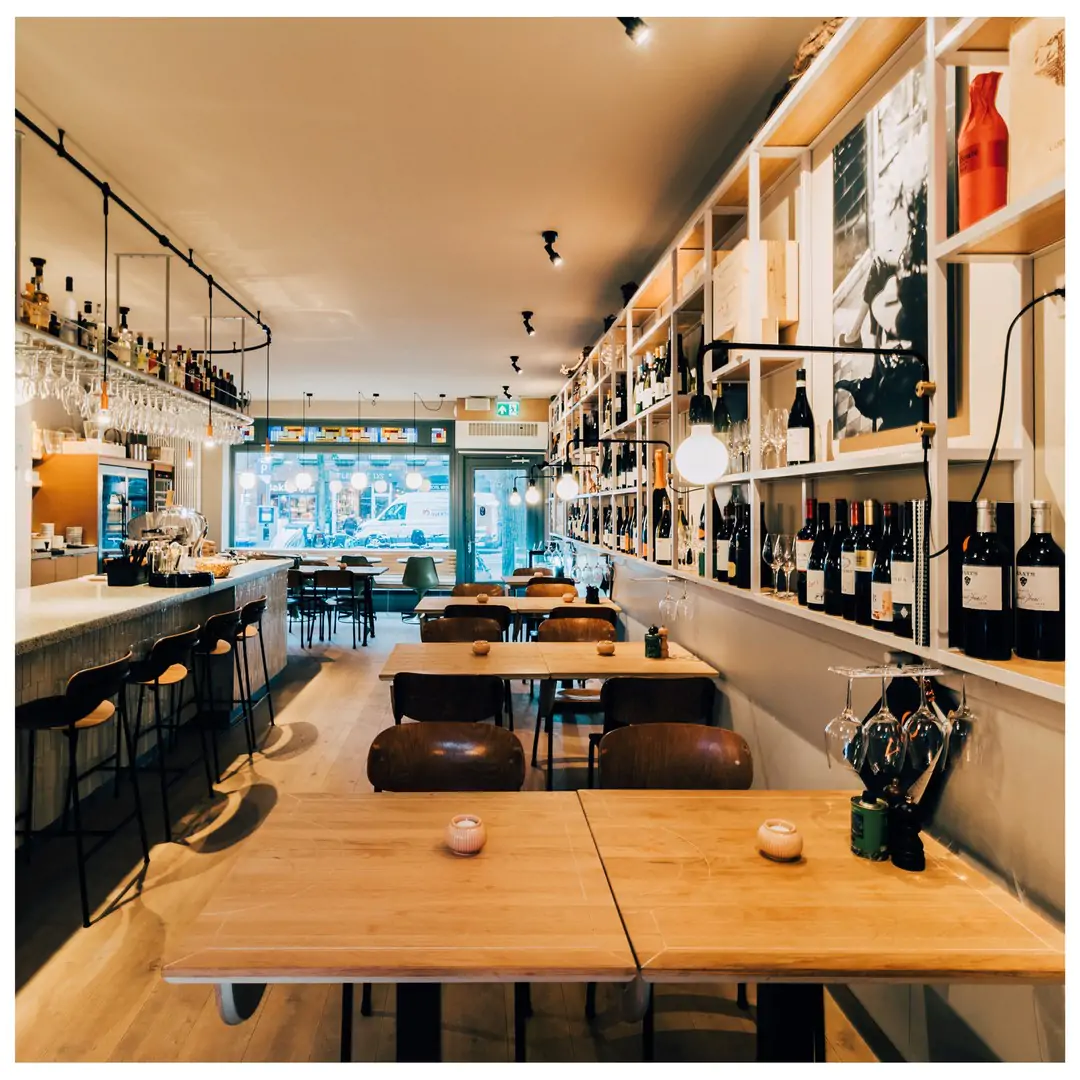
Bij Winebar QV kan je in principe de hele dag doorbrengen alsof je in Italië bent. Je begint met een Italiaanse espresso, luncht met een warme maaltijd en sluit af met een goed glas wijn met bijbehorend een Italiaanse aperitivo. Het is er gezellig en stijlvol ingericht en je kan aan de hoge krukken aan de bar zitten, aan de lagere tafeltjes of op het kleine terras.
1077 JJ Amsterdam
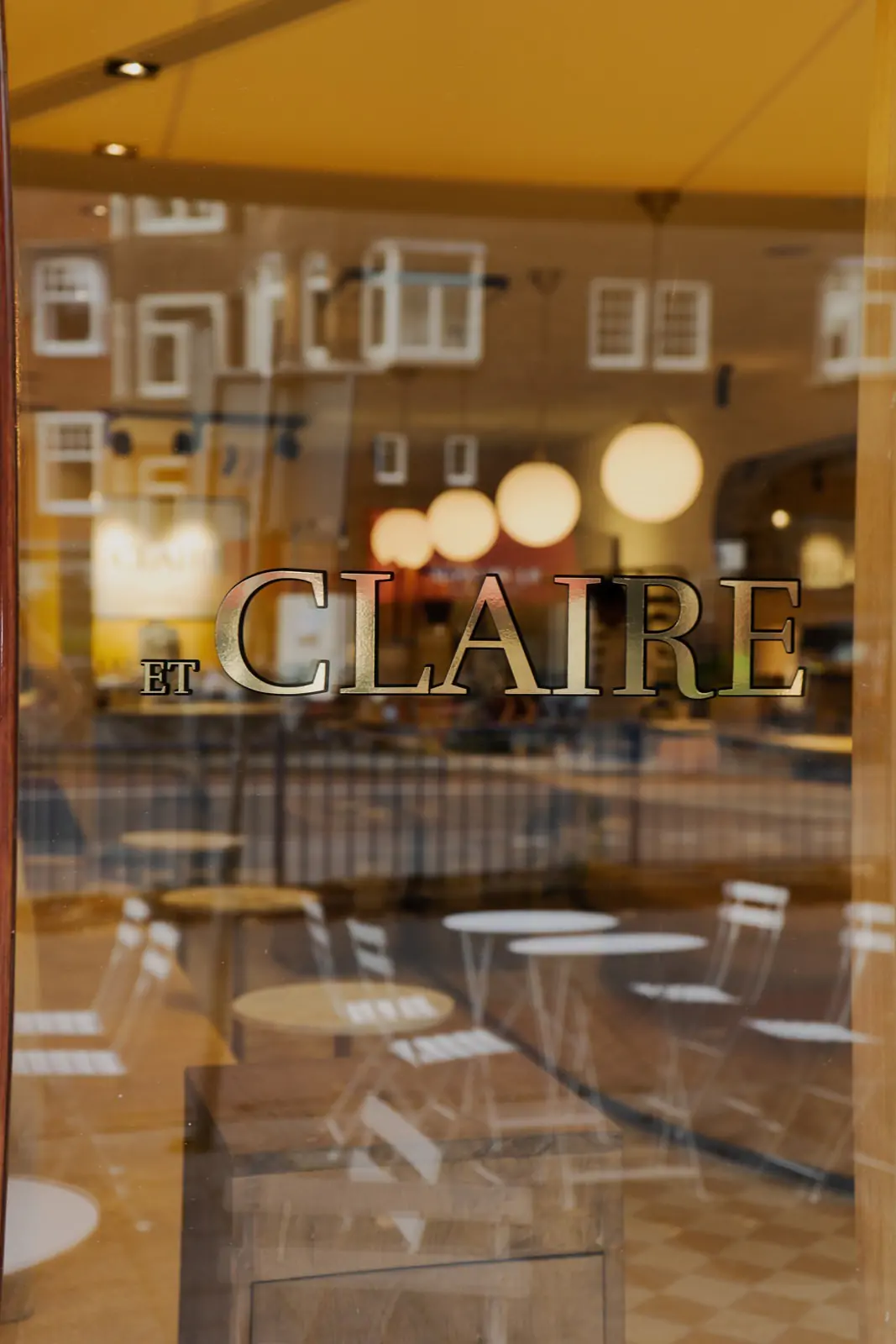
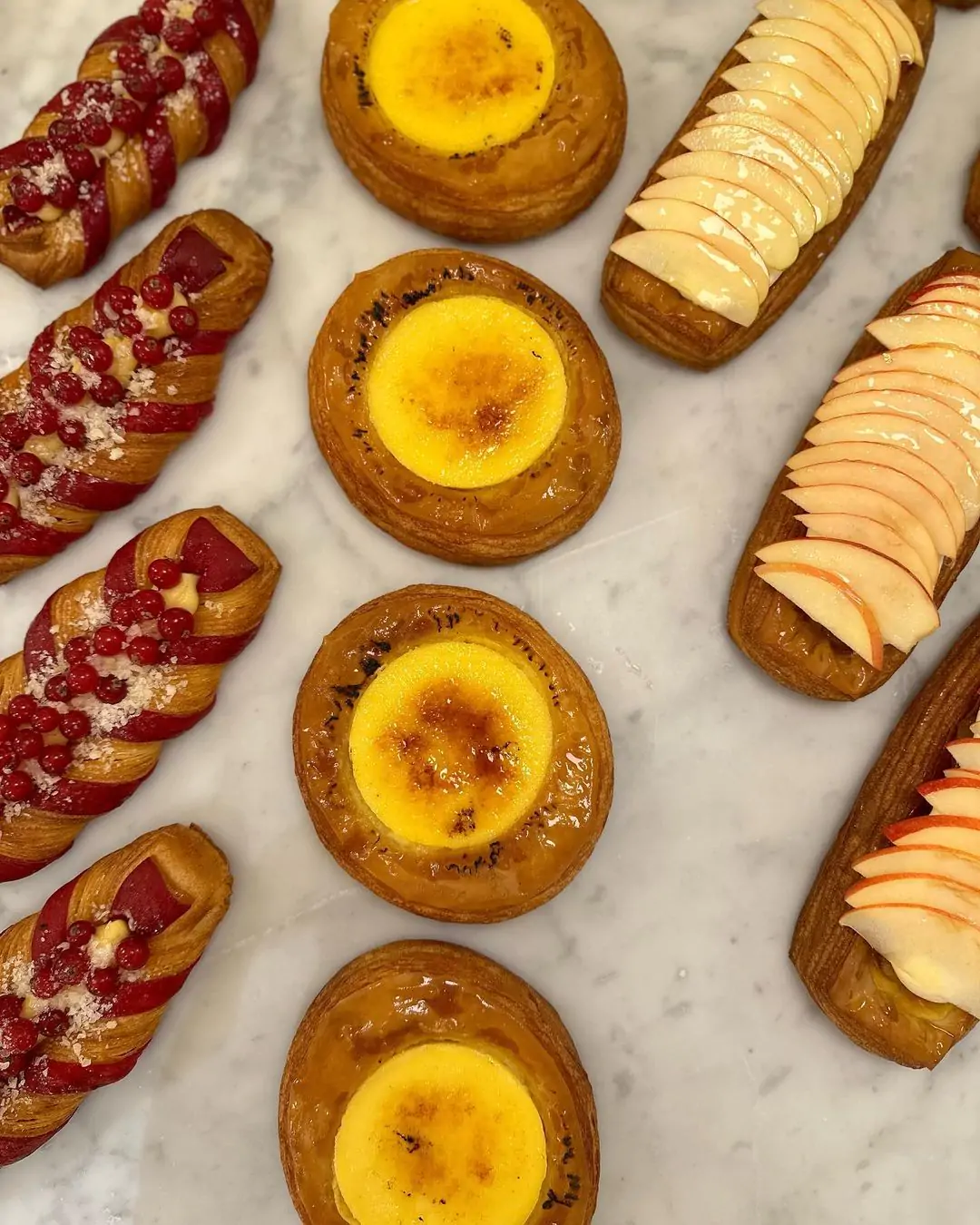
Et Claire
Op de Beethoven straat bevindt zich Et Claire. Et Claire is ontstaan uit een voorliefde voor de beste viennoiserie, koffie, (ijs)thee in combinatie met eindeloze zoete en hartige mogelijkheden. Het motto bij et Claire is ''ne vous contentez pas de moins'', wat betekent dat je niet genoegen moet nemen met minder.
1077 HM Amsterdam
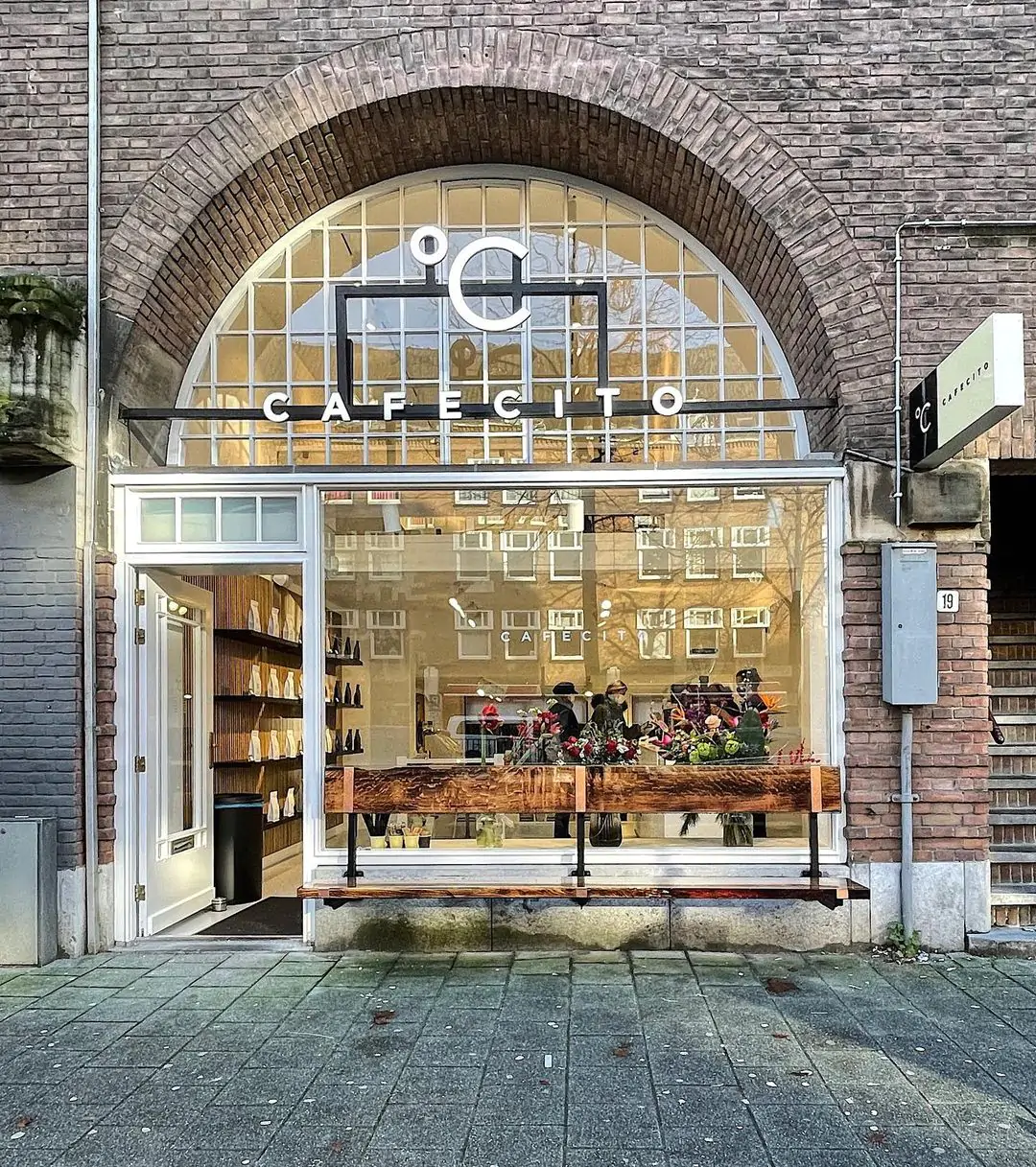
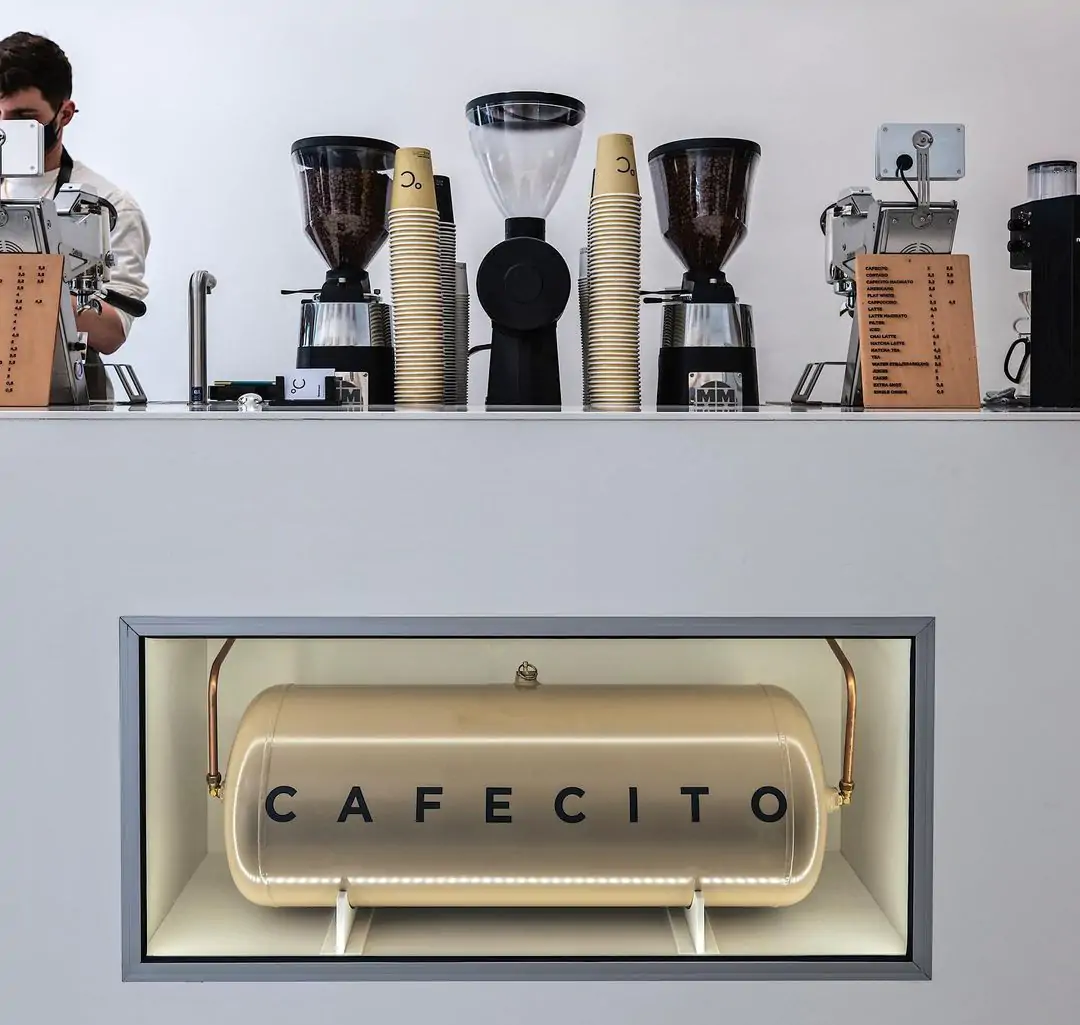
Cafecito
Cafecito, een minimalistische koffiezaak, biedt hoogwaardige koffie uit stralend witte machines. Het is een onderdeel van de Cafecito-franchise, een Amsterdamse koffiebranderij die besloot koffiezaken te openen om hun eigen afzet te stimuleren toen de verkoop aan horecagelegenheden tijdens de pandemie stagneerde. Cafecito heeft al drie vestigingen in Amsterdam en één in Rotterdam. Cafecito is een tot de essentie teruggebrachte zaak. Je drinkt er topkoffie uit witte machines.
1076 BJ Amsterdam
De Frietsteeg
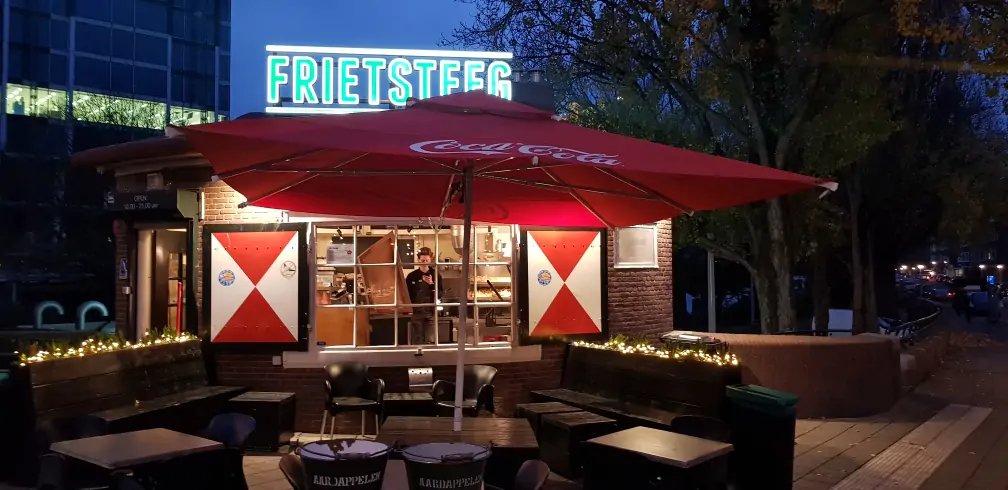
De Frietsteeg is een snackbar aan de gracht in de Stadionbuurt. Ze serveren hier heerlijke krokante frietjes en vele andere snacks. De frieten worden met de hand gesneden en je hebt keus uit meer dan 20 sauzen. Ook bijzonder: de Frietsteeg is gevestigd in een historisch huisje en er is een groot zonnig terras aan het water
1071 MG Amsterdam
Carter
Carter is een moderne brasserie in Amsterdam-Zuid waar internationale klassiekers worden geserveerd met flair en finesse. Aan de Valeriusstraat voelt deze plek als een elegant buurtcafé – informeel, verfijnd en altijd gastvrij. Op de kaart staan tijdloze gerechten als steak tartare, burrata en kreeftenpasta, met een solide wijnselectie ernaast.
1075 GD Amsterdam
Castell Zuid
Castell Zuid is de stijlvolle nieuwe vestiging van het iconische Amsterdamse grillrestaurant Castell, gevestigd aan de Valeriusstraat in Oud-Zuid. Waar het origineel in het centrum bekendstaat om zijn no-nonsense steaks en late diners, brengt deze locatie dezelfde smaken in een verfijnde setting. “Same taste, same vibe, different look” luidt het motto – en dat klopt: herkenbaar en toch helemaal nieuw.
1075 GH Amsterdam
Barolo
Bar Barolo brengt de sfeer van Noord-Italië naar de Valeriusstraat, midden in het elegante Amsterdam-Zuid. De wijnkaart is royaal en zorgvuldig samengesteld, met Barolo als vanzelfsprekend middelpunt. Op het menu: huisgemaakte pasta, klassieke antipasti en seizoensgerechten zonder opsmuk. Het interieur is warm en ingetogen, net als de gastvrijheid – hier wordt met aandacht gewerkt.
1076 LP Amsterdam
Umeno
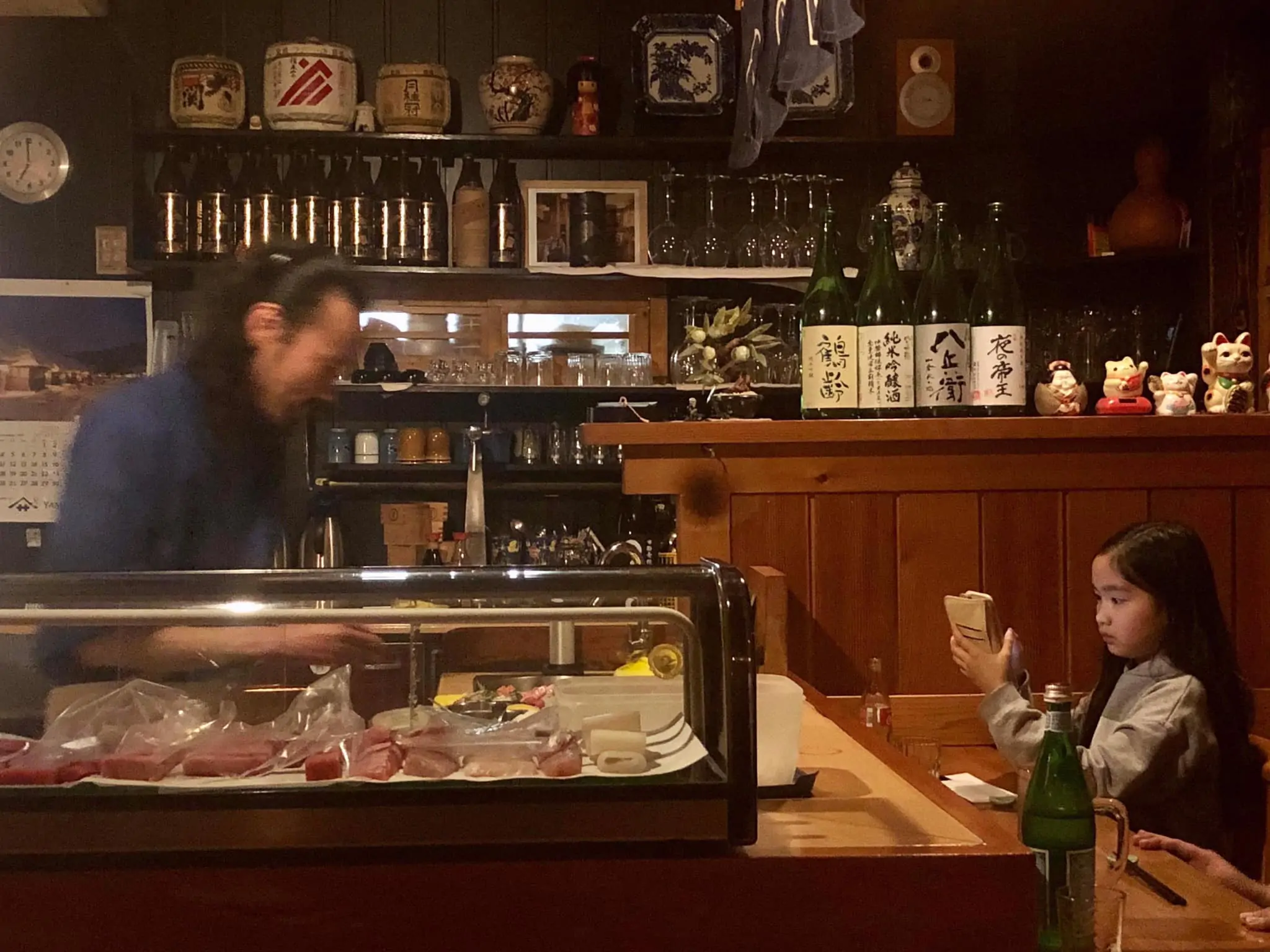
Umeno is een van de oudste Japanse restaurants in Amsterdam dat geliefd is bij haar vaste lokale gasten. Zodra je binnenstapt zie je een intieme ruimte met traditionele Japanse authenticiteit gevormd door het handgemaakte houten interieur, de shamisen en shakuhachi muziek en de enorme gastvrijheid van Ayumi en Atsuhito Hosono. De nigiri sushi is een aanrader, want de kwaliteit van de vis is uitstekend.
1071 KK Amsterdam
Edible Treasures
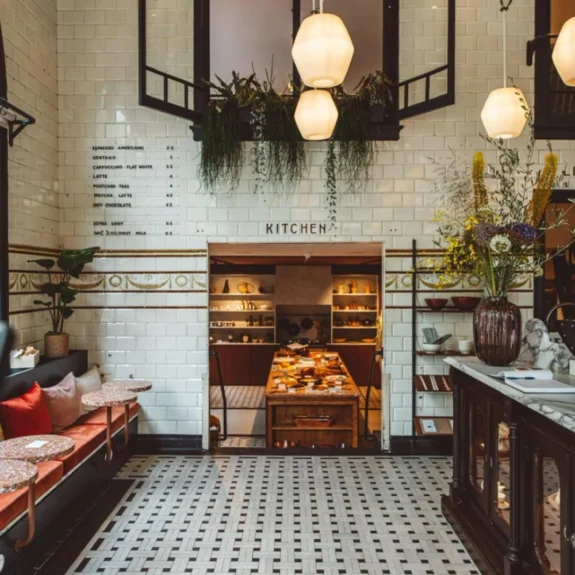
In een voormalige slagerij in Amsterdam Zuid huist de concept store Edibe Treasures. Naast de 'edibles en drinkables' in de koffieshop vind je hier een prachtige selectie van alles voor op de tafel zoals zilverwerk, keramiek, tafellinnen, maar ook kookboeken en accessoires. Er worden ook regelmatig pop ups en workshops georganiseerd.
1075 CZ Amsterdam
Tozi
TOZI betekent in Venetiaans dialect ‘een groep vrienden’, en dat voel je direct als je binnenkomt. Het is net alsof je terecht komt in één grote familie. De kaart toont een selectie van kleine Venetiaans geïnspireerde gerechten om te delen, bekend als cicchetti. Met een Italiaanse wijnkaart en een cocktailbar met Italiaanse gins en negroni's.
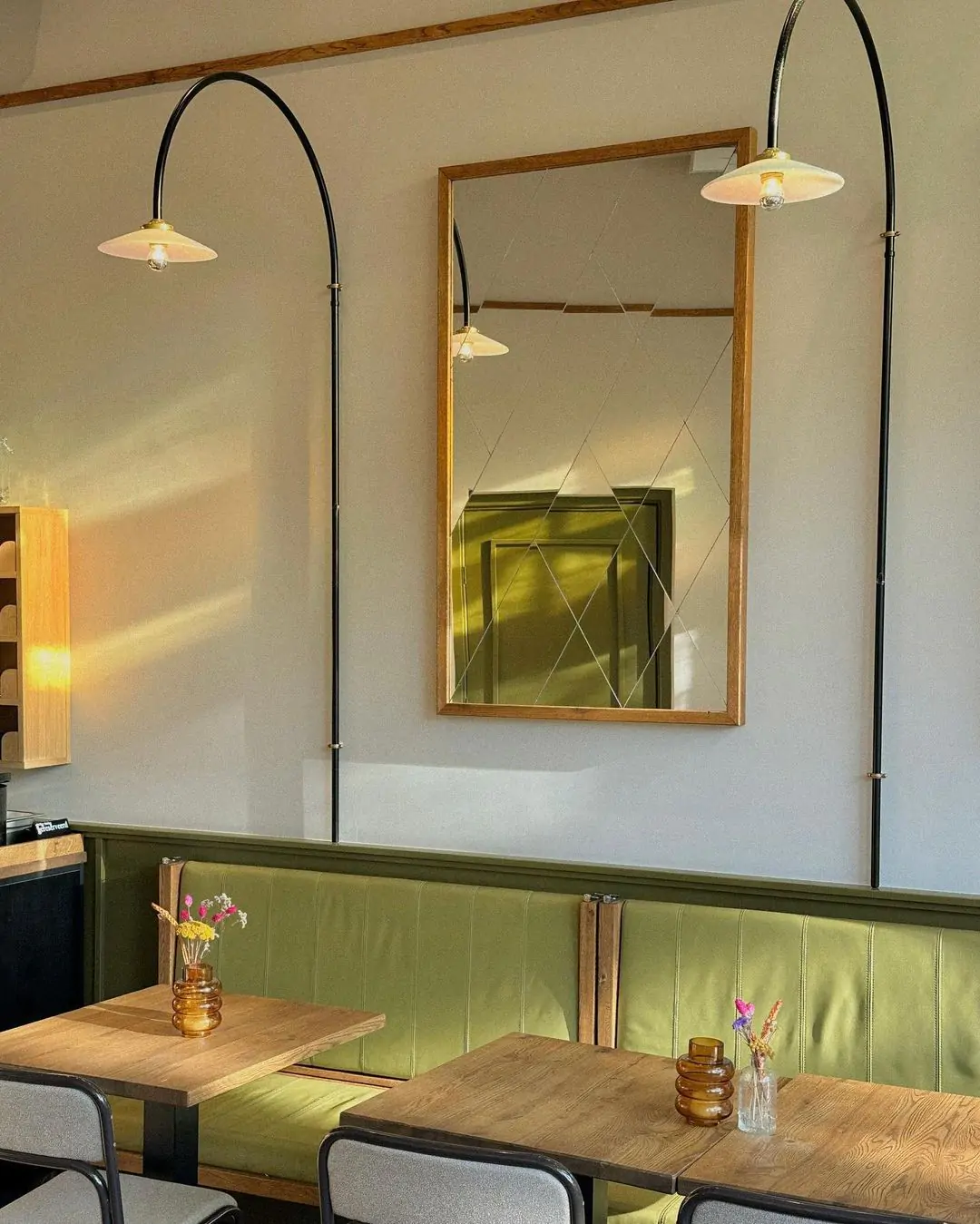
1075 BG Amsterdam
Juliette
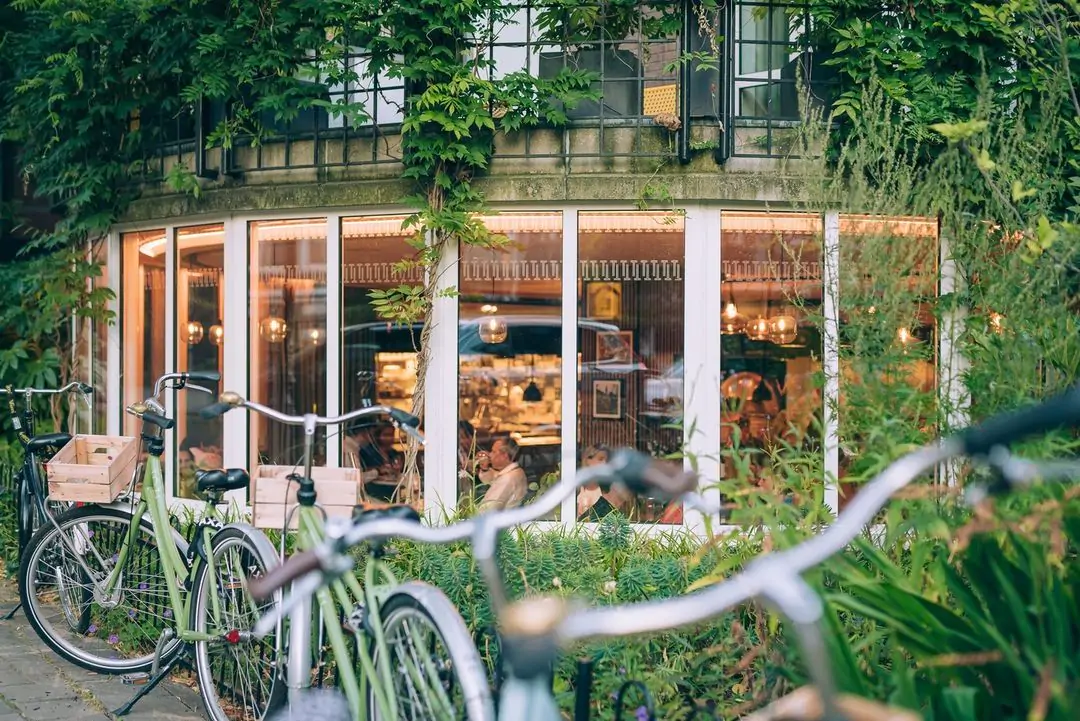
In Amsterdam Zuid kun je bij Juliette genieten van ontbijt en lunch in de zon. Het menu is gebaseerd op verse ingrediënten van lokale leveranciers en wordt dagelijks samengesteld op basis van wat er op de markt beschikbaar is. Denk aan gerechten zoals de Porco Rosso: mortadella, stracciatellakaas, Spaanse guindillapepers en rode pesto. Voor het diner of een borrel kan je terecht bij buurman Bar Jules. De focus ligt op Zuid-Europese gerechten zoals pizzetta's, pata negra en geroosterde octopus.
1071 NH Amsterdam
Franzen
Chef en eigenaar Jesse Franzen groeide op in een horecafamilie in Haarlem. Zijn vader stond in de keuken, zijn moeder werkte in de bediening. Zijn eigen professionele reis begon in de keuken van het tweesterrenrestaurant Chapeau, waarna hij ervaring opdeed bij onder andere Aan de Poel, Ron Gastrobar en Lars Amsterdam. Met Franzen creëert Jesse een plek die voelt als een moderne huiskamer voor de stad. Toegankelijk en warm, maar altijd met een hoge standaard. Het menu is klassiek en herkenbaar, met hier en daar een verrassende twist.
1071 JH Amsterdam
Brasserie van Dam
Brasserie van Dam staat bekend om een simpele maar effectieve receptuur: een niet te uitgebreide kaart met kwalitatief goede producten, acceptabele prijzen, goede koffie, een fijne sfeer en vriendelijk personeel.
1071 HX Amsterdam
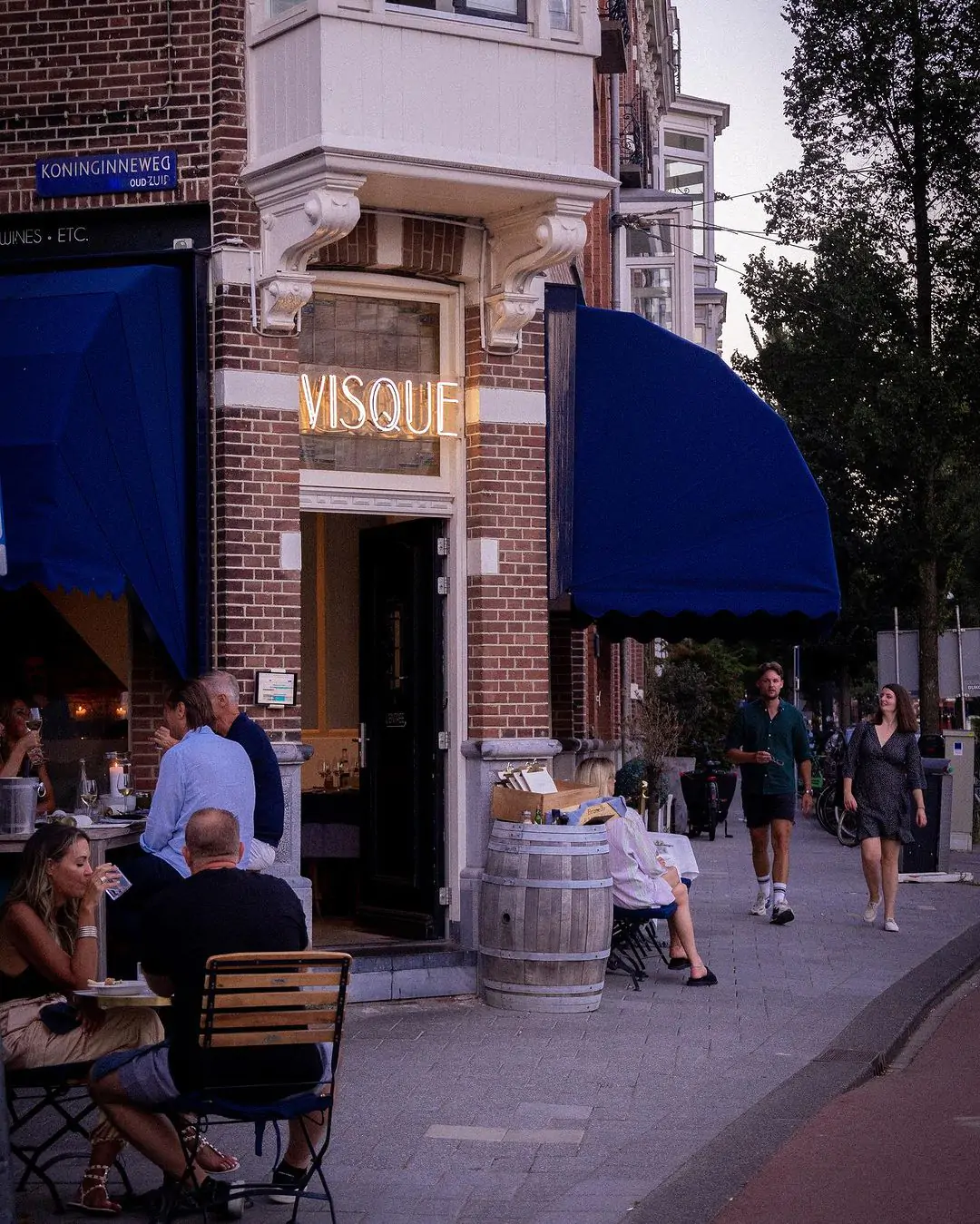
Restaurant Visque
Op het prachtige hoekje van Amsterdam Zuid bevindt zich Restaurant Visque, waar vis de hoofdrol speelt. Onze menukaart is flexibel en afhankelijk van de dagelijkse keuze voor de meest verse en smaakvolle producten. Chef Menno geeft een eigen twist aan eenvoudige Franse gerechten, zoals coquilles, Hollandse garnalen, sliptong en onze bekende Tuna Wellington.
1077 CV Amsterdam
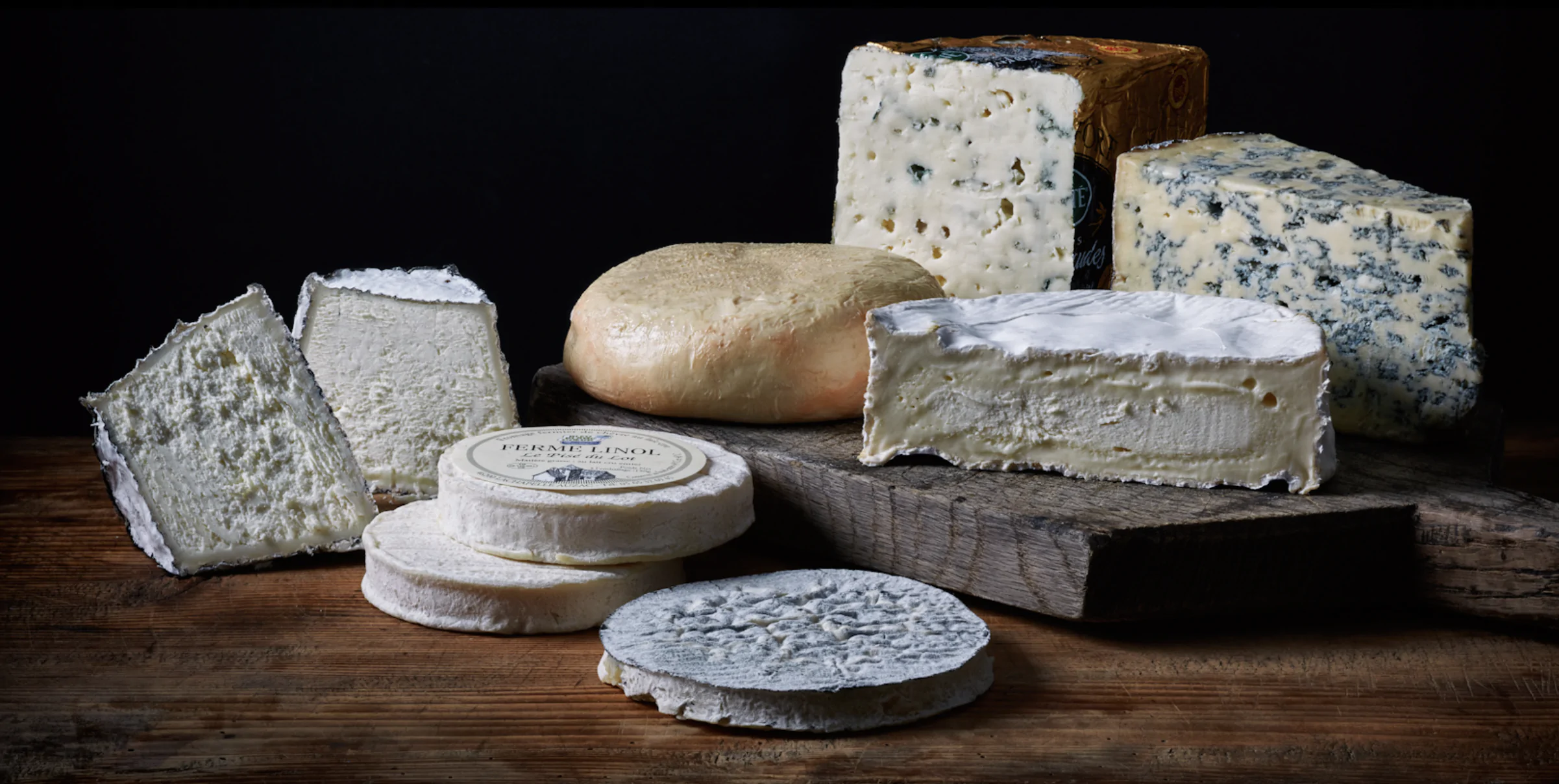
L'Amuse
Volgens sommigen is dit de beste kaaswinkel van Nederland. Ze hebben een indrukwekkend breed assortiment van de lekkerste kazen. Ook heerlijke wijn, salami, ham en olijfolie is hier te koop. Je wordt uitstekend geholpen en de kaas is echt van een ander niveau. Aanrader!
1077 HN Amsterdam
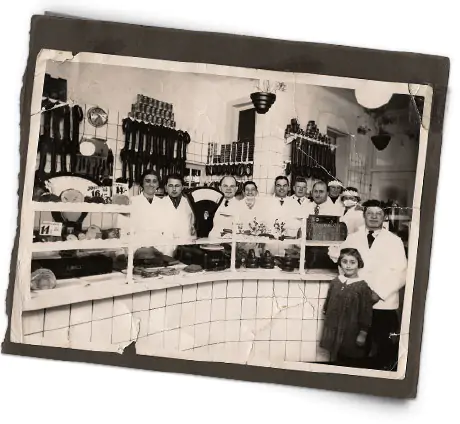
Slagerij Hergo
Slagerij Hergo is de vleesspecialist in Amsterdam. Al in 1930 begon de heer Cantor, een Duitse worstmaker, samen met zijn vrouw die uit een Amsterdamse slagersfamilie kwam, zijn slagerij met typische Duitse worstspecialiteiten. Met het motto ‘De slager met ’n koksmuts’ is Hergo uitgegroeid naar vier verschillende locaties en is zo tegenwoordig niet meer weg te denken uit het straatbeeld van Amsterdam. Met jachtworst, hausmacher, ossenworst, pekelvlees maar ook met een broodje filet americain onderscheidt Hergo zich als slagerij in het topsegment.
1076 TB Amsterdam
Slagerij Zikking & Zoon
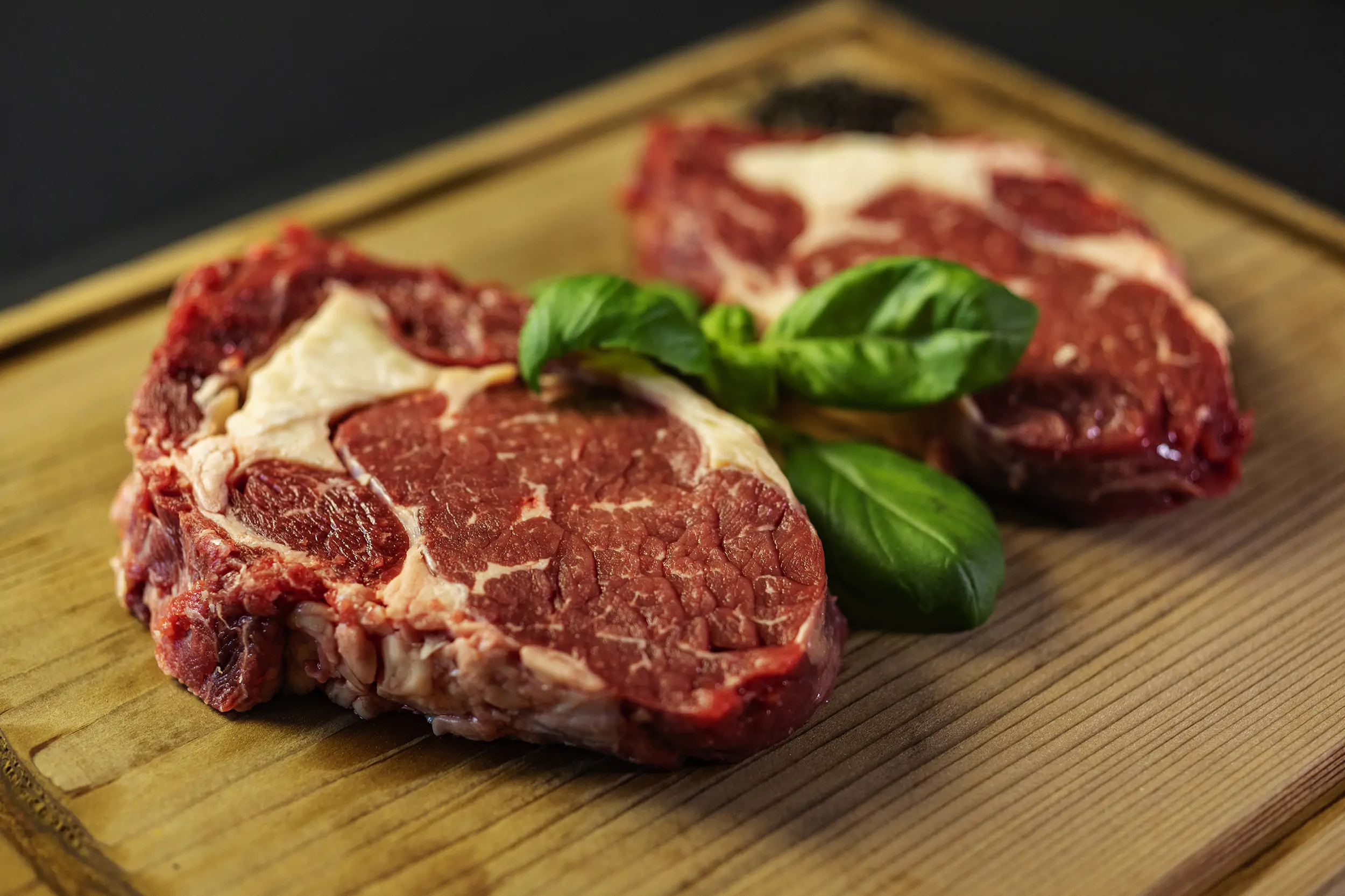
Slagerij Zikking & Zoon zit aan de Marathonweg en is een begrip in Amsterdam. Eigenaar Robert Zikking is een geboren en getogen Amsterdammer die samen met zijn vrouw in 1995 gepassioneerd en vol zelfvertrouwen een eigen zaak begon. Zoals hij zelf zegt: ‘Het is geen sprookje, maar een (h)eerlijke werkelijkheid die een geschiedenis heeft.’ De filet americain is gemaakt met het recept van een oude Jordaanse dam en niet te ontbreken is de nostalgische Amsterdamse ossenworst.
1066 VH Amsterdam
Slagerij De Schuyt
Slagerij De Schuyt, vernoemd naar hun locatie in de Cornelis Schuytstraat, heeft als symbool de parkiet. Net als de parkiet heeft deze kenmerkende slagerij zijn oorsprong in de jaren zeventig en hebben beiden hun plek veroverd in Amsterdam. Geïnspireerd door de parkiet begon eigenaar Evert Blauwendraat zijn slagerij met het idee om daar een karakteristiek, persoonlijk en bijzonder embleem aan te geven dat voor iedereen herkenbaar is. Bij dit familiebedrijf met een rijke historie kan je terecht voor vlees en delicatessen.
1071 JE Amsterdam
Mercado Julitos
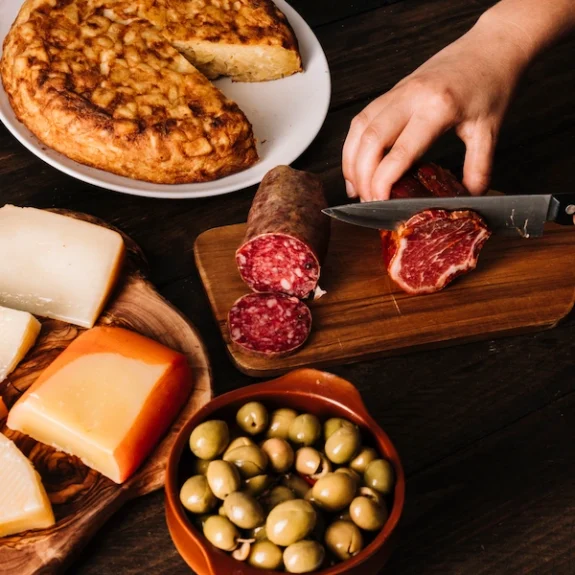
Julitos is een Spaanse delicatessenwinkel in Amsterdam die hoogwaardige producten aanbiedt, zoals olijfolie, kazen, wijnen en vleeswaren. Naast de winkelervaring organiseert Julitos ook showcooking, proeverijen en kookworkshops om de Spaanse eetcultuur te vieren. Opgericht in 2022 door een gepassioneerde Spanjaard, brengt het een authentiek stukje Spanje naar Nederland. Julitos is dé bestemming voor liefhebbers van Spaanse gastronomie en culinaire tradities.
1071 NL Amsterdam
Groenteboer Tom Ensink
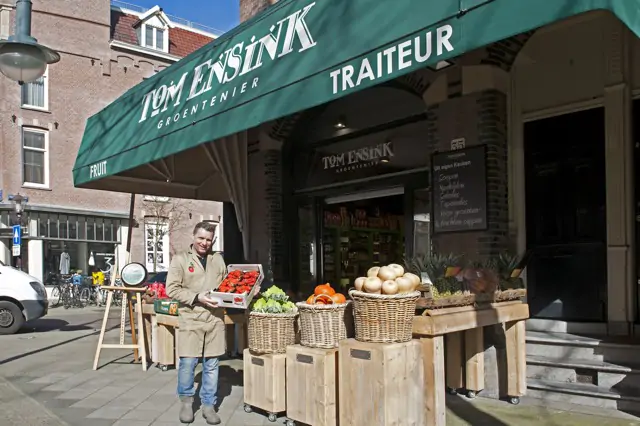
Groenteboer Tom Ensink zorgt ervoor dat klanten kunnen kiezen uit een exclusief assortiment aan eerlijke producten. Naast groenten worden er kazen, fruit, noten, oliën, wijnen én maaltijden verkocht - zorgvuldig geselecteerd voor de échte fijnproevers in Zuid. Specifieke wensen kunnen worden vervuld wat betreft het bestellen van producten, maar ook voor de verse maaltijden.