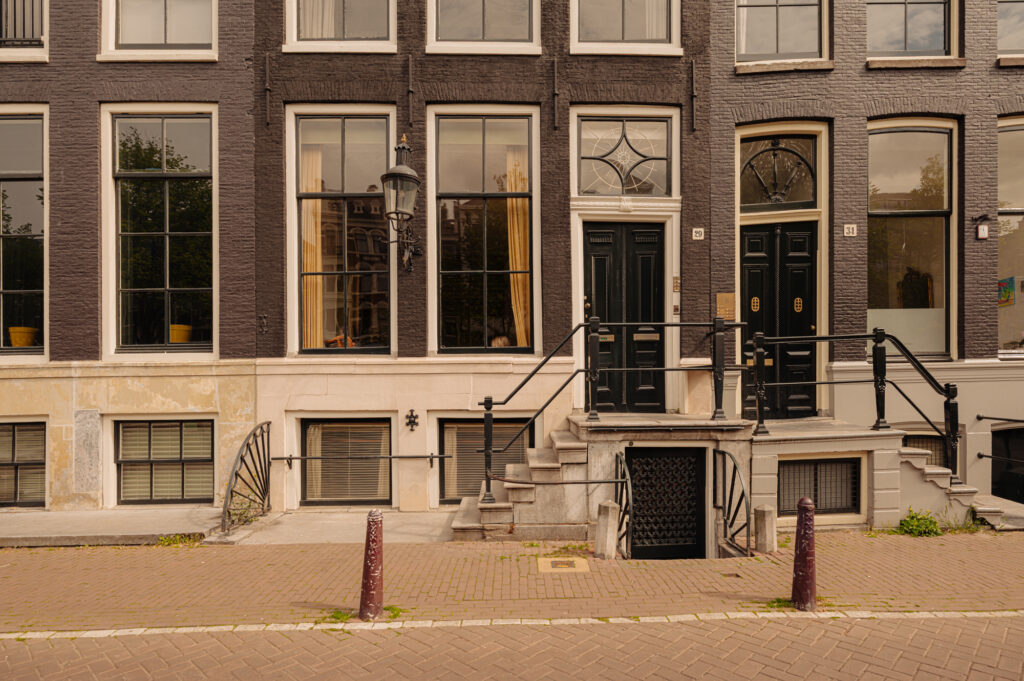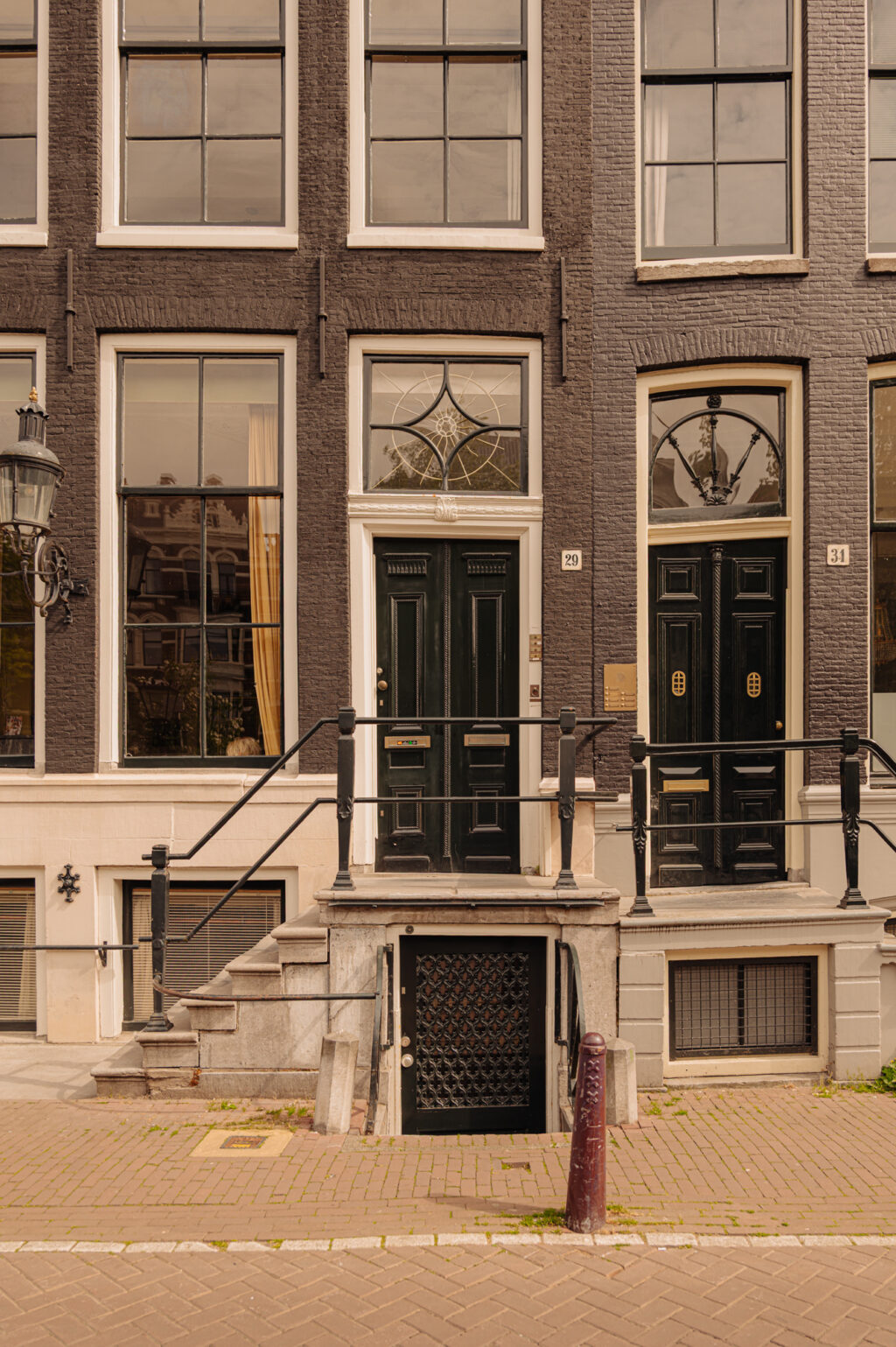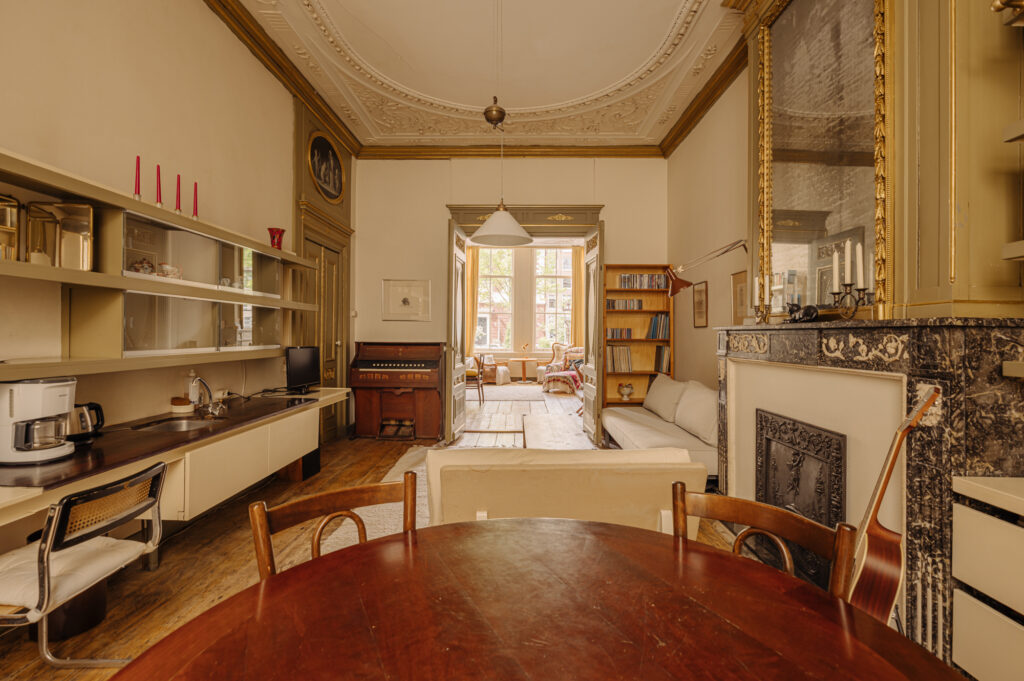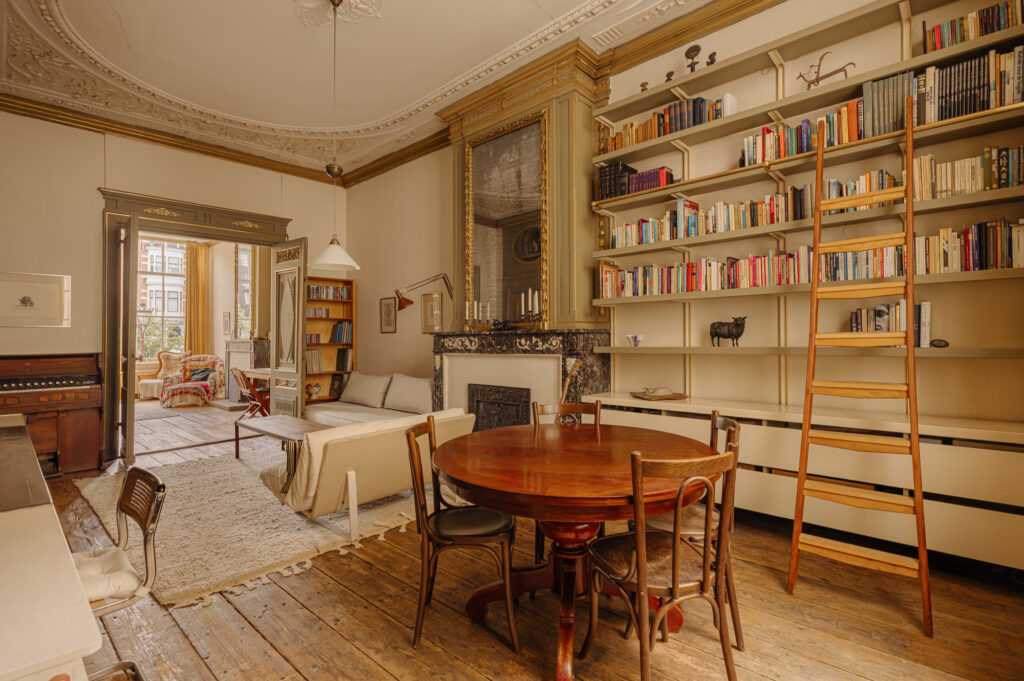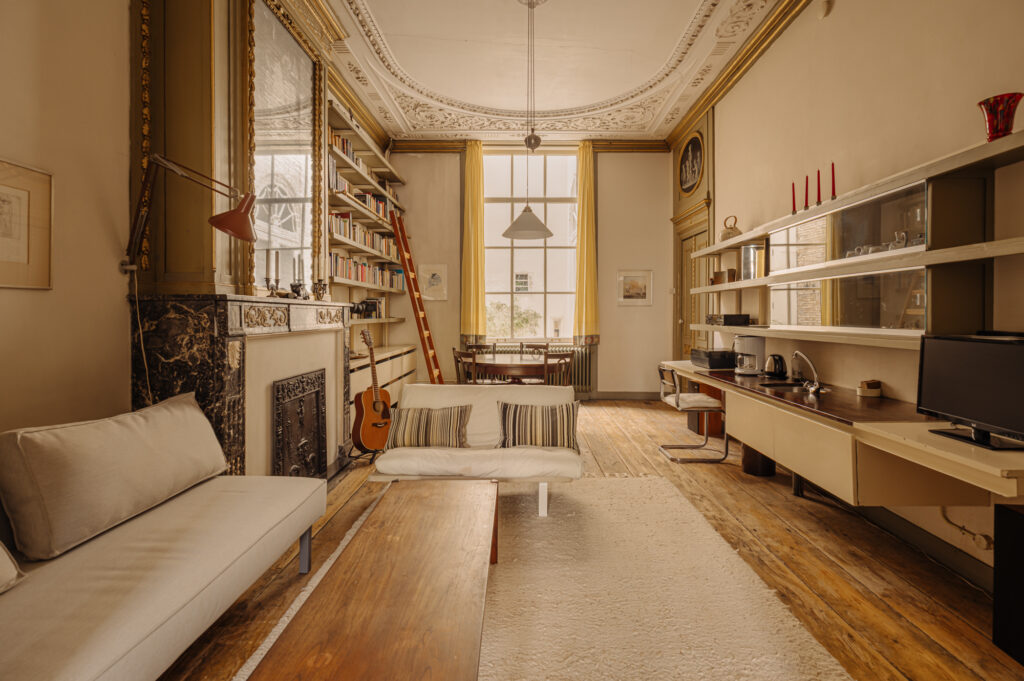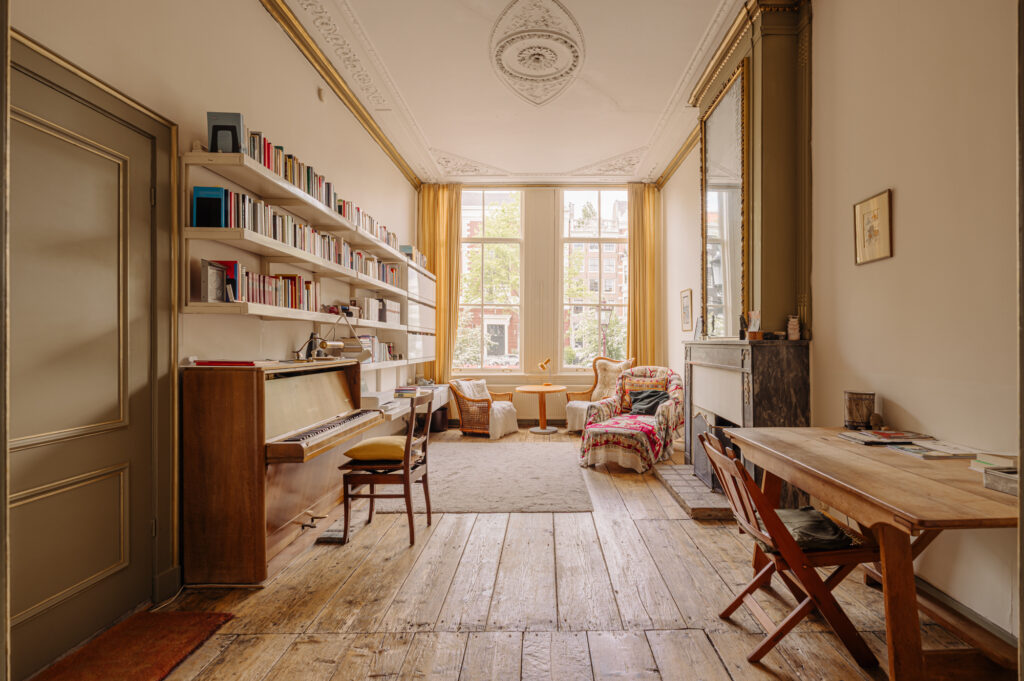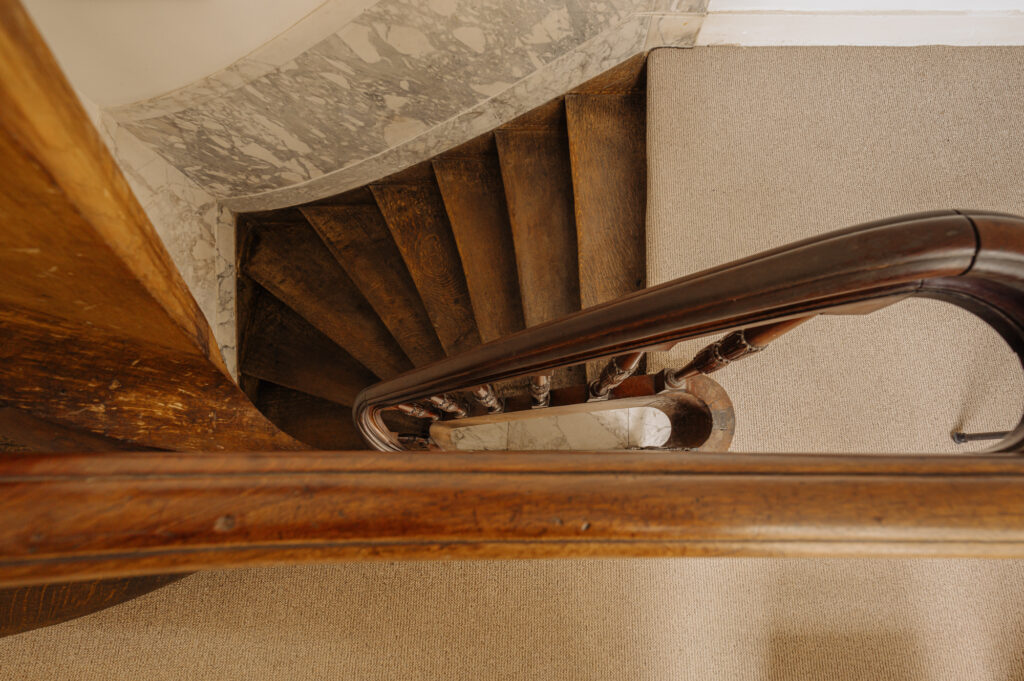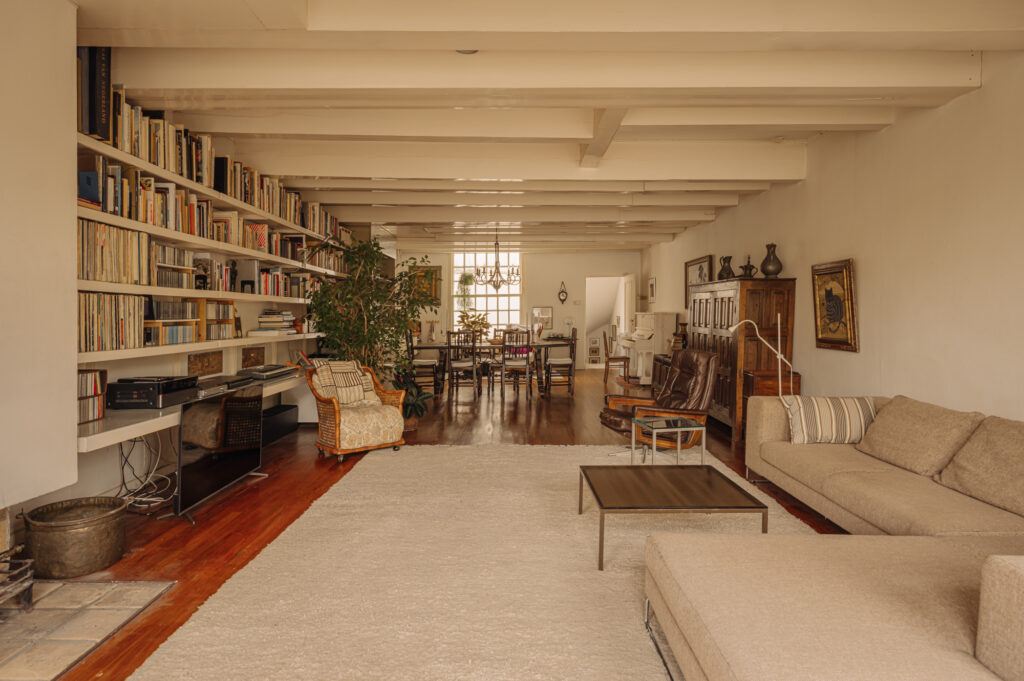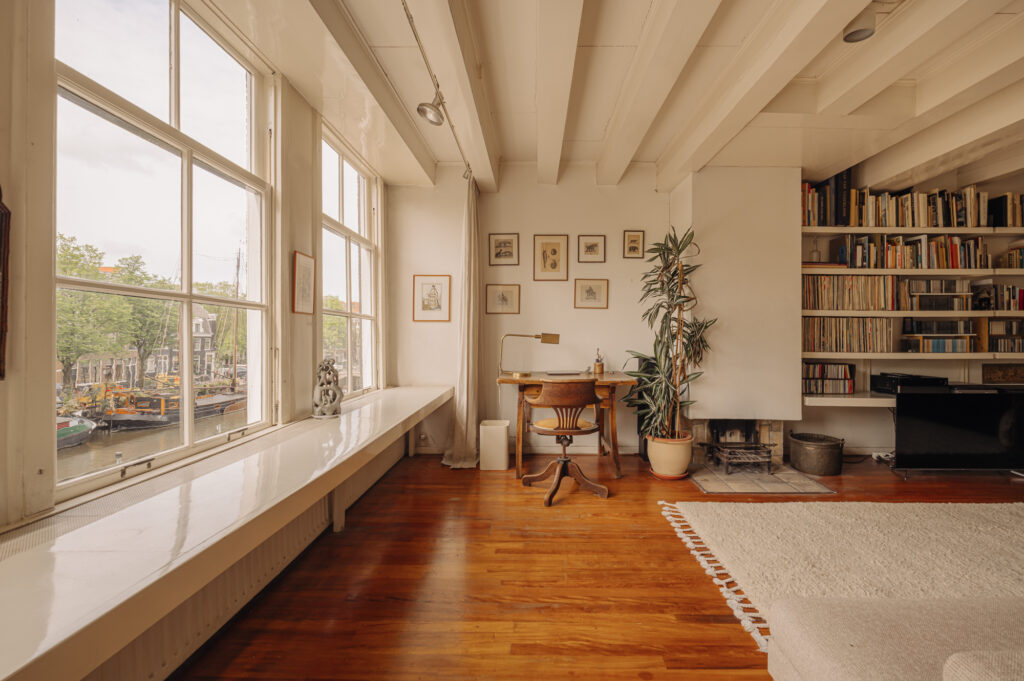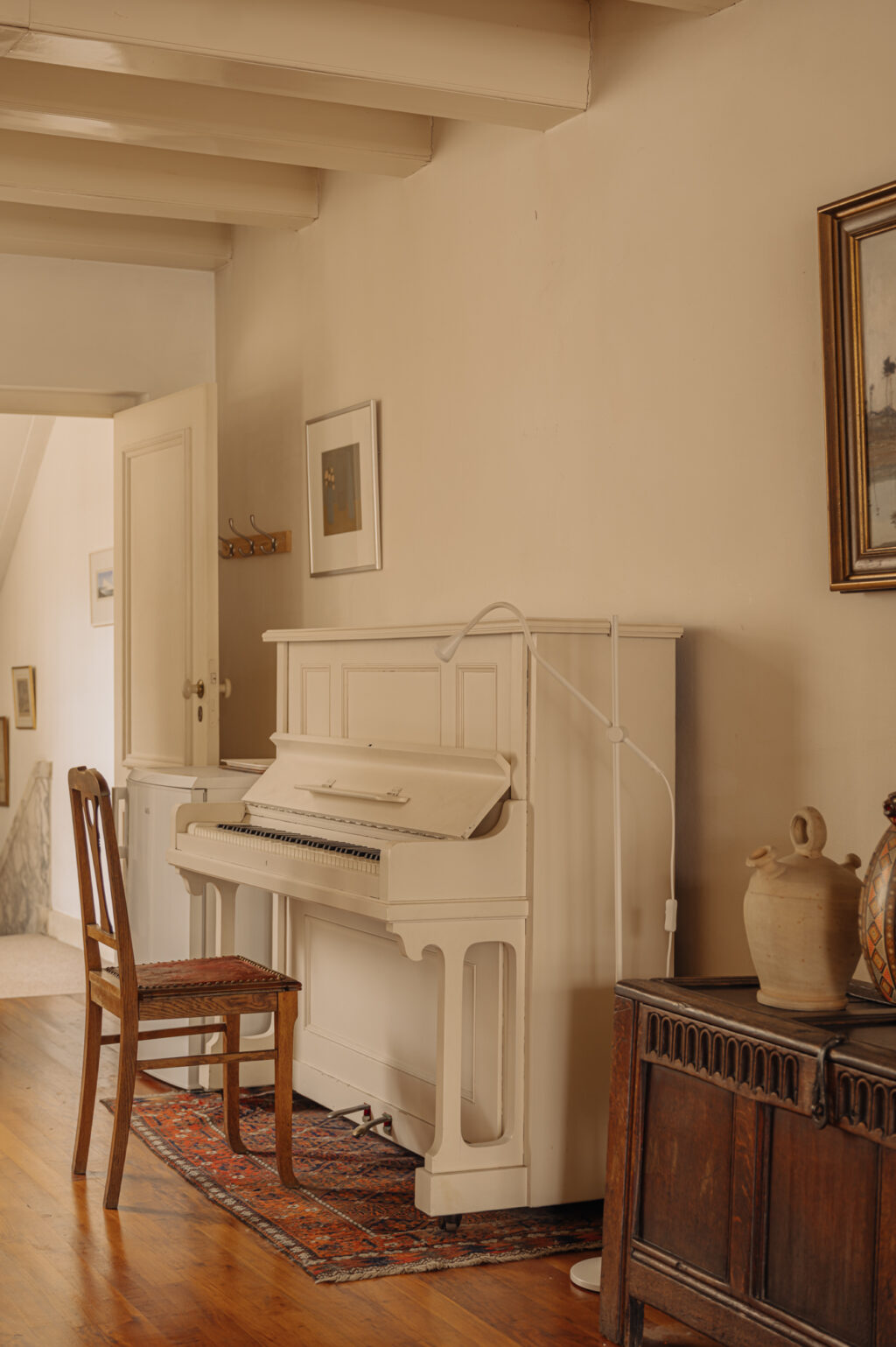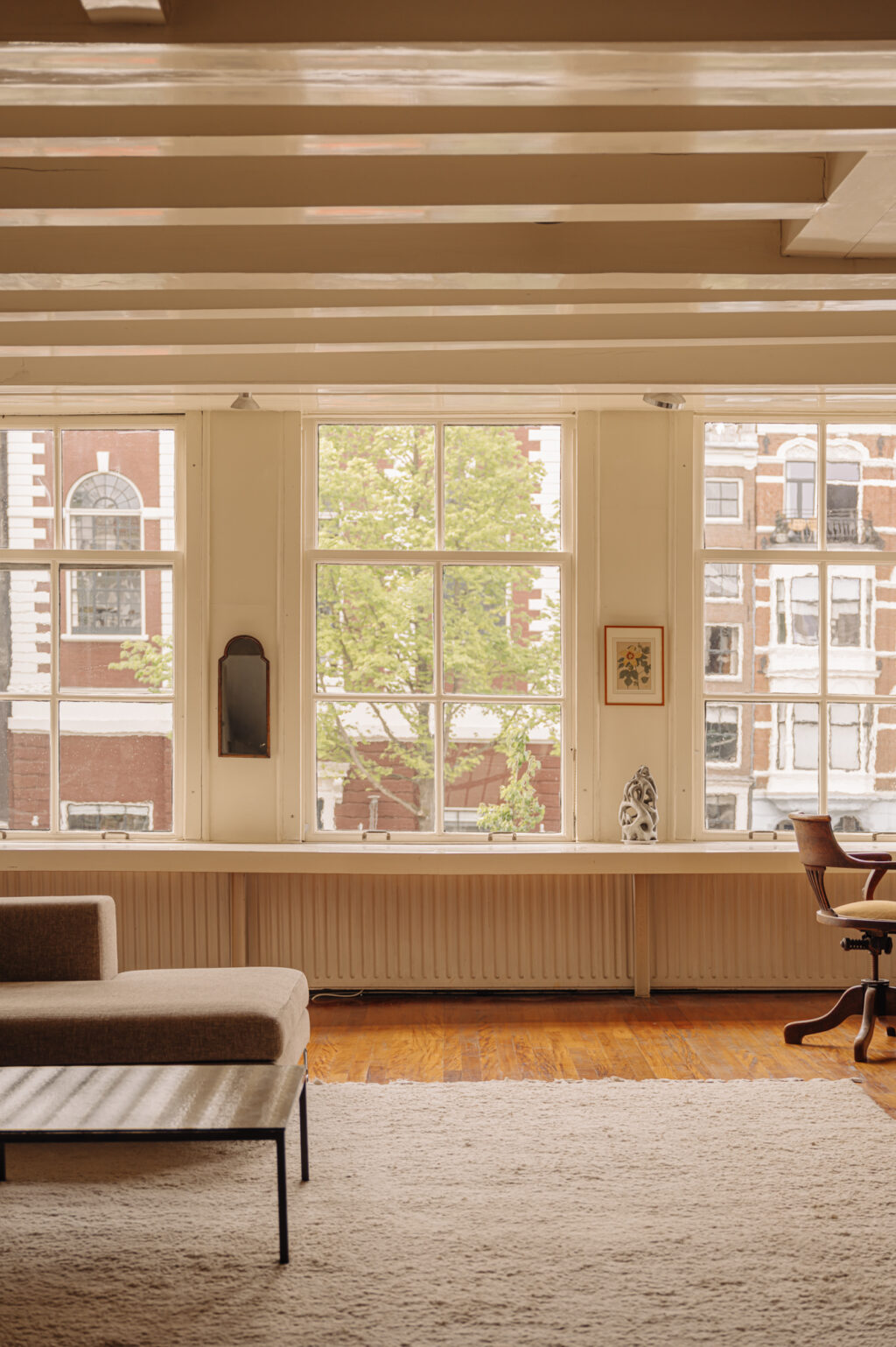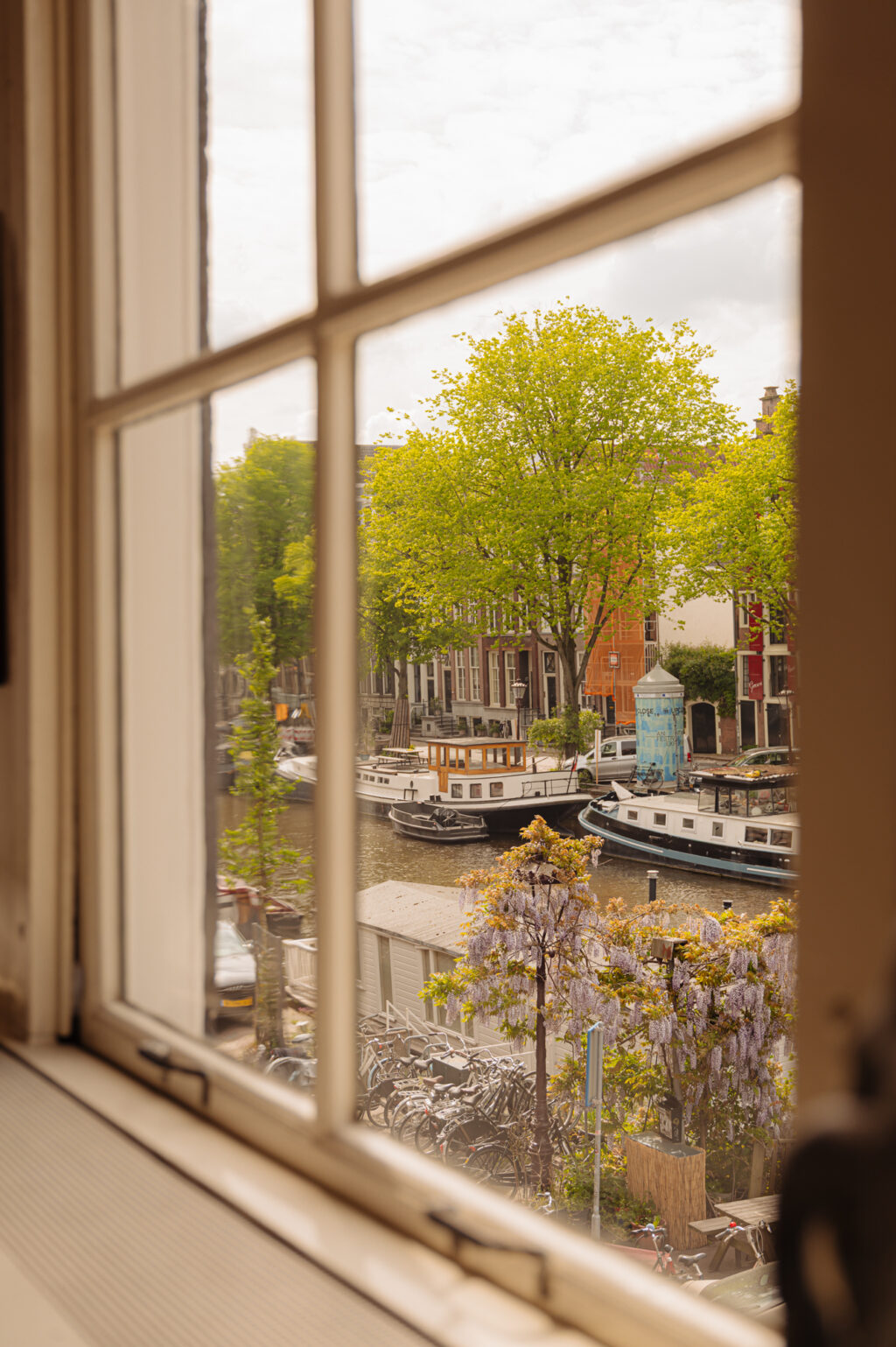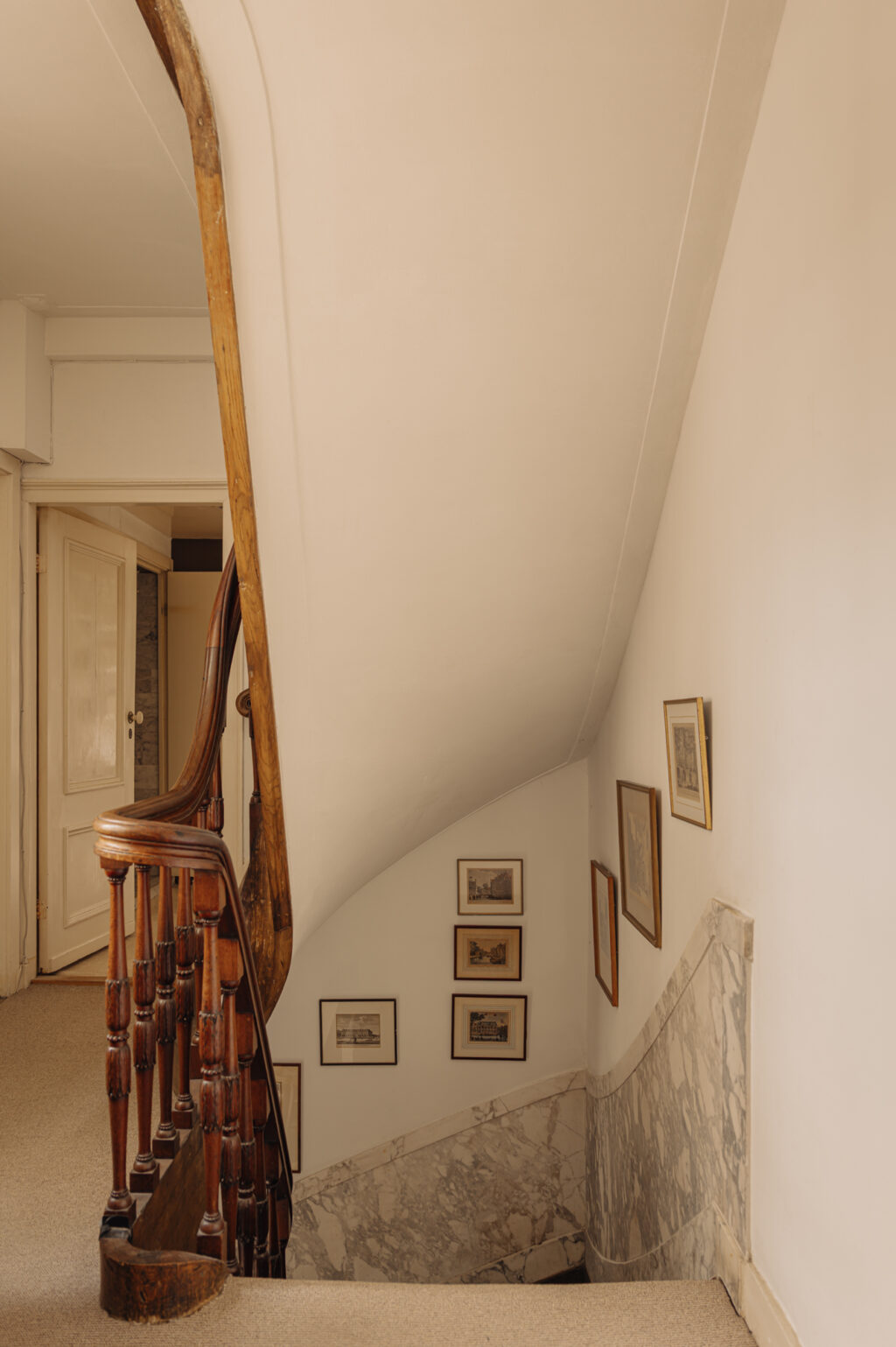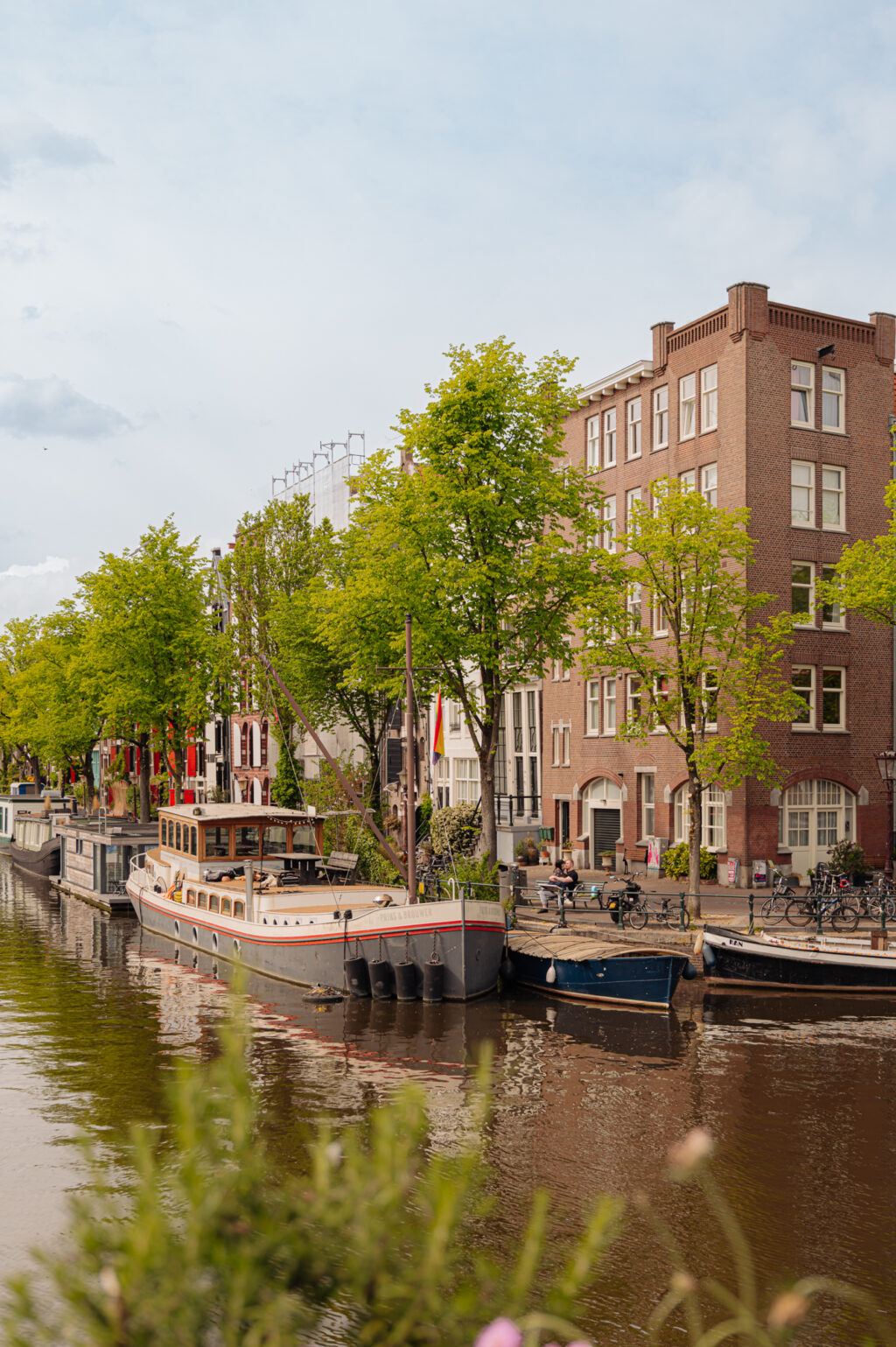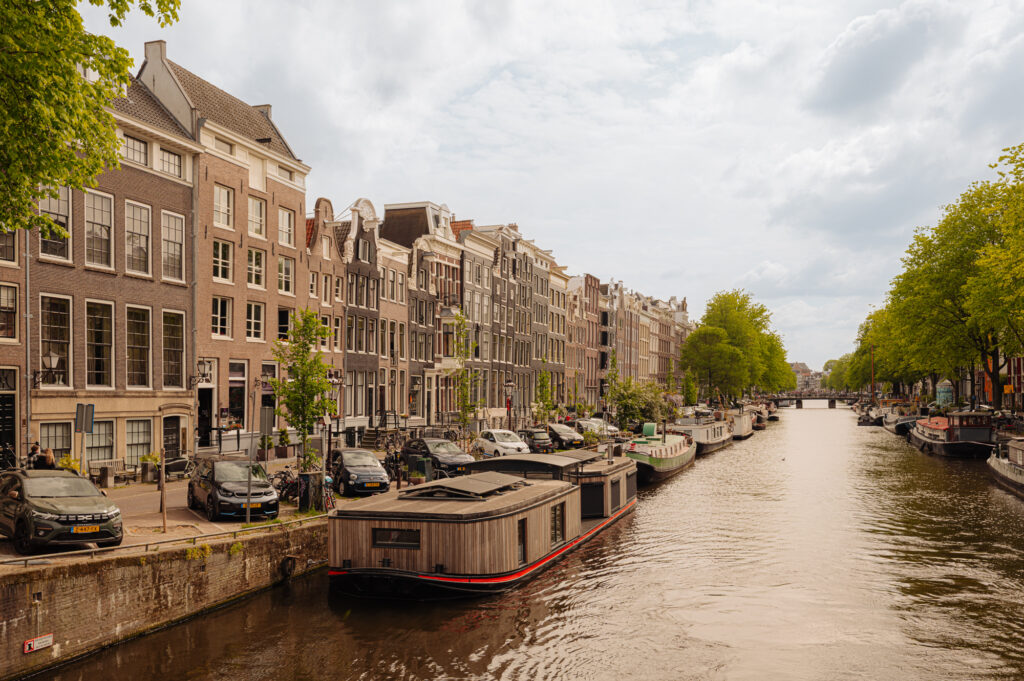
Wonen aan een van de meest iconische grachten van Amsterdam in een bijzonder grachtenpand. Keizersgracht 29 is een monumentaal grachtenhuis van maar liefst vijf woonlagen, inclusief souterrain en vliering, met woonoppervlakte van circa 490 m². Achter de statige gevel uit de 17e eeuw schuilt een karakteristiek woonhuis met een rijke historie.
Rondleiding
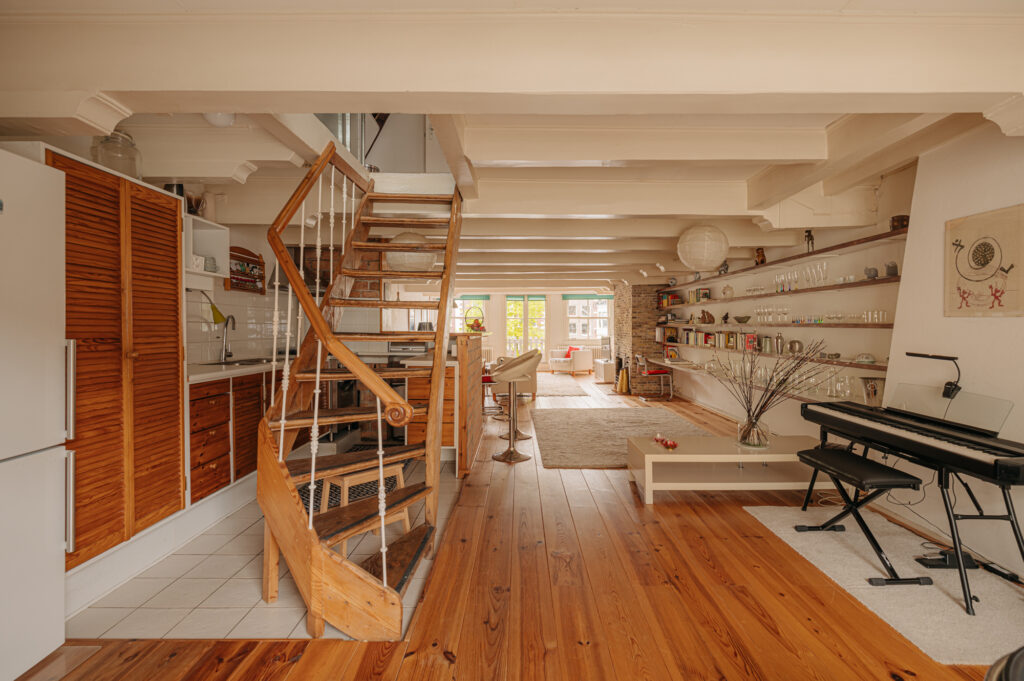
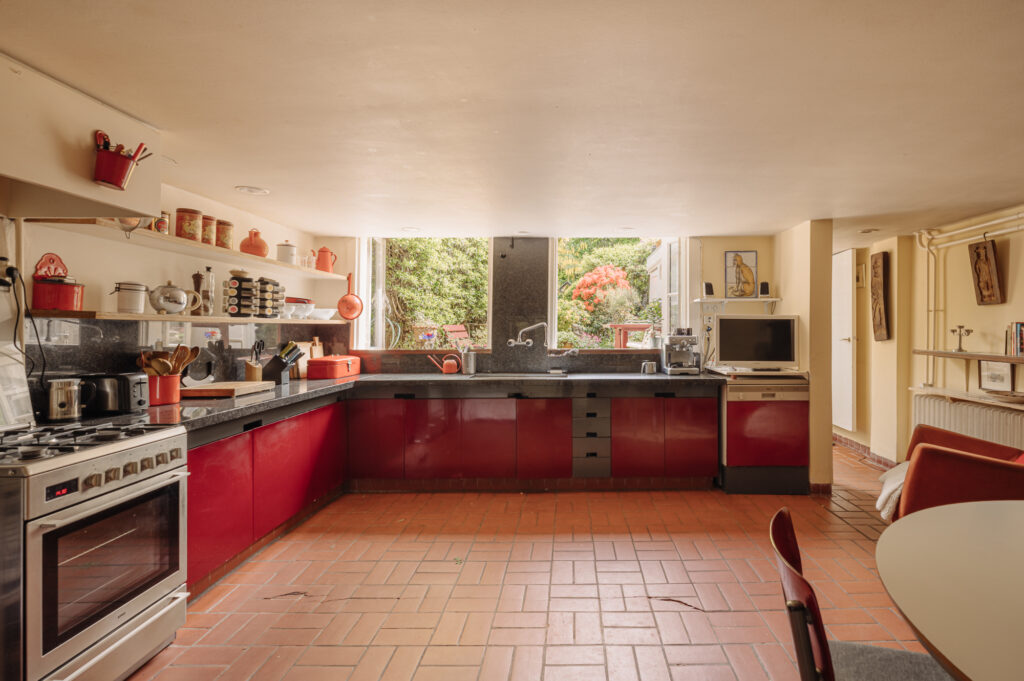
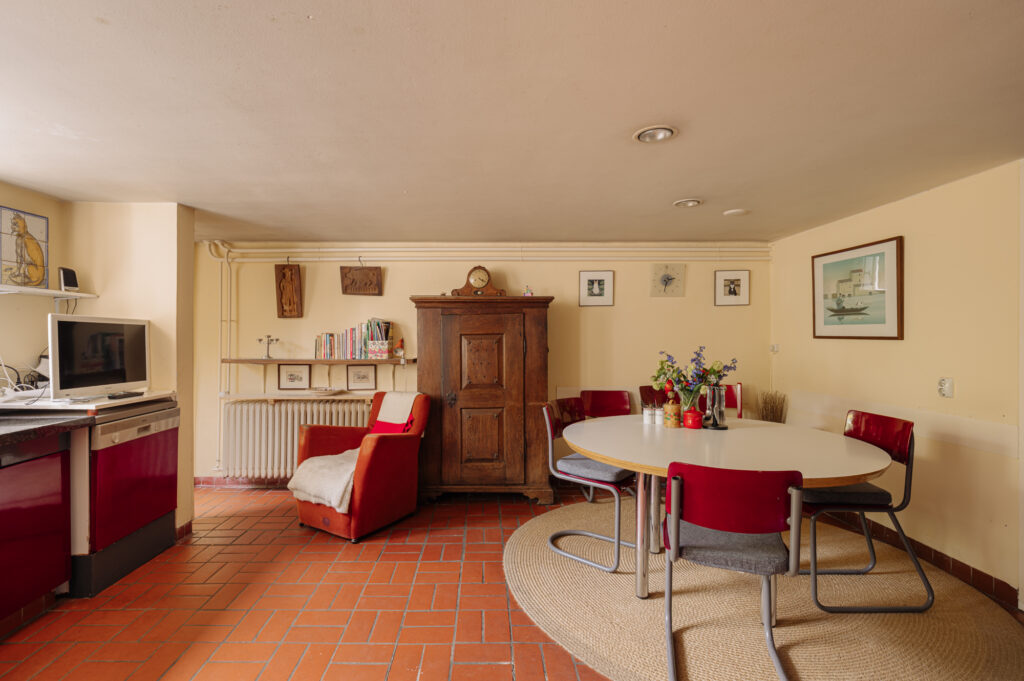
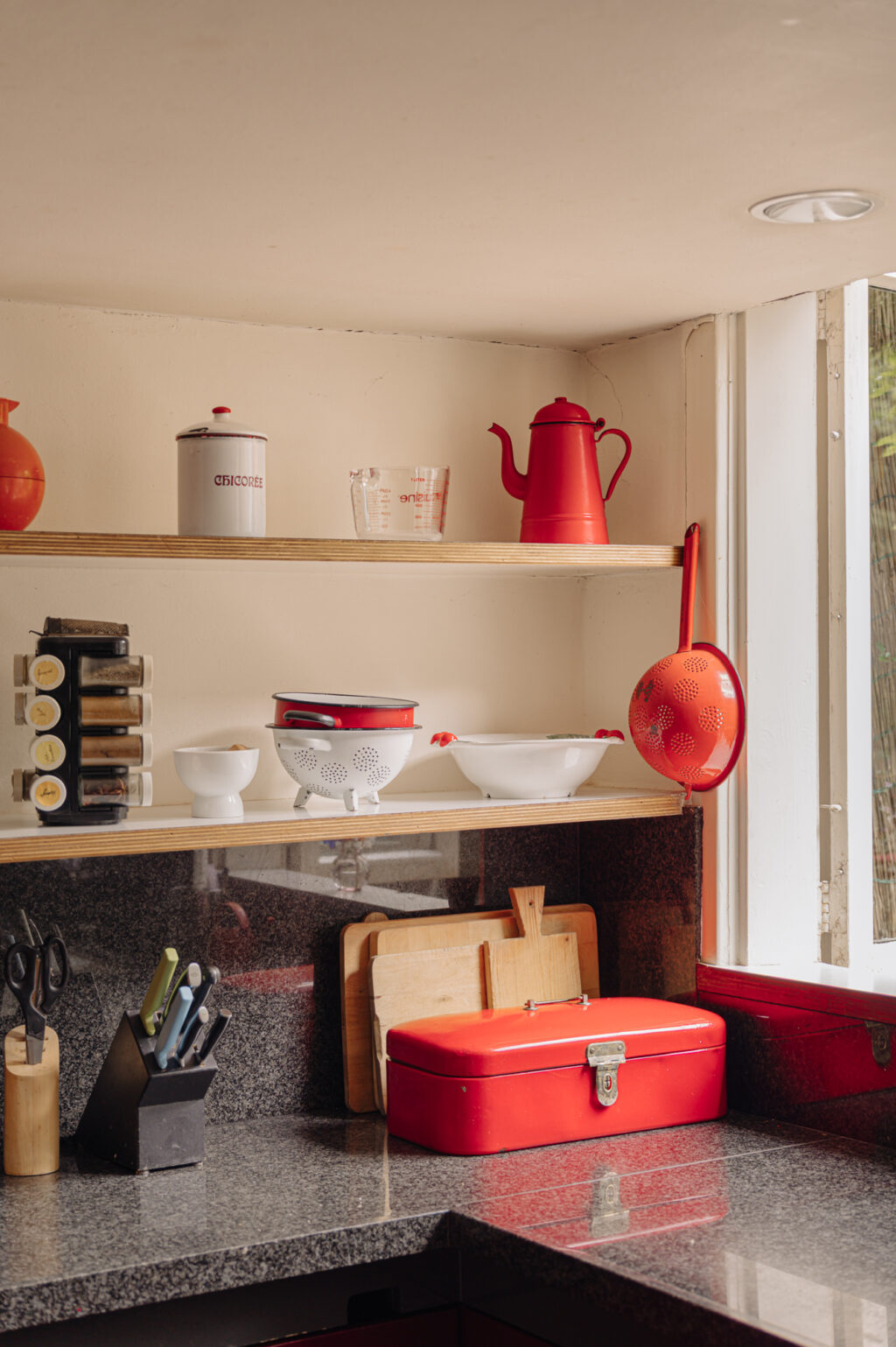
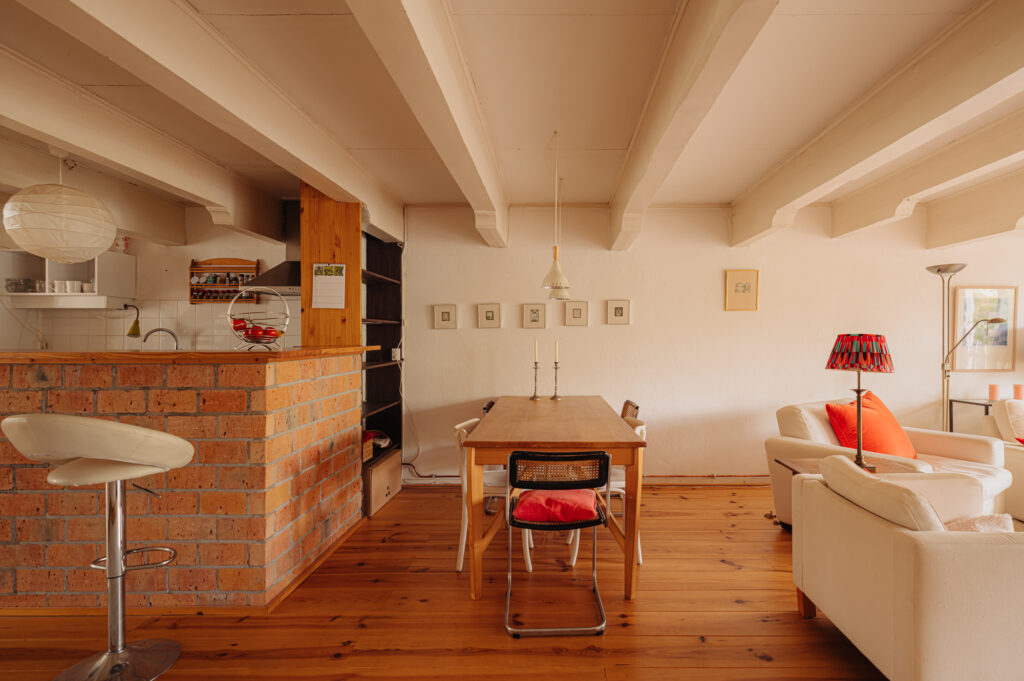
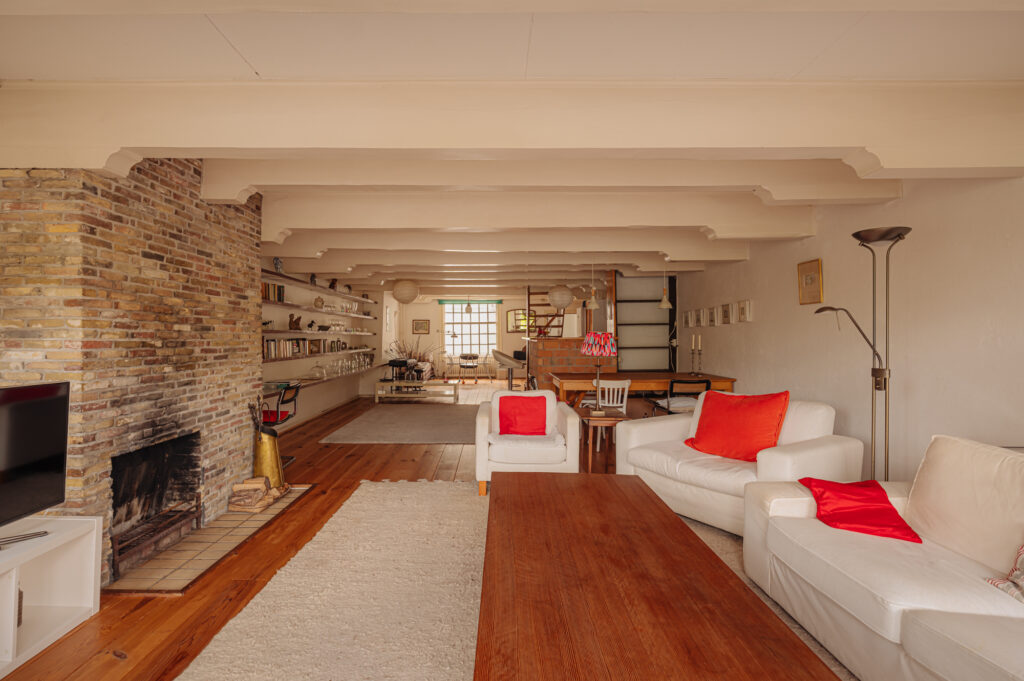
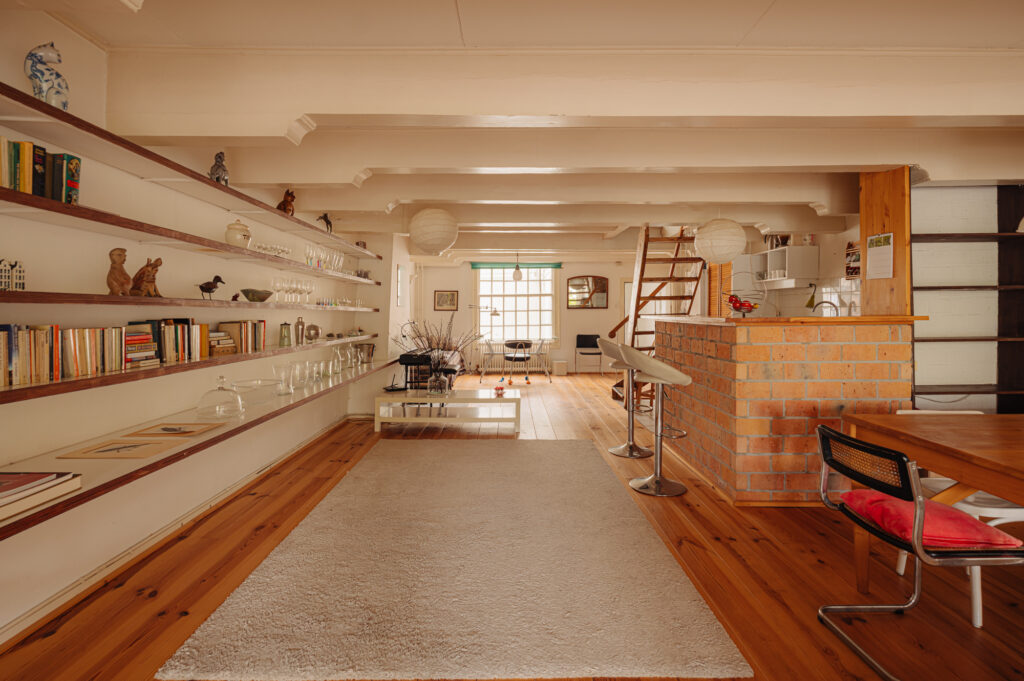
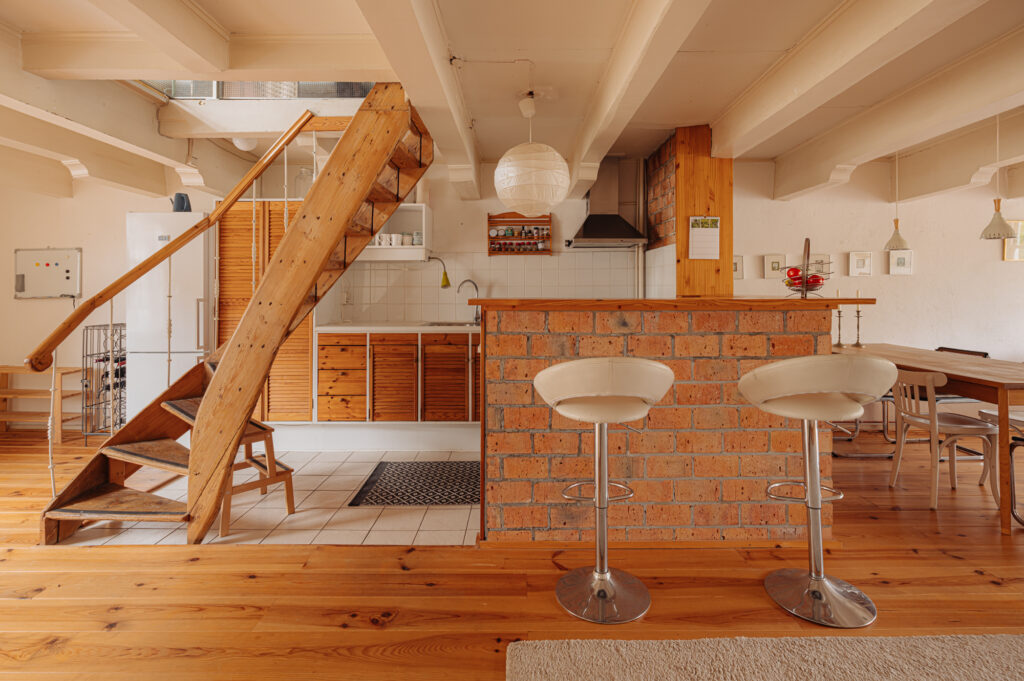
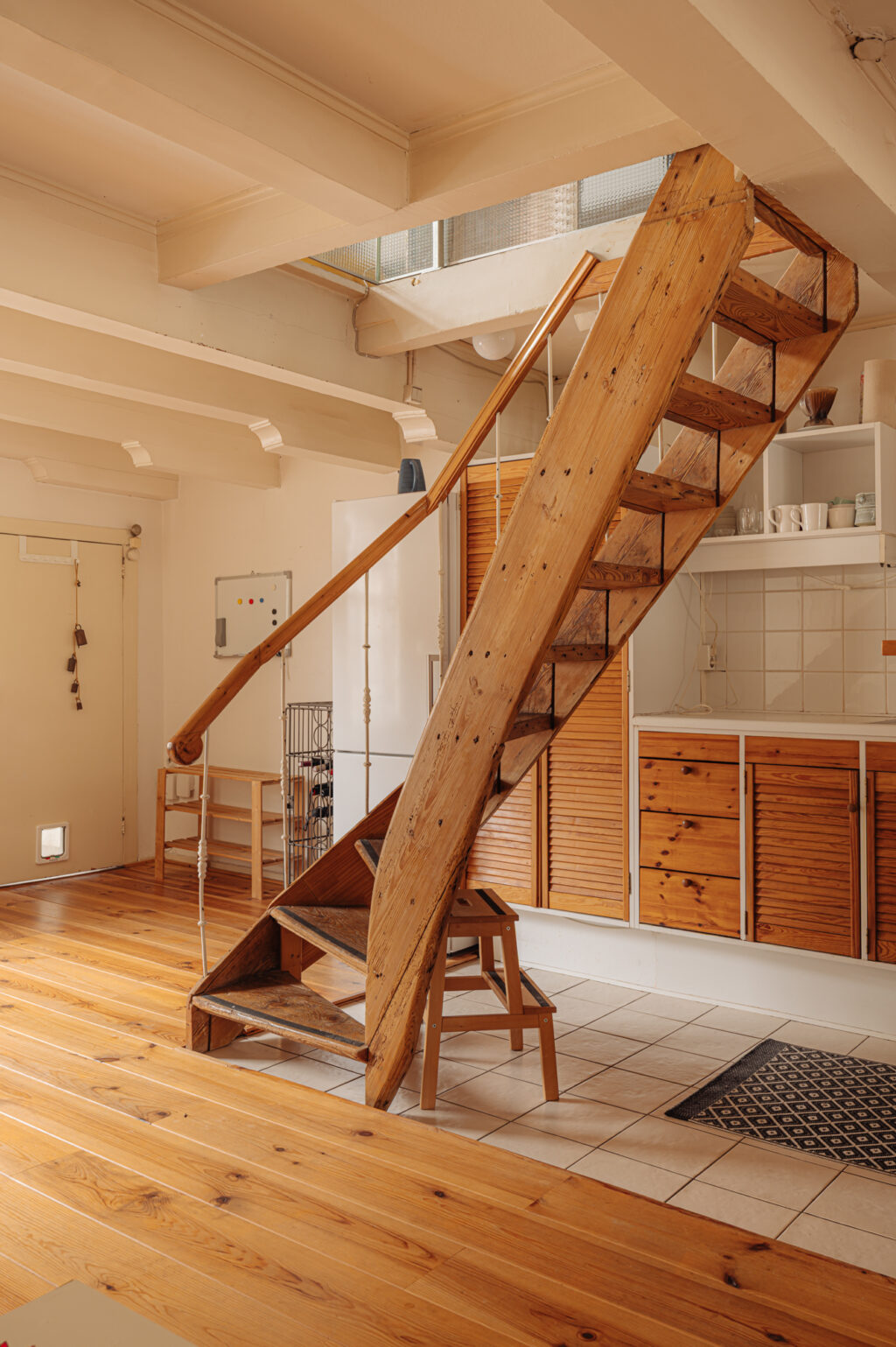
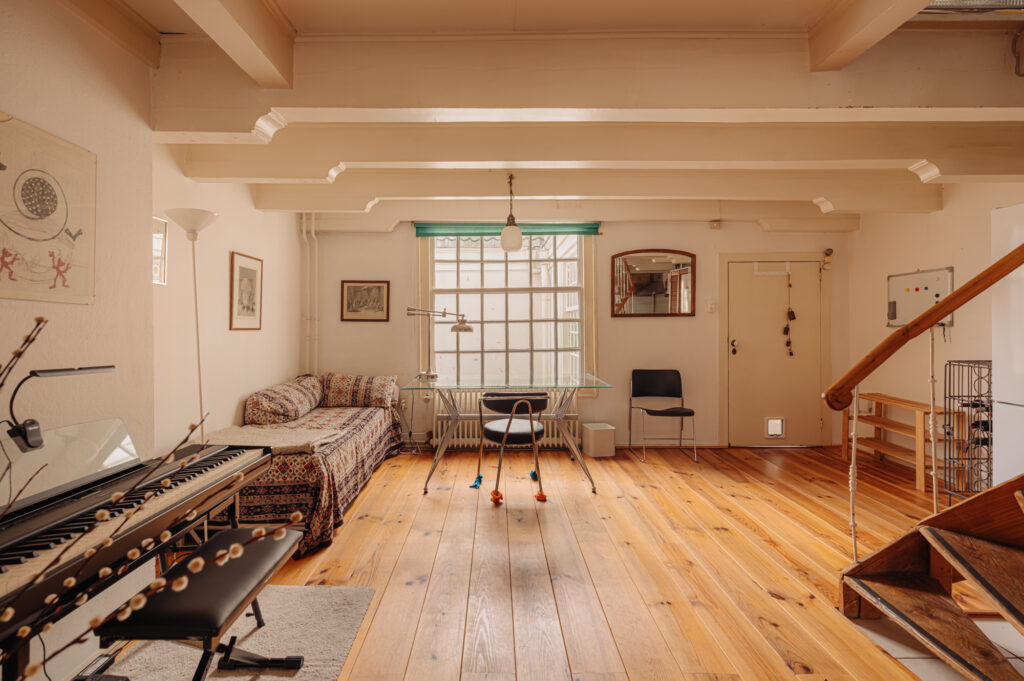
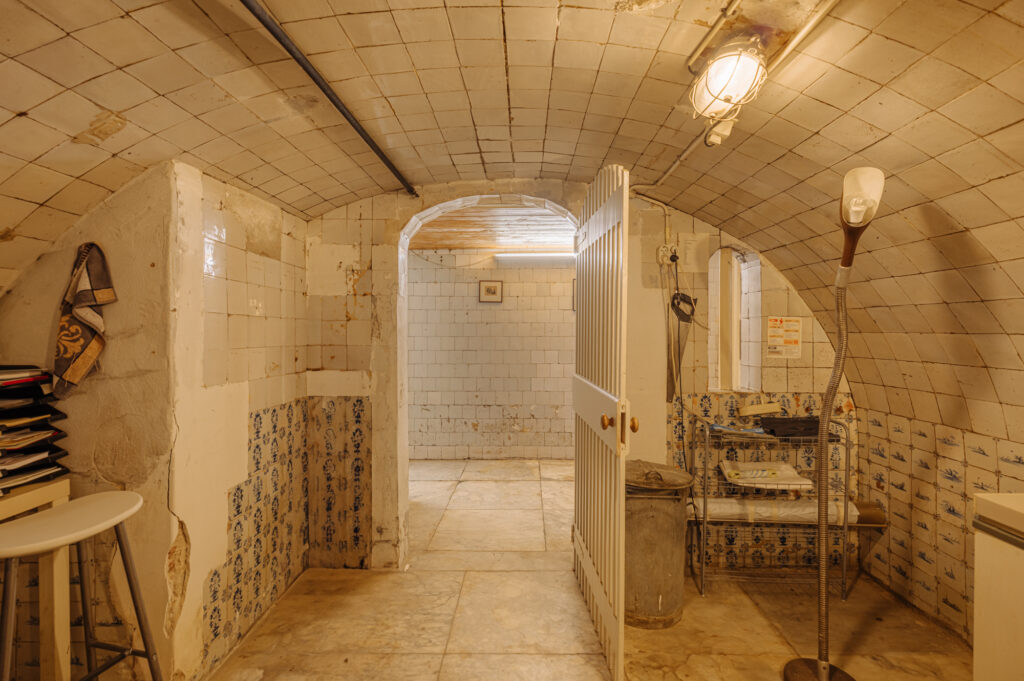
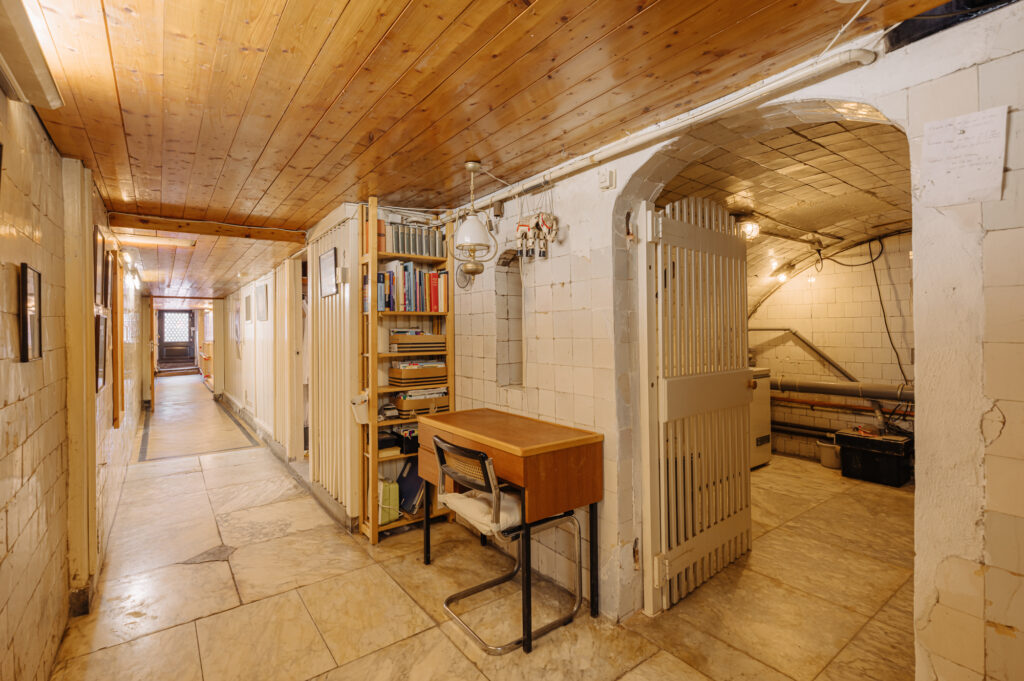
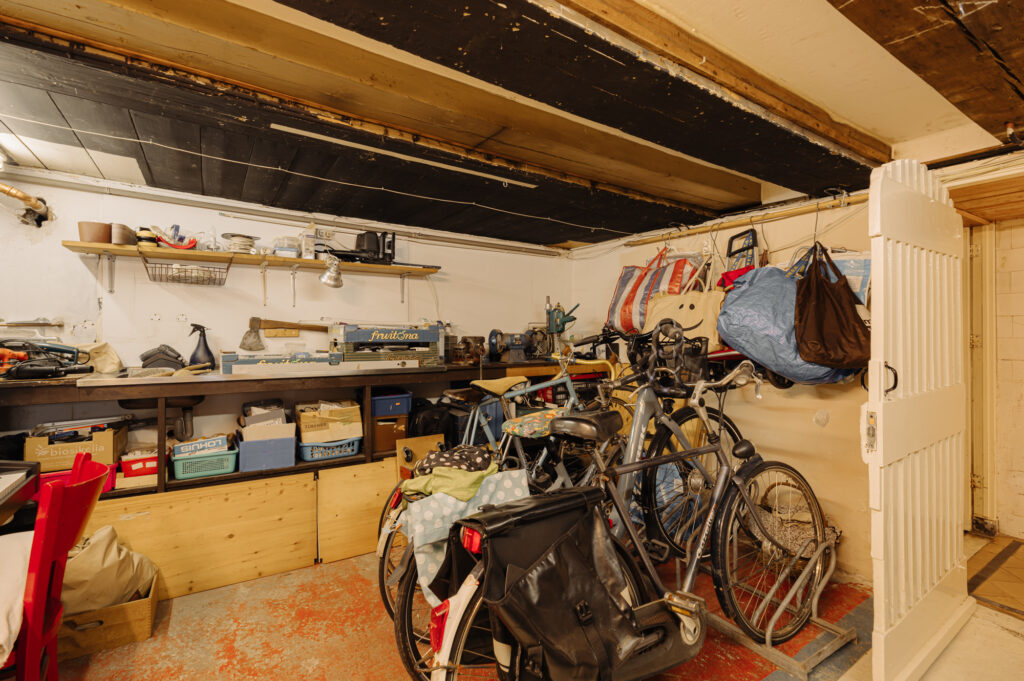
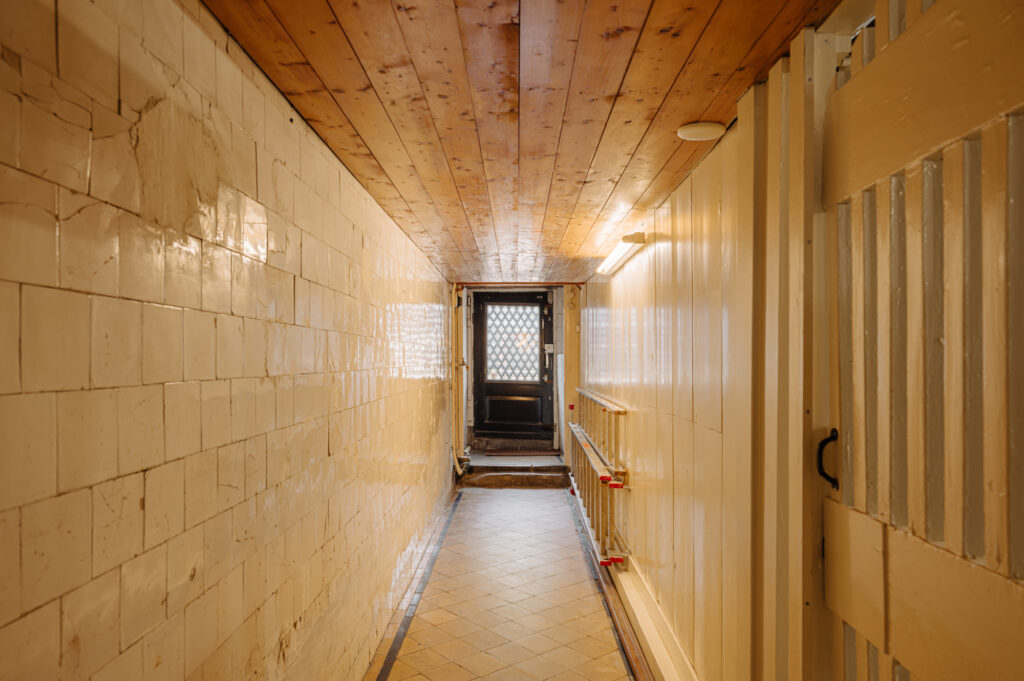
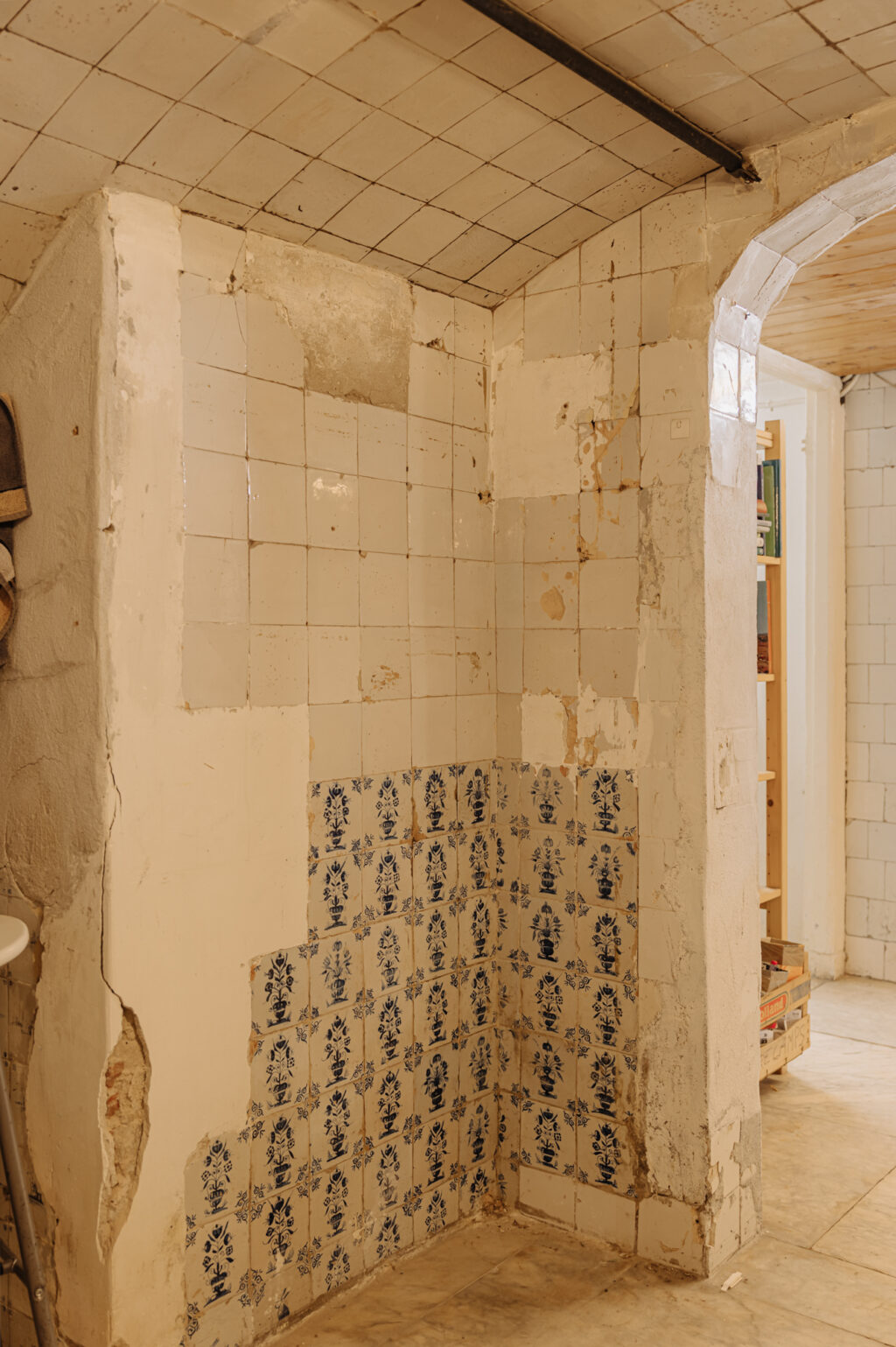
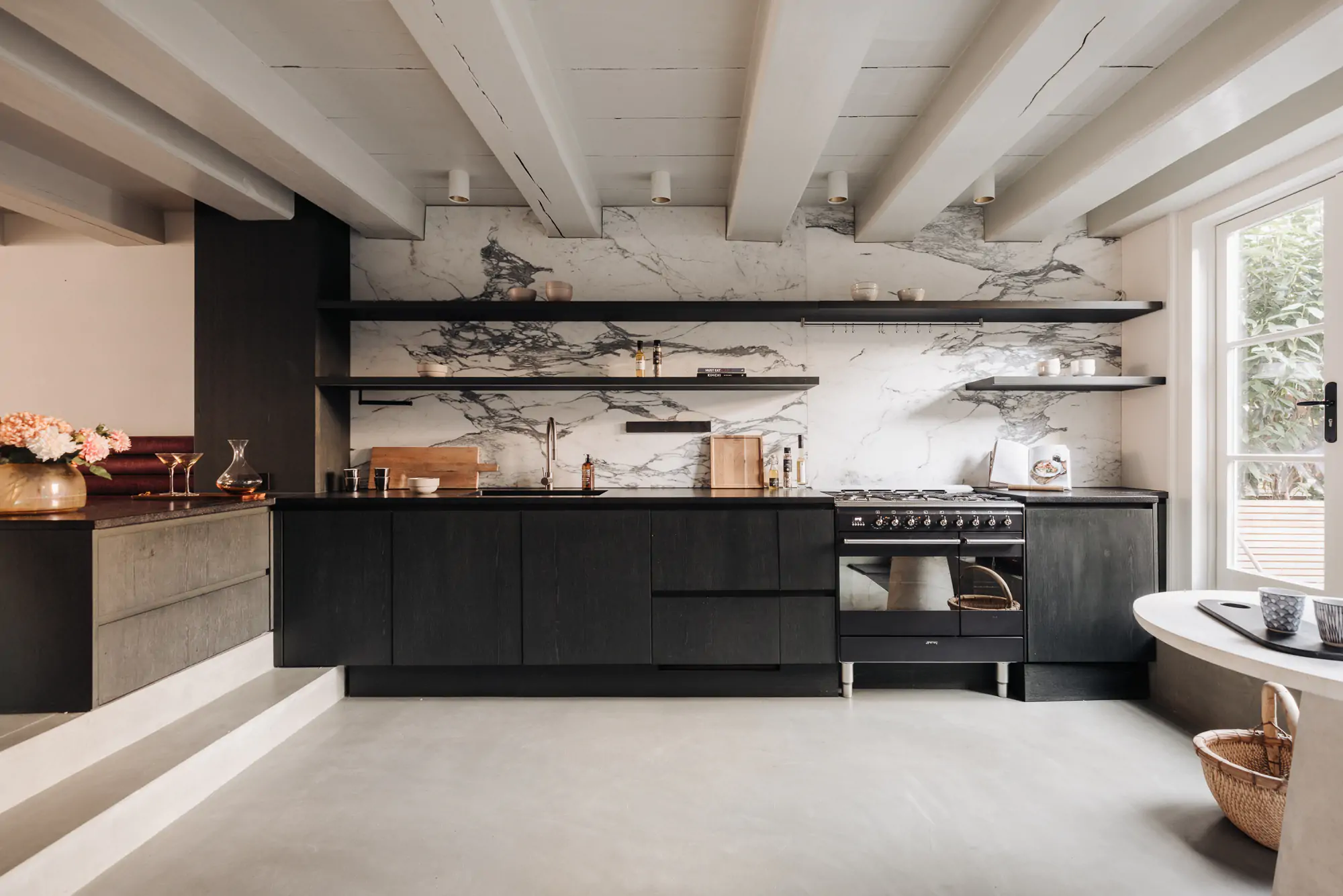
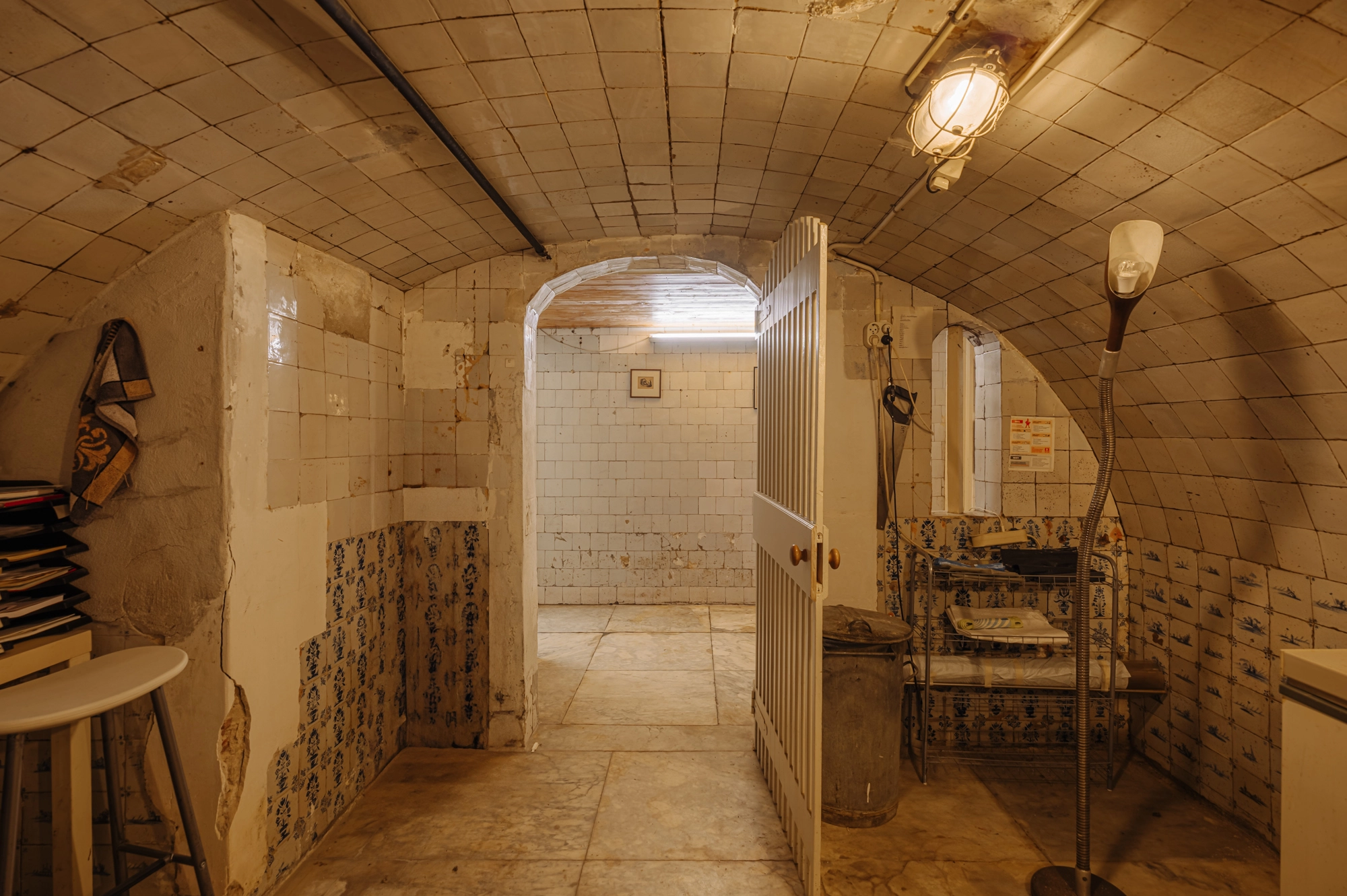
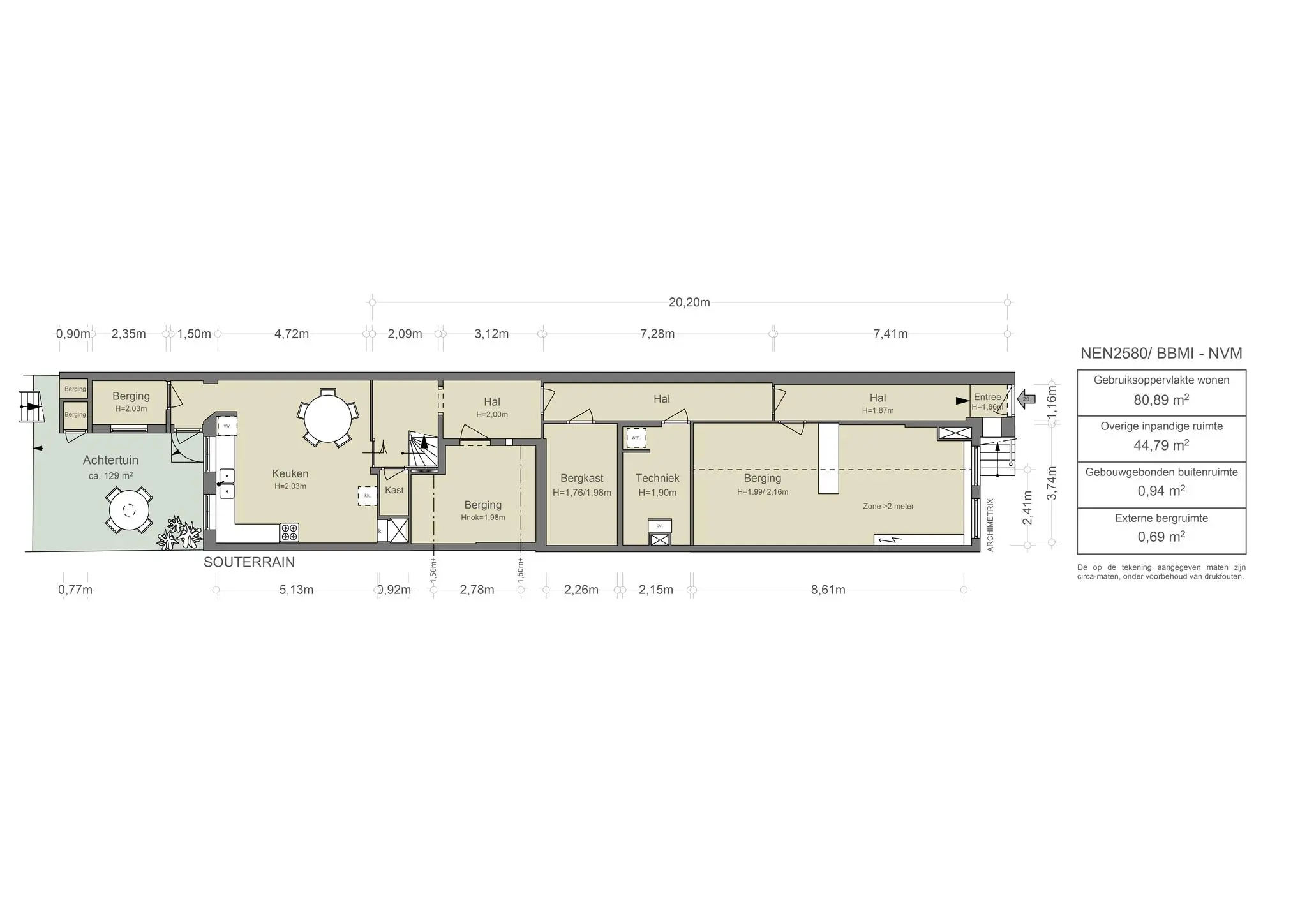
Het souterrain van circa 125 m² (inclusief overige inpandige ruimte) is bijzonder ruim en kent een praktische en veelzijdige indeling. Originele elementen zoals een 17e-eeuwse wijnkelder, robuuste balklagen, gemetselde muren en nissen geven dit niveau karakter. De ruimtes worden momenteel gebruikt als hobbykamer, fietsenstalling, inloopkast, wasruimte en cv-ruimte. Aan de tuinzijde bevindt zich een sfeervolle woonkeuken, met directe toegang tot de circa 129 m² grote tuin.
Bel-etage
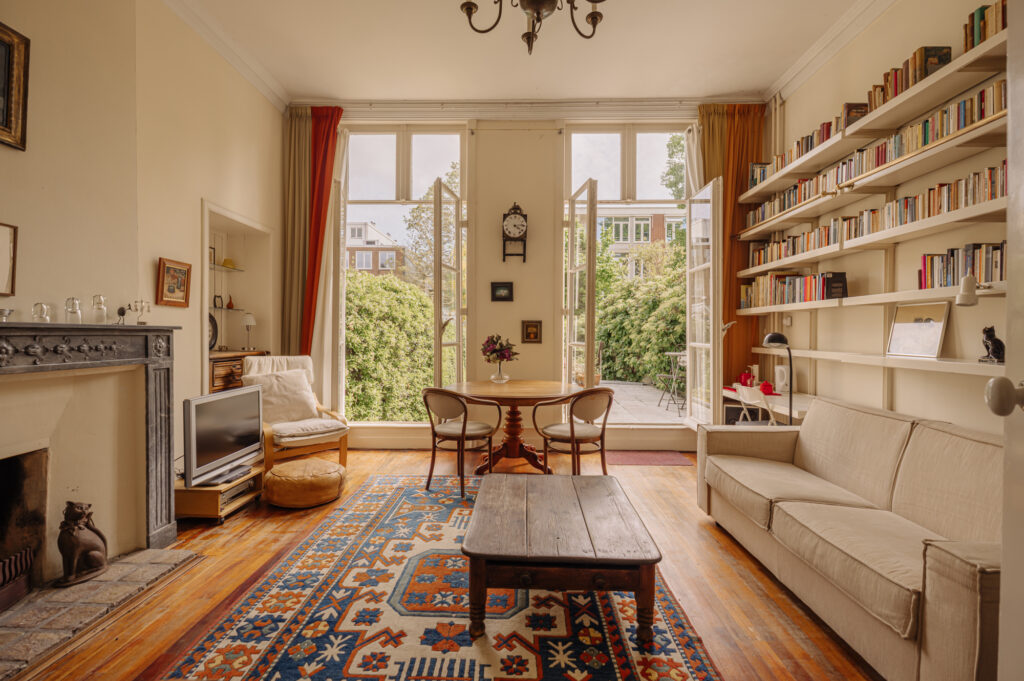
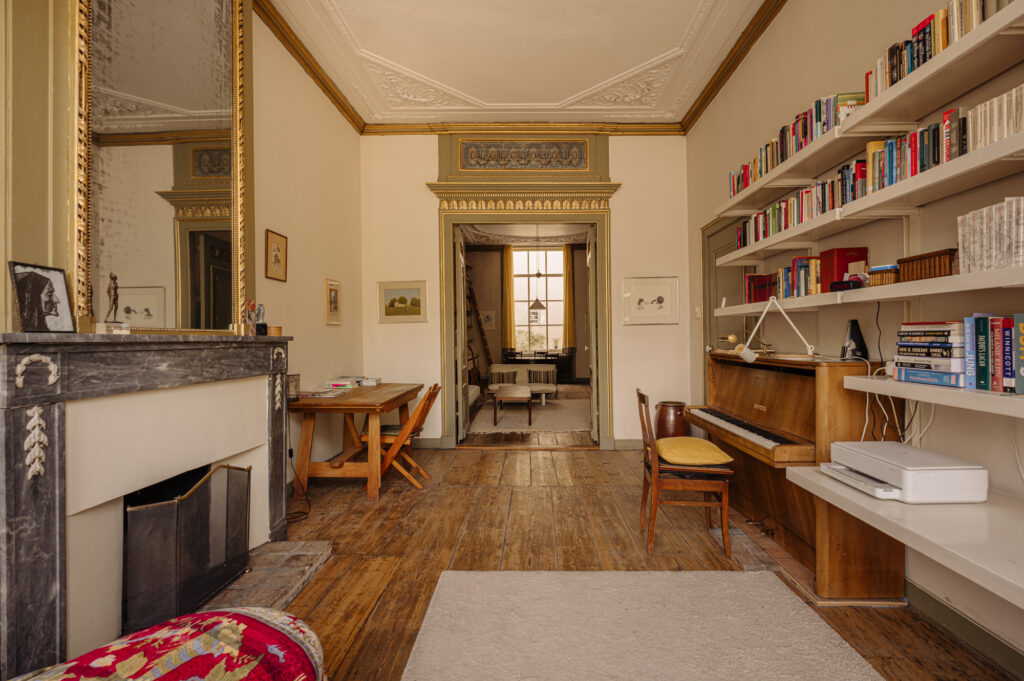
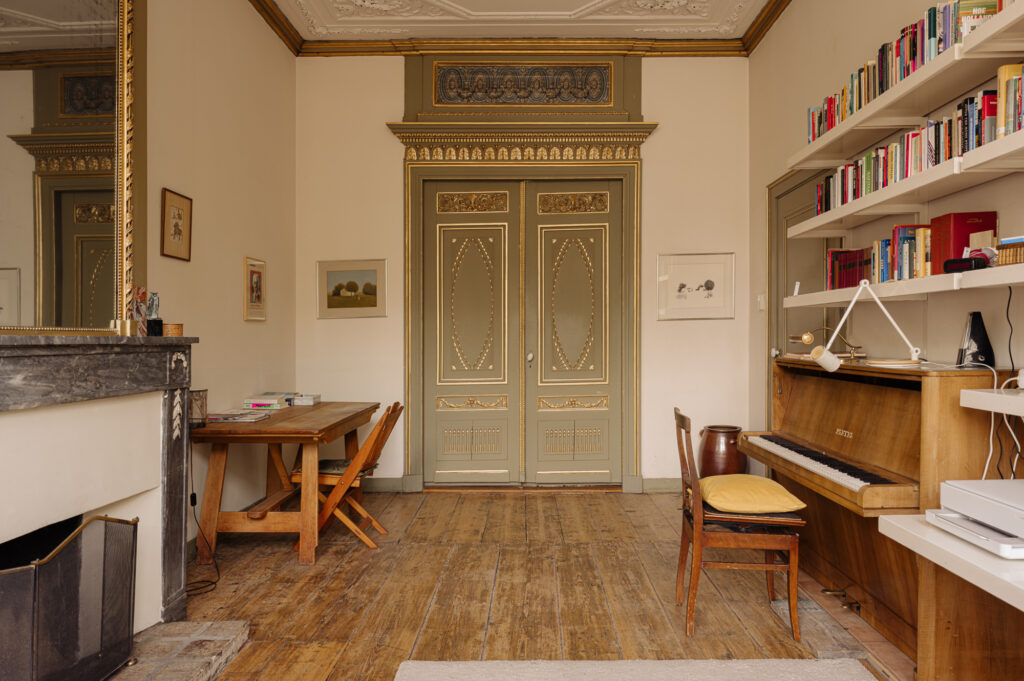
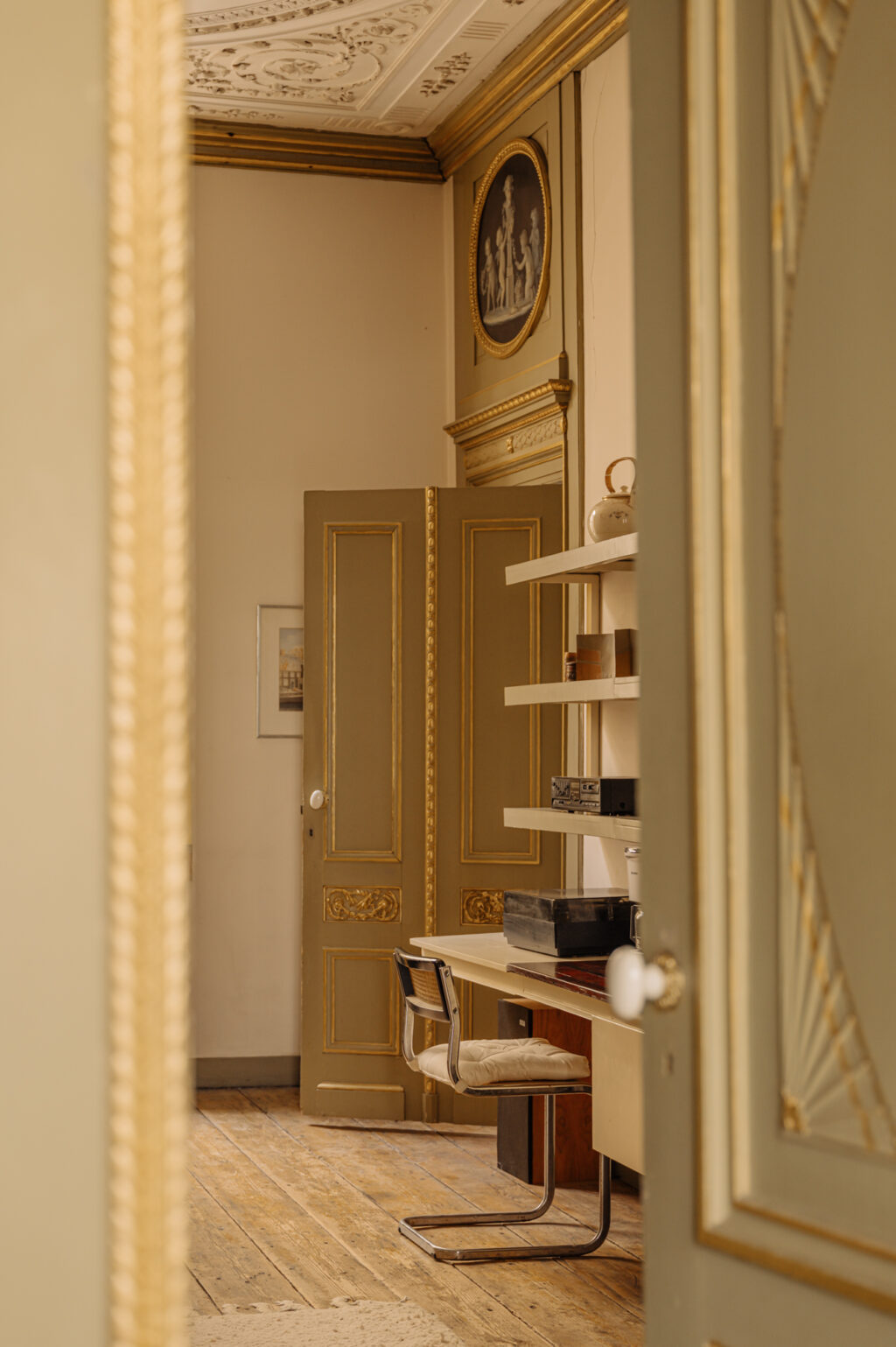
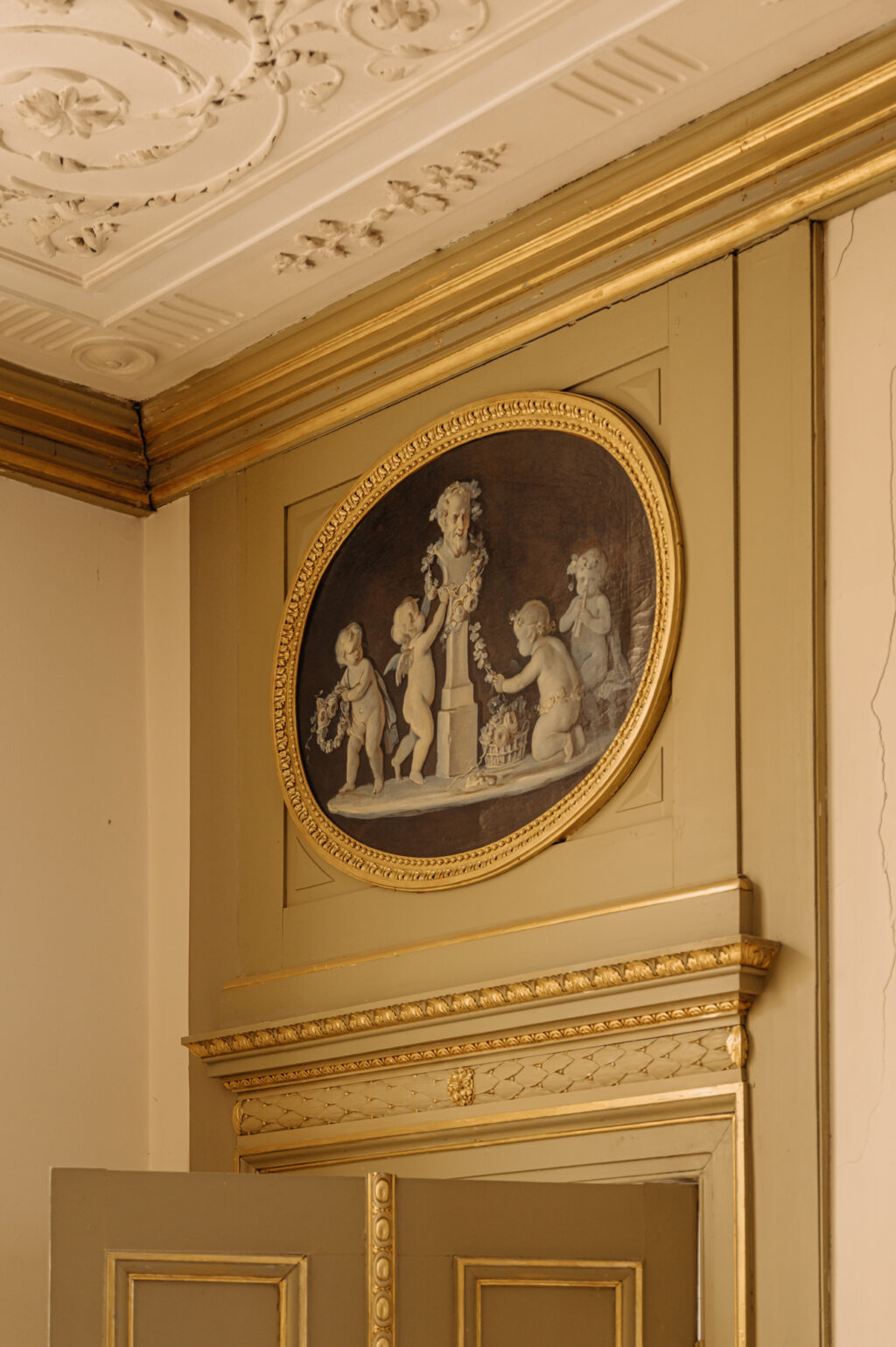
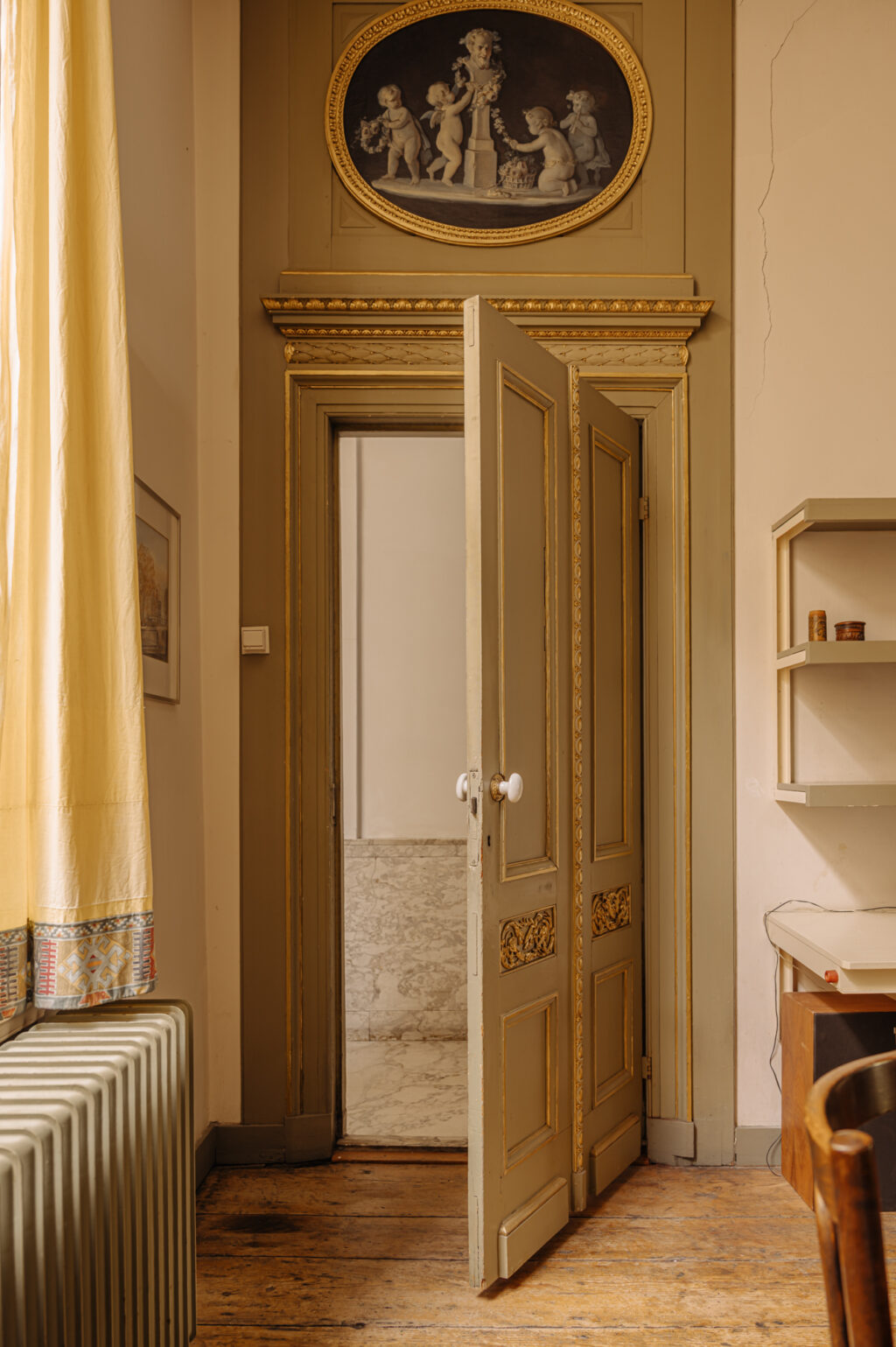
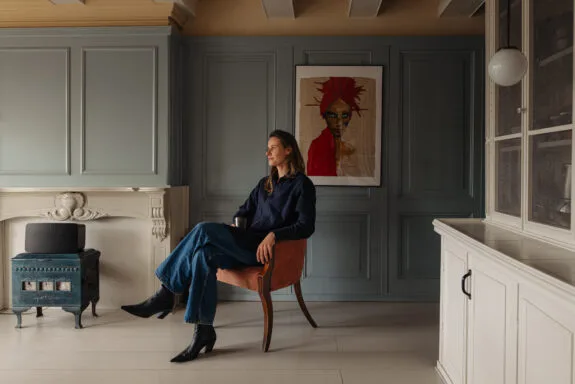
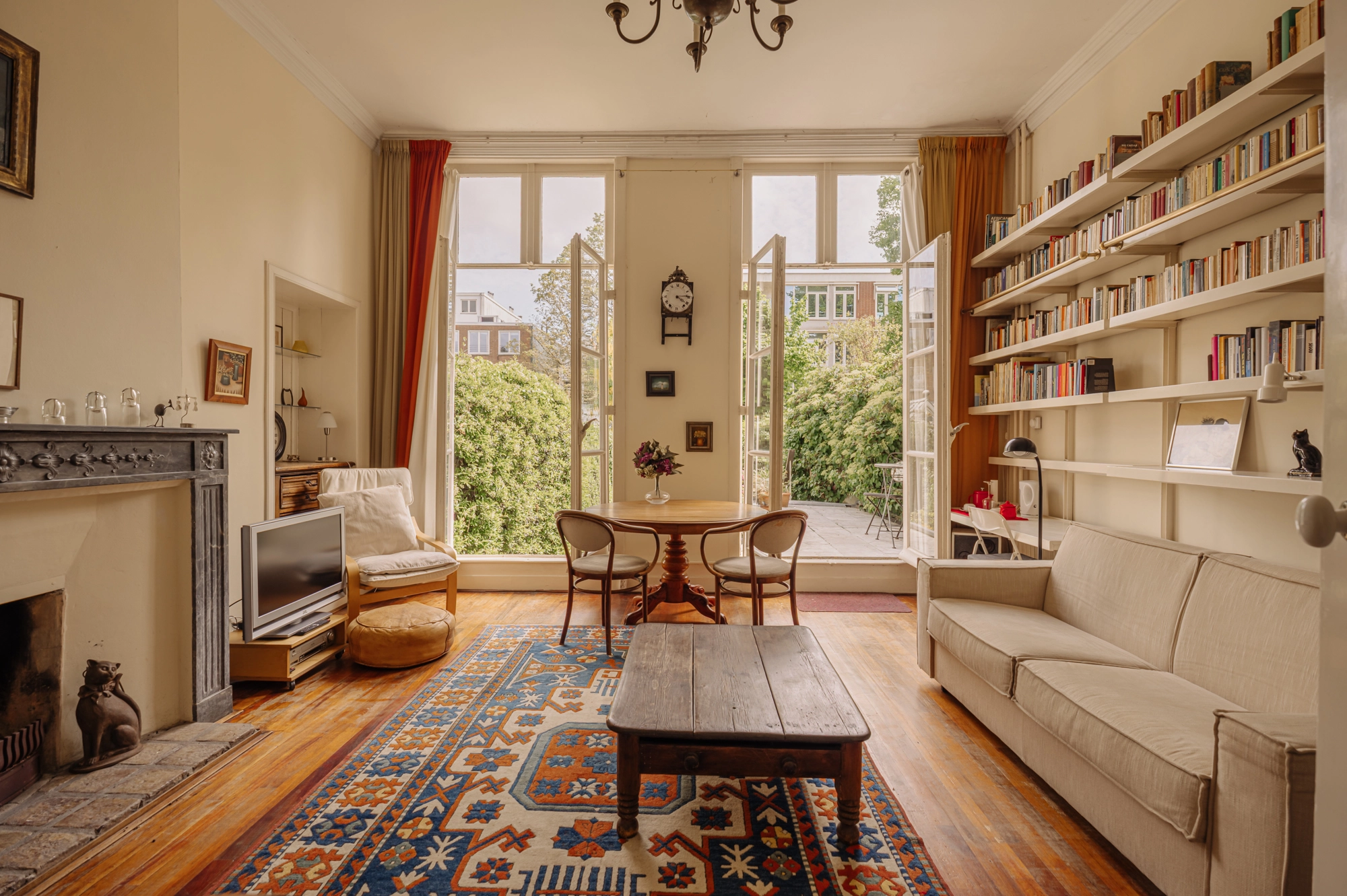
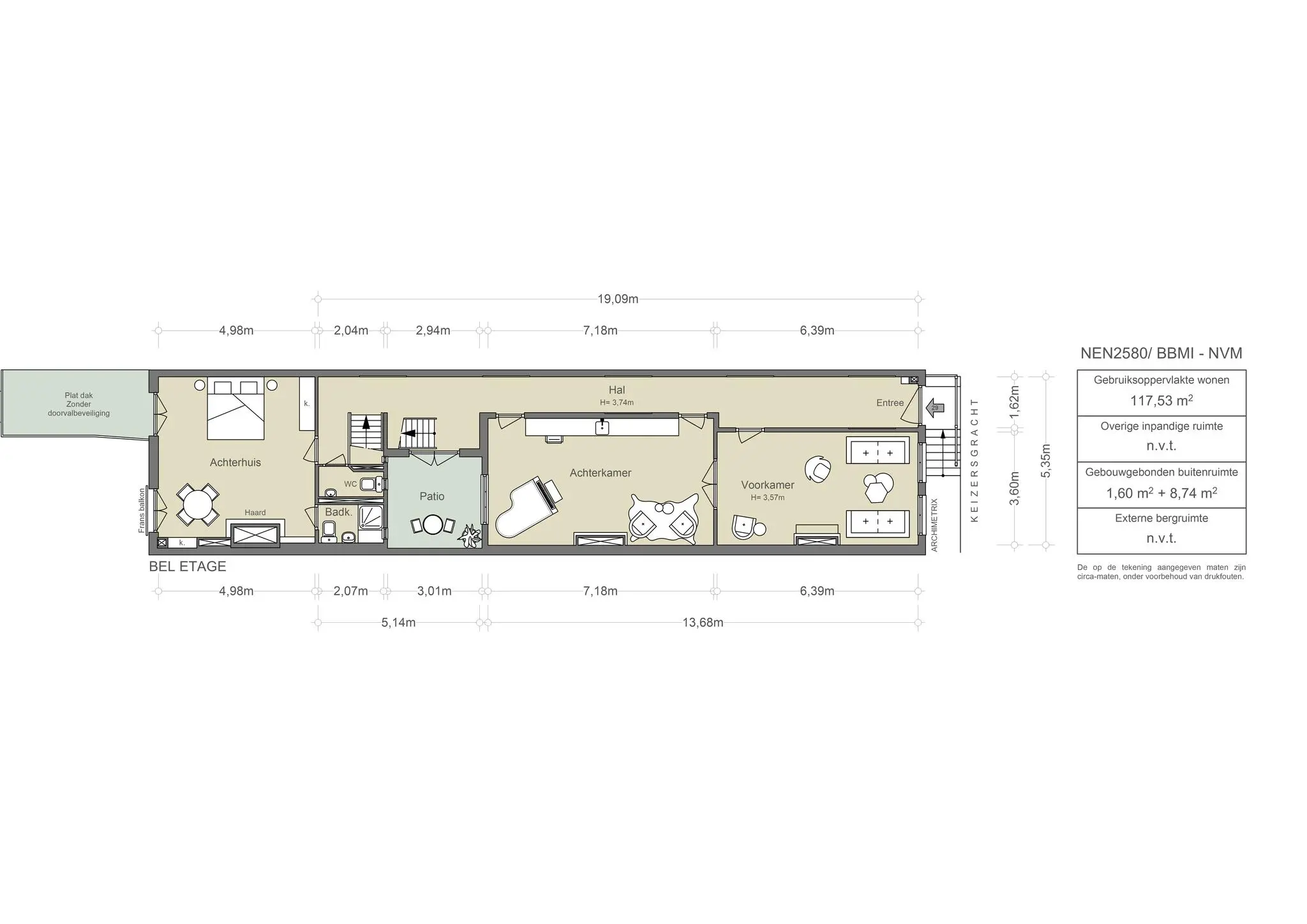
De bel-etage bestaat in het voorhuis uit twee royale stijlkamers en suite met uitzicht over de Keizersgracht. De kamers hebben bijna 3,60 meter hoge plafonds, rijk gedecoreerde stucplafonds, een haard en originele grisailles van Adriaan de Lelie. De achterkamer beschikt over een extra keukenblok. In het achterhuis bevindt zich een zelfstandige woonruimte met eigen badkamer en privéterras met directe toegang tot de tuin. Deze ruimte is geschikt als gastenverblijf, au pair-ruimte of zelfstandige werkstudio.
Eerste etage
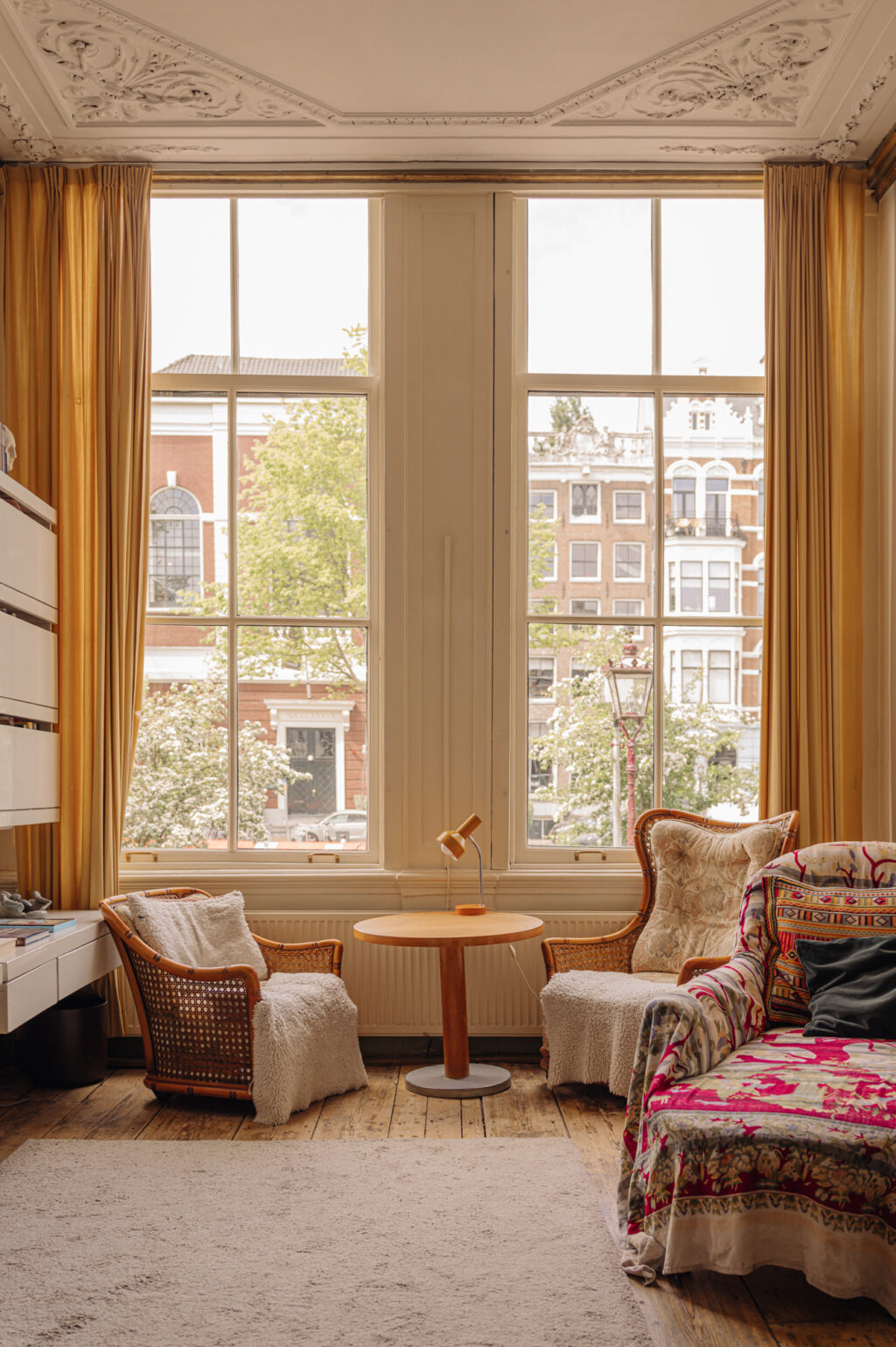
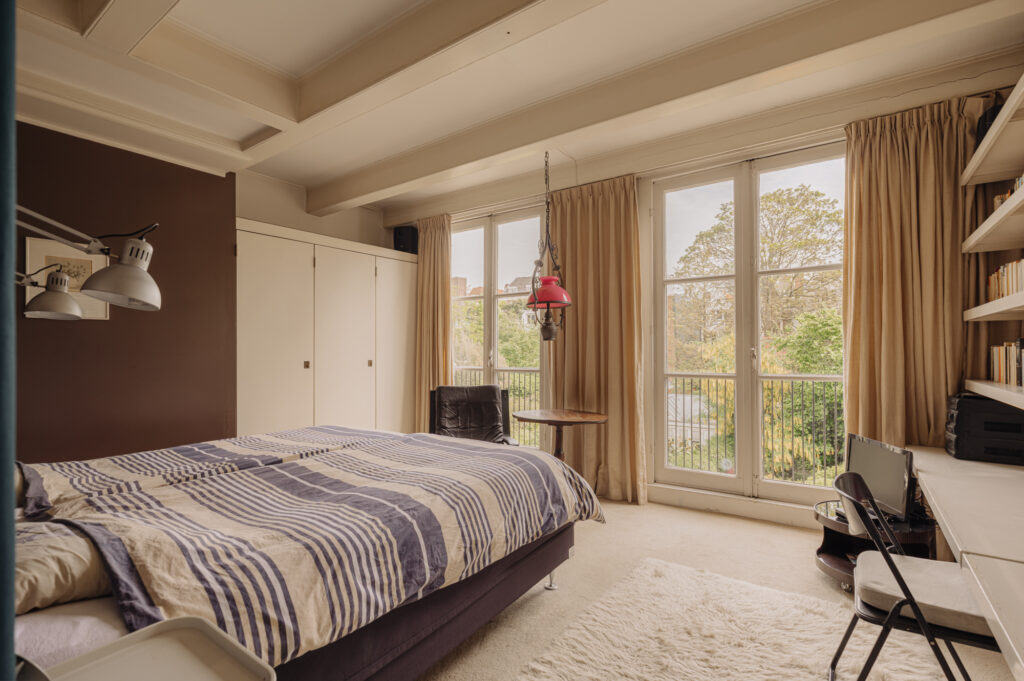
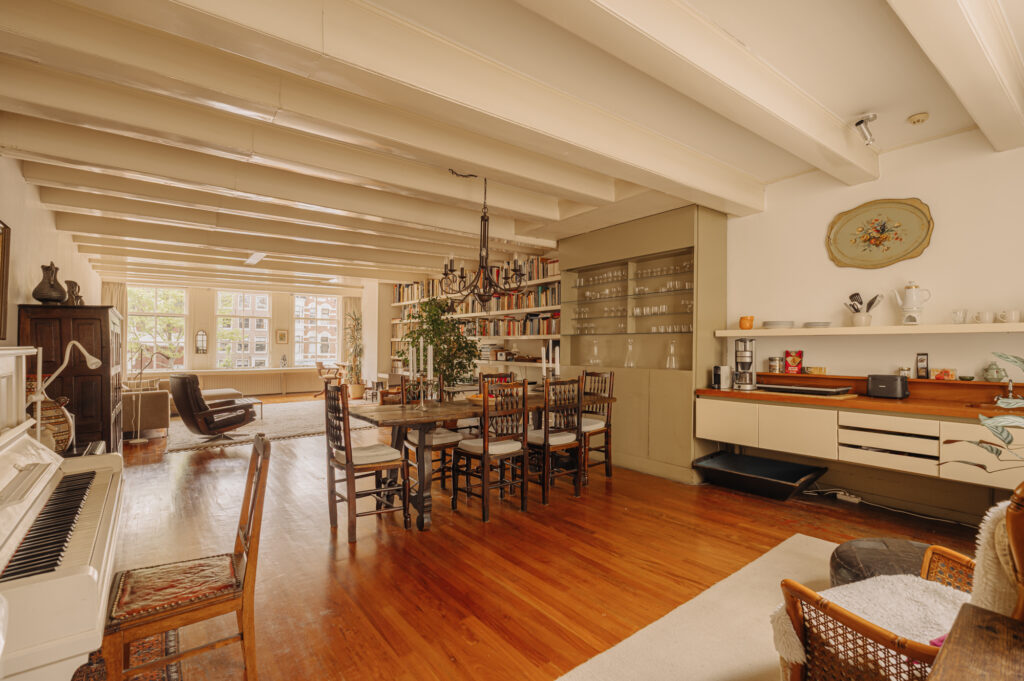
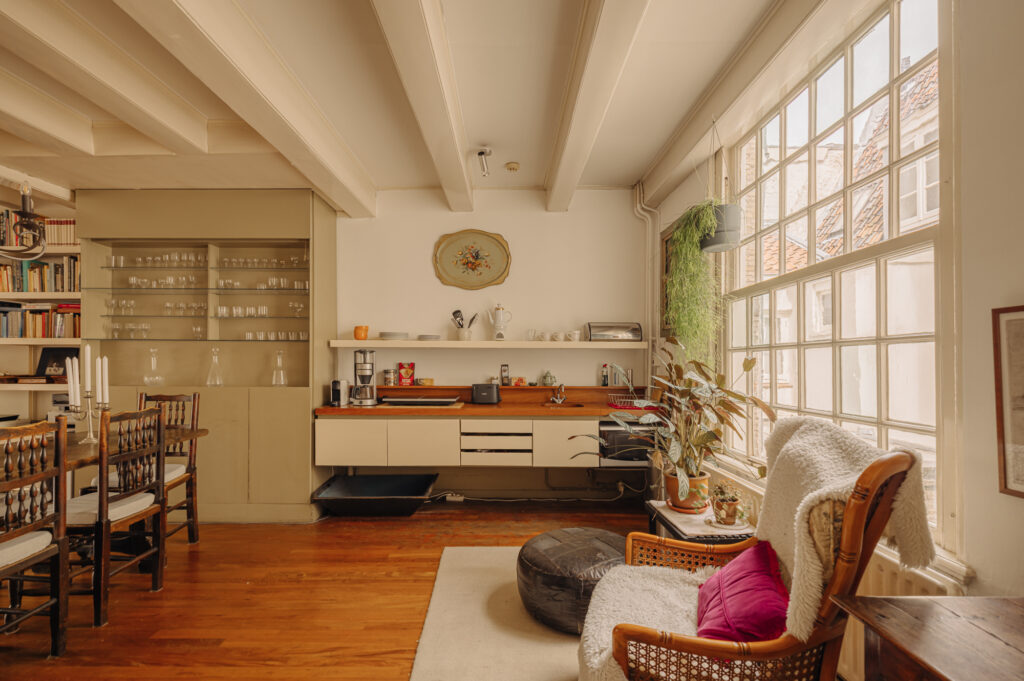
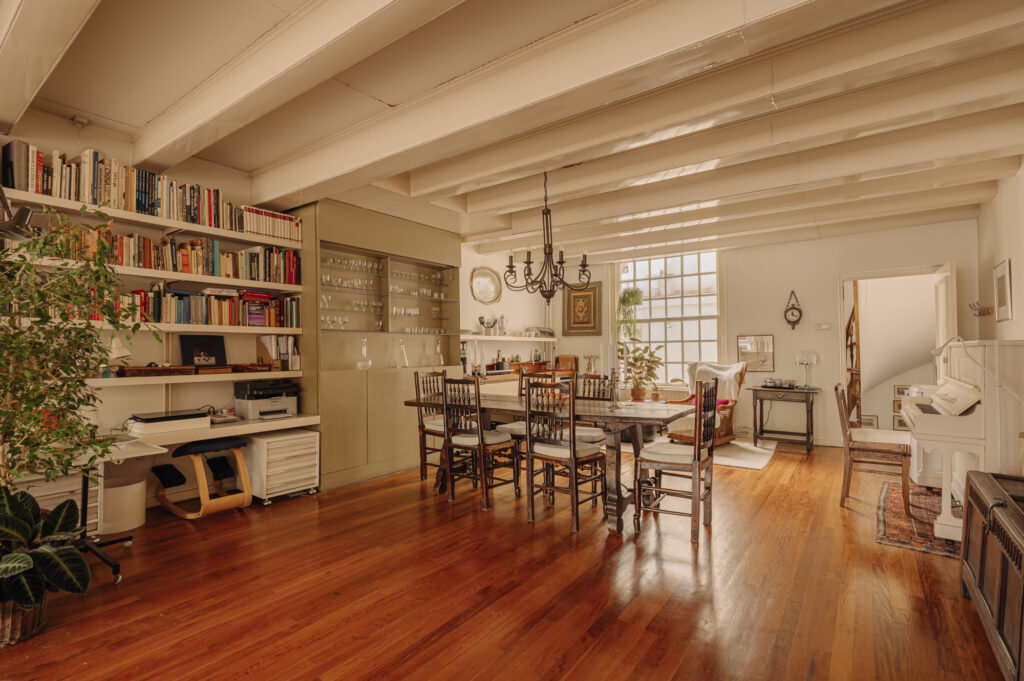
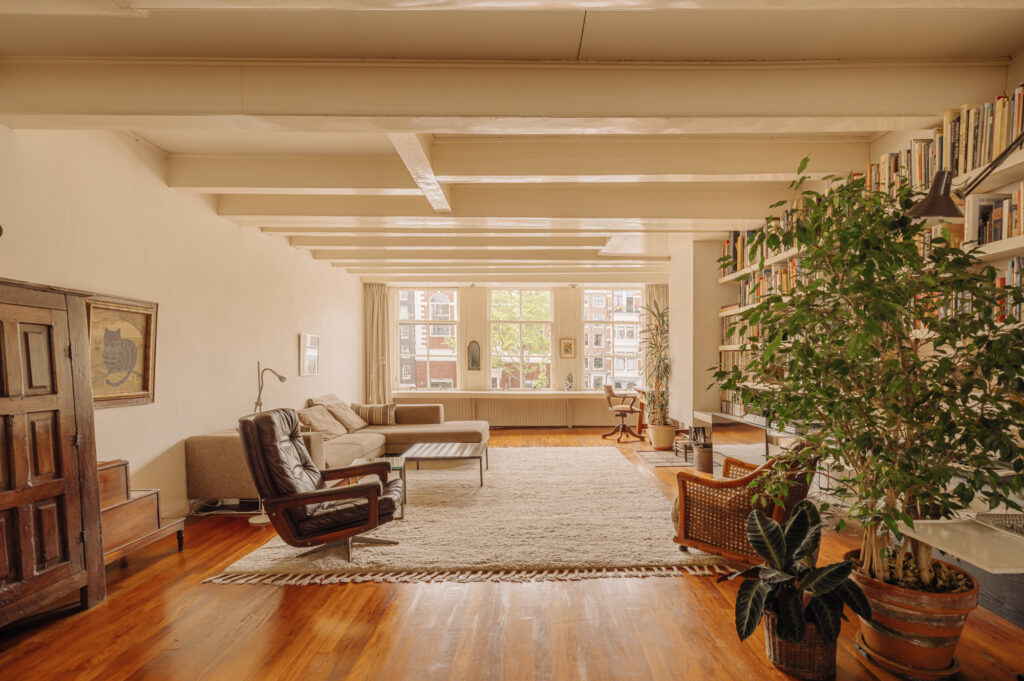
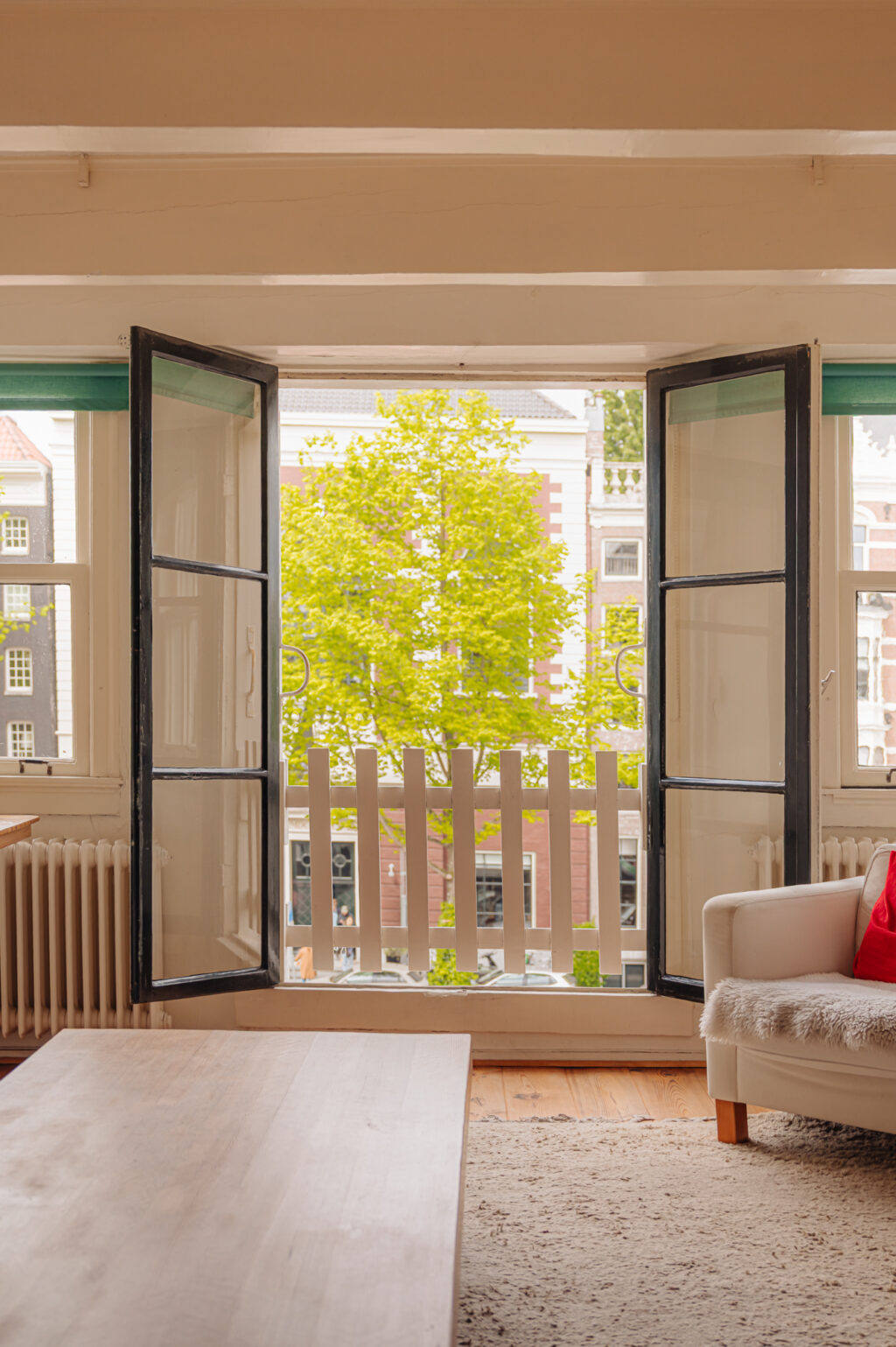
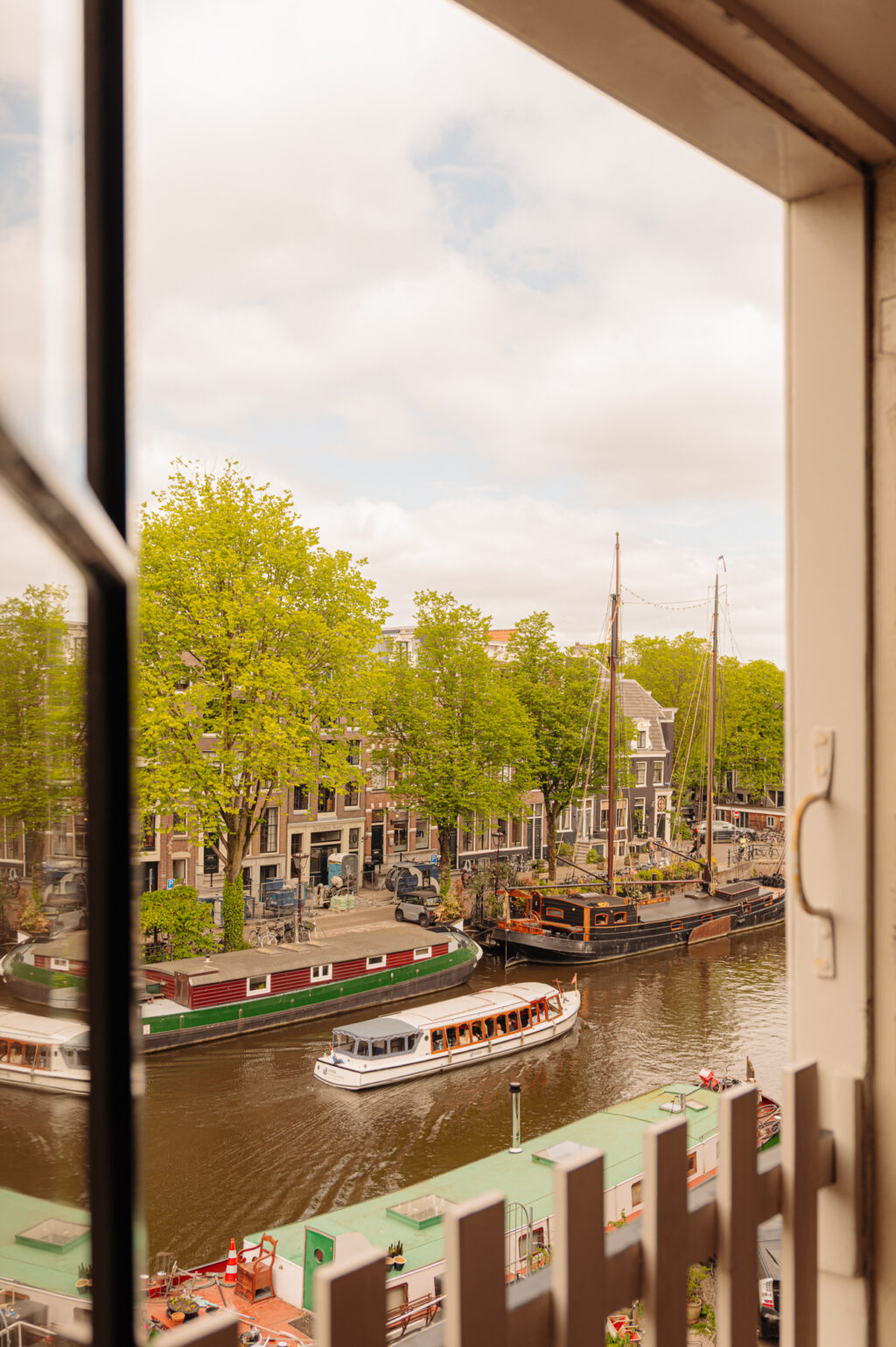
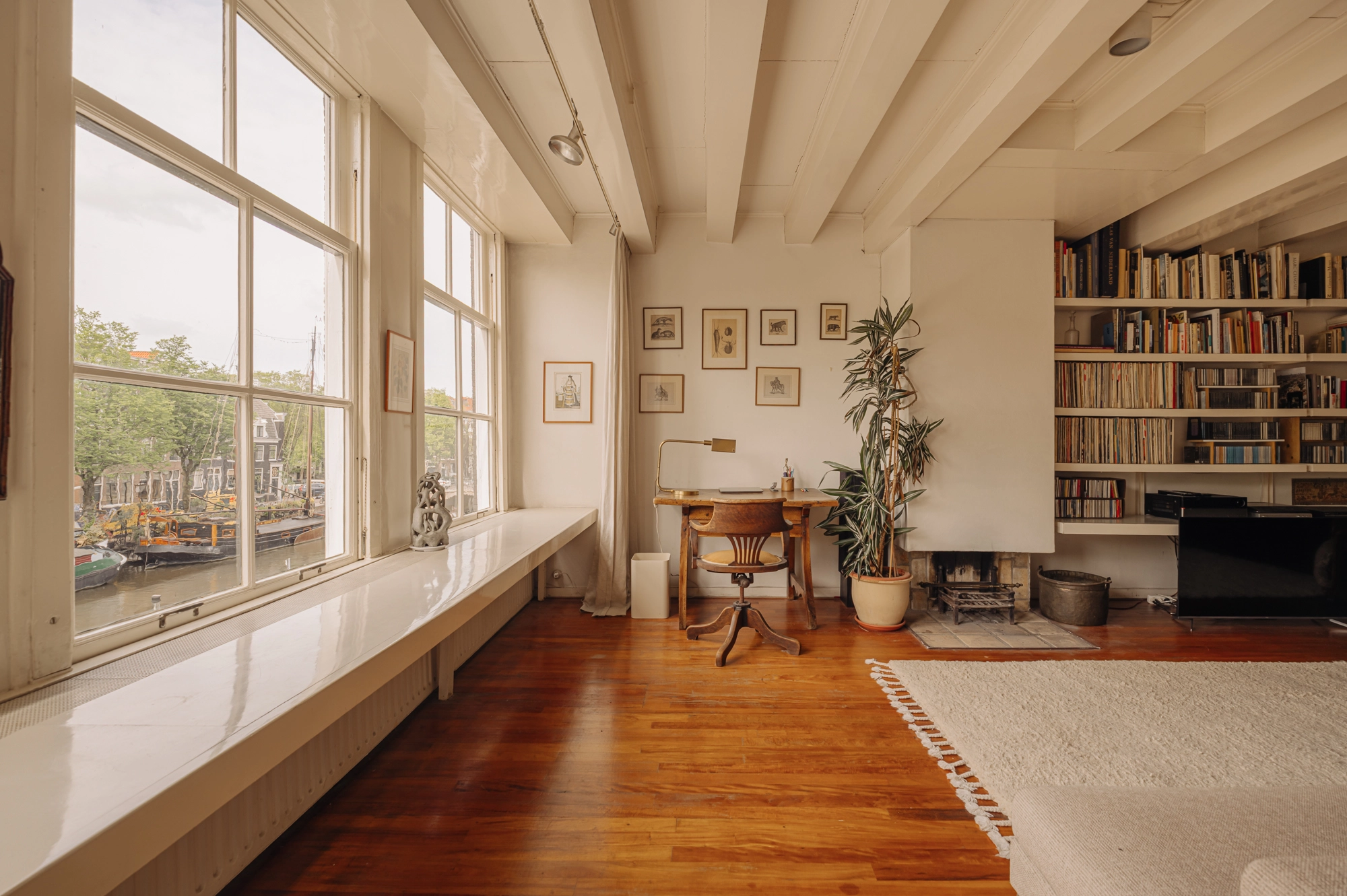
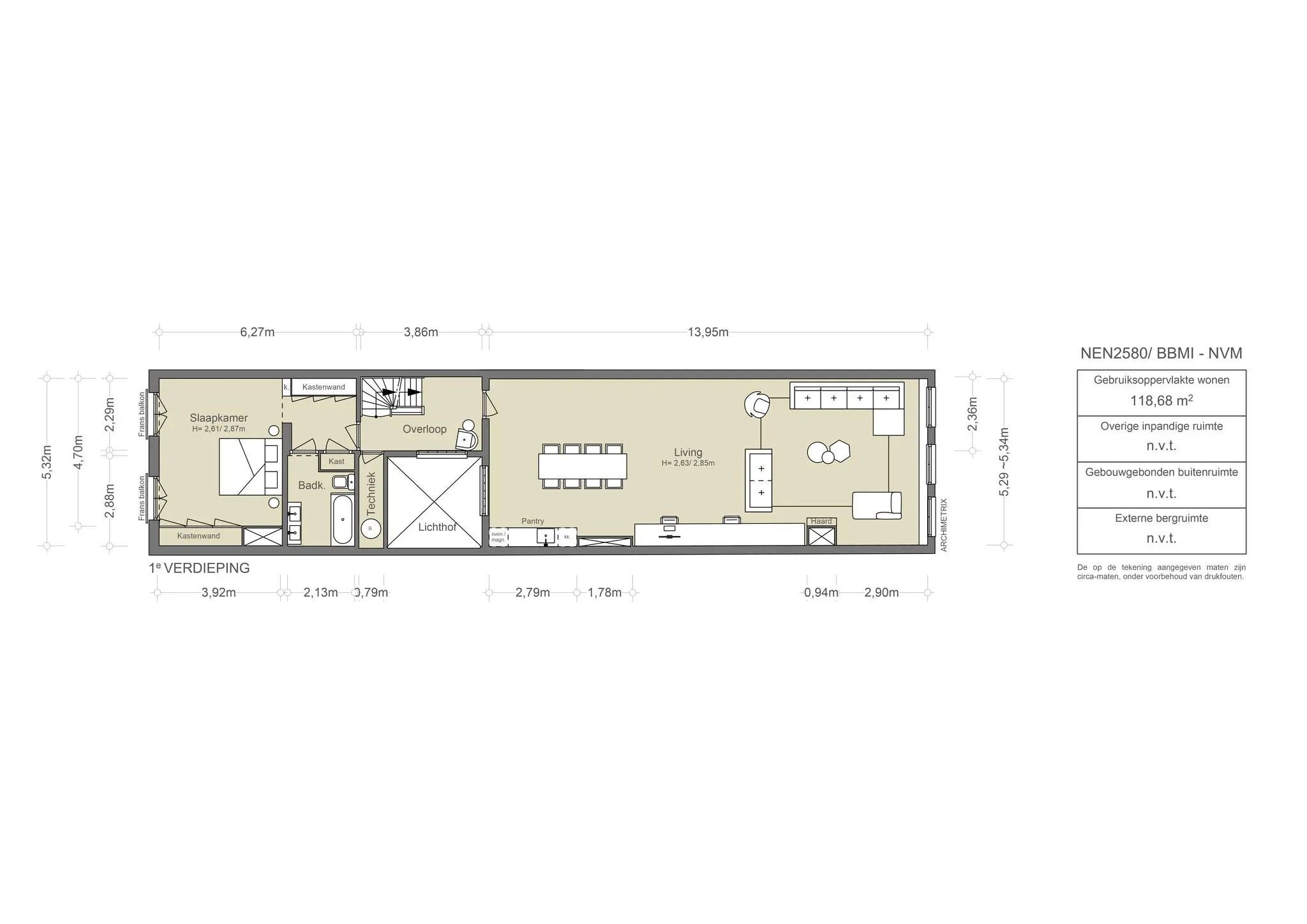
Op de eerste etage ligt een zeer ruime woonkamer met pantry aan de voorzijde, met uitzicht op de gracht over de volle breedte van het huis. Aan de achterzijde bevindt zich een slaapkamer met plafondhoge ramen met uitzicht op de tuin en een eigen badkamer. Deze verdieping is volledig zelfstandig te bewonen, indien gewenst.
Tweede en derde etage
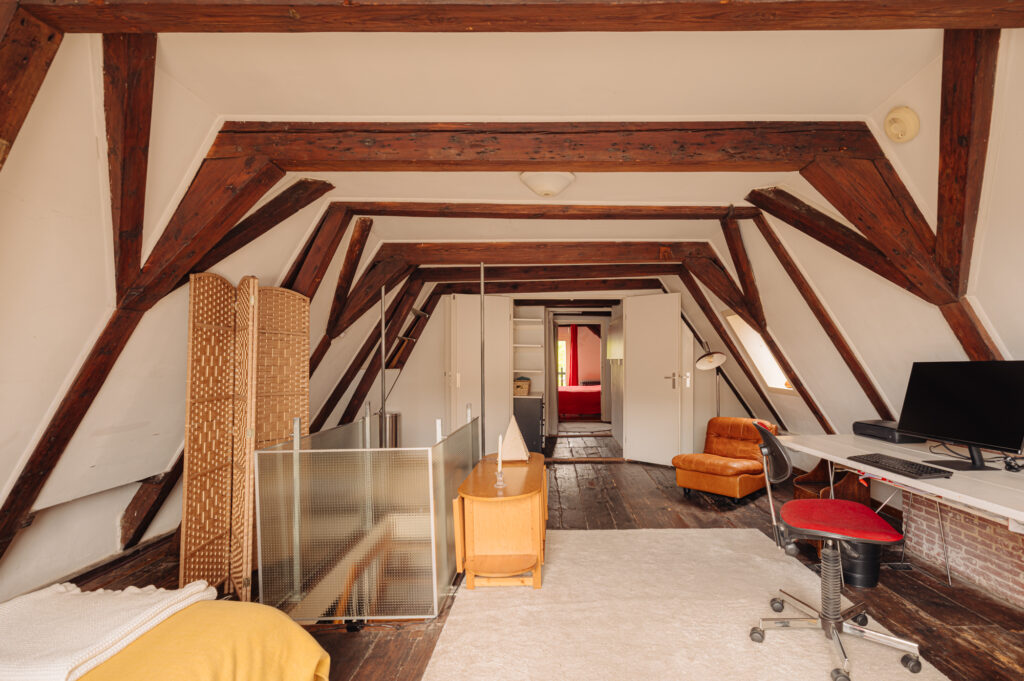
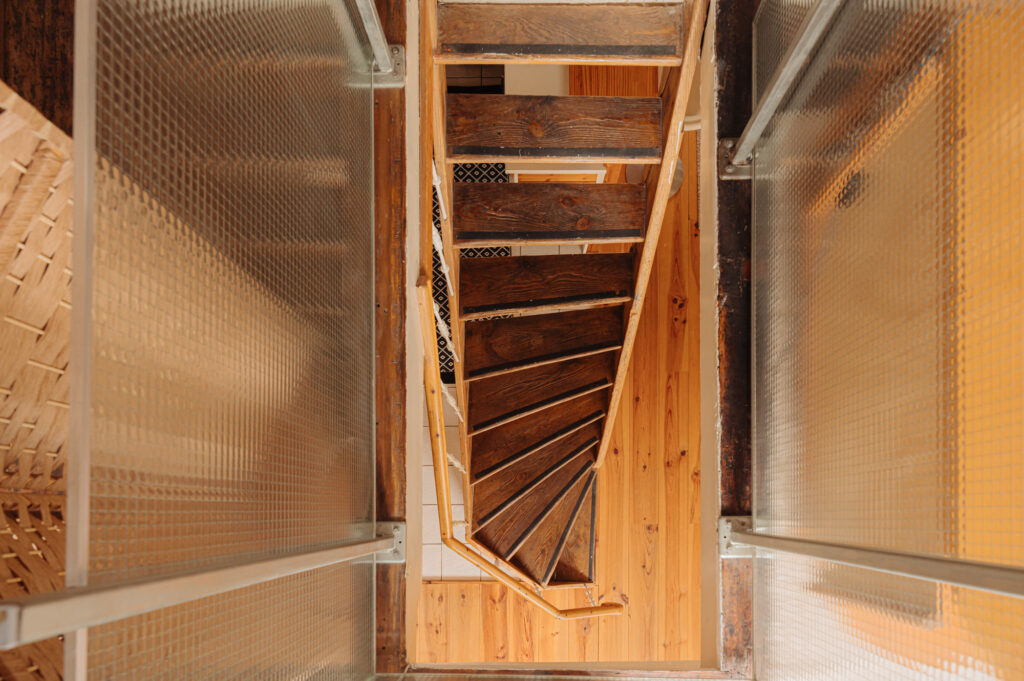
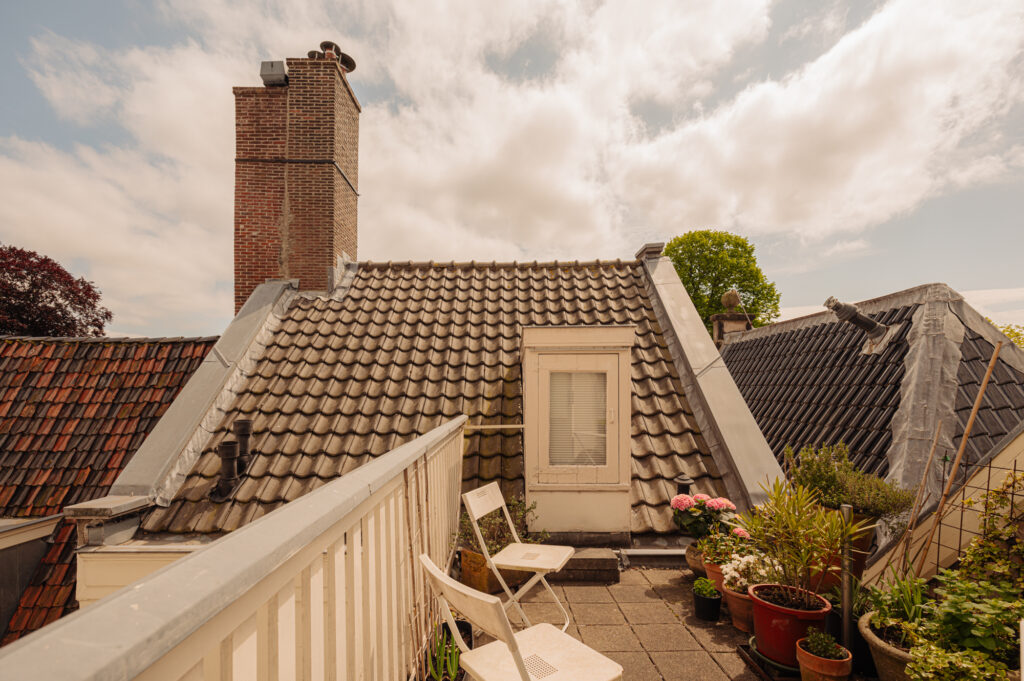
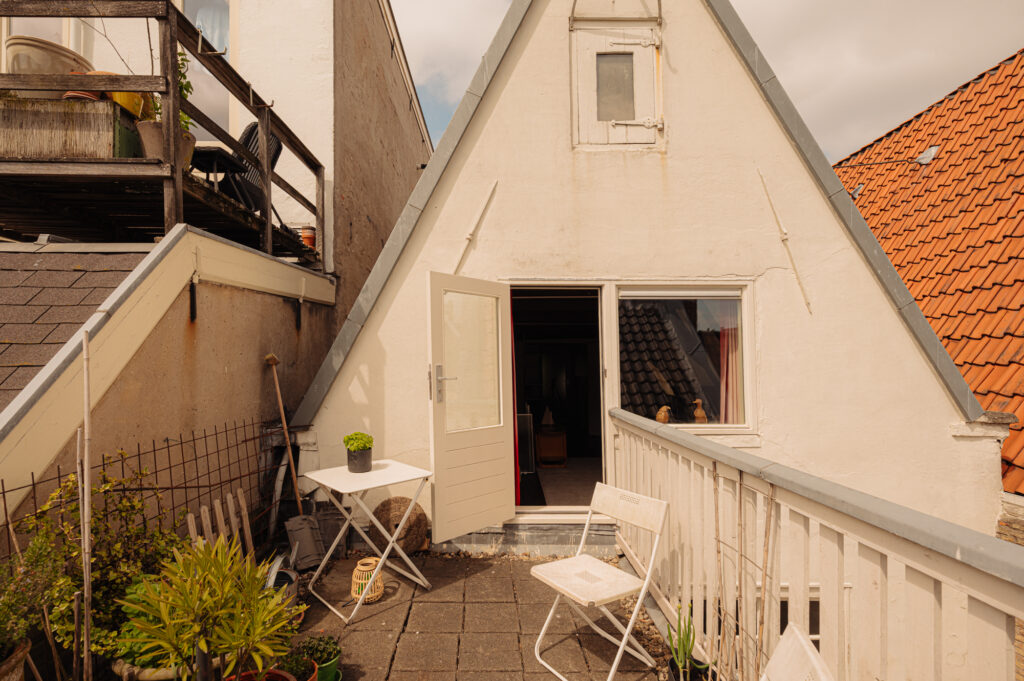
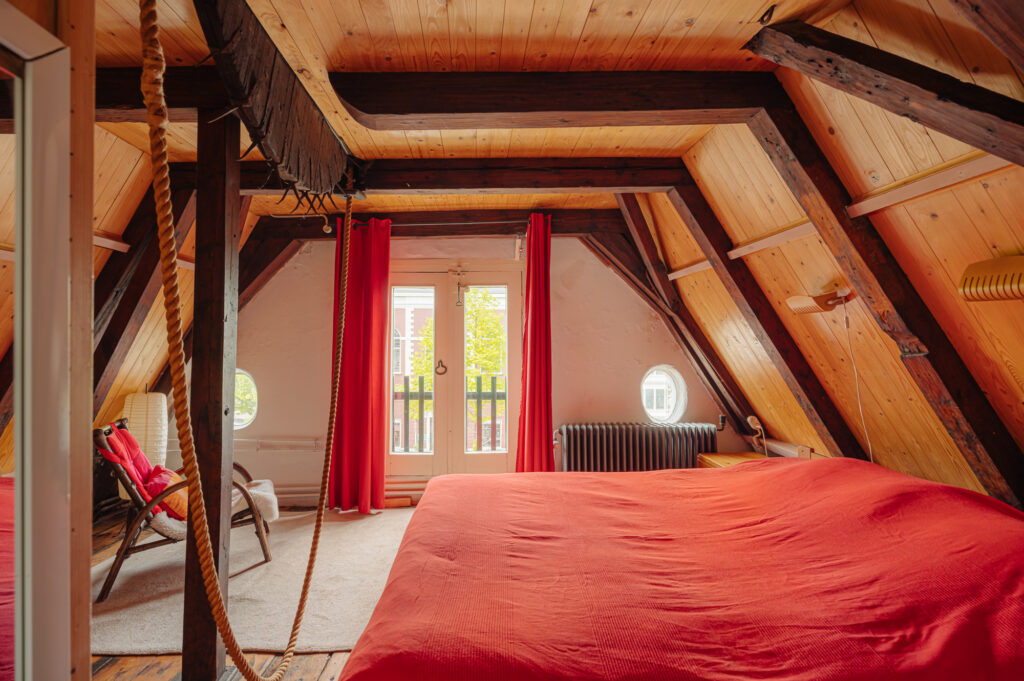
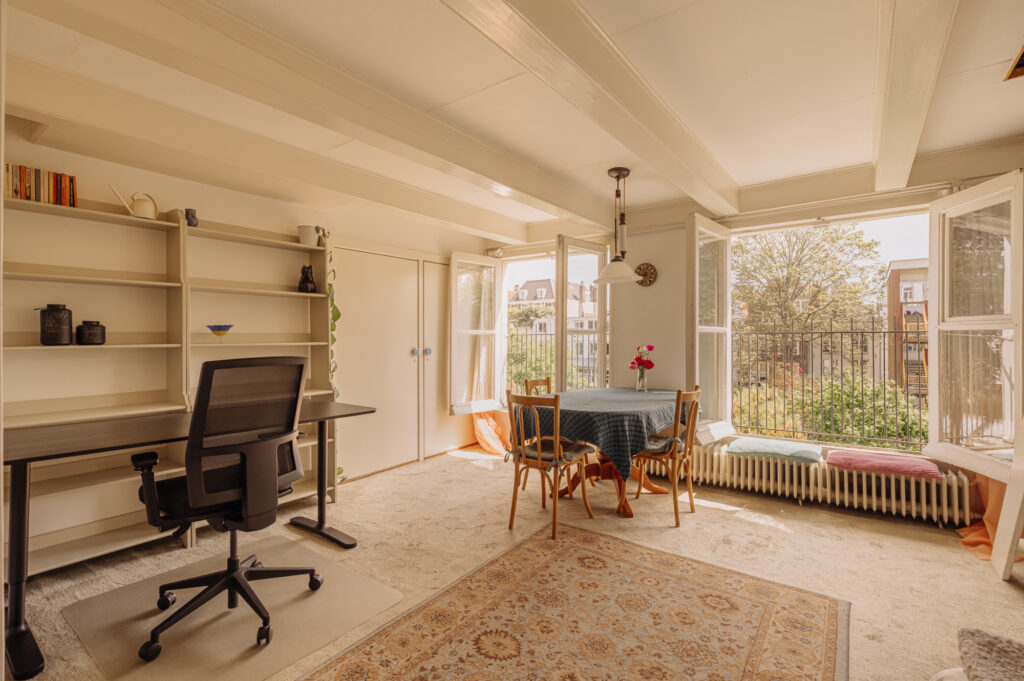
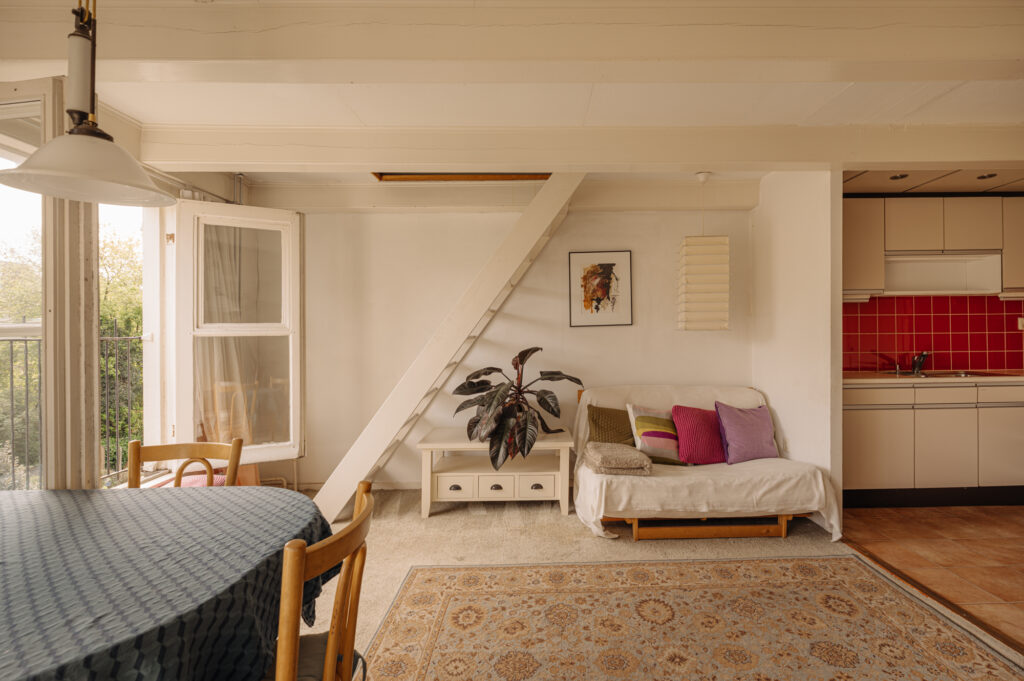
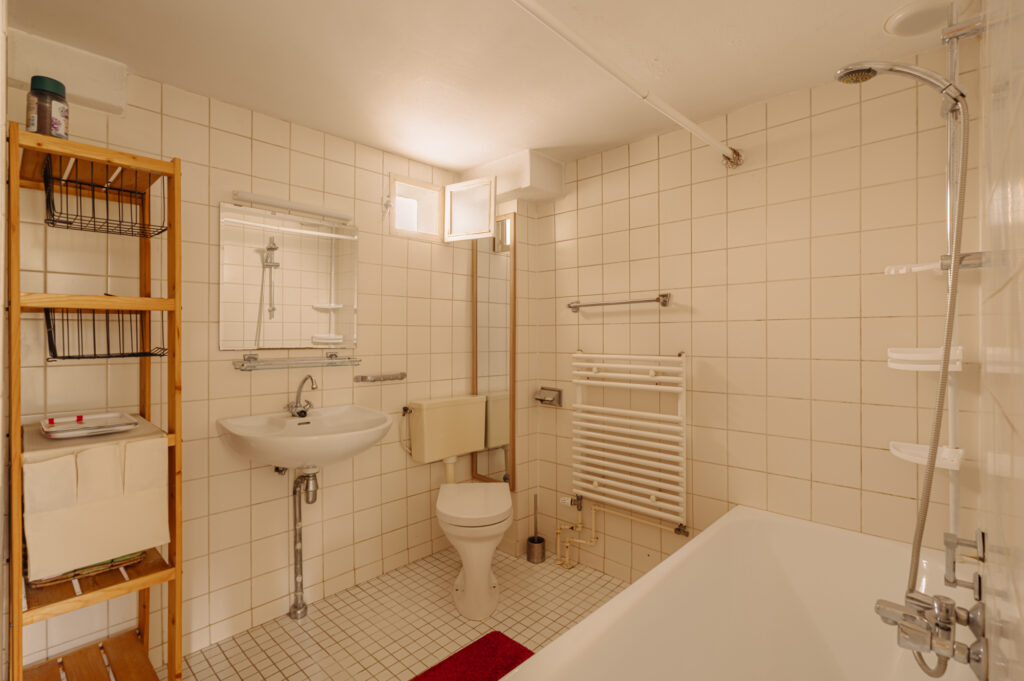
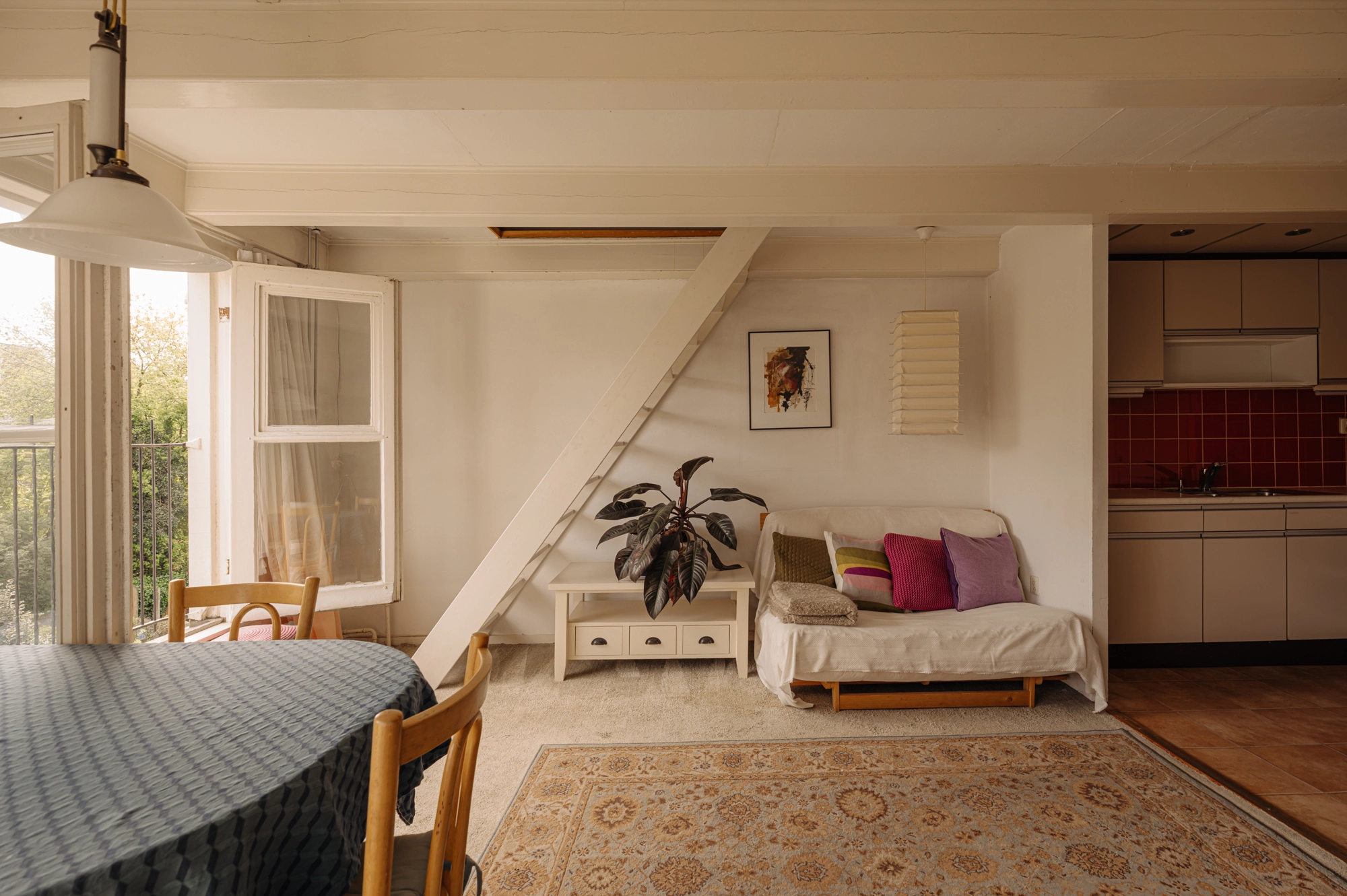
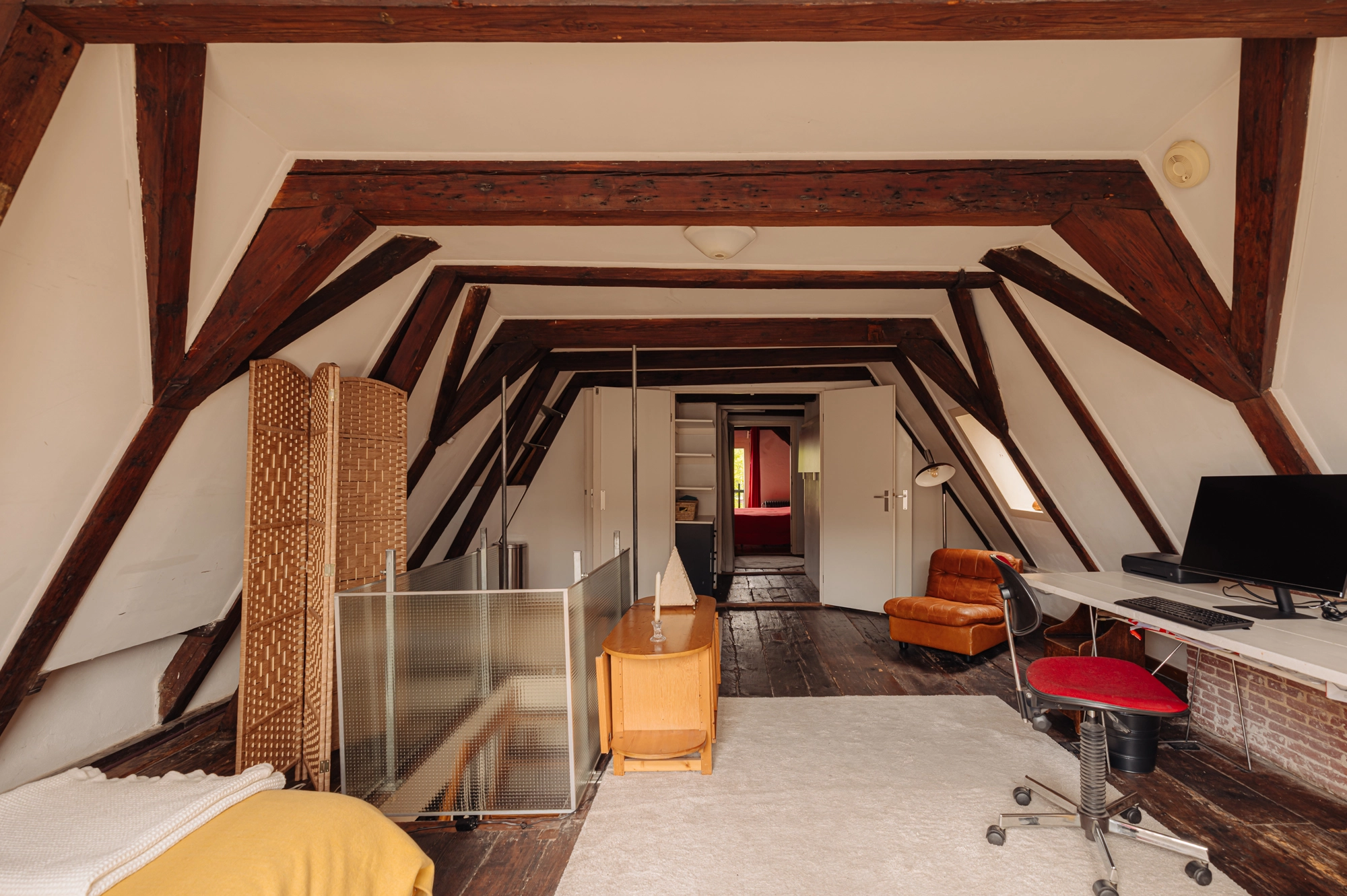
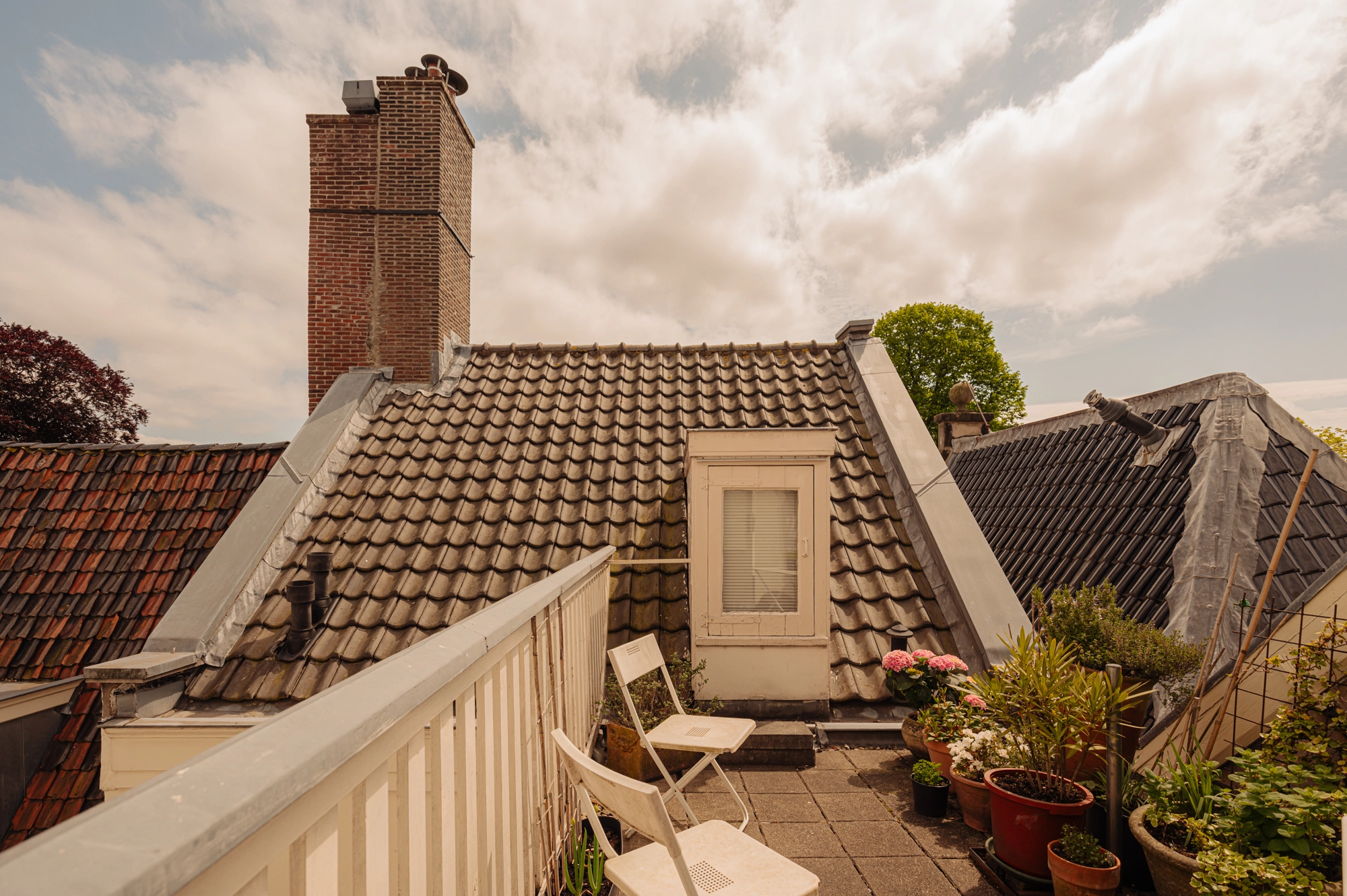
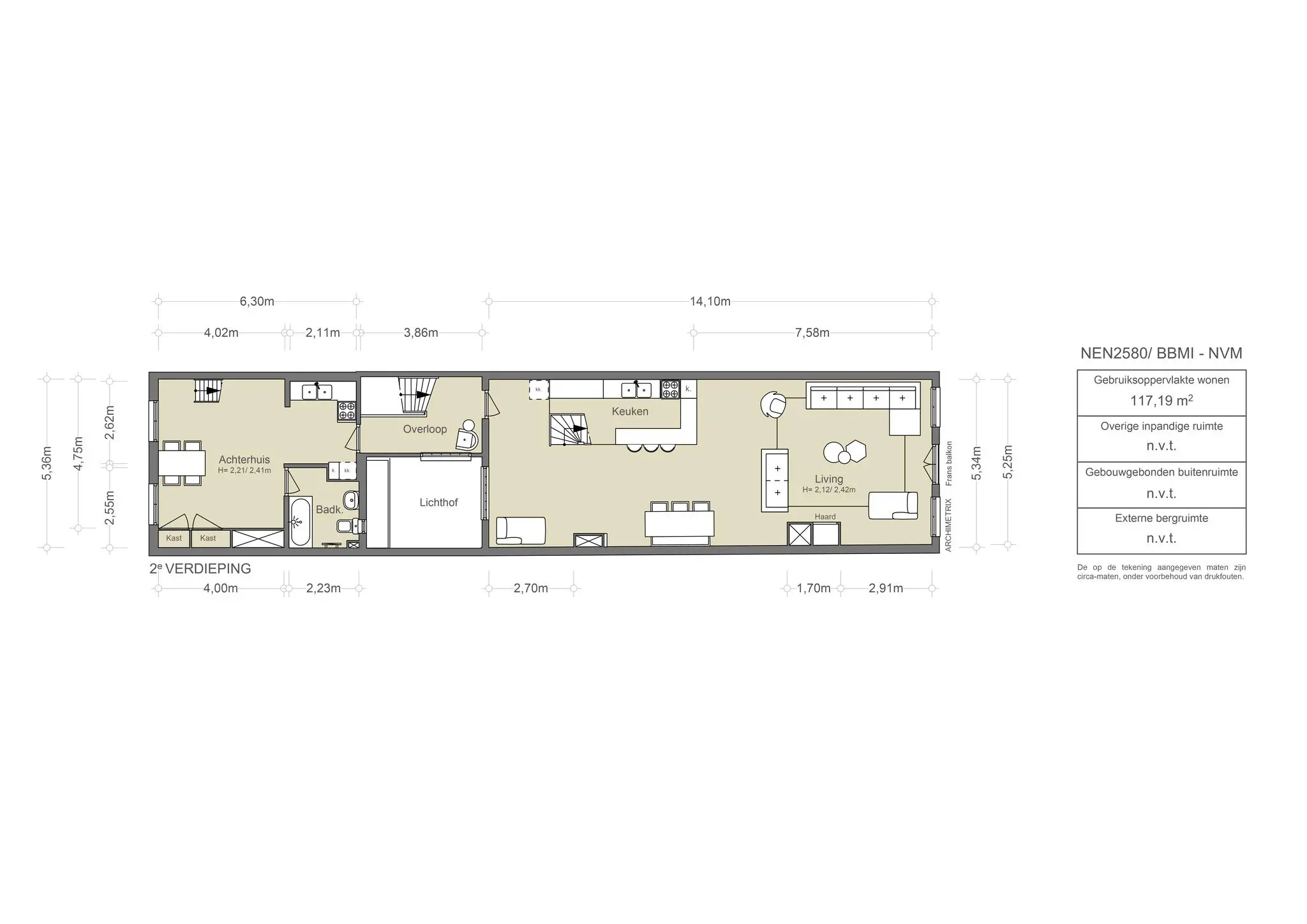
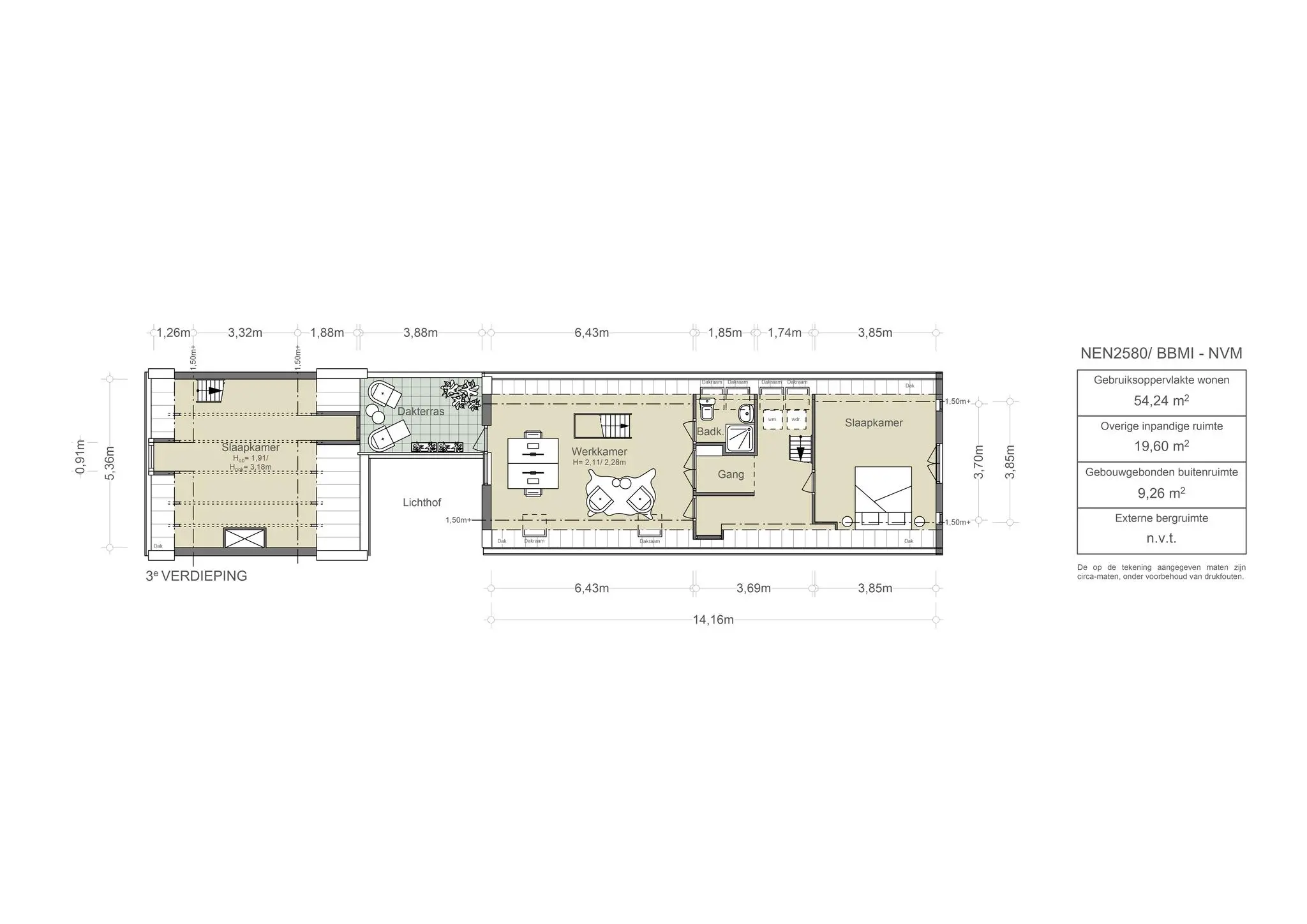
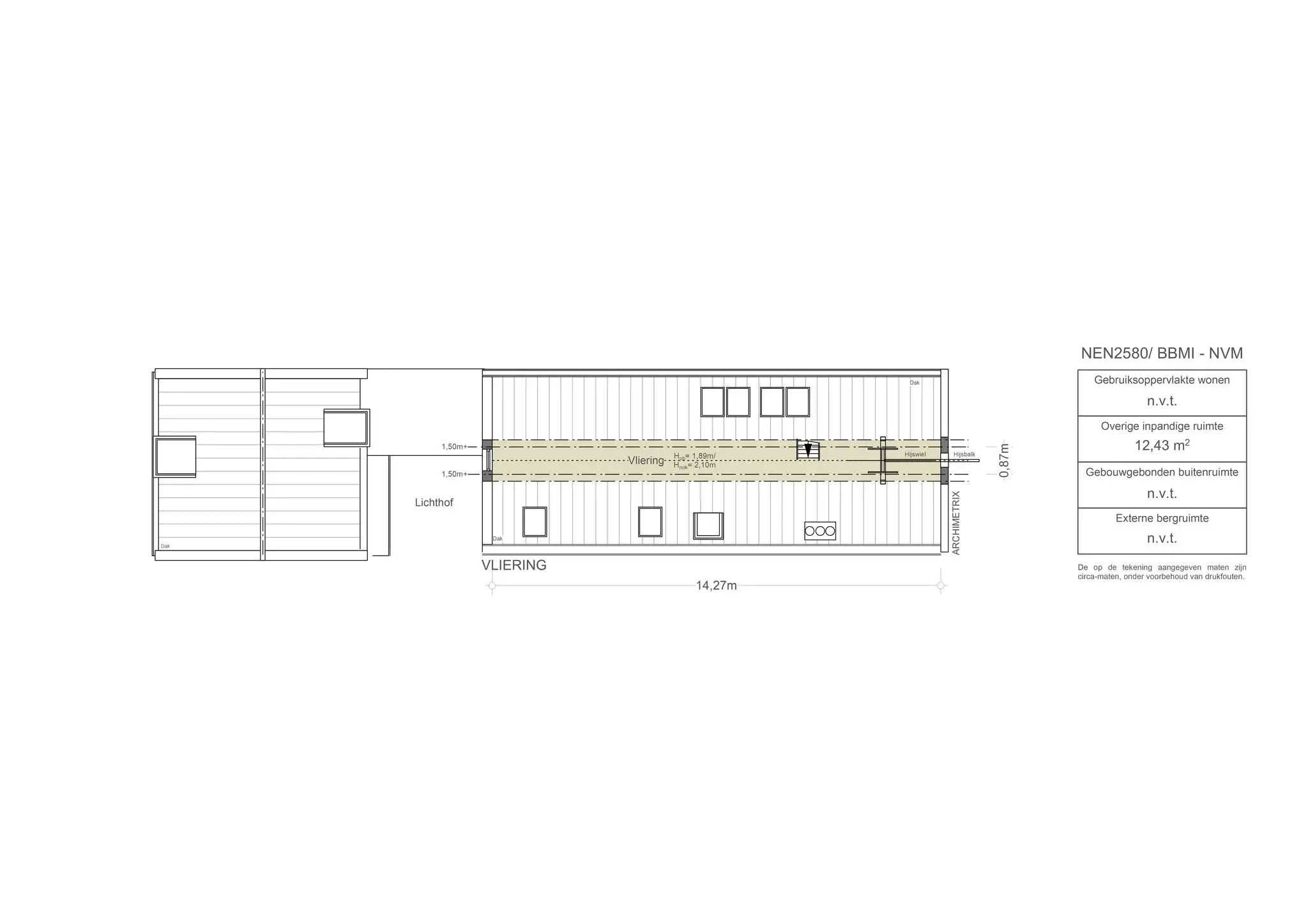
De tweede en derde verdiepingen herbergen twee zelfstandige appartementen: één in het voorhuis van circa 125 m² en één in het achterhuis van circa 50 m², gescheiden door een dakterras. Beide appartementen beschikken over een eigen keuken en badkamer. Op de derde verdieping bevindt zich aan de voorzijde het originele, nog werkende 17e-eeuwse takelrad. Via een interne trap is er toegang tot een bergvliering met een nokhoogte van 2,10 meter, momenteel in gebruik als opslagruimte.
Buitenruimte
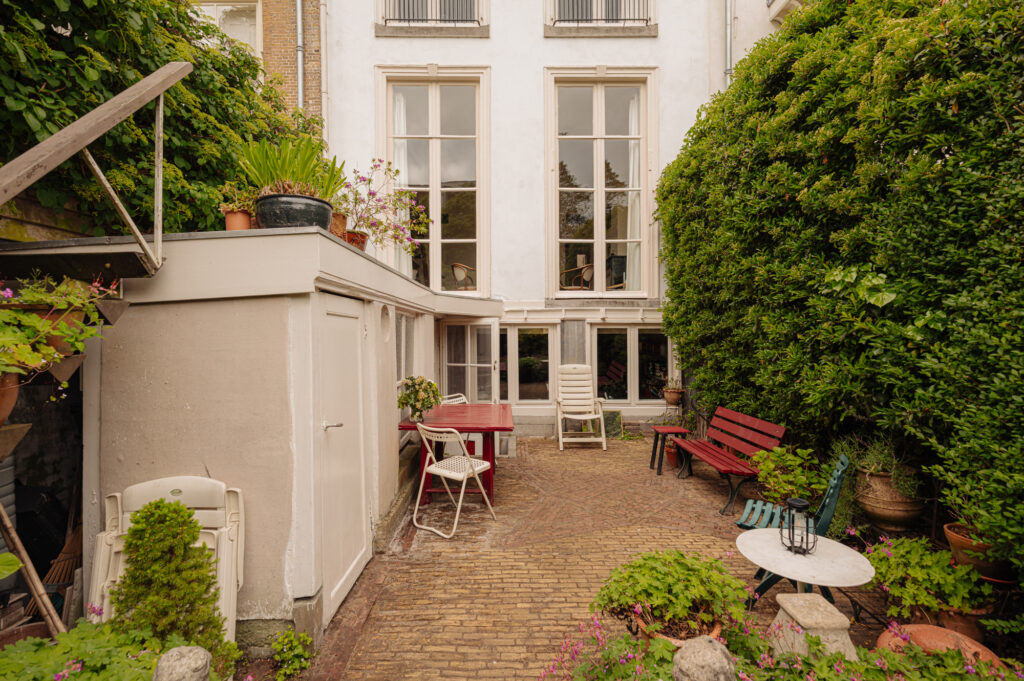
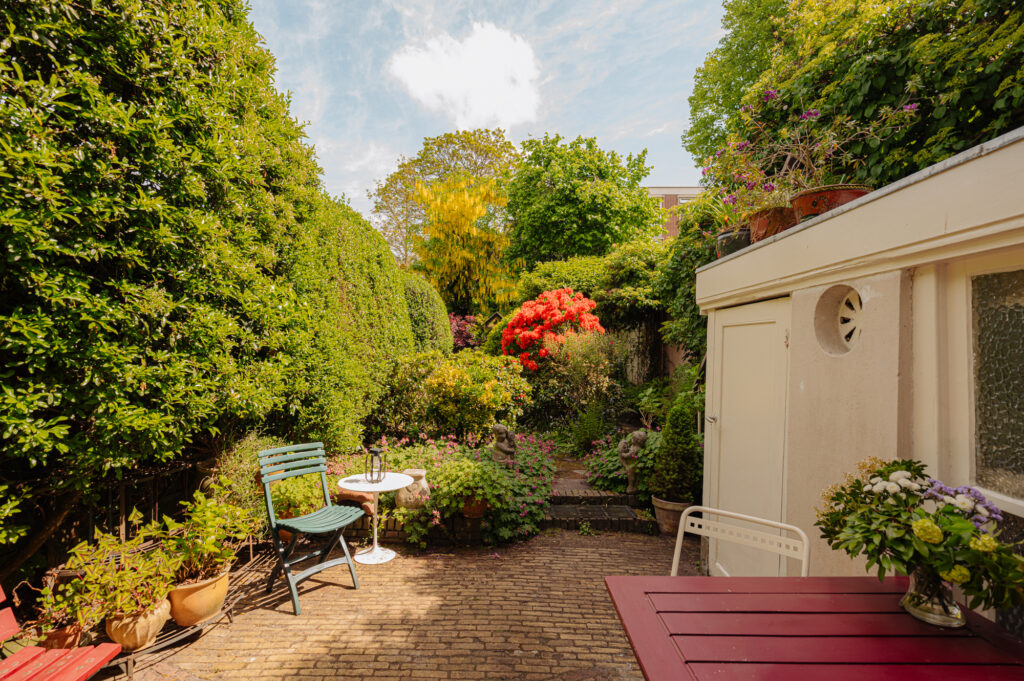
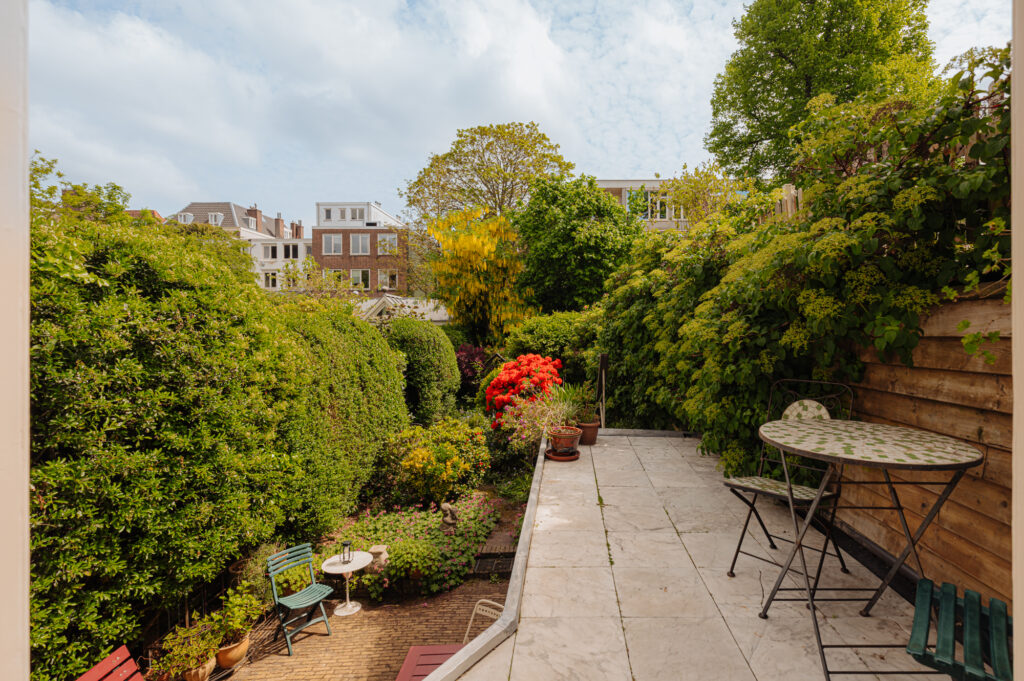
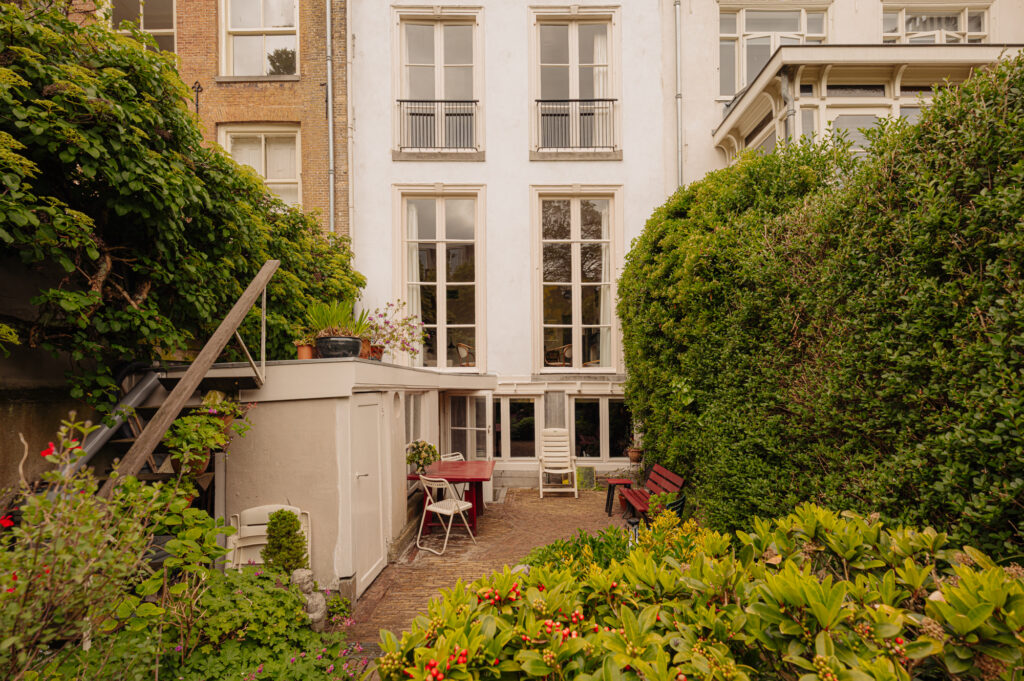
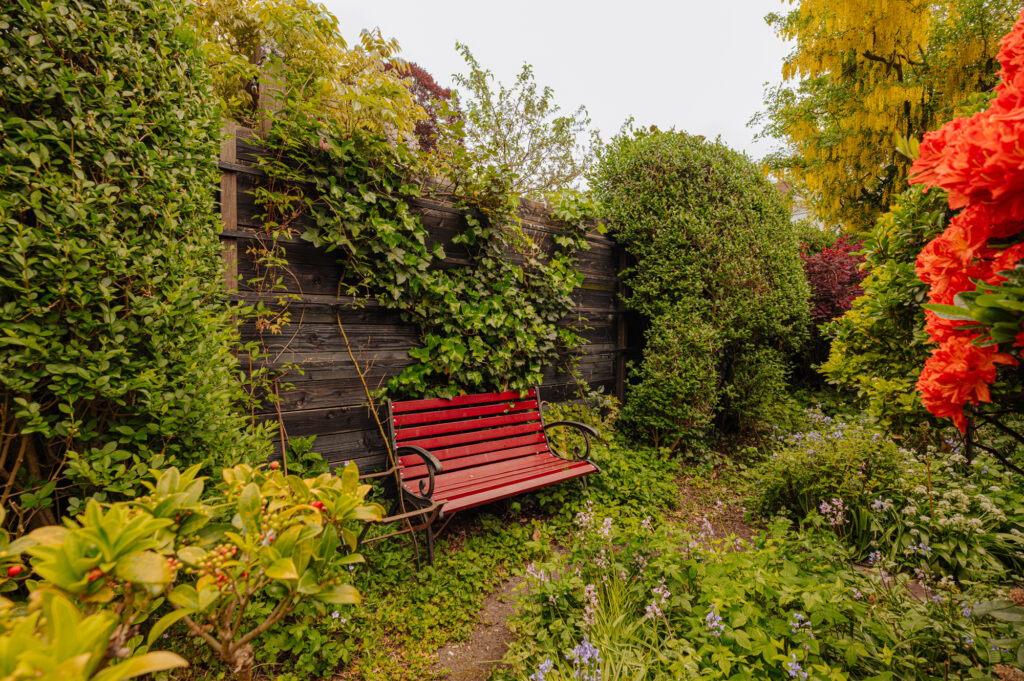
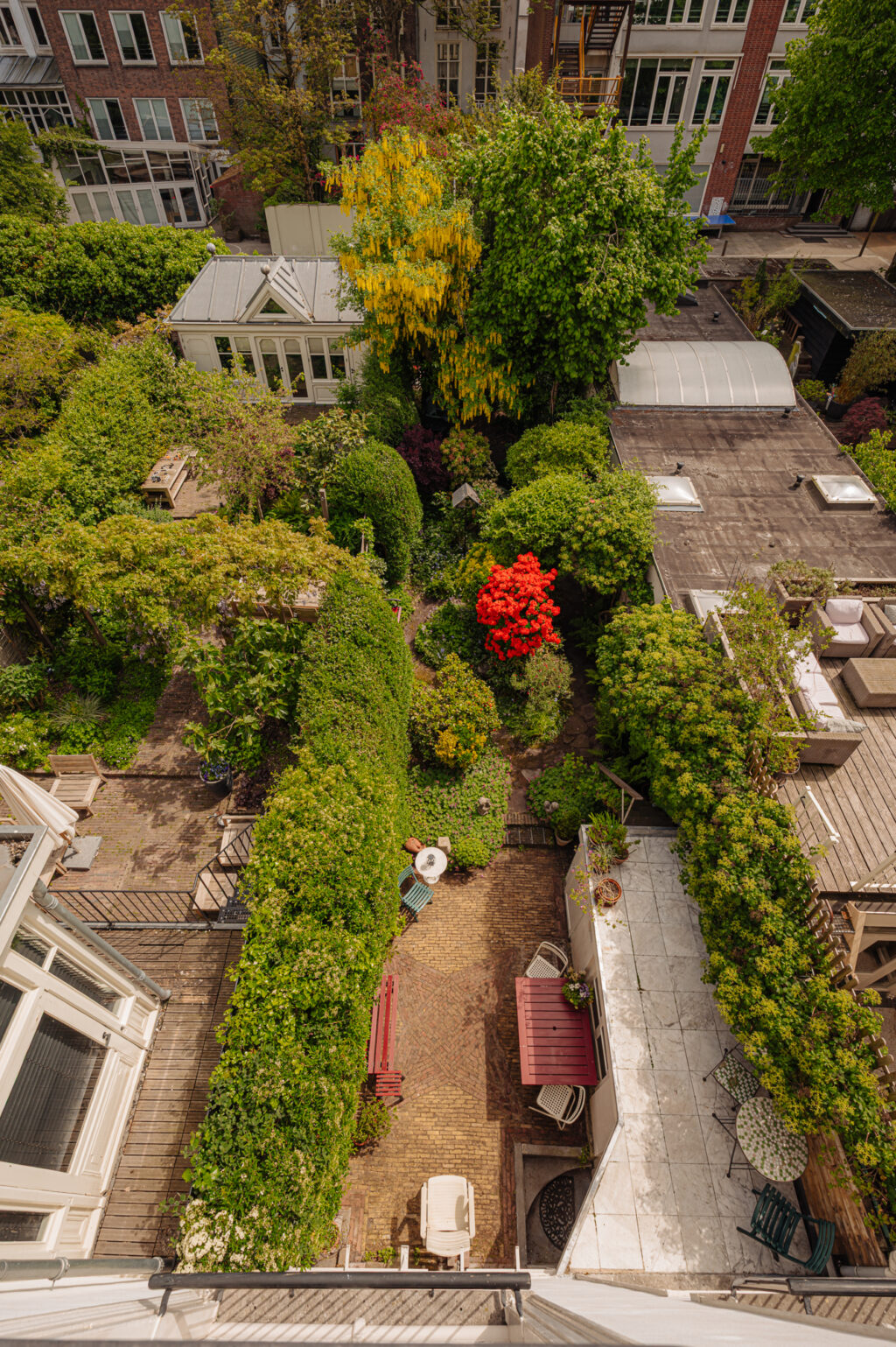
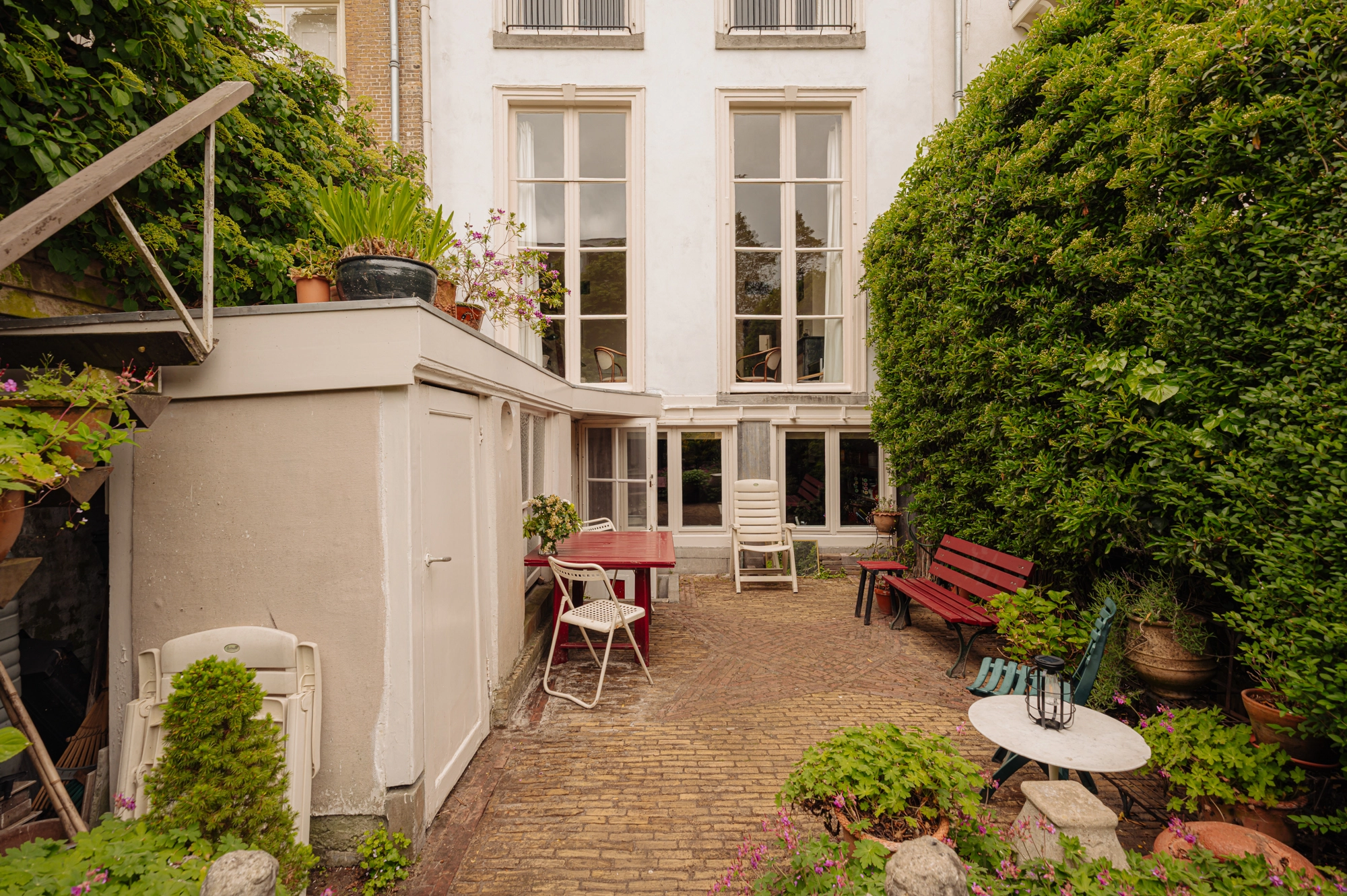
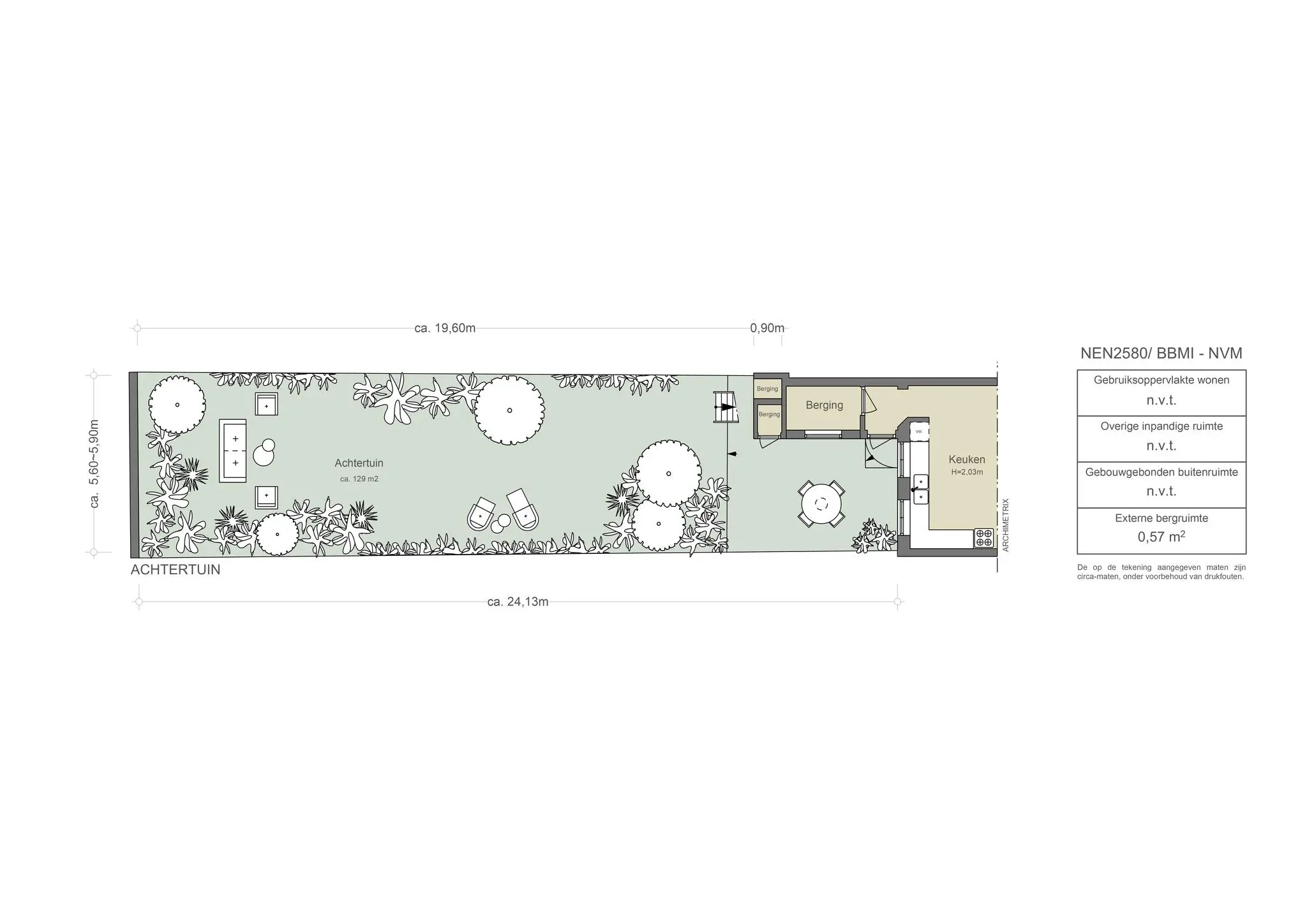
De tuin, opgenomen in het tuingrachtenboek van de Keizersgracht, is bijzonder diep. Diverse zitjes maken het mogelijk om de hele dag door van de zon te genieten. Een beplantingsplattegrond en bloeikalender zijn beschikbaar.
Buurtgids
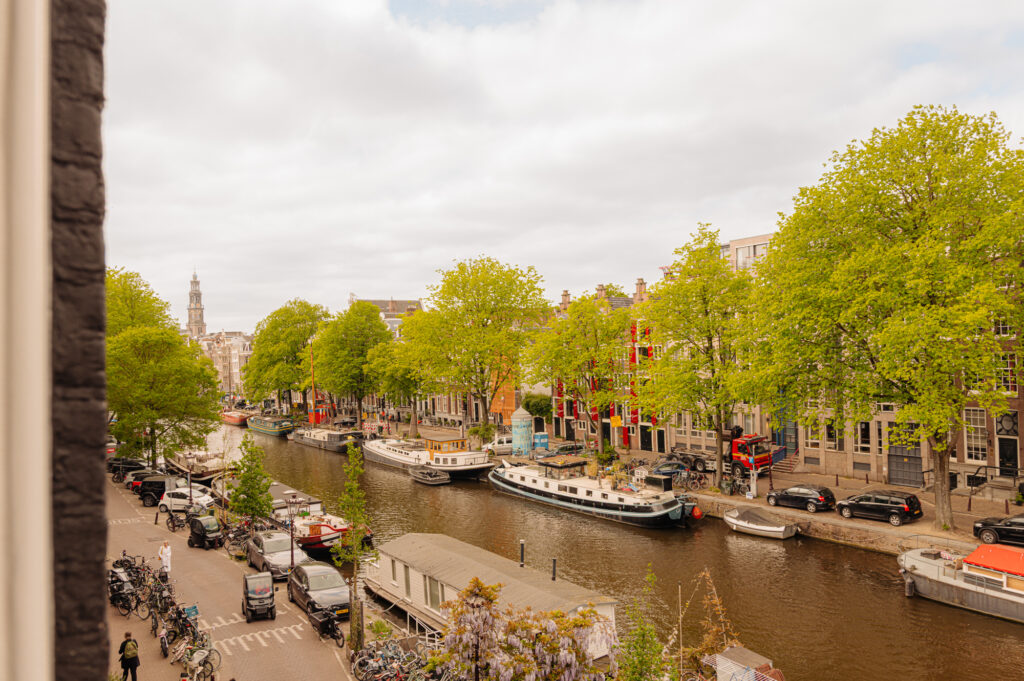
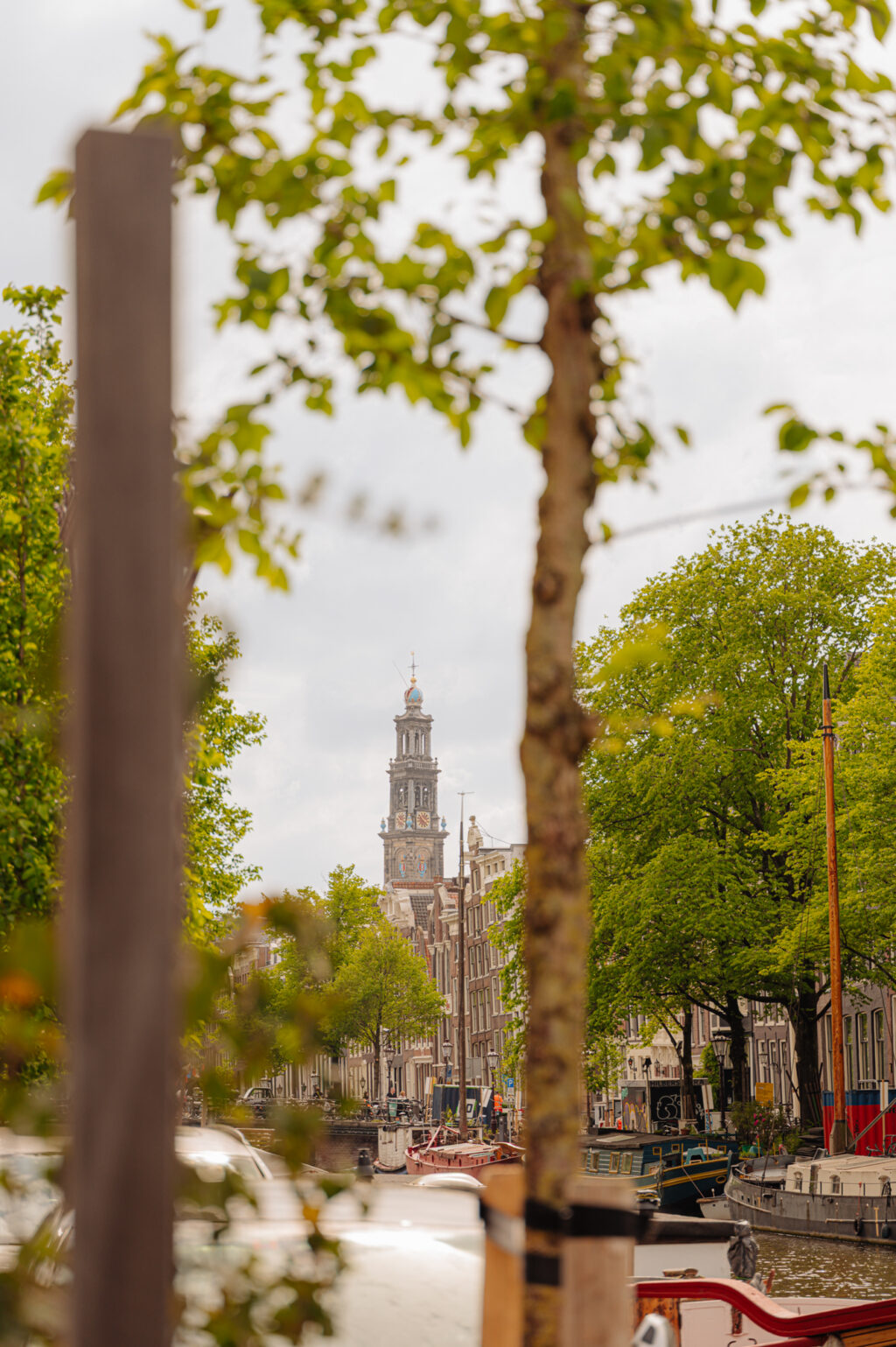
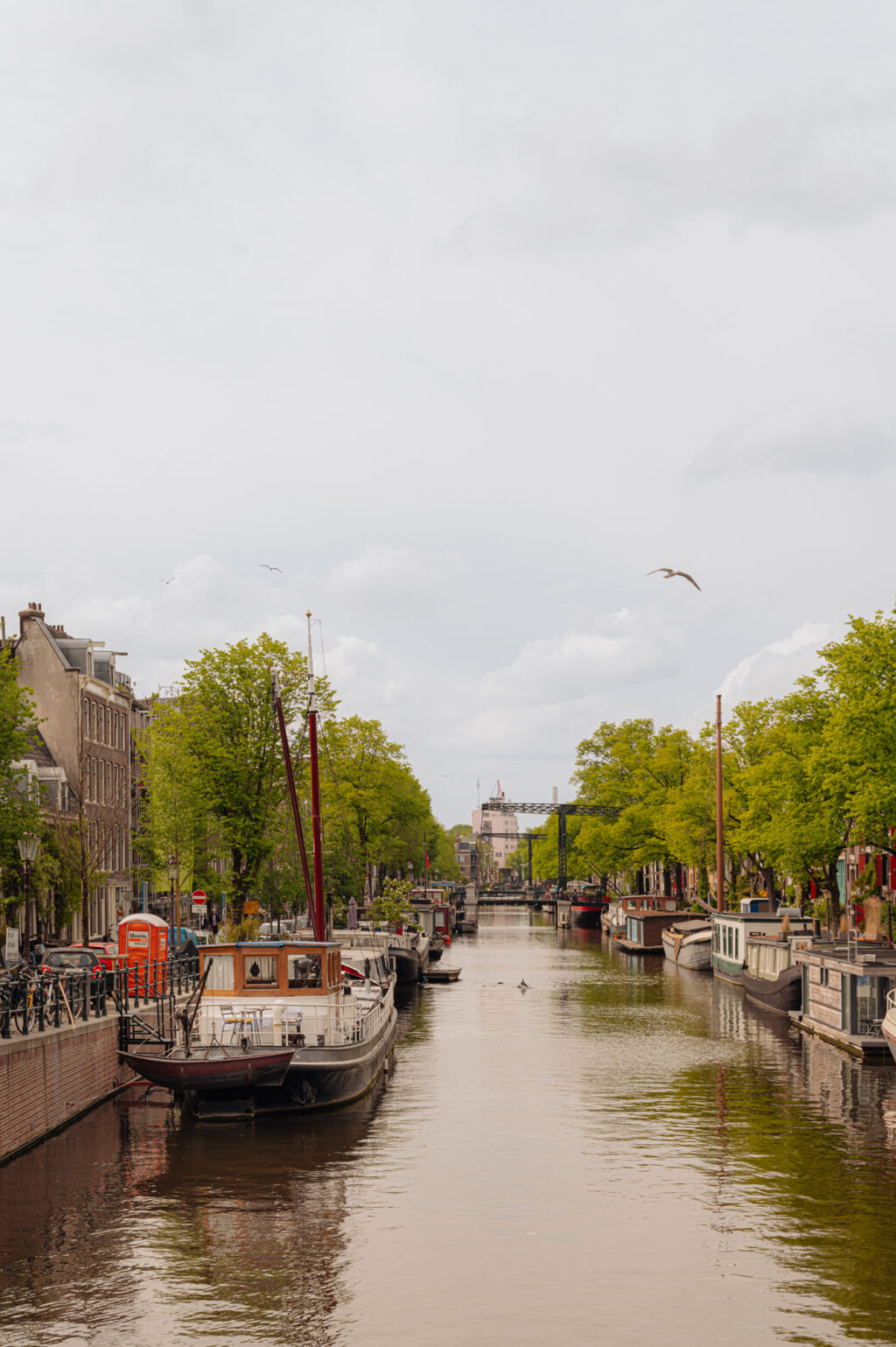
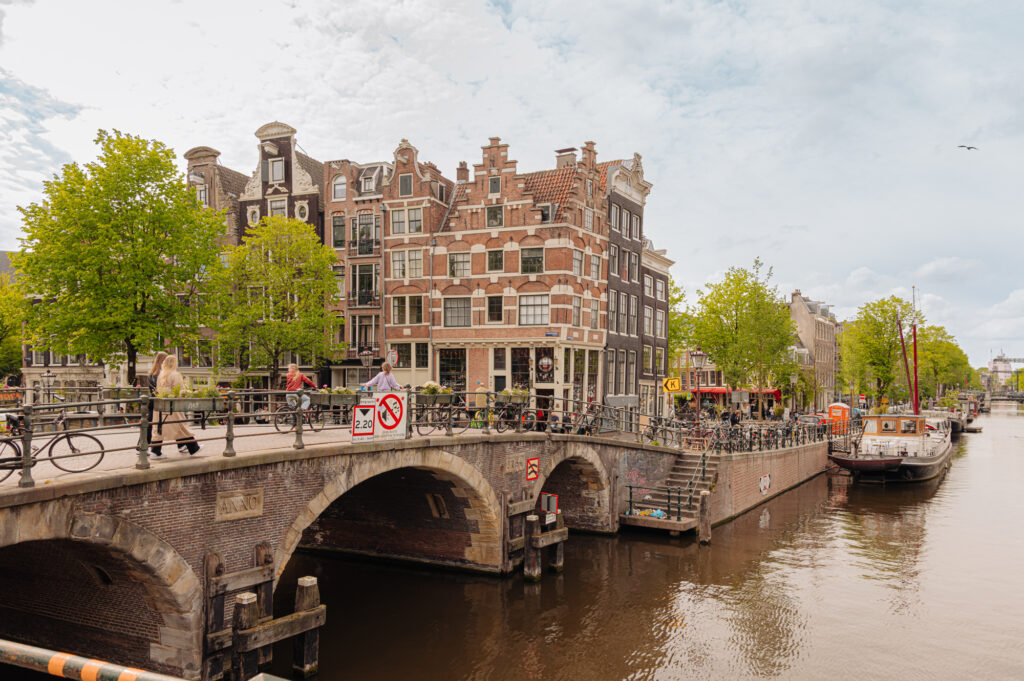
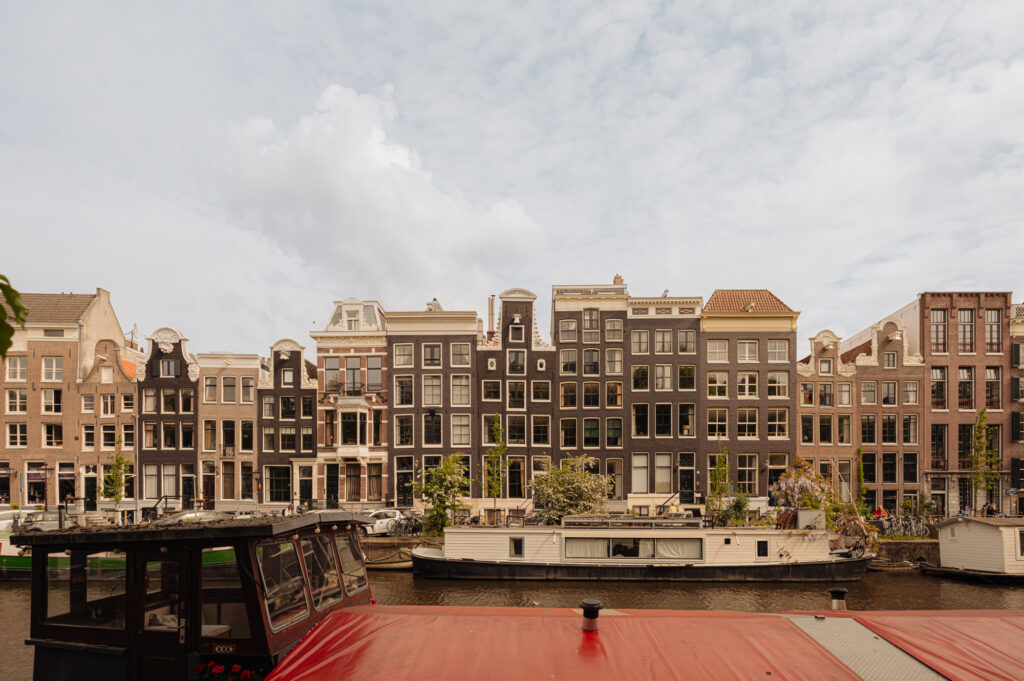
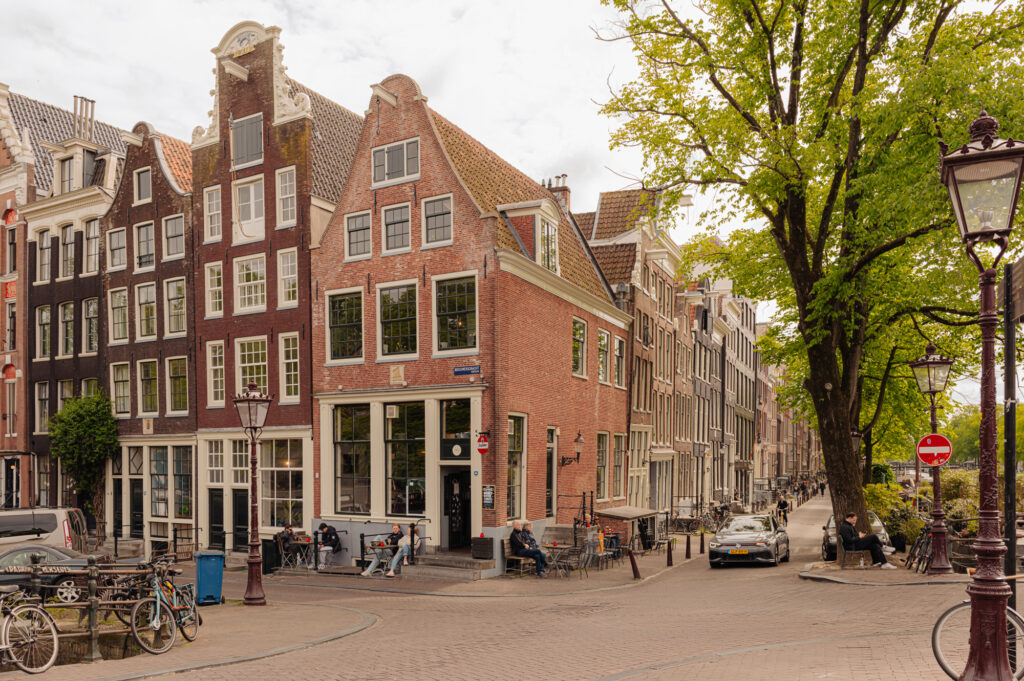
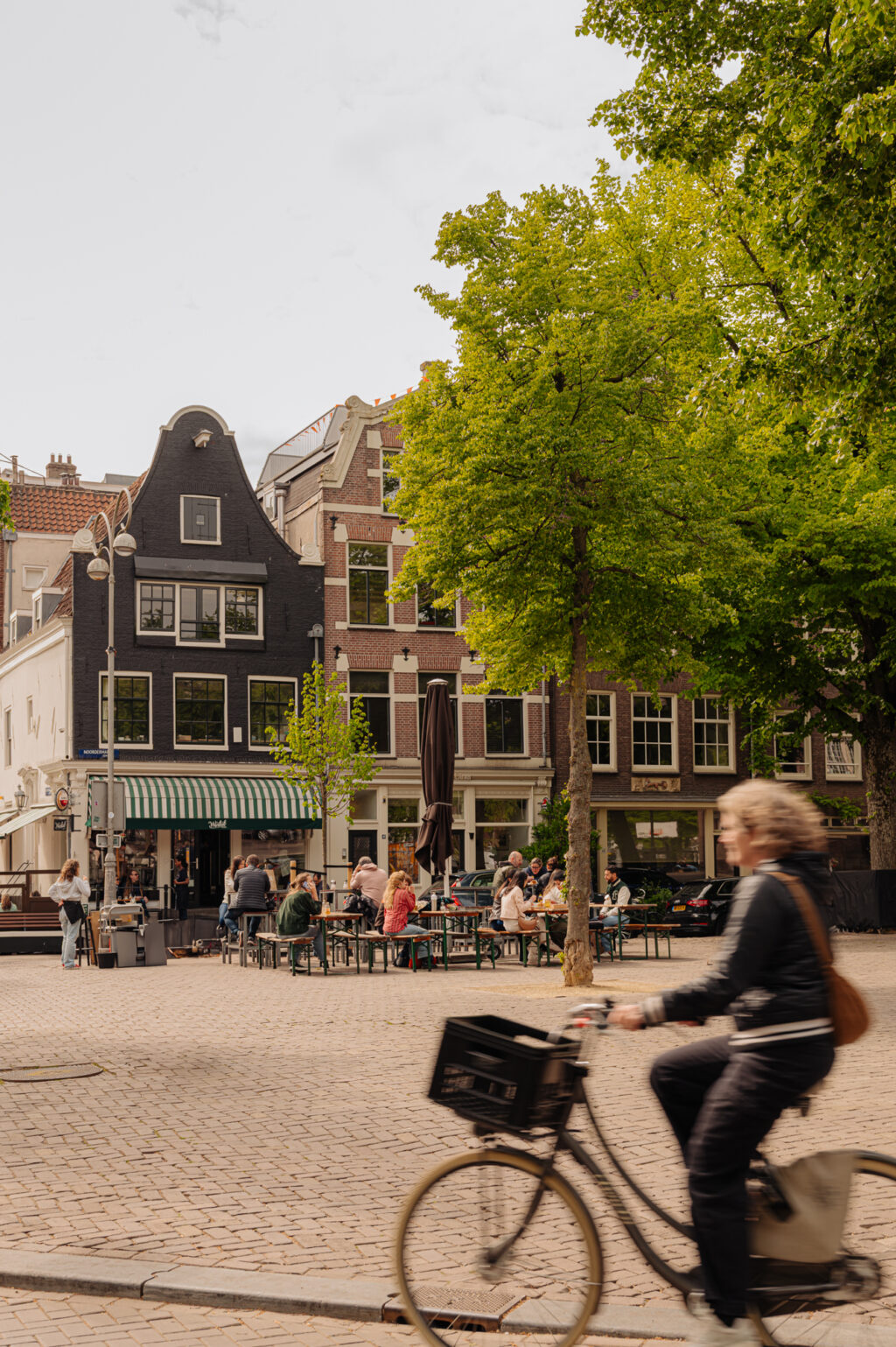
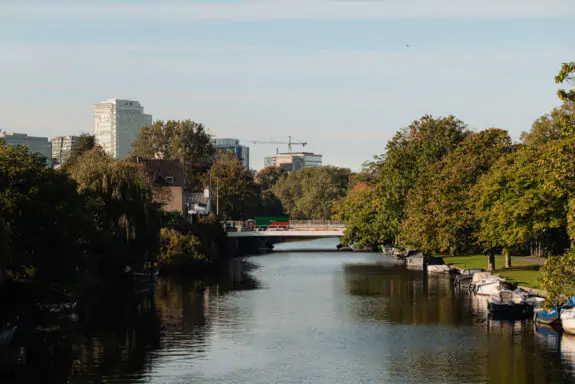
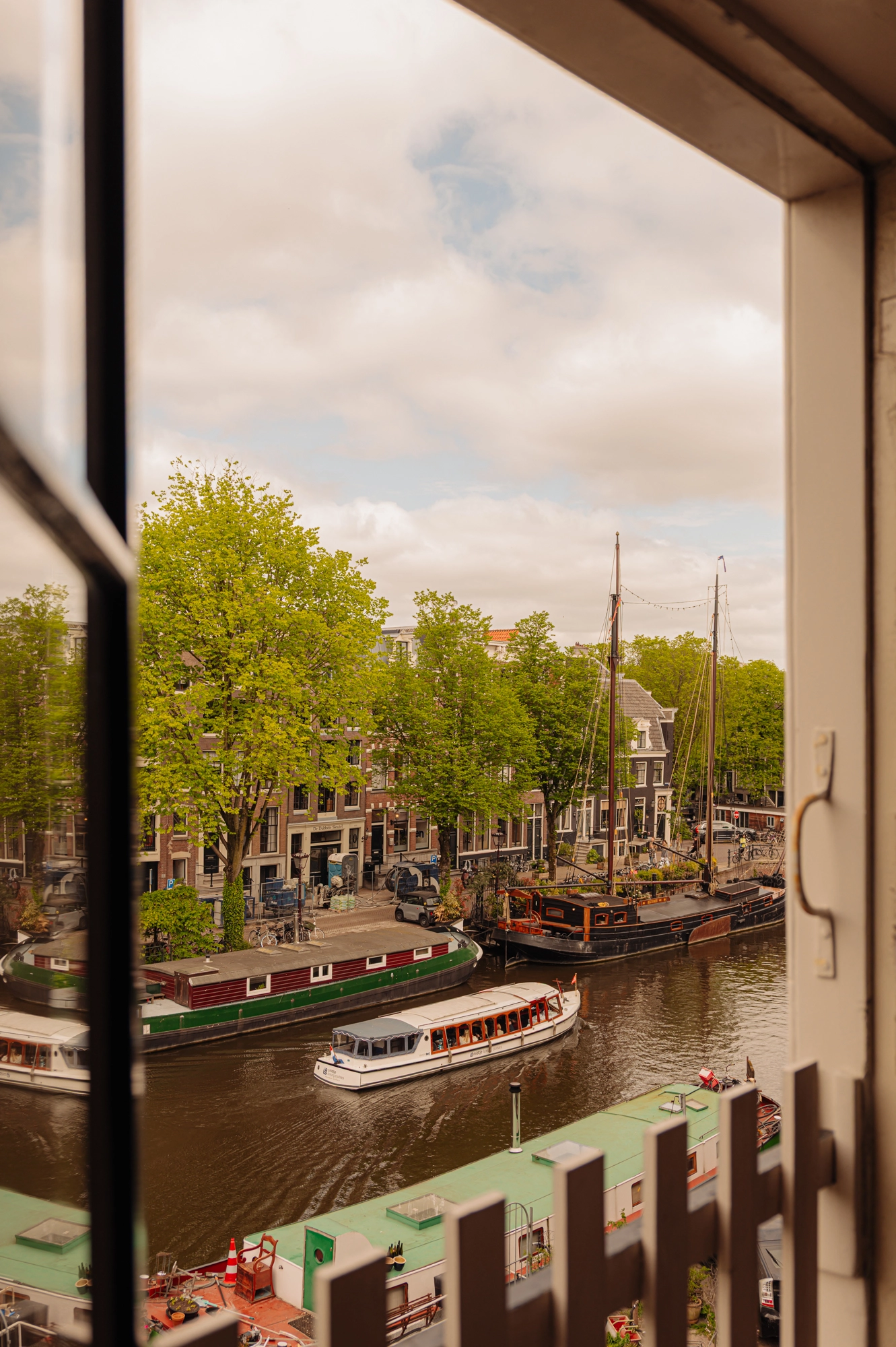
De buurt rondom de Keizersgracht 29 is een van de meest pittoreske en charmante delen van Amsterdam. Gelegen in het hart van de stad, biedt deze buurt een unieke mix van historische schoonheid en moderne levendigheid. Dit gedeelte van de gracht en de stad straalt Centrum Chique uit en is toeristenluw. De Keizersgracht zelf is een van de beroemde grachten van Amsterdam, die samen met de Herengracht en de Prinsengracht de iconische grachtengordel vormt, welke op de UNESCO-Werelderfgoedlijst staat. De grachten worden geflankeerd door prachtige 17e-eeuwse herenhuizen met hun karakteristieke gevels, smalle bouw en fraaie gevelstenen.
De buurt is doordrenkt van cultuur en geschiedenis. Langs de grachten en de Prinsen- en Herenstraat zijn talloze galeries, kunstwinkels en antiekzaken te vinden. Ook zijn er trendy boetieks, designerwinkels en lokale ambachtelijke winkels aanwezig. De nabijgelegen Jordaan en Haarlemmerstraat vullen het aanbod op charmante wijze aan.
Daarnaast staat de omgeving bekend om zijn levendige en hoogwaardige eet- en drinkgelegenheden. Er is een ruime keuze aan uitstekende restaurants, gezellige cafés en karaktervolle bars.
De ligging van Keizersgracht 29 is bovendien gunstig ten opzichte van andere culturele bezienswaardigheden. Op loopafstand bevinden zich onder andere Felix Meritis, de Rode Hoed en diverse kleinschalige bioscopen.
Bijzonderheden
• Gebruiksoppervlakte wonen circa 489 m²
• Overige inpandige ruimte 77 m²
• Perceeloppervlakte van 271m²
• Riante tuin gelegen op het zuidoosten van circa 129 m²
• Gelegen op eigen grond
• Rijksmonument
• Rijksbeschermd stadsgezicht
• Er zal een ouderdomsclausule worden opgenomen in de koopakte
Het Burgemeestershuis
Wonen aan een van de meest iconische grachten van Amsterdam in een bijzonder grachtenpand. Keizersgracht 29 is een monumentaal grachtenhuis van maar liefst vijf woonlagen, inclusief souterrain en vliering, met woonoppervlakte van circa 490 m². Achter de statige gevel uit de 17e eeuw schuilt een karakteristiek woonhuis met een rijke historie.
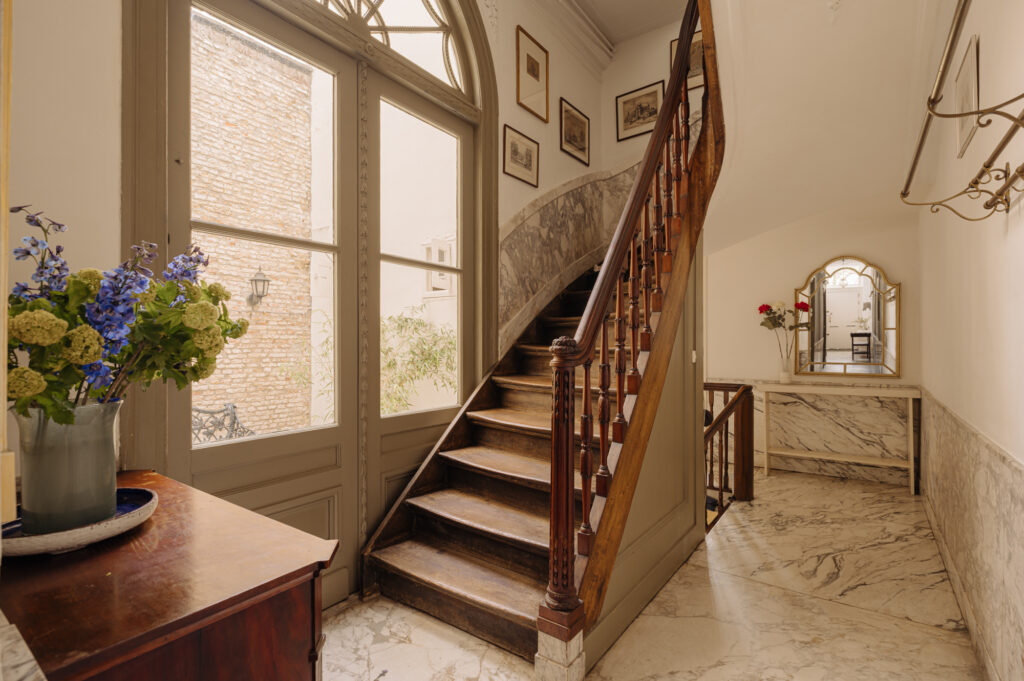
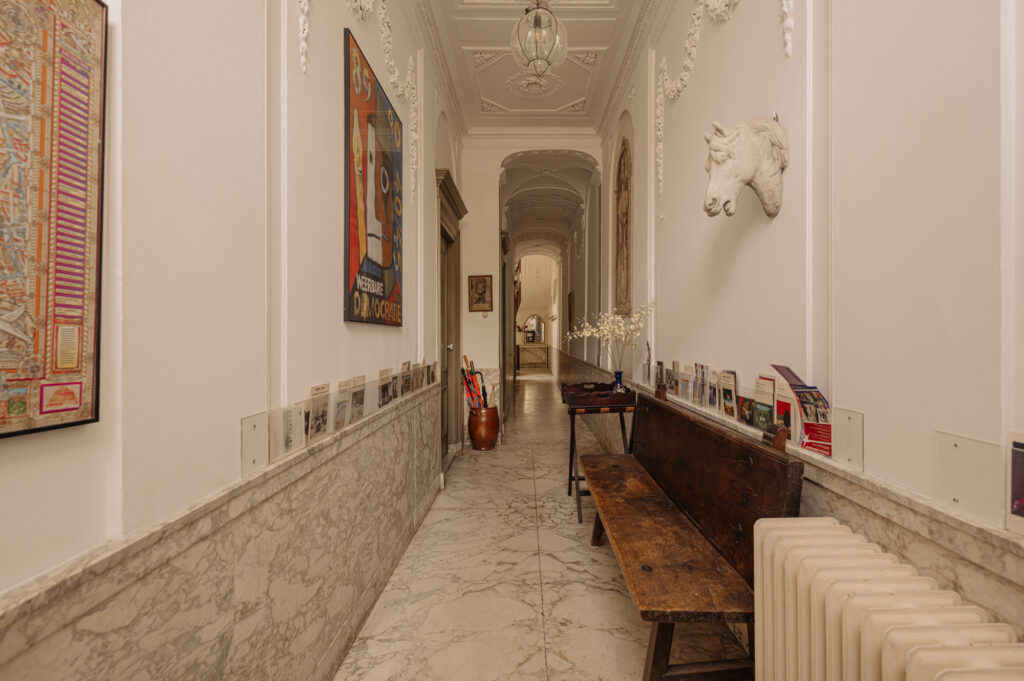
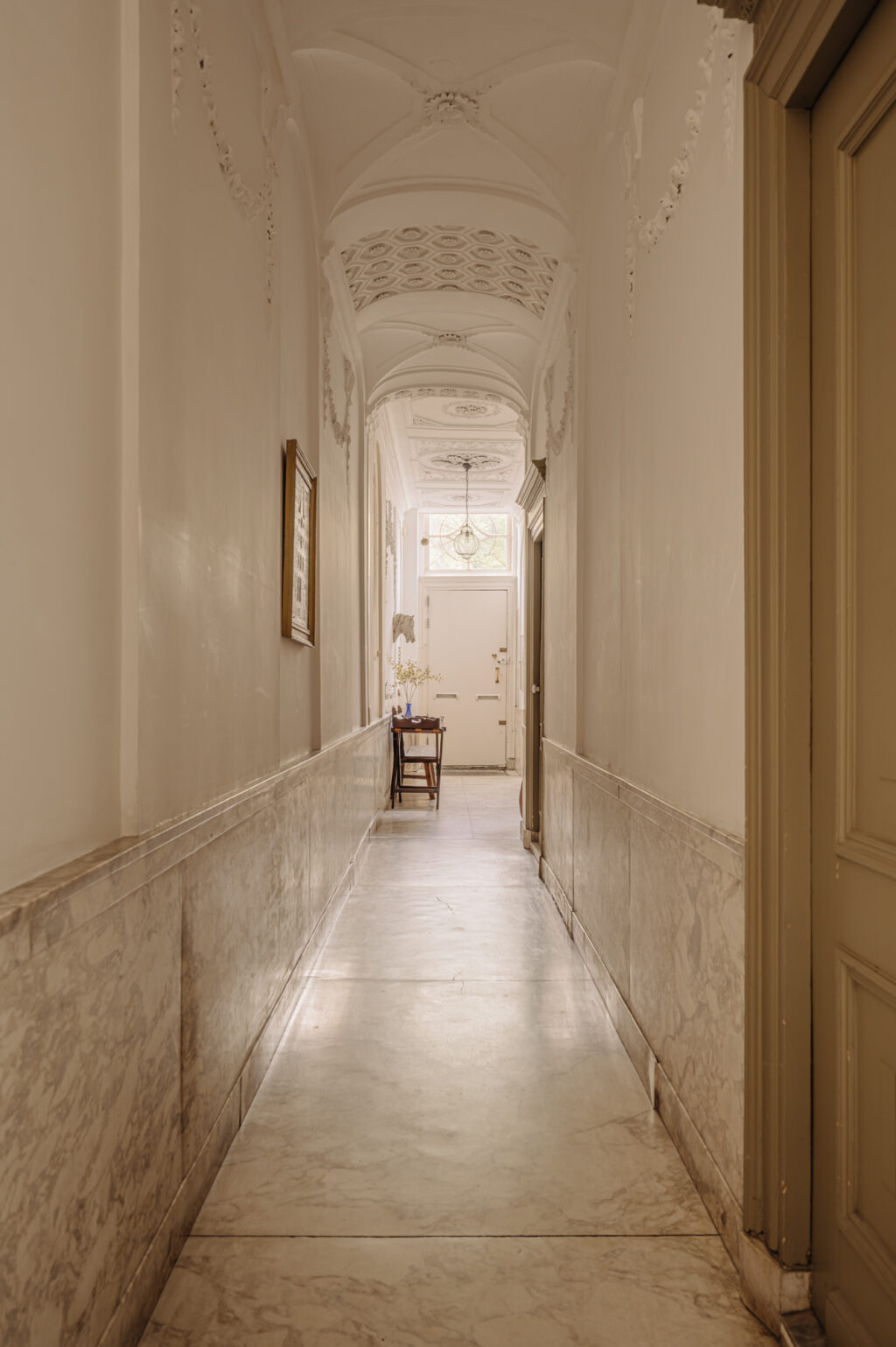
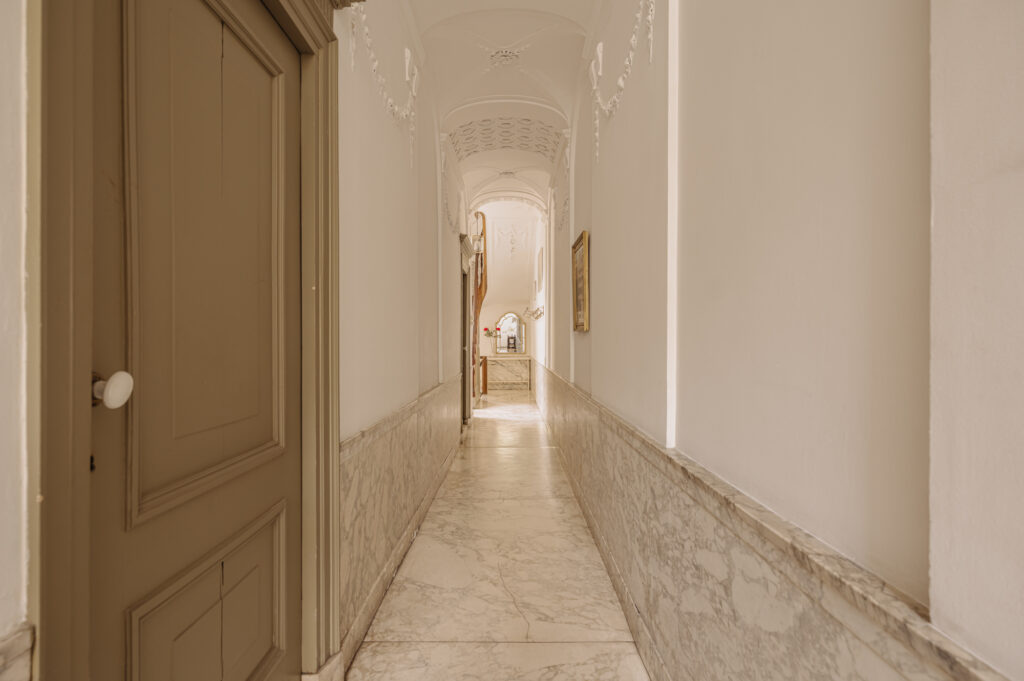
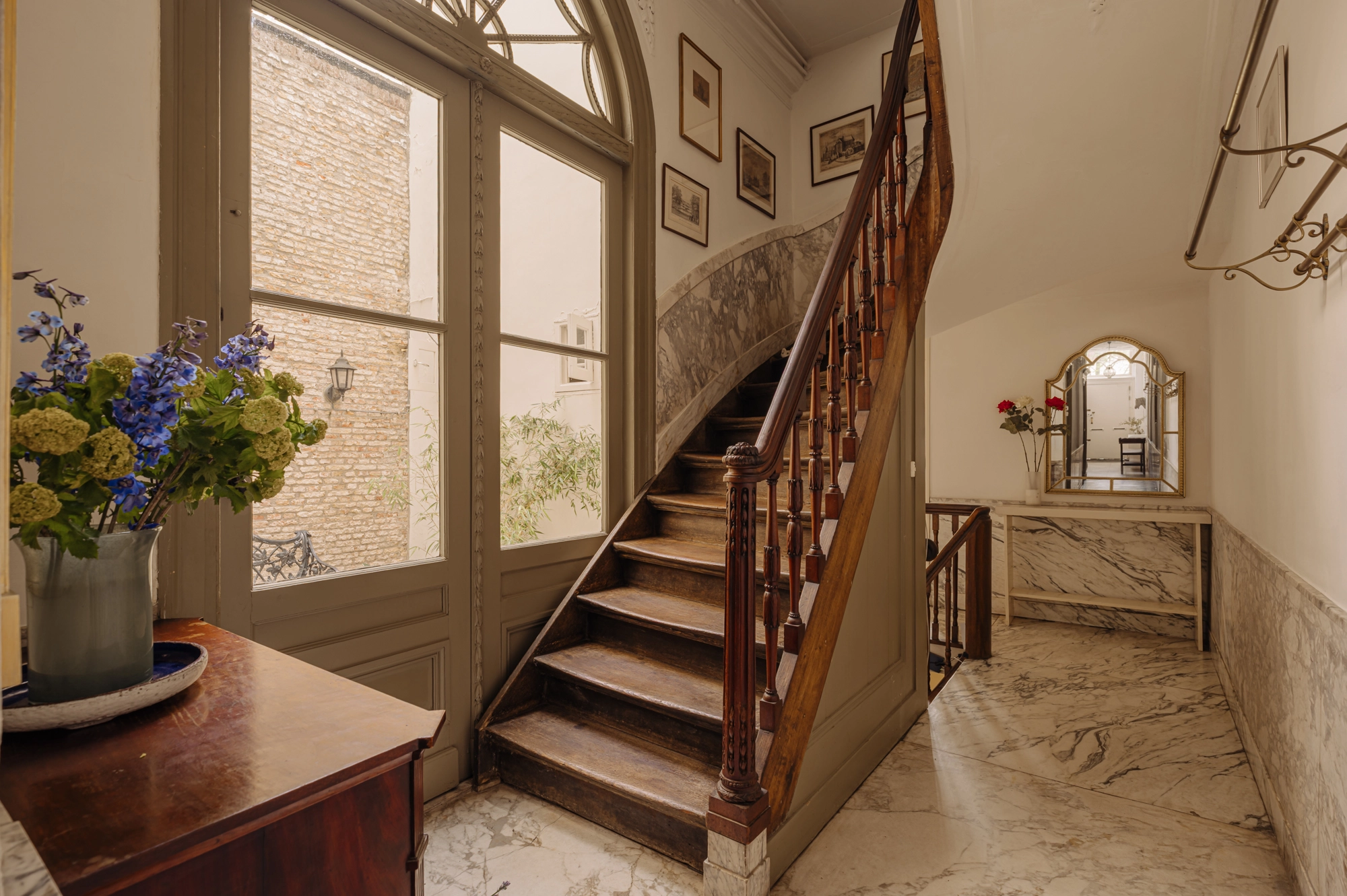
Het huis is al ruim 50 jaar in dezelfde familie, nu is het tijd om het stokje door te geven. De marmeren entree, de stijl kamer en de romantische achtertuin van bijna 130 m² kenmerken dit monument.
Judith de Jong | Makelaar Broersma Wonen
Ronald van de Bijl | Makelaar Broersma Wonen
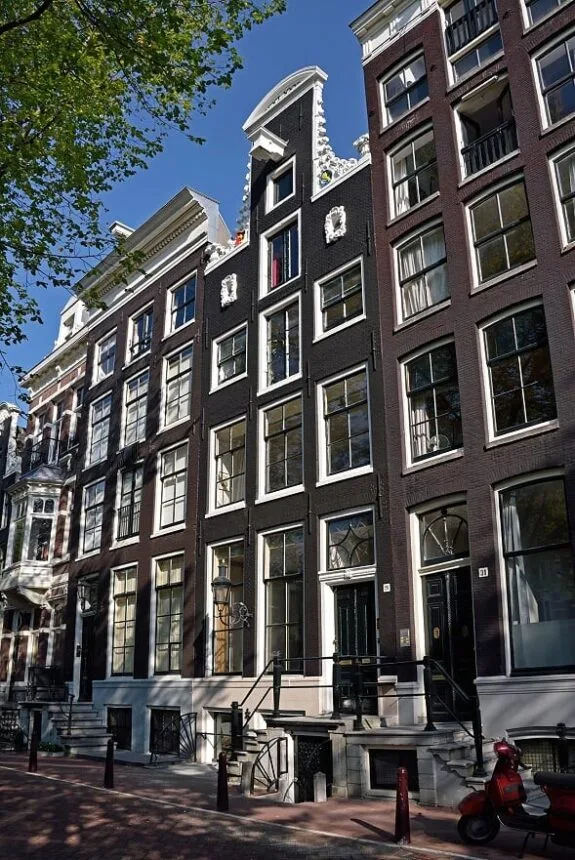
Keizersgracht 29 maakt deel uit van het beschermde stadsgezicht van de Amsterdamse grachtengordel, die sinds 2010 is opgenomen op de Werelderfgoedlijst van UNESCO. De woning is tevens aangewezen als rijksmonument – iets wat direct zichtbaar wordt in de klassieke gevelindeling, de hoge plafonds en de aanwezigheid van originele bouwkenmerken zoals schouwen, houten balklagen en het karakteristieke hijsbalkmechanisme onder de kap.
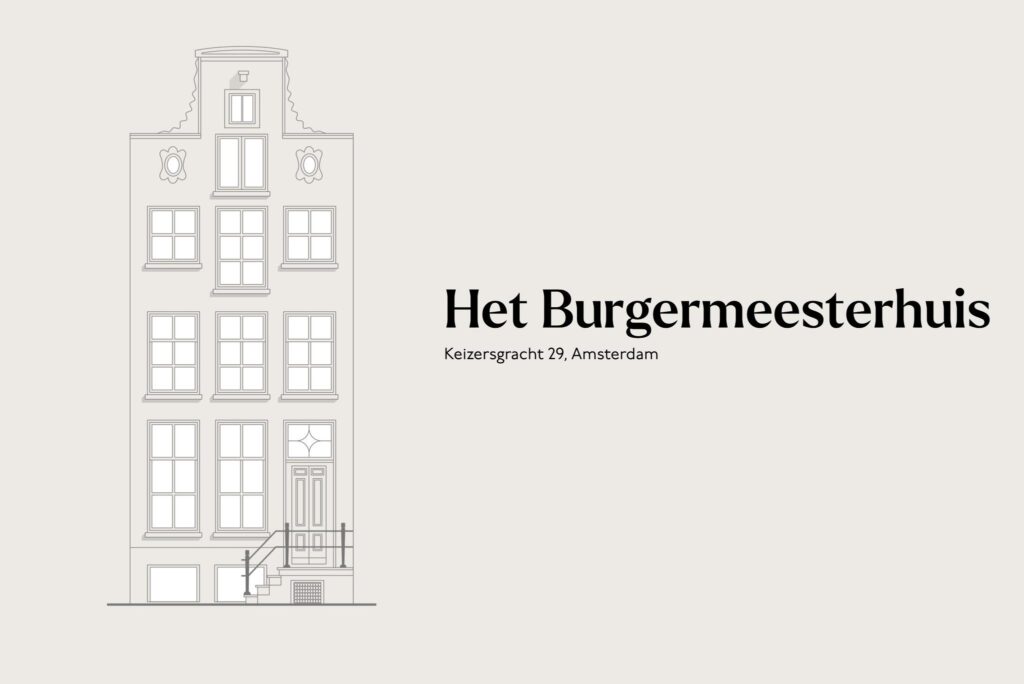
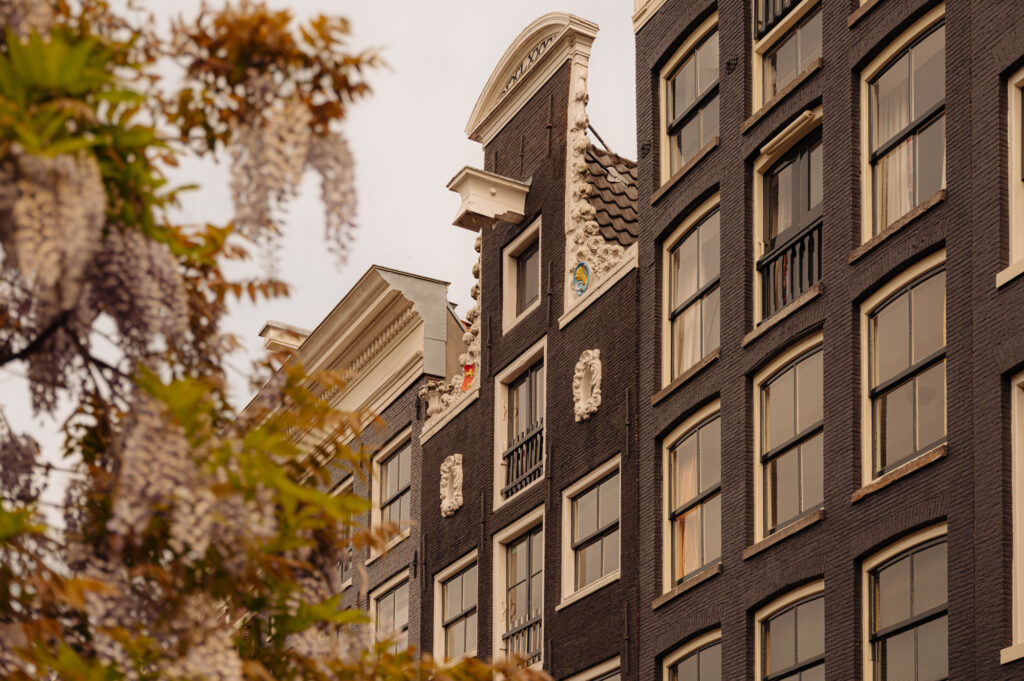
Het pand werd omstreeks 1618 gebouwd in opdracht van Elbert Goykens genaamd Snoeck, een succesvolle koopman die op deze locatie vijf huizen liet realiseren – de huidige nummers 21 tot en met 29. Keizersgracht 29 had oorspronkelijk een trapgevel, kenmerkend voor de vroege zeventiende-eeuwse bouwstijl. In 1692 werd deze vervangen door de huidige, elegante halsgevel, waarmee het huis werd gemoderniseerd naar de toenmalige architecturale mode. Deze aanpassing illustreert de rijke bouwgeschiedenis van het pand én het vermogen zich aan te passen aan de tijdgeest.
Midden in de zeventiende eeuw, rond 1668, werd het huis bewoond door Jan Corver, die in zijn leven maar liefst negentien keer werd benoemd tot burgemeester van Amsterdam – een naam die voortleeft in de geschiedenis van de stad.
Dat het pand niet alleen als woonhuis, maar ook als opslag- en werkruimte dienstdeed, blijkt uit het imposante takelwiel op zolder. Dit authentieke hijswerktuig is niet alleen bijzonder goed bewaard gebleven, maar bovendien nog steeds functioneel. Een tastbare herinnering aan het oorspronkelijke gebruik als handelshuis, zoals zo kenmerkend voor de grachtenwoningen van Amsterdam.
De opbouw van het huis – met een bel-etage, tussenverdiepingen, souterrain en een vliering – weerspiegelt het klassieke grachtenpandtype, waarin wonen en werken historisch verweven waren. De plattegronden tonen een bijzonder breed en diep pand met een voor- en achterhuisstructuur en een indrukwekkende diepte van circa 24 meter.
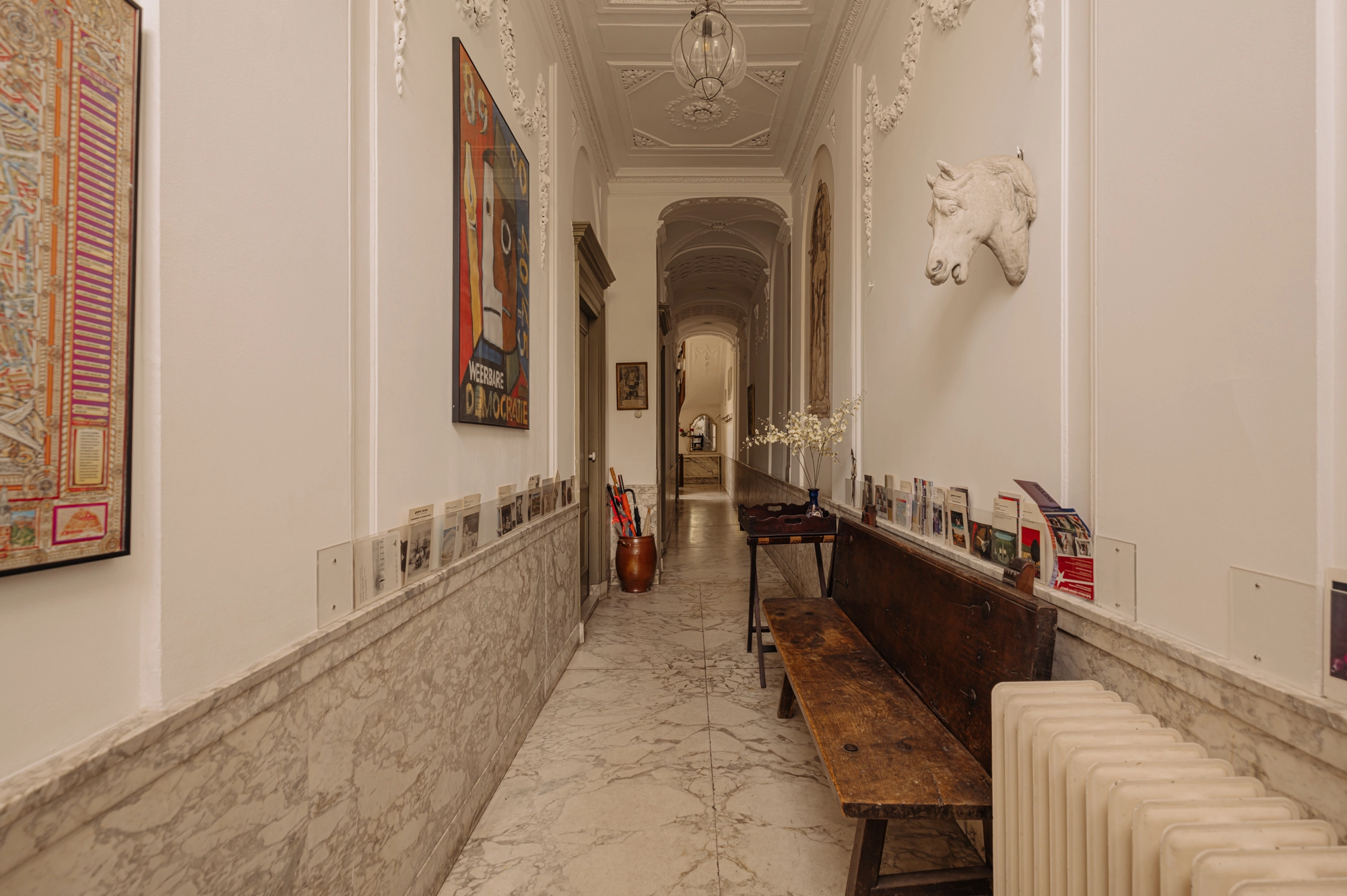
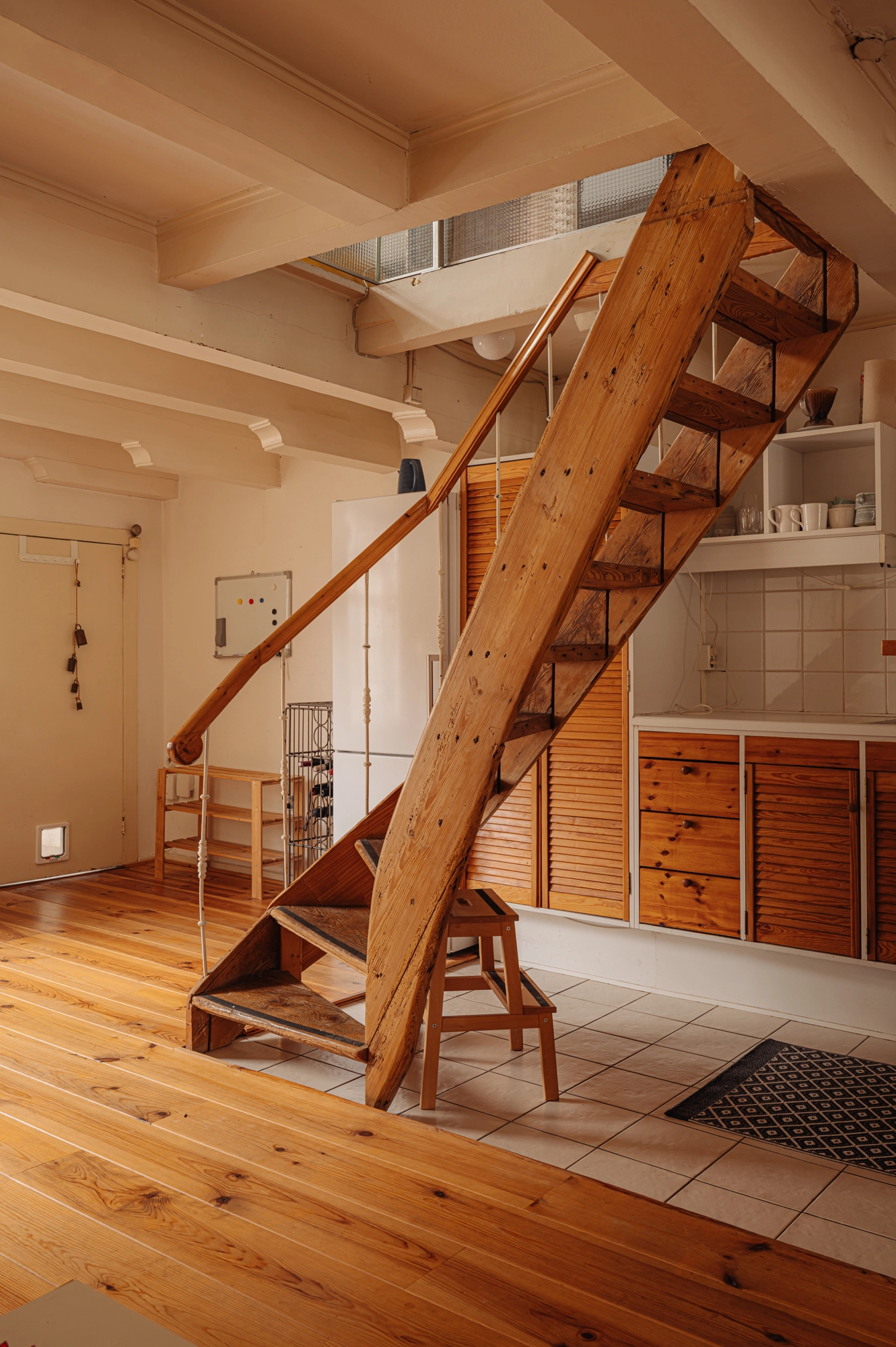
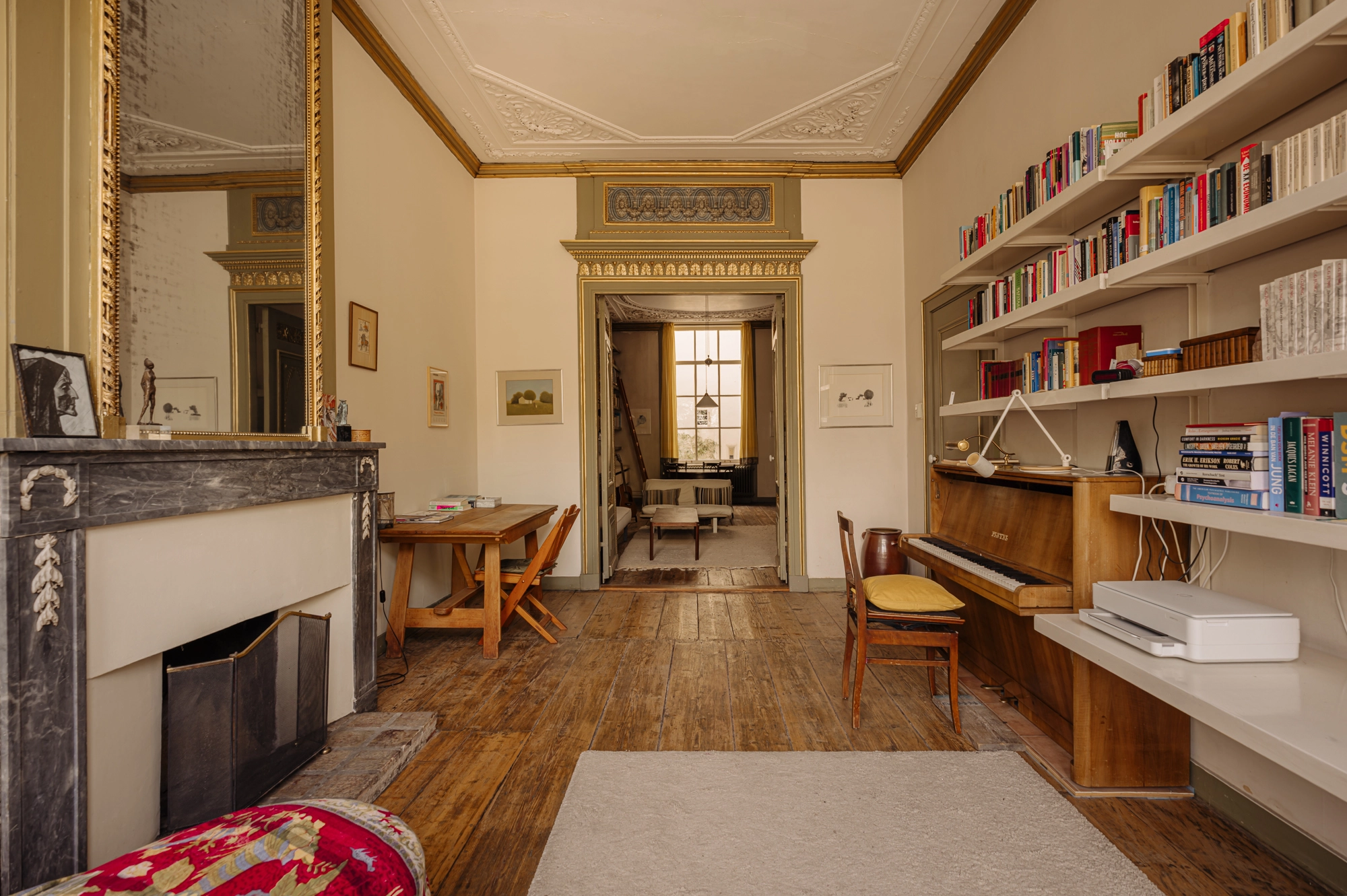
Het souterrain van deze monumentale woning is verrassend ruim, met een totale oppervlakte van circa 125 m² (inclusief de overige inpandige ruimte). Originele elementen zoals een 17e-eeuwse wijnkelder, robuuste balklagen, gemetselde muren en nissen geven deze verdieping een authentiek karakter.
De indeling is praktisch en veelzijdig: er zijn meerdere bergingen, technische ruimten en functionele vertrekken. Deze worden momenteel gebruikt als hobbyruimte, fietsenstalling, inloopkast, wasruimte en cv-ruimte.
Aan de tuinzijde bevindt zich een sfeervolle woonkeuken — een knusse plek om samen te komen, of om in de ochtend met een kop koffie zo de circa 129 m² grote tuin in te lopen.
Bel-etage
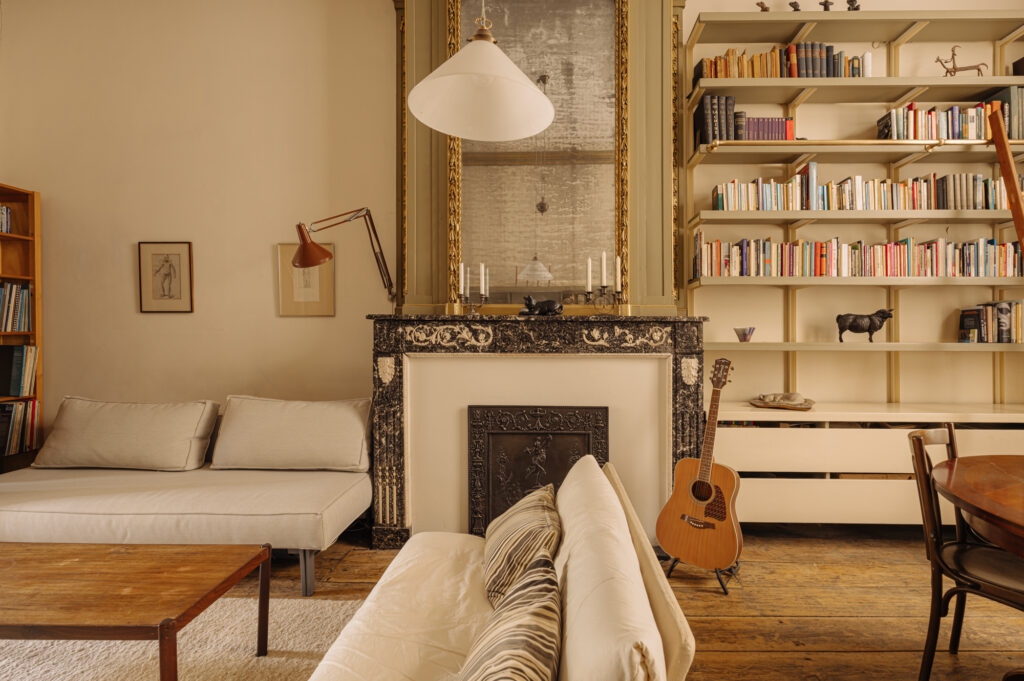
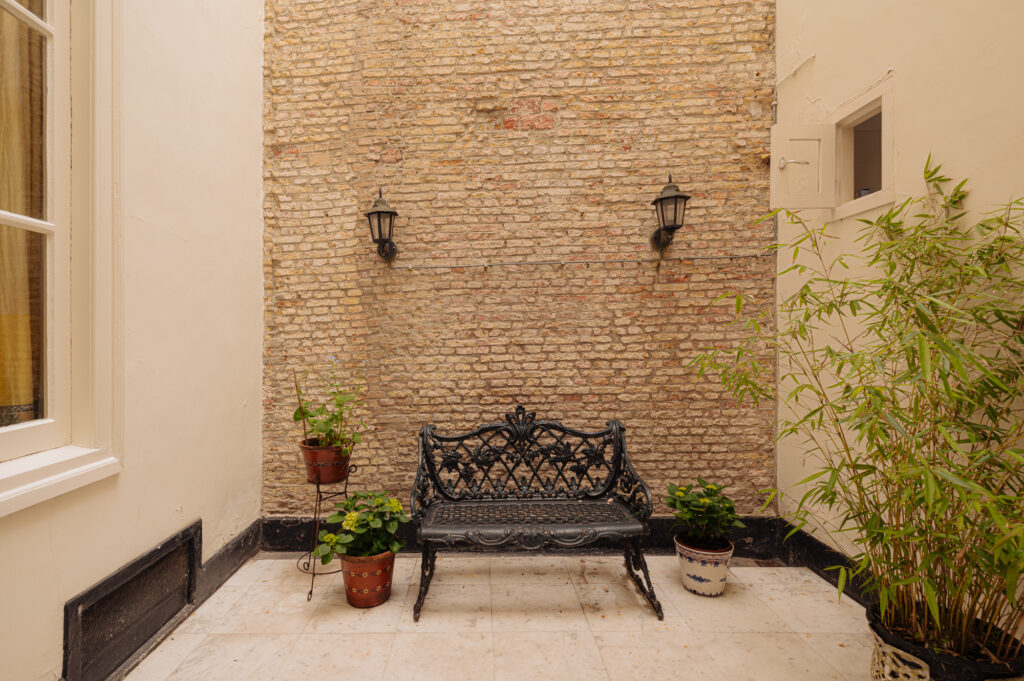
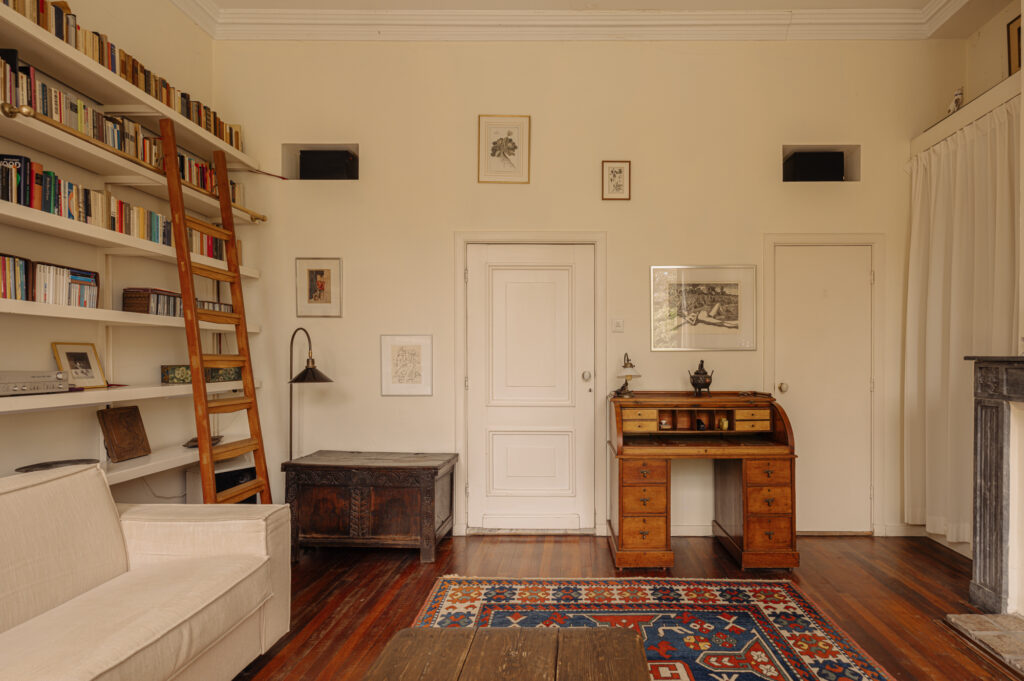
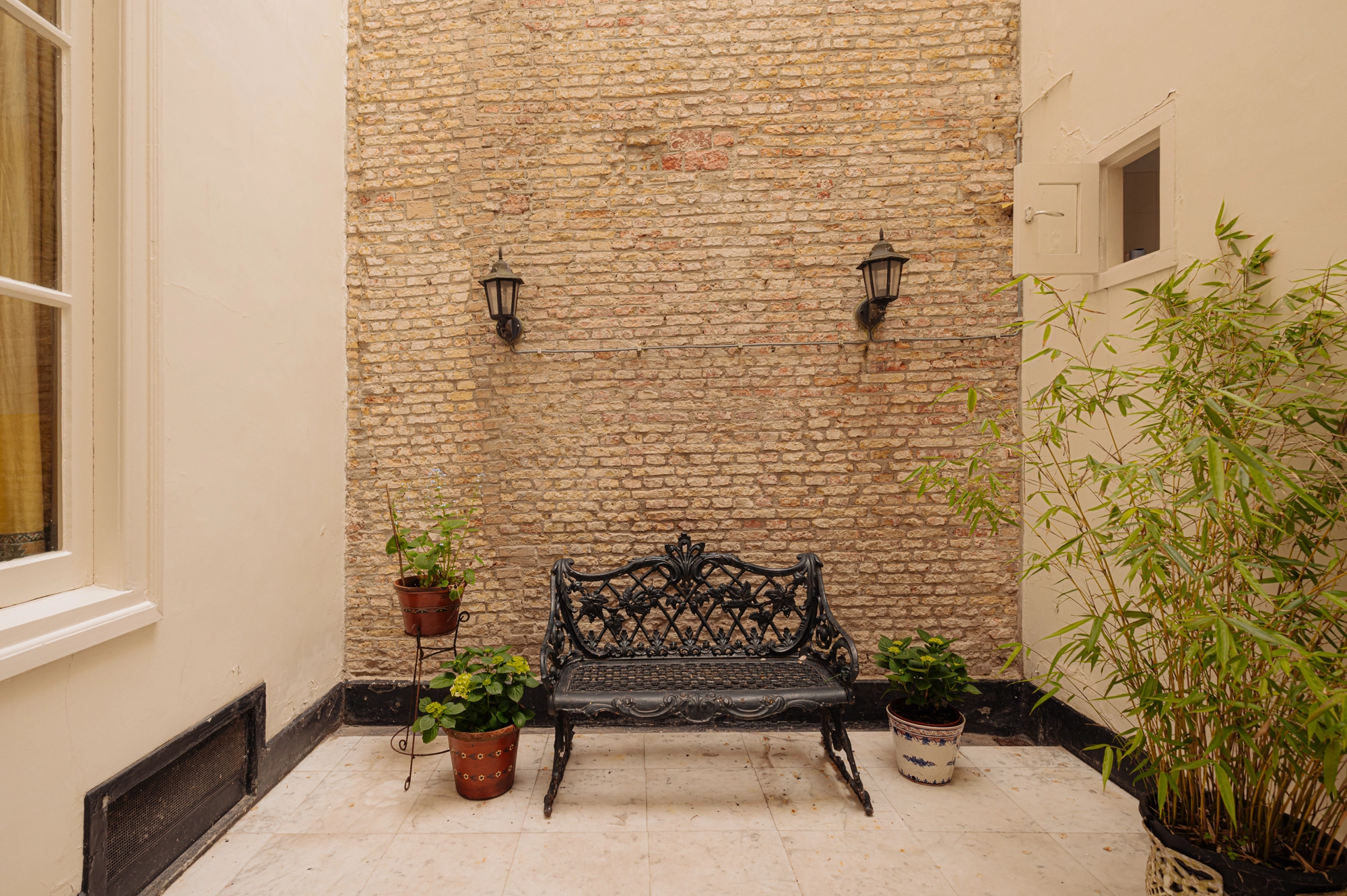
Op de bel-etage bevinden zich in het voorhuis twee stijlkamers en suite met uitzicht over de Keizersgracht. De plafonds reiken tot bijna 3,60 meter hoogte. De voor- en achterkamer zijn royaal opgezet en ademen sfeer dankzij een haard, rijk gedecoreerde stucplafonds met ornamenten, de grisailles van Adriaan de Lelie en het uitzicht op de patio die het voor- en achterhuis van elkaar scheidt. In de achterkamer bevindt zich een extra keukenblok.
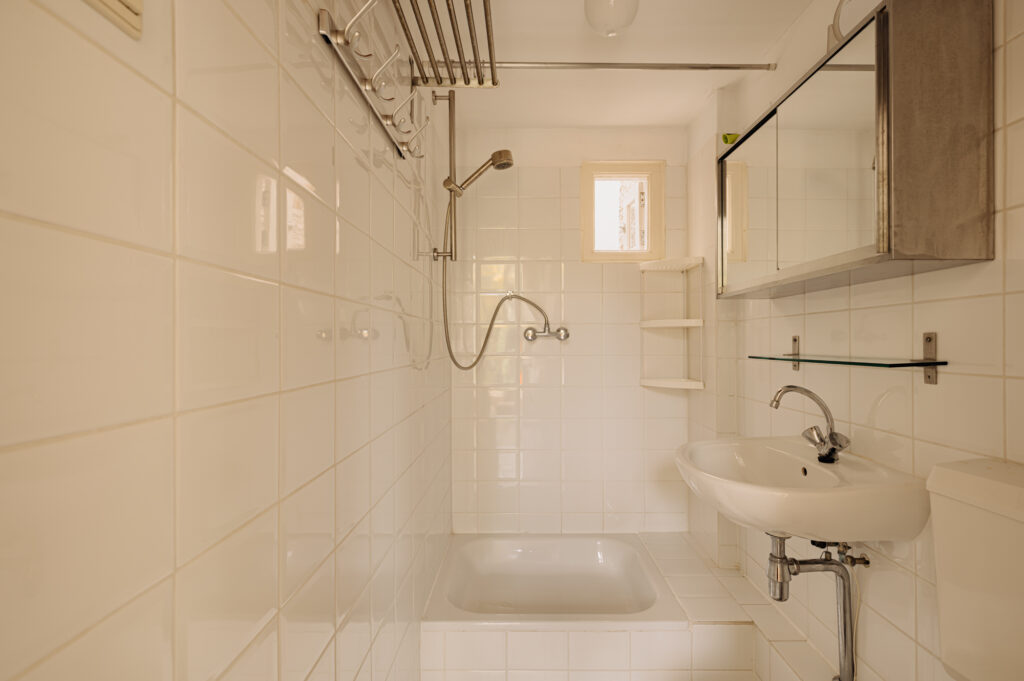
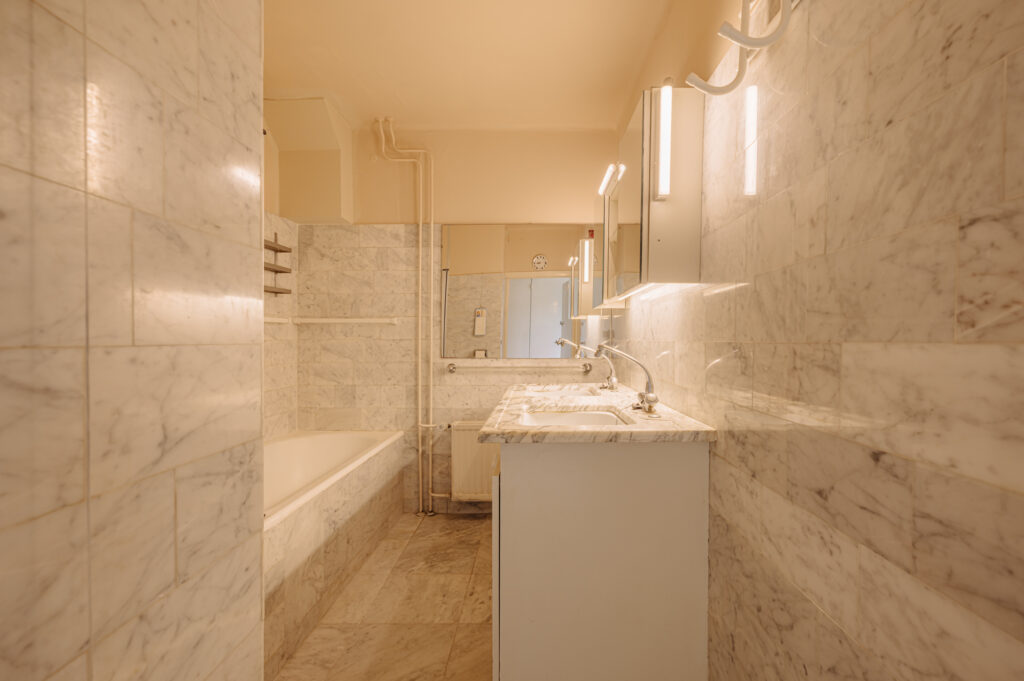
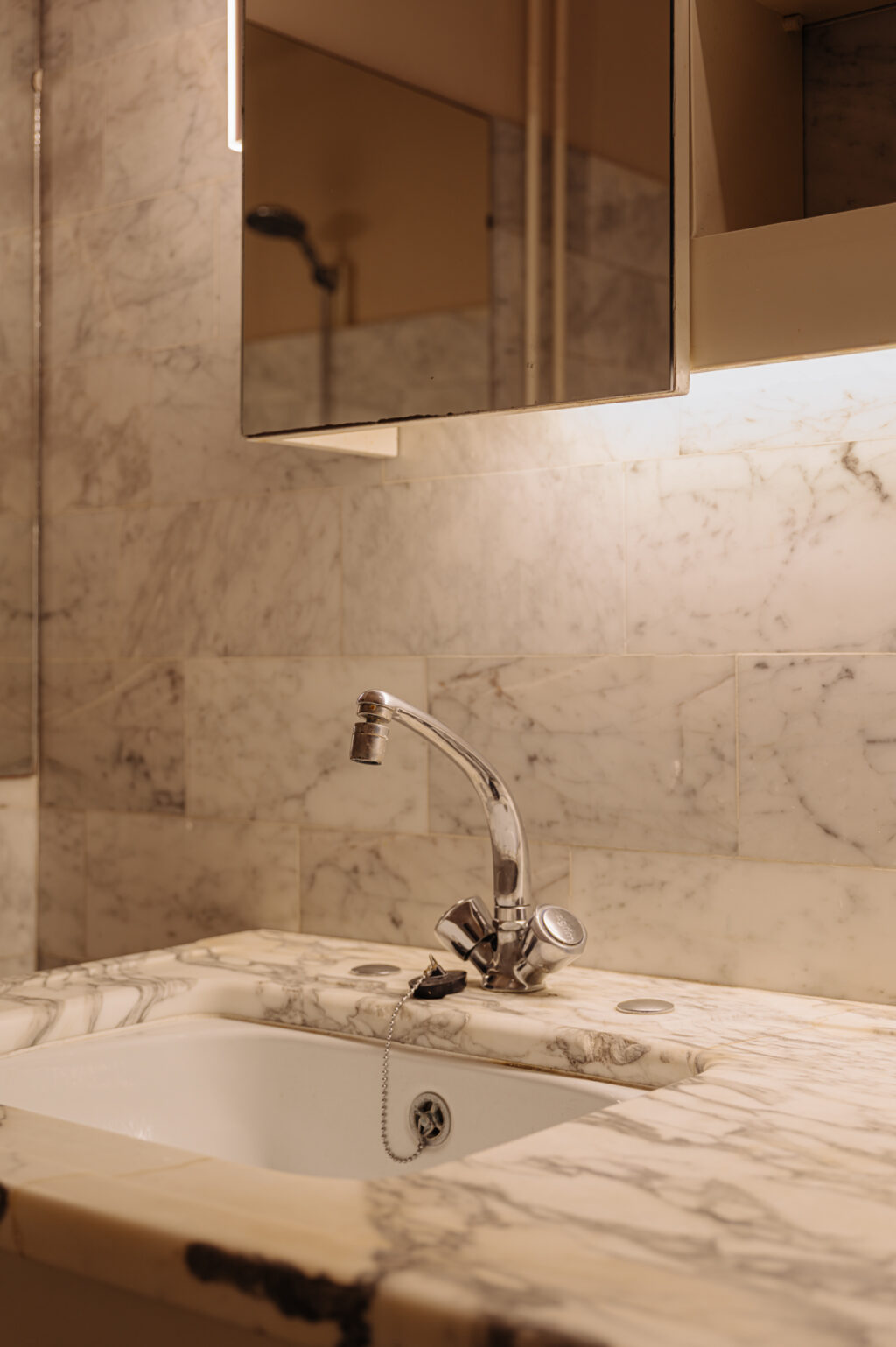
In het achterhuis, aan de tuinzijde, bevindt zich een extra woonkamer met eigen badkamer en een privéterras dat directe toegang biedt tot de tuin. Deze ruimte is momenteel in gebruik als gastenverblijf, maar kan net zo goed dienstdoen als au pair-ruimte of zelfstandige werkstudio.
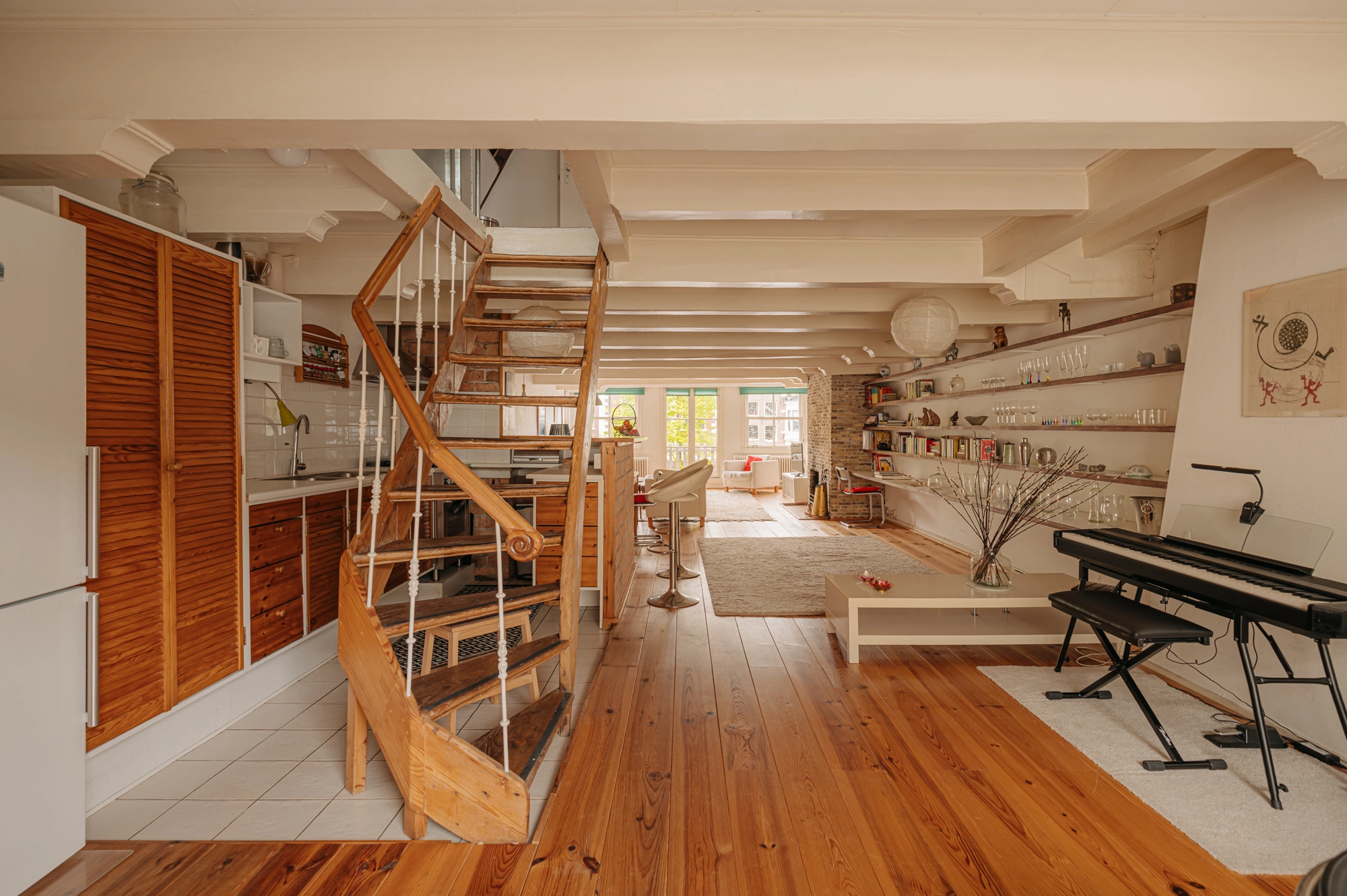
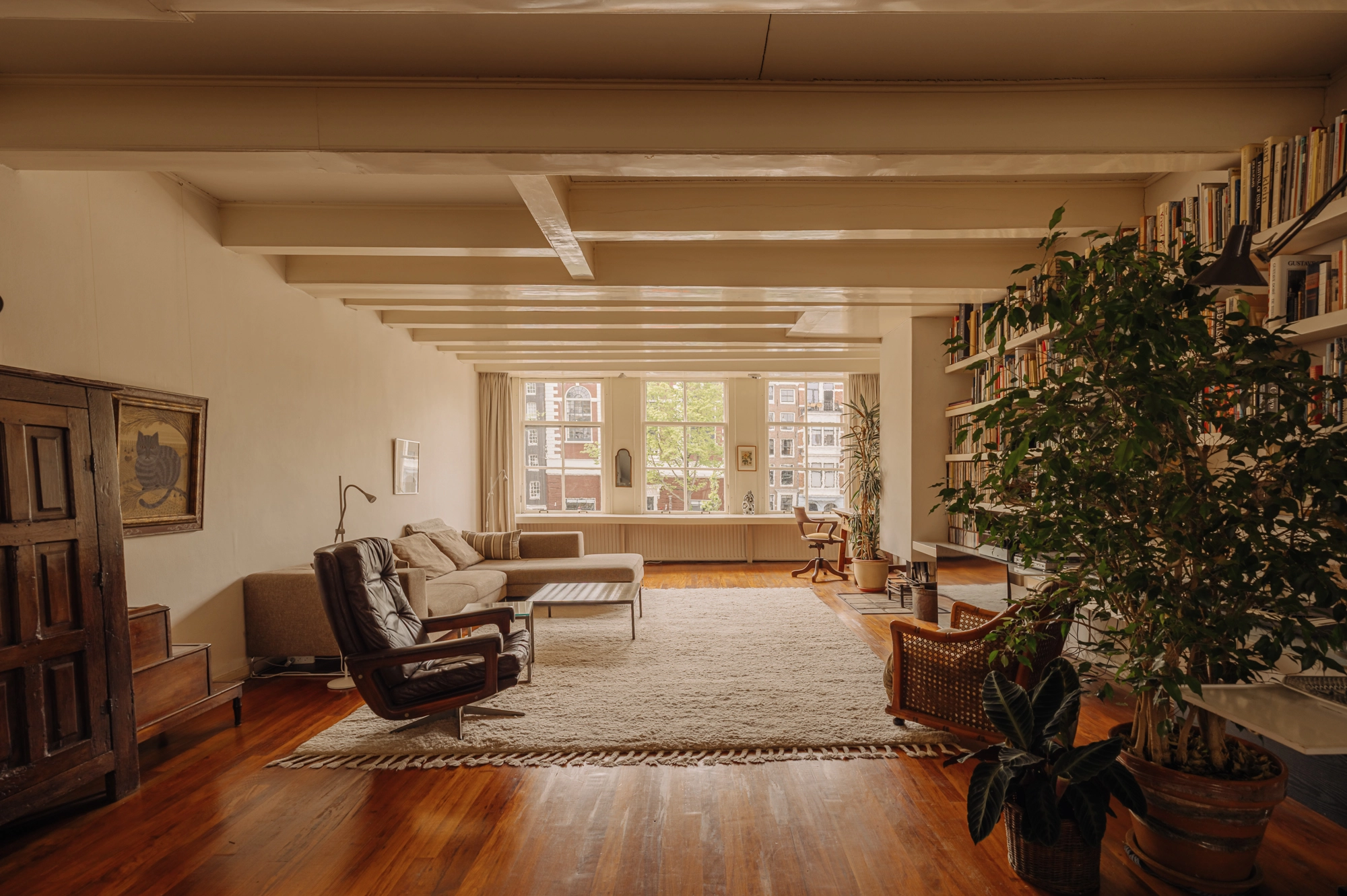
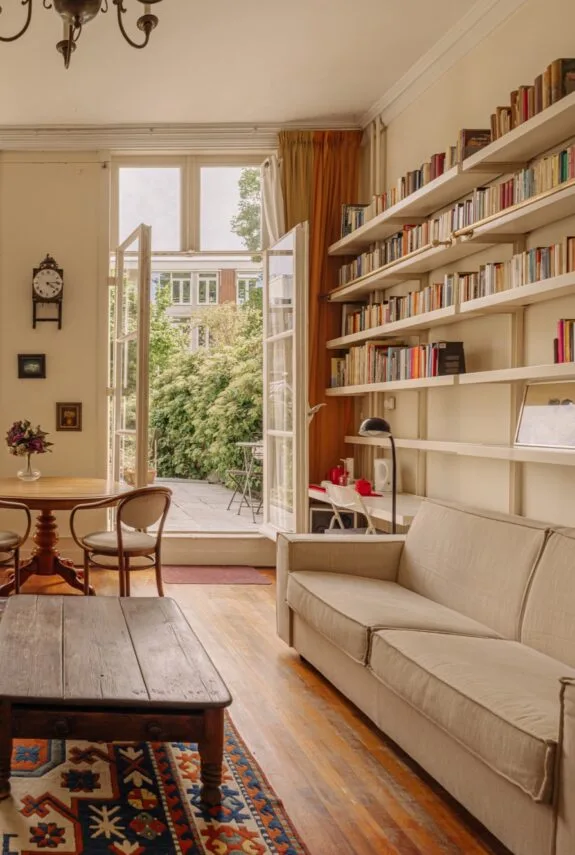
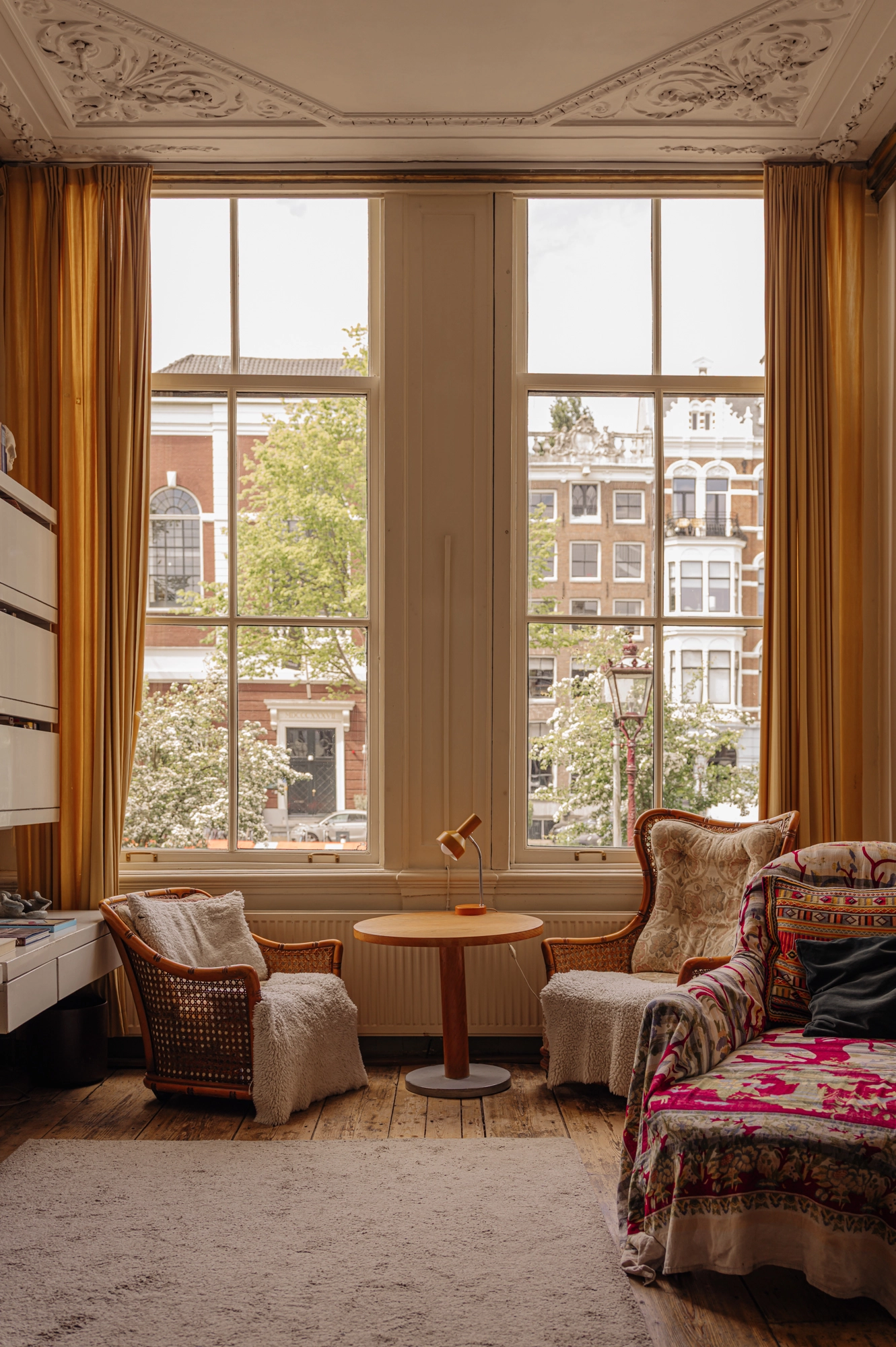
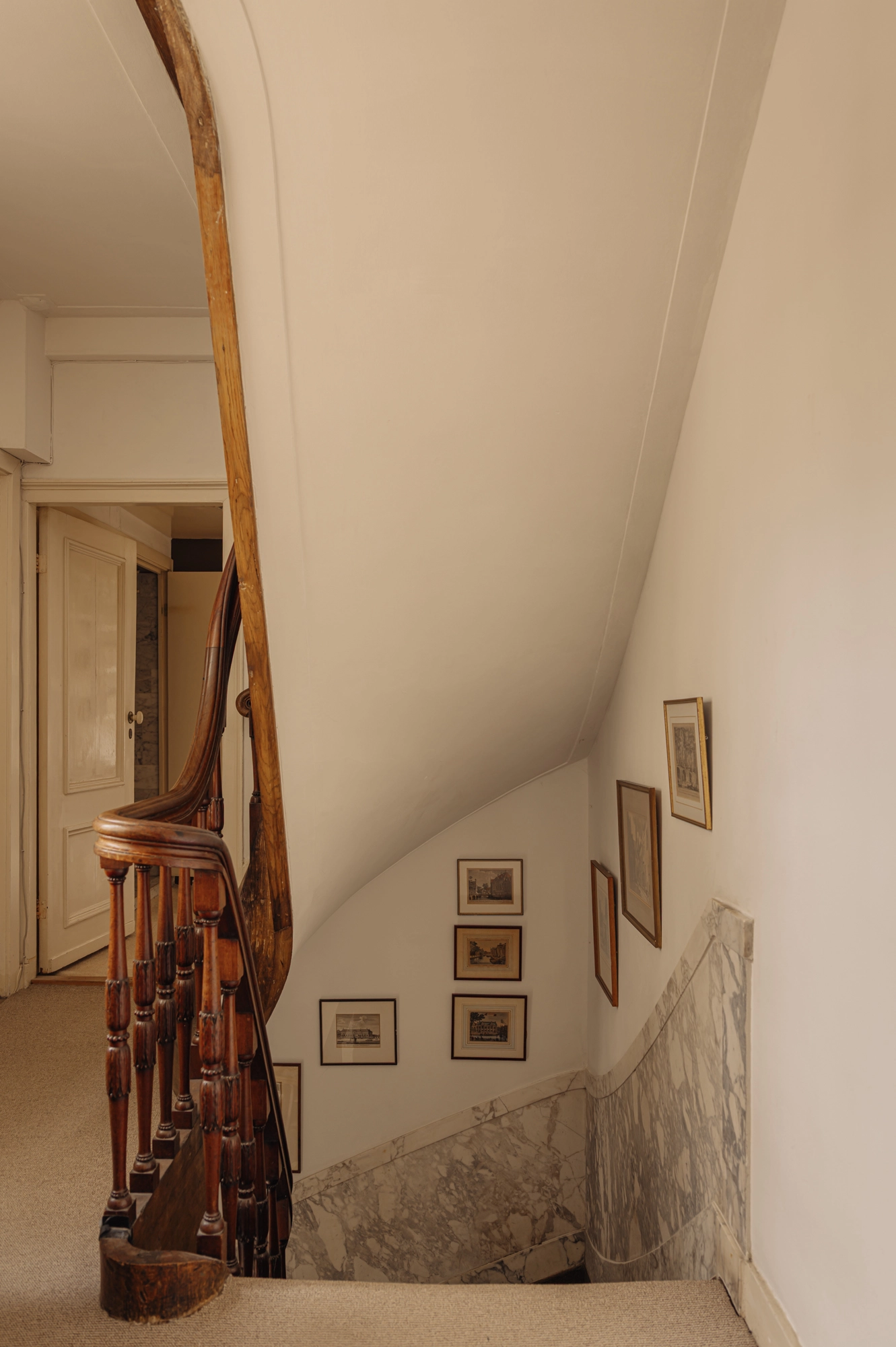
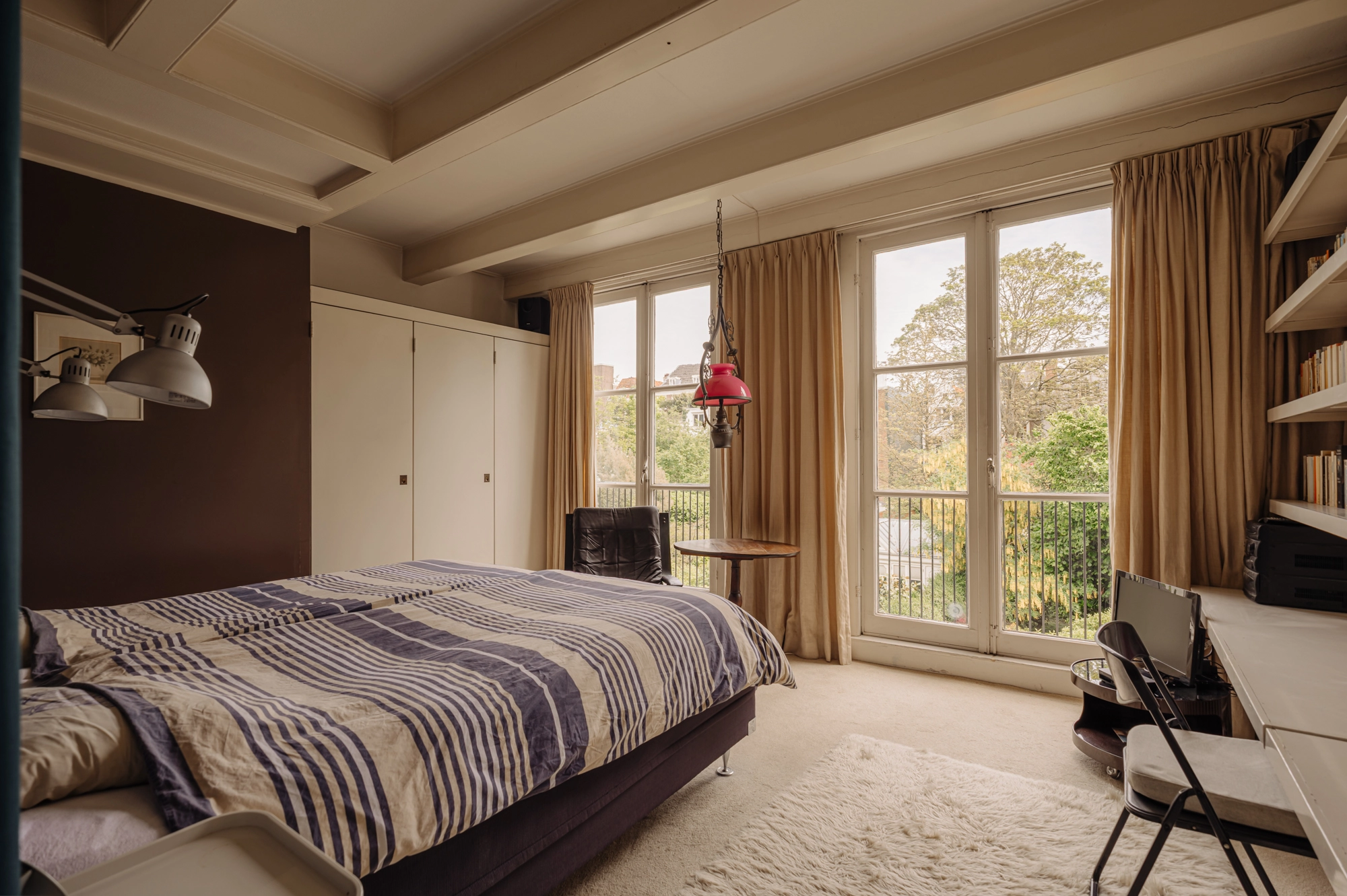
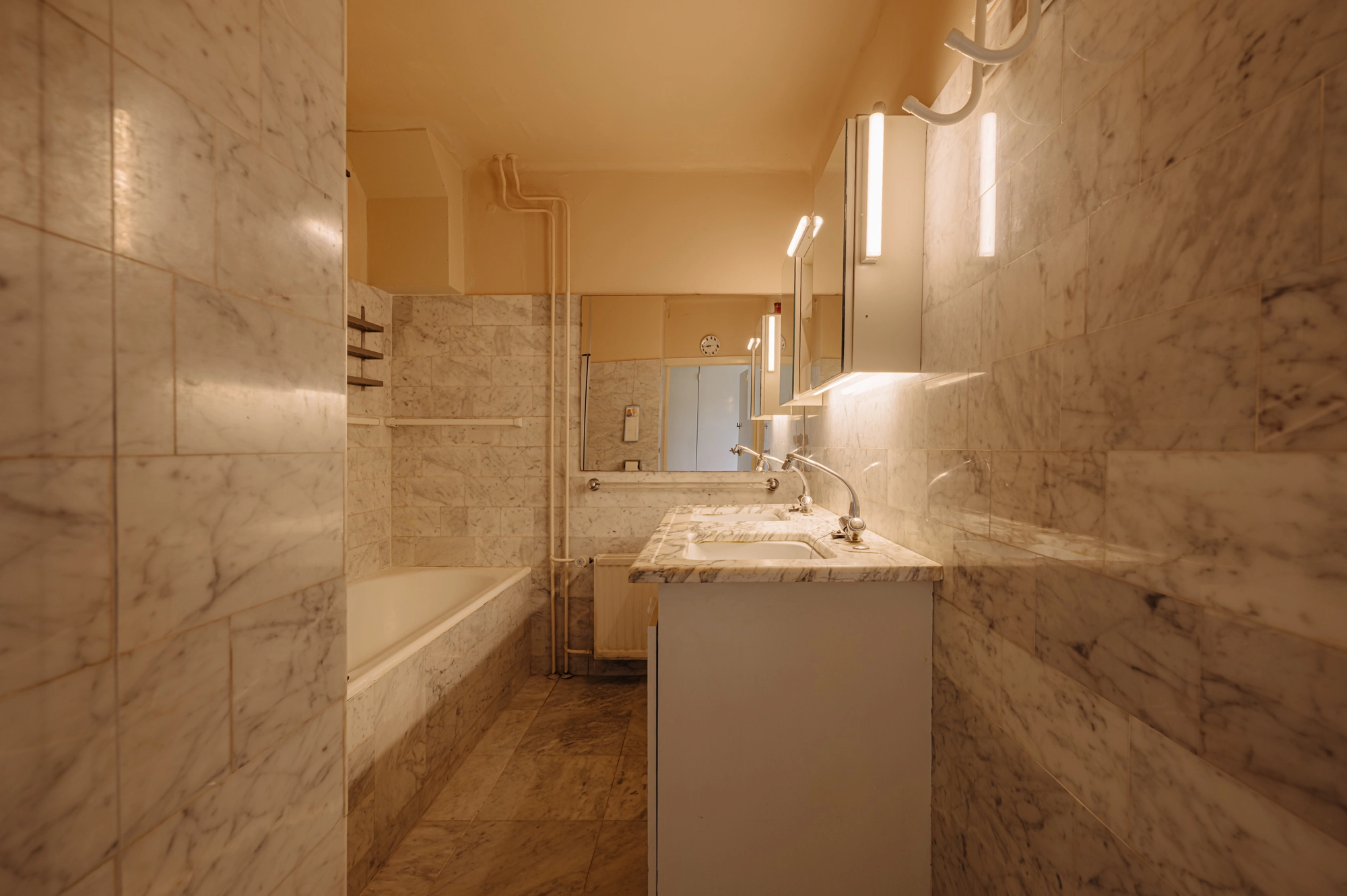
De eerste verdieping beschikt over een zeer grote woonkamer met een pantry aan de voorzijde, met uitzicht op de gracht over de volle breedte van het huis. Aan de achterzijde, met uitzicht op de tuin, bevindt zich een slaapkamer met plafondhoge ramen en een eigen badkamer. Deze etage is desgewenst zelfstandig te bewonen.
Tweede en derde etage
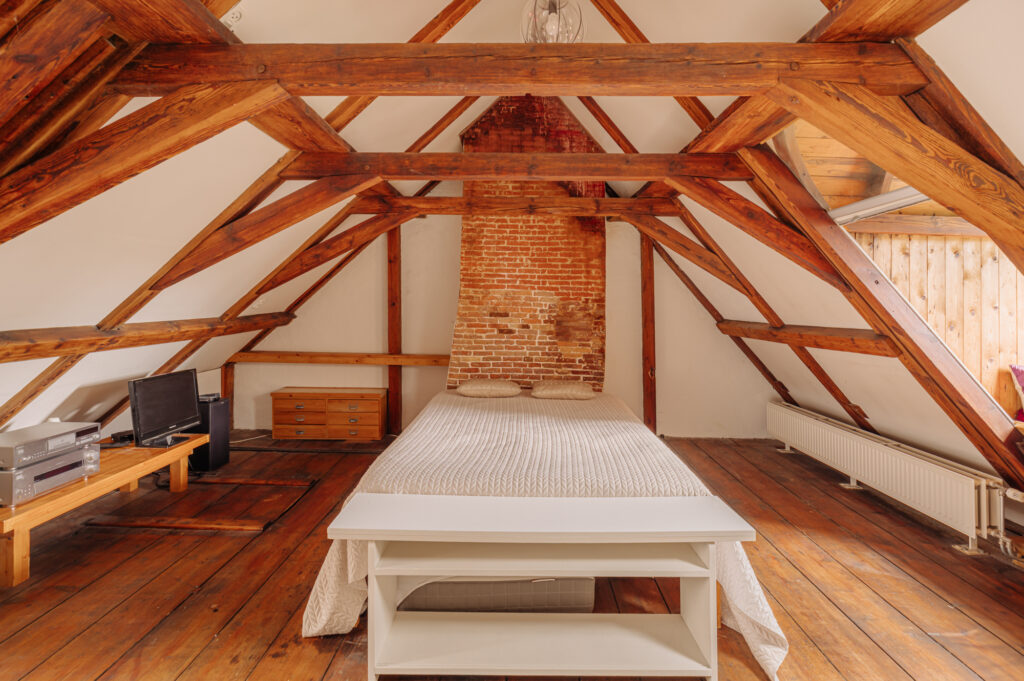
De tweede en derde etages omvatten op dit moment 2 zelfstandig te bewonen appartementen, éen in het voorhuis (ongeveer 125 m2) en éen in het achterhuis (50 m2), gescheiden door een dakterras. Elk appartement beschikt over een eigen keuken en badkamer. Op de derde etage bevindt zich aan de voorzijde het takelrad uit de 17e eeuw, dat nog steeds werkzaam is! Tevens is daar de toegang, via een interne trap, tot een vliering- met een nokhoogte van 2.10 meter, momenteel in gebruik als bergzolder.
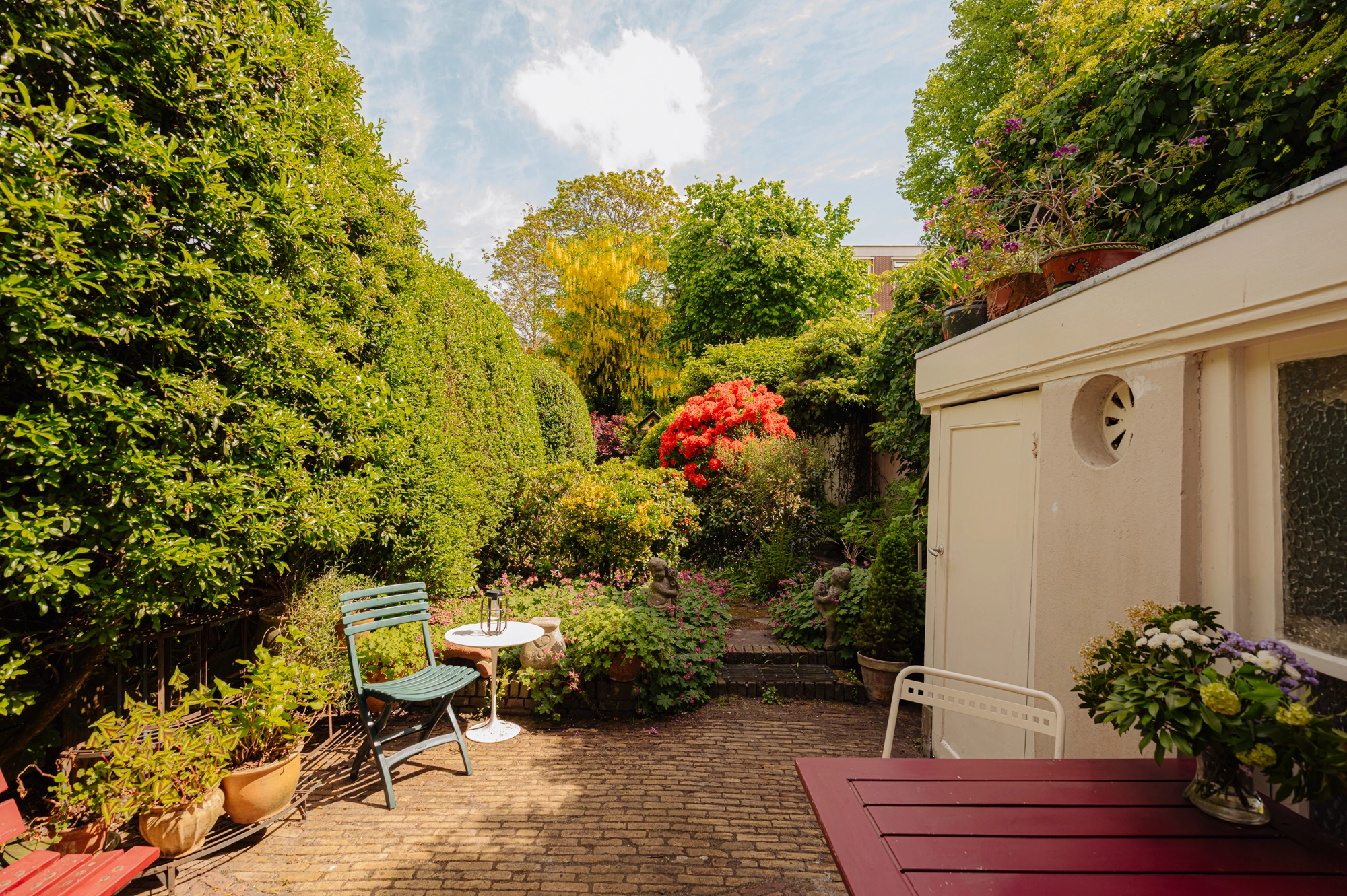
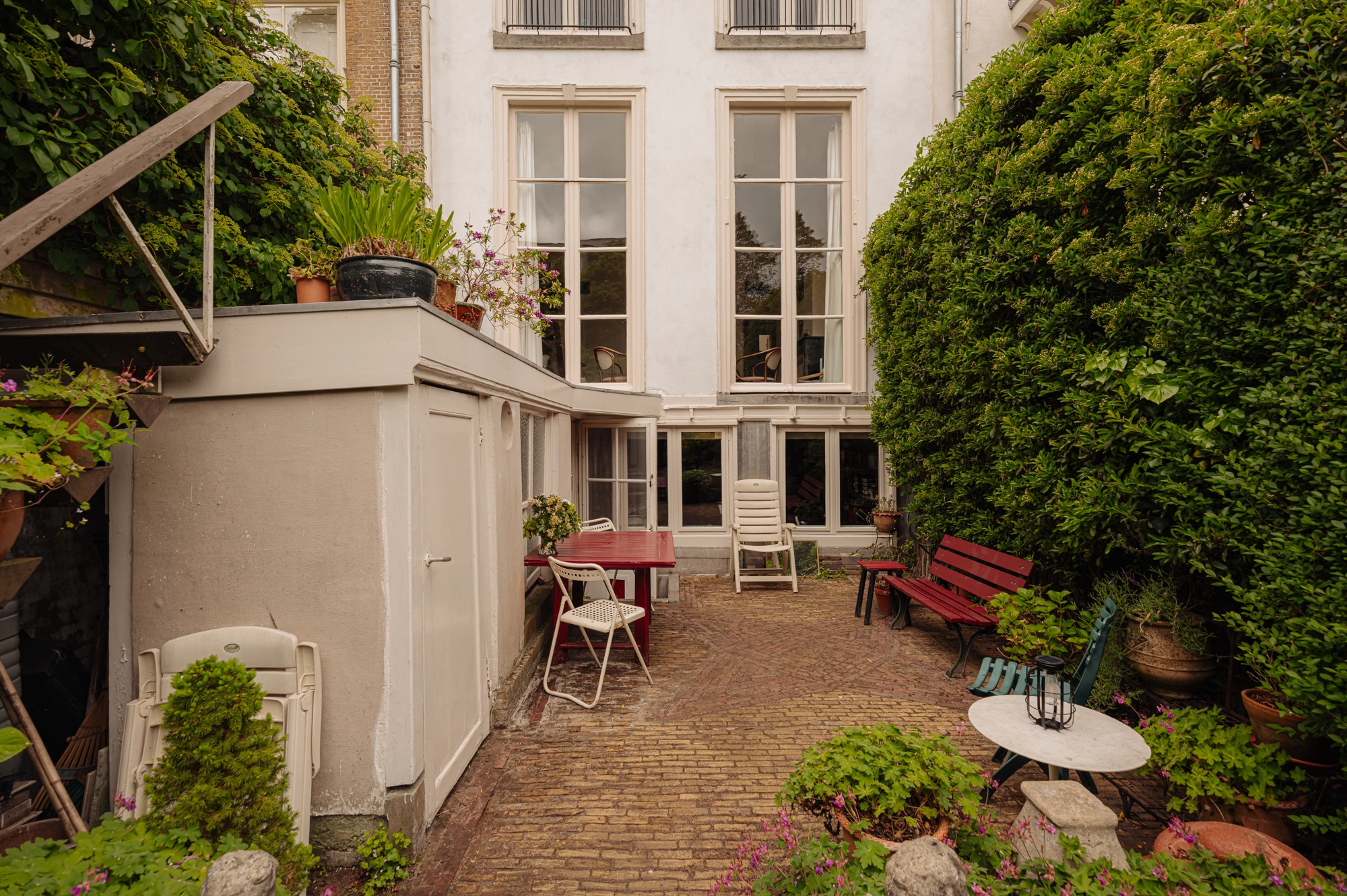
De tuin, opgenomen in het tuingrachtenboek van de Keizersgracht, is bijzonder diep. Diverse zitjes maken het mogelijk om de hele dag door van de zon te genieten. Een beplantingsplattegrond en bloeikalender zijn beschikbaar.
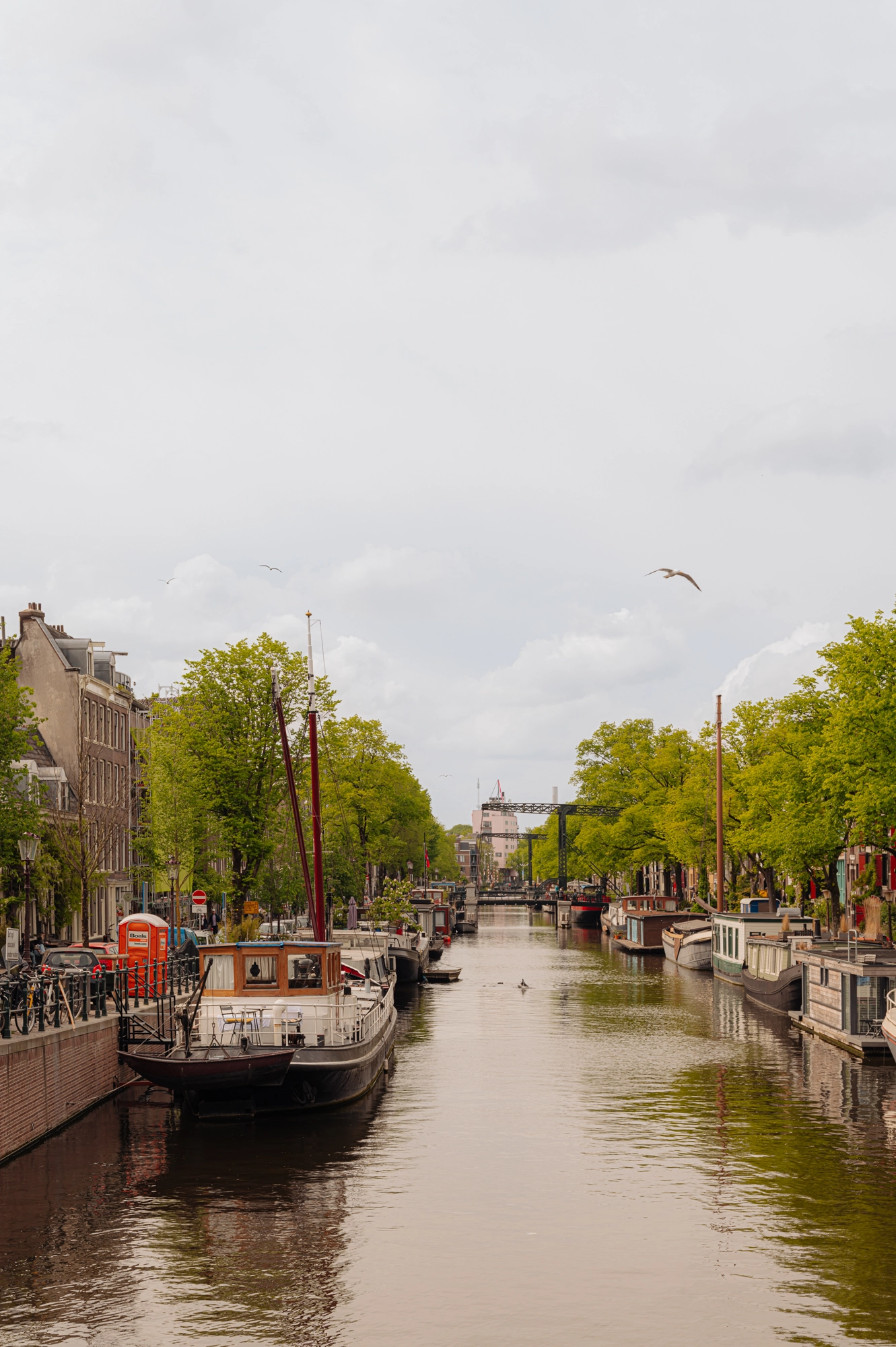
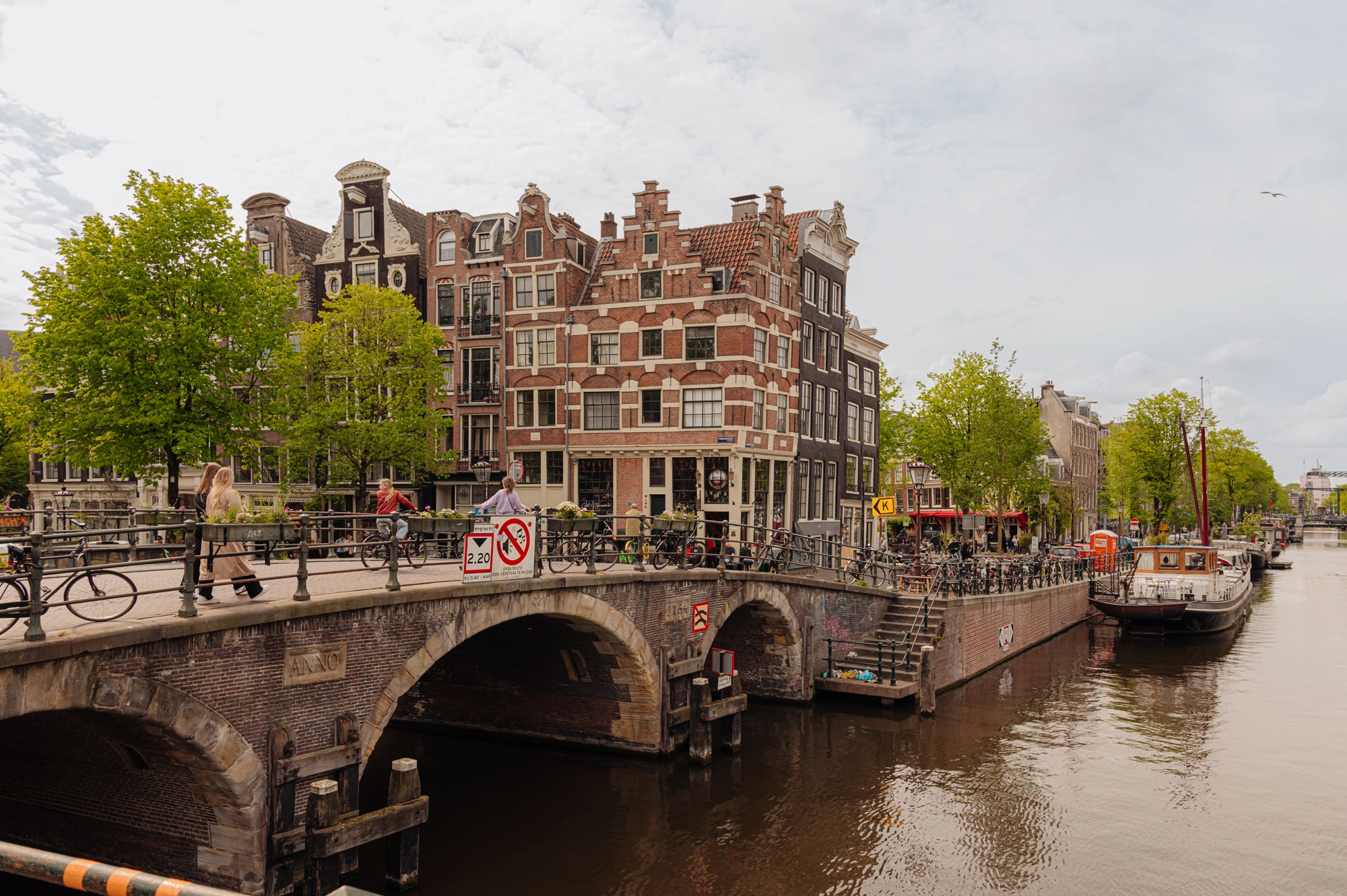
De buurt rondom de Keizersgracht 29 is een van de meest pittoreske en charmante delen van Amsterdam. Gelegen in het hart van de stad, biedt deze buurt een unieke mix van historische schoonheid en moderne levendigheid. Dit gedeelte van de gracht en de stad straalt Centrum Chique uit en is toeristenluw. De Keizersgracht zelf is een van de beroemde grachten van Amsterdam, die samen met de Herengracht en de Prinsengracht de iconische grachtengordel vormt, welke op de UNESCO-Werelderfgoedlijst staat. De grachten worden geflankeerd door prachtige 17e-eeuwse herenhuizen met hun karakteristieke gevels, smalle bouw en fraaie gevelstenen.
De buurt is doordrenkt van cultuur en geschiedenis. Langs de grachten en de Prinsen- en Herenstraat zijn talloze galeries, kunstwinkels en antiekzaken te vinden. Ook zijn er trendy boetieks, designerwinkels en lokale ambachtelijke winkels aanwezig. De nabijgelegen Jordaan en Haarlemmerstraat vullen het aanbod op charmante wijze aan.
Daarnaast staat de omgeving bekend om zijn levendige en hoogwaardige eet- en drinkgelegenheden. Er is een ruime keuze aan uitstekende restaurants, gezellige cafés en karaktervolle bars.
De ligging van Keizersgracht 29 is bovendien gunstig ten opzichte van andere culturele bezienswaardigheden. Op loopafstand bevinden zich onder andere Felix Meritis, de Rode Hoed en diverse kleinschalige bioscopen.
Bereikbaarheid
Het appartement aan de Keizersgracht 29 is uitstekend bereikbaar, zowel per fiets, auto als openbaar vervoer. De Ring A10 is binnen tien minuten bereikbaar via afslag S105 of S106.
Er zijn meerdere tramhaltes in de directe omgeving, waaronder tramlijnen 13, 17 en 2, die verbindingen bieden naar Centraal Station, het Museumplein en Amsterdam-West. Daarnaast bevinden zich diverse buslijnen op de Marnixstraat en de Rozengracht, die directe verbindingen bieden met onder andere Station Zuid en de Rivierenbuurt.
Station Amsterdam Centraal ligt op slechts tien minuten wandelen, waarmee ook de daar aanwezige tram-, bus- en metrohaltes eenvoudig bereikbaar zijn. Op vijf minuten loopafstand ligt bovendien de Nieuwezijds Kolk, waar diverse trams stoppen. Met de fiets is Station Zuid eveneens snel bereikbaar via de Amstelveenseweg. De Noord/Zuidlijn (metro 52), die stopt bij halte Rokin of Vijzelgracht, biedt daarnaast een snelle verbinding naar zowel Station Zuid als Station Noord.
Dankzij deze centrale ligging zijn vrijwel alle delen van de stad en ook Schiphol goed en snel bereikbaar — ideaal voor zowel dagelijks woon-werkverkeer als internationale reizen.
Parkeergelegenheid
Parkeren is mogelijk via een vergunningenstelsel op de openbare weg (vergunningsgebied Centrum-2c). Met een parkeervergunning voor Centrum-2c mag u parkeren in Centrum-2. Een parkeervergunning voor bewoners kost € 326,65 per 6 maanden. Momenteel is er voor dit vergunningsgebied een wachttijd van 29 maanden. Een tweede parkeervergunning is in dit gebied niet mogelijk. Naast de openbare weg is het ook mogelijk om met een parkeervergunning kosteloos te parkeren in garage Oosterdok Eiland. (Bron: Gemeente Amsterdam, mei 2025).

1013 GX Amsterdam
De Belhamel
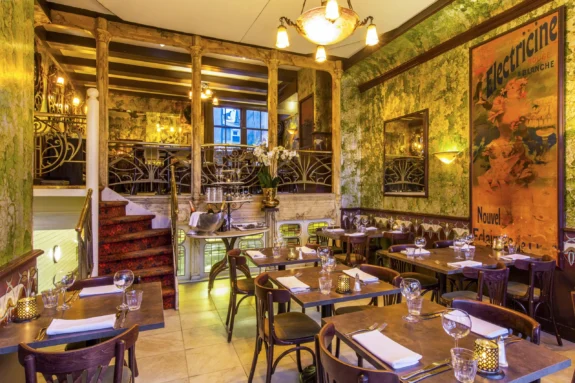
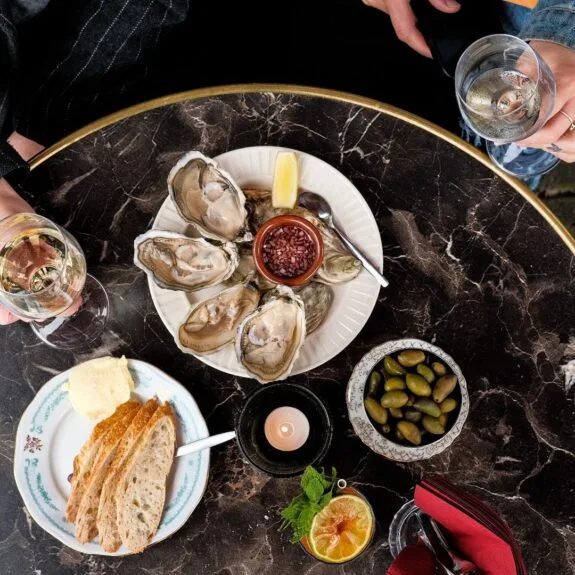
Dit restaurant weet zich zowel qua locatie als qua interieur uniek te onderscheiden. Het restaurant en de bar (een echte speakeasy) hebben allebei een romantische Parijse Art Nouveau sfeer. Frans geïnspireerde klassiekers versterken deze eigen identiteit met tarte tatin van sjalotten, zilveruitjes, blauwe kaas en mosterdkaramel of pain perdu van brioche met yoghurt-sinaasappelijs. In de zomer zit je heerlijk op het terras aan de Brouwersgracht.
1015 CB Amsterdam
Linguini
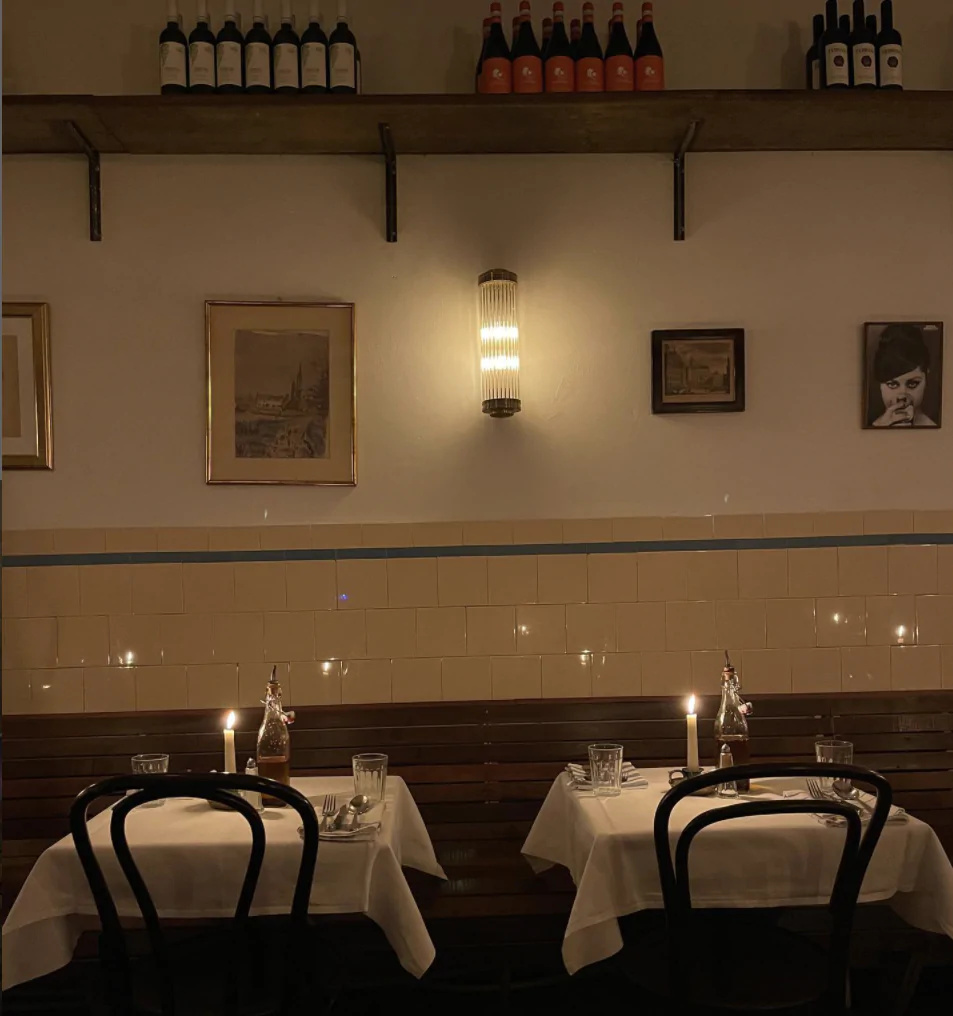
Essentieel in de Italiaanse keuken is simpliciteit: zolang de ingrediënten goed zijn heb je niet veel nodig. “Less is more”. Dat hebben ze bij Linguini in de Herenstraat goed begrepen. Het interieur ademt het Italiaanse dolce vita-gevoel: sfeervolle oude tegels en een mooie lange bank als eyecatcher: Linguini is een knusse en warme trattoria, met oog voor detail. De kaart is klein en bestaat voornamelijk uit pasta. Deze bestel je of in een kleine portie (voor één persoon), of op z’n Italiaans in een grote pan voor de ‘famiglia’. Pasta, pasta, pasta dus. Allemaal bereid met liefde en passie door de Italiaanse ‘pasta maestro’ genaamd Lorenzo Isidoro.
1015 CA Amsterdam
Max restaurant
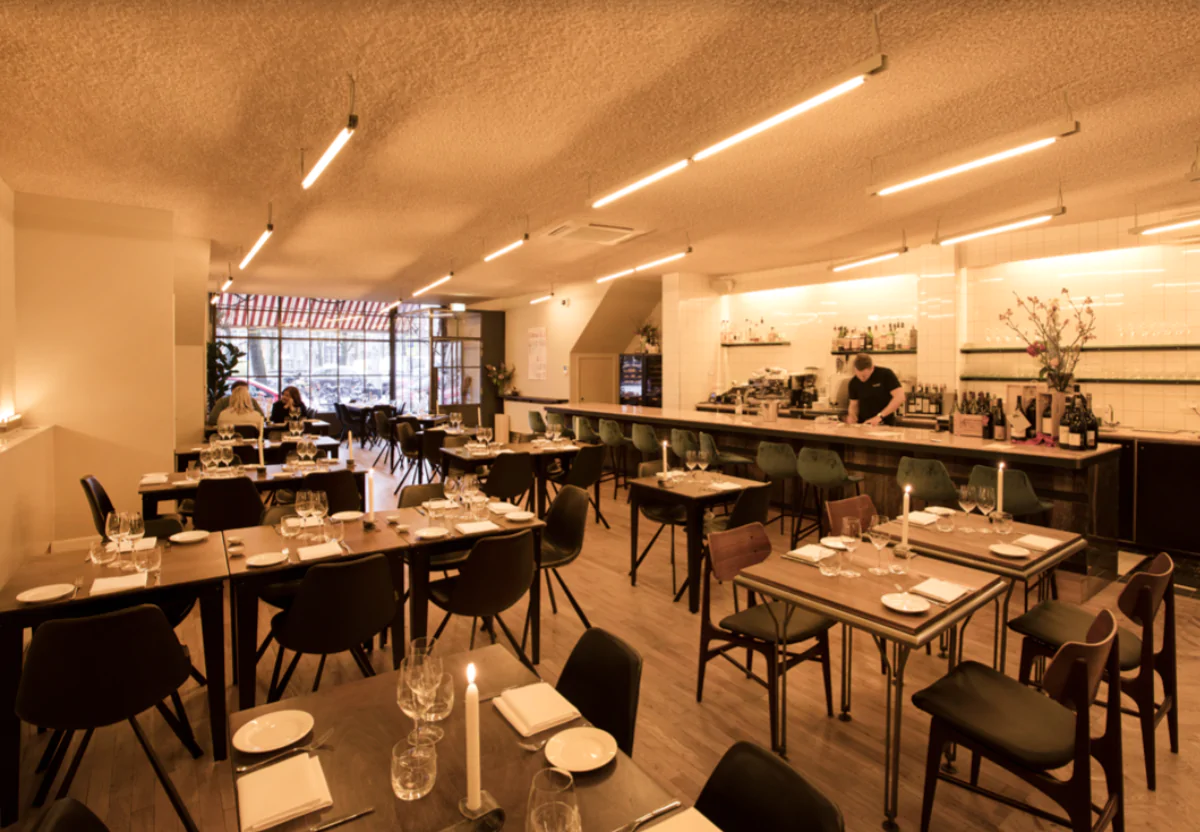
Max, geboren in Jakarta, leerde de basis van zijn moeder die kok was. Verwacht geen Indonesische nostalgie, maar een eigen, lichtvoetige interpretatie van de Indische keuken. Het interieur is huiselijk maar niet tuttig. MAX voelt als een eerbetoon aan de familiegeschiedenis van de chef, maar ook als een restaurant dat volledig in het hier en nu staat.
1013 EL Amsterdam
De Blauwe Druif
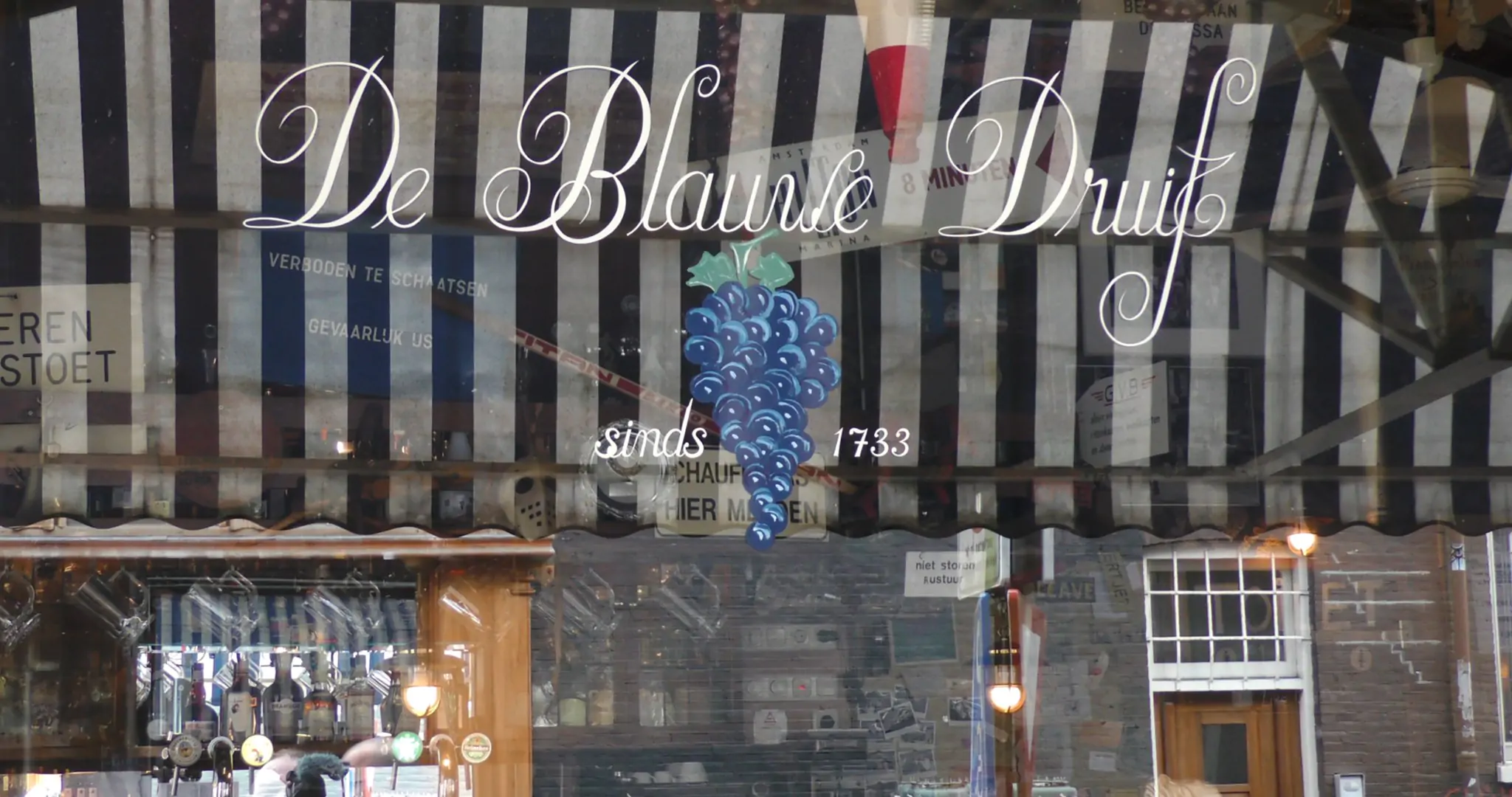
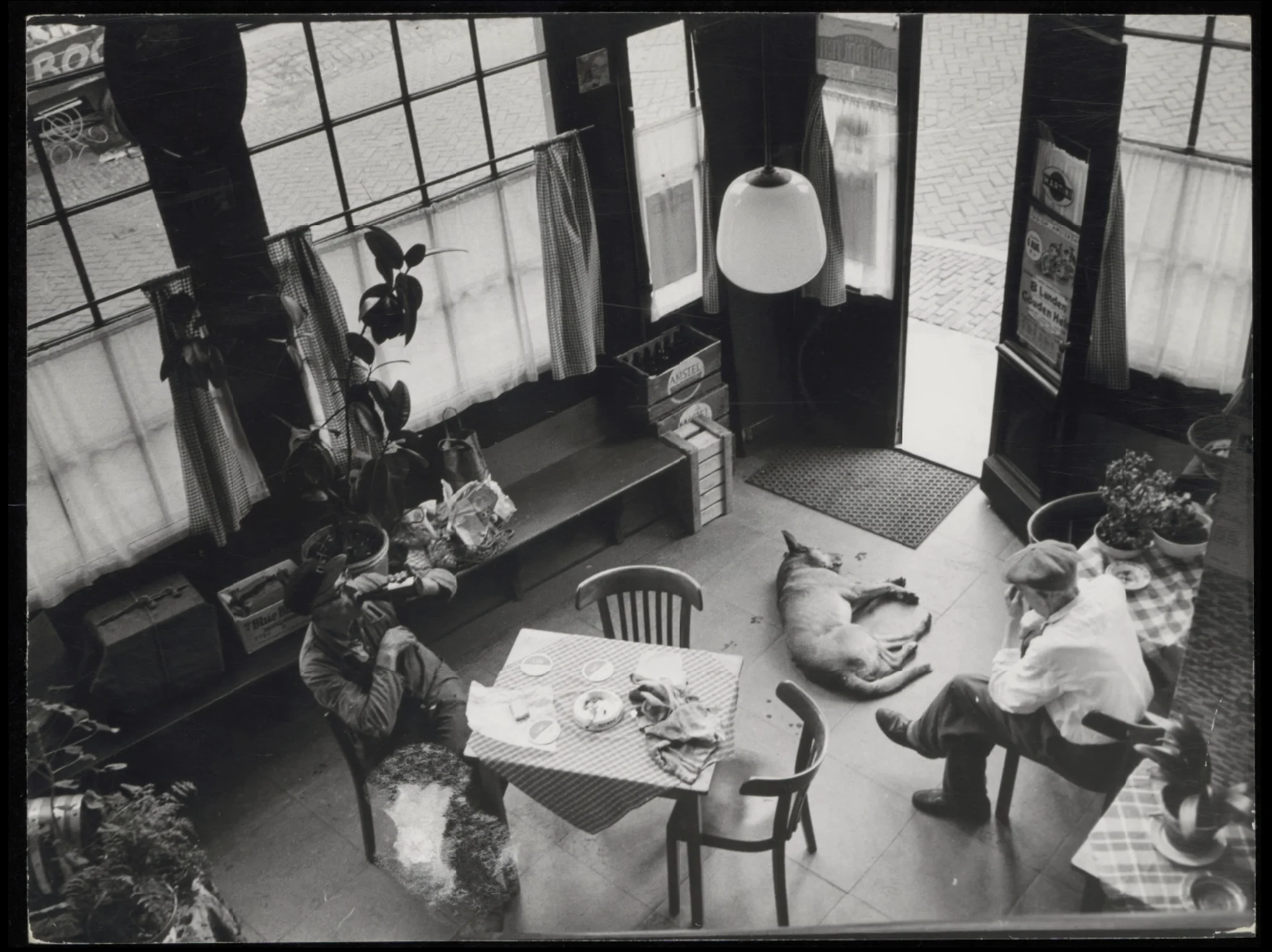
Met zijn glas-in-lood ramen en gehaakte gordijntjes zijn de deuren van Café de Blauwe Druif al open sinds 1733. Het is gevestigd vlakbij het WestIndisch Huis. Schippers die werkten voor de WIC dronken afscheid-en verwelkomt-borrels in de Blauwe Druif.
1015 MV Amsterdam
Domenica
Domenica betekent Zondag in het Italiaans. DE dag om samen te komen en uitgebreid te tafelen, maar dat kan natuurlijk ook de rest van de week! Chef Flavio Carestia (vroeger werkzaam als chef bij Toscanini) kookt hier met super verse ingrediënten Italiaanse klassiekers, maar ook andere gerechten uit de Europese keuken. Ook de wijnkaart is van een buitengewone goede kwaliteit. De ligging van dit restaurant, aan de Noordermarkt (de voormalige locatie van Bordewijk), is natuurlijk onovertroffen.
1015 DC Amsterdam
OSLO
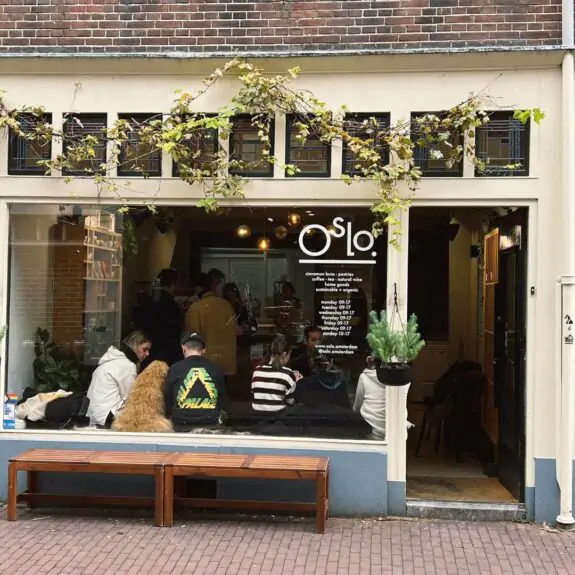
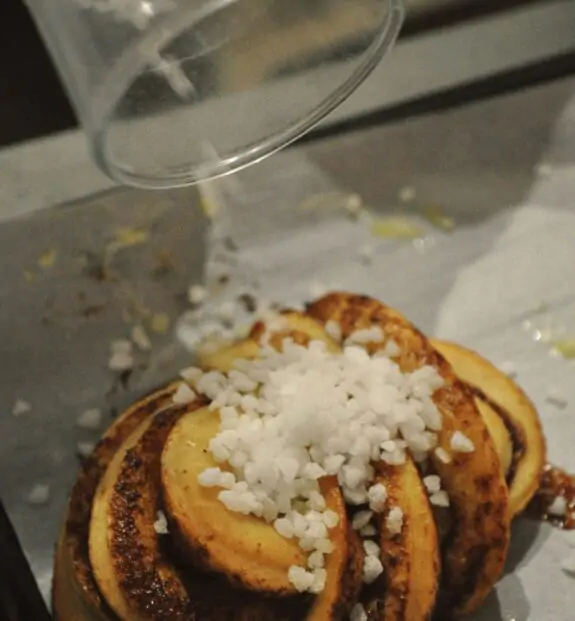
Bij OSLO Amsterdam omarmen ze met toewijding de Scandinavische filosofie. Het gebak wordt met zorg vervaardigd, strevend naar het perfecte balans tussen zoet en verfijning, bevredigend zonder enige overdaad. Het resultaat is een combinatie van complexiteit, maar toch toegankelijk voor iedereen. Bij OSLO maken ze gebruik van uitsluitend organische en biodynamische ingrediënten in hun bakproces, waarmee ze niet alleen heerlijke gebakjes creëren, maar ook de aarde een beetje beter achterlaten.
1015 DV Amsterdam
Het Papeneiland
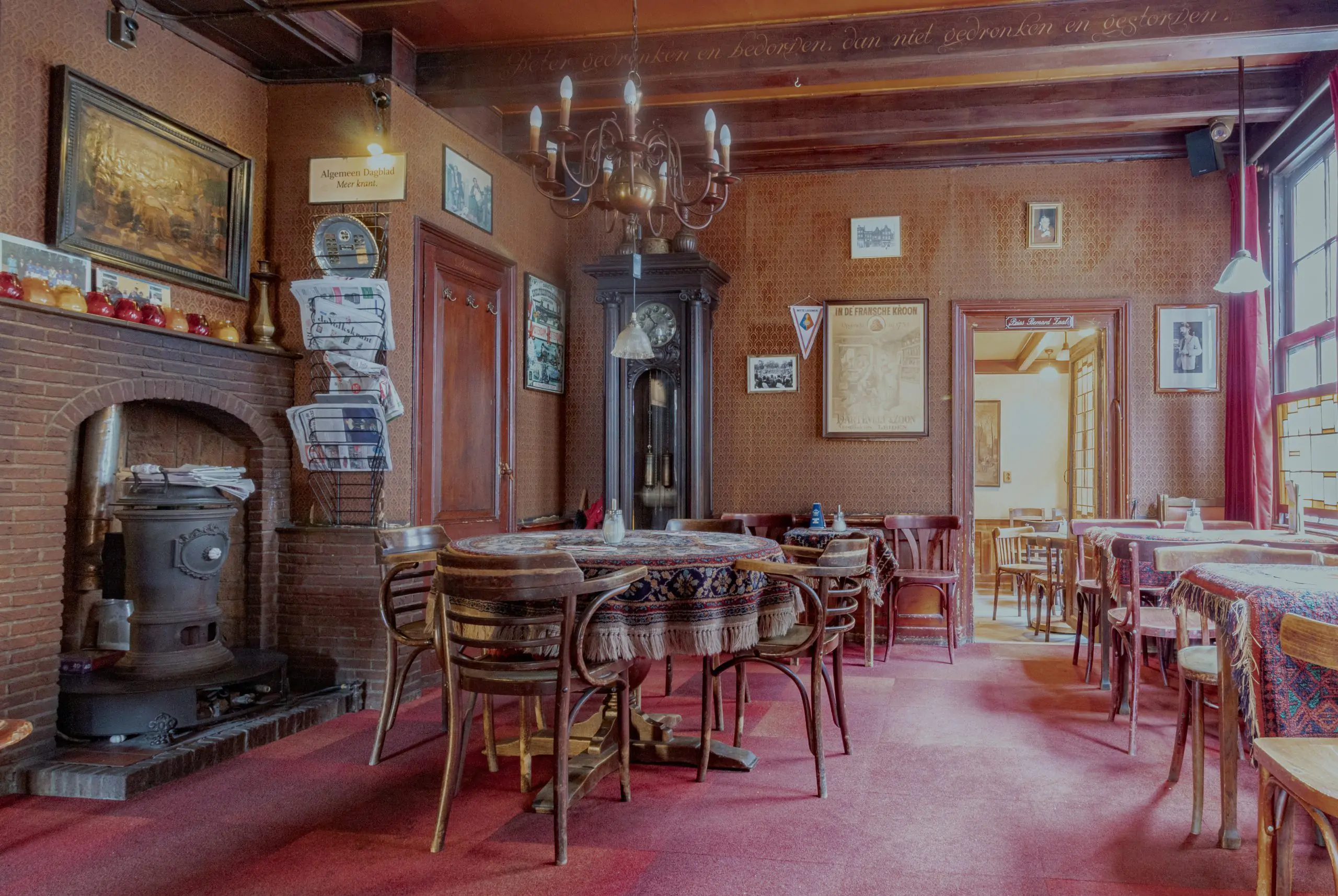
Het huidige pand van het café komt uit 1642. Aan het begin van de Prinsengracht bevond zich in de 17de eeuw op nummer 7 een katholieke schuilkerk en deze was via een tunnel verbonden met het pand op de hoek. De ingang van de tunnel bevindt zich nog altijd in de kelder van het café. ’T Papeneiland werd wereldnieuws toen Bill Clinton bij zijn bezoek aan Amsterdam de zelfgebakken appeltaart kwam proeven. Ga langs en beoordeel zelf.
1015 DD Amsterdam
Christiaan Smit
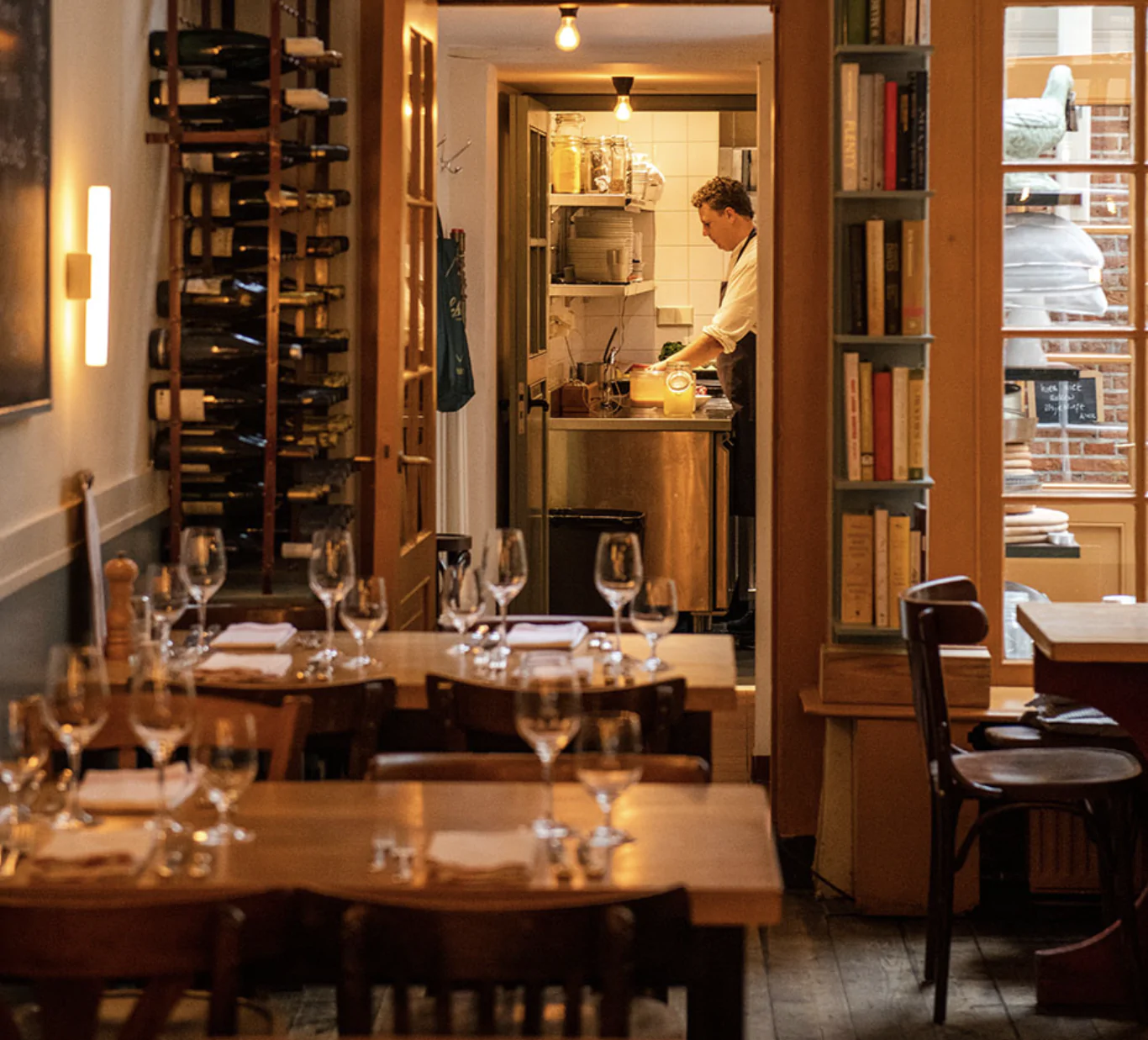
Christiaan Smit is een intiem restaurant in de Jordaan, gevestigd aan de Prinsenstraat 20 in Amsterdam. Het biedt een 4- of 5-gangendiner, met de mogelijkheid om à la carte te bestellen. Onder leiding van chef-kok Simon van Lith ligt de focus op seizoensgebonden gerechten met vlees, vis en lokale producten, zoals langoustines en dry-aged vis. Sommelier Abel van Schoonhoven verzorgt bijpassende wijnen. Het interieur, geïnspireerd op Engelse pubs, straalt comfort en gezelligheid uit. Met ruimte voor 30 gasten en een binnentuin biedt het restaurant een warme sfeer. De naam is een eerbetoon aan Christiaan Smit, een historische kargadoor uit Amsterdam, bekend als "Kikkie van de Prinsensluis". Het restaurant combineert hoogwaardige gerechten met een vleugje Amsterdamse geschiedenis, ideaal voor een culinaire avond in een bijzondere setting.
1015 DD Amsterdam
Café De Klepel
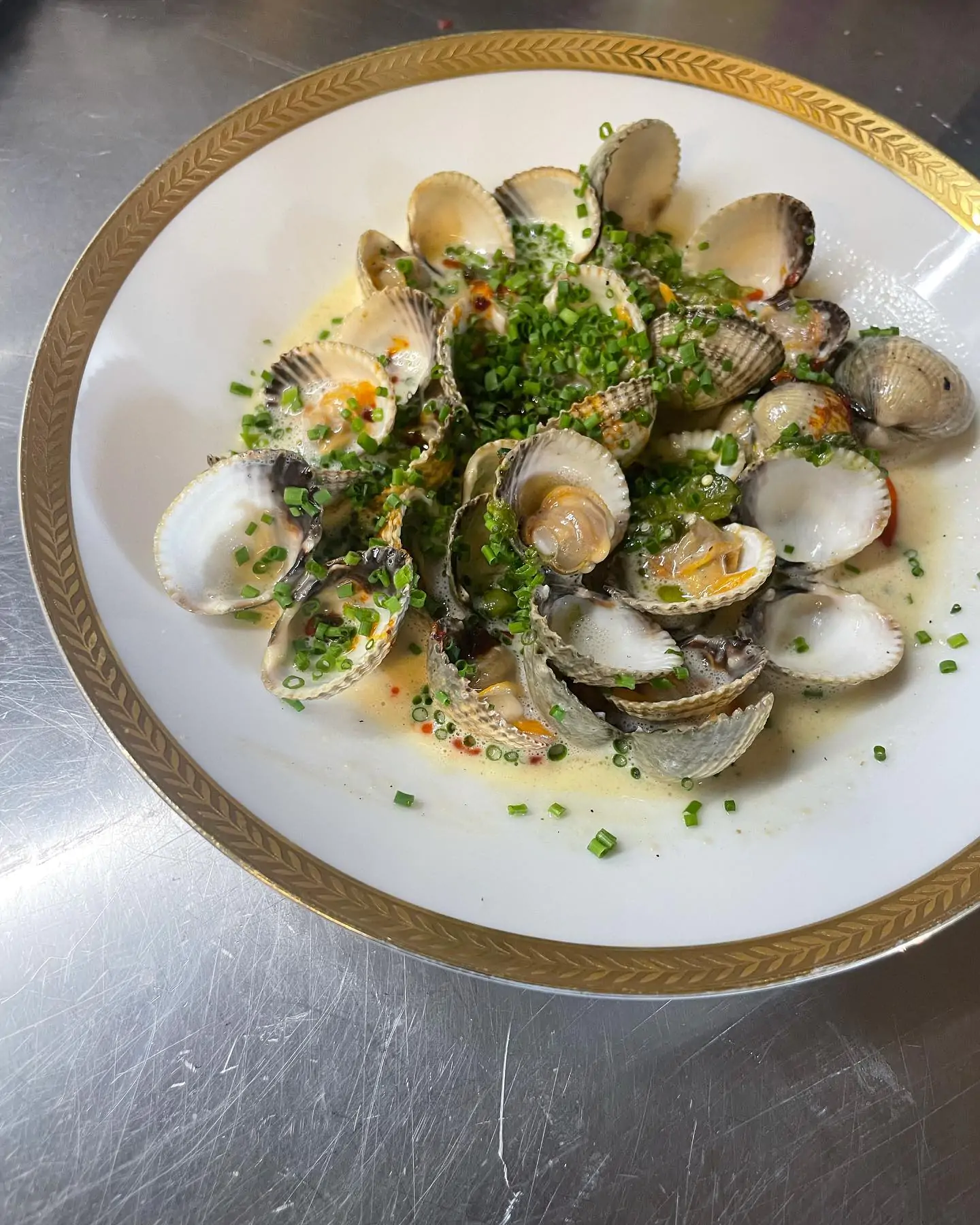
In 2013 veranderde eigenaar Maureen Café de Klepel van een klassieke bruine kroeg in een wijncafé waar Franse wijn centraal staat. Chefs Ewout Lindenhovius en Rudolf Brand serveren dagelijks een wisselend menu van 3 of 4 gangen. De wijnkaart is volledig Frans en wordt begeleid door een sterk team van sommeliers dat de kaart tot in detail kent. Er staan meer dan 300 verschillende flessen op de kaart en elke avond schenken ze zo’n 25, steeds wisselende, wijnen per glas.
1015 DD Amsterdam
Kikkie van de Prinsensluis
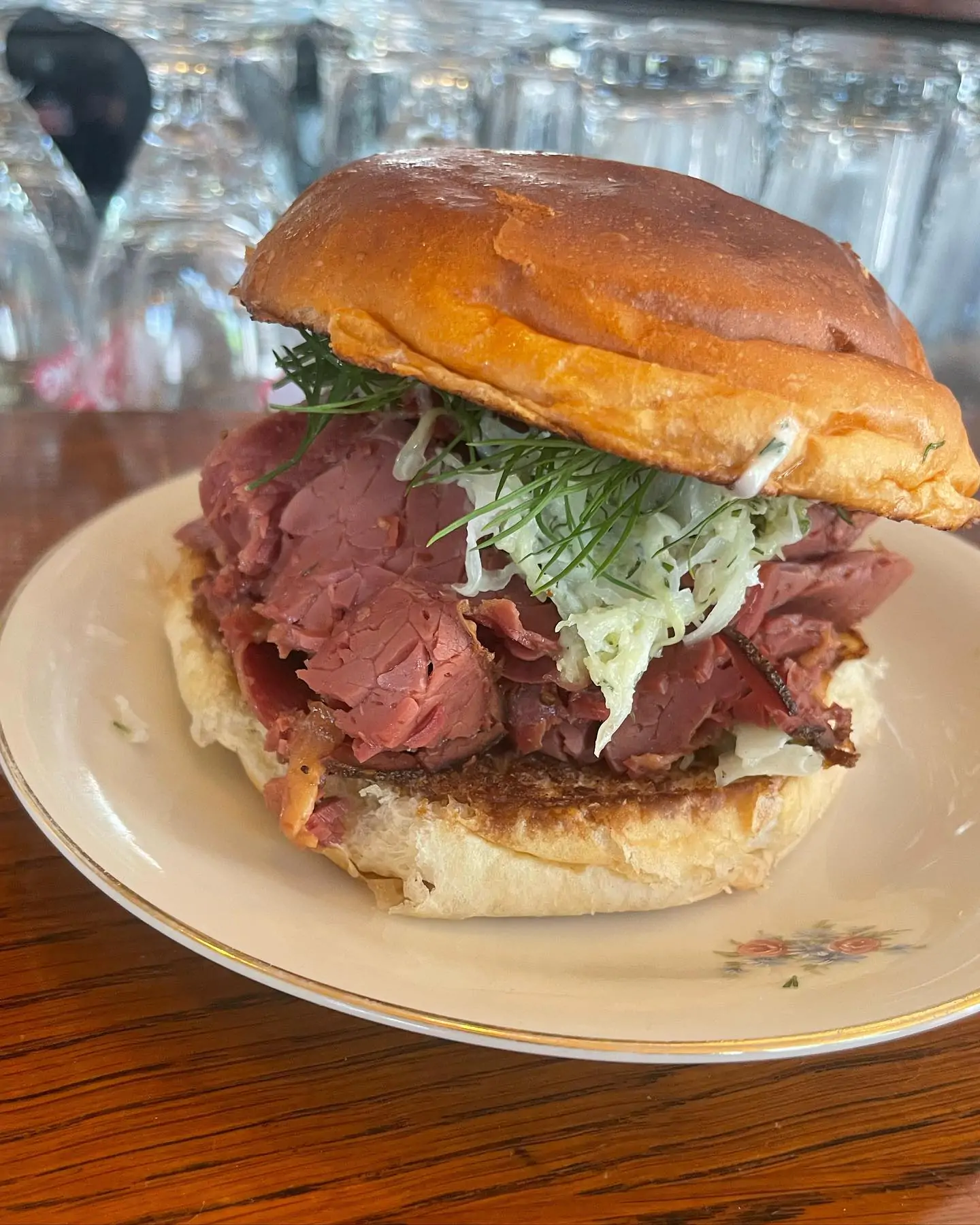
Op de hoek van de Prinsenstraat en de Prinsengracht ligt dit café restaurant. Er is een ruim terras met een ruime selectie natuurwijnen. Het is een ideale plek voor een borrel die overloopt in een lange avond met gerechtjes die het niveau van barhapjes ruim ontstijgen. In het weekend kan je terecht voor een lekkere lunch, dat betekent huis-gerookte Pastrami vanaf 12:00 net zoals de smashburger en meer kleine gerechtjes.
1015 LT Amsterdam
Luuk's Coffee
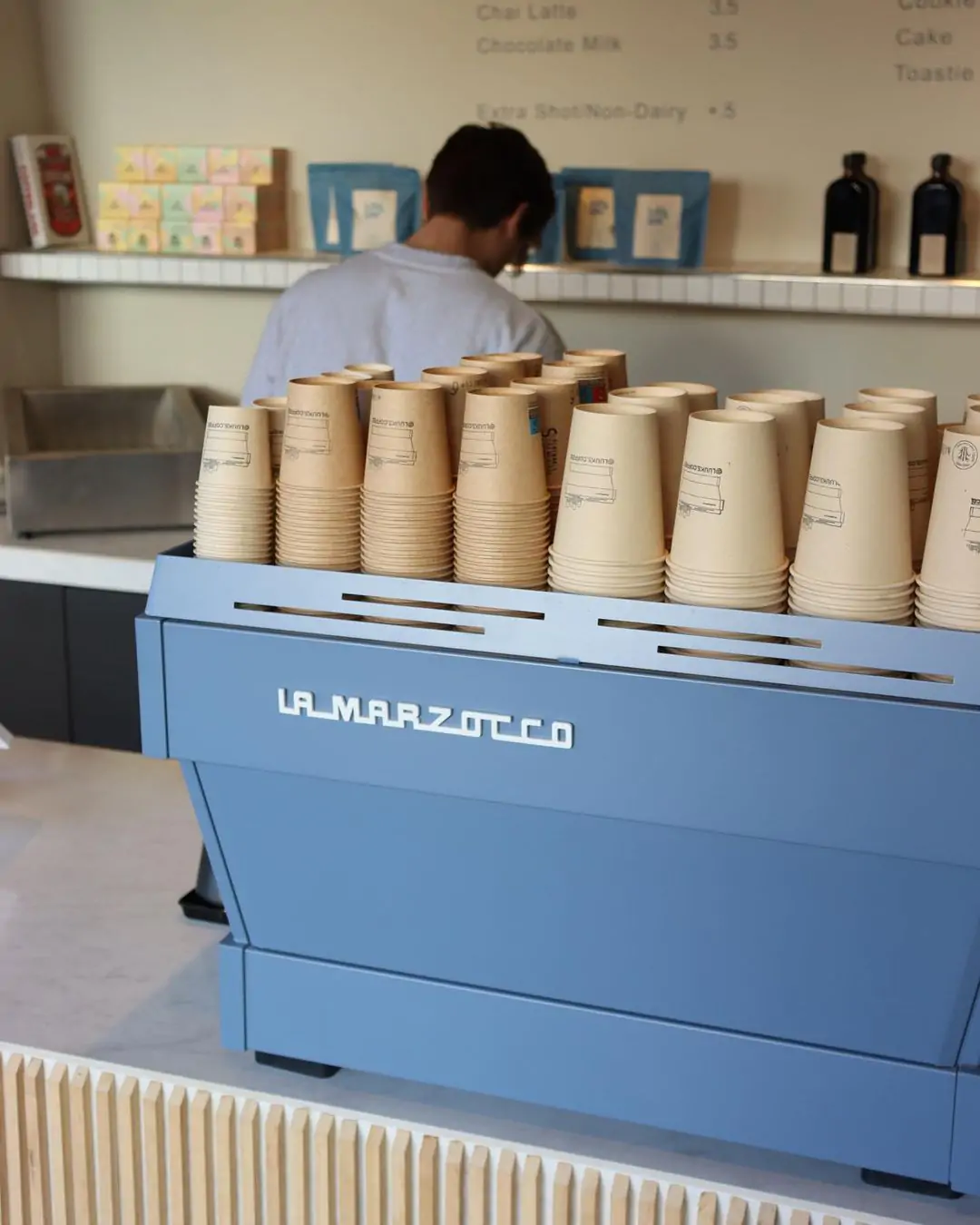
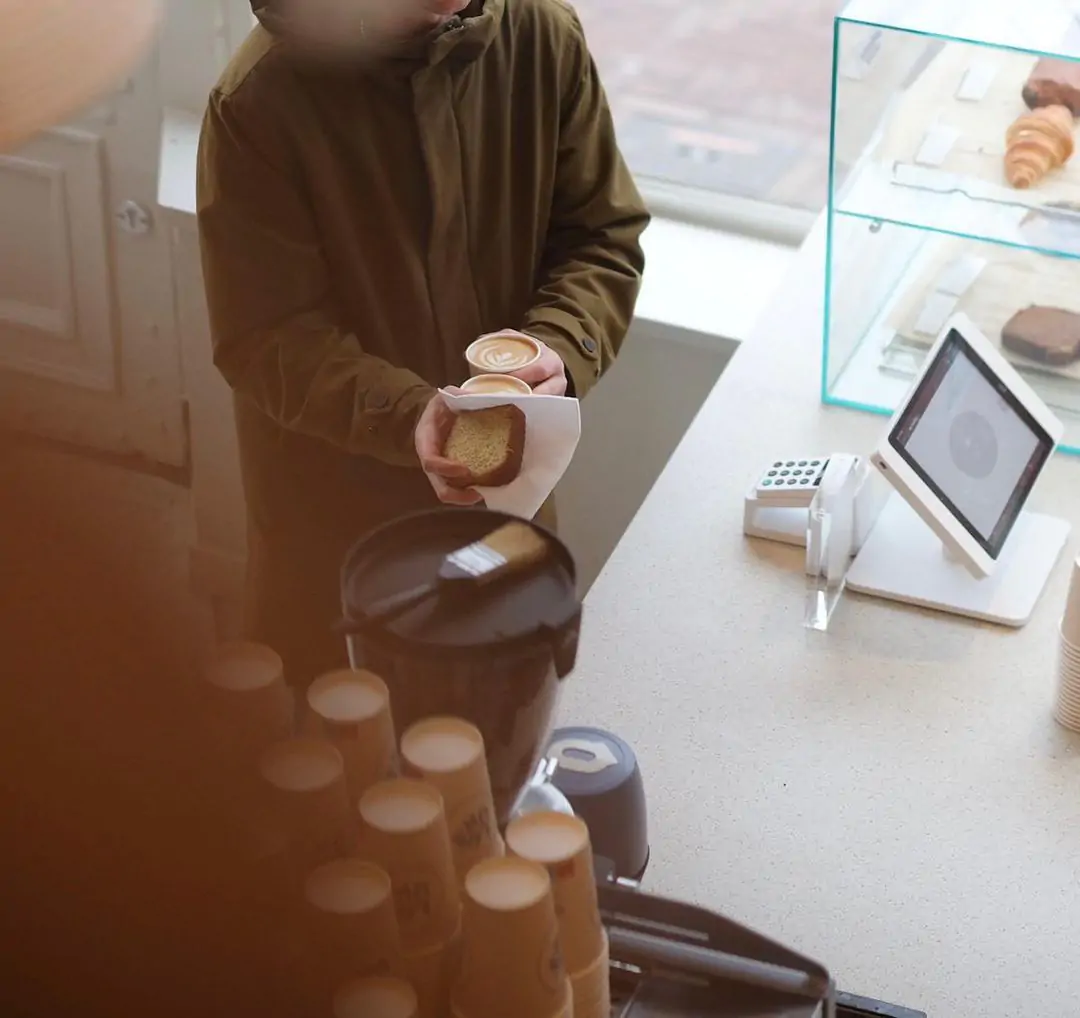
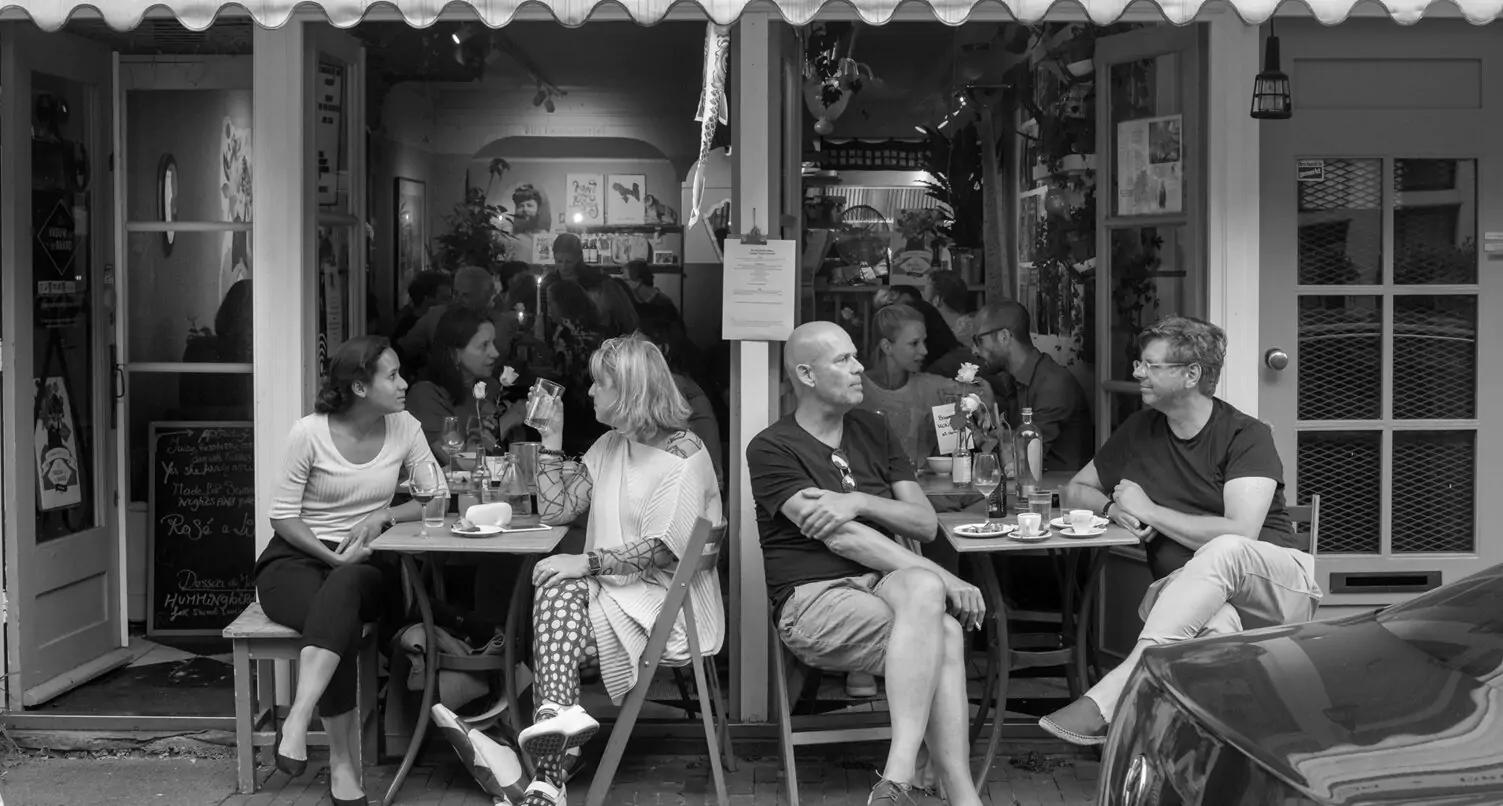
Midden in de Jordaan tegenover Winkel 43 bevindt zich Luuk's coffee. Luuk Nijsen is de oprichter van deze speciale koffiebar. Ze zijn enorm populair vanwege hun uitstekende locatie en nog betere koffie. Bovendien maken ze heerlijke zoete lekkernijen als je trek hebt. Je kan hier zeven dagen per week terecht.
1013 GJ Amsterdam
Café de Vrouw met de Baard
De Vrouw met de Baard - alleen de naam is reden genoeg om hier een keertje langs te wippen. Geheel met eigen merchandise, eigen sambal en soul kookboek én playlist weet het eethuis in het centrum een stempel te zetten op de Indisch/Molukse keuken. Ookal is de Rendang het gerecht waarvoor mensen van mijl en ver komen, ook de vegetarische alternatieven met jackfruit en aubergine zijn meer dan de moeite waard. De huiskamer-achtige sfeer geeft het geheel een echt familiegevoel, wat volgens de eigenaren zelf exact het doel is van soul- en comfortfood!

1015 NA Amsterdam
Winkel 43
Je kunt hier van ’s ochtends vroeg tot ’s avonds laat, in de zomer en in de winter terecht. Je kunt genieten van de beroemde appeltaart op het heerlijk zonnige terras of een lekker broodje kiezen van de lunchkaart. Ook ’s avonds kun je terecht voor iets te eten of een borrel. De kaart is niet ingewikkeld, maar lekker en niet duur. Het zit in het midden van de Jordaan en is een perfecte plek om lekker mensen te kijken. Omdat Winkel 43 zo beroemd is vanwege zijn appeltaarten trekt het natuurlijk toeristen maar ook lokale bewoners komen hier maar al te graag omdat het zo ongelofelijk lekker is. Niet te missen!
1015 DB Amsterdam
Café de Twee Prinsen
Café de Twee Prinsen is de derde zaak van de mannen achter Binnenvisser en de Corner Store. Hier kan je 's ochtends al voor de koffie binnenploffen, lunchen met een baguette of aan de bar hangen voor wat bites en de uitgebreide selectie natuurwijnen. Oftewel het café voor ontbijt tot late borrel.
1015 NA Amsterdam
Café Hegeraad
Café Hegeraad was tot begin 20e eeuw een klein café met een aansluitend woonhuis. Later zijn de glazen tussendeuren weggehaald. Het is een gezellige bar met typisch Hollandse keuken, koffie en zoete lekkernijen.
1015 KB Amsterdam
Enté
Een combinatie van een bruine kroeg en een restaurant. Dat was het uitgangspunt van Natalie Kouwen en Tim Werners. Chef Joris van Dijk (o.a. voorheen Rijsel) kookt hier geen gemiddelde daghap maar eerder culinair comfortfood. Binnen of buiten aan de Lindegracht middenin de Jordaan eert je hier bijvoorbeeld en onder andere zelfgedraaide braadworst met piccalilly, knolselderij met salsa verde of een gebraiseerde konijnenpoot.
1015 DW Amsterdam
Het Bruine Paard
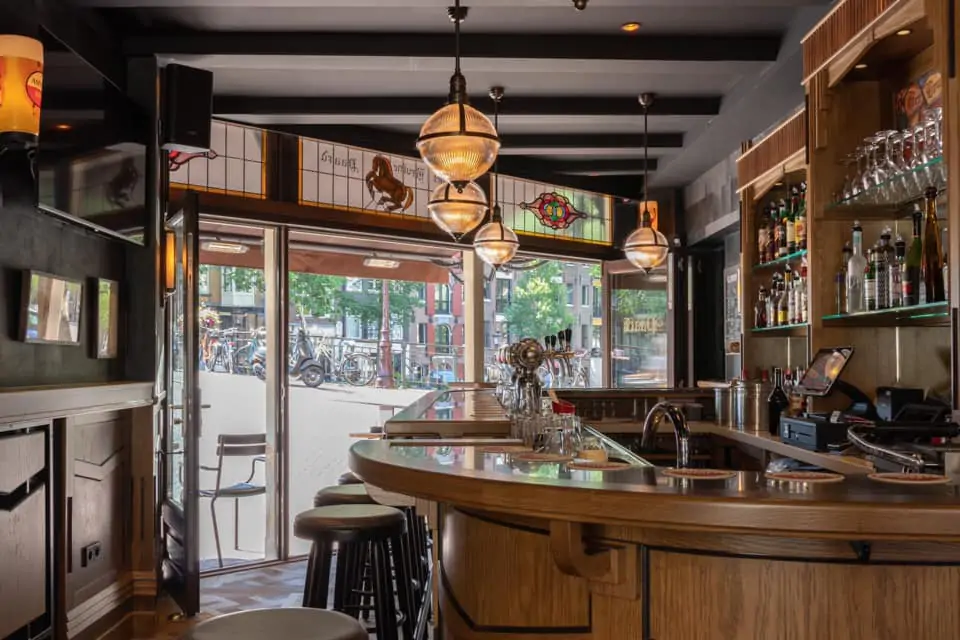
Recht tegenover Café het Bruine Paard bevindt zich een steile brug. Vroeger was daar aan de overkant een brandweerkazerne. Het verhaal gaat dat het paard met brandweerwagen en al tijdens een forse winternacht van de brug af gleed en zo in het café belandde. Vandaar de naam het Bruine Paard.
1013 EH Amsterdam
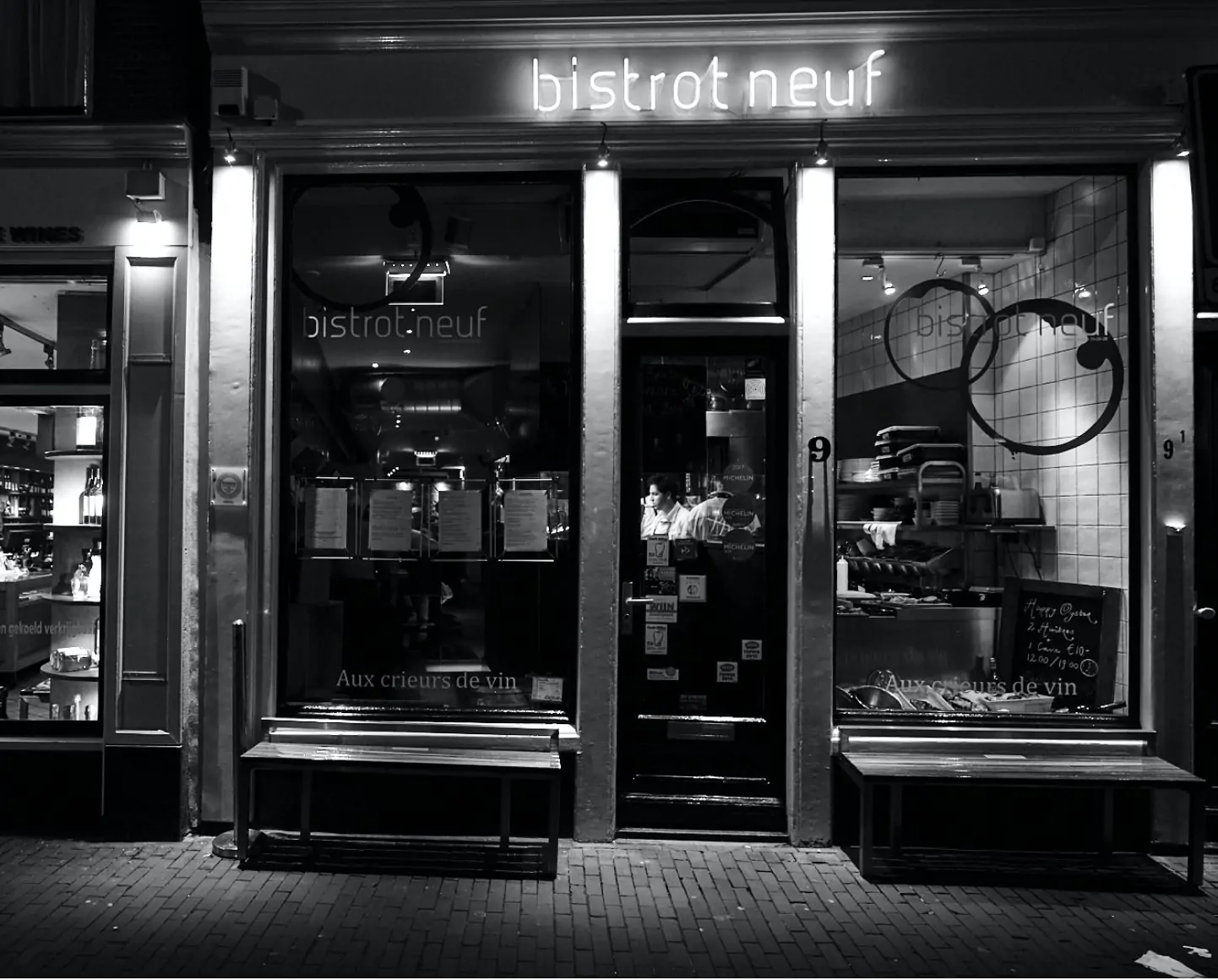
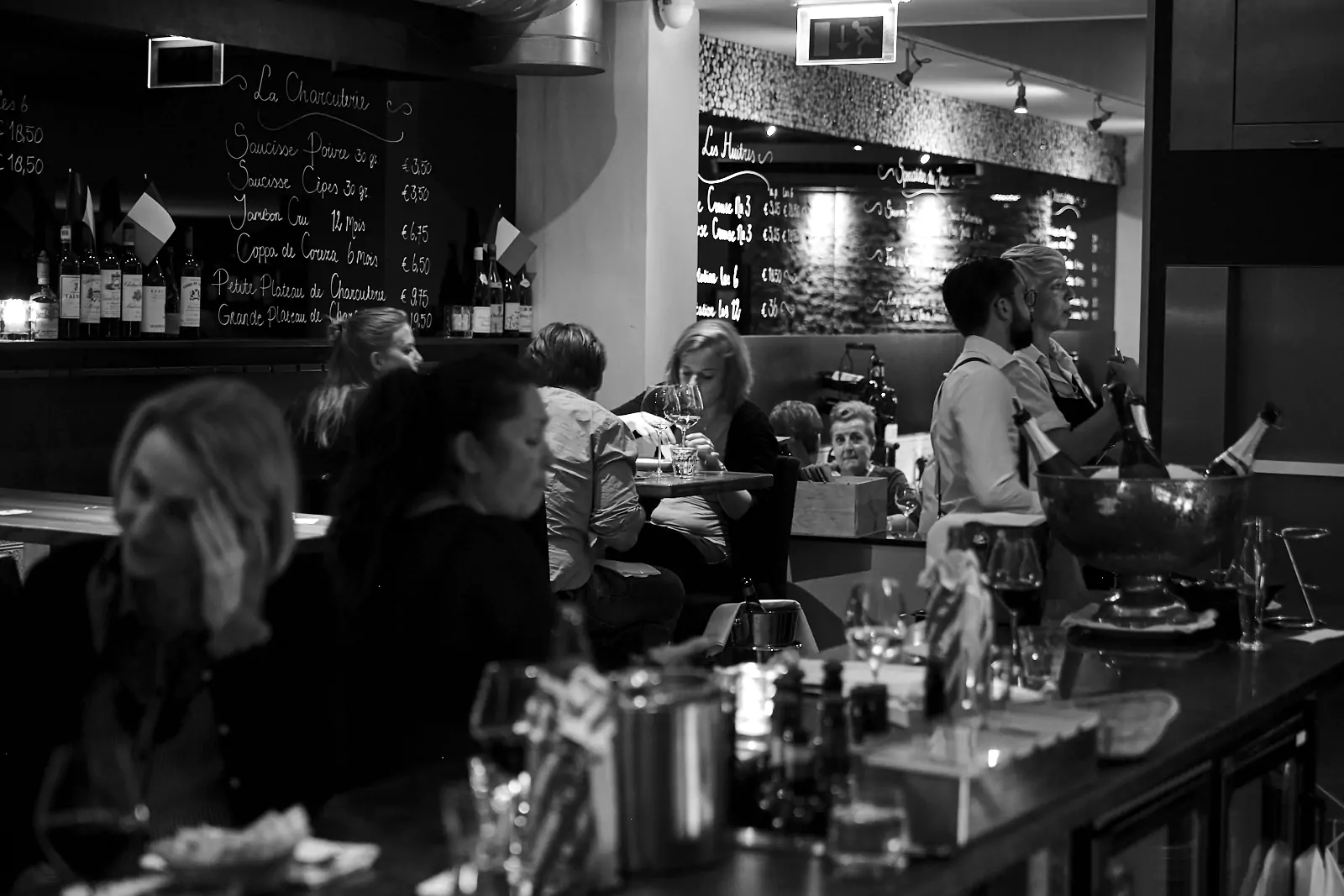
Bistrot neuf
Bistrot Neuf is een gezellige bistro met een modern interieur midden in het levendige Amsterdam. Het werd ooit terecht uitgeroepen tot de beste Franse zaak van Amsterdam en dat is te begrijpen. De vaste kaart staat vol Franse klassiekers zoals bouillabaisse, slakken en steak tartaar. Als een van de weinigen in Amsterdam wordt hier ook warme lunch geserveerd, maar je kan hier ook op z’n Parijs gezellig en ongecompliceerd tafelen met een goed glas wijn.
1015 DV Amsterdam
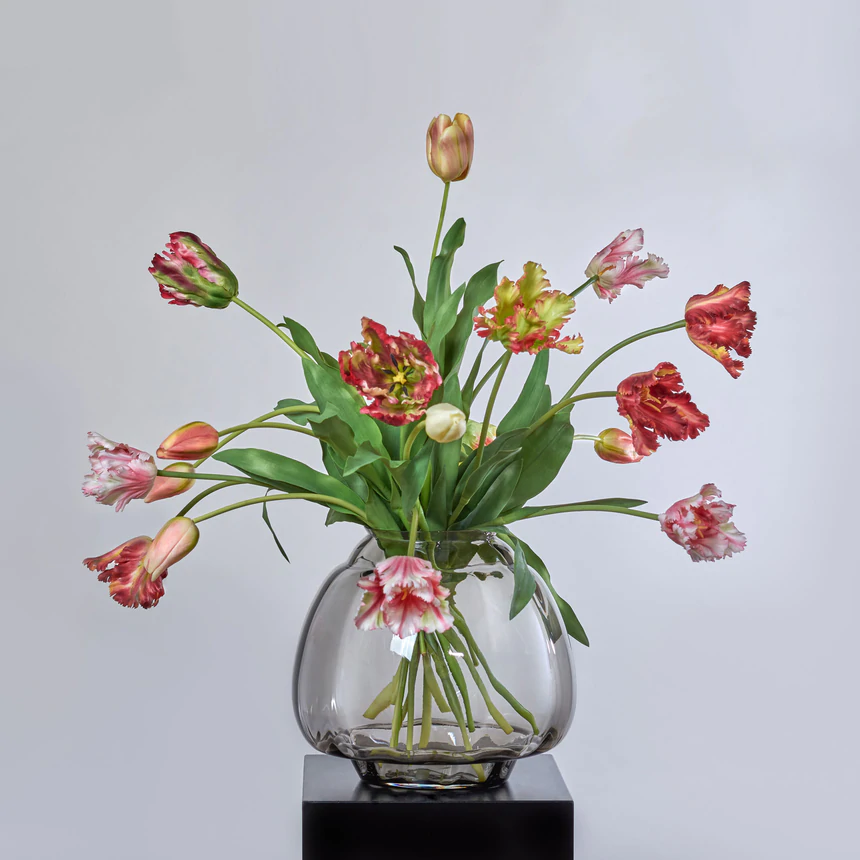
Pompon
Al meer dan 30 jaar maken de bloemisten van Pompon op maat gemaakte boeketten. Niet zomaar boeketten maar van de mooiste kunstbloemen. Ze stoppen de “kunst” in kunstbloemen en creëren arrangementen die zo realistisch zijn dat je bijna vergeet dat ze voor altijd meegaan. Naast de prachtige boeketten kun je hier ook terecht voor een divers assortiment aan unieke vazen.
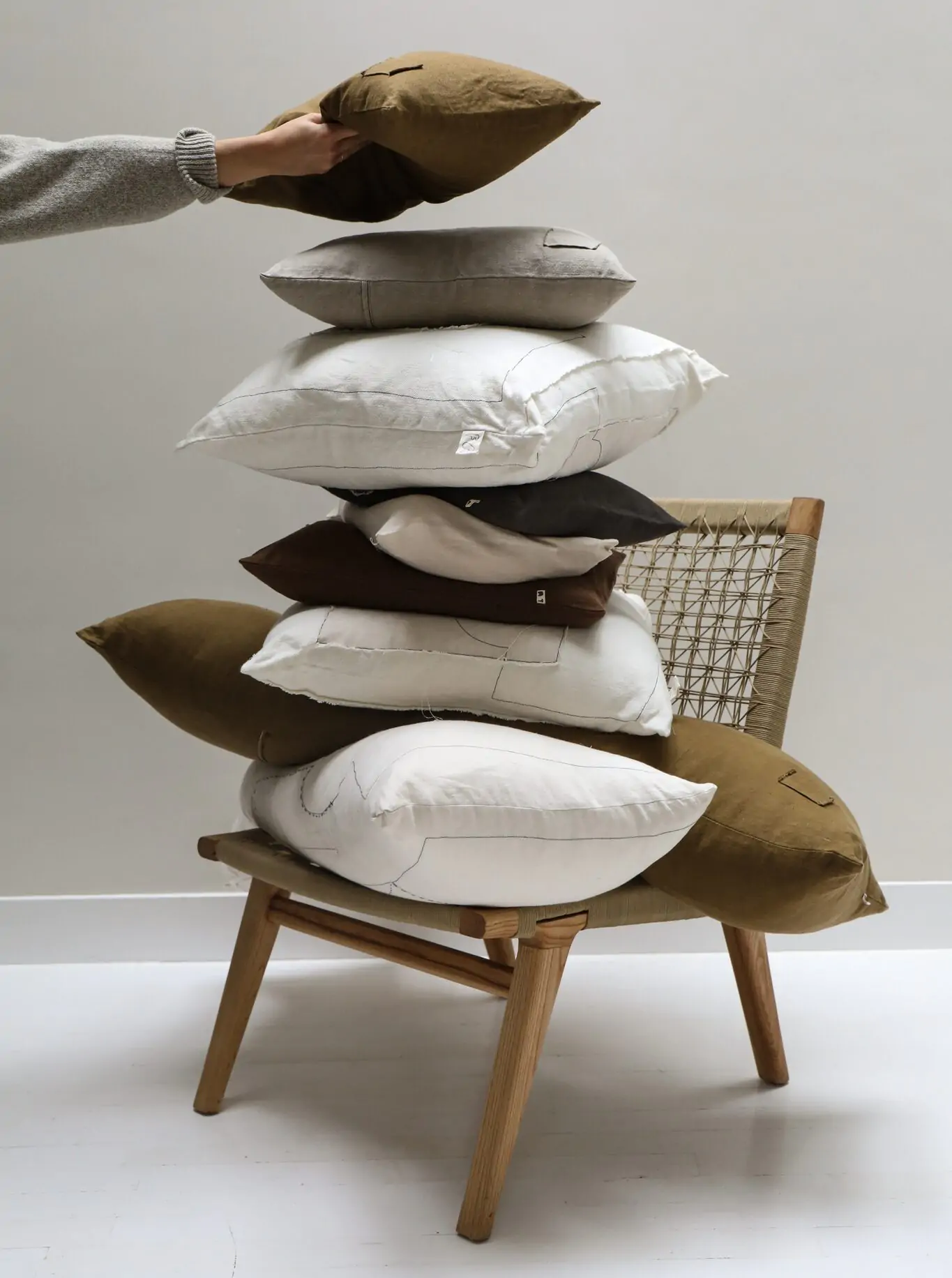
1013 EW Amsterdam
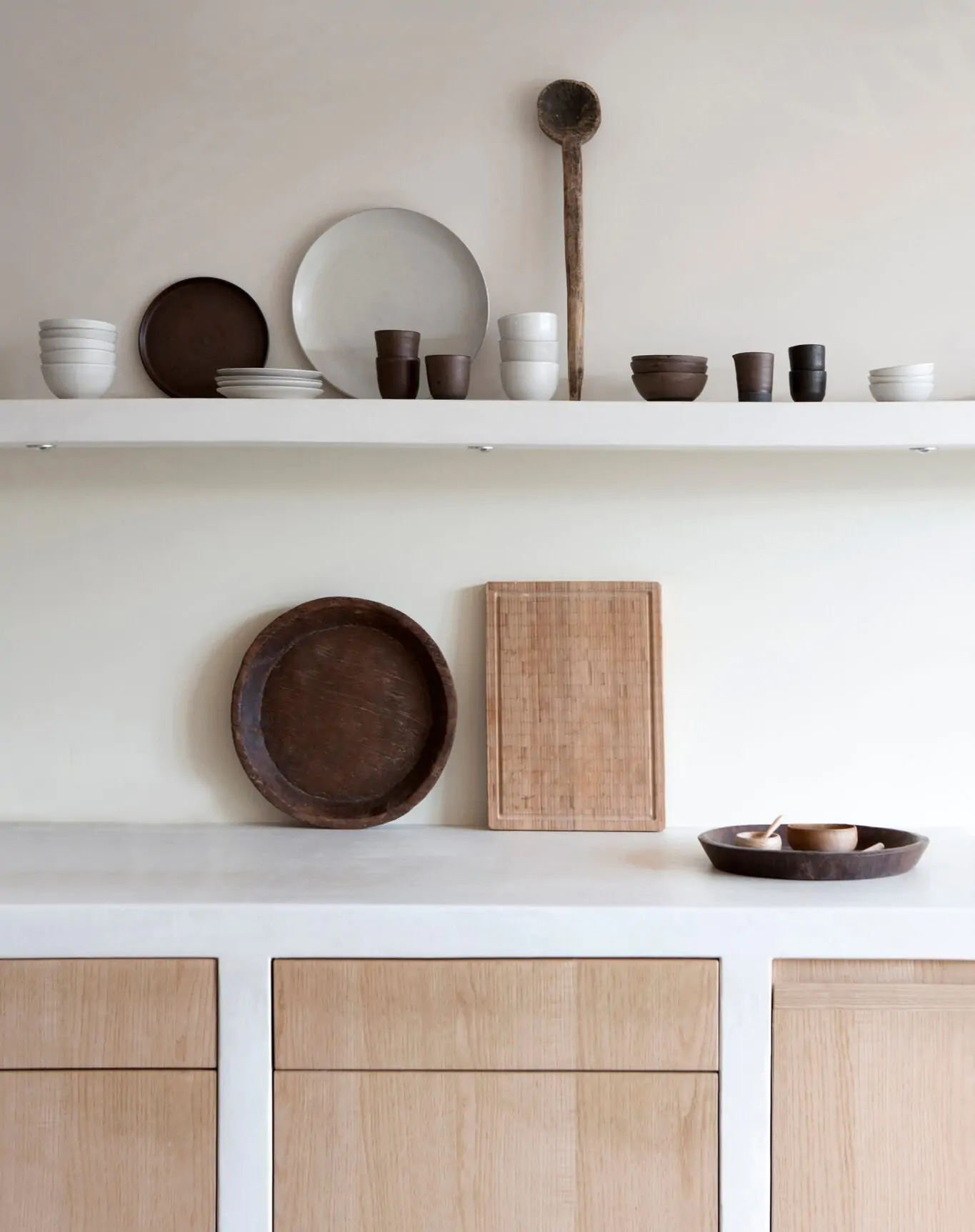
Sukha
Sukha betekent 'joy of life' in het Sanskriet, en de vreugde zie je terug in het mooi ingerichte lichte pand aan de Haarlemmerstraat in Amsterdam. Het label, Atelier Sukha, maakt enkel gebruik van de puurste, meest natuurlijke materialen zoals wol, linnen, katoen, klei en kasjmier. Deze pure materialen zijn verwerkt in alle prachtige producten die de winkel aanbiedt: een assortiment van vrouwenkleding tot interieur en kunstvoorwerpen. Leuk feitje: een groot deel van de bijzondere items wordt gemaakt in Nepal.
1013 EM Amsterdam
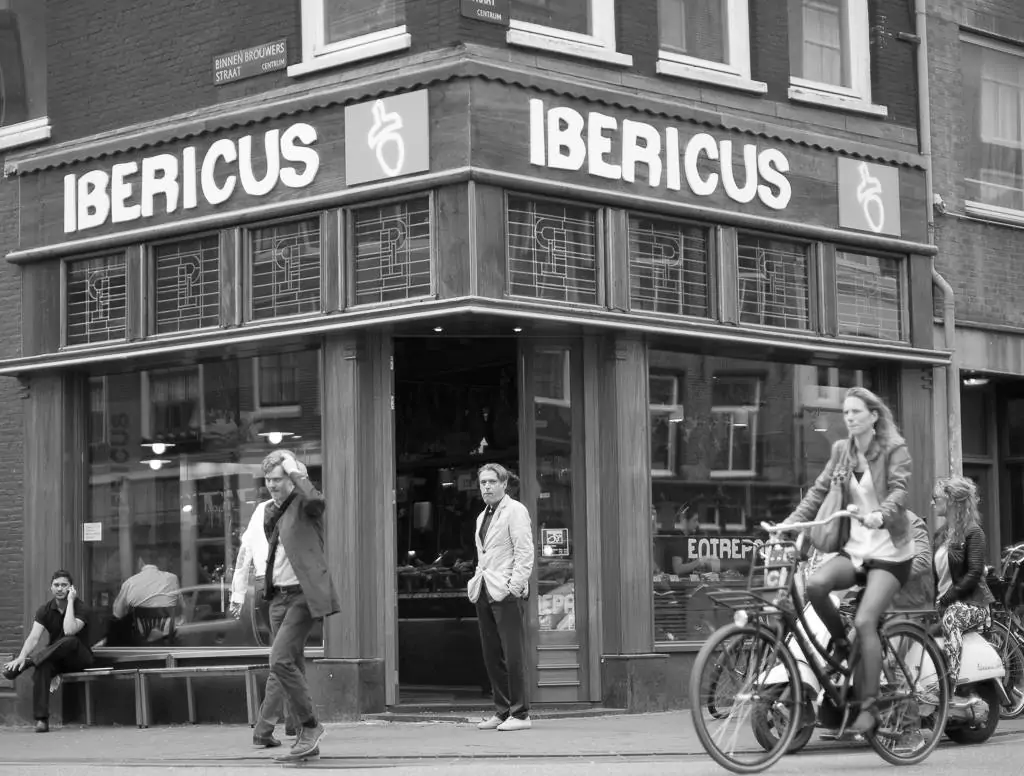
Ibericus
Sinds 2012 vertegenwoordigt Ibericus de keuken van Spanje in de Nederlandse winkelstraten. Eenmaal binnen voelt het bij Ibericus alsof je je op het Iberische schiereiland begeeft. Overal hangen hammen met de alom bekende zwarte hoeven, de Pata Negra. Je kan hier naast vleesproducten ook andere Spaanse specialiteiten kopen, van broodjes en chorizo tot een heerlijk glaasje wijn. Als je op zoek bent naar authentiek Spaans eten kan je hier het beste terecht.

1013 EV Amsterdam
Petit Gâteau
Petit Gâteau is een échte Franse patisserie aan de Haarlemmerstraat in Amsterdam. Alles wordt bereid in de winkel, zichtbaar voor iedereen. Bij het aanschouwen van dit unieke concept loopt het water je in de mond. De eigenaren Meike en Patrice ontmoetten elkaar in Parijs waar Meike na haar banketbakkersopleiding een patisserie opende. Na zes succesvolle jaren in Parijs verhuisden ze naar Amsterdam om hetzelfde te doen. Bij Petit Gâteau heb je taarten in allerlei soorten en maten en kan je die taarten ook nog leren namaken in de workshops die hier worden gegeven.
1015 NA Amsterdam
Noordermarkt
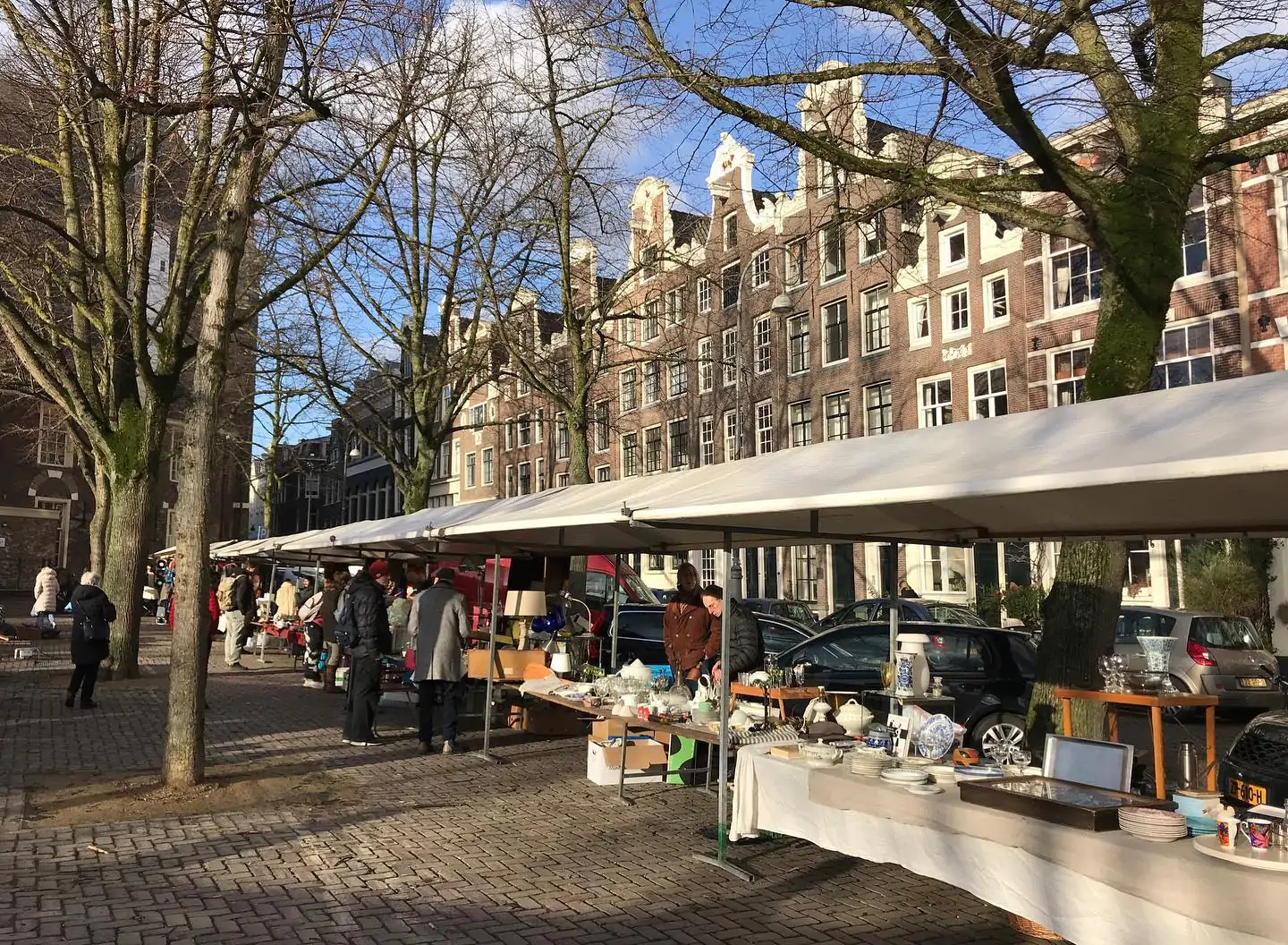
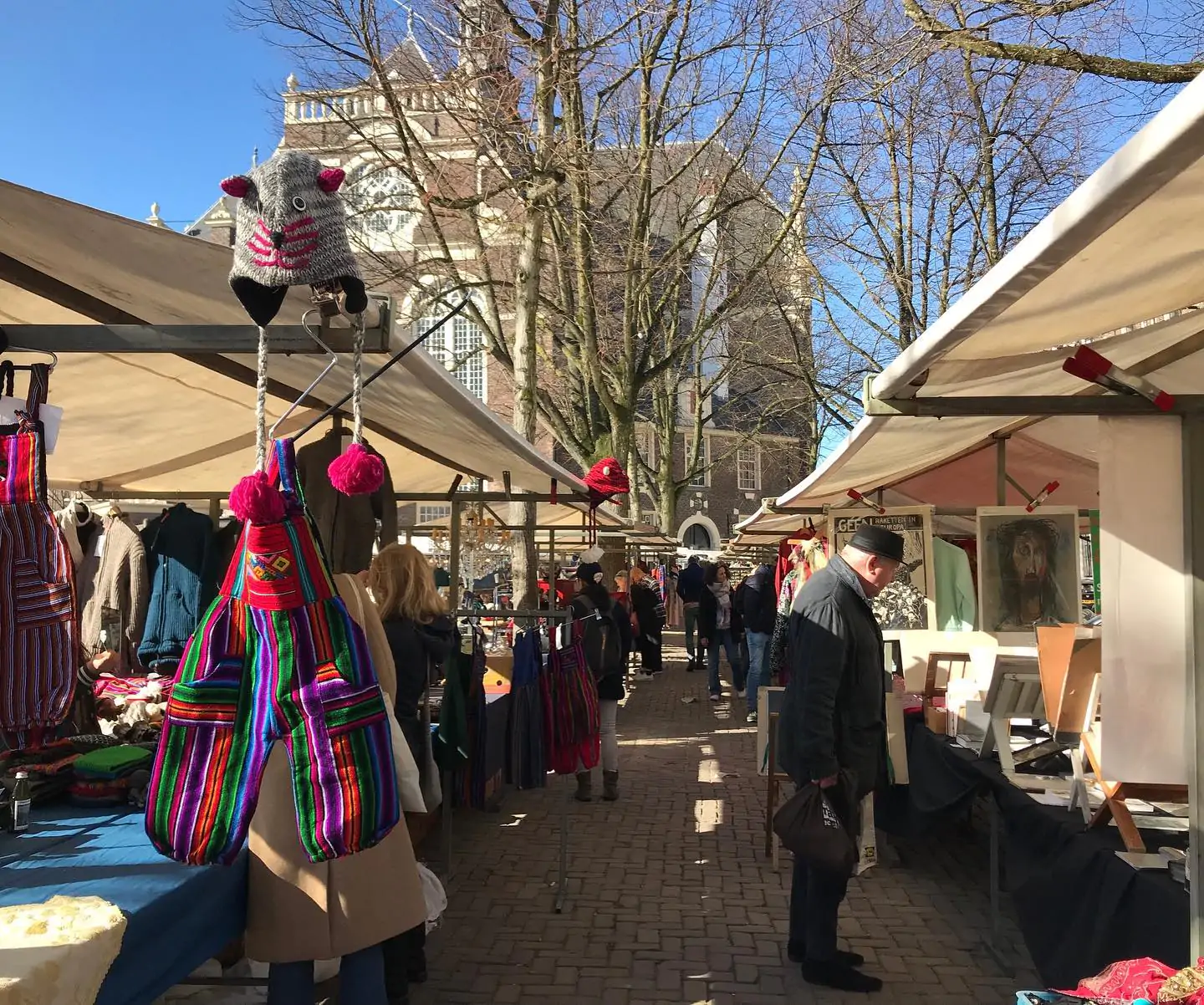
Op maandagochtend en zaterdag kan je shoppen op de gezellige Noordermarkt. Van oorsprong is de Noordermarkt een potten, pannen en lapjes markt, waar men in de 17e eeuw vooral dagelijkse gebruiksvoorwerpen kocht. Vandaag de dag kan je er van alles kopen zoals antiek, sieraden, schilderijen, glas-en serviesgoed, boeken en prenten en veel vintage kleding. Op zaterdagochtend is er ook een biologische markt waar je verse biologische groenten, fruit, brood, kaas, kruiden, vis, honing en nog veel meer andere producten kunt kopen. De marktlui zijn soms nog ras Amsterdammers met een flink accent en een bord vol flauwe humor. Op geen één markt in Amsterdam vind je zo’n verscheidenheid aan producten, de markt heeft zoveel te bieden dat je er zomaar een hele dag rondstruint.
1015 JP Amsterdam
Lindengrachtmarkt
Als je al een appeltaart bij Winkel 43 op de Noodermarkt gegeten hebt, wandel dan even door naar de Lindenmarkt. Aan het begin vind je gelijk de heerlijke viskraam (de kibbeling of het broodje tonijnsalade zijn aanraders!) Maar niet alleen de vis, ook de notenspeciaalzaak Notjé is briljant, en het broodje Sabich van Abu Salie is er eentje die je absoluut niet mag missen.
1015 KB Amsterdam
Kahmann Gallery
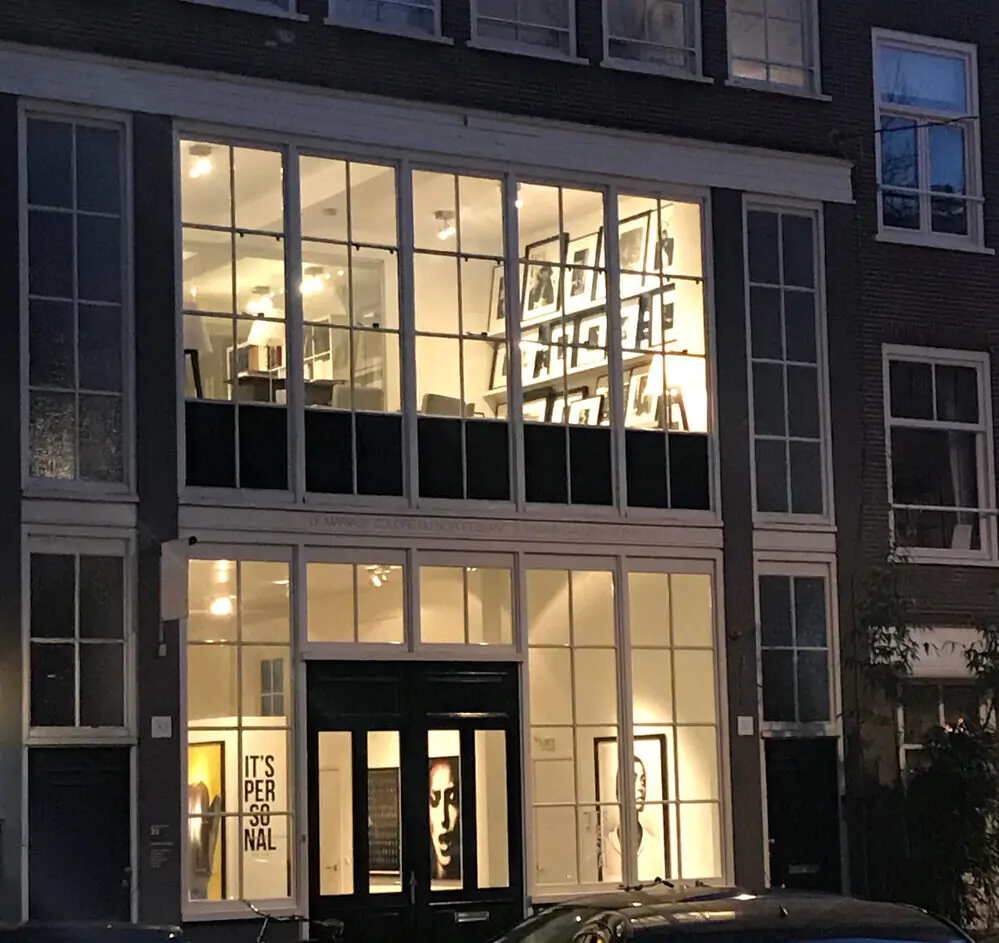
De Kahmann gallery aan de Lindengracht is de plek voor de fotografieliefhebber. Het tentoonstellingsprogramma van de galerie is een mix van vintage en hedendaagse fotografie en ze vertegenwoordigen het werk van bijna 30 nationaal en internationaal gerenommeerde fotografen. Daarnaast organiseren ze de fotografiebeurs Haute Photographie, dat jaarlijks plaatsvindt in februari in Rotterdam en in september in Amsterdam.