Van Breestraat 59 does not reveal itself Immediately . Behind the historic facade, a home unfolds layer by layer, where grandeur and tranquility blend together with striking ease. A classic Amsterdam townhouse, yet with a rare sense of warmth in both atmosphere and use.
Guided tour
From the moment you walk in, you can feel the spaciousness of the home. The entryway has the elegance you’d expect from a home of this era: high ceilings, long sightlines, and a staircase that winds its way sculpturally through the house. At the same time, nothing feels formal or distant. Light streams in softly, the materials are understated, and every transition between spaces flows naturally.
The ground floor features the kitchen-diner, the informal heart of the home. This is where daily life unfolds, centered around cooking, long tables, and a constant connection to the garden. Large windows and French doors draw the greenery deep into the space, keeping the indoors and outdoors in constant contact. Here, the light changes character almost imperceptibly throughout the day; bright in the morning, warm and filtered by evening.
The formal living area then unfolds as you ascend the staircase. Here, the house regains its classical grandeur. High ornate ceilings, wide wooden floors, and the impressive length of the Rooms this floor an almost stately tranquility. The living room at the rear overlooks the greenery of the courtyard gardens and feels remarkably quiet for such a central location in the city.
At the front of the house is the dining room, connected to a brighter workspace where the view of Van Breestraat remains a constant feature of the interior. The mature trees lining the street filter the daylight and lend the facade an almost gentle movement throughout the day. Everything on this floor revolves around proportions: height, light, views, and the natural way in which the spaces are connected.
Bedrooms
On the first bedroom floor, the atmosphere changes once again. Here, the home becomes more intimate and personal. The master bedroom at the rear opens onto a balcony overlooking the garden, and the tall windows lend it a serene, tranquil feel. The suite, featuring a bathroom and custom-built closets, has an open layout, allowing sleeping, bathing, and dressing to flow seamlessly into one peaceful living space.
Materials play an important role here. Natural stone, dark wood, and soft fabrics bring warmth without being overly assertive. The freestanding bathtub forms the tranquil centerpiece of the floor, while the morning light slowly fills the space through the French doors.
One floor higher, the character changes again due to the sloping rooflines and the more intimate dimensions of the Rooms. Here, an almost studio-like atmosphere emerges, with light-filled Rooms the roof, quiet workspaces, and views of the green courtyard gardens of Oud-Zuid.
Basement
Even the basement feels like a full-fledged living space here. Thanks to the ceiling height, natural light, and understated materials, there is never a sense of being underground. The spaces are flexible in use and can effortlessly adapt to the rhythm of daily life, serving as a gym, studio, guest level, or quiet retreat within the home.
What ultimately makes The Hidden Garden Residence special is not just its scale or architecture, but above all the way the house manages to create tranquility in the heart of the city. Each floor has its own atmosphere, but together they form a seamless living experience in which light, greenery, silence, and urban elegance remain in constant balance.
Outdoor Space
The garden itself feels sheltered and mature. Tall trees provide privacy while creating an almost park-like atmosphere in the heart of Amsterdam-Zuid. At the back, beneath the canopy, there is a peaceful spot where long summer evenings seem to stretch on forever. Precisely because the garden is not fully visible from inside the home, it retains a sense of seclusion and intimacy.
Neighborhood Guide
The house is located on the beautiful Van Breestraat, near Cornelis Schuytstraat, and is within walking distance of Vondelpark. The area is home to many cozy restaurants and bars, as well as premier delicatessens. Cornelis Schuytstraat features luxury fashion boutiques, a high-quality butcher shop, a florist, a dry cleaner, a jeweler, an optician, and an organic bakery. Several elementary and secondary schools are nearby. Van Breestraat is conveniently located near the Zuidas business district.
Details
• Living area approx. 317 m²
• Rear garden of approx. 50 m²
• Located on freehold land
• Energy efficiency rating: C
• Foundation has been renovated
• Municipally protected historic district

The Hidden Garden Residence
On one of the most characterful streets in Amsterdam-Zuid, a home unfolds that cannot be fully grasped at a single glance. Behind the stately facade of Van Breestraat 59 lies a house where spaciousness, tranquility, and refinement come together naturally. A home that is better experienced than described.
What Immediately is the seamless cohesion between the different levels. The flow through the house feels fluid and intuitive, while each room retains its own distinct atmosphere. Large windows and views of the greenery maintain a constant connection to the outdoors, while the finishes add warmth and a sense of security.
The secluded city garden serves as a special haven of tranquility. Surrounded by mature vegetation and sheltered beneath tall trees, it creates an outdoor space that rarely feels so private in the heart of the city. Combined with the terraces and the open connections to the interior, the house takes on an almost Mediterranean rhythm of life—light, greenery, and silence constantly alternate.
We like to call this home The Hidden Garden Residence. Not because of any overt monumentality, but precisely because of the understated quality that sets the house apart. A place where architecture, comfort, and location come together in harmony, right in the heart of Amsterdam-Zuid.
Ronald van de Bijl | Real Estate Agent Broersma Wonen
Judith de Jong | Real estate agent Broersma Wonen

Van Breestraat 59 is part of an original ensemble of eleven townhouses on the south side of Van Breestraat, designed around 1899 for the expansion of Amsterdam-Zuid. The original facade drawing and building permit for the block have been preserved and reveal the urban planning ambition with which this stately street front was designed: a series of monumental residences with a strong rhythm, rich detailing, and an exceptionally refined facade composition.
The architecture embodies the elegance of the late nineteenth century, a time when Amsterdam was evolving from a compact trading city into an international capital with metropolitan allure. The facade of Number stands out for its light-colored brick, natural stone accents, and carefully constructed verticality. The slender wrought-iron balconies, tall windows, and striking gable give the house a powerful yet understated appearance.
What is particularly remarkable is the way in which structure and ornamentation converge here. The bay windows and balconies are supported by expressive steel structures that remain a visible part of the design. This gives the facade a certain lightness and rhythm, without losing its monumentality. The tall windows also create a strong connection between inside and outside; the greenery of the row of trees is constantly reflected in the facade windows.
The original blueprint of the building block shows how carefully the facade as a whole was designed. Not as separate residences, but as an architectural composition within the broad avenue structure of Oud-Zuid. That cohesion is still palpable today in the streetscape of Van Breestraat, where the monumental mansions alternate with mature trees, wide sidewalks, and deep sightlines.
This architecture continues inside as well. The residence unfolds over five full residential floors with a classic vertical layout: representative living spaces on the bel-etage and first floor, quiet bedrooms higher up in the house, and a spacious basement that is fully integrated into the living program. The long sightlines from front to back, the generous floor-to-ceiling heights, and the succession of Rooms the stately character of the house.
Although the architect has not been unequivocally identified based on the current archival documents, the design exudes the quality of Amsterdam’s early urban expansions influenced by Berlage’s rationalism. The combination of symmetry, material expression, and urban grandeur makes Van Breestraat 59 a rare, meticulously designed townhouse on one of the most characterful avenues in Amsterdam-Zuid.


On the ground floor, the kitchen-diner forms the informal heart of the home. It is a space where cooking, dining, and socializing flow seamlessly into one another. Large windows and French doors draw the greenery deep into the room, keeping the indoors and outdoors in constant contact. Here, the light changes character almost imperceptibly throughout the day; bright in the morning, warm and filtered by evening.
The garden itself feels sheltered and mature. Tall trees provide privacy while simultaneously creating an almost park-like atmosphere in the heart of Amsterdam-Zuid. At the back, beneath the canopy, a tranquil spot emerges where long summer evenings seem to stretch on endlessly. Precisely because the garden is not fully visible from the house, it retains a sense of seclusion and intimacy.
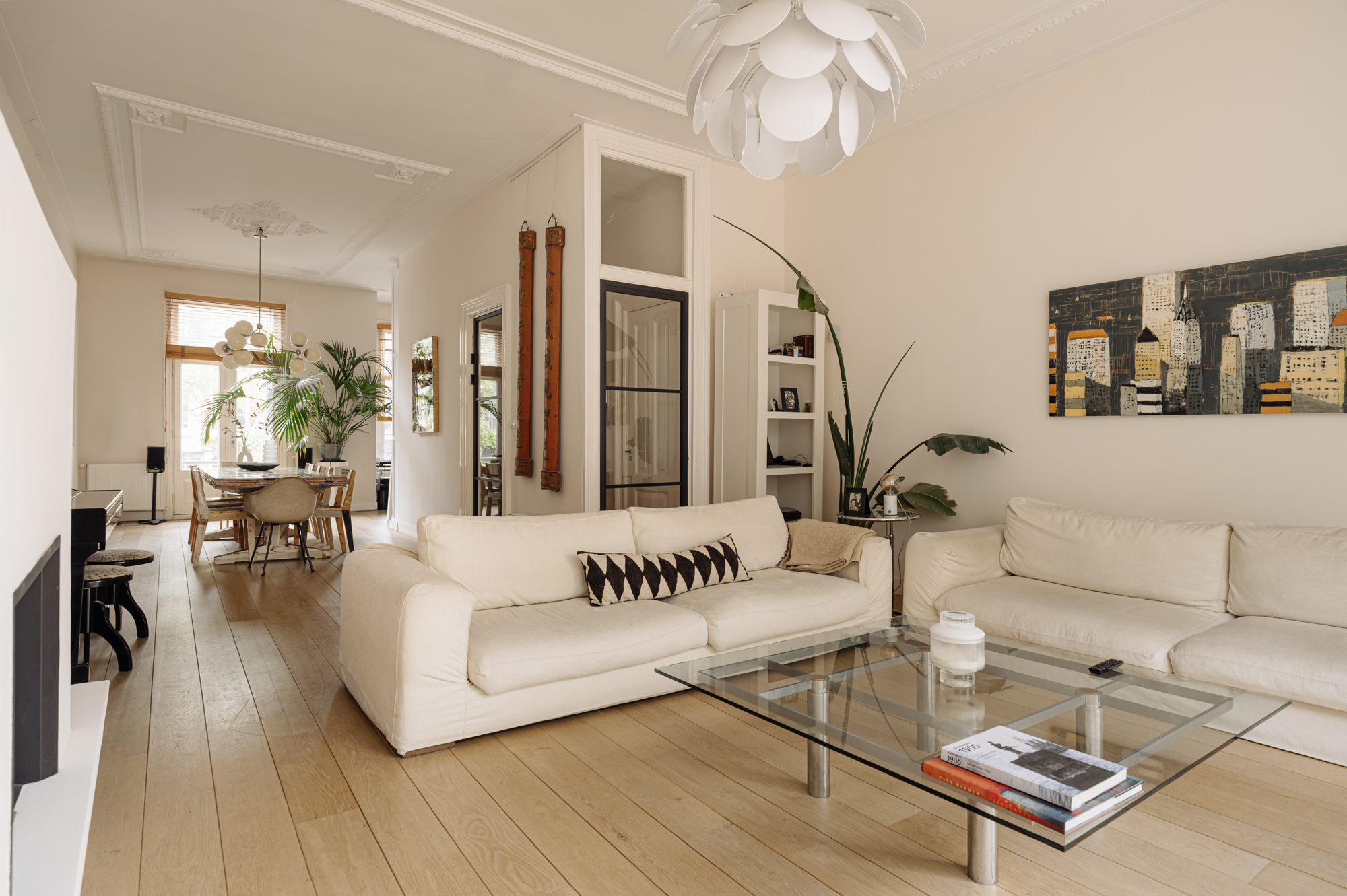
The formal living floor then unfolds via the staircase. Here, the house regains its classic grandeur. High ornamental ceilings, wide wooden floors, and the impressive length of the Rooms this floor an almost stately tranquility. The living room at the rear overlooks the greenery of the courtyard gardens and feels remarkably quiet for such a central location in the city.
At the front lies the dining room, connected to a lighter workspace where the view over Van Breestraat remains a constant part of the interior. The mature trees along the street filter the daylight and give the facade an almost gentle movement throughout the day. Everything on this floor revolves around proportions: height, light, view, and the natural way in which spaces are connected.
What makes this home special is the natural way in which every space is connected. No separate Rooms, but carefully designed living floors where openness, light, and function reinforce one another. The result is an interior that feels both elegant and personal, spacious in feel, refined in detail, and fully attuned to the rhythm of daily life.


The first bedroom floor unfolds as a tranquil, private space where light, proportions, and refined finishes come together effortlessly. From the landing, the line of sight Immediately the bedroom at the rear, where tall windows and French doors make the greenery of the courtyard gardens feel almost like an extension of the interior. The morning light floods deep into the room, enhancing the warm tone of the wide wooden floorboards.
The master bedroom is generously proportioned and understated in appearance. Original ceiling ornaments and high ceilings subtly reference the building’s character, while the open connection to the bathroom creates a contemporary sense of tranquility. The suite is thoughtfully laid out, with custom-built cabinets on either side and a freestanding bathtub as the central element between sleeping and bathing. This creates a space that functions not only as a bedroom but as a complete private suite.
The bathroom has a serene, almost hotel-like atmosphere. Natural stone, mosaic walls, and dark wood create a soft layering in the use of materials. The double vanity unit hangs flush against the wall, keeping the space open, while the spacious walk-in shower is recessed and fully integrated into the design. Everything feels logically positioned and comfortable to use.
At the rear, a wide balcony connects the bedroom to the tranquil inner gardens of Amsterdam-Zuid. The French doors enhance the sense of airiness and freedom, while the sheltered location provides tranquility and privacy.
The second room on this floor also has its own character. The space lends itself effortlessly as a bedroom, home office, or guest room, and the high windows and distinctive wall finishes give it a lively, personal atmosphere.
The second sleeping floor unfolds as a tranquil space under the roof, where sloping lines, natural light, and proportions combine to create a subdued atmosphere. The original staircase with its curved wooden banister connects the levels in a natural way and Immediately gives the floor Immediately . Upstairs, a bright landing offers sightlines to the various rooms and strikes a pleasant balance between openness and privacy.
The Rooms the roof benefit from the unique roof shape, giving each space its own proportions and rhythm. In the more compact bedroom, the sloping walls and asymmetrical window create an intimate setting, while the wide wooden flooring brings warmth and tranquility. The larger bedroom at the rear, on the other hand, has a more open and spacious feel, with high ceilings, wide windows, and a view of the green courtyard gardens of Oud-Zuid.
The upper floor offers space for various uses. A workspace by the window, a reading nook under the roof, or a guest room with its own atmosphere—each space feels distinct yet remains part of a single tranquil composition.
The basement has also been designed with the same attention to detail as the upper floors. The staircase descends in gentle curves, with the original wooden handrail serving as a continuous detail that flows through the house. Downstairs, a fully-fledged living space opens up, featuring a serene palette of natural stone, light-colored walls, and carefully positioned natural light.
The spaces feel both sheltered and bright at the same time. Thanks to the high ceilings, the wide hallway, and the skylights, there is none of the closed-in character that often characterizes a basement. The multifunctional space can be easily adapted as a fitness room, studio, playroom, or quiet workspace, making it feel like a fully-fledged part of the house.


The outdoor spaces form a natural extension of the house and bring a sense of tranquility to the heart of the city. At the rear lies a sheltered garden with an almost hidden character, surrounded by mature plants, wooden fences, and tall trees that filter the light as it streams in. The paving extends in gentle lines to the covered seating area at the back, where shade and privacy converge beneath the canopy of the monumental tree.
The garden is designed in layers, with various spots to linger throughout the day. An open seating area Immediately the house catches the afternoon sun, while the canopy at the back creates a more intimate spot for long dinners or sheltered evenings outdoors. Large green borders soften the lines of the terrace and give the space an almost park-like atmosphere, unusually quiet for this location in Amsterdam-Zuid.
The connection between indoors and outdoors feels natural. The French doors at the rear draw daylight deep into the living area and allow the garden to become an integral part of the home’s daily life. From the upper floors, there is also a beautiful view of the courtyard gardens of the surrounding buildings, where mature trees and green roofs together form a surprisingly expansive cityscape.
At the front, the balcony overlooks the characteristic street frontage of Van Breestraat, with its mature trees, wide sidewalks, and stately facades. The contrast between the lively street scene at the front and the serene seclusion of the garden at the rear gives the house a unique balance between city life and tranquility.


The house is located on the charming Van Breestraat, near Cornelis Schuytstraat, and is within walking distance of Vondelpark. The area is home to many cozy restaurants and bars, as well as premier delicatessens. Cornelis Schuytstraat features luxury fashion boutiques, a high-quality butcher shop, a florist, a dry cleaner, a jeweler, an optician, and an organic bakery. Several elementary and secondary schools are nearby. Van Breestraat is conveniently located near the Zuidas business district.
Accessibility
Van Breestraat is located in one of the most charming parts of Oud-Zuid, with Museumplein and Cornelis Schuytstraat literally just around the corner. The street itself exudes tranquility, but as soon as you turn the corner, you have access to excellent connections to the rest of the city. On Van Baerlestraat and Willemsparkweg, you’ll find tram stops with direct lines to Amsterdam Central Station, the Zuidas, and Amsterdam Zuid Station, as well as to the VU Medical Center. The North/South Line is also just a ten-minute bike ride away, making the connection to both the city center and Schiphol even faster. For destinations outside the city, the A10 ring road is easily accessible via Amstelveenseweg. In this way, Van Breestraat combines the best of both worlds: a quiet, green residential environment with metropolitan amenities and accessibility right at your fingertips.
Parking
Parking on public streets is available through a permit system (the permit zone is Zuid 8.1.). With a parking permit for Zuid 8.1, you may park in Zuid-1, Zuid-2, and Zuid-8. A resident parking permit costs €199.93 per 6 months. Currently, there is a 6-month waiting period for this permit zone. A second parking permit is not available in this area. (Source: Local authority , June 2026).





1071 HK Amsterdam
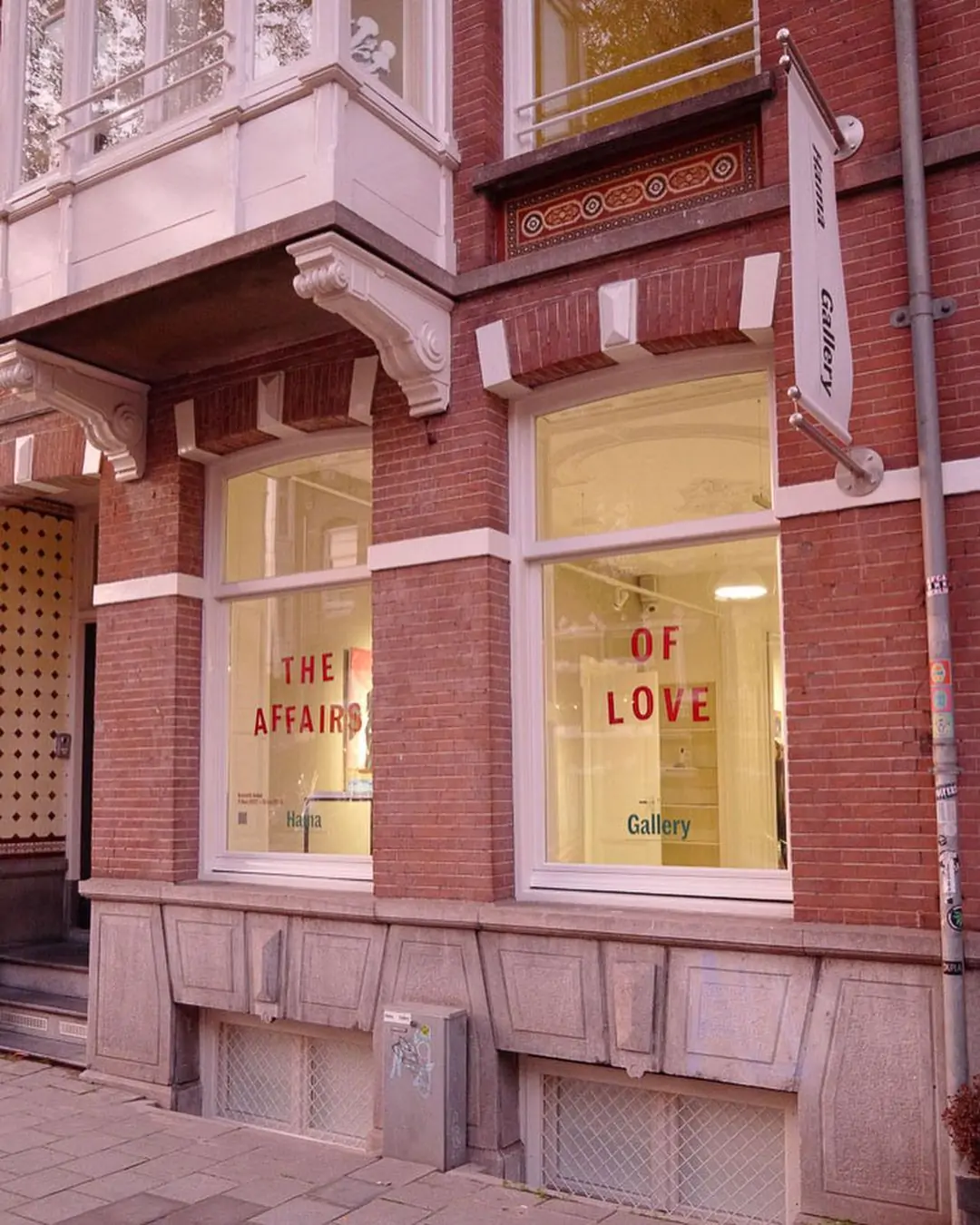
Hama Gallery
At Hama Gallery, they believe that a gallery is a boundless meeting place where art and people come together. The goal is to make art more accessible by offering a unique experience that breaks with tradition. The gallery welcomes visitors with open arms, whether you walk in for a spontaneous visit, want an intimate private viewing, or want to celebrate art together with others during our festive openings and garden events.
1071 LN Amsterdam
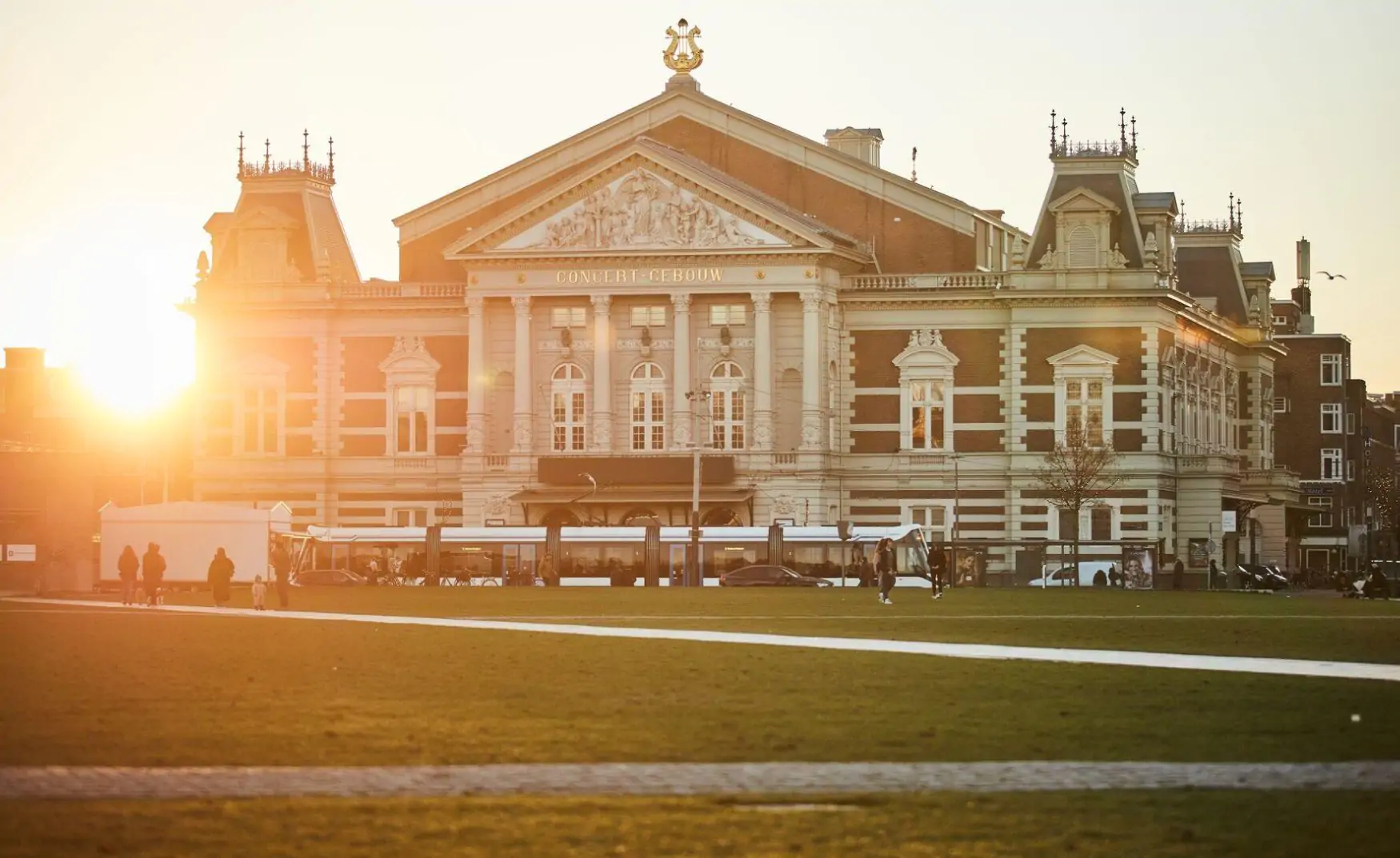
The Concertgebouw
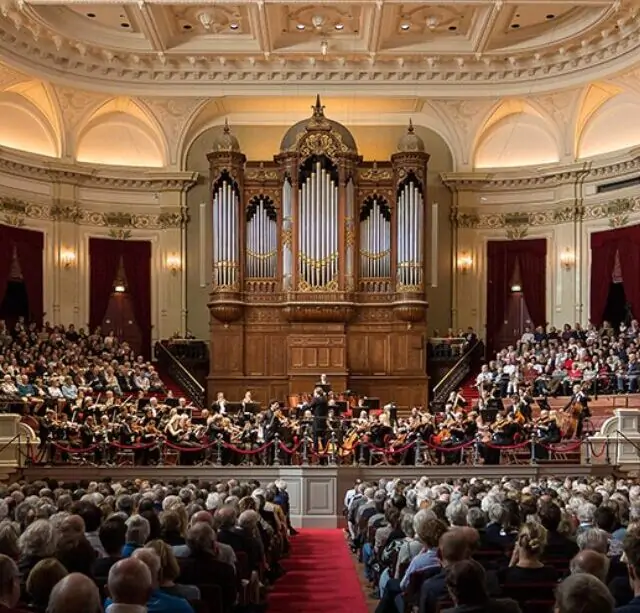
The Concertgebouw is one of the monumental buildings on Amsterdam's Museumplein. The building dates from 1888 and was completed in the style of Viennese classicism; although it also has features from the neo-Renaissance. The building was designed for classical concerts but also served as a pop venue for a while in the 60s and 70s. Famous stars who have performed here include Led Zeppelin and Aretha Franklin. Nowadays, almost a thousand concerts and other cultural activities take place in the Concertgebouw every year. There are also free lunch concerts for those on a smaller budget. For a visit to a lunch concert, it is best to check the website first. You can often reserve free tickets in advance there.
1071 HR Amsterdam
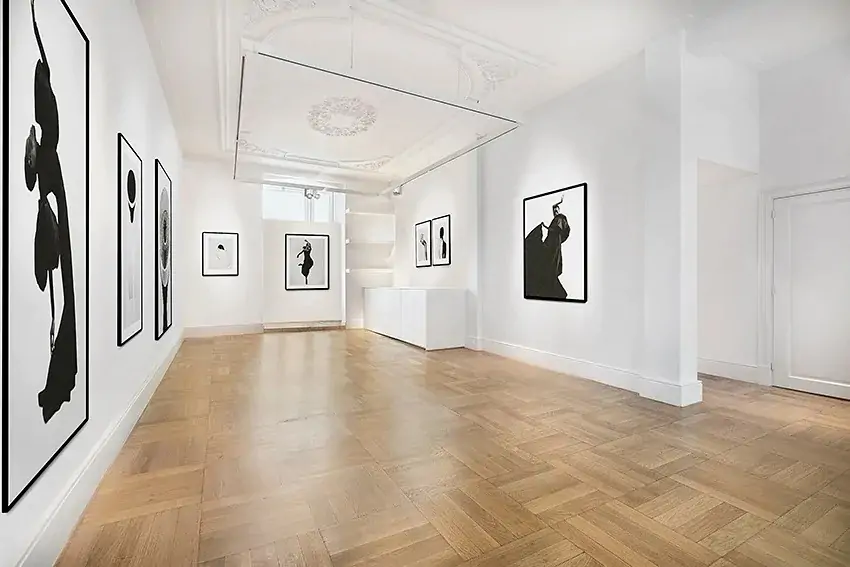
Galerie Bildhalle
Bildhalle was originally founded as a Swiss gallery specializing in classical and contemporary photography. The gallery now has branches in Zurich and Amsterdam. Since its founding by Mirjam Cavegn in 2013, the gallery has developed into one of the most respected photo galleries in Switzerland. In October 2021, Bildhalle continued its growth with the opening of a second gallery on Willemsparkweg in Amsterdam. Here, the gallery presents a carefully selected collection of Dutch and international artists, ranging from emerging talent to established photographers.
1071 DJ Amsterdam
Municipal Museum
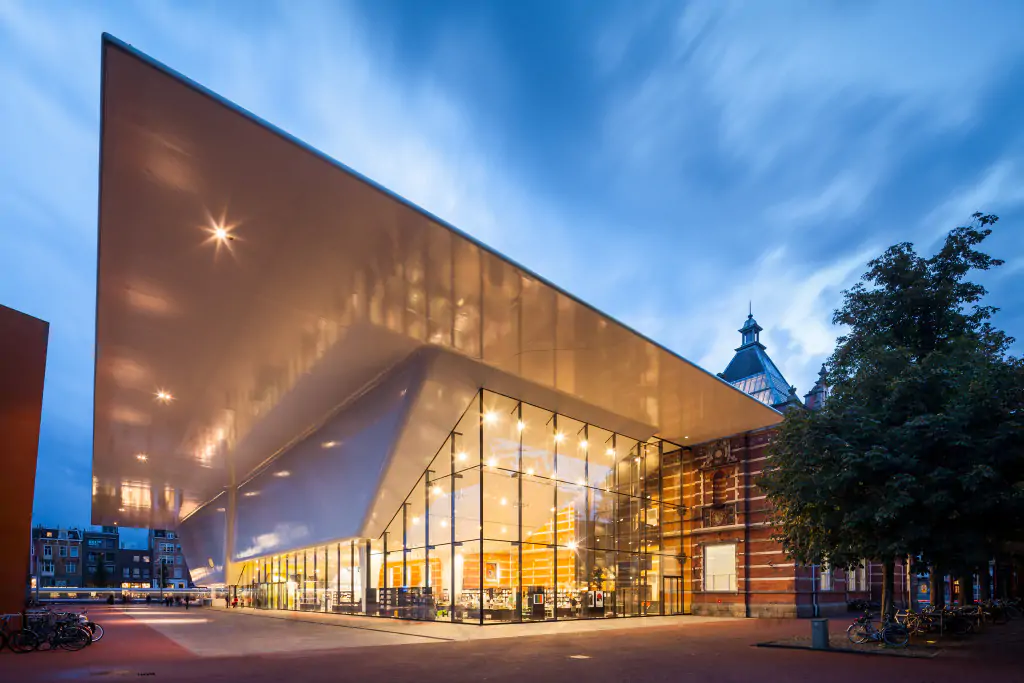
The Stedelijk Museum is the place where everyone can discover and experience modern and contemporary art and design. Open 365 days a year. In the building of the Stedelijk Museum Amsterdam, old and modern architecture merge into one. Architect Mels Crouwel used the white of former director Willem Sandberg as a starting point for 'the bathtub' in the renovation of 2012. The Stedelijk Museum Amsterdam has been hiring 15 new Blikopeners every year since 2008. Blikopeners are open-minded young people from Amsterdam who work in the museum for a year to open the eyes of the public and staff.
1071 HK Amsterdam
George W.P.A
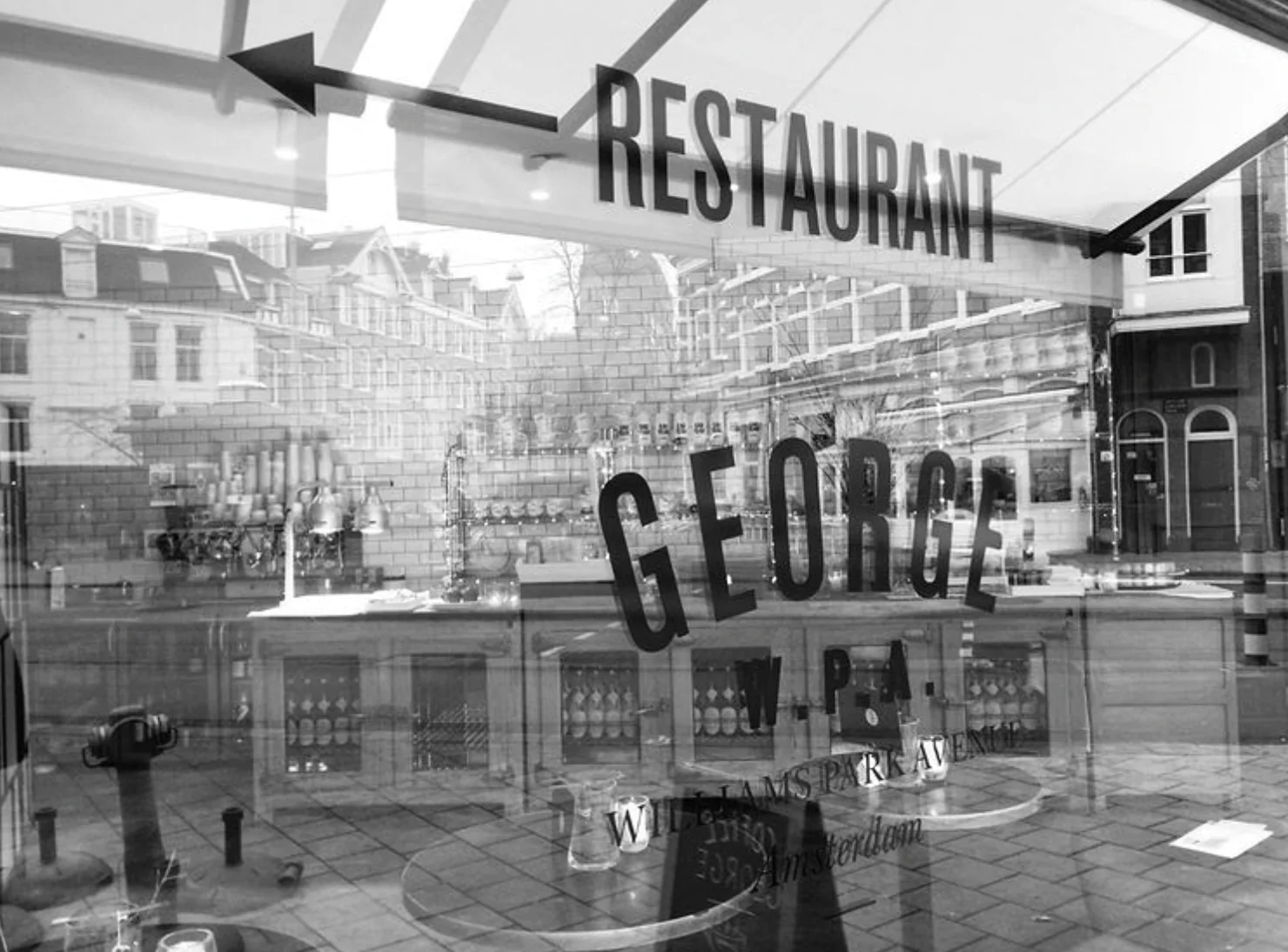
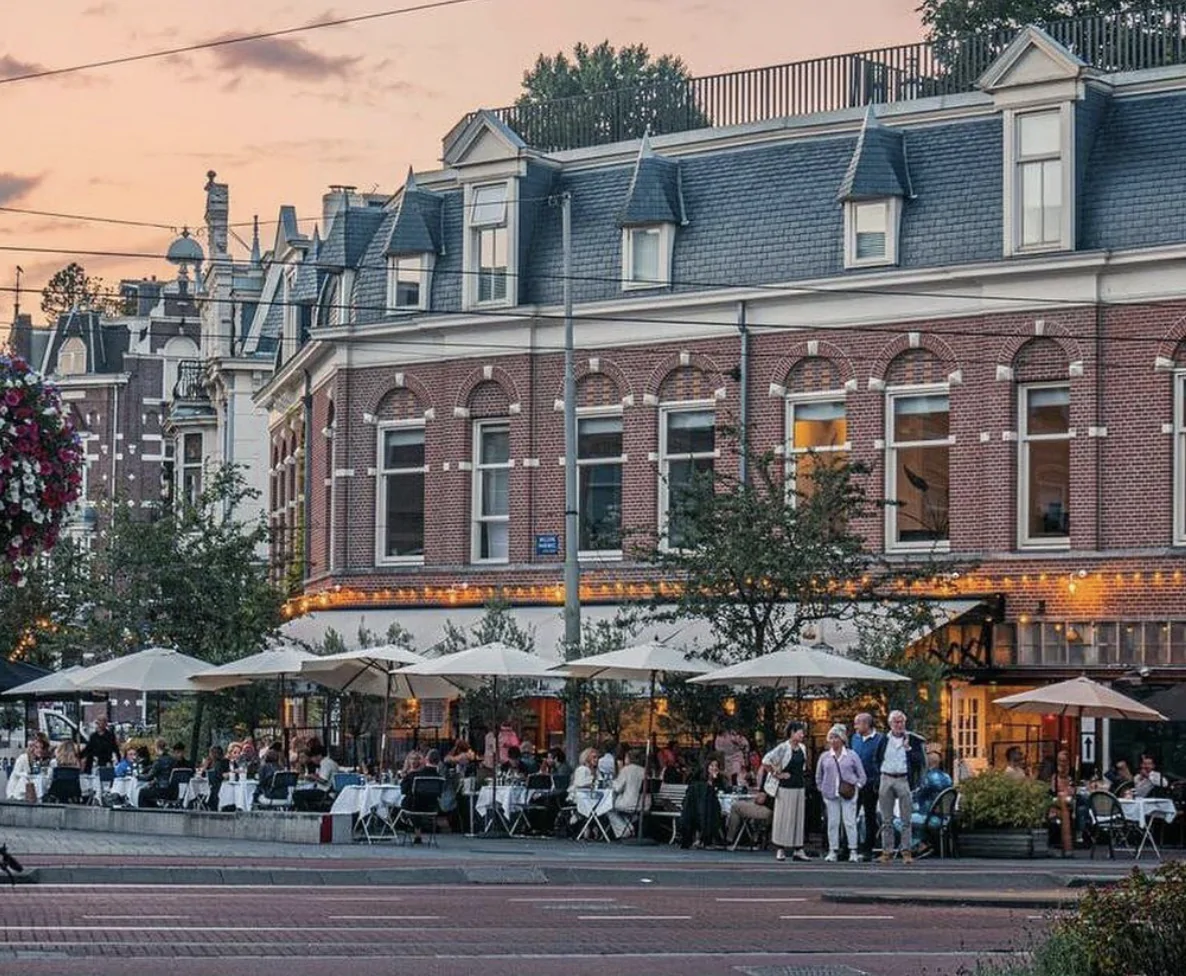
George W.P.A is the ideal place to settle down for a good glass of wine and delicious food with a chic touch. The brasserie in Zuid describes itself as a combination of classic French cuisine, packaged in New York style, and is known for signature dishes such as grilled lobster and Blackened Tuna. Step inside (by reservation) in Amsterdam's "Upper South" and see for yourself!
1071 NE Amsterdam
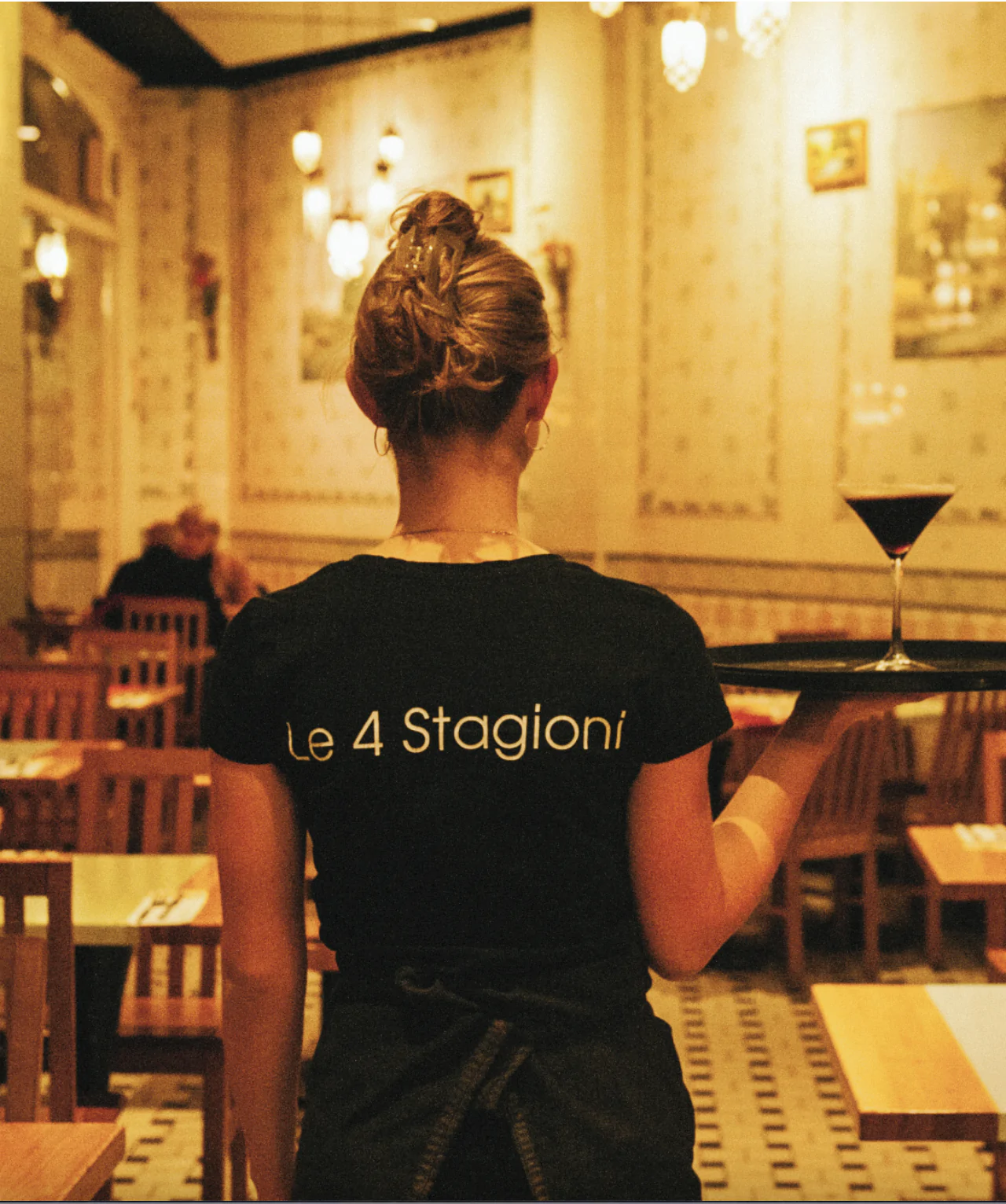
Pizzeria Le 4 Stagioni
Visitors to the Concertgebouw are no strangers to Roman-style pizzas with thin crusts. Since 1978, the pizzeria in Oud-Zuid has been providing many groups and (large) families with authentic Italian food. The interior has a Mediterranean touch and the menu offers something for everyone, from fresh pasta and tender meat to indispensable antipasti and vegetarian alternatives.
1071 LK Amsterdam
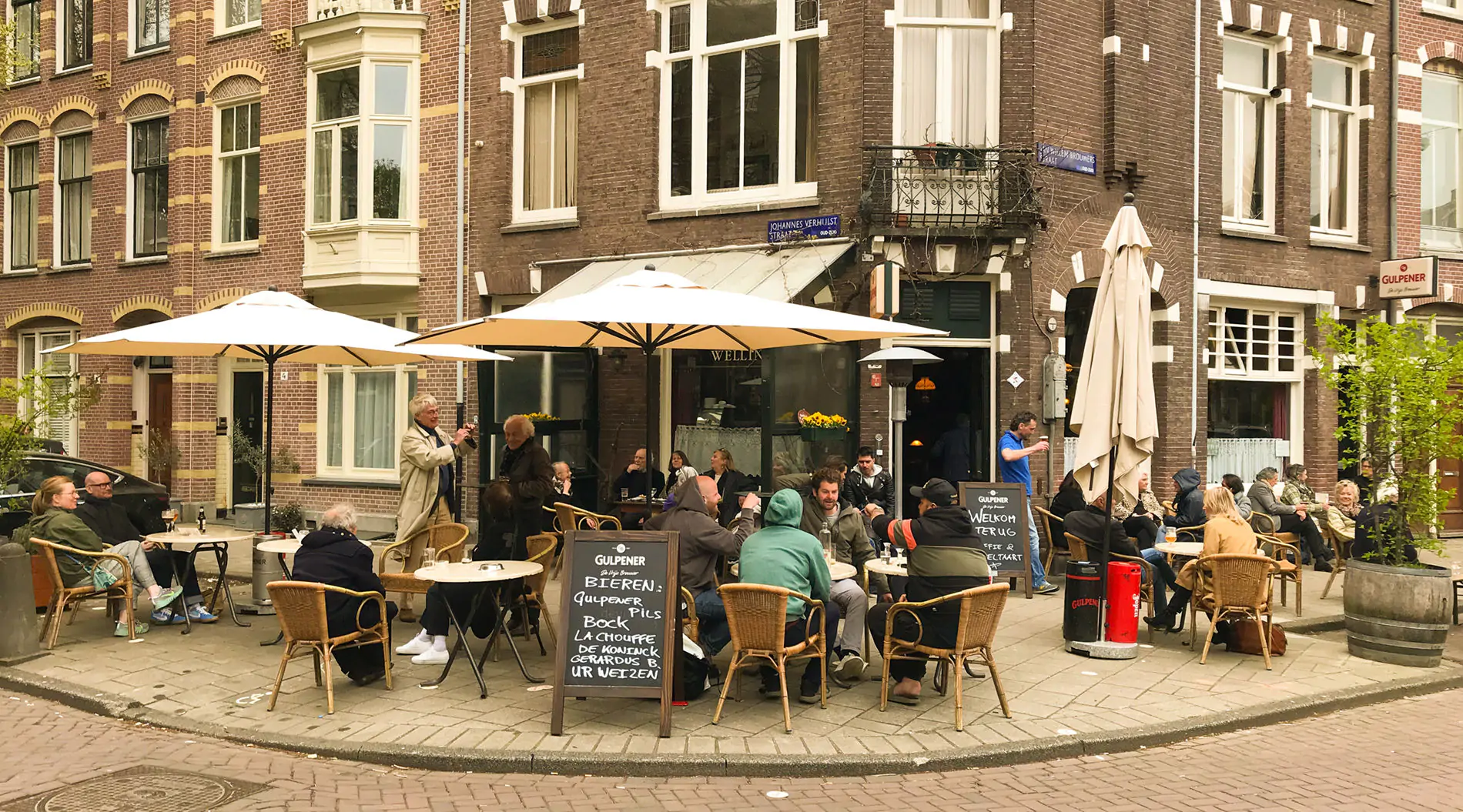
Café Welling
Café Welling is a cozy neighborhood café on J.W. Brouwersstraat; near the Museumplein. Here you can enjoy a nice beer at the bar or on the terrace when the sun is shining. This neighborhood café has a long history. The café has been around for more than 70 years but has only been called Café Welling since 1963. This history may explain the familiar atmosphere that always seems to be present in this café. Interesting for music lovers: Café Welling regularly organizes Jazz evenings.
1071 NH Amsterdam
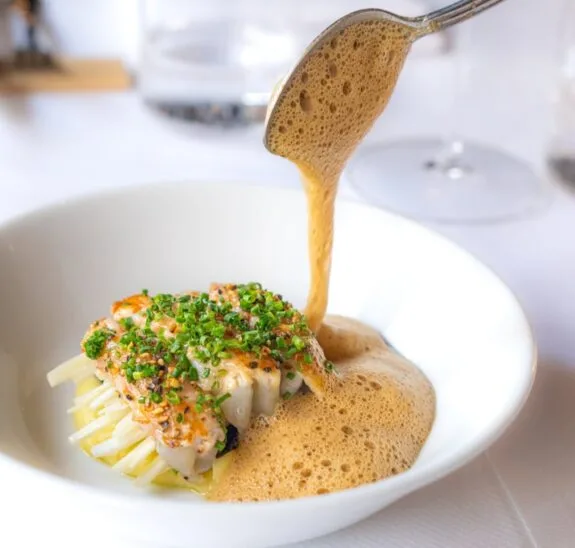
Franzen
Chef and owner Jesse Franzen grew up in a catering family in Haarlem. His father worked in the kitchen, his mother worked in the service. His own professional journey began in the kitchen of the two-star restaurant Chapeau, after which he gained experience at places including Aan de Poel, Ron Gastrobar, and Lars Amsterdam. With Franzen, Jesse creates a place that feels like a modern living room for the city. Accessible and warm, but always with a high standard. The menu is classic and recognizable, with a surprising twist here and there.
1071 HD Amsterdam
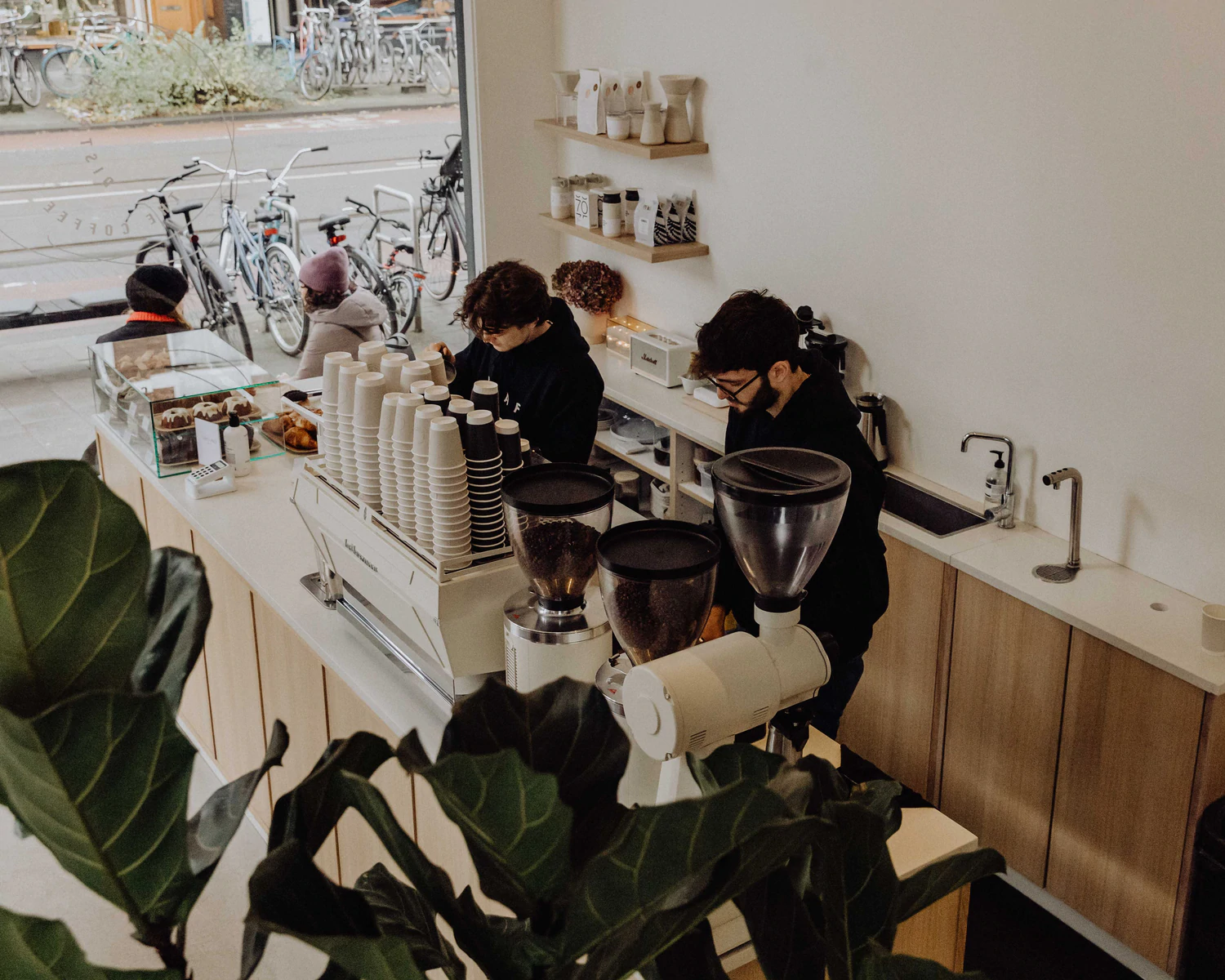
Coffee District
Owners Adil Loukane and Rosa Loukane started with a hole-in-the-wall coffee shop in a fashion store in the South. When the store closed its doors, Adil and Rosa seized their opportunity and decided to open their own coffee bar. They now have multiple locations. The coffee is made with a proprietary blend roasted by Lot Sixty One. They also offer sweets such as the now-famous cinnamon buns and banana bread.
1071 KK Amsterdam
Edible Treasures
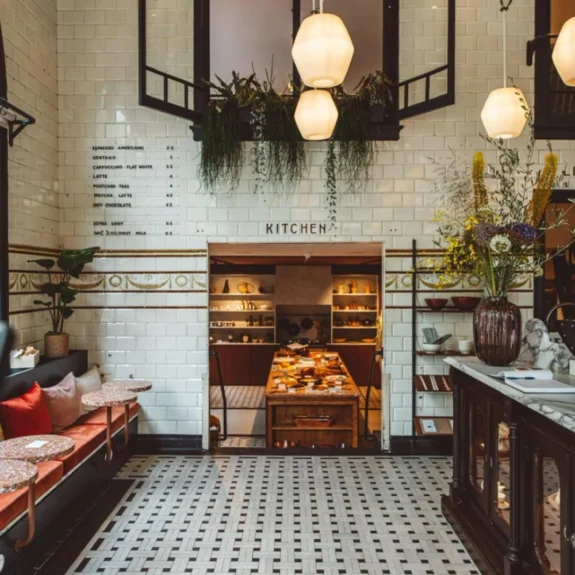
The concept store Edibe Treasures is located in a former butcher shop in Amsterdam Zuid. In addition to the 'edibles and drinkables' in the coffee shop, you will find a beautiful selection of everything for the table, such as silverware, ceramics, table linen, but also cookbooks and accessories. Pop-ups and workshops are also regularly organized.
1071 DJ Amsterdam
Sandberg
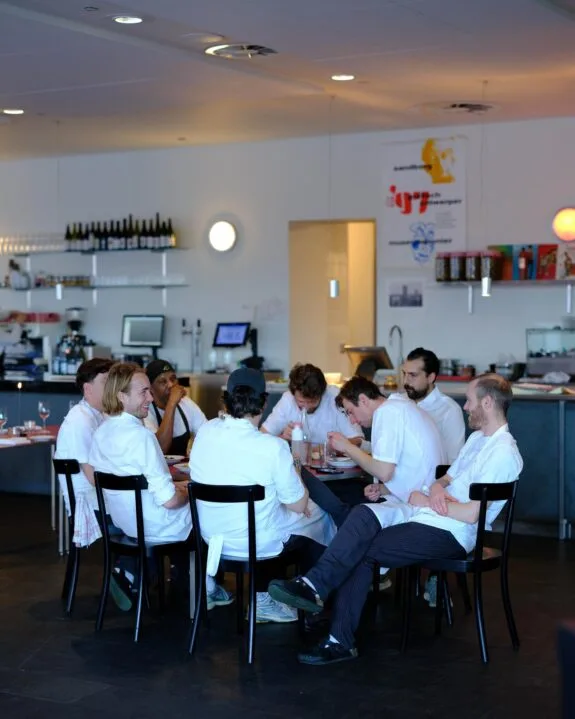
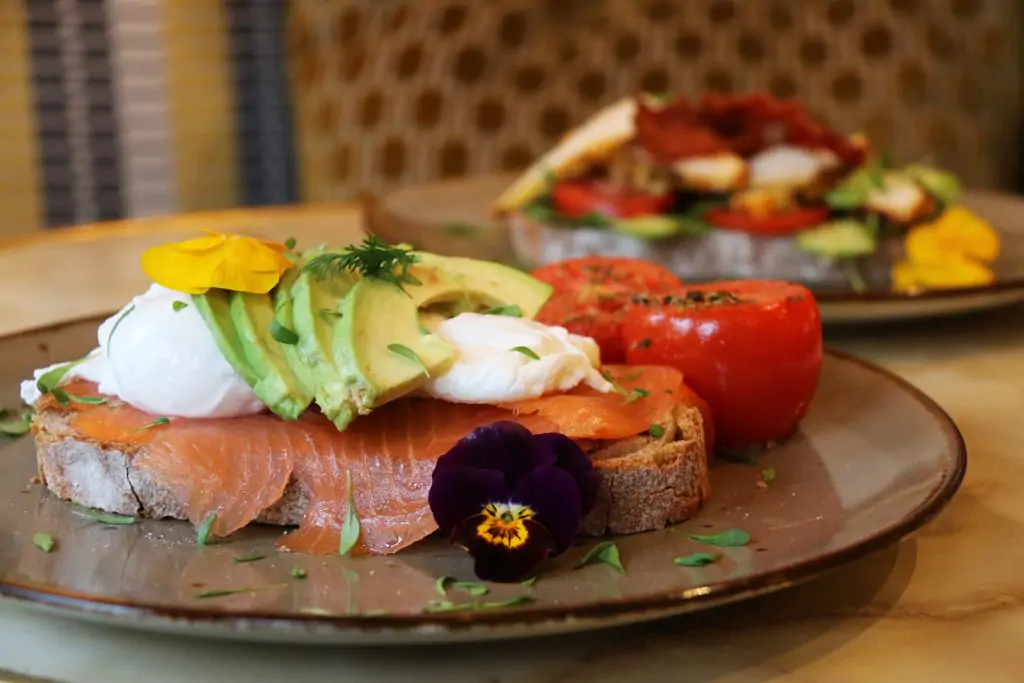
Café Restaurant Sandberg is named after Willem Sandberg, the innovative former director of the Stedelijk Museum, a name that Immediately says something about the ambitions behind this restaurant. It was set up by the same young Amsterdam hospitality entrepreneurs who are also behind Entrepot and Metro. During the day, the bakery works together with the kitchen to provide sweet treats to accompany coffee, sandwiches to take away, or an extensive lunch. For dinner, the curtains close and the young team serves creative, but recognizable and classic dishes.
1071 GZ Amsterdam
Brasserie de Joffers
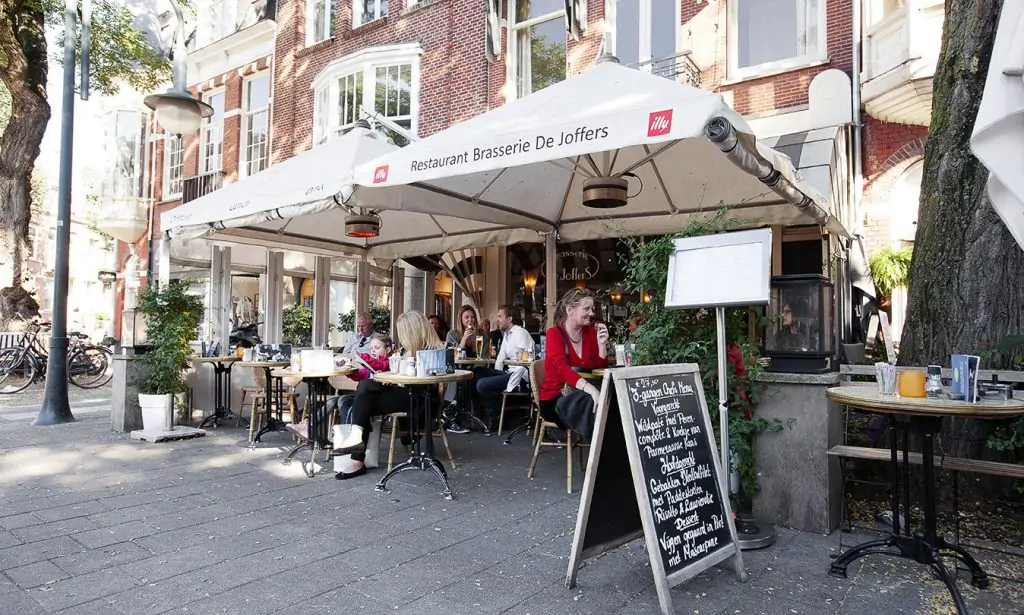
With a large terrace in the summer and winter, brasserie Joffers has been a well-known hotspot for 15 years, just a stone's throw from the Vondelpark and the Museum Quarter. If the sun is not shining, there is plenty of space inside - a space decorated with art and mirrored walls, which creates a homely atmosphere. The meeting place for the neighborhood is ideal for breakfast, lunch and dinner or simply for a nice cup of coffee.
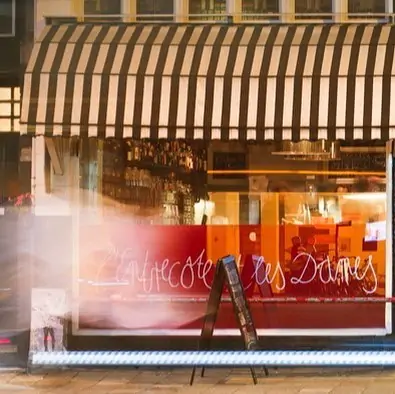
1071 AP Amsterdam
L'Entrecôte et les Dames
L’Entrecôte et les Dames embraces the concept of a formula restaurant, as the French call it. Within an attractively decorated French brasserie, the entrecôte takes center stage, always lightly cooked 'bleu' from Maas-Rhein-IJssel cattle. This is served with fries and a refreshing salad. If you are still hungry afterwards, you will be served another portion. Prefer not to eat meat? As an alternative, they serve sole fried in butter with ravigotte sauce. Same formula and same price as the entrecôte menu.

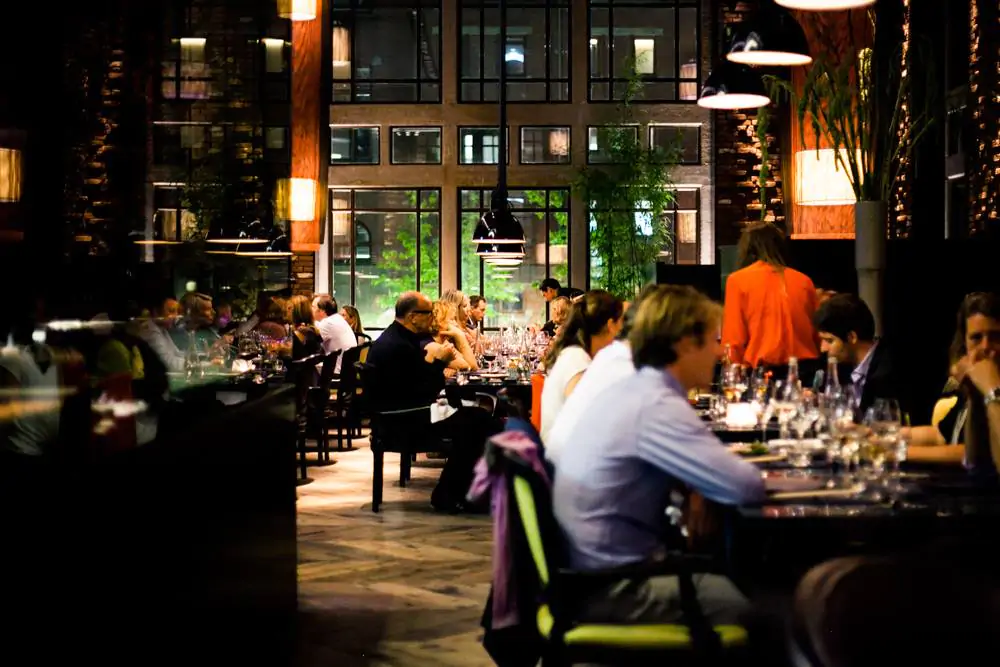
1071 DB Amsterdam
Taiko
Taiko is located in the five-star Conservatorium Hotel in Amsterdam. Chef Schilo van Coevorden is in charge of the kitchen. As a chef, he was trained in classic French cuisine, but soon became fascinated by the exotic flavors of Asia. Together with his team, he has created a menu that includes sushi, dim sum, curries, and meat and fish dishes. Vegetarian options are also available, of course.

1071 BJ Amsterdam
Esh Pitabar
Esh Pitabar is the new chapter for brothers Ilan and Joël Benamara, who previously ran Café Martinot since 2015 until the building was forced to close in 2022 due to foundation repairs. After a successful crowdfunding campaign, they decided to rebuild their business, this time with more space for their Israeli roots and inspiration from Tel Aviv. Chef Ilan Benamara himself is in the kitchen and enforces a simple but clear rule: everything is homemade, from the hummus to the pita bread. The menu features street food such as pita falafel, hummus with warm chickpeas, and fresh pizzas, just like you would eat them in Israel.
1071 JH Amsterdam
Brasserie van Dam
Brasserie van Dam is known for its simple but effective formula: a concise menu with high-quality products, reasonable prices, good coffee, a pleasant atmosphere and friendly staff.
1071 GZ Amsterdam
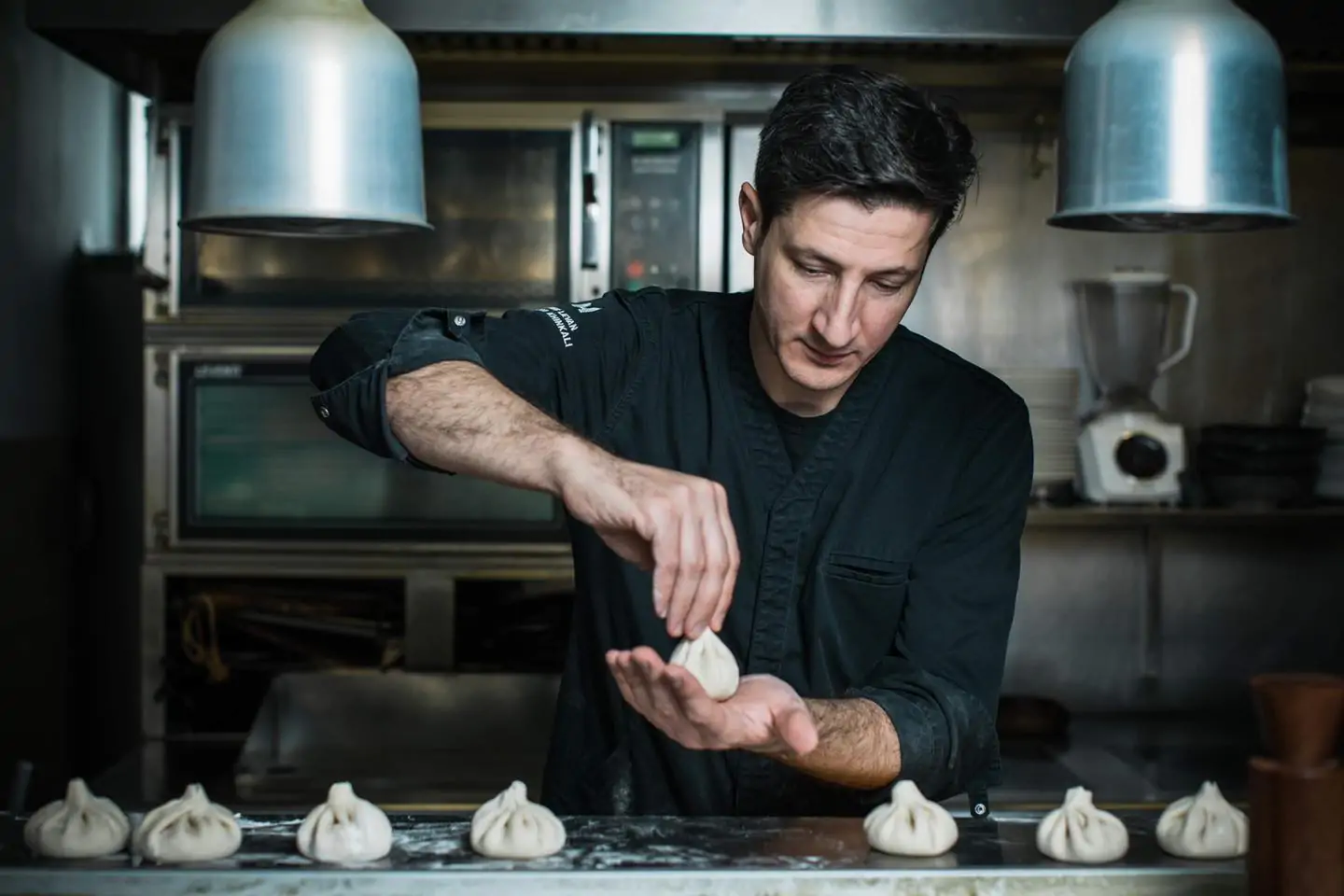
Batoni Khinkali
In the Netherlands, Georgian cuisine is unfortunately underrepresented, despite its rich and fascinating culinary heritage. Fortunately, Batoni Khinkali offers an introduction to this flavorful cuisine. This restaurant, founded by Georgian clarinetist Levan Tskhadadze, combines his love of music with his passion for cooking. Here, guests can enjoy Georgian classics such as khinkali, katschapuri and lobio, as well as a vegan and meat menu, all served with the characteristic Georgian hospitality.
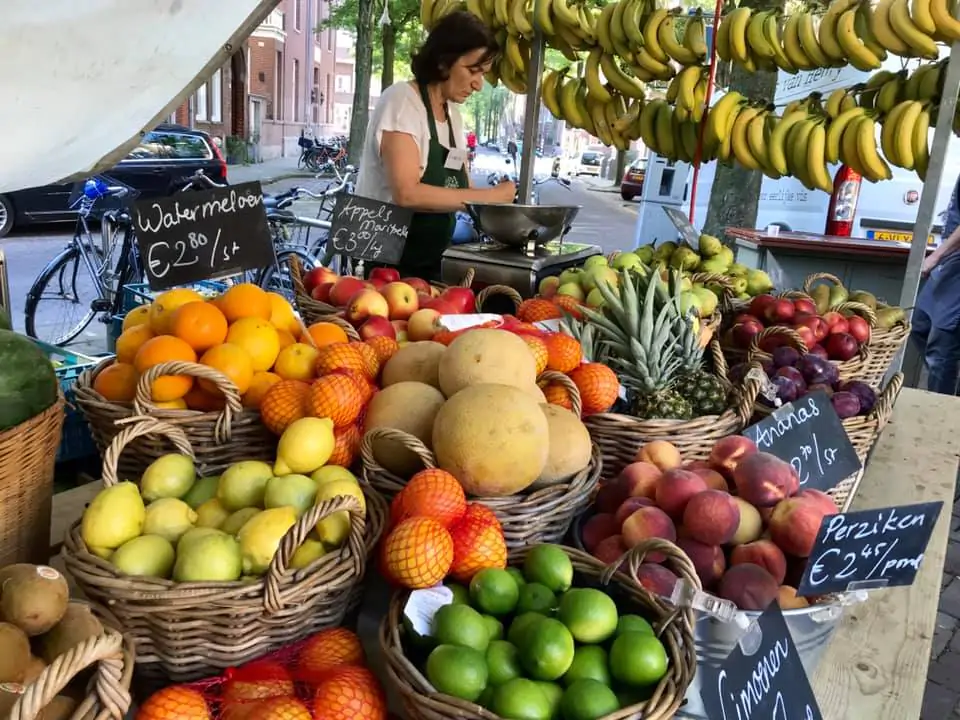
Southern Market
The zuiderMRKT is a small, cozy, weekly neighborhood market. Unique due to its cooperative character. The cooperative consists of members - enthusiastic local residents - who warmly support the market and help out at the market and in the vegetable stall. The members jointly determine the range of all stalls. They buy vegetables and fruit directly from the farmer, to sell them for fair prices on the zuiderMRKT square.
1071 ZJ Amsterdam
De Wijnkaart
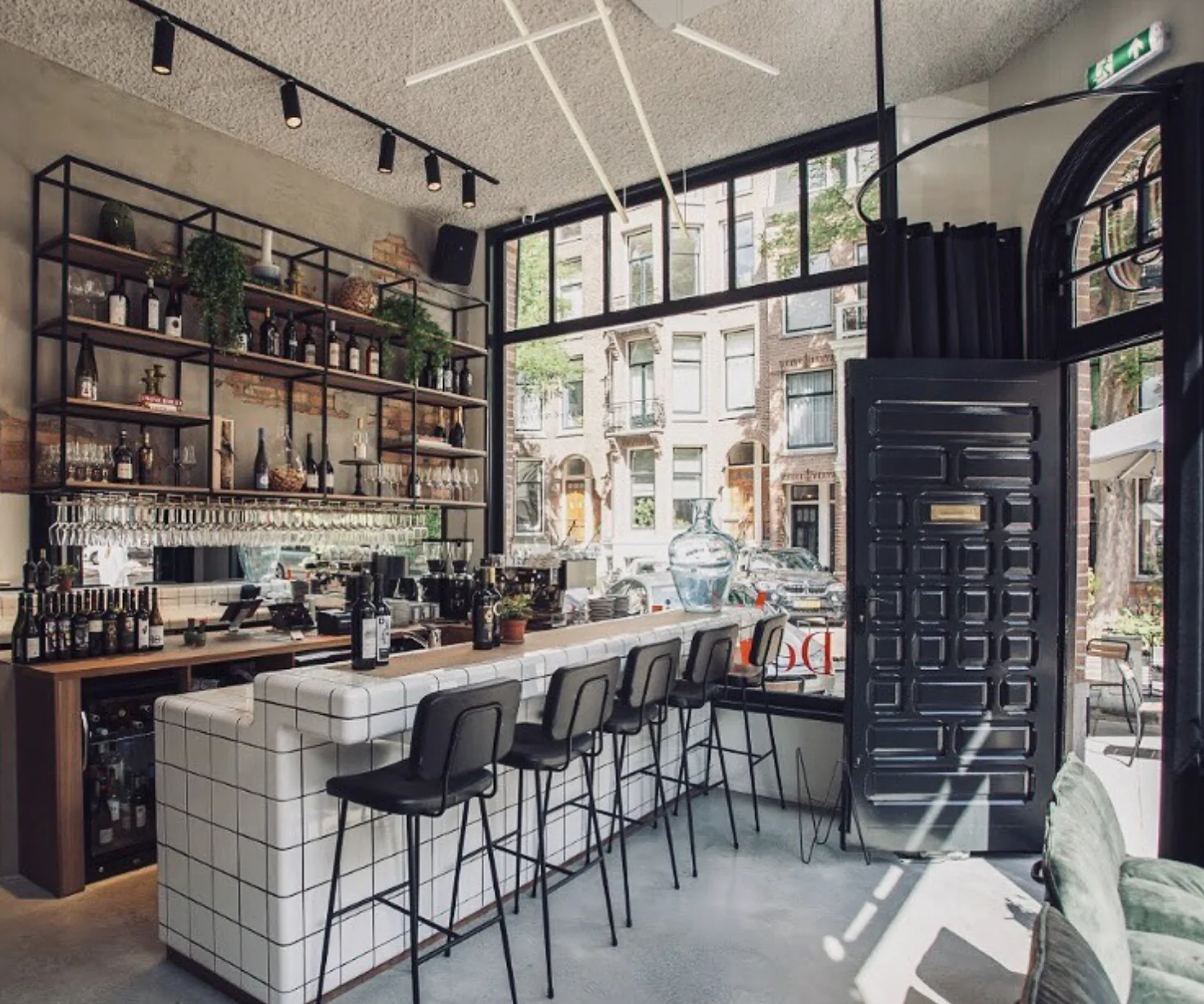
De Wijnkaart is located in the Museum Quarter in Amsterdam-Zuid. All kinds of wines from the forgotten Eastern European wine countries are served here. Although the history of wine making started here, these countries are often forgotten in the wine world. If you have become curious about all kinds of wines, you can do a wine tasting in the wine bar, where you can choose which ones you want to taste. In addition to the appetizer platters that change weekly, there are also main courses on the menu.
1071 NL Amsterdam
Greengrocer Tom Ensink
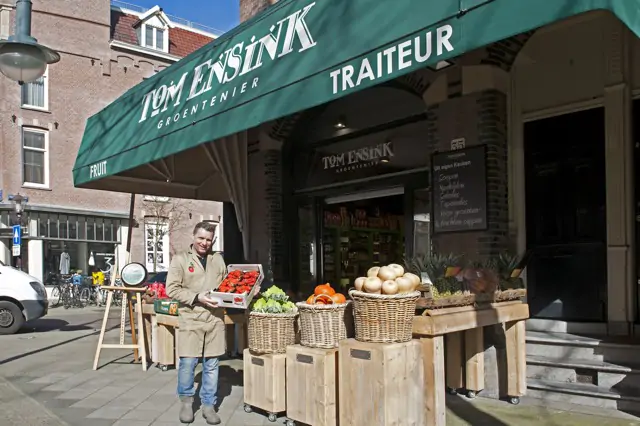
Greengrocer Tom Ensink ensures that customers can choose from an exclusive range of honest products. In addition to vegetables, cheeses, fruits, nuts, oils, wines and meals are Sold - carefully selected for the true gourmets in the South. Specific wishes can be fulfilled when ordering products, but also for the fresh meals.

1066 VH Amsterdam
De Schuyt Butcher Shop
Butcher shop De Schuyt, named after its location on Cornelis Schuytstraat, has the parakeet as its symbol. Just like the parakeet, this distinctive butcher shop has its origins in the 1970s, and both have carved out a place for themselves in Amsterdam. Inspired by the parakeet, owner Evert Blauwendraat started his butcher shop with the idea of giving it a distinctive, personal, and special emblem that everyone could recognize. This family business with a rich history is the place to go for meat and delicacies.
1071 AR Amsterdam
Renzo's Delicatessen
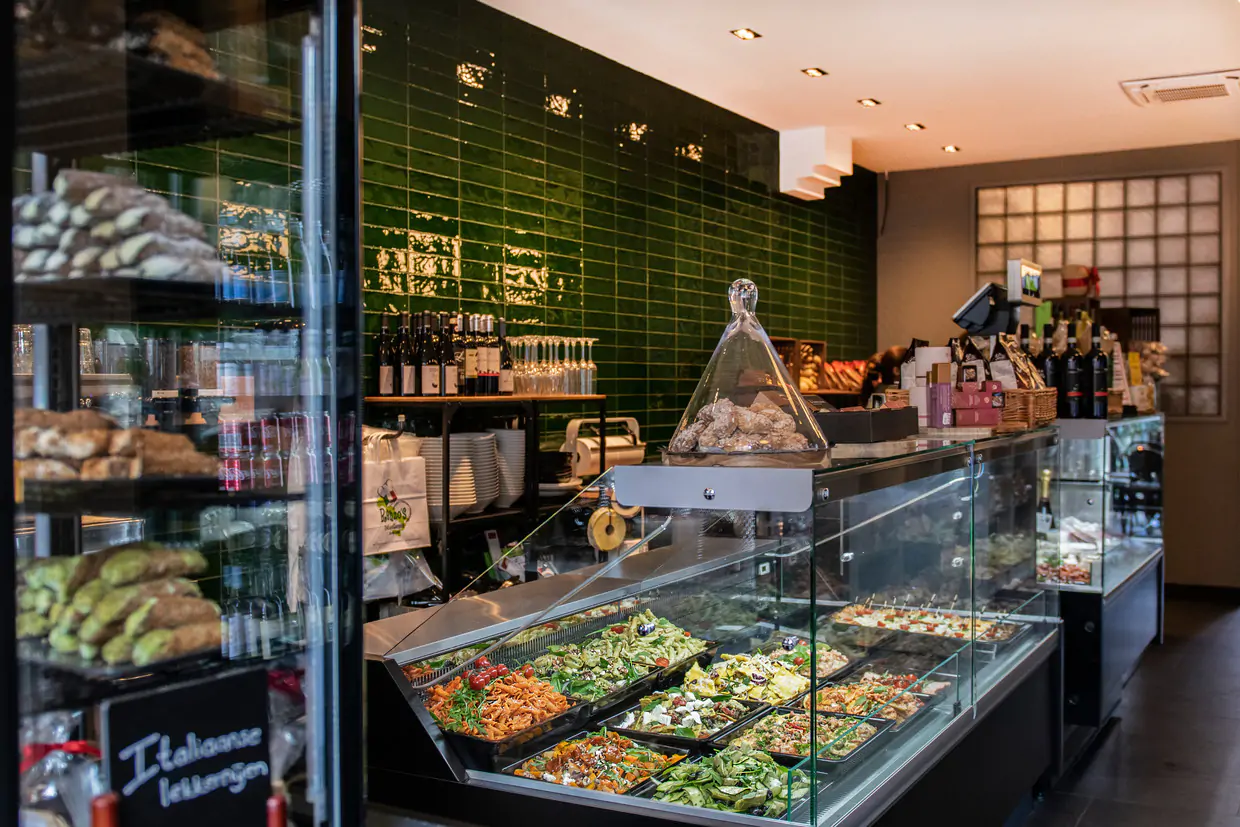
Renzo’s Delicatessen is all about homemade, culinary and Italian products. All dishes are made fresh here every day. In addition to Renzo’s classics, there is also a varied menu. For some, Renzo’s is a neighborhood store and for others a place to have lunch or dinner. You can also go there for groceries, an Italian take-away menu or a sandwich. And especially the Dino sandwich: ground beef or warm chicken thighs with the infamous dinosaus, sun mayo, arugula and sun-dried tomatoes.
1071 JC Amsterdam
Menno Kroon
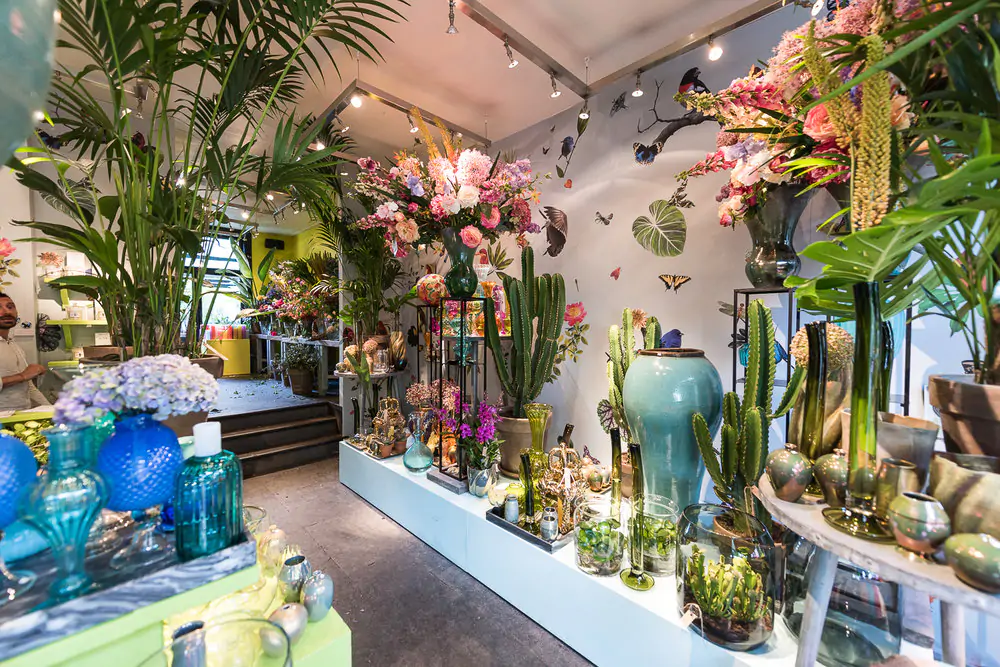
Menno Kroon's exuberant and atmospheric display window showcases such enchanting and special flowers that you simply have to take a look inside. Budding love, delight, the inevitable farewell. Each bouquet from Menno Kroon gives meaning to a special moment. Nothing is too crazy for them at Menno Kroon, and you can go there for the most special and diverse bouquets.
1071 AP Amsterdam
Cosentino
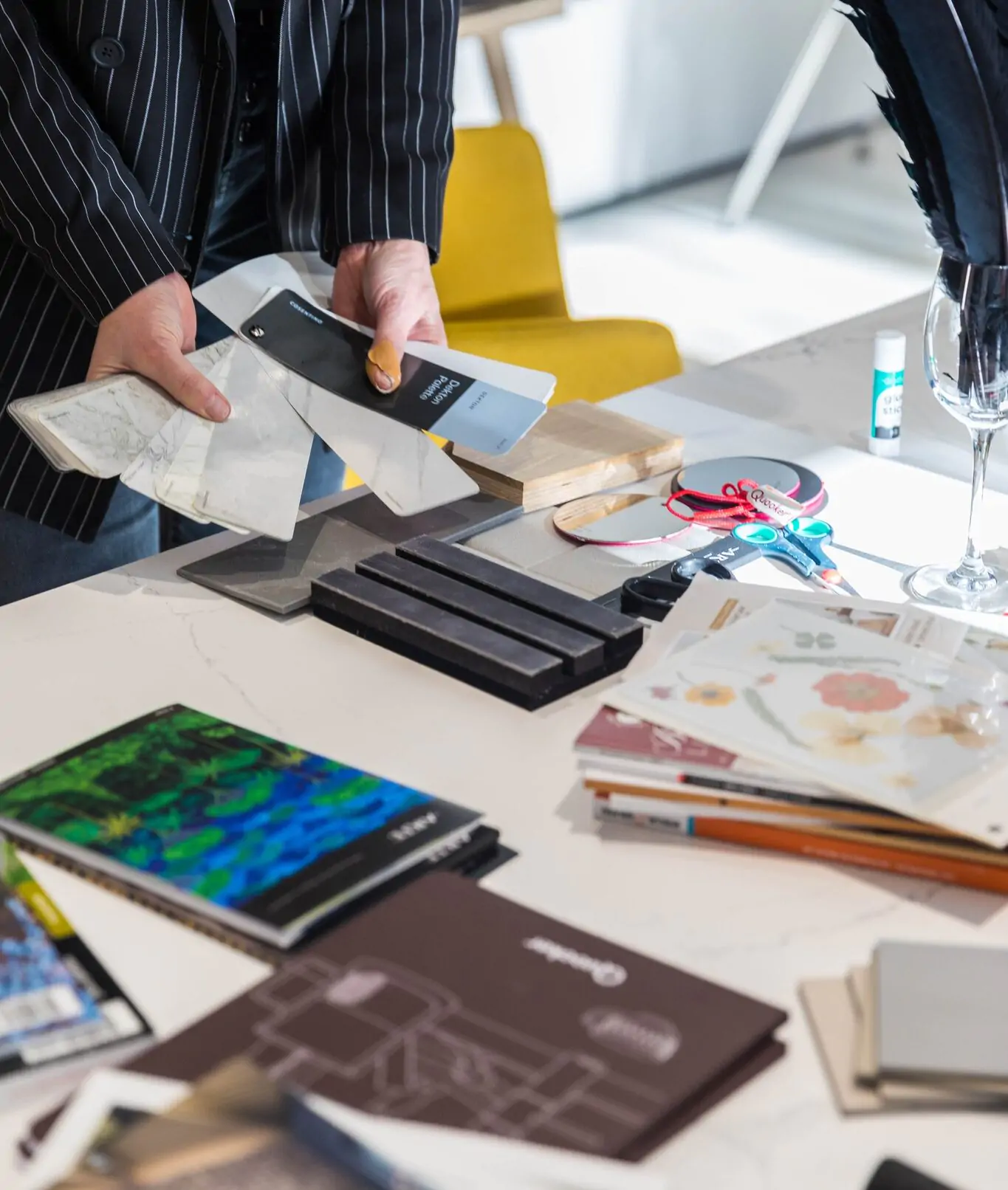
Cosentino Group is a globally renowned Spanish family business that produces and distributes high-quality innovative surfaces for the world of design and architecture. Their inspiration center is located on Van Baerlestraat, where visitors can compare colors, materials, and applications for architecture and design Projects. Cosentino City offers an extensive inspiration platform where architects and designers can meet and work.


1071 AL Amsterdam
Carl Hansen & Søn
Carl Hansen & Søn, a Danish family business led by the third generation, embodies over a hundred years of craftsmanship in modern design. At Carl Hansen & Søn, they believe that iconic design stems from simplicity, aesthetics, and functionality, with attention to craftsmanship and high-quality materials. Their focus on preserving Danish design classics goes hand in hand with welcoming new influential designers to create a diverse collection of the best modern furniture classics.