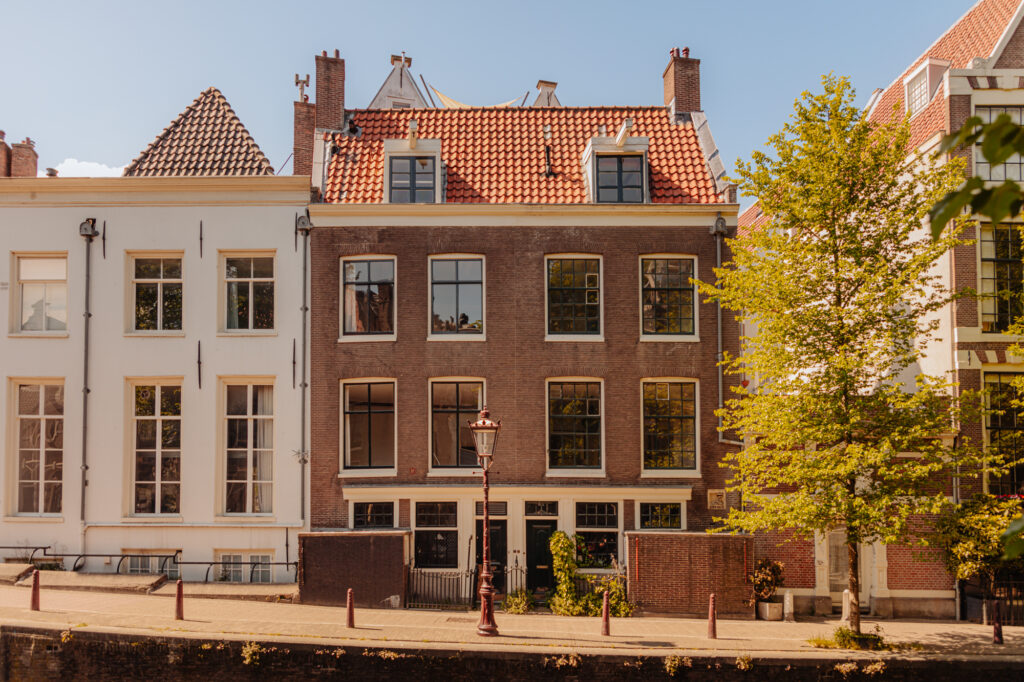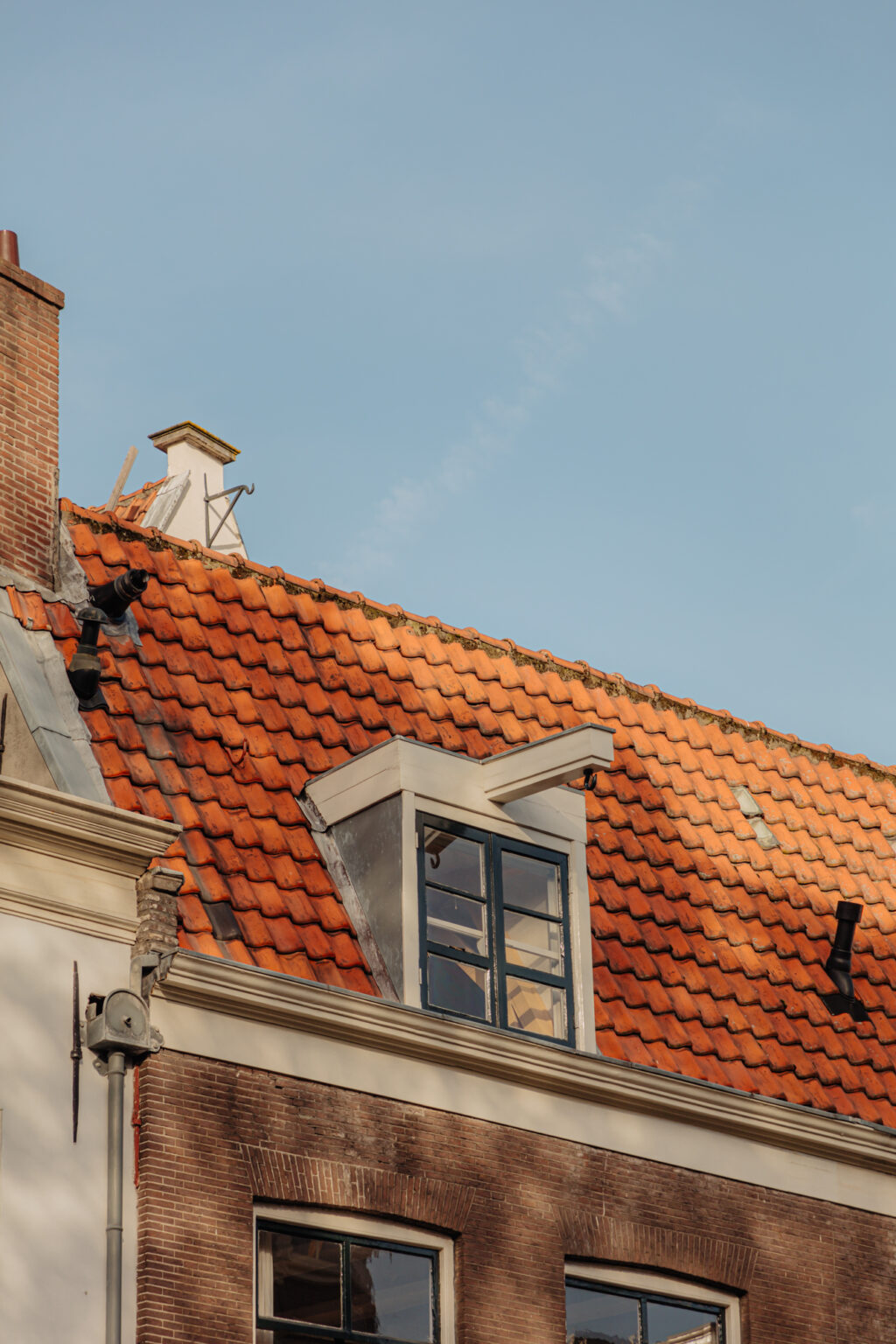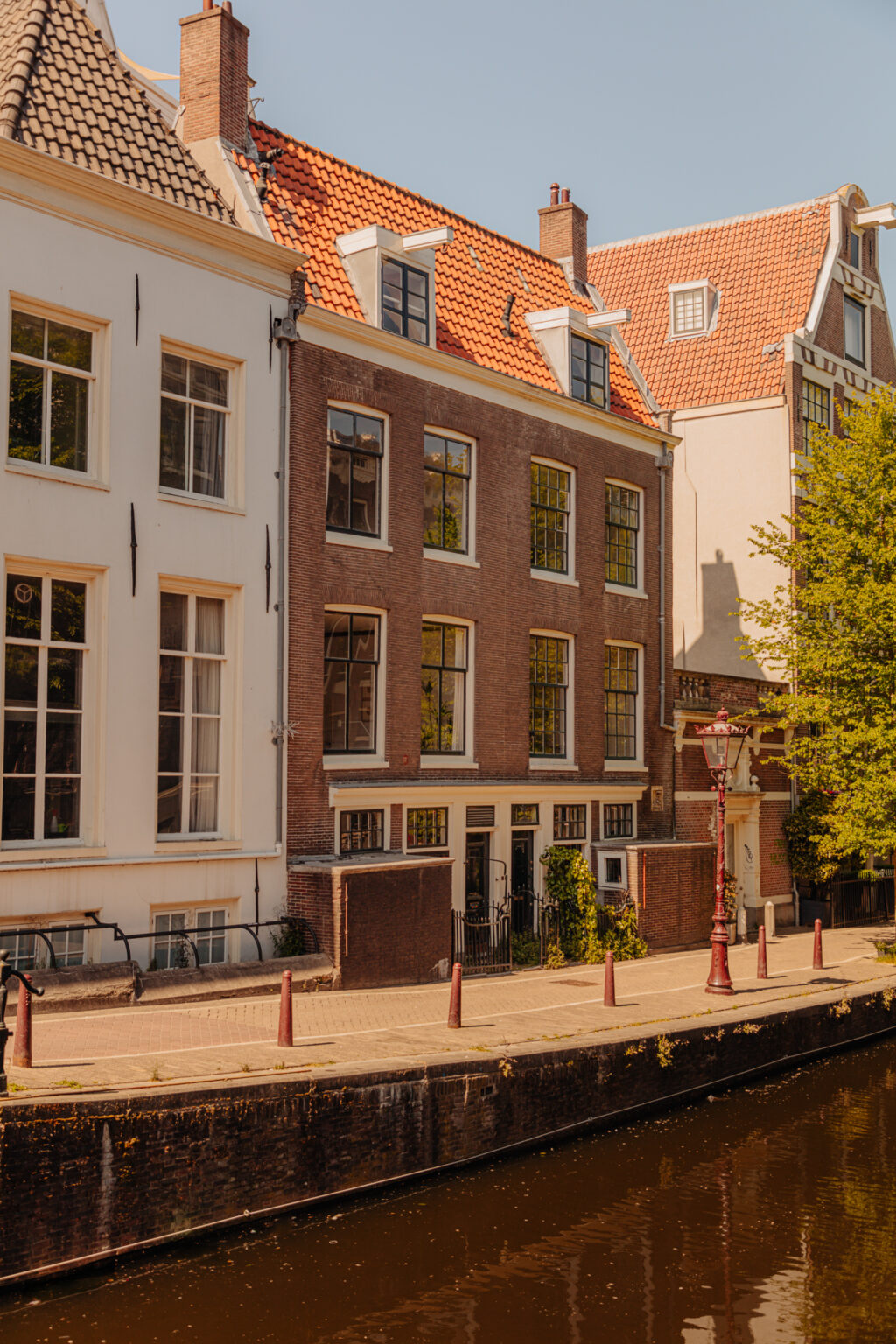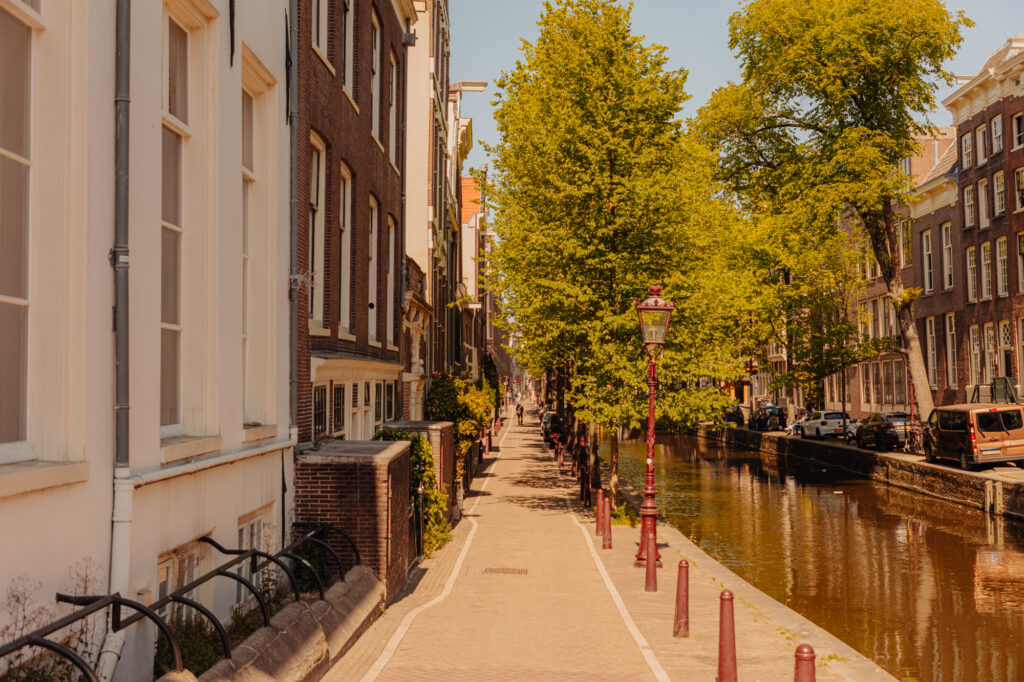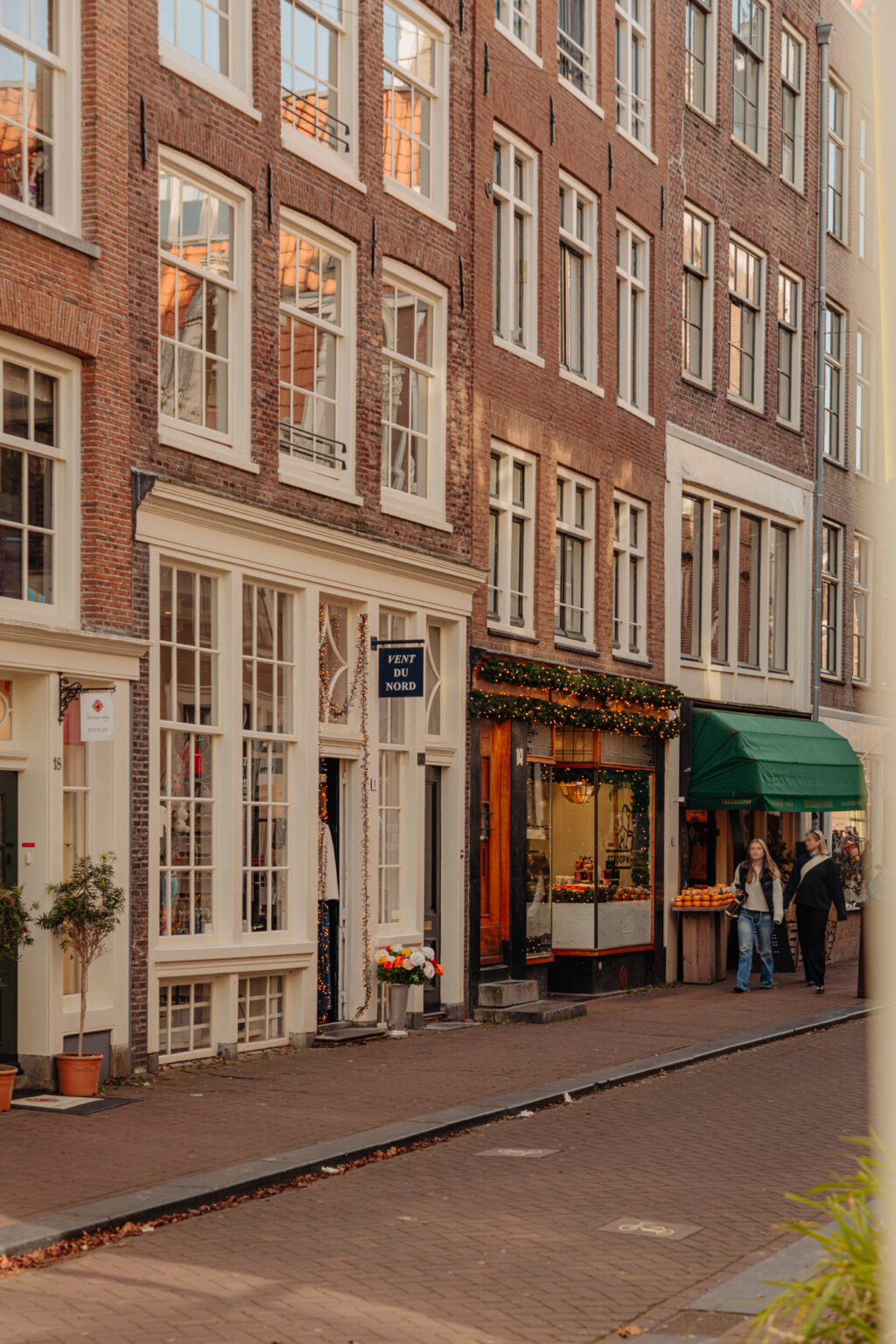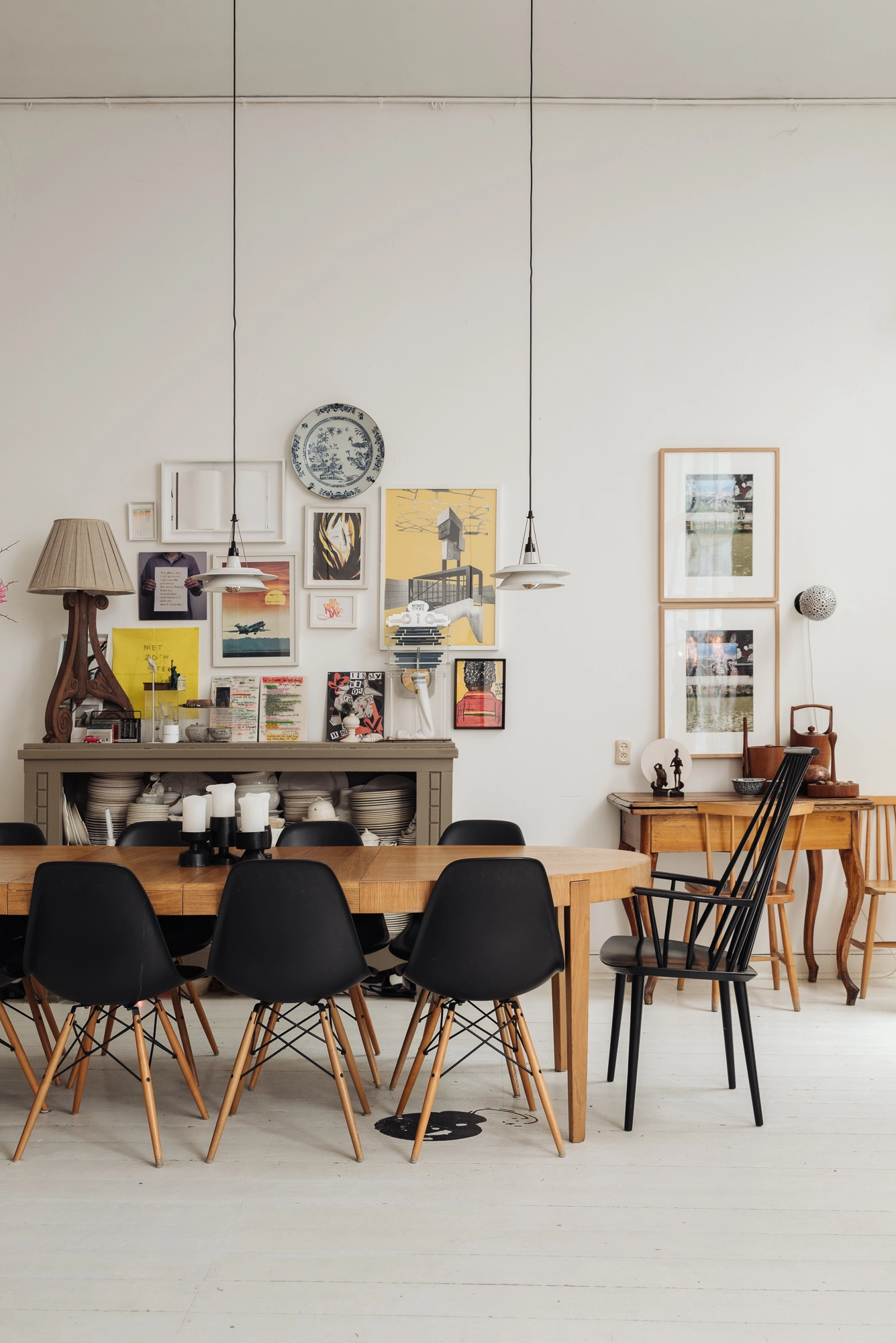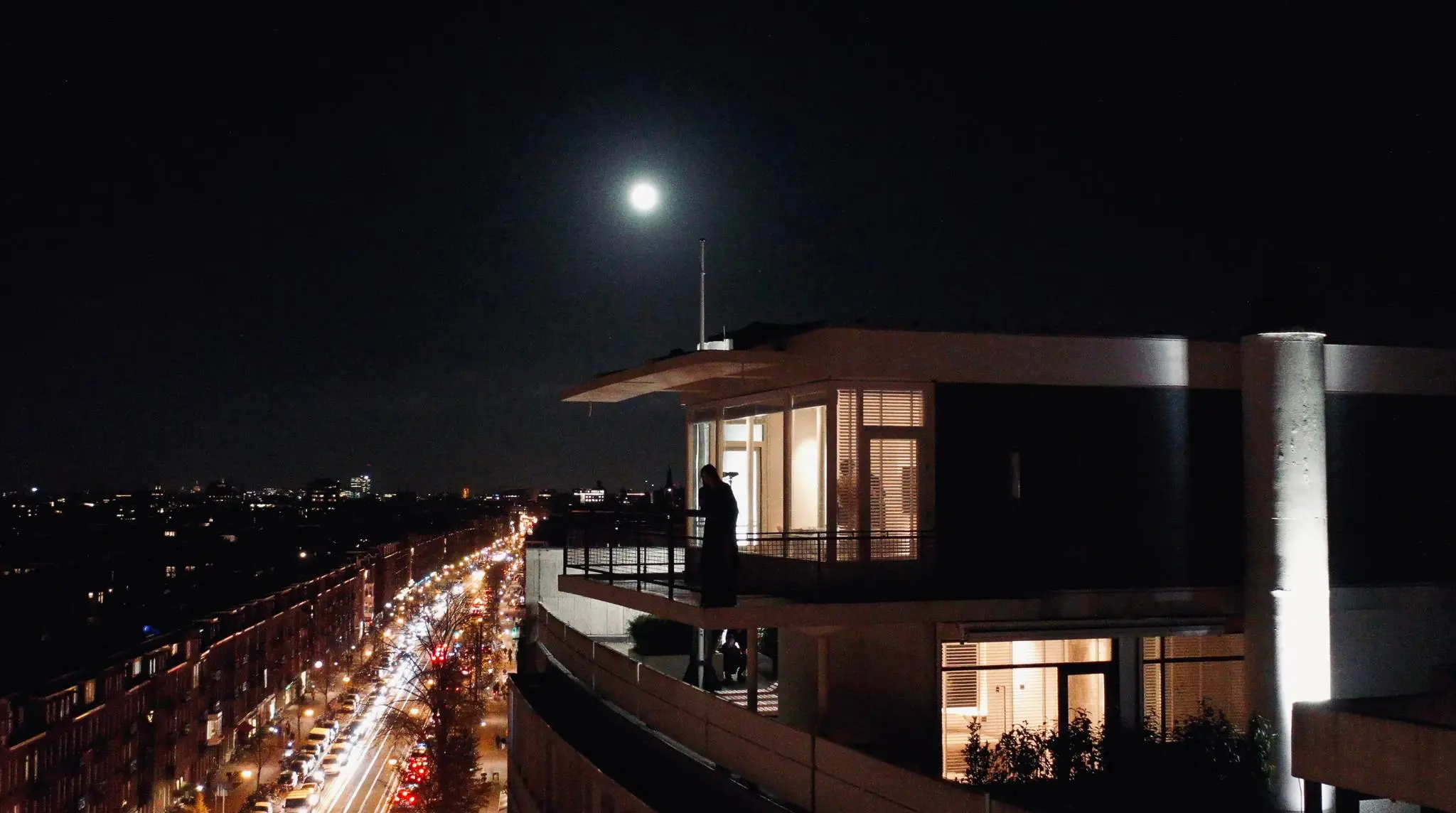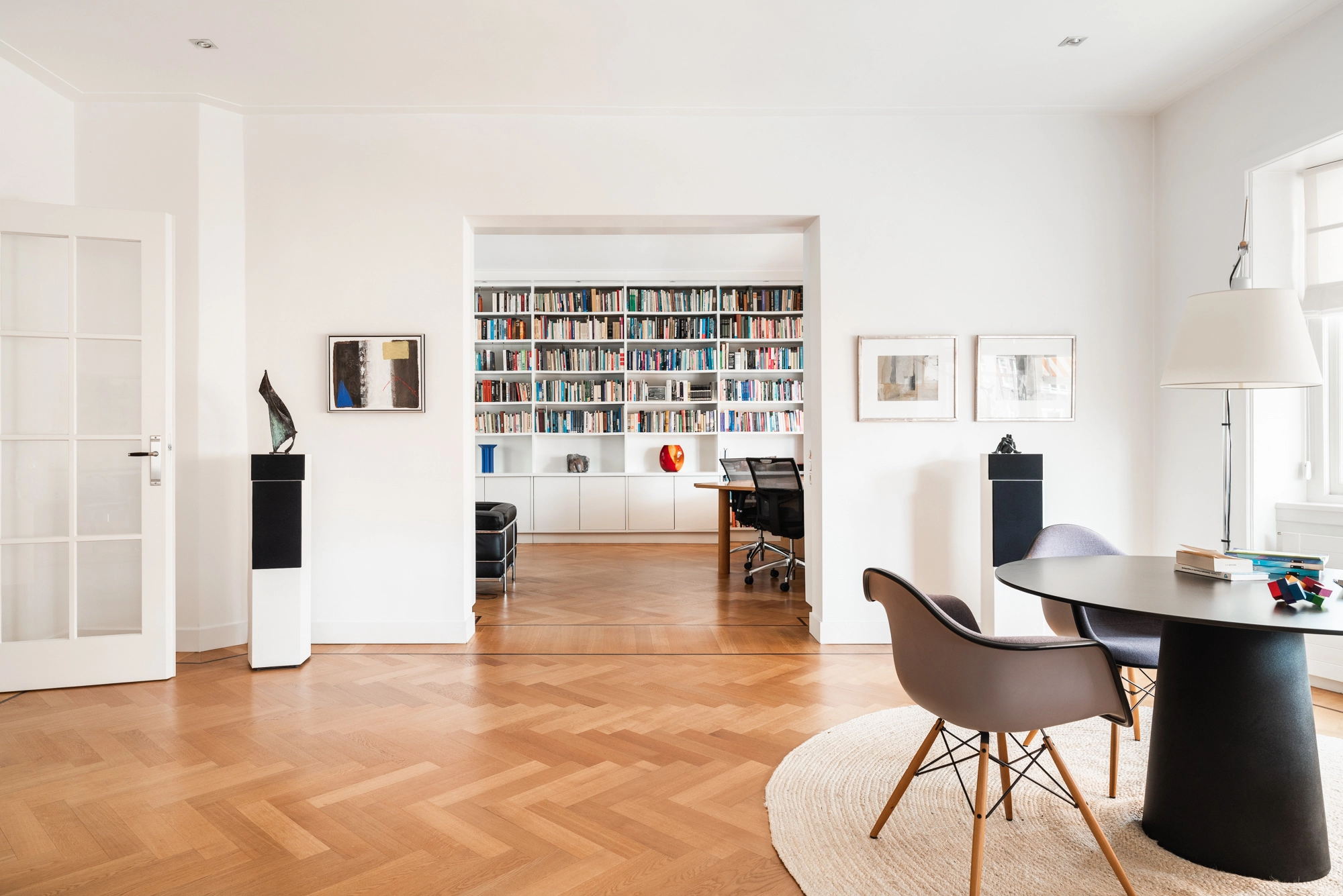
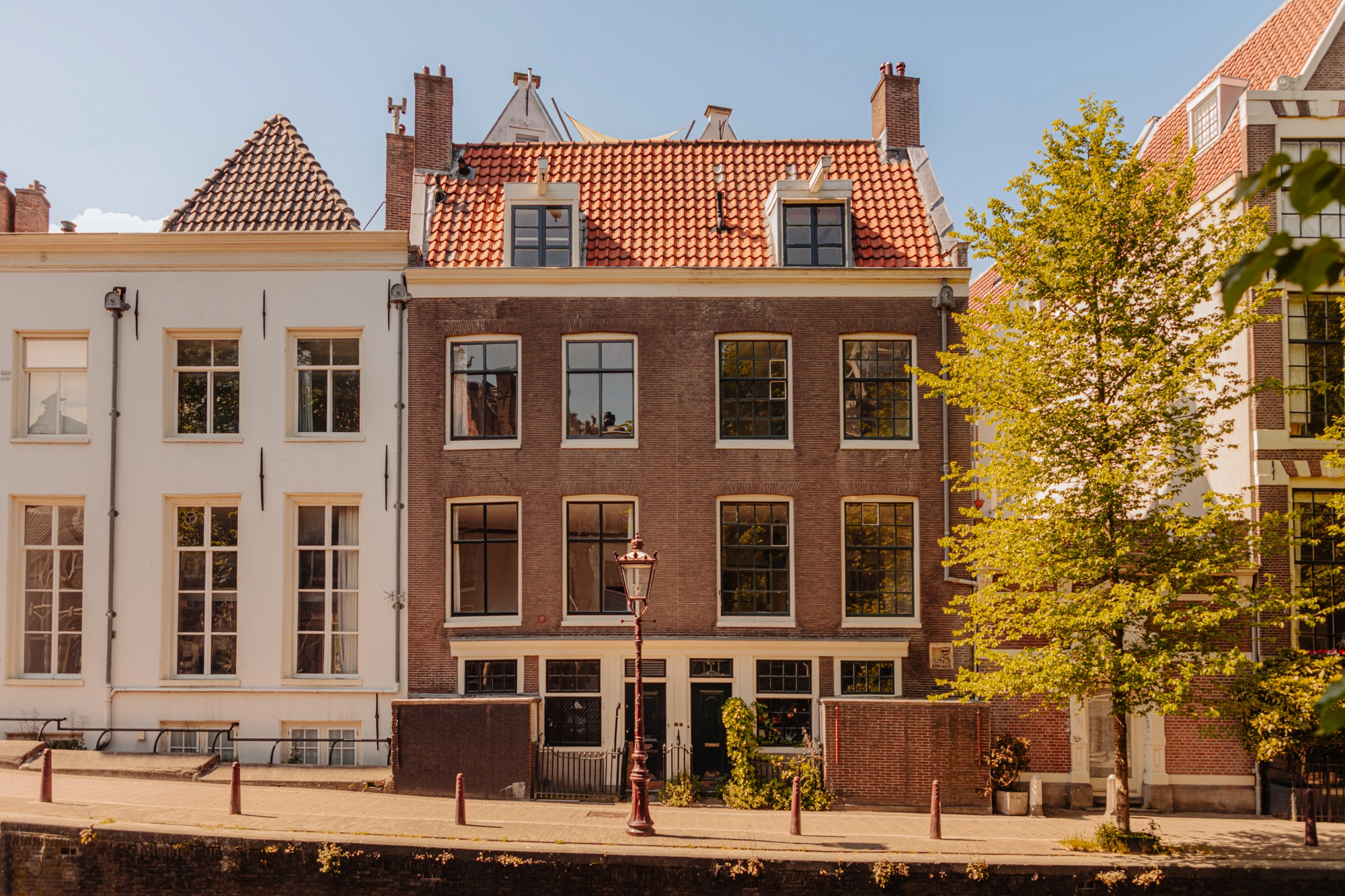
This monumental and charming canal house of approximately 82m² is located in the oldest part of Amsterdam Center, within the canal belt. It features a kitchen, living room, bedroom/study, and a bedroom with bathroom on the top floor. Located on private land.
Guided tour
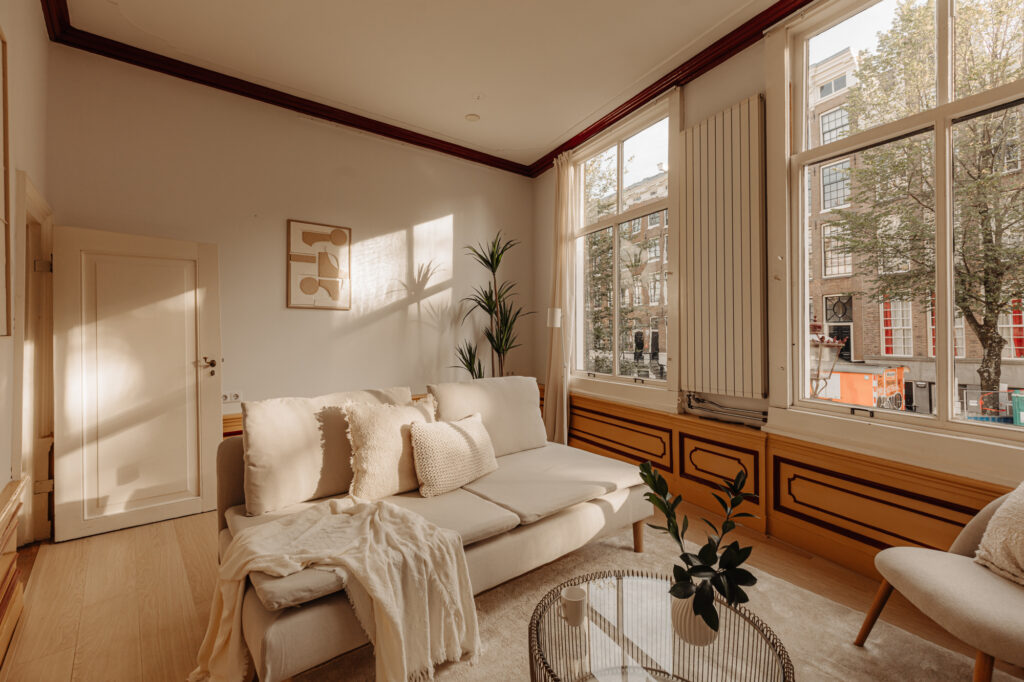
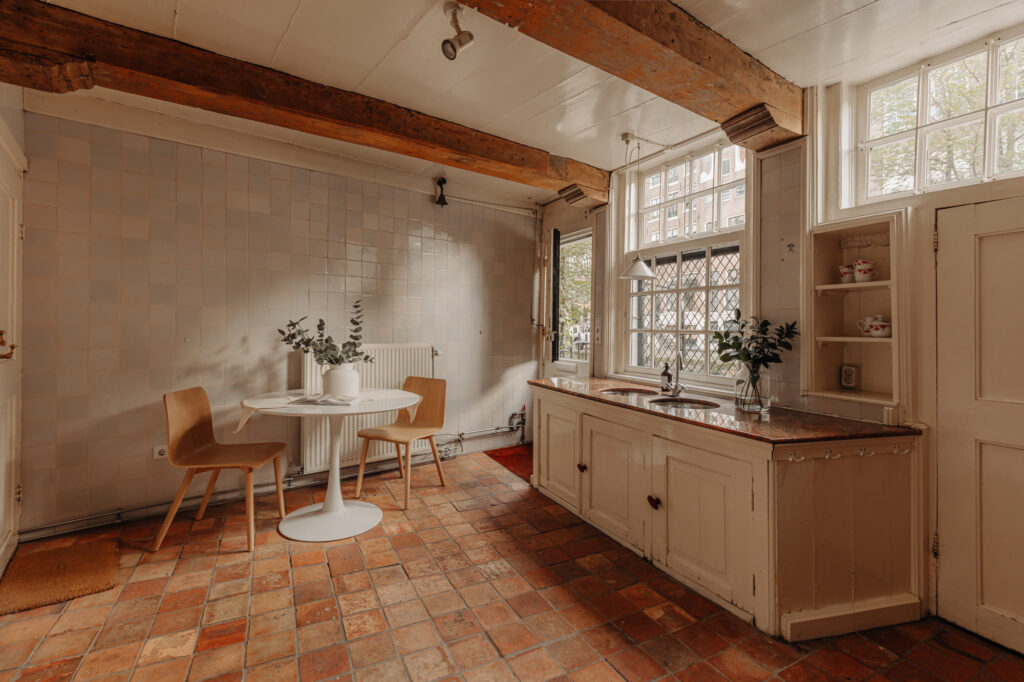
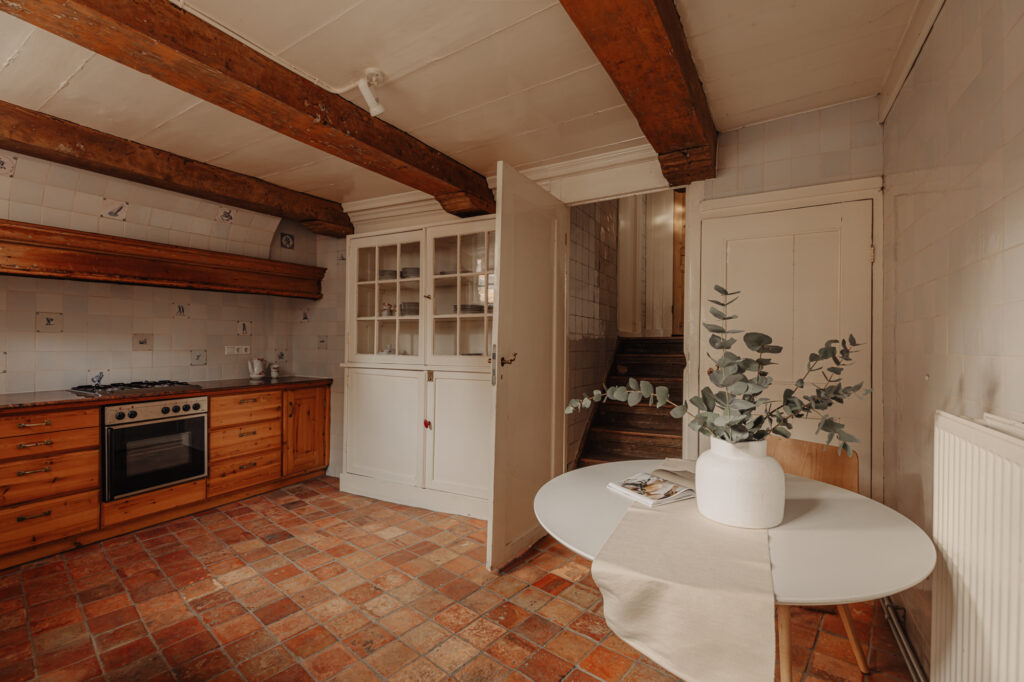
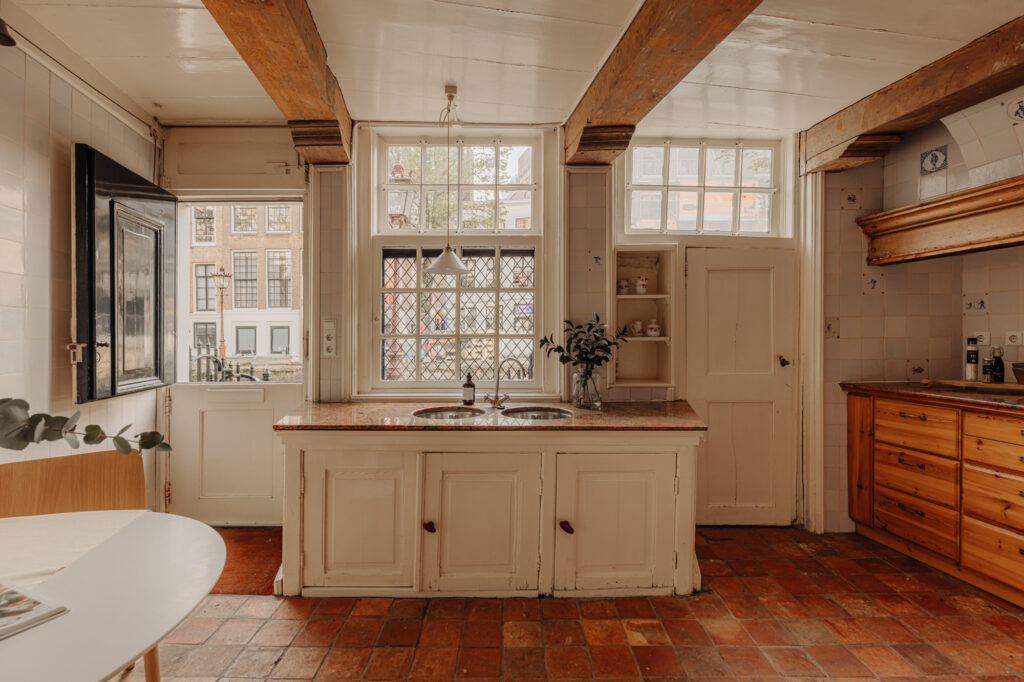
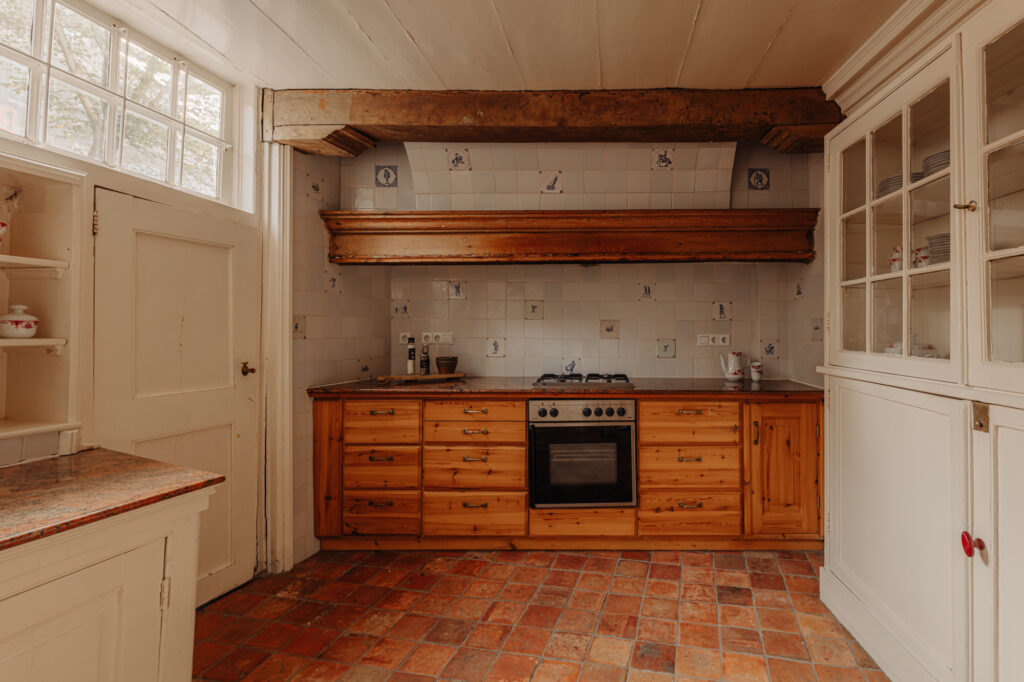
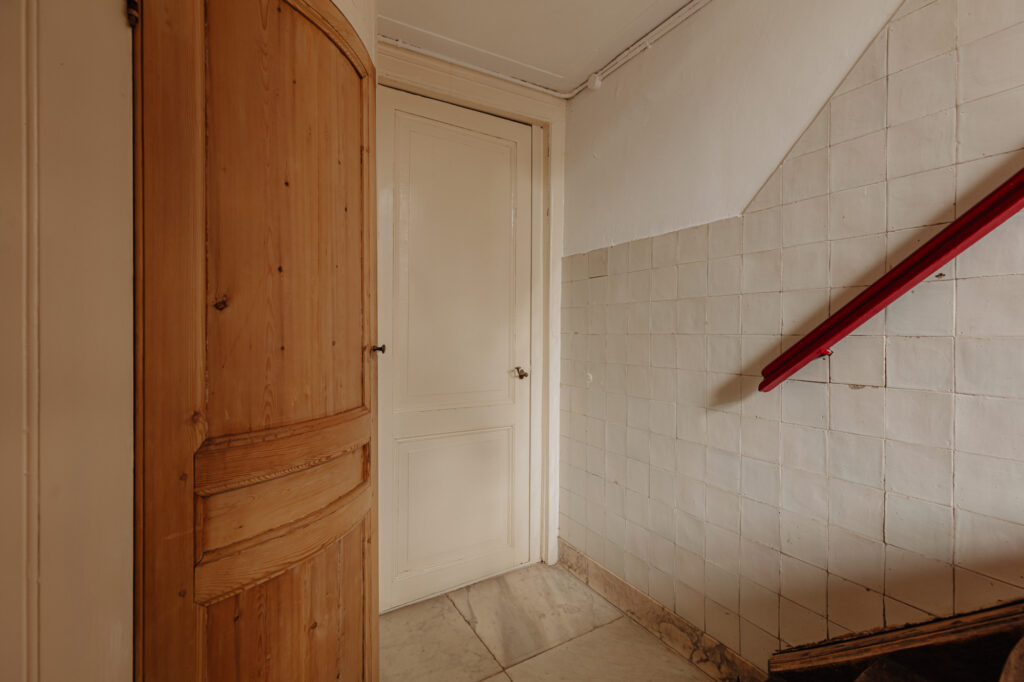
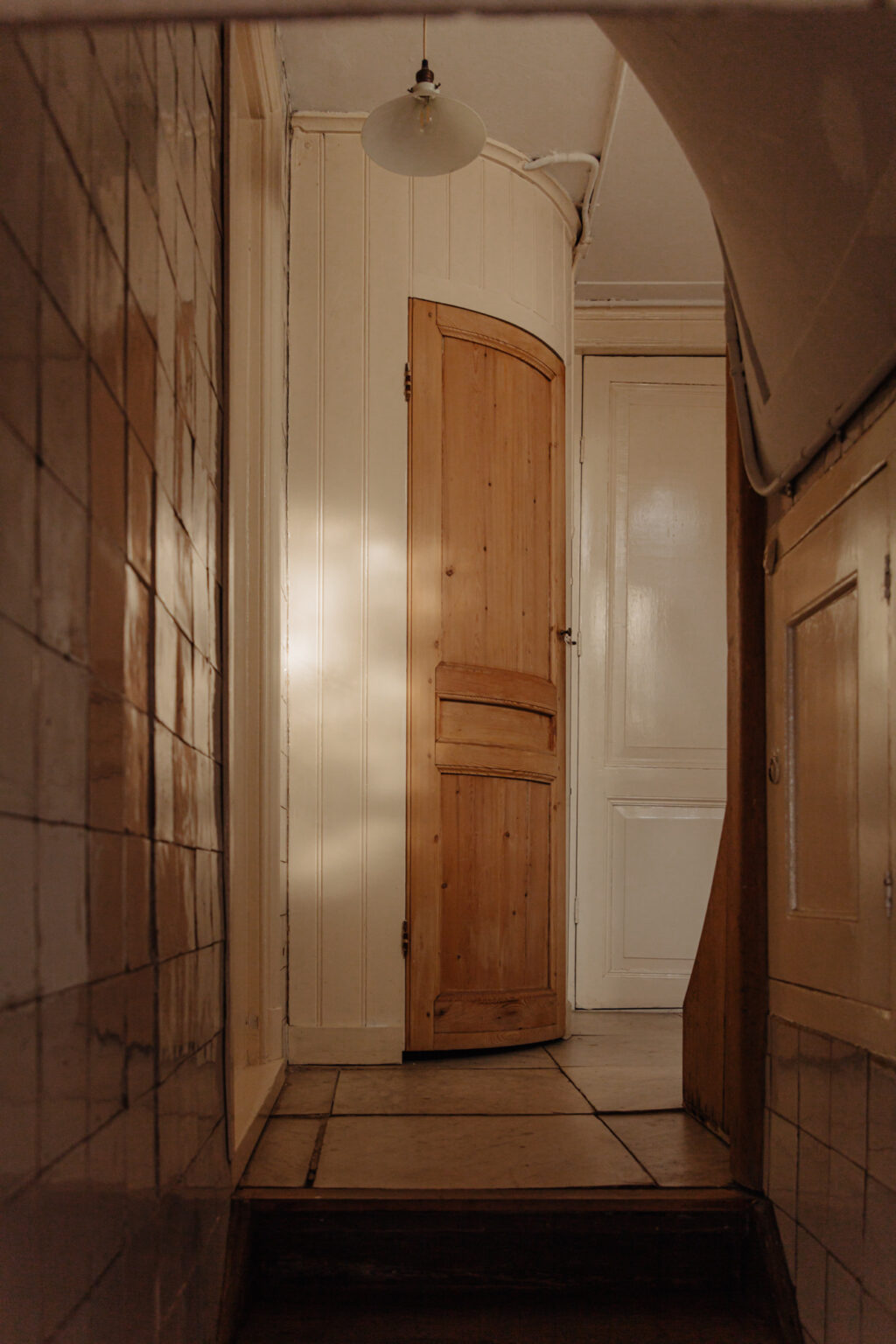
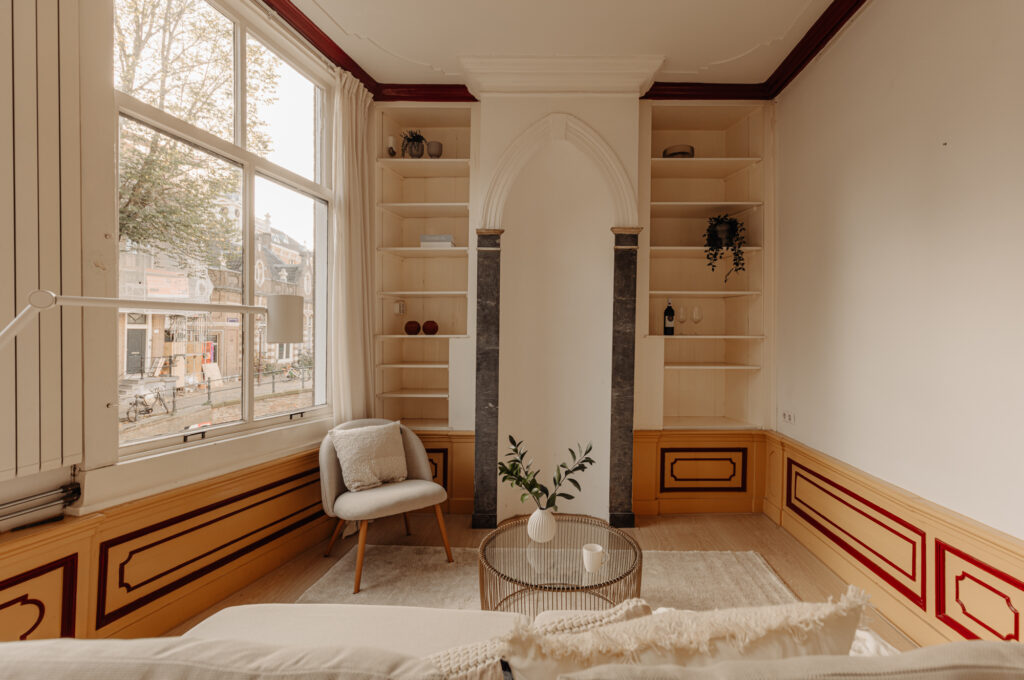
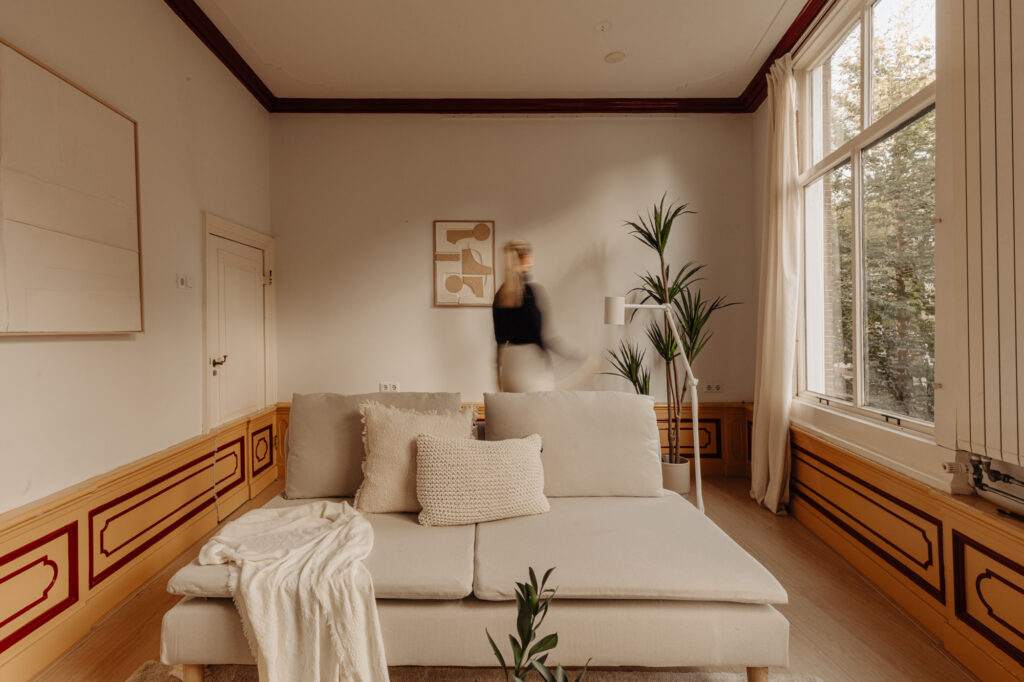
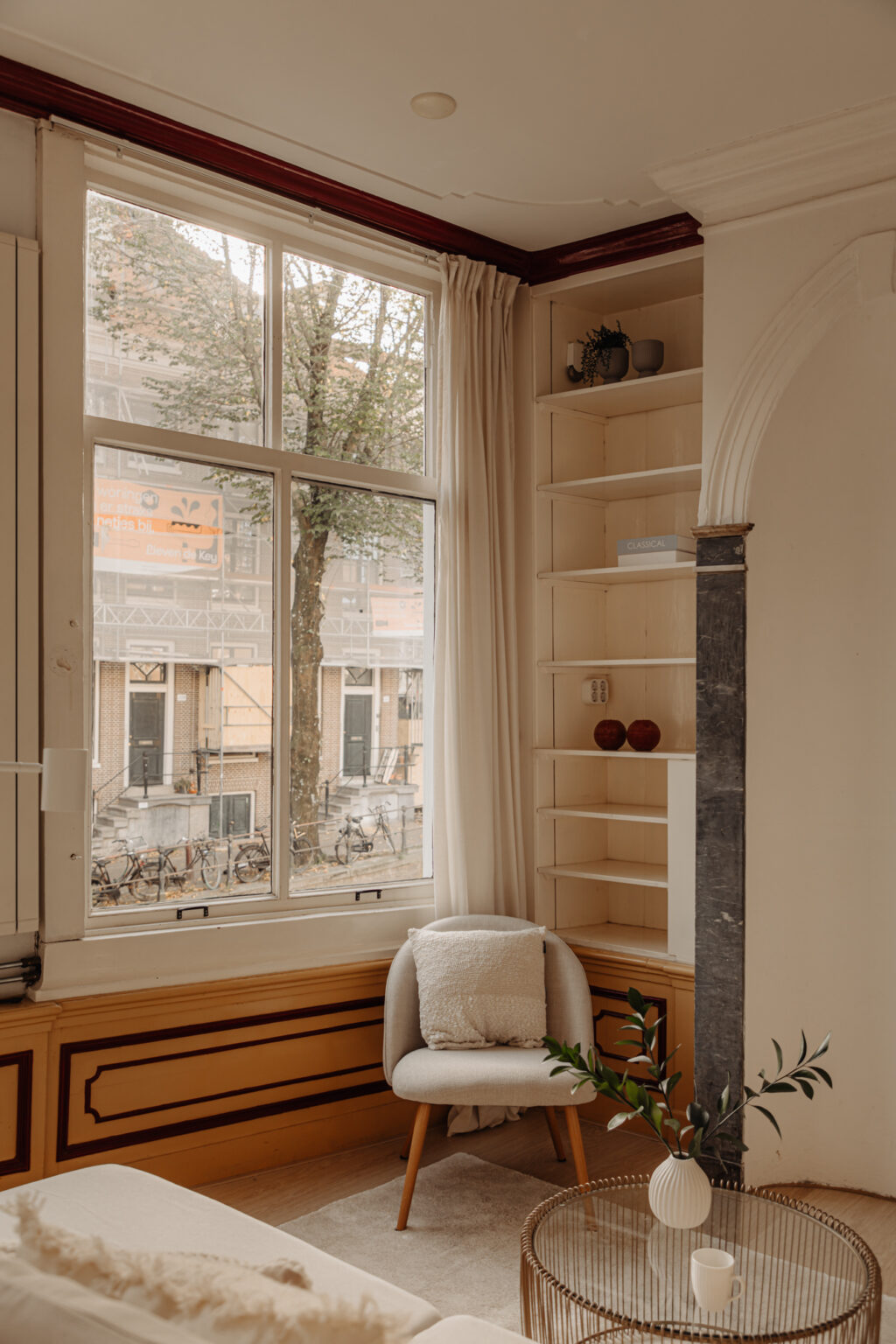
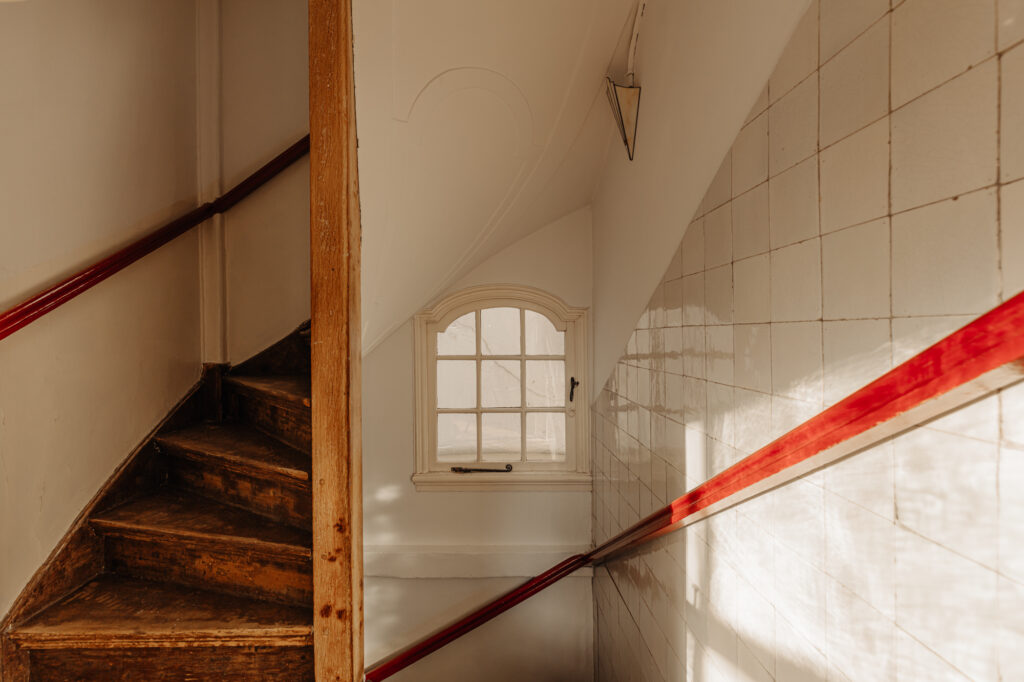
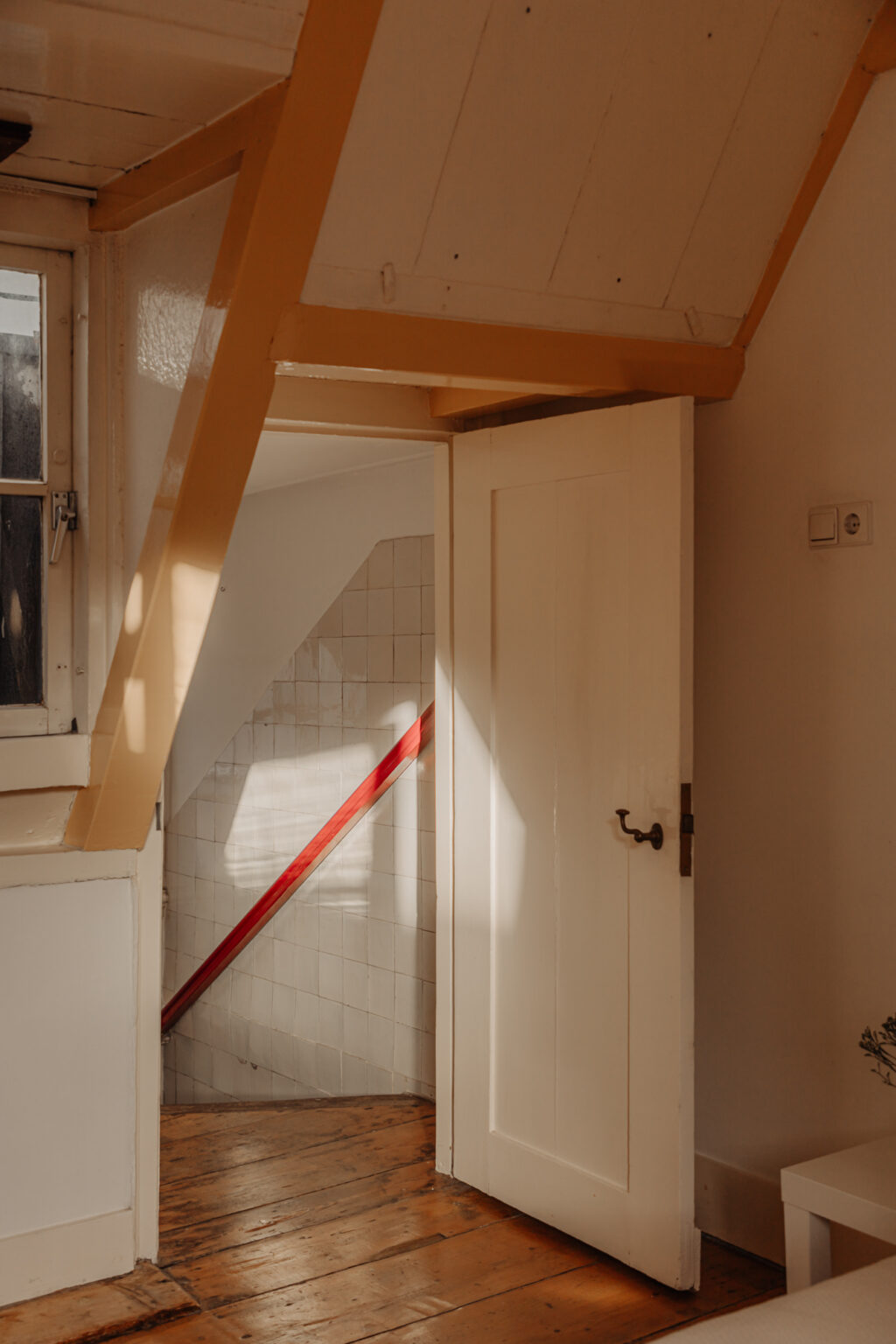
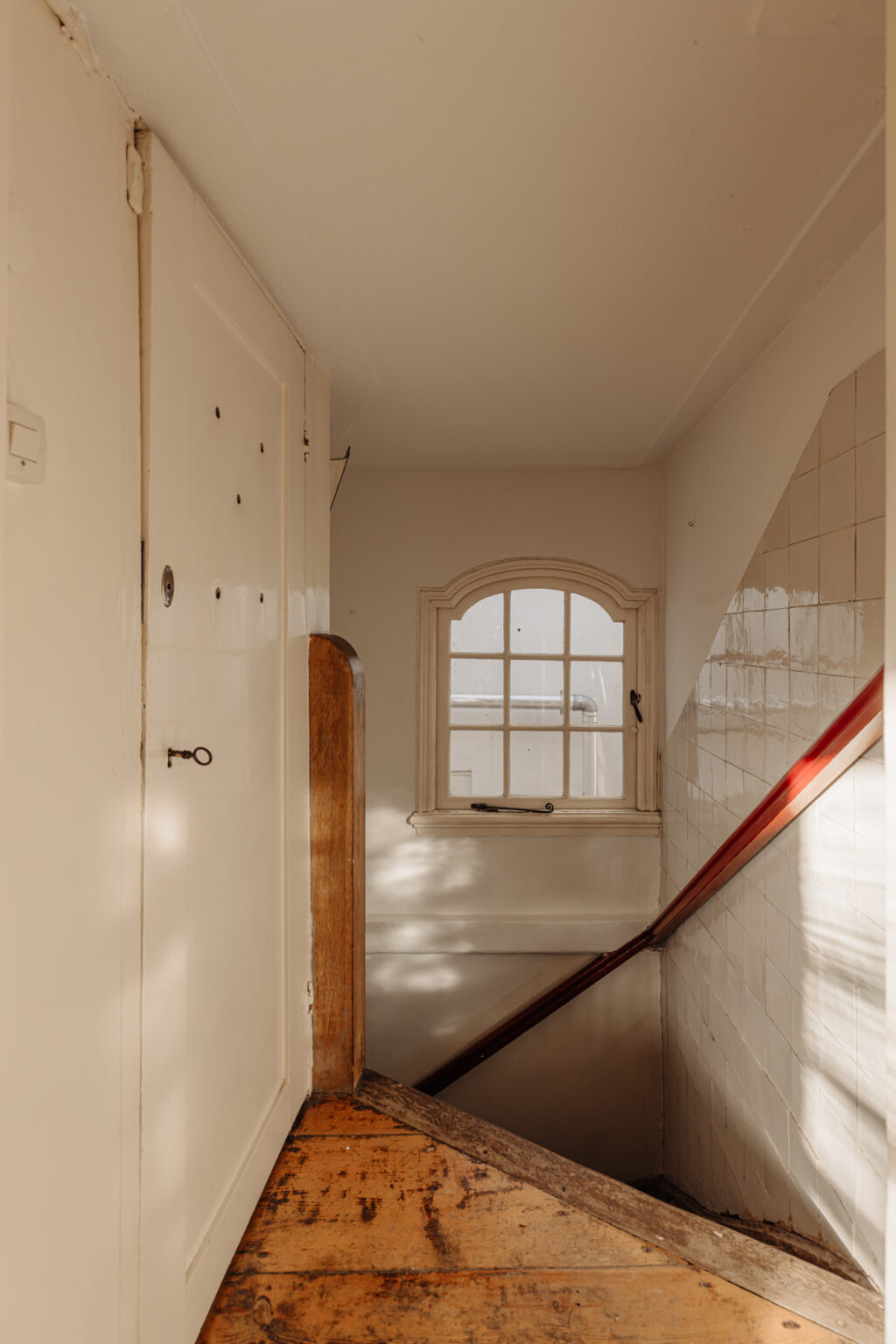
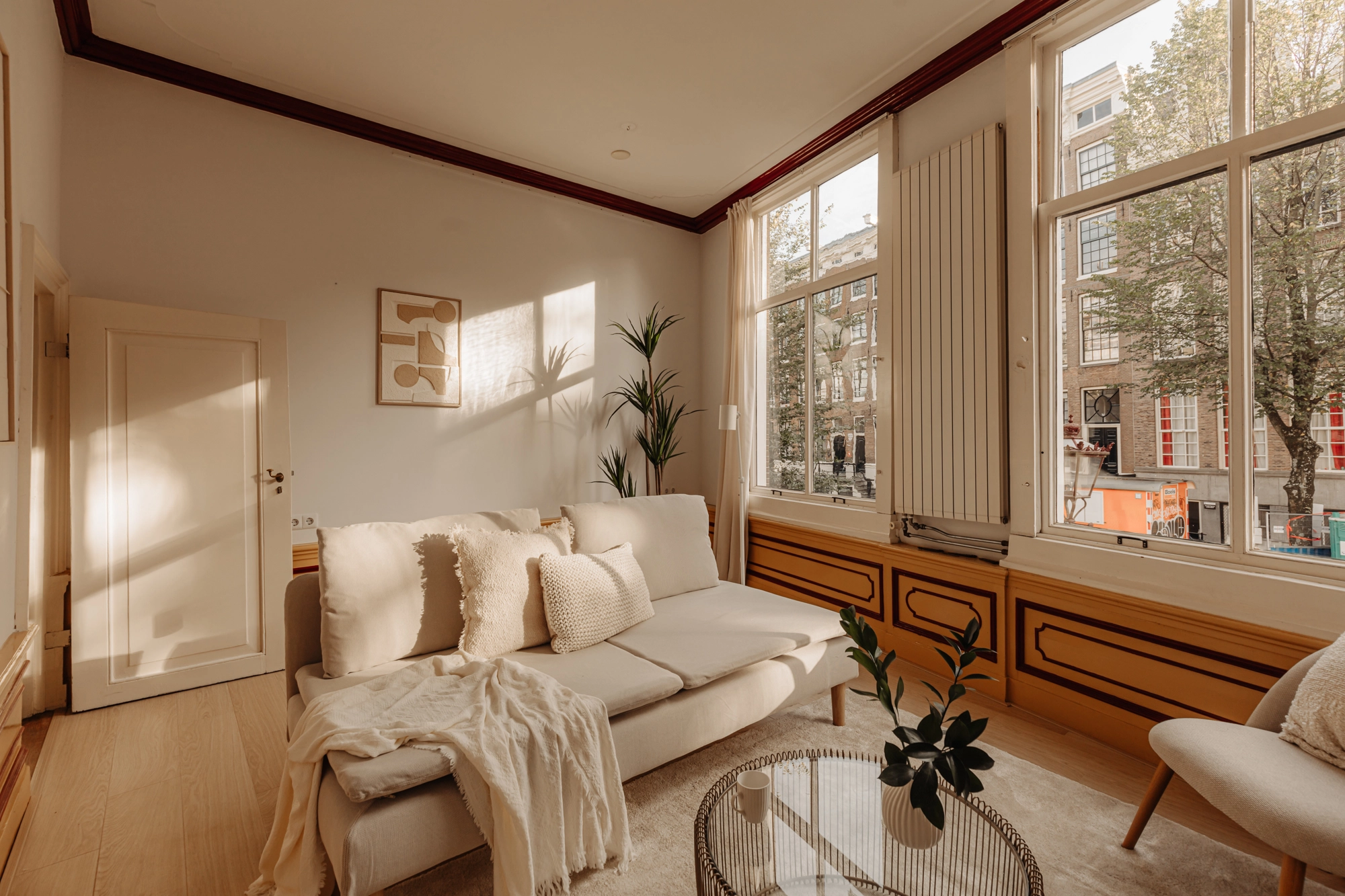
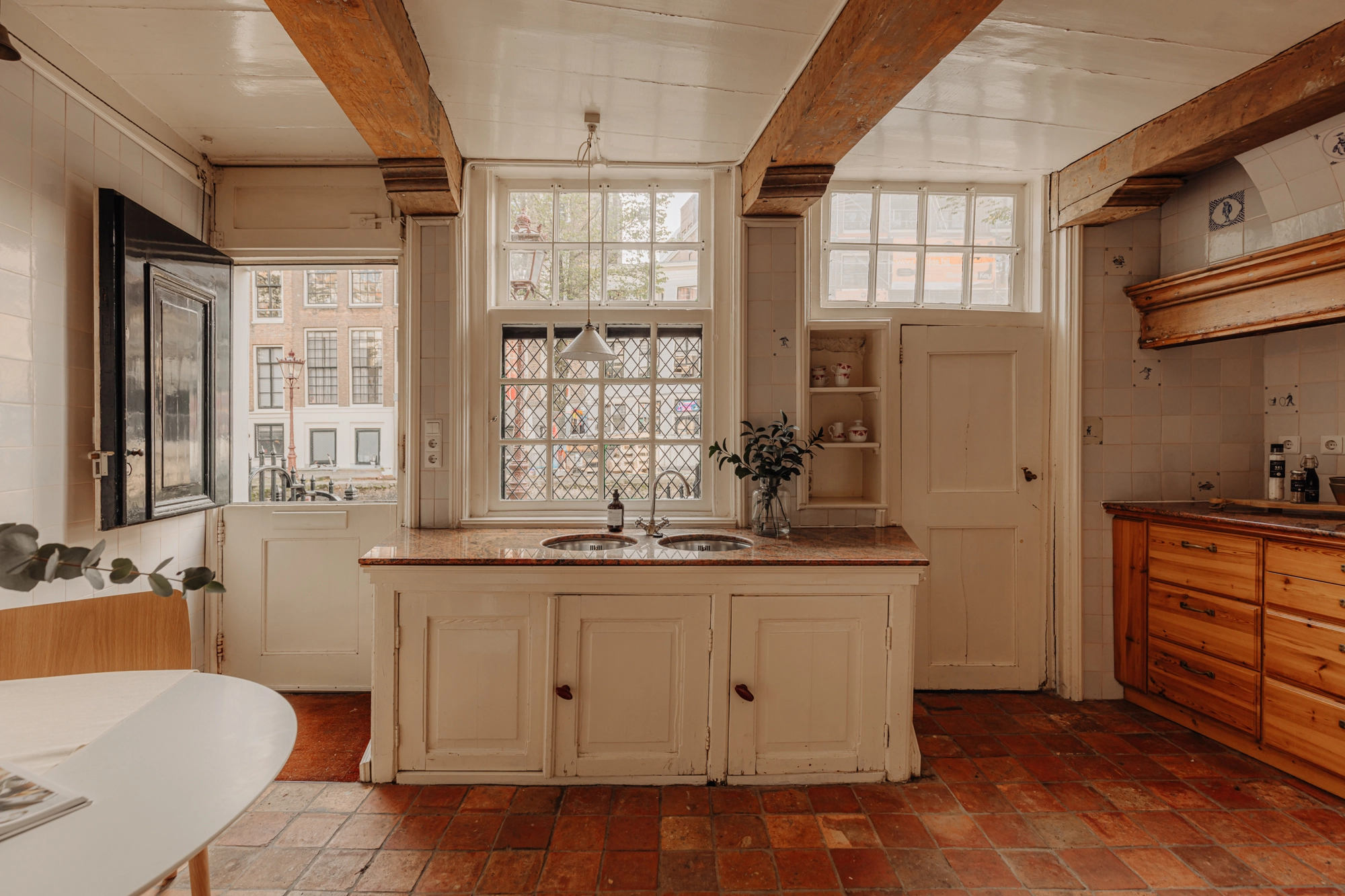
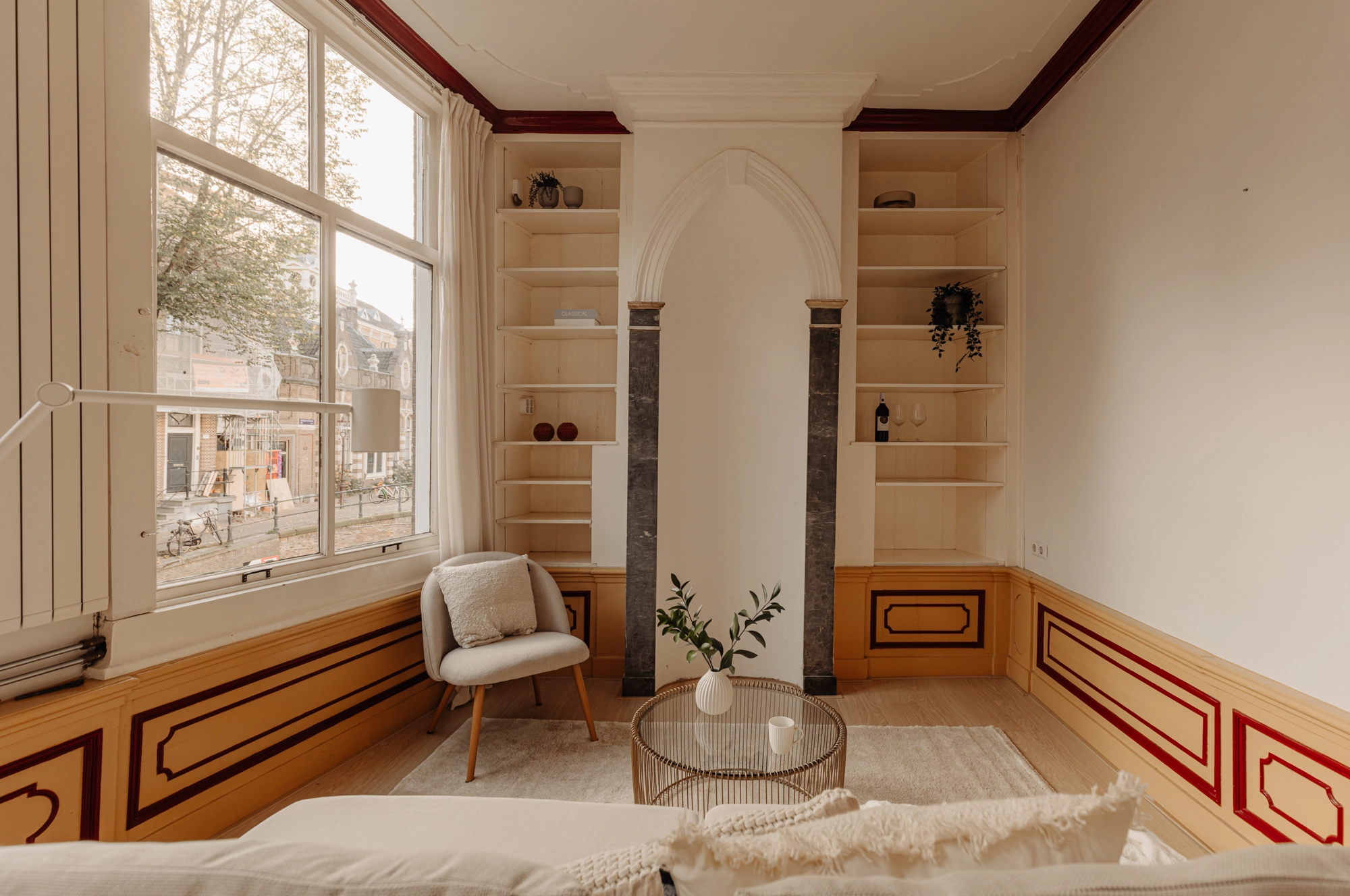
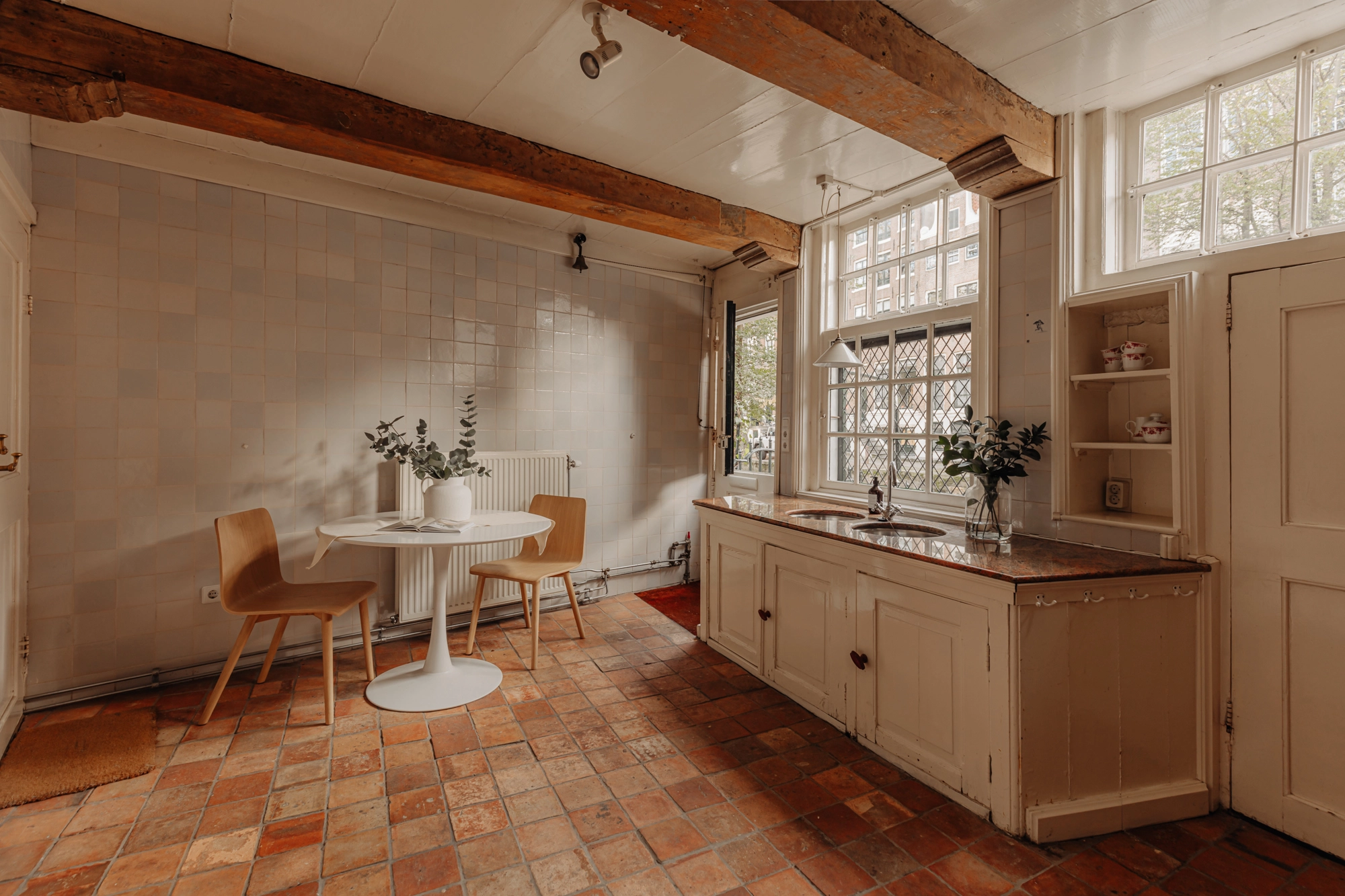
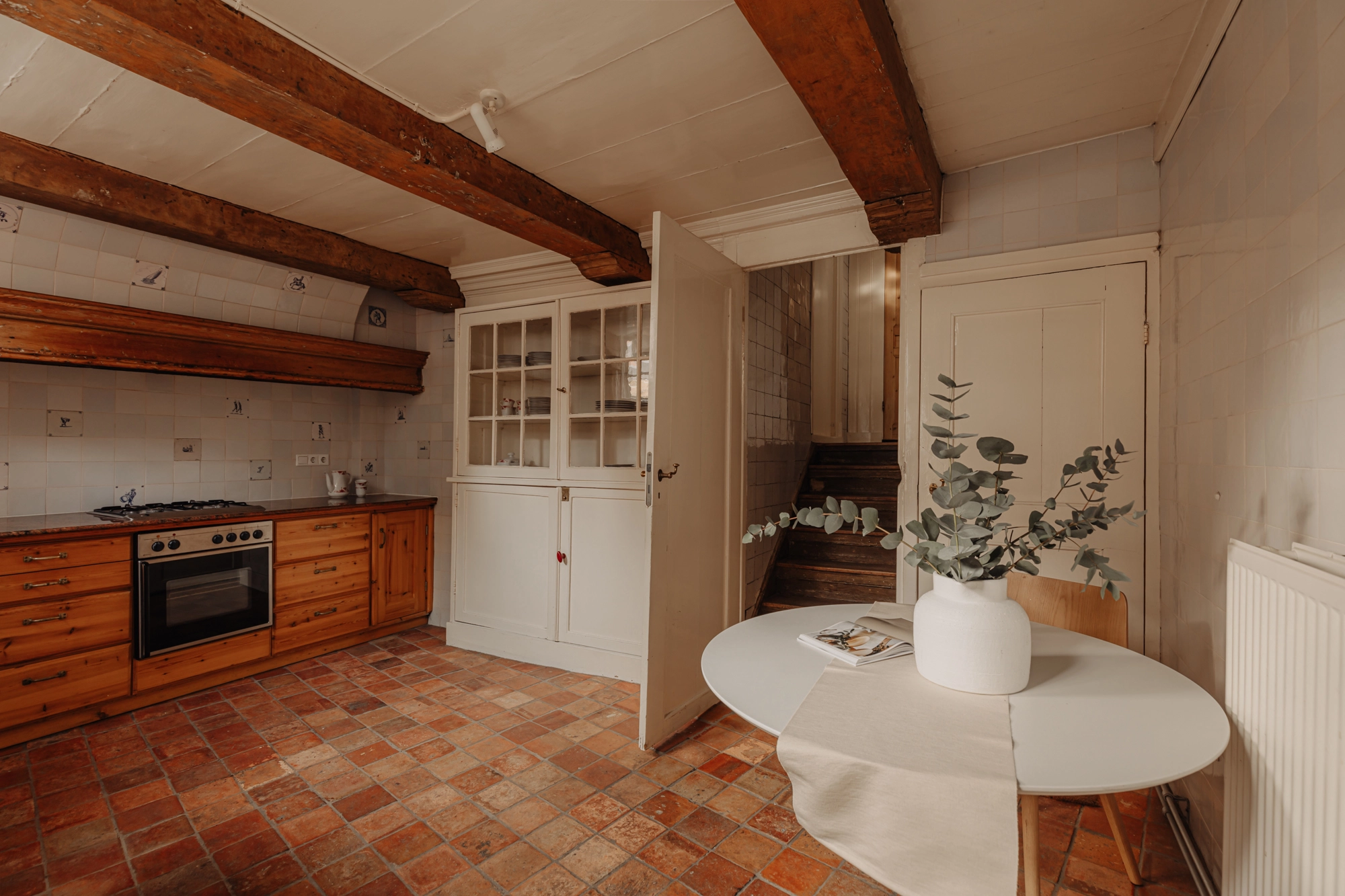
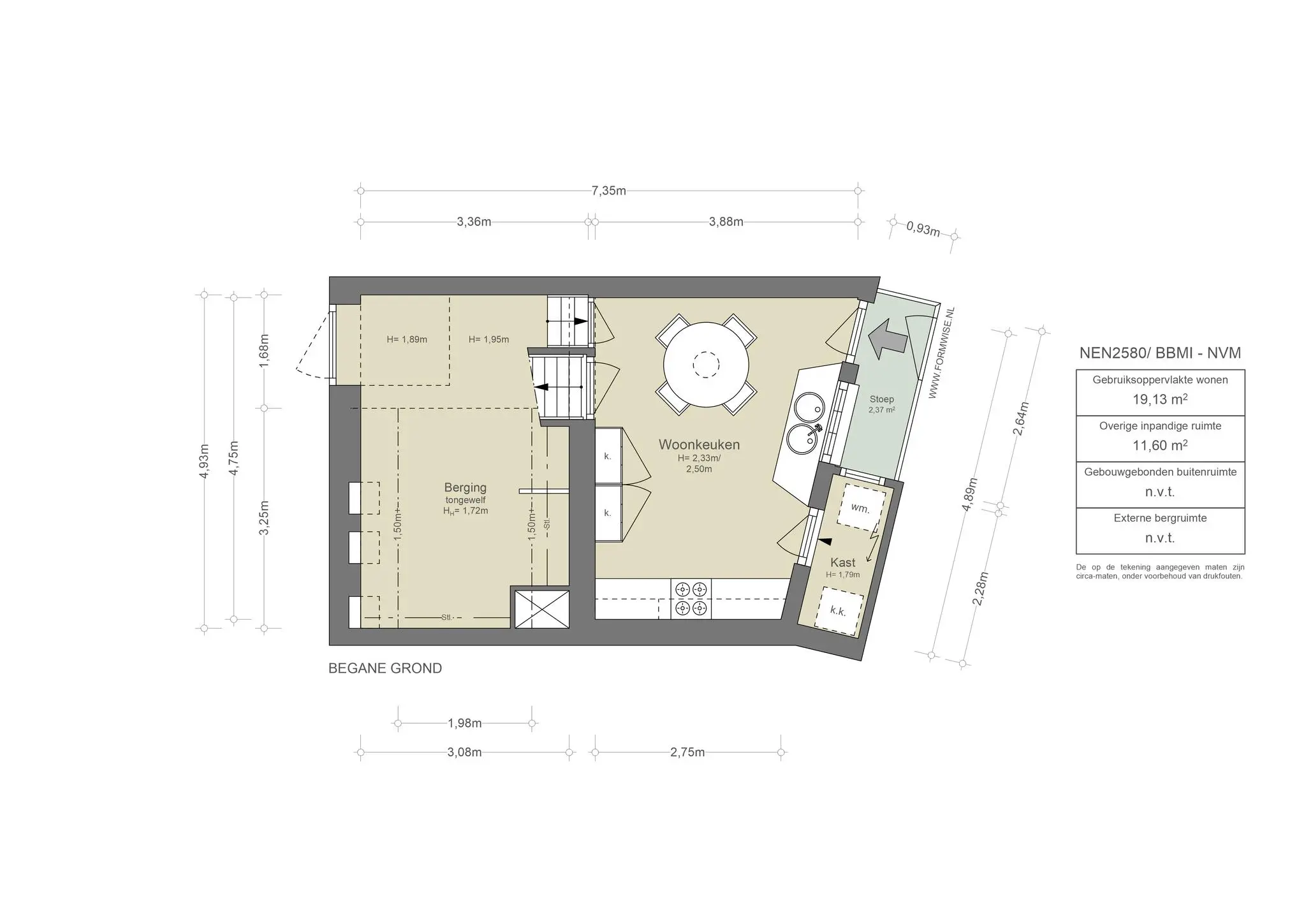
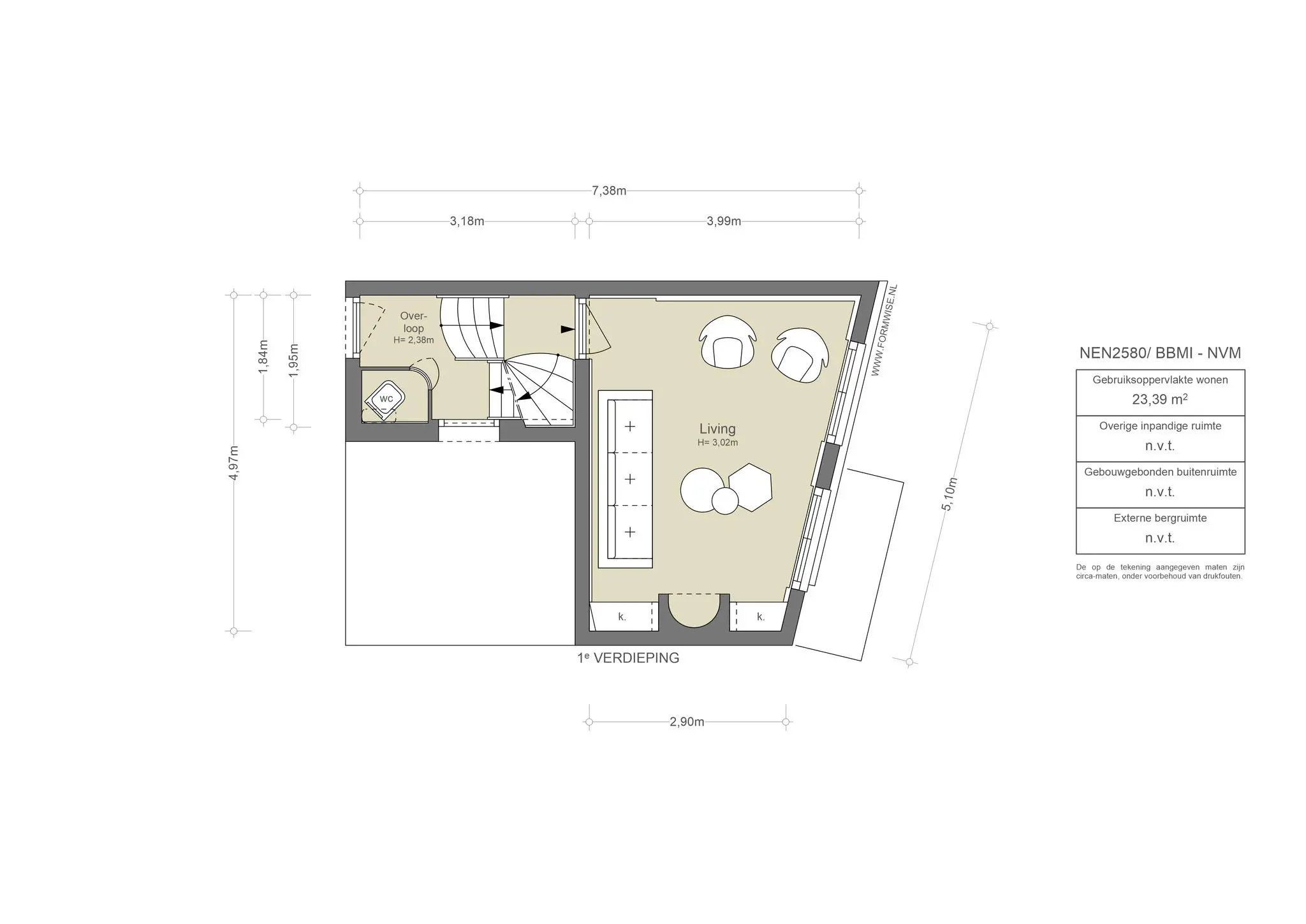
Upon entering, you Immediately experience Immediately authentic atmosphere of the building. The kitchen has old tiles on the floor and the back wall of the counter is decorated with Delft blue tiles, which give it a warm, homely feel. Underneath the kitchen is a spacious cellar for storage. Adjacent to the kitchen, in the old "pothuis," you will find the washing machine connection and the meter cupboard. The first floor is accessible via the staircase, which is lined with white tiles that enhance the historic character of the building. Here you will find the living room, where the original ochre yellow paneling was discovered during the restoration in 1999 and carefully restored, with subtle accents of ox red. The tall windows offer a beautiful view of the canal and the Oudemanhuispoort.
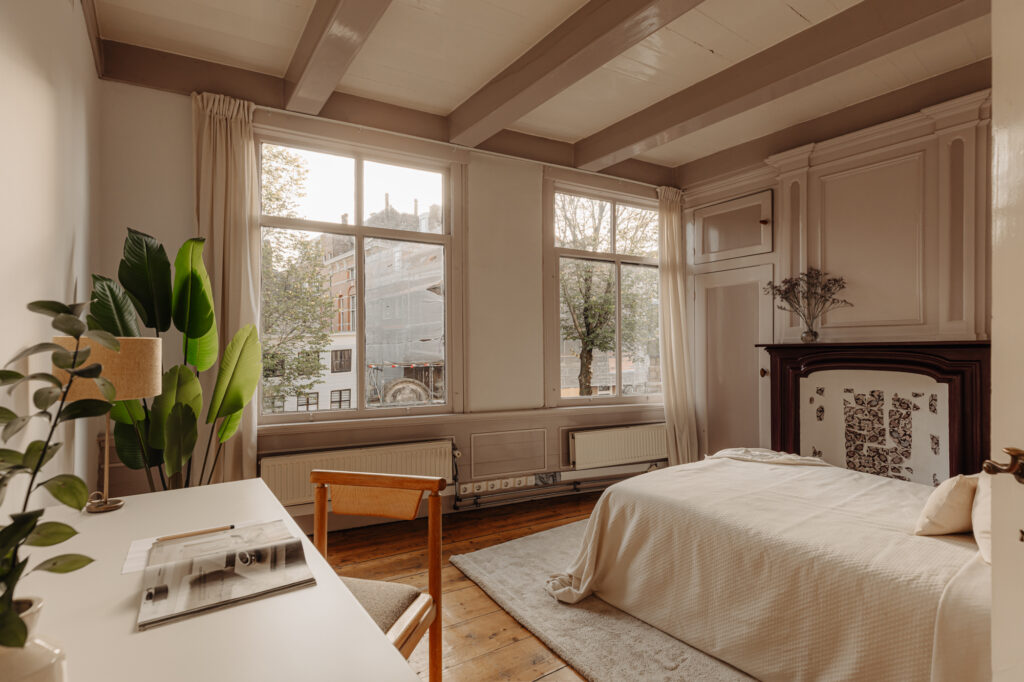
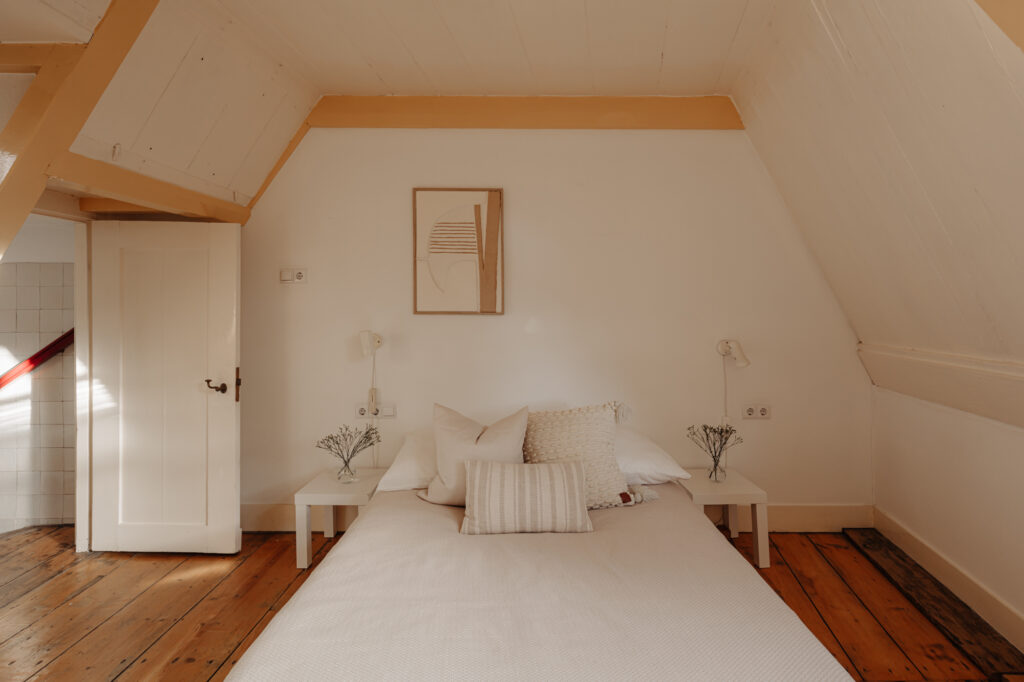
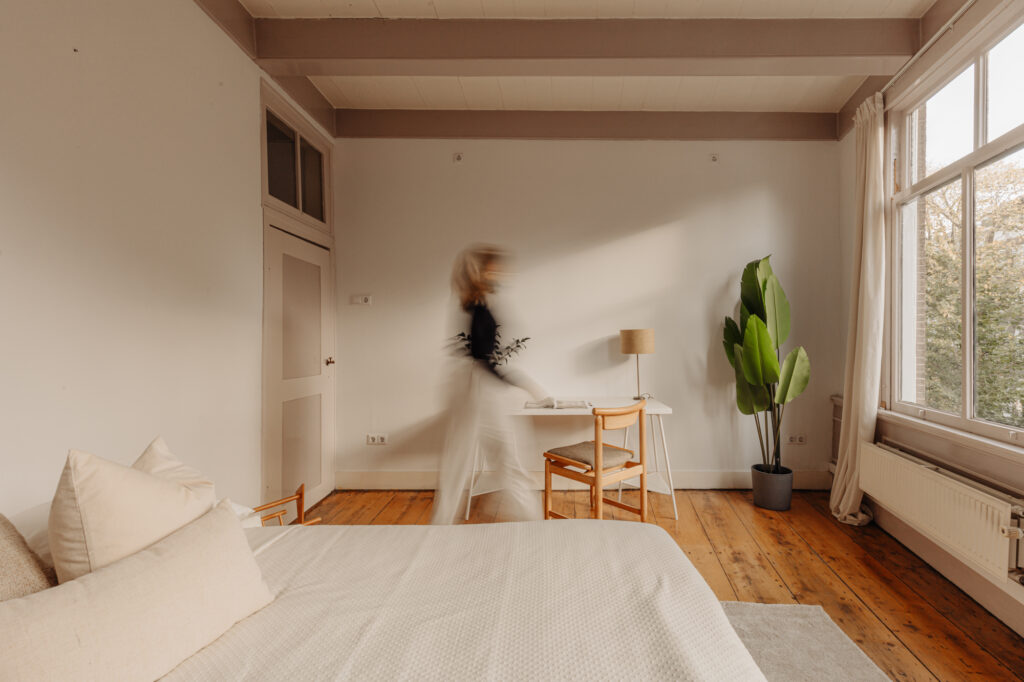
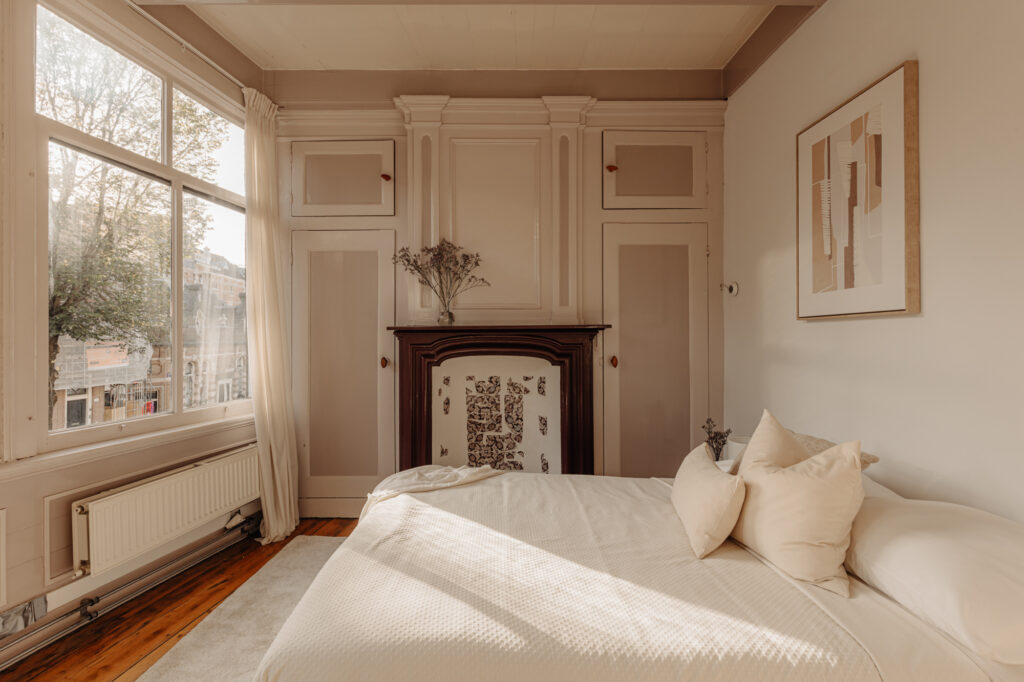
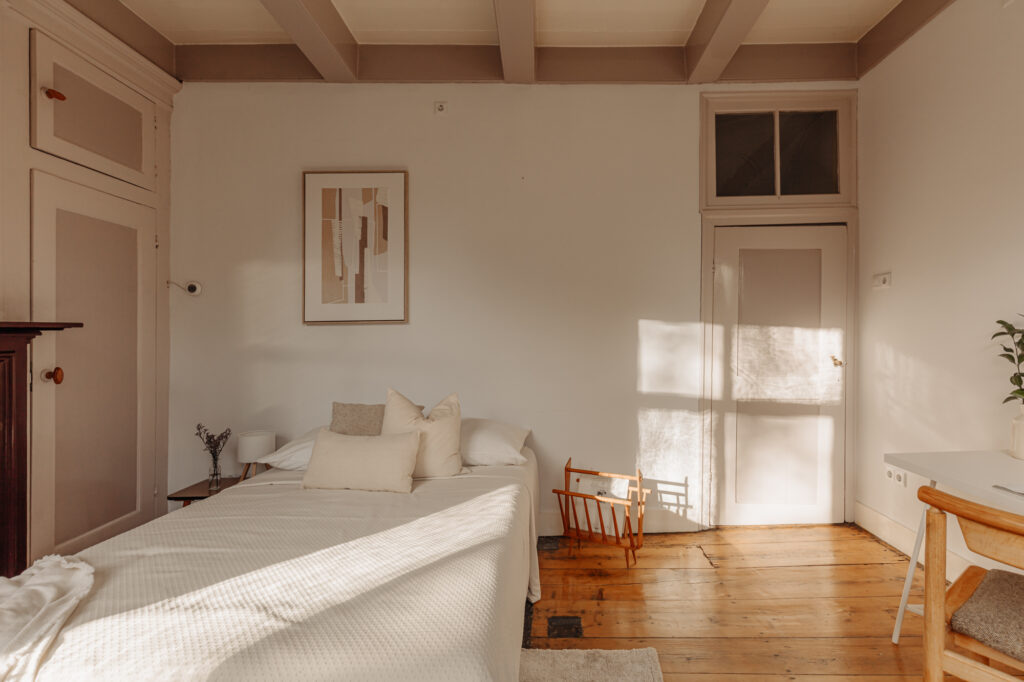
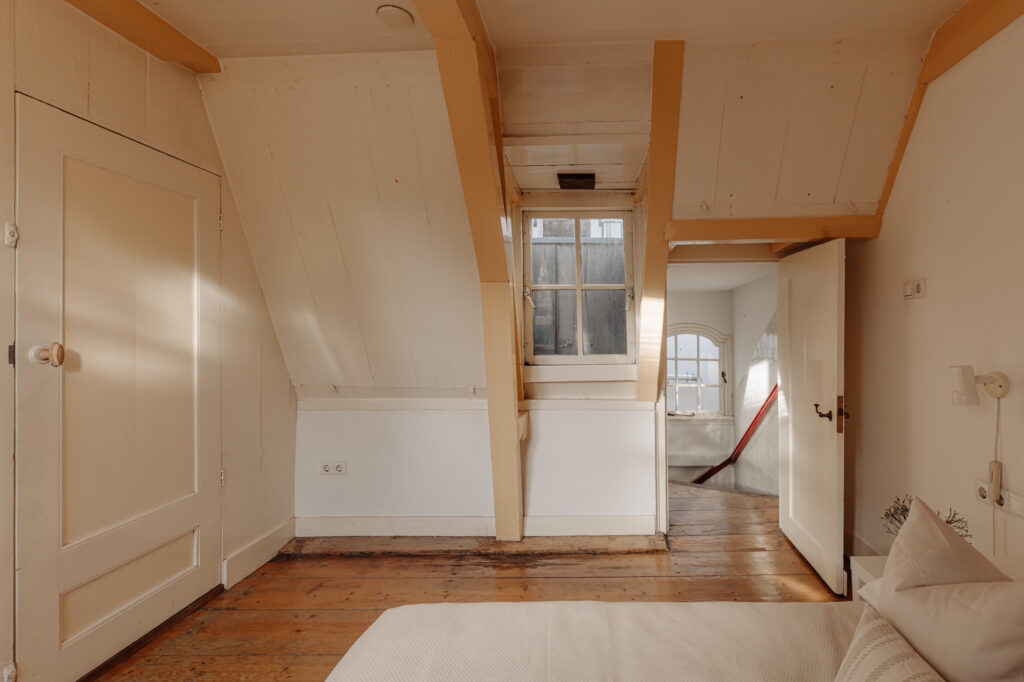
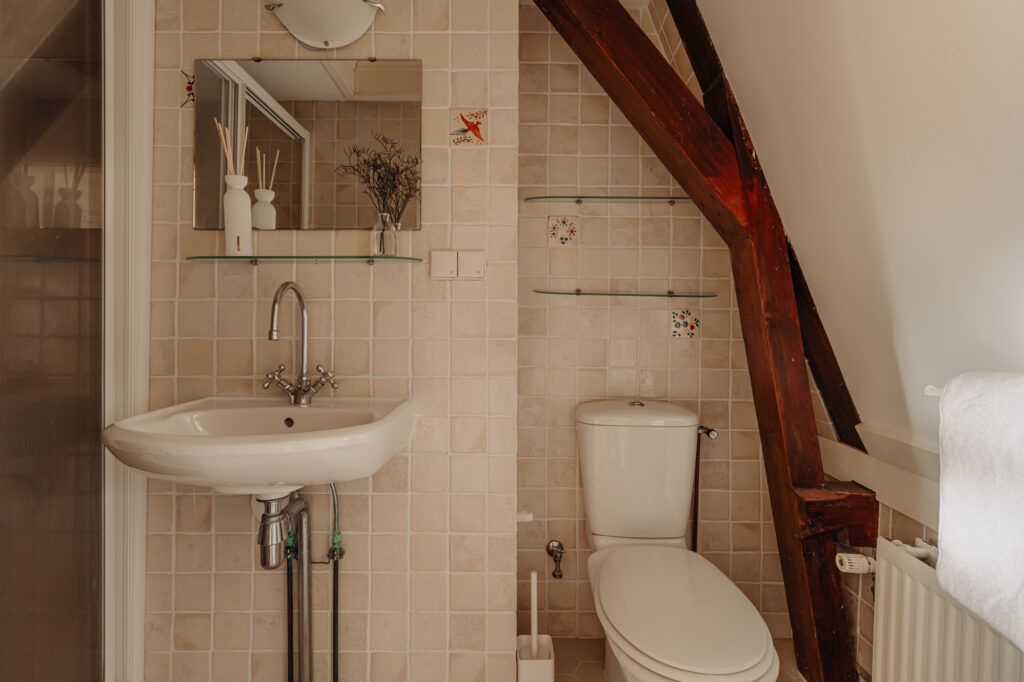
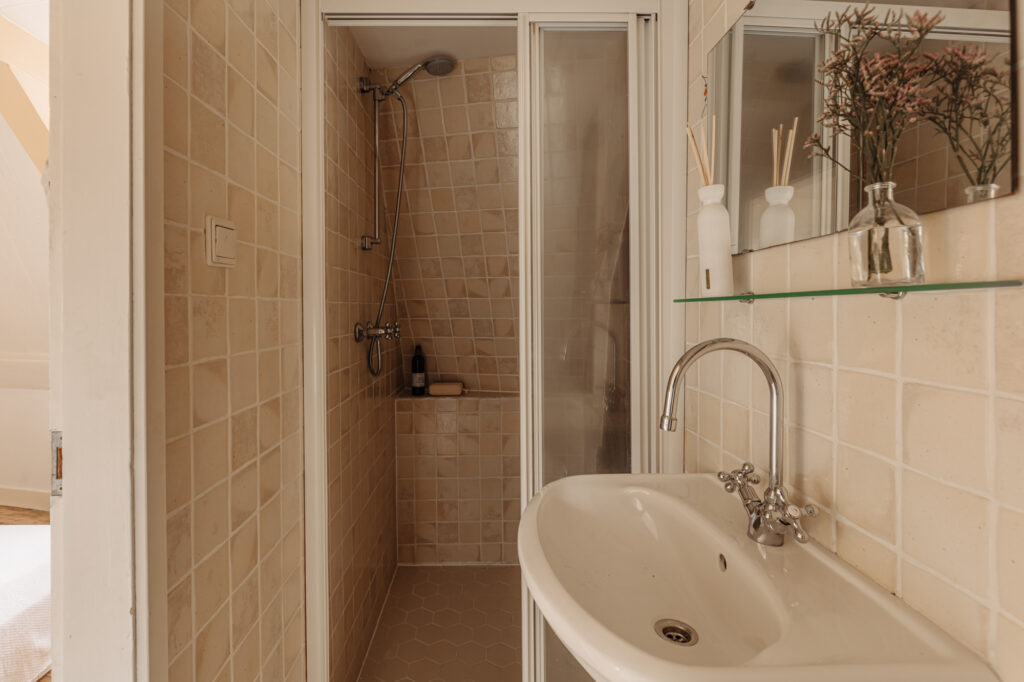
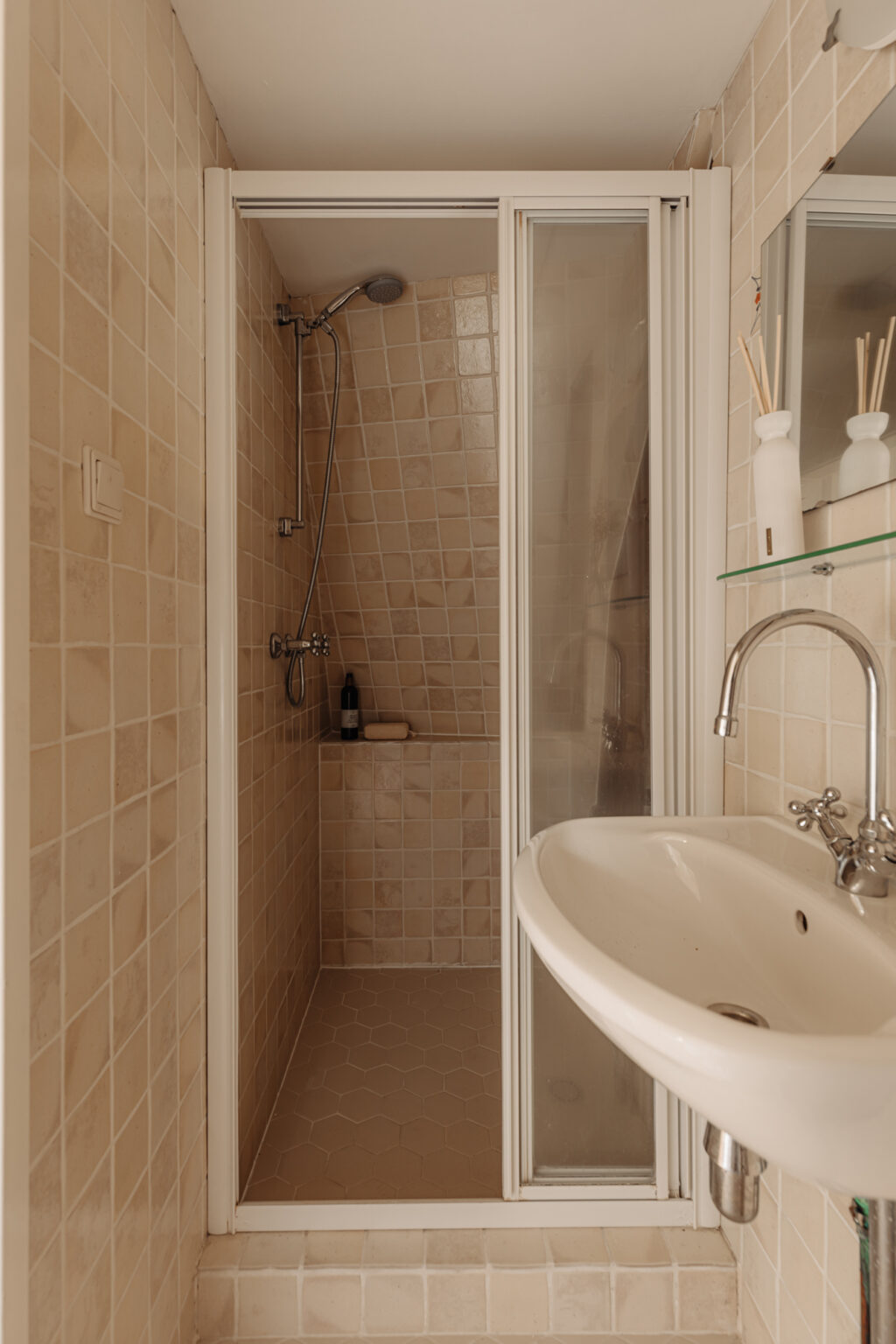
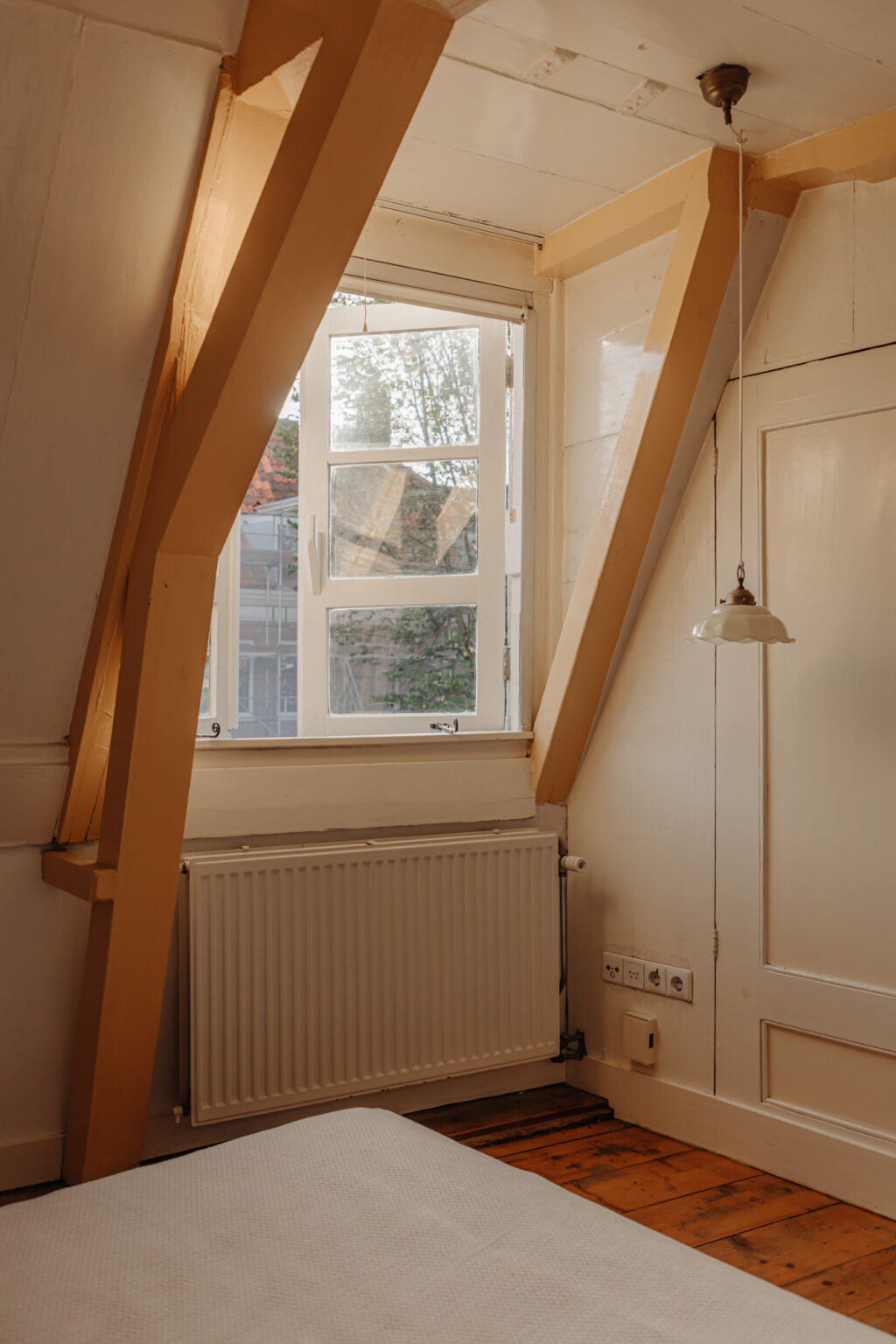
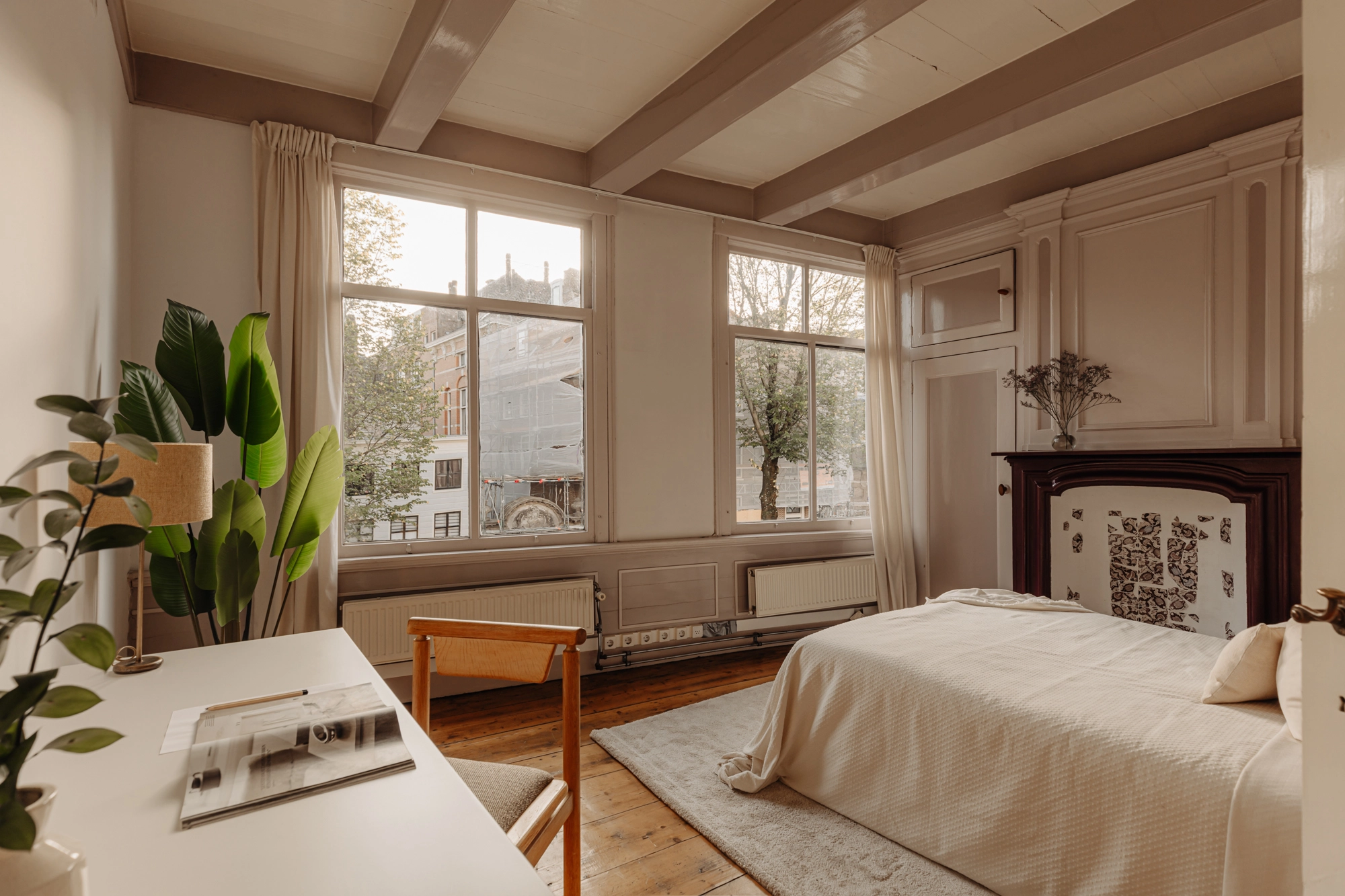
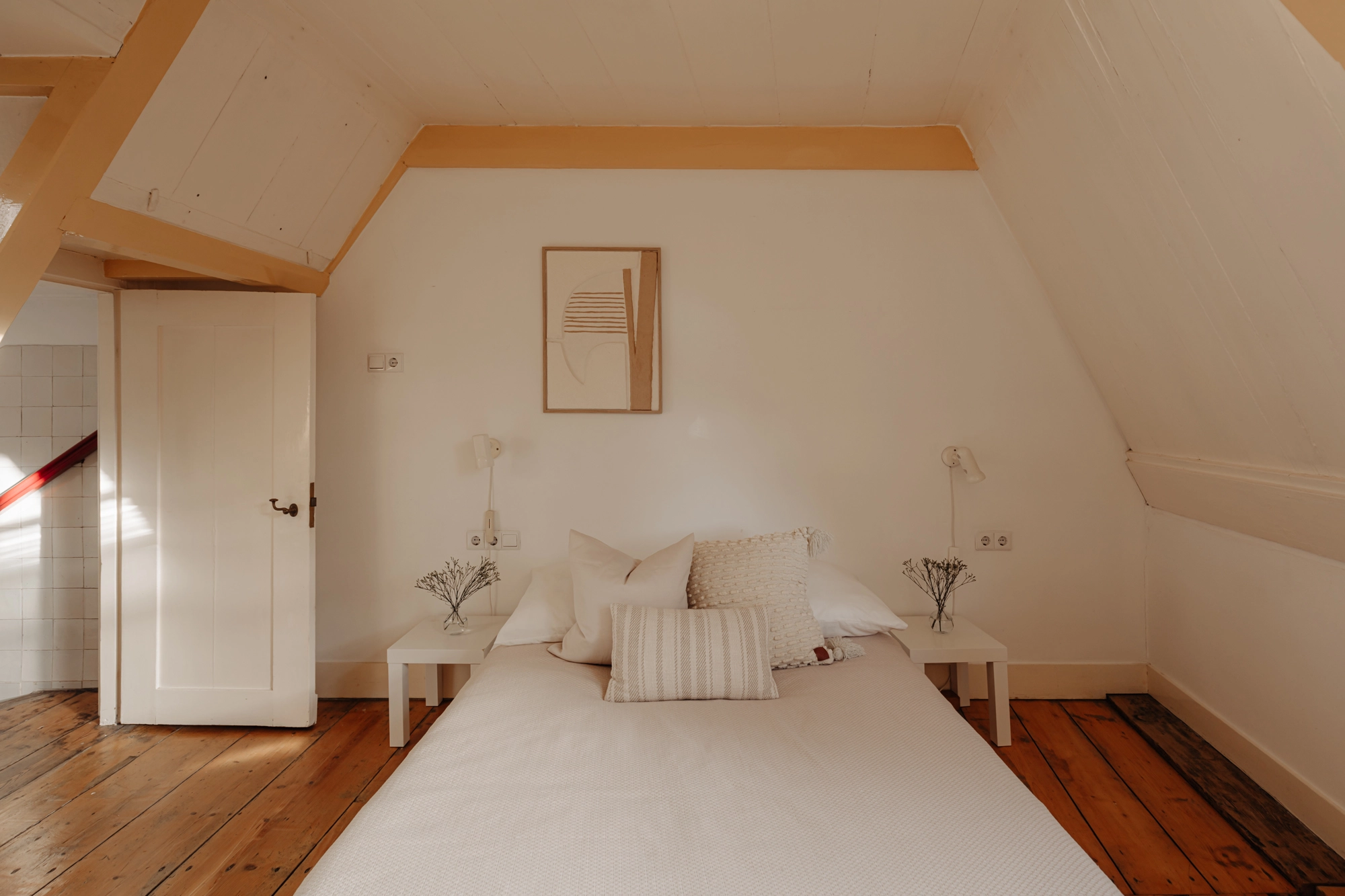
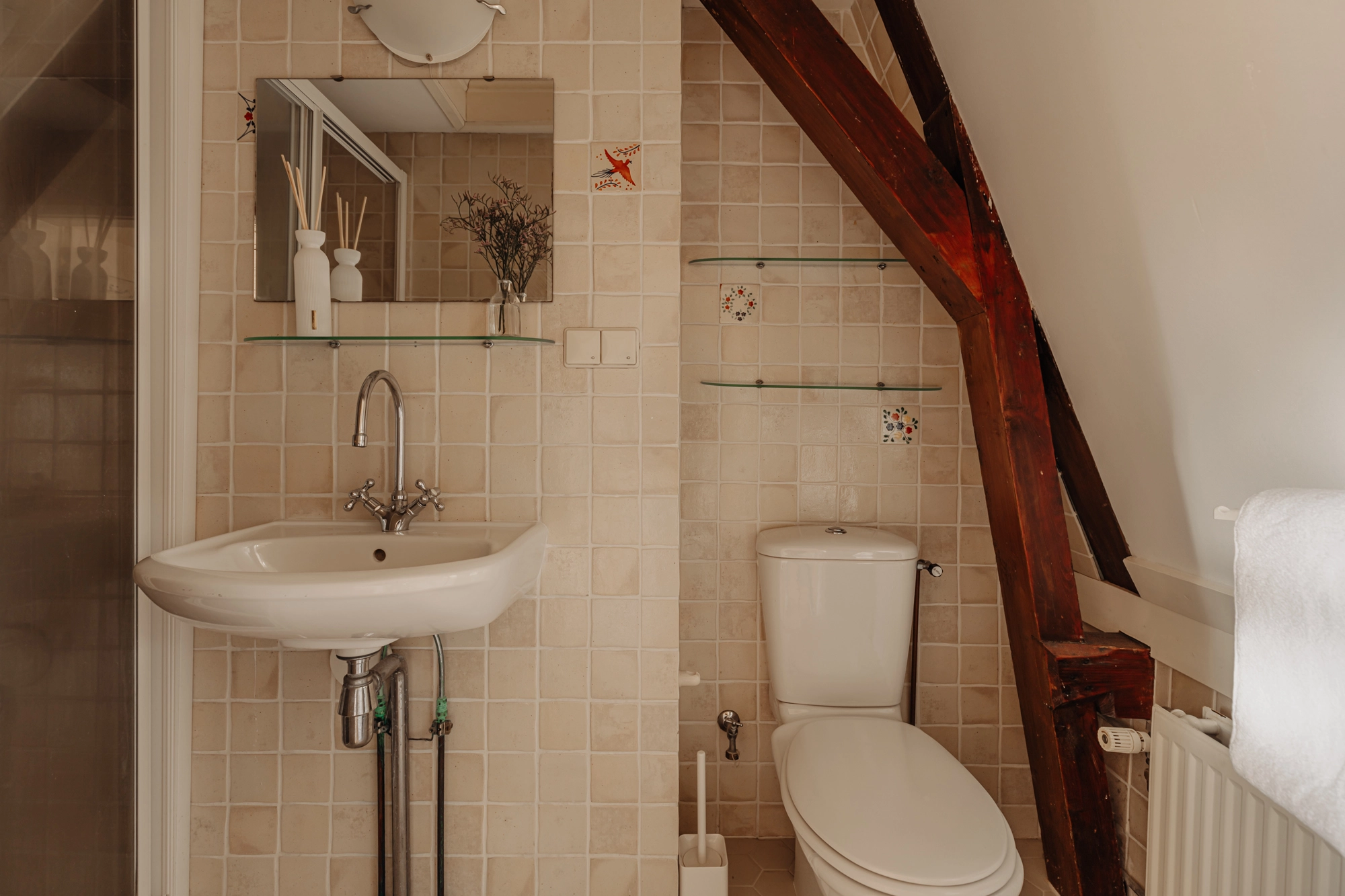
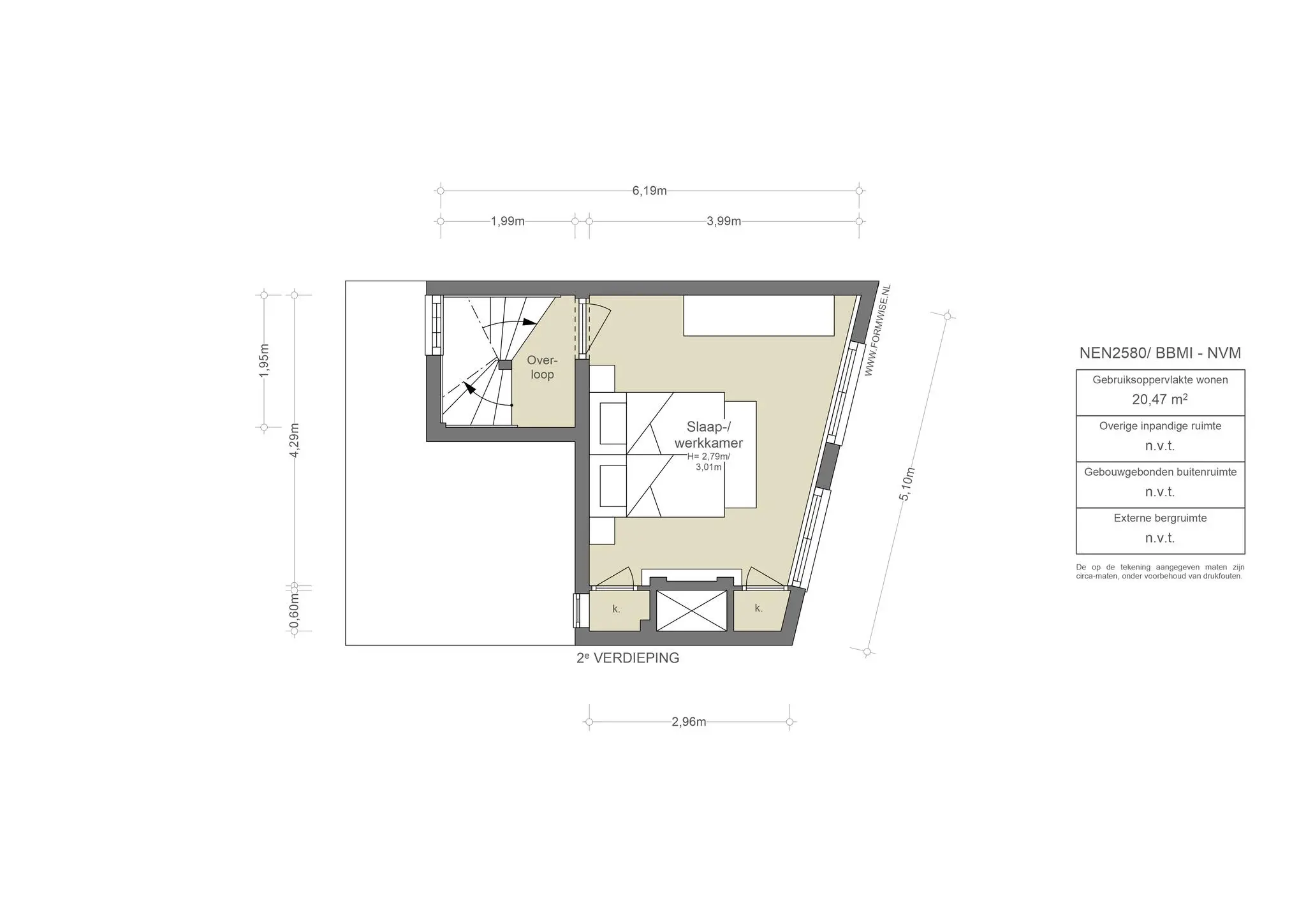
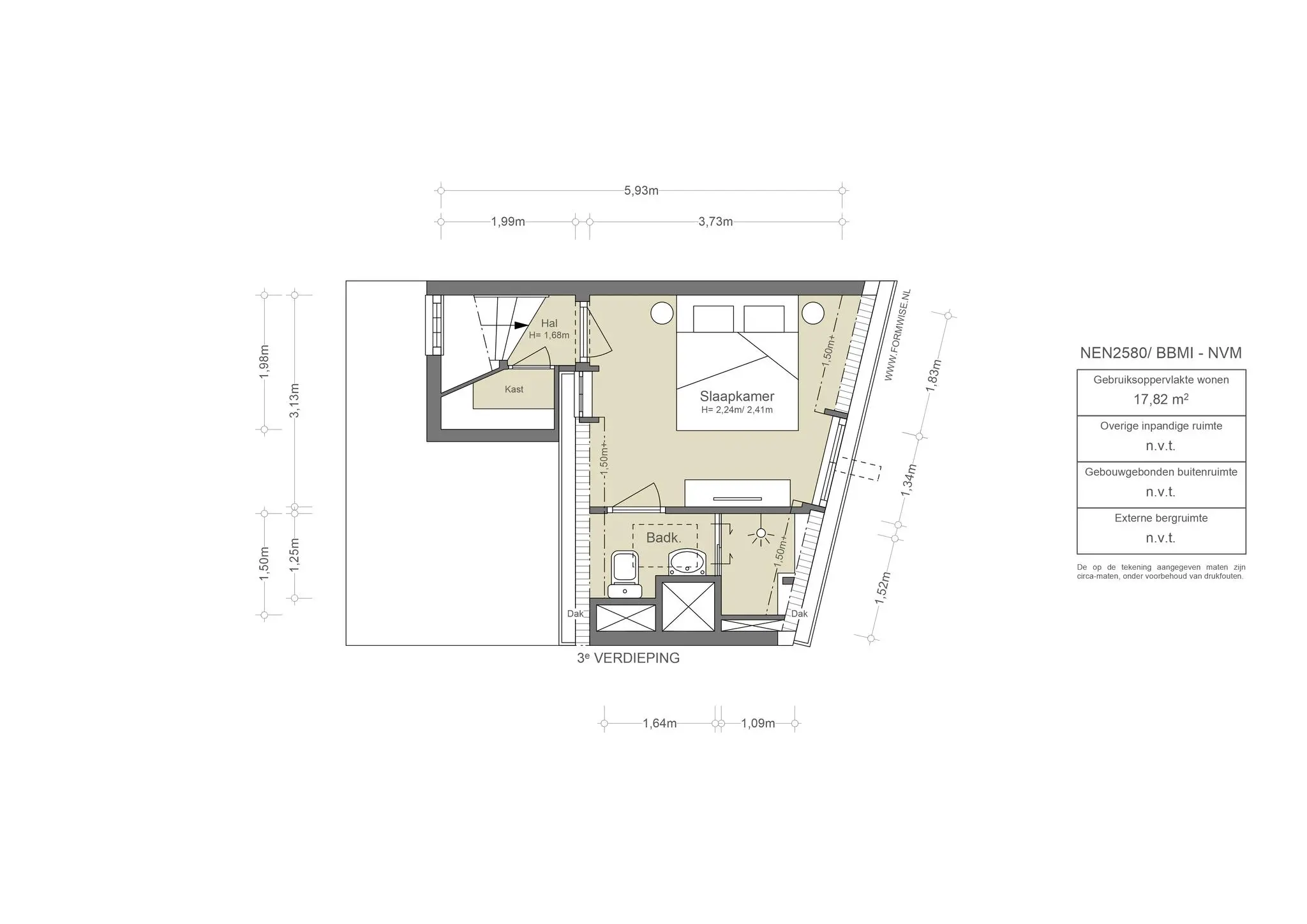
On the second floor, there is a study that can also serve as a bedroom, with a fireplace and built-in cupboards. The top floor houses the second bedroom and bathroom. The bedroom is spacious and cozy, located under the roof beams, and the bathroom has a shower, toilet, and sink.
What the residents will miss
"We loved sitting by the water with a small table and some chairs, eating and drinking in the sun. We get delicious baguettes and croissants in Lange Brugsteeg at the little shop with the unique name: 'De Laatste Kruimel'."
Neighborhood Guide
This canal-side property is located in the heart of downtown Amsterdam, surrounded by a wealth of cultural attractions such as the Dutch National Opera & Ballet, the Hermitage Amsterdam, the Allard Pierson Museum, and Foam. The lively Nieuwmarkt, which hosts a farmers’ market every Saturday, also offers a charming atmosphere. The central location offers a diverse range of shops in the immediate vicinity, from boutiques to well-known brands. The neighborhood is also home to renowned restaurants and grand cafés, such as De Jaren, Freddy’s Bar, and Restaurant Flore. And last but not least: De Laatste Kruimel, an artisan bakery famous for its delicious scones.
Details
• Living area approx. 82 m²
• Located on freehold land
• Entire canal house (four floors plus basement)
• Charming & characteristic canal house
• Original features such as tiles and wainscoting
• National monument
• Nationally protected cityscape
• Part of UNESCO World Heritage Site
At De Tabaksmakelaar
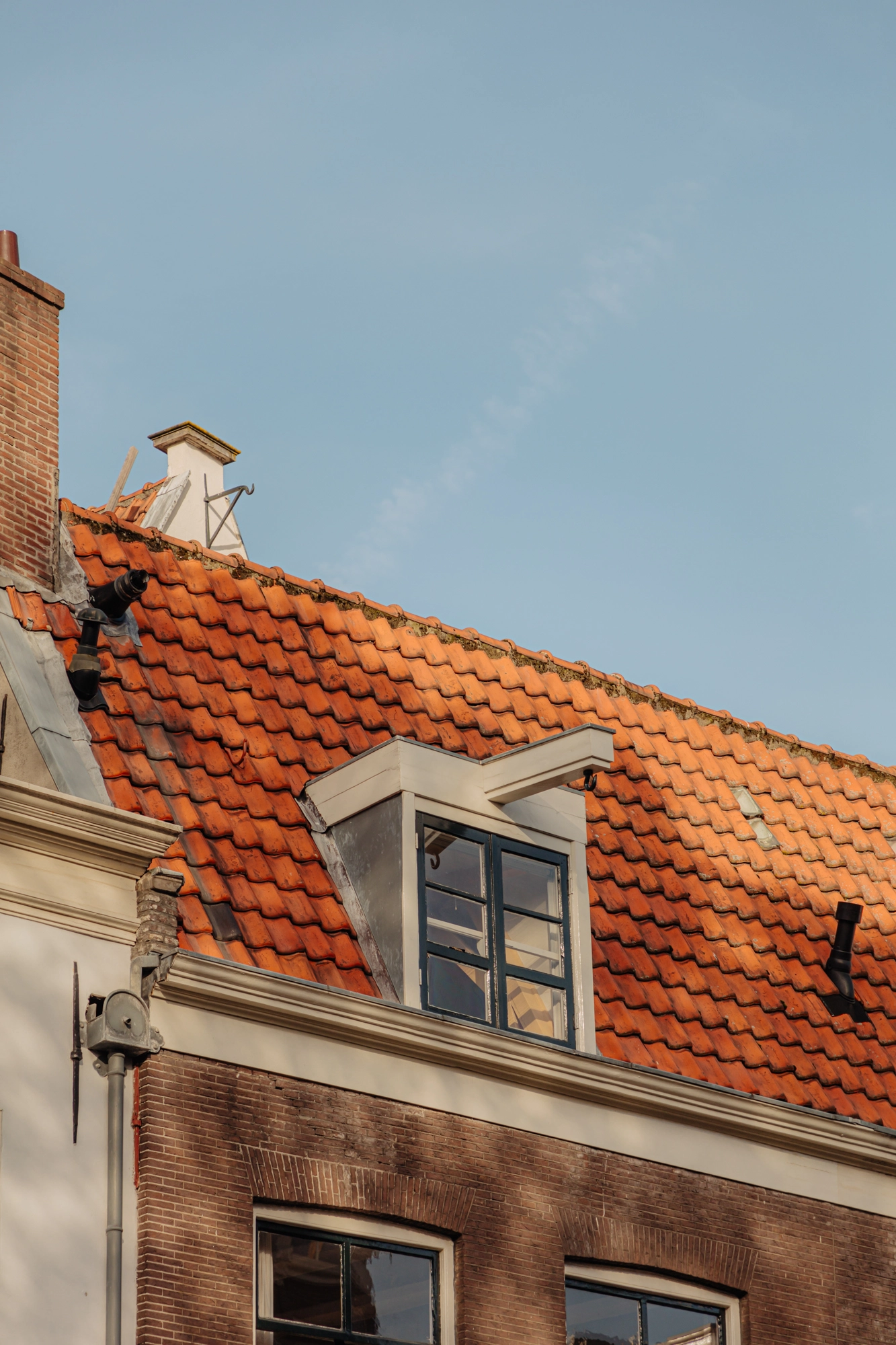
According to available documents, this monumental canal house on Oudezijds Achterburgwal was built in the second quarter of the 18th century. The name given to the house refers to the rich history of the building, located in the former tobacco district. In the Nes, Frascati, and Brakke Grond, tobacco auctions Location, where tobacco was dried and cigars were rolled on a large scale. The Makelaarsbruggetje, opposite the Agnietenkapel, was a convenient passageway for tobacco brokers to quickly reach the auctions on the other side of the canal. These brokers, who also lived in canal houses, also owned this canal house. The canal house was always connected to the canal house on the Oudezijds Voorburgwal, where the tobacco warehouse was located.
We are selling this unique, historic canal house on behalf of the current owners, who have owned the property since 1970 and have enjoyed living there for many years. A few years ago, they moved to the canal house on Oudezijds Voorburgwal and rented out the canal house at Number . We have the honor of selling this special canal house to a new resident who wants a place in the heart of the city.
Daniël de Bont | Makelaar Broersma Wonen
The Oudezijds Achterburgwal is part of the medieval city and once marked the eastern border of Amsterdam. Until the end of the 14th century, the Amstel River divided the city into two equal parts: the old side with the Oude Kerk and the new side with the Nieuwe Kerk. To protect the city, a canal was dug on both sides, behind which was a burgwal, an earthen rampart with a wooden palisade. Around 1385, a new wall was built behind the existing one, and the old wall became the Voorburgwal and the new one the Achterburgwal, on both the old and new sides of the city. This led to the names Oudezijds Voorburgwal, Oudezijds Achterburgwal, Nieuwezijds Voorburgwal, and Nieuwezijds Achterburgwal (now Spuistraat). The Oudezijds Achterburgwal was dug in 1367 and, after a dike breach in 1380, was given the new name Sint Antoniesdijk, which was constructed in 1387.
Before the Alteration in 1578, there were many monasteries in this neighborhood. Amsterdam was home to 16 convents and three monasteries, most of which were located on Oudezijds Achterburgwal. The names of many side streets still recall this monastic history, such as Bethaniënstraat and Monnikenstraat. The Spinhuis, a women's prison for vagrants and beggars, was also located on Oudezijds Achterburgwal.
The Oudezijds Achterburgwal is home to more than 100 national monuments, including the Oudemanhuispoort (now the location of the University of Amsterdam), the Waalse Kerk, and De Gecroonde Rae (a canal house). In 2006, the Oudezijds Achterburgwal was renovated by the Local authority , which contributed to the preservation of this historic district.
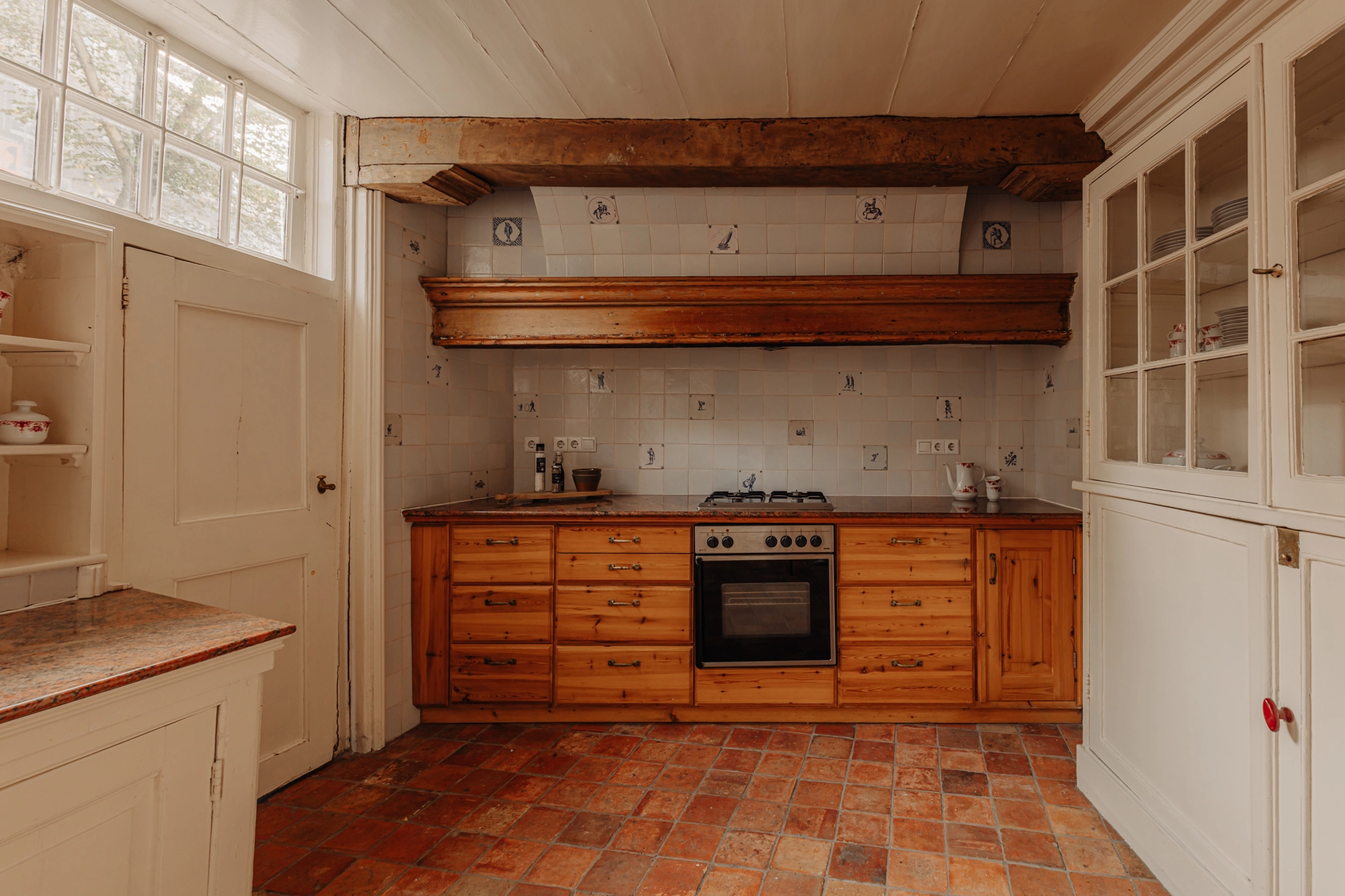
Upon entering, the historic atmosphere of the building is immediately apparent. The kitchen, with authentic tiles on the floor, a built-in sideboard, and beautifully decorated Delft blue tiles on the back wall of the counter, exudes the atmosphere of the 18th century. These original details give the kitchen a warm, homely feel. The space under the kitchen offers a basement with plenty of storage space, and the old "pothuis" (utility room) houses the washing machine connection, a connection for a refrigerator, and the meter cupboard.
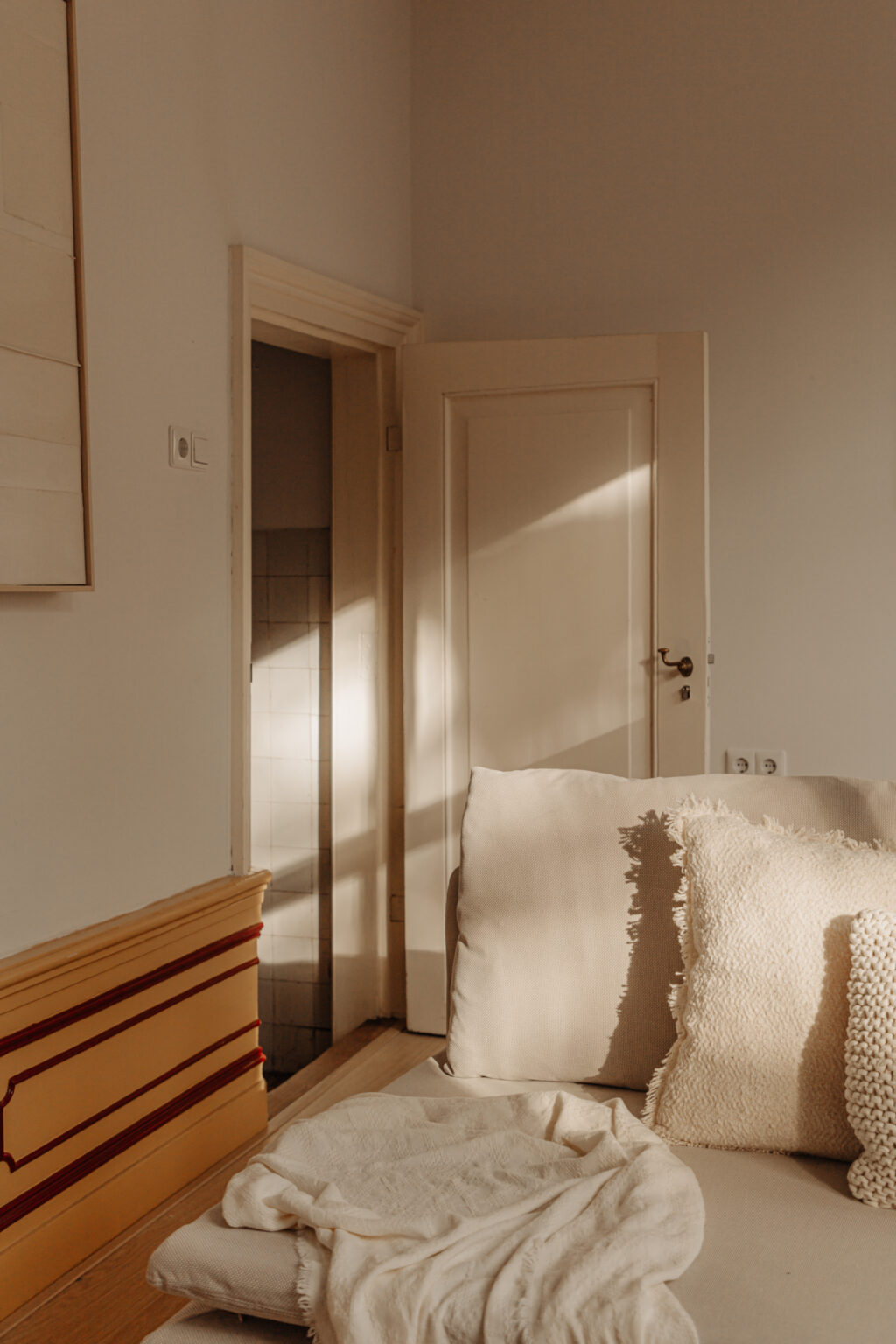
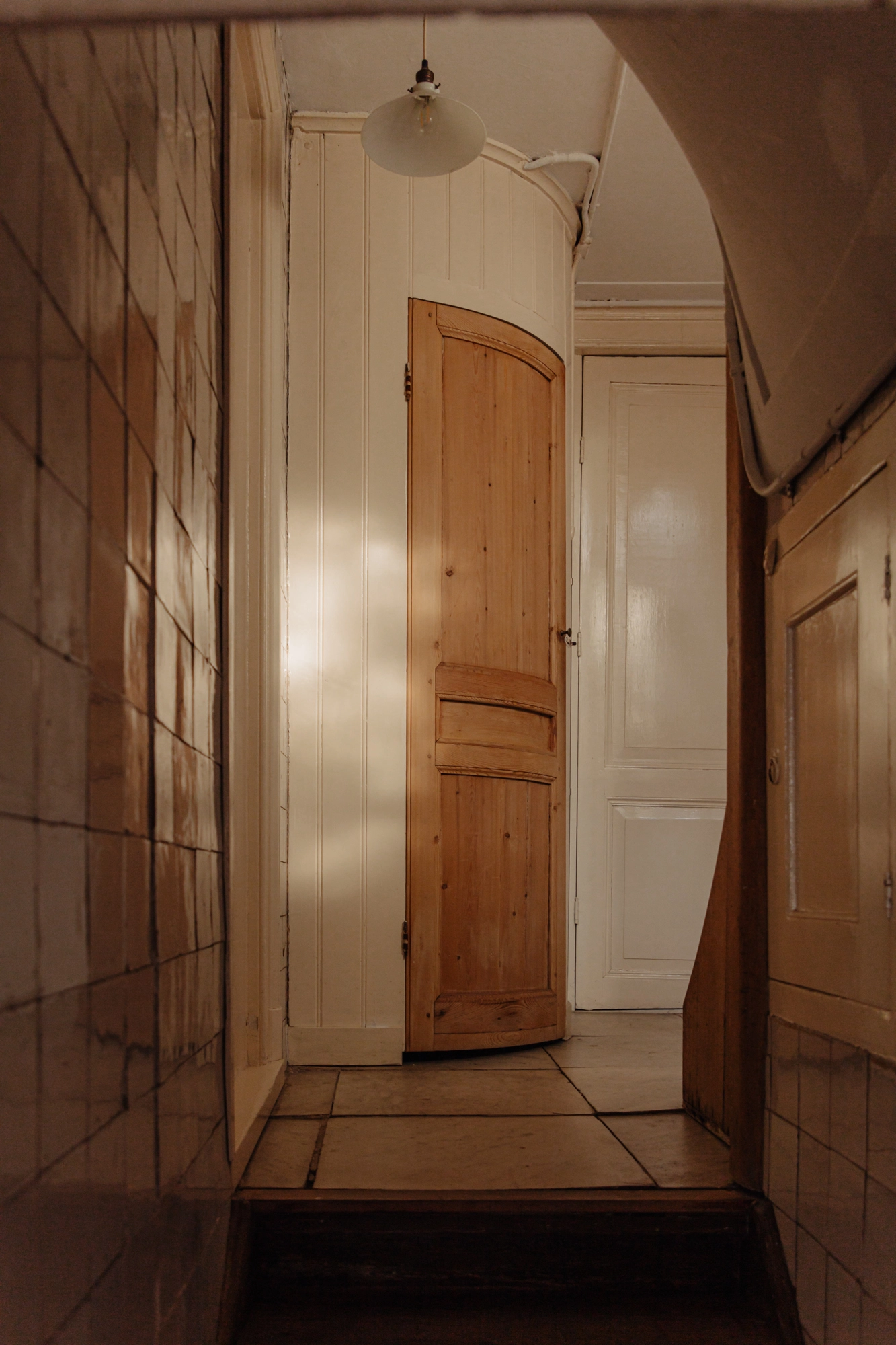
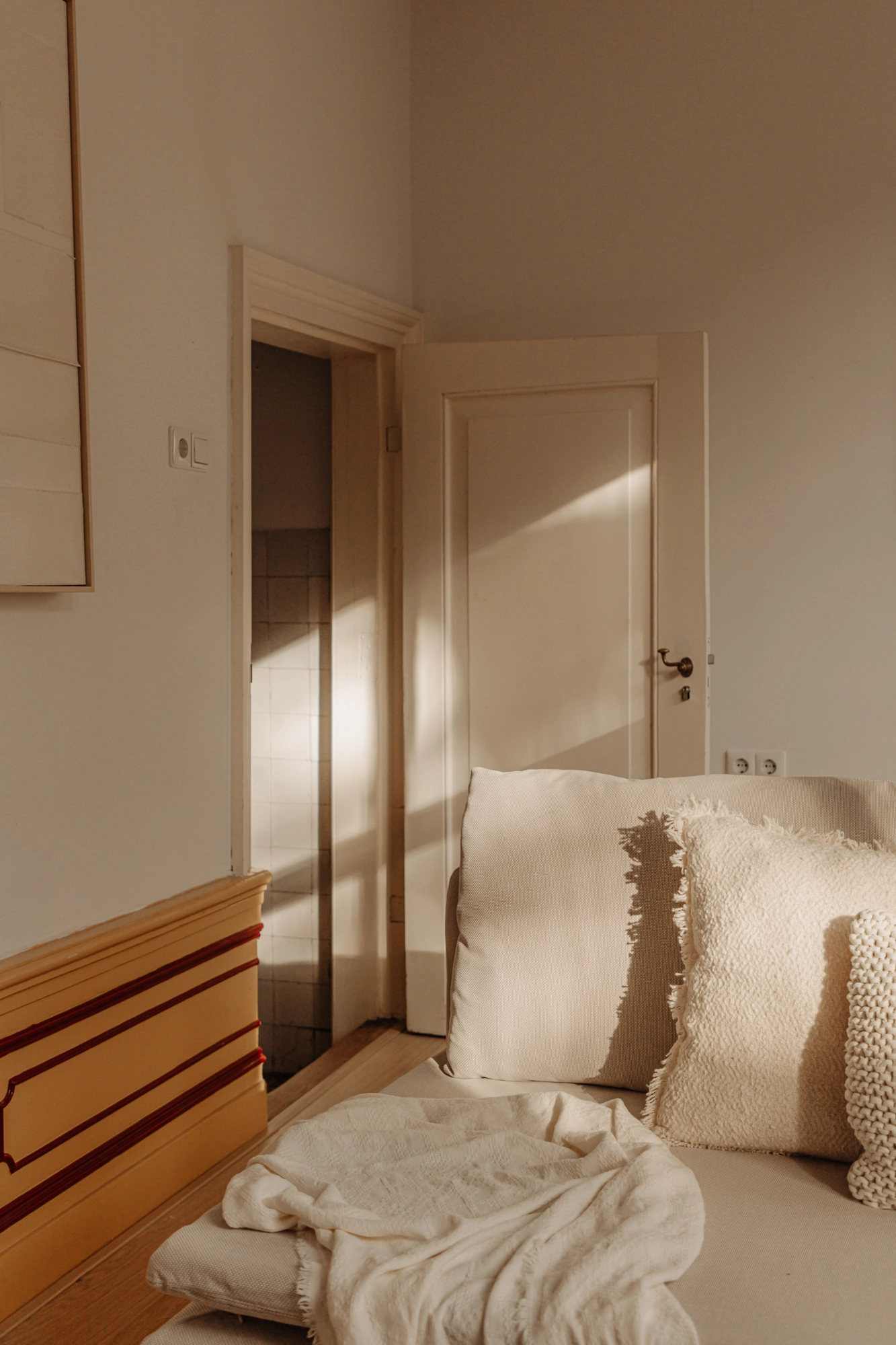
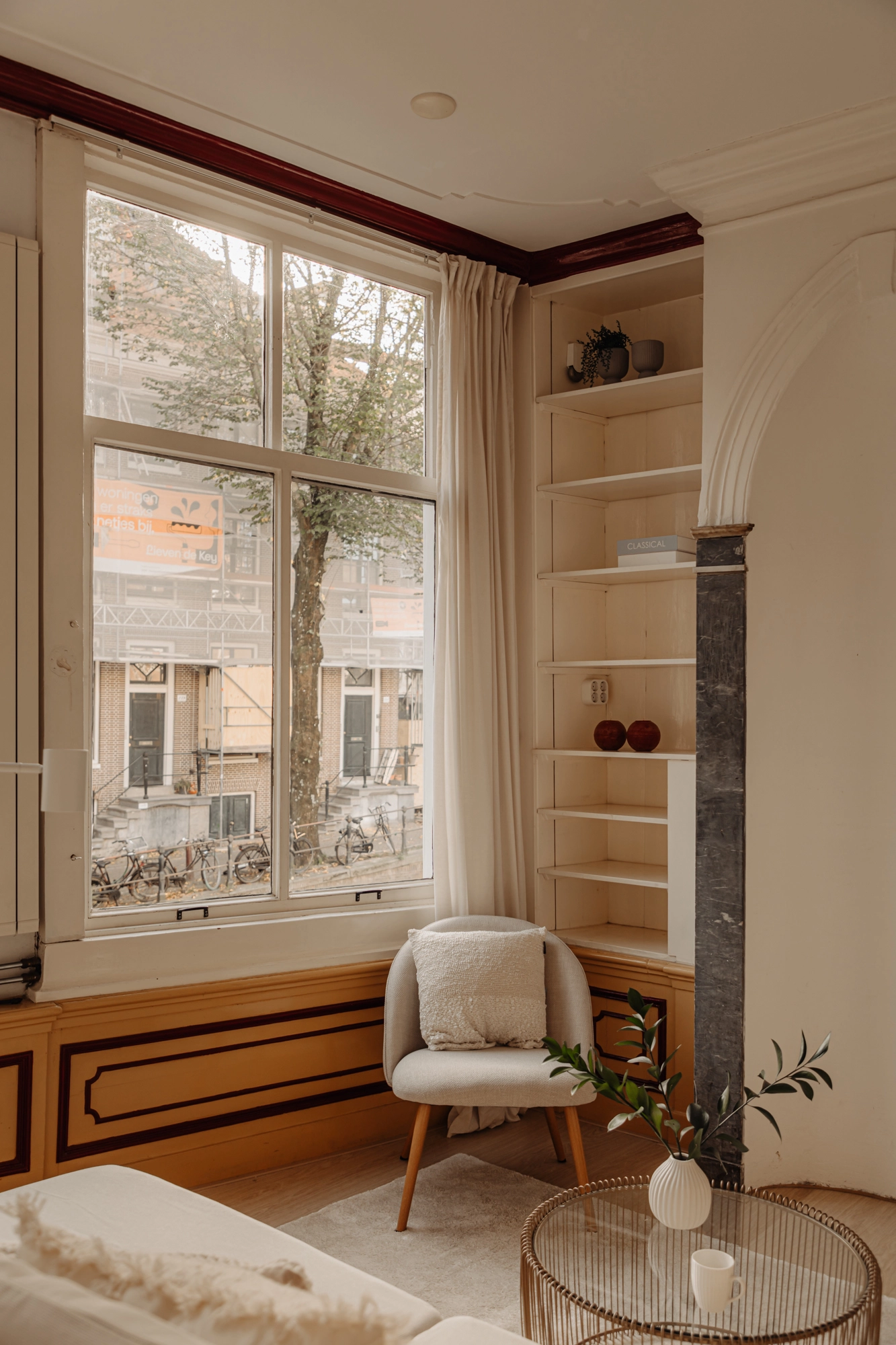
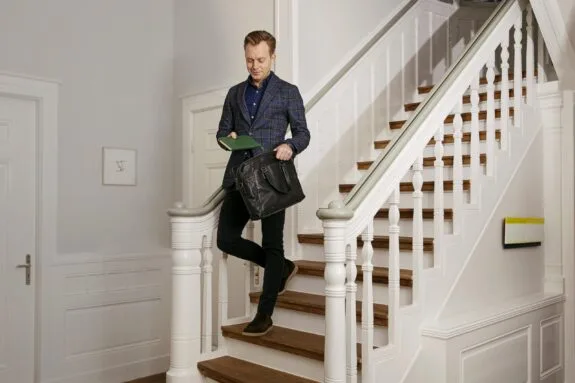
The staircase, with its walls covered in historic white tiles ("witjes") that reinforce the old character of the house, leads to the living room on the first floor. Here we encounter a special detail that was discovered during a restoration in 1999: the low wooden paneling, originally ochre yellow, has been carefully restored to its authentic color, with subtle accents of oxblood red. This creates a rich, historic look. The tall windows offer a beautiful view of the canal and the Oudemanhuispoort on the other side.
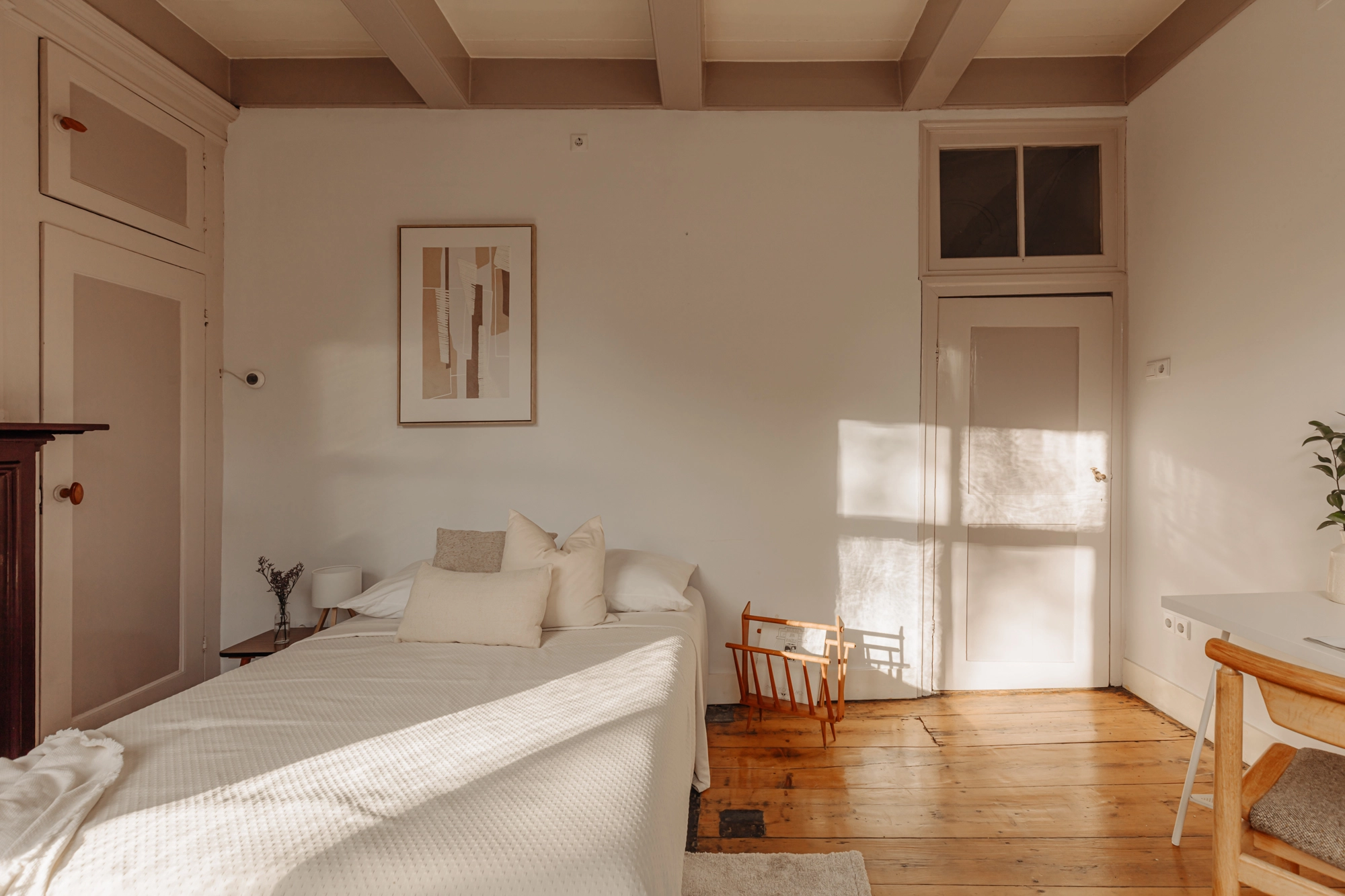
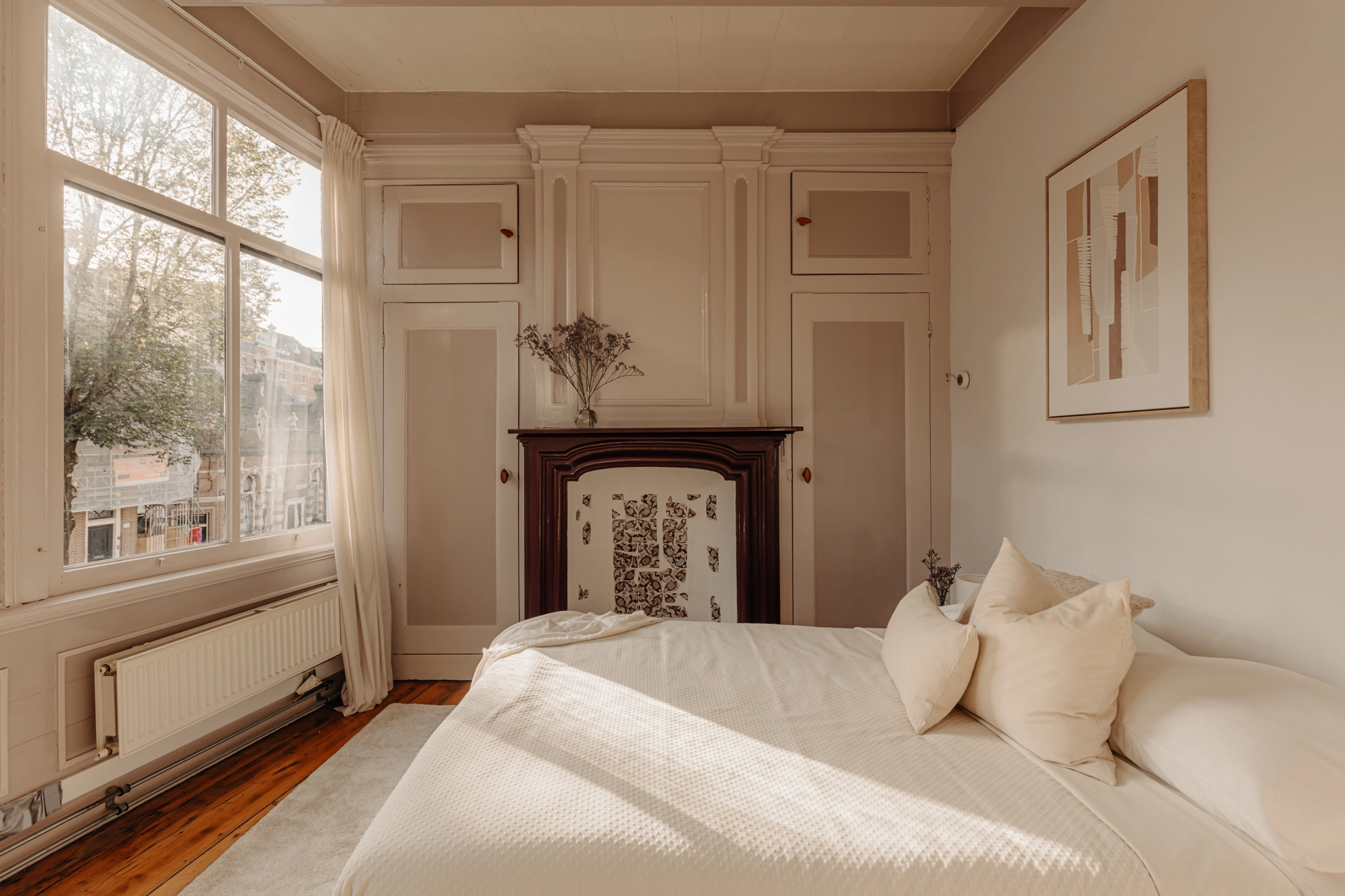
On the second floor, there is a study/bedroom with a view over the canal. Here too, authentic elements such as built-in cupboards and a fireplace reinforce the historic charm of the property. This floor can be used in a variety of ways.
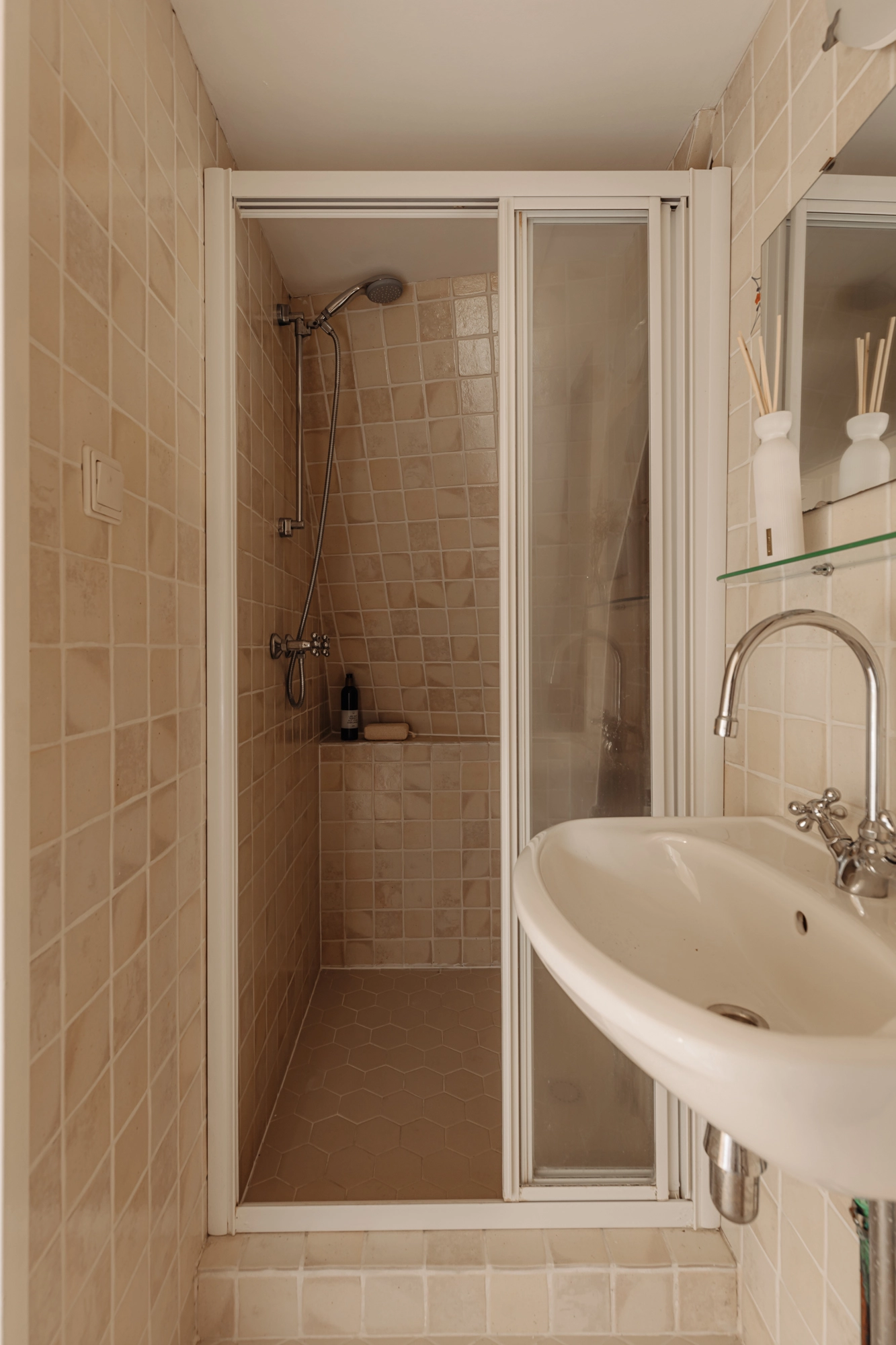
The third and top floor houses the cozy bedroom and bathroom. The bedroom has a characteristic beam structure, which gives it a playful layout with sloping walls and exposed beams. The bathroom is functionally equipped with a shower, toilet, and sink, offering everything you need for a comfortable stay.
neighborhood guide
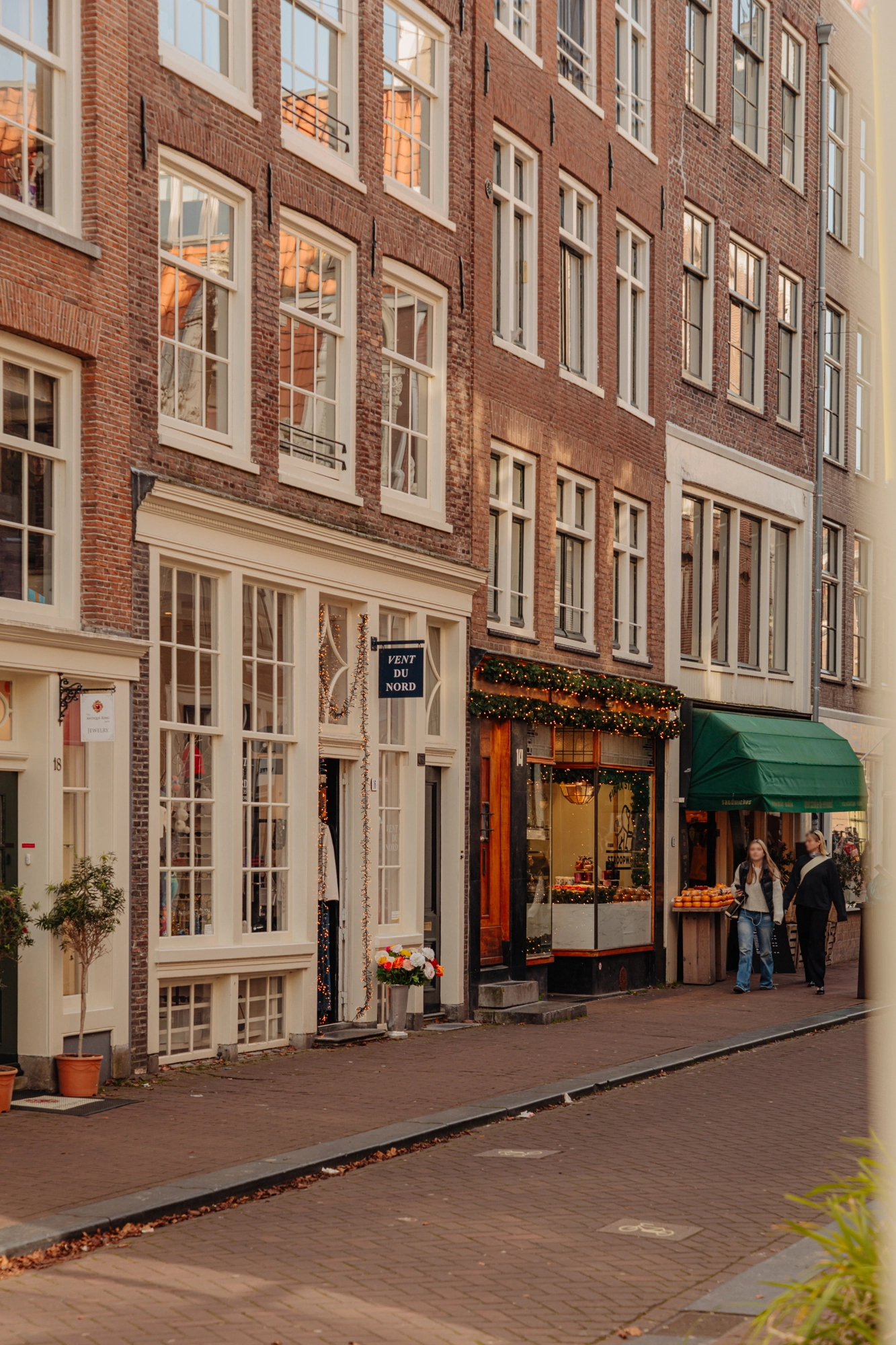
This canal house is located in the heart of Amsterdam's city center, surrounded by a wealth of cultural attractions such as the Dutch National Opera & Ballet, the Hermitage Amsterdam, the Allard Pierson Museum, and Foam. The lively Nieuwmarkt, with its farmers' market every Saturday, also offers a charming atmosphere. The central location offers a wide range of shops in the immediate vicinity, from boutiques to well-known brands. The neighborhood is also home to renowned restaurants and grand cafés, such as De Jaren, Freddy's Bar, and Restaurant Flore. And last but not least: De Laatste Kruimel, an artisan bakery famous for its delicious scones, croissants, cakes, and quiches.
accessibility
The canal house is easily accessible by bicycle, car, and public transport. The A10 ring road can be reached within 15 to 20 minutes by car. From both the Rokin and Koningsplein Rooms stops, Rooms tram lines, such as tram 2, 4, 12, and 14, run to Central Station and Nieuw Sloten, Javaplein, Rai Station, and Amstel Station. The North-South line departs from the Rokin metro stop. Regional transport departs from Central Station and Station Noord, including a direct connection to Schiphol Airport. Station Zuid is a 5-minute bike ride away.
parking facilities
Parking is available via a permit system on public roads (Centrum-1 permit area). With a Centrum-1 parking permit, you may park in Centrum-1 and Centrum-3. A parking permit for residents costs €315.60 per 6 months. There is currently a 2-month waiting period for this permit area. A second parking permit is not possible in this area.
In addition to public roads, it is also possible to park free of charge in the Rokin and Oosterdok Eiland garages with a parking permit. (Source: Local authority , November 2024).
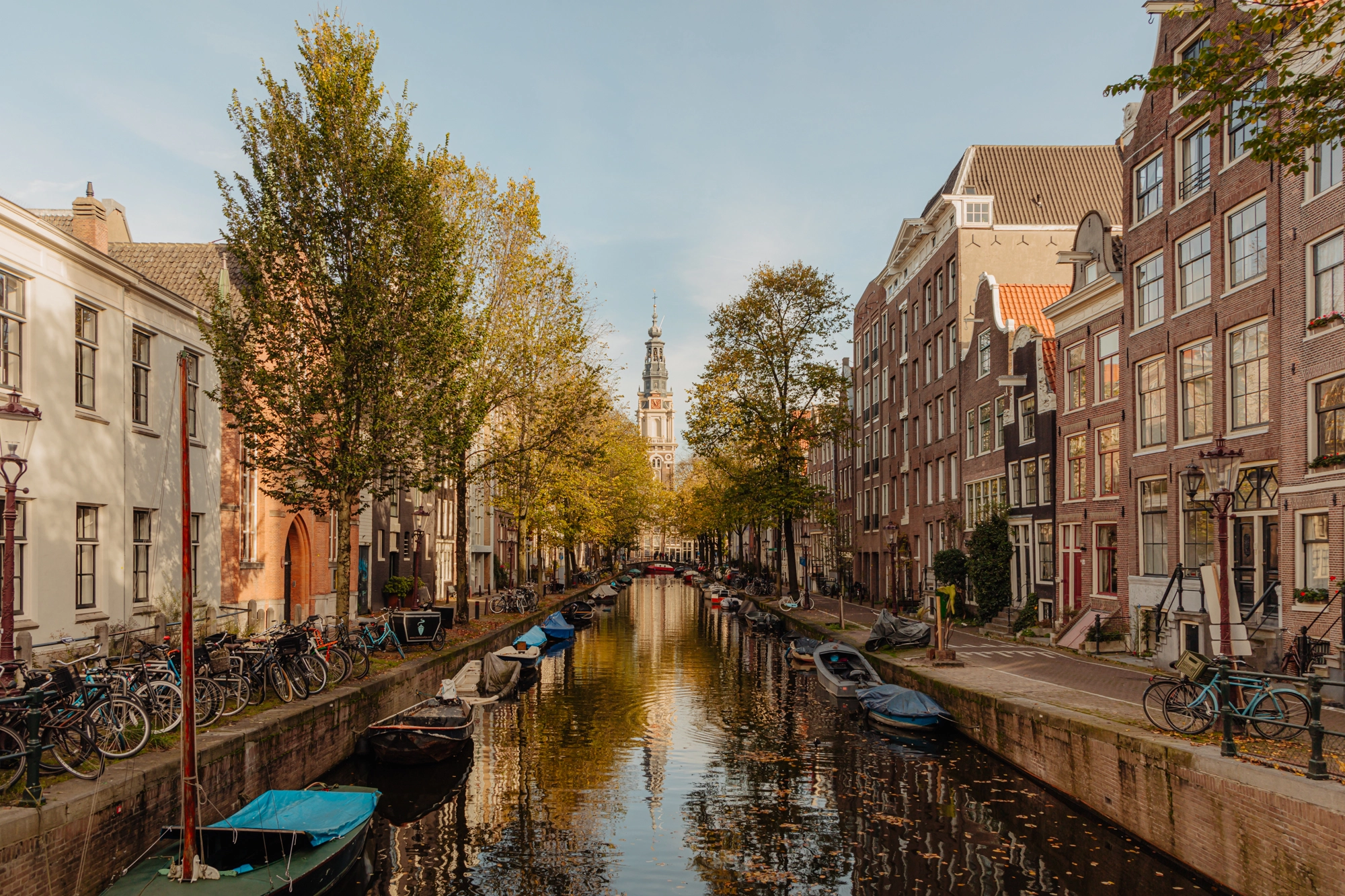
Come inside our house at Oudezijds Achterburgwal 212, built around 1735. It is a listed building and a national monument, and you can tell. We step into the kitchen, where you immediately feel at home, with old tiles on the floor and a wall of Delft blue tiles above the sink. Let's go upstairs and you'll see that the entire stairwell is covered with old white tiles, known as 'witjes'. During a restoration in 1999, we discovered that the low wooden paneling on the first floor had ochre as its bottom coat of paint; this must have been the case around 1600, and we have restored that color, using ox red paint for the details. Moving on to the second floor, we found old tiles with decorations in a color close to purple and burgundy red. We used these tiles to create a mosaic in the fireplace and derived two lighter shades of this color for the woodwork. Then we moved on to the top floor, the bedroom, which also has a toilet and shower; we thought a soft yellow color would be appropriate for this intimate space.
Back downstairs, to the street where cars cannot and are not allowed to park on the canal side. So that was our favorite place to set up a table and chairs by the water to eat and drink. The Oudezijds Achterburgwal is the oldest part of the center of Amsterdam. What a pleasure that this part of the Achterburgwal is so remarkably quiet. Our favorite restaurant on the nearby Geldersekade is the delicious Lastage. On the same Geldersekade is our pharmacy, which dates back to 1696. The spacious Nieuwmarkt is teeming with restaurants and cafes, with the Waag, which dates back to the fifteenth century, at its center; on Saturdays there is an organic market. Restaurant Bern, opposite the Waag, has sublime cheese fondue. We go to the Kloveniersburgwal, where the fishmonger Tel, with its abundance of fish varieties, is located at the beginning. On the other side is the beautiful and versatile chemist Jacob Hooy, which was founded in 1743. The interior has been preserved and is magnificent. From there, we head towards Jodenbreestraat, almost next to the Rembrandt House Museum, where we buy our coffee and tea at Lévelt, where it is difficult to choose from the abundance on offer. We get delicious baguettes and croissants in the Lange Brugsteeg at the sweet shop with the unusual name: "de Laatste Kruimel" (the Last Crumb). A minute's walk further on brings you to Rokin, where there is a metro station on the North-South line, which goes to Central Station and, in the other direction, to Station Zuid, where you can take the train to Schiphol Airport. If you cross the tram tracks at Rokin and walk a little further, you will pass the famous shopping street, Kalverstraat, and arrive at the square called Spui. Here you will find two special bookshops: The American Book Centre, ABC, and Athenaeum. But there are also some famous cafés, including Hoppe and Café de Zwart. Walk through the alley, over the bridges of the Singel and the Herengracht, and you will arrive at Pompadour, which we believe to be the best patisserie in Amsterdam, with a beautiful interior and gorgeous cakes and bonbons that will make you smile. It's time to return to Oudezijds Achterburgwal 212 to enjoy the beautiful view over the canal and feel truly at home in one of the oldest houses in Amsterdam.
Kiki & Joost
1012 GM Amsterdam
Mokum Gallery
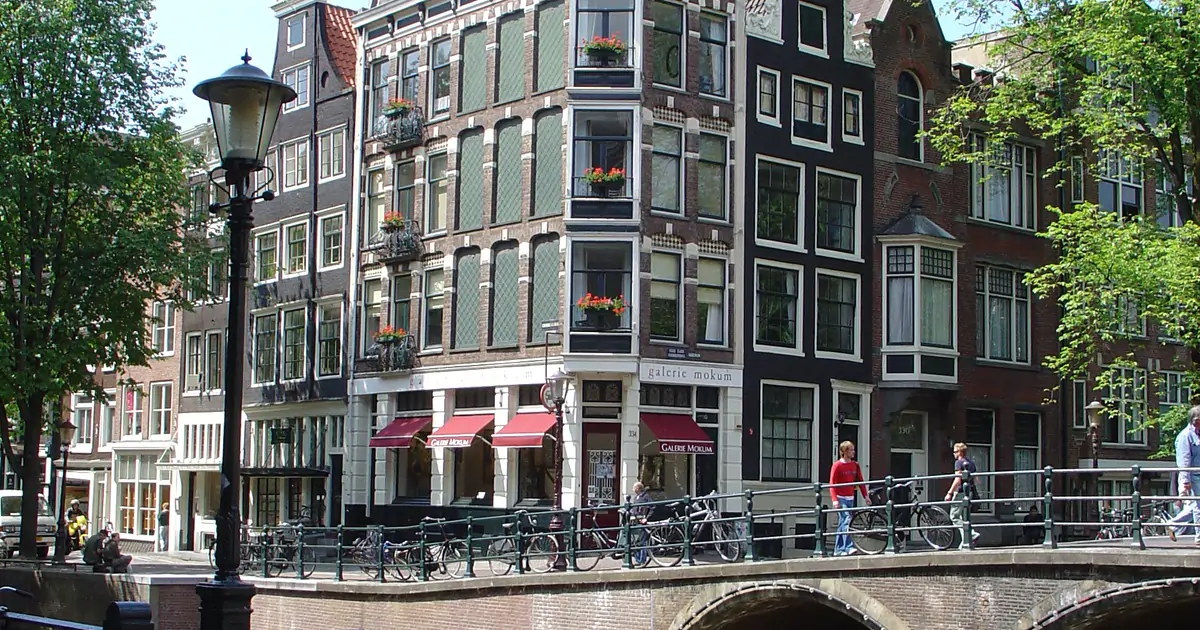
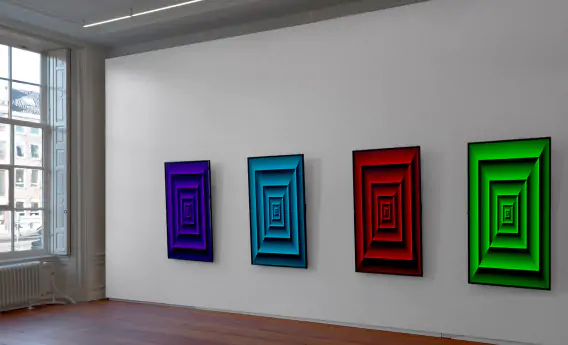
Galerie Mokum was the first gallery in Amsterdam to exhibit realistic art. The gallery was founded in 1962 by Dieuwke Bakker in a building on Oudezijds Voorburgwal. Over the years, the gallery has represented many different artists who belong to the realism movement, a reaction to the abstract and pop art of the 20th century. Figurative realistic art focuses on depicting recognizable figures, objects, and landscapes. Examples of Dutch artists of Realism are Henk Helmantel and Gerard Huysman. At Galerie Mokum, you can admire the works of Helmantal, Huysman, and many other realistic artists.
1011 KB Amsterdam
Upstream Gallery
The Upstream Gallery is located in the 17th-century monumental building known as the 'Poppenhuis' (Doll's House) on Kloveniersburgwal. This contemporary art gallery has quickly built up an international reputation among collectors, art institutions, art critics, and, of course, art lovers. The gallery focuses on radical, socially engaged, conceptual, and post-internet art and represents both Dutch and international artists.
1012 HS Amsterdam
Captain Zeppo's
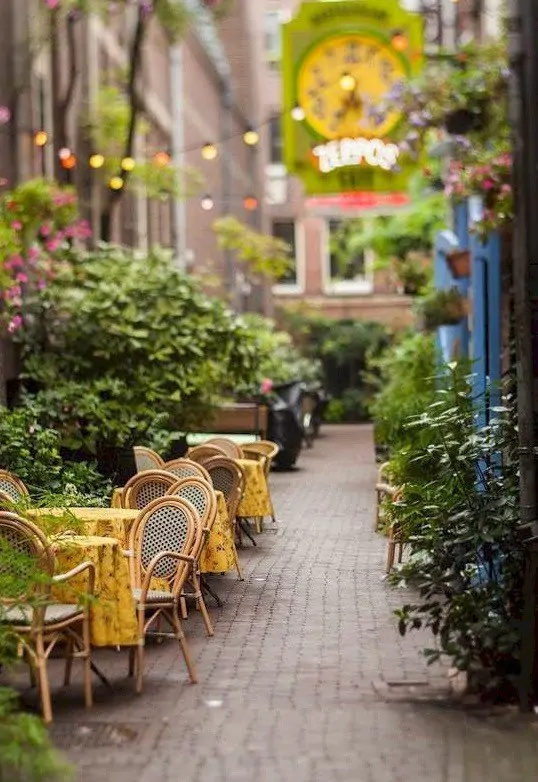
Captain Zeppos has been a household name in the historic heart of Amsterdam since 1987. You will find Zeppos in the charming alleyway 'Gebed zonder End', located between the Nes, the Oudezijds Voorburgwal, and the Grimburgwal. This hidden treasure in the oldest part of Amsterdam will put you in a holiday mood with its southern ambiance. Upon entering 'Gebed zonder End', you immediately feel as if you are in France, Italy, or Spain. At Zeppos, you can not only enjoy tasty Mediterranean dishes and an extensive selection of beers, wines, and cocktails, but also the famous Zeppos chantants.
1012 GB Amsterdam
De Laatste Kruimel
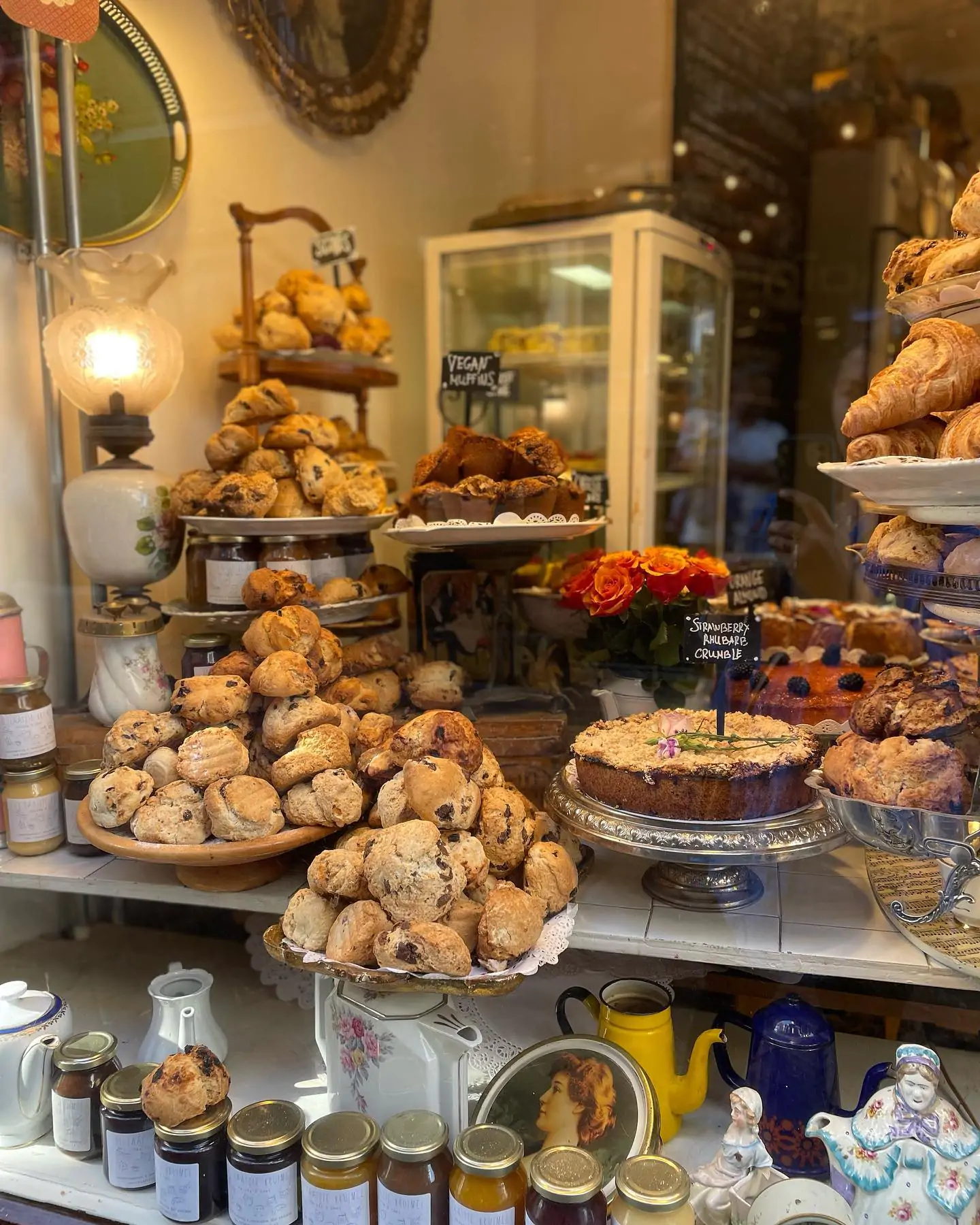
When you walk through the Langebrugsteeg, you can't help but notice the window of de Laatste Kruimel. It is so full of goodies that you have to go inside. It is a cute, cozy place where they have a wide range of sweet and savory treats. The quiches are recommended and actually all the cakes too. A perfect place to take a break while strolling through the center of Amsterdam.
1012 EX Amsterdam
Oriole
Oriole's menu combines Mediterranean traditions with a modern twist, focusing on refined vegetables and seasonal ingredients. Dishes such as grilled pimientos de Padrón, classic pâté en croûte with onion compote, and taramasalata with tomato jam and Kalamata olives showcase the versatility of the cuisine. In 2023, Oriole was awarded a Bib Gourmand in the MICHELIN Guide Netherlands, a recognition of its excellent value for money. The courtyard terrace is a beautiful spot.
1012 KL Amsterdam
Bar du Champagne
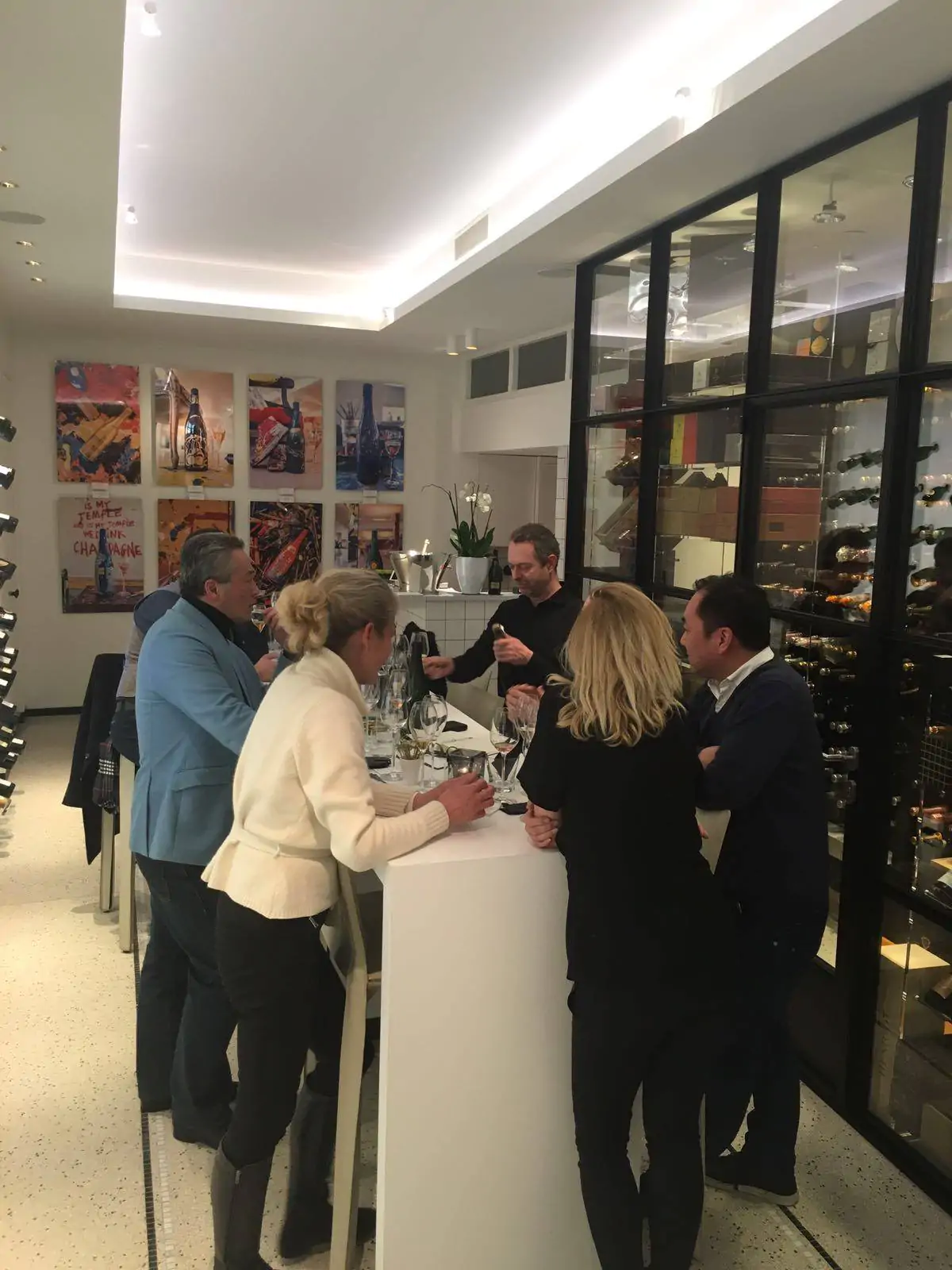
Bar du Champagne, as you probably suspect, is a champagne bar with small dishes and bar snacks. It is located on the Rokin in the heart of Amsterdam. It is a new establishment of Rick Swinckles, the owner of Sjefietshe and Le Coeur. You can order champagne from the menu or choose one from the store in the bar. The prices are reasonable. They offer a selection of old vintage champagne or, for example, Bollinger, Veuve Cliquot, Moët & Chandon.
1012 CP Amsterdam
Graziella's Trattoria
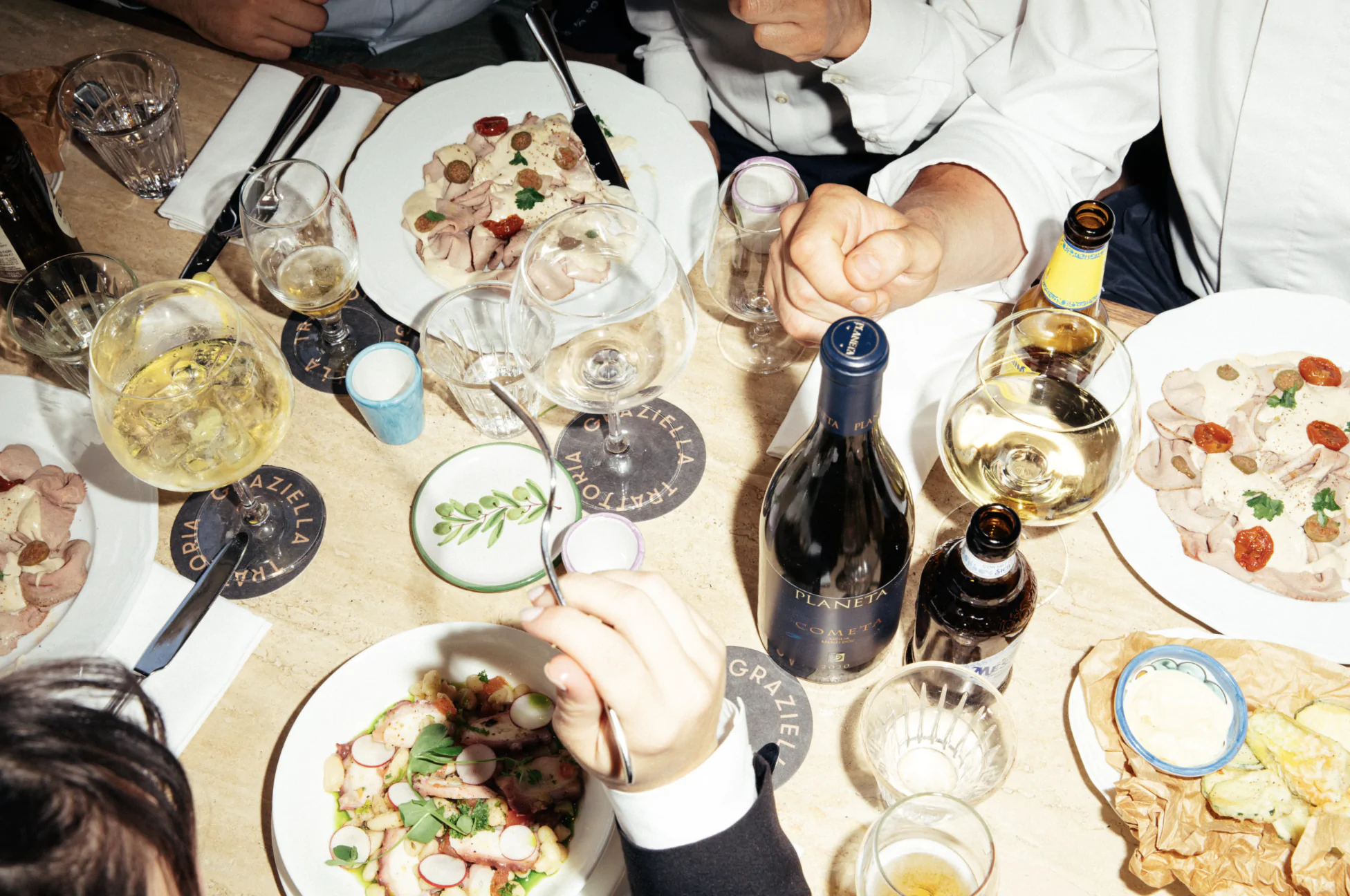
Trattoria Graziella celebrates authentic Italian cuisine in all its glory, with homemade pasta, antipasti, and extensive main courses. Think pappardella with lamb stew and artichoke or Corvina prepared with tomato and squid. Chef Luigi di Benedetto and his team strive for distinct yet balanced flavors with attention to detail. Buon appetito!
1012 CP Amsterdam
Restaurant Flore (**)
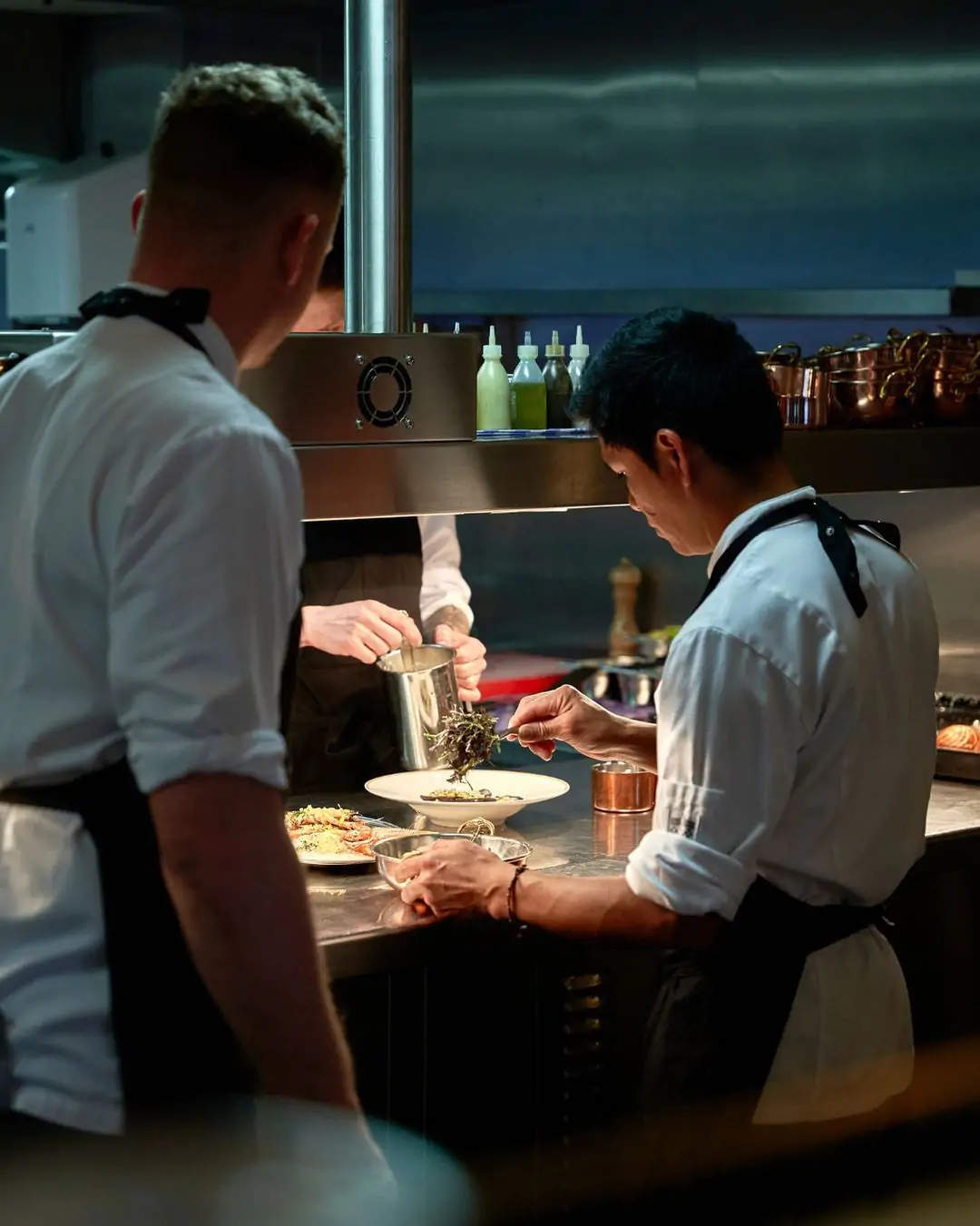
Chef Bas Van Kranen has banned dairy products from his repertoire and Location wild game, poultry, and fish a primary Location in all his dishes. In this mainly plant-based approach, there is still Location game, poultry, and fish. We have fond memories of a quail that was cooked whole on the bone and presented at the table. It was then beautifully deboned and served with a delicate carrot preparation, sea buckthorn berries, and gravy made from the bones. As a starter, we tasted a unique combination of white beans, hazelnuts, and pear, followed by tenderly cooked cuttlefish finished with dewberry and dulse seaweed.
1012 AC Amsterdam
Marie Amsterdam
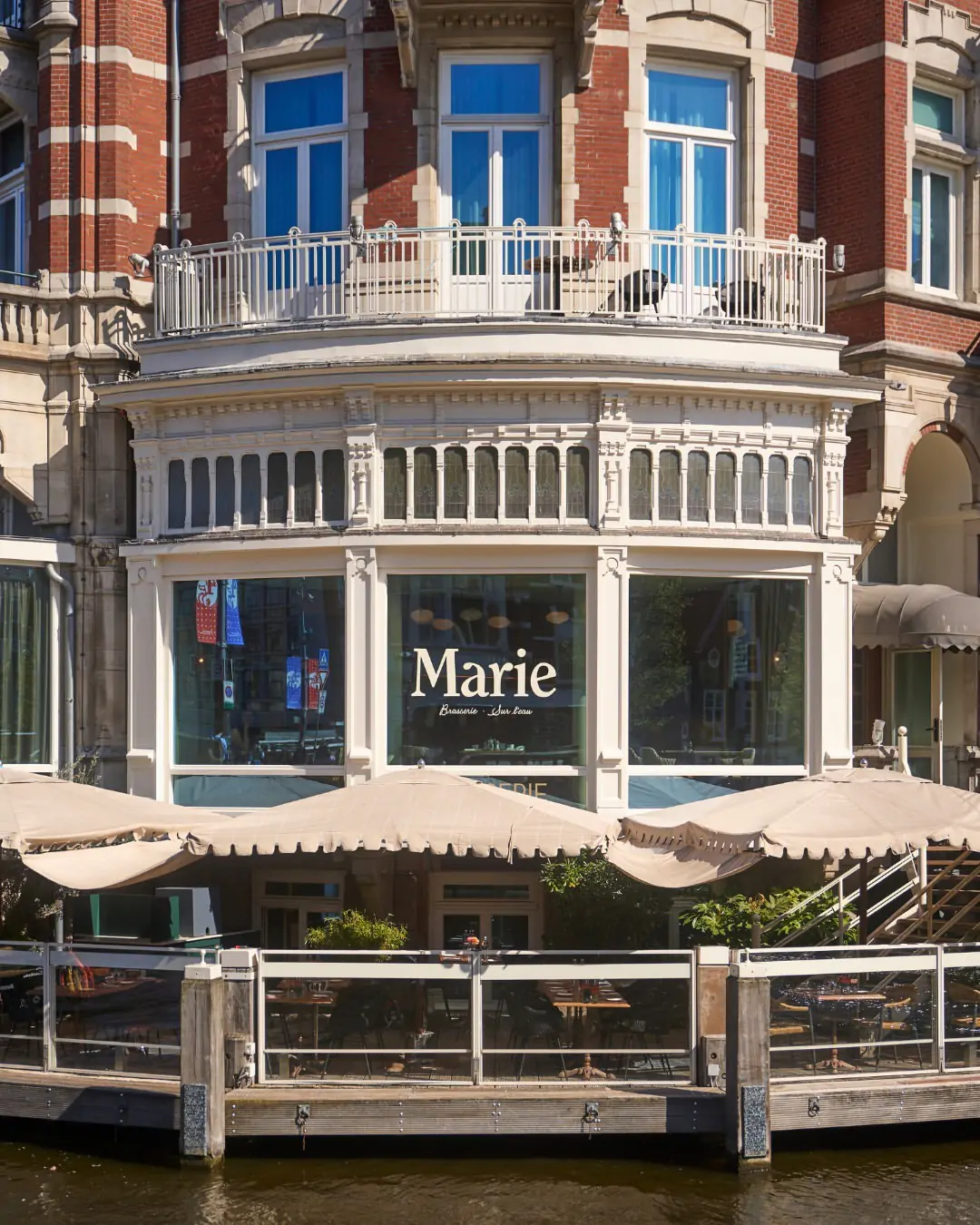
Brasserie Marie is affiliated with the luxurious Hotel De L'Europe and enjoys a beautiful location on the waterfront. The restaurant brings the flavors of the Côte d'Azur to the center of Amsterdam. Discover French cuisine with a delicious menu full of the finest dishes. Chef Jop has mastered the art of combining modernity with classic French cuisine. Enjoy the selection of wines, spirits, and cocktails that perfectly complement your meal and are served with the highest level of hospitality.
1012 KC Amsterdam
Bubbles & wine
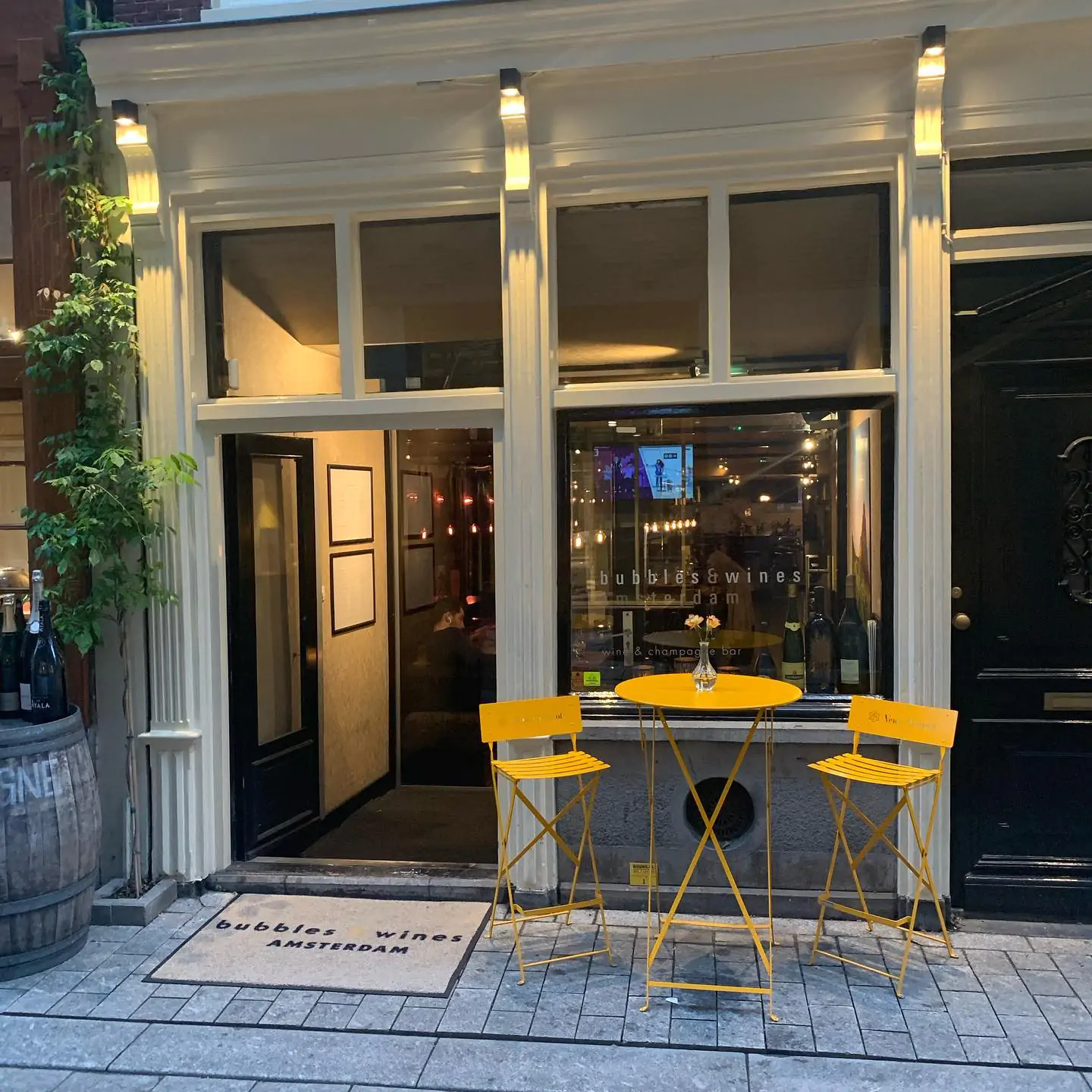
In one of Amsterdam's most charming streets, you will find the champagne and wine bar Bubbles & Wines. If you have a discerning taste in wine, you can be sure that this is the place to come for a glass. They serve 55 wines by the glass, each of which is of the highest quality. This small, cozy bar is the perfect place for all wine lovers.
1011 JZ Amsterdam
Guardian Angel Café
Amsterdamsch Literair Café de Engelbewaarder is a household name in Amsterdam. The building is a national monument and is named after the novel Herinneringen van een Engelbewaarder (Memories of an Angel Guardian) by W.F. Hermans. Café de Engelbewaarder has been located in the heart of the always lively Nieuwmarkt neighborhood since 1947. Café de Engelbewaarder was the first literary café in Amsterdam and is known for its 'jazz on Sundays', lively Friday evenings, and wide selection of beers on tap. From students to local residents, to pretty much the whole of Amsterdam, everyone can be found in this café. In summer, you can sit on their terrace on the Kloveniersburgwal. You can also go there for a good daily special.
1012 EV Amsterdam
Oriental city
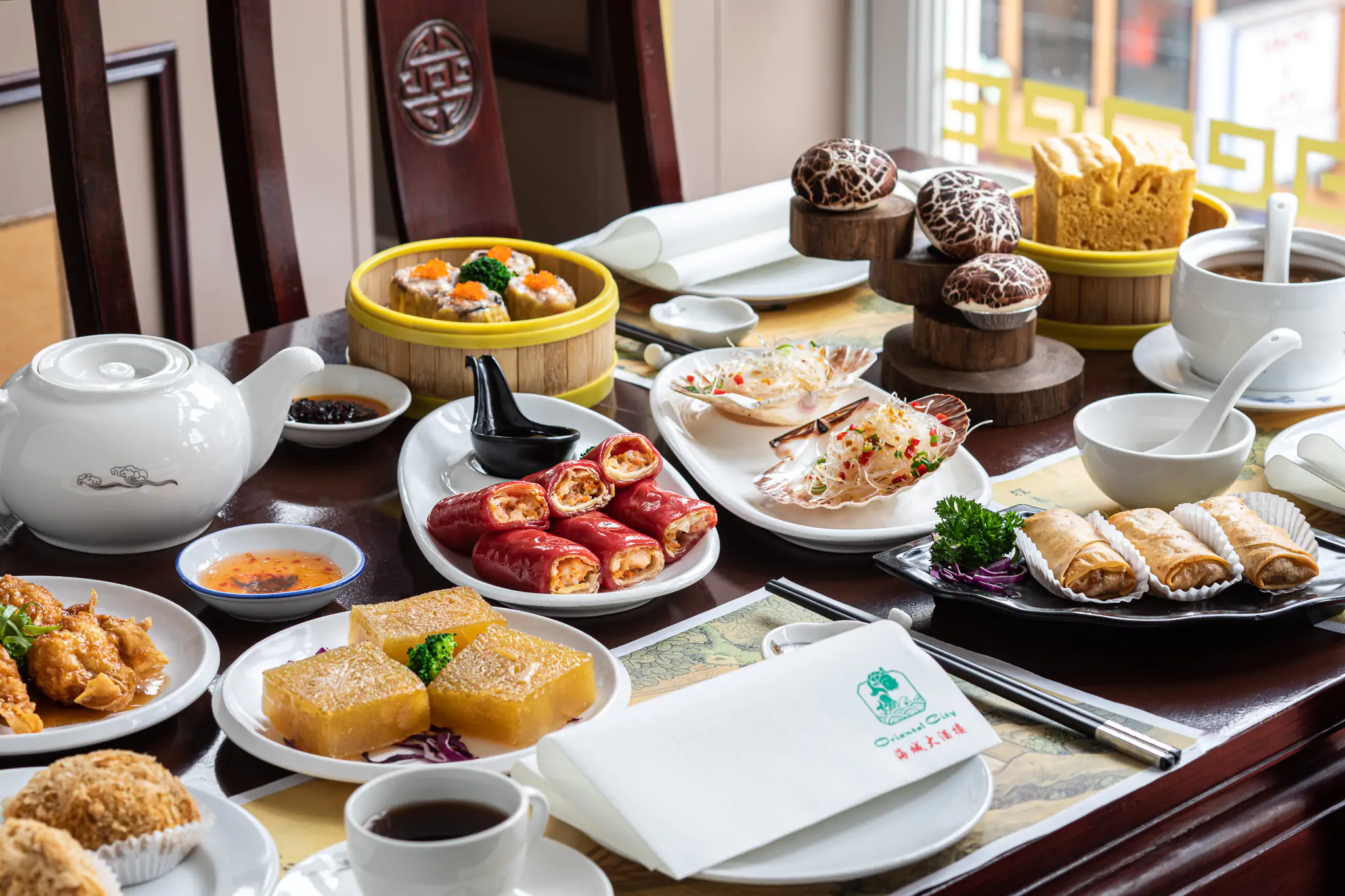
The go-to place for delicious dim sum in the heart of Amsterdam. At Oriental City, classic Chinese Cantonese cuisine is celebrated while you look out over the canals of Amsterdam. We recommend sharing different dishes so you can taste everything! From vegetarian to fish and meat, Oriental has something for everyone.
1012 PR Amsterdam
Café de Dokter
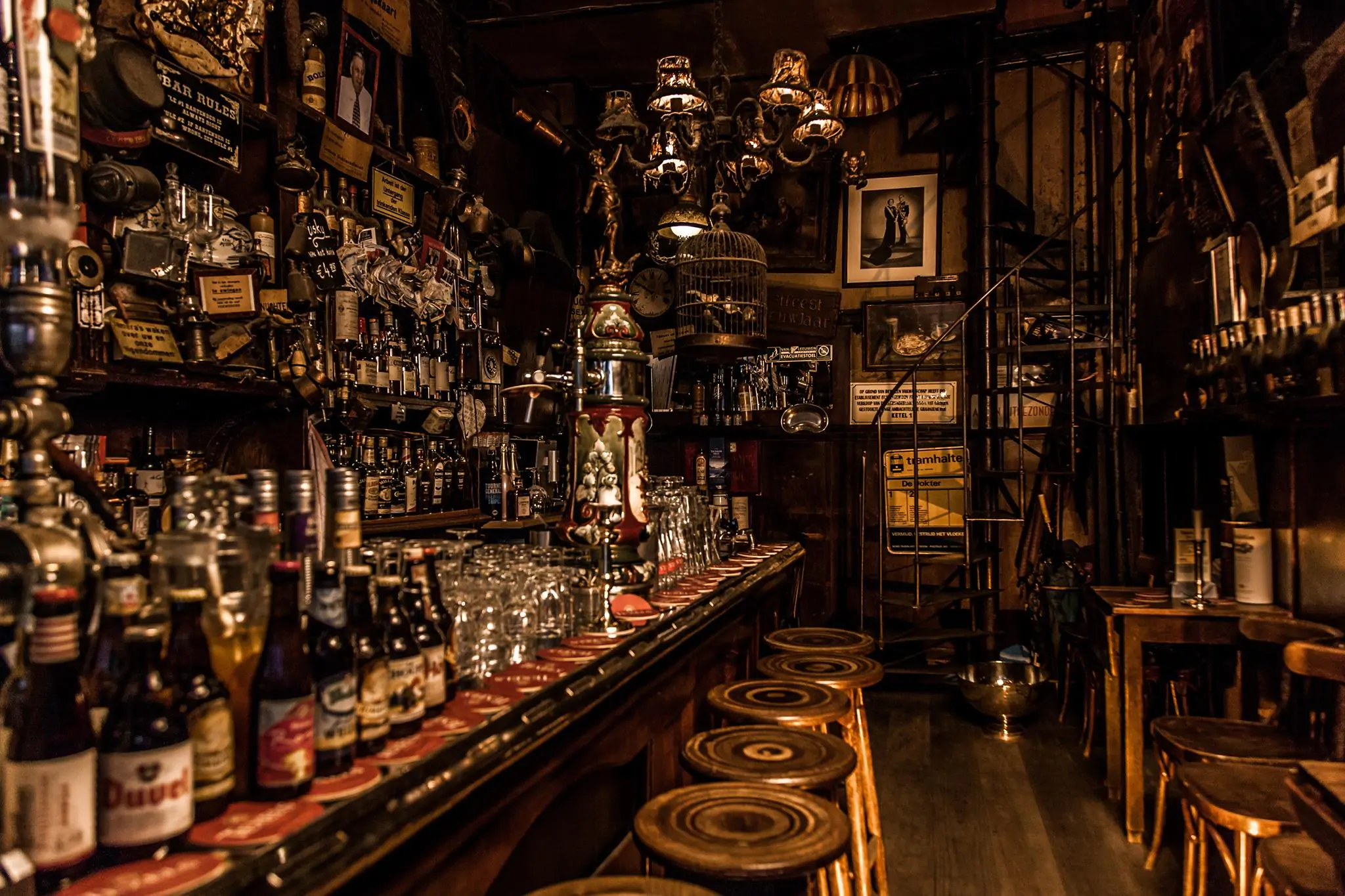
Café de Dokter, also known as 't Doktertje, was founded by a surgeon from the Binnengasthuis. He opened the café as a meeting place for doctors and students. Nowadays, visitors come from everywhere.
1012 KS Amsterdam
Fulu Mandarin
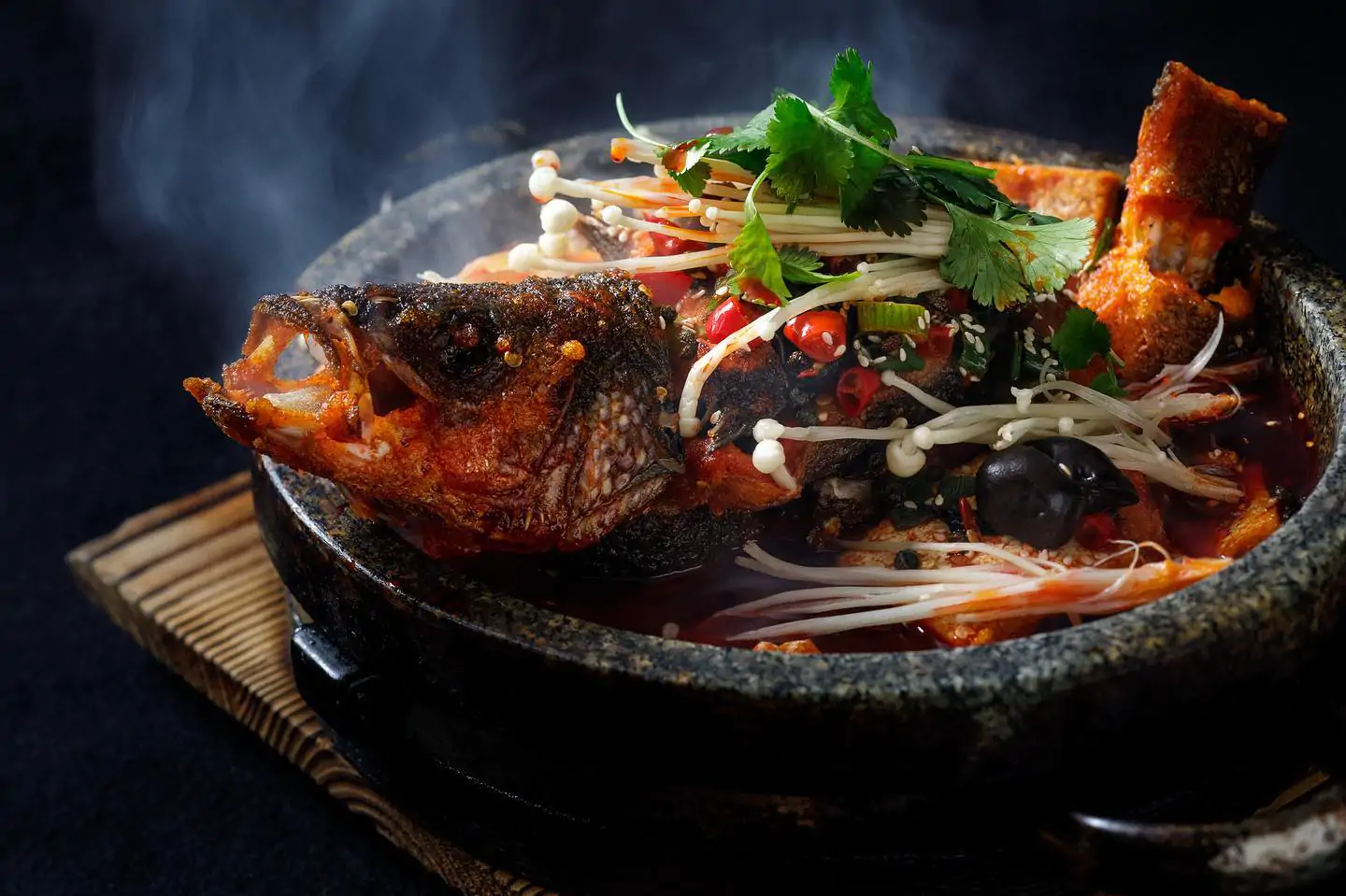
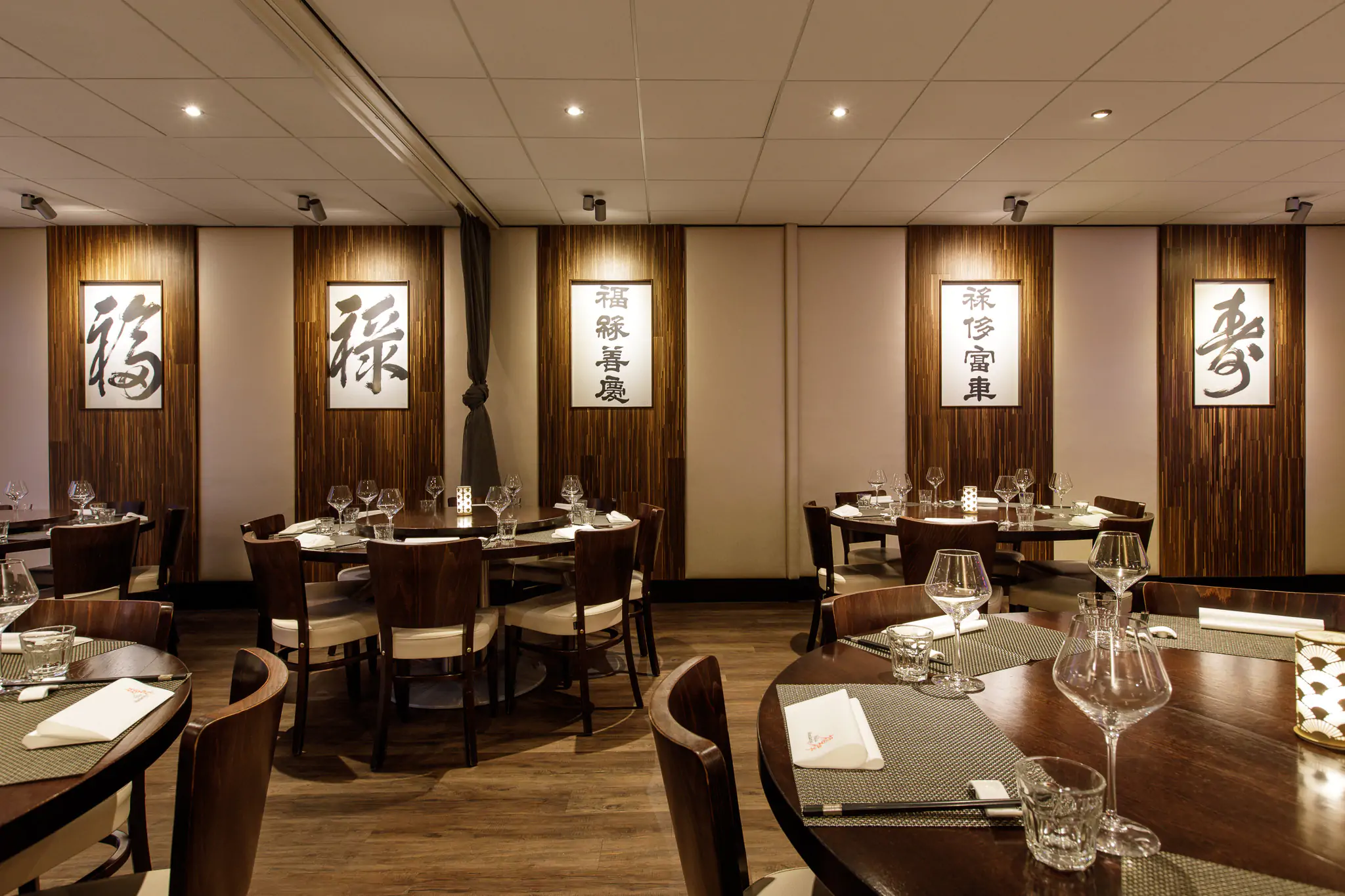
Fulu Mandarin is one of the few Chinese restaurants in Amsterdam offering authentic Sichuan cuisine. It seems almost impossible to choose from the extensive menu. They also have a wide range of cocktails. You can visit them in the city center for lunch or dinner. If you visit, try the cooked sea bass in hot chili sauce, with enokitake mushrooms and tofu. It is served in a hot stone pot and arrives at the table still sizzling.
1012 KK Amsterdam
Van Stapele cookie factory
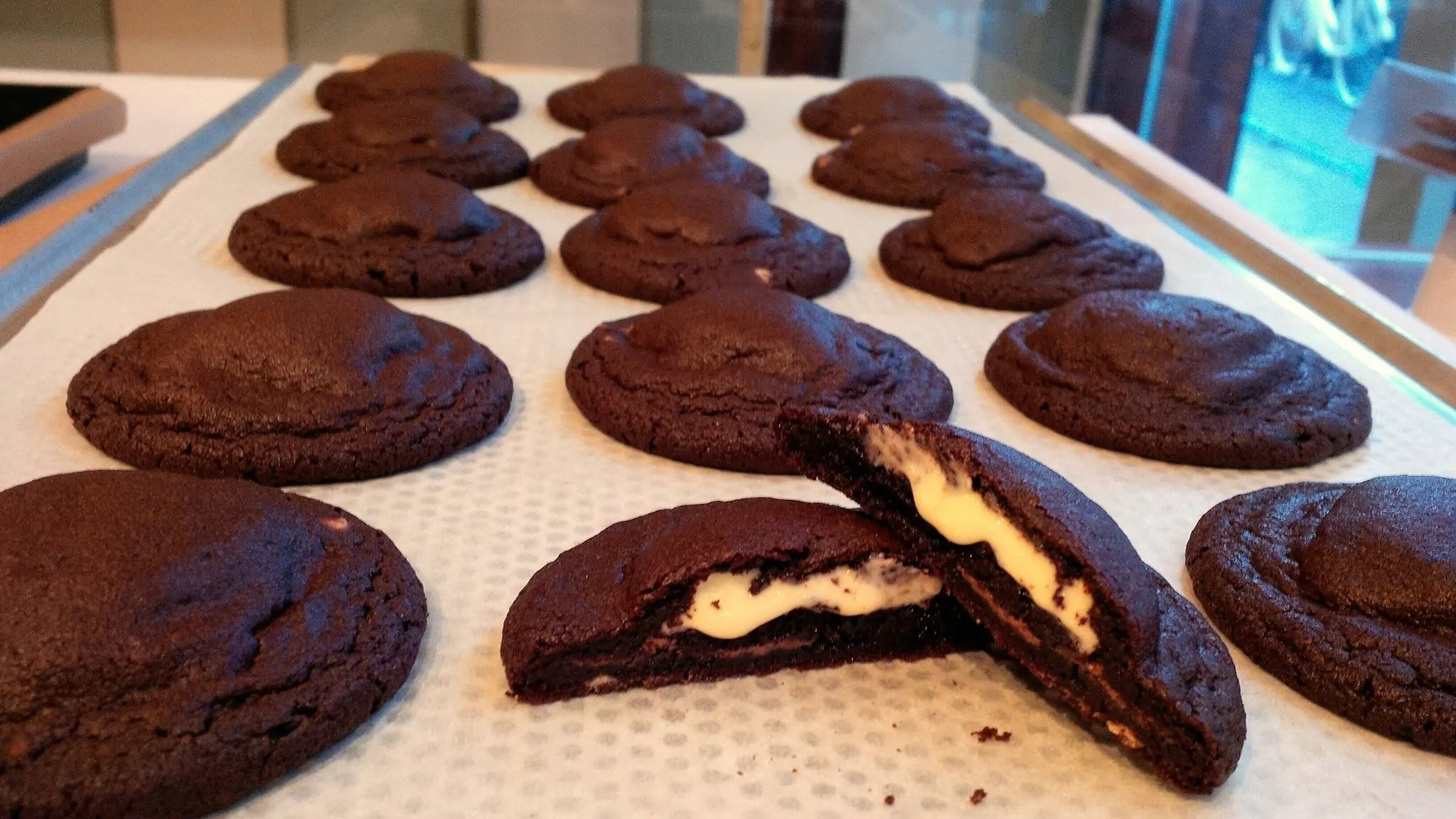
They sell only one type of cookie, do not advertise, and the shop is tucked away in Heisteeg. Yet this classic cookie bakery is impossible to miss due to the long line that forms there day after day. And it's definitely worth joining this line: the chocolate dough cookie with rich cocoa is crispy on the outside and has a soft filling of buttery melted white chocolate. What more could you want? The shop is almost impossible to miss because the smell of the cookies greets you as you walk across the busy Spui square. A must-try for chocolate lovers!
1017 AA Amsterdam
Incanto
Beautifully presented dishes, refined flavors, and a central location on the Amstel. Except on Sundays, Encanto is open every evening for stylish Italian dining. The seasonal cuisine changes four times a year. Think octopus with grilled tomato, bell pepper, and grapefruit cream, and fettuccine with wild boar ragout. From primi to dulci, an absolute quality menu.
1017 CP Amsterdam
Pho King
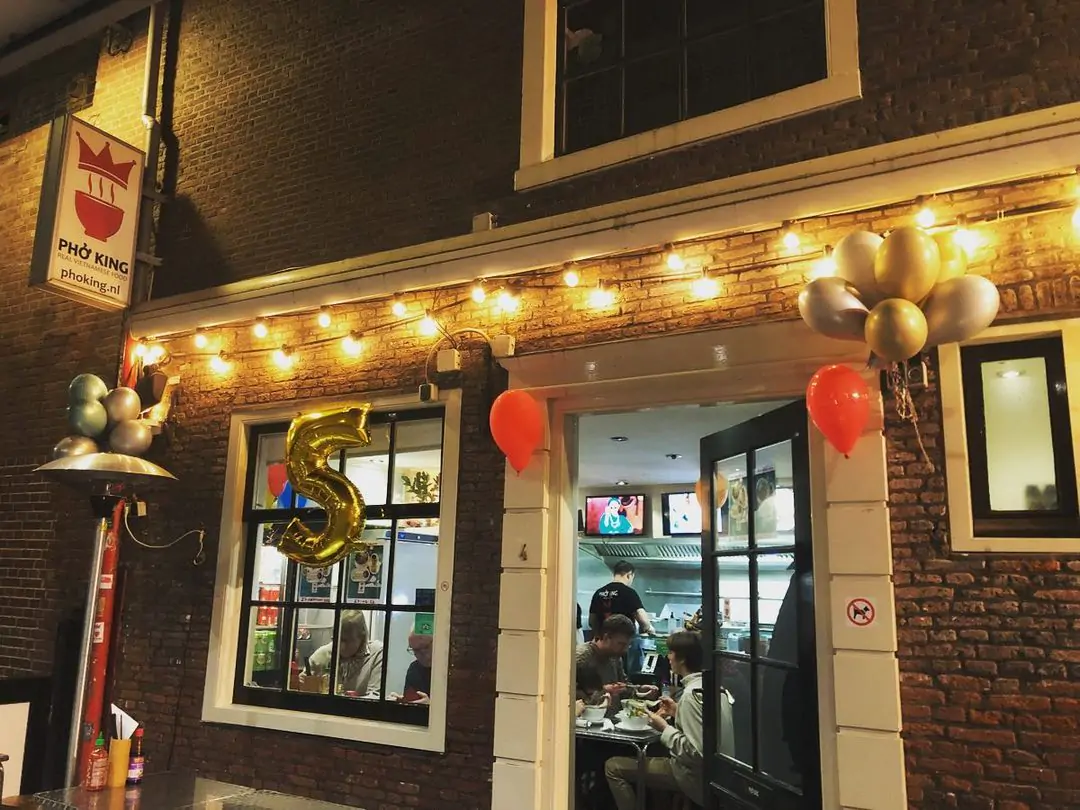
In an alley near Rembrandtplein, there is a small Vietnamese restaurant. The original flavor of pho varies throughout the country, with it often being spicier in central Vietnam and saltier in the north. There are only a few seats inside, but outside you can sit on wooden stools. The soup is filled with tender strips of beef, meatballs, and a generous helping of cilantro, bean sprouts, and finely chopped red onion, spring onion, and lime.
1012 XK Amsterdam
Bhatti Pasel
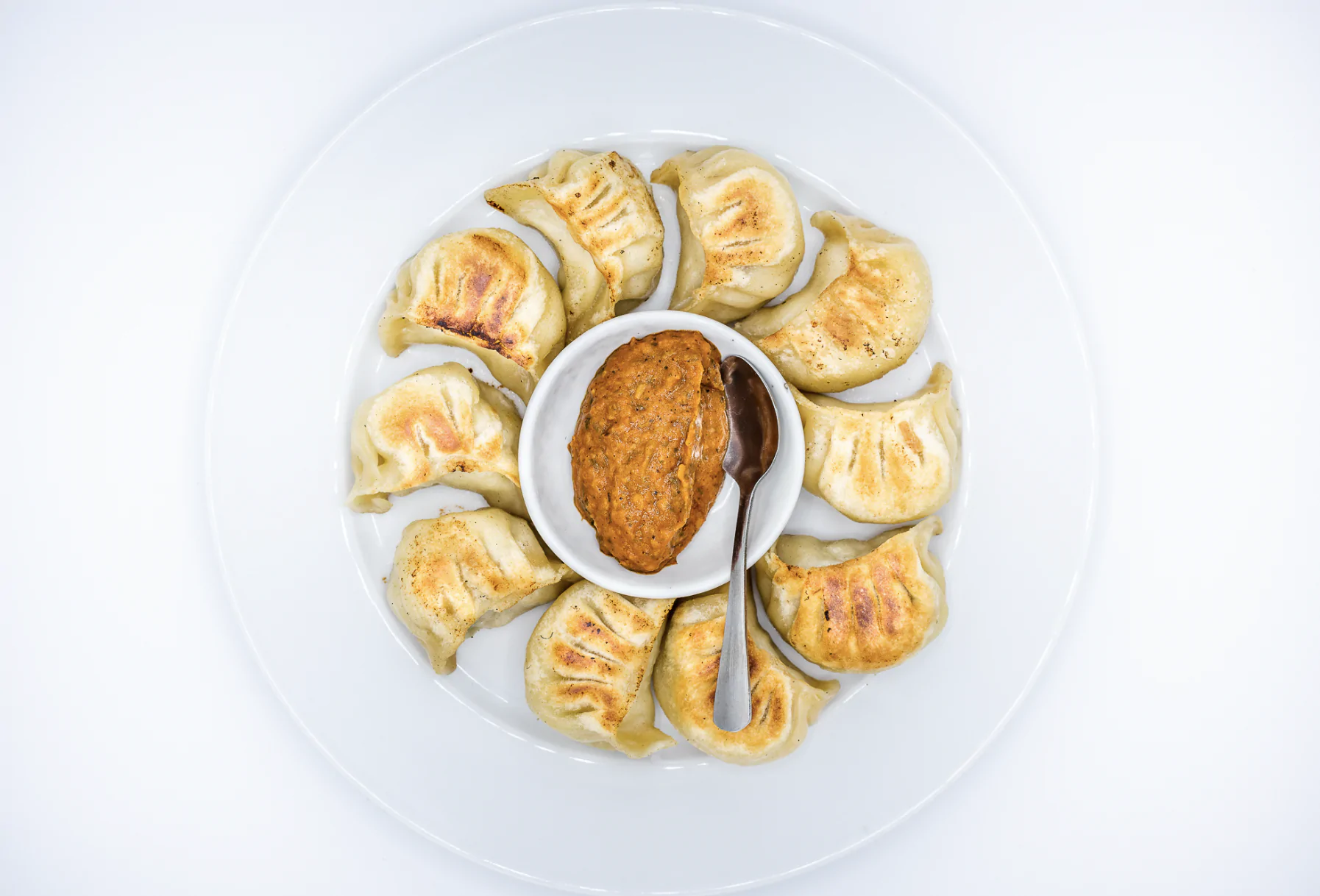
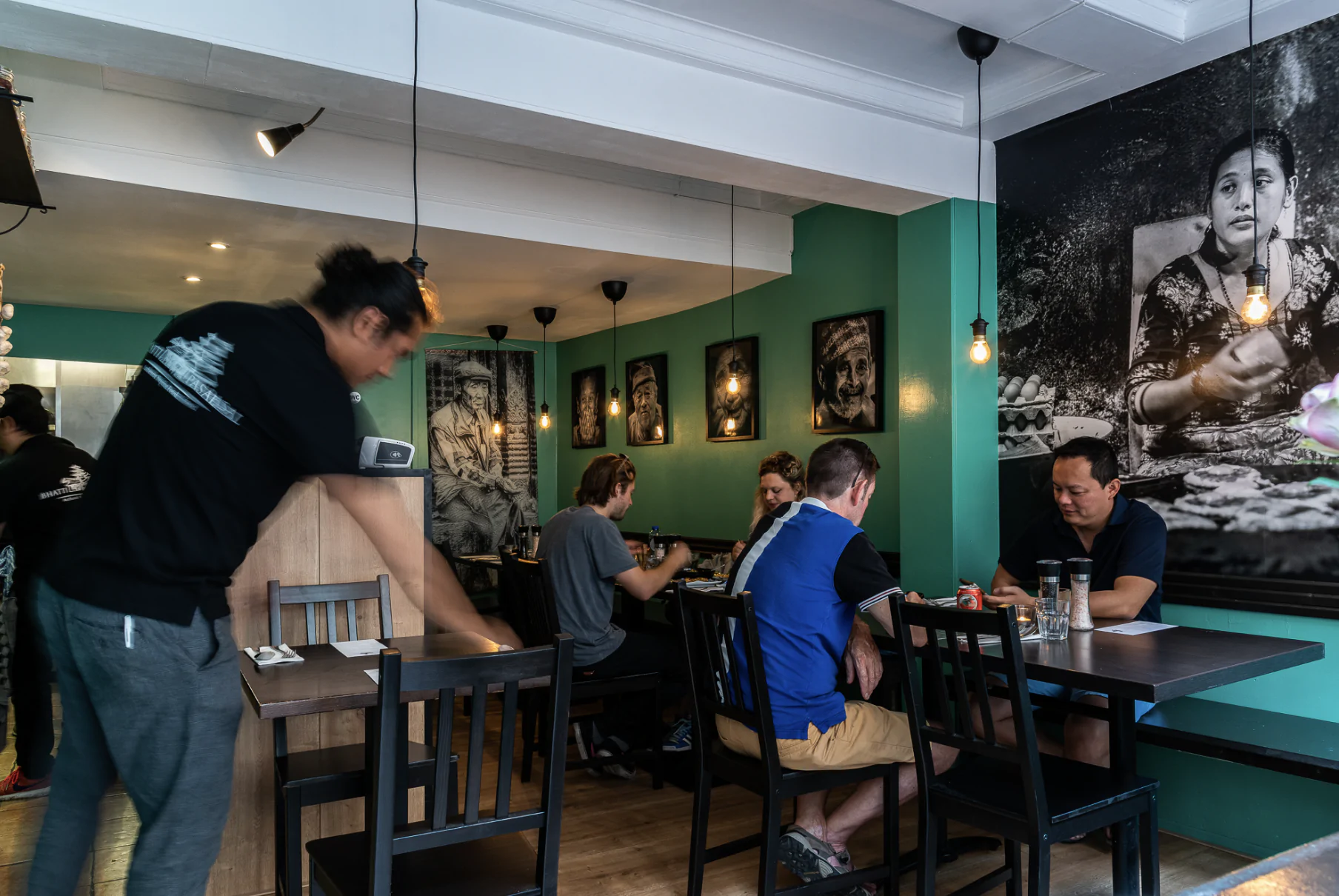
After gaining years of experience in top restaurants and hotels in various countries, Tika Pun is opening his own Bhatti Pasel. An authentic Nepalese restaurant in the heart of Amsterdam. You can go there for a quick lunch, a dinner or a shared dining experience. They serve delicious Nepalese dishes, with a choice of steamed or fried dumplings (momo), combined with sesame, tomato or coriander.
1012 JS Amsterdam
Bougainville Restaurant
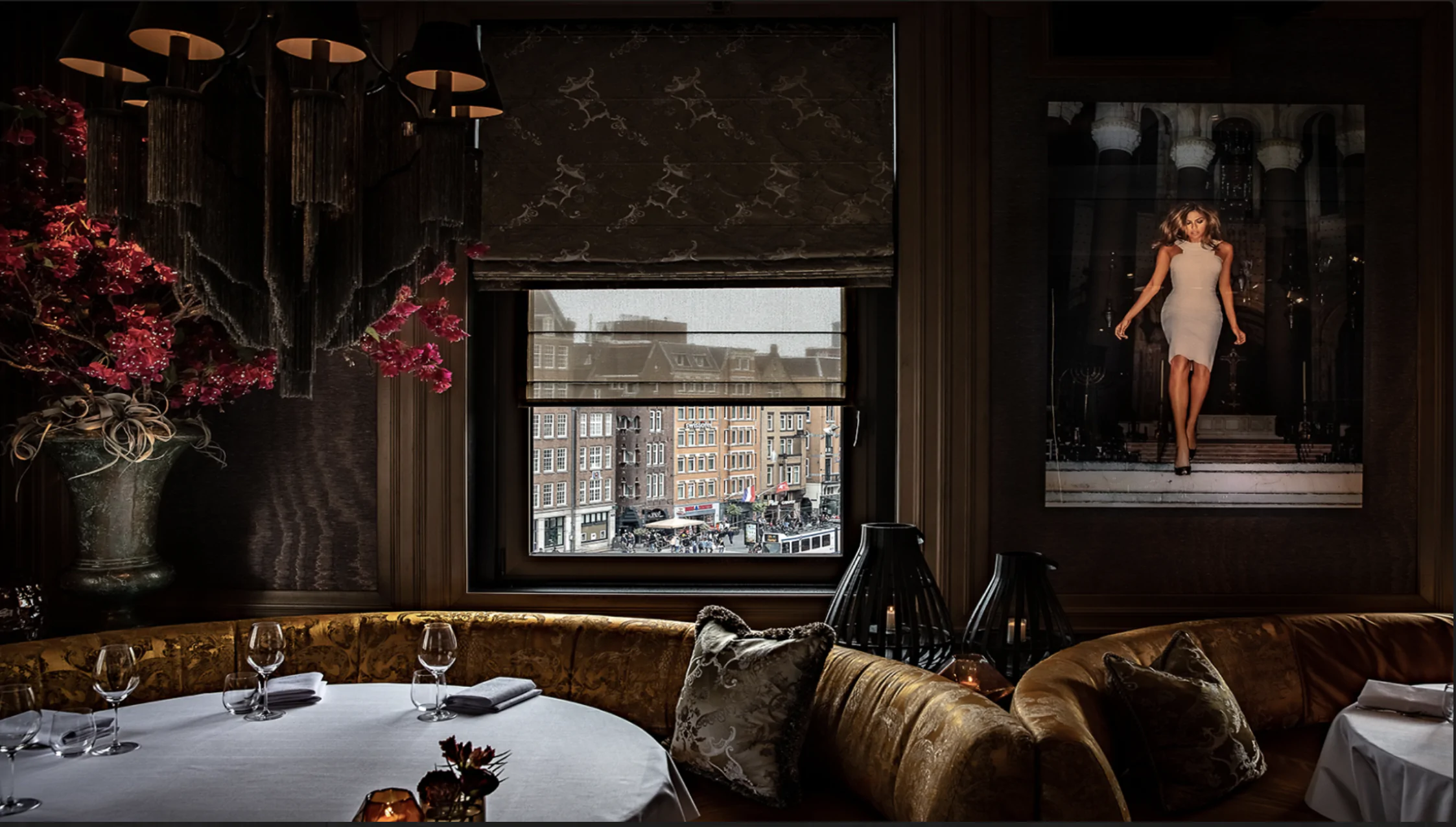
A dinner for two or a business meeting? Restaurant Bougainville is the place to be for an unforgettable fine dining experience. With world-class dishes, this evening doesn't have to end. The restaurant is located in the luxurious Hotel TwentySeven. Combine the evening with a cocktail experience or an overnight stay in your own city. There is no shortage of possibilities.
1012 JS Amsterdam
Bougainville (*)
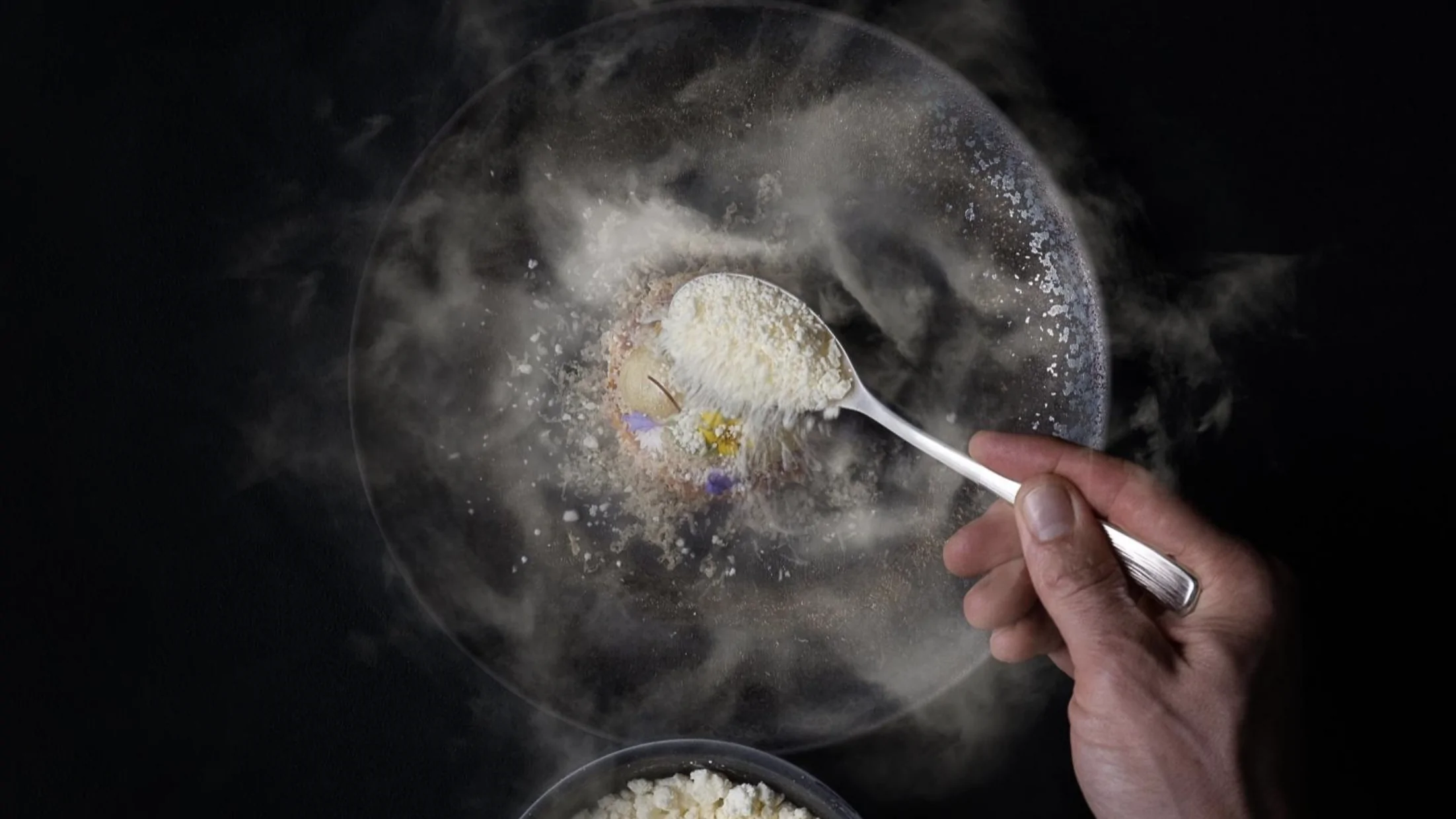
Located in the exclusive Hotel TwentySeven, Bougainville is accessible to both hotel guests and external visitors. Here, innovation in the kitchen is combined with tradition, resulting in a culinary journey that stimulates all the senses. Under the leadership of Executive Chef Tim Golsteijn, Western and Eastern-inspired flavors are combined in a creative and refined way. The menu ranges from a 5- to 7-course dinner to à la carte dishes, prepared with seasonal ingredients and a focus on taste, texture and presentation.
1012 JS Amsterdam
The White Room by Jacob Jan Boerma (*)
Under the guidance of Signature Chef Jacob Jan Boerma and Chef de Cuisine Tristan de Boer, the restaurant offers a refined cuisine that revolves around pure flavors, fresh tones, and a perfect balance of acids and spices. The dishes are a tribute to Dutch ingredients with subtle global influences. The restaurant is housed in the historic 'Witte Zaal' (White Room) of Grand Hotel Krasnapolsky, a space known for its classic elegance since 1885. The refined decor combines the grandeur of the past with a contemporary style, creating a unique and luxurious ambiance.
1012 CK Amsterdam
Wonderwood
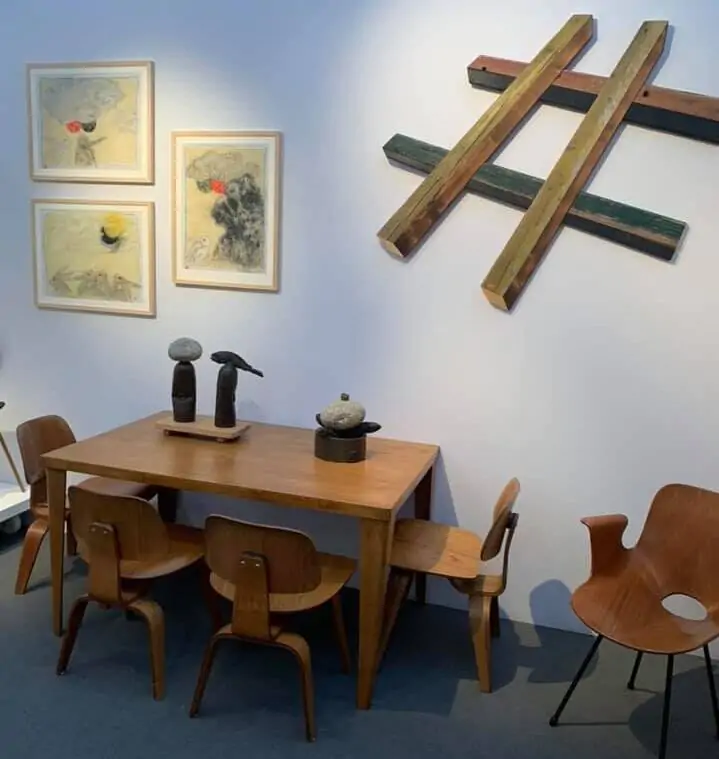
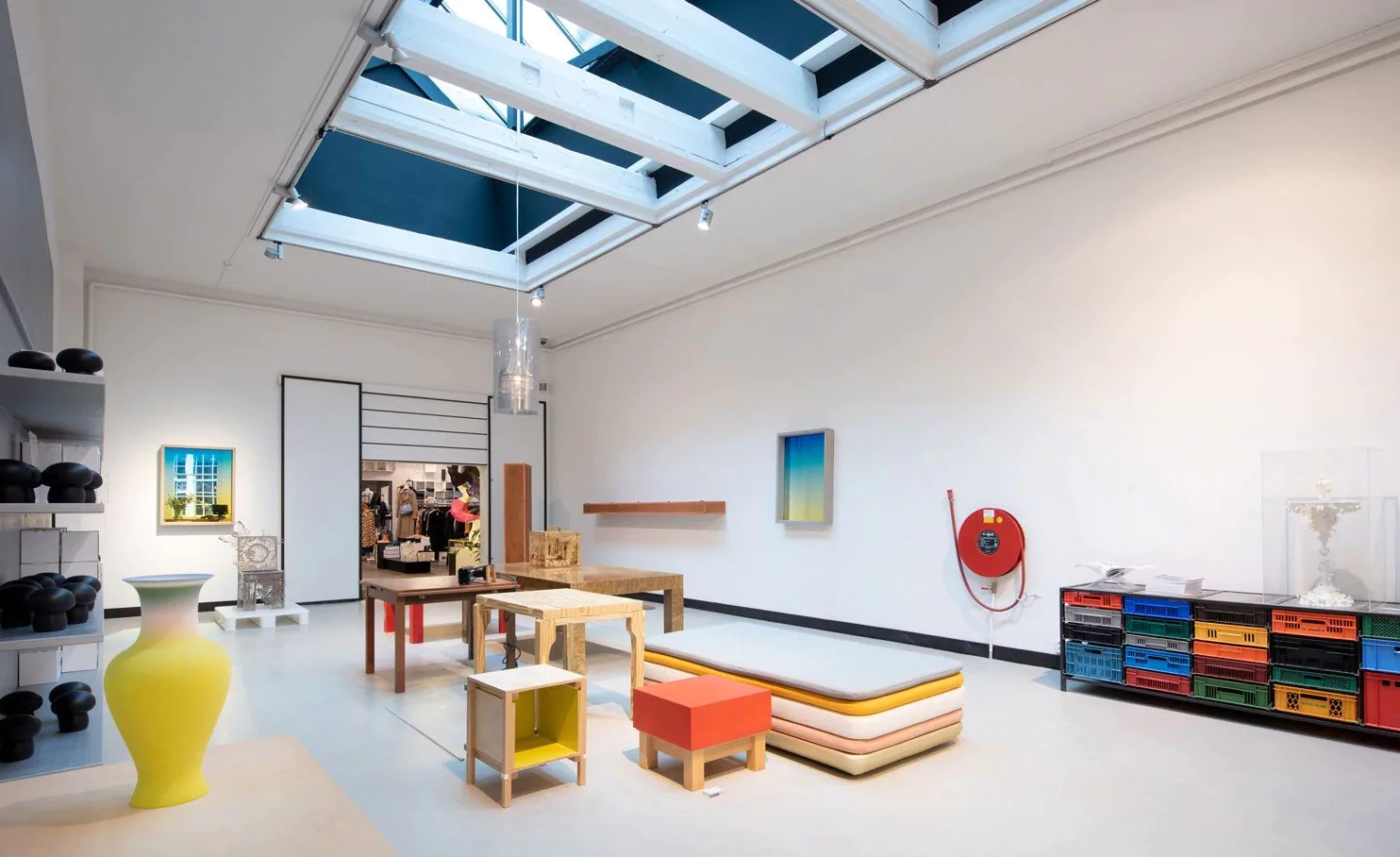
The name WonderWood pretty much speaks for itself: a wonderful world of all kinds of unique furniture made from beautiful wood. In addition to being both a store and a gallery, WonderWood offers more than just furniture: design, art, and fun gadgets. It is a world where there is more than enough to be found for everyone—not just wood lovers. There is also something for everyone's personal style, whether it's products from the wide vintage collection or a hip design item! This makes Wonderwood the ideal place to browse or find inspiration for a new interior.
1011 JJ Amsterdam
Dry
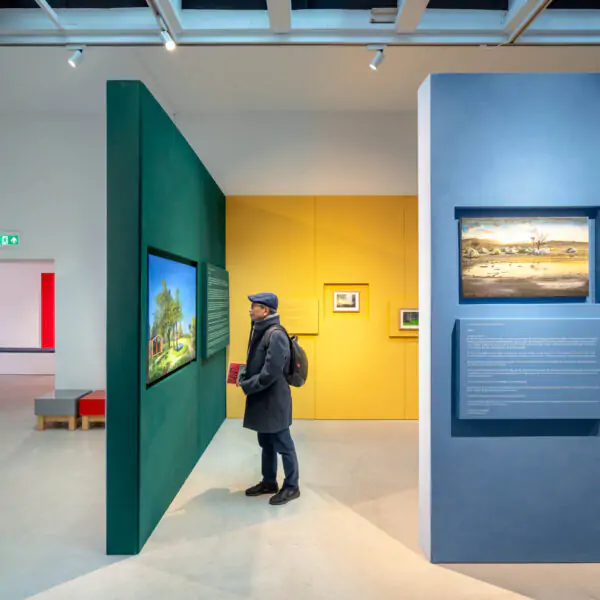
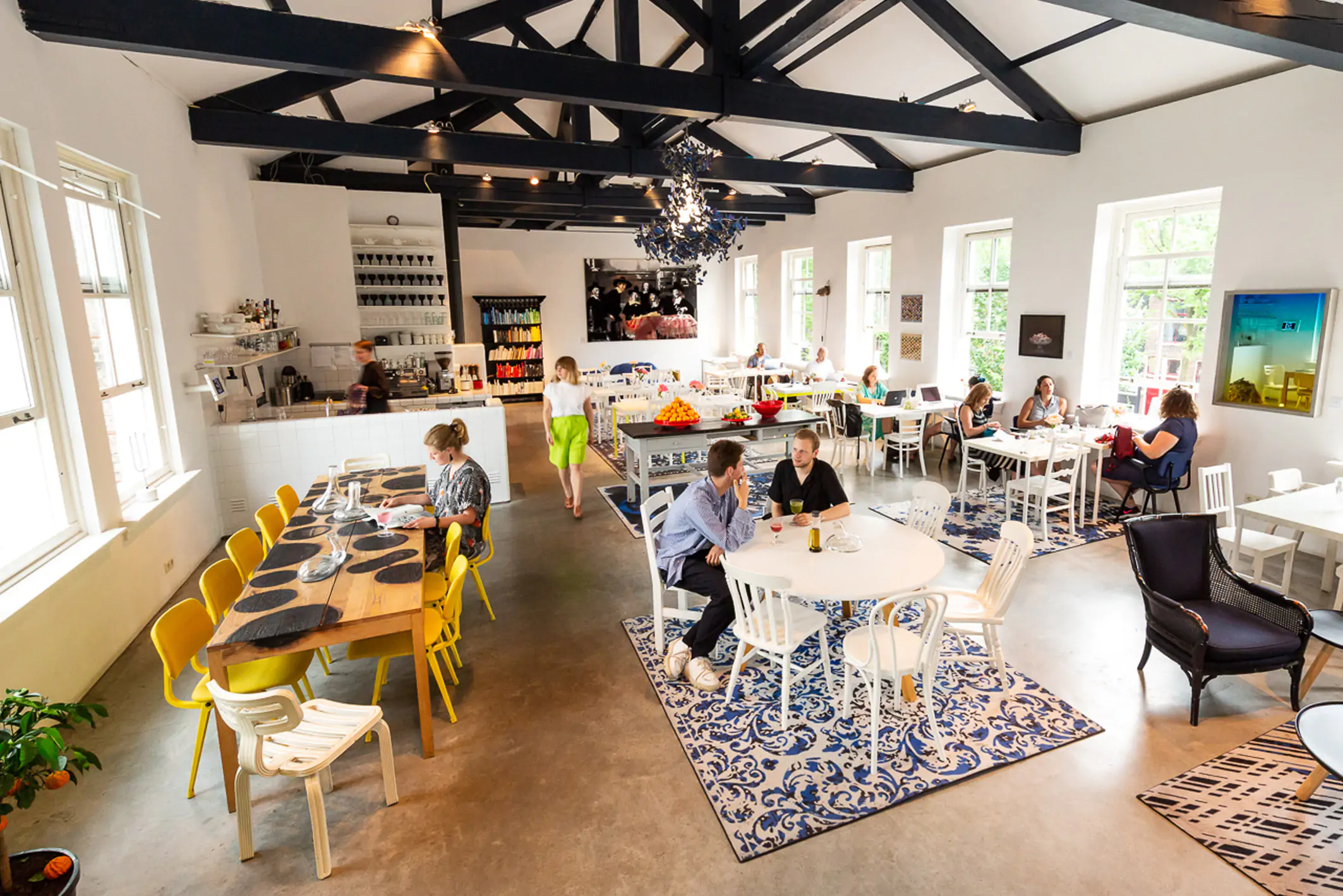
Droog is a design label based in Amsterdam and is known for its conceptual and contextual approach to design. The name Droog refers to the dry humor of the designs in their collection. A reference to Dutch pragmatism. In addition to a gallery, there is also a shop, a restaurant, and various spaces that can be rented. All spaces have their own unique character and are decorated with art and design pieces from the Droog collection.
1012 WX Amsterdam
Spui Book Market
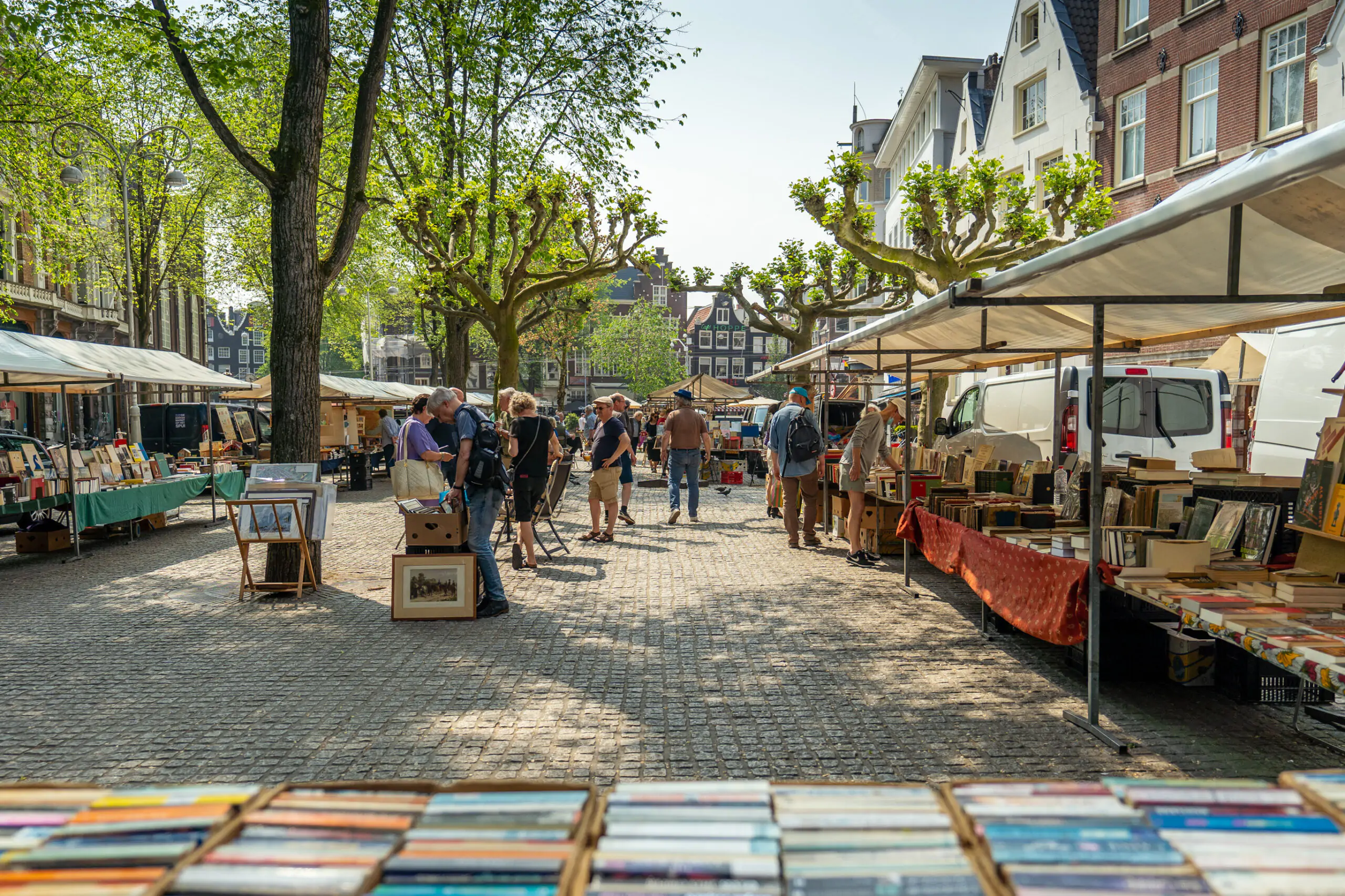
The Book Market on Spui is held every Friday, throughout the year, from 10:00 a.m. to 6:00 p.m. Only in cases of force majeure (such as very bad weather) is the market canceled. But this doesn't happen often, because true book lovers aren't deterred by a little rain, and neither are the sellers. You'll find second-hand and antiquarian books here, and the market has been a household name for thirty years, even abroad. You can also find prints, pamphlets, posters, documents, and magazines here, in multiple languages!
1011 JL Amsterdam
Strong Piece
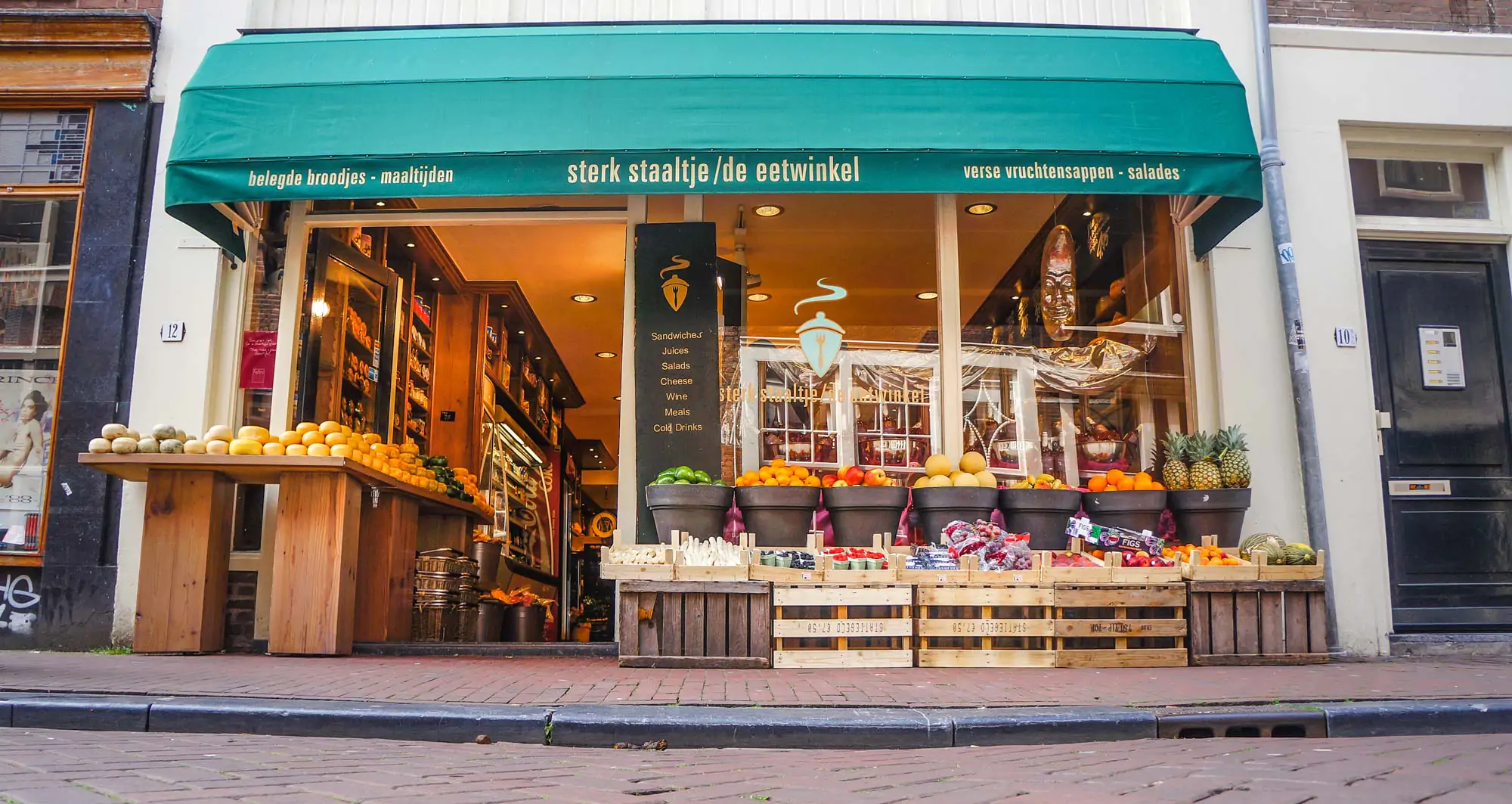
Sterk Staaltje has been a household name in Amsterdam's city center for over twenty years. This unique food shop offers a wide variety of food with an emphasis on freshness. Every meal, sandwich, salad, or soup is slightly different. Visitors come from all walks of life, from local residents and office workers to students and tourists who come here to eat a sandwich. In short, this is the place to go for a strong sample of food.