A unique two-story ground-floor unit of approximately 214 m² in a former workers' residence dating from 1932, designed by architect Pieter Vorkink, which today stands as a distinctive residential address in the heart of Amsterdam.
Guided tour
The living area is designed as an open-concept space with a ceiling height of 2.92 m, where cooking, dining, and living flow naturally into one another. From the entryway, the space opens up toward the living room, while the kitchen and dining room are situated closer to the garden. Custom-built cabinets were used, giving the entryway optimal functionality with storage space and two workstations.
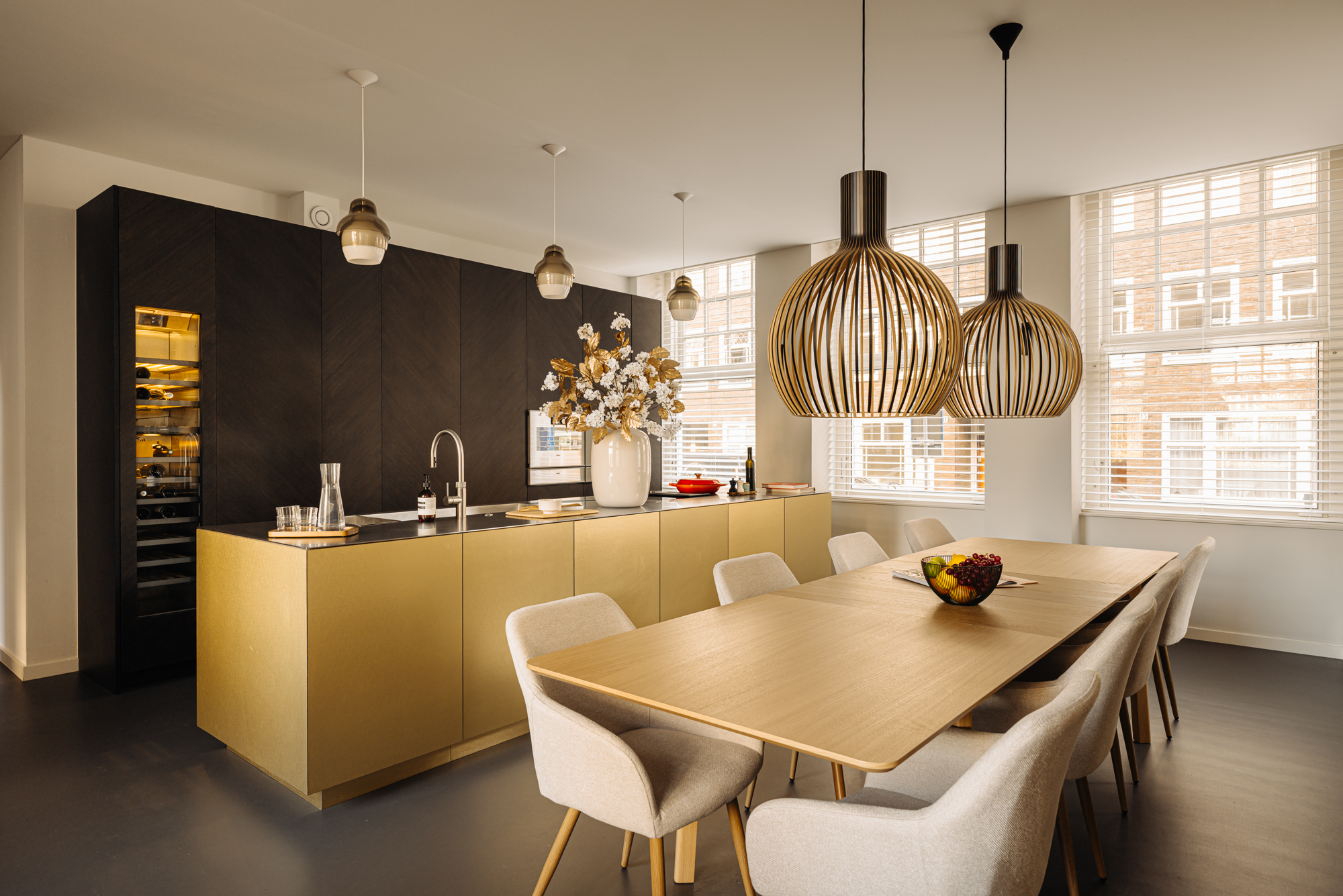
The elegant kitchen serves as the focal point of the floor. A spacious kitchen island with a stainless steel countertop stands in the center of the room, providing Location cooking, food preparation, and socializing. The countertop features a built-in induction cooktop with downdraft ventilation and a Quooker. Along the back wall is a tall cabinetry unit in dark wood, housing high-end appliances from brands such as Gaggenau—including a double oven, wine cooler, and fridge-freezer—as well as storage space. The contrast between the dark wood and the natural light streaming in through the windows gives the kitchen a calm and balanced atmosphere.
Next to it is the dining room. It features a large table with windows on two sides, allowing plenty of natural light to flood in throughout the day. Benches have been placed beneath the windows, making the space ideal for reading or taking a moment to relax.
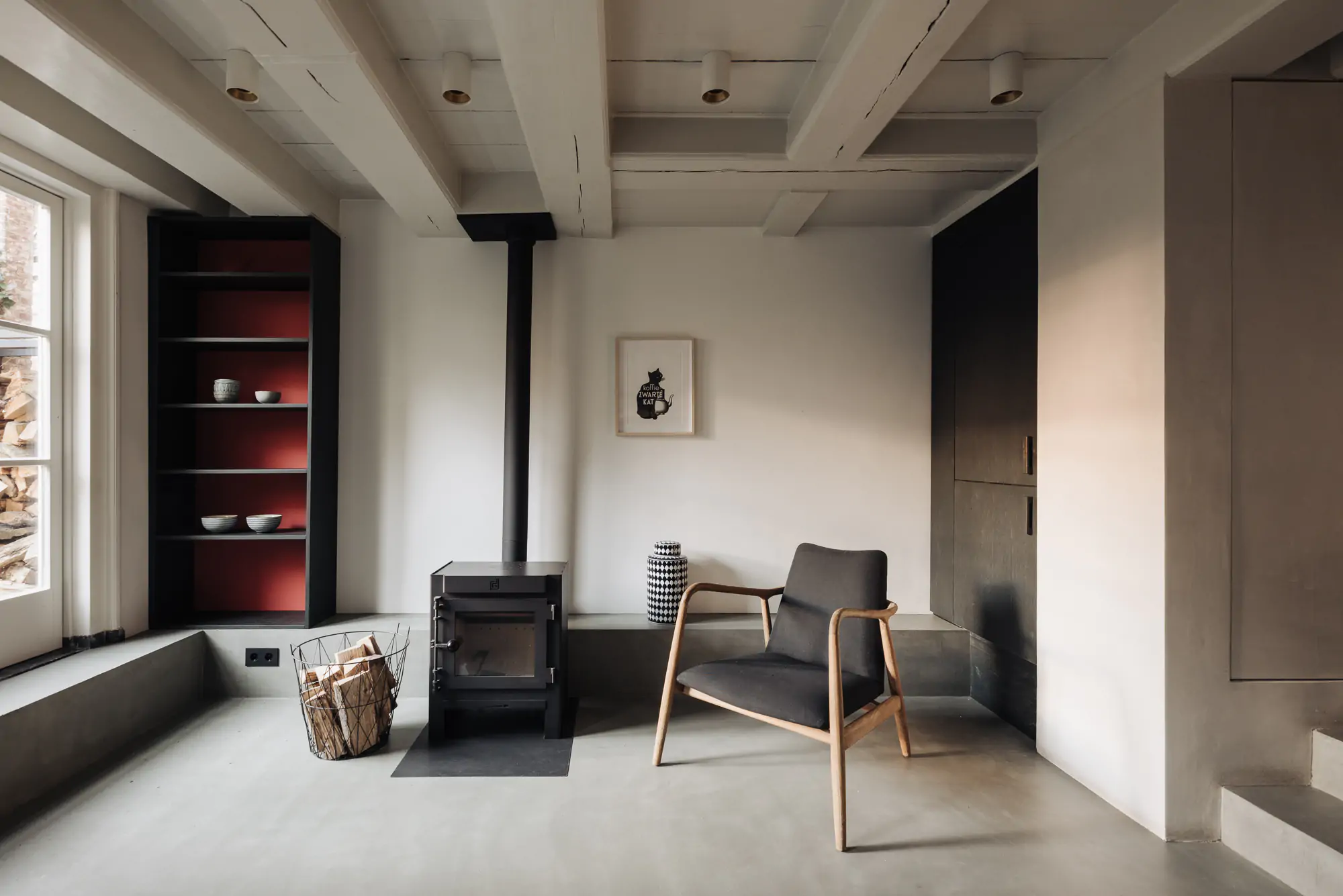
On the other side of the floor is the living room, which features a beautiful gas fireplace. This space feels more peaceful and secluded. Large windows let in plenty of natural light, while a long fireplace wall serves as a central focal point of the interior. The seating area is arranged to create a comfortable spot for relaxing.
A custom-designed wooden wall runs between the different living areas. It incorporates storage space and a small bar, among other features. This element defines the space without dividing it.
’s sleeping floor
The staircase leading to the sleeping floor features a striking design in glass and concrete. The sleeping floor has a calm and functional layout. The rooms are sheltered from the living area and are decorated with light colors and natural materials.
The master bedroom forms a suite with the adjacent bathroom and dressing area. A large glass opening separates the spaces, creating a visual connection and maintaining the sense of space.
The bathroom features a minimalist design with a bathtub and a spacious walk-in shower. The wooden vanity unit provides storage and adds warmth to the interior. The wide countertop with double faucets makes the bathroom practical to use. There is also a separate toilet.
In addition, the home features three additional bedrooms a second bathroom. This bathroom is designed in the same understated style and equipped with a shower and double sink. A second separate toilet is also located on this floor.
The combination of bedrooms Bathrooms a comfortable private floor that is clearly separated from the living area.
Outdoor Space
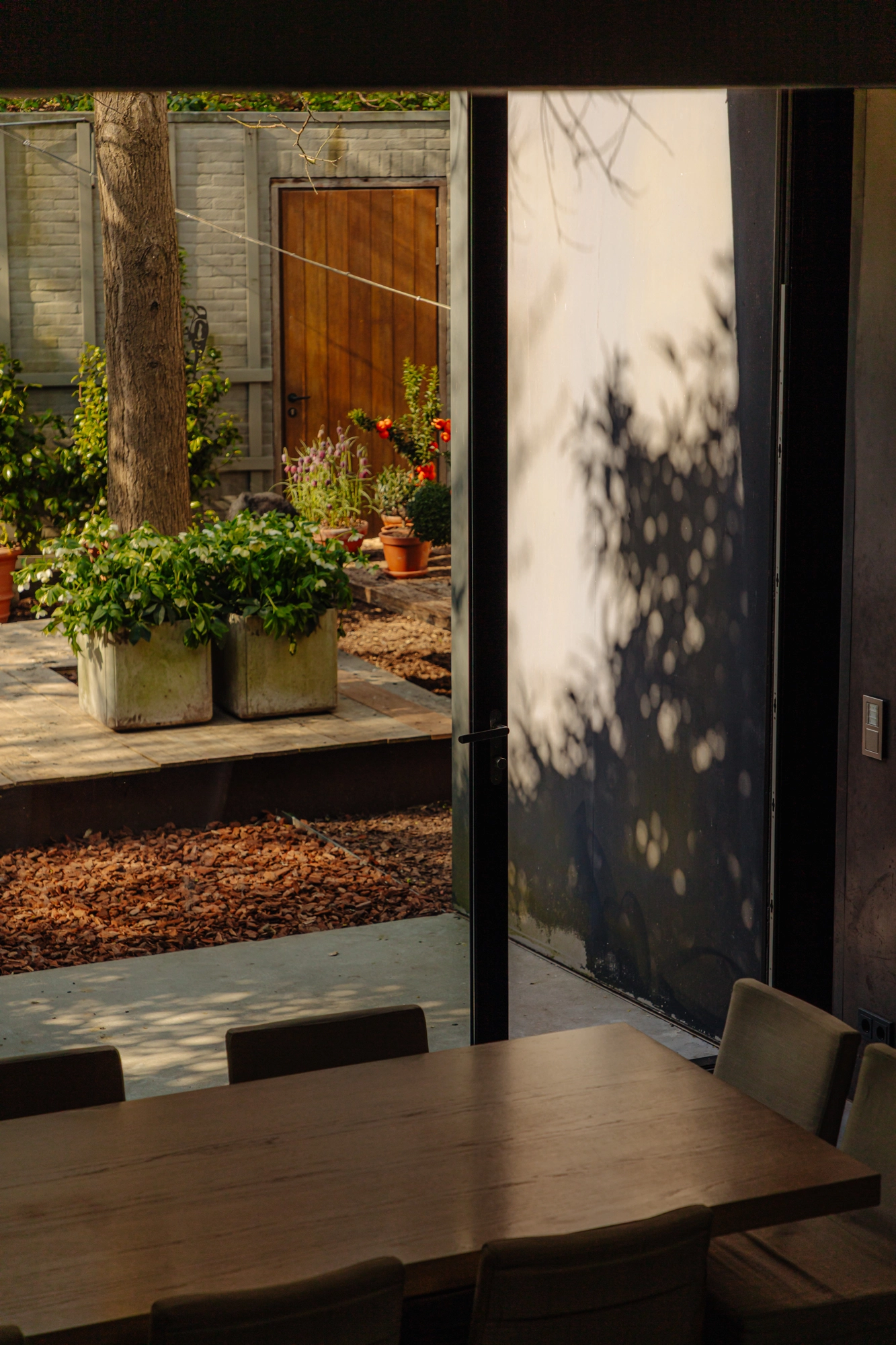
The well-maintained garden, measuring approximately 54 m², is located at the rear of the building and offers a peaceful outdoor space in the heart of the city. The brick facades create a sheltered setting, while the garden features clean lines and various seating areas. Its southwest-facing orientation ensures ample sunlight.
Immediately the house is a terrace made of hardwood decking. Here, a long table with a built-in bench makes the garden ideal for outdoor dining or gatherings. The bench subtly divides the terrace and creates a logical layout.
Surrounding the terrace are planting beds featuring bamboo, ornamental grasses, and perennials. A Japanese flowering cherry tree adds height and seasonal interest.
Amidst the greenery are raised granite platforms that connect the various parts of the garden and create additional seating areas. The use of wood, natural stone, and dark gravel gives the garden a calm and cohesive appearance.
Wooden slatted walls and a pergola provide privacy and structure. Subtle garden lighting illuminates the plants and facades in the evening, making the garden a pleasant place to enjoy even after sunset.
Neighborhood Guide
Nieuwe Ridderstraat 57 is located in the heart of Amsterdam, in a distinctive and lively neighborhood. In the immediate vicinity, you’ll find a variety of shops, boutiques, and restaurants, as well as everyday amenities. Just a short walk away are the Nieuwmarkt and Waterlooplein, where markets, specialty shops, and eateries come together.
For culture and leisure, the Rembrandt House, the Stopera, and various museums and theaters are easily accessible. The proximity to the canals and quiet side streets provides a pleasant balance between liveliness and tranquility.
Details
• Living area approx. 214 m²
• Southwest-facing garden of approx. 54 m²
• Includes perpetual ground lease (paid in full)
• Energy label B
• Underfloor heating
• Heat pump
• Homeowners’ association (VvE) service charges €579.00 per month
• Heating cost advance payment €254.00
• Renovated in 2018
• Protected historic district

Nieuwe Ridderstraat 57 is a home with a story. The building was designed in 1932 as affordable housing for workers and sailors—a place with a clear social purpose and a clean, functional architectural style. That heritage is still evident in the building’s layout and details. It is precisely this that makes it not just another apartment, but a home with character and history.
During the conversion into apartments, this foundation was carefully preserved. The building’s structure remains recognizable, while the living comfort has been fully adapted to modern standards. This is reflected in the layout, the materials, and the way old and new come together here.
This is a unique two-story ground-floor unit of approximately 214 m² in a former workers’ residence from 1932, designed by architect Pieter Vorkink. Today, it is a particularly sustainable residence in the center of Amsterdam.
As a firm, we regularly have the opportunity to residences these kinds of exceptional residences : places with their own history, a strong architectural foundation, and a distinct identity. Nieuwe Ridderstraat 57 fits seamlessly into this category.
Judith de Jong | Real estate agent Broersma Wonen
Kees Kemp | Real estate agent Broersma Wonen

The building at Nieuwe Ridderstraat 57 is part of a remarkable chapter in Amsterdam’s housing history. It was designed in 1932 by architect Pieter Vorkink as the Amsterdamsch Bouwfonds’s “Volkslogement en Eethuis” (People’s Lodging and Dining Hall): a place where dockworkers, sailors, and laborers from outside the city could stay temporarily. The architecture reflects this social ambition with a clear, functional layout and a sober brick design.
The facades are constructed of warm brickwork with regular rows of windows. Steel window frames, including those in the former dining hall and the stairwell, give the building an industrial look that aligns with its original function.
During the renovation in 2018, seventeen apartments were created. Attention was also paid to Sustainability, including the installation of a heat pump. The foundation was also inspected.


The living area is designed as an open-concept space with a ceiling height of 2.92 m, where cooking, dining, and living flow naturally into one another. From the entryway, the space opens up toward the living room, while the kitchen and dining room are situated closer to the garden. Custom-built cabinets were used, making optimal use of the hallway with storage space and two workspaces.
The refined kitchen forms the focal point of the floor. A spacious cooking island with a stainless steel countertop stands in the center of the space and offers Location cook, prepare meals, and gather. An induction cooktop with downdraft ventilation and a Quooker are integrated into the countertop.
Along the back wall is a tall cabinetry unit in dark wood, housing high-end appliances from brands such as Gaggenau, including a double oven, wine climate cabinet, fridge-freezer, and storage space. The contrast between the dark wood and the streaming daylight gives the kitchen a calm and balanced atmosphere.
Adjacent to this is the dining room, which features a large table with windows on two sides, allowing plenty of natural light to flood in throughout the day. Benches have been placed beneath the windows, making the space ideal for reading or an informal moment of relaxation.
On the other side of the floor is the living room with a beautiful gas fireplace. This space feels calmer and more secluded. Large windows provide natural light, while a long fireplace wall serves as a central element in the interior. The seating area is positioned to create a comfortable spot for relaxation.
Between the various living areas is a custom-designed wooden wall. It incorporates storage space and a small bar, among other features. This element structures the space without dividing it and provides a clear layout for the living area.


The staircase leading to the sleeping floor features a striking design in glass and concrete. The sleeping floor has a calm and functional layout. The rooms are sheltered from the living area and are decorated with light colors and natural materials.
The master bedroom forms a suite with the adjacent bathroom and dressing area. A large glass opening separates the spaces, creating a visual connection and maintaining the sense of space.
The bathroom features a minimalist design with a bathtub and a spacious walk-in shower. The wooden vanity unit provides storage and adds warmth to the interior. The wide countertop with double faucets makes the space practical to use. There is also a separate toilet.
In addition, the home features three additional bedrooms a second bathroom. This bathroom is designed in the same understated style and equipped with a shower and double sink. A second separate toilet is also located on this floor.
The combination of bedrooms Bathrooms a comfortable private floor that is clearly separated from the living area.


The well-maintained garden, measuring approximately 54 m², is located at the rear of the building and offers a peaceful outdoor space in the heart of the city. The brick facades create a sheltered setting, while the garden features clean lines and various seating areas. Its southwest-facing orientation ensures ample sunlight.
Immediately the house is a terrace made of hardwood decking. Here, a long table with a built-in bench makes the garden ideal for outdoor dining or gatherings. The bench subtly divides the terrace and creates a logical layout.
Surrounding the terrace are planting beds featuring bamboo, ornamental grasses, and perennials. A Japanese flowering cherry tree adds height and seasonal interest.
Amidst the greenery are raised granite platforms that connect the various parts of the garden and create additional seating areas. The use of wood, natural stone, and dark gravel gives the garden a calm and cohesive appearance.
Wooden slatted walls and a pergola provide privacy and structure. Subtle garden lighting illuminates the plants and facades in the evening, making the garden a pleasant place to enjoy even after sunset.


Nieuwe Ridderstraat 57 is located in the heart of Amsterdam, in a distinctive and lively neighborhood. The immediate vicinity features a variety of shops, boutiques, and restaurants, as well as everyday amenities. Within a short walking distance are the Nieuwmarkt and Waterlooplein, where markets, specialty shops, and eateries come together.
For culture and leisure, the Rembrandt House, the Stopera, and various museums and theaters are easily accessible. The proximity to the canals and quiet side streets provides a pleasant balance between liveliness and tranquility.
Accessibility of
The property at Nieuwe Ridderstraat 57 is located in the center of Amsterdam and is easily accessible by car, bicycle, and public transportation. The Nieuwmarkt metro station is just a few minutes’ walk away, serving metro lines 51, 53, and 54, which provide direct connections to various parts of the city.
In addition, there are several bus routes a short distance away on Prins Hendrikkade. Amsterdam Central Station is also nearby and offers extensive train, metro, tram, and bus connections, making virtually the entire city easily accessible. By car, the major highways and the A10 ring road can be reached in about 15 minutes.
Parking
Parking on public streets is available through a permit system (Permit Zone Centrum 1). A parking permit for Centrum 1 allows parking in both Centrum 1 and Centrum 3. The cost of a parking permit is €338.70 per six months. There is currently a waiting period of approximately 20 months for this permit zone. A second parking permit is not available within this zone. (Source: Local authority , March 2026)





1011 EX Amsterdam
Black Gold Amsterdam
Black Gold Amsterdam is located in the middle of the city and is an independent vinyl and specialty coffee shop. There is a relaxed atmosphere where you can browse between the LP plants, but where good coffee is also served. The coffee beans come from White Label Coffee.
1011 ET Amsterdam
Kyō Restaurant
Kyō was founded out of the need for more Japanese Izakaya-style restaurants. A place where you can relax with friends in an informal atmosphere, while enjoying authentic Japanese food with a wide selection of sake or Japanese beer.
1011 JR Amsterdam
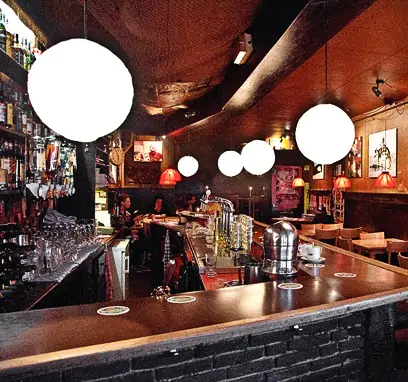
Café Bern
Café Bern has been serving the same dishes on its menu for decades. And with good reason, because Amsterdam residents are willing to wait in line for hours to eat here. The cheese fondue is an absolute classic. You should also try the entrecôte and the Yemeni salad. In addition to the delicious food, you'll find yourself in a cozy, homely atmosphere, where you can linger at the bar to digest and enjoy a French wine.
1011 JR Amsterdam
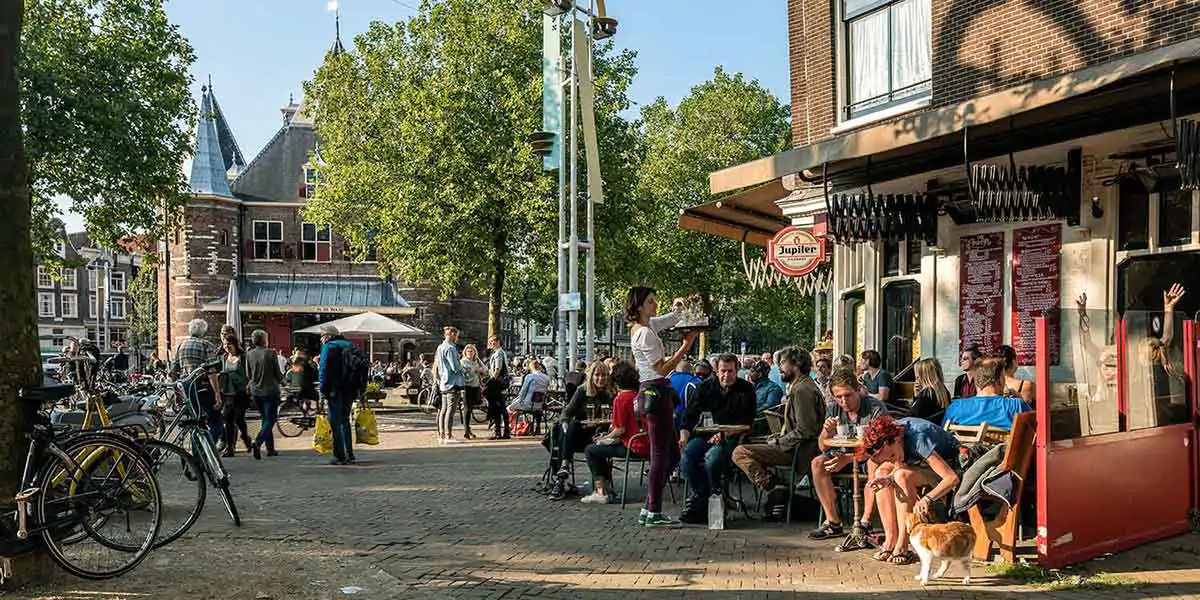
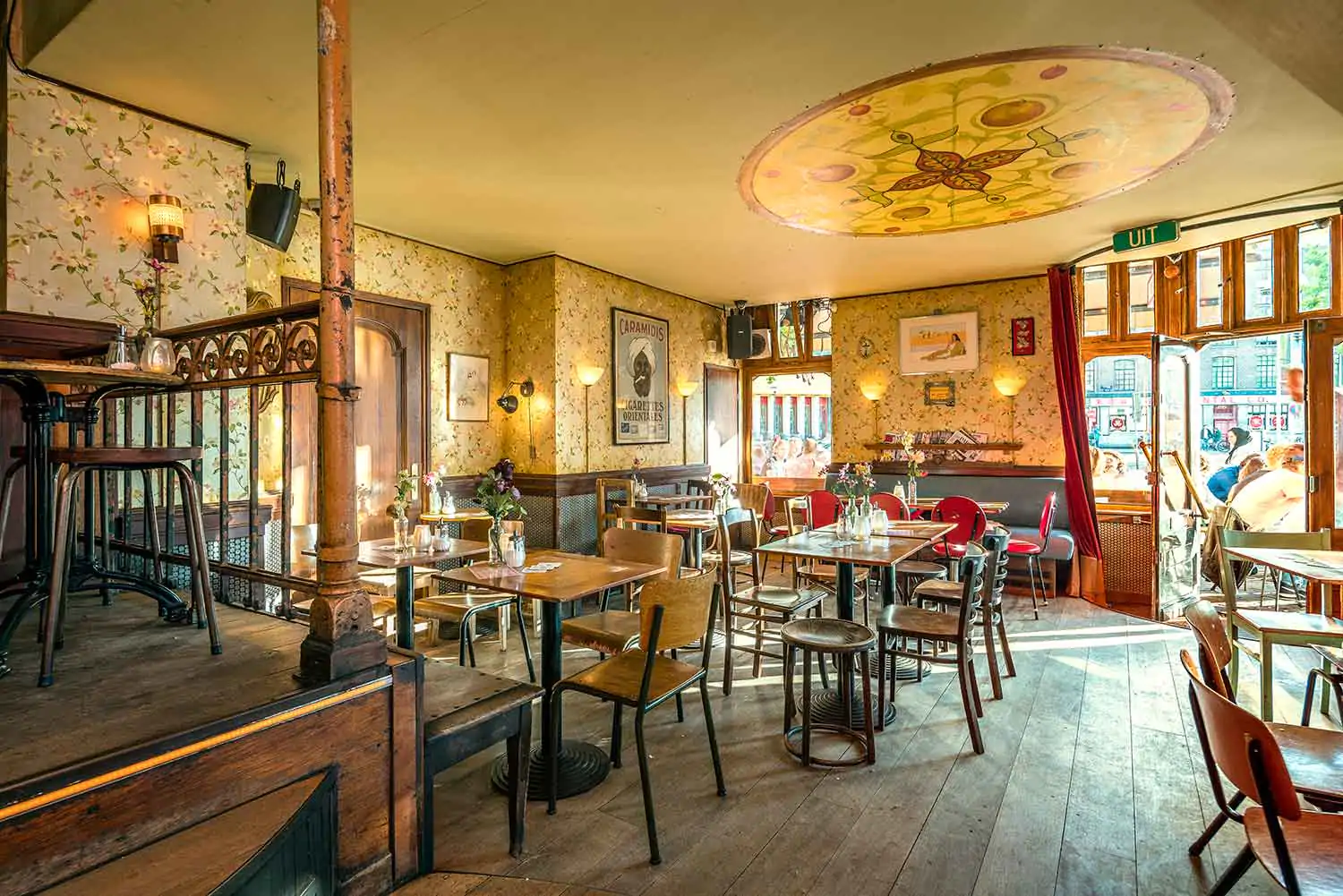
Café Fonteyn
Fonteyn is known as a cozy, homely, and warm brown café with good staff. Located on Nieuwmarkt, Fonteyn has long been a household name in the Nieuwmarkt neighborhood. They serve many different types of beer and a tasty daily special. They have a large heated terrace where you can sit in all seasons and enjoy watching people stroll across Nieuwmarkt.
1012 BC Amsterdam
A-Fusion
A-Fusion is a popular Asian fusion restaurant on Zeedijk in Amsterdam, offering a unique blend of Chinese, Japanese, Thai, and Korean cuisines since 2003. The menu ranges from fresh sushi and dim sum to grilled satays and wok dishes, with smaller portions allowing guests to sample multiple flavors. The restaurant is known for its lively atmosphere and open kitchen, where the preparation of dishes is a real experience. In 2023, A-Fusion received a Bib Gourmand award from the Michelin Guide, a recognition for its excellent value for money.
1012 AV Amsterdam
Nam Kee
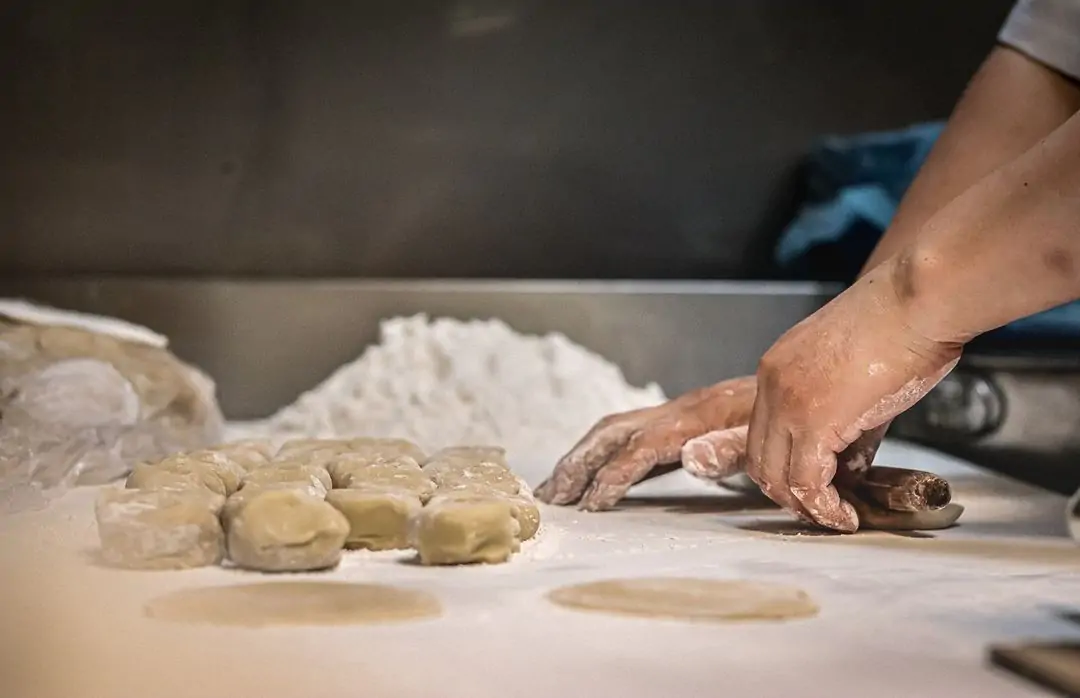
Nam Kee became nationally known through the book "Oesters van Nam Kee" (Oysters from Nam Kee) by author Kees Beijnum. This restaurant, serving authentic Cantonese cuisine, has long been a household name in Amsterdam. After the first restaurant opened its doors at Zeedijk 111 in 1981, two new locations quickly followed (Geldersekade 117 and Maria Heinekenplein 4). The atmosphere at the Nieuwmarkt location is open and cozy. You can come here for a hearty meal with a large group or for lunch with a smaller party. The staff prioritizes good service and friendliness.
1012 BB Amsterdam
Hi Tin
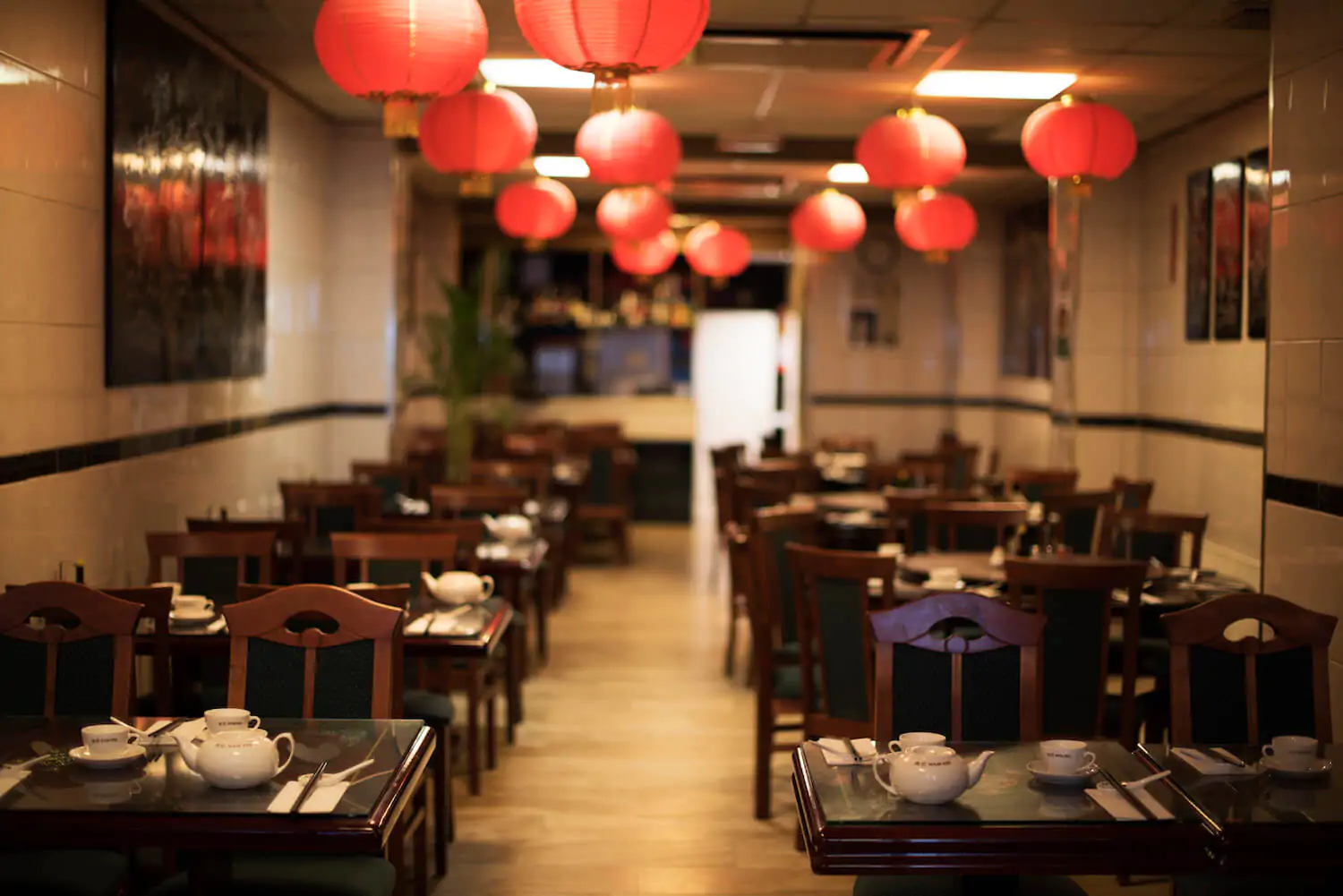
Hoi Tin in Amsterdam is the place to go for authentic Chinese cuisine. Located on Nieuwmarkt, the restaurant has an extensive menu that includes dim sum, noodle soups, and roasted meat. The dishes are freshly prepared and served in an atmospheric setting with subdued lighting and wooden tables. Hoi Tin is popular with both locals and tourists.
1012 BB Amsterdam
Café Dijk 120
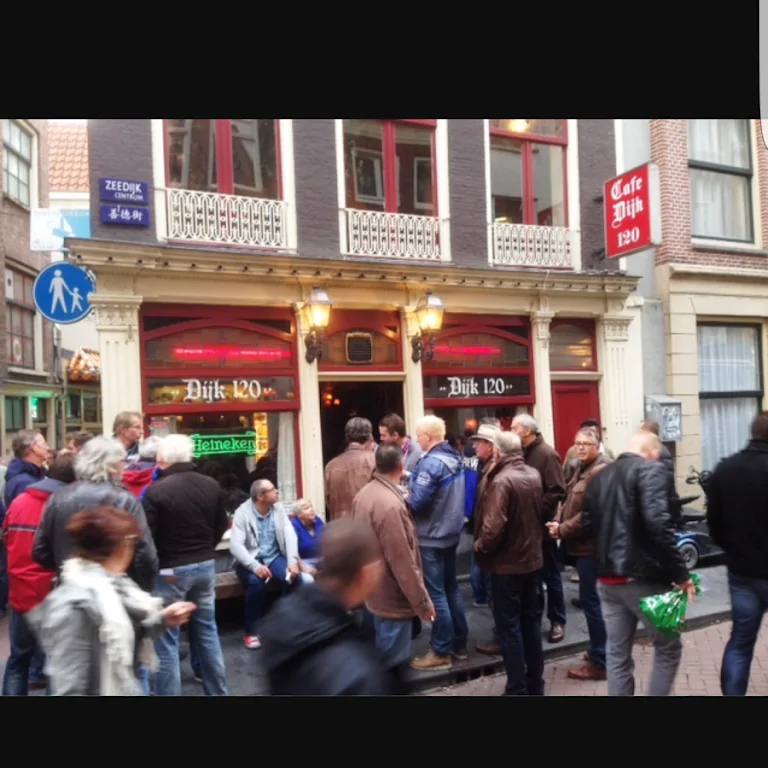
Café Dijk opened its doors in 1971. It is a cozy Amsterdam café in the middle of Zeedijk. The café has many regulars from far beyond Amsterdam.

1012 BG Amsterdam
Kim's So Korean Food
This Korean restaurant only opened in April and is already very popular. It serves comfort food that is best shared. The classics bimbap and Korean fried chicken are a must. They also have delicious smaller dishes such as dumplings, kimchi pancakes, and spicy cheesy ramen. In terms of drinks, they have a selection of rice wines, beer, and a few imported soju sodas.
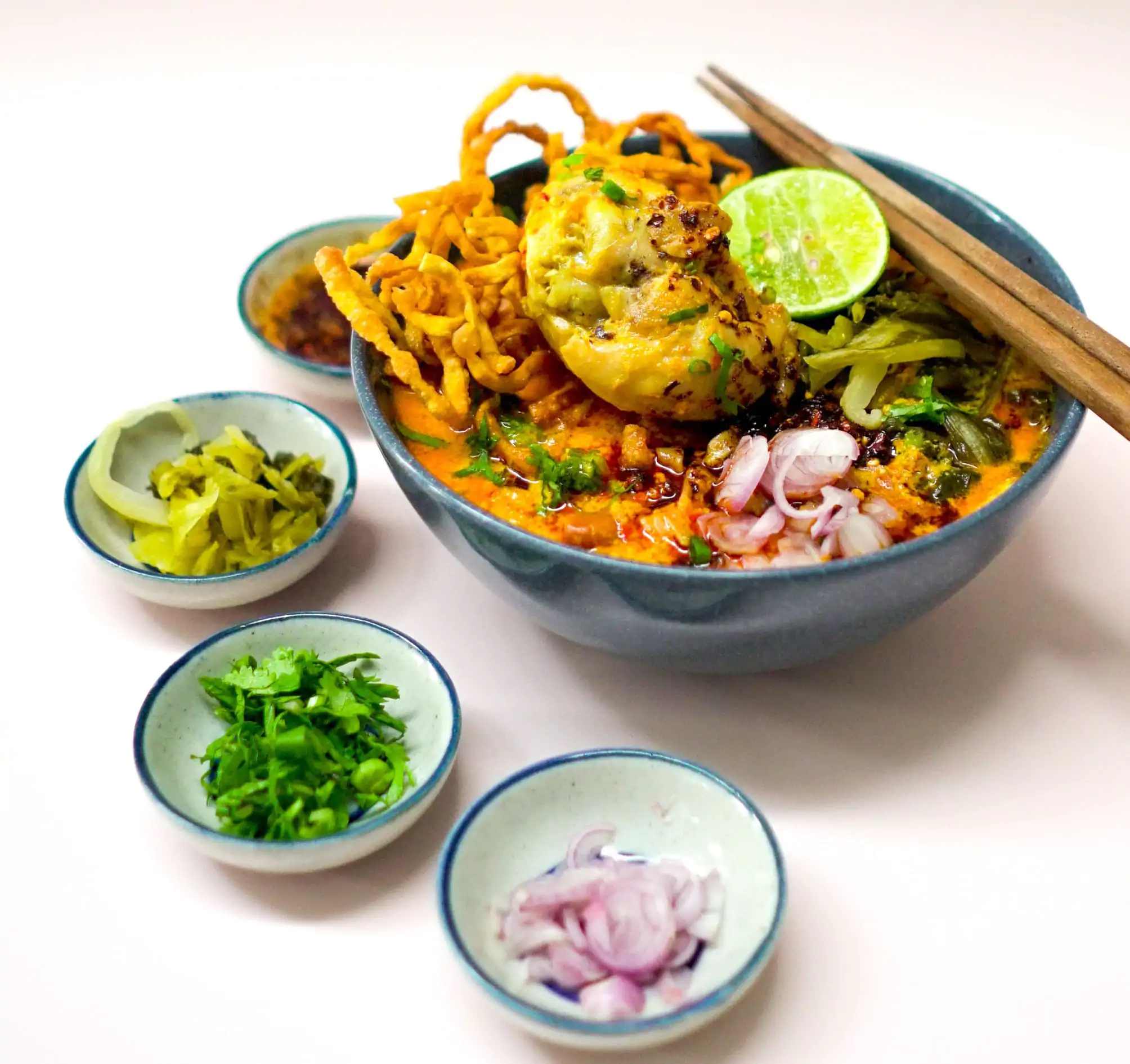
Dun Yong Kitchen
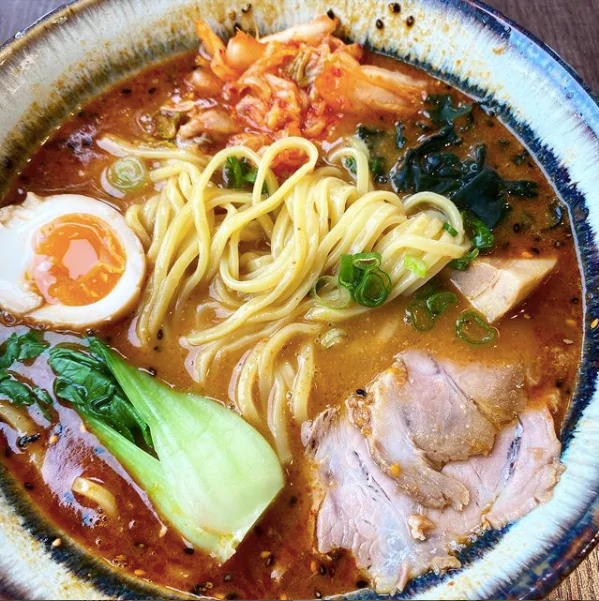
This ramen tent is located at the top of the Asian supermarket Dun Yong. After chef Taka worked in a Japanese Izakaya gastropub for 4 years, he came to the Netherlands to fulfill his dream. He dreamed of having his own business where healthy and affordable street food is served. In 2021, chef Taka introduced one of his specialties, 'spicy tan tan ramen' to the menu; spicy chicken and pork together with kimchi.
1012 AS Amsterdam
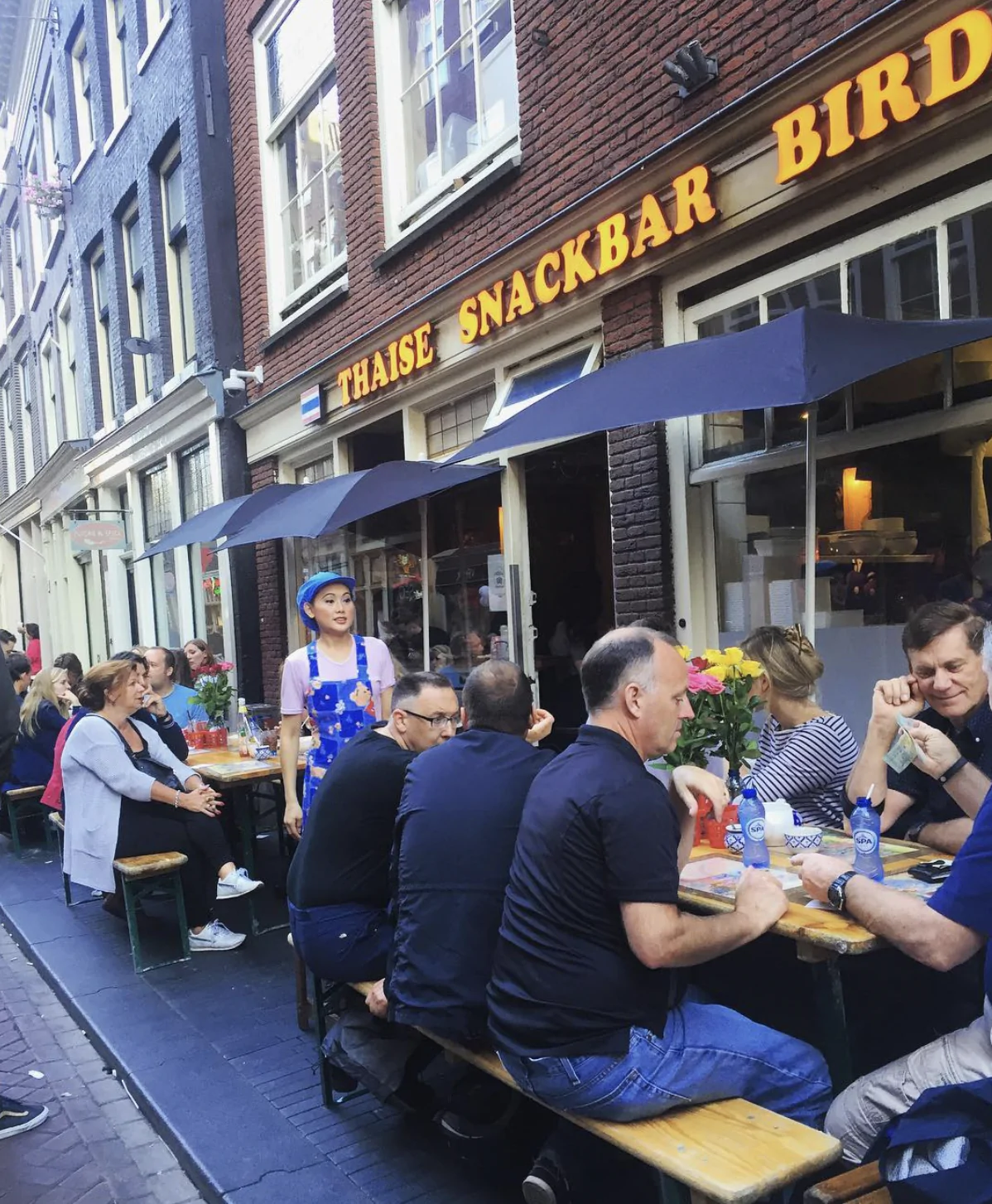
Thai Snack Bar Bird
Amsterdam is known for its large number of delicious Asian restaurants and takeaways. You can find good Asian cuisine everywhere in the city. But when it comes to Thai food, there is one place that stands out, and with good reason. In the middle of Zeedijk, at Number , you will find Thai Snackbar Bird, which has been in this location since 1993. You can sit inside and watch the chefs flambé Thai wok meals in the open kitchen, or you can order takeaway. Both options are fast, but the taste and quality are always very high. From very spicy Thai to slightly milder, they have just about every specialty here, and they are all worth trying.
1011 TL Amsterdam
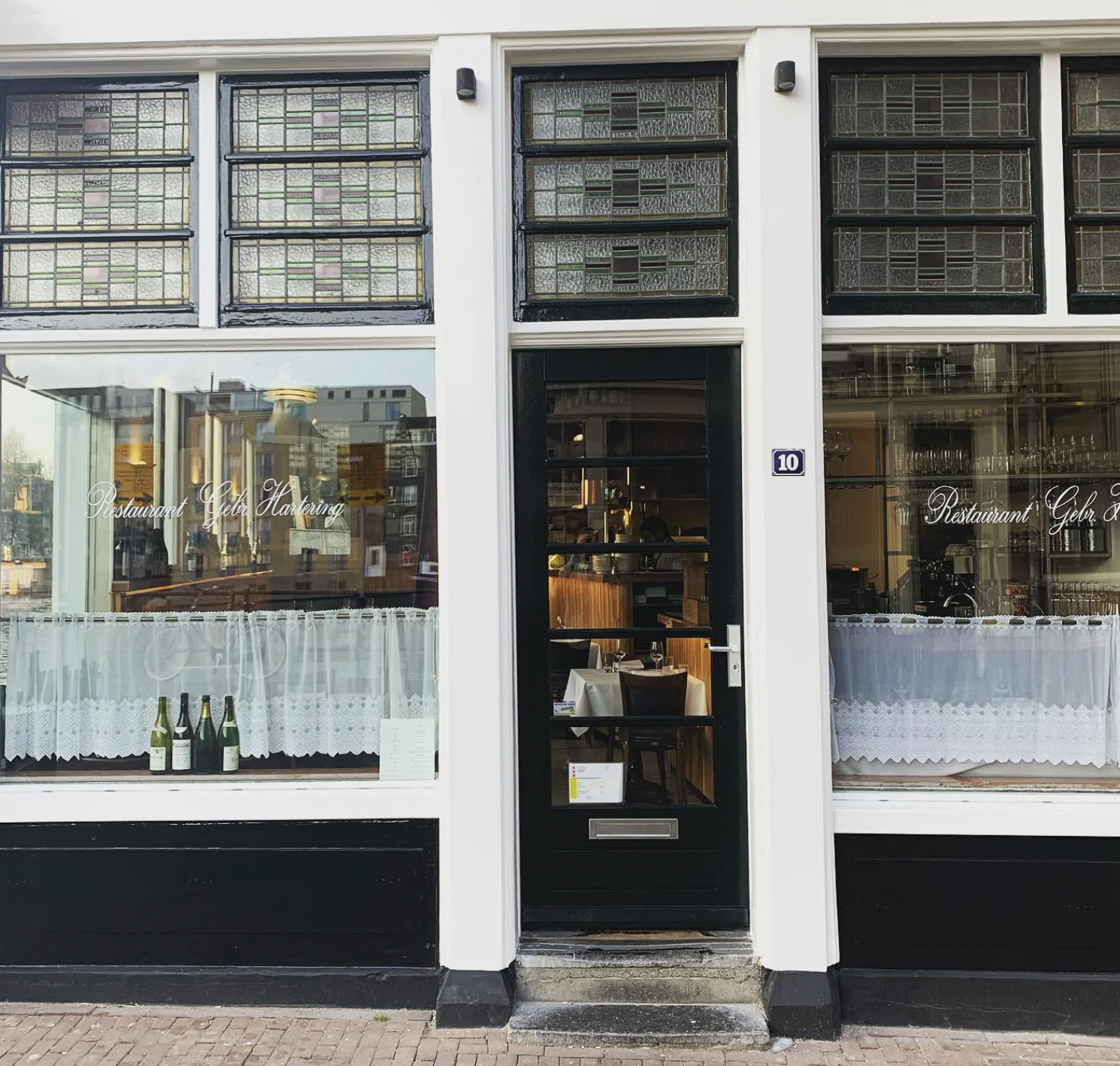
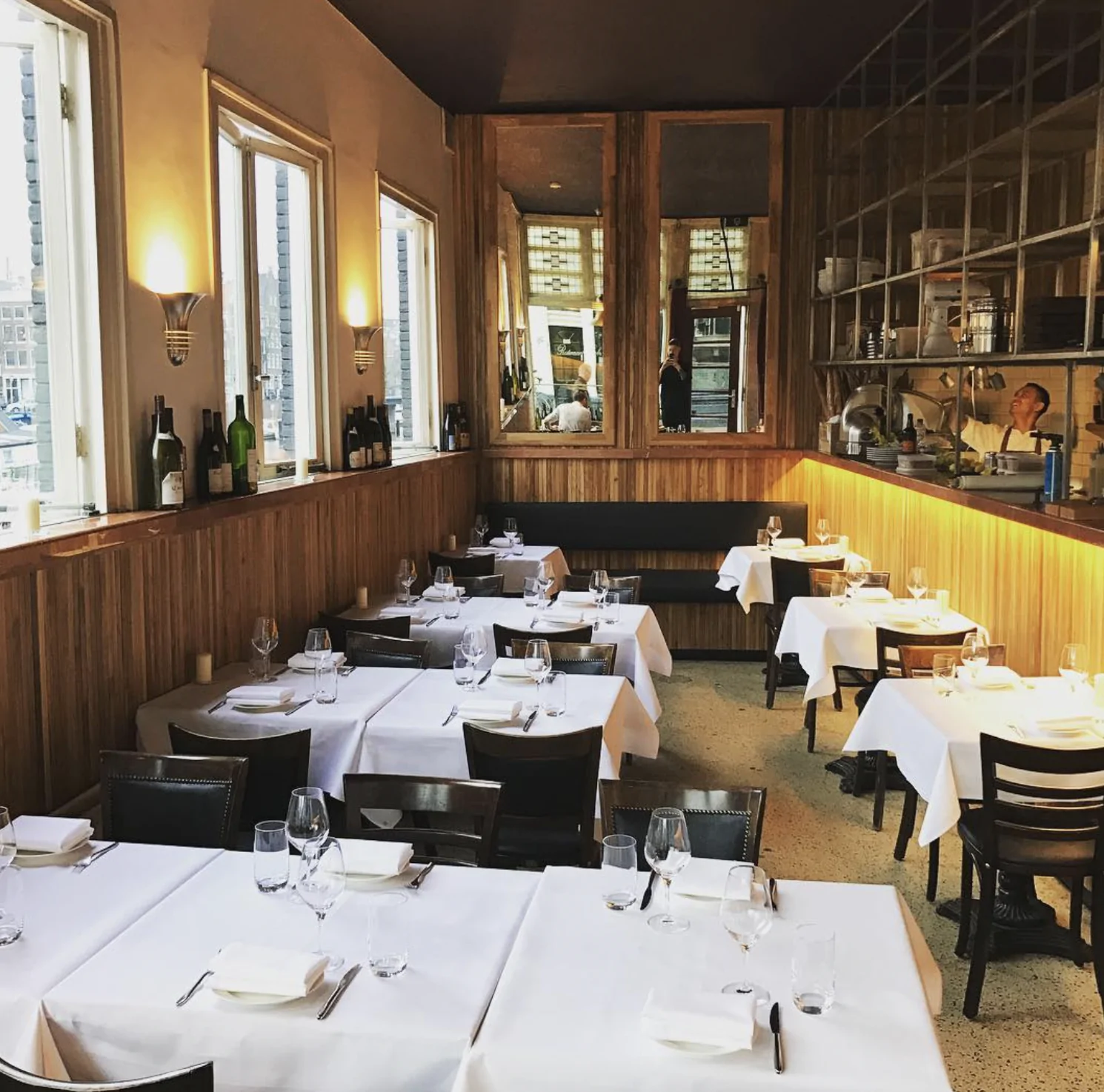
Gebroeders Hartering
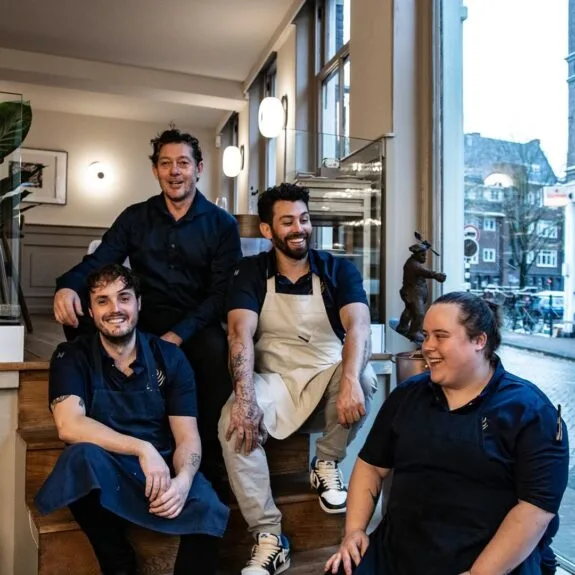
Under the leadership of owner Paul Hartering, a new generation of chefs cooks pure, authentic, and refined dishes, with origin and craftsmanship as the core. Paul was awarded 'Craftsman of the Year' by Gault Millau in 2019, while his brother Niek lovingly manages the service and wine list. The atmosphere feels like a combination of an old-fashioned pub and a contemporary French bistro. White linen tablecloths contrast nicely with the warm, brown wooden walls.
1011 TX Amsterdam
Hiding in Plain Sight
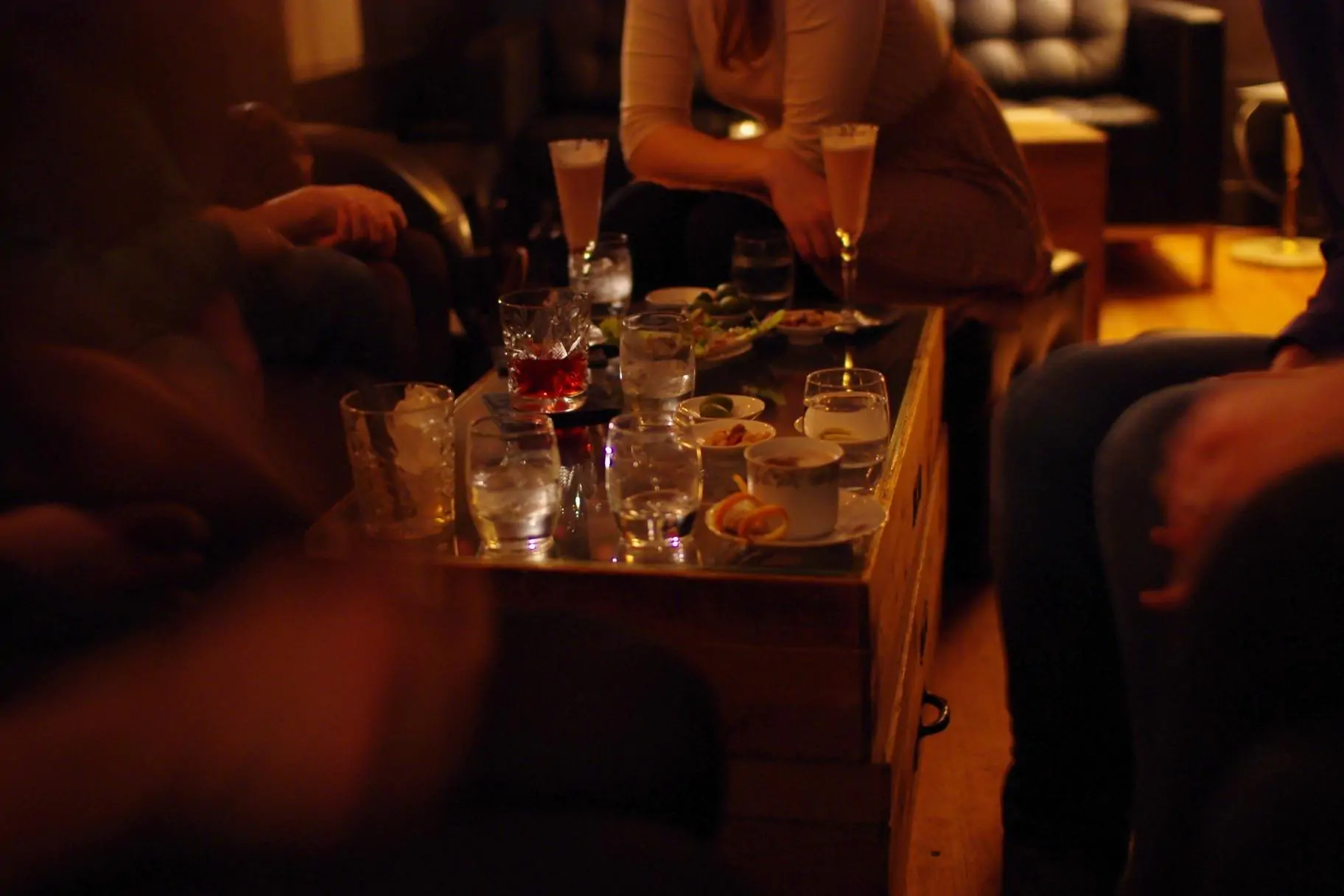
For Hiding in Plain Sight, you'll need to hop on your bike and head out of the city center. Located next to the IJtunnel, this cozy cocktail bar is the perfect place to sip unique cocktails from your bar stool or from the comfortable chairs upstairs. The unique cocktail combinations, which are almost culinary in nature, will ensure you have a wonderful evening of lounging. Are you only familiar with gin and tonic? That's okay, the friendly bar staff will be happy to provide you with so many choices that it will make your head spin (if it's not the alcohol).
1011 TJ Amsterdam
Restaurant R21
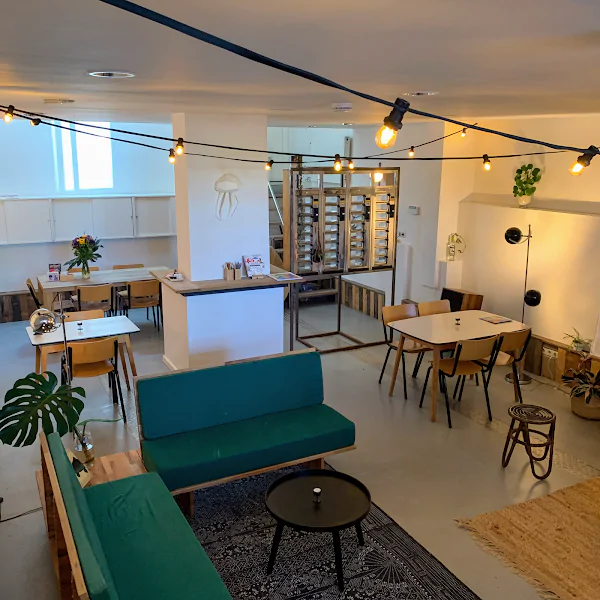
Chef Orlando David (who previously worked for Sergio Herman's Oud Sluis ***, among others) opened a fine dining restaurant on Peperstraat, opposite Gebr Hartering. You can enjoy a 6 or 7-course menu for €75 and €90 respectively, but there is also an à la carte menu Available The chef's wanderlust is evident and can be tasted in his cooking style. Influences and products from all over the world adorn the dishes.
1011 EJ Amsterdam
Ken Sushi
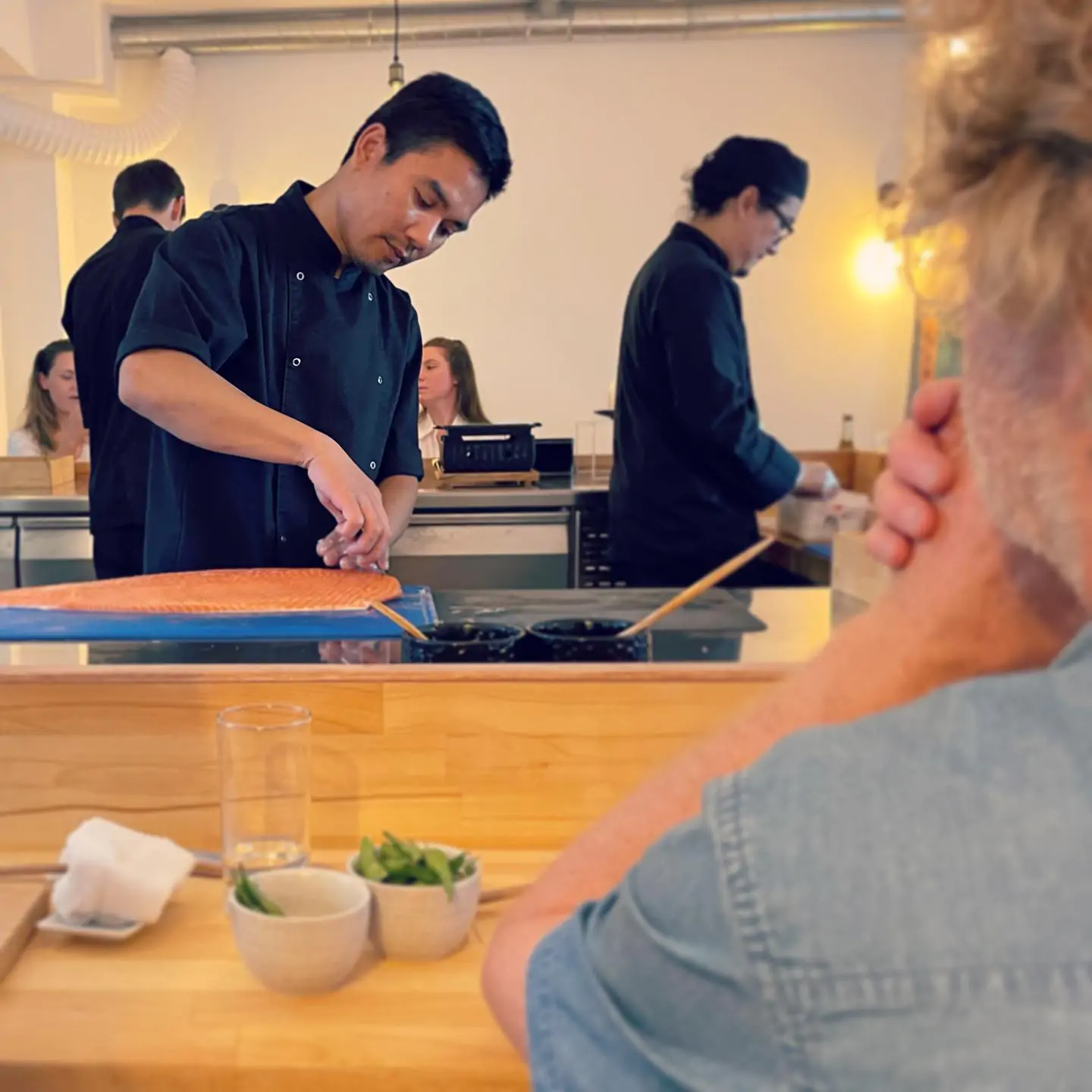
A visit to sushi bar Ken Sushi is not just a pleasant evening of Japanese food. At Ken Sushi, you sit at the bar while chef Ken prepares your dishes à la minute. He uses traditional sushi rice at 37 degrees and the freshest ingredients. While cooking, Ken passionately tells about the origin and preparation of his spectacular sushi dishes. All this makes a dinner at Ken Sushi a wonderful experience. If you want to visit this special sushi bar, you often have to make a reservation in advance; there is only room for 13 guests at the bar.

1012 GS Amsterdam
Windows Impossible
In the heart of Amsterdam is the second restaurant of Akihiro Hara (46) and Atsushi Ishida (44). Ramen Impossible, the sister of Men Impossible, distinguishes itself with its 'Sauce style' Ramen, also known as 'Mazesoba' in Japanese. Made with Japanese flour and served in a lavish sauce of saffron-cooked mushrooms and roasted leek, Ramen Impossible offers a surprising vegan alternative in modern Japanese cuisine.
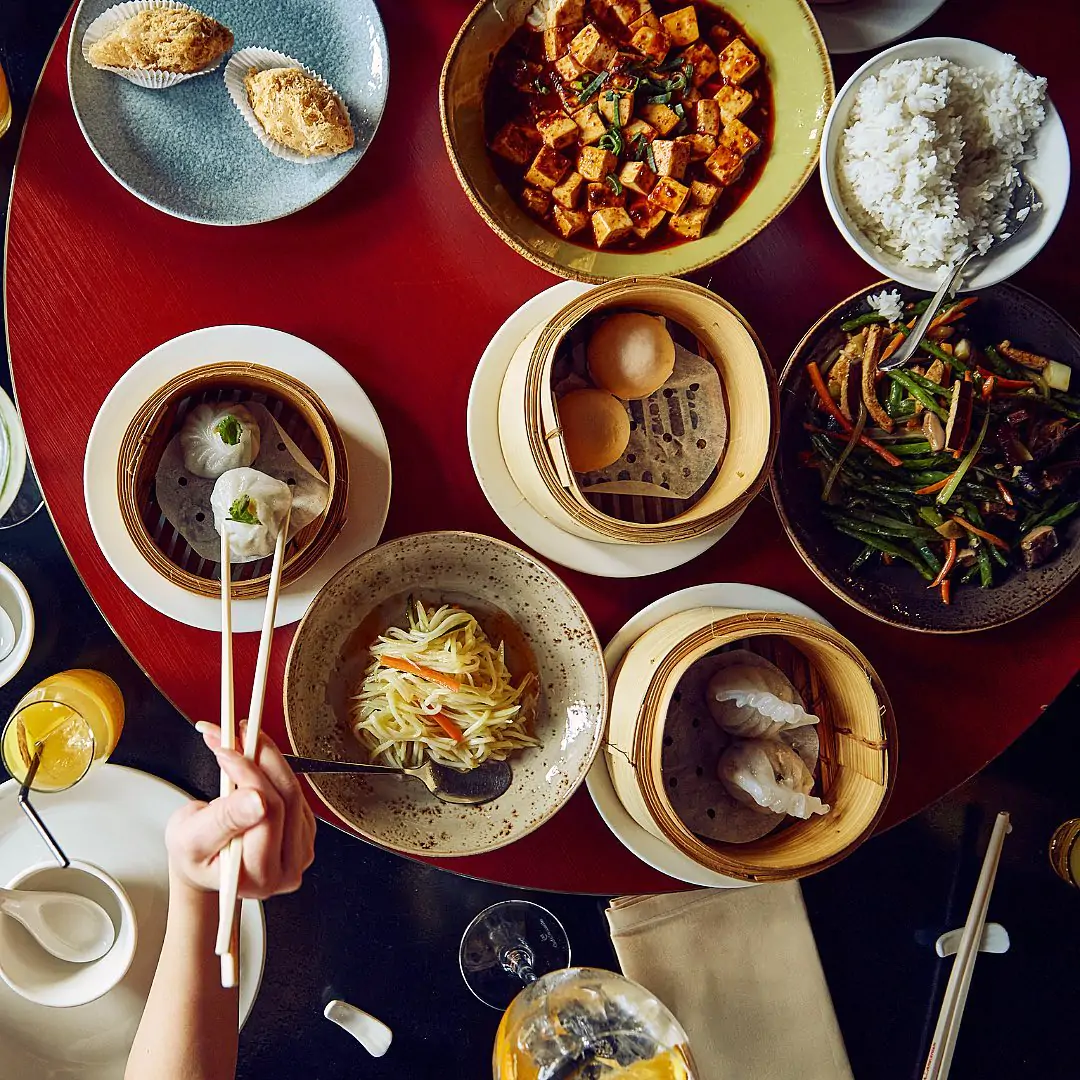
1011 AE Amsterdam
Sea Palace Restaurant
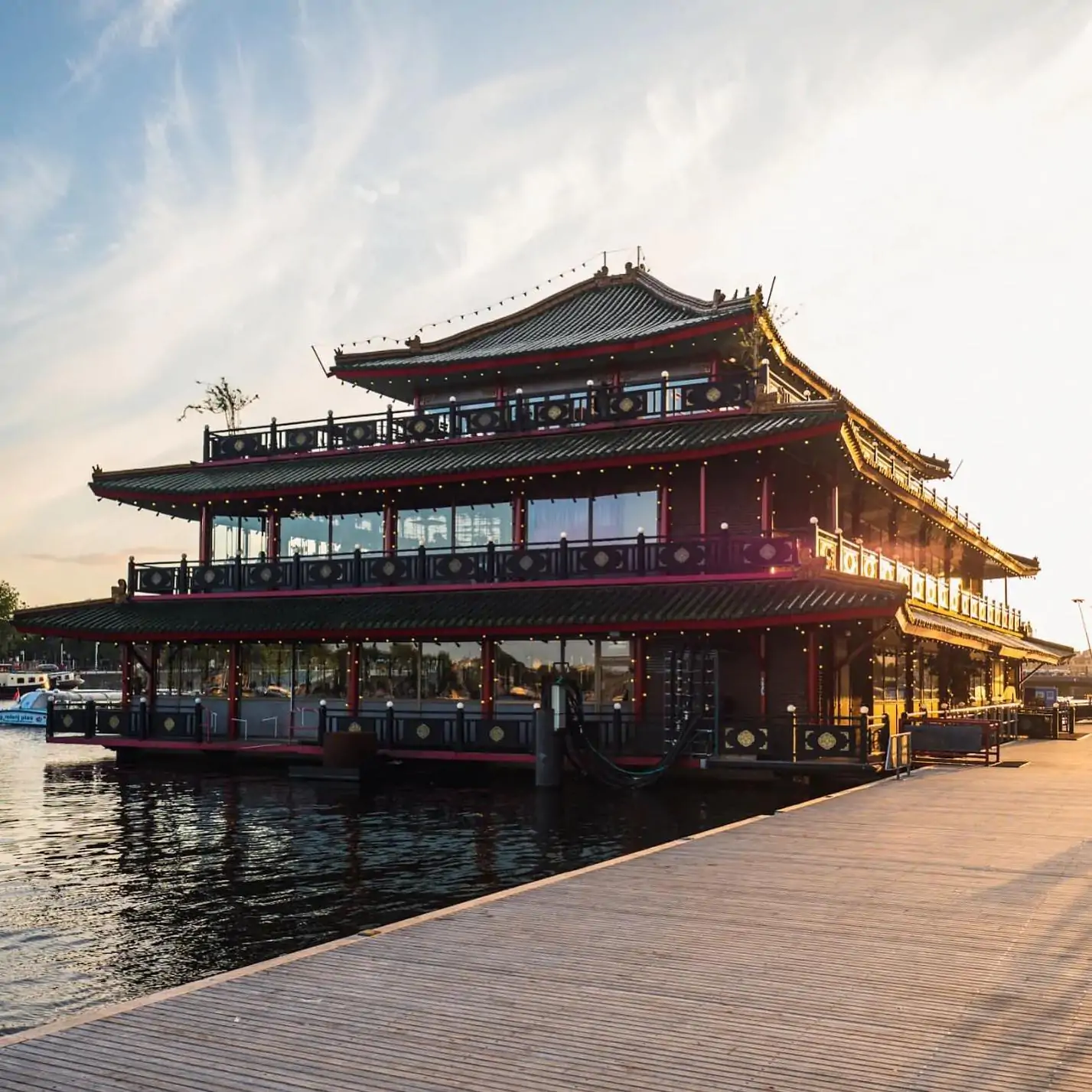
At the Sea Palace Restaurant, you can enjoy yourself on the water in the center of Amsterdam. The restaurant is the largest floating restaurant in Europe. It offers an extensive selection of authentic Cantonese dishes, an extensive dim sum menu, and specialties such as Peking duck and Sichuan dishes. If you want to enjoy a beautiful view of Amsterdam while you eat, go to the top floor and sit on the terrace.
1011 JZ Amsterdam
Guardian Angel Café
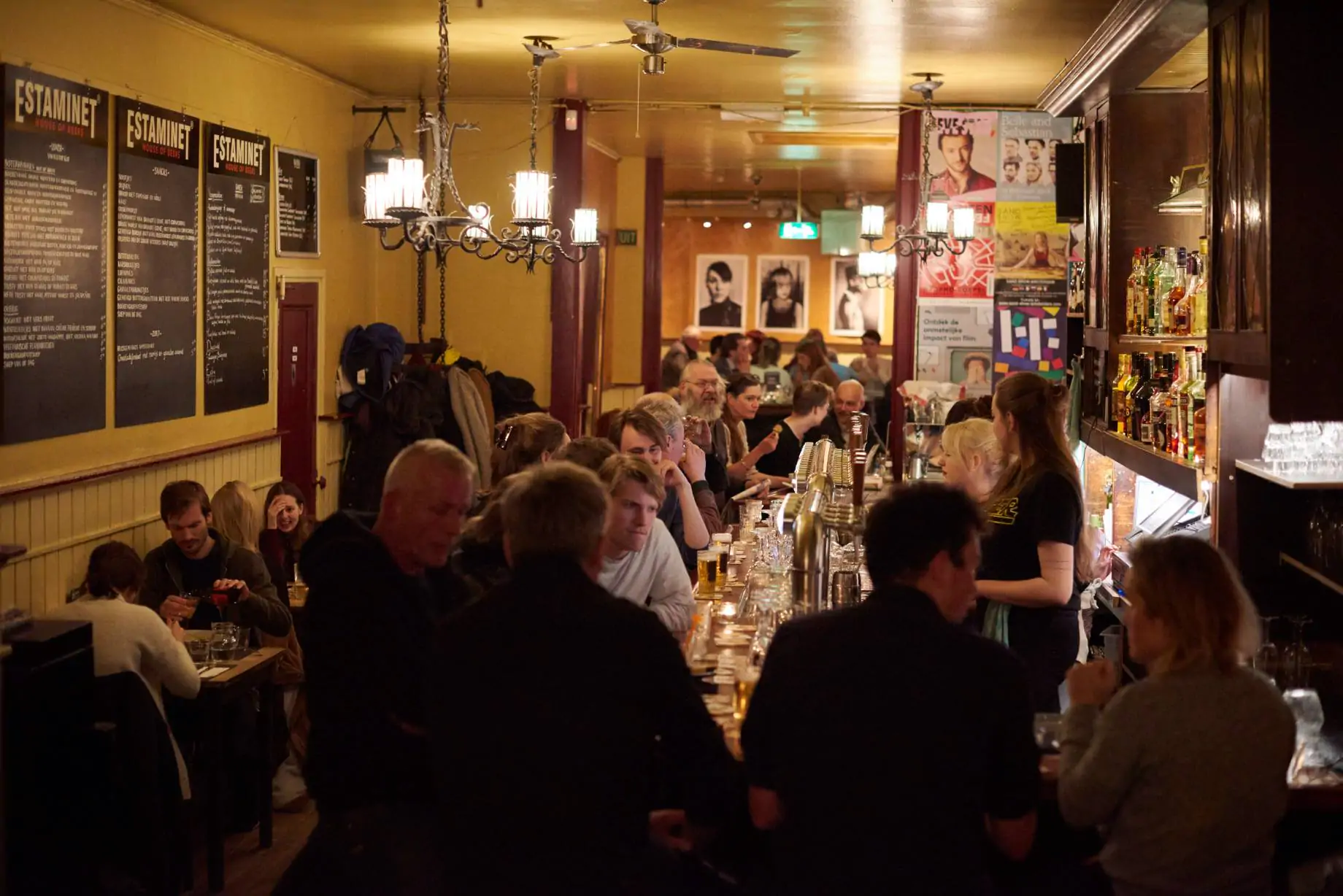
Amsterdamsch Literair Café de Engelbewaarder is a household name in Amsterdam. The building is a national monument and is named after the novel Herinneringen van een Engelbewaarder (Memories of an Angel Guardian) by W.F. Hermans. Café de Engelbewaarder has been located in the heart of the always lively Nieuwmarkt neighborhood since 1947. Café de Engelbewaarder was the first literary café in Amsterdam and is known for its 'jazz on Sundays', lively Friday evenings, and wide selection of beers on tap. From students to local residents, to pretty much the whole of Amsterdam, everyone can be found in this café. In summer, you can sit on their terrace on the Kloveniersburgwal. You can also go there for a good daily special.
1012 CW Amsterdam
Newmarket
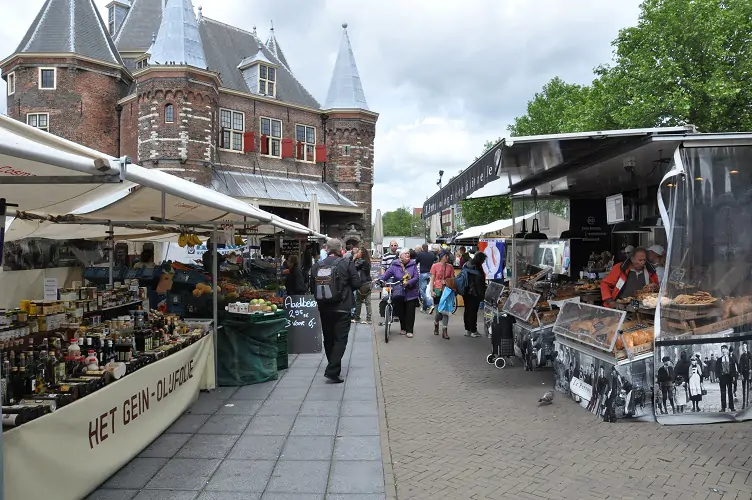
Every last Friday of the month, you will find the New Market on Nieuwmarkt. This market mainly specializes in deli and lifestyle products. Here you can expect delicacies from different parts of the world, sweet cakes, savory sandwiches, but also delicious snack sausages and cheeses. You will also find various art stalls, jewelry dealers, and fashion and interior design products.

1011 JS Amsterdam
Amazing Oriental
Amazing Oriental is located on Nieuwmarkt in the heart of Amsterdam. This supermarket has been here since 1986 and is the place to go for everything related to Asian cuisine. It offers a unique shopping experience, with its typical narrow aisles and the smell of fresh food. No space in the store is left unused, so you can find everything you are looking for. The vegetables are fresh, the range of herbs is enormous, and there are lots of snacks to try. The staff are always friendly and helpful.

1012 AT Amsterdam
Butcher Shop Fat
Butcher's shop Vet is a household name among Amsterdam residents in the Nieuwmarkt neighborhood. This traditional shop has been located on Zeedijk for 60 years. Regular customers are very important, which is immediately apparent when you walk in. This butcher's shop puts the customer first, so anything can be prepared. Vet grows with the people and delivers honest, high-quality products. You can't leave without trying a Broodje Zeedijk, a richly filled roll with the famous Zeedijk sauce, made according to a secret recipe.

1012 BD Amsterdam
Dun Yong
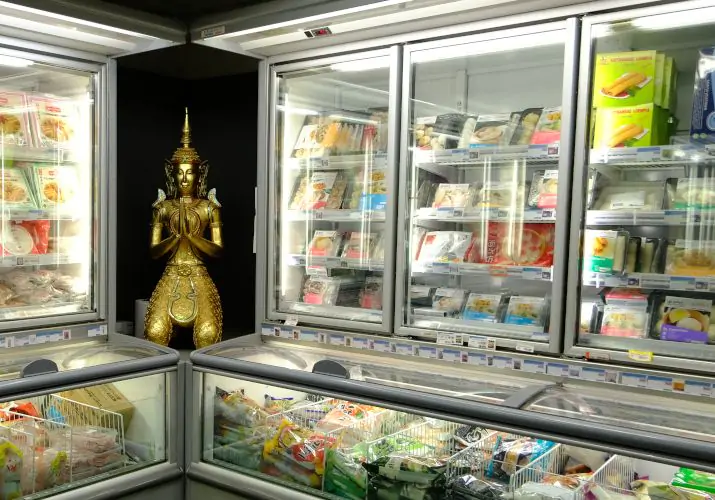
In Amsterdam's oldest toko, there are several floors where you can get lost. In 1959, Dun Yong started this shop to provide the local Chinese community with their daily Chinese products. Three generations later, the store has expanded. Here, you can buy not only food products but also incense and kitchen utensils. On the top floor of the toko, there is a small eatery where you can enjoy the most delicious ramen for lunch. If you want to learn more about this toko or toko culture in the Netherlands, there is even a book written about this toko that you can buy at the checkout.
1011 JT Amsterdam
Fishmonger Tel
Fishmonger Tel started out as a fish shop with a market stall next door. Over the past 50 years, they have expanded to become one of the largest importers of shrimp and foreign fish species. Tel is located on Kloveniersburgwal, in the heart of Chinatown, and is not only the go-to import source for many Chinese restaurant owners, but also a regular destination for private individuals.
1011 KW Amsterdam
Van Zoetendaal Photography
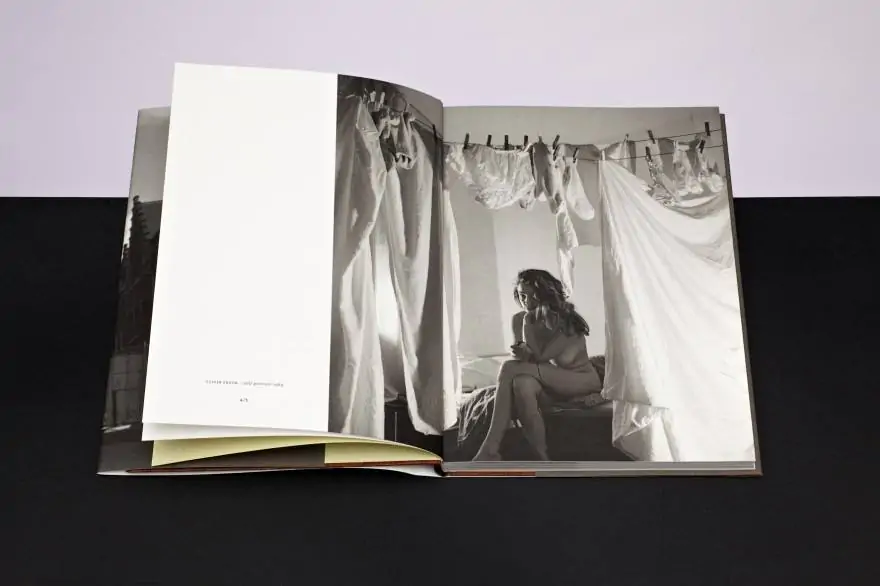
Van Zoetendaal Photography is primarily active in international contemporary photography, curating exhibitions in museums, as a gallery, and also publishing various photo books. In 2014, Van Zoetendaal largely converted its gallery space into a studio to Services and installations its own art projects, art books, and Services and installations . Although the gallery is usually only open by appointment, it plays an important role in the annual Unseen Photo Fair.
1012 GX Amsterdam
Oude Kerk
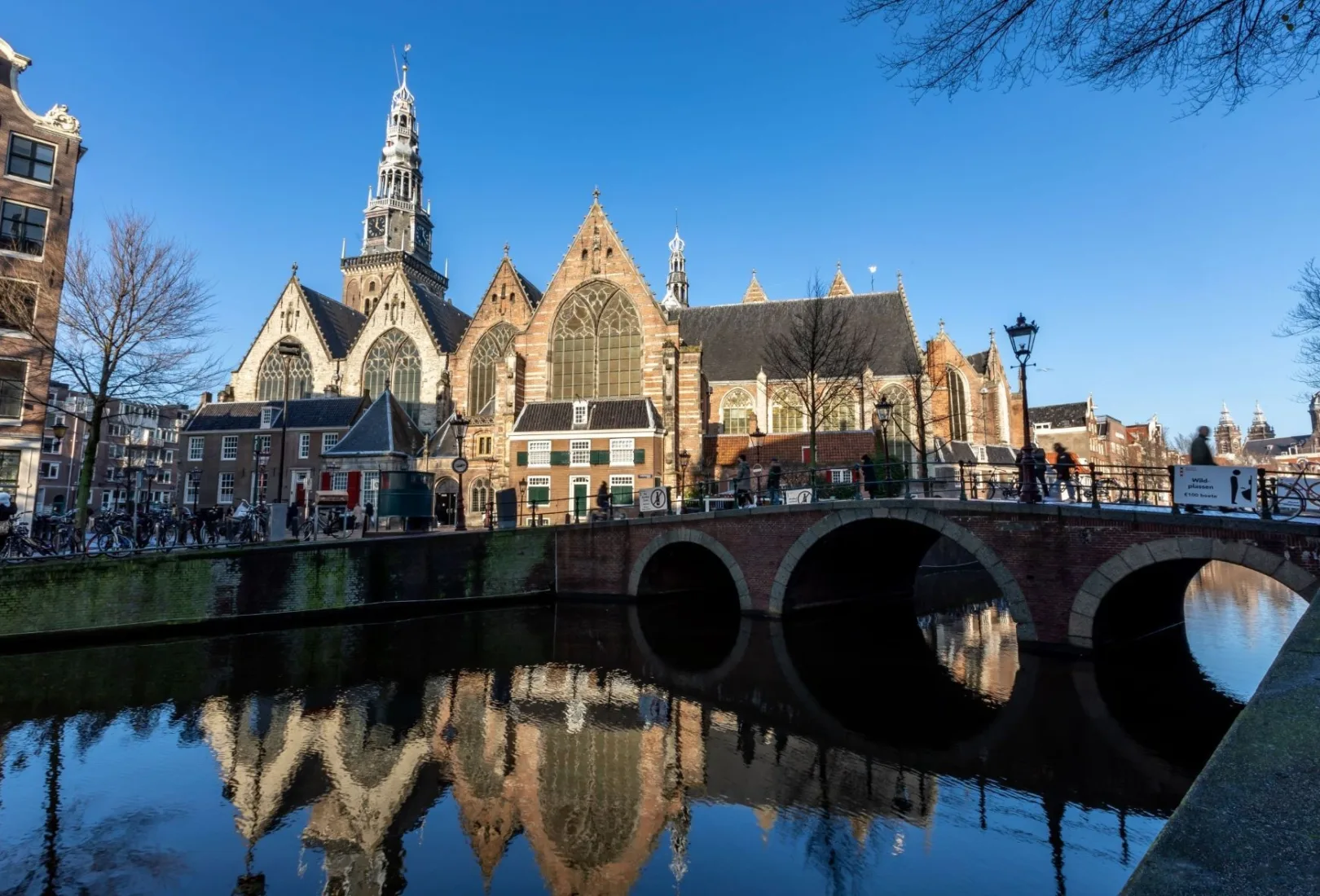
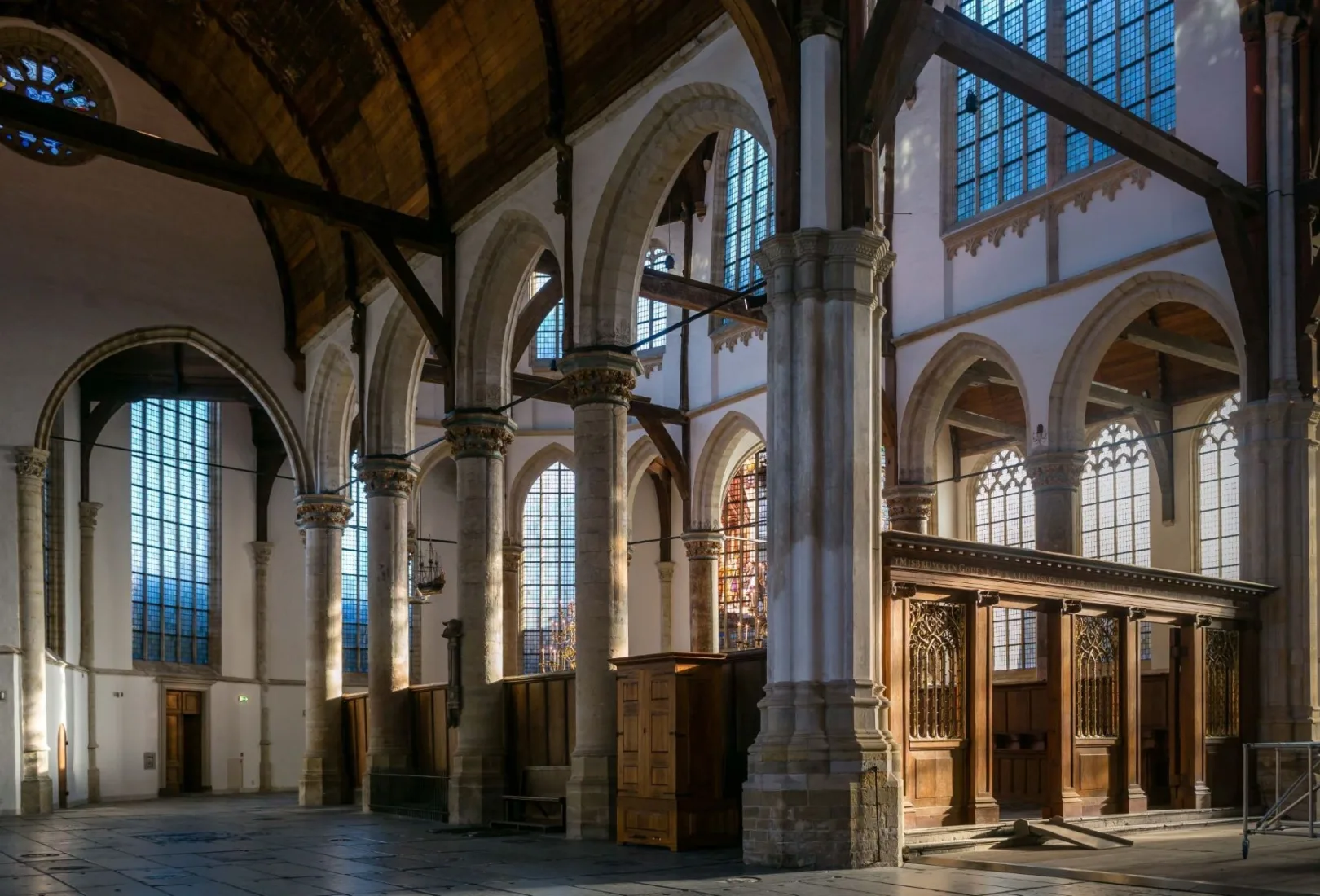
The Oude Kerk is a historic national monument and a center for contemporary art, located in the oldest building in Amsterdam, right in the center. In collaboration with the Oude Kerk, artists create new work that is exhibited here exclusively and once only. The program brings together the present and the past through the interaction between centuries-old heritage and modern art. Through their new creations, artists and musicians offer new perspectives on history, the world around us and the future.