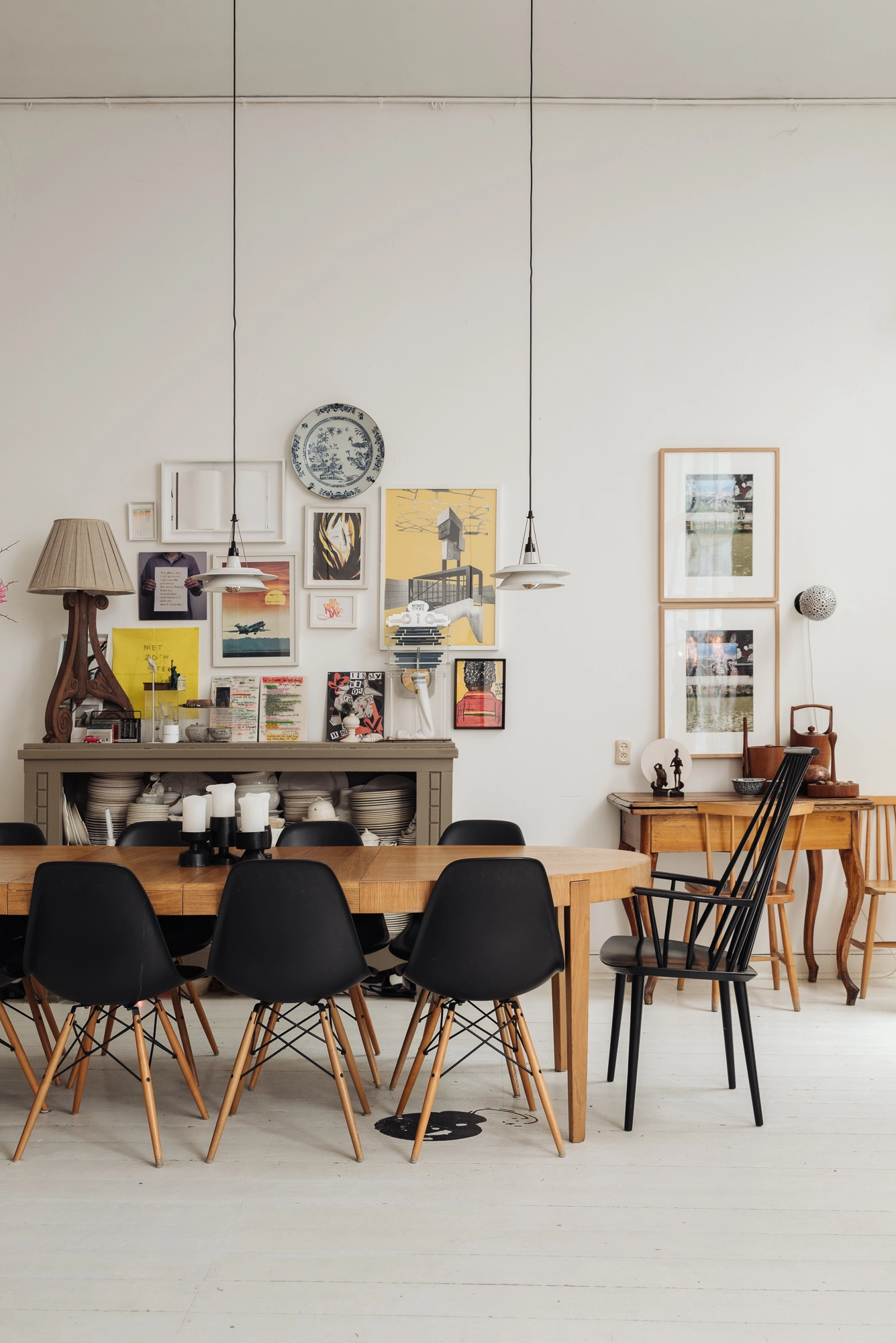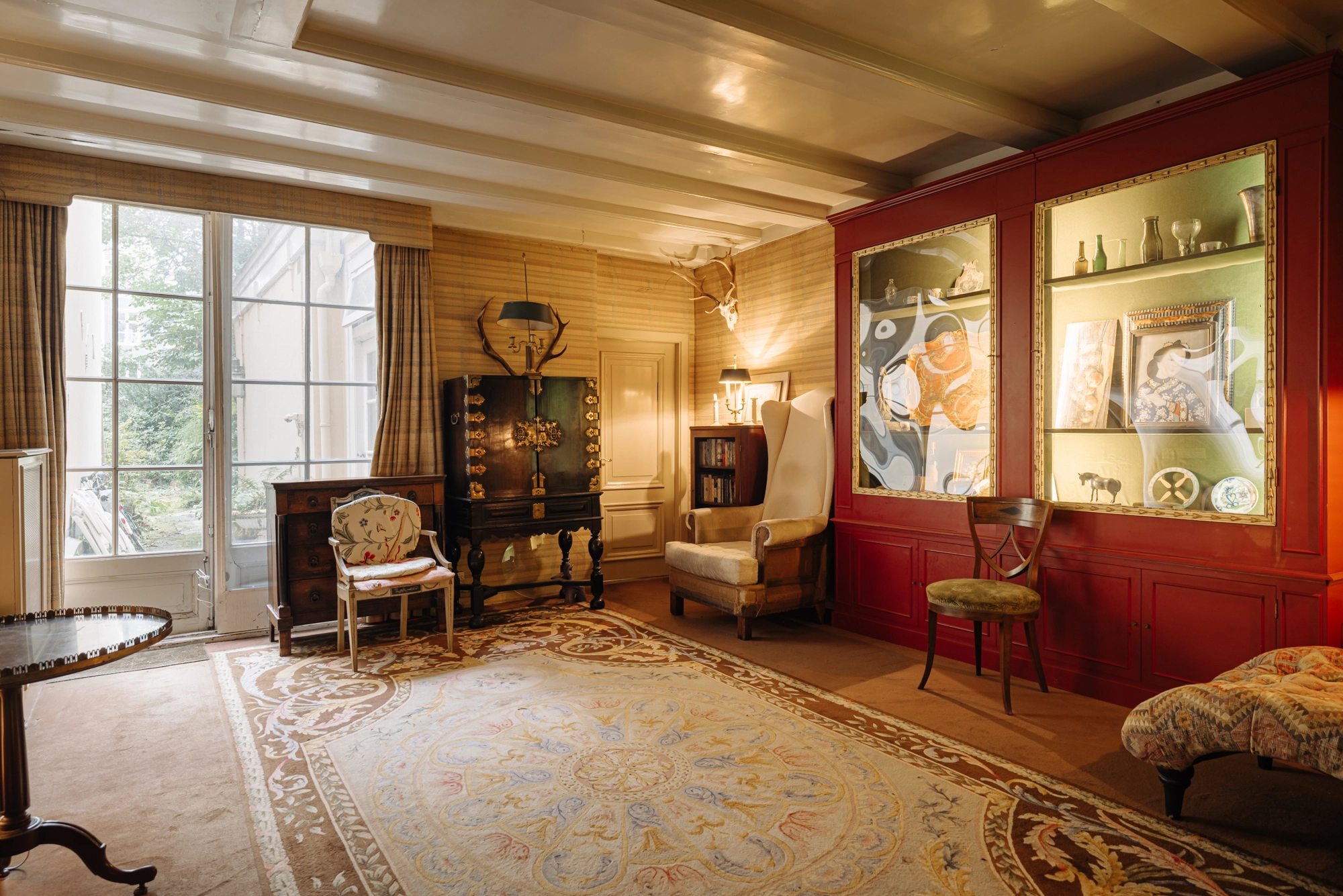
A truly monumental canal house of approximately 322 m², centrally located in the golden bend of the canal belt. The canal house has a living room, several kitchen units, eight bedrooms, nine Bathrooms a garden. Located on private land. De Koopman II offers the opportunity to transform a monumental building into a contemporary living environment, while retaining its character and providing space for a new, personal interpretation. A concept application has been submitted to the Local authority expansion, and the outcome is positive.
Guided tour
A classic canal house with a characteristic neck gable that Immediately catches Immediately eye. The entrance is located on the street side, as the original sidewalks have disappeared over time. Southern light floods into the bel-etage through the tall windows, emphasizing the spaciousness of this floor. At the rear is a deep garden, the size of which is surprising. The garden is located on the north side and is sheltered and quiet. The floors are accessed via the central staircase. On the first floor, the generous room sizes and ceiling heights offer space for a variety of functions, such as living, working, or sleeping. On the canal side, the windows provide a wide view over the water, while on the garden side, there is a more subdued light and a feeling of tranquility. The upper floors follow a similar structure, with two Rooms per floor separated by a central hall. This layout offers flexibility for a layout with multiple bedrooms, possibly combined with Bathrooms dressing rooms. On each floor, the relationship with the surroundings remains tangible: lively on the canal side, quiet and secluded on the garden side.
Under the roof, a more intimate living space is created, where the roof structure is visible and the atmosphere becomes more personal. This floor is well suited for bedrooms or a more secluded use. Above this floor is a loft, accessible via ladders, which provides extra storage space. The roof and the structural elements give these upper floors a character all their own.
Throughout the entire building, the cohesion between monumental structure and freedom of layout remains palpable. The historic contours form the framework, while the layout can be tailored to contemporary use. The exceptional length of the building, the light from the canal, and the deep garden together form a solid basis for a variety of living concepts, ranging from a spacious city home to a combination of living and working in carefully defined zones.
De Koopman II offers the opportunity to transform a monumental building into a contemporary living environment.
Neighborhood Guide
Keizersgracht 505 is centrally located in the canal belt. Public transportation is within walking distance. Tram and bus lines from Koningsplein and Leidseplein offer direct connections to Central Station, Amsterdam Zuid, and other parts of the city. These stops serve as convenient transfer points within the network.
The bicycle is the most efficient mode of transportation in this part of the city. Routes along the canals and through the side streets provide quick access to shops, museums, and amenities. The sidewalk in front of the building offers space for bicycle parking.
The building is accessible by car via the main roads around the city center. Parking is available in nearby municipal garages, including the garage on Koningsplein and the one on Leidsegracht. Permit parking is very limited in this area.
Details
• Approx. 322 m² of living space
• Rear garden
• Located on freehold land
• Foundation repairs are required
• National monument located in a nationally protected cityscape and designated as a UNESCO World Heritage Site
• The project notary is Dentons in Amsterdam
• Sellers are including an asbestos, age, and non-occupancy clause (“as is, where is” clause) in the deed of sale
• Foundation report available
• Asbestos inventory available
• The adjacent property—Keizersgracht 503—is also For Sale, Asking price ,200,000, purchaser's costs

De Koopman II
Keizersgracht 505 is one of the distinctive buildings that give the canal belt its recognizable structure. This national monument, dating from around 1680, features a classic neck gable with refined details such as pierced floral motifs and a pediment with a coat of arms. The building forms a twin with the neighboring building, contributing to the historic rhythm of the street.
De Koopman II marks a new chapter for this location. The building requires a complete renovation, allowing the future layout to be designed entirely freely. The high windows on the south side bring generous light into the rooms, while the deep garden at the rear offers peace and space. This combination of monumental facade, flexible floor plans, and outdoor space makes the house exceptional within the city center.
De Koopman II offers the opportunity to create a home that honors the past while being ready for the future. It is a building with potential, scale, and character, in a location that has played an important role in Amsterdam's cityscape for centuries.
Otte van Apeldoorn | Real estate agent Broersma Wonen

Keizersgracht 505 is located in a row of stately facades along the canal. The national monument with Number , built around 1680, features a recognizable neck gable. Together with the neighboring building, the facade forms a twin and was originally part of a triplet with Number . The corbels bear a pierced floral motif. The curved frame-shaped pediment is filled with historical coats of arms. The original sidewalks have disappeared, so that the entrance is now Immediately the street.
The façade is sleek and balanced, with dark brickwork and white profiled window frames. The symmetry of the windows reinforces the vertical structure. The reconstructed garden house at the rear follows the historical dimensions and forms a quiet accent in the deep garden.
Inside, the size and rhythm of the building are striking. Each floor has two studios, each with a pantry and bathroom. The whole consists of eight addresses. The future renovation will make it possible to reinterpret this structure. Light, routing, and dimensions play a central role in this. The southern light at the front penetrates deep into the building. The northern garden forms a tranquil counterpart. The historical contours remain the guiding principle in the redevelopment.


The canal house offers the freedom to create a new living layout. The current studio layout can be abandoned. The rooms can be merged or rearranged. Each floor offers the possibility to reposition functions. The load-bearing structure provides direction, but offers sufficient flexibility for new living programs. The windows on the canal side bring southern light deep into the building. This side is ideal for a living room with a view over the water. The long dimensions of the building support open floor plans in which living and cooking come together. A central kitchen can become a connecting element between the front and rear. The patio on the ground floor allows for a direct relationship between the kitchen and the outdoor space.


Bedrooms are logically positioned on the garden side or in areas with softer lighting. Bathrooms be designed freely. Existing connections assist with the technical details, but are not decisive. Suites with private bathrooms and dressing rooms fit well within the dimensions. The attic offers opportunities for an intimate sleeping area under the roof structure.
The renovation makes it possible to create a home that matches the scale of the monument and the wishes of its future residents. The flexibility of the layout is an essential part of the new quality of living.


The deep Rear garden over 18 meters, forms a quiet world behind the façade. Its northern orientation provides even light. The length of the plot provides space and privacy. The garden connects to the ground floor and forms a natural extension of the living spaces. The patio between the living room and study brings light into the heart of the floor plan. These two outdoor spaces complement each other: the patio as an intimate place, the garden as a green counterpart with a long view. The structure of the garden and patio allows for different uses. The garden can be landscaped with terraces, plants, and a new garden shed. The patio offers space for daily living and Immediately with the interior spaces. The transition from inside to outside is clear and enhances the spatial experience.


The property is located in one of Amsterdam's most charming and historic neighborhoods. This neighborhood is known for its picturesque canals, beautiful architecture, and lively atmosphere. It is a place where history, culture, and contemporary trends come together seamlessly. It is surrounded by elegant mansions, graceful bridges, and lush trees that form an idyllic backdrop. The neighborhood around the house is also home to many iconic landmarks. The Rijksmuseum, Stedelijk Museum, and Van Gogh Museum are within walking distance. Also nearby are the Stadsschouwburg, Concertgebouw, Tuschinski, and Paradiso.
The area also offers a range of trendy boutiques, cozy cafes, restaurants, and galleries. Walking through the neighborhood is an experience in itself, as you are surrounded by a mix of local residents, artists, tourists, and the ever-bustling atmosphere of Amsterdam.
Accessibility
Keizersgracht 505 is centrally located in the canal belt. Public transportation is within walking distance. Tram and bus lines from Koningsplein and Leidseplein offer direct connections to Central Station, Amsterdam Zuid, and other parts of the city. These stops are convenient transfer points within the network.
Bicycles are the most efficient means of transport in this part of the city. The routes along the canals and through the side streets provide quick access to shops, museums, and amenities. The sidewalk in front of the building offers space for parking bicycles.
The building is accessible by car via the main roads around the city center. Parking is available in nearby municipal garages, including the garage on Koningsplein and the one on Leidsegracht. Permitted parking is very limited in this area.




1017 GD Amsterdam
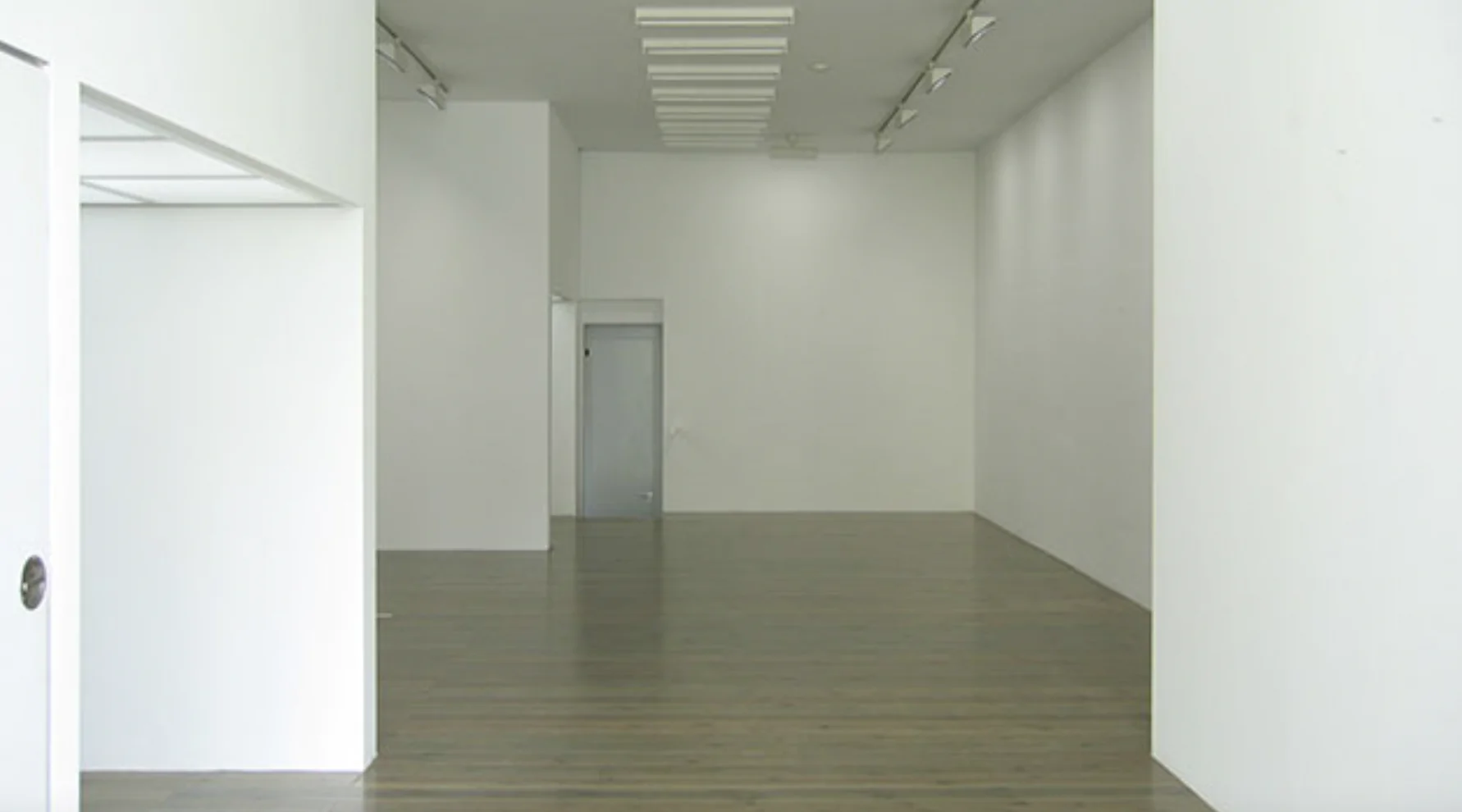
Siewe Gallery
Slewe Gallery was founded in 1944 by Martita Slewe. The gallery specializes in contemporary art. From the outset, its internationally oriented program has emphasized current developments in abstract art, particularly in painting. The gallery represents both established and emerging artists from various generations and countries.
1017 KK Amsterdam
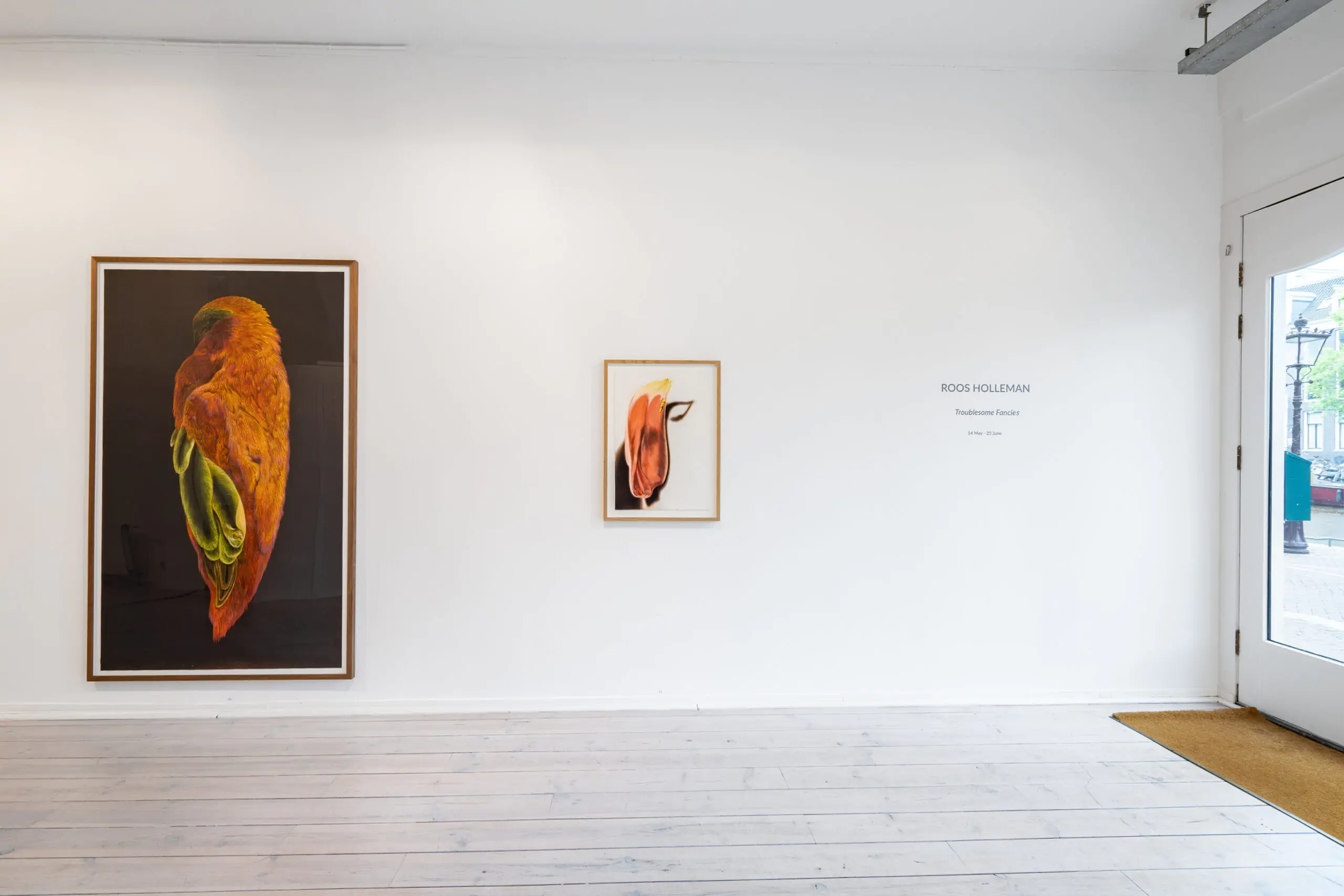
Roger Katwijk Gallery
At Prinsengracht 737, you will find the beautiful Roger Katwijk gallery. A bright space for contemporary art, abstract art, and abstract figuration by both Dutch and international artists. Throughout the year, you can discover changing exhibitions in the field of painting and sculpture.
1017 KH Amsterdam
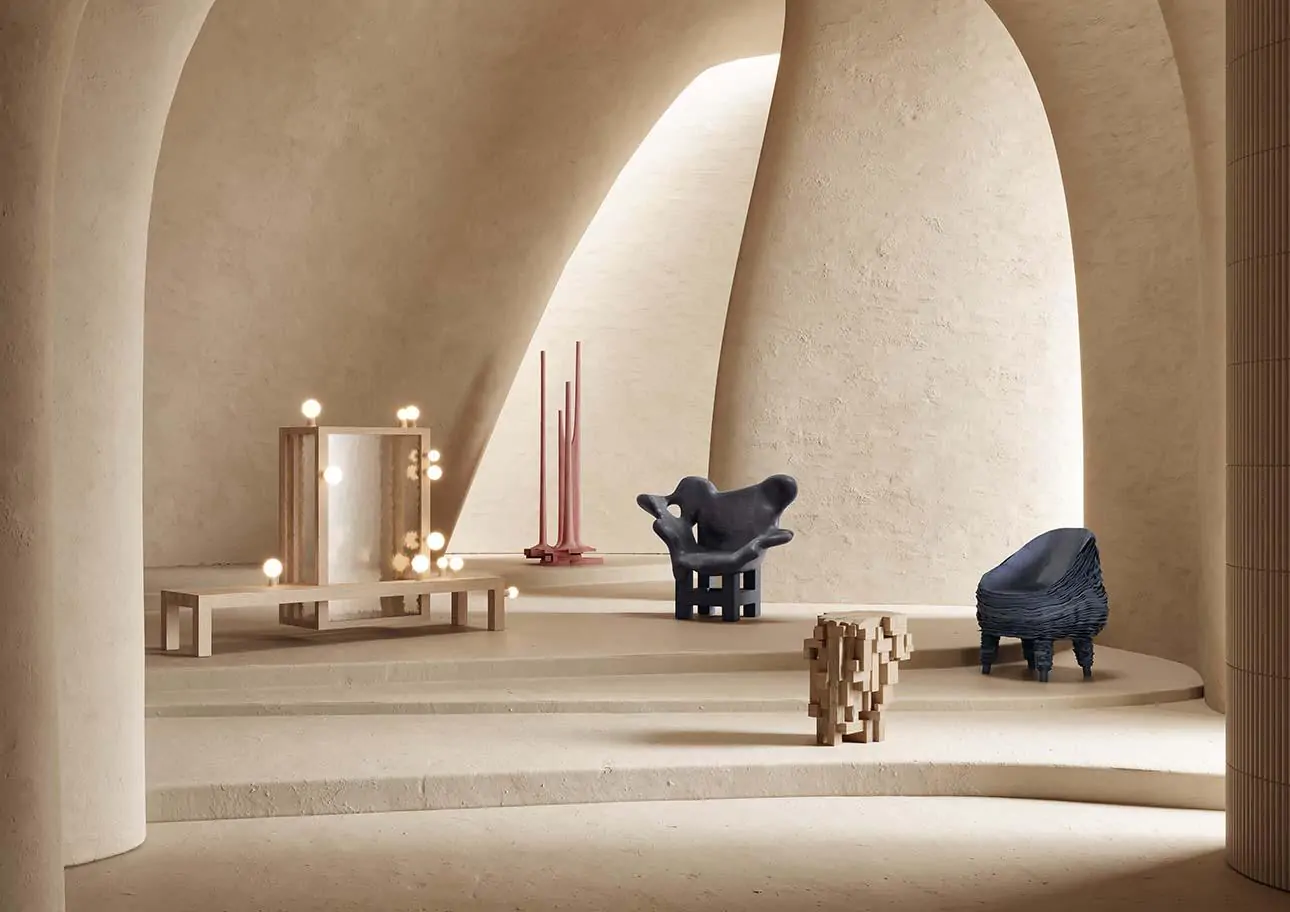
Mia Karlova Galerie
Mia Karlova Galerie, located on the Prinsengracht, strives to create a dialogue between works of different genres through a common emotional language. Mia Karlova Galerie highlights functional sculpture with an intriguing program of international contemporary artists and product designers. This art form, which radiates originality in design or material, offers exceptional pleasure during the interaction.
1017 KE Amsterdam
The Lookout
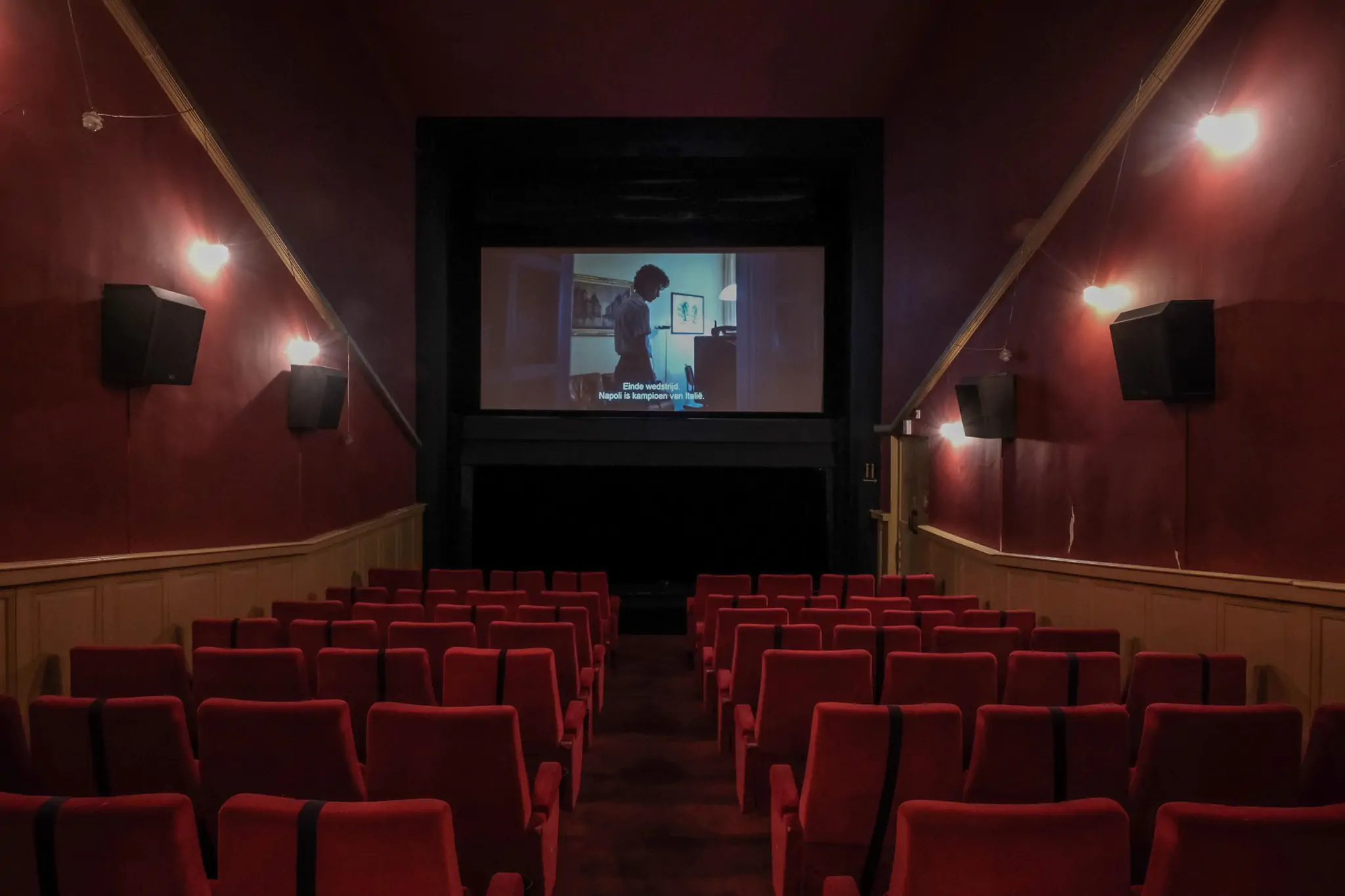
Over the years, many cinemas have come and gone in Amsterdam, but Filmtheater De Uitkijk is still going strong! The building at Prinsengracht 452 has had an eventful history, starting out in 1912 as City Bioscoop, when it was converted from a 17th-century warehouse. In 1929, the Filmliga took over the cinema and changed its name to Filmtheater De Uitkijk. This was the very first avant-garde film theater in the Netherlands. Since 2007, De Uitkijk has been a sister project of the Kriterion organization and is run by a group of thirteen students.
1017 DS Amsterdam
Foam
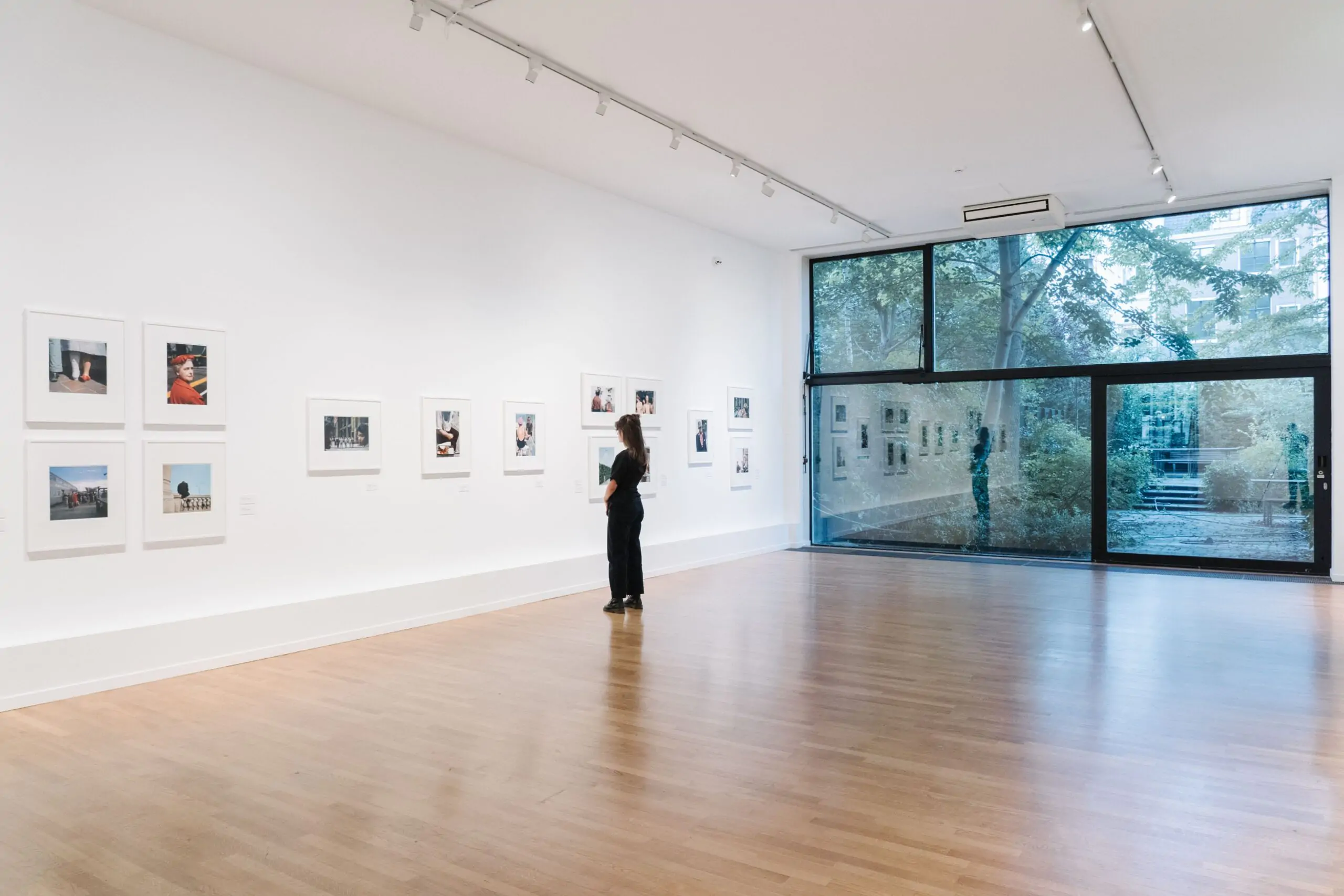
Foam is a photography museum that usually presents several exhibitions at the same time. The exhibitions vary from historical photos to art photos and from documentary photography to fashion photos. Every year, work by famous photographers is shown; think of Helmut Newton and William Klein. Foam encourages young talent and they also have the opportunity to temporarily exhibit their work. The halls have a sleek and modern design and the photos are illuminated with spotlights, so that they are clearly visible. You can visit Foam every few months because of their constantly changing exhibitions.
1017 ET Amsterdam
Museum van Loon
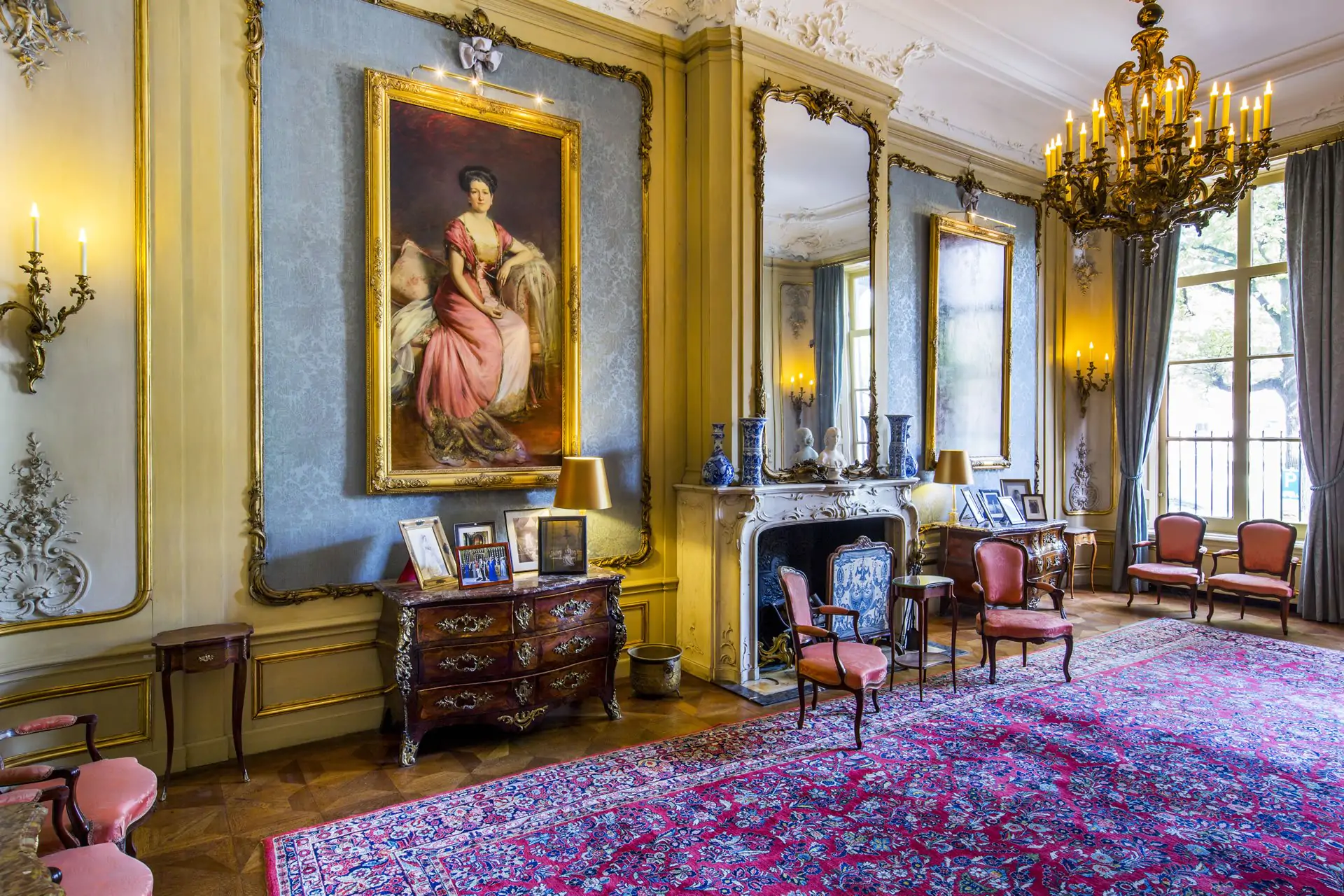
Museum van Loon is located in a former house from 1672 on the Amsterdam canals. In addition to a permanent exhibition with (historical) portraits, furniture, silverware and porcelain, temporary exhibitions are also organized here in which part of the museum's collection, the house, or the history of the Van Loon family is central. Behind the house is the unique garden that was laid out in the style of the 17th century. In short, a museum where you can go for heritage, art history and contemporary art.
1017 DB Amsterdam
Zero Zero
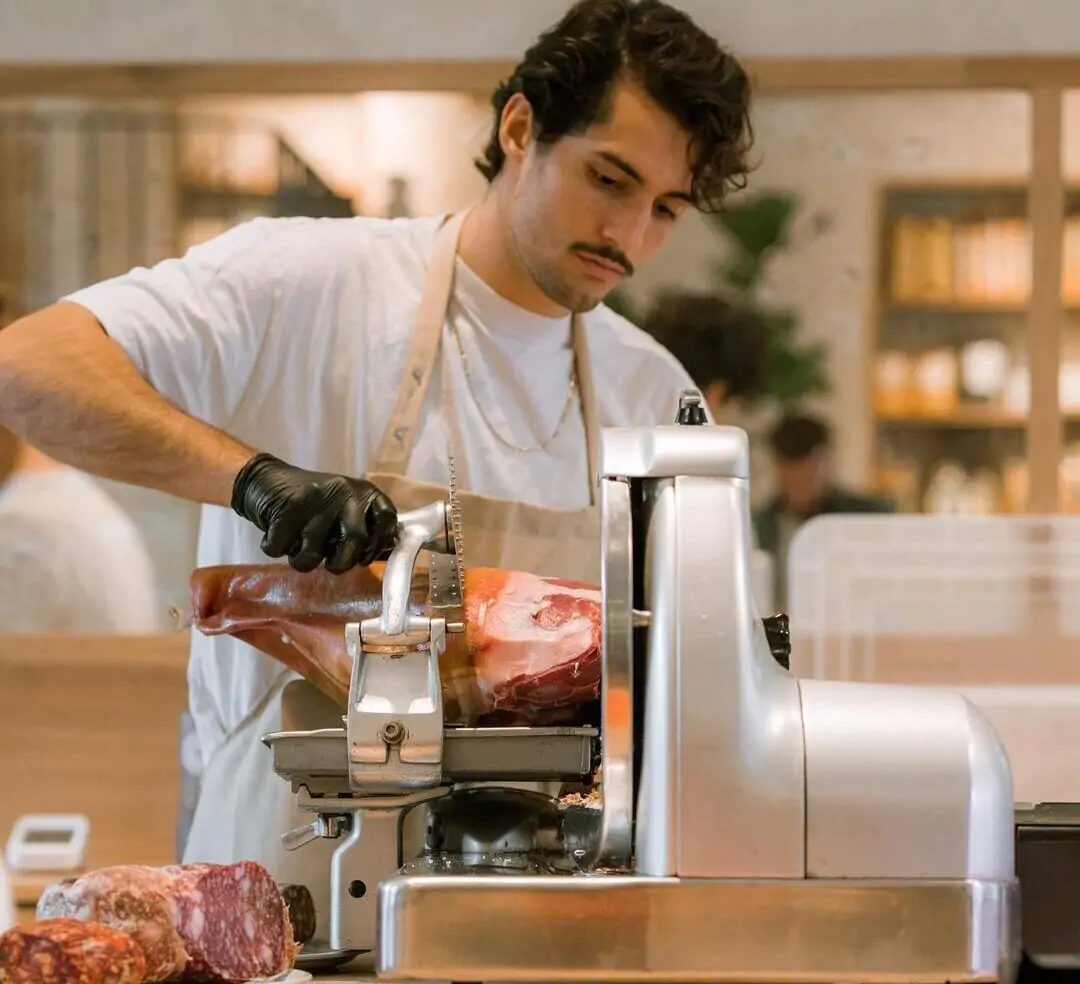
Zero Zero is a bakery and delicatessen located in Amsterdam and owned by the same owners as Ceppi's. In addition to making pizza, Greco specializes in making sourdough bread. The name Zero Zero comes from flour as the basis of what they sell. The Tuscan sourdough breads (schiacciata) are topped with ingredients such as grilled eggplant, marinated zucchini with mint, balsamic vinegar, and sun-dried tomatoes (€9), or mortadella, stracciatella, and pistachio (€10). In addition to sandwiches, Zero Zero sells a wide range of Italian delicacies, including wine, bags of pasta, and olive oil. Fresh ingredients for sandwiches are also For Sale. Although most customers come for a sandwich to take away, they are also welcome to stay and enjoy a cup of coffee. According to Greco, all delicacies available at Zero Zero come from Italy.
1017 GP Amsterdam
Bocca
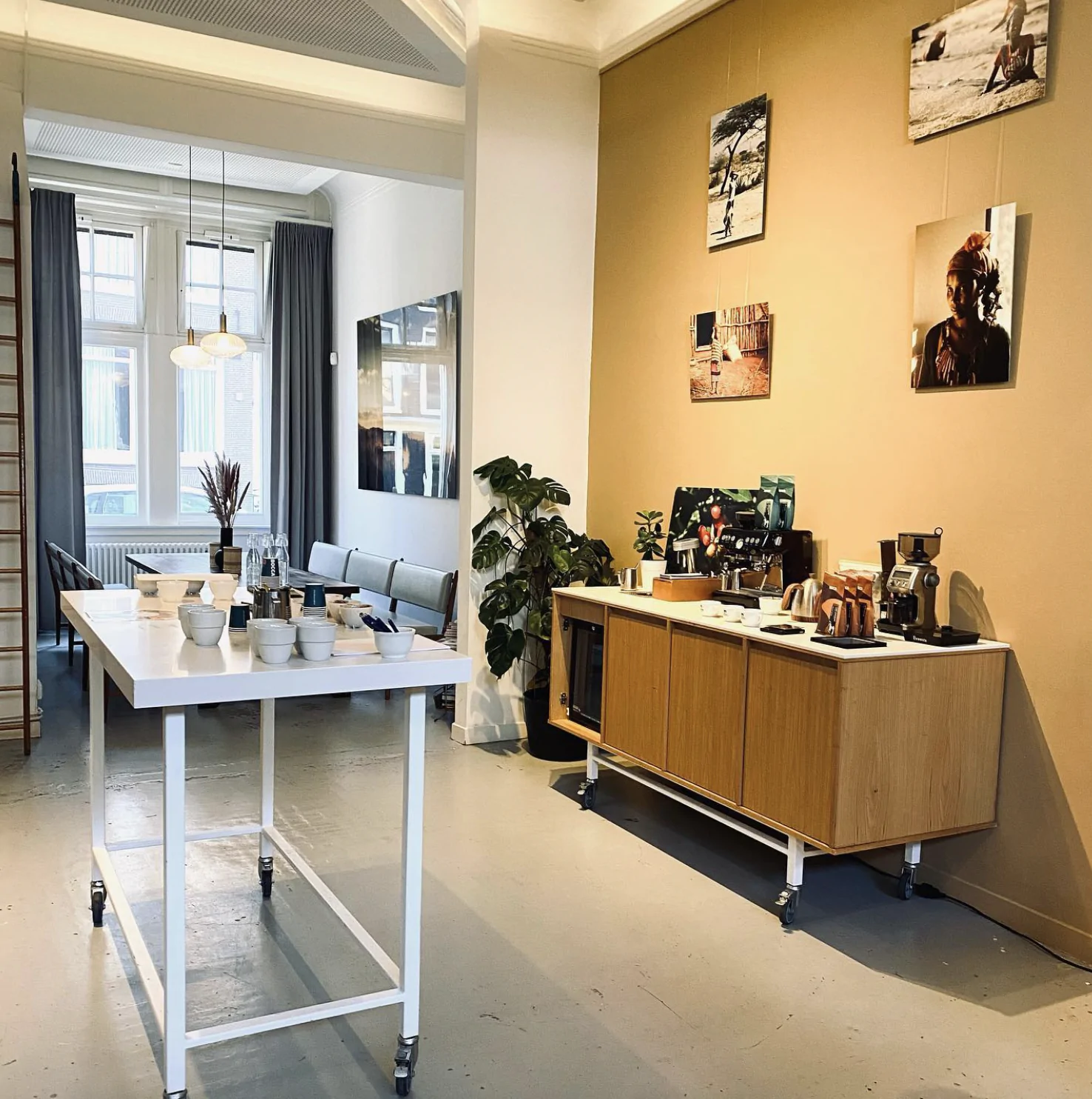
When you say good coffee, you can now name a lot of places in Amsterdam, but Bocca is just a little bit better. Their workspace is large so that the baristas have enough space to make the best coffee. Worth going inside, if only to see how these trained baristas do everything they can to prepare your perfect cappuccino with craftsmanship.
1017 EP Amsterdam
Carmen
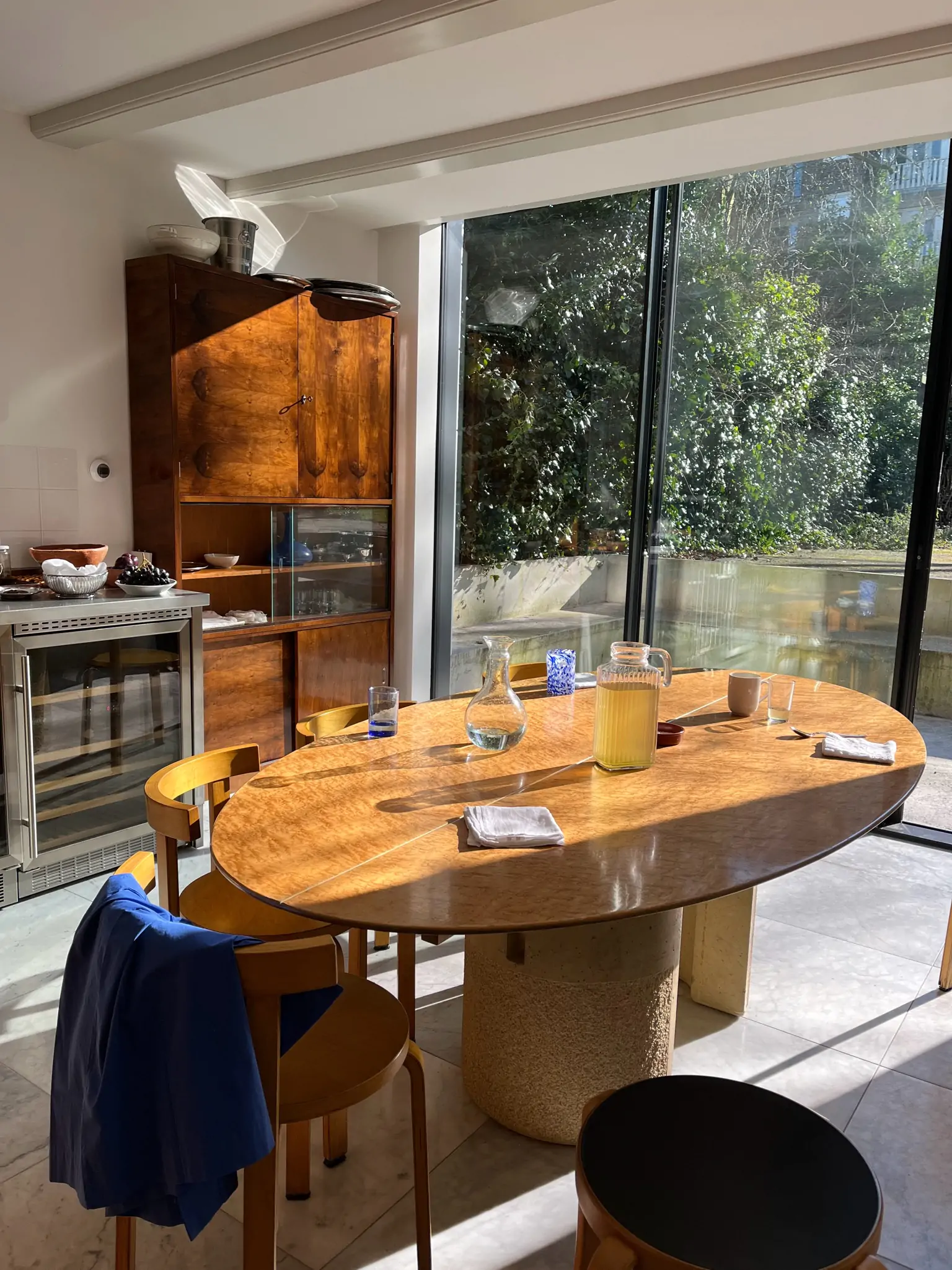
Shop, restaurant, and guesthouse. Owners Carmen Atiyah de Baets and Joris ter Meulen Swijtink opened this wonderful hotspot on Keizersgracht after working and living in London for several years. Carmen selected a fine mix of fashion, interior design, and accessories from exceptional designers. Joris runs the kitchen, where foreign chef friends are regularly hosted.
1017 GC Amsterdam
Yuzu Dining Bar
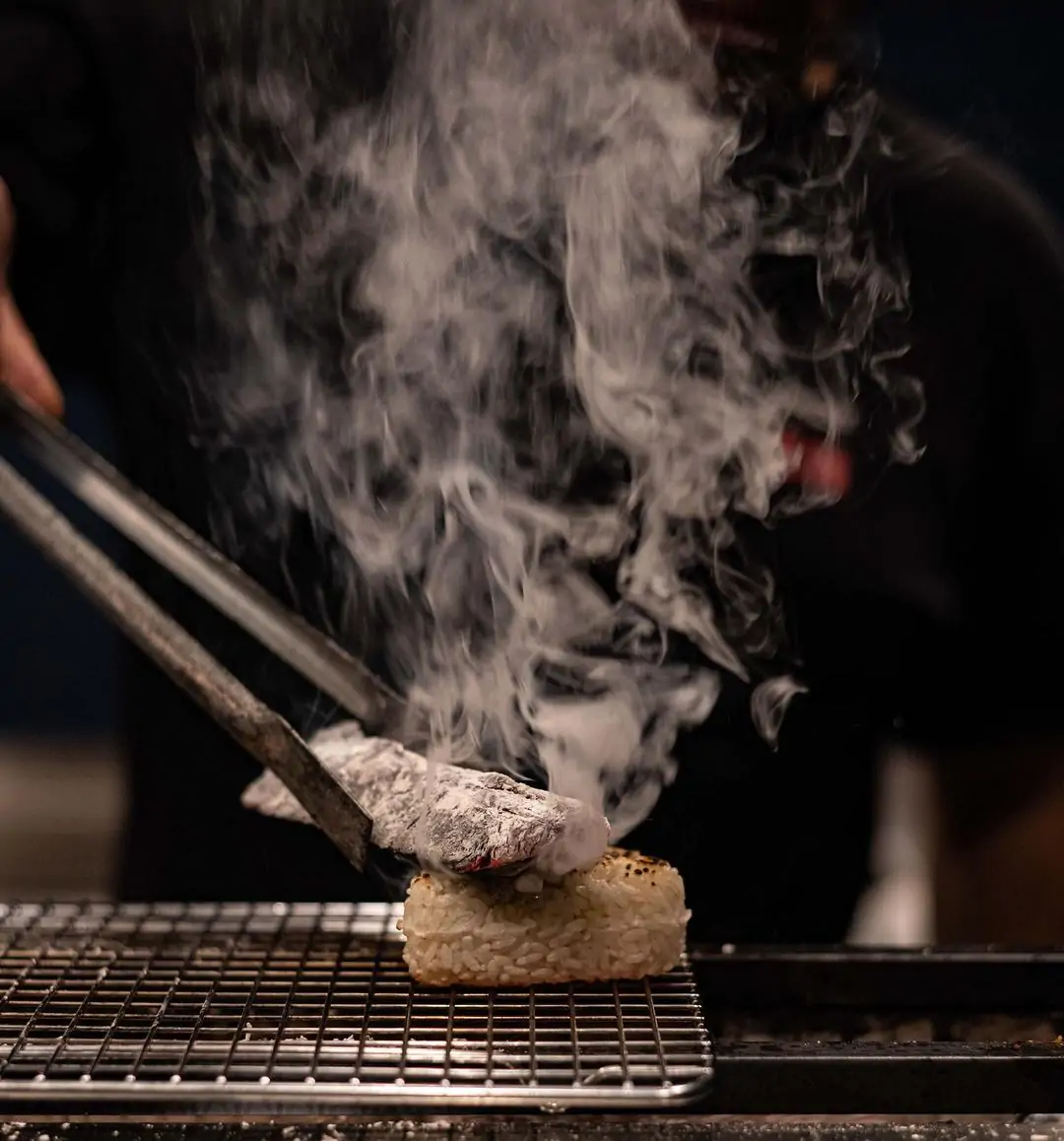
Yuzu Dining Bar does not serve sushi, but it does offer a variety of small Japanese dishes, including edamame and various yakitori skewers. The restaurant introduces you to Japanese customs, such as storing your coat in a basket under your seat and eating without cutlery. The atmosphere is informal and cozy, and the staff is friendly and attentive. You can also enjoy a cocktail there until the early hours.
1017 BM Amsterdam
Tin
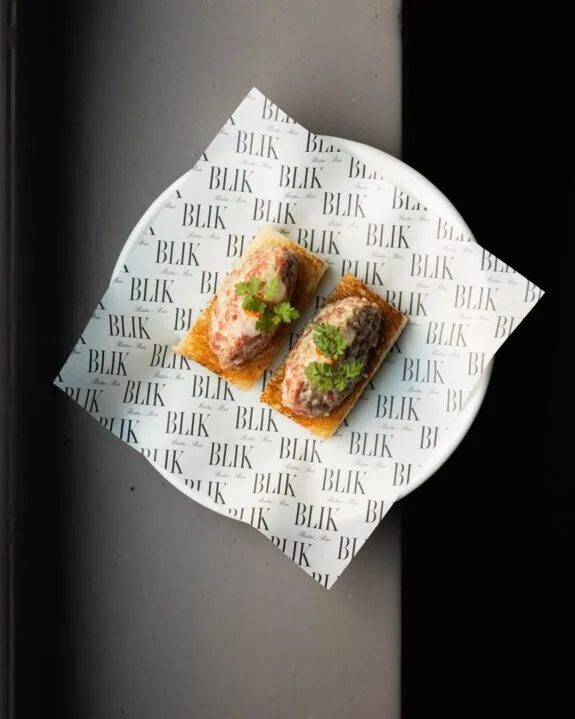
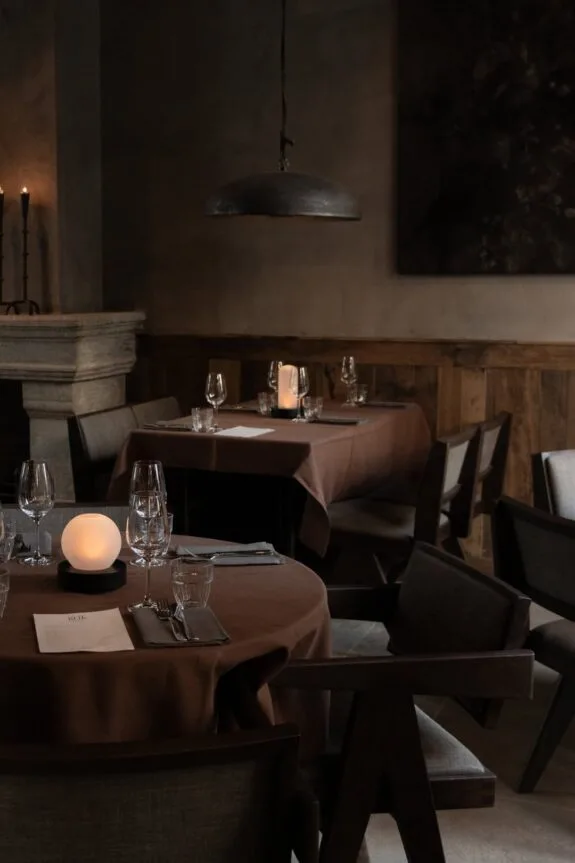
Blik was established by Tijn Verstappen and three-star chef Jacob Jan Boerma, together with host Manuel Broekman and entrepreneur Tim Ouborg, as a bistro bar where simplicity and quality come together. The menu revolves around recognizable classics with a creative twist, where Boerma's experience in top kitchens is palpable without being stiff or formal. In addition to the cozy interior, Blik also has a garden terrace behind the building, a nice place to enjoy your meal and a drink outdoors when the weather is good.
1017 GR Amsterdam
Tokyo Ramen Takeichi
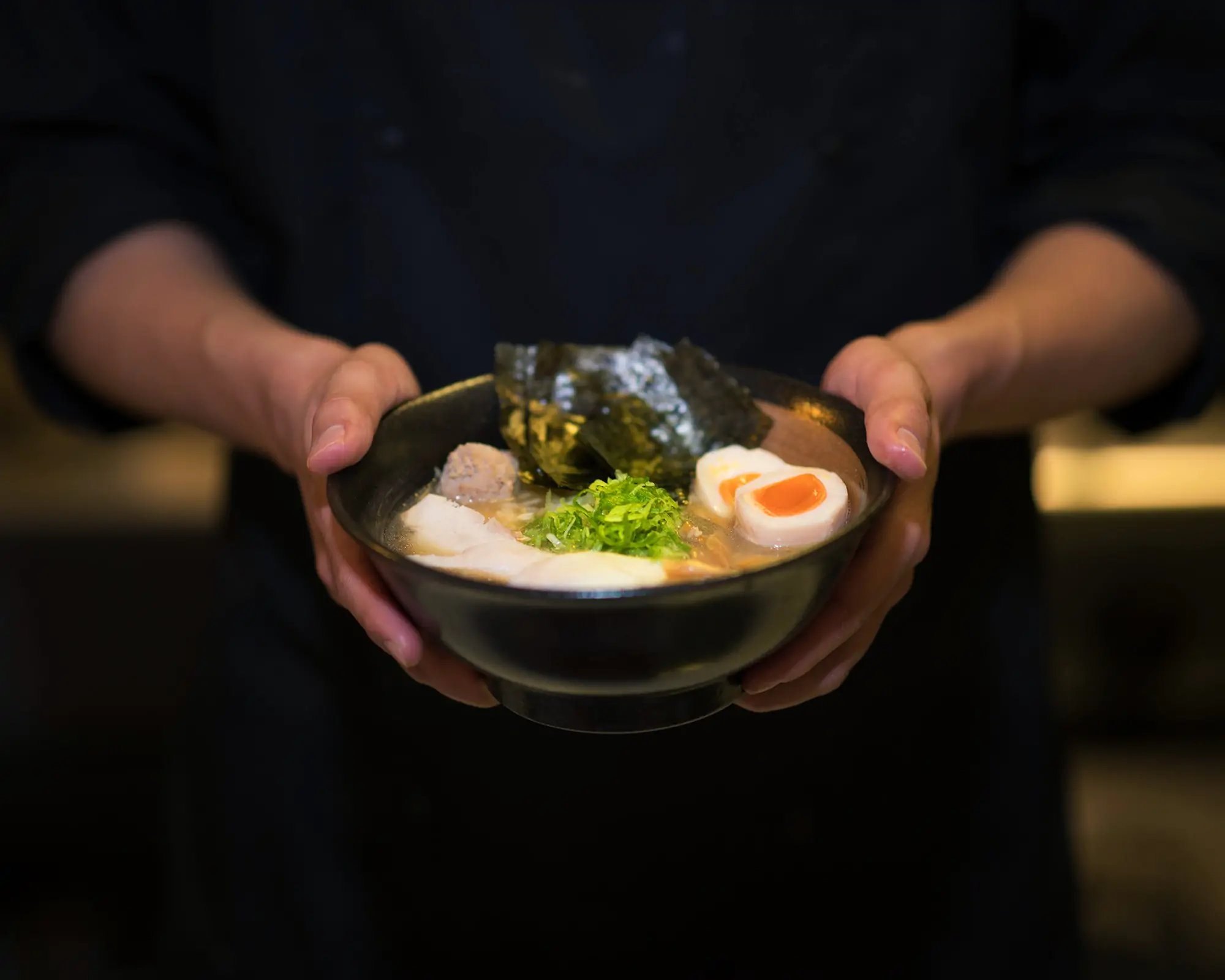
This Japanese ramen chain now has several branches all over the world. There are now three branches in Amsterdam. Tokyo Ramen Takeichi is known for its healthy ramen with chicken and vegetable broth. Because they remain true to their Japanese roots, it is an authentic restaurant. In addition to their specialty, the side dishes are also delicious. The 'karaage' will not disappoint you.
Frens Haringhandel
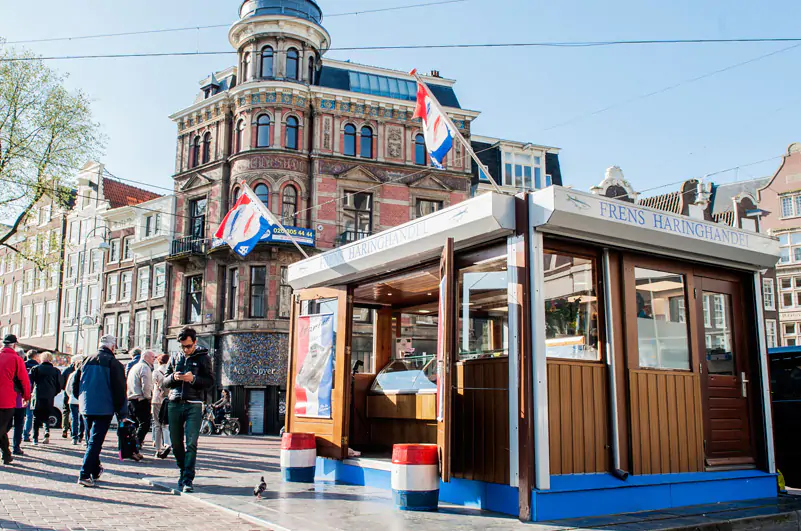
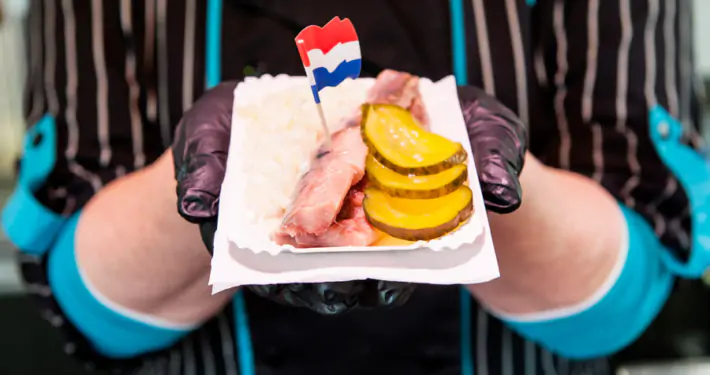
Frens Haringhandel is one of the few remaining fish stalls in Amsterdam where you can order delicious fresh herring and other fish in the traditional Dutch way. The Frens family has been active in the herring industry since 1972, and the stall is now run by Frens' wife, son, and friend. The stall has a permanent location on Koningsplein and is open every day for a fresh serving of fish with pickles and onions.
1017 NG Amsterdam
The Madras Diaries
The Madras Diaries opened in 2020 and offers South Indian cuisine. This cuisine is generally spicier than we are used to. Chilies, black pepper, cloves, and cardamom are used extensively. This makes the food extremely rich in flavor, but sometimes also less accessible. Fortunately, they offer a homemade lemonade menu to cool you down. In addition to the well-known mango lassi, they have seasonal drinks and much more. Good news for vegetarians and vegans: in this cuisine, that is not considered an exception. So there is plenty of choice!
1017 KR Amsterdam
Heuvel
Locals and gallery owners from the Spiegelkwartier regularly visit here. At Café Heuvel, it's almost always happy hour around 5:00 PM. 'If I fall, let it be at Heuvel!' This small corner café with a lovely terrace is one of the oldest cafés in the city.
1017 KS Amsterdam
Buffet van Odette
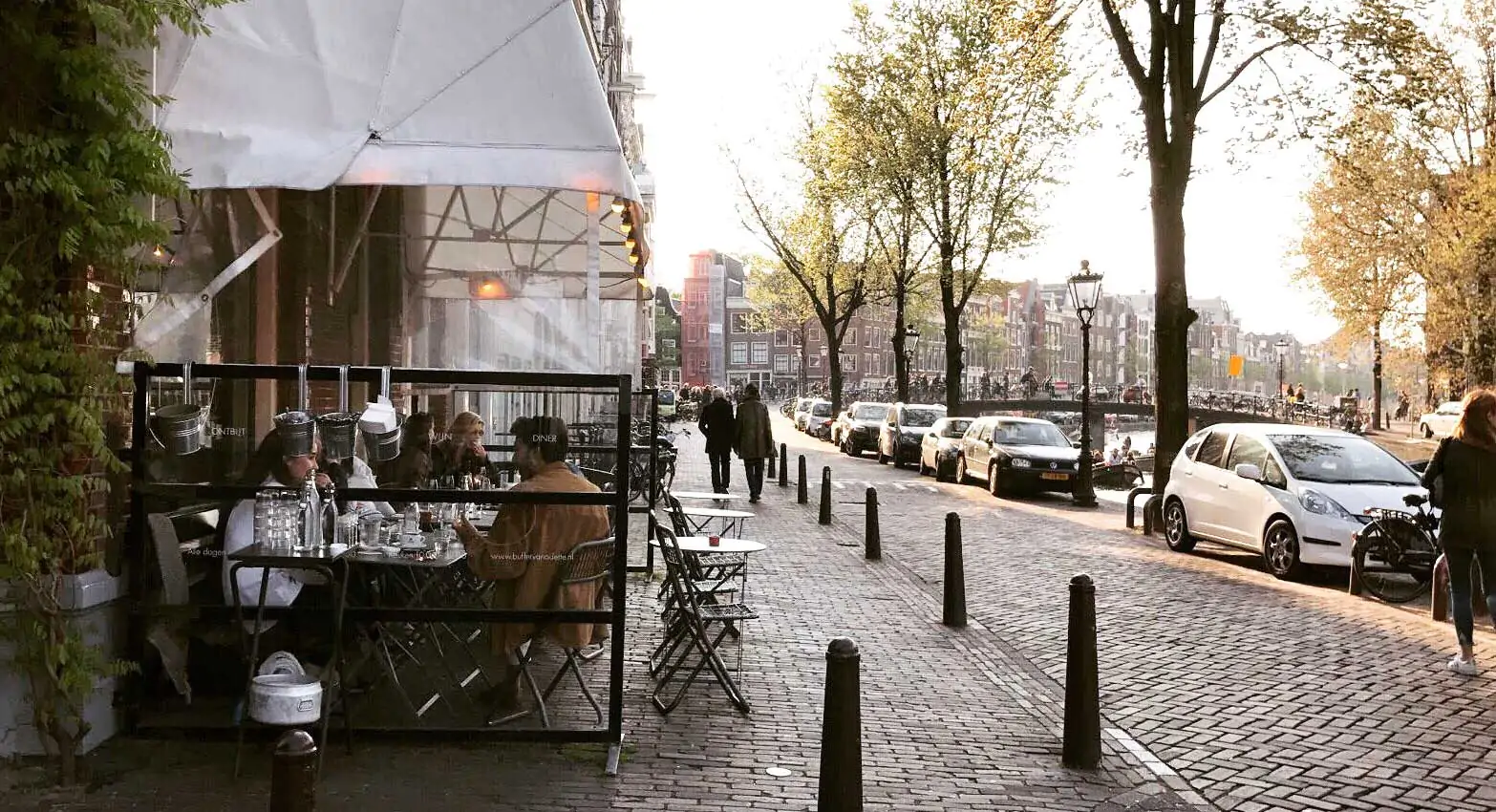
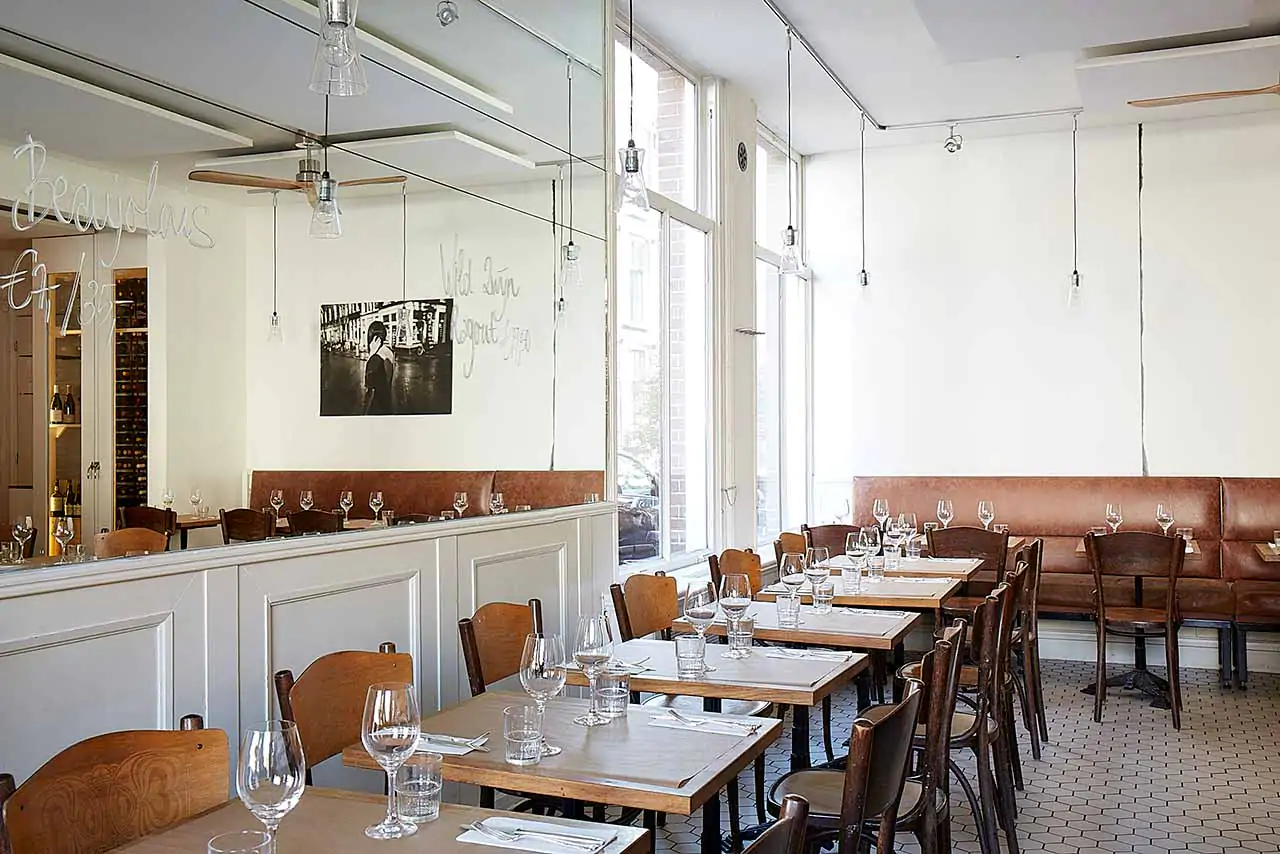
Odette Rigterink started Buffet van Odette in 1994. She loaded pans full of homemade food into a crate on the front of her bicycle and served a daily menu to young and old Amsterdam at the Enfant Terrible crèche. Since 2011, the restaurant has been located at Prinsengracht 598, on the corner of Weteringstraat. They serve their regular classics and also cook with the season and have an extensive (natural) wine list. From Monday to Friday they serve both lunch and dinner.
1017 PZ Amsterdam
Taste of Culture
Tate of Culture seems to be the place chefs go in the middle of the night when they feel like Chinese food. And I don't blame them. The menu is extensive, offering a choice between authentic Chinese dishes and dim sum. One dish you definitely shouldn't miss is the duck. You can order it half or whole, with rice and various sauces, or sliced and served with pancakes.
1017 BA Amsterdam
Pianeta Terra
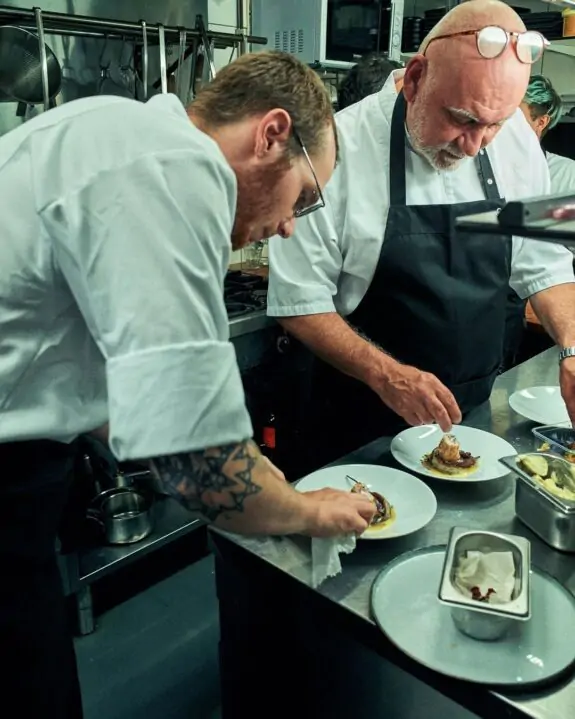
Fabio from Pianeta Terra is known as the undisputed champion of slow food in the city. In his kitchen, he masterfully combines the finest local ingredients to create authentic Italian dishes. Hostess Laura Martini completes the experience by serving matching exquisite wines, guaranteeing a perfectly curated evening.
1017 RL Amsterdam
Shiraz
It's no coincidence that Shiraz won the wine bar of the year competition. This beloved wine bar is located in the heart of Amsterdam, where you can discover new wines or fall back on your favorite wine. If you find it difficult to choose between a total of 150 wines, the staff is always on hand to provide expert advice or let you taste something. In this garden of wines, you can enjoy a delicious glass of wine with a matching snack.
1012 XK Amsterdam
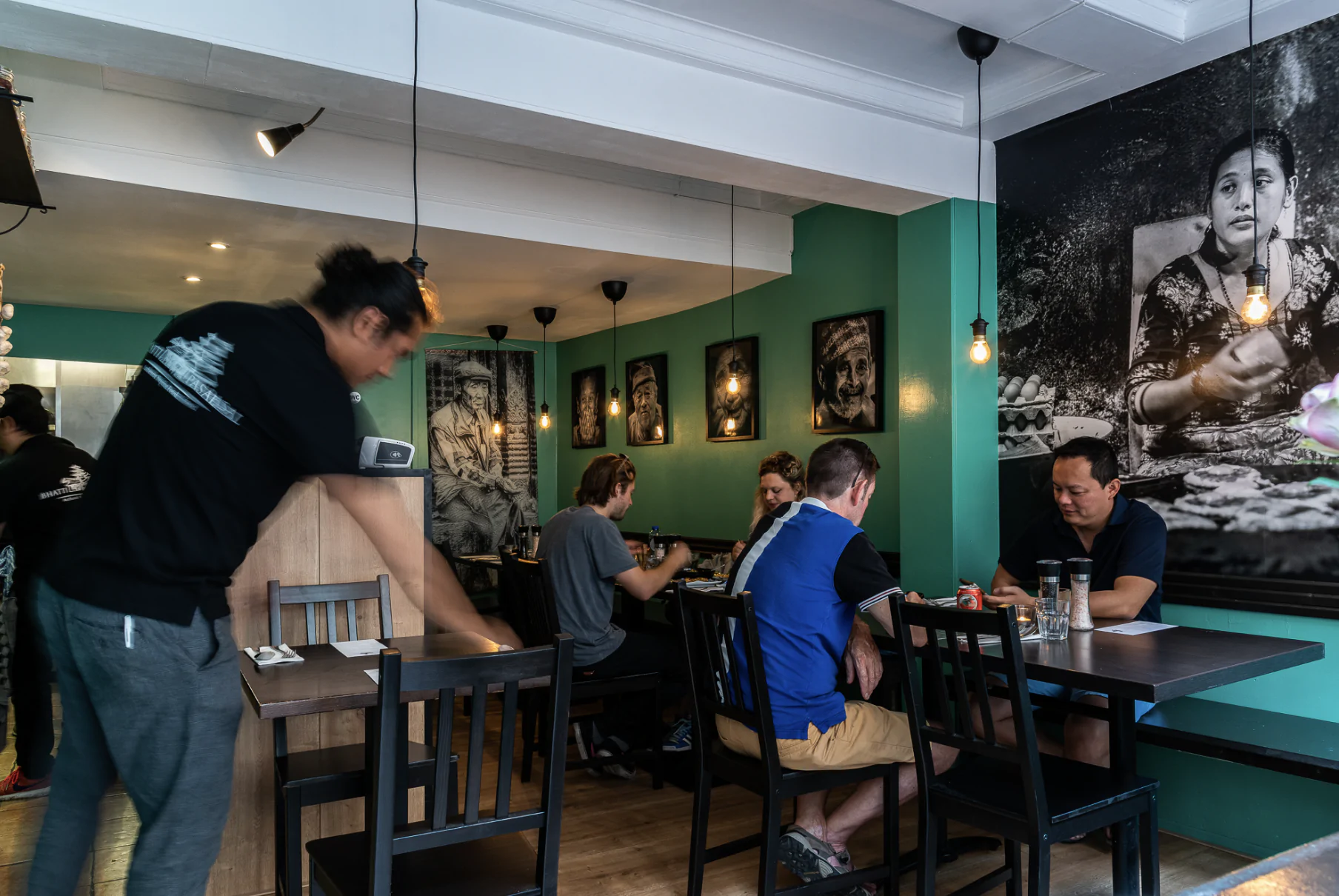
Bhatti Pasel
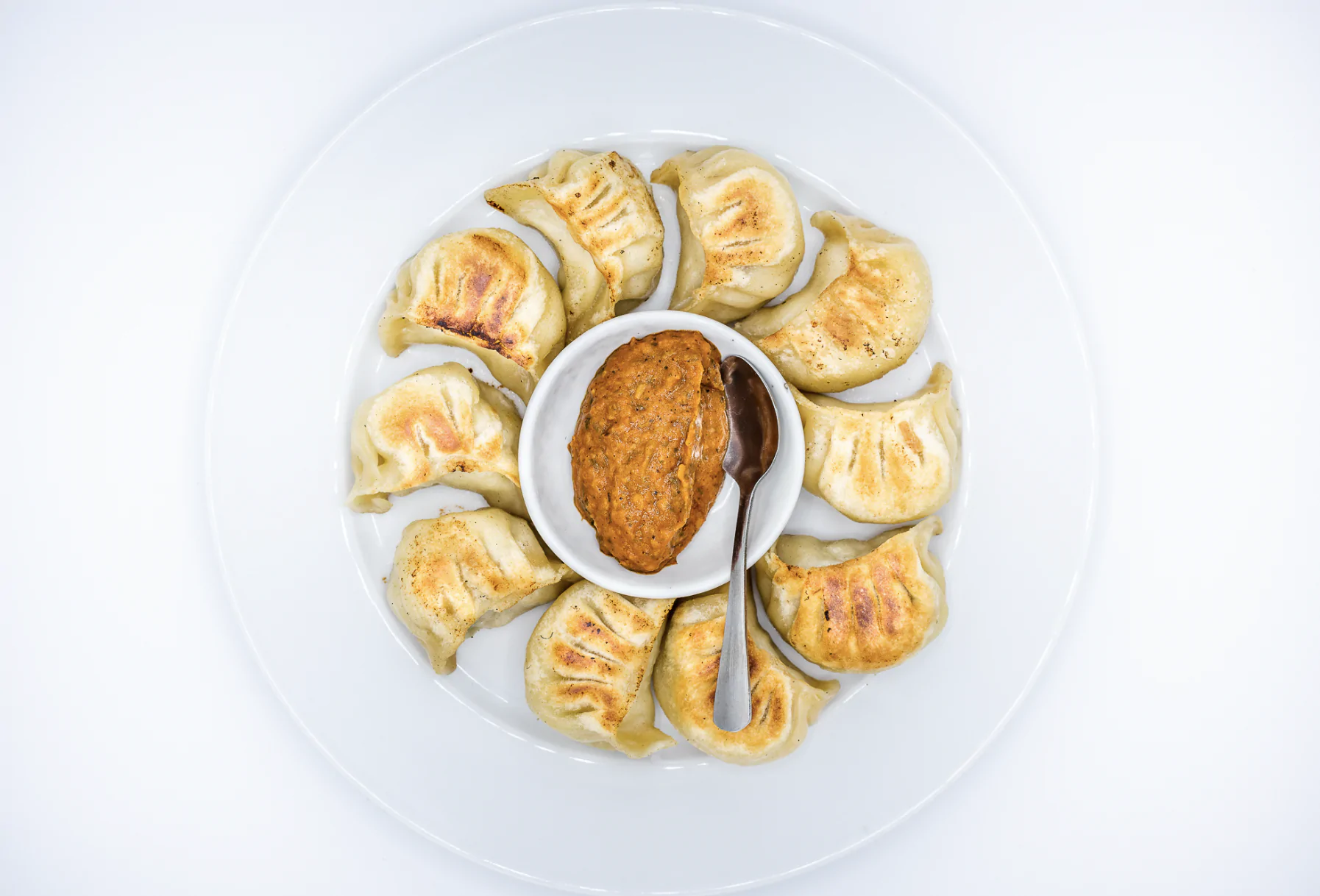
After gaining years of experience in top restaurants and hotels in various countries, Tika Pun is opening his own Bhatti Pasel. An authentic Nepalese restaurant in the heart of Amsterdam. You can go there for a quick lunch, a dinner or a shared dining experience. They serve delicious Nepalese dishes, with a choice of steamed or fried dumplings (momo), combined with sesame, tomato or coriander.

1017 HJ Amsterdam
Tokyo Ramen Takeichi
This Japanese ramen chain now has several branches all over the world. There are now three branches in Amsterdam. Tokyo Ramen Takeichi is known for its healthy ramen with chicken and vegetable broth. Because they remain true to their Japanese roots, it is an authentic restaurant. In addition to their specialty, the side dishes are also delicious. The 'karaage' will not disappoint you.
1017 GE Amsterdam
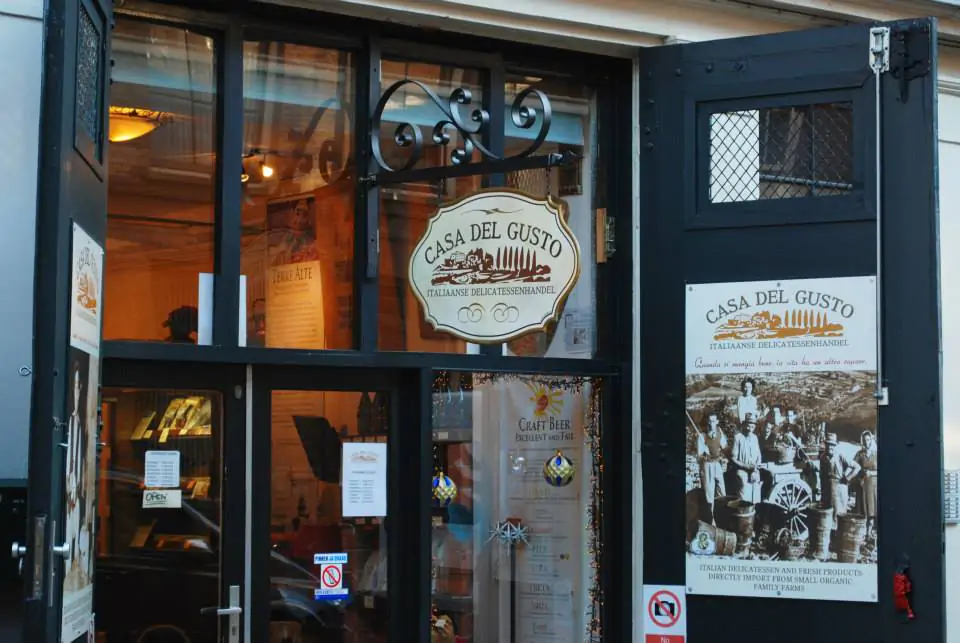
Casa del gusto
Gianni and Gessica have a clear vision for the future of Casa del Gusto. 'We want to remain a small company that works with small-scale farmers: that is our concept. 'We know all the farmers we work with personally. We buy our Grana Padano – Italy's most popular cheese – from a farmer who only produces two pieces a day. That is almost nothing compared to large industrial producers who deliver hundreds of pieces a day. What we find very important is that you get to know the producers through the taste of our salamis, pastas and beers.' You should be able to taste the love that the farmers have put into it', explains Gessica. From hazelnut paste and gnocchi to bottarga and aloe vera beauty products: the shop is full of delicious delicacies and beautiful products. Casa del Gusto is, as the name suggests, a house of taste for its customers.
1017 DK Amsterdam
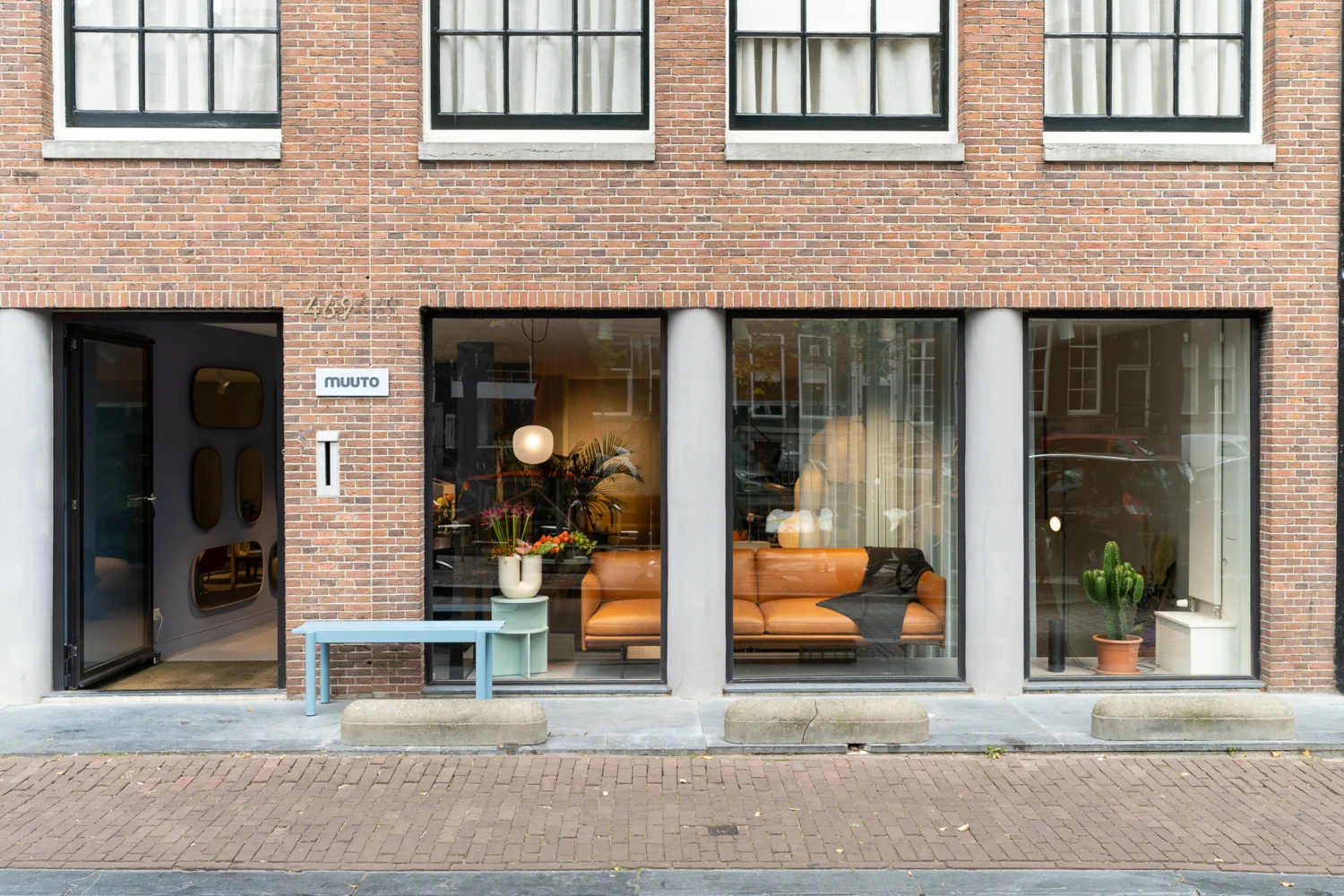
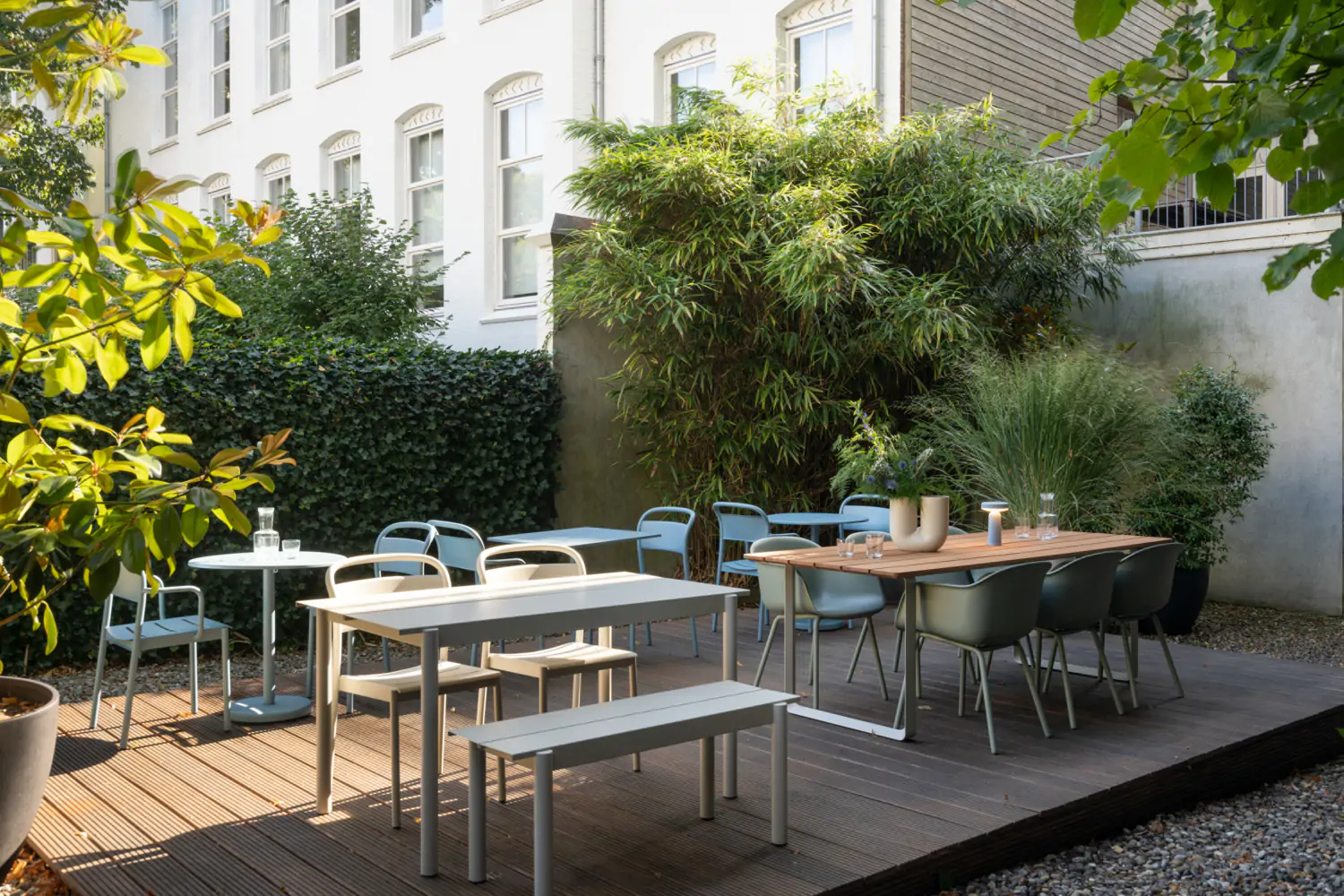
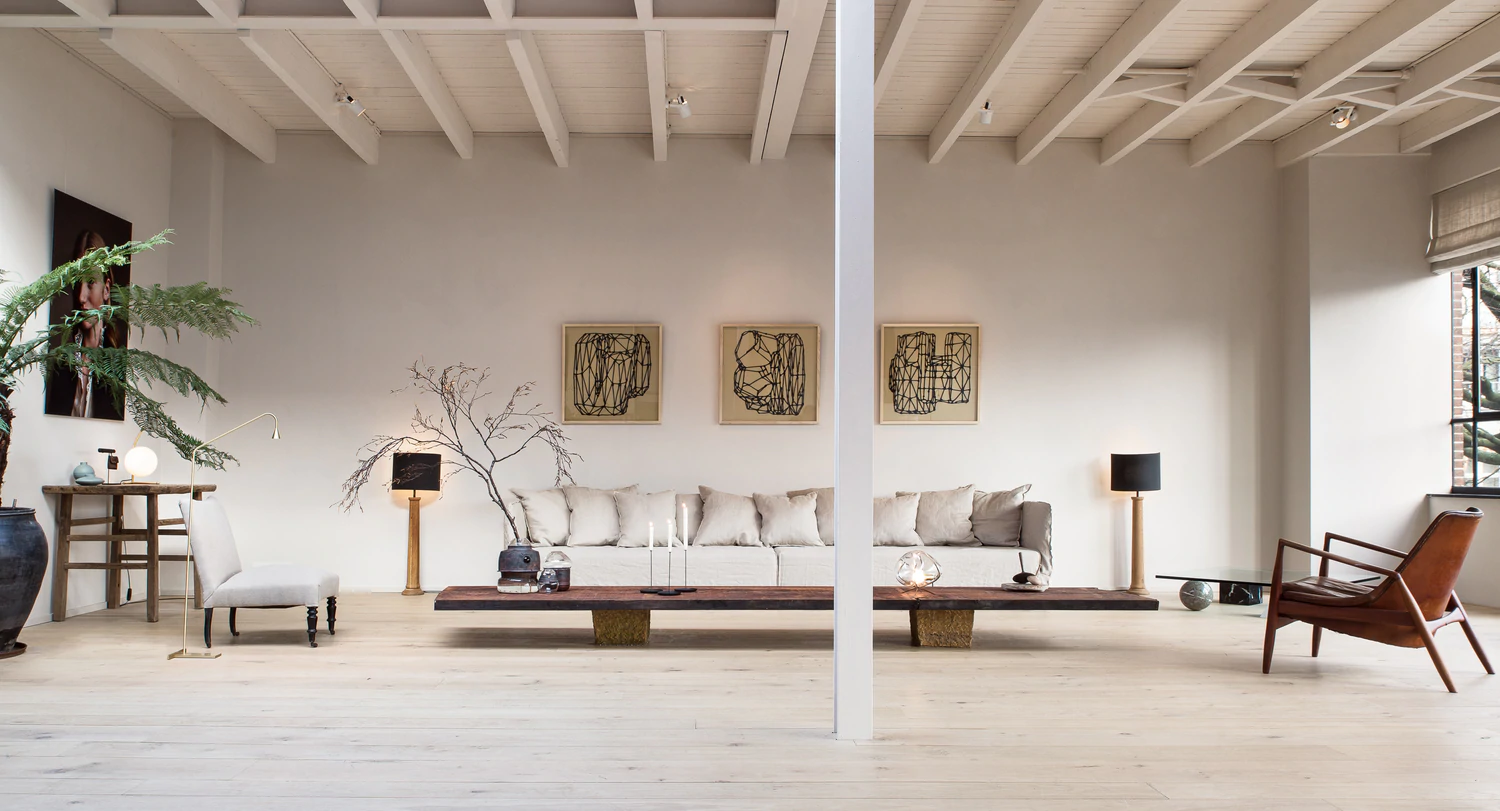
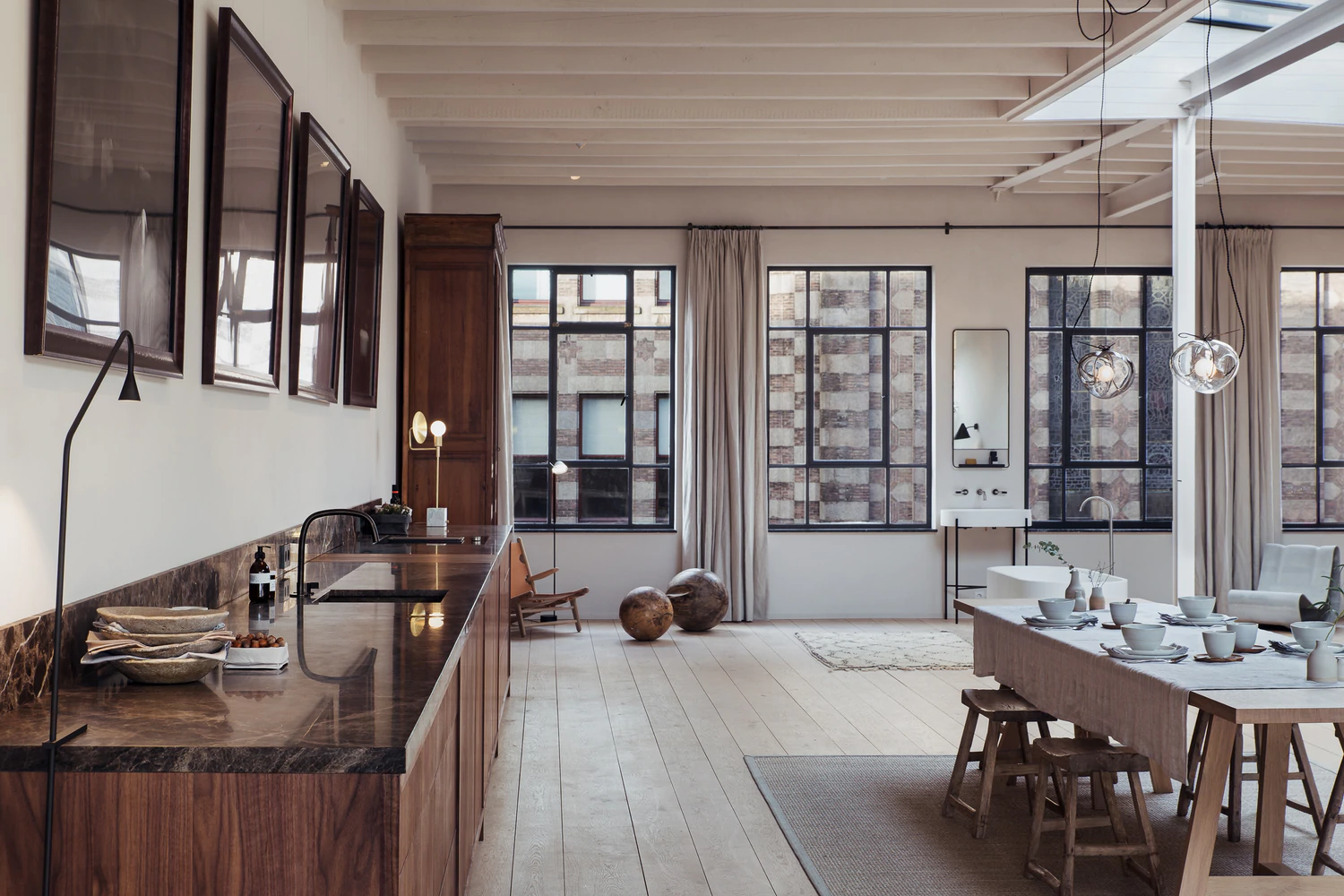
Muuto
Muuto is rooted in the Scandinavian design tradition, characterized by timeless aesthetics, functionality, craftsmanship, and honest expression. Muuto comes from 'muutos', which means new perspectives in Finnish. You can recognize the design because it has muutos: objects elevated by new perspectives, appreciated worldwide and representative of the best of Scandinavian design today. To visit Muuto, you must make an appointment in advance, which can be done via their website.
1017 HG Amsterdam
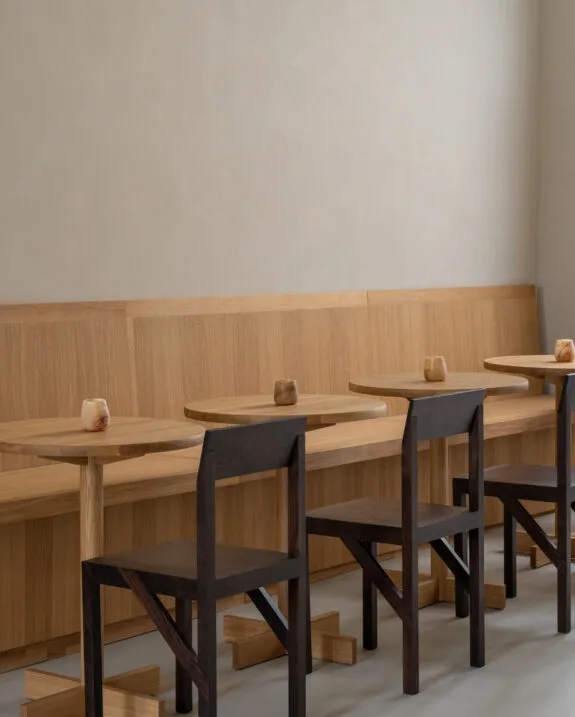
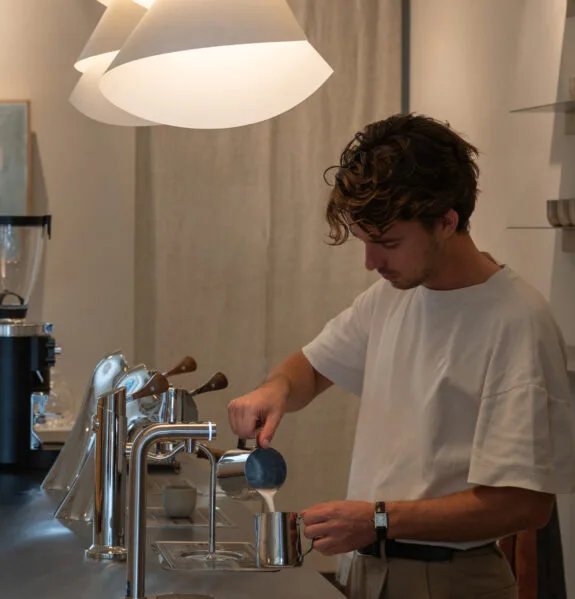
Enter the loft
Enter the Loft is a boutique interior store and interior design consultancy with a passion: seeing how spaces exert their magic on people. Visit their showroom on Vijzelstraat (by appointment only) and feel how they bring spaces to life by furnishing them with their favorite interior finds that are made with love and attention and that consist of natural materials – wood, leather, glass, steel, wool and ceramics.
1012 WN Amsterdam
Two Story
Two Story was born out of the belief that art is for everyone and that contemporary art does not have to be distant or intimidating. The founders transformed a historic canal-side building into a two-story combination of gallery, design store, and café that feels like a real home. Their vision revolves around creating that Sunday Morning Feeling, with the smell of fresh coffee, soft music, and art that blends into the daily rhythm. For the design, they collaborated with Copenhagen-based Atelier Axo, known for their spatial storytelling and sense of balance between old and new. The atmosphere is warm and accessible, a place where nostalgia and innovation come together in an environment that makes art feel natural.