A spacious double upper residence of approximately 164 m² featuring original details, a sunny terrace, and a French balcony. The property is in modest condition and provides a solid foundation for renovation, with the potential—subject to approval, to create a rooftop terrace.
Tour
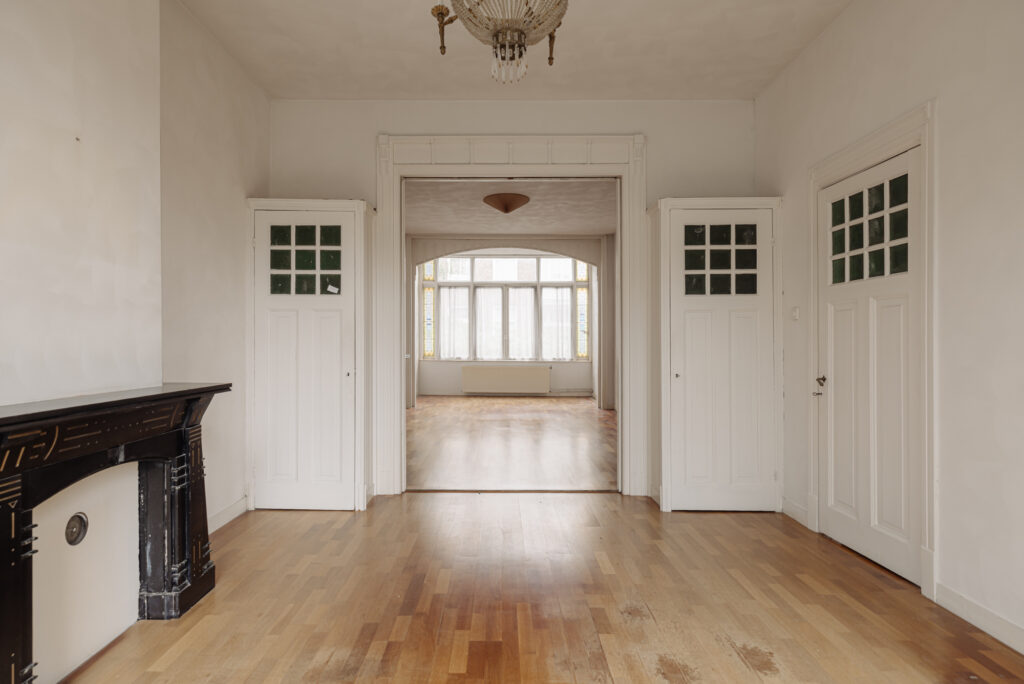
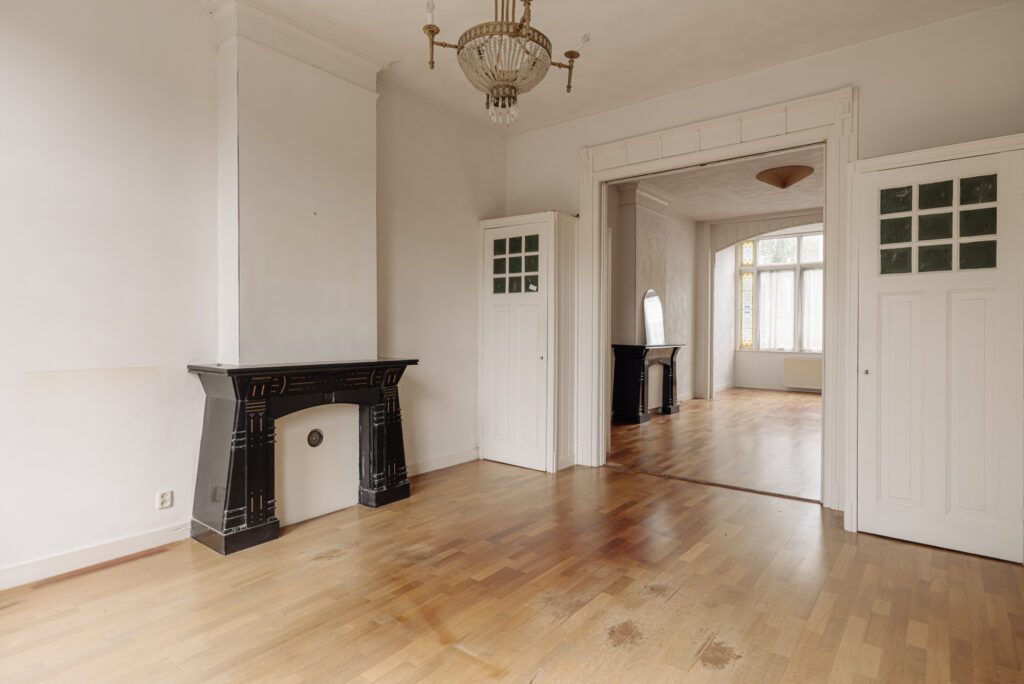
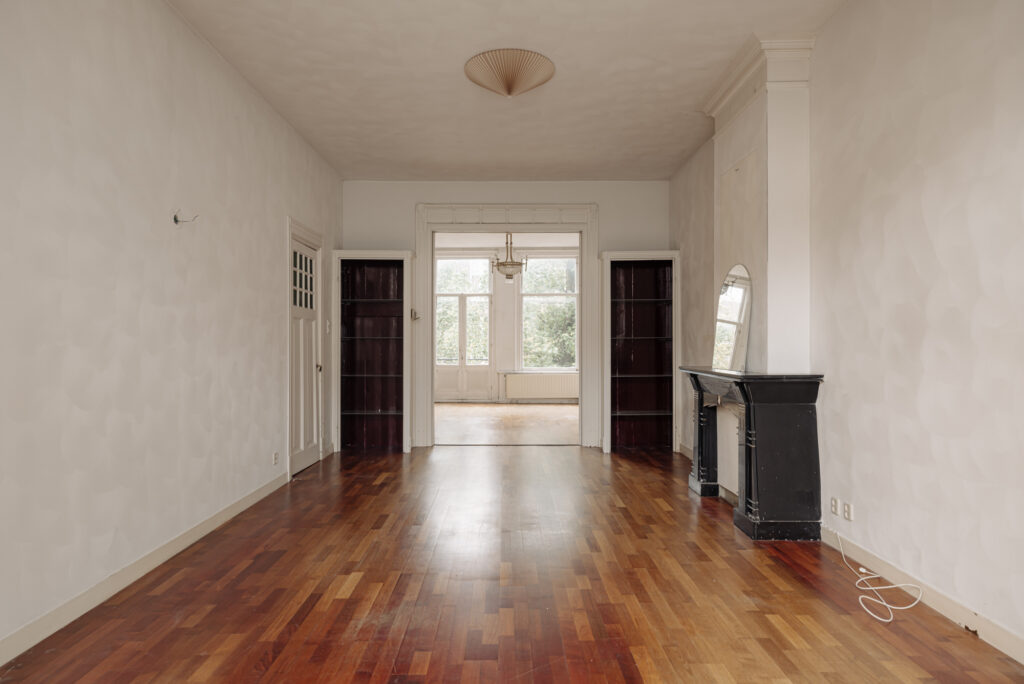
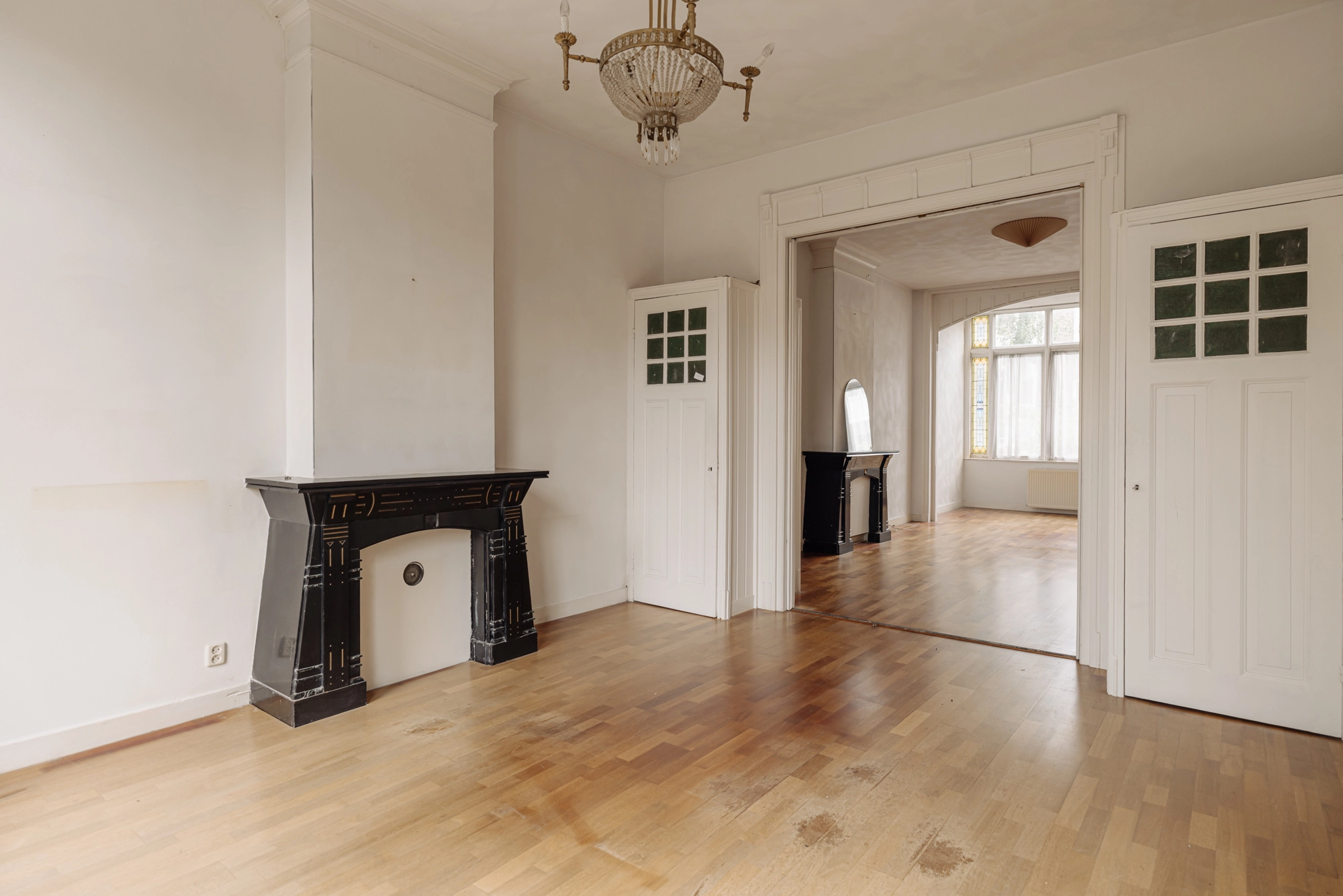
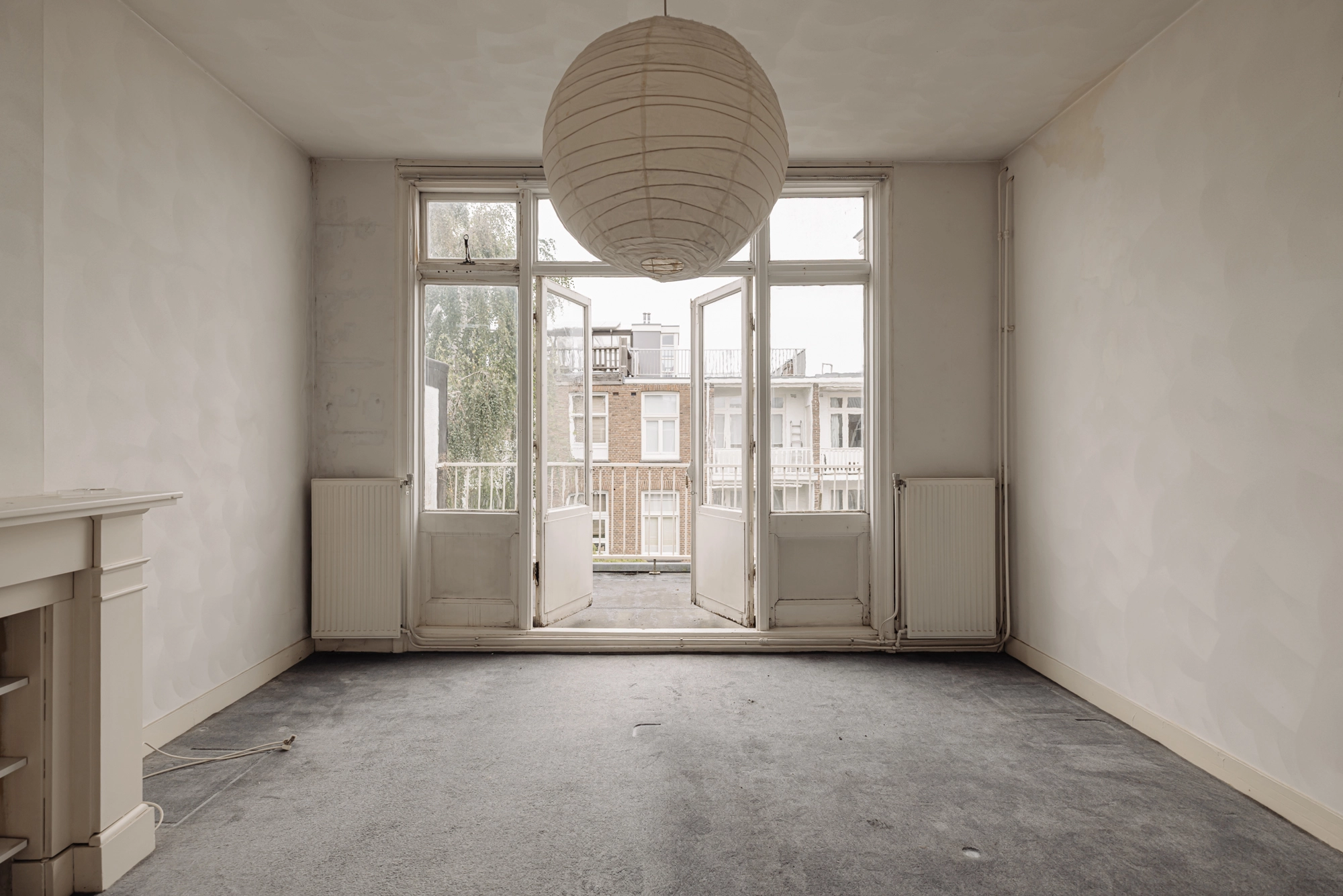
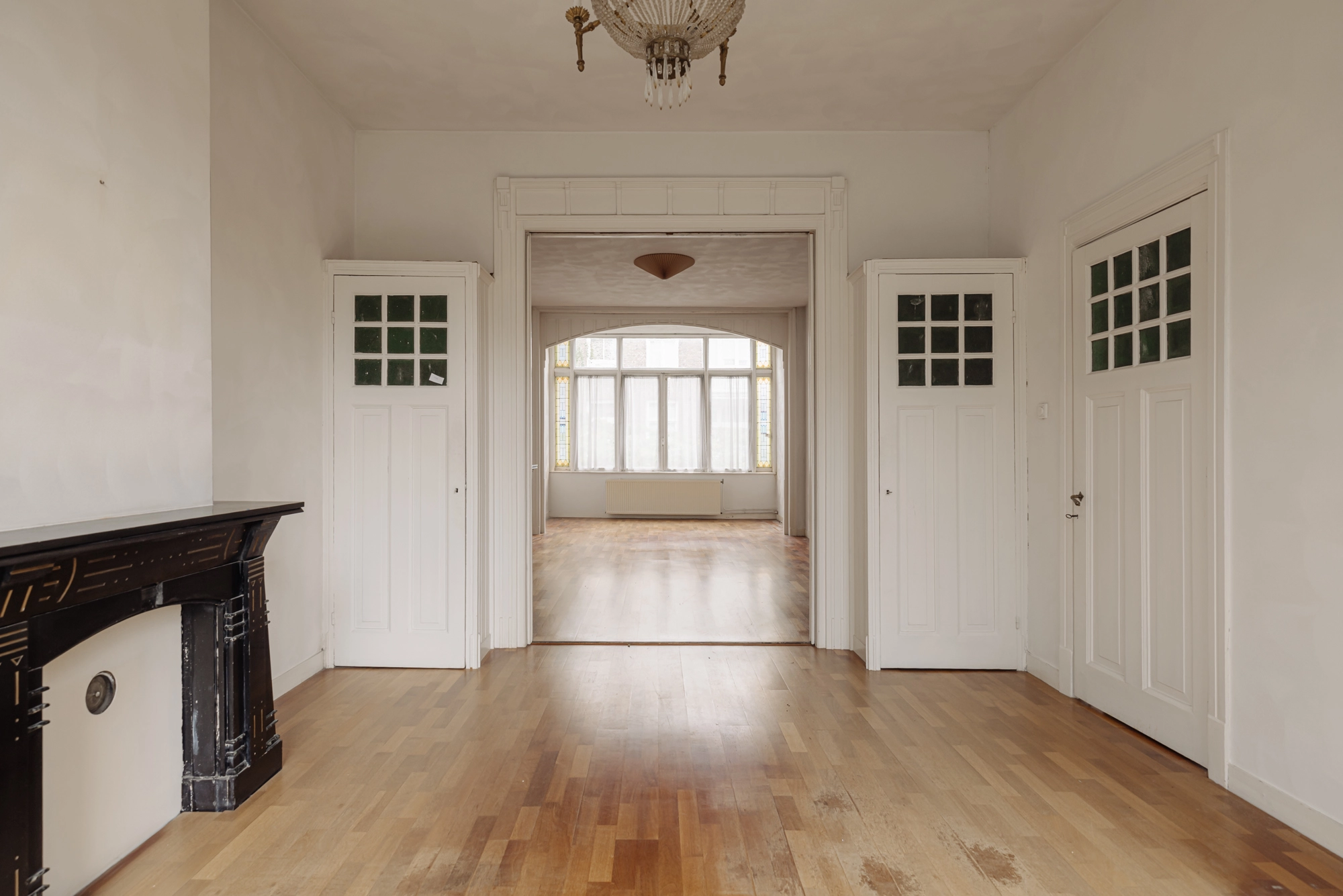
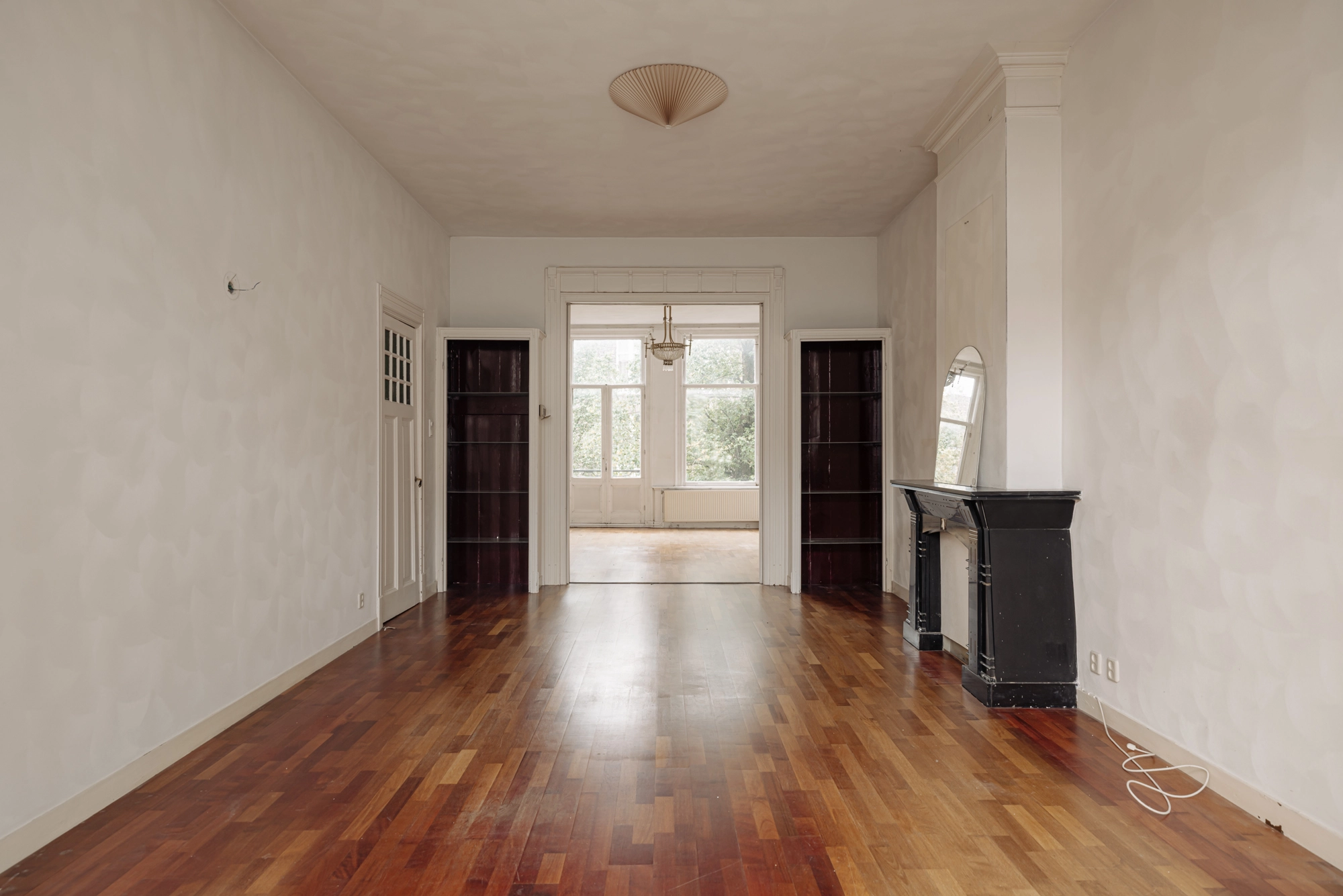
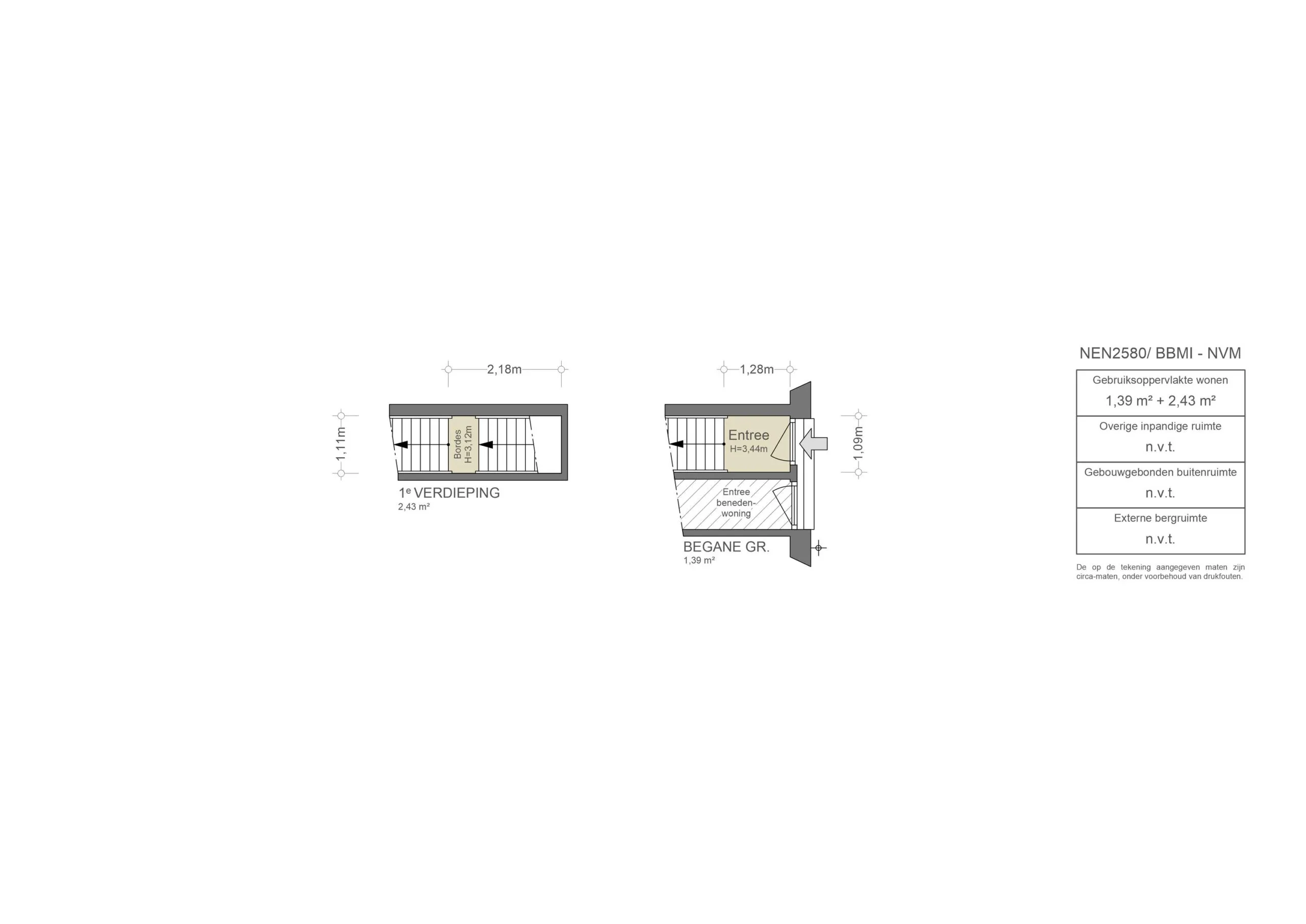
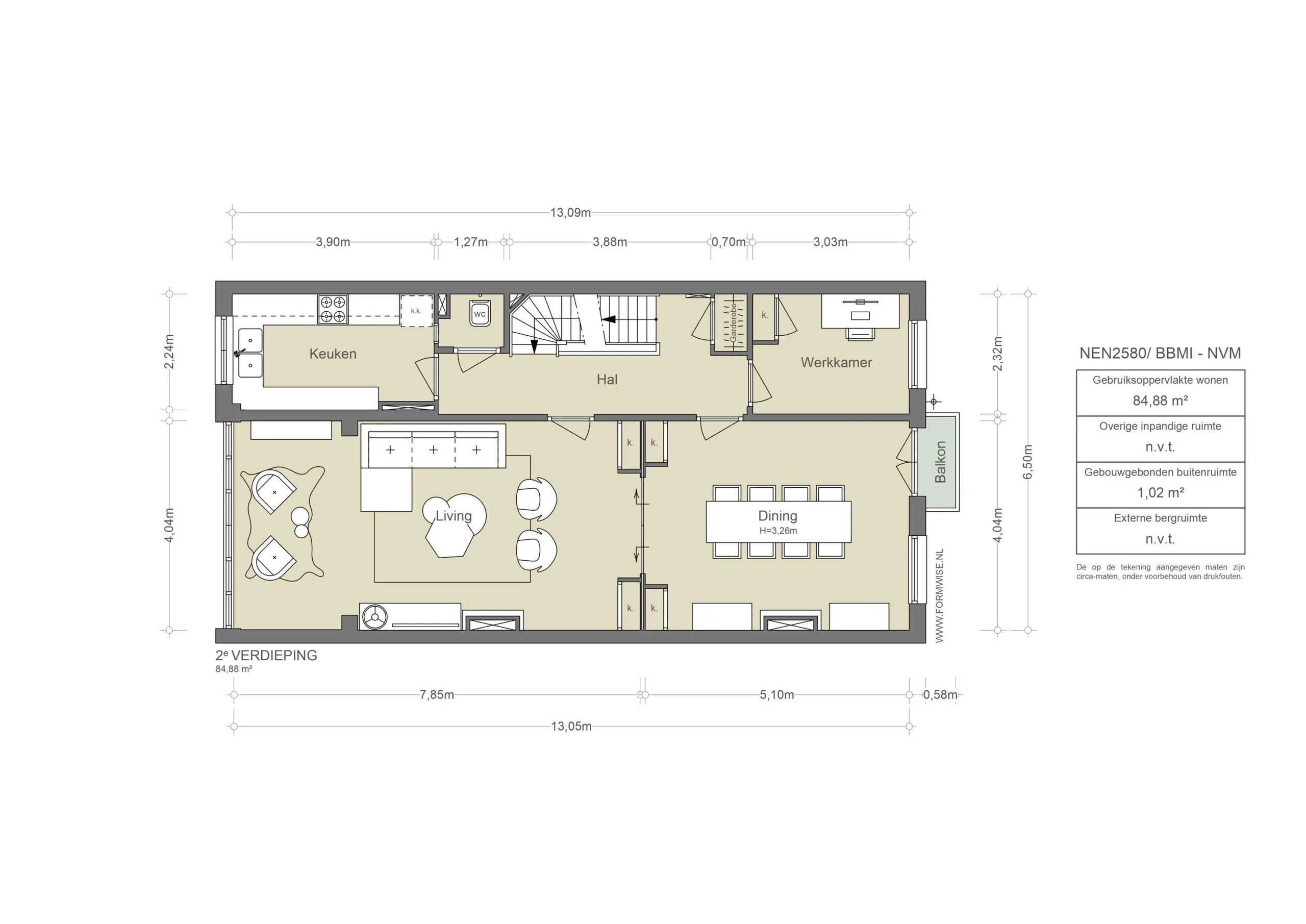
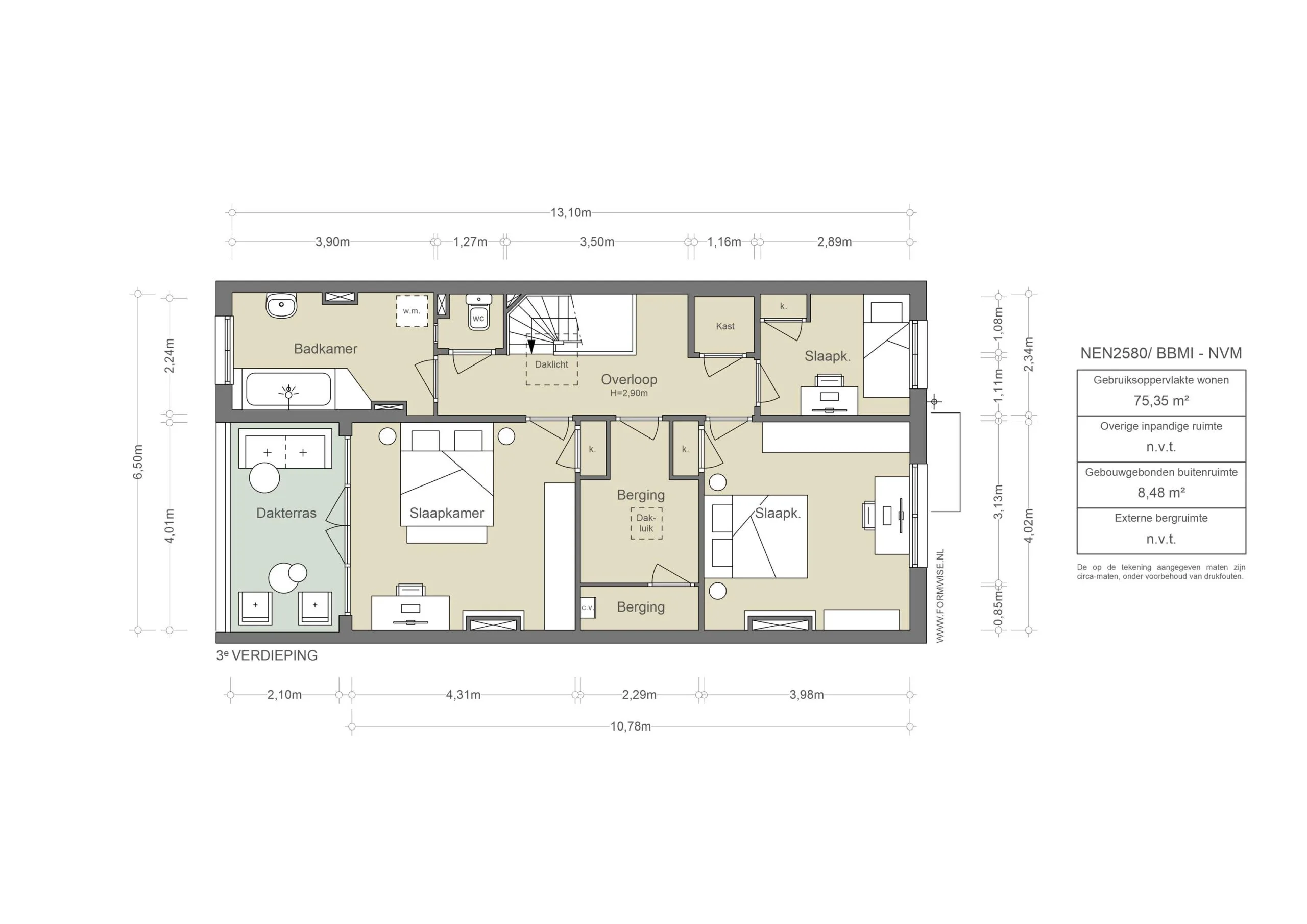
Through the central entrance and staircase, the residence is reached on the second floor. Here, the living spaces are arranged in a classic en suite layout: a front-facing living room overlooking the square, an adjoining study, and a dining room at the rear—connected by sliding doors and fitted cabinets. Wooden floors and original fireplaces lend both rooms a distinctive character. The enclosed kitchen at the rear is practical in design. An internal staircase leads to the third floor, where three bedrooms are situated. The primary bedroom at the rear features double doors opening onto a private terrace. At the front are two additional rooms, one generous in size and one compact. The landing includes a separate toilet and several storage cabinets. The bathroom is light and spacious, equipped with a bathtub, washbasin, and laundry connections. A French balcony at the front and a rear terrace overlooking the inner gardens enhance the living experience. The option to create a rooftop terrace offers potential for further outdoor expansion. Classic Verhulst is a residence with character and promise—functionally arranged, quietly located, and defined by the architectural features typical of early twentieth-century townhouses.
Neighbourhood
Johannes Verhulststraat is named after the Dutch composer and conductor Johannes Verhulst. The street was developed around 1900 in what was once an agricultural area of ditches, fields, and meadows. Between 1900 and 1903, residential blocks were built featuring townhouses, apartments, and shops. Among the architects who designed homes here were L. van der Tas, S.P. Herfst, and J. Lenderik, working primarily in Neo-Renaissance and Art Nouveau styles. The property is situated in Oud-Zuid, just around the corner from Cornelis Schuytstraat and Vondelpark, and close to Museumplein and the Concertgebouw. The area exudes a village-like atmosphere, where children play in the street and boutique shops are a short stroll away. Johannes Verhulststraat is a calm, family-friendly street near highly regarded schools, playgrounds, and within walking distance of Museumplein and Vondelpark. It occupies a uniquely central position, connecting the vibrant city centre, the cultural richness of Oud-Zuid, the Beethoven neighbourhood, and the green serenity of Vondelpark—surrounded by refined urban amenities.
Details
• Living area of approximately 164 m²
• Balcony at the front
• South-facing terrace at the rear
• Bright and spacious upper residence
• Excellent location in Amsterdam-Zuid
• Potential to create a rooftop terrace
• Freehold property, small homeowners’ association
• Energy label G
• Non-occupancy clause applies
• Municipal protected cityscape
This information has been compiled with great care. However, no liability is accepted for any incompleteness, inaccuracies, or consequences thereof. All dimensions and surface areas are indicative only.
The measurement instruction is based on NEN2580 and intended to provide a uniform method for determining the usable floor area. Differences in measurement outcomes may occur due to variations in interpretation, rounding, or limitations during measurement.
Klassiek Verhulst
Along one of the most characteristic avenues of Amsterdam-Zuid lies Klassiek Verhulst, a spacious double upper residence defined by original details, a traditional layout, and functional outdoor spaces. The home offers approximately 168 square metres of living space across two floors, featuring a sunny terrace at the rear and a French balcony at the front. The layout is clear and traditional: an en suite living area on the second floor, three bedrooms on the third, a separate kitchen, and a generous bathroom. The property is in a modest state and provides an excellent foundation for renovation according to personal vision. Subject to conditions, there is potential to create a rooftop terrace of approximately 30 percent of the roof surface. Ideally situated in the quiet Johannes Verhulststraat, in the heart of the beloved Oud-Zuid district, with all urban amenities within easy reach.
Further details about the possibilities are available upon request.
Design Vision
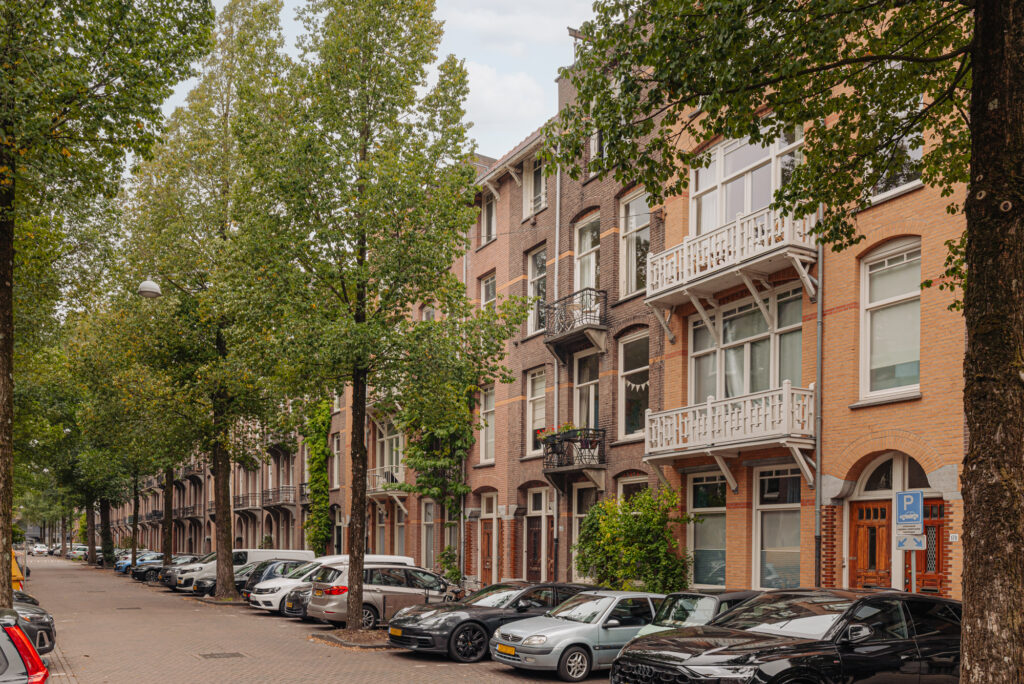
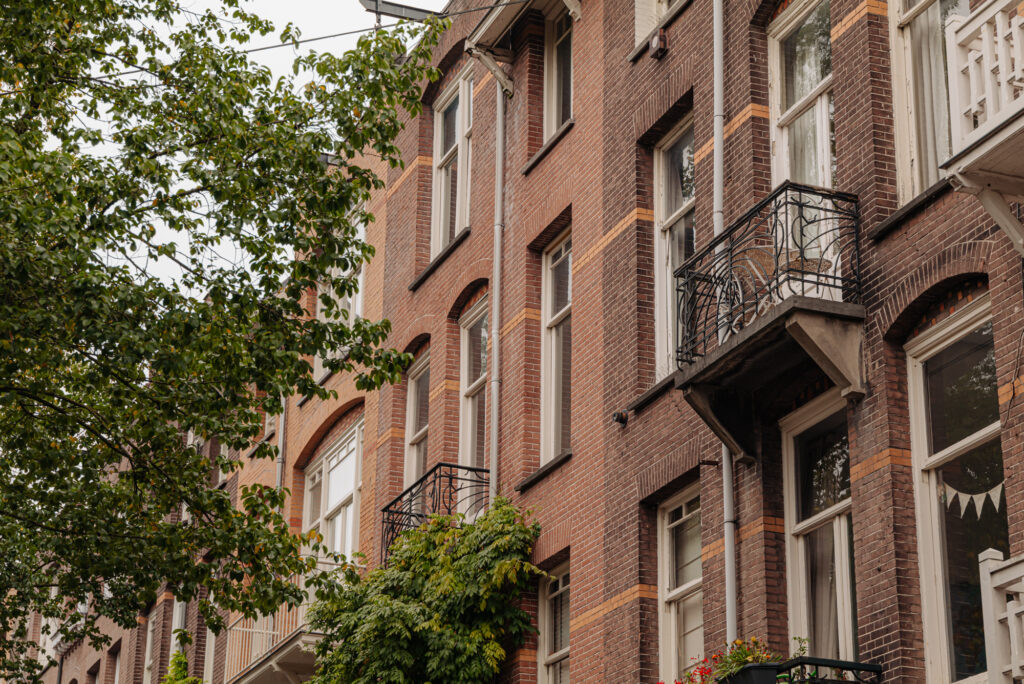
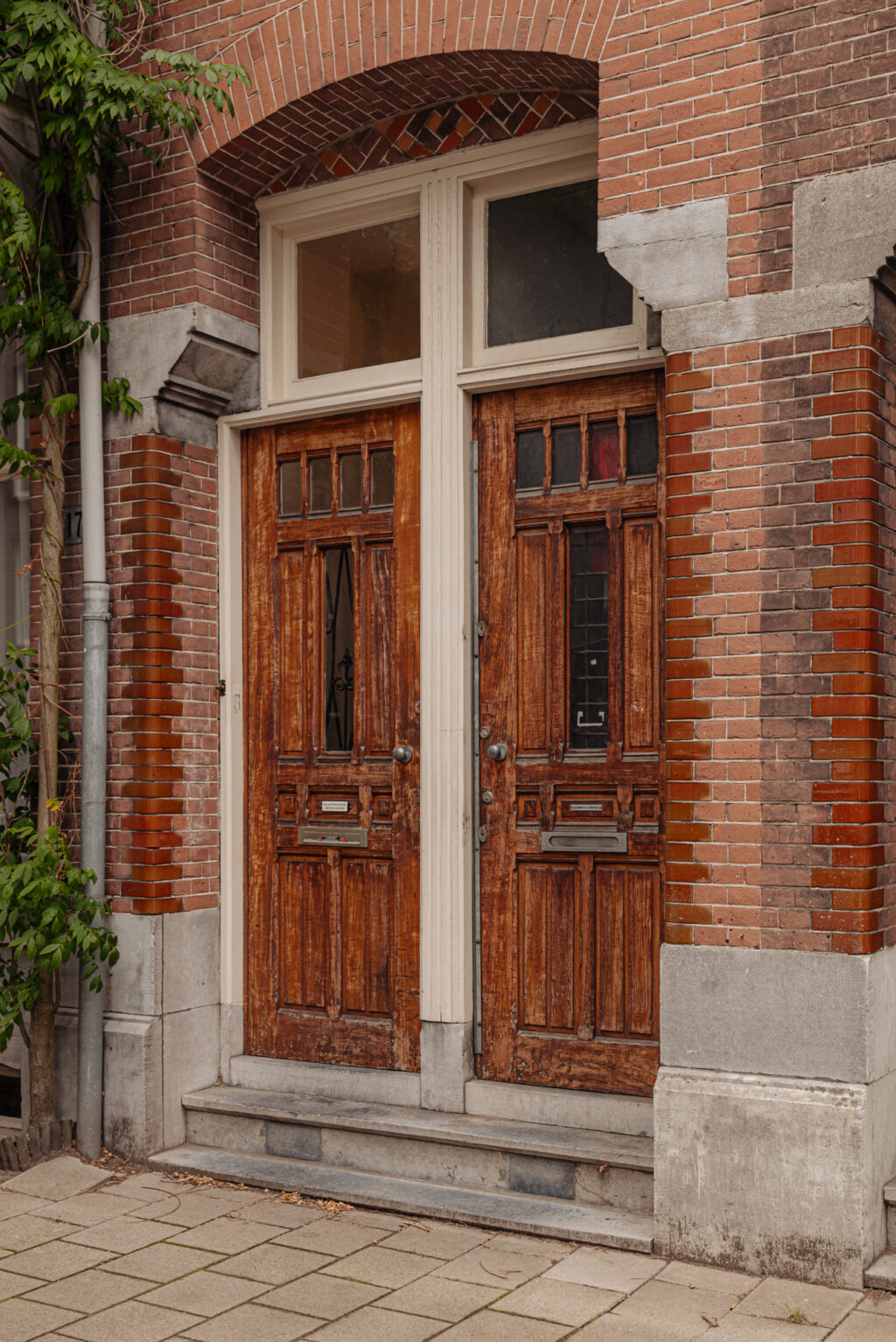
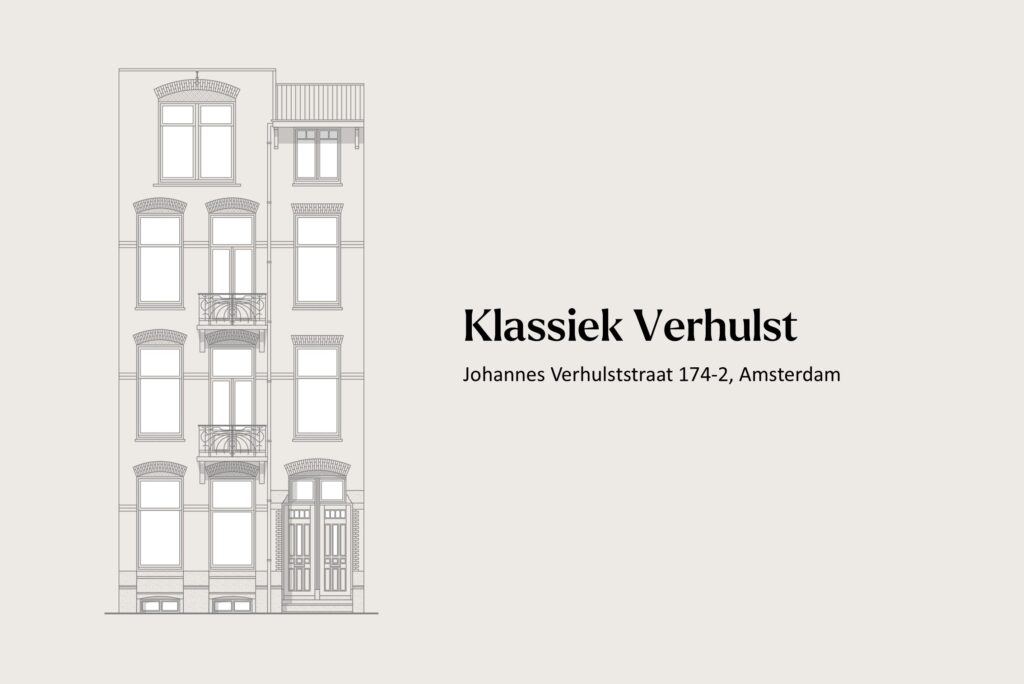
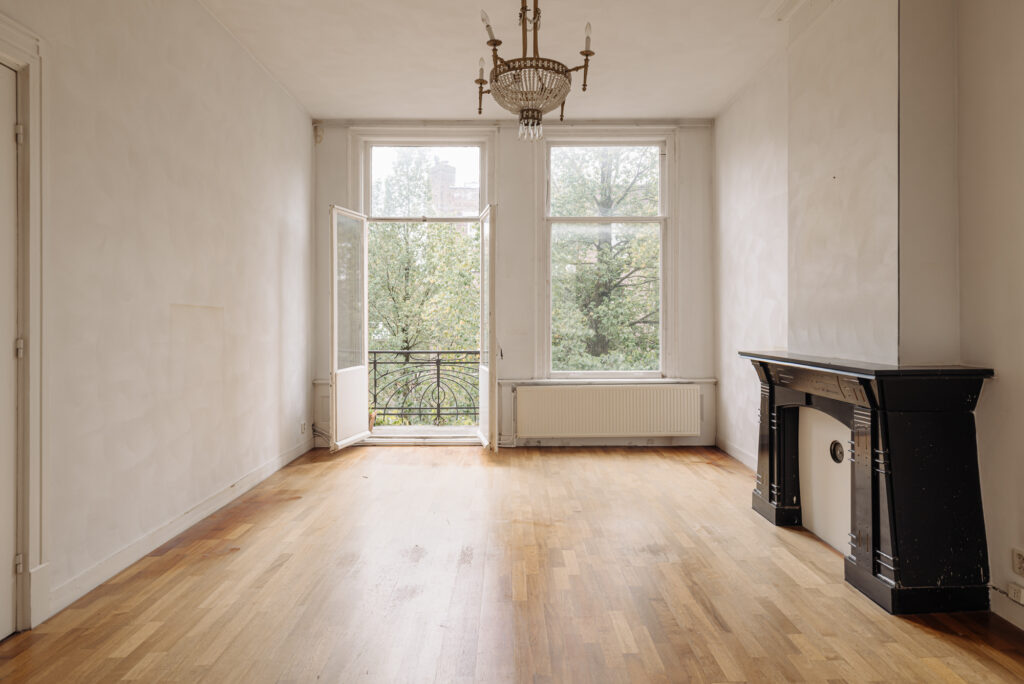
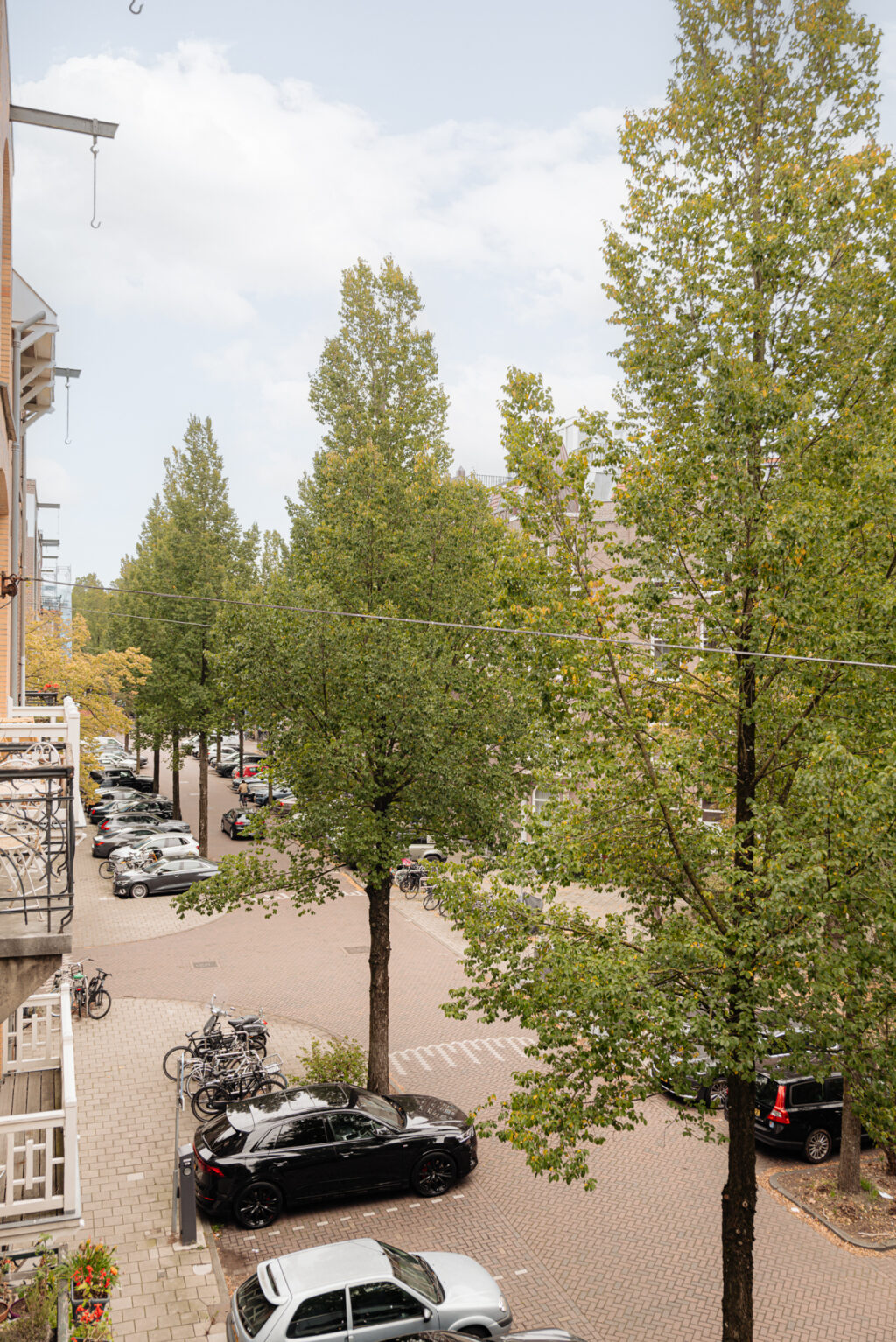
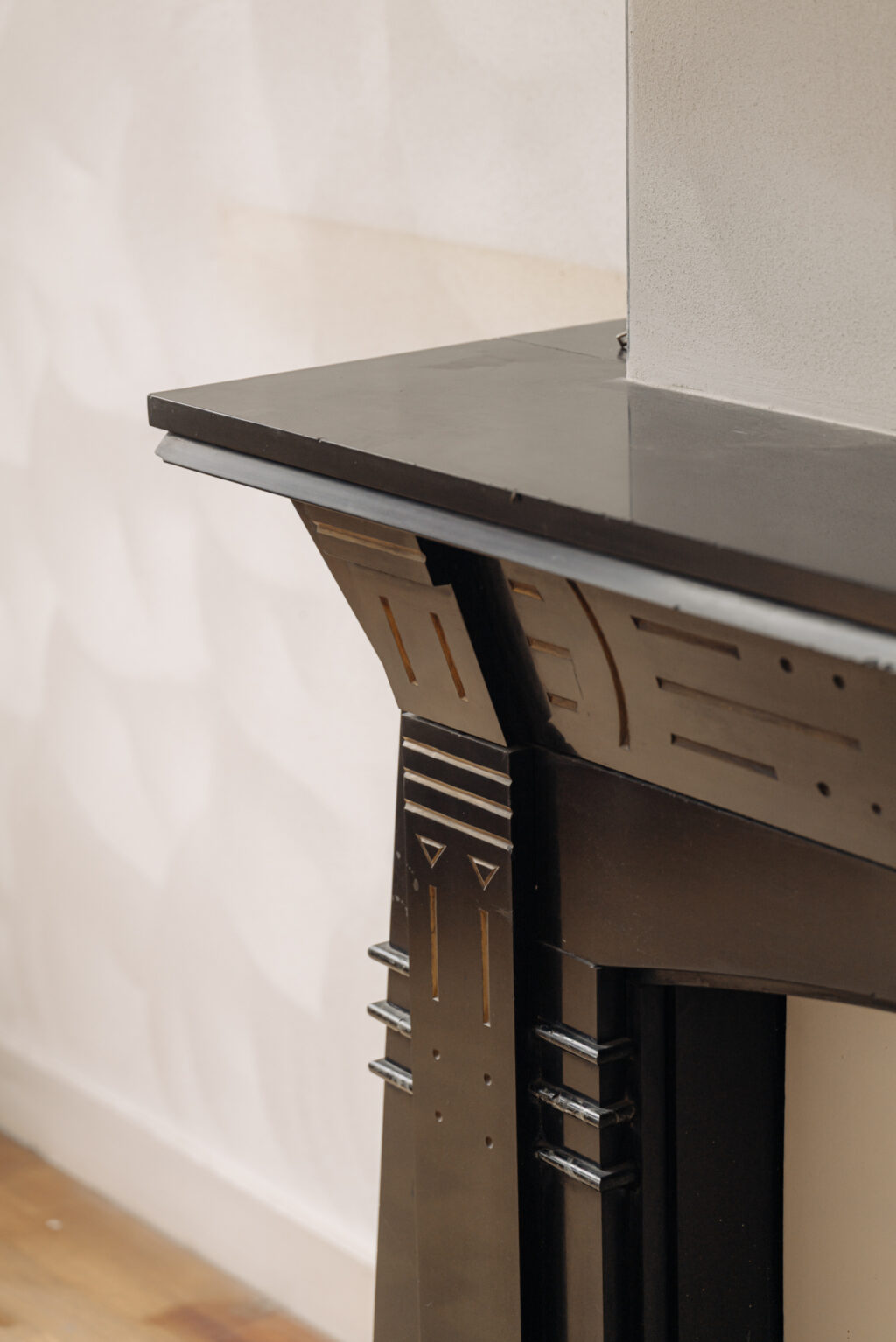
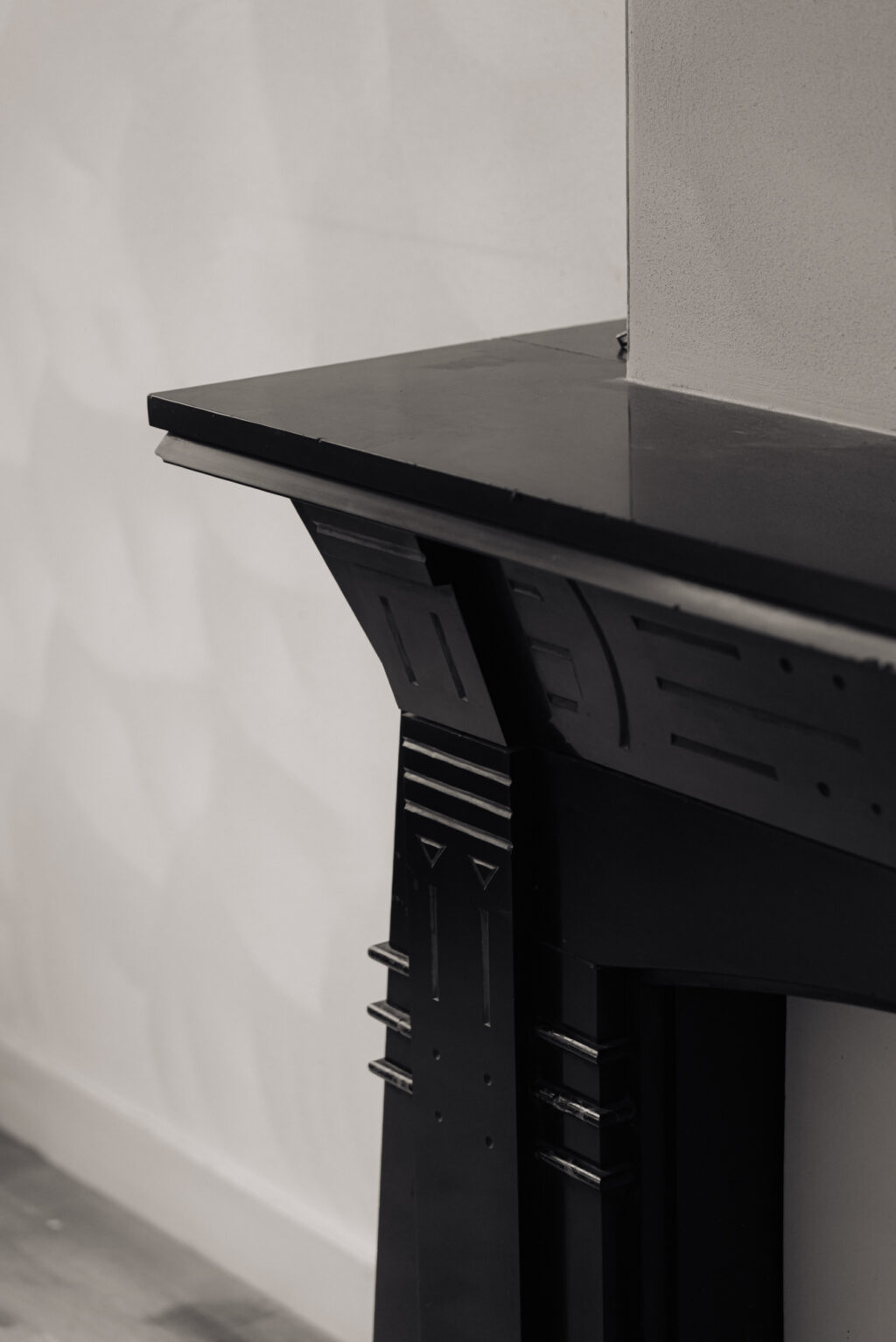
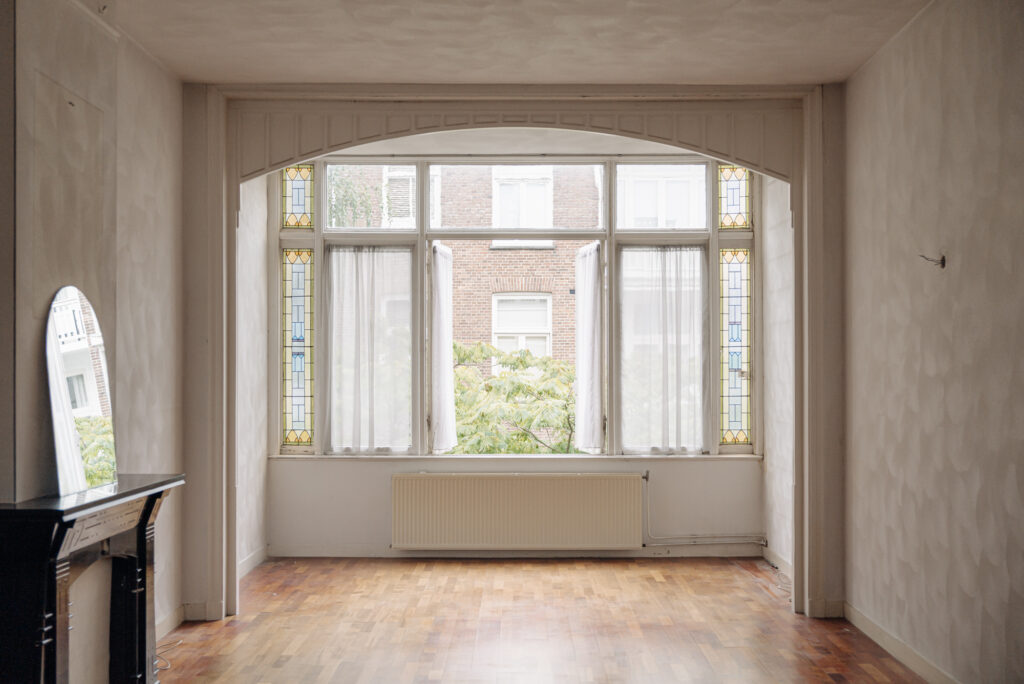
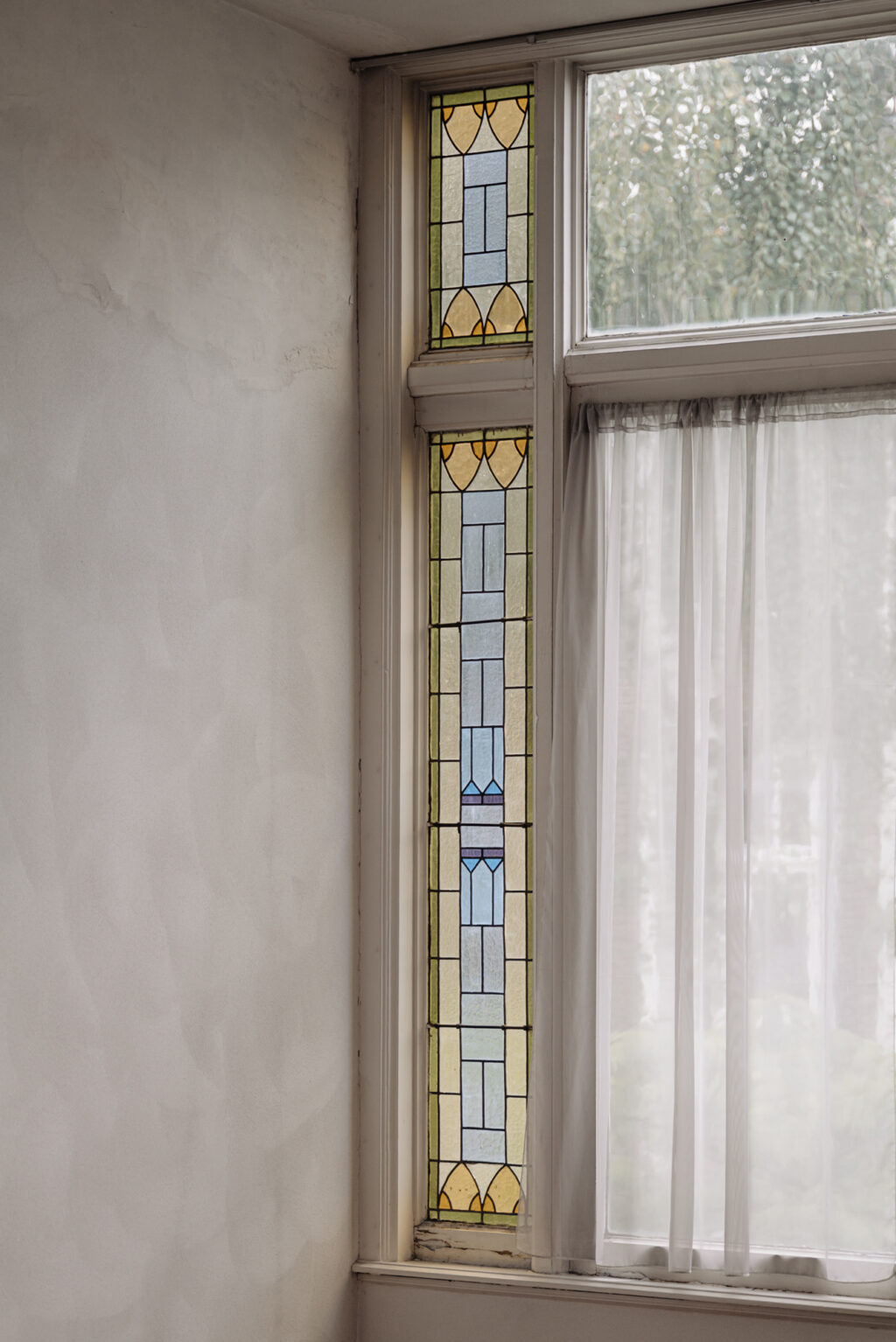
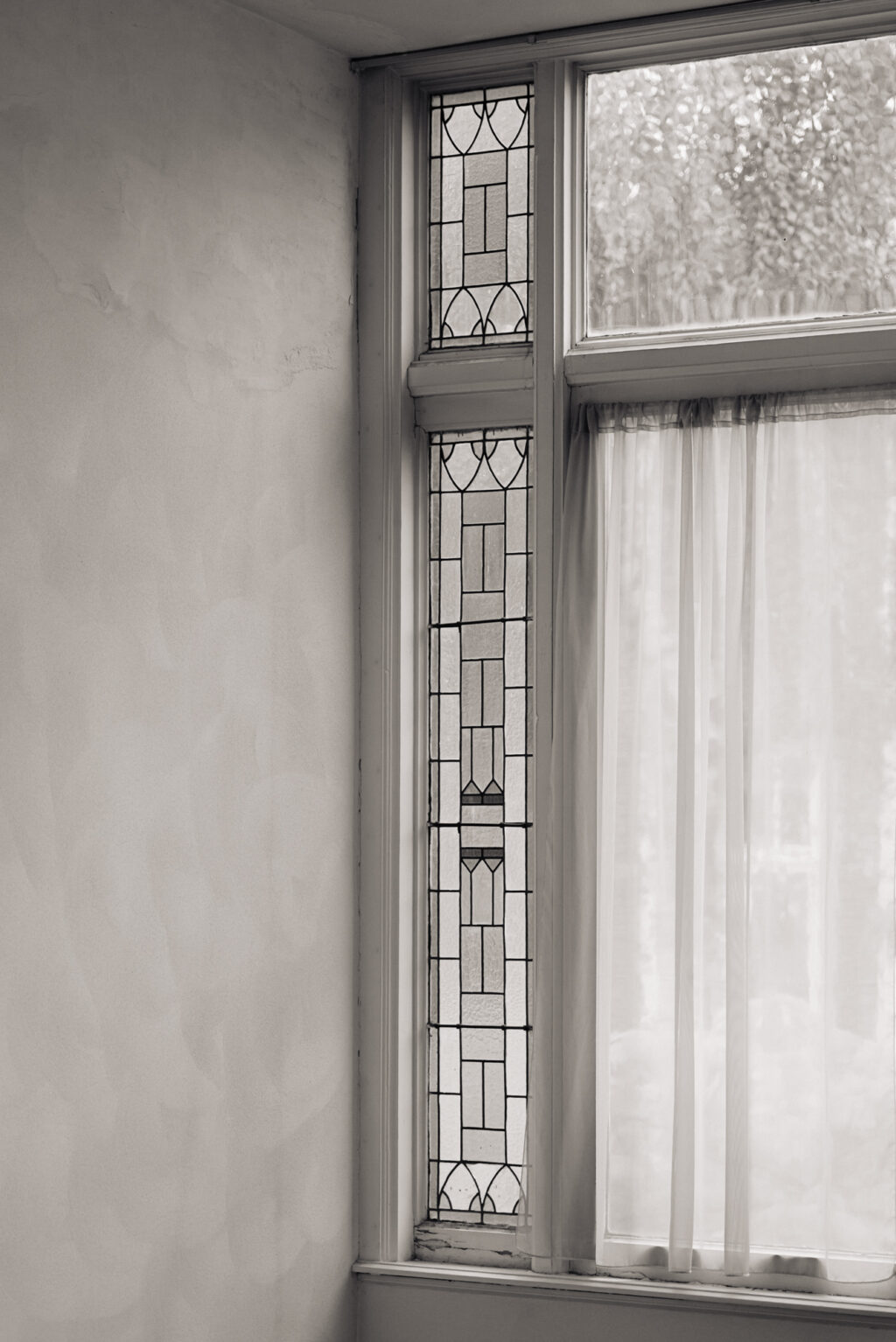
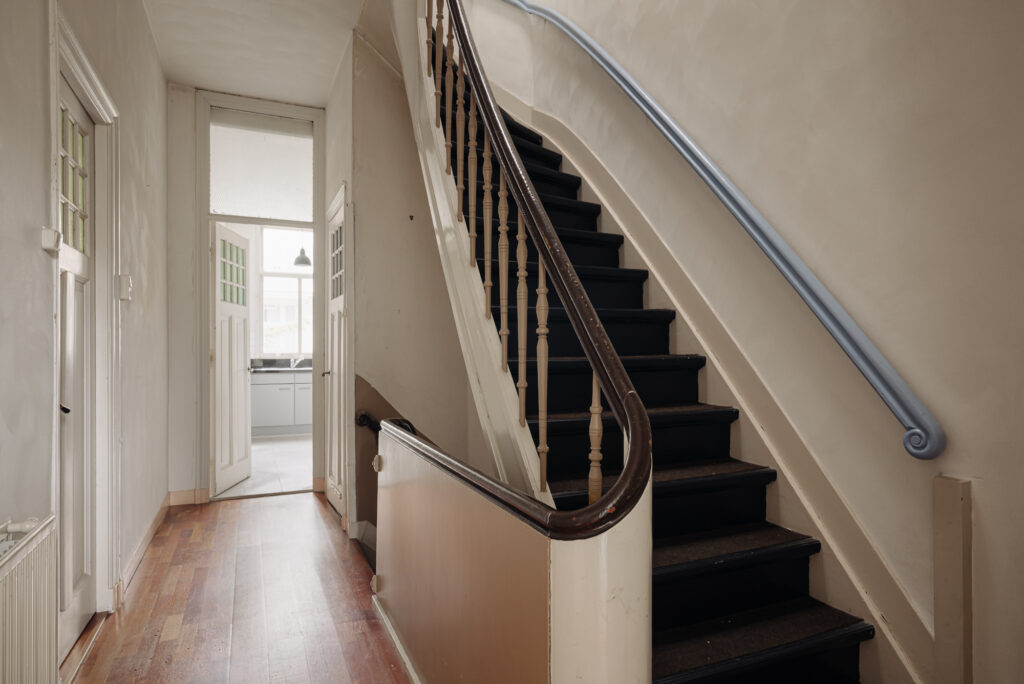
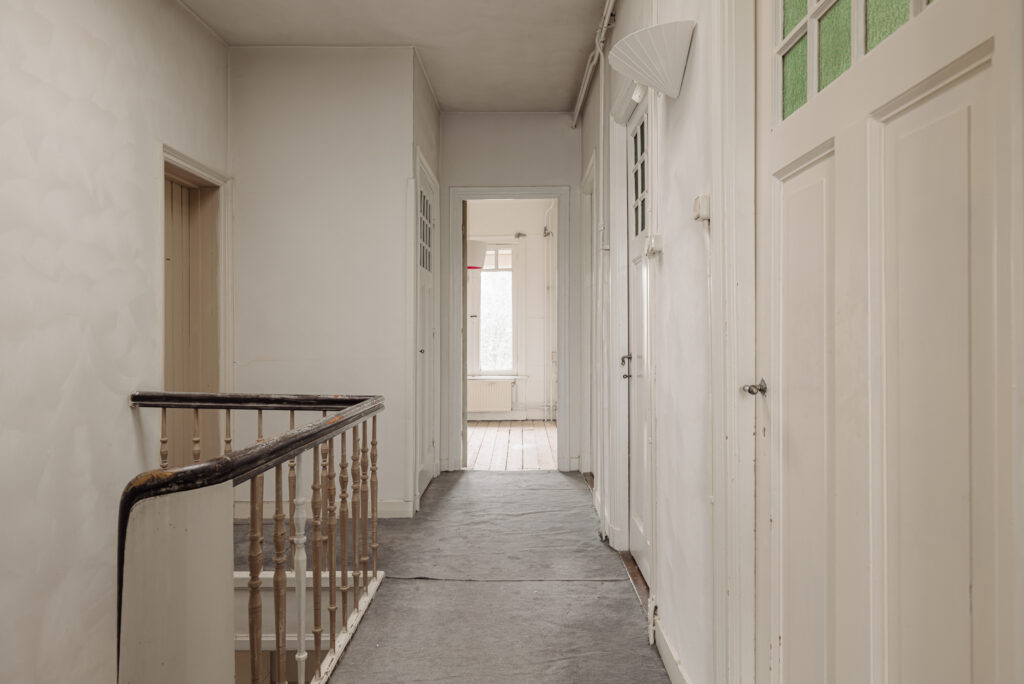
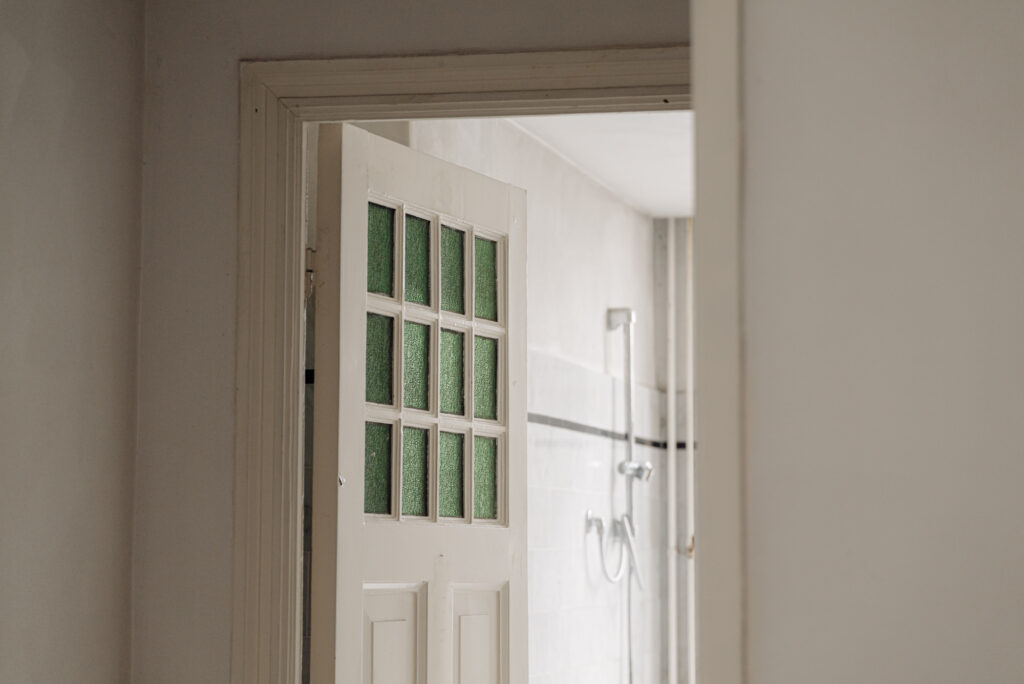
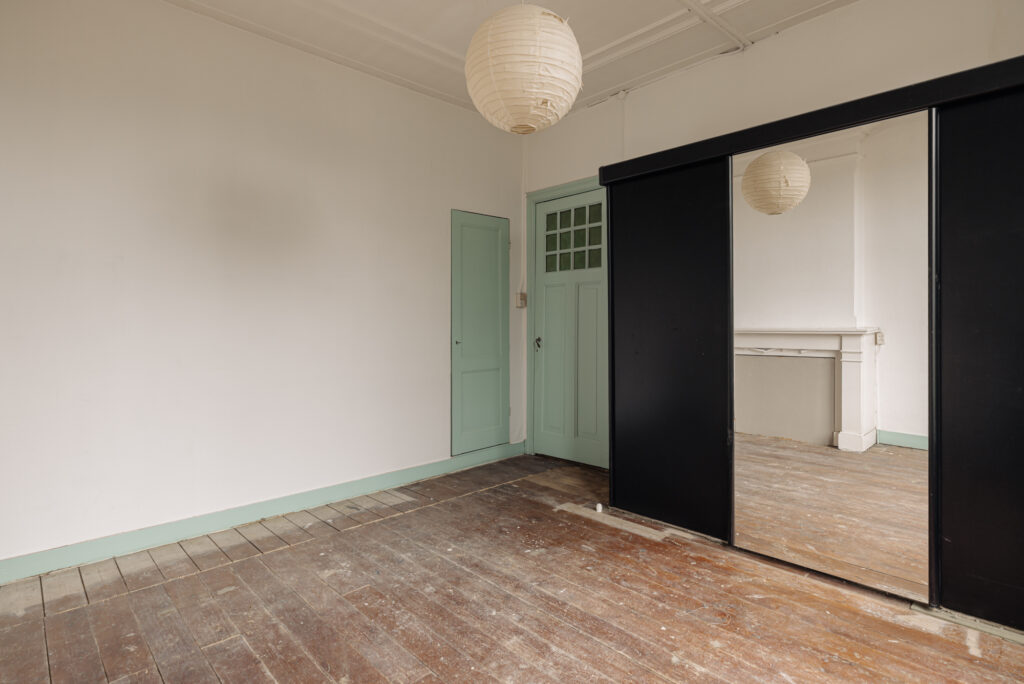
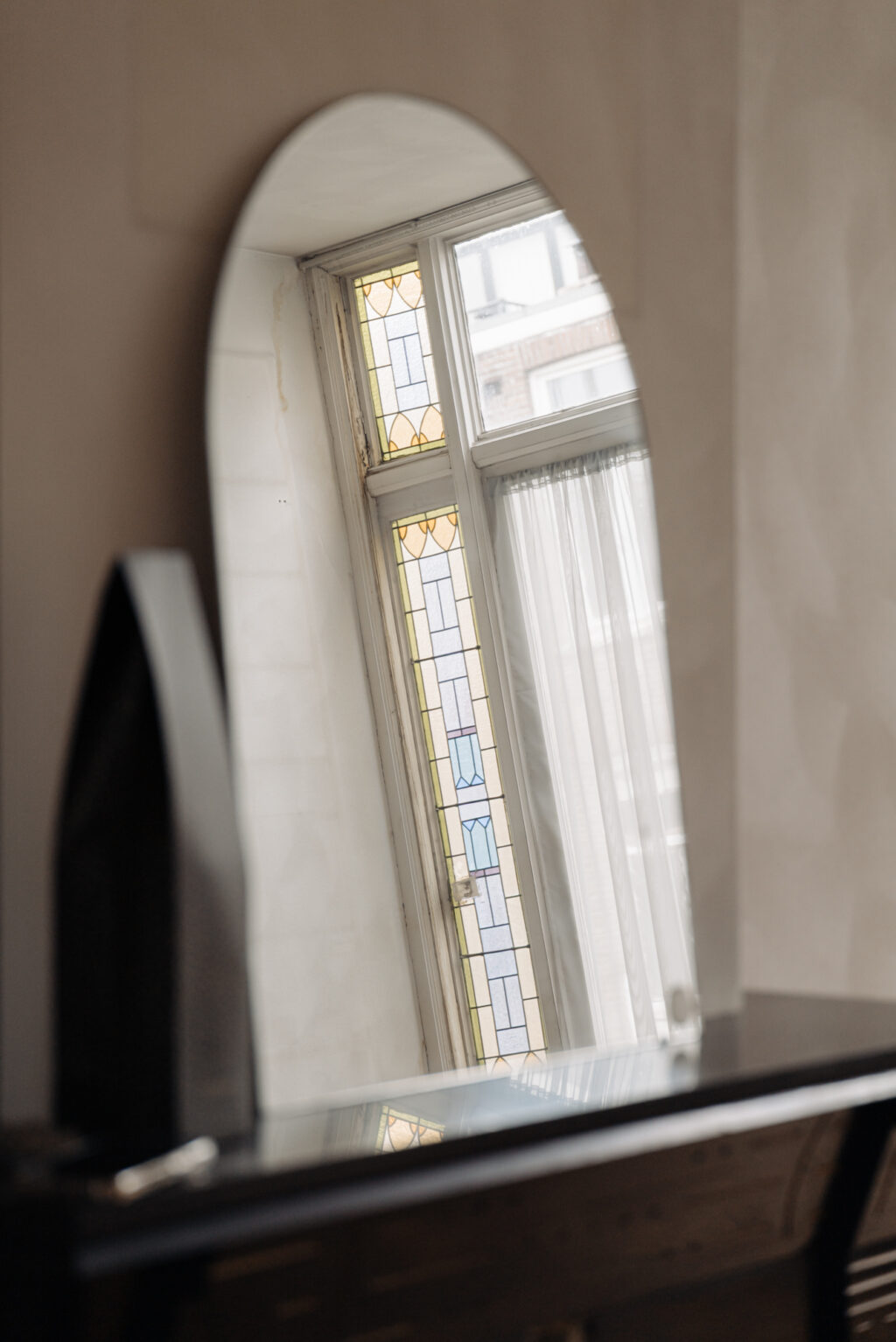
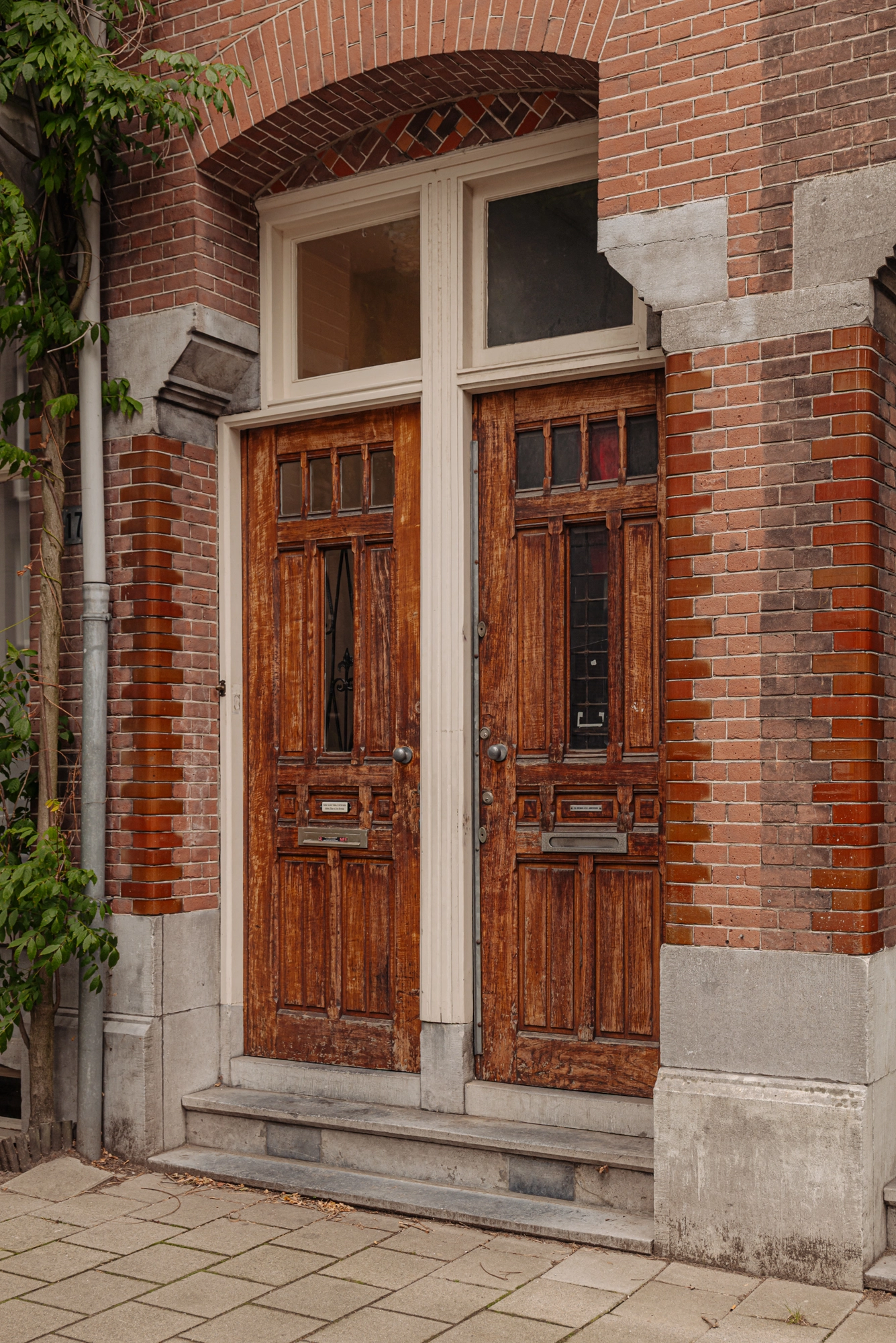
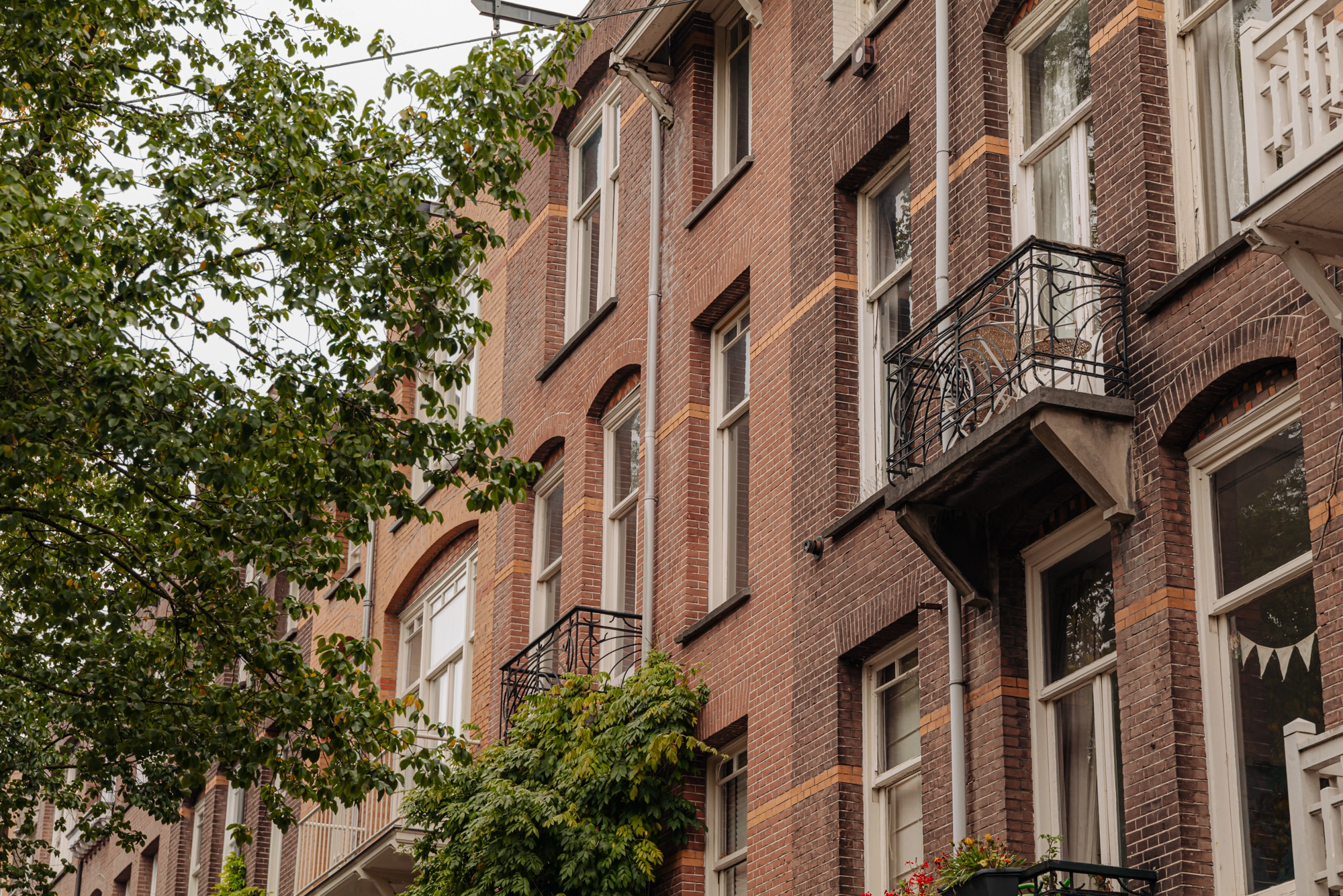
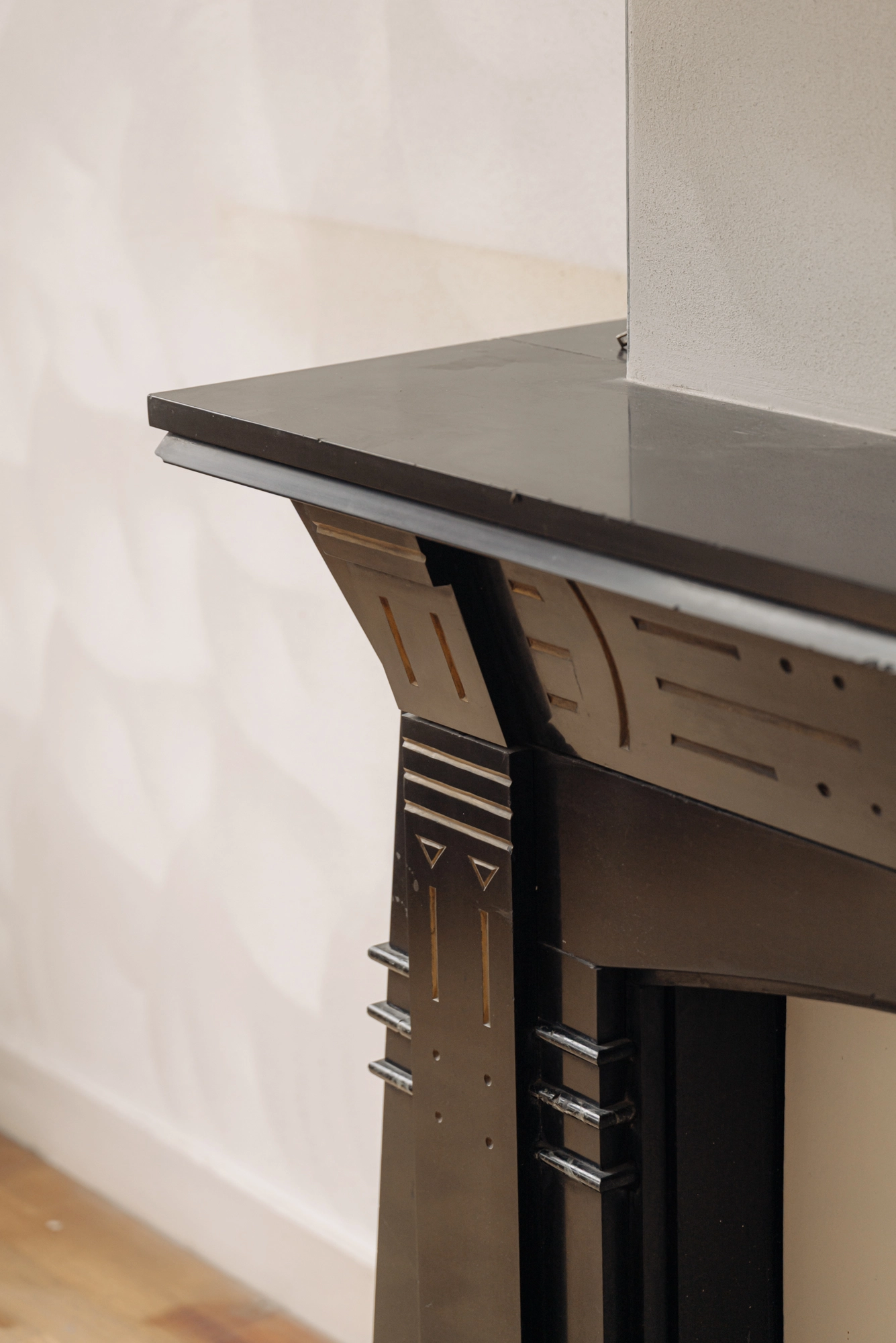
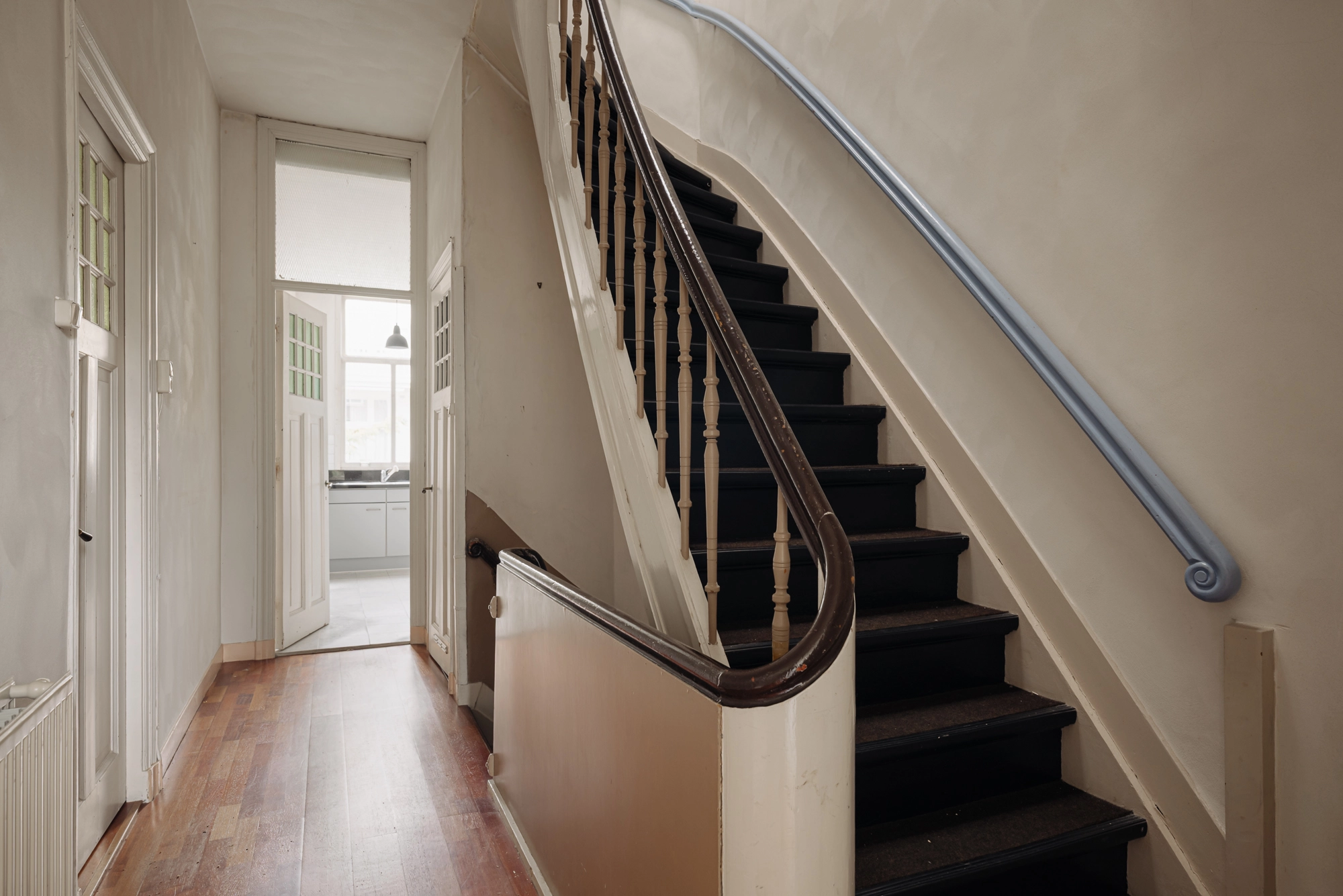
The upper residence on Johannes Verhulststraat is part of a traditionally built façade row in Amsterdam Zuid. The architecture is characteristic of the early twentieth century, featuring brick façades, wooden balcony structures, and a double front door framed by a brick arch. Its position opposite Dufayplein provides a pleasant and open outlook. Inside, the classic layout has been preserved. The living floor follows the en suite principle, with living and dining rooms separated by fitted cabinets and sliding doors. High ceilings and large windows on both sides create a bright, continuous space. Original details such as stained-glass transom windows, wooden panel doors, and two black fireplaces remain intact, referencing the home’s original design. The staircase is wide and still fitted with its original banister. On the sleeping floor, this style continues through panel doors and built-in wardrobes. The floor plan is functional, with three bedrooms, a bathroom, and several storage areas. At the rear lies a secluded, south-facing terrace. The home has a well-balanced rhythm of spaces, where original elements form an integral part of the architectural composition.
Living and Cooking
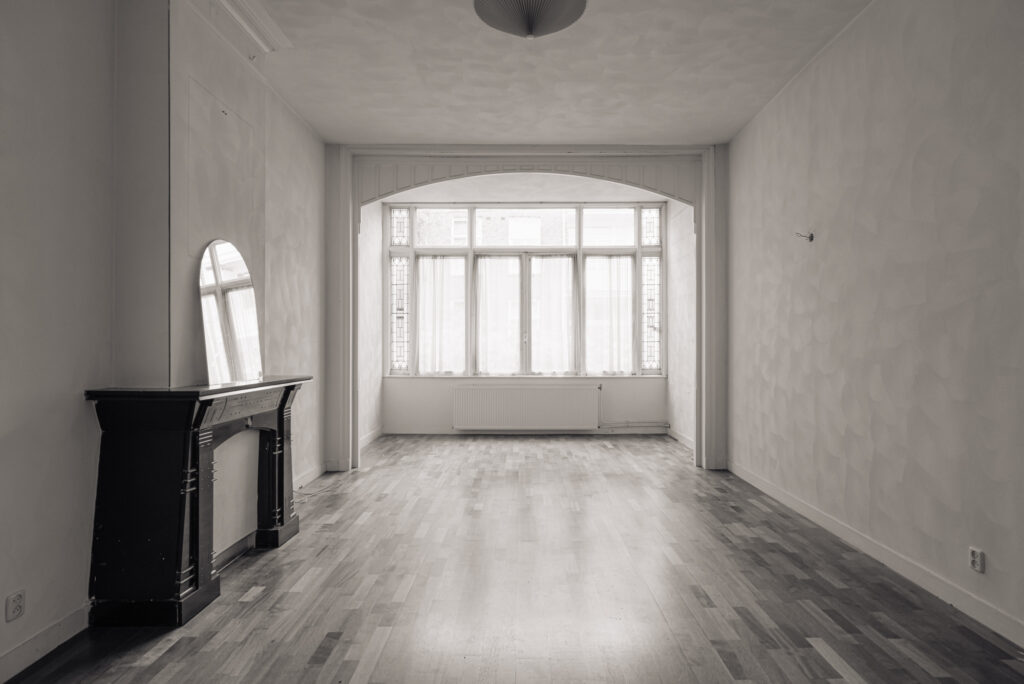
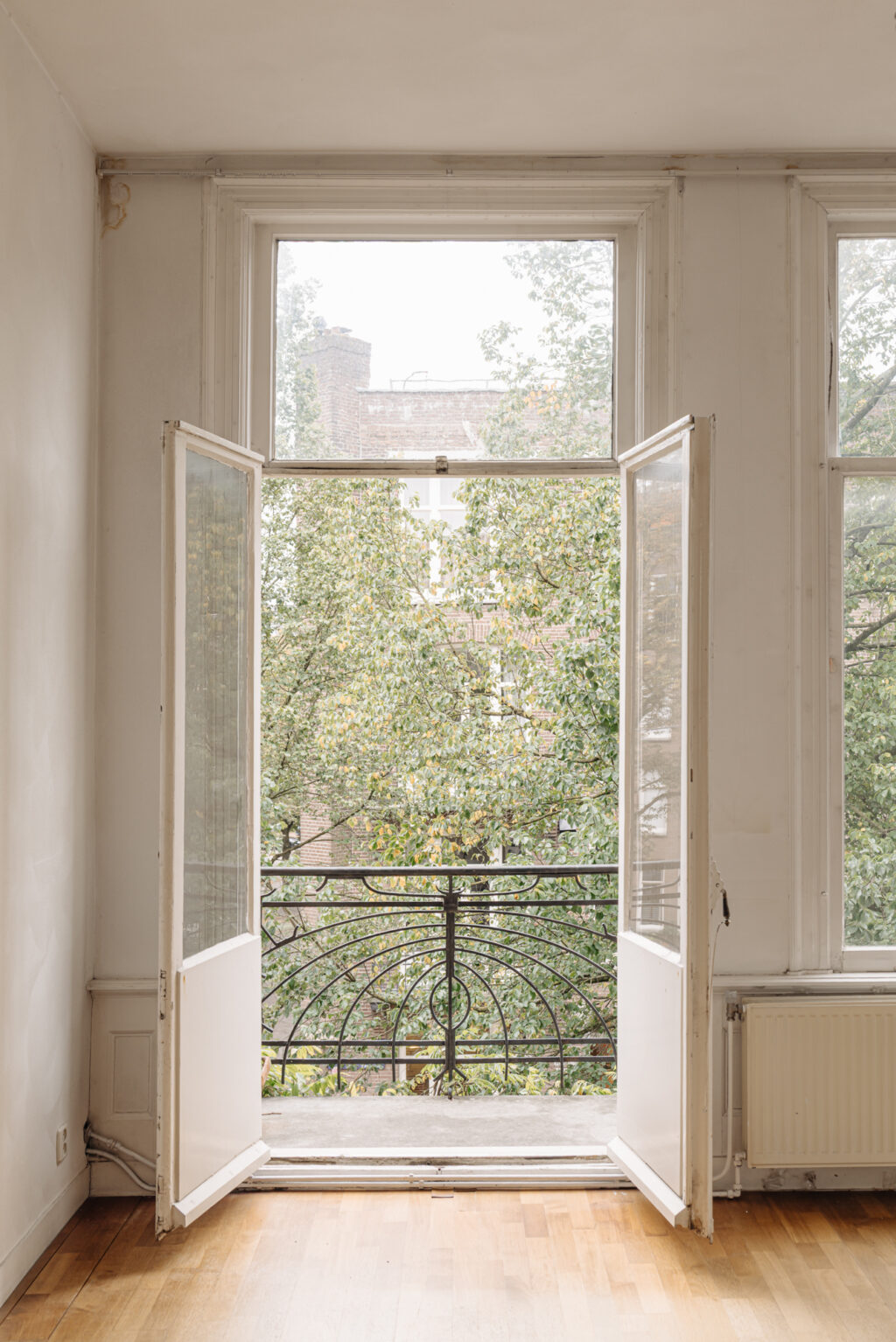
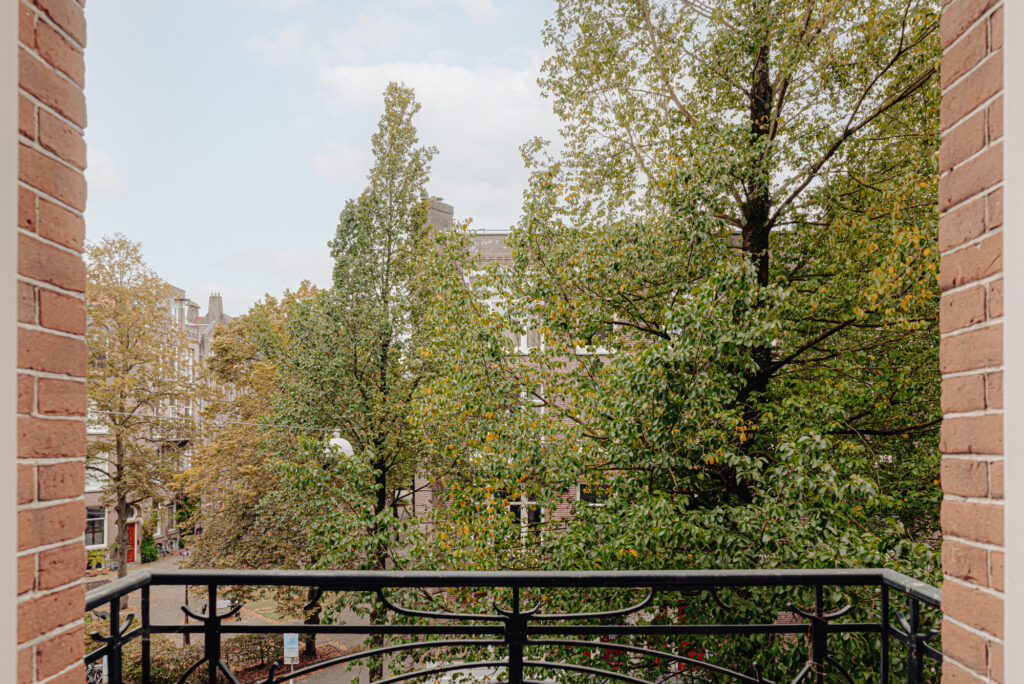
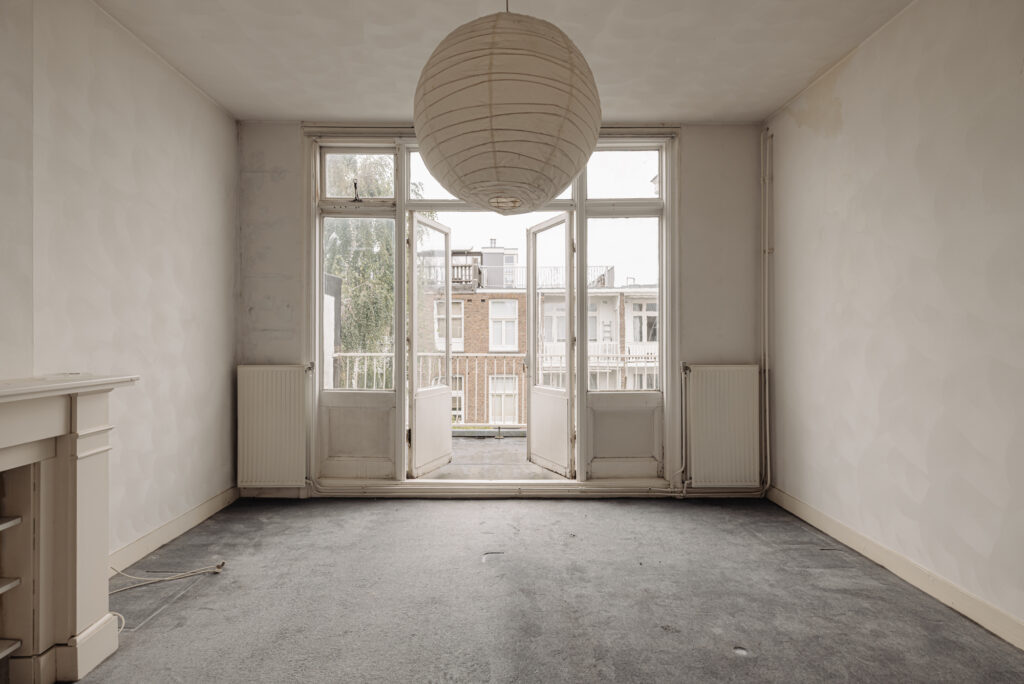
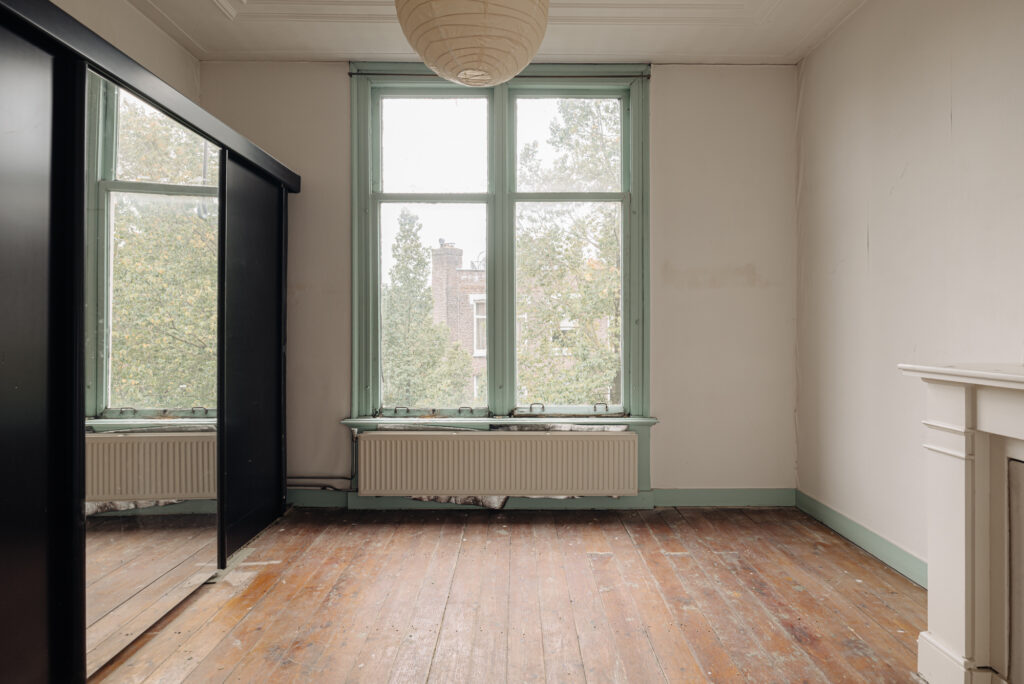
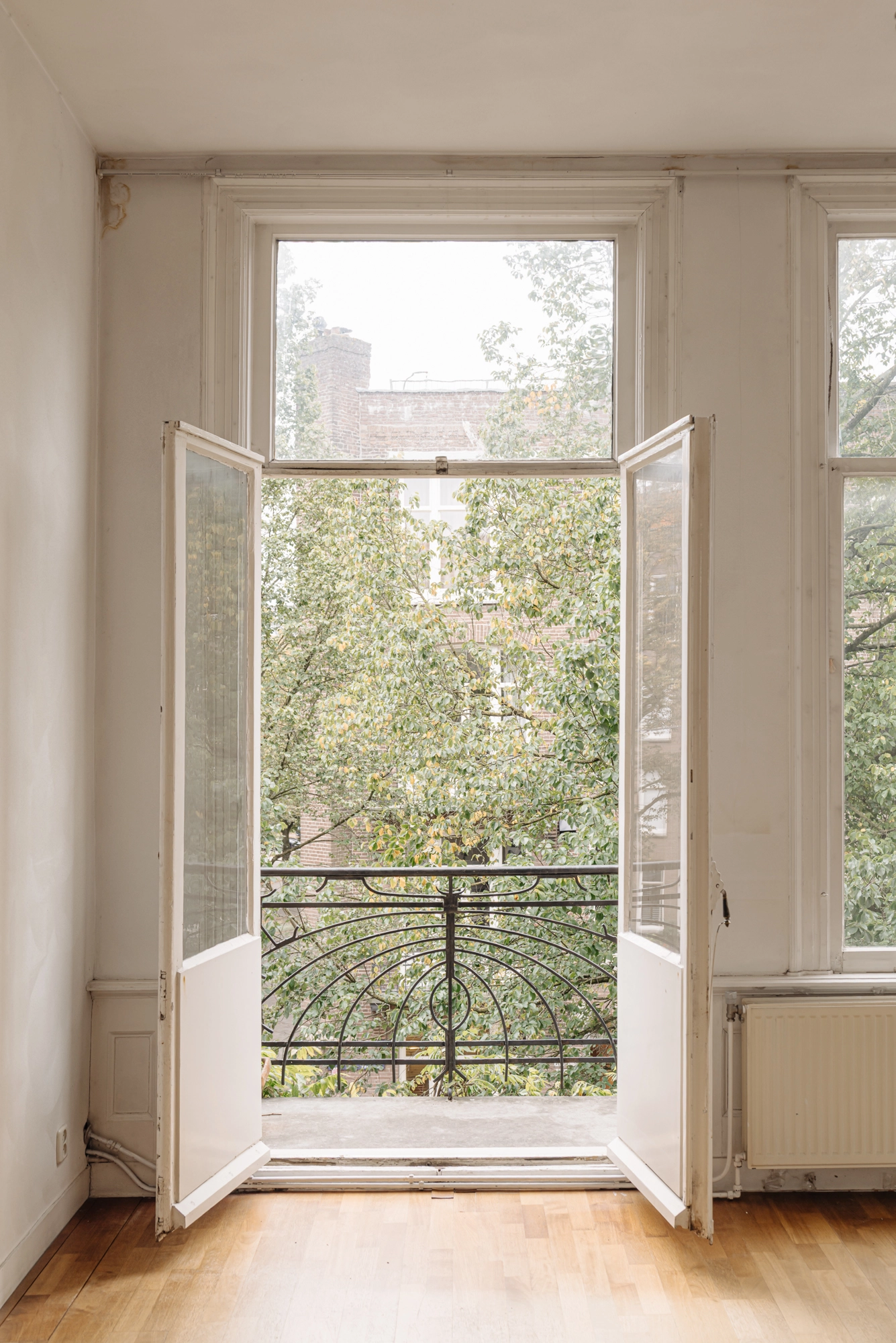
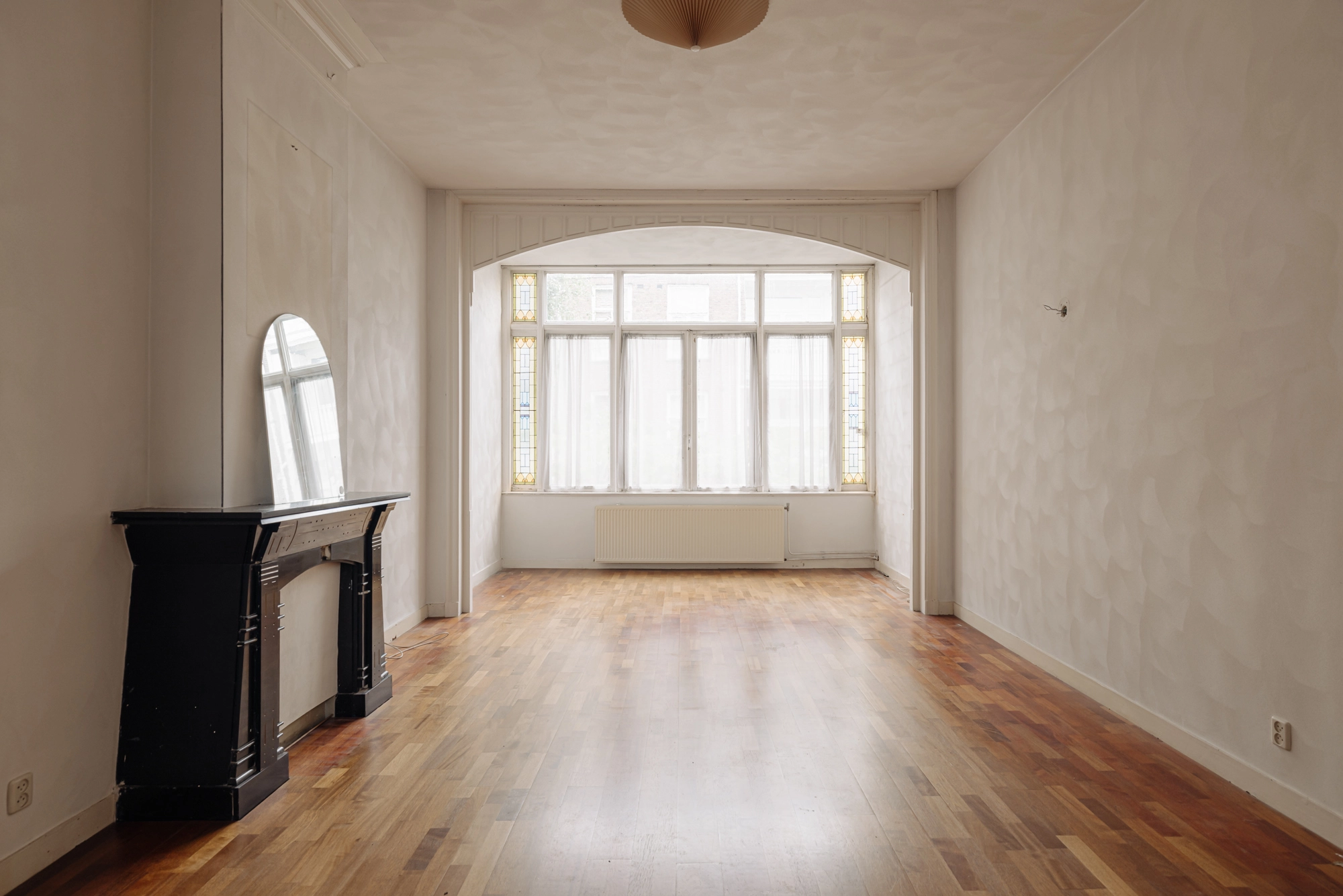
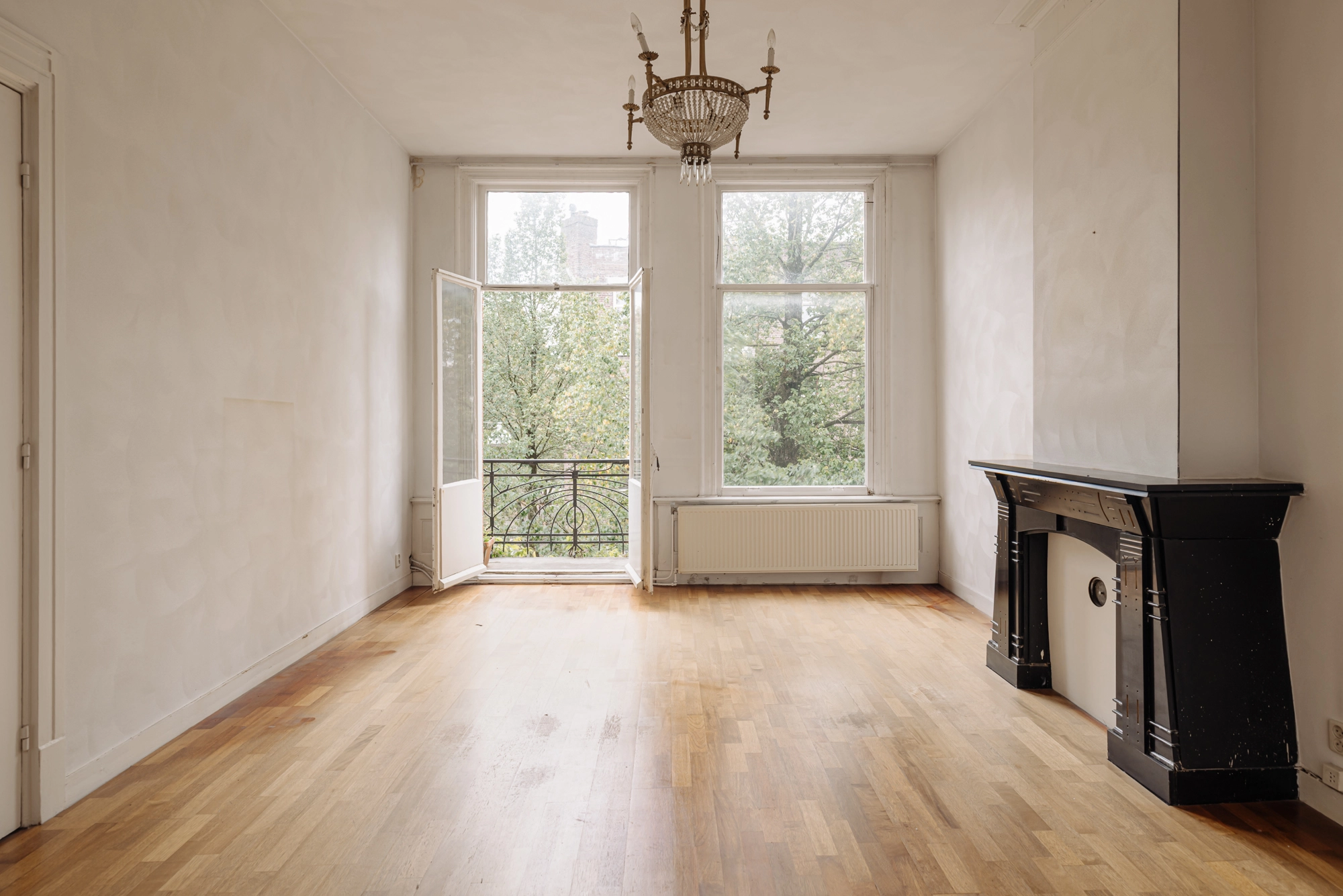
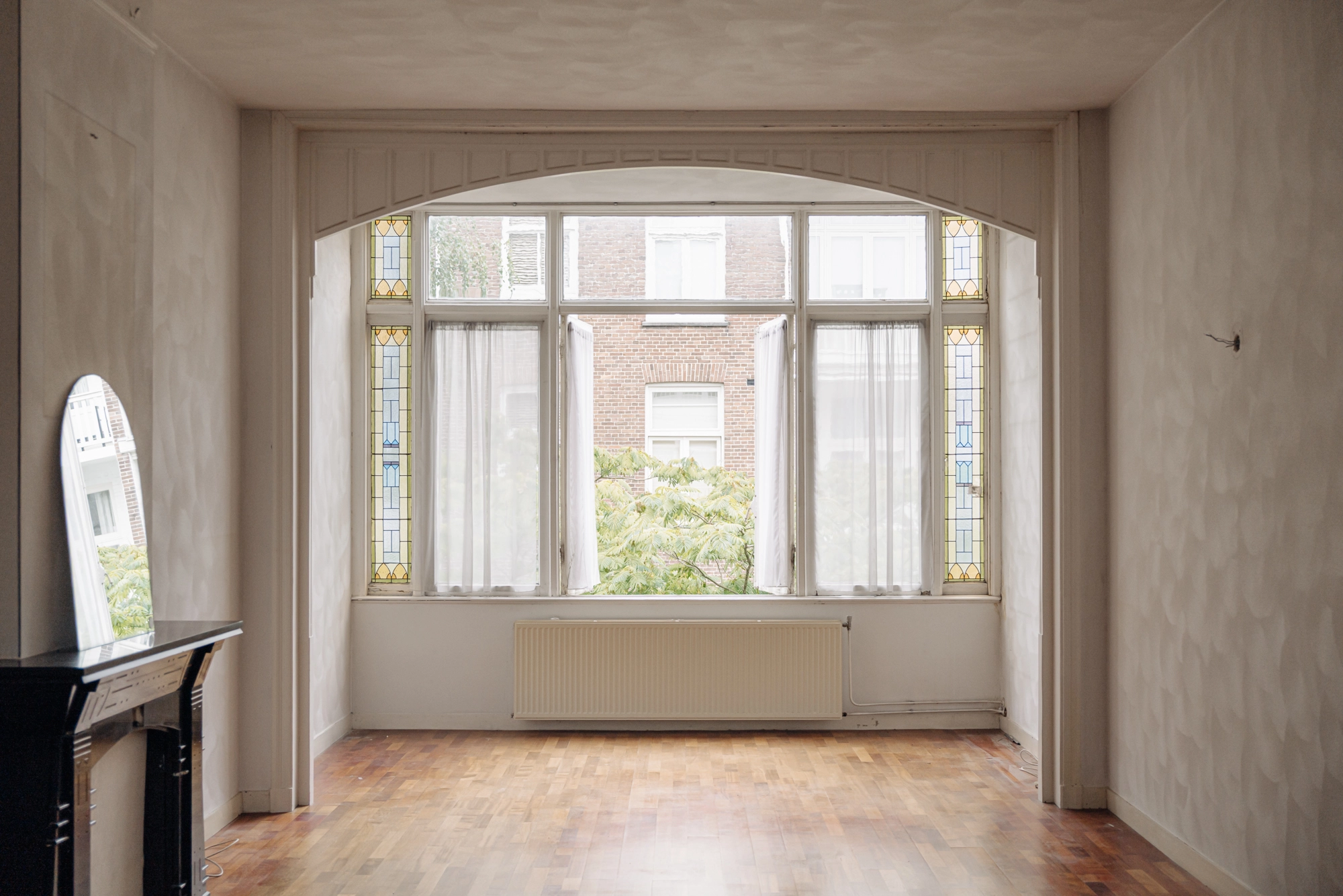
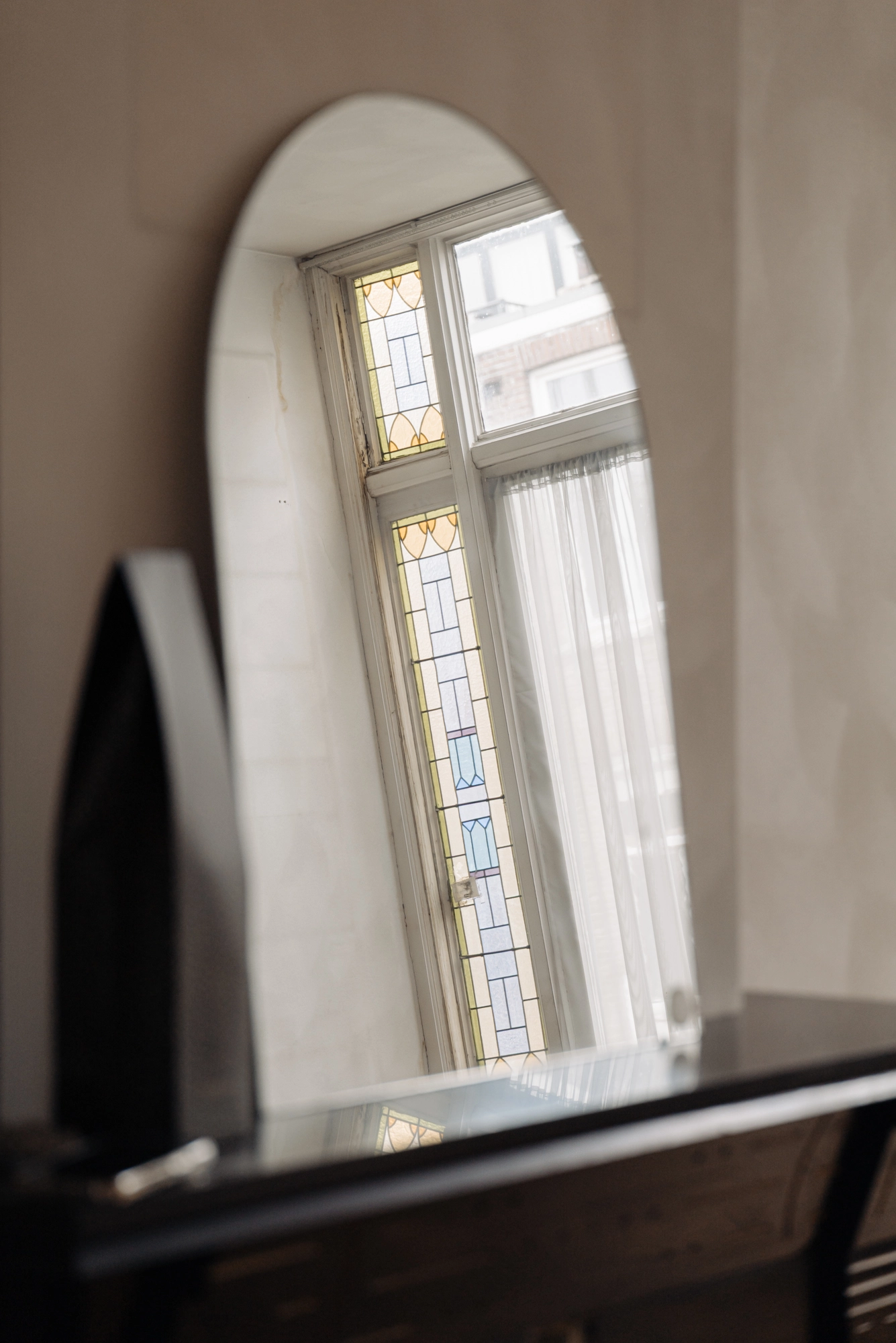
The second floor is arranged as a classic en suite layout, with the living room at the front and the dining room at the rear. Both spaces are divided by sliding doors framed by built-in cabinets. The front room overlooks the greenery of Dufayplein and features two large windows and a balcony. The rear room faces the inner courtyard and includes a bay window with stained-glass panels. A continuous wooden floor extends throughout, and both rooms retain their original black fireplaces. The ceilings are high and uninterrupted, enhancing the sense of spaciousness.
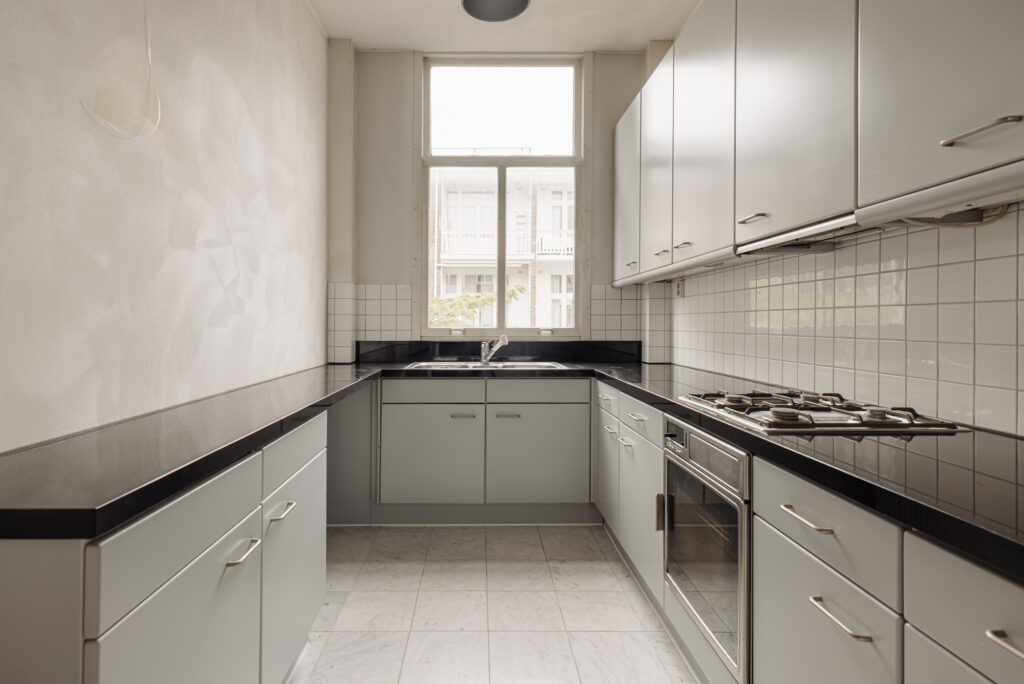
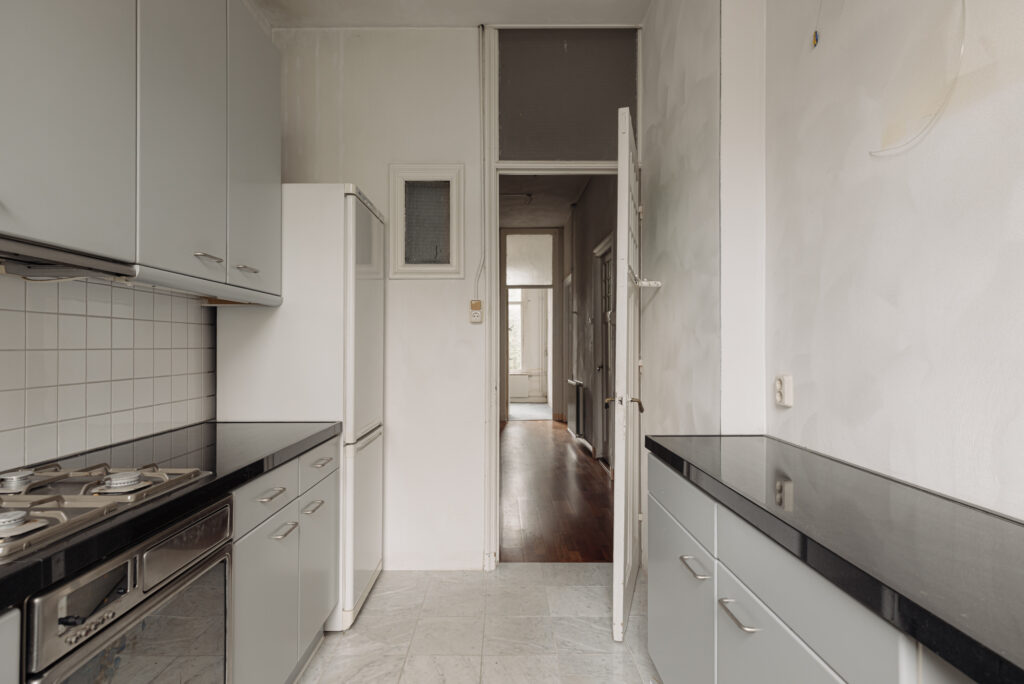
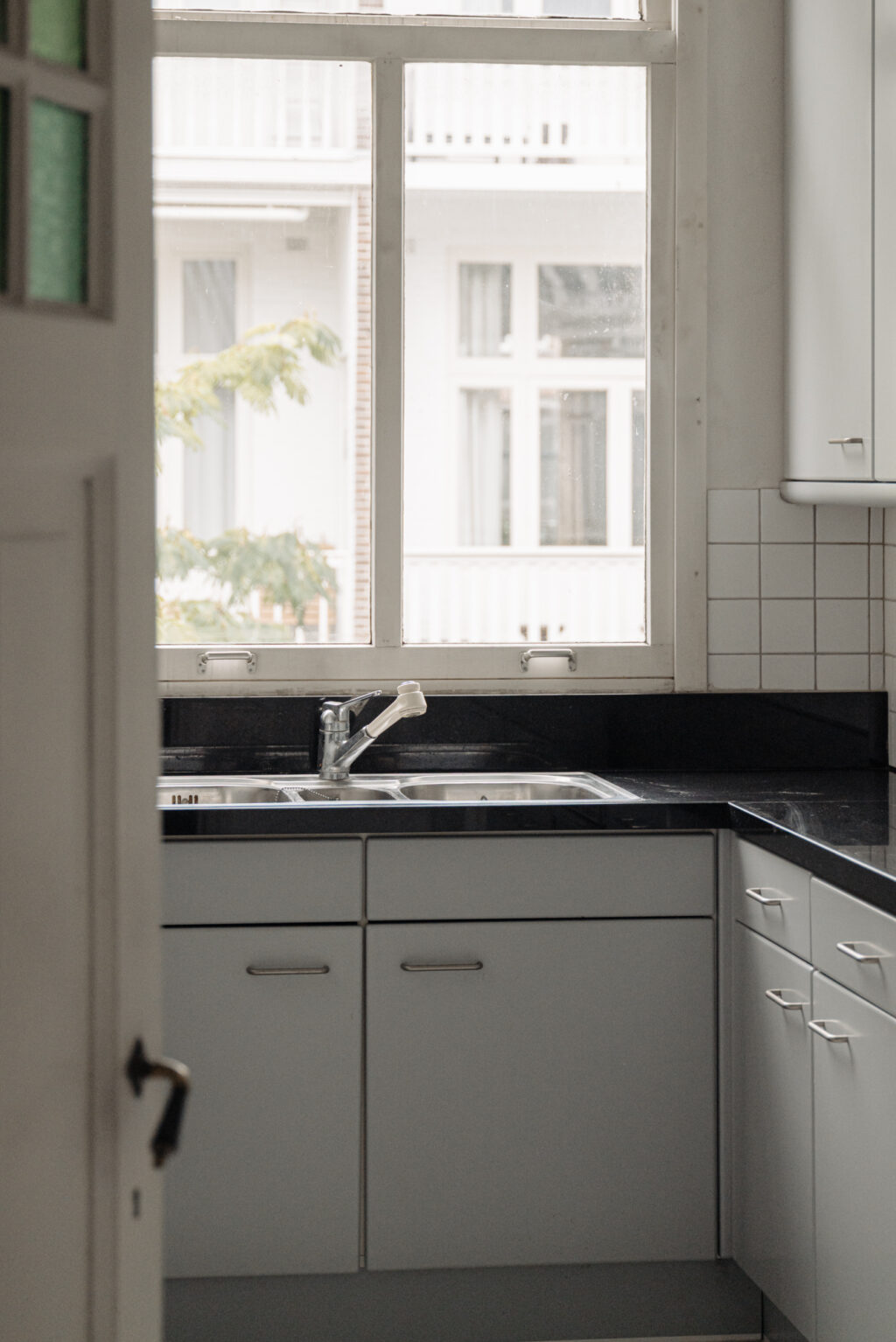
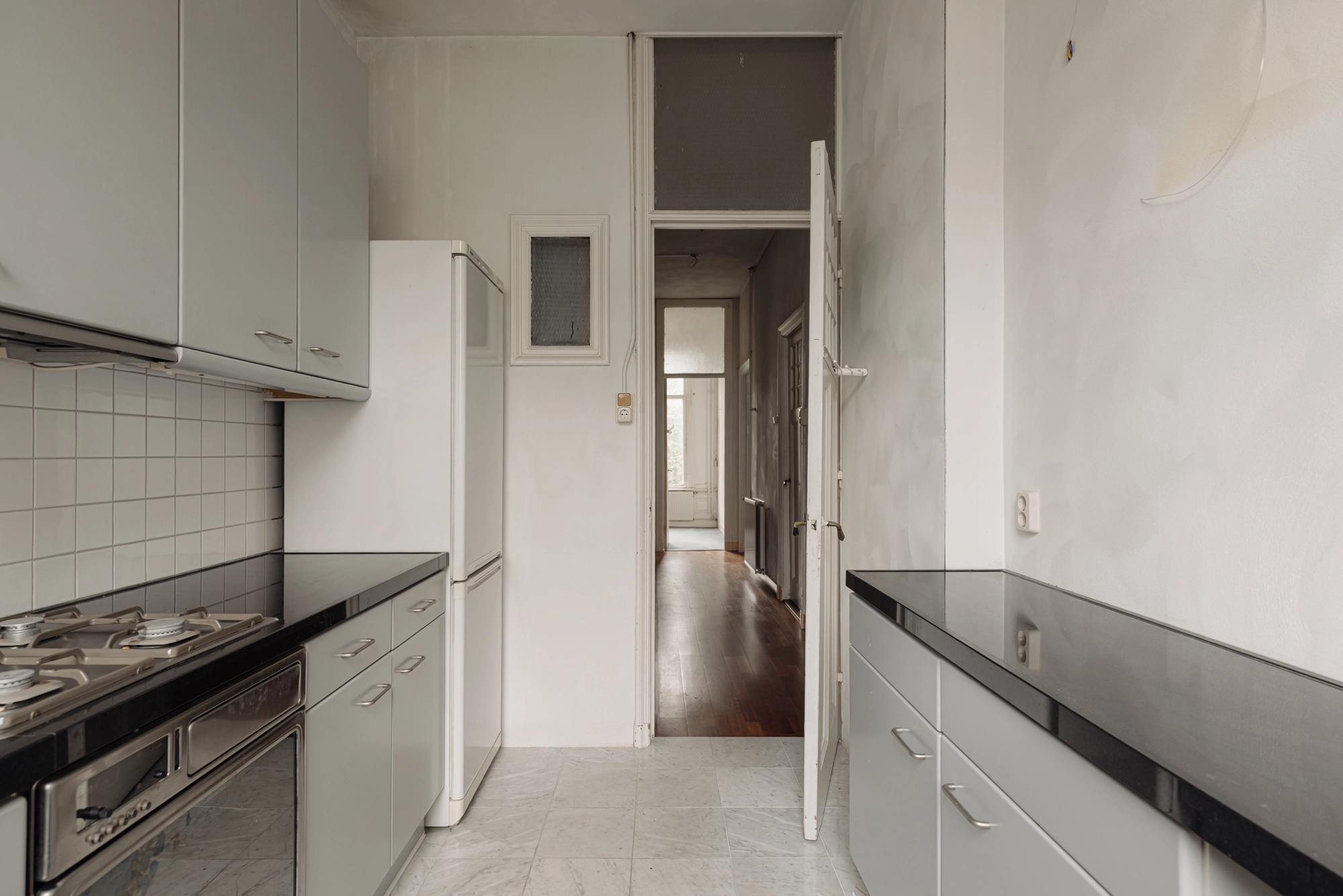
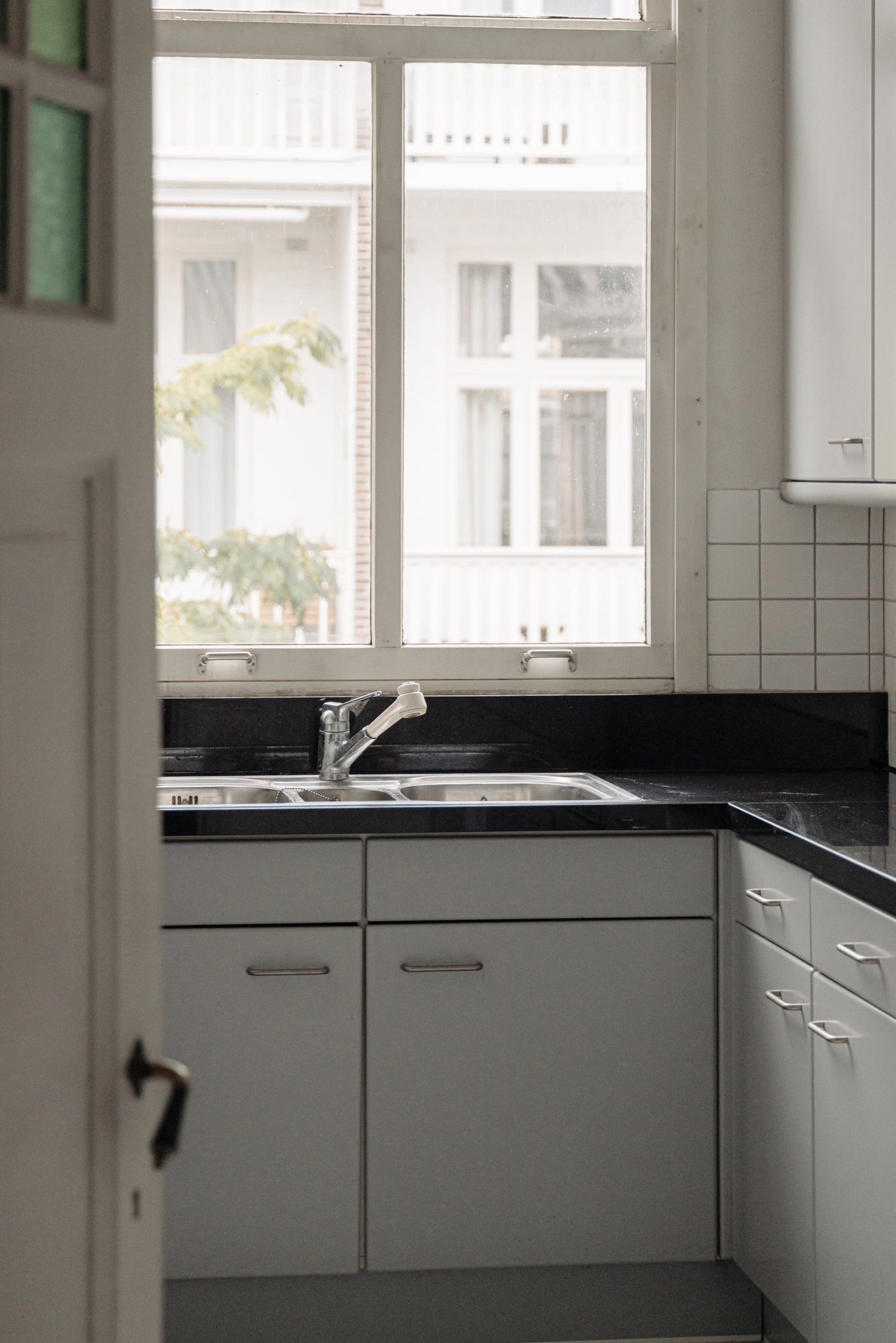
The kitchen is located at the rear and has a closed configuration. Its current setup is modest, with an L-shaped layout including a gas hob, oven, and sink. Cabinet fronts and appliances are functional yet dated. Daylight enters through a large rear window.
Sleeping and Bathing
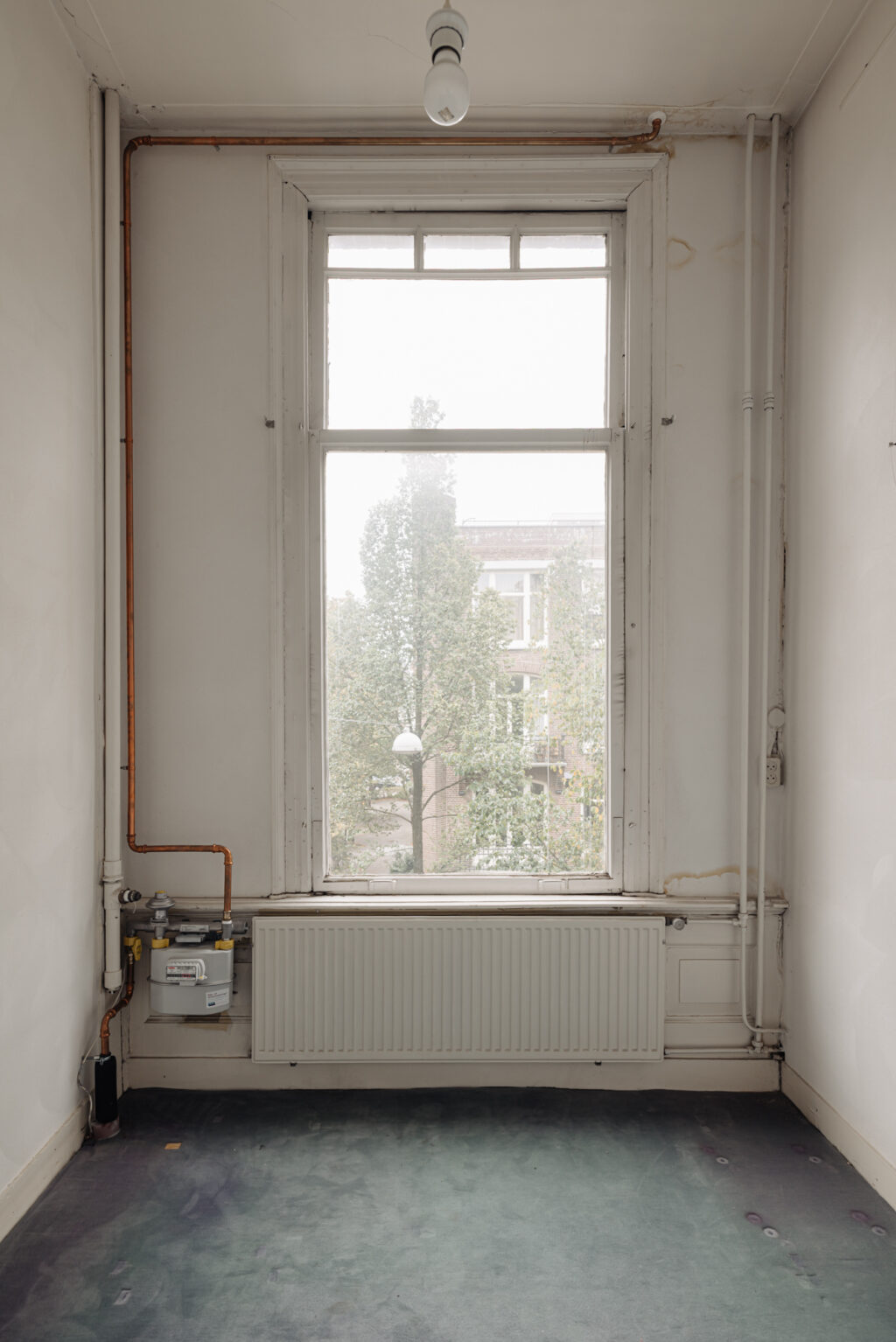
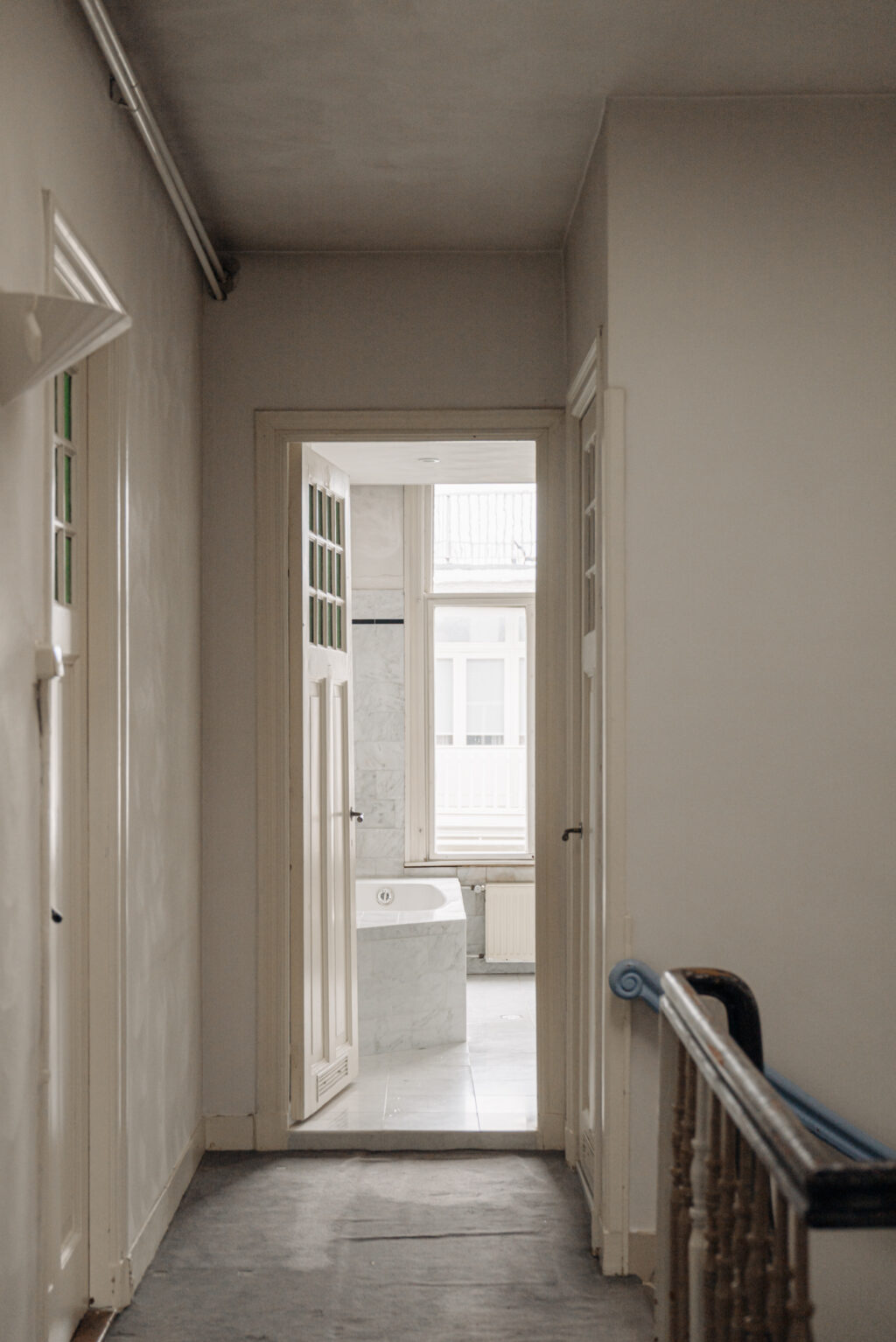
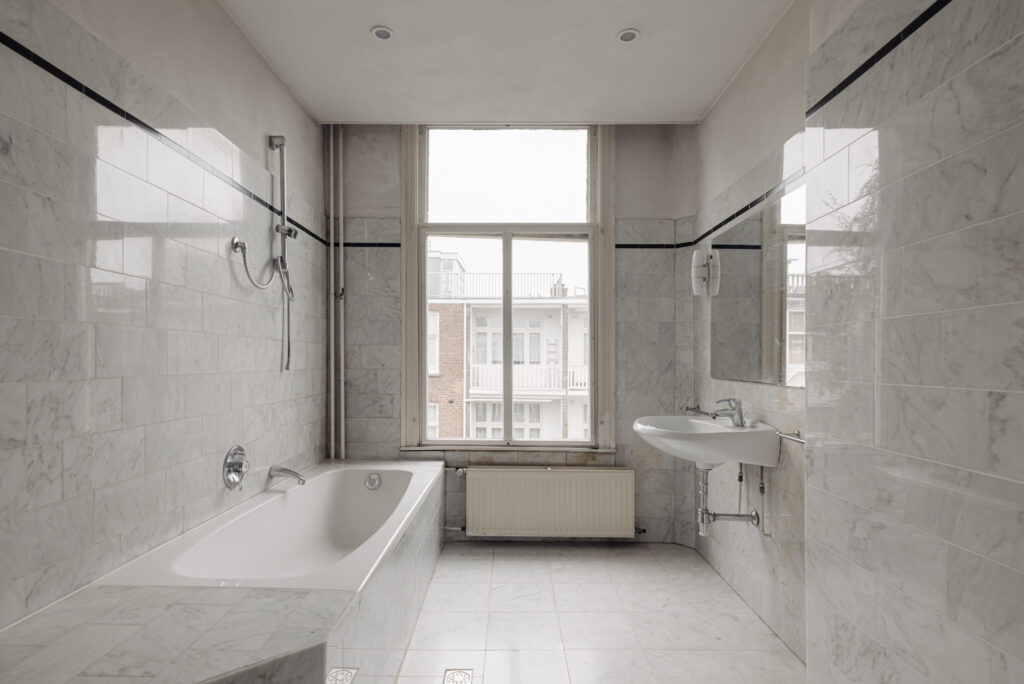
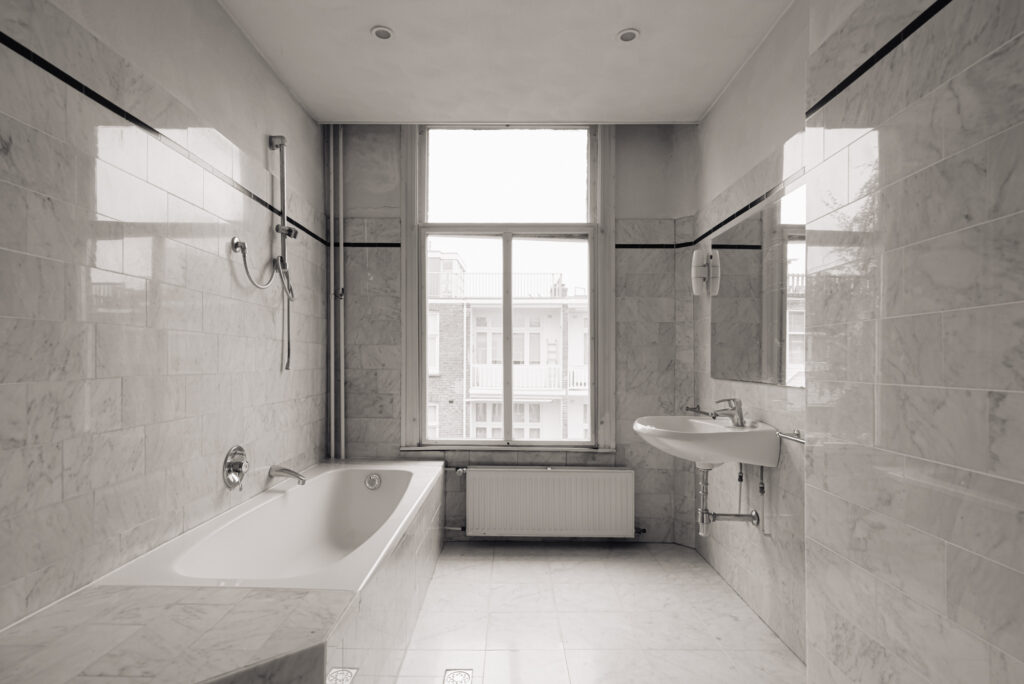
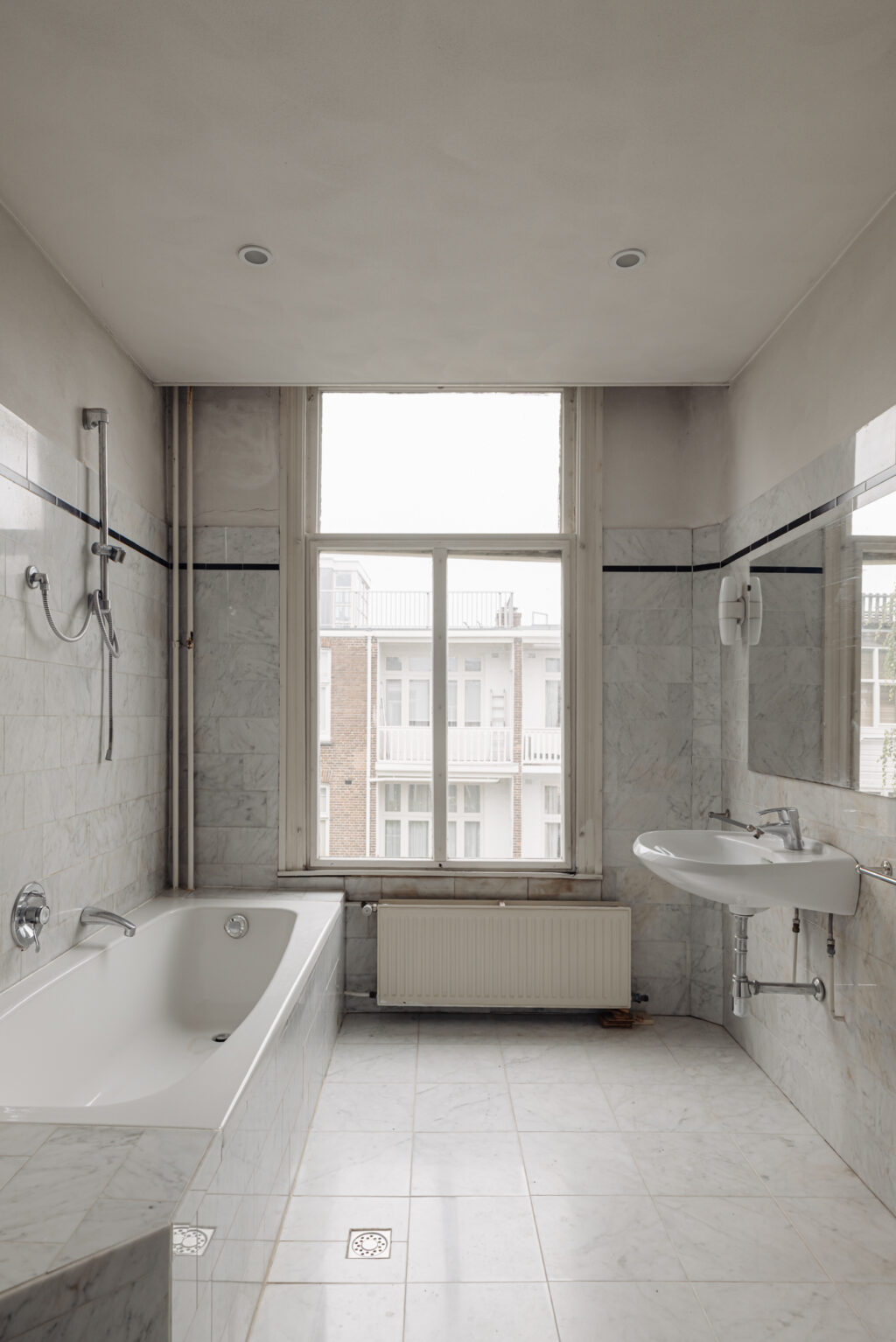
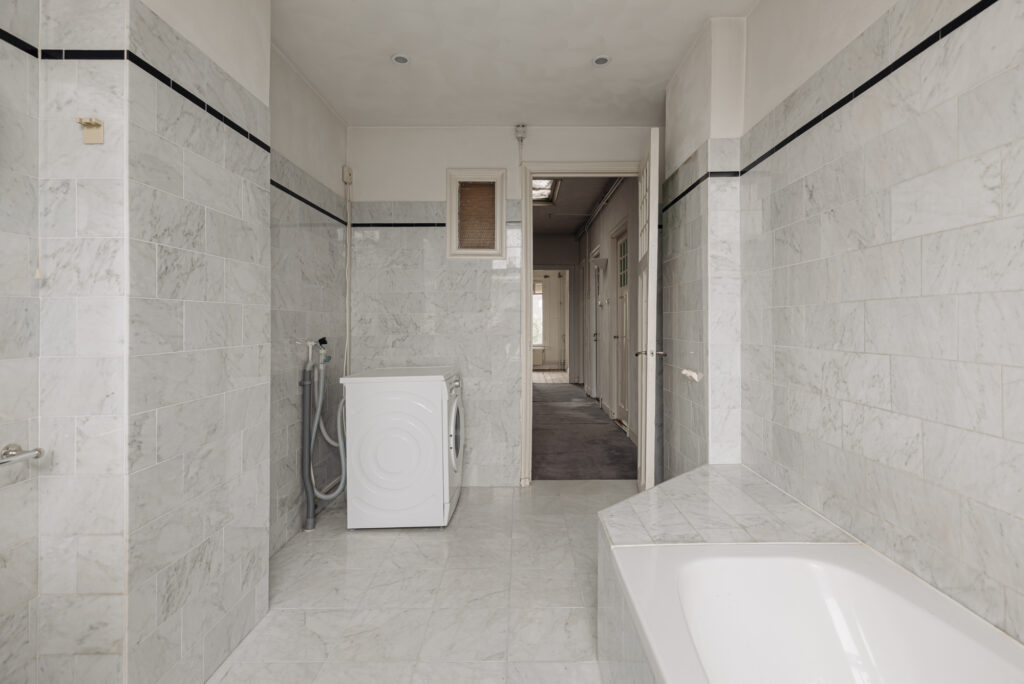
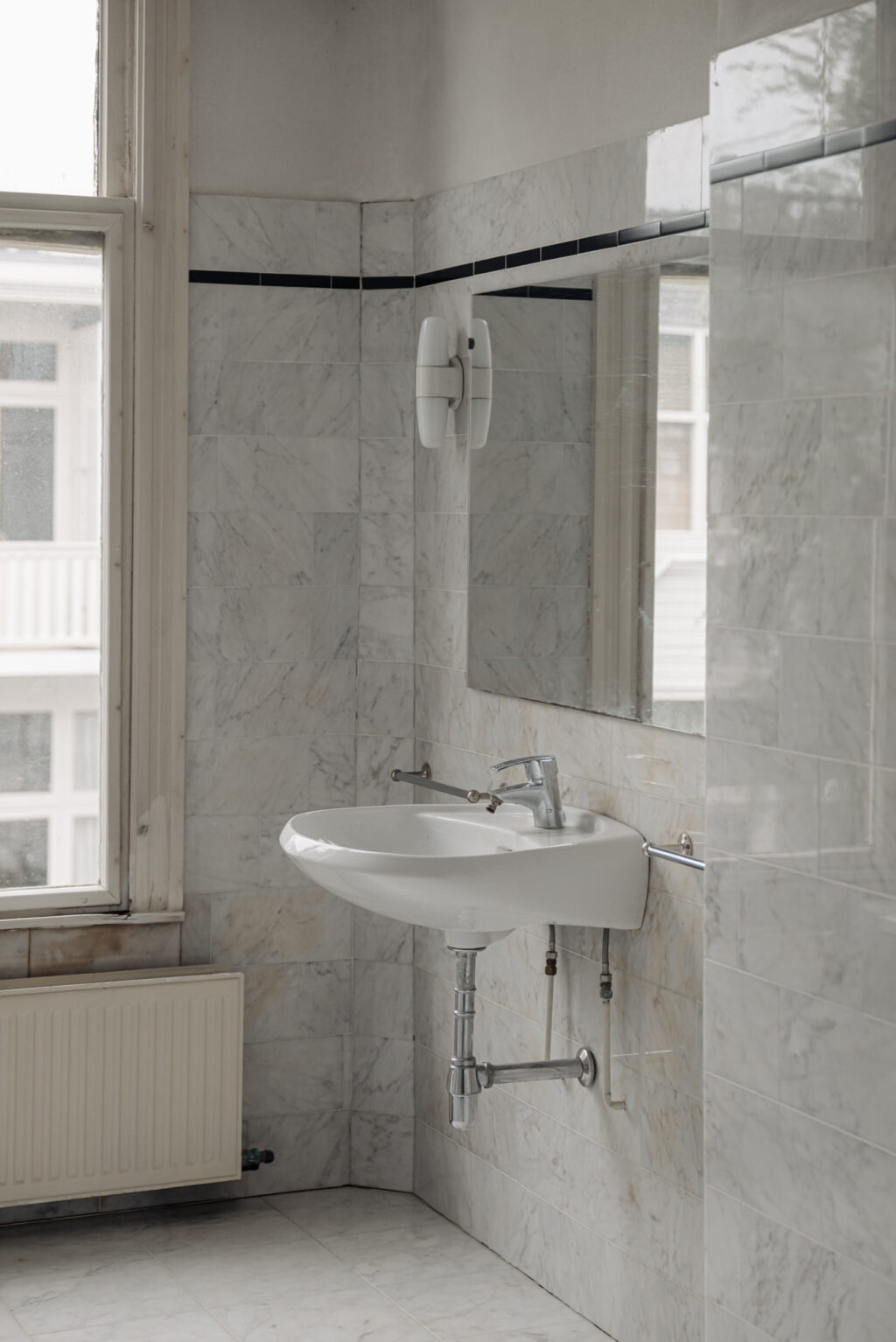
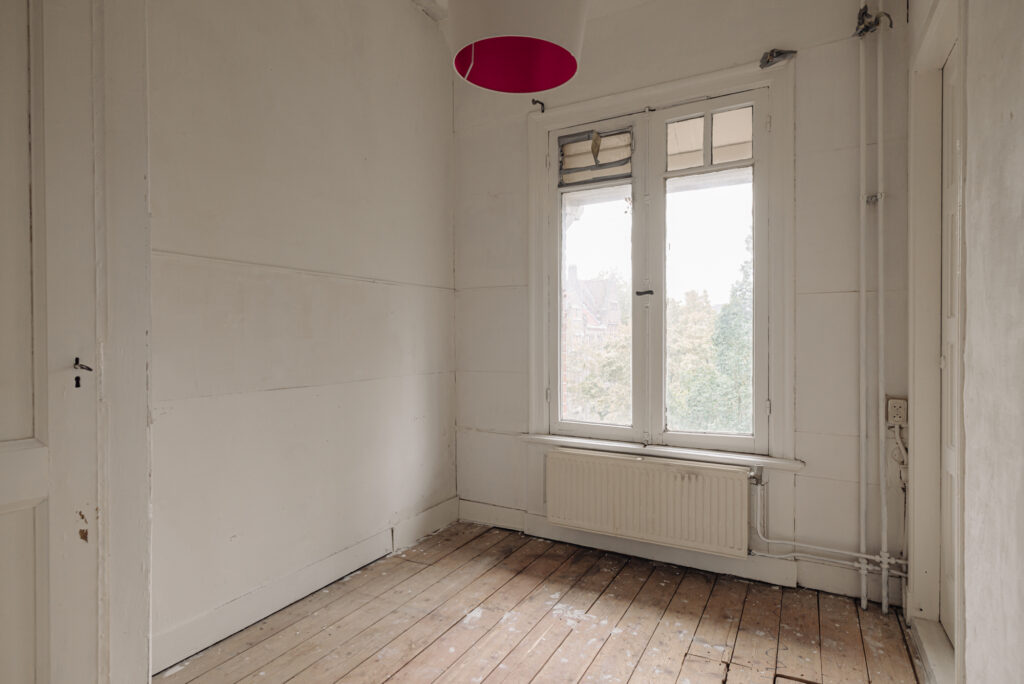
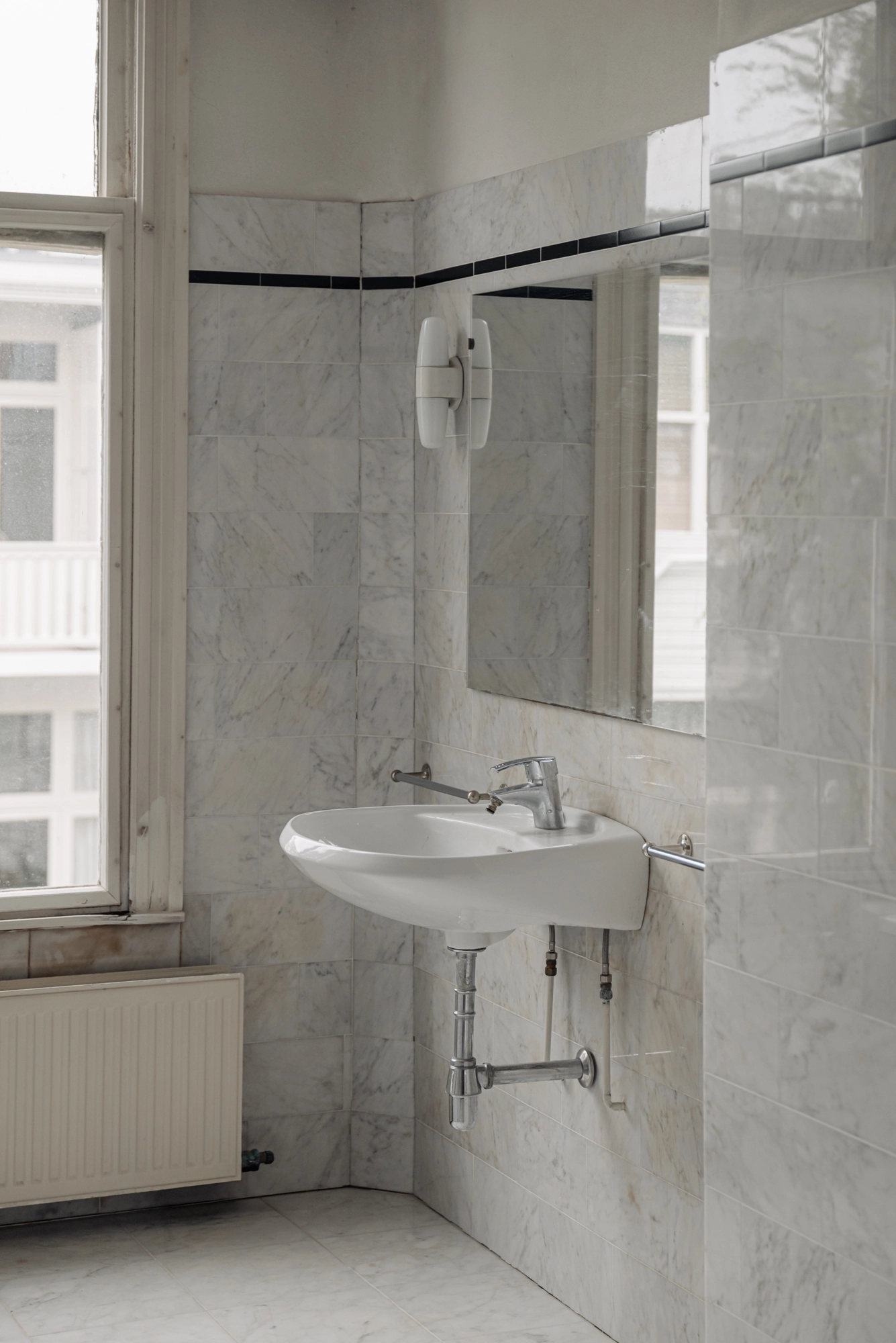
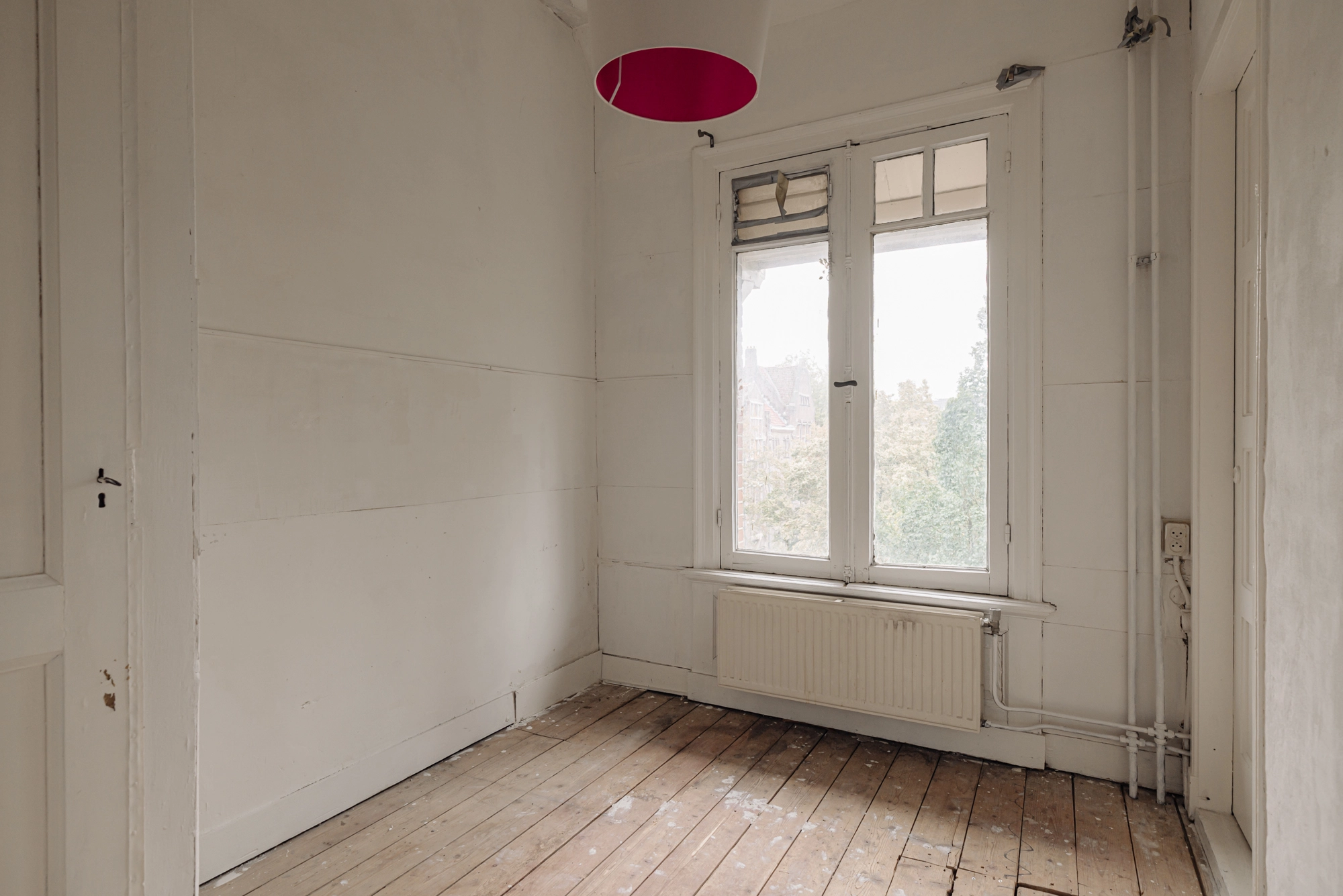
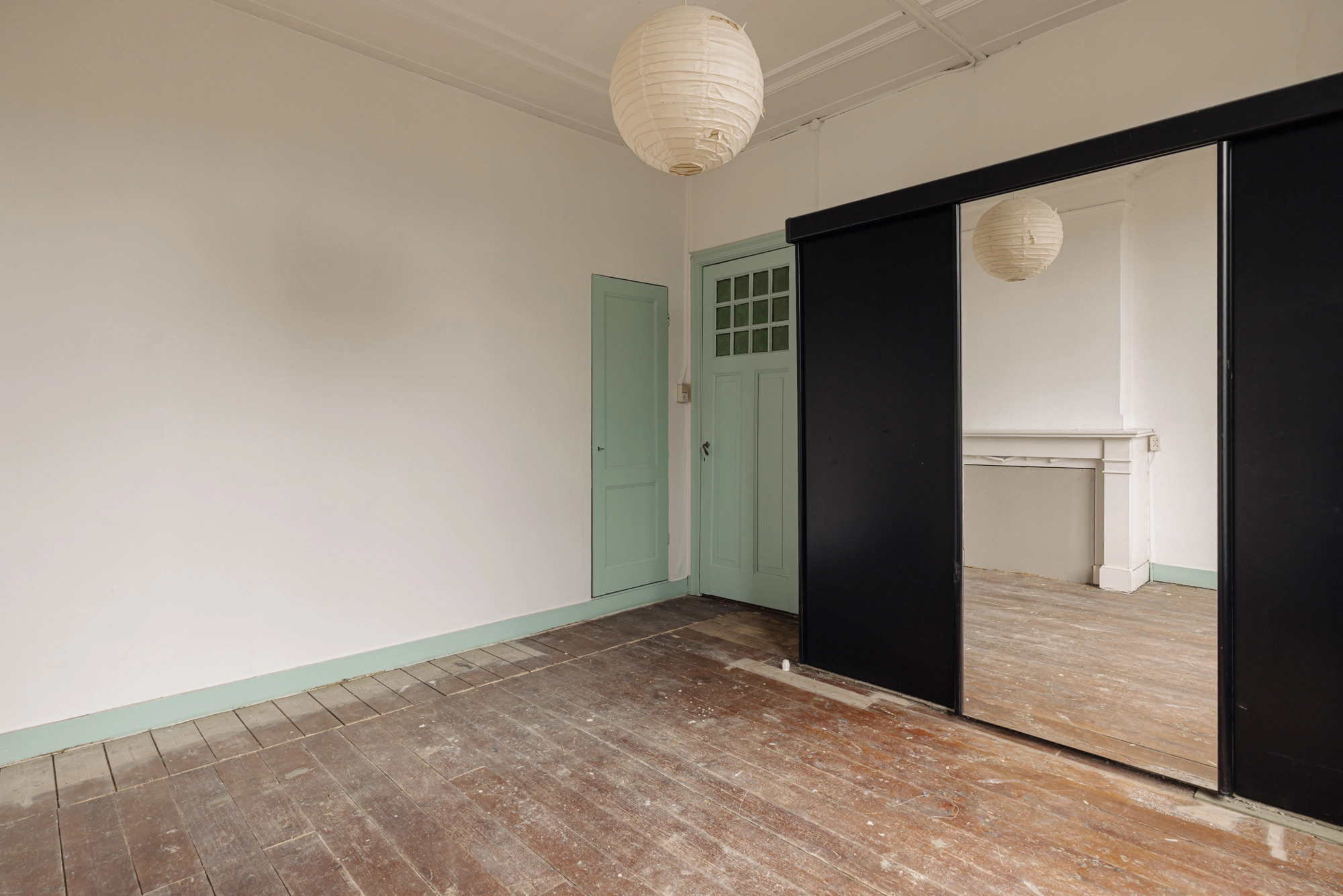
The third floor serves entirely as the sleeping area and includes three bedrooms. Two of these are full-sized, while the third functions as a side room. The rear bedroom opens onto an internal terrace facing south. The bathroom, also located at the rear, features a bathtub, washbasin, laundry connections, and a large window allowing ample natural light. Finishes consist of white marble-patterned tiling. The space is generous in size but dated in appearance. The landing provides access to several built-in storage cabinets, and there is a separate toilet. The entire floor reflects the home’s original proportions and structure, with panel doors and high ceilings as recurring architectural details.
The outside
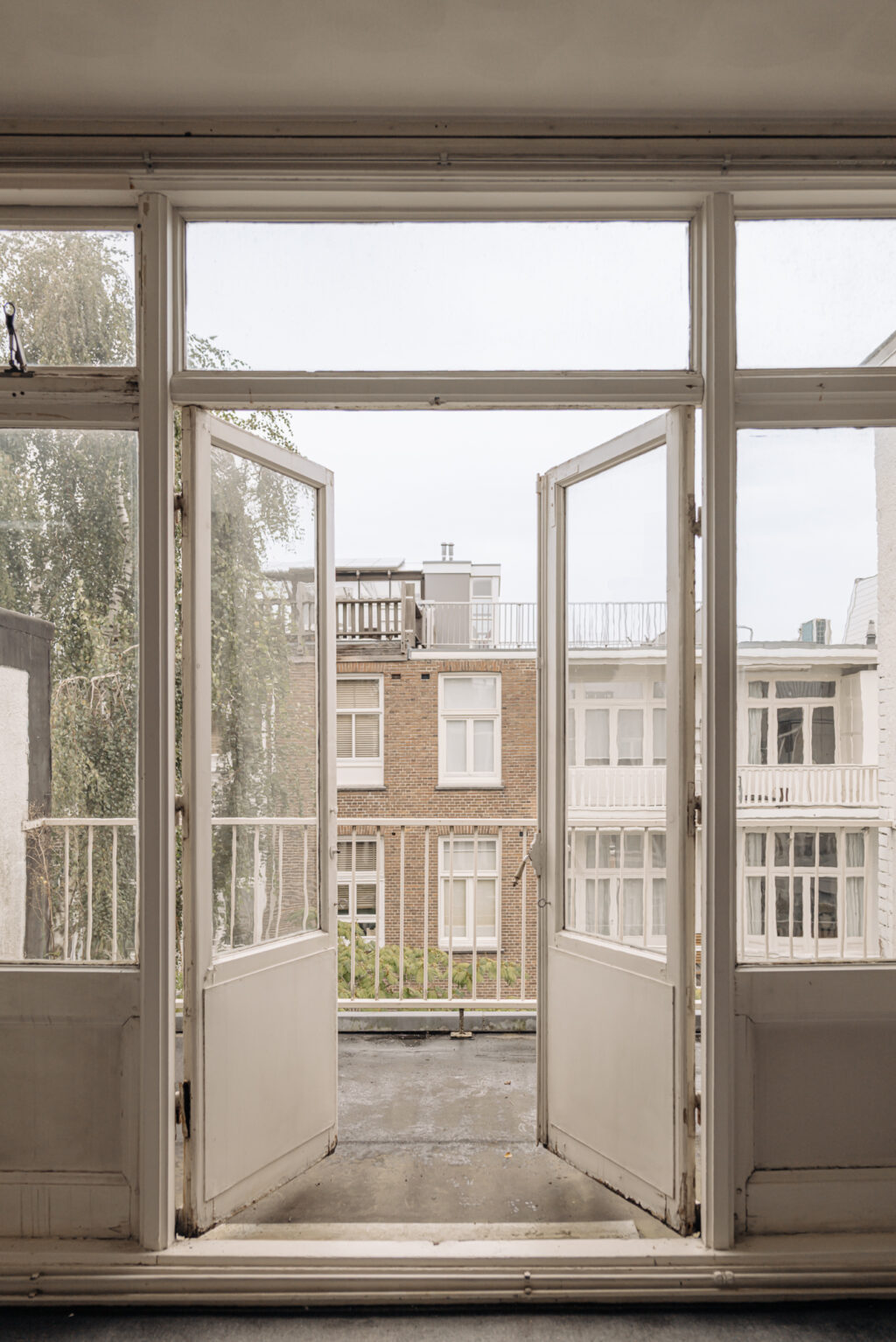
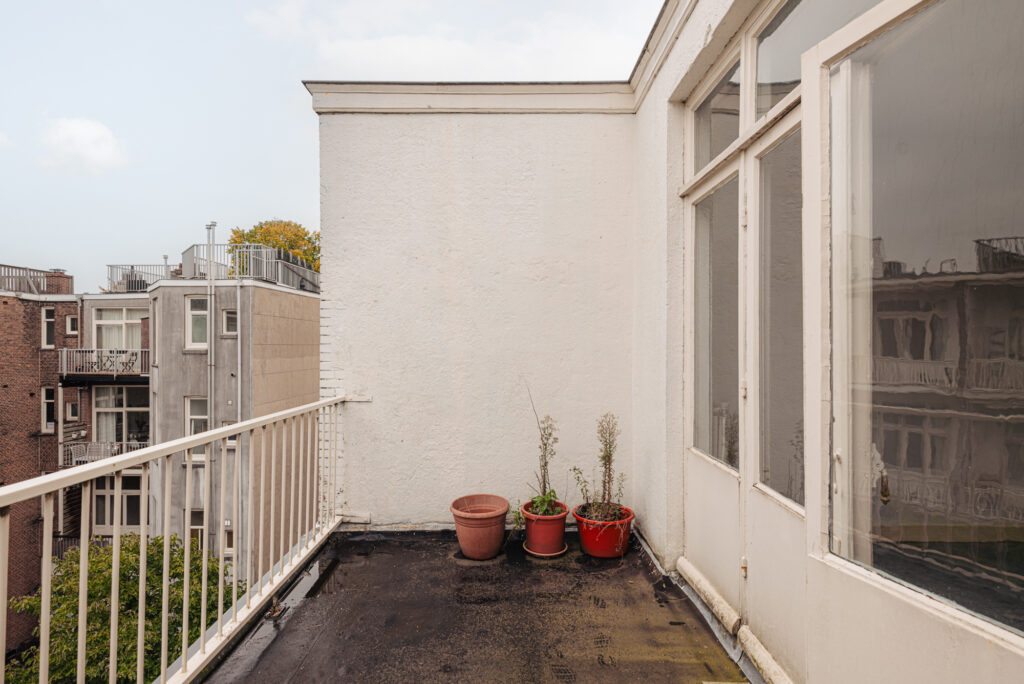
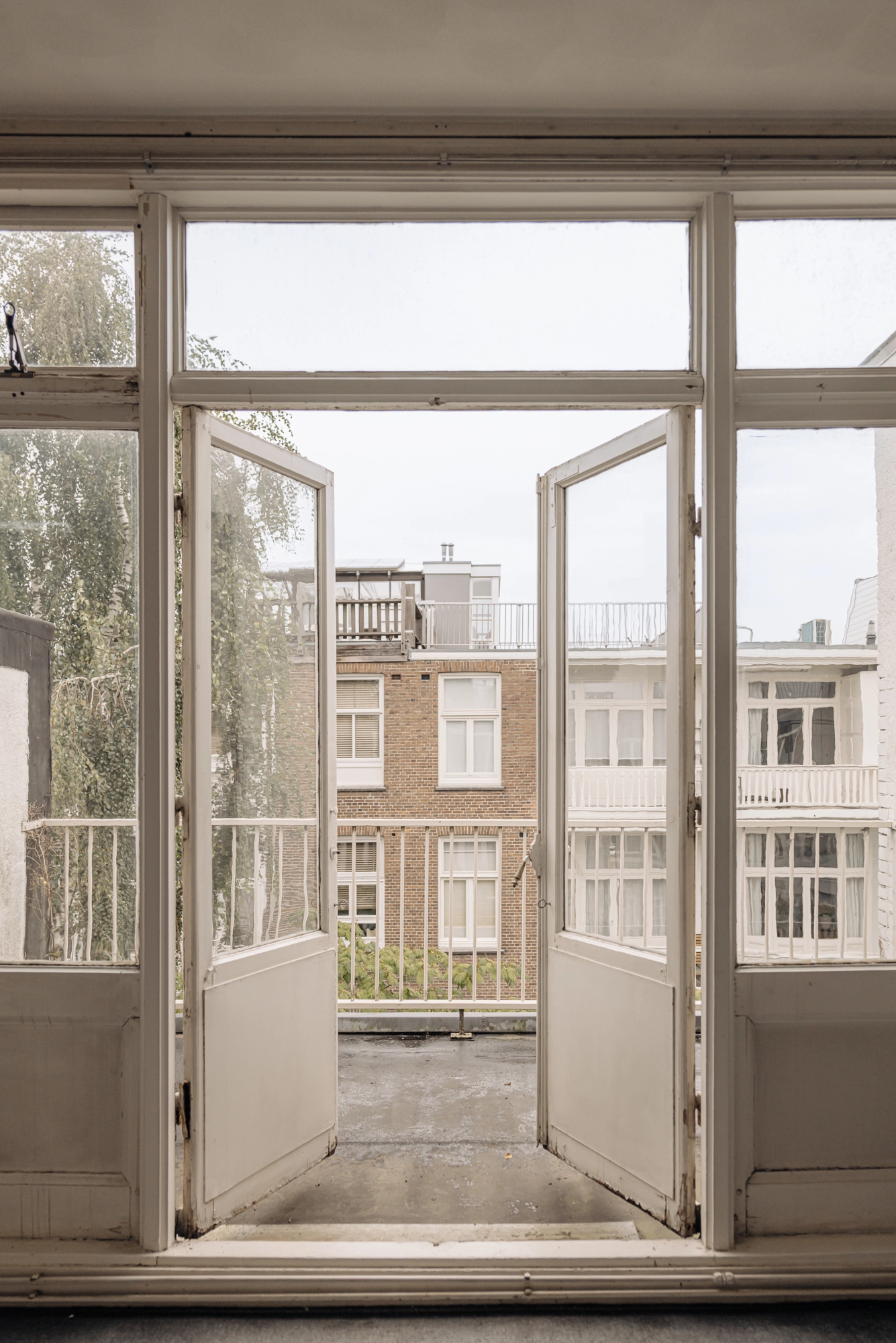
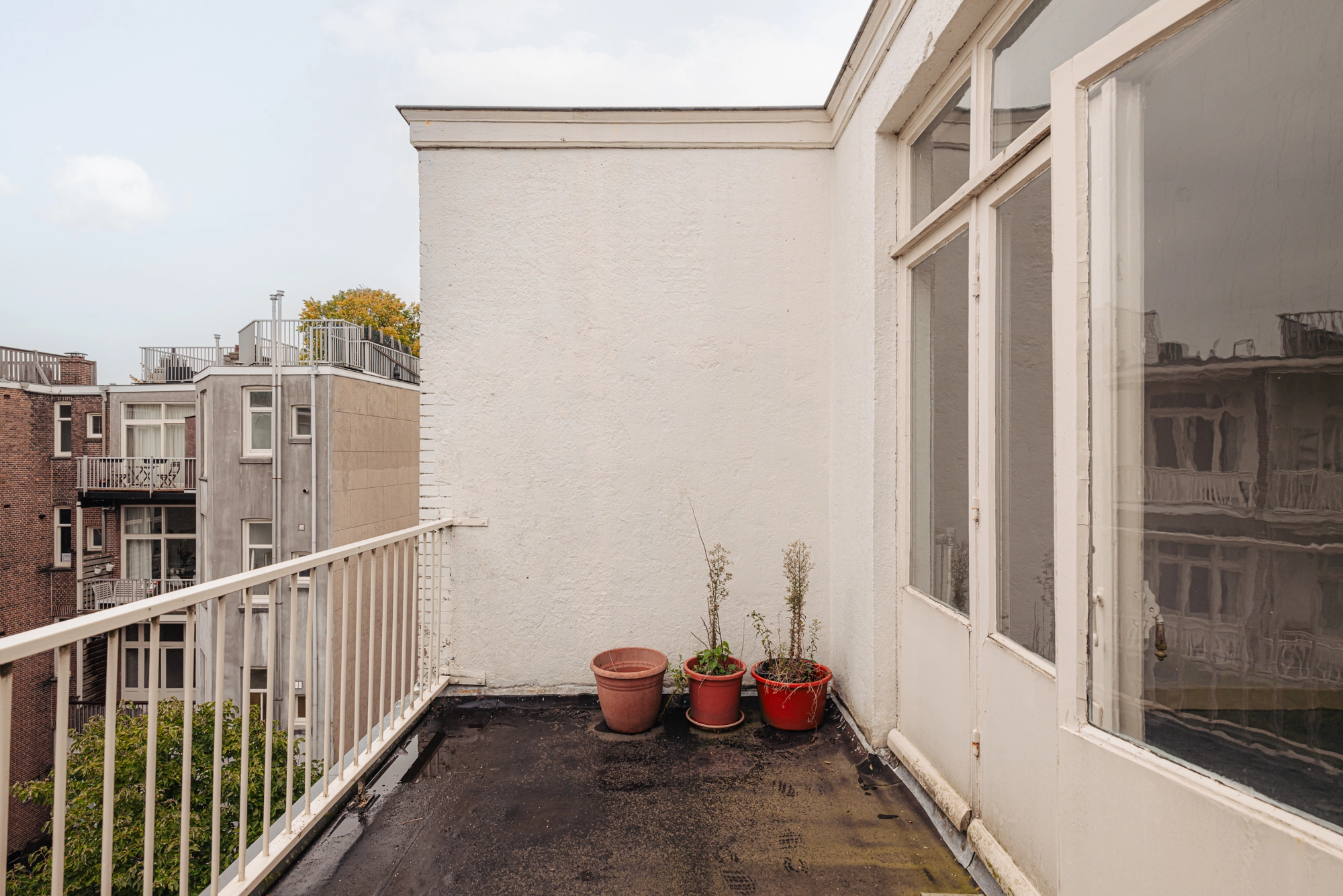
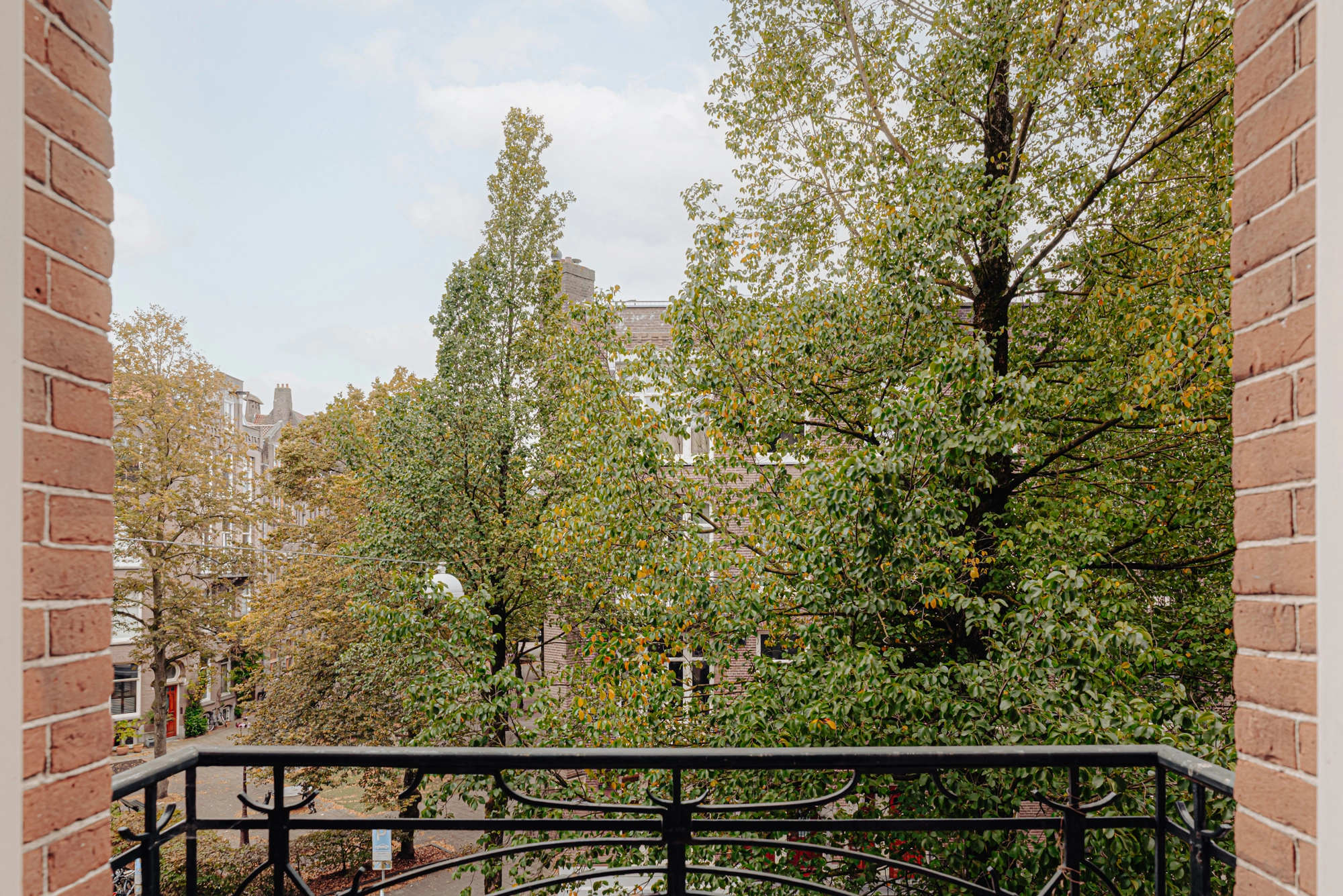
At the rear, the residence features a private terrace on the third floor, accessible from the adjoining bedroom. This terrace faces south and offers ample space for a seating arrangement. At the front, a balcony overlooks Dufayplein. In addition, there is potential to create a rooftop terrace covering up to 30 percent of the roof surface, subject to approval by the homeowners’ association and the municipality’s permitting process.
Neighbourhood
Johannes Verhulststraat is named after the Dutch composer and conductor Johannes Verhulst. The street was laid out around 1900 in what was then an agricultural area of ditches, fields, and meadows. Between 1900 and 1903, the residential blocks were built, consisting of townhouses, upper-floor apartments, and shops. Architects such as L. van der Tas, S.P. Herfst, and J. Lenderik designed several of the houses along the street, predominantly in Neo-Renaissance and Art Nouveau styles.
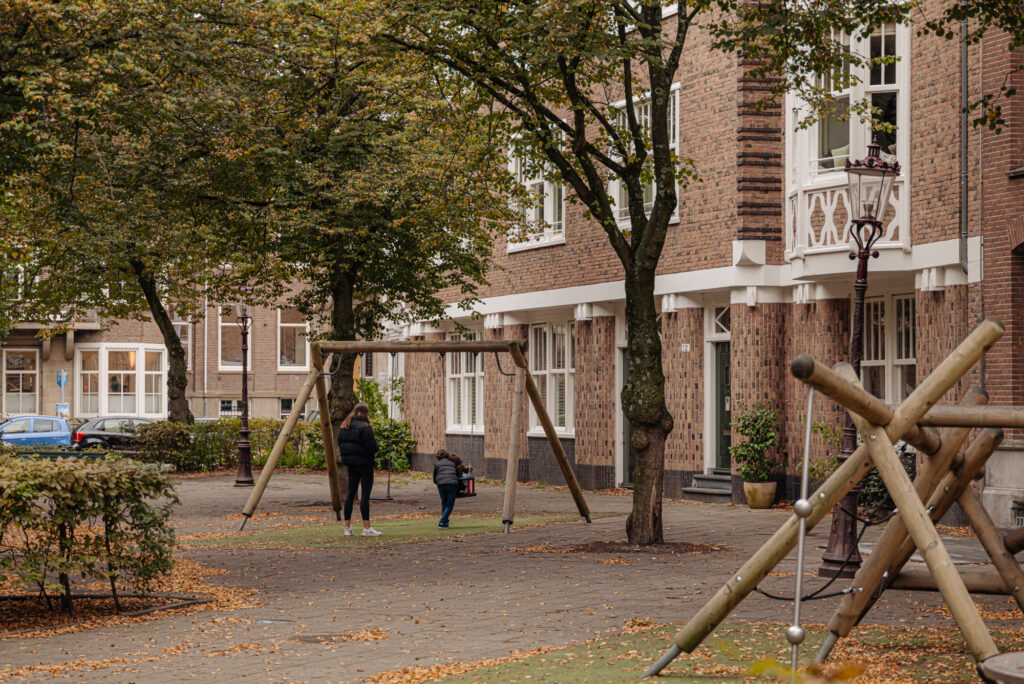
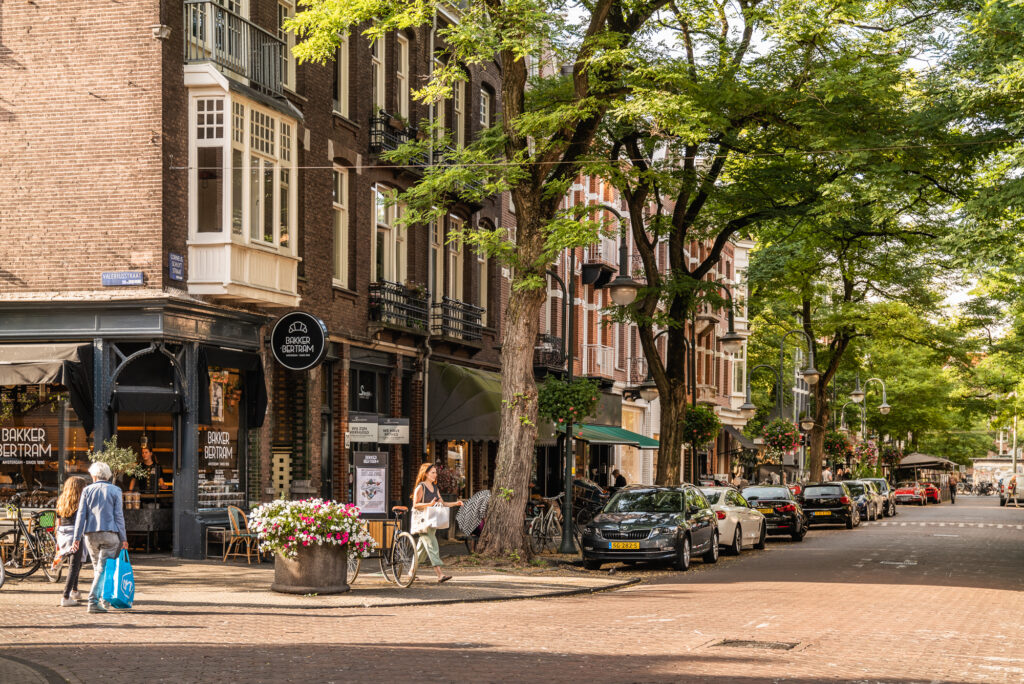
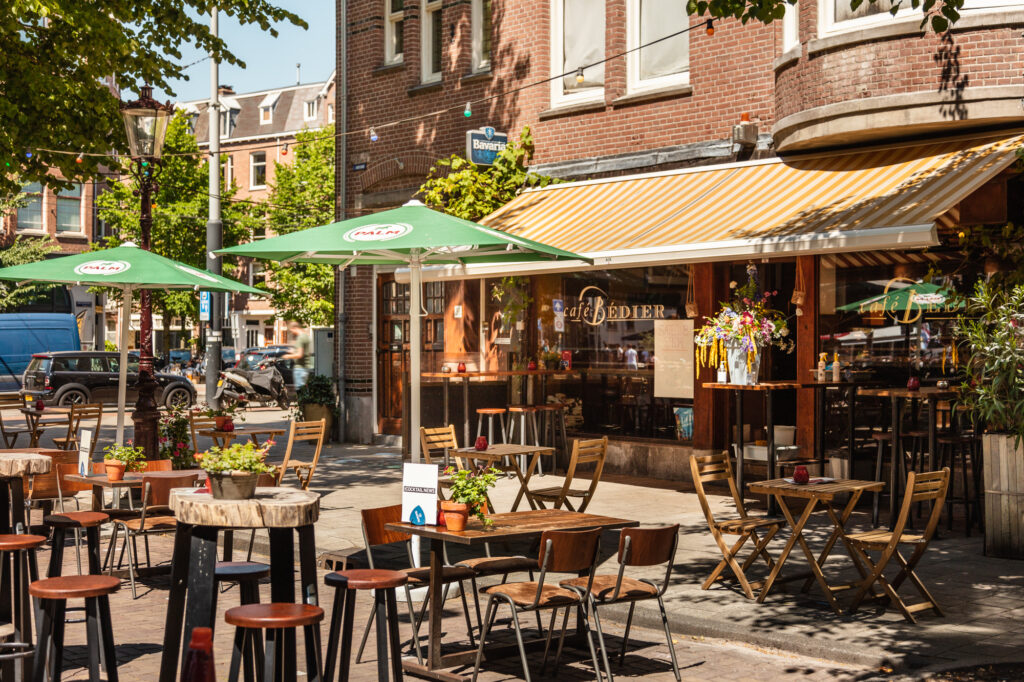
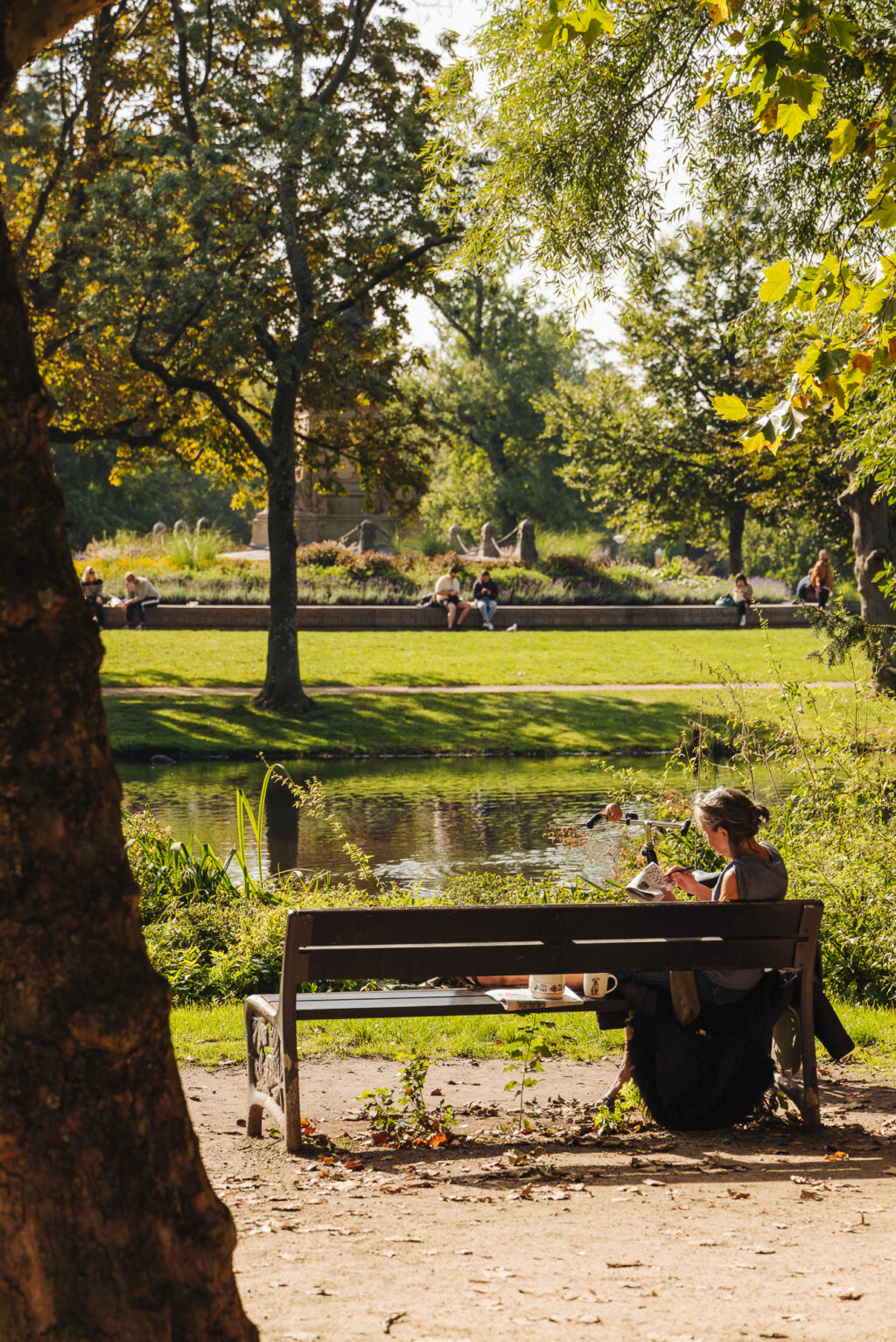
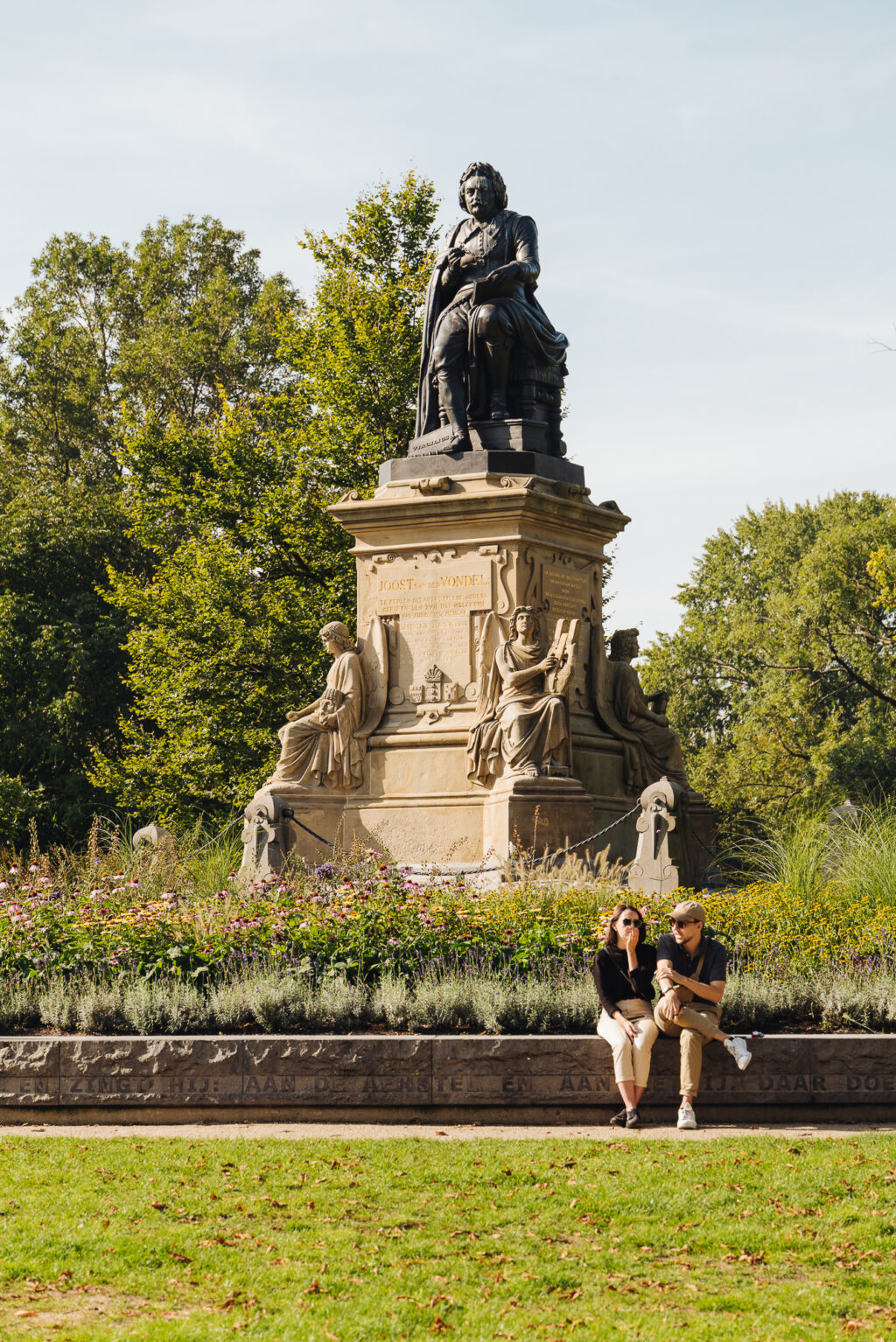
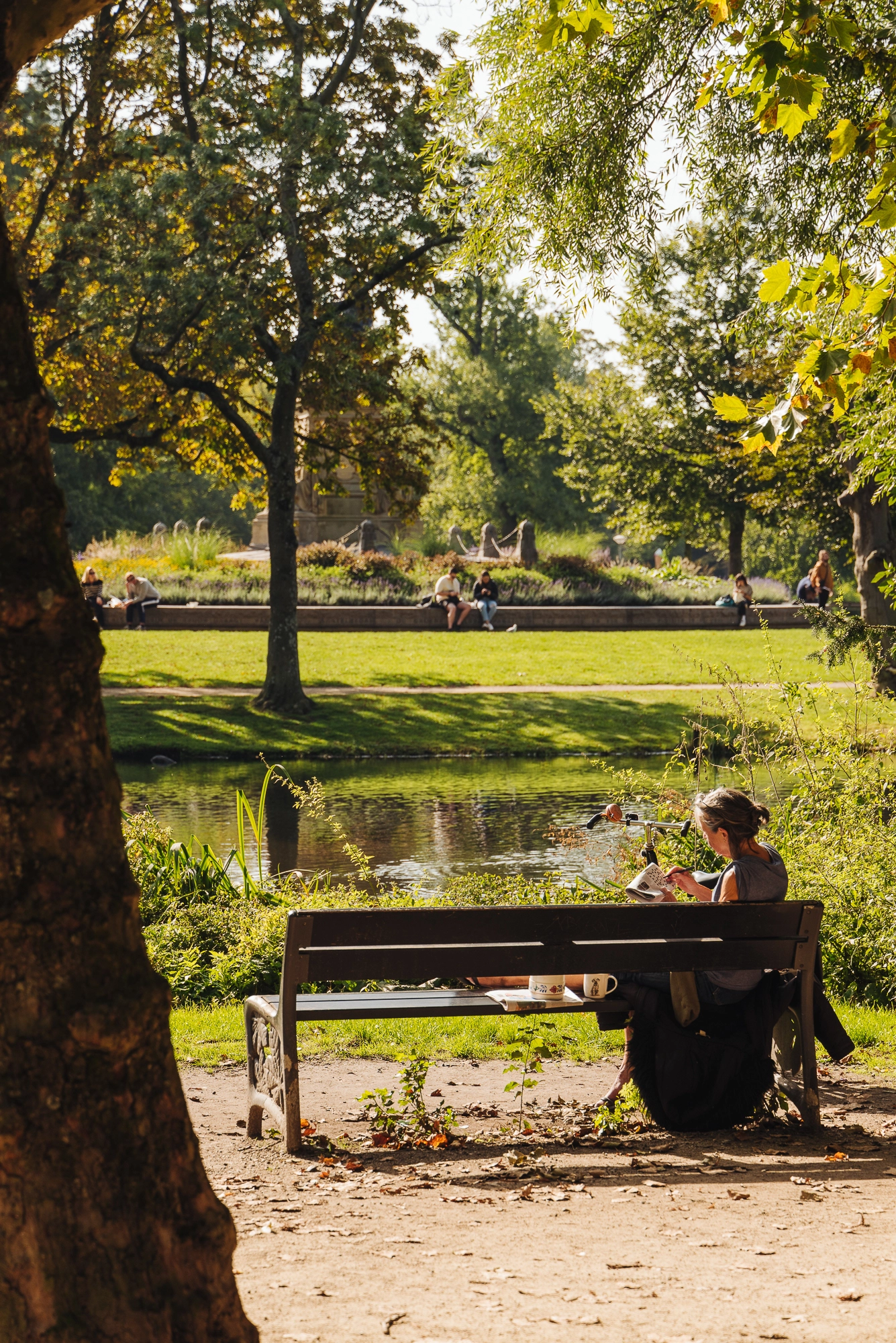
The residence is located in Oud-Zuid, just around the corner from Cornelis Schuytstraat and Vondelpark, and close to Museumplein and the Concertgebouw. This part of the city feels almost like a village — where children play in the street and boutique shops are just steps away. Johannes Verhulststraat is a calm, family-friendly street close to highly regarded schools, playgrounds, and within walking distance of both Museumplein and Vondelpark. It is a uniquely central location, positioned between the vibrant city centre, the cultural richness of Oud-Zuid, the Beethoven neighbourhood, and the green expanse of Vondelpark — surrounded by the finest urban amenities.
Accessibility
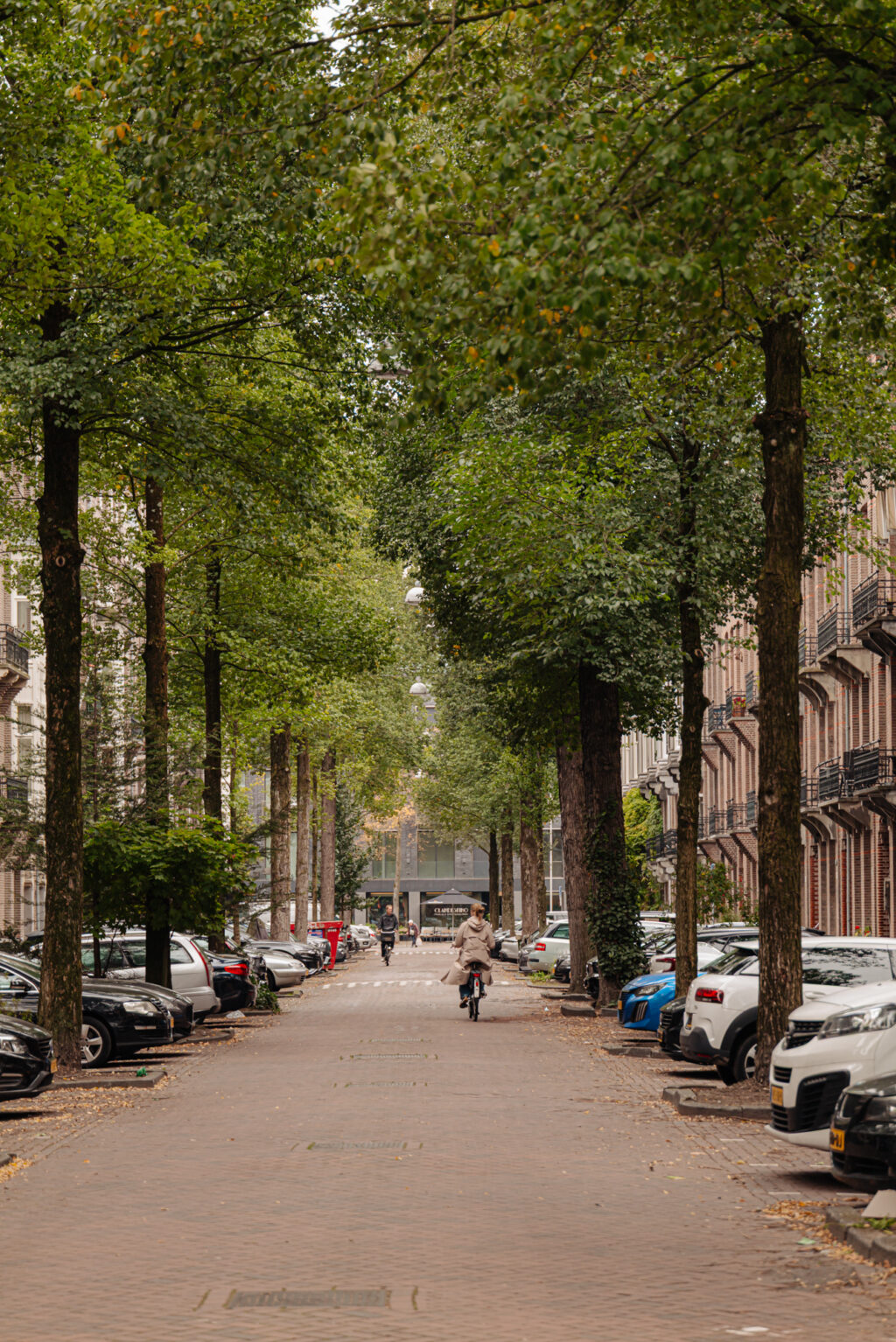
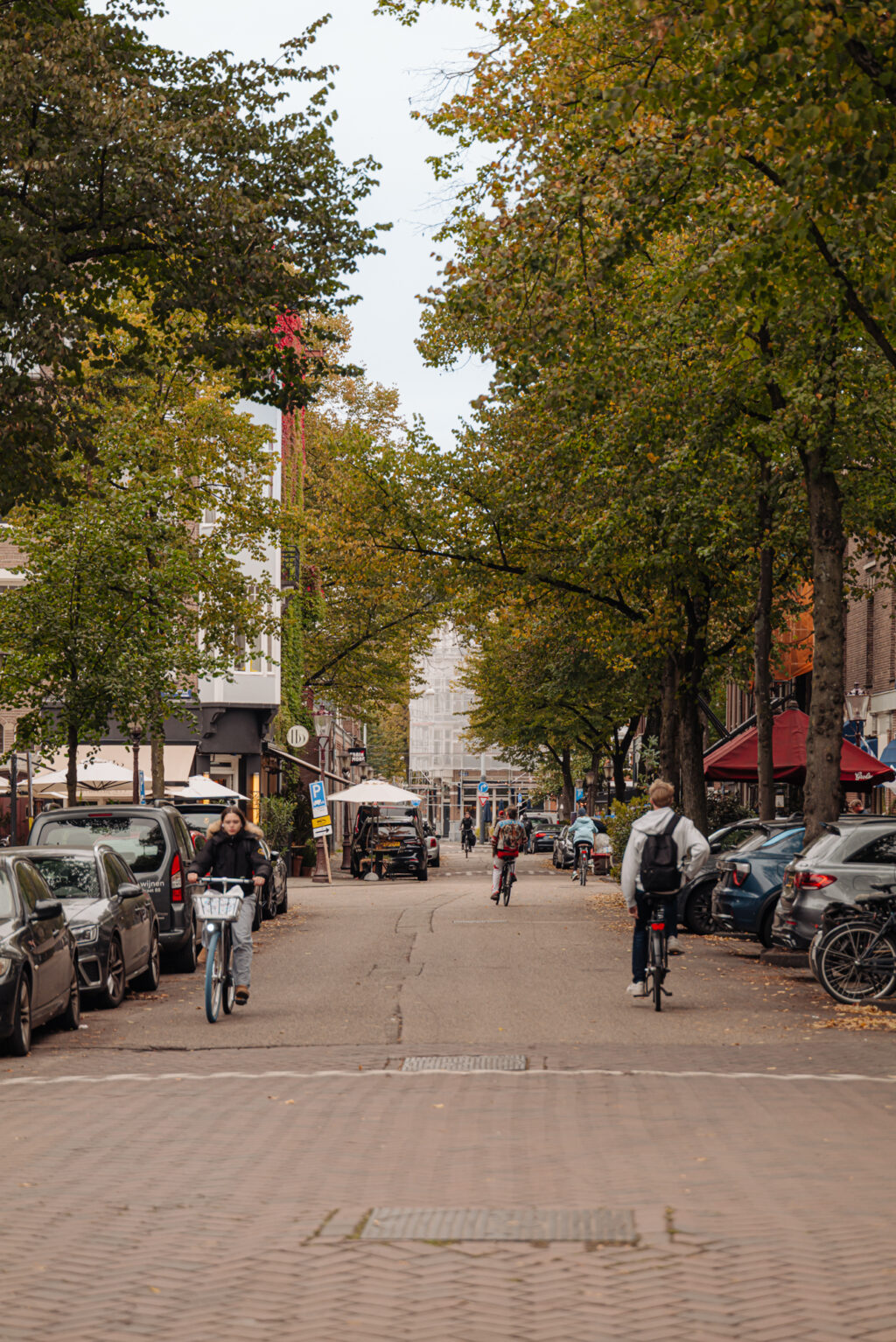
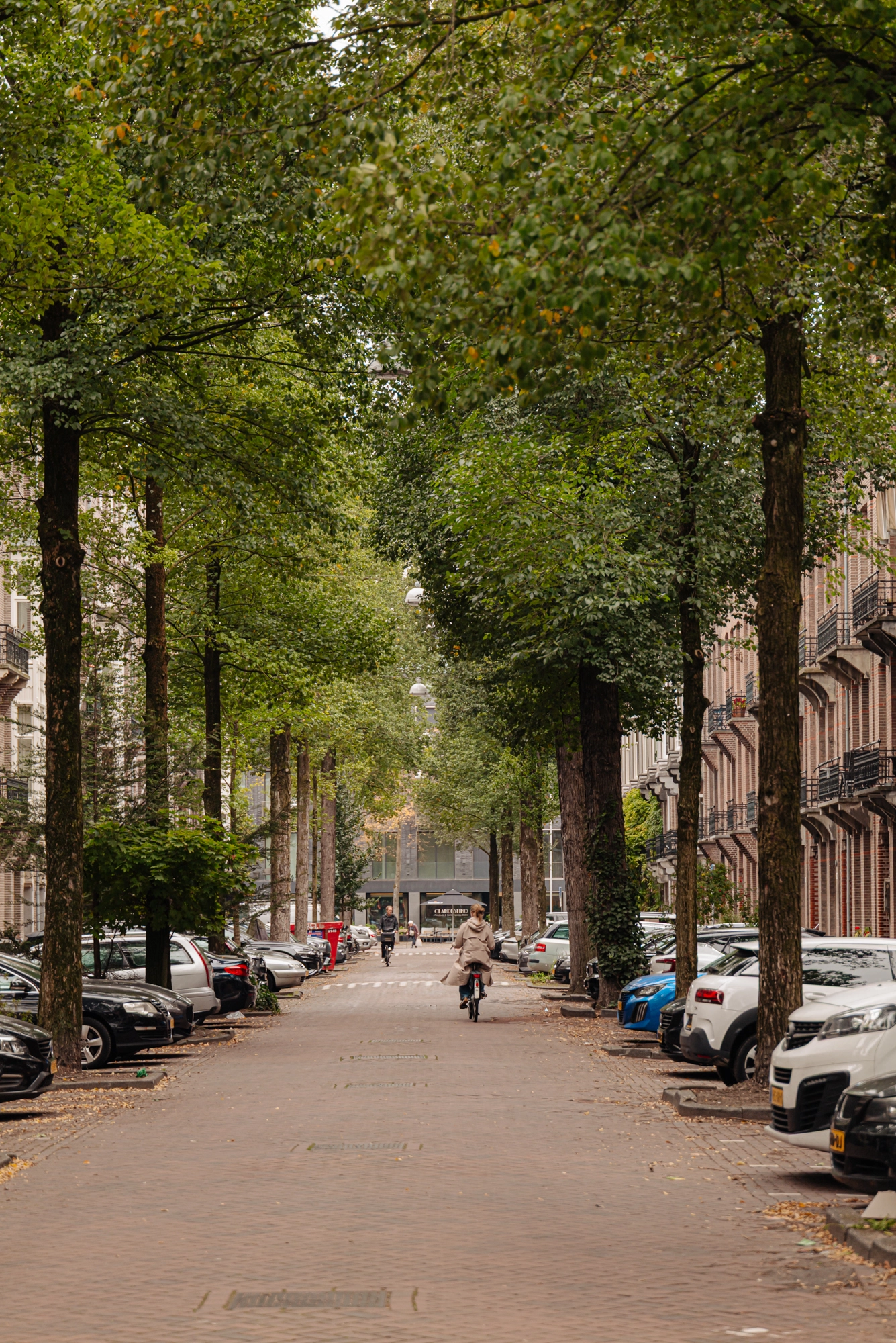
Johannes Verhulststraat is a quiet, tree-lined street in the heart of Amsterdam Oud-Zuid. Within walking distance are Vondelpark, Museumplein, and Cornelis Schuytstraat, known for its specialty shops and restaurants. Public transport connections are excellent, with tram lines running towards Amsterdam Central Station, Zuid, and Amstelveen. By car, there is direct access to the A10 Ring Road via De Lairessestraat and the S108. Parking is available through the Amsterdam municipal permit system.
Parking
Parking is available through a resident permit system on public roads (permit area Zuid 8.1). With a parking permit for Zuid 8.1, parking is also permitted in Zuid-1, Zuid-2, and Zuid-8. A resident parking permit costs €192.81 per six months. The initial permit period may be shorter or longer than six months, which may affect the total cost.
1075 GD Amsterdam
Castell Zuid
Castell Zuid is de stijlvolle nieuwe vestiging van het iconische Amsterdamse grillrestaurant Castell, gevestigd aan de Valeriusstraat in Oud-Zuid. Waar het origineel in het centrum bekendstaat om zijn no-nonsense steaks en late diners, brengt deze locatie dezelfde smaken in een verfijnde setting. “Same taste, same vibe, different look” luidt het motto – en dat klopt: herkenbaar en toch helemaal nieuw.
1075 GH Amsterdam
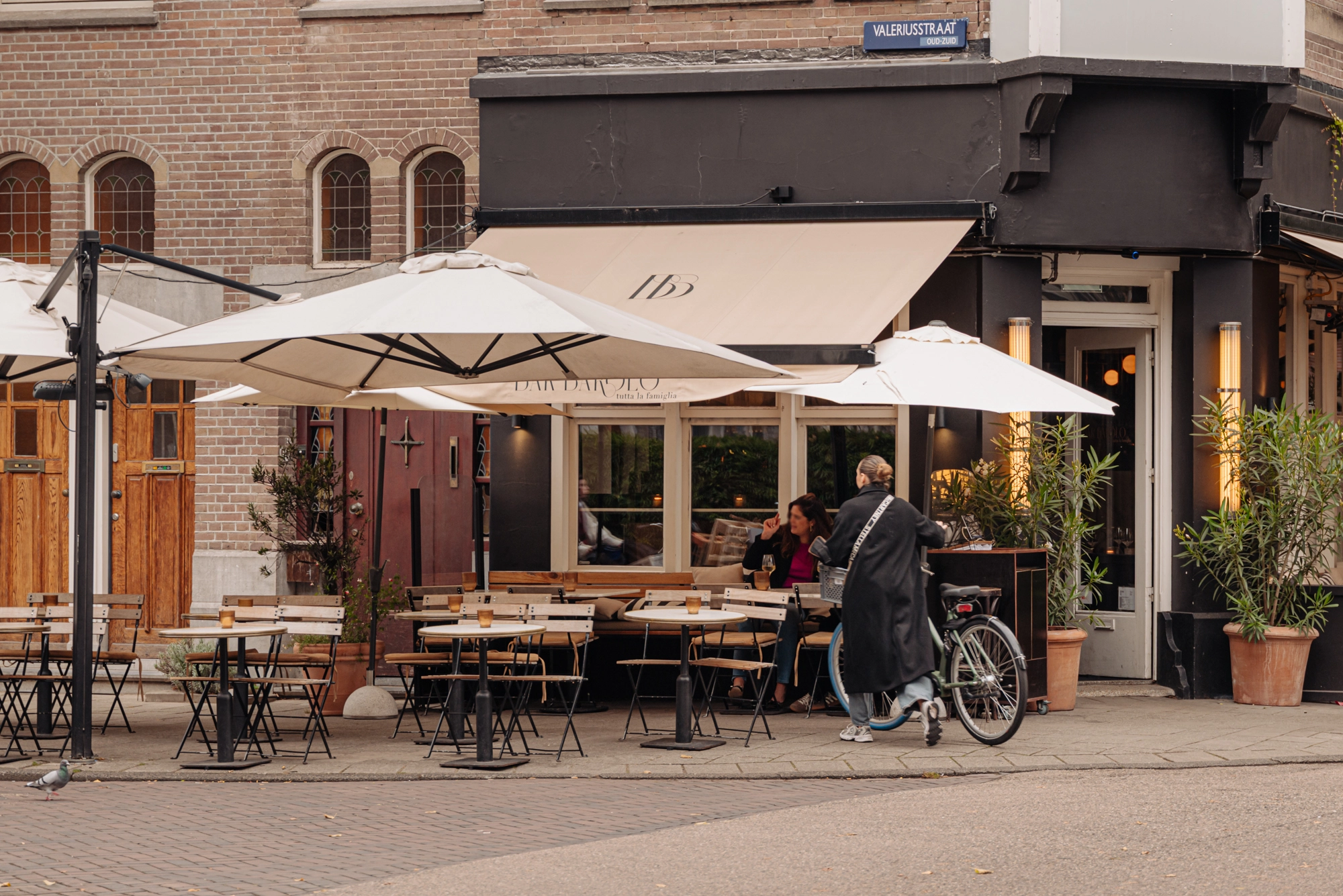
Barolo
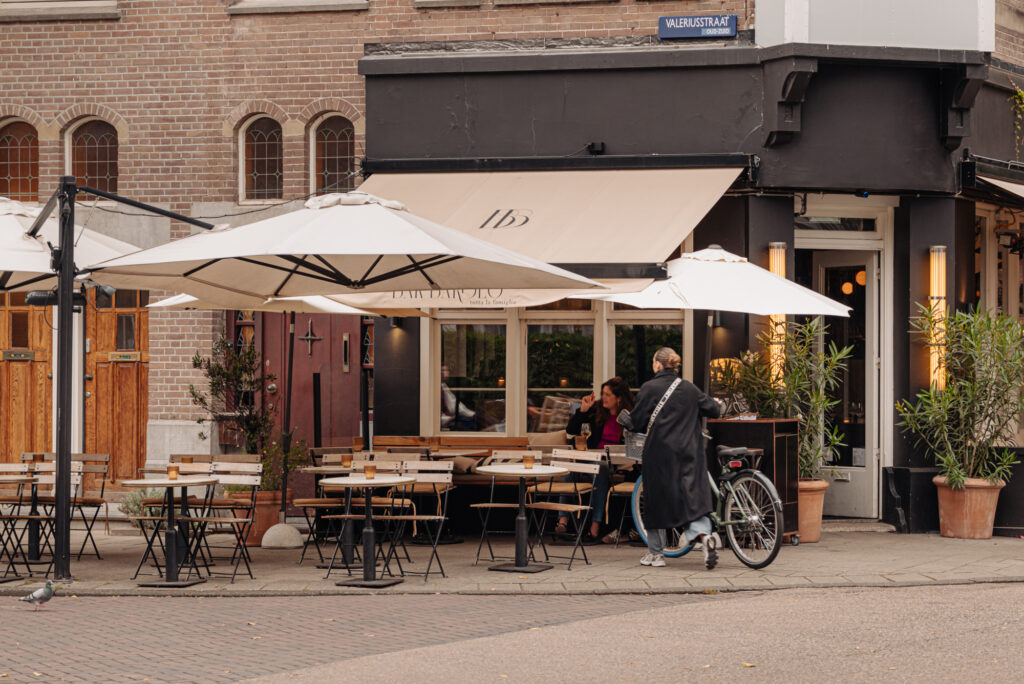
Bar Barolo brengt de sfeer van Noord-Italië naar de Valeriusstraat, midden in het elegante Amsterdam-Zuid. De wijnkaart is royaal en zorgvuldig samengesteld, met Barolo als vanzelfsprekend middelpunt. Op het menu: huisgemaakte pasta, klassieke antipasti en seizoensgerechten zonder opsmuk. Het interieur is warm en ingetogen, net als de gastvrijheid – hier wordt met aandacht gewerkt.
1075 CZ Amsterdam
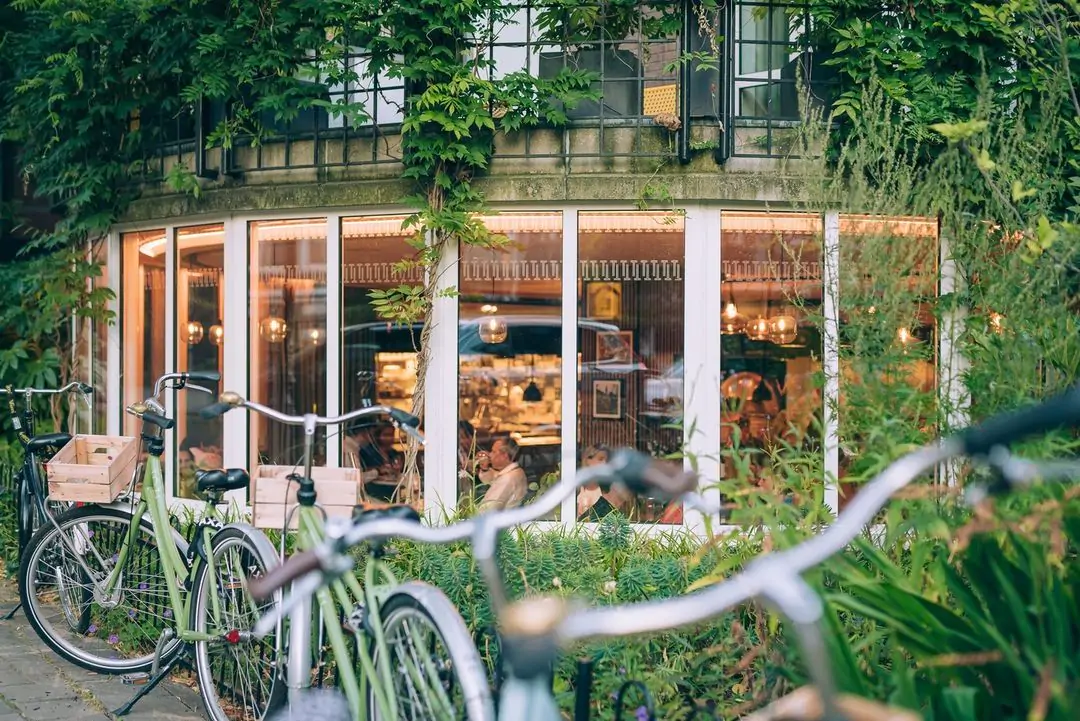
Tozi
TOZI betekent in Venetiaans dialect ‘een groep vrienden’, en dat voel je direct als je binnenkomt. Het is net alsof je terecht komt in één grote familie. De kaart toont een selectie van kleine Venetiaans geïnspireerde gerechten om te delen, bekend als cicchetti. Met een Italiaanse wijnkaart en een cocktailbar met Italiaanse gins en negroni's.
1071 MG Amsterdam
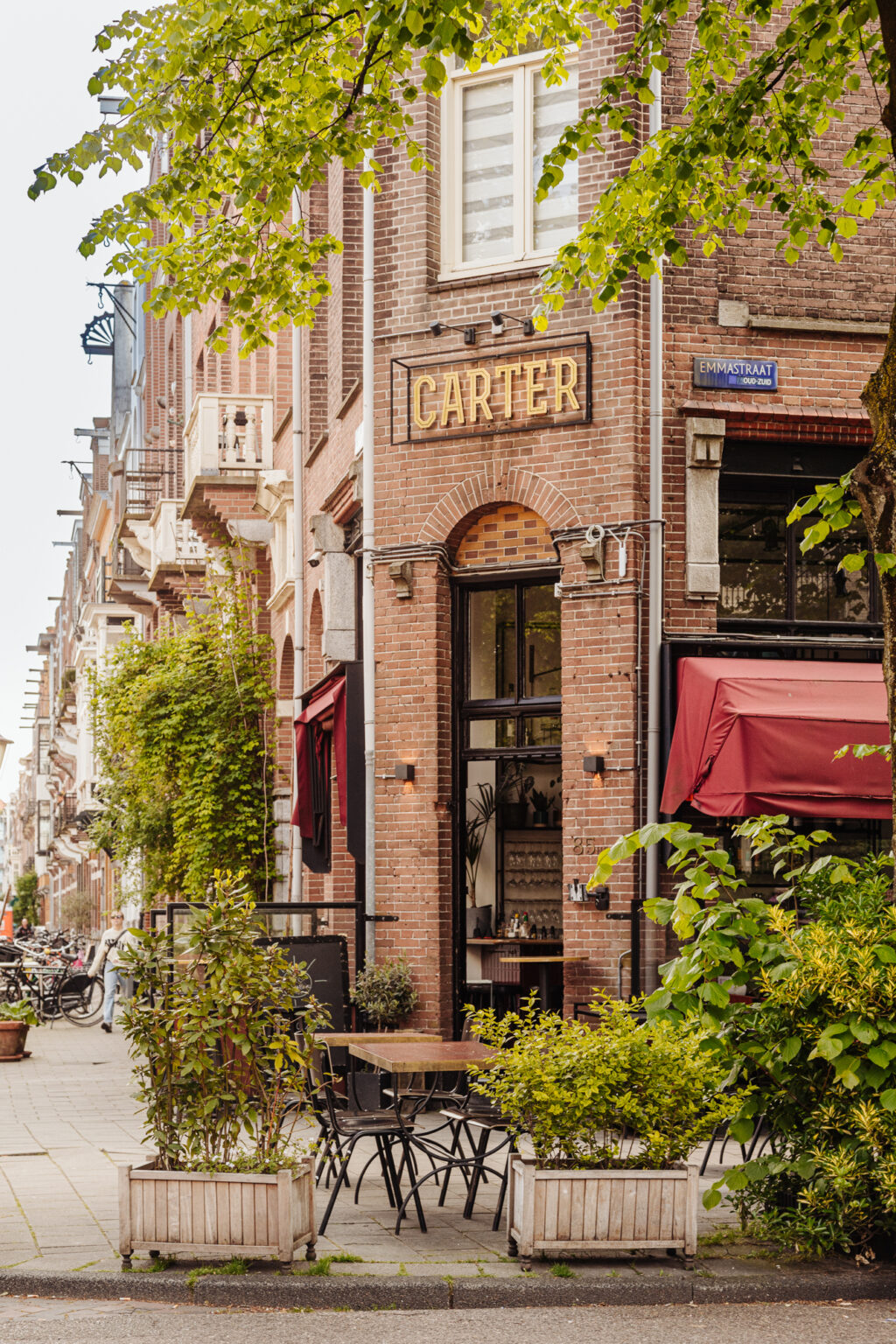
Carter
Carter is een moderne brasserie in Amsterdam-Zuid waar internationale klassiekers worden geserveerd met flair en finesse. Aan de Valeriusstraat voelt deze plek als een elegant buurtcafé – informeel, verfijnd en altijd gastvrij. Op de kaart staan tijdloze gerechten als steak tartare, burrata en kreeftenpasta, met een solide wijnselectie ernaast.
1071 HX Amsterdam
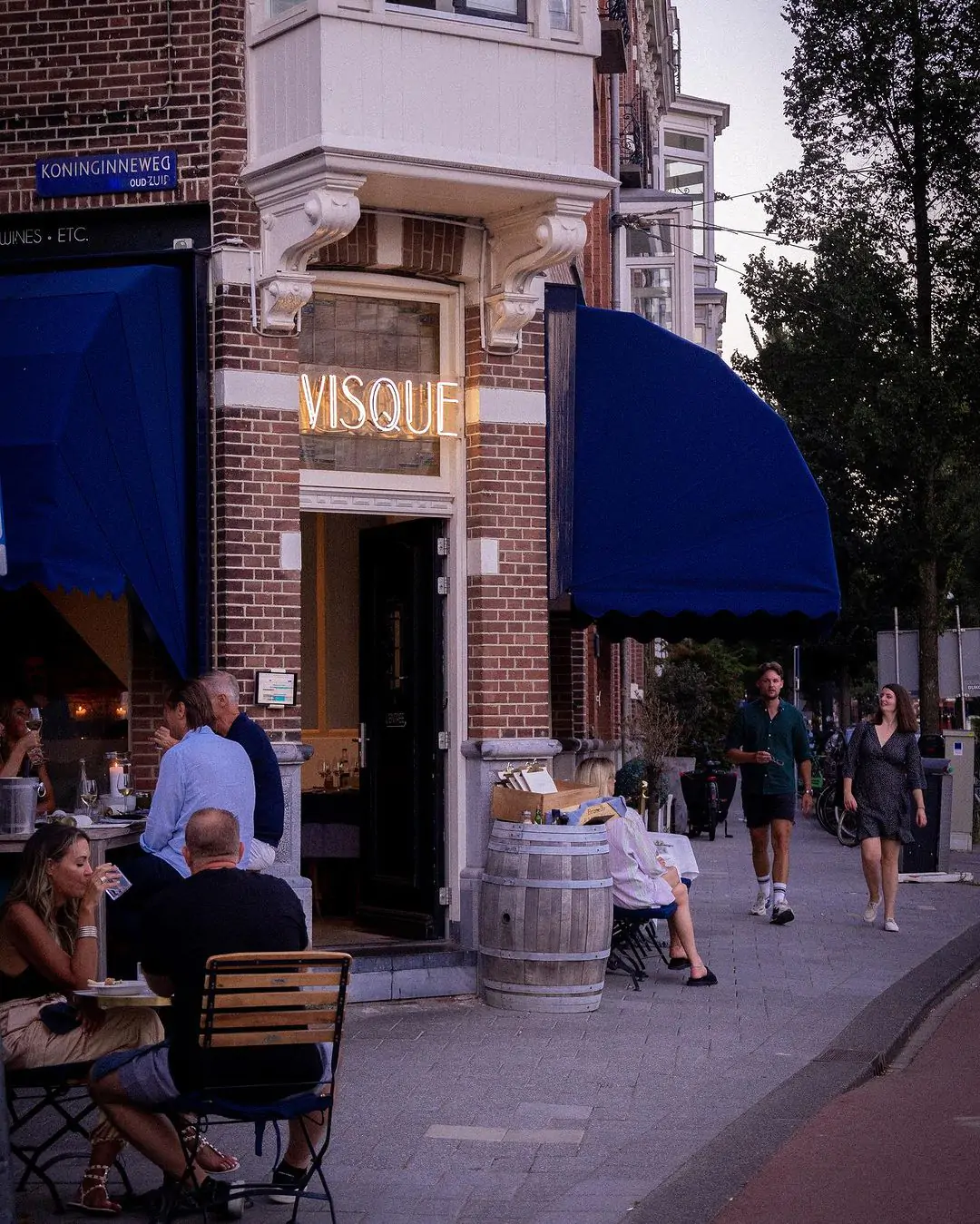
Restaurant Visque
Op het prachtige hoekje van Amsterdam Zuid bevindt zich Restaurant Visque, waar vis de hoofdrol speelt. Onze menukaart is flexibel en afhankelijk van de dagelijkse keuze voor de meest verse en smaakvolle producten. Chef Menno geeft een eigen twist aan eenvoudige Franse gerechten, zoals coquilles, Hollandse garnalen, sliptong en onze bekende Tuna Wellington.
1075 BG Amsterdam
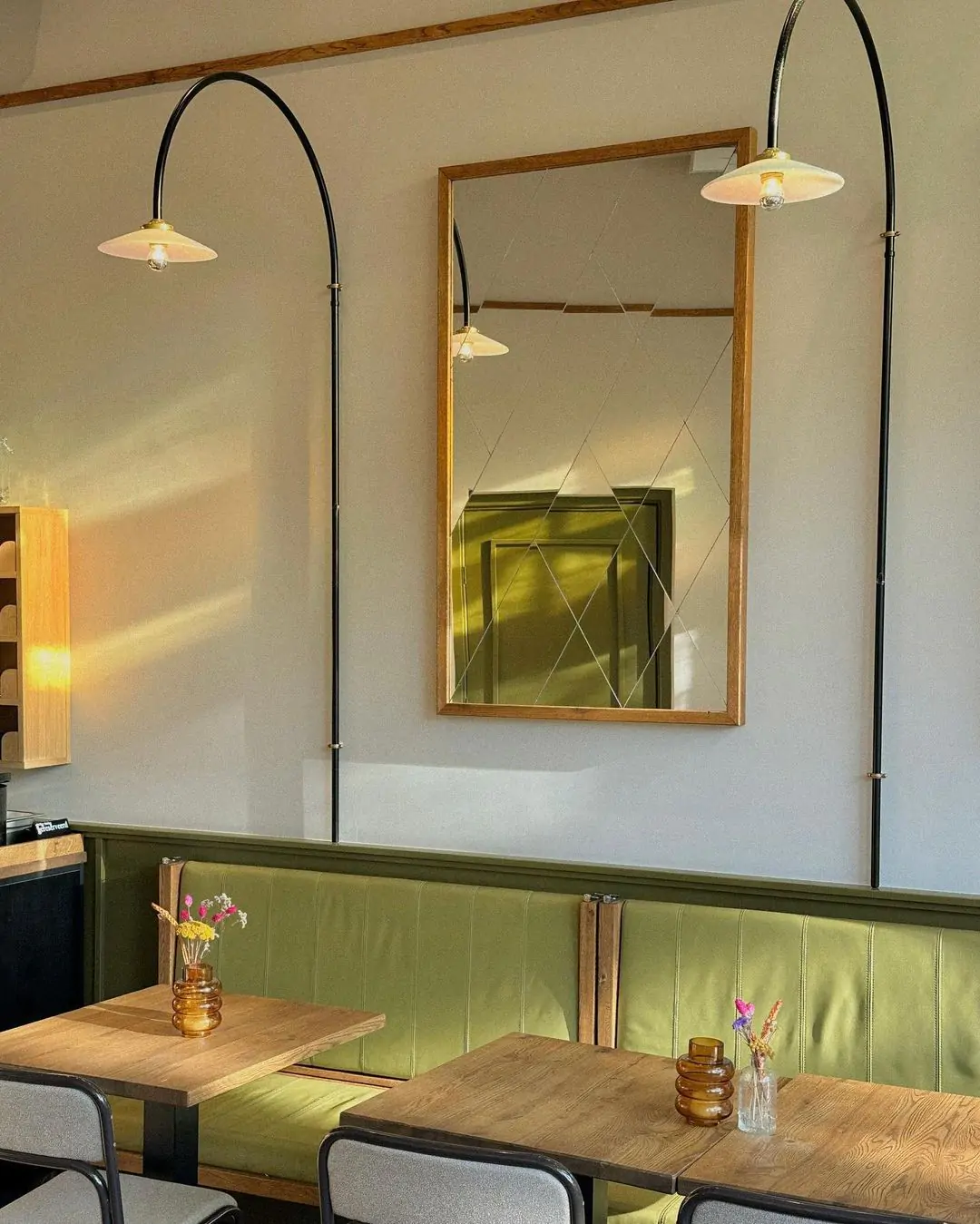
Juliette
In Amsterdam Zuid kun je bij Juliette genieten van ontbijt en lunch in de zon. Het menu is gebaseerd op verse ingrediënten van lokale leveranciers en wordt dagelijks samengesteld op basis van wat er op de markt beschikbaar is. Denk aan gerechten zoals de Porco Rosso: mortadella, stracciatellakaas, Spaanse guindillapepers en rode pesto. Voor het diner of een borrel kan je terecht bij buurman Bar Jules. De focus ligt op Zuid-Europese gerechten zoals pizzetta's, pata negra en geroosterde octopus.
1071 JH Amsterdam
Brasserie van Dam
Brasserie van Dam staat bekend om een simpele maar effectieve receptuur: een niet te uitgebreide kaart met kwalitatief goede producten, acceptabele prijzen, goede koffie, een fijne sfeer en vriendelijk personeel.
1071 GZ Amsterdam
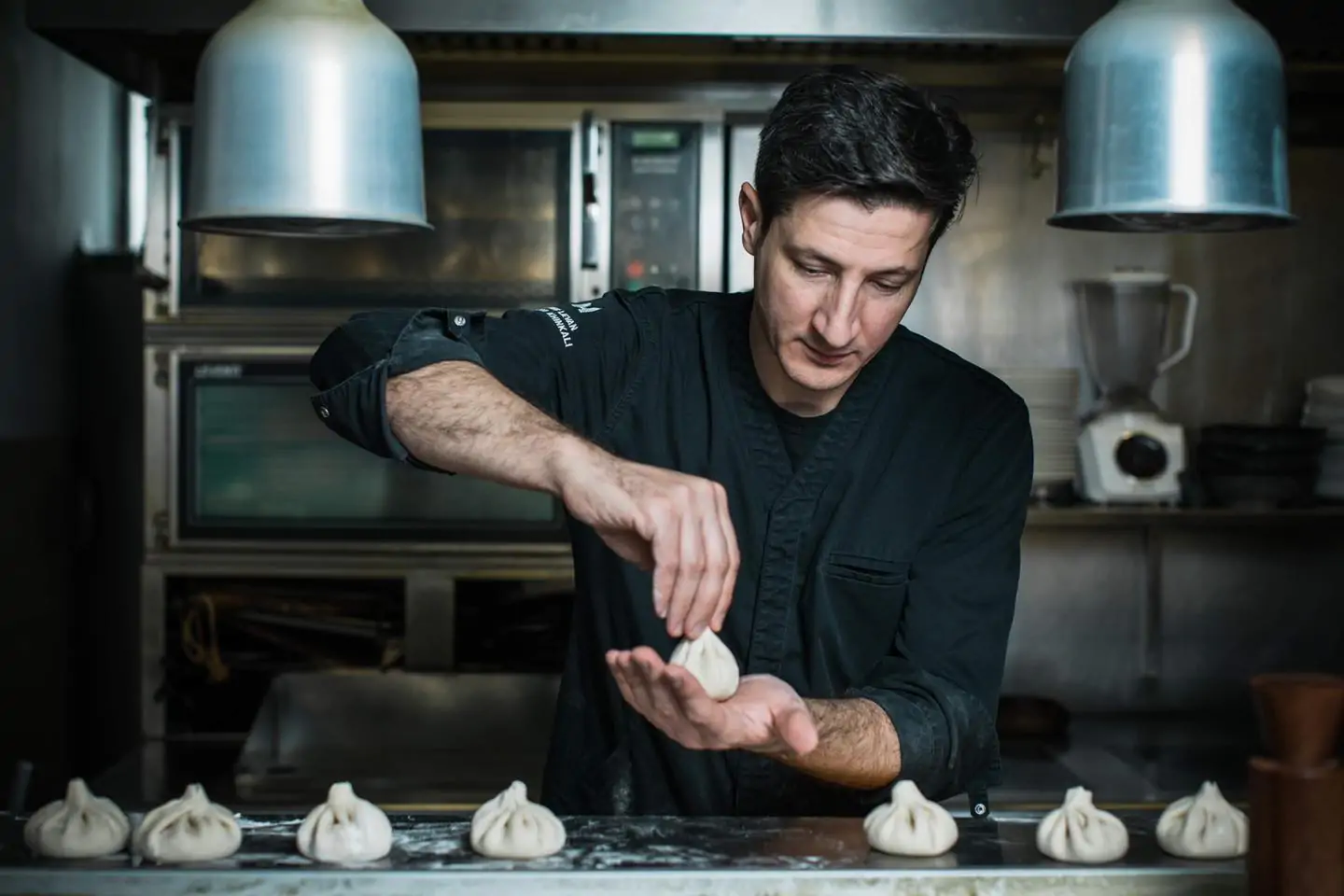
Batoni Khinkali
In Nederland is de Georgische keuken helaas ondervertegenwoordigd, ondanks haar rijke en boeiende culinaire erfgoed. Gelukkig biedt Batoni Khinkali een introductie tot deze smaakvolle keuken. Dit restaurant, opgericht door de Georgische klarinettist Levan Tskhadadze, combineert zijn liefde voor muziek met zijn passie voor koken. Hier kunnen gasten genieten van Georgische klassiekers zoals khinkali, katsjapuri en lobio, evenals een veganistisch en vleesmenu, allemaal geserveerd met de kenmerkende Georgische gastvrijheid.
1077 BG Amsterdam
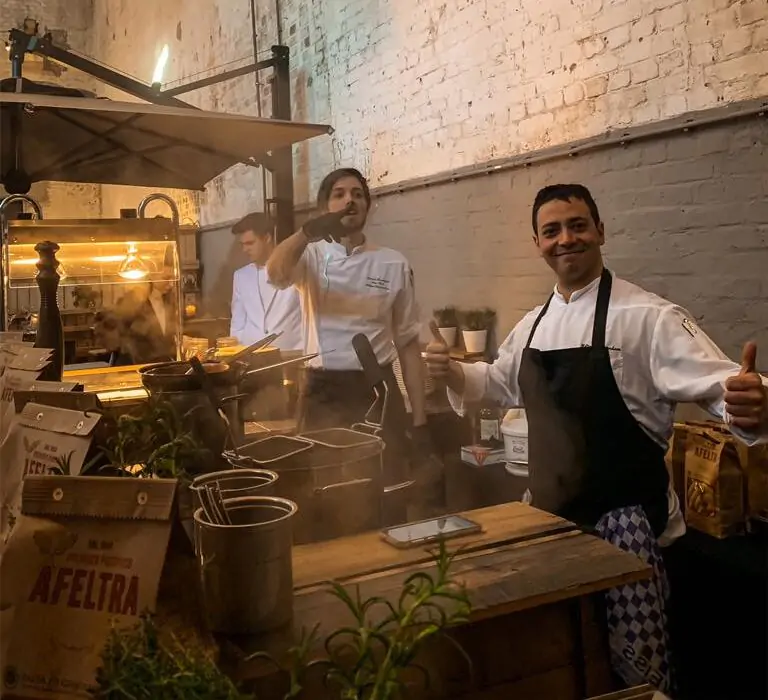
Roberto's Restaurant Amsterdam
In de top tien Italiaanse restaurants van Amsterdam mag Roberto’s niet ontbreken. Het restaurant is gelegen in het Hilton hotel, waar de iconische Italiaanse keuken sinds 25 jaar de borden vult. Het restaurant draait om pure en simpele smaken met gerechten als dungesneden aubergine, groene farfalle pasta met kreeftensaus en Lava cake.
1071 GZ Amsterdam
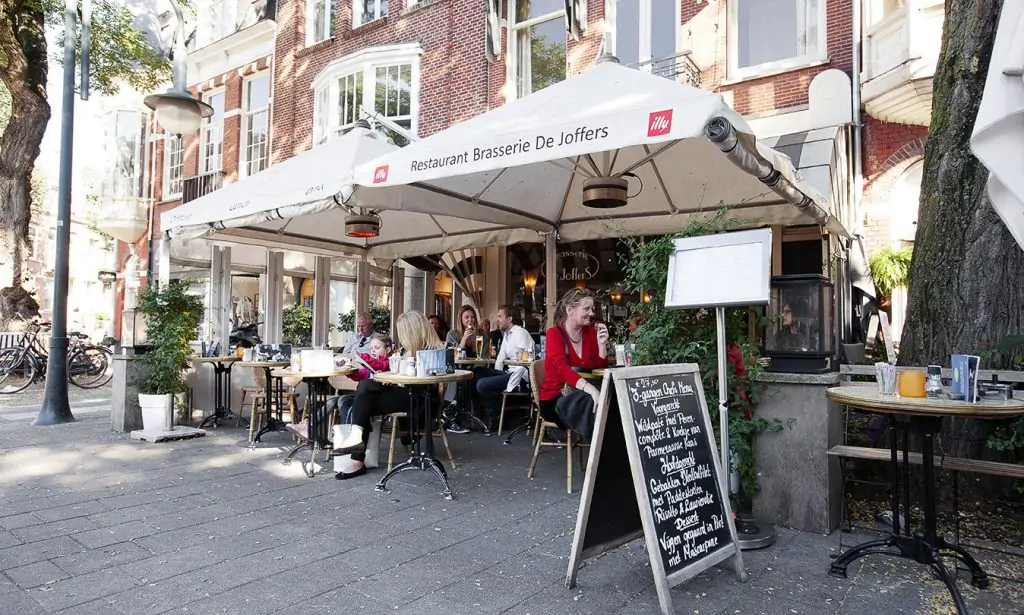
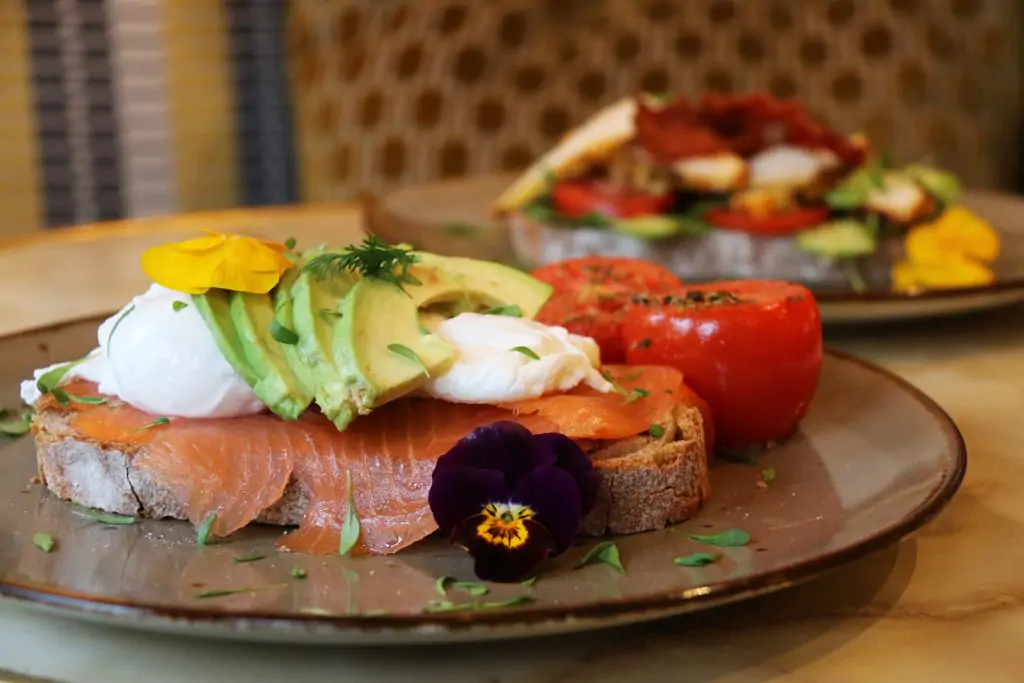
Brasserie de Joffers
Met een groot terras in de zomer én winter is brasserie Joffers al 15 jaar een bekende hotspot op steenworp afstand van het Vondelpark en het Museumkwartier. Mocht de zon niet schijnen, dan is er binnen genoeg plek - een met kunst en spiegelwanden ingerichte ruimte, wat voor een huiselijke sfeer zorgt. De ontmoetingsplek voor de buurt is ideaal voor ontbijt, lunch en diner of simpelweg voor een lekkere kop koffie.
1071 NH Amsterdam
Franzen
Chef en eigenaar Jesse Franzen groeide op in een horecafamilie in Haarlem. Zijn vader stond in de keuken, zijn moeder werkte in de bediening. Zijn eigen professionele reis begon in de keuken van het tweesterrenrestaurant Chapeau, waarna hij ervaring opdeed bij onder andere Aan de Poel, Ron Gastrobar en Lars Amsterdam. Met Franzen creëert Jesse een plek die voelt als een moderne huiskamer voor de stad. Toegankelijk en warm, maar altijd met een hoge standaard. Het menu is klassiek en herkenbaar, met hier en daar een verrassende twist.
1075 PD Amsterdam
LOT61 Coffee Roasters
Geboren in Sydney, grootgebracht in Brooklyn en nu stevig geworteld in Amsterdam: LOT61 is allesbehalve een doorsnee koffiezaak. Als onafhankelijke koffiebrander combineert het merk internationale flair met lokaal vakmanschap. Slow coffee die met precisie en aandacht is gezet. De esthetiek is rauw maar verfijnd, de sfeer informeel en creatief – een plek waar buurt en barista samenkomen. Met hun B Corp-certificering laat LOT61 bovendien zien dat smaak en duurzaamheid hand in hand kunnen gaan.
1071 NE Amsterdam
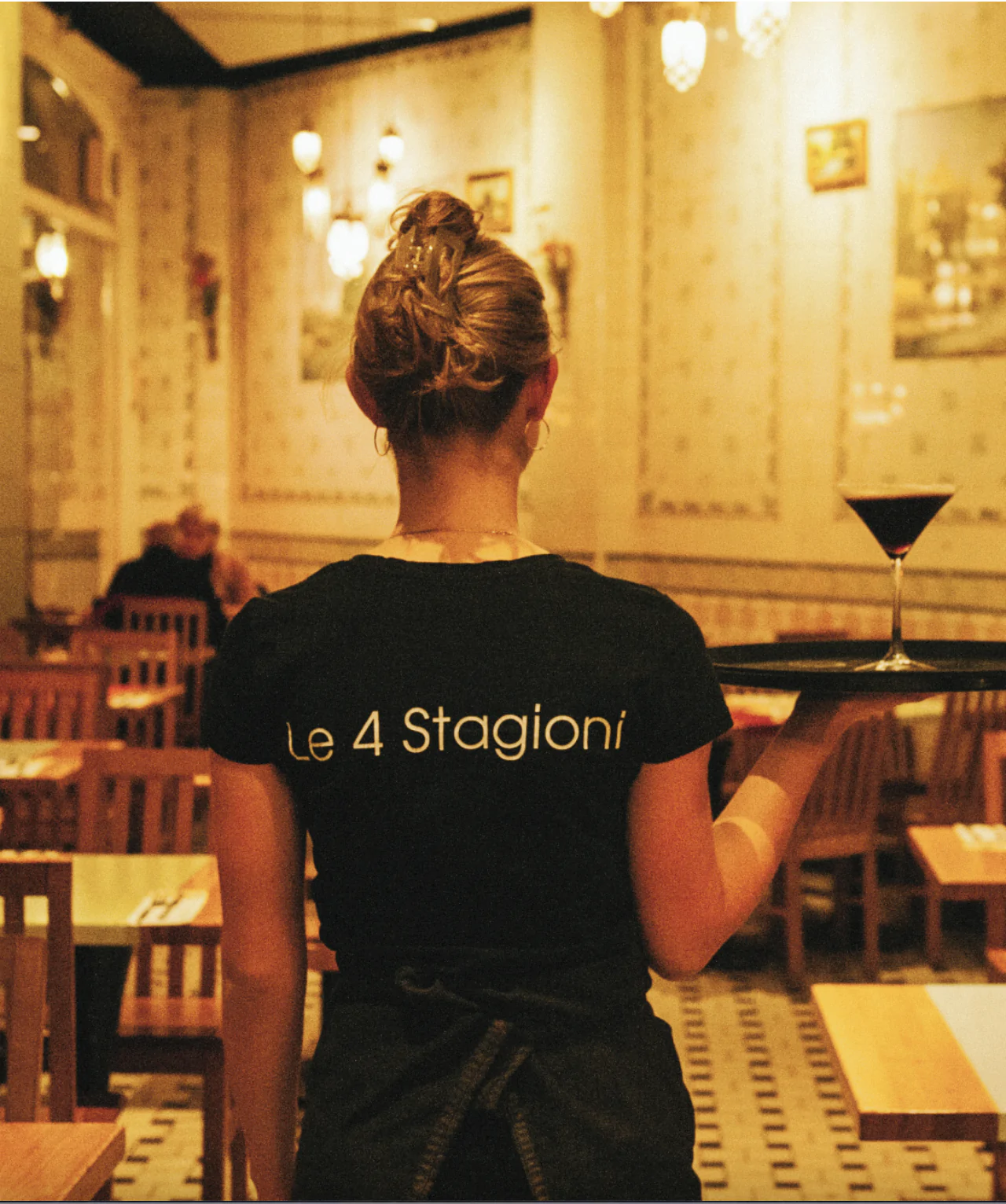
Pizzeria Le 4 Stagioni
Voor bezoekers van het Concertgebouw zijn de Romaanse pizza's met dunne bodem geen vreemde. Sinds 1978 voorziet de pizzeria in Oud-Zuid menige groep en (grote) families van authentiek Italiaans eten. Het interieur heeft een Mediteraans tintje en het menu biedt voor ieder wat wils, van verse pasta's en mals vlees, tot onmisbare antipasti en vegetarische alternatieven.
1071 HK Amsterdam
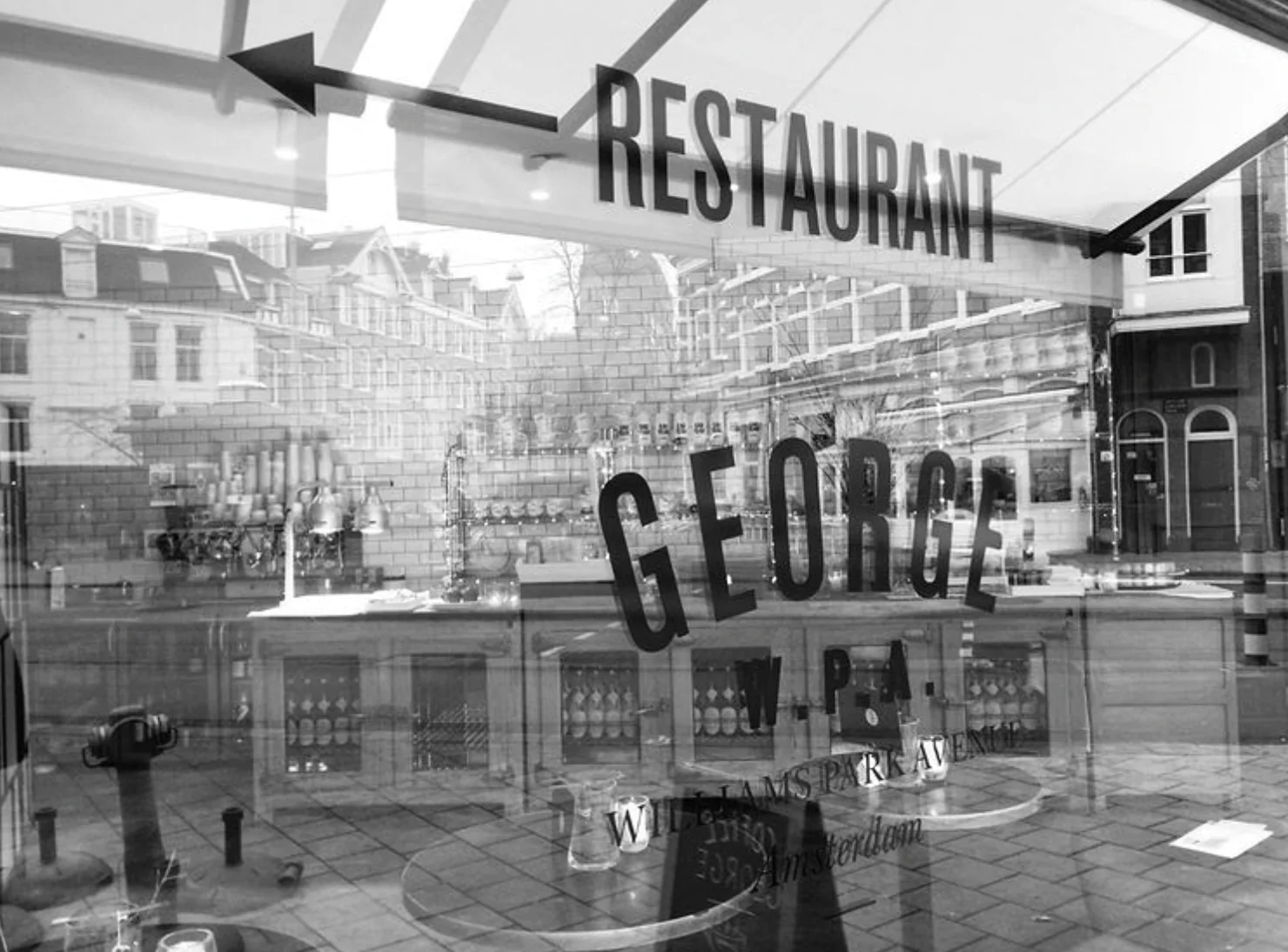
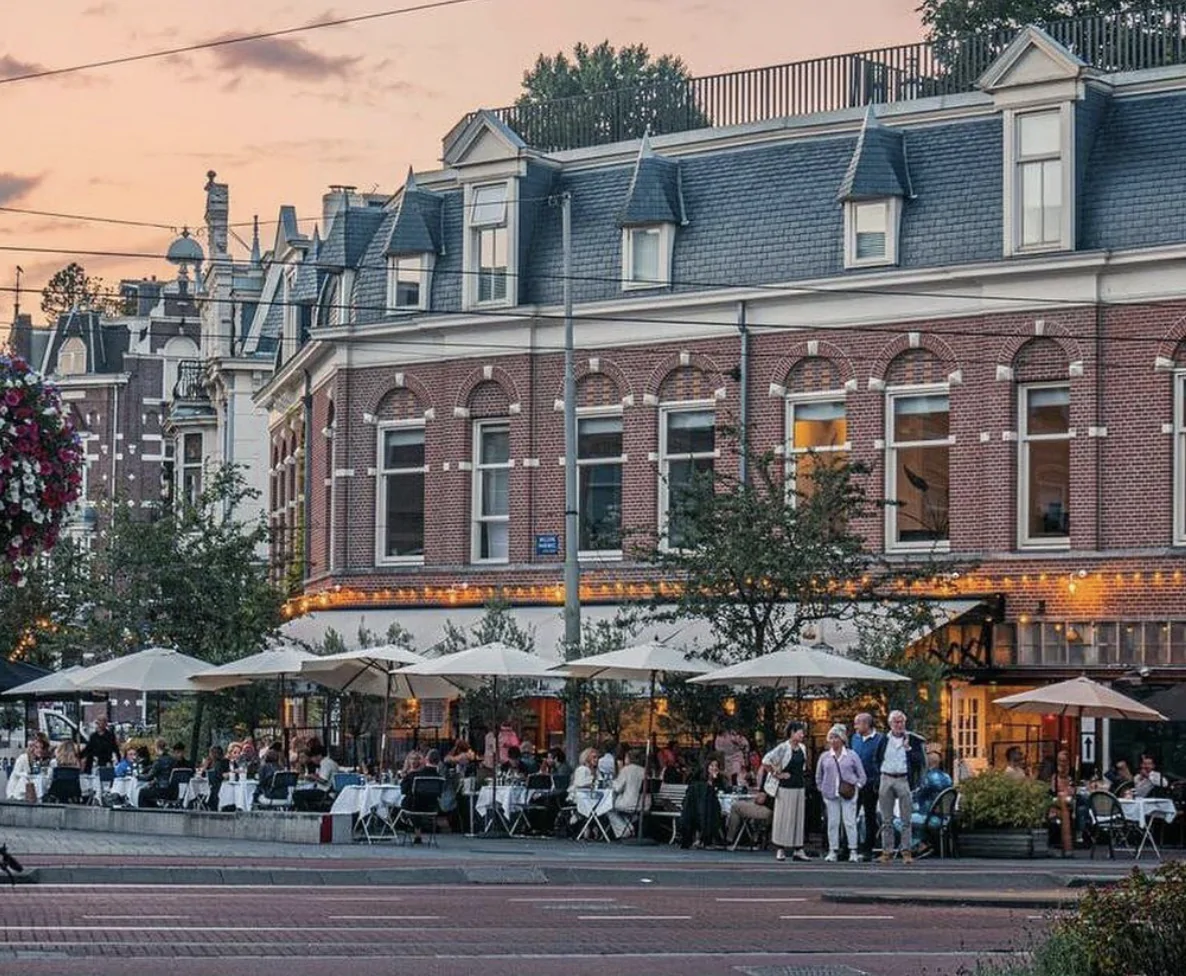
George W.P.A
George W.P.A is de ideale plek om neer te strijken voor een goed glas wijn en lekker eten met een chique touch. De brasserie in Zuid is naar eigen zeggen een combinatie van klassieke Franse gerechten, verpakt in New-Yorkse stijl en staat bekend om signature dishes zoals gegrilde kreeft en Blackened Tuna. Treed binnen (op reservering) in het "Upper South" van Amsterdam en see for yourself!
1071 KK Amsterdam
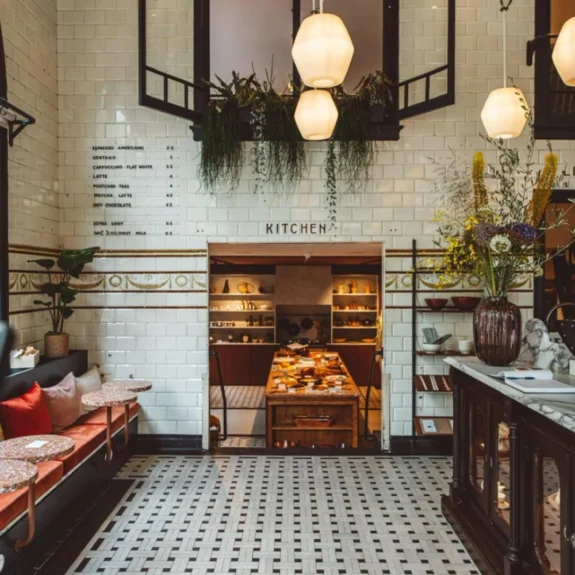
Edible Treasures
In een voormalige slagerij in Amsterdam Zuid huist de concept store Edibe Treasures. Naast de 'edibles en drinkables' in de koffieshop vind je hier een prachtige selectie van alles voor op de tafel zoals zilverwerk, keramiek, tafellinnen, maar ook kookboeken en accessoires. Er worden ook regelmatig pop ups en workshops georganiseerd.
1075 EL Amsterdam
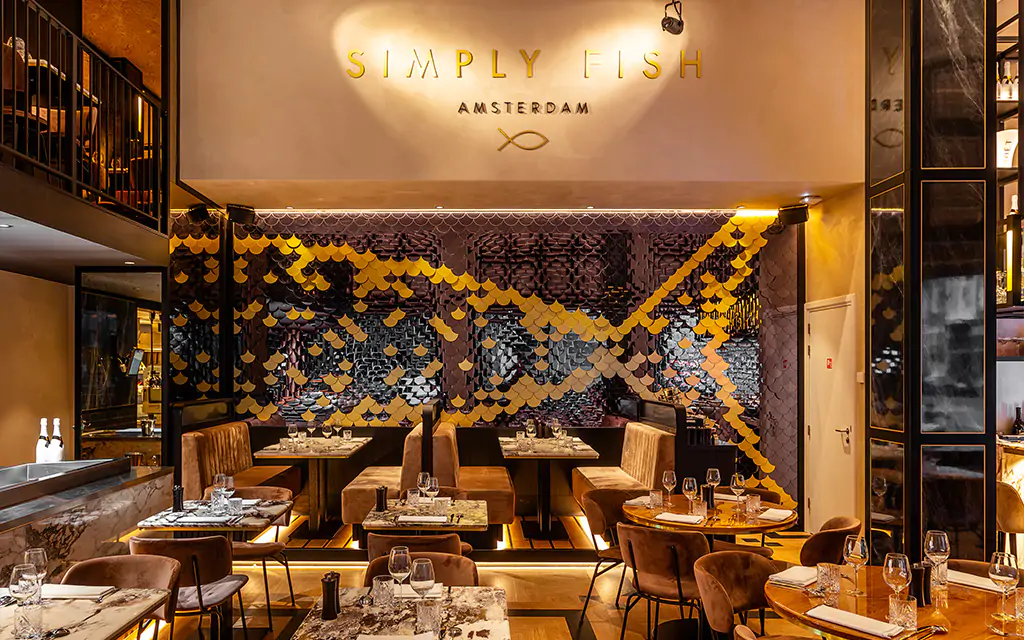
Simply Fish
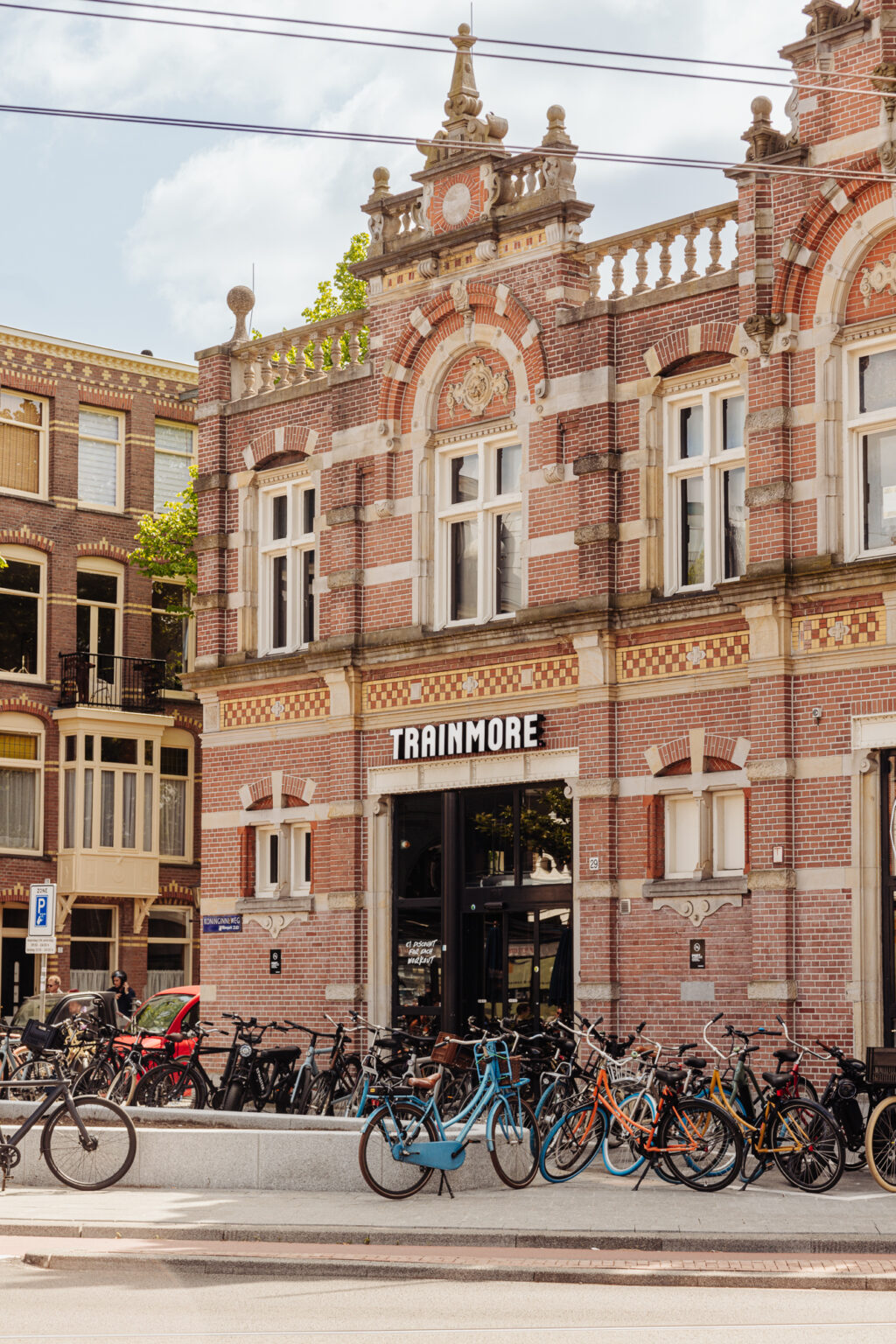
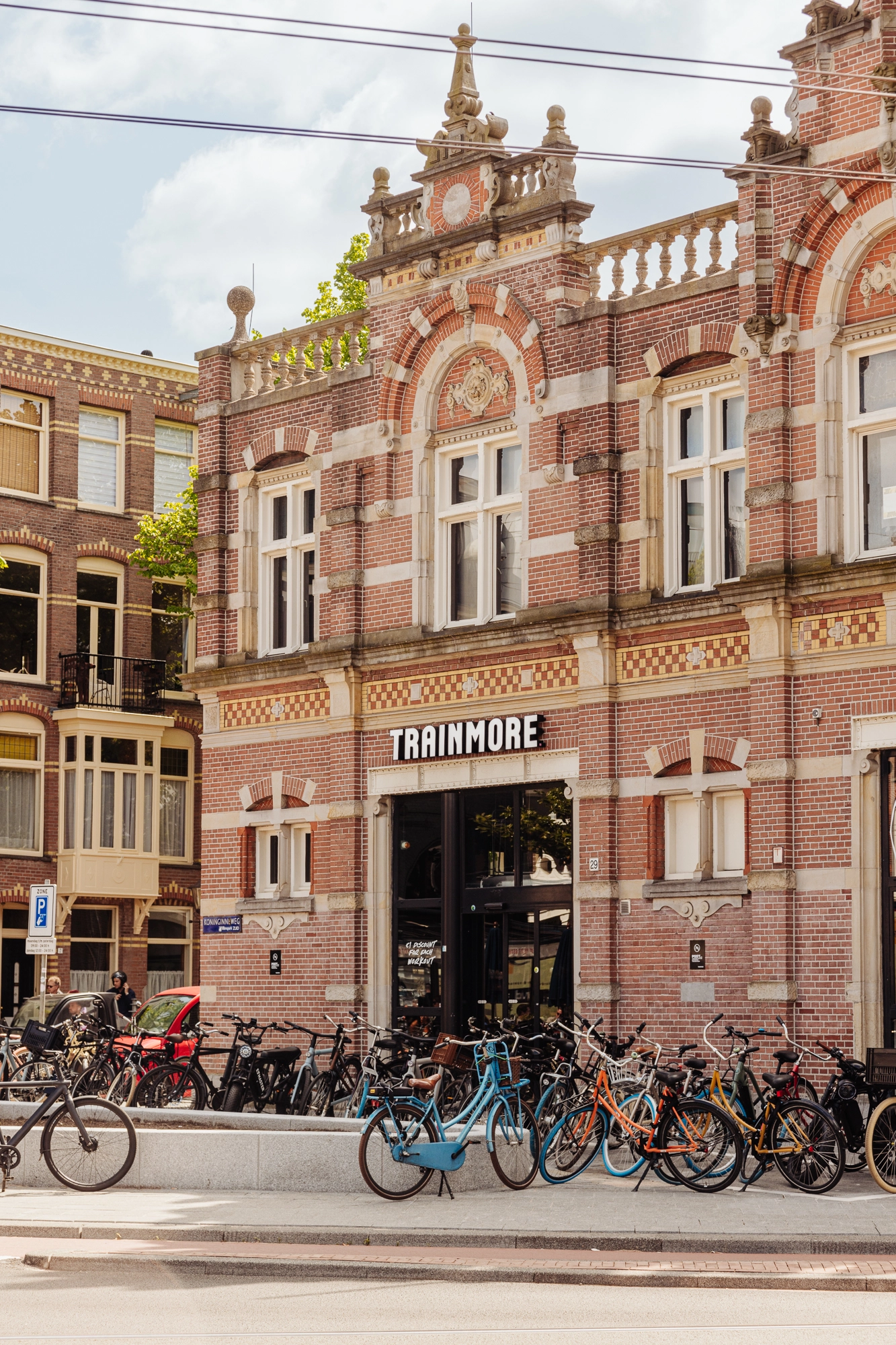
Simply Fish is gelegen in Oud-Zuid aan de Koninginneweg. Zoals de naam al doet vermoeden is het restaurant gespecialiseerd in het bereiden van vis. Echtpaar Jan en Francis Rijk bezaten voorheen eenzelfde soort restaurant in Zeeland, een welbekende provincie voor overheerlijke vis en zeevruchten. Op het menu kan je onder andere fruit de mer, garnalenkroketjes, oesters en hun beroemde kreeftenbisque vinden.

1066 VH Amsterdam
Slagerij De Schuyt
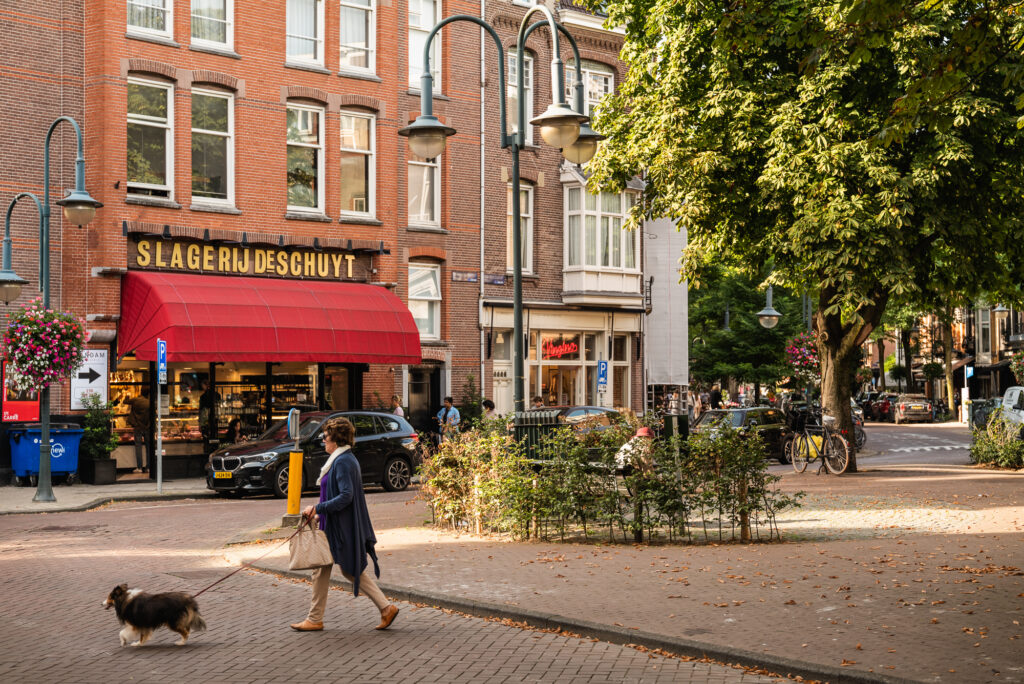
Slagerij De Schuyt, vernoemd naar hun locatie in de Cornelis Schuytstraat, heeft als symbool de parkiet. Net als de parkiet heeft deze kenmerkende slagerij zijn oorsprong in de jaren zeventig en hebben beiden hun plek veroverd in Amsterdam. Geïnspireerd door de parkiet begon eigenaar Evert Blauwendraat zijn slagerij met het idee om daar een karakteristiek, persoonlijk en bijzonder embleem aan te geven dat voor iedereen herkenbaar is. Bij dit familiebedrijf met een rijke historie kan je terecht voor vlees en delicatessen.
1071 JE Amsterdam
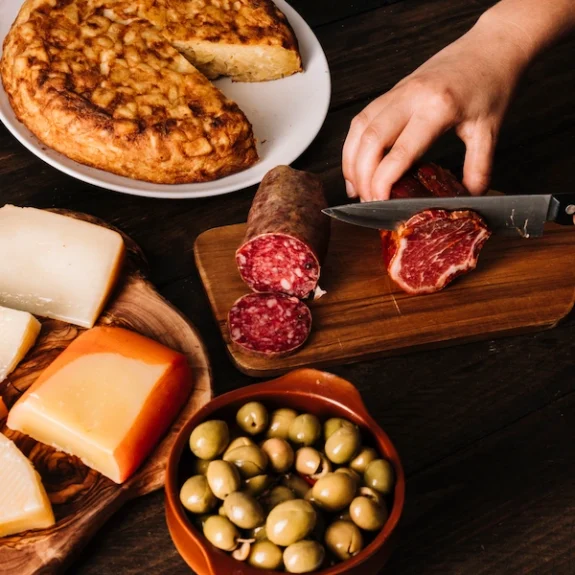
Mercado Julitos
Julitos is een Spaanse delicatessenwinkel in Amsterdam die hoogwaardige producten aanbiedt, zoals olijfolie, kazen, wijnen en vleeswaren. Naast de winkelervaring organiseert Julitos ook showcooking, proeverijen en kookworkshops om de Spaanse eetcultuur te vieren. Opgericht in 2022 door een gepassioneerde Spanjaard, brengt het een authentiek stukje Spanje naar Nederland. Julitos is dé bestemming voor liefhebbers van Spaanse gastronomie en culinaire tradities.
1071 NL Amsterdam
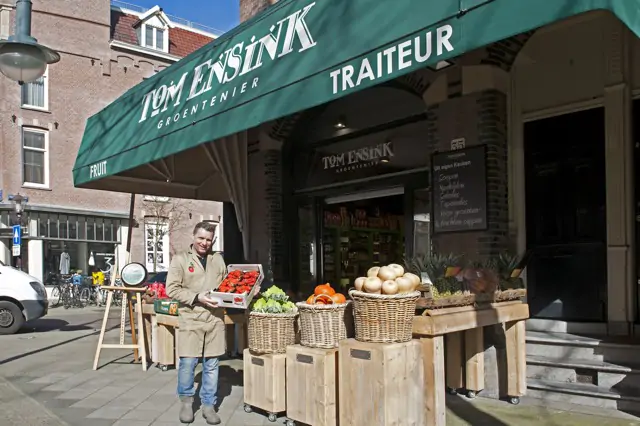
Groenteboer Tom Ensink
Groenteboer Tom Ensink zorgt ervoor dat klanten kunnen kiezen uit een exclusief assortiment aan eerlijke producten. Naast groenten worden er kazen, fruit, noten, oliën, wijnen én maaltijden verkocht - zorgvuldig geselecteerd voor de échte fijnproevers in Zuid. Specifieke wensen kunnen worden vervuld wat betreft het bestellen van producten, maar ook voor de verse maaltijden.
1071 ZJ Amsterdam
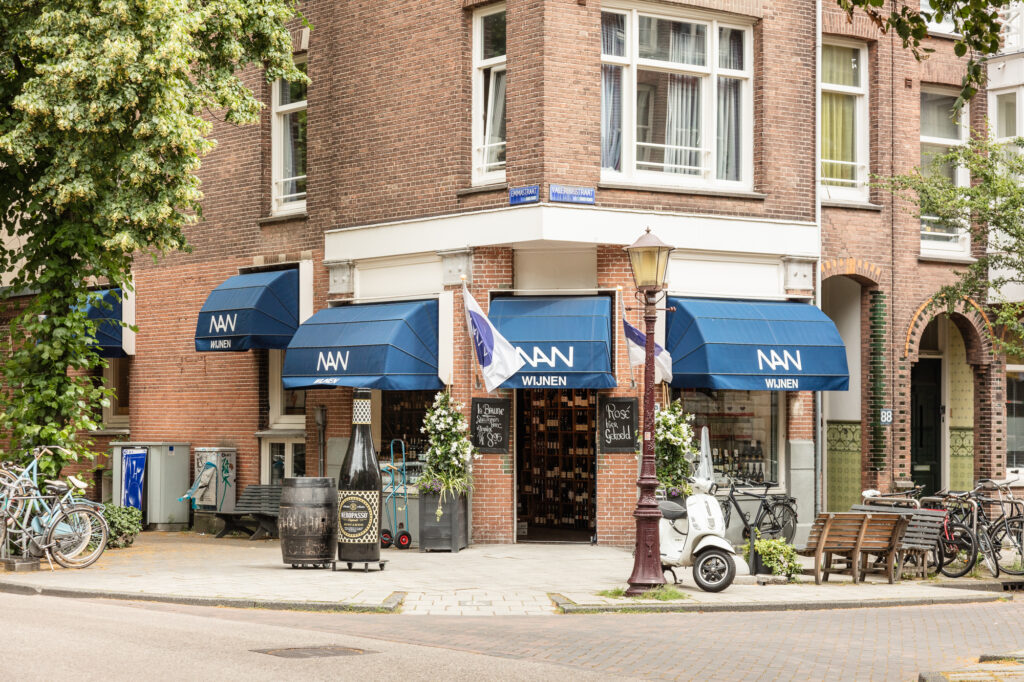
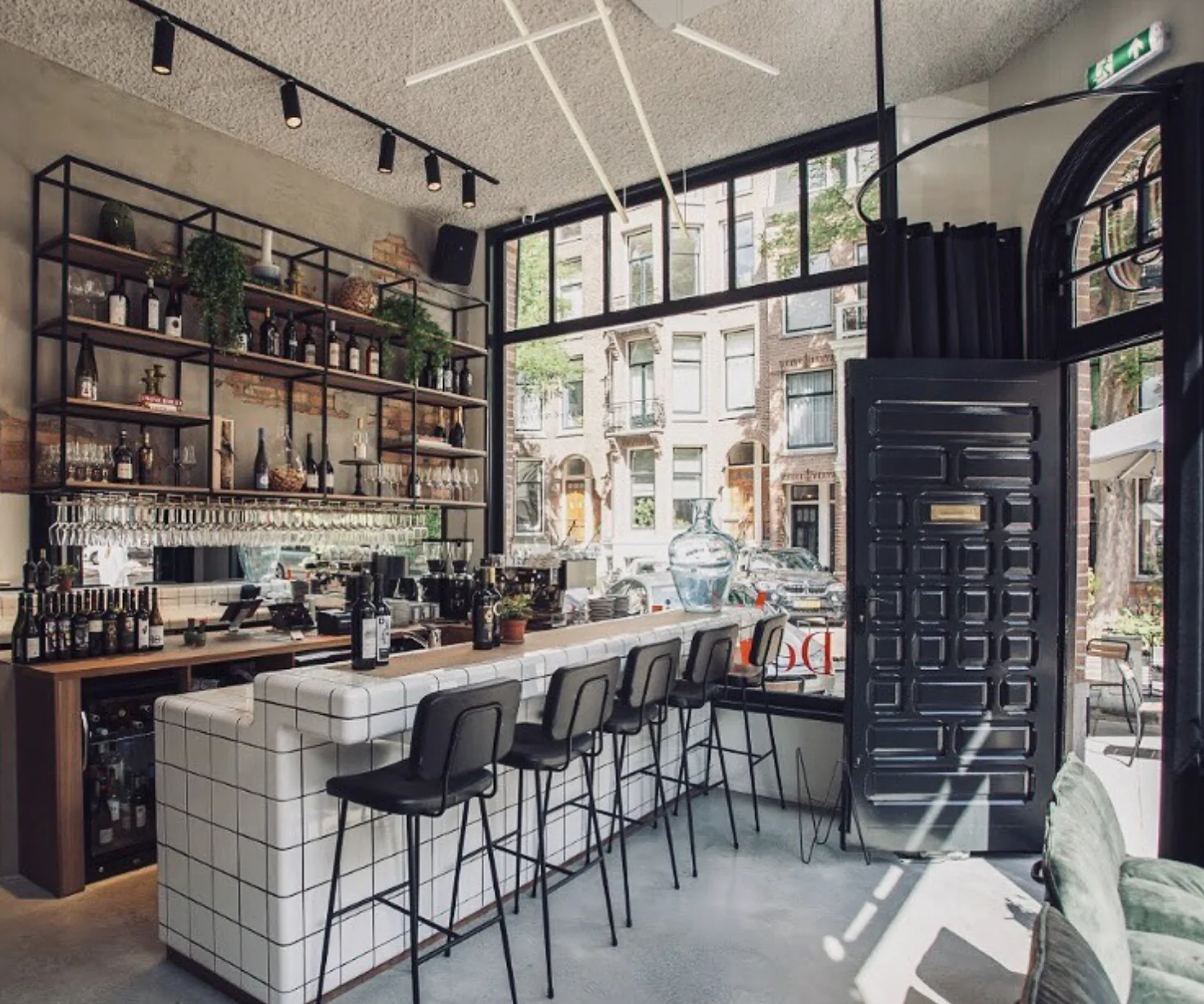
De Wijnkaart
In het Museumkwartier in Amsterdam-Zuid zit De Wijnkaart. Hier worden allerlei soorten wijnen uit de vergeten Oost-Europese wijnlanden geserveerd. Alhoewel de geschiedenis van het wijn maken hier is begonnen, zijn deze landen vaak vergeten in de wijnwereld. Als je benieuwd bent geworden naar alle soorten wijnen kan je een wijnproeverij doen in de wijnbar, waarbij je zelf mag uitkiezen welke je wil proeven. Naast de borrelplanken die wekelijks veranderen, staan er ook hoofdgerechten op het menu.
ZuiderMRKT
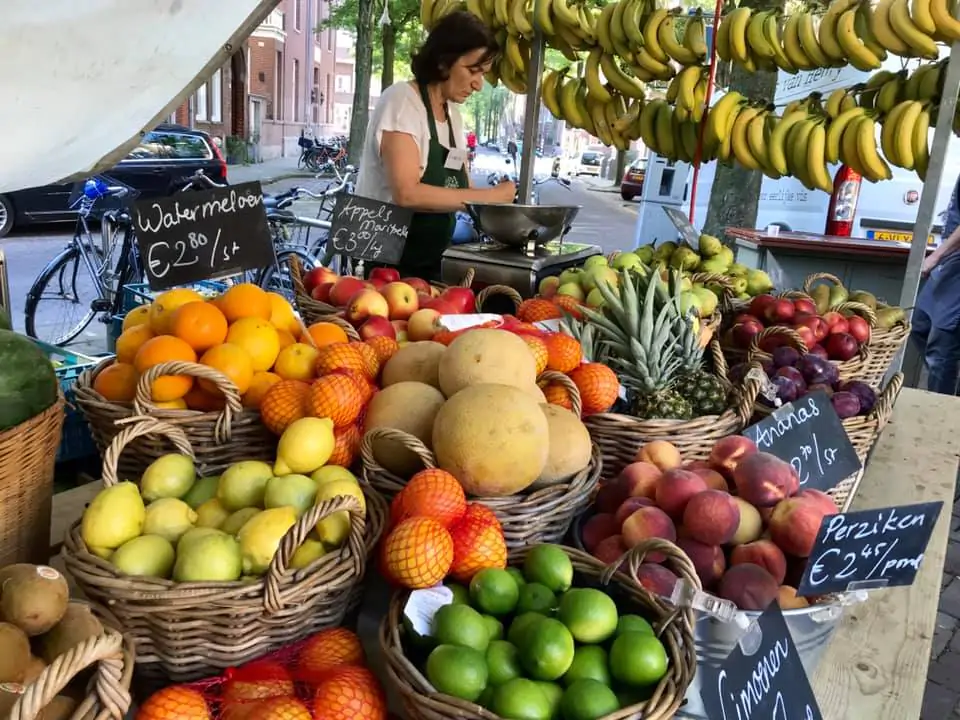
De zuiderMRKT is een kleine, gezellige, wekelijkse buurtmarkt. Uniek door haar coöperatieve karakter. De coöperatie bestaat uit leden - enthousiaste buurtbewoners - die de markt een warm toedragen en meehelpen op de markt en in de groentekraam. De leden bepalen samen het aanbod van alle kramen. Zij kopen groente en fruit rechtstreeks in bij de boer, om ze voor eerlijke prijzen op het zuiderMRKT-plein te verkopen.
1071 JC Amsterdam
Menno Kroon
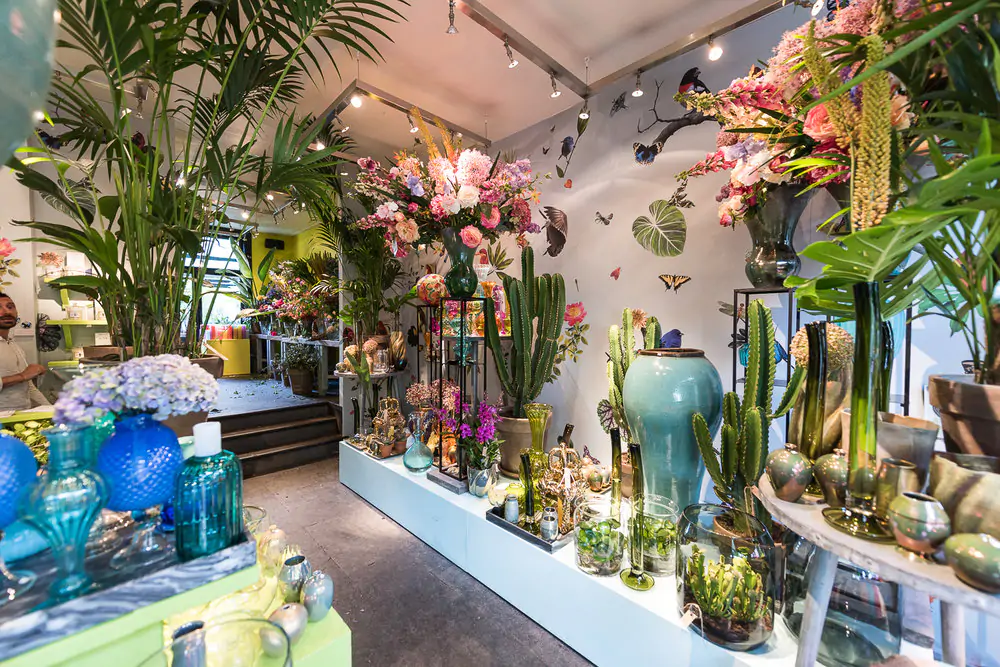
De uitbundige en sfeervolle etalage van Menno Kroon toont zulke betoverende en bijzondere bloemen dat je wel even binnen moet kijken. Prille liefde, verrukking, het onvermijdelijke afscheid. Elk boeket van Menno Kroon geeft betekenis aan een bijzonder moment. Niks is ze te gek bij Menno Kroon en u kunt er terecht voor de meest speciale en uiteenlopende boeketten.
1075 NC Amsterdam
Perfume Lounge
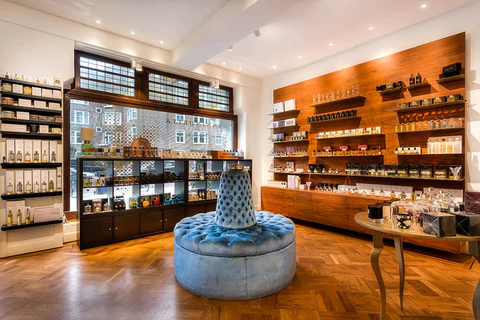
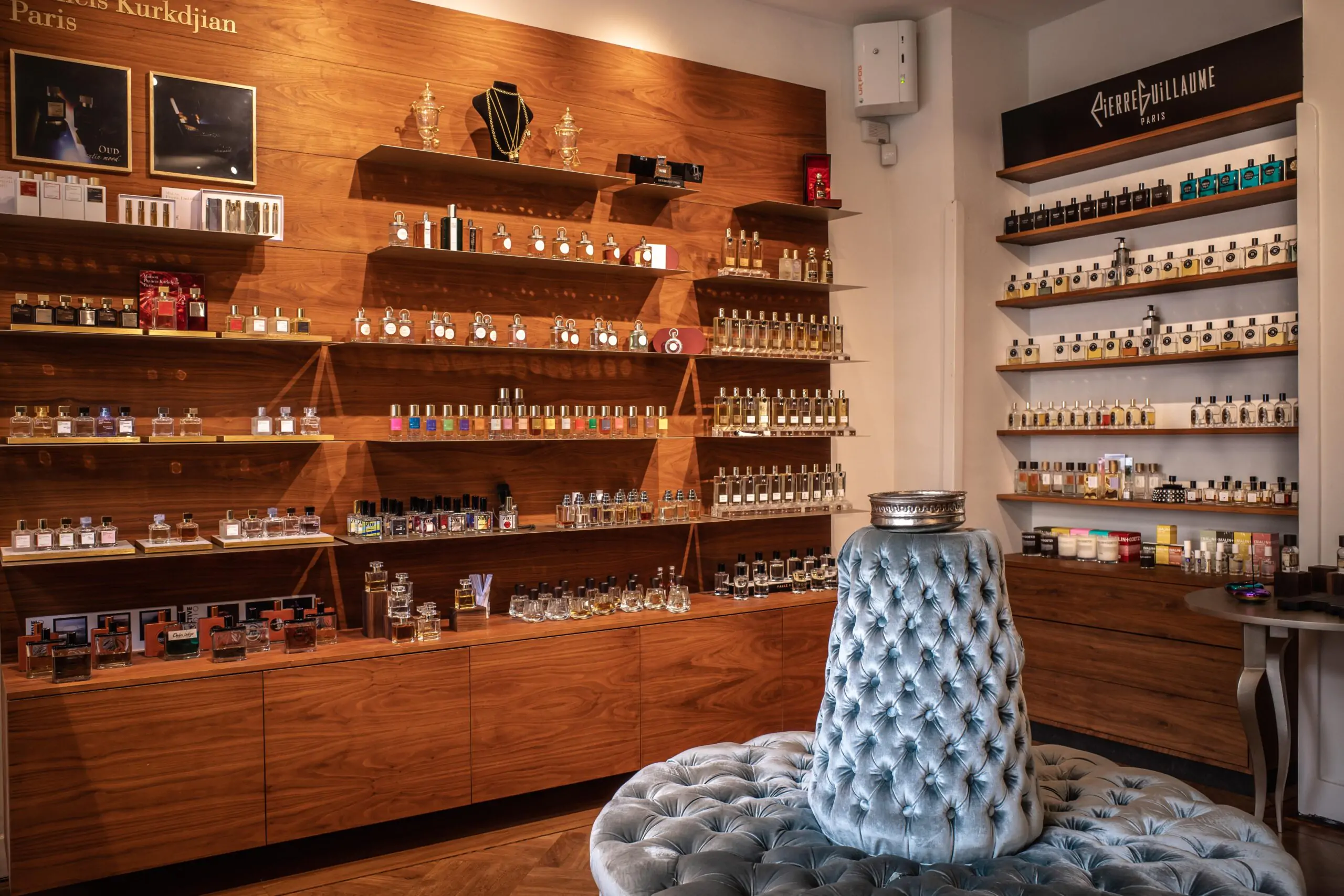
Bij de ‘Perfume lounge’ richten ze zich op het maken en adviseren van geuren voor bedrijven en organisaties en wat reuk kan toevoegen aan een merk of organisatie. Daarnaast hebben zij een winkel met een assortiment van de meest bijzondere parfums van de wereld, waar zij ook persoonlijk geuradvies geven. Advies voor op de huid of in huis. Volgens de experts voegt geur iets toe wat niet zichtbaar en tastbaar is. Je kunt geur op verschillende manieren inzetten in een ruimte. Het begint natuurlijk eerst dat het er niet negatief mag ruiken. Er zijn best wel veel ruimtes waar je het riool of sanitair ruikt, waar veel gerookt is of waar de afzuiging niet goed is en het naar eten ruikt. De meeste simpele manier van geur in huis is dat het schoon ruikt. Veel mensen associëren schoonmaak of wasmiddel met een schoon, opgeruimd en verzorgd huis. Daarnaast kun je de ambiance aanzetten. Net zoals met licht en muziek kun je de sfeer verzachten of versterken. Je kunt het heel huiselijk laten ruiken of juist heel modern. Landelijk of artistiek. Of juist heel minimalistisch of intiem.
1071 HR Amsterdam
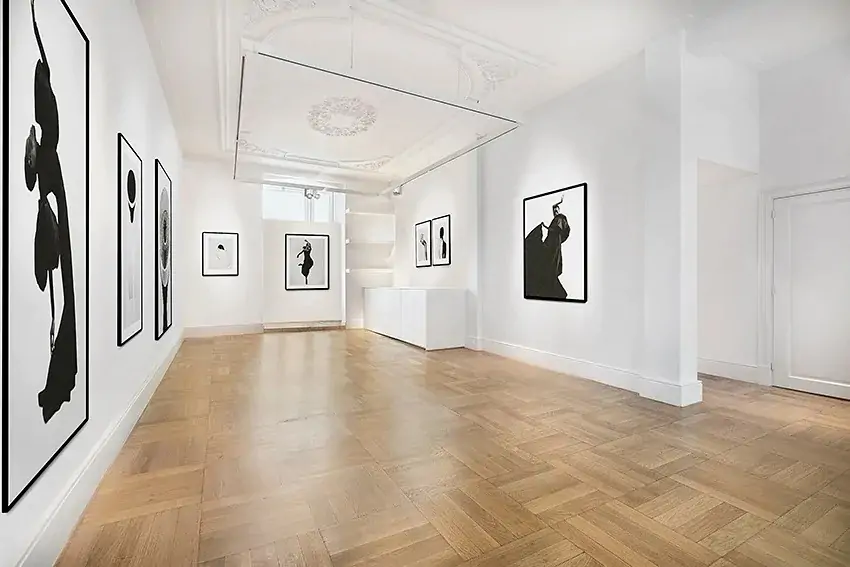
Galerie Bildhalle
Bildhalle is oorspronkelijk opgericht als een Zwitserse galerie gespecialiseerd in klassieke en hedendaagse fotografie. De galerie heeft inmiddels vestigingen in Zürich en Amsterdam. Sinds de oprichting door Mirjam Cavegn in 2013, heeft de galerie zich ontwikkeld tot een van de meest gerespecteerde fotogaleries in Zwitserland. In oktober 2021 zette Bildhalle haar groei voort met de opening van een tweede galerie aan de Willemsparkweg in Amsterdam. Hier presenteert de galerie een zorgvuldig geselecteerde collectie van Nederlandse en internationale kunstenaars, variërend van opkomend talent tot gevestigde fotografen.
1071 HK Amsterdam
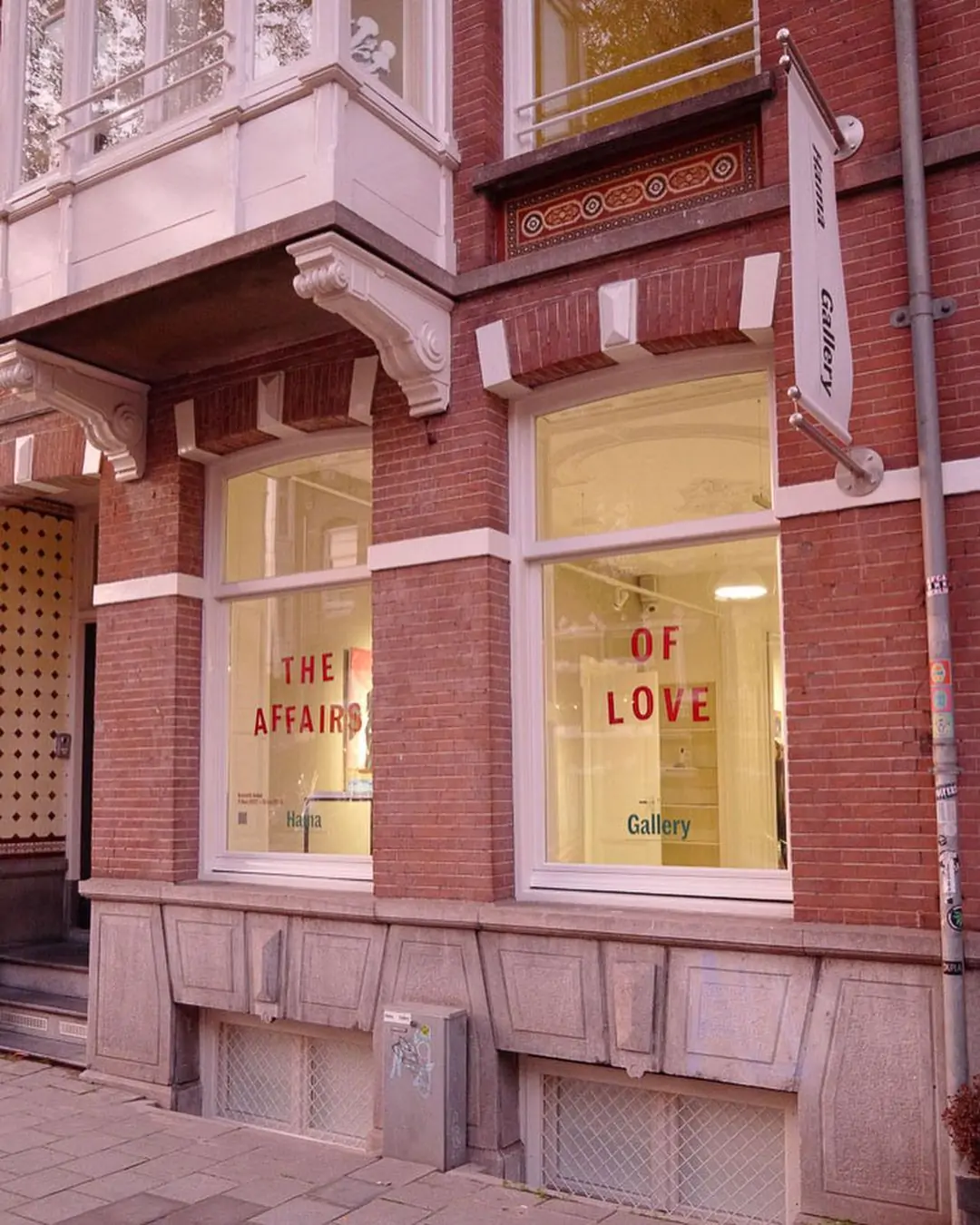
Hama Gallery
Bij Hama Gallery geloven ze dat een galerie een grenzeloze ontmoetingsplaats is waar kunst en mensen samenkomen. Het doel is om kunst toegankelijker te maken door een unieke ervaring te bieden die breekt met traditie. De galerie verwelkomt bezoekers met open armen, of je nu binnenloopt voor een spontaan bezoek, een intieme privébezichtiging wilt, of samen met anderen kunst wilt vieren tijdens onze feestelijke openingen en tuinevenementen.