A two-story ground-floor apartment of approximately 92 m², located in the Da Costa neighborhood. The apartment features a front room, a living room with an open kitchen at the rear, two bedrooms, a central bathroom, a balcony, and a Rear garden . Situated on freehold land. Easily schedule Immediately viewing Immediately via this link.
Guided tour
On the quiet, car-free Potgieterstraat, across from the green square and beneath the mature trees, lies De Verborgen Potgieter: a distinctive late-19th-century building with a surprisingly spacious apartment behind its historic facade.
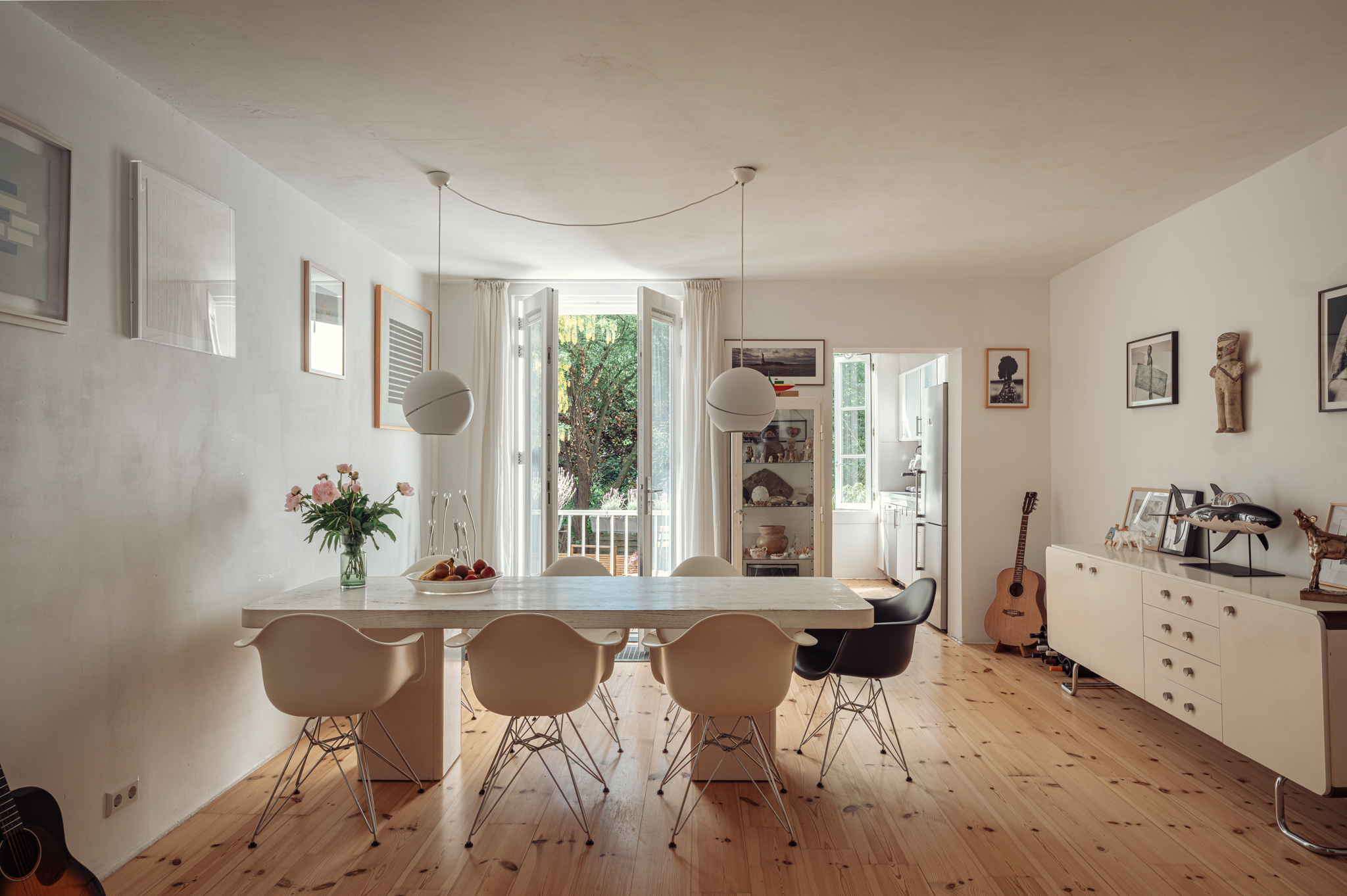
The front entrance leads to a multifunctional room facing the street. This space is currently set up as a home office and library, but would also work well as a studio, study, or reception area. Tall bookshelves, views of the greenery, and the quiet location give this room a distinct character of its own. The living area is open and layered in design, with pleasant sightlines between the living, dining, cooking, and outdoor spaces. At the front is the living area, where tall windows overlook the green street scene. A few steps down is the dining area, centrally located in the home and Immediately to the balcony. Adjacent to this is the kitchen, compact and functional, with plenty of natural light and a view of the garden.
The sleeping area is reached via the internal staircase. The master bedroom is on the garden side and features French doors leading outside. The second bedroom adjoins it and is also quietly situated on the garden side. This room is suitable as a children’s room, guest room, or home office. The layout also offers the possibility of creating a third bedroom on the living floor by relocating the kitchen to the central dining area.
The bathroom is centrally located between the rooms and features a timeless design with a bathtub, double sink, and practical layout.
One of the home’s greatest assets is its exceptionally deep courtyard gardens. Both the bedrooms the living area connect to this green outdoor space. Mature landscaping and sheltered seating areas provide privacy and a particularly peaceful living atmosphere. The balcony serves as a natural extension of the living space and offers a view of the garden.
The location combines tranquility with the vibrancy of Oud-West. De Hallen, the Jordaan, the Ten Katemarkt, and Vondelpark are all within walking distance, as are restaurants, cafés, shops, and daily amenities.
De Verborgen Potgieter is a particularly spacious and multi-level home where light, greenery, and privacy take center stage. It is a peaceful spot in the heart of the city, featuring a deep garden and a surprising layout behind a classic Amsterdam facade.
What the residents will miss
"We have lived in this house for 20 years and have thoroughly enjoyed it. We have always loved the unobstructed view of all the greenery in the courtyard gardens. What makes this part of Potgieterstraat special is the friendly connection with the neighborhood."
Neighborhood Guide
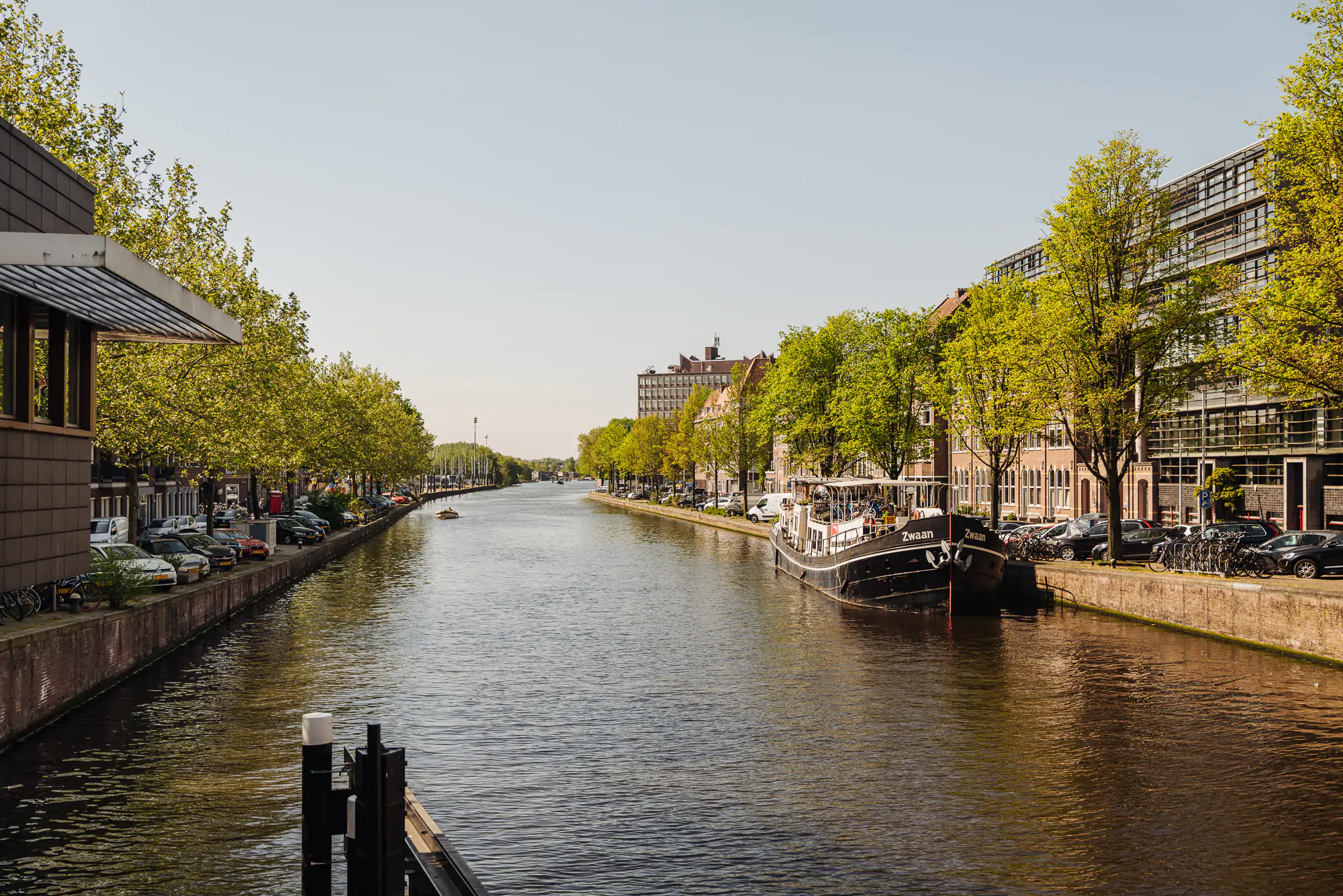
Living on the car-free Potgieterstraat means living in one of Amsterdam’s most central locations, right on the border of Oud-West and the Jordaan. The city’s vibrancy is within easy reach, while the home itself enjoys the tranquility of a green residential street.
From the front door, you can walk to De Hallen, the Ten Katemarkt, and the characteristic streets of the Jordaan in just a few minutes. Vondelpark, the Negen Straatjes, and the canal belt are also within walking distance.
Public transportation connections are excellent. Various tram and bus lines are within walking distance, making Amsterdam Central Station, Zuid Station, and the Zuidas easily accessible. The North/South Line is also a short distance away and effortlessly connects the neighborhood to the rest of the city. For those who prefer to get around by bike, this location is an ideal starting point. The historic center, the Museum Quarter, and the popular neighborhoods of Amsterdam-West are just a few minutes’ bike ride away. By car, you can also quickly reach the A10 Ring Road via the nearby arterial roads.
Potgieterstraat thus combines the best of both worlds: the vibrancy of the city Immediately the corner and the comfort of a surprisingly quiet residential environment.
Details
• Living area approx. 92 m²
• South-facing garden approx. 29 m²
• Located on freehold land
• Energy rating C
• Homeowners’ association fees €200 per month
• Underfloor heating on the ground floor

De Verborgen Potgieter
De Verborgen Potgieter is located on a quiet, tree-lined street in Amsterdam Oud-West. It is a home that reveals its true size and character only once the front door is opened. Behind the facade lies a surprisingly spacious home, spread over two full floors and connected to a green city garden. What sets this home apart is the natural relationship between indoors and outdoors. Greenery is a constant presence on both the living and sleeping levels. Large windows, French doors, and long sightlines provide a pleasant influx of light and a sense of space rarely found in an urban setting.
The layout naturally combines openness and functionality. The living floor is designed around living, cooking, and socializing, while the sleeping level offers tranquility and privacy with two bedrooms, a spacious bathroom, and direct access to the garden. In addition, the home offers attractive possibilities. By moving the kitchen to the dining room, a full-sized third bedroom can be created on the living floor, allowing the home to easily adapt to changing living needs. The outdoor space is a special feature. The balcony on the living floor overlooks the green courtyard gardens, while the deep garden below offers a sheltered spot for long summer evenings, moments of relaxation, and entertaining guests. The mature landscaping and tranquil location create an atmosphere that feels remarkably removed from the city’s hustle and bustle. With De Hallen, the Jordaan, the Ten Katemarkt, and Vondelpark all within easy reach, De Verborgen Potgieter combines a central location with a rare degree of tranquility, greenery, and space. A home where its qualities unfold layer by layer and where city life effortlessly blends with comfort and privacy.
Ronald van de Bijl | Real Estate Agent Broersma Wonen
Anniek Steltenpool-Docter | Real Estate Agent at Broersma Wonen

Potgieterstraat is part of the nineteenth-century urban expansion on the edge of the Jordaan and the Frederik Hendrikbuurt neighborhoods. The facade that houses Number still reflects the opulence of that era. Red brick alternates with bands of natural stone, vertical window openings, and refined ornamentation. The streetscape has an almost monumental cohesion, while each building retains its own character. Number stands out with its striking and nearly symmetrical facade. The entrance is framed by a richly detailed wooden facade with round arches, slender mullions, and large glass panels. This facade references the artisanal building culture of the late nineteenth century, when craftsmanship was meant to be visible. The tall windows reinforce the vertical articulation of the facade and allow for an abundance of natural light. The historical photograph from 1892 shows how this neighborhood emerged during a period of rapid development in Amsterdam. The architecture of these years oscillates between eclecticism and the late Neo-Renaissance. Characteristic features include decorative brick patterns, natural stone accents, ornamented cornices, and a strong emphasis on rhythm in the facades. The buildings were designed with a distinct urban flair: representative on the street side, yet always embedded within the human scale of Amsterdam’s residential streets. What makes this home special is that many of those original architectural qualities are still clearly visible. The tall facade openings, the grand entrance, and the relationship between the facade and the street give the house a natural presence. At the same time, the mature trees and the wide park create an almost leafy atmosphere, allowing the architecture to stand out against a green backdrop that constantly changes with the seasons. The home thus combines two qualities that rarely come together: the historical refinement of a late-nineteenth-century townhouse and the tranquility of a green street that resembles a neighborhood square more than an inner-city thoroughfare. Here, the architecture is not merely a backdrop, but a tangible part of the daily living experience.


Here, the living space unfolds into a surprisingly layered environment where different levels and functions flow seamlessly into one another. At the front, the sitting area is slightly elevated relative to the dining area. This subtle change in level gives the space structure while also creating long sightlines from the front facade to the rear. The wide windows facing the street bring in soft, filtered daylight. From the living room, you look out onto the green square in front of the house, while the mature trees provide both shelter and privacy. The elevated position with walkable glass reinforces that sense of view and connection to the surroundings.
The warm wooden floor runs as a calm foundation throughout the entire living area. Walls and ceilings have been kept understated, allowing art, furniture, and light to take center stage. The length of the space is emphasized by the open layout, giving each function its own place without losing cohesion. The dining area is situated centrally in the home. Here, a natural gathering place emerges between living, cooking, and outdoor living. The spacious dining table connects directly to the French doors on the garden side, allowing the interior and exterior to function as an extension of one another for much of the year.
The kitchen is compact and efficiently organized as a separate space adjacent to the dining area. The double countertop, the layout on both sides, and the tall window overlooking the greenery create a pleasant workspace where natural light and views are always present. The surrounding vegetation forms an almost picturesque backdrop here, giving the kitchen an unexpectedly serene atmosphere.
Immediately entering, there is a multifunctional space that adds an extra dimension to the home. This room at the front combines the qualities of a workspace, library, and studio-like reception area. The tall bookcases, the sturdy work surface, and the direct connection to the street create a characterful entrance where living and working coexist effortlessly. From the view of the square at the front to the secluded greenery at the back, a living environment emerges in which light, changes in elevation, and functions reinforce one another. The result is a living space that not only feels spacious but can be experienced anew throughout the day.


The sleeping area is located on the lower level and occupies a quiet, secluded spot within the home. It offers a more private and intimate setting, with direct access to the green space at the rear. The master bedroom forms the heart of this floor. This room is generously sized and offers ample space for a full-size double bed and a wide built-in wardrobe that runs nearly the entire length of the room. The understated finishes and dark natural stone floor provide a calm foundation, while the French doors opening onto the patio and garden allow natural light to flood deep into the room. From the bed, you look out onto the surrounding greenery, making the outdoor space a natural part of daily life. This entire floor is equipped with underfloor heating.
Adjacent to this is a second bedroom accessible directly from the master bedroom. This room has its own character and can be flexibly used as a children’s room, guest room, or quiet workspace. Here too, the French doors provide a direct connection to the garden. The view of the mature landscaping and the sheltered location give the space a pleasant sense of privacy.
The layout of the home also offers interesting possibilities for those who desire additional sleeping space. On the living floor, a third bedroom can be created relatively easily by relocating the kitchen to the current dining room. This creates a flexible living arrangement that easily adapts to changing living needs. The bathroom is centrally located between the rooms and features a bright, timeless design. A bathtub with a shower and glass splash guard, a double vanity, and sleek tiled surfaces ensure a neat and practical design. The combination of light-colored walls, dark floorboards, and understated detailing gives the space a serene atmosphere that aligns with the character of the sleeping floor as a whole.
The result is a sleeping area that is not only functionally organized but is primarily characterized by tranquility, green views, and a strong connection to the sheltered outdoor space. At the same time, the home offers the flexibility to add a third bedroom, if desired, without compromising the spaciousness of the entire home.


At the rear, an outdoor space unfolds that is rare in Amsterdam’s city center due to its size, tranquility, and mature greenery. Both the living area and the bedroom level offer direct access to the outdoors, making the garden a natural part of daily life in the home. On the living area level, a balcony hangs over the garden like a green loggia. The French doors open the space up to the canopy of surrounding trees and offer a surprisingly unobstructed view of a sheltered inner garden world. It is a place for a first cup of coffee in the morning or a quiet moment at the end of the day, surrounded by greenery amidst Location city. One level below, a spacious city garden stretches out, its depth and lush vegetation giving it an almost hidden character. The paved terrace alternates with flower beds, mature hedges, and bamboo, creating various spots for dining, relaxing, or simply soaking up the sun. The garden offers a pleasant degree of privacy and feels sheltered without being enclosed, and remains green even in winter.
The relationship between the garden and the bedroom floor is particularly special. The master bedroom opens Immediately the outdoors, making the greenery a literal part of the living experience. The line of sight from the bedroom extends through the garden to the mature trees at the back, providing a calm and natural backdrop throughout all seasons. The home also benefits from a pleasant setting at the front. The wide street is lined with mature trees, and Immediately the door lies a green playground. This not only gives the home an open feel but also creates a pleasant distance from the street and a friendly, neighborhood-oriented atmosphere.


The apartment is located on a car-free street in one of the most attractive neighborhoods in Amsterdam-West. It is close to the Canal District and within walking distance of Bosboom Toussaintstraat, Vondelpark, and the Nine Streets. The area offers a wide variety of restaurants, bars, and cultural attractions (De Hallen). In addition, there are, for example, the Ten Katemarkt, the food halls, the lively Elandsgracht, and Bilderdijkstraat just around the corner.
Accessibility
The property is situated just off Nassaukade, one of the main access roads. The apartment is easily accessible by car via the S100, S105, and S106 from the A10 ring road. Thanks to its convenient location within the city, Schiphol Airport is just a 19-minute drive away. Various public transportation options are available in the immediate vicinity. There are multiple tram and bus stops on Rozengracht, De Clercqstraat, Ten Katestraat, and Bilderdijkstraat. Central Station is a 10-minute bike ride away.
Parking
Parking on public streets is available through a permit system (permit zone West-11.1). With a West-11.1 parking permit, you may park in West-11. A resident parking permit costs €199.93 for 6 months. Currently, there is an 8-month waiting period for this permit zone. A second parking permit is not available in this area. In addition to public streets, you can also park for free with a parking permit in the Furore, Kwintijn I, and Kwintijn II parking garages. (Source: Local authority , June 2026).

We have lived in this house for 20 years and have thoroughly enjoyed it. Our daughter was born here, took her first steps here, and learned to ride a bike in the square. Now she’s in high school and needs a little more space.
We’ve always really enjoyed the unobstructed view of all the greenery in the courtyard gardens.
What makes this part of Potgieterstraat special is the friendly connection with the neighborhood. Neighbors help each other out and keep an eye on each other’s kids.
Also unique are all the lovely shops and little businesses just around the corner. The Ten Katemarkt, the French croissants and bread from Brioche, the lemon cake from Skina, and fresh herring from Evert.
Going to the movies at the Filmhallen and then grabbing a bite to eat at Bar Centraal or Parole—we’re going to miss it all very much.





1053 KN Amsterdam
Skina
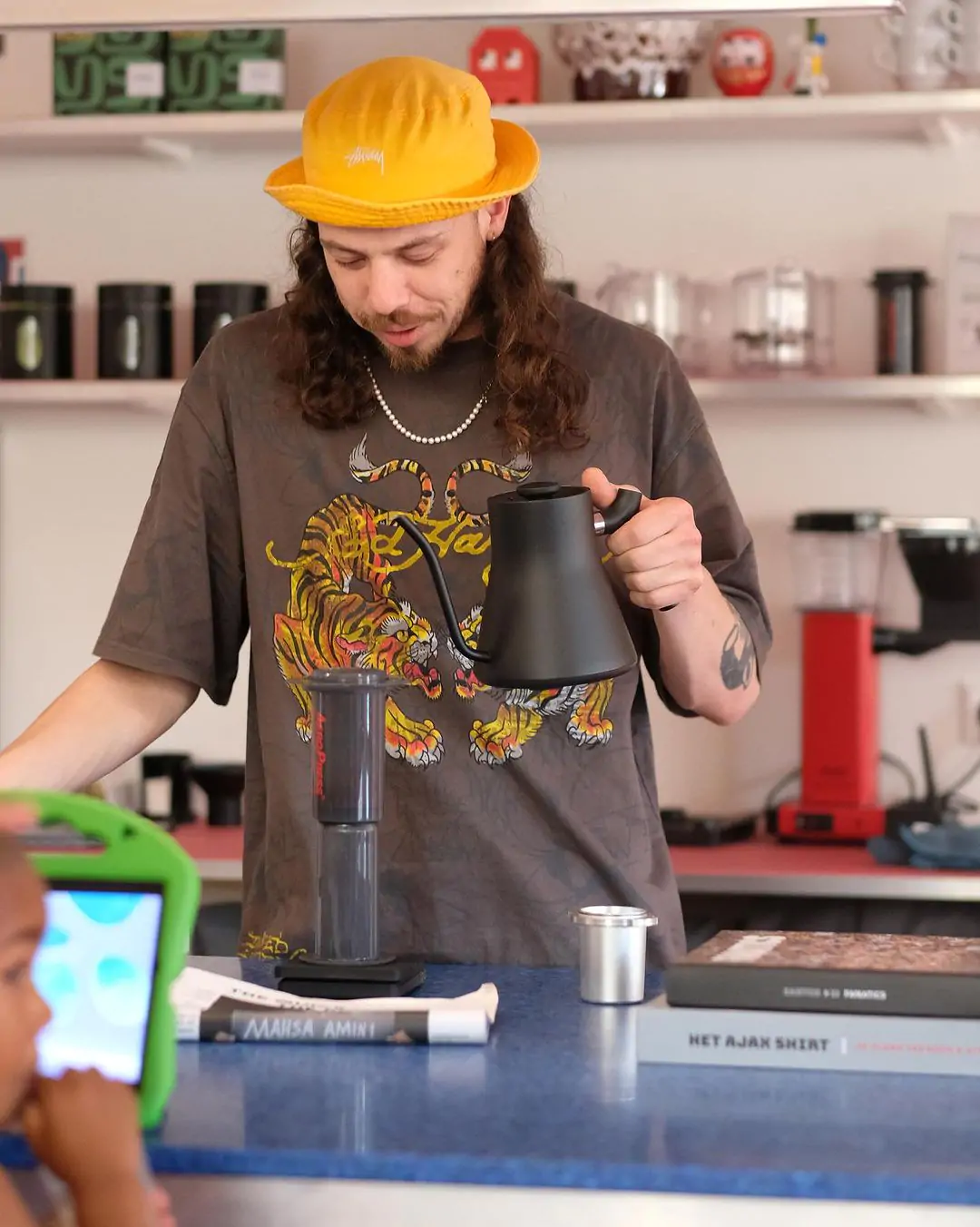
Skina has a minimalist yet funky vibe and serves excellent coffee. The beans are roasted by Rush Rush Coffee. They also serve other hot and refreshing cold drinks such as lemonade. You can enjoy these with pastries such as a slice of marble cake, cinnamon croissant, or brioche with oranges. They also offer sandwiches, both vegetarian and meat options, served on delicious focaccia bread.
1053 KZ Amsterdam
Toko Bersama
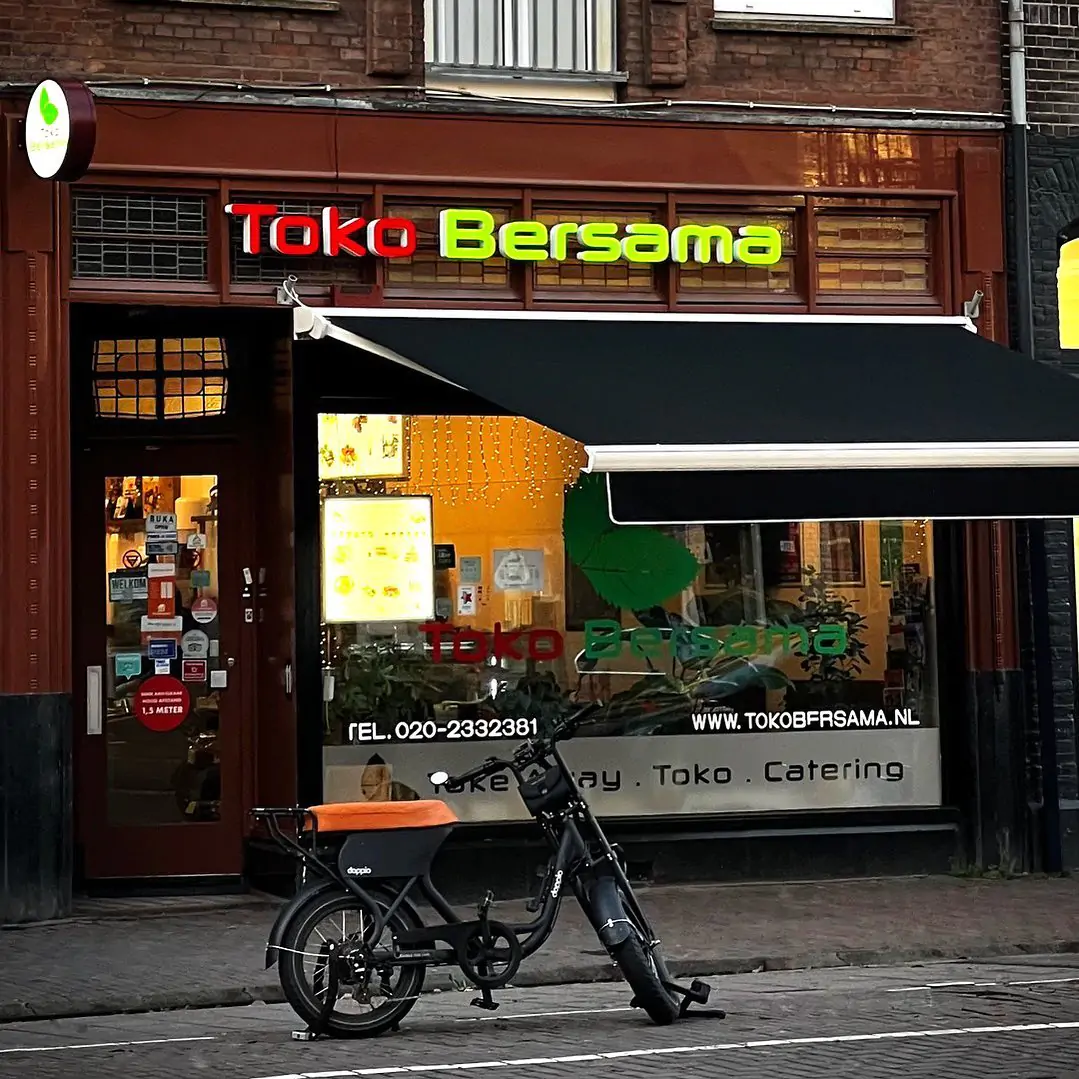
Toko Bersama is the place to go for authentic Indonesian dishes. From delicious roti to rames and from soups to snacks, there is something for everyone. There are several variations of the rice table Available, from small (for one person) to extra complete. This can be served completely vegetarian (if desired). With the normal rice table (€36), for two people, you can choose two basic dishes, three meat dishes, and three vegetable or soy dishes. Krupuk, seroendeng, tempeh, and sambal are included as standard. The rice table offers the opportunity to try different Indonesian dishes.
1053 KX Amsterdam
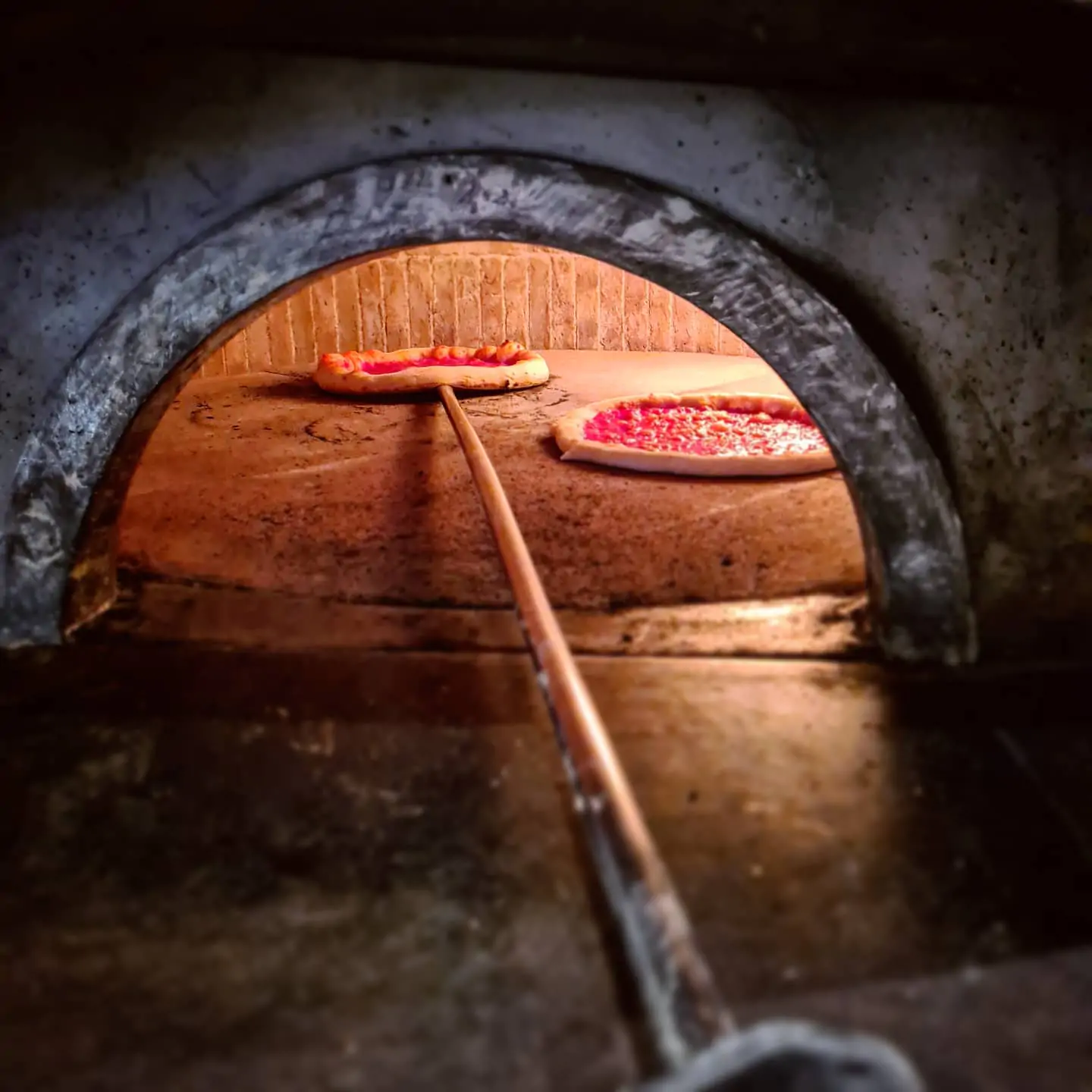
nNea Pizza
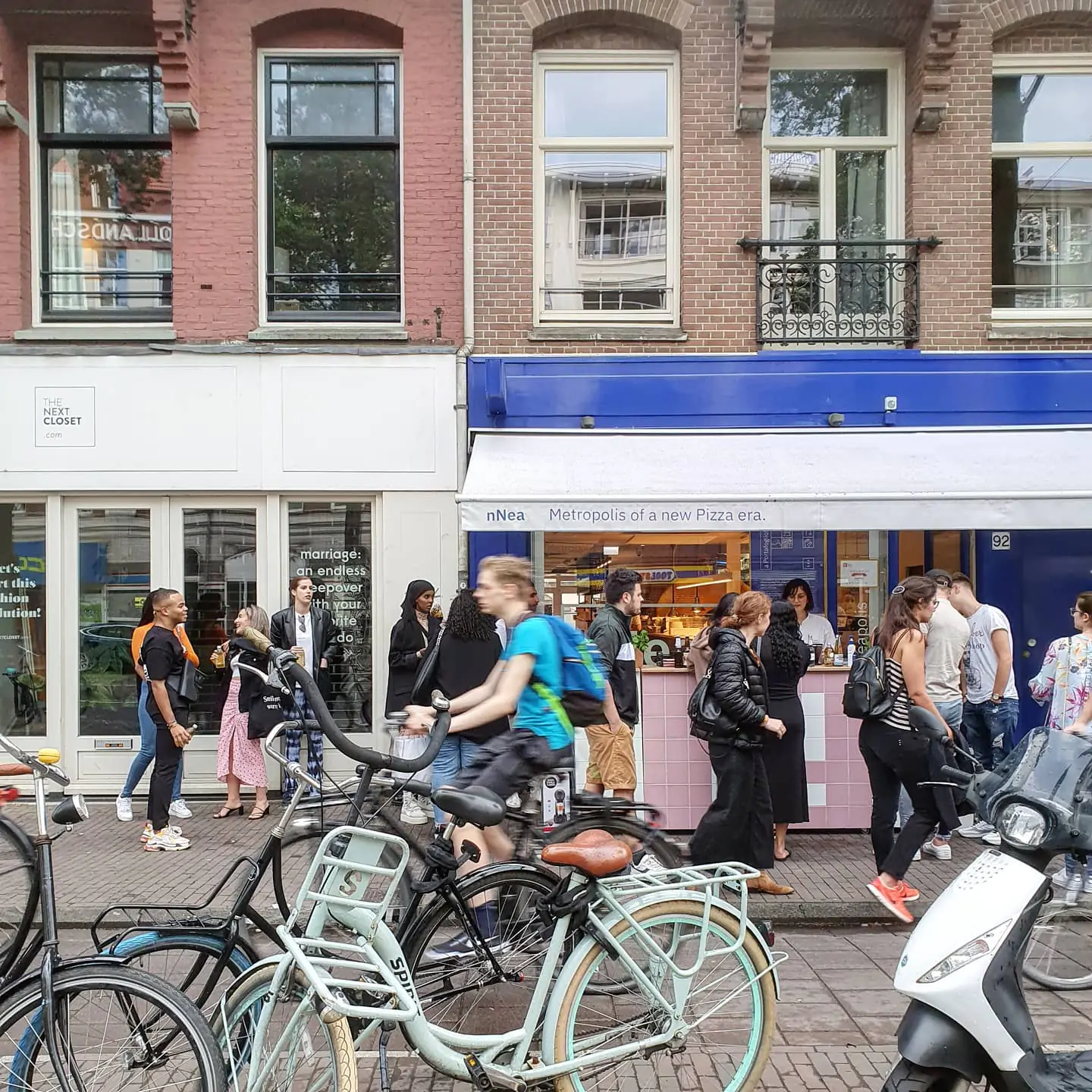
nNea Pizza is located right on the border between the city center and West, in a small, charming building that fills up quickly, so reservations are a must. The pizza is said to be the best in Amsterdam and, according to pizza chef Vincenzo Onnembo, redefines Neapolitan pizza.
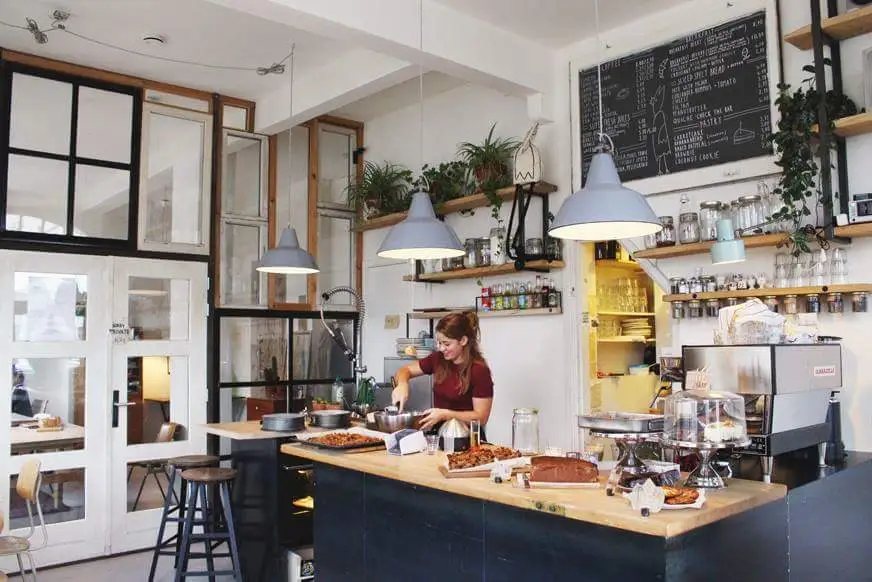
1053 VH Amsterdam
Berry
Berry Amsterdam is a hotspot for juices, smoothies, coffee, and more. This coffee/lunch spot can be found on Bilderdijkkade. The cozy and warm interior, with its many plants and books, is reminiscent of a living room. They also have a lovely terrace where you can enjoy the sun. Most products are organic, and laptops are not allowed—Berry Amsterdam is, as they say themselves, a Wi-Fi-free zone!


1053 VB Amsterdam
Café COOS
Café Coos is a modern Old Dutch café-bakery run by Rosanne and Rachel van Nieuwpoort together with Mira Akhtar, named after their grandfather "Coos" who was a baker. The business combines nostalgic classics such as currant buns and gingerbread with creative new twists, focusing on fresh pastries and locally made products. The trio revives traditional flavors with a focus on quality and local products from small producers. Inside, the atmosphere is warm and homely with colorful accents, an open bakery, and a community-oriented vibe that invites you to linger. Café Coos feels like a place where memories and modern pleasures come together over coffee, bread, and conversation.


1053 LA Amsterdam
SILK
SILK is the neighborhood restaurant of Limau Chen, known from nNea Pizzeria and Salvo Patisseries, who deliberately draws on her own roots here after years of working in the Italian hospitality industry. In the kitchen is chef Paolo Manzo, who, together with Chen, creates cuisine that is not meant to be fusion, but rather a cultural dialogue between East and West. Their dishes roughly follow the Silk Road, with influences from Asia and Southern Europe coming together in distinctive, seasonal dishes. Think Asian-style fried whole sea bass, alongside pasta-like textures, fresh acids, and deep umami notes.

1053 LC Amsterdam
Peps
Peps is a Spanish wine and food bar in Oud-West with a kitchen led by chef Raymond van Welzenis, who previously worked at BAUT and gives tapas and pinchos a creative twist with finesse and flavor. The menu features more than sixty small dishes, from classics such as pimientos de padrón and pulpo to oysters on ice, ideal for sharing with friends or with drinks. The menu combines Spanish tradition with a modern, informal setting where brunch, dinner, and cocktails flow effortlessly into one another.

1053 LC Amsterdam
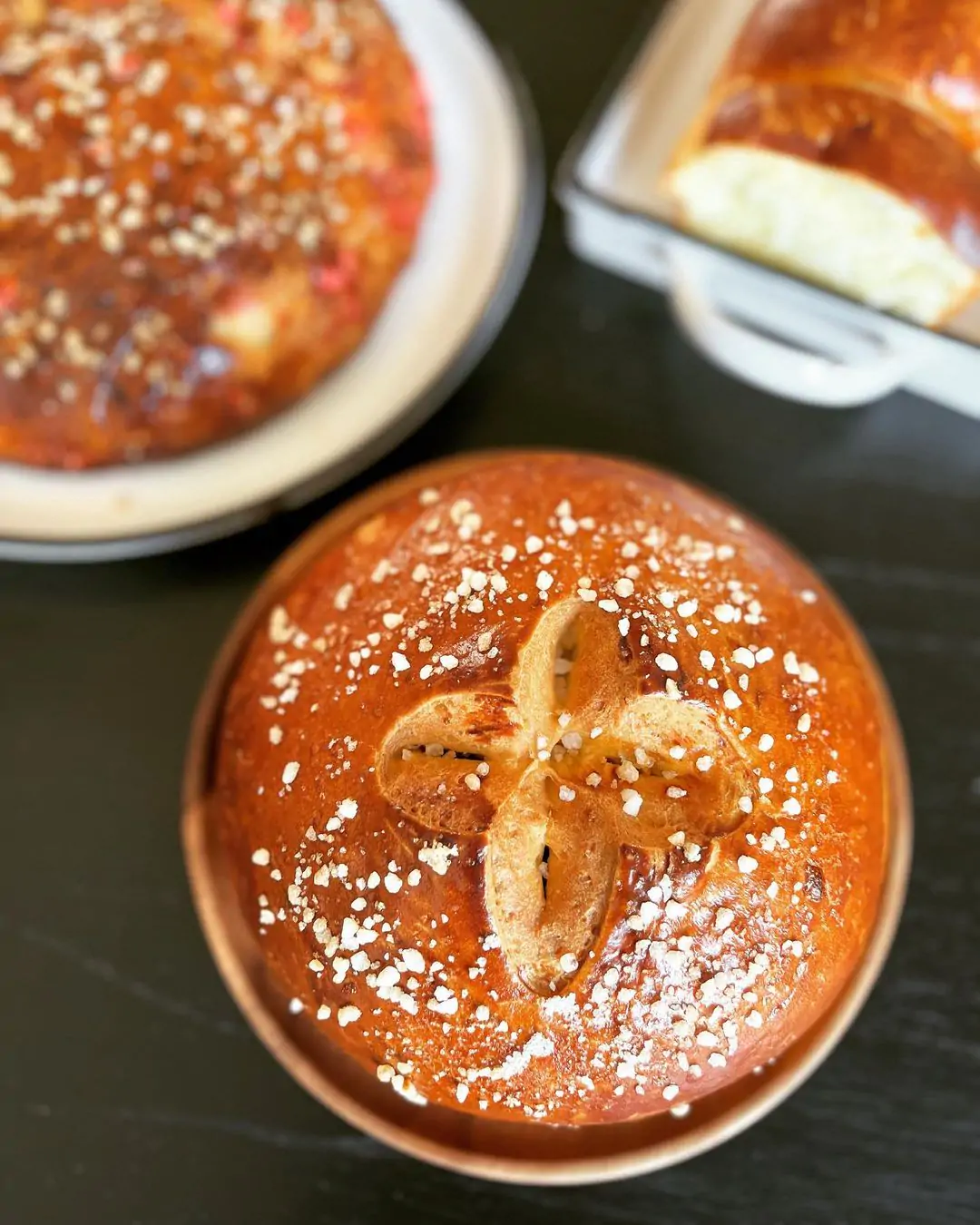
Brioche.
This brand-new bakery specializes in (as you might expect) French brioche. They offer a selection of sweet rolls with classic flavors such as cardamom and cinnamon, as well as others such as berries and praline. They also have savory specialties such as a brioche with salmon and cream cheese. They are open Wednesday through Friday from 8:00 a.m. to 5:30 p.m. and Saturday and Sunday from 9:00 a.m. to 5:00 p.m.
1053 WD Amsterdam
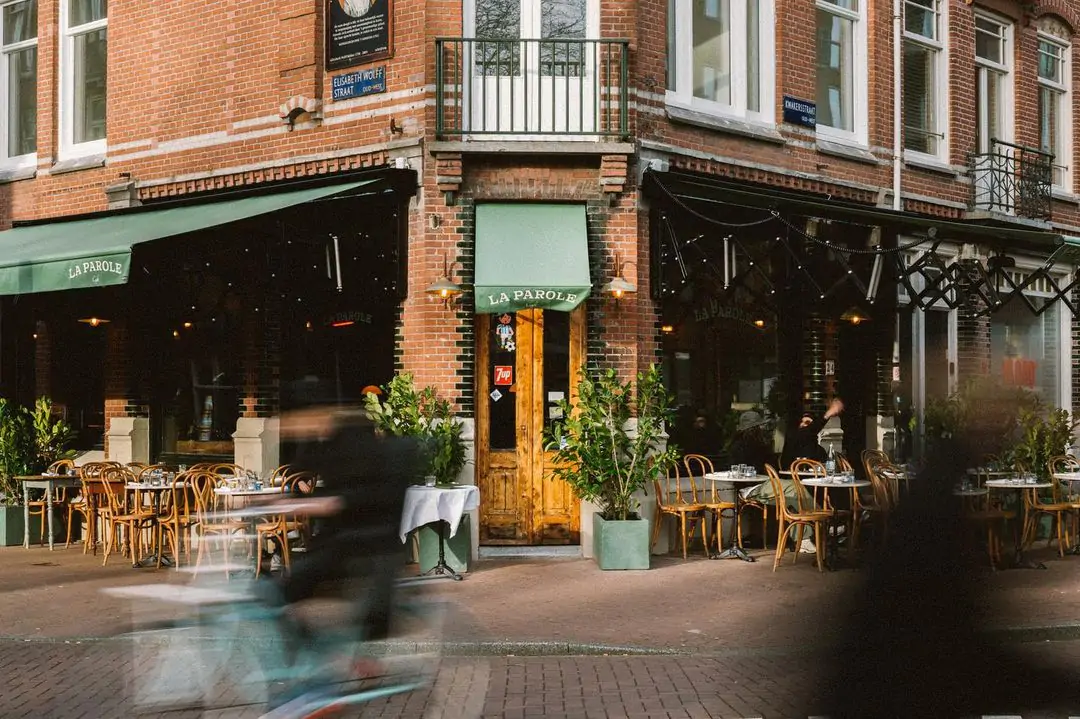
The Word
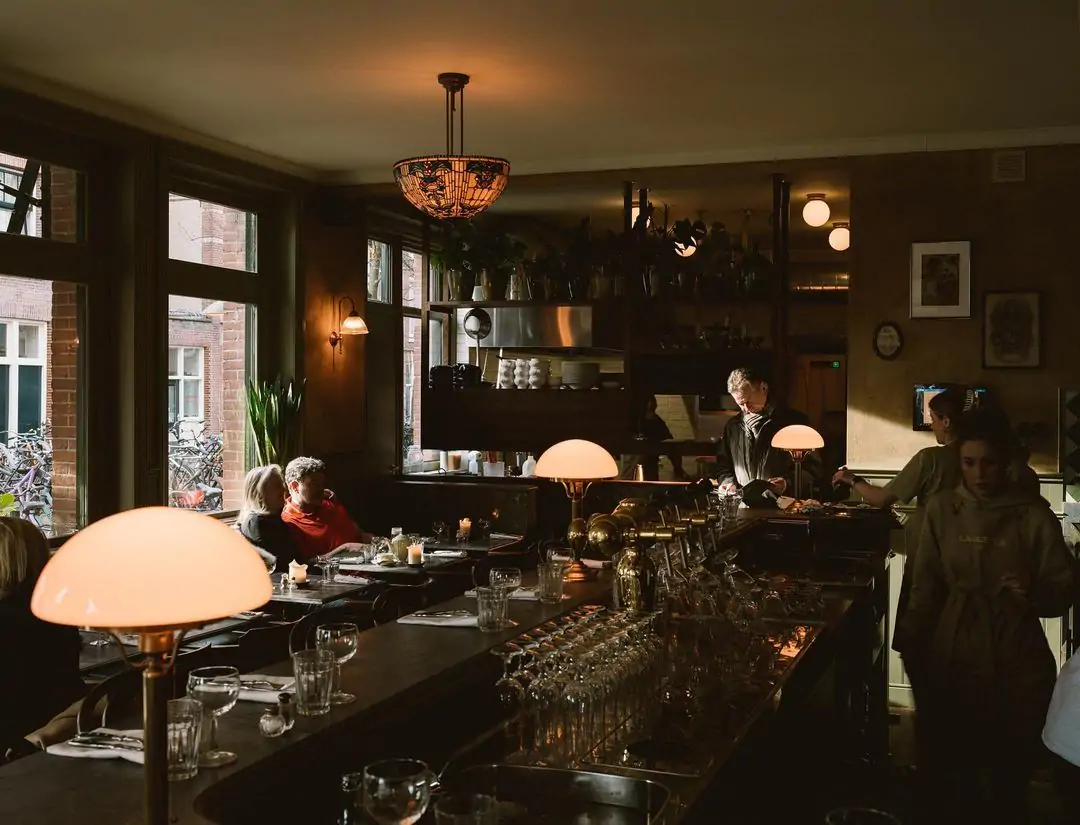
Tijn Verstappen, known for restaurants such as Pazzi, Oeuf, Gertrude, and Van 't Spit, found this historic building to be the perfect location for a French bistro in the Westers district. La Parole, led by talented chef Olivier Hirschmann (26), offers brunch, lunch, dinner, and drinks seven days a week at affordable prices. The menu includes classic French dishes such as moules frites, omelets, and cheeseburgers, as well as innovative creations such as brioche toast with steak tartare and ravioli with crab in a bisque sauce. La Parole is a welcome addition to the neighborhood, offering a relaxed atmosphere with excellent wine and a cozy bar to hang out in.
1053 ED Amsterdam
LOT61 Coffee Roasters
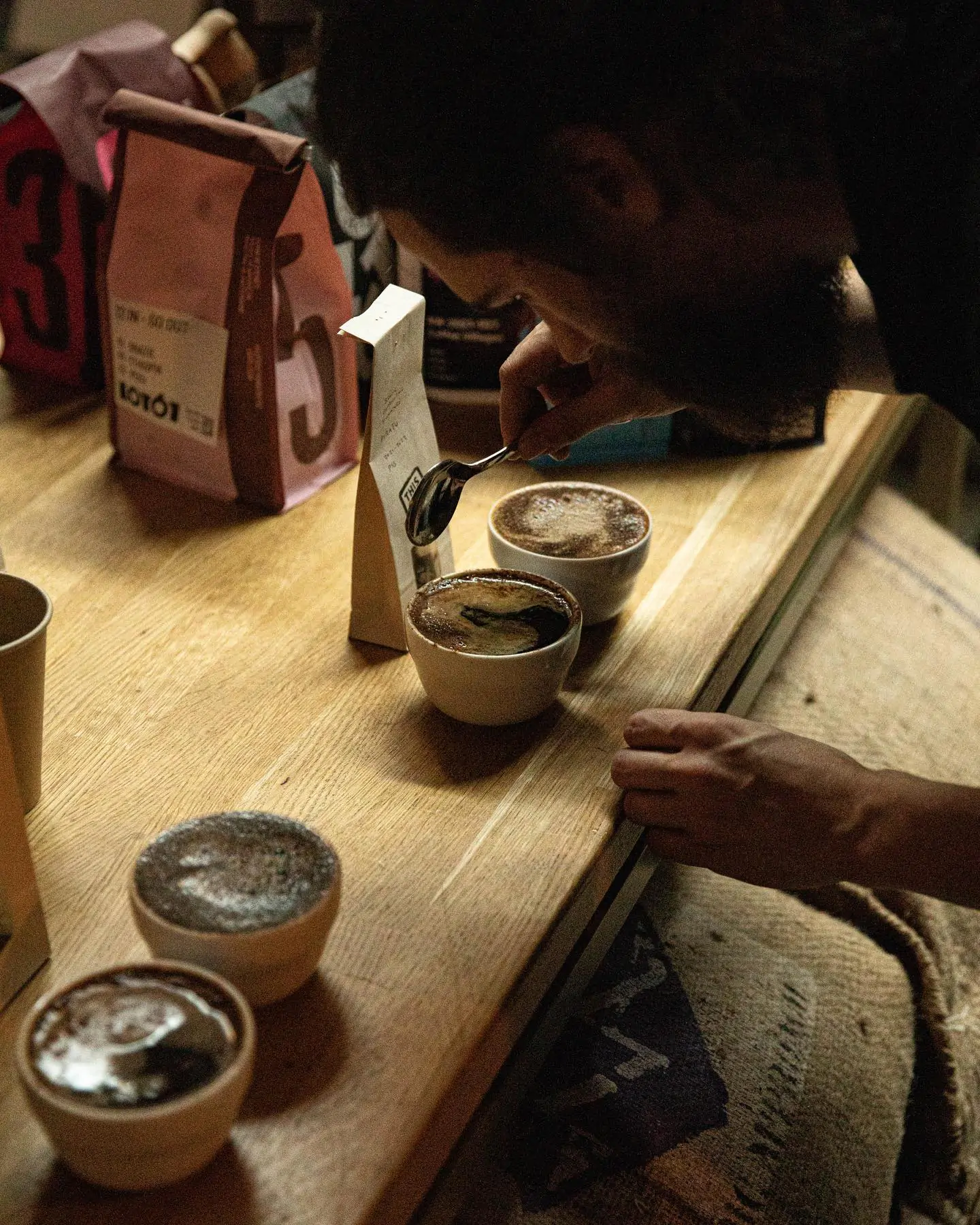
Coffee roastery LOT61 is located on the corner of Kinkerstraat. In addition to fresh beans – which smell wonderful – you can also come here for a strong, good cup of coffee, breakfast and bakery products. The cozy space, decorated with wood and subway tiles, ensures that you could sit here for hours. Their mission is to be the most circular specialty coffee brand ever. Also try the chocolate chip cookies, also called 'crack cookies', but be careful because they are addictive.


1052 NE Amsterdam
Stacks Diner
American homestyle cooking. A modern take on a classic American diner in Amsterdam. Executive chef and owner Kevin Kearney also works as a creative director in advertising. When he moved to Amsterdam in 2017 for his wife's job, he missed having a restaurant 'in the middle'. Having worked for well-known chefs in New York in the past, he decided to open this 'diner'. Now there is also a 'deli' and even 'merchandise'. Everything (except the 'merch') is made in-house.
1053 ED Amsterdam
Pain epidemic
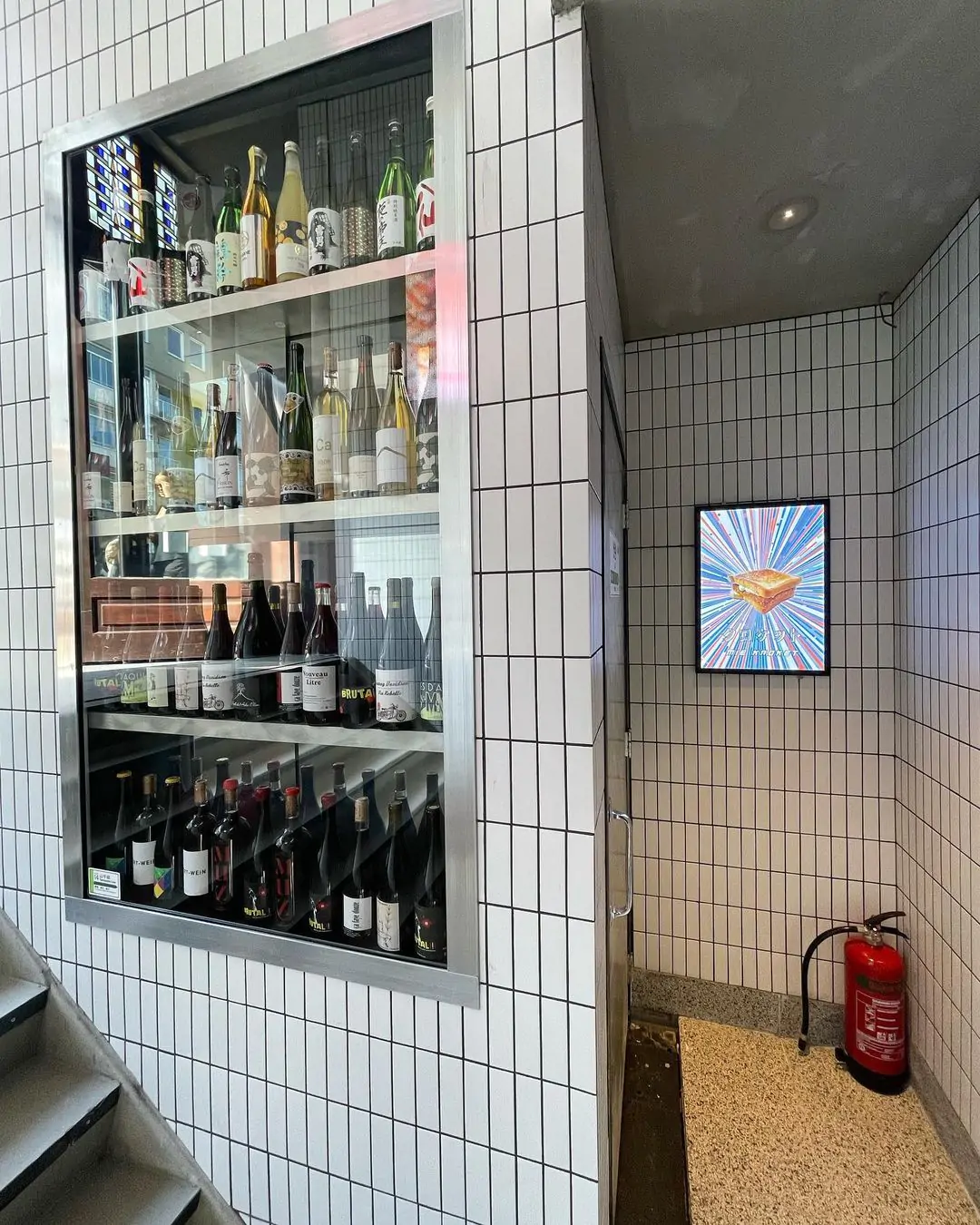
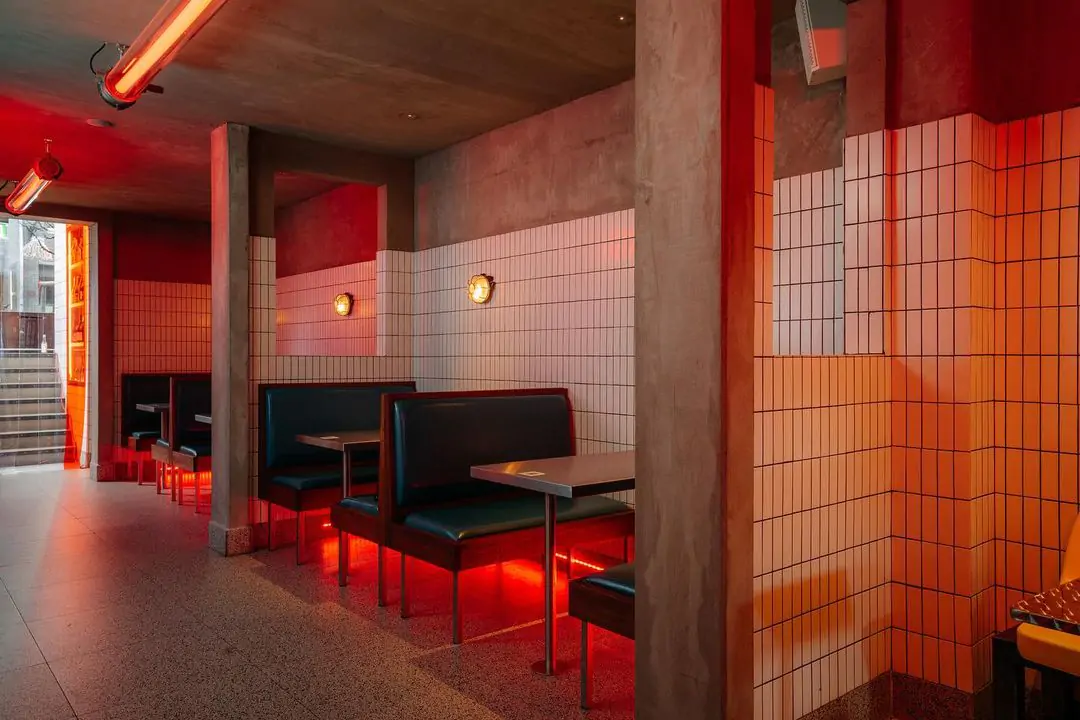
During lockdown, Paindemie emerged as a creative outlet for chefs who wanted to share their culinary passion. Initiated by Guillaume de Beer of The Breda Group, Paindemie offers a unique experience with generous burgers, toasted sandwiches, and sandwiches in a space inspired by a Japanese subway station. The burgers are prepared with ethically sourced Dutch goat meat, while vegetarians can enjoy homemade smash burgers from Redefine Meat. The highlight? The BIG Mie, an ode to the Big Mac. In addition, the wine list boasts carefully selected natural wines, sakes, and cocktails, all served in the charming art deco bar.

1053 ED Amsterdam
MOYŌ
Chef and owner Guillaume de Beer (formerly of Bar Gui) started MOYŌ as an intimate restaurant concept focused on luxury and attention to detail. In true Paindemie style, he serves a chef's choice tasting menu of five or eight courses, built around two of the most refined Japanese ingredients: toro and wagyu. These products form the heart of the cuisine and determine the character of the entire experience. The style is distinctive and precise, with dishes that revolve around richness, texture, and pure taste experience. The ambiance is exclusive and warm, a hidden gem for guests who consciously choose a special night out.
1052 NB Amsterdam
Café Binnenvisser
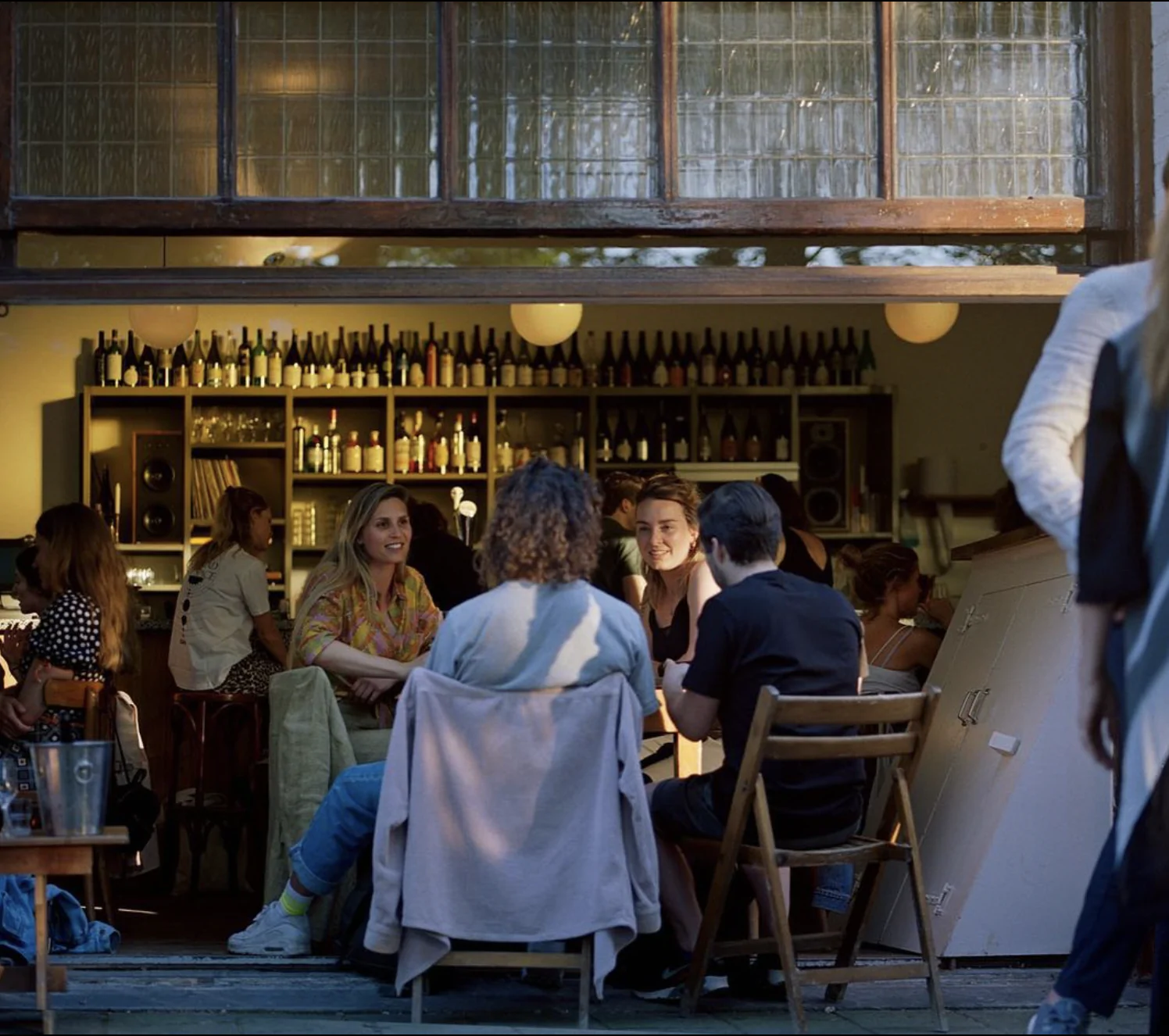
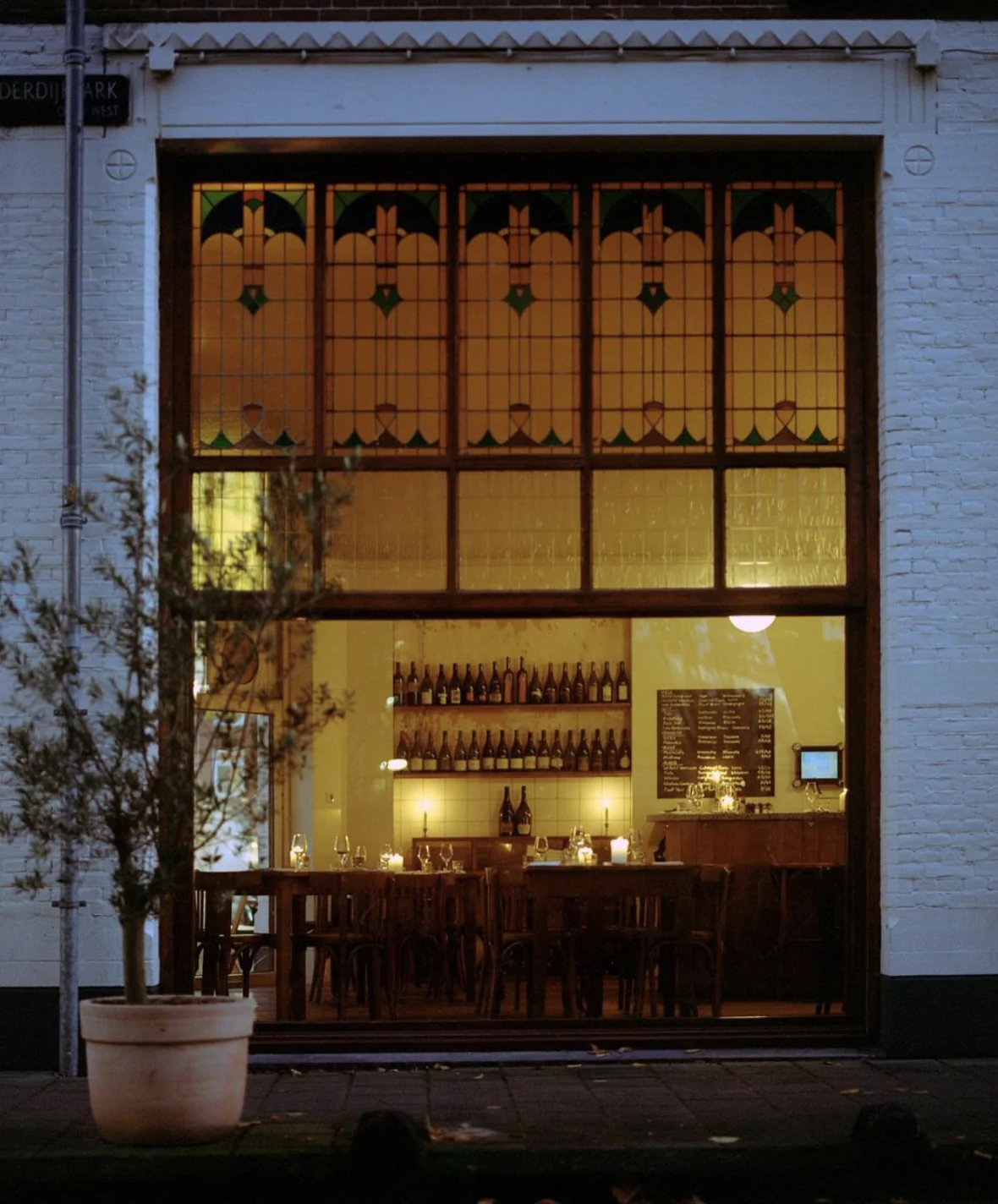
Café Binnenvisser, located on Bilderdijkstraat in Amsterdam West, is a cozy neighborhood café. The menu here consists mainly of vegetables, but fish and meat are also available. The wine list, which mainly features natural wines, is very extensive, but the staff know which wine goes well with each dish. When the weather is nice, the windows are opened and the cozy interior spills out onto the street, which adds to the atmosphere. Highly recommended for an evening of fine dining.
1053 LT Amsterdam
Cafecito
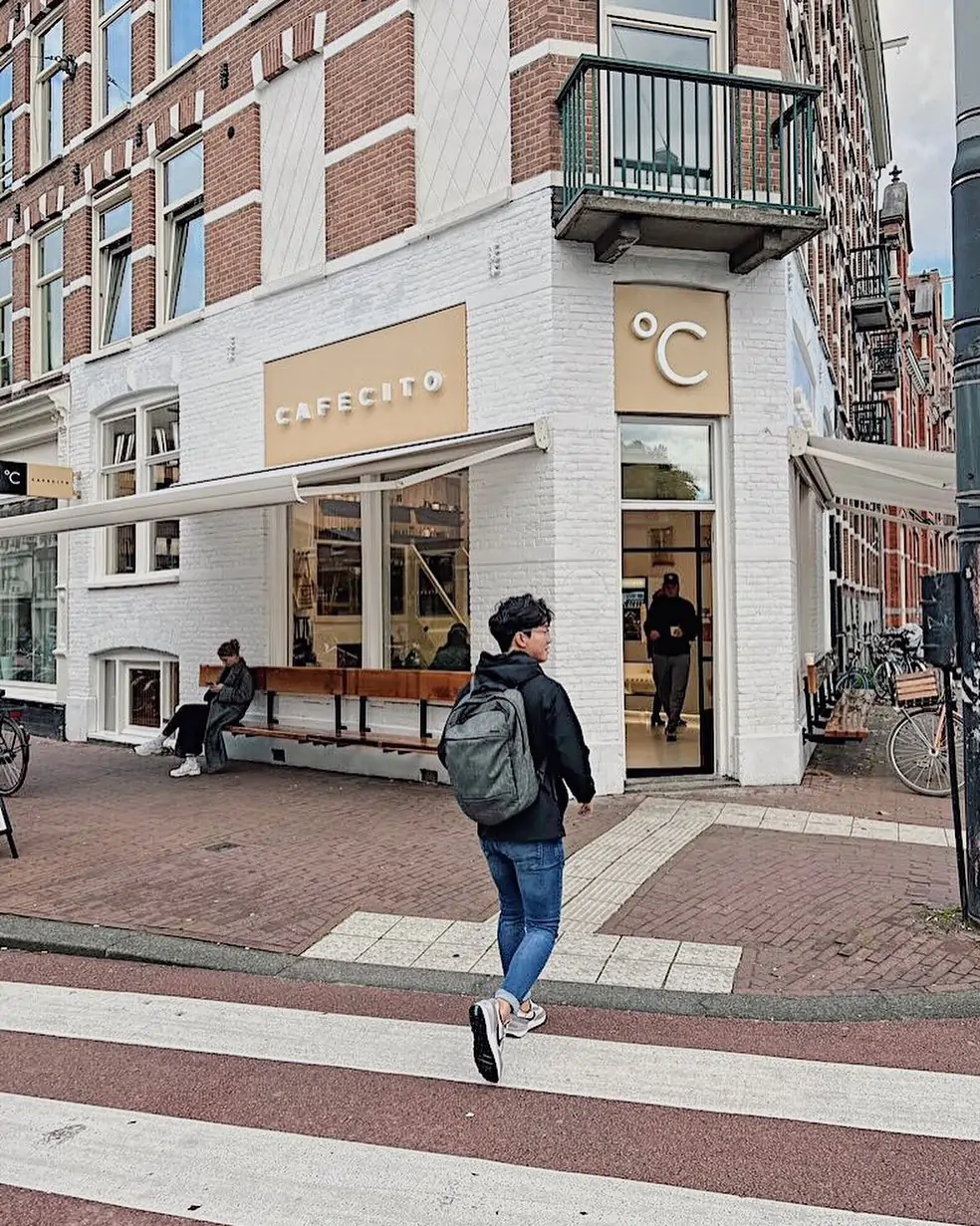
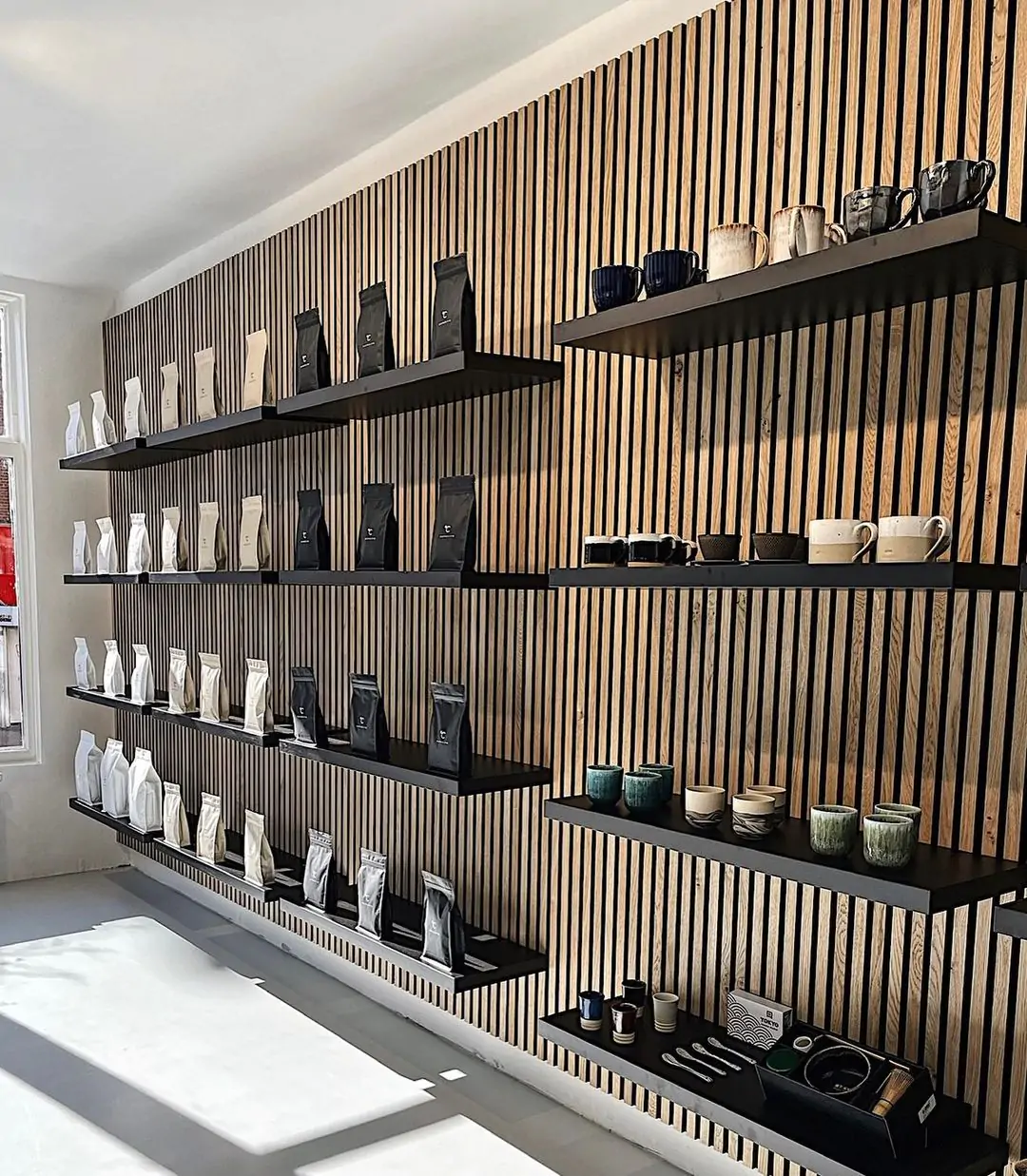
Cafecito is part of the Cafecito franchise, an Amsterdam-based coffee roastery that decided to open coffee shops to stimulate their own sales when sales to catering establishments stagnated during the pandemic. Cafecito already has three branches in Amsterdam and one in Rotterdam. The Nassaukade location is the newest addition, led by entrepreneur Chow, who previously owned two bubble tea shops. She now has her own Cafecito, where she employs professional baristas to prepare coffee, including the pride of the business: cold brew. In addition to various types of coffee, they offer small cakes and their own coffee blend for home use.
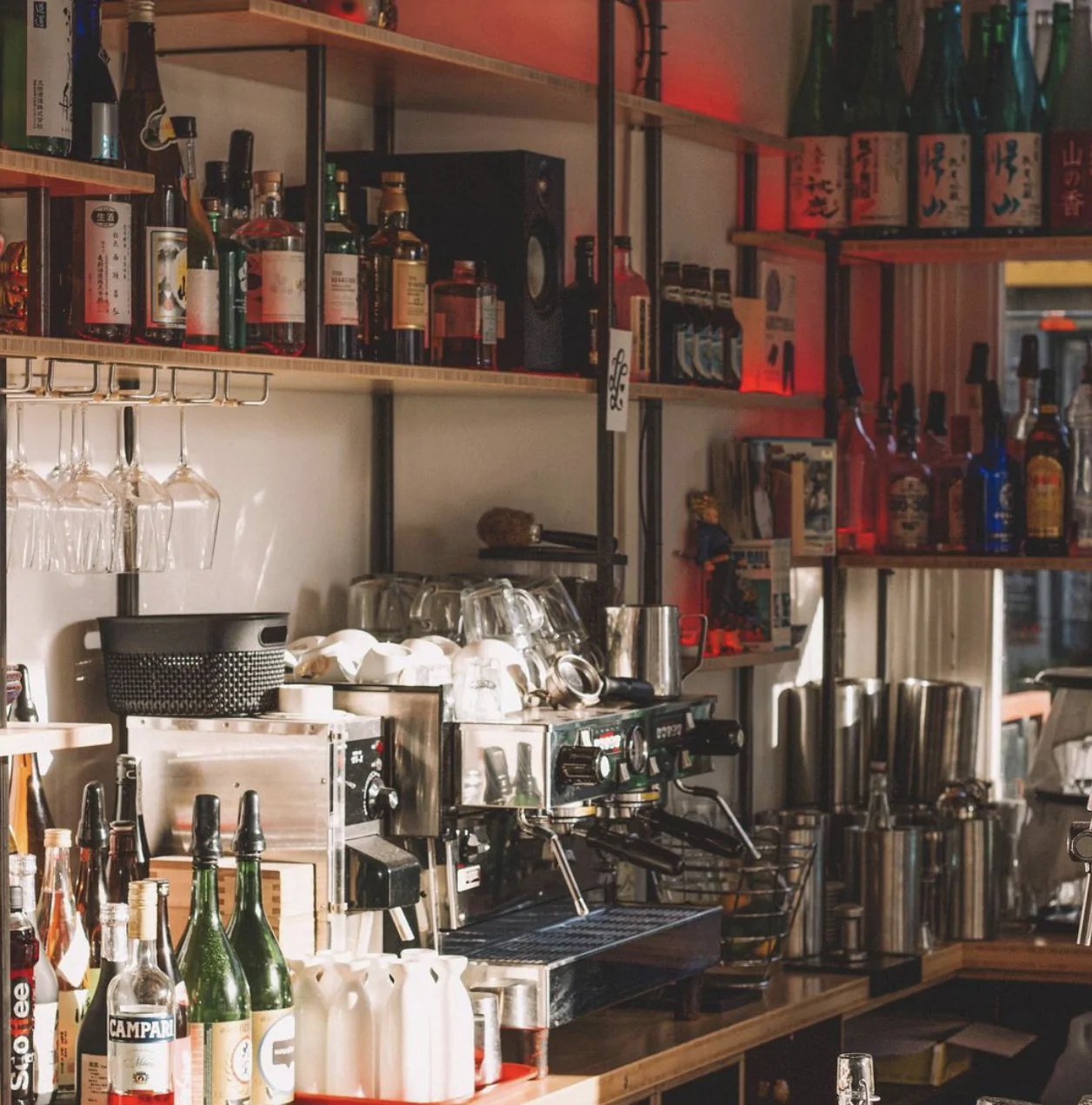
1053 KS Amsterdam
De Japanner
The Japanese has become a phenomenon in both De Pijp and Oud-West. The concept is simple and straightforward: delicious Japanese finger food paired with either a cocktail, Japanese beer, sake, or a non-alcoholic alternative, of course. It comes as no surprise that reviews of De Japanner are rave, with the friendly staff and tasty snacks receiving particular Spotlight.
1053 AT Amsterdam
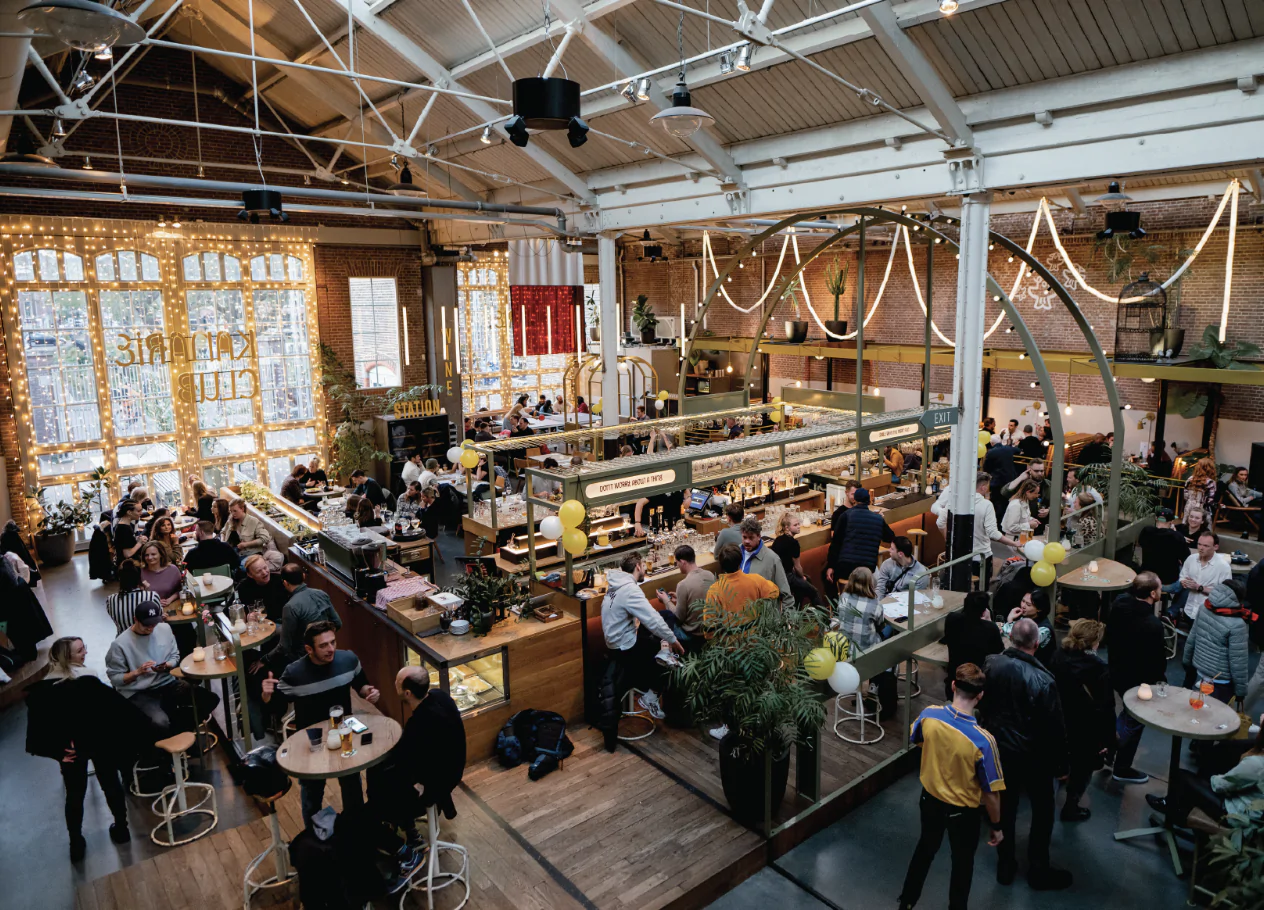
Canary club
Everyone knows the food halls in West. What not everyone knows, however, is the Kanarie Club, located at the back of the building. This part of the old factory halls is filled with the club's brilliant concept: a large space with enough room to settle down with or without a laptop, as well as host large events and gatherings. In the middle of the space is a kitchen-like bar where you can drink tasty cocktails. In addition, the Kanarie Club is open for breakfast, lunch, and dinner. In short, there is more than enough to keep you there all day long.
1053 AT Amsterdam
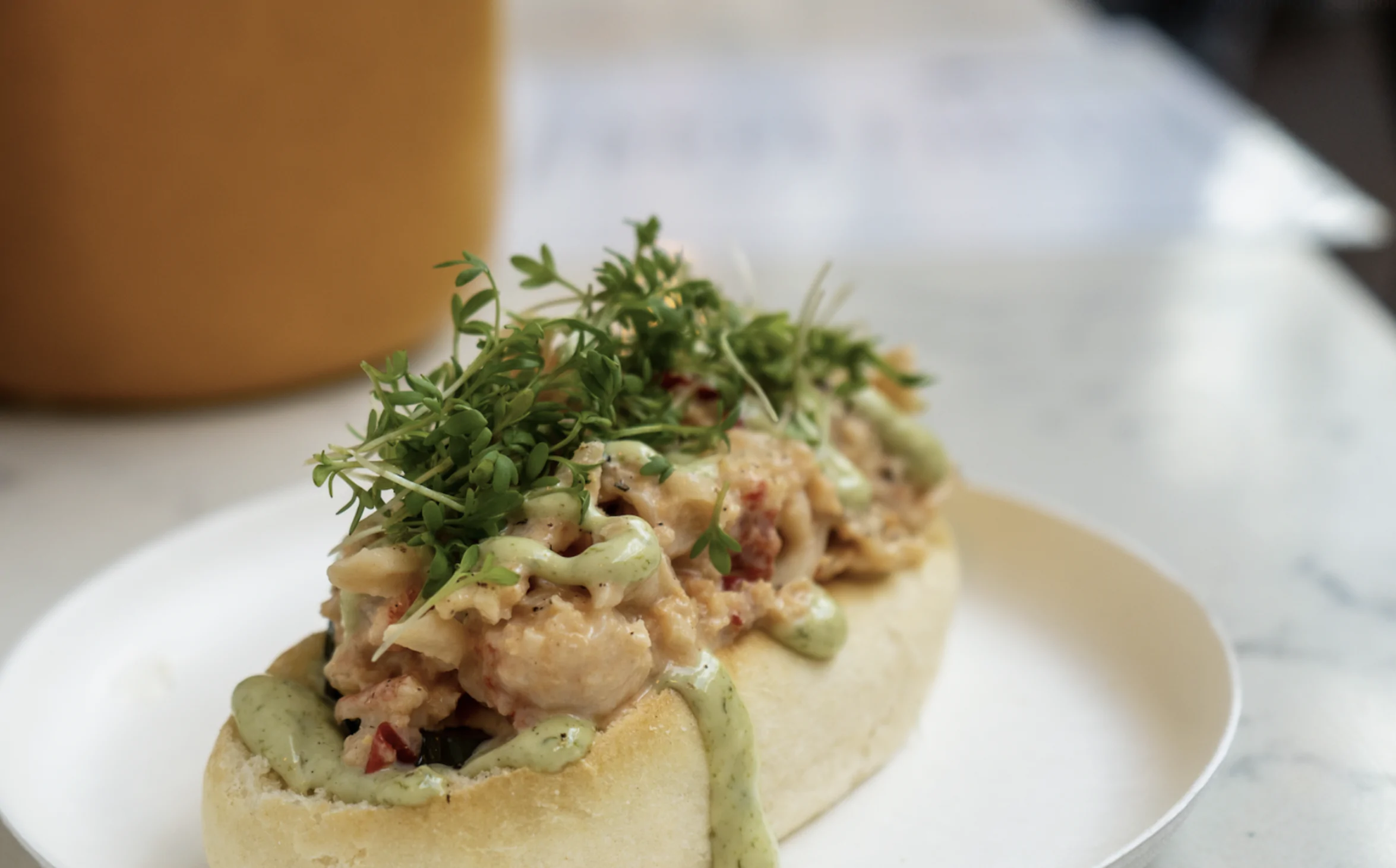
North Sea
Mer du Nord is located in the popular Foodhallen in Amsterdam-West. Delicious Dutch fish snacks are on the menu here. The two chefs from Restaurant 212 are the owners of this place. The fresh oysters are highly recommended, but the crispy soft crab on a sandwich is also delicious.
1053 AT Amsterdam
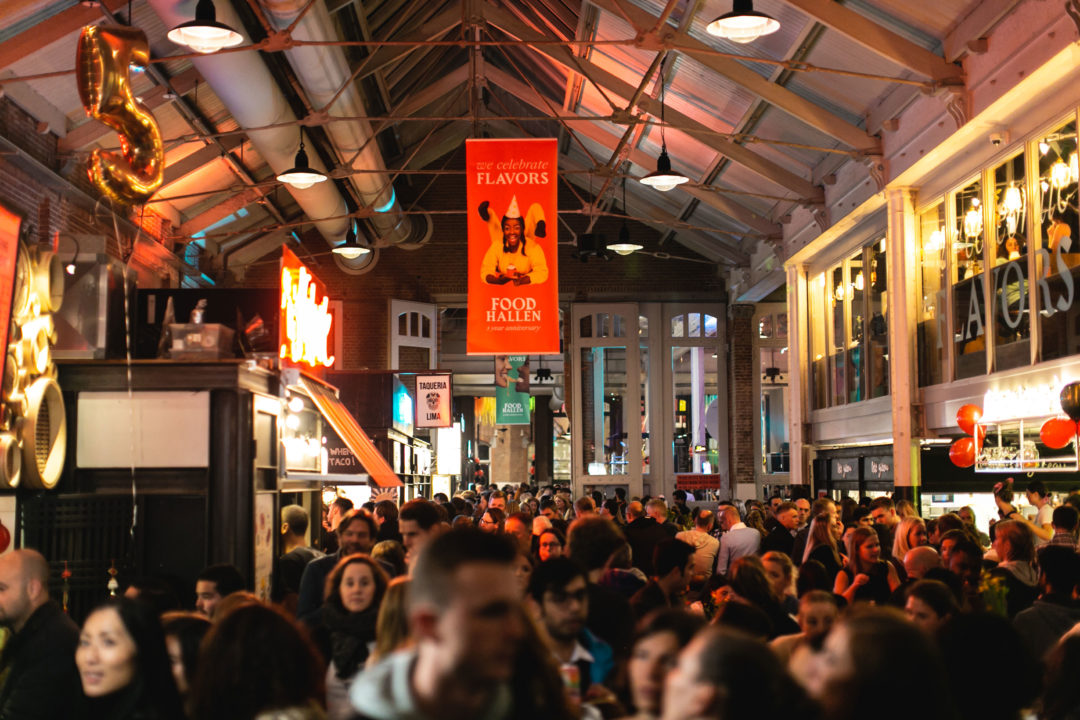
Food halls
The Foodhallen are inspired by the indoor food markets found in other major cities such as Madrid, Copenhagen, and London. In the Foodhallen, you will find stalls offering the best that Amsterdam has to offer in terms of cuisine. With more than twenty different cuisines ranging from Michelin-starred concepts to street food. Kibbeling and squid from Mer Du Nord, tacos from Taqueria Lima, or Vietnamese food at Viet View.
1053 KP Amsterdam
Gerhard Hofland
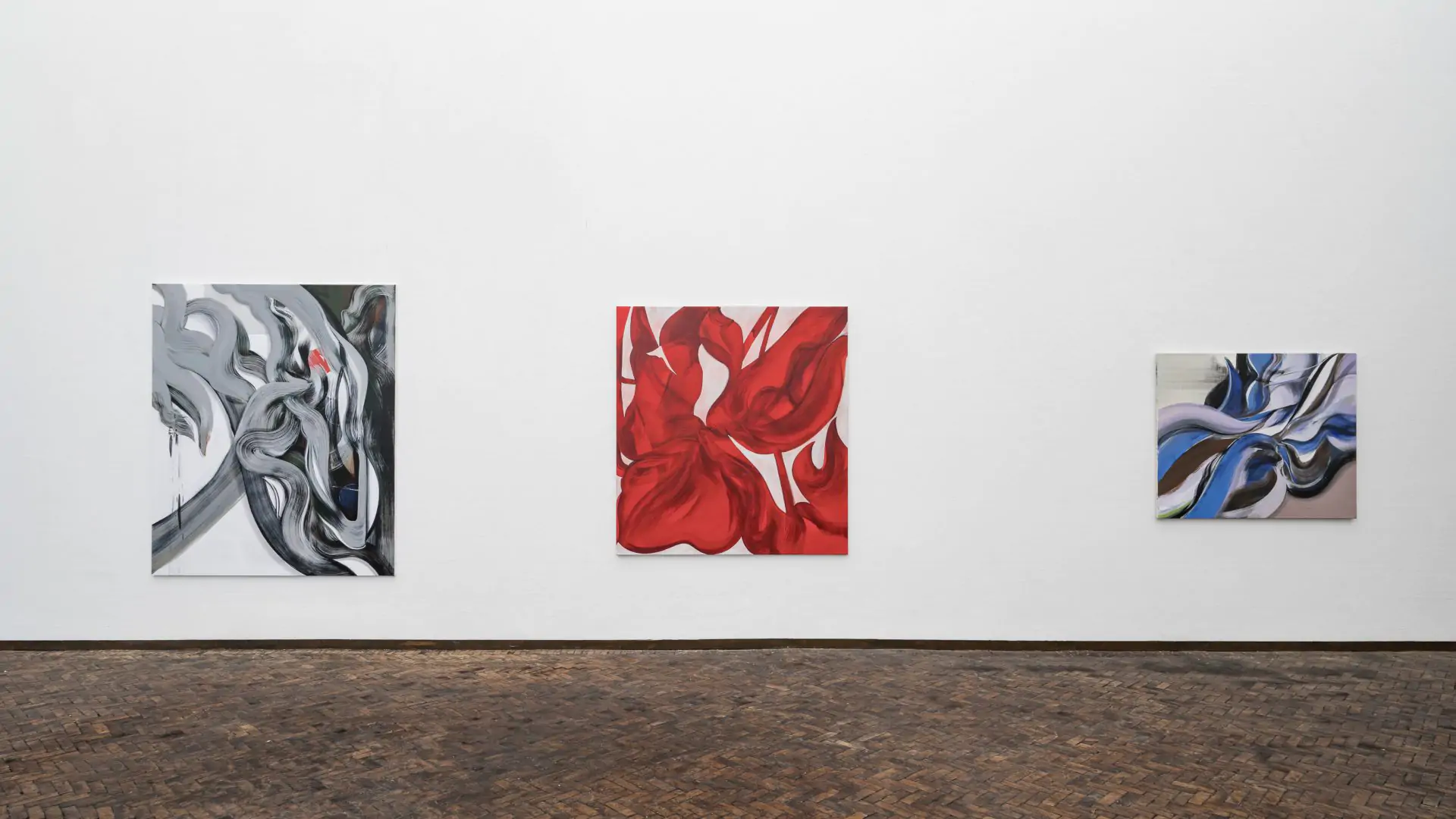
Over the years, Gerhard Hofland has grown into one of the largest galleries in Amsterdam, representing a wide variety of art and artists. These artists work in both abstract and more figurative art. In addition, the gallery continuously works to introduce international artists to the Dutch public and undertakes projects with young and talented artists to support them in their first steps in the professional art world.

1053 RT Amsterdam
Visually Speaking
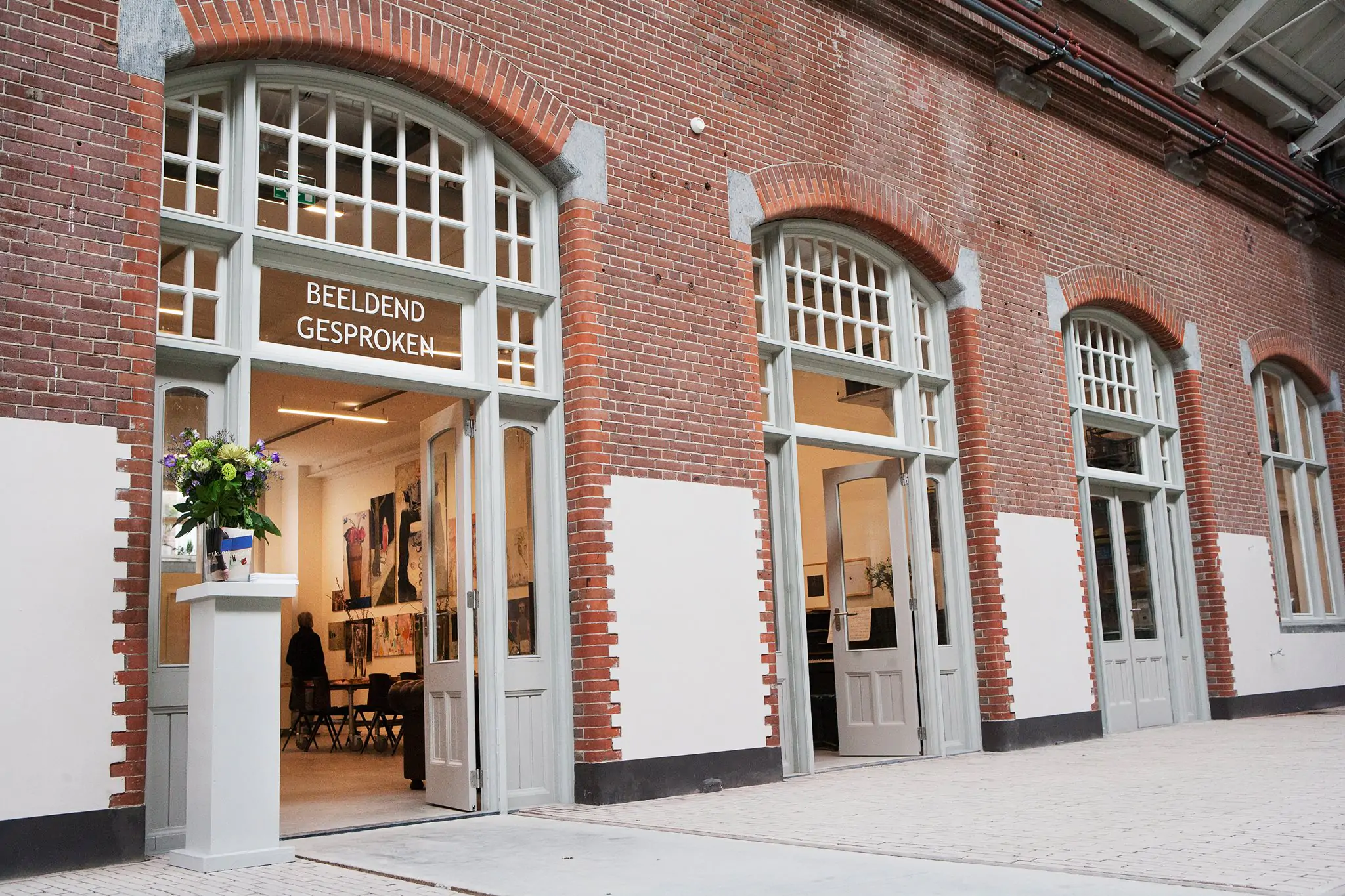
Beeldend Gesproken in De Hallen is a unique gallery that lends out art. It is the place where professional artists with mental health issues find a platform to showcase their work. In addition to supporting the artists, they ensure that their work is seen by the world—a little like Theo did with Vincent van Gogh's work. Beeldend Gesproken has a contemporary, versatile collection of contemporary art, paintings, prints, photography, and three-dimensional work in a variety of techniques.
1053 RT Amsterdam
The Movie Theaters
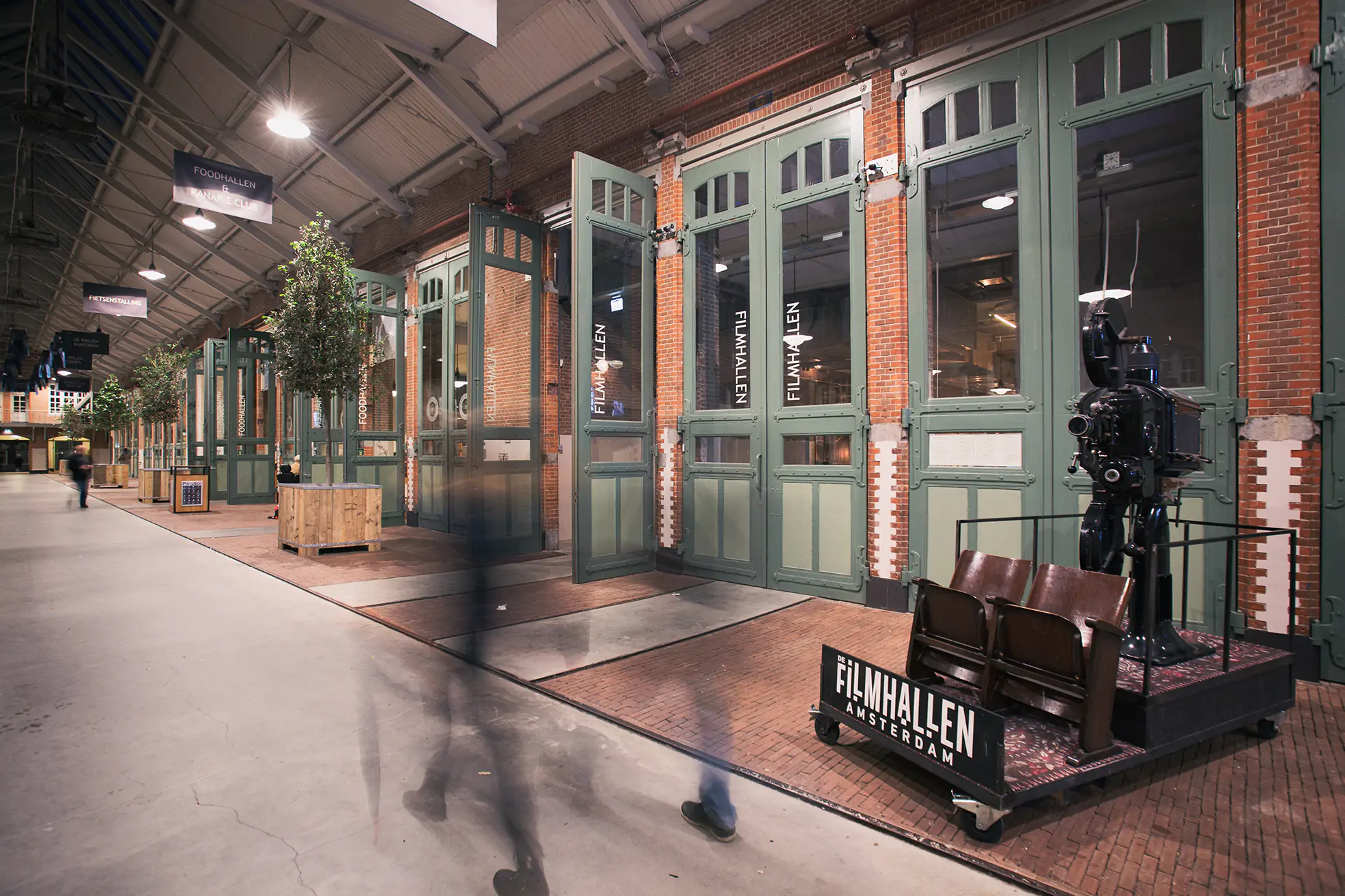
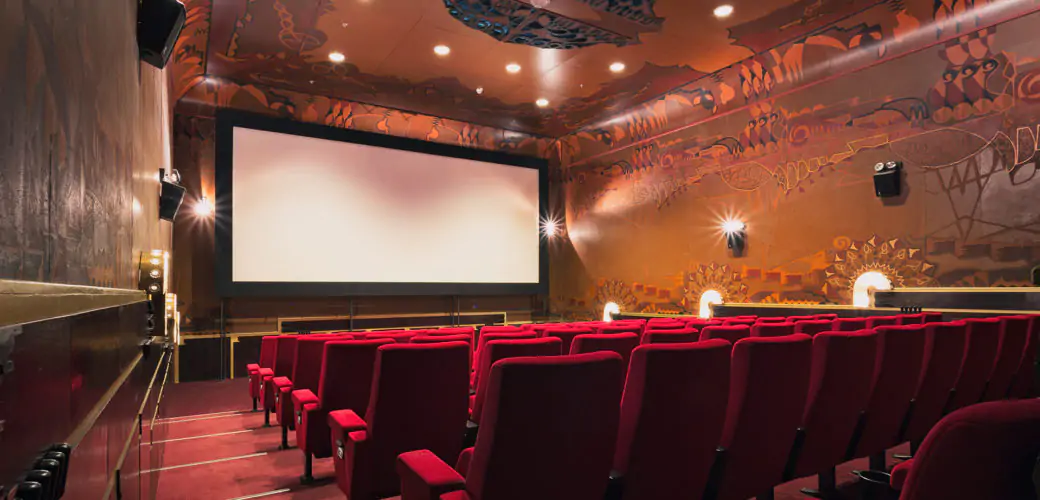
The Filmhallen is located in the 'de hallen' complex, which used to be a tram depot. The cinema is relatively new, having been established in 2004. A unique feature of the Filmhallen is that one of its theaters incorporates the art deco interior of a theater from the old Cinema Parisien. De Hallen is a spacious, fully covered complex that, in addition to the Filmhallen, also houses the Foodhallen, which is home to a variety of food stalls. This creates an atmosphere somewhat reminiscent of a covered Spanish food market.
1053 KP Amsterdam
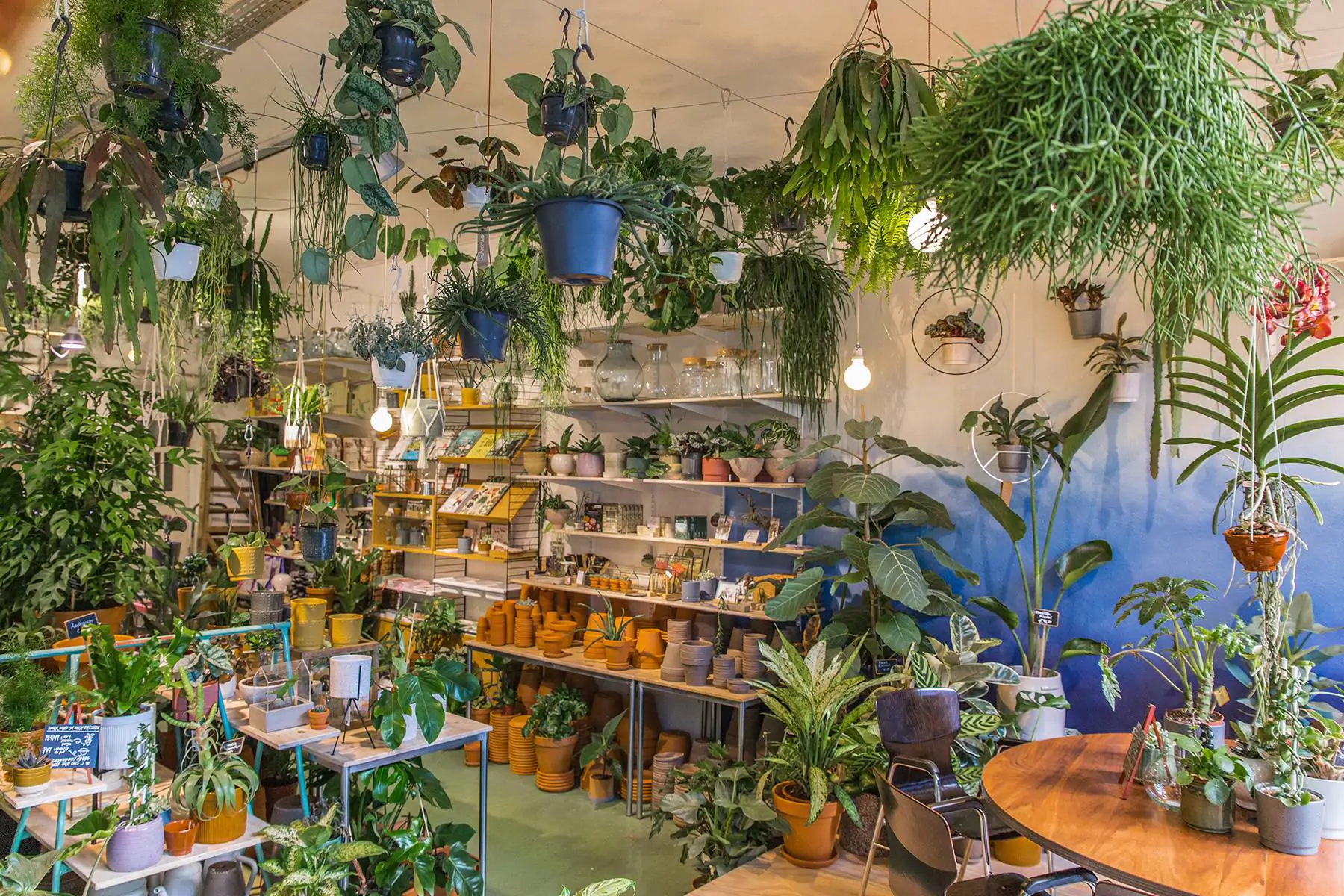
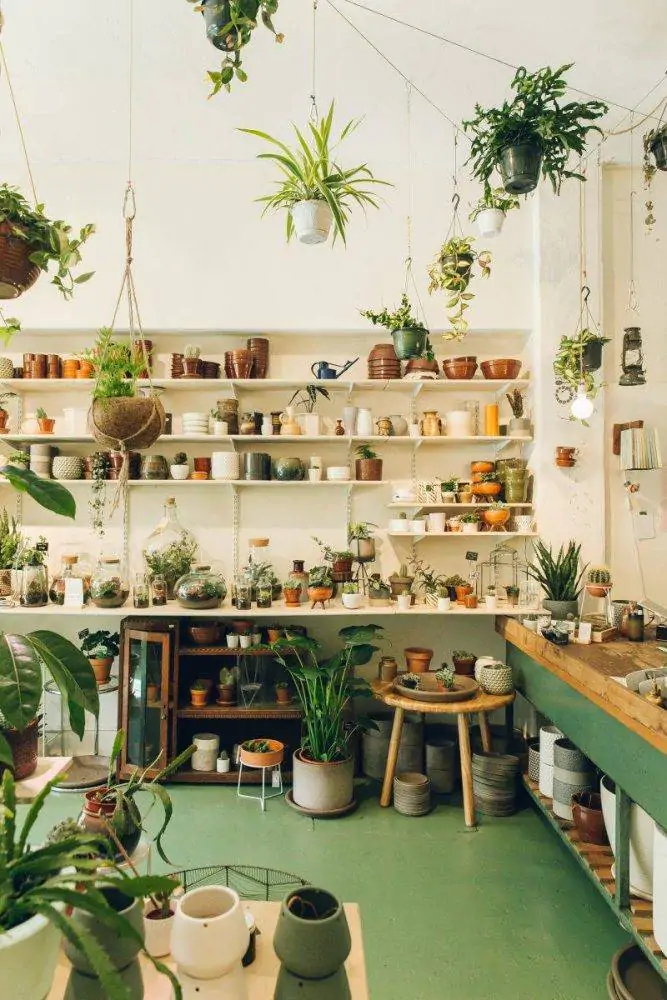
Wilderness
At Wildernis on Bilderdijkstraat, you can find plants, pots, books, accessories, and other green gifts, but you can also enjoy the most delicious cup of coffee. All products in the store are made with love and care and are as sustainable as possible. Come and take a look at this green oasis of tranquility!
1052 NG Amsterdam
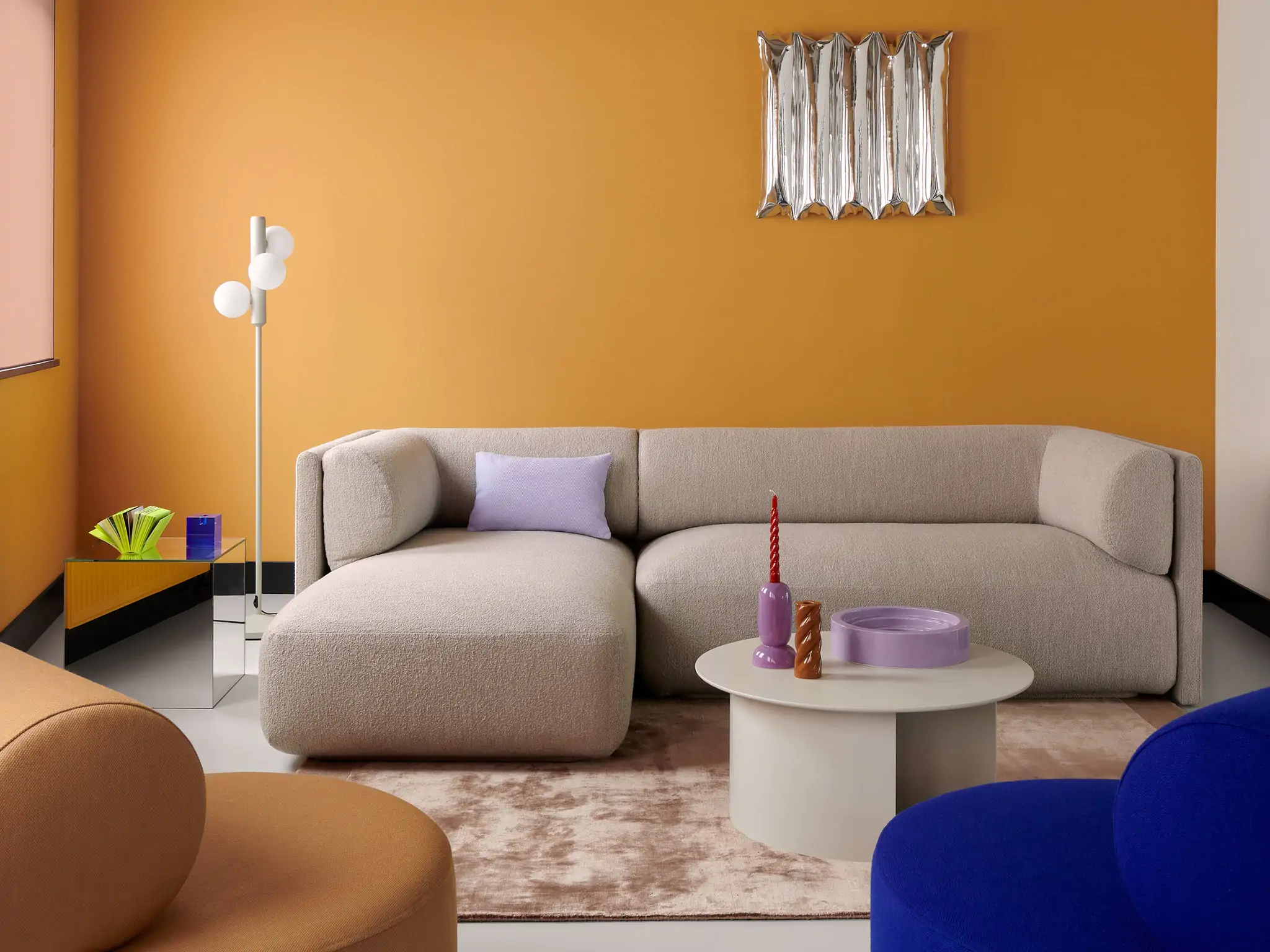
FEST
FEST is a Dutch interior design brand that was started in 2013 by Femke Furnée. The core idea behind FEST: making beautiful surroundings accessible to everyone. FEST offers high-end furniture and home accessories—without the high-end price tag. The cheerful, timeless, and sustainable collections are developed in collaboration with international designers. At FEST, you will find everything you need to give your interior a (colorful) boost.
1053 AT Amsterdam
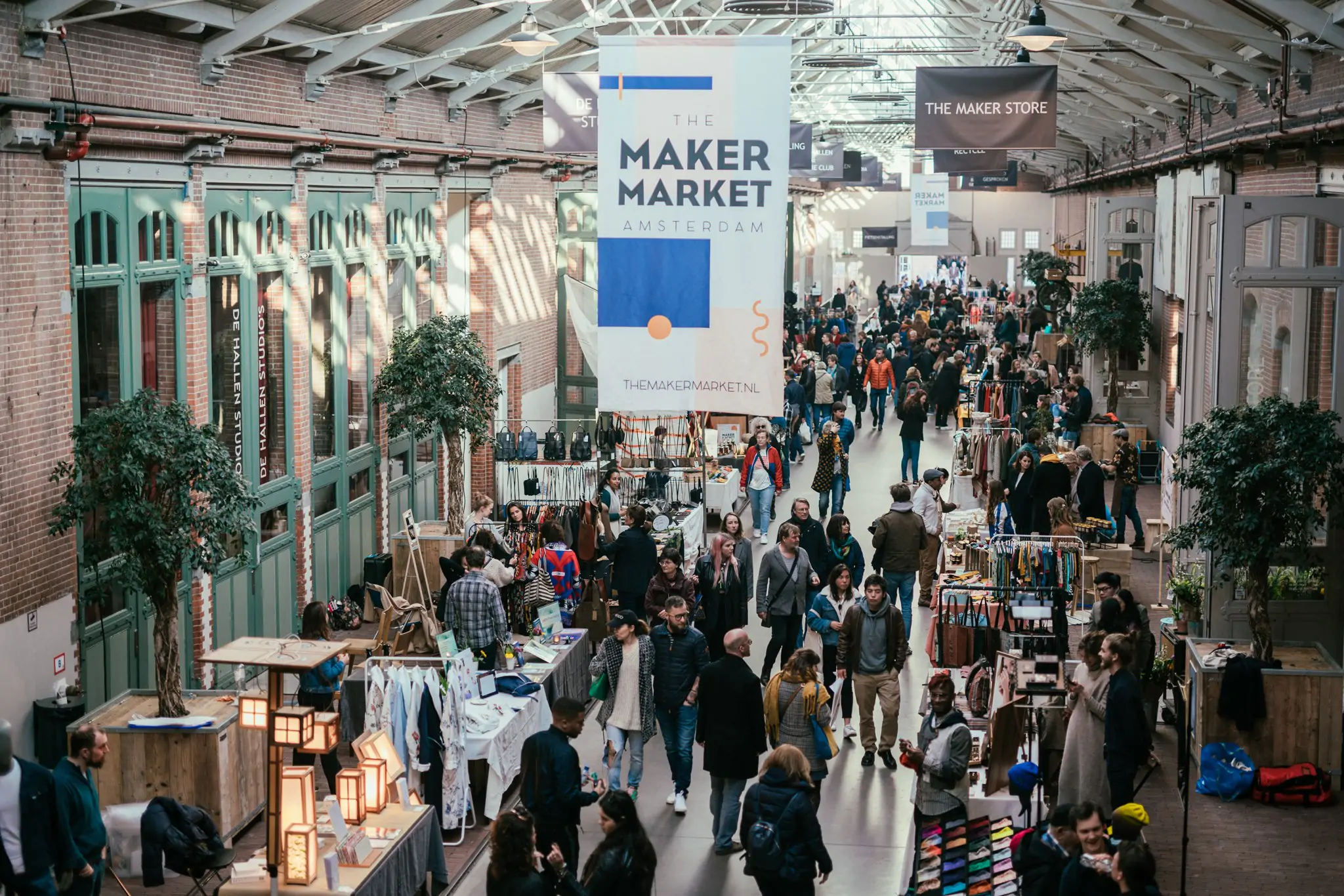
The Maker Market
De Hallen in Oud-West organizes a weekend market once a month. Here you will find all kinds of sustainable brands from local entrepreneurs and makers from Amsterdam and the surrounding area. The market has a diverse range of products and allows you to look at Sustainability locally produced goods in a different way. You can also visit De Hallen for a movie, a tasty snack, or a drink, making a visit to this market a versatile outing.