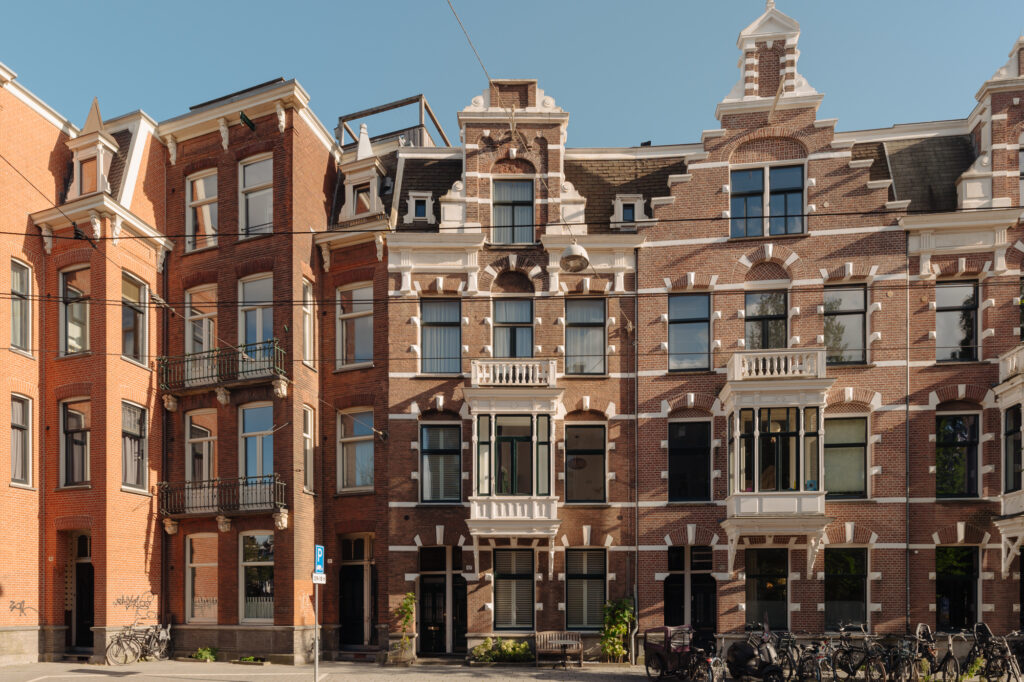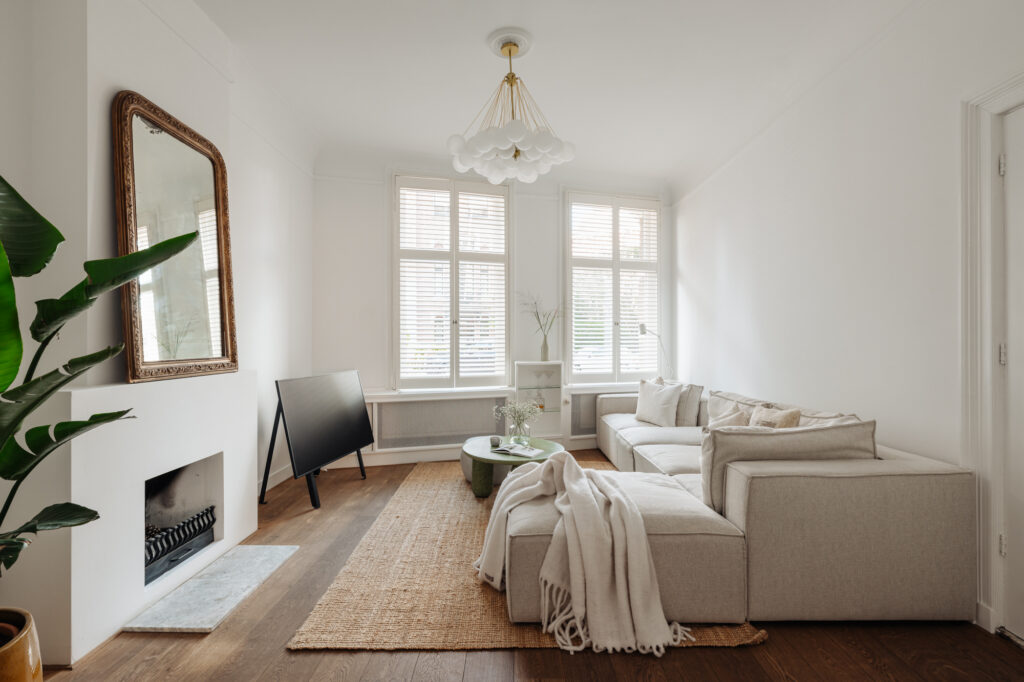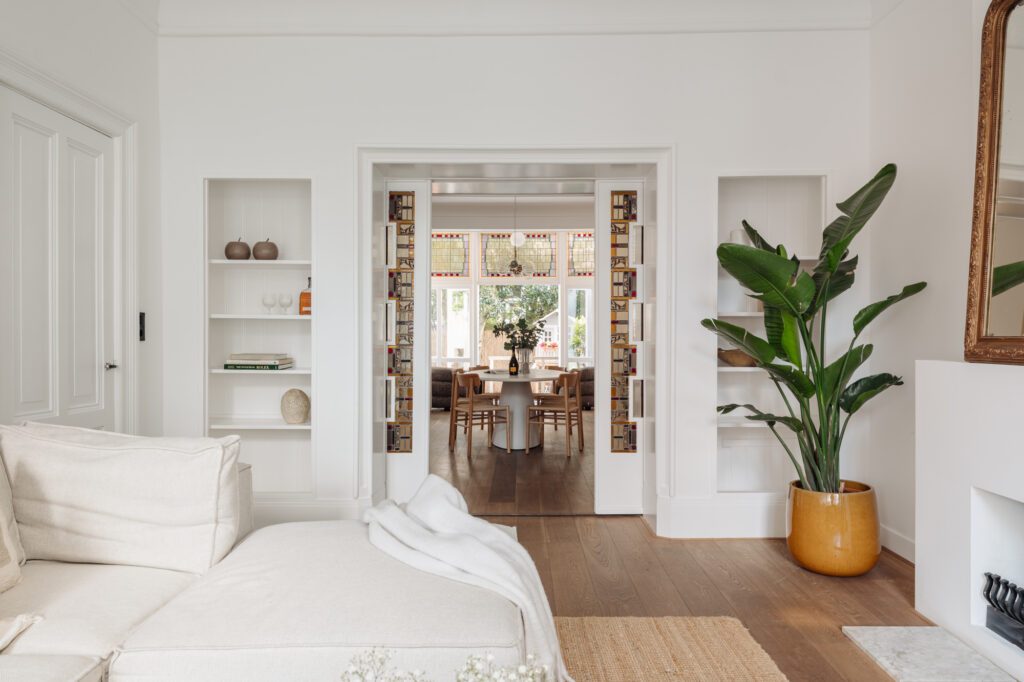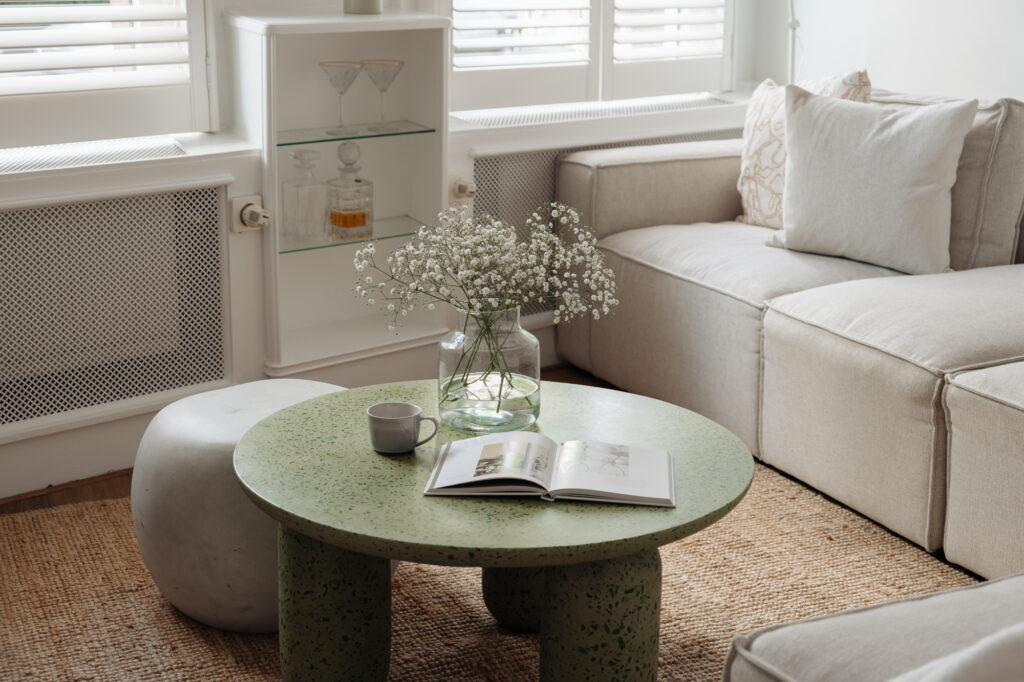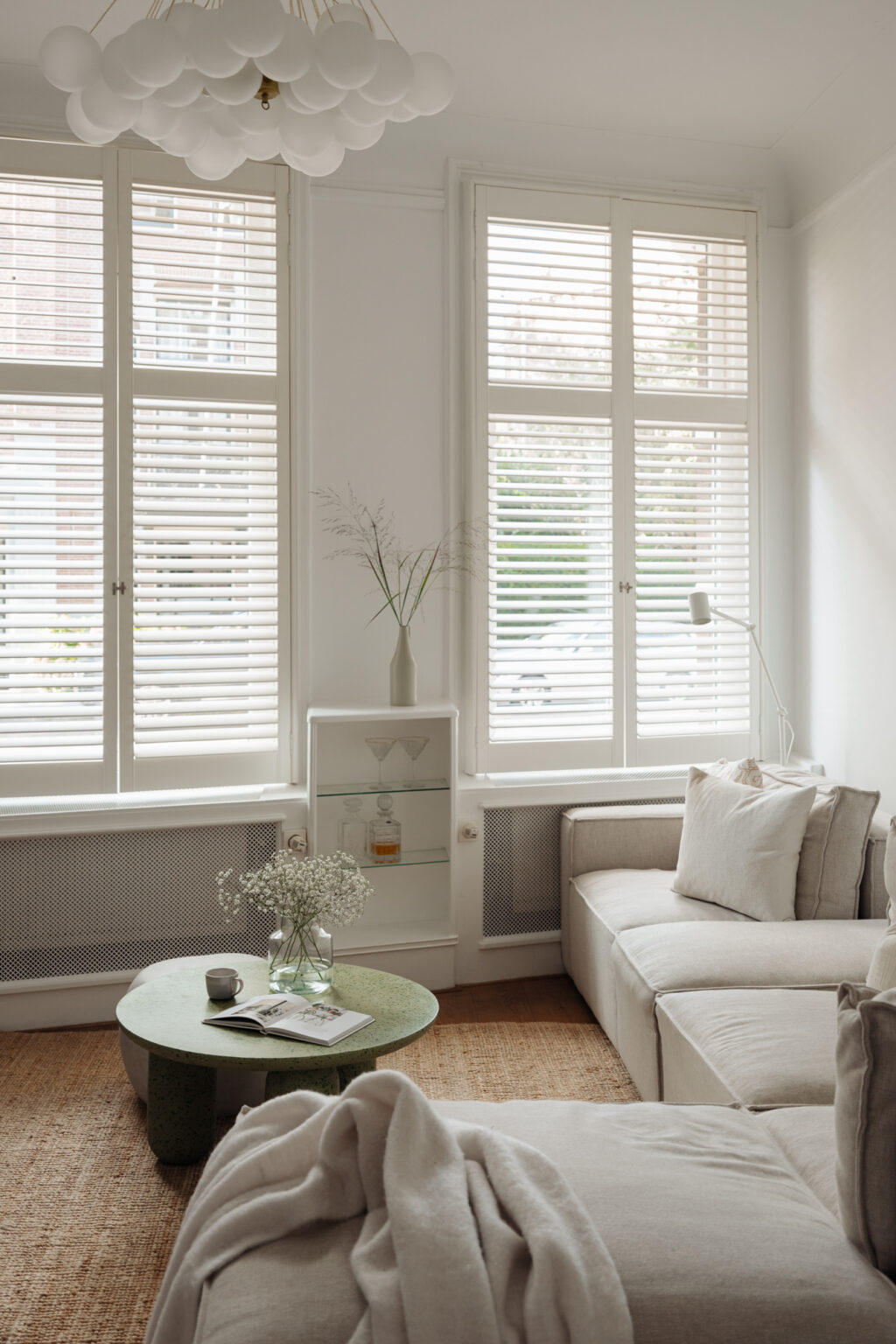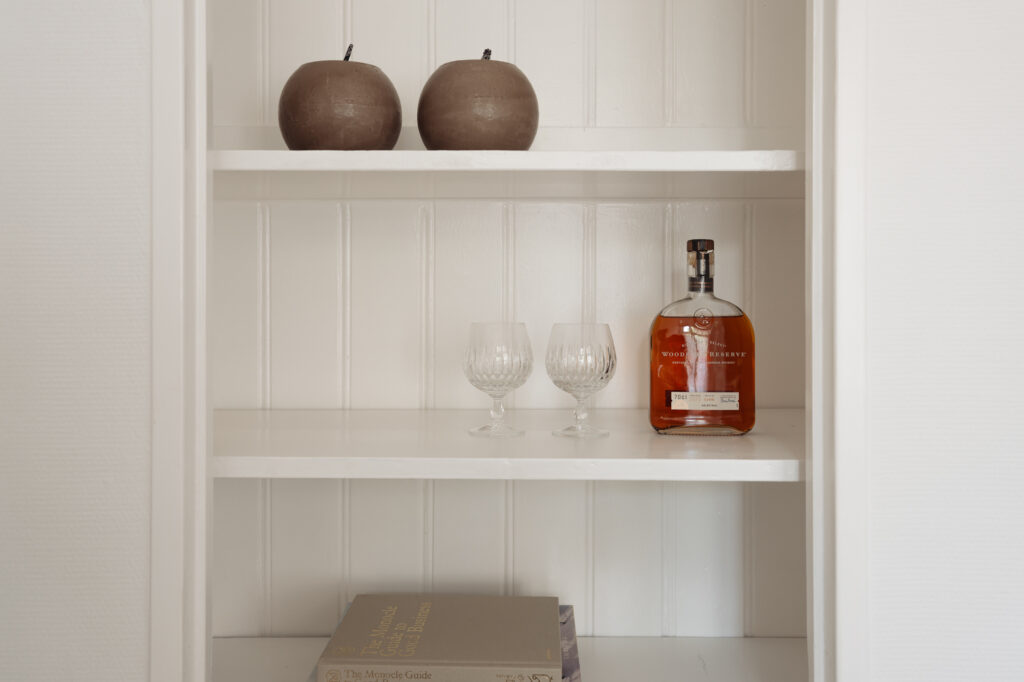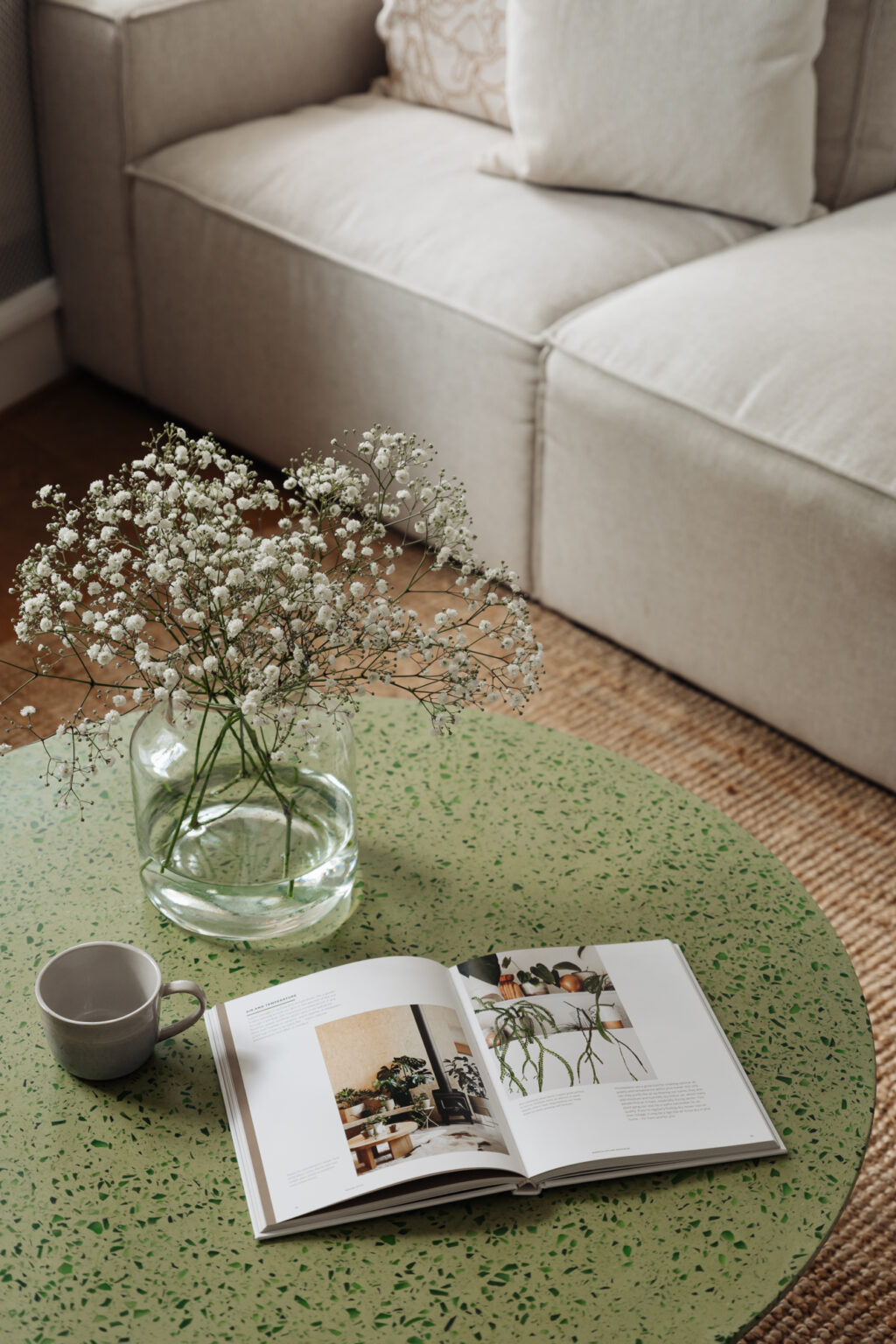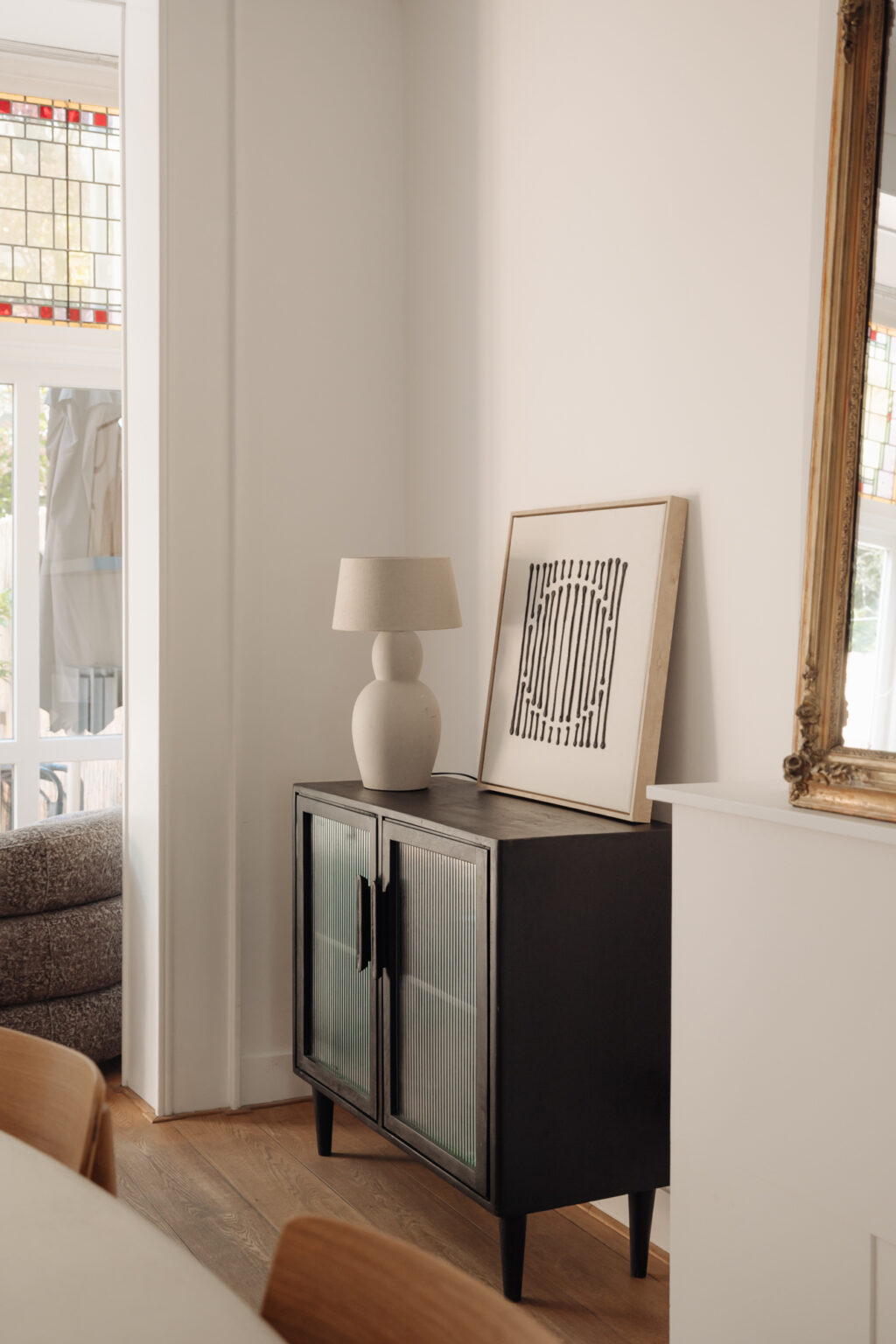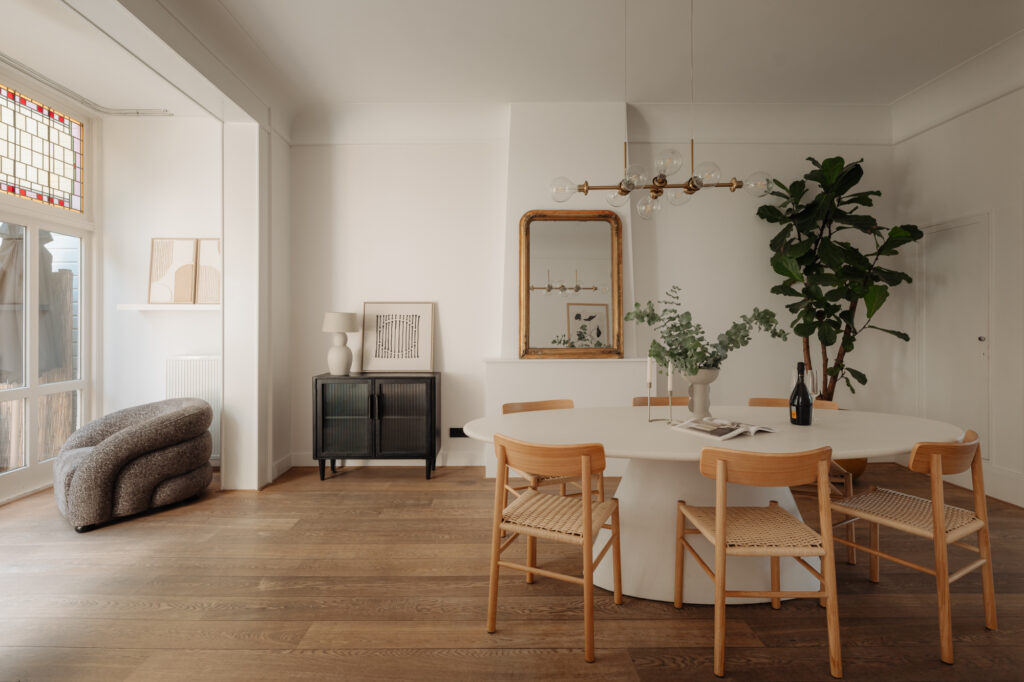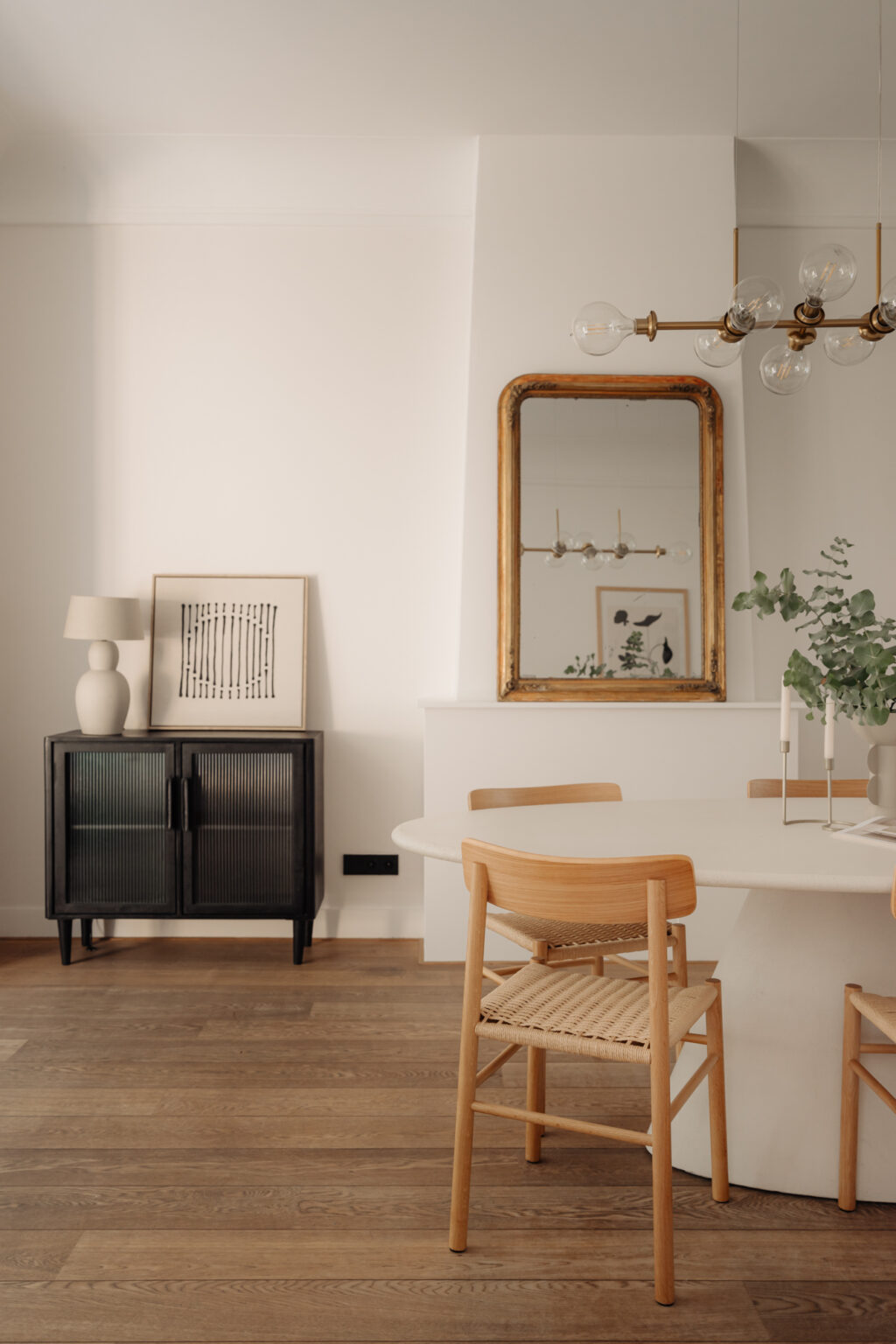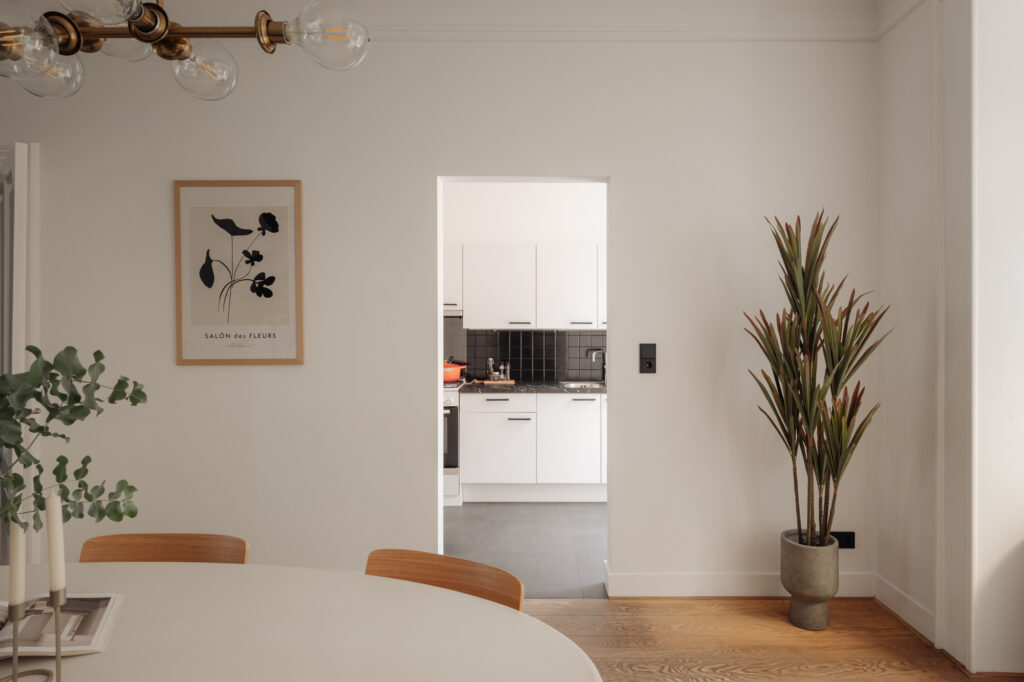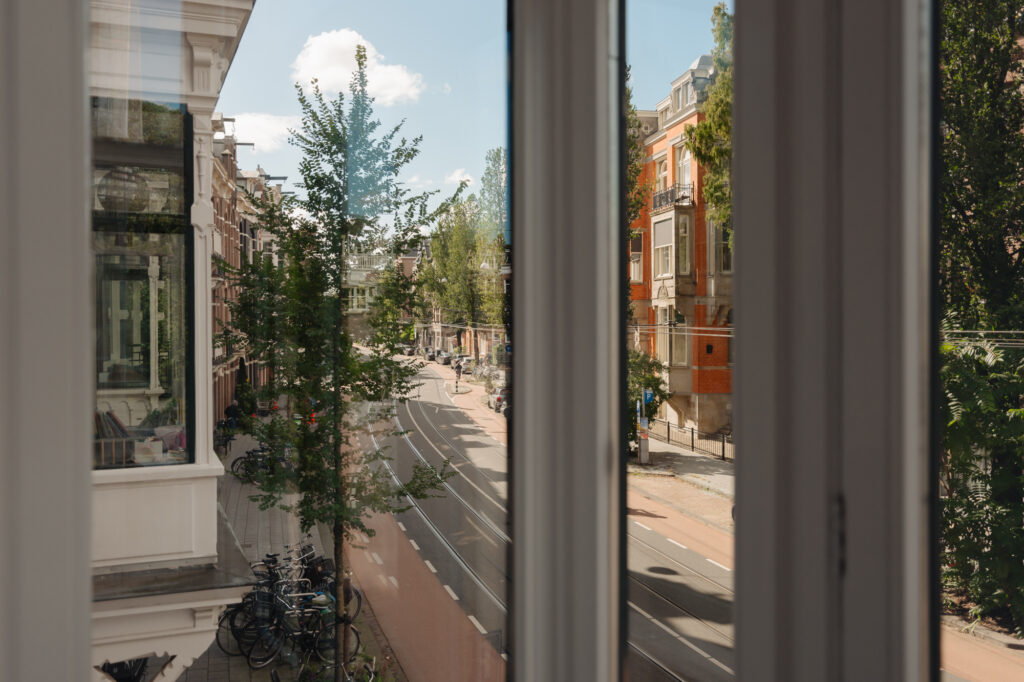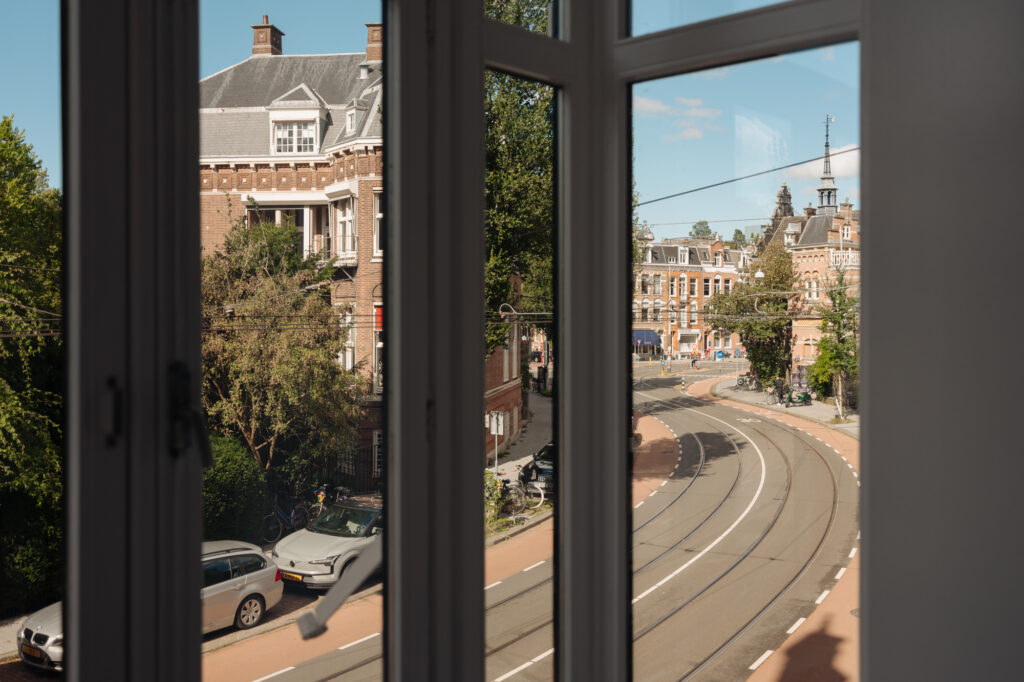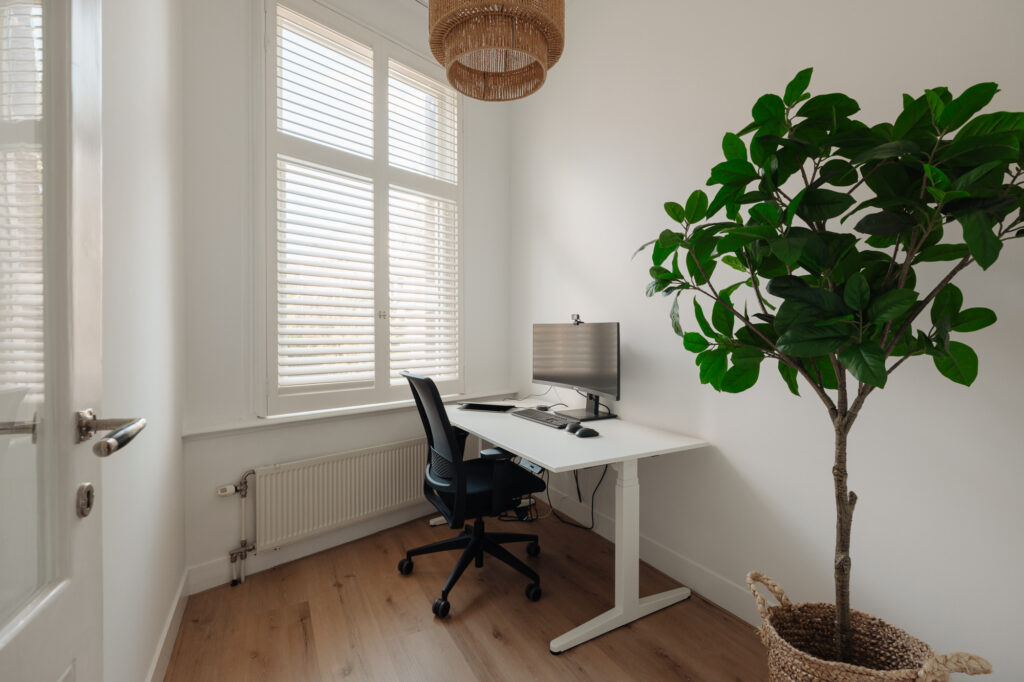
A bright and extremely well-maintained family home of approximately 145 m², spread over two floors and a basement. The building's opulent appearance and modern finishes make it a very pleasant place to live in Zuid. The ground floor is well maintained and has a sunny south-facing garden. It is perfect for a family or a couple who want to live in spacious surroundings, for example with a good home office.
Guided tour
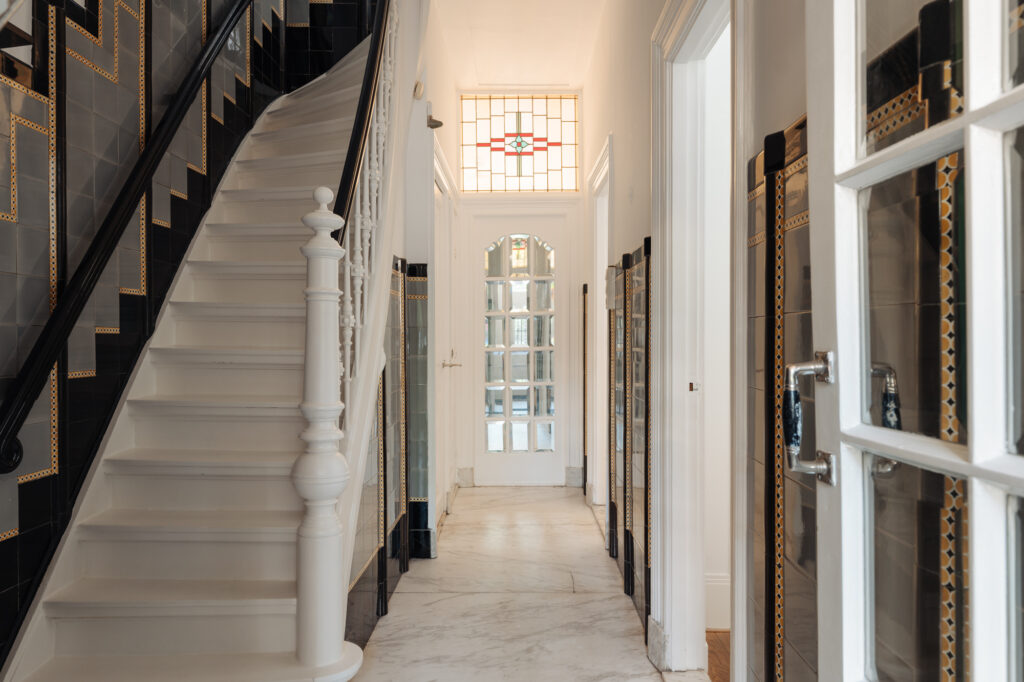
This beautiful home combines original Art Deco details with modern living comforts.
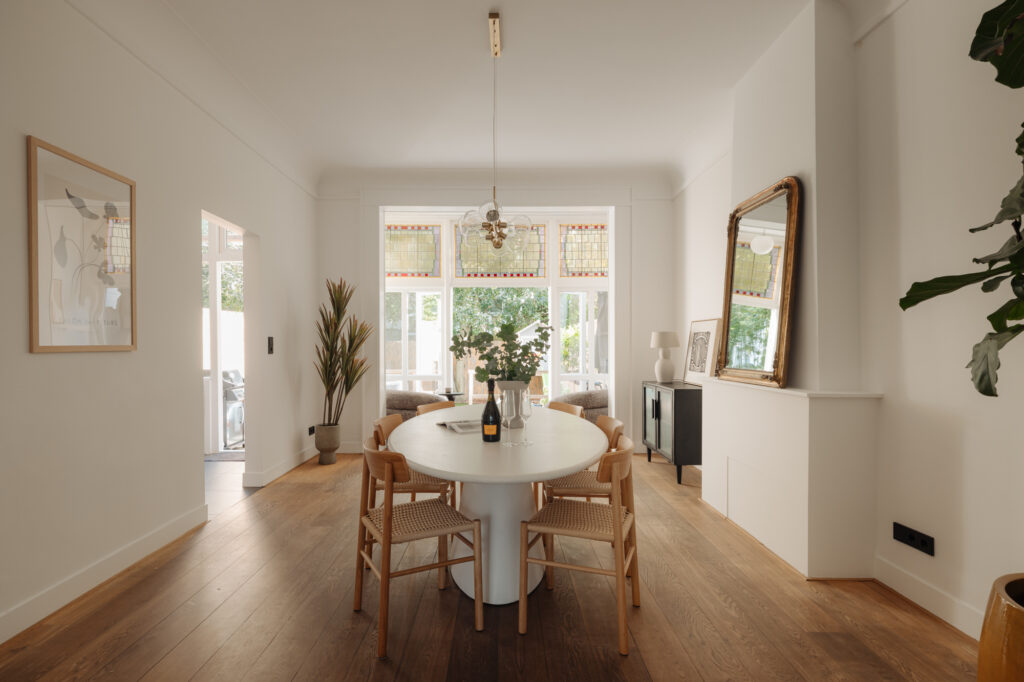
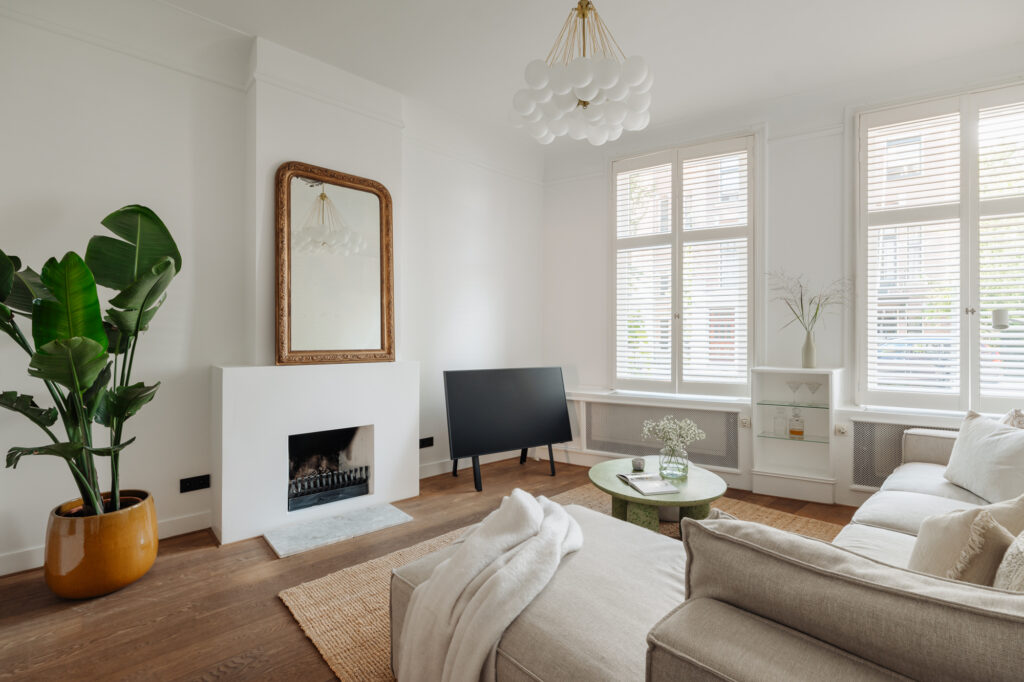
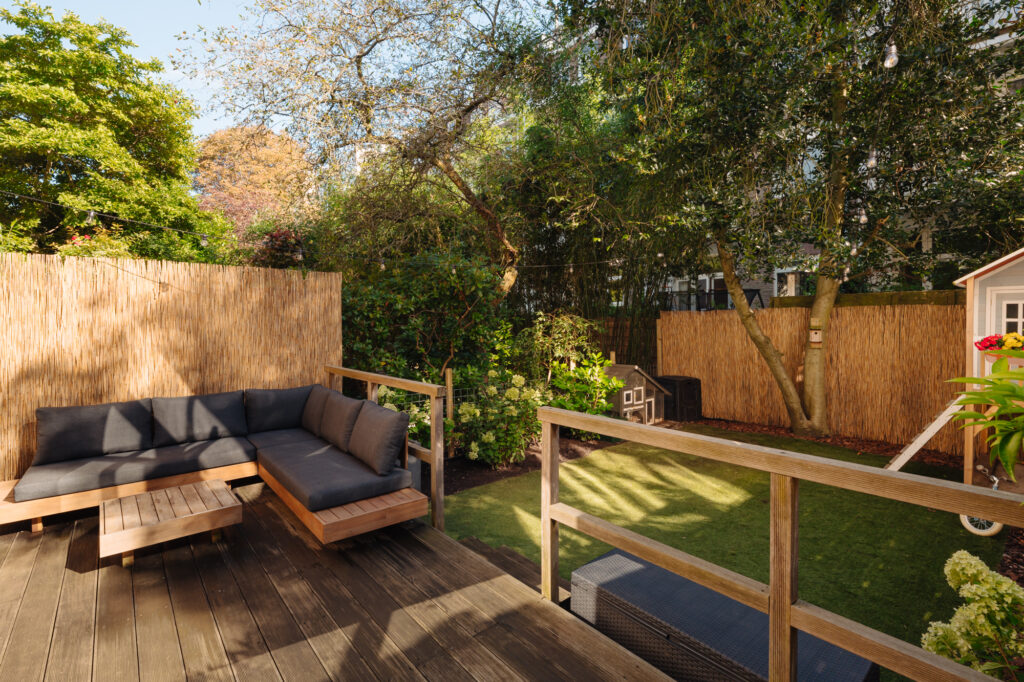
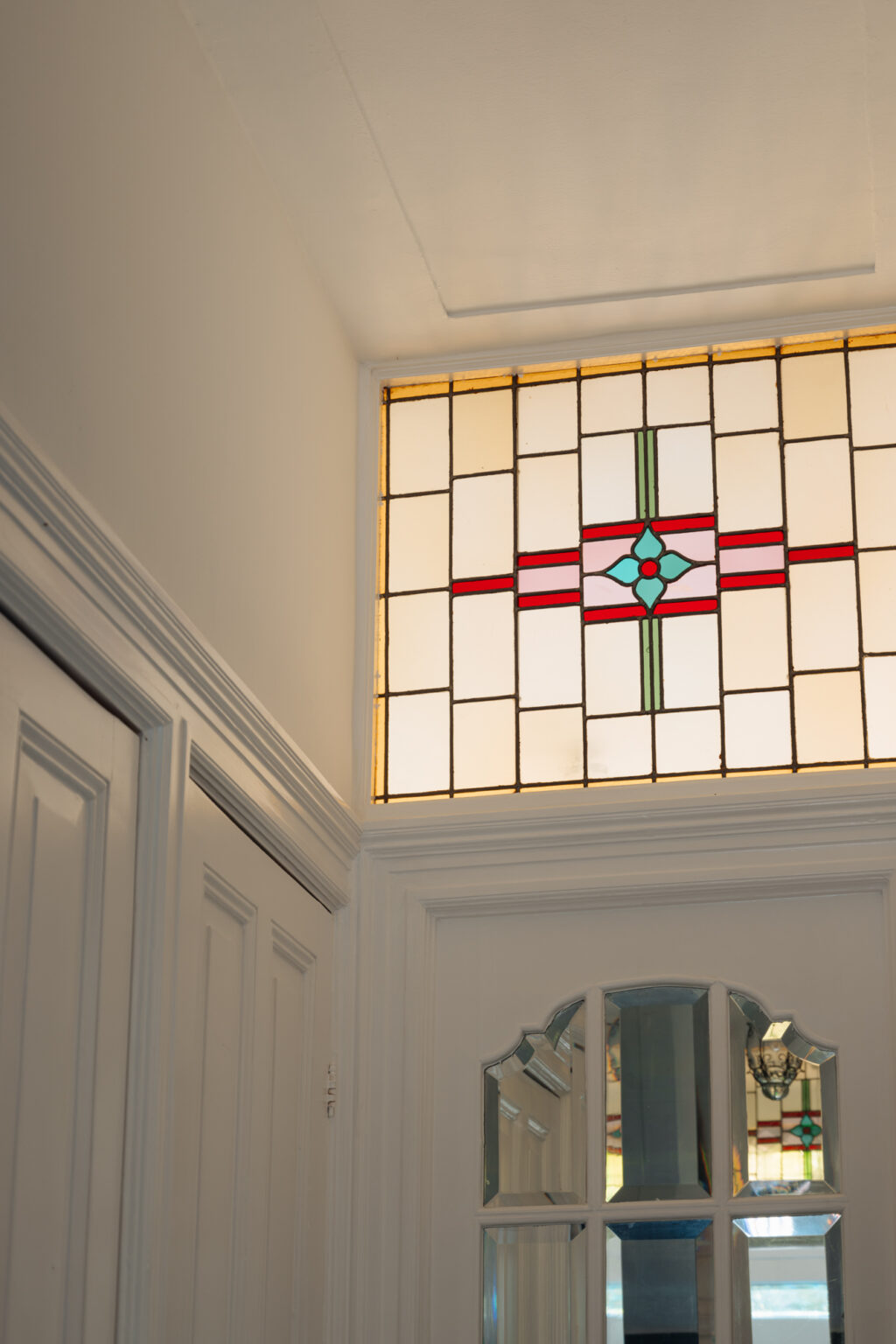
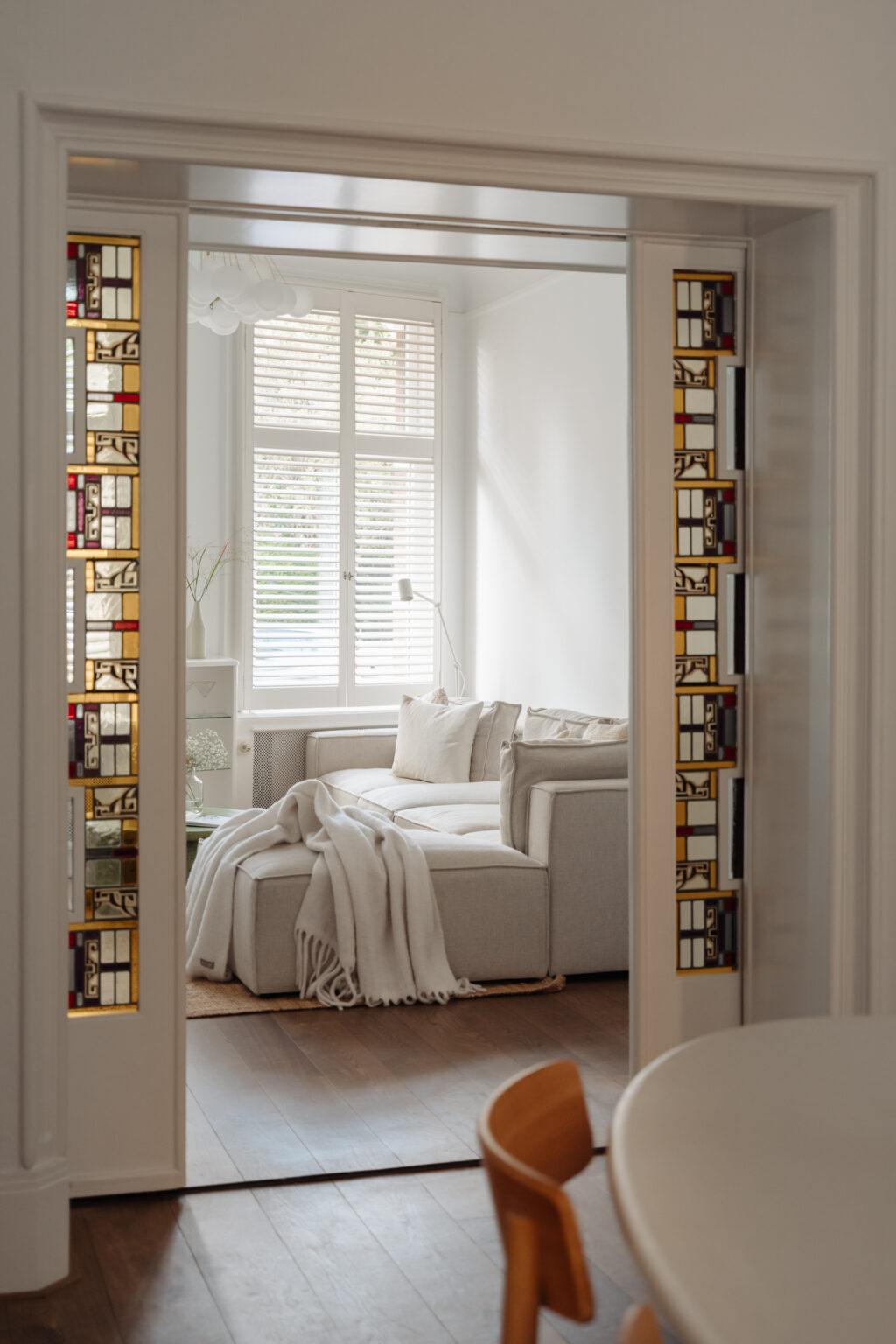
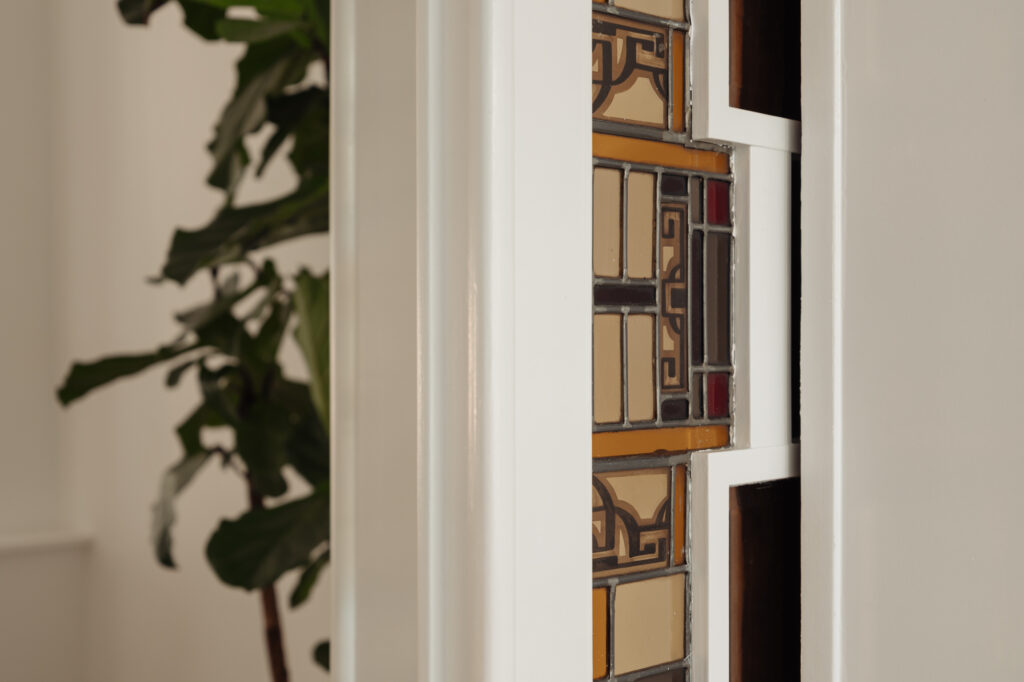
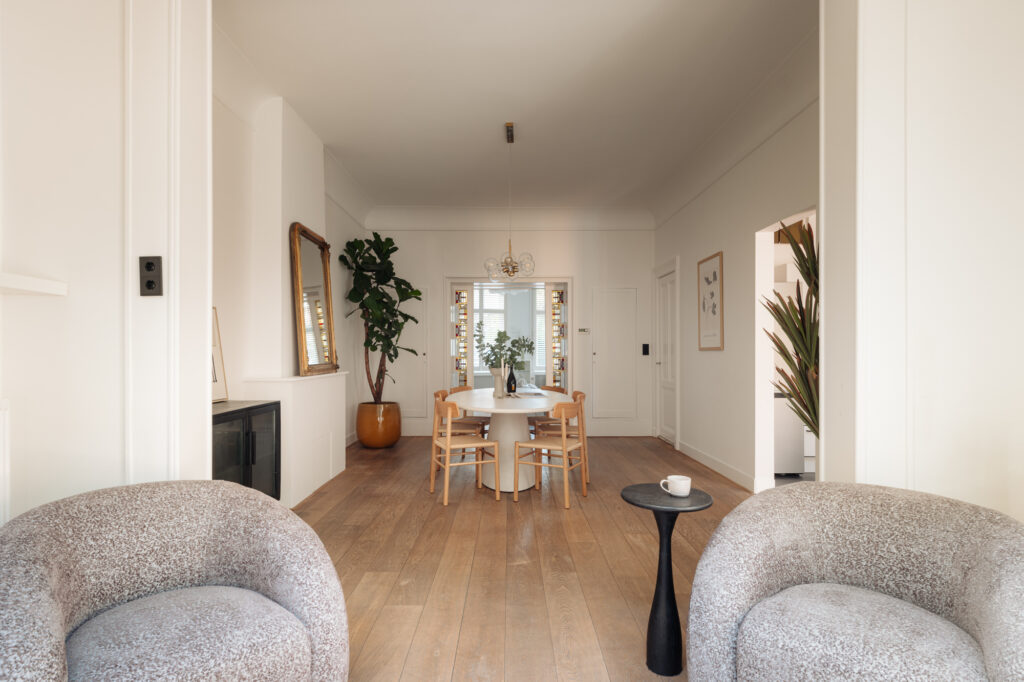
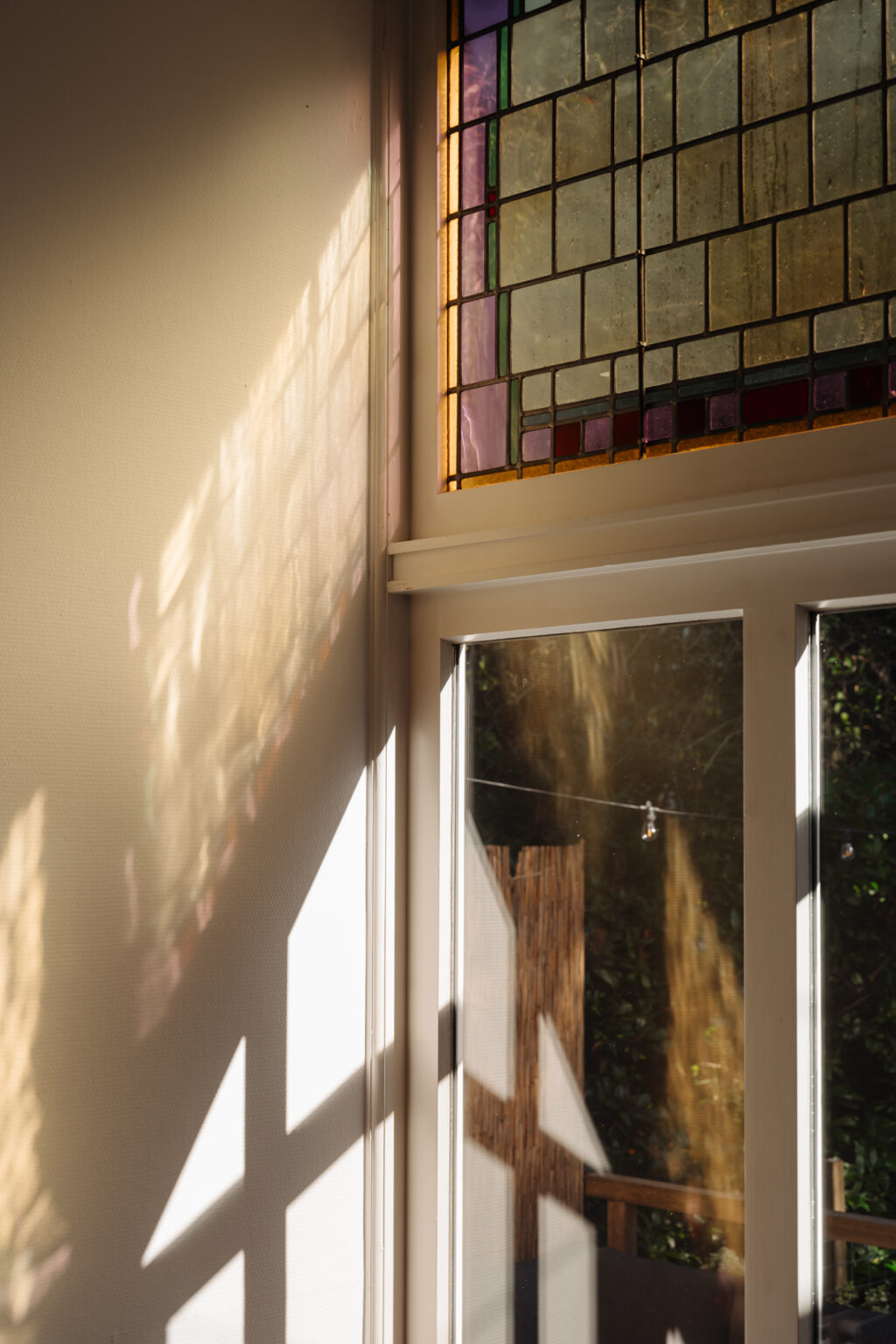
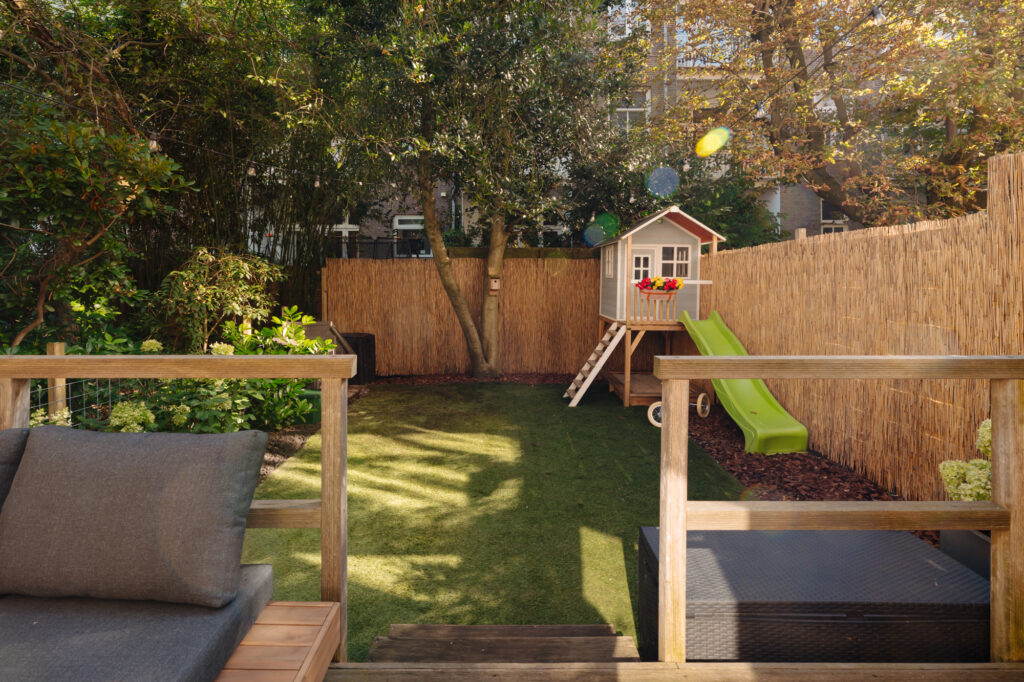
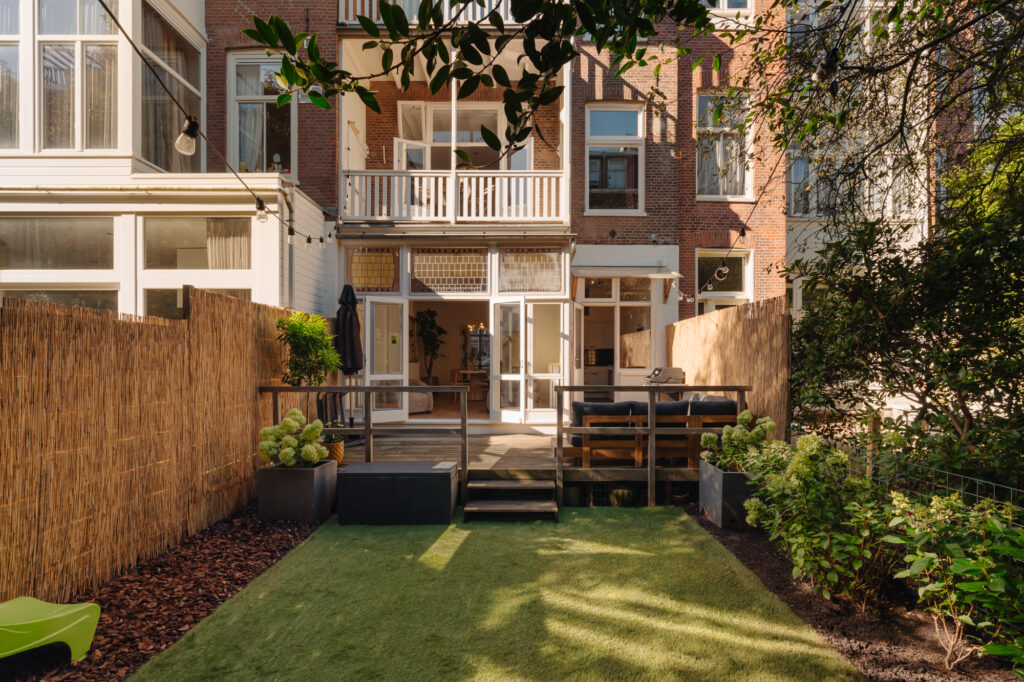
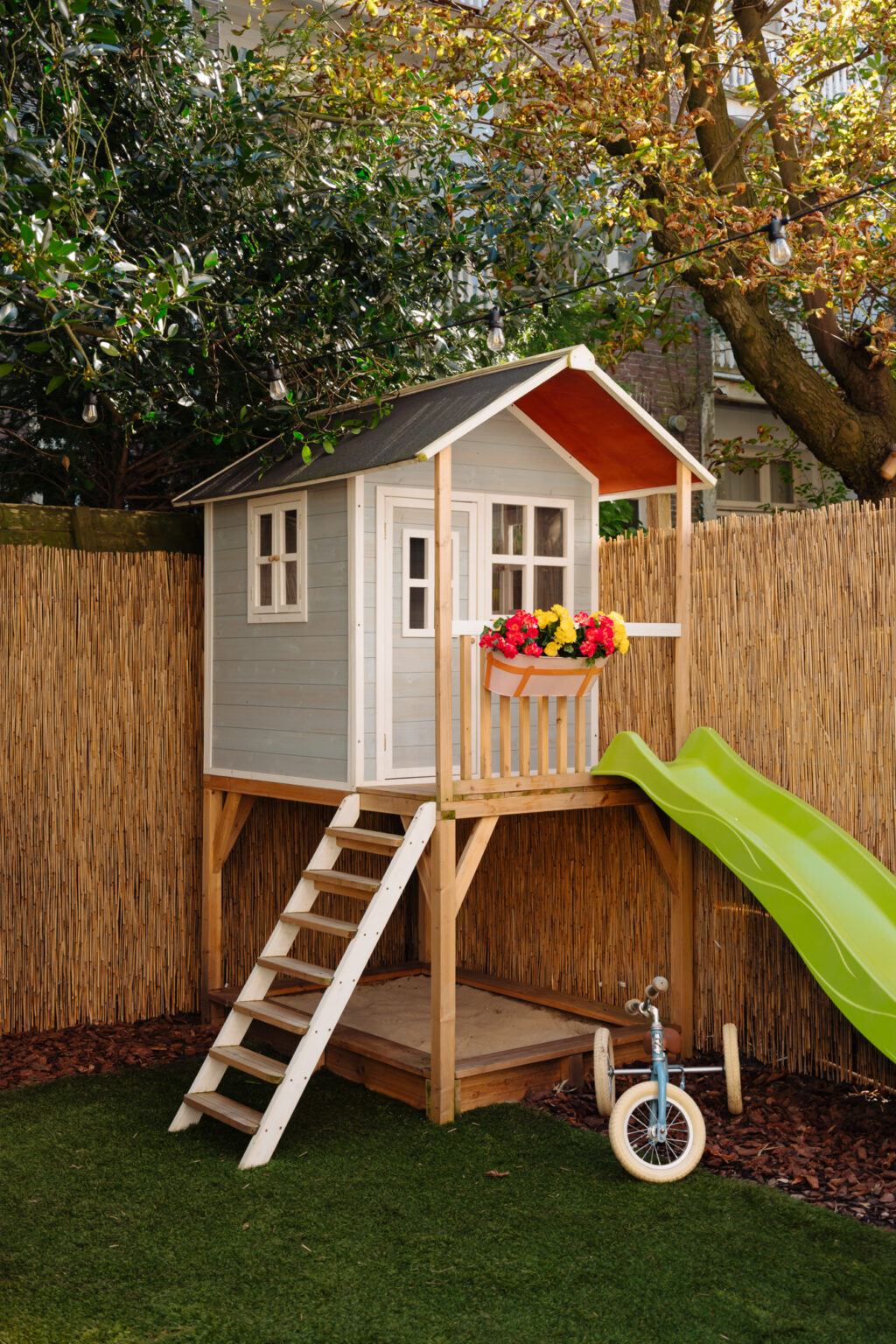
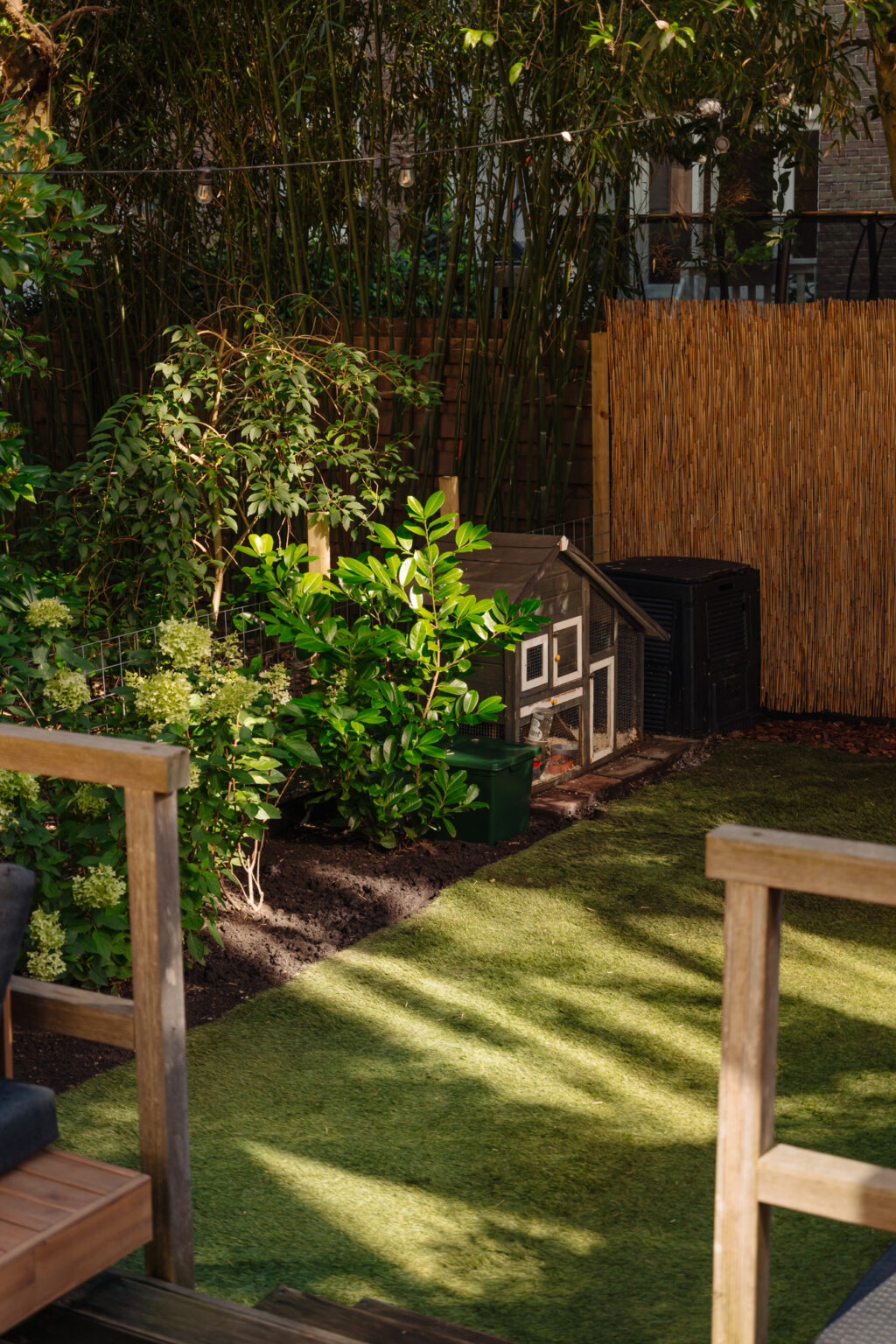
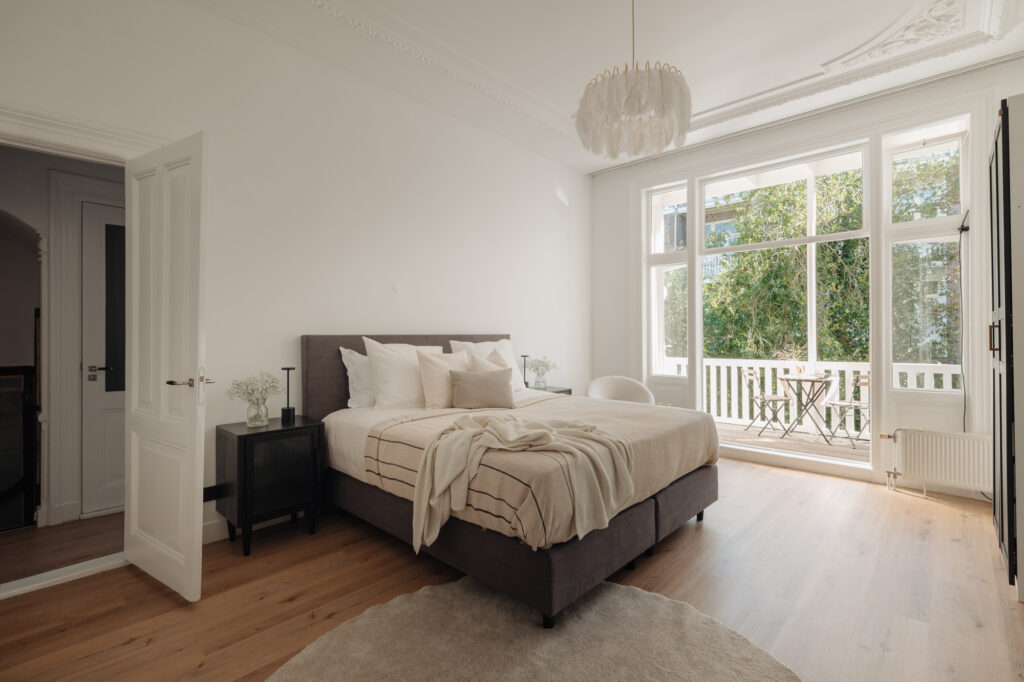
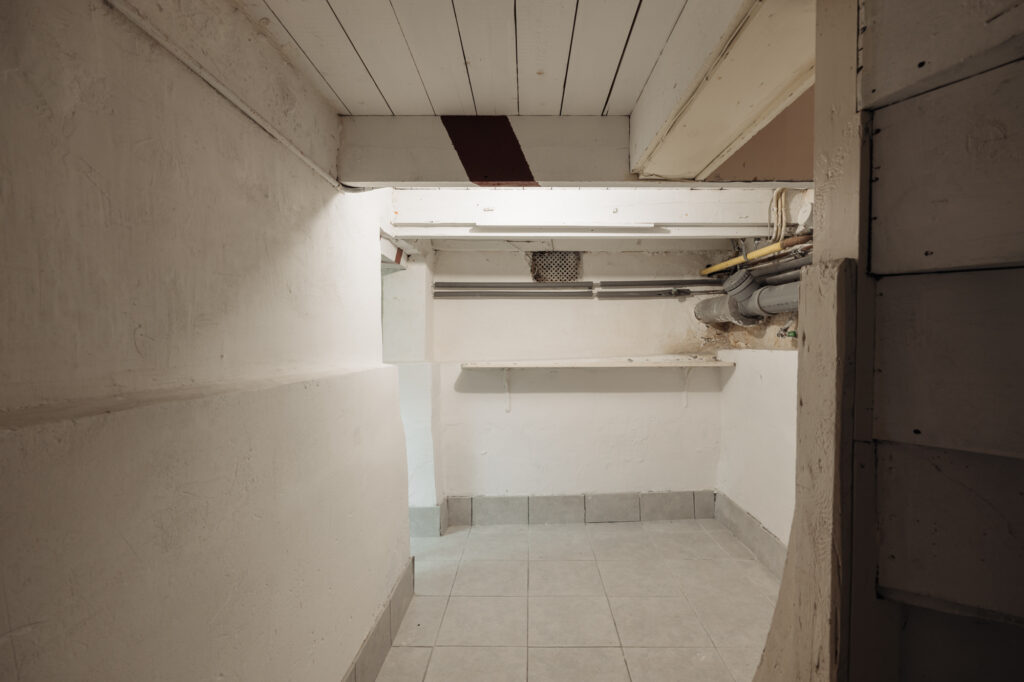
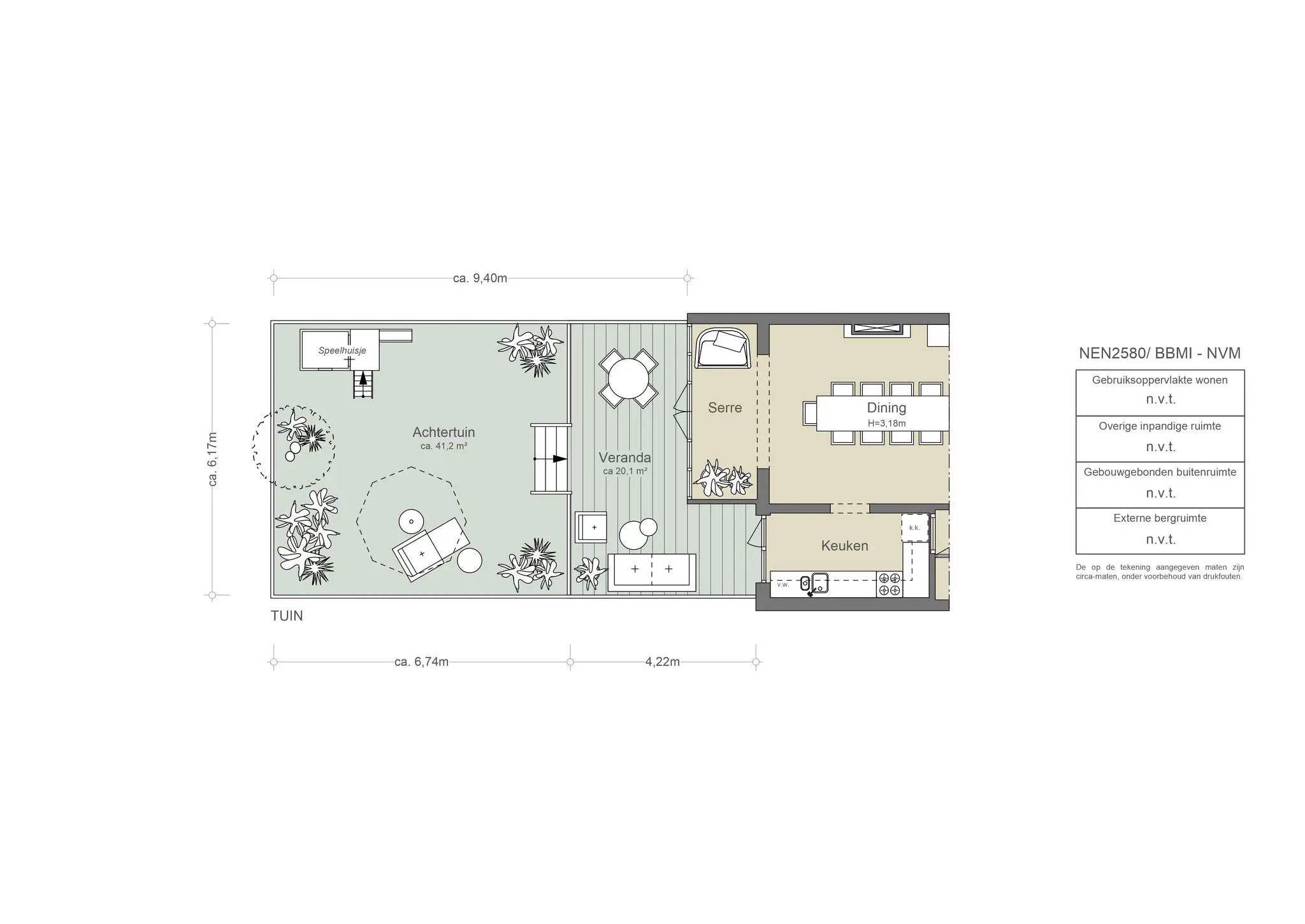
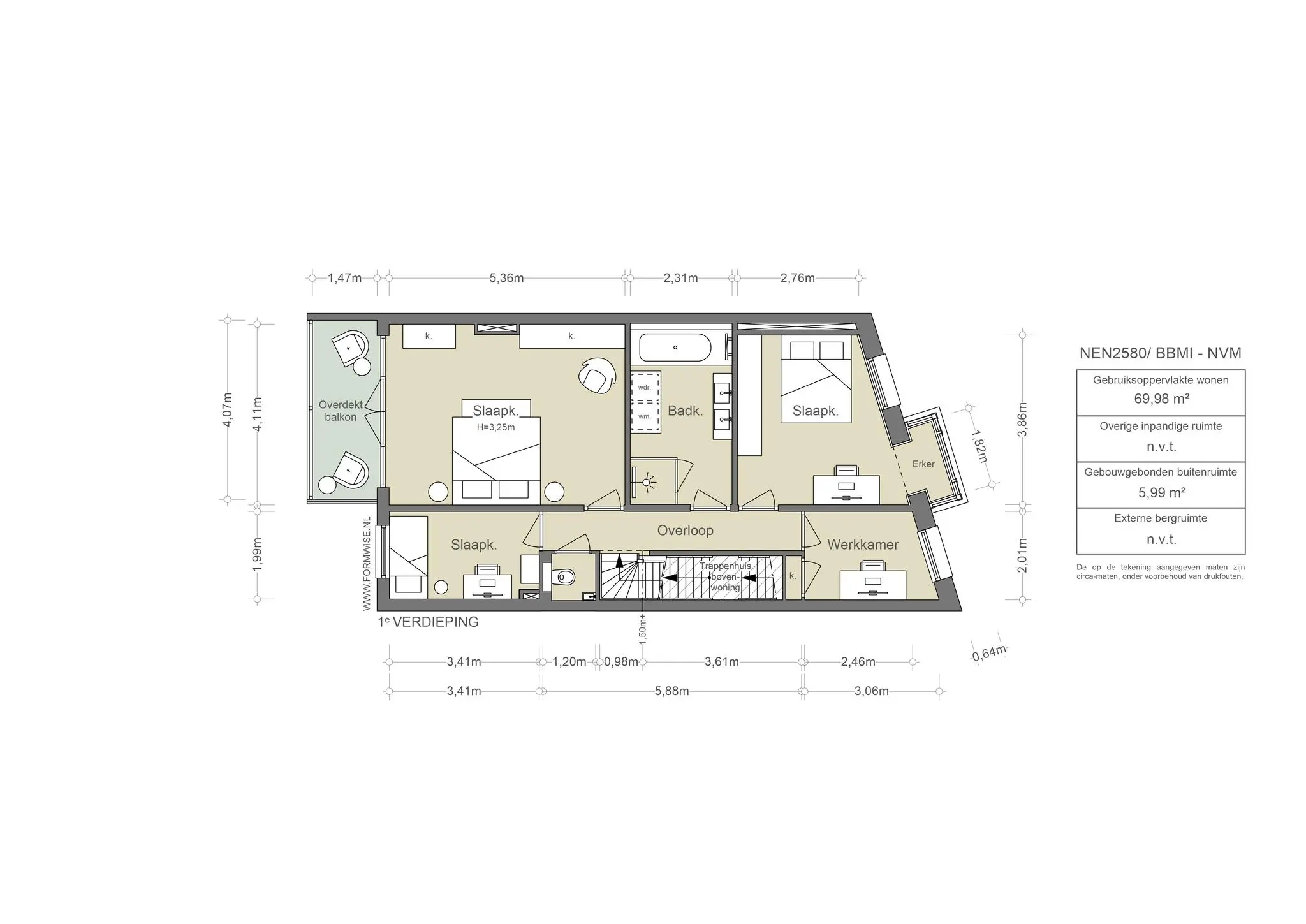
The entrance hall is richly detailed with original tiling and stained glass, which continues into the en-suite room with sliding doors. The living area at the front has a fireplace, while the dining room at the rear adjoins a conservatory with French doors opening onto the sunny south-facing garden. The oak flooring continues throughout the living and dining areas. The semi-open L-shaped kitchen is connected to the dining room and provides access to the garden. It is possible to further open up the kitchen to the living room, subject to planning permission. On the first floor is the master bedroom with a decorative ceiling and a covered south-facing balcony. The bathroom has a bathtub, walk-in shower, and double sinks. Three additional bedrooms, varying in size, are also located on this floor, one of which has a balcony. The basement consists of three spacious storage rooms, and the sunny south-facing garden offers a veranda, artificial grass, and a playhouse for children. Borders with perennials frame the garden, making it a green, inviting outdoor space.
neighborhood guide
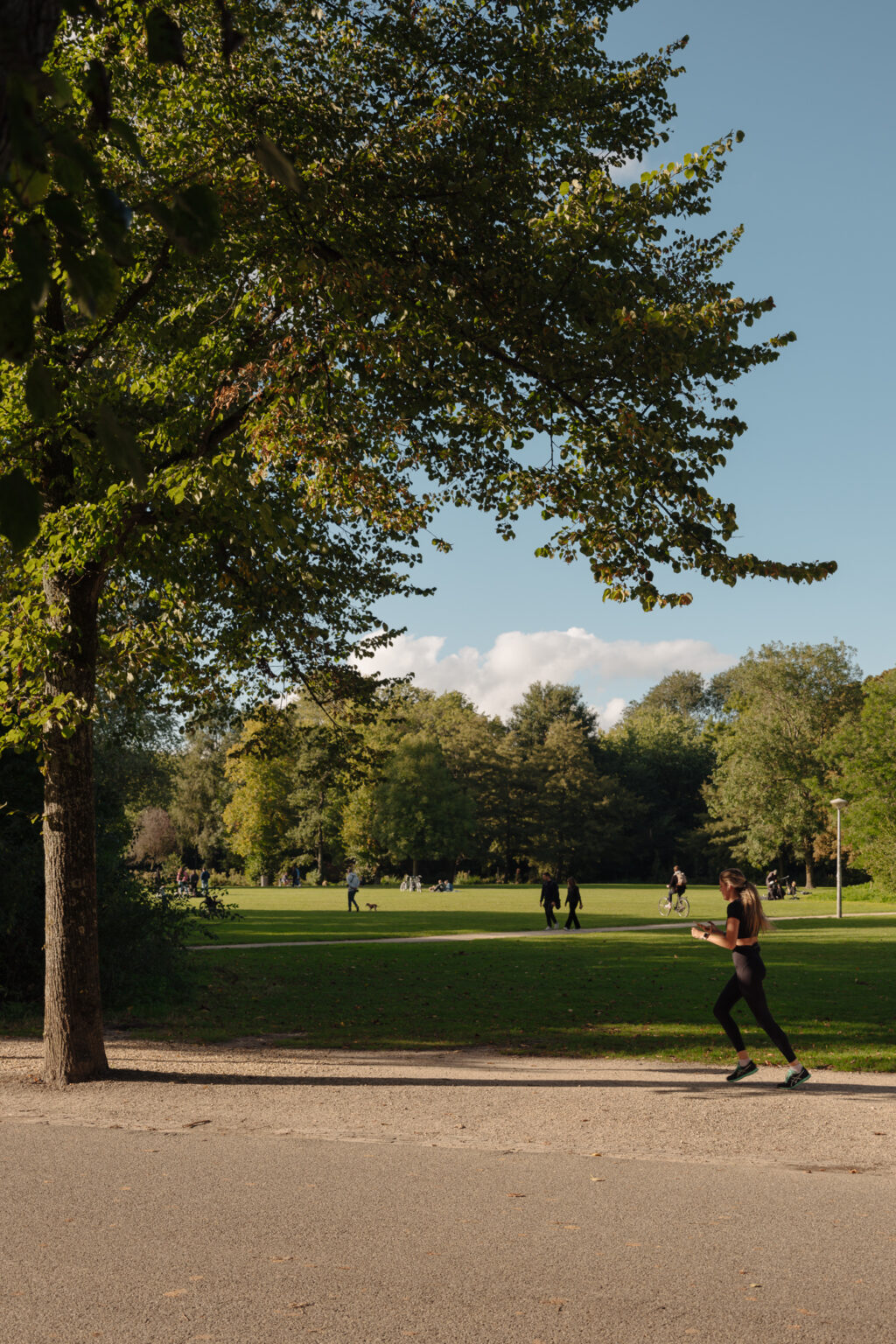
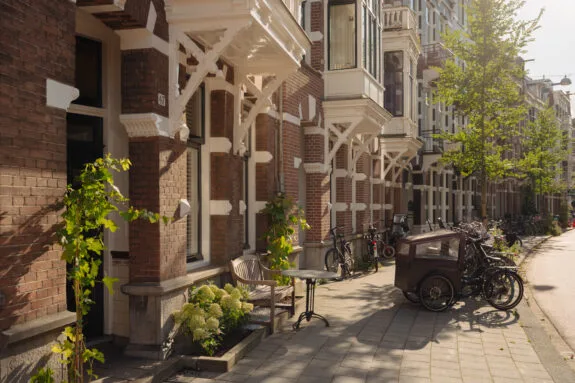
At the end of the 19th century, as Amsterdam's city center became increasingly crowded, there was a growing need for a green neighborhood close to the center. In 1881, architect Zocher designed Willemspark, now better known as Vondelpark. A few decades later, the first villas were built around the ponds. Stately buildings in classical architectural styles welcomed families to this quieter and greener part of the city. The grandeur of that era is still intact. Both the residents and the high-quality offerings of Simon Meijssen bakery, Artichoc chocolatier, Wessels greengrocer, Jules bistro, Carter bar, and French seafood restaurant VISQUE give the residential neighborhood its contemporary allure. It is an ideal place to live in Amsterdam, where relaxation and inspiration are always close at hand.
Details
• Living area approx. 145 m²
• South-facing garden of approx. 41 m²
• Located on freehold land
• Energy efficiency rating: C
• No service charges
• Limited long-term maintenance plan available
• Municipally protected historic district
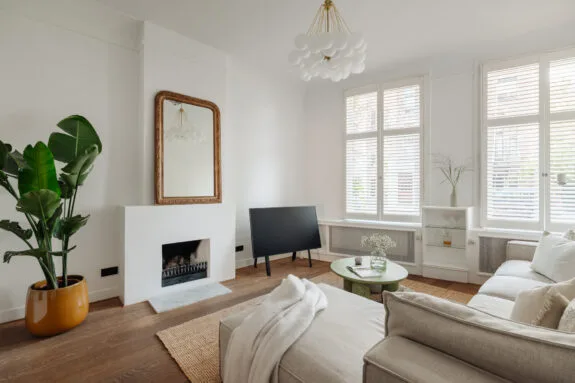
Eclectic Living
A bright and extremely well-maintained family home of approximately 145 m², spread over two floors and a basement. The rich appearance of the building and the modern interior make it a very pleasant place to live in Zuid. The ground floor is well maintained and has a sunny south-facing garden. The ground floor is perfect for a family or a couple who want to live in spacious surroundings, for example with a good home office.
Ronald van de Bijl | Real Estate Agent Broersma Wonen
Otte van Apeldoorn | Real estate agent Broersma Wonen
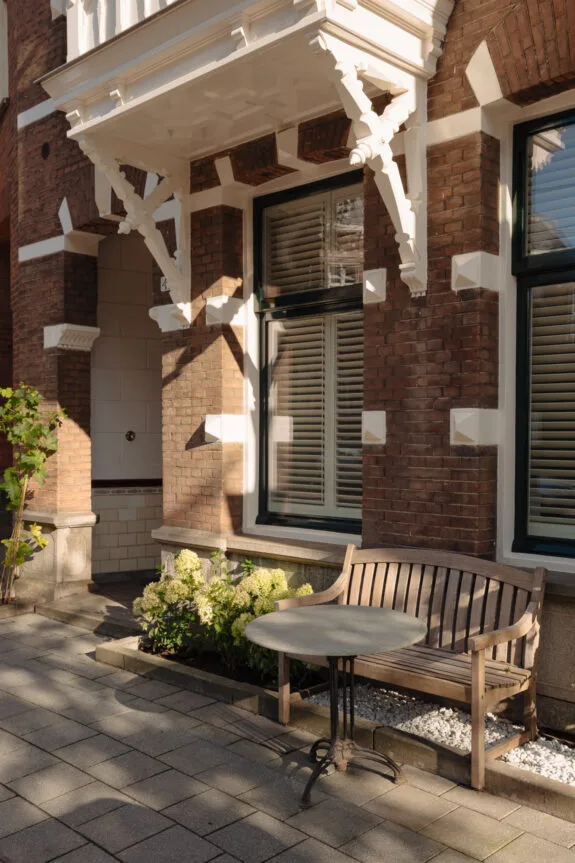
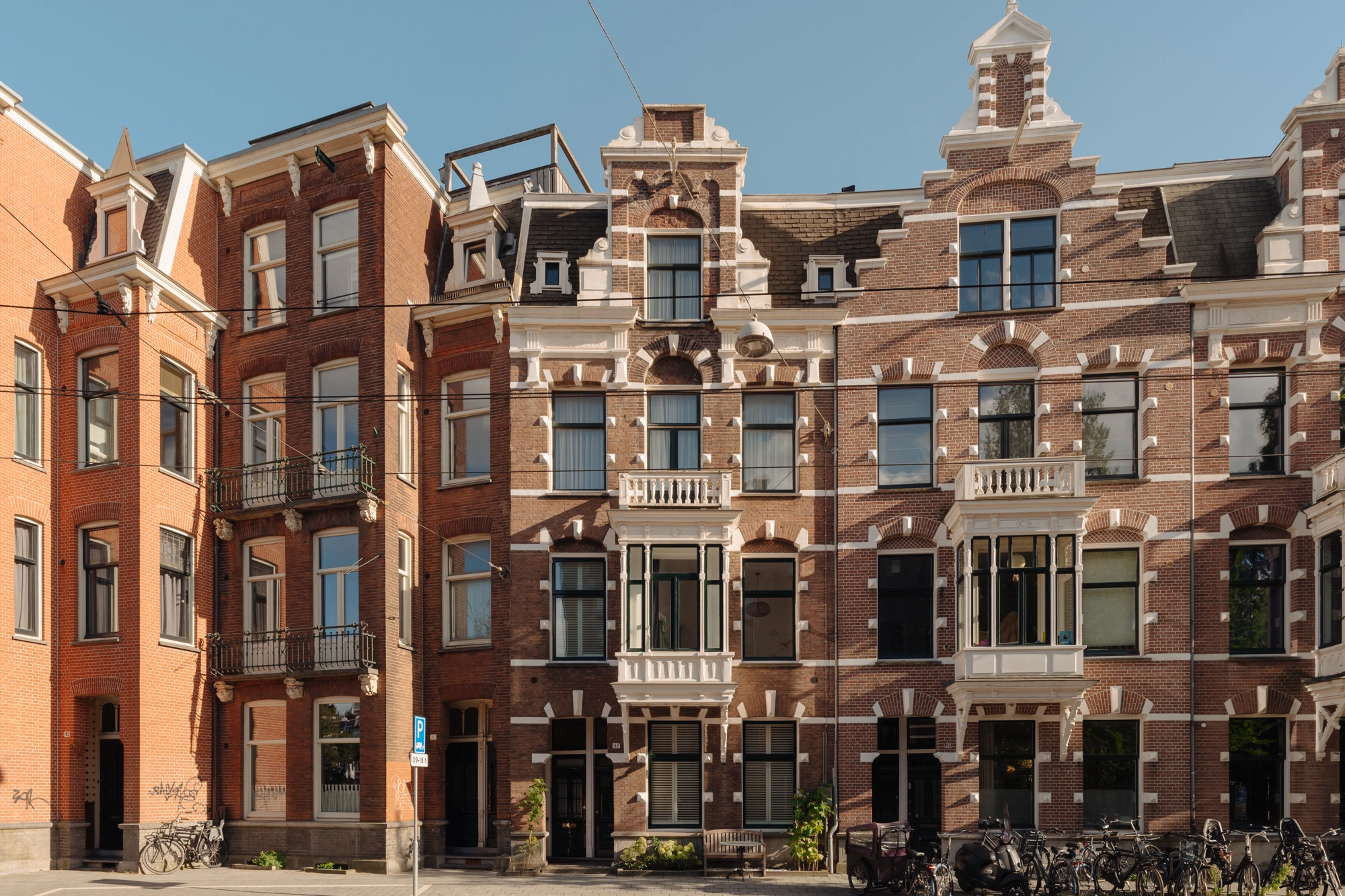
Architecture
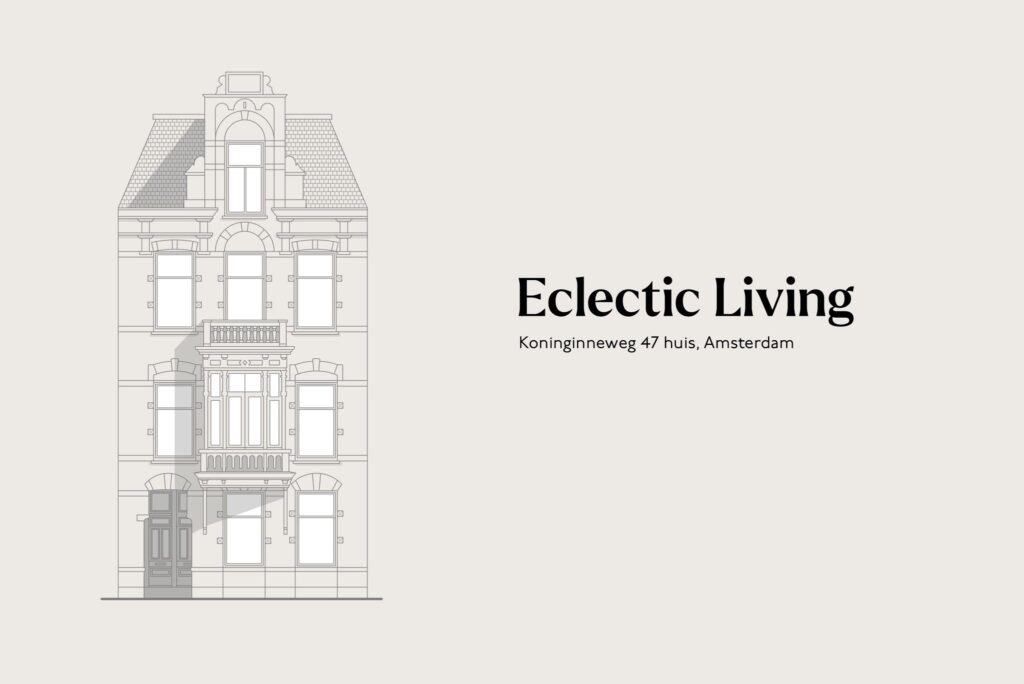
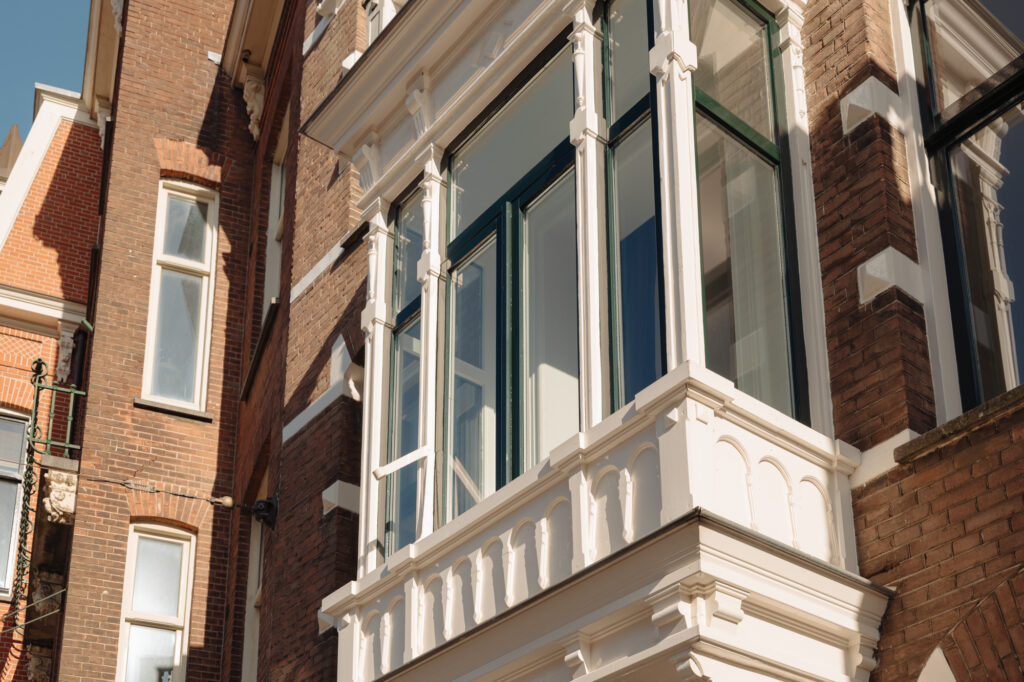
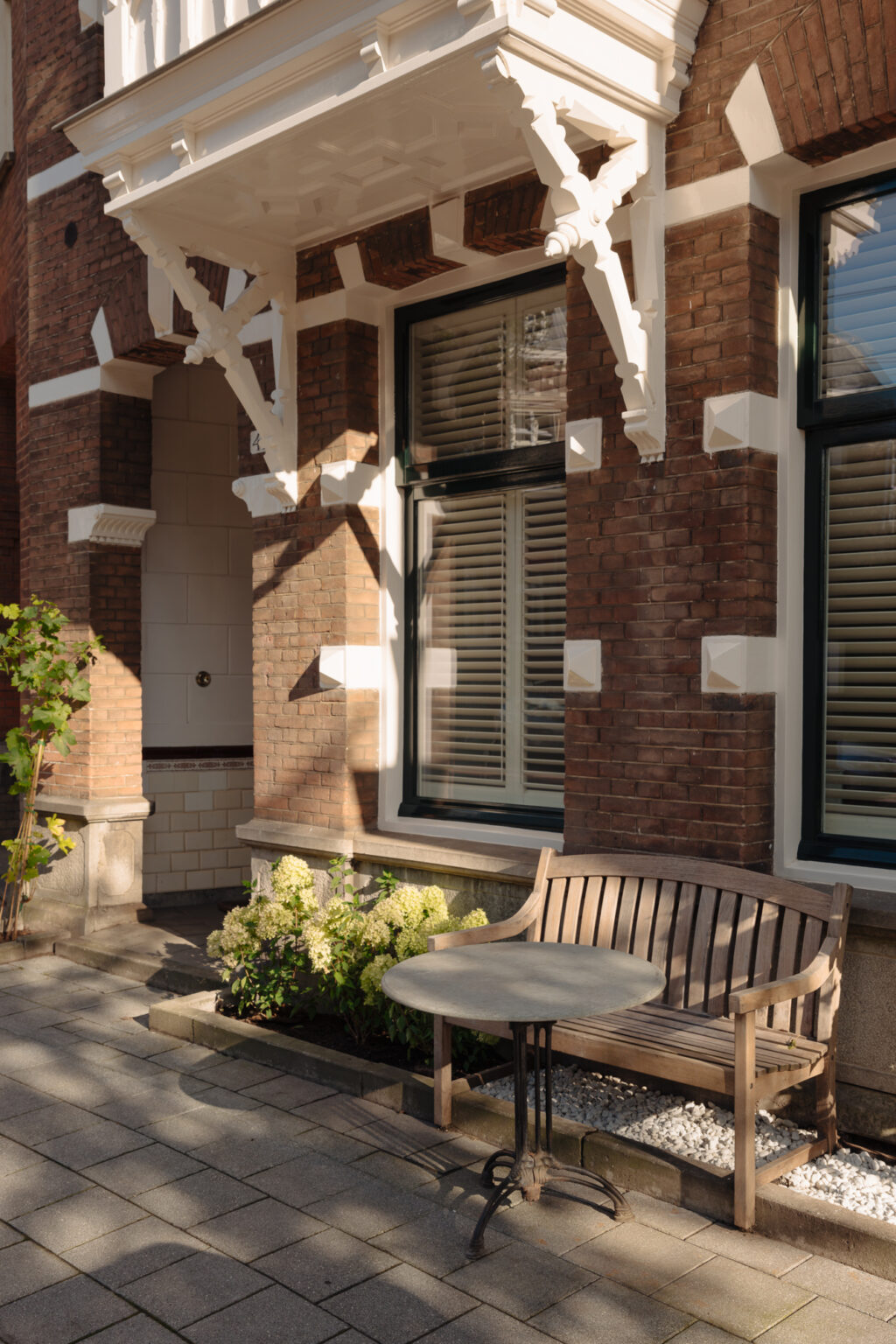
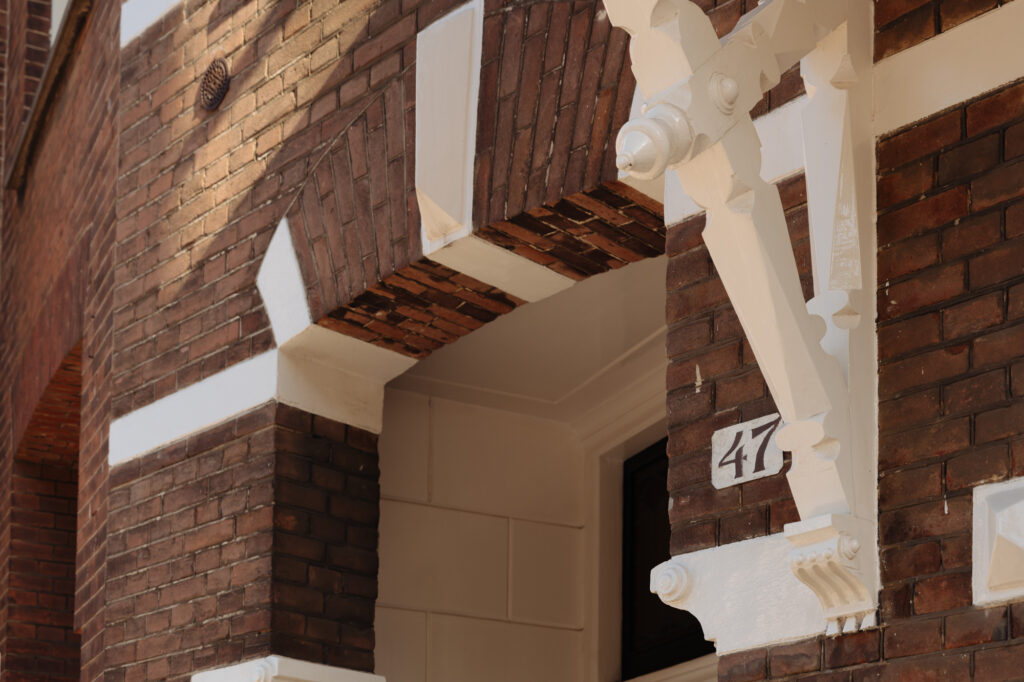
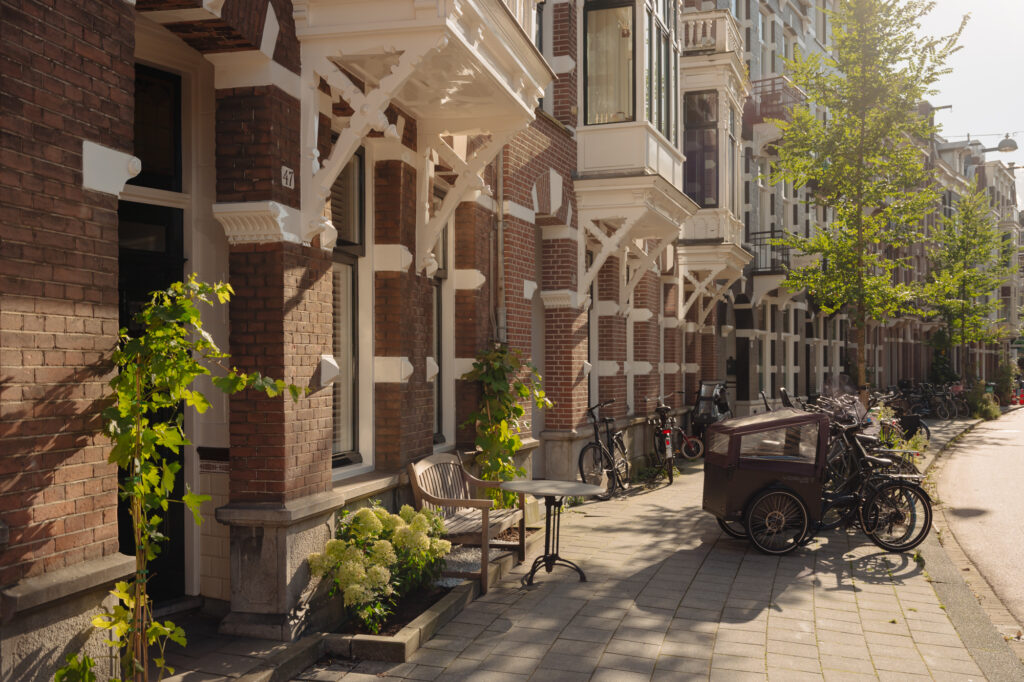
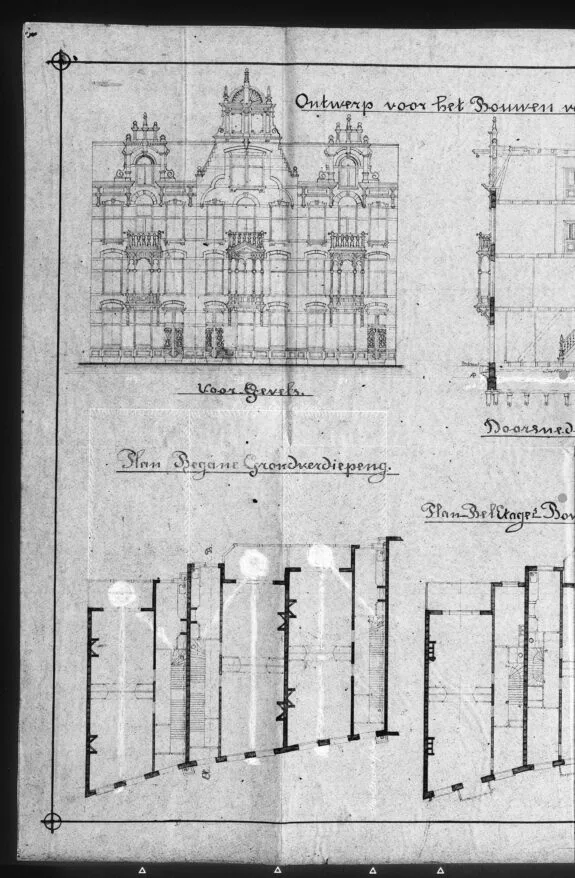
The building at Koninginneweg 47 was constructed in 1897 as a triad together with nos. 49 and 51, by architects J. Greiner and S. Luteijn. The architectural style can be characterized as eclecticism. To put it bluntly, eclecticism is 'a little bit of this and a little bit of that'. The architect borrows elements from different architectural styles. However, a well-thought-out eclectic design creates a coherent new whole by using the best of the various old styles. This style was popular in the second half of the 19th century, especially in the suburbs. Due to the large-scale construction production at that time, many ornaments could be mass-produced. Architects, or contractors acting as architects, ordered the desired ornaments from a catalog. Ornaments in the classicist style or in the 18th-century Louis styles were particularly popular: pediments, festoons, garlands, and half-columns. Examples of this are the former Nederlandsche Bank on Oude Turfmarkt, the Koning Willemshuis on Egelantiersstraat, and the whitewashed mansions on Plantage Parklaan.
Living and cooking
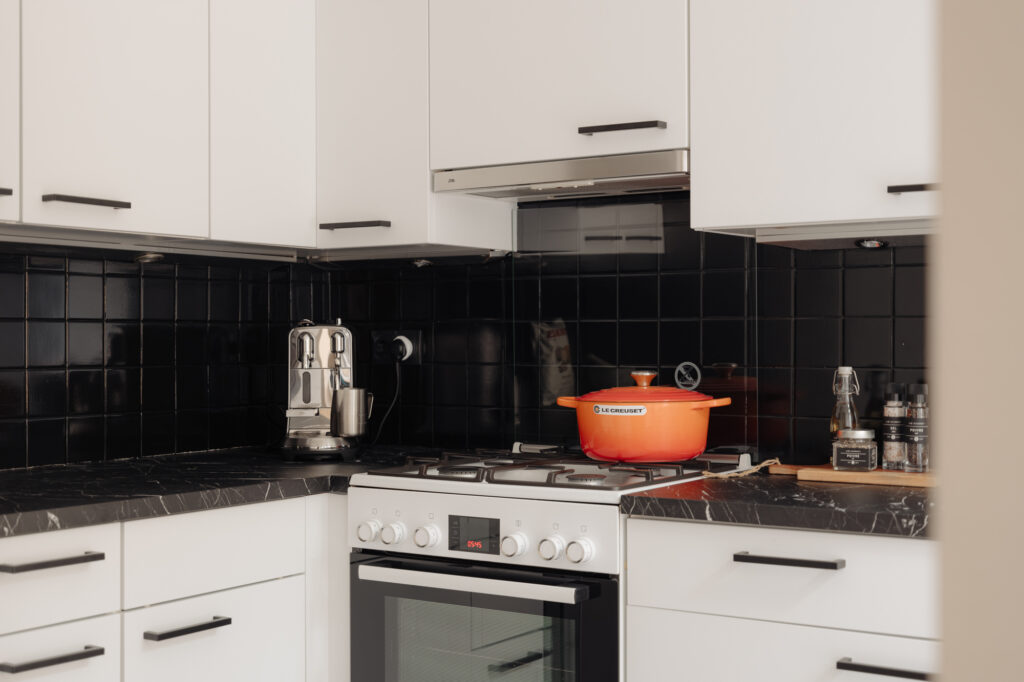
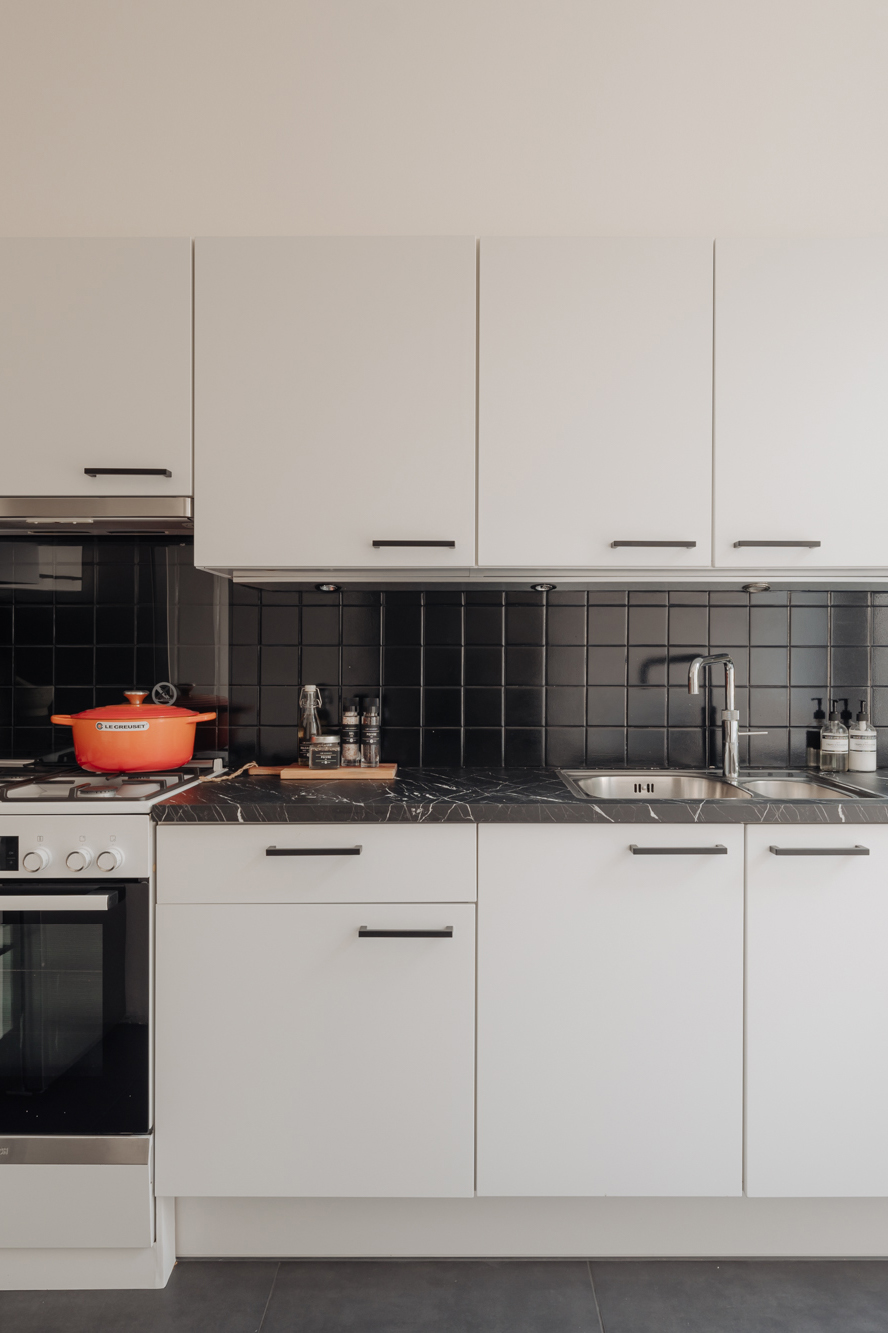
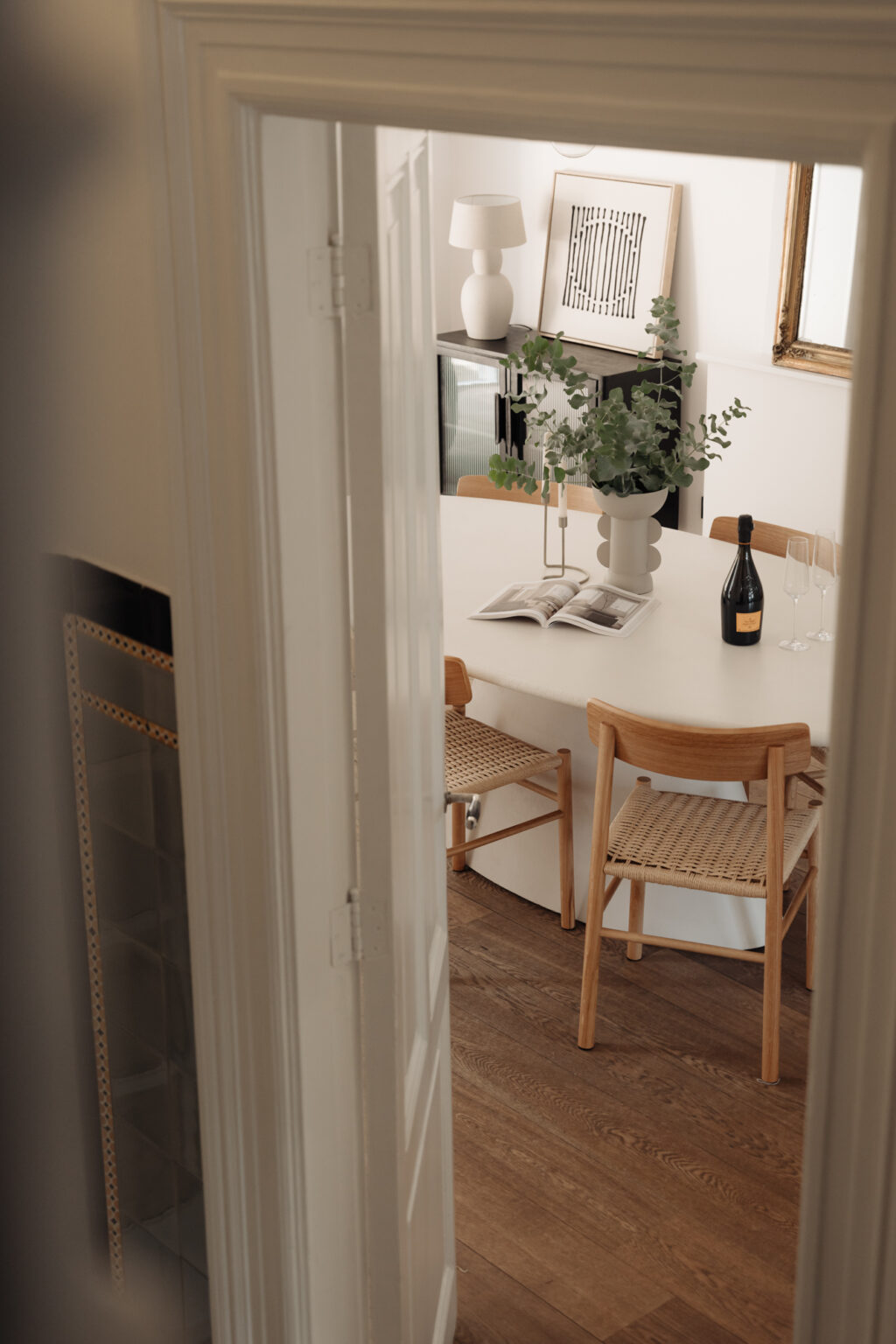
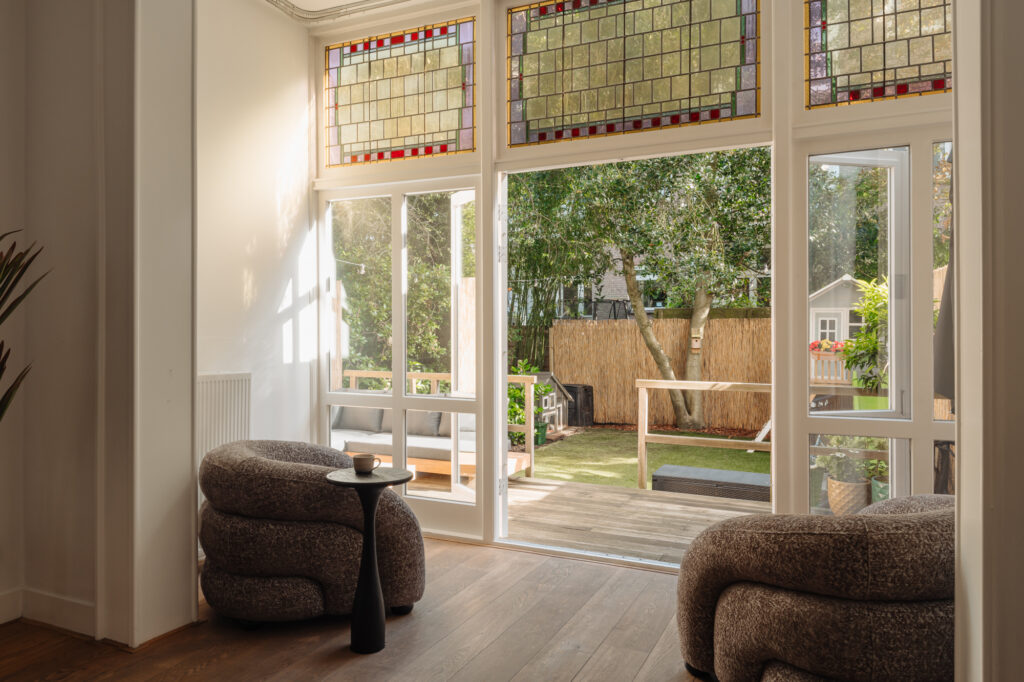
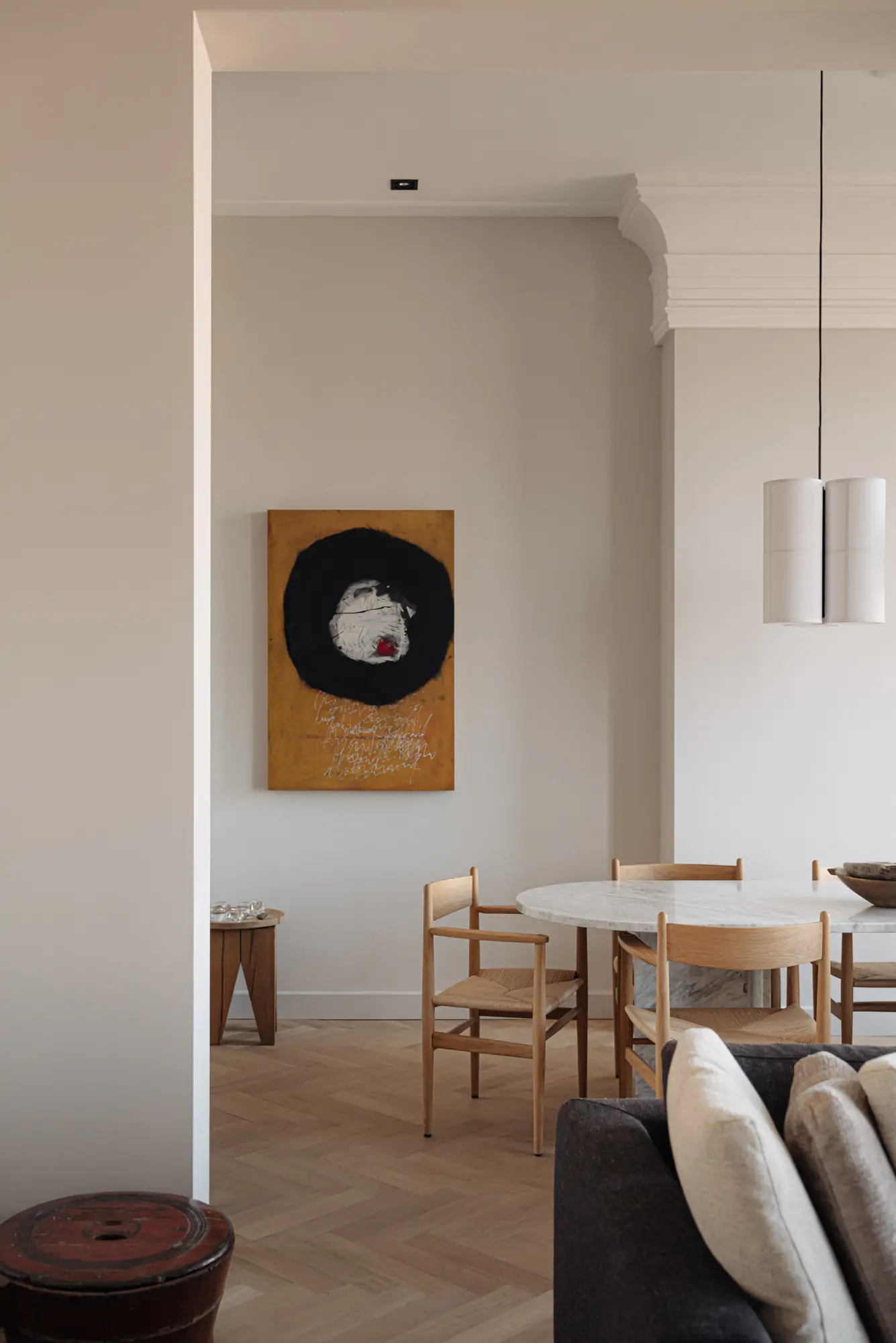
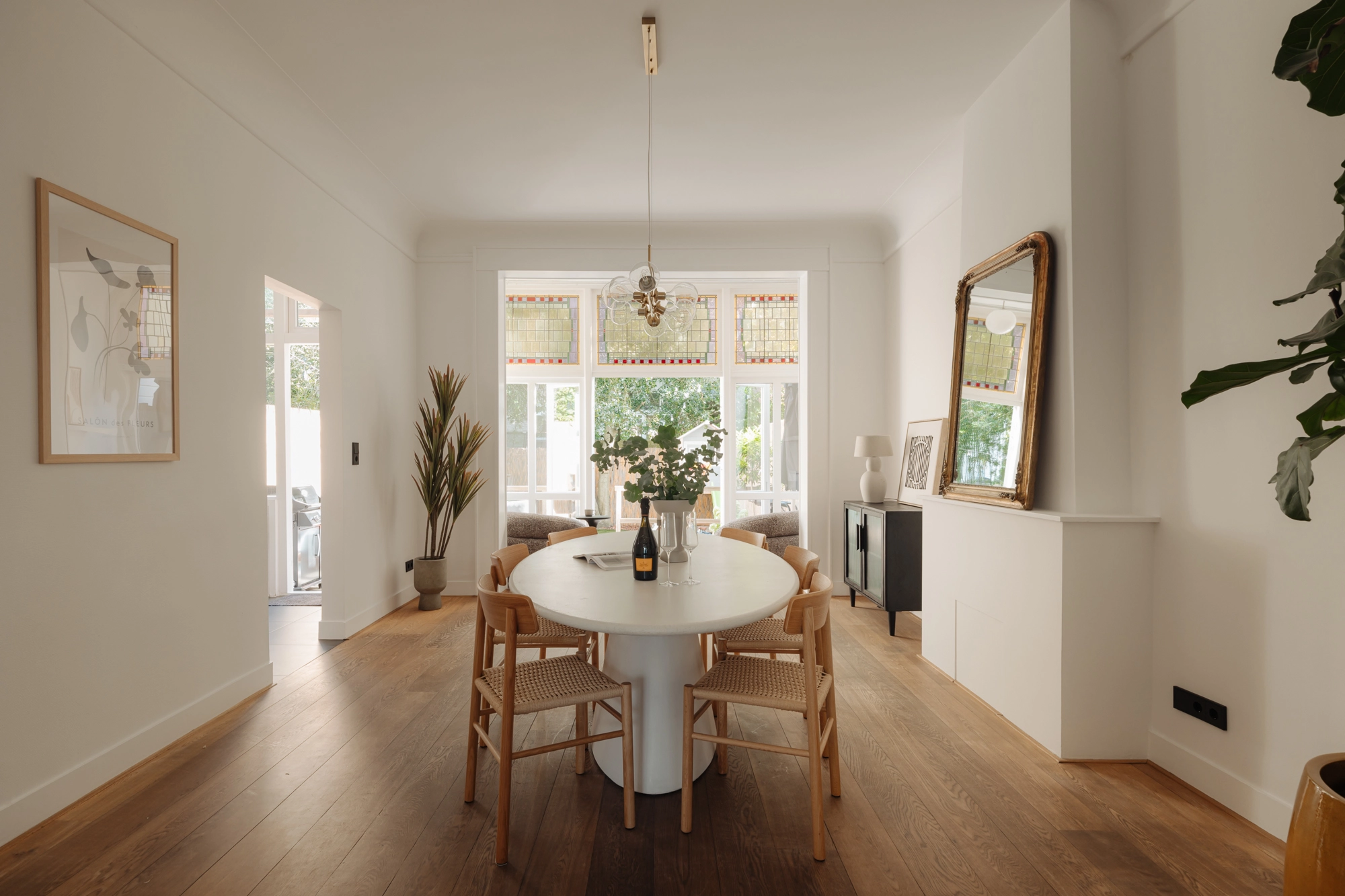
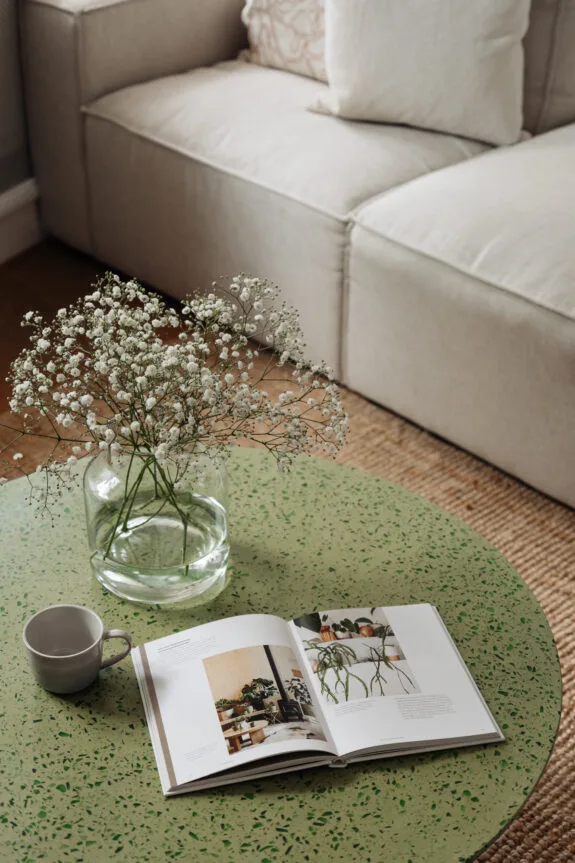
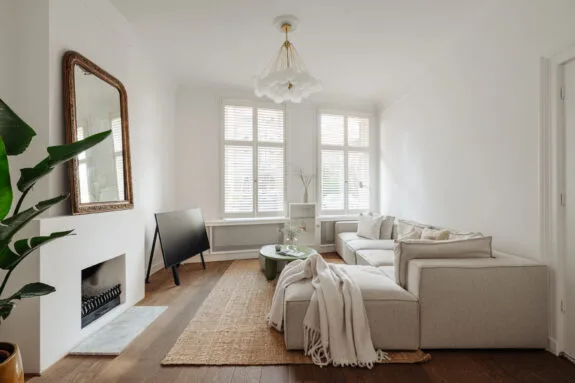
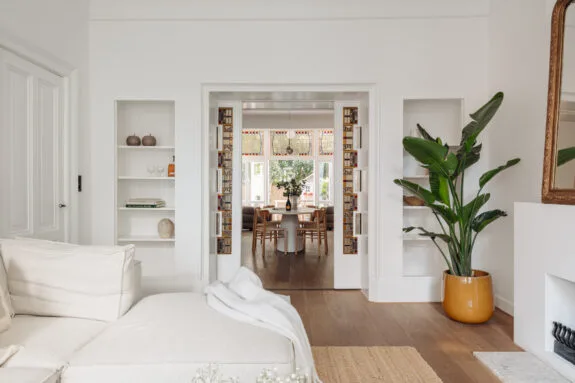
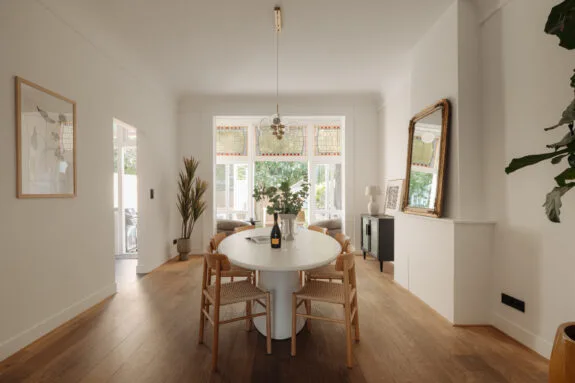
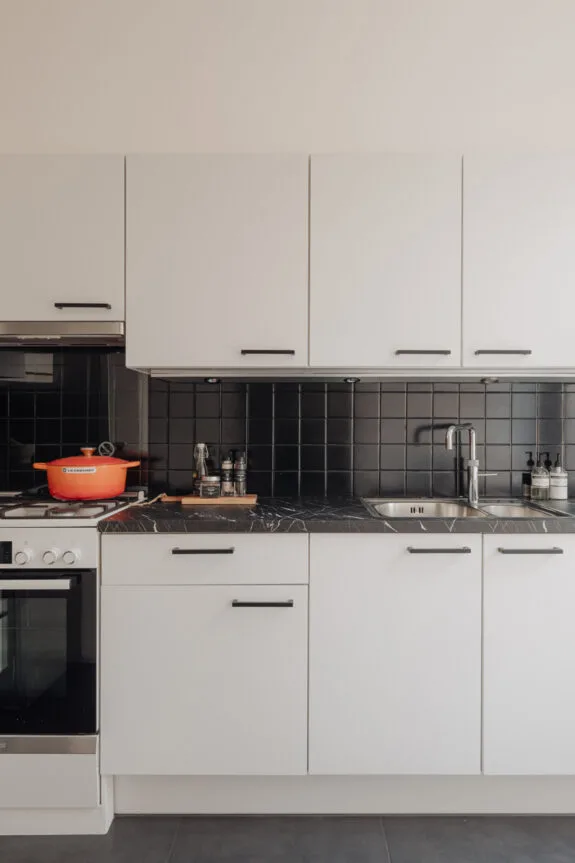
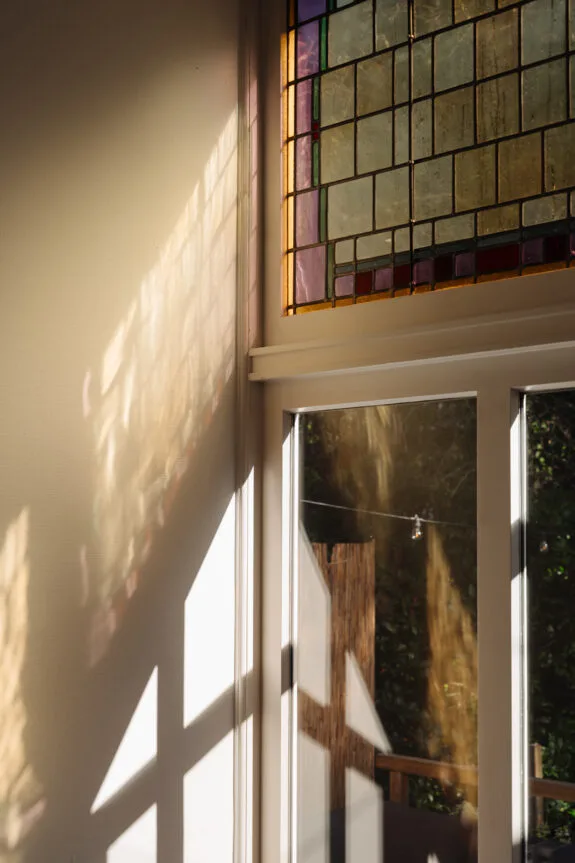
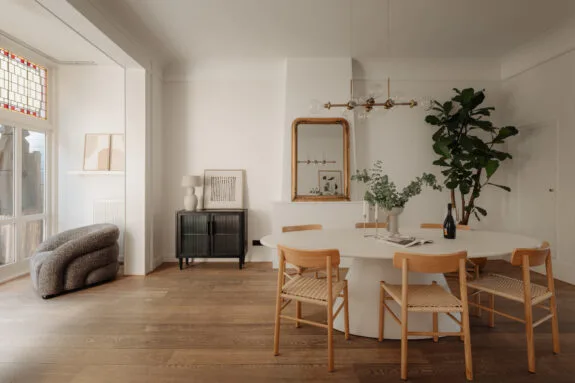
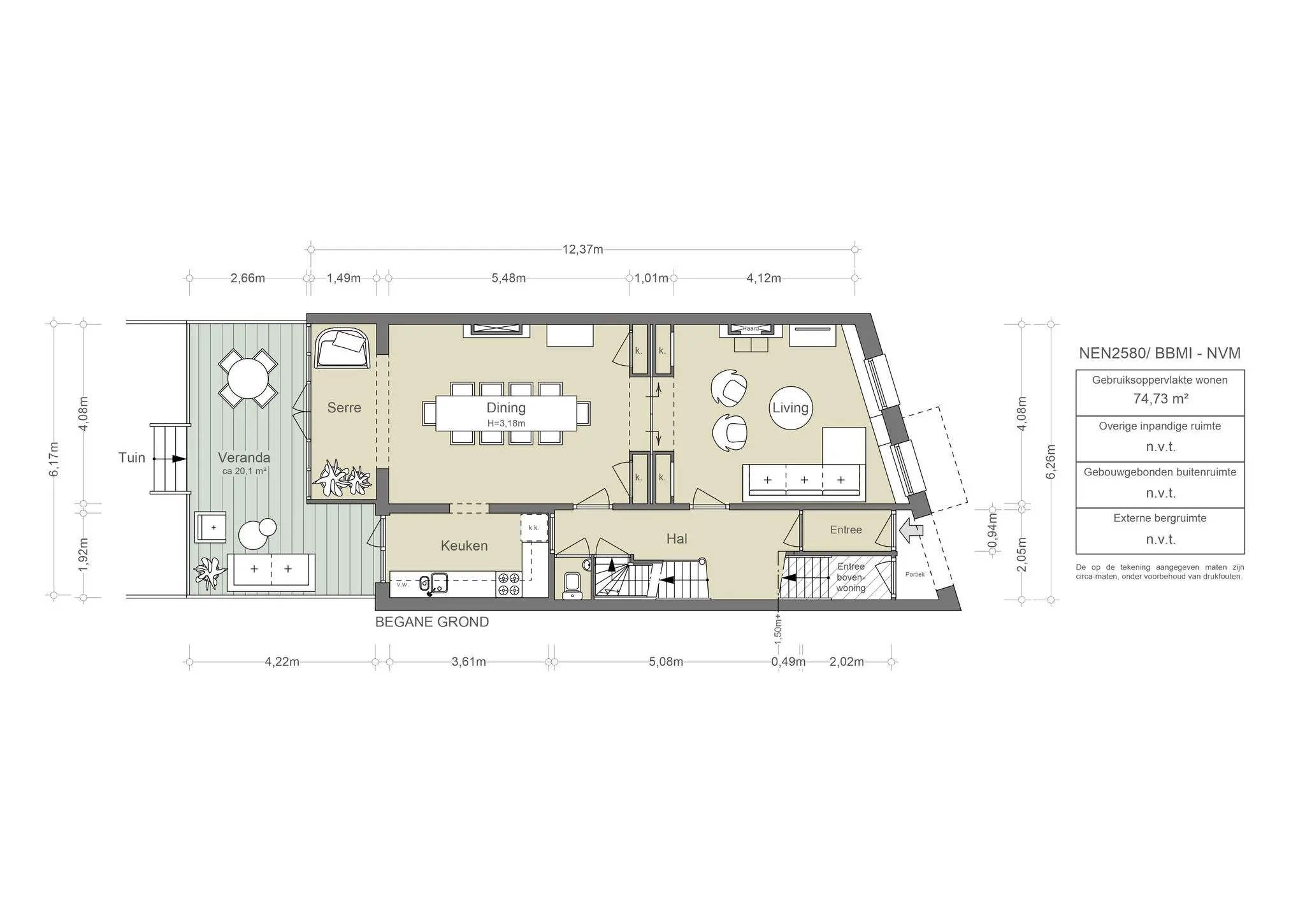
Entrance via the beautiful and richly detailed hall with completely original tiling and Art Deco-style stained glass. The en-suite room still has the original stained glass sliding doors and divides the space well into a living area on the street side with a fireplace. At the rear is the dining room with a passageway to the semi-open kitchen, and on the garden side a beautifully detailed conservatory with stained glass and French doors to the south-facing garden. The living and dining area has oak plank flooring. The semi-open kitchen is connected to the dining room by an open passageway and has a door to the garden. The kitchen is L-shaped and equipped with various built-in appliances. It is possible to integrate the kitchen more into the living area by means of a larger wall opening. However, this requires a permit. The hall has a guest toilet and access to the basement.
Sleeping and bathing
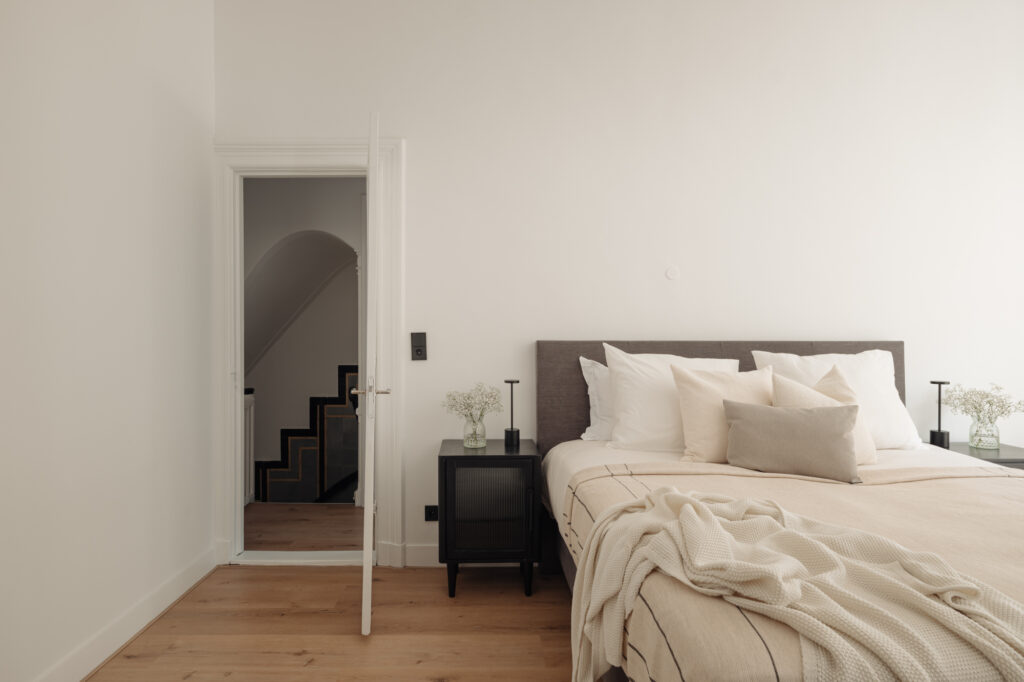
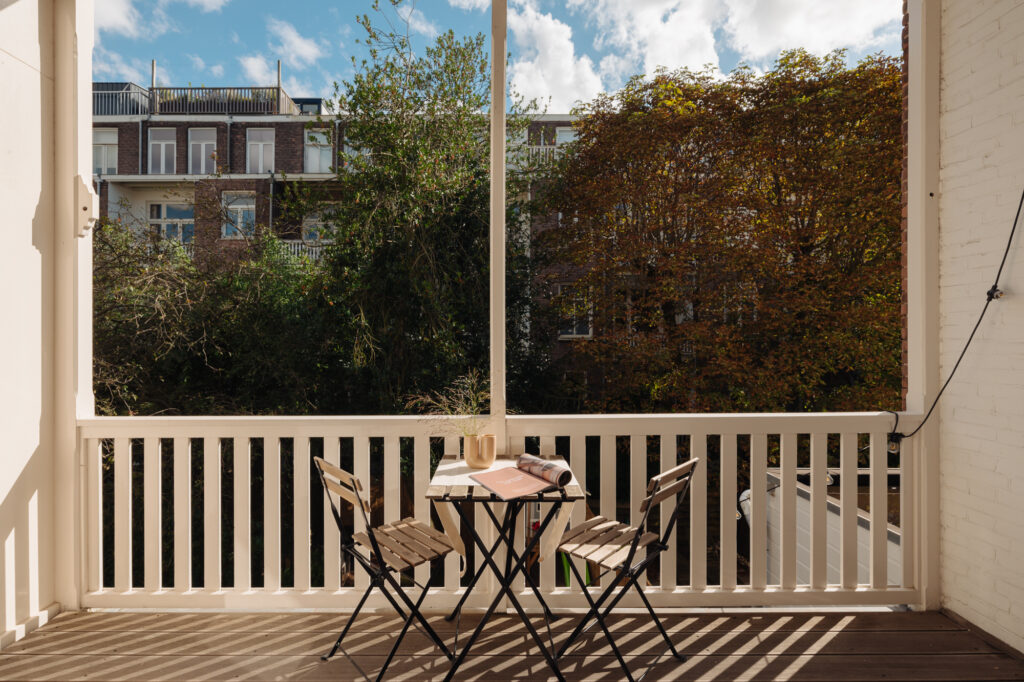
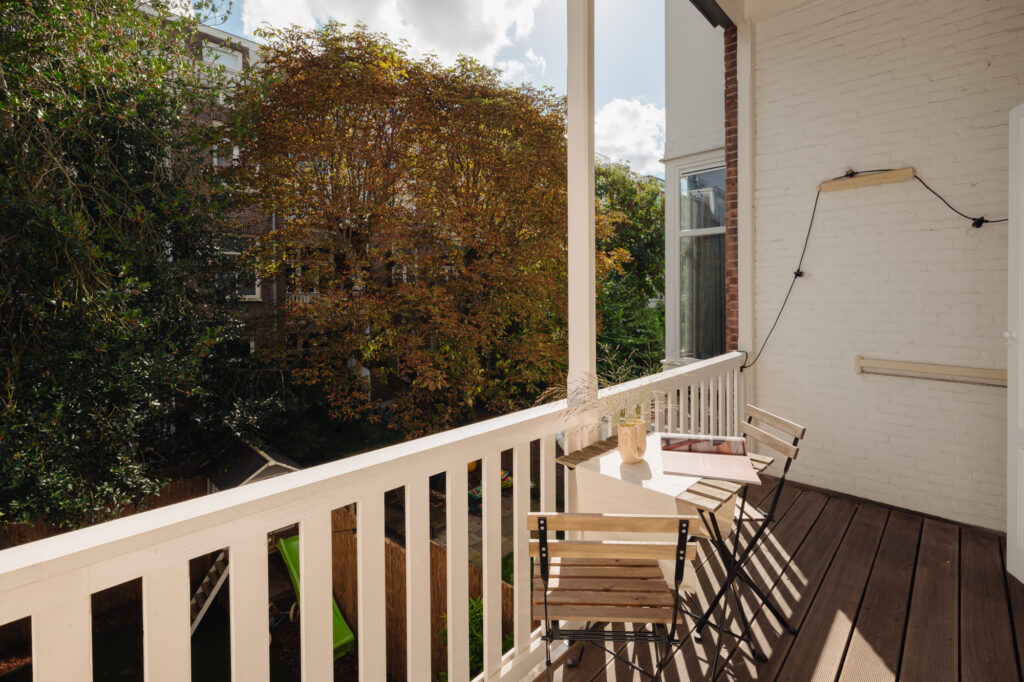
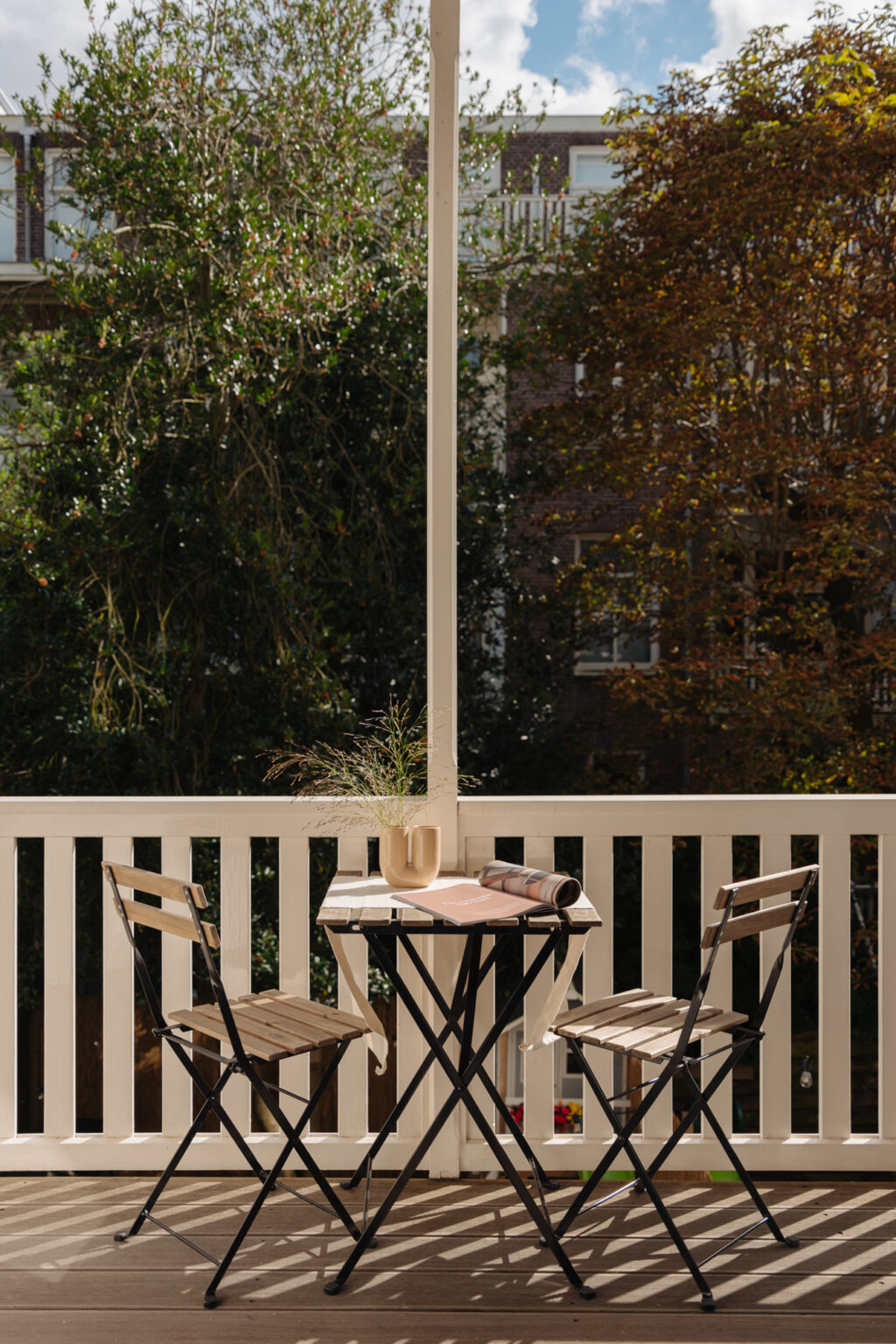
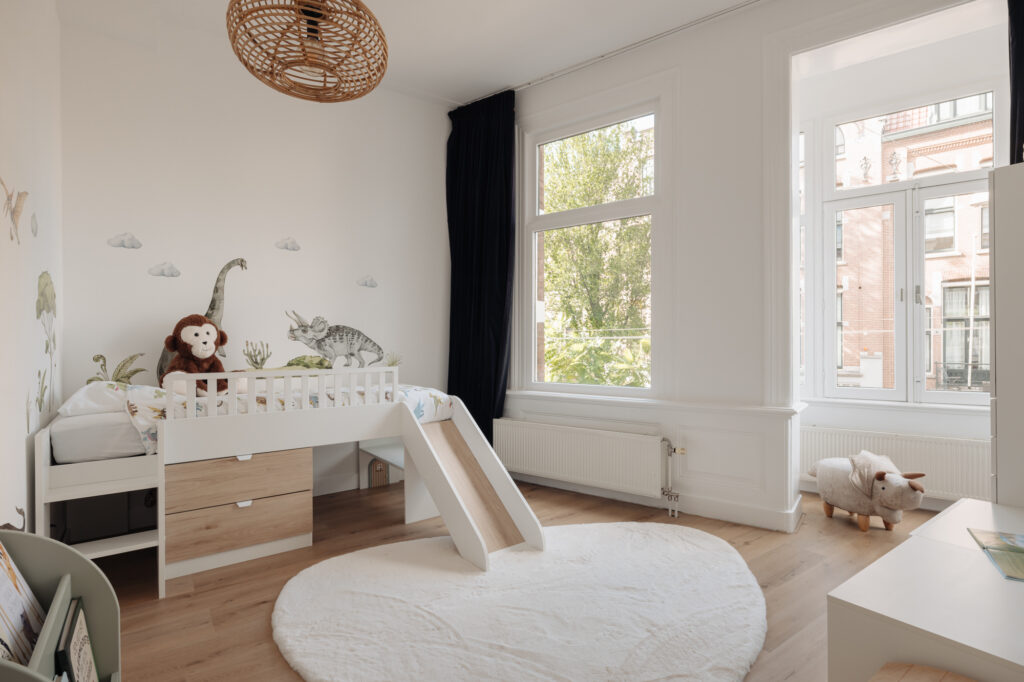
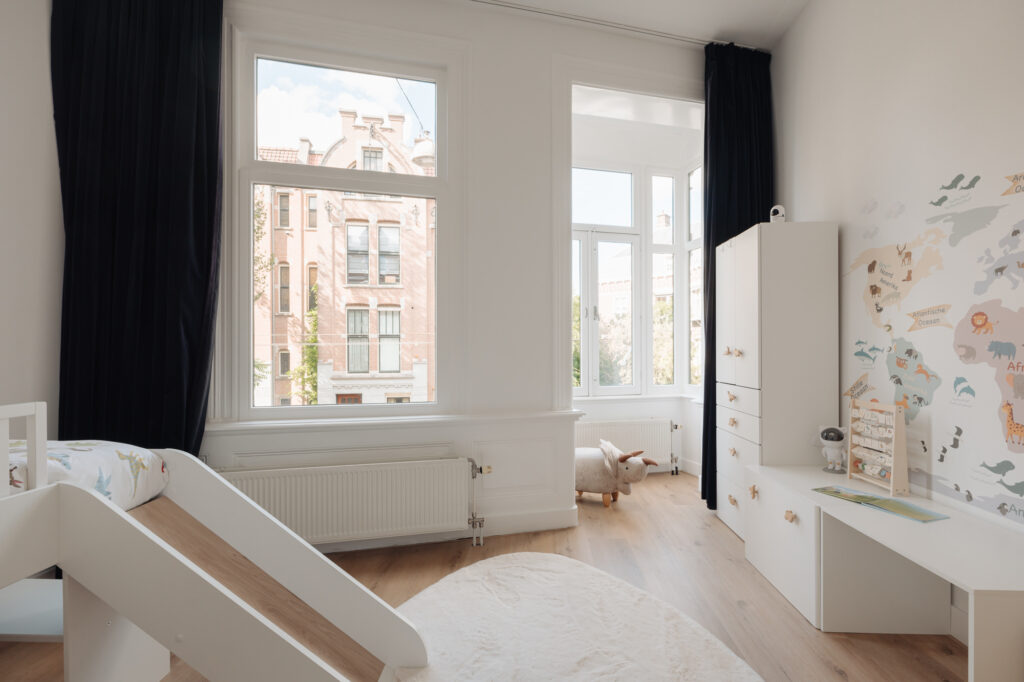
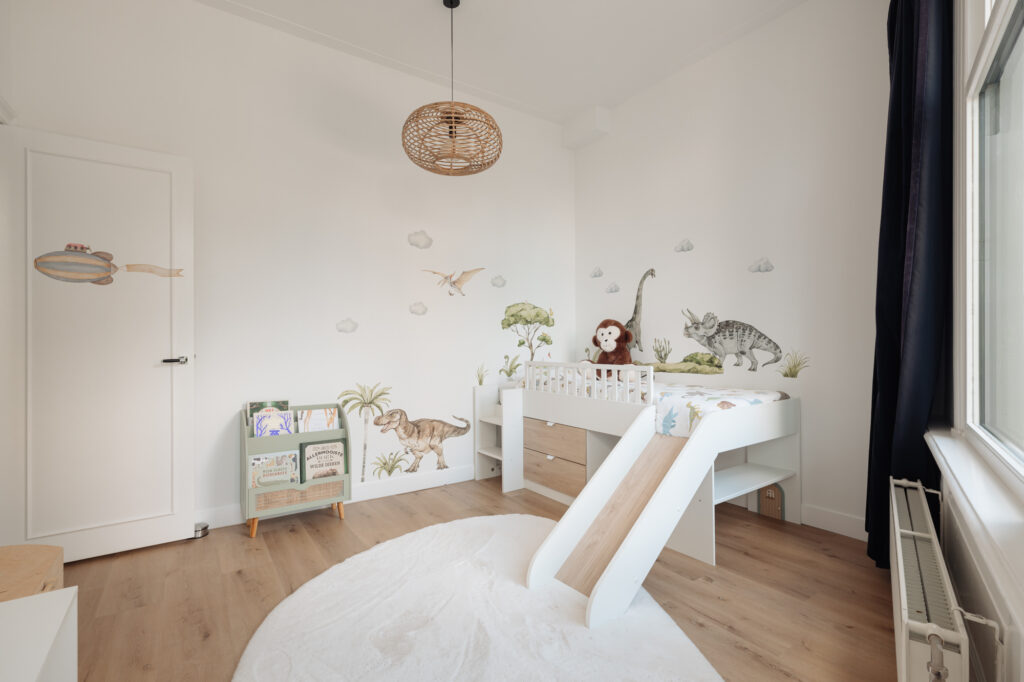
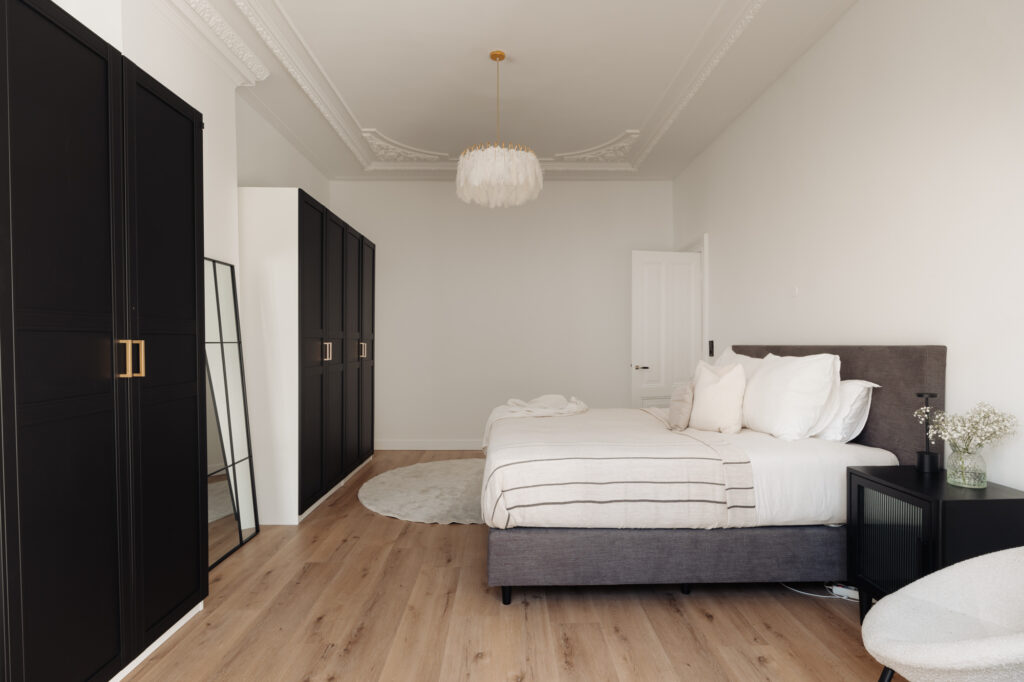
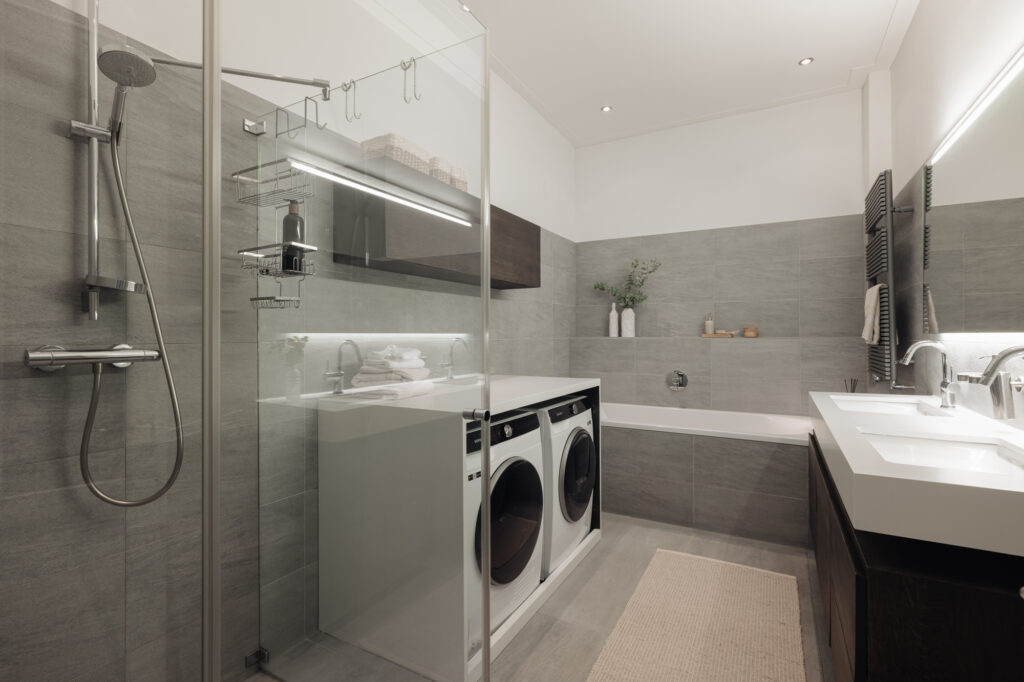
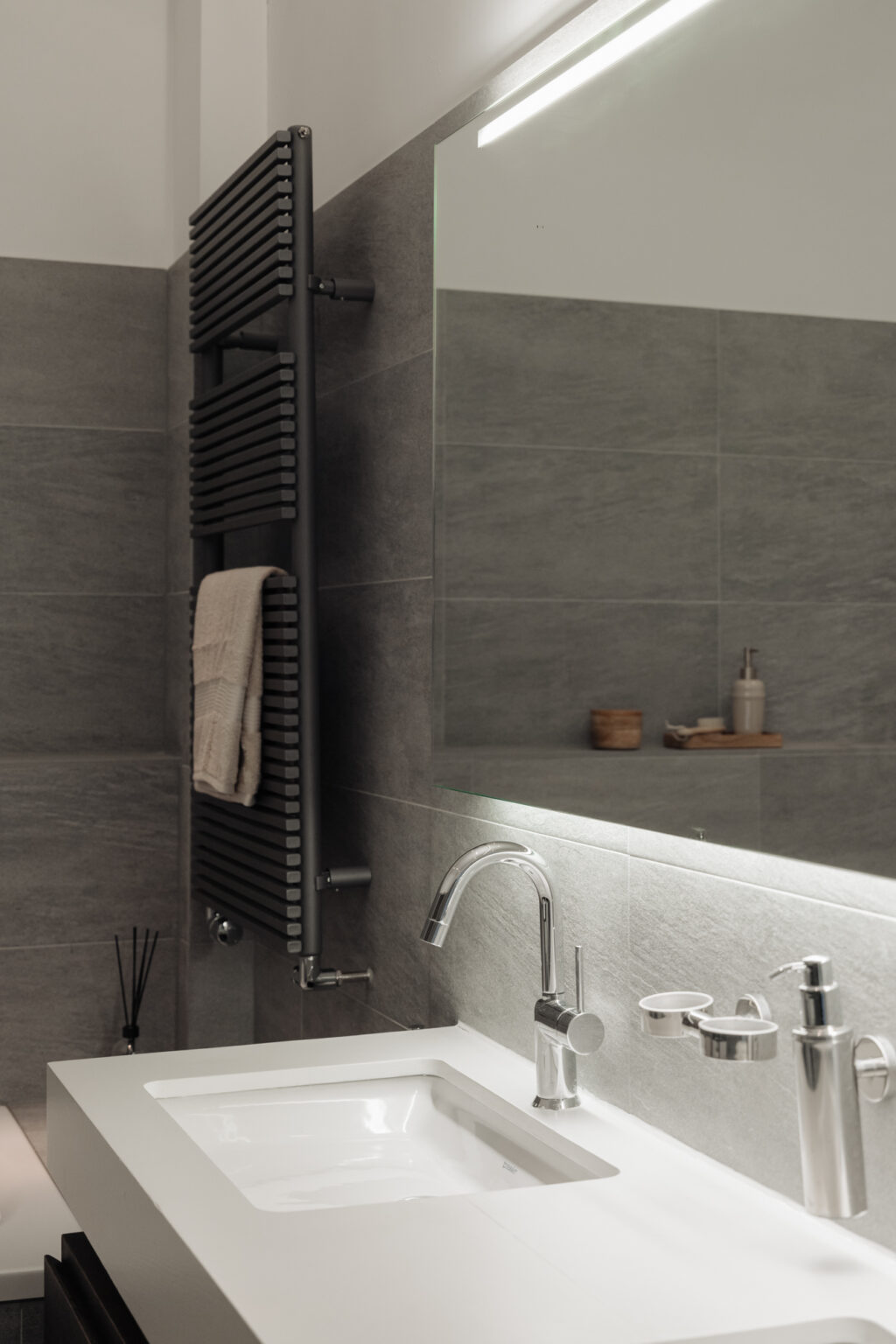
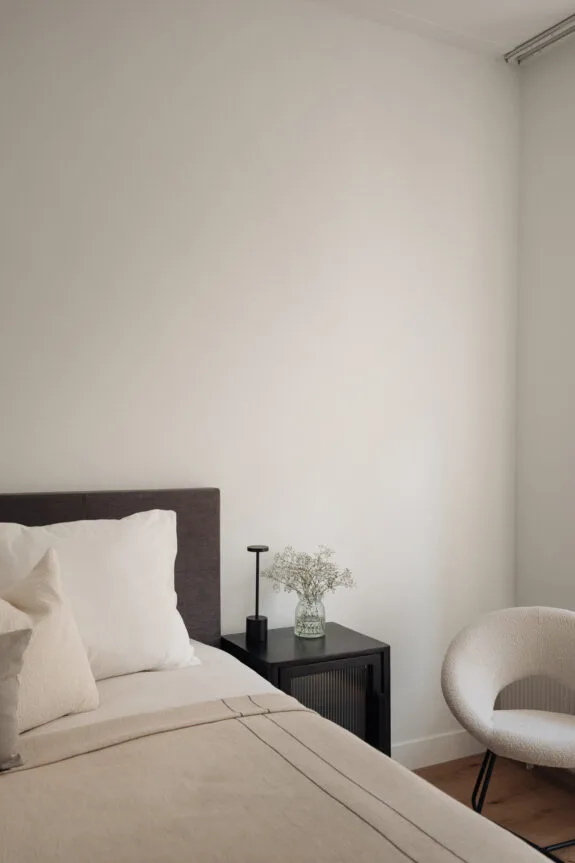
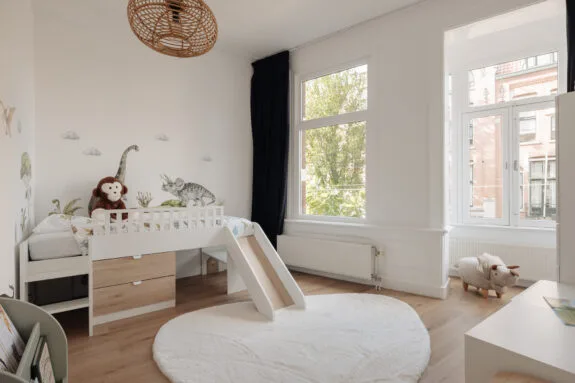
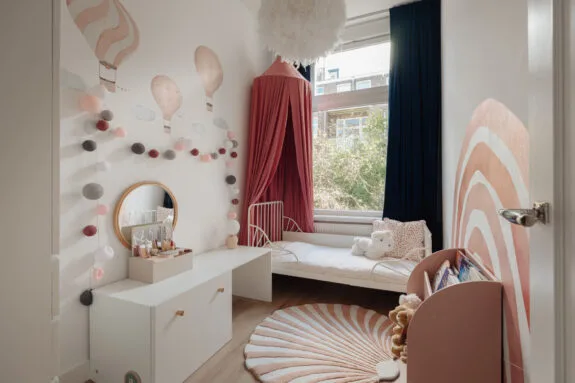
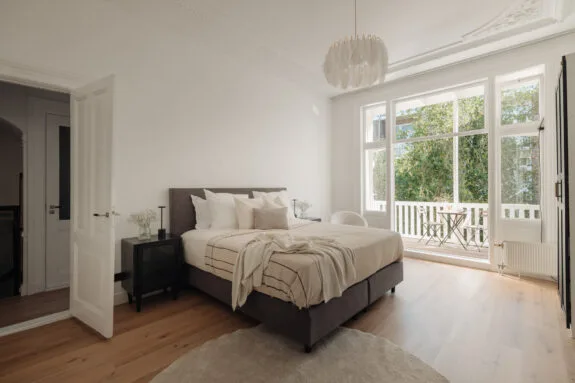
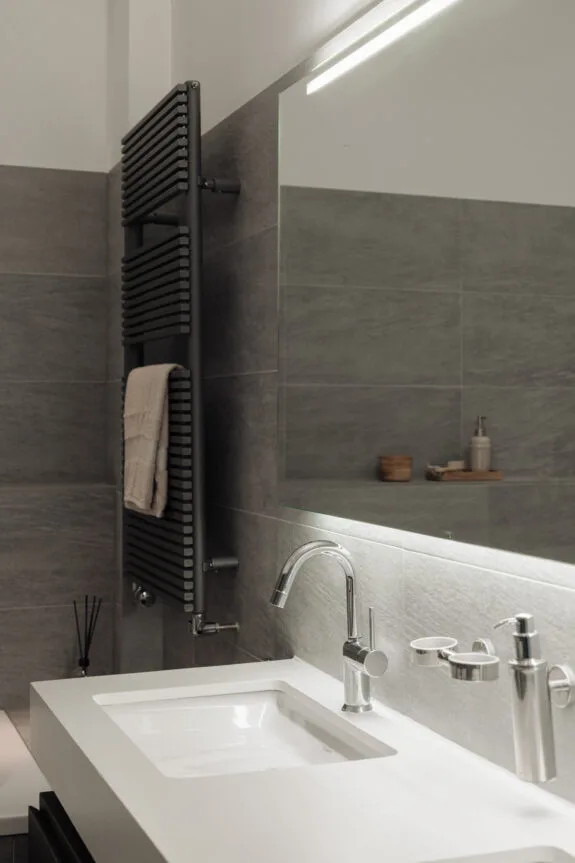
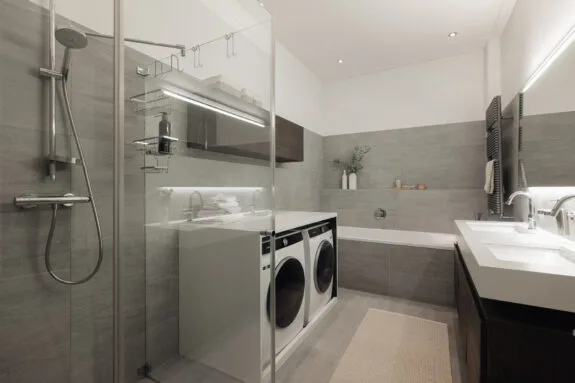
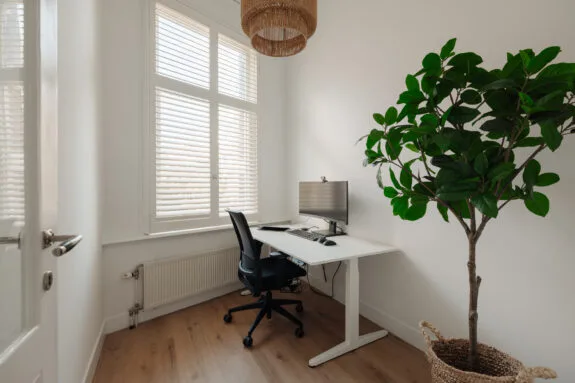
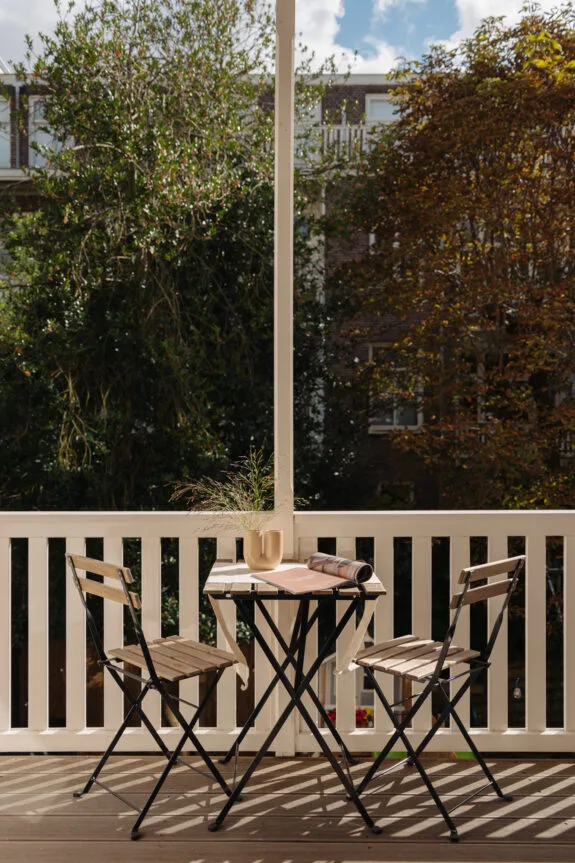
The master bedroom, located at the rear, features a beautiful ornamental ceiling and wardrobes on both sides of the original fireplace. French doors lead from this room to a covered south-facing balcony, where you can enjoy the sun during the day. The centrally located bathroom is equipped with a bathtub, walk-in shower, double sink, and a closet for the washer and dryer. There is a separate toilet on the landing. The other three bedrooms in size, one of which has access to a balcony.
The outdoor space
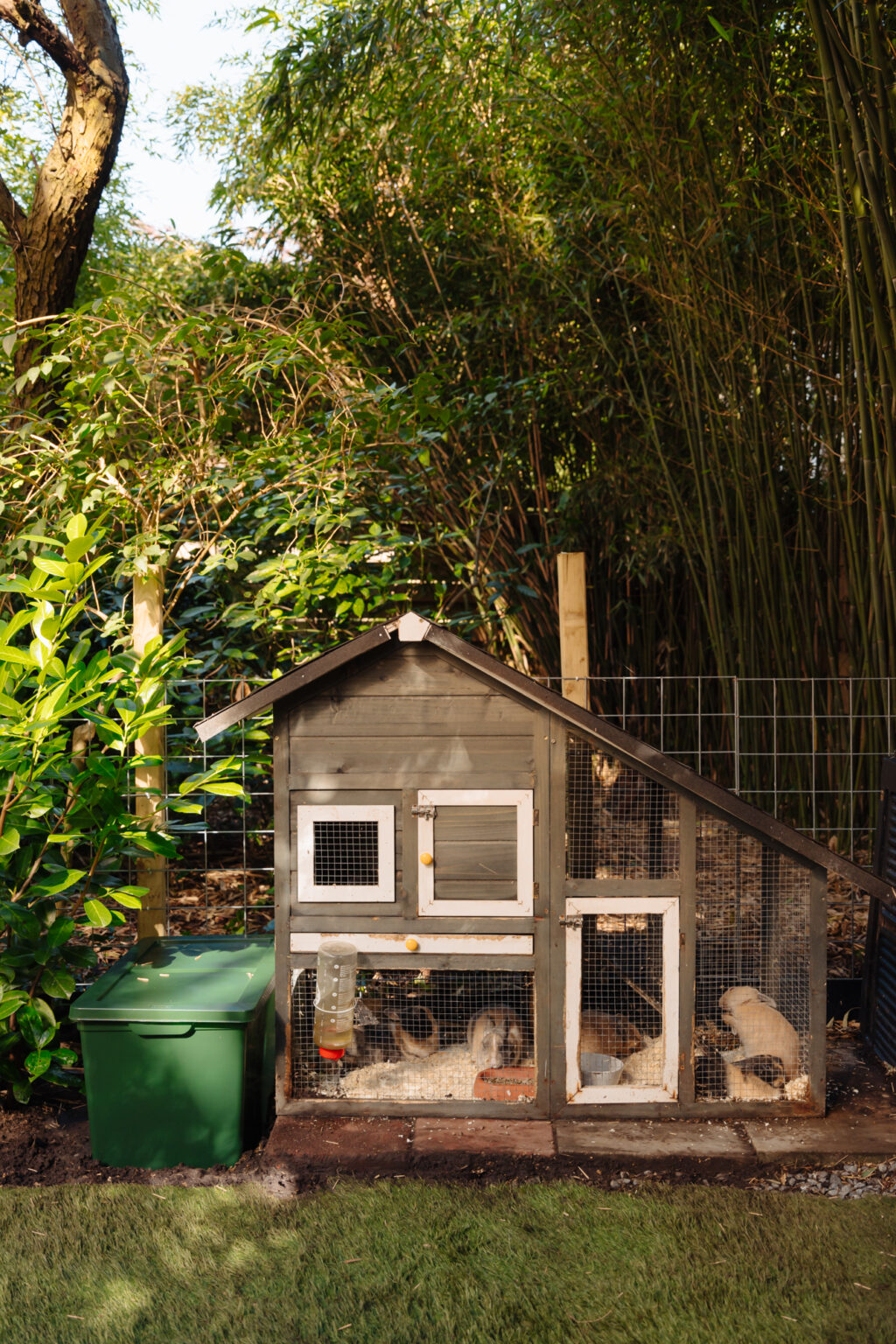
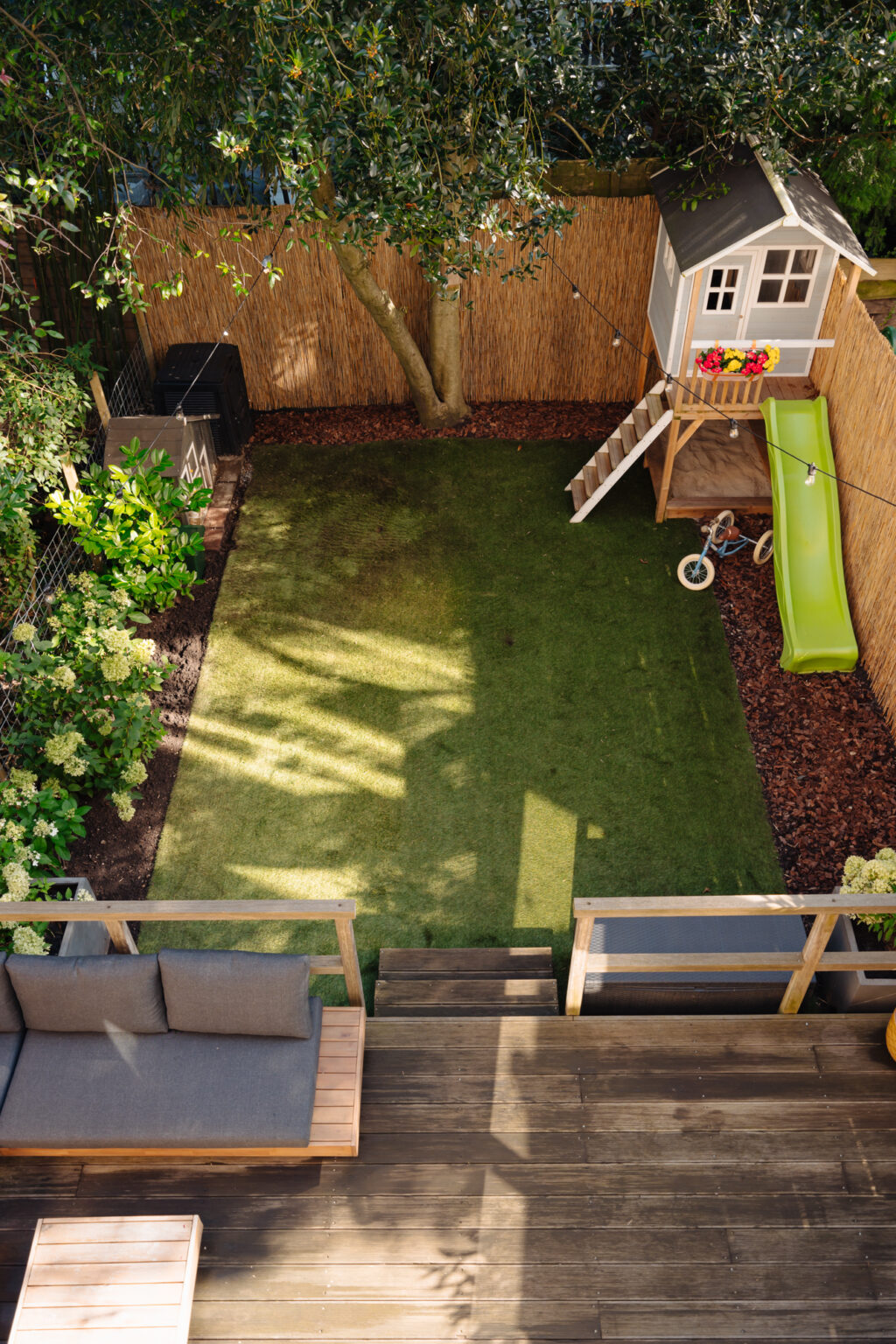
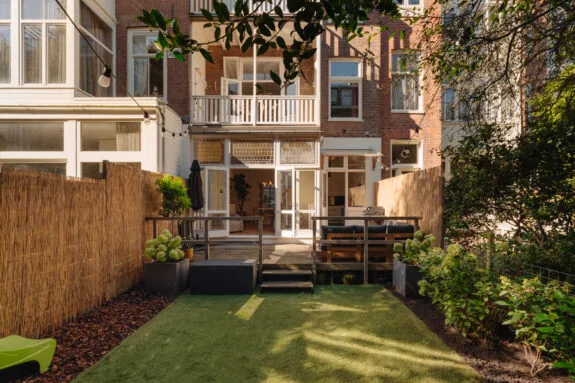
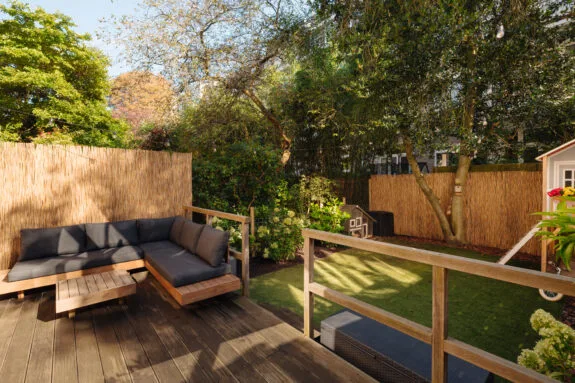
Thesunny south-facing garden is accessible via the conservatory with French doors leading to the veranda. There is also a door from the kitchen leading to this veranda. From the veranda, there is a staircase to the garden, which has artificial grass and a playhouse with a slide. There are also borders with perennials on both sides.
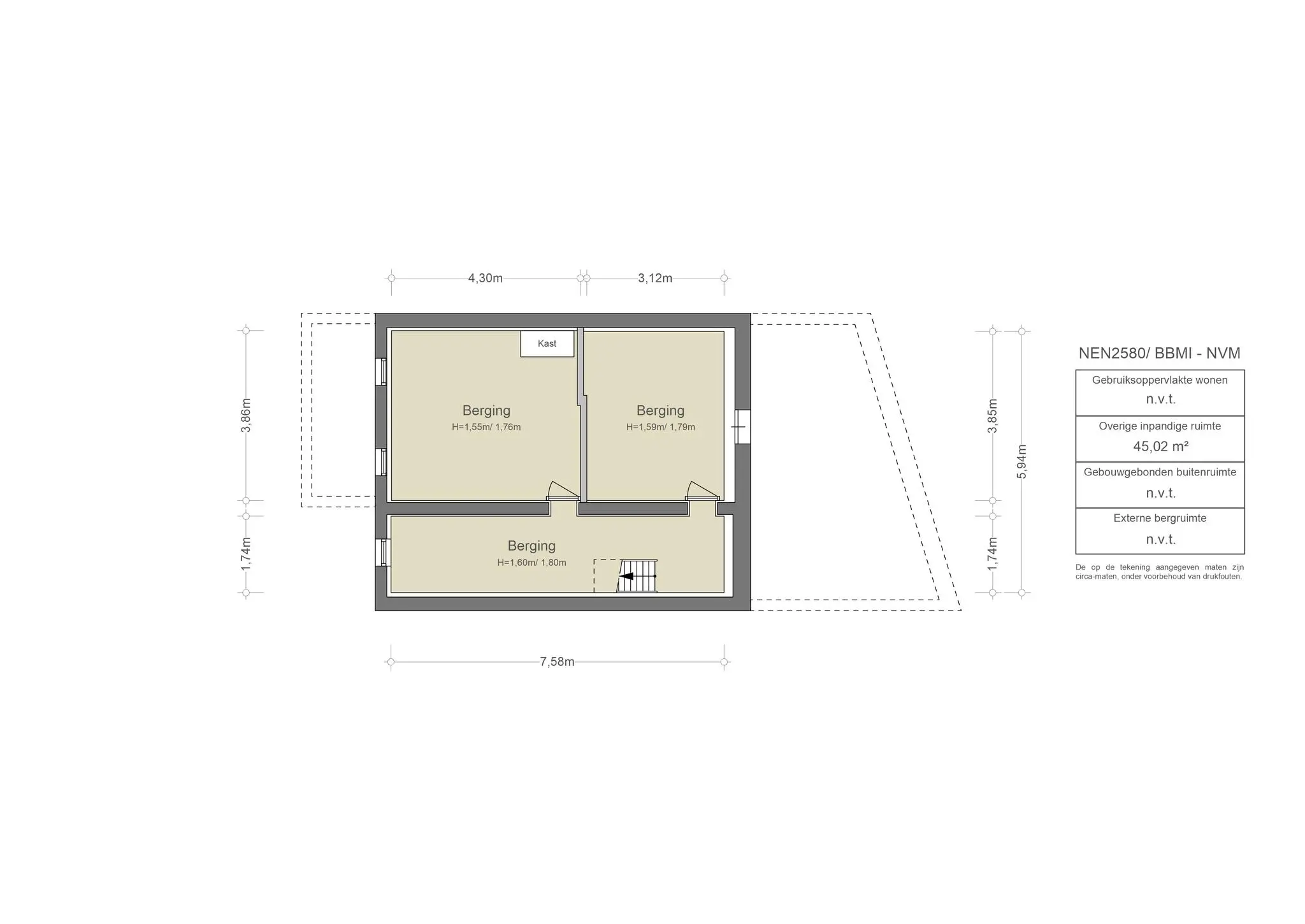
The basement
The basement has two rooms that are currently used for storage. There are three basement windows on the garden side.
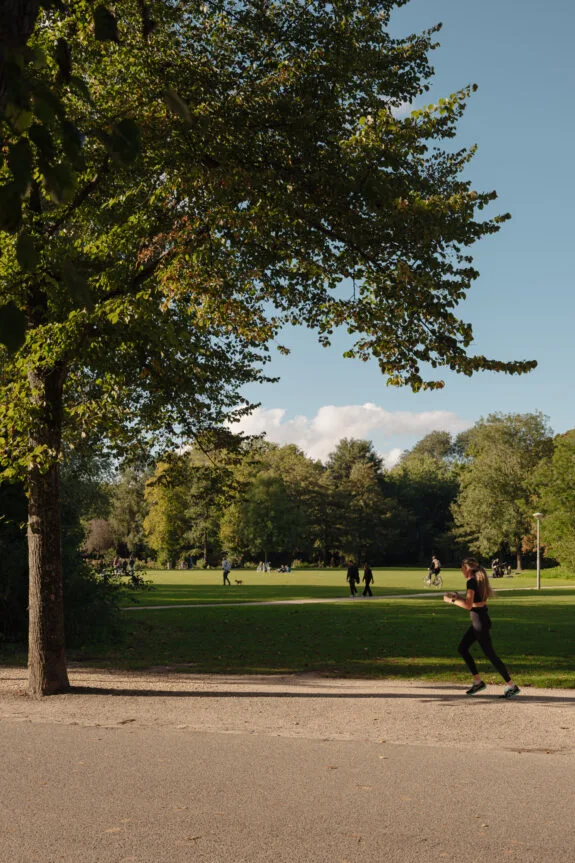
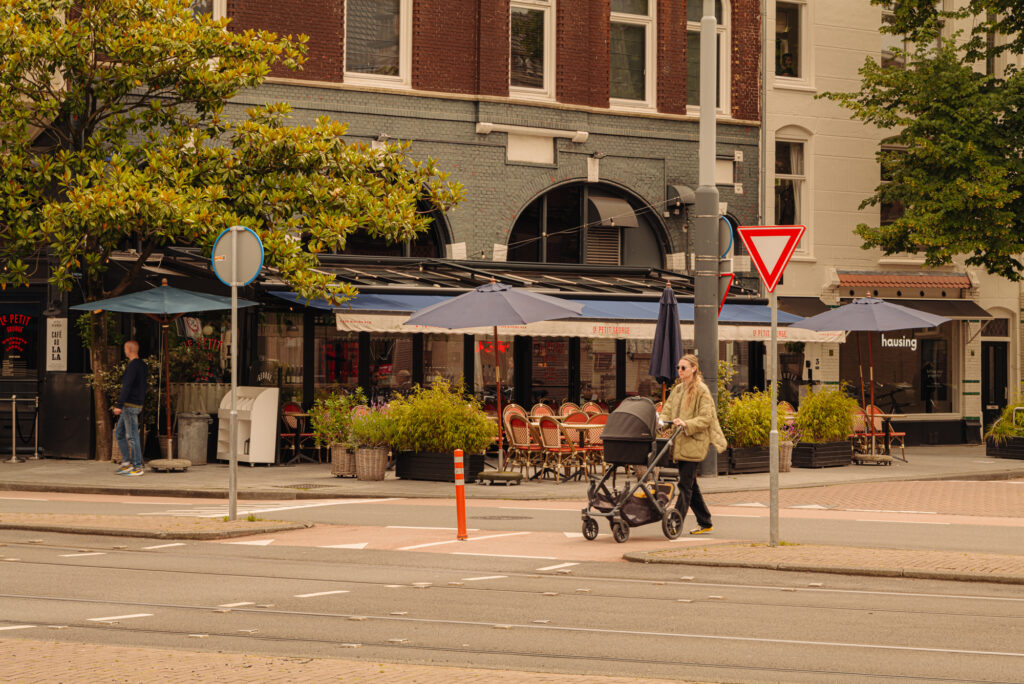
At the end of the 19th century, as Amsterdam's city center became increasingly crowded, there was a growing need for a green neighborhood close to the center. In 1881, architect Zocher designed Willemspark, now better known as Vondelpark. A few decades later, the first villas were built around the ponds. Stately buildings in classic architectural styles welcomed families to this quieter and greener part of the city. The grandeur of that era is still intact. Both the residents and the high-quality offerings of Simon Meijssen bakery, Artichoc chocolatier, Wessels greengrocer, Jules bistro, Carter bar, and French seafood restaurant VISQUE give the residential neighborhood its contemporary allure. Little George also has the most beautiful terrace in Oud-Zuid, where you can sit in the sun until the evening. An ideal place to live in Amsterdam, where relaxation and inspiration are always close by.
accessibility
The apartment is easily accessible by bicycle, car, and public transport. The A10 ring road can be reached within 5 minutes by car via exit S108 (Oud-Zuid). Rooms tram and bus lines run from both Amstelveenseweg and Haarlemmermeer Rooms , such as tram 2 to Central Station and Nieuw Sloten, and buses to Rivierenbuurt and Stadion Zuid, respectively. Regional transport also departs from this stop, including a direct connection to Schiphol Airport. Station Zuid can be reached within 5 minutes by bicycle.
parking facilities
Parking is possible via a permit system on public roads (permit area Zuid 8.1). With a parking permit for Zuid 8.1, you may park in Zuid-1, Zuid-2, and Zuid-8. A parking permit for residents costs €186.29 per 6 months.
There is currently a 5-month waiting list for this permit area. A second parking permit is not possible in this area.
(Source: Local authority , October 2024).

1075 GH Amsterdam
Barolo
Bar Barolo brings the atmosphere of northern Italy to Valeriusstraat, in the heart of elegant Amsterdam-Zuid. The wine list is extensive and carefully curated, with Barolo as the obvious centerpiece. On the menu: homemade pasta, classic antipasti, and unpretentious seasonal dishes. The interior is warm and understated, as is the hospitality—everything here is done with care.
1075 GD Amsterdam
Castell Zuid
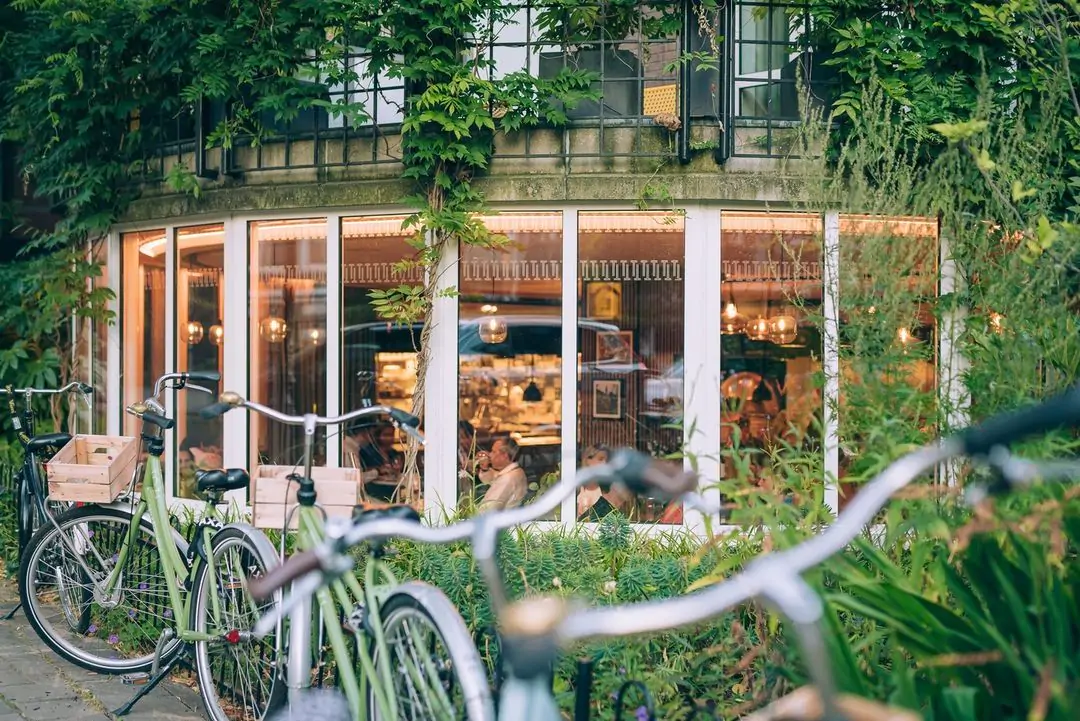
Castell Zuid is the stylish new location of the iconic Amsterdam grill restaurant Castell, located on Valeriusstraat in Oud-Zuid. Where the original in the center is known for its no-nonsense steaks and late dinners, this location brings the same flavors in a refined setting. "Same taste, same vibe, different look" is the motto – and that's right: recognizable and yet completely new.
1075 CZ Amsterdam
Tozi
TOZI means "a group of friends" in Venetian dialect, and you feel that Immediately you walk in. It's like stepping into one big family. The menu features a selection of small Venetian-inspired dishes to share, known as cicchetti. There is also an Italian wine list and a cocktail bar serving Italian gins and negronis.
1071 MG Amsterdam
Carter
Carter is a modern brasserie in Amsterdam-Zuid where international classics are served with flair and finesse. Located on Valeriusstraat, this place feels like an elegant neighborhood café – informal, refined, and always welcoming. The menu features timeless dishes such as steak tartare, burrata, and lobster pasta, accompanied by a solid wine selection.
1071 HX Amsterdam
Visque Restaurant
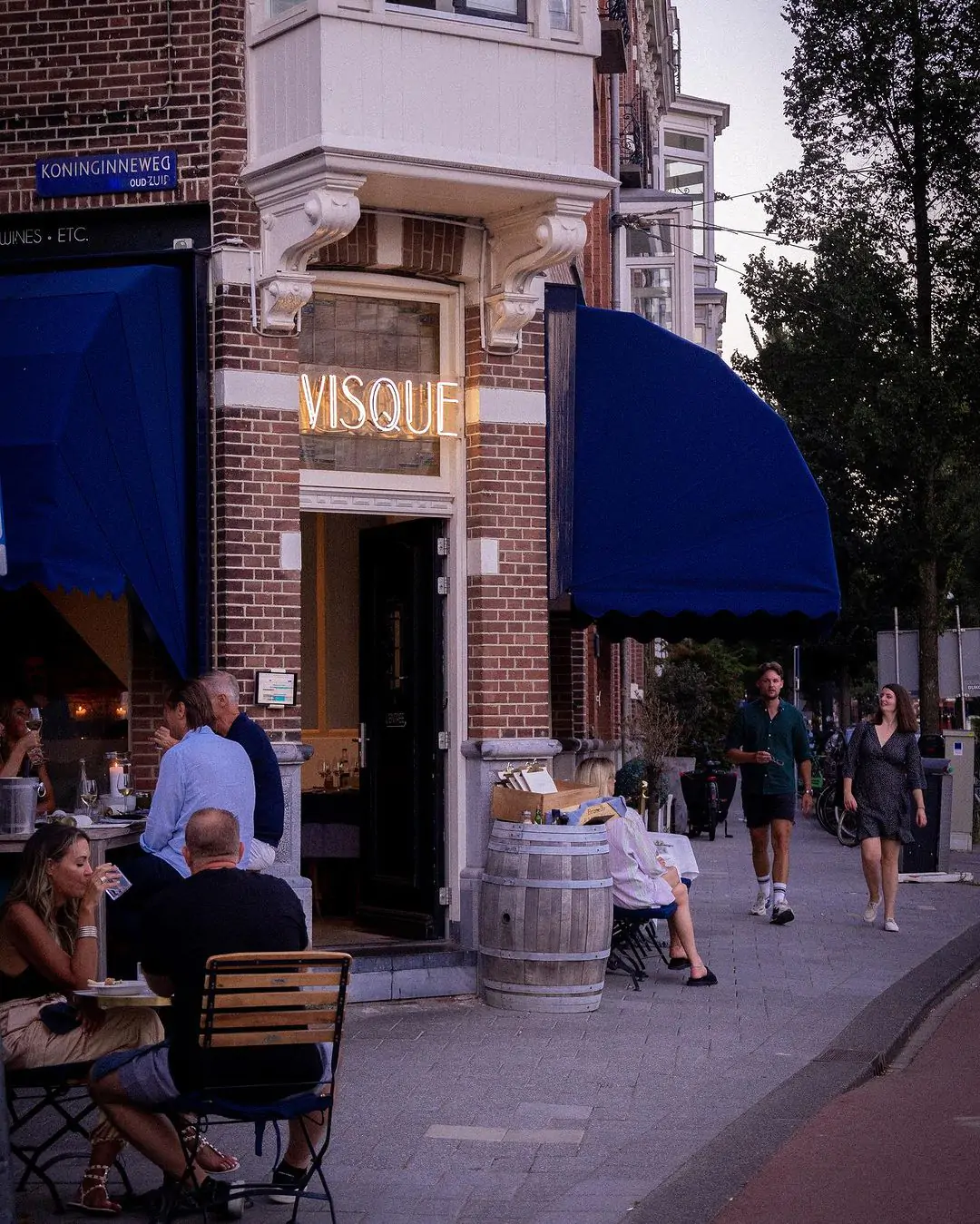
Restaurant Visque is located on the beautiful corner of Amsterdam South, where fish plays the leading role. Our menu is flexible and depends on the daily choice for the freshest and most flavorful products. Chef Menno gives his own twist to simple French dishes, such as scallops, Dutch shrimp, slip sole and our famous Tuna Wellington.
1071 GZ Amsterdam
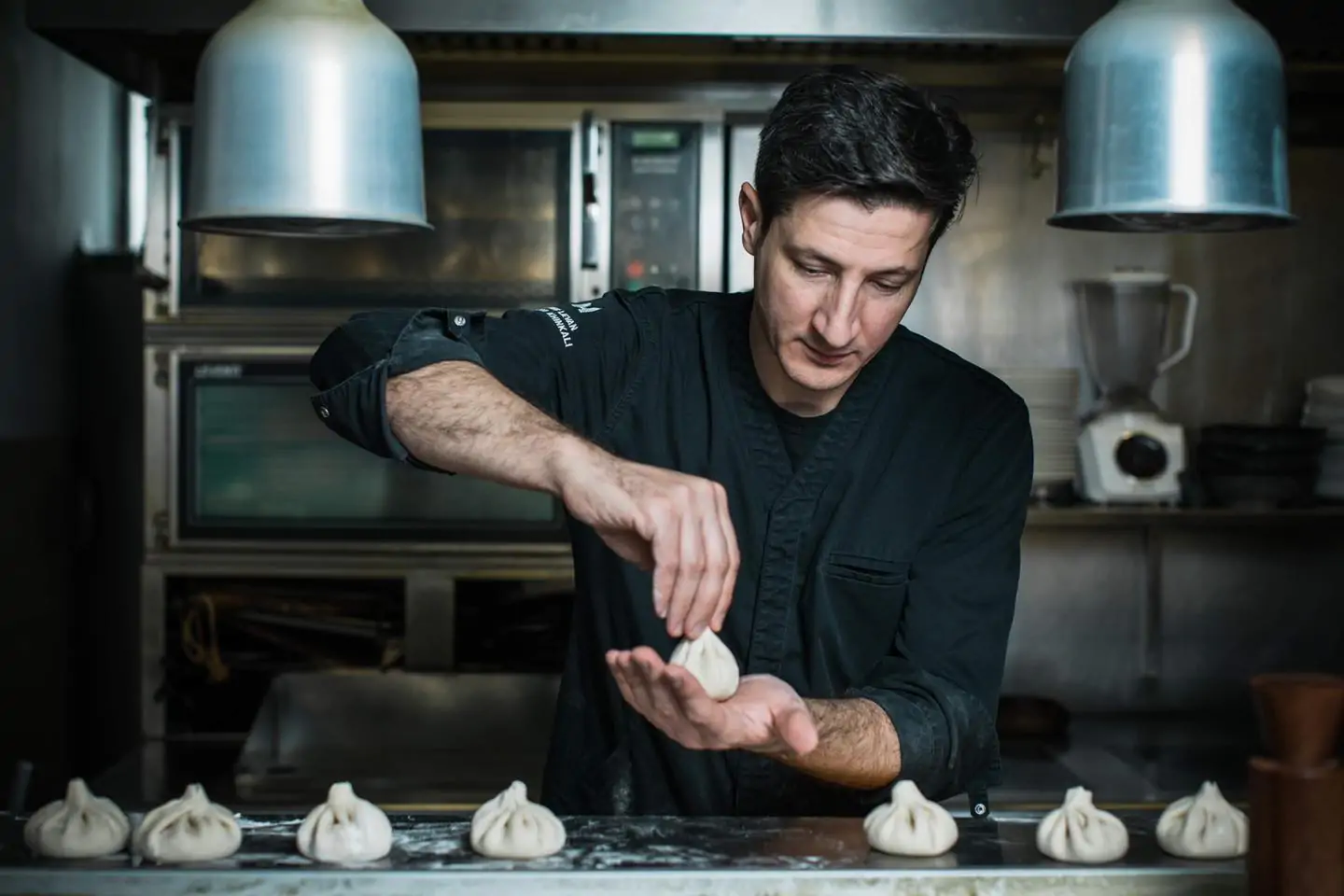
Batoni Khinkali
In the Netherlands, Georgian cuisine is unfortunately underrepresented, despite its rich and fascinating culinary heritage. Fortunately, Batoni Khinkali offers an introduction to this flavorful cuisine. This restaurant, founded by Georgian clarinetist Levan Tskhadadze, combines his love of music with his passion for cooking. Here, guests can enjoy Georgian classics such as khinkali, katschapuri and lobio, as well as a vegan and meat menu, all served with the characteristic Georgian hospitality.
1071 JH Amsterdam
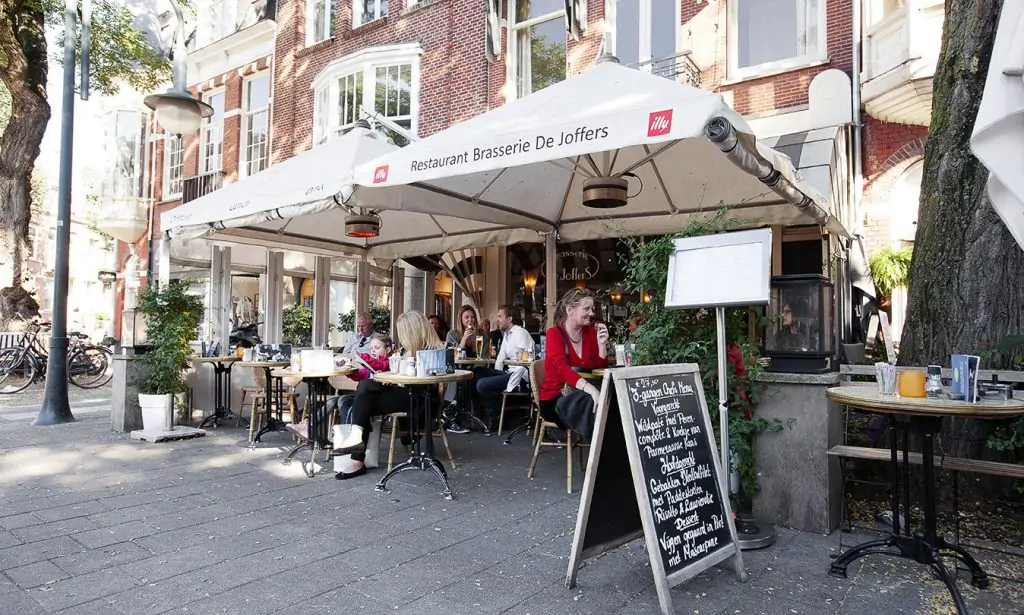
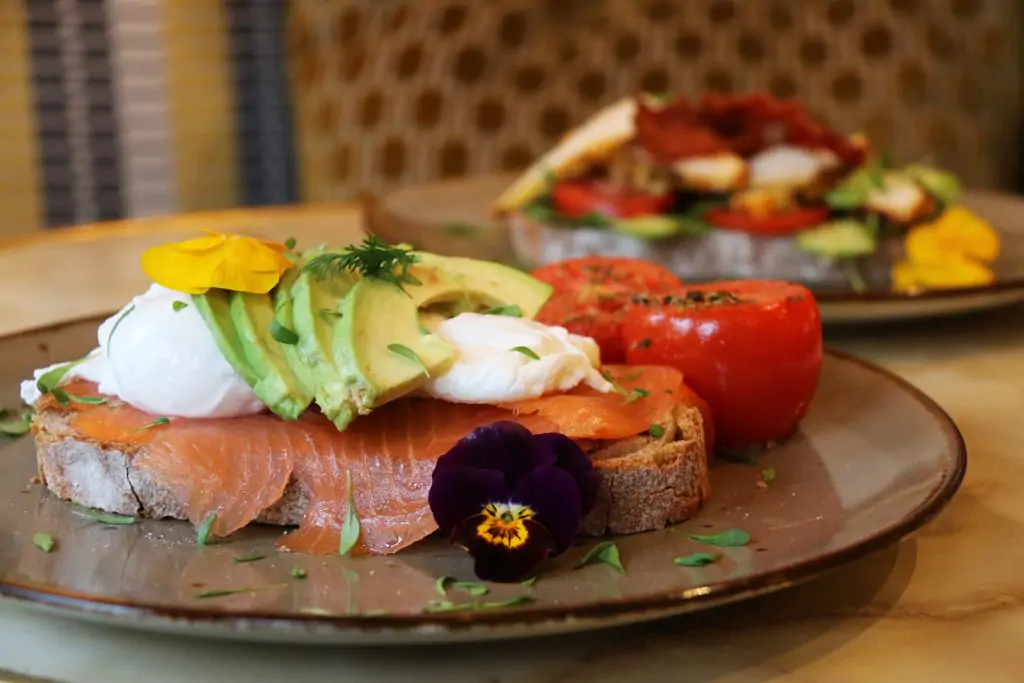
Brasserie van Dam
Brasserie van Dam is known for its simple but effective formula: a concise menu with high-quality products, reasonable prices, good coffee, a pleasant atmosphere and friendly staff.
1071 GZ Amsterdam
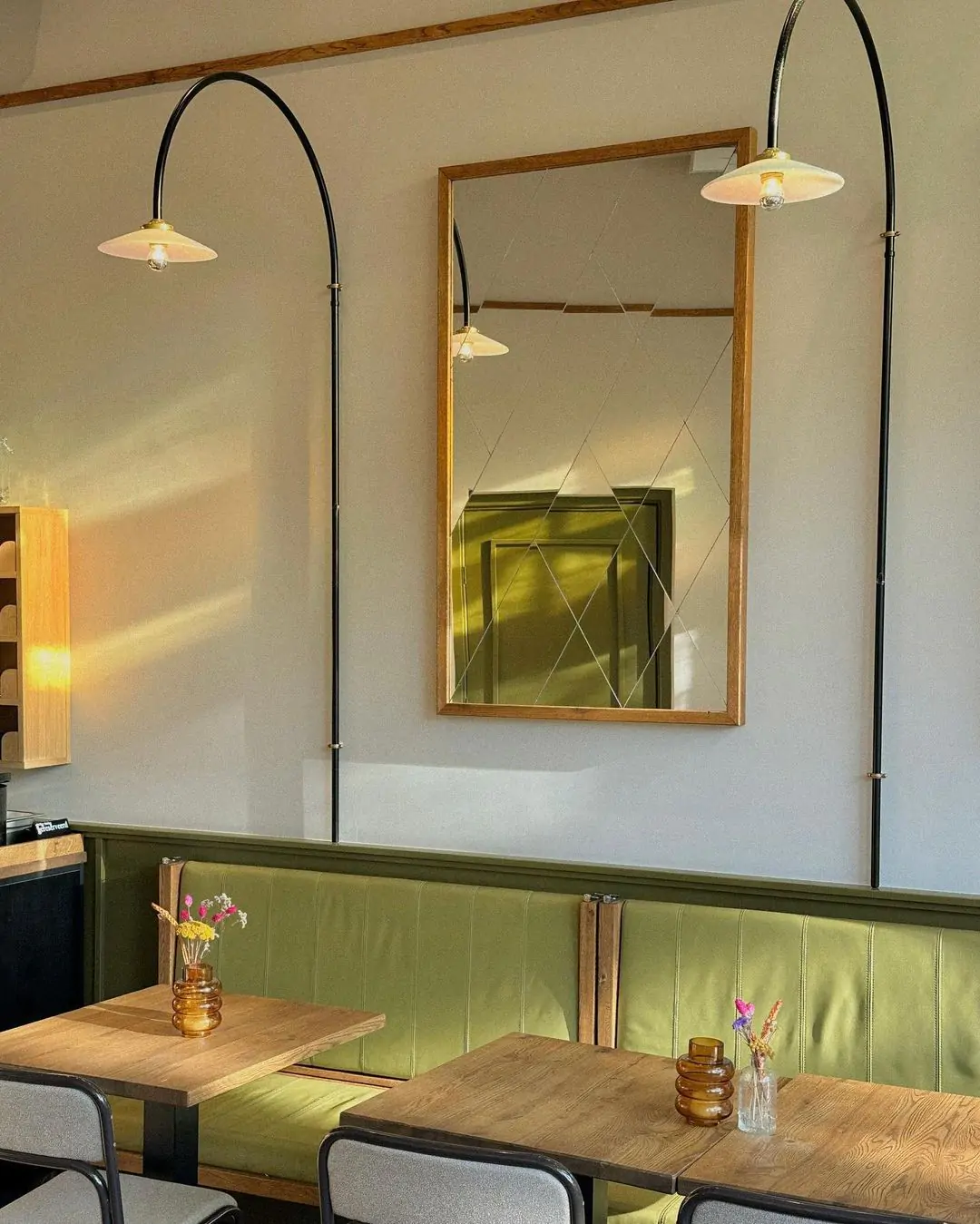
Brasserie de Joffers
With a large terrace in the summer and winter, brasserie Joffers has been a well-known hotspot for 15 years, just a stone's throw from the Vondelpark and the Museum Quarter. If the sun is not shining, there is plenty of space inside - a space decorated with art and mirrored walls, which creates a homely atmosphere. The meeting place for the neighborhood is ideal for breakfast, lunch and dinner or simply for a nice cup of coffee.
1075 BG Amsterdam
Juliette
In Amsterdam Zuid, you can enjoy breakfast and lunch in the sun at Juliette. The menu is based on fresh ingredients from local suppliers and is compiled daily based on what Available at the market. Think of dishes such as the Porco Rosso: mortadella, stracciatella cheese, Spanish guindilla peppers, and red pesto. For dinner or drinks, visit neighboring Bar Jules. The focus is on Southern European dishes such as pizzettas, pata negra, and roasted octopus.
1077 BG Amsterdam
Roberto's Restaurant Amsterdam
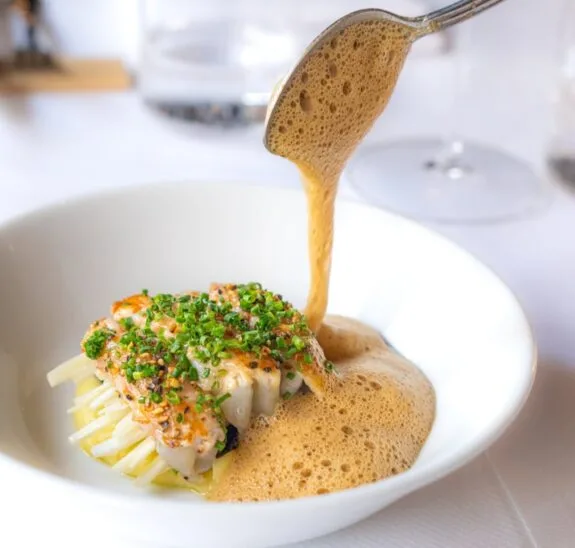
Roberto's should not be missing from the top ten Italian restaurants in Amsterdam. The restaurant is located in the Hilton hotel, where the iconic Italian cuisine has been filling the plates for 25 years. The restaurant revolves around pure and simple flavors with dishes such as thinly sliced eggplant, green farfalle pasta with lobster sauce and Lava cake.
1071 NH Amsterdam
Franzen
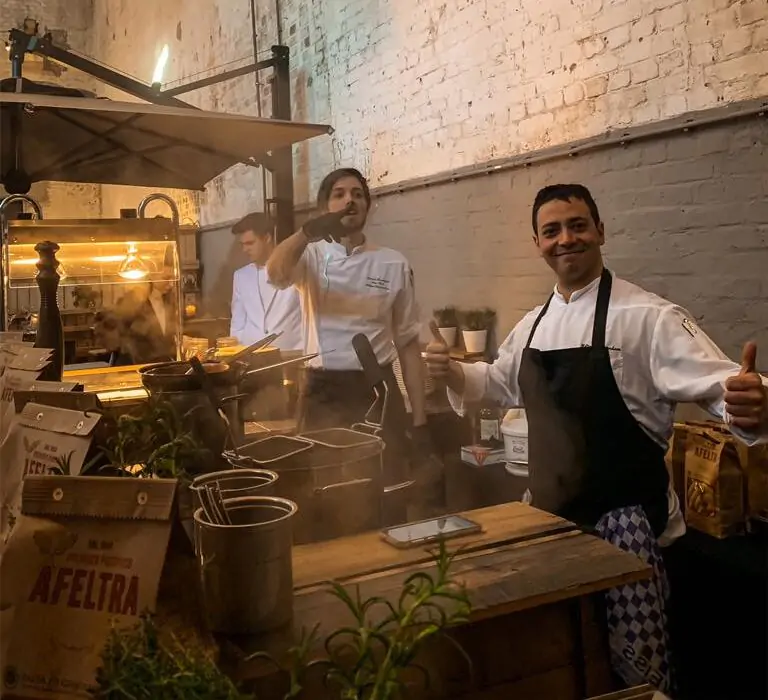
Chef and owner Jesse Franzen grew up in a catering family in Haarlem. His father worked in the kitchen, his mother worked in the service. His own professional journey began in the kitchen of the two-star restaurant Chapeau, after which he gained experience at places including Aan de Poel, Ron Gastrobar, and Lars Amsterdam. With Franzen, Jesse creates a place that feels like a modern living room for the city. Accessible and warm, but always with a high standard. The menu is classic and recognizable, with a surprising twist here and there.
1071 NE Amsterdam
Pizzeria Le 4 Stagioni
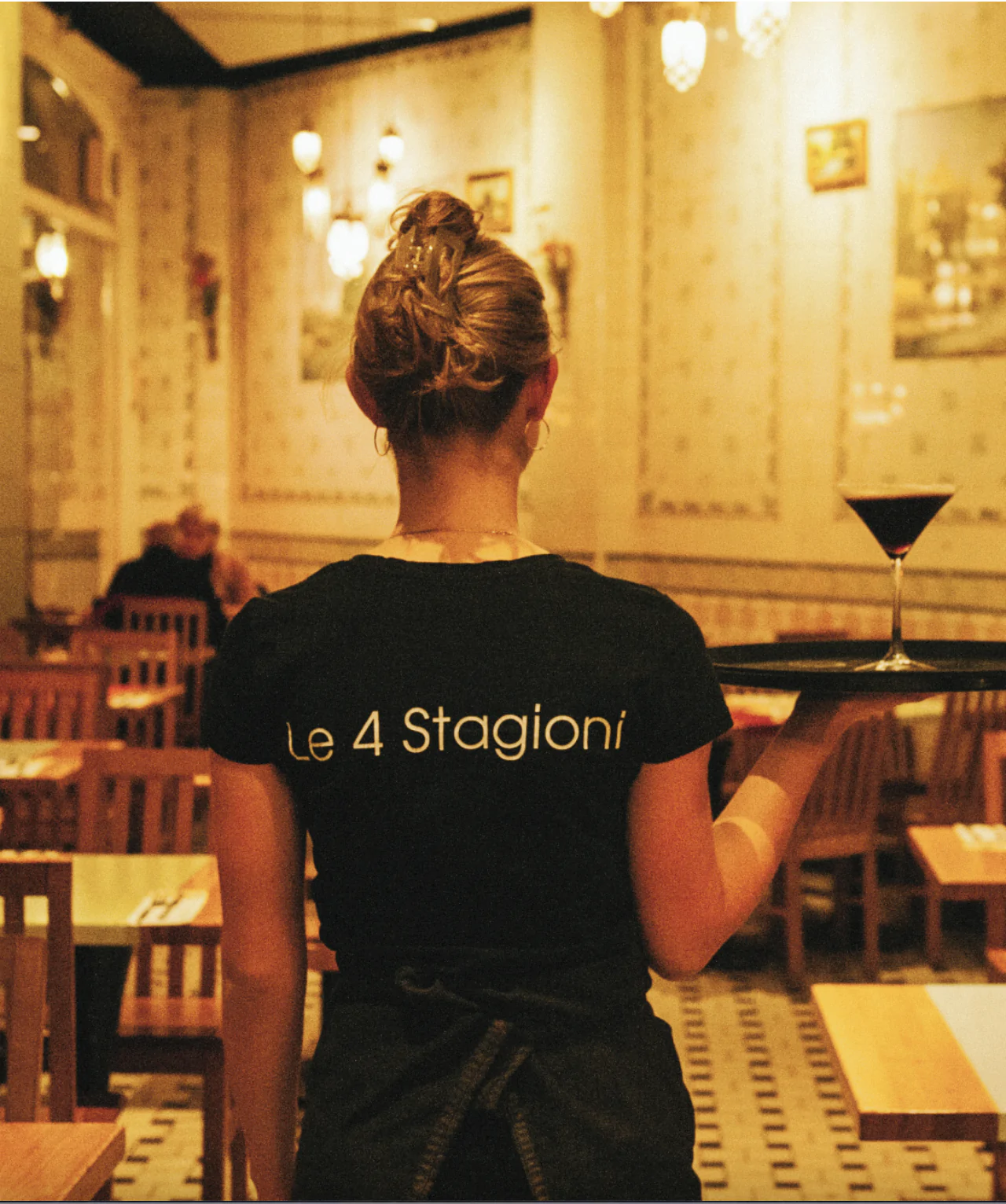
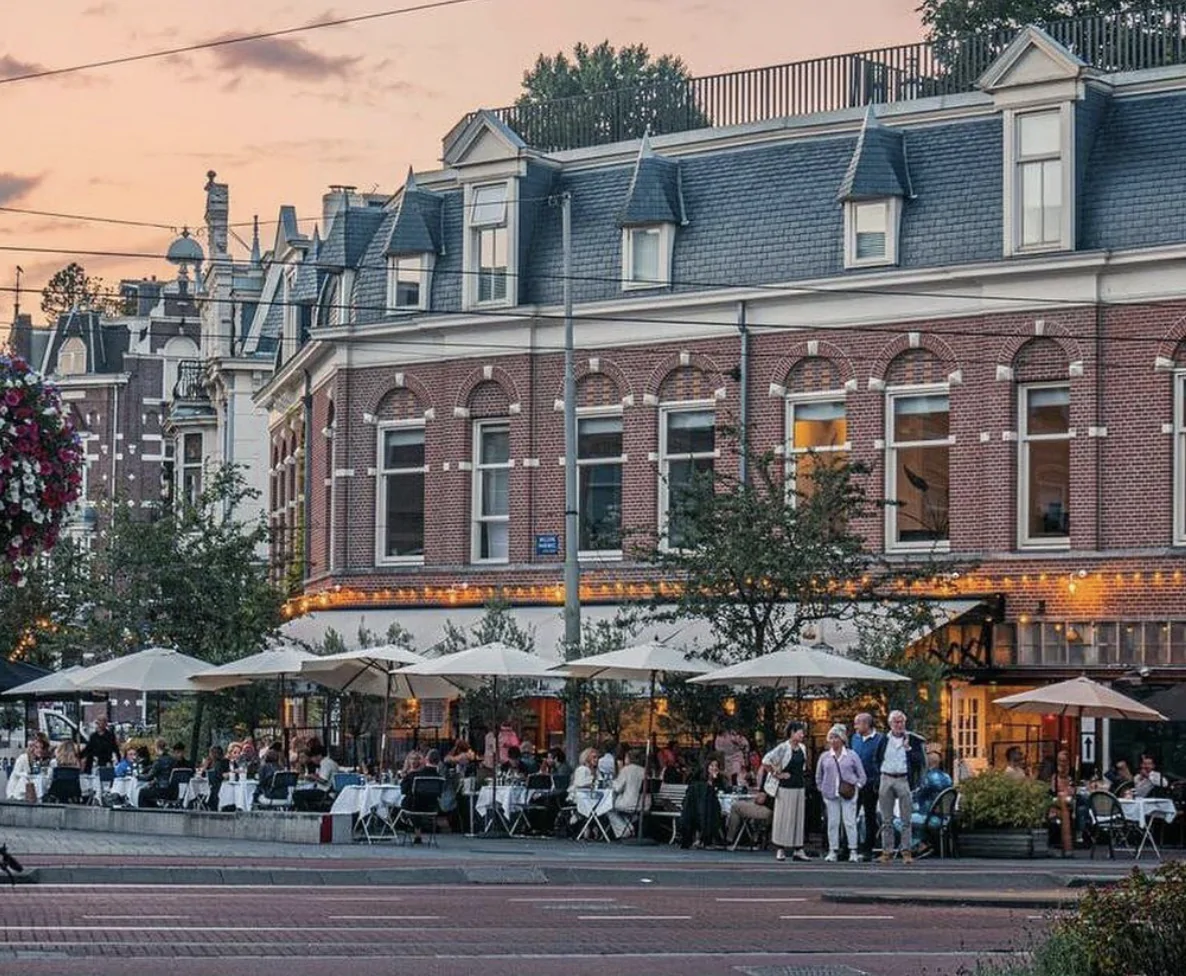
Visitors to the Concertgebouw are no strangers to Roman-style pizzas with thin crusts. Since 1978, the pizzeria in Oud-Zuid has been providing many groups and (large) families with authentic Italian food. The interior has a Mediterranean touch and the menu offers something for everyone, from fresh pasta and tender meat to indispensable antipasti and vegetarian alternatives.
1071 HK Amsterdam
George W.P.A
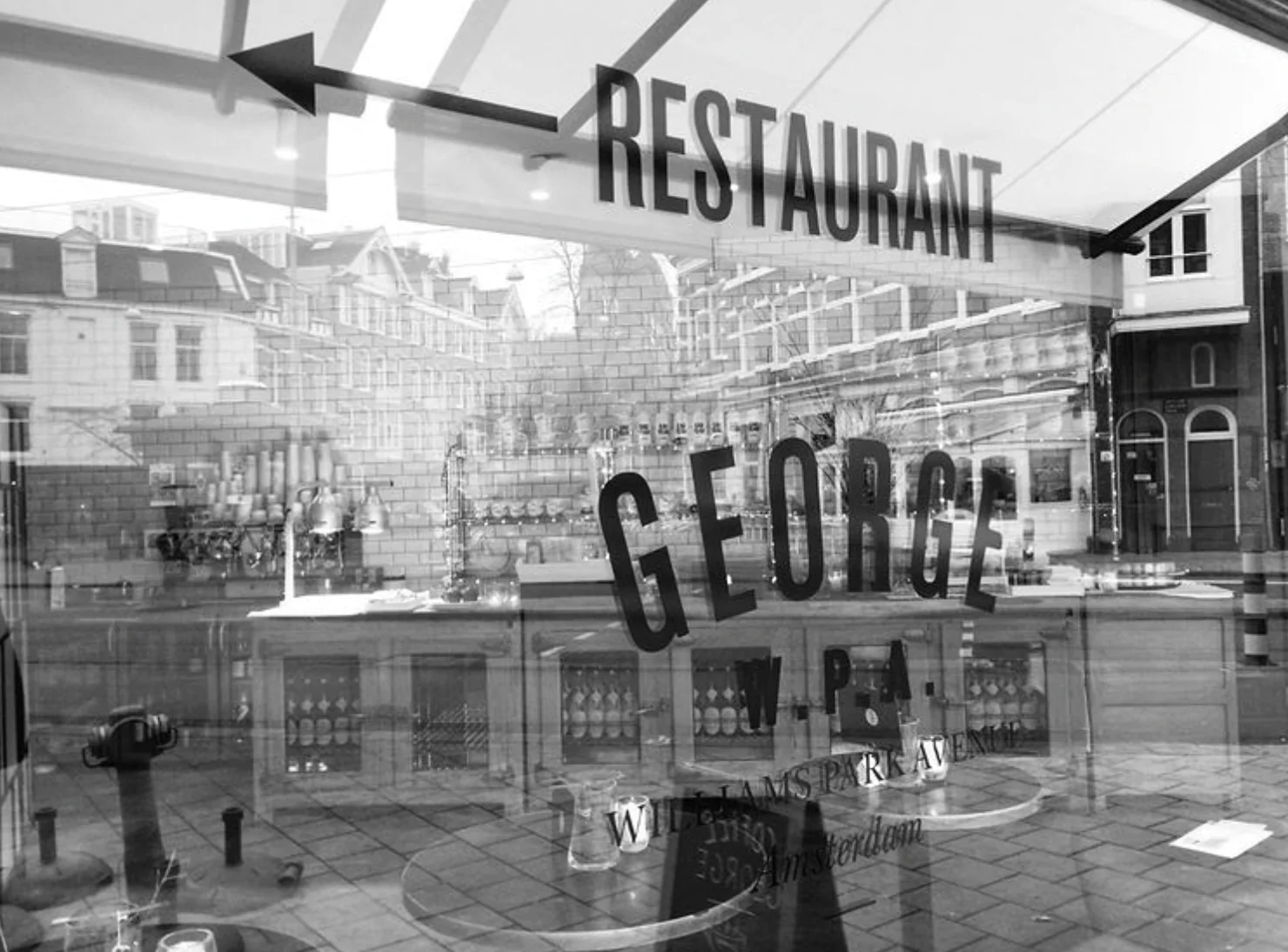
George W.P.A is the ideal place to settle down for a good glass of wine and delicious food with a chic touch. The brasserie in Zuid describes itself as a combination of classic French cuisine, packaged in New York style, and is known for signature dishes such as grilled lobster and Blackened Tuna. Step inside (by reservation) in Amsterdam's "Upper South" and see for yourself!
1075 PD Amsterdam
LOT61 Coffee Roasters
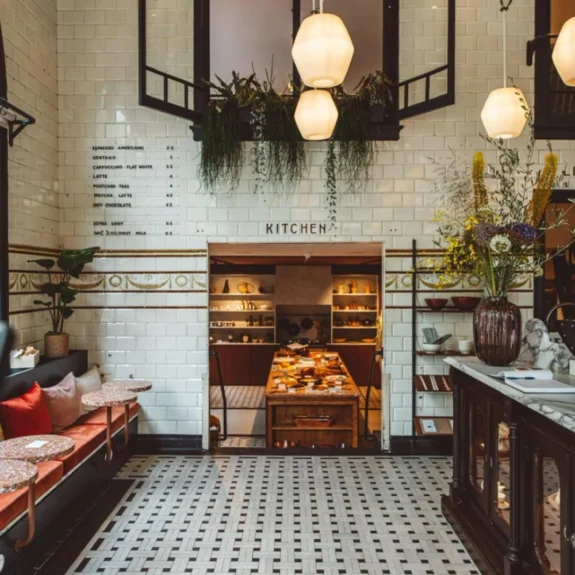
Born in Sydney, raised in Brooklyn, and now firmly rooted in Amsterdam: LOT61 is anything but an average coffee shop. As an independent coffee roaster, the brand combines international flair with local craftsmanship. Slow coffee brewed with precision and care. The aesthetics are raw yet refined, the atmosphere informal and creative – a place where neighborhood and barista come together. With their B Corp certification, LOT61 also demonstrates that taste and Sustainability can go hand in hand.
1071 KK Amsterdam
Edible Treasures
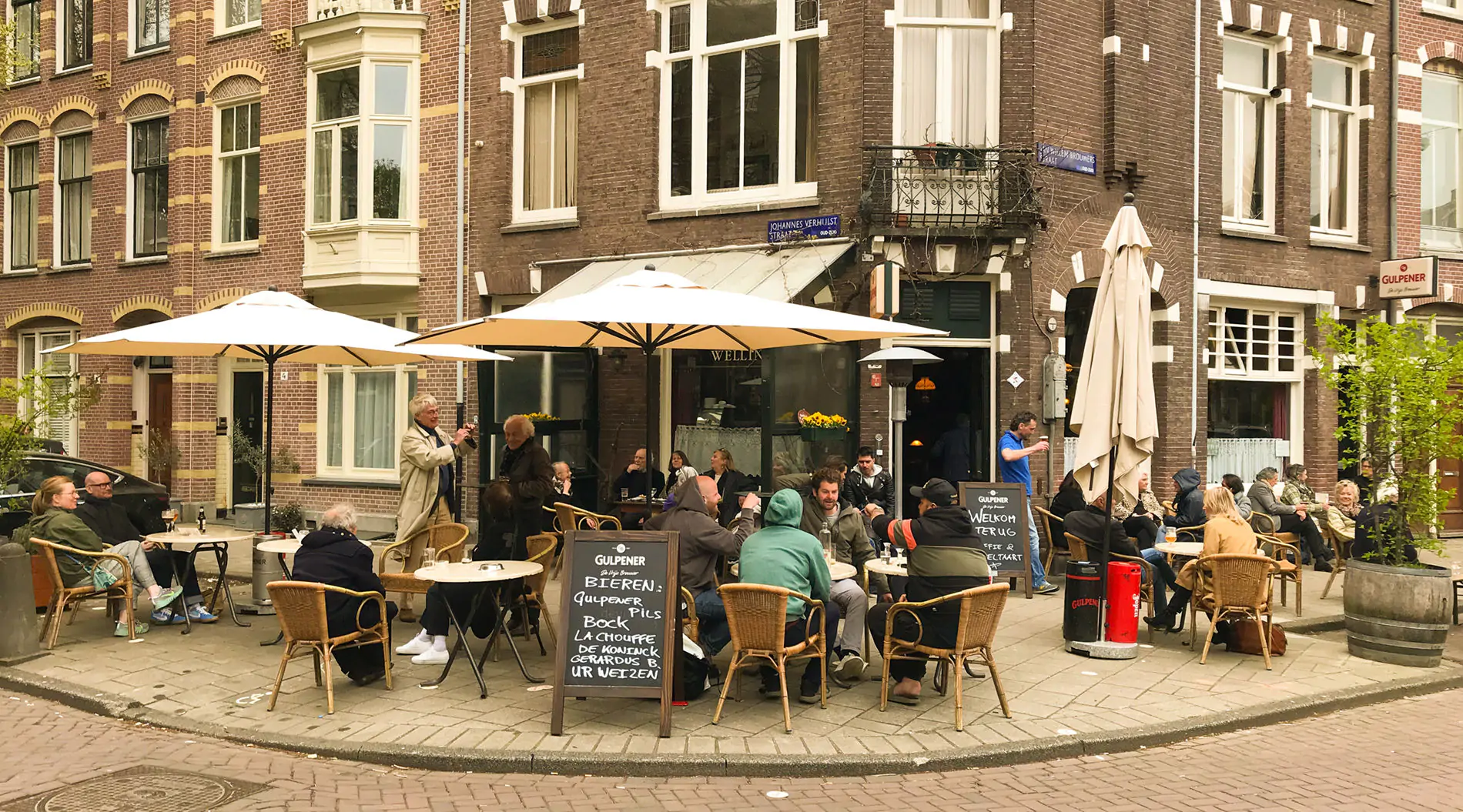
The concept store Edibe Treasures is located in a former butcher shop in Amsterdam Zuid. In addition to the 'edibles and drinkables' in the coffee shop, you will find a beautiful selection of everything for the table, such as silverware, ceramics, table linen, but also cookbooks and accessories. Pop-ups and workshops are also regularly organized.
1071 LK Amsterdam
Café Welling
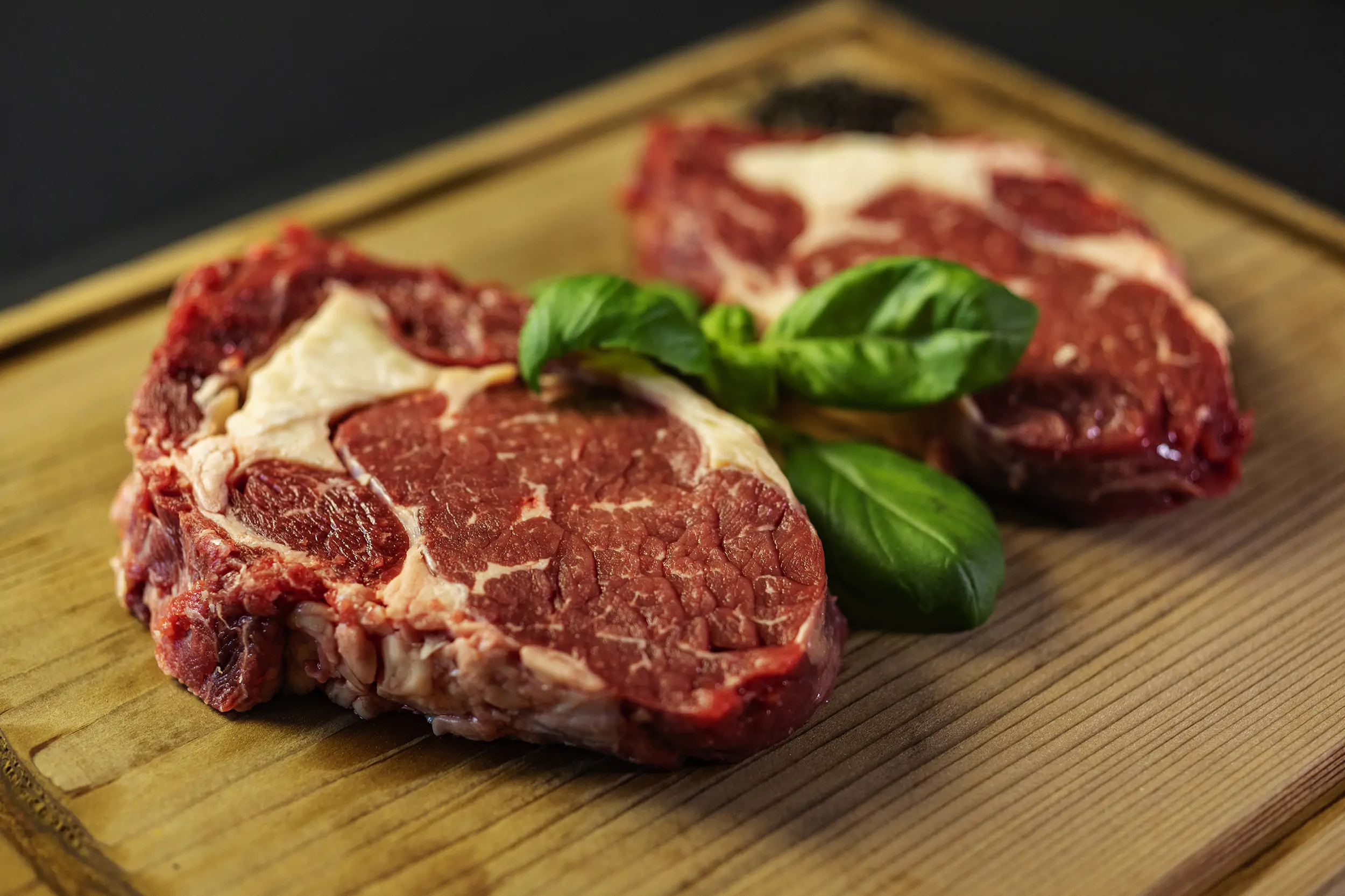
Café Welling is a cozy neighborhood café on J.W. Brouwersstraat; near the Museumplein. Here you can enjoy a nice beer at the bar or on the terrace when the sun is shining. This neighborhood café has a long history. The café has been around for more than 70 years but has only been called Café Welling since 1963. This history may explain the familiar atmosphere that always seems to be present in this café. Interesting for music lovers: Café Welling regularly organizes Jazz evenings.
1066 VH Amsterdam
De Schuyt Butcher Shop
Butcher shop De Schuyt, named after its location on Cornelis Schuytstraat, has the parakeet as its symbol. Just like the parakeet, this distinctive butcher shop has its origins in the 1970s, and both have carved out a place for themselves in Amsterdam. Inspired by the parakeet, owner Evert Blauwendraat started his butcher shop with the idea of giving it a distinctive, personal, and special emblem that everyone could recognize. This family business with a rich history is the place to go for meat and delicacies.
1071 NL Amsterdam
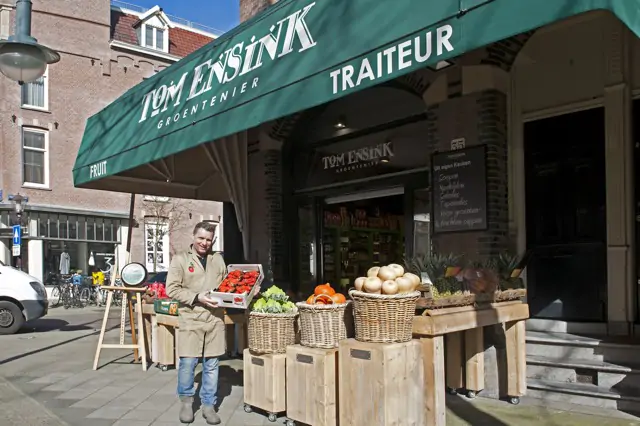
Greengrocer Tom Ensink
Greengrocer Tom Ensink ensures that customers can choose from an exclusive range of honest products. In addition to vegetables, cheeses, fruits, nuts, oils, wines and meals are Sold - carefully selected for the true gourmets in the South. Specific wishes can be fulfilled when ordering products, but also for the fresh meals.
1071 ZJ Amsterdam
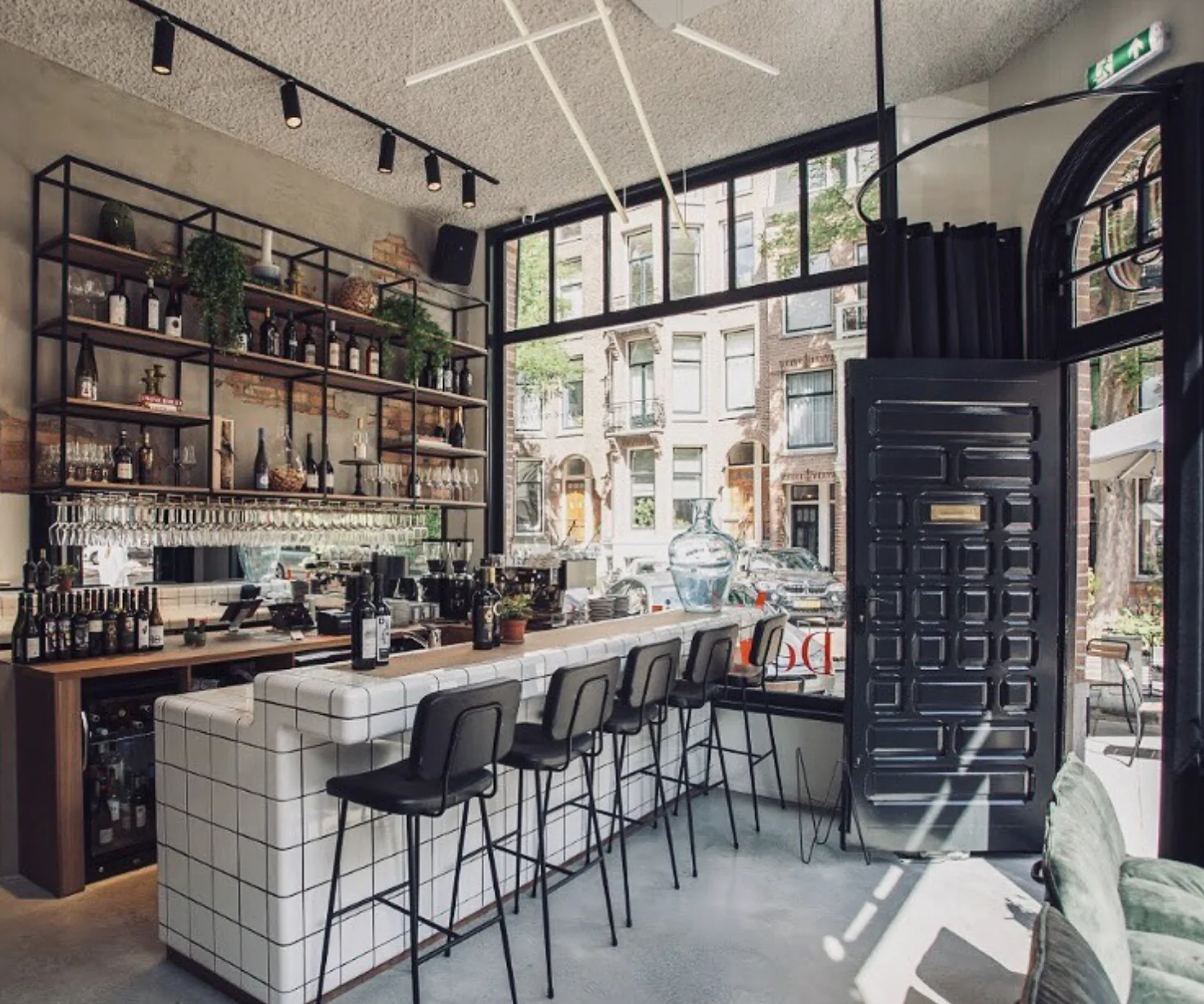
De Wijnkaart
De Wijnkaart is located in the Museum Quarter in Amsterdam-Zuid. All kinds of wines from the forgotten Eastern European wine countries are served here. Although the history of wine making started here, these countries are often forgotten in the wine world. If you have become curious about all kinds of wines, you can do a wine tasting in the wine bar, where you can choose which ones you want to taste. In addition to the appetizer platters that change weekly, there are also main courses on the menu.
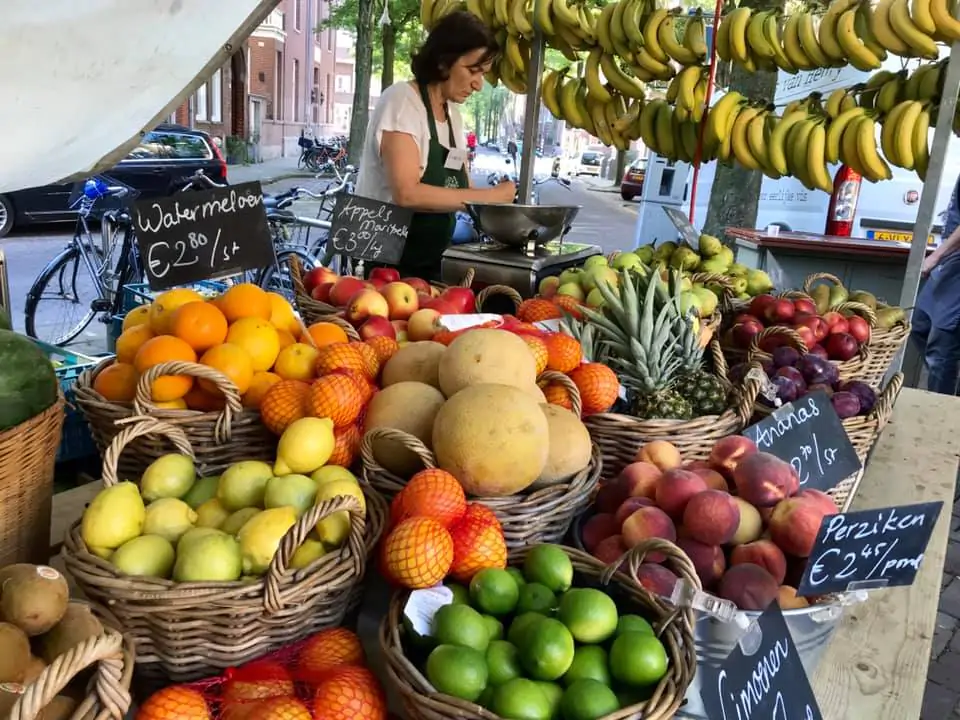
Southern Market
The zuiderMRKT is a small, cozy, weekly neighborhood market. Unique due to its cooperative character. The cooperative consists of members - enthusiastic local residents - who warmly support the market and help out at the market and in the vegetable stall. The members jointly determine the range of all stalls. They buy vegetables and fruit directly from the farmer, to sell them for fair prices on the zuiderMRKT square.
1054 JW Amsterdam
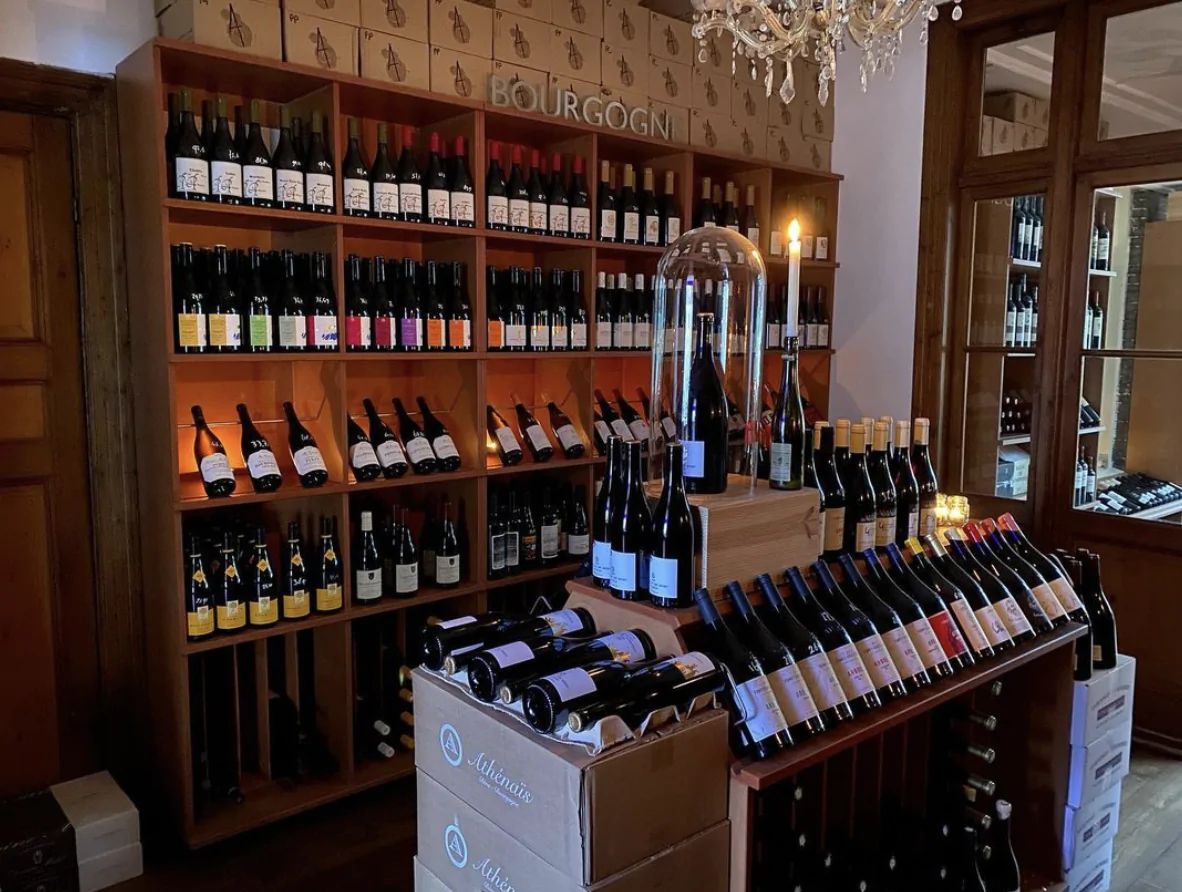
Chabrol
Chabrol has been a well-established wine store in Amsterdam and the surrounding area for more than thirty years. Chabrol has grown from a small neighborhood wine store into an importer of unique, organic wines. The wines are selected with a passion for wine and the story behind the wine. You can read about this in the newsletter, for example, where they write a story about each wine so that the real wine lover can find out everything. At Chabrol you can find a very wide variety of wines, both for a weekday wine and a wine for special moments.
1071 JC Amsterdam
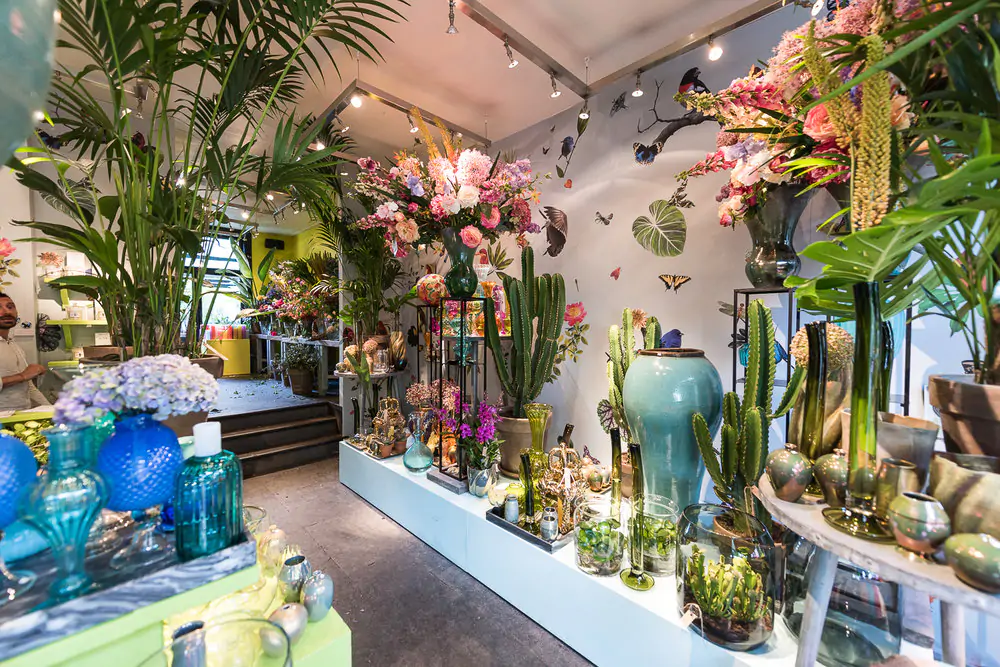
Menno Kroon
Menno Kroon's exuberant and atmospheric display window showcases such enchanting and special flowers that you simply have to take a look inside. Budding love, delight, the inevitable farewell. Each bouquet from Menno Kroon gives meaning to a special moment. Nothing is too crazy for them at Menno Kroon, and you can go there for the most special and diverse bouquets.
1075 NC Amsterdam
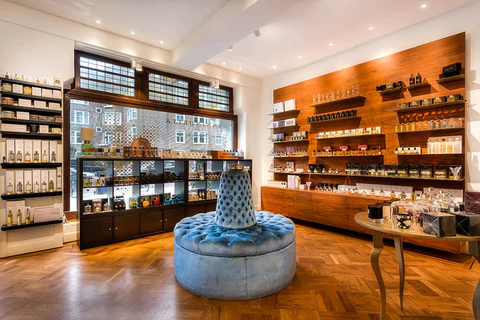
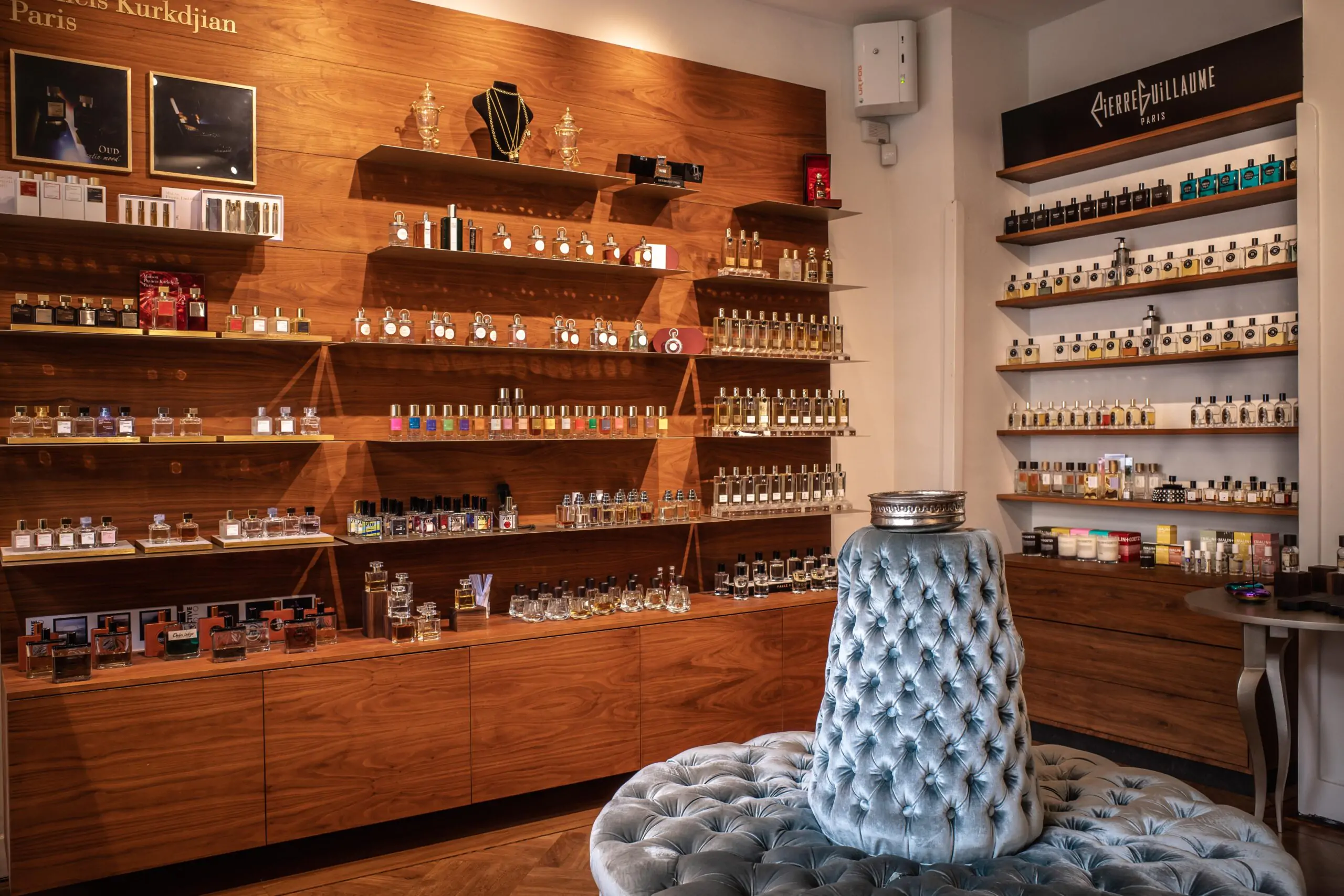
Perfume Lounge
At the 'Perfume lounge', they focus on creating and advising on fragrances for companies and organizations and what scent can add to a brand or organization. In addition, they have a store with an assortment of the most special perfumes in the world, where they also give personal fragrance advice. Advice for on the skin or in the house. According to the experts, scent adds something that is not visible and tangible. You can use scent in different ways in a space. It starts, of course, with the fact that it should not smell negative. There are quite a few spaces where you smell the sewer or sanitary facilities, where there has been a lot of smoking or where the extraction is not good and it smells like food. The most simple way of scent in the house is that it smells clean. Many people associate cleaning or detergent with a clean, tidy and well-kept house. In addition, you can turn on the ambiance. Just like with light and music, you can soften or strengthen the atmosphere. You can make it smell very homely or very modern. Rural or artistic. Or very minimalist or intimate.
1071 HR Amsterdam
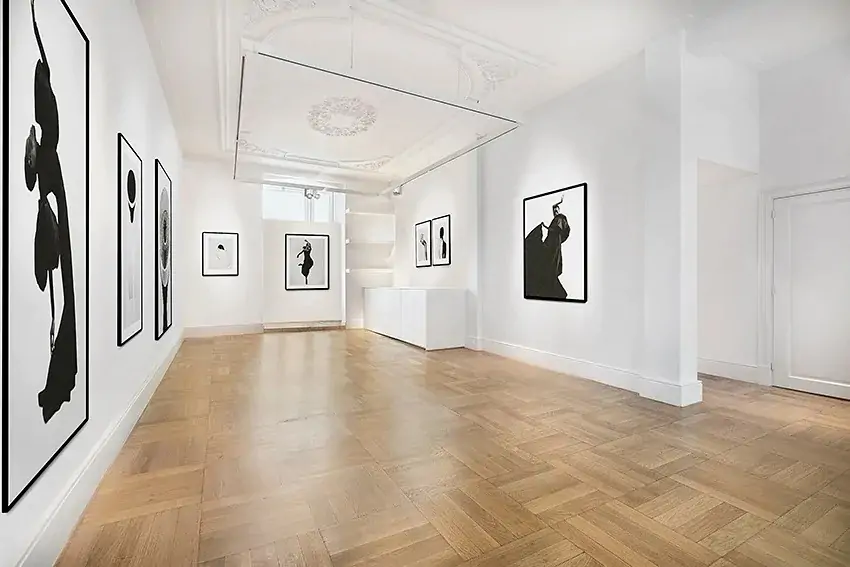
Galerie Bildhalle
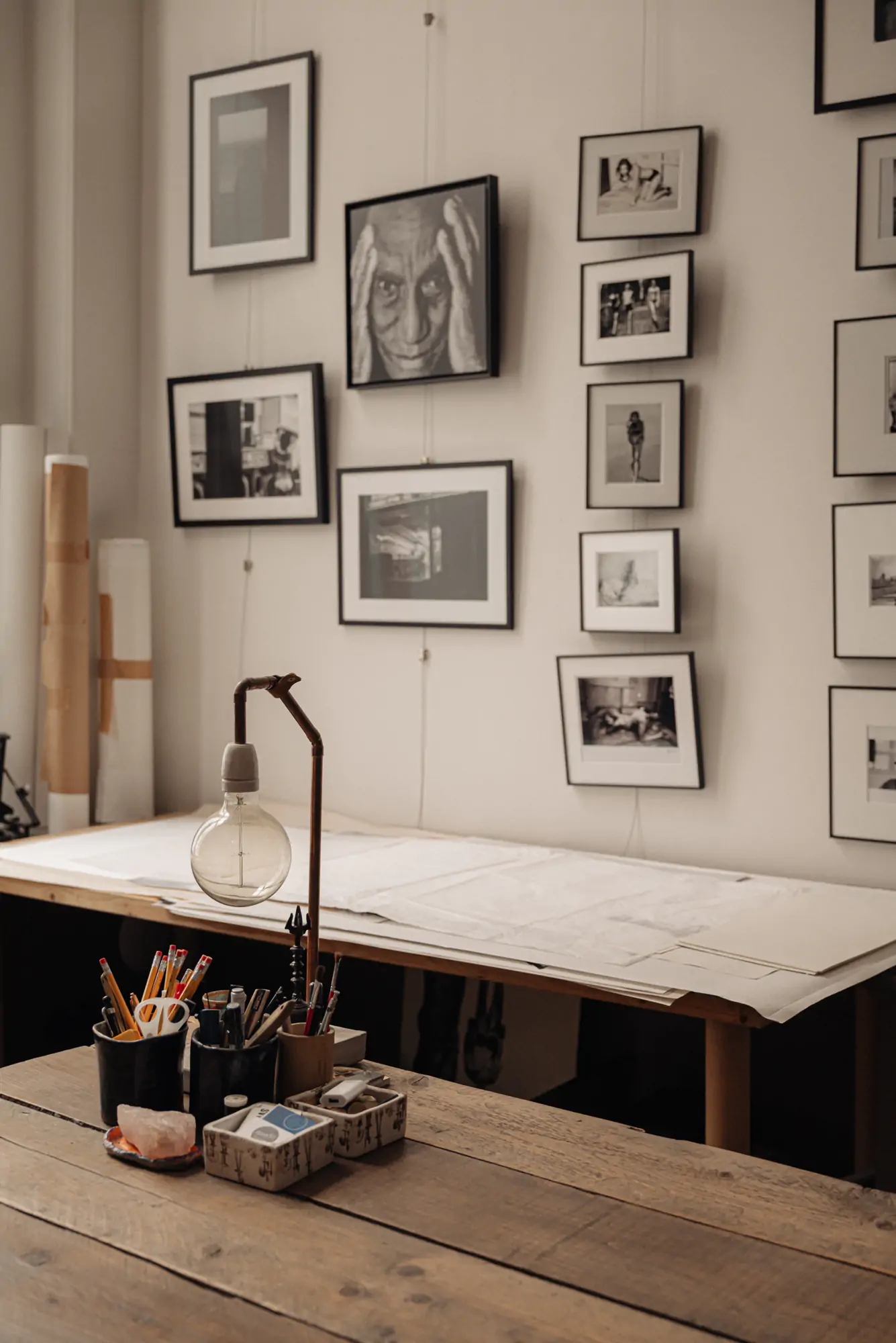
Bildhalle was originally founded as a Swiss gallery specializing in classical and contemporary photography. The gallery now has branches in Zurich and Amsterdam. Since its founding by Mirjam Cavegn in 2013, the gallery has developed into one of the most respected photo galleries in Switzerland. In October 2021, Bildhalle continued its growth with the opening of a second gallery on Willemsparkweg in Amsterdam. Here, the gallery presents a carefully selected collection of Dutch and international artists, ranging from emerging talent to established photographers.
1071 HK Amsterdam
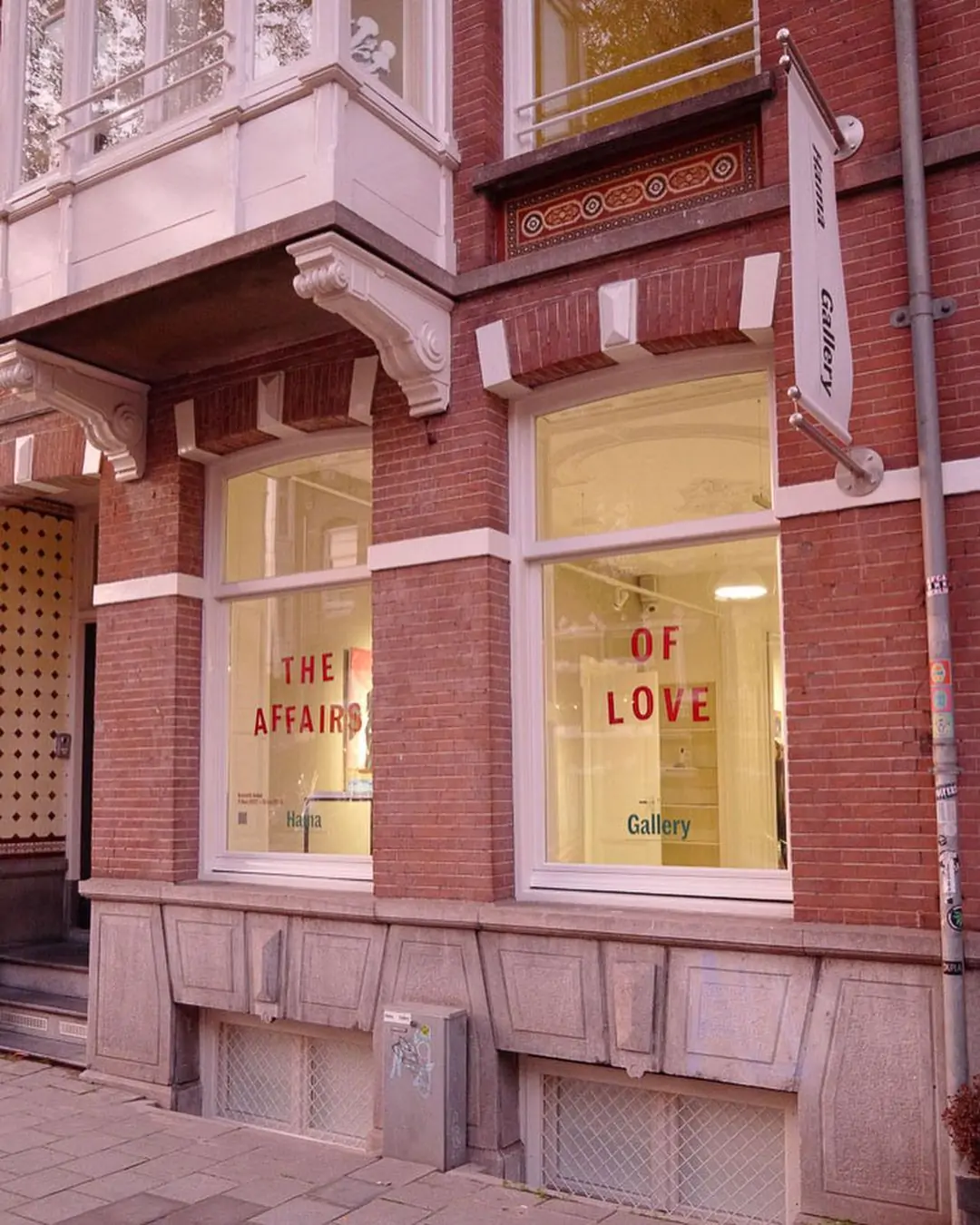
Hama Gallery
At Hama Gallery, they believe that a gallery is a boundless meeting place where art and people come together. The goal is to make art more accessible by offering a unique experience that breaks with tradition. The gallery welcomes visitors with open arms, whether you walk in for a spontaneous visit, want an intimate private viewing, or want to celebrate art together with others during our festive openings and garden events.